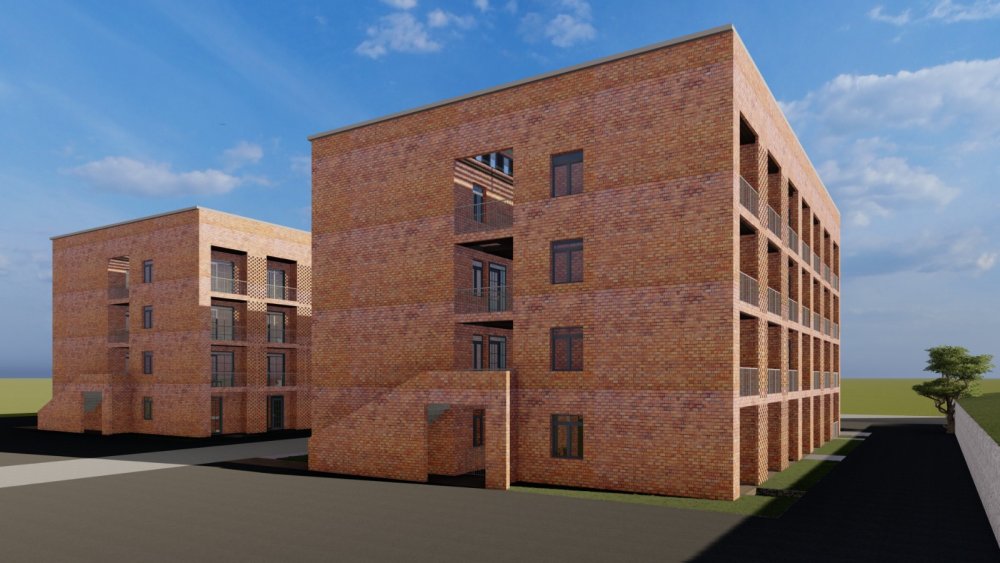
Key housing initiatives include the Heza Estate in Batsinda, Gasabo District, which will provide 548 housing units featuring two- and three-bedroom apartments as well as townhouses. This project is expected to cost 14.5 billion Rwandan francs.
Another major development is the Nyabisindu project in Gasabo, which will see 1,639 homes built on 38.54 hectares, replacing unplanned settlements with 58 residential blocks at a total cost of 42 billion francs.
The government is also constructing 296 houses for survivors of the 1994 Genocide against the Tutsi, costing 5.4 billion francs, and approximately 2,300 homes will be rebuilt to replace those completely destroyed by natural disasters, with 11 billion francs allocated for this purpose. These housing projects include a variety of types, from multi-story apartments to townhouses, combining affordability with modern living standards.
The country estimates it will need at least 5.5 million houses by 2050, when the population is projected to reach 22.1 million people.
The revised National Urbanisation Policy indicates that Rwanda has chosen a strategy focused on upgrading housing and addressing the demand for adequate accommodation, in line with the Vision 2025 development agenda.
In addition to housing, the government is investing in complementary development initiatives to improve urban management and infrastructure. Informal settlements in Mpazi, Gatenga, Nyabisindu, and Nyagatovu will be upgraded under the RUDP II program, ensuring safer and more organised neighbourhoods.
Government buildings will also be improved, with asbestos roofs replaced and some offices expanded to meet functional needs. Infrastructure projects include the installation of artificial turf at Huye Stadium and the construction of 80 modern bridges across the country, while environmental management efforts will focus on rehabilitating wetlands and managing flood-prone areas in Kigali, including Rwandex, Gisozi, Kinyinya, Rugunga, and Rwampara.
The budget also supports capacity building and urban management, with 600 partners receiving training to ensure compliance with building regulations, alongside inspections of structures across all districts.
Leave a Reply