According to the seventh Demographic and Health Survey (DHS 7) conducted in 2025, the rate of teenage pregnancies increased from 5% in 2020 to 8% in 2025, signaling a worrying trend. The study focused on girls aged 15 to 19, including those who gave birth before reaching adulthood over the past five years.
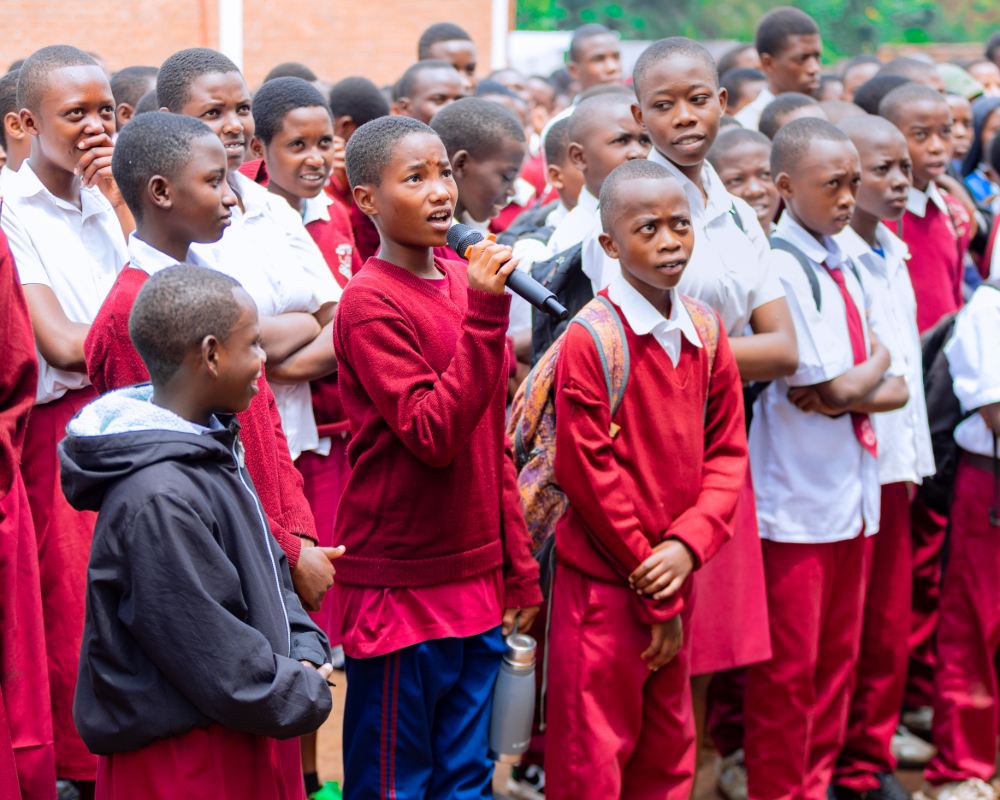
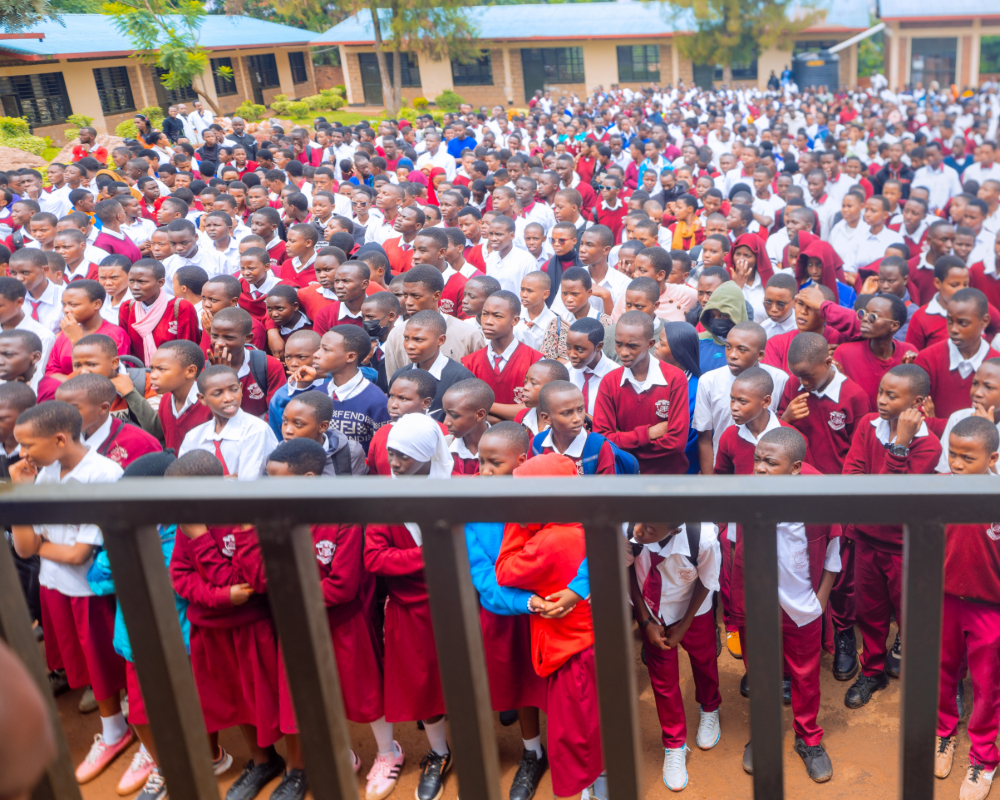
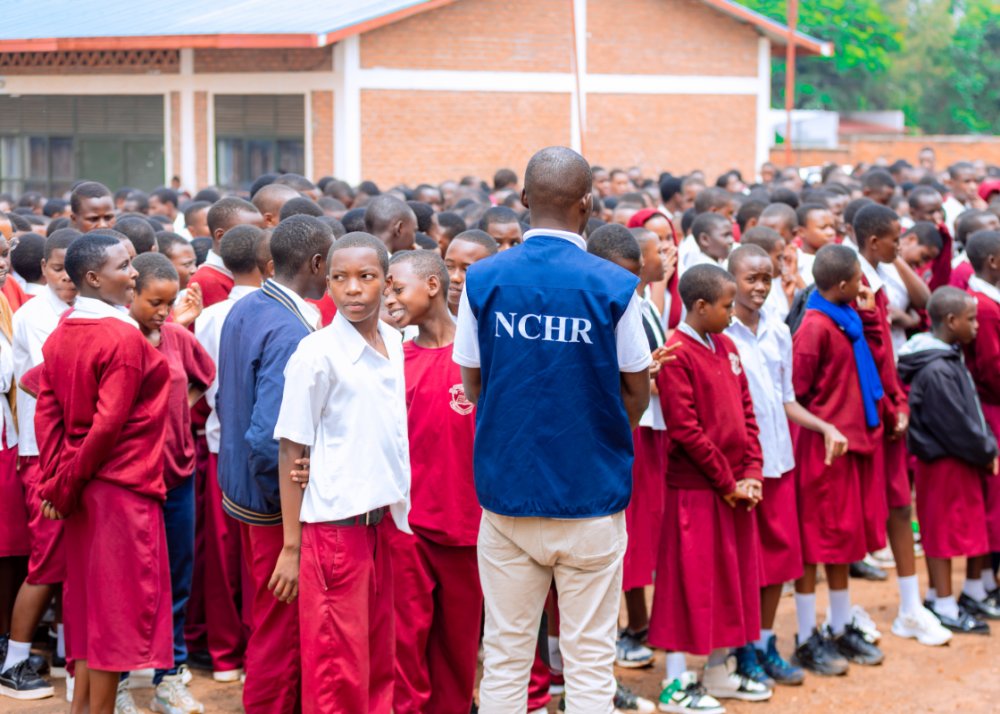
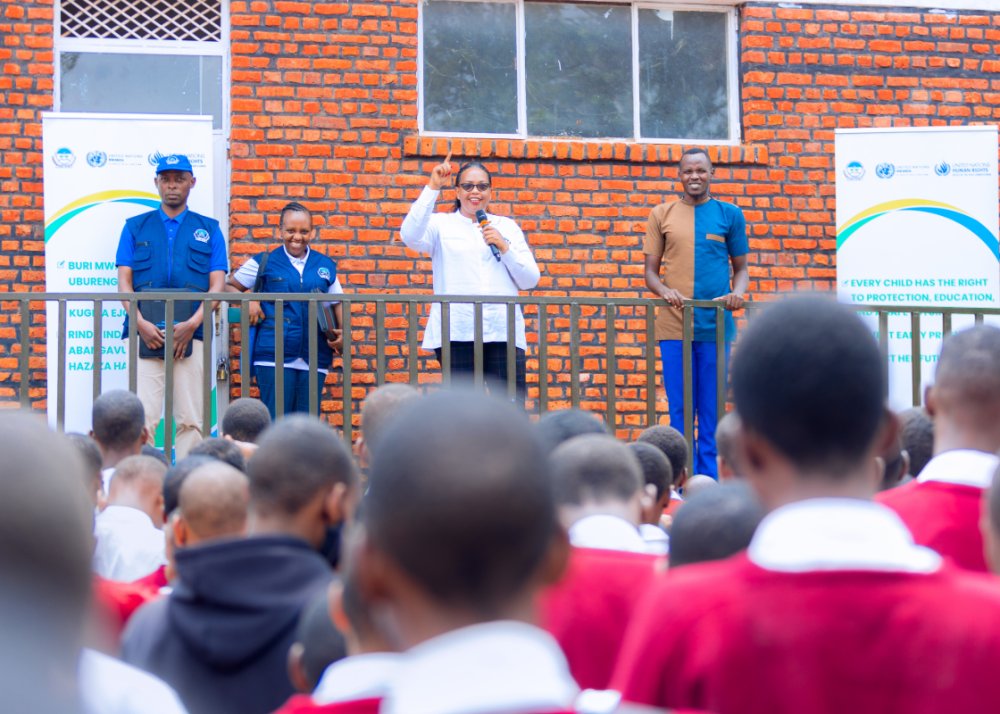
With support from the Office of the United Nations High Commissioner for Human Rights (OHCHR), the Commission organized this campaign in secondary schools across nine districts: Nyabihu, Ngororero, Rutsiro, Kamonyi, Huye, Gakenke, Nyarugenge, Gasabo, and Kicukiro. Students are being educated on children’s rights and on the role young people can play in preventing and addressing this issue.
The Chairperson of the National Commission of Human Rights, Providence Umurungi, noted that several factors contribute to the rise in teenage pregnancies, including poverty, family conflicts, alcohol and drug abuse, risky behaviors, and limited access to information on reproductive health.
She emphasized that teenage pregnancies remain a major violation of girls’ rights in Rwanda, often leading to school dropout and jeopardizing their future prospects.
“Raising awareness among young people about their rights through schools is one of the key pathways to permanently eradicate this problem,” she said.
Students have welcomed the initiative. Mbabazi Hirwa Aklat, a second-year secondary school student, shared: “What I learned from these sessions is how to say ‘no’ when someone tries to pressure me into having sex. I also realized the importance of avoiding risky behavior that can lead to an unplanned pregnancy.”
The Commission indicated that the campaign will soon be extended to higher learning institutions and universities to broaden youth engagement.
Data from the Ministry of Gender and Family Planning show that 22,454 teenage girls were sexually abused and became pregnant in 2024. Trends reveal a generally rising pattern: 19,701 cases in 2020, 23,111 in 2021, 24,472 in 2022, followed by a slight decline to 22,055 in 2023.
Despite the slight drop in 2023, authorities note that the overall number of teenage pregnancies remains high, with many identified cases involving girls who carry pregnancies to term. The Commission’s school visits represent a strategic response aimed at safeguarding children’s rights and building a better-informed and more responsible generation.
Leave a Reply