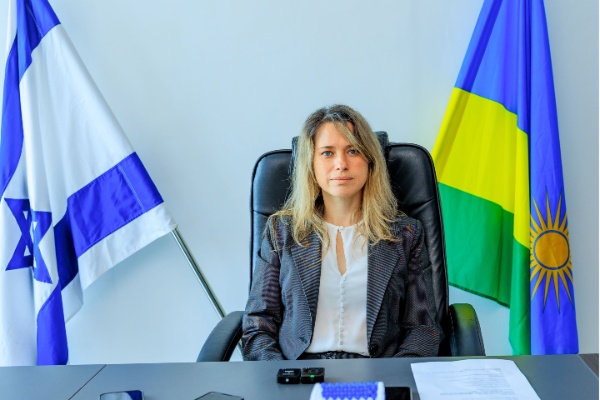
The press conference came as the Middle East entered the sixth day of a rapidly escalating regional war, triggered by massive joint U.S.-Israeli strikes on Iran that began on February 28.
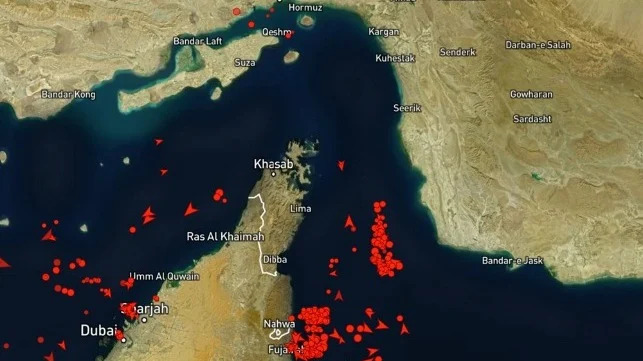
The attacks, code-named Operation Roaring Lion by Israel and Operation Epic Fury by the U.S., targeted Iranian nuclear sites, missile infrastructure, and leadership, including the killing of Iran’s Supreme Leader, Ayatollah Ali Khamenei, in the opening strikes.
Iran’s counterattack, Operation True Promise IV, has involved waves of missiles and drones targeting U.S. bases across Iraq, Jordan, Bahrain, Qatar, Kuwait, and the UAE, as well as Israeli cities including Tel Aviv and Jerusalem.
The conflict has disrupted international trade, closed airspaces, and triggered mass evacuations of foreign nationals, creating both a humanitarian and economic crisis.
“Iran wants to close the Strait of Hormuz to drive oil prices up and force the international community into applying pressure to end Israel’s operations,” Ambassador Weiss said. “This is a desperate measure by a country under attack, but it also affects Africa. You are not out of this game.”
The Ambassador emphasised the strategic importance of the Strait of Hormuz, a shipping lane that handles about 20 percent of the world’s traded oil, and warned that disruptions could drive global oil prices higher. Recent data shows fuel prices have surged from $70 to over $85 per barrel, with global fuel costs increasing by more than 10 percent since the escalation of U.S.-Iran tensions.
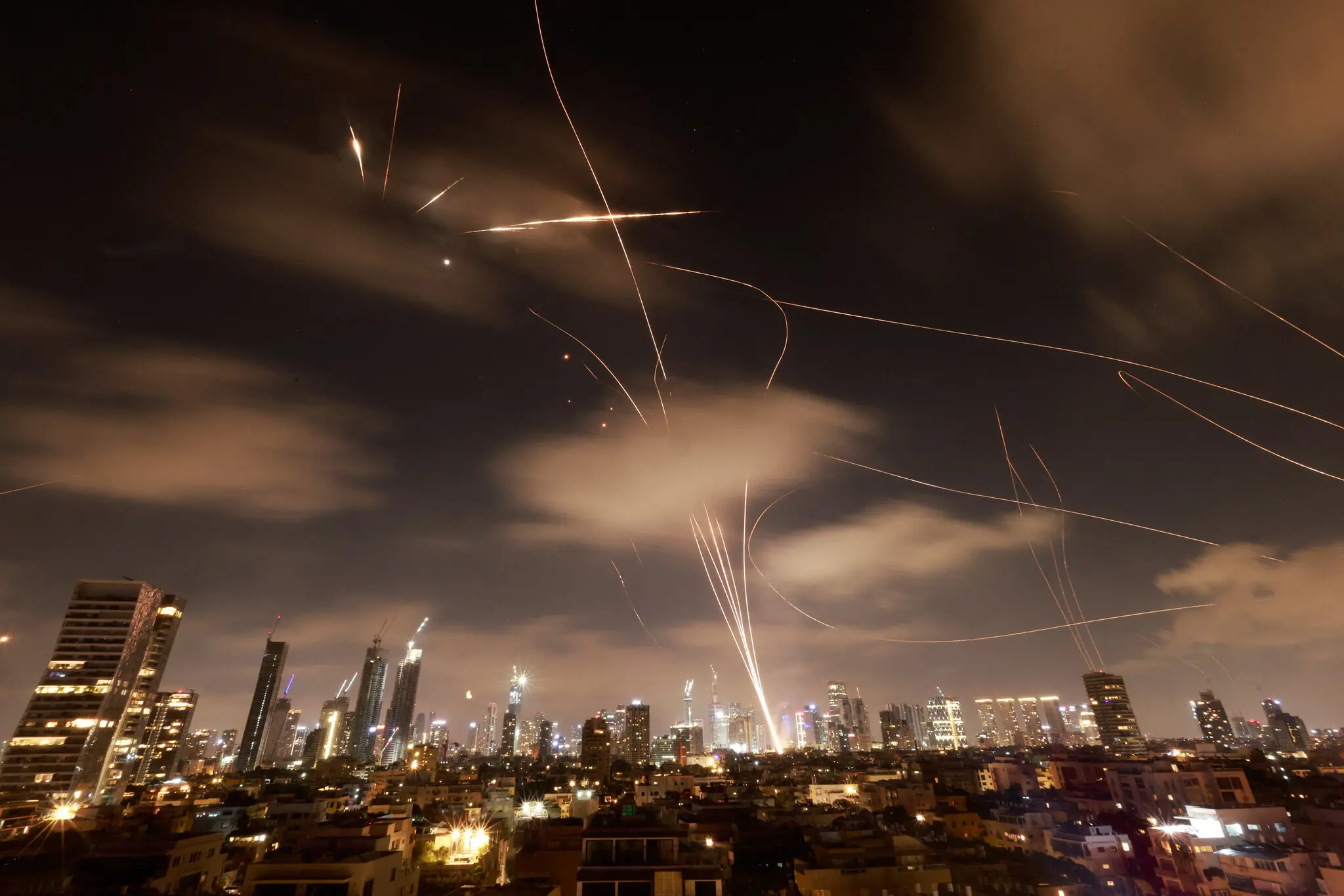
Ambassador Weiss framed Israel-U.S. operations as preemptive measures designed to prevent Iran from acquiring capabilities to destroy Israel, stressing that strikes were carefully targeted at government and military infrastructure.
She described Iran’s support for proxy groups such as Hezbollah, Hamas, and Houthi forces in Yemen as a regional threat extending beyond the Middle East.
“Hamas, Hezbollah, the Houthis, and Iran – they are all linked. Iran funds, arms, and directs these groups. The impact is global, including Africa,” she said.
Beyond security concerns, Weiss highlighted Israel’s development and humanitarian cooperation in Rwanda. Initiatives in agriculture, renewable energy, STEM education, and vocational training for women were cited as lessons in resilience and self-reliance during times of crisis.
“The lesson from Israel is how to remain self-sufficient even under siege,” she said. “Rwanda can apply the same principles to ensure food security, energy independence, and stability for its people.”
The Ambassador concluded with a message emphasising peace and solidarity, clarifying that Israel’s conflict is with the Iranian regime, not its people. She expressed hope for pragmatic engagement to prevent further escalation while advocating for regional stability.
“We hope for peace and normal lives for all, but we cannot wait for Iran to become fully equipped to destroy Israel. Our actions are about defence, deterrence, and protecting not just Israel but also the stability of the wider region,” she said.
From Tehran’s viewpoint, the conflict is not seen as a defensive struggle against terror but as a response to what Iranian officials describe as “unlawful aggression” by the United States and Israel. Iran’s government has condemned the February 28 strikes as a “clear act of aggression” that violates international law and the United Nations Charter, asserting that it targeted sovereign territory without justification.
Watch our recent exclusive interview with the ambassador below:
Leave a Reply