
The Kigali concert formed part of the “Move Afrika” tour, which continues with Doja Cat’s scheduled performance in South Africa on March 20, 2026, extending the tour’s reach across the continent.
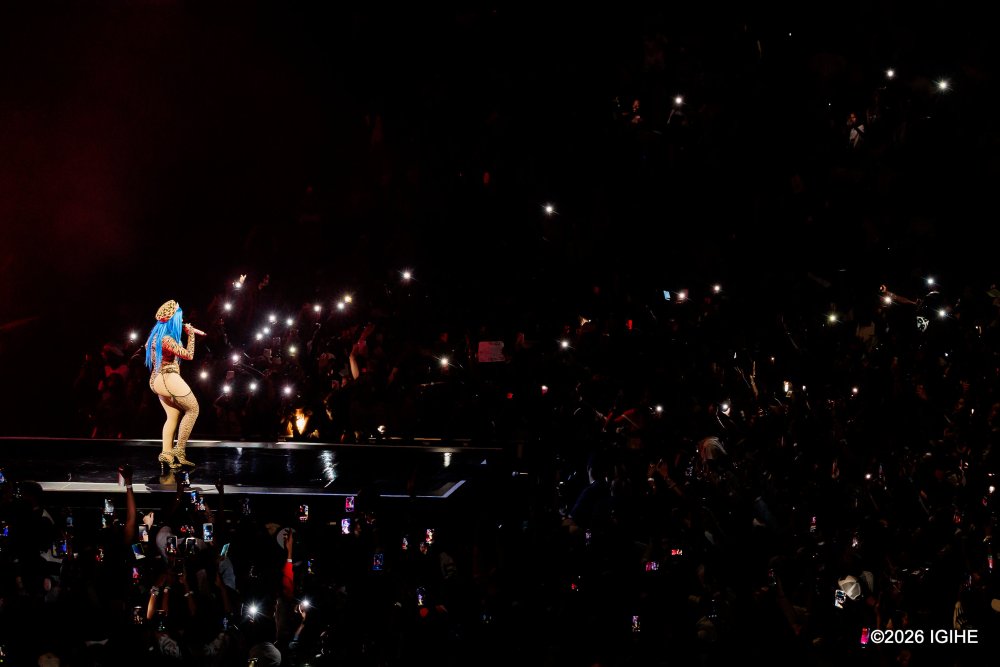
In Kigali, the atmosphere matched the event’s international billing. Beyond the lights, sound, and stage production, the crowd itself told a story of a concert that resonated far beyond Rwanda’s borders.
Data compiled from ticket sales shows that 7,908 tickets were purchased from 25 countries across all continents, reflecting both strong local demand and growing regional and global interest in Kigali as a live entertainment destination.
Unsurprisingly, Rwanda led the way with 5,488 tickets sold, accounting for 69.4% of total attendance. The home crowd formed the backbone of the audience, creating the energy and reception that typically defines major concerts.
Uganda followed with 1,023 tickets (12.9%), while Kenya contributed 746 tickets (9.4%), underscoring East Africa’s strong presence at the event.
Beyond the region, the concert also drew attendees from further afield. The United States recorded 228 ticket purchases, followed by Tanzania with 72, Canada with 60, South Africa with 59, and the United Kingdom with 33.
European representation included the Netherlands (29 tickets), Spain (28), Belgium (26), France (21), and Germany (15), alongside 27 tickets purchased from the United Arab Emirates.
Other countries on the list included Nigeria and Poland with eight tickets each, the Democratic Republic of Congo with seven, Côte d’Ivoire, Ukraine, and Zimbabwe with six each, Japan with four, Togo with three, Mauritius and South Sudan with two each, and India with one.
Taken together, the numbers point to a concert that transcended borders, blending a predominantly local audience with a noticeable international footprint, an increasingly familiar hallmark of Kigali’s emergence on the global entertainment circuit.
Move Afrika, a Global Citizen initiative, blends world-class live music with social impact programs, aiming to create jobs, support youth entrepreneurship, and provide skills training across Africa. The initiative also engages local artists, production crews, and vendors, boosting capacity in host cities while delivering a world-class entertainment experience.


Leave a Reply