Just before sunrise in rural Chikutu, in Malawi’s Nkhata Bay district, children wake up to the sound of roosters and the start of another busy day. There’s water to fetch. Chores to finish.
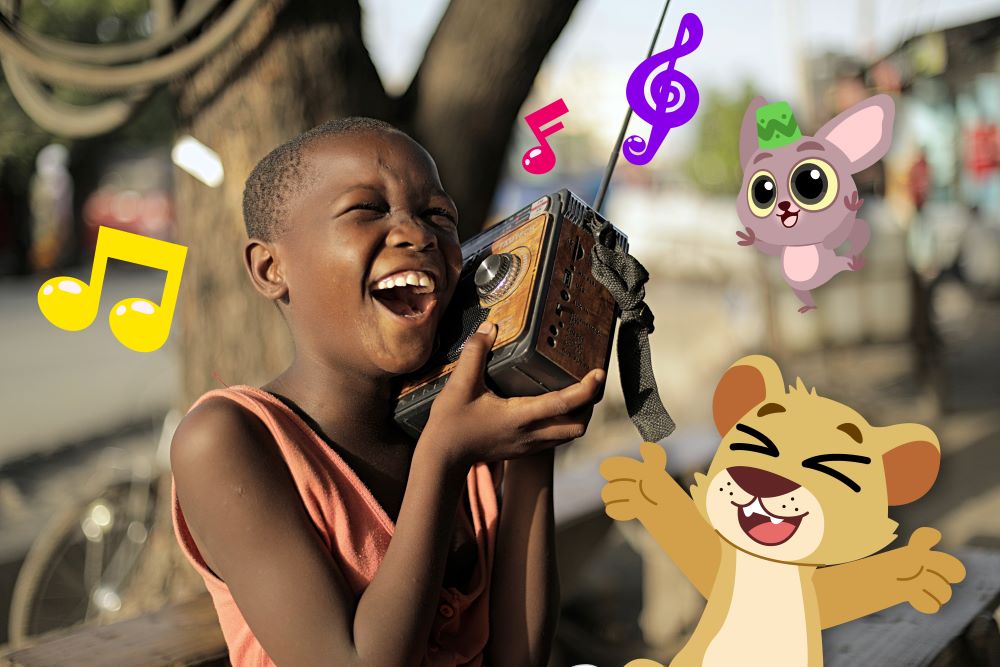
School is far away, internet access is unreliable, and smartphones are rare. But as families get ready, a small battery-powered radio crackles to life. Songs begin to play. Stories follow. Lessons come through in Chichewa, the language spoken at home. For these children, that morning broadcast is their classroom.
Scenes like this unfold every day across Africa. In places where classrooms are out of reach and digital learning is not an option, television and radio quietly step in. They are not just sources of entertainment. They are how learning happens. And behind them are Africa’s broadcasters, often unseen, often uncelebrated, playing a central role in children’s education.
For millions of families, broadcast remains the easiest and most reliable way to access learning. A radio doesn’t need data. A television doesn’t require a smartphone. One broadcast can reach entire communities at once, without placing any financial burden on families.
UNESCO estimates that radio reaches more than 75 percent of households worldwide, including many of the most remote and low-income communities, making it one of the most far-reaching tools for education.
This reality has shaped Ubongo’s work from the very beginning. More than ten years ago, when Ubongo was still an idea taking shape, African broadcasters saw the value of locally made educational content and made space for it on their airwaves. That early trust changed everything. What began as a small experiment grew into a learning resource that now reaches over 48 million households across the continent.
What makes African broadcasters special isn’t just how many people they reach. It’s how closely they are connected to the communities they serve. They know the languages families speak at home. They understand the challenges parents face. They treat education as a public service, not an afterthought. In many ways, they don’t just broadcast learning, they help teach it.
That partnership is clear in Malawi, where Ubongo has worked closely with Malawi Broadcasting Corporation since 2021. MBC has consistently treated educational programming as essential.
In December 2022, during a period of real economic strain, MBC’s Holiday Special Programme brought learning and joy into homes at a time when families needed both.
The station contributed ideas, production support, promotion, and national coverage, ensuring children could watch and learn together with their families during the school holidays. It felt less like a programme and more like a shared moment.
The importance of broadcast became even clearer during the COVID-19 pandemic, when online learning was out of reach for many underserved families. Around the world, more than 90 percent of countries turned to television and radio to support learning during school closures.
Broadcasters extended airtime, repeated episodes, and worked closely with education ministries to create dedicated learning hours. Through these collective efforts, Ubongo reached 24.6 million families during the pandemic—families who might otherwise have been left without any learning support at all.
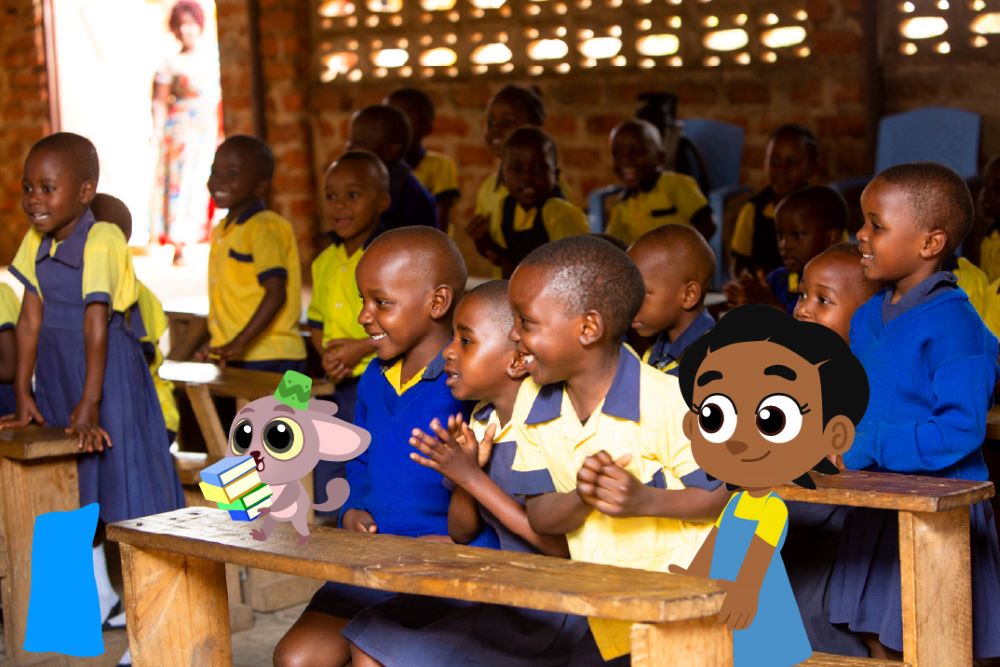
But broadcasting isn’t only a solution for emergencies. Long after schools reopen, radios and shared televisions continue to play a role in everyday learning. Children gather around them. Parents listen in.
Lessons happen together. Regular schedules create routine, even when daily life is unpredictable. And when content is delivered in local languages, children connect more deeply. Research shows that this approach improves literacy, numeracy, and problem-solving, especially for learners who are often left behind.
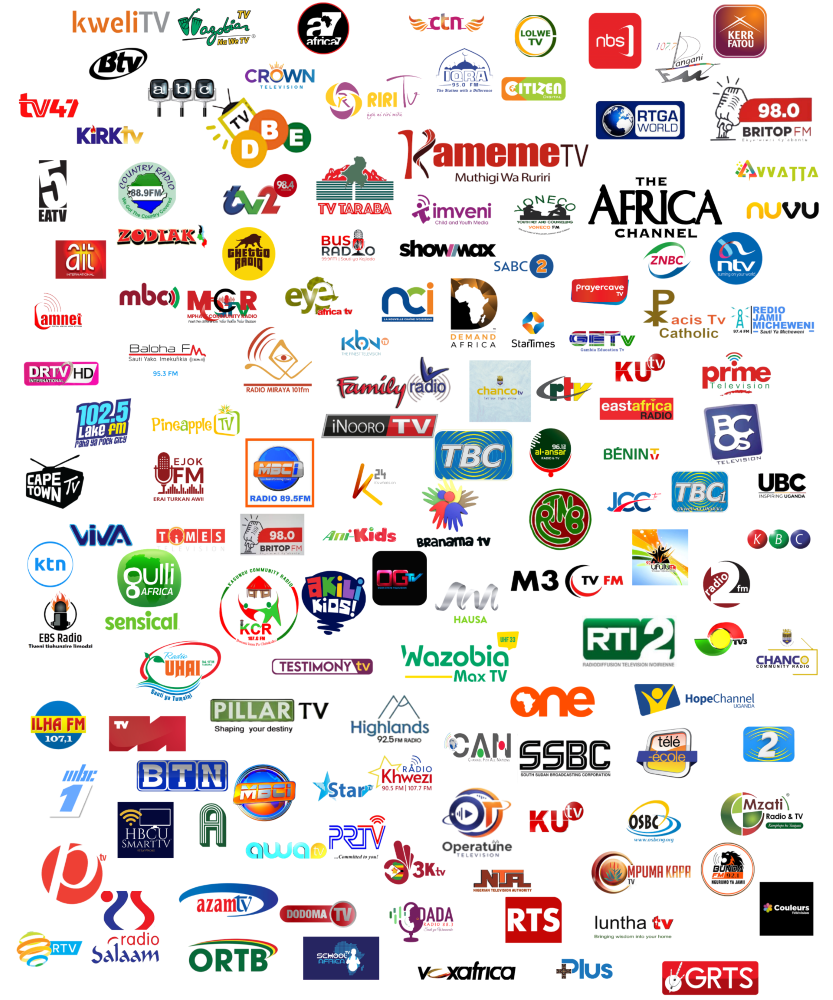
Today, Ubongo works with more than 80 broadcasters across 23 countries, delivering content in 13 languages, including Kiswahili, Chichewa, Hausa, Kinyarwanda, French, and English. Families access our programmes through free-to-air TV, radio, pay TV, and on-demand platforms. This network is the backbone of Ubongo’s ambition to reach 100 million children by 2028.
Our five-year strategy reflects that reality. It focuses on 19 priority markets, blends broadcast with digital and last-mile channels, and centres on both foundational and supplementary learning. None of this is possible without broadcasters who believe that children’s education is worth investing in.
Across the continent, broadcasters continue to show resilience and commitment, even as they navigate financial pressure and changing media landscapes. They keep children’s programming on air because they believe in its value. Because they believe in Africa’s children.
Recognising our broadcast partners is really about acknowledging their role in creating fairer access to learning. To every broadcaster who has supported Ubongo, we are deeply grateful. You have helped turn airwaves into learning spaces, screens into classrooms, and stories into tools that shape young lives.
There is still more to do. Children’s programming needs more space. Local language adaptations need continued investment. There is room to co-create more, to launch national learning campaigns, and to strengthen the role of broadcast in education systems.
Television and radio remain the most powerful tools we have for reaching every child, wherever they live. And together with Africa’s broadcasters, we can keep building the largest classroom on the continent, one that no child is locked out of.
Leave a Reply