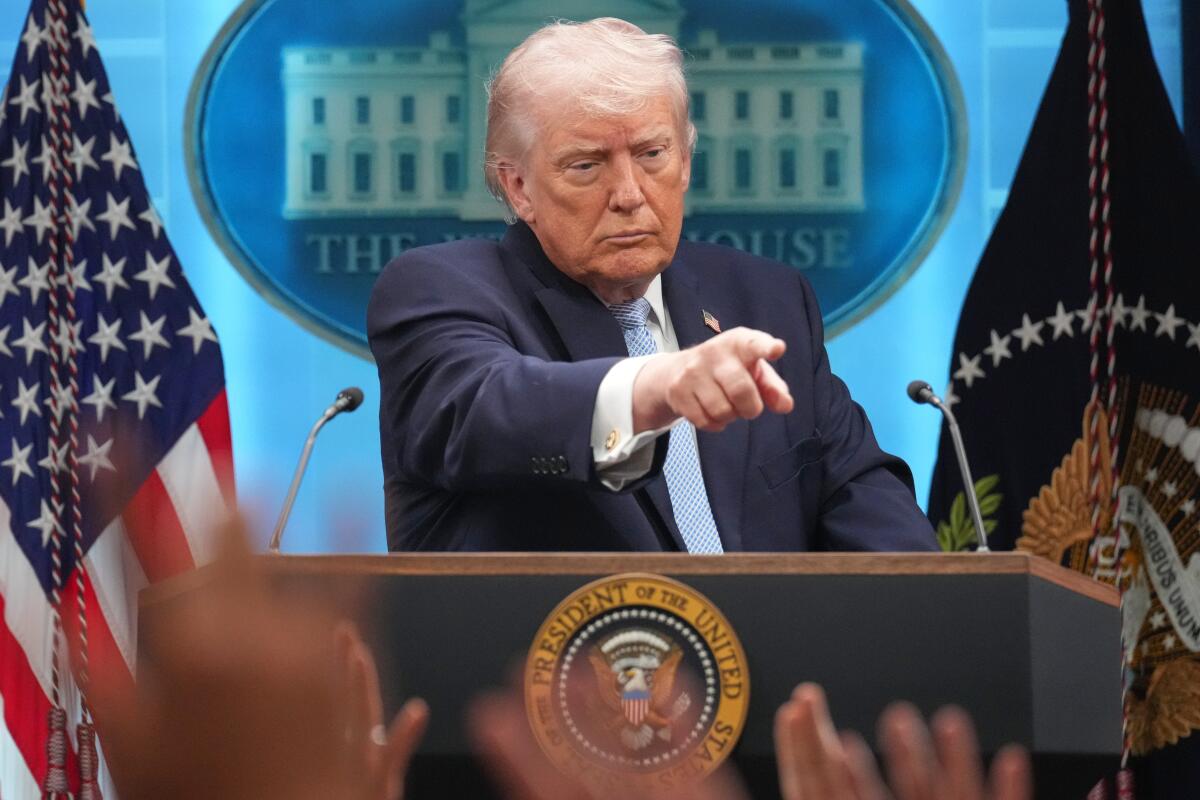
The whiplash was breathtaking, even by Trump’s own standards. On Tuesday morning, Trump posted on his Truth Social platform that “a whole civilization will die tonight, never to be brought back again” if Iran failed to meet his deadline to strike a deal.
He had set 8 p.m. ET as the cutoff, threatening to target Iran’s power plants and bridges — actions that legal experts warned could constitute a war crime.
Hours later, the same man was singing a very different tune.
In announcing a two-week ceasefire deal brokered by Pakistan, Trump wrote that Iran had proposed a “workable” 10-point peace plan and declared: “This will be a double-sided CEASEFIRE!”
Then came the Trump Social post captured in the viral screenshot circulating on X: “A big day for World Peace! Iran wants it to happen, they’ve had enough!”
He predicted “lots of positive action,” said “big money will be made,” and invited Iran to “start the reconstruction process” — concluding that “this could be the Golden Age of the Middle East!!!”
The contrast left much of the world blinking. The abrupt pivot came just two hours before his own self-imposed deadline, after Pakistani Prime Minister Shehbaz Sharif asked Trump to extend the ultimatum and urged Iran to reopen the Strait of Hormuz as a goodwill gesture.
It was not the first time. Since the war began on February 28, Trump has repeatedly imposed deadlines linked to threats, only to extend them.
This particular escalation-and-retreat cycle was sharper than most. Just hours before the ceasefire announcement, Trump had described the looming crossroads as “one of the most important moments in the long and complex history of the world,” and warned that “47 years of extortion, corruption, and death will finally end.”
Critics were quick to point out the contradiction. As commentator Mario Nawfal noted on X: “Twelve hours ago he threatened to end an entire civilization. Now he’s…” — with the rest of the sentence left to speak for itself.
The ceasefire marks the most significant pause in a war that has rattled global energy markets, sent oil prices soaring, and drawn in regional powers since the United States and Israel launched their campaign against Iran’s military and nuclear infrastructure in late February.
Pakistan’s Prime Minister Sharif declared that “both parties have displayed remarkable wisdom and understanding,” and invited delegations from the U.S. and Iran to Islamabad on April 10 to continue negotiations toward a permanent peace.
Whether this latest ceasefire holds, and whether Trump’s “Golden Age” rhetoric lasts longer than a news cycle, remains very much an open question.
Leave a Reply