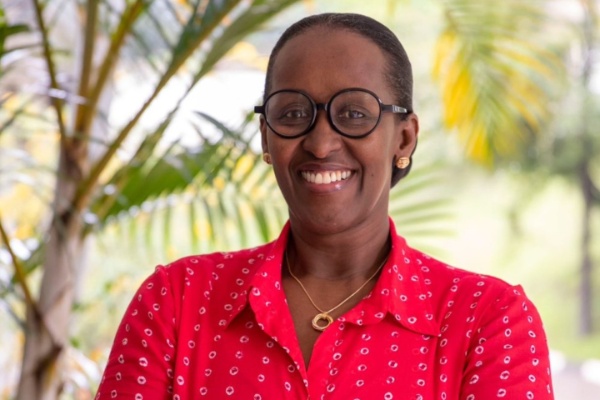
In a post on X, the First Lady called on women to prioritise self-care and their health, set boundaries, and advocate for themselves and others.
“I urge you to carve your character carefully, define your boundaries, advocate for yourselves and other women and girls, and protect your physical and mental health. And please, love yourself with the same gentleness you give others – the same gentleness you wish and deserve to experience from the world,” she wrote.
International Women’s Day, celebrated annually on March 8, recognises the social, economic, cultural, and political achievements of women worldwide. It also serves as a call to action to accelerate gender parity and address ongoing challenges such as the gender pay gap, violence against women, and underrepresentation in leadership positions.
In Rwanda, IWD is marked by celebrations acknowledging women’s contributions to family and national development, empowerment activities, and the promotion of gender equality. The country has made significant strides in political representation: women now occupy 63.75% of parliamentary seats, up from just 12% in 1996, making Rwanda the nation with the highest proportion of women in Parliament globally in 2026.
The origins of International Women’s Day trace back to the early 20th-century labour and socialist movements in North America and Europe. In 1908, 15,000 women marched in New York City demanding shorter working hours, better pay, and voting rights, leading to the first National Woman’s Day in 1909.
In 1910, German activist Clara Zetkin proposed an annual International Women’s Day, which was celebrated for the first time in 1911 in several European countries. The day gained further prominence after women in Russia staged the “Bread and Peace” strike in 1917, a pivotal moment that contributed to women gaining voting rights.
The United Nations officially recognised March 8 as International Women’s Day in 1977, establishing it as a global observance for women’s rights and world peace.
Leave a Reply