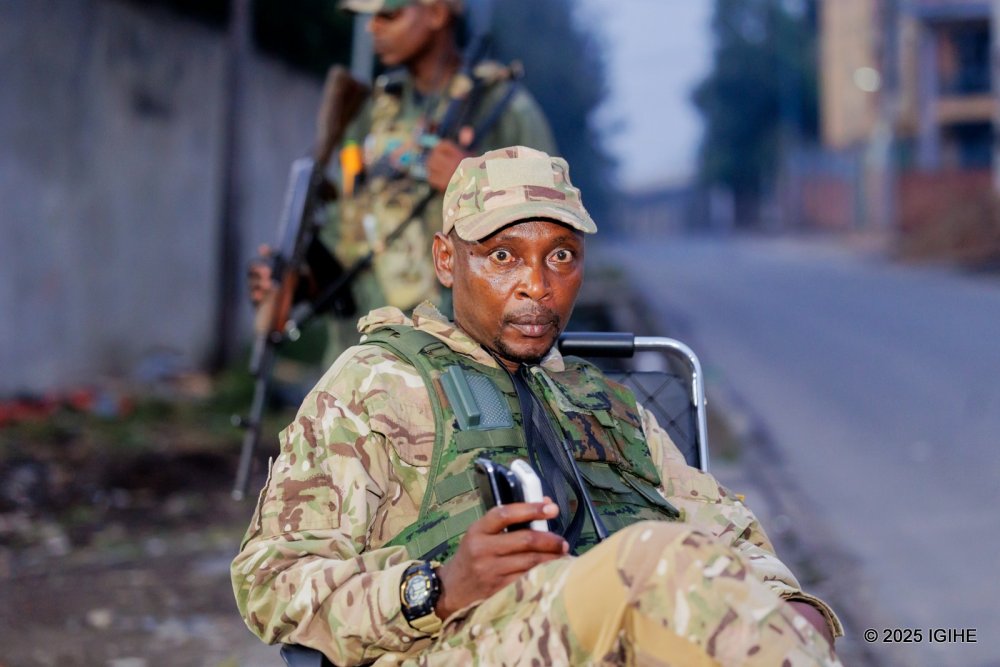
Political analysts, including Senator Evode Uwizeyimana, say the killing of Lt Col Willy Ngoma, the military spokesperson of the AFC/M23, could be considered a war crime attributable to the leadership of the Democratic Republic of the Congo for allegedly violating a ceasefire.
On February 28, AFC/M23 announced that Lt Col Ngoma had been killed by a coalition of Congolese forces during an offensive launched despite a ceasefire requested by a mediator in talks between the opposing sides.
Fighting reportedly intensified afterward, with the Congolese Army (FARDC) and allied groups using aircraft and drones in several areas of Masisi.
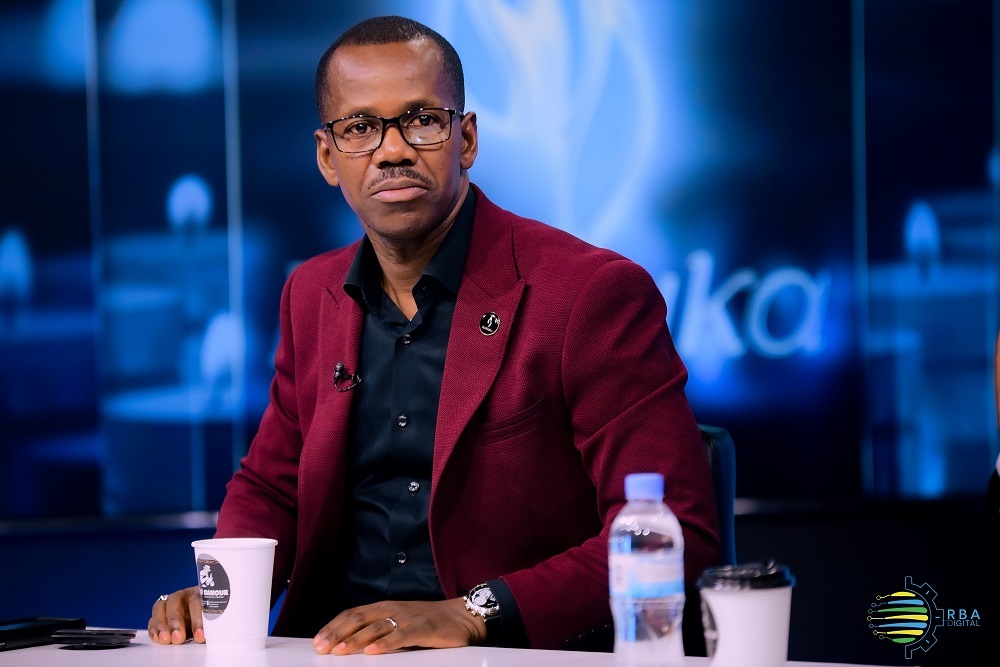
Speaking on national television on March 1, 2026, Senator Uwizeyimana, a regional political analyst, said the killing of Lt Col Ngoma could galvanize others to continue fighting what they view as a struggle against injustice faced by Kinyarwanda-speaking Congolese Tutsi.
He argued that while the death of a liberation figure is painful for comrades, it can also strengthen their resolve.
“When someone fighting for survival dies, their blood can inspire those who remain,” he said, citing historical examples from Rwanda’s liberation struggle where early losses of senior officers were followed by renewed momentum and eventual victory.
Uwizeyimana described the loss of a figure of Ngoma’s rank as significant but suggested such deaths often embolden those who remain, especially when the underlying cause persists. He added that even young family members left behind may grow up shaped by the same motivations.
Following Ngoma’s death, pro-government Congolese voices welcomed the news, and FARDC allies portrayed it as a major battlefield success.
Uwizeyimana cautioned against such reactions, saying others could emerge in his place.
“You should not celebrate because you do not know what follows, there may be many more like him, or even more determined,” he said.
He further explained that under international law, if one side attacks during a ceasefire, resulting deaths may be classified as war crimes.
“If you find that Willy Ngoma was killed during a ceasefire, then it is a war crime because it was not a time for hostilities. Those are international legal standards,” he said, adding that ceasefires bind both parties and do not require one side to disarm unilaterally.
Uwizeyimana also maintained that if the mediator remained silent as the Congolese side ignored the ceasefire, AFC/M23 has the legitimacy for self-defense.
Another analyst, John Mugabo, said battlefield dynamics often shift after the loss of high-profile figures, noting that AFC/M23 has previously moved to consolidate control of areas following such events.
He argued that Ngoma’s death during a ceasefire signals a breach of its terms and erodes trust between the parties, potentially influencing international perceptions of the conflict and the prospects for peace.
Lt Col Ngoma became widely known as M23’s spokesperson when the movement resumed fighting in November 2021 after talks between its representatives and the Congolese government failed.
In that role, he articulated the group’s stated reasons for taking up arms, including claims that Kinyarwanda-speaking Congolese—particularly Tutsi—were being targeted, with many displaced or in exile.
On several occasions when AFC/M23 took key locations in eastern DR Congo, including Goma and Uvira, Ngoma was among the senior officers who visited those areas and addressed local residents.
Leave a Reply