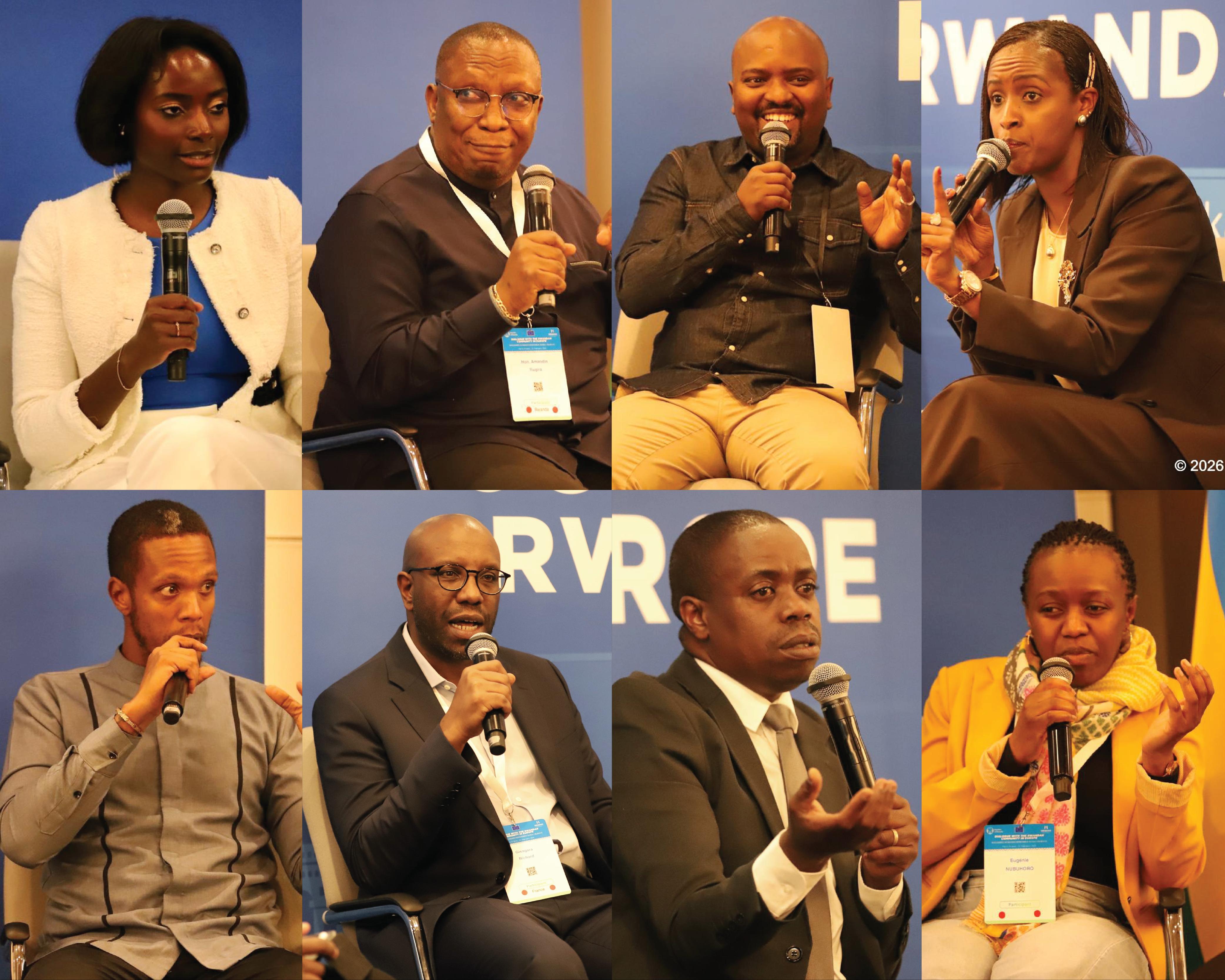
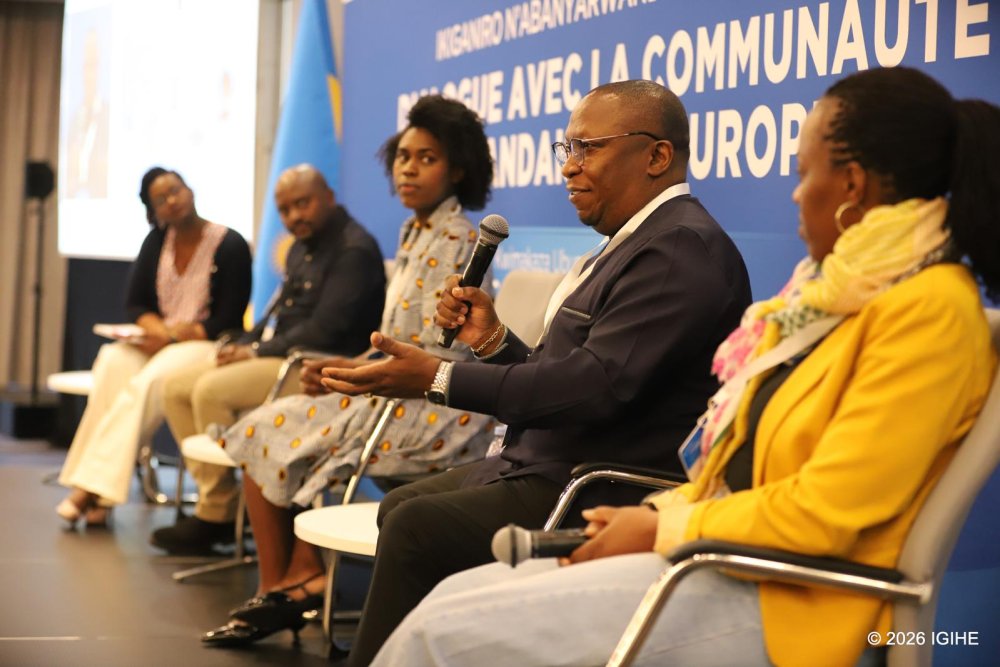
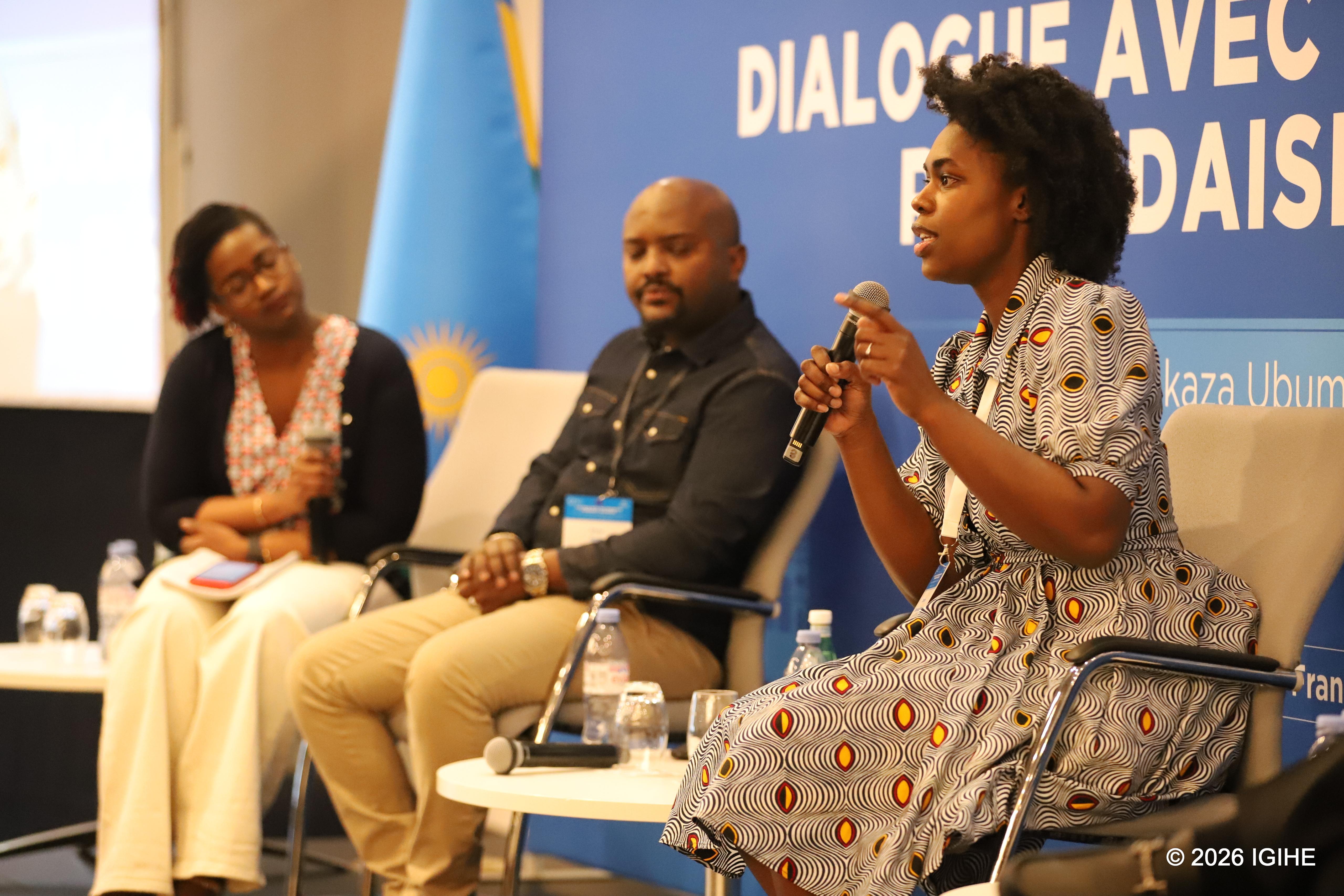
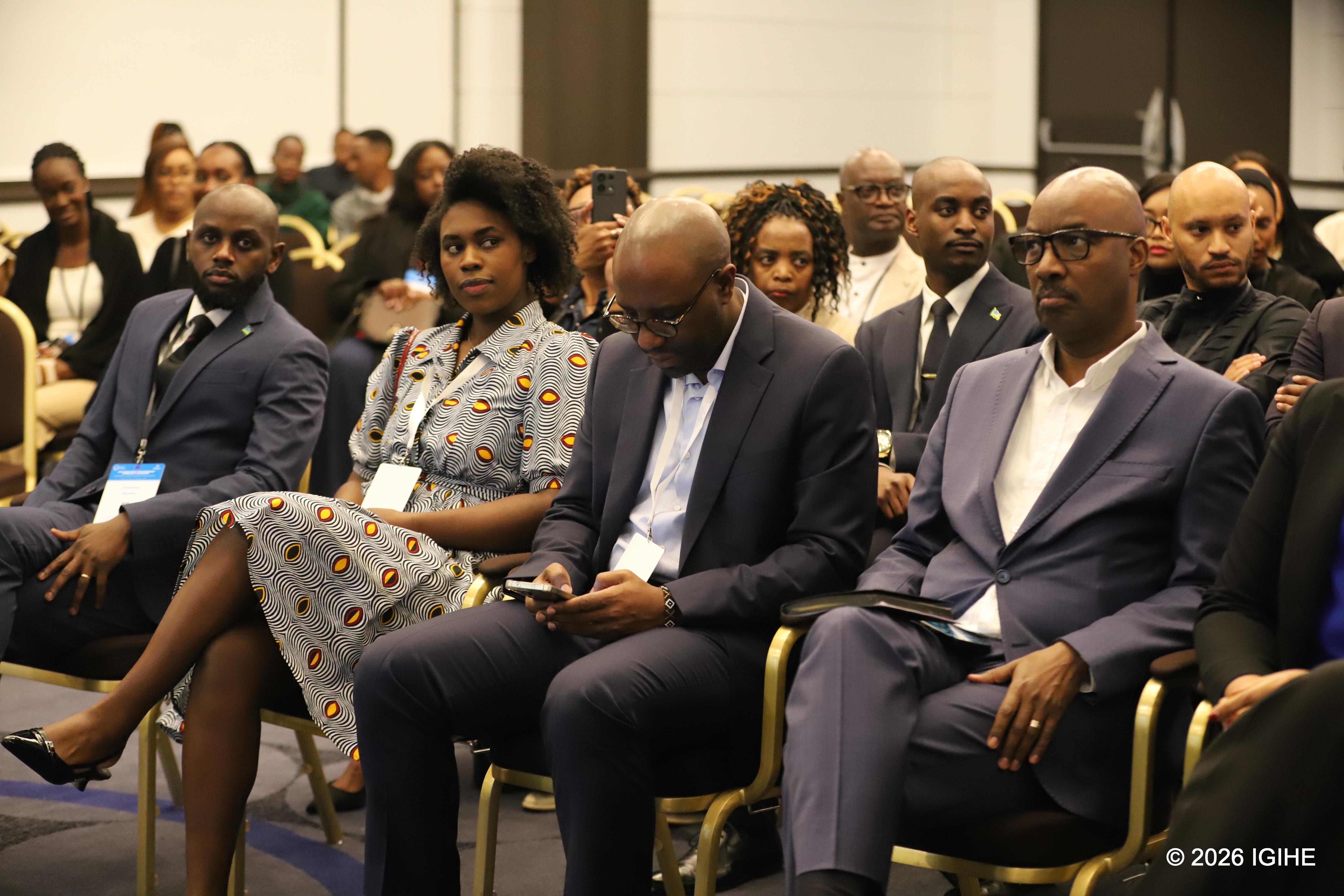
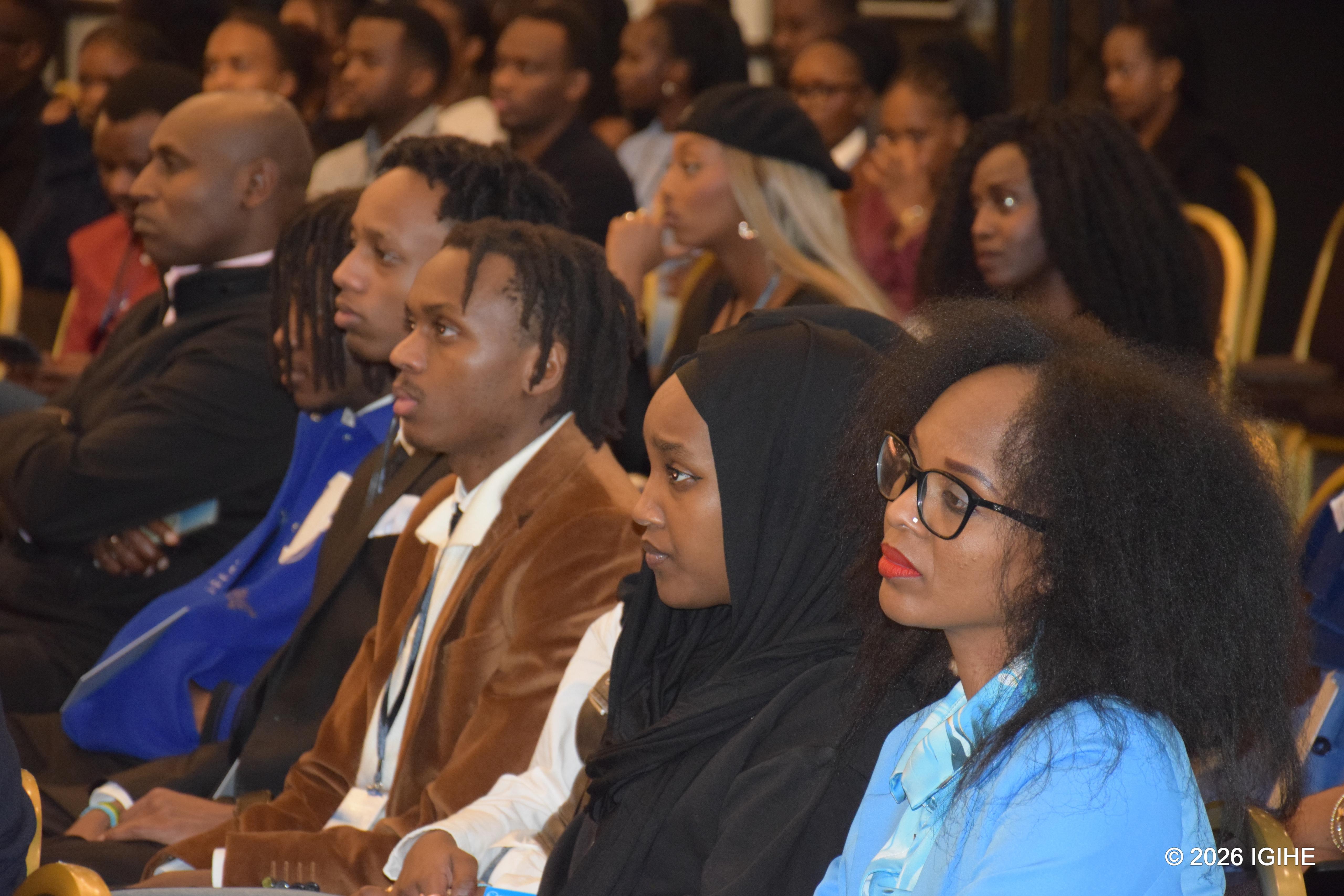
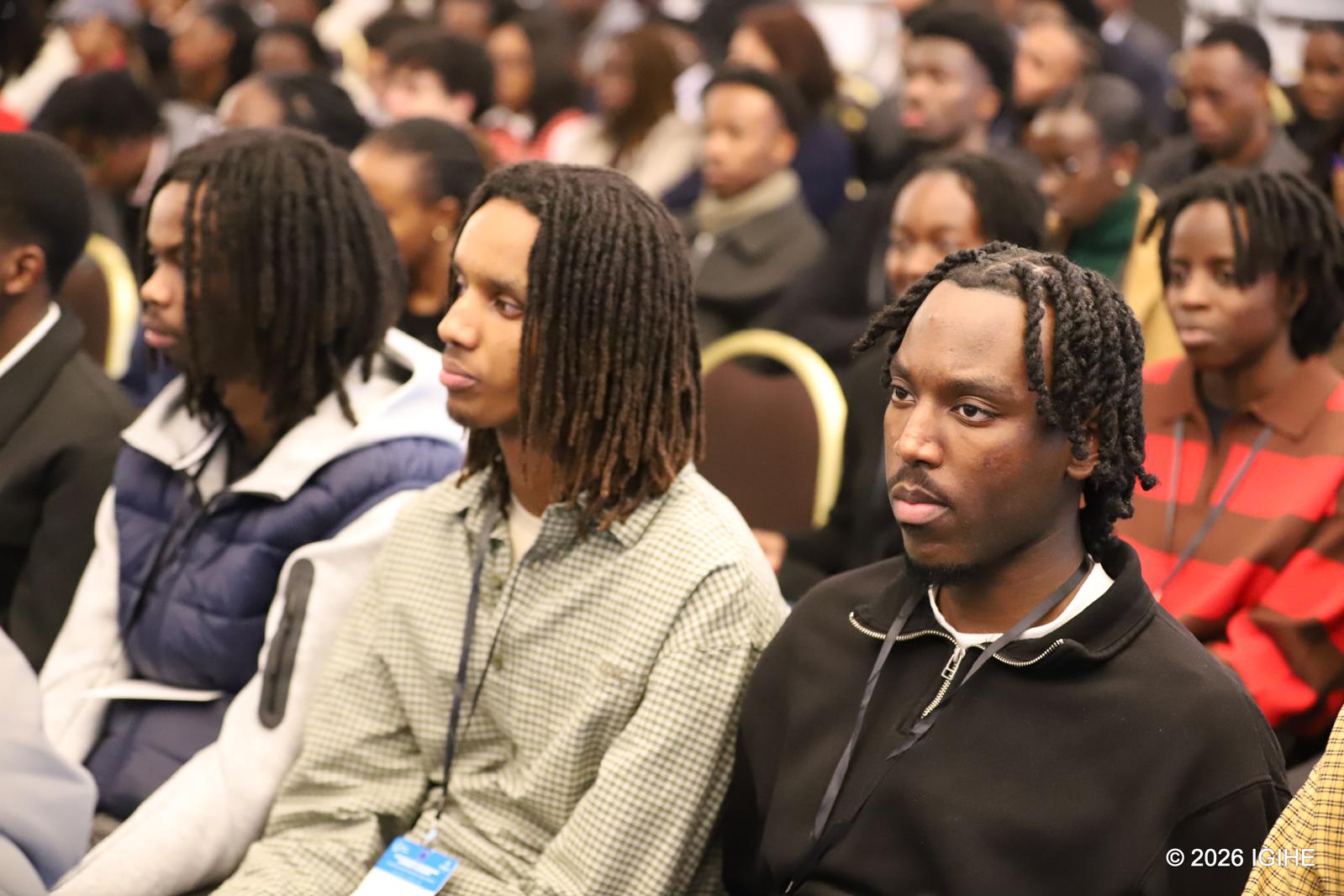
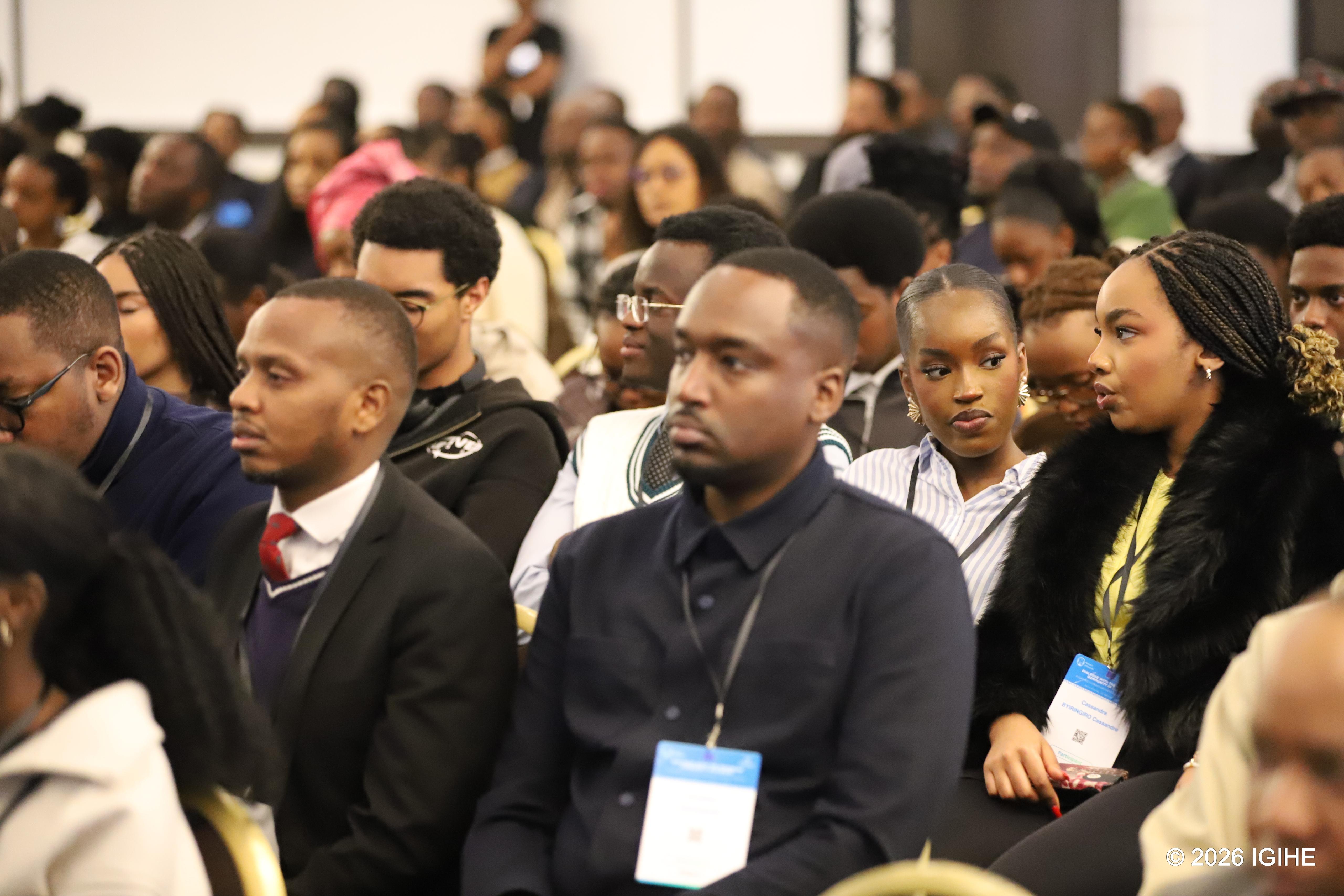
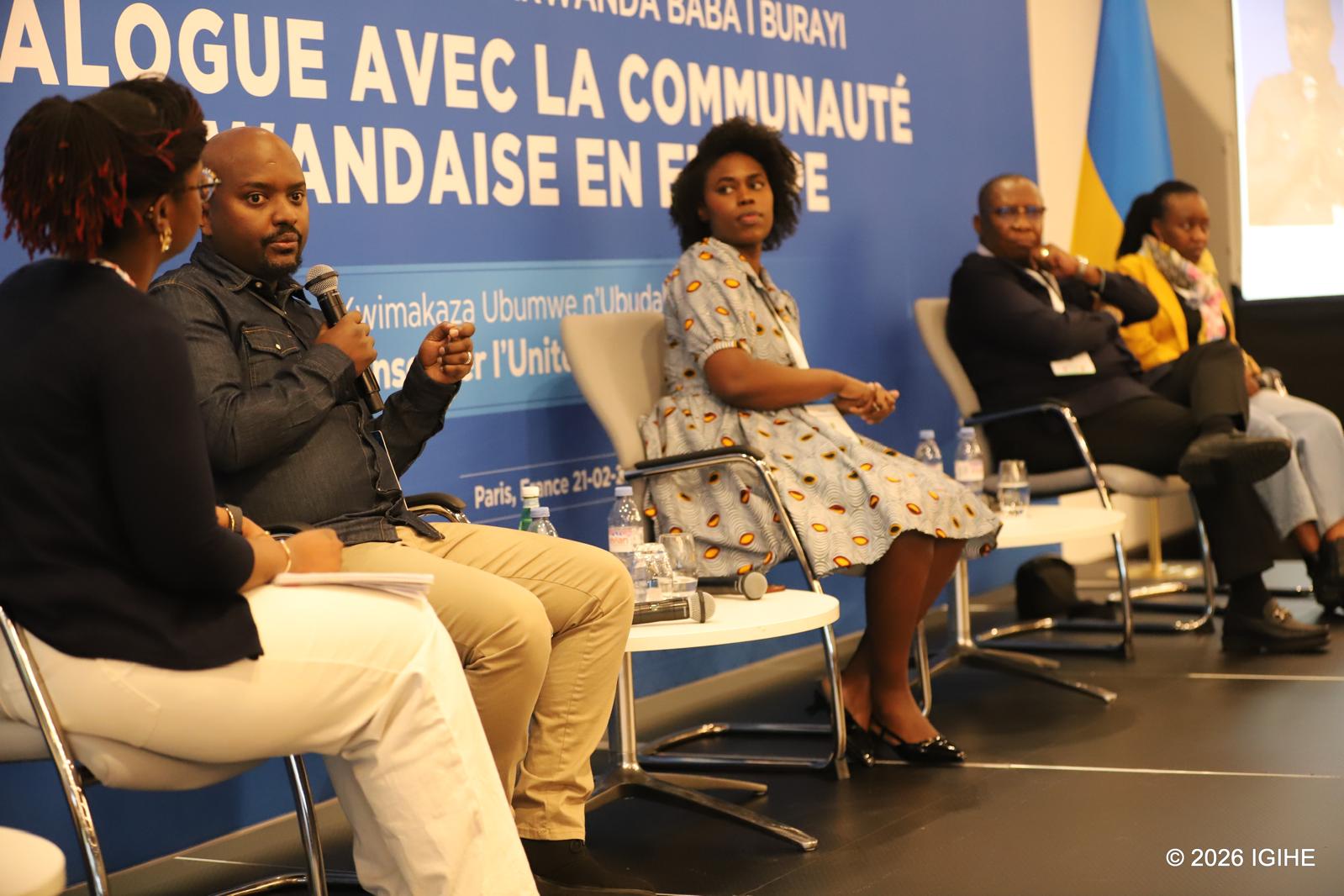
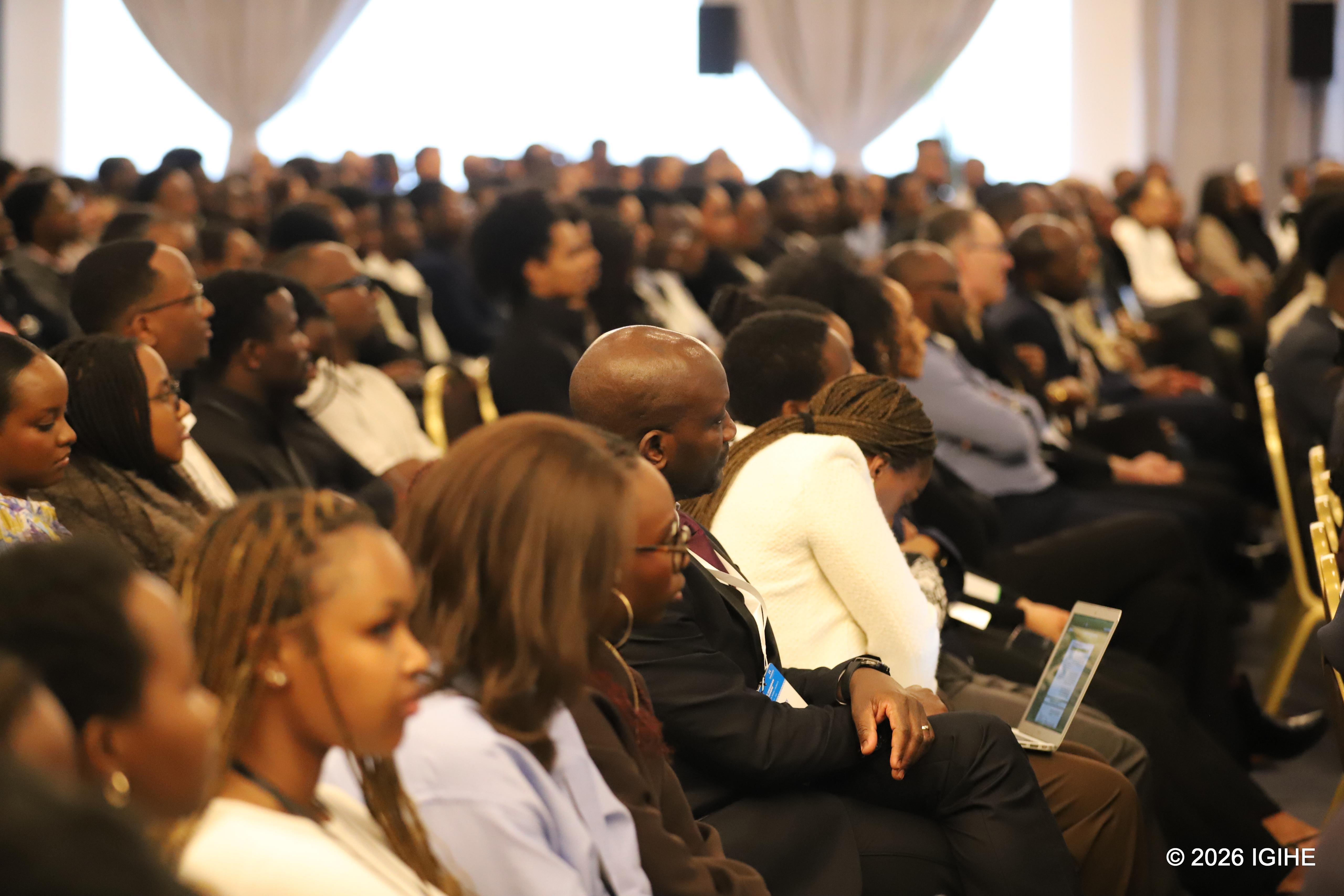
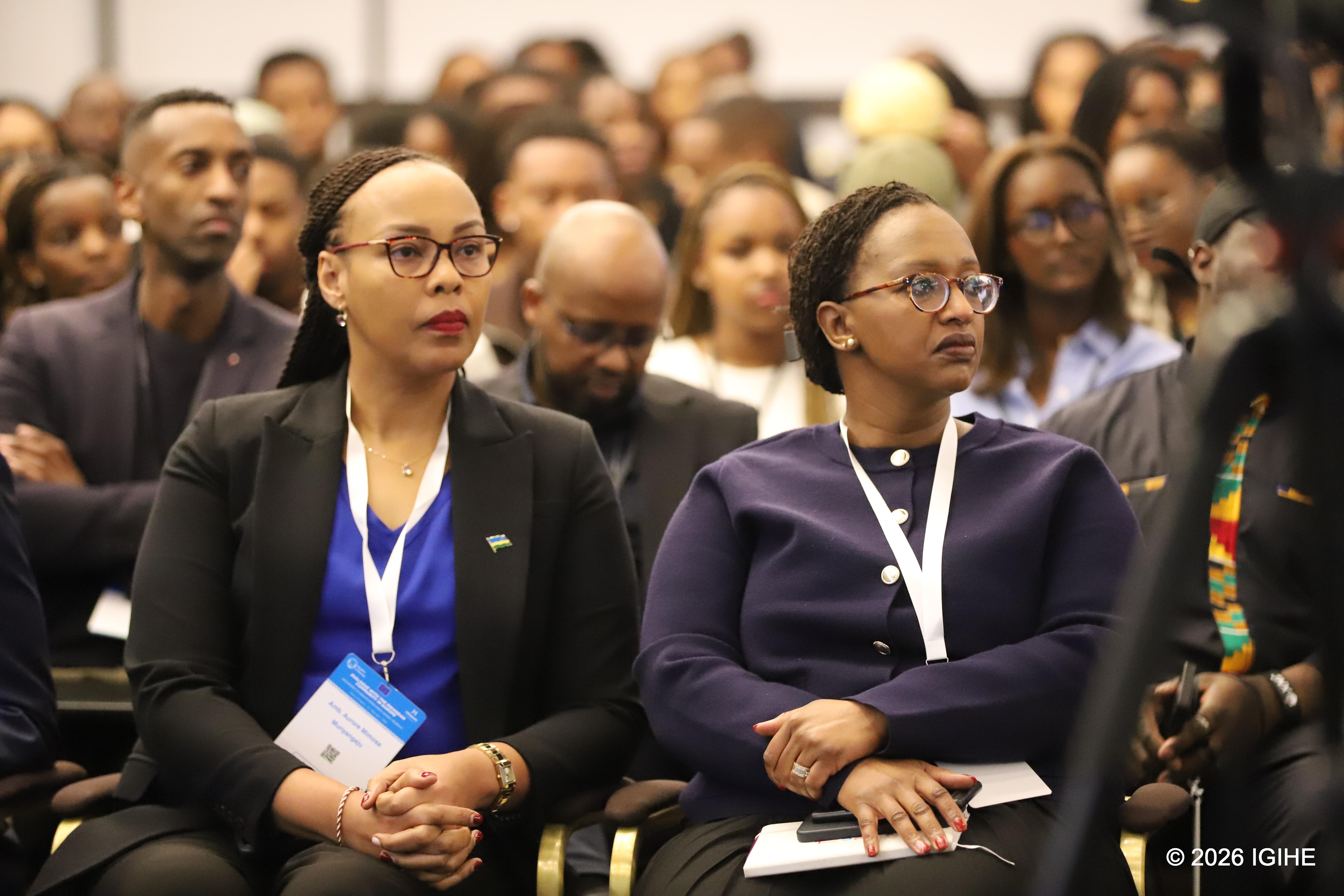
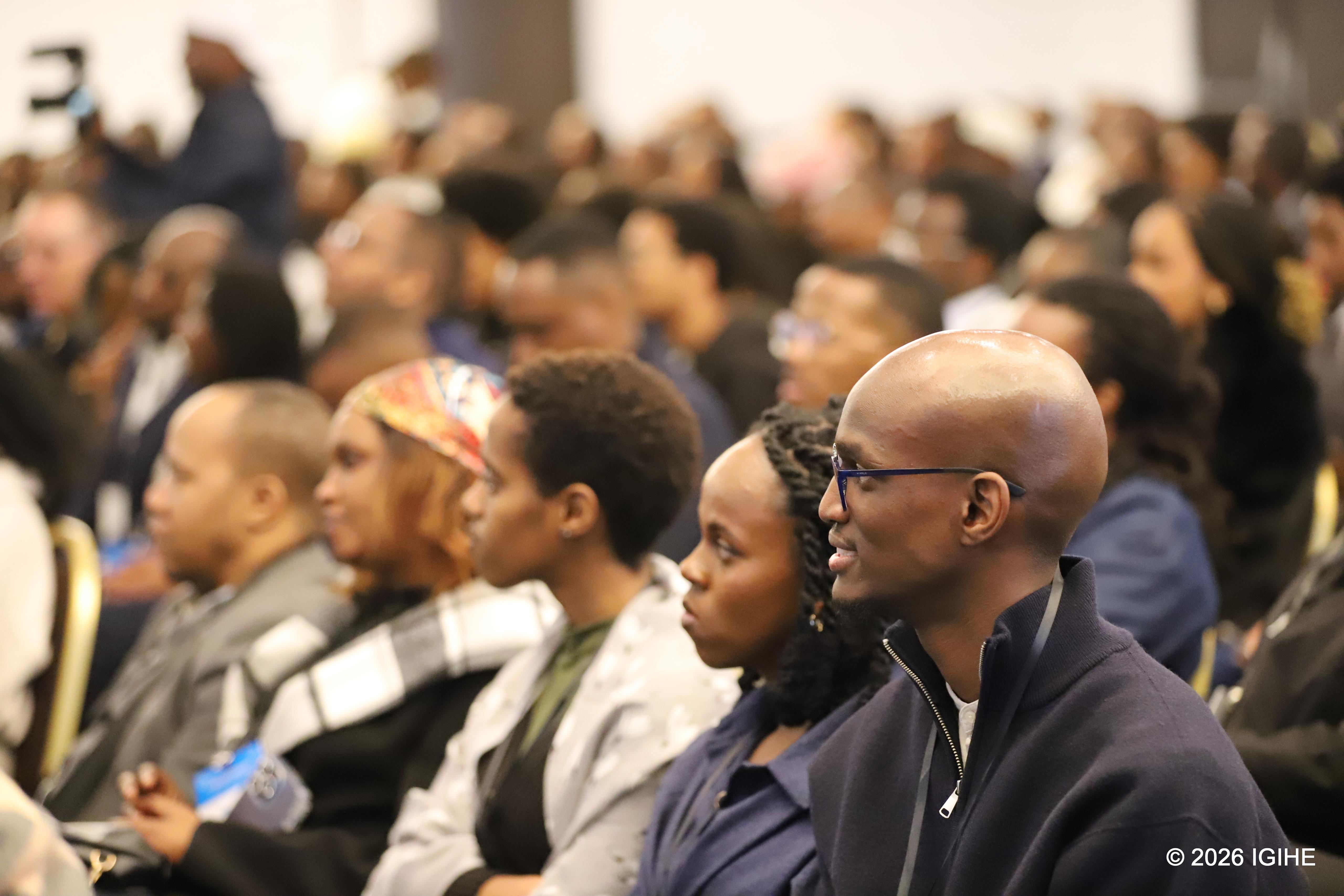
Young people and adults from several countries shared experiences and personal stories, creating a space where memory, identity, and intergenerational transmission took center stage.
Personal journeys and inheritances
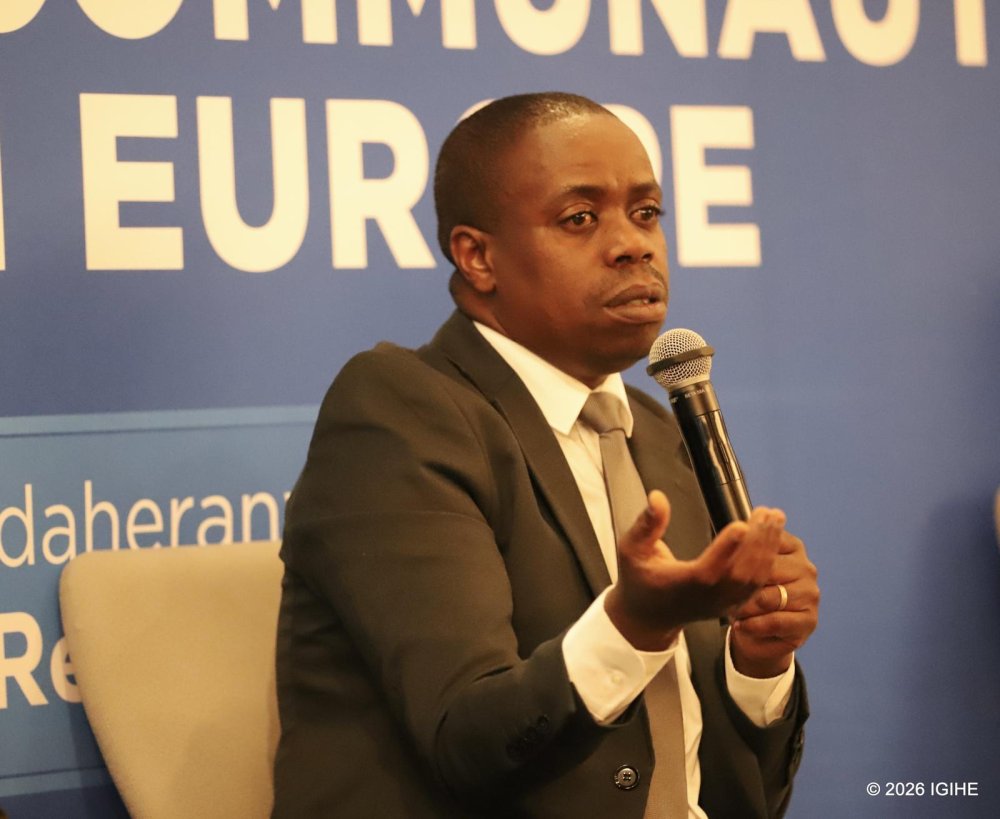
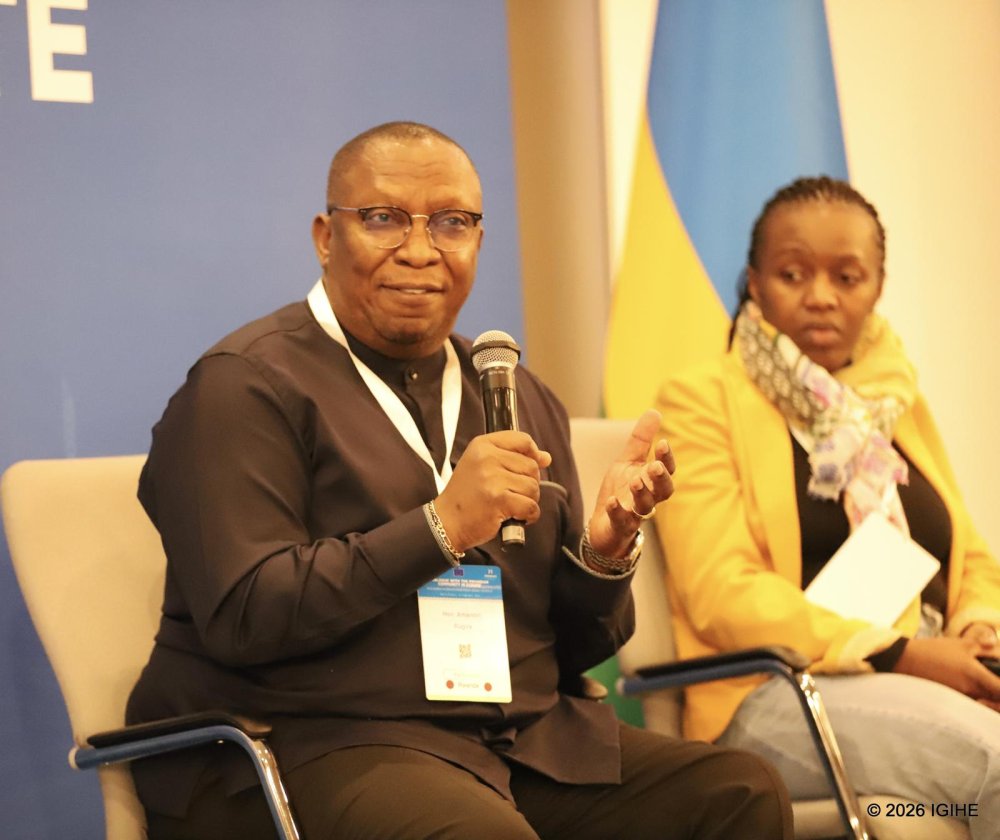
Senator Amandin Rugira delivered a moving account of his family and professional journey. Raised in a household that rejected tribalism, he said his parents instilled values of love, respect, and integrity that later guided his career as an economist and public official.
He recalled that defending such principles under the regime of Juvénal Habyarimana came at a heavy cost, making him and his family targets during the 1994 Genocide against the Tutsi.
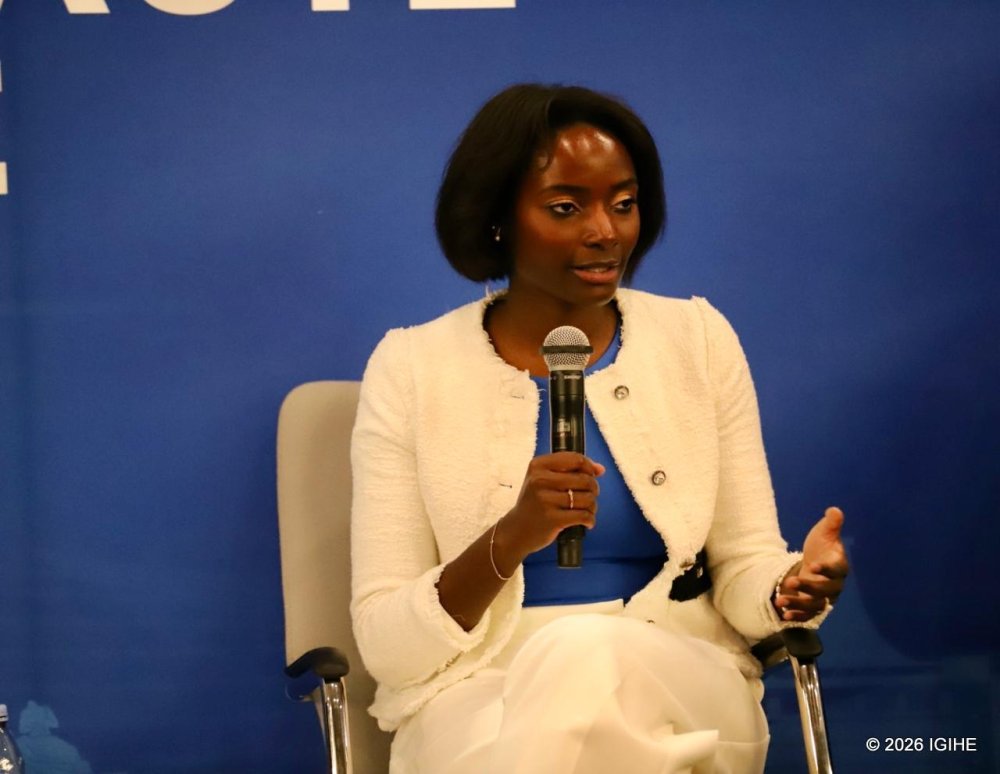
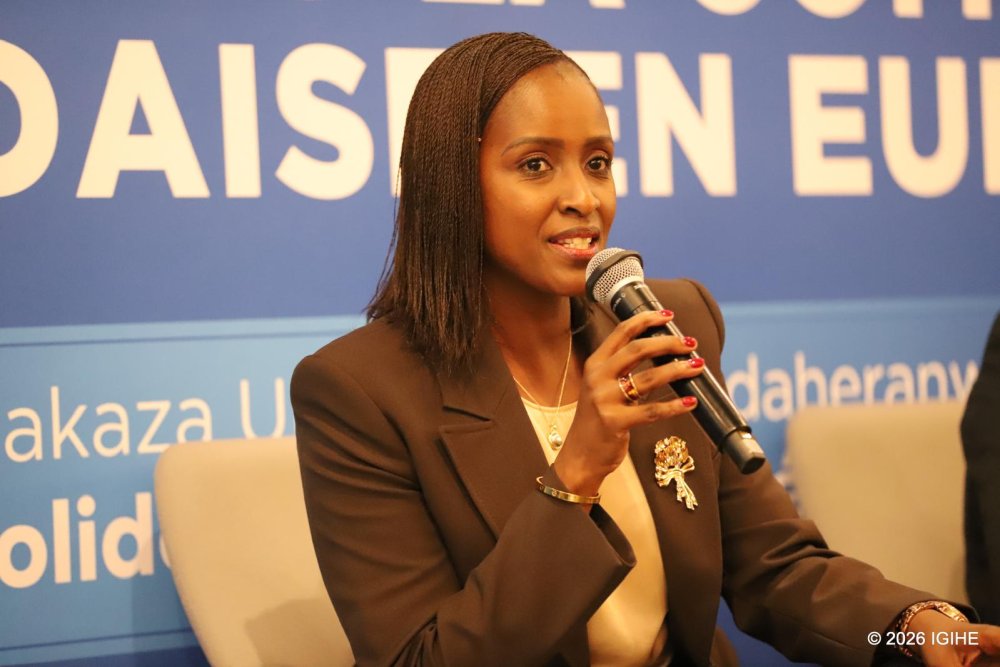
The Minister of Sports Nelly Mukazayire spoke about the complexity of her own identity. The daughter of a woman convicted for genocide crimes and a Tutsi father, she learned of her mother’s involvement only two years after the events.
As Mukazayire explained, she chose not to be defined by her family’s past but to build her life on responsibility, dignity, and hope. She encouraged young people to own their choices, know their history, and speak the truth with courage, while urging parents to maintain open dialogue with their children.
She illustrated this approach with a powerful moment when her daughter, at age 12, asked whether she should love or hate her imprisoned grandmother. Faced with the question, she and her husband chose transparency, convinced that truth shared within a framework of trust is essential to identity formation and reconciliation.
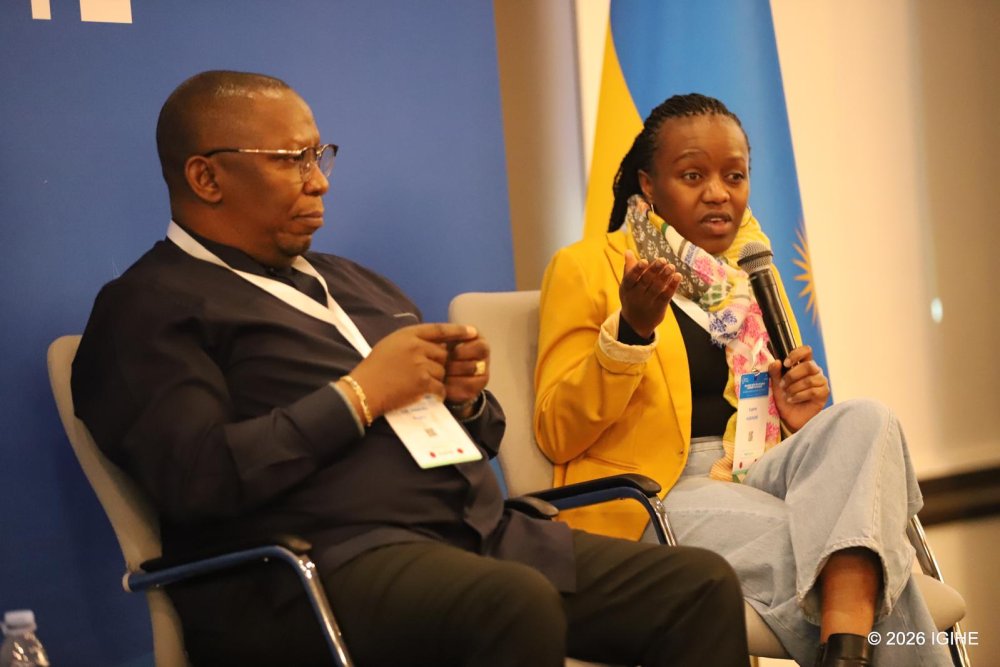
Nubuhoro Eugénie also shared her experience as the child of a parent involved in the genocide. Raised in exile amid hatred toward Tutsi, she questioned the narratives she had inherited and sought the truth through the Ministry of National Unity and Civic Engagement before returning to Rwanda in August 2025 after 31 years abroad.
Her story underscored the importance of rejecting wrongdoing, even within one’s own family, and passing on truth to future generations.
Youth and social media as tools for truth
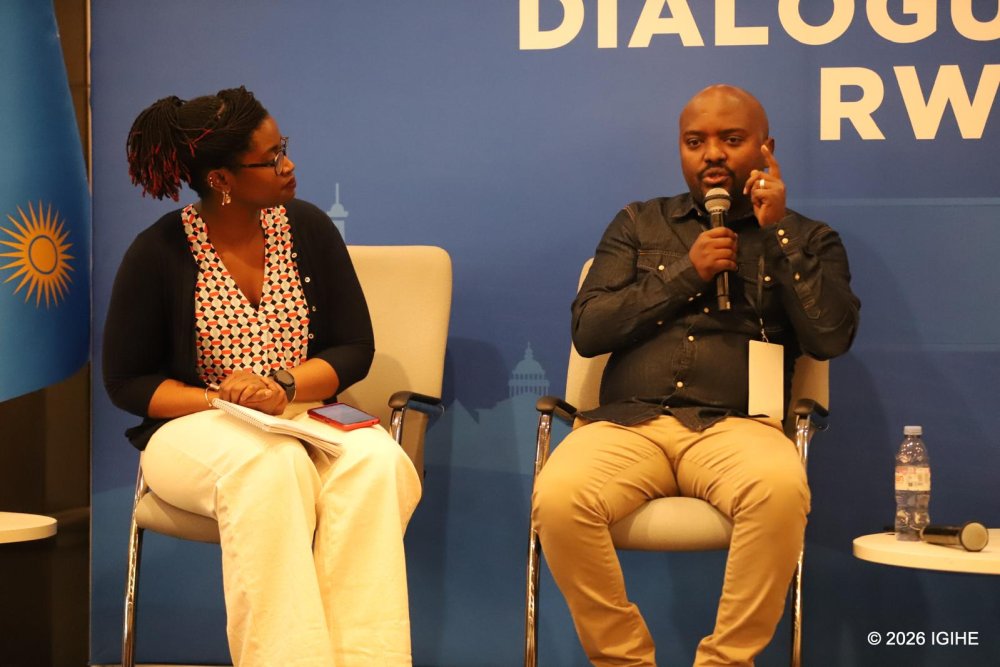
Gatete Olivier discussed the role of social media and how young Rwandans living or raised in Europe can use digital platforms to access reliable information. He explained that he initially feared speaking publicly against misinformation about Rwanda, but later launched YouTube programs and created his own channel to counter false narratives. His experience shows how social media can become a powerful vehicle for truth and civic engagement.
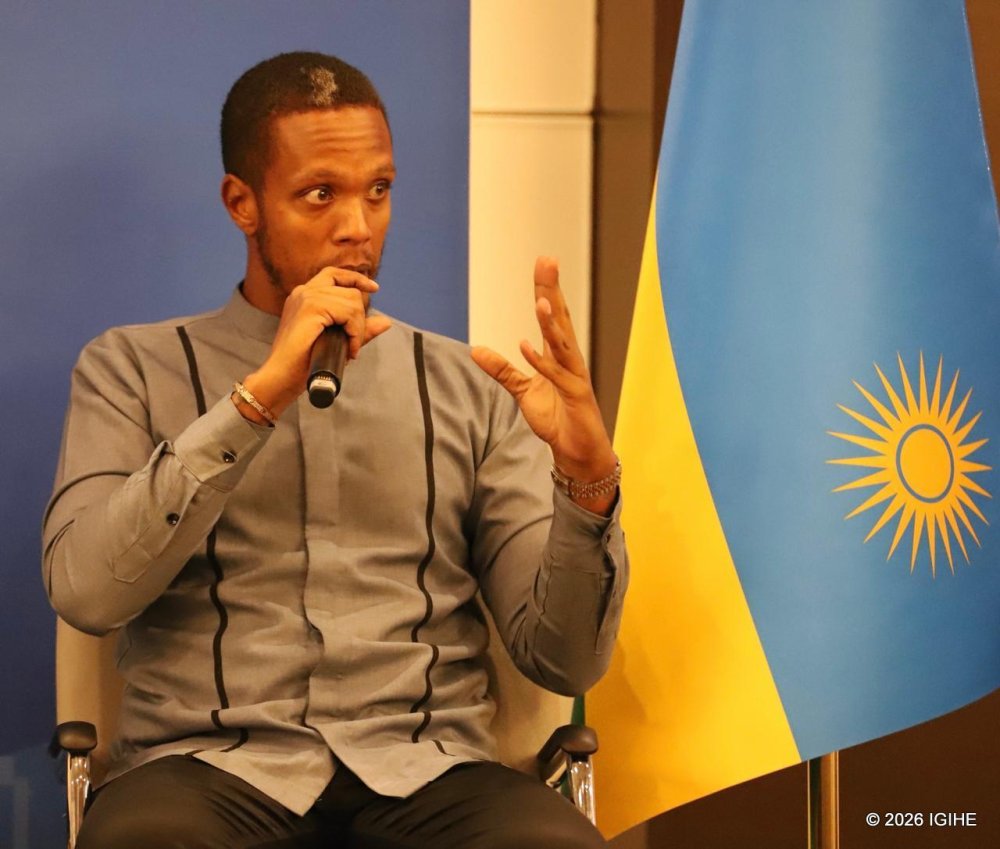
In the same spirit, Bryon Mutijima described his active use of online platforms to promote verified information and respectful dialogue. He noted that many young people now rely primarily on digital spaces for news, and that sharing factual content and personal experience can spark reflection and constructive discussion.
Drawing on his entrepreneurial work in Rwanda, he encouraged diaspora youth to explore investment and business opportunities, stressing the importance of preparation, institutional support, and on-the-ground visits to understand market realities.
Barebe Niringiyimana, who lives in Sweden, spoke about growing up in a family that portrayed Rwanda negatively and warned he could be killed if he returned. Seeking clarity, he contacted Rwanda’s embassy office for the Nordic countries, which helped him reconsider. Despite lingering fears, he traveled to Rwanda and encountered a reality very different from what he had been told. After deciding to return last month, he began developing a project in the country—an experience he says opened new perspectives.
Exchanges with the Minister of National Unity and Civic Engagement, Jean Damascène Bizimana highlighted the importance of such initiatives and the role young people can play in strengthening unity and resilience.
Memory, justice, and critical awareness
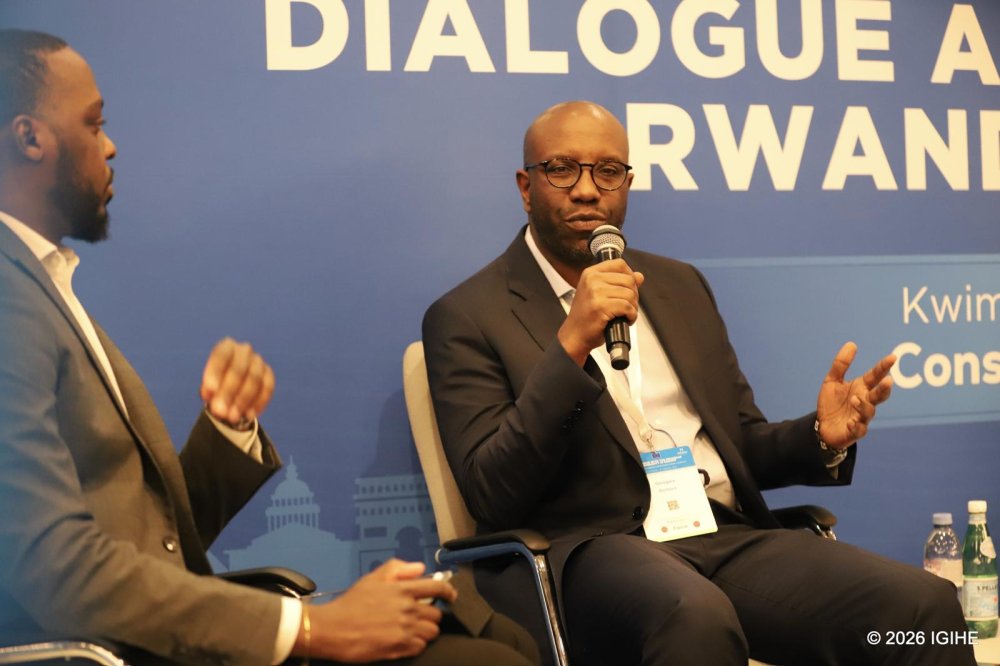
Other interventions emphasized justice, remembrance, and critical thinking. Lawyer Richard Gisagara spoke about his involvement in trials of genocide suspects in France since 2014, stressing the need for continued vigilance as time reduces the number of witnesses and defendants.
Testimonies from Jean de Dieu Uwizeye and other diaspora youth showed how inherited narratives and propaganda still shape perceptions, underscoring the importance of engaging directly with Rwanda to form an informed understanding of history.
The dialogue concluded with a shared conviction; when memory is approached with responsibility and empathy, it can become a driver of collective resilience.
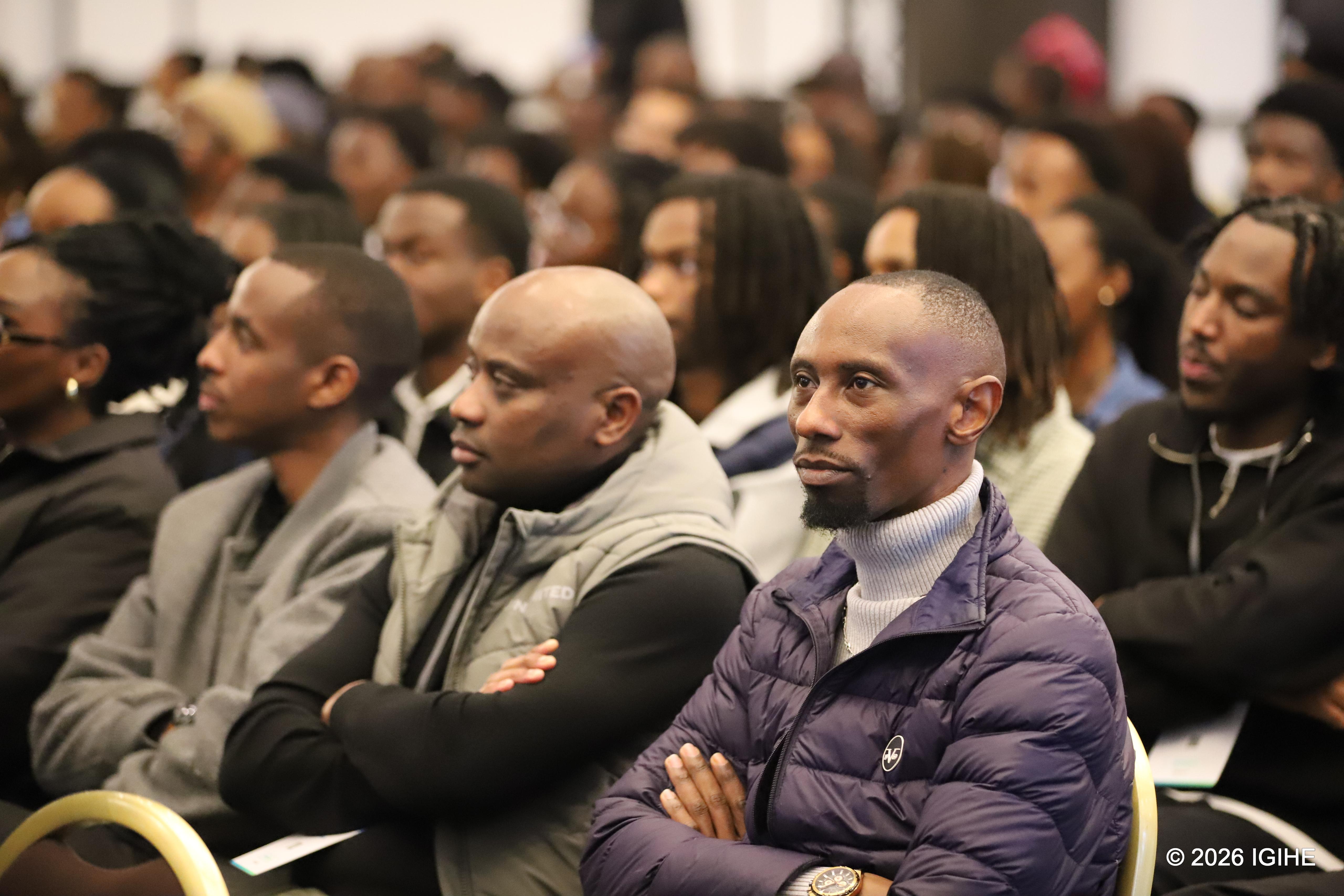
The gathering reflected the determination of a diverse yet united diaspora to contribute to Rwanda’s future by transmitting truth and strengthening intergenerational cohesion.
Leave a Reply