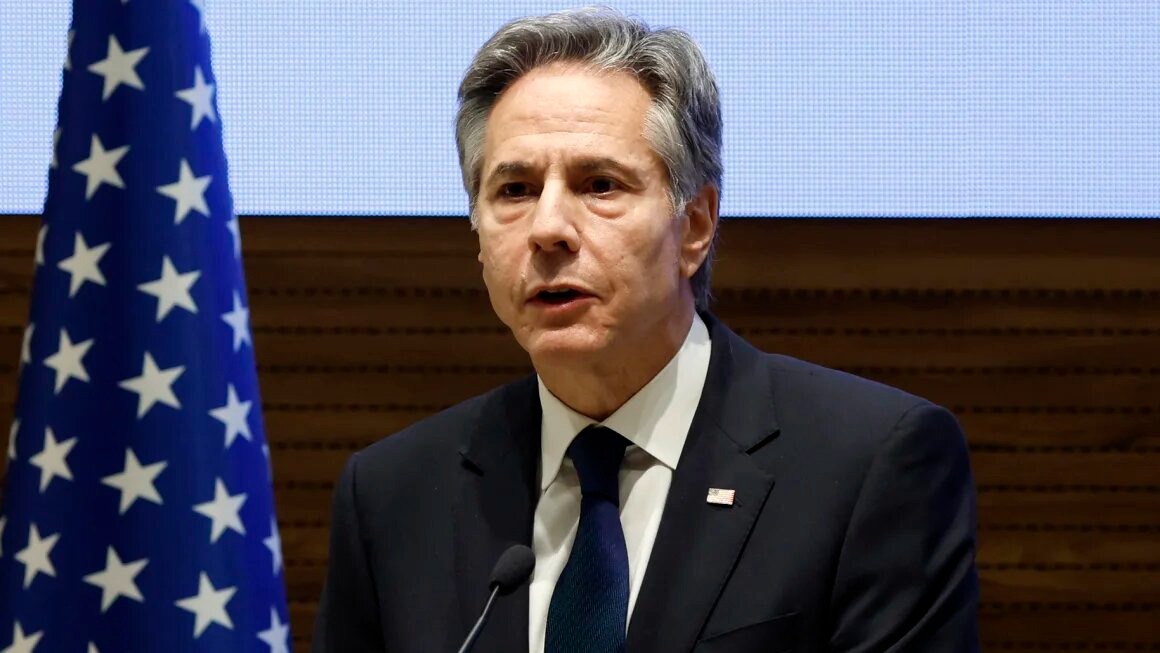
Blinken had through a post on X (formerly Twitter) expressed the United States solidarity with Rwanda during the 30th anniversary.
“The United States stands with the people of Rwanda during Kwibuka 30 in remembering the victims of genocide. We mourn the many thousands of Tutsis, Hutus, Twas, and others whose lives were lost during 100 days of unspeakable violence,” he wrote.
However, the post did not sit well with netizens, who termed it vague and general, as it did not highlight that the Tutsis were the targeted group in the 1994 atrocities.
“That’s distorting and disregarding the truth; in Rwanda, there was a genocide against the Tutsis in 1994. It’s better not to say anything, Rwandans will be okay, as they always have been. No country is powerful enough, even when they think that they are, to change the facts,” Heritier wrote.
“@SecBlinken it’s called genocide against Tutsi,” Espoir King wrote.
Others questioned the United States failure to stop the genocide that claimed the lives of more than one million people in just 100 days, while others criticized the country’s biasness in the ongoing Israel-Hamas war, where the US has sided with Israel.
“The 1994 genocide against Tutsi in Rwanda, while devastatingly impacting many, was characterized by the systematic targeting of Tutsis. Recognizing this doesn’t diminish your honor or falsify the truth of the events. The U.S.’s statement during #Kwibuka30 reveals that there is a long way to go to recognize what your government failed to stop while you had the full capacity. Understanding history accurately is crucial for healing and preventing future atrocities,” Emmanuel Habumuremyi wrote.
This is, however, not the first time the US is failing to recognize the official definition of the 1994 Genocide against the Tutsis.
In August 2022, Blinken, while on a visit in Rwanda, was asked by a local journalist, Edwin Musoni, to address the vagueness, but could not offer a direct and convincing answer.
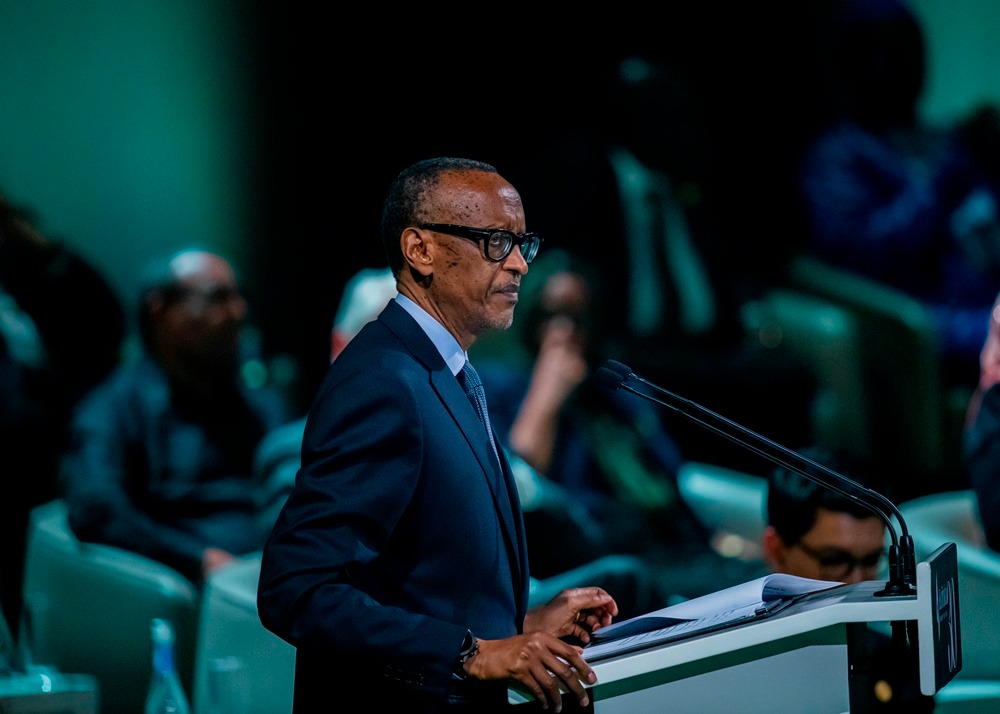
Yesterday, President Paul Kagame, in an apparent reference to the US action, also condemned intentional vagueness in reporting of the genocide against the Tutsi, which he said plays a role in fueling denial.
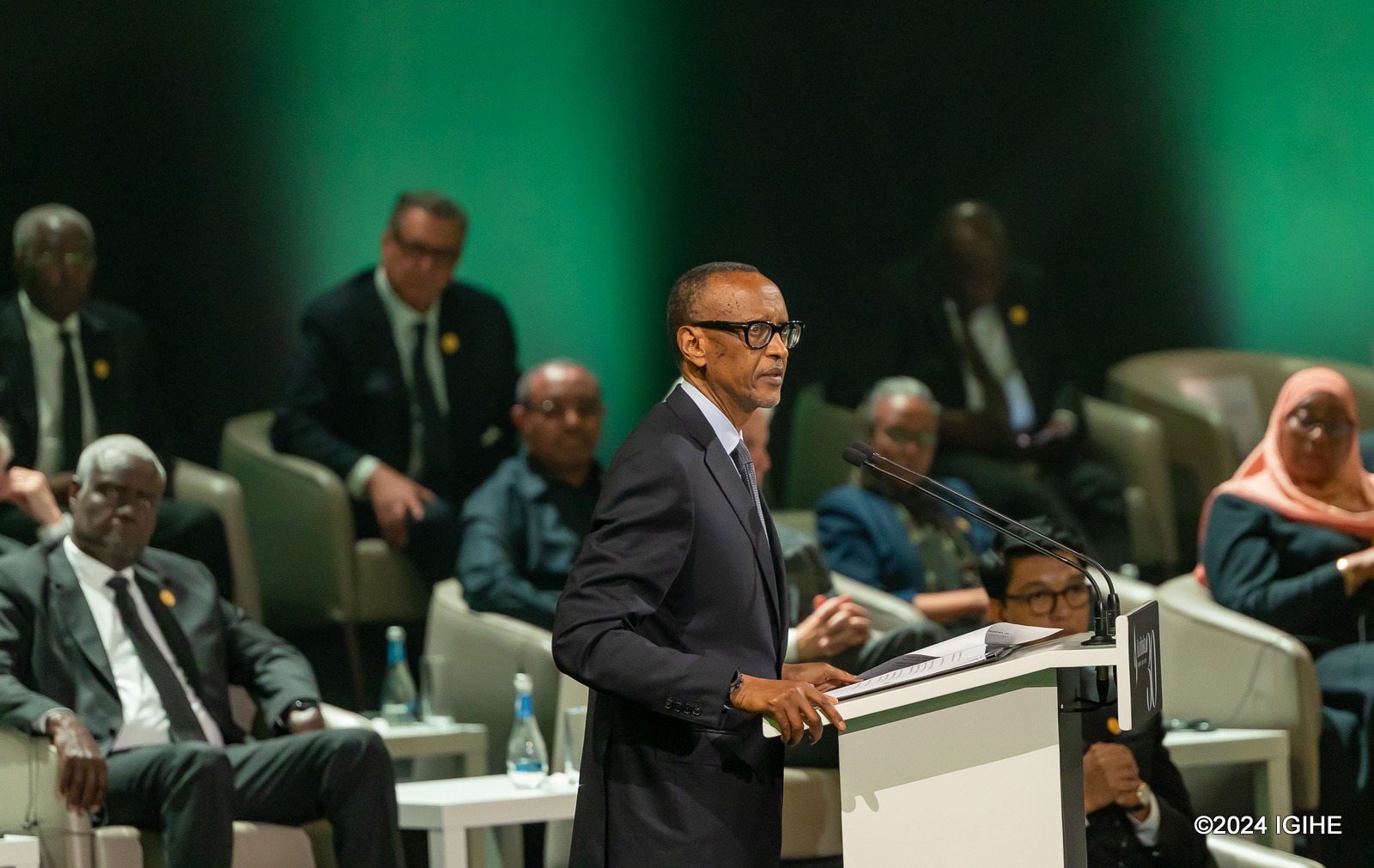
“Rwandans will never understand why any country would remain intentionally vague about who was targeted in the genocide. I don’t understand that. Such ambiguity is, in fact, a form of denial, which is a crime in and of itself, and Rwanda will always challenge it,” Kagame stated during Kwibuka30.
In his strongly-worded statement, the leader of the Rwandan Patriotic Front (RPF) declared that the Rwandan people are ready to confront any attempt to drag the country backward, given the milestones achieved over the last 30 years.
“Today, it is all Rwandans who have conquered fear. Nothing can be worse than what we have already experienced. This is a nation of 14 million people, who are ready to confront any attempt to take us backwards. The Rwandan story shows how much power human beings have within them. Whatever power you do have, you might as well use it to tell the truth and do what is right,” President Kagame stated.
President Kagame emphasized that the only choice for survivors of the genocide is to live, giving the example of a brave woman who defiantly spat in the face of her killers, when they demanded she choose how she wanted to die.
“During the genocide, people were sometimes given the option of paying for a less painful death. There is another story I learned about at the time, which always sticks in my mind, about a woman at a roadblock, in her final moments.
“She left us a lesson that every African should live by. When asked by the killers how she wanted to die, she looked them in the eye, and spit in their face. Today, because of the accident of survival, our only choice is what life we want to live. Our people will never — and I mean never — be left for dead again,” President Kagame vowed.
He blamed the international community for the killing of more than one million people in 1994, saying the foreign powers failed to act due to contempt or cowardice.
“Many of the countries represented here today also sent their sons and daughters to serve as peacekeepers in Rwanda. Those soldiers did not fail Rwanda; it was the international community which failed all of us, whether from contempt or cowardice,” he said while recognizing the role of the soldiers who served as peacekeepers in Rwanda during the genocide.
“Among those here with us today, I salute the widow and daughter of the late Captain Mbaye Diagne of Senegal, who died a hero as he rescued many Rwandans from death.”
The Head of State further expressed confidence in the country’s future, stating that it is secure in the hands of the youth, who possess a mindset distinct from that of previous generations.
“Nearly three-quarters of Rwandans today are under age 35. They either have no memory of the genocide, or were not yet born,” he stated.
“Our youth are the guardians of our future and the foundation of our unity, with a mindset that is totally different from the generation before.”
At the same time, Kagame told off critics of the commemoration events, insisting that the country will continue to hold the events in honour of more than one million lives lost during the genocide.
The President stated that contrary to views held by some quarters, Kwibuka is not merely a political tactic.
“Over time, in the media controlled by the powerful in this world, victims are rebranded as villains, and even this very moment of commemoration is derided as a mere political tactic. It is not. It never has been. Our reaction to such hypocrisy is pure disgust.
“We commemorate because those lives mattered to us. Rwandans cannot afford to be indifferent to the root causes of genocide. We will always pay maximum attention, even if we are alone. But what we are seeking is solidarity and partnership to recognize and confront these threats together, as a global community,” he added.
Several heads-of-state and government attended the commemoration event today. Some of the leaders include Israeli President Isaac Herzog, Petr Pavel (Czech Republic President), Andry Rajoelina (Madagascar), Mohamed Ould Ghazouani (Mauritania), Salva Kiir (South Sudan) South Africa Cyril Ramaphosa (South Africa), Faustin-Archange Touadéra (Central African Republic) and Ethiopia’s Prime Minister Abiy Ahmed among others.
Former US President Bill Clinton, Ugandan Vice President Jessica Alupo, Kenya’s Deputy Rigathi Gachagua, and Stéphane Séjourné, Minister for Europe and Foreign Affairs of France, was also present.
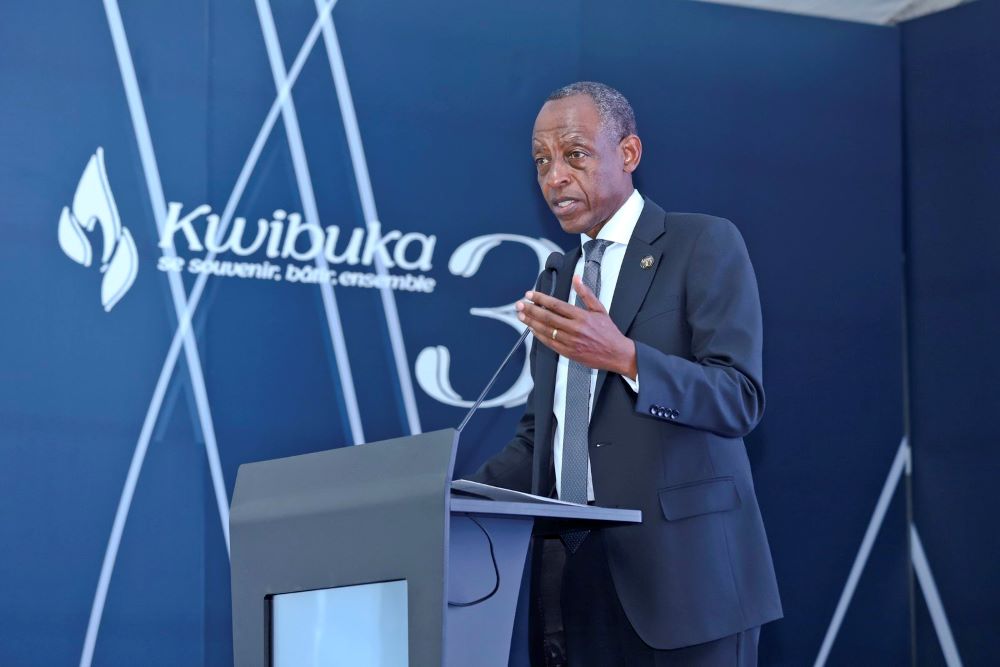
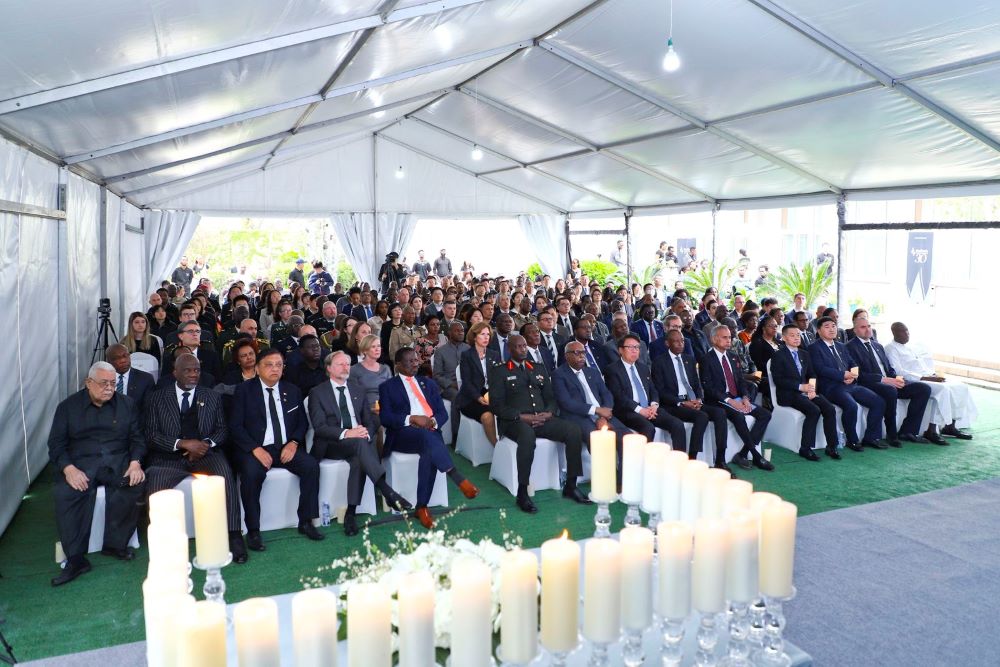
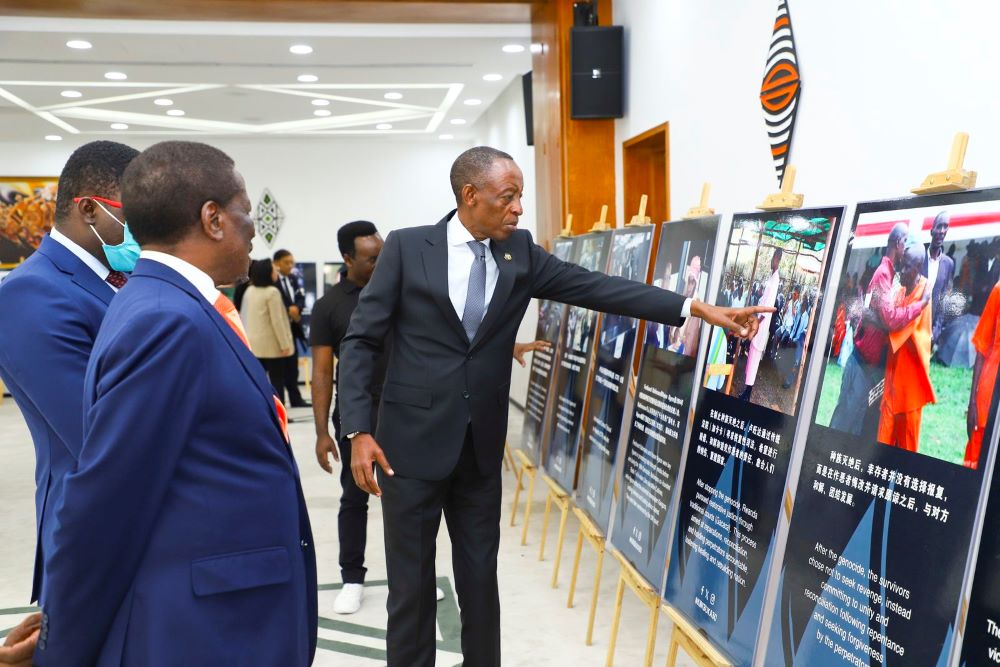
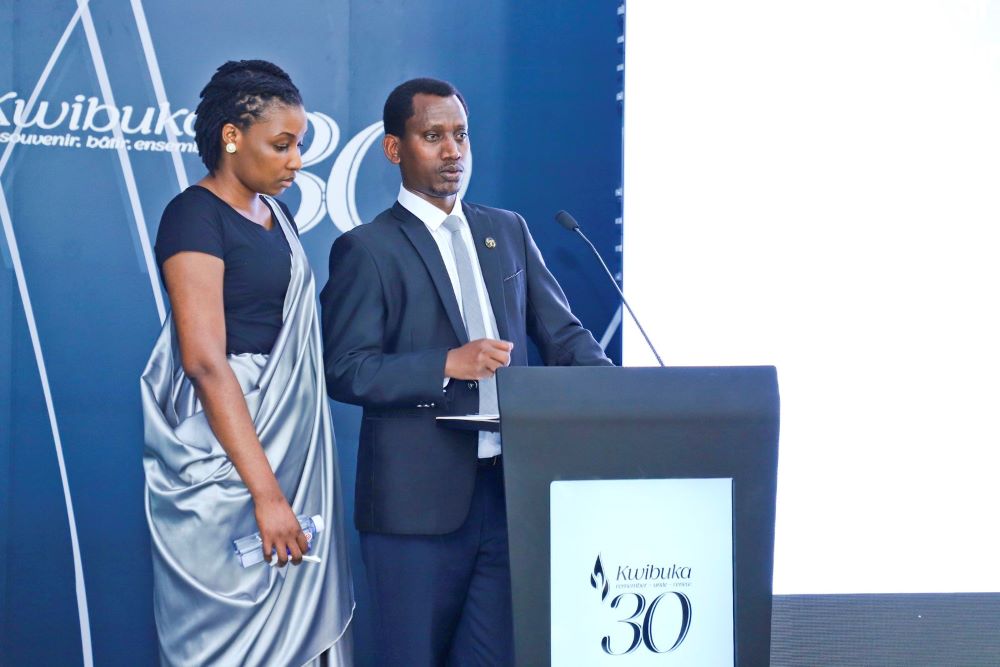
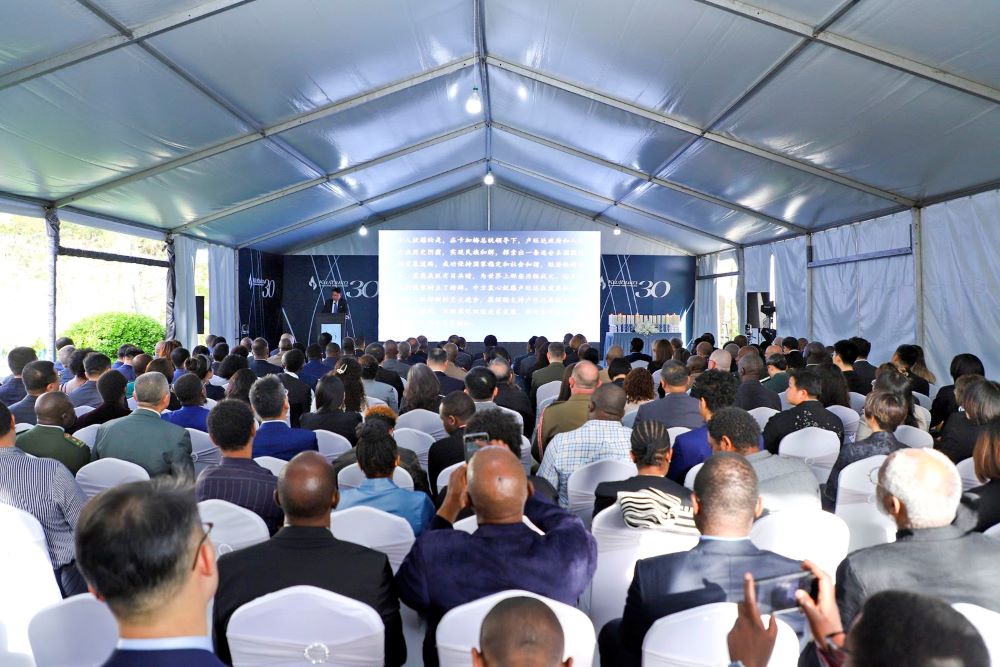
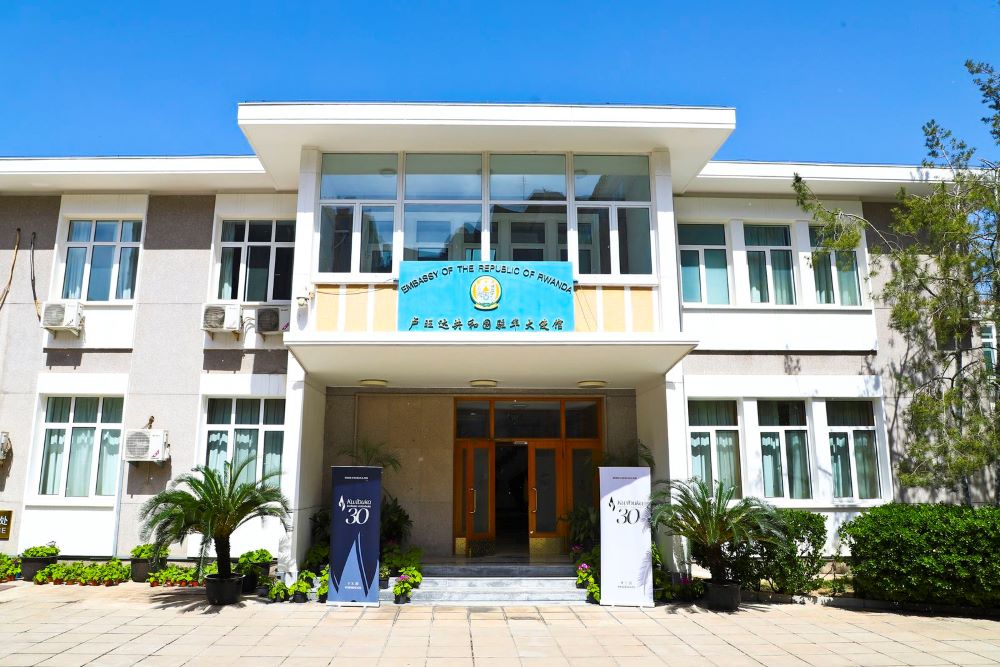
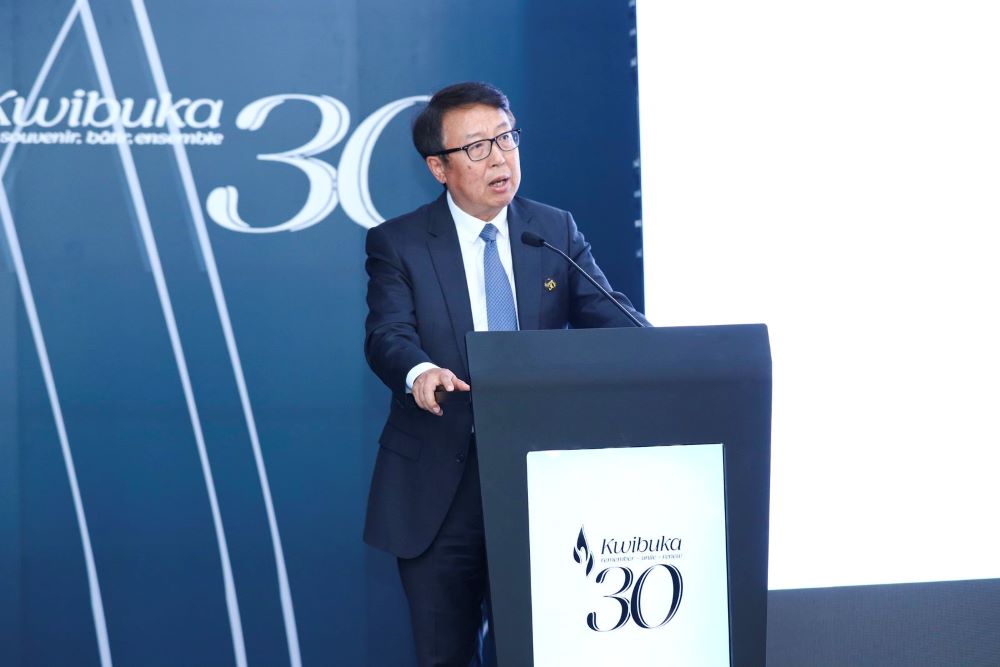
This call was made during a commemoration event held at the Rwandan Embassy in Beijing, attended by Chinese government officials, diplomatic corps, international organization representatives, and friends of Rwanda.
He reminded attendees that the genocide’s brutality resulted in the murder of over one million people within 100 days, averaging about 10,000 lives taken daily.
“Perpetrators had no iota of mercy, they slaughtered people like chickens, raped, banged babies against solid objects…they did all manner of callous things without sparing anyone – young, elderly, disabled, even pregnant women,” said Amb. Kimonyo.
The ambassador lamented the international community’s inaction despite clear warnings, such as those from Canadian General Romeo Dallaire, then-commander of the United Nations Force in Rwanda, who foresaw the impending massacre but was denied reinforcements.
Highlighting acts of valor amidst the tragedy, Amb. Kimonyo praised the Rwanda Patriotic Front (RPA) for ending the genocide and noted the courageous efforts of peacekeepers like Ghanaian soldiers under General Henry Kwami Anyidoho and Captain Mbaye Diagne from Senegal, who risked their lives to save others.
Thirty years post-genocide, Rwanda’s narrative is one of resilience and unity. The nation has transcended its painful past, fostering a collective identity devoid of ethnic divisions.
“Despite this tragedy that befell our country, we stand as a testament to the strength of human spirit and resilience,” Amb. Kimonyo affirmed.
He emphasized the importance of learning from history to prevent future atrocities, calling out the ongoing hate speech and ethnic discrimination in regions like the Great Lakes, urging for a concerted effort to eliminate impunity and promote global solidarity against genocide.
“Let me call upon the international community to fight the spread of hate speech, genocide ideology, denial and bring to book all the perpetrators residing and working in different countries,” he said.
“The commitment to never again should not be an obligation but the true claim to uphold humanity,” added Amb. Kimonyo.
He also called upon Rwandans, especially the youth, to carry the responsibility ‘that lies on our shoulders to preserve the memory, uphold our unity, safeguard, and accelerate the progress of Rwanda’.
The Director General of the Department of African Affairs, Amb. Wu Peng, representing the Government of China at the event, expressed profound sympathy and condolences towards Rwandans.
He recognized Rwanda as an exemplar of resilience and praised the significant strides Rwanda has made under President Paul Kagame’s leadership, including efforts towards reconciliation and transformation aligned with national conditions. These efforts have led the country to achieve stability, social harmony, and economic growth.
Amb. Wu Peng also reiterated his country’s commitment to continue supporting Rwanda on its development journey, deepening bilateral relations and cooperation for the mutual benefit of both nations.
Meanwhile, Mr. Siddharth Chatterjee, the Resident Coordinator of the United Nations in China, conveyed a message from the Secretary-General, expressing solidarity with Rwandans and urging the global community to unite against all forms of hatred and discrimination to prevent the recurrence of genocide.
Rahamtalla Mohamed Osman, the Permanent Representative of the African Union to China, remarked that commemorating the Genocide against the Tutsi in Rwanda serves as a crucial reminder to African states of its magnitude and their essential duty to counteract the destructive path opened by such criminal acts.
The event featured poignant testimonies from Narcisse Mulinga, who survived the Genocide against the Tutsi. At the tender age of 11, he witnessed the murder of relatives right before his eyes yet managed to transcend his harrowing experiences to reconstruct his life. Today, he cherishes having a loving family, including a 10-year-old child.
Currently, he is on the verge of completing his PhD in regional rural development at Anhui Agricultural University, embodying the ongoing journey of personal rebuilding and resilience.
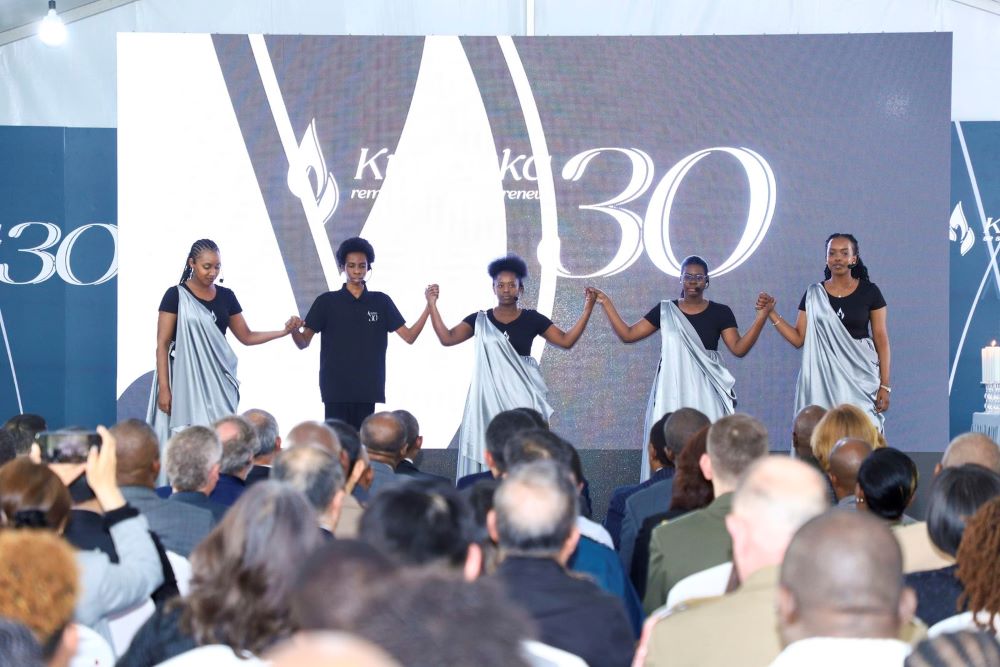
The commemoration also included a documentary screening, lighting the flame of hope, and a poem titled ‘Rwanda: A Beacon of Light,’ performed by Rwandan students in China, capturing Rwanda’s journey of recovery and hope.
Throughout the 100 days, the Embassy and the Rwandan Community in China will continue to host commemoration activities centered on the theme ‘Remember, Unite, Renew’.
Speaking during the 30th commemoration of the genocide dubbed ‘Kwibuka30’, President Kagame revealed that Florence was killed by the Interahamwe while waiting to be rescued by the United Nations (UN) peacekeepers on the morning of May 16, 1994.
According to the Head of State, at the time of her death, Florence had worked with the United Nations Development Programme (UNDP) for more than 15 years and lived near Camp Kigali (KCEV).
Kagame, who was the commander of the Rwandan Patriotic Front (RPF) at the time, had spoken with his cousin several times over the telephone as the rebel group advanced to Kigali.
“The telephone in Florence’s house still worked and I called her several times using my satellite phone. Each time we spoke she was more desperate but our forces could not reach the area,” President Kagame painfully narrated.
He said that seeing that his soldiers would be delayed, he requested the commander of the peacekeeping mission, Roméo Dallaire, to rescue Florence, but the soldiers could not due to a roadblock erected by the killers.
President Kagame revealed that the last time he talked to Florence she was crying after witnessing the horror of the genocide.
“The last time I talked to her, I asked if anyone had come and she started crying. Then she said, ‘Paul, you should stop trying to save us. We don’t want to live anymore anyway.’ I quickly understood what she was saying, and she hung up,” President Kagame recounted.
The emotional last call with Florence left the President devastated and broken.
“At that time, I had a very strong heart but it weakened a bit because I understood what she was trying to tell me. On the morning of May 16, following a month of torture, they were all killed except for one niece who managed to escape thanks to a good neighbor,” he added.
Kagame further disclosed that his cousin was betrayed by a colleague to the killers and celebrated after her death.
He expressed his disappointment that no action was ever taken against the UNDP staffer despite evidence implicating him.
“It later emerged that a Rwandan working at the UNDP betrayed his Tutsi colleague to the killers. Witnesses remember him celebrating Florence’s murder the night after the attack. He continued his career with the UN for many years even after evidence implicating him emerged. He is still a free man now living in France,” Kagame narrated.
He, however, lauded General Dallaire for his courage, saying he did his best under the worst conditions.
“I asked General Dallaire what happened. He said his soldiers encountered a militia roadblock near the house, so they turned back just like that. Meanwhile, he conveyed to me an order from the US ambassador to protect diplomats and foreign civilians evacuating by road to Burundi from attacks by the militias. These two things happened at the same time,” he revealed
In an apparent critique of the US’ actions regarding the evacuation efforts, Kagame said the two incidents brought to the fore the “value attached to different shades of life”.
“I do not blame General Dallaire. He is a good man who did the best that could be done in the worst conditions imaginable. He has consistently borne witness to the truth despite a personal cost,” Kagame noted.
“Nevertheless, in the contrast between the two cases, I took note of the value that is attached to different shades of life.”
At the same time, President Kagame emphasized that soldiers who served in peacekeeping missions didn’t fail Rwandans during the genocide, but rather the international community, which was reluctant to take action and stop the killings.
“Many of the countries represented here also sent their sons and daughters to serve in peacekeeping missions in Rwanda. Those soldiers didn’t fail Rwanda. It was the international community that failed all of us. Whether out of contempt or cowardice,” he said as he recognized the widow and daughter of Captain Mbaye Diagne from Senegal, who died a hero while rescuing many targeted victims from death.
More than one million people were killed in the 1994 genocide against the Tutsi, which lasted for 100 days. The genocide ended after RPF overthrew the government that was accused of supporting extermination of the Tutsi.
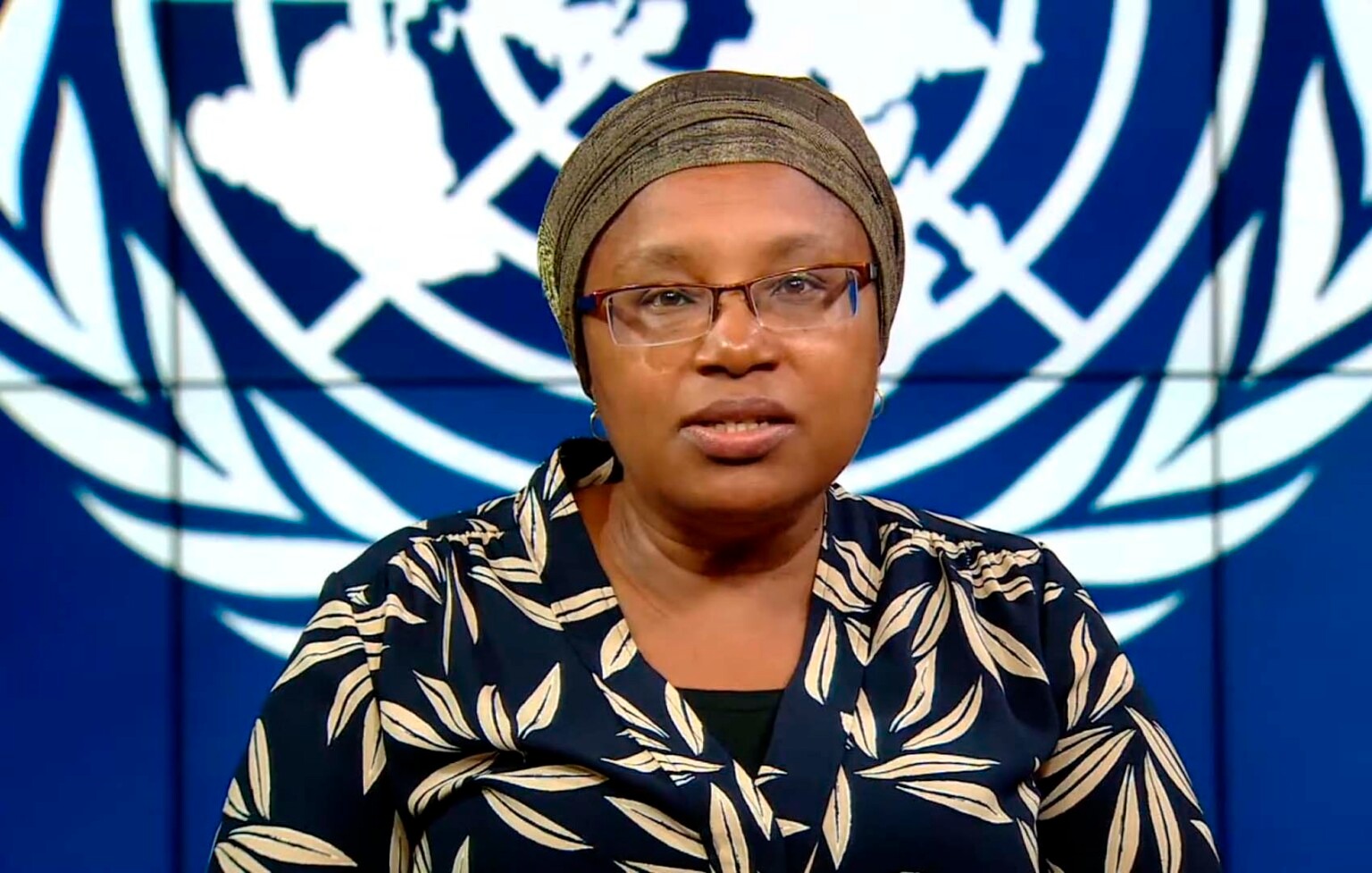
In a message for the 30th commemoration of the genocide dubbed “Kwibuka30”, Nderitu emphasized that genocide denial is detrimental on healing and reconciliation efforts.
“Denial or distorting the facts of the genocide against the Tutsis in Rwanda coming in the form of hate speech or constitutes an indicator of risk for the commission of genocide,” Nderitu said.
Without mentioning names, Nderitu noted that it was concerning that the deniers continue to ignore judicial decisions by the International Criminal Tribunal for Rwanda UN-ICTR, which proved beyond reasonable doubt, using international fair standards, that the genocide against the Tutsi in Rwanda happened.
“These threats are particularly worrisome as we are making the 30th commemoration of the genocide against the Tutsi in Rwanda,” she added.
The adviser highlighted that the hate speech, which played a key role in dehumanizing the Tutsi targeted for extinction in 1994, is one again, especially on social media, helping to spread and amplify denial at an alarming rate.
She called for concerted efforts to face head-on the challenges of addressing denial and distortion of the tragedies to prevent a repeat of the painful history.
“The story of Rwanda in the past 30 years is a story of deep learning and drawing lessons from the past to ensure that future generations do not experience the same horrors. Those whose lives and futures were taken must be remembered always. There is everlasting pain in remembering, but there is also strength.
“There must be determination in ensuring that these lessons learned from Rwanda are truly learned, risk factors mitigated early, and populations protected from another genocide. This determination and these efforts remain essential. This is why Kwibuka30 is especially important today, to remind us of our obligation to learn, to prevent, to act for those whose lives were taken away in the genocide against the Tutsi in Rwanda and for those whose lives are at risk today,” she affirmed.
More than one million people were killed in the 1994 genocide against the Tutsi.
Several heads-of-state and government are in the country to participate in the commemoration of the genocide today.
Some of the leaders include Israeli President Isaac Herzog, Petr Pavel (Czech Republic President), Andry Rajoelina (Madagascar), Mohamed Ould Ghazouani (Mauritania), Salva Kiir (South Sudan) South Africa Cyril Ramaphosa (South Africa), Faustin-Archange Touadéra (Central African Republic) and Ethiopia’s Prime Minister Abiy Ahmed among others.
Former US President Bill Clinton, Ugandan Vice President Jessica Alupo, Kenya’s Deputy Rigathi Gachagua, and Stéphane Séjourné, Minister for Europe and Foreign Affairs of France, are also attending the event.
The 30th commemoration will be held under the theme: “Remember, Unite, Renew.”
Rwanda National Police (RNP) has reassured the usual safety and security during the commemoration week and the rest of 100 days, which will be characterized by different remembrance events across the country.
The RNP spokesperson, Assistant Commissioner of Police (ACP) Boniface Rutikanga urged the public to follow the Kwibuka guidelines and to be responsive against anything that can affect the safety and security during this trying period.
ACP Rutikanga said: “Kwibuka will be held under the usual safe and secure environment. We call upon the public to refrain from operating barred public leisure facilities and other prohibited practices.”
Restricted activities during the commemoration week include projecting football matches, sports competitions; betting games, concerts, theatres and playing music not related to the commemoration; wedding and other mass celebrations.
“These are trying times to be close, comfort and support survivors as we continue to strengthen the unity, preserve the history, justice and integrity, fight impunity and hate speech.
Report any form of genocide ideology, negation, denial, and other acts that influence divisionism and hatred, or pose security threats.”
The public is urged to share information with the police on the RNP emergency toll-free line 112, WhatsApp line 0788311155 and all known Police contacts in districts as well as other RNP social media platforms.
Over three decades, Naton has evolved from its modest inception into a luminary of innovation and global engagement within the medical and health industry, illustrating the profound impact that foresight, pioneering research, and deliberate growth can have on the healthcare landscape worldwide.
Founded 30 years ago with a visionary mission to revolutionize medical services, Naton Technology Group has unwaveringly pursued excellence in independent innovative research and development (R&D), large-scale production capabilities, professional marketing strategies, and the application of high-quality medical services.
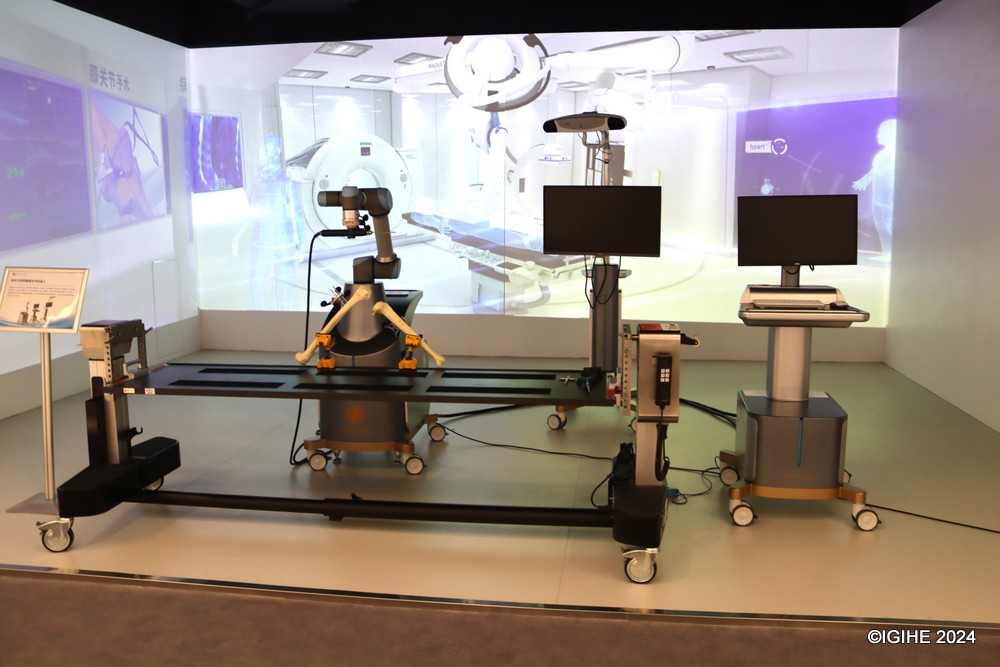
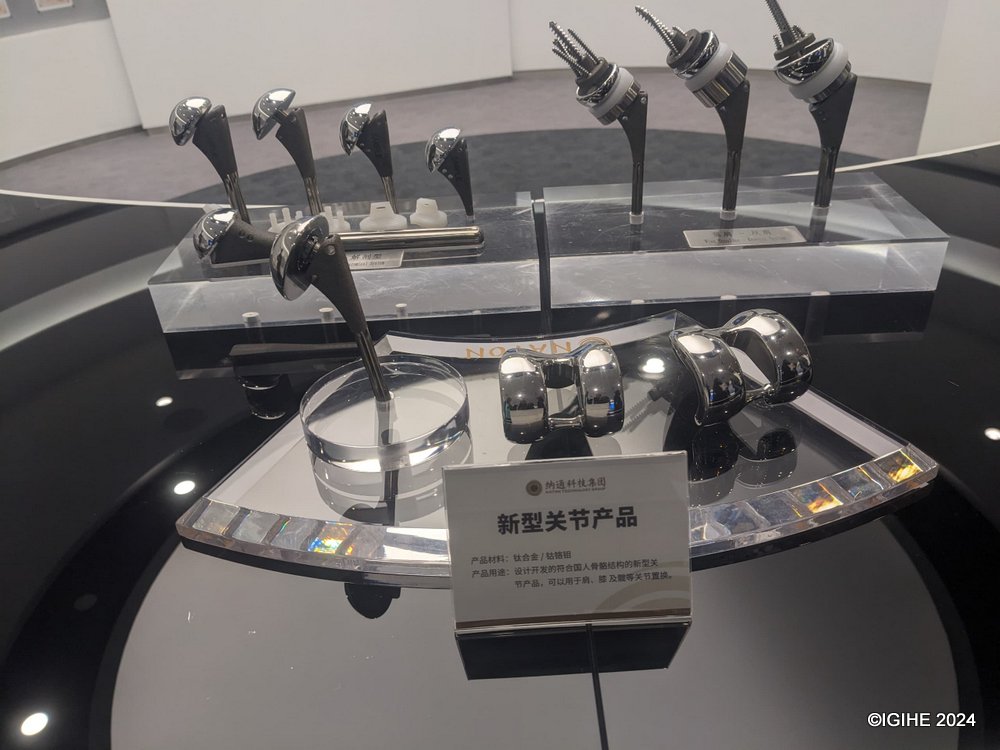
The company’s relentless dedication to innovation is evident in its diverse portfolio, which spans medical implants, intelligent surgical devices, biobased materials, medical aesthetics, protective equipment, and beyond, showcasing its comprehensive approach to healthcare solutions.
During a presentation to African journalists at the company’s headquarters, Shao Zaying, Vice President of Naton, highlighted the company’s innovative contributions and its strategic focus on expanding its footprint in Africa and other regions.
As he said, Naton’s groundbreaking biodegradable materials for medical implants, capable of naturally degrading within the body over a period of up to 24 months, have been exported to more than 130 countries, underlining the company’s pivotal role as a global leader in advancing medical technology.
The inception of Naton’s orthopedic implant business in 1996 marked the start of its ascension to excellence. Today, Naton is recognized as a conglomerate of 13 national high-tech enterprises.
Its strategic alignment with national policies and dedication to optimizing global resource allocation have nurtured an integrated development model that encompasses research, production, supply, and marketing, cementing Naton’s esteemed position on the international stage.
Naton boasts an impressive global infrastructure, with functional management and R&D headquarters located in Beijing, manufacturing bases spread across China, and international R&D centers in Europe, including a precision manufacturing center in Germany and a biobased materials base in Finland.
The Group’s active engagement in the mixed ownership reform of state-owned enterprises exemplifies its influence and strategic vision within the medical device sector.
At the core of Naton’s philosophy lies a deep-rooted commitment to innovation. The company has established seven R&D centers worldwide, filed for over 1600 patents, and spearheaded more than 2000 R&D projects.
Its collaborations with prestigious universities and hospitals in China have forged an integrated innovation platform that effectively bridges the gap between industry, academia, research, and application.
Naton’s industry recognition is unparalleled, with accolades such as the “Beijing Biomedical Industry Leapfrog Development Project G20 Outstanding Contribution Enterprise” and “National Enterprise Technology Center,” reflecting its significant contributions to the medical field and affirming its status as a vanguard of innovation and development.
Naton’s trajectory is punctuated with strategic milestones that have defined its journey towards innovation and excellence. From introducing Waldemar LINK joint products in China in 1996 to unveiling orthopedic robots in 2023, each step represents a significant advancement towards modernizing healthcare.
The establishment of Beijing DCN Orthopedics Hospital in 2002 and the development of the IRENE brand in 2007 further highlight Naton’s comprehensive approach to providing superior medical services and products.
The company’s pivot to artificial intelligence in 2018 and its swift response to the COVID-19 pandemic by producing facemasks illustrate its adaptability and commitment to addressing global health crises.
With a 2023 revenue of 640 million US dollars and a product portfolio that encompasses the entire industrial chain of medical implants, Naton Technology Group reigns as China’s premier orthopedic medical device company. Its vast network of global sales offices, branches, and distributors, along with strategic partnerships with world-renowned brands, underscore its expansive reach and influence in the medical industry.
Naton’s innovative offerings, including IRENE, INION, BRICON, and Naton Biology, along with Naton Intelligent Surgical Equipment, cater to a wide spectrum of medical interventions.
The portfolio extends to trauma care products for various parts of the body, spine solutions, joint care innovations, and a comprehensive range of products for lower limb rehabilitation, including cutting-edge exoskeletons for adults and children.
Additional features like surgical imaging screens, video recording capabilities, and an intelligent voice assistant showcase Naton’s commitment to enhancing surgical precision and efficiency.
Naton Technology Group’s narrative is more than a story of corporate success; it embodies a pioneering spirit that sets new standards in the medical field, fosters global collaborations, and significantly impacts lives worldwide.
An assessment conducted by the United Nations after touring affected areas has revealed that “the amount of crop failure is very devastating and leaves many people in need of food aid. Zambia is facing unprecedented drought,” UN Assistant Secretary-General Reena Ghelani said.
Ghelani, who is also UN climate crisis coordinator for the El Nino/La Nina response, told journalists at a press briefing that the international community needs to respond quickly to avoid further damages.
While commending the government for responding urgently to the crisis by releasing food from the strategic reverses, she noted that there is need for external help to fill the gap.
Etleva Kadilli, the United Nations Children’s Fund (UNICEF) regional director for eastern and southern Africa, expressed concern that the drought may have a huge impact on children in the country.
She said the situation is likely to result in increased malnutrition levels among children, a situation that may cause stunted growth.
In February this year, the government declared a national state of disaster and emergency to enable a rapid response to the prolonged drought which has affected 84 of the country’s 116 districts.
The Zambian government has reported that about six million people are at risk of food insecurity. About 40,000 people facing emergency levels of food insecurity, the UN said.
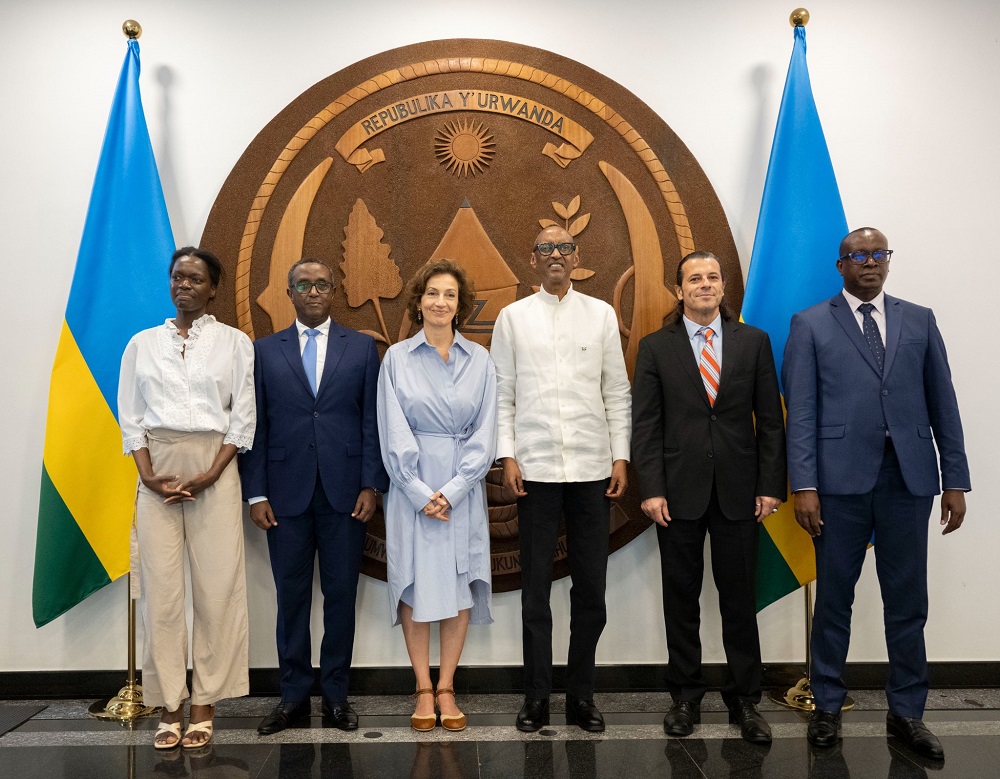
The Office of the President, Urugwiro Village, revealed that President Kagame hosted Azoulay in his office this Friday.
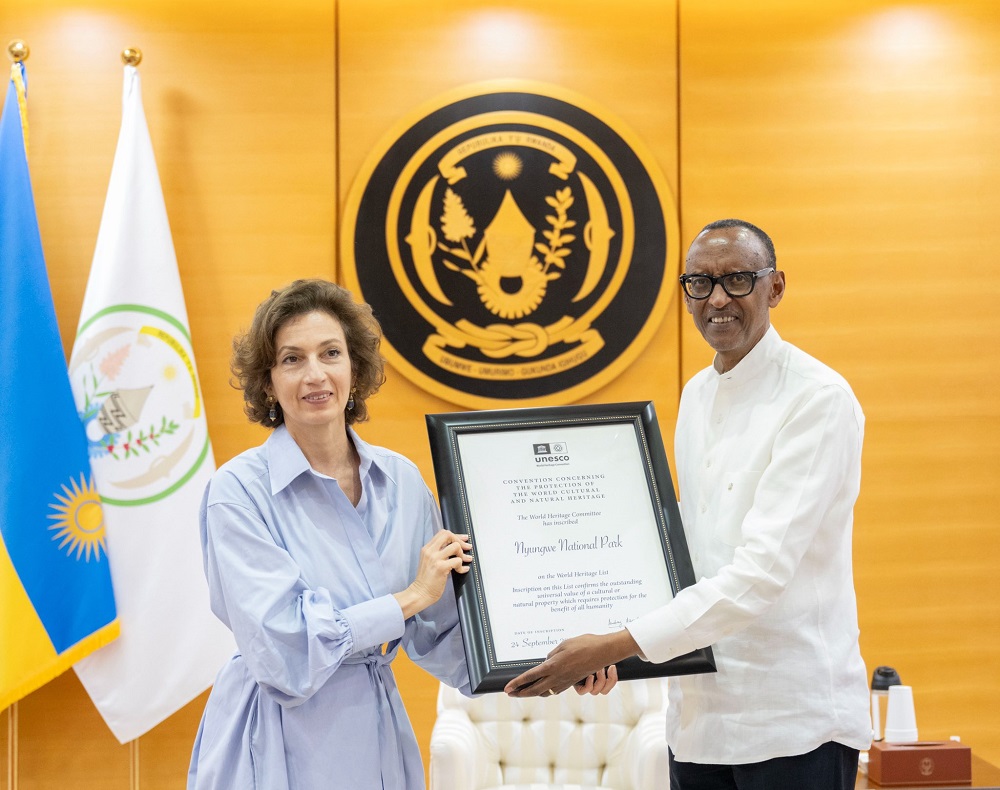
The UNESCO Director is in Rwanda to unveil World Heritage List plaques at four genocide memorial sites.
The four memorials of the 1994 Genocide against the Tutsi that have been inscribed on the World Heritage list include Nyamata, Murambi, Gisozi, and Bisesero.
While at the Kigali Genocide Memorial, Audrey Azoulay expressed that the inclusion of these memorials in the World Heritage is based on the international community’s acknowledgment of what happened in Rwanda.
It is scheduled that on April 6, 1994, she will visit the Murambi memorial to place the commemorative marker.
In addition to presenting the Rwandan government with the UNESCO certification of these memorials as World Heritage sites, Azoulay is expected to join Rwanda in the 30th commemoration of the Genocide against the Tutsi.
The recognition of the Genocide memorials as World Heritage sites emphasizes that their history must be preserved and that Rwanda and UNESCO agree that this history should be taught to prevent such atrocities from occurring again.
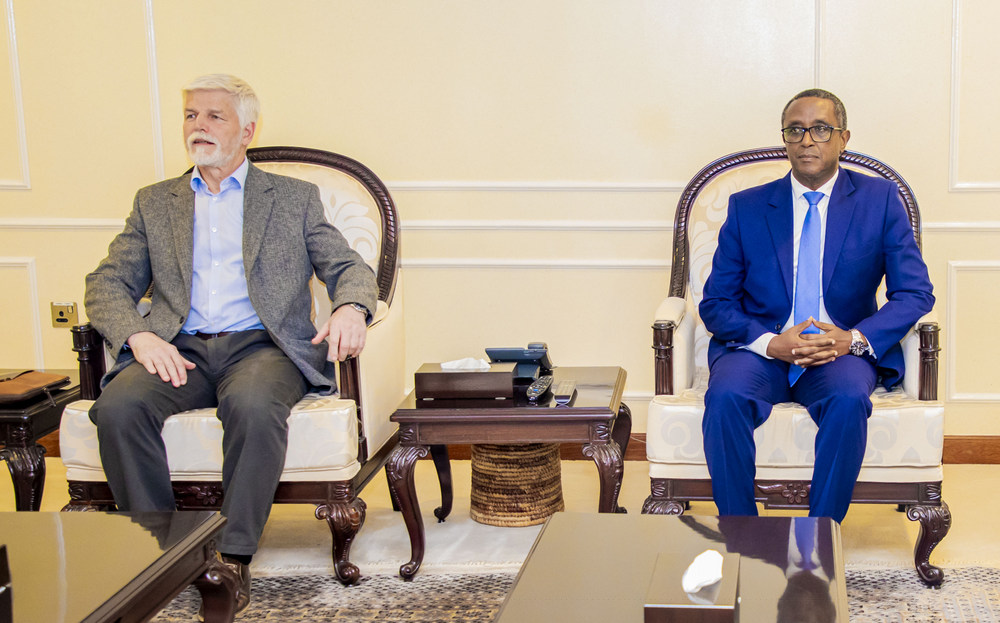
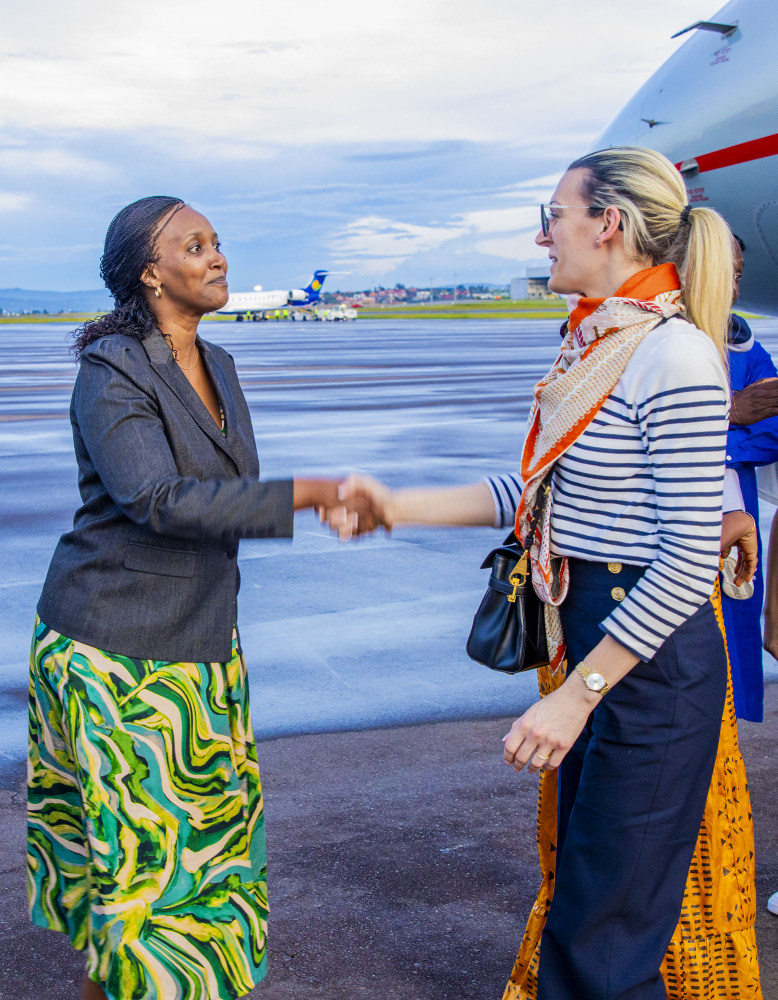
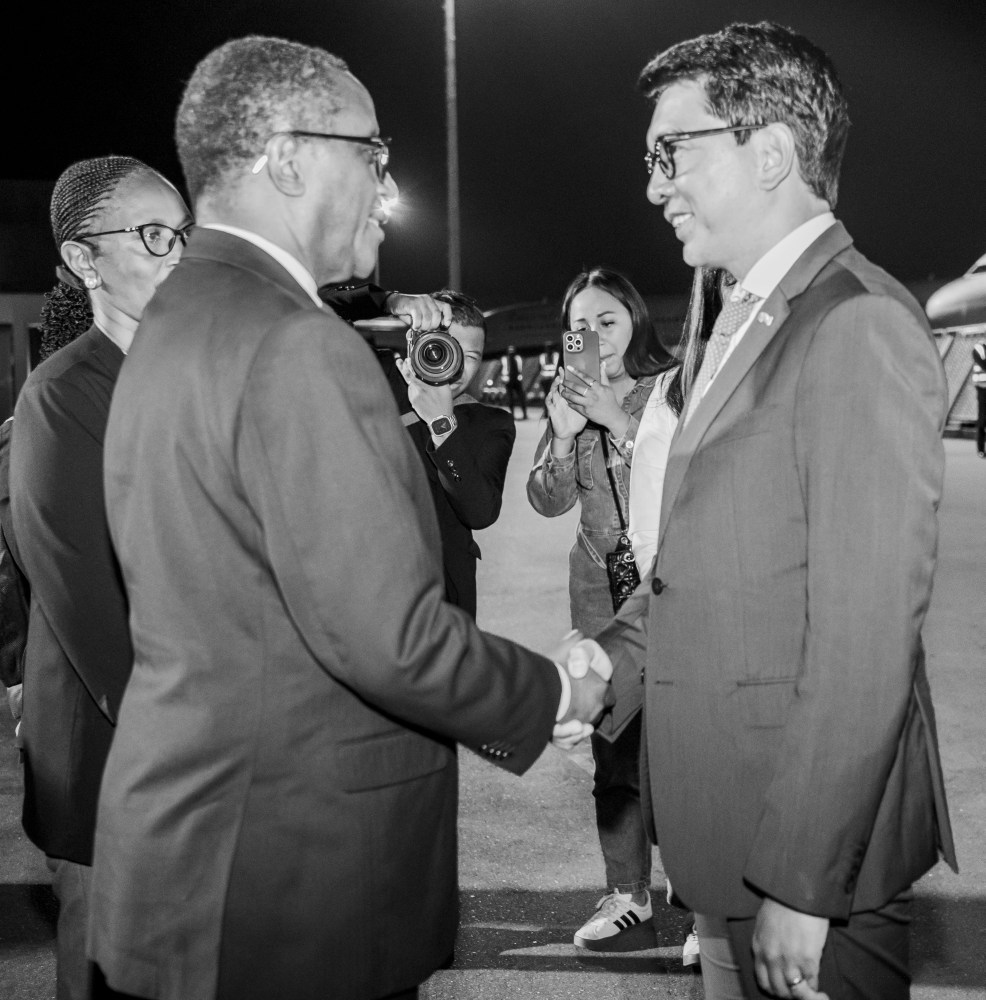
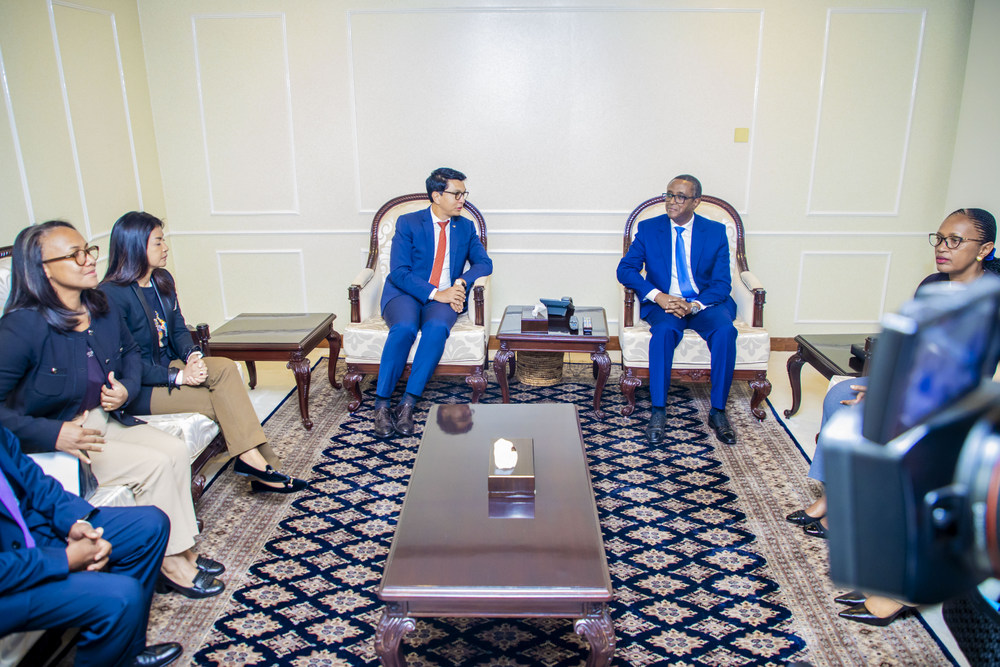
All these dignitaries arrived in Rwanda on the evening of Friday, April 5, 2024 to join Rwandans in commemorating the 30th anniversary of the 1994 Genocide against the Tutsi.
President Petr Pavel was welcomed at Kigali International Airport by Rwanda’s Minister of Foreign Affairs and International Cooperation, Dr. Vincent Biruta, a reception also accorded to Madagascar’s Andry Rajoelina.
During this visit, it is anticipated that President Petr Pavel will have discussions with his Rwandan counterpart, Paul Kagame, and will also meet with Czech nationals working in Rwanda.
Among other attendees of the 30th commemoration of the Genocide against the Tutsi will be Bill Clinton, former President of the United States, the French Minister of Foreign Affairs representing President Emmanuel Macron, and other dignitaries.
The Czech Republic has a strong relationship with Rwanda in areas such as military cooperation, agriculture, energy, and industry.
In 2022, investors from the Czech Republic arrived in Rwanda and initiated discussions with medical institutions aimed at enhancing the quality of education, contributing to the country’s goal of earning foreign currency through medical tourism.
{{The wife of Guinea’s President Gen Mamady Doumbouya arriving in Kigali}}