He conceded that most of the problems Rwanda has faced are due to “stupid” leaders who previously held positions in the country’s topmost offices.
“These former leaders of our country were very stupid. That’s why we ended up facing political mayhem the way we did. This had so many negative effects on so many of us but we are working hard to reverse that,” he said.
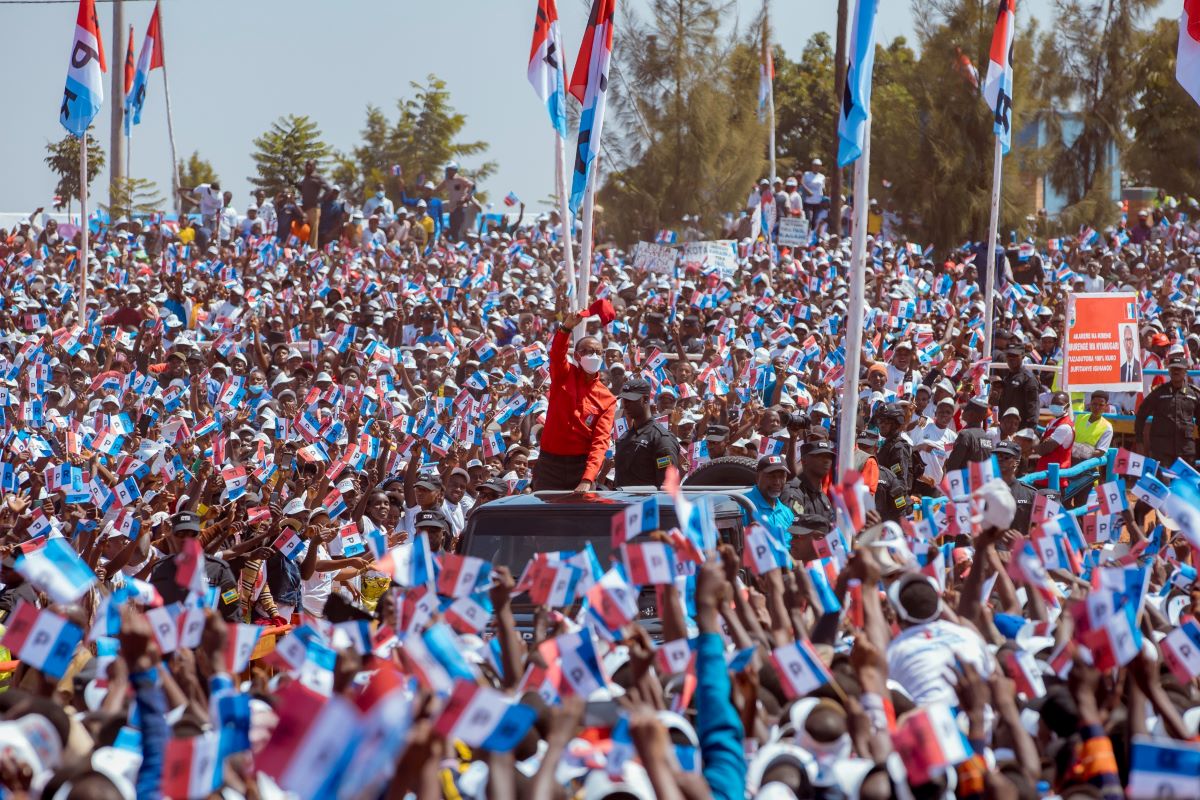
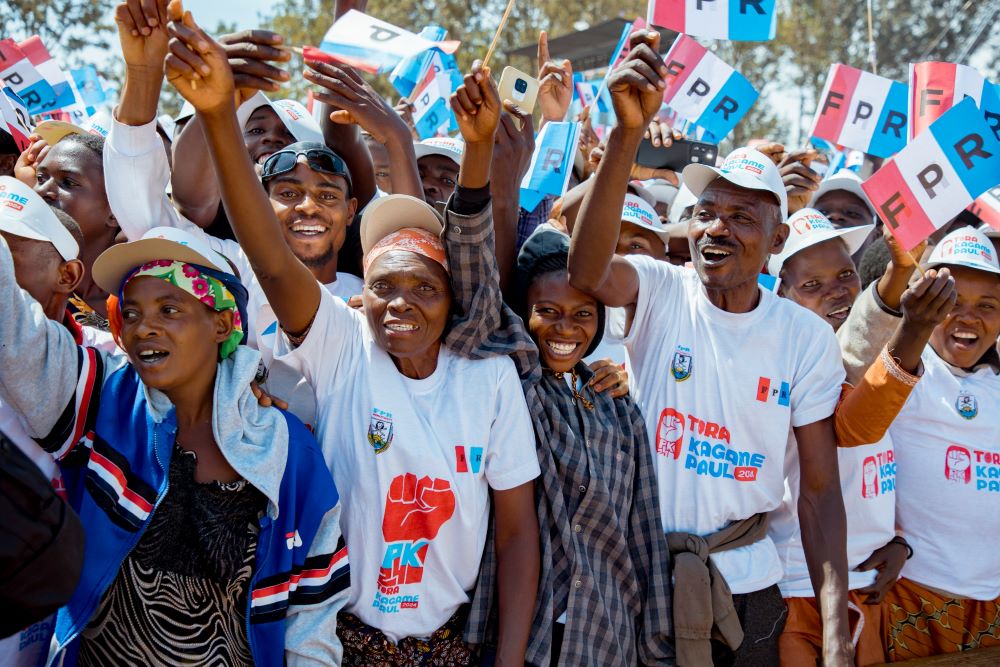
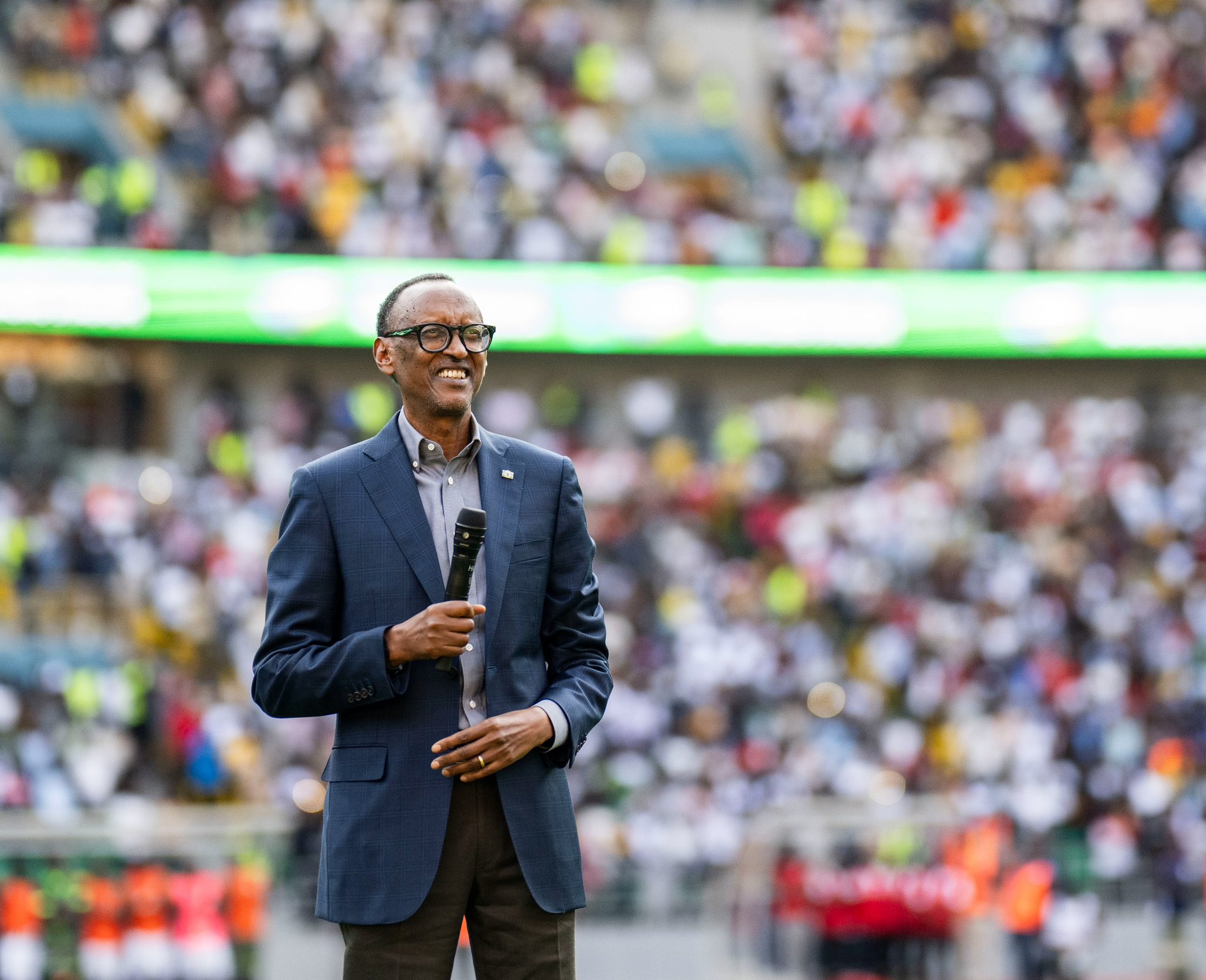
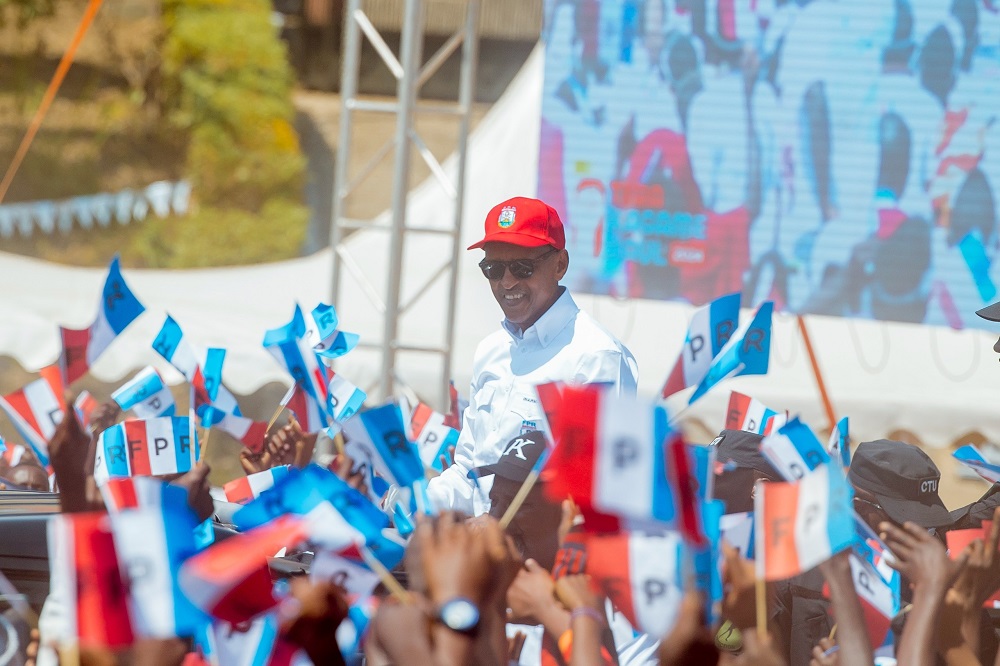
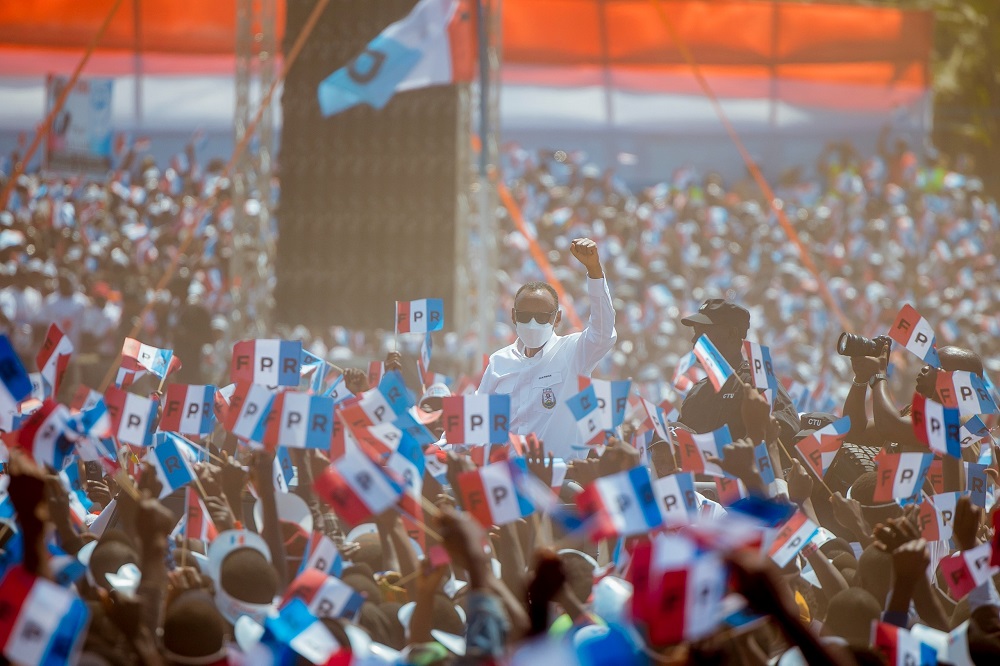
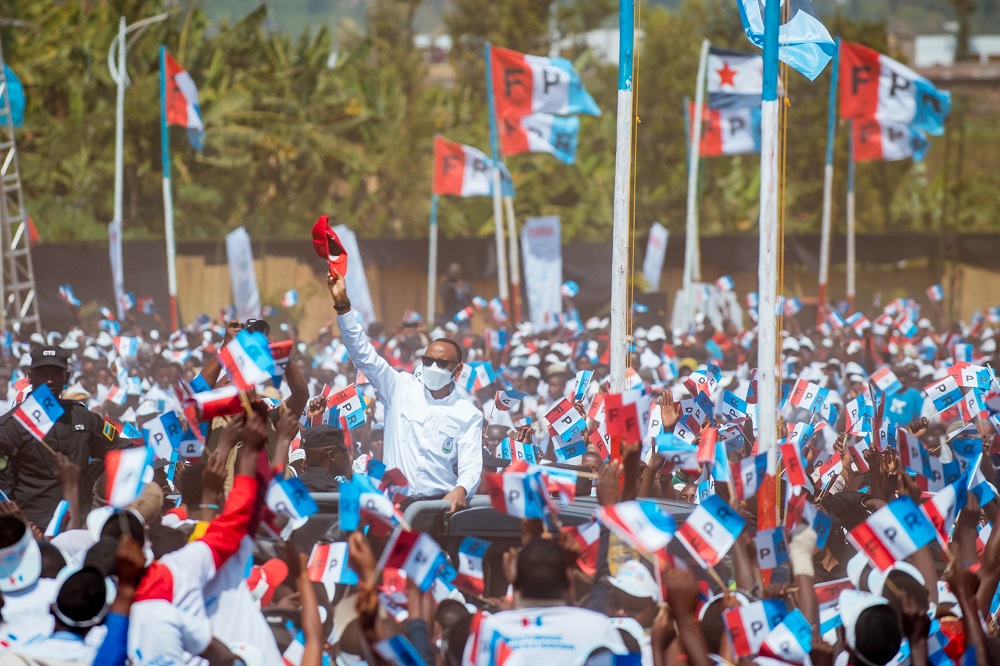
Amid endless cheers and applause from ecstatic supporters, Kagame implored the public to wisely exercise their constitutional rights by choosing leaders who will steer the country forward.
The incumbent Head of State, who is seeking re-election on July 15, has already campaigned in all districts in the Western and Southern provinces. He has also campaigned at one site in the Northern Province and Kigali City respectively.
He is expected to take his campaign to the districts of Bugesera, Nyagatare, Gakenke, Kayonza Gicumbi and some parts of Kigali in the coming days.
Today, Kagame thanked thousands of residents who turned up to express dedication, support and love for their favorite candidate.
“I thank you so much for coming in large numbers. This demystifies critics who keep saying that we force people to turn up for our campaigns,” he noted.
According to him Rwanda’s future lies in the hands of the youth which is why they have to be empowered and equipped with all the necessary tools and skills to enable individual growth and personal development.
President Kagame expressed optimism that by building on what has been achieved so far, the country’s development is certainly destined for greater heights.
Kanyabayonga, located in the Lubero territory of North Kivu province, was seized on the afternoon of June 28, 2024, following nearly a month of fighting between M23 fighters and the Congolese army on its outskirts.
After capturing Kanyabayonga, M23 fighters drove the Congolese army out of their positions in Kirumba, forcing them to retreat towards Butembo, considered the second wealthiest city in North Kivu after Goma.
On the evening of June 29, President Tshisekedi held an urgent military meeting to discuss how the government could reclaim Kanyabayonga and other areas taken by M23. Following the meeting, the President assured the public that he would take all necessary measures to remove these fighters from the occupied areas.
Prince Epenge, the spokesperson for LAMUKA, stated that Tshisekedi must clarify his plans to reclaim the territories controlled by M23 and to prevent the group from capturing additional areas.
Epenge said, “The LAMUKA coalition demands Mr. Tshisekedi provide an explanation to inform us about what he is doing in the east and what he plans to do to ensure that such incidents do not recur.”
Epenge further mentioned that the DRC government has a responsibility to ensure the safety of its citizens so they can engage in livelihood and development activities without being hindered by armed groups, including the ADF from Uganda and the FDLR opposing the Rwandan government.
“The people want to go to their fields, but they need assurance that they won’t be beheaded or killed by the ADF and FDLR,” he stated.
Kanyabayonga is a crucial area as it serves as a commercial hub in North Kivu province. It joins other regions captured by M23, including the city of Bunagana and the Rubaya area, which is rich in Coltan, a valuable mineral.
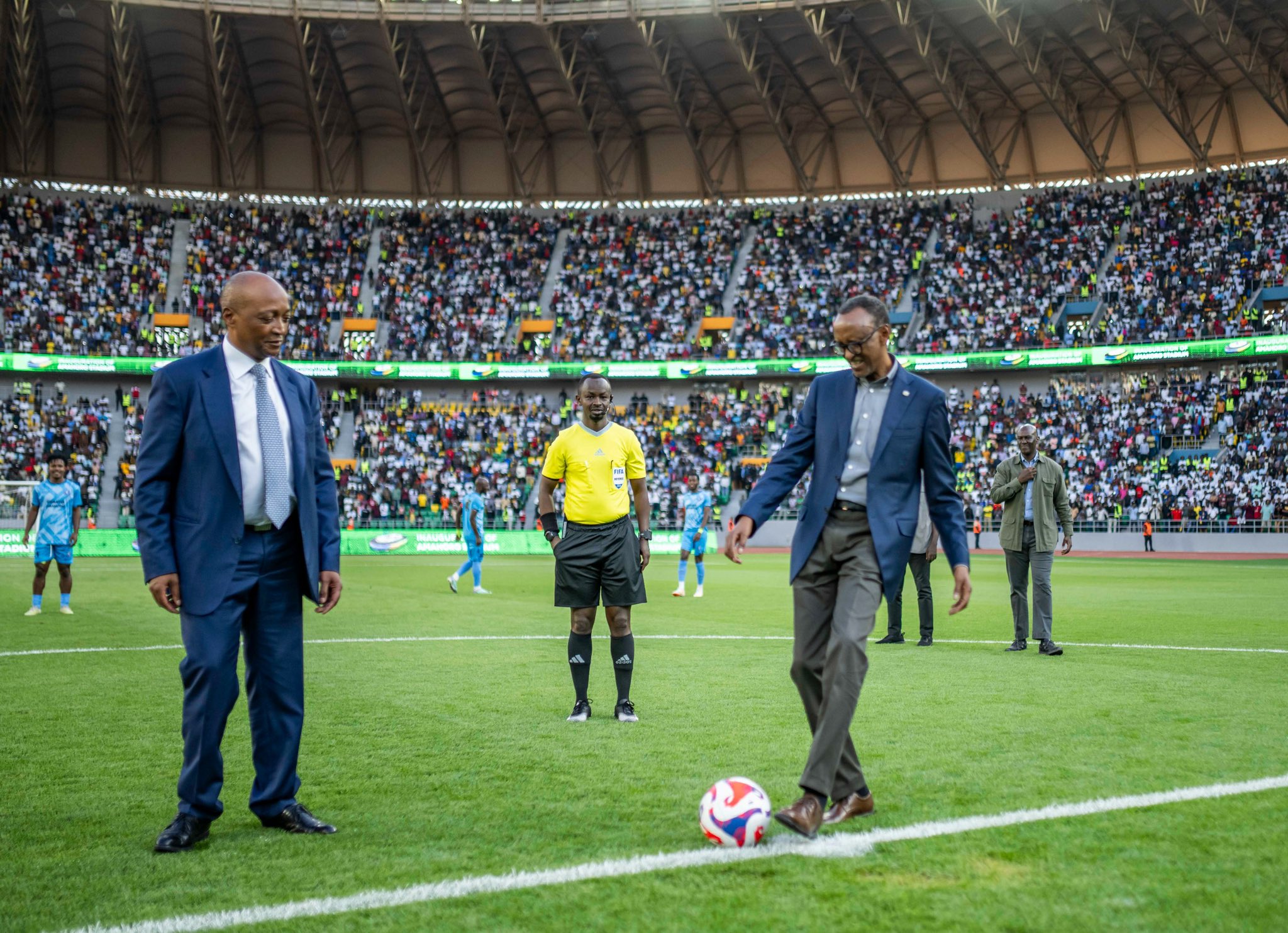
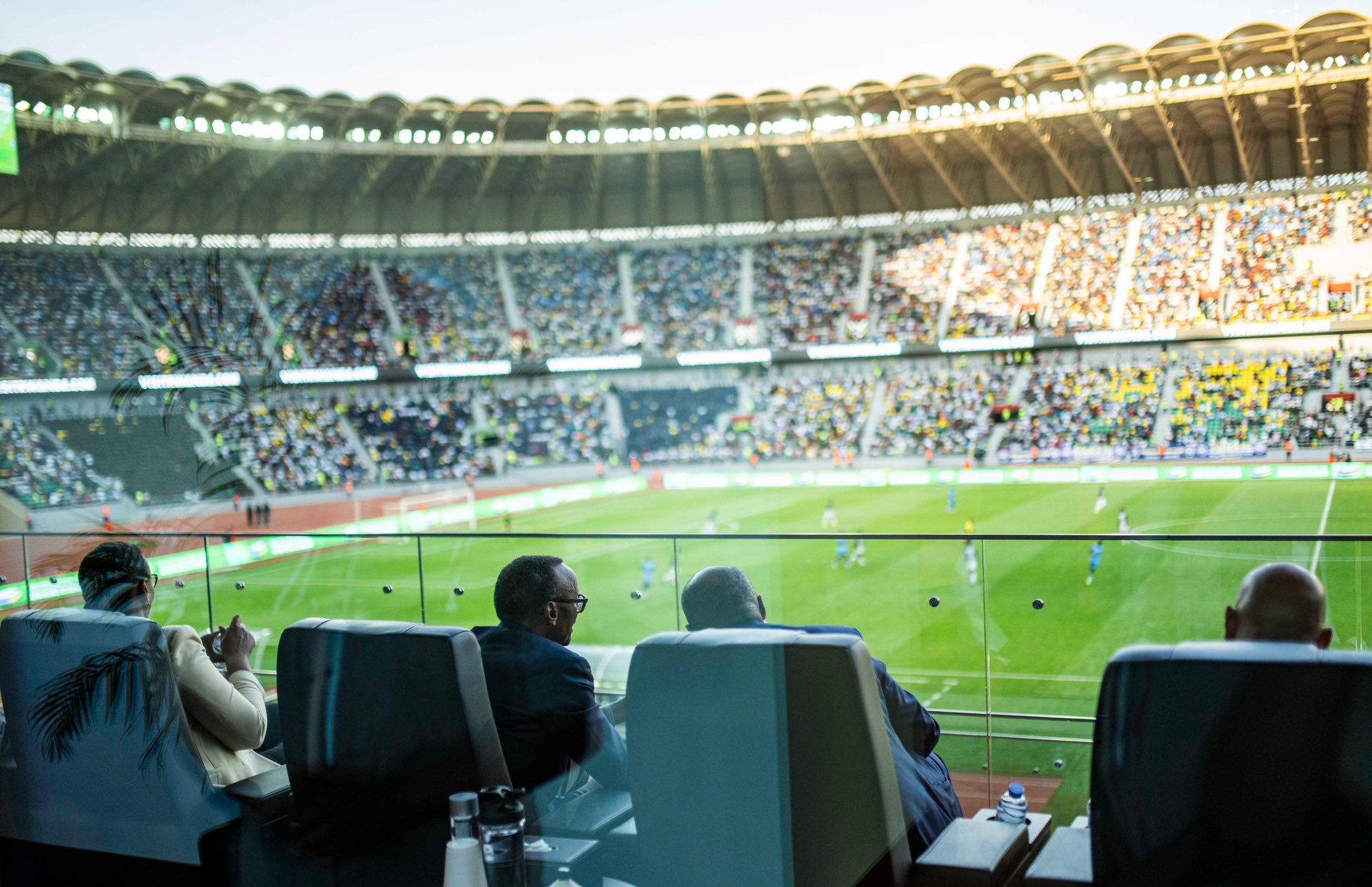
The state-of-the-art facility, renovated for $160 million, was officially opened by President Paul Kagame on Rwanda’s Independence Day.
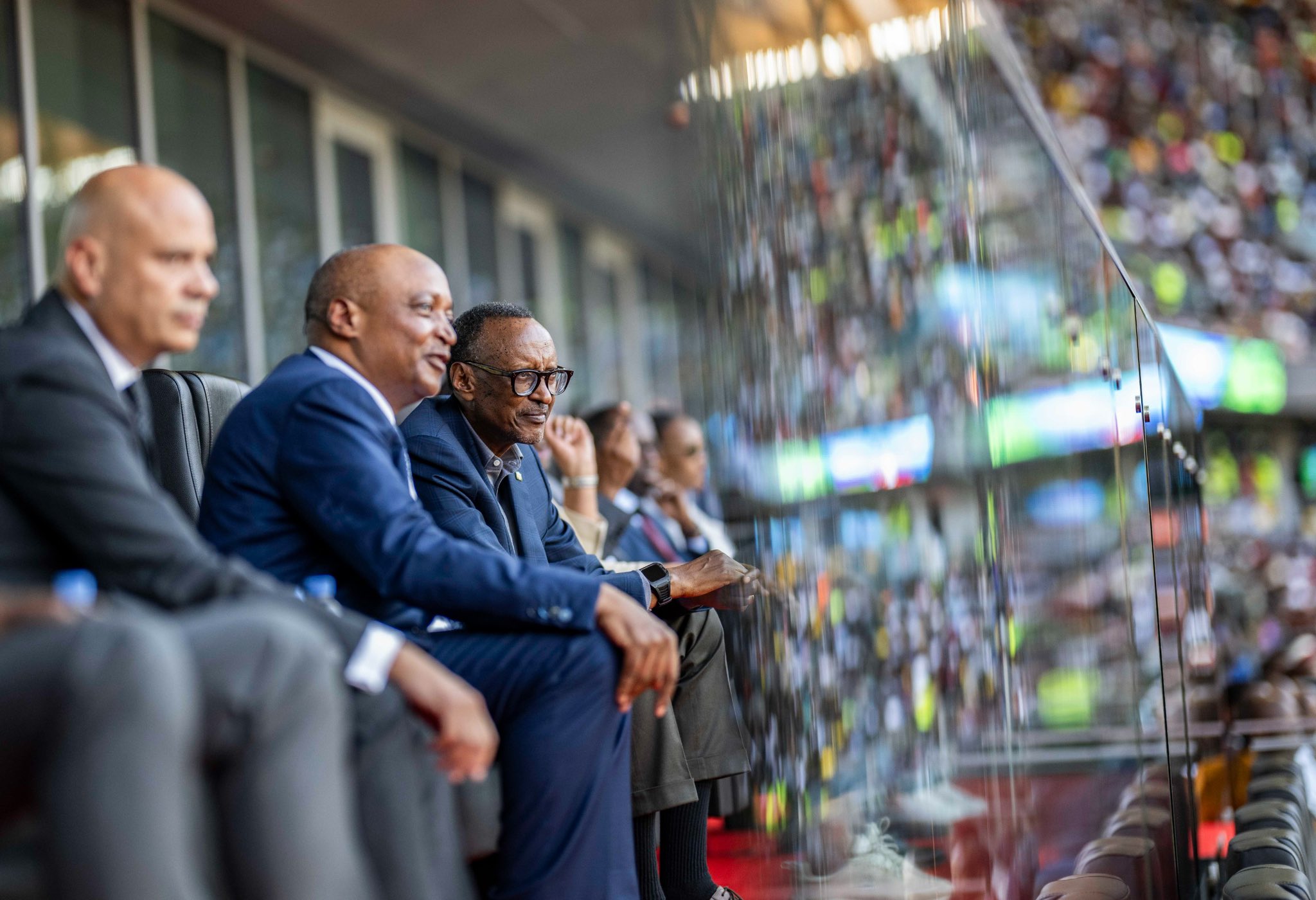
The CAF boss was among the dignitaries who attended the opening ceremony, which featured a trophy match between APR FC and Police FC to mark the inauguration. APR FC lifted the trophy after beating Police FC 1-0.
Commenting on the renovations that included equipping the stadium with modern facilities and expanding its capacity from 25,000 to 45,000, Motsepe said Rwandans and Africans should be “so proud” of President Kagame for “birthing the best stadium”.
“This is one of the most beautiful, one of the best stadiums in Africa and in the world. We as Rwandans, we as Africans, should be so proud and thank our president for his leadership and birthing the best stadium,” remarked the CAF president two weeks after CAF approved Amahoro Stadium for use in all upcoming CAF and FIFA competitions, confirming that the newly refurbished facility meets all required standards.
He expressed confidence that the sporting facility will empower local talent to reach their full potential and increase sporting competition not just in Rwanda but across the continent.
“The next time I come here, I want to see the national team of Rwanda playing against the best national teams of countries in Africa. With your support, with your love, and with the talent and sports talent we have in Rwanda, we are going to win. Rwanda will win. Rwanda will be the best in Africa,” he stated, adding, “I want to say to my brother President Kagame, thank you for your commitment, thank you for your love, thank you for your sacrifices to improve and make the lives of our people in Rwanda amongst the best in Africa, and this beautiful stadium is a reflection of the people of Rwanda.”
On his part, President Kagame said the renovation works at Amahoro Stadium were inspired by Motsepe and his FIFA counterpart Gianni Infantino
“Let me thank the president of CAF, my brother Patrice Mosepe, together with another brother and friend, President of FIFA Gianni Infantino. The two inspired us to put up a good sporting facility like this one. They have done many things to support Rwanda and other brotherly African countries and beyond to raise the kind of football through availing this kind of facility to many countries so that the young people of Africa can have where to develop and exercise the huge talent we have on our continent,” President Kagame averred.
Kagame said the stadium will help retain talent and challenged the youth to take advantage of the facility to grow their sporting careers both locally and abroad.
“In fact, this (development of the stadium) will lead to more retention of our best talents instead of exporting them all the time. But people will still remain free to go wherever they want to be, but they can also look at home for such retention and development of what they want to do.
“There is no excuse for our young footballing talent. You have to work hard, you have to work smart, and let us be counted among the best on our continent,” he added.
Amahoro Stadium has been undergoing a facelift since August 2022, with Turkish construction company Summa undertaking the renovations.
Besides the football turf with a cutting-edge hybrid surface, blending natural grass and artificial turf, Amahoro boasts an eight-lane track for athletics events, a paralympic gymnasium, and training facilities for football, handball, and volleyball.
The sports arena has also been fitted with various amenities, including VIP lounges, an Amavubi bar, dressing rooms, washrooms, coaches’ offices, a massage room, a changing room, and a FIFA office.
Additionally, there are rooms for match officials, a medical room, a doping control room, a staff management room, and a Video Assistant Referee (VAR) Room, among others.
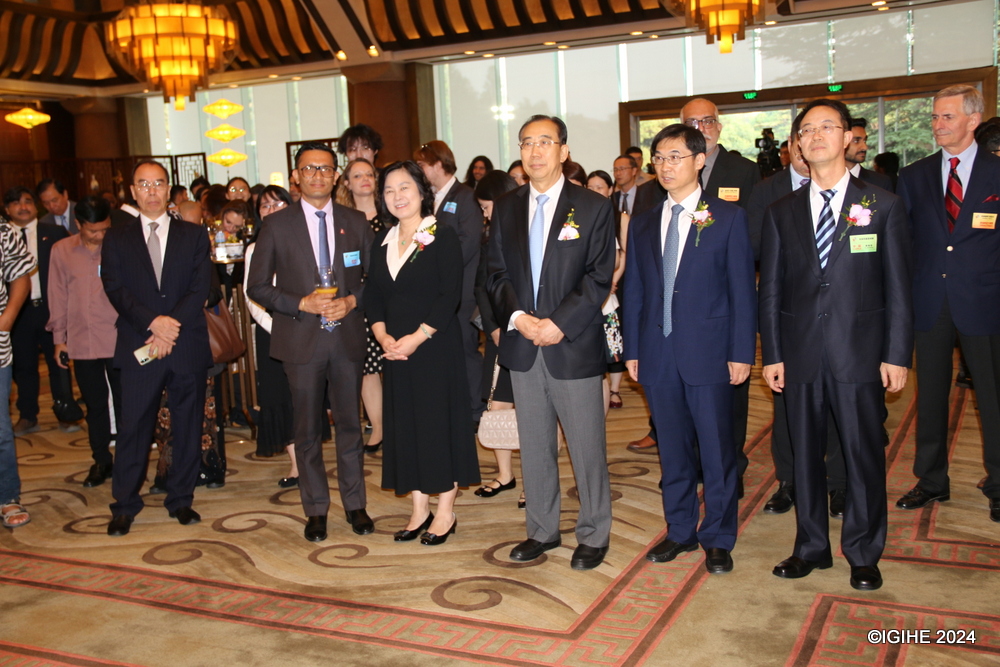
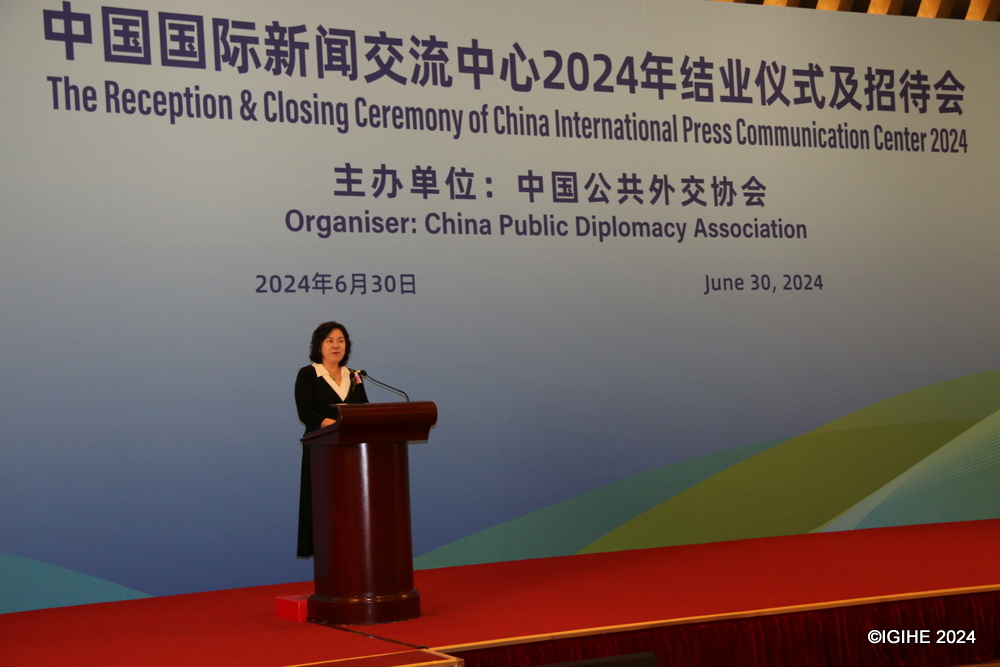
Participants in the CIPCC program embarked on a comprehensive tour of China, visiting 12 provinces, including Jiangsu, Zhejiang, Shaanxi, Sichuan, and Fujian. They experienced the country’s diverse culture, history, and modern advancements. Key moments of the program included, visits to the Great Wall, the Forbidden City, leading Chinese companies, and participation in significant international forums, among others showcasing China’s role in global cooperation and development.
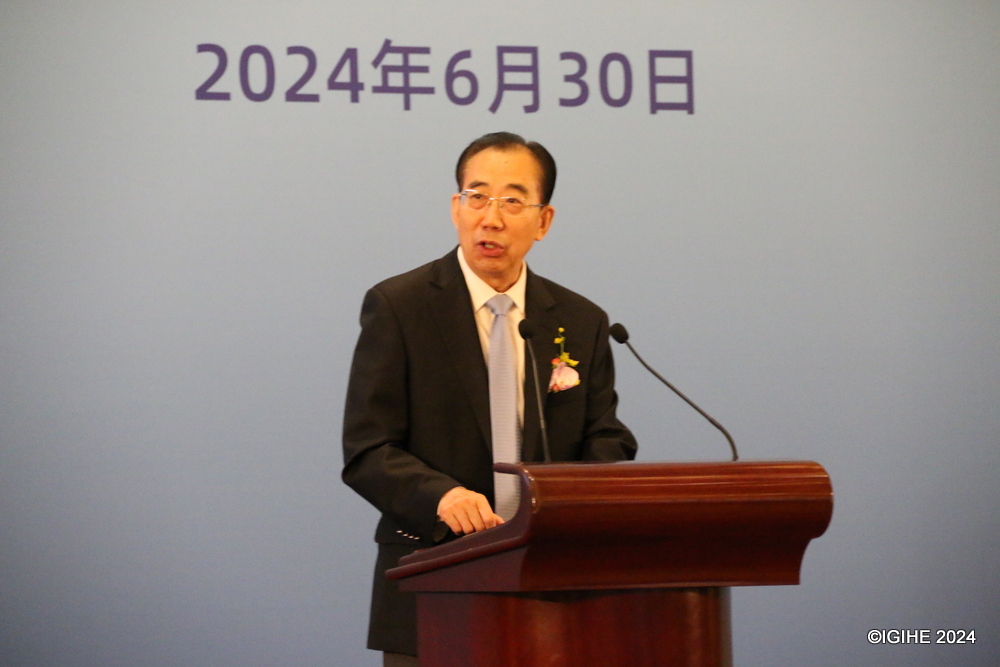
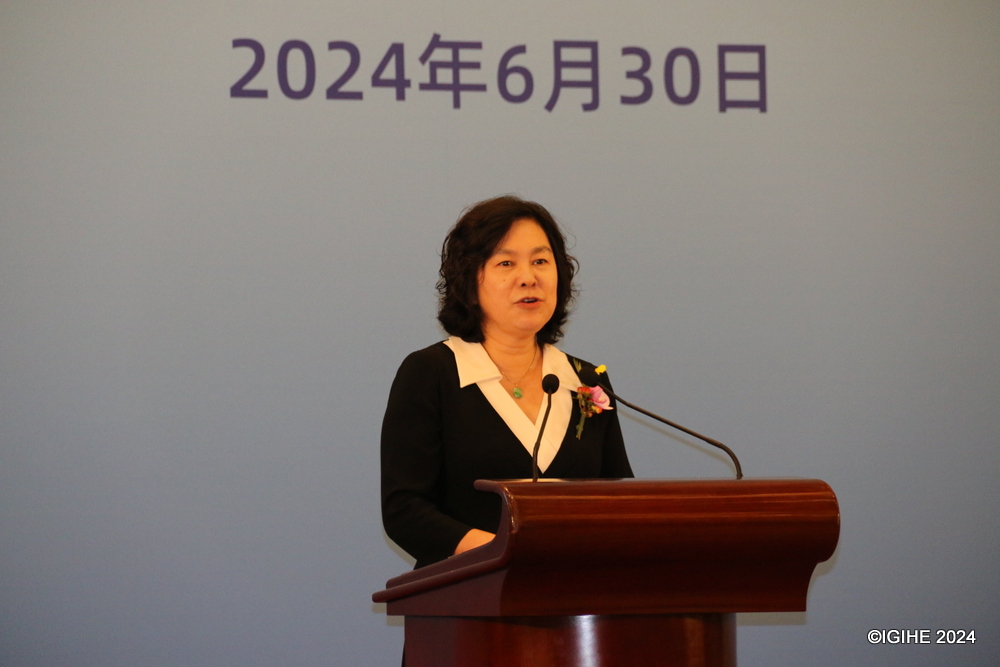
Speaking at the closing ceremony, Hua Chunying highlighted that while four months may seem short, the journalists gained a rich and immersive experience in China. “I am sure you now know more about China than many foreign friends who have come to China dozens of times,” Hua stated, welcoming graduates to feel at home whenever they return to China.
China is now considered a locomotive of global growth. According to the World Bank, from 2013 to 2021, China contributed 38.6 percent to global growth, more than the G7 countries combined. Hua emphasized that China will maintain its contribution to the global development landscape.
“Through your journey in China, you can see that China’s high-quality development and high-standard opening up are closely linked to the world. China’s development has and will continue to bring more opportunities for the world,” she stated.
This year marks the tenth anniversary of CIPCC. Since its inception, the program organized by the China Public Diplomacy Association (CPDA), has seen the participation of 620 journalists from 141 countries, evolving from a regional press center to a global initiative.
Also present at the event, was the CDPA President Wu Hailong who underscored journalists’ role in countering untruthful stories.
He expressed optimism that with the deepening of participants’ observation, knowledge, and understanding of China, they will continue to introduce the real China to their respective countries, regions, and the world.
“Western media write numerous untruthful stories that defame China and are self-defeating. The China story you tell will be more authentic, convincing, credible, and easily recognized and accepted,” he added.
As the ceremony concluded, there was a sense of accomplishment and anticipation for future engagements. The journalists left with a deeper understanding of China, ready to share their experiences and foster global dialogue.
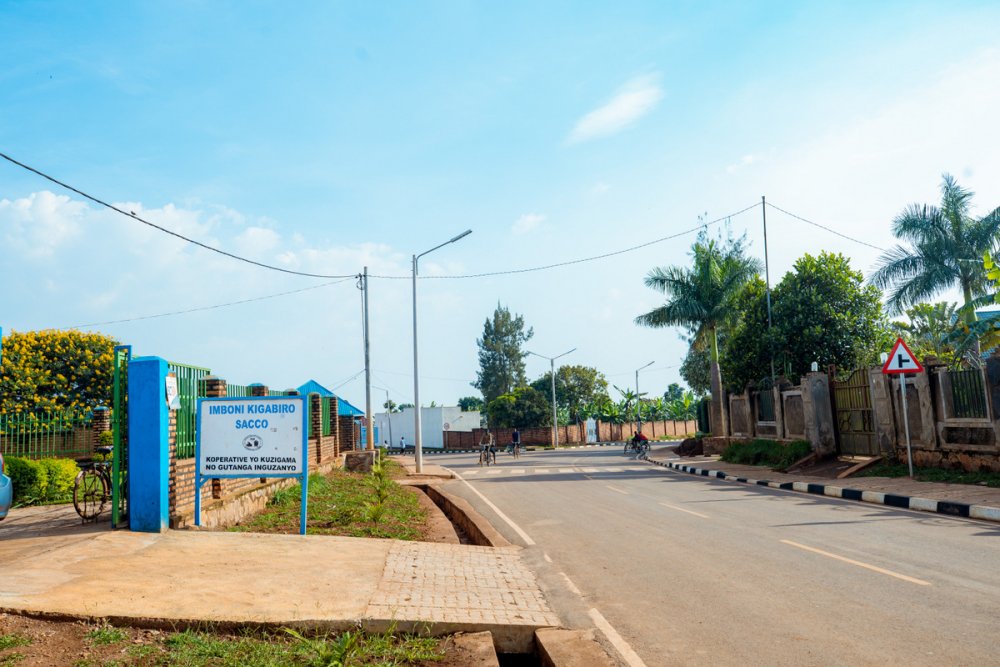
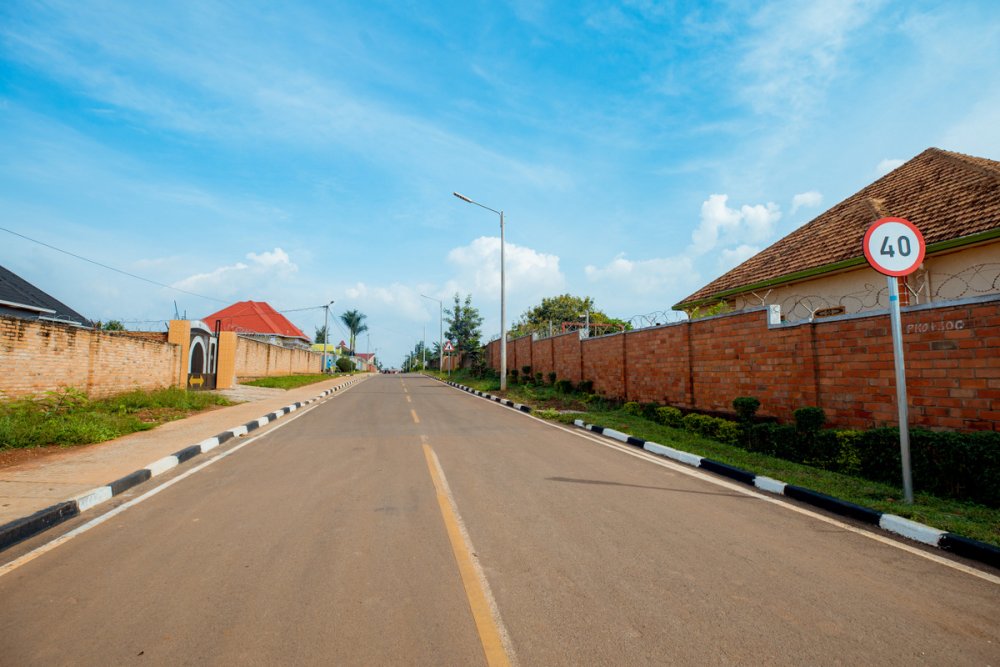
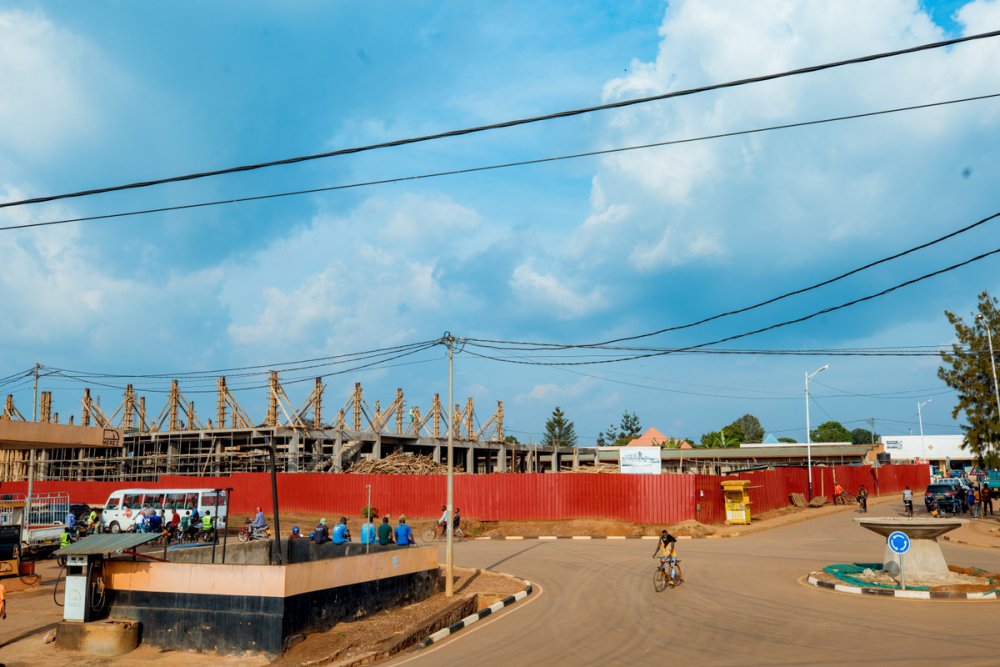
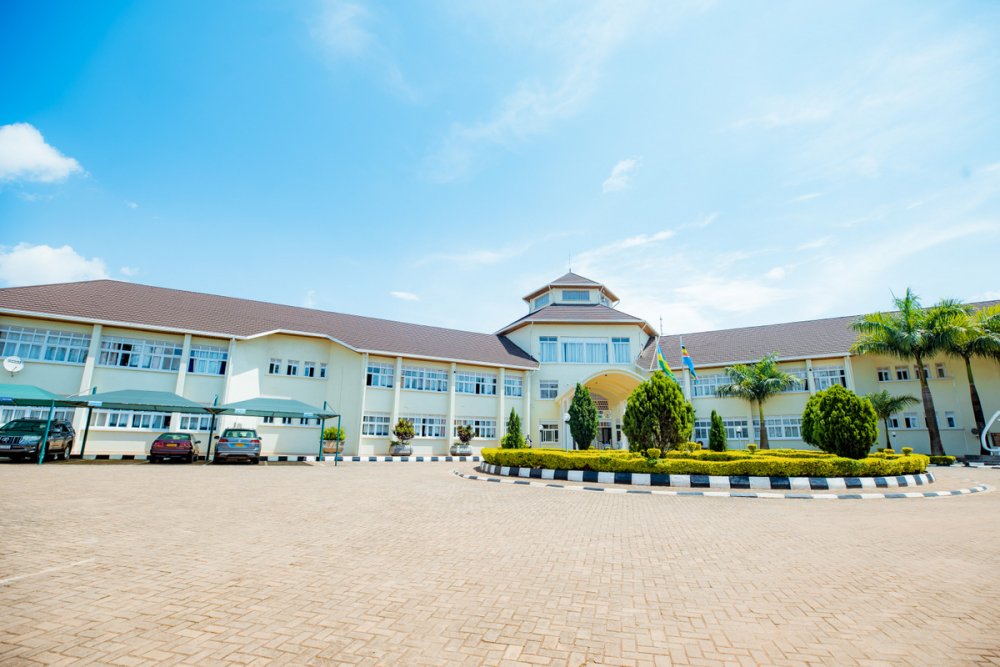
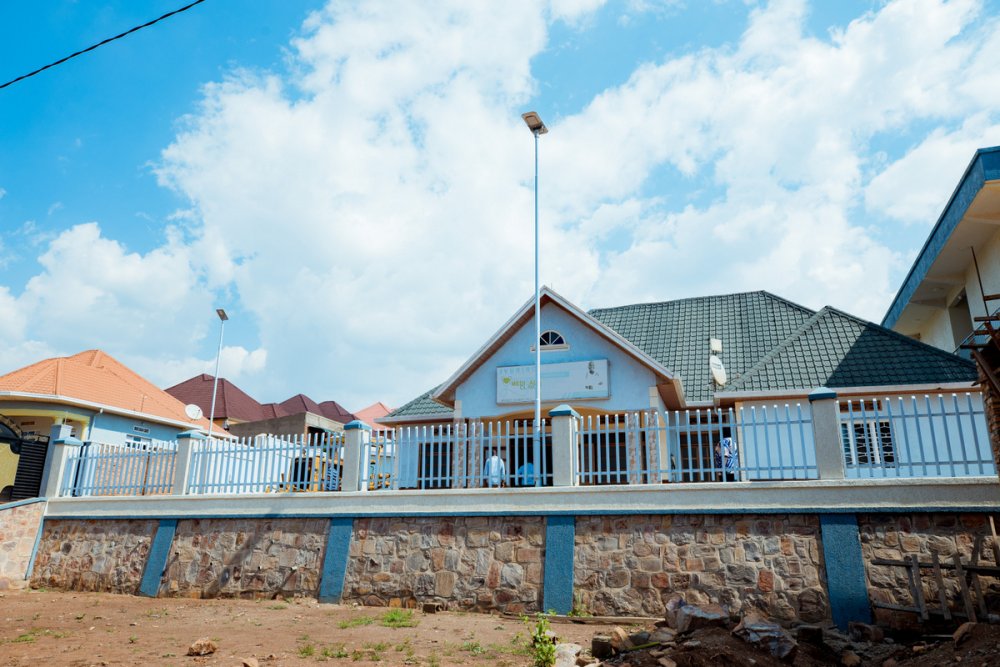
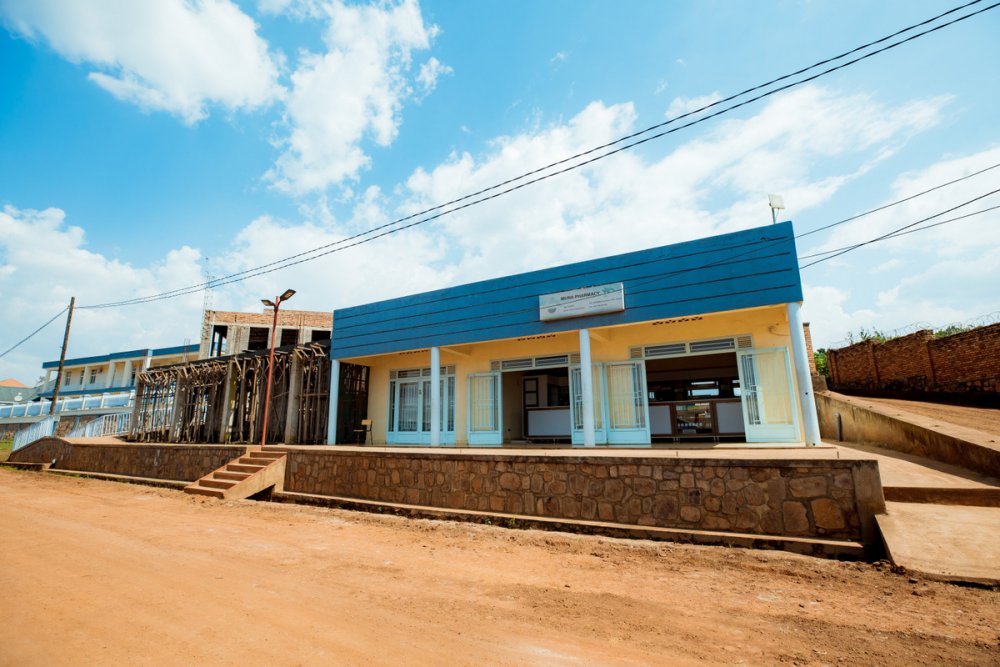
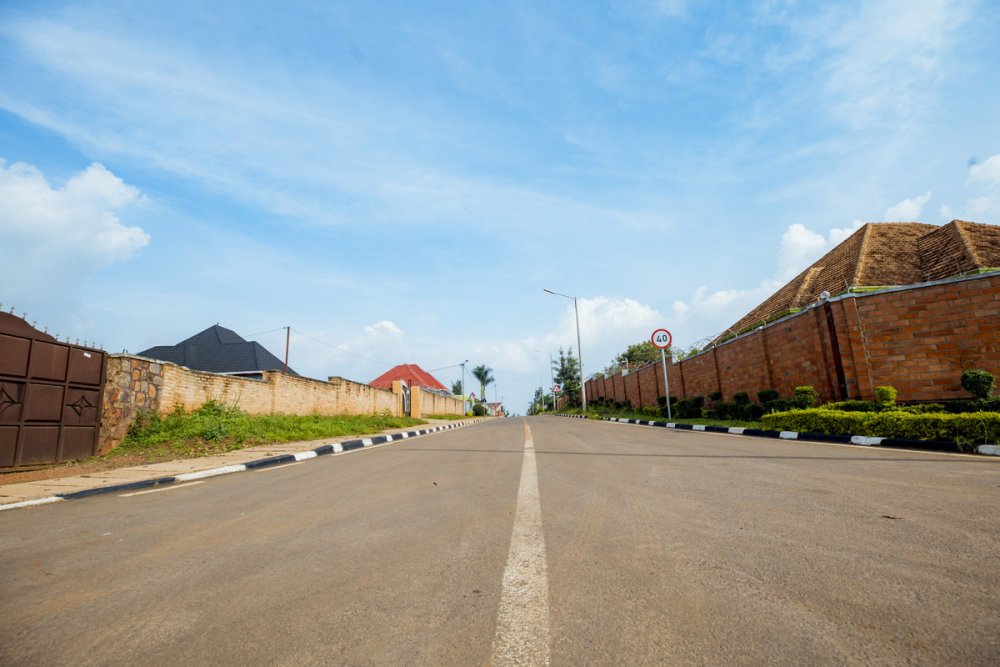
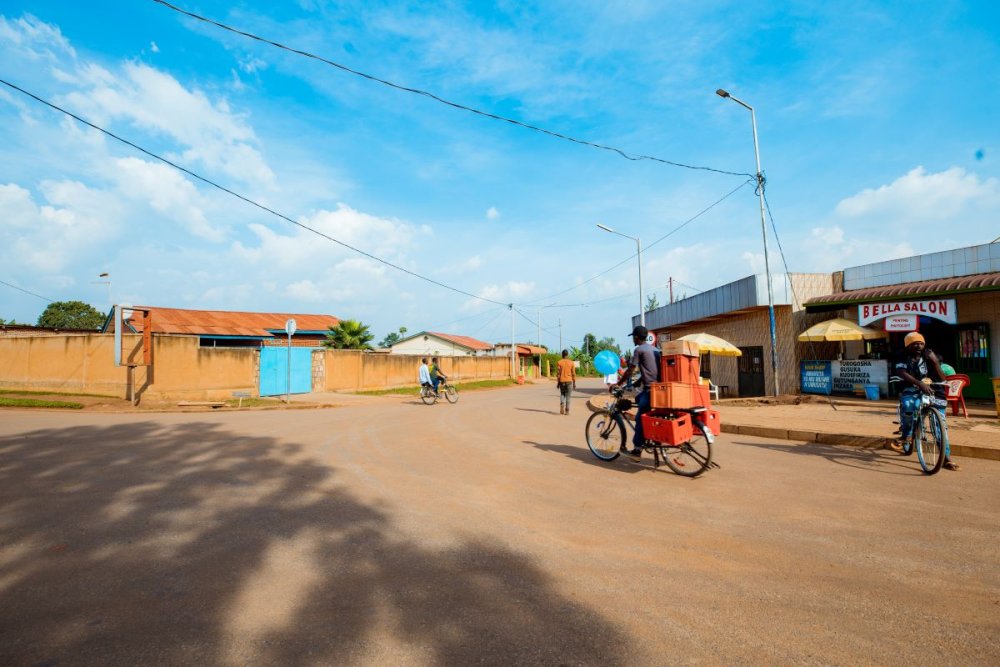
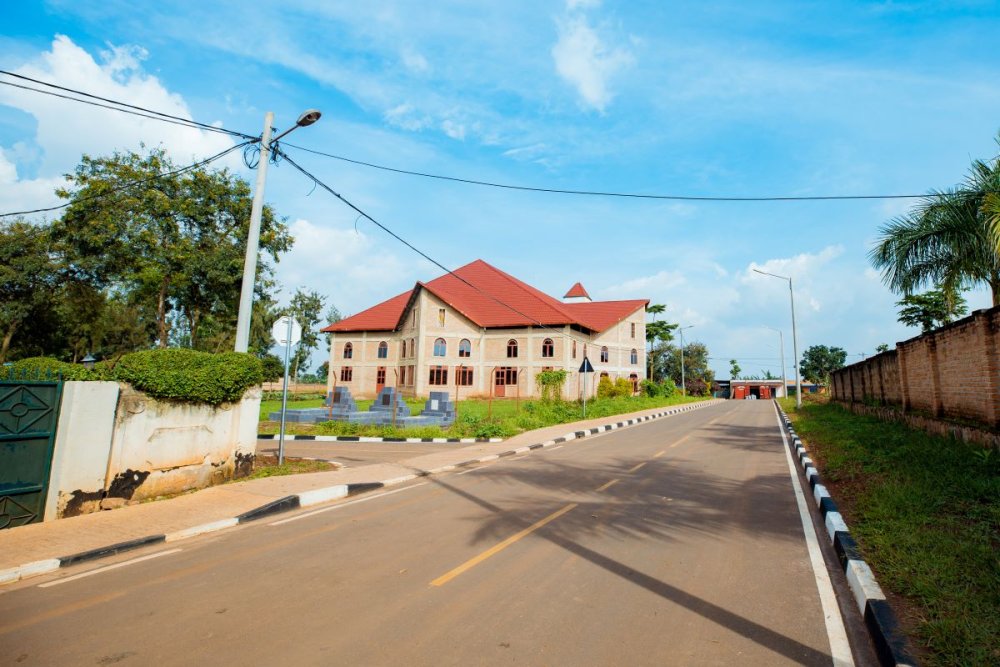
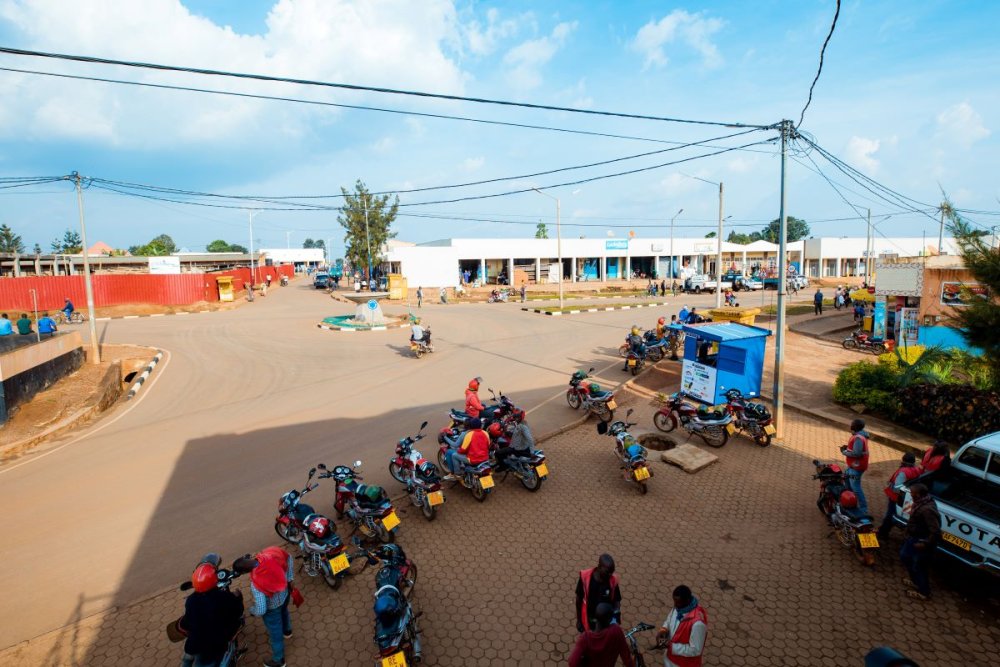
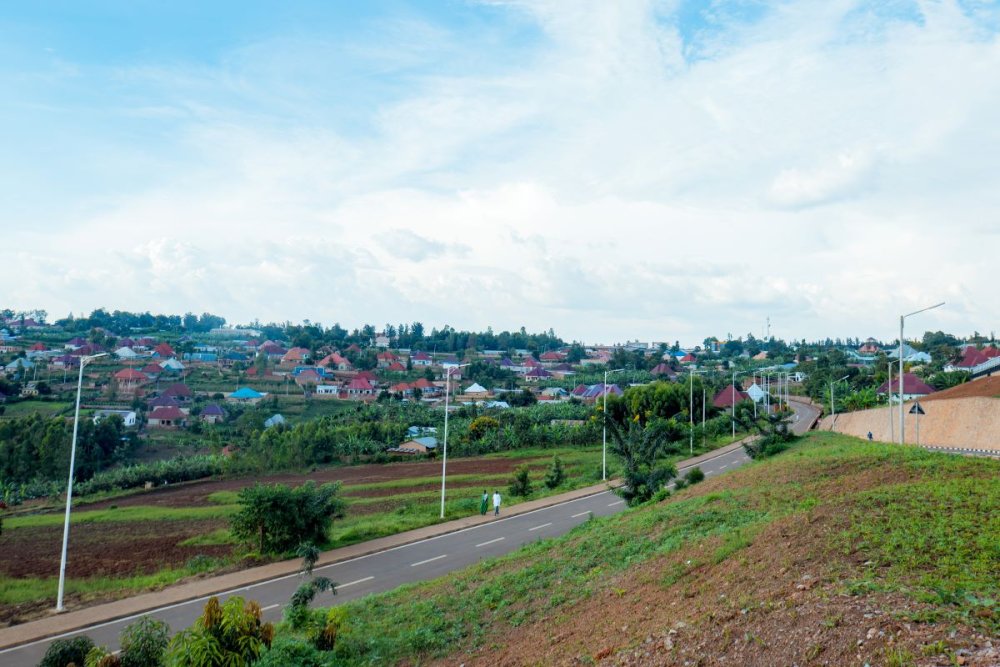
Seven years ago, the areas surrounding Rwamagana town were mostly characterized by dirt roads, which resulted in dusty conditions or mud during the rainy season. The Mayor of Rwamagana District, Radjab Mbonyumuvunyi, told IGIHE that in collaboration with the Belgian Development Agency, Enabel, nearly 10 kilometres of roads around various parts of Rwamagana town have been paved.
These roads have transformed the image of the town, with the roads also being equipped with streetlights. Mayor Mbonyumuvunyi stated, “Initially, there were 4.6 kilometres of roads, followed by another 2-kilometre road from the bus station to the craft centre. We have now constructed additional roads in various phases, totalling nearly four kilometres. These roads have helped change the town’s appearance and improve living conditions. Previously, the roads were dusty in dry seasons and slippery during rains, sometimes causing cars to get stuck. But today, people can move confidently, knowing they will reach their destinations.”
He also highlighted that these infrastructure developments have led to the renovation of old commercial buildings and the construction of new, modern ones.
He said, “New buildings have been constructed, and those with old ones have renovated them. Those who had only residential buildings have also built commercial ones, allowing them to trade and support their families. The commercial buildings generate taxes for the country, enabling us to build more roads, clinics, schools, and other infrastructure.”
Rehema Uwamahoro, who owns a water processing and selling plant in Rwamagana town, told IGIHE that she started her business there in 2016, initially facing ridicule for working in what was considered a rural area. She recalled, “The roads were dirt and in poor condition, making it difficult for trucks to transport goods without breaking down. Today, a truck can complete a delivery within an hour and return for a second trip because of the well-maintained roads.”
{{Modern Market Replaces Traditional One
}}
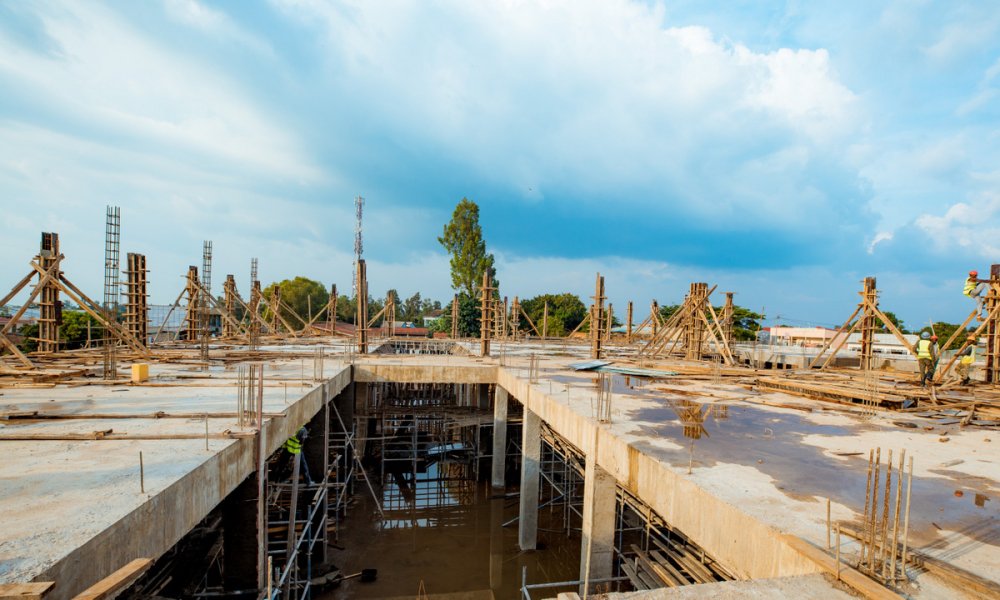
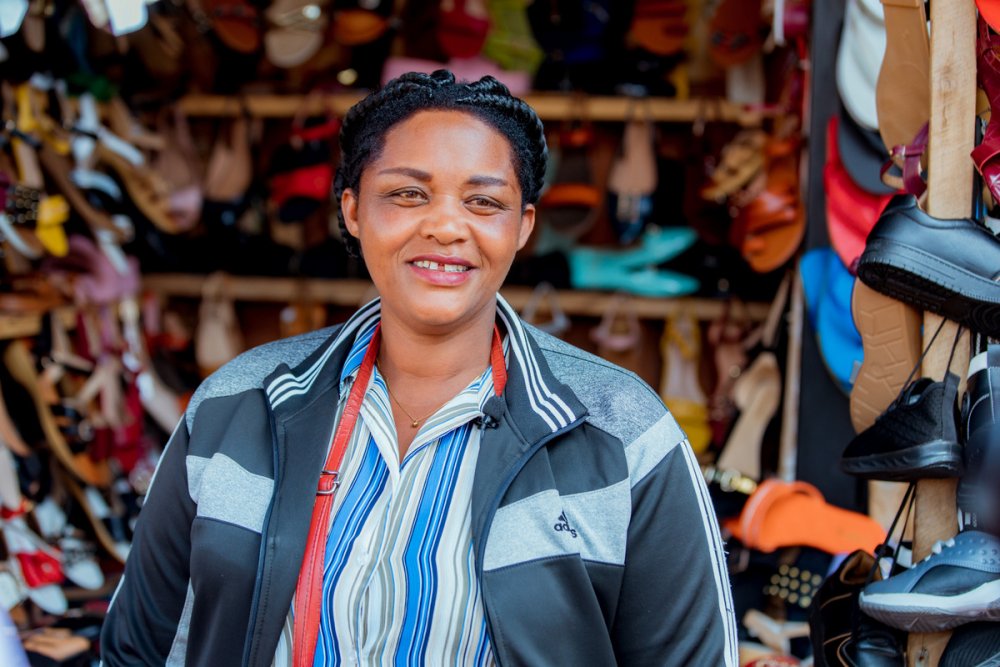
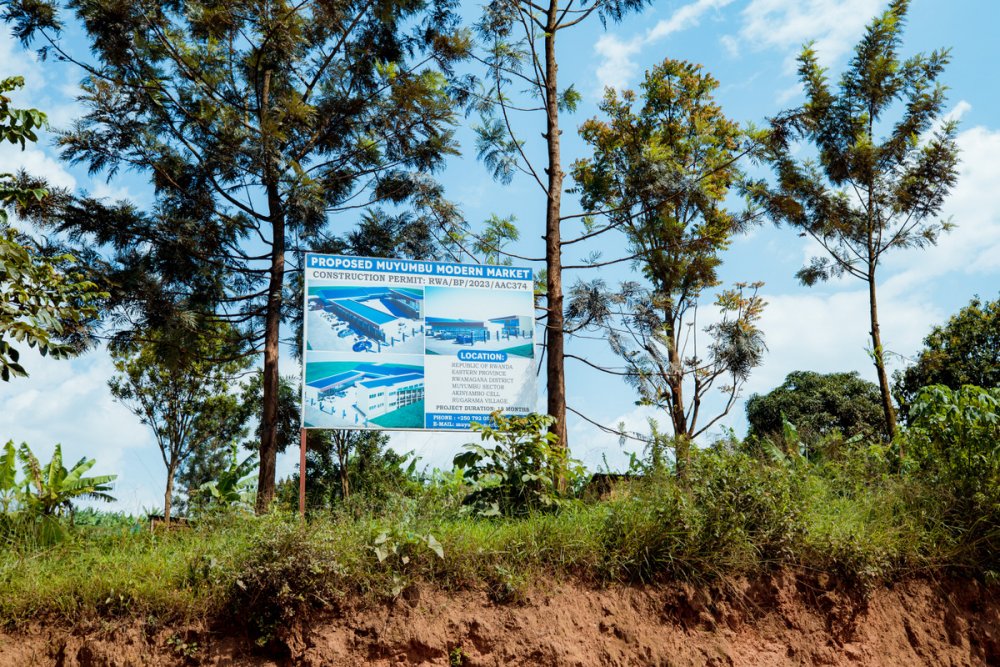
As part of this project, a modern market was built, replacing the old one that accommodated fewer than 300 traders. The old market was essentially a shelter with metal pillars and a roof. Mayor Mbonyumuvunyi explained, “We had a makeshift market with a metal structure that wasn’t a proper building. It was very old, leaking, and not in line with the direction of Rwamagana town and Rwanda as a whole.”
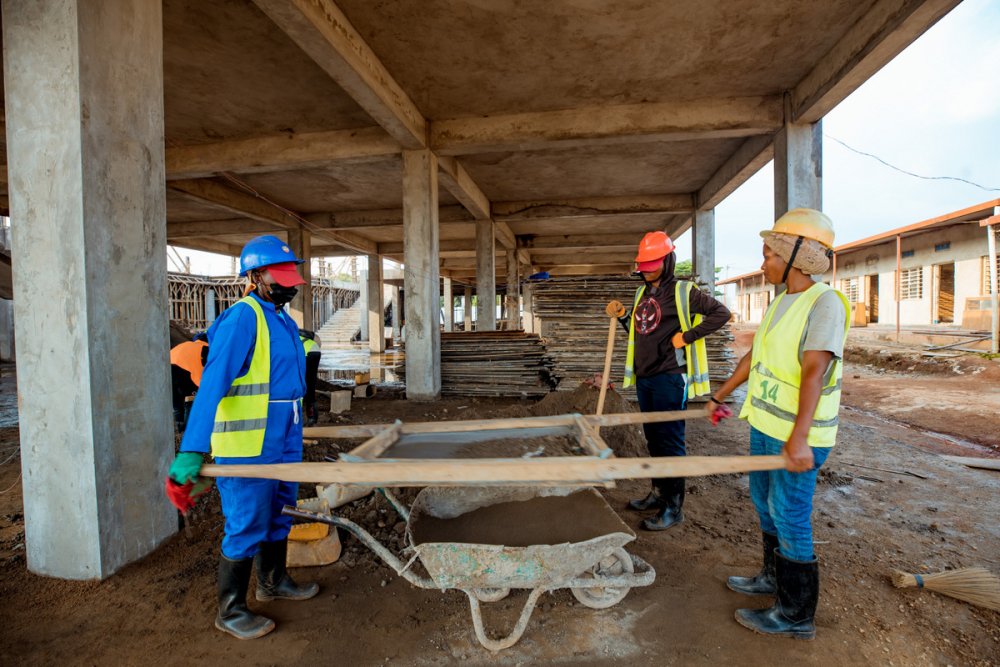
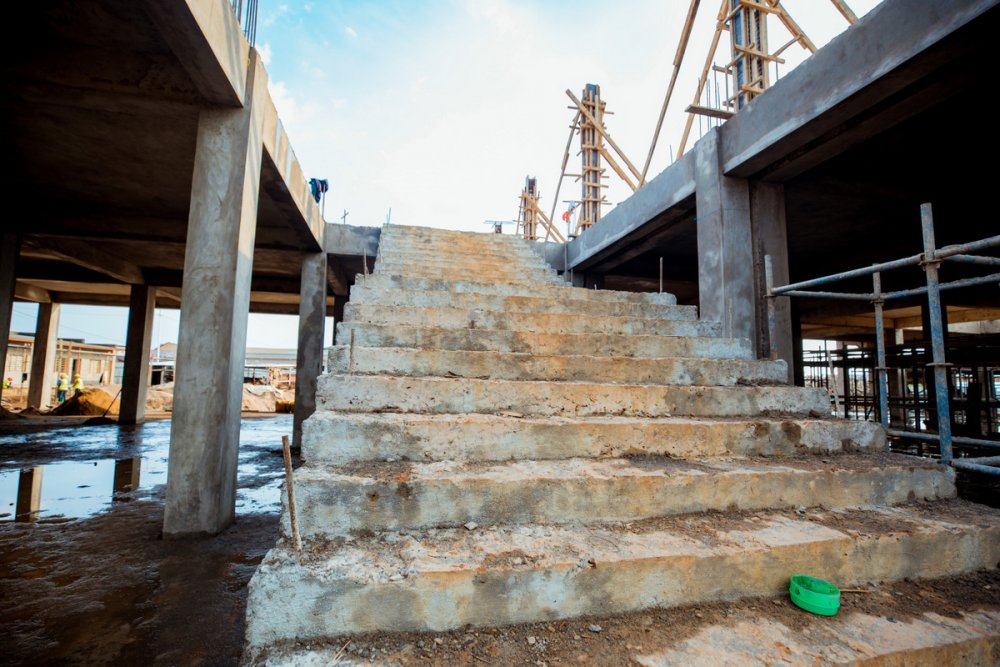
The new market will accommodate about 1,000 traders, including those selling in boutiques, stalls, and various other sections like fruits and vegetables. It is designed to house many people comfortably, making it easier for traders to conduct their businesses.
He emphasized that doing business in a well-structured market allows traders to earn profits more easily. He also mentioned that they are encouraging nearby residents to build modern and multi-story buildings to support the market.
“When the market is completed, many people will need places to trade and work. We are not self-sufficient, which is why we are asking people nearby to construct large, modern buildings to support the market. This will ensure that those who need spaces to work and trade can find them, reducing unemployment,” he stated.
{{Expanded Craft Center
}}
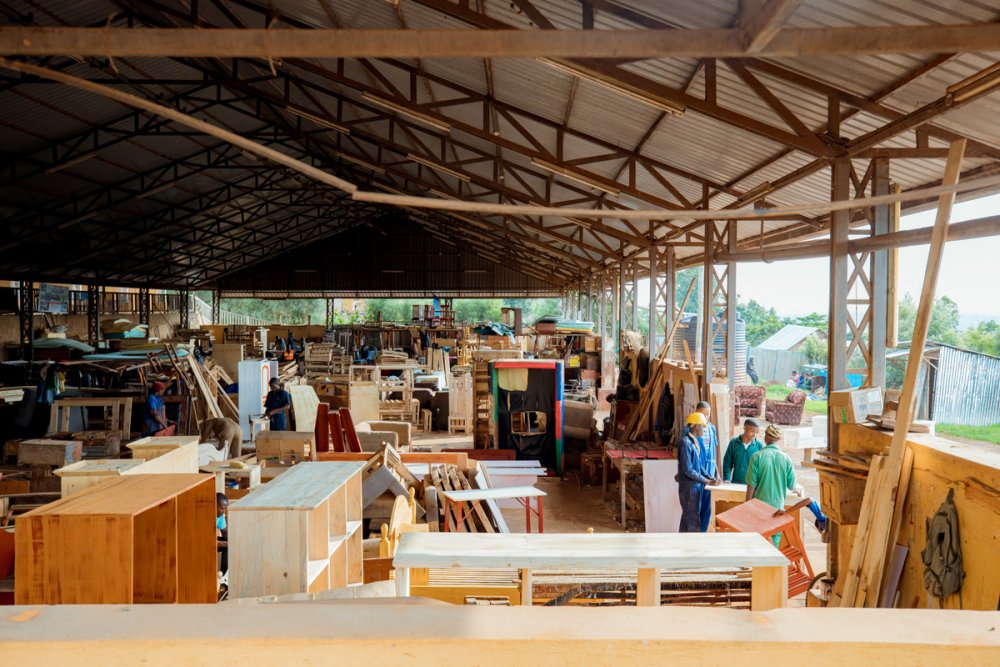
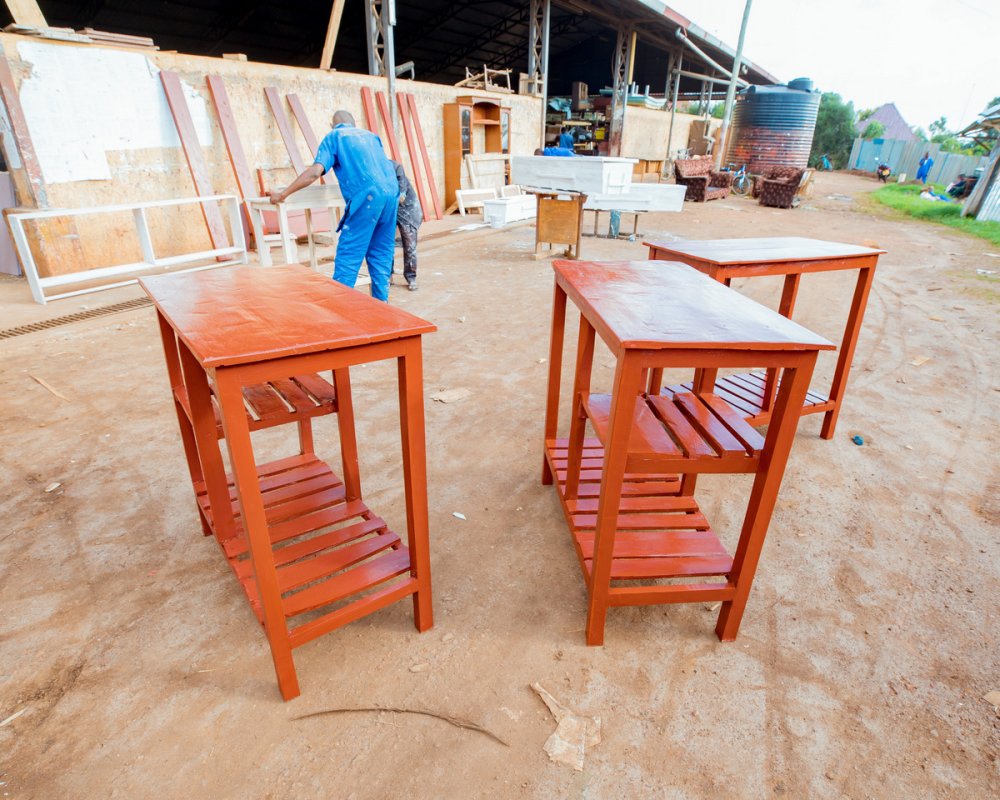
In addition to the market and roads, a modern craft centre has been built in collaboration with Enabel, greatly assisting local development.
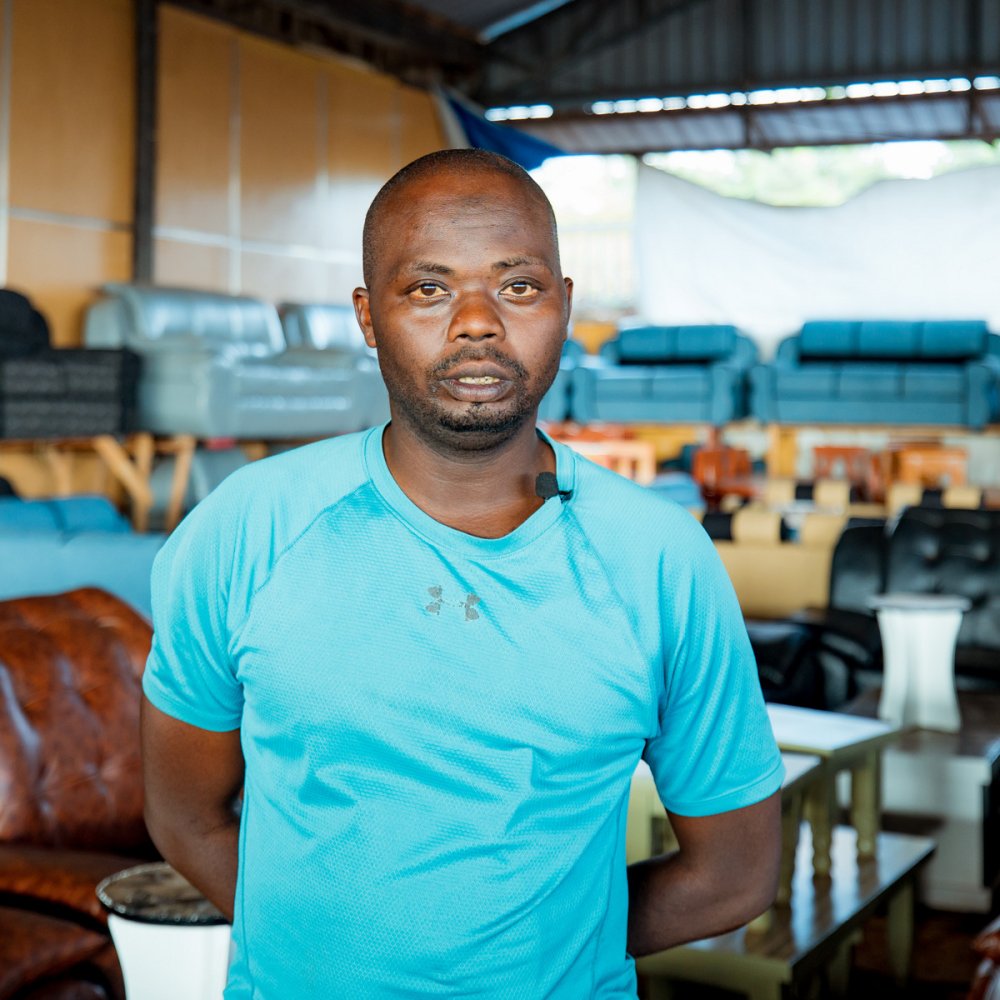
Thierry Mbarushimana, a carpenter at the Rwamagana Craft Centre, told IGIHE that before the new centre, they were scattered in different parts of the town. Now, they work with the assurance that their products are secure and have a designated place to sell them.
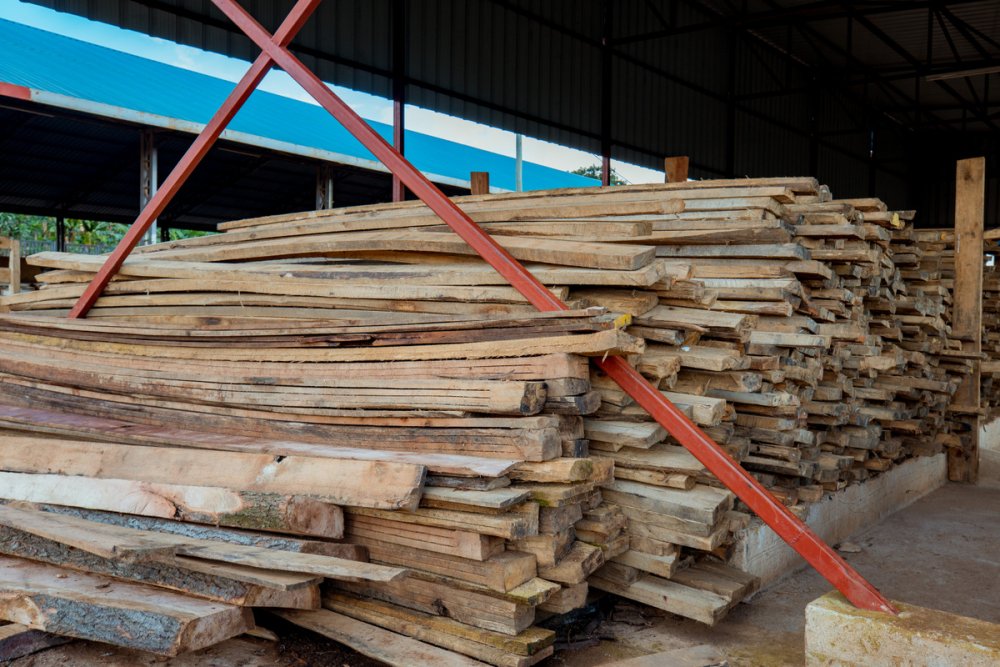
Mayor Mbonyumuvunyi noted that they previously faced challenges asking craftsmen and artisans in Rwamagana town to move to the old, small craft centre. Now, three large hangars have been constructed.
“One hangar is for drying timber, which previously led to poorly crafted doors due to insufficient drying. The other two large hangars are temporarily housing market traders while the new market is being completed. Once the market is ready, these hangars will continue to serve the craft centre, providing ample and quality workspace for craftsmen.”
The craft centre does not only focus on carpentry and artisanal work but also trains youth in various relevant skills.
Addressing RPF Inkotanyi supporters at Mbonwa Site in Karongi District, the incumbent President said that Rwandans should seize their opportunities and participate in the nation’s development.
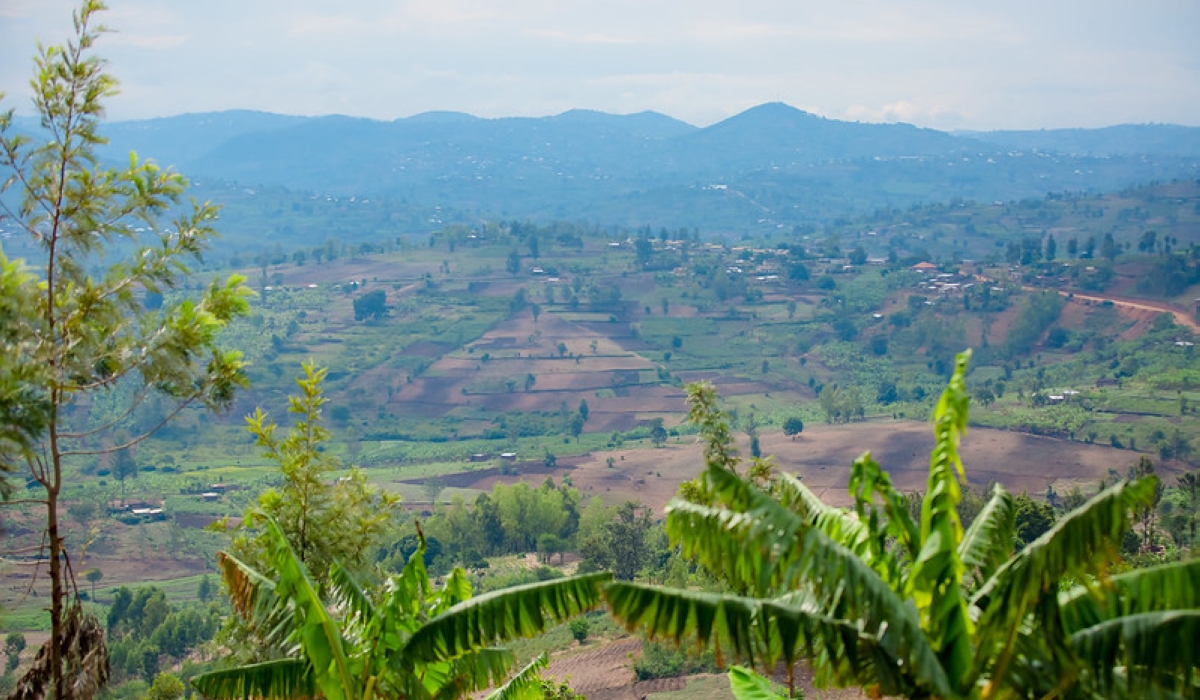
He cited Lake Kivu and the beautiful mountains in Karongi District, Rutsiro, and others that span the border, stating, “Lake Kivu, and these beautiful mountains surrounding Rwanda, we must utilize them. […] We must be healthy to see how we can build upon what we have together.”
Regarding Rwanda’s stable security, Kagame reminded residents that it was achieved through the participation of all Rwandans, emphasizing that the country’s development hinges on this stability.
The chairman of RPF Inkotanyi led the struggle of the Rwandan Patriotic Army (RPA) to liberate Rwanda from October 1990 to July 1994.
He explained that in 1996 he arrived in the Western (Karongi) and found that there was one part of Rwandans who were in DRC while the other part were in Rwanda. He informed the Congolese government that he wanted them to return home, and this was achieved, leaving only a few who sought to disrupt security.
He said, “I remember, it’s been a long time, I think it was in 1996. When I came here, I found that one part of Rwandans is here, and the other is across the water in Congo. Then I told them that those Rwandans who were on the other side, we want them to return. Many of them came home, a few wanted to cause problems and stayed there, and some of them may still be there or went somewhere else.”
Kagame announced that the Rwandans still in the DRC would be fine and that Rwanda would welcome them, settle them like Rwandans, and build the country.
The RPF candidate told the residents that after achieving security, the next step was building national institutions and effective administration based on the principles of the community and the new Rwanda.
He said, “Furthermore, beginning with security means constructing institutional leadership and effective governance that lead well, adhering to the principles of the RPF and those of the new Rwanda, with the RPF and its partners advancing Rwanda further. Leading well entails ensuring that Rwandan citizens receive what they deserve and can witness it. Good governance excludes leaders who appropriate public resources for personal gain. What we oppose, you too should oppose and reject.”
He informed the people that by voting for him on July 15, 2024, they would be choosing to continue the journey of nation-building.
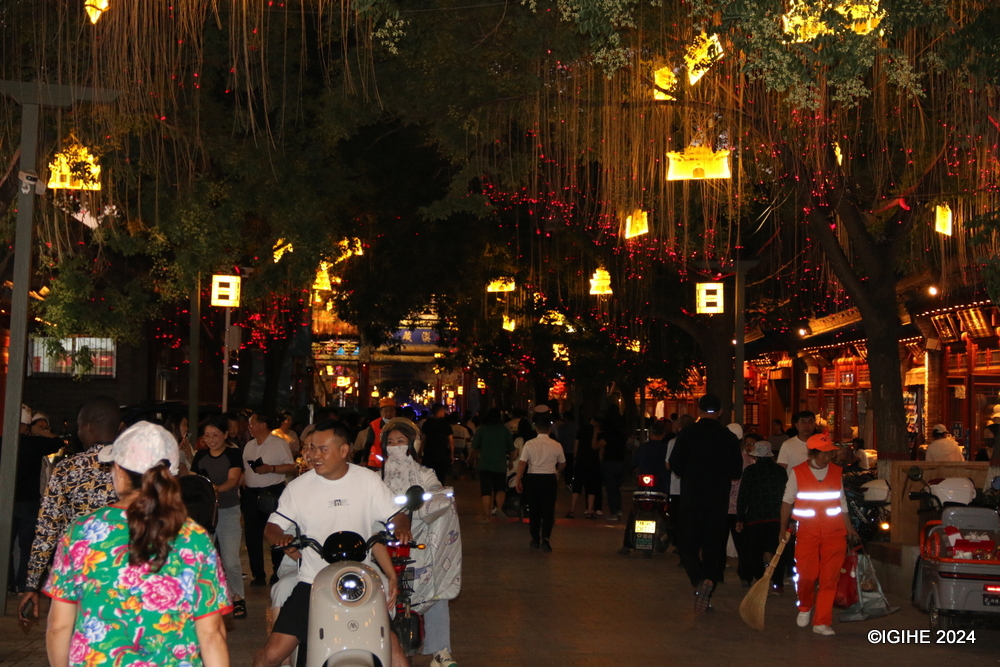
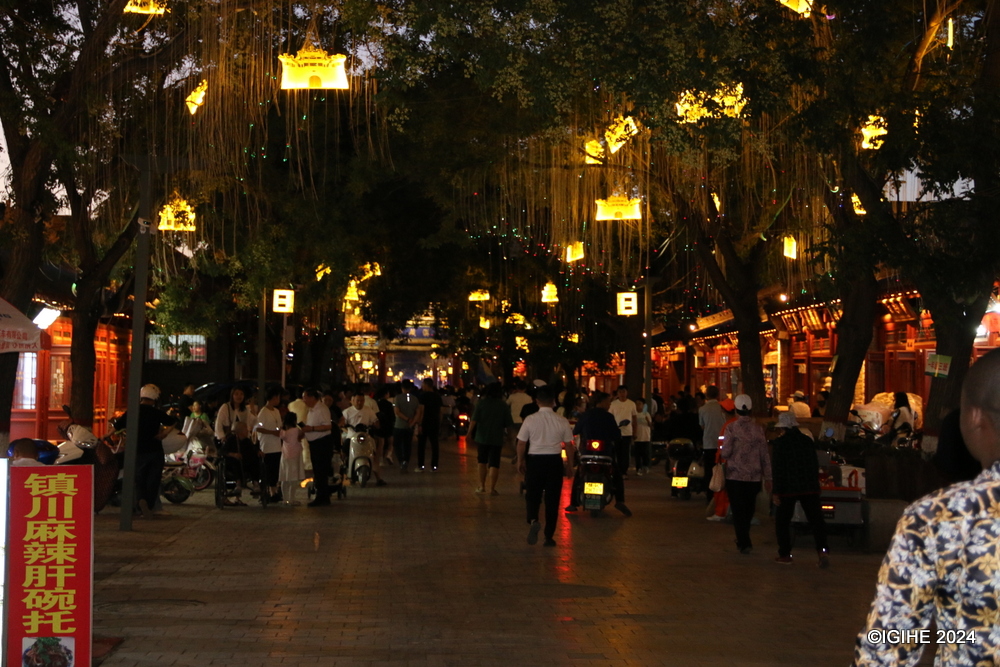
Spanning a length of 2 kilometers, this historic thoroughfare is a treasure trove of ancient architecture, cultural heritage, and vibrant commerce.
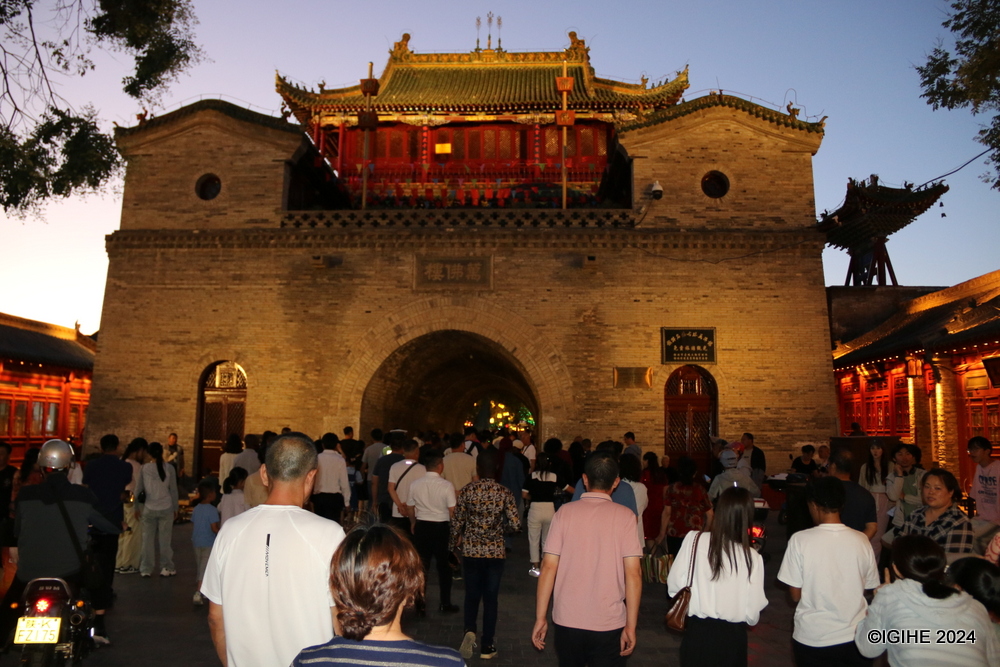
The street is adorned with significant structures such as the Wenchang Pavilion, Wanfo Tower, Xingming Tower, Bell Tower, Kaige Tower, and the Drum Tower. These iconic towers, arranged vertically from south to north, create a distinctive “six towers riding street” pattern, a configuration that has earned Yulin Pedestrian Street a global reputation.
The old street comprises 78 lanes, each uniquely named and steeped in folklore and historical stories. These lanes, which date back to the early years of the Jiajing reign in the Ming Dynasty through to the end of the Qianlong reign in the Qing Dynasty, form an essential part of Yulin’s regional culture. The vivid names and the historical narratives associated with each lane add to the rich cultural mosaic of Yulin, making it a living museum of the city’s past.
Walking along Yulin Pedestrian Street is akin to taking a journey back in time. The ancient buildings and structures that line the street offer a glimpse into the architectural brilliance of past dynasties. The six towers, in particular, stand as monumental symbols of Yulin’s historical and cultural legacy, providing not only landmarks but also a sense of the city’s enduring spirit and grandeur.
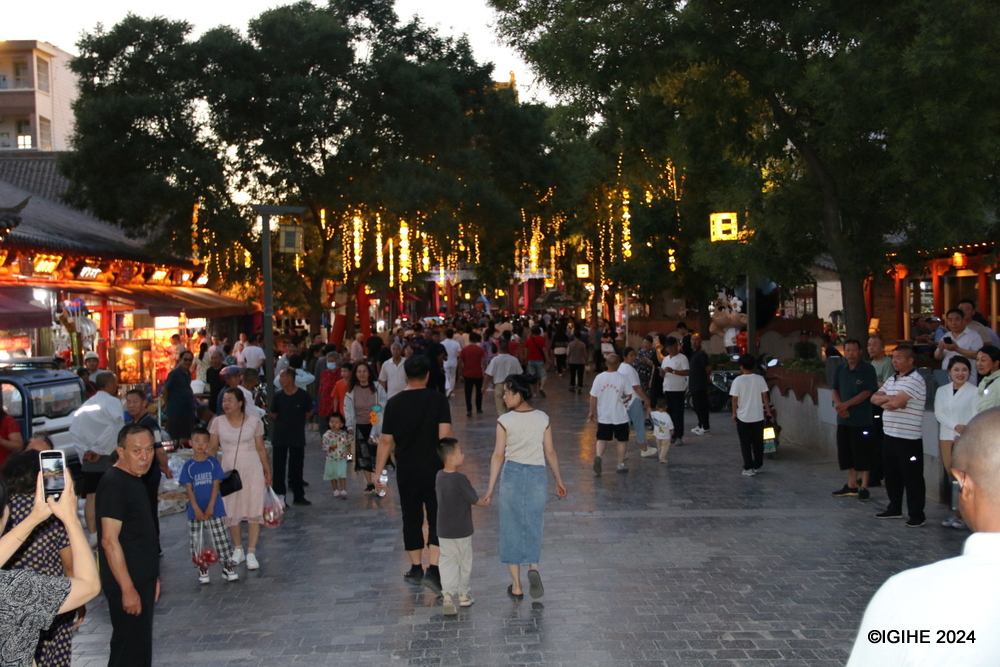
Today, Yulin Pedestrian Street is a bustling hub where traditional commerce meets modern tourism. Shops offering a variety of goods, from groceries and local delicacies to cultural artifacts and souvenirs, line the street, attracting both locals and tourists. The lively atmosphere, combined with the street’s ancient charm, creates a unique experience that captures the essence of Yulin’s rich history and cultural heritage.
Celebrated writer Lao She once compared old Yulin to Beijing, and a stroll through the lanes of Yulin Pedestrian Street makes it easy to see why. The street’s blend of historical significance and vibrant street life provides a captivating journey through time, offering visitors a unique opportunity to experience the grandeur of Yulin’s ancient city.
Whether you are a history enthusiast, a cultural explorer, or simply a curious traveler, Yulin Pedestrian Street offers an unforgettable journey through the annals of time.
The funding is part of a $61 million investment approved by the governing board of the Climate Investment Funds (CIF) under the Nature, People, and Climate (NPC) investment program to support climate change interventions in the Dominican Republic and Rwanda.
The CIF NPC program, launched in June 2022, deploys nature-based solutions that acknowledge linkages among land use, climate-change mitigation and adaptation, and the improvement of the sources of livelihoods of rural communities and Indigenous people.
CIF said the funding will help address systemic challenges holding back vulnerable populations in the Kaduha-Gitwe corridor and also support the launch of the Rwanda Wildlife Conservation Bond, an innovative capital market structured bond to promote biodiversity, including endangered chimpanzees. Both projects are implemented by the World Bank and co-financing of up to $283 million is expected.
In the Kaduha-Gitwe corridor, the plan will prioritize the restoration of degraded land and the sustainable management of forests and wetlands. It encompasses five sectors in Nyamagabe District, Southern Province: Kaduha, Kibumbwe, Mbazi, Mugano, and Musange; three sectors in Ruhango District: Bweramana, Kinihira, and Kabagari; and two sectors in Nyanza District: Nyagisozi and Cyabakamyi.
CIF’s $370 million Nature, People, and Climate investment program supports the development of nature-based solutions in low- and middle-income countries, ranging from small island developing states to sub-Saharan Africa and Latin America. It funds initiatives that recognize the interdependence of land use, climate-change mitigation and adaptation, and the improvement of livelihoods for rural communities and Indigenous peoples.
While announcing the funding, Tariye Gbadegesin, the CEO of Climate Investment Funds, termed the climate ambitions of both Rwanda and the Dominican Republic as “impressive”.
“Their programs will bring co-benefits such as improved biodiversity and enhanced livelihoods, with a specific focus on vulnerable groups such as Indigenous peoples and local communities,” the CEO stated.
Dr Jeanne d’Arc Mujawamariya, the Minister of Environment, welcomed the funding, saying Rwanda’s participation in the CIF NPC program is instrumental in securing a resilient and prosperous future for all Rwandans.
“We are immensely proud that Rwanda has been selected for the CIF Nature, People and Climate (NPC) program. This achievement is a testament to the robust collaboration among our diverse stakeholders, including Multilateral Development Banks (MDBs), government agencies, district authorities, civil society, and the private sector.
“Together, we have laid a solid foundation that will not only enhance the livelihoods of our vulnerable communities but also foster innovation in conservation efforts, exemplified by the introduction of a wildlife conservation bond. This initiative promises to enhance climate adaptation and create sustainable economic opportunities while protecting our rich biodiversity, ensuring a resilient and thriving future for all Rwandans,” the minister stated.
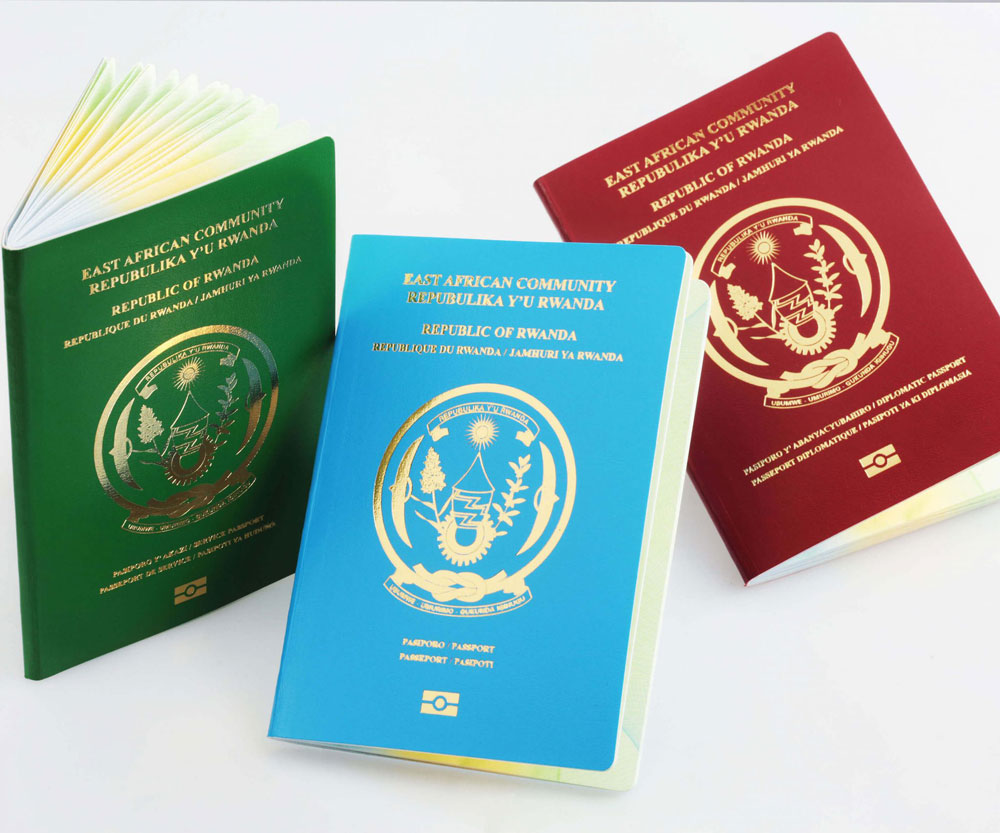
In a notice, the Directorate General of Immigration and Emigration (DGIE) said the service will be available on a new system developed by the immigration department in collaboration with the National Identification Agency (NIDA) and Irembo, an online platform that enables access and provision of government services.
“This was implemented to facilitate the Rwandan community abroad without national ID cards,” the DGIE said.
“The biometric data will be captured from the nearest embassy and be used for the processing of both National ID and e-Passport.”
Interested applicants are required to submit their applications for National ID cards and e-Passports on the Irembo portal.
Irembo was introduced in 2015 to allow people to access government services online with the [ issuance of e-Apostilles being among the latest services onboarded on the portal ->https://en.igihe.com/news/article/rwanda-starts-issuing-and-accepting-e-apostilles-from-other-countries].
Early this month, the Ministry of Foreign Affairs and International Cooperation (MINAFFET) in partnership with Irembo started issuing and accepting Apostilles from other member countries of the Hague Apostille Convention of October 5, 1961.
The initiative makes the legalization process for public documents such as birth certificates, marriage certificates and death certificates faster, simpler, and digitized through the use of electronic Apostilles (e-Apostilles).
“Rwandan documents intended for use abroad will be processed digitally and accessible through the Irembo e-government platform [https://irembo.gov.rw->https://irembo.gov.rw/]. Foreign documents apostilled abroad will be directly usable in Rwanda,” officials said.
Despite the First Amendment’s prohibition on government entities favoring one religion over others, Walters defended his decision by citing a state law about historical documents. He emphasized that the Bible holds significant importance to the foundation of America, according to Tulsa CBS affiliate KOTV.
“The Bible is a crucial historical and cultural reference point,” Walters stated. “Without a basic understanding of it, Oklahoma students cannot fully grasp the foundation of our nation. This is why Oklahoma educational standards include its instruction. This directive is not just about education; it is vital for ensuring our students understand the core values and historical context of our country.”
In his memo, Walters instructed teachers to include the Bible in lessons for certain grade levels, specifically mentioning grades 5 through 12.
This directive was issued just 10 days after Louisiana became the first state to require the Ten Commandments to be displayed in every public school classroom. The ACLU is currently challenging this rule in court.
HuffPost contacted the Oklahoma Board of Education to ask if other religious historical documents will also be required in classes, but did not receive an immediate response.
Following the memo’s release, Walters addressed the backlash, stating, “The left is upset, but one cannot rewrite history.”