[Click this link to watch the full video->https://english.news.cn/20240719/846136a0784a4e84a754364787218dd6/c.html]
Blog
-

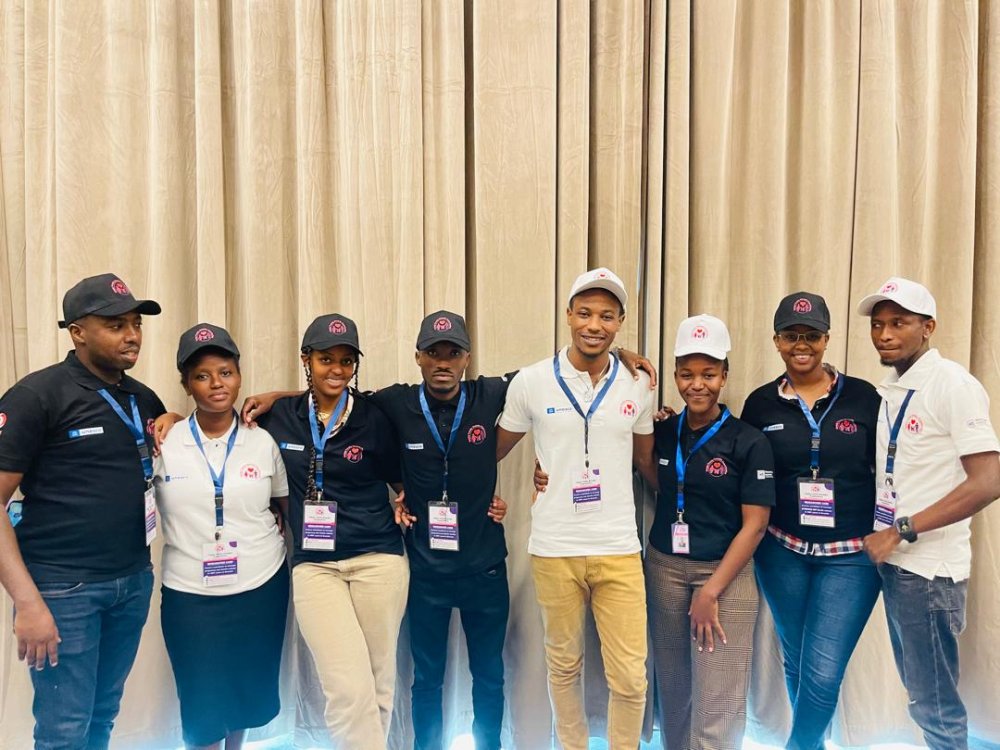
“Happy Family Rwanda Organization” launches study on GBV and Teenage Pregnancies
This is through the UNESCO Program “Our Right Our Lives Our Future”, aimed at supporting the country to deliver comprehensive sexuality education for adolescents and young people in Sub-Saharan Africa
The program helps young people to access information about Sexual reproductive health, combat and prevent unwanted pregnancies, Gender-Based violence (GBV) and HIV/AIDS.
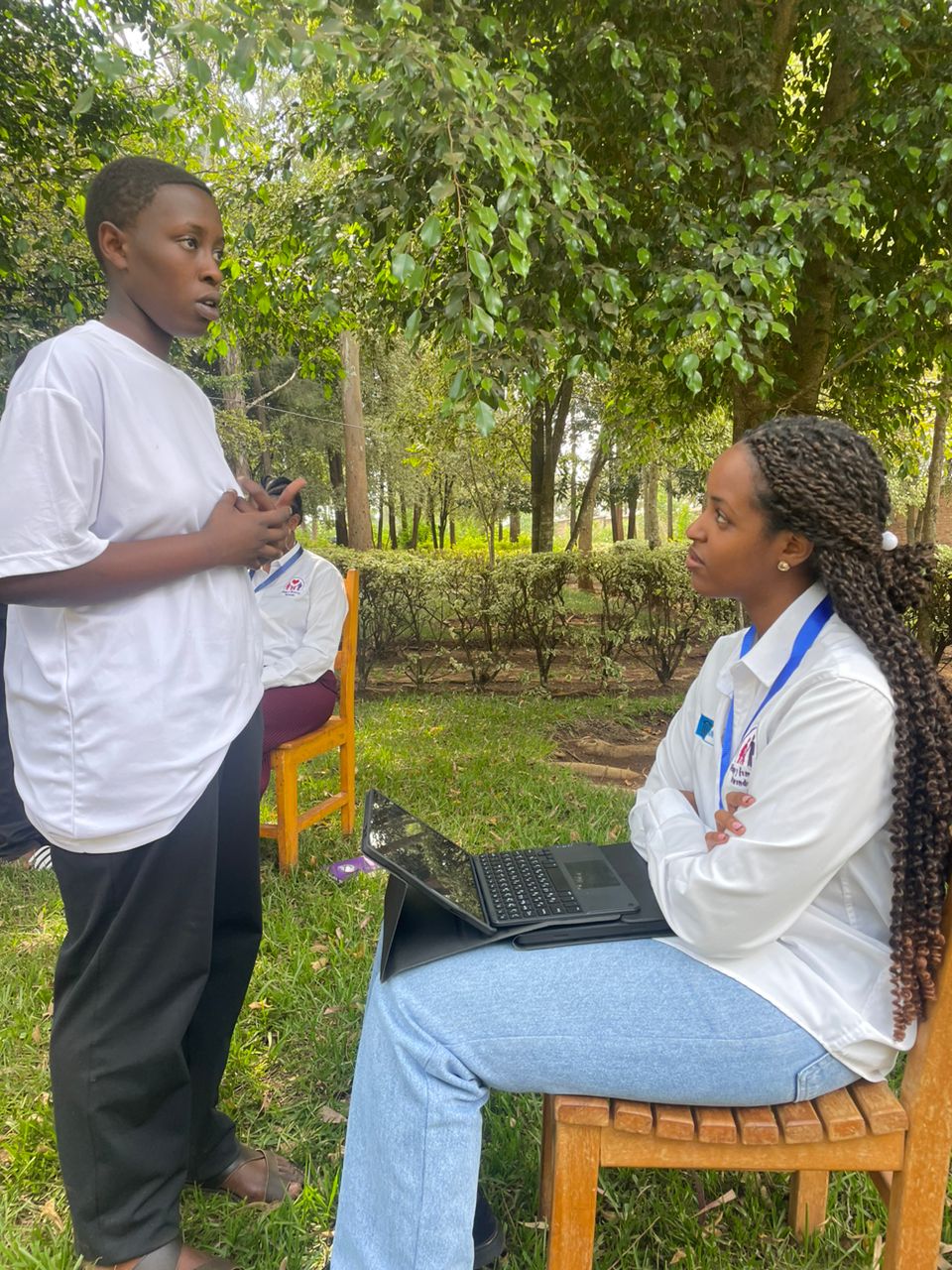
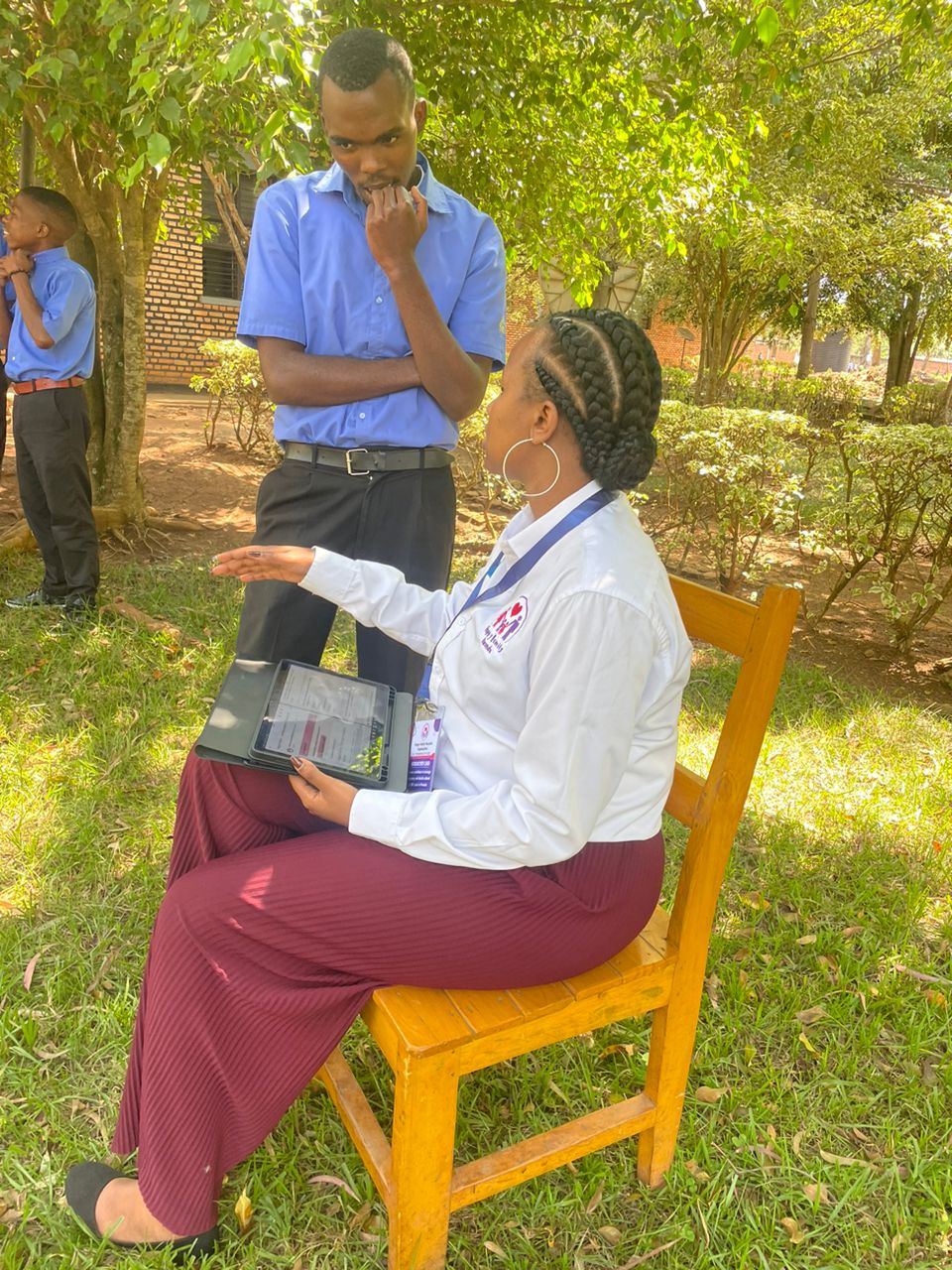
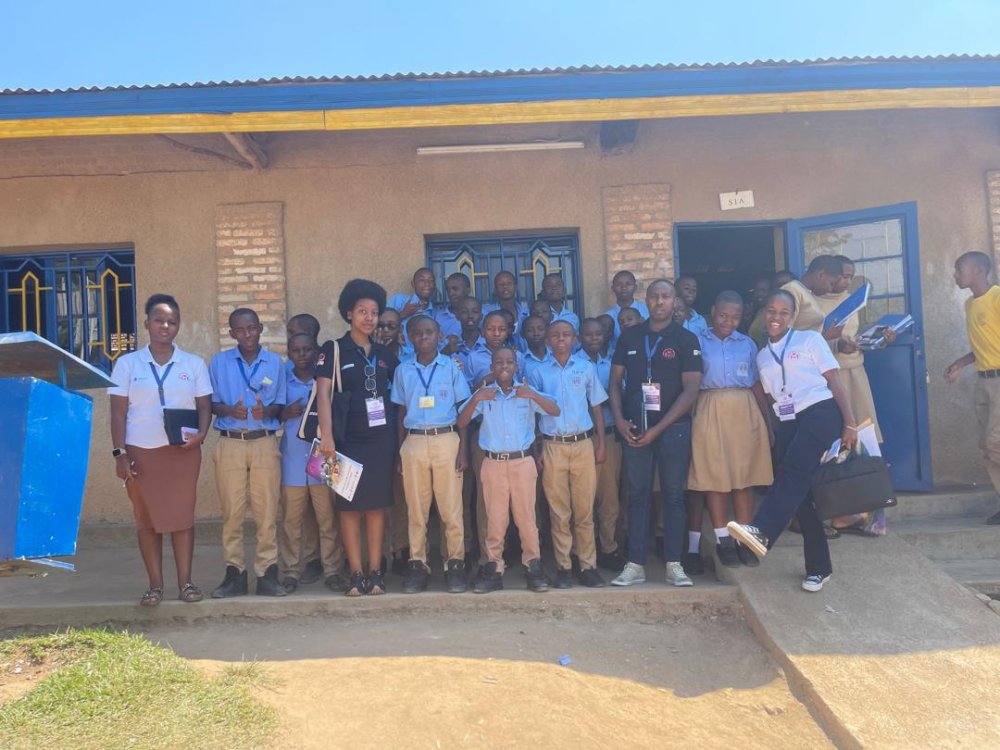
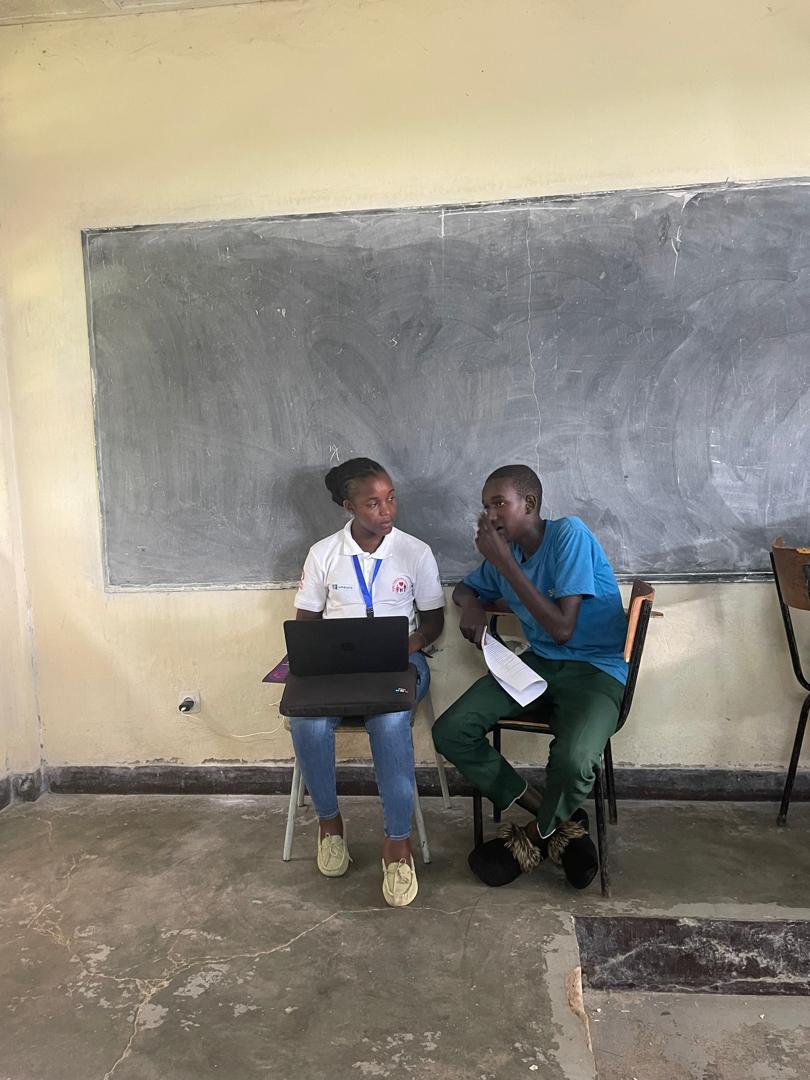
The study began on June 14th , 2024, and will end in August. It is being conducted in secondary schools and institutions involved in combating and preventing Gender-Based Violence(GBV) and teenage pregnancies.
The research is being conducted across all four provinces of Rwanda and in the City of Kigali.
Currently, the research is being conducted in selected thirty (30) secondary schools and Institutions (Private and Public) dealing with Gender Based Violence (GBV).
Some of the selected secondary schools where the research was conducted include; Saint Joseph Secondary School (ESSJT) and Groupe Scholaire Saint Vincent Palloti Gikondo.
Rafiki Justin Nsengimana, the Executive Director of Happy Family Rwanda Organization (HFRO), says that the Objective of this initiative is to understand the factors that contribute on Teenage Pregnancies and Details related to GBV Cases in Rwanda.
He says that “the Information from this research will be used to respond on preventing and reducing GBV Cases and Teenage Pregnancies in Rwanda”.
Chanceline UWIMPAYE, a student of Saint Joseph Secondary School is one of the participants providing information in this research. She shares a view that youth should be content with their lives to avoid temptations that could lead to unwanted pregnancies.
“We should learn to be satisfied with what we have as this will help us to avoid temptations. It will also help us to continue our education without interruption. because when someone becomes a parent at a young age they are not prepared for it, this leads to the failure and sometimes dropping out of the school” she said.Richard MUSENGIMANA, Other student at Saint Joseph, observes that the role of parents in discussing reproductive health with their childrens reflects the dominant importance as it helps to reduce unwanted pregnancies.
And what can help us to reduce such teenage unwanted pregnancies is that “The parents have to talk to their children about Sexual Reproductive Health and not to be afraid to tell them the truth about their lives because many parents have a habit to avoid this conversation”, he noted.
Promise Divine IGISUBIZO from Saint Vincent Palloti Gikondo reflected on how this research would help her and other students.
She says that “This research helped me to understand the sex education and the importance of self-control with my purpose to encourage my friends to abstain”, she said.
In addition to this initiative, Happy Family Rwanda Organization(HFRO) also provides trainings to the youth through various projects, such as radio drama named “UMUZI”, which conceits on Radio Rwanda (RBA)every Monday at 20;45 PM, and other social media Platforms like Twitter and YouTube as well as recreation and poetry writing competitions.
Happy Family Rwanda Organization has conducted Research in Different Provinces and the City of Kigali, working with over 1,201 students.
-

MINAGRI, IUCN combine efforts to bolster agroforestry and conservation agriculture
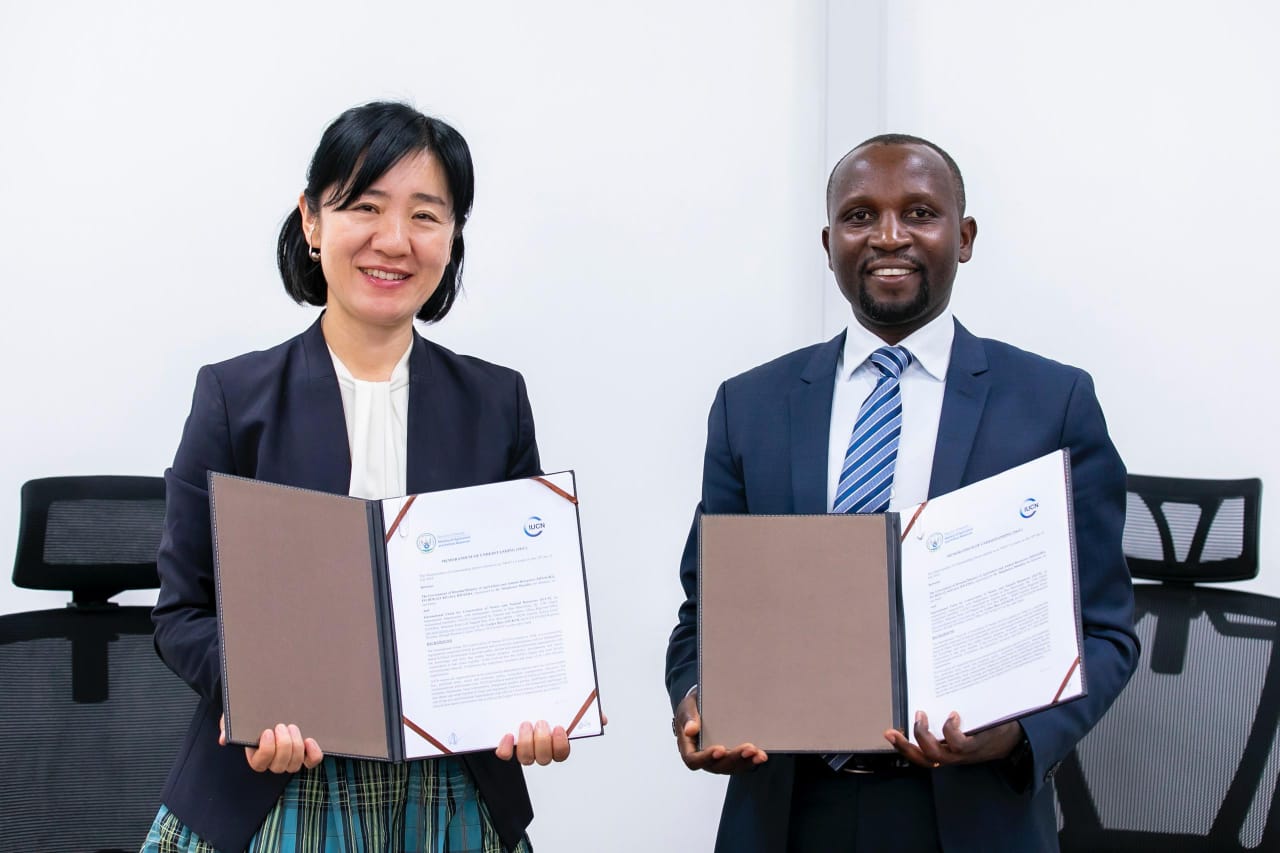
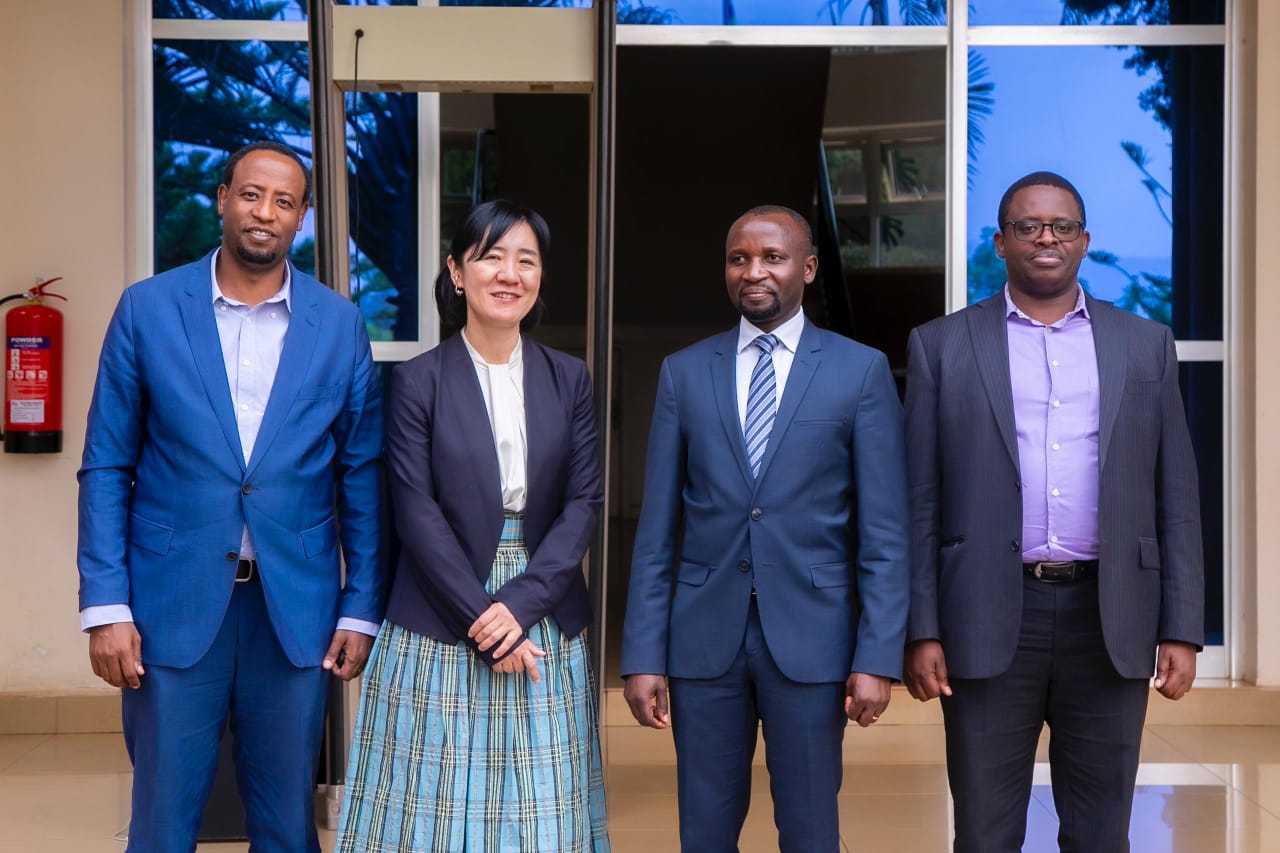
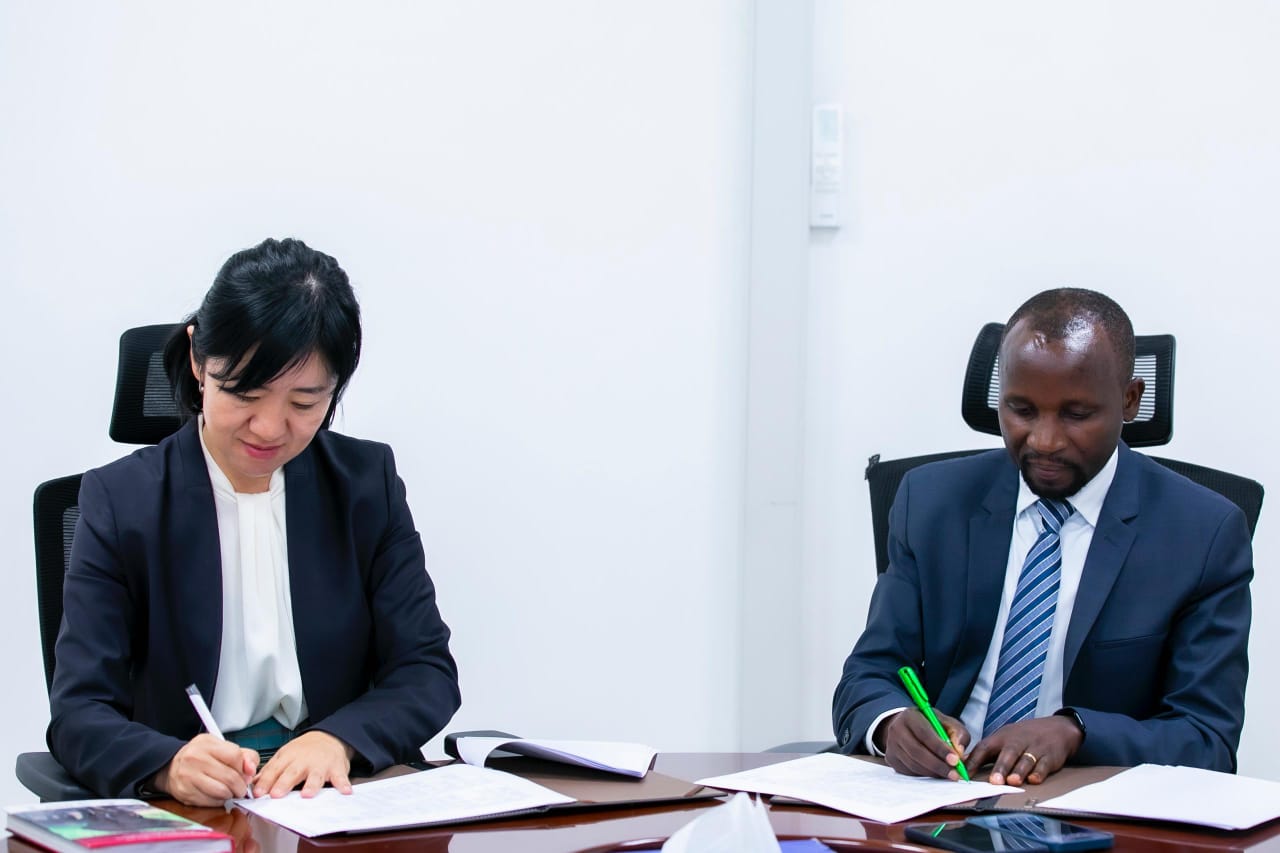
The two institutions signed a memorandum of understanding (MoU) on Thursday, July 18, 2024, outlining a cooperation agreement to achieve this mission.
Dr. Ildephonse Musafiri, the Minister of Agriculture and Animal Resources, and Ms. Kaori Yasuda, the IUCN-Rwanda Country Representative, signed the agreement on behalf of their respective institutions.
Jean Claude Habimana, the Communications Officer at IUCN, stated that this initiative comes at an opportune moment as IUCN is currently expanding the implementation of the IUCN Standards on Nature-Based Solutions in the Eastern Province of Rwanda. Conservation agriculture, climate-smart agriculture, and agroforestry are central to IUCN’s values.
“The MoU represents an official partnership agreement, as some of IUCN’s work aligns with the Ministry’s mandate,” Habimana affirmed.
“This sets the foundation for our future cooperation,” explained Habimana. The aim is to strengthen collaboration on sustainable agriculture initiatives, including conservation agriculture, climate-smart agriculture, and agroforestry.
Habimana further elaborated that upcoming joint initiatives will also focus on contributing to the priorities outlined in the Fifth Strategic Plan for Agriculture Transformation (PSTA5).
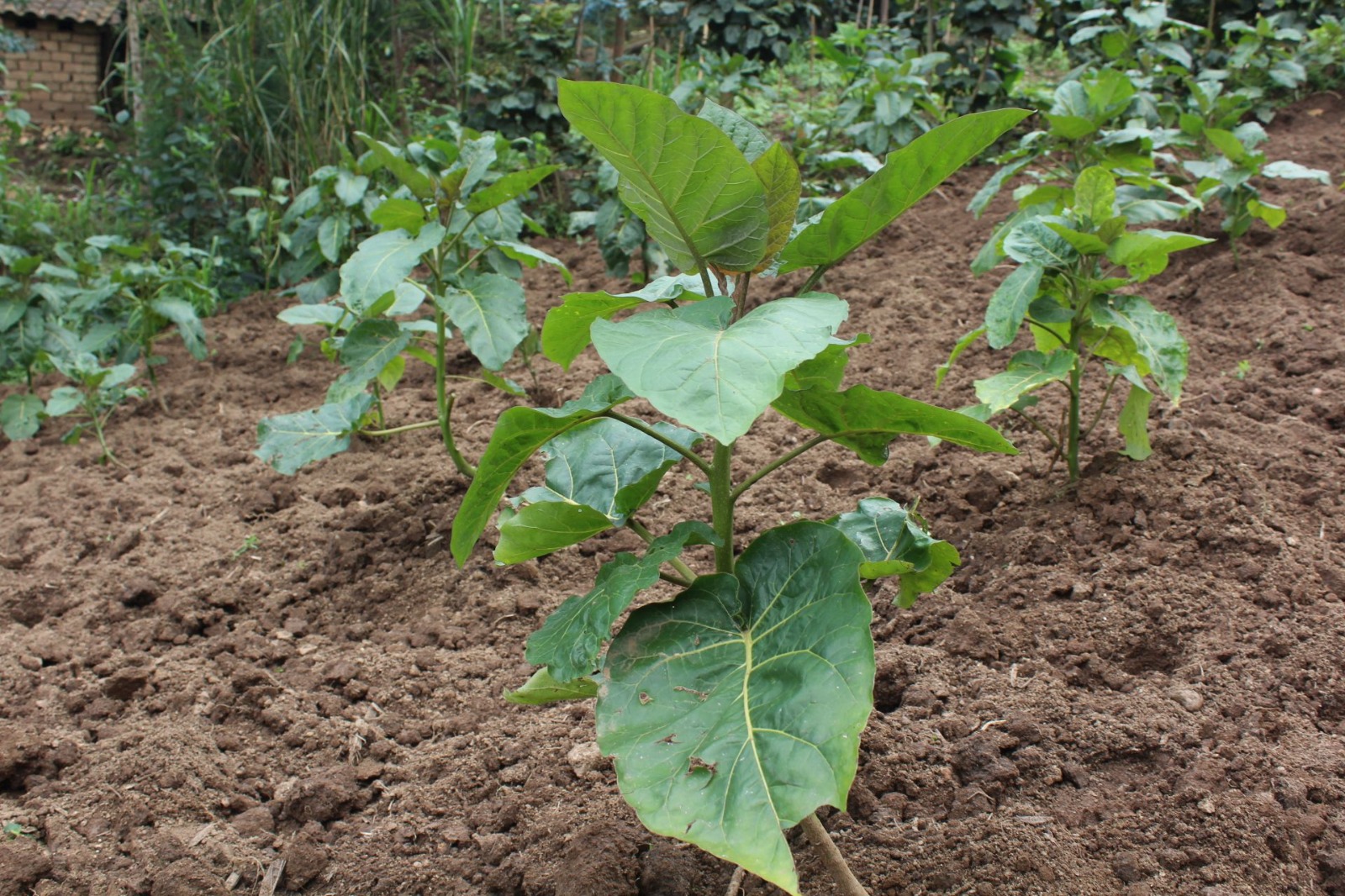
IUCN has prioritized the use of agroforestry in all its programs and initiatives to enhance livelihoods, improve soil fertility, and contribute to socio-economic gains among smallholder farmers in Rwanda.
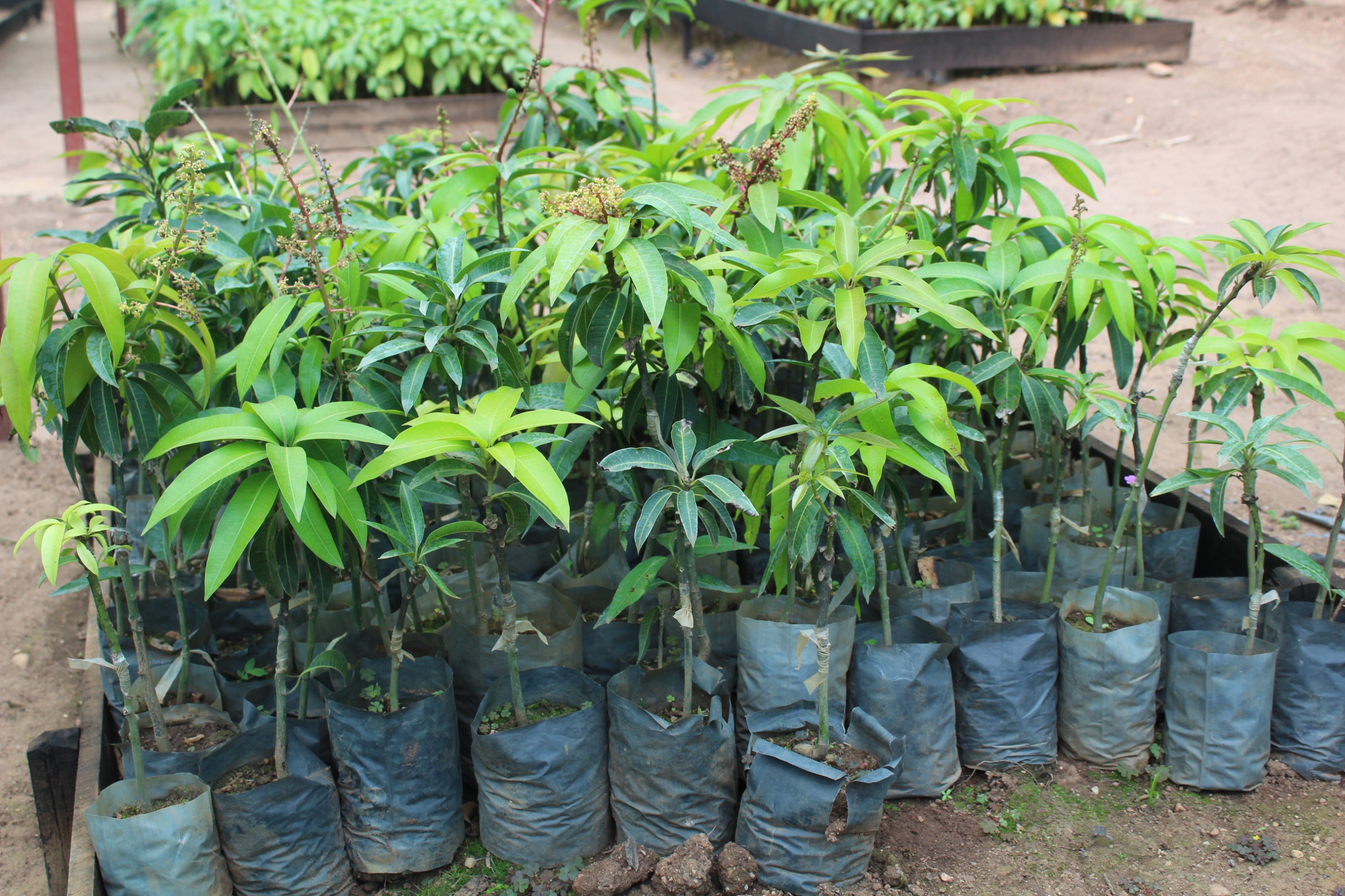
Projects such as Sebeya have already demonstrated the benefits of agroforestry and fruit trees, with communities expressing appreciation for the fruit trees provided.
Other projects such as AREECA, TREPA, COMBIO, and DeSIRA are also highlighting the importance of agroforestry in sustainable agriculture practices in Rwanda.
IUCN is a global organization dedicated to conserving nature and ensuring sustainable use of natural resources.
Founded in 1948, IUCN is one of the world’s most influential environmental organizations, comprising both government and civil society organizations.
Since 2016, IUCN has undertaken various initiatives aimed at restoring landscapes and promoting water resource management in Rwanda.
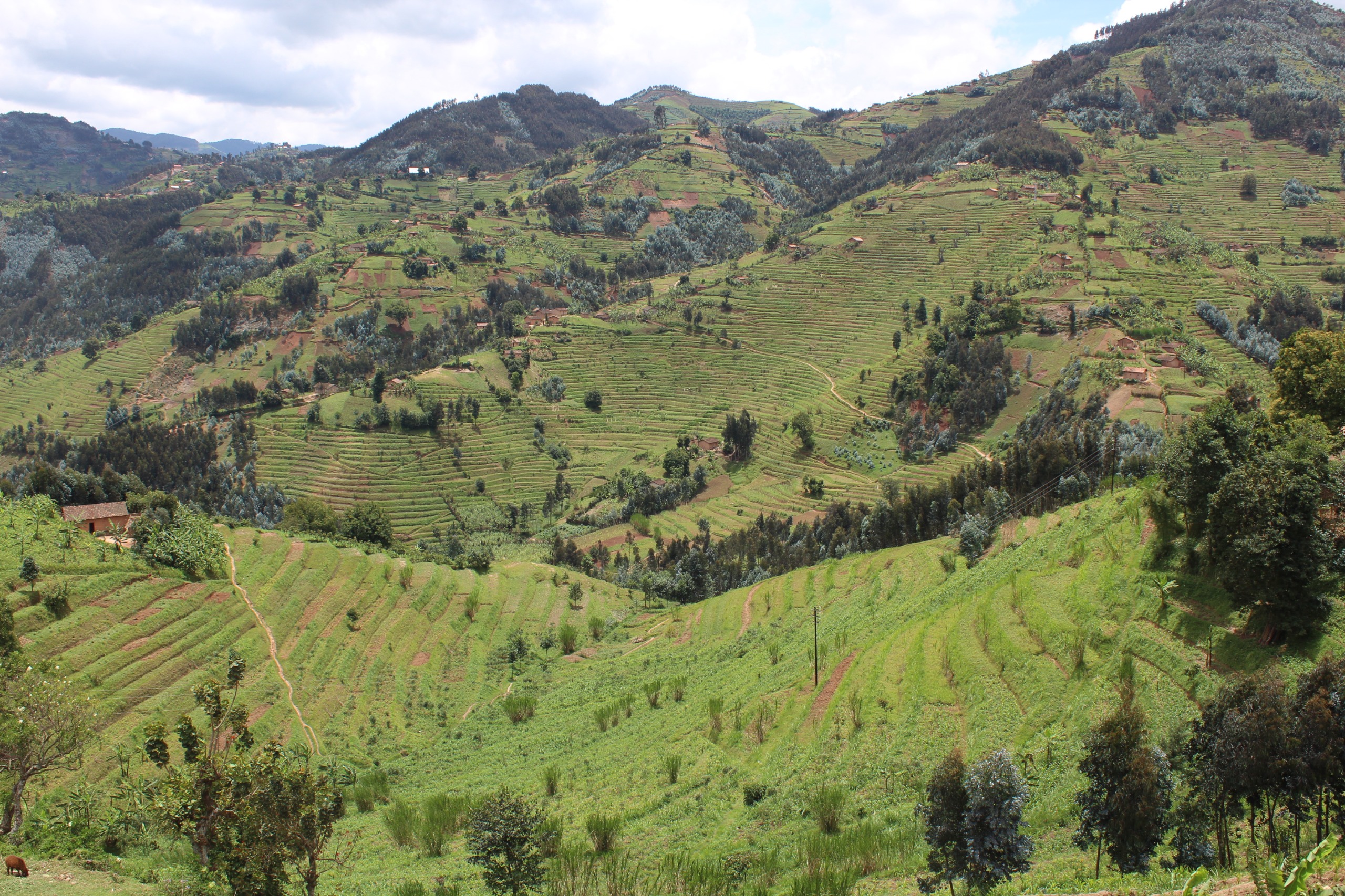
In 2019, IUCN, jointly with the Rwanda Water Resources Board and other partners, played a significant role in restoring the Sebeya catchment through various activities such as radical and progressive terracing for flood mitigation, achieved through participatory community-based approaches.
Over time, trees with edible fruits have been planted in different parts of the country not only to supplement nutrition but also to boost environmental conservation through afforestation.
MINAGRI has welcomed this as a positive development.
-

Reflections on the Government of National Unity 30 years later
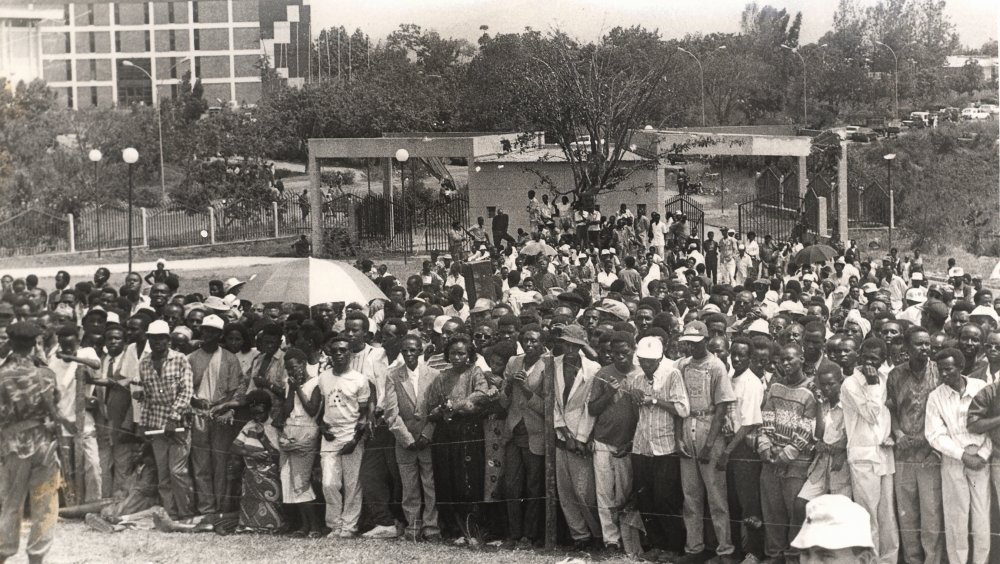
This government faced the enormous task of rebuilding a nation devastated over the preceding three months, with international experts doubting its ability to recover.
The Government of National Unity comprised 17 ministers: eight from the Rwandan Patriotic Front (RPF), three from the Democratic Republican Movement (MDR), three from the Liberal Party (PL), two from the Social Democratic Party (PSD), and one from the Christian Democratic Party (PDC). Fourteen ministers were sworn in on July 19, with the remaining three joining the next day.
This Government was established based on the Arusha Accords of 1993. Pasteur Bizimungu became President, Paul Kagame served as Vice President and Minister of Defense, while Faustin Twagiramungu was appointed Prime Minister.
At the time, Kagame as Vice President and Minister of Defense cautioned, on the long journey ahead for Rwandans, urging them to work together rather than becoming contented with what had been achieved.
He stated, “Given where we come from and where we are headed, no one should claim that we have completed our mission and sit back thinking all problems are solved. It is time work together as we did in the past, which brought us to where we are today, enabling us to form a government worth leading the country towards development.”
Initially, they faced challenges, with some members like Faustin Twagiramungu and Jean Marie Vianney Ndagijimana leaving early on.
However, the remaining members worked together to restore security and rebuild national unity. Unity and reconciliation became the primary goals. Initiatives were made to promote coexistence among Rwandans and restore trust within the community. Citizens returned from exile, resettling in their homeland and continuing to live peacefully.
Tito Rutaremara, veteran politician and Chairperson of Rwanda Elders’ Advisory Forum, recently told IGIHE that the first goal was to establish security.
“The first priority was to ensure security because the interim government faced threats from Ex-FAR soldiers and Interahamwe militia who had fled to, Tanzania, and Burundi, but mainly to Zaire with their weapons aided by the French,” he said.
With plans to return and overthrow the government, Rutaremara says that people like Bikindi boasted of how the country would be occupied temporarily and then later handover the country back to him and his fellow Genocidaires
But as fate would have it, security was maintained, insurgent groups aiming to reignite genocide were defeated, and refugees returned from abroad.This was followed by building unity based on restorative justice. These efforts were grounded in discussions held at Urugwiro Village in 1998-1999, which brought together people from all sectors of society to collaboratively create a vision for Rwanda’s development.
Another priority at that moment was promoting democracy, culminating in the 2003 Constitution, which was preceded by reforms in local governance.
Subsequent elections for the president, parliamentarians, and senators were held, leading to the establishment of democratic institutions. These advancements helped the nation rebuild and achieve sustainable development.
The impact of the Government of National Unity is evident 30 years later in areas such as education, health, social welfare, the economy, and infrastructure aimed at development, as well as in national unity.
The recent Rwanda Reconciliation Barometer 2020 revealed that the unity and reconciliation index had reached 94.7%.

-

Police laud public conduct during electoral process
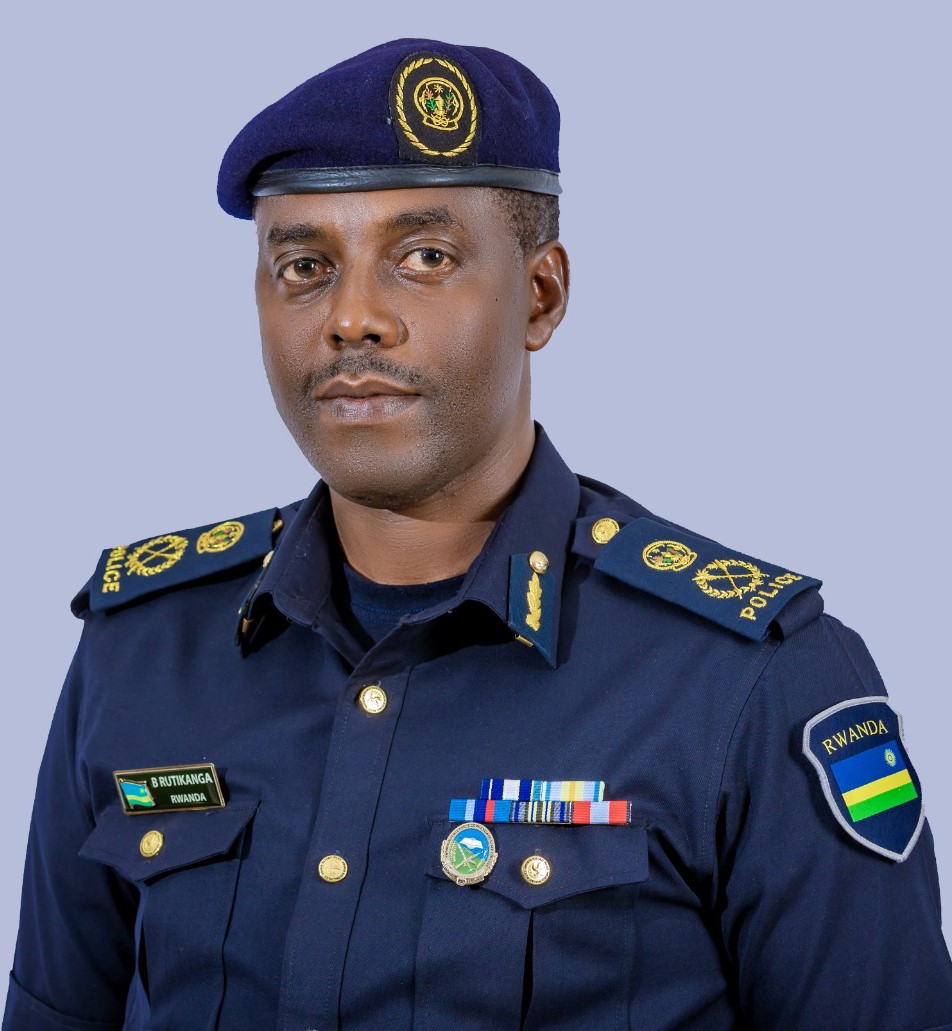
The RNP spokesperson, Assistant Commissioner of Police (ACP) Boniface Rutikanga said that the electoral process was “peaceful.”
“The RNP takes this opportunity to thank Rwandans for their cooperation in this period; campaigns and elections on July 15th and 16th. There were no any unlawful or violent incident as candidates and their supporters exercised their rights in a peaceful, safer and secure manner,” ACP Rutikanga said.
He added that transportation of electoral materials to and from polling sites ended incident-free
The spokesperson thanked other partners, including the National Electoral Commission, security agencies and local leaders for the partnership to make this electoral process successful.
“Rwandans understand their rights and are accustomed to peaceful elections,” he said, calling upon the public to strengthen the spirit of community policing and sharing information on anything that can cause insecurity and the wellbeing of the people.
-

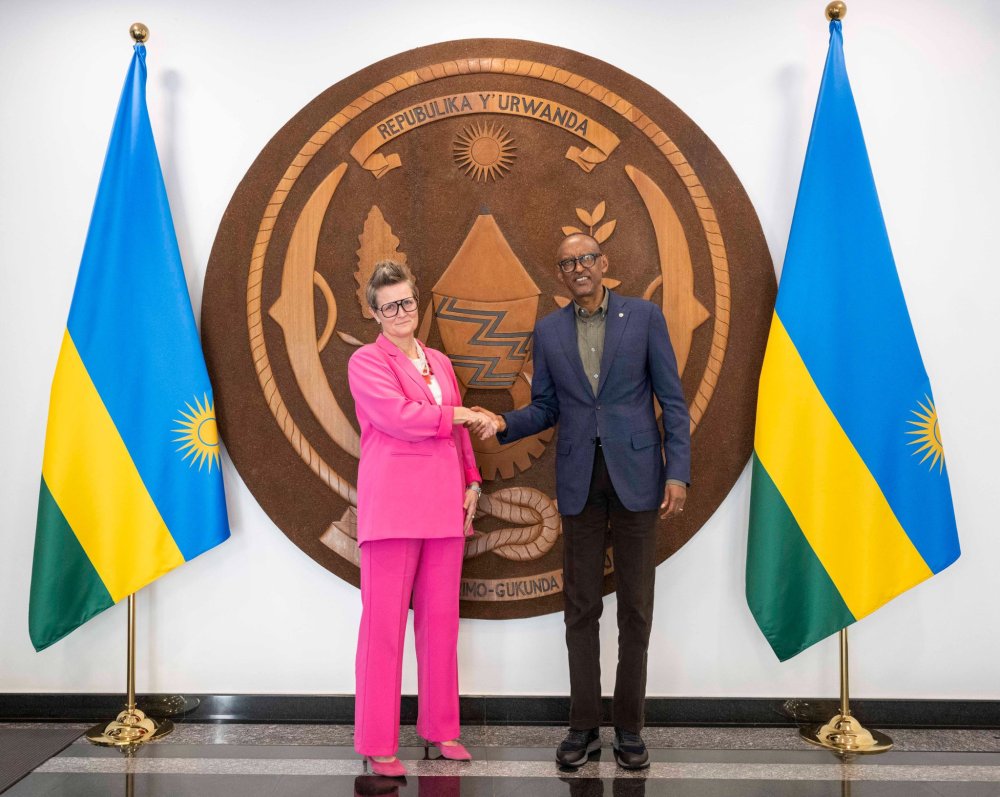
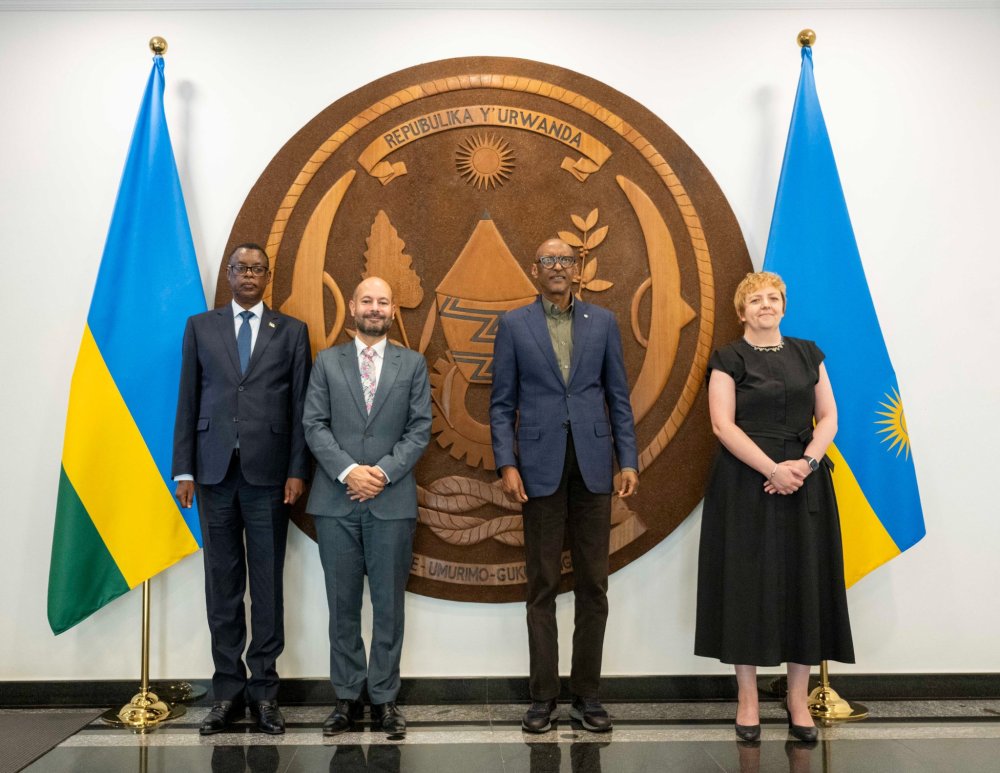
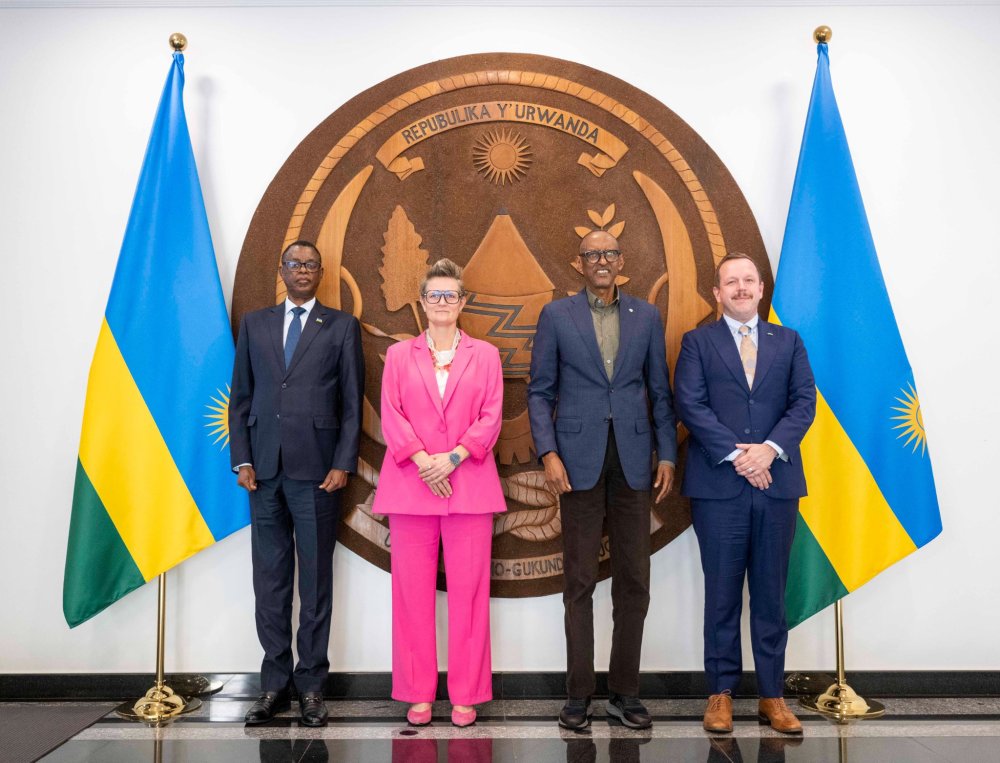
President Kagame receives outgoing Swedish, UK envoys
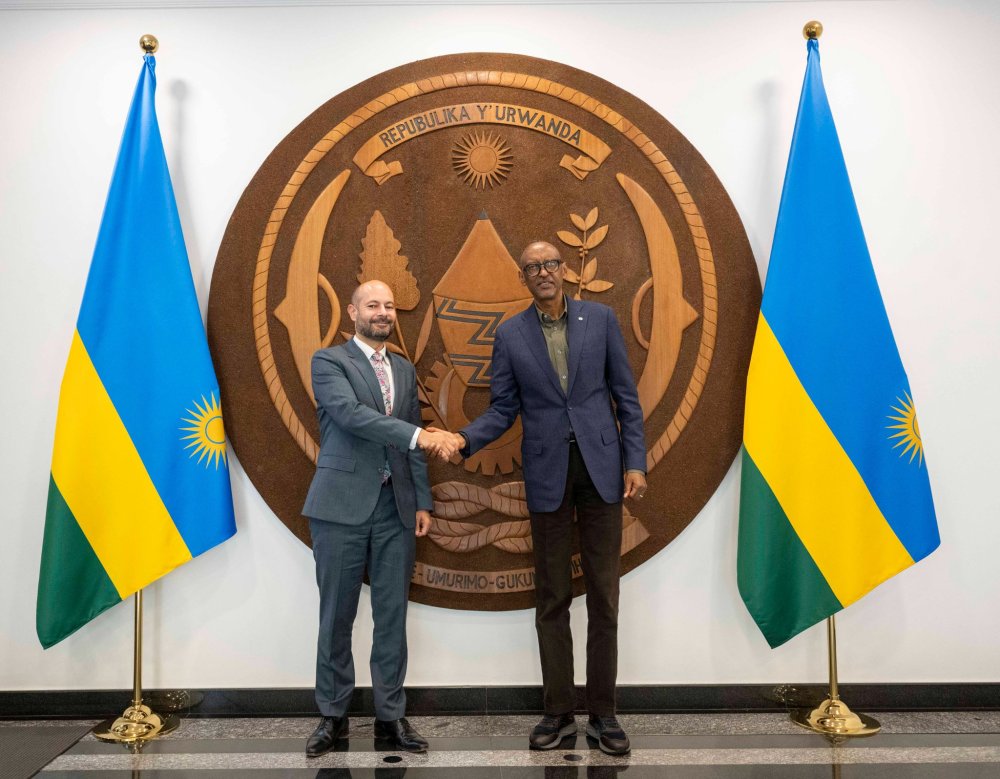
The Office of the President revealed that Kagame met with the ambassadors on the evening of Thursday, July 18, 2024 and bed them farewell.
The relationship between Rwanda and Sweden has flourished for over 20 years, primarily through cooperation in sectors such as education.
During a ceremony on March 23, 2023, celebrating 20 years of partnership in research and other development activities through the ‘UR-Sweden Program’, Amb. Teague highlighted the importance of continuing this collaboration.
Meanwhile, British High Commissioner Omar Daair has shown keen interest in strengthening the relationship between his country and Rwanda, supporting various initiatives during his tenure.
Notably, Rwanda and the UK signed the Migration and Economic Development Partnership, facilitating the transfer of migrants staying illegally in the UK to Rwanda.
This agreement, however, faced challenges following the new UK Prime Minister Keir Starmer’s assumption to power and it was terminated.
-

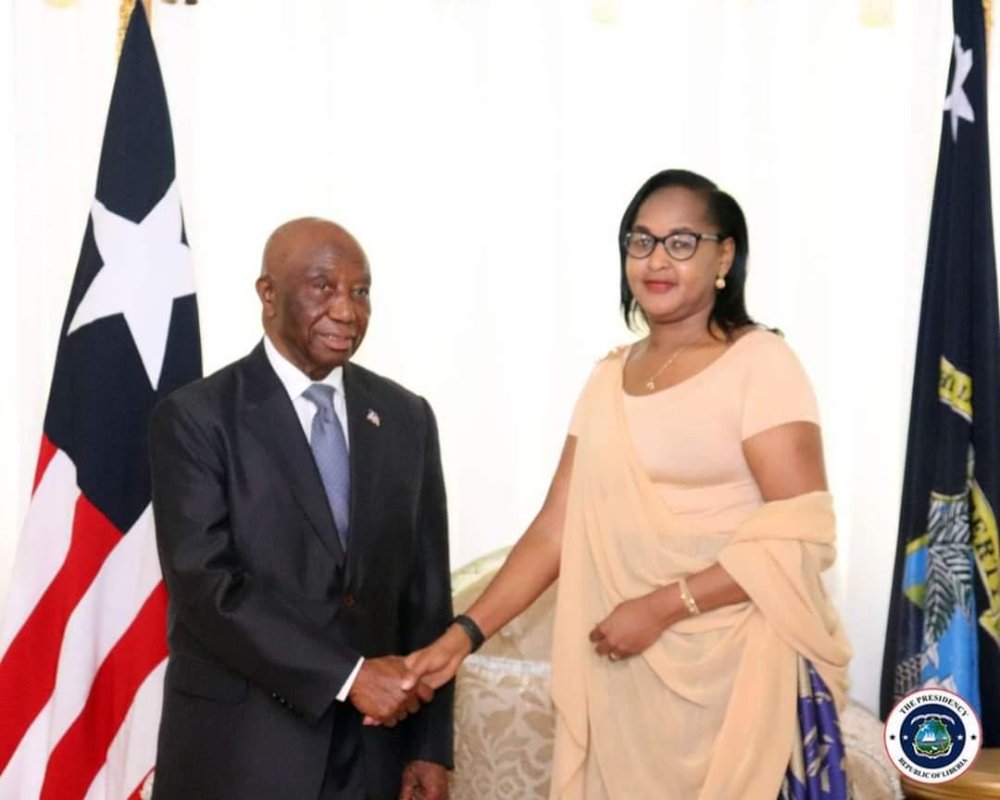
Amb. Rosemary Mbabazi presents credentials to Liberia’s president
Mbabazi will simultaneously hold the position of Rwanda’s Ambassador to Ghana, where she is already based.
Expressing her delight as she assumed the new role, she posted on X “It was an honour to present Letters of Credence to H.E. Joseph Nyuma Boakai, President of the Republic of Liberia, as Rwanda’s Ambassador Extraordinary & Plenipotentiary to Liberia, resident in Accra.”
Before her appointment as Rwanda’s Ambassador to Ghana, Mbabazi served as the Minister of Youth and Culture as well as Permanent Secretary at the Ministry of Trade and Industry.
The new ambassador is expected to bolster Rwanda and Liberia’s good relations in various areas, particularly in political collaboration between the legislative bodies of both countries and in education, where higher education institutions undertake student exchange programs.
Meanwhile, earlier this week, Ambassador Fatou Harerimana presented her credentials to President Asif Ali Zardari of Pakistan, becoming Rwanda’s first High Commissioner to Pakistan.
Through a newly established Rwandan embassy in Pakistan, Harerimana is expected to enhance cooperation in security, trade, health, and education between the two countries.
-

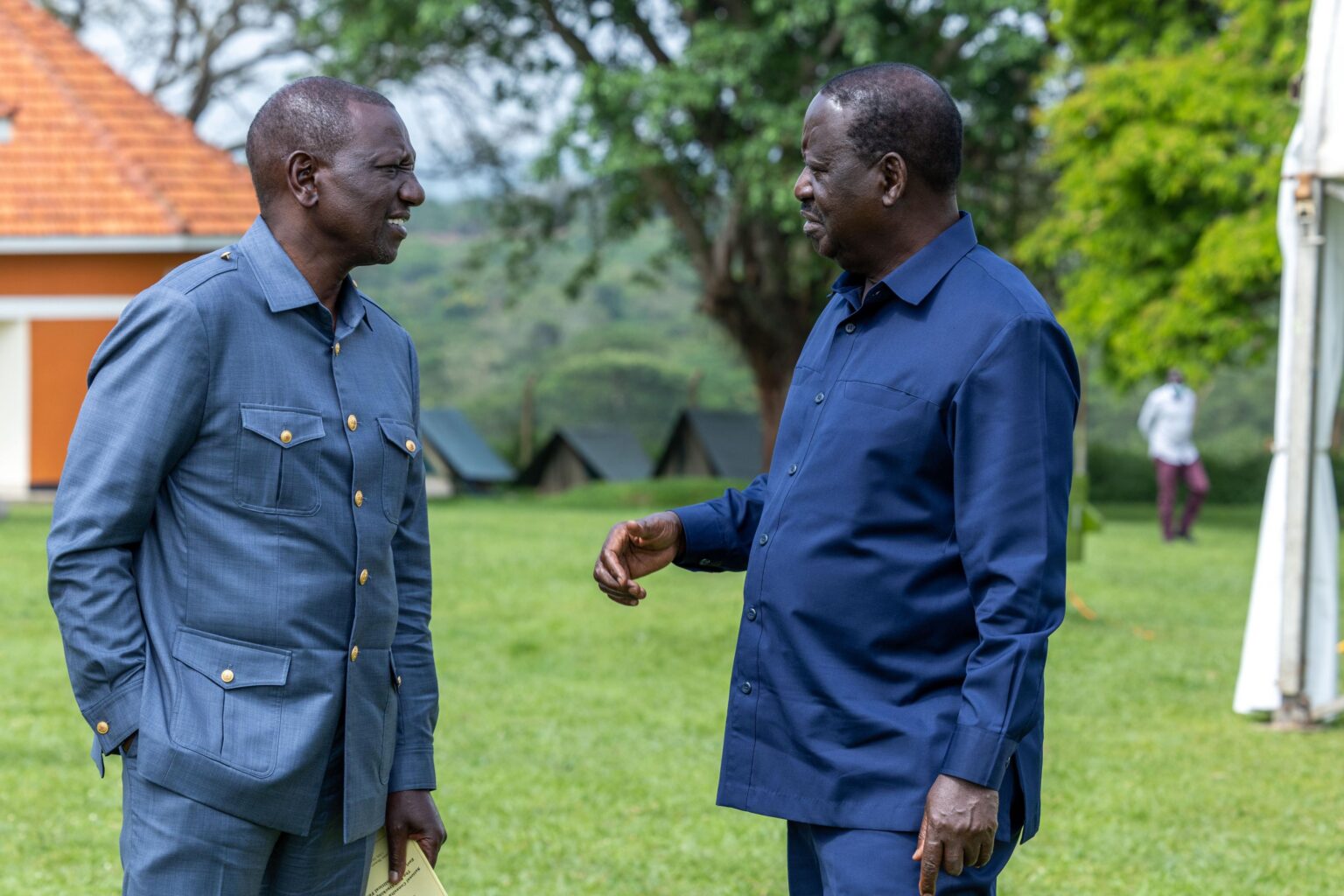
Uncertainty in Kenya’s opposition as Odinga rejects Ruto resignation drive
Odinga re-affirmed his position on the sustained pressure demanding for Ruto’s resignation during a meeting with Members of Parliament from his ODM Party on Wednesday, July 17, 2024.
The former Prime Minister said that hounding President Ruto out of office would be useless as it would mean Deputy President Rigathi Gachagua assuming power and continue with the same policies.
Odinga reasoned that forcing Ruto out would even possibly worsen the situation, plunging the country into turmoil if the military was for example allowed to take over, a replica of what befell Egypt a few years ago.
“It’s at times of crisis like this that a country needs to talk. We are not doing it to save Ruto. We are doing it to save Kenya. Generals don’t have teargas. They don’t have water cannons. They have bullets,” he pointed out.
Odinga’s firm stance on the ongoing protests demanding Ruto’s resignation comes amid reports of growing rift among high-ranking officials in his coalition including former Vice President Kalonzo Musyoka and former Justice Minister Martha Karua.
Musyoka and Karua appear to harbour a hard-line position on increasing calls for President Ruto to exit office, insisting that the Head of State had failed to address the plight of Kenyans including the high cost of living that has pushed the prices of basic commodities through the roof.
The rift in the opposition coalition became apparent when rowdy youths forced Musyoka to cut short his speech during the ODM Parliamentary group meeting on Wednesday.
Musyoka’s address was disrupted shortly after he began reading a statement deemed to contradict Odinga’s position on the ongoing protests. Odinga had excused himself to attend to other engagements.
Later senior members of Odinga’s ODM party accused Musyoka of trying to paint Odinga as a traitor while simultaneously collaborating with Ruto’s deputy to undermine the Head of State.
“We must identify what works for us as ODM. We are the bigger party in Azimio and we cannot be bullied,” Hassan Joho, a former governor and high-ranking official in the ODM party stated.
John Mbadi, the national chairperson of the Odinga party, also fired at Kalonzo, saying some of the opposition coalition partners were being dishonest.
“This country must talk. Our partners in Azimio are dishonest. We have children and we have a country to save for them,” Mbadi said.
Odinga, who commands a huge following in Kenyan politics, is gunning for the position of chairperson of the African Union Commission after five unsuccessful attempts at the presidency.
His calls for dialogue to resolve the standoff between the young people and the government are seen by critics as self-centred, given his hard stance against Ruto’s administration in the past.
The Kenyan government has already endorsed Odinga’s attempt for the continental job at AU and is expected to lobby support for him ahead of elections scheduled for February 2025.
{{Deadly protests
}}There are growing concerns over the youth-led protests in Kenya, which turned violent in recent weeks, with the government insisting that what were otherwise peaceful demonstrations were infiltrated by goons keen to cause mayhem.
According to the Kenya National Human Rights Commission (KNHRC), the protests have so far claimed 50 lives. At least 20 of the victims were shot dead when angry protesters stormed Parliament buildings in Nairobi shortly after the passing of the Finance Bill on June 25 2024.
The protests forced President Ruto to make several changes in his modus operandi including the withdrawal of the controversial bill and recently firing his entire Cabinet.
President Ruto also scrapped the operational budgets for the Office of the First Lady and that of the Deputy President’s wife.
However, despite these changes, Kenyans returned to the streets on Tuesday, demanding for the President’s resignation.
-

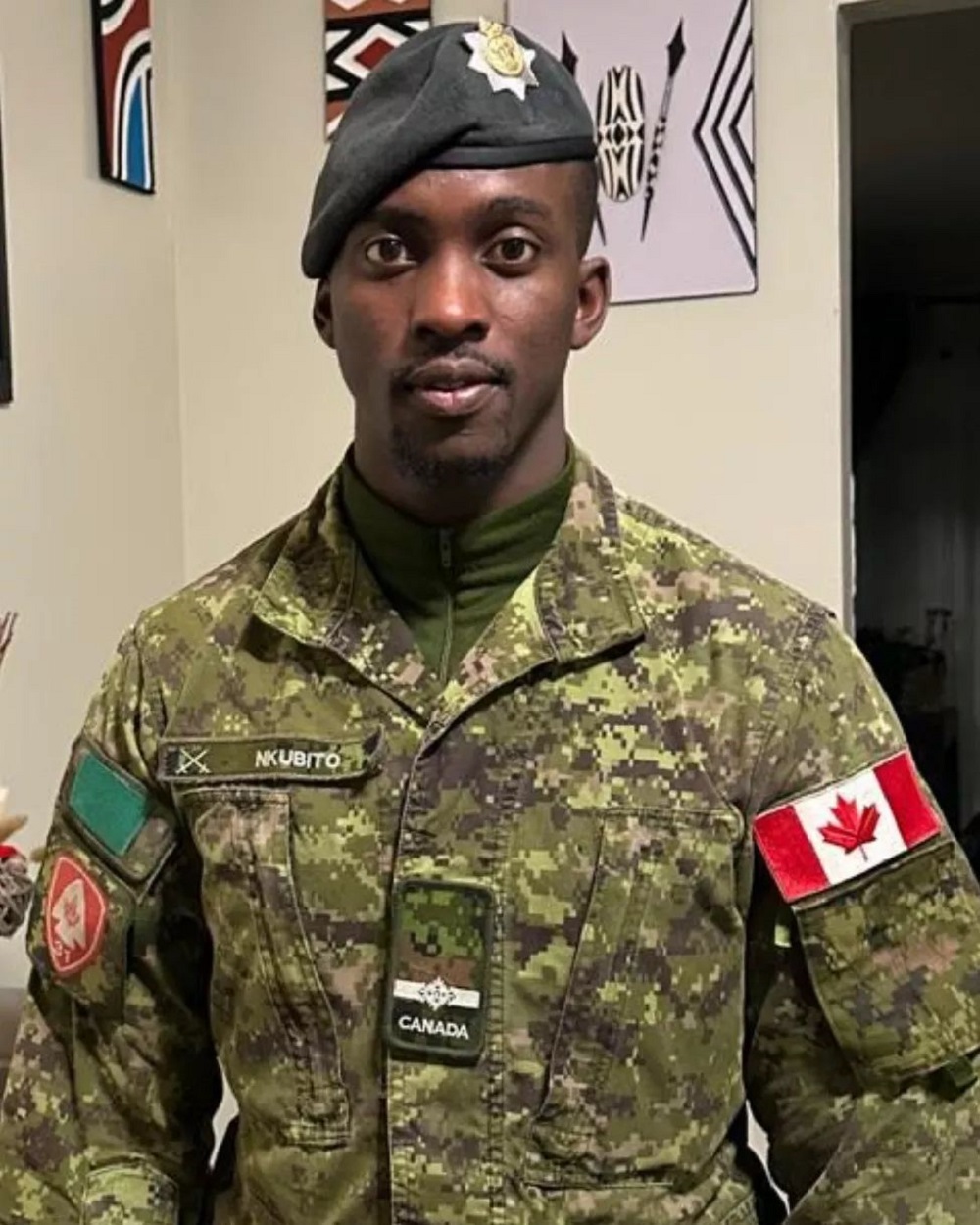
Rwandan junior officer serving in Canadian Armed Forces dies in car accident
According to the Canadian police, the vehicle, which was carrying soldiers from Oromocto town, veered off the road and knocked a tree, immediately bursting into flames. Sources indicate that Nkubito and his two other colleagues died on spot.
The police reported that the accident occurred 30 kilometers from Fredericton, a city in New Brunswick Province. An investigation is underway to confirm the exact cause of the accident.
A relative to Nkubito who spoke on condition of anonymity expressed sadness saying the death is a big loss to the family.
“He was expected to achieve much for his personal development and his country, especially given his young age. It is such a big loss,” he said.
The family member also disclosed that Nkubito had been serving in the Canadian Armed Forces for three years and lived with his family in Canada.
Requiem masses in his honor will be held at Institut de Formation Apostolique de Kimihurura (IFAK-Kimihurura), in Gasabo District on various dates.
They will be held on July 18, 2024, at 1:15 PM; on July 19, 2024, at 1:15 PM; and on July 20, 2024, starting at 7:00 AM. The final requiem mass will be on July 21, 2024, at 11:00 AM at the same venue.
-

Provisional results: Kagame in the lead as RPF retains majority in parliament
His closest rival, Frank Habineza of the Democratic Green Party of Rwanda, managed only 0.50 per cent of the vote, and independent candidate Philippe Mpayimana trailed with 0.32 per cent.
While releasing the results on Thursday, July 18, NEC Chairperson Oda Gasinzigwa said that RPF and its coalition allies secured majority votes (68.83 per cent) in the July 15 parliamentary general elections.
The Liberal Party (PL) secured 8.66 per cent of the votes, the Social Democratic Party (PSD) got 8.62 per cent while the Democratic Green Party of Rwanda got 4.56 per cent of the total votes.
The Ideal Democratic Party (PDI) and PS-Imberakuri secured 4.61 per cent 4.51 per cent respectively.
Janvier Nsengimana, the only contestant who ran as an independent got only 0.21 per cent of the total votes.
The national constitution specifies that a candidate or political party which fails to get at least 5 per cent of the vote is not eligible to get a seat in the Chamber of Deputies.