
The event was also a lively occasion, featuring various entertainment activities that resonated with the youth, including performances by artists Davis D and Shemi. The youth also displayed their talents through captivating performances in dance and fashion modeling.

CyberRwanda, a digital platform dedicated to improving the health and well-being of young people aged 12 to 24, offers reliable information on sexual and reproductive health, alongside other resources designed to support their holistic development. In their testimonials, several youths highlighted the accuracy and relevance of the information they gained from the platform, which has empowered them to navigate adolescence with greater responsibility.
Athanase Nikobizaba, a 21-year-old who started using CyberRwanda in 2022, shared how the platform provided him with critical information he previously hesitated to seek from his parents, proving to be immensely beneficial.
“Before I discovered this platform, I used to hear myths from other boys, like having sex would clear acne or that girls should engage in sexual activities to avoid certain issues. CyberRwanda debunked these myths and provided credible information on how to handle such situations,” he said. “I’ve also learned that every youth, regardless of disability, has potential, thanks to the entrepreneurship tips available on the platform.”
Similarly, Solange Uwimana, who started using CyberRwanda in 2021 at the age of 19, expressed how the platform helped her adopt healthier behaviors during adolescence. “I used to be shy about buying sanitary pads during my periods, but now I do it without embarrassment. I also learned how to interact with people of the opposite sex in a healthy way, understanding the importance of abstinence until I am mature enough,” she shared.

Uwimana added that before discovering CyberRwanda, it was challenging to access such essential information as many parents hesitate to discuss sexual and reproductive health with their children, fearing it might encourage premature sexual activities.
She encourages other youth to use the platform, noting that it offers a wealth of valuable resources, including educational stories, videos, and a space for asking questions, advice and help.
Yvonne Uwera, YLabs’ Project Manager, explained that the outreach was organized to engage more youth and raise awareness about the platform’s reliable resources on sexual and reproductive health and development.
“We want more youth to be aware of CyberRwanda and the services it offers, as it’s a platform designed specifically for them, by their peers,” said Uwera.

She added that since its launch six years ago, the platform has supported many young people in navigating adolescence, and they plan to expand their reach by partnering with more youth centers.
Following the outreach in Bugesera, similar initiatives will continue in Kigali City and Nyanza District.
CyberRwanda, initiated by YLabs and funded by the United States Agency for International Development (USAID), was launched in 2018. The platform currently partners with 13 youth centers across the country, disseminating its services to the target beneficiaries.
The information available on this platform is contributed by over 1,000 youth and stakeholders, including parents, teachers, leaders, health experts, and others.
Given the transformative power of reliable information, CyberRwanda’s role in empowering the next generation, is vital.

As the platform continues to grow and reach more youth, it holds the promise of shaping a healthier, more informed future for Rwanda’s young people.
The impact of initiatives like these extends far beyond the present, laying the foundation for a generation that is better equipped to make informed decisions, contribute to their communities, and build a brighter future.

Under the theme, “Joining Hands to Advance Modernization and Build a High-Level China-Africa Community with a Shared Future,” the summit brings together several African and Chinese leaders to evaluate the existing cooperation environment and draw a blueprint for common development and prosperity.
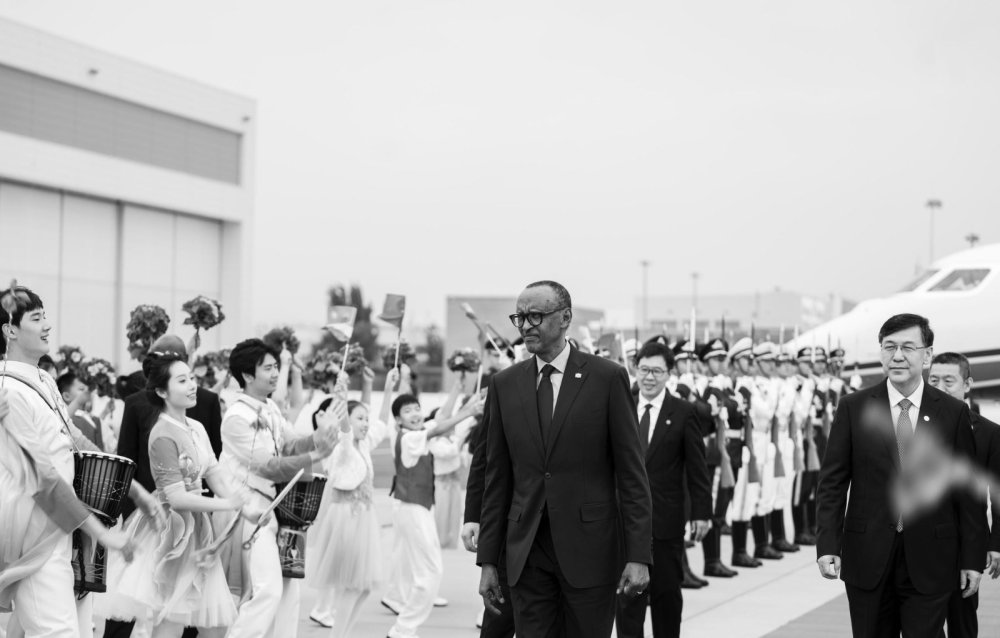
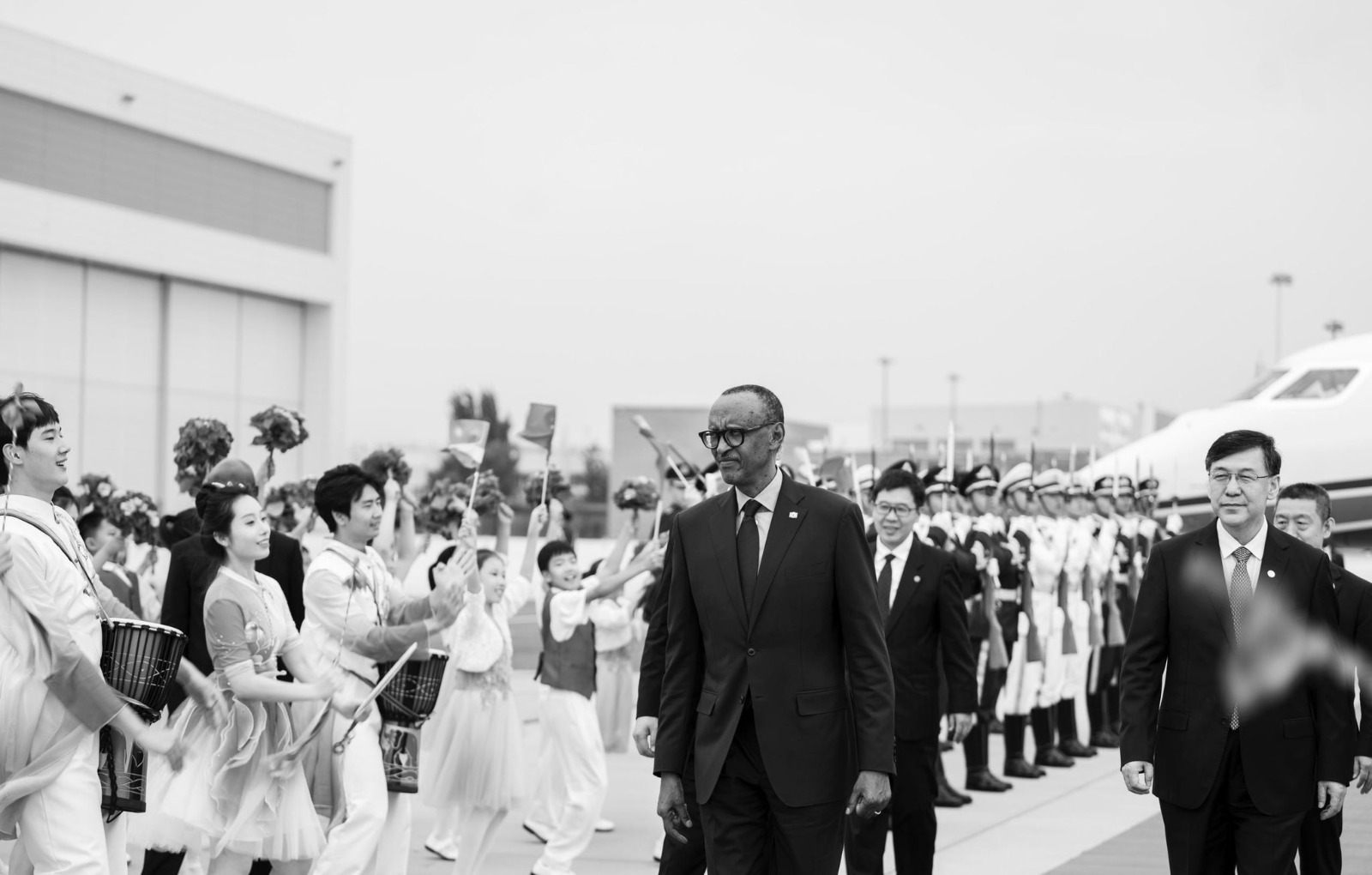
On Tuesday, Kagame arrived in Beijing to attend the two-day summit slated for September 4 to 6.
Rwanda, Seychelles, and Kenya enjoy strong and productive bilateral relations, which have grown through collaboration in various sectors such as trade, tourism, environmental conservation, and regional security.
The recent meetings between the three heads of state highlights a common commitment to strengthening these ties.
Rwanda and Seychelles have focused on sustainable development and tourism, with both countries being recognized for their efforts in environmental conservation.
They have also collaborated in education, health, and the blue economy, with a shared interest in eco-tourism has further deepened the relationship between the two nations.
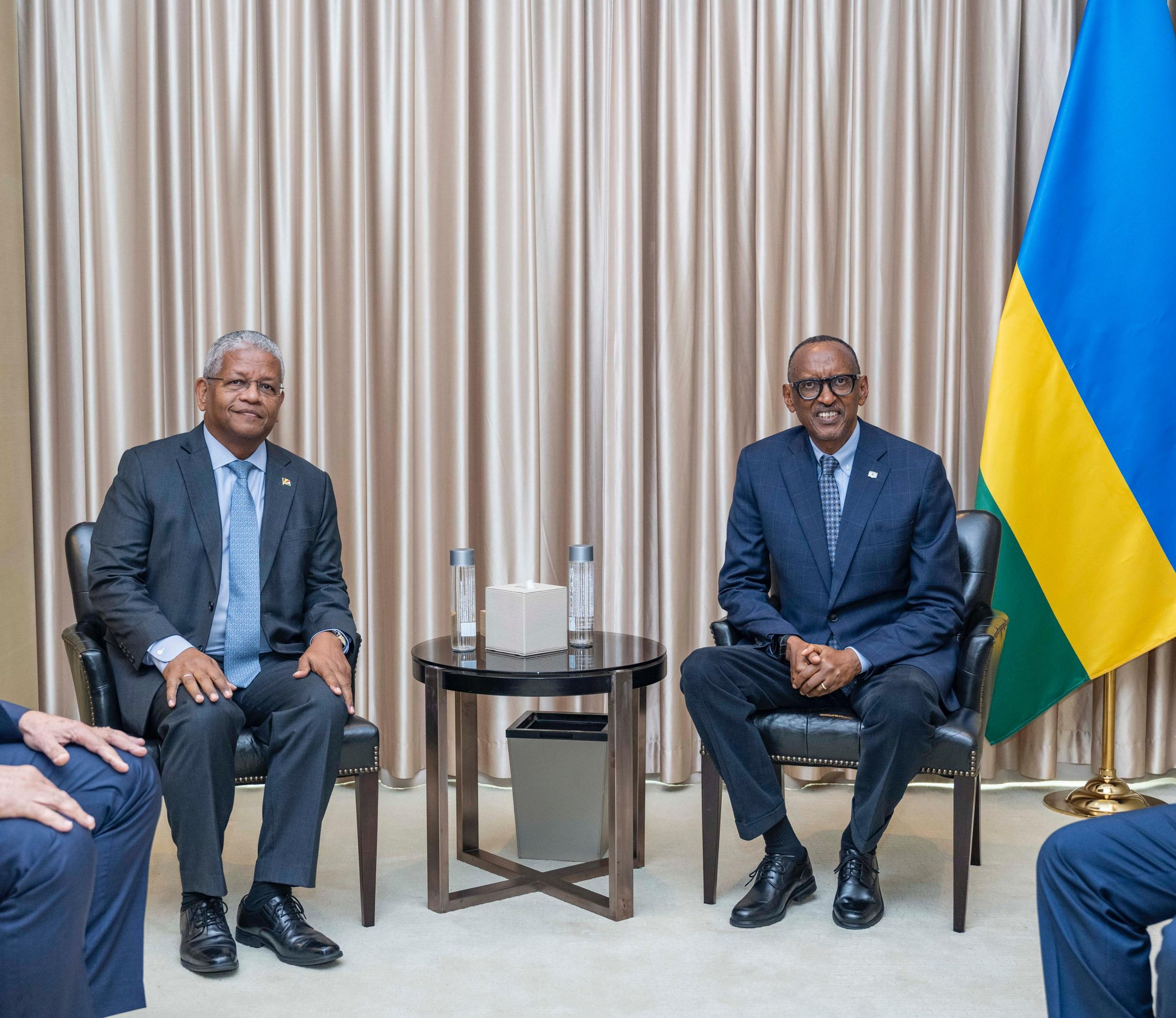
In 2018, the governments of these countries also signed agreements related to air transport, and during President Kagame’s visit to Seychelles in last year, additional agreements were signed to promote health, the military and security, tourism, agriculture, and the removal of visa requirements.
Rwanda and Kenya have a longstanding partnership, especially through their membership in the East African Community (EAC). The two countries work closely on infrastructure projects like the Northern Corridor Integration Projects (NCIP), which aim to improve trade and transportation in East Africa.
The partnership has been reinforced by agreements signed at various times, including 10 agreements signed in April 2023 to promote agriculture, education, correctional services, diplomatic training, technology, health, youth, and cooperative development.
These nations’ shared goals, aimed at fostering sustainable development and strengthening regional cooperation, ensure that the partnerships between Rwanda, Seychelles, and Kenya will continue to thrive, benefiting both their economies and the broader region.
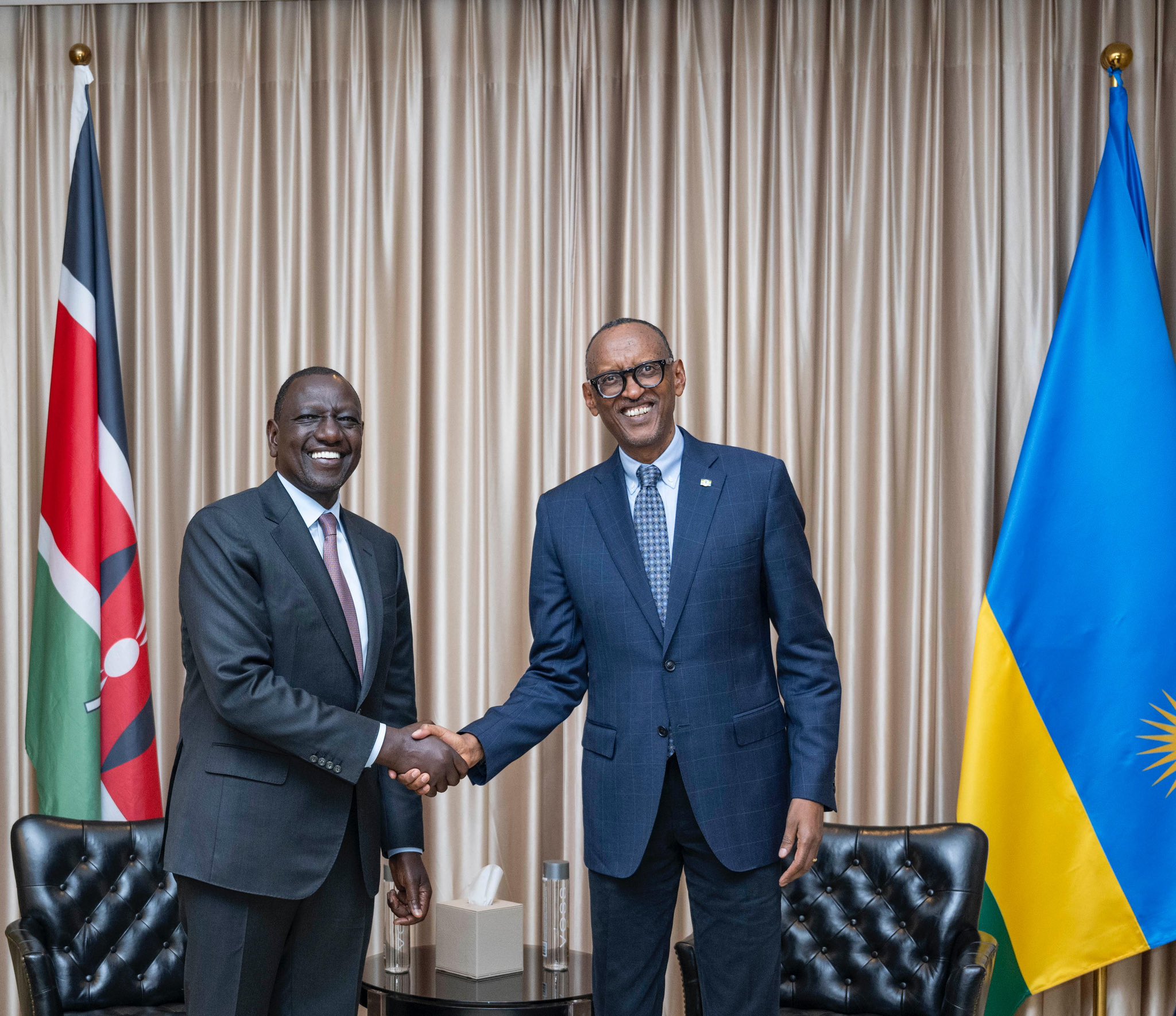
Presidents Ramkalawan and Ruto are among the more than 20 heads of state who came to Rwanda to support President Kagame’s inauguration ceremony, which took place at Amahoro Stadium on August 11, 2024.
At this year’s summit, leaders are expected to adopt two outcome documents, the Declaration and the Action Plan, to build major consensus between the two sides and chart a path for implementing China-Africa cooperation in the next three years.

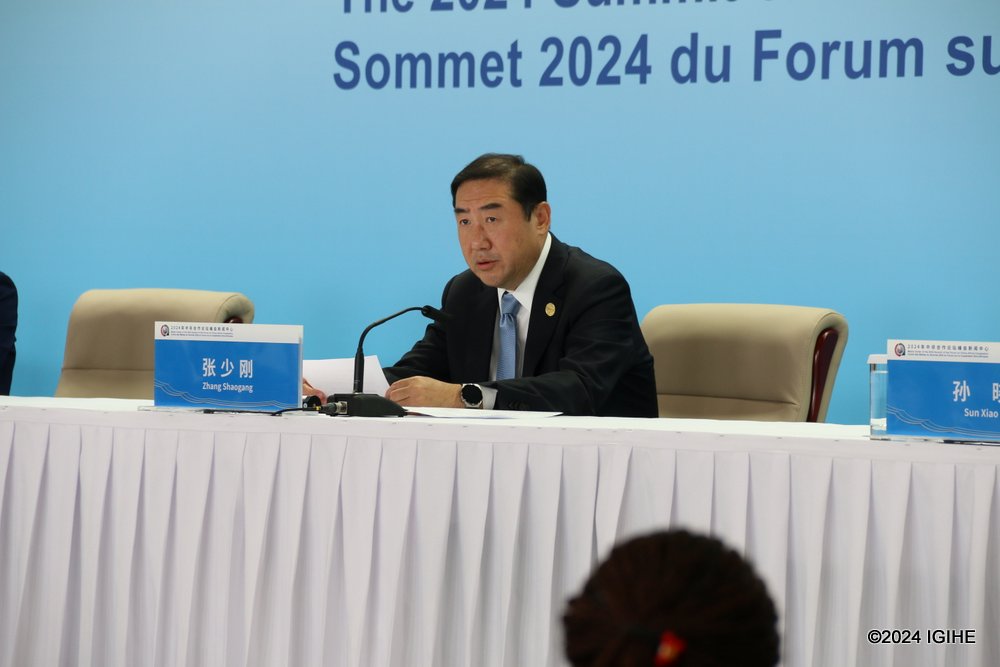
The call was made on Tuesday, September 3, 2024, during a press briefing in Beijing, to update local and international media on preparations of the upcoming eighth Conference of Chinese and African Entrepreneurs, scheduled for September 6.
This conference is a key component of the 2024 Summit of the Forum on China-Africa Cooperation (FOCAC), to run from September 4 to 6.
It is jointly organized by the China Council for the Promotion of International Trade (CCPIT) and China’s Ministry of Commerce. Notably, this year marks the first time the conference will be held in person since the COVID-19 pandemic.
During the briefing, Zhang Shaogang, Vice Chairman of CCPIT, highlighted the significance of this event, which will bring together around 1,000 business representatives from China and African countries.
In the lead-up to the event, significant consultations have taken place, considering important documents and projects, including the China-Africa Cooperation Vision 2035.
The participants will discuss issues of economic concern, build consensus for cooperation, and explore opportunities in investment, trade, and industry.
Zhang emphasized the deepening cooperation between China and Africa in recent years, underscoring the strategic guidance provided by leaders from both regions.
He affirmed China’s commitment to promoting interconnected economic development with Africa, aiming to deliver shared benefits that contribute to the consolidation of the China-Africa comprehensive strategic cooperative partnership and the joint construction of a China-Africa community with a shared future.
Zhang also pointed out the similarities between Chinese and African business communities, urging entrepreneurs to leverage existing platforms for enhanced cooperation.
“I encourage entrepreneurs from China and Africa to make full use of economic trade cooperation platforms, such as the China International Supply Chain Expo, to enhance the integration of industrial and supply chains. Together, we can oppose protectionism and maintain stable and smooth industrial and supply chains,” he noted.
He further emphasized the potential for cooperation in emerging industries, highlighting areas such as the digital economy, green development, and artificial intelligence.
During the conference, 12 entrepreneurs from China and Africa will deliver speeches focused on promoting the integration of industrial and supply chains, sharing insights and experiences, and discussing cooperation opportunities.
Besides, the conference’s special attention has been given to the integration of industrial and supply chains and the development of emerging industries among others.
Since its inception in 2003, the conference has alternated between China and Africa. This year, 48 African countries will be represented, which Zhang views as a testament to the African business community’s enthusiasm for thriving China-Africa economic and trade relations.
Participating companies will span a range of industries, from traditional sectors such as energy, mining, infrastructure, and finance, to emerging fields like electronics, telecommunications, and biomedicine.
FOCAC has evolved into a critical platform for collective dialogue and practical cooperation, with economic and trade collaboration under its framework yielding impressive results.
In 2023, China-Africa trade volume reached an extraordinary US$282.1 billion, an 11% increase from 2021. Additionally, China’s direct investment in Africa exceeded US$40 billion by the end of 2023, reinforcing China’s role as a leading foreign investor on the continent.
{{Théophile Niyitegeka / Beijing, China}}

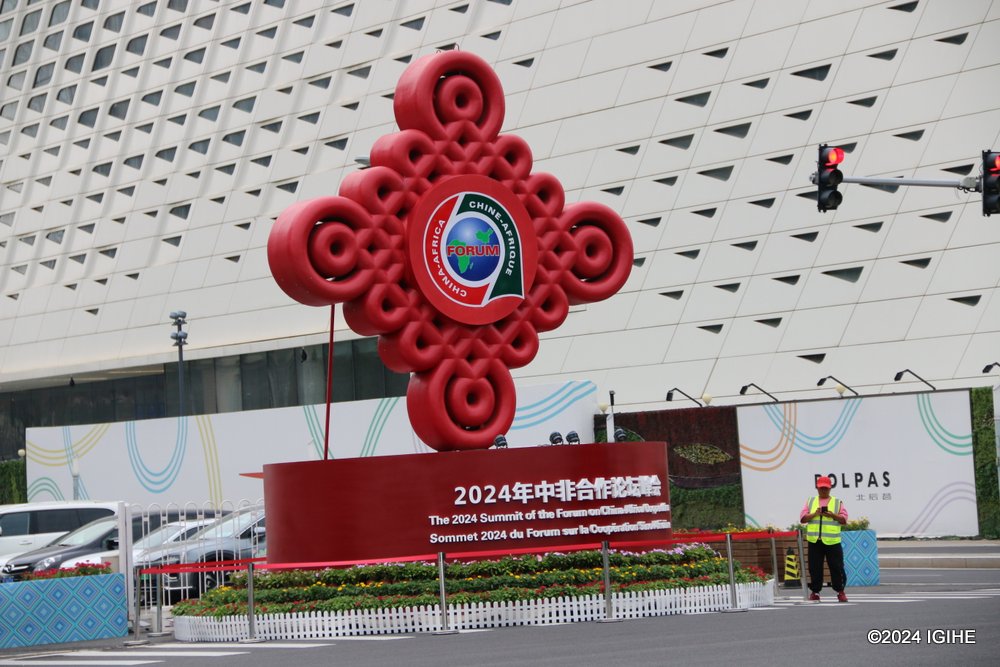
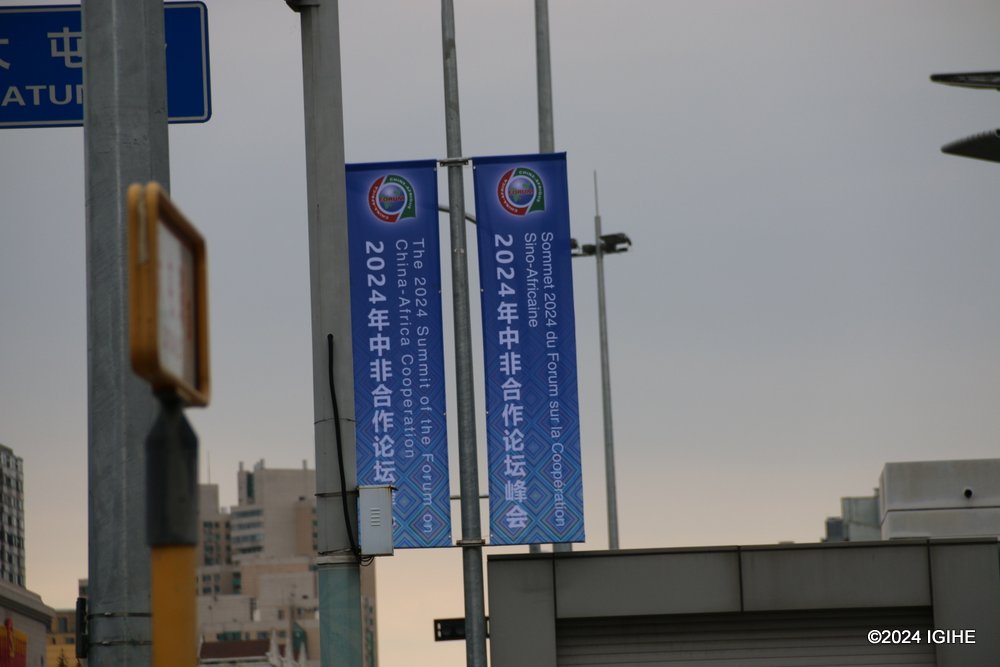
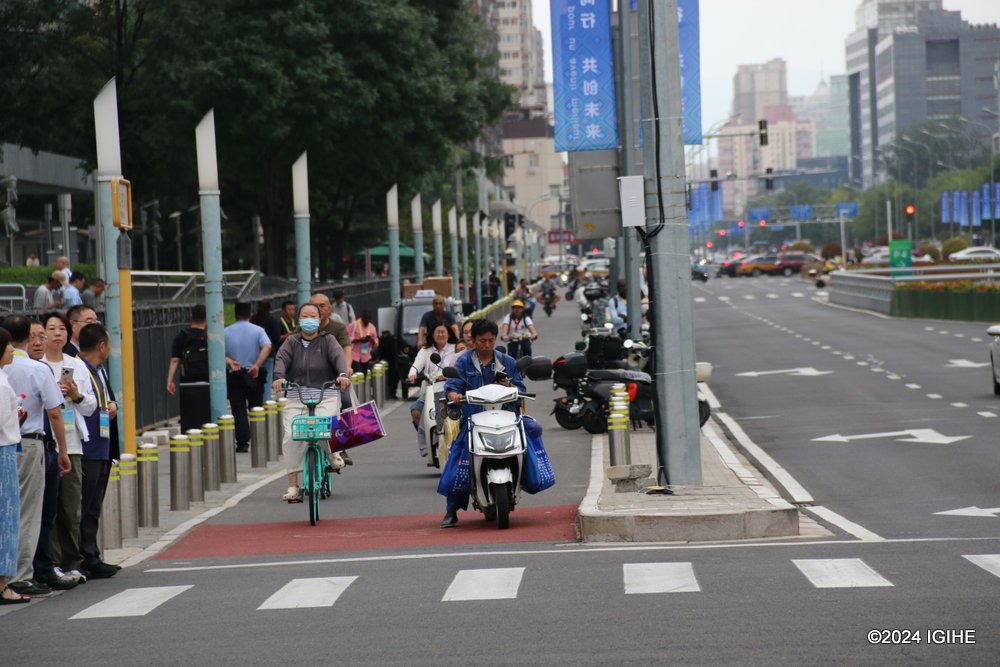
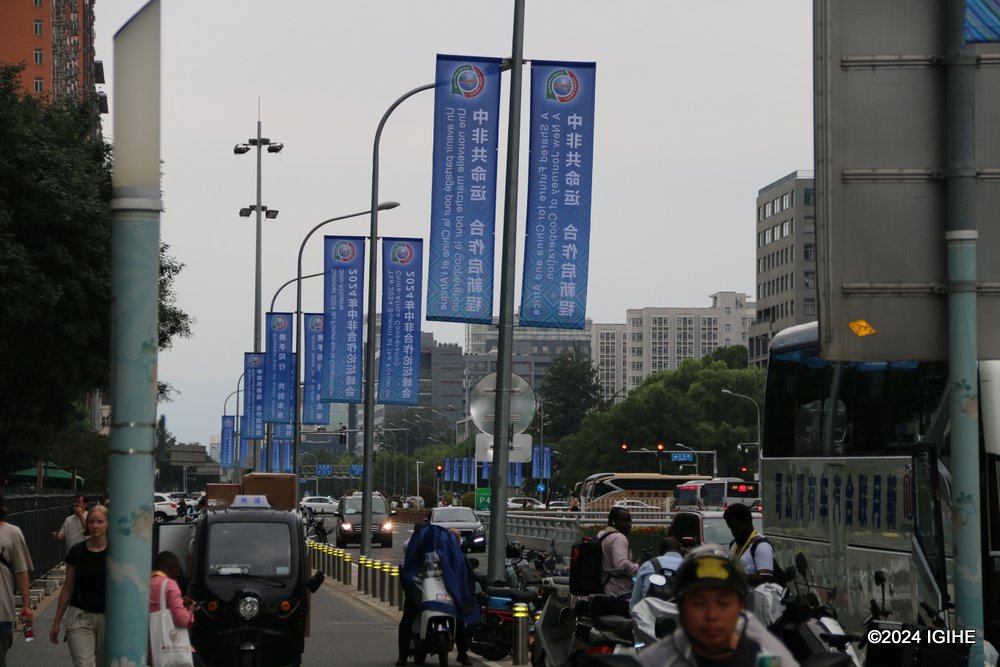
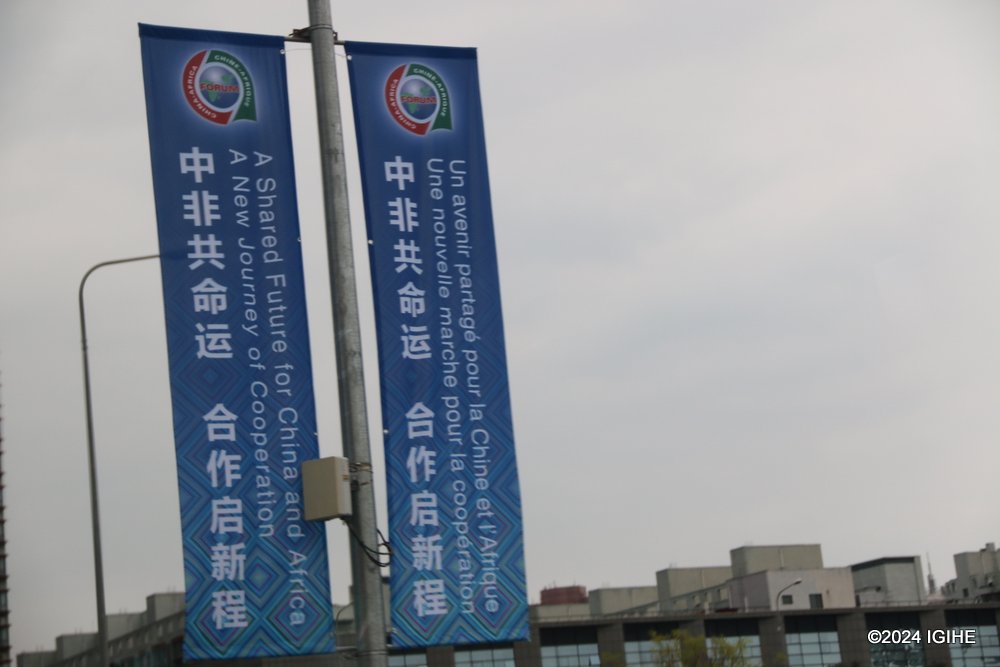
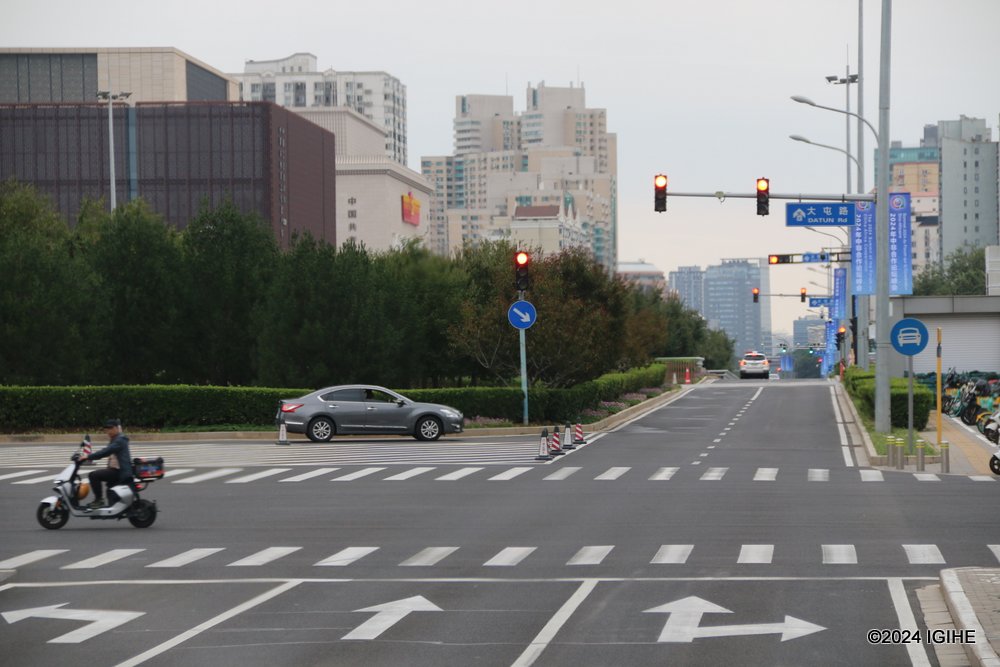
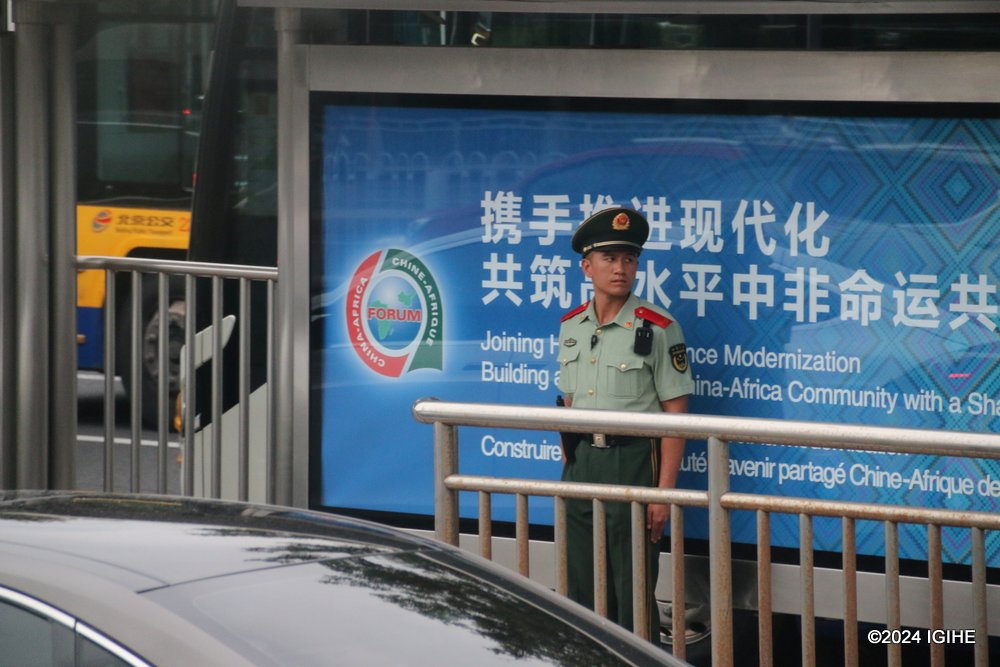
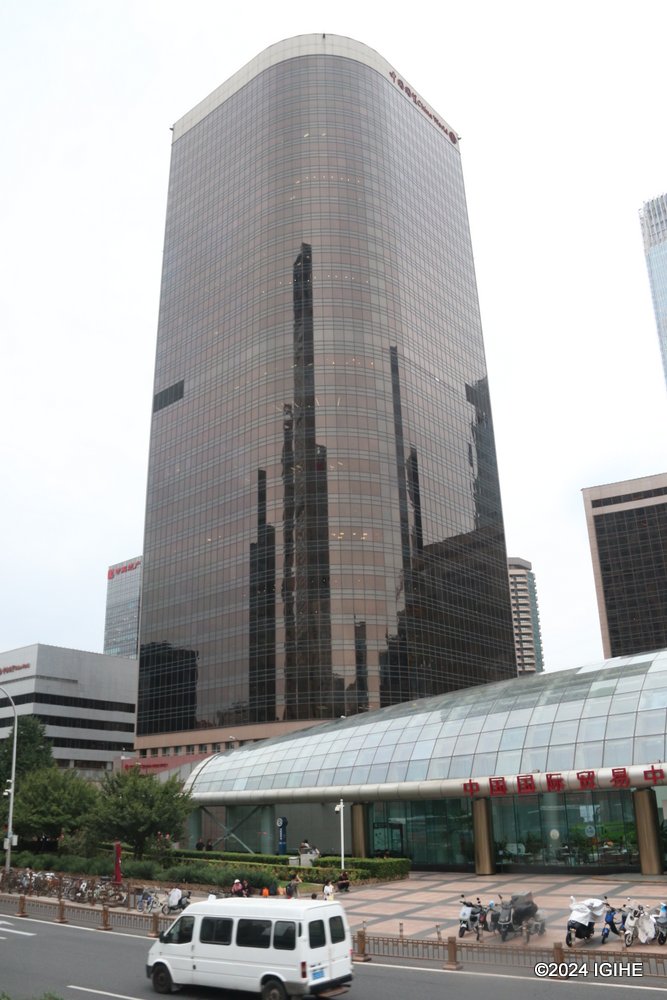
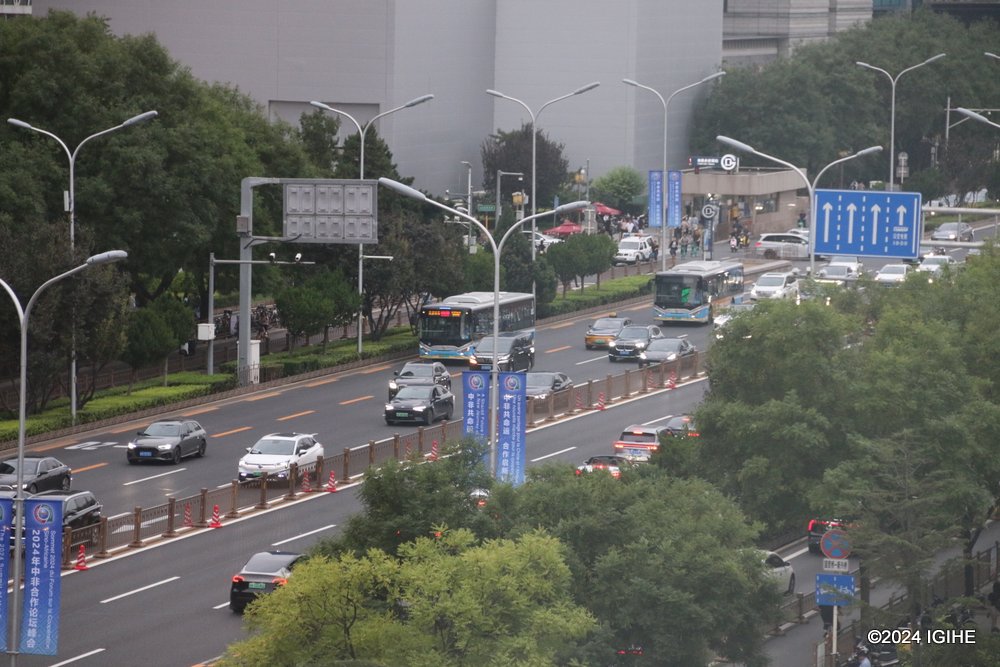
From the moment visitors step out of Beijing Capital International Airport, they are welcomed by a vibrant display of African flags lining the streets, alongside summit banners that echo the shared commitment of Africa and China to forging a brighter future together.
The atmosphere is charged with anticipation, as delegates from across the globe converge on the city.
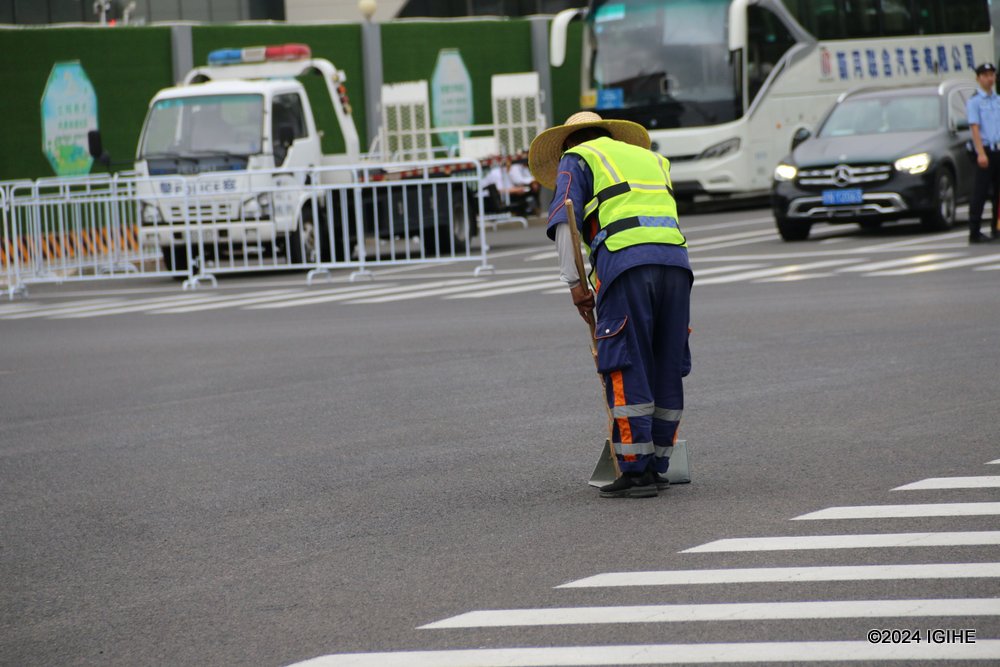
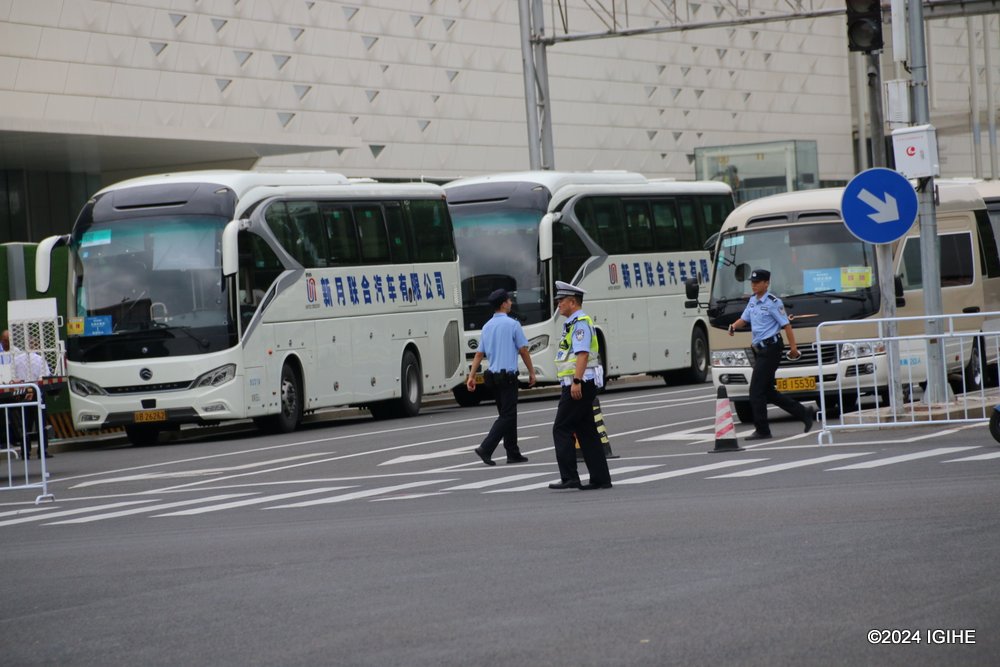
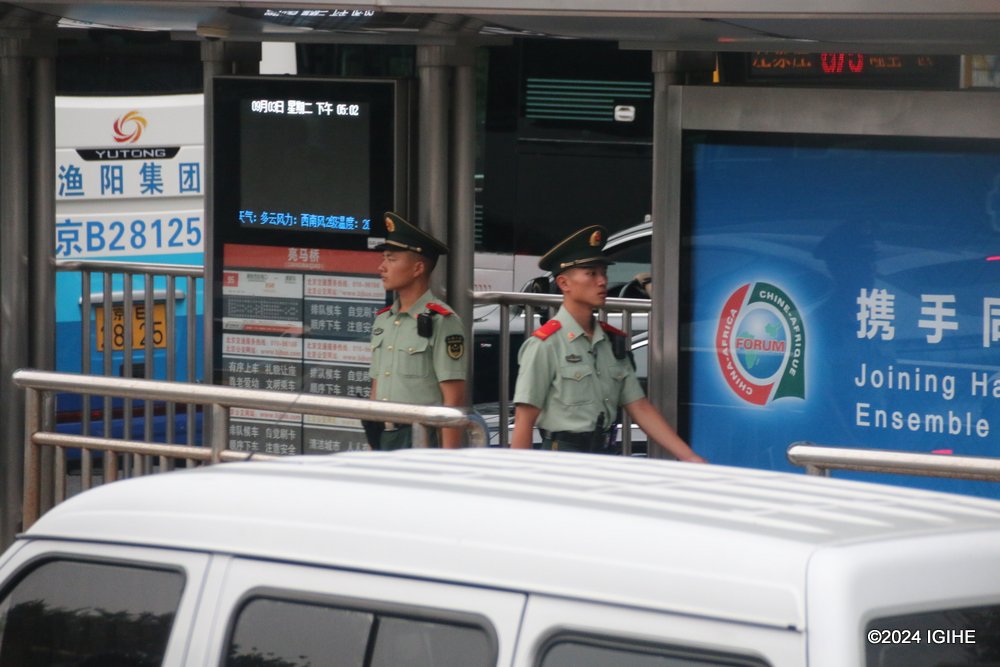
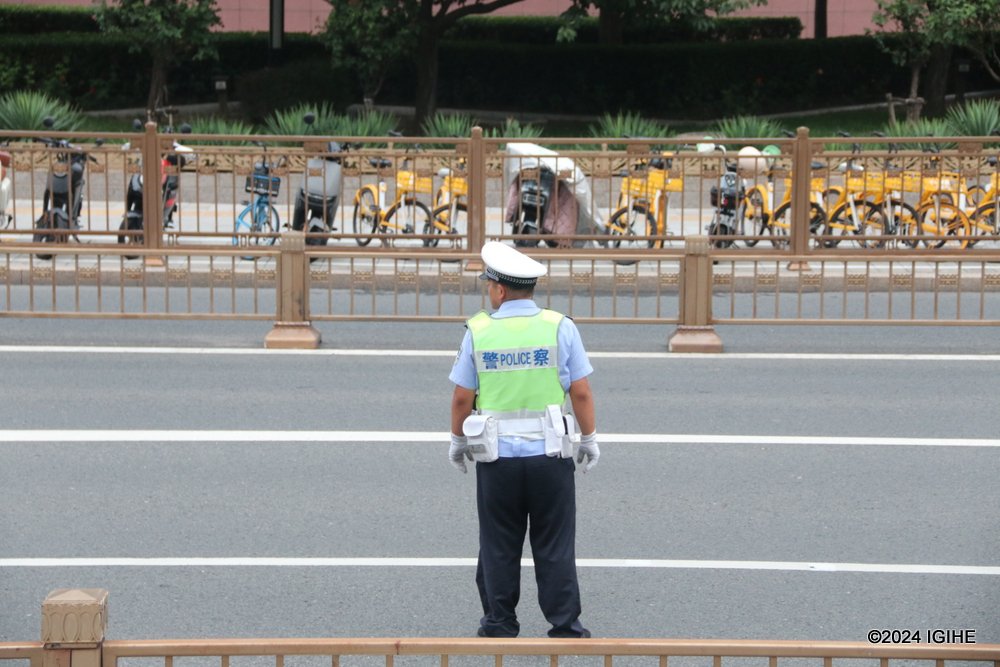
Besides, security measures have been visibly heightened, with meticulous organization reflecting the importance placed on the summit.
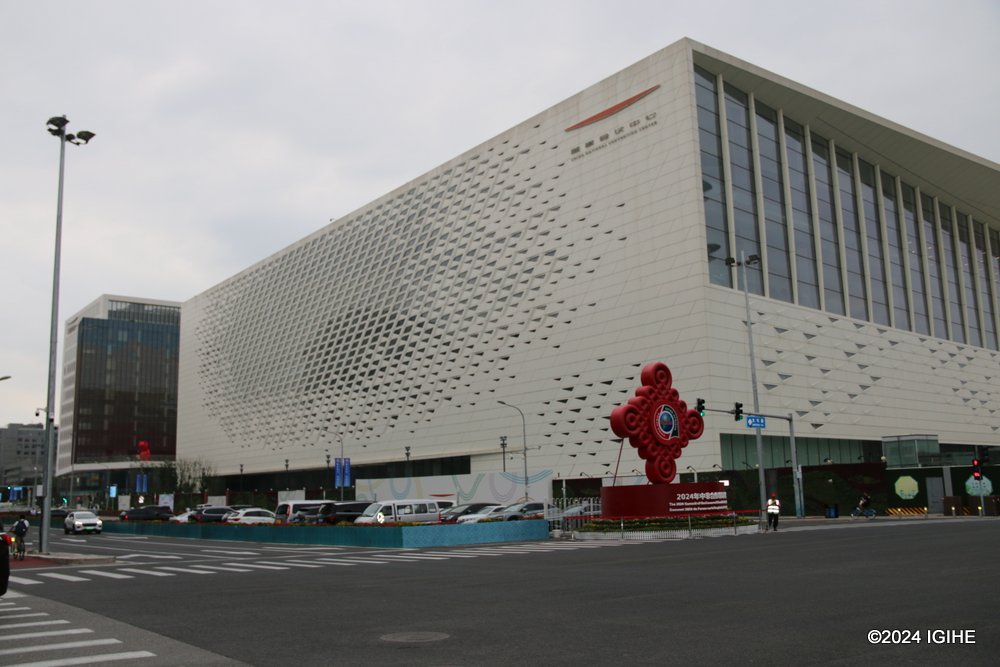
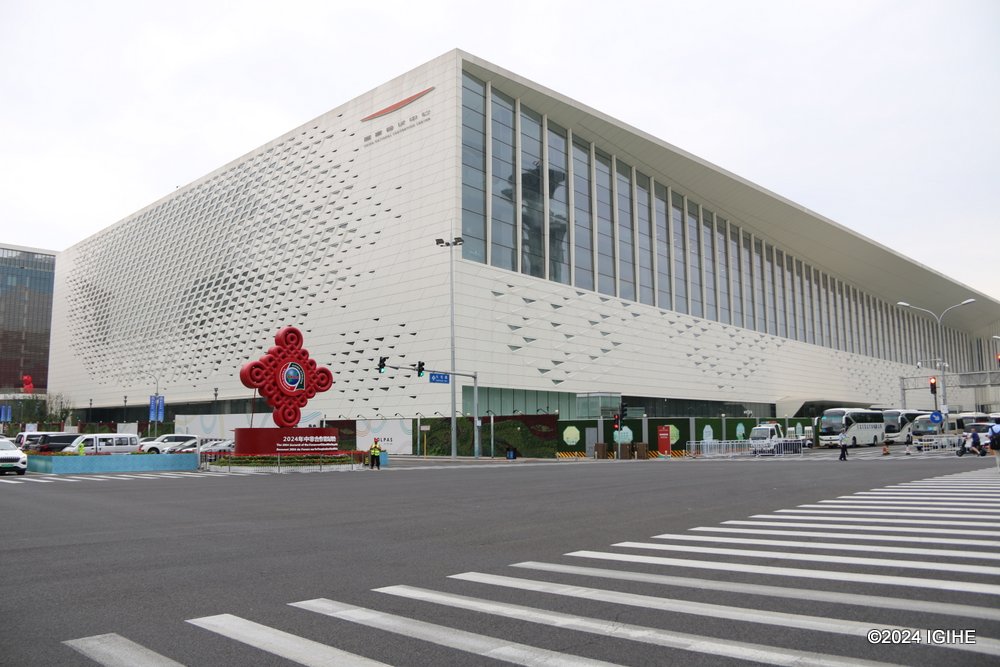
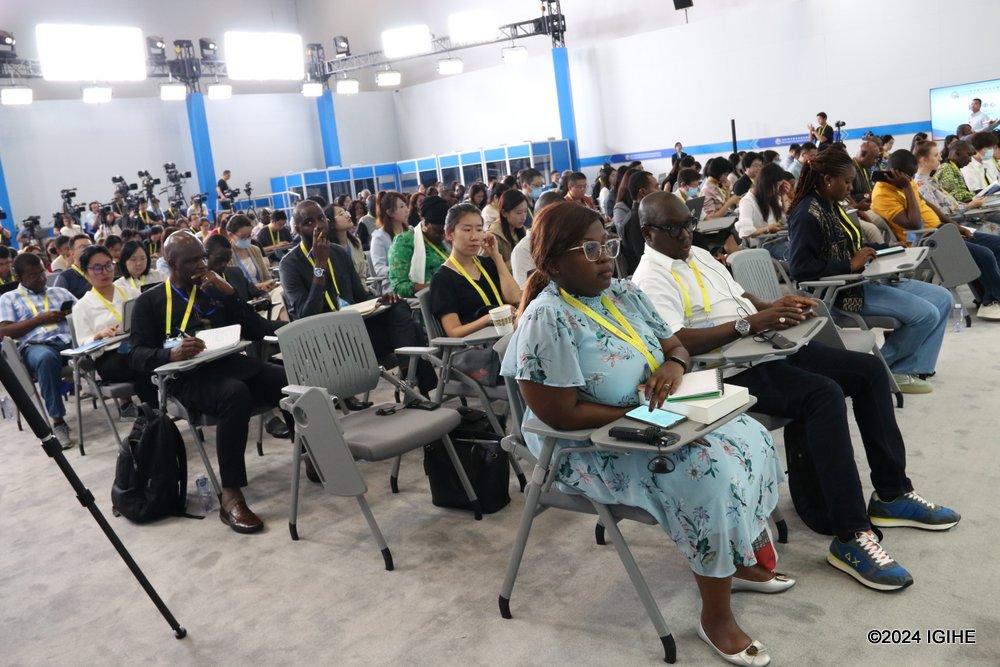
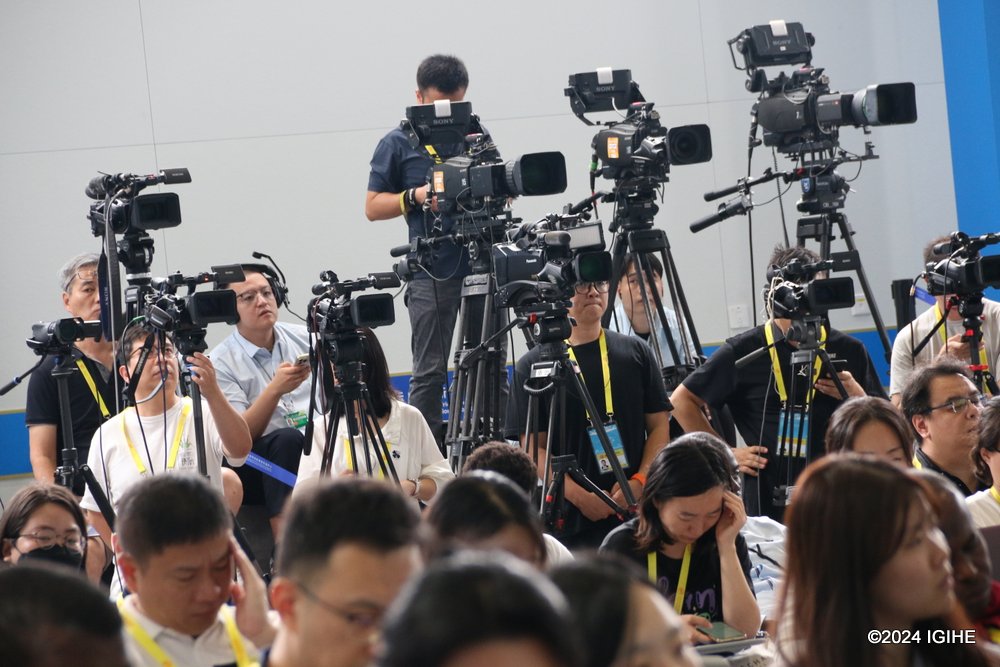
At the China National Convention Center, the summit venue, a hive of activity is already underway. Various pre-summit events and discussions are setting the stage for the main event, while media representatives from around the world finalize their preparations to cover the summit comprehensively. With over 130 international journalists on the ground, the global spotlight is firmly on Beijing.
The summit, scheduled for August 4th to 6th in the Chaoyang District, will unite representatives from 53 African countries and China under the theme, “Joining Forces to Promote Modernization and Build a High-Level China-Africa Community of Shared Future.”
Established in 2000, the Forum on China-Africa Cooperation (FOCAC) has evolved into a cornerstone for deepening ties between Africa and China. Held every three years, alternating between China and an African host country, FOCAC has facilitated significant strides in the partnership between these regions.
The 2021 summit, which was held semi-virtually due to COVID-19, set ambitious targets, including increasing African imports to China to $300 billion. It also marked the formal integration of FOCAC into China’s Belt and Road Initiative, further intertwining the fates of these two regions.
As this year’s summit approaches, expectations are high. Many view this event as a potential turning point in Sino-African relations. Numerous bilateral agreements are expected to be signed, further solidifying the foundation for a shared future based on mutual respect and collaboration.
High-profile leaders, including Rwanda’s President Paul Kagame, have already arrived in Beijing. Rwanda’s cooperation with China spans multiple platforms, including FOCAC, the Belt and Road Initiative (BRI), and the Joint Economic, Technical, and Trade Committee (JETTCO).
China remains a leading investor in Rwanda, with over $1.1 billion in investments since 2019, primarily in manufacturing, construction, real estate, and mining. Among China’s ongoing projects in Rwanda is the upgrade of Masaka District Hospital, which will expand into an 837-bed facility and become part of the Kigali University Teaching Hospital (CHUK).
Apart from Kagame., other leaders from other African nations, such as Malawi, South Africa, Tanzania, Kenya, Chad, Gabon, South Sudan, Equatorial Guinea, Seychelles, and the Prime Minister of Cape Verde, have also made their way to Beijing. Those unable to attend in person have sent senior ministerial officials to represent them at this significant triennial event.
Since its inception, FOCAC has convened several key sessions: the inaugural meeting in Beijing in October 2000, followed by sessions in Addis Ababa, Sharm El Sheikh, and Johannesburg. The 2021 summit, adapted for the pandemic with a videolink between Dakar and Beijing, continued the tradition of fostering closer ties.
This year’s summit will be marked by the adoption of the FOCAC Joint Declaration and the Action Plan (2025-2027) during the opening ceremony, setting the stage for the next phase of China-Africa cooperation.












{{Théophile Niyitegeka / Beijing, China}}

This increase follows a period of declining revenue for the airline, as it earned RWF 334 billion in 2019, dropping to RWF 300 billion in 2020 and RWF 271 billion in 2021, due to the significant impact of the COVID-19 pandemic on the transportation and tourism sectors.
The report also reveals that the government provided RwandAir with RWF 192.3 billion in 2023. The company CEO, Yvonne Manzi Makolo, told The New Times that the airline experienced an exceptional economic recovery since the easing of the pandemic.
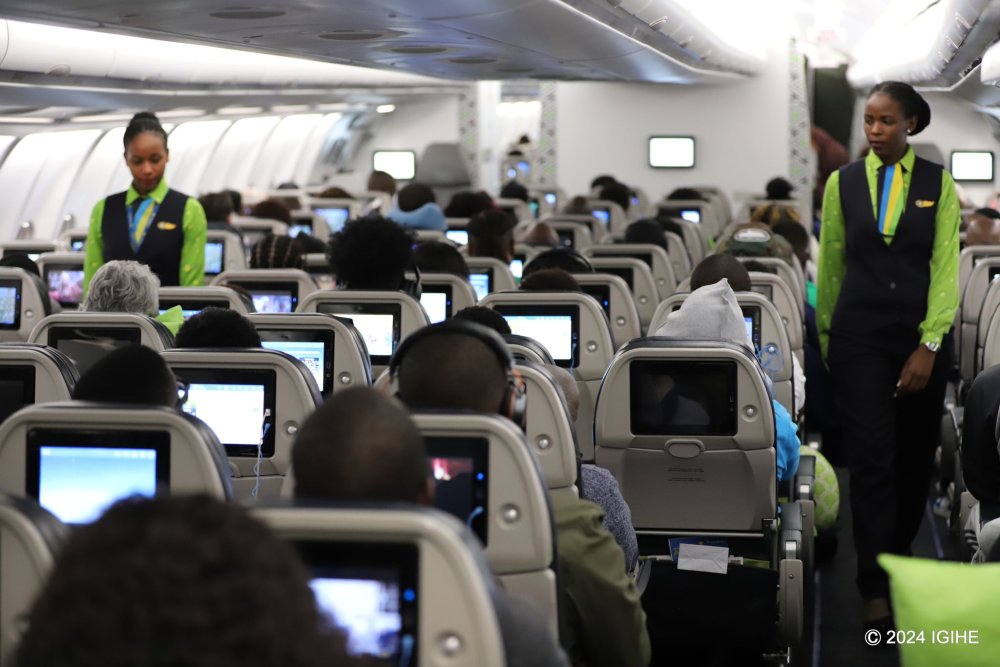
She stated, “The International Air Transport Association (IATA) forecasts indicate that air travel will triple in the next 20 years. The opportunities for continued growth are substantial. Our recent development is based on three factors: a significant rise in tourism, investment in cargo transport, and Kigali’s growing role as a hub for various activities.”
Makolo confirmed that RwandAir has been a key pillar in advancing Rwanda’s tourism, connecting Africa with other continents such as Europe and the Middle East through various routes.
She said, “The airline has become a crucial component in the government’s tourism development initiatives; the country welcomed 1.4 million tourists in 2023, nearly tripling the number received in 2021. Besides the regular tourists visiting various parks and cultural sites, Kigali is now the second most popular city for hosting conferences in Africa, after Cape Town. This tourism growth is closely linked to our routes.”
She emphasized that RwandAir has made Kigali a highly accessible destination for travelers from many countries across different continents.

{{Focus on Air Cargo Transport}}
Makolo noted that the airline’s air cargo transport program will continue to be a priority to boost exports. The 2023 report from the Rwanda Development Board (RDB) shows that air cargo transport increased by 22.7%, reaching 4,595 tons. The main destinations for cargo include Dubai, the UK, and Belgium.
She said, “Promoting air cargo transport is part of government’s strategy to connect Rwanda with the world through trade. Recently, two cargo flights to Dubai and Djibouti were launched and we expect to announce more routes in the near future as new aircrafts are acquired to support this growth.”
Air cargo flights from Rwanda mainly transport agricultural products to Europe, the Middle East, and the rest of Africa, while imports by air to Rwanda include goods such as medicine and industrial equipment.
Makolo also mentioned that Kigali International Airport has started receiving a significant number of passengers transiting to other countries, now accounting for 60% of all passengers using RwandAir flights.
She said, “We increased our flights to Europe, enhancing connections between Africa and the world, and we also launched daily flights from London starting in May 2024.”
Makolo affirmed the continued efforts to turn Rwanda inti a central hub for travel in Africa, connecting various regions, and doubling its flight operations within the next five years while providing excellent services.
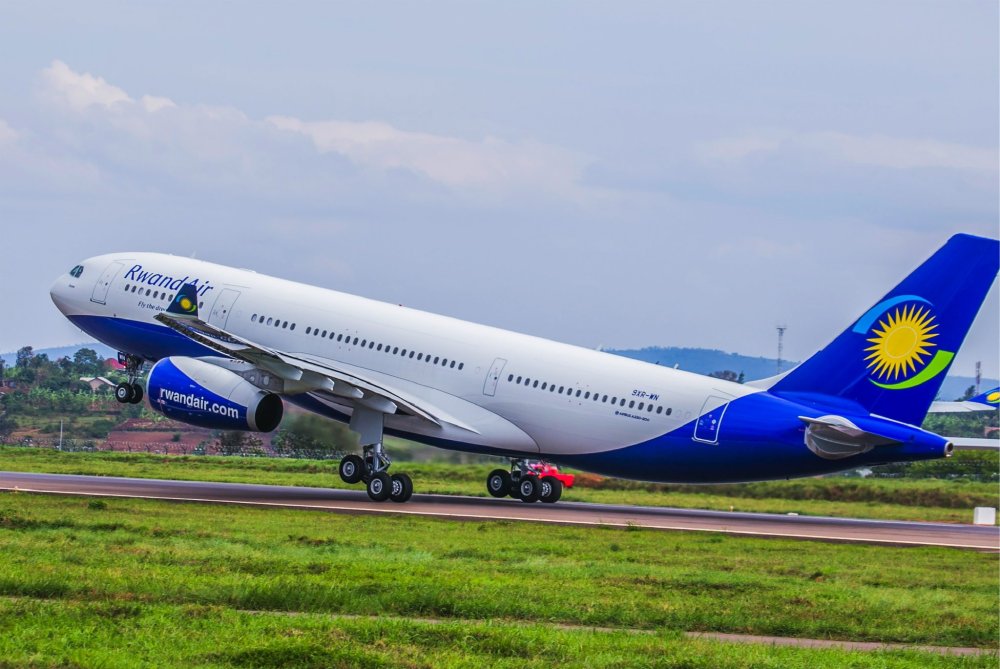
She added that the airline’s plan to launch new routes is ongoing, with a focus on expanding into new markets that could enhance growth in Africa. Exploring business opportunities is a key focus for advancing tourism, transportation, and trade.
According to information from RwandAir website, the airline has a fleet of 14 aircrafts that comprises four Boeing 737-800NG, two Boeing 737-700NG, two CRJ900NG, two Bombardier Q-400NG all in dual class configuration, and three Airbus A330s.

Kagame is invited to attend the opening ceremony of the FOCAC Summit, after which he will co-chair a high-level parallel session on state governance. The President, accompanied by a Rwandan delegation, will also hold talks with President Xi Jinping of the People’s Republic of China and his delegation.
This year’s FOCAC Summit is held under the theme “Jointly advancing modernization and building a high-level China-Africa community with a shared future”.
Rwanda and China’s cooperation is carried out through FOCAC, the Belt and Road Initiative (BRI), and the Joint Economic, Technical and Trade Committee (JETTCO). China remains among the top contributors to Foreign Direct Investment (FDI) in the country.
Since 2019, RDB registered Chinese investments valued at $1.1 billion. The bulk of registered investments are in manufacturing, construction and real estate, as well as mining.
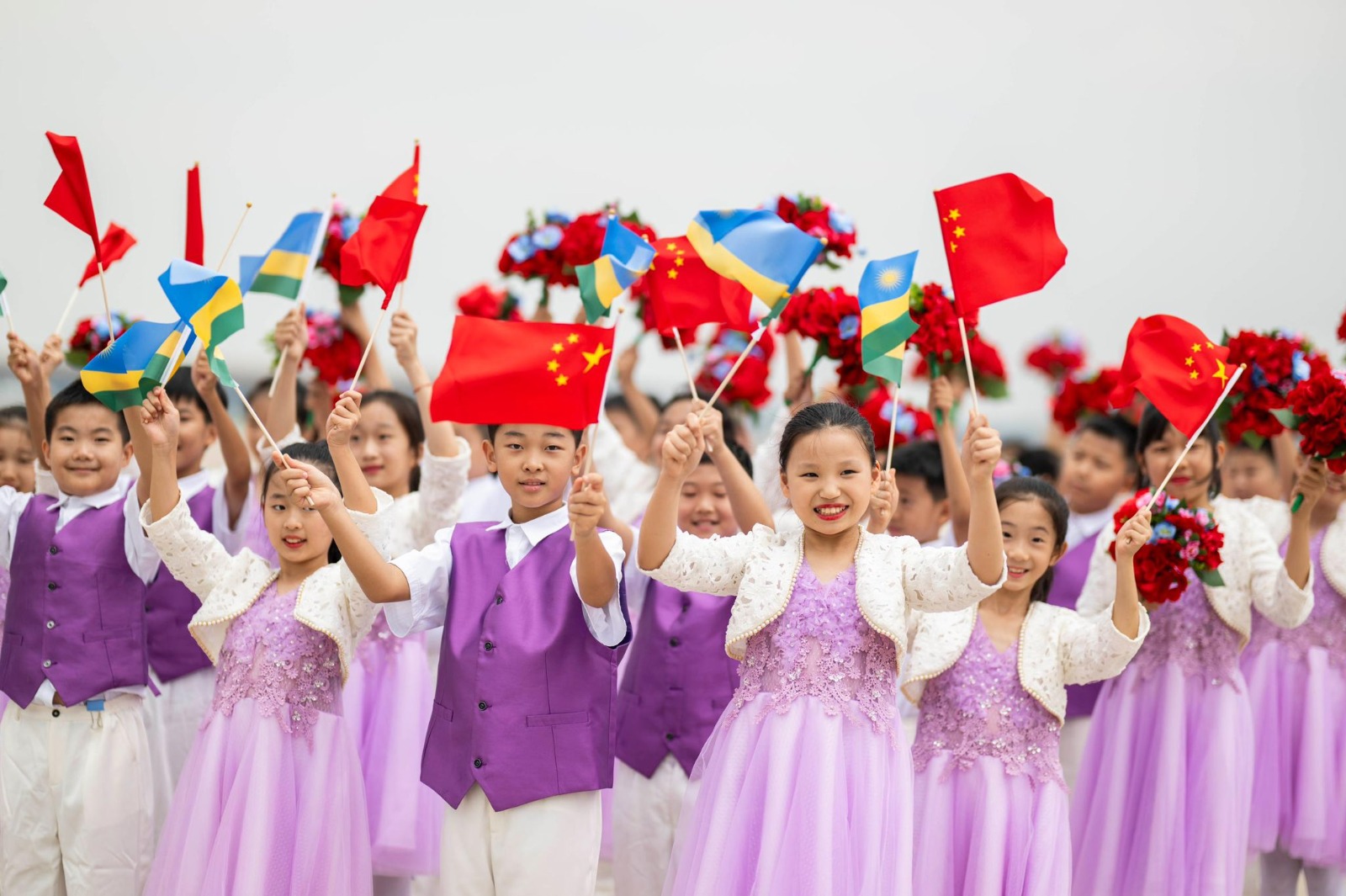
China is currently supporting the upgrade of Masaka District Hospital, which will increase capacity to 837-bed facility and eventually house the Kigali University Teaching Hospital (CHUK).
Since 2000, FOCAC has held three summits at head of state level: 2006 in Beijing, 2015 in Johannesburg, and 2018 in Beijing. The FOCAC Joint Declaration and the Action Plan (2025-2027) will be adopted during this year’s summit opening ceremony.
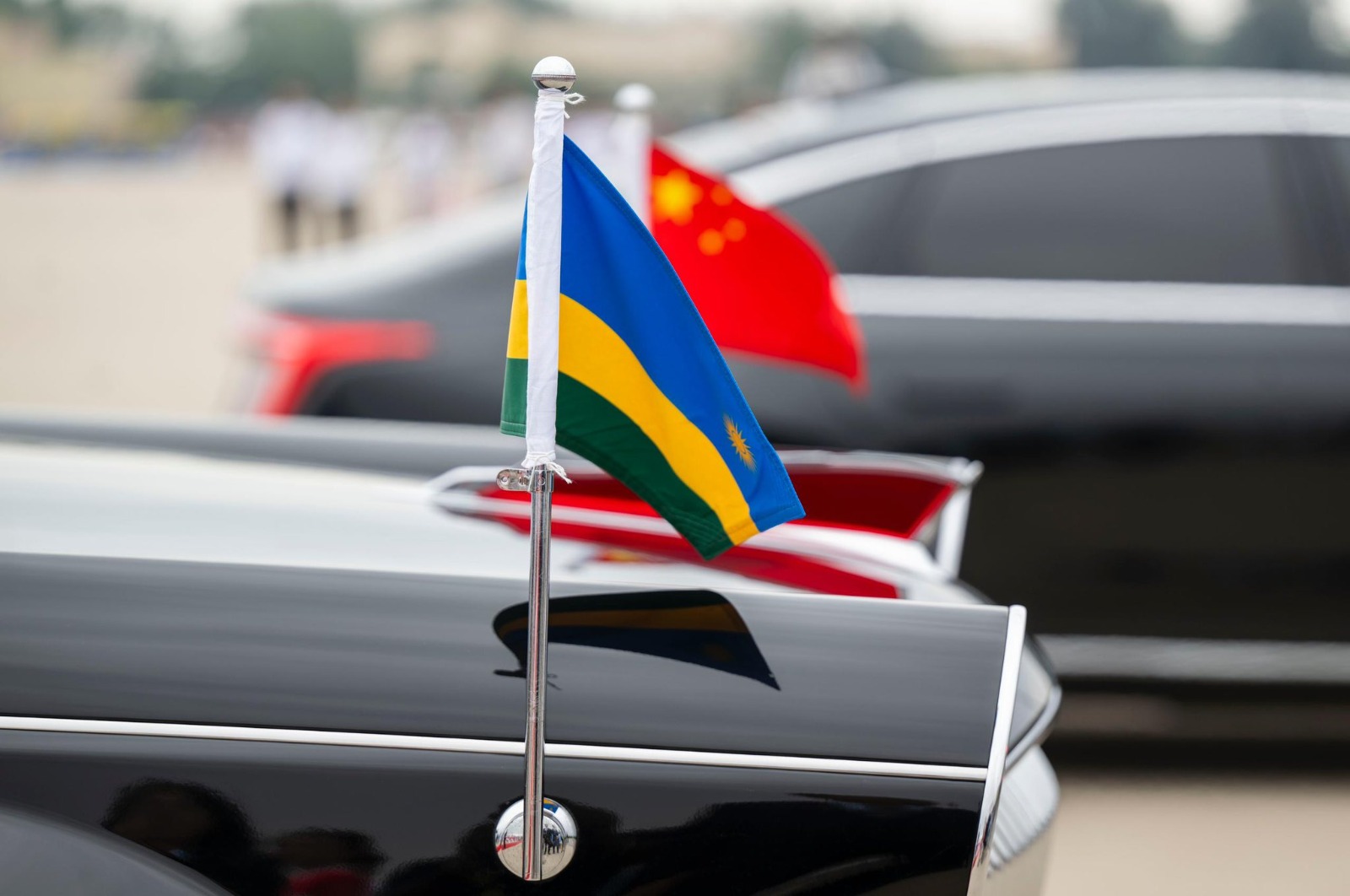

On Monday September 2, 2024, Biruta and his counterpart of the Hashemite Kingdom of Jordan, H.E Mazin Abudullah Al Farrayeh, witnessed the signing of the cooperation agreement between IGP Namuhoranye and Maj. Gen. Abeidallah A. Maaytah, the Director of Public Security of Jordan.
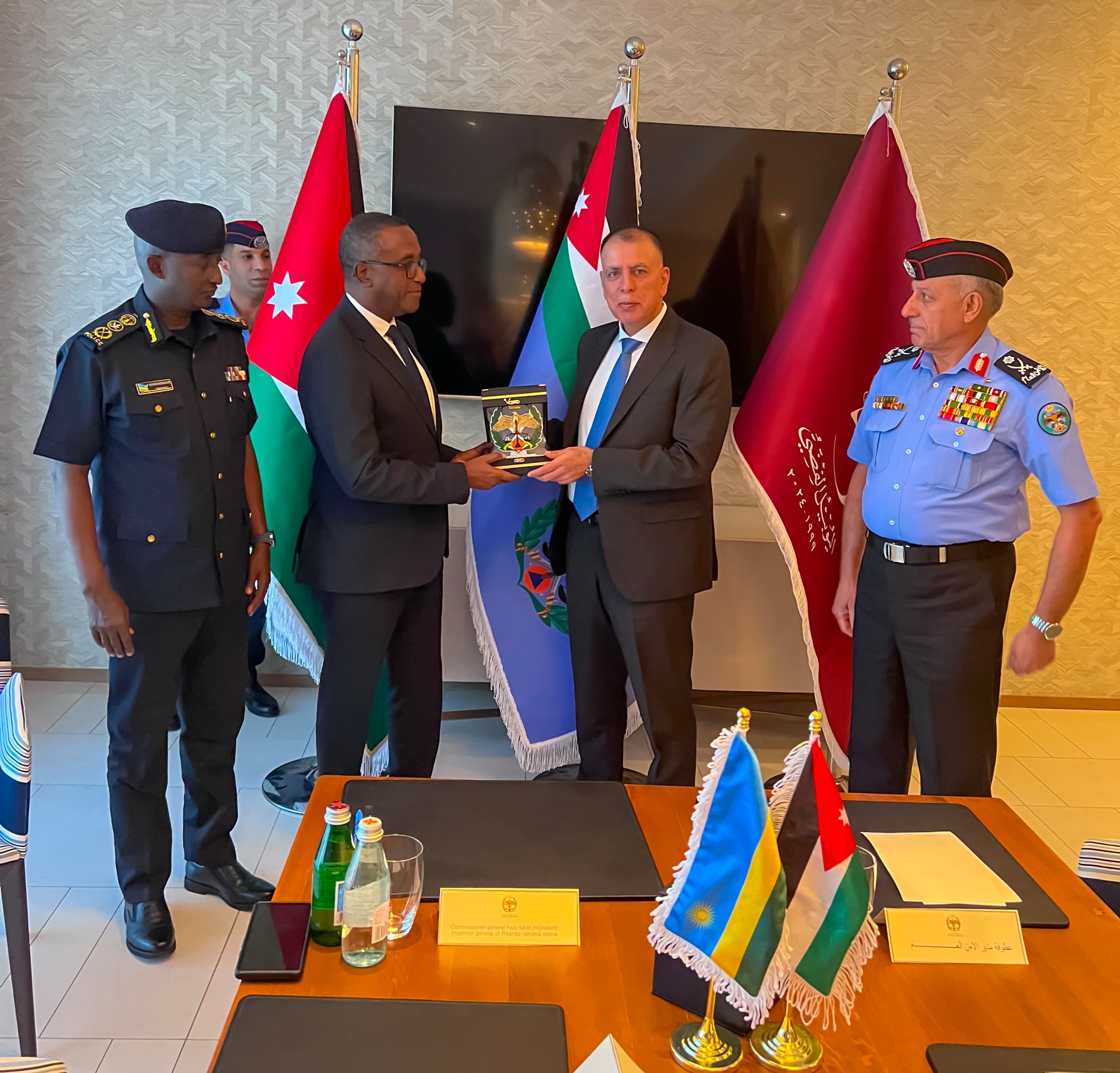
The event was also attended by the ambassador of Rwanda to Jordan, Urujeni Bakuramutsa.
The agreement outlines partnership in capacity building including training, exchange of information and expertise, cooperation in other sectors of security interest such as fighting terrorism, human and drug trafficking and cybercrime among others.
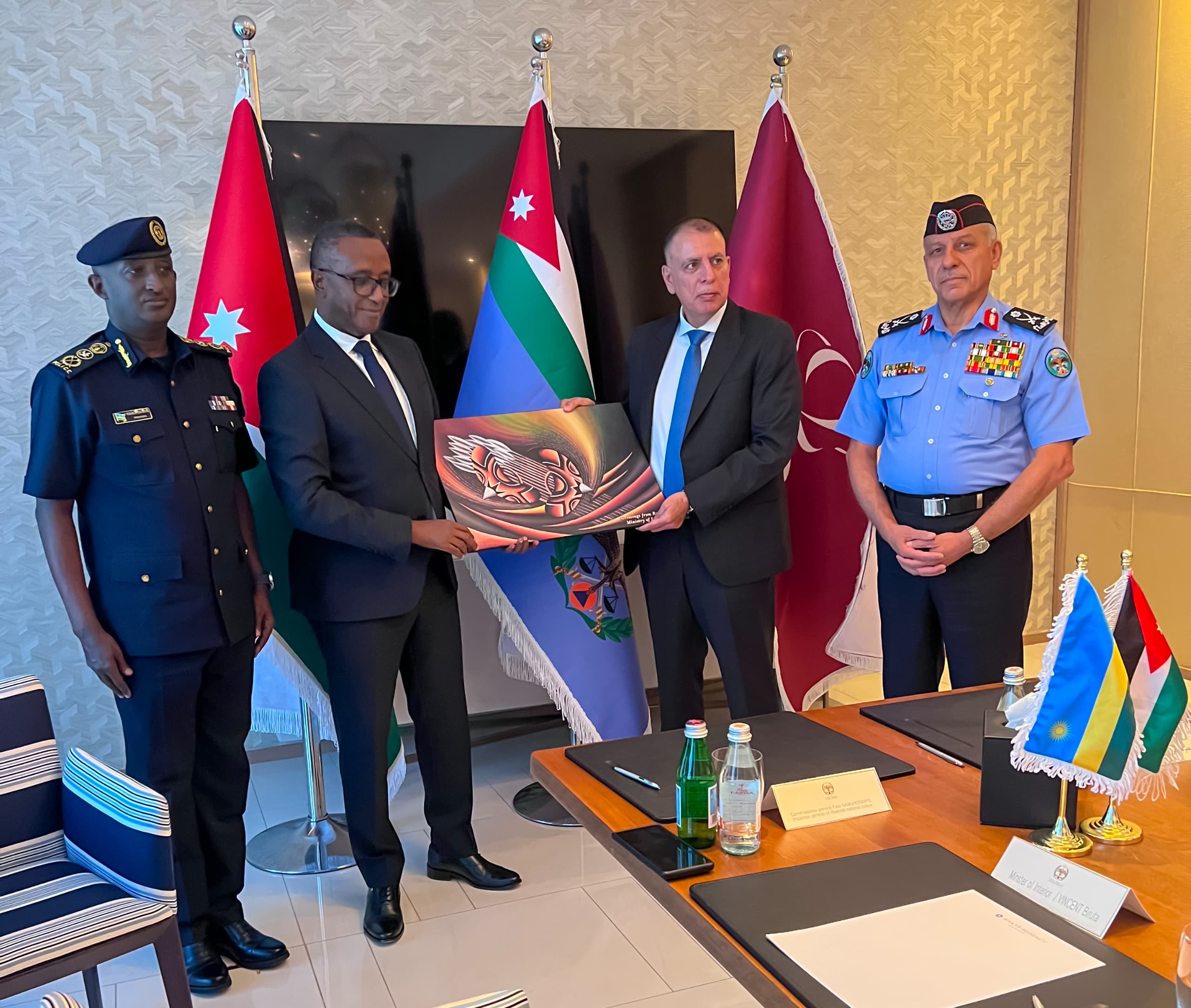

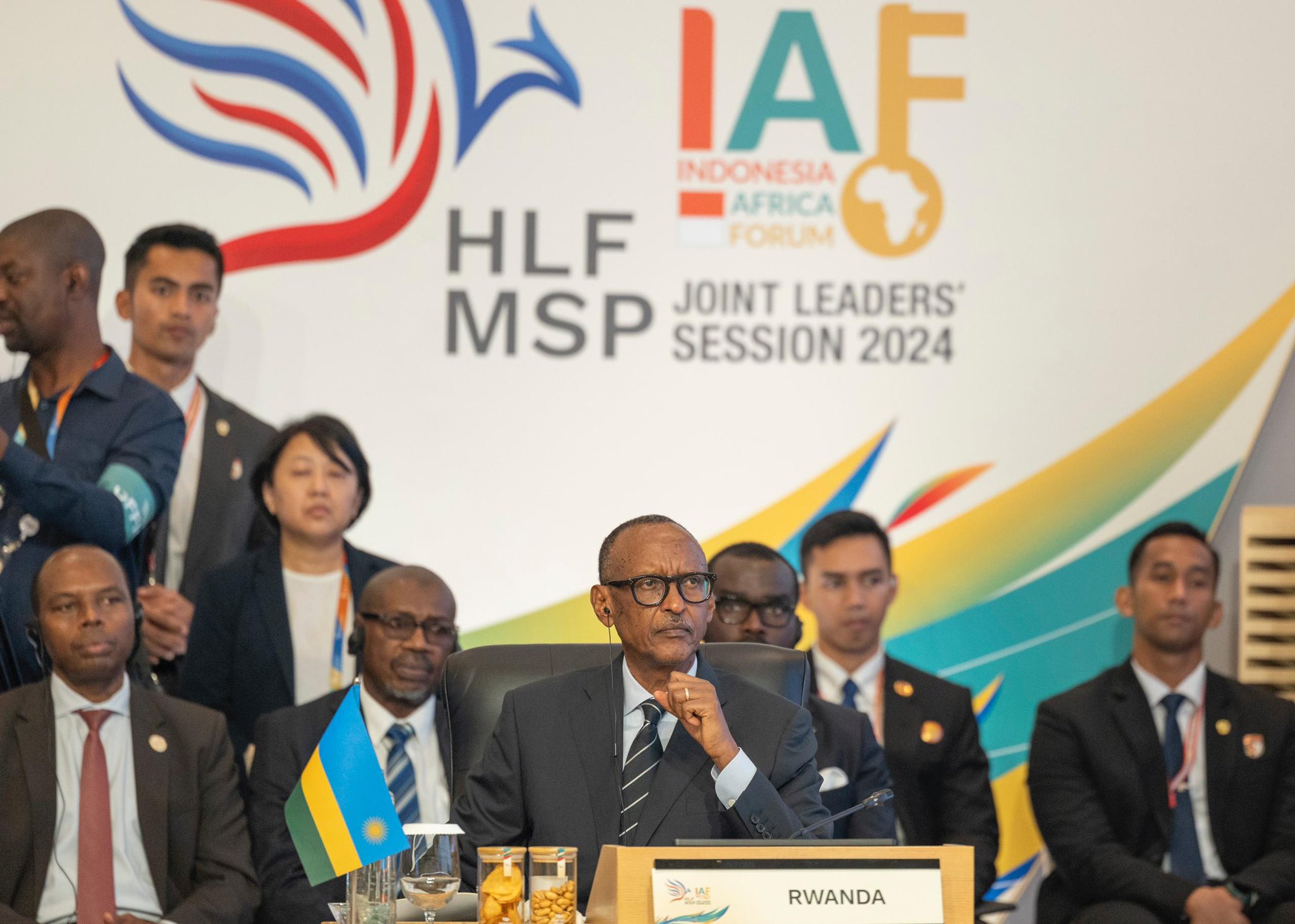
Kagame made these remarks on Monday, September 2, 2024, during the ongoing 2nd Indonesia-Africa Forum (IAF) in Bali, Indonesia.
Organized by the Indonesian government, the forum, themed “Bandung Spirit for Africa’s Agenda 2063,” aims to foster cooperation and partnerships between African states and Indonesia.
The Rwandan Head of State underscored that both Indonesia and Africa possess an abundance of critical raw materials essential for driving the global transition to sustainable energy. He emphasized that these resources are pivotal for advancing local industries and creating more jobs.
“We need to share experiences to ensure that it gains from these historic opportunities that benefit our people in the form of new jobs, our complex manufacturing value chain,” President Kagame stated, adding, “We cannot accept the exploitative pattern of the past be repeated unchallenged.”
At the same time, President Kagame observed that there are vast, untapped opportunities in technology, education, and innovation that remain underexplored by both Indonesian and African companies.
“We see Indonesia leading the way in technology, education and innovative business model yet relatively few Indonesian companies are active in Africa and the opportunities in Indonesia are also relatively unknown to Africa’s private sector. This should change,” he added.
He extended a warm invitation to Indonesian investors and entrepreneurs to explore investment opportunities in Rwanda, noting that a new agreement would be signed on Tuesday, September 3, 2024, between Rwanda’s Private Sector Federation and the Indonesian Chamber of Commerce and Industry to enhance this partnership.
“Rwanda is open for business and we extend a warm welcome to investors and entrepreneurs from Indonesia. I am pleased that an agreement will be signed tomorrow by our respective business associations and I trust that it will be quickly put into action,” President Kagame noted.
President Kagame also called for more partnerships that would enable more African students to study science and technology in Indonesia, as well as facilitate collaboration with Indonesian startups.
Additionally, the Rwandan Head of State emphasized the need for increased coordination in multi-sectoral settings, particularly in areas such as climate change and trade negotiations.
He stated, “Whenever our interests overlap, we should never take too long before we streamline that.”
President Kagame commended Indonesian President Joko Widodo for his efforts in strengthening Indonesian and African relations, notably with Rwanda.
In July, Rwanda and Indonesia signed a Visa Waiver Agreement for Diplomatic and Service Passport Holders.
Additionally, Rwanda has been included in Indonesia’s Visa on Arrival (VoA) list since February 2023. This arrangement exempts holders of Rwandan passports travelling to Indonesia for tourism, business, transit, or official purposes from applying for a visa prior to their travel, as they can obtain it upon arrival.
“You have been a true friend. Working together, a strong foundation has been laid and I have no doubt that there are going to be concrete results that we will all be proud of,” President Kagame told his Indonesian counterpart.

The UN Global Compact is a call to companies everywhere to align their operations and strategies with ten universally accepted principles in the areas of human rights, labor, environment and anti-corruption, and to take action in support of Sustainable Development Goals (SDGs).
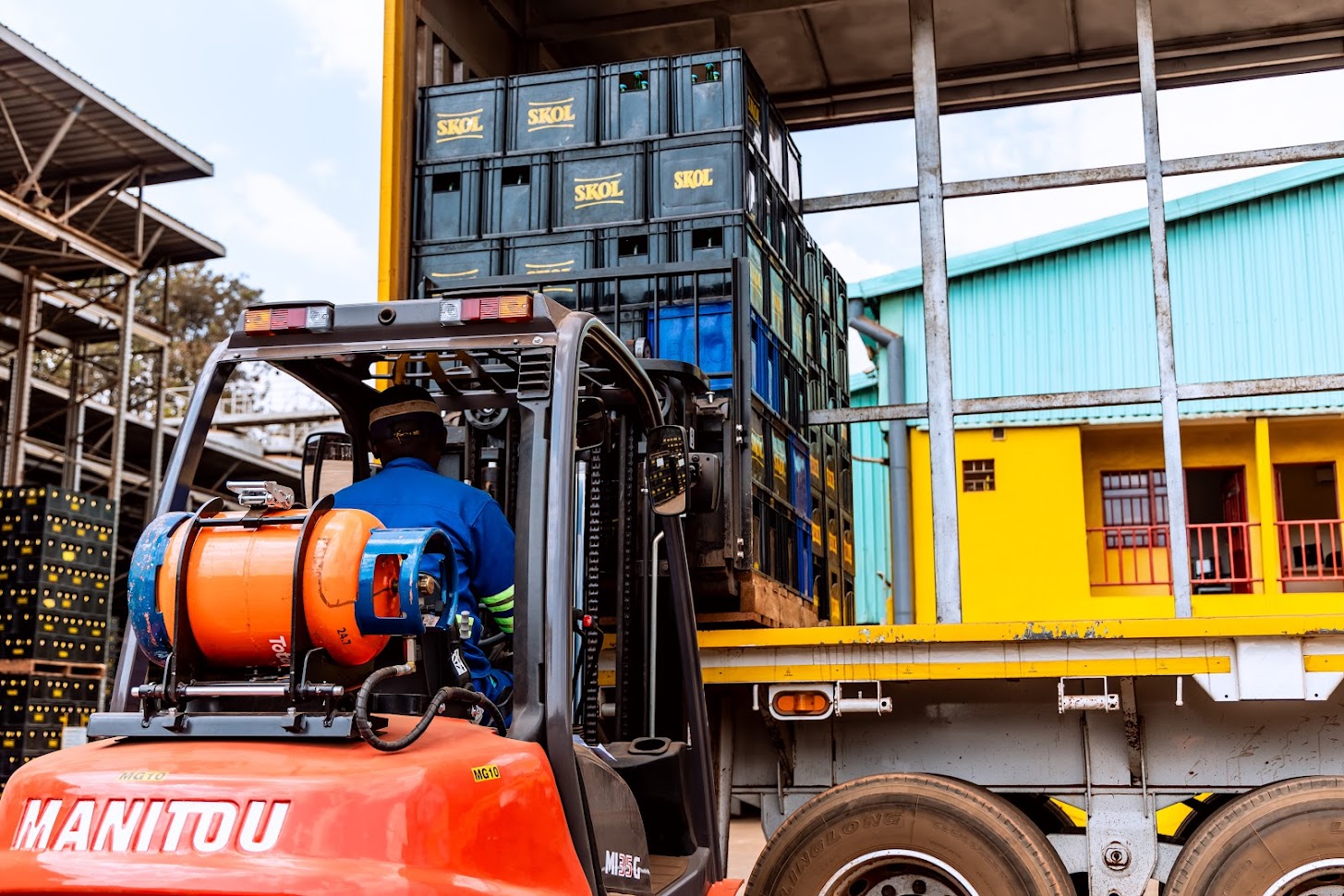
SBL is proud to announce a move to join thousands of other companies in Rwanda and globally committed to taking responsible business action to create the world we all want.
“In line with our commitment to these principles, SKOL Brewery Ltd is proud to join the UN Global Compact, reaffirming our dedication to sustainable and responsible business practices that drive positive change both locally and globally,” said Eric Gilson, SKOL Brewery Ltd.’s General Manager.
As the company continues to expand and innovate, Gilson says that participation in the UN Global Compact will serve as a guiding framework for ensuring that their growth is aligned with the highest standards of corporate responsibility.
Launched in 2000, the UN Global Compact is the largest corporate sustainability initiative in the world, with more than 20,000 companies based in over 160 countries, and more than 60 Global Compact Networks.