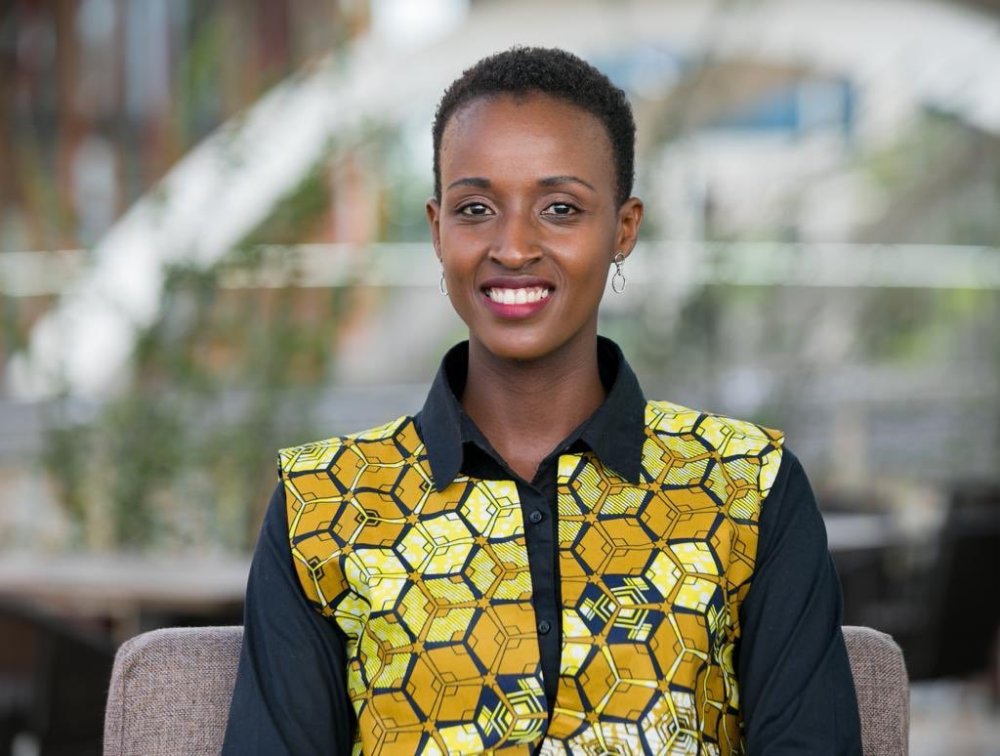
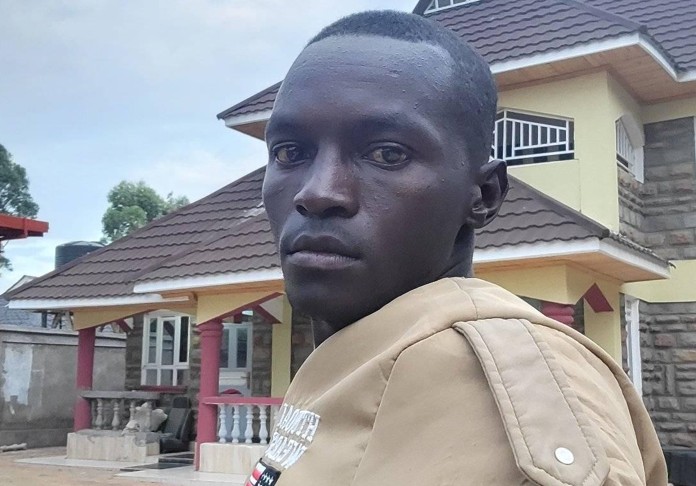
Nelly Mukazayire, Deputy CEO of the Rwanda Development Board was appointed Permanent Secretary in the Ministry of Sports replacing Zephanie Niyonkuru who was recently relieved of his duties.
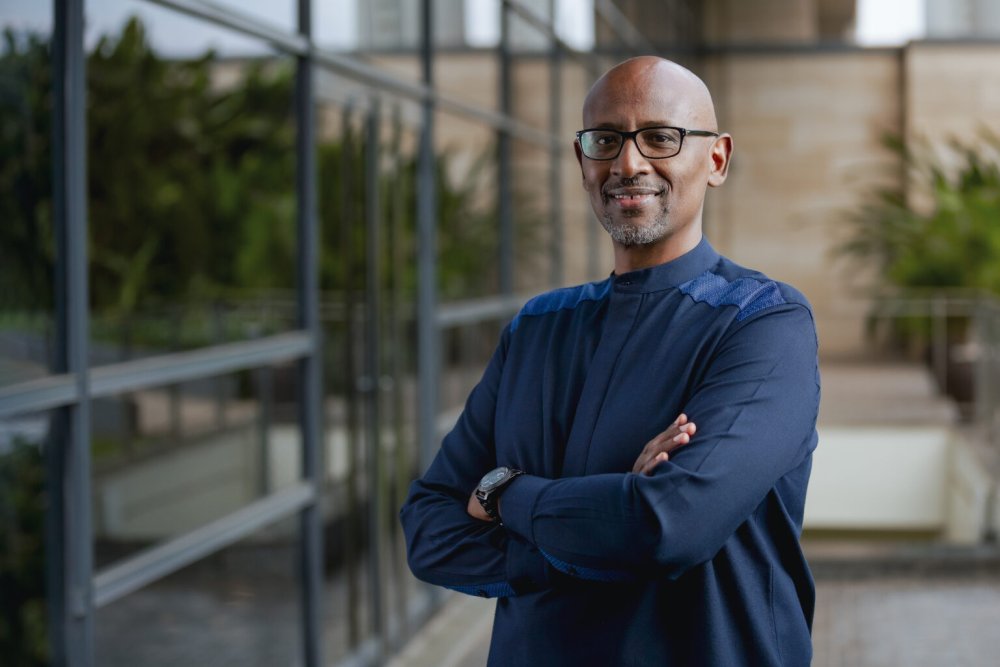
Until his appointment to MINEDUC, Nsengimana served as Director at the Mastercard Foundation Centre for Innovative Teaching and Learning, a key initiative driving the innovative use of technology to improve access to quality education, particularly for underserved communities.
The Mastercard Foundation Centre collaborates with a wide range of actors, including innovation hubs, EdTech entrepreneurs, policymakers, researchers, educators, and learners, to support the integration of technology in education. This includes developing, deploying, and scaling up promising EdTech innovations that enhance learning and strengthen education systems.
Before joining the Mastercard Foundation, Nsengimana had an extensive career at Intel Corporation where he last served as Executive Director of Global Diversity and Inclusion (GDI) Policy, Strategy, and External Partnerships (PSEP). He was instrumental in helping Intel achieve full representation in its U.S. workforce two years ahead of schedule in 2018.
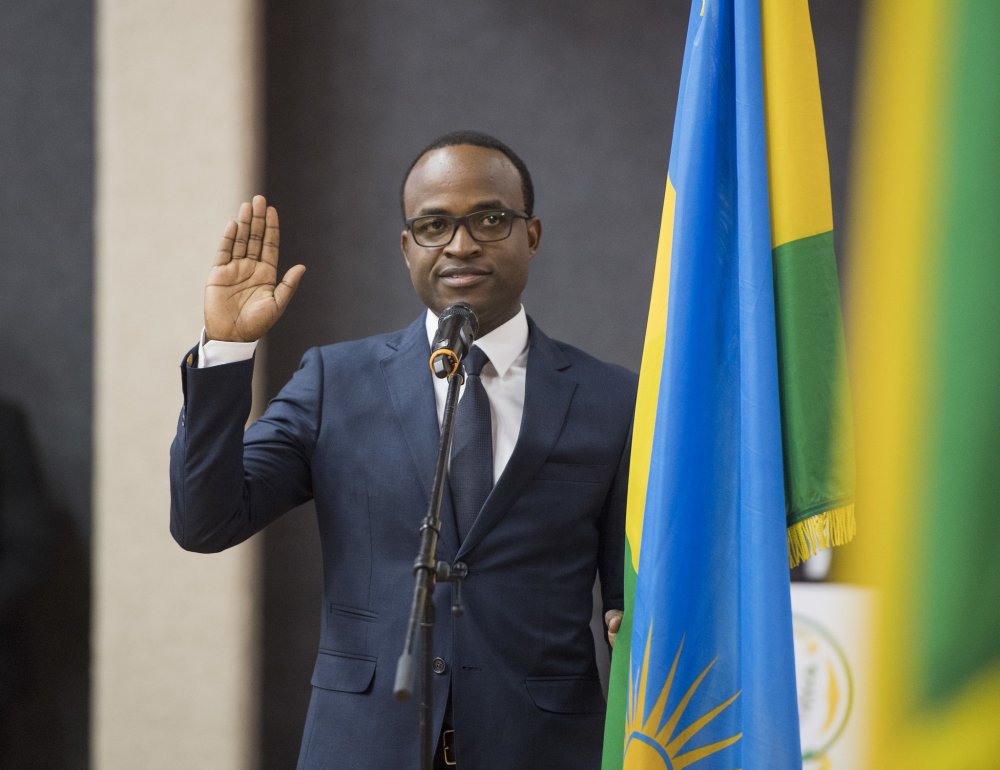
Nsengimana succeeds Twagirayezu, who has served as Minister of Education for one year, having been appointed in August 2023.
Before his appointment as Minister, Twagirayezu held the position of Minister of State in charge of Primary and Secondary Education at the Ministry of Education since February 2020.
Twagirayezu was among the ministers retained by President Kagame when he [named his new Cabinet in August 2024->https://en.igihe.com/politics-48/article/president-kagame-unveils-30-member-cabinet], following his re-election.
The groundbreaking ceremony was attended by various government officials, including the Minister of ICT and Innovation, Paula Ingabire Musoni, Minister of Infrastructure, Jimmy Gasore and the CEO of the Rwanda Development Board (RDB), Dr. Francis Gatare.
This project will be implemented by the Government of Rwanda through RDB in partnership with Africa50, an investment platform for infrastructure projects that generate benefits across Africa.
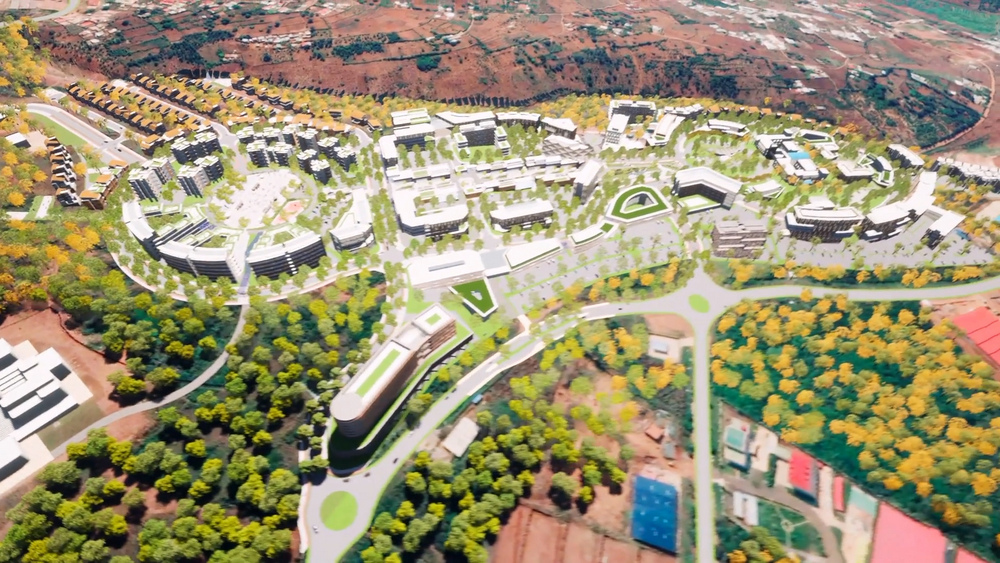
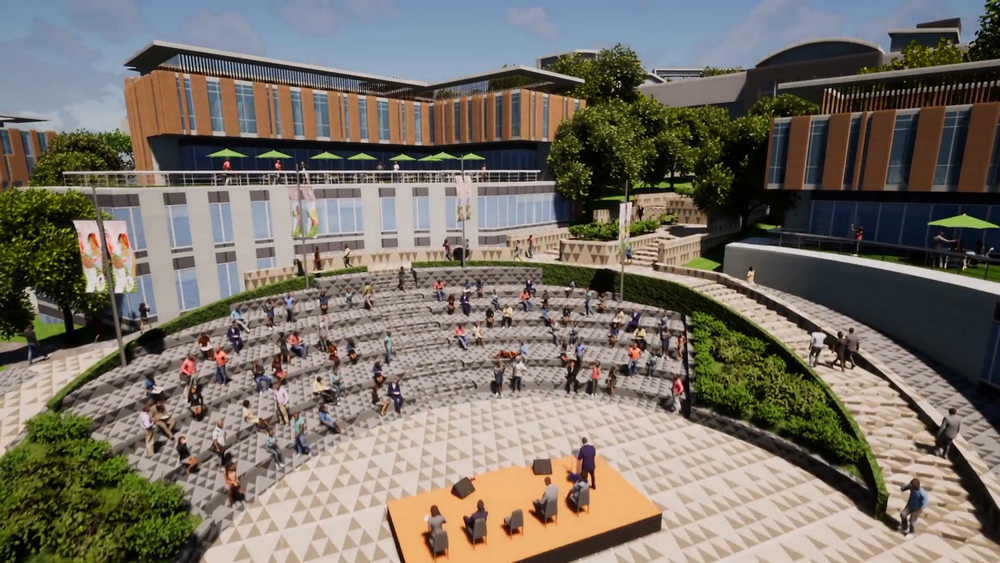
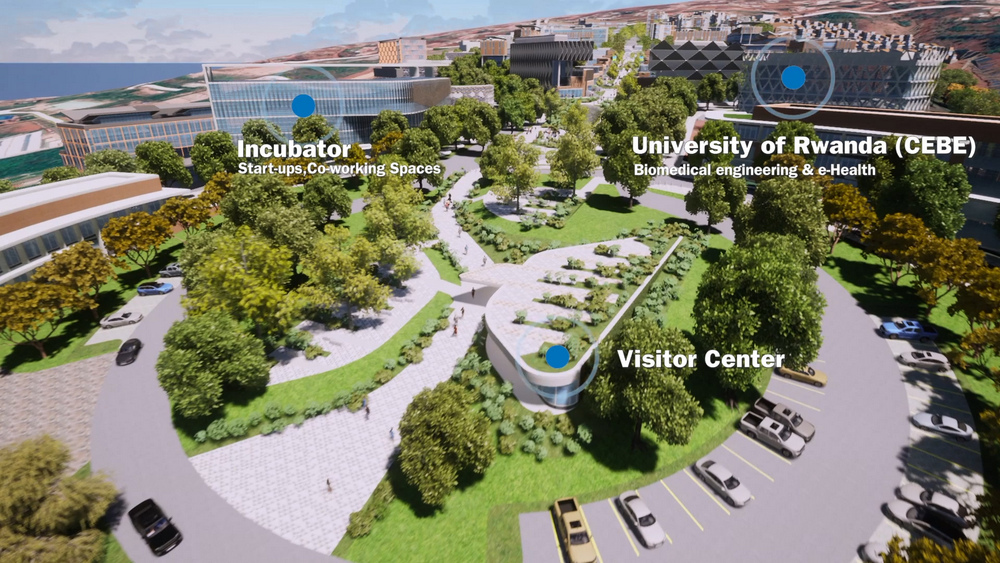
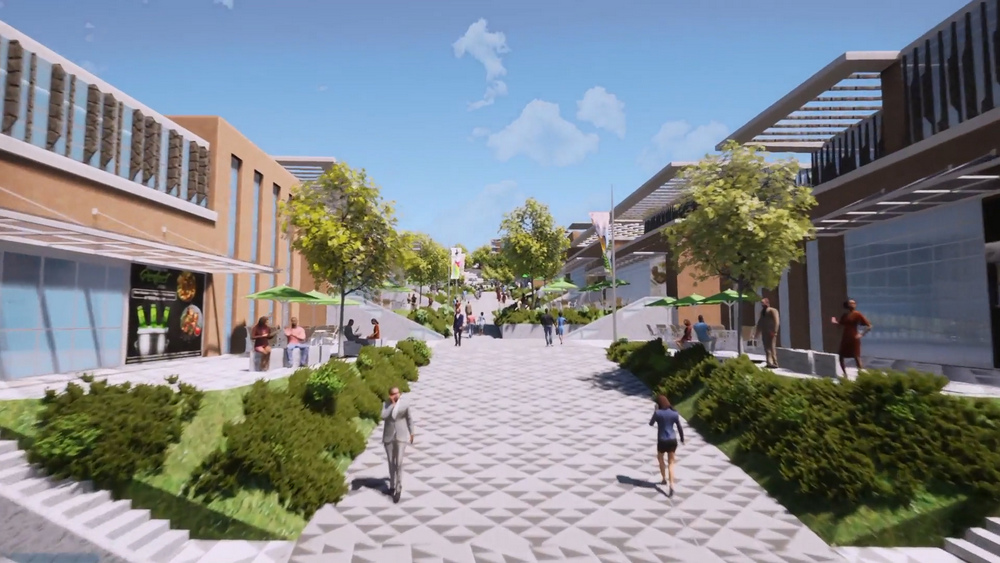
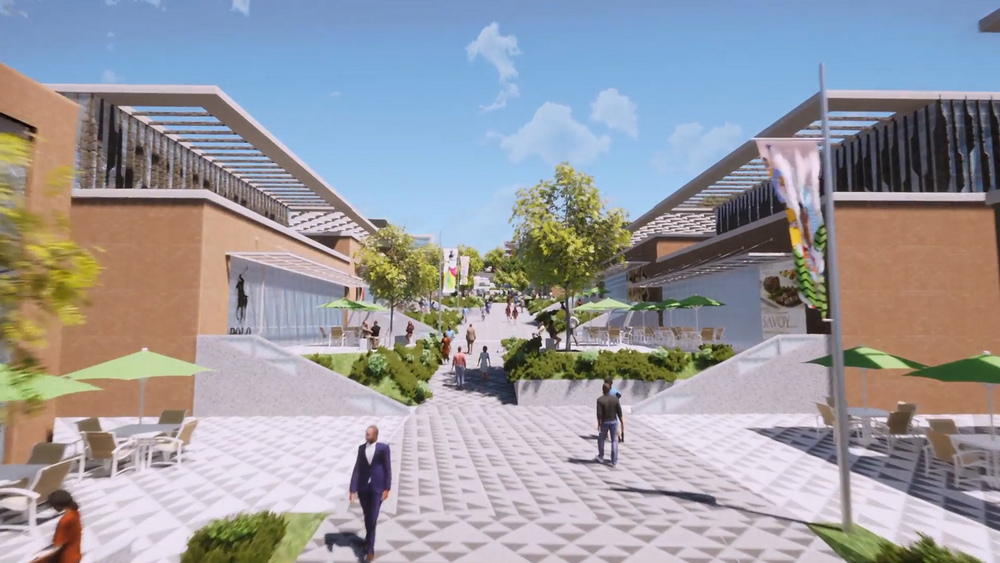
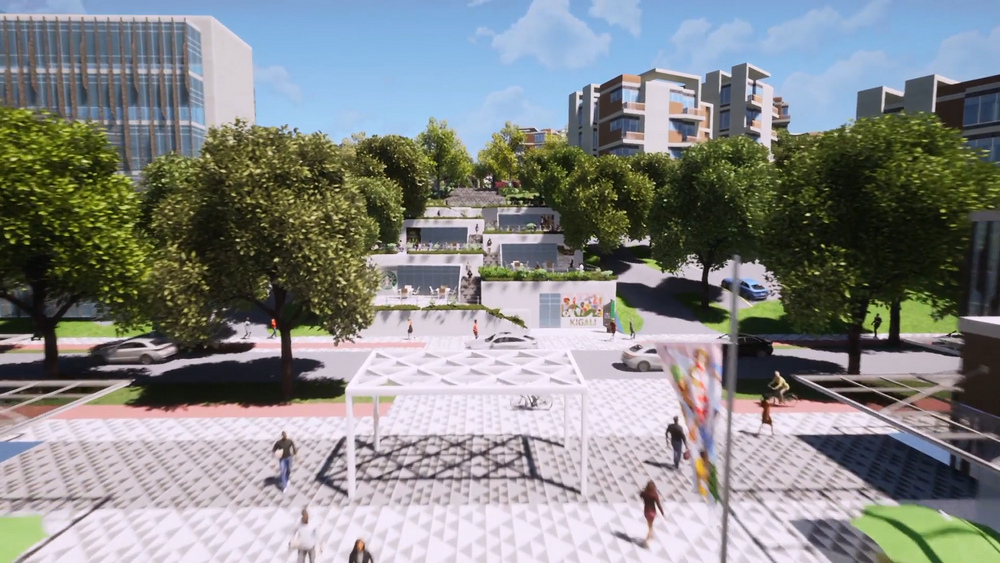
Covering 61 hectares, the project is expected to cost around $2 billion and will include buildings that will host international universities, technology companies, commercial facilities, and more.
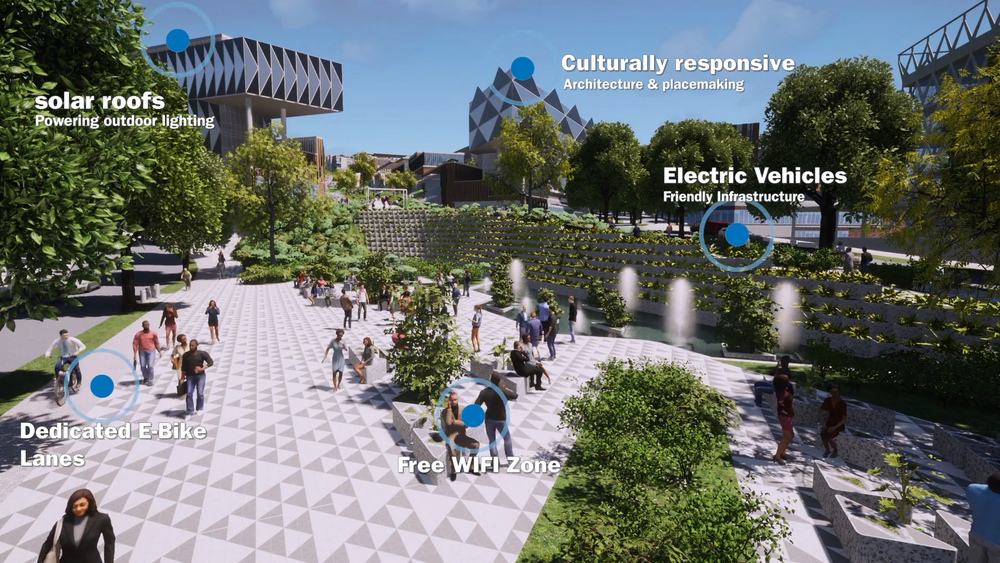
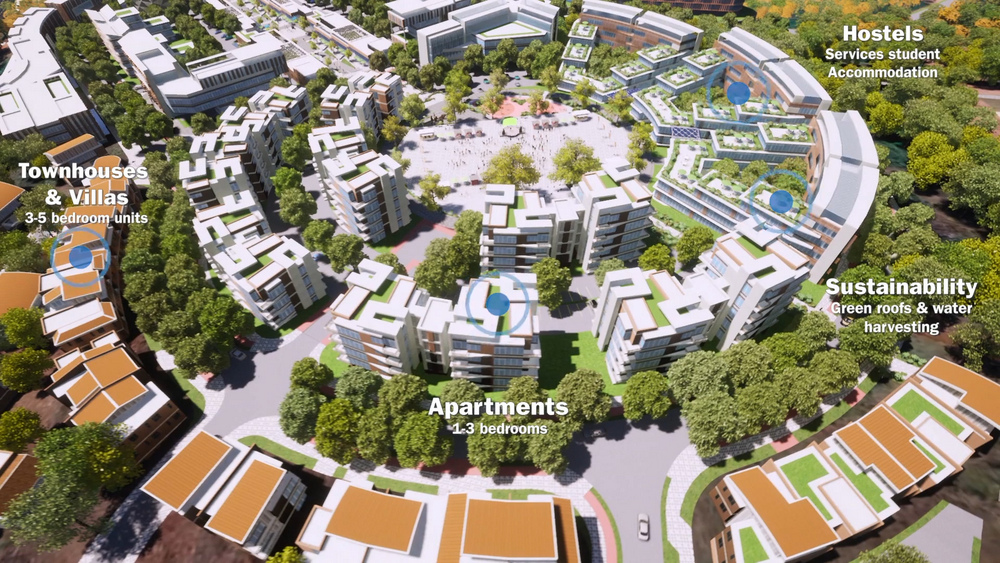
The city will feature a large center with bases focusing on Artificial Intelligence and cybersecurity. Some buildings in Kigali Innovation City will have solar-powered roofs, and the vehicles used within the area will predominantly be electric, contributing to environmental sustainability.
The Minister of ICT and Innovation, Paula Ingabire Musoni, mentioned that the idea for this project has been in development for over 10 years. It was conceived to create a hub for various sectors, including education and technology. She stated that in the next 10 years, Rwanda expects this project to be a reality and play a significant role in technological development.
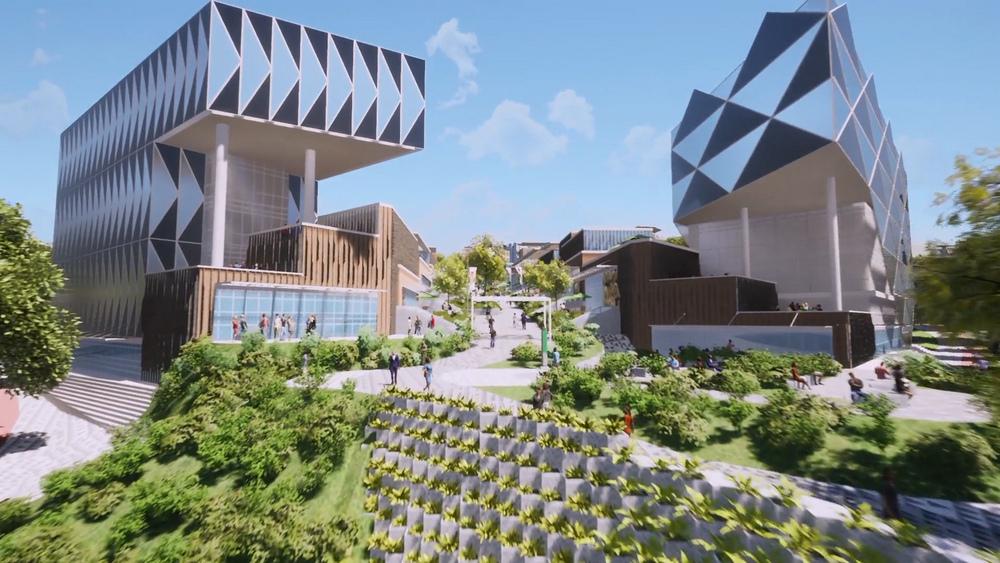
The buildings in this city will have unique construction designs, with some adorned with special Rwanda traditional decorative features. Kigali Innovation City will also feature wide roads, coffee shops, and restaurants with outdoor seating. Additionally, it will include high-end buildings for international tech companies, hotels, modern student accommodations, and residential areas.
Currently, some parts of the project are already under construction, including the African Leadership University and Carnegie Mellon University Africa.
Dr. Francis Gatare, CEO of RDB, highlighted that this is a major milestone for Rwanda in its quest to establish a knowledge-based and technology-driven economy.
“We are here to celebrate this achievement for our nation, its leadership, and the people of Rwanda, who are committed to building a knowledge-based economy that fosters innovation and sustainable development,” he said.
“Kigali Innovation City is one of Rwanda’s flagship projects and serves as a cornerstone of our strategy to develop a knowledge-based economy. This project reflects the power of collaboration between our people and leadership to transform our country and make innovation, education, and technology the foundation of our future,” he explained.
Once fully completed, the project is expected to generate $150 million annually from the technology developed there and attract $300 million in foreign investment.
Prime Minister Dr. Edouard Ngirente noted that this project will benefit not only Rwanda but also other Africans.
“We are laying the foundation for a bright future where every African can benefit from cutting-edge technology and innovative solutions. Kigali Innovation City is more than just infrastructure; it is a convergence that will drive innovation, attract talent, and bring investment from around the world.”
He urged both local and international investors to take advantage of the opportunities presented by Kigali Innovation City. This groundbreaking ceremony comes just days after the Government of Rwanda signed an agreement with Africa50, a platform that invests in infrastructure projects that benefit the African continent.
East African countries have been working on railway projects for some time, and Tanzania recently launched electric train services, with the first train in June 2024 carrying 1,400 passengers.
Tanzania, which lies to the east of Rwanda, is expected to be the route through which the railway leading to Rwanda will pass, and markers have already been placed along the proposed path.
Rwanda is required to invest over $1.5 billion, while Tanzania, which has a larger share of the project, needs to invest more than $2.5 billion.
On September 10, 2024, China’s Ambassador to Rwanda, Wang Xuekun, told the press that during the Forum on China-Africa Cooperation (FOCAC), the two countries agreed to continue cooperation in areas such as infrastructure, technology, education, and agriculture.
Gao Zhiqiang, the Economic Counselor at the Chinese Embassy in Rwanda, was asked if China plans to partner with Rwanda on the construction of a railway. He responded that the project is costly, considering Rwanda’s terrain and the route the railway would need to take to reach the country.
He explained that building a railway in landlocked countries, like Rwanda, requires a lot of resources, which is why they chose to focus on developing road networks connecting different parts of the country.
“It’s a massive project; it’s quite a challenge for landlocked countries like Rwanda. It requires a lot to implement this project in Rwanda, especially due to the country’s terrain, and it would cost a lot of money to build a railway from other regions into Rwanda and within the country itself.”
“As far as I know, we are focusing on collaborating with the Government of Rwanda in constructing road networks in various regions, both in Kigali and rural areas.”
Zhiqiang also mentioned that although China is not funding the railway project, that does not mean the Rwandan government has abandoned it. In fact, a Chinese company is working with the Ministry of Infrastructure in Rwanda and other partners to conduct feasibility studies on how Rwanda can build its own railway.
The railway project most frequently discussed is the one connecting Rwanda and Tanzania.
The agreement to build the 532-kilometer Isaka-Kigali railway was signed on March 9, 2018. The project was estimated to cost $3.6 billion.
On the Rwandan side, the proposed route shows that the railway will pass through Rusumo and reach Kigali [at Dubai Ports in Kicukiro], with an additional 18 kilometres extending to Bugesera International Airport.
The railway will cover 138 kilometres in Rwanda, while Tanzania’s portion will be 394 kilometres.
There is also a proposed 1,500-kilometer railway from Mombasa to Kigali via Uganda, although this project has stalled. Kenya had already completed the initial phase of this project from Mombasa to Nairobi.
To maintain its dominance in the high-end smartphone market, Apple said the company’s AI software will be used to improve Siri, as well as enhance features such as recognizing and identifying objects captured by the phone’s camera.
Apple Intelligence will be available as a free software update. The first set of Apple Intelligence features will be available in a test version from October as part of iOS 18.1.
The iPhone 16 lineup’s camera system includes a 48MP Fusion camera with a 2x Telephoto option, while a new Ultra Wide camera enables macro photography.
Company executives noted that the phone’s new A18 chip delivers a significant leap in performance and efficiency, allowing for demanding AAA games and providing a major boost in battery life.
A notable feature of the iPhone 16 is a customizable button that can control the camera, in a design similar to previous models.
Available in 6.1-inch and 6.7-inch display sizes, the iPhone 16 and iPhone 16 Plus come in five colours: black, white, pink, teal, and ultramarine.
The higher-end iPhone 16 Pro and 16 Pro Max are made from titanium and feature additional AI capabilities, such as offering suggestions on how to set up photo shoots more effectively and providing audio-editing features aimed at professional-level video production.
Prices for the iPhone 16 start at $799 (about RWF 1.06 million), while the iPhone 16 Plus starts at $899 (about RWF 1.19 million). The devices are available in 128GB, 256GB, and 512GB storage options.
Apple will start accepting pre-orders for the new iPhones on Friday, September 13, and the devices will be available for purchase on September 20, 2024.
The unveiling of the new phones is expected to further intensify competition in the market, as rivals like South Korea’s Samsung and China’s Huawei continue to release products aimed at delivering powerful, personalized experiences to their users.
Huawei is expected to release its trifold phones in the coming days, with prices starting at more than $2,800. These devices will also come equipped with artificial intelligence features such as text translation and cloud-based content generation.
{{Apple Watch and AirPods
}}
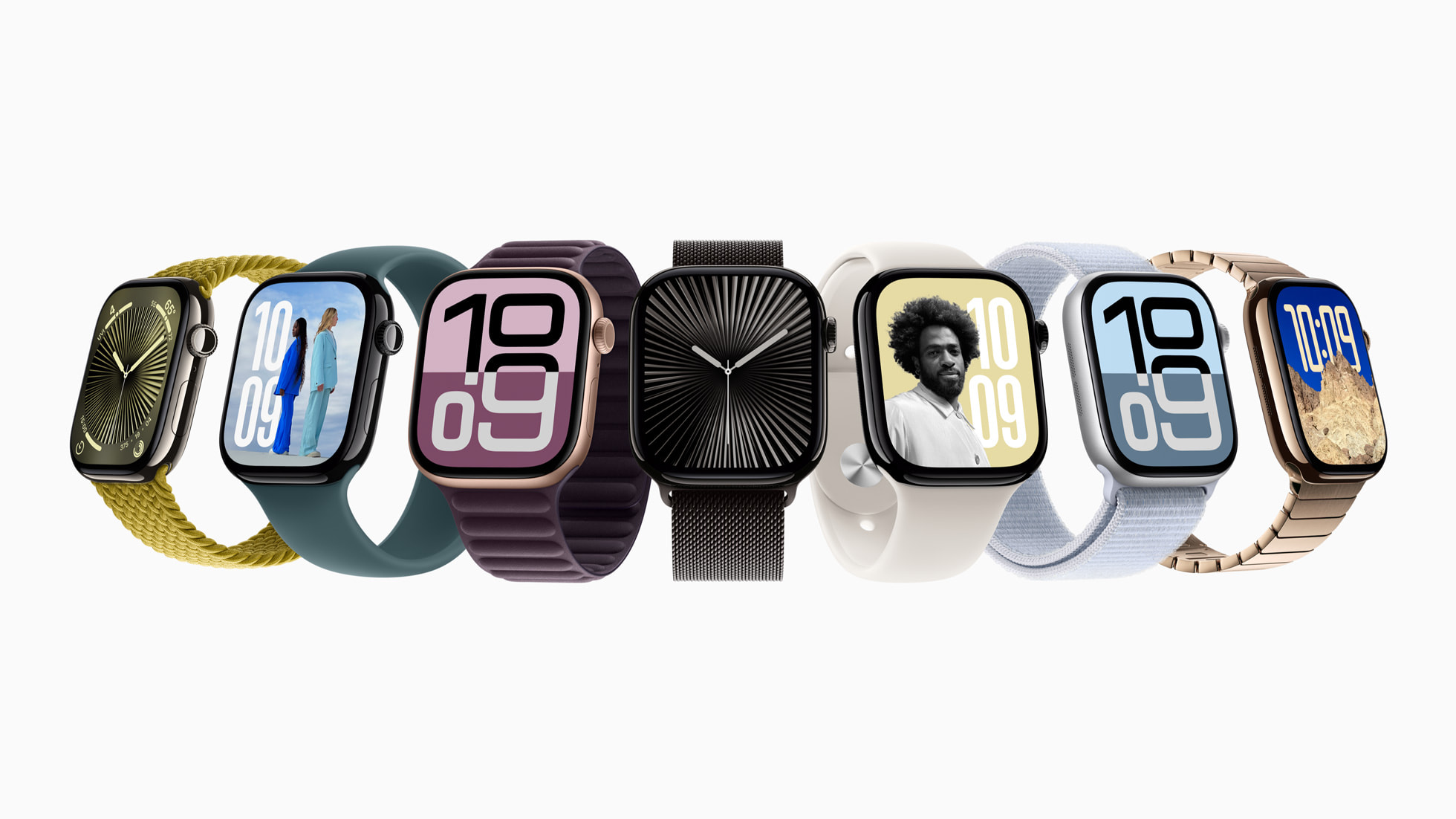
In addition to the iPhone 16, Apple also unveiled new Apple Watches and AirPods with health-focused capabilities and hardware-design improvements.
Apple executives explained that the new watch can detect longer-term health conditions, such as sleep apnea, and can respond to emergencies, like a fall.
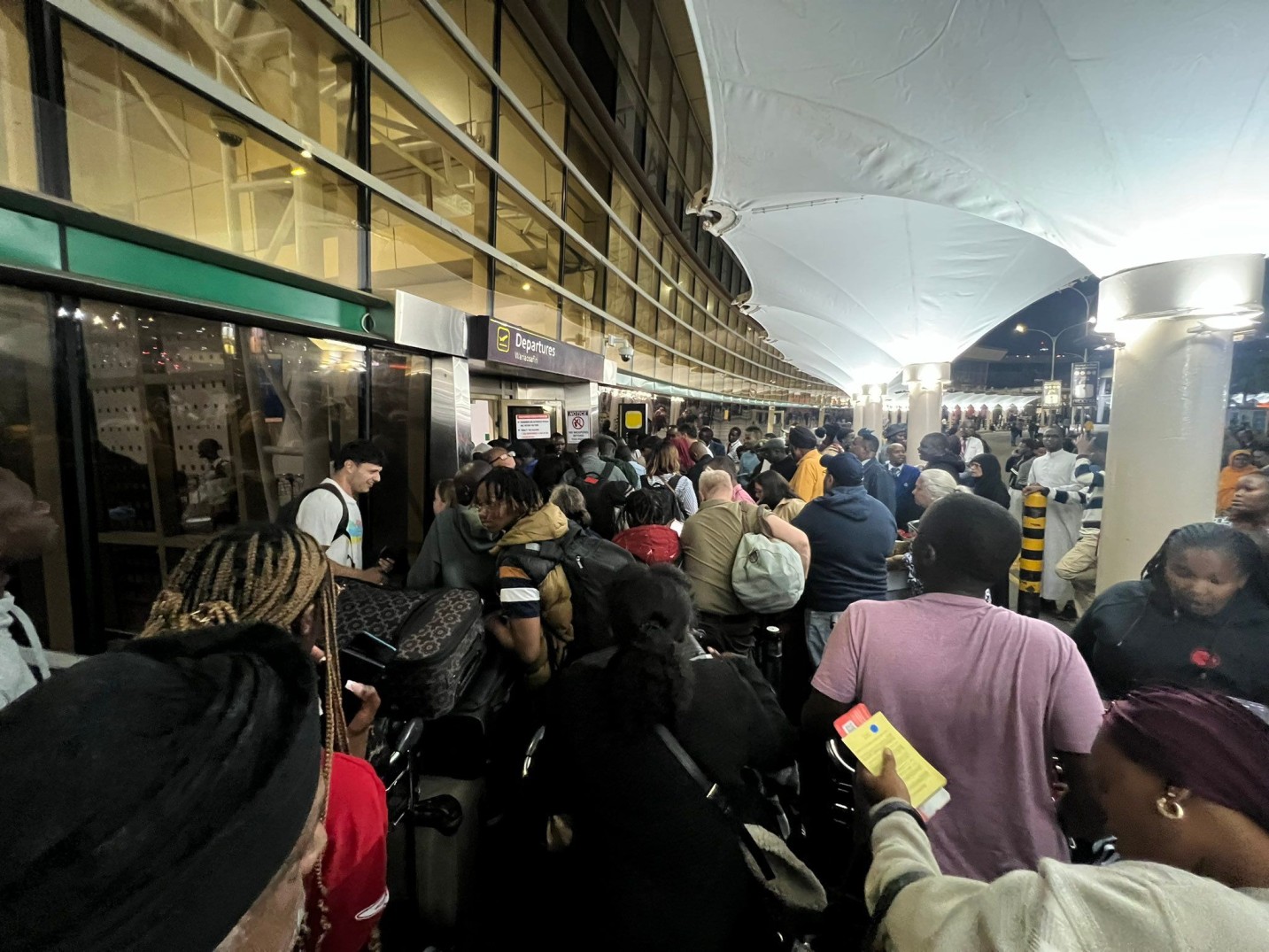
Operations at Kenya’s Jomo Kenyatta International Airport (JKIA) were paralyzed on Wednesday, September 11, 2024, after workers went on strike to protest the planned leasing of the country’s main airport.
The strike began at 12:00 a.m. on Wednesday and caused flight delays and cancellations for both departing and arriving passengers, leaving many stranded.
Kenya’s national carrier, Kenya Airways (KQ), confirmed the flight disruptions, stating, “We continue to observe the situation and will provide updates on the affected flights.”
RwandAir was also impacted by the strike and had to cancel two flights on Wednesday morning. The airline, however, confirmed that affected passengers would be rebooked on the next available flights.
“Due to the ongoing strike by airport staff at Jomo Kenyatta International Airport, our flights WB452/WB453 KGL/NBO/KGL on 11 September 2024 are canceled. All affected passengers will be rebooked on the next available flights. We apologize for any inconvenience caused,” RwandAir said in a post on X.
Due to the ongoing strike by airport staff at Jomo Kenyatta International Airport, our flights WB452/WB453 KGL/NBO/KGL on 11 September 2024 are cancelled. All affected passengers will be rebooked on the next available flights. We apologize for any inconvenience caused.
The strike was organized by the Kenya Aviation Workers Union, which represents airport workers. The union argues that the proposed agreement to lease the airport to India’s Adani Group for 30 years would lead to job losses and the influx of non-Kenyan workers.
The Kenyan government announced plans to lease the airport in July, stating that it is operating above capacity and needs modernization. The government insists that the airport is not for sale.
The government suffered a setback on Tuesday when the High Court suspended the airport’s management takeover following a petition filed by the Law Society of Kenya and the Kenya Human Rights Commission.
The petitioners argued that the estimated $1.85 billion required to revamp the airport could be raised without resorting to a multi-decade leasing contract.
“The Adani proposal is unaffordable, threatens job losses, exposes the public disproportionately to fiscal risk, and offers no value for money to the taxpayer,” the organizations argued in their legal filing.
At the time, he mentioned that he had informed the former Minister of Sports, Munyangaju Aurore Mimosa, that “such things should not be tolerated because it is clearly known how things are done. Where things work well, there is government support. I love sports, which is why I used to attend matches, but I could not stand such an endless mess.”
Since then, significant changes have been made in Rwanda’s football, leading to notable progress appreciated by football fan base
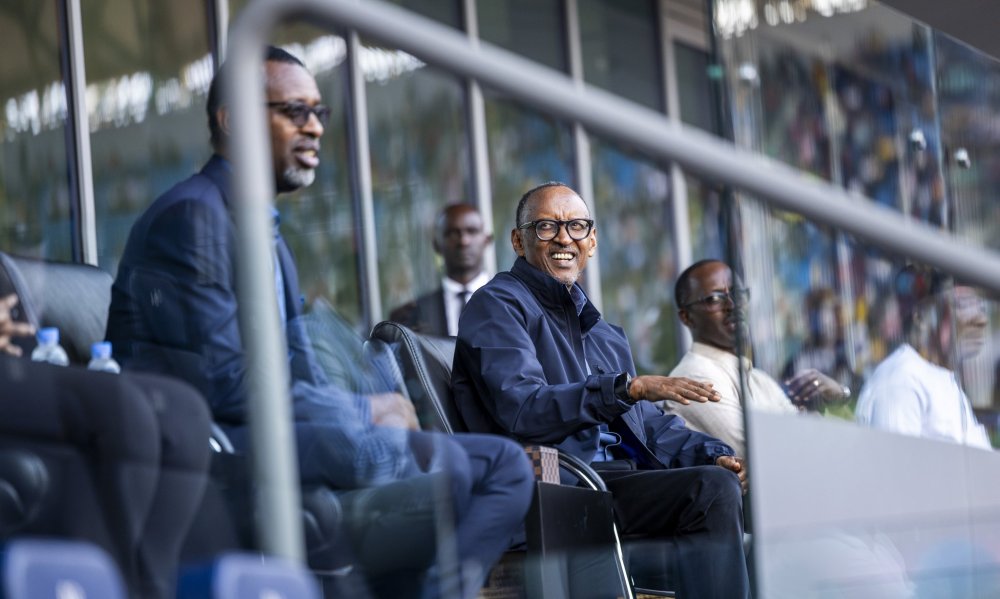
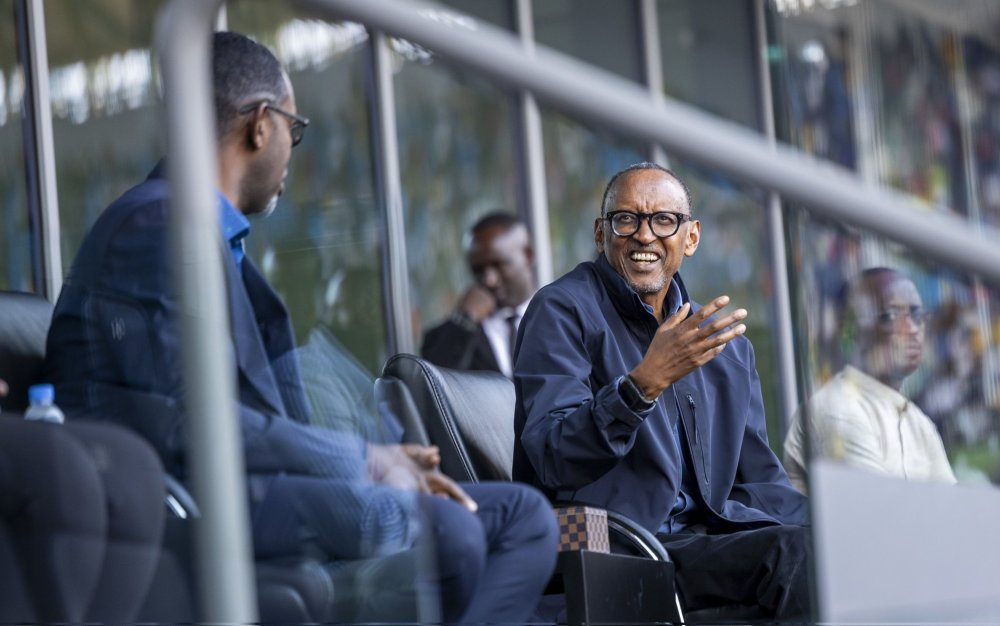
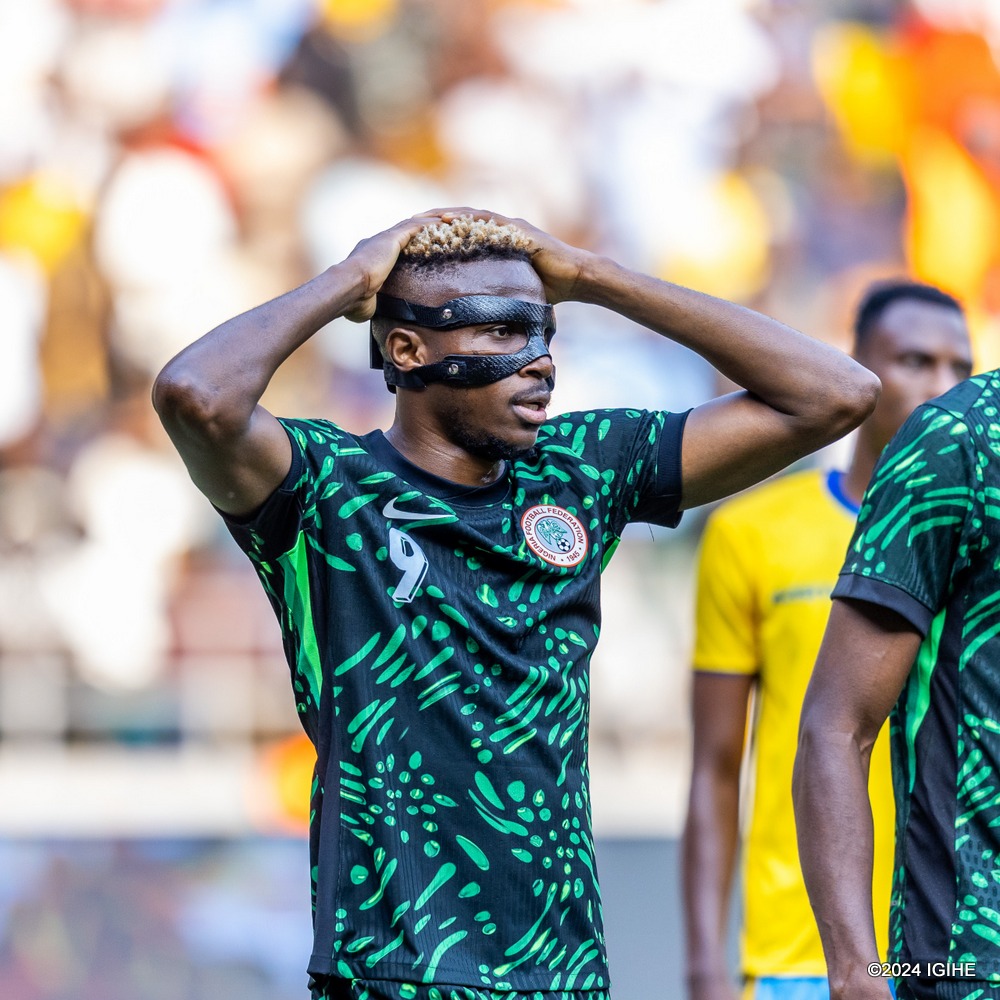
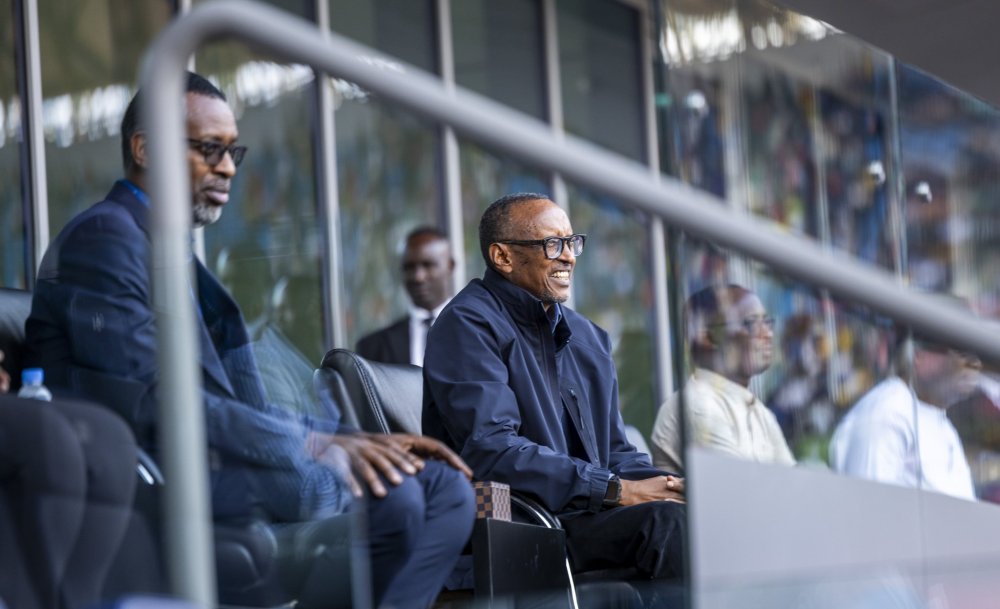
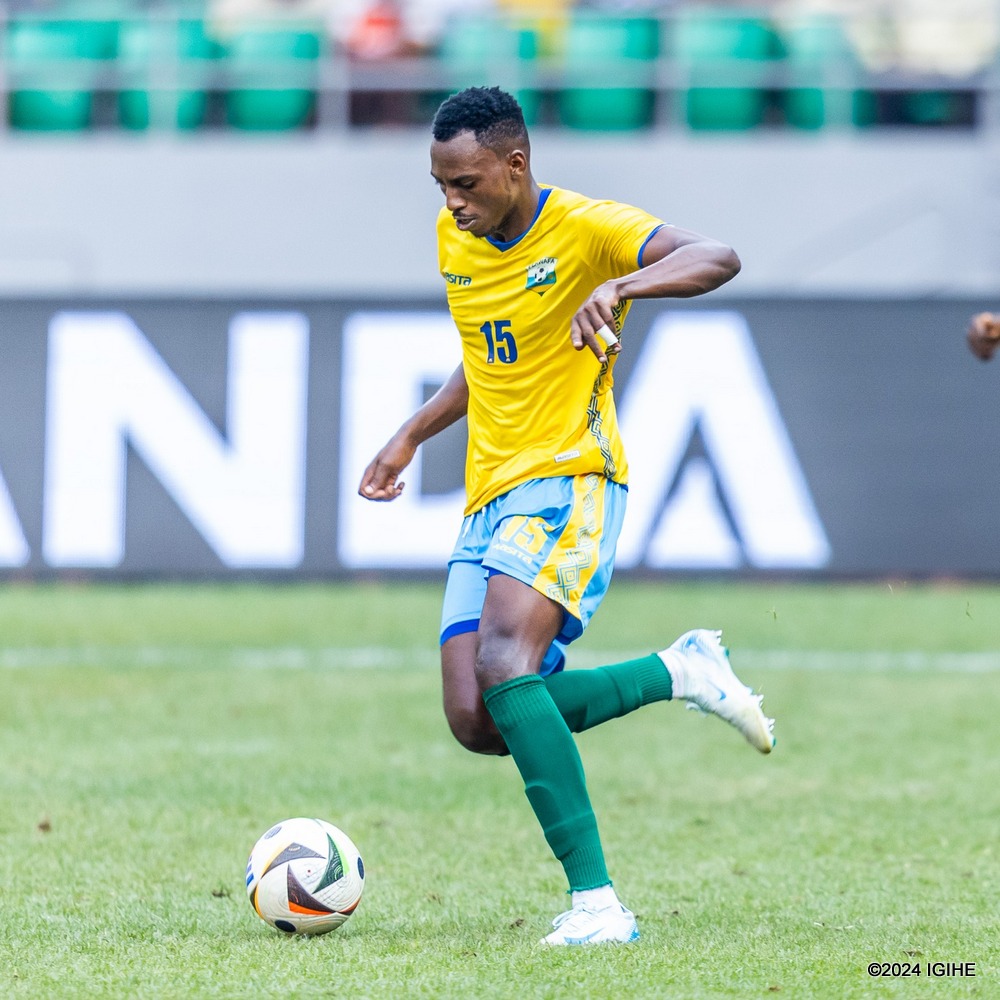
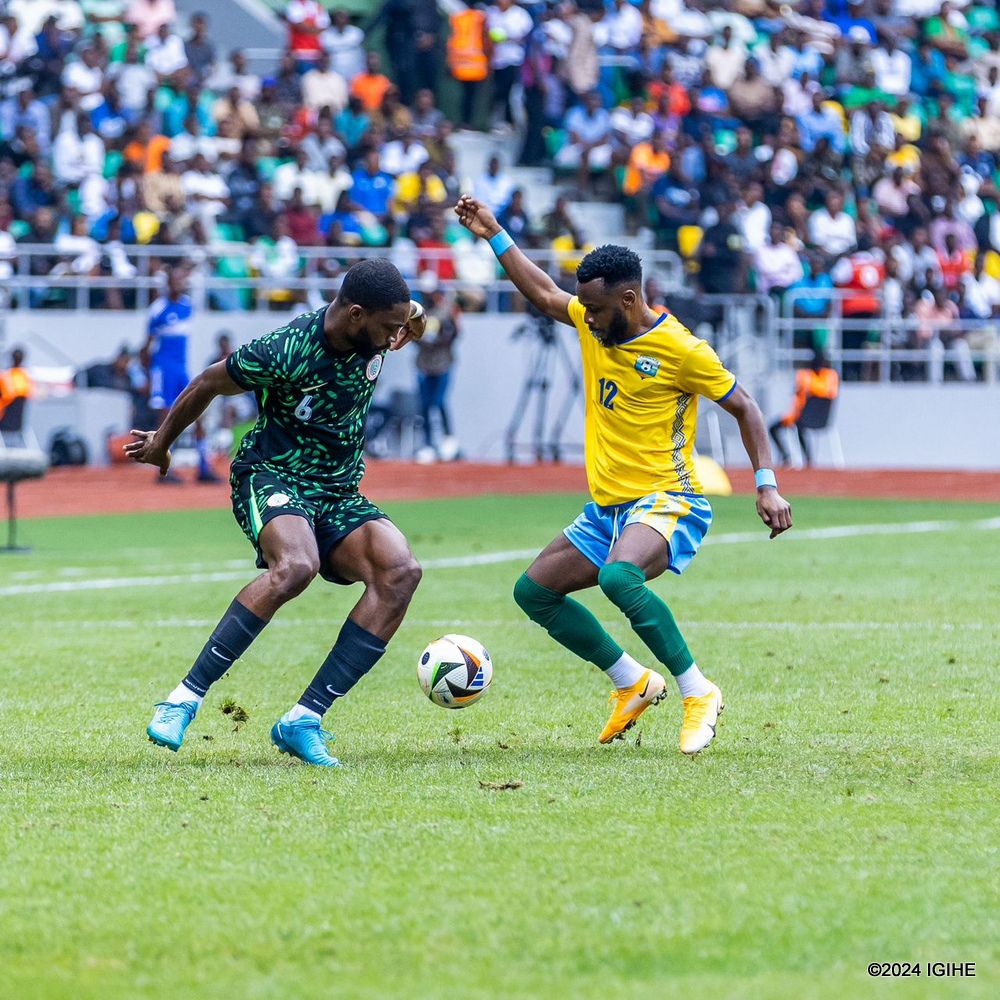
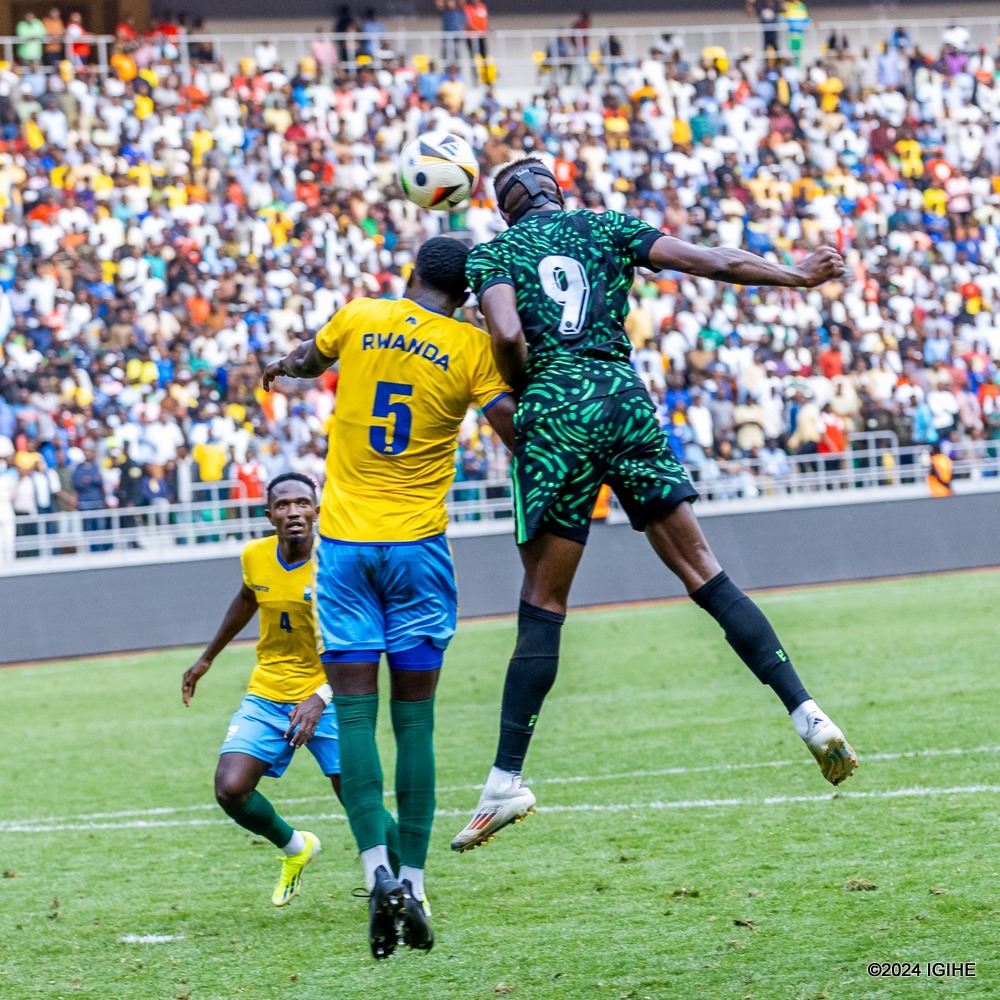
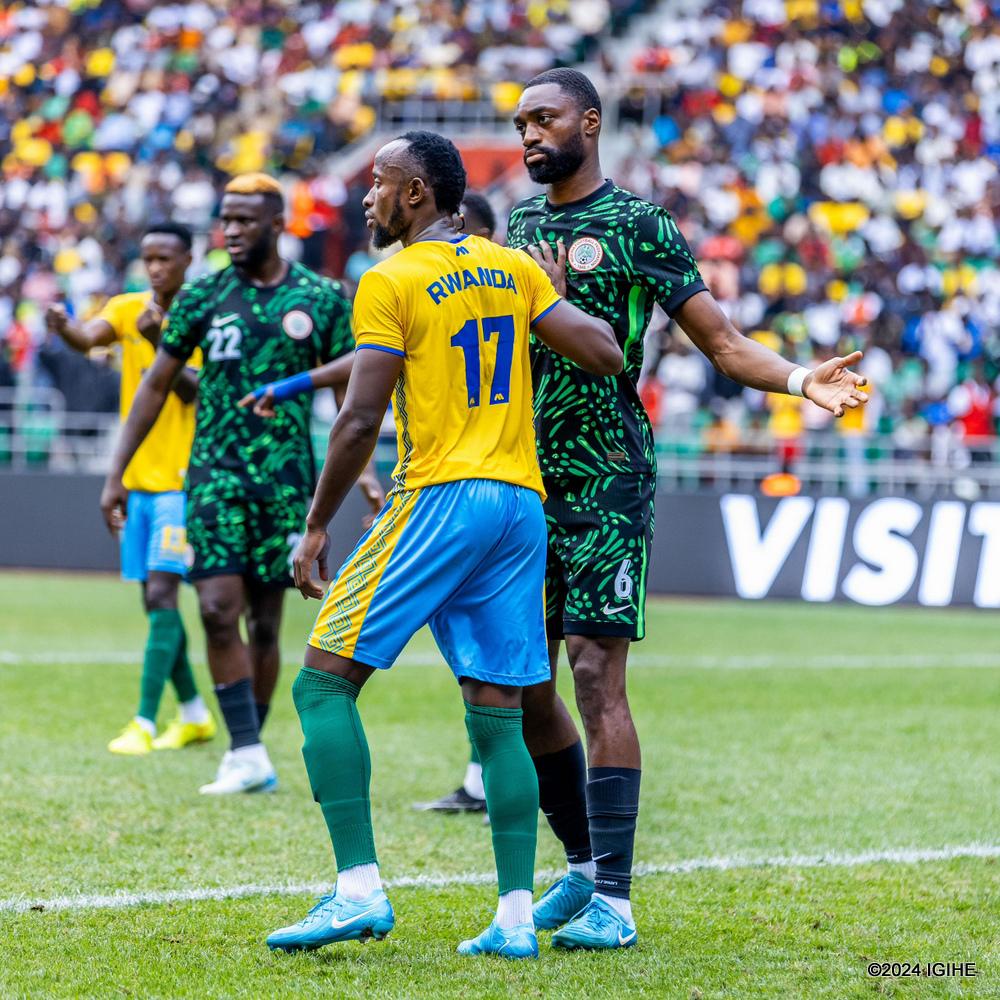
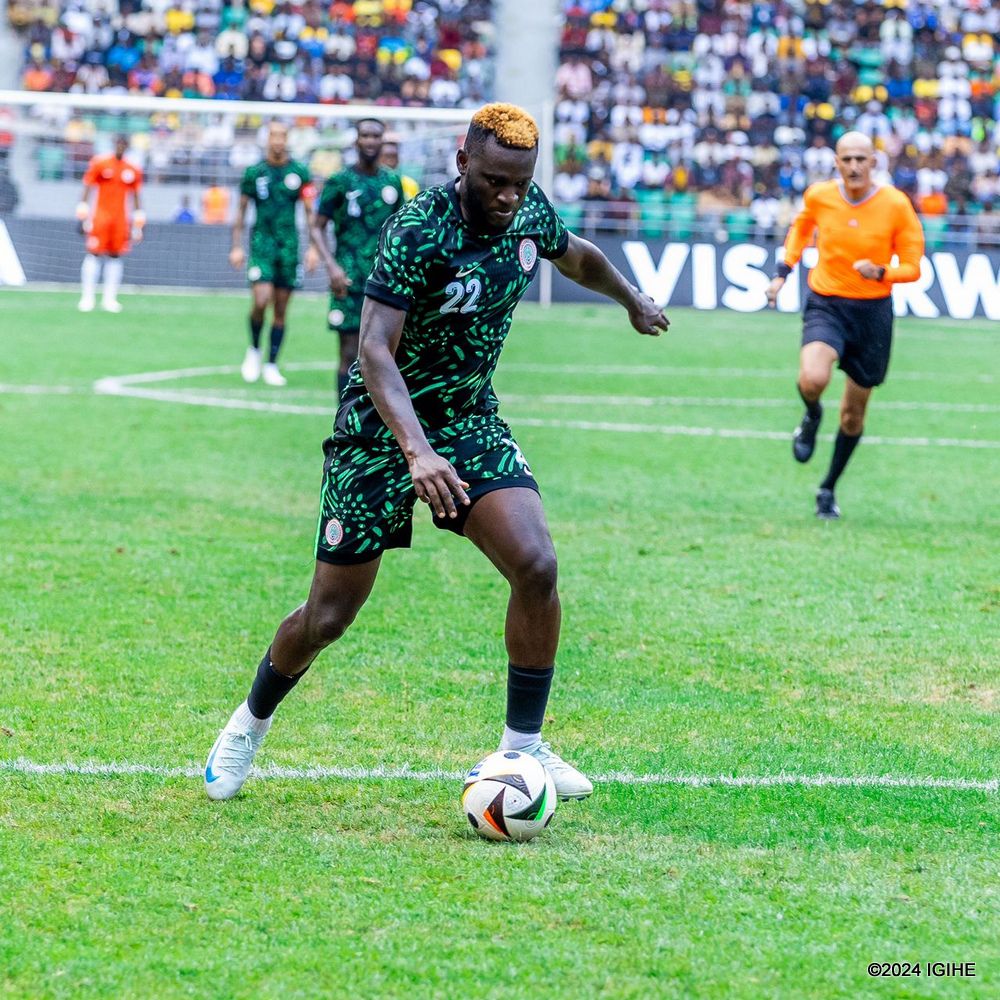
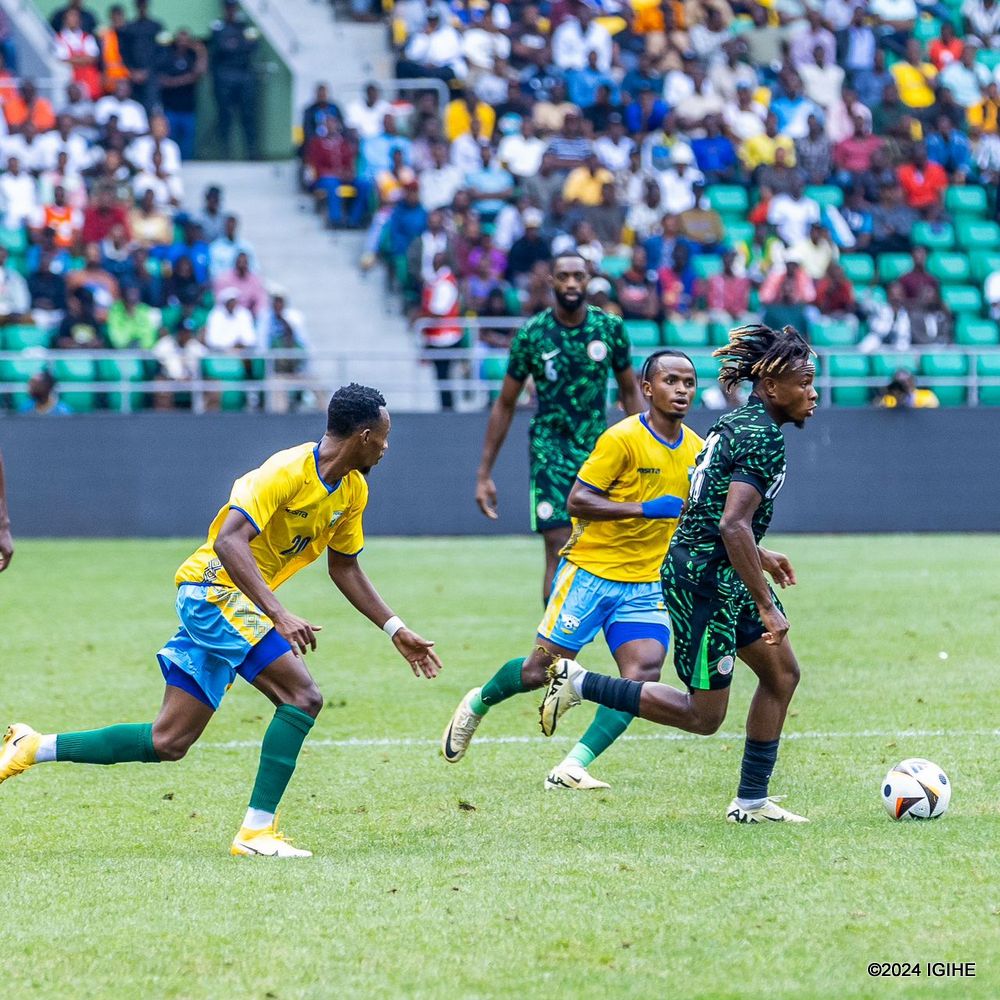
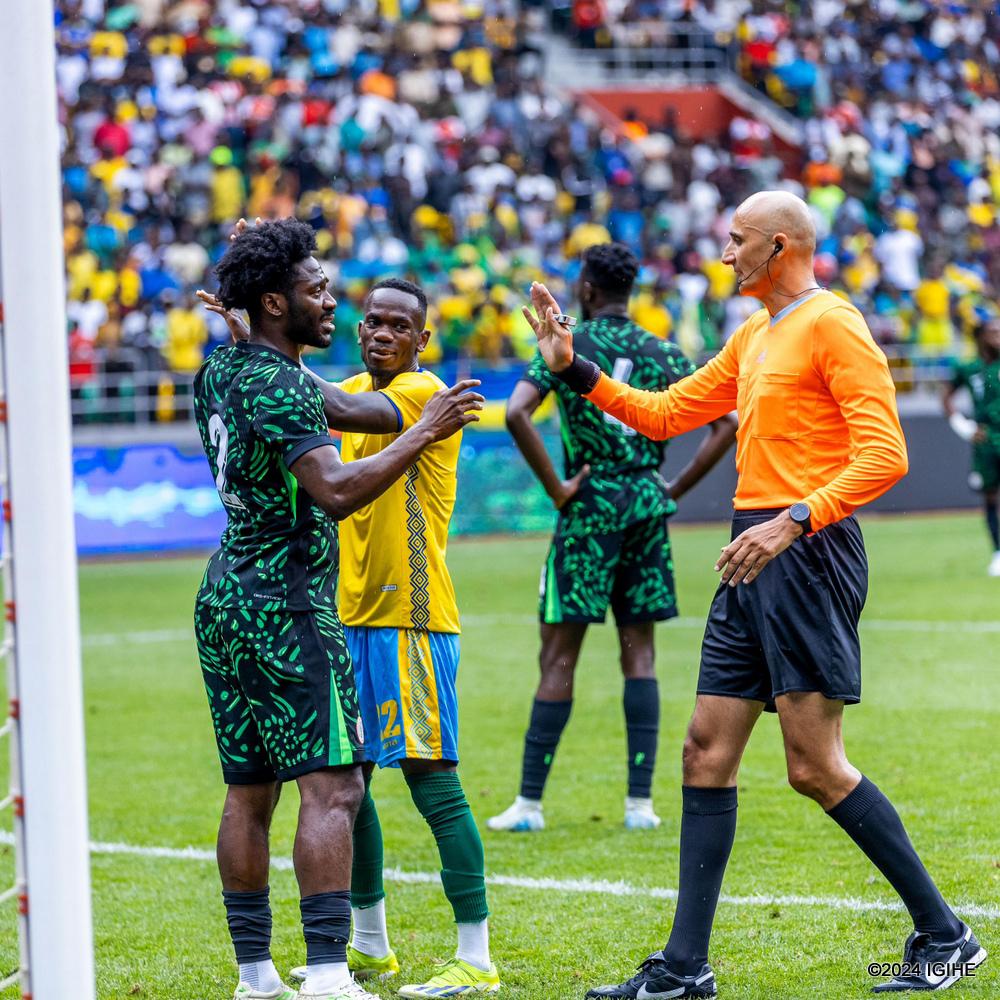
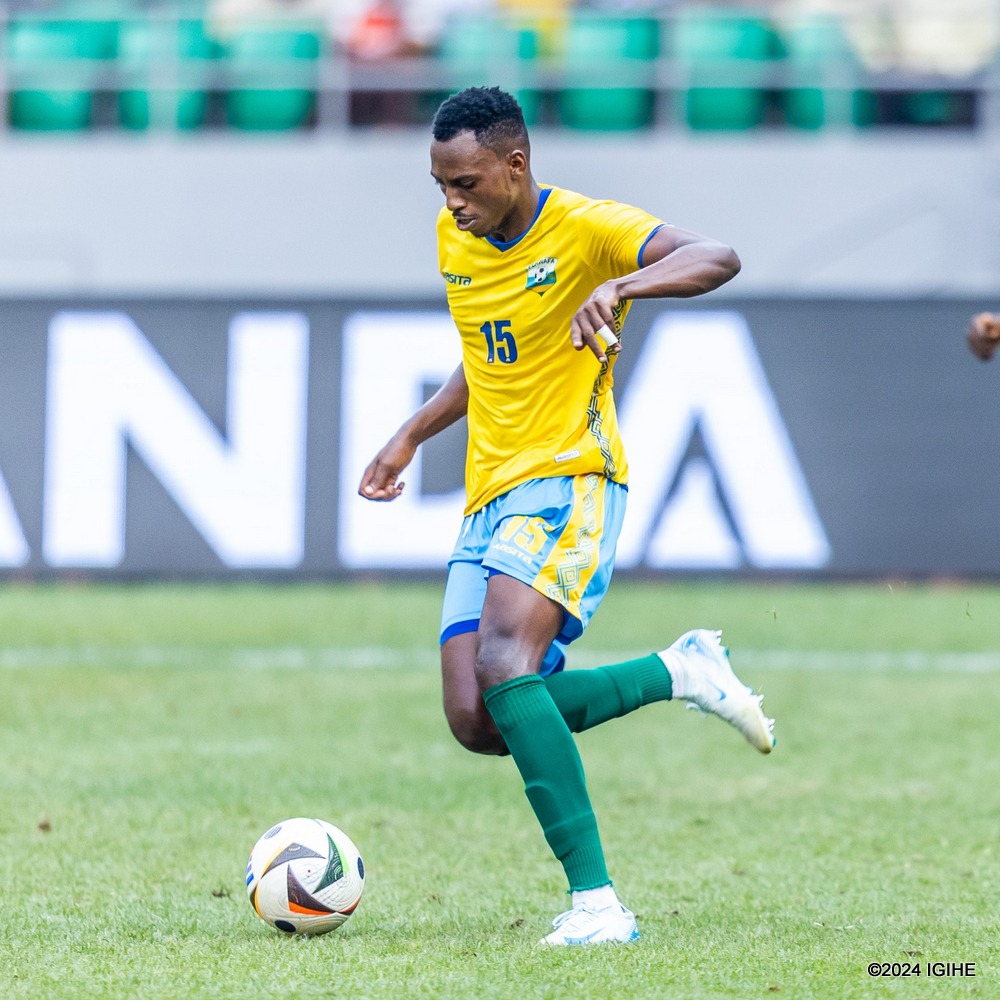
On Tuesday, September 10, 2024, Kagame joined others in following the match, which Amavubi aimed to win as they were facing Nigeria in a group stage match for Africa Cup of Nations qualification, to be held in Morocco.
The Head of State arrived at the beginning of the second half of the game, with widespread excitement hovering over Amahoro Stadium as Amavubi firmly held to a 0-0 draw.
The national team secured two points from the draw with Nigeria’s Super Eagles, who now have four points from two matches.
The last match President Kagame attended was during CHAN 2016, when Amavubi faced the Democratic Republic of Congo in Rwanda.
This was the first national team match played at this stadium, but it wasn’t the first game held there. Another match President Kagame attended at the venue was between APR FC and Police FC, marking the official opening of Amahoro Stadium in 1999.
From the start, it was clear that Rwanda, under the leadership of coach Frank Spittler, was not intimidated by their opponents. The Amavubi dominated the first five minutes of play, showing composure and determination, though no direct shots were fired at Nigeria’s goal.
Early attempts came from Jojea Kwizera in the 7th minute, narrowly missing the crossbar with a long-range shot. Despite Nigeria’s 61% possession, Rwanda maintained a solid defense, with Bizimana Djihad captaining the team and keeping the players organized.
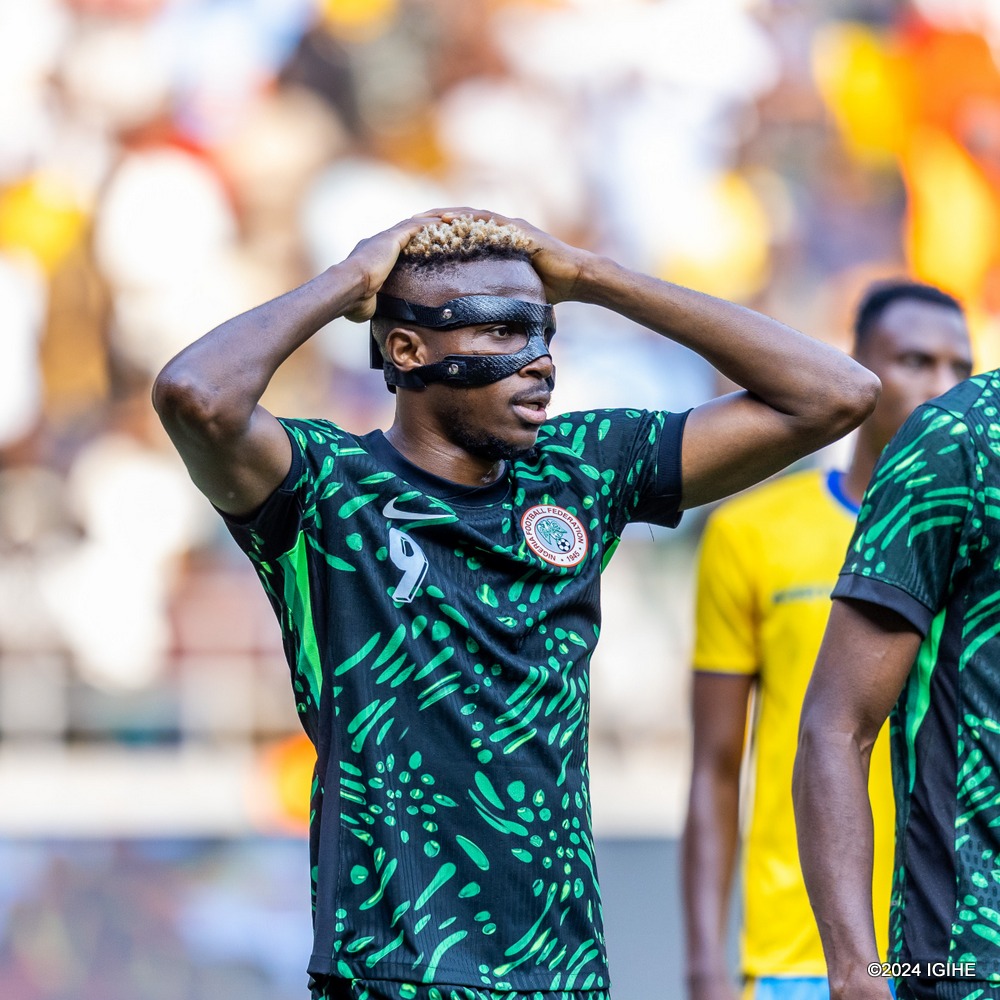
Ntwari Fiacre’s saves were the highlight of the match. His first came in the 25th minute, following an untimed back pass that almost resulted in a Nigerian goal. His composure and quick reflexes denied Osimhen, a moment that had the crowd on their feet.
Throughout the game, he made a total of eight direct saves, each one more crucial than the last, particularly in the final moments of the match. “Fiacre was an absolute wall today! His saves kept us in the game. We still have hope for AFCON,” said Augustine Muhirwa, a jubilant and passionate fan after the final whistle.
The game was filled with tense moments, especially when a 22nd-minute goal for Nigeria was canceled due to a foul on Manzi Thierry. Rwanda’s defensive players, including Omborenga Fitina, who dominated the right flank, and Niyomugabo Claude, who played a strong game despite a yellow card, contributed to keeping the Super Eagles at bay.
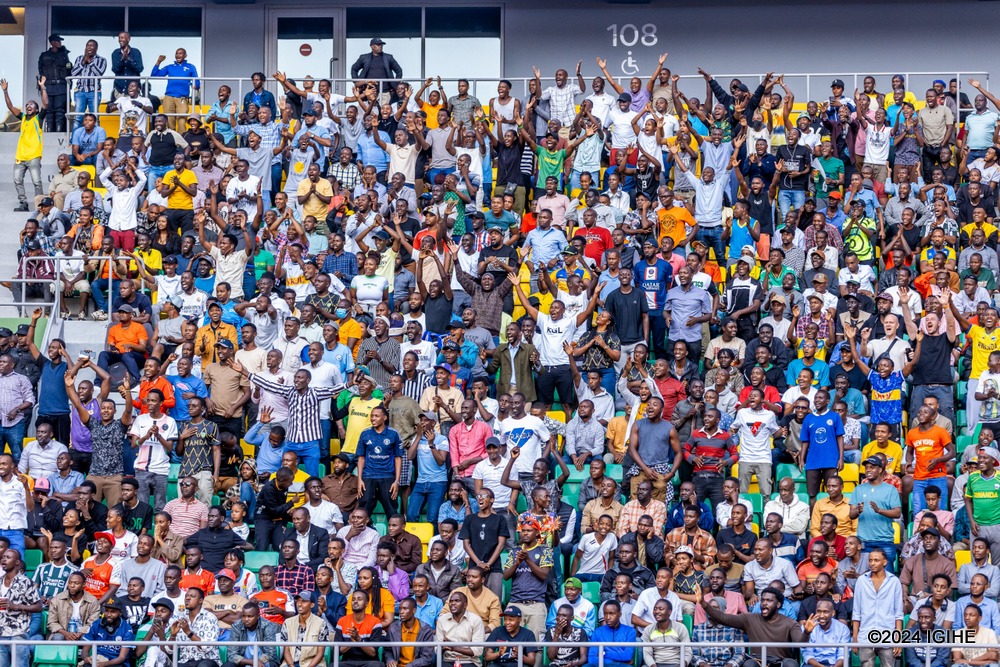
As the second half commenced, a wave of excitement rippled through the stadium as President Paul Kagame arrived. His presence ignited the crowd, with cheers and chants filling the air, and it seemed to inspire the players on the field. Fitina and Kevin Muhire responded with a near-goal, immediately putting pressure on the Nigerian defense.
“It felt like a different game when the President showed up,” shared one enthusiastic spectator. “The energy was electrifying, and you could see the team feeding off it.”
Though Rwanda missed a chance to score in the dying minutes of the first half, the second half was filled with intense action. Fiacre again stole the spotlight, denying Simon Moses a goal with a spectacular one-on-one save in the 57th minute.
Fans held their breath as the clock ticked down, with Nigeria pressing hard for a goal, but Rwanda’s defense, led by Manzi Thierry, remained steadfast. Even with five minutes of added time, Nigeria could not break through. The final whistle blew to the relief and joy of Rwandan supporters, who celebrated their team’s resilience.
“Ntwari Fiacre deserves all the praise today,” said another fan. “Without him, the score line would have been very different. We’re still in this fight for AFCON” said another fan who identified himself as Gasogi.
This result marks another milestone for coach Frank Spittler, who continues to impress since taking over the Rwandan squad. Having lost just one of his first five games, including a victory over South Africa, Spittler has gained the trust of many Rwandans.
With this draw against the Super Eagles, who were AFCON finalists last year, Rwanda’s hopes of qualifying for AFCON remain alive. As the dust settles, Rwanda prepares to take the momentum from this match forward. The next fixture is due on October 7, as Rwanda face Benin with Nigeria against Libya in Group D.
After two games, Nigeria sits top on the group with 4 points, Rwanda is second after a one-all draw in their opening game against Libya on September 4, 2024. Libya and Beninin are third and fourth with one and zero points respectively.
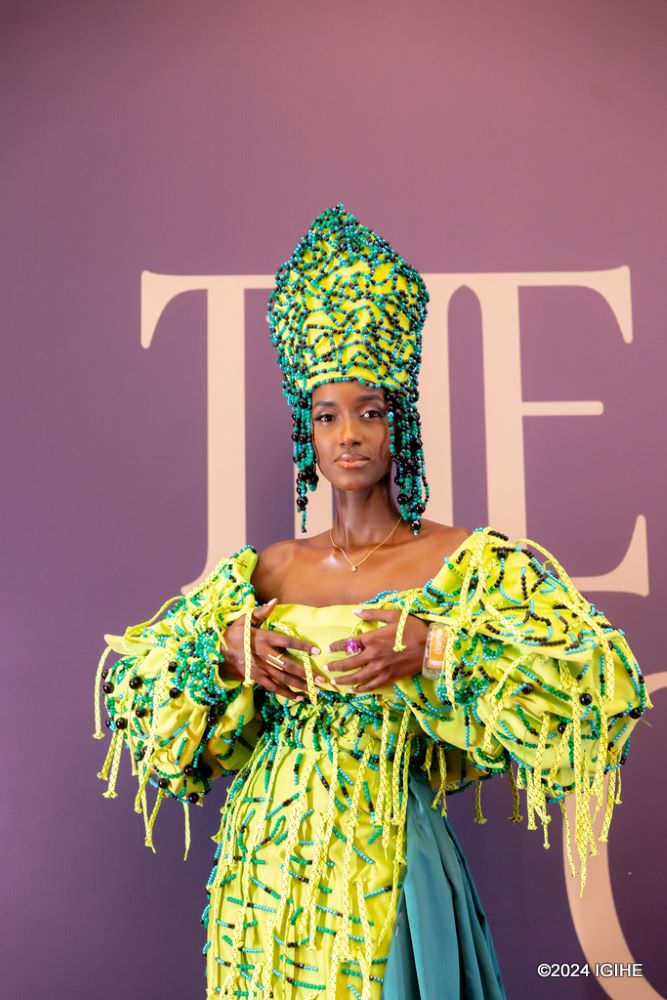
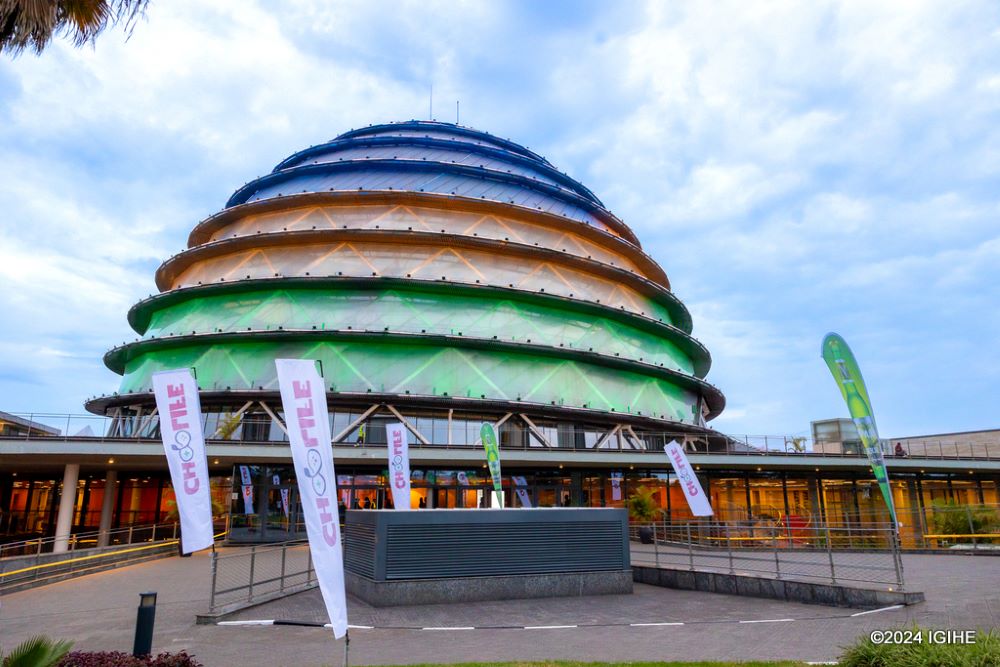
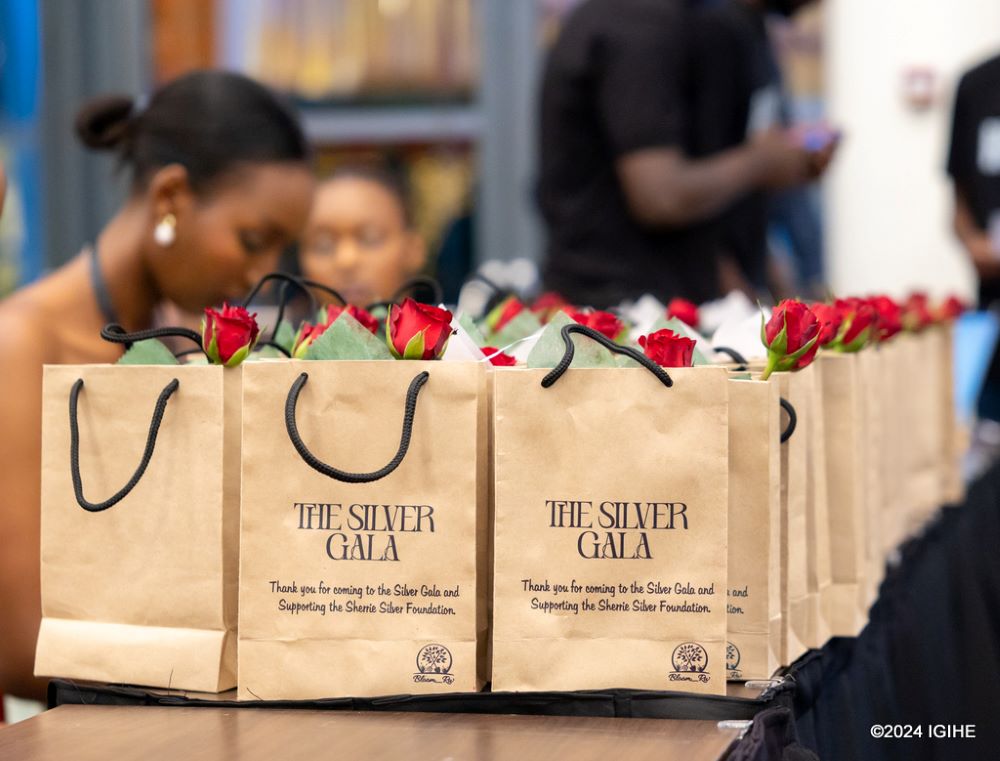
From notable appearances to unexpected surprises, the evening was filled with moments that sparked conversation and left a lasting impression on all who attended. Here are the top five standout moments at the Silver gala
{{The dress code was a striking fusion of cultural creativity and sophisticated elegance:}}
Attendees of the Silver Gala took the theme of the event to heart by blending traditional elements with high-end fashion. The creativity in combining bold, colorful cultural attire with elegant, contemporary designs not only showcased the rich cultural heritage of the participants but also reflected a modern, stylish twist.
This mix was likely encouraged by the gala’s intent to promote cultural pride while maintaining a sense of class and formality suited to the prestigious nature of the event.
{{The event preparation and turnout were exceptional, with flawless execution:}}
The level of attention to detail in organizing the gala was remarkable. From the venue setup, which likely involved intricate lighting, decorations, and seating arrangements, to the punctual and well-structured program, everything went off without a hitch.
The impressive turnout of attendees, many of whom were high-profile figures, contributed to the event’s success. The professionalism in managing both logistics and guest relations speaks to the organizer’s deep experience in handling such grand events, likely ensuring everything ran smoothly.
{{An Arsenal jersey fetched a staggering USD 3500, while a Childish Gambino signed jacket sold for USD 2000:}}
The auction became one of the night’s biggest talking points, with bids skyrocketing for these exclusive items. The Arsenal jersey, likely a rare or signed piece, drew the attention of passionate sports fans willing to bid generously, while the Childish Gambino jacket appealed to music and pop culture enthusiasts.
The high auction prices suggest that the crowd was eager to contribute to the foundation’s cause, and the bidders likely had both personal interest in the items and a desire to support charity, driving the prices up.
{{Runtown made a notable appearance but left guests puzzled as he did not perform:}}
The presence of Runtown, a renowned Nigerian artist, was highly anticipated, and many guests expected him to take the stage. However, despite being seen interacting with attendees, he did not perform, leaving many wondering why.
A possible explanation could be a last-minute issue but its alternatively possible that Runtown was not officially booked to perform but attended the event as a special guest, with some guests incorrectly assuming he was part of the lineup.
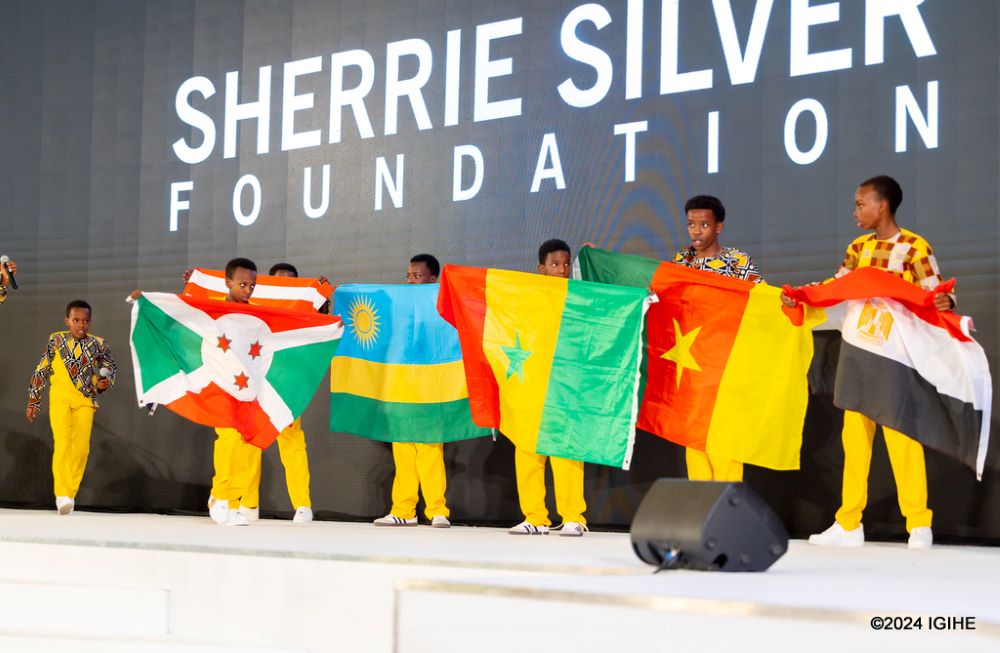
{{The Sherrie Silver Foundation’s performance stole the show, leaving the crowd in awe:}}
Sherrie Silver’s foundation, known for its powerful and engaging performances, delivered the most memorable act of the night. The performance likely combined energetic choreography, cultural storytelling, and a strong message of empowerment, which resonated deeply with the audience.
The foundation’s ability to bring such passion and purpose to the stage could be tied to their broader mission of using dance and art to uplift communities, making it more than just entertainment but an inspiring and transformative experience for all who watched.
In a statement, Airtel Africa Foundation said the Fellowship aims to support deserving students from diverse socio-economic backgrounds enrolled in the Bachelor of Science in Data Science and Artificial Intelligence.
The scholarship program is designed to support students from 14 African countries, including Rwanda, Nigeria, Kenya, Malawi, Uganda, Zambia, Tanzania, DR Congo, Niger, Chad, Congo B, Gabon, Madagascar and Seychelles.
Starting with an outlay of US$500,000, this program will benefit 10 undergraduate students, for their entire course duration of four years.
Founded in 2024 with a vision to foster a prosperous Africa, the Airtel Africa Foundation is dedicated to advancing digital and financial inclusion across the continent along with key focus on education and environmental protection.
“This Fellowship is the maiden initiative undertaken to enhance educational opportunities for meritorious students, especially from disadvantaged backgrounds, enrolled at IIT M Zanzibar,” the statement reads in part.
The Foundation said that the recipients of the scholarship will be known as ‘Airtel Africa Fellows’. They will receive 100% of their college fees i.e. US$12,000 as per the course fee structure of the Institute for a 4-year program. Additionally, to cover the living expense cost, US$500 will be given to all eligible students.
According to the management, the initiative aims to transform, shape lives and nurture future leaders who will contribute to technological innovation and economic growth of Africa.
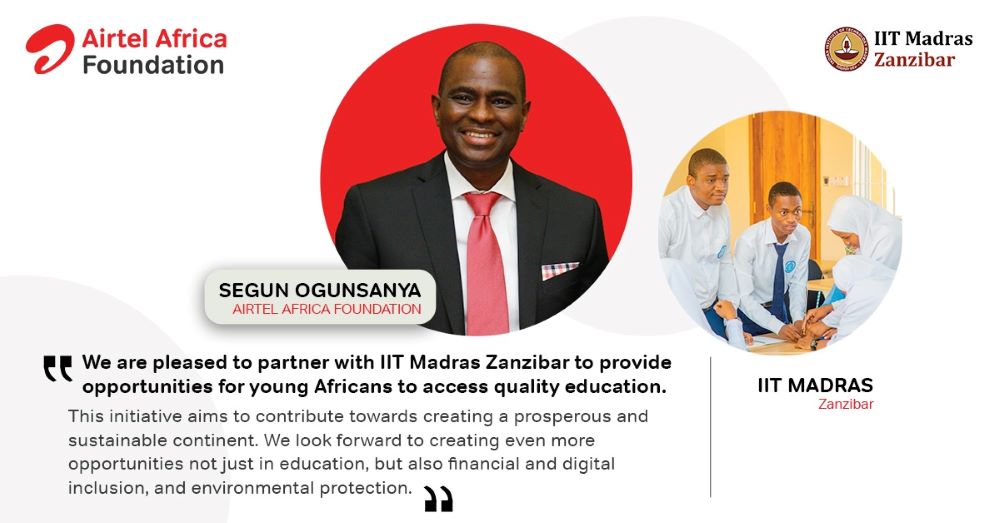
“We are pleased to partner with IIT Madras Zanzibar to provide opportunities for young Africans to access quality education. This initiative aims to contribute towards creating a prosperous and sustainable continent. We look forward to creating even more opportunities not just in education, but also in financial and digital inclusion, and environmental protection,” the Chairman of the Airtel Africa Foundation, Dr. Olusegun Ogunsanya said.
Zanzibar’s Minister of Education and Vocational Training, Lela Mohamed Mussa, lauded the fellowship scheme, saying it will support efforts to increase access to quality education to students from across the continent.
“IITM Zanzibar is charting a wonderful path in technical education in the region. Providing access to this high quality education to students from Tanzania and the rest of the continent, who are topping the IITM Zanzibar screening and test processes, through financial assistance, is an important priority for us. We are thankful to this support from Airtel Africa Foundation, which will enhance our own efforts in this direction,” the minister stated.
The Director of IIT Madras, Prof. V. Kamakoti welcomed the partnership with the Airtel Africa Foundation, saying “We are delighted that Airtel Africa Foundation is joining hands with us in this effort. We look forward to welcoming the second cohort of bright young students to the IITM Zanzibar campus this year. We are immensely grateful to Airtel Africa Foundation for providing financial assistance for these future global leaders.”
Dickson Ndiema, the ex-lover of the deceased Olympian, died at Moi Teaching and Referral Hospital in Eldoret on the night of Monday, September 10, 2024, according to local media reports.
Ndiema’s death comes barely a week after Cheptegei died at the same hospital on September 6 due to organ failure.
He had been receiving treatment at the hospital in western Kenya after also suffering burns when he doused Cheptegei with petrol.
Ndiema is reported to have attacked his lover on Sunday, September 1, while she was returning home, allegedly over unresolved land issues. He sustained burns covering more than 30 percent of his body during the attack, while Cheptegei suffered burns over 80 percent of her body.
The tragic incident occurred just weeks after the 33-year-old athlete had competed in the marathon at the Paris Olympics, where she finished 44th.
The attack was widely condemned, with the family of the Ugandan athlete and notable figures, including the Speaker of the Parliament of Uganda, Anita Among, and Ugandan Chief of Defence Forces, Muhoozi Kainerugaba, demanding justice for the Olympian.
The Kenyan government had expressed its commitment to ensuring justice for Ugandan athlete Rebecca Cheptegei.
In a statement, Sports Minister Kipchumba Murkomen described Cheptegei’s death as a tragic loss and condemned the rising cases of gender-based violence.
“This tragedy is a stark reminder that we must do more to combat gender-based violence in our society, which in recent years has reared its ugly head in elite sporting circles,” the minister stated.
“As a government, we remain committed to supporting justice for Rebecca. No one should have to go through such an ordeal. May her soul rest in peace,” he added.