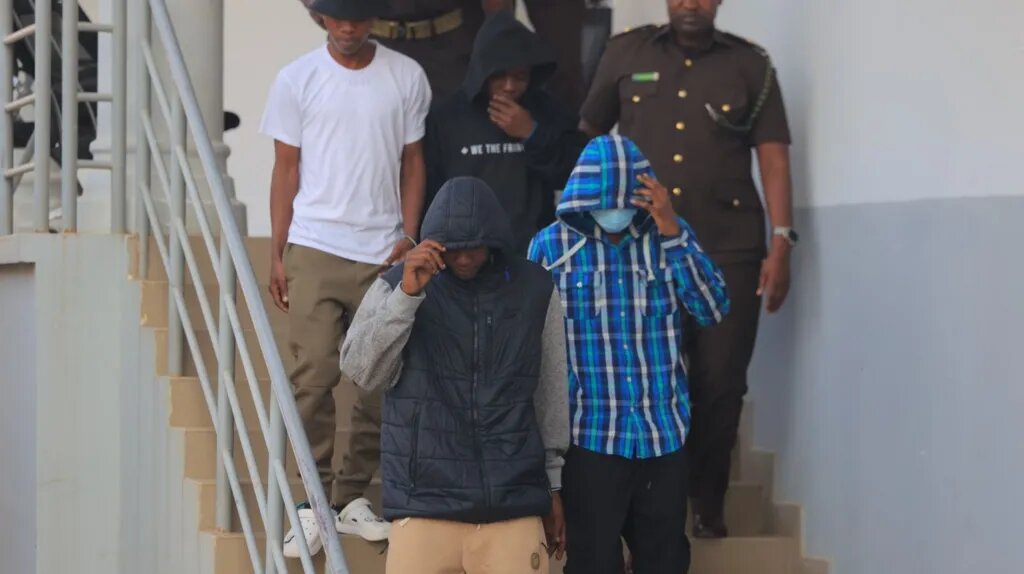
The convicts were identified as Clinton Damas, a soldier with the Tanzania People’s Defence Force, and Praygod Mushi, a prison officer. The other two convicts are Nickson Jackson and Amin Lema.
In addition to the life sentences, the court ordered each of the convicts to pay 1 million Tanzanian shillings ($370) to the victim.
The four were charged with gang rape and sodomy of a girl under the age of 18.
The incident occurred in May, but the video began circulating on social media in August, prompting widespread condemnation from netizens and human rights groups.
The perpetrators were arrested a few days later and charged in Dodoma, where they pleaded not guilty.
Following Monday’s sentencing, defense attorney Godfrey Wasonga stated that he was prepared to appeal if the defendants requested.
“There are several legal deficiencies in the charge sheet that the court did not consider,” he said.
The fifth suspect in the horrific incident, a senior policewoman accused of ordering the attack, is set to face trial later this month.
The motion, sponsored by Kibwezi West MP Mwengi Mutuse, was endorsed by 291 signatures from members of Parliament.
The proponent of the motion has levelled 10 charges against Gachagua, who has been under heavy criticism from President Ruto’s allies in recent weeks for allegedly undermining and causing divisions within the ruling administration.
The first charge against Gachagua is making statements that divide Kenyans along ethnic lines. Mutuse cites several instances where he likened the government to a company in which certain regions hold more shares than others.
“The utterances are highly inflammatory and inciteful, significantly undermining national unity and the peaceful co-existence of Kenya’s diverse communities,” the motion reads in part.
In the second charge, Gachagua is accused of undermining President Ruto and the Cabinet by making remarks that contradict Cabinet resolutions in which he participated. This includes opposing the Nairobi River Riparian Evacuation orders, which the Cabinet had approved.
The deputy president is also accused of undermining the leadership of the Nairobi County government by opposing the relocation of traders from one of the city’s markets.
Other charges include gross misconduct, bullying, and intimidating state officers. In one incident, Gachagua allegedly intimidated a contractor to divert materials meant for the construction of a public road to tarmac a private road leading to his beach resort in Kenya’s coastal region.
The Speaker of the National Assembly is expected to give direction on how the impeachment motion will be processed before it is passed to the Senate for hearing and determination.
The motion must garner the support of 233 MPs, representing two-thirds of the total 349 MPs, before being transmitted to the Senate for consideration.
Gachagua, who brought in significant votes for Ruto from Kenya’s populous Mt Kenya region in the August 2022 election, insists that he is innocent.
He has been touring the region, cautioning President Ruto against allowing the impeachment plot, saying that doing so would betray the electorate.
“Let us not reintroduce the politics of betrayal,” Gachagua stated recently. “Ruto is a beneficiary of Mt. Kenya’s disdain for betrayal. Our people hate it and are unforgiving.”
President Ruto is yet to publicly comment on the matter, though his silence is being interpreted as an endorsement of the motion.
A lawsuit was filed by the Rwandan community in France following various interviews and books in which Onana claimed that there was no genocide against the Tutsi in Rwanda.
Onana has also been influenced by the Democratic Republic of Congo (DRC) to further deny the Genocide, instead portraying a so-called genocide against Congolese people that has never been internationally recognized.
Since the news of Onana’s trial broke, his supporters, many of whom have long opposed the Rwandan government, have launched what resembles a campaign to paint him as an innocent man being unjustly persecuted.
Among those rallying behind Onana are a large number of Rwanda’s critics, who intentionally refuse to say anything positive about the country as long as it is governed by the RPF Inkotanyi, which stopped the Genocide against the Tutsi.
Others include former Rwandan officials who committed crimes and fled to avoid prosecution. These individuals eagerly support anything that tarnishes Rwanda’s leadership, as a way to obscure the wrongs they committed.
{{Youth from Jambo asbl at the forefront}}
At the forefront of the campaign defending Onana is a group called Jambo asbl, which consists of children of individuals who planned and participated in the genocide against the Tutsi.
This group, based in Belgium, has historically provided support to the FDLR rebel group, with some of its leaders traveling to Congo for activities aimed at destabilizing Rwanda. The youth involved have embraced the extremist ideology of Parmehutu, which led to the genocide.
{{FDU Inkingi}}
FDU Inkingi and Jambo asbl share a connection, with the only difference being that one is a political party, and the other is an organization. FDU Inkingi was founded by Victoire Ingabire, who was convicted by Rwandan courts for denying the Genocide against the Tutsi.
The party’s agenda aligns with Parmehutu’s ideology, which advocates for Rwanda to be governed solely by Hutus.
Victoire Ingabire, who co-founded the FDLR, continues to promote Genocide denial, aligning herself with other groups that seek to overthrow Rwanda’s government. FDU Inkingi has also been involved in establishing the P5 rebel group, which launched attacks on Rwanda in 2018.
The current leader of FDU Inkingi, Kayumba Placide, is a member of Jambo asbl. In 2015, Kayumba led a delegation from Jambo asbl to meet with FDLR leaders in eastern DRC to discuss cooperation aimed at toppling the Rwandan government.
Kayumba’s father, Ntawukuriryayo Dominique, was the Southern Province Governor (formerly reffered to as Butare) during the genocide and was convicted by the International Criminal Tribunal for his role in the killings.
The FDU Inkingi party includes individuals responsible for the genocide, and they are among those most eager to see Onana’s case dismissed. They recognize that Onana’s punishment could set a precedent for their own accountability, as they share his views.
{{Marianne Baziruwiha}}
Marianne Baziruwiha, a former employee of Rwanda’s embassy in the United States, is another key figure backing Charles Onana. Baziruwiha has distanced herself from Rwanda ever since being dismissed from the embassy for allegedly embezzling government funds.
Since then, she has surrounded herself with Rwanda’s critics and joined the RNC, despite its leader, Theogene Rudasingwa, being responsible for her dismissal from the embassy.
{{Congolese youth in Europe}}
Due to the close relationship between Onana and Felix Tshisekedi’s government, some Congolese youth, acting like extremists, have been organizing protests across Europe in support of the Cameroonian.
These youths are reportedly funded by the Congolese government to present Onana as being silenced by Rwanda for telling the truth. Onana’s books, which have recently been treated as reference materials by the Congolese government, have raised concerns due to their content.
The situation escalated to the point where Congo’s national radio and television station (RTNC) broadcasted a program calling on Congolese people to support Charles Onana in his trial.
{{Journalists opposing Rwanda}}
Several journalists, many of whom are long-time critics of Rwanda, have joined the campaign to defend Charles Onana. Among them is Michaela Wrong, who has made it her mission to discredit Rwanda through her books, media appearances, and other outlets. Her animosity toward Rwanda intensified after the body of her friend, Patrick Karegeya, was found in a South African hotel in early 2014.
Patrick Mbeko, a journalist from the DRC with Canadian citizenship, is also among Onana’s supporters. Mbeko, who is often described as an expert on African issues, has consistently blamed Rwanda for the problems in the DRC, despite being repeatedly accused of denying the genocide against the Tutsi.
When Felicien Kabuga was arrested in 2020, Mbeko stated that Kabuga was innocent and that the media was exaggerating the situation.
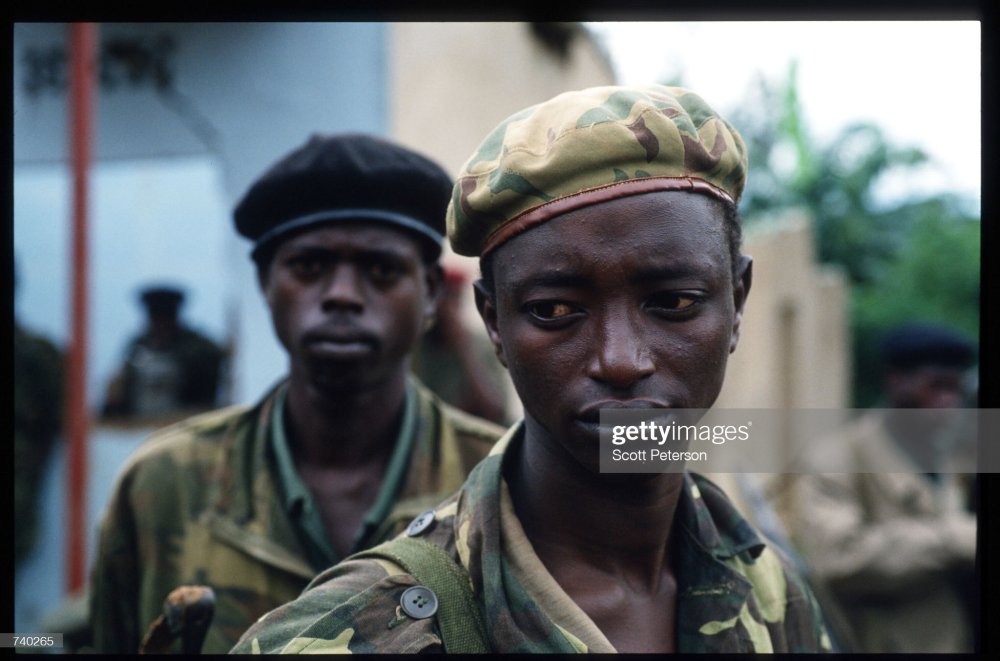
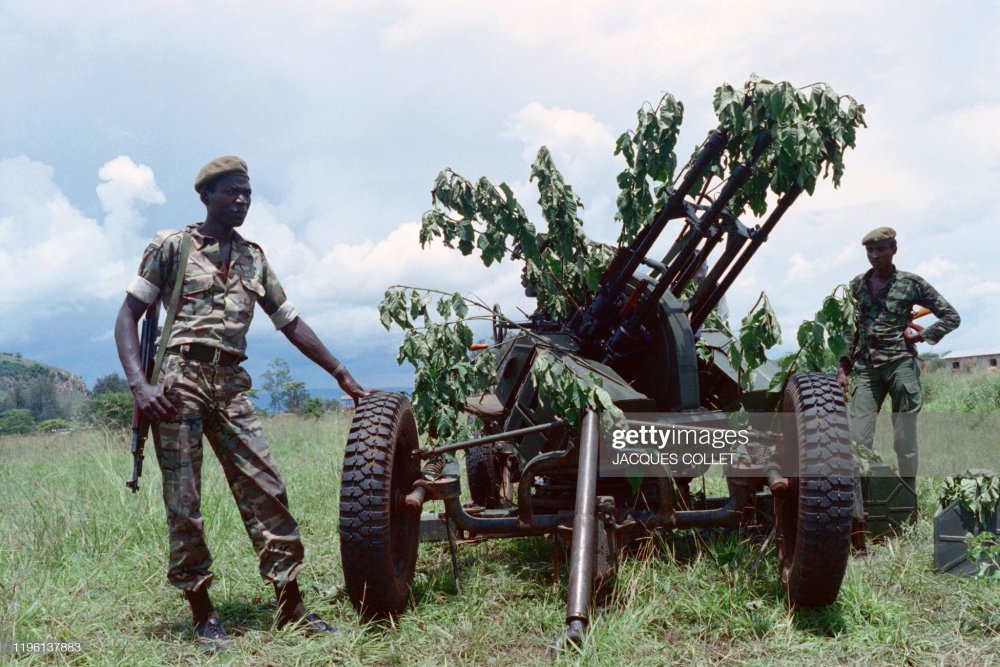
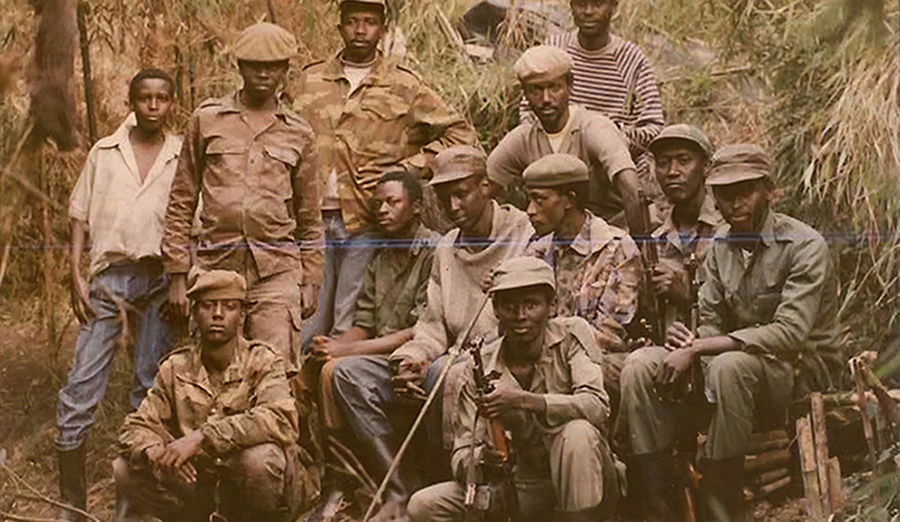
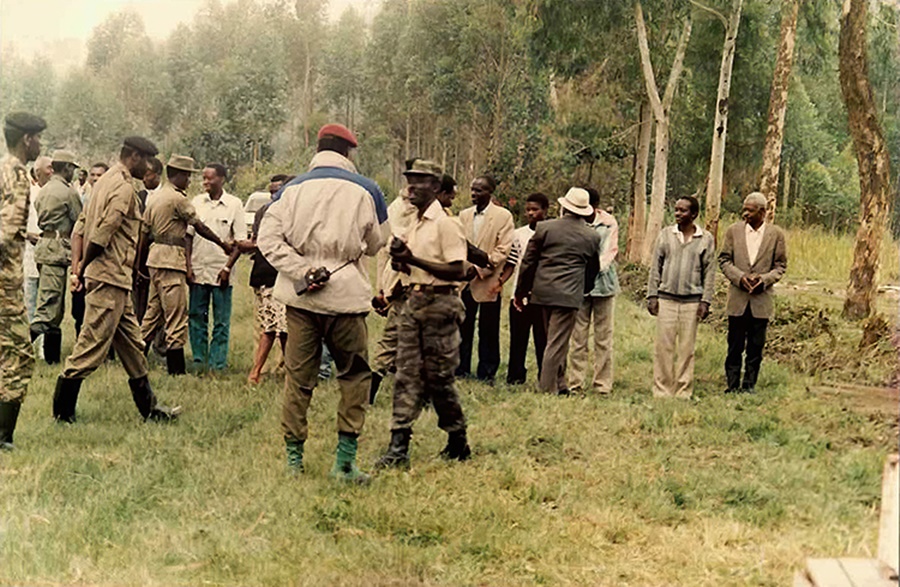
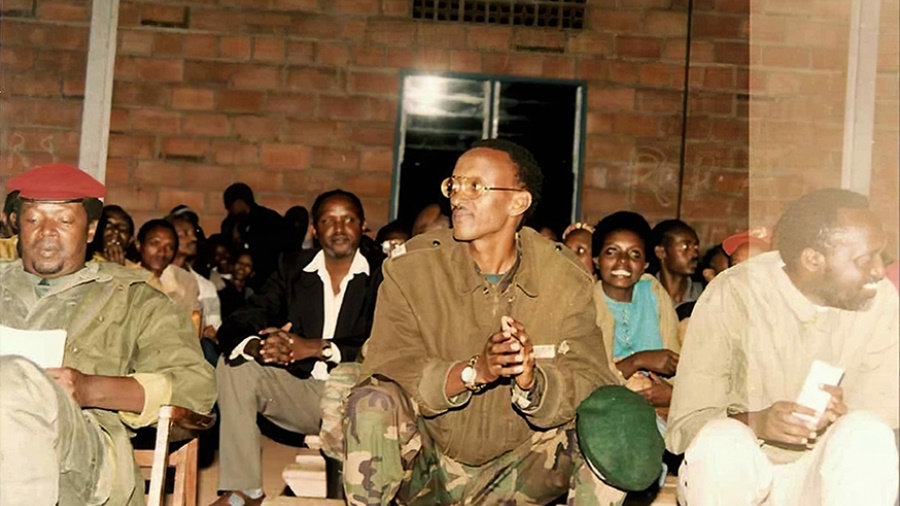
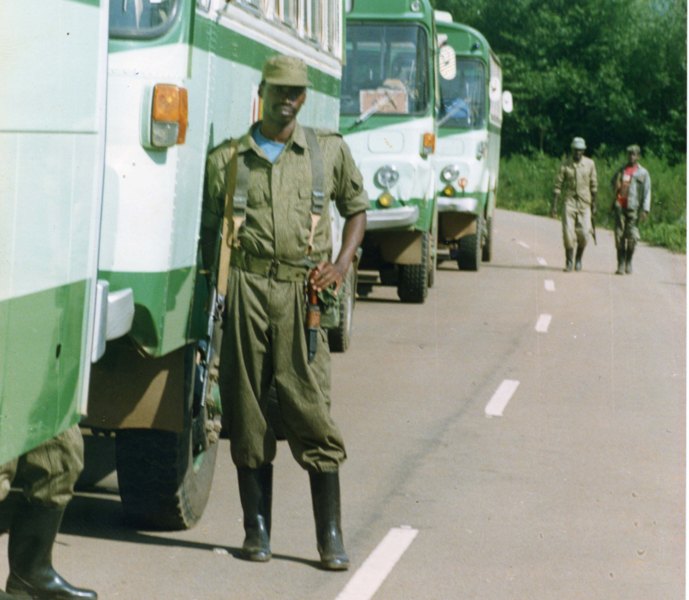
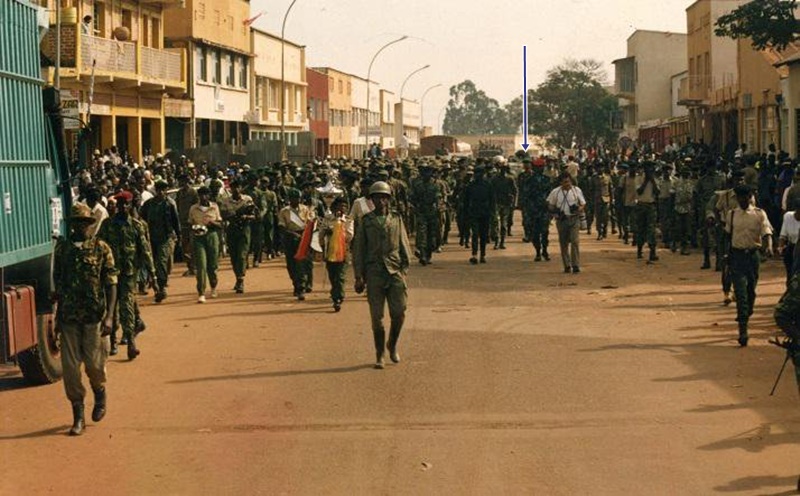
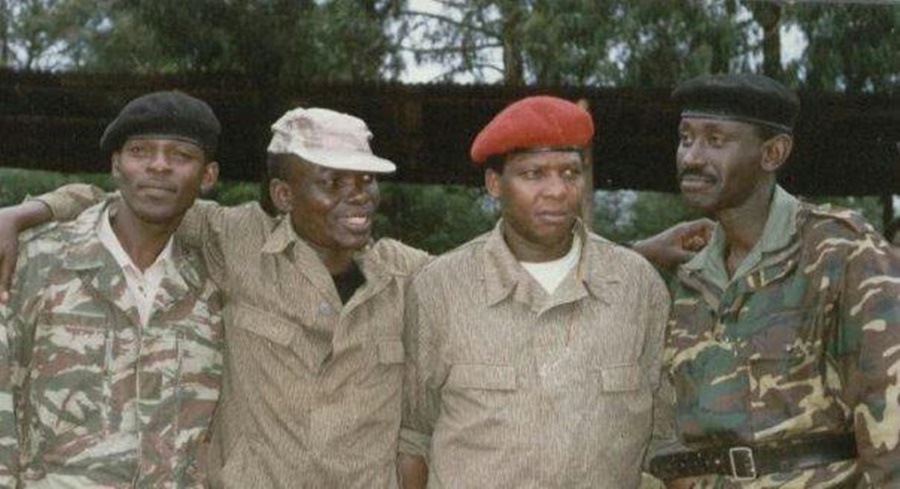
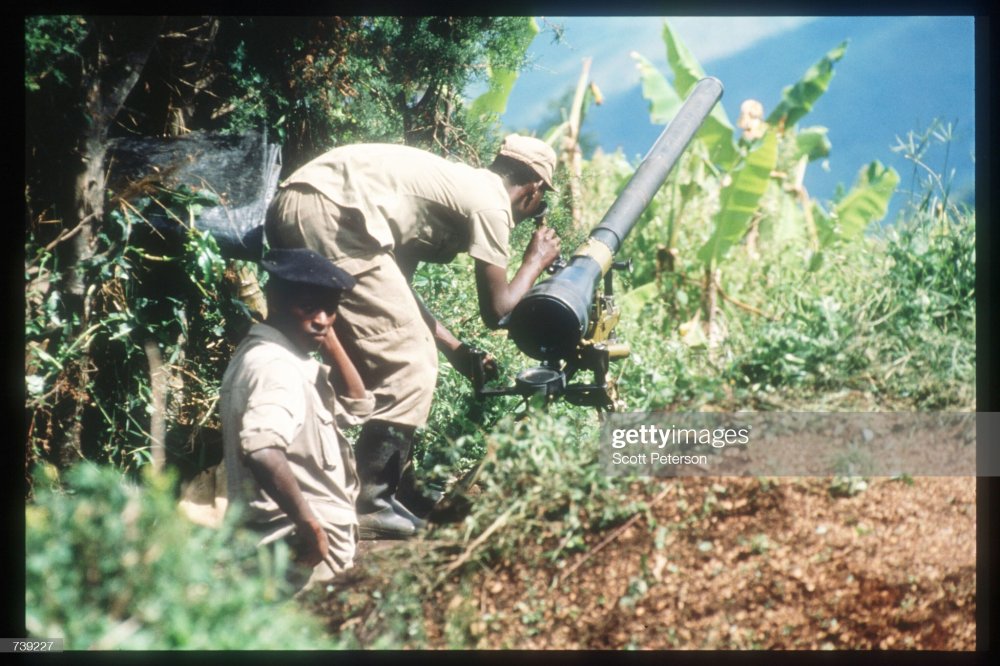
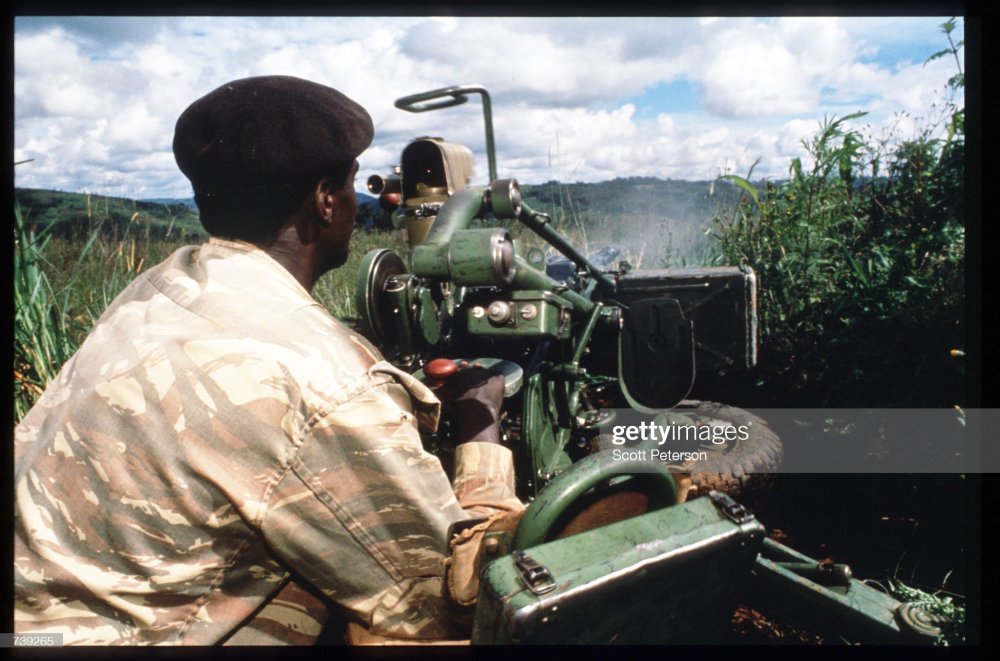
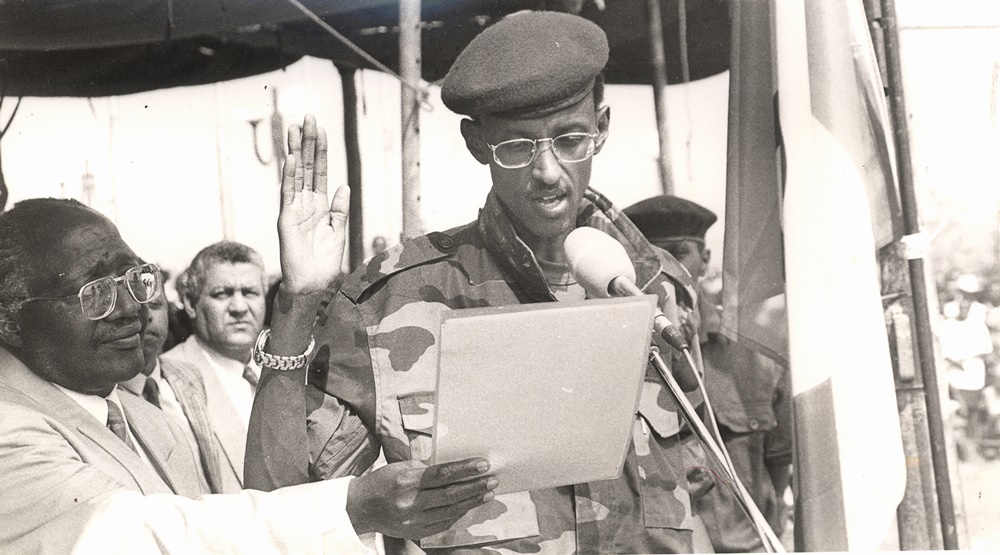
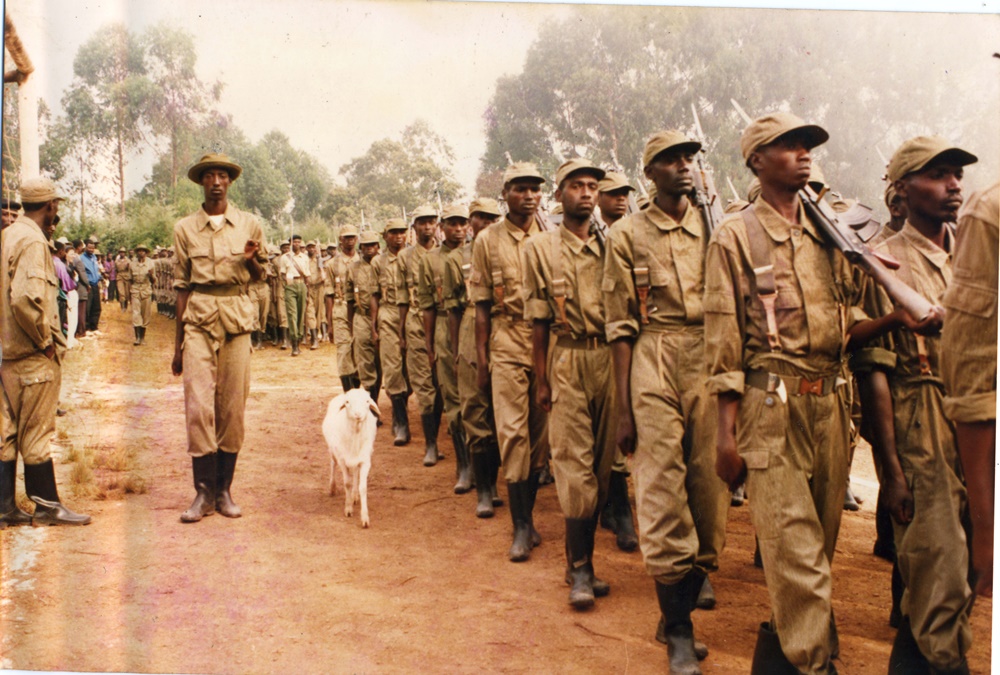
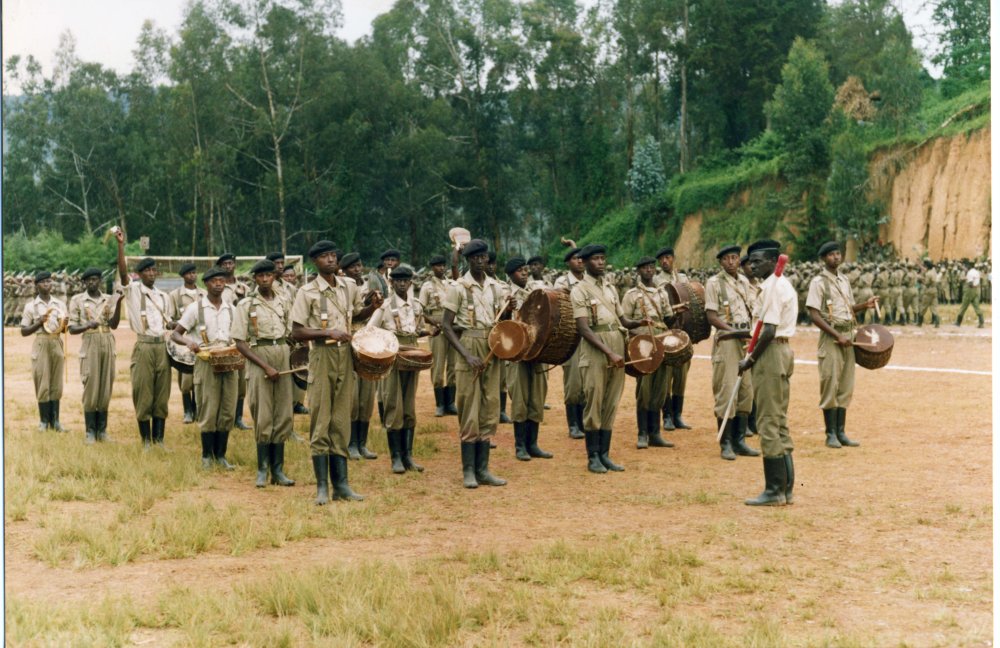
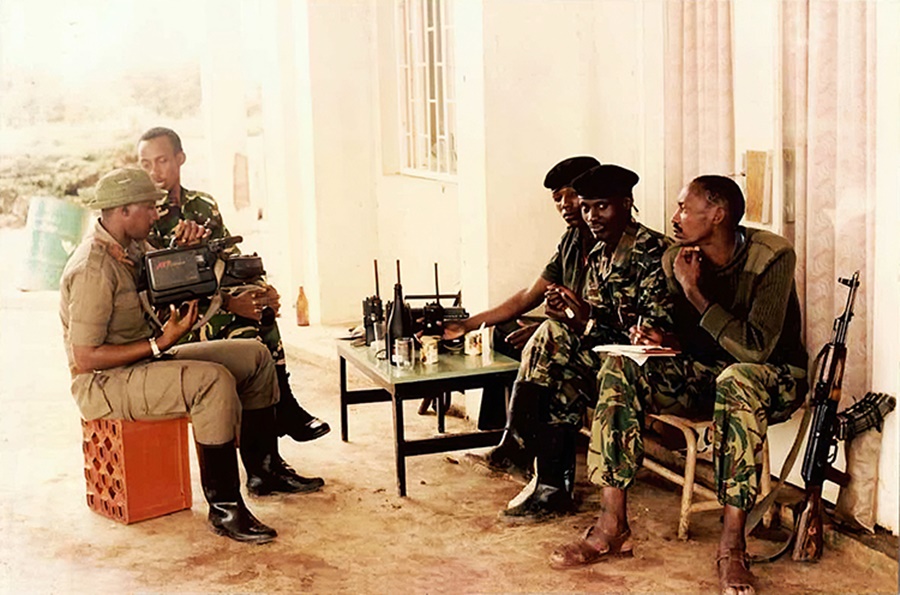
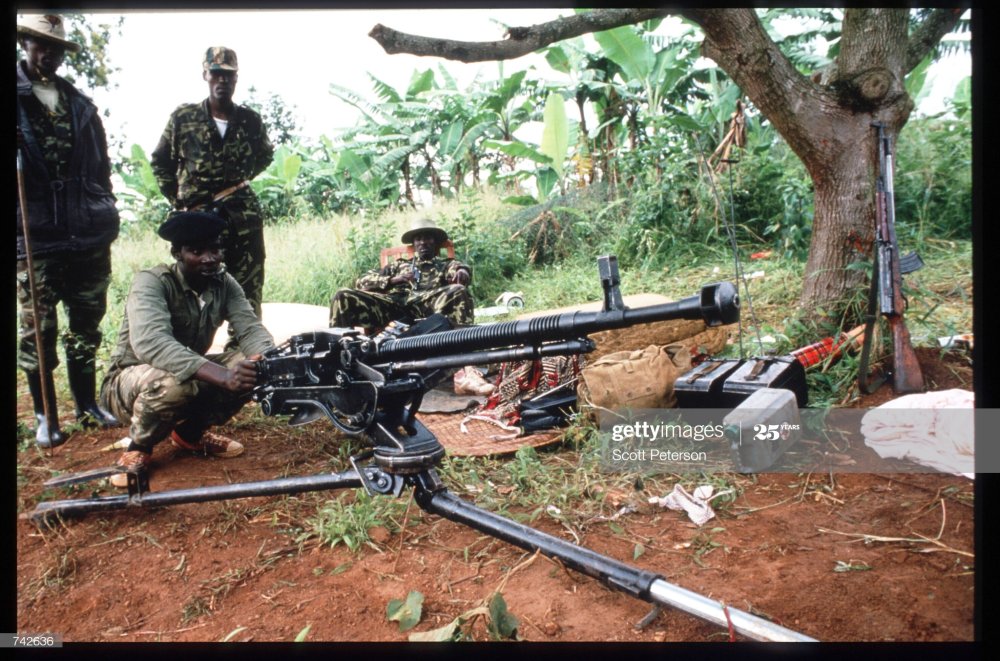
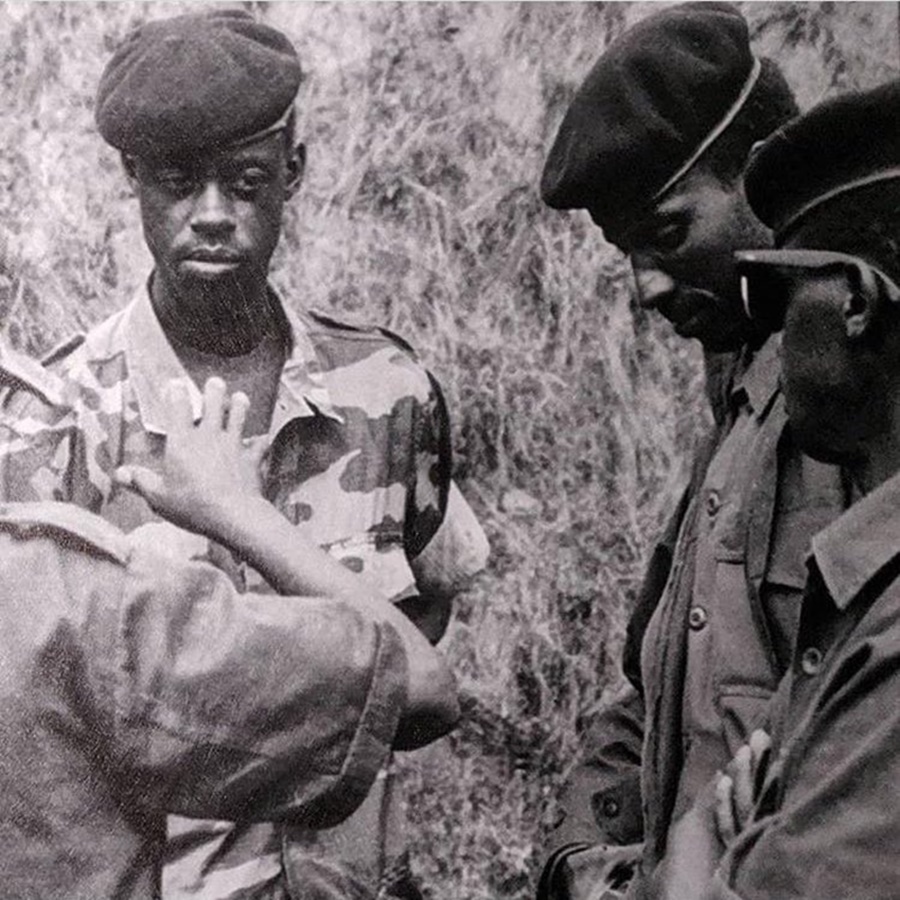
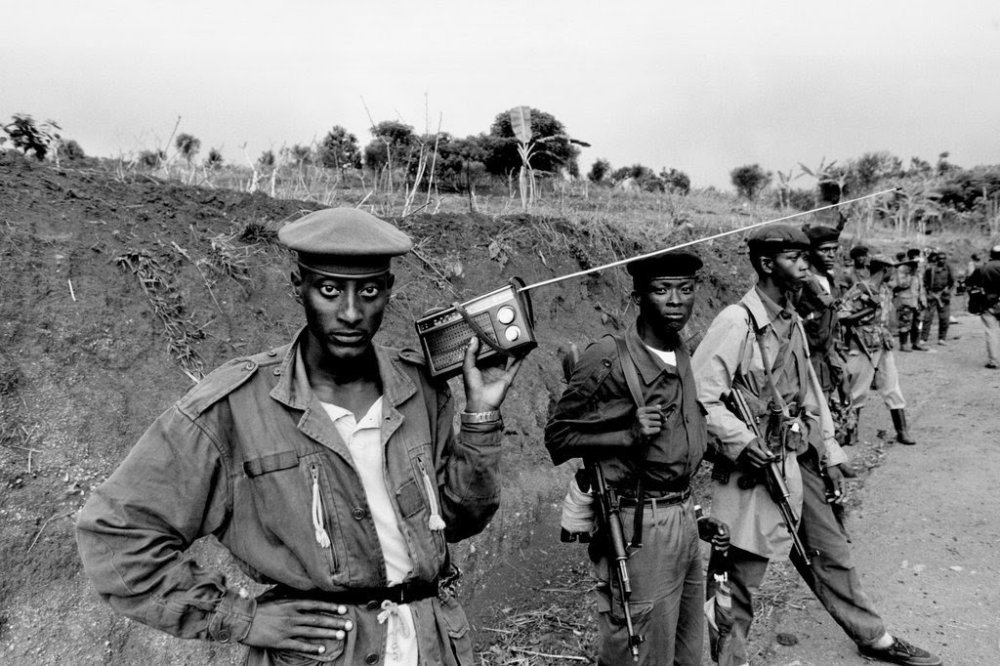
On the morning of October 1, 1990, Major General Fred Gisa Rwigema led RPA soldiers across the Ugandan-Rwandan border, marking the beginning of a decisive military campaign.
Upon crossing, the RPA forces encountered and swiftly defeated a small group of government soldiers under President Juvénal Habyarimana, securing their entry into Rwanda.
By mid-afternoon, most of the RPA soldiers, numbering between 400 and 600, had reached Kagitumba.
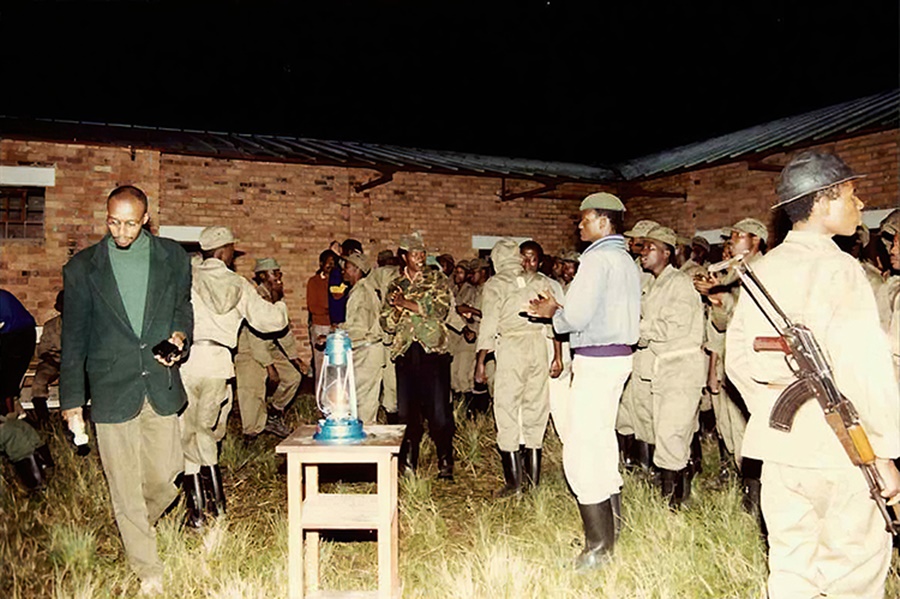
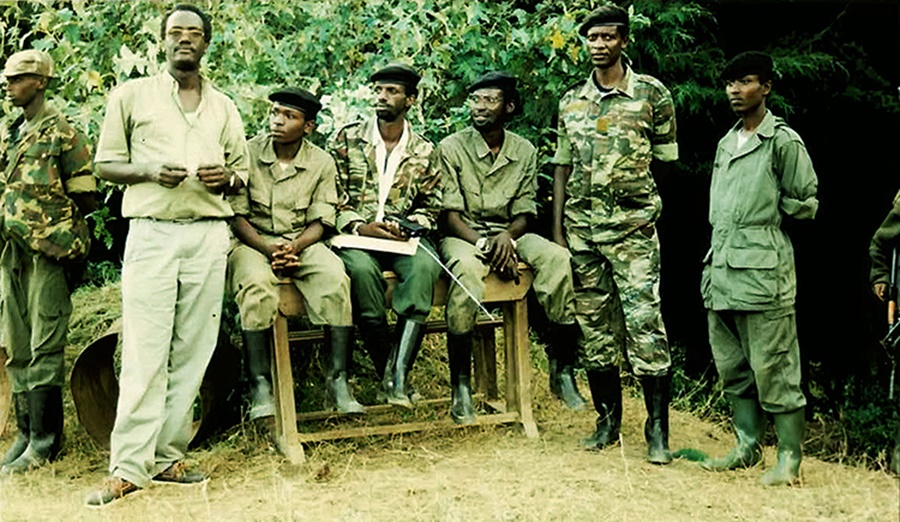
Major General Rwigema stood between two trees—still standing today—and issued orders to his troops.
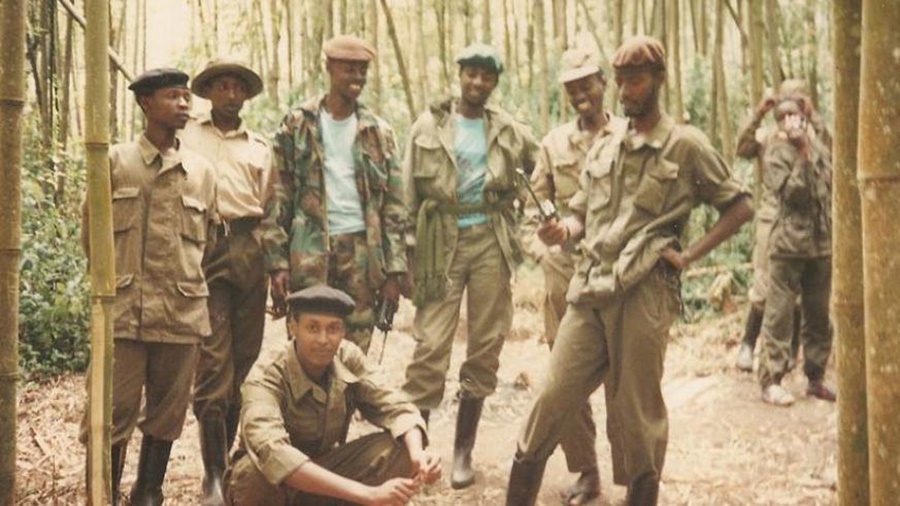
He divided them into battalions: Major Chris Bunyenyezi led the First Battalion, Colonel Ndugute Stephen commanded the Fourth, Lt Col Adam Waswa led the Sixth, and Sam Kaka headed the Ninth Battalion.
Before advancing, Rwigema reminded his soldiers of their mission to liberate Rwanda.
In a symbolic gesture, he removed his Ugandan military ranks and threw them into the Umuvumba River.
His fellow soldiers followed suit, emphasizing their commitment to the cause. Despite offering an opportunity for any soldiers who felt uncommitted to return to Uganda, none chose to leave.
On October 2, 1990, the First and Fourth Battalions were ordered to advance towards Kigali, while the Sixth and Ninth Battalions moved toward Nyagatare.
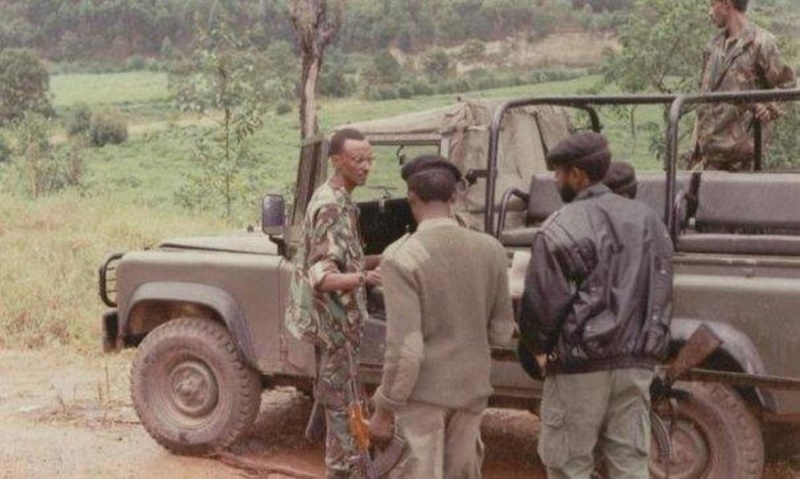
Maj Gen Rwigema, along with a few troops, went to oversee their deployments.
Unfortunately, while en route to Nyabwishongwezi Hill, a government army vehicle on patrol to inspect areas attacked on the previous day fired shots, one of which fatally struck Maj Gen Rwigema.
The news of his death did not reach many RPA soldiers until later, but despite this loss, they continued to press forward.
By October 3, RPA forces had taken control of Nyagatare, and two days later, they captured Gabiro.
The Rwandan government, claiming Uganda had invaded, sought international assistance, with Mobutu Sese Seko of Zaire sending reinforcements to aid the Rwandan army.
As the battle raged on, the RPA forces began to learn of Rwigema’s death, causing morale to drop. The harsh conditions of the battleground also contributed to their difficulties, leading to setbacks in their initial progress.
{{Local residents’ experiences}}
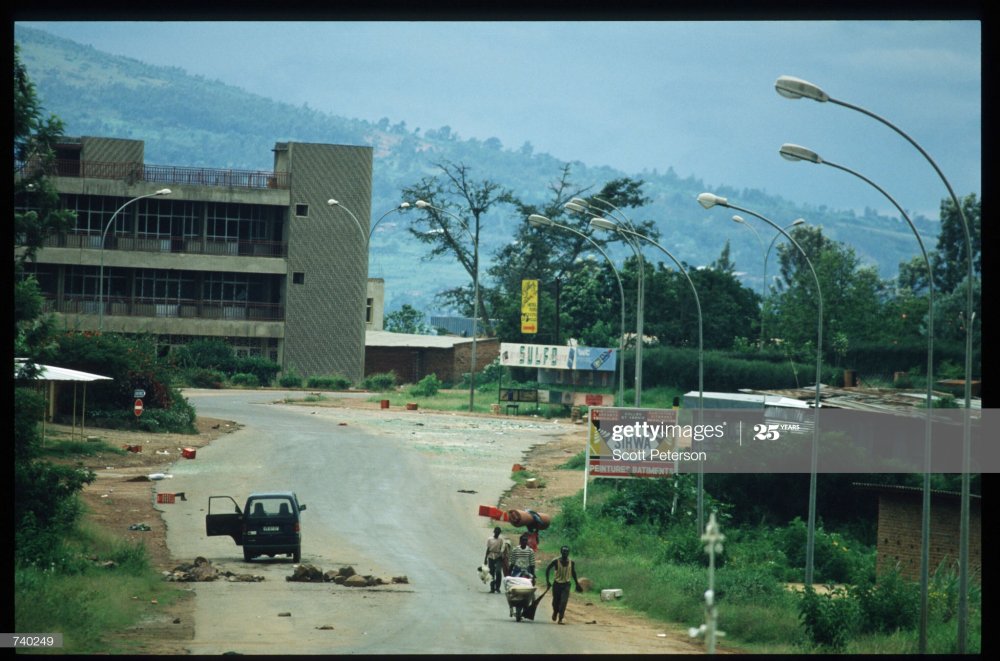
Kagitumba and the surrounding areas were sparsely populated in 1990, as much of the region was part of Akagera National Park.
While some local residents quickly became aware of the fighting, others took longer to realize the significance of the events unfolding around them.
Donatha Mukarubayiza, a resident of Kagitumba at the time, was a farmer and served as a member of the cell’s committee.
She recalled the moment she first learned about the attack. “It was around 6 PM when we heard government’s radio broadcasts that the country had been attacked by Inyenzi [cockroaches- a degrading name used by the then regime to dehumanize attackers]. The name Inkotanyi hadn’t been mentioned yet. We were told not to leave our homes or gather in groups. That was the first time we had heard gunfire, and we were very scared,” she recounted.
Mukarubayiza first encountered RPA soldiers on October 4, 1990, when they arrived in distinct uniforms.
“We saw soldiers dressed differently, and people told us, ‘Look, those are the Inkotanyi.’ […] They reassured us, saying, ‘Stay calm, continue farming; we are Rwandans like you,’” she said.
Mukarubayiza also noted how respectful the RPA soldiers were towards the local population.
“They would take essential goods from shops, like soap and food, but they always paid.”
Pheneas Muzatsinda, another resident, was traveling to Kigali when the war broke out and could not return home.
He recalled, “When the war started, I was on a trip to Kigali, and I couldn’t return. The road to Nyagatare was closed, and vehicles were not allowed to pass. I had no other way to return, so I remained there.”
“I learned about the Inkotanyi invasion that same day, on October 1, because after 10 a.m., no more vehicles were going towards Nyagatare, and the road was closed. Around 1 or 2 p.m., we saw two people arriving on a motorcycle, saying that Ugandan soldiers had crossed the border at Kagitumba and attacked Rwanda,” he continued.
Muzatsinda recalled seeing RPA soldiers for the first time on October 18, 1990, when they had captured Kabarore and reassured civilians that it was safe to return to their homes.
He spent around one week and half with the RPA forces in Kabarore until they came under attack by government forces.
As the fighting intensified on October 26, Inkotanyi asked Muzatsinda to remain indoors as the then government’s soldiers had arrived in the area.
Muzatsinda along with his colleagues in the same house was captured by the government soldiers and imprisoned as a suspected RPA accomplice.
Three of them died in Byumba where the government’s forces had taken them but Muzatsinda escaped.
{{The aftermath of Rwigema’s death}}
The death of Maj Gen Rwigema initially caused a drop in morale among the RPA forces.
Samuel Rwabuhungu, another resident of Kagitumba at the time, recalled being a schoolboy in Primary Six when the RPA invaded.
His parents came to collect him from school as the country had been attacked.
“Like many children, we initially saw the situation as exciting, unaware of the gravity of the war,” he said.
Rwabuhungu recalled that the RPA soldiers were not violent and lived with residents in harmony.
Donatha Mukarubayiza said she doesn’t remember the exact day she learned about the death of Maj Gen Fred Gisa Rwigema.
However, she recalled, “We eventually heard that the person leading Inkotanyi was shot on the Nyabwishongwezi Hill. The soldiers repelled Inkotanyi and came to tell us, ‘We are fighting the battle, and we are winning.’ About a week later, we heard that Bayingana and Bunyenyezi had also fallen in Nyakayaga.”
She continued, “Later, the local leaders appeared carrying banana stems, saying they were going to reward Rwigema. Then they told us, ‘We defeated the Inkotanyi, and they retreated.’”
As for Pheneas Muzatsinda, he learned about Rwigema’s death when “they started singing about it because, where we were imprisoned, we had no other news throughout the entire month of November.”
After the death of Rwigema and other senior RPA officers, the battle lost momentum, and some began to feel that defeat was imminent.
However, the struggle was revived when Paul Kagame, who was studying in the United States, returned to take command.
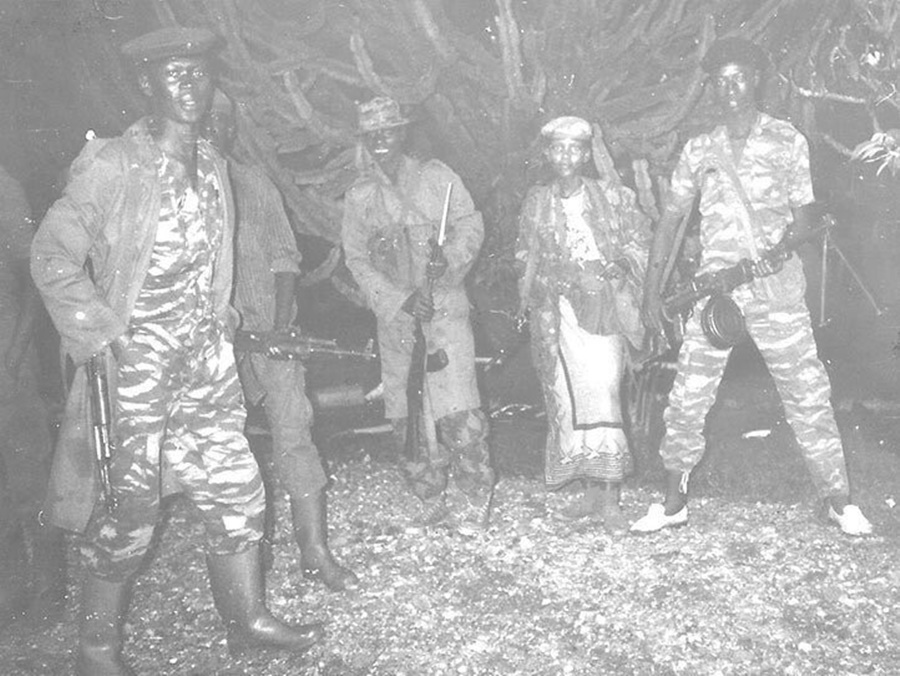
He regrouped the forces who moved from Nyagatare to the Volcano National Park. The war eventually came to an end in July 1994, when the RPA forces stopped the Genocide against the Tutsi and secured victory.
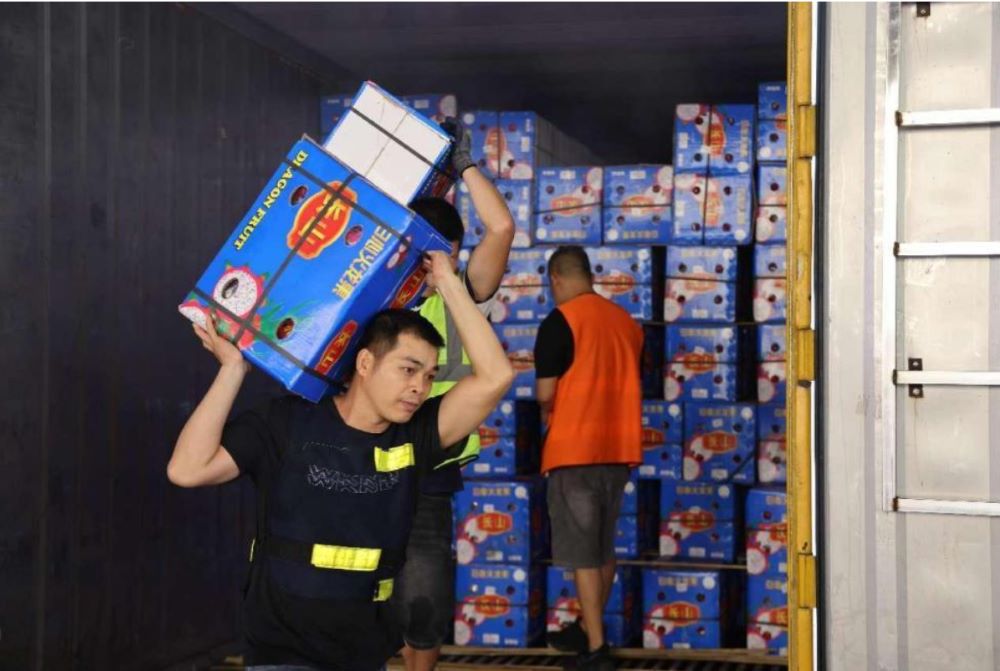
At a fruit trading center in Youyi township, Pingxiang, south China’s Guangxi Zhuang autonomous region, there are always constant streams of trucks loaded with various types of fruits.
As the largest port city for fruit trade between China and ASEAN, Pingxiang saw a total of nearly 1.65 million tons of fruit imported and exported in the first half of this year, up 15.36 percent year on year.
The bustling fruit business in Pingxiang is a vivid example of the thriving fruit trade between China and ASEAN.
With the annual hosting of the China-ASEAN Expo, the full implementation of the Regional Comprehensive Economic Partnership (RCEP) among all 15 participating countries, and the deepening Belt and Road cooperation, the trade cooperation between China and ASEAN countries has been increasingly closer in recent years, with fruit trade becoming a highlight in the agricultural products trade between the two sides.
Currently, China is the largest export market for Vietnamese agricultural products, with Vietnamese fruits such as durian and dragon fruit being highly favored by Chinese consumers.
China is also a major destination for Thai fruits. Sixteen land ports have been permitted by the two sides to deal with the fruit trade.
Fresh food e-commerce platforms have set up vegetable and fruit procurement bases in Vietnam and Thailand, becoming new channels for local agricultural products to enter the Chinese market. In the first seven months of this year, Chinese e-commerce platforms reported a 48.6 percent increase in sales of Thai durian.
With the continuous addition of new fruit varieties from ASEAN countries approved to enter the Chinese market, more and more ASEAN fruits are being favored by Chinese consumers at more favorable prices.
Gao Lingyun, a researcher at the Institute of World Economics and Politics of the Chinese Academy of Social Sciences, attributed the booming fruit trade between China and ASEAN countries to multiple factors.
First, he said, the full implementation of RCEP has continuously released policy dividends, significantly reducing trade costs; second, under the RCEP framework, policies such as rapid inspection and quarantine have promoted the circulation of fruits and other agricultural products.
He also attributed the booming fruit trade to the increasingly strengthened infrastructure connectivity, the upgraded cross-border logistics system, and the diverse choices provided by ASEAN fruits for Chinese consumers.
Since the implementation of the RCEP on Jan. 1, 2022, agricultural products trade cooperation among member countries has become closer. According to statistics, due to the customs facilitation brought by the RCEP, China imported a total of 46.61 billion yuan ($6.57 billion) of fresh durians from RCEP member countries such as Thailand and Vietnam in the first 11 months of 2023, 1.7 times higher than the amount in the same period of 2021, before the agreement took effect.
Furthermore, in recent years, with the implementation of major projects such as the New International Land-Sea Trade Corridor and the China-Laos Railway, cold chain and refrigeration facilities in the region has been continuously improved, providing important technical support for China’s import of fruits. Today, it has become more convenient for ASEAN countries’ fruits to enter the Chinese market.
As a “golden channel” of logistics between China and ASEAN countries, the China-Laos Railway has shown its increasing significance since its operation. As of Aug. 22, 2024, the China-Laos Railway has transported over 43 million tons of goods, including 13,000 tons of Thai durians, bananas, and other fruits carried by cold chain carriages.
An industry insider pointed out that China and ASEAN countries have shown significant seasonal and category complementarity in fruit production.
China excels in producing temperate fruits such as apples and pears, while ASEAN countries specialize in tropical fruits like mangoes and durians. The fruit trade between the two sides helps optimize the supply and distribution of fruits in the region.
A recent report by Vietnam’s Nhan Dan Newspaper stated that Vietnam is currently the largest supplier of durians and fresh bananas to the Chinese market. The Chinese market is driving strong export momentum for Vietnamese fruits and vegetables.
The governor of Thailand’s Chanthaburi Province Monsit Paisarnthanawat said that the development of the fruit industry has created a large number of job opportunities.
Currently, there are tens of thousands of people working in the fruit industry in the eastern region of Thailand, and the income of farmers has increased. “We look forward to more and closer cooperation with the Chinese market,” the governor added.
Currently, China is constantly working to widen market access, enhance customs clearance facilitation, and establish trading platforms such as the China Import and Export Fair, the China International Import Expo, and the China International Consumer Products Expo to further drive the continuous growth of fruit trade with ASEAN.
Gao said, under cooperation frameworks like the RCEP, China and ASEAN countries will further improve and optimize existing cooperation mechanisms and platforms to deepen cooperation, thus creating better development prospects for ASEAN fruits in the Chinese market.
“Every few steps, there’s a new activity to experience. I’m so immersed in the Mid-Autumn Festival atmosphere here,” Chen said.
Focusing on traditional customs and creating immersive experiences, various regions across China actively introduced new cultural and tourism products, models, and consumption scenes during the recent Mid-Autumn Festival holiday, to better meet the diverse needs of consumers.
According to data from the Ministry of Transport, on Sept. 15, the first day of the holiday, Some 215.92 million passenger trips were handled by China’s transportation sectors, up 37.9 percent year on year.
This year, China’s tourism market has steadily rebounded, with immersive experiences powered by smart technology becoming a new trend.
Leveraging diverse settings like scenic spots, museums, and pedestrians, and incorporating technologies such as artificial intelligence, holography, and augmented reality, immersive tourism has introduced new products, scenes, and experiences, enriching people’s travel options and contributing to the high-quality development of the tourism industry.
In a smart tourism immersive experience hall at a tech and art museum in Pingyao ancient city, north China’s Shanxi province, a light show is staged to present the charm of traditional culture to visitors.
The light show employs 16 projectors, which project historical scenes onto a massive hemispherical screen, creating a “time travel” experience for visitors and “transporting” them to historical sites and ancient trade routes where camel bells ring.
The “Land of Dramas” immersive theater complex in Zhengzhou, central China’s Henan province saw over 4 million visits this summer. With 56 chessboard-like courtyards, 21 sub-theaters and 6,500 plays, it presented a cultural feast to tourists.
“There is always something different here. Every visit brings new feelings and experiences,” said Li Yi, a local resident in Zhengzhou.
Chen Hong, deputy director of the Key Laboratory of Interactive Technology and Experience System under the Ministry of Culture and Tourism at Beijing University of Posts and Telecommunications, noted that compared to conventional static displays, immersive tourism, enhanced by technology, provides a more comprehensive interpretation and expression of culture. This better satisfies the evolving needs of tourists for cultural experience while opening up new market opportunities, Chen added.
This summer, immersive experience programs incorporating virtual reality (VR) technology have blossomed across the country. According to statistics released by on-demand local services provider Meituan, the number of orders for VR experience programs during the summer surged by 144 percent year on year, and the search volume for “immersive experiences” saw a significant rise, with consumers under 30 accounting for more than half of the demand.
An immersive party event hosted at the Yellow Crane Tower, a renowned historical site in Wuhan, central China’s Hubei province, has attracted a number of foreign visitors. The party features a unique cultural blend of Eastern and Western music, clothing, crafts, and cuisines, creating a vibrant cultural feast that builds a bridge of friendship between East and West.
Zeng Bowei, a professor at Beijing Union University, divides the current immersive experience programs in the cultural and tourism market into two types.
The first includes independently operated immersive products, such as Sleep No More Shanghai, which blends theater with immersive experience.
The second type enhances visitors’ immersive experiences by integrating new technologies with performances, facilities, and activities at scenic spots, such as a light show at Slender West Lake in Yangzhou, Jiangsu province, and the Flight Theater in Changbai Mountain, Jilin province, which simulates a flight over the mountain.
According to the Specialized Committee of Immersive Smart Tourism of the China Culture and Entertainment Industry Association, immersive tourism experiences characterized by high-tech and creative content, as well as strong interaction, are particularly popular with tourists, especially the younger generation. These immersive programs have become a new hotspot in China’s cultural and tourism consumption market.
An expert stressed that while technology is a tool, it is the inherent resources and cultural appeal of a destination or activity that are key to retaining visitors. Tailoring digital technology to align with local cultural and tourism resources is crucial for creating successful immersive products, the expert added.
An immersive Tang-style cultural block in Xi’an, northwest China’s Shaanxi province has launched several cultural and tourism activities this summer, including a carnival co-launched with popular online game Westward Journey, which attracted significant attention from tourists, especially younger audiences. With these events, the cultural block saw over 7,000 visits per day this summer.
Expected to conclude on October 29, 2024, approximately 60 witnesses are expected to testify during the trial.
Rwamucyo, 63, previously headed the Public Health Department at the National University of Rwanda (UNR) and worked as a doctor in Lille before relocating to Maubeuge, France. He also practised medicine in Belgium.
Rwandan prosecution accuses Rwamucyo of forming death squads, inciting people to commit genocide, providing weapons for the killings, and taking Tutsi women and girls hostage.
In September 2009, a Gacaca court sentenced him to life imprisonment in absentia after determining that his crimes were connected to the 1994 Genocide against the Tutsi.
French prosecutors have charged Rwamucyo with genocide, complicity in genocide, involvement in planning genocide, crimes against humanity, and conspiracy to commit genocide.
Emmanuel Daoud, a lawyer representing the human rights organizations LDH and FIDH, stated that Rwamucyo committed these crimes as he openly supported the government that planned the genocide.
“He was openly anti-Tutsi and publicly expressed his support for the genocidal government,” Daoud said.
However, Dr. Rwamucyo’s lawyer, Philippe Meilhac, has maintained that his client is innocent of the charges.
Rwamucyo was arrested by Interpol in May 2010 but was released on bail after four months.
The Court of Appeal in Versailles ruled that he would stand trial in France due to his French citizenship.
If found guilty, he could face life imprisonment.
Rwamucyo’s trial is the eighth in France related to the 1994 Genocide against the Tutsi in Rwanda, which claimed the lives of more than one million people.
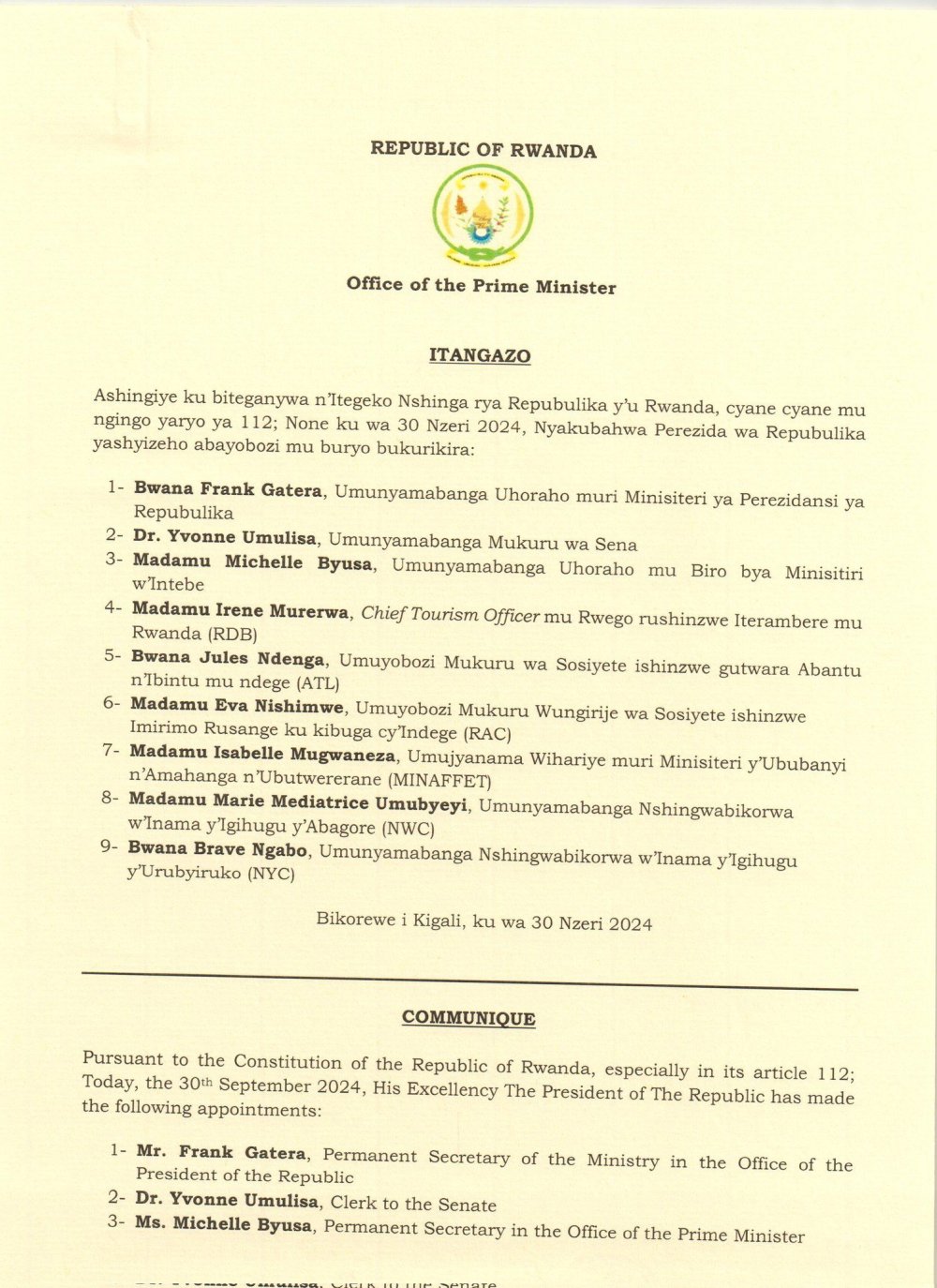
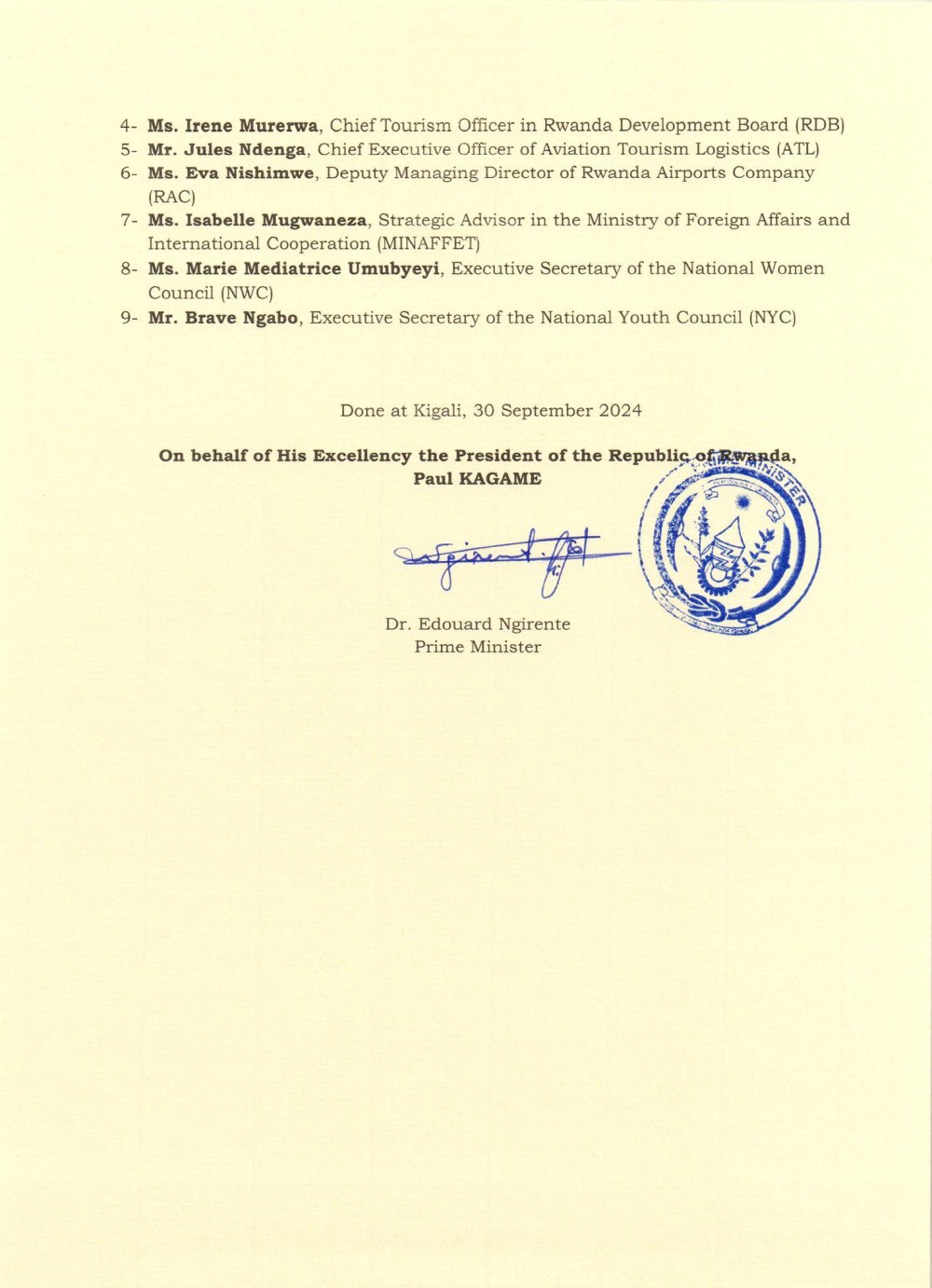
The Office of the Prime Minister announced these appointments on the evening of Monday, September 30, 2024.
Among other significant appointments, Michelle Byusa has been named Permanent Secretary in the Office of the Prime Minister, while Irene Murerwa succeeds Michaella Rugwizangoga as Chief Tourism Officer at RDB.
Jules Ndenga has been appointed CEO of Aviation Tourism Logistics (ATL), while Eva Nishimwe is the new Managing Director of Rwanda Airports Company (RAC).
Additional appointments include Isabelle Mugwaneza as Strategic Advisor in the Ministry of Foreign Affairs, Marie Mediatrice Umubyeyi as Executive Secretary of the National Women’s Council (NWC), and Brave Ngabo as Executive Secretary of the National Youth Council.
On Monday, Nduhungirehe reacted to an article published by Africa Intelligence, which claimed that during a recent ministerial meeting in Luanda, Angola, the DRC had requested Rwanda withdraw its forces and the M23 rebels before signing an agreement aimed at combating the FDLR.
Minister Nduhungirehe dismissed the claims as false, explaining that during the discussions in Luanda on September 14, 2024, M23 was not part of the agenda.
“This is false information spread by ill-intentioned officials. During the 4th Ministerial Meeting under the Luanda Process, held in Angola on September 14, 2024, military and intelligence experts from all three countries, including the Head of Military Intelligence from the DRC, reiterated their support for the harmonized plan they had adopted in Rubavu on August 29-30, 2024, to neutralize the FDLR and lift Rwanda’s defensive measures. They all three requested the Ministers to endorse it,” Nduhungirehe said.
The intelligence experts who convened in Rubavu had proposed steps to neutralize the FDLR, a group Rwanda sees as a long-standing threat to its security, due to its close cooperation with the Congolese army (FARDC).
The Rubavu meeting, attended by DRC intelligence officials, resulted in conclusions meant to be ratified by the ministers in Luanda, with DRC representatives initially in agreement.
However, Nduhungirehe explained that upon arrival in Luanda, the situation shifted. The DRC’s Foreign Minister, Thérèse Kayikwamba Wagner, refused to sign the conclusions reached by the experts regarding the eradication of the FDLR.
“This plan was endorsed by the Foreign Ministers of Angola and Rwanda. However, the DRC’s Foreign Minister alone rejected the harmonized plan and opposed a new meeting of experts proposed by the facilitator for September 30 to October 1, 2024, to develop a concept of operations [CONOPS] for the plan,” Nduhungirehe stated.
Regarding claims of discussions about M23 withdrawing from Congolese territory, Nduhungirehe dismissed these as baseless.
“There was no plan discussed for the withdrawal of M23 from Congolese territory, a territory that is also theirs,” he noted.
DR Congo’s reluctance has reportedly delayed further meetings aimed at restoring relations between the two countries.
In a statement issued on Monday, September 30, 2024, the agency announced that it is deploying experts to assist Rwanda’s investigation and response to the Marburg outbreak.
“The staff will use experience from responding to outbreaks of Marburg virus disease and similar diseases in other countries to support epidemiology, contact tracing, laboratory testing, disease detection and control along borders, and hospital infection prevention and control,” the statement reads in part.
The CDC is part of the United States Department of Health and Human Services (HHS) and is headquartered in Atlanta, Georgia. Its primary role is to protect public health by controlling and preventing the spread of diseases, particularly infectious diseases. It also addresses health issues related to non-communicable diseases, environmental health, occupational safety, injury prevention, and health promotion.
The agency established its office in Rwanda in 2002 and has, over the years, worked with the government to strengthen health systems and prevent communicable diseases. This includes training scientists through the Field Epidemiology Training Program (FETP), which enhances Rwanda’s capacity to investigate disease outbreaks.
The CDC has also collaborated closely with the Rwandan government to implement the President’s Emergency Plan for AIDS Relief (PEPFAR) and the President’s Malaria Initiative, co-implemented by the United States Agency for International Development (USAID).
The agency noted that these past investments and partnerships have strengthened core capabilities, which can now be utilized in response to the current outbreak.
Rwanda confirmed its first-ever Marburg outbreak four days ago, with 26 cases and eight deaths reported as of Sunday, September 29, 2024.
The government has since announced measures to curb the spread of the virus, including the suspension of hospital visits, the banning of wakes and home vigils (locally known as Ikiriyo) in cases of death caused by Marburg, and the restriction of burials related to Marburg deaths to a maximum of 50 people.
Additionally, all healthcare facilities have been directed to implement a protocol for receiving and providing services to clients exhibiting symptoms of Marburg disease through the strict application of infection prevention and control (IPC) measures.