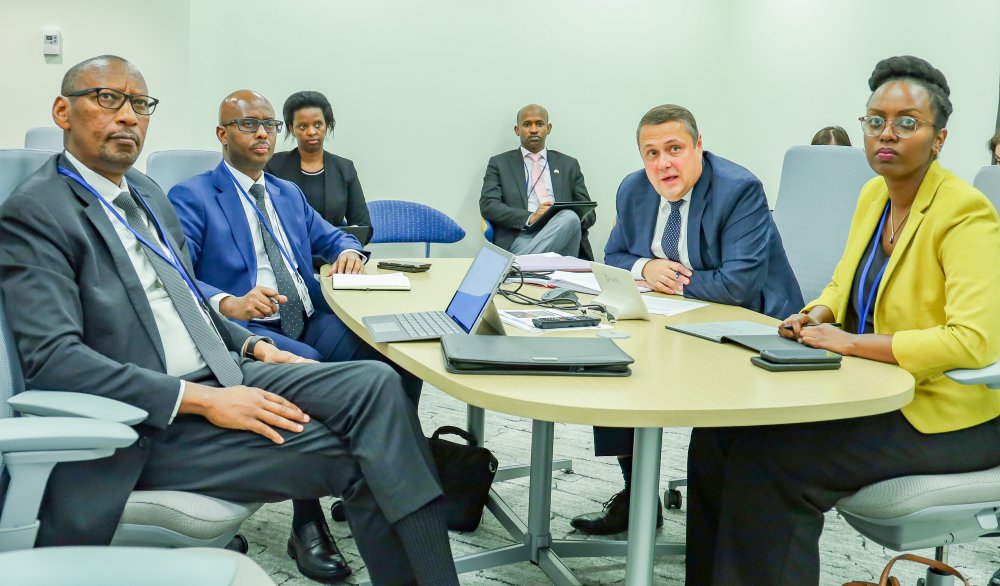
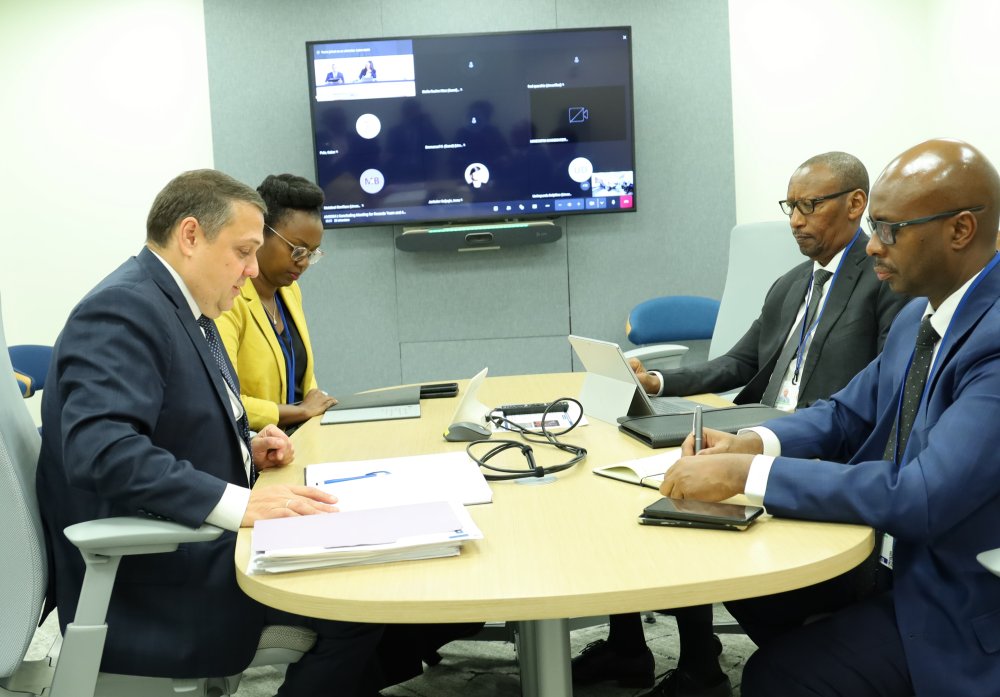
The Ministry of Environment said in a statement on Wednesday, October 23, 2024, that the funding was approved during the 40th Board Meeting of the GCF, held in South Korea.
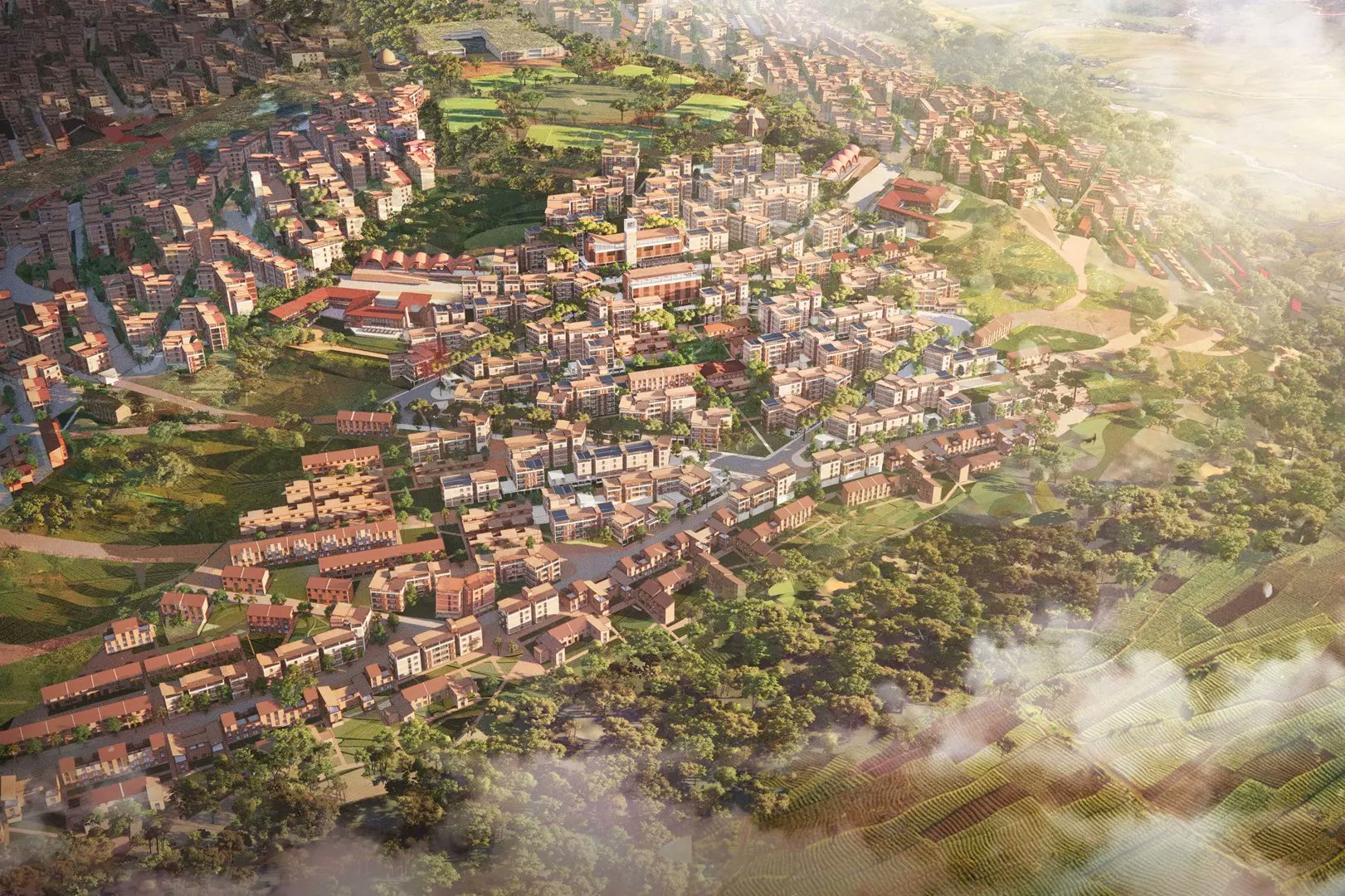
The ministry affirmed that the Green City project, which is being implemented by the Rwanda Green Fund , will serve as a model for sustainable urbanization, showcasing climate-resilient, low-emission infrastructure development.
Dr. Valentine Uwamariya, Rwanda’s Minister of Environment, said the project aims to address challenges emerging from the city’s rapid urbanization, with a focus on upgrading informal settlements through innovative, sustainable, and climate-resilient solutions. These solutions will help mitigate climate-related risks such as floods and landslides.
“This agreement underscores the strength of our partnership at a critical time when the effects of climate change are increasingly evident. These impacts not only threaten the country’s economy but also pose serious risks to the lives of our people. The Green City Kigali Project represents a proactive step towards creating a sustainable and resilient urban environment, aiming to mitigate these challenges and promote a better quality of life for all Rwandans,” said Dr. Uwamariya.
The GCF funding will support the Ngaruyinka Project, which forms part of a larger 600-hectare urban transformation plan. This initiative includes several key components, starting with green infrastructure investments aimed at developing resilient systems for stormwater management, ensuring water security, incorporating renewable energy, and enhancing waste management within Ngaruyinka Village.
Another essential element is capacity building and skill development, with the establishment of a Technical and Vocational Education and Training (TVET) center. This center will focus on nurturing green construction skills and fostering sustainable livelihoods.
Additionally, the project emphasizes the scaling-up and replication of best practices throughout Rwanda, achieved through training programs designed for professionals in green construction and urban development.
Henry Gonzalez, Chief Investment Officer of the Green Climate Fund, stated that the project not only introduces a new model for urban development in Rwanda but also has the potential to serve as a blueprint for other cities in Africa and globally, enabling them to plan resilient and sustainable urban growth in response to a changing climate.
“GCF will look to replicate this approach in other countries, drawing on the lessons from Kigali,” said Gonzalez.
The project will be implemented over the next five years, positioning Kigali as a model for sustainable, climate-resilient urban development in the region.
“The GCF board’s decision to support this project is a significant boost to our vision for sustainable urban development. By integrating green technologies and improving settlements in a challenging environment, this initiative complements the broader Green City Kigali program, addressing climate challenges and promoting long-term resilience,” said Teddy Mugabo, CEO of the Rwanda Green Fund.
GCF is a global initiative established to help developing countries combat climate change by funding projects aimed at reducing greenhouse gas emissions and promoting climate resilience. The fund was launched in 2010 as part of the United Nations Framework Convention on Climate Change (UNFCCC).
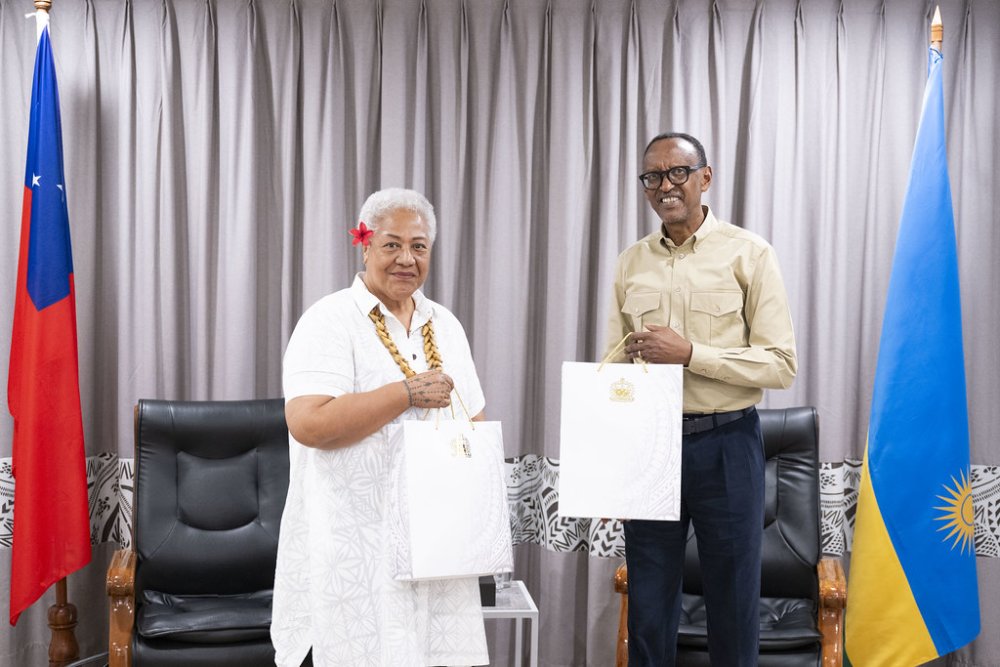
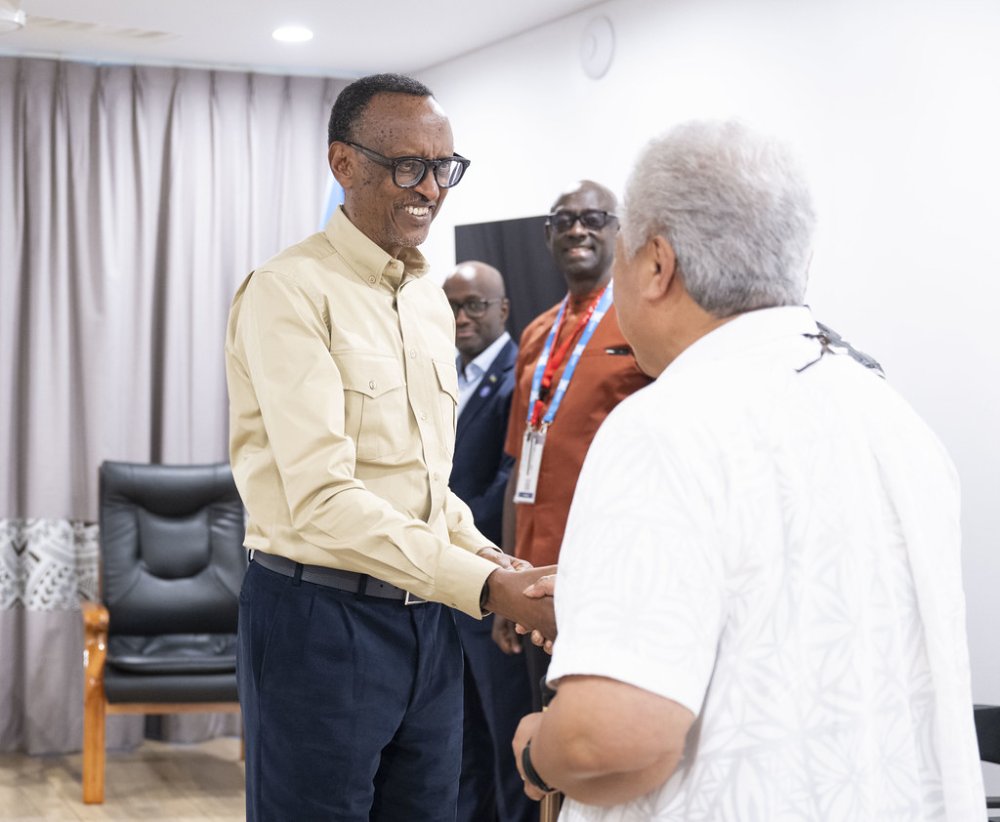
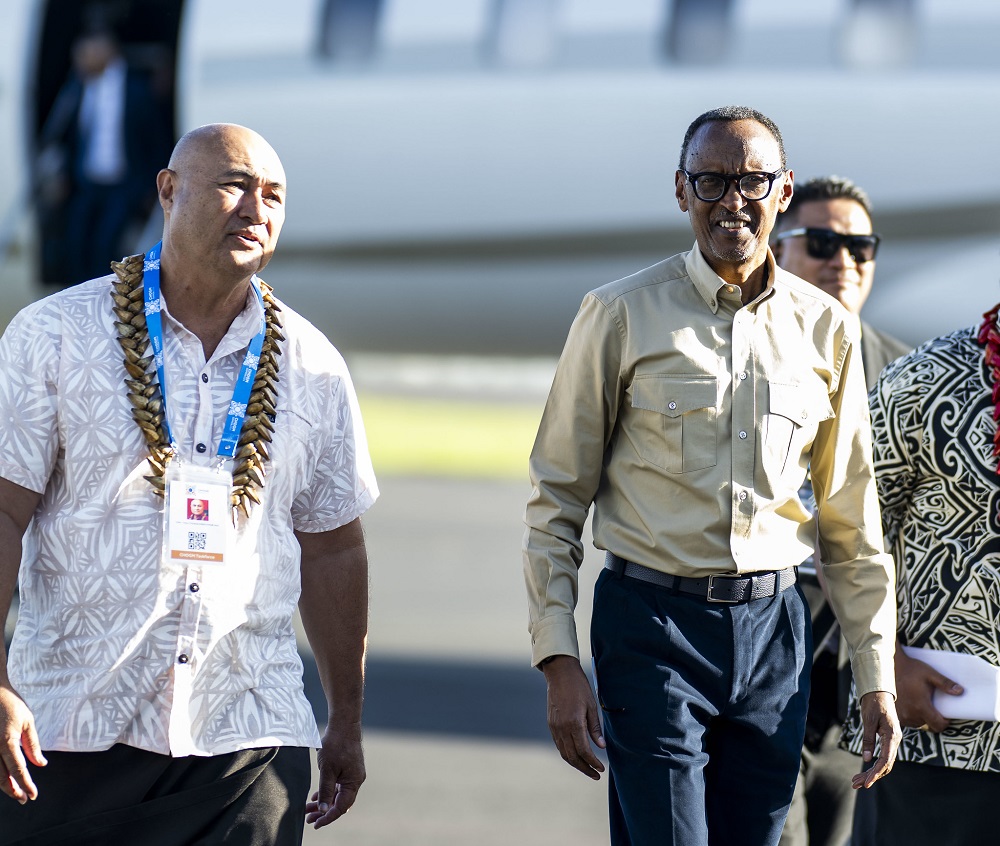
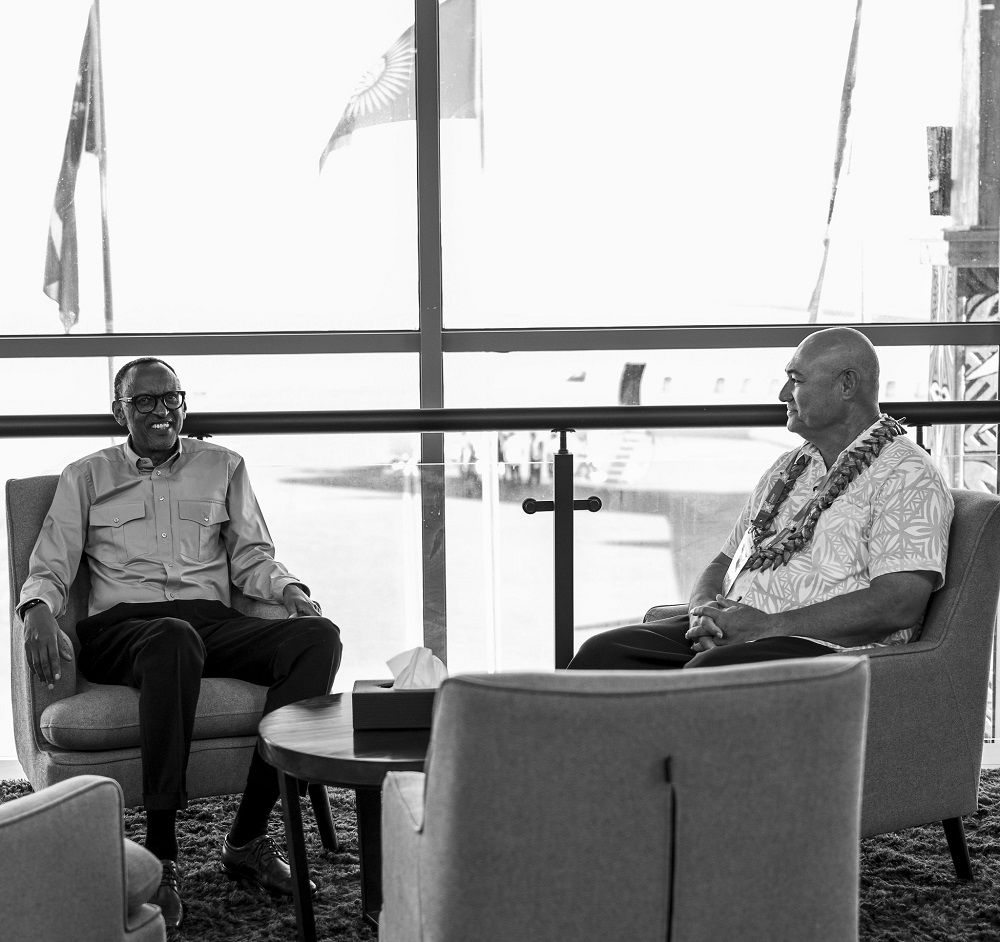
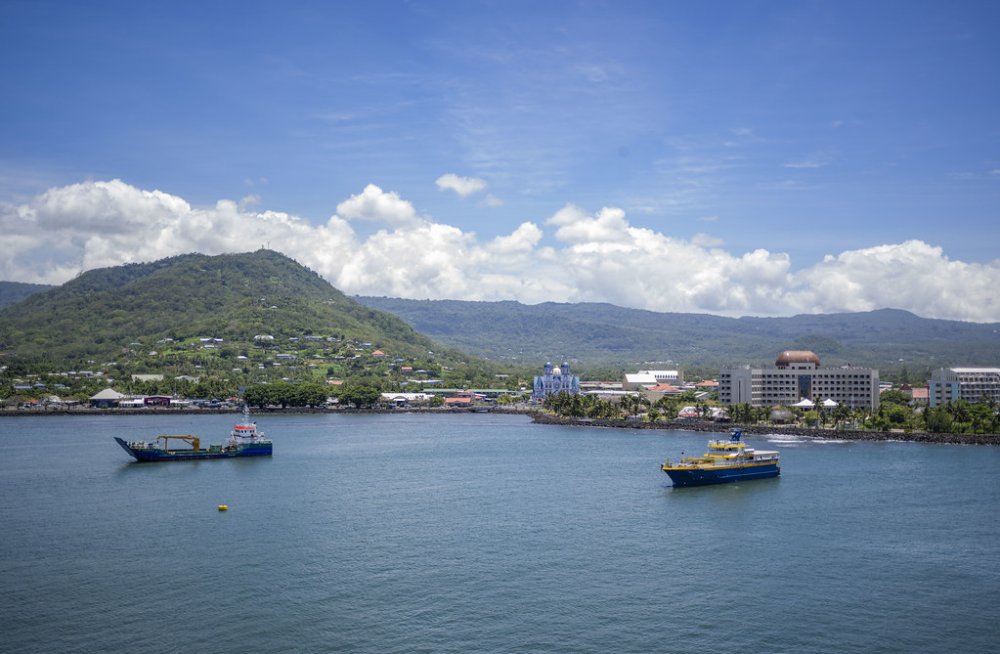
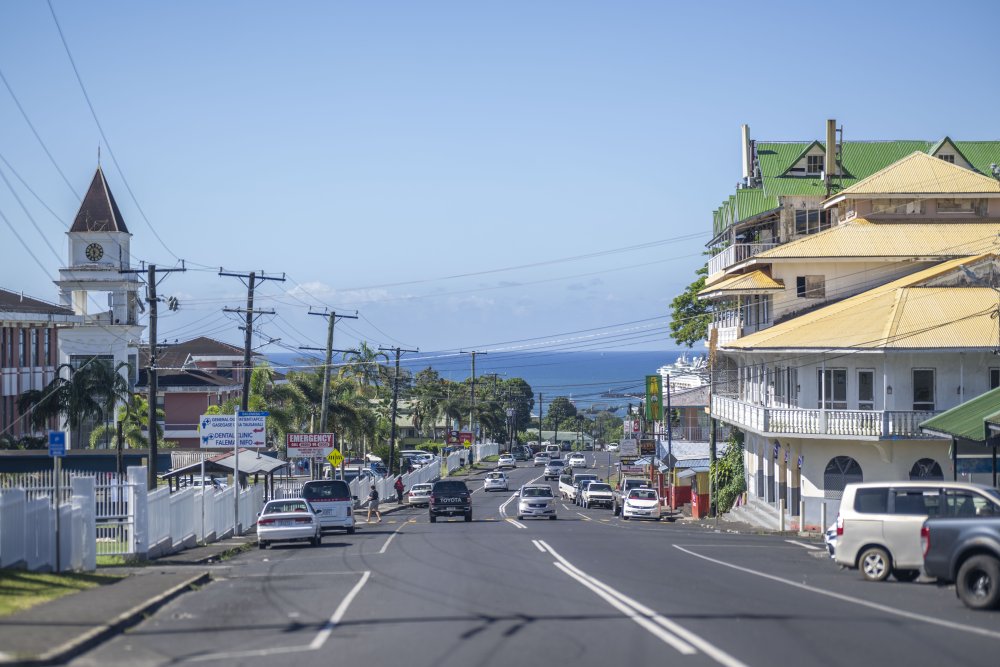
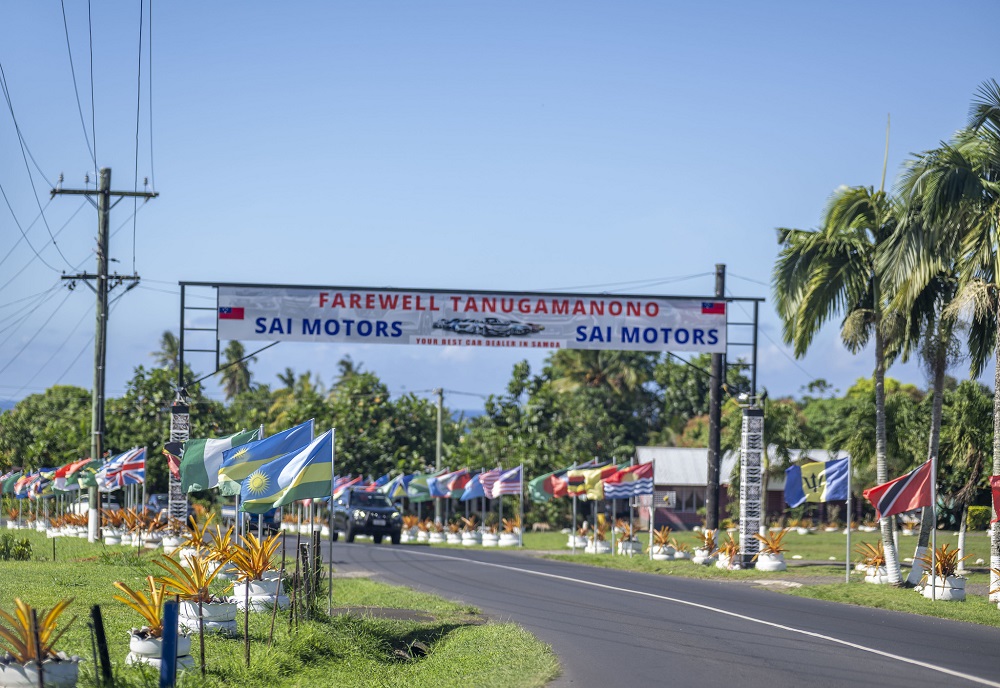
President Kagame is in Samoa to attend the 2024 Commonwealth Heads of Government Meeting (CHOGM). Upon his arrival in the Samoan capital, Apia, he was welcomed by the country’s Deputy Prime Minister and Minister of Customs and Revenue, Tuala Tevaga Iosefo Ponifasio, before engaging in talks with Prime Minister Afioga.
The Commonwealth comprises 56 member countries from across all continents, with 33 of them being small states, including 25 island nations. By 2023, the Commonwealth had an estimated population of 2.5 billion people.
President Kagame has served as Chairperson of the Commonwealth since June 2022, following Rwanda’s successful hosting of CHOGM that year. He took over the role from former UK Prime Minister Boris Johnson.
During this year’s CHOGM, which runs from October 21-26, Rwanda will officially hand over the two-year chairmanship to Samoa.
This handover was confirmed by Rwanda’s Minister of Foreign Affairs and International Cooperation, Ambassador Olivier Nduhungirehe, on October 22, 2024.
Samoa was selected as the incoming Chair-In-Office and host of the next CHOGM during last year’s Heads of Government Meeting in Rwanda.
Additionally, a new Secretary-General of the Commonwealth is expected to be elected, replacing Patricia Scotland, who has held the position since March 2016.
This year’s CHOGM marks a historic occasion, being the first held in a Pacific Small Island Developing State and the first since Gabon and Togo officially joined the Commonwealth, raising the total membership to 56 nations.
CHOGM, traditionally held biennially, serves as the Commonwealth’s main political gathering.
Building on the progress since CHOGM 2022, this year’s leaders are expected to address pressing global challenges, including economic, environmental, and security issues.
Discussions will also focus on how the Commonwealth can work together to enhance resilience, boost trade, foster innovation and growth, and empower the Commonwealth’s 1.5 billion youth to build a more peaceful and sustainable future.
The main CHOGM event is scheduled for October 25, 2024, preceded by several side meetings, including the Youth Forum and the Women’s Forum. The Foreign Ministers’ Meeting will take place on October 24.
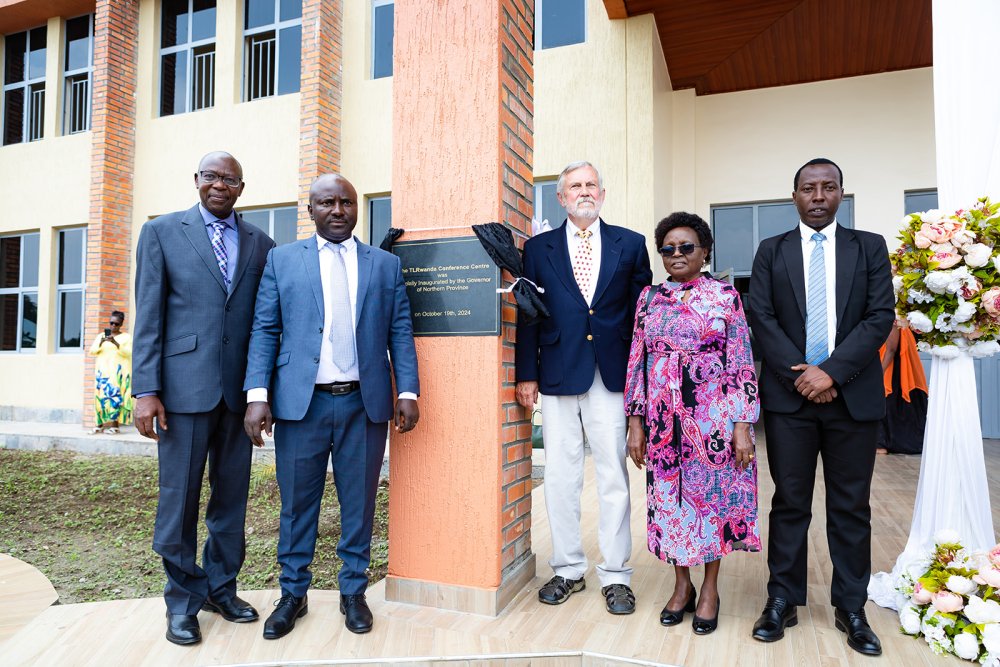
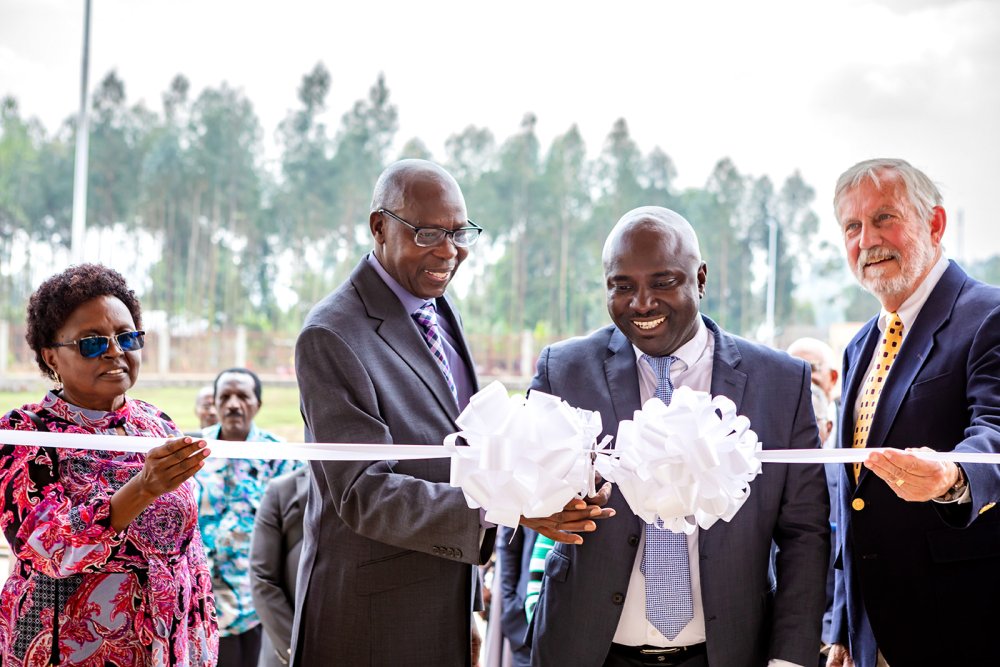
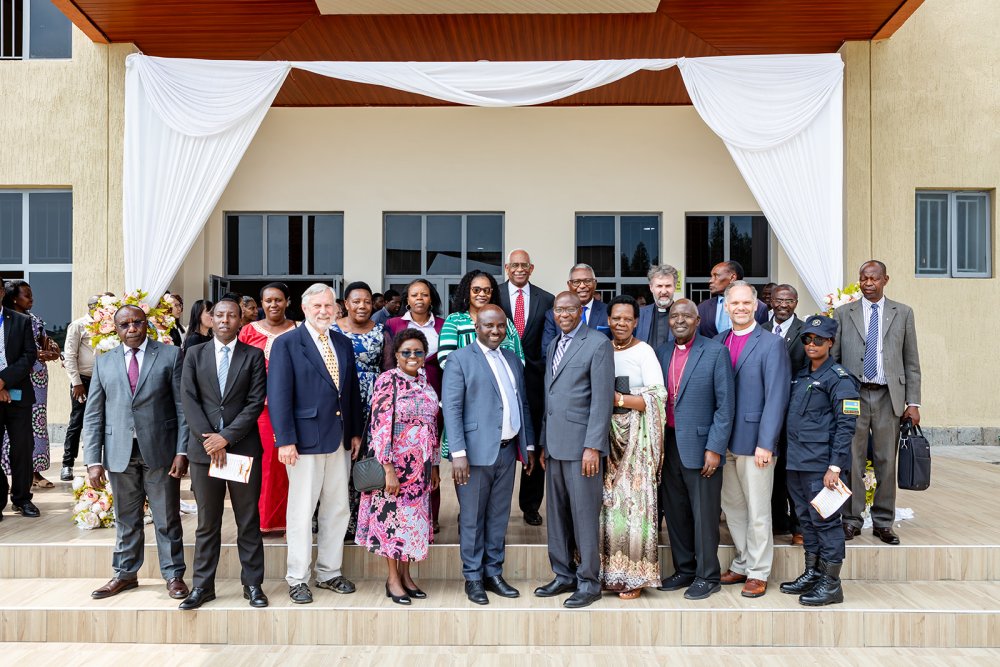
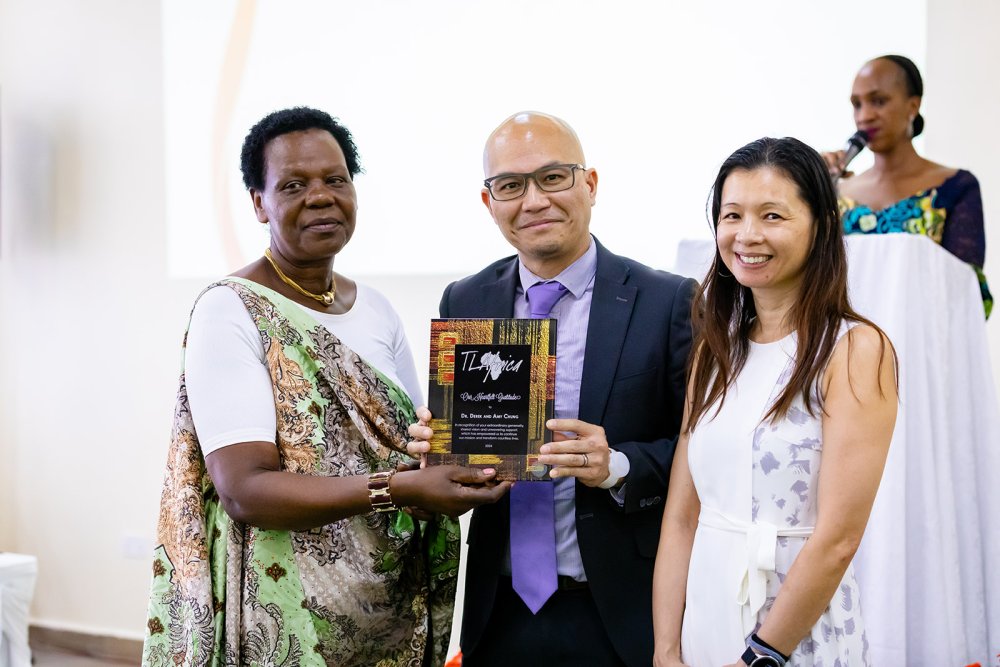
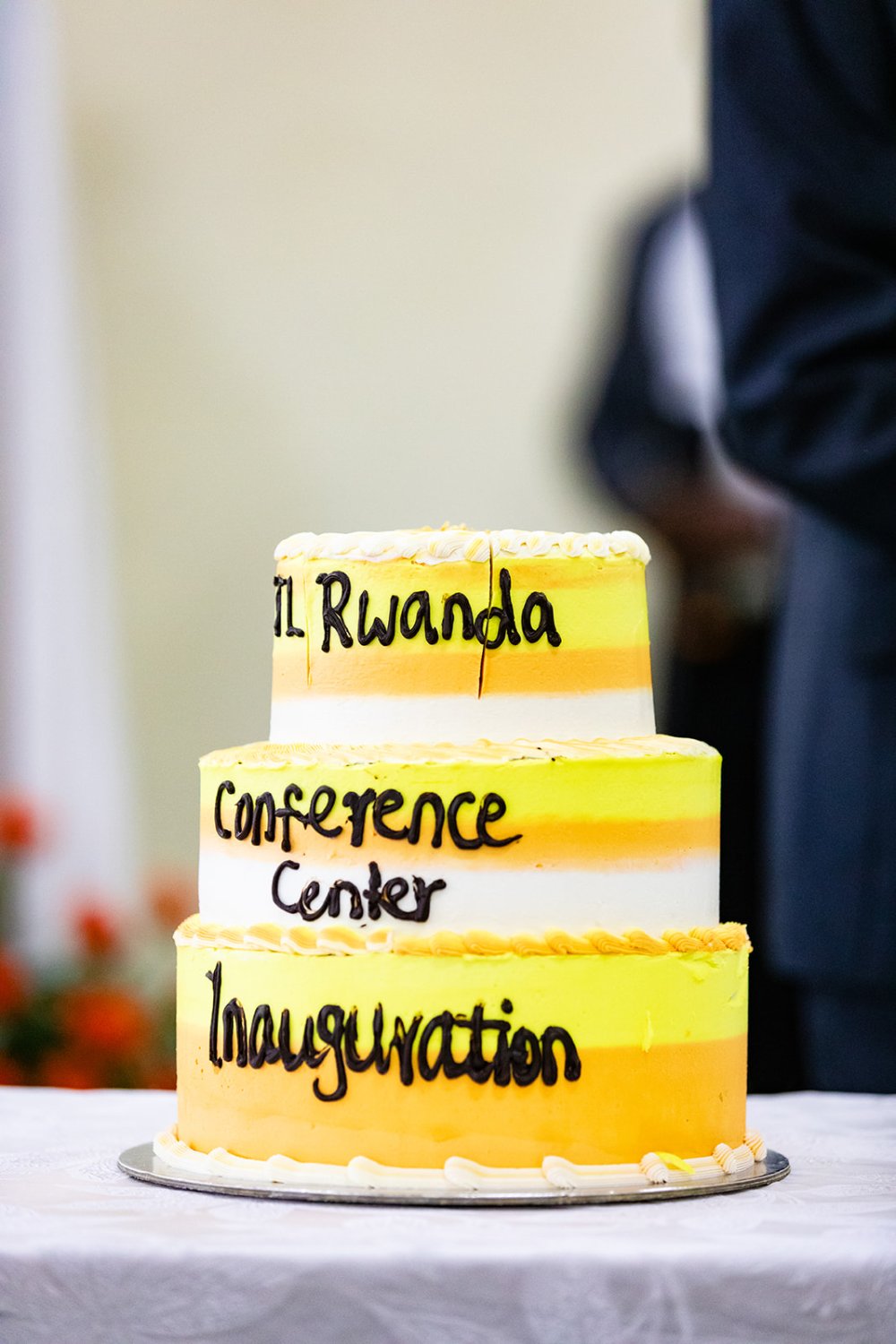
Inaugurated on Saturday, October 19, 2024, the center aims to equip religious leaders, women, and youth with skills to enhance their economic development and create lasting impact in their communities.
The initiative was led by Dr. Faustin Ntamushobora, a Rwandan who has lived in the United States. He is also the CEO of Transformation Leadership in Africa, an organization based in California with operations in countries such as the Democratic Republic of Congo, Kenya, and Rwanda.
Dr. Ntamushobora shared that the idea for the center was born out of a realization that while churches focus on spiritual teachings, they often overlook the importance of educating people on community development and improving their livelihoods.
“We aim to train leaders to not only preach but also foster economic empowerment. We have specific programs for women to help them initiate projects that will support their families,” Dr. Ntamushobora said in an interview with IGIHE.
The center also has a youth and children’s project that provides training and financial support to help them thrive.
Additionally, Dr. Ntamushobora revealed plans to establish a university at the center, stating, “We want Rwandans and Africans to access knowledge and technology while upholding values of faith and community. Our vision is to develop individuals with a strong sense of purpose and contribution to society.”
He extended his appreciation to the Rwandan government for its continued support and encouraged local communities to join the efforts in fostering development through the center’s initiatives.
Northern Province Governor Maurice Mugabowagahunde lauded the vision of the center, emphasizing its potential to transform lives. He pledged ongoing support to help the center achieve its objectives.
“We value this initiative, as it aligns with our mission to improve the well-being of our citizens. We will continue working with the center’s founders to ensure the goals are fully realized,” he said.
According to the 2022 national population census, Rwanda has a population of 13,246,394, with 48.5% male and 51.5% female. Over 65% of the population comprises youth, underscoring the significance of the government’s focus on programs that support women and youth development.
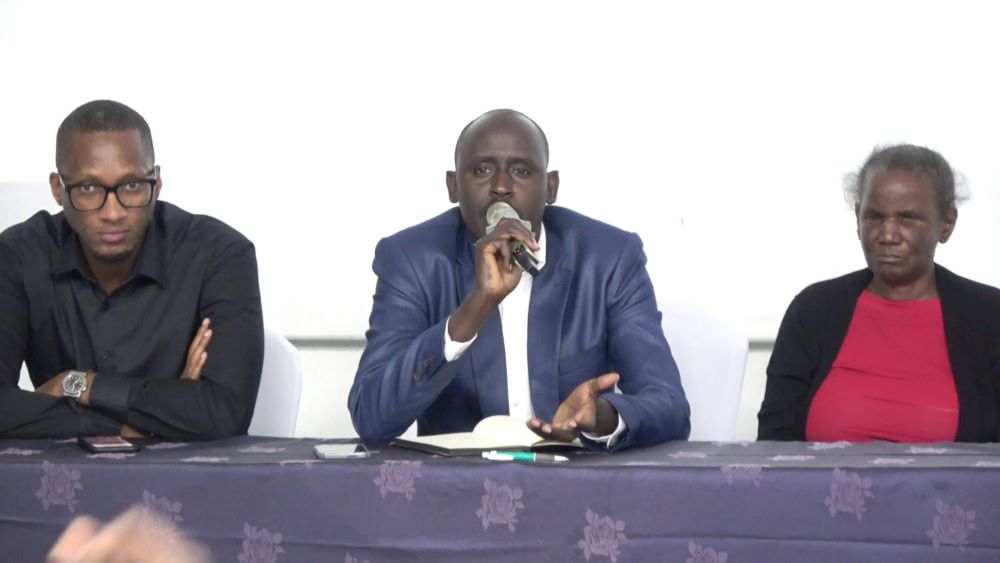
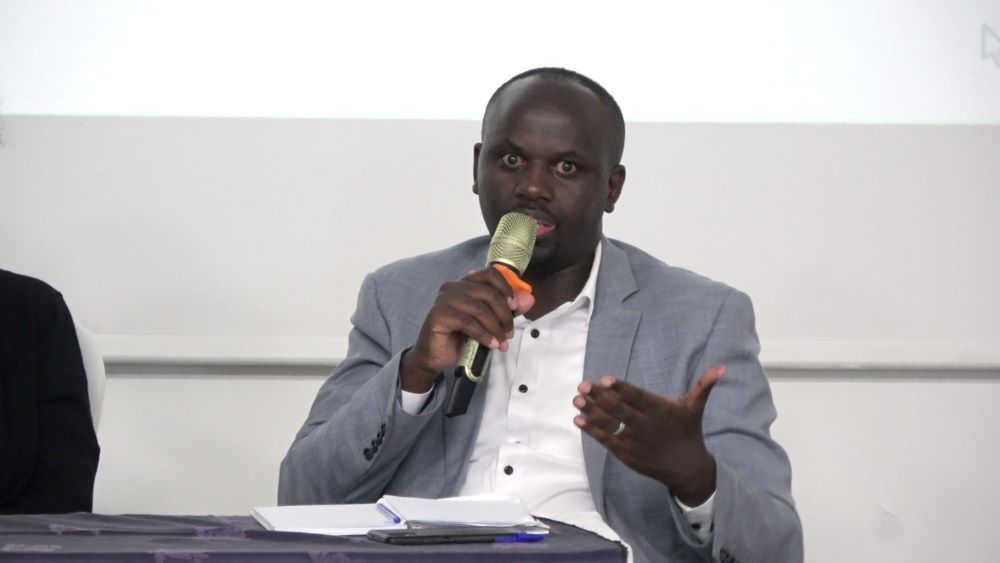
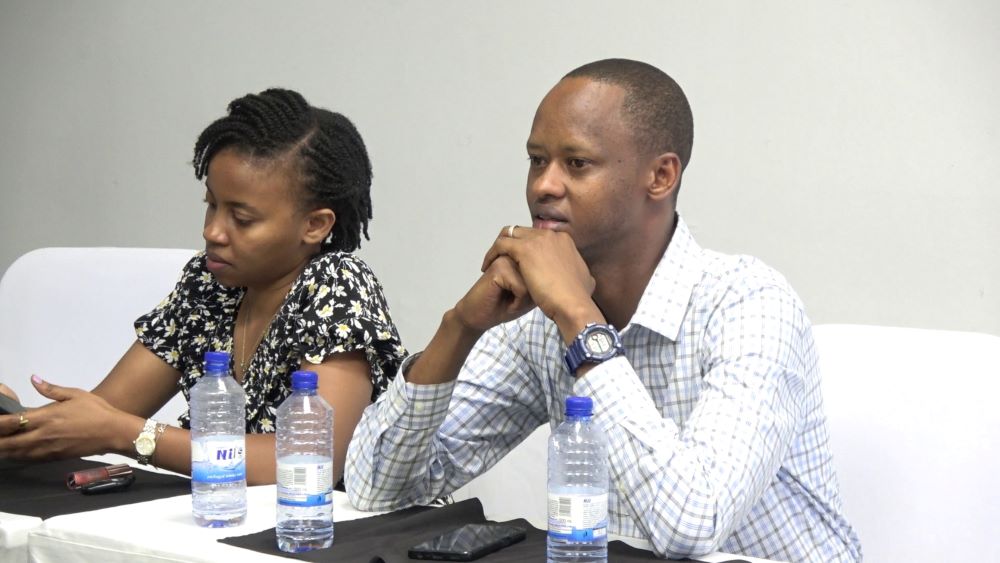
During a press conference on October 22, 2024, Nathan Ntaganzwa, the Managing Director of 1000Hills Events, shared insights into the upcoming ceremony, emphasizing the growing recognition of disability inclusion.
“From previous experiences, we realize that people are slowly getting to know the importance of disability inclusion. This year, we are introducing a one-day festival where people will showcase their work and create mass awareness about the importance of inclusion,” Ntaganzwa explained.
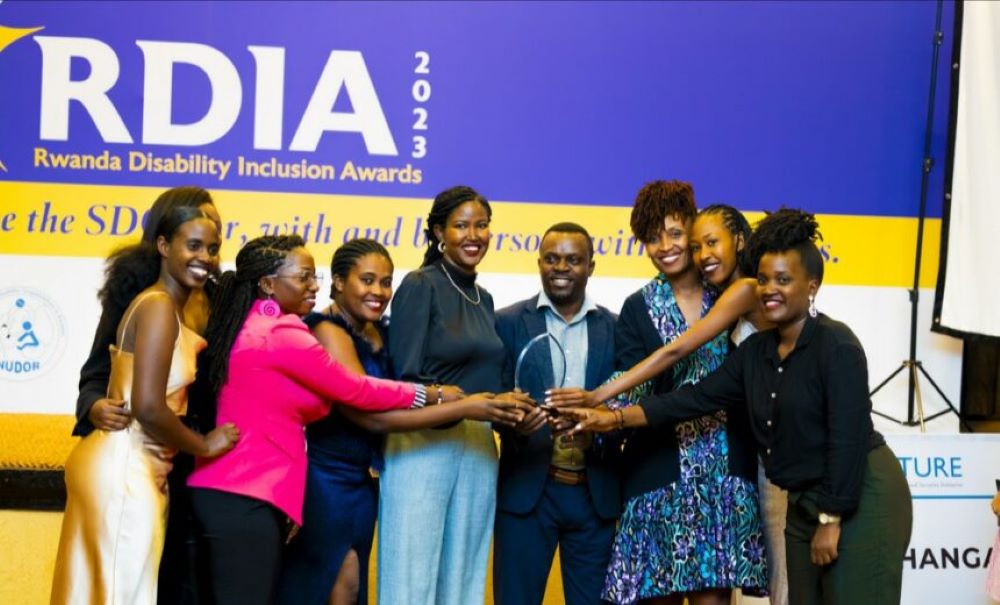
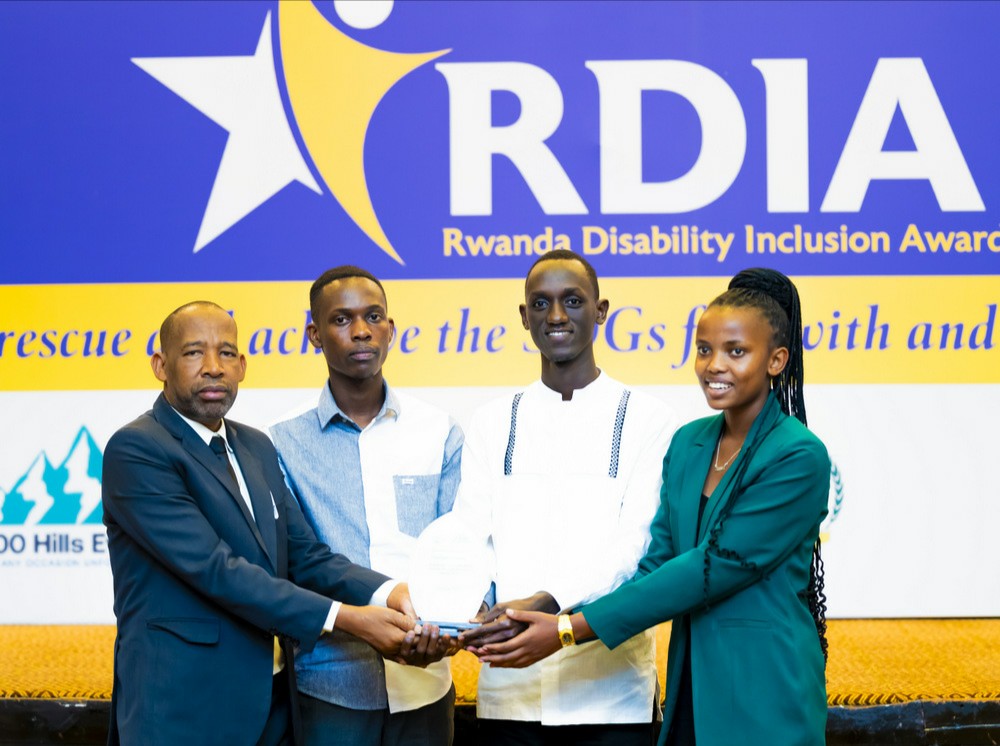
The event will recognize individuals, SMEs, and corporate companies that have championed the inclusion of people with disabilities in their workplace and communities. The day-long festival will feature an exhibition, keynote speeches reflecting on 30 years of progress in disability inclusion, and artistic performances by persons with and without disabilities.
Ntaganzwa highlited the role of the private sector in this journey.
“In the past, some private organizations showed interest in adopting inclusion policies but didn’t know how to proceed. The more we hold such events, the better we can connect those eager to work with people with disabilities and those willing to adopt inclusive hiring practices,” he said.
Stakeholders such as Feed the Future Rwanda Hanga Akazi are actively supporting the event. Speaking on behalf of the organization, Come Ndemezo, the Gender Equity and Social Inclusion Coordinator, stressed the need to encourage companies to adopt inclusion not out of sympathy but as a smart business strategy.
“Women, youth, and persons with disabilities are our focus. We want the private sector to see inclusion as a smart move and recognize the benefits of employing people with disabilities,” Ndemezo said, urging more companies to embrace the practice.
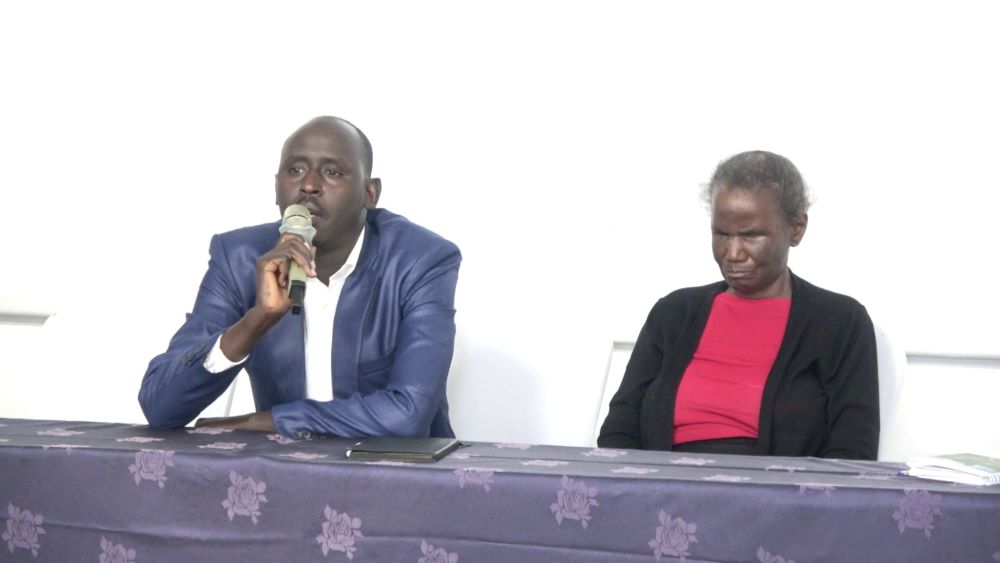
Dr. Donatille Kanimba, the founding Executive Director of the Rwanda Union of the Blind, echoed similar sentiments, praising the government and other sectors for their efforts in making people with disabilities feel included.
“Many of us were once afraid to express ourselves, even though we were capable of achieving great things. Now, we have accomplished much, and many with disabilities are more confident in reaching their career goals,” she remarked.
The event promises to be a vibrant celebration of the strides made in disability inclusion while also advocating for continued efforts to ensure people with disabilities can thrive in both professional and personal capacities.
You can nominate and vote for the person or institution of your choice on the link below.
{{[https://rdia.igihe.rw/->https://rdia.igihe.rw/]}}
The funds will be made available to Rwanda upon the completion of an economic review by the IMF Executive Board in mid-December.
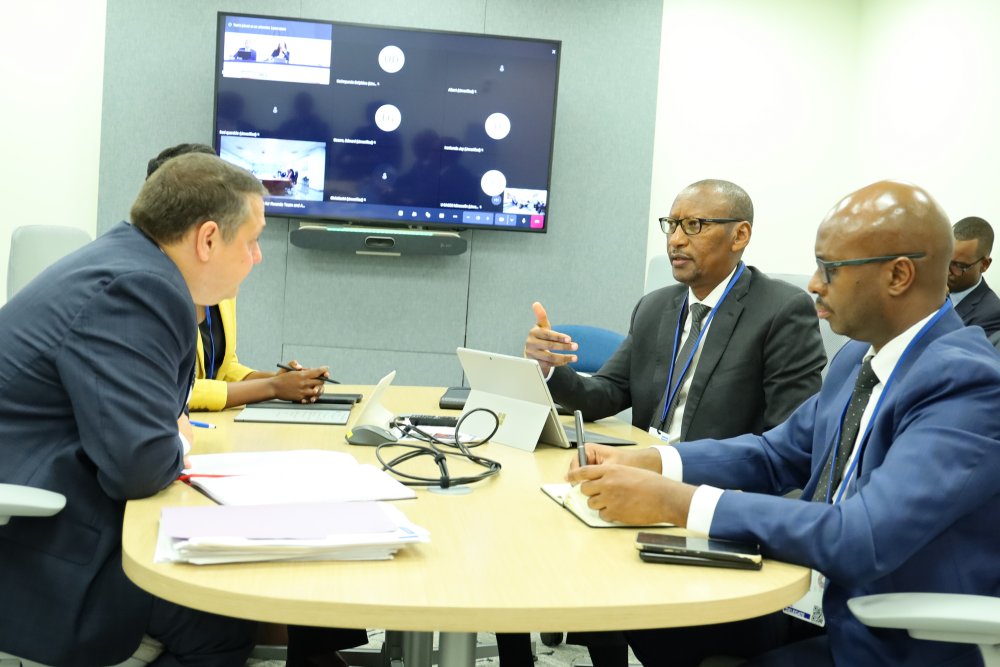
A team from the IMF concluded a two-week mission on Tuesday, October 22, 2024, to assess the country’s economic performance, praising its strong growth momentum despite external shocks.
The IMF team, led by Reuben Atoyan, stated that Rwanda’s real GDP is projected to grow by 8.3% in 2024. According to the IMF, this growth is driven by strong performances in the services and construction sectors, as well as a recovery in food crop production.
The team observed that despite external challenges, inflation remains under control, staying within the central bank’s target range of 2% to 8% due to favorable food prices and a tight monetary policy.
Atoyan highlighted that the 6.6% depreciation of the Rwandan Franc against the US dollar was a necessary measure for facilitating essential external adjustments, while international reserves stood at 4.5 months of prospective imports by mid-2024, providing a buffer against external shocks.
“Despite the challenging environment, macroeconomic policy performance through the end of June 2024 remained aligned with program objectives under the PCI/SCF arrangement. All quantitative targets were met, and reforms aimed at enhancing the transparency of public investments and strengthening foreign exchange market functioning are progressing well,” Atoyan stated.
The IMF representative emphasized the Rwandan government’s strong commitment to implementing climate-related reforms under the RSF arrangement, with measures for climate budget tagging, improving the climate resilience of public investments, adopting sustainability disclosure standards, and developing a green taxonomy on track for completion in the coming weeks.
The IMF team acknowledged that recurrent shocks in recent years have complicated the government’s goal of rebuilding policy buffers. Fiscal consolidation has progressed more slowly than anticipated, resulting in a continued increase in the public debt-to-GDP ratio.
However, the government has reiterated its commitment to fiscal prudence, focusing on concessional financing and advancing a medium-term revenue strategy to stabilize its fiscal position.
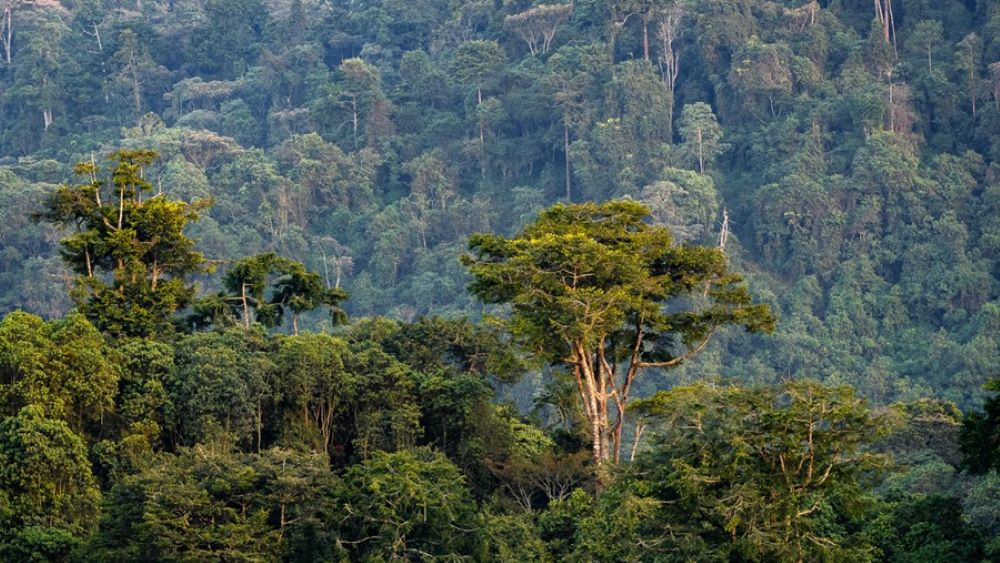
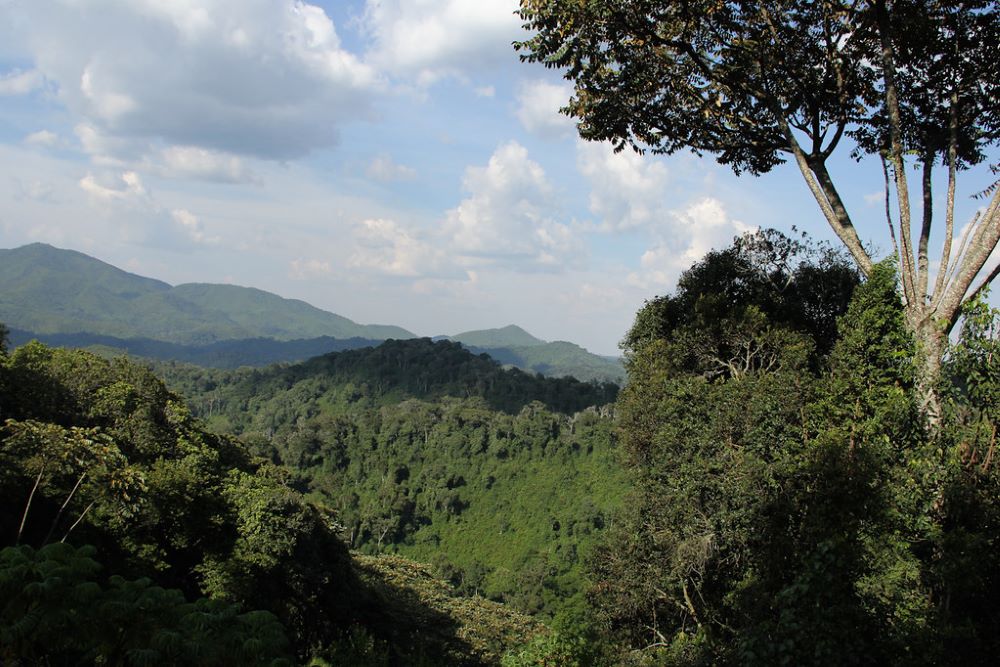
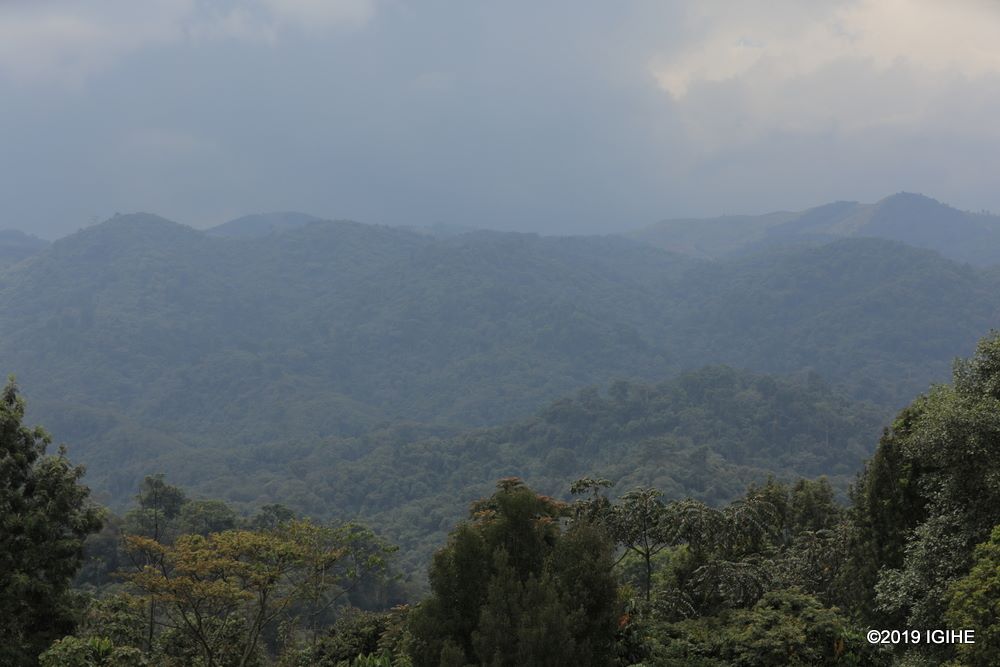
Straddling the ridge that separates the Congo and Nile water catchment areas, the park lies within the ecologically rich Albertine Rift. This hilly landscape offers stunning views both laterally and from above, inviting explorers to immerse themselves in its natural beauty. As one of the few remaining natural forests in the Congo-Nile Divide, Gishwati-Mukura is a haven for wildlife enthusiasts and nature lovers.
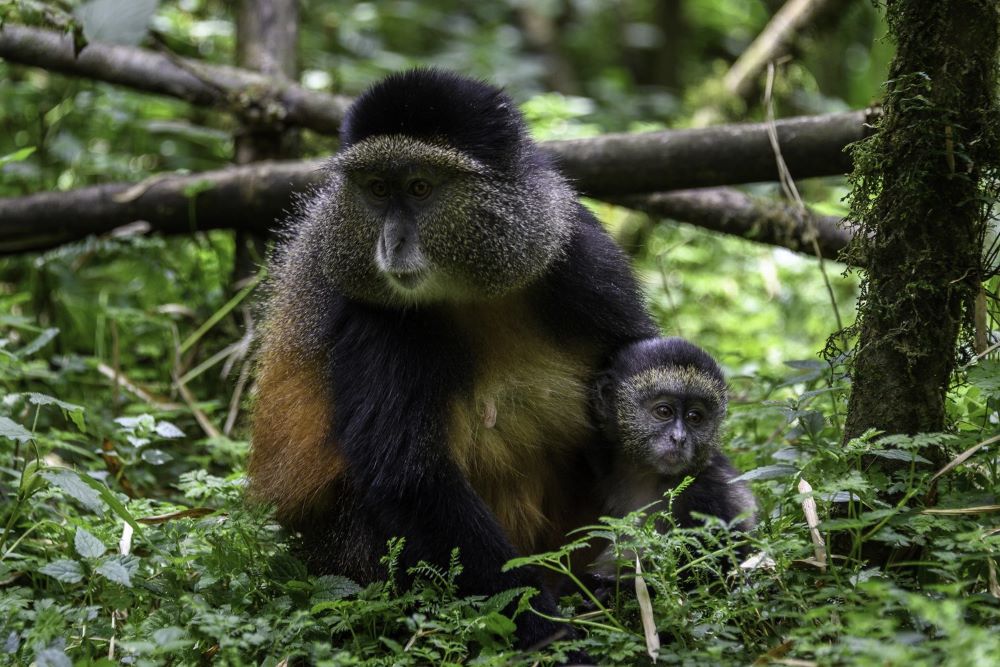
A visit to this park is a chance to encounter some of the region’s most fascinating species. The park is home to a large number of chimpanzees.
Other species such as servals, genets, civets, and a variety of small mammals roam the forest floors, while amphibians and reptiles thrive in the park’s lush environment.
Birdwatchers will be enthralled by the more than 230 bird species spotted in Gishwati and 160 in Mukura, including the rare Black-Fronted Duiker and Southern Tree Hyrax. The park also boasts over 250 plant species, making it a true botanical treasure trove.
The flora of Gishwati-Mukura is equally captivating. Visitors are greeted by a vibrant mix of montane, bamboo, swamp forests, and grasslands. Towering trees like the Harungana montana, Prunus africana, and the impressive giant tree ferns (Cyathea manniana) dominate the landscape. These species not only add to the park’s natural beauty but play a crucial ecological role, supporting the delicate balance of life within the forest.
Despite its beauty, Gishwati-Mukura has a history of degradation. Human activities, including encroachment, illegal mining, and livestock farming, have taken a toll on the park, particularly on Gishwati forest, which shrunk dramatically from its original 700 square kilometers in the 1930s to just 6 square kilometers by 2002.
However, thanks to ongoing conservation efforts, the forest has since been restored to 15.7 square kilometers. In 2016, the government elevated Gishwati and Mukura from forest reserves to full national park status, marking a significant milestone in their preservation.
For visitors, Gishwati-Mukura National Park offers a wealth of experiences. Those seeking a deeper connection with the local community can participate in a variety of cultural activities, including handicraft-making, beekeeping, and tea plantation tours.
You can stay on a local farm, enjoy live cultural dances, or learn from traditional healers who use natural plants to complement modern medicine. Gishwati-Mukura promises an unforgettable journey into Rwanda’s untamed wilderness.
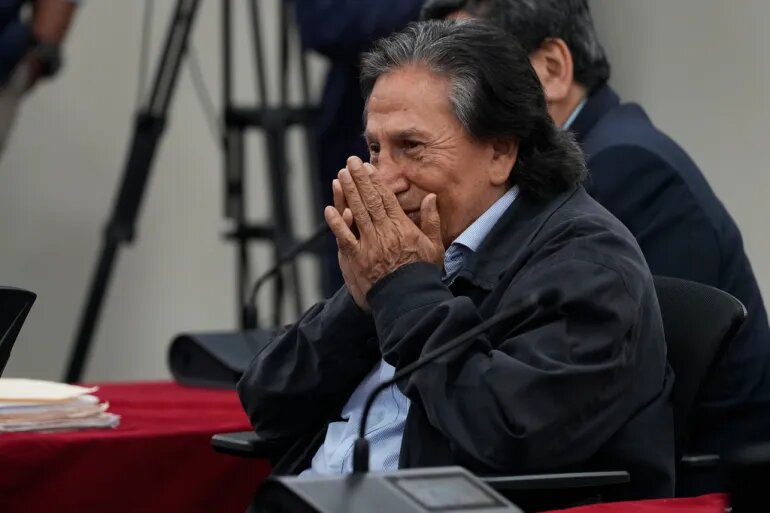
The decision was made by the second collegiate court of the National Supreme Court of Specialized Criminal Justice, making Toledo the first of four investigated former presidents to go to jail in Odebrecht case, one of the largest bribery and graft scandals in Latin America.
The 78-year-old former president was extradited from the United States in April last year to face charges for allegedly taking at least 20 million U.S. dollars in bribes from Odebrecht, a Brazilian construction company, in exchange for a government contract to build the Interoceanic Highway linking Peru and Brazil.
During a hearing, Toledo insisted that he was “innocent,” saying that “I never made any arrangement with Mr. (Jorge) Barata,” former head of Odebrecht in Peru.
This project was launched in September 2021 in the districts of Huye, Gakenke, Gicumbi, and Burera in collaboration with the World Bank and the Government of Rwanda. Its goal is to empower citizens with development skills beginning with the ability to think and discover what benefits them based on the characteristics of their local environment.
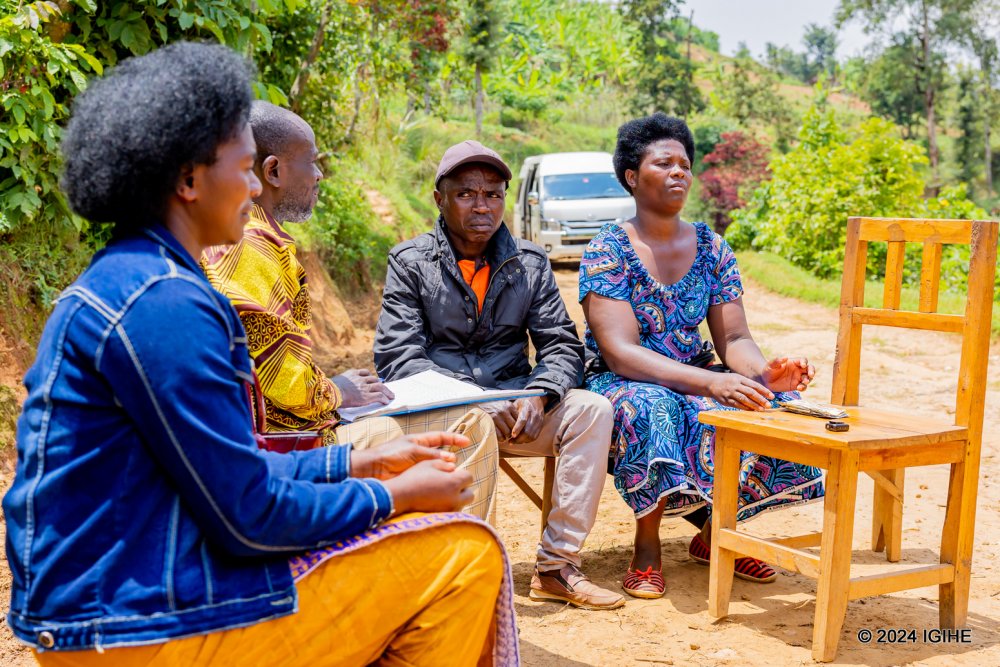
The beneficiaries first underwent six months of training through development pathway meetings known as the ‘Facilitated Collective Action Process (FCAP). These meetings helped citizens identifying their own problems and the potential they have to tackle them to attain long-term and sustainable solutions over immediate need.
This community, spearheaded by the Community-Based Facilitator (CBF) locally known as Inyenyeri, has shown that poverty can be fought even in the most remote areas through local ownership and collective action.
The financial support is not given directly in cash but rather invested in the projects the community chooses. Spark Microgrants provided this funding in two phases, with each village receiving 4.6 million Rwandan Francs in the first phase (60% of the total), followed by an additional 3 million Rwandan Francs (40%) along with 5% of contributions from the district, amounting to 380,000 RWF.
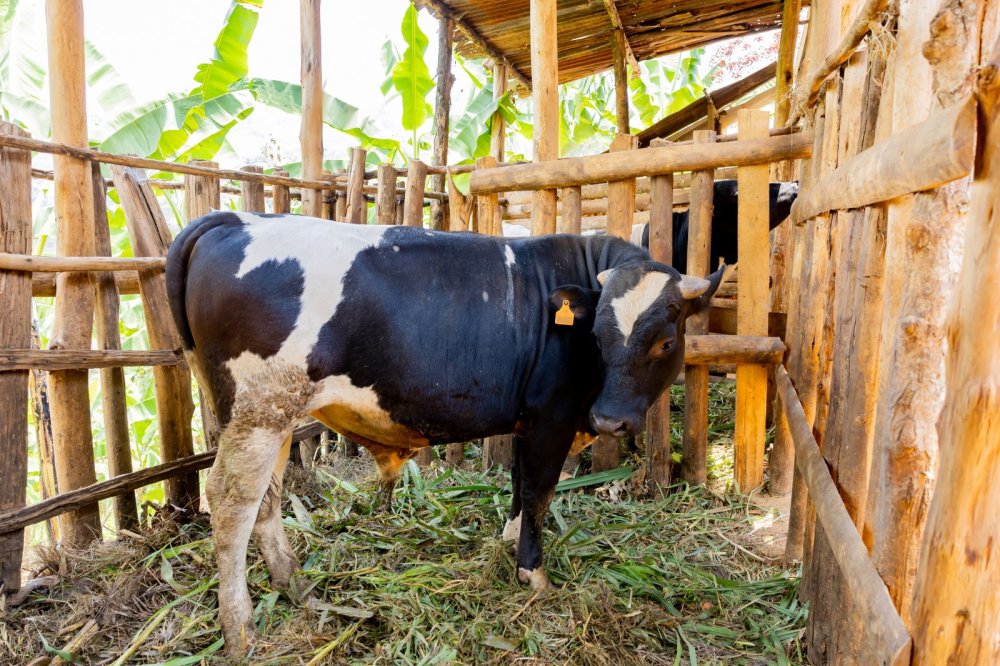
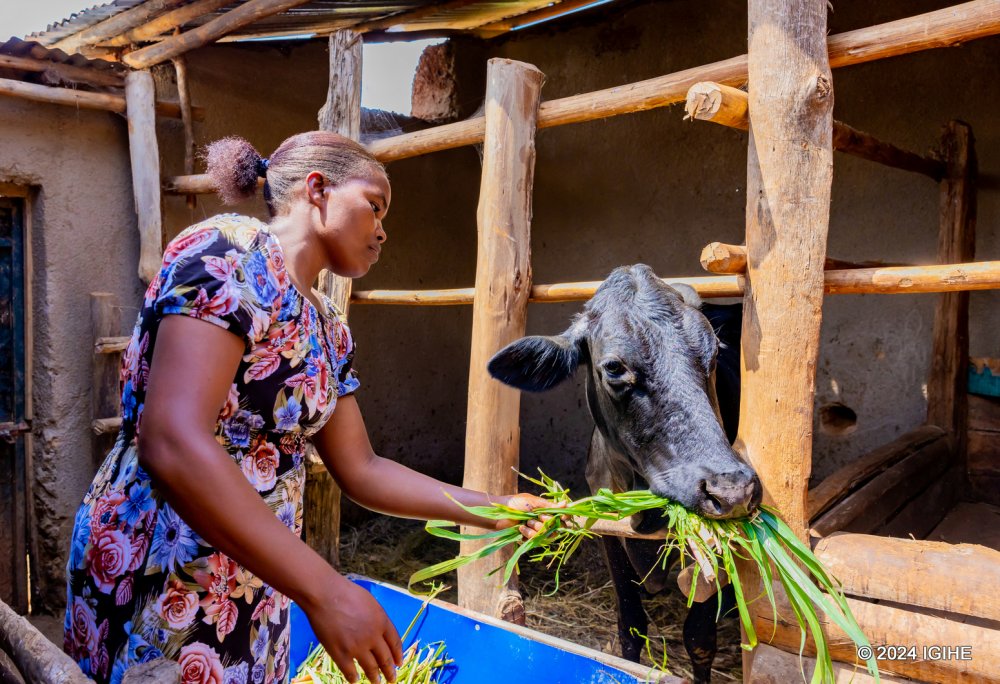
Rwigemure Yahaya, a resident of Kabaya village in Ruhanga cell, shared how the bulls farming project they selected in their village has brought wealth to the community. “With the first grant, we bought 14 bulls. We took care of them and sold them once they matured, and distribute the profits among group members”, he said.
After selling the bulls, “the profits were shared. Part of the money went towards reinvesting in younger bulls, while the community also prioritised supporting its most vulnerable members, where they bought sheep, a hen, or any other materials for those in need to ensure that everyone benefits, no matter their situation,” Yahya added.
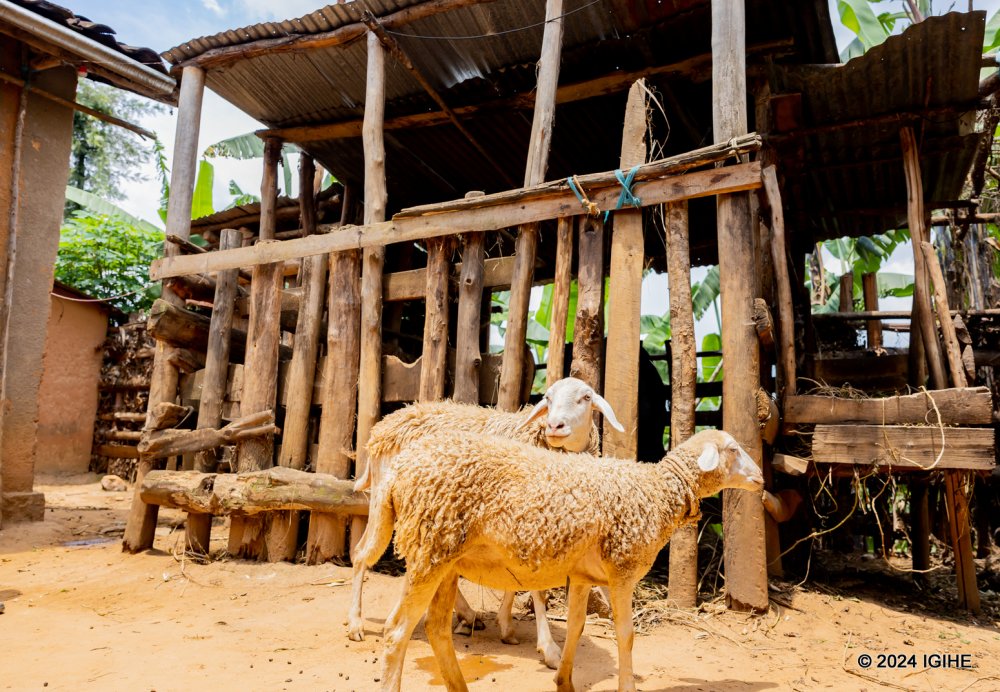
From the first round of shared profits, the group bought 41 sheep for 41 households in need. In the next cycle, after reselling bulls, the profits allowed them to distribute 37 more sheep to 37 additional households, bringing the total to 78 sheep distributed so far.
Some of these sheep have already reproduced, with some households now owning more than three sheep, helping them meet various domestic needs where necessary including manure.
Rwigemure further explained that the village received the second tranche which was invested in loaning scheme projects to support household small-scale businesses and improve their livelihoods.
In Gicumbi district, beneficiaries have started farming for the market. In Mutete sector, beneficiaries reported that agricultural production has become a source of income after receiving support from Spark Microgrants.
Odette Ugirasekuru, a resident of Kabeza cell in Kagarama village, shared how the cow she received significantly boosted her agricultural output. “After receiving the cow, as able to collect organic fertilizers and decided to establish a banana plantation. Unlike previously when had to buy fertilizers, could barely harvest three kilograms of bananas, now I harvest bunches weighing up to 80 kilograms each. Every month, I harvest around 40 bunches.”
“My cow produces eight liters of milk per day, and over the past three months, I’ve earned 270,000 RWF from selling the milk. I still have enough for my family to drink, and I even share with needy neighbors.”
In that village, out of 202 households, only nine have not yet received cows, but they are expected to be assisted by their neighbors.
Beneficiaries in Huye district also report positive changes due to the project. Appolinaria Mukanyabyenda, a resident of Kigoma cector and community-based facilitator for Kabingo village, said that the residents have successfully eradicated malnutrition by focusing on providing children with balanced diets.
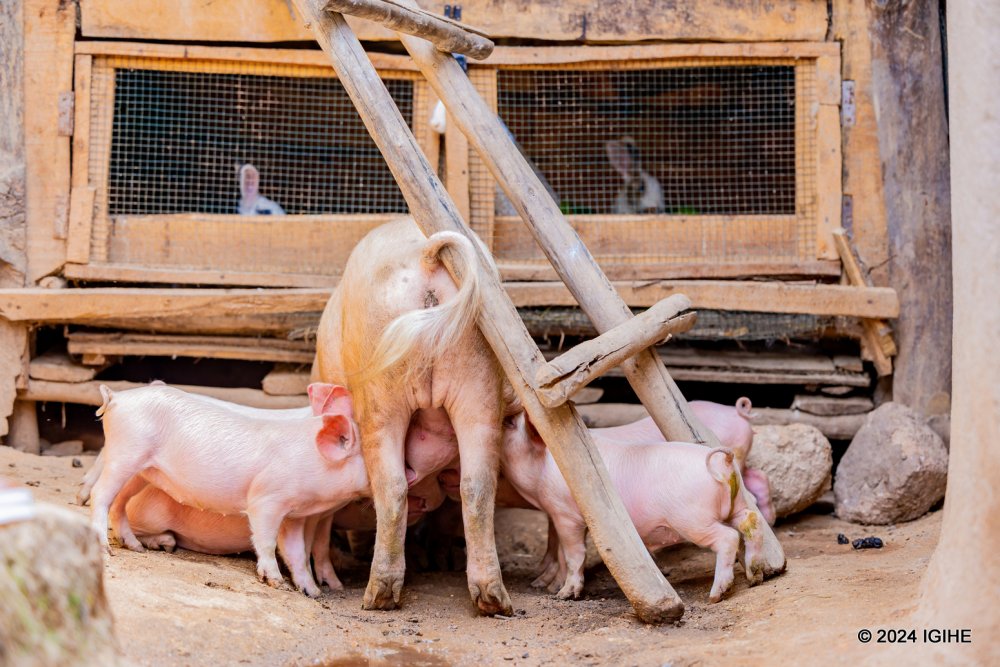
Vestine Nyiramanywa, an elderly woman from Gishamvu sector, said that Spark Microgrants has helped them achieve food security through pig farming, which generates income and promotes savings on top of their usual agricultural activities.
Ange Sebutege , the Mayor of Huye district says that Spark Microgrants has greatly improving the well-being of residents, citing an example in Gishamvu sector, which ranked second in health insurance enrollment, in a district that used to lag behind such government programs.
He said, “What we did with Spark was to provide capacity support, but the ideas are theirs. They must remember that these projects are like investments for the village, where each resident has a share. We aim to eliminate poverty entirely in the future, so it is crucial to follow up on these projects.”
According to Donald Ndahiro, Spark Microgrants Country Director for Rwanda, the achievements of the ACE project so far offers hope for sustainable community development.
“When we look at the results since 2021, we see that their domestic possessions, like TVs, radios, money on bank accounts, livestock, and more, have increased by 120% as a result of the projects they implemented. Regarding nutrition, the number of people eating only one meal a day has dropped from 54% to 33%,” he said.
The ACE Project operates in 249 villages, but Spark Microgrants plans to expand to 2,500 villages in the coming years and collaborate with the Ministry of Local Government (MINALOC) to integrate lessons learnt from the project into national planning.
Spark Microgrants is an international non-profit based in the United States, which started its operations in Rwanda in 2010. The organization has transformed the lives of residents in over 339 villages across Gakenke, Gicumbi, Burera, Musanze, Huye, Nyabihu, Rulindo and Gisagara, districts.
With more than 240,000 beneficiaries, 64% of whom are women. Spark Microgrants operates in Rwanda, Uganda, Burundi, Ghana, Liberia, DRC, Malawi, and Ghana.
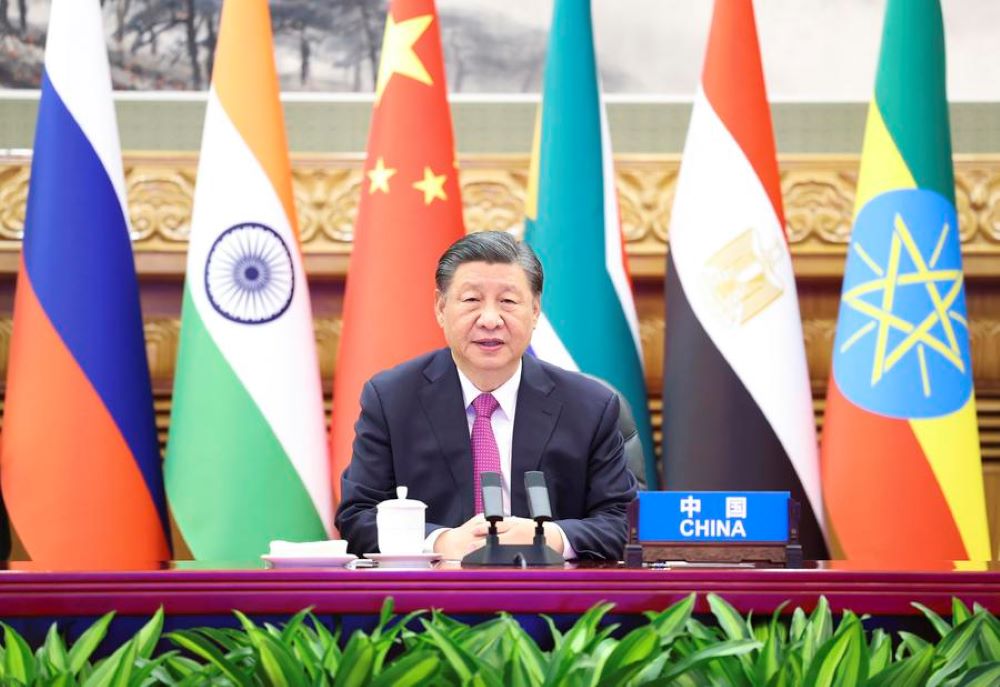
A steadfast champion of BRICS cooperation, Xi once compared its five members back then to the five fingers of one hand: They are short and long if extended, but form a powerful fist if clenched together. Now that hand has grown bigger and stronger, as its membership expanded last year, yet the essence of Xi’s metaphor is just becoming more relevant.
With the world trudging on in a new period of turbulence and transformation, the leader of the largest developing country is poised to help guide BRICS, the leading echelon of the Global South, to play a bigger role in building a better shared future for humanity.
{{GOLDEN VALUE}}
BRICS, an acronym for Brazil, Russia, India, China, and South Africa, is literally called “gold bricks” in Chinese, indicating optimism for its great potential and shining future.
The sanguine view features prominently in Xi’s engagement with the group. He has consistently placed BRICS high on China’s foreign policy agenda. His first appearance on the multilateral stage as China’s head of state was at the 2013 BRICS summit in Durban, South Africa, and he visited all other four BRICS countries during the first two years of his presidency.
“China led by President Xi Jinping has contributed significantly to the success of BRICS,” noted Bunn Nagara, a senior China researcher in Malaysia.
Thanks to the joint efforts of its members, the golden value of BRICS has kept rising. World Bank data show that the share of BRICS in global GDP grew from 18 percent in 2010 to about 26 percent in 2021, with increases in all years during the period.
Among the drivers of its remarkable growth is a strong orientation toward real results. “BRICS is not a talking shop, but a task force that gets things done,” Xi once stressed.
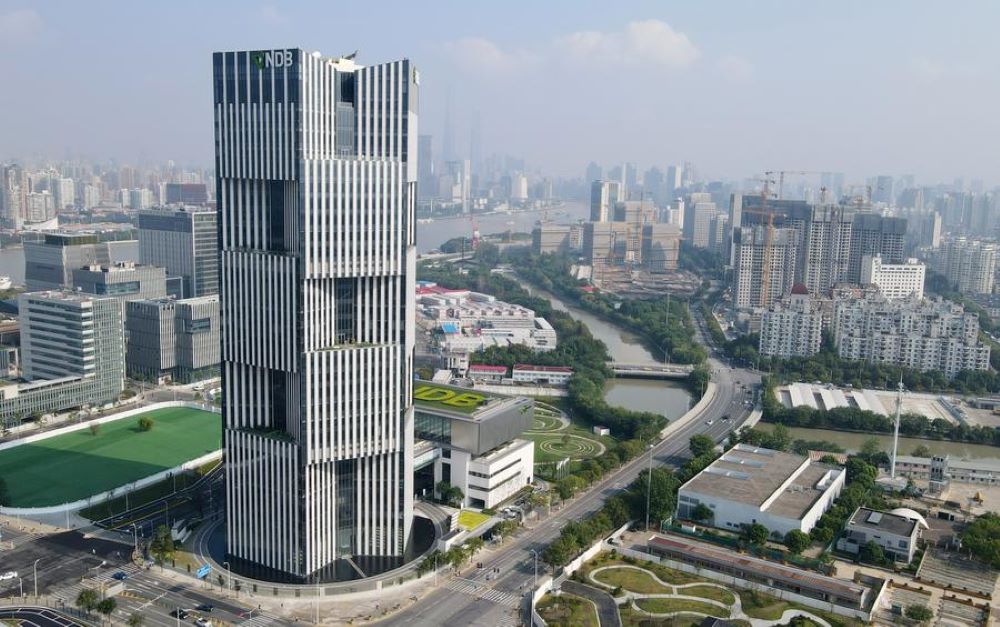
Following this spirit, practical cooperation has always been the foundation of the BRICS mechanism, a good example of which is the launch of the New Development Bank (NDB). Headquartered in Shanghai, the multilateral institution had approved 105 projects in all member countries for approximately 35 billion U.S. dollars by the end of 2023.
In view of BRICS’ evolving development needs, Xi, at the 2017 summit in China’s coastal city of Xiamen, joined other member leaders in formally incorporating cultural and people-to-people exchanges into the engines of BRICS cooperation, in order to further enhance the bond between these nations and reinforce the foundation of BRICS interaction.
Powered by the three engines, namely political and security, economic and financial, as well as cultural and people-to-people exchanges, the BRICS cooperation has witnessed even more substantial progress and growing popular support.
The unique value of the BRICS cooperation goes beyond economic terms, and the mechanism is an innovation of international cooperation, which is in marked contrast to some protectionist, exclusive political, military or economic alliances in the West, said Wang Lei, director of the BRICS Cooperation Research Center at Beijing Normal University.
In Xi’s words, the BRICS cooperation transcends the old formula of political and military alliances, the old mindset of drawing lines on the basis of ideology as well as the obsolete notion of “you-win-I-lose” and “winner-takes-all.”
The golden track record, as many observers have pointed out, has not only amply busted various gloom-and-doom claims such as that BRICS is nothing but “a motley crew,” but also significantly increased its appeal to the rest of the world.
{{GREATER BRICS}}
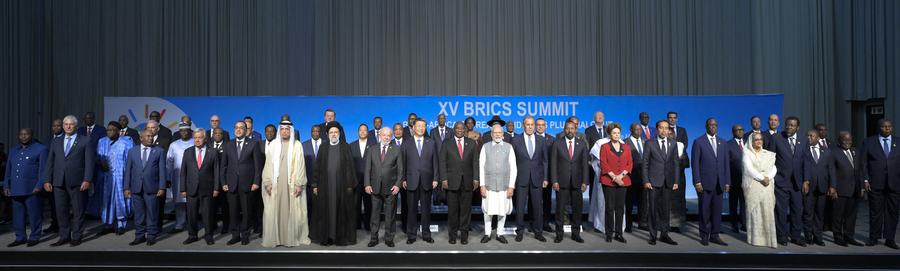
On Aug. 24 morning last year, the Sandton Convention Center in Johannesburg erupted with applause upon the announcement of BRICS’ historic expansion. That, Xi said at the press conference, demonstrates “the determination of BRICS countries and developing nations to unite.”
Since the inception of the BRICS mechanism, openness and inclusiveness have remained its members’ abiding commitment. Xi has repeatedly emphasized that BRICS countries gather not in a closed club or an exclusive circle. “A tree cannot make a forest,” he said as early as at his BRICS summit debut in Durban in 2013. A year later at the Fortaleza summit in Brazil, he proposed the “BRICS spirit” of openness, inclusiveness, and win-win cooperation.
With such an open mind, the group developed a tradition of inviting leaders of other countries to its summits. Then at the 2017 gathering in Xiamen, an ancient port city that has evolved into a dynamic hub in China’s opening-up and reform, Xi built on that outreach practice and put forward the “BRICS Plus” program, encouraging more participation of other emerging markets and developing nations.
In fact, this southern Chinese city of Xiamen happened to be where Xi came to work as deputy mayor in 1985 at 32. Now, under Xi’s initiative, an innovation base for the BRICS partnership on the new industrial revolution has taken root there.
Over the years, with profound changes reshaping the world at a degree rarely seen in history, the Chinese president has unwaveringly championed openness and cooperation. “Under the new circumstances, it is all the more important for BRICS countries to pursue development with open doors and boost cooperation with open arms,” Xi said at the 14th BRICS summit in 2022.
A year later, more than 60 countries gathered in Johannesburg for the BRICS summit. The gathering “is not an exercise of asking countries to take sides, nor an exercise of creating bloc confrontation,” Xi said. “Rather, it is an endeavor to expand the architecture of peace and development.”
Other than the countries that became new full members on Jan. 1, 2024, more than 30 nations have also formally applied to join BRICS, while many other developing countries are seeking deeper cooperation with the group.
“There is a reason why these countries choose to join BRICS,” said Mekhri Aliev, a board director of the BRICS innovation base in Xiamen. “Because they see future, they see potentials and opportunities within the BRICS.”
{{BIGGER VOICE}}
Three months after its expansion decision, BRICS convened an extraordinary joint summit on the Gaza situation with leaders of invited members, as well as UN Secretary-General Antonio Guterres. That was a first-of-its-kind meeting for the group. The meeting, as Xi said, marks “a good start” for greater BRICS cooperation following its enlargement.
Commenting on this summit, Al Jazeera said that leading countries of the Global South are looking for “a greater say in a global order dominated by the West.” Steven Gruzd, an analyst at the South African Institute of International Affairs, said: “It does reflect on the growing assertiveness and confidence of the BRICS grouping, not waiting for the West.”
BRICS is an important force in shaping the international landscape. Advancing a more just and equitable international order has been a consistent theme in Xi’s remarks on BRICS cooperation.
Effective coordination between BRICS members and other Global South countries is “adding more bricks to the global governance architecture,” said Wang Lei, the Chinese expert with Beijing Normal University.
The New Development Bank (NDB) exemplifies this effort. “The establishment of the bank serves as a beneficial supplement and improvement to the existing financial system,” Xi said, “which can encourage deeper reflection and more active reforms in the global financial system.”
During a meeting with Dilma Rousseff, former Brazilian President and incumbent NDB chief, in Beijing in 2023, Xi called on the NDB to help with the modernization of more developing countries. Rousseff shares Xi’s vision. “It is a vision that we don’t want BRICS to speak just for a few countries. What we want is for most countries to be part of BRICS,” she told Xinhua.
As Xi has observed, strengthening global governance is the right choice if the international community intends to share development opportunities and tackle global challenges.
“Economically, non-Western nations — with BRICS at the vanguard — are pushing the globe into a new reality: An emerging economic, social, and monetary status quo that is upending what the world has accepted as normal for nearly eight decades,” Jeff D. Opdyke, a global investment expert, has observed.
To Guan Zhaoyu, a research fellow with the Eurasian Studies Institute at Renmin University of China, BRICS cooperation “is neither anti-Western nor aimed at overthrowing the existing global order, but rather constructively reforming its unfair aspects to give more opportunities to the developing world.”
Xi maintains that development is an inalienable right of all countries, not a privilege of a few countries. Under his grand vision to build a community with a shared future for mankind, China has been joining hands with other developing countries in advancing their respective modernization.
China will always be a member of the Global South and the developing world, Xi has said on various occasions.
“President Xi has sent out a very clear message: China will unite with other emerging markets and developing countries in the process of global modernization and make sure no one is left behind,” said Guan.