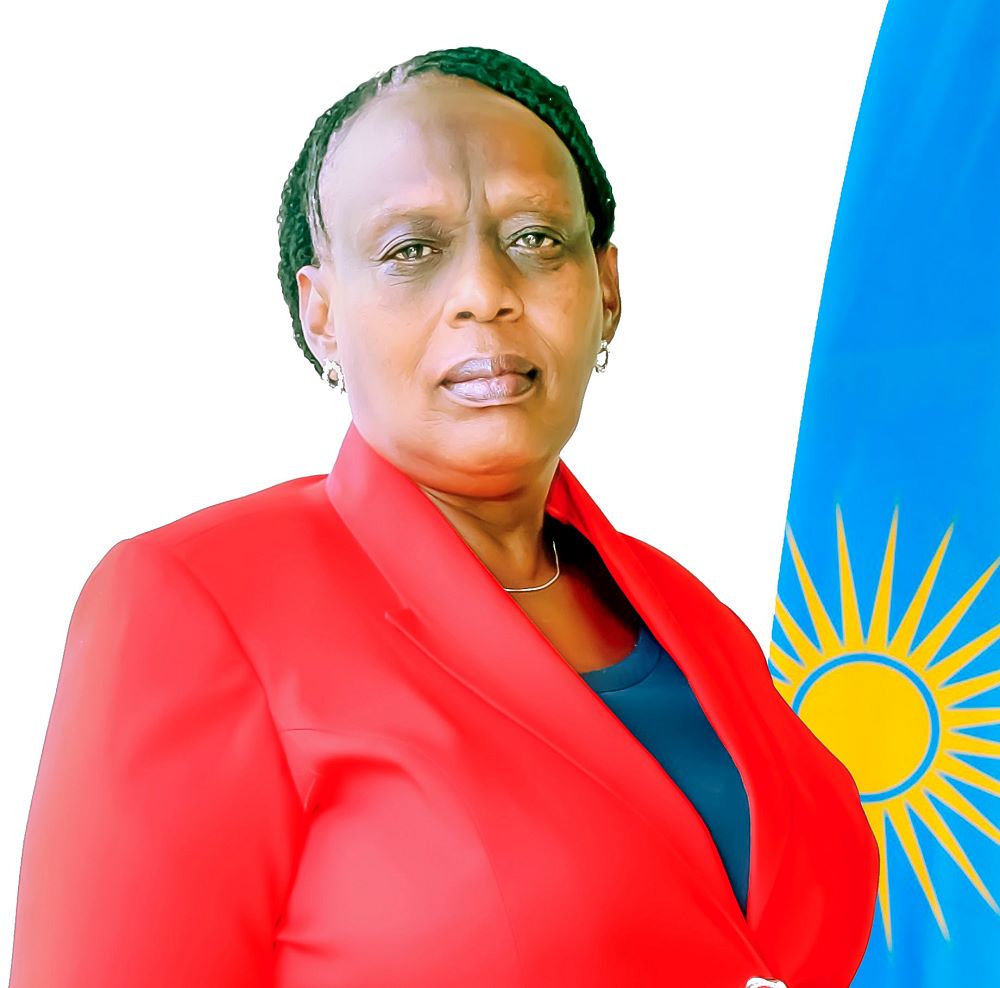
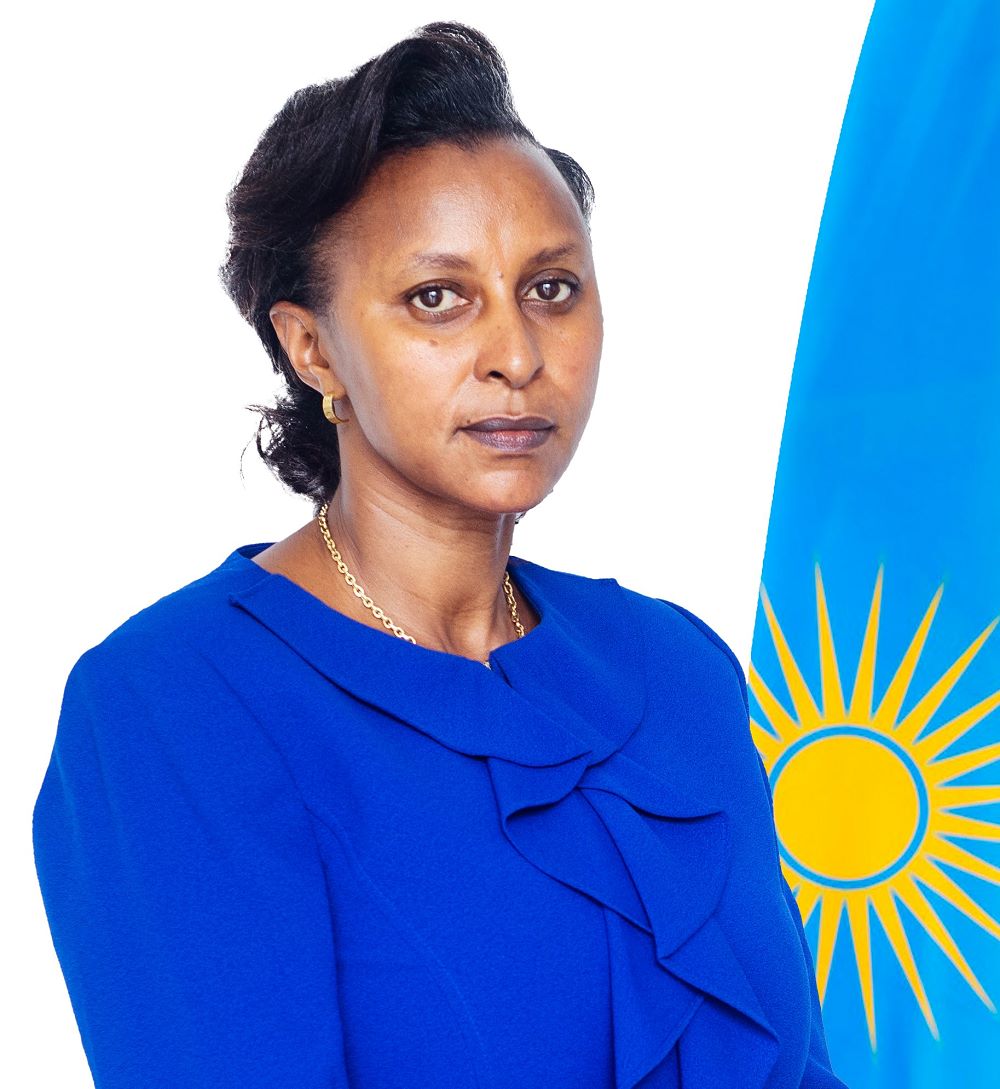
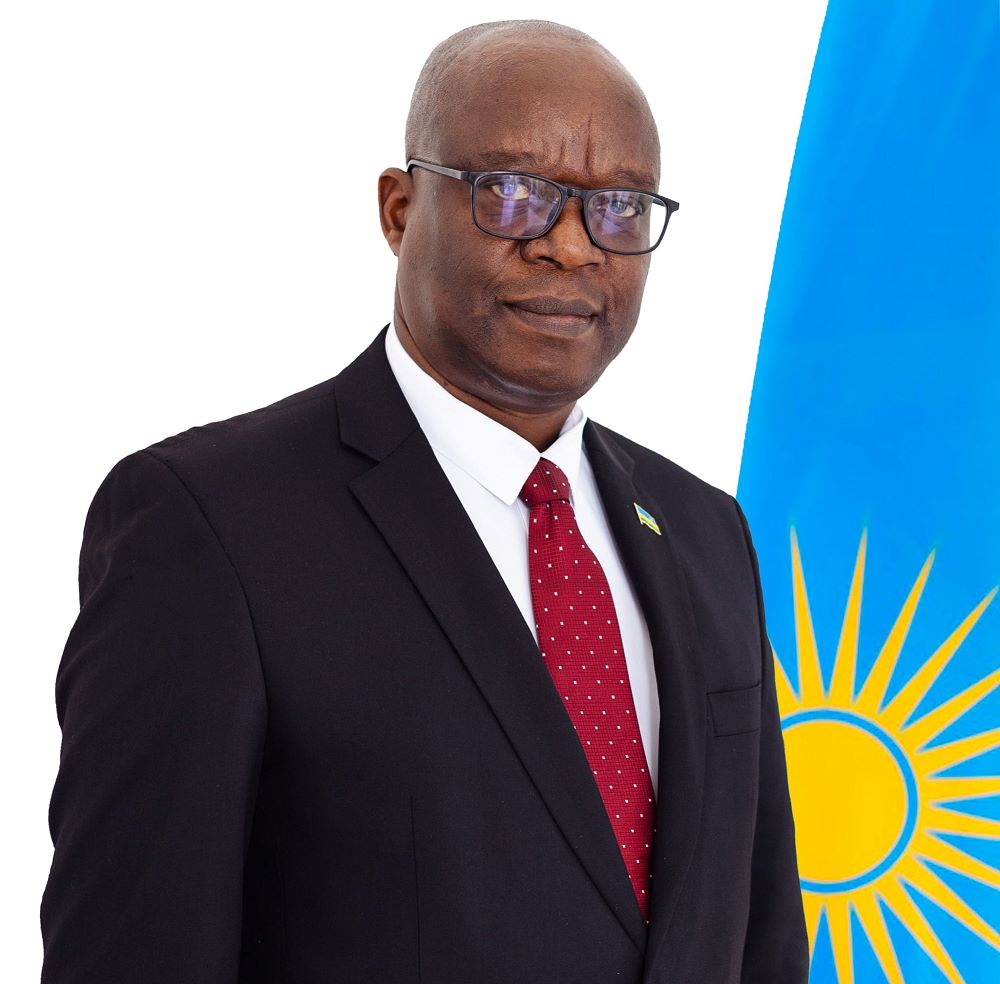
The election took place during the General Assembly of the Chamber of Deputies on October 21, 2024.
PAP was set up under the 1991 Abuja Treaty to ensure the full participation of African peoples in the economic development and integration of the continent.
The legislative body of the African Union also serves as a platform for people from all African states to be involved in discussions and decision making on the problems and challenges facing the continent.
Each member country in PAP is represented by five national legislators, with a requirement that at least one must be a woman.
The representatives come from different political parties holding seats in their respective national parliaments and are appointed by their parliaments rather than through direct public elections.
For Rwanda, three Deputies and two Senators represent the country in PAP, and their mandate aligns with their tenure in the national legislature.
Deputy Jennifer Wibabara was elected with 77 out of 79 votes. She holds a Master’s degree in project management and has 30 years of experience in both government and non-governmental organizations.
Wibabara expressed her dedication to advancing Africa’s development, inspired by the leadership of President Kagame.
“This parliament represents the people, and we represent them too. I will work diligently and with dedication, following the leadership of our President, who strives for a proud, united, and self-sufficient Africa,” she said.
Deputy Diogene Bitunguramye, who received 78 votes, has served in Rwanda’s Parliament since 2016. He holds a Master’s degree in education and has held various government roles throughout his career.
Deputy Aimée Marie Ange Tumukunde, elected with 74 votes, highlighted her extensive experience resolving citizens’ issues in previous roles.
She committed to using her expertise at PAP to advocate for the welfare and economic development of Africans.
The Pan-African Parliament consists of 275 representatives from African Union member states that have ratified its protocol.
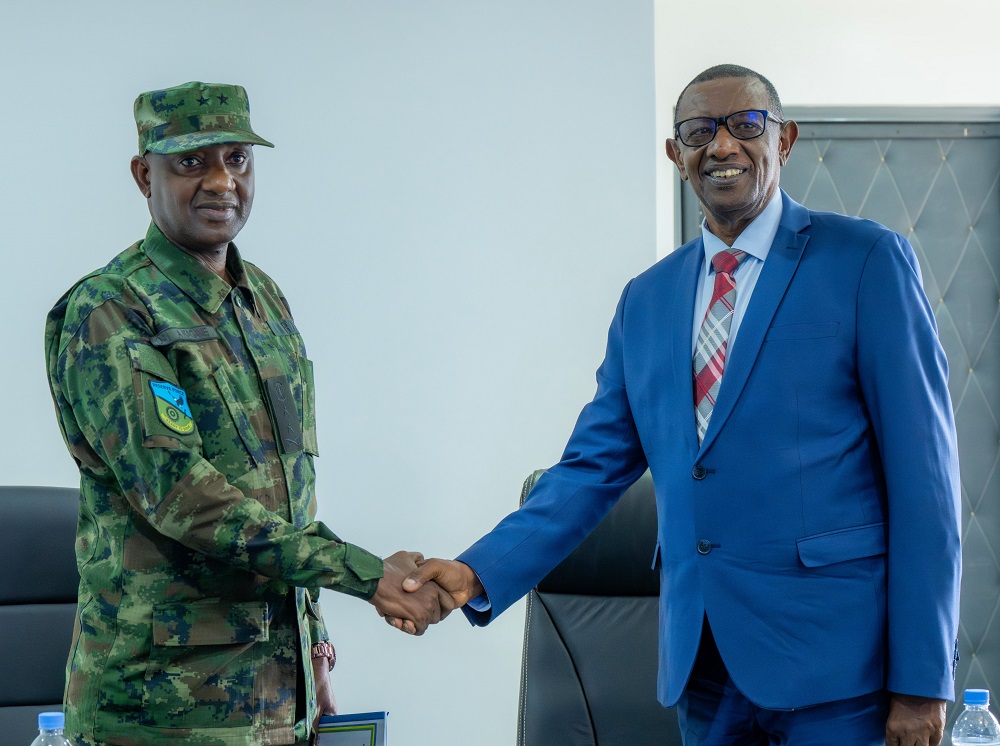
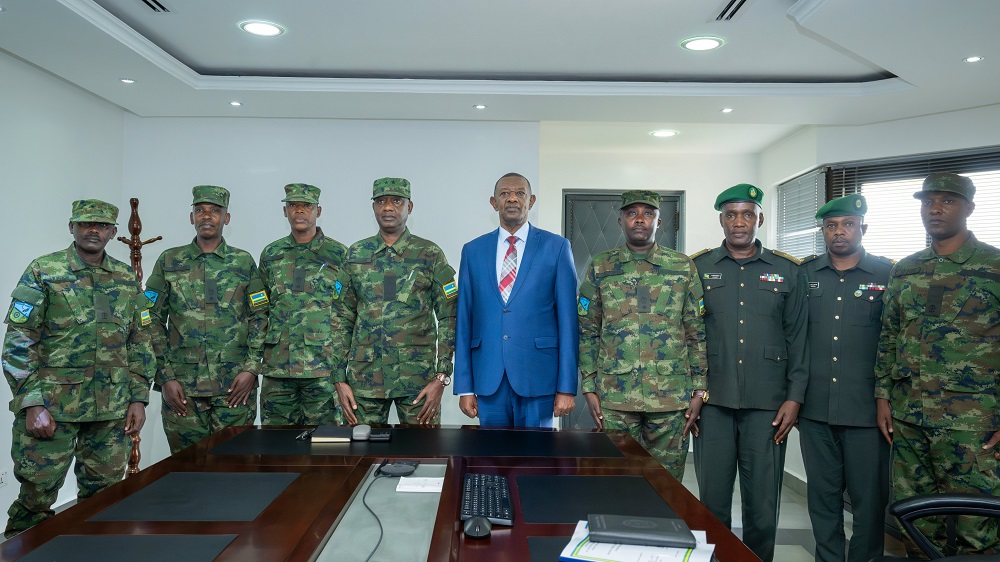
According to an RDF statement, the event was attended by the Heads of Departments of the Reserve Force.
Maj Gen Alex Kagame was appointed by President Paul Kagame, the Commander-in-Chief of the Rwanda Defence Force (RDF), on October 15, 2024.
The Reserve Force is one of the four branches of the Rwanda Defence Force.
Maj Gen Alex Kagame recently served as the Joint Task Force Commander of the Rwanda Security Forces (RSF) in Mozambique’s northern province of Cabo Delgado, before he was succeeded by Maj Gen Emmy Ruvusha.
Maj Gen Kagame first joined the military in 1987 and was part of the Rwanda Patriotic Army (RPA), the force that liberated Rwanda in 1994 and put an end to the Genocide against the Tutsi.
Throughout his military career, Maj Gen Kagame has commanded various RDF divisions, including Division 2 in the Northern Province, Division 3 covering the Western Province, and Division 4 in the Southern Province. Additionally, he served as the commander of the Republican Guard.
Maj Gen Alex Kagame holds a master’s degree in military science from China, where he also completed a command course.
He also took a military command course in Kenya, which was supplemented with courses in international relations.
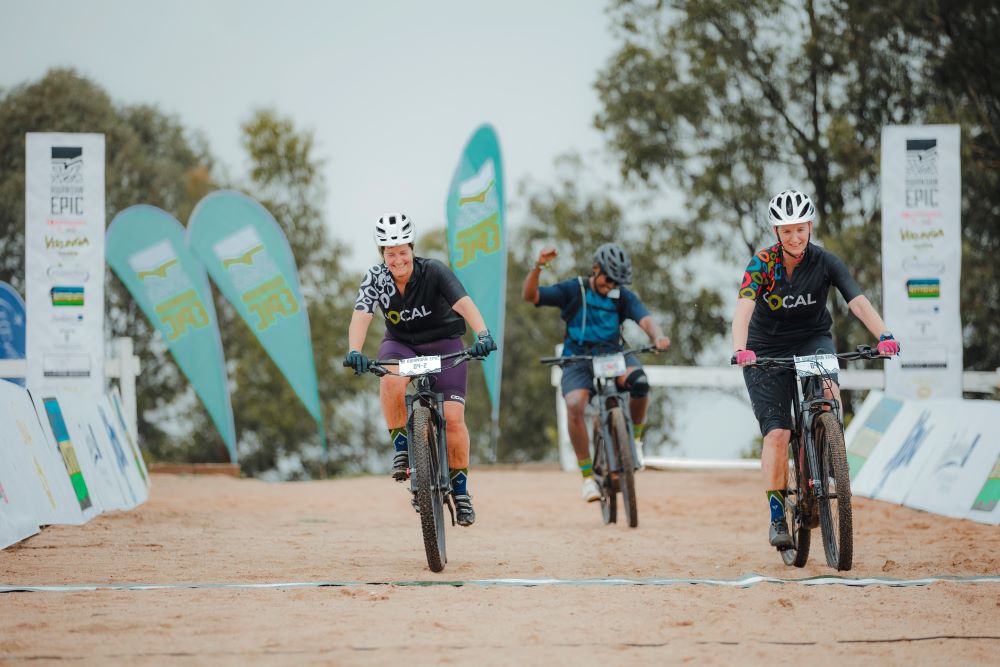
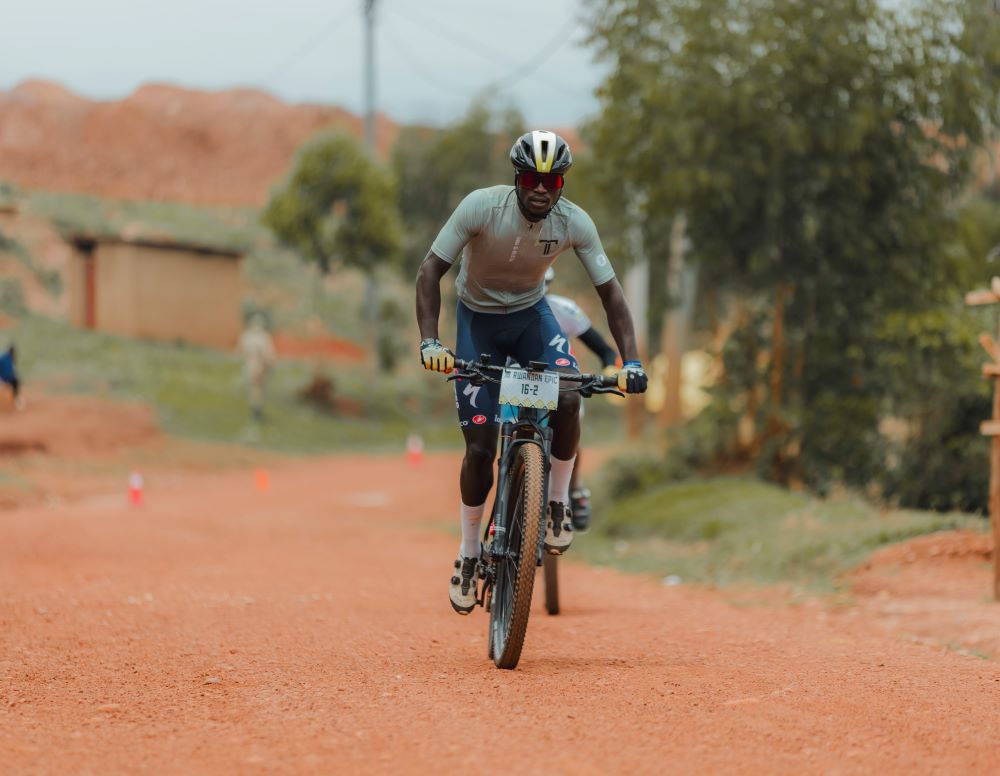
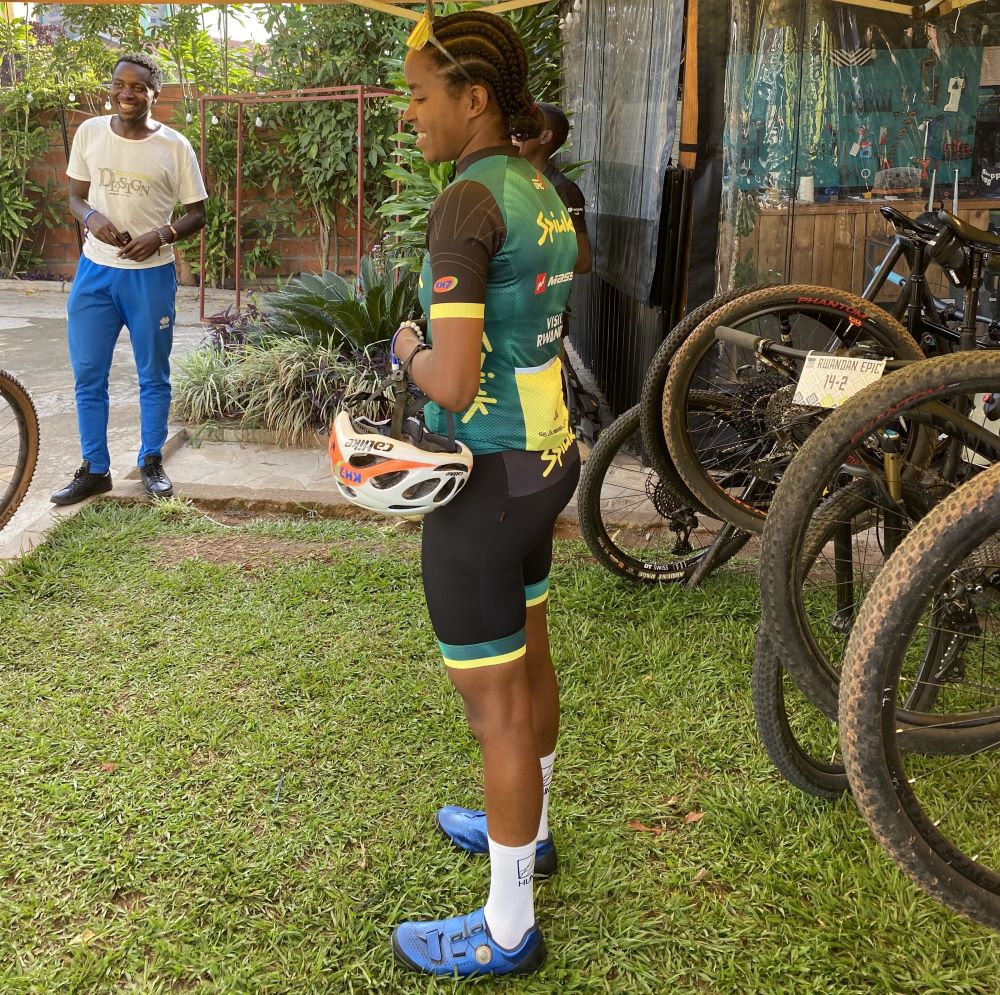
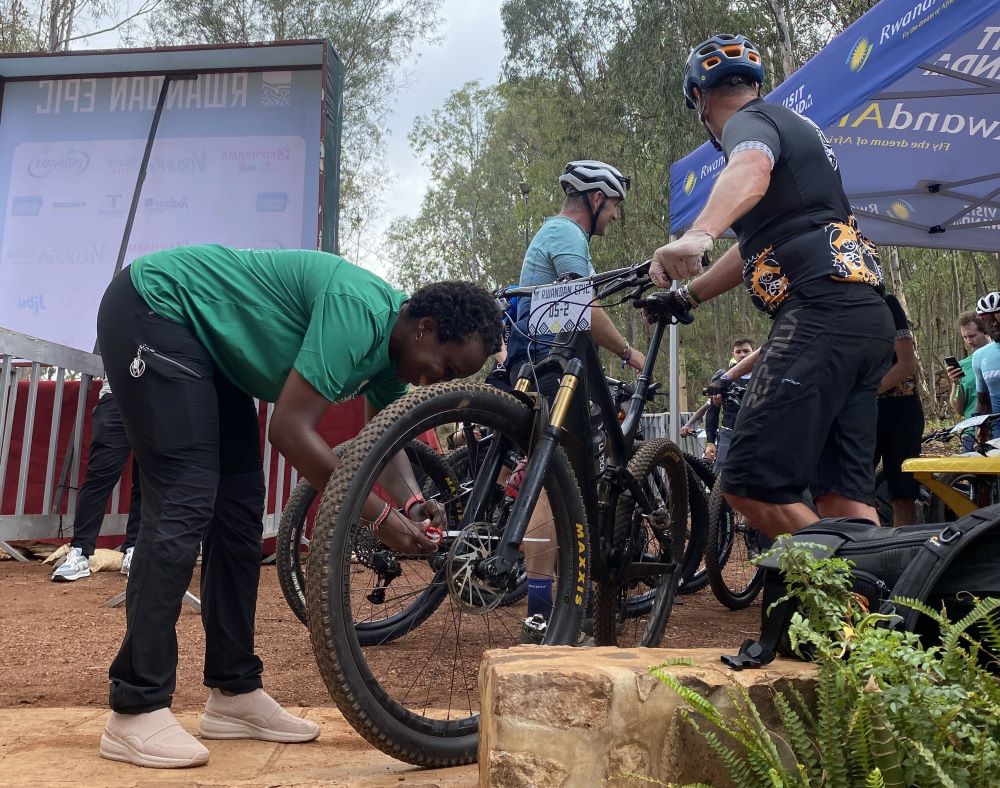
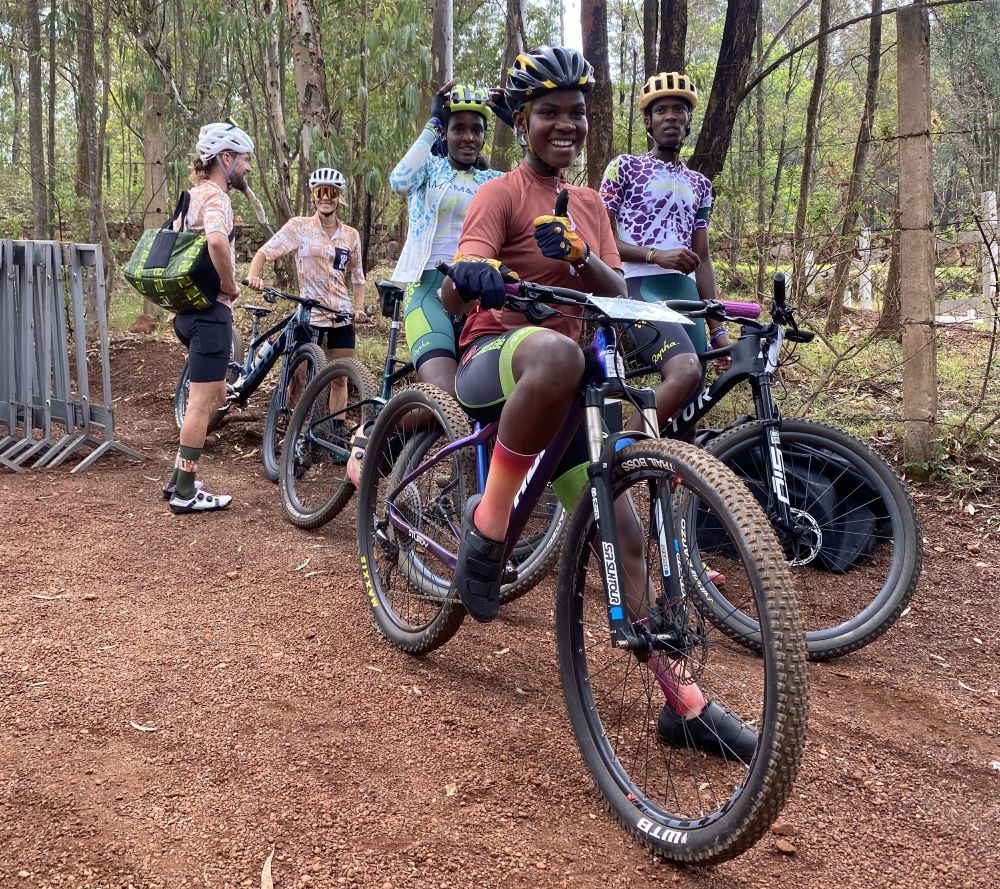
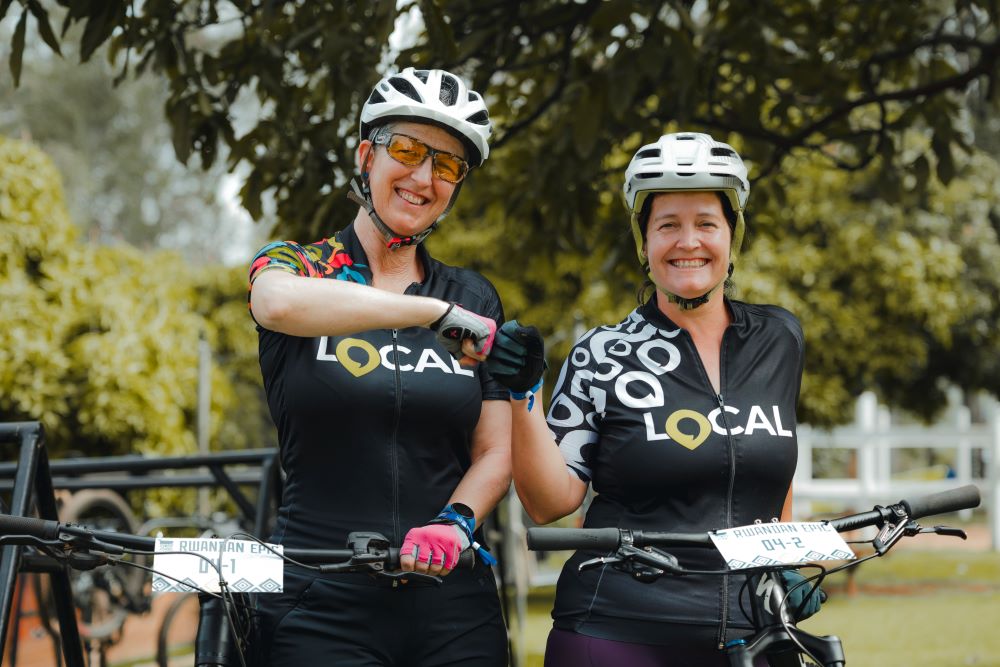
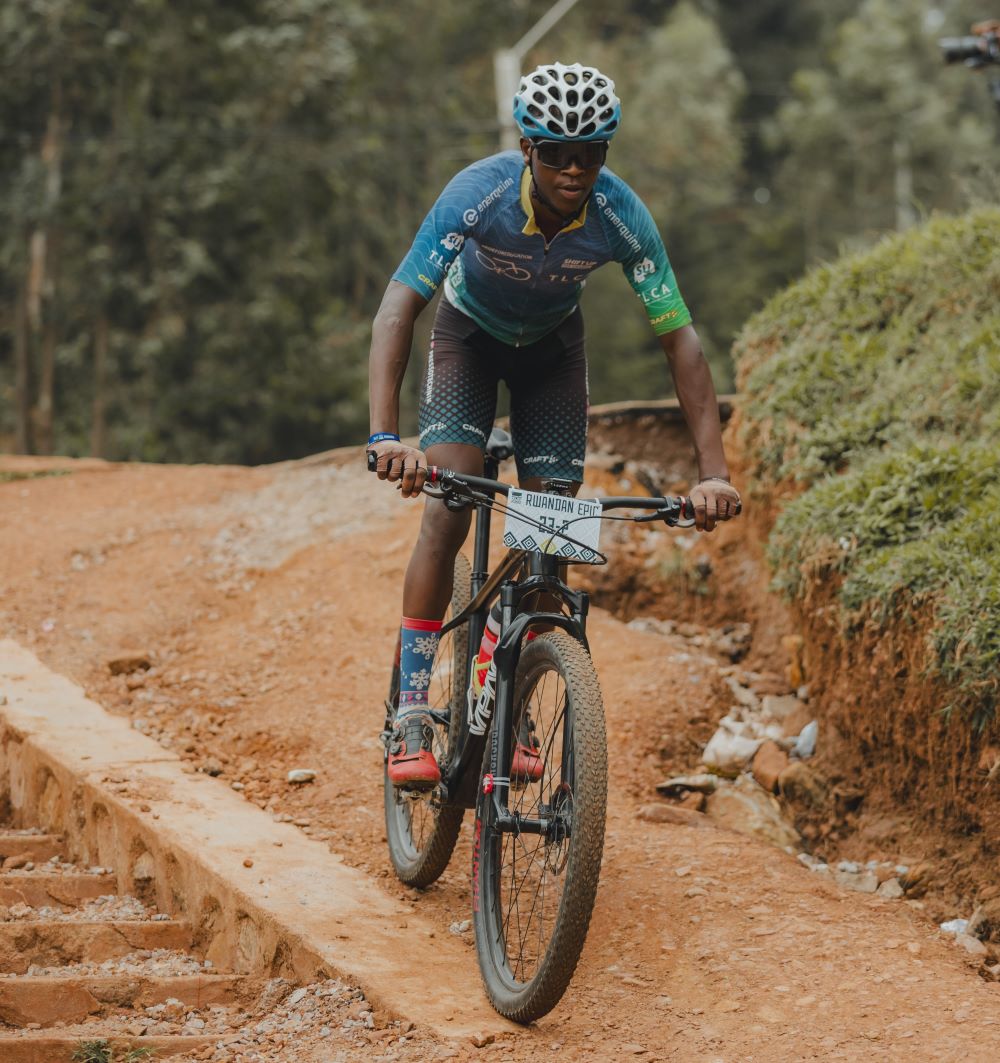
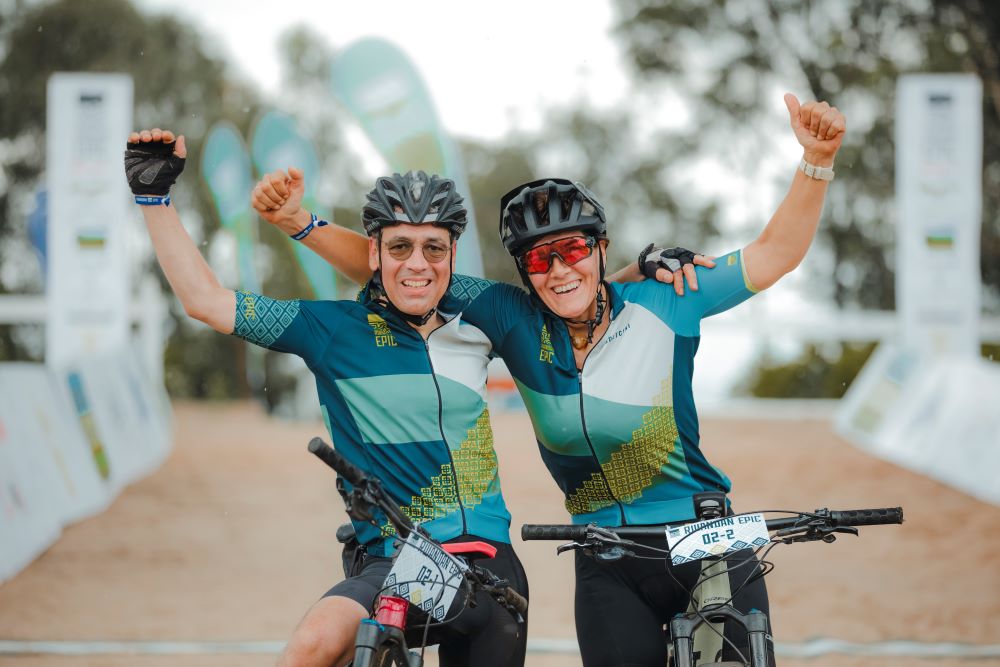
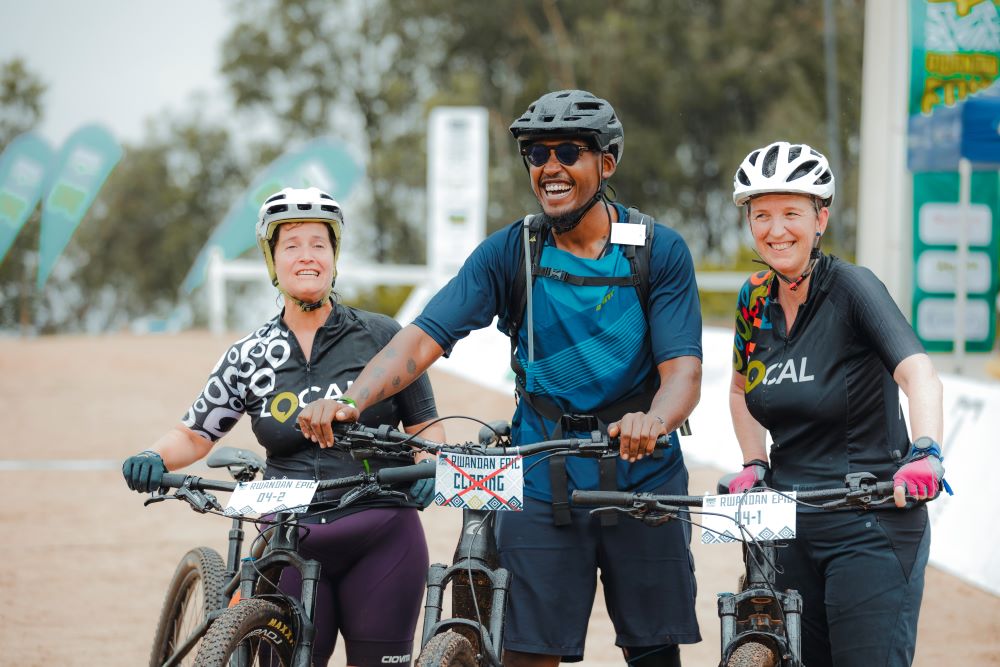
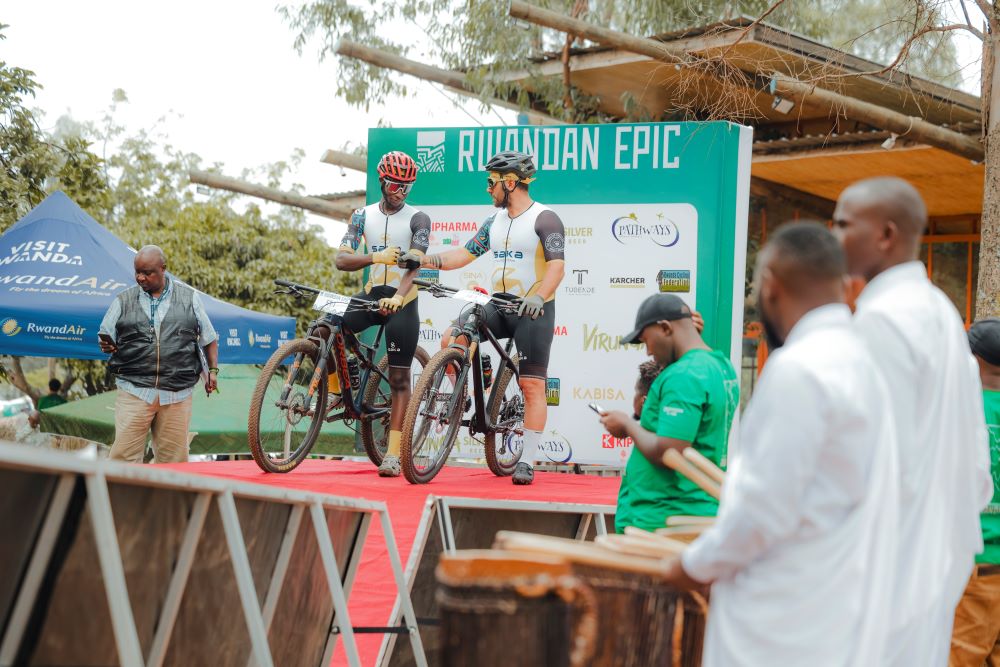
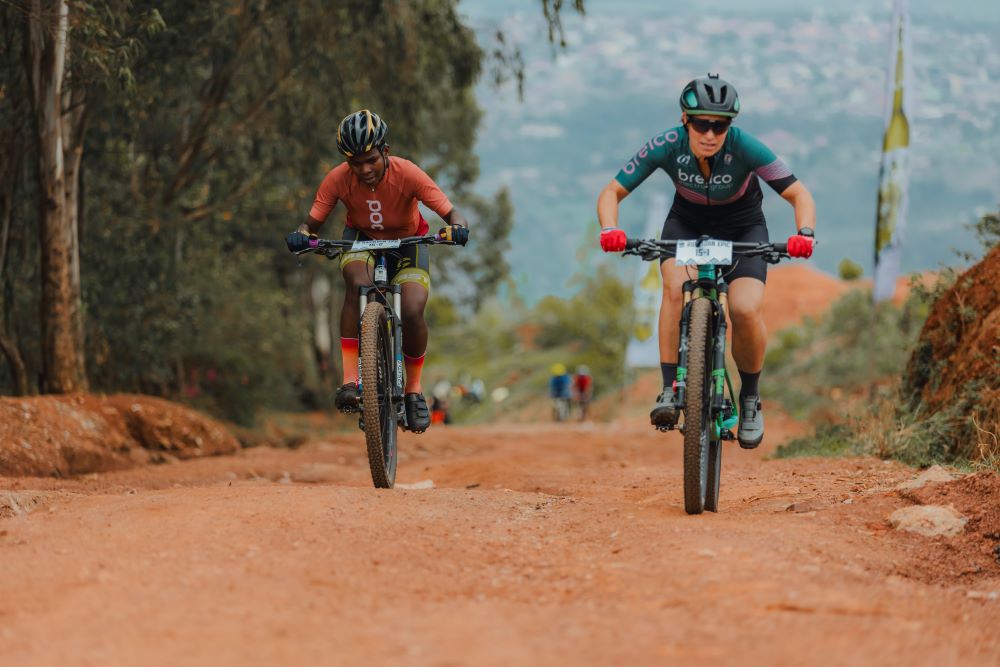
This year’s edition promises to be an exciting competition as participants, including 19 Rwandan riders, tackle some of the most rugged and scenic landscapes in the country. International veterans and the well-known Silverbacks teams, have joined the race, which tests the endurance, skill, and resilience of cyclists across multiple stages.
The race kicked off on October 21, 2024 with the prologue stage around Mount Kigali, where riders navigated an 8.8 kilometer loop through urban and forest terrain. Starting at Fazenda Sengha, the route offers a challenging mix of surfaces with a 260-meter elevation gain.
Over the coming days, competitors will face even more grueling stages. One of the highlights is the Mount Kabuye stage, a 95 kilometer ride from Nyirangarama to ARCC, with a massive elevation gain of 2551 meters.
This stage, known for its tough climbs, is expected to challenge even the most seasoned cyclists. Another key stage is the Twin Lakes route, which spans 54.9 kilometers and takes riders through scenic trails and volcanic terrain, finishing at the Musanze Football Stadium.
Another stage of the race will be conducted in the Volcanoes special time regulation for riders will be mandatory in completing complete all 6 laps covering a distance of 29.8kilometers. Riders will be allocated a time penalty for each lap not completed, added to their slowest lap time.
The Rwanda Epic mountain bike race will culminate in the final Gishwati-Rubavu stage, a 65.5 kilometer stretch that ends at the picturesque Rubavu Beach. With rolling trails and a danger zone that covers nearly 40 kilometers, this final stage will push riders to their limits as they race to the finish line.
At the launch of race, Simon De Schutter, the Head of the organizing team said that Rwanda Epic is more than just a test of athletic endurance.
“Over 60 support staff, including four doctors and the Red Cross, are on hand throughout the event to ensure the safety of the cyclists. The race also involves the local community, with over 300 people engaged in various capacities, working closely with local authorities and organizations to make the event a success,” he said.
In addition to the main race, local riders will have the opportunity to compete in the Abanyonzi Race, an open competition in Musanze where they will vie for prizes, further showcasing Rwanda’s growing cycling talent.
Riders compete in various categories, including duo men, duo women, mixed teams, Silverbacks (for combined team ages of 99 years and above), Best Rwandan Team, and Solo. Stage winners and overall champions will be celebrated for their achievements across Rwanda’s diverse and challenging terrain.
The Rwanda Epic has grown into a premier cycling event that not only highlights the physical endurance of the athletes but also showcases the natural beauty of the country.
Known for its breathtaking landscapes and rugged trails, the race draws attention to Rwanda’s potential as a cycling destination while promoting sports and tourism.
As the competition progresses, cycling enthusiasts can look forward to constant updates and results, capturing the thrilling journey of these riders as they push themselves through each stage.
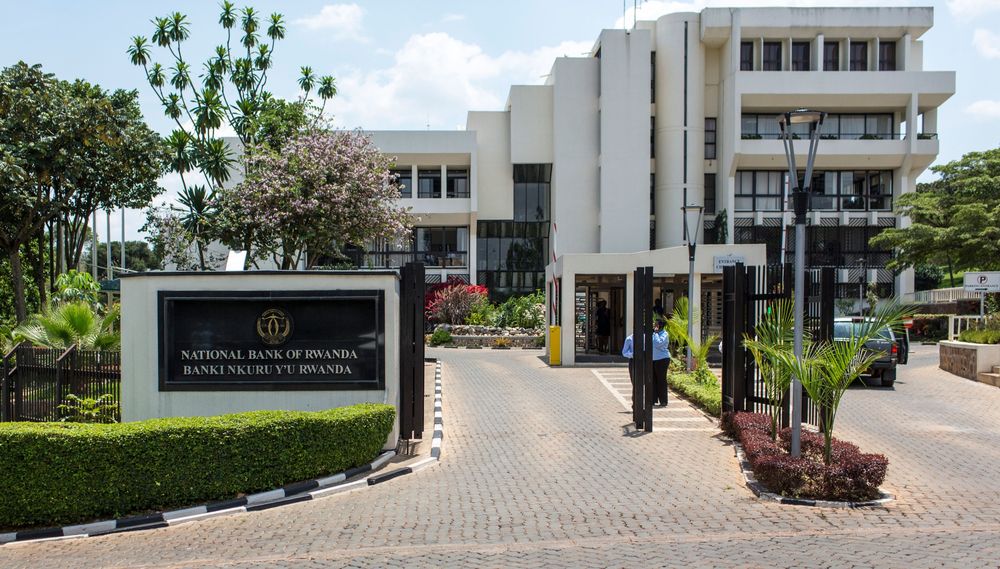
The purchase of the treasury bonds began on October 21 and will close on October 23, 2024.
Treasury bonds are a means used by the government to raise funds for national development activities.
Depending on the required funds, the government determines the value of the treasury bonds issued, which are also seen as investment opportunities for individuals looking to save for the long term.
When a person purchases treasury bonds, they are effectively lending money to the government, receiving interest. They will be reimbursed the amount they spent to buy the bonds when the maturity period ends.
The Rwandan government started the program to raise resources through treasury bonds in 2008.
In Rwanda, the main buyers of treasury bonds include financial institutions, insurance companies, and individual investors, who have increasingly participated in this market, especially after a major awareness campaign explaining their benefits that started in 2014.
The Rwandan government has also put significant effort into providing opportunities for treasury bondholders, as they can use them as collateral in banks to obtain loans that promote their development.
While the list of attractions is very wide; this article takes you on a journey through some of the must-visit places in Rwanda, presenting a combination of wildlife experiences, historical sites, and stunning landscapes that will leave every traveler in awe.
{{Volcanoes National Park: Home to the majestic mountain gorillas}}
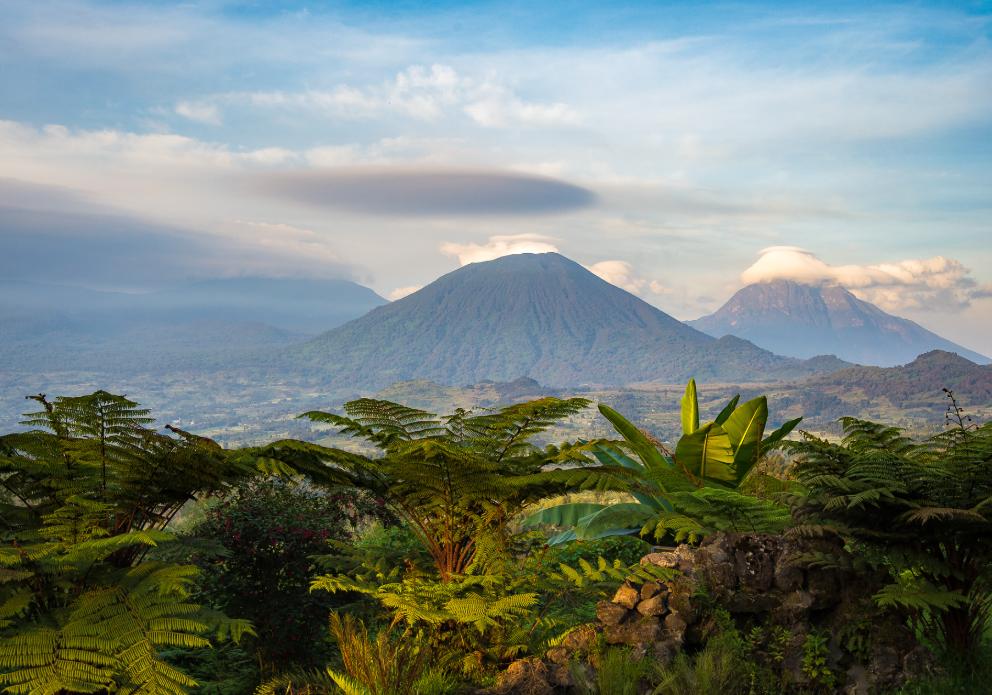
At the heart of Rwanda’s tourism lies Volcanoes National Park, located in the northwest, near the border with Uganda and the Democratic Republic of Congo.
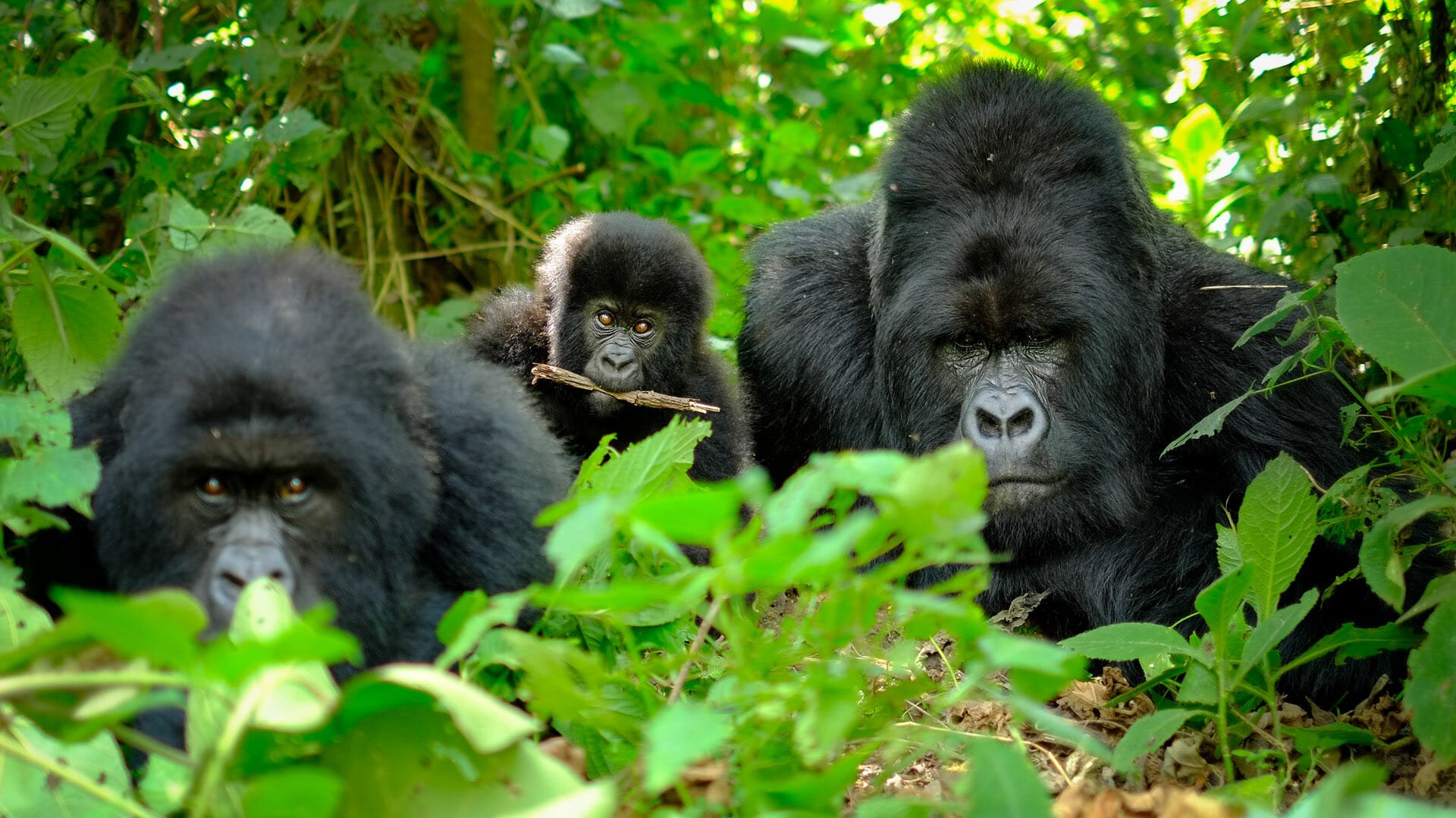
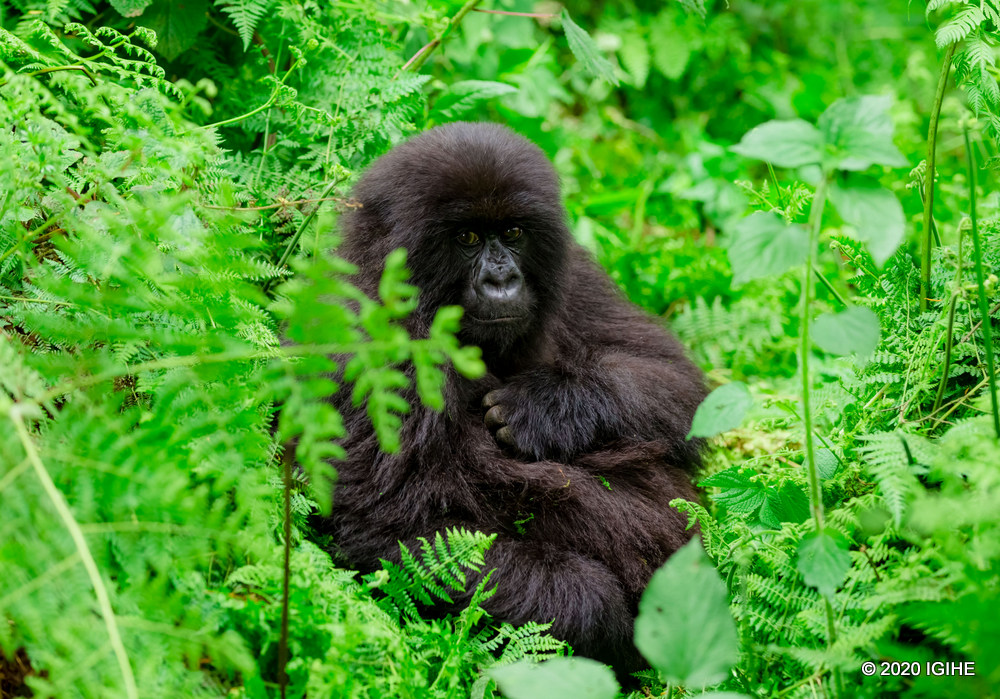
This park is the crown jewel of Rwanda, renowned for its population of endangered mountain gorillas, which has made the country a sought-after destination for wildlife lovers.
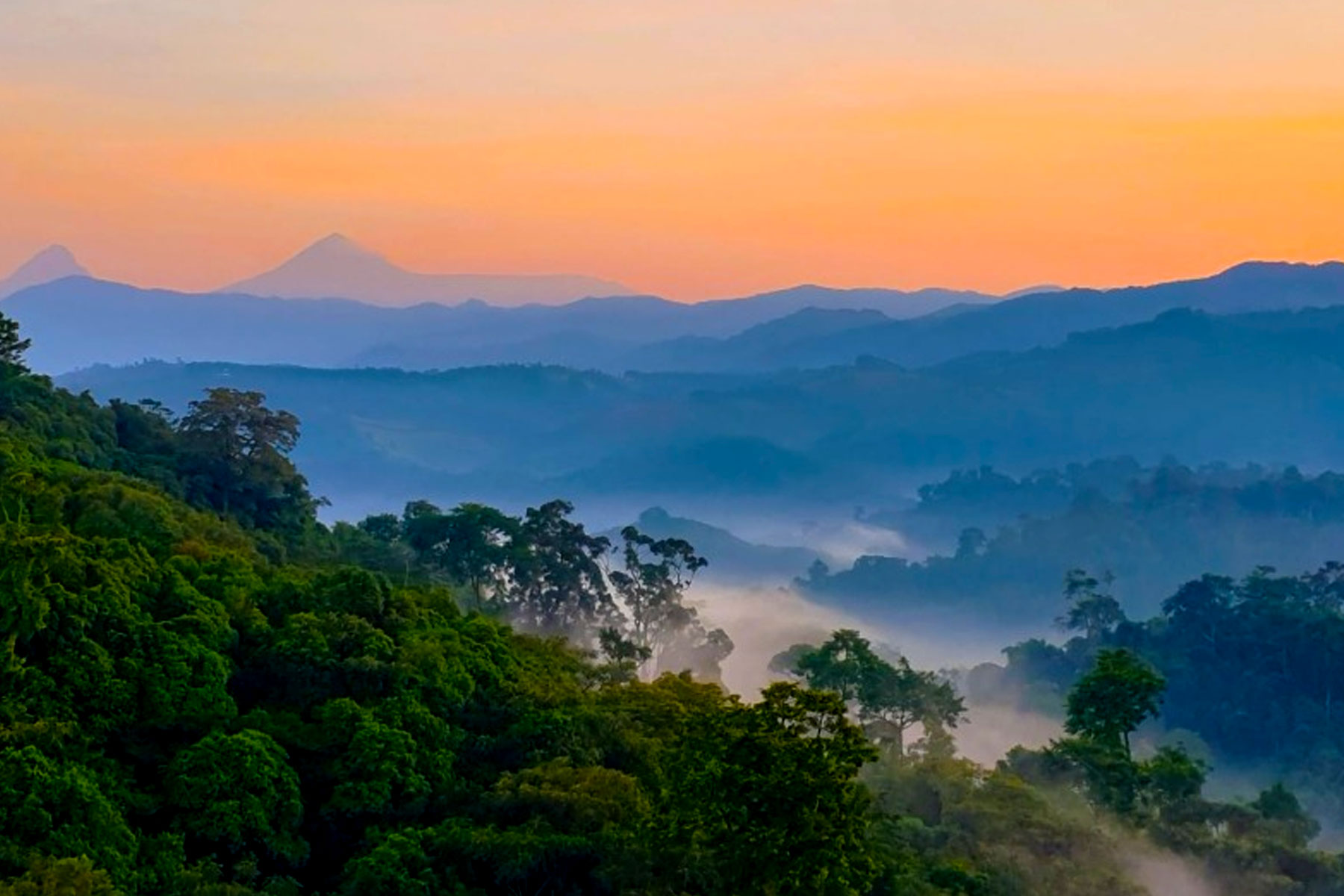
The park covers the slopes of the Virunga Mountains, home to a chain of dormant volcanoes including Karisimbi (the highest at 4,507 meters), Bisoke, Sabinyo, Gahinga, and Muhabura.
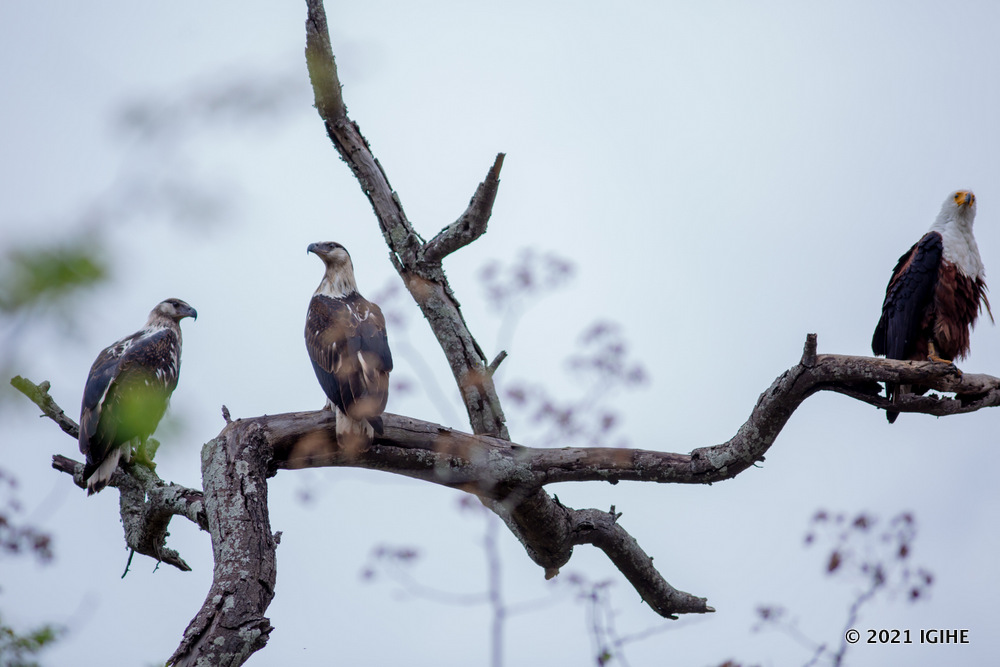
The experience of trekking through the dense rainforest, rich with the sounds of over 200 bird species and the rare golden monkeys, is something unique to this region.
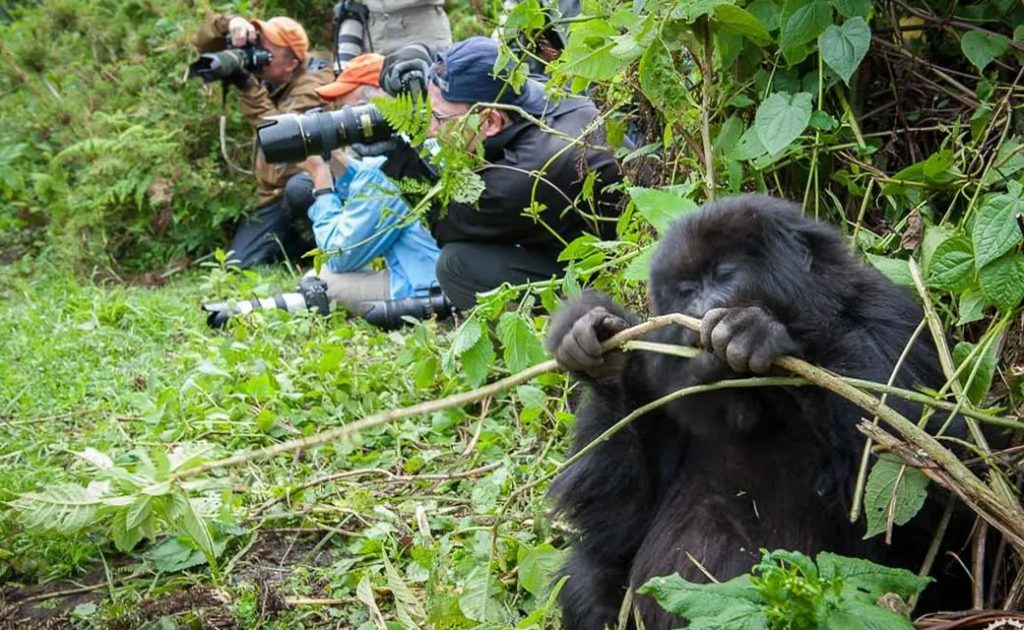
The intimate encounter with the gorillas is not just a wildlife experience but a deeply moving and transformative moment for many visitors.
In addition to gorilla trekking, the park boasts several other attractions, including the Buhanga Eco-Park, an ancient forest with significant cultural heritage, and the Musanze Caves, formed millions of years ago from volcanic eruptions.
These unique geological formations further add to the allure of this natural wonder.
{{Akagera National Park}}
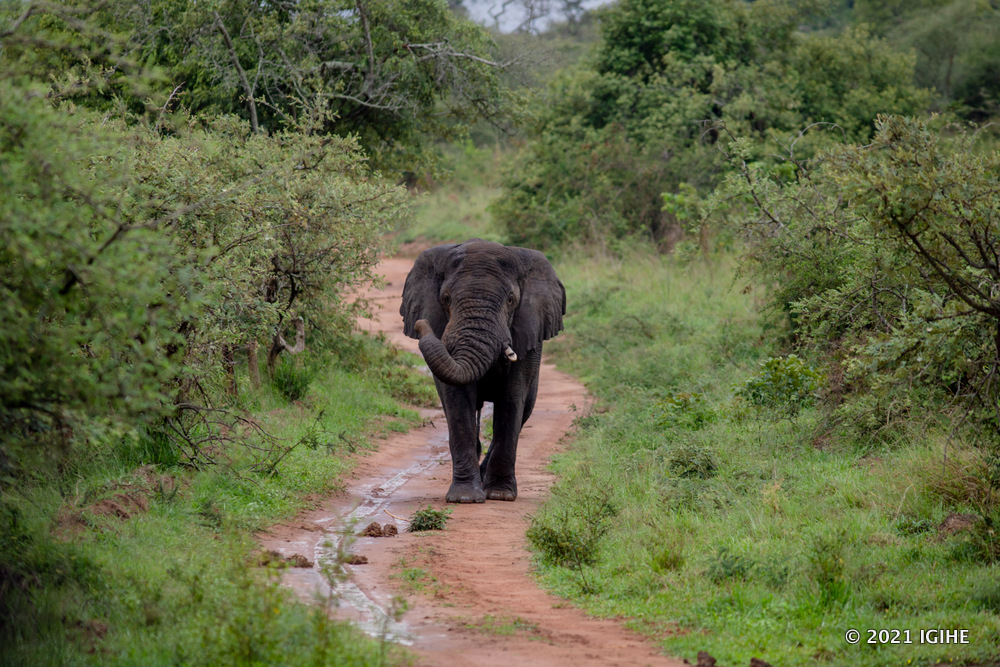
For travelers craving the traditional African safari experience, Akagera National Park in the eastern part of the country offers an entirely different landscape.
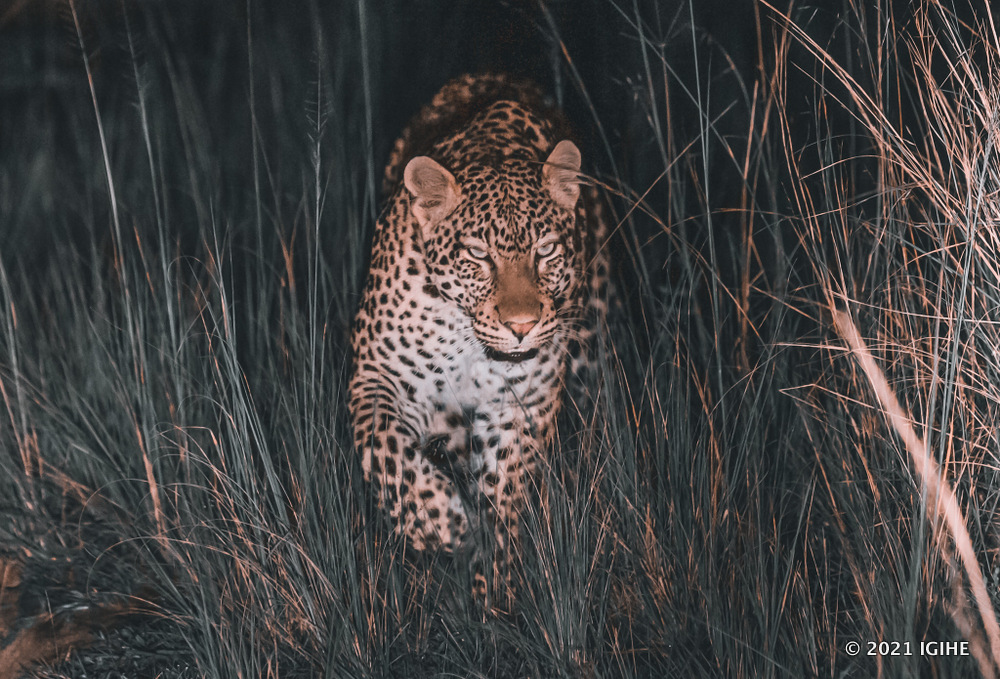
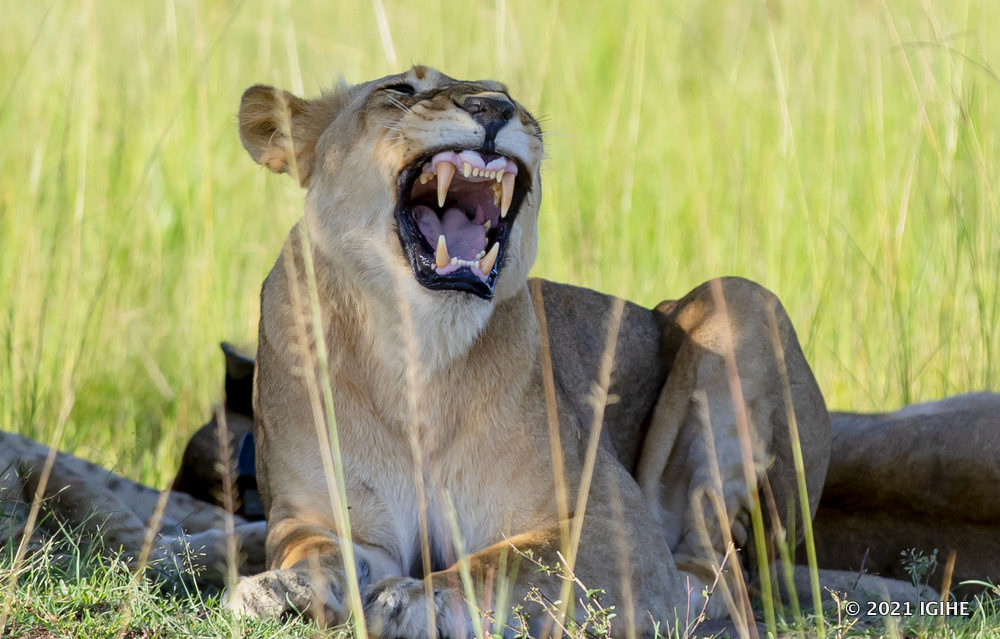
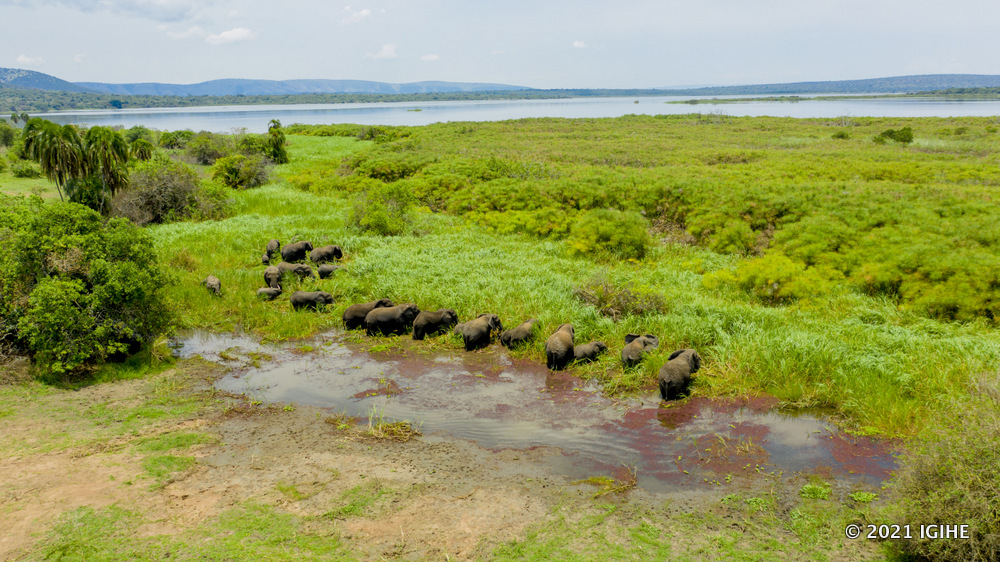
This park, named after the Akagera River, is Rwanda’s only savannah reserve and is home to the Big Five—lions, leopards, rhinos, elephants, and buffalo.
The park has seen a resurgence in recent years, thanks to successful conservation efforts, and now hosts a wide array of wildlife, including giraffes, zebras, baboons, and antelope species.
One of the highlights of visiting Akagera is a boat trip on Lake Ihema, where travelers can observe large pods of hippos, Nile crocodiles, and a variety of waterbirds in their natural habitat.
The park’s stunning savannah plains, interspersed with lakes and wetlands, provide the perfect setting for game drives, whether self-guided or through a tour operator.
Akagera also offers night drives and camping experiences for those seeking deeper immersion into Rwanda’s wilderness.
{{Nyungwe National Park}}
Nyungwe National Park is one of Africa’s oldest and most pristine rainforests, located in the southwestern part of Rwanda.
Spanning over 1,019 square kilometers, Nyungwe is a treasure trove of biodiversity and is considered one of the most important forest conservation areas in the region.
Visitors can embark on chimpanzee trekking, one of the park’s star attractions, or encounter troops of the rare colobus monkeys, which are often seen leaping through the treetops.
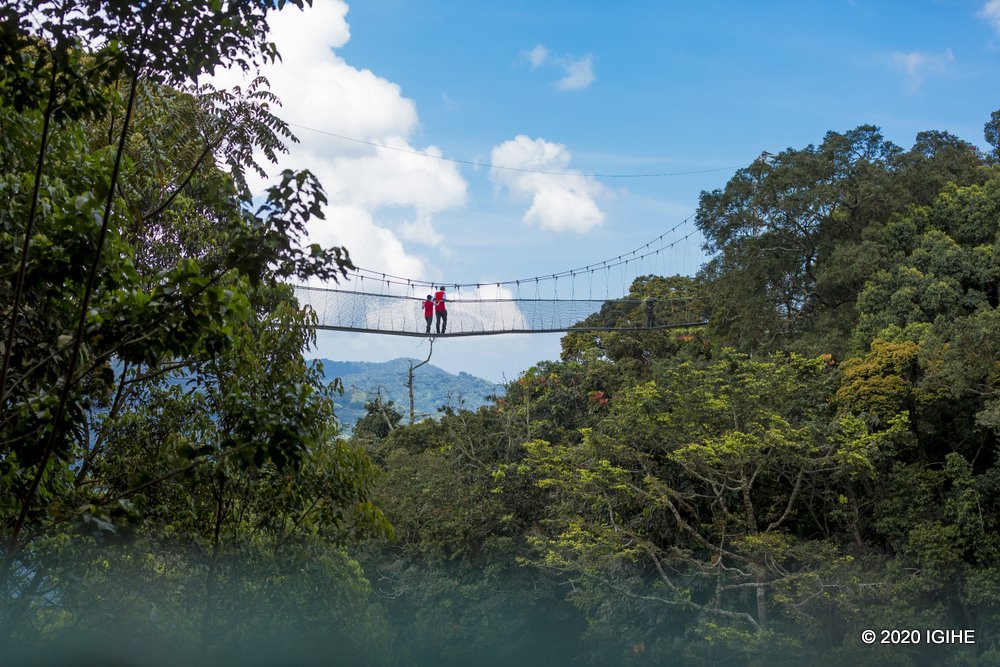
For adventurous visitors, the park offers the famous Canopy Walk, a suspension bridge hanging high above the forest floor, providing breathtaking views of the jungle canopy.
Nyungwe is also known for its extensive network of hiking trails, some of which lead to beautiful waterfalls and panoramic viewpoints.
With its lush greenery and diverse fauna, this park is a paradise for nature lovers, birdwatchers, and those looking for a serene escape into the heart of Africa’s wilderness.
{{Gishwati-Mukura National Park}}
Situated in the western part of Rwanda, Gishwati-Mukura National Park is a relatively new addition to Rwanda’s network of protected areas.
Comprising two separate forests—Gishwati and Mukura—the park covers 34 square kilometers of lush terrain. The forests lie on the ridge that divides the Congo and Nile water catchment areas, contributing to the region’s unique biodiversity.
Gishwati-Mukura is home to a small population of chimpanzees, which live alongside golden monkeys and blue monkeys, making it a haven for primate enthusiasts.
The park also boasts an impressive birdlife, with over 200 species recorded, including several endemic to the Albertine Rift.
Visitors to this park can participate in community-based activities such as cultural performances, tea plantation tours, and learning from traditional healers who use medicinal plants found in the forests.
{{The King’s Palace Museum: A step back in time}}
For those interested in Rwanda’s rich history, a visit to the King’s Palace Museum in Nyanza, Southern Province, is a must.
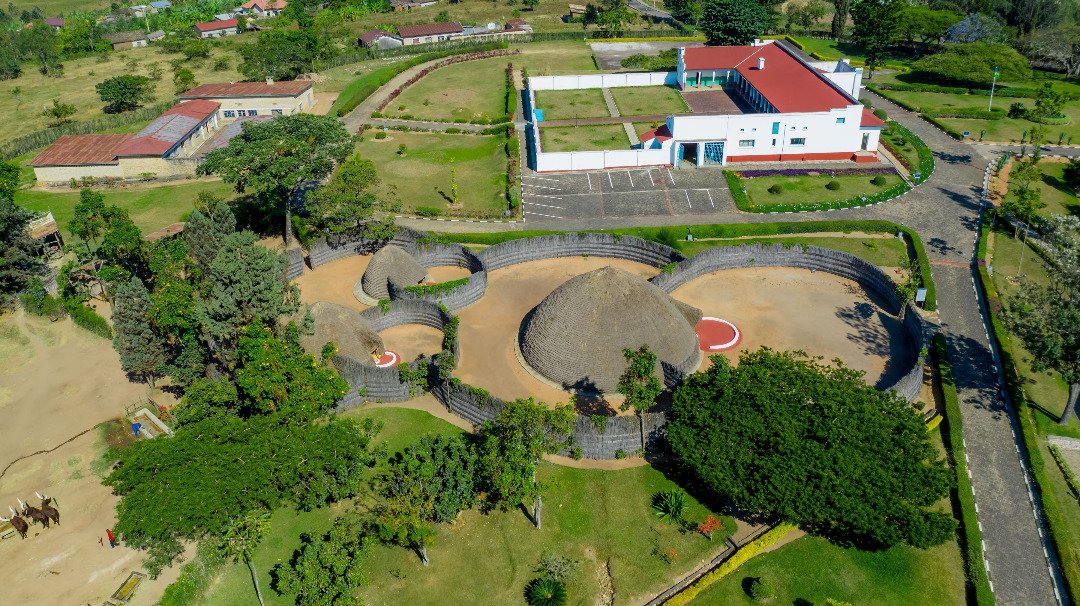
This museum offers an immersive experience into Rwanda’s pre-colonial monarchy, with a beautifully reconstructed royal palace that reflects the grandeur of the kingdom’s traditional architecture.
The palace is a thatched dwelling shaped like a beehive, offering a glimpse into how Rwanda’s kings lived before the colonial era.
For those interested in Rwanda’s history and the significance of cattle in the Rwandan culture, the royal herd of long-horned cattle, known as “Inyambo,” can still be seen grazing near the palace.
{{Ethnographic Museum}}
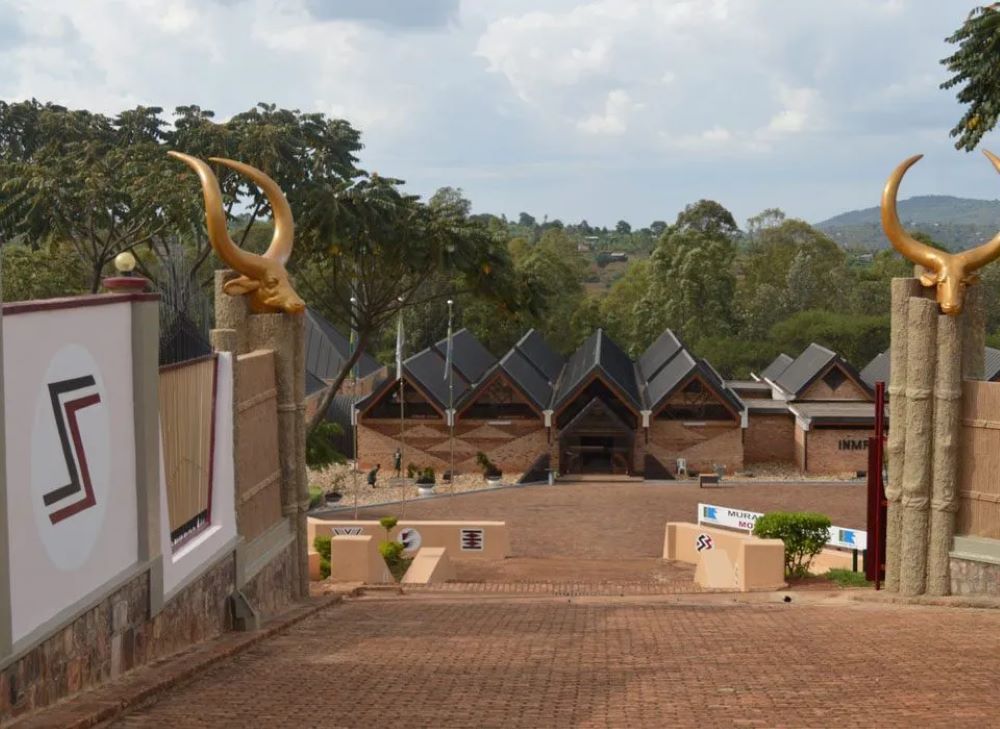
Located in Huye (formerly Butare), the Ethnographic Museum was a gift from Belgium’s King Baudouin in the late 1980s. Today, it houses one of Africa’s most impressive ethnographic collections.
The museum features seven galleries that display a wide range of historical, ethnographic, artistic, and archaeological artifacts. Through these exhibits, visitors gain a deep understanding of Rwandan culture, with visual aids enriching the experience.
The exhibits begin with geographical and geological presentations, followed by items related to traditional practices such as hunting, agriculture, animal husbandry, pottery, weaving, and woodwork.
The museum also showcases traditional clothing, architectural methods, and the social significance of cattle in Rwandan society.
The final gallery delves into traditional customs, beliefs, history, culture, poetry, oral tradition, and cosmology. Additionally, there is a highly regarded craft center on-site, offering visitors a chance to explore local craftsmanship.
{{Lake Kivu}}
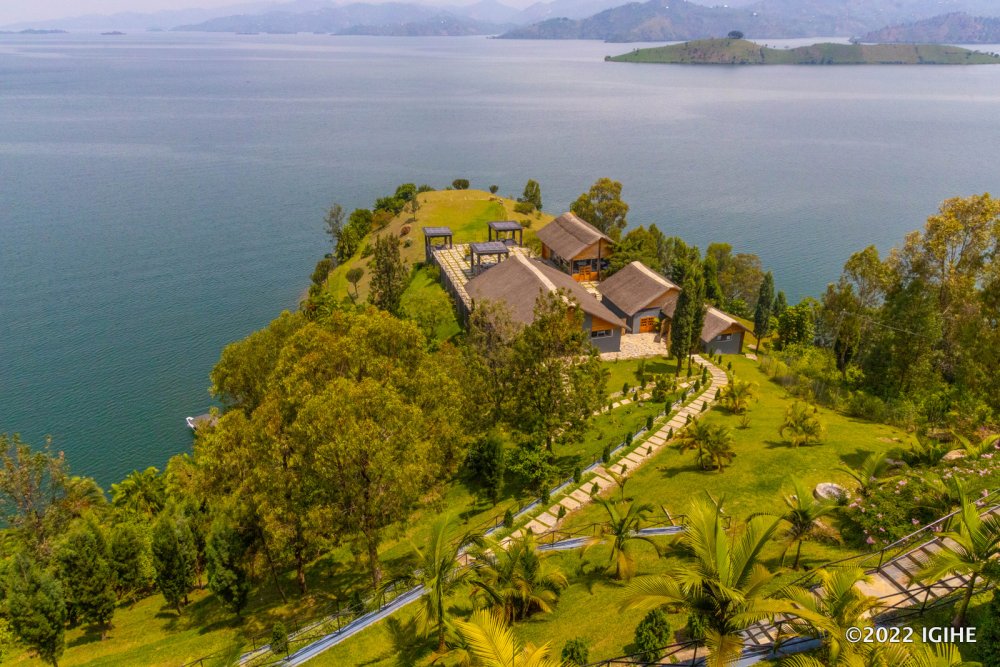
Lake Kivu, Rwanda’s largest lake, is nestled along the country’s western border, forming part of Africa’s Great Rift Valley.
Surrounded by dramatic mountains and covering an area of 2,700 square kilometers, the lake offers a stunning backdrop for relaxation and adventure.
The lakeside towns of Rubavu (formerly Gisenyi) and Karongi are popular with travelers seeking peaceful retreats after exploring the national parks.
Rubavu, located near the Volcanoes National Park, is an ideal spot to unwind after gorilla trekking, with its lakeside hotels and restaurants offering breathtaking views of the water.
Karongi, further south, is a charming town known for its scenic beaches and rolling hills covered in pine and eucalyptus trees.
Visitors can enjoy boat rides, kayaking, or simply soak in the serene atmosphere of the lake.
For those who prefer a more active experience, the Congo Nile Trail offers one of the most scenic hikes in the country, stretching 227 kilometers along the lake’s shoreline.
{{Rugezi Marsh: A haven for birdwatchers}}
Rugezi Marsh, located in the northern part of Rwanda, is a vast wetland covering over 6,700 hectares.
It is a vital habitat for a wide variety of wildlife, particularly bird species.
The marsh is a designated Ramsar site, recognized for its importance in wetland conservation.
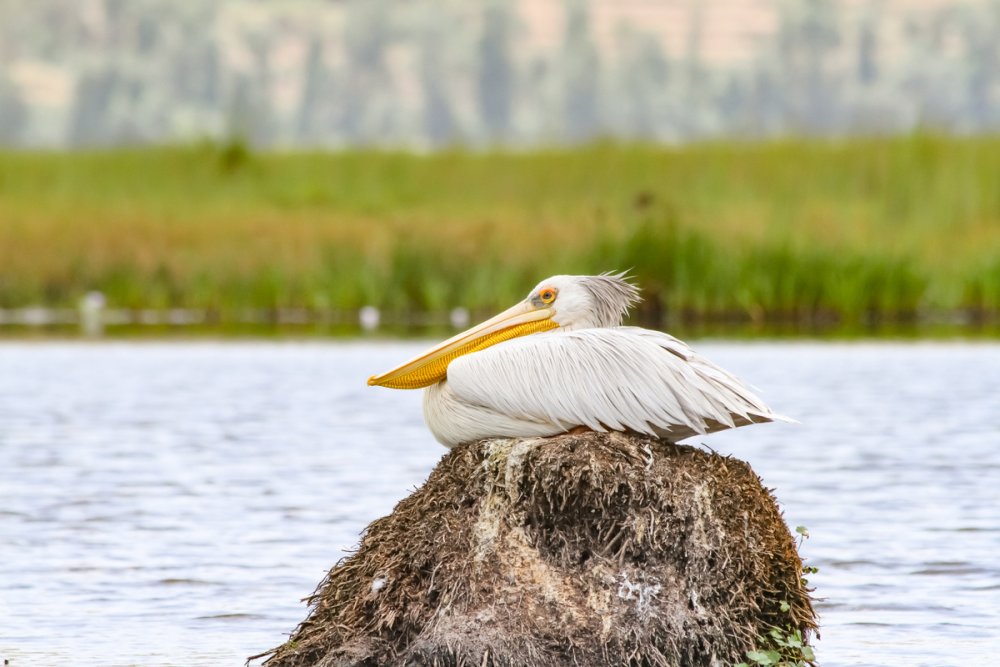
For birdwatchers, Rugezi Marsh offers an unparalleled opportunity to spot some of Rwanda’s rarest bird species, including the elusive white-backed duck and other waterbirds.
In addition to birdwatching, visitors can take a boat ride on Lake Nyagafunzo, located at the southern edge of the marsh, to observe the area’s rich aquatic life.
Recent research has uncovered a wealth of new species in Rugezi Marsh, making it a fascinating destination for eco-tourists and nature lovers alike.
{{Kibeho Holy Land: A sacred pilgrimage site}}
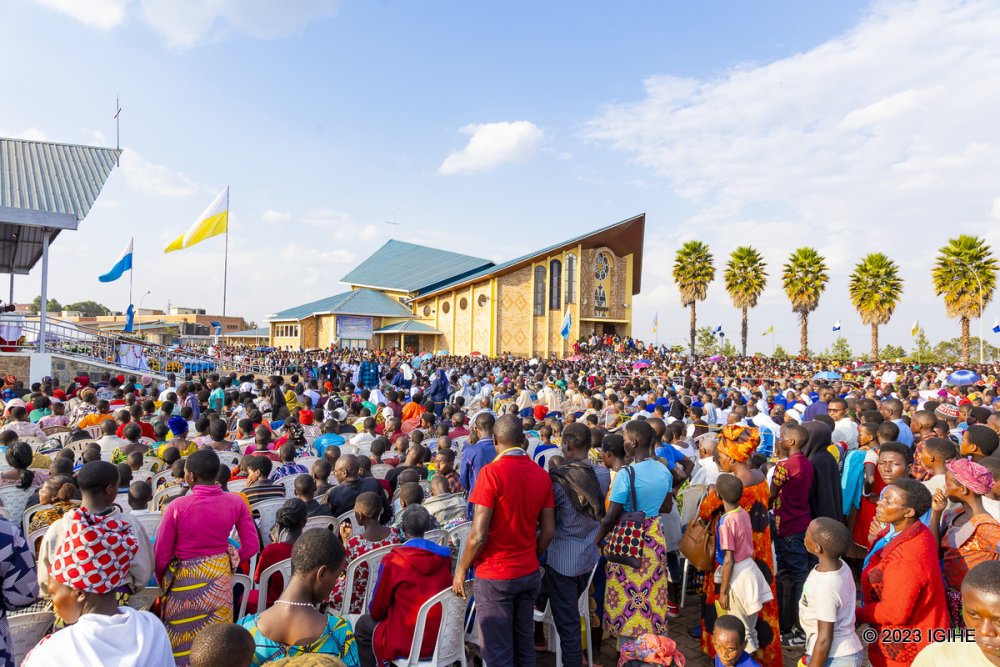
Located in Nyaruguru District of Southern Province, Kibeho is one of the most important pilgrimage sites in the Catholic world.
The area gained international recognition following the apparitions of the Virgin Mary in 1981, witnessed by several young girls.
Today, thousands of pilgrims visit Kibeho each year, especially on November 28th, to commemorate the first apparition and spiritually connect with ‘Mother Mary’.
For those seeking a spiritual journey, Kibeho offers a unique experience filled with prayer, reflection, and the deep sense of peace that permeates this sacred land.
{{Nyandungu Ecopark: An urban conservation success}}
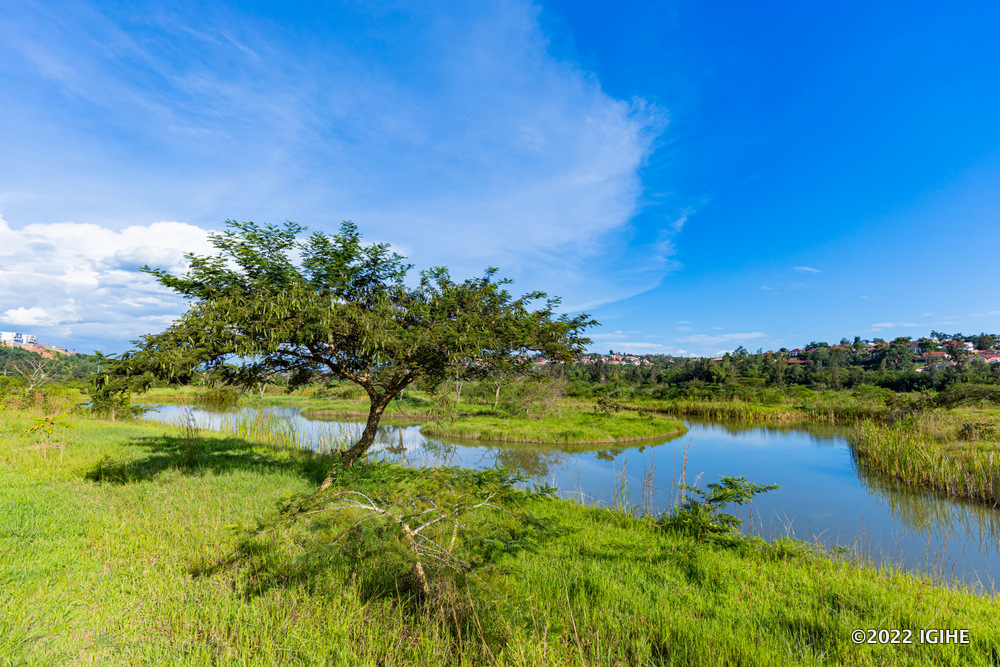
Nyandungu Ecopark, located within Kigali, is a testament to Rwanda’s commitment to environmental conservation and sustainable tourism.
This urban wetland, which was restored and inaugurated in 2022, spans over 120 hectares and serves as a green haven within the city. The park features walking and cycling paths, picnic areas, and viewing platforms, making it a popular destination for locals and tourists alike.
Nyandungu is home to over 100 bird species and a variety of local plants, providing visitors with a peaceful escape from the hustle and bustle of the city.
The park’s medicinal garden and the Pope’s Garden are particularly notable, offering insight into Rwanda’s traditional healing practices and its Catholic heritage.
{{Kandt House Museum}}
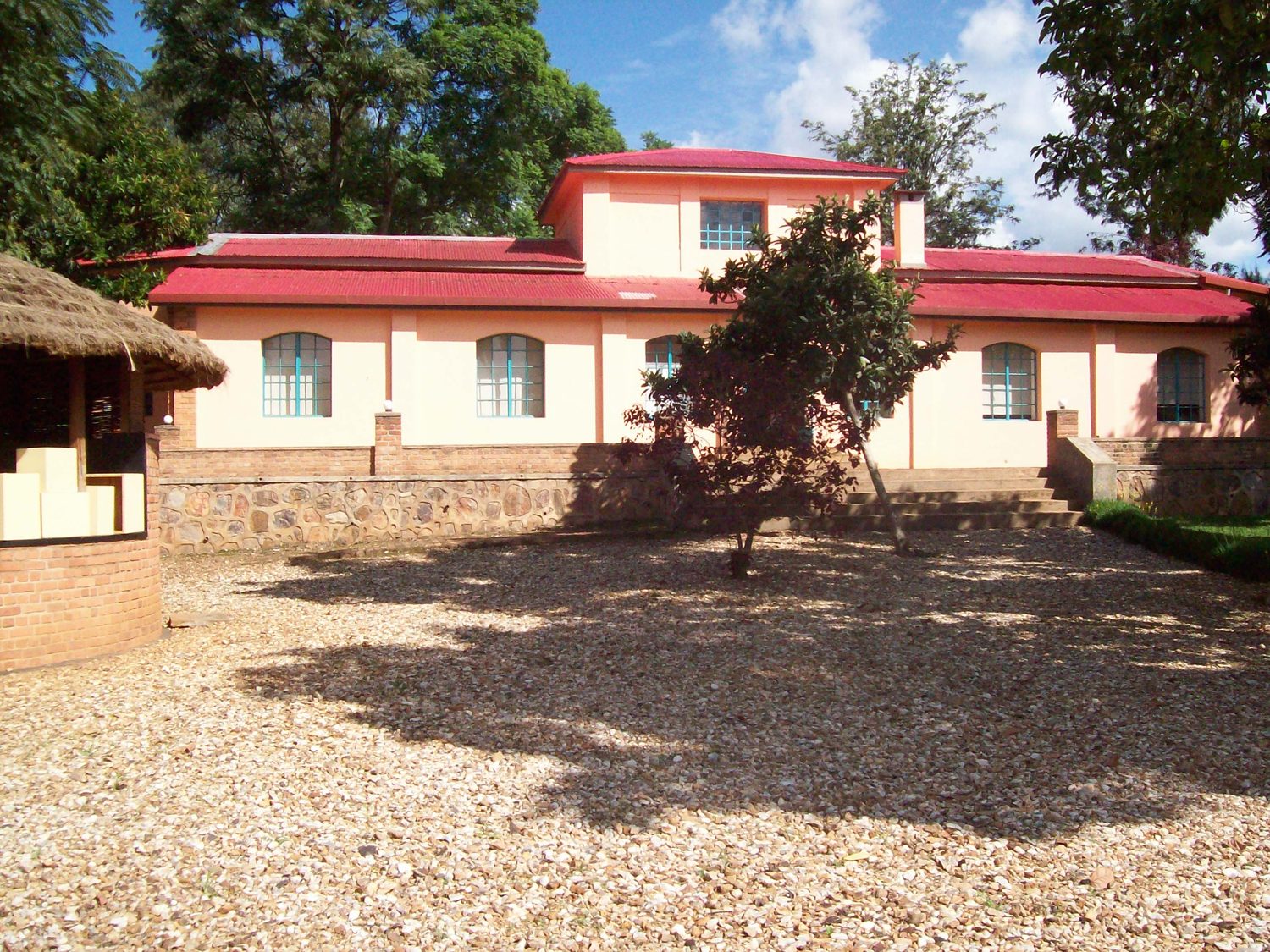
The museum is named after Richard Kandt, the first colonial governor of Rwanda under German rule, who governed in the early 1900s. Today, the Kandt House Museum in Kigali is divided into three main sections.
The first section showcases Rwandan life before the colonial era, exploring its social, economic, and political dimensions.
The second section delves into Rwanda’s colonial experience, beginning with the Berlin Conference of 1884, which led to German rule until 1916.
After World War I, Belgium took over governance under the League of Nations mandate.
This section also highlights Richard Kandt’s life in Rwanda.
The third section focuses on the history of Kigali, chronicling its evolution before, during, and after the colonial period. Kigali became Rwanda’s capital upon gaining independence in 1962.
Whether you are seeking adventure, relaxation, or a deep connection with nature and history, Rwanda’s attractions promise to leave you with unforgettable memories.
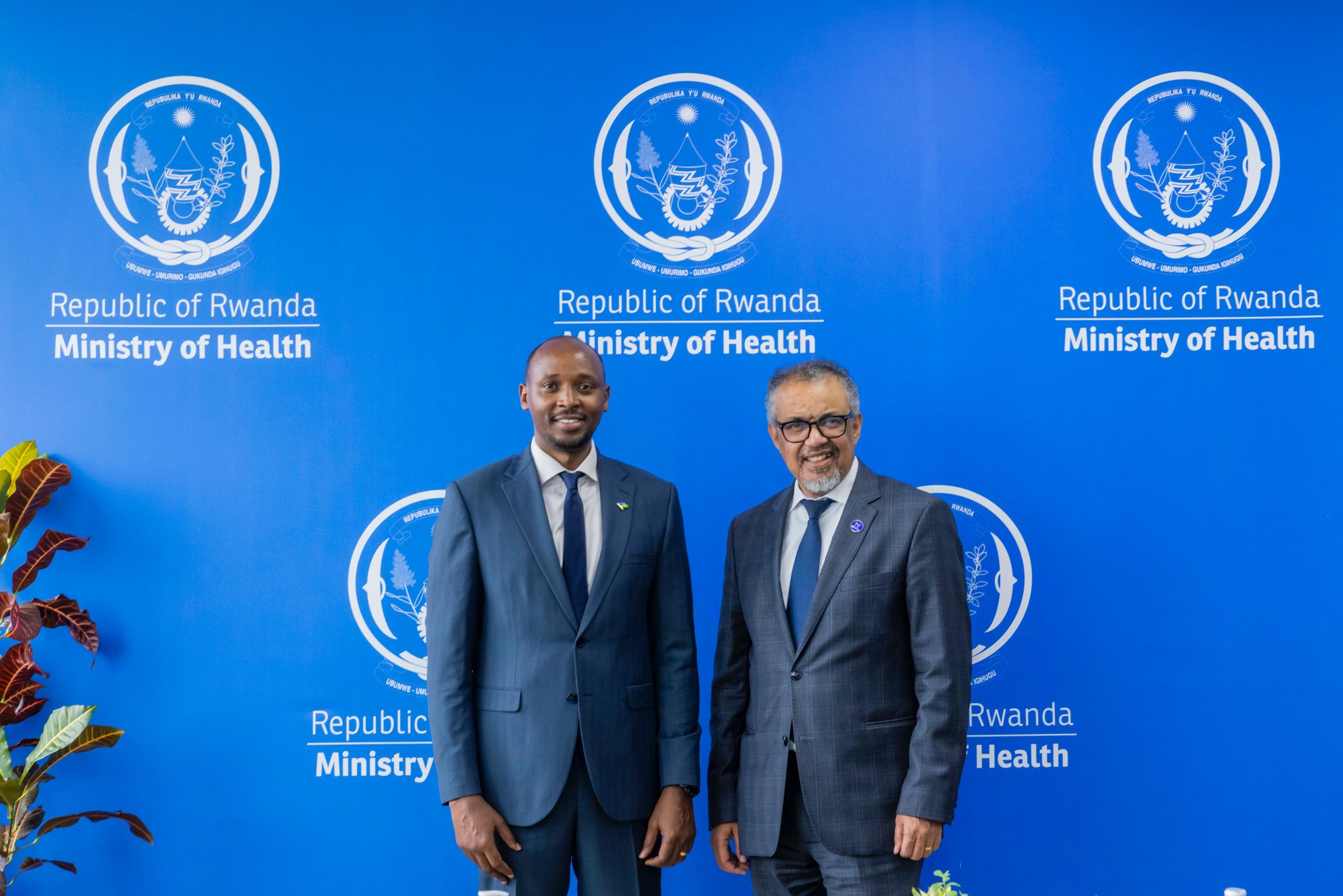
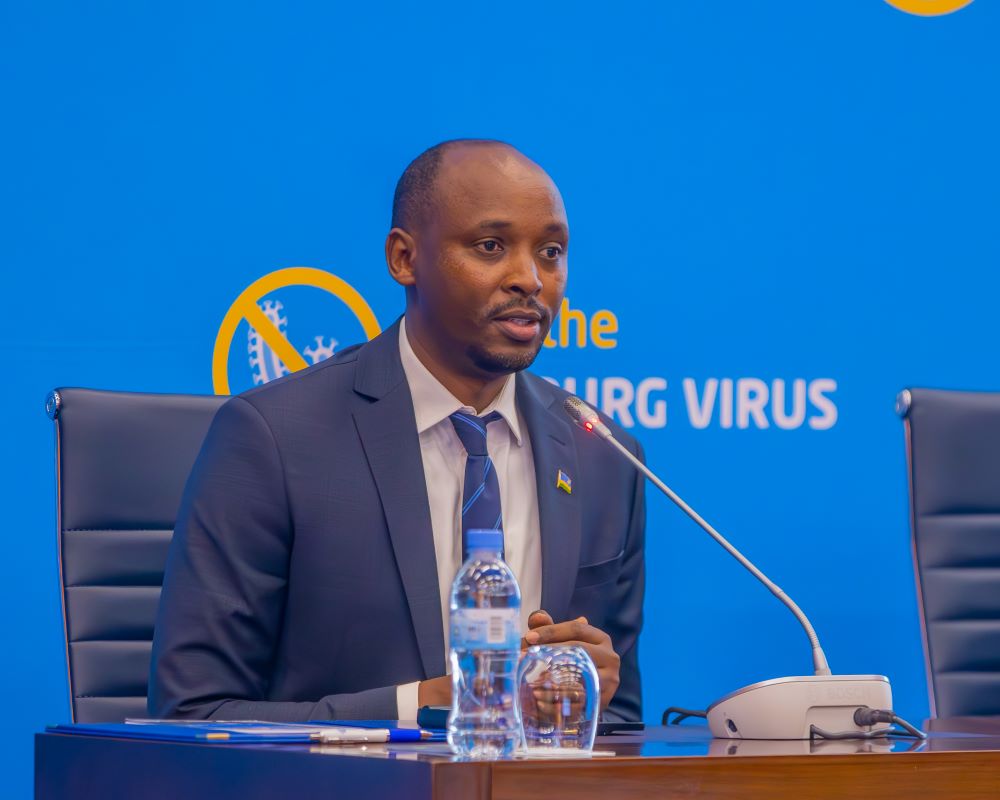
Health Minister Dr. Sabin Nsanzimana revealed the findings during a press briefing in Kigali on Sunday, October 20, 2024, stating that the index case was a 27-year-old man who contracted the virus through contact with bats in a local cave.
Dr. Nsanzimana explained that extensive research, including genomic sequencing, epidemiological investigations, and environmental testing, pointed to a zoonotic origin, meaning the virus jumped from an animal to a human.
“The index case we presented today is a 27-year-old male,” he said, adding that the case shows a close evolutionary relationship to a strain observed during the 2014 outbreak in the region.
“Through our contact tracing, beginning from the hospital, we combined all five elements, which led us, with high precision, to determine that this was of zoonotic origin. This man had been exposed in a particular area of a cave with a specific species of bat that has been sequenced before in the region, confirming the link to the outbreak we are currently dealing with.”
The Marburg virus is a highly contagious disease that causes severe hemorrhagic fever. While outbreaks are rare, they often result in high mortality rates and present serious public health challenges.
According to the Ministry of Health, the outbreak in Rwanda was first identified after the index case was hospitalized at King Faisal Hospital, where he was treated in the intensive care unit. Healthcare workers attending to him soon exhibited symptoms, triggering an investigation into the source of the virus.
“Identifying the index case has been the result of several efforts. We are very happy to have reached this point because in many outbreaks, it is extremely difficult to do so,” the minister added.
With efforts continuing, the Ministry of Health remains focused on controlling the outbreak and ensuring that Rwanda is prepared for future health crises.
“We continue to expand our understanding of these dynamics within a One Health context. We will be providing more details about this index case and how we can prepare for preventing future outbreaks,” Dr. Nsanzimana emphasized.
Since the first-ever outbreak was declared in Rwanda on September 27, 2024, a total of 62 cases, 14 deaths, and 45 recoveries have been recorded. The fatality rate stands at 24%, significantly lower compared to the 88% observed in past outbreaks globally.
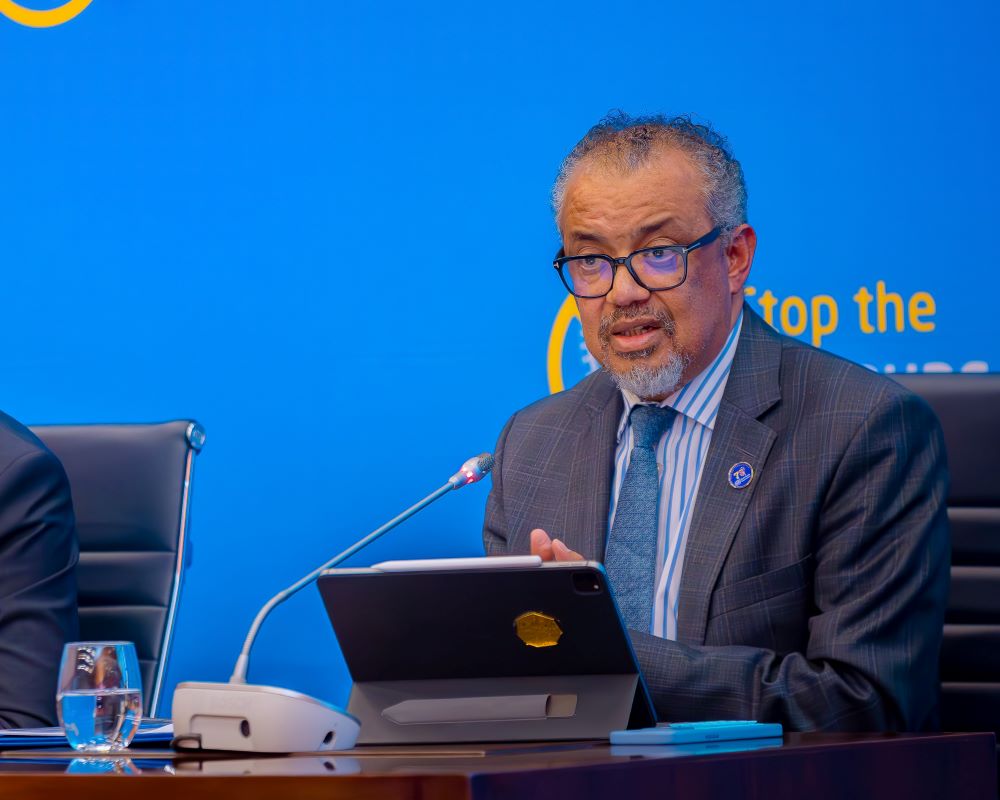
World Health Organization (WHO) Director-General Dr. Tedros Adhanom Ghebreyesus, who was present at the joint media briefing in Kigali, acknowledged Rwanda’s positive trend in managing the health emergency, as there have been no new cases or deaths in the past week.
The WHO chief highlighted that Rwanda was the first country in Africa to successfully intubate and later extubate patients suffering from the Marburg virus, a significant medical breakthrough.
He attributed the achievements to strategic measures and effective health interventions.
“We believe this is the first time patients with Marburg virus have been extubated in Africa. These patients would have died in previous outbreaks,” Dr. Tedros said, citing a recent incident where two patients successfully recovered.
“This reflects the work Rwanda has done over the years to strengthen the health system, to develop capacity in critical care and life support that can be deployed both in regular hospital care and emergencies,” he added.
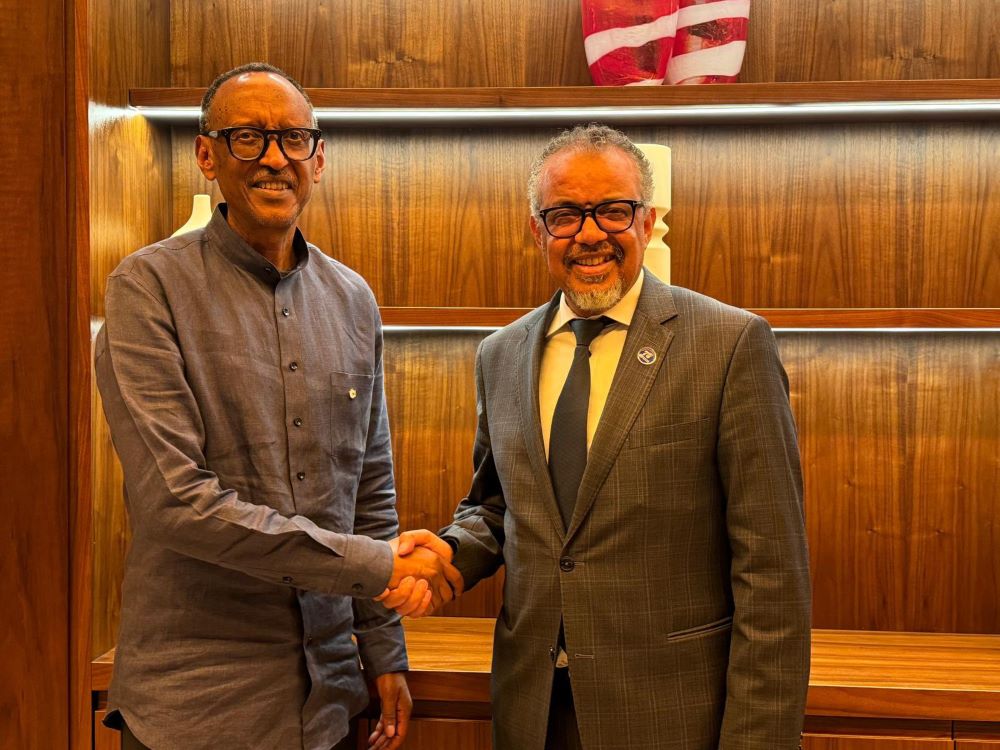
Dr. Tedros confirmed the conversation through his X account on Sunday.
“I had a fruitful conversation with my brother, President Paul Kagame, regarding Rwanda’s ongoing response to the Marburg outbreak. I expressed my appreciation for his leadership and the effective management of the outbreak response, along with his commitment to end it soon,” he shared.
Dr. Tedros mentioned that they also discussed the significant investments in establishing a local vaccine manufacturing facility in Kigali.
He emphasized that the project is “well underway and making significant progress, leveraging lessons learned from COVID-19 to address the equity challenges faced by Africa.”
Dr. Tedros has been in Kigali to assess Rwanda’s response to the Marburg virus.
The first Marburg cases in Rwanda were reported on September 27, 2024.
According to figures from the Ministry of Health, a total of 4,715 people have been tested.
Out of these, 60 people have been infected while 15 died.
Currently, three patients are receiving treatment, while 44 individuals have recovered, and 1,070 people have been vaccinated against the virus.
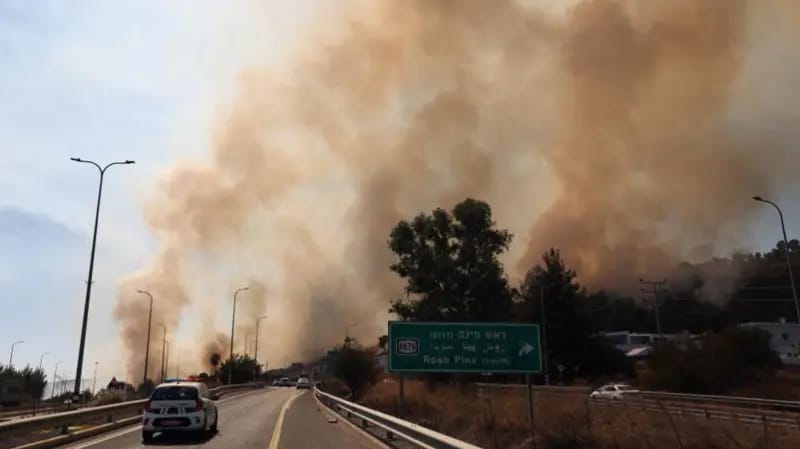
The Civil Defense source, speaking on condition of anonymity, said the casualties are the result of Israeli raids on southern Lebanese sites, including Zahrani River, Srifa, Qabrikha, Babliyeh, Kfar Dounine, Borj Rahal, and the municipality of Deir Qanoun.
Civil Defense teams and the Lebanese Red Cross worked to transfer the bodies of the dead and wounded to hospitals in Sidon, Tyre, and Nabatieh in southern Lebanon, while rescue teams were still working to remove the rubble in search of missing persons.
Since Sunday afternoon, violent clashes took place between Hezbollah fighters and Israeli forces that infiltrated several border towns in southern Lebanon, according to Hezbollah and Lebanese security sources.
“The fiercest clashes, in which heavy and medium machine guns, artillery shells, and rockets were used, were taking place on the outskirts of the villages of Rab El Thalathine, al-Taybeh, Houla, Mays al-Jabal, Aita al-Shaab, Rmeish, Jabal Sadana, Birkat Al-Naqqar and Kfarchouba,” the security sources said.
Meanwhile, Hezbollah said in separate statements that its fighters targeted several Israeli sites with rockets and drones, including the Filon base, headquarters of the 210th Division in northern Israel, the Samson base west of Lake Tiberias, Beria Air Defense and Missile Base, and the city of Haifa.
The group said it also targeted Israeli army gatherings on the outskirts of several Lebanese villages with artillery shells and missiles.
Since Sept. 23, the Israeli army has been launching intensive airstrikes on Lebanon in a sharp escalation with Hezbollah. It has also conducted what it said was a “limited, targeted” ground operation against Hezbollah positions near the Lebanese border.
Since Oct. 8, 2023, Hezbollah and the Israeli army have been exchanging fire across the Lebanon-Israel border amid fears of a broader conflict as the war between Hamas and Israel continues in the Gaza Strip.
Prominent African leaders have come together in this landmark step, as the initiative is set to transform the continent’s leadership landscape by meeting the diverse needs of leaders across Africa.
The ASG aims to address the continent’s pressing governance challenges by equipping emerging leaders with the mindsets, skills and knowledge required for effective leadership in Africa’s future. The initiative brings together visionaries committed to creating a sustainable governance model rooted in African realities.
{{A collective leadership vision}}
The ASG initiative is founded by H.E. Paul Kagame, President of Rwanda, H.E. Hailemariam Desalegn, former Prime Minister of Ethiopia (both co-founders of the ASG Foundation) in consultation with other African leaders, academicians, and philanthropists dedicated to improving governance across the continent.
ASG is supported by the Mastercard Foundation as part of its Young Africa Works strategy, which aims to enable 30 million young Africans, 70 percent of whom are women, to access dignified and fulfilling work opportunities by 2030.
ASG will be led by esteemed independent governing board members, chaired by Makhtar Diop, Managing Director of the International Finance Corporation (IFC) and former Minister of Finance and Economy of Senegal, and including Donald Kaberuka, former President of the African Development Bank, Hajer Gueldich, Professor at the University of Carthage, Kishore Mahbubani, former Dean of the Lee Kuan Yew School of Public Policy at the National University of Singapore, and Francis Gatare, CEO of the Rwanda Development Board.
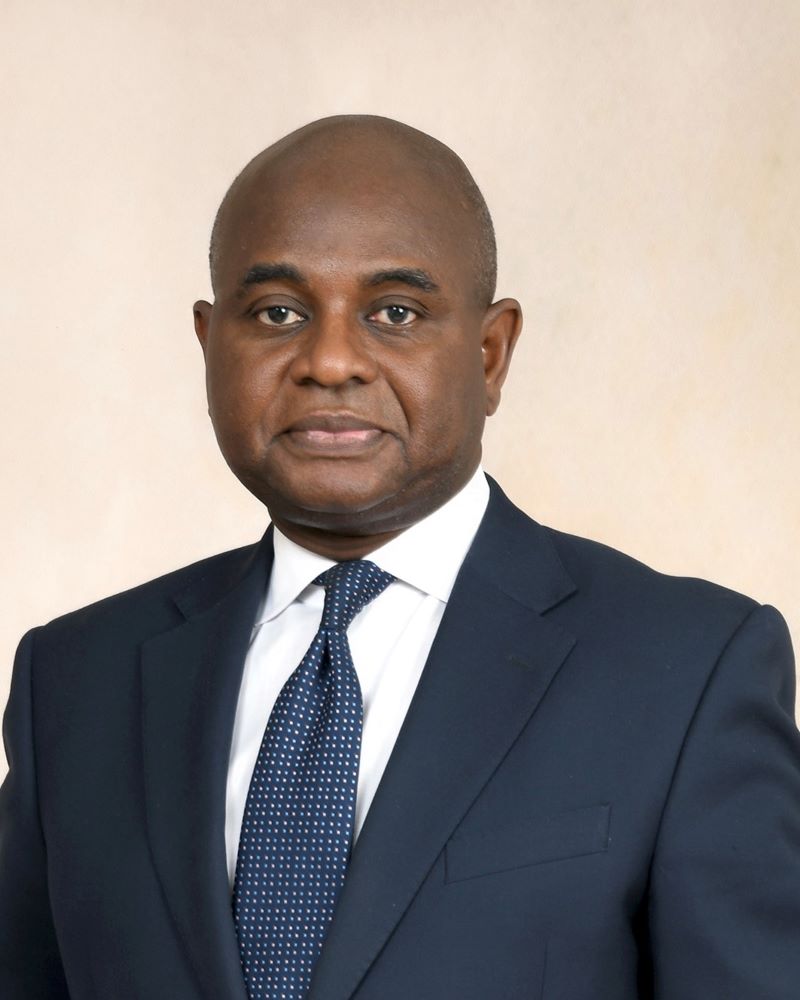
The ASG Foundation has appointed Professor Kingsley Moghalu, former Deputy Governor of the Central Bank of Nigeria and a distinguished scholar and academic, to be the inaugural President of ASG. The collective vision of ASG’s leadership is to create an institution that offers world-class education in governance and public policy while promoting home-grown solutions to Africa’s unique challenges and opportunities.
Speaking on the launch, H.E. Hailemariam Desalegn commented: “The time is ripe for an institution rooted in Africa’s needs and aspirations. The African School of Governance will be a hub for nurturing purpose-driven leaders equipped to tackle the continent’s greatest challenges and opportunities, combining Africa’s uniqueness with international best practices. This is not just an educational institution, but a movement towards sustainable African leadership.”
{{Tackling Africa’s development and governance challenges}}
Africa’s rapid economic growth, increasing global influence, and evolving governance structures present unprecedented opportunities and challenges. From post-pandemic recovery to climate adaptation, the continent’s policymakers face complex and urgent issues that require skilled leadership.
ASG aims to meet this critical need, by developing current and future leaders who can address these challenges through a shift in leadership mindsets, governance, and sustainable development to drive long-term, meaningful change across the continent.
{{Academic excellence and tailored programs}}
ASG will offer a comprehensive suite of academic programs designed to meet governance, leadership, and policy deficit across Africa. These include the Master of Public Administration (MPA) and the Executive Master of Public Administration (EMPA) programs, which are tailored to mid-career professionals and senior executives, respectively.
ASG will also provide specialized Executive Courses aimed at enhancing specific leadership skills for professionals. Additionally, the Young Leaders Program (YLP) and Senior Leadership Fellowship (SLF) will cater for high-potential undergraduates and seasoned professionals nearing the end of their careers, ensuring that ASG supports leadership development at every stage.
ASG’s curriculum will be distinguished by integrating African historical, political, and socio-economic contexts. By grounding students in African realities, the institution will equip diverse leaders to navigate the continent’s complex governance challenges while drawing from global best practices.
{{Innovative research and policy engagement}}
In addition to its educational offerings, ASG will play a critical role in advancing governance through its dedicated research centres. These include the Centre for Home-Grown Innovations in Policy and Governance, the Centre for African History and Leadership, the Centre for Trade and Regional Integration, and the Centre for Technology and Effective Delivery.
These research hubs will focus on generating evidence-based solutions tailored to African governance challenges, helping policymakers design and implement effective policies and strategies.
ASG’s commitment to policy engagement is equally robust, with plans to actively engage with governments, civil society, and private-sector stakeholders. Through policy labs, incubators, and collaborative partnerships, ASG will translate its research into actionable policy solutions that promote good governance and sustainable development across the continent.
{{Leadership and governance structure}}
As the inaugural President of ASG, Professor Kingsley Moghalu, a globally recognised leader in public policy and governance, will steer the institution towards its ambitious goals.
Professor Moghalu, a former Deputy Governor of the Central Bank of Nigeria, has held senior positions in the United Nations system for 17 years and taught at prestigious institutions such as Harvard, Oxford, and The Fletcher School at Tufts University.
He is also the author of several books, including the critically acclaimed Emerging Africa: How the Global Economy’s ‘Last Frontier’ Can Prosper and Matter.
Makhtar Diop, Managing Director of the IFC and Chair of ASG’s Board, said, “We are excited to welcome Kingsley Moghalu as President of the African School of Governance. His sterling track record of leadership in international and national policymaking institutions, academia, and his thought leadership influence, will help make ASG a transformative graduate school and develop a new generation of purpose-driven leaders with the skills and mindsets to help Africa address the challenges of the 21st Century.”
Professor Moghalu will be responsible for steering and shaping ASG’s academic vision, delivering learning programs that reflect the complex governance challenges facing Africa today. Under the guidance of the Governing Board, he will focus on recruiting top-tier African faculty, fostering academic excellence, and positioning ASG as a hub for intellectual and policy innovation.
“The establishment of ASG is a powerful expression of a clear vision on the part of the founding leaders,” Prof. Moghalu said in response to his appointment. “I share this vision of a transformed Africa driven by competent leadership and governance, and I am honoured to have been tasked with leading ASG’s critical contribution to making that vision a reality.”
{{Strategic partnerships}}
ASG is supported by the ASG Foundation, a not-for-profit foundation, that exists to help mobilize funding and manage its endowments, as well as give strategic guidance to the institution and support related initiatives for the development of African leaders.
The establishment of ASG is supported by strong strategic partnerships with other world-class institutions, including the Lee Kuan Yew School of Public Policy at the National University of Singapore, and the Mastercard Foundation.
{{A Pan-African initiative with global reach}}
Headquartered in Kigali, Rwanda, ASG is set to become a Pan-African institution with a global influence. Its mission is to build leadership capacity that transcends borders, ensuring that African voices are not only heard but lead the charge in global governance discussions.
ASG’s partnership with institutions such as the Lee Kuan Yew School of Public Policy at the National University of Singapore further reinforces its commitment to providing a world-class education that draws from both African and international expertise.
This announcement marks a significant milestone in Africa’s governance journey. Through the collective efforts of its founders and partners, the institution will help to nurture the leaders that Africa needs to tackle the challenges and opportunities of the 21st century.
According to WHO Director General Dr. Tedros Adhanom Ghebreyesus, this achievement marks a major milestone in Marburg virus care, as these patients would likely have succumbed to the disease in previous outbreaks.
“We believe this is the first time patients with Marburg virus have been extubated in Africa. These patients would have died in previous outbreaks. I commend Rwanda’s health system for its preparedness and life-saving interventions,” Tedros said, citing a recent incident where two patients successfully recovered.
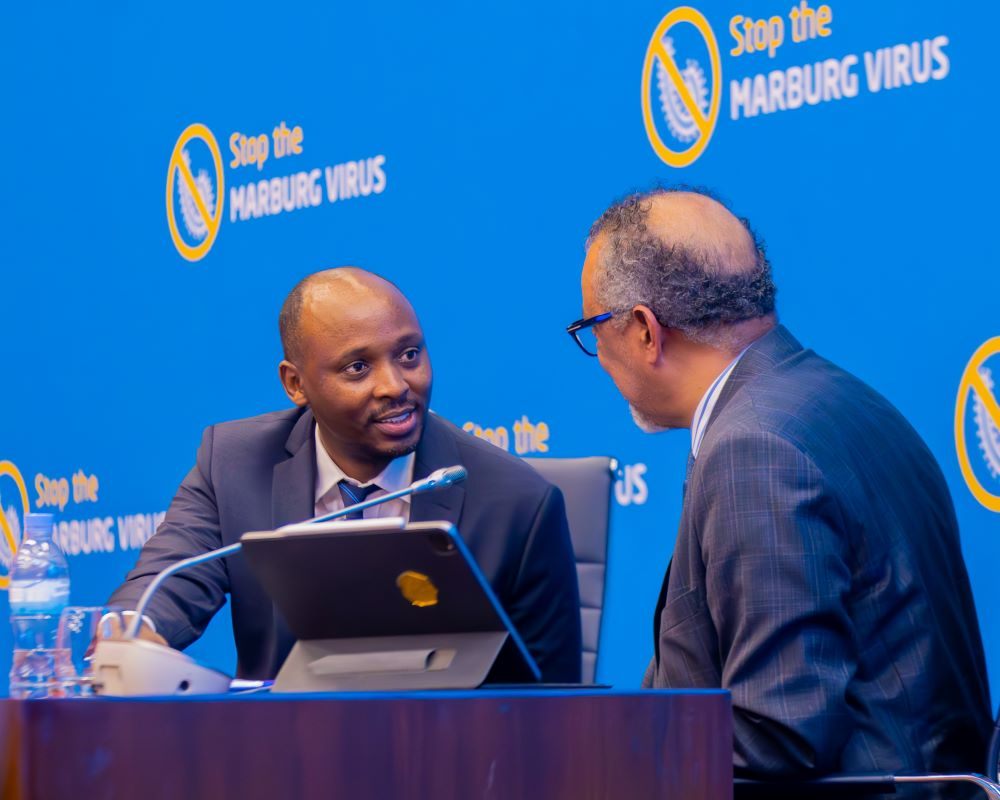
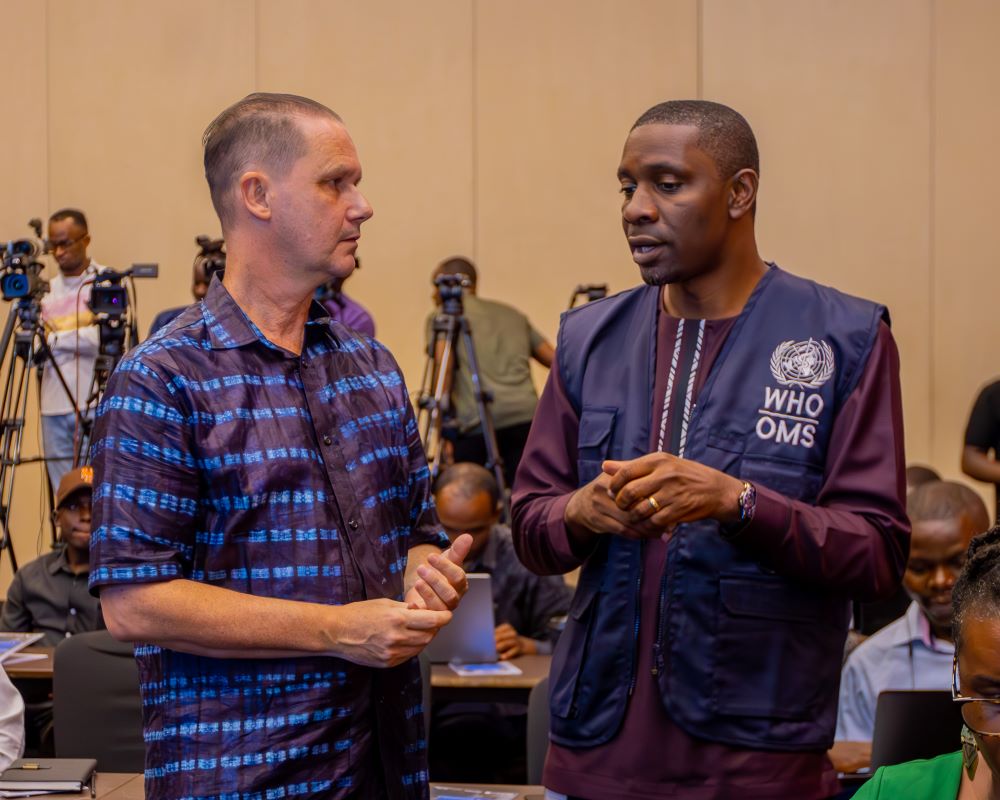
The WHO boss was speaking at a joint presser with Rwanda’s Ministry of Health held on October 20, 2024, attended by various partners and stakeholders in the health sector. He recognized Rwanda’s ability to contain the deadly virus, a feat achieved through strategic measures and effective health interventions.
“We’re pleased to see that there have been no new cases in the past six days. And we hope that remains the case,” said Tedros, highlighting the aptitude to provide critical care for Marburg patients.
The country has not seen any new cases in the past six days thereby reducing the number of active cases to three with 43 recoveries. Out of the 4715 tests conducted so far, the Ministry of Health has recorded 62 confirmed cases, 44 recoveries, 15 deaths (predominantly health service providers) and a fatality rate of 24.2%.
Tedros also lauded Rwanda’s long-term investments in healthcare, which have strengthened its capacity to manage such crises. He emphasized that the country’s health infrastructure now allows it to offer critical care that is deployed both in routine medical situations and in emergencies.
He acknowledged the international collaboration in Rwanda’s fight against Marburg. Rwanda has initiated trials for vaccines and therapeutics and these efforts, according to Tedros, demonstrate the country’s forward-thinking approach to pandemic preparedness and the country’s hard work towards reaching WHO’s maturity level 3 in its regulatory framework.
He expressed satisfaction with the available technological advancements in tracking and controlling the outbreak, noting that the National Command Center’s use of real-time information systems was crucial in coordinating the response.
“We believe these strategic investments will address the equity problems we faced during COVID-19,” he said.
Even though the WHO chief warned that vigilance must continue until the outbreak is officially declared over, he urged countries not to impose travel or trade restrictions on Rwanda, as they are unnecessary and could harm the country’s economy.
“We ask those countries which have imposed travel restrictions to reverse them,” he said, ensuring that Rwanda’s leadership in this outbreak response is recognized and supported by the global community.
The WHO’s praise for Rwanda’s achievements reinforces the country’s growing reputation as a leader in healthcare innovation and emergency response on the African continent.
Rwanda’s Minister of Health Dr Sabin Nsanzimana, echoed WHO’s recognition of the country’s progress, highlighting the significant milestone as a clear sign of the outbreak being brought under control.
“We’ve had zero infections and zero deaths consecutively for six days, which is a continuous improvement. This has been as a result of rigorous testing, contact tracing, and treatment strategies,” he said, expressing optimism that Rwanda could be soon be declared Marburg free.
“A critical aspect of Rwanda’s success has been its high level of care for patients, including life-saving interventions. The case fatality rate that stands at 24 is a reflection of the dedication of healthcare workers,” the Minister noted, underscoring the teamwork involved in saving lives.
In addition to critical care, Rwanda has taken proactive steps to vaccinate over 1,000 frontline healthcare workers and contacts of Marburg patients. This has provided an additional layer of protection and reassurance for those at the forefront of the fight against the virus.
The WHO standards and regulations stipulate that in case of an outbreak such as this, once there are no more patients in the treatment Centre and no new cases emerge, a country can be declared virus free after a period of 42 days.
The Rwandan government continues to work together with various partners to ensure that no cases are missed, and measures remain in place until the outbreak is fully contained.