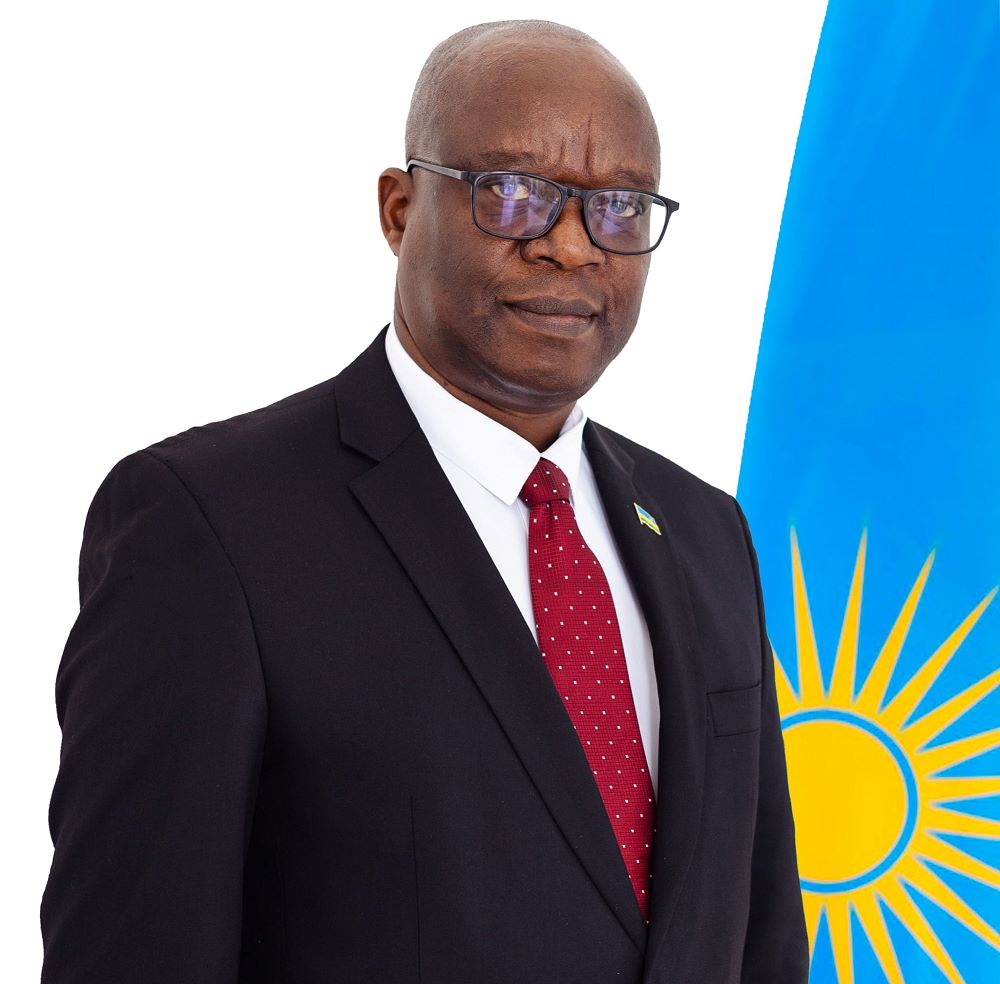
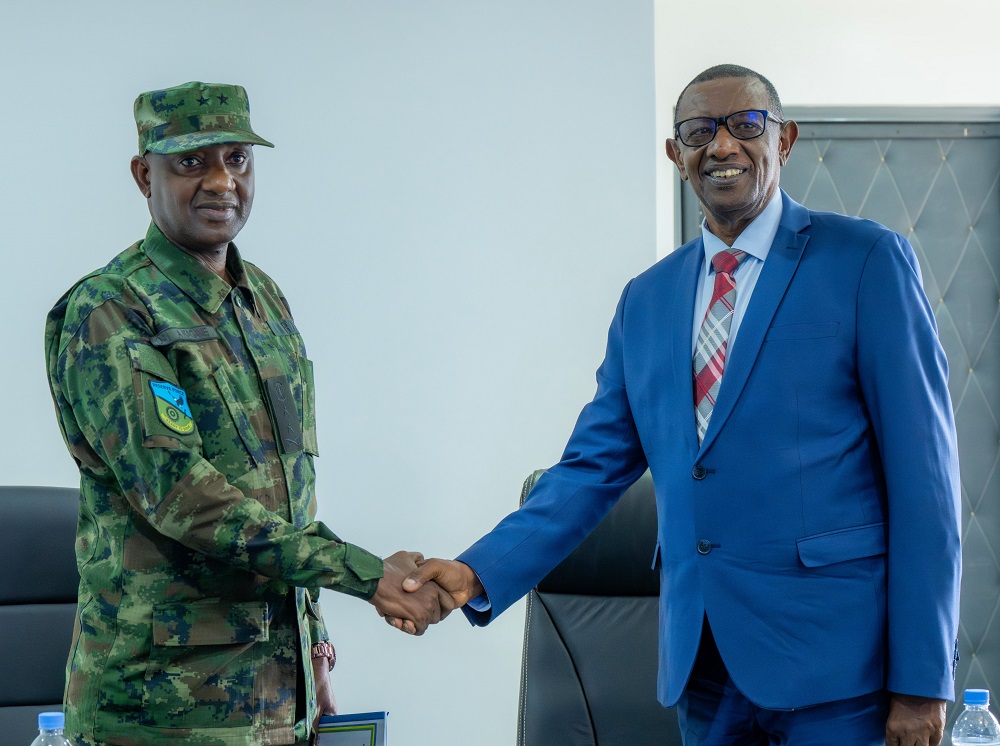
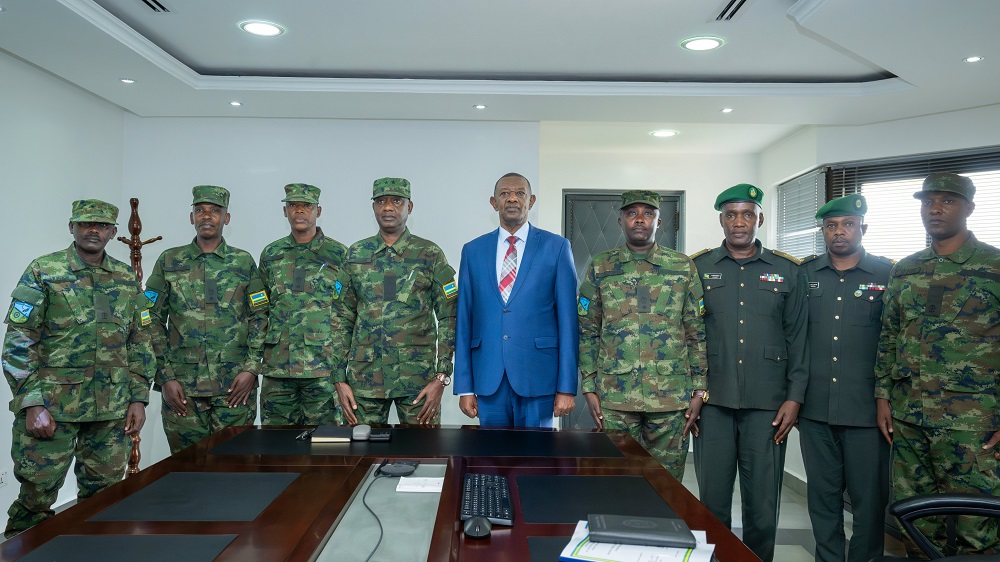
On Wednesday, January 17, Minister Gasana and Sheikh Khalifa bin Hamad bin Khalifa Al-Thani, the Minister of Interior and Commander of Lekhwiya Force of Qatar, oversaw the signing of a Memorandum of Understanding between CG Namuhoranye and the Director-General of Public Security of Qatar, Maj. Gen. Abdullah bin Mohammed Al Suwaidi, to formalize partnership on security between institutions under their portfolio.
The cooperation pact outlines partnership in security and crime control, including fighting terrorism, transnational organized crime, human and drug trafficking, trafficking of firearms and explosives, money laundering, cybercrime and corruption, among others.
Minister Gasana and his counterpart, Sheikh Khalifa, also reviewed bilateral cooperation in security fields and discussed ways expedite them.
The Rwandan delegation will also attend the graduation ceremony of the 6th batch of junior officers from the Police College.
Ibrahim Darraz, Managing Partner at IBS, stated “We are thrilled to expand the presence of IBS iKiosks in the African market through our esteemed partner Centrika. We eagerly anticipate the growth of this project in subsequent phases”.

Centrika’s vision for a smart solution for transport and payment services aligns seamlessly with the custom-designed iKiosks that will be deployed across various locations in Kigali.
Willy Claude Karasira, Co-founder & Executive Director of Centrika welcomed this partnership, stating, “We are excited to introduce our new iKiosks in Rwanda, which will revolutionize the way our customers handle transport tickets, sport and entertainment tickets, bill payments, government transactions through Irembo, remittance, etc. These multilingual kiosks will provide convenient and efficient self-service options, enhancing the overall customer experience.”
IBS is set to deliver bespoke software, customized hardware, and seamless integration services. “With a dedicated focus on R&D, we ensure our products stay at the forefront. Centrika’s compact and secure iKiosks accept both cash and cashless payments, providing 24/7 fast and easy accessibility”. stated Mohammad Al-Azzeh, Managing Partner at IBS.
{{About IBS (www.infinitebs.net)}}
IBS, the FinTech powerhouse was founded by visionary Jordanian entrepreneurs to spearhead digital transformations with cutting-edge solutions tailored to diverse industries. IBS handles millions of transactions monthly and earned the prestigious “Best Multi-Channel Automated Payment Solutions Provider 2023 – Middle East” at the FinTech Awards 2023, hosted by Wealth and Finance International magazine.
{{About Centrika (https://centrika.rw)}}
Centrika stands at the forefront of innovation, dedicated to delivering cutting-edge solutions that anticipate the evolving needs of tomorrow. As a trailblazer in the realm of digital transformation, Centrika offers a range of solutions that redefine convenience for processing transport and payment services. Committed to excellence, Centrika’s insights and achievements, such as being the first to issue a UnionPay card with transportation functions in Rwanda, underscore their pioneering spirit.
The child’s body was found on the morning of Wednesday, January 17, 2024, in Kadasumbwa Village, Ntunga Cell, Mwulire Sector.
According to sources, the child was with his mother at the charcoal store in Ntunga station two days ago. While the mother was attending to clients, the child went missing, claiming that he had gone home. A search was conducted, and there were suspicions of a possible abduction. However, it has now been discovered that the child was strangled with a bag of charcoal, resulting in his tragic death.
In response to this heartbreaking incident, Zamu Daniel, the Executive Secretary of Mwulire Sector, emphasized the importance of parents sending their young children, aged three and above, to kindergartens. By doing so, children can benefit from the guidance of teachers while their parents can fulfill their responsibilities without constantly having to manage their children’s needs.
Furthermore, parents are advised to closely monitor their children whenever they are in their care, as the safety and well-being of a child are of utmost importance.
Currently, the Sector administration is awaiting the involvement of security agencies and medical professionals to determine the cause of the child’s death, specifically if it was a result of the charcoal bag. Once the investigation is complete, the child’s body will be released to the parents for burial.
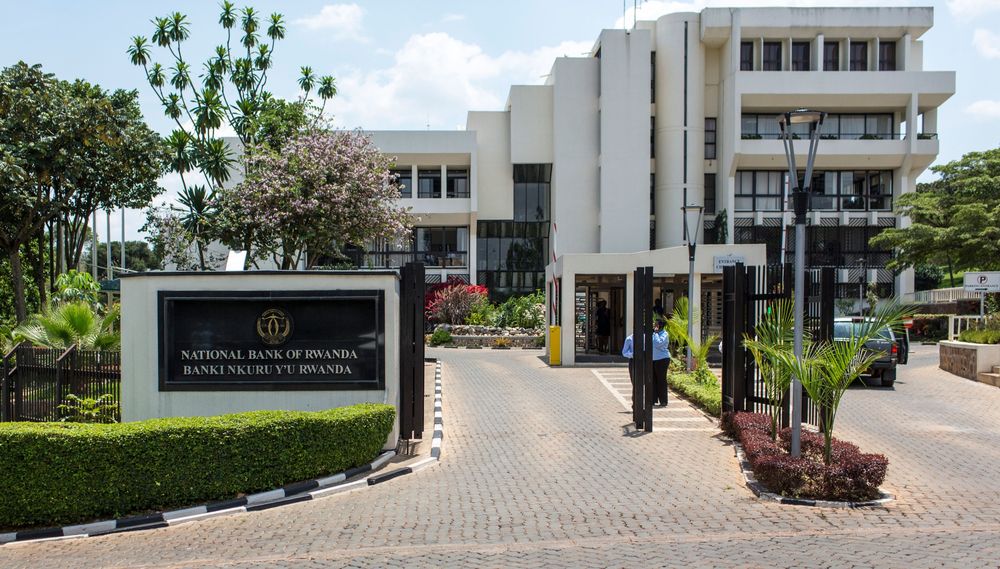
Rwangombwa made the disclosure on Tuesday during an interview with CNBC on the sidelines of the World Economic Forum in Davos, Switzerland where he expressed particular worry for countries heavily reliant on imports.
Rwangombwa stated, “The issue of the sea is being seen as a challenge and risk to businessmen. If it persists, it might aggravate transport costs, which could increase prices in the market.”
However, he remains optimistic, stating, “I believe these challenges will be overcome.”
During the interview, Rwangombwa shared his areas of interest at the forum. He mentioned attending the session on the financial sector, as he is keen on understanding the impact of technology in that domain.
Additionally, he expressed interest in discussions related to non-bank financial institutions and financial inclusion, aiming to grasp their influence on the financial sector and overall quality of life.
When asked about the future of banks in Rwanda, Rwangombwa acknowledged the numerous challenges the industry faces. He emphasized that banks are actively responding to these challenges, such as climate change, cyber security, and digital revolutions.
He noted that banks are investing heavily in digital operations and striving to reach the lowest levels of the population with banking services. He also mentioned concerns about the transition to a green economy and the impact on financial institution stability.
Rwangombwa stated, “We are all engaged in this and happy to be here and learn from the experts.”
{{Projection of economic performance}}
Governor Rwangombwa provided insights into Rwanda’s economic performance projections. He highlighted the strong global growth rate, with an average of 8% for a considerable period that Rwanda has performed. The projection for 2023 was 6.2%, down from 9.2% in 2022.
He believes that a growth rate of 6.6% is attainable in 2024, provided the risks are mitigated. He acknowledged the impact of agriculture on the economy, stating, “Regardless of the good performance of the economy, agriculture did not perform well in the past two years, which affected inflation. However, the current season is doing well.”
Rwangombwa expressed confidence in Rwanda’s resilience and strength, mentioning the country’s reliance on commercial financing and its alignment with achieving financial goals through Development Finance Institutions (DFIs).
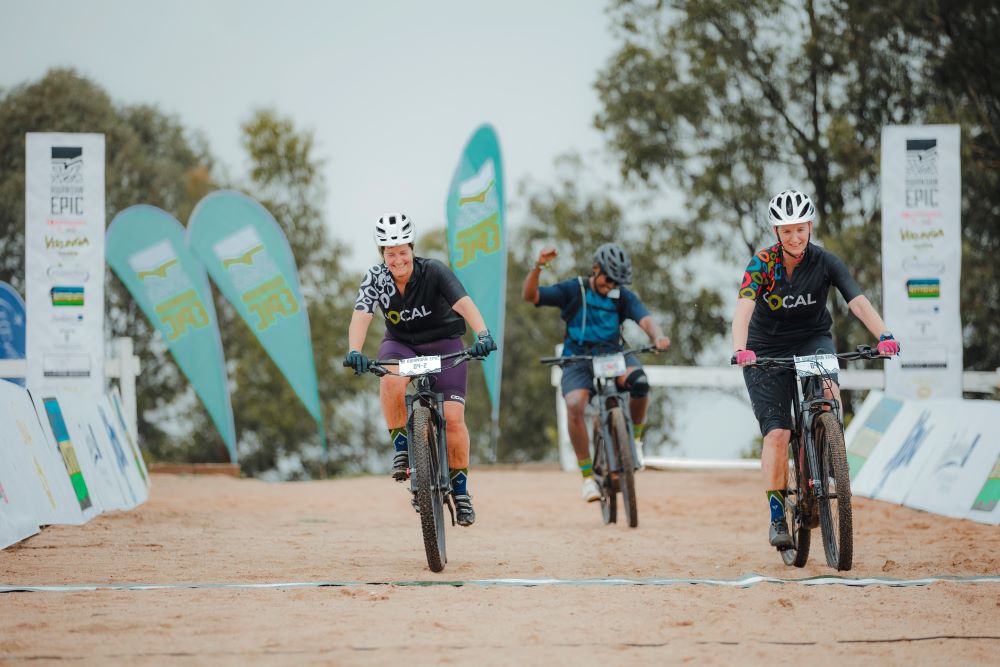
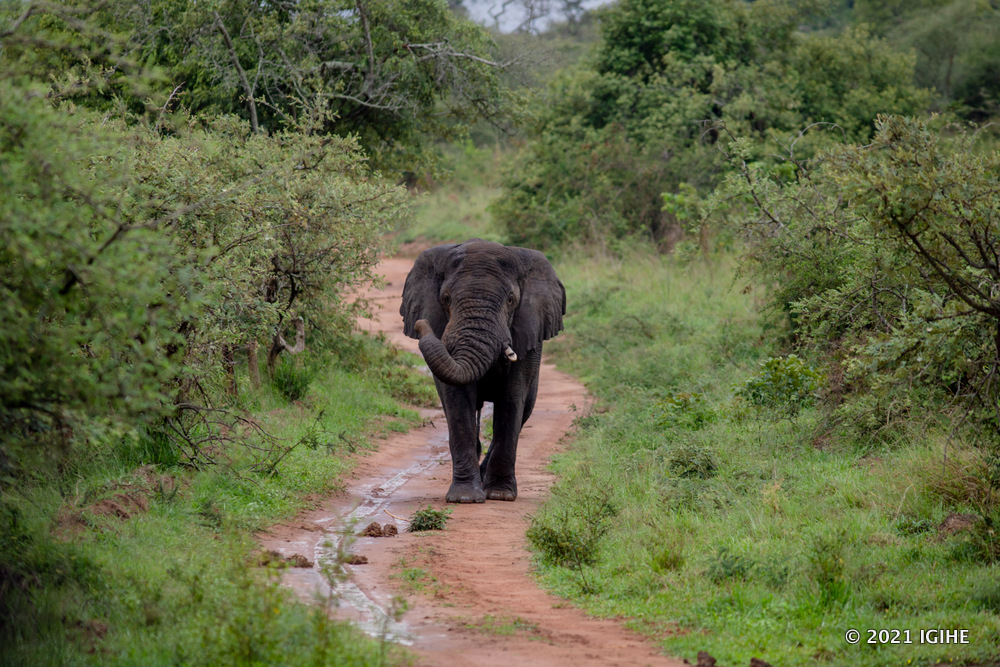
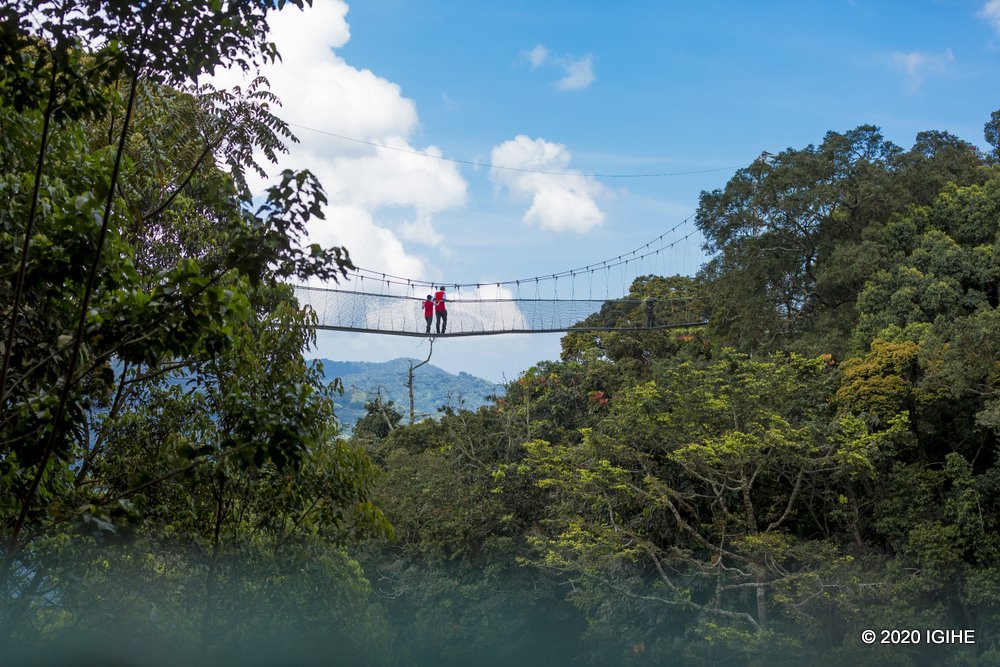
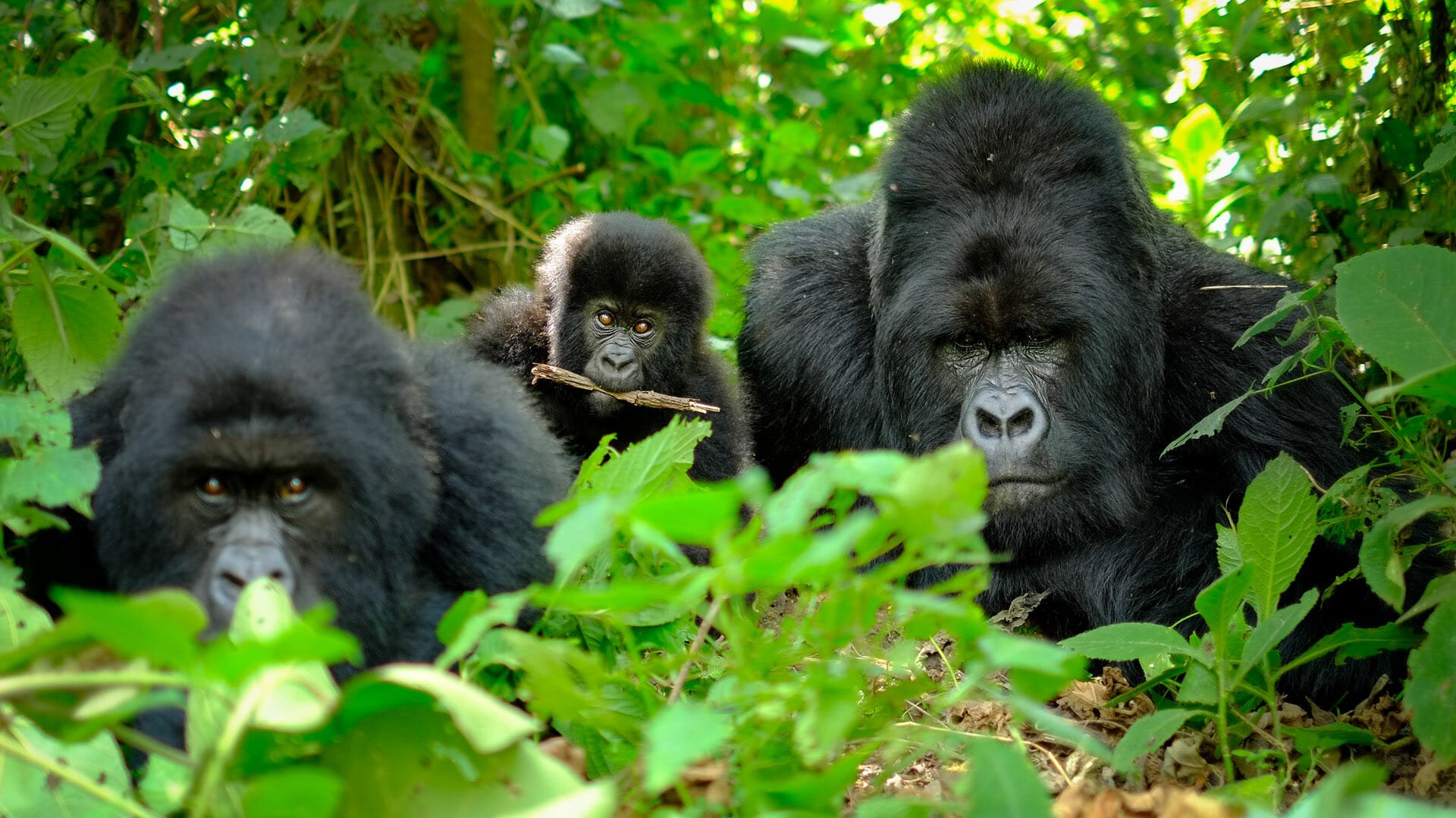
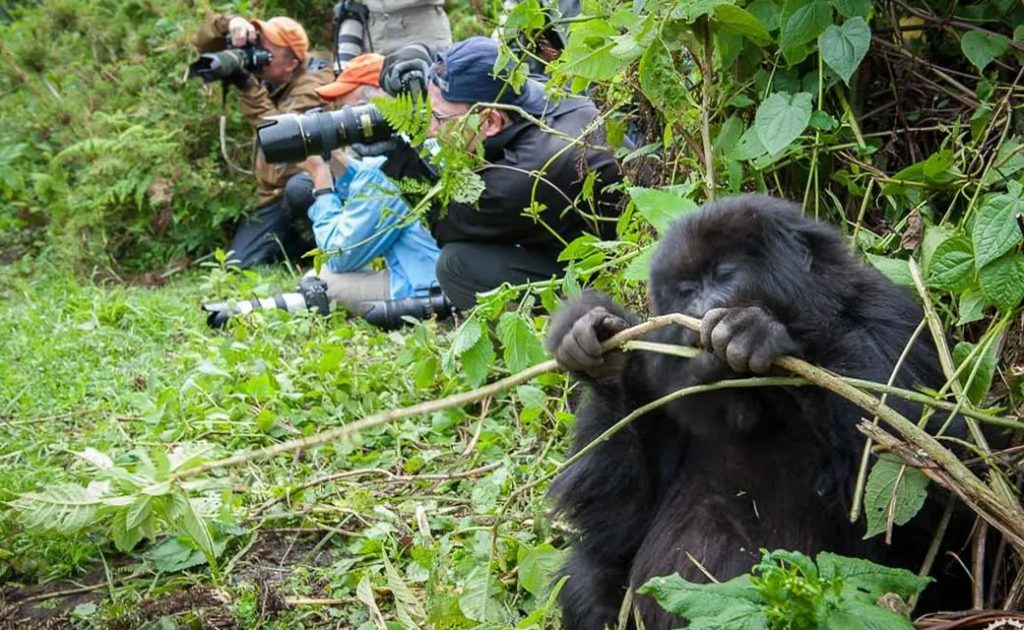
Rwanda Development Board (RDB), on 5th January 2024, announced a reduction in the cost of gorilla trekking permits. The permit fees for gorilla trekking are now reduced from $1500 to $500 for foreign residents.
Gorilla permits for Africans outside the East African Community will now cost $500 while gorilla trekking permits for East Africans will cost $200 per person. This is expected to boost Rwanda’s tourism sector and make gorilla trekking more accessible to a wider range of tourists.
Frank Muzungu, the Managing Director of [Kigali Car Rentals ->https://rentacarwanda.com/]said the move by RDB could see an increase in local and regional tourists.
“With these reduced prices for both domestic and regional tourists, we are going to witness increased local tourists. This year begins on a positive note and the sector is upbeat. Thanks to RDB’s new price policy,” said Muzungu, MD of Kigali Car Rentals.
“Campaigns like Visit Rwanda with some of Europe’s top football teams like Arsenal, Bayern Munich, and PSG have seen an increase in foreign tourists coming to the country and the number will be much bigger this year hence an increase in tourism revenues,” Muzungu the managing Director Kigali Car Rental said.
Muzungu says with the government’s strategy of a private sector-led economy, [many private players->https://goselfdriverwanda.com/] have been able to join the sector to provide [competitive quality services->https://crystalcarhire.com/], some of which are cross-border which has facilitated tourism across the region.
“We have added flexible offers such as the self-drive package where tourists or groups can rent cars, drive themselves and if they are exiting the country through another EAC country, they don’t have to drive back to Rwanda. They deposit it at our outlet in the country of exit and proceed with their journey,” Muzungu explained.
According to Darius Do Santos, of Darius Tours and Travel, a tour company that operates across East Africa, the decision by the Rwandan government will be a gamechanger, in the sense that the rates are now favourable, especially for tourists looking to take advantage of the EAC Single Tourist Visa.
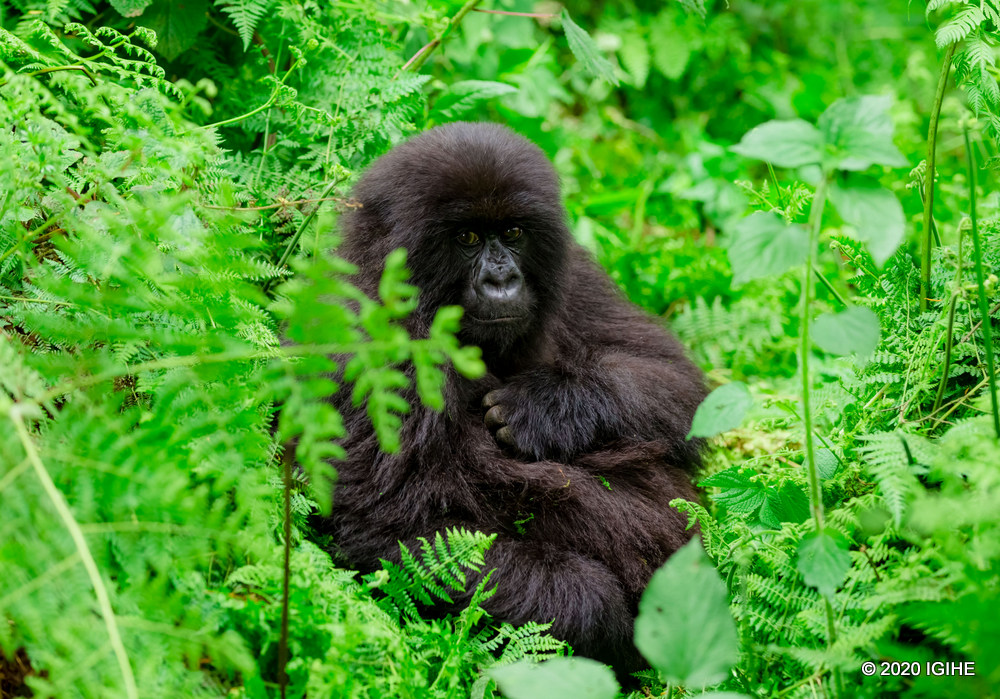
The move is also likely to have a positive impact on Rwanda’s endangered mountain gorilla population.
By increasing the number of visitors, the government hopes to raise awareness of the plight of the mountain gorillas and generate more funds to protect them.
The recent tourism statistics reveal that Rwanda’s revenues from tourism amounted to US$247 million during the first half of 2023, reflecting a notable 56% surge compared to the US$158 million reported during the same period in 2022.
This growth came on the backdrop of a successful previous year where figures show that Rwanda’s tourism revenues had increased to US$445 million in 2022, up 171.3 percent from the previous year, with nature-based tourism bearing the potential to drive the country’s economic growth.
Gorilla trekking generated revenues of US$113 million, as RDB revealed in a report released recently.
The country attracted about 110,000 visitors to its national parks in 2022, registering an increase of 142.4 percent from 2021, the report said. It added that the country aims to increase tourism receipts to 800 million dollars by 2024.
The services sector, mainly tourism and hospitality, played a significant role, contributing 46% to the GDP, followed by the agriculture sector at 25%, the industry sector at 21%, and net direct taxes accounting for 7%.
Themed “Digital Governance for Social Inclusion and Sustainable Development,” this Conference 2024 promises to be a catalyst for positive change, due to different events and discussions that will characterize it.
In an insightful interview with Mr. Adeyinka Adeyemi, CEO and Convenor of AFREGOV with IGIHE, details about the much-anticipated Africa e-Governance Conference were unveiled.
The conference is expected to bring together six presidents and 15 ministers responsible for ICT across the African continent.
These presidents and ministers play a crucial role in providing the necessary infrastructure to facilitate accessible and efficient governance for the benefit of their citizens. The event is also set to attract global technology giants such as Google, Microsoft, and Oracle, showcasing the latest technologies available to governments, promoting integrity, and transparency.
The focus of the conference extends beyond technology, incorporating the government side, with representatives from various ministries, departments, and agencies across Africa. The synergy between technology providers and government officials is pivotal in establishing better administration and governance, fostering an environment where people can thrive.
“Social inclusion is the cornerstone for the continent’s progress. By ensuring that governments cater to the needs of their citizens, the groundwork is laid for economic growth, trade, and overall prosperity. The primary objective is to provide a basic technology infrastructure that grants citizens access to government services, empowering them to actively participate in their nation’s development,” emphasized Mr. Adeyemi.
The Africa e-Governance Conference welcomes participants from all walks of life, as it addresses key areas aligned with the Sustainable Development Goals, including agriculture, healthcare, transportation, and civic technology. Attendees can anticipate plenary sessions, breakout sessions, and deep dives into six different sectors over the two main conference days.
The third day offers a unique experience as participants venture into Kigali to explore the city and engage with the history and culture. The conference collaborates with Erembo, a prominent e-governance service provider in Rwanda, offering insights into their impactful work.
The benefits of attending the conference according to Mr. Adeyemi are manifold, catering to technology service providers, government officials, startups, students, and businesses across various sectors. It provides a platform for global technology players to understand Africa’s technological needs, fostering collaboration and networking opportunities. Government representatives will also gain insights into innovative solutions, promoting civic engagement and technology adoption.
Among others, the conference introduces challenges, such as the Startup Innovation Challenge, encouraging entrepreneurs to pitch their solutions. The collaboration with Impact Hub and potential sponsorship from Google adds an exciting dimension, providing winners not only with recognition but also financial support to enhance their innovations.
As Mr. Adeyemi concludes, the conference’s impact extends beyond the event itself. Collaboration with organizations like the Sustainable Development Center for Africa and the African Union reflects a commitment to achieving sustainable development goals through consistent interactions between governments and technology service providers.
In essence, the Africa e-Governance Conference 2024 promises to be a catalyst for positive change, fostering social inclusion, sustainable development, and a brighter future for the people of Africa.
Interested participants are encouraged to visit the official website, [afregov.africa->https://www.afregov.africa/], for more information and to be a part of this transformative event.
According to Kanyuka, the attack, considered a violation of the ceasefire by the Kinshasa government, resulted in the deaths of two crucial commanders within the group.
Although M23 did not officially disclose the names of the fallen soldiers, IGIHE has learnt fromcredible sources that one of them is identified as Colonel Castro Elise Mberabagabo, responsible for intelligence and relations between M23 and its supporters.
On the same day, reports circulated about General Sultani Makenga’s advisor, Colonel Erasto Bahati, allegedly injured in a drone attack in Kitchanga.
Confronted with this escalation, M23 expressed its determination to retaliate, interpreting the attack by the DRC government forces as an act of provocation.
The loss of its leaders could have significant implications for the dynamics of this confrontation, especially since the Southern African Development Community (SADC) army recently joined the DRC forces in this conflict.
The Rwandan delegation, including Foreign Minister, Dr. Vincent Biruta and Rwanda’s Ambassador to Switzerland, Marie Chantal Rwakazina, participated in these dialogues. Zelensky outlined his strategy for peace in Ukraine during the initial bilateral meeting with Kagame, emphasizing the importance of rallying African nations’ support for Ukraine.
“I informed President Kagame of the Peace Formula. The voice of African states is important to putting it into action. Rwanda’s representative attended the fourth Peace Formula meeting of advisors. This sends an important signal to other African countries,” noted Zelensky on his X account.
The Peace Formula encompasses critical points, addressing nuclear security, territorial integrity restoration, energy security, and the repatriation of prisoners of war and deportees held on Russian territory.
Zelensky highlighted Ukraine’s diplomatic efforts by establishing an embassy in Rwanda and expressed interest in strengthening ties, particularly through agricultural exports.
He estimates that the conflict in Ukraine, ongoing since the Russian invasion in February 2022, could transition to negotiations once Russia ceases its attacks.
In December 2022, Zelensky expressed the desire to establish relations with at least 30 African countries. The commitment materialized in May 2023, during Ukrainian Foreign Minister Dmytro Kuleba’s visit to Rwanda, resulting in the signing of a Memorandum of Understanding (MoU) on political consultations.
Speaking at the occasion, Minister Kuleba disclosed that discussions with Rwandan counterpart Dr. Vincent Biruta encompassed Zelensky’s Peace Formula and food security. Minister Kuleba reiterated Ukraine’s commitment to strengthen relations with African states based on mutual respect and mutual benefits.
Kuleba’s visit to Rwanda followed his trip to Ethiopia on May 24, where he met with various officials, including Moussa Faki Mahamat, the Chairperson of the African Union Commission (AUC), and Azali Assoumani, the President of Comoros, who currently serves as the Chairperson of the African Union.
Rio Tinto, a leader in mineral exploration and processing, previously expressed interest in investing up to $7.5 million in Rwanda’s mining industry.
In August 2023, Rio Tinto, alongside UK-based Aterian and Kinunga Mining, entered a joint venture agreement to explore lithium in Rwanda. The agreement allows Rio Tinto to invest $7.5 million in two stages, potentially earning a 75% interest in the license for exploring critical minerals crucial for the global shift to renewable energy.
Identifying 19 pegmatite zones in Southern Province for lithium, caesium, and tantalum over 2,750 hectares, the joint venture project aligns with the growing demand for lithium, projected to reach 1.5 million tonnes in 2026.
Rwanda’s mineral export revenues have seen substantial growth, reaching $851.6 million from January to September 2023, a 45.6% increase compared to the same period in 2022.
With the government targeting $1.5 billion in annual mineral export revenues by 2024, Rwanda’s mineral reserves, valued at over $150 billion, play a pivotal role in the country’s economic aspirations.
The conversation focused on addressing root causes of conflicts, building on discussions from a previous visit by Avril Haines, the Director of National Intelligence, in November 2023.
During Haines’ visit, discussions centered on de-escalating tensions between Rwanda and DR Congo and addressing security concerns in eastern DR Congo, where the government coalition is combating the M23 rebels. DR Congo accuses Rwanda of supporting the rebels, a claim Kigali dismisses, insisting it’s an internal Congolese matter.
Rwanda accuses the Congolese army of collaborating with the FDLR terrorist group, posing a regional security threat. The FDLR, formed by remnants of Interahamwe and the former Rwandan army responsible for the 1994 Genocide against the Tutsi, has been linked to hate speech and violence against Congolese Tutsi communities.
Recent incidents include Congolese warplanes violating Rwanda’s airspace and armed soldiers crossing the border. The Rwandan government urges Kinshasa to cease support for the UN-sanctioned FDLR, as the region grapples with ongoing instability, housing over 130 armed groups in eastern DR Congo for nearly three decades.