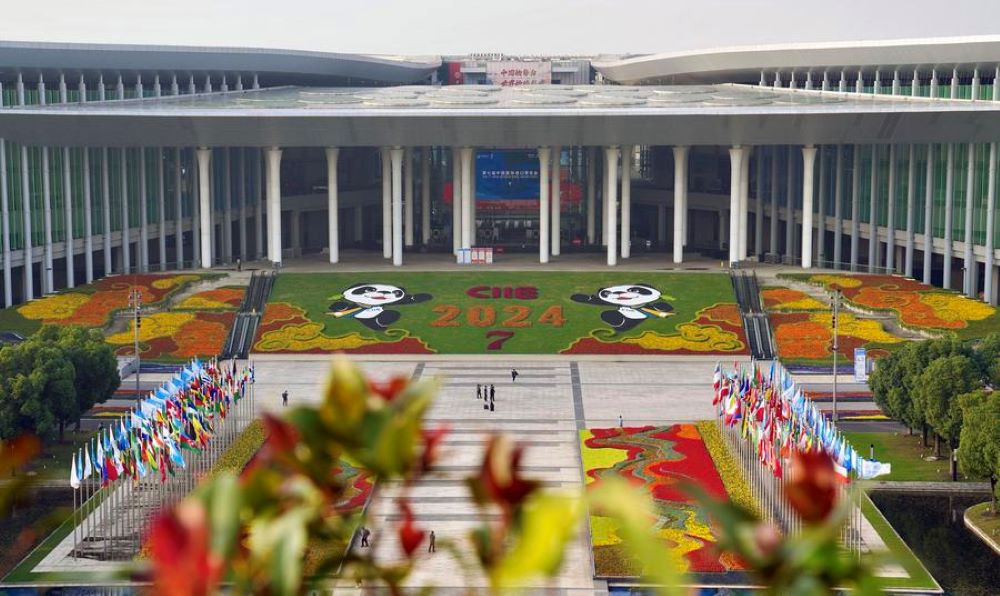
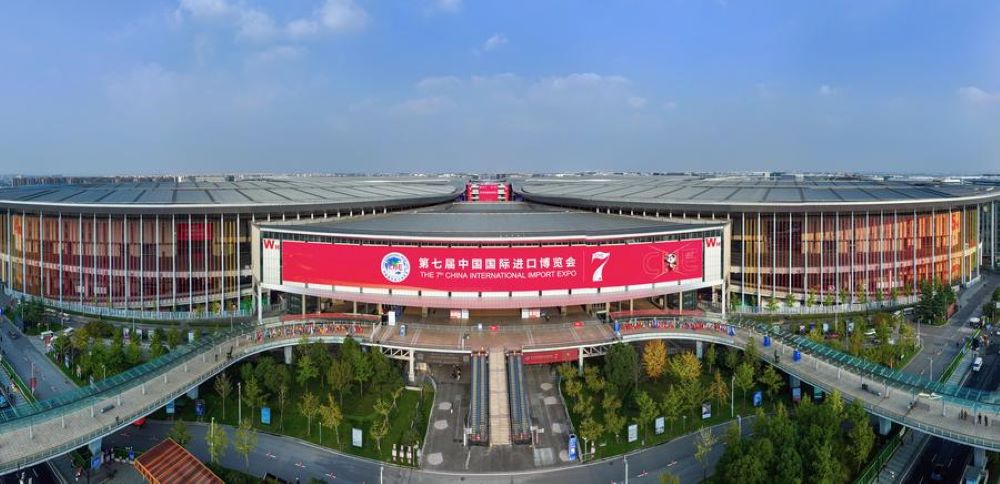
Chinese Premier Li Qiang delivered a keynote speech at the opening ceremony of the 7th CIIE and the Hongqiao International Economic Forum.
Running from Nov. 5 to 10, the 7th CIIE has attracted 3,496 exhibitors from 129 countries and regions. It also sets a new record with 297 Fortune Global 500 companies and industry leaders attending the event.
More than 400 new products, new technologies and new services are set to be unveiled during the expo, which experts believe is a strong indication of global companies’ confidence in the Chinese market and their commitment to further development in China despite a sluggish global economic recovery.
Addressing the media on Monday, November 4, 2024, Dr. Nsanzimana explained that the virus may persist in specific body parts such as the inner parts of the eyes, breast milk, and semen, even when it is no longer detectable in blood tests.
“Recovery means the virus is no longer in your blood, confirmed through two tests taken 72 hours apart. Therefore, we advise recovered individuals to avoid unprotected sex until final tests confirm complete elimination of the virus,” he stated.
The minister noted that some discharged patients had disregarded protection guidelines, leading to new infections through unprotected sexual contact.
“We are closely monitoring them to prevent its spread, while also aiming to avoid stigmatization. They should not be treated as if they still carry the virus and need to be avoided.”
He explained that monitoring of the recovered patients may last from one to three months, and in some cases, up to a year, as each patient has unique health conditions.
“The virus may persist in certain areas longer, remaining longest in semen but briefly in saliva and urine. We are currently testing all recovered patients’ urine, breast milk, and semen to ensure the virus is entirely eliminated,” he revealed.
Dr. Nsanzimana affirmed that these individuals will remain under observation until final tests confirm no trace of the virus. Currently, some recovered patients are tested weekly and updated on their health status.
Rwanda announced its first-ever Marburg virus outbreak on September 27, 2024.
So far, 66 people have been infected with the Marburg virus, with 15 deaths, 49 recoveries, and two individuals still under medical care.
The Ministry of Health indicates that, while Marburg’s mortality rate in other affected regions can reach up to 90%, in Rwanda, it currently stands at 22.7%.
Swift measures implemented by the government have been credited with the high number of recoveries and the low number of deaths reported in the country. Notably, there have been no new deaths recorded in about a month.
The “Religious Leaders Forum and Graduation Ceremony,” a joint initiative by two prominent religious organizations, was set to take place in Paju, South Korea.
The event was expected to draw over 30,000 participants from 57 countries, including 1,000 religious leaders representing Christianity, Buddhism, Islam, and Hinduism.
However, the Gyeonggi Tourism Organization, a public entity under Gyeonggi Province, abruptly canceled the venue rental without prior notice.
This last-minute decision has resulted in significant financial damage to the international event. Organizers of this event stated that the cancellation constitutes an unconstitutional act of discrimination against a specific religion, violating religious freedom, human rights, and due process of law.
The hosting organizations, the Association for Buddhist National Unification of Korea and Shincheonji Church of Jesus, said that they had received official confirmation on October 23rd and 28th that there was no plan of cancellation.
They also said that the unilateral cancellation was an unreasonable administrative action targeting a specific religious group. They further emphasize that other events scheduled for the same day were not affected, suggesting that the cancellation was “administrative decision caused by opposition from a specific religious group,” which “violates the principle of separation of church and state guaranteed by the Constitution.”
The Gyeonggi Tourism Organization cited security concerns related to recent North Korean actions and the planned activities of a North Korean defector group as reasons for the cancellation.
However, it was pointed out that other events, such as civilian bike rides and foreign tourist visits to the DMZ, were permitted within the same designated area.
The incident has reignited international debate about religious freedom and tolerance in South Korea. The U.S. State Department’s International Religious Freedom Report has previously highlighted concerns such as the prosecution of Shincheonji Church of Jesus and the government’s refusal to approve mosque construction.
The Association for Buddhist National Unification of Korea and Shincheonji Church of Jesus have called upon the South Korean government to respect religious freedom, uphold human rights, and rectify this decision.
They urge international organizations to monitor this situation and take appropriate action to protect religious freedom.
“China has an important and attractive market, and the CIIE is incredibly big and diverse. It’s a wonderful opportunity for African businesses to tap into the Chinese market and understand what’s happening in the global market,” said Philip Myburgh, group head of trade at Standard Bank Business and Commercial Banking, in an interview with Xinhua ahead of the 7th CIIE due from Tuesday to Sunday in Shanghai.
Given that Africa sometimes takes a backseat or gets overshadowed by larger economies at global events, Myburgh said they expect more exposure to and attention from the international community.
“We are certainly getting a stronger presence at the CIIE, with the Africa pavilion bringing all made-in-Africa products together,” he said, adding that it’s encouraging to see more emphasis on Africa.
Standard Bank, which has participated in the CIIE since its inception, has hosted many promotional events to strengthen the connection between Africa and China, said the expert.
“We are seeing more diversity and stronger demand for African products showcased in the CIIE, and we are expecting more transactions, more interest, and more deals being signed this year,” he added.
During the 2024 Summit of the Forum on China-Africa Cooperation (FOCAC) held in September in Beijing, China committed to further opening its market to African agricultural products, with two protocols signed for the export of greasy wool and dairy products from South Africa to China.
In Myburgh’s opinion, the FOCAC marks a highlight of the China-Africa relationship as many infrastructure and funding projects were announced, and more partnership agreements signed. Meanwhile, the CIIE is a practical showcase of the theoretical and political commitments made at the FOCAC.
Myburgh said China’s efforts to promote high-level opening-up are welcomed by African countries and will boost Africa’s economic recovery and growth.
China plays an important role in helping African countries diversify their economies and boost growth, and has become a key off-taker for African products and a provider of critical technologies for the industrialization and sustainable development of the continent, he said.
Noting that Africa could benefit from more foreign exchange, Myburgh said exports to China could be a critical contributor to Africa’s economic growth.
It’s also crucial for African countries to learn from China when it comes to renewable energy and technologies to save water and conserve energy, said Myburgh, adding that the CIIE has offered a platform for Africans to learn from and collaborate with more important stakeholders.
During the meeting, the Rwandan minister congratulated the newly appointed envoy and commended the continued growth of bilateral relations between Ghana and Rwanda.
Amporful is expected to present his letters of credence to President Paul Kagame before formally assuming office.
The presentation of letters of credence is a formal diplomatic act that marks the official beginning of an envoy’s role as a representative of their country.
These letters, usually signed by the head of state, serve as certification of the envoy’s authority and legitimacy.
This gesture is essential in diplomacy, as it establishes the high commissioner’s standing and ability to conduct official duties and engage with the host country on behalf of their government.
Amporful will be the first Ghanaian High Commissioner with a residence in Kigali, as the previous commissioner to Rwanda was based in Nairobi, Kenya. The envoy’s appointment was approved by the Cabinet in May.
Ghana now joins dozens of foreign missions with residences in Kigali, reflecting the growing presence of nations establishing diplomatic ties and representation in Rwanda.
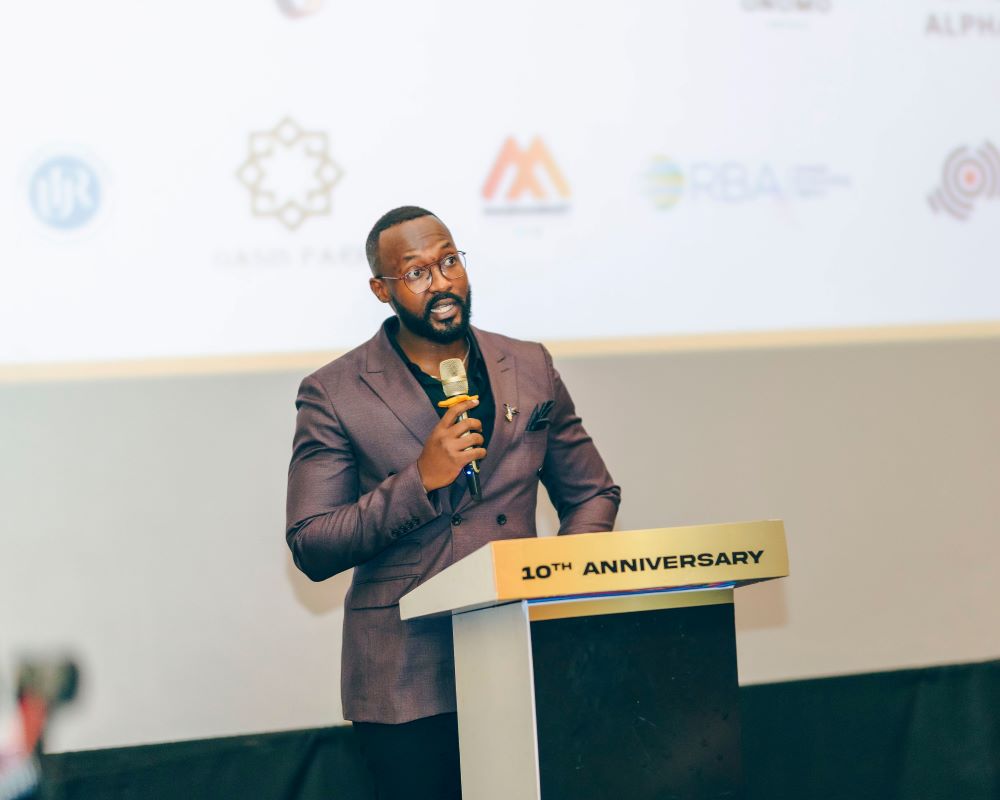
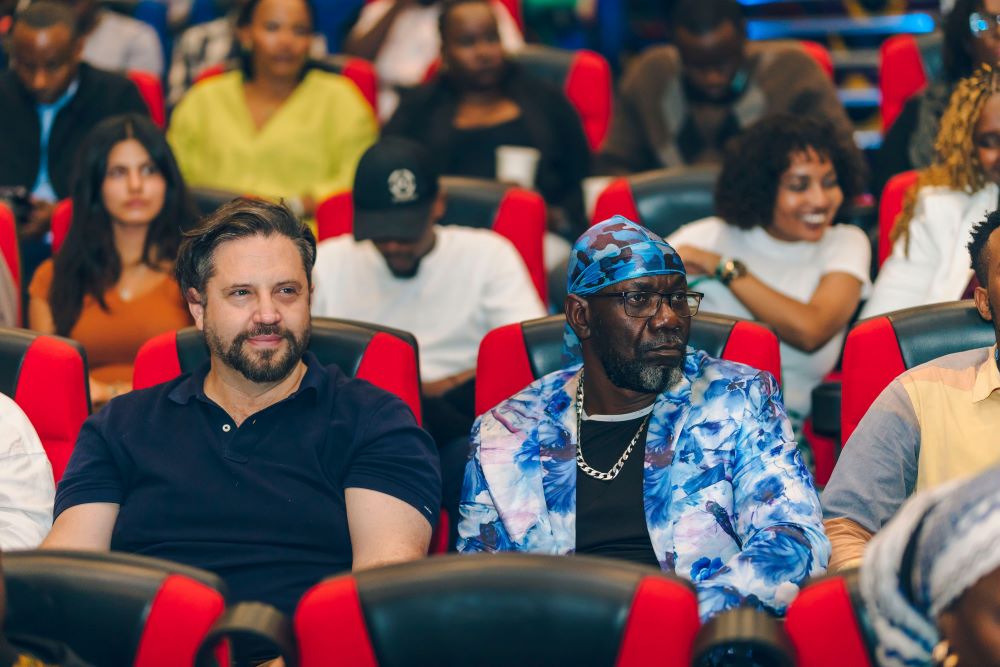
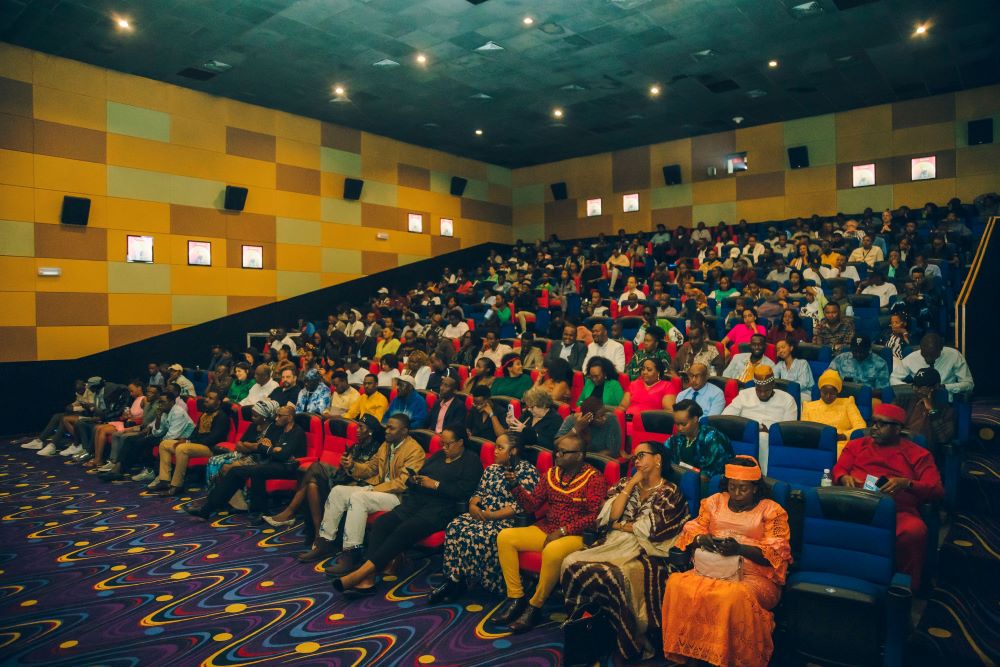
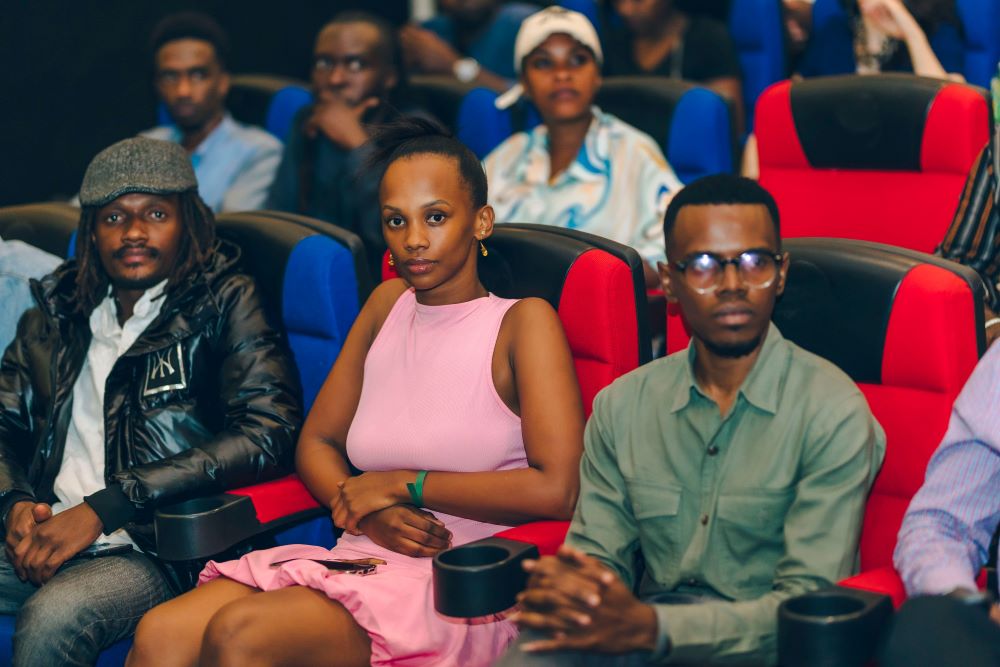
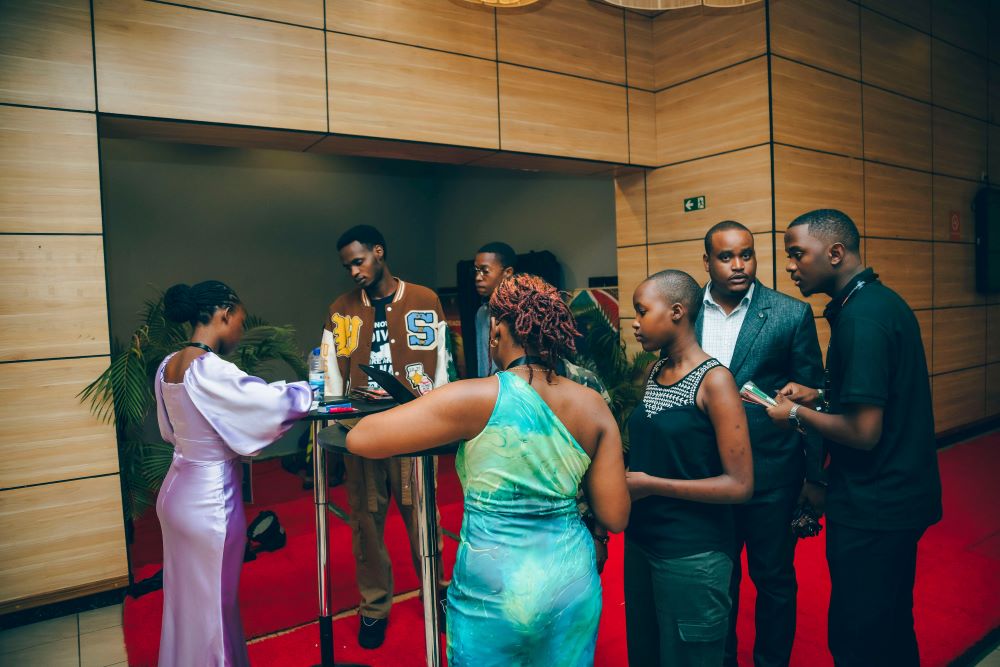
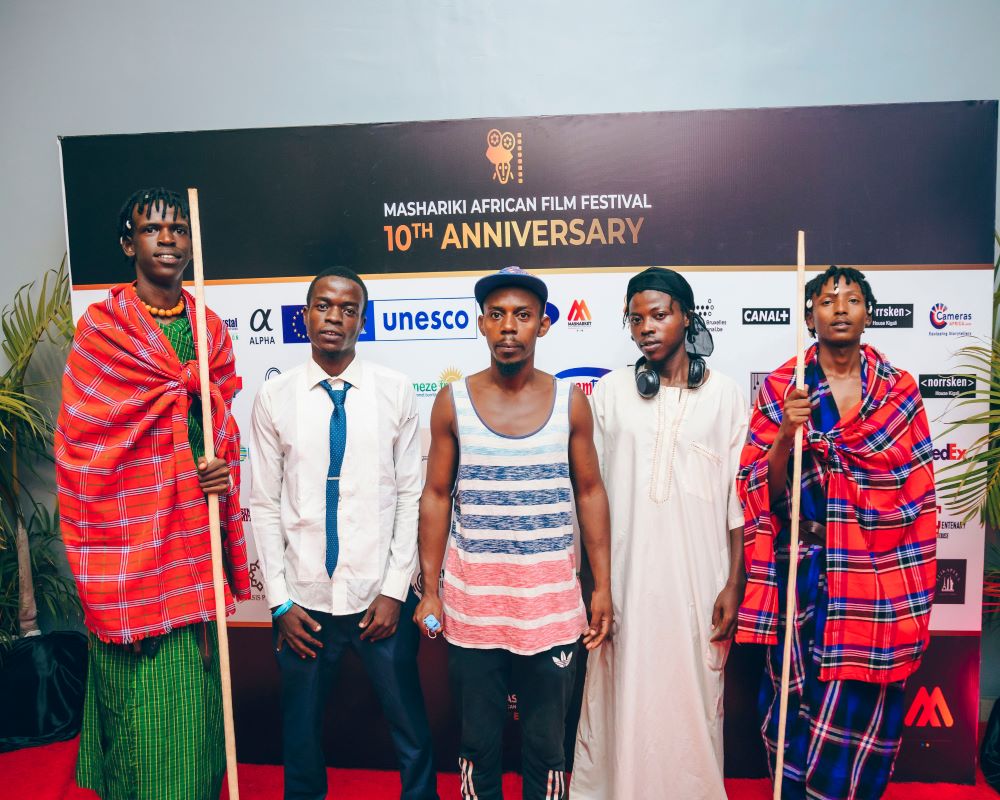
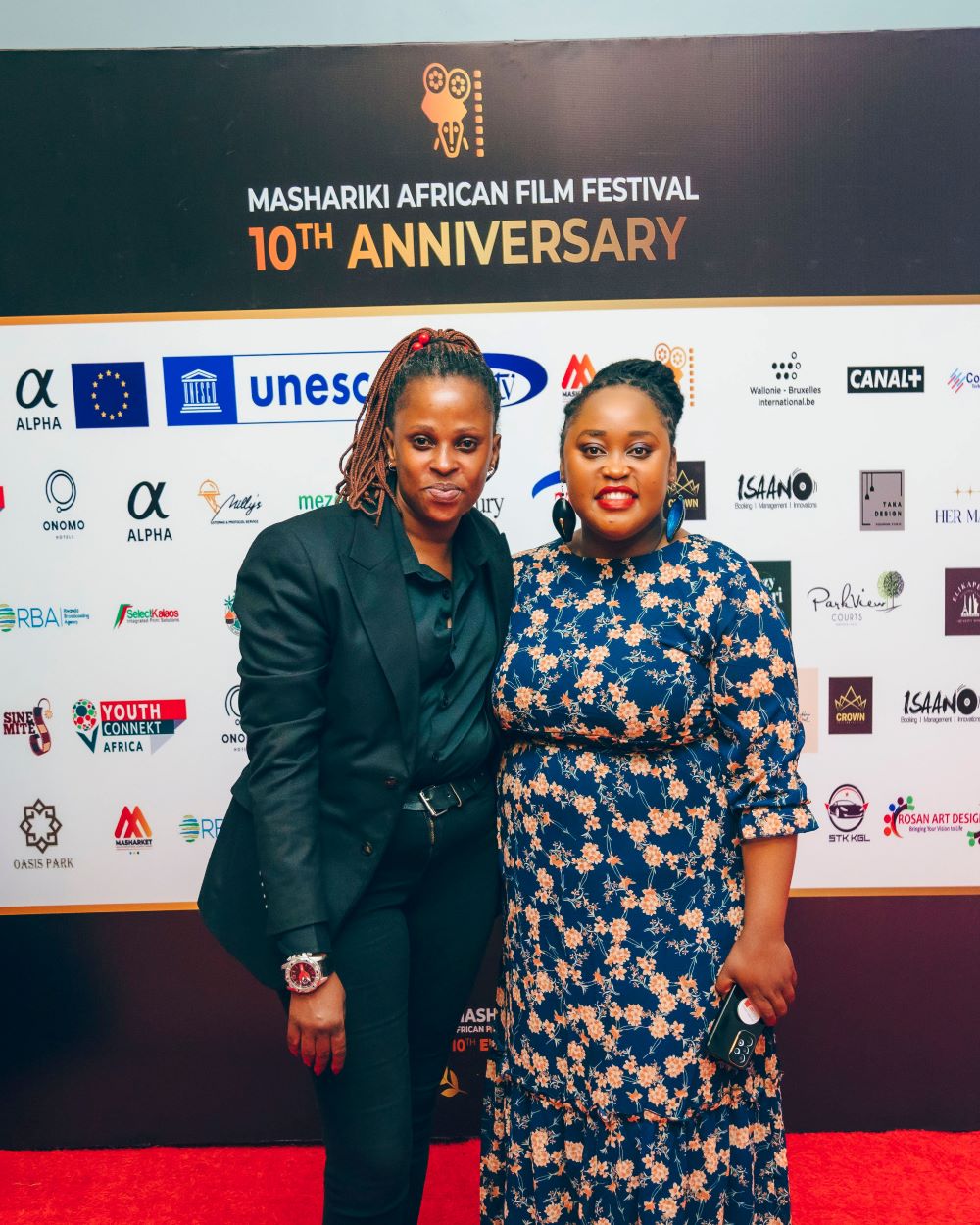
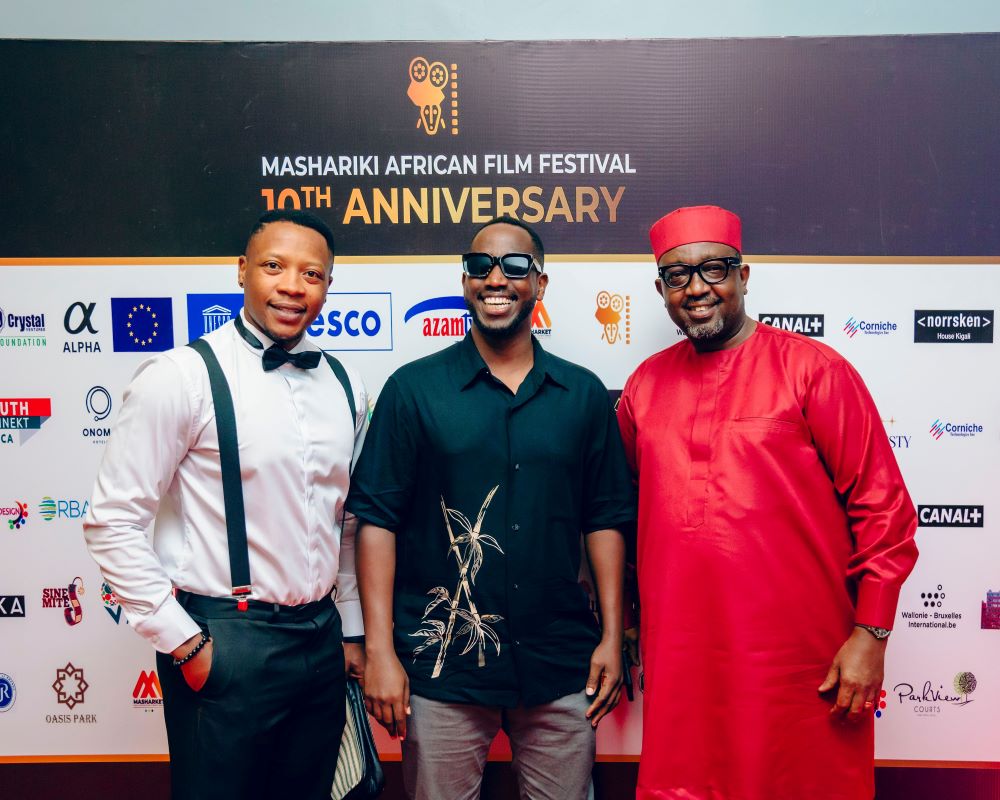
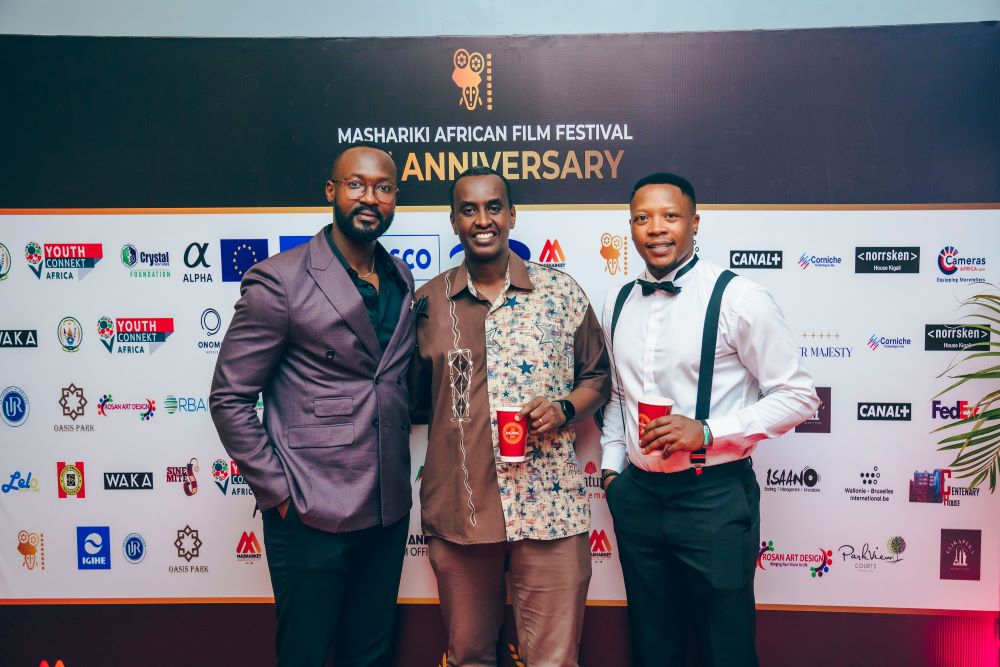
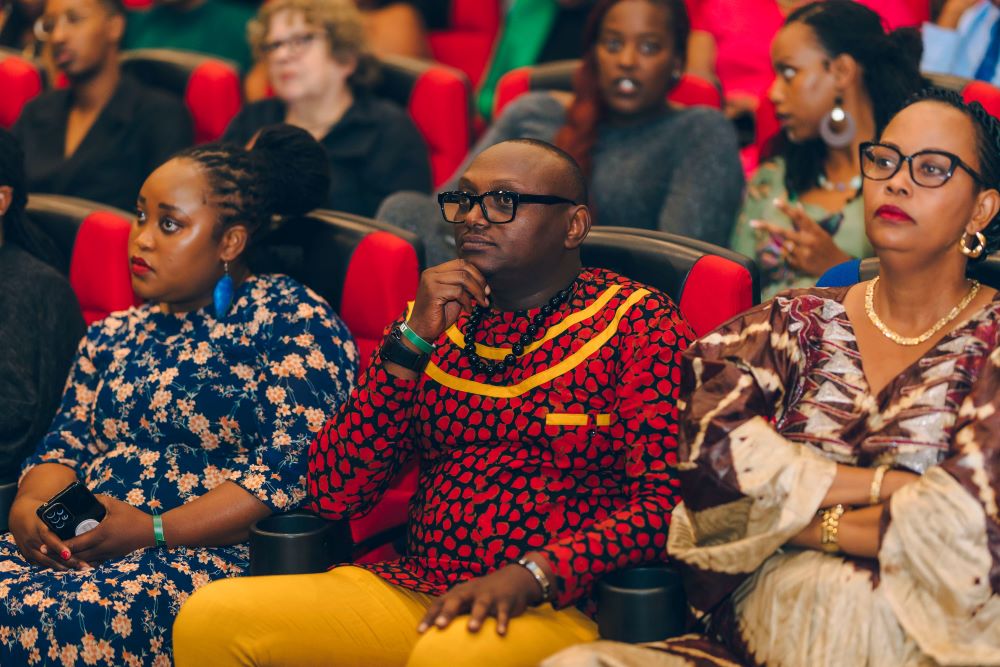
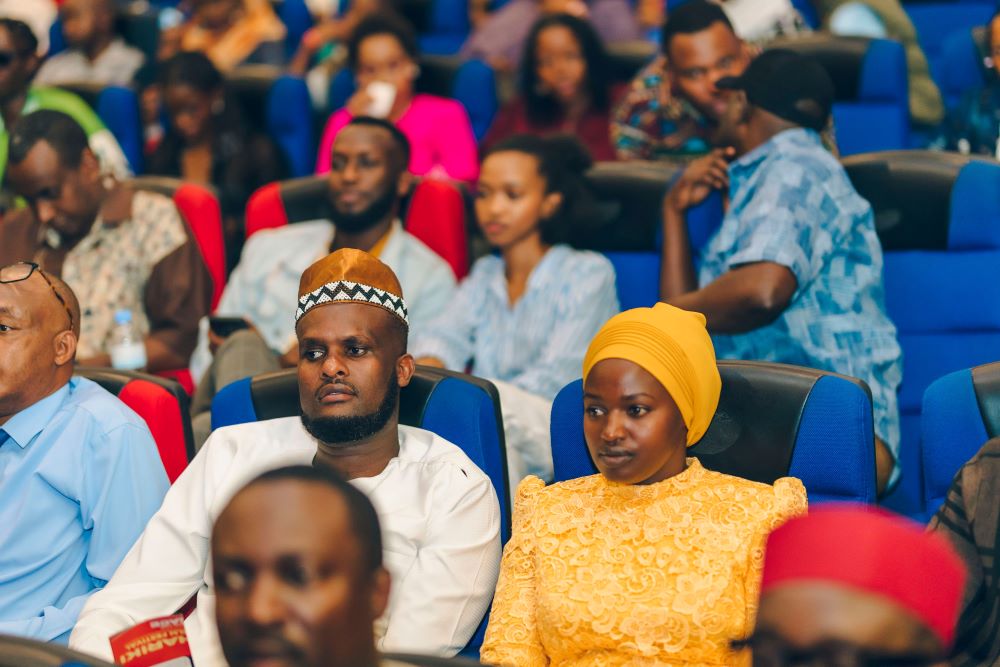
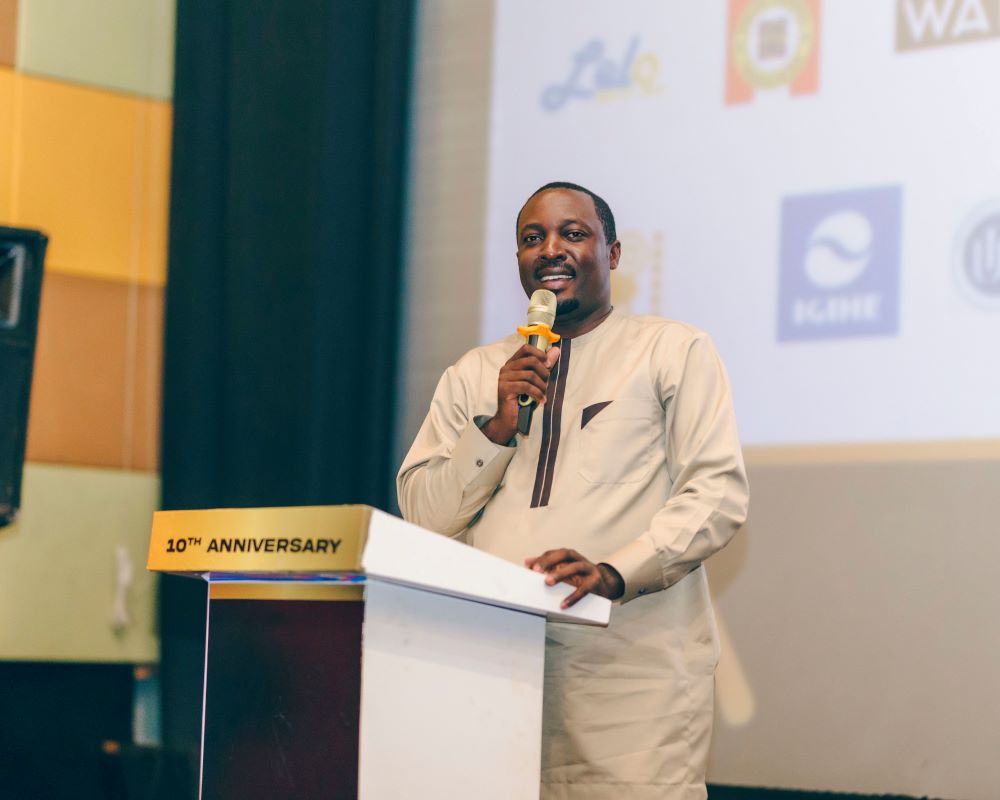
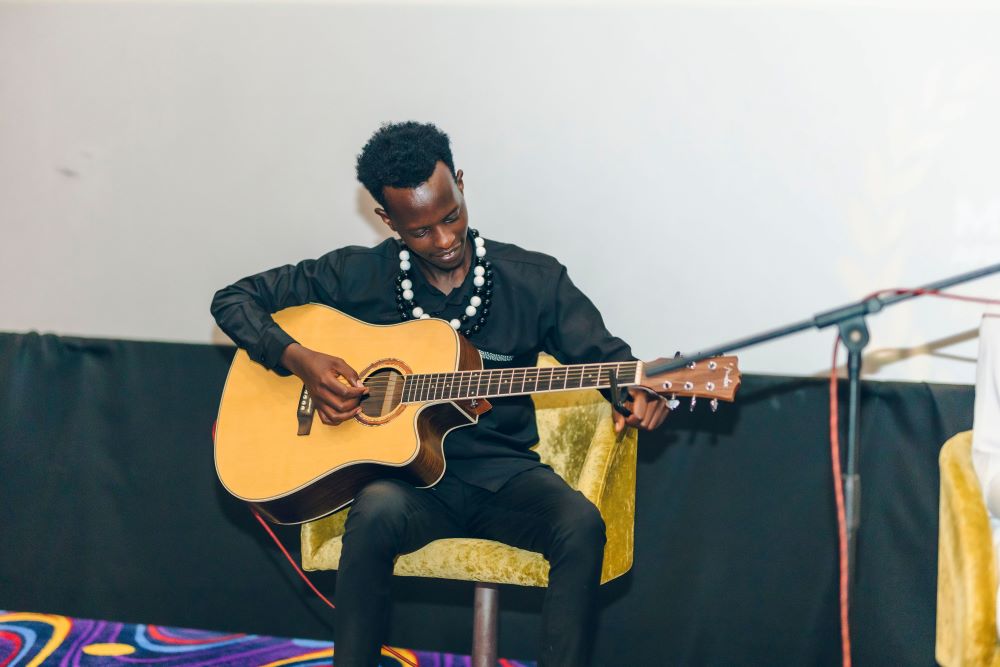
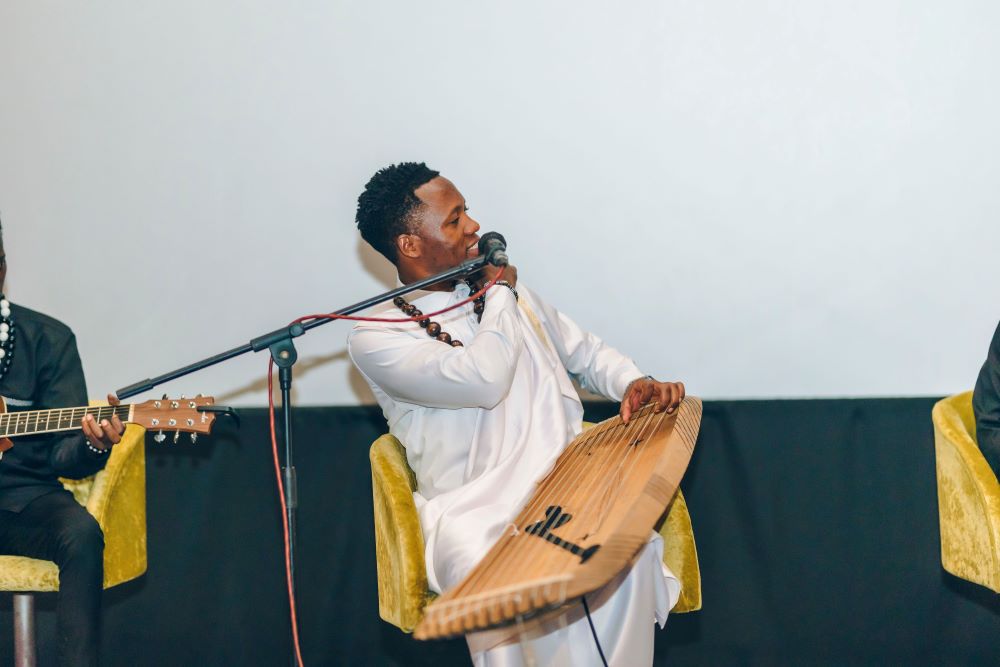
Over the past decade, it has grown from a local event into a cultural beacon that connects, supports, and elevates East African cinema. This year’s anniversary edition is particularly special, with fresh initiatives and industry insights, attracting creatives from different countries.
The festival coordinator, Leonel Kayitare, reflected on the growth and regional impact. “Ten years ago, we started with a simple goal: to build a platform where East African filmmakers could share their stories. Now, we’re seeing this platform transform into a community where filmmakers from across the region come together to connect, collaborate, and learn. This 10th anniversary is a celebration of that journey.”
Another major aspect to this year’s festival is “Mashaket,” the Kigali International Content Market, which will run from November 7th to 9th. Designed as a business-to-business (B2B) marketplace, Mashaket allows filmmakers to network with buyers, broadcasters, producers and other industry stakeholders.
Kayitare explained its importance: “This is where East African cinema meets the world. It’s a chance for filmmakers to showcase their work, secure funding, and establish partnerships. It’s a space where we’re not only telling stories but also creating business opportunities.”
Reflecting on the festival’s achievements, Kayitare shared how far the East African film industry has come in the past decade. “When we started, most submissions came from outside Rwanda, primarily from Uganda and Kenya,” he recalled.
“Today, we’re seeing more Rwandan filmmakers stepping up, creating award-winning work that’s making a mark across East Africa. It’s incredibly rewarding to witness that growth and to know that MAFF has played a role in it,” he added.
Among the attendees is a Ugandan filmmaker Jenipher Nankabirwa, whose experience at last year’s festival led her to create a collaborative film project between Uganda and Rwanda.
Nankabirwa, the producer and lead actor of The Head, a new Uganda-Rwanda collaborative film, is thrilled to be back at MAFF this year.
“Attending last year’s festival was a huge source of inspiration. It opened my eyes to the potential of cross-border collaborations, and I left with a vision to make a film that would bring Uganda and Rwanda together on screen. I’m so excited that The Head is now a reality, and I can’t wait to share it with audiences here in Kigali.”
The Head is a family drama that explores the challenges faced by families when the fathers, who are traditionally seen as heads of households become distant or neglect their roles.
The film depicts a Ugandan mother of three daughters, whose husband, is physically distant despite providing financial support. The strained relationship with her daughters, coupled with her resentment towards her husband, pushes her to organize a family trip to Kigali.
In an unexpected twist, they find the husband in Kigali on a business assignment, and the trip becomes a turning point, as the family reconnects and rediscovers their bond.
The story also introduces the woman’s eldest daughter the mother girls who meets a young Rwandan man, during the trip. Their budding connection adds another layer to the story, bridging the two cultures and hinting at a bright future of shared stories and experiences.
Nankabirwa explains that this movie felt like the perfect way to blend Ugandan and Rwandan cultures to tell a story that resonates with families in both countries, something universal yet unique to East Africa. She is glad that MAFF gave her the confidence and platform to pursue her vision.
In addition to inspiring films like The Head, MAFF has expanded its programming this year with new capacity-building opportunities. Workshops developed in collaboration with Youth Connect are being held throughout the week, offering insights into various aspects of filmmaking.
“We’re here to support all filmmakers, whether they’re just starting out or have been in the industry for years,” Kayitare said. “These workshops and masterclasses, including those hosted by Sony for cinematographers, provide our filmmakers with the skills they need to create high-quality work that can compete on any stage.”
For attendees like Nankabirwa, MAFF has become an annual highlight and a gathering point for East African filmmakers.
“The festival creates a community. It’s a place where we can exchange ideas, share our stories, and find inspiration. There’s something incredibly powerful about being in a room filled with people who share the same passion for storytelling,” she said
At the 10th year anniversary, it’s clear that the festival has become more than just a showcase, it’s a catalyst for collaboration and a launchpad for East African stories.
With this year’s grand finale set for November 9th, featuring an awards ceremony to recognize the region’s top films, the festival is sure to close on a high note, celebrating a decade of accomplishments and setting the stage for the future of Cinema in Rwanda.
And as Kayitare said, “This is just the beginning. We’re building a foundation that will support our filmmakers for years to come.”
He was speaking with IGIHE following social media speculation suggesting the presence of Rwandan troops in Maputo.
Anti-government protests have erupted in Maputo since the October 9 presidential election, which saw the ruling Frelimo party secure a victory.
According to official results, Frelimo’s presidential candidate, Daniel Chapo, won with 70.7% of the vote. However, opposition candidate Venancio Mondlane has rejected the results, alleging fraud and calling for public protests.
Amid these events, a social media user shared a video on X, claiming that Rwandan troops were among the security forces confronting protesters.
In response to this claim, Brig Gen Rwivanga clarified in an interview with IGIHE that the information is false, emphasizing that the deployment locations of Rwandan troops are known.
“It’s not true; we are in Cabo Delgado, and all our sectors are well-known: Palma, Mocimboa da Praia, Macomia, and Ancuabe. These are the sectors we were assigned, and the work we’re doing keeps us very busy,” he said.
Rwandan forces are assisting Mozambique’s army in combating militants who launched an armed uprising in 2017.
In response to the escalating violence and displacement, Rwanda began deploying its security forces to Mozambique on July 9, 2021.
Brig Gen Rwivanga clarified that Rwandan troops are currently engaged in managing the remaining rebels scattered across the designated sectors.
“What is happening in Maputo has nothing to do with us. None of our soldiers has set foot there. It’s just rumors,” he stated.
The spokesperson suggested that these rumors might stem from individuals aiming to disrupt peace or and portray the government as incapable.
“But for us, that’s not our concern. We don’t engage in speculation. We simply speak the facts. […] What we want is to ensure our operations are progressing well,” he added.
Before the intervention of Rwandan troops in 2021, the insurgency had claimed the lives of about 3,000 civilians, and more than 800,000 people had been displaced. The insecurity also brought all development projects in the insurgent-controlled areas to a standstill.
Since then, Rwandan security forces, in collaboration with Mozambique’s armed forces, have made substantial progress in dismantling the Al Sunna Wa Jama (ASWJ) terrorist group from their strongholds in Mocimboa da Praia and Palma. This has allowed a significant number of internally displaced people to return to their villages safely.
In addition to Rwanda’s support, Mozambique has also received military assistance from the Southern African Development Community (SADC) since 2021. However, SADC forces began withdrawing in April this year as their mandate approached its conclusion.
Rwanda and Mozambique have maintained strong diplomatic ties for many years, with cooperation agreements across various sectors, including security, trade, and investment.
Political pundits remain confident that the outcome of the 2024 presidential election will be determined by swing states. These battleground states are significant in U.S. elections as they often decide the outcome in the Electoral College due to their unpredictable voting patterns.
The Electoral College is a unique system used in U.S. presidential elections, where voters technically vote for electors, who then vote to elect the president and vice president. This system is so powerful that a candidate can win the popular vote—meaning they receive more total votes from across the country—but still lose the election due to the Electoral College.
In the U.S., each state has a set number of electors, which is equal to the sum of its U.S. Senators (always two) and its U.S. Representatives (which varies based on the state’s population). In total, there are 538 electors, and a candidate must receive a majority—at least 270 electoral votes—to win the presidency.
In recent days, Trump, who is running on the Republican Party ticket, and his Democratic counterpart, Harris, have continued their blitz across key swing states such as Georgia, Michigan, and North Carolina as they press for any possible advantage in the closing days of the campaign.
Other swing states expected to determine this year’s election outcome include Pennsylvania, Arizona, Nevada, and Wisconsin. These states were pivotal in the 2020 election and remain closely contested due to their evenly split or shifting voter demographics.
There are two notable examples where the Electoral College determined the winner despite the national popularity indicating otherwise:
{{Al Gore in 2000}}
The Democratic Party’s Al Gore won the popular vote by over 500,000 votes in the 2000 presidential election but lost the presidency to Republican George W. Bush. The Electoral College vote came down to a razor-thin margin in Florida, where Bush won by a small number of votes.
Despite Gore’s popular vote lead, Bush secured more electoral votes, 271 against Gore’s 266. In this election, one of Washington D.C.’s three electors abstained from voting, which lowered the total electoral votes cast to 537 rather than the usual 538.
{{Hillary Clinton in 2016}}
In the 2016 election, Democratic candidate Hillary Clinton won the popular vote by nearly three million votes, but Trump won the presidency by capturing key swing states like Pennsylvania, Michigan, and Wisconsin. These wins gave Trump enough electoral votes to surpass the 270 needed, even though Clinton received more votes nationwide.
{{Policies}}
Divergent stances on key policies are also expected to play a role in determining the winner. Trump and Harris differ on the implementation of various government policies, with each strongly defending their positions.
For instance, Trump has been promoting tax cuts for businesses and higher-income earners, arguing that this approach stimulates economic growth and investment. Harris, on the other hand, supports progressive tax reforms, including higher taxes on the wealthy and large corporations to fund social programs. She advocates for policies aimed at reducing income inequality, increasing the minimum wage, and providing direct support to lower- and middle-income families.
On the sensitive issue of immigration, Trump proposes strict immigration policies, focusing on border security, reducing both legal and illegal immigration, and building a border wall. His policies include reducing refugee admissions and imposing travel bans from certain countries. Harris advocates for more inclusive immigration policies, including protections for DACA (Deferred Action for Childhood Arrivals) recipients, expanding pathways to citizenship, and reforming the immigration system to be more humane and efficient.
On social issues, Trump generally opposes expanded LGBTQ+ rights and has taken stances against abortion, appealing to conservative and evangelical bases. Harris, by contrast, supports LGBTQ+ rights, expanded gender equality initiatives, and access to reproductive healthcare.
As the election approaches, the nation waits to see how these policy differences and the dynamics of the Electoral College will shape the final outcome.
The event, aimed at advancing Sustainable Development Goals (SDGs) 11, 12, and 13, introduced participants to the UNLEASH methodology, guiding them through structured stages of problem framing, ideation, testing, and pitching.
This approach encouraged participants to view problems as opportunities, a perspective that Mahlet Bethel Syoum, the Lead Facilitator and Commercial Partner Liaison & Trade Data Analyst at AeTrade Group, emphasized at the end of the event.
“It’s not just about gathering for two days; it’s about doing something impactful. We want participants to approach solutions by first understanding the problem. When you look at a problem as an opportunity, it opens up a world of possibilities,” She said.
The participants formed teams to develop impactful ideas, culminating in pitches that addressed Urban environmental protection strategies and climate change mitigation innovative ideas.
The winning project, proposed by a team led by Mussa Tuyishime, a second-year architecture student from the University of Rwanda’s College of Science and Technology.
It focused on enhancing urban food security by utilizing low-cost materials like old vehicle tires and plastic containers to create home-based gardens. These gardens provide a means for urban households to grow their food while also tackling waste issues.
Tuyishime described the importance of their solution. “The solution we bring is cheap, requires little investment, and is applicable in urban centers. Our goal is to address food shortages in Kigali through home gardens and urban farming, contributing to sustainable food security, improved nutrition, and environmentally responsible consumption.”
The winning team’s efforts were rewarded with a three-month incubation program with the University Innovation Pod (UniPod) and a leadership mentorship with AIESEC in Rwanda.
According to Syoum, this opportunity will allow the team to refine and scale their innovative project. “This is such a huge opportunity for them to take their ideas to the next level,” she shared with pride.
The event also honored a first runner-up team, whose project presented a digital platform offering real-time weather updates/patterns and disaster alerts targeting urban residents in flood-prone areas to prevent potential losses due to adverse unpredictable weather.
Their prize included a one-month mentorship with AIESEC in Rwanda and climate action training with the Treescape Planet Organization, which would further their commitment to environmental protection.
Other notable projects include one that focused on sustainable waste management. They proposed development of a mobile app concept called “Clean Kigali”, aimed at connecting Kigali’s residents with waste disposal options in urban neighborhoods.
The app would offer information on waste transport services and the locations of nearby disposal sites, providing a user-friendly solution to waste management in the city.
Another group proposed building aqua reservoirs and promoting rainwater harvesting to support urban agriculture, contributing to food security in Kigali’s rapidly growing urban environment.
The collaboration and ambition demonstrated by these young innovators impressed Syoum and her team of facilitators.
“The teamwork, collaboration, and ambition were truly inspiring. Seeing their projects evolve in just two days was a testament to their potential,” she noted.
As a facilitator, Syoum took responsibility for gate-checking the teams, ensuring they met each stage’s requirements while providing guidance rather than instruction.
“It’s a learning process for everyone, including myself,” she shared, emphasizing the leadership and adaptability required to guide the teams through challenges. “Sometimes things don’t go as planned, but the real skill lies in how fast you can adapt and move forward.”
Reflecting on the event’s success, Syoum highlighted the potential of Rwandan youth to drive meaningful change. “They’re change makers. Give them the right methodology and environment, and they’ll surprise you with what they can accomplish.”
A member of the organizing team identified as Theoneste Ndayizeye expressed optimism that UNLEASH Hack Kigali has set an example of how structured, collaborative innovation can inspire sustainable solutions to urban challenges.