“The Sudanese government is open to all solutions to end and settle the conflict, and it is also open to delivering humanitarian aid, but the government will not accept this to be exploited to deliver weapons to the rebels instead of delivering food,” Abdel Fattah Al-Burhan, chairman of Sudan’s Sovereignty Council and general commander of the Sudanese Armed Forces, told visiting U.S. Special Envoy for Sudan Tom Perriello during a meeting, according to Sudan’s Ambassador to the United States Mohamed Abdullah.
Al-Burhan told Perriello that the Sudanese government does not agree for the Adre border crossing with Chad to be exploited in delivering weapons to the paramilitary Rapid Support Forces (RSF), Abdullah said.
On Nov. 13, the Sudanese government decided to extend the opening of the Adre border crossing for three months to facilitate the delivery of humanitarian aid to the war-affected population in the country.
“The two sides discussed the roadmap and how to stop the war and deliver humanitarian aid, besides the political process as a final solution,” Abdullah said.
Following the meeting, Perriello told reporters that the U.S. would continue to work with the Sudanese authorities to help expand the number of Sudanese people who have access to food, water, and medicine.
Sudan has been engulfed in a devastating conflict between the Sudanese Armed Forces and the RSF since mid-April 2023. The deadly conflict has resulted in over 24,850 deaths and displaced more than 14 million people, according to estimates by international organizations.
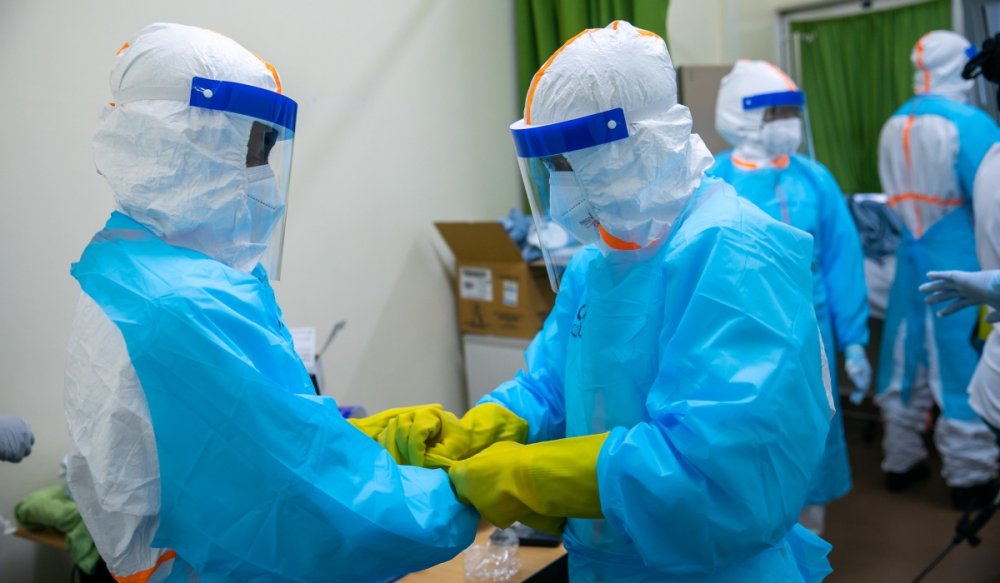
In a letter addressed to Xavier Becerra, Secretary of Health and Human Services, and Dr. Mandy Cohen, Director of the US CDC, Africa CDC Director General Dr. Jean Kaseya highlighted Rwanda’s substantial progress in controlling and managing the outbreak.
As of November 17, it has been 18 days since Rwanda reported its last Marburg Virus Disease (MVD) case. All previously infected patients have been successfully discharged, while rigorous monitoring and community follow-up systems remain in place. Additionally, 100% of identified contacts completed the required monitoring period.
Rwanda’s achievement is attributed to the swift and coordinated efforts led by its Ministry of Health, in collaboration with Africa CDC, the World Health Organization (WHO), and international partners.
Key measures included enhanced nationwide surveillance for early case detection, innovative approaches to contact tracing and isolation, upgraded treatment facilities meeting global standards, and widespread public awareness campaigns on prevention.
The Marburg virus outbreak was first declared in Rwanda on September 27, 2024. Since then, the country has worked diligently to contain the virus and prevent its spread within Rwanda and across the continent.
During Africa CDC’s weekly media briefing, Rwanda’s Minister of Health, Dr. Sabin Nsanzimana, stated: “More than a month without a death from Marburg is indicative of the sound progress we have made, but the country remains vigilant.”
Surveillance efforts have been extended to include monitoring fruit bats, the source of the index case, and all caves in the country.
Based on current data, the MVD index case originated from a single zoonotic transmission. Of the 66 reported cases, Rwanda has recorded 51 recoveries. Efforts continue to follow up on survivors and monitor those who have recovered.
Dr. Nsanzimana further noted, “The case fatality rate for those who did not make it has been maintained at 22.7%, which is relatively lower compared to previous outbreaks in the region. The deployment of new tools, therapeutics, and vaccines has contributed significantly to these outcomes.”
Recent evaluations by Africa CDC and WHO acknowledge Rwanda’s progress, confirming a low risk of further MVD transmission. No cases have been reported outside Rwanda or in the United States.
Africa CDC has urged the U.S. HHS and CDC to collaborate with international health agencies to reassess the situation and update the travel advisory to reflect Rwanda’s current epidemiological status.
Dr. Kaseya emphasized that revising the advisory “would recognize Rwanda’s public health achievements while supporting its economic recovery.”
He also reaffirmed the strong partnership between Africa CDC and the United States in advancing global health security.
In a statement released on November 18, 2024, Africa CDC reiterated its commitment to protecting public health across Africa and collaborating with global partners to enhance health security.
Africa CDC, an autonomous public health agency of the African Union, supports member states in strengthening health systems, improving disease surveillance, and enhancing emergency response and disease control efforts.
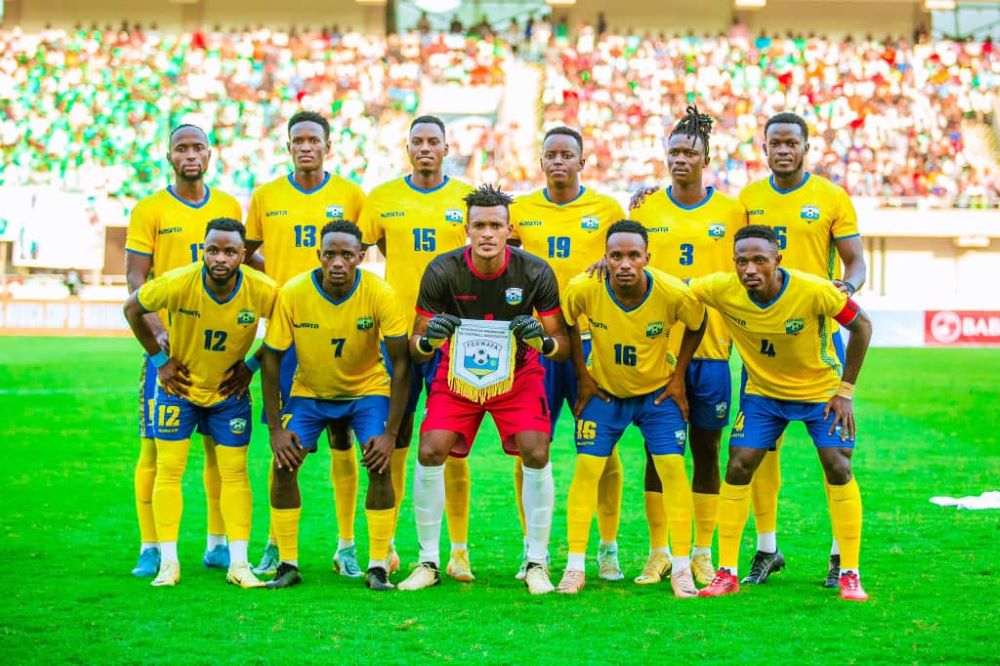
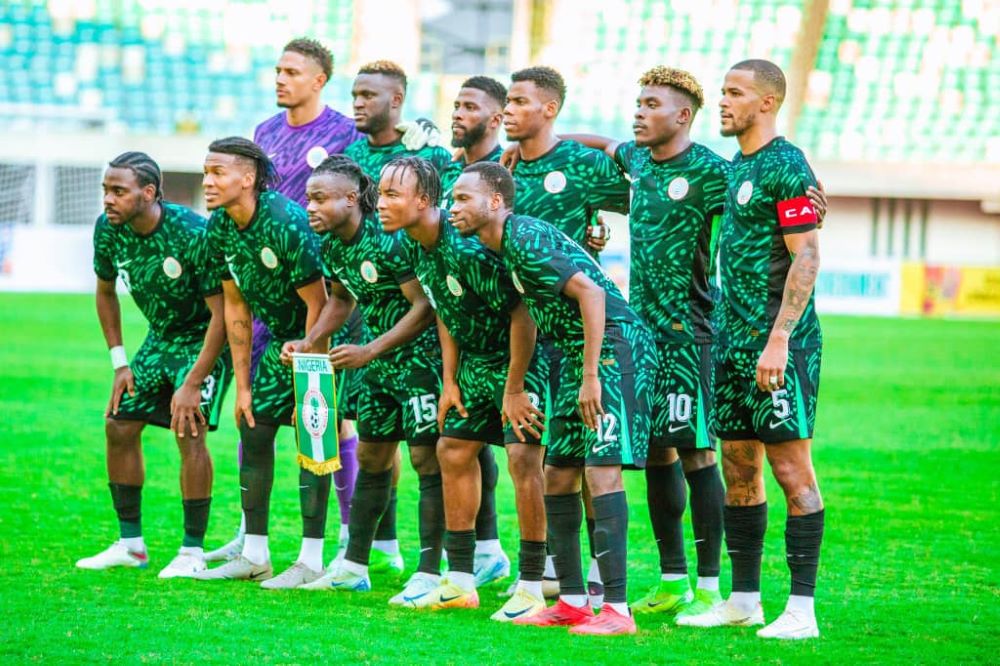
The match started on a tense note, with both teams eager to assert dominance but cautious not to make early mistakes. Fouls punctuated the opening exchanges, with players jostling for control in midfield.
Rwanda’s first corner came in the 18th minute, sparking some hope for an early lead, but the chance was wasted. Moses Simon of Nigeria showcased his skill with a brilliant dribble and pass to Victor Boniface in the 23rd minute, but the forward failed to control the ball inside the box.
Amavubi captain Djihad Bizimana picked up the first yellow card of the match in the 25th minute after a foul on a Nigerian wingback. Just minutes later, Bonheur Mugisha followed suit with a booking for a reckless tackle on Alhassan Yusuf. By halftime, the match was locked at 0-0, with neither side able to find a breakthrough despite a few close calls.
The second half began with renewed energy from both teams. Nigeria made two key substitutions, bringing on Chukwueze Samuel and Frank Onyeka. Chukwueze made an immediate impact, scoring a stunning goal in the 58th minute after dribbling past four Rwandan defenders. His precise left-footed finish left goalkeeper Ntwari Fiacre helpless, putting Nigeria ahead 1-0.
Despite the setback, Amavubi showed resilience and determination. Ange Mutsinzi capitalized on a defensive lapse by the Nigerians in the 72nd minute, heading home a well-delivered cross from Kwizera Jojea to level the score.
The goal reignited hope among Rwandan fans and players alike. Just three minutes later, Innocent Nshuti sent Rwandans into a frenzy with a brilliant finish off Emmanuel Manishimwe’s perfectly timed pass, giving Amavubi a 2-1 lead.
The closing minutes were nerve-wracking. Nigeria, desperate to salvage the game, unleashed waves of attacks led by Victor Osimhen, who came off the bench in the 77th minute.
The Super Eagles came close on several occasions, but Rwanda’s defense held firm. Goalkeeper Clement Twizere, who had replaced the injured Ntwari, made a series of crucial saves to deny the Nigerians.
As the final whistle blew, Amavubi players and fans celebrated an unforgettable victory. It was a rare triumph over Nigeria, a football powerhouse, marking a high point in the qualification campaign.
However, news from Tripoli soon dampened the mood. Libya’s failure to beat Benin meant that both Nigeria and Benin qualified for AFCON 2025, leaving Rwanda out despite their remarkable performance.
This campaign will be remembered as one of Amavubi’s best in recent history. Rwanda secured victories against both Nigeria and Benin, showcasing their growth and potential. However, the team paid the price for inconsistency, particularly in their matches against Libya, where they failed to pick up reasonable points.
Rwandan football fans were left with mixed emotions. For Hirwa Muzungu, the campaign was a step forward despite the disappointment. “We showed heart and determination today, and this win against Nigeria is something to be proud of. Yes, we made silly mistakes earlier in the campaign, especially against Libya, but the team has grown. I believe we’ll come back stronger next time,” he said.
Amavubi’s failure to qualify for AFCON 2025 extends a 20-year drought since their last appearance in the tournament in 2004. That year, Rwanda impressed by defeating DR Congo and earning a draw against Guinea, but they narrowly missed out on the quarterfinals.
The heartbreak of that campaign echoes in this one, as the team once again showed promise but fell short of reaching the continent’s grand stage by a whisker.
Despite the disappointment, Rwanda’s performance in the qualifiers offers hope for the future. The team demonstrated its ability to compete against stronger sides, and the win against Nigeria will serve as a source of pride and motivation.
The victory over Nigeria is a reminder of what the team is capable of when they play with determination and unity. With lessons learned and the support of a passionate fan base, Rwandans will look to the future with renewed belief in their potential.
Thirty years ago, the city was in the spotlight for all the wrong reasons. The Genocide against the Tutsi plunged Rwanda into chaos and left Kigali in ruins. However, over the past three decades, Kigali has become the epicentre of a transformation hailed far and wide.
In July 2024, the city was ranked third among travellers’ favourite cities in Africa by Travel + Leisure, a New York-based travel magazine. The city was ranked behind Morocco’s Marrakech and South Africa’s Cape Town. The annual awards program evaluates cities globally based on traveller experiences, using criteria such as landmarks, culture, food, friendliness, shopping, and overall value.
Kigali has also earned recognition for its cleanliness and innovation. Known as Africa’s cleanest urban hub, the city’s success stems from the Rwandan government’s commitment to environmental management and community involvement.
In 2019, Kigali became the first city globally to win the Wellbeing City Award in the Public Health category, presented by NewCities, a Canadian non-profit coalition. The award honoured initiatives like the car-free day, which promotes public health and wellness.
Launched in 2016, the car-free day takes place on the first and third Sundays of each month, encouraging citizens to forego vehicles and engage in community sports and free medical check-ups.
Kigali’s Car-Free Zone, a street dedicated to pedestrians, offers space for social interactions and events, further enhancing the city’s reputation for innovation.
As a destination, Kigali has emerged as a hotspot for tourists, international conferences, and business meetings. Its ease of doing business attracts foreign investors, as noted by Muhammad Asif, a Pakistani IT expert who moved to Rwanda in 2019.
“Registering a business with the Rwanda Development Board is easy and straightforward, and getting a work permit is also hassle-free,” he remarked during a recent interview.
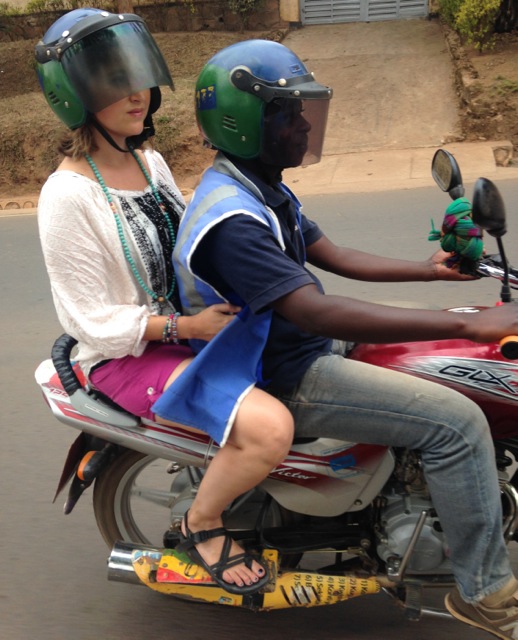
Motorcycle transport, locally known as Taxi Moto, has become a popular mode of transportation in Kigali, as in many parts of Africa, offering a quick solution for those looking to beat traffic. Electric bikes are gaining traction, with the government planning to phase out the importation of fuel-powered bikes by 2025 to promote sustainability.
Rwanda is among the few countries that have successfully regulated the taxi moto business, earning admiration from neighbouring countries and beyond. The government’s measures, which include mandatory helmet use and the restriction of carrying only one passenger per bike, have promoted discipline and order within the sector.
To enhance efficiency in Public Service Vehicles (PSVs), the city has adopted a modern transport payment system called Tap & Go. This system offers convenience for both commuters and transport operators, streamlining the payment process and improving overall service delivery.
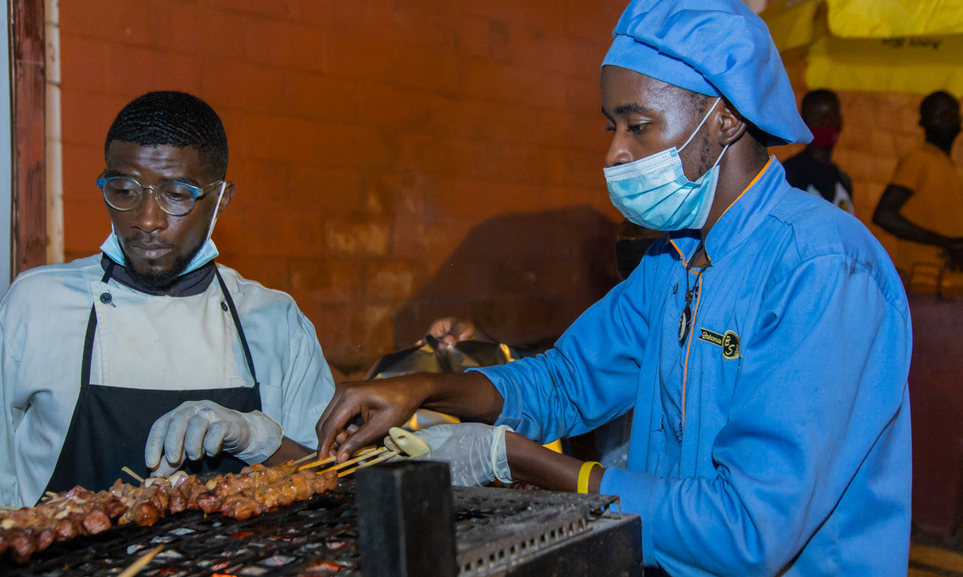
While street food is rare due to strict public health regulations, Kigali boasts a vibrant culinary scene. Restaurants and eateries offer diverse cuisines, with neighbourhoods like Nyamirambo standing out for their culinary charm. Biriyogo in Nyamirambo is a favourite for sampling local dishes such as pilau, brochettes, and traditional Rwandan staples like sweet potatoes, cassava, and hearty stews.
Parks and gardens scattered across the city provide serene escapes. Whether enjoying a coffee in the Car-Free Zone or strolling through lush green spaces, Kigali’s tranquillity offers a stark contrast to its bustling activity.
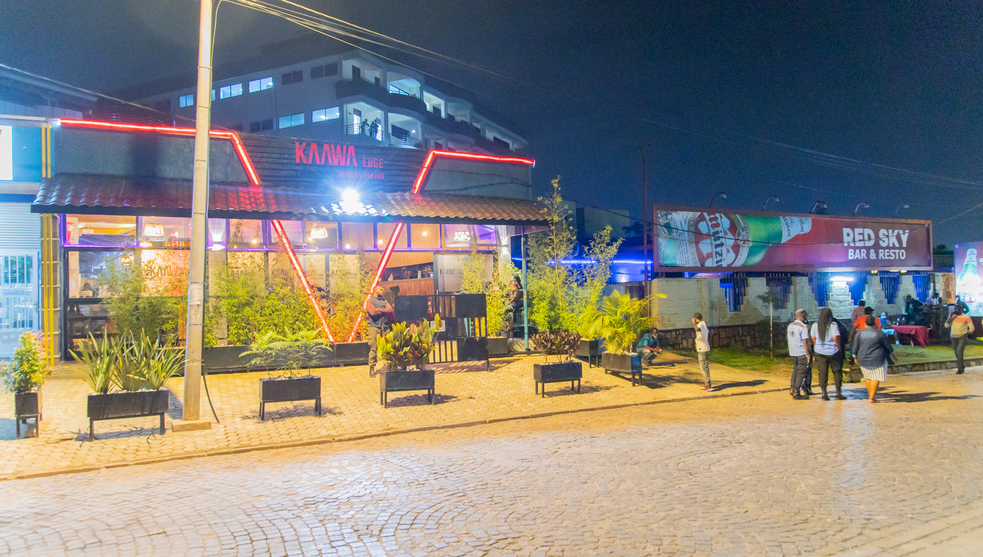
As night falls, Kigali transforms into a hub of vibrant entertainment. Nightclubs, bars, and live music venues come alive, offering a variety of experiences. Remera’s Kisimenti area is particularly popular, drawing crowds with its lively bars and restaurants.
Despite its vibrant nightlife, Kigali remains one of Africa’s safest cities. Well-lit streets, frequent police patrols, and a strong sense of community ensure residents and visitors feel secure, even late into the night.
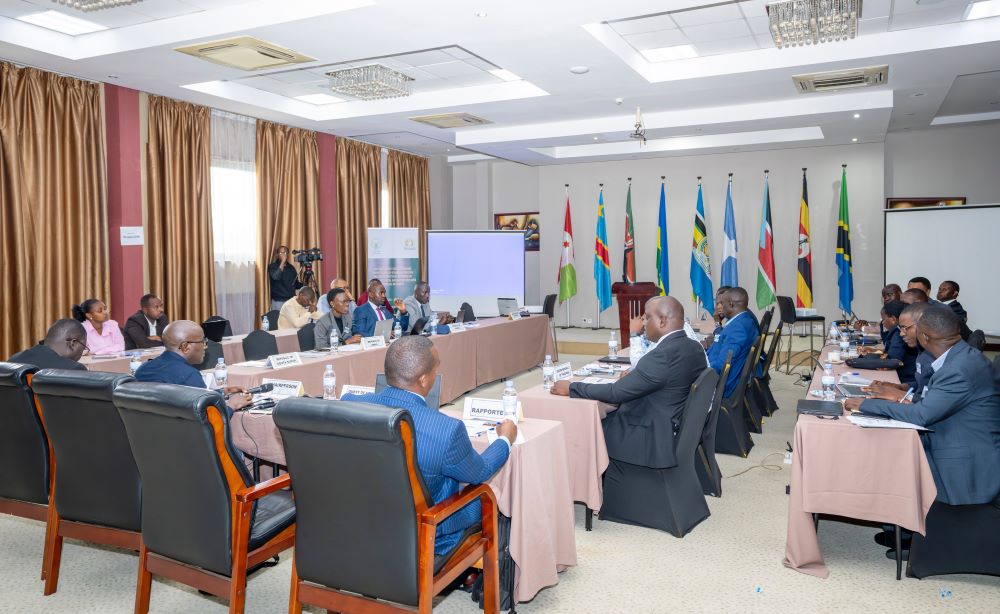
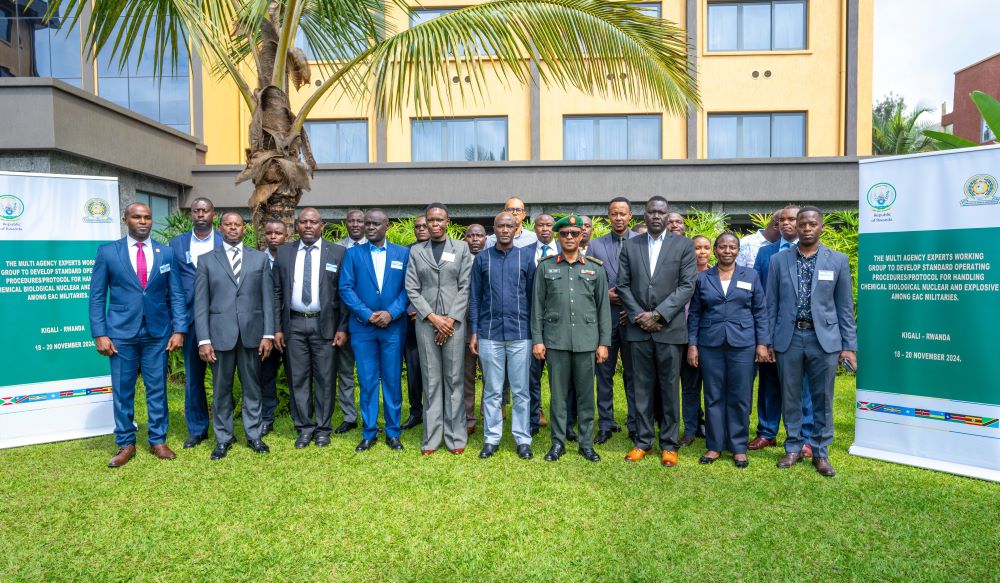
This three-day meeting, taking place from November 18 to 20, 2024, aims to establish Standard Operating Procedures and protocols for addressing Chemical, Biological, Radiological, Nuclear, and Explosive (CBRNE) threats across EAC member states.
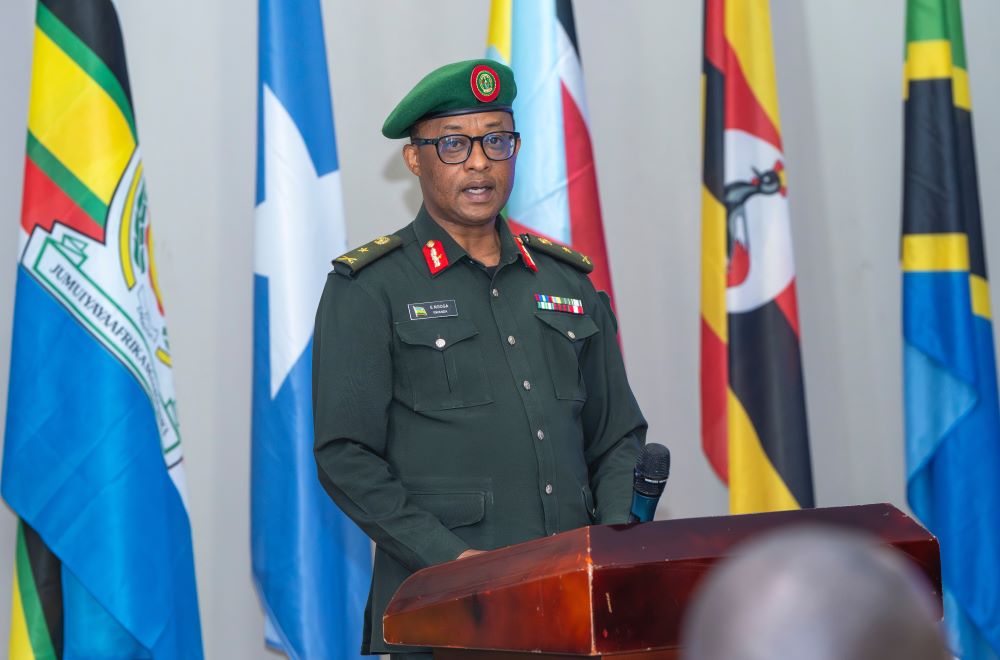
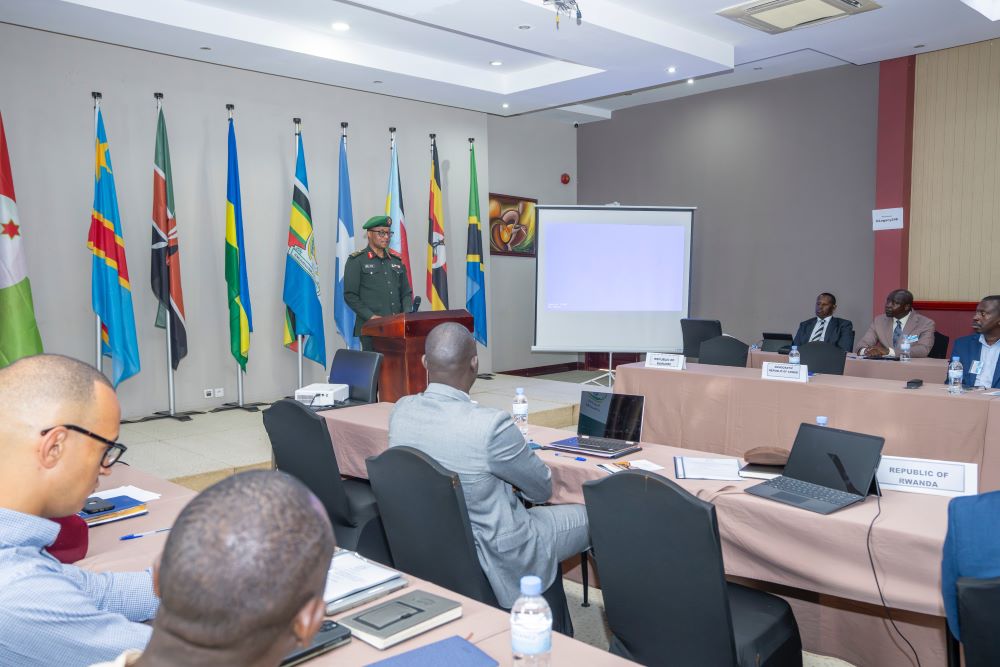
In his opening remarks, Brig Gen Dr. Eugene Ngoga, speaking on behalf of the RDF Chief of Defence Staff (CDS), warmly welcomed the experts and highlighted the meeting’s crucial outcomes.
“Your presence here underscores our shared commitment to strengthening the collective security of our region and protecting our people from the complex and evolving challenges posed by CBRNE threats,” he stated.
He emphasized that the forum would enhance the region’s readiness and interoperability to ensure security.
“Through this forum, we are demonstrating the unity that underpins the EAC. Together, we have the opportunity to forge protocols and procedures that will enhance our readiness, improve our interoperability, and ensure the safety and security of our region,” he added.
Colonel Deng Mayom Manyang Malual, Defence Liaison Officer from South Sudan, and representative of the EAC Secretary General, expressed confidence in the meeting’s success.
He praised the diverse group of experts, including doctors, scientists, chemists, military personnel, police officers, and civilians, who have come together to develop a comprehensive document that will guide the military operations of EAC partner states.
The East African Community (EAC) is a regional intergovernmental organization comprising eight partner states, dedicated to promoting sustainable development and regional integration across sectors such as trade, infrastructure, and health.
Following is an English version of the full text of the article:
{{A Friendship Spanning Vast Oceans: A Voyage Toward a Brighter Shared Future}}
{{By Xi Jinping President of the People’s Republic of China}}
At the invitation of President Luiz Inacio Lula da Silva, I will soon pay a state visit to the Federative Republic of Brazil and attend the G20 Leaders’ Summit in Rio de Janeiro.
Endowed with an expansive land, abundant resources, breathtaking landscapes and a rich tapestry of cultures, Brazil is a favorite destination of the Chinese people. Over two hundred years ago, as Chinese products, such as tea, lychee, spice and porcelain, traversed the oceans to reach the Brazilian shores, trade and economic exchanges began to bridge our two nations and became a bond of friendship between our people.
Fifty years ago, on August 15, 1974, China and Brazil established full diplomatic ties. Our relationship has since withstood the test of a changing international landscape and become increasingly mature and vibrant. This dynamic relationship has not only boosted our respective development but also contributed significantly to world peace and stability. It has established a model for major developing countries to develop win-win cooperation and pursue a shared future.
China and Brazil value mutual respect and treat each other as equals. Our people appreciate and support each other’s choice of development path. Brazil is the first country to establish a strategic partnership with China. It is also the first nation in Latin America to enter into a comprehensive strategic partnership with China. Our relationship has always been a forerunner in the relations between China and fellow developing nations. The two governments have between them a full-fledged mechanism for dialogue and cooperation, of which the high-level commission for coordination and cooperation has been in effective operation for 20 years and played a significant role in coordinating and planning cooperation in various fields and in promoting common development.
China and Brazil value mutual benefit and promote synergy between our comparative strengths as we work hand in hand to advance respective modernization. China has been Brazil’s largest trading partner for 15 consecutive years, and is a major source of foreign investment in Brazil. According to statistics from the Chinese side, China’s annual imports from Brazil in the past three years have stayed above 100 billion U.S. dollars. Thanks to our joint efforts, the structure of trade is becoming increasingly optimized, the level of cooperation is improving, and the scope of shared interests is expanding. Our mutually beneficial cooperation, with no shortage of bright spots and fruitful outcomes in areas of agriculture, infrastructure, energy, resources, green development, technological innovation and finance, has greatly promoted economic and social progress in both countries.
China and Brazil champion openness, inclusiveness and mutual learning, and we share a natural affinity and a common pursuit of all that is beautiful. Brazil’s renowned poets and writers Cecilia Meireles and Joaquim Maria Machado de Assis translated poems from China’s Tang Dynasty (618-907 AD), though not directly from Chinese. Their commendable endeavors reflect the resonance between our two cultures that defy time and space. In recent years, music, dance, and other forms of art, along with cuisine and sport, have become a new bridge connecting the people of our two countries, helping to enhance amity and mutual understanding. Brazil’s cute capybaras, bossa nova music, Samba dance, and Capoeira are immensely popular in China. China’s traditional festivals like the Spring Festival and its cultural heritages such as traditional Chinese medicine are increasingly well-known among Brazilians. Our young people, journalists, and academics interact frequently, and subnational exchanges are active and vibrant. Since earlier this year, a series of events have been held in both countries to celebrate the 50th anniversary of diplomatic relations, presenting to our people an array of splendid cultural and artistic feasts. In the last couple of days, I received letters from over a hundred Brazilian friends from across sectors, including the Brazil-China Friendship Association, university teachers and students, and the Copacabana Fort Orchestra of Rio de Janeiro. I am profoundly touched by their fervent desire to strengthen the friendship between our two nations.
China and Brazil stay committed to peace, development, fairness and justice. We have similar or identical views on many international and regional issues. Both are staunch defenders of the basic norms of international relations and multilateralism, coordinating closely and consistently within the United Nations, G20, BRICS and other international organizations and multilateral mechanisms on crucial issues, including global governance and climate change. Not long ago, China and Brazil jointly issued a six-point common understanding on political settlement of the Ukraine crisis. Our initiative has received a positive response from the international community. China and Brazil, embracing our roles and responsibilities as major countries, have contributed to a multipolar world, conduced to greater democracy in international relations and injected positive energy into global peace and stability.
Today’s world is undergoing an accelerating transformation unseen in a century. New challenges and new changes continue to arise. As a Chinese saying goes, “In a race of a hundred boats, those who row hardest will lead; among a thousand sails competing, those who advance most bravely will win.” As major developing countries in the eastern and western hemispheres respectively and important members of BRICS, China and Brazil should unite more closely, row hardest and advance most bravely. We should pioneer new routes together and jointly set sail on a voyage toward a brighter shared future that belongs to both our people and the whole of humanity.
Our two countries should stay the course of friendly relations. We should remain committed to mutual respect, mutual trust and mutual learning. We should further intensify exchanges at all levels and across all fields, including between the governments, political parties, and legislatures, and step up the exchange of experience in state governance and national development. We should continuously strengthen strategic mutual trust and cement the political foundation of our bilateral relations. We should fully leverage the role of the China-Brazil high-level coordination and cooperation commission (COSBAN), the comprehensive strategic dialogue and other cooperation mechanisms to build a stable and mature major-country relationship and ensure its steady and sustained growth.
Our two countries should foster new growth drivers for mutually beneficial cooperation. Both China and Brazil prioritize accelerating economic development and improving people’s livelihoods and both are forging ahead on the path of modernization. At present, as the new sci-tech revolution and industrial transformation gather pace, our two countries must seize the opportunities offered by the times. We should promote synergy between China’s Belt and Road Initiative and Brazil’s development strategies, and we should keep enhancing the strategic impacts of our mutually beneficial cooperation, broaden its scope, and break new ground. We should foster more exemplary projects that align with the trends of the times, deliver lasting benefits to the people, and contribute to the common development of our countries and regions.
Our two countries should solidify the foundation of people-to-people friendship. China and Brazil boast rich, diverse and uniquely fascinating cultures that are complementary and drawn to each other. We should uphold openness and inclusiveness, values that are imbued in our traditions, and deepen our exchanges and cooperation in the areas of culture, education, science and technology, health, sports, tourism, and at the subnational levels. This will help our people view each other’s countries in a more accurate, multidimensional, and vivid light, and cultivate more people-to-people ambassadors who will carry forward the China-Brazil traditional friendship. Friendly exchanges, in turn, enhance harmony and mutual enrichment between our civilizations and make the garden of human civilization more colorful and more vibrant.
Our two countries should strengthen solidarity, support each other and fulfill our responsibilities as major countries. Despite its collective rise, the Global South has yet to have its voice and demands fully heard and reflected in the existing international governance system. As two of the world’s major developing countries, China and Brazil should take on the mantle of historical duty and responsibilities. We must work together with others in the Global South to resolutely safeguard the developing nations’ common interests, address global challenges through cooperation, and promote a global governance system that is fairer and more equitable. China and Brazil should make our distinctive contribution to world peace, stability and common development.
Another reason for my visit to Brazil this time is to attend the summit of the G20, an important platform for international economic cooperation. Following its assumption of the presidency, Brazil has established the summit theme as “Building a Just World and a Sustainable Planet” and made active efforts to advance G20 cooperation in various areas, laying a good foundation for the success of the summit in Rio de Janeiro. President Lula has placed fighting hunger and poverty high on the summit’s agenda and proposed the establishment of a Global Alliance Against Hunger and Poverty. China highly commends and will actively support his initiative.
Building a just world requires the G20 to honor the principles of mutual respect, equal-footed cooperation and mutual benefit, and support Global South countries in achieving greater development. Development must be placed at the center of G20 cooperation, and the attainment of the UN 2030 Agenda for Sustainable Development must be a top priority. A global partnership for sustainable development must be built, and global development must be more inclusive, beneficial to all and more resilient. It is important to press ahead with the reform of the International Monetary Fund, the World Bank and the World Trade Organization and to increase the representation and voice of the Global South. Macroeconomic policy coordination must be stepped up, and trade and investment liberalization and facilitation promoted, to create an open, inclusive, and non-discriminatory environment for international economic cooperation.
Building a sustainable planet requires the G20 to promote sustainable production and lifestyle as a way to achieve harmony between humanity and nature. The G20 must advance international cooperation in such areas as green and low-carbon development, environmental protection, energy transition and climate change response. It must honor the principle of common but differentiated responsibilities, and provide more funding, technology and capacity-building support to Global South countries. Thirty-two years ago, the UN Conference on Environment and Development held in Rio de Janeiro produced important outcomes such as Agenda 21. This time again in Rio, an important topic for discussion at the G20 leaders’ meeting is global green and low-carbon development, and I hope the summit will provide stronger momentum and greater confidence for global sustainable development.
I am confident that the Rio de Janeiro Summit will achieve fruitful outcomes and leave a distinct Brazilian mark on G20’s history. I also look forward to working with President Lula to usher in a new “golden 50 years” for China-Brazil relations, and promote a more just and sustainable community with a shared future.
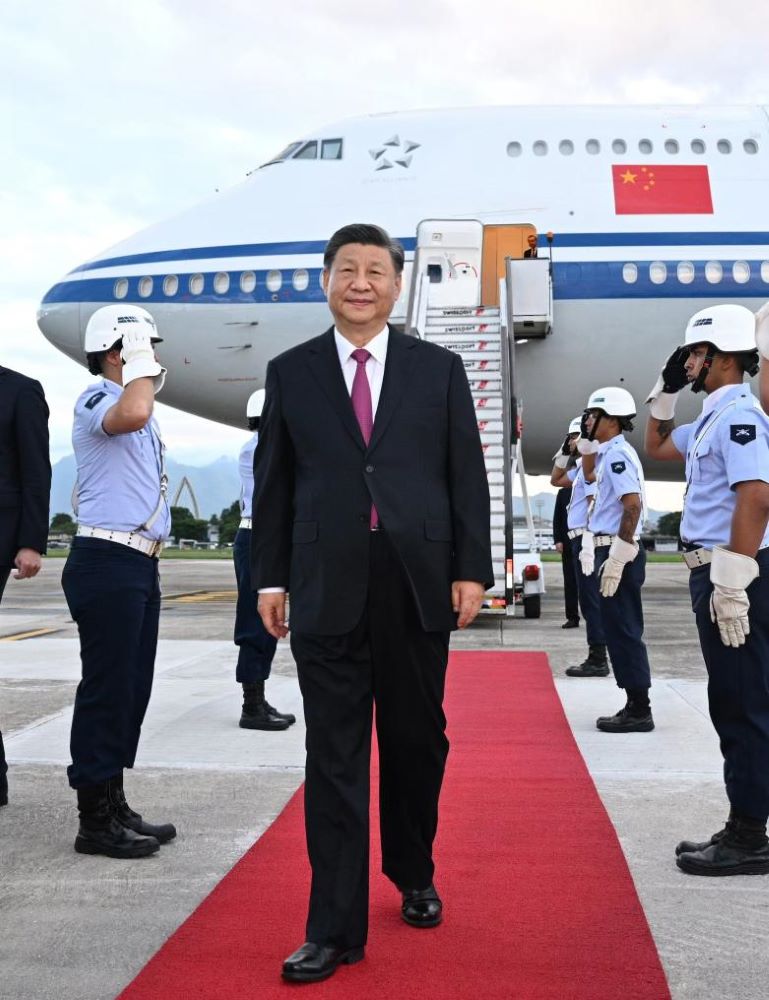
Xi made the remarks in a written statement upon his arrival in Brazil for the 19th G20 Leaders’ Summit and a state visit to the country at the invitation of President Lula. Xi also extended sincere greetings and best wishes to the government and people of Brazil.
Noting that he has visited Brazil four times and witnessed the development and changes in the country over the past 30 years, Xi said he feels very close to Brazil as he again stepped onto this passionate land.
China and Brazil are like-minded friends with the same aspirations and good partners forging ahead hand in hand, Xi said. Although separated by oceans, China and Brazil, two major developing countries in the eastern and western hemispheres respectively, are attracted to each other and echo each other at a distance, he said.
In recent years, the two countries have continued to deepen political mutual trust, yielded fruitful results in practical cooperation, achieved flourishing people-to-people and cultural cooperation, and showed new vitality of the times in the traditional friendship, Xi said.
China and Brazil have also jointly made the just voice of the Global South in the international arena and made important contributions to promoting world peace and development, Xi added.
As China and Brazil celebrate the 50th anniversary of the establishment of diplomatic ties this year, relations between the two countries stand at an important historical juncture of building on past achievements and forging ahead, he said.
Xi said he believes the visit will further strengthen the two countries’ strategic mutual trust, deepen exchanges and cooperation in various fields and usher in a new “golden 50 years” for China-Brazil relations.
Looking forward to attending the 19th G20 Leaders’ Summit, Xi said he is ready to work with all parties to discuss plans and seek development, jointly advocate an equal and orderly multi-polar world and a universally beneficial and inclusive economic globalization, and promote the G20 to continue to play a greater role as an important platform for international economic cooperation.
Xi arrived here from Lima, where he attended the 31st APEC Economic Leaders’ Meeting and paid a state visit to Peru.
In a written statement, Xi hoped for the G20’s greater role as an important platform for international economic cooperation.
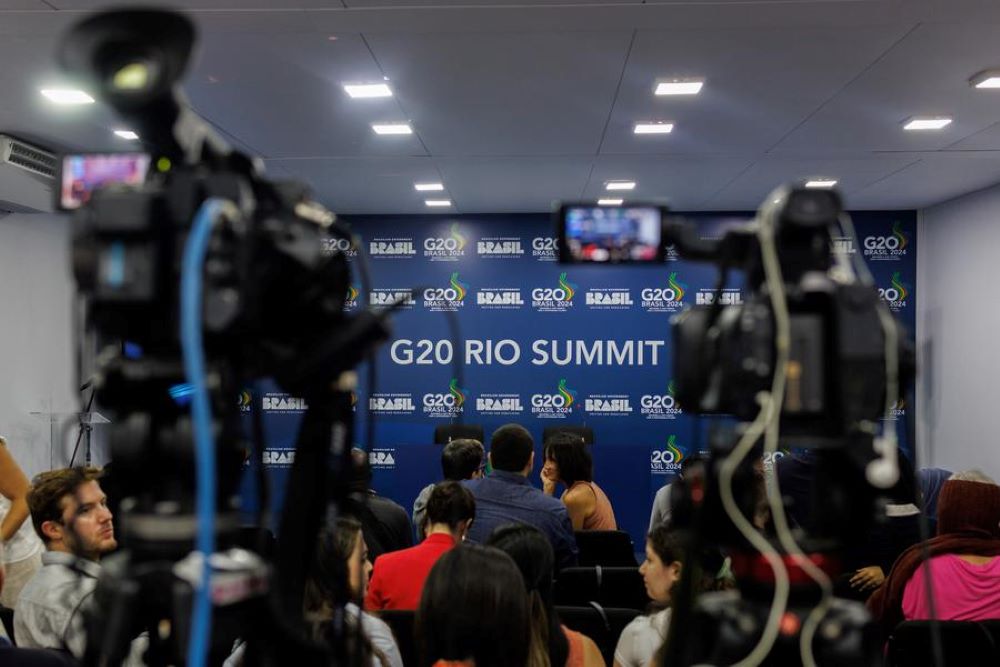
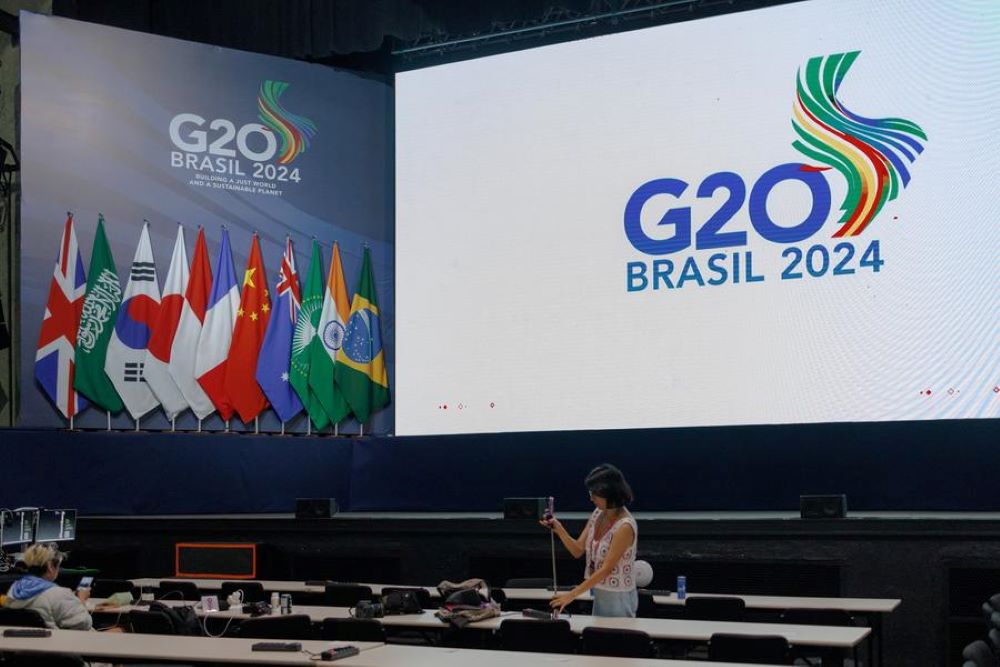
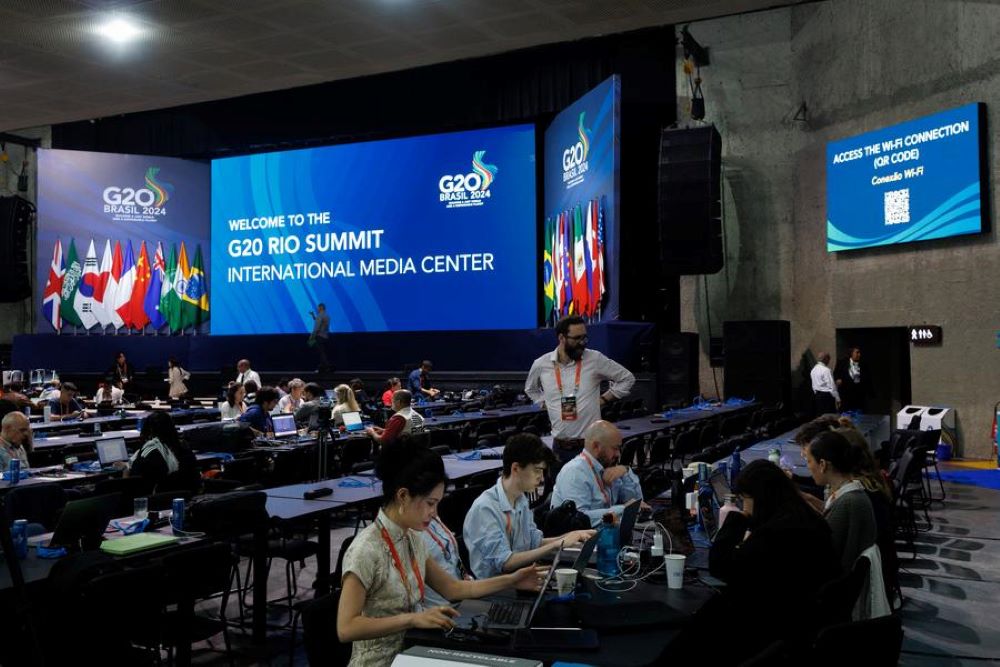
This year’s G20 Leaders’ Summit, scheduled for Nov. 18-19, marks the first gathering of the kind since the accession of the African Union (AU) as a full member, a historic milestone that strengthens the voice of the Global South.
Javier Miranda, former president of Uruguay’s Broad Front party, expressed his hope that this summit will mark a significant step toward building a multi-polar world — one that fosters dialogue.
In a world fraught with wars and conflicts, the commitment to dialogue stands as one goal of this G20 meeting, he told Xinhua.
Following its assumption of the presidency, Brazil has established the summit theme as “Building a Just World and a Sustainable Planet.” Key priorities outlined by the Brazilian government include combating hunger, poverty, and inequality, advancing sustainable development, and driving reforms in global governance.
“Building a just world requires the G20 to honor the principles of mutual respect, equal-footed cooperation and mutual benefit, and support Global South countries in achieving greater development,” Xi said in a signed article published in Brazilian media outlet Folha de S. Paulo on Sunday.
“Building a sustainable planet requires the G20 to promote sustainable production and lifestyle as a way to achieve harmony between humanity and nature,” he said.
The Chinese president also pledged China’s active support for the initiative of a Global Alliance Against Hunger and Poverty proposed by Brazilian President Luiz Inacio Lula da Silva.
“As we gather at the G20 to address critical global issues such as governance, hunger, sustainability, and the environment, we recognize the crucial role of our partnership with China,” said Rodrigo Castro, deputy secretary for Major Events and Promotion Actions of the Government of the State of Rio de Janeiro.
Many of the solutions to address challenges faced by developing nations stem from ideas and practices already implemented in China, Castro said.
“For us Brazilians who are hosting the G20 … we are very proud to welcome the president and the entire Chinese delegation,” he told Xinhua.
Apart from the G20 summit, Xi is also to pay a state visit to Brazil, as this year marks the 50th anniversary of the establishment of diplomatic ties between the two countries.
During the visit, Xi will hold an in-depth exchange of views with the Brazilian president on bilateral relations and international and regional issues of common interest.
Brazil is the second stop of Xi’s two-nation tour, which has taken him to Peru. In Lima, he kept to a tight schedule, attending the 31st APEC Economic Leaders’ Meeting, paying a state visit to Peru and holding a series of bilateral meetings, including one with his U.S. counterpart, Joe Biden, on the sidelines of the APEC meeting.
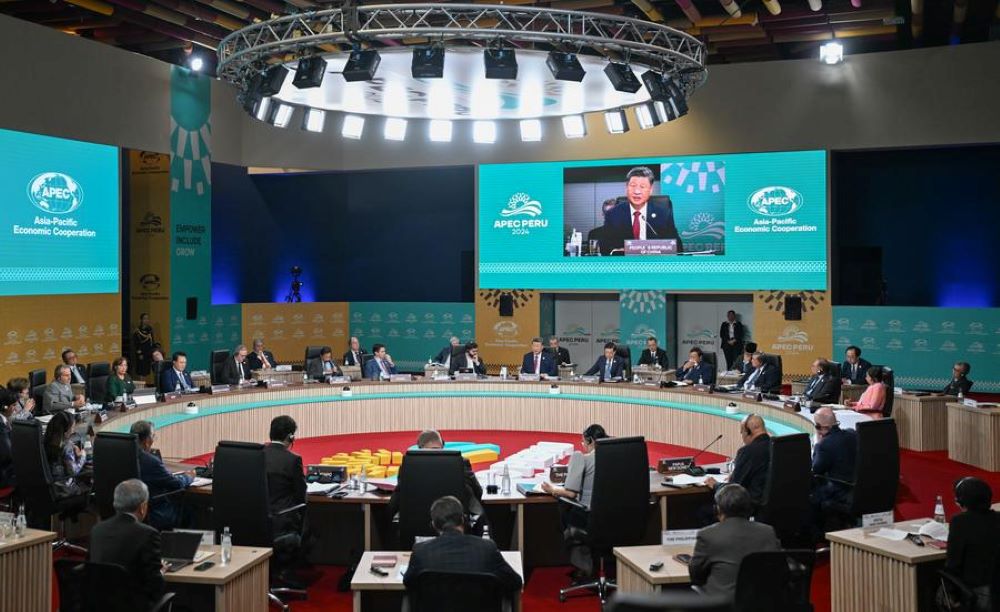
He made the remarks when addressing the 31st APEC Economic Leaders’ Meeting held in the Peruvian capital. Under this year’s theme of Empower, Include, Grow, APEC members agreed to work towards an open, dynamic, resilient and peaceful Asia-Pacific community at a time of mounting challenges and uncertainties.
China’s hosting of the 2026 APEC summit underscores its advocacy for openness and cooperation, serving as a tangible step toward strengthening Asia-Pacific solidarity and fostering an Asia-Pacific community with a shared future.
It is expected to play a positive and pivotal role in building broader consensus and deliver more tangible results for regional connectivity and a more balanced, sustainable, and inclusive growth of Asia-Pacific and beyond.
{{CLOSE BOND WITH APEC}}
It will mark the third time China has hosted APEC. When China first hosted the APEC summit in 2001, it was poised to join the World Trade Organization, signaling its readiness to step fully into the global economic arena.
By the time China hosted APEC again in 2014, the country had become an economic powerhouse, driving global growth through deepened integration into the world economy.
Now, China is set to play host again with a significant mission: to unite Asia-Pacific economies to champion open economic and trade cooperation while rejecting protectionist and confrontational trade tactics.
To advance Asia-Pacific cooperation, China took the initiative to shoulder the responsibility by offering to host APEC in 2026, which is welcomed by APEC members and has received their endorsement at this year’s APEC Economic Leaders’ Meeting, a Chinese Foreign Ministry spokesperson said Saturday.
“We look forward to working with all parties to deepen Asia-Pacific cooperation to the benefit of the peoples in the region,” Xi said during his speech.
China’s previous experience in hosting APEC demonstrates its ability to build consensus, said Carlos Vasquez, 2024 chair of APEC senior officials ambassador.
“China played a very important role along with some other very important economies … to gain consensus again from the very beginning in the APEC year 2024 here in Peru,” said Vasquez.
Mehmood Ul Hassan Khan, executive director of the Islamabad-based Centre of South Asia and International Studies, said it is foreseeable that China will further share the achievements of its policies of openness, modernization, digitalization, and qualitative industrial development.
He expressed the hope that Chinese policymakers will share new befitting propositions, plans, and initiatives to enhance regional and global economic integration and foster international cooperation.
{{CALL FOR BETTER ASIA-PACIFIC DEVELOPMENT}}
During his speech, Xi urged APEC economies to “act in solidarity and cooperation to meet the challenges, fully deliver on the Putrajaya Vision 2040, build an Asia-Pacific community with a shared future, and start a new era in Asia-Pacific development.”
The Putrajaya Vision 2040, adopted by APEC leaders in 2020, envisions “an open, dynamic, resilient, and peaceful Asia-Pacific community by 2040, for the prosperity of all our people and future generations.”
This vision of shared prosperity and enduring stability faces growing challenges. Geopolitical tensions, coupled with economic disruptions fueled by unilateralism, protectionism, and attempts at “decoupling” and “de-risking,” have placed unprecedented strain on the region’s stability and growth.
“We should stay committed to multilateralism and an open economy, firmly uphold the multilateral trading system with the World Trade Organization at its core, fully reactivate APEC’s role as an incubator of global economic and trade rules, and advance regional economic integration and connectivity,” said Xi.
He also emphasized the need to make green innovation a catalyst for the Asia-Pacific and called on APEC members to increase support for developing economies and disadvantaged groups and work together to grow the pie and distribute it equitably to allow more economies and people to benefit from development.
Neo Letswalo, a researcher at the Department of Politics and International Relations in South Africa’s University of Johannesburg, said APEC members should foster more regional integration efforts, starting with establishing joint commitments to enhancing free trade, decarbonization and investments, as “strong economic interdependency prevents conflict and tension.”
In the views of Khan, “Xi’s suggestions facilitate a positive, productive, and participatory trading system, producing win-win situations for every country in the Asia-Pacific.”
{{COMMITMENT TO SHARED FUTURE}}
For the past three decades, APEC members have joined hands towards closer cooperation and deeper regional integration, making Asia-Pacific the world’s most dynamic and promising economic powerhouse, as well as a key driving force for global growth and poverty reduction.
Today, the world looks different. It is gripped by anemic growth and confronted with challenges such as unilateralism and protectionism. China, which has made great strides in economic growth and social development since its reform and opening up over 40 years ago, has offered and will continue to provide solutions to these problems.
Opening up is a distinct hallmark of Chinese modernization, and China has remained committed to opening its door wider to the world.
China continues to implement the Regional Comprehensive Economic Partnership against high standards, and is also working actively to join the Comprehensive and Progressive Agreement for Trans-Pacific Partnership and the Digital Economy Partnership Agreement, Xi said.
“China welcomes all parties to continue riding the ‘express train’ of its development and grow together with the Chinese economy so that we can all contribute to the modernization of all countries featuring peaceful development, mutually beneficial cooperation and common prosperity,” he added.
In interviews with Xinhua, Asia-Pacific experts and officials noted that China’s remarkable success through high-quality opening up has given it a deep understanding of the importance of an open global economic system and the critical need to advance multilateral and win-win cooperation.
As a major country in the Asia-Pacific, China “has consistently adhered to a development path that aligns with APEC’s spirit of openness, inclusiveness, and mutual benefit,” said Woo Su-keun, director of the Institute of East Asian Studies of Korea.
“It is more important for countries to demonstrate strong leadership through concrete actions rather than words,” Woo said.
For Ong Chong Yi, executive director of the Malaysian think tank Belt and Road Initiative Caucus for Asia-Pacific, China has opened its market to provide development opportunities for countries in the region, driving inclusive economic growth within the Asia-Pacific.
“At the same time, China actively supports infrastructure development in developing nations, enhancing connectivity and economic and social inclusivity across the region. These efforts create more opportunities for shared progress and prosperity,” he said.