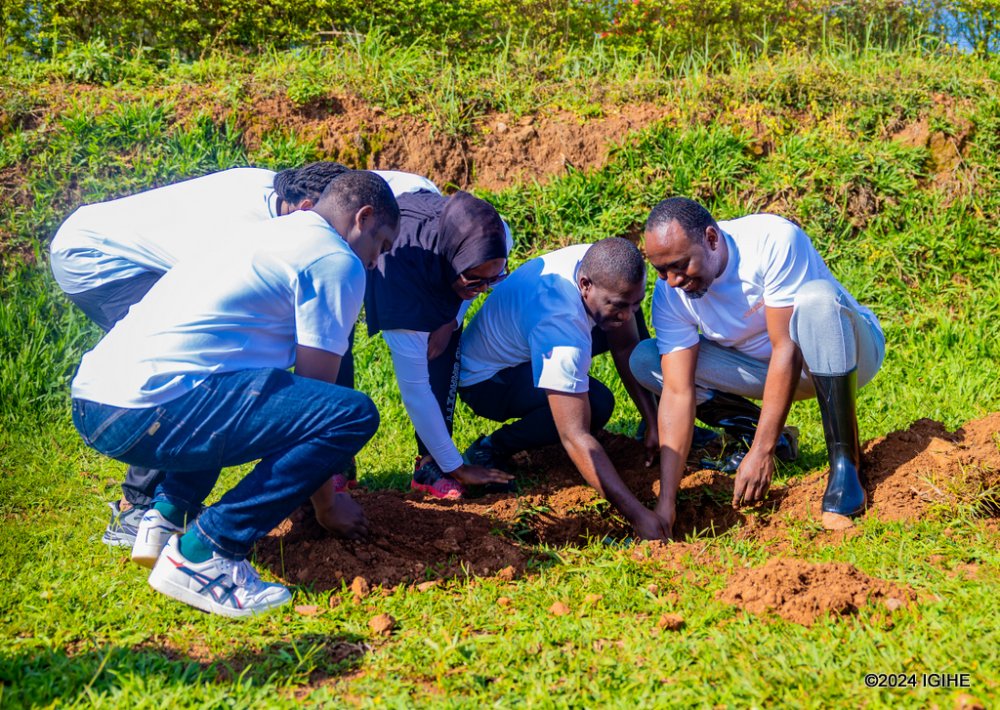
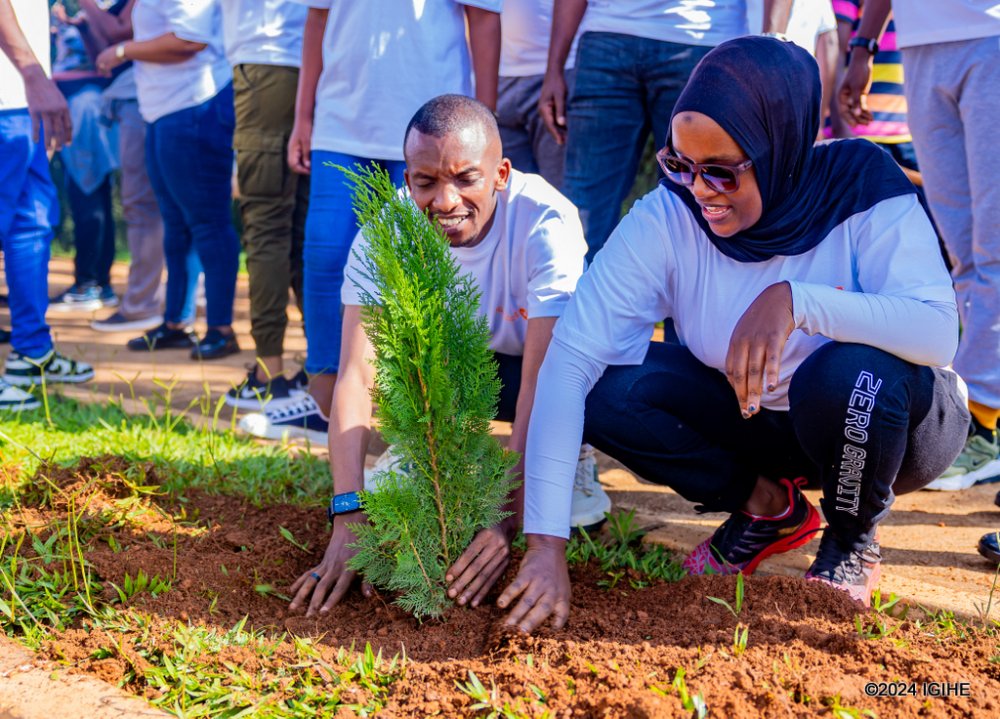
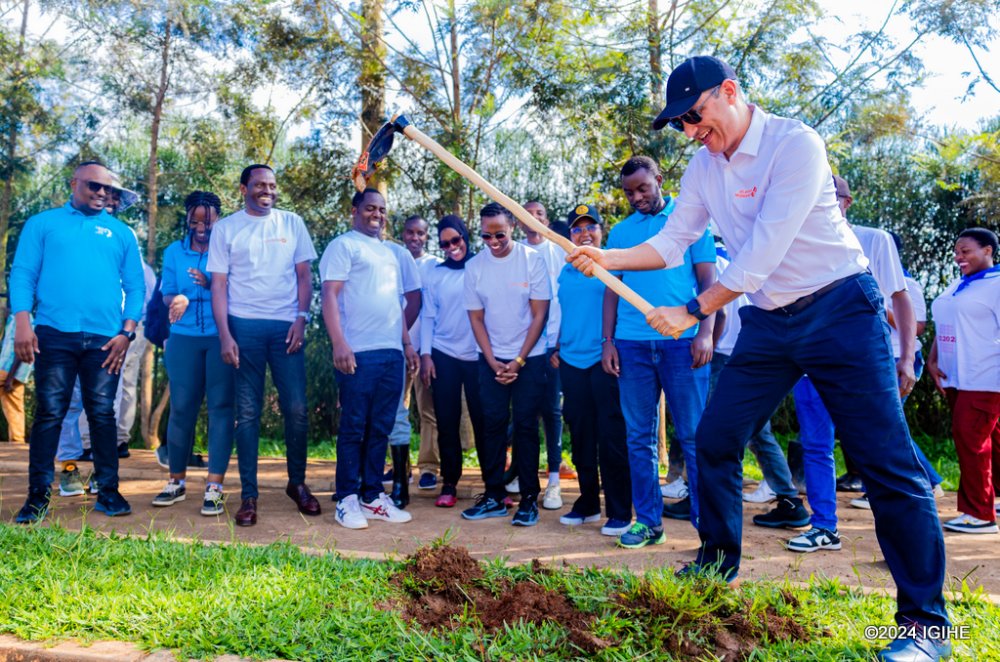
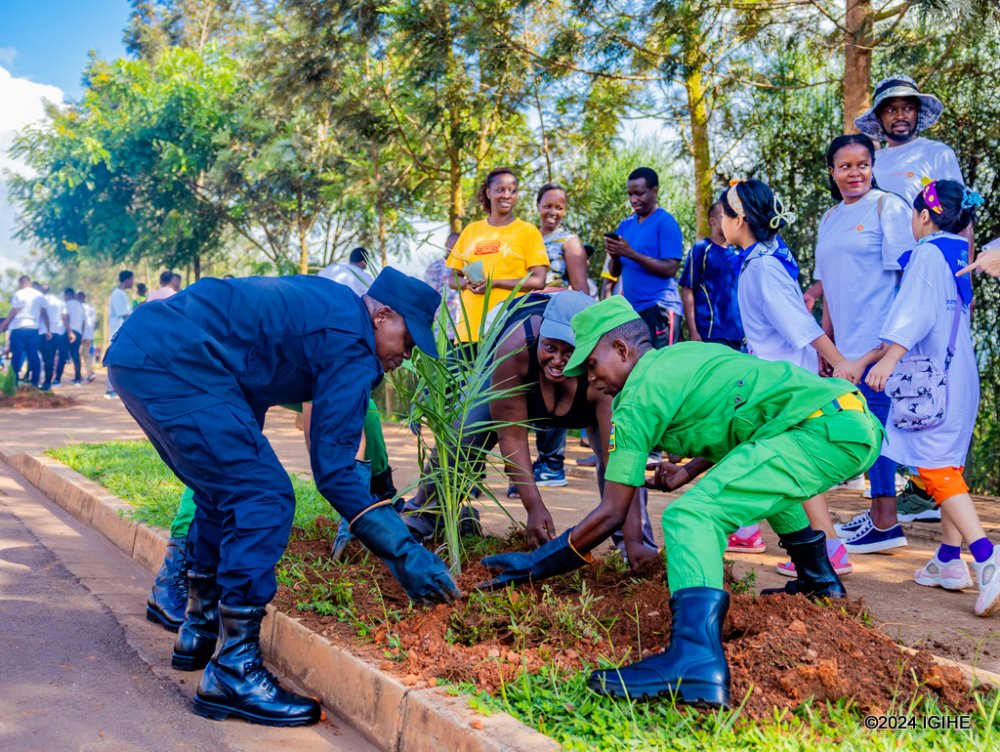
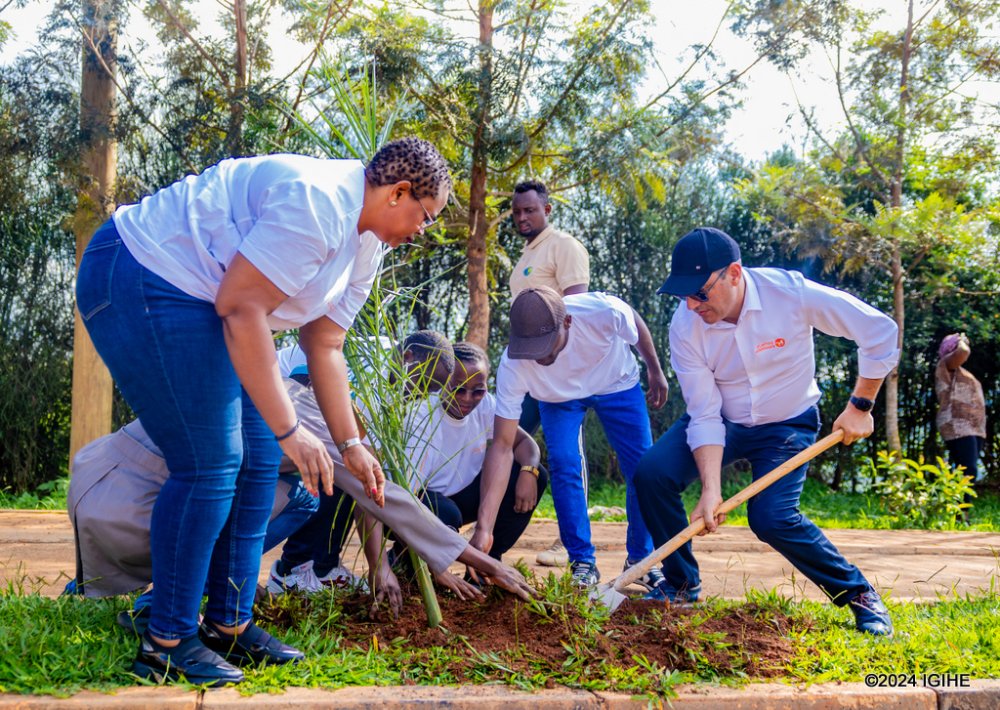
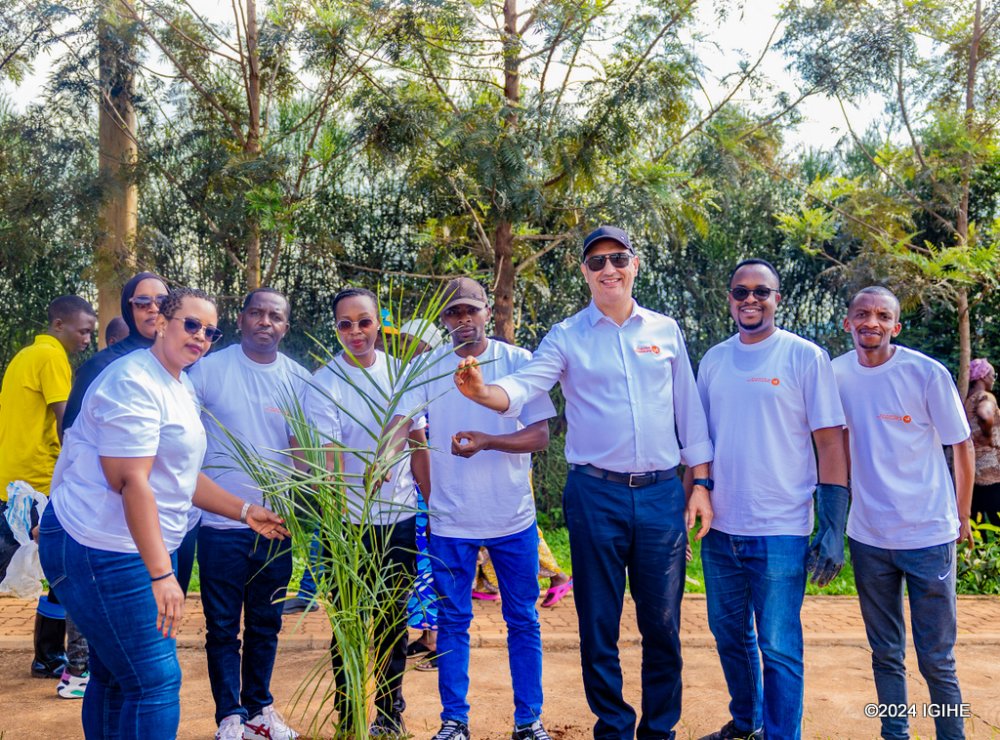
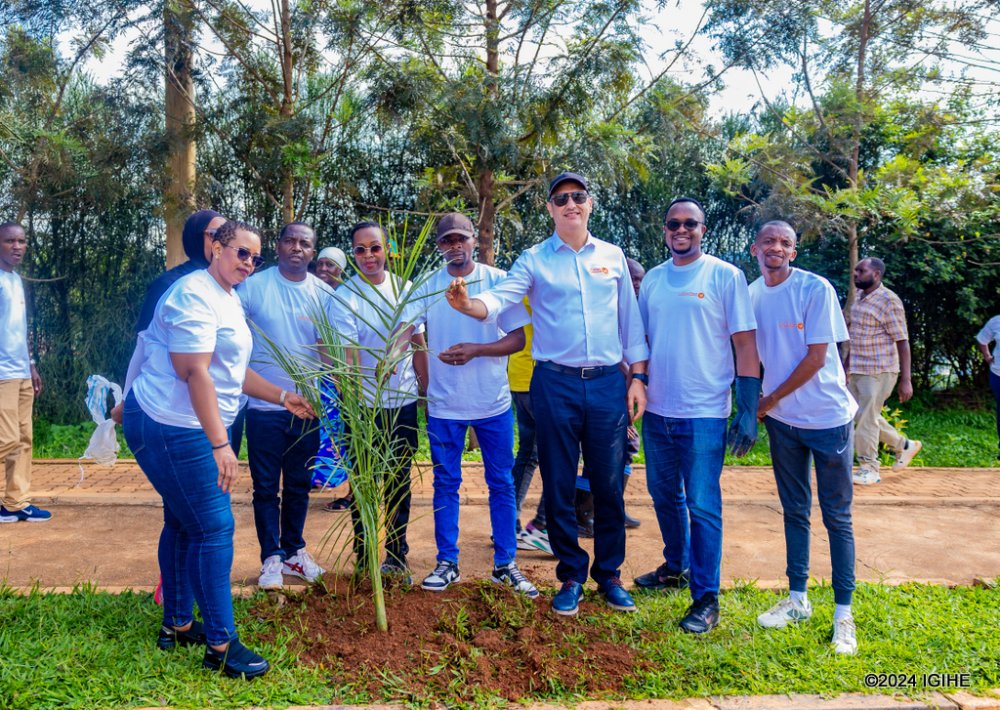
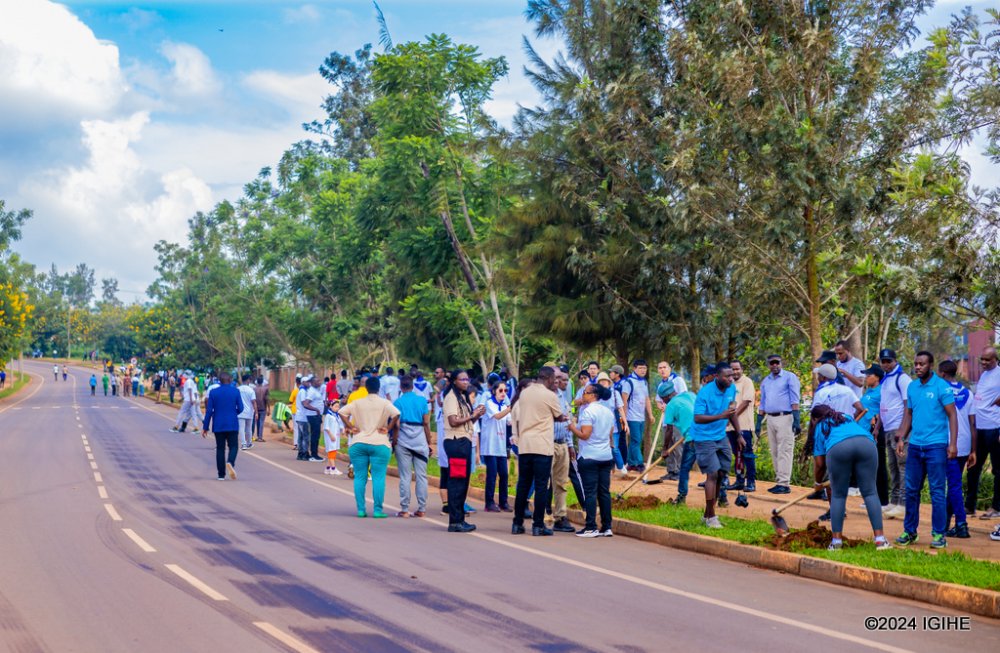
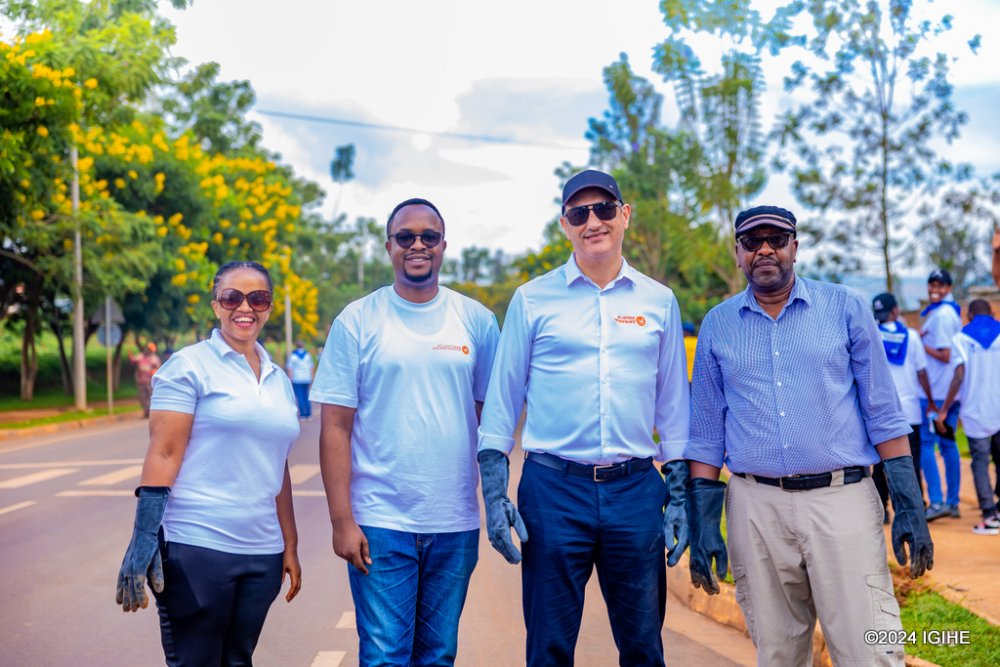
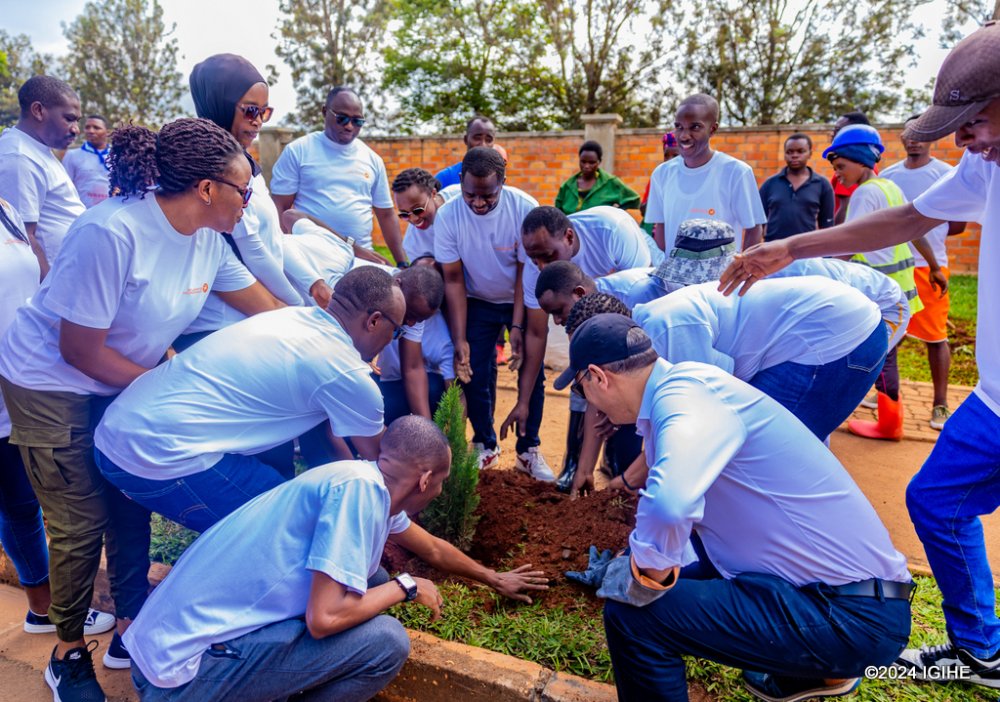
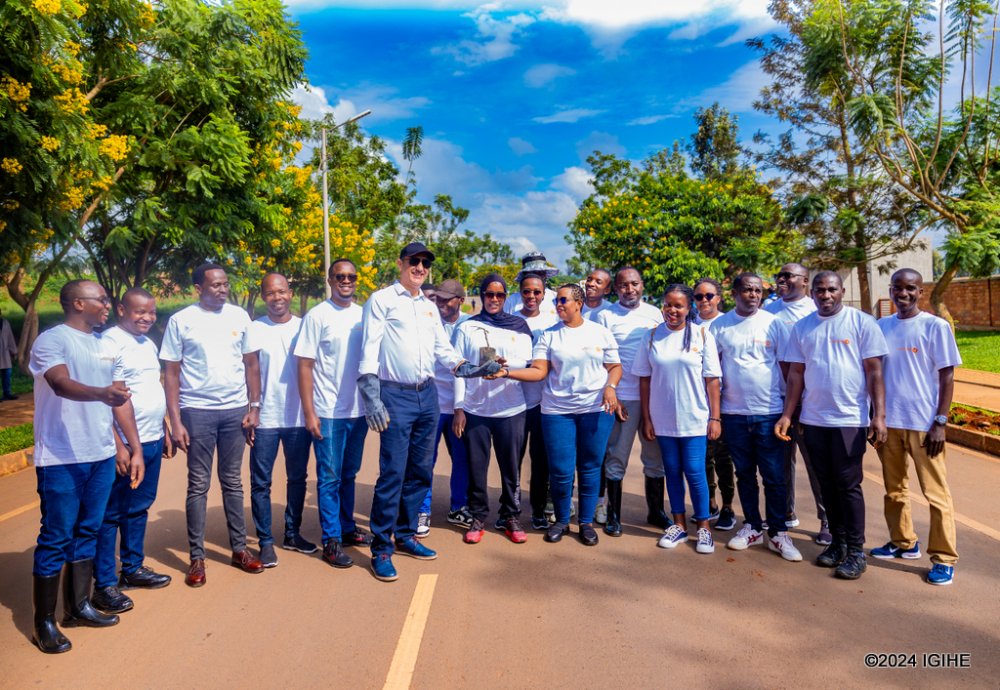
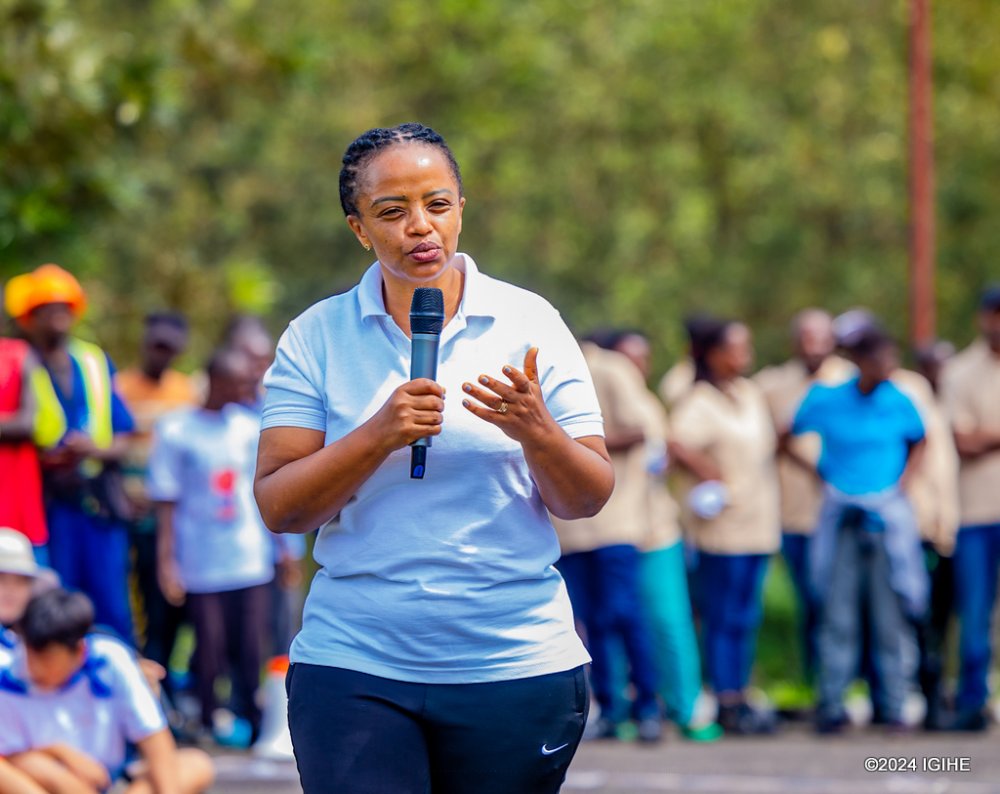
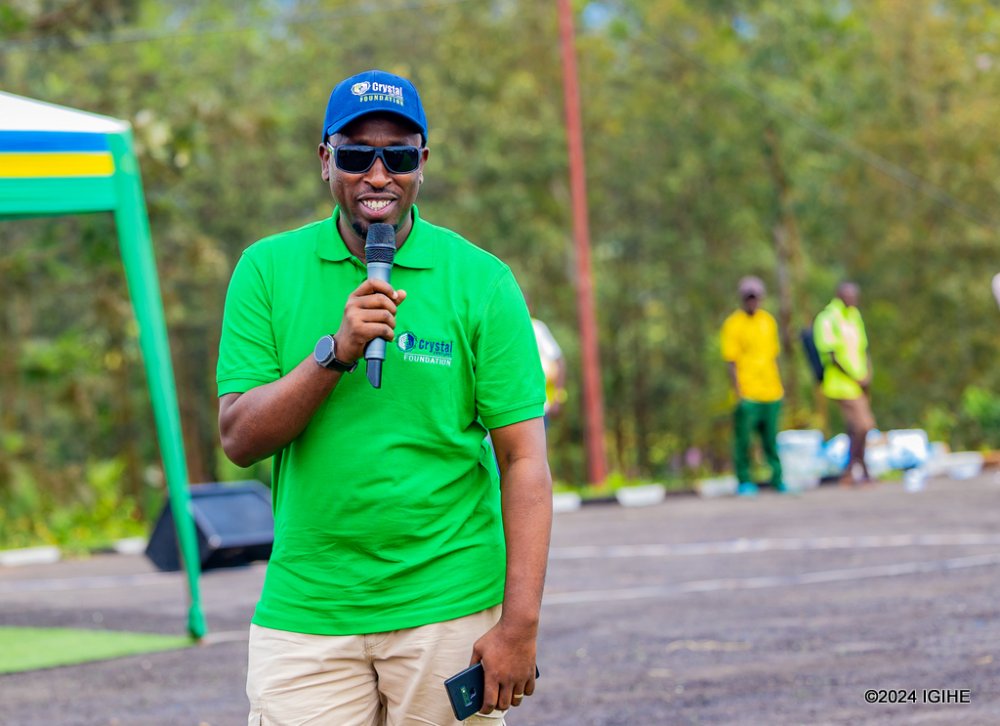
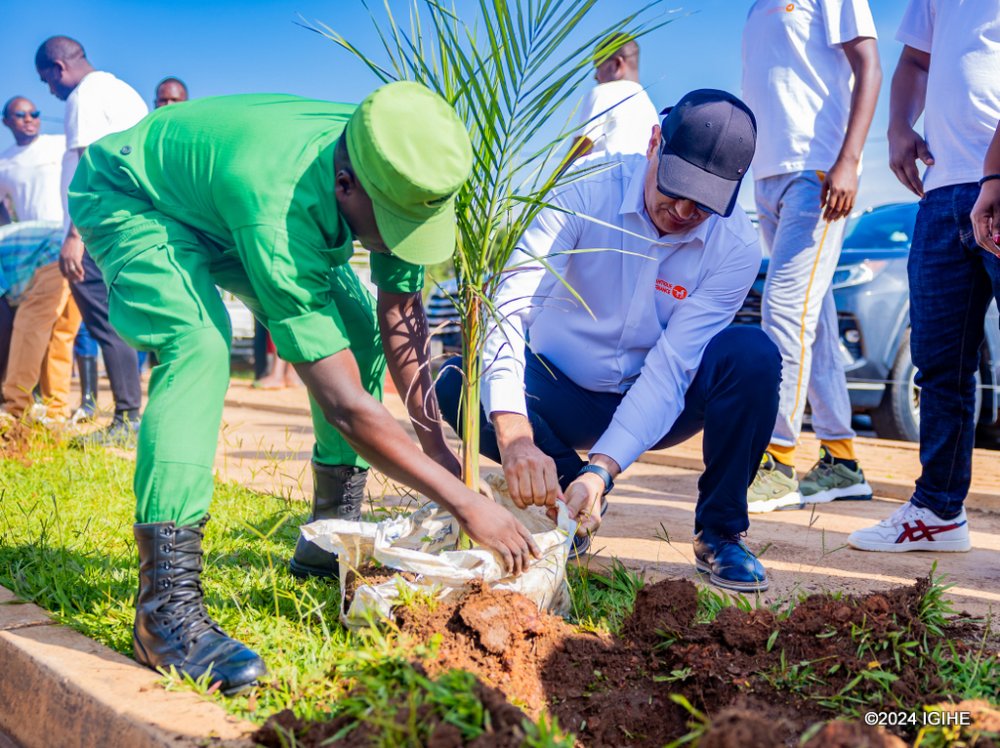
The event took place in the Rusororo sector on Saturday, November 30, 2024, where various trees, including fruit-bearing and decorative species such as cypress, were planted.
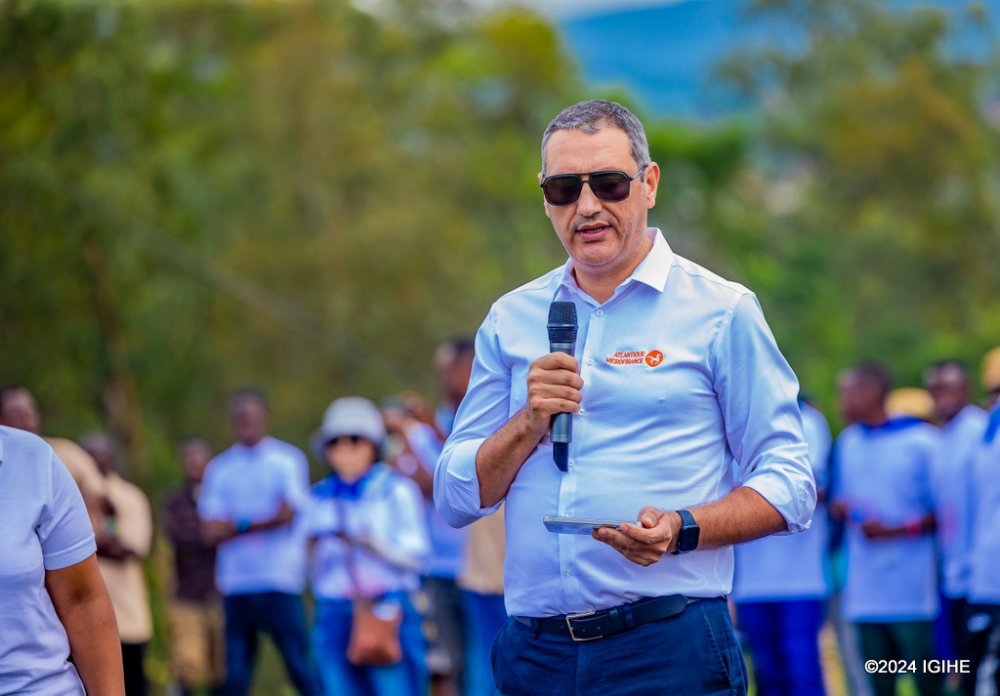
Mohamed Aarouch, the CEO of Atlantique Microfinance Plc, emphasized that the community service event is part of their contribution to Rwandan society.
“We are very happy to be part of an activity like this. It means a lot to us, and it aligns with the values that guide Atlantique Microfinance: respect, collaboration, and working together as a community,” he said.
He further added, “This is a tangible demonstration of the role we must play in the society we operate in. We are not just a financial institution; we are partners in humanitarian efforts and should take a substantial part in them.”
The Executive Secretary of Rusororo Sector, Umuhoza Rwabukumba Mado, praised the role of partners in the development journey and how they work with the community on initiatives that serve the common good.
She also commended the residents who participated in the tree planting event and urged them to continue caring for the planted trees.
The Executive Secretary of Gasabo District, Bayasese Bernard, stated that Kigali plans to plant three million trees over the next five years and encouraged Kigali residents to continue planting and maintaining trees.
Atlantique Microfinance Plc is a microfinance institution authorized to operate in Rwanda by the National Bank of Rwanda at the end of 2019. In its five years in Rwanda, Atlantique Microfinance has built a strong reputation in promoting an inclusive financial sector.
The institution is a subsidiary of AMIFA Holdings, which operates in Morocco (Casablanca) and is part of the BCP Group (Banque Centrale Populaire du Maroc).
Currently, Atlantique Microfinance PLC has six branches in Rwanda and plans to open more in other districts. Its headquarters are in Nyarugenge District, located in the YYUSSA City Center, also known as Makuza Peace Plaza.
AMIFA S.A. operates in several African countries, including Côte d’Ivoire, Mali, Senegal, Burkina Faso, Gabon, Guinea, Madagascar, and Rwanda.
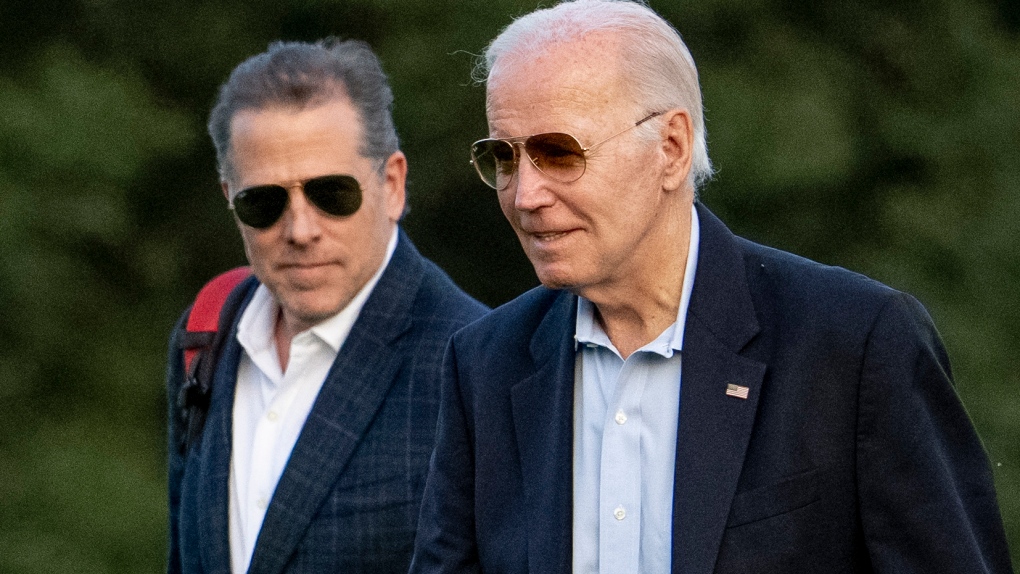
The outgoing United States President Joe Biden pardoned his son, Hunter, on Sunday night, sparing him a possible prison sentence for federal felony gun and tax convictions.
Biden, who is set to exit office in January 2025, said he had issued the presidential pardon for his son due to a “miscarriage of justice”.
The 82-year-old alleged that Hunter’s treatment was politically motivated by his opponents.
“The charges in his cases came about only after several of my political opponents in Congress instigated them to attack me and oppose my election,” Biden said in a statement.
The move has, however, sparked controversy as he had earlier pledged not to use the extraordinary powers of the presidency for the benefit of his family.
Incoming Head of State Donald Trump fiercely condemned the move, terming it an “abuse and miscarriage of justice”.
Citing the conviction of the January 6 Capitol riots, Trump asked whether they too would be pardoned.
“Does the Pardon given by Joe to Hunter include the J-6 Hostages, who have now been imprisoned for years? Such an abuse and miscarriage of Justice!” he wrote.
{{Besigye Returns to Court
}}
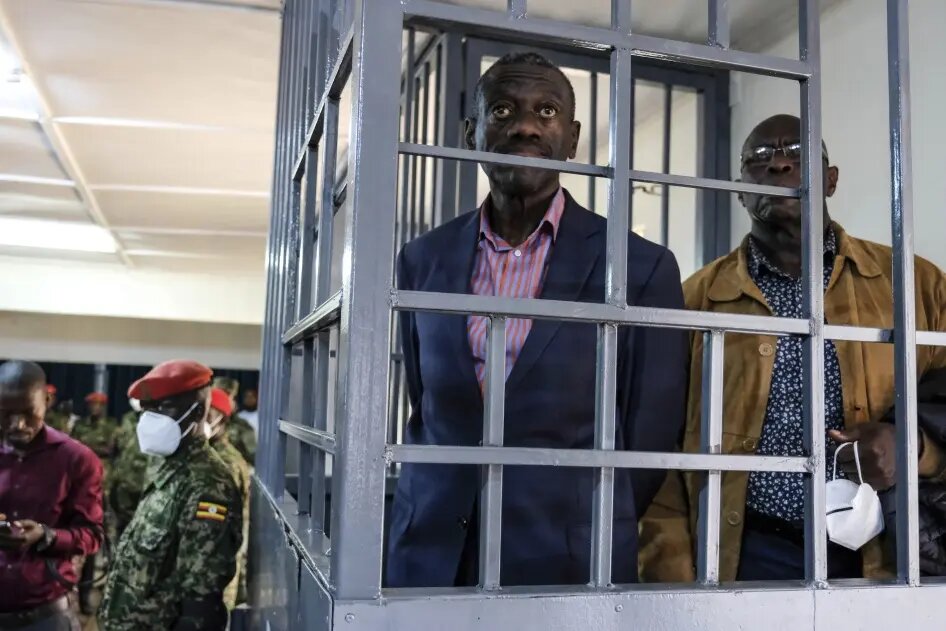
Ugandan opposition leader Kizza Besigye and his close ally Obeid Kamulegeya are set to appear in a martial court in Kampala today after a week in remand.
The two had been remanded at Luzira prison following their controversial arrest in Nairobi by Ugandan authorities last month. The authorities accuse them of engaging in activities that undermine Uganda’s security.
The suspects are represented by a team of 50 lawyers led by renowned Kenyan lawyer and former Justice Minister Martha Karua.
The star-studded legal team includes representatives from notable organizations such as the Pan-African Lawyers Union (PALU) and the International Commission of Jurists (ICJ).
It remains to be seen whether Besigye and his co-accused will be granted bail, given that they are facing serious charges, including soliciting logistical support, identifying military targets in Uganda with the intent to undermine the security of the Uganda People’s Defence Forces (UPDF), and illegal possession of two pistols and eight rounds of ammunition.
{{Ugandan Nationals Arrested in India for Operating Brothel
}}
Two Ugandan nationals are being held by police for operating a brothel in the Indian city of Hyderabad.
The two Ugandan women and a local customer were arrested on Saturday night following a raid by the Hyderabad Commissioner’s Task Force at a flat in Nagarjuna Nagar of Tarnaka.
The suspects were identified as Nayebare Doreen aged 42 years, Komuhangi Ritah (22) and Potturi Anjan Kumar (45).
The investigation showed that Doreen rented the premises about four months ago and used online services like ‘Locanto’ to advertise the brothel.
Authorities say that to mislead potential customers, they would initially provide a Secunderabad location before revealing the actual address in Nagarjuna Colony.
{{Tanzania opposition youth leader abducted from bus station
}}
Police in Tanzania are probing the alleged abduction of Abdul Nondo, the youth leader of the opposition.
The ACT Wazalendo party reported that Nondo was kidnapped by unidentified individuals at a bus station in Dar es Salaam, the country’s largest city.
Police have confirmed that a man was abducted early on Sunday morning by two people in a white four-wheel-drive vehicle. While the victim’s identity has not been officially confirmed, law enforcement officials noted that a bag containing personal items thought to belong to Nondo was found at the scene.
{{Rwanda’s Progress and Challenges in the Fight Against HIV
}}
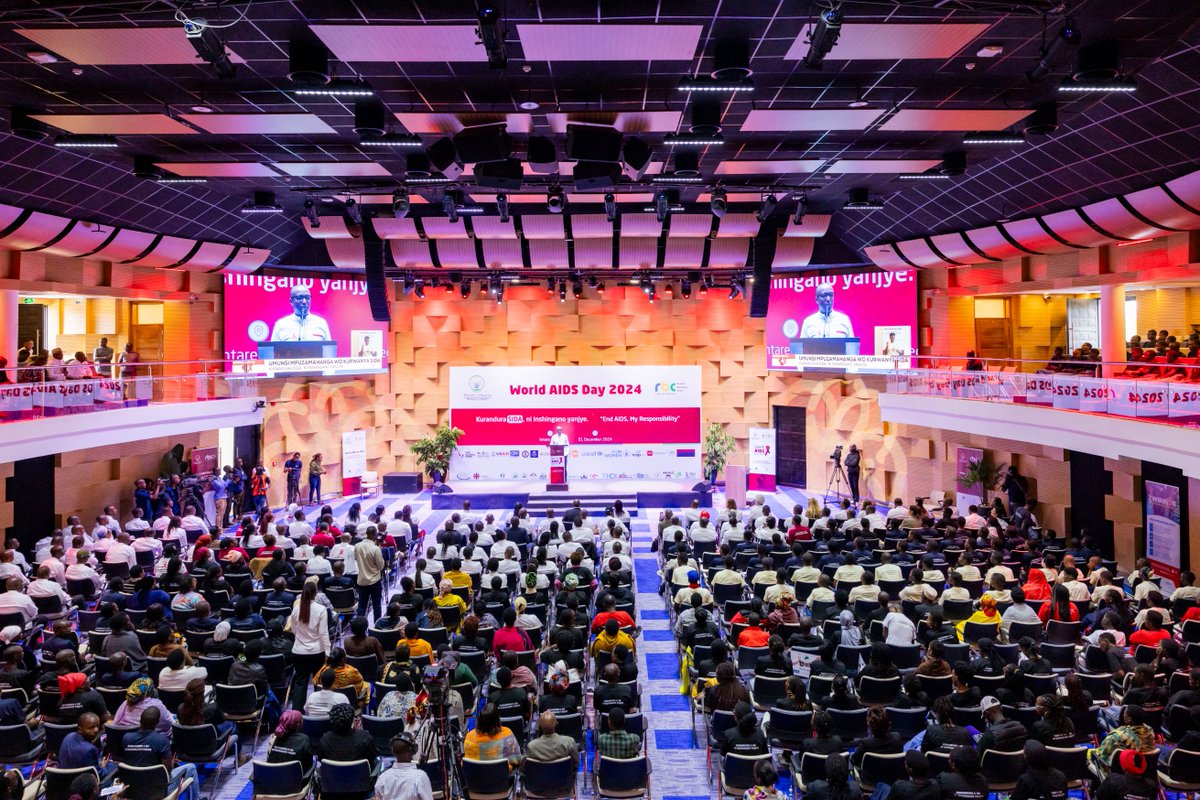
Rwanda observed World AIDS Day on December 1 with a renewed commitment to tackling the HIV epidemic under the theme, “End AIDS, My Responsibility.”
The country has made significant strides, achieving the UNAIDS “Triple 95” targets by ensuring that 97% of people living with HIV have access to life-saving antiretroviral therapy (ART).
Despite this progress, challenges remain. Rwanda reports an HIV prevalence of 2.7% among people aged 15-49 and 0.5% among children under 15, according to Dr. Vanessa Mupenzi, the Director of HIV epidemiology, surveillance and research at Rwanda Biomedical Centre (RBC).
An estimated 230,000 Rwandans live with HIV, with 3,200 new infections annually. However, strong leadership and universal health coverage have significantly reduced HIV-related deaths to 2,600 each year.
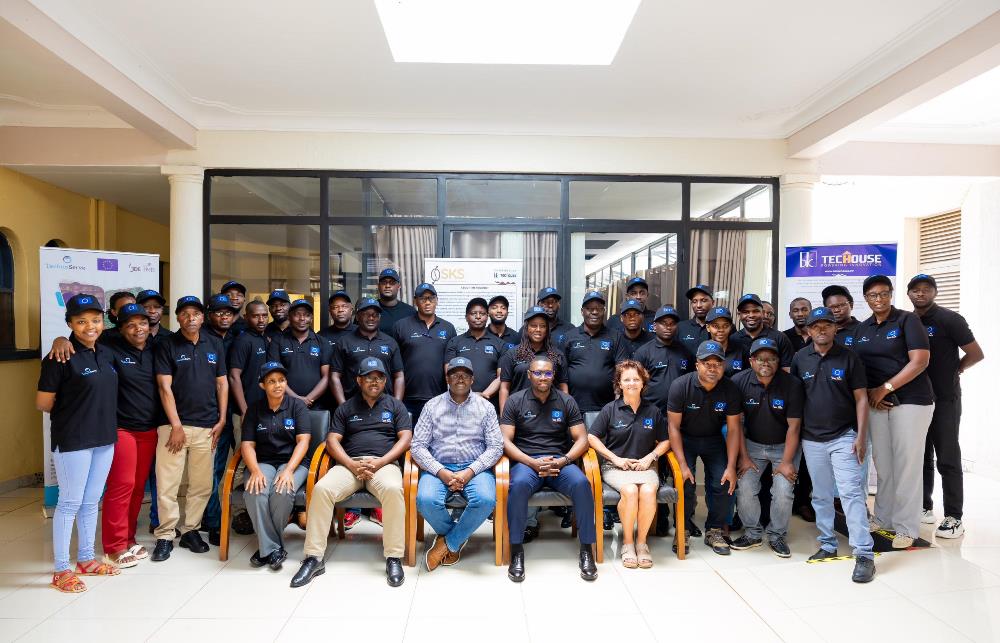
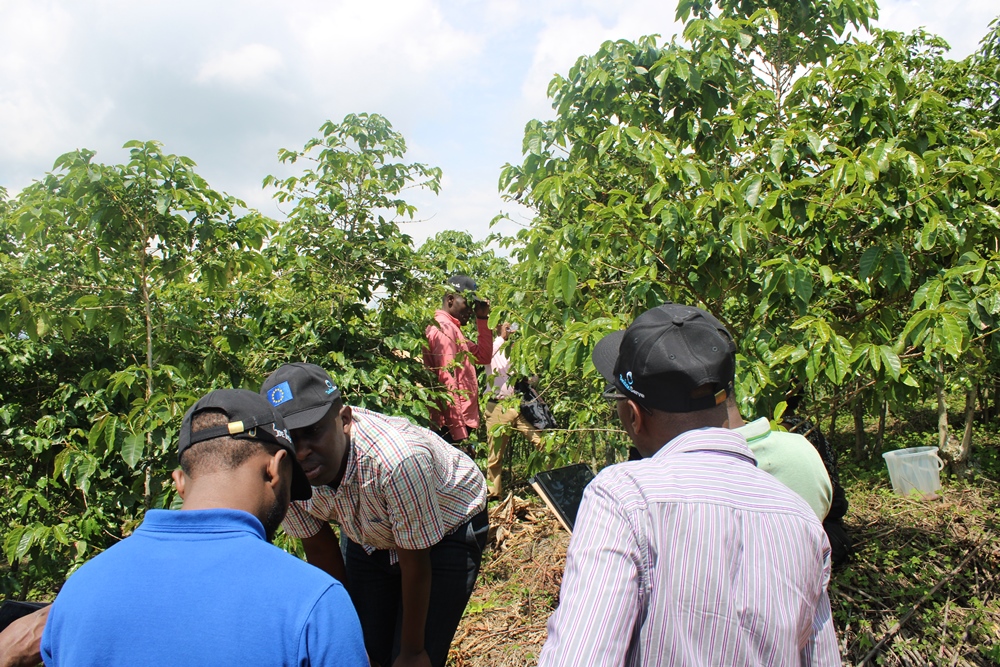
The training focused on using technology to monitor and improve the coffee value chain through a system called the Digital Farm Extension Monitoring System (DFEMS).
TechnoServe, a long-time partner in Rwanda’s coffee sector for over 15 years, developed the technology in collaboration with BK TechHouse, which implemented the project aimed at enhancing coffee farming by collecting, storing, and quickly disseminating data to the relevant stakeholders.
Sildio Mbonyumuhire, TechnoServe’s Global Technology Lead, explained that the technology helps farmers track their farming activities and apply what they’ve learned about improving coffee quality.
He said, “In the 50 coffee washing stations we tested with, we saw positive results. The agronomist at the station uses the technology to track farmers in the zone they work in, learn where their farms are, and understand how they are implementing the advice they’ve received.”
Mbonyumuhire said that that this technology helps uplift farmers with weaker performance, leading to increased productivity in both quantity and quality.
The system requires tools such as tablets, computers, and low-cost mobile phones using the USSD technology, easy to use for many farmers who are not familiar with advanced tech.
“For low-income farmers, using a basic mobile phone, they can perform simple tasks like confirming receipt of fertilizers or seeds,” he added.
Marcel Abimana, the district officer from Gatsibo, where coffee is grown on 5.2 hectares, producing 12.5 tons per hectare, noted that this technology eases their work. It helps them connect farmers’ information to their yield securely.
He said, “In the past, when someone visited a farmer and wrote information down, it could get lost or damaged. Now, all the data shared during farmer discussions will instantly reach the intended recipients.”
Abimana believes that this initiative will improve coffee quality and boost productivity, making the entire coffee value chain more efficient starting with the farmer.
Dr. Olivier Kamana, the Permanent Secretary at the Ministry of Agriculture and Animal Resources (MINAGRI), who concluded the training, emphasized that Rwanda’s coffee has become a symbol of national pride.
He urged all those involved in coffee farming to keep improving its quality, noting that the government continues to support this effort.
He praised TechnoServe’s contributions to Rwanda’s development, especially in coffee farming from planting to market preparation.
“TechnoServe started by helping us build coffee farmer cooperatives, and now they’ve introduced technology that helps us reach farmers more effectively, eliminating the strain on agronomists. It also helps secure all the data, including what an agronomist would normally discuss with a farmer, reducing the chance of forgetting crucial information. More so, national data base will be promptly updated,” he said.
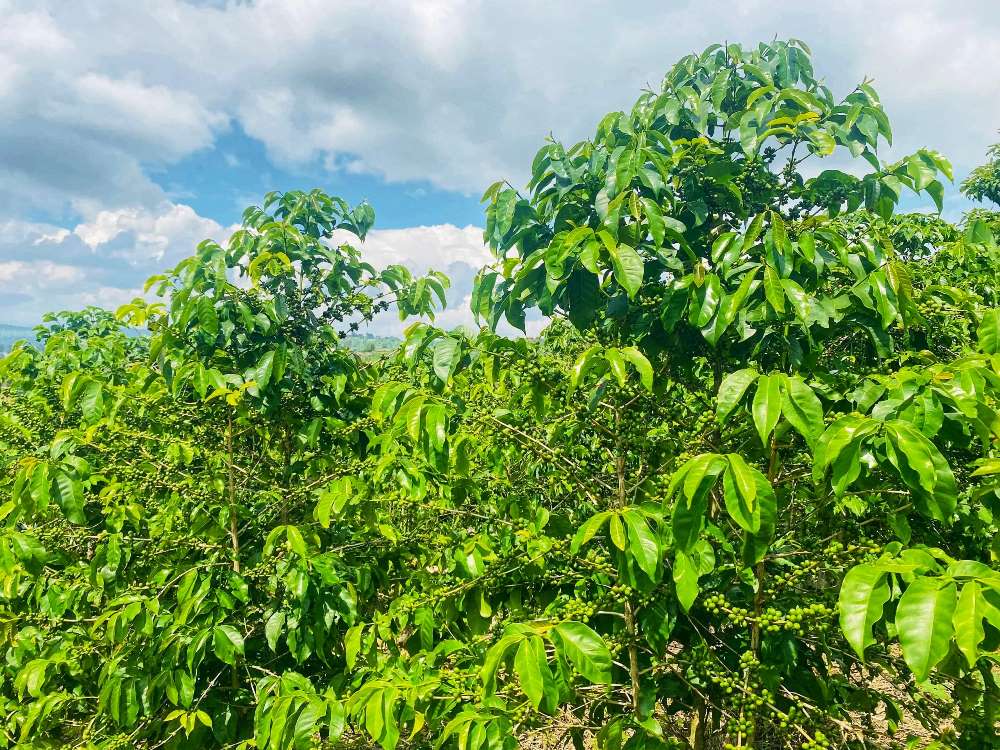
One of the successes in Rwanda’s coffee farming is that at least 82% of Rwandan coffee reaches the market well-processed, adding value on international markets. This has been achieved through close partnership between TechnoServe and NAEB.
Rwanda’s coffee sector generated $112 million in revenue in 2022, benefiting over 400,000 households across the country.
The DFEMS technology was implemented as part of the ‘Rwanda Ikawa Nziza Project’ that started in January 2021 and will end in January 2025.
TechnoServe has also integrated the DFEMS system into the government’s existing Smart Kungahara System (SKS) to ensure the technology reaches all districts in Rwanda even after the project ends, while continuing to expand and improve.
In addition to the technology, the project has been instrumental in distributing high-quality coffee seeds, with at least two million seeds provided in six districts; Gisagara, Huye, Nyamagabe, Rusizi, Nyamasheke, and Karongi.
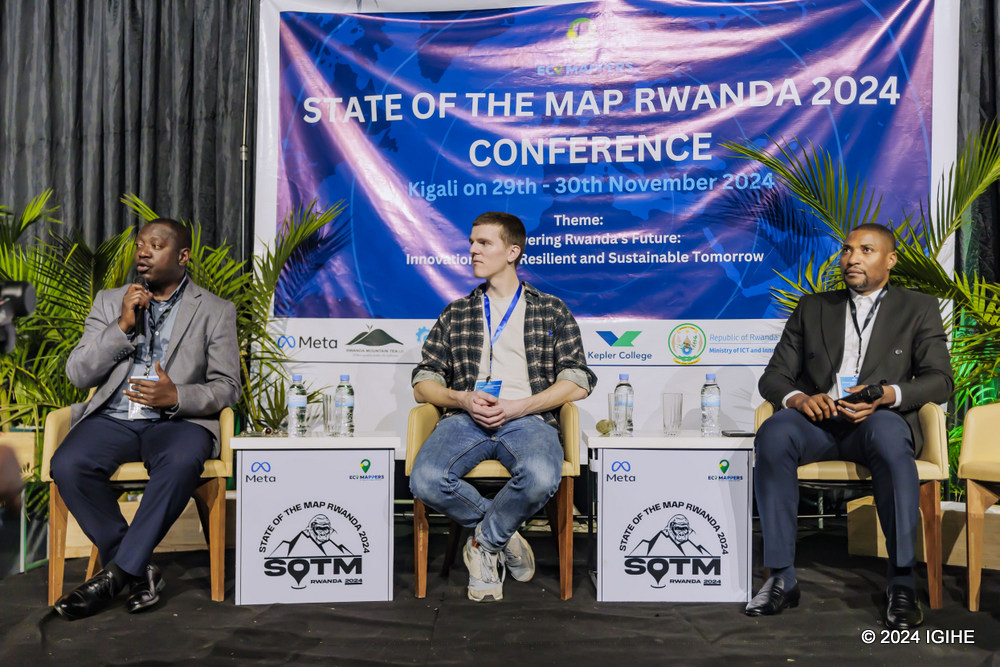
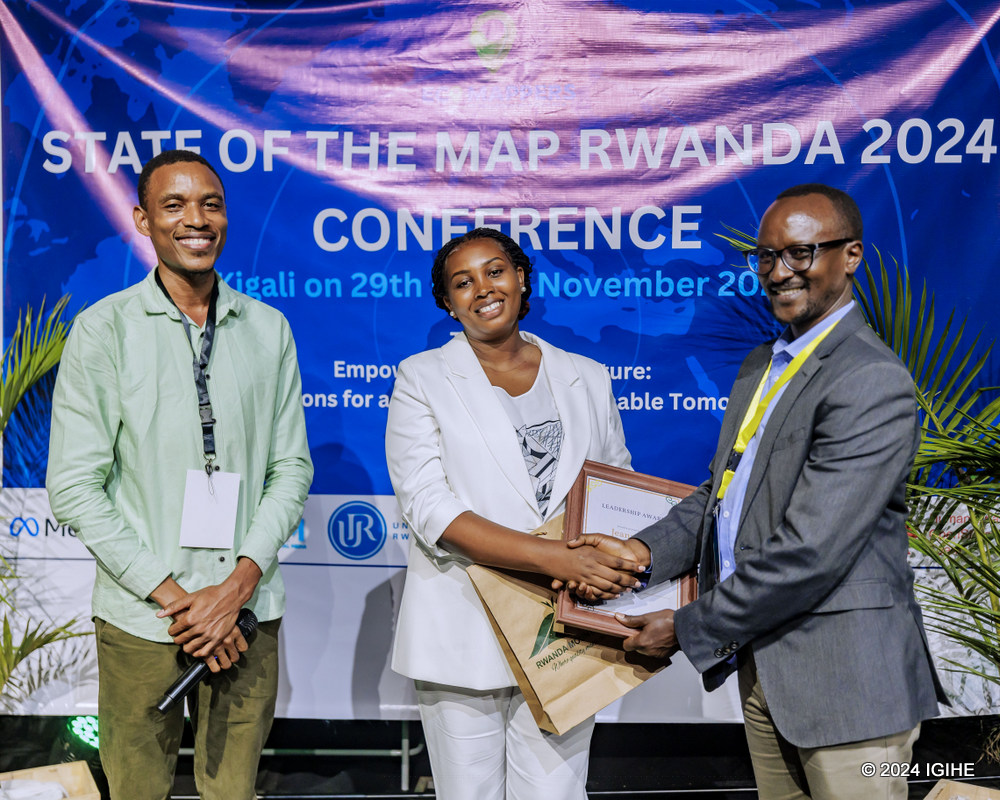
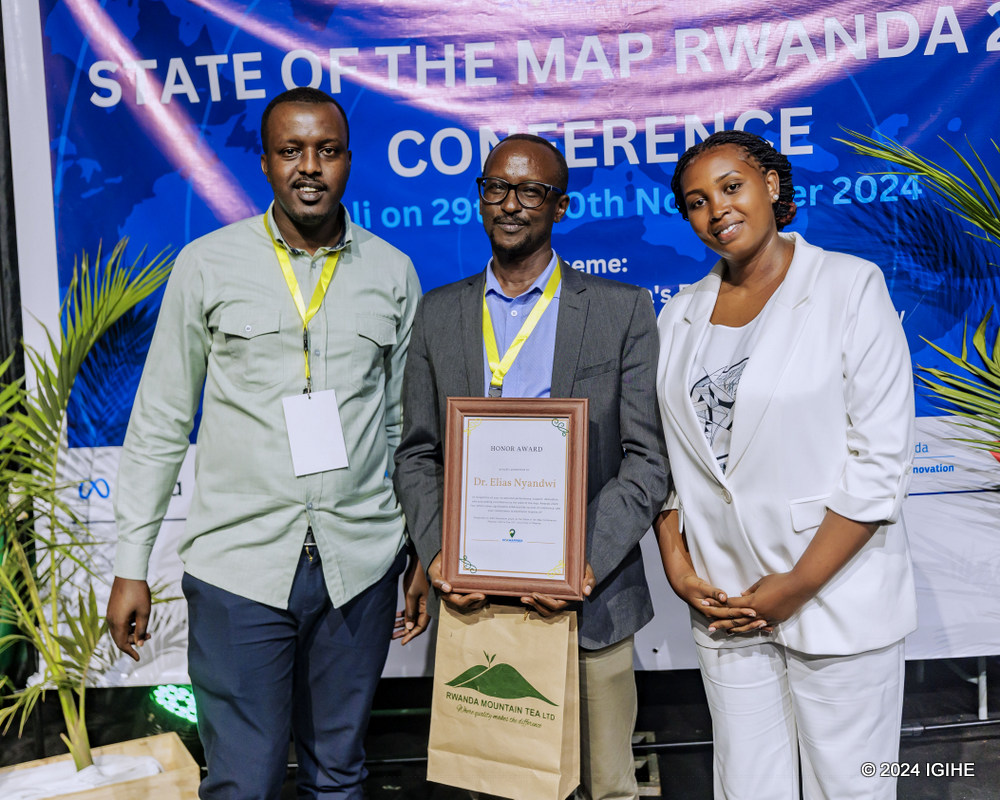
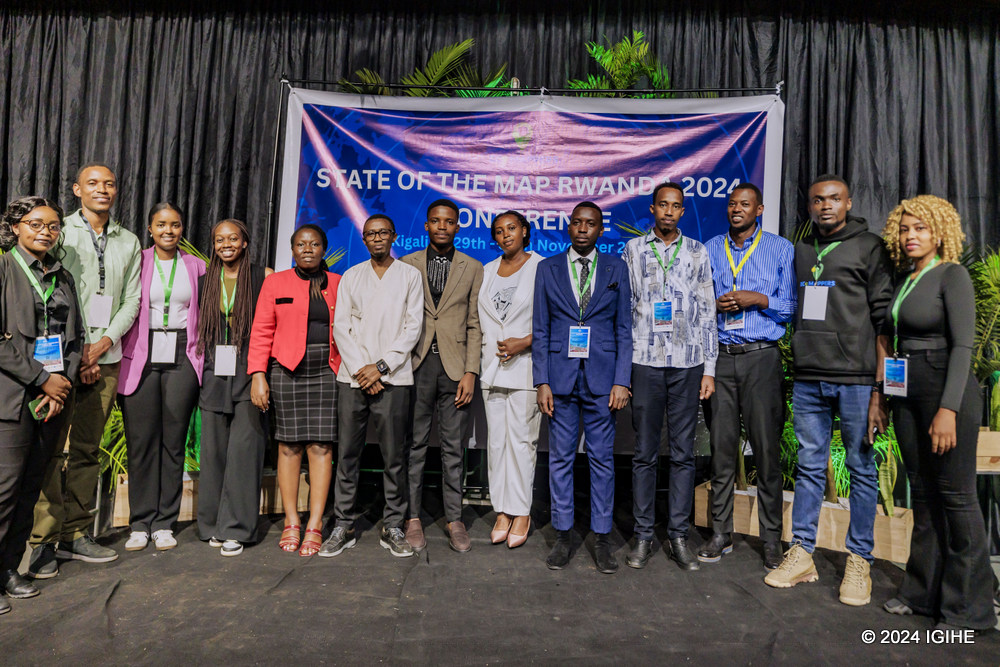
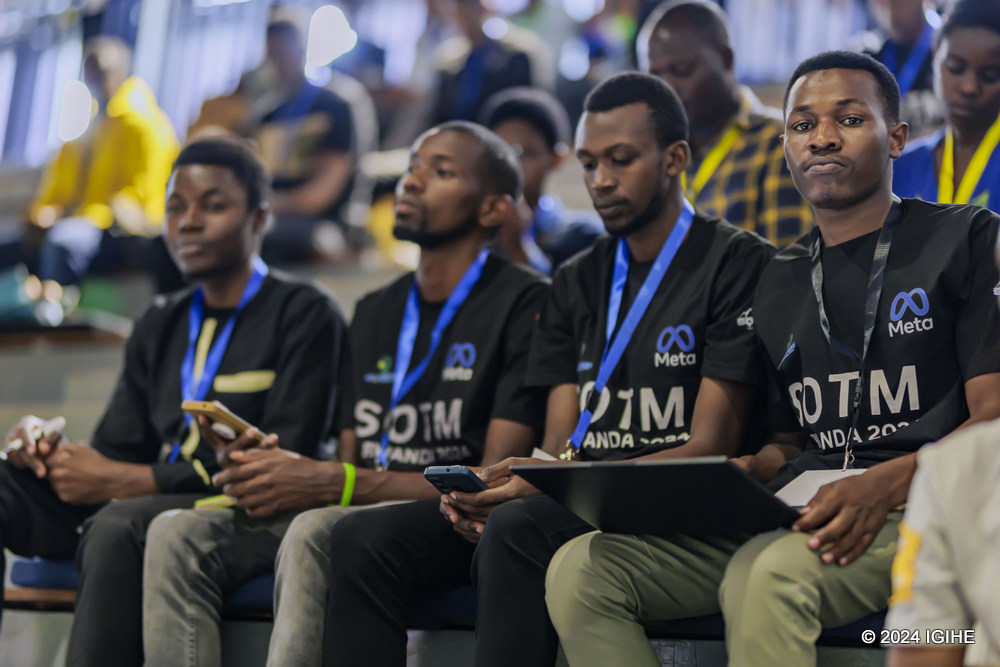
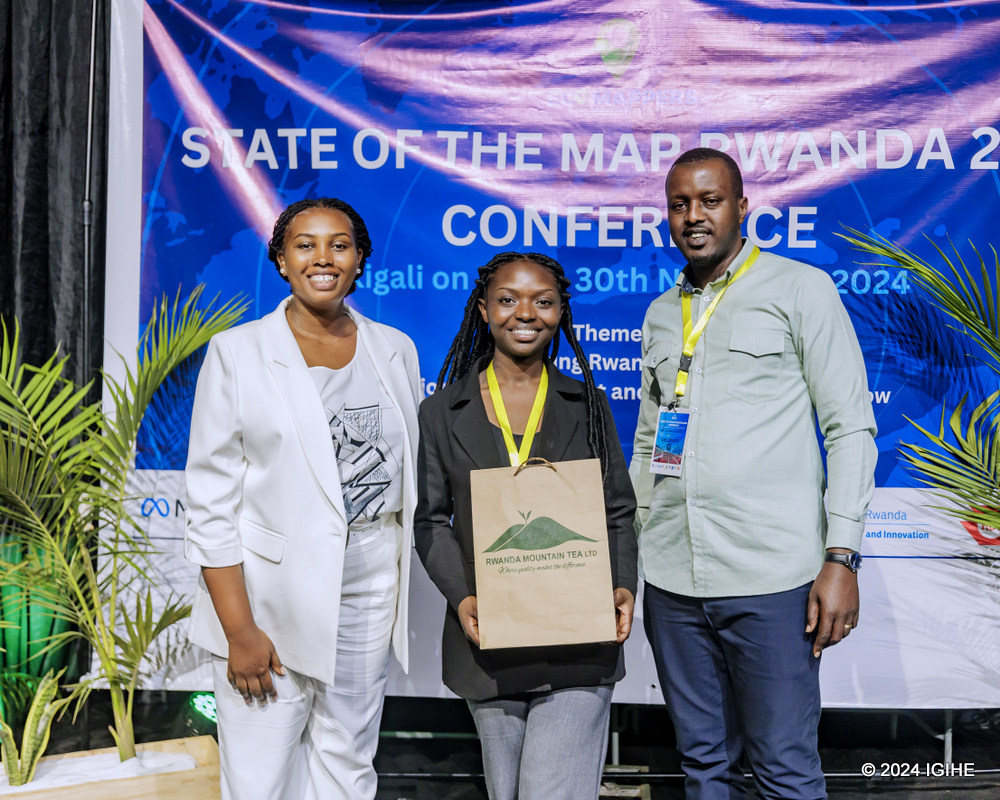
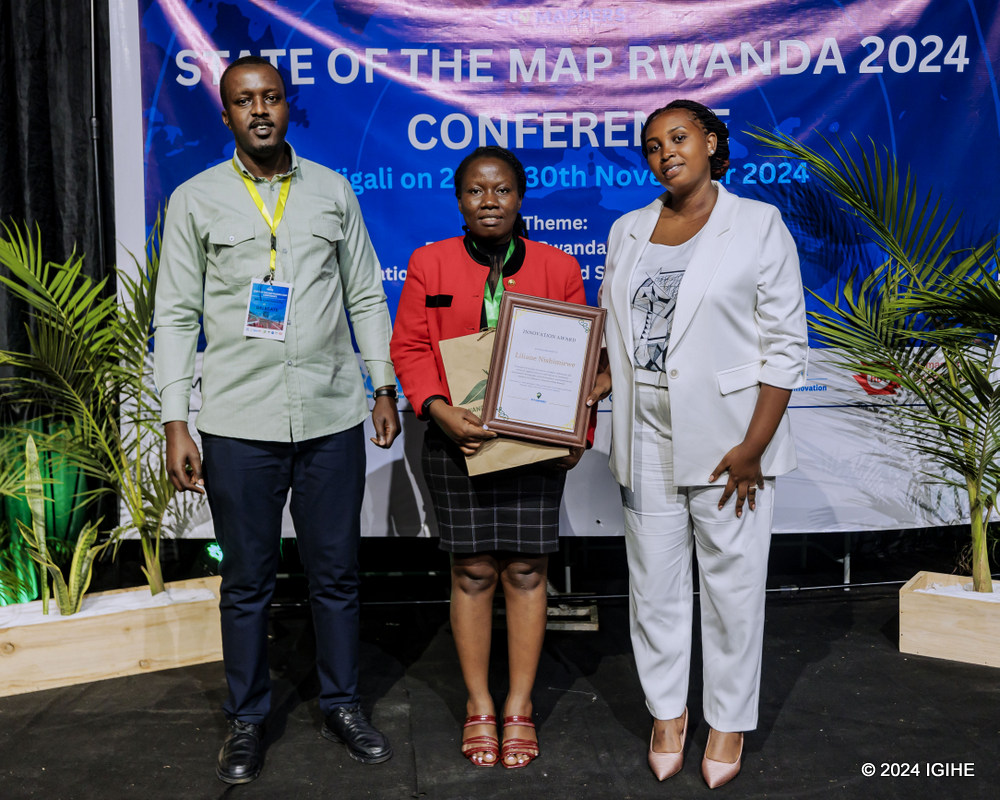
The organization’s insights were shared during the State of the Map Rwanda 2024 Conference, held on November 29, 2024, under the theme “Empowering Rwanda’s Future: Innovations for a Resilient and Sustainable Tomorrow.”
The conference brought together various stakeholders, including university professors, students, and Eco-Mappers’ partners, to explore the potential of GIS in driving sustainable development and resilience in Rwanda.
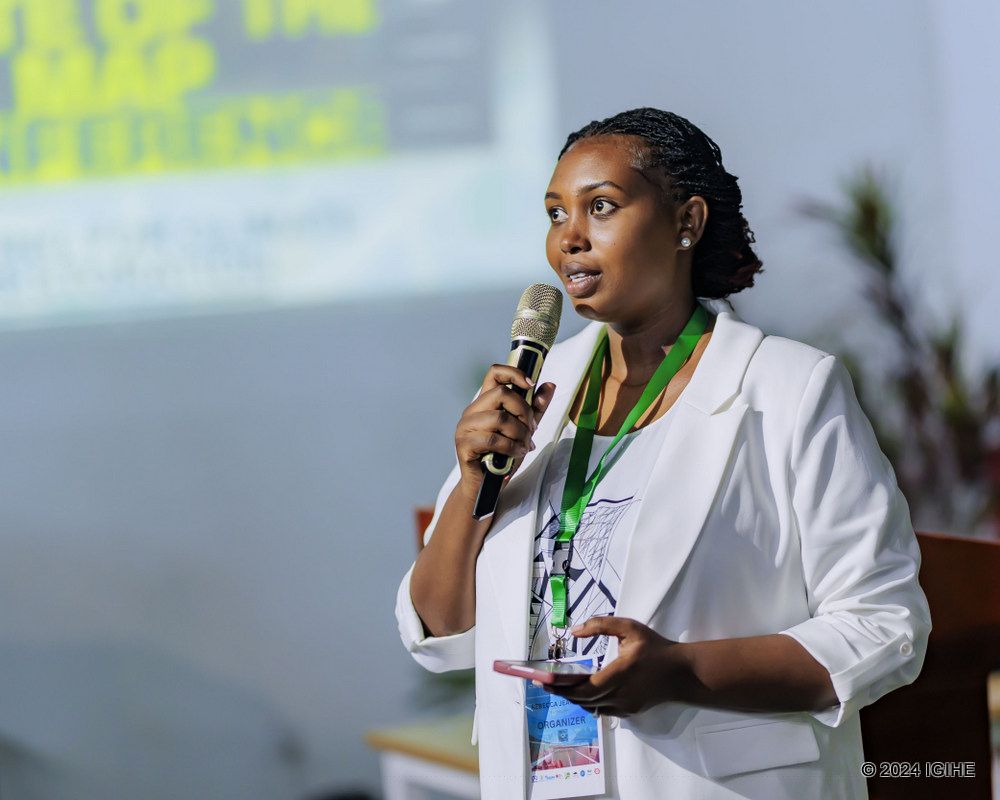
Jeanette Rebecca Nyinawumuntu, CEO of EcoMappers Rwanda, underscored the organization’s commitment to environmental and wildlife conservation. She explained that one of their key initiatives is training young people in GIS technology, enabling them to use platforms like OpenStreetMap Rwanda Tools to collect and report critical data from their communities.
“Our goal is to equip young people with the skills and knowledge needed to capture and present valuable information about their local environments using technology,” Nyinawumuntu said.
In the Nyabihu District, specifically in the Shyira Sector, youth are already actively using GIS tools to collect and share data about their communities, helping to highlight local challenges such as health concerns, landslide risks, and environmental issues.
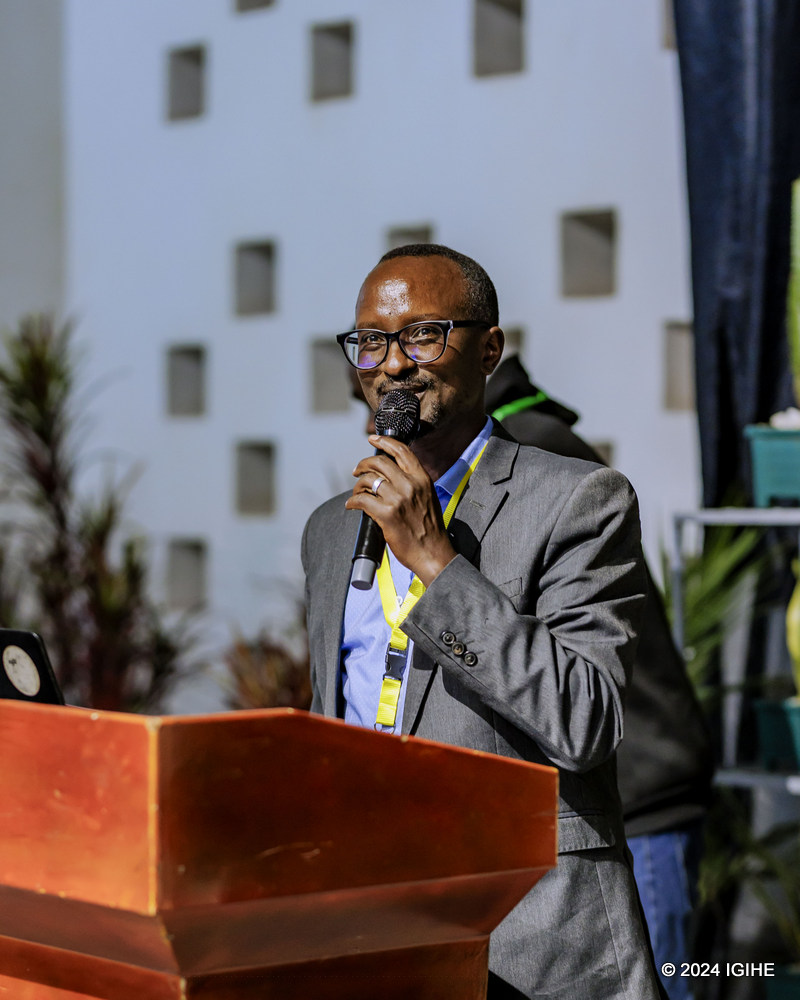
Erias Nyandwi, a lecturer at the University of Rwanda and head of the GIS research department, emphasized the importance of effective mapping systems in addressing climate change-related disasters. He explained how GIS helps monitor real-time events such as heavy rainfall, which could signal potential landslides or floods.
“When residents observe heavy rainfall, they can send the data via their phones to a GIS system, which analyzes it and provides immediate insights. If there’s a risk of a landslide, we can offer timely assistance,” Nyandwi said.
The integration of GIS into health monitoring was also highlighted during the conference. Nyandwi noted that community health workers, stationed in villages across Rwanda, send daily updates about health conditions via text messages.
When this information is processed through GIS systems, it provides valuable insights that can guide public health responses.
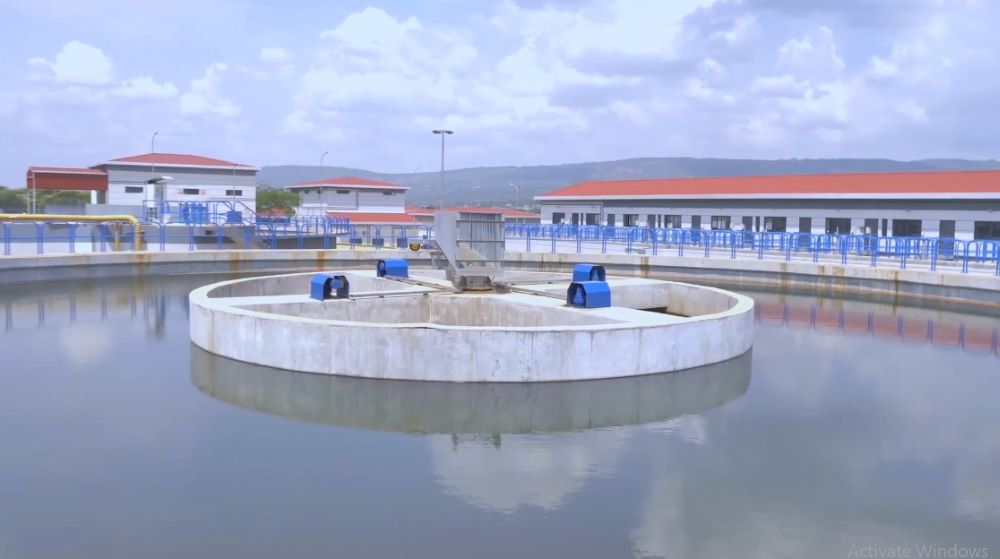
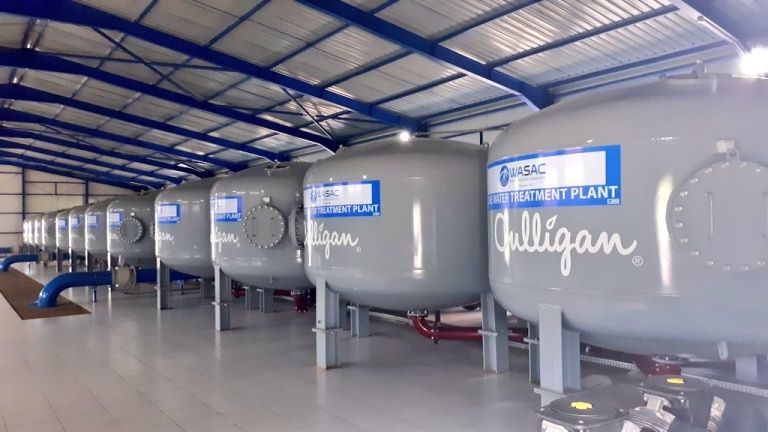
As the AfDB celebrates its 60th anniversary in Rwanda, its partnership with the Government of Rwanda has significantly advanced access to clean water (82 percent of the country’s population), through the Water and Sanitation Corporation (WASAC), while also fostering broader socio-economic improvements across communities.
For over eight years, AfDB has led the way in supporting Rwanda’s water supply and sanitation projects, financing initiatives that have benefited millions.
A major milestone in this partnership was the approval of the Rwanda Sustainable Water Supply and Sanitation Program in November 2017. The program focused on the City of Kigali and several satellite cities, including Rubavu, Rusizi, Nyagatare, and Muhanga.
To date, approximately 1.1 million people have gained access to improved water services, with another 475,000 people expected to benefit from enhanced sanitation infrastructure by 2026.
Building on this success, AfDB expanded its support in 2018, providing additional financing to extend the program to districts such as Gatsibo, Kayonza, and Ruhango.
In December 2023, AfDB approved a new phase of the partnership, the Rwanda Transformative and Sustainable Water Supply and Sanitation Program. This initiative aims to reach approximately 2.33 million people by 2029, with a particular focus on improving water supply and sanitation in Kigali and several other districts, including Gicumbi, Huye, and Nyaruguru. Women will make up 50% of the beneficiaries.
The financing for these projects includes an initial loan of $282,318,000, an additional loan of EUR 135,717,000, and support for the Rwanda Transformative and Sustainable Water and Sanitation Program through a loan of JPY 39,732,944,830.
Reflecting on these efforts, Dr. Omar Munyaneza, CEO of WASAC, highlighted the far-reaching benefits of these projects.
“The projects funded by the African Development Bank have not only provided access to clean water to the served community, but they have also impacted the socio-economic aspects of the project’s beneficiaries.
This was achieved through employment, reduction of waterborne diseases, water access to schools, which directly impacts the quality of education and sustainability of school feeding programs, and many more,” he said.
Some of the most significant AfDB-funded projects include the construction, rehabilitation, and expansion of water supply networks in Kigali and its peri-urban areas.
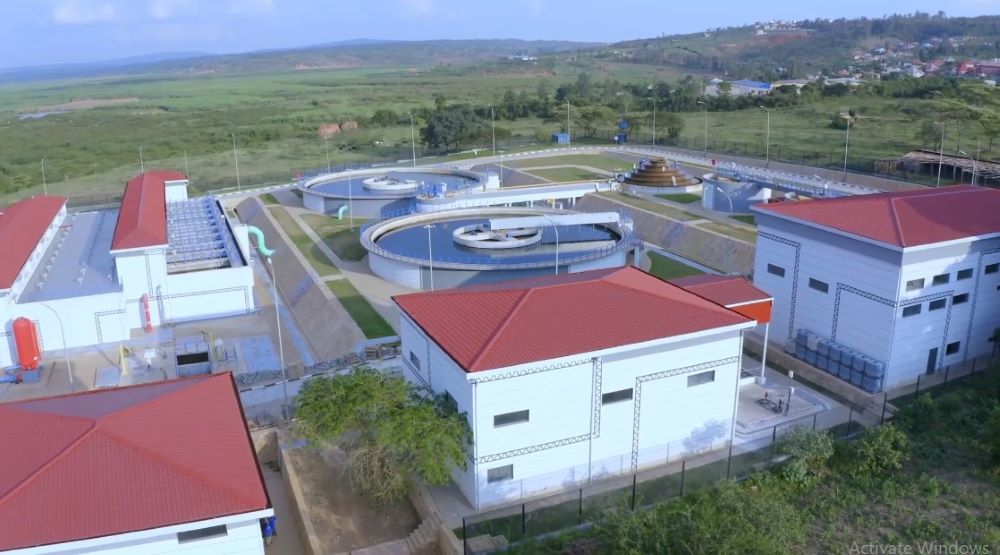
Other key initiatives include the Mwoya water treatment plant, which serves Rusizi District, and the new Gihira plant in Rubavu, both of which are essential for meeting the water needs of these rapidly growing communities.
The Kivu and Muhazi water supply projects, which aim to provide reliable water access to Karongi and Gatsibo Districts, respectively, and the Volcano Belt project, which will upgrade the Mutobo treatment plant to 48,000 cubic meters per day, benefiting residents of Musanze, Nyabihu, and Rubavu, are also notable.
AfDB’s role has extended beyond financial support to include addressing Rwanda’s water access challenges, particularly in rural areas. The long-term impacts of these projects are already visible. In addition to providing clean water, AfDB-funded initiatives have spurred economic growth by creating jobs and reducing the prevalence of waterborne diseases.
In schools, the availability of reliable water has had a direct impact on both the quality of education and the sustainability of school feeding programs. With water easily accessible, students no longer spend hours fetching water, allowing them to focus on their studies and enhancing overall learning outcomes.
Looking ahead, both WASAC and AfDB are committed to ensuring the sustainability of these achievements. Munyaneza stressed that the key to long-term success lies in building capacity and maintaining infrastructure.
“As we are envisaging 100% water access across the country, the current common goal is to sustain the infrastructure through continuous capacity building for service providers on proper operation and maintenance. We are also working on introducing innovative technology to reduce non-revenue water, and focusing on institutional development in areas like sanitation and water resources management,” he said.
As Rwanda moves closer to achieving universal water access, AfDB’s continued support will be crucial. With the bank’s financing, Rwanda is on track to meet its goal of providing every citizen with access to clean water by 2024, as set out in the National Strategy for Transformation (NST2).
Munyaneza expressed gratitude for the collaboration with AfDB and optimism about the country meeting its water distribution targets. “AfDB has been a very key partner, and through its continued support and collaboration in financing water and sanitation projects, we are confident we will achieve the government target of water access for all Rwandans by 2029, as outlined in the NST2,” he said.
With a strong commitment to building on these successes, the future looks bright for Rwanda as it continues to make clean water and sanitation a reality for all its citizens.
Karua made the remarks on Sunday, December 1, 2024, while responding to social media reports that Ugandan authorities had rejected her application for the crucial document.
She confirmed that she is already in Kampala ahead of the mention of the case against Besigye and his close ally, Obeid Kamulegeya, who are currently in remand following their controversial arrest in Nairobi by Ugandan authorities in mid-November. The authorities accuse them of engaging in activities that undermine Uganda’s security.
“I am hopeful of getting the license and already in Kampala,” Karua wrote on X.
Karua was recently appointed to lead a team of 50 lawyers in mounting a spirited defence for the two men, who were apprehended in the Kenyan capital while attending the launch of her book on November 16, 2024. She took over the lead role from Kampala Lord Mayor Erias Lukwago.
The star-studded legal team includes representatives from notable organizations such as the Pan-African Lawyers Union (PALU) and the International Commission of Jurists (ICJ).
“This team is a demonstration of our commitment to justice,” Lukwago stated during a past press conference. “Hon. Martha Karua has graciously agreed to lead this team, and her extensive legal expertise will be invaluable in this fight against what we believe are politically motivated charges.”
Lukwago also explained that arrangements were underway to obtain the temporary practising certificate required for Karua to participate in legal proceedings in Kampala, in accordance with Uganda’s Advocates Act.
He noted that, as Kenya is part of both the East African Community and the Commonwealth, the process is expected to proceed without hitches.
“We’ve already submitted Karua’s application and are confident it will be finalized swiftly. For now, the legal team will be attached to Lukwago and Company Advocates to ensure seamless collaboration between Ugandan and Kenyan lawyers,” he added.
Besigye and Kamulegeya were arraigned in a military court in Kampala on November 20 and remanded until December 2 on charges of soliciting logistical support and identifying military targets in Uganda, intending to undermine the security of the Uganda People’s Defence Forces (UPDF), and illegal possession of two pistols and eight rounds of ammunition.
The two-day forum, co-organized by the Government of Rwanda and TradeMark Africa (TMA), will bring together Heads of State, government officials, development partners, academicians, multilateral organizations, and private sector leaders from 14 TMA implementation countries and beyond.
TMA focuses on promoting trade and regional integration across a range of countries, including Burundi, the Democratic Republic of Congo (DRC), Djibouti, Ethiopia, Kenya, Malawi, Rwanda, Somalia, South Sudan, Tanzania, Uganda, Zambia, Zimbabwe, and Eritrea. These nations form the core of TMA’s efforts to enhance trade facilitation, reduce barriers, and drive economic growth through innovative projects and partnerships.
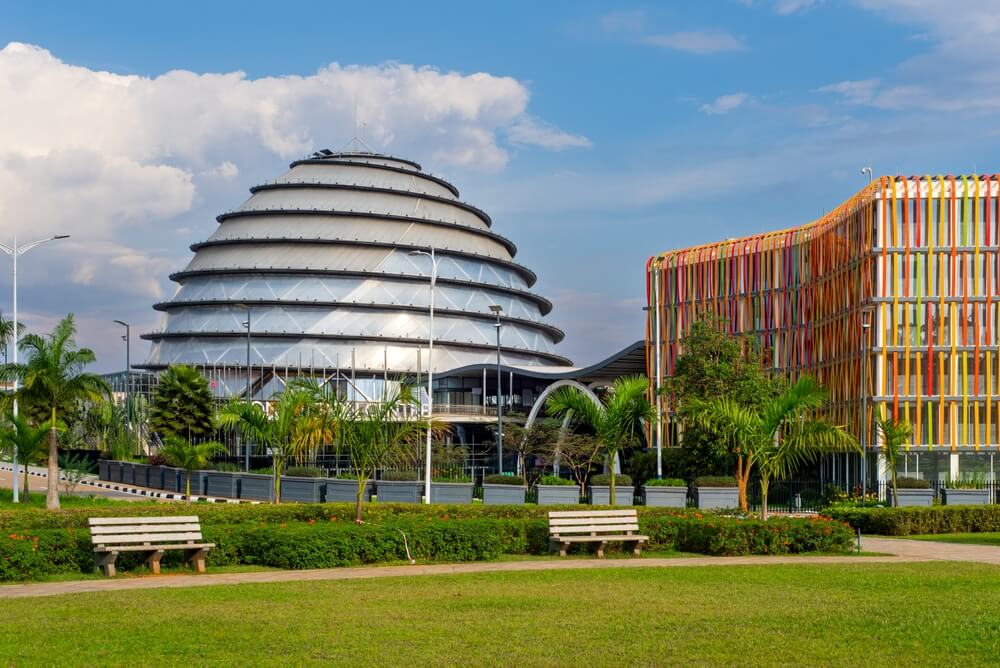
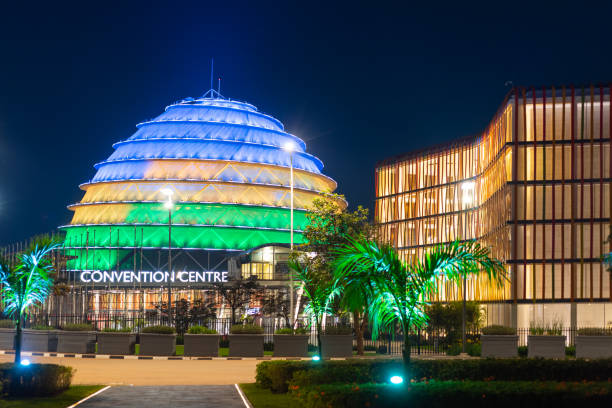
Held under the theme ‘Digital Trade,’ this year’s forum will highlight transformative digital trade practices and technologies. The forum will be officially opened at the Kigali Convention Centre by Rwanda’s Prime Minister, Édouard Ngirente.
According to the organizers, key discussions will explore the interoperability of digital payments, the use of distributed ledger technology (DLT) and artificial intelligence in trade processes, and the role of automation in supporting green trade initiatives. The sessions aim to address leveraging technology to streamline trade facilitation, enhance policy frameworks, and foster sustainable development across Africa.
This marks the first time the forum will be held in Rwanda, following previous editions in Kenya (2011, 2012, 2014, and 2019) and Uganda (2018).
David Beer, CEO of TradeMark Africa, emphasized the forum’s significance in advancing Africa’s economic prosperity.
“TradeMark is driven entirely by generating practical results to remove trade barriers and drive up exports within and from Africa. While we have seen serious progress from trade facilitation interventions in the last decade, there is another big step forward to take,” he said.
“The 2024 forum will focus on propagating digitization successes more widely and introducing cutting-edge technologies. We look forward to sharing lessons and presenting innovative ideas to help governments and the private sector further drive down the cost and time of trade.”
The forum is expected to drive Africa’s trade integration, leveraging digital solutions to build sustainable, seamless trade systems that enhance regional and global competitiveness.
This year’s conference will culminate in the development of the Africa Trade Development Forum Kigali Declaration, which will capture the key insights and decisions arising from the event’s discussions.
Additionally, TradeMark Africa (TMA) is set to unveil the Trade Facilitation Flagship Document, a report that outlines emerging trends in Africa’s trade facilitation and showcases innovative technologies designed to streamline and enhance trading processes.
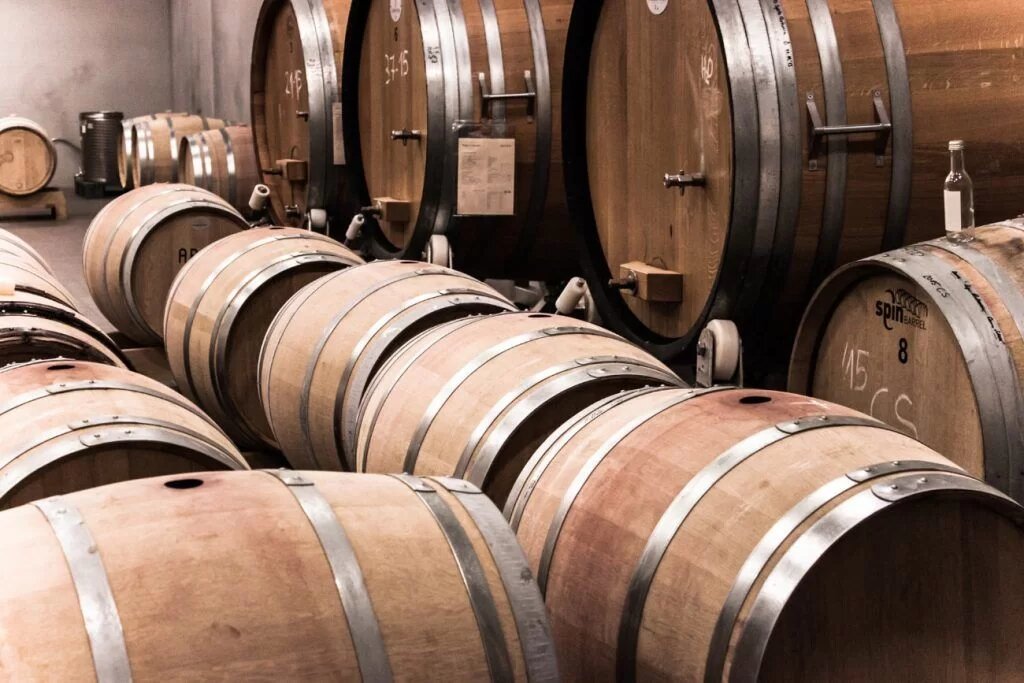
Based on comprehensive data from 29 countries representing 85 percent of global production in 2023, global wine production for 2024 is estimated between 227 million and 235 million hectolitres, the OIV said in its 2024 World Wine Production Outlook on Friday.
Global production in 2024 would be 13 percent lower than the ten-year average, the OIV said, adding that it could probably be the smallest global output since 1961.
According to the outlook, France, the leading wine producer in 2023, has recorded the most significant decrease in production compared to the previous year, largely due to challenging weather conditions across the country.
Italy, however, is about to take over France and become the world’s largest producer in 2024.
In the Southern Hemisphere, the OIV predicted that wine production volumes would remain low in 2024, a result also mainly caused by climatic conditions. It would mark the region’s lowest output in two decades.
The OIV, established in 1924, is an intergovernmental organization with a scientific focus and its competence is widely recognized concerning vines, wine, wine-based beverages, table grapes, raisins, and other vine-based products.
This year, the organization accepted China’s application for membership on November 14.
A venture that exemplifies AfDB’s commitment to sustainable development and innovation, this initiative has not only elevated Rwanda’s healthcare and education systems but has also set a benchmark for regional growth and excellence.
The vision behind CEBE is rooted in addressing critical gaps in healthcare, particularly in biomedical engineering, e-health, and rehabilitation sciences.
As an integral part of the UR, the center’s objectives align closely with Rwanda’s national development agenda: advancing education, improving healthcare services, and fostering research-based solutions to tackle real-world challenges.
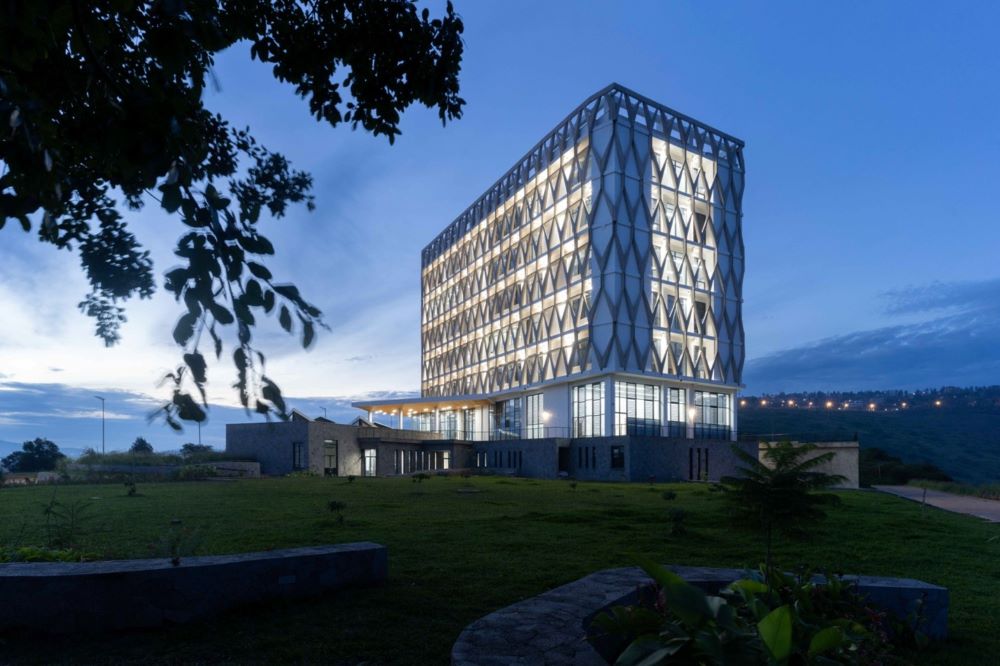
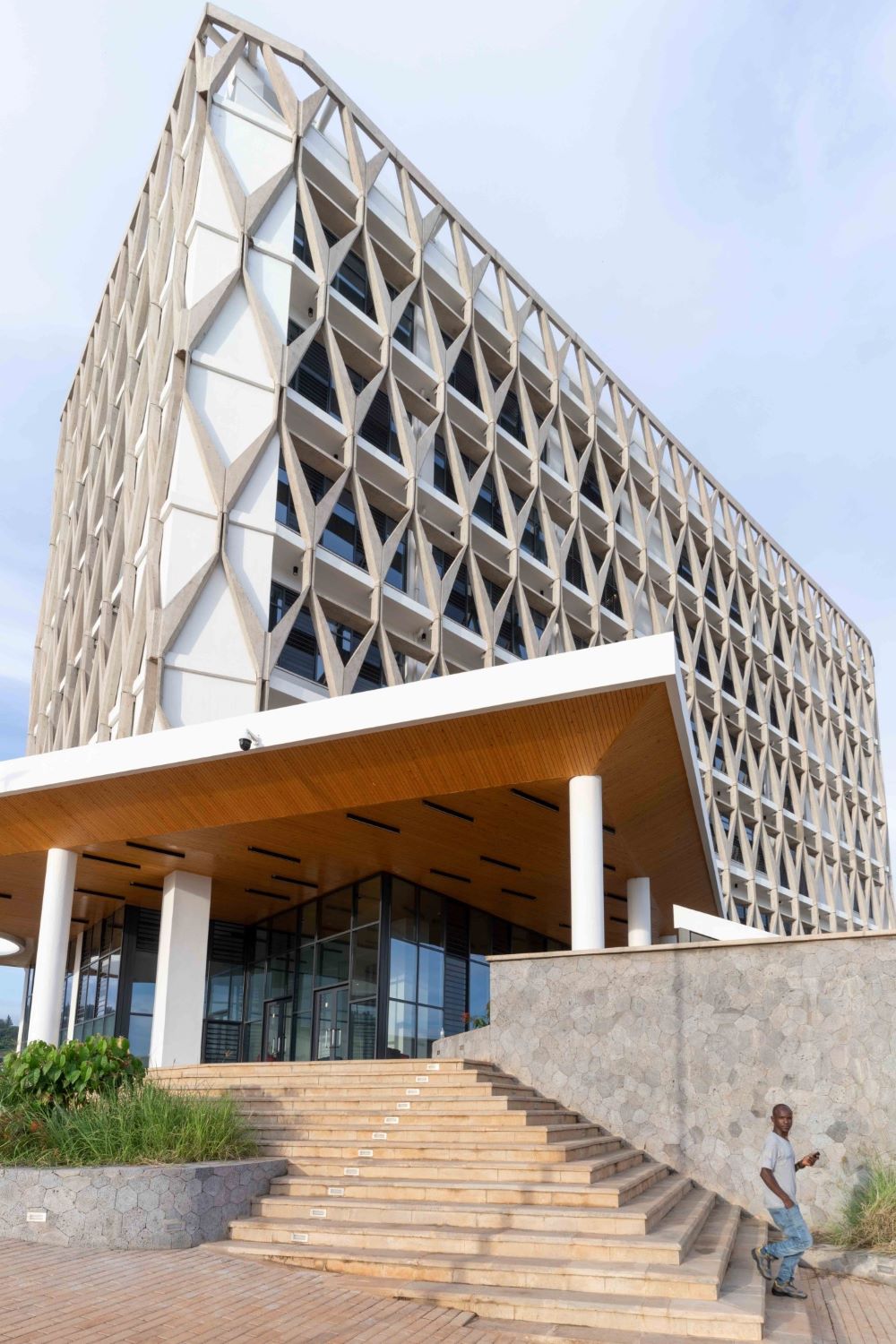
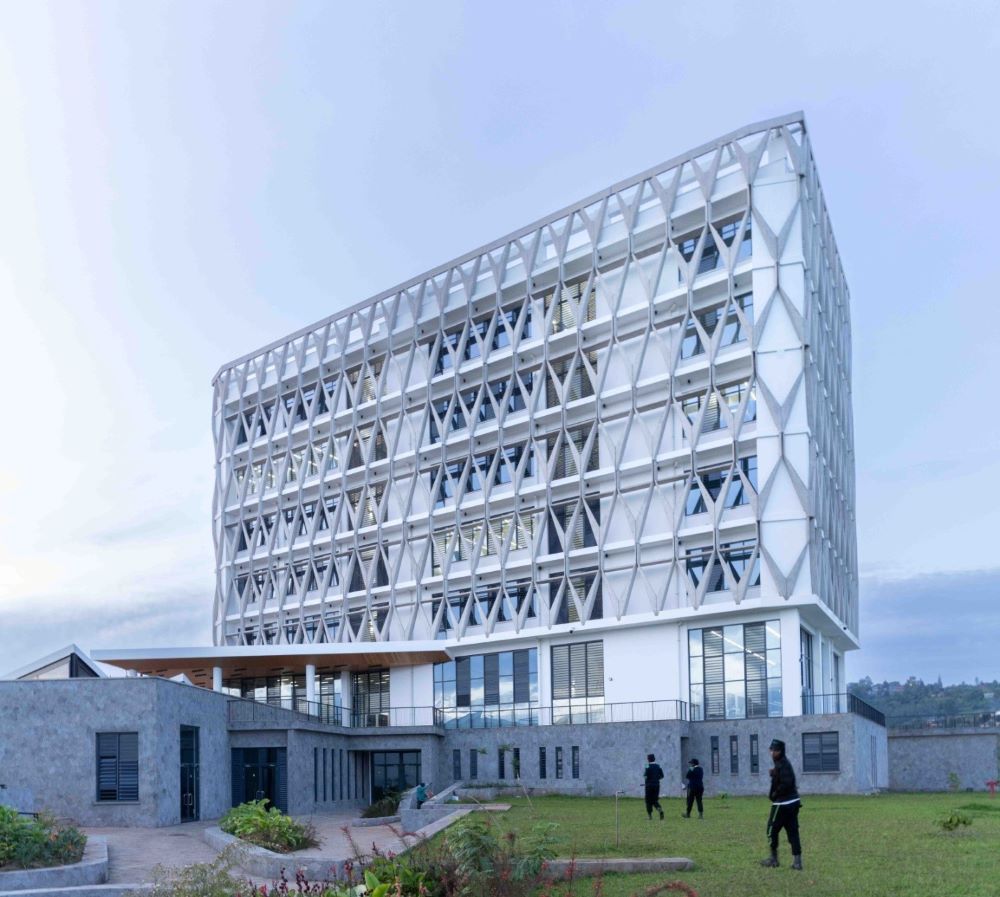
Key infrastructure developments have been the backbone of CEBE’s transformation. A six-story, 6,300-square-meter facility now houses state-of-the-art laboratories, specialized equipment, and academic spaces dedicated to research and learning.
This infrastructure is more than just is a hub of innovation that empowers students, faculty, and researchers to create solutions that improve lives.
One of the beneficiaries of this initiative, Jackline Gatsinzi Mupenzi, shared her story during the AfDB’s 60th-anniversary celebrations.
“In 2014, I began my journey in prosthetics and orthotics with a vision to empower persons with disabilities. Thanks to the AfDB’s investment in CEBE, I was able to further my education and refine my skills,” she said.
Today, Gatsinzi is not just a professional, she is an advocate for dignity and independence, equipped to bring transformative change to her community.
Gatsinzi’s story is one of many, highlighting how access to quality education and resources can empower individuals to drive meaningful change in their communities.
CEBE’s impact extends beyond individuals to influence broader systems. Over 680 professionals; including students, faculty, and health practitioners have benefited from scholarships, training programs, and research opportunities supported by AfDB.
Women constitute 40% of these beneficiaries, highlighting a commitment to inclusivity and gender equity. These professionals are now contributing to Rwanda’s healthcare system, designing assistive technologies, and addressing critical healthcare challenges, particularly in underserved areas.
{{A vision for growth}}
Since its establishment, CEBE has achieved remarkable milestones, positioning itself as a cornerstone of Rwanda’s healthcare and education sectors.
Its accomplishments include groundbreaking research, innovative projects, and the creation of specialized training programs among others.
The center has spearheaded over 40 research projects, with several breakthroughs in e-health and rehabilitation technologies. Projects such as digital rehabilitation solutions and mobile health platforms for managing chronic diseases are revolutionizing healthcare delivery in Rwanda and beyond.
On the other hand, CEBE has equipped hundreds of students and practitioners with specialized skills in biomedical engineering, rehabilitation sciences, and digital health.
These individuals such as Gatsinzi’s, are now leading innovations in healthcare, from developing new medical devices to improving patient care systems.
Beyond its physical structure, the center boasts cutting-edge biomedical laboratories and specialized equipment that rival international standards. These facilities not only support education but also foster research that addresses Rwanda’s unique healthcare challenges.
Despite these successes, the journey has not been without challenges. The initial phases of CEBE faced hurdles such as site relocation, delays in procuring specialized equipment, and the unforeseen disruptions of the COVID-19 pandemic.
However, AfDB’s support and the resilience of the Rwandan government ensured these obstacles were overcome. The project now stands as a testament to perseverance and strategic collaboration.
Prof. Celestin Twizere, the Rector of CEBE explains that the center stands as a shining example of the transformative impact of the AfDB as it addresses critical gaps in healthcare and education.
CEBE focuses on biomedical engineering, e-health, and rehabilitation sciences. With AfDB’s support, the center has grown into a hub of innovation, driving advancements in technology and healthcare.
“Our mission is to empower professionals with the skills to solve real-world problems in healthcare and beyond. With this support, we are building a hub where technology and medicine converge to improve lives and transform communities,” he said.
Hundreds of students and professionals have so far developed groundbreaking research projects and equipped its facility with state-of-the-art technology. These achievements are paving the way for Rwanda to become a leader in healthcare innovation.
Moving forward, Prof. Twizere expresses optimism about the center’s future; “The center aims to bridge the gap between education, research, and healthcare innovation. With continued investment, we envision Rwanda becoming a leader in biomedical engineering and e-health, not just in Africa, but globally,” he acknowledged.
One of CEBE’s most ambitious goals is to address the shortage of specialized infrastructure and certified biomedical professionals in Rwanda.
According to recent government reports, there is a significant gap in the availability of accredited healthcare facilities and skilled practitioners.
CEBE aims to fill this void by training more professionals, developing high-quality research outputs, and fostering collaborations that drive sustainable solutions.
The African Development Bank remains a pivotal partner in this journey. With its continued support, CEBE is poised to become a global center of excellence, attracting talent and investments while contributing to Rwanda’s Vision 2050 goals of creating a high-income, knowledge-driven economy.
{{A legacy of hope and opportunity}}
The story of CEBE is a reflection of the AfDB’s 60-year legacy of empowering communities, fostering innovation, and transforming lives. Through its strategic investments, this has not only elevated Rwanda’s healthcare and education sectors but also inspired a generation of change makers ready to shape Africa’s future.
As we celebrate this milestone anniversary, the words of Jackline Gatsinzi Mupenzi resonate deeply.
“The AfDB’s support has given us the tools to make a difference, not just for today, but for generations to come. Thank you for believing in us and for investing in a brighter future for Africa,” she says.
The African Development Bank’s partnership with Rwanda is a powerful reminder of what can be achieved when vision meets action.
As CEBE continues to grow, its impact will ripple far beyond Rwanda, inspiring a new era of innovation and progress across the continent.
The Africa Report is a Paris-based, English-language quarterly magazine focusing on African politics and economics, founded by Patrick Smith two decades ago.
In its first ranking of African cities, the pan-African media platform recognized Kigali as Africa’s second most inviting, livable, and investment-friendly city.
South Africa’s Cape Town and Johannesburg claimed the first and third spots, followed by Morocco’s twin cities of Casablanca and Rabat. Nairobi, Kenya, ranked sixth.
Other cities in the top 10 include Alexandria, Cairo, Abidjan, and Accra. Additional rankings feature Lagos, Dakar, Gaborone, Addis Ababa, Tunis, Lusaka, Cotonou, Oran, Kampala, Abuja, Lomé, Algiers, Douala, Yaoundé, Luanda, Maputo, Harare, Kinshasa, Libreville, and Ouagadougou.
The report highlights progress made by urban centres while identifying areas for growth, using a comprehensive survey of readers and foreign direct investment data to provide insights into Africa’s evolving urban landscape.
Kigali has previously been recognized for its ease of doing business, driven by streamlined regulatory processes, transparent governance, and supportive policies for entrepreneurs and investors.
The city also boasts a clean, orderly environment thanks to initiatives like monthly Umuganda community cleanups and strict waste management systems, earning it a reputation as one of Africa’s cleanest capitals.
In addition, Kigali embraces innovation with tech hubs, smart city initiatives, and a growing startup ecosystem fostering creativity and modern solutions, making it an attractive destination for both business and living.
In July, Kigali was ranked among the top five favourite destinations for travellers visiting Africa and the Middle East. It moved up four spots from ninth place in the World’s Best Awards 2024, behind Marrakesh, Cape Town, Jerusalem, and Dubai, respectively.
The awards, organized by Travel + Leisure, a New York City-based travel magazine, consider traveler experiences to rank the world’s top cities based on parameters such as sights/landmarks, culture, food, friendliness, shopping, and value.
In the 2024 edition, voters described Kigali as a beautiful and well-organized hub with friendly and helpful residents.
“Amazingly clean and progressive city! I felt safe walking all over,” wrote one voter. “There is a wide variety of cuisine available and amazing coffee.”