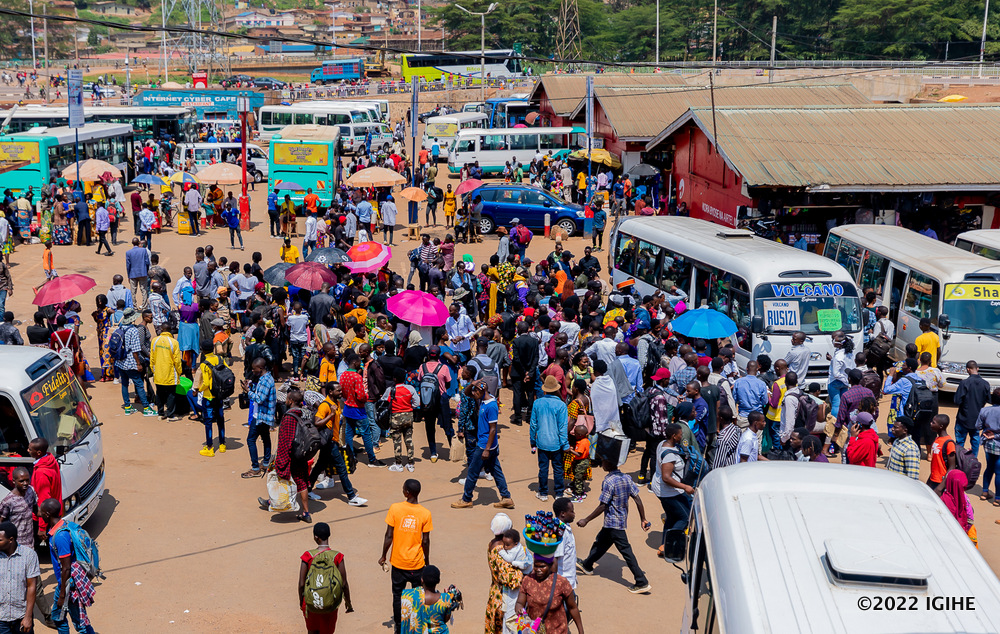
Starting from December 23-24, 2024, and December 30-31, 2024, passengers will board buses at designated locations in addition to the Nyabugogo Terminal.
Travelers using the Southern Corridor from districts such as Kamonyi, Muhanga, Ruhango, Nyanza, Huye, Nyamasheke, Karongi, Ngororero, Gisagara, Rusizi, Rutsiro, and Nyaruguru will board buses at Nyamirambo’s Pele Stadium.
Passengers traveling along the Eastern Corridor to Rwamagana, Kayonza, Gatsibo, Nyagatare, Ngoma, and Kirehe will board buses at the Kabuga Terminal.
For those using the Northern Corridor from Gicumbi or traveling to Nyagatare via Gicumbi, Rulindo, Musanze, Rubavu, Burera, Gakenke, and Nyabihu, buses will depart from the Nyabugogo Terminal.
RURA further stated that passengers heading to Bugesera will board at Nyanza in Kicukiro. Travelers are encouraged to purchase tickets in advance to avoid delays.
Staff from the City of Kigali and relevant agencies will be on hand to assist passengers throughout the holiday period. RURA also urged travelers to remain patient with any challenges that may arise during this busy season.
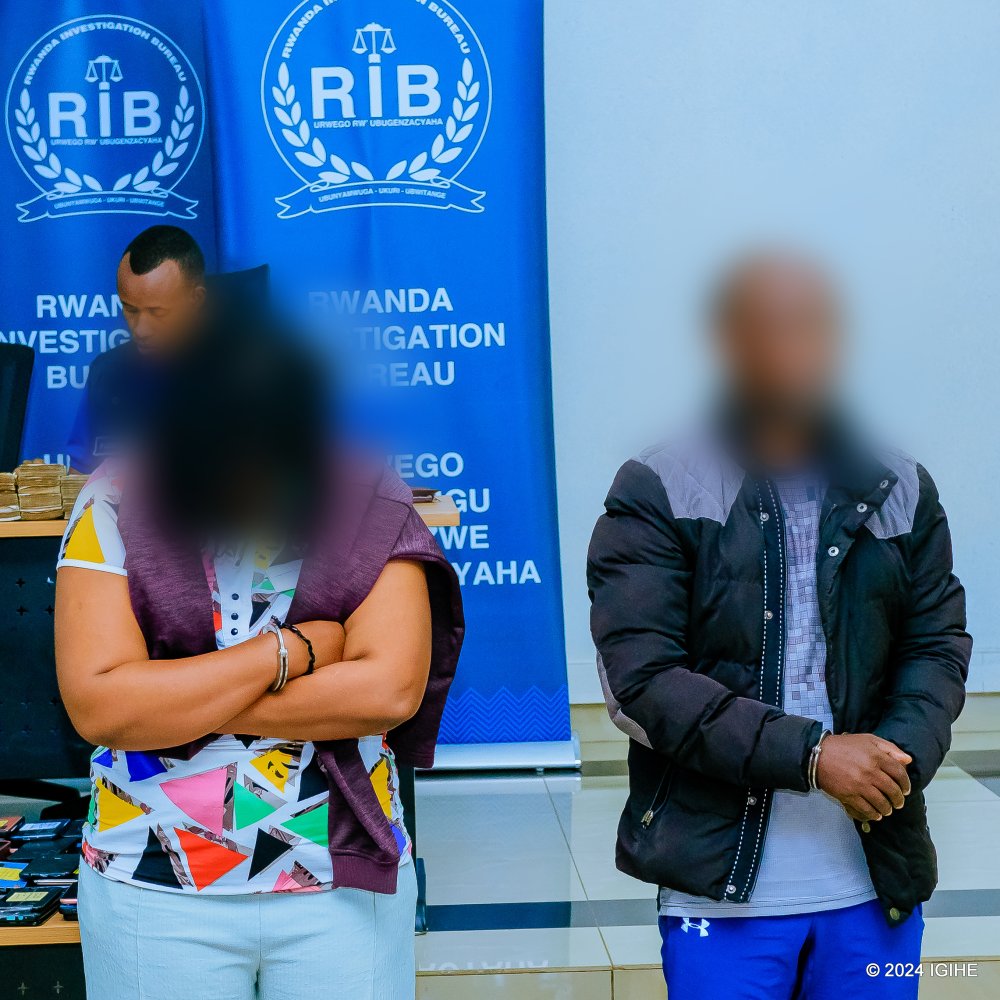
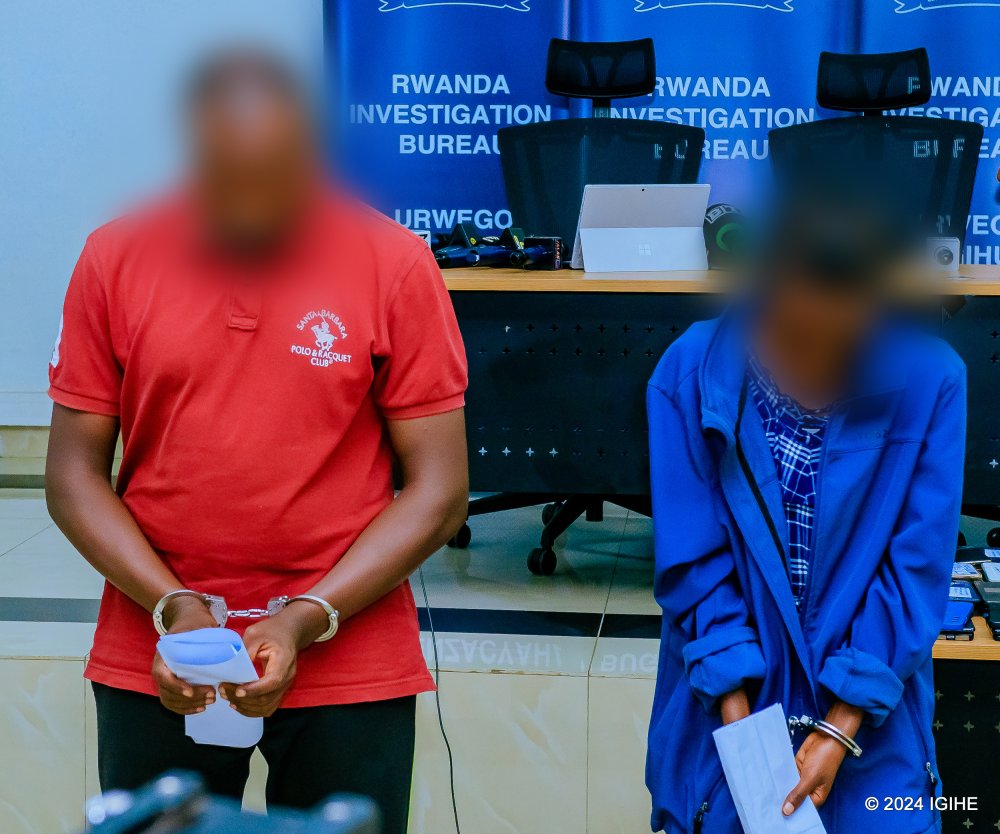
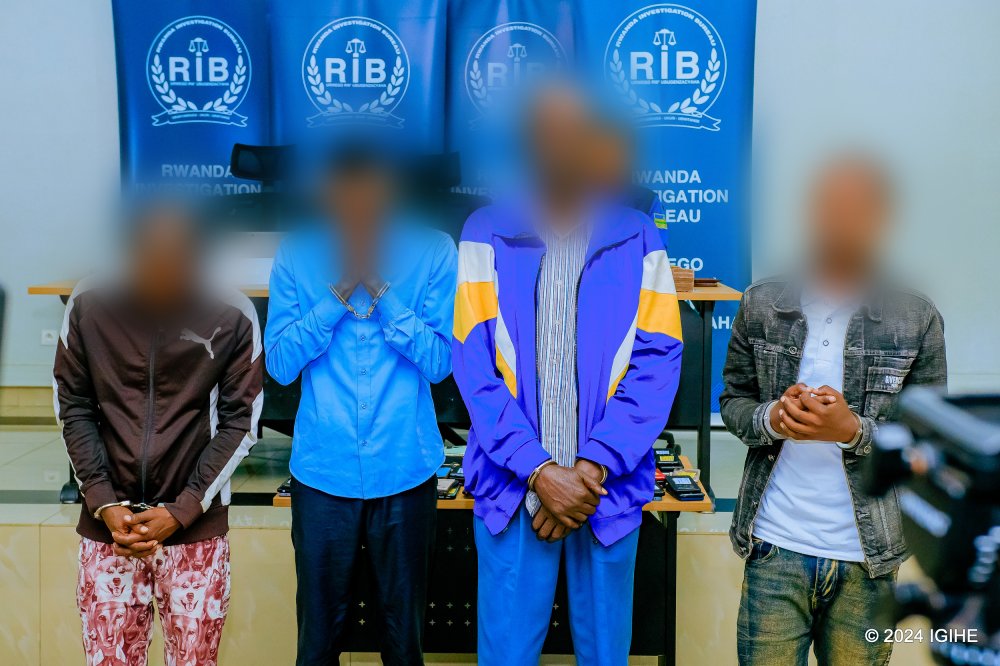
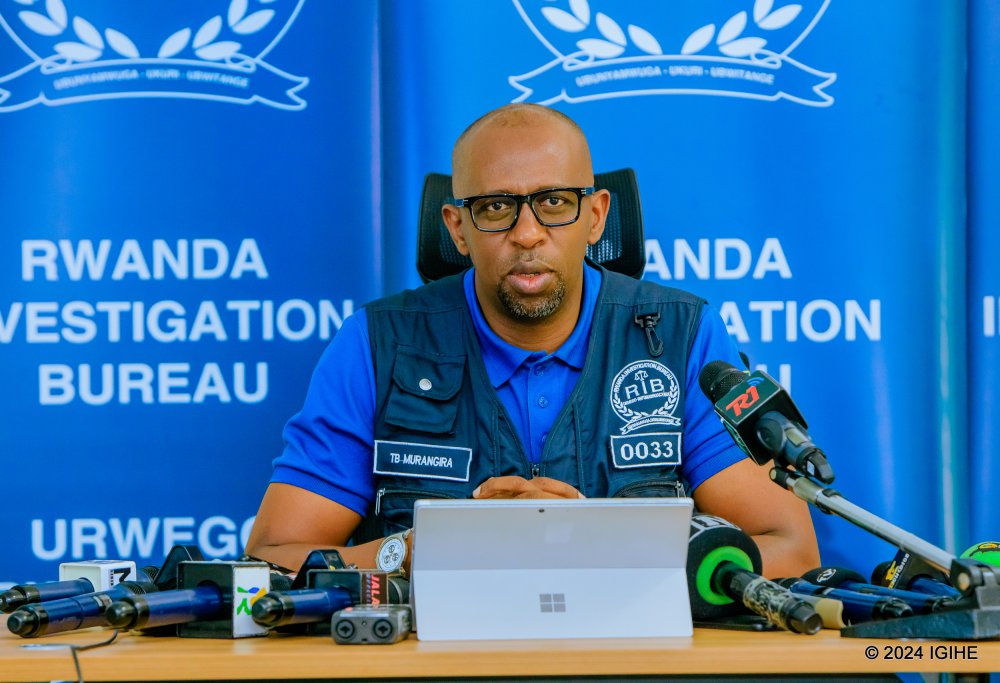
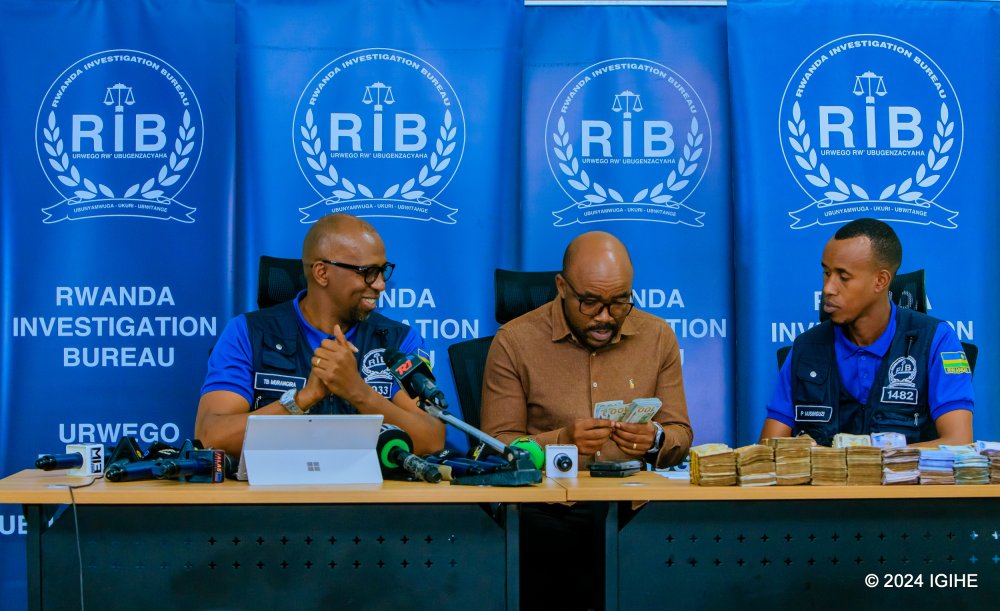
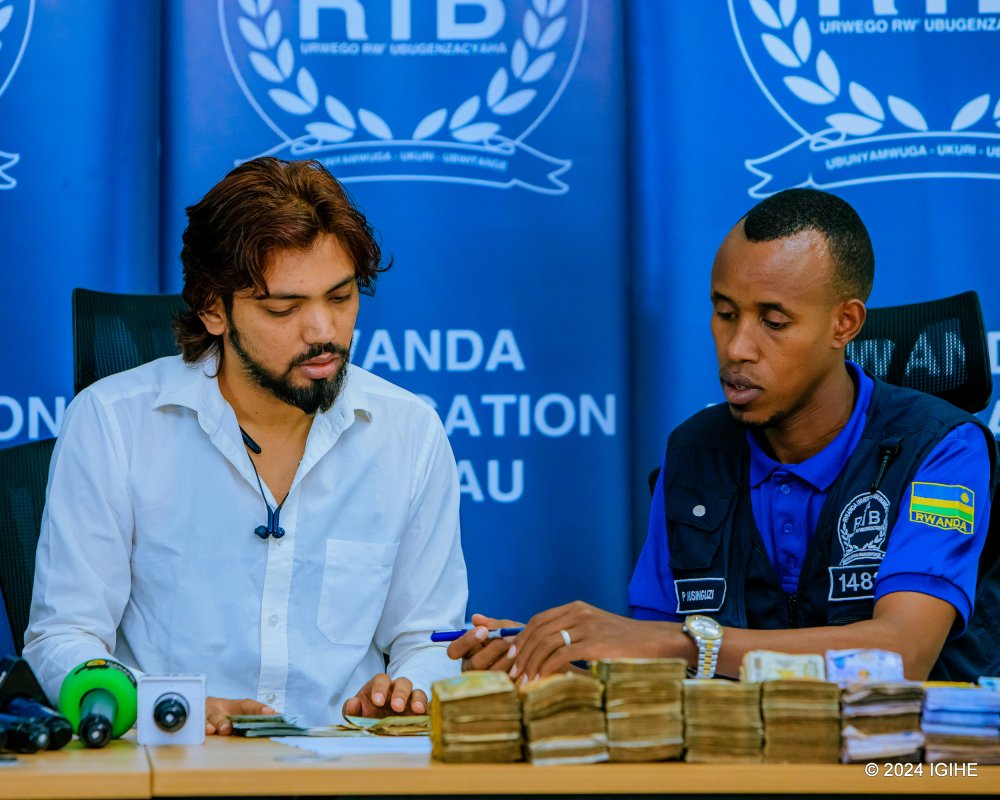
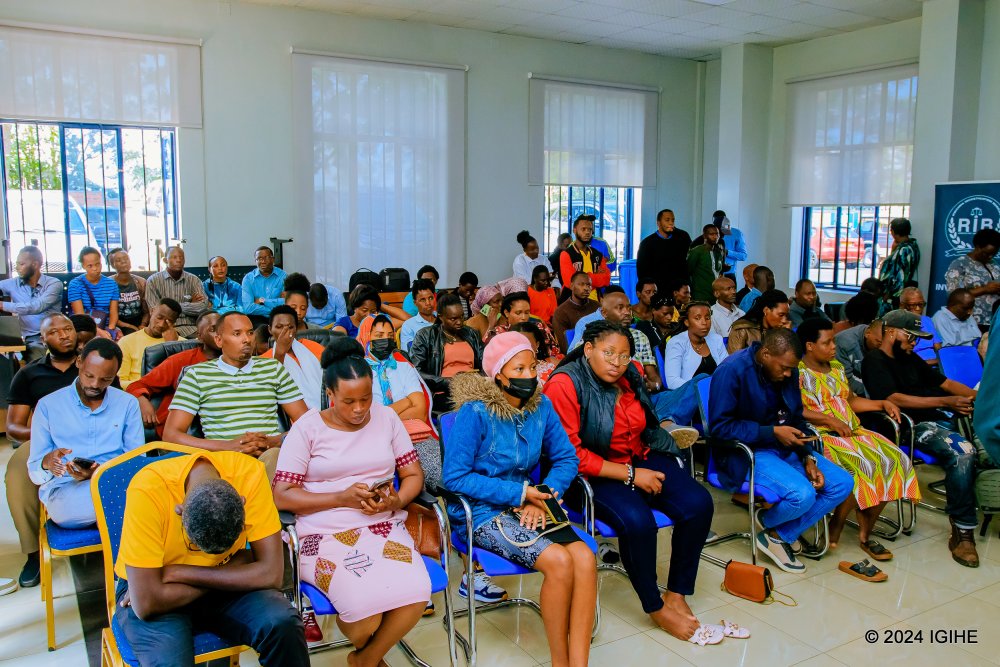
The suspects were among eight individuals paraded before the media on Tuesday, December 17, 2024, at RIB headquarters in Kimihurura.
Addressing the press, RIB Spokesperson Dr. Thierry Murangira revealed that the arrests followed investigations into three other land fraud suspects earlier this month.
Among those accused is a 54-year-old man and a woman posing as his wife. The land in question belongs to the man and his legal wife, who currently resides abroad. Unable to sell the property alone, the man allegedly conspired with another woman to forge his wife’s national ID by replacing her photograph with that of the impersonator.
The fraudulent scheme was exposed when the prospective buyer became suspicious and reported the matter to RIB. By that time, the buyer had already paid part of the purchase amount. The agreed price was RWF 24 million, of which RWF 9.8 million has been recovered.
The two suspects face charges of using forged documents, fraudulently managing marital property, and obtaining someone else’s property through deception.
Dr. Murangira urged notaries to be more cautious, citing the prevalence of similar fraud cases.
“There are many schemes, as seen here, where Kayirebwa falsely claimed to be Kayiranga’s wife, bypassing the legal spouse to sell the land. Notaries must thoroughly verify all documents, particularly those provided by sellers,” he said.
He further cautioned buyers to conduct proper due diligence before finalizing land transactions.
“Money is hard to earn and should not be wasted. Buyers must ensure they are investing in legitimate and beneficial property,” Dr. Murangira emphasized.
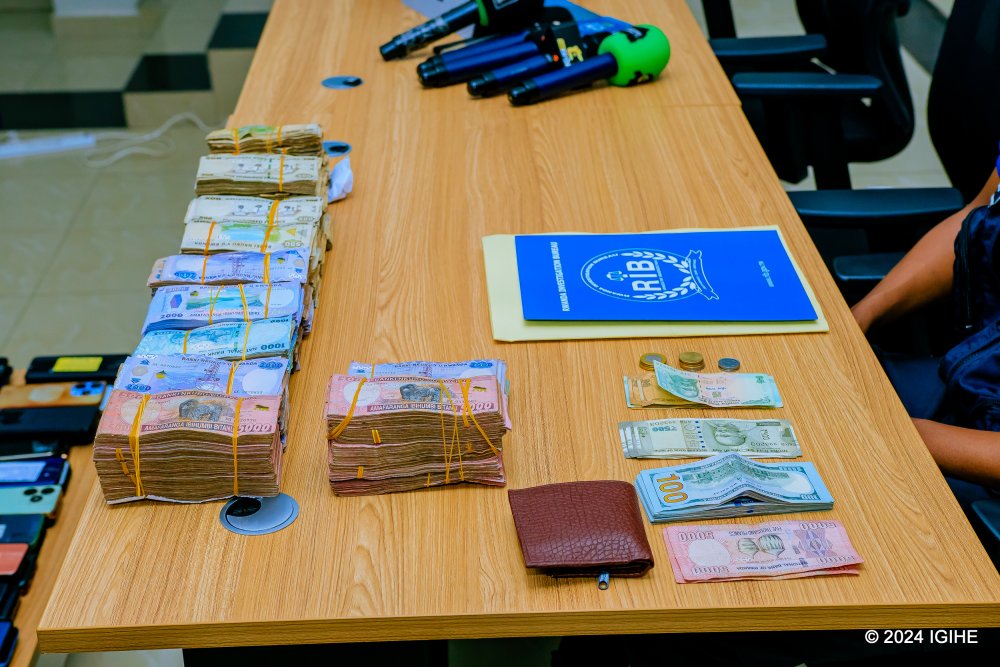
The operation also saw the arrest of a woman accused of stealing $4,000 (approximately Frw5.6 million) and 3,300 Indian Rupees (Frw54,000) from her foreign employer. After the theft, she reportedly gave $2,900 to a man she lives with while keeping the remainder for herself.
Investigations revealed that the employer had left his wallet unsecured, allowing the woman to access the funds. Following the theft, the man reportedly advised her to flee to Ngoma District, where she was later apprehended. RIB recovered all the stolen money.
Dr. Murangira discouraged keeping large sums of cash at home, warning that it creates unnecessary risks.
“Banks are the safest place to store money. Keeping large amounts of cash at home invites temptation and theft,” he said.
The suspects face charges of theft and concealing property obtained through crime.
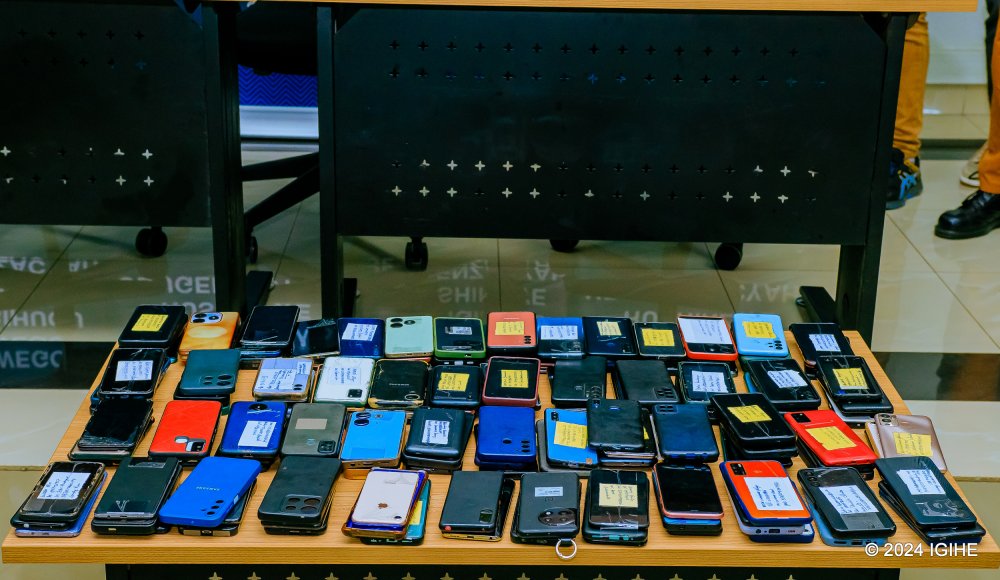
Additionally, RIB paraded four individuals suspected of involvement in phone theft. The bureau recovered 280 stolen phones worth Frw62.5 million. The phones have since been returned to their rightful owners, while investigations to apprehend additional suspects remain ongoing.
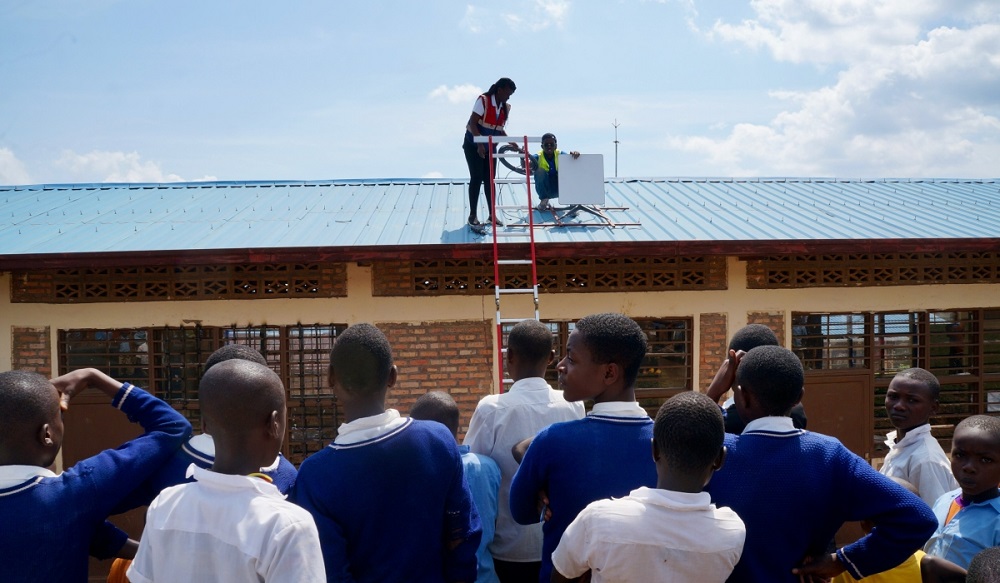
By the start of the 2025/2026 school year, 21% of schools will be newly connected to the internet, with efforts underway to increase that number further.
Technology has become a critical tool in transforming education across Rwanda, from primary schools to universities. Digital tools, including audiovisual books, are increasingly being used to enhance teaching materials and streamline educational processes.
However, school leaders in areas without electricity or internet connectivity face challenges in delivering lessons and submitting digital reports.
At the close of the 2022/2023 school year, Rwanda had a total of 4,923 schools, comprising 1,568 public schools, 2,065 government-subsidized schools, and 1,290 private schools.
Notably, over 80% of these schools were connected to the electricity grid.
However, Minister of Education Joseph Nsengimana revealed late last week that more than 500 schools in remote areas still lack electricity, although efforts to connect them to the grid are ongoing.
Nsengimana shared, “Many of these schools are located far from the electricity grid, and we are exploring alternative ways to connect them.”
Currently, about 62% of schools have internet access, but this figure is set to increase significantly.
“Many schools now have electricity, and 62% are connected to the internet. An additional 21% will gain internet access in the first semester of the upcoming 2025/2026 school year, and the process is ongoing,” Nsengimana noted.
Prime Minister Dr. Edouard Ngirente, speaking at the International Teachers’ Day celebration, acknowledged the ongoing challenges related to electricity and internet access in some schools.
He emphasized the need for a collective effort from all stakeholders to ensure that every school has access to these vital resources.
Statistics from the Ministry of Education show that internet access is already high in certain sectors.
In Technical and Vocational Education and Training (TVET) schools, 83.1% have internet, while internet penetration in general secondary and vocational education schools stands at 75.3%.
In primary schools, 56.5% have internet access, with further improvements expected in the coming years.
Rwanda is among the countries focusing on the peaceful use of nuclear energy, and since 2019, it has signed an agreement with Russia to establish a Center for Nuclear Science and Technology (CNST) in Rwanda.
Speaking to the press on the sidelines of a ministerial roundtable on Financing Africa’s Nuclear Energy Future in Kigali on December 16, 2024, Dr. Gasore emphasized that many developed countries have successfully embraced nuclear energy.
He reiterated that while discussions with Russia continue, nuclear energy projects require careful consideration and long-term planning.
“The project has progressed, and we are in discussions, but nuclear energy requires a thoughtful approach. It’s our first time venturing into this area, so we must proceed cautiously. The projects are moving forward, and when the time is right, we will make a decision to begin implementation,” Dr. Gasore stated.
He noted that before Rwanda embarks on building a nuclear power plant, it is crucial to consult with other countries that already have nuclear facilities. This will help Rwanda learn from their experiences, understand the challenges they faced, and determine the best approach for its own projects.
Dr. Gasore further explained that nuclear energy projects are long-term endeavors.
“It’s not something for the immediate future, but rather a medium to long-term project, often taking over five years. Once a plant is built, it typically operates for about 60 years.
“Therefore, implementation takes between five and ten years. It’s a careful process because, as we know, nuclear accidents, though rare, can have severe consequences. Additionally, there are strict international regulations that must be adhered to, making it impractical to rush the process,” he added.
In August, Russian Ambassador to Rwanda, Alexander Polyakov, announced that experts from Rosatom, Russia’s nuclear energy agency, would visit Rwanda to provide detailed insights on how the projects outlined in the agreements would be executed.
Nuclear power plants are operational in 32 countries, providing more than 10% of the world’s electricity. For example, South Africa produces 8.154 gigawatt hours (GWh) of nuclear electricity per hour, South Korea generates 171.640 GWh, and the United States produces 779.186 GWh.
Nuclear energy has various uses, including electricity generation, medical treatments (especially for serious diseases like cancer, where radiation is used for treatment), security applications (such as in scanning devices), and even in the development of weapons.
To generate electricity from nuclear energy, uranium ore is utilized, which is also used in the production of nuclear weapons.
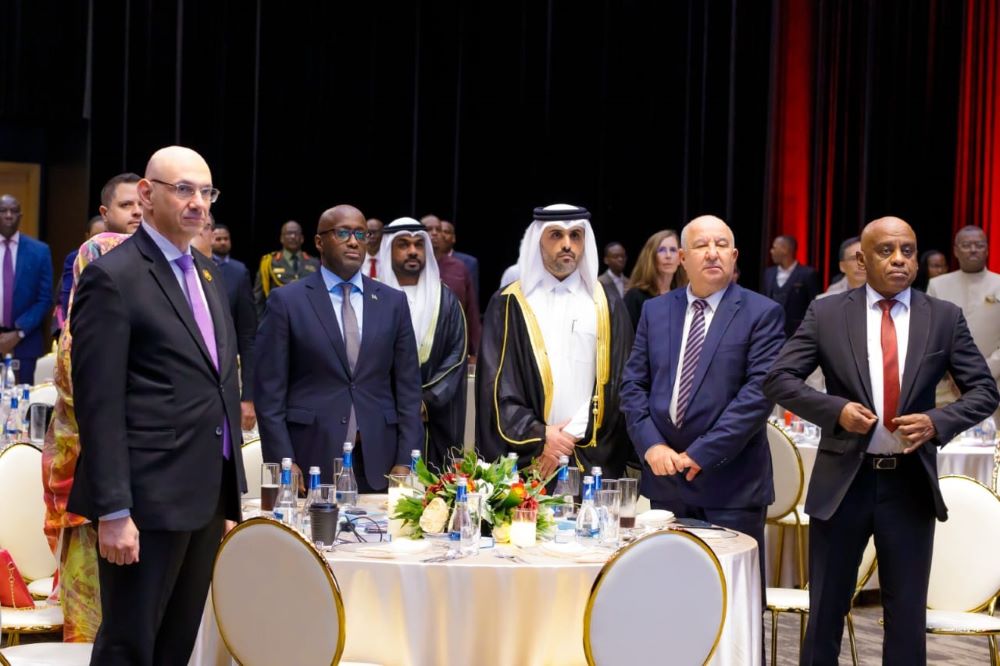
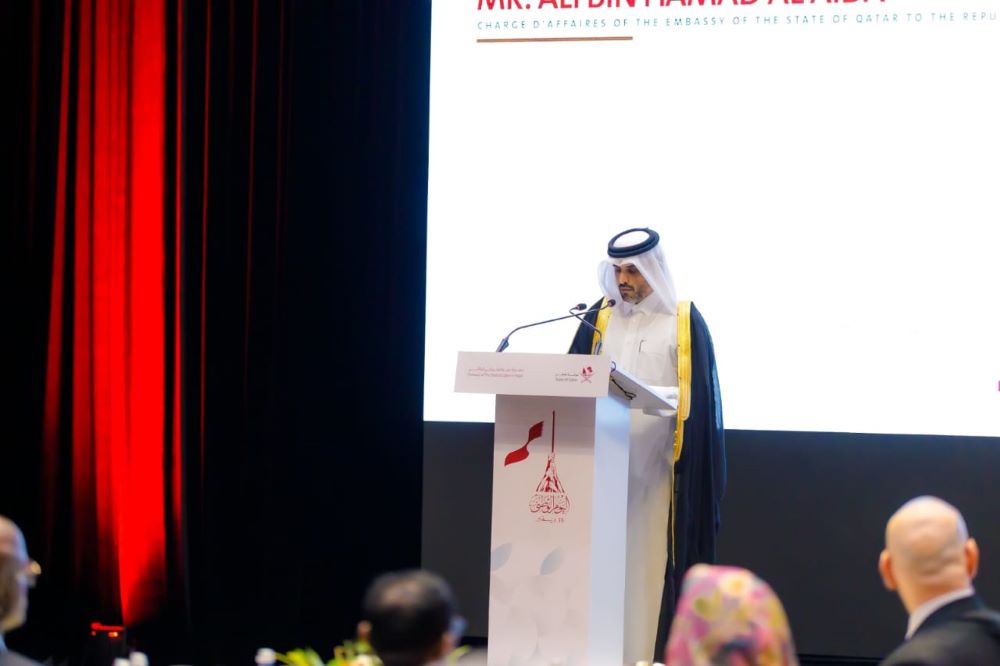
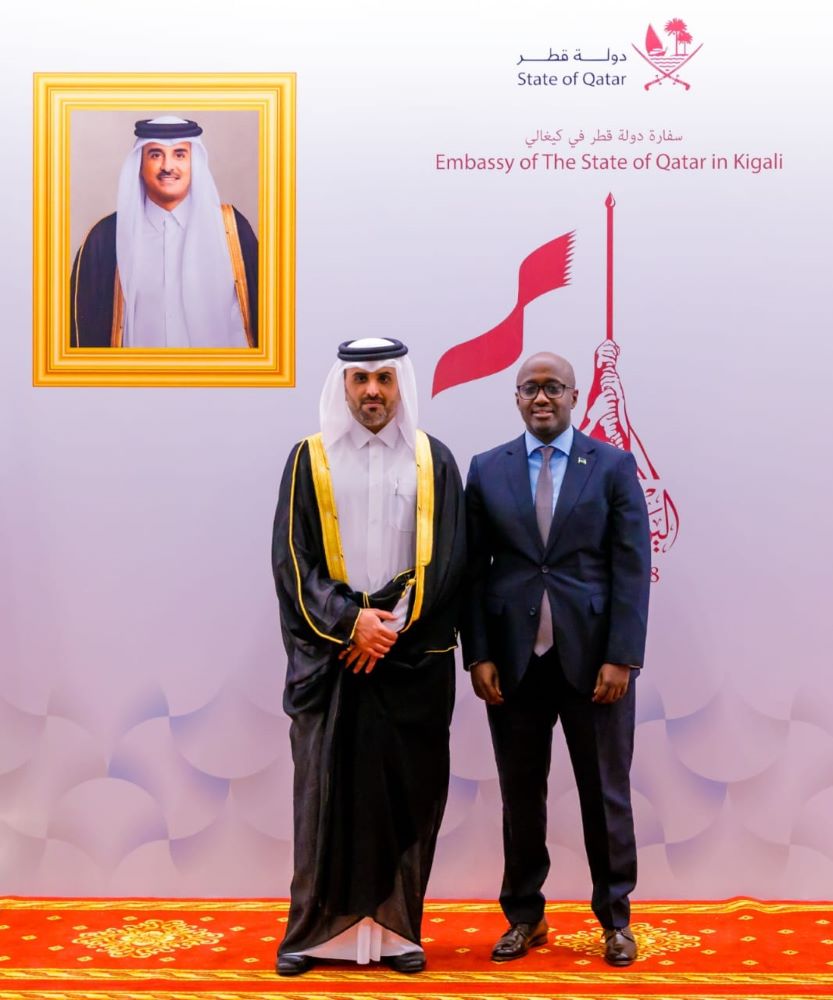
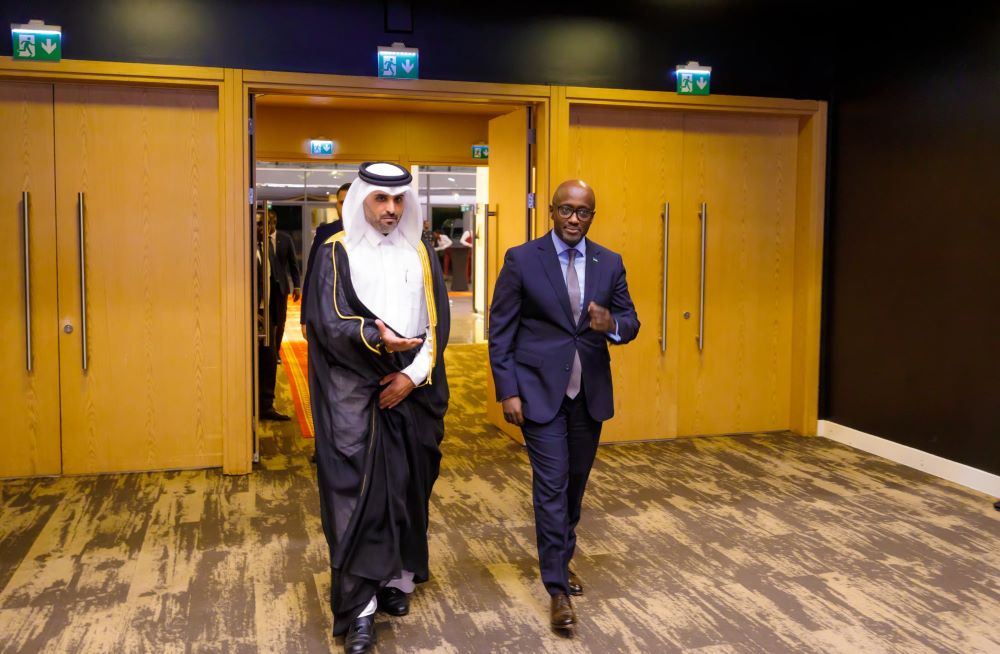
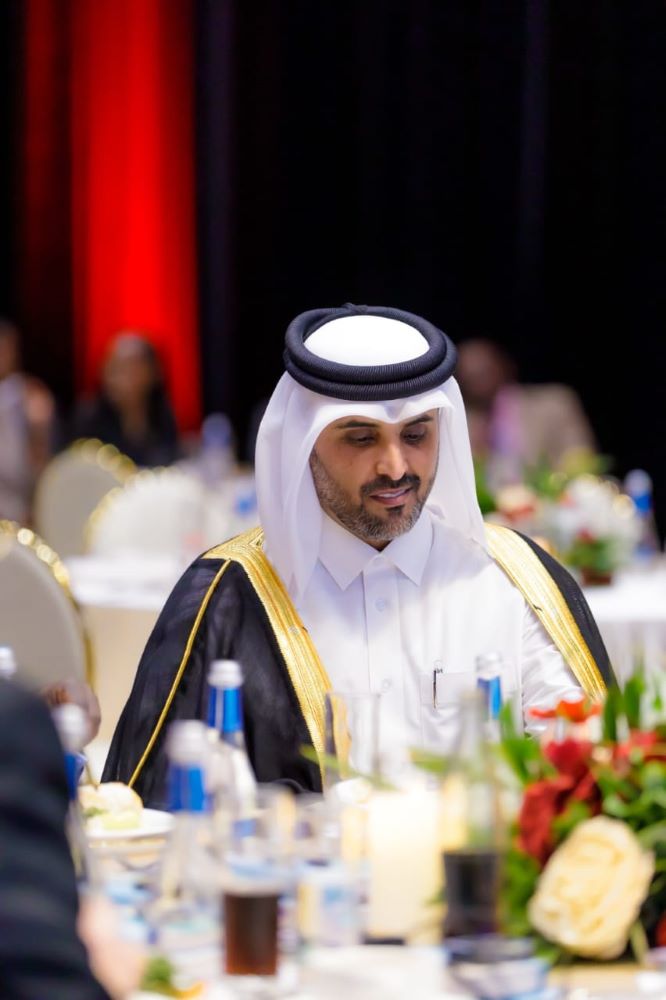
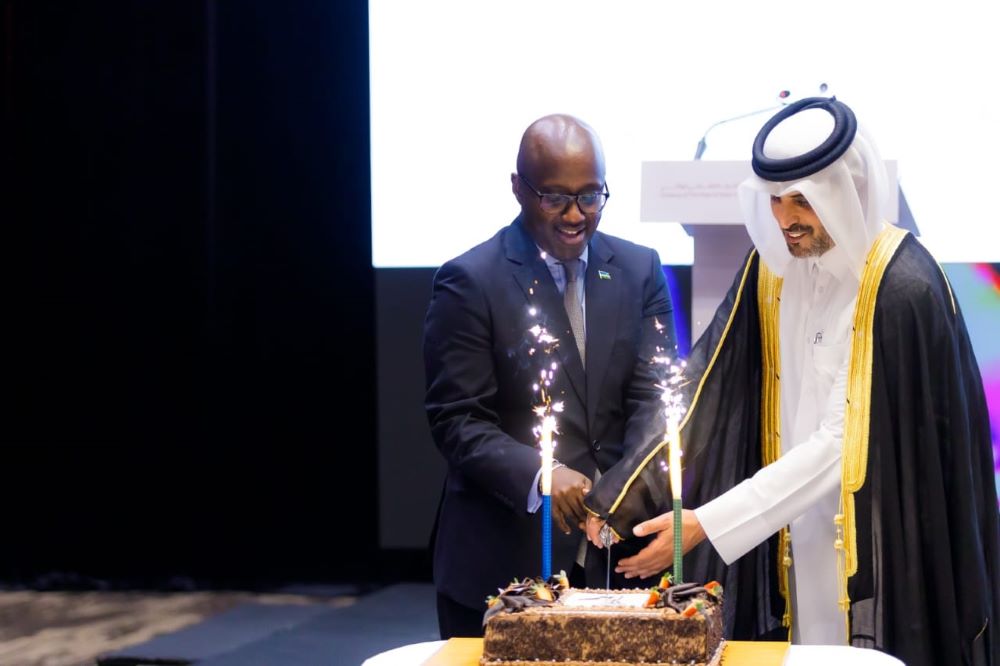
The Charge d’Affaires at the Qatari Embassy, Ali Bin Hamad Al Aida, hosted the guests and highlighted the significance of the occasion. In his address, Al Aida commemorated the leadership of Sheikh Jassim bin Mohammed Al Thani, who founded the nation on December 18, 1878, and praised Qatar’s development over the last 146 years.
“Qatar has grown into a beacon of progress and achievement. Under the wise leadership of His Highness Sheikh Tamim bin Hamad Al Thani, our country continues to advance a purposeful national vision, reflected in our remarkable strides in human, economic, social, and environmental development,” Al Aida said.
The Charge d’Affaires further emphasized Qatar’s consistent role as a reliable global partner, citing its policies grounded in cooperation, transparency, and balance. He underscored the strong and flourishing relations between Qatar and Rwanda, describing them as a testament to shared aspirations.
“Qatar-Rwanda relations have flourished across multiple domains, evolving into a strategic and long-term partnership under the leadership of both nations,” Al Aida noted.
He highlighted the Bugesera International Airport project as a transformative initiative that reflects the shared vision of both nations, describing it as one of the largest infrastructure projects in the region.
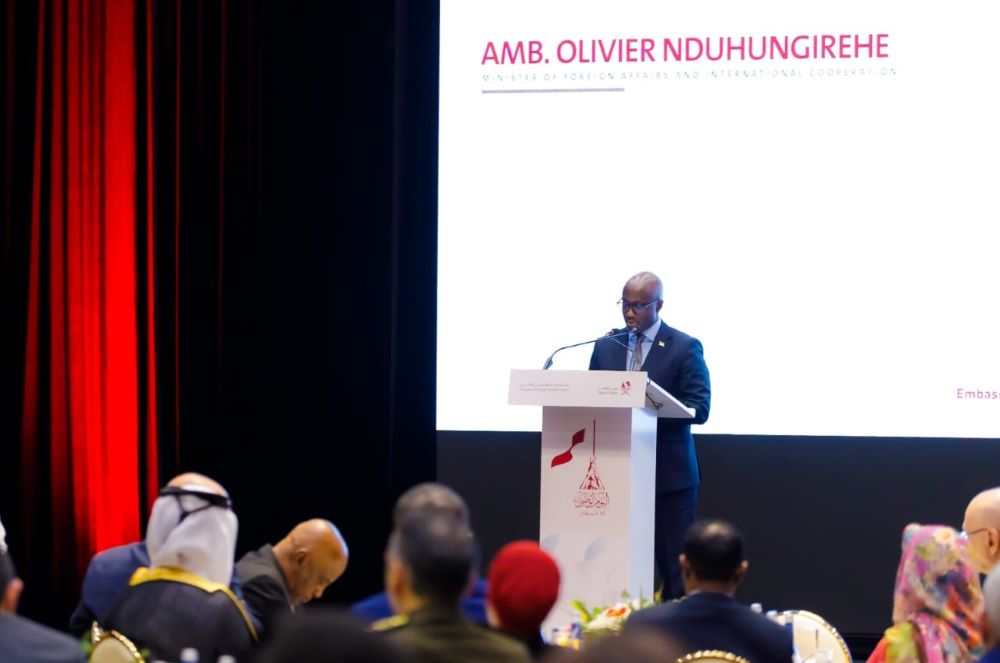
Amb. Olivier Nduhungirehe, Rwanda’s Minister of Foreign Affairs and International Cooperation, celebrated the deepening bilateral ties between Qatar and Rwanda. He acknowledged Qatar’s visionary leadership and praised the country’s remarkable achievements in fostering global prosperity and development.
“Rwanda values the excellent relations between our two countries and reaffirms its commitment to strengthen further the cooperation in areas of mutual interest for the benefit of our people,” Nduhungirehe said.
He commended Qatar for successfully organizing significant global events, including the Doha Forum and the Formula One Qatar Airways Grand Prix, which were attended by President Kagame.
Nduhungirehe highlighted Rwanda’s recent bid to host a Formula One Grand Prix, underscoring Qatar’s experience as a valuable reference.
“We are looking forward to learning from the experience of countries like Qatar, with which Rwanda takes inspiration,” he stated.
The Minister also took a moment to honor the late Qatari Ambassador Misfer bin Faisal Al Shahwani, who passed away in July this year. He described him as a distinguished diplomat who played an active role in strengthening bilateral ties between the two nations.
Further reflecting on the achievements of Qatar-Rwanda cooperation, Nduhungirehe emphasized the importance of the $1.3 billion Bugesera International Airport project, where Qatar Airways holds a 60% investment stake. He described it as a gateway for increased opportunities for people and businesses in the region.
The Minister praised Qatar’s contributions to capacity building in Rwanda through the Qatar Fund for Development. He highlighted the role of scholarships in providing world-class education to Rwandans and preparing youth for the jobs of the future.
“By equipping the youth with the right skills, we are creating the ideal conditions for our societies to grow more prosperous,” he said.
Nduhungirehe also acknowledged Qatar’s role in sports development in Rwanda through its partnership with Paris Saint-Germain Football Club, which fosters talent and strengthens the country’s sports ecosystem.
During the celebration, recognition gifts were presented to various stakeholders for their contributions to the embassy’s operations and activities. Among the honored partners was IGIHE, recognized for its exemplary support as a valued working media partner.
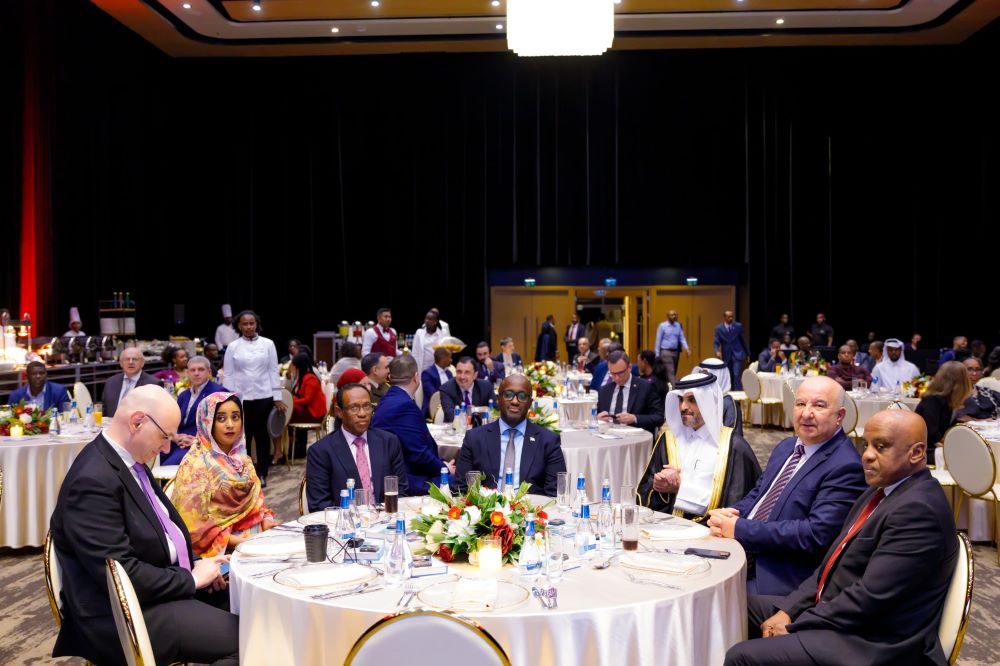
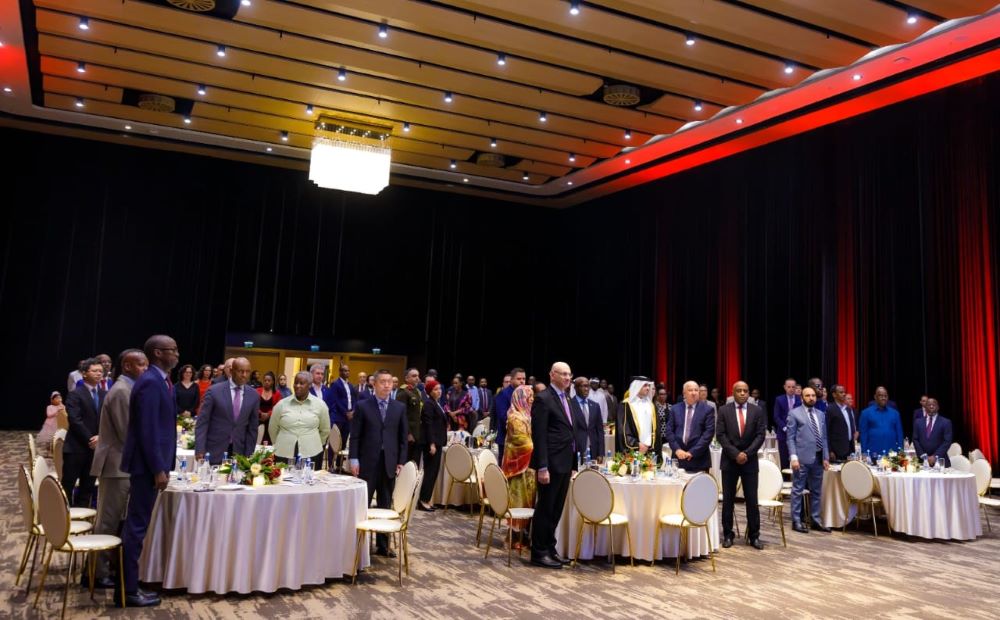
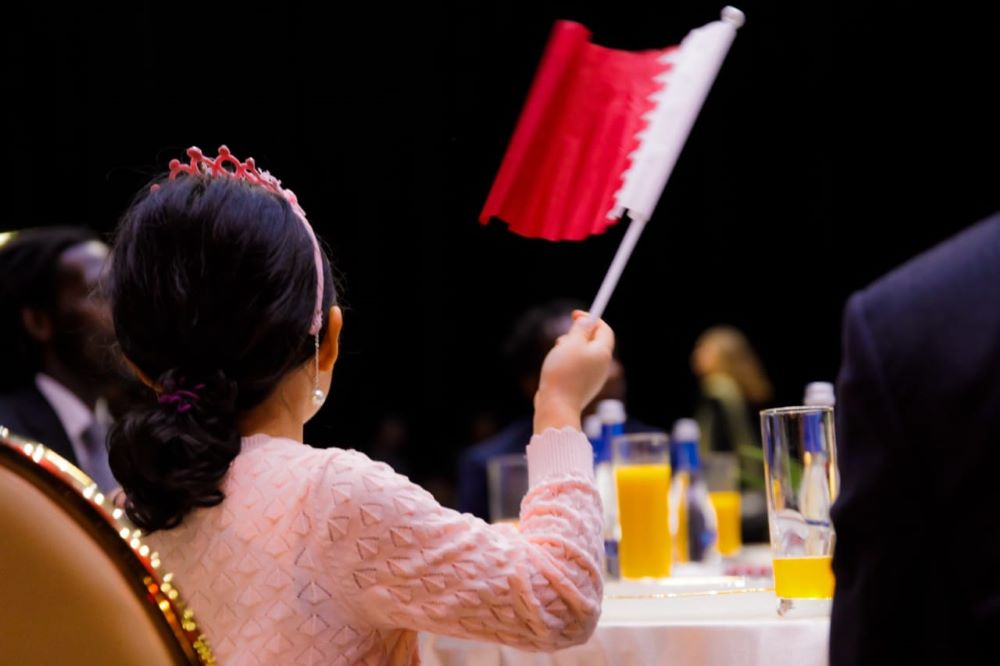
The evening was marked by a spirit of camaraderie as guests enjoyed a sumptuous dinner and celebrated the growing partnership between Rwanda and Qatar. Both Al Aida and Nduhungirehe reaffirmed their nations’ commitment to fostering peace, development, and shared prosperity.
In closing, remarks. Nduhungirehe affirmed that Rwanda highly appreciates the continued and fortified partnership displayed between the two countries and that the ongoing collaboration would continue to build a bright future for both of our nations.
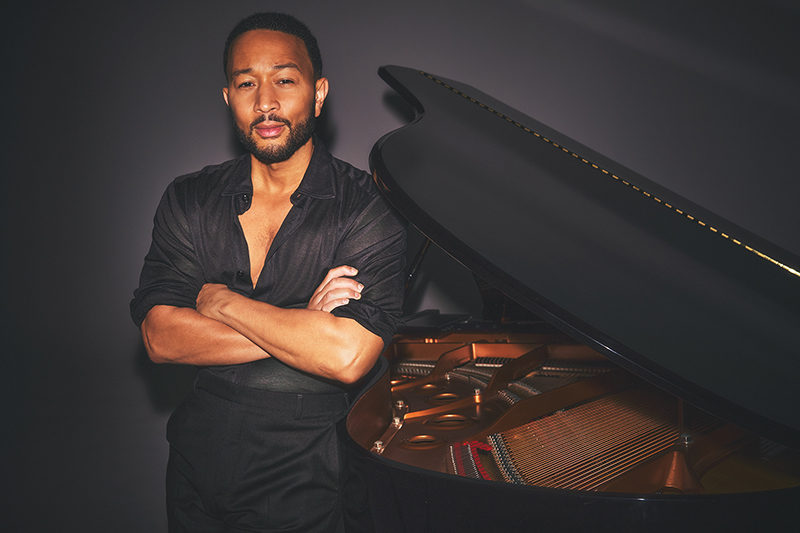
The event, organized by the international advocacy organization Global Citizen, will take place at Kigali’s BK Arena before moving to Lagos, Nigeria, on February 25, 2025.
Move Afrika, a pioneering music touring circuit by Global Citizen, aims to drive economic growth, job creation, and entrepreneurship across Africa through world-class entertainment events. The 2025 tour will expand from East to West Africa, with Rwanda and Nigeria serving as the host countries.
The project also aims to set a new gold standard for entertainment events, boosting demand for international and regional artists to tour Africa.
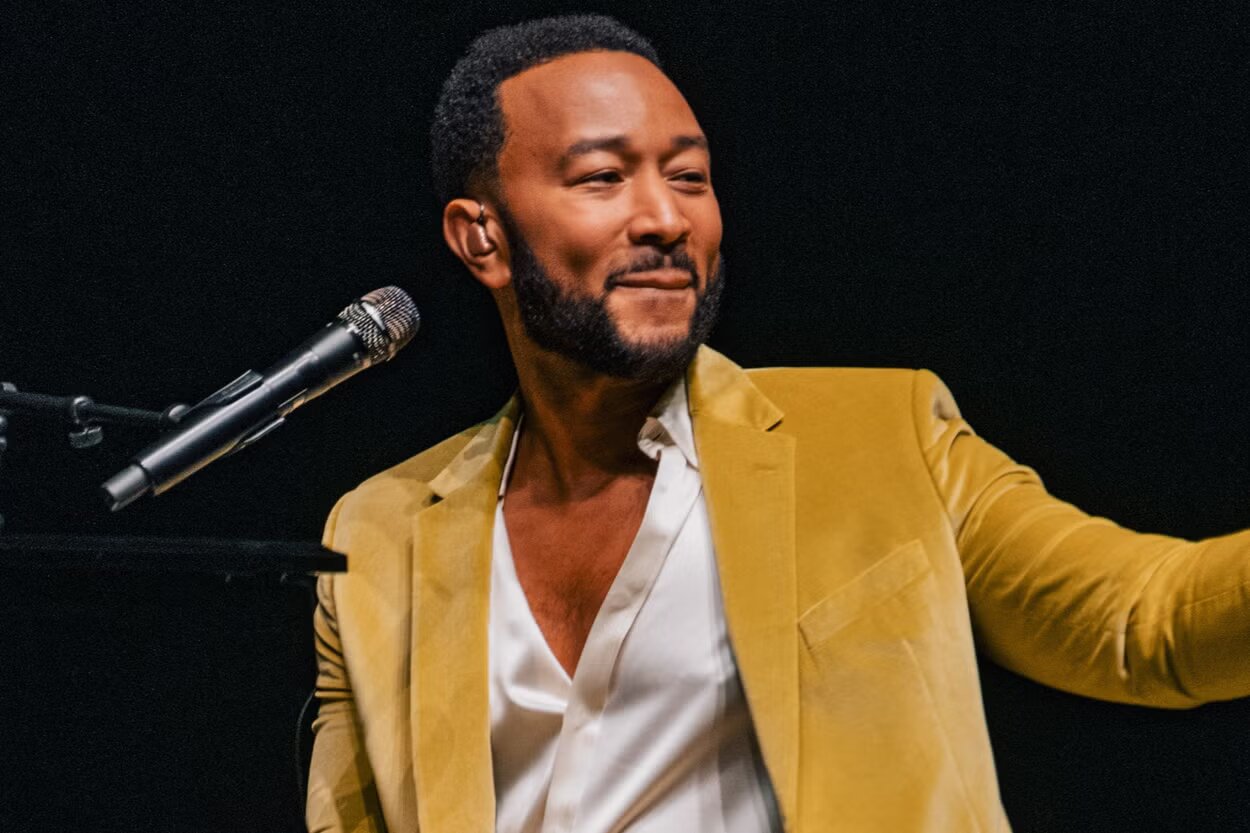
John Legend, an EGOT-winning artist and longtime Global Citizen ambassador, expressed his excitement about headlining the second edition of the event.
“I’m honoured and excited to perform in Kigali and Lagos as part of the Move Afrika tour – an initiative that not only brings unforgettable shows but also creates entrepreneurship and job opportunities, empowering young people to engage with Africa’s growing music and creative industries,” said John Legend.
“Africa has always been a global cultural powerhouse, and it’s an honour to be part of the future of live music on the continent.”
John Legend is known for a collection of hits that span various genres, blending soul, R&B, pop, and more. His most iconic song, “All of Me,” released in 2013, became a global wedding anthem. The romantic ballad, dedicated to his wife, Chrissy Teigen, topped charts worldwide and solidified his place in pop culture.
Another early hit, “Ordinary People” from his debut album Get Lifted (released in 2005), remains one of his most beloved tracks, showcasing his soulful sound and emotional depth.
{{Move Afrika Impact
}}
Hugh Evans, Co-Founder and CEO of Global Citizen, emphasized the initiative’s impact:
“Our goal is to inspire Africa’s dynamic young population to participate in the live music and creative industries, while building lasting infrastructure for the continent’s international touring circuit,” said Evans.
The first Move Afrika event in Rwanda was held in December 2023 at the BK Arena and was headlined by Pulitzer Prize and Grammy-winner Kendrick Lamar.
The show, one of the most successful live music events in Rwanda’s history, employed over 1,000 Rwandans and engaged 75% local crew and production staff. It also featured performances by artists such as Zuchu, Bruce Melodie, DJ TOXXYK, Sherrie Silver, Ariel Wayz, Kivumbi King, and Bruce The 1st.
Francis Gatare, CEO of the Rwanda Development Board (RDB), celebrated Move Afrika’s return, saying, “Global Citizen’s return to Rwanda in February 2025 underscores our commitment to showcasing Africa’s creative talent and leveraging the global entertainment industry to address the continent’s development priorities. Our goal is to position Rwanda as an entertainment hub that benefits all African countries, creating youth-focused employment and income opportunities.”
Move Afrika is presented in partnership with pgLang and aims to support sustainable development and economic growth, with a particular focus on strengthening Africa’s health systems.
In collaboration with campaign partners, Global Citizen will advocate for increased domestic health financing, enhanced primary care, and greater investments in health resilience.
The 2025 edition of Move Afrika builds on Global Citizen’s previous events in Africa, including the Global Citizen Festival: Mandela 100 in Johannesburg (2018), Global Citizen Live: Lagos (2021), and Global Citizen Festival: Accra (2022).
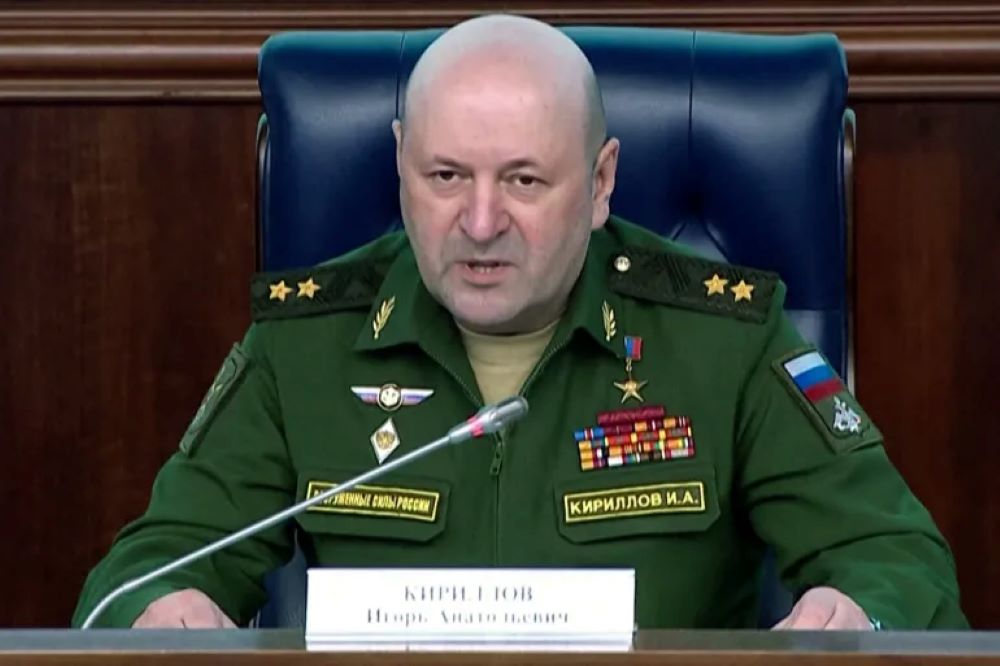
Investigators are conducting a criminal investigation into murder, terrorist acts, and the illegal circulation of weapons and ammunition “in connection with the death of two servicemen in the capital,” the committee said in a statement.
Earlier in the day, Lieutenant General Igor Kirillov, head of the Russian Armed Forces’ radiological, chemical and biological defense troops, and his assistant were killed by an explosion in a residential building in Moscow.
The committee had previously said it opened a criminal case, adding the blast occurred after the detonation of an explosive device planted in a scooter parked next to the entrance of the residential building.
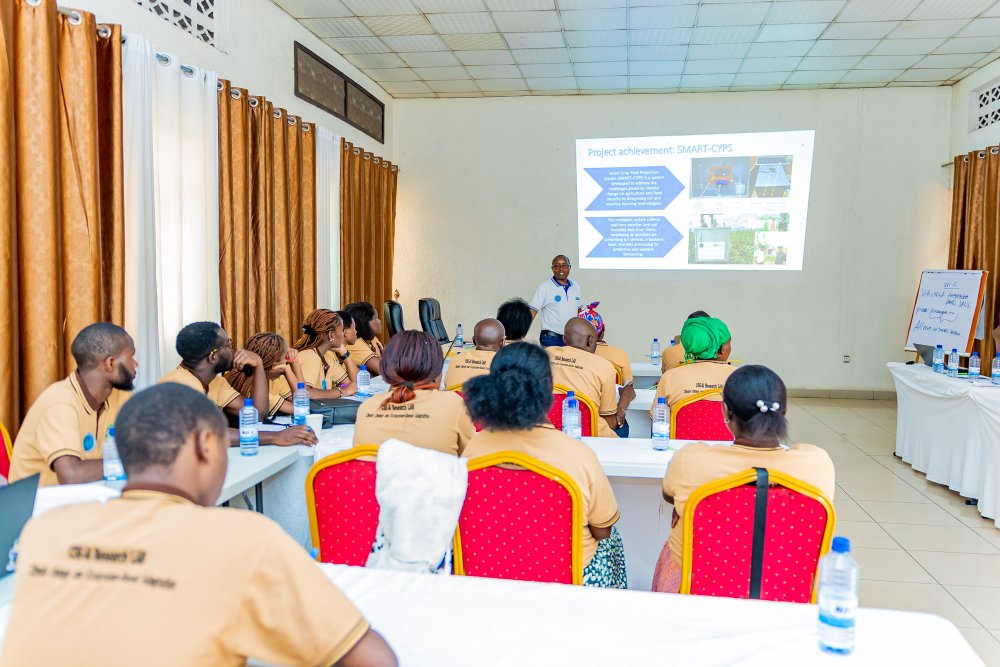
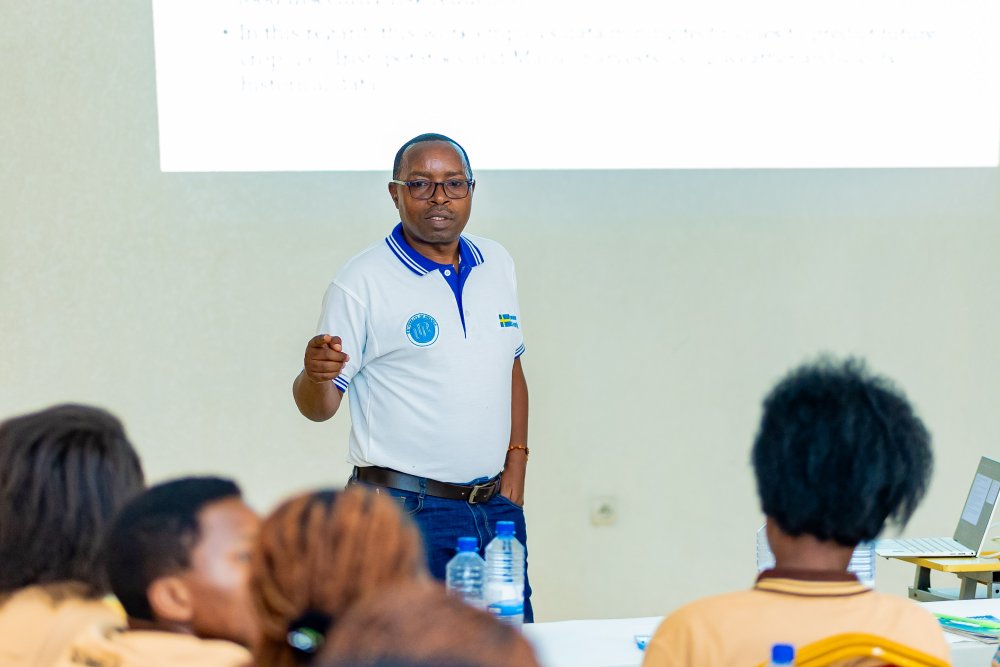
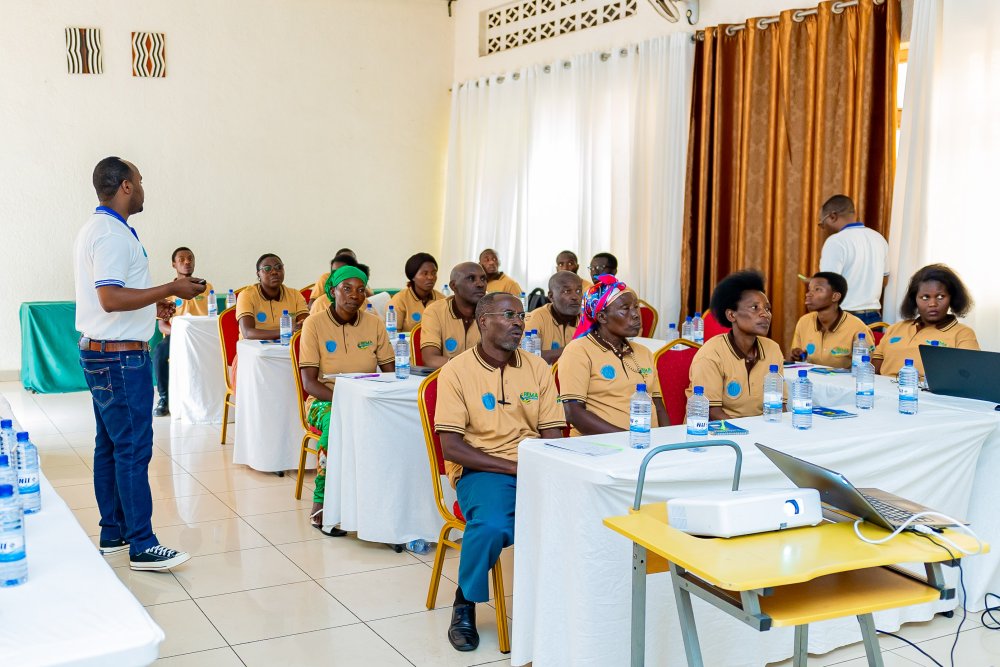
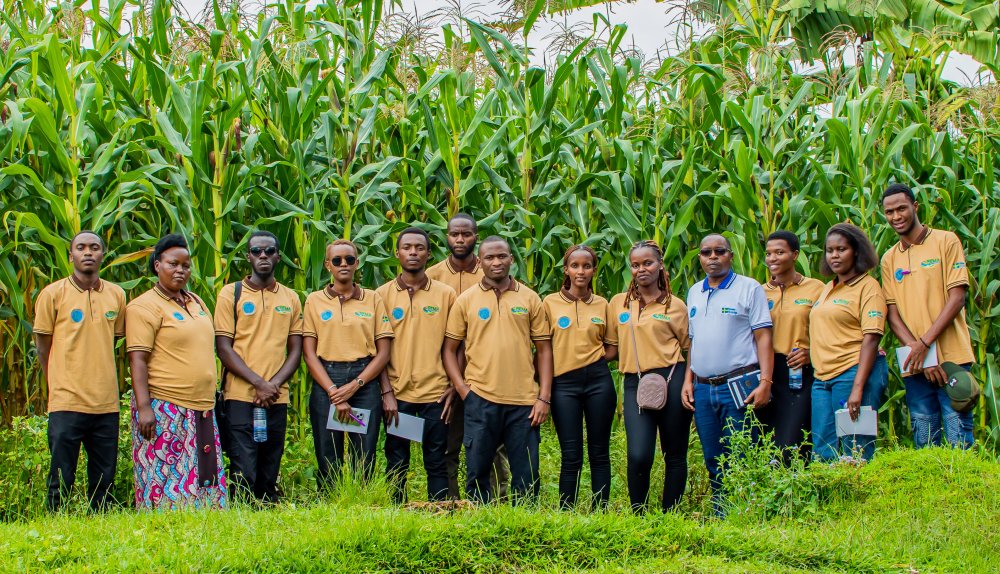
Conducted in Musanze District on the farmlands of the Twizamure Cyuve cooperative, the study utilized technology to monitor climate and soil conditions. Results showed a productivity rate exceeding 75%.
Dr. Martin Kuradusenge, a lecturer at UR, College of Science and Technology and the principal investigator (PI) of this research, explained that the research provides farmers with valuable insights, enabling them to predict crop yields more effectively.
“We’re presenting the results of three years of research on agricultural forecasting using technology known as Internet of Things (IoT) that tracks climate conditions, such as rainfall, temperature, humidity, and soil moisture” he said.
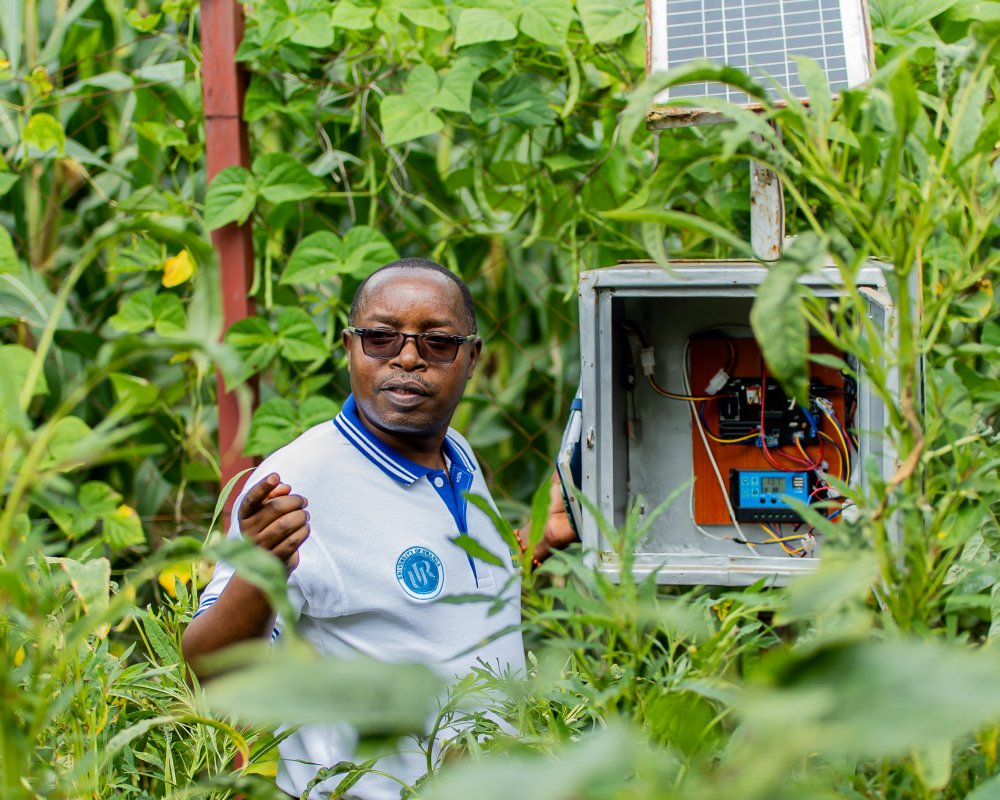
“This technology works both in the air and the soil, offering farmers a clearer picture of what to expect in the upcoming growing season according to the growth stage of the crop. With this information, farmers can take proactive measures, especially when yield predictions are low and they need support from local authorities.”
Dr. Kuradusenge emphasized that while forecasting cannot be entirely precise due to its predictive nature, a success rate of 75% or higher is considered an achievement.
He confirmed that the research has already produced yield predictions above 75%, and continuous improvements will be made to increase accuracy over time, with a target of 90% or higher.
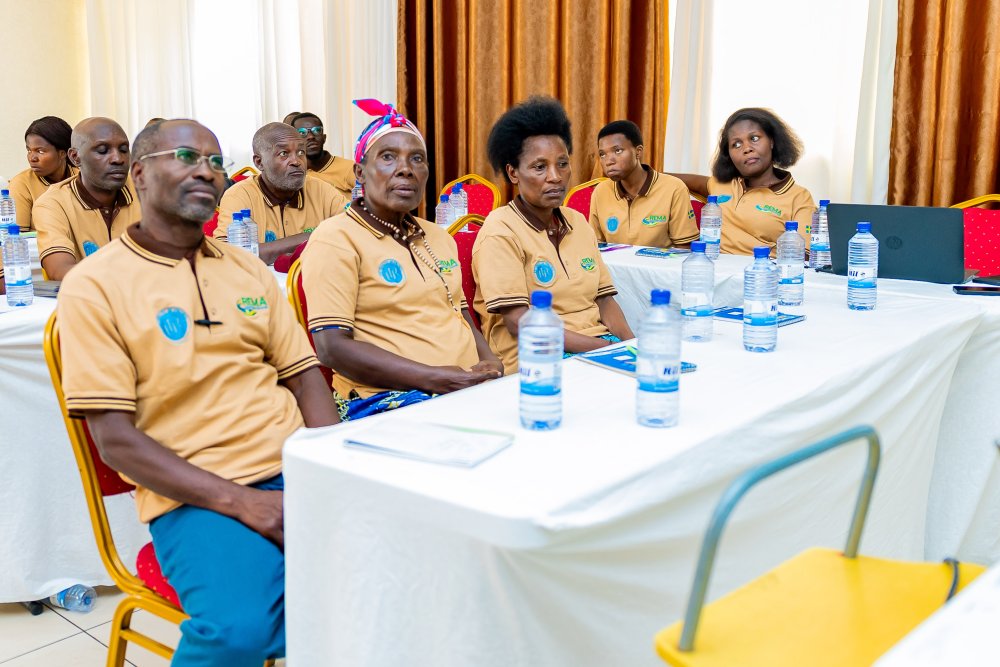
Therese Uwamahoro, President of the Twizamure Cyuve Cooperative, highlighted the practical benefits of the research.
“This research helps us make informed decisions on what crops to plant, based on the data we gather about our fields. It enables us to avoid losses and optimize our yields,” Uwamahoro said.
“Farming is not just a livelihood; it’s an integral part of national growth, and this partnership with UR is helping us understand seasonal forecasts for both dry and rainy periods,” she added.
Charlene Umuhoza, a student at UR, expressed how the research offered valuable knowledge that will benefit farmers.
“Through this research, I’ve learned how agricultural technology will help solve many of the challenges farmers face. We can apply this knowledge to improve productivity and meet market demands,” she noted.
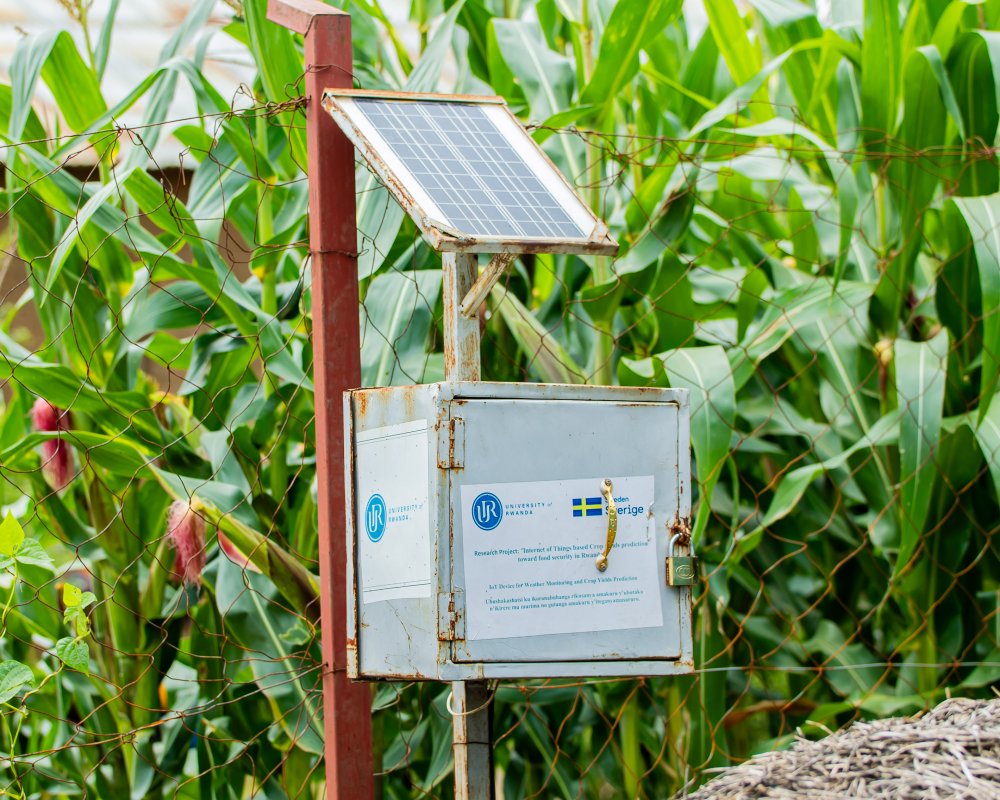
SMART-CYPS (Smart Crop Yield Prediction System) is the title given to the technology used in this study involving IoT sensors placed in fields to collect data on climate and soil conditions.
This data provides farmers with comprehensive insights, enabling them to optimize farming practices based on their specific needs.
The outcomes of this research were also published in the international scientific journals and can be accessed using the following links: https://www.mdpi.com/2077-0472/13/1/225 and https://link.springer.com/article/10.1007/s43926-024-00079-0
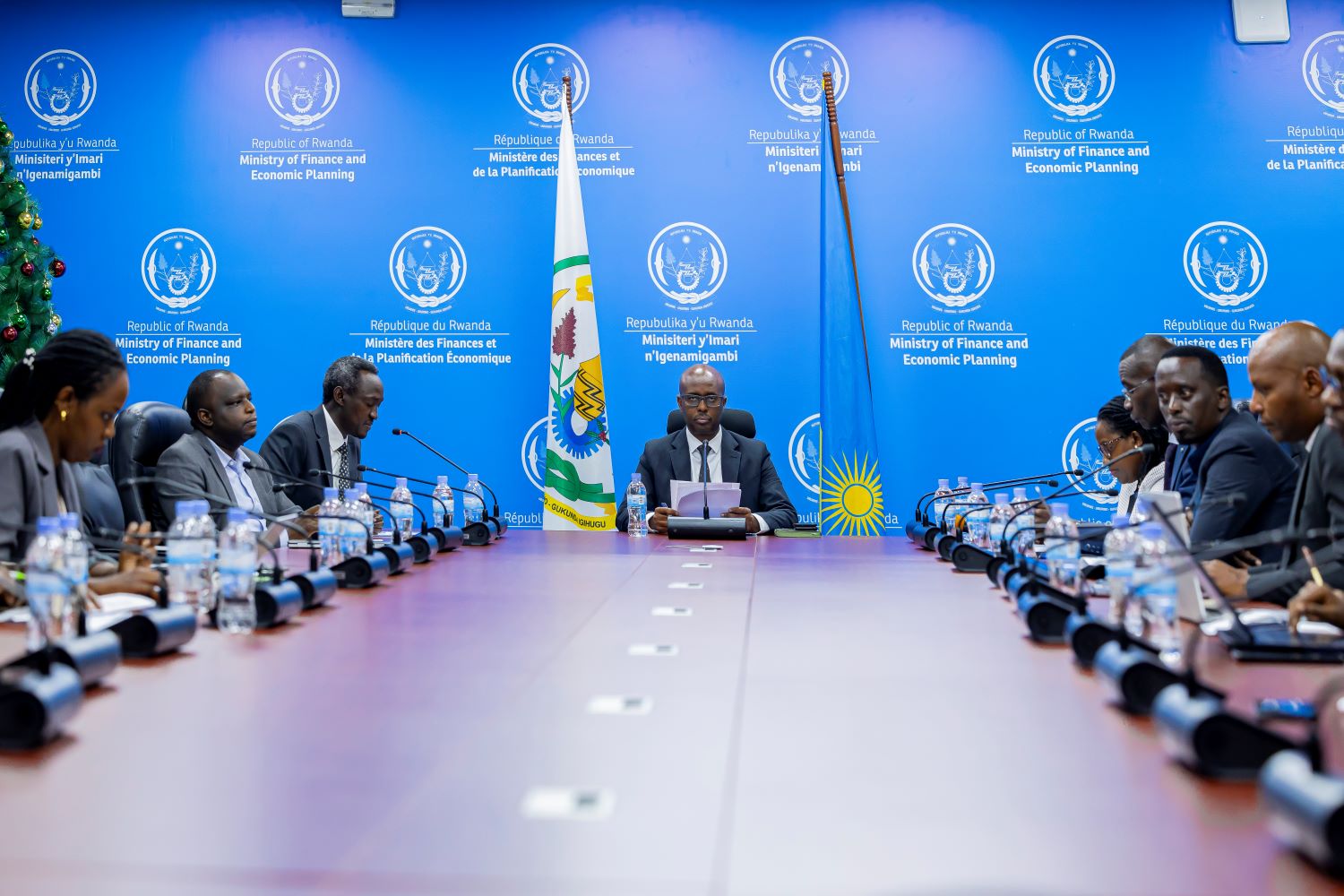
NISR Director General Ivan Murenzi announced the statistics during a joint press conference with the Minister of Finance and Economic Planning, Yusuf Murangwa, on Tuesday, December 17, 2024.
The growth was primarily driven by strong performances in the services and industry sectors, signalling continued economic resilience.
DG Murenzi highlighted that the country’s GDP at current market prices is estimated at Frw 4.806 trillion, a notable increase from Frw 4.246 trillion in Q3 of 2023. The services sector maintained its dominance, contributing 49% to GDP, while agriculture and industry accounted for 24% and 20% respectively.
Rwanda’s Q3 performance builds on earlier successes in Q1 (9.7%) and Q2 (9.8%), bringing the average growth for the first nine months of 2024 to 9.2%.
The services sector emerged as the top performer in Q3, recording a 10% growth. Significant growth within the sector was observed in wholesale and retail trade (19%), hotels and restaurants (17%), financial services (15%), and information and communication services (19%). Additionally, public administration activities increased by 10%, further contributing to the sector’s overall performance.
The industry sector experienced notable growth of 8%, primarily fueled by a significant 26% increase in mining and quarrying activities. Within this segment, exports of key minerals recorded substantial gains, with Coltan exports rising by 42%, Cassiterite exports growing by 27%, and Wolfram exports increasing by 15%.
Manufacturing also showed positive results, particularly in the production of chemicals, rubber, and plastic products, which increased by 20%, while metal products and machinery grew by 14%. However, food processing experienced a slight decline of 1% compared to its strong growth of 16% in Q3 of 2023.
The agriculture sector reported a 4% growth, driven by a 16% increase in export crop production, particularly coffee exports, which surged by 22%. On the other hand, tea production faced a decline of 10% during the period.
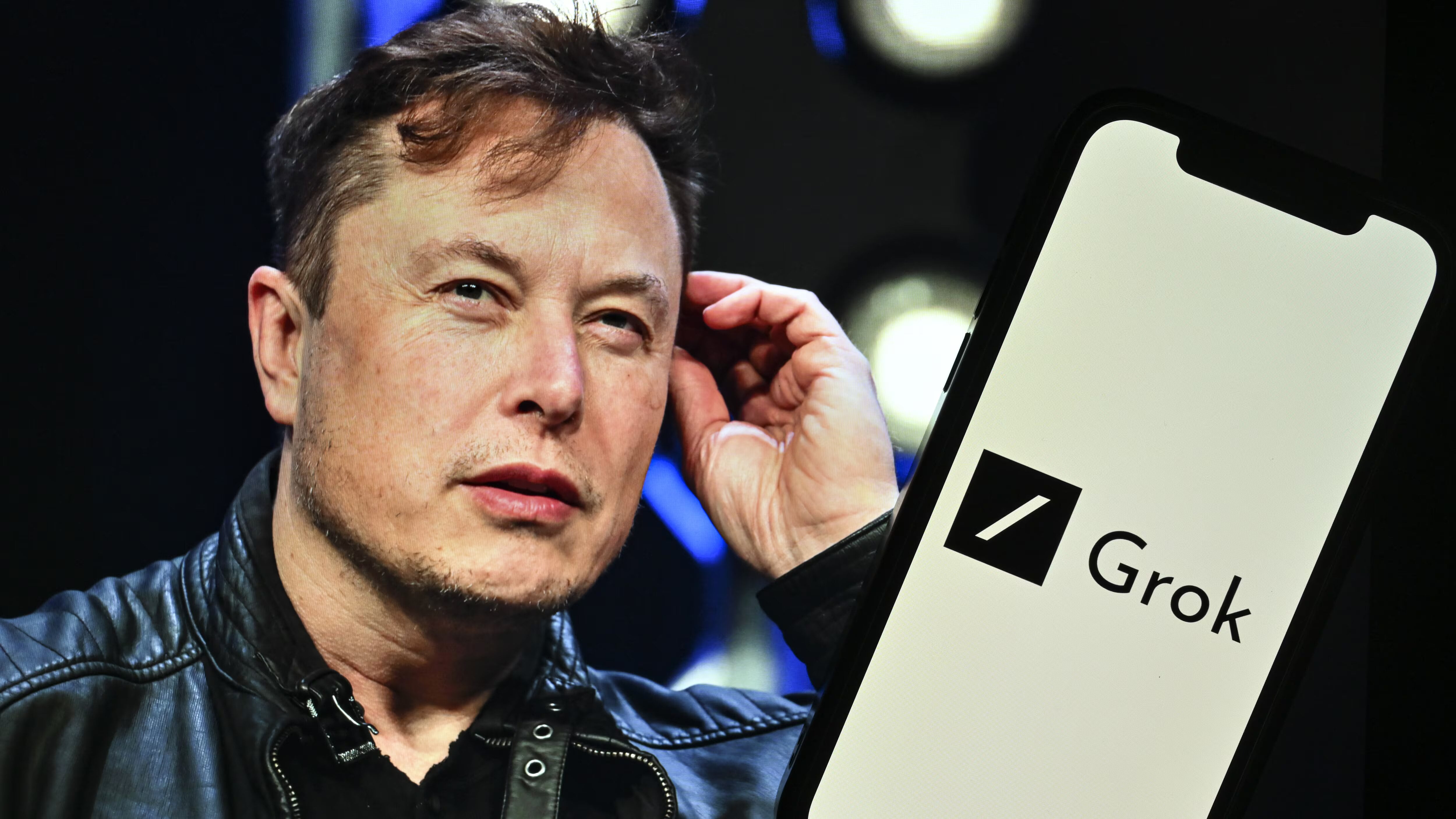
Grok was first launched on November 4, 2023, and has over the past year undergone significant improvements with the company launching Grok-2 in August 2024.
Previously, Grok was only available to X Premium and Premium+ subscribers, a move that limited access to paying users.
However, in a strategic shift, X has now rolled out Grok for free to all users on its platform. This decision aims to broaden the AI’s user base, gather real-time feedback, and refine its capabilities through more extensive interaction.
According to a recent statement, X said the latest version of Grok is faster, sharper, and offers enhanced multilingual support, making it more accessible and effective for users around the world.
The AI chatbot now includes additional features such as web search, citations, and Aurora, X’s recently released image generator.
“Since launching Grok-2 in August, we have been hard at work improving Grok on X, adding new features like web search, citations, and our recent image generator, Aurora,” the statement read.
“Over the past few weeks we have been quietly testing a new version of the Grok-2 model, which is three times faster and offers improved accuracy, instruction-following, and multilingual capabilities.”
This development is part of X’s broader push to enhance user experience through artificial intelligence.
Grok, inspired by Douglas Adams’ The Hitchhiker’s Guide to the Galaxy, was designed to be playful and capable of handling a wide range of conversational topics, including those deemed “spicy” or complex.
According to the social media giant, the design also aligns with Musk’s advocacy for free speech, allowing Grok to tackle challenging and sensitive subjects with greater openness compared to its competitors.
Despite being free, access to Grok comes with certain limitations to ensure smooth performance and maintain a balanced user experience. Free-tier users can send up to 10 messages every two hours, analyze up to three images per day, and generate no more than three images daily.
Additionally, to access Grok, a user’s account must be at least seven days old and linked to a verified phone number.
Premium and Premium+ subscribers, on the other hand, enjoy significantly higher usage limits. Premium users can send up to 50 messages per day and face fewer restrictions on features like image generation and analysis.
With this move, X is aiming to establish Grok as a formidable rival to other leading AI chatbots, such as OpenAI’s ChatGPT, Google’s Gemini, and Anthropic’s Claude.
The decision to make Grok free is also a part of X’s long-term strategy to integrate AI tools seamlessly into its platform, both on mobile and web. Users can interact with Grok through a dedicated section where they can engage in conversations, analyze content, and generate images using Aurora.