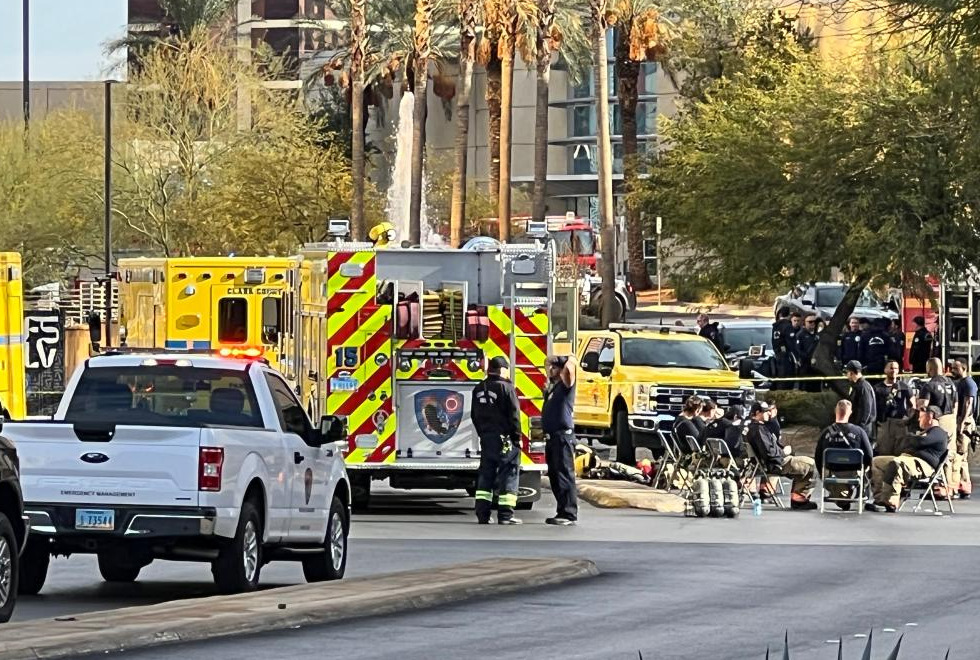
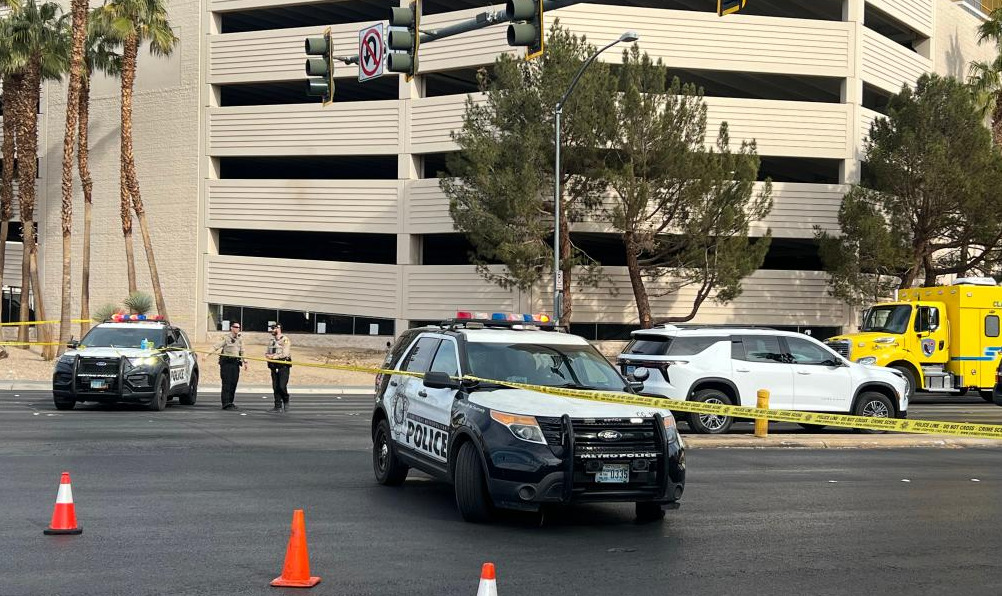
A vehicle fire was first reported around 8:40 a.m. local time in the valet area of the hotel. The Cybertruck pulled up to the front to the entrance when smoke started showing and there was an explosion, Clark County Sheriff Kevin McMahill was quoted as saying, adding that one person inside the vehicle was killed.
The Las Vegas Metropolitan Police Department said in a post on X that “We are investigating a vehicle fire at the entrance to Trump Towers. The fire is out. Please avoid the area.”
Officials confirmed to media that seven people suffered minor injuries as a result of the explosion, with two of them taken to a hospital for treatment.
Most people staying at Trump International have been moved to a nearby hotel, Resorts World Las Vega, said the report of KSNV television station, citing McMahill.
Videos posted on social media showed a Tesla Cybertruck engulfed in flames outside the hotel’s lobby entrance.
An official who briefed on the probe told ABC News that the Tesla Cybertruck had a load of fireworks-style mortars onboard.
Investigators are urgently working to determine a motive and whether the driver intended to set off an explosion and why, said the report, noting that “Until a motive is determined and other possibilities are ruled out, police are treating the explosion like a possible criminal act and a possible act of terror.”
Elon Musk, the co-founder and CEO of Tesla, said in a post on X that “The whole Tesla senior team is investigating this matter right now.”
The staunch ally of U.S. President-elect Donald Trump noted that “We’ve never seen anything like this.” He wrote later that “We have now confirmed that the explosion was caused by very large fireworks and/or a bomb carried in the bed of the rented Cybertruck and is unrelated to the vehicle itself.”
“Earlier today, a reported electric vehicle fire occurred in the porte cochère of Trump Las Vegas,” Eric Trump, the president-elect’s son and a leader of the Trump Organization, said in a post on X. “The safety and well-being of our guests and staff remain our top priority.”
“We extend our heartfelt gratitude to the Las Vegas Fire Department and local law enforcement for their swift response and professionalism,” he added.
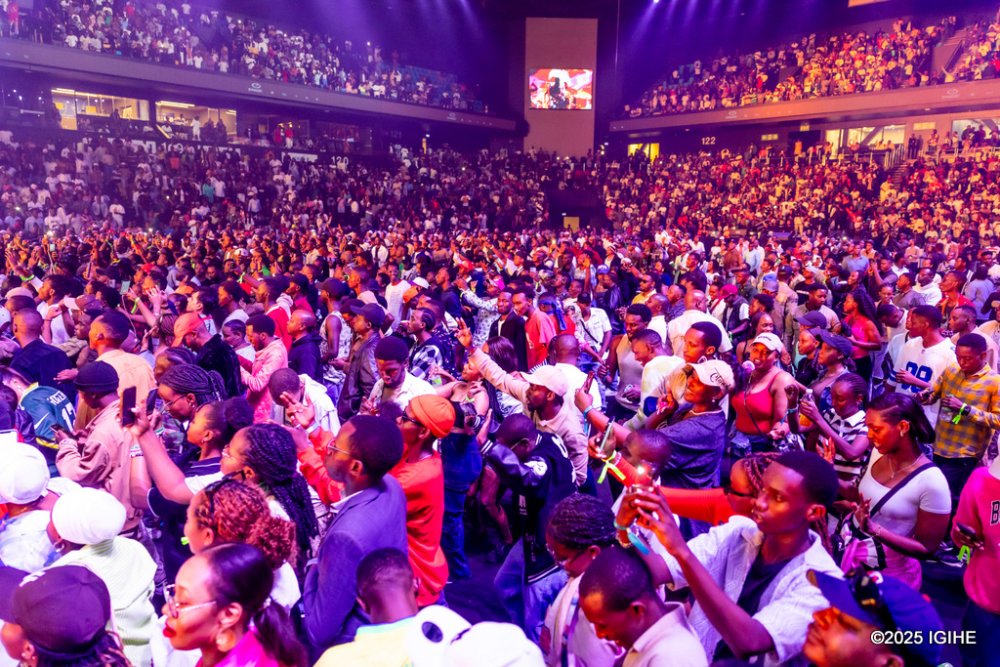
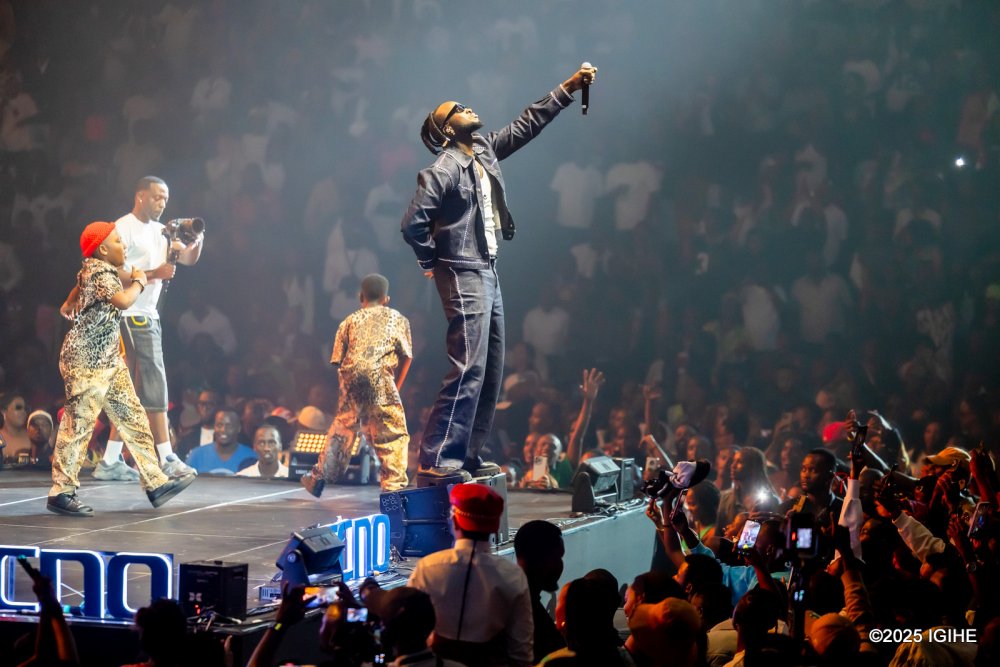
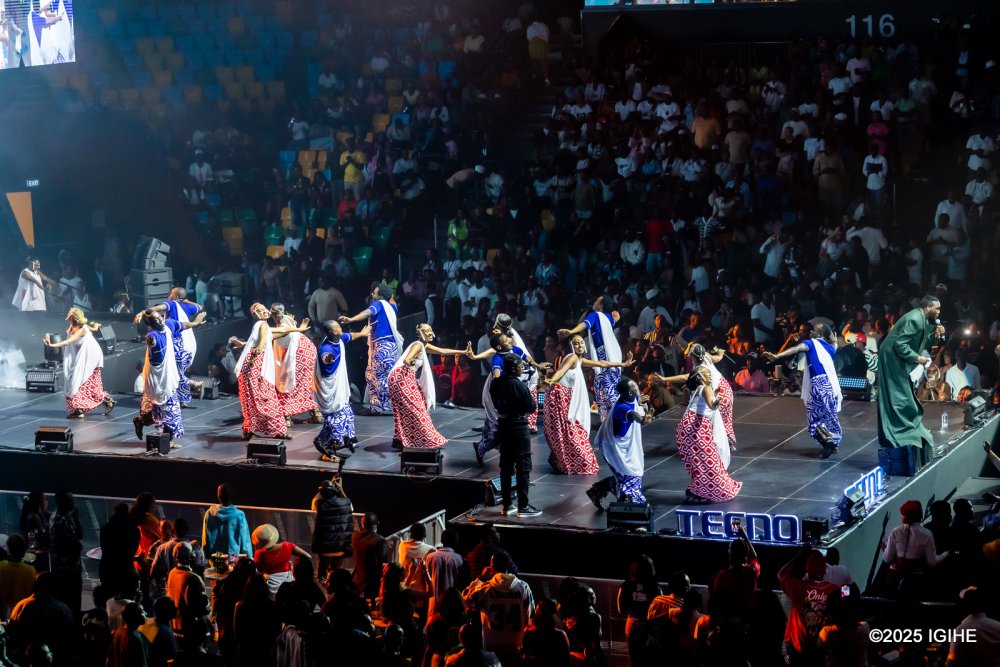
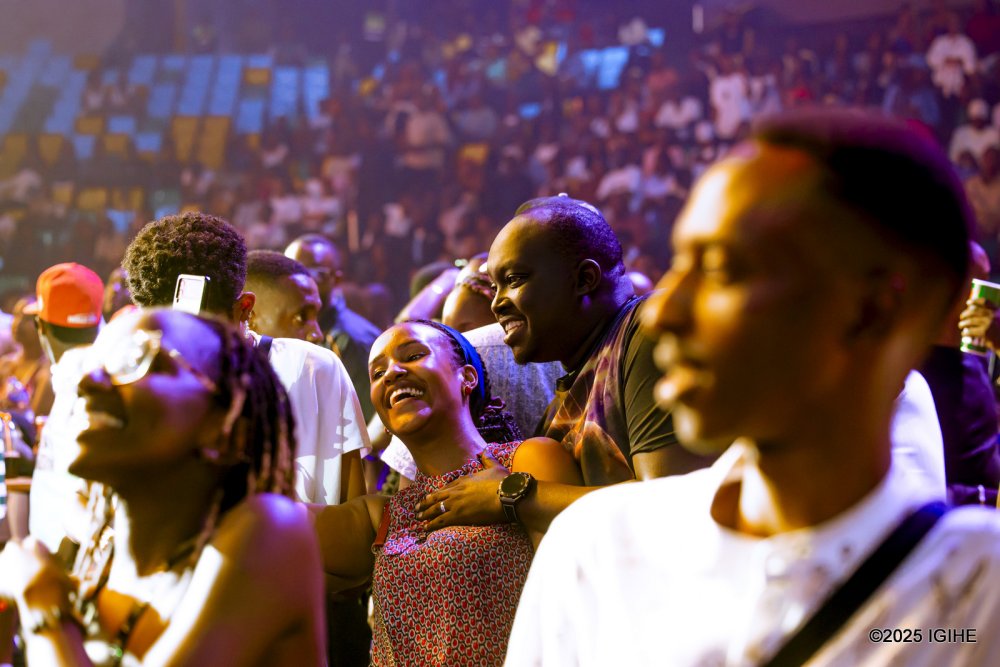
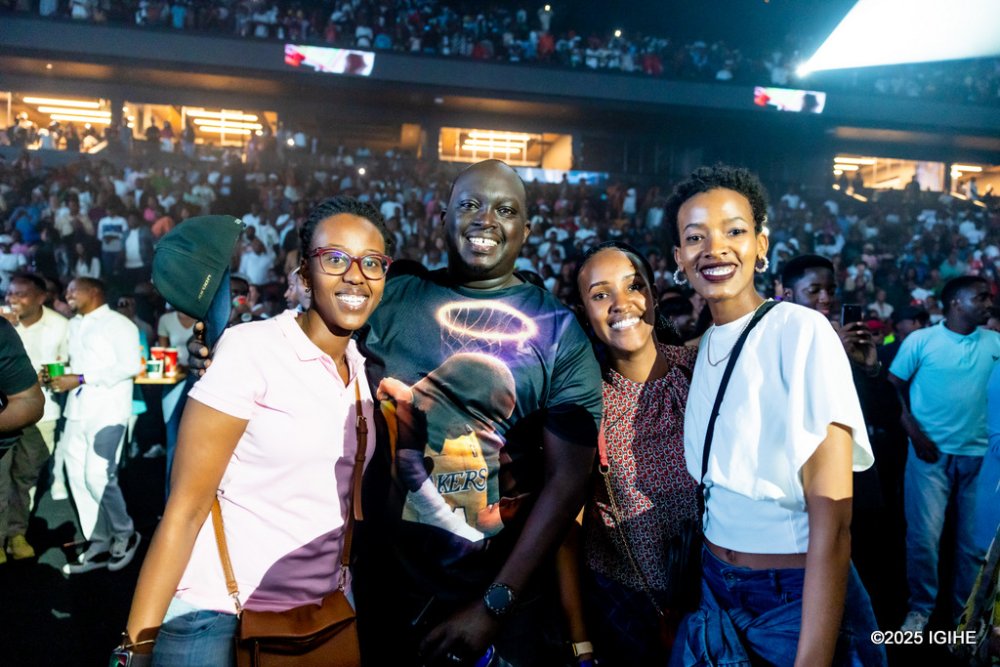
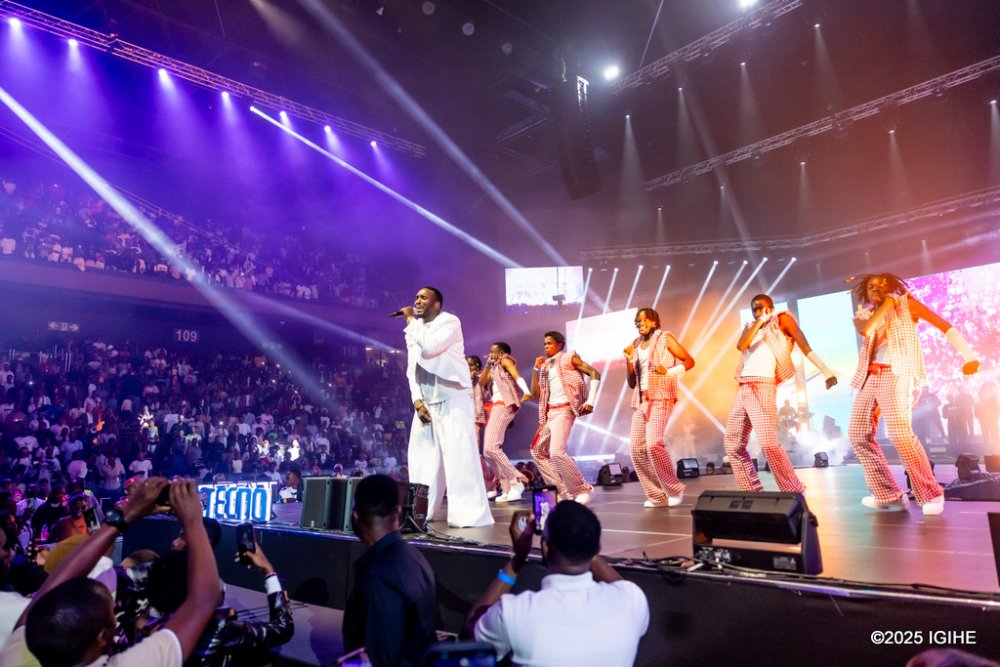
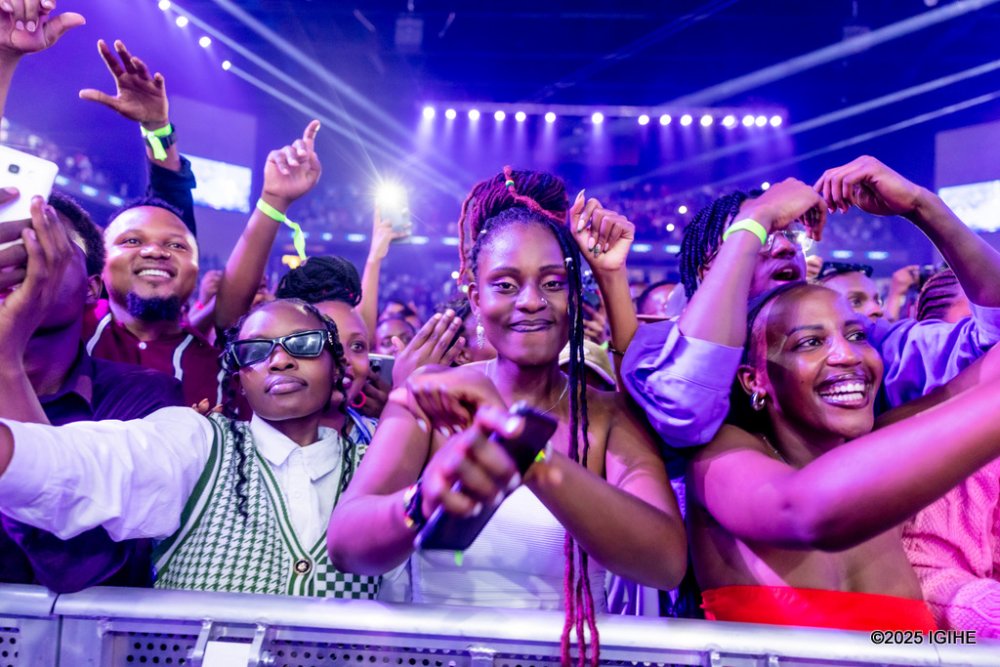
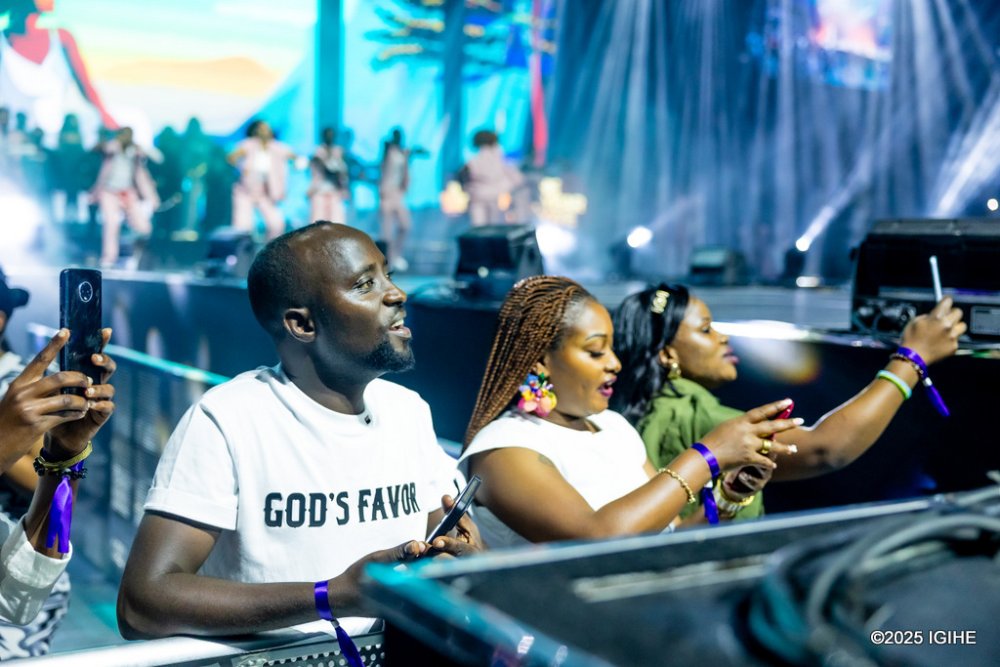
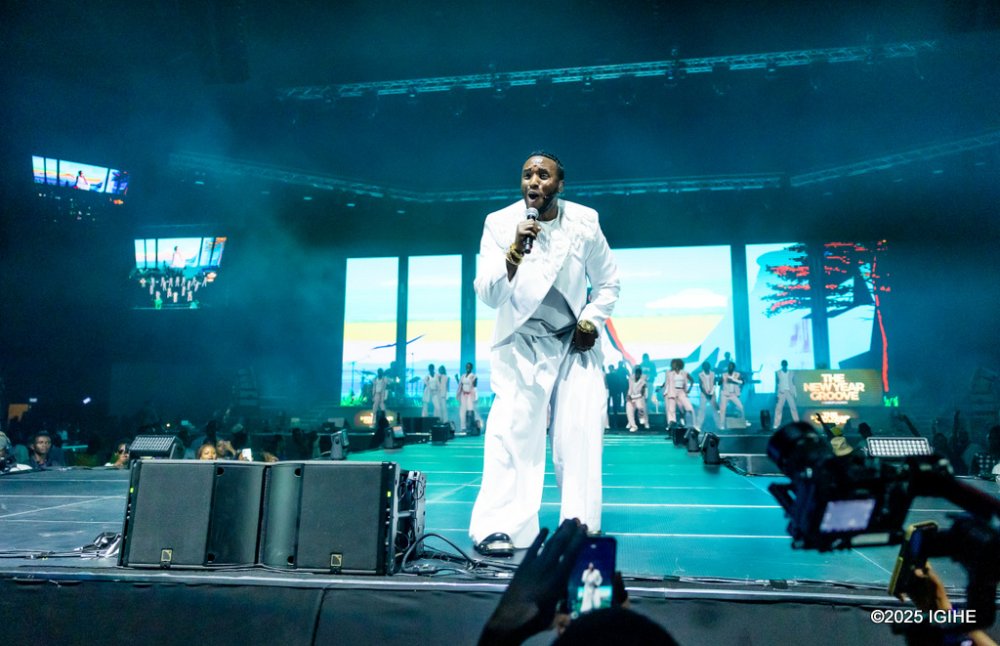
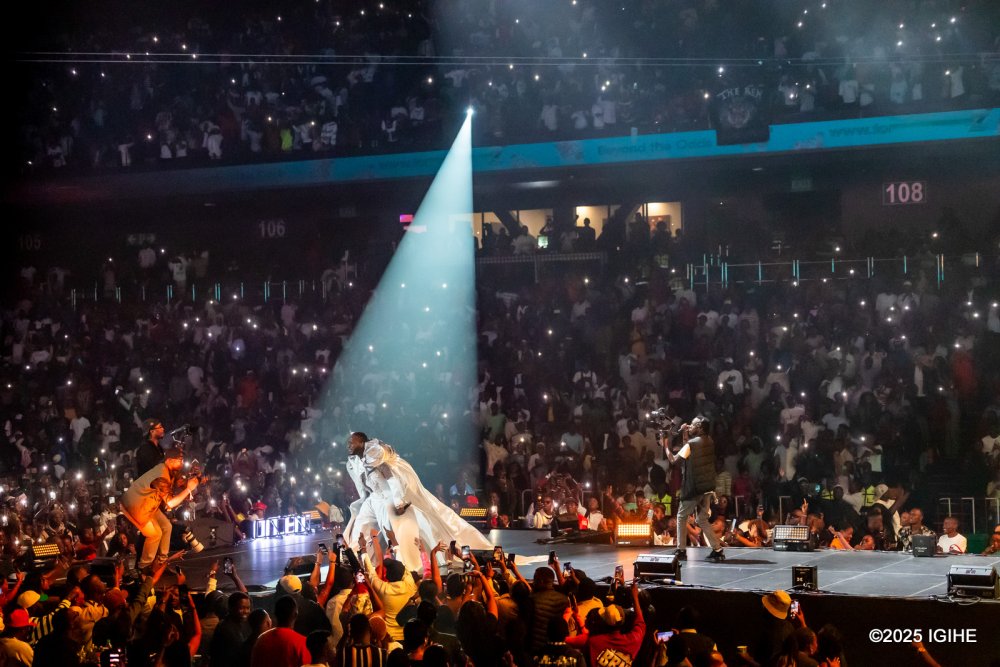
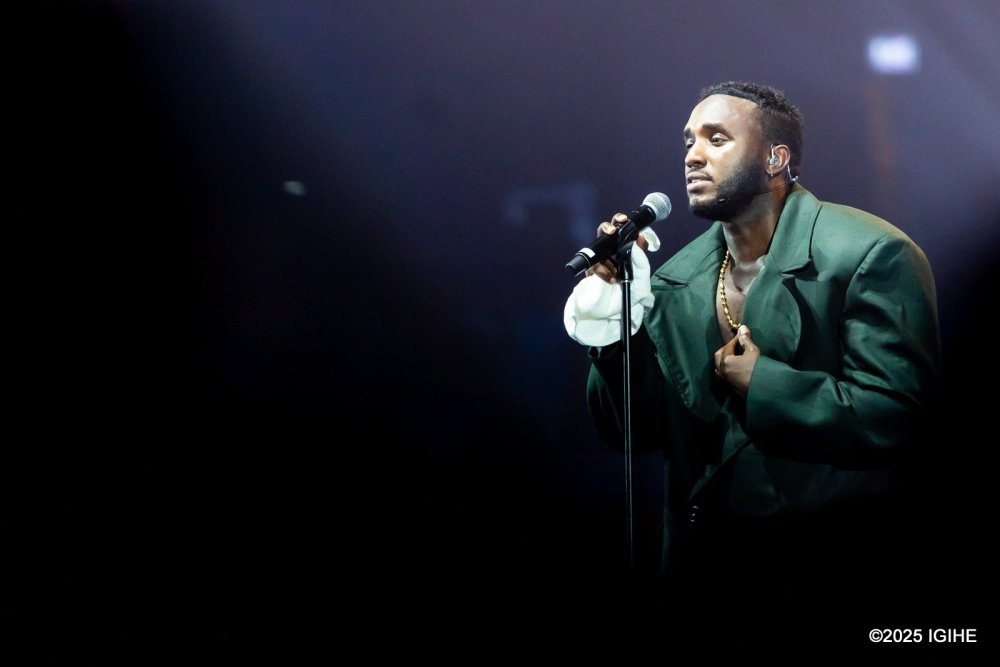
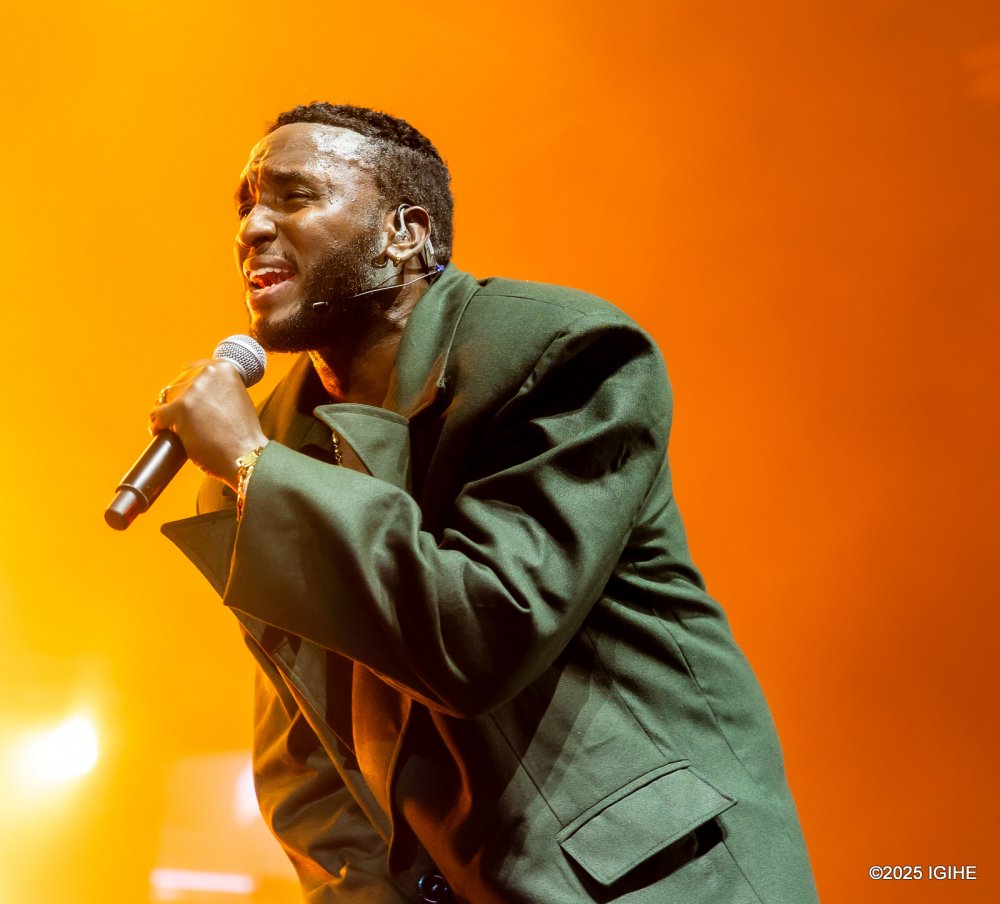
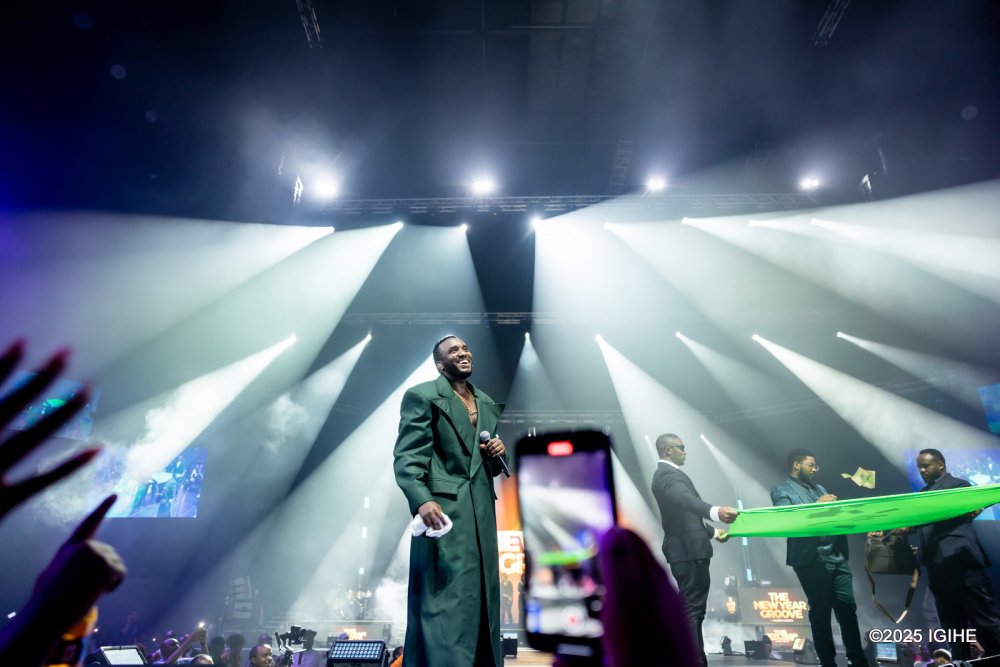
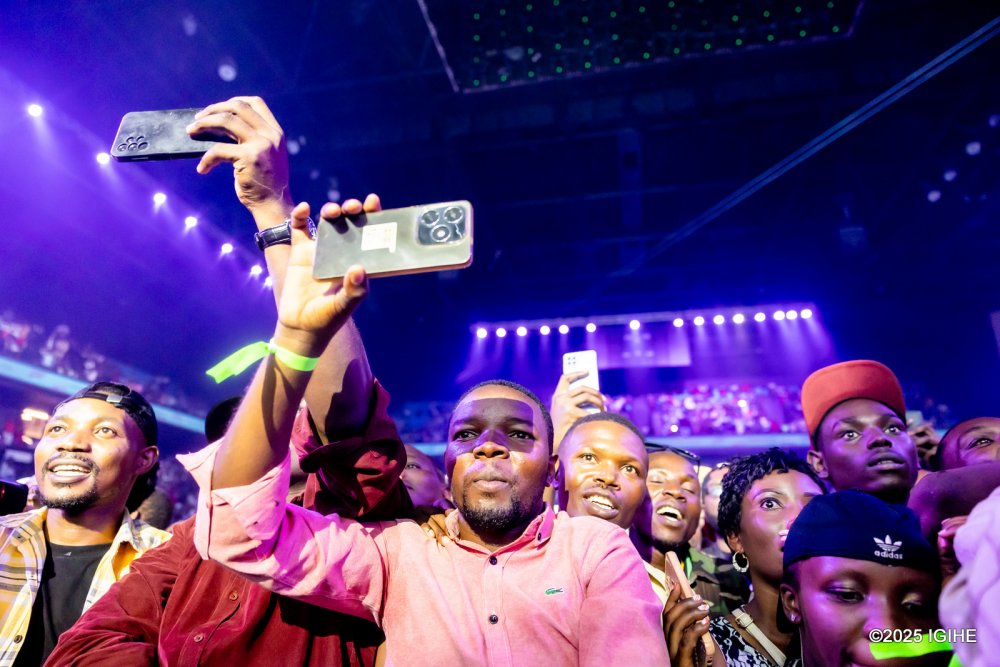
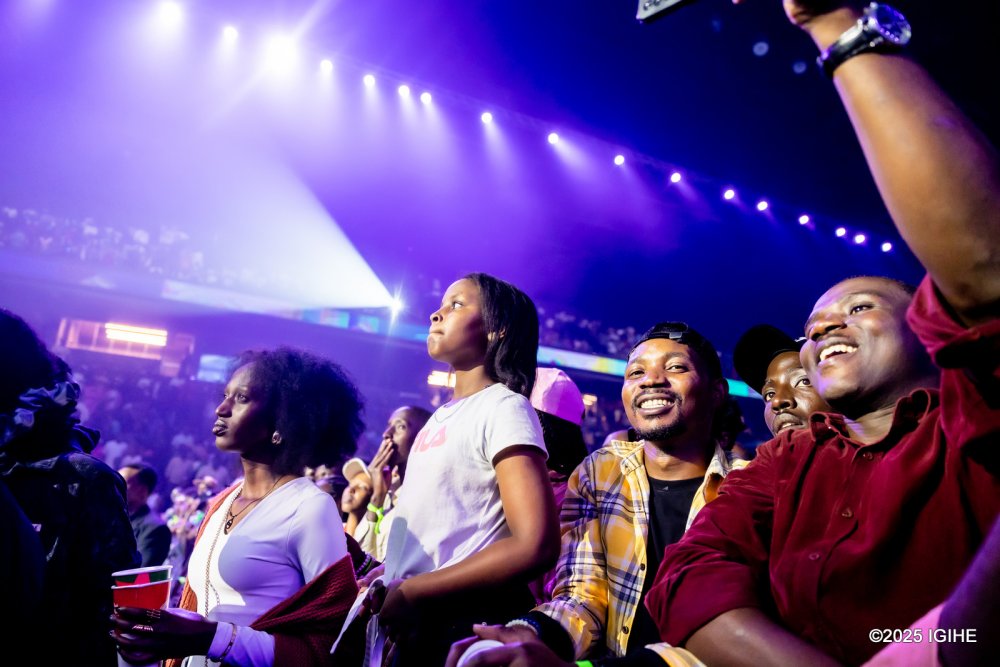
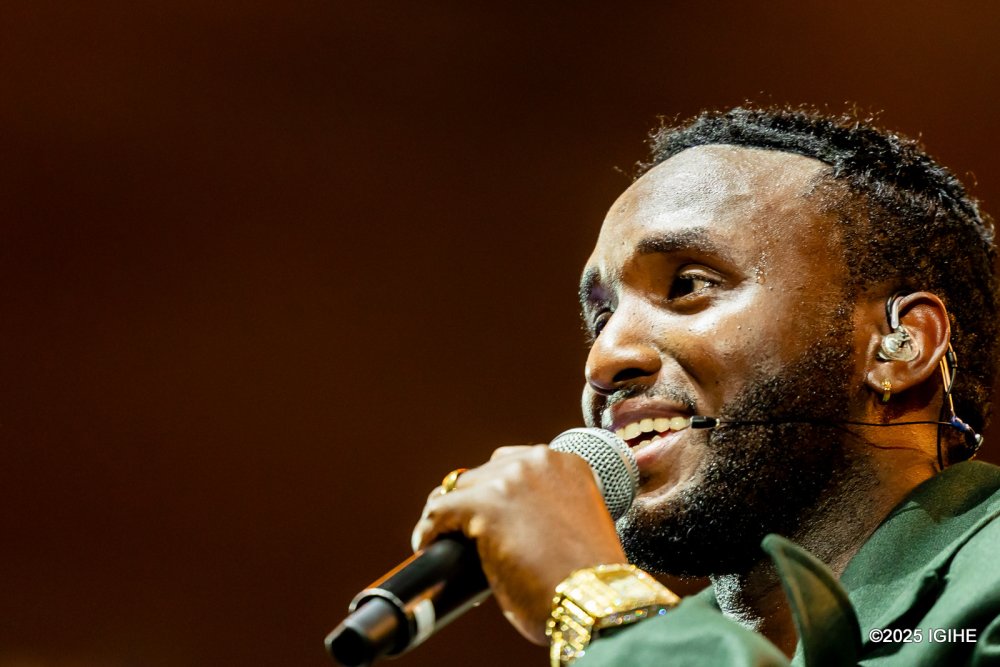
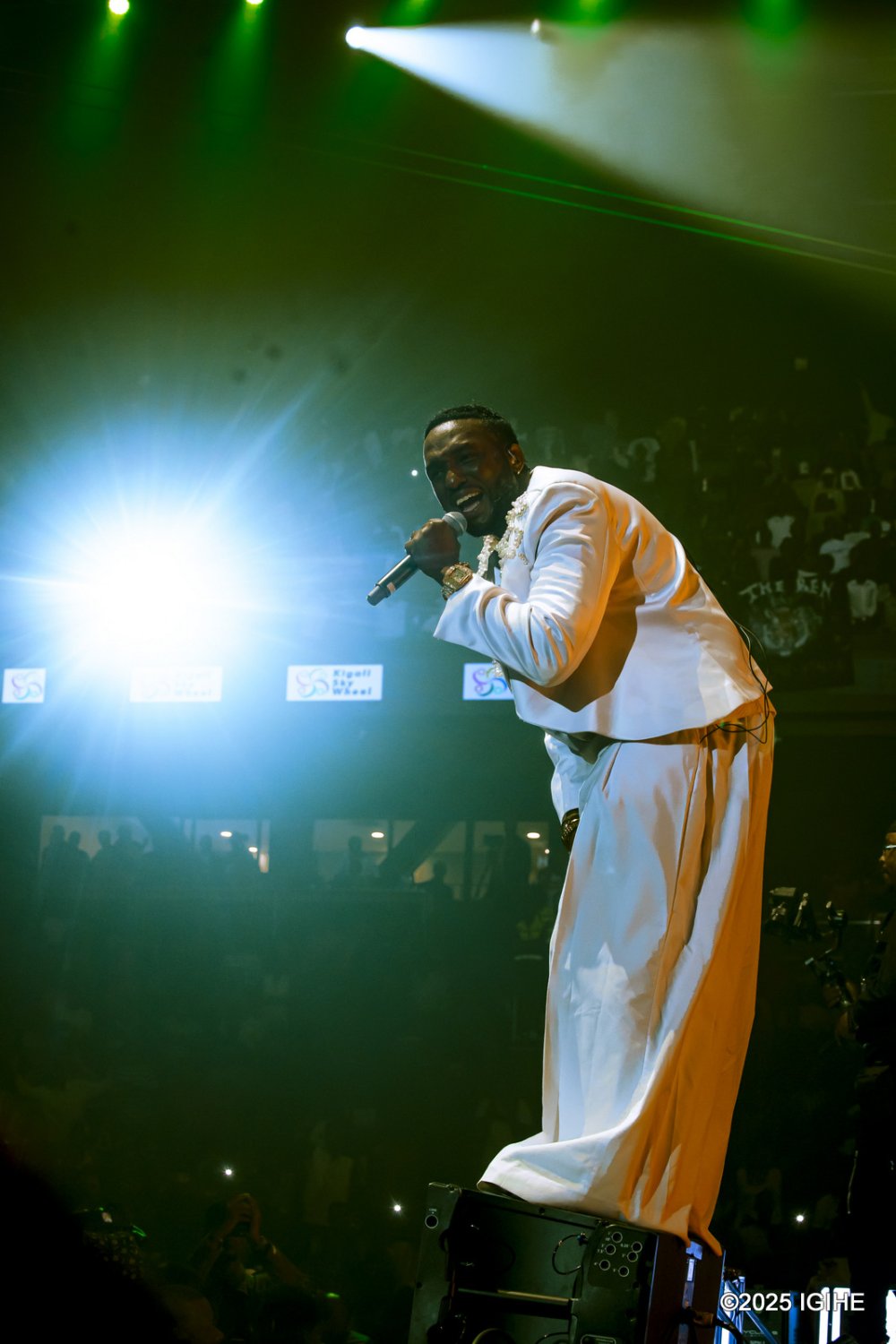
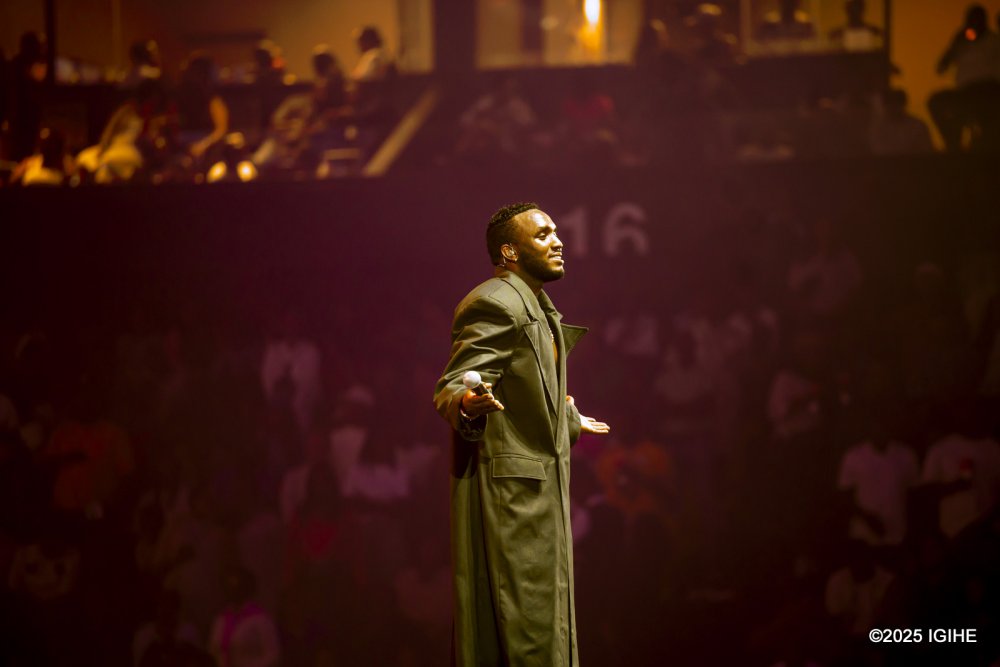
The concert, dubbed “The New Year Groove & Album Launch”, ushered Rwandans into the new year while showcasing The Ben’s third album, “Plenty Love”.
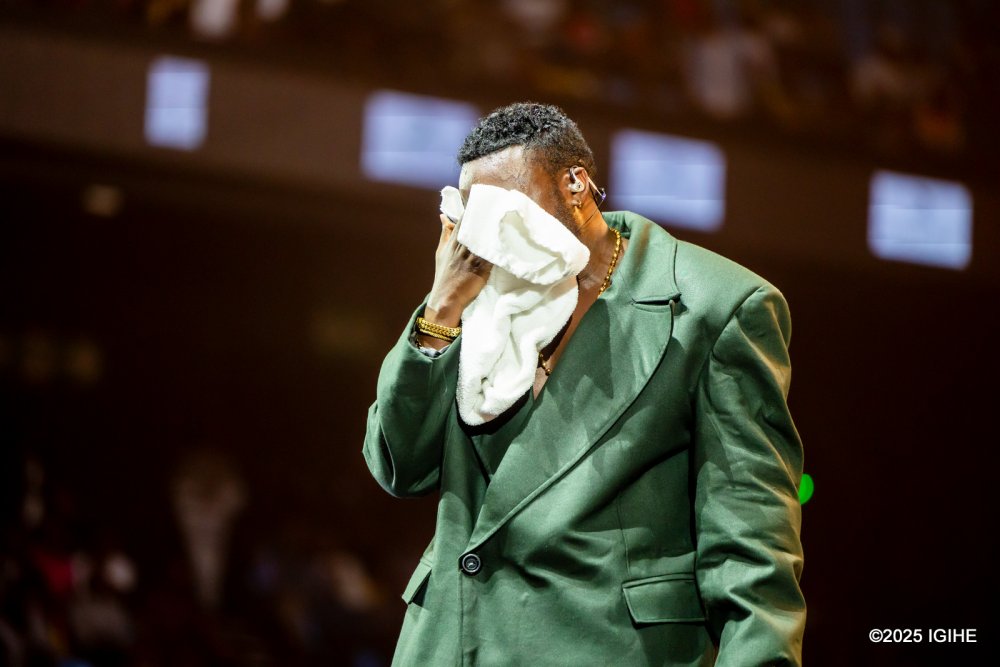
The Ben, ultimately achieved his dream of organizing a concert he had envisioned but couldn’t carry out in 2009 with a high attendance from his fans, an occasion marked with emotions and sheds of tears.
The performance was organized in two segments with the first part featuring various artists he had collaborated with on songs, including Bushali, Tom Close, K8 Kavuyo, Otile Brown, Kivumbi King, Kevin Kade, Element Eleéeh, and others.
Green P, The Ben’s sibling, joined the stage along with P-Fla and Fireman, his former Tuff Gang groupmates, to perform the song “Kwicuma,” honoring Jay Polly, a member of their group who passed away in 2021.
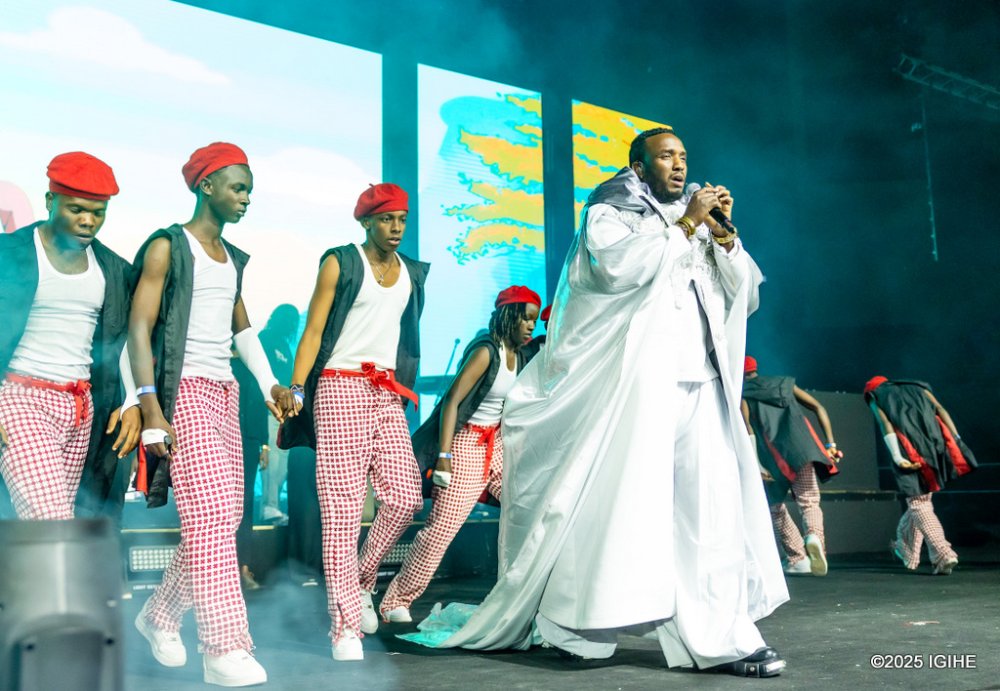
Before The Ben took to the stage in his distinctive outfit, several upcoming artists were given the chance to showcase their talents. These included J-Sha, Phil Emon, Shemi, Yampano, and children from the Sherrie Silver Foundation. Attendees of the concert left mesmerized and satisfied with the music and performances.
It was a memorable experience, highlighted by standout performances and emotional moments. It featured a mix of The Ben’s timeless hits and collaborations with various artists. Songs like “Amaso Ku Maso,” “Rahira,” and “Amahirwe Ya Nyuma” took fans back to the early days of his career.
Special performances by artists like Kivumbi King, Kevin Kade, and Element Eleéeh added excitement, with Kevin’s dance moves particularly captivating the audience.
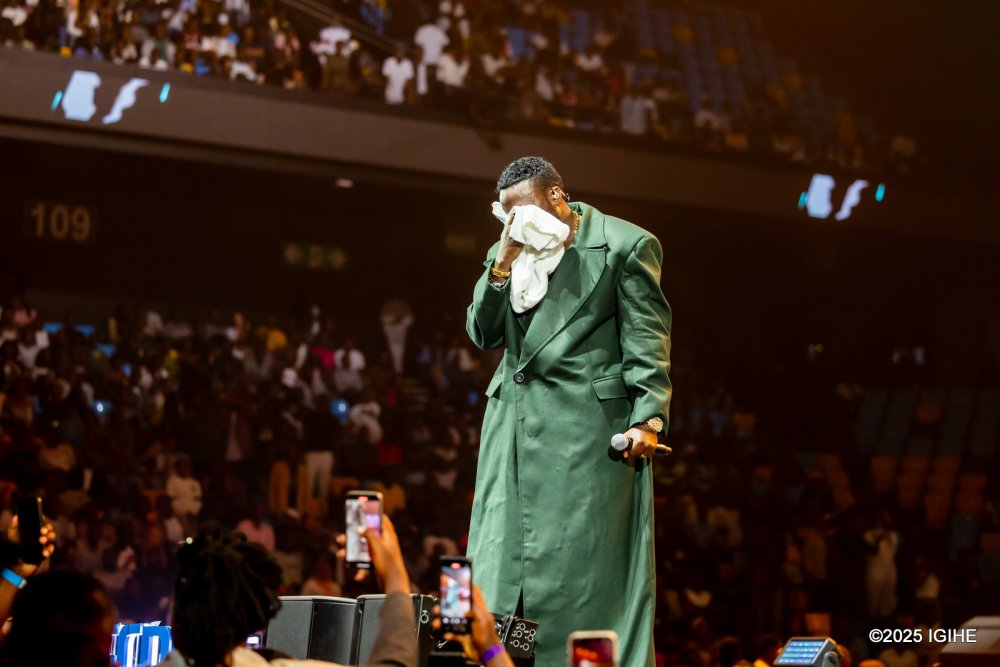
A heartfelt moment came when The Ben broke into tears while thanking his mother and supporters, expressing gratitude for their role in his success. This vulnerability resonated deeply with the audience, showcasing his genuine connection with his fans.
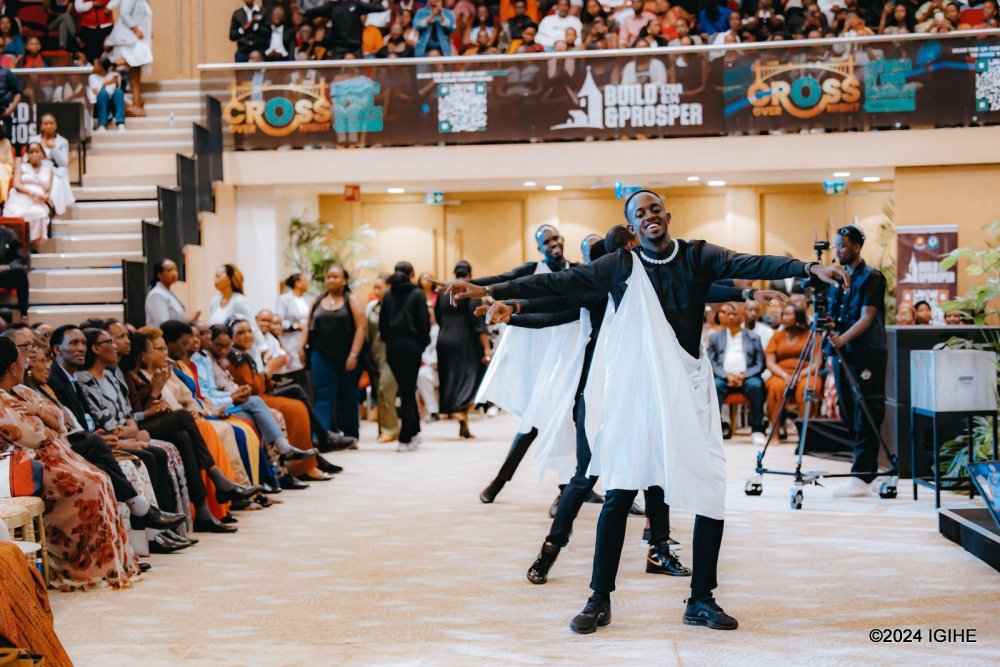
Cultural pride was evident when “Naremeye” was performed alongside the traditional Itorero Inyamibwa dancers, blending Kinyarwanda dance with The Ben’s artistry.
The spiritual tone of the concert emerged during “Ndaje,” where he reflected on his gratitude for life, hinting at a future focus on faith-inspired music.
Throughout the evening, notable guests like Otile Brown and Tom Close shared the stage, while Tuff Gang members paid tribute to the late Jay Polly with an emotional performance of “Kwicuma.” The night also featured crowd favorites like “True Love,” performed with a calm and reflective energy.
The Ben’s ability to blend nostalgia, culture, and spirituality made the concert unforgettable, solidifying his place as a celebrated icon in Rwandan music.
Towards midnight, The Ben and Tom Close concluded the event with the last song, “Thank You,” a collabo between the two. They later sang a short rendition of “Genda Rwanda Uri Nziza” to express their gratitude to the country’s leadership.
The night was filled with overwhelming emotion. The Ben, deeply moved by the significance of the moment, couldn’t hold back his tears, and the audience shared in his heartfelt moment, witnessing the raw emotions of a dream realized.
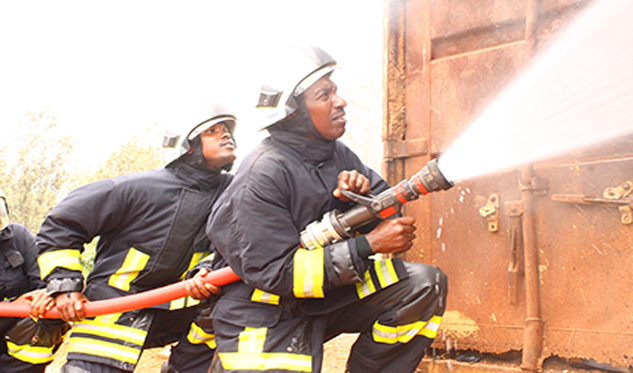
Concerns raised by the Ministry in Charge of Emergency Management (MINEMA) revealed that in 2023 alone, 228 houses were damaged by fire outbreaks. This trend persisted into 2024, with another 87 houses destroyed between June and August, revealing a significant gap in insurance coverage among property owners.
RHA Director General Alphonse Rukaburandekwe explained that the ongoing assessment seeks to address these gaps and inform future interventions.
“Over the past few months, RHA has initiated a comprehensive data collection exercise to assess the insurance status of buildings across the country. This process is still ongoing, and we are working closely with stakeholders to compile and validate the data,” he told The New Times.
The results of this exercise will clarify the disparity between insured and uninsured properties, enabling policymakers to craft more effective strategies.
Adalbert Rukebanuka, MINEMA’s Director General of Planning, Policy, and Risk Reduction, emphasized the challenges posed by urban living conditions, such as overcrowding and inadequate infrastructure.
These factors, combined with limited firefighting resources, exacerbate fire risks in densely populated areas. “Most of the buildings are not insured for fire risks,” Rukebanuka noted.
“Overcrowded settlements with narrow alleyways hinder firefighters, leading to greater damage and loss of life.”
Informal settlements and inadequate public awareness about fire safety contribute to the prevalence of fire-related incidents. To mitigate these risks, the RHA has engaged some insurance companies to streamline insurance access for government institutions.
Regular reminders and follow-ups are expected to ensure compliance with insurance requirements.
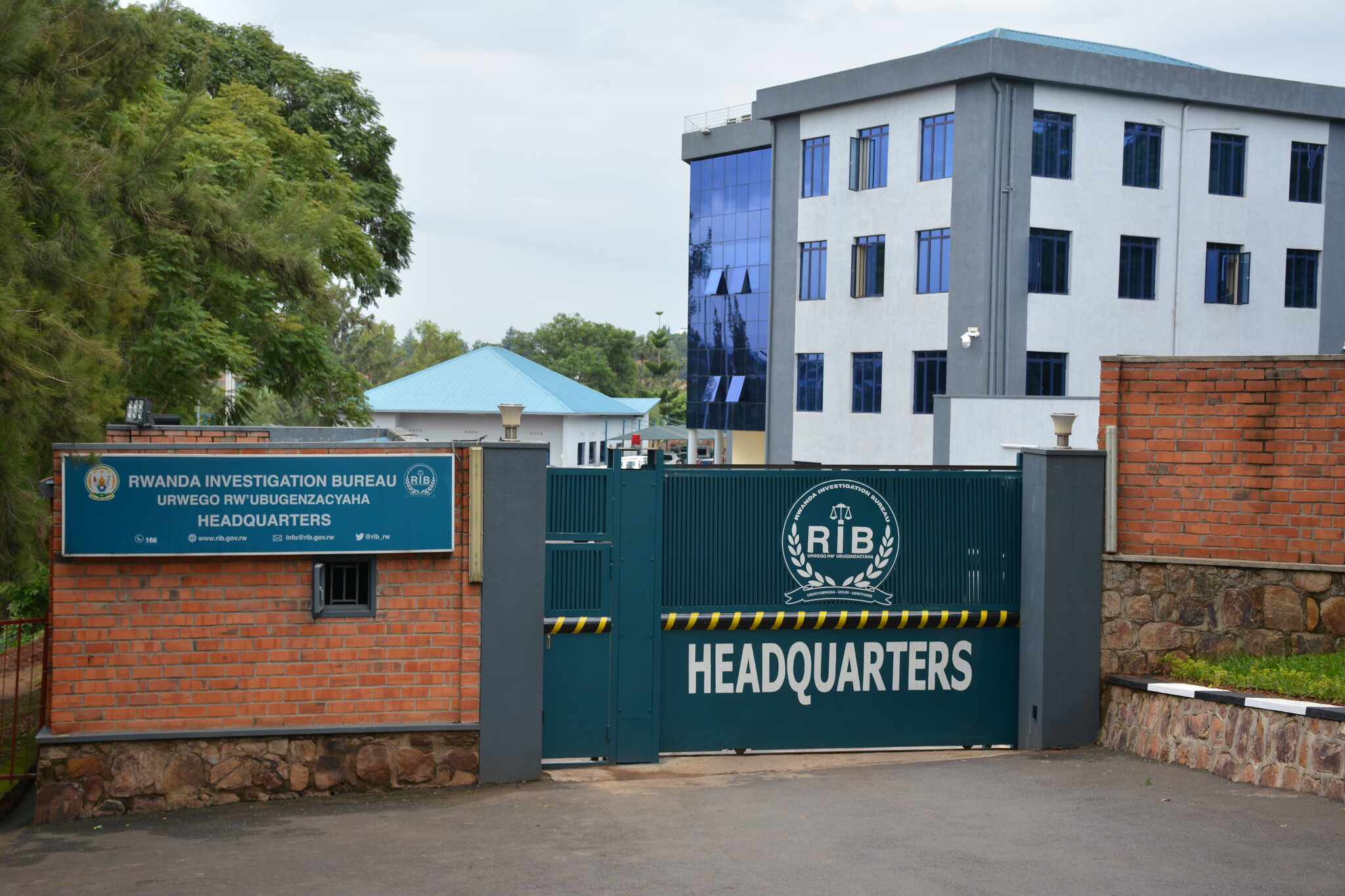
The claims, which have been circulating among certain individuals, suggest that the RIB unfairly accused over 150 people, including Rwandans and foreigners, of being involved in the bank’s fraud, without sufficient evidence or proper legal procedures.
The accusations stem from a 2023 investigation into the misuse of Mastercard prepaid multicurrency cards, a service introduced by I&M Bank.
The bank had marketed the cards as a way for customers to exchange Rwandan Francs into various foreign currencies at favourable rates.
According to RIB, some individuals exploited the system by deceiving others into providing personal information, which was then used to obtain multiple cards and carry out fraudulent transactions. The stolen funds amounted to approximately $10.26 million.
Following the discovery, RIB launched an investigation, and a number of suspects were placed under investigation. Some were arrested, while others fled the country.
A total of 148 suspects have been pursued, and over 2.27 billion Rwandan Francs have been recovered, along with other assets, including properties purchased with the stolen money.
Despite the progress in the case, several individuals have claimed that they were wrongly accused and victimized by the RIB’s actions.
Among the claims, one individual, through a post on X, alleged that the investigation was manipulated by some corrupt officials who abused their power for personal gain.
However, RIB has firmly rejected these allegations, stating that its actions have always been based on law and evidence. The bureau maintains that it followed proper procedures throughout the investigation and that any claims of injustice are being used to deflect attention from the true perpetrators.
“We are committed to upholding the law and ensuring that all individuals involved in illegal activities are held accountable,” RIB said while reacting to the social media seeking President Paul Kagame’s intervention.
“The allegations of wrongful targeting are baseless and part of a broader attempt to discredit our efforts.”
RIB assures the public that the investigation is ongoing, with continued efforts to bring those responsible to justice.
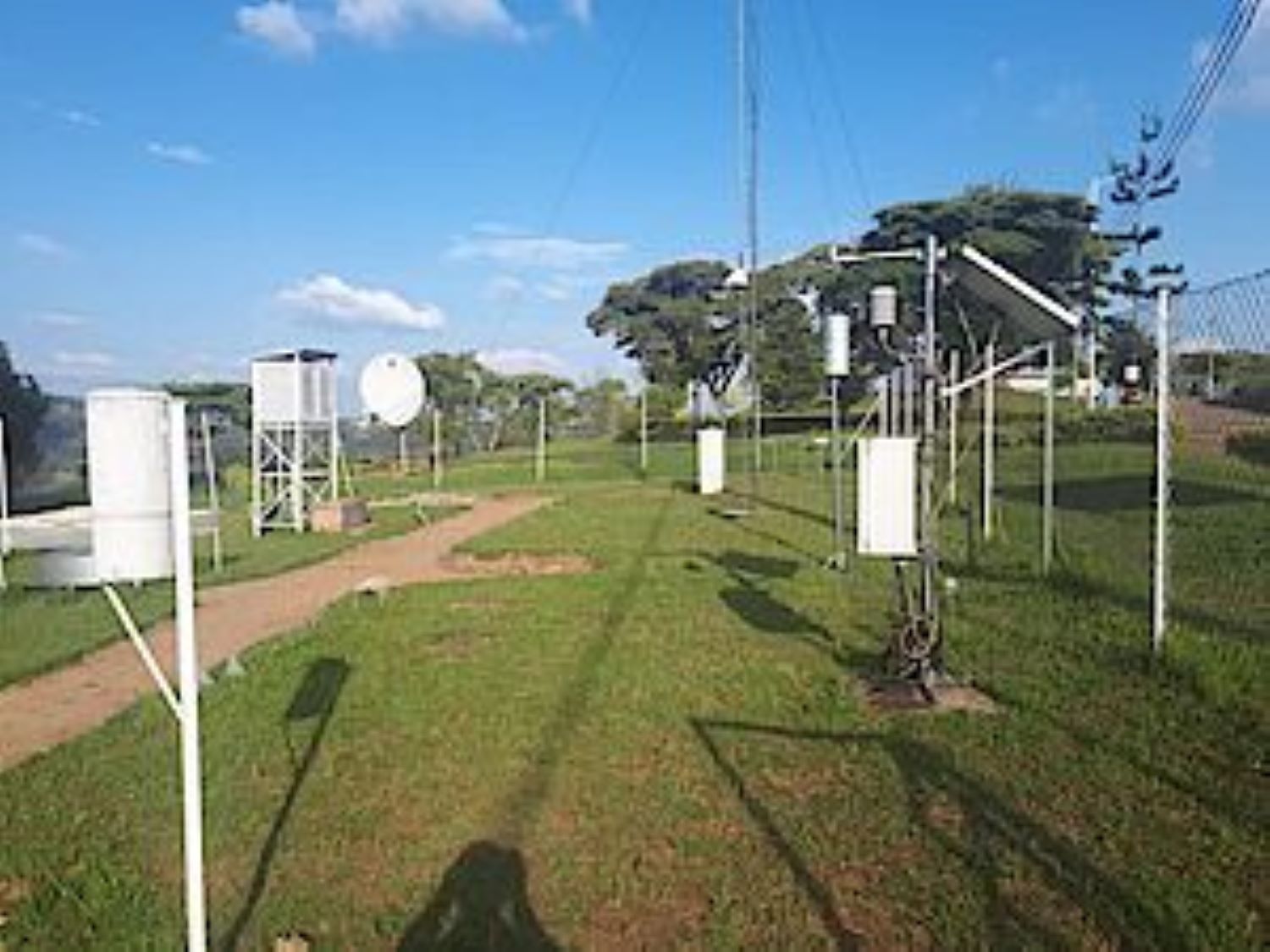
The forecast highlights the likelihood of average conditions in most regions, with a few areas expected to experience deviations from the Long-Term Mean (LTM).
The detailed forecast provides essential insights for farmers, planners, and citizens preparing for the month ahead.
{{Rainfall Predictions
}}
Rainfall during January is expected to range between 0 and 180 mm.
“The highest amounts, ranging between 150 and 180 mm, are anticipated in many parts of Rusizi and Nyamasheke Districts, as well as western parts of Nyamaguru and Nyamagabe Districts,” the agency stated.
According to the agency, the regions, including parts of southern Karongi District near Nyungwe National Park, could see slightly above-average rainfall.
Moderate rainfall ranging between 120 and 150 mm is expected in areas such as Rutsiro, Rubavu, Nyabihu, and Huye Districts, while districts like Rulindo, Kamonyi, and Gicumbi will receive between 90 and 120 mm.
Eastern parts of the country, including areas of Nyagatare, Gatsibo, and Rwamagana, are projected to experience significantly less rainfall, ranging between 0 and 30 mm.
{{Temperature Outlook
}}
January’s maximum temperatures are set to range between 18°C and 30°C.
The hottest areas include Bugesera District, several parts of Kigali City, and Nyagatare, with temperatures reaching up to 30°C. Cooler temperatures of 18°C to 20°C are expected in Nyabihu, Musanze, and western Rubavu Districts.
Minimum temperatures will vary between 8°C and 16°C.
“The lowest minimum temperatures, ranging from 8°C to 10°C, are expected in Nyabihu, Musanze, and Rubavu Districts, as well as parts of northern Burera District,” the report noted.
Meanwhile, areas like Nyagatare, Gatsibo, and Kirehe are predicted to experience relatively higher nighttime temperatures of 14°C to 16°C.
{{Wind Speed Forecast
}}
Moderate to strong winds ranging between 4 and 10 m/s are anticipated nationwide. Strong winds of 8 to 10 m/s are expected in Nyamaguru, Nyamagabe, and parts of Rusizi Districts, while most of the country will experience moderate winds of 6 to 8 m/s.
The report highlights specific zones likely to see higher wind speeds, including parts of Kigali City, Rutsiro, and Nyamasheke Districts. Regions like western Kamonyi, Gicumbi, and Bugesera will experience lighter winds, averaging 4 to 6 m/s.
Notably, while moderate winds can aid pollination and reduce heat stress, stronger gusts pose risks to infrastructure, especially in vulnerable rural areas.
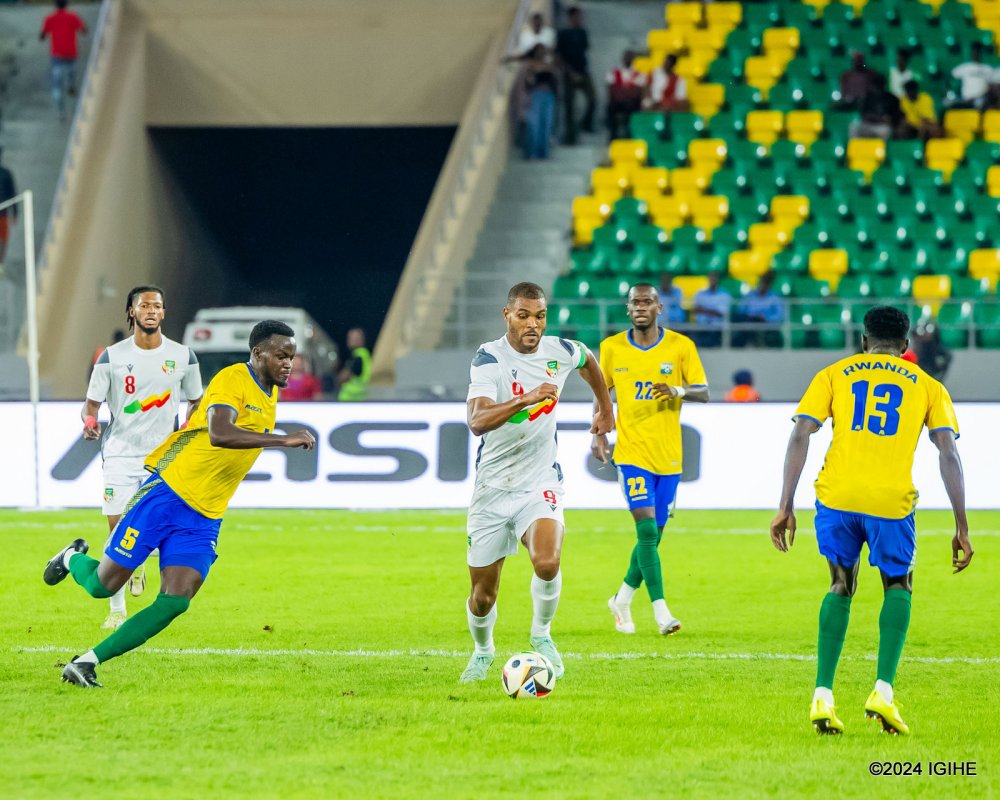
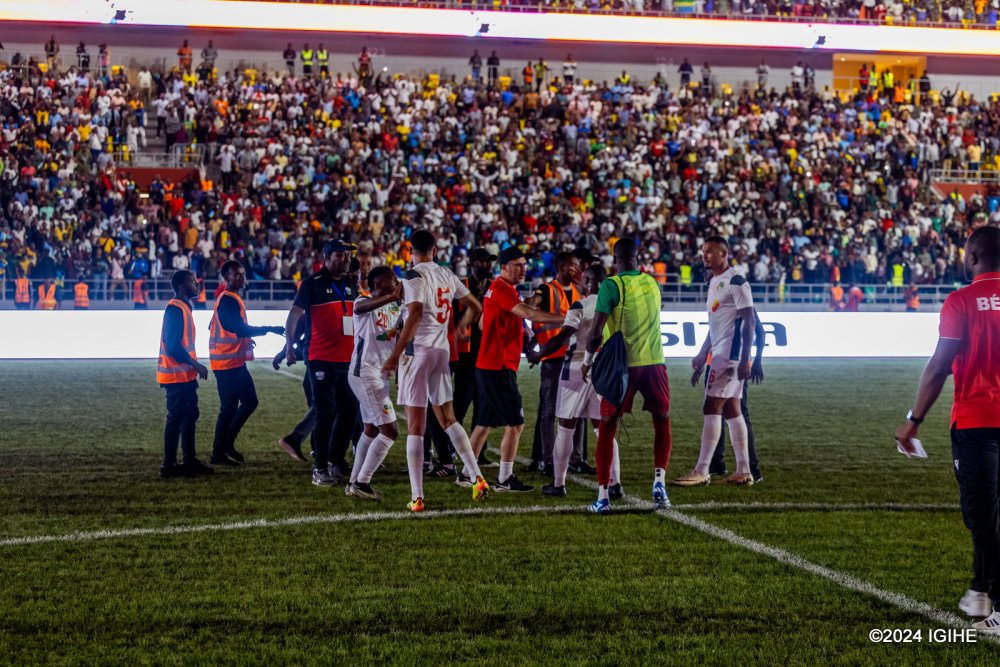
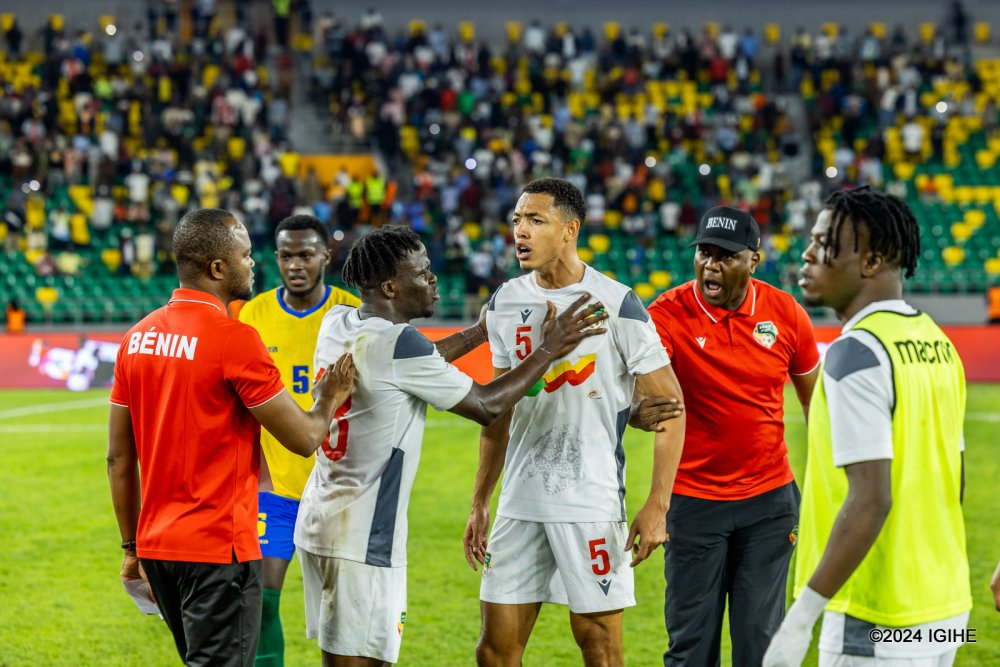
The incidents occurred during a Group D Africa Cup of Nations 2025 qualifier played on October 15, 2024, at Amahoro Stadium, where Rwanda’s Amavubi defeated Benin’s Les Guepards 2-1. This victory placed Rwanda third in the group, level on points with Benin.
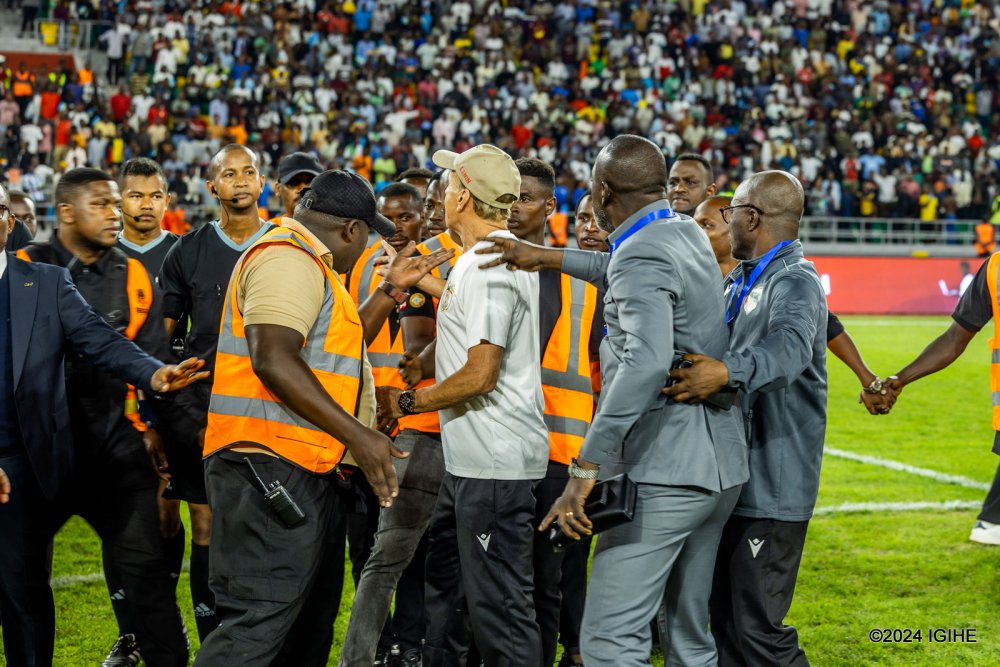
After the match, Benin players attempted to confront the referees and some members of Rwanda’s coaching staff. Fortunately, security personnel intervened to prevent further escalation.
Following a disciplinary committee meeting at CAF, it was concluded that Benin violated Article 45 of the governing regulations. As a result, the Benin FA was fined $5,000 for general misconduct and an additional $25,000 for aggression against the referees, totaling to $30,000.
Despite the fine, Benin secured qualification for the tournament to be held in Morocco alongside Nigeria, finishing second in the group with eight points, ahead of Rwanda on goal difference.
The incident, which occurred on Monday, December 30, 2024, has drawn widespread attention.
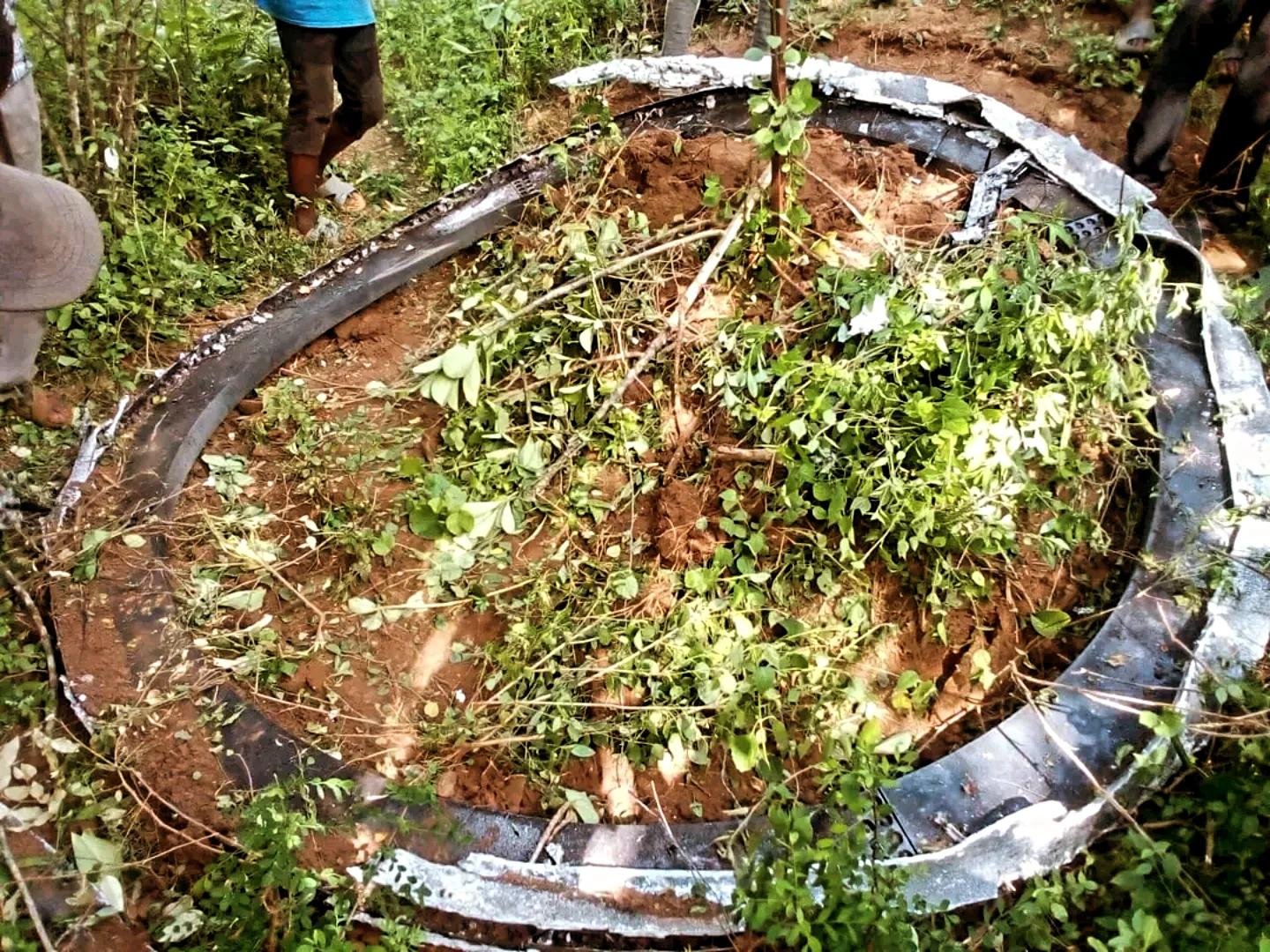
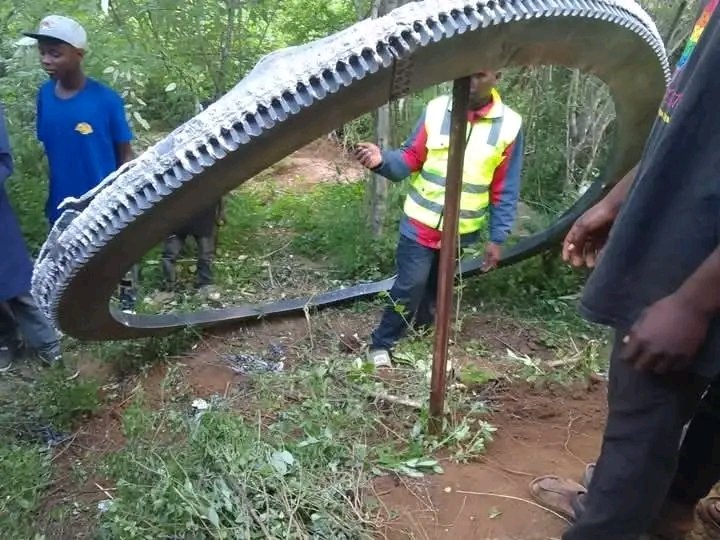
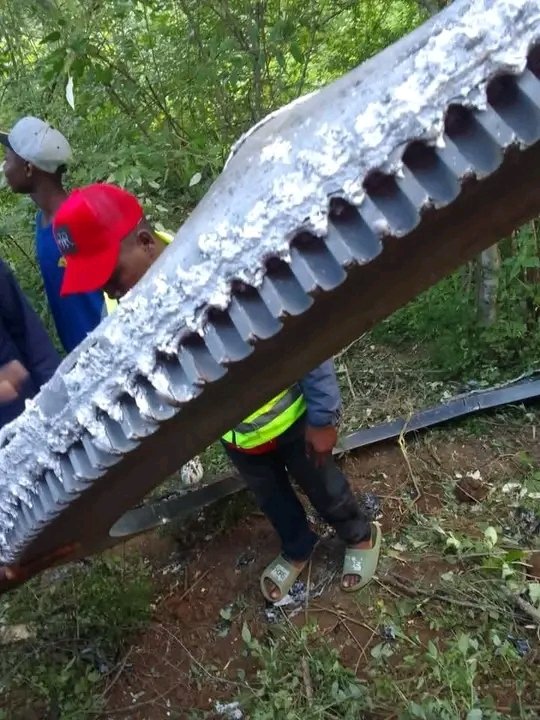
In a statement released on Wednesday, January 1, 2025, KSA said preliminary assessments indicate that the object is a fragment of a space vehicle, specifically a metallic ring used as a separation mechanism for rockets.
The object, measuring approximately 2.5 meters in diameter, startled residents when it fell in the village, creating a loud thud upon impact. Panic quickly turned to curiosity as residents gathered to inspect the mysterious debris.
KSA explained that such objects are typically designed to burn up upon re-entering Earth’s atmosphere or land in uninhabited areas, such as oceans. However, in this rare case, the fragment reached the ground in a populated area, making it an isolated but significant incident.
KSA is now working within established international space law frameworks to investigate the matter and determine the exact origin of the object.
The agency expressed its gratitude to the residents of Mukuku Village for their swift action in reporting the incident and cooperating with authorities to ensure public safety.
KSA further assured the public that the fallen object poses no immediate threat to safety.
“Our experts will analyze the object, use existing frameworks to identify the owner, and keep the public informed of the next steps and outcomes,” the government agency stated.
The incident has reignited discussions about space debris and the need for stringent measures to manage objects re-entering Earth’s atmosphere. Space agencies worldwide are increasingly grappling with the challenge of ensuring that rocket components and satellites are disposed of responsibly.
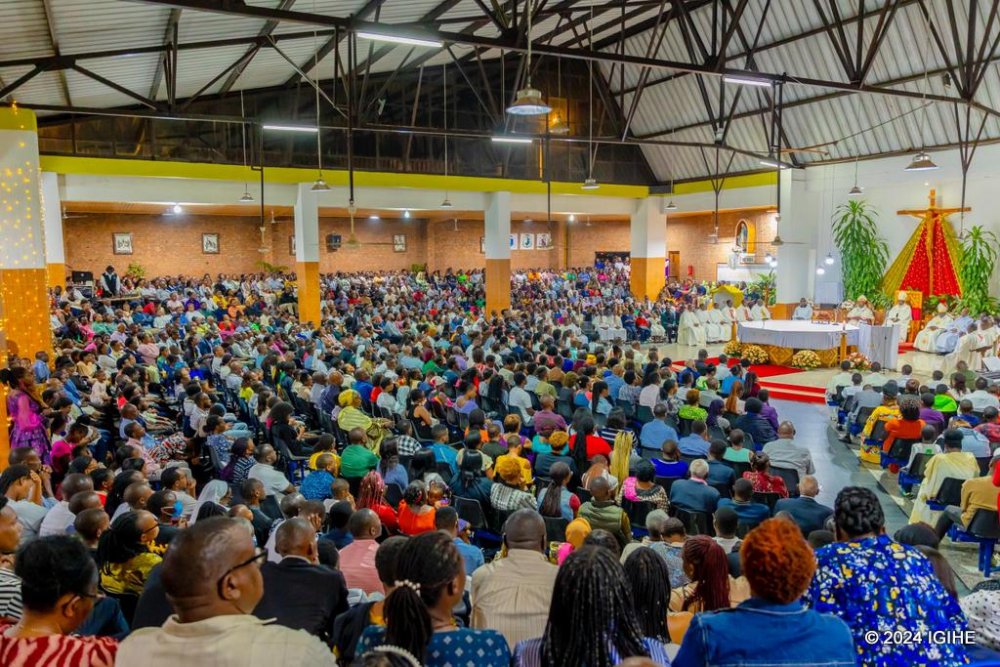
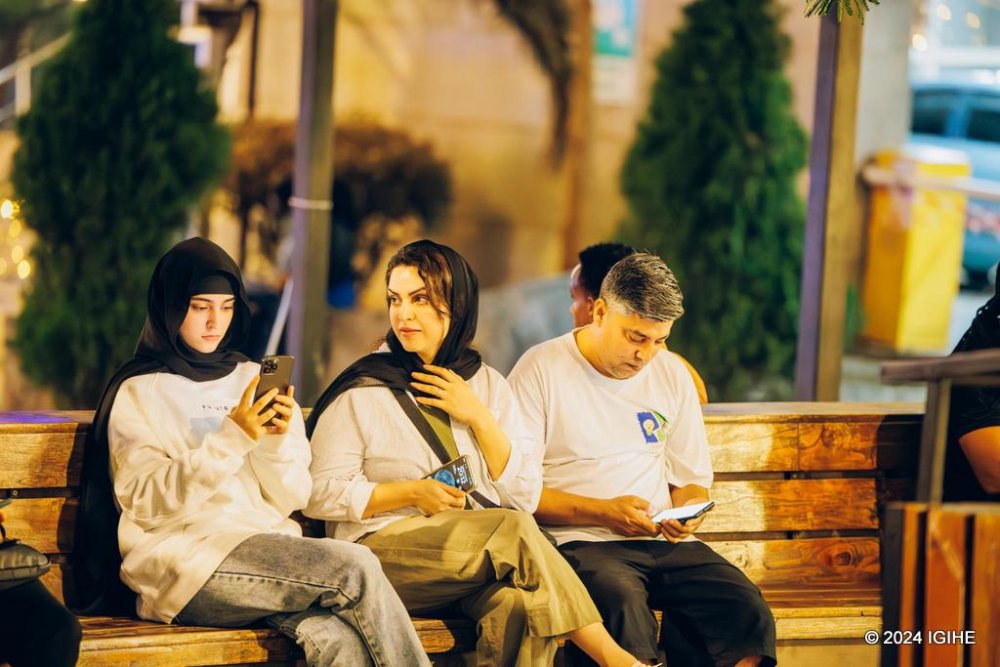
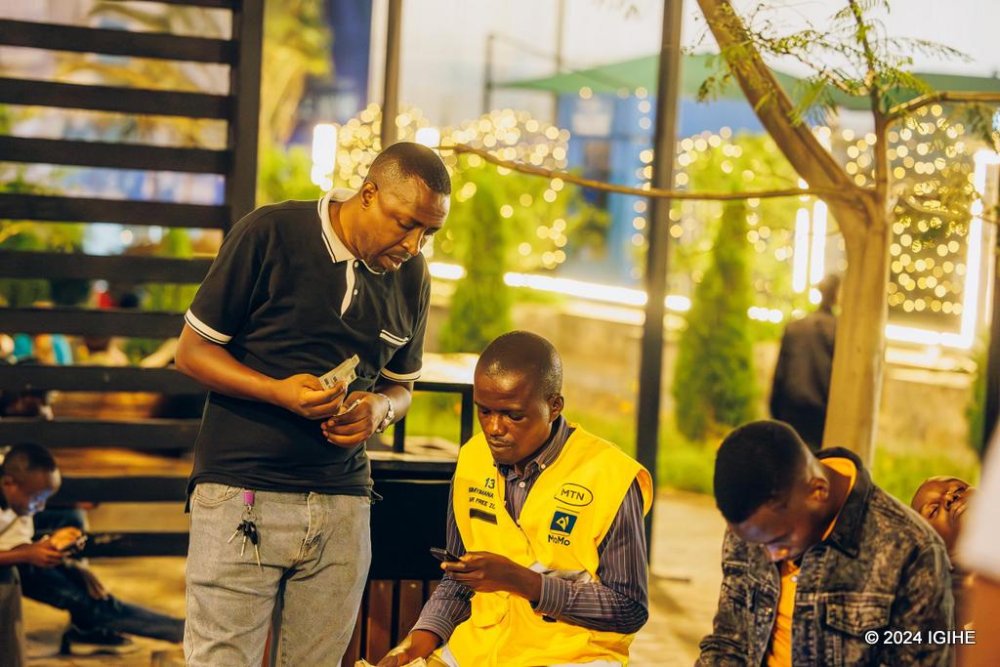
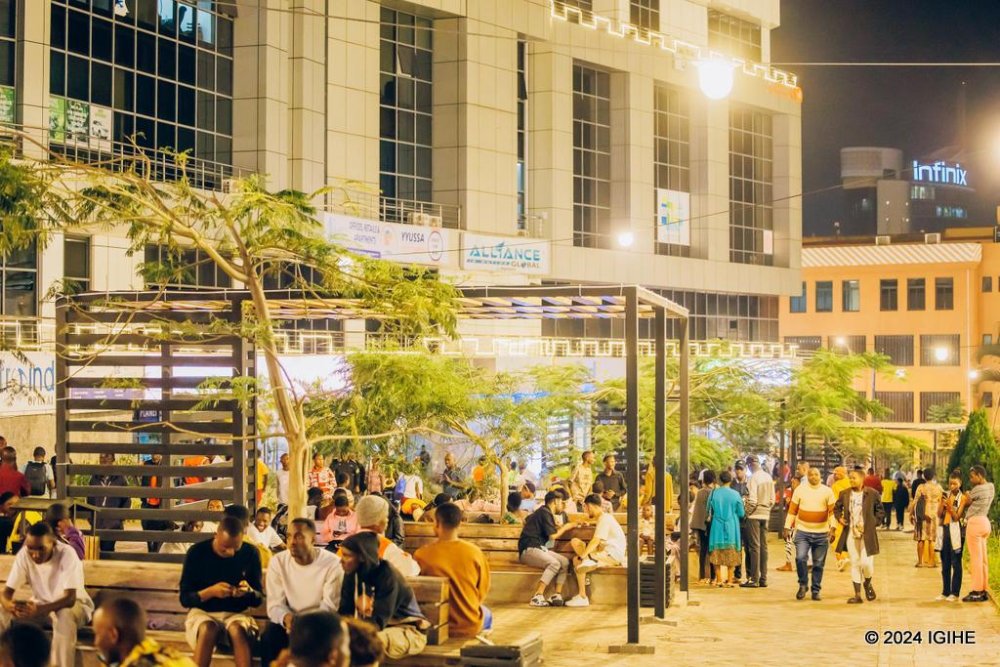
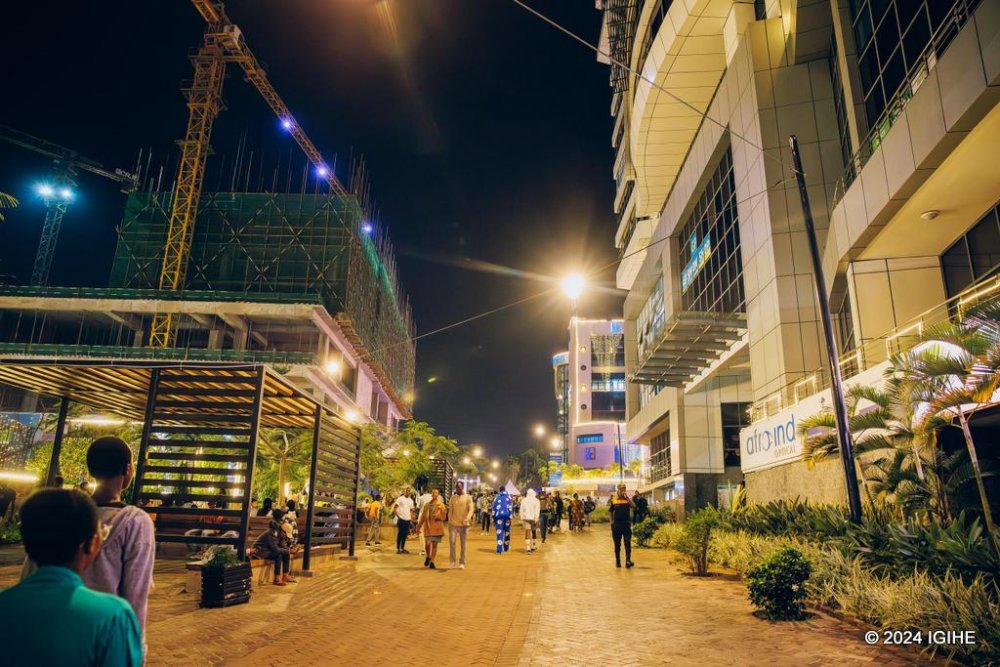
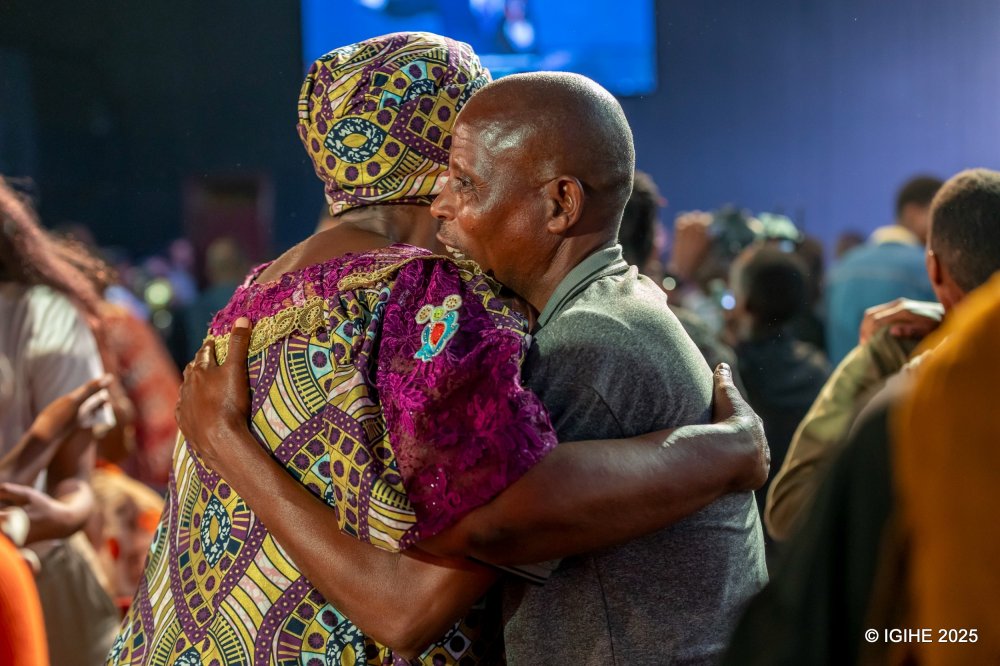
On this day in 2024, IGIHE visited various places in Kigali, capturing memories of the moments and speaking with some of the celebrants.
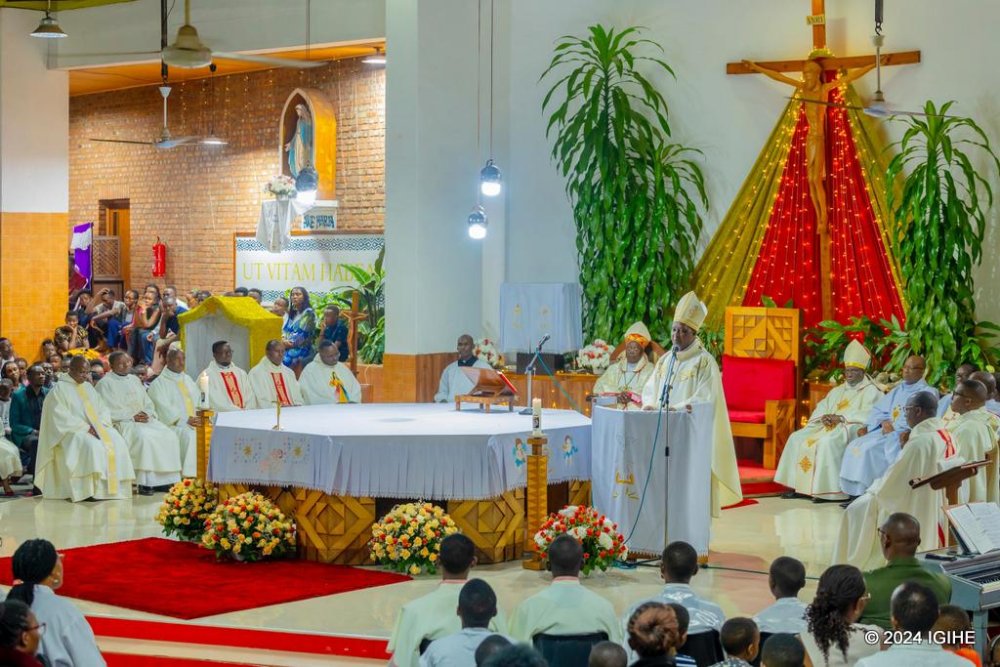
The Archbishop of Kigali, Antoine Cardinal Kambanda, led a mass at Saint Michel Cathedral. He read from the Gospel of Luke 17:11–19, recounting the story of Jesus healing ten lepers, of whom only one returned to thank God.
He reminded the congregation of the importance of gratitude, reflecting on how God had been with them throughout the year, despite some challenging moments.
“We thank God for being with us this year, and we entrust you and your families to Him for 2025, a year of multiple jubilees, including 125 years since the Good News reached Kigali,” he said.
{{Testimonies of gratitude}}
Bonaventure Habimana, a church member at Saint Michel Cathedral, shared how God helped him through many challenges in 2024. He had come to pray for guidance in 2025.
“There are many people I studied or worked with who have passed away, but here I am, with so much ahead of me. I came here to thank God for guiding me and also to ask for His presence in the new year so that I may prosper even further,” he said.
Aime Confiance Ishimwe shared similar sentiments in reference to many of her ambitions and goals achieved in the past year. “I came here today to thank God and seek blessings for my endeavors. My goal is to elevate myself in what I do and improve my life, and I believe God will guide me in achieving that,” she said.
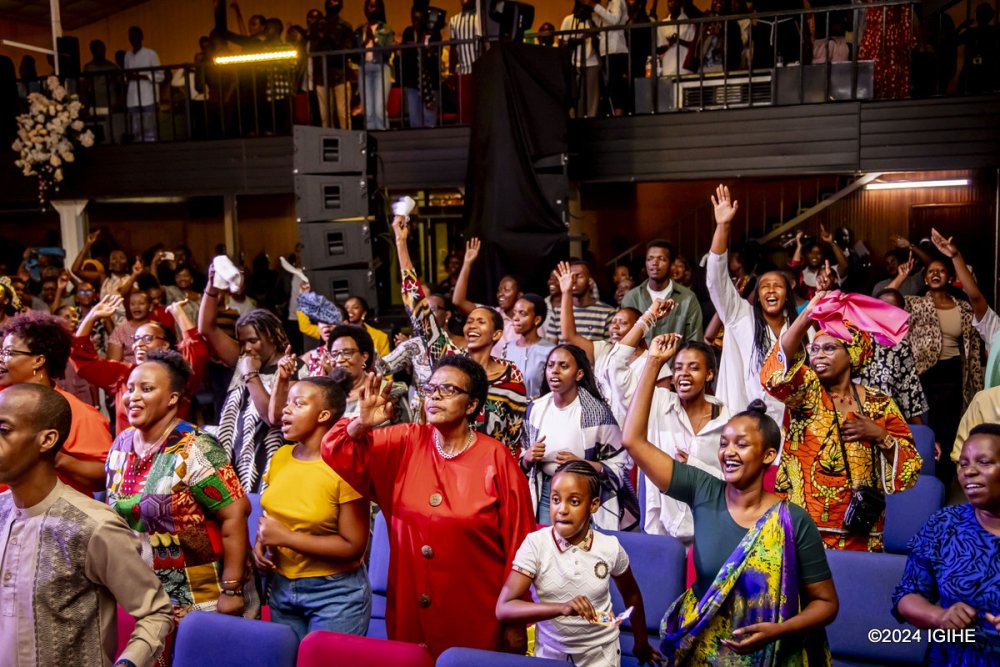
Just like at St Michael, so many other churches across the country, gathered worshippers in large numbers.
At EPR Kiyovu Parish, Isaie Iradufasha, a father of one, described 2024 as a fulfilling year, marked by his wedding.
“I’m ending the year having married, and I thank God for that. I hardly used to pray, but now I do. Some of my goals for 2024 were achieved, and those that weren’t, I’ll carry them into 2025,” he proudly said.
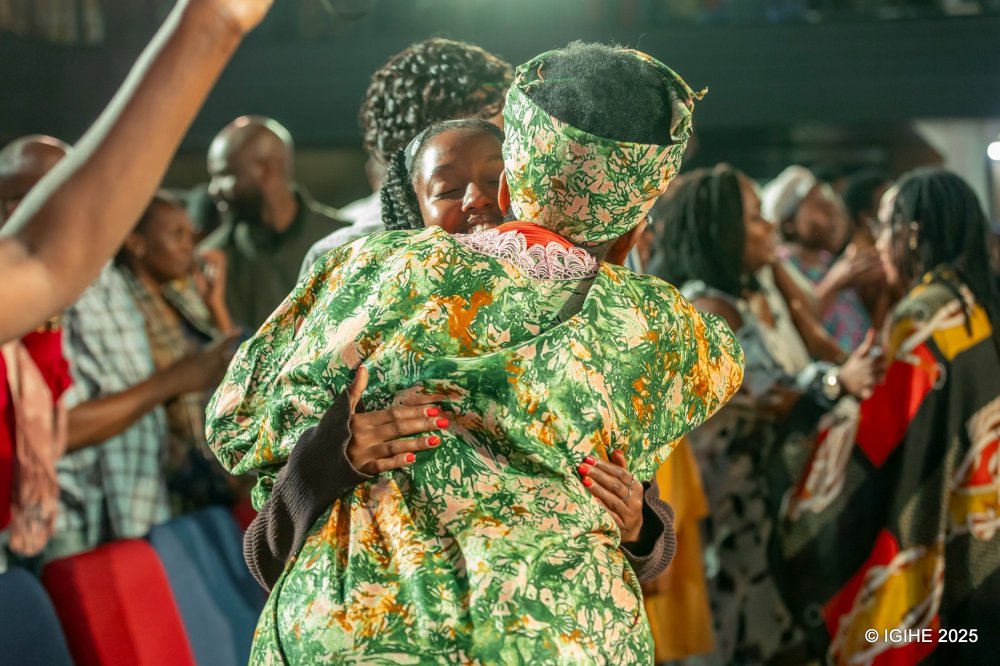
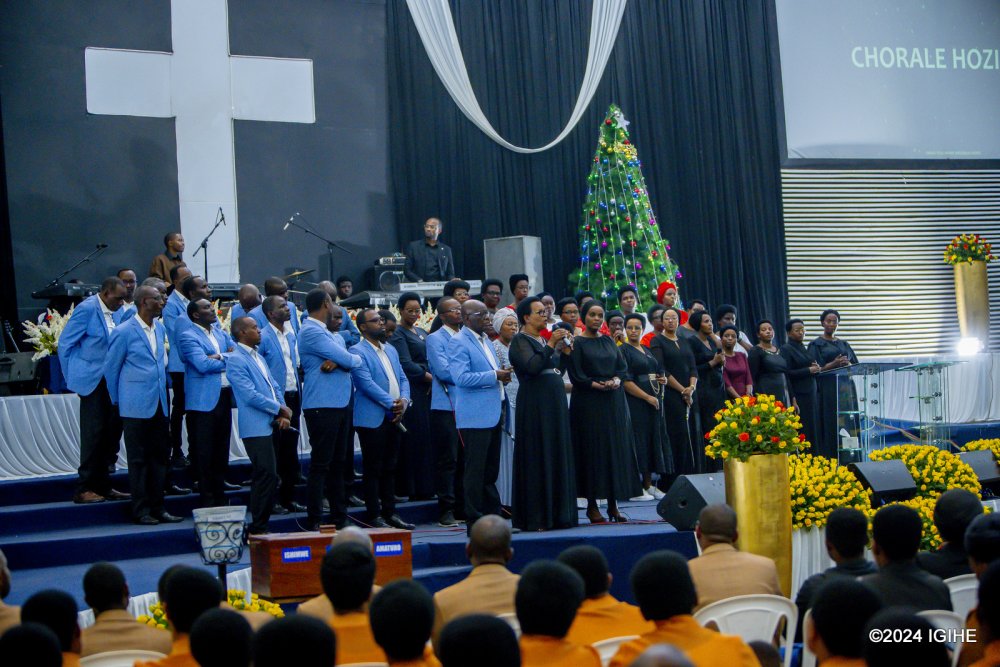
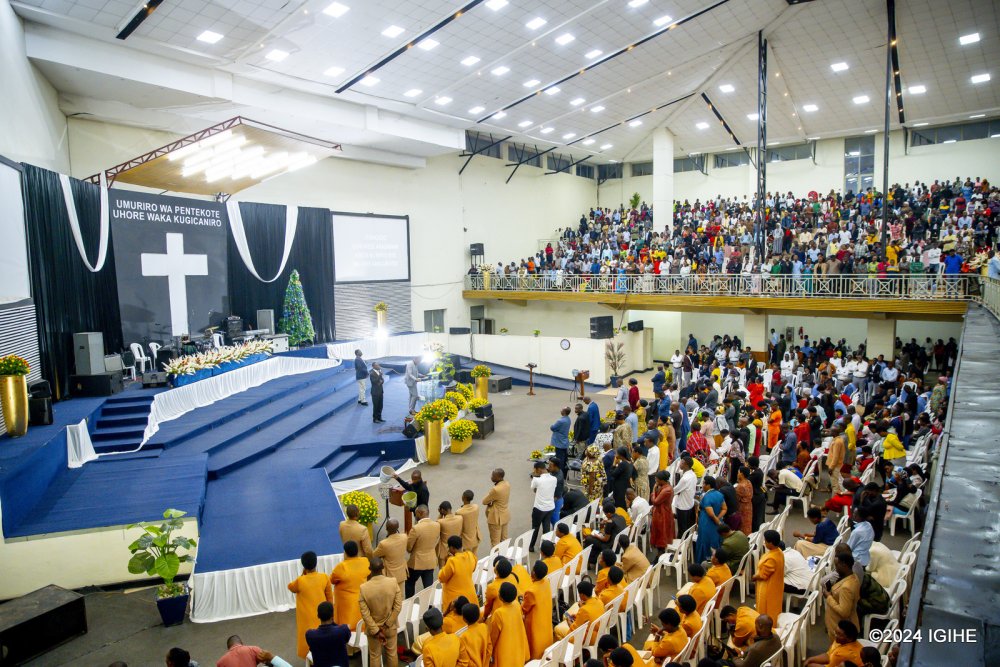
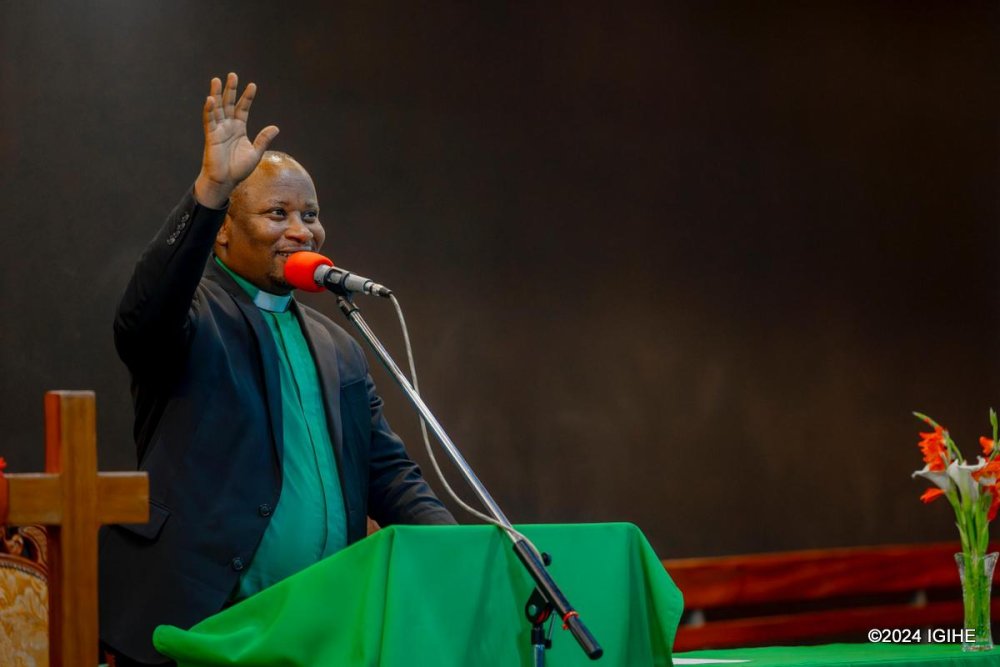
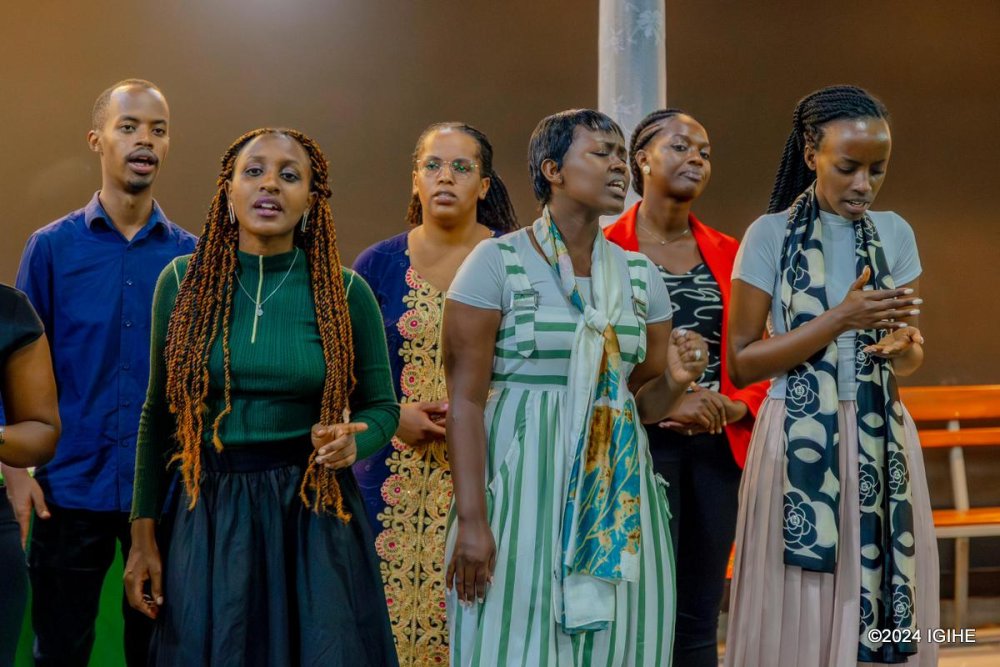
At the Pentecostal Church of Rwanda (ADEPR), congregants celebrated the transition into 2025 with gatherings across the country. The main event took place at Ntora Church in Gisozi, where the lead evangelist Pastor Isaïe Ndayizeye, delivered the new year’s, commending the congregation’s dedication to God’s work.
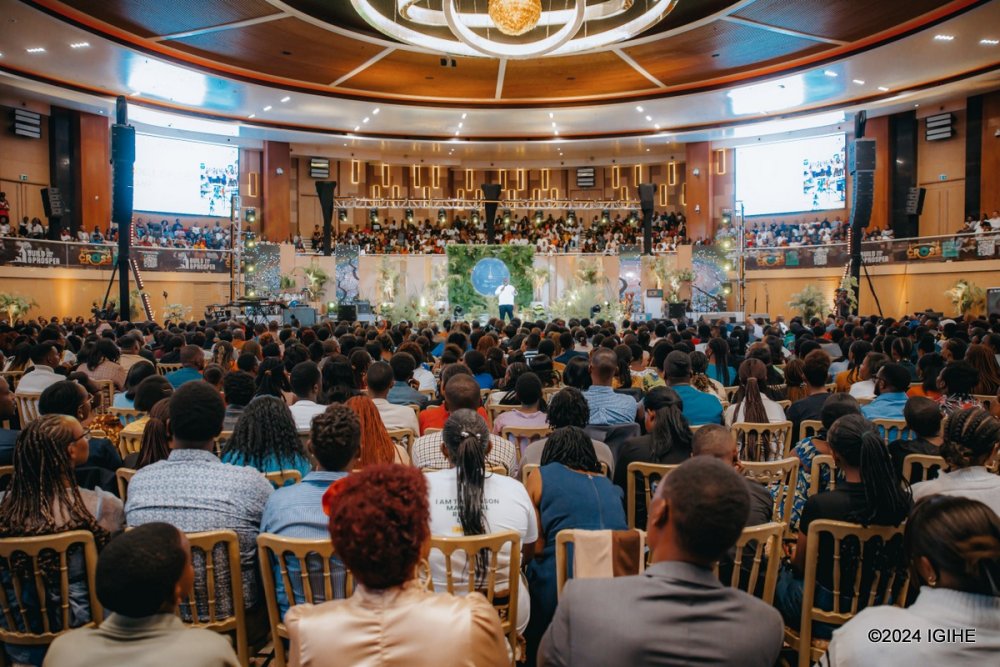
At Zion Temple Celebration Centre, worshippers were immersed in a service that extended into the wee hours of January 1, 2025. As a tradition, the church designates an annual and for this year, the theme is “Year of Breaking Limits,” symbolizing a time to move toward greater achievements.
Apostle Paul Gitwaza, disclosed a prophecy based on Isaiah 54:2–3: “Enlarge the place of your tent, stretch your tent curtains wide, do not hold back; lengthen your cords, strengthen your stakes. For you will spread out to the right and to the left; your descendants will dispossess nations and settle in their desolate cities.”
These verses are part of a prophecy of restoration and blessing. They metaphorically describe preparation for growth and expansion, symbolizing God’s promise to bless His people abundantly and extend their influence. It reflects themes of hope, renewal, and God’s faithfulness.
He emphasized that this scripture will guide the church throughout 2025, encouraging believers to think big, expand their reach, and aim for lasting success.
“This is a time for expansion—moving from one to many, from nothing to something, from small to great. If you have one plot of land, acquire two; if you have little, aim for much,” he said.
He urged believers to strengthen their foundation to ensure that what they build is durable and impactful for future generations. “Ensure that everything you do is grounded and has a strong foundation. It must last and withstand time,” Gitwaza said.
{{Women Foundation Ministries}}
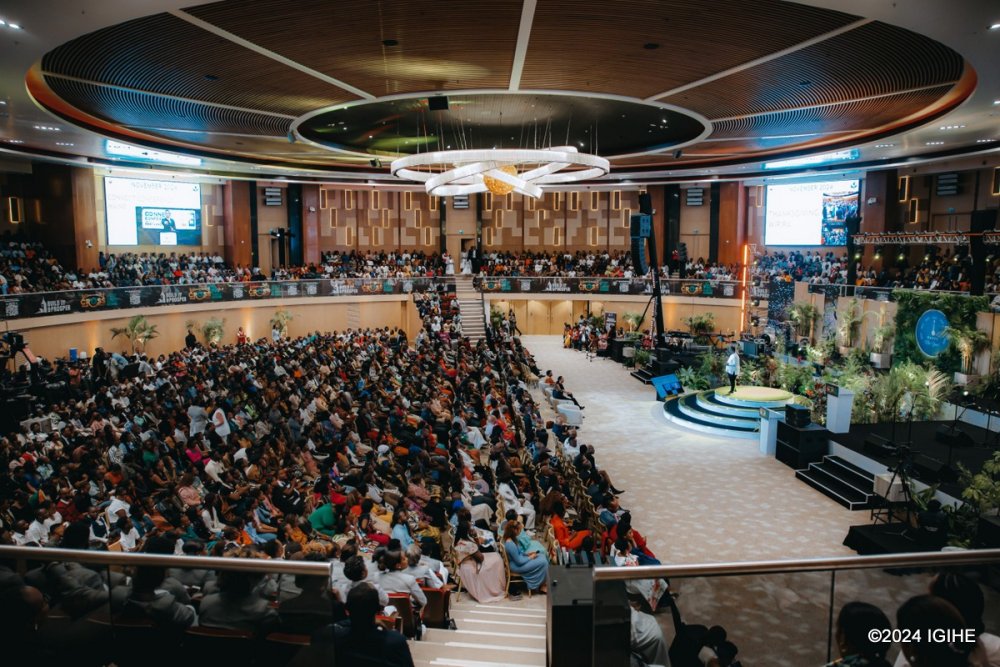
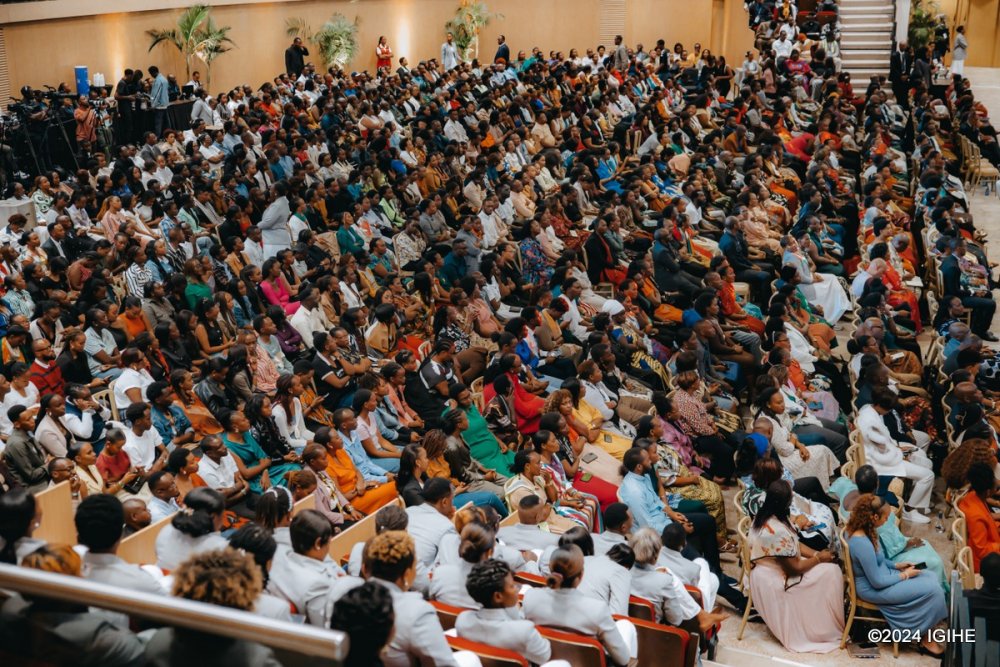
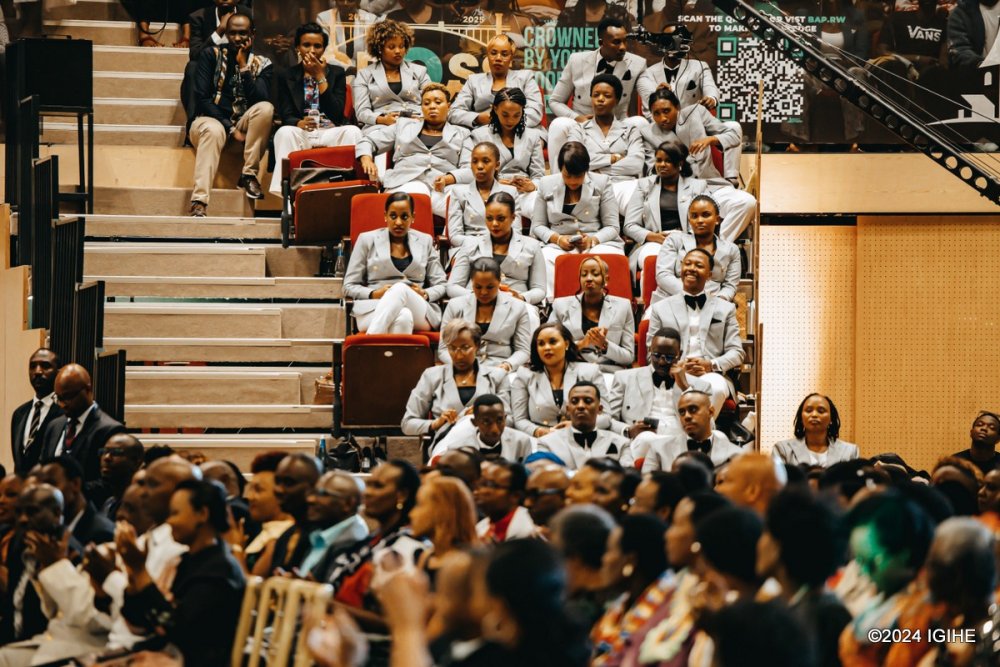
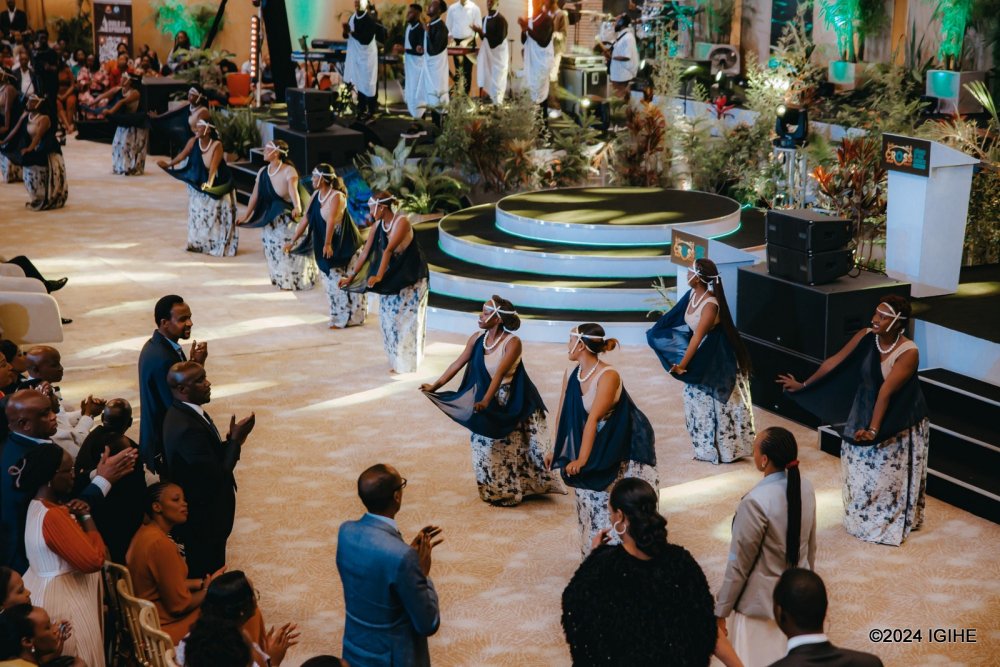
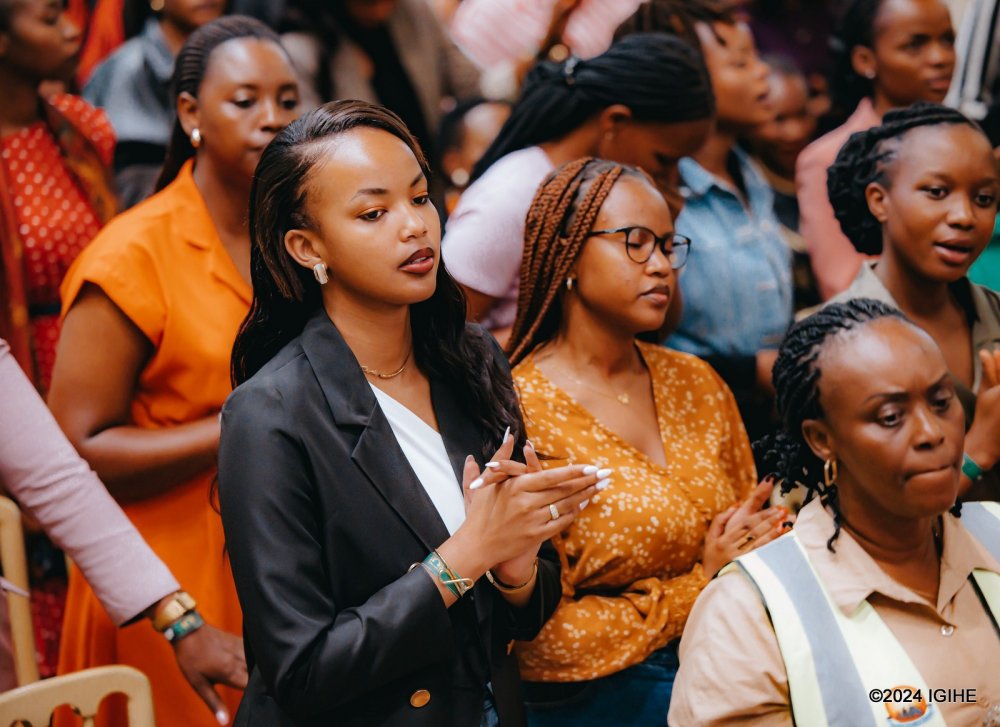
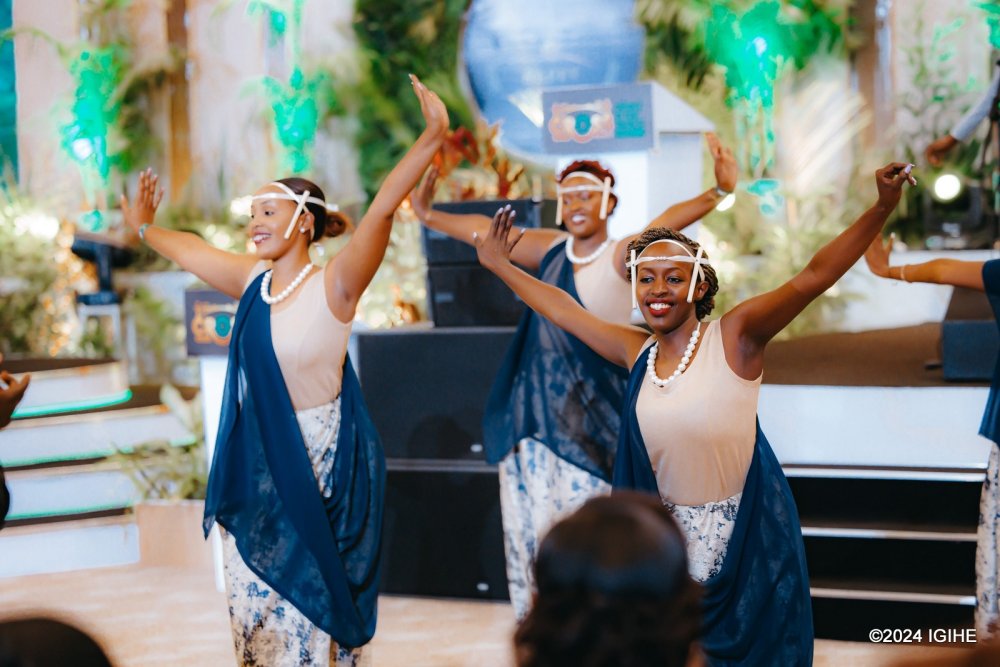
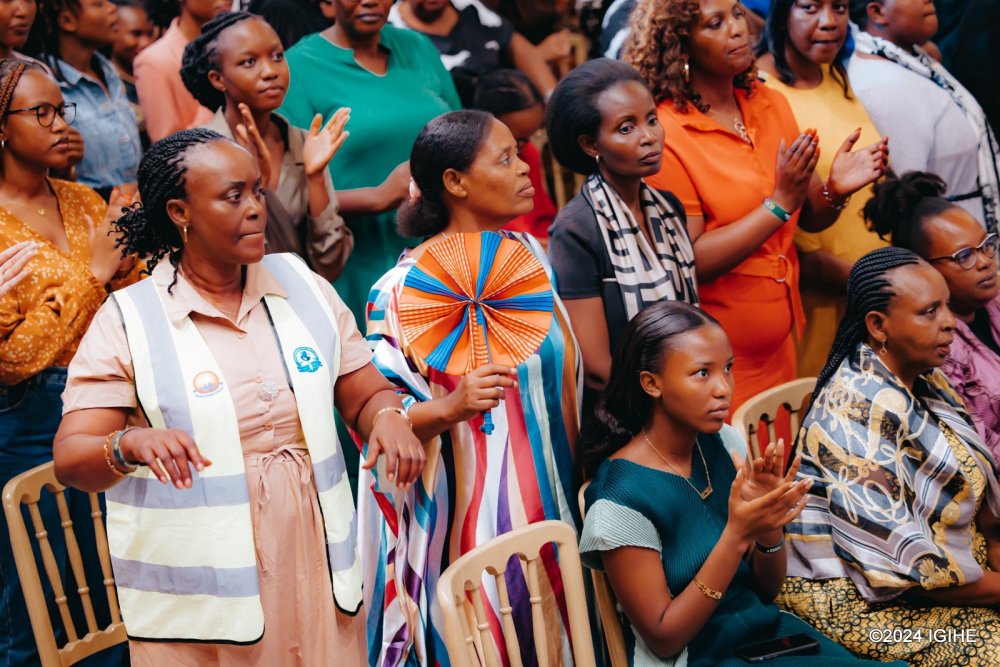
Members of Women Foundation Ministries gathered at the Kigali Convention Centre to give thanks for 2024, with some sharing testimonies of breakthroughs.
Jane Mutesi expressed gratitude for her spiritual growth in 2024. “I wasn’t used to fasting, but I decided to follow the pastor’s teachings. On the second day of fasting, I felt freed from spiritual bondage,” she said.
Diane Kandama shared how God worked miracles in areas she had doubted. “I grew up as a believer, but it wasn’t deeply rooted in my heart. Now, I am convinced that God heals sorrow and pain,” she said.
Apostle Mignone Kabera predicted that in 2025, Jesus would not only visit the members of Women Foundation Ministries but also dwell in their homes, bringing blessings and transformation.
{{Celebrations beyond churches}}
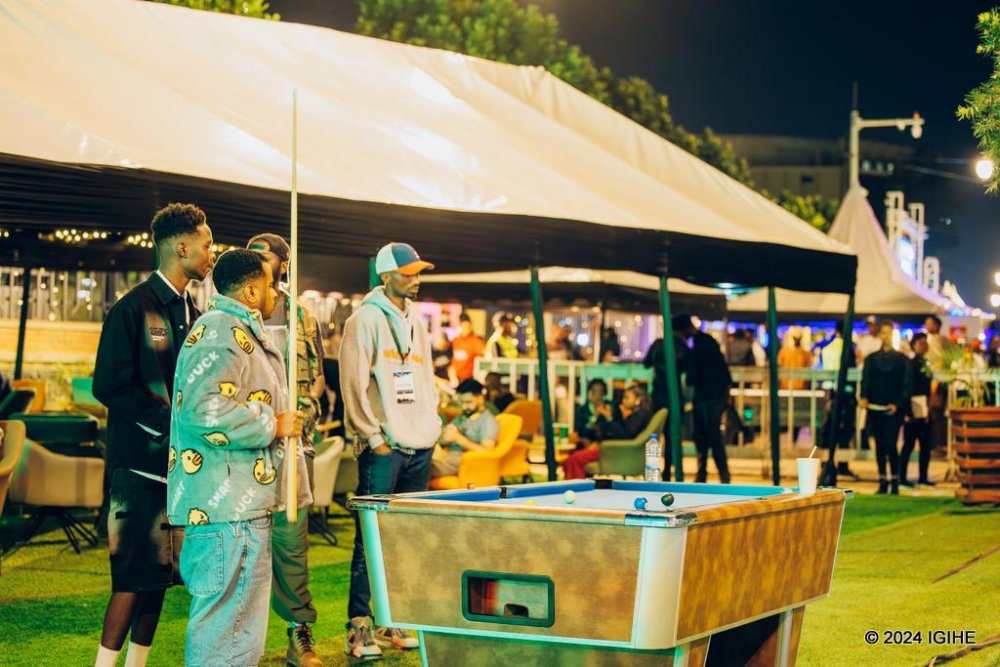
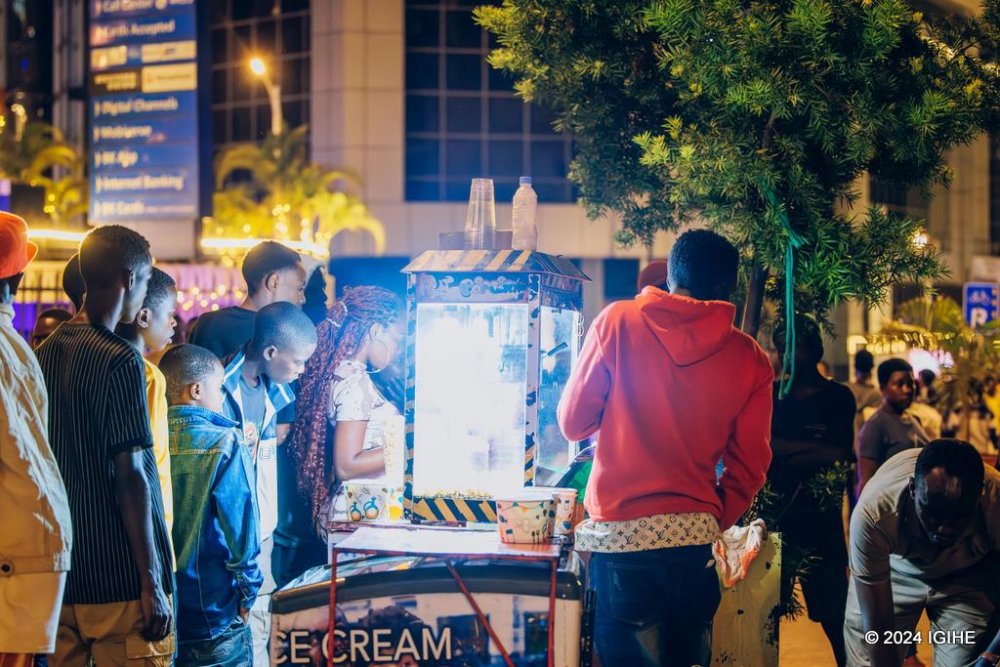
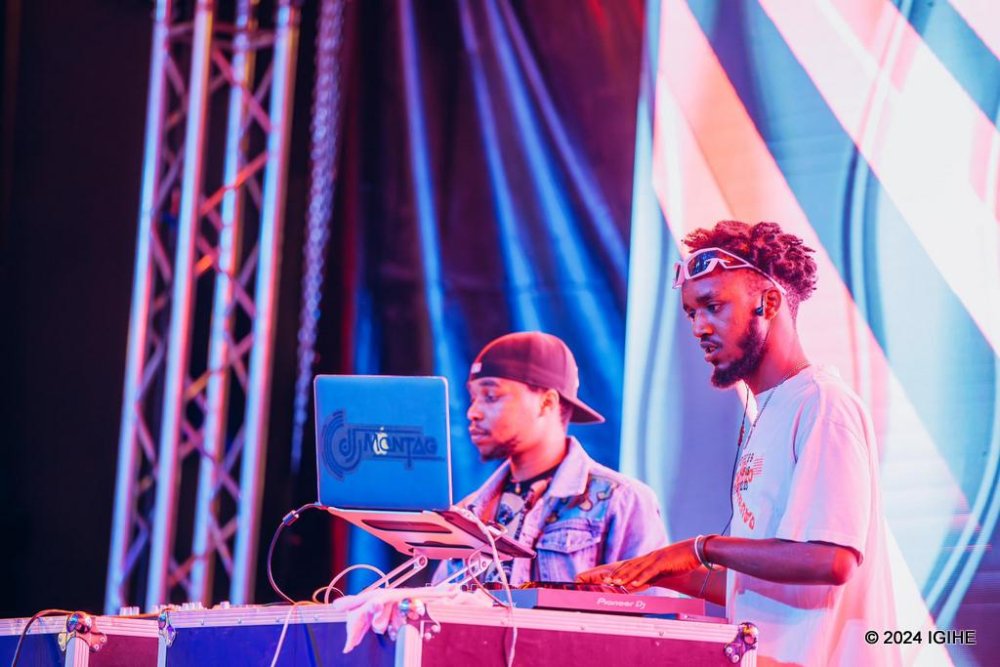
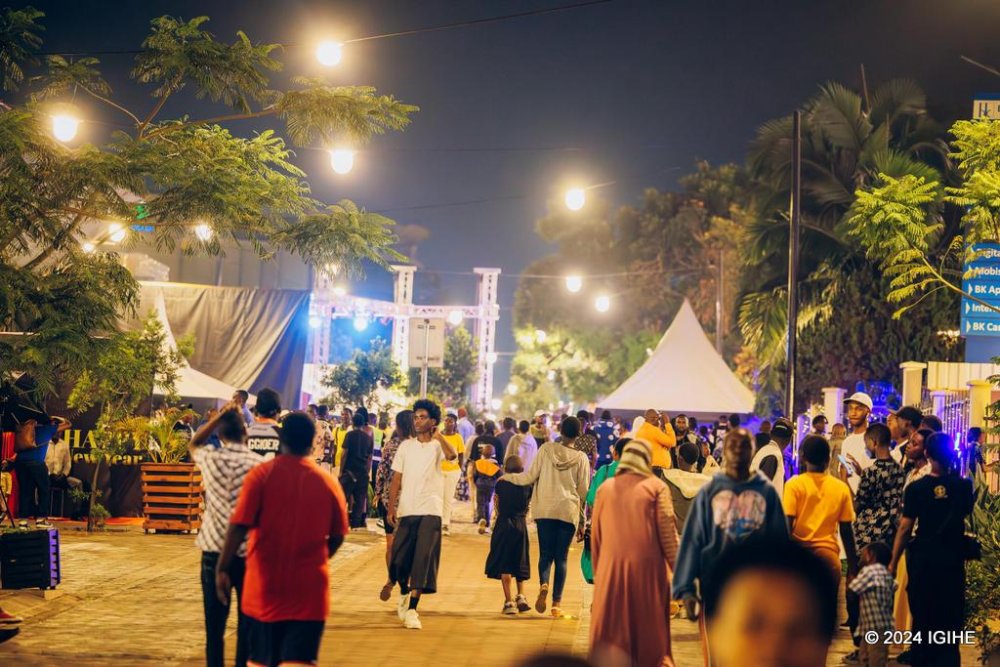
In Kigali’s Car Free Zone, young people gathered in large numbers to mark the end of the year with entertainment.
Janvier Harerintwali, one of the attendees shared his joy in achieving a significant milestone in the past year by renovating his mother’s house. “I was able to renovate my mom’s house and make economic progress. My goal is to expand on my land this year,” he affirmed.
Fiette Ishimwe celebrated finding a good school. “2024 was a good year. I achieved many great things, including getting into a school I never imagined,” she disclosed.
Iradukunda Jackson was proud to have earned his permanent driver’s license. “This year went well because I accomplished my goal of getting my [B&C] driver’s license. My next target for 2025 is to make good use of it,” he said.
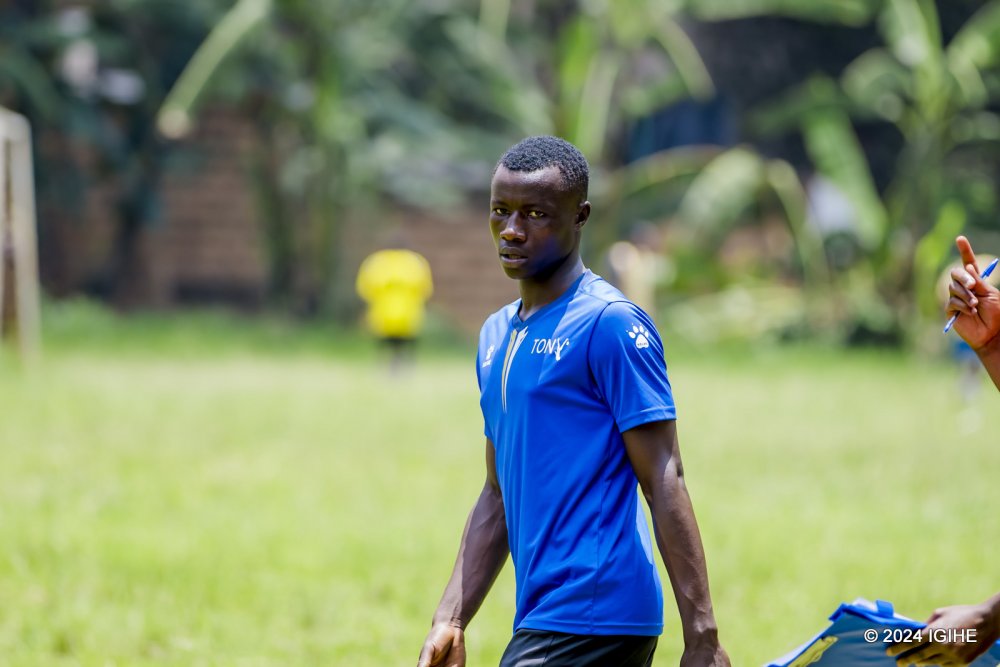
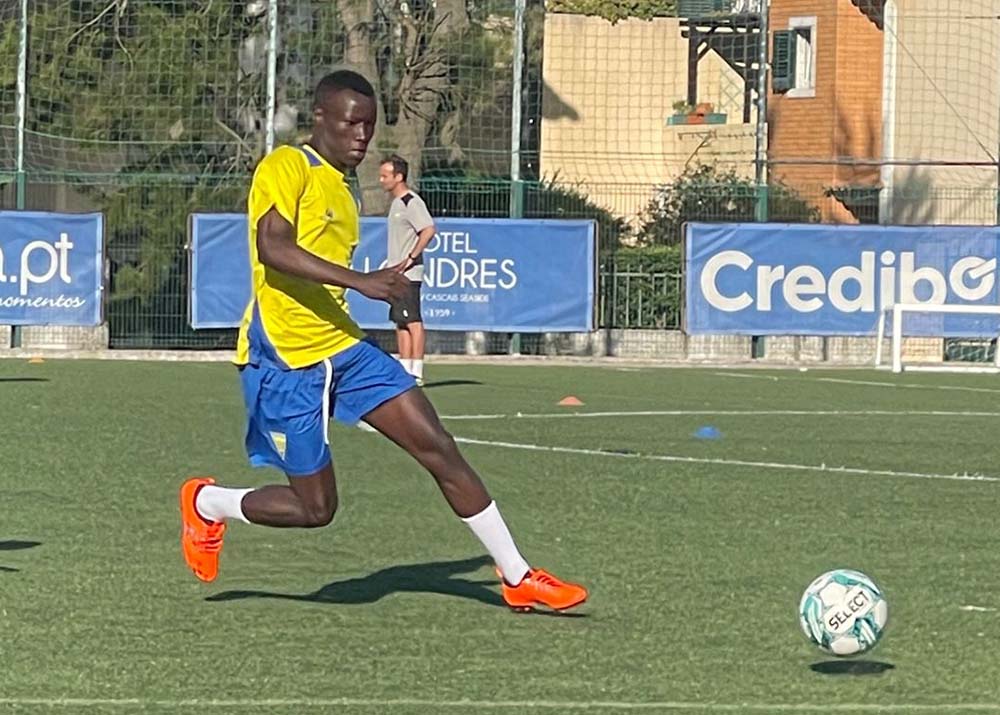
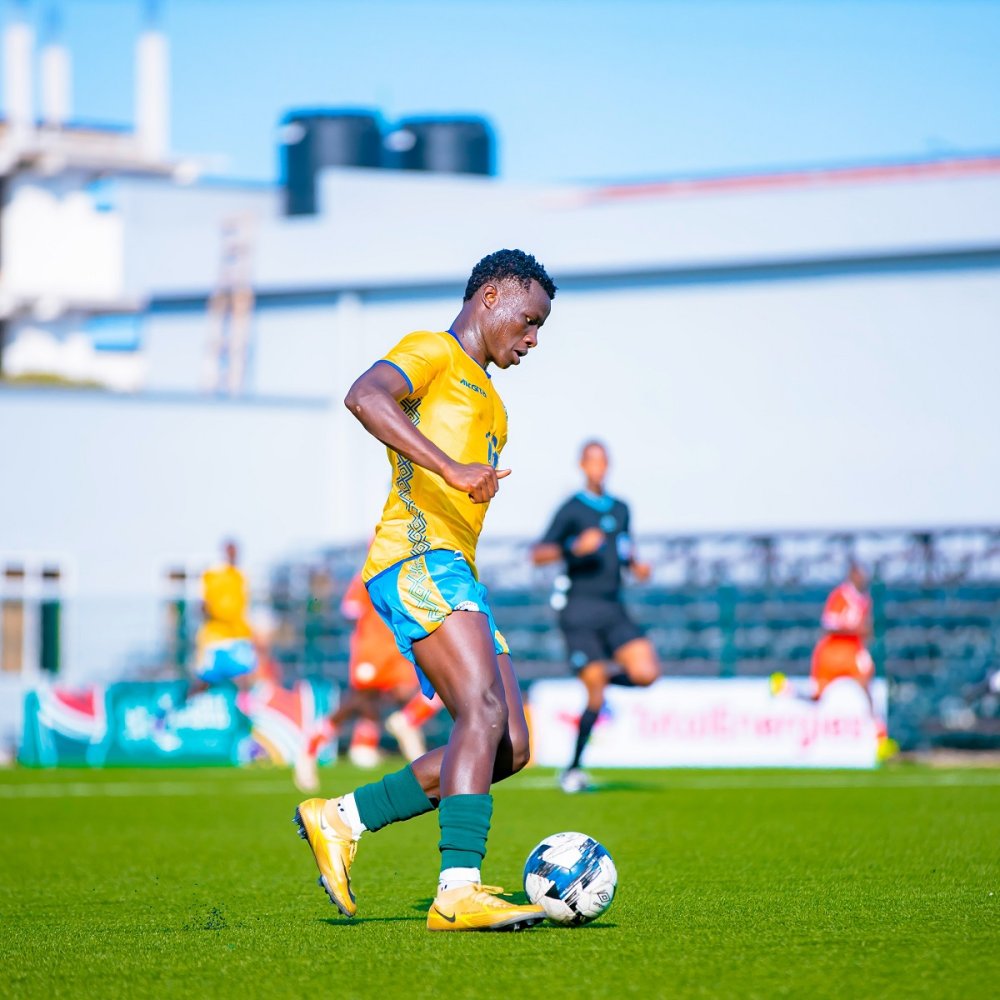
Recognized as a promising young talent, Yangiriyeneza recently showcased his skills in Rwanda’s U-20 Championship, where he scored a hat-trick in a 4-1 victory against Rutsiro FC.
Following this performance, his academy revealed that he has attracted interest from Portuguese clubs after undergoing trials for the second time.
Yangiriyeneza previously trained with top-tier Portuguese teams G.D. Estoril Praia and Rio Ave F.C., earning recognition from their youth teams.
His academy stated, “Erirohe, who recently turned 18, is being sought by U-19 teams in Portugal after impressive trials and excellent performances for Rwanda’s U-20 National Team. His contract is expected to be finalized soon.”
In addition to Portugal, reports indicate that Moroccan clubs are also keen on signing him, leaving the final decision in the player’s hands.
He made these remarks in his New Year’s address to Rwandans, marking the transition from 2024 to 2025.
Reflecting on 2024, Kagame highlighted the 30th commemoration of the Genocide against the Tutsi, coinciding with the 30th anniversary of Rwanda’s liberation. He described these milestones as symbols of the country’s progress.
“We celebrated and commemorated our nation’s liberation. Both events remind us of where we came from and how far we have come, driven by our shared goal of development and reconstruction,” he said.
President Kagame also mentioned the successful elections held in 2024, reinforcing the trust between Rwandans and their leaders.
“The recent elections were well-organized, further affirming the trust citizens have in their leaders and institutions. I thank all Rwandans and friends of Rwanda for your support during the elections and in other times of need,” he stated.
“Rwandans have voiced their ambition for even greater achievements and better services in the years to come. Together, we must work to realize these aspirations.”
{{Condolences for Marburg victims}}
One of Rwanda’s significant challenges in 2024 was the Marburg virus outbreak, which claimed 15 lives, primarily among healthcare workers.
President Kagame expressed his condolences to the bereaved families, stating, “We stand with you in this time of grief.”
He commended healthcare workers for their bravery and thanked Rwanda’s partners for their contributions, which helped end the outbreak by early December 2024.
{{Addressing regional security challenges}}
The year 2024 saw strained relations between Rwanda and neighboring countries, including Burundi and the Democratic Republic of Congo, as well as security issues in the region. President Kagame reassured that Rwanda’s security and sovereignty remain non-negotiable.
“I want to assure you that Rwanda’s security and sovereignty will always be safeguarded, no matter the circumstances,” he affirmed.
He added, “Quick fixes cannot resolve these issues. Lasting solutions rooted in addressing the core problems are needed to ensure enduring peace for all citizens of the region. This is essential for everyone. There can be no peace for some without peace for others. We all need peace.”
The Head of State stressed that Rwanda would not accept being misrepresented in the ongoing regional challenges.
{{Rwanda’s development vision and Formula One aspirations}}
The President reiterated Rwanda’s commitment to self-driven development, stating, “You cannot wait for others to develop you if you do not put effort into your own growth.”
He highlighted Rwanda’s recent hosting of the FIA conference, the first of its kind in Africa, and the announcement of plans to host Formula One. He noted that these initiatives aim to leverage sports for economic growth that benefits all citizens.
{{A call to the youth}}
President Kagame expressed his confidence in the youth’s role in advancing the country’s development beyond current expectations.
“We count on you to take Rwanda to new heights, beyond what we have imagined. Always remember that we have the ability to shape the future we desire and deserve,” he said.