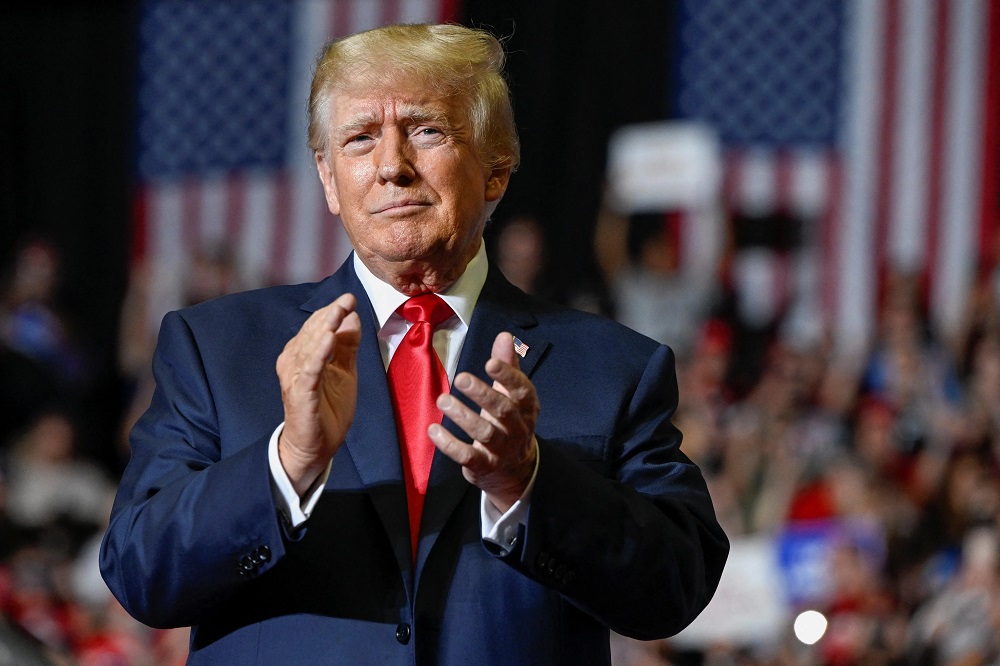
In an interview with Fox News, Trump was asked whether Palestinians currently residing in Gaza—who, under his proposal, face forced displacement—would have the right to return. He responded, “No, they wouldn’t.”
His remarks contradict statements from his administration, including White House press secretary Karoline Leavitt, who previously assured that Palestinians would be “temporarily relocated.” Similarly, U.S. Secretary of State Marco Rubio said Thursday that residents would need to live elsewhere “in the interim” while Gaza undergoes rebuilding.
Pressed on where the roughly 2 million displaced Gazans would go, Trump suggested he could broker agreements with Jordan and Egypt. “I think I could make a deal with Jordan. I think I could make a deal with Egypt,” he said.
Both Jordan and Egypt have already rejected Trump’s calls to take in additional Palestinian refugees, with leaders from both countries voicing opposition. Despite this, Trump warned Monday that he could withhold U.S. aid if they refused his demand.
The president is set to meet with Jordanian King Abdullah II at the White House on Tuesday.
Trump’s plan to take over the Gaza Strip and relocate its residents has sparked widespread criticism from countries across the Middle East and beyond.
Israeli Defense Minister Israel Katz condemned the move as a “complete violation” of the deal and ordered the Israel Defense Forces (IDF) to be fully prepared for any developments in Gaza. Prime Minister Benjamin Netanyahu is holding security consultations to assess the situation.
Hamas’ military wing, Al-Qassam Brigades, stated that Israel had failed to uphold its commitments, including allowing displaced people to return to northern Gaza and ensuring adequate humanitarian aid.
Until Israel complies and retroactively corrects its actions, the handover of hostages will be delayed, the group said.
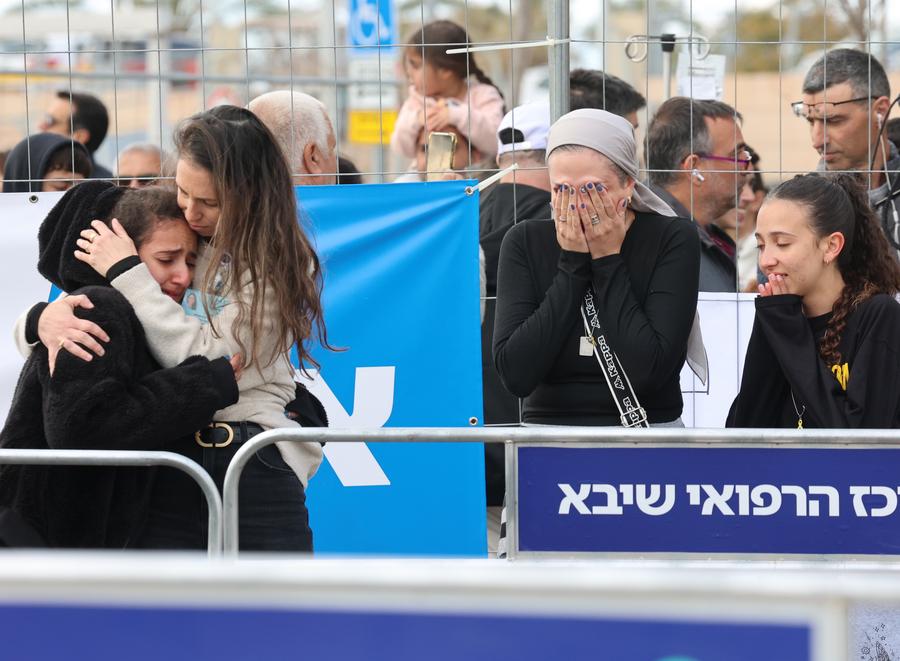
Israel’s Hostages, Missing Persons, and Returnees Directorate insisted on the full implementation of the agreement, warning against any breaches.
The developments follow indirect negotiations in Qatar over the next phase of the ceasefire, which began on January 19.
Under the agreement, 21 hostages have been released in exchange for Palestinian detainees, with further exchanges expected in the coming weeks.
The launch took place on February 10, 2025, simultaneously across six sub-Saharan African countries, including Rwanda. The others are Nigeria, South Africa, Kenya, Sierra Leone and Namibia.
This groundbreaking initiative, backed by £3.5 million in funding from the UK Government’s Ayrton Fund, aims to address Africa’s energy challenges through circular economy principles. Priority will be put on knowledge transfer, skills development, and policy integration to ensure lasting impact.
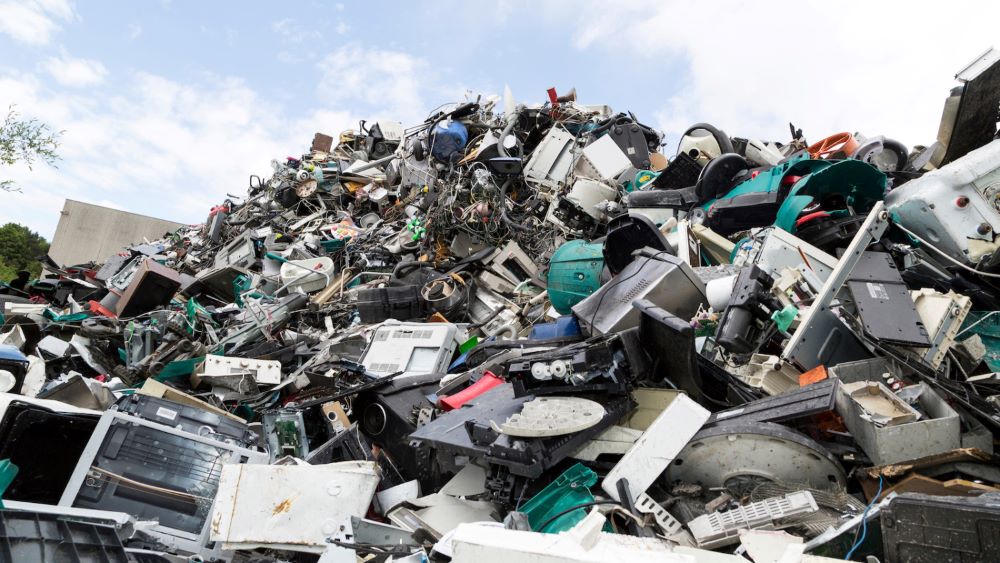
CEPREC will drive renewable energy innovation by repurposing electronic waste and developing circular microgrids. The initiative brings together academia, government, and industry to pioneer sustainable energy solutions tailored to Africa’s unique challenges.
Professor Muyiwa Oyinlola, Director of CEPREC and Professor of Innovation for Sustainable Development at De Montfort University, explained the project’s transformative vision.
“CEPREC was set up to change the way we think about waste. Turning it into opportunity, empowering communities, and driving economic transformation. This initiative will set a new benchmark for sustainable energy solutions across Africa.”
Africa faces a stark energy gap, with access rates varying widely across the continent. South Africa enjoys an 85% electricity access rate, while rural areas in Sierra Leone struggle with just 5%.
Meanwhile, economies differ significantly, from Nigeria’s $477 billion GDP to Sierra Leone’s $4 billion economy. These disparities highlight the urgent need for localized, scalable energy solutions, a challenge CEPREC is uniquely positioned to address.
“When technology is implemented without local capacity to maintain and expand it, sustainability is compromised. By integrating circular economy principles into Africa’s energy sector, we are creating a resilient and sustainable future,” said Professor Layi Alatise, Deputy Director (Engineering) of CEPREC.
In Rwanda, CEPREC is expected to play a crucial role in advancing the country’s green energy ambitions. Dr. Barry Rawn, Head of CEPREC in Rwanda, highlighted the significance of the initiative.
“The future of energy in Africa lies in local innovation and resource efficiency. By repurposing lithium-ion batteries and solar e-waste, CEPREC is proving that sustainable, low-carbon solutions can be both economically viable and socially impactful,” he said.
CEPREC is also working closely with Chatham House to ensure its research translates into actionable policy. Dr. Patrick Schroeder, Senior Research Fellow at Chatham House and CEPREC’s policy lead, emphasized the importance of international collaboration.
“The transition to a circular economy is not just an environmental imperative; it requires a comprehensive international policy framework that fosters innovation, collaboration, and sustainable practices across all sectors.”
The launch marks the beginning of an ambitious long-term vision. CEPREC’s approach aligns with key UN Sustainable Development Goals, including SDG 7 (Affordable and Clean Energy), SDG 12 (Responsible Consumption and Production), and SDG 13 (Climate Action).
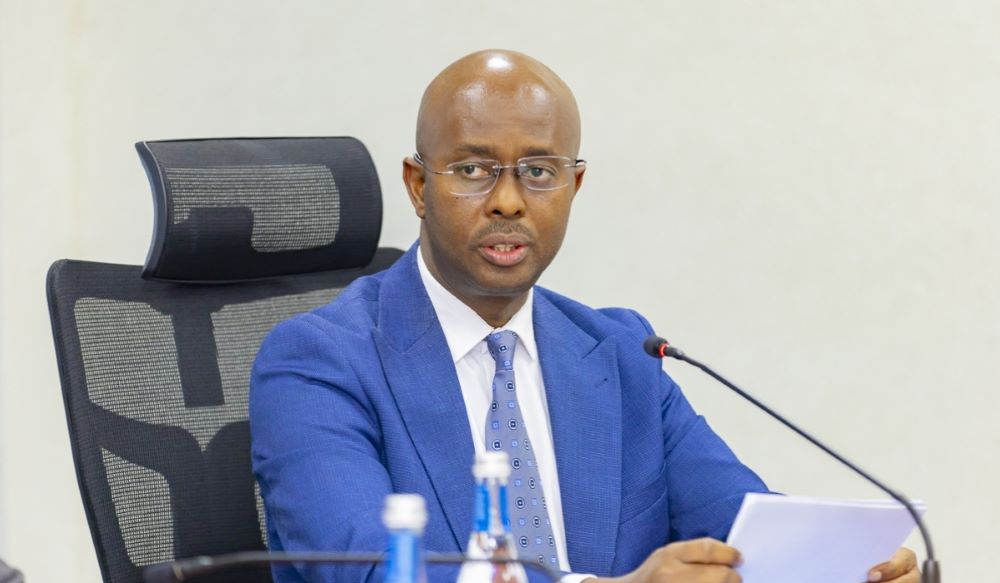
Speaking to the media after the meeting, Minister of Finance and Economic Planning, Yusuf Murangwa, explained the government’s decision to adjust taxes. He emphasized that taxes play a crucial role in national development.
“For a country to develop, we need financial ability, and that comes from taxes. These are fair and realistic taxes that people can afford,” he said.
He clarified that the tax changes will not all take effect immediately but will be implemented over a period of four years until 2029. The main goal, he said, is to reduce dependence on foreign aid while strengthening the country’s economy.
The new tax reforms fall into three categories. The first involves existing taxes where certain exemptions are being removed. For example, VAT exemptions on electronic devices like phones and computers were introduced to encourage digital adoption. Since nearly 80% of Rwandans now own phones, the exemption is being lifted.
The second category includes tax increases on certain products like cigarettes and alcohol. The third category introduces a digital services tax on platforms like Netflix and Amazon, which Rwandans access from abroad.
The government believes these changes will boost revenue while ensuring fairness in taxation. “Not all these taxes will be felt at once, but they will help us build a stronger and more self-reliant economy,” Murangwa added.
With these measures, Rwanda is taking firm steps toward financial independence, ensuring sustainable growth without over-reliance on external funding.
Jacqueline Mutesi, a bar owner in Gitega Sector, Nyarugenge district expressed uncertainty on how the new tax plan rolls out in the coming days during its implementation.
“We are not sure if our client will stop coming through if the price of the beers increases. We will just wait to see what happens,” she said.
Meanwhile, pressing security concerns, particularly the recent fighting in Goma, Democratic Republic of the Congo, and its effects on Rwanda were also discussed and the government expressed condolences to the families of the 16 civilians from Rubavu District who lost their lives when shells landed on Rwandan territory.
Additionally, the Cabinet reviewed the government’s efforts in assisting those who fled the conflict, including facilitating the transit of United Nations (UN) staff members from Goma.
The meeting also considered the outcomes of the February 8, 2025, gathering of Heads of State from the East African Community (EAC) and the Southern African Development Community (SADC), which reaffirmed a political resolution as the preferred approach to addressing the instability in eastern DRC.
The performance of the 2025A agricultural season was also reviewed confirming strong yields driven by increased farmer participation and strategic government interventions. It was noted that the use of climate-resilient crops, improved harvesting methods and better storage facilities significantly boosted productivity.
Finally, the Cabinet approved two major policies aimed at driving national development. The Energy Policy and the National Urban Planning Policy.
Iohannis, a pro-EU centrist, had initially planned to remain in office until his successor was elected. However, his position was fiercely criticized by far-right politicians and their supporters, who gained significant ground in the first round of December’s election. That vote was later annulled by Romania’s top court due to allegations of Russian state interference.
The cancellation triggered widespread unrest, with tens of thousands of Romanians taking to the streets last month to protest what they saw as an attack on democracy.
Opposition lawmakers, capitalizing on the growing dissatisfaction, renewed their push to suspend Iohannis, putting forward a motion in parliament that could have led to his impeachment.
Faced with the prospect of a divisive political battle, Iohannis announced on Monday that he would step down voluntarily, arguing that his resignation would spare the country from further turmoil.
“In order to spare Romania and its citizens from crisis, I resign from the office of president,” he said in a press conference at Cotroceni Palace. “I will leave office the day after tomorrow, on February 12.”
His departure leaves Senate Speaker Ilie Bolojan, leader of the ruling coalition’s Liberal Party, as interim president with limited powers until the election.
Meanwhile, the political landscape remains highly polarized, with the far-right gaining influence. NATO-critic Calin Georgescu, a little-known figure before last year’s vote, has emerged as a key contender.
The European Union and NATO member state, which shares a border with Ukraine, has been thrown into institutional uncertainty since Georgescu’s unexpected success in the December election.
With mainstream pro-European parties divided and the far-right gaining traction, analysts believe some centrist lawmakers may have been willing to back the impeachment effort, further fueling Romania’s political crisis.
Crin Antonescu, the candidate backed by the ruling coalition, said Iohannis’ resignation was the “preferable outcome” compared to impeachment, which he argued would have only distracted from key national issues.
With the election re-run just months away, Romania now faces an uncertain political future, with its democratic institutions under scrutiny and growing concerns about external influence in its electoral process.
The Israeli delegation for the talks in Qatar over the Gaza ceasefire returned to Israel on Monday morning, according to the statement.
The delegation traveled to Doha on Sunday for indirect negotiations between Israel and Hamas concerning the second phase of the fragile ceasefire, following Netanyahu’s visit to Washington last week.
However, according to Netanyahu’s office, the delegation focused only on technical matters, not major issues that have yet to be agreed upon, including the administration of Gaza after the war.
Under the ceasefire, which took effect on Jan. 19 after 15 months of devastating war, 21 hostages — 16 Israelis and five Thais — were released from Gaza in exchange for hundreds of Palestinian detainees freed from Israeli jails. More than 70 hostages are still in Gaza.
Under the first phase of the agreement, which spans six weeks, a total of 33 hostages and about 2,000 detainees are expected to be released.
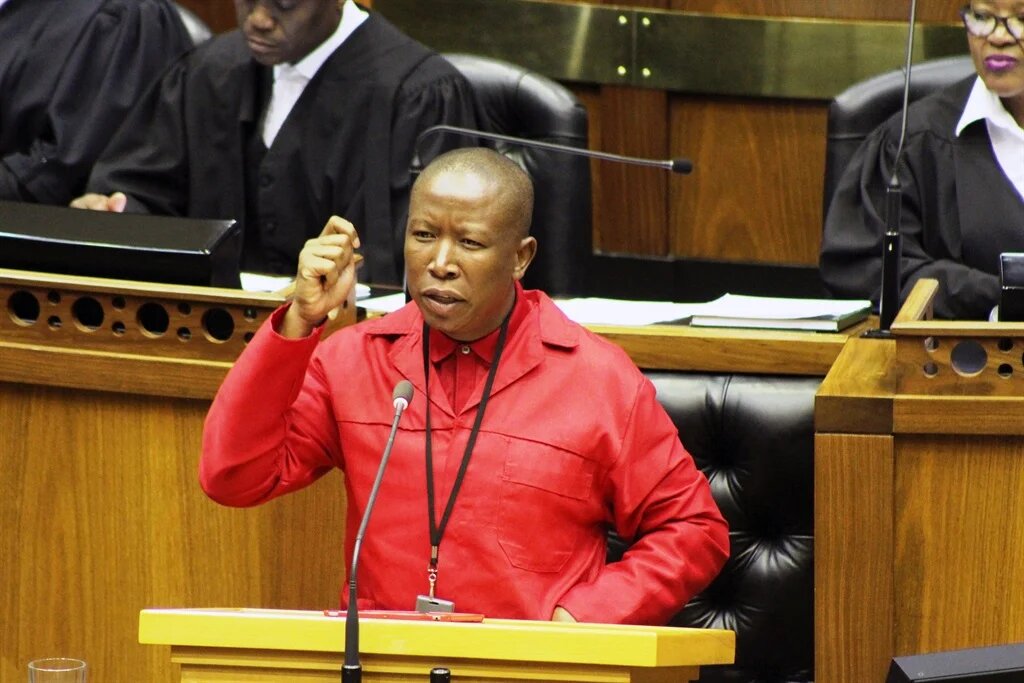
Speaking at the South African National Assembly on Monday during a debate on the deaths of 14 South African National Defence Force (SANDF) soldiers in eastern DRC, Malema condemned the government’s decision to send troops under the Southern African Development Community Mission in the Democratic Republic of Congo (SAMIDRC).
Malema argued that the mission was not a peacekeeping effort but a direct combat operation against the “well-equipped” and strategic M23 rebels. He accused the government of deploying soldiers without essential military assets, such as drones and fighter jets, leaving them vulnerable.
“Our government has deliberately misled the people. The reality is that our soldiers are fighting an enemy with superior weaponry, resources, and intelligence,” he remarked.
Malema also blamed the recent casualties on SANDF’s failures in intelligence and coordination, particularly during the M23 offensive on Goma.
According to him, intelligence lapses left South African forces unprepared, while poor coordination with regional allies and the Congolese military led to a weak and fragmented response.
The lack of clear directives from leadership, he added, resulted in disorganized retreats and unnecessary casualties, which also led to the deaths of two soldiers from Tanzania and two from Malawi under SAMIDRC.
The EFF leader further attributed SANDF’s declining capability to years of government neglect and corruption. He noted that budget cuts have crippled the military, grounding aircraft and helicopters due to lack of maintenance.
Despite the deployment costing the government R2.3 billion since it began, he argued that mismanagement and corruption have severely weakened the army’s effectiveness.
“Officials have looted and mismanaged funds, sending South Africa’s defence technology to foreign entities. This is nothing short of crazy,” he said.
Additionally, Malema criticized the Department of Defence for wasting over R250 million outsourcing IT services while ignoring internal capabilities, calling it blatant theft of state resources at the expense of soldiers.
Some of the fallen soldiers were killed in the battle for Goma City, while others died in clashes in Sake involving M23, the Congolese military, and allied coalition forces.
The United Nations peacekeeping mission in the DRC (MONUSCO) transported their remains to Uganda through the main Rwanda-DRC border crossing, La Corniche, around noon on Friday, following days of delays.
Upon arrival in Kampala, the decomposing bodies were scheduled for preparation before being flown to South Africa via Entebbe International Airport. However, as of Monday afternoon, they were yet to be repatriated, with final arrangements expected this week.
Malema expressed outrage over the delays, calling the situation “unacceptable.”
“We must be clear. The deployment of our soldiers in the DRC is not about achieving peace. It’s about sacrificing our soldiers for a war with no end in sight. This government continues to send them to die in a foreign land, and when they do, their bodies are not even repatriated with the dignity they deserve,” he lamented, adding that the delays had subjected the families of the fallen soldiers to severe anguish.
M23 accuses the Congolese government of decades-long persecution and marginalization of Congolese Rwandophones.
Malema called for the immediate withdrawal of South African troops, arguing that no more lives should be lost in a “senseless conflict.”
He urged the government to bring the troops home, echoing calls for a ceasefire made during discussions at the recent joint Southern African Development Community (SADC) and East African Community (EAC) summit in Tanzania.
During the EAC-SADC summit on Saturday, regional Heads of State called for a political solution rather than a military one. The Congolese government has been urged to prioritize meaningful and honest dialogue with M23 and other rebel forces in the country to silence guns in the eastern region.
The film will be shown in the Forum section of the festival, which is scheduled to run from February 13 to 23, 2025.
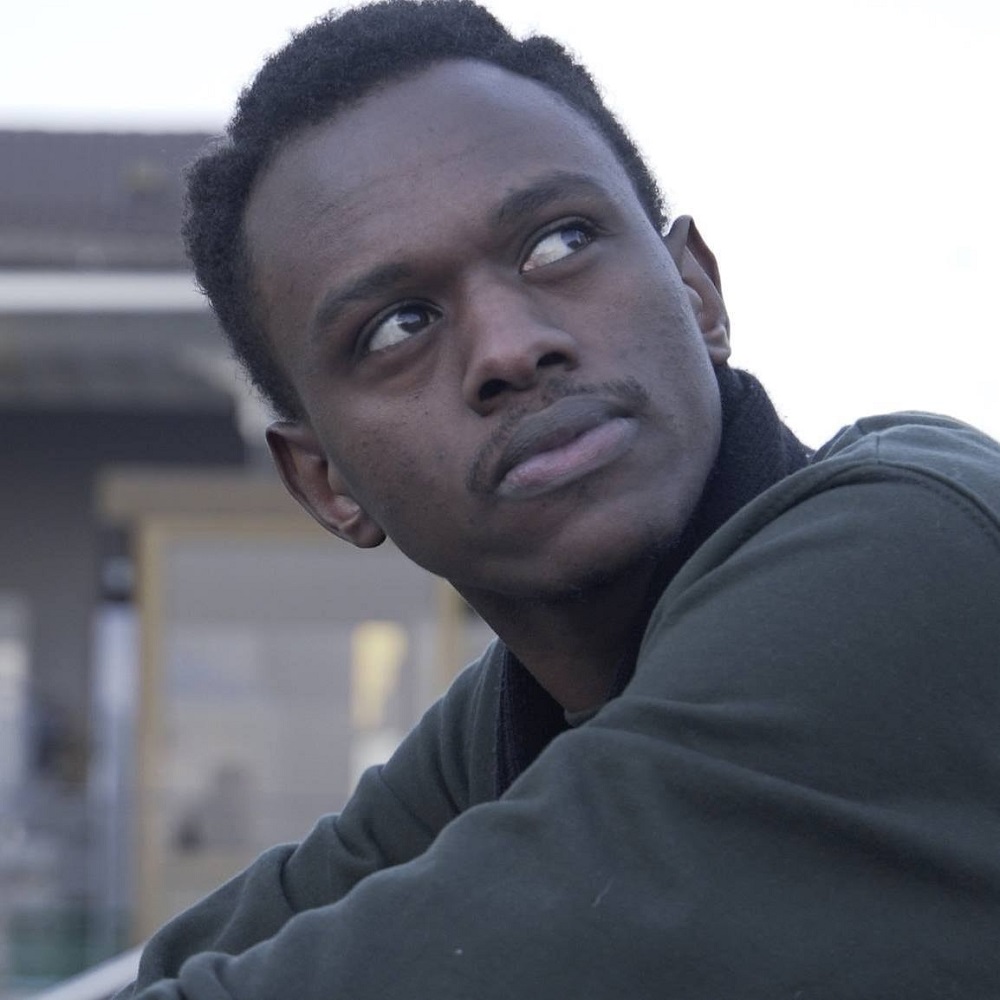
Sharangabo told IGIHE that he and a team of about 10 who worked on the film will arrive in Germany on February 12, 2025, a day before the screening.
He expressed his pride in having his film showcased at Berlinale, marking its official premiere and giving film enthusiasts the opportunity to watch it in theatres afterwards.
“I am very happy, and what I can tell people is that this will be the film’s first public screening. After this, it will start being shown in different places. It’s a significant step for Rwandan cinema and a result of the daily efforts and struggles we go through. I’m grateful and appreciate everyone who contributed to making this project successful,” he said.
Minimals in a Titanic World is Sharangabo’s first feature film, centred around Anita, a dancer aspiring to turn her passion into a professional career.
After being imprisoned due to misconduct, Anita returns to a life of performing music and dancing in a nightclub. However, she receives heartbreaking news about the death of her lover, Serge.
As her friends support her through grief, Anita meets Shema, Serge’s close friend, and the two form a bond that helps her find solace and refocus on building her life as a songwriter.
Set in contemporary Kigali, the film explores themes of ambition, love, loss, and the struggle of young people trying to achieve their dreams while navigating life’s uncertainties.
The film features actors Aline Amike, Niyigena “Rwasibo Joe” Jean Pierre, Ganza Moise, Nasser Makala, and Alice Amike.
Key contributors to the film include Samuel Ishimwe Karemangingo and Nasser Naizi, who handled cinematography, while Kivu Ruhorahoza was responsible for editing. The film’s music was composed by Amin Goudarzi, with Amadou Massaer Ndiaye overseeing sound design. Carine Umunyana led the production design, shaping the film’s visual aesthetic. The production team was led by Sharangabo, alongside Samuel Ishimwe Karemangingo, Remy Ryumugabe, Didacienne Nibagwire, Alexander Wadouh, Roxana Richters, and Augustine Moukodi.
The film was co-produced by Imitana Productions and Iyugi Productions, both based in Kigali, along with Chromosom Film in Berlin and Zili Studios in Yaoundé, Cameroon.
Sharangabo, the film’s creator, is also the organizer of the Kigali CineJunction Festival, which has been held twice in Rwanda since its launch in 2023.
The Berlin International Film Festival (Berlinale), established in 1951 and held in February since 1978, is widely considered one of the world’s most prestigious film festivals, alongside Cannes and Venice.
In addition to Berlinale, Minimals in a Titanic World is also competing in the feature film category at the Festival Panafricain du cinéma et de la télévision de Ouagadougou (FESPACO), which will take place in Ouagadougou, Burkina Faso, from February 22 to March 1, 2025, for its 29th edition.
FESPACO is the most prestigious film festival in Africa and has been hosted in Ouagadougou every two years since 1972.
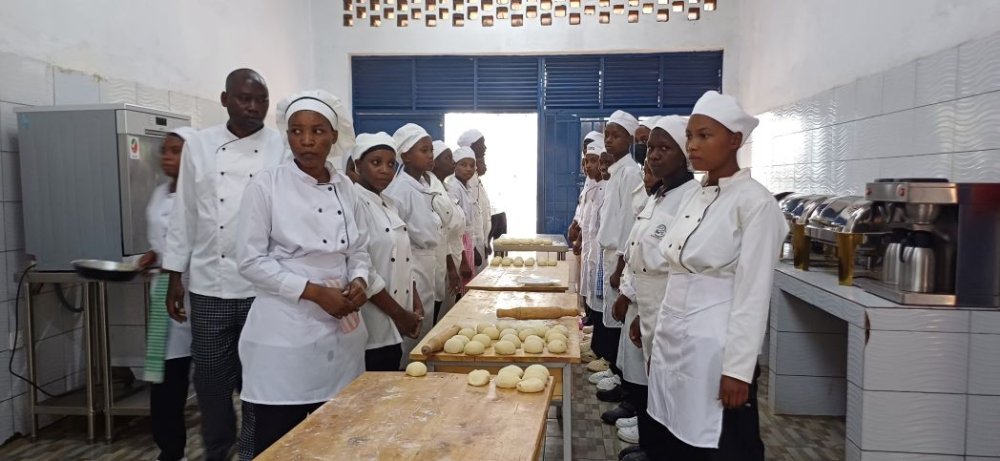
For some time now, messages encouraging girls to embrace vocational training have been widely shared through the media and other public spaces. These efforts are paying off, as more girls are now joining TVET schools.
RTB’s Director General, Eng. Paul Umukunzi, noted that while the number of girls in TVET schools is still lower than that of boys, the gap is much smaller compared to previous years.
“Girls now make up 43% of students in technical, vocational, and training schools. The challenge is that they tend to concentrate in certain programs while avoiding others,” he said. In 2023, only 15% of TVET students were girls.
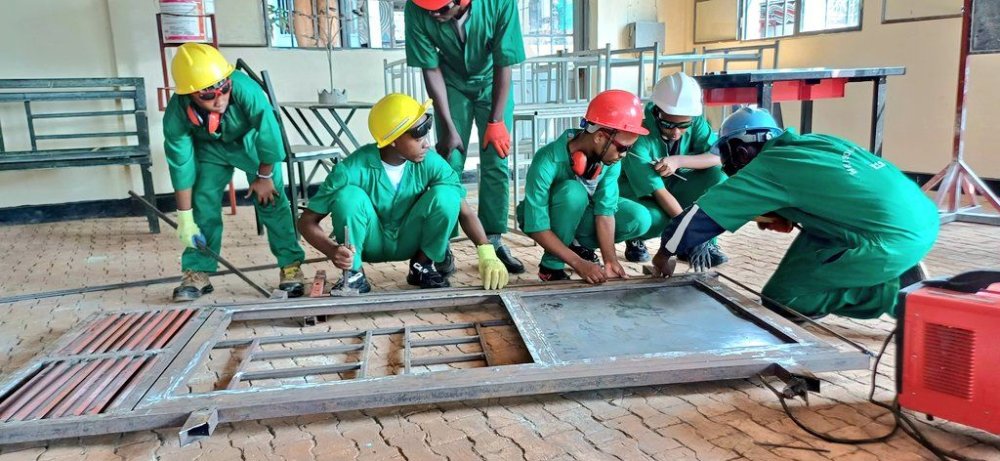
Umukunzi explained that the government has introduced initiatives to encourage girls to enroll in fields they traditionally avoided due to cultural perceptions.
“For example, in construction and manufacturing, the number of girls remains low. We have introduced programs to show them that they are just as capable as their male counterparts.”
Among these initiatives is a scholarship program designed to increase female participation in underrepresented fields, with RTB planning to award scholarships to 4,000 girls.
Additionally, the government is improving infrastructure in TVET schools to make them more accommodating for female students.
“The equipment we purchase today is modern and does not require excessive physical strength. Even though strength differences are often exaggerated, technological advancements now ensure that no job is exclusive to men,” he added.
Established by the Rwandan government in 2020, RTB is tasked with enhancing the quality of technical and vocational education to support economic development and improve the well-being of citizens.
His appeal aligns with the resolutions from the recent extraordinary summit of the East African Community (EAC) and the Southern African Development Community (SADC), which called for a ceasefire and negotiations between the conflicting parties in eastern DRC.
The international community has repeatedly encouraged the DRC government to negotiate with M23 in search of a lasting security solution.
However, the government has consistently rejected this approach, opting instead for military intervention.
Despite continued offensives by the DRC army coalition, M23 has expanded its control over more territories. This was evident on January 23, when the group took over Sake, and again on January 27, when it captured Goma.
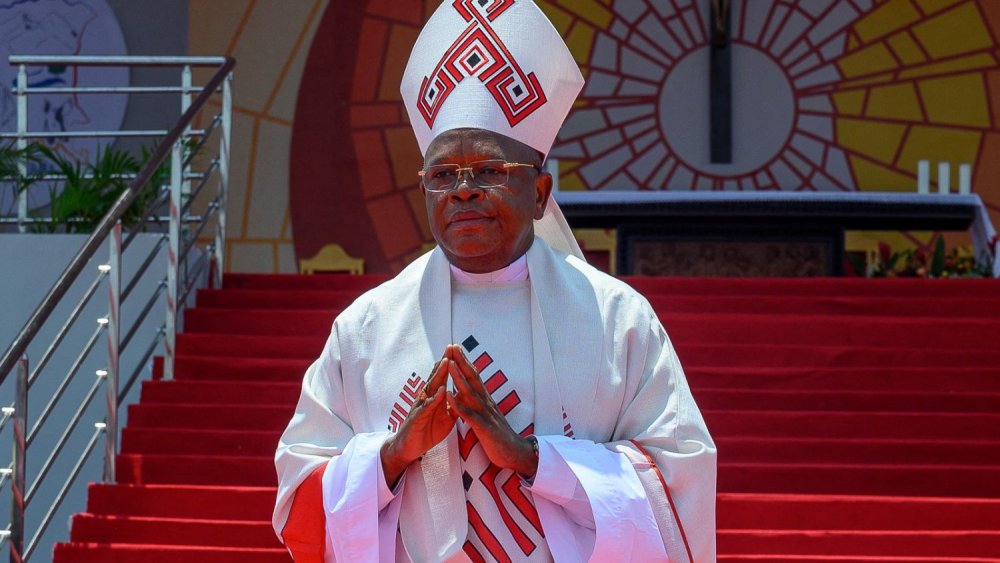
Cardinal Ambongo criticized the government’s refusal to hold talks with M23, arguing that relying solely on military solutions has proven ineffective and has only worsened conditions for civilians.
He stressed that dialogue is essential in resolving long-standing conflicts and warned against wasting more time while the country remains in crisis.
Speaking during a Mass in Kinshasa on January 9, he underscored the urgency of negotiations, asserting that addressing decades-old challenges requires engagement with all stakeholders, including perceived enemies.
He emphasized that every moment is crucial for the nation’s stability and urged authorities to take swift action to prevent further deterioration of the situation.
Cardinal Ambongo also suggested that if necessary, the DRC government should be willing to travel to Goma, currently under M23 control, to meet with the group’s representatives. He maintained that achieving lasting peace should take precedence over political or logistical concerns.
Cardinal Ambongo further insisted that negotiations should involve all parties, regardless of where they are, as excluding key stakeholders would hinder efforts to reach a sustainable resolution.
While the DRC government welcomed the resolutions from the EAC and SADC summit, it has not indicated any willingness to change its position and engage in direct talks with M23 as recommended.