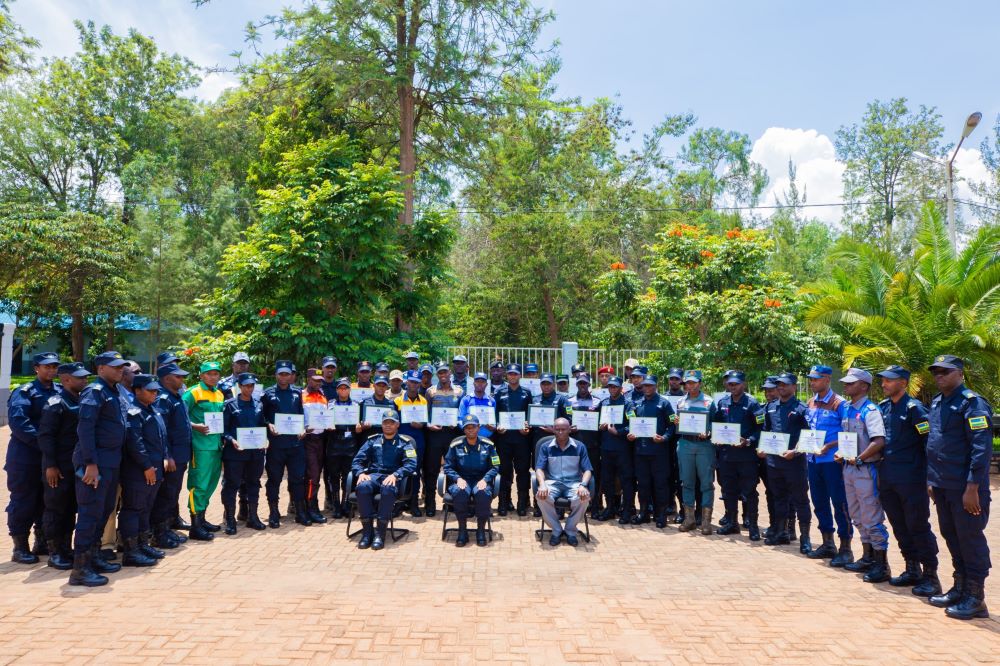
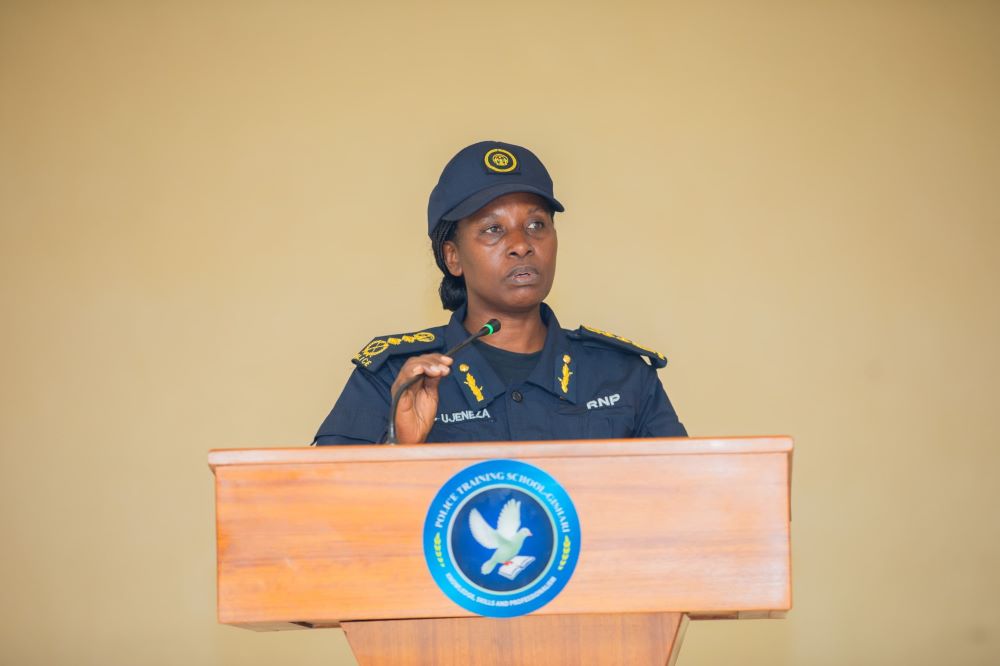
The closing of the ITC 10th intake and MOI intake eight, on Thursday, February 13, was presided over by the Deputy Inspector General of Police (DIGP) in Charge of Administration and Personnel, DCG Jeanne Chantal Ujeneze.
The three-month courses were also attended by those from private security companies in Rwanda.
The two instructional programmes train officers on how to design courses, job analysis for training, general instructional methods, psychology of learning, effective communication, and general instructional techniques.
They also develop officers’ understanding and skills in human relations, development of instructional aids, research methodology and micro teaching practices, among others.
DIGP Ujeneze congratulated the trainees for their commitment and successful completion of the courses.
“The role of trainers is not only limited to imparting knowledge and skills to trainees; trainers are custodians of force doctrine and play key roles in shaping professionalism among the force,” DIGP Ujeneze said.
She urged them to be “proud of it and strive to be good trainers.” The RNP, she said, will continue to deepen cross-border cooperation in matters of policing and security.
The Deputy Police Chief pointed out that building a professional Police force can be achieved if there are enough competent trainers and that the two courses are designed to answer these institutional needs.
According to the statement, Foreign Minister Ali Yousif Ahmed sent a letter to the foreign ministers of AU Peace and Security Council (AUPSC) member states ahead of their scheduled meeting in Addis Ababa on Friday, in which he urged the council to reconsider its stance on Sudan and allow the country to reclaim its position within the AU.
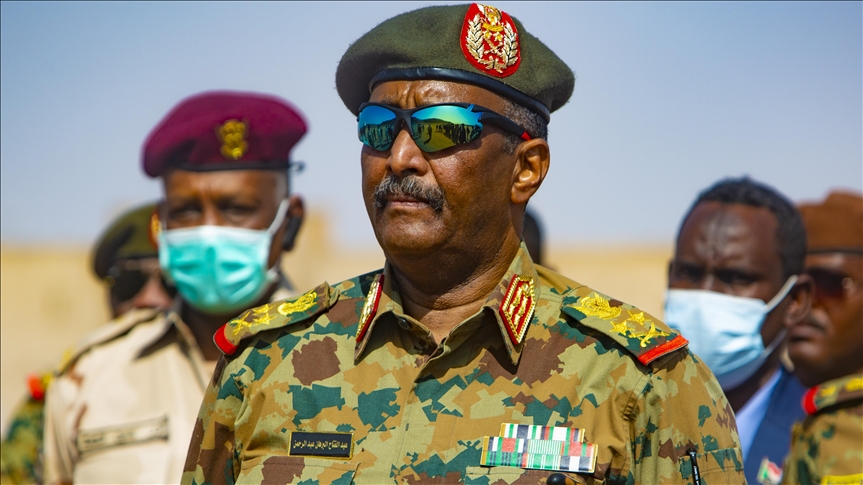
Sudan’s membership was suspended on October 27, 2021, following a state of emergency declared by Abdel Fattah Al-Burhan, the chairman of the Transitional Sovereign Council and commander of the Sudanese Armed Forces, which led to the dissolution of the ruling council.
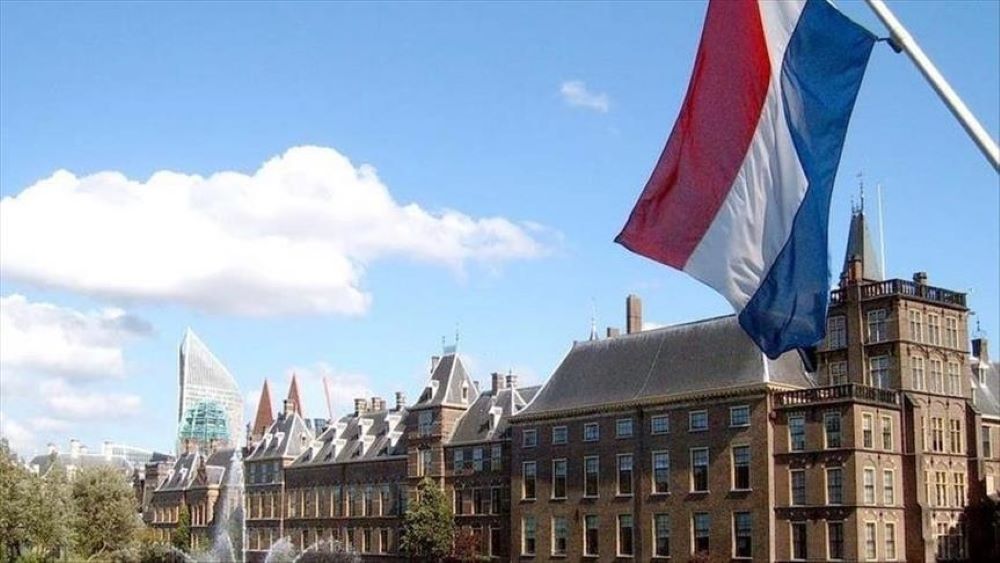
The Royal Netherlands Marechaussee, the country’s military police, quickly detained the suspect.
While national broadcaster NOS reported that the individual is a 30-year-old man found in possession of a knife, Police have not officially confirmed these details, citing an ongoing investigation.
As a precaution, access to the main chamber and surrounding areas was restricted. The lockdown caused a brief interruption to parliamentary proceedings, but the debate resumed shortly after the suspect was taken into custody.
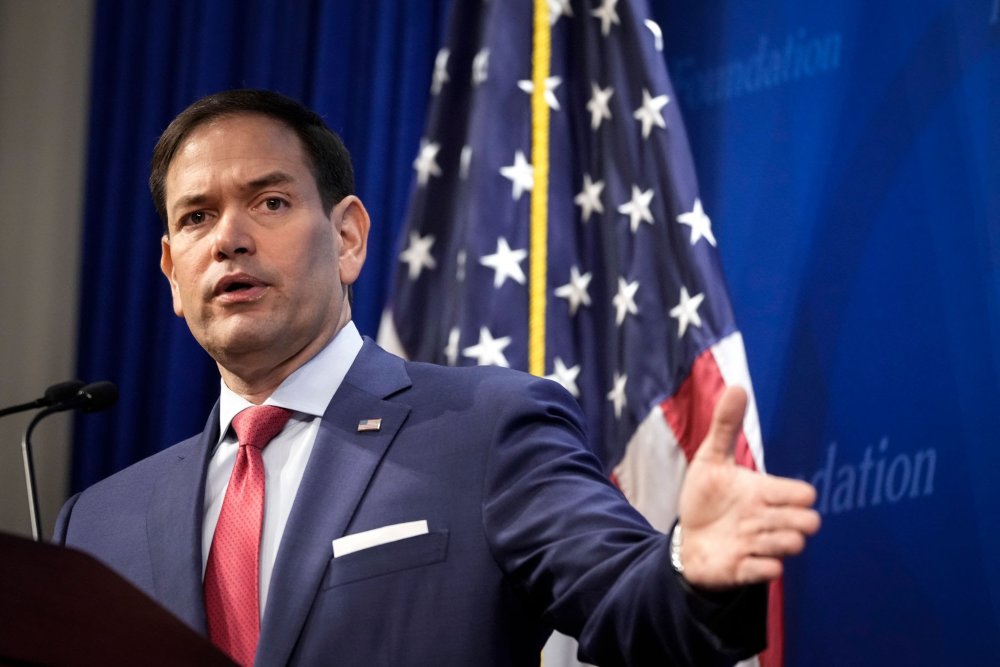
Despite the setback, Rubio will proceed with his scheduled visits to Germany and the Middle East using a different aircraft, the spokesperson confirmed.
An official speaking to AP stated that the problem, linked to the cockpit windshield of the C-32, a modified Boeing 757, surfaced approximately 90 minutes into the flight.
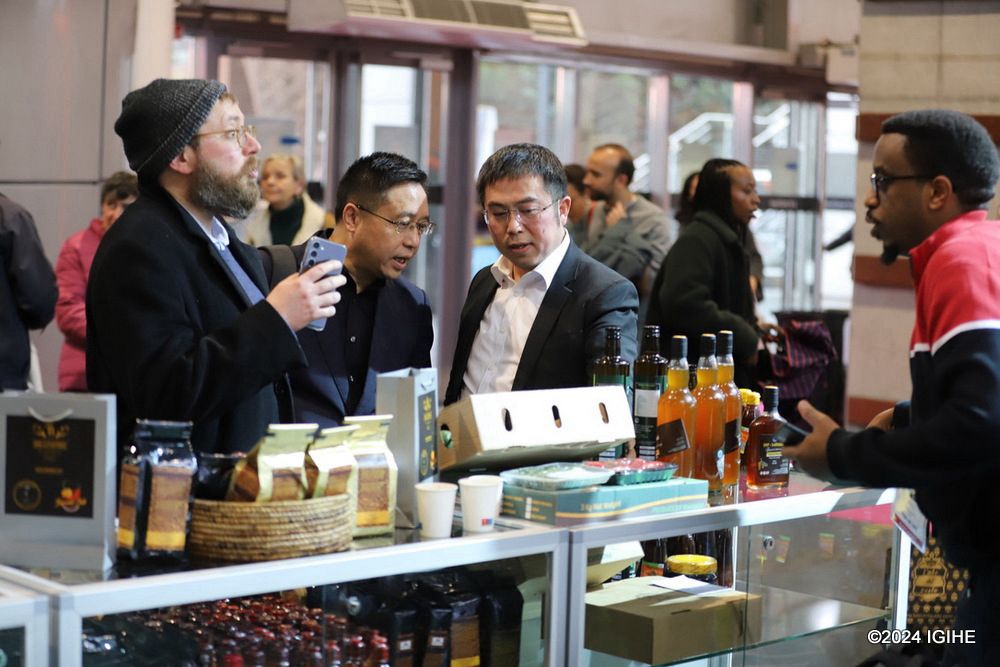
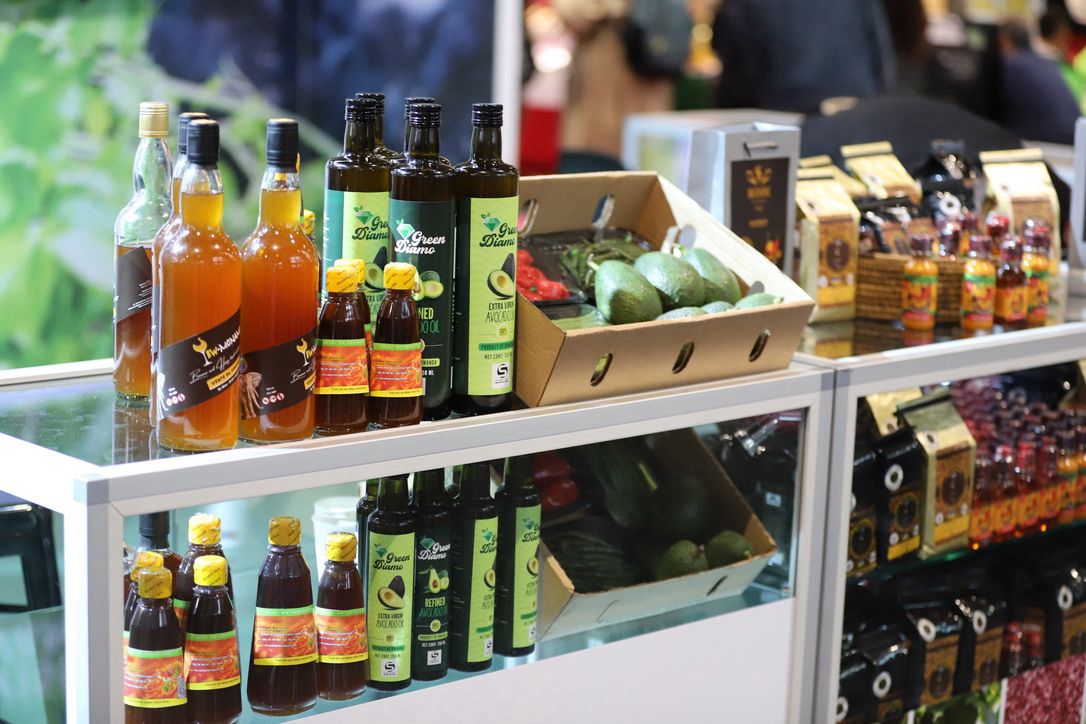
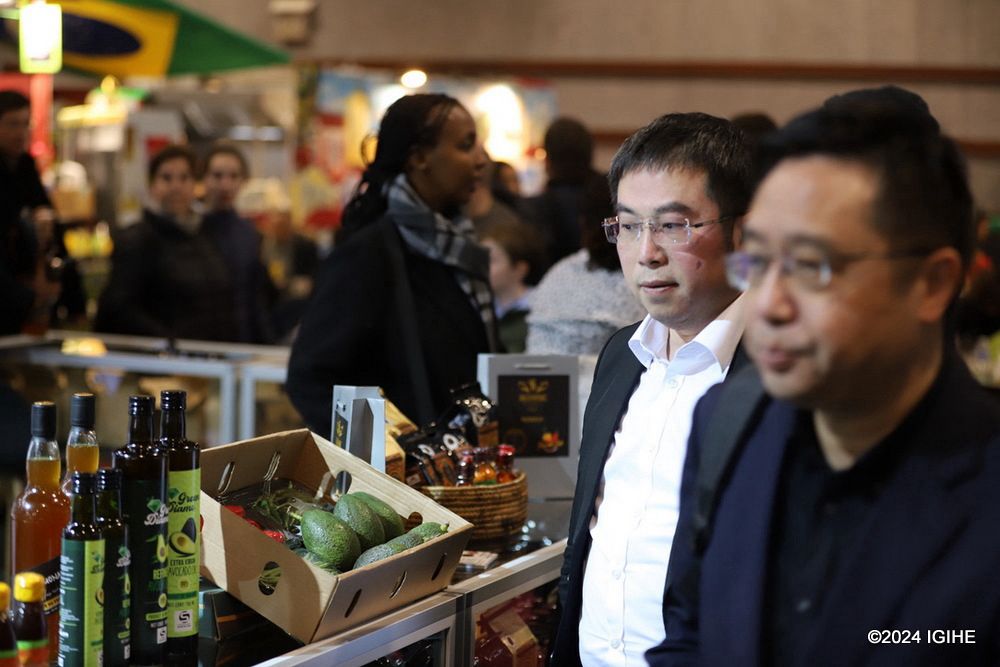
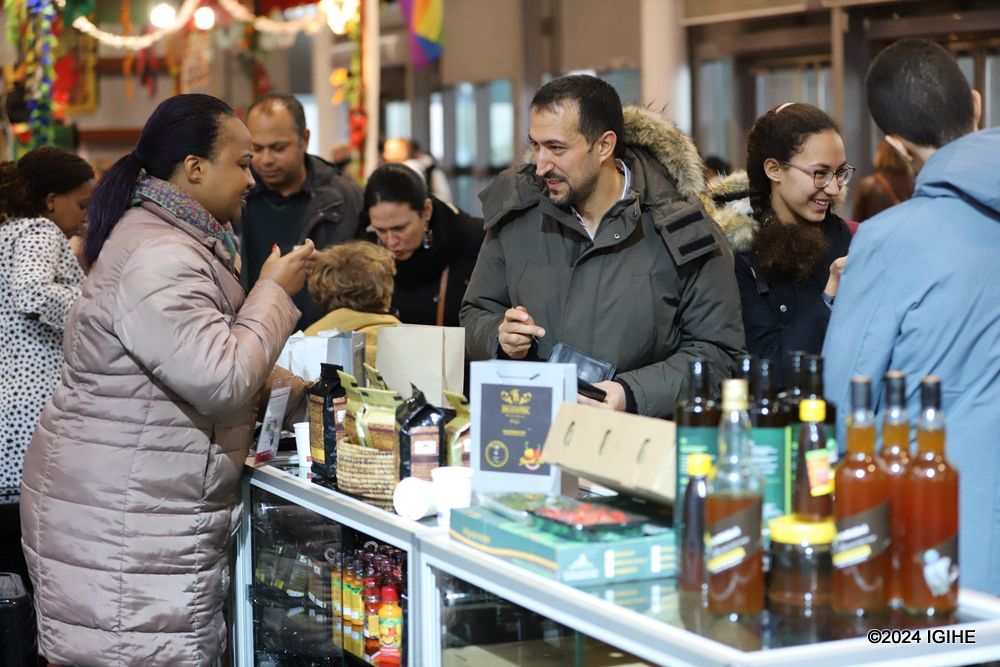
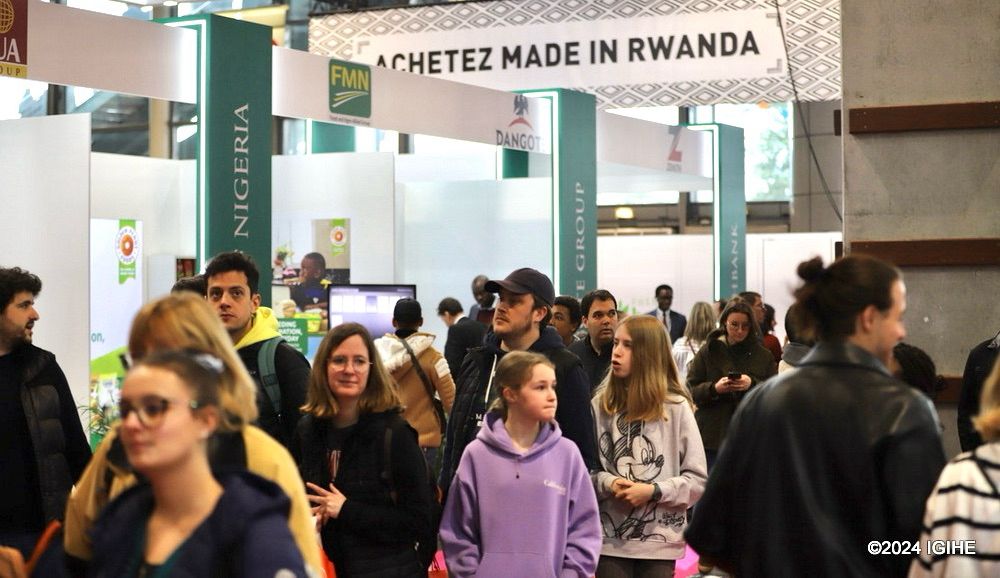
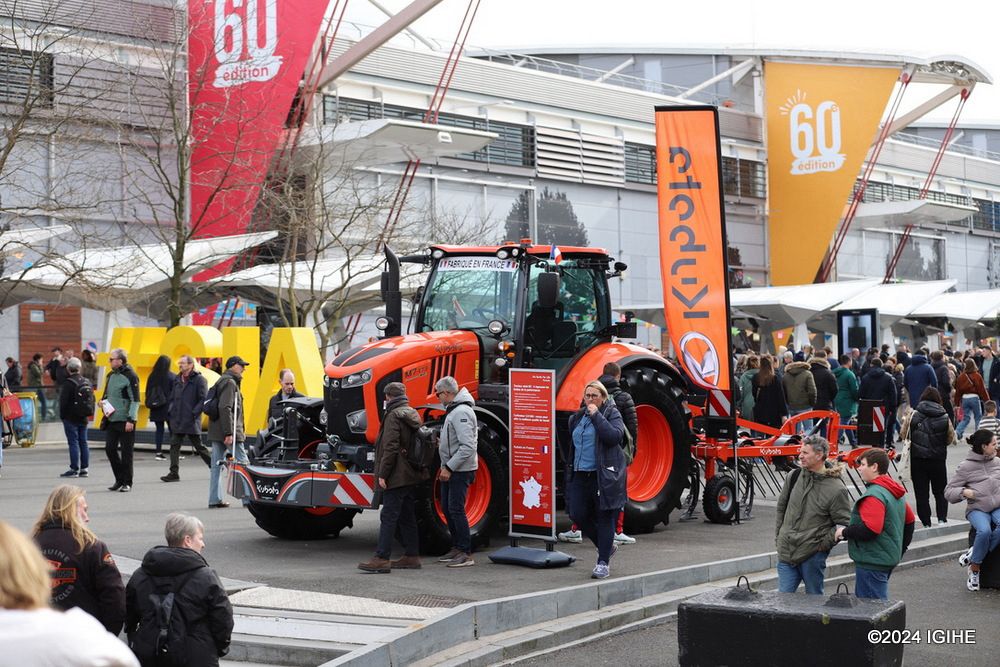
The SIA stands as a key meeting point for professionals, producers, and the public, all gathered to explore the latest developments in agriculture.
Its core mission is to spotlight local products, biodiversity, and sustainable farming practices.
With its vast appeal, the show draws a broad audience, from industry experts to families and students, eager to engage with the world of agriculture.
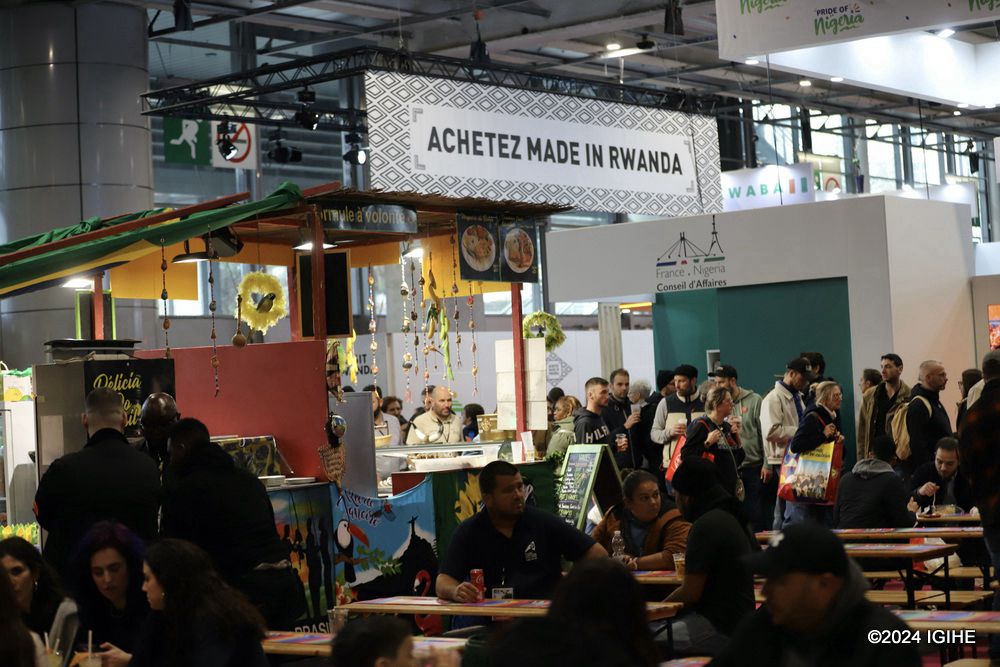
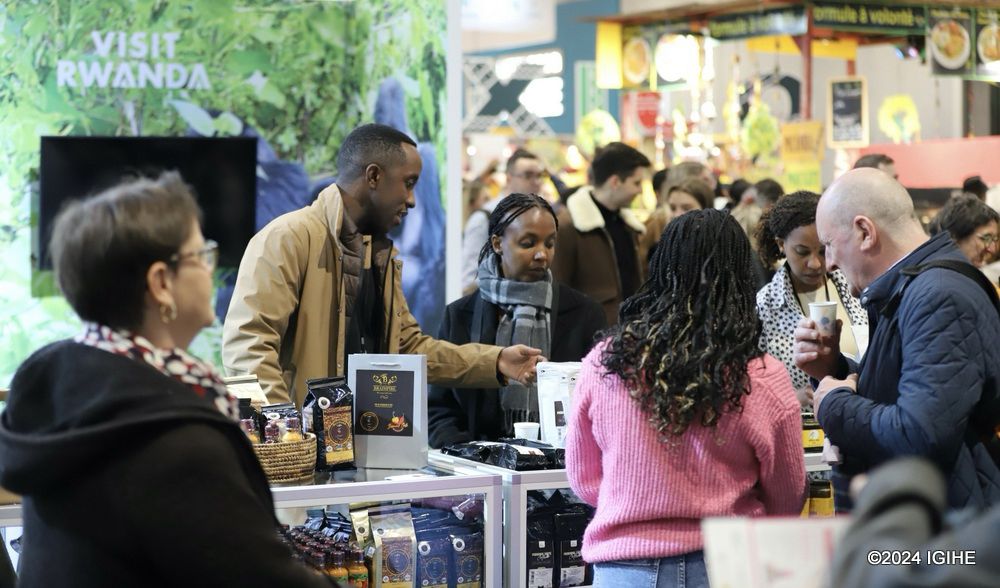
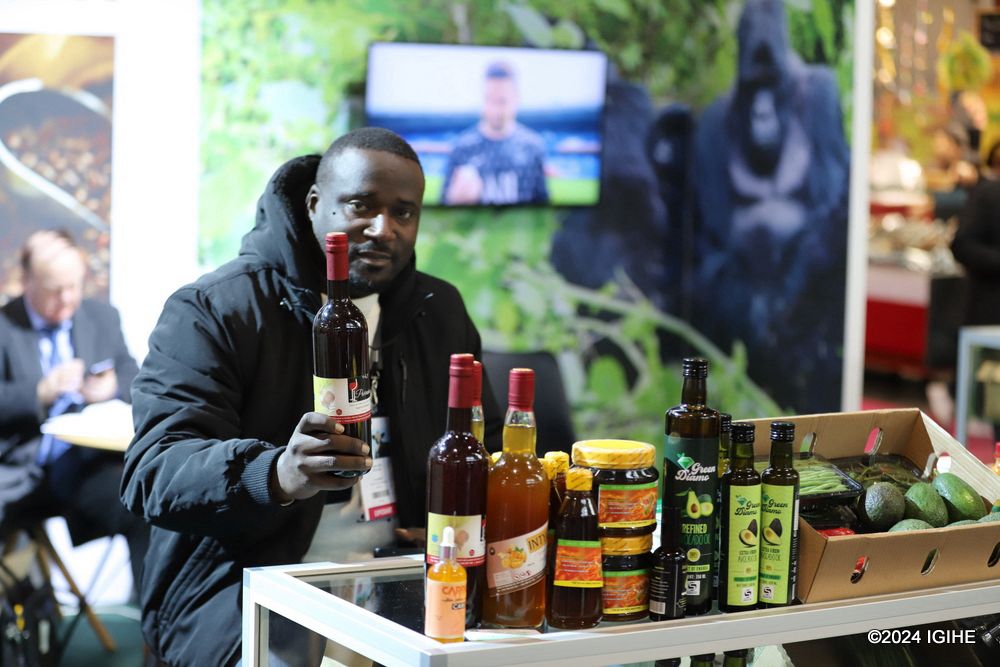
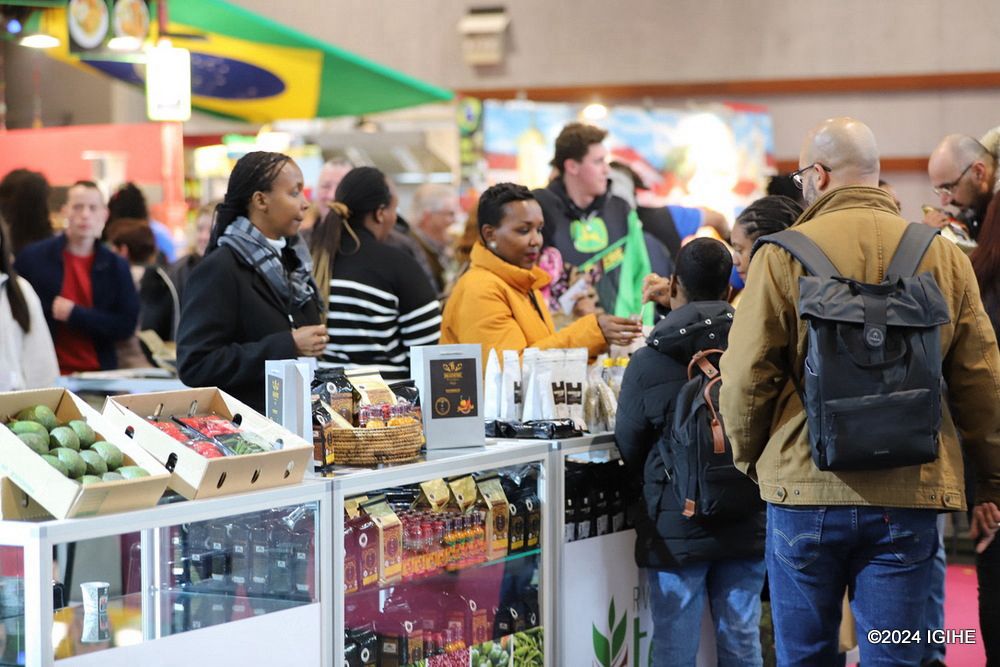
Rwanda’s participation in the event is gaining momentum. Last year, over 25 representatives from Rwandan businesses, alongside key institutions like the Rwanda Development Board (RDB), the National Agricultural Export Development Board (NAEB), and the Rwandan Embassy in France, joined the show.
This collective effort showcased Rwanda’s agricultural potential, strengthened international partnerships, and highlighted the country’s expertise in agro-industry.
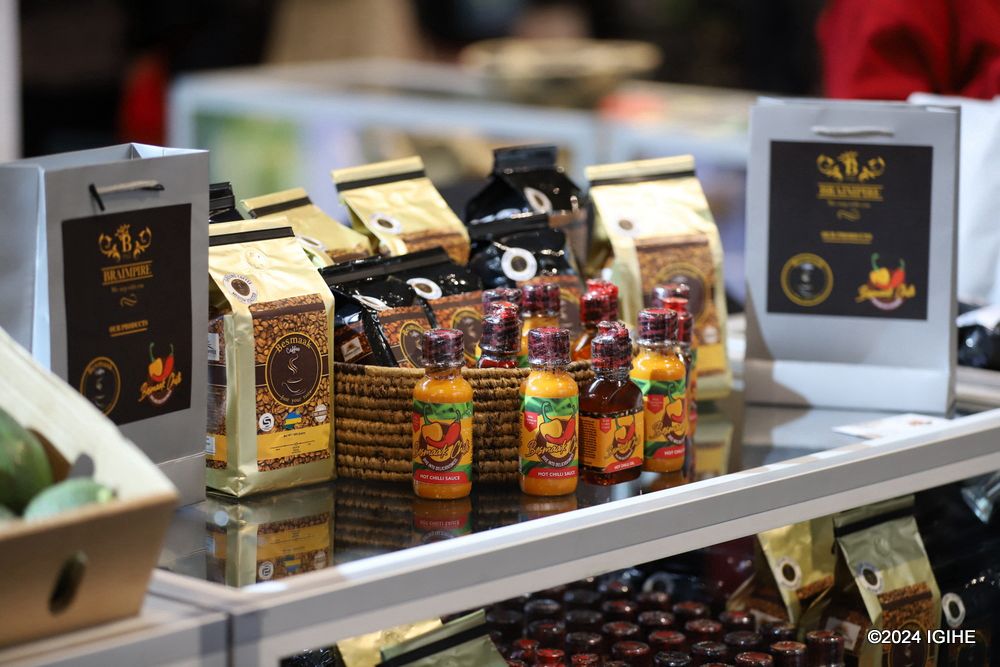
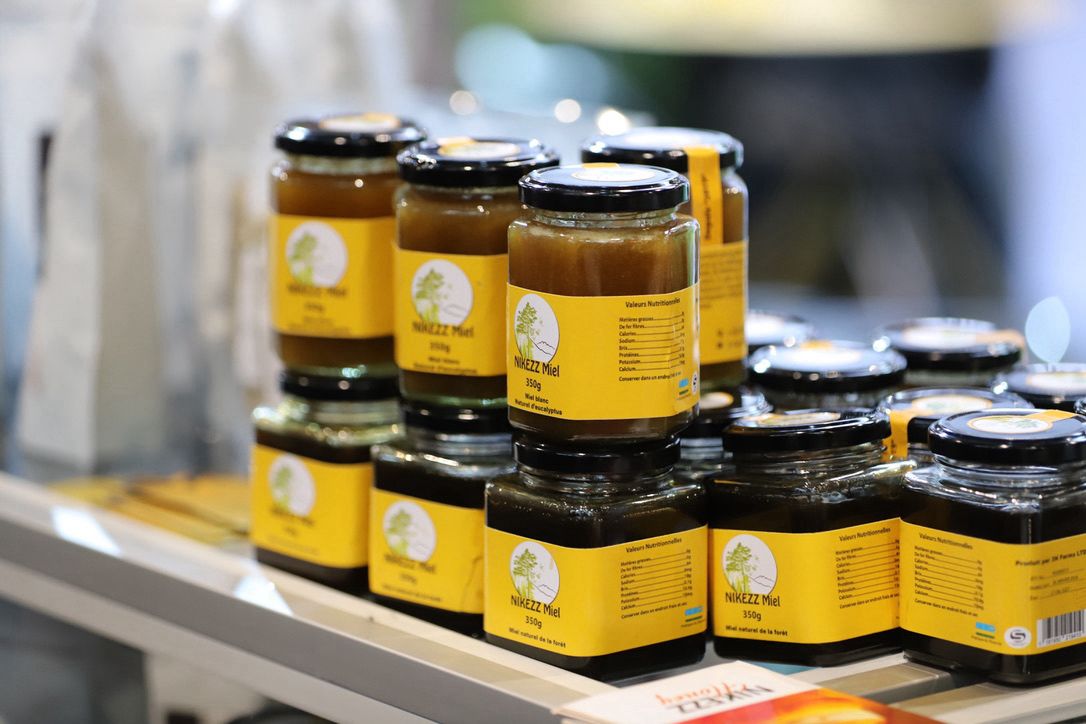
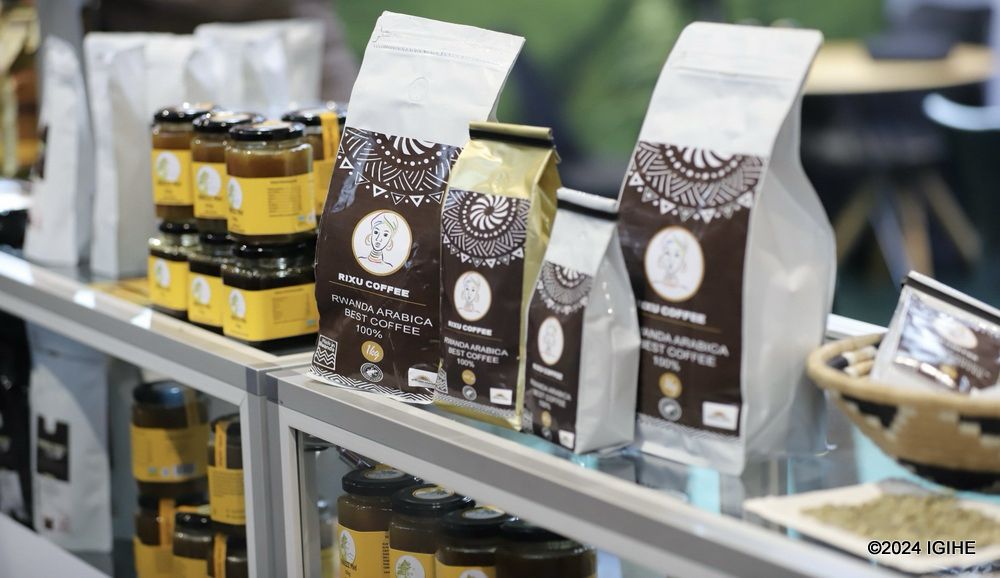
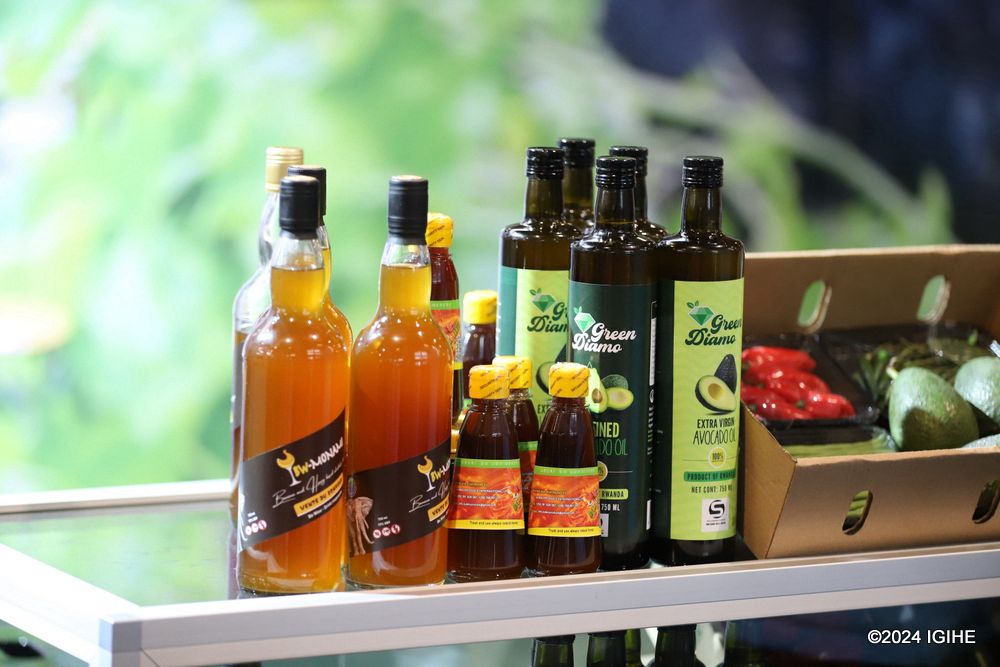
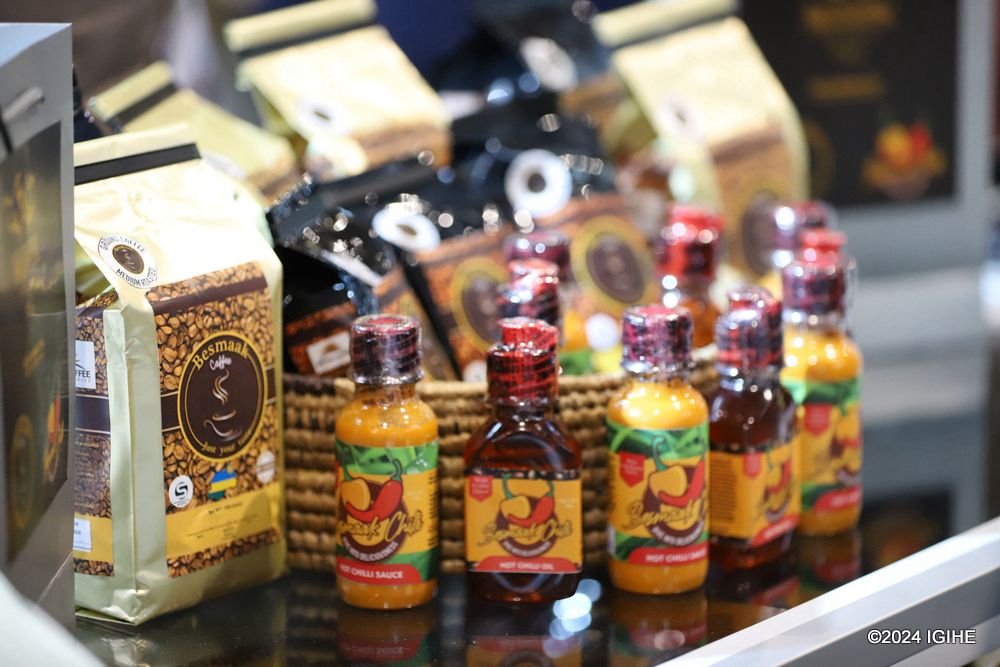
At SIA 2025, Rwanda will display an array of high-quality products, such as renowned fruits, vegetables, coffee, tea, and a variety of local specialties.
The country’s focus on sustainable agriculture will also take center stage, with an emphasis on environmentally friendly practices and a commitment to excellence.
This is an invaluable opportunity for Rwanda to not only showcase its agricultural strengths but also foster new trade relationships and explore emerging opportunities in the sector.
The show is rich with activities, including demonstrations, workshops, and discussions on pressing agricultural issues such as sustainability, energy transition, and food security.
These events are designed to enhance public understanding of sustainable agriculture and inspire the next generation to join this crucial field.
Rwanda’s participation in SIA 2025 is more than just a showcase of agricultural products; it is a strategic effort to highlight the country’s innovative practices, raise awareness about its agricultural diversity, and build stronger international partnerships.
As Rwanda continues to make its mark on the global agricultural stage, this event is a must-attend for anyone interested in the future of farming and Rwanda’s role in it.
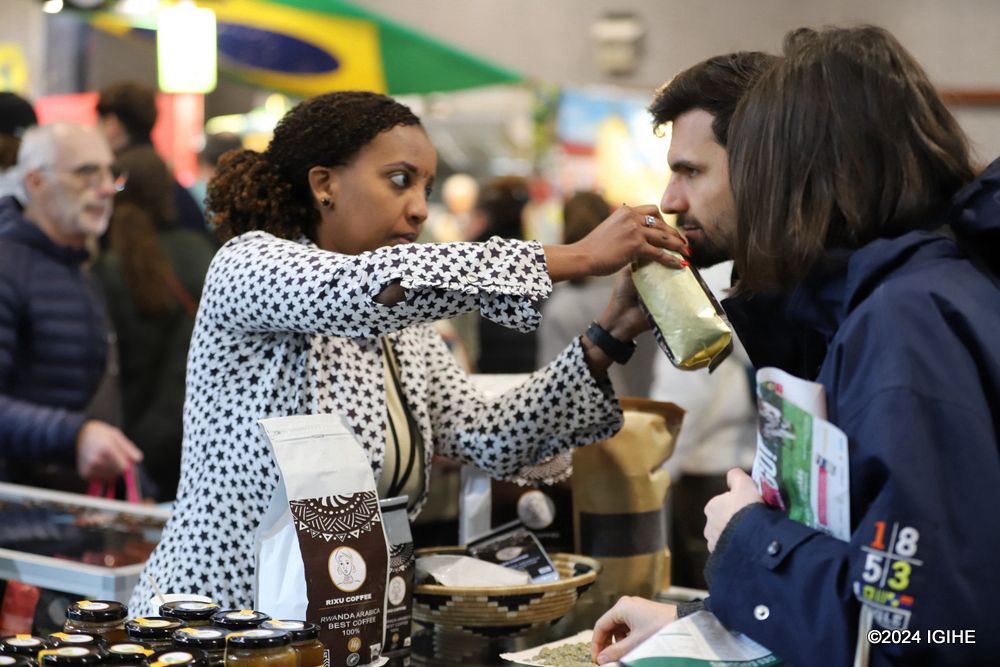
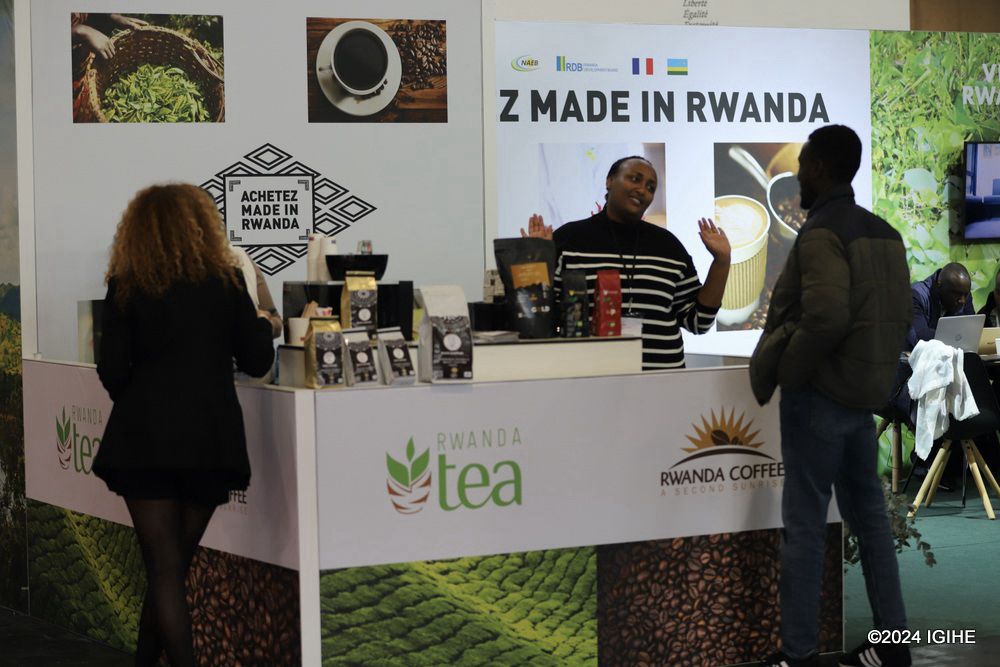
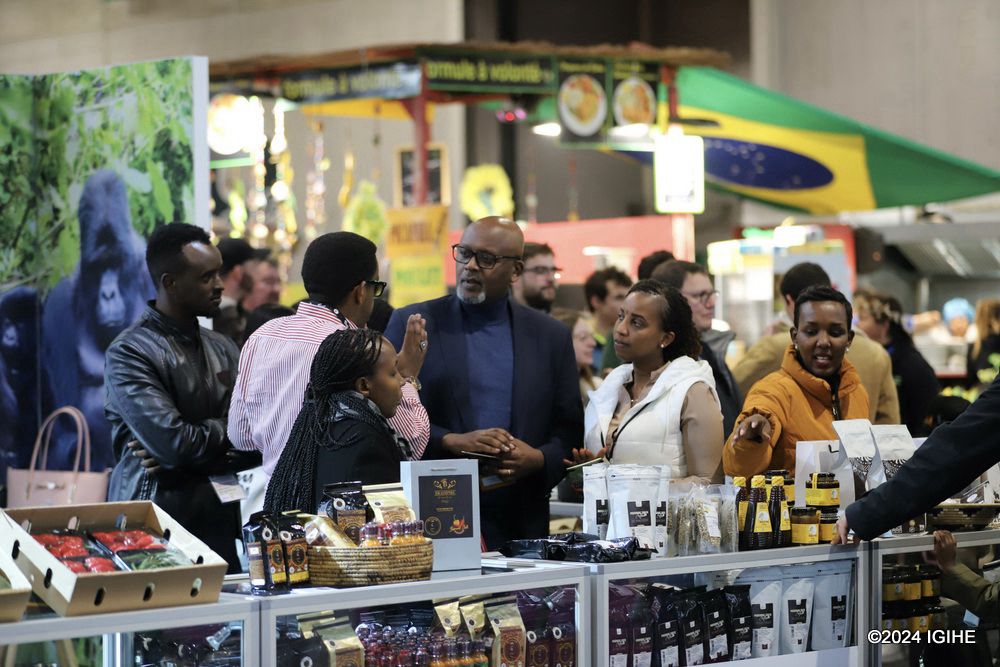
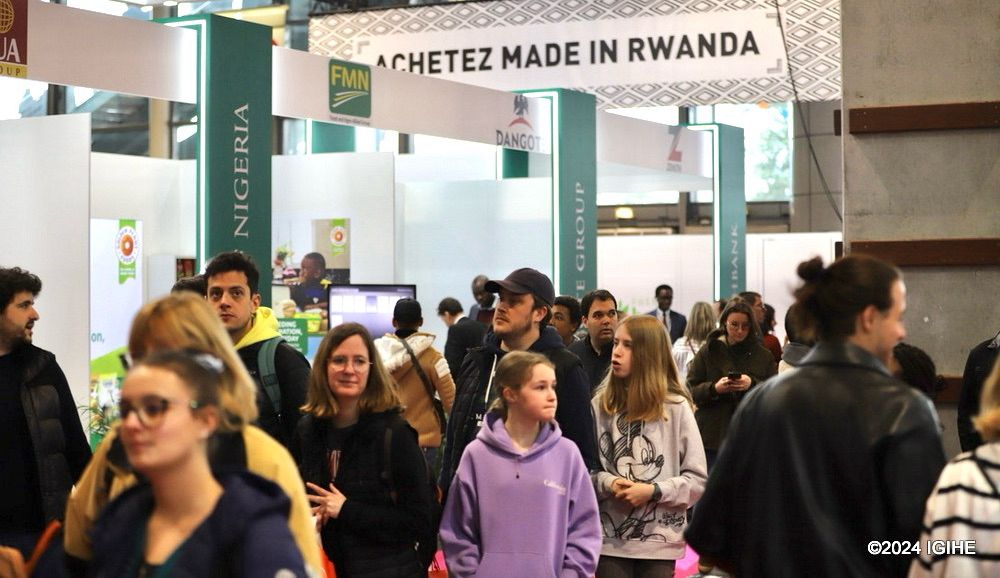
{{Below are some photos showing Rwanda’s participation in SIA last year }}
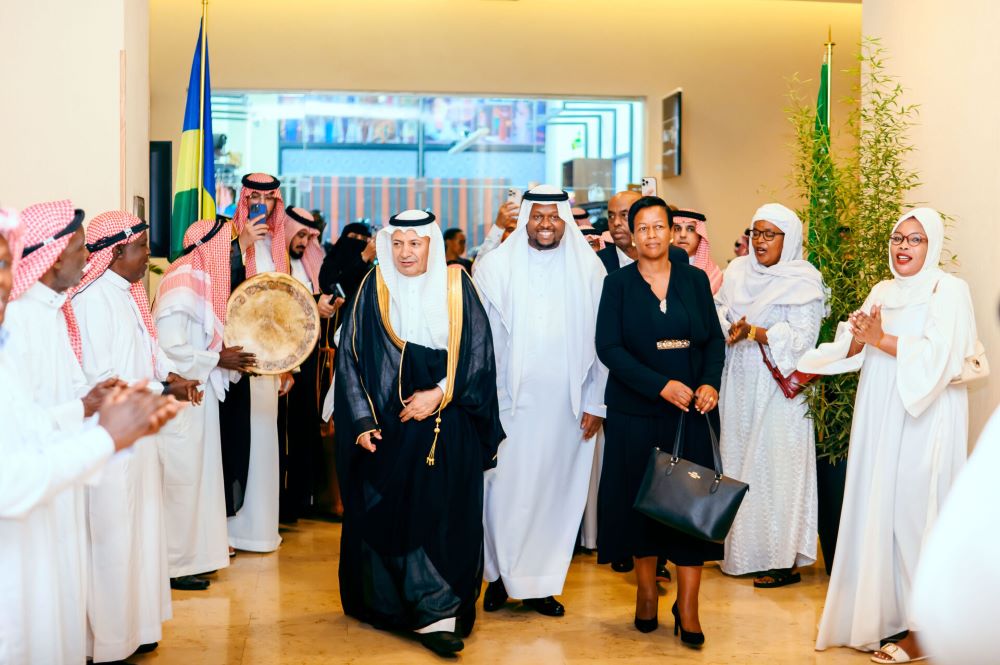
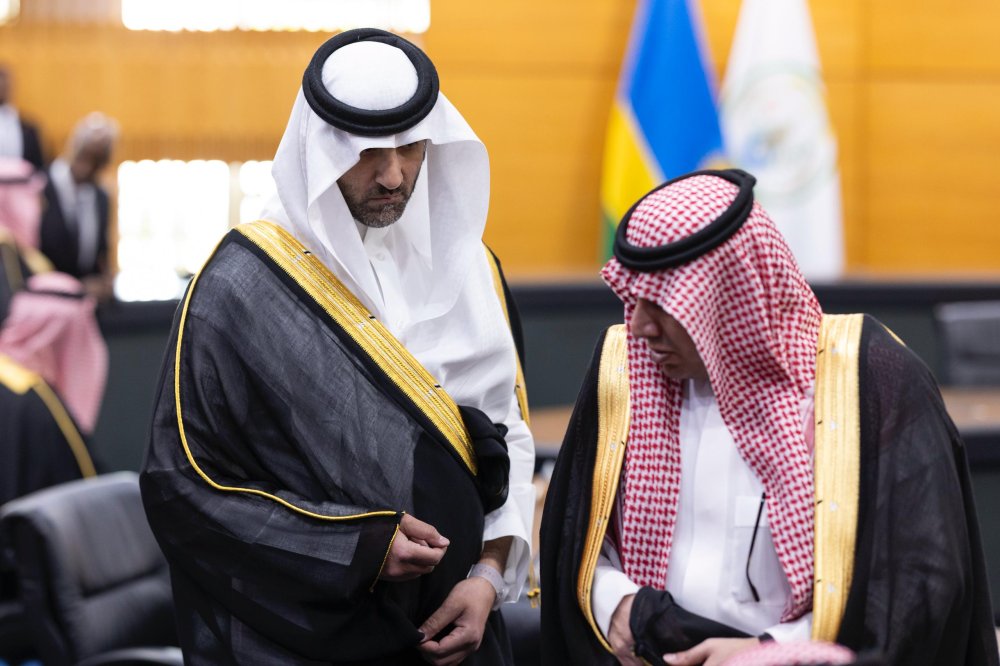
The delegation engaged with key stakeholders, including the Private Sector Federation (PSF) and the Rwanda Development Board (RDB), to discuss potential investments in agriculture, real estate, urban development, and trade. Rwanda’s business-friendly environment and strategic position in East Africa were highlighted as major attractions for investors.
During their visit, a cooperation agreement was signed between PSF and FSC, establishing the Saudi-Rwanda Chamber of Commerce to facilitate economic partnerships. PSF Chairperson Jeanne-Françoise Mubiligi emphasized that this initiative would boost trade, investment, and cultural cooperation between the two nations.
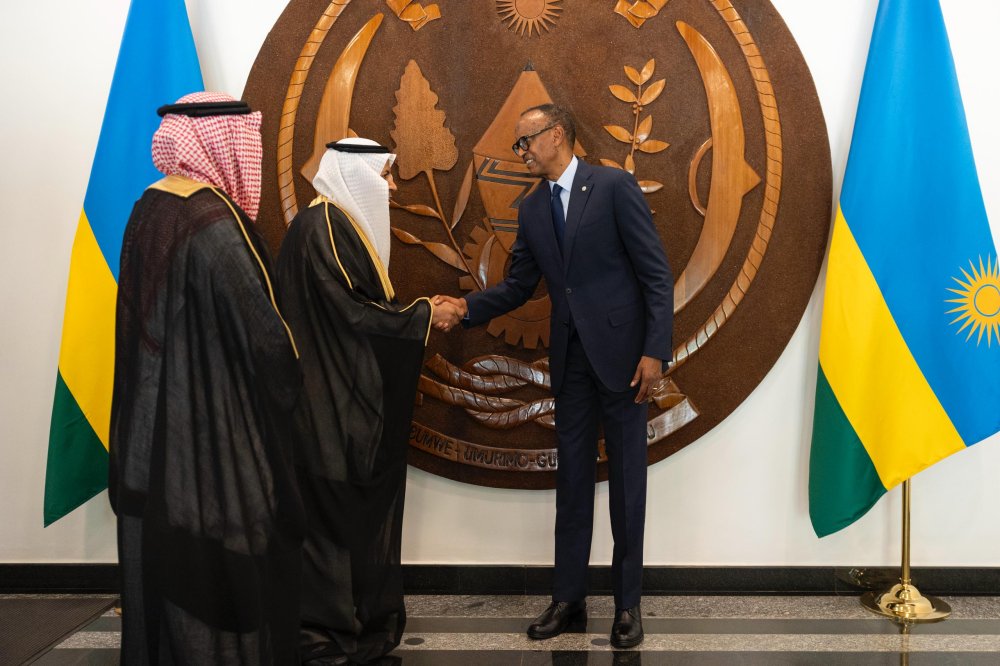
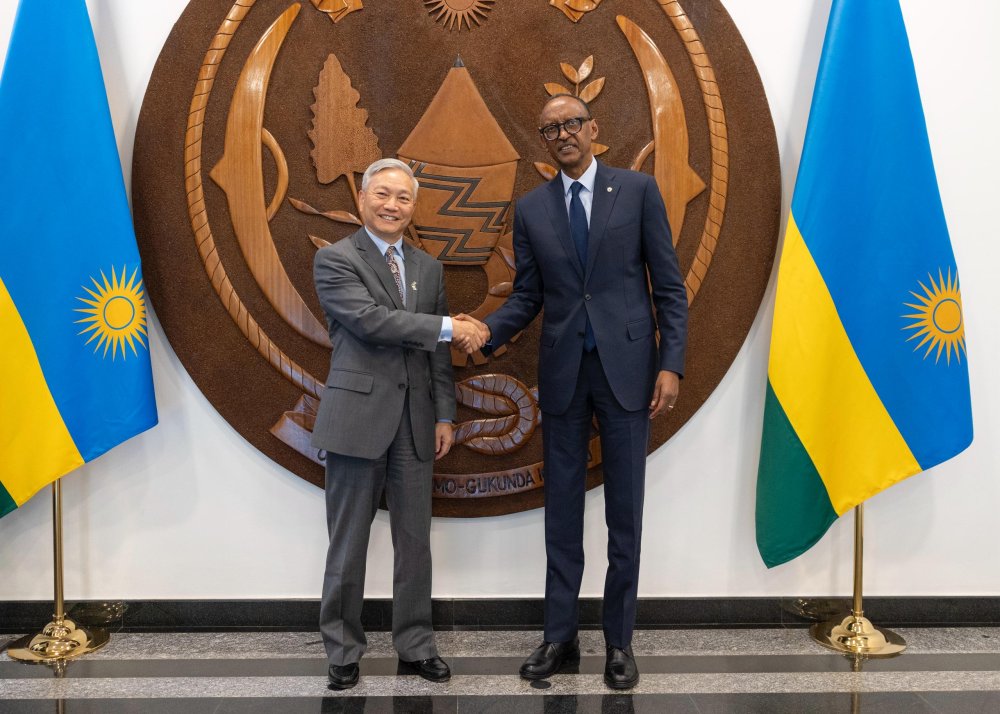
President Paul Kagame received the delegation on February 13, reaffirming Rwanda’s commitment to strengthening economic ties with Saudi Arabia. This courtesy call underscored the growing trade relationship between the two countries and reinforced investor confidence.
The Saudi delegation’s visit is part of a broader investment mission across Africa, including stops in Kenya and Tanzania. Business forums in these countries aim to foster trade engagements between Saudi investors, private sector players, and government representatives.
Rwanda and Saudi Arabia already enjoy strong diplomatic and economic relations, with agreements in healthcare, education, energy, and infrastructure. In October 2025, Rwanda’s Football Federation endorsed Saudi Arabia’s bid for the 2034 FIFA World Cup, reflecting their expanding cooperation beyond business.
As Saudi Arabia increases its trade footprint in Africa, Rwanda emerges as a key partner, offering vast opportunities in technology, finance, tourism, and manufacturing.
The visit confirms strengthen ties in economic collaboration, positioning Rwanda as a strategic investment hub in the region.
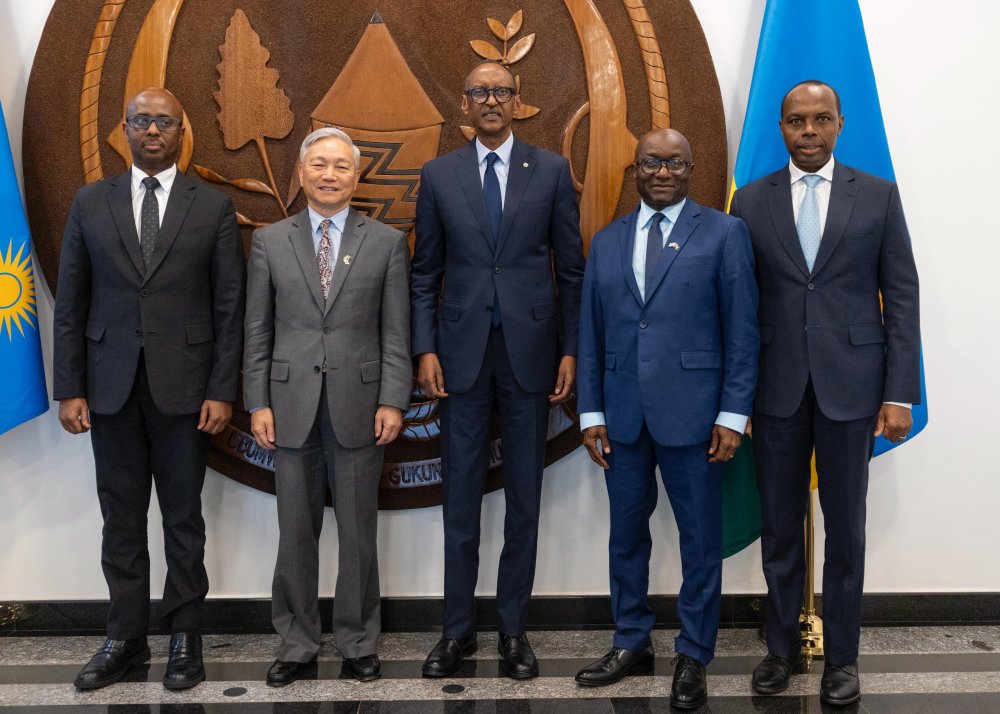
The Office of the President said through a post on X that the discussions focused on strengthening Rwanda’s collaboration with the World Bank in key sectors such as infrastructure, agriculture, and skills development, among others.
The World Bank has been a key development partner for Rwanda, supporting projects in energy generation and distribution, education, agriculture, and socio-economic development.
Rwanda became a member of the World Bank in September 1963, and in 1970, the bank’s board approved the country’s first loan of $18.8 million.
By the end of 2023, the World Bank had provided Rwanda with over $8 billion in loans, funding critical sectors such as education, infrastructure, agriculture, and livestock.
In December 2024, the bank allocated more than $255 million to Rwanda in support of private sector investments aligned with the country’s green growth agenda.
Additionally, in the previous month, the World Bank committed $200 million to enhance skills training for over 200,000 young people. These funds are part of the Priority Skills for Growth and Youth Empowerment (PSGYE) program, which aims to equip youth with the necessary skills to compete in the job market.
In October 2024, Prime Minister Dr. Edouard Ngirente also met with Qimiao Fan during his first official visit to Rwanda since assuming his current role. Their discussions centered on ongoing development projects under Rwanda’s National Strategy for Transformation (NST2).
Speaking about the World Bank’s commitment to supporting Rwanda’s development agenda, Qimiao Fan emphasized the institution’s focus on environmental sustainability, long-term infrastructure investment, education, healthcare, social welfare, job creation, and agriculture.
This follows the 90-day freeze on U.S. foreign assistance recently announced by President Donald Trump. However, Malawi’s government says it is working to ensure that students can continue their education.
USAID has provided financial support to thousands of students in several Malawi universities, including the Lilongwe University of Agriculture and Natural Resources, Mzuzu University, Kamuzu University of Health Sciences, and the Malawi University of Science and Technology or MUST.
James Mphande, the communications manager at MUST, said the U.S. foreign aid freeze is a big blow to several USAID-funded projects the school was implementing.
“And what it means now is that everything has been suspended,” he said. “So, if we were developing a curriculum, we can’t proceed. If we had some outreach activities, we can’t proceed. If we were in the process of making some procurements, we can’t proceed.”
He said some sponsored students may face the impact next semester. “Fortunately, we are in the middle of a semester. So, probably fees or support for this semester was already sorted out. But for the upcoming semesters or years, it means the students will have to look elsewhere for support or they risk withdrawing,” Mphande said.
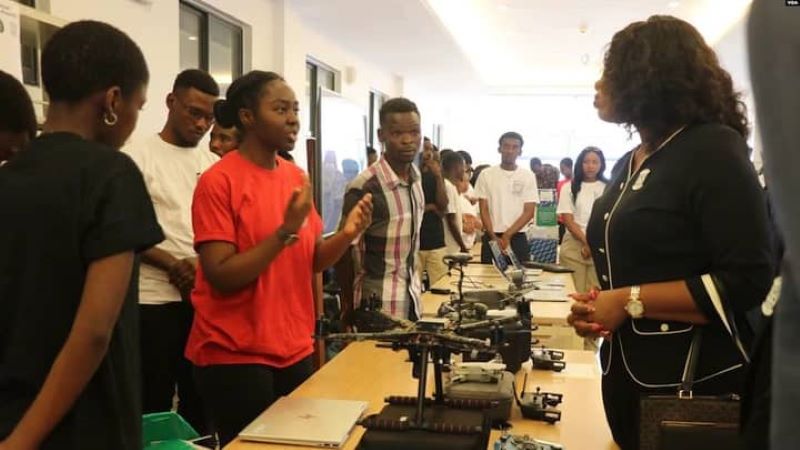
However, Patience Yamikani Chakwana, a beneficiary of USAID at MUST, told VOA that she is already feeling the impact. Chakwana, a first-year student in business information technology, said the foreign aid suspension was imposed before students received money for their daily upkeep.
“It was really unexpected. It was, like, we have just started school after a week, then we are getting the news,” she said. “At the time, we didn’t have the money, and the pocket money had not been given. … I heard the news while I was in class. I didn’t know what to do. That was the only hope I had.”
Chakwana said USAID was paying for her tuition and accommodation, as well as giving her money for groceries and the internet connection for her mobile phone. She said she now survives on money she borrows from friends.
Jessie Kabwila, Malawi’s minister of higher education, said the aid suspension is discouraging, but the Malawi government is working to find other sources to help students.
“We have engaged local partnerships that are in the private sector to see how they can help us. We have also engaged international partners. For example, we have got a standing agreement with the Republic of Morocco. We have also engaged the Czech Republic, and we will be engaging others, too,” Kabwila said.
Alexander Kude, deputy director for the Commonwealth Students Association, said that the US foreign aid suspension should be a wake-up call for developing countries to start investing more in education and reduce overdependence on foreign aid.
“Look, the budget that the United States of America uses to fund us through USAID, it’s just a per cent of their money and budget. If you look how much that is and where they get it from, why not stand alone and do it ourselves?” Kude said.
The Trump administration says it imposed the 90-day freeze to review USAID spending and make sure it aligns with U.S. policy and interests. The freeze will extend through April 20.
In a statement, the Office of the Director of Public Prosecutions said Milimani anti-corruption court chief magistrate Thomas Nzioki issued the verdict after he found Waititu guilty of fraud and conflict of interest in a Ksh588 million graft case.
The second sentencing comes a day after the politician was found guilty of irregularly awarding tenders in Kiambu County in February 2018 during his tenure as the County boss.
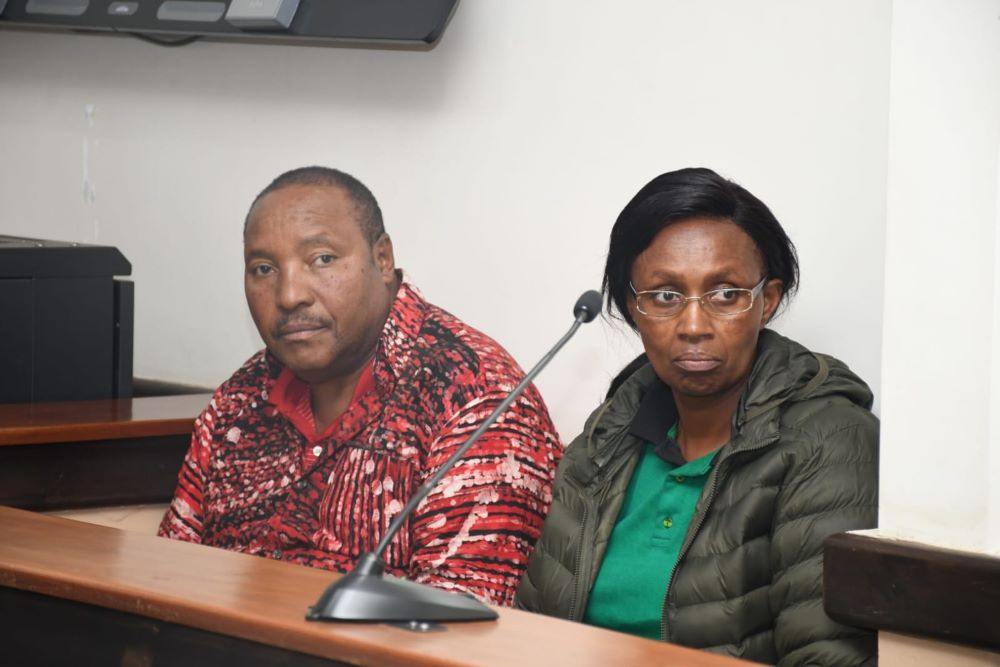
In a related judgement, Waititu’s wife Susan Wangari Ndungu was handed a 1 year jail term or fine of Ksh. 500,000.
The other convicts in this case namely Luka Mwangi Wahinya (former Kiambu Chief Officer, Roads, Transport, Public Works and Utilities) will also serve 2 years in prison or pay a fine of 1 million shillings alongside a mandatory fine of Ksh.20 million or serve 5 years in prison in default.
Also, the Directors of Testimony Enterprises Limited namely Charles Chege Mbuthia and Beth Wangeci were jailed for 4 years if they failed to pay a fine of Ksh.2 million shillings plus a mandatory fine of Ksh.294 million.
This is after the Director of Public Prosecutions successfully proved to the court that the ex-county boss and his co-accused were guilty of conflict of interest, abuse of office, engaging in fraudulent practices in procurement, fraudulent acquisition of public property, and dealing with suspected property.
Justice Nzyoki also directed that Waititu and his co-accused not be appointed or hold any public office for a period of 10 years.
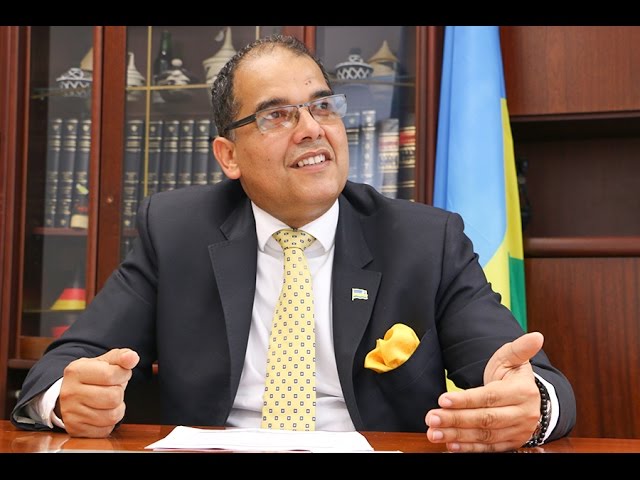
Speaking at a European Parliament session on Thursday, Rwanda’s Ambassador to Germany and Representative to the European Union, Igor César, condemned what he described as “lazy narratives” and called for a fact-based approach to addressing the crisis in eastern DRC.
César emphasized Rwanda’s vested interest in a stable DRC, pointing to significant trade relations between the two nations.
In 2021, Rwanda exported goods worth $683 million to the DRC, and by 2022, the DRC had become Rwanda’s top export partner, accounting for over 33% of total exports.
“Why would we jeopardize this?” he questioned, arguing that Rwanda’s economic growth depends on peace, not conflict.
The ambassador criticized the ongoing scrutiny of Rwanda, stressing that the real perpetrators of mineral smuggling and instability in the region are well-documented but remain largely unaddressed.
“The real smuggling networks are known. The real perpetrators are well-documented. And yet, the scrutiny always falls on Rwanda. Why?” he asked.
He attributed this to a blame-shifting strategy designed to avoid genuine accountability and reform in the DRC’s mining sector.
César also defended a Memorandum of Understanding (MoU) signed last year between Rwanda and the European Union on critical raw materials, stating that the EU itself initiated the agreement.
“We engaged in this agreement in good faith because it aligned with our vision and pre-existing strategies,” he said, emphasizing that the demand for these minerals is a shared global interest.
The ambassador highlighted documented human rights violations within the DRC, citing reports from the U.S. Department of State and the UN Joint Human Rights Office.
He noted that Congolese security forces have long been identified as the leading perpetrators of human rights abuses in the region.
“This is not new. This is not accidental. It is a pattern,” he stated, criticizing the international community’s silence on such issues.
He also referenced past incidents, such as the 2021 assassination of Italian Ambassador Luca Attanasio, which was attributed to the Kinshasa-backed FDLR, and the hiring of over 2,000 European mercenaries by the DRC government in violation of international conventions.
“How long will your silence continue?” he asked, challenging the European Parliament on its selective response to regional issues.
César warned that the DRC government’s reliance on military solutions, including alliances with ethnic militias, the FDLR, and foreign mercenaries, undermines regional peace efforts.
“This reckless strategy—pursuing every possible option except genuine negotiations—continues to fuel instability,” he said while calling for a shift toward political dialogue.
The ambassador stressed that the only viable path forward is the implementation of the East African Community (EAC)-Southern African Development Community (SADC) joint summit’s recommendations, which include a cessation of hostilities, humanitarian action, and a return to negotiations.
“We now have a renewed opportunity to reset the political process and move towards a genuine resolution,” he said.
Reaffirming Rwanda’s commitment to peace, César dismissed accusations of expansionist ambitions.
“Rwanda has no expansionist agenda. We are not looking to redraw the borders we inherited from colonialism. All we want is credible, long-term peace for the development of our region,” he stated.
He concluded by calling on all stakeholders, including the European Union, to reject divisive narratives and support efforts aimed at achieving lasting stability in the Great Lakes region.
“Peace requires courage, accountability, and the rejection of the forces that fuel division and violence,” the ambassador remarked.
The ambassador’s remarks come amid concerns over the deteriorating security situation in eastern Congo, which recently culminated in the capture of Goma by M23 rebels. While the international community has accused Rwanda of supporting the rebels, Rwanda has denied the claims, instead stating that the M23 members are Congolese Rwandophones fighting against decades of persecution and marginalization by the government.