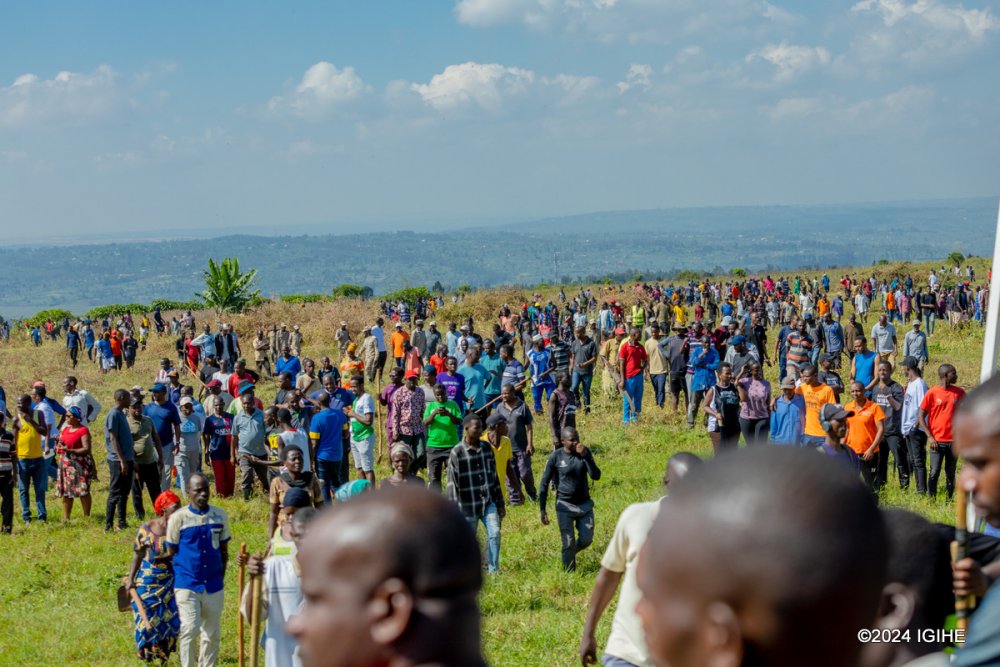
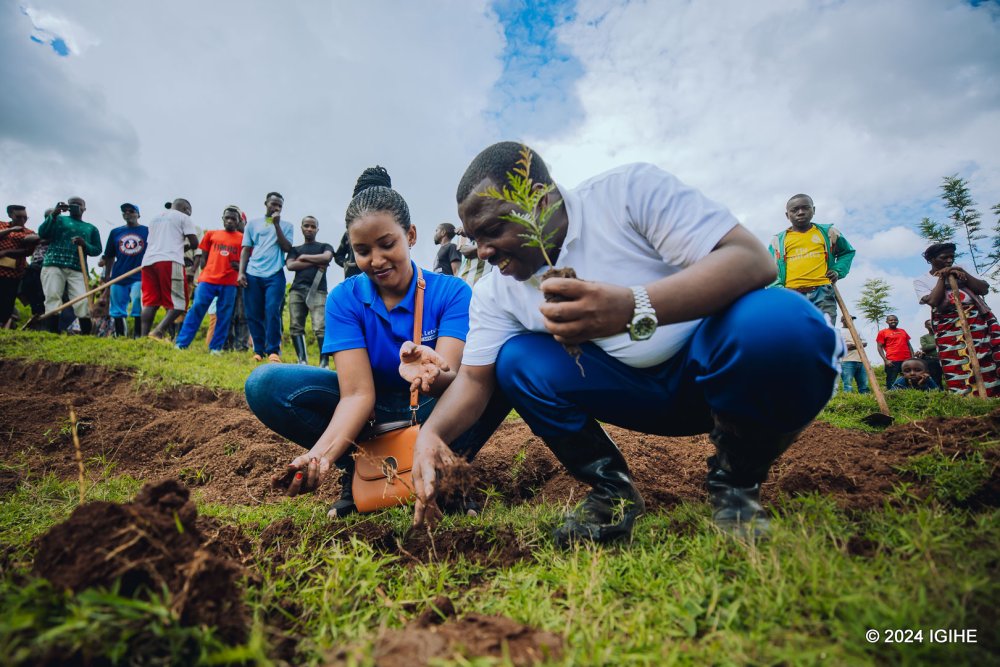
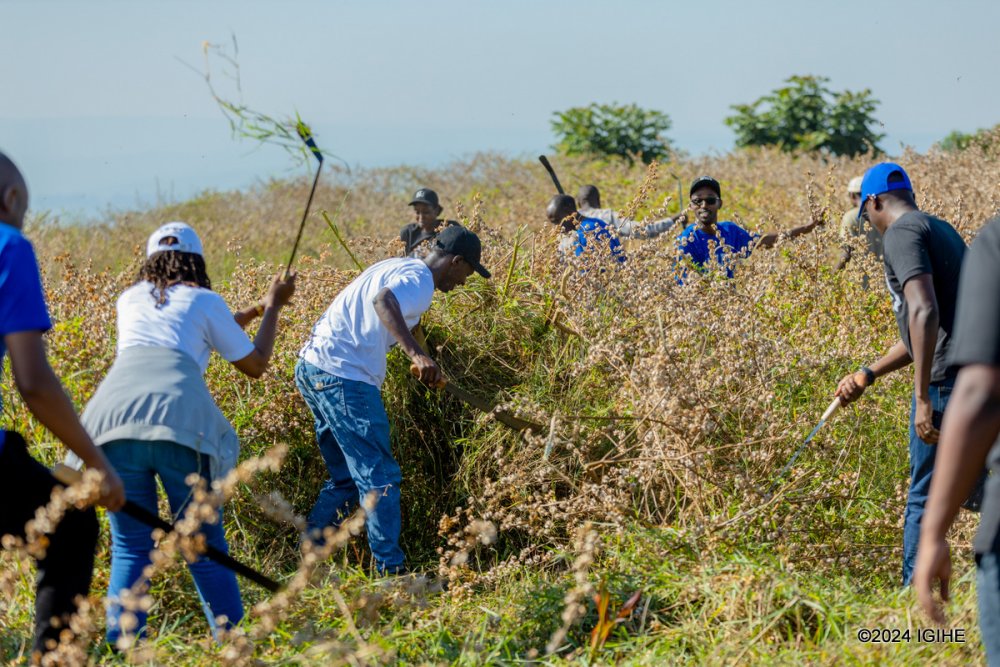
MINALOC highlights that Umuganda, over different periods, has played a significant role in the well-being of citizens, community bonding, and economic development through various activities.
These activities include the construction of medical infrastructure, such as health centers, classrooms, the creation and repair of roads, building and renovation of housing for the underprivileged and the construction of offices for government institutions such as sector and village offices, police stations, among others.
Data released in 2025, indicates that by the end of the previous fiscal year, on June 30, 2024, various Umuganda activities in Rwanda collectively amounted to Frw22,865,855,703.
Key achievements included the establishment of 66.957 hectares of terraced fields, the construction of 32,221 homes for the underprivileged, and the building of 95,570 toilets for low-income households.
Additionally, during that year, roads with a total length of 39.502 kilometers were repaired, and 13,399 bridges were constructed, among other diverse activities.
MINALOC also noted that Umuganda continues to progress, as in 2007, its value was recorded at Frw4,112,943,849, reflecting an increase of more than five times by June 2024.
In this regard, the ministry urges Rwandans to continue participating in Umuganda activities as a way of building their country.
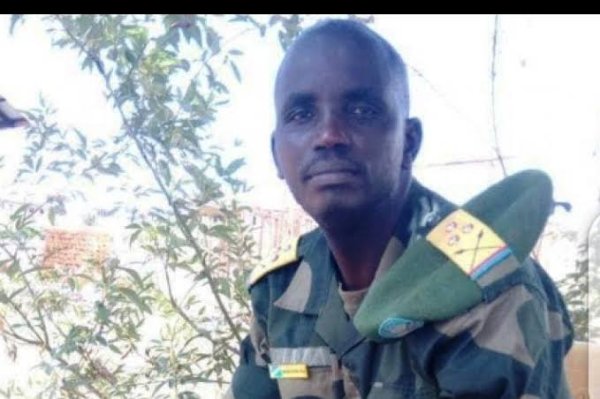
Makanika was the group’s leader and was killed in a drone strike launched by a coalition of DRC forces on February 19, 2025. Twirwaneho is a Kinyarwanda word meaning “let us defend ourselves.”
In a statement signed by its Coordinator, Ndakize Kamasa Welcome, on February 20, the group extended condolences to the Banyamulenge community, its supporters, and Twirwaneho members worldwide.
“Our hero passed away on February 19, 2025, falling on the battlefield while fighting against the genocide that has been waged against the Banyamulenge and similar communities for the past seven years. This genocide has been planned and executed by the government of our country, the Democratic Republic of Congo, in collaboration with Wazalendo and its partners, who carried out the drone attack from Kisangani to weaken our self-defence efforts,” the statement read.
Twirwaneho reiterated that the resistance efforts initiated by Col Makanika would continue, emphasizing that nothing would halt their struggle.
The group also called on Banyamulenge people across the world to rise and join their self-defence mission “until we achieve victory against attempts to exterminate us, seize our ancestral land, and end the injustices and killings we suffer.”
Col Makanika was formerly the Deputy Commander of FARDC (Armed Forces of the Democratic Republic of Congo) in Walikale, North Kivu province, where he was in charge of operations and intelligence.
He previously stated that he left the Congolese military after realizing that it was failing to protect his Banyamulenge community, which had long been subjected to violence by armed groups, with some elements within the military allegedly complicit in these atrocities.
For many years, the Banyamulenge in the DRC have been subjected to extreme violence. Observers describe these acts as genocide.
Since colonial times, the Banyamulenge have been denied rights in their own country, including the right to exist. Direct attacks against them date back to 1964 during the Mulele Rebellion. After a period of relative calm, large-scale massacres resumed in 1996, 1997, and 1998.
Since April 2017, the violence has escalated dramatically. Armed Mai-Mai groups, in collaboration with Red Tabara and FNL PALIPEHUTU from Burundi, have launched coordinated attacks from various locations, particularly in South Kivu province, including Lemera, Rurambo, Itombwe, Swima, Uvira, Sange, and Lulenge.
These groups have engaged in widespread killings, house burnings, livestock theft, and forced displacements, in what appears to be a well-organized campaign of violence.
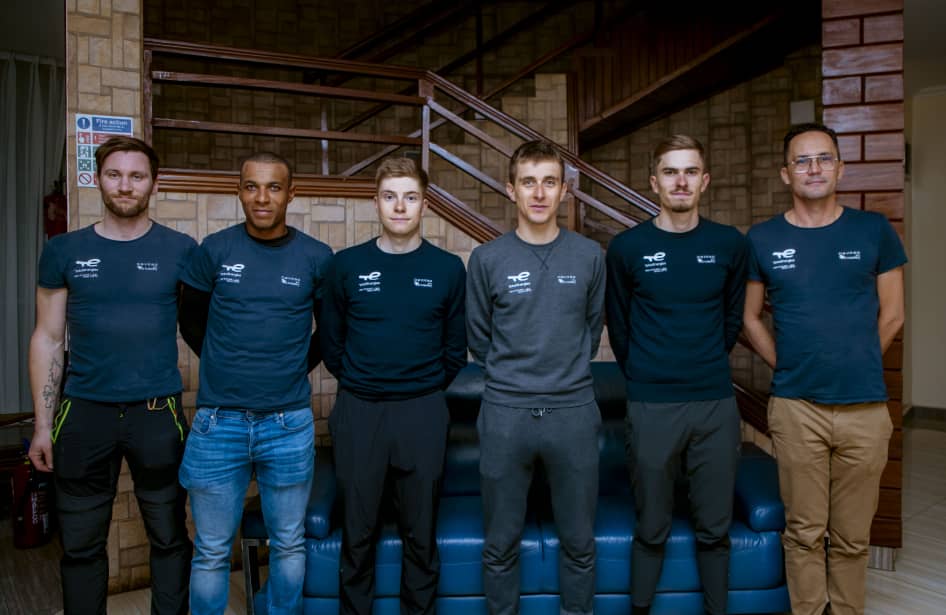
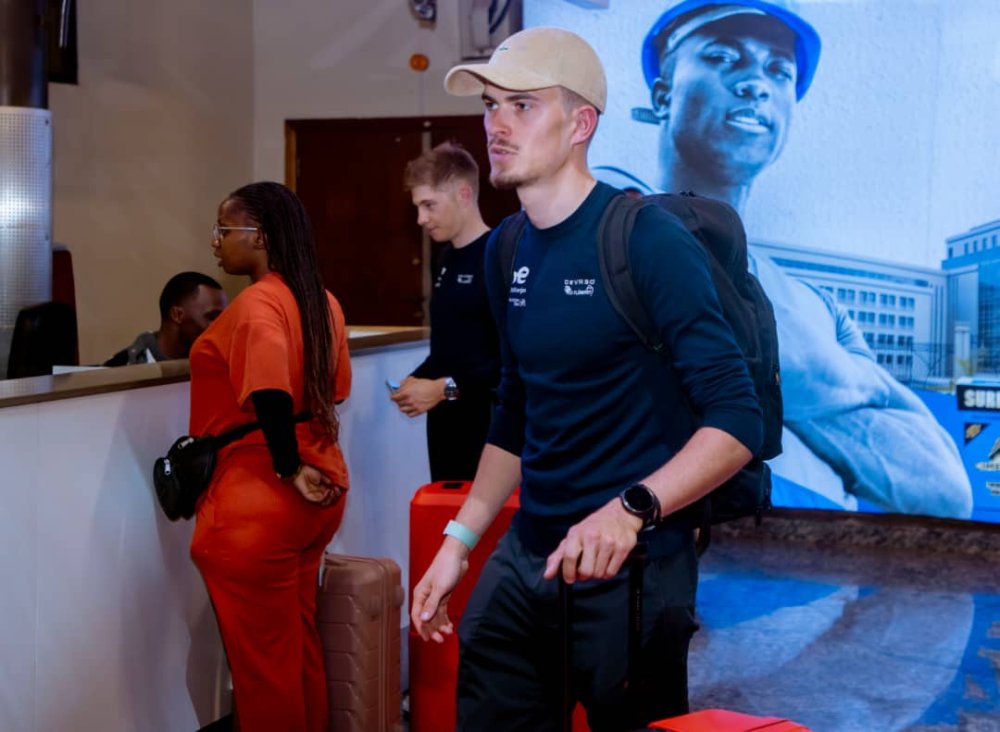
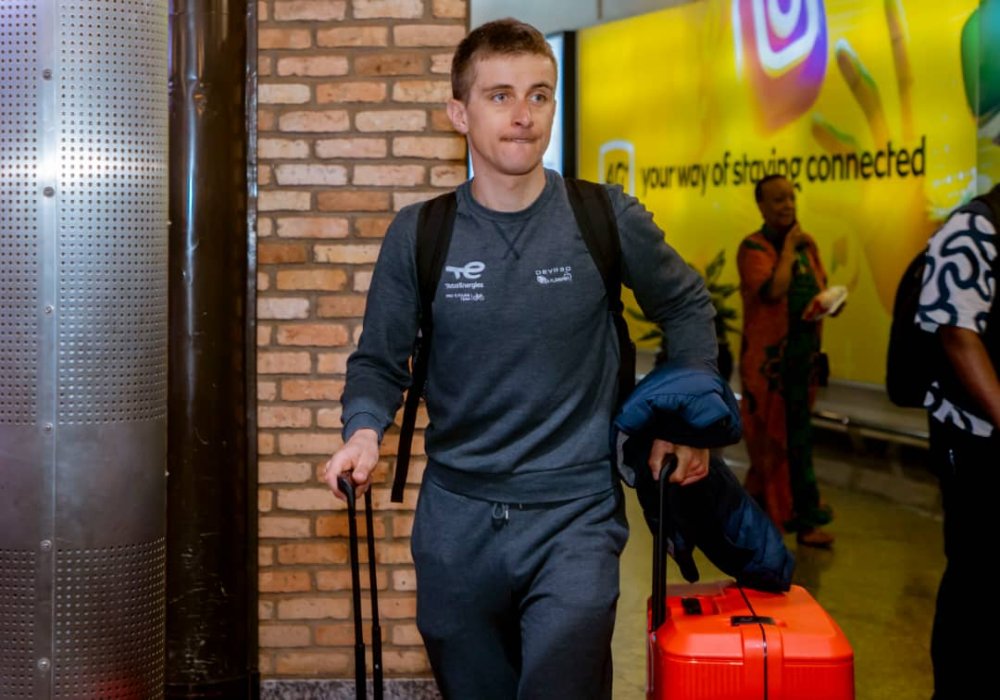
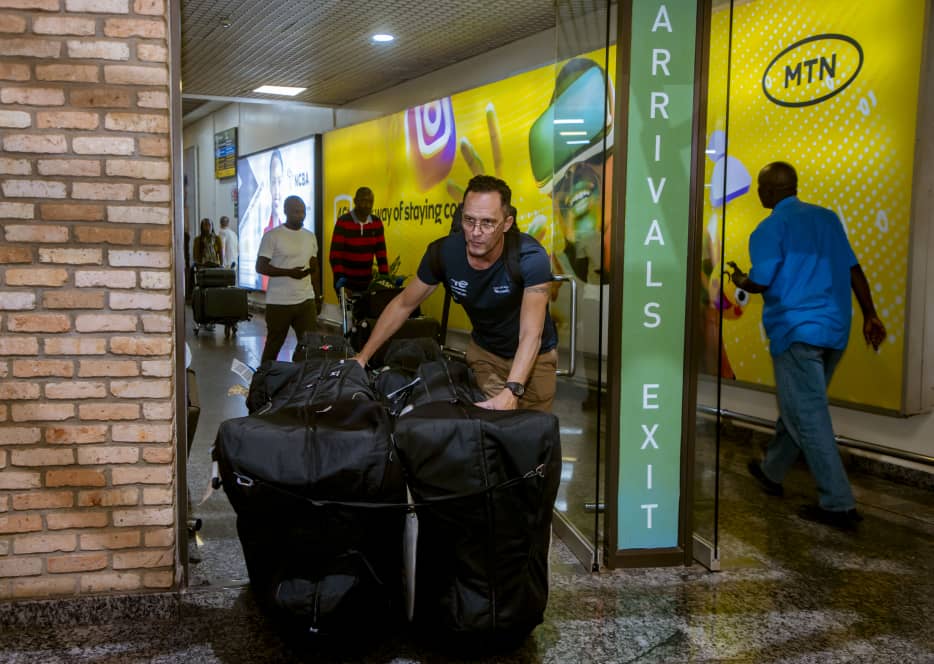
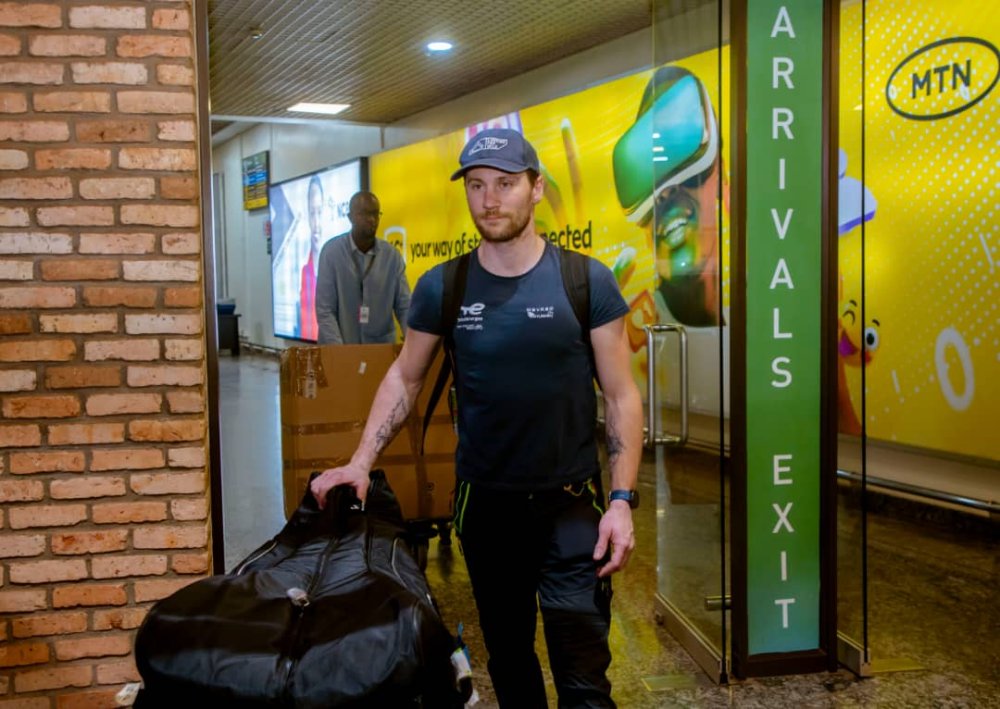
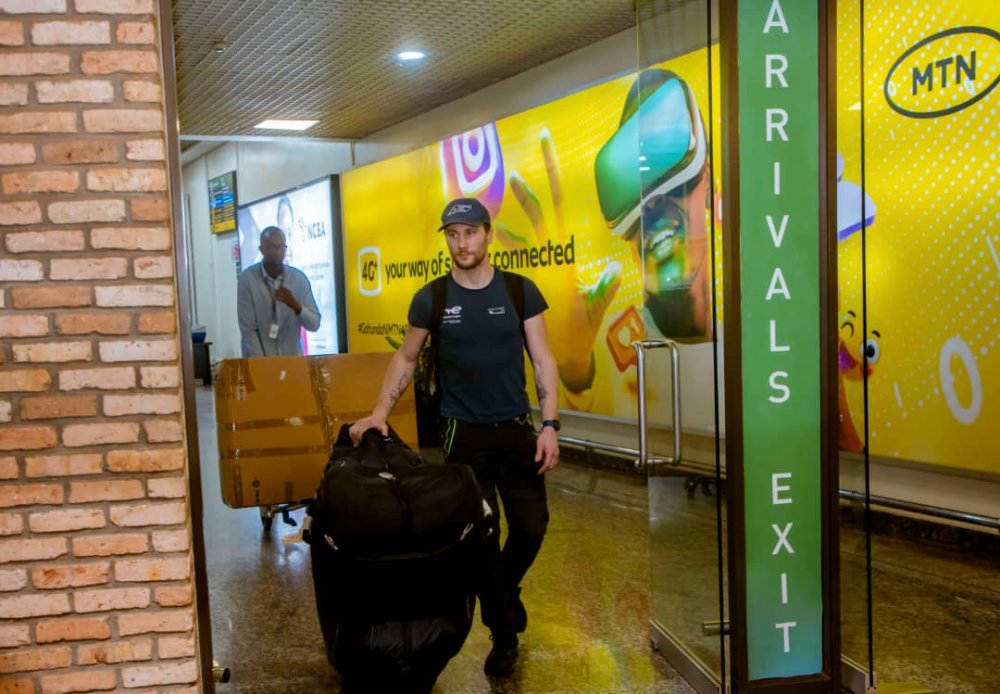
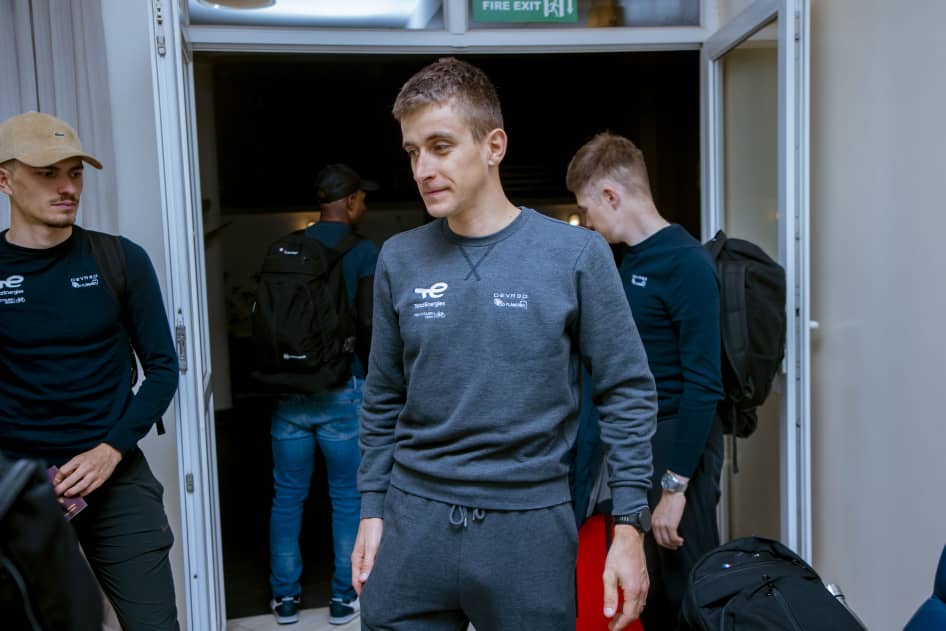
This is one of the top teams to take part in the competition, as are comprised of well-known athletes familiar with this race, including Thomas Bonnet, Fabien Doubey, and Lorrenzo Manzin.
They are accompanied by their support team, namely Joris Delbove and Baptiste Vadić, who won the Tour d’Alsace last year in 2024.
In last year’s Tour du Rwanda, Fabien Doubey finished in fifth place, while the entire team ranked third overall.
Latour Pierre, who played for TotalEnergies last year, won the fifth stage from Musanze to the Gorilla naming grounds, where riders competed in Individual Time Trials (ITT).
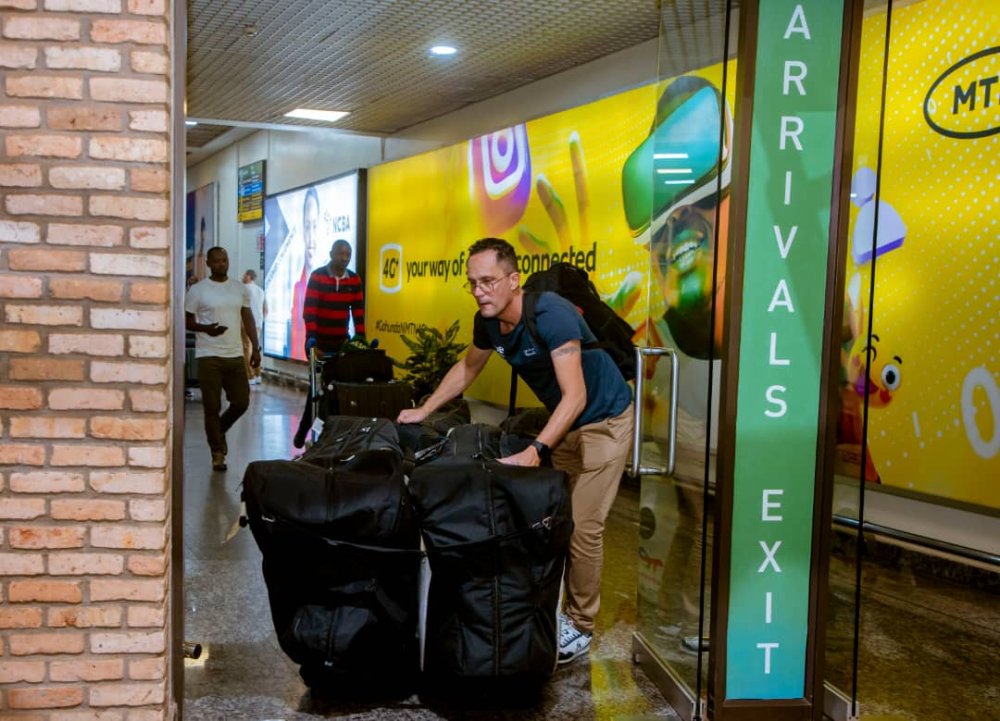
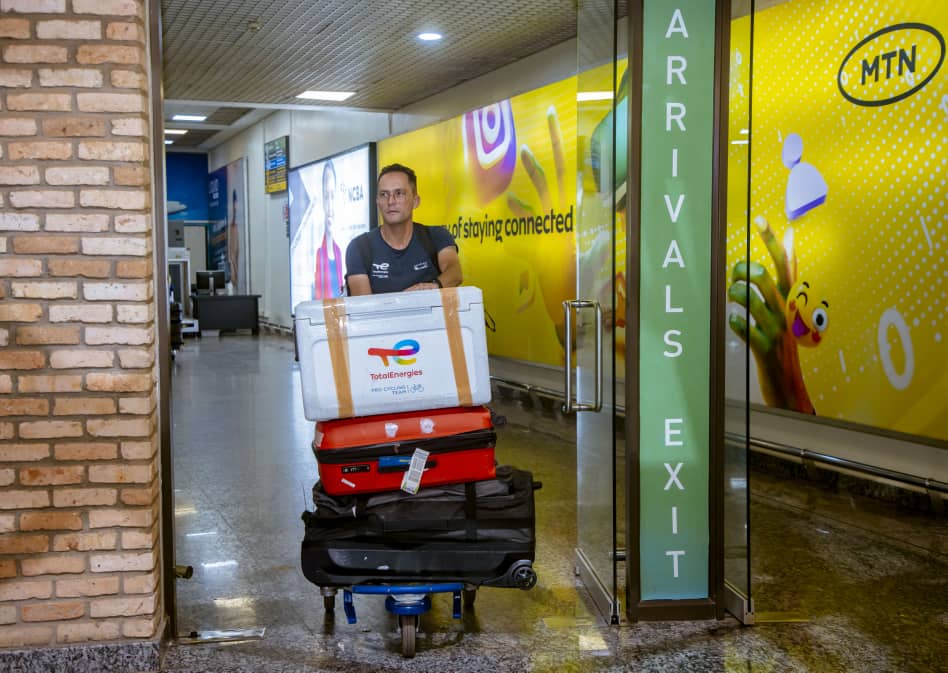
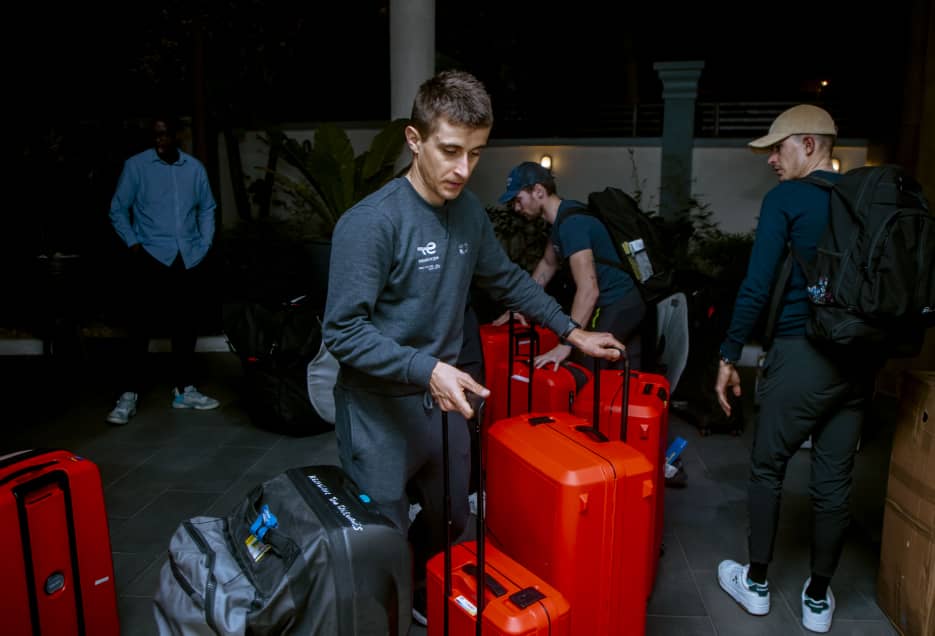
With the arrival of this team, one of the professional cycling teams (UCI Pro Team), other teams are expected to arrive on Friday, February 21, as the race is scheduled to begin on Sunday, February 23, 2025.
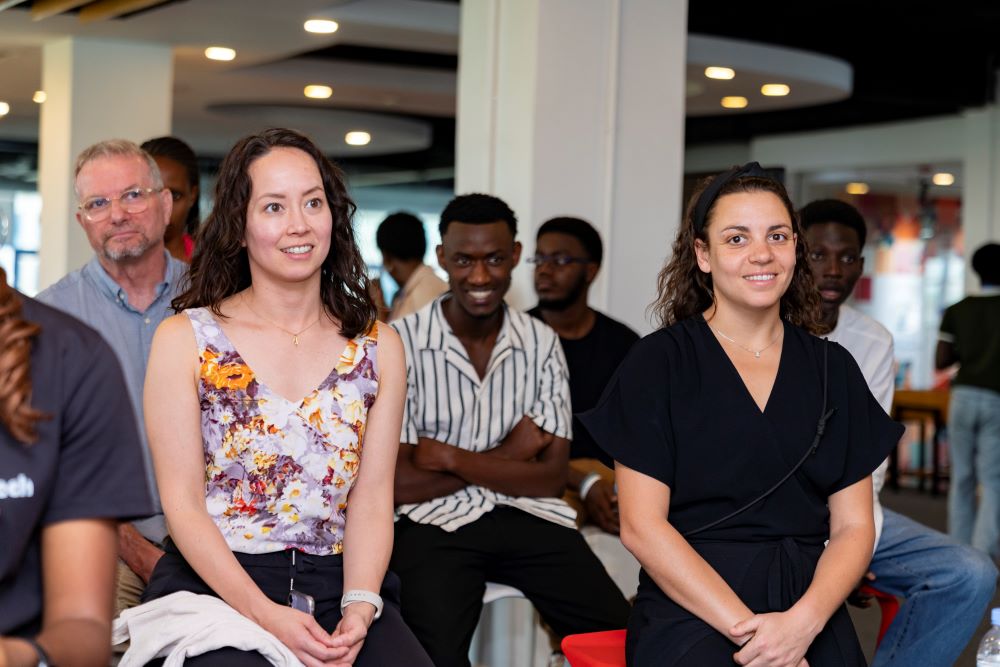
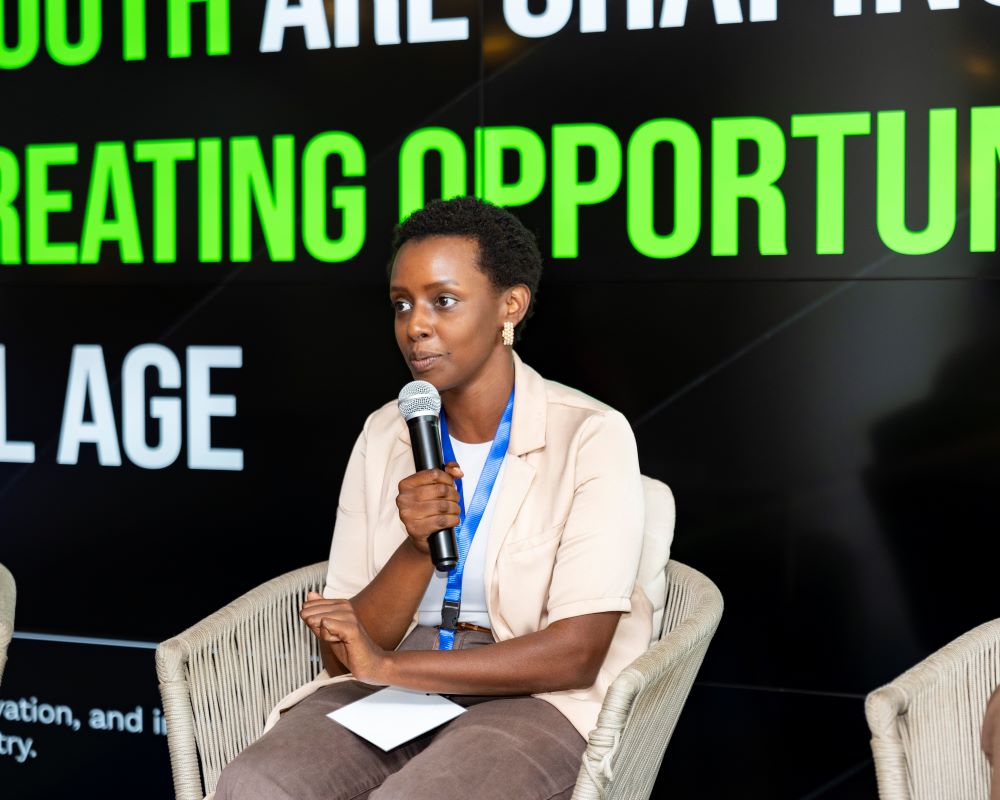
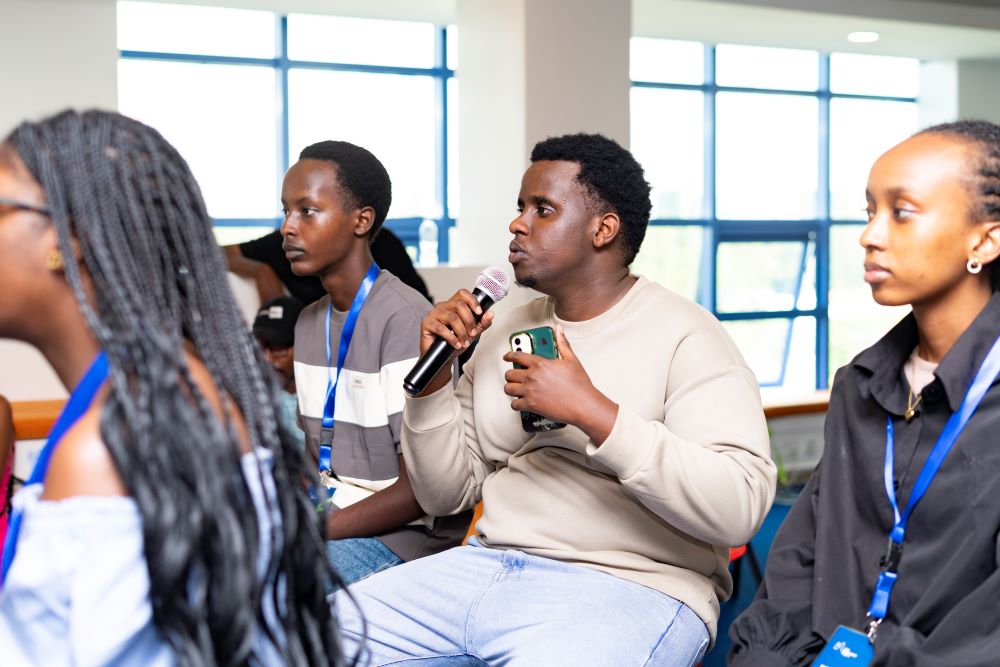
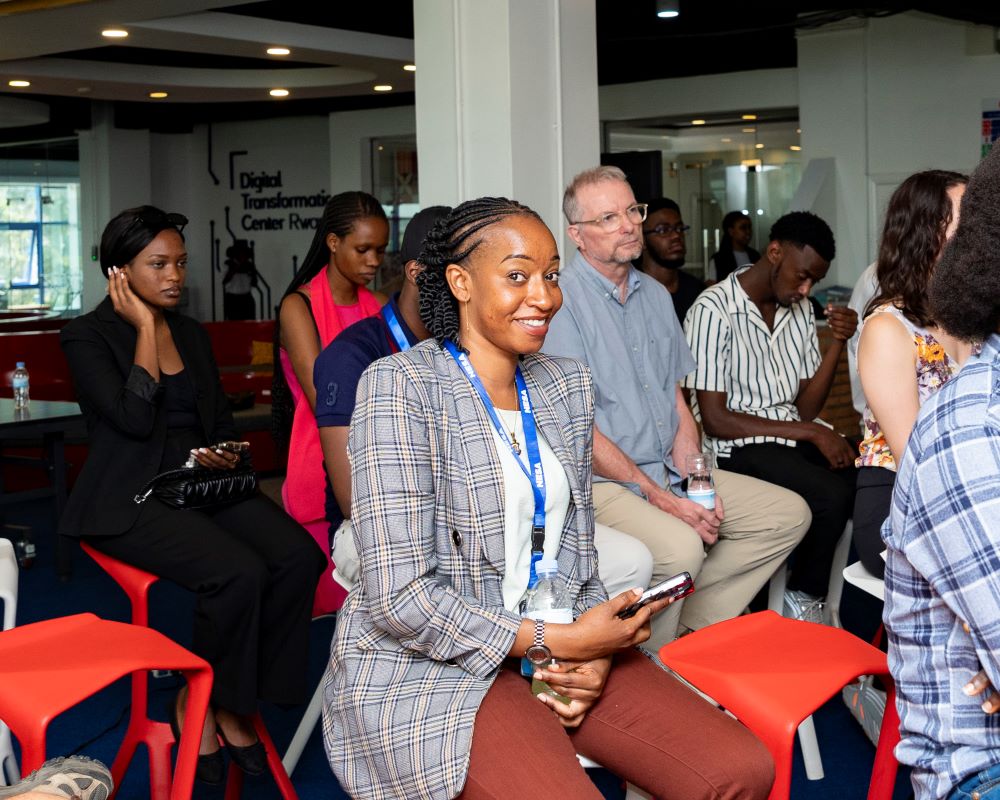
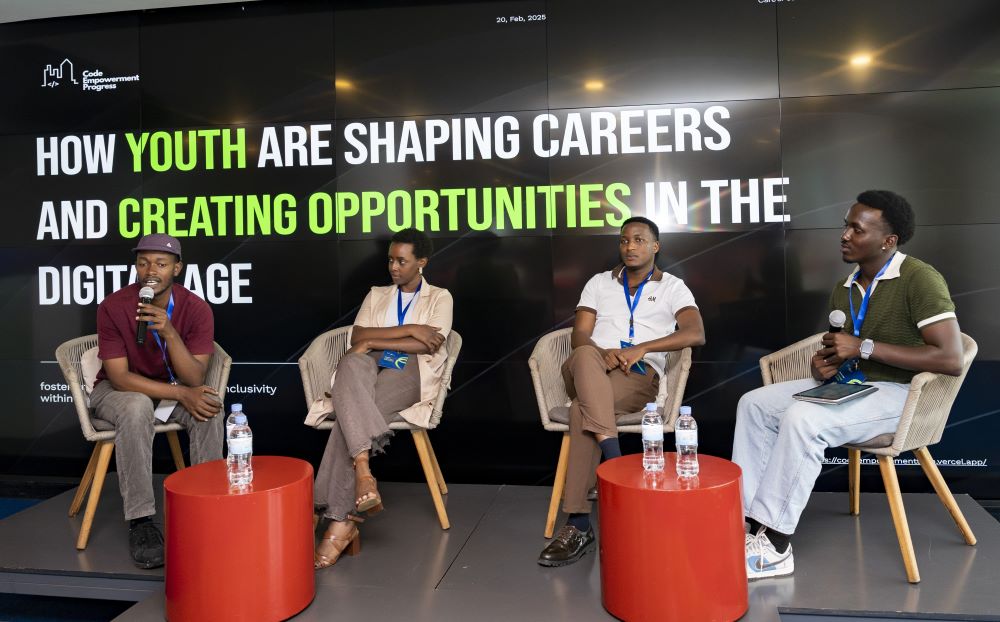
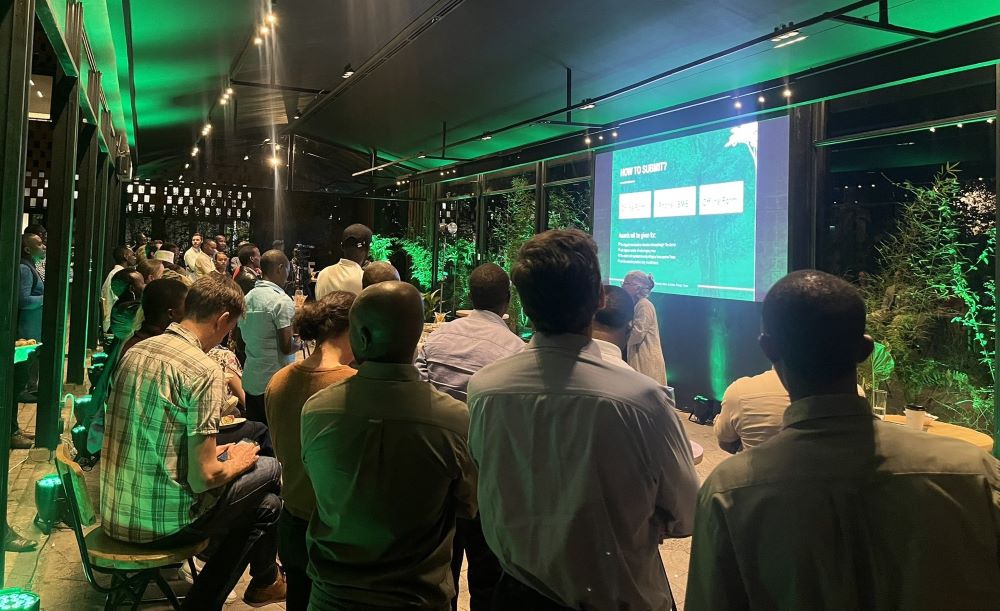
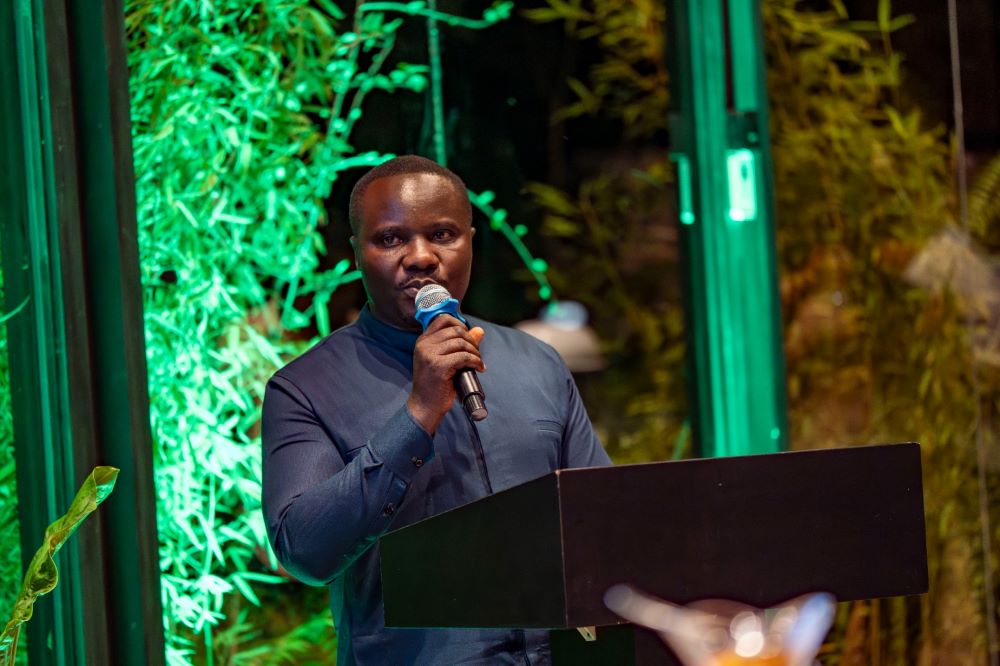
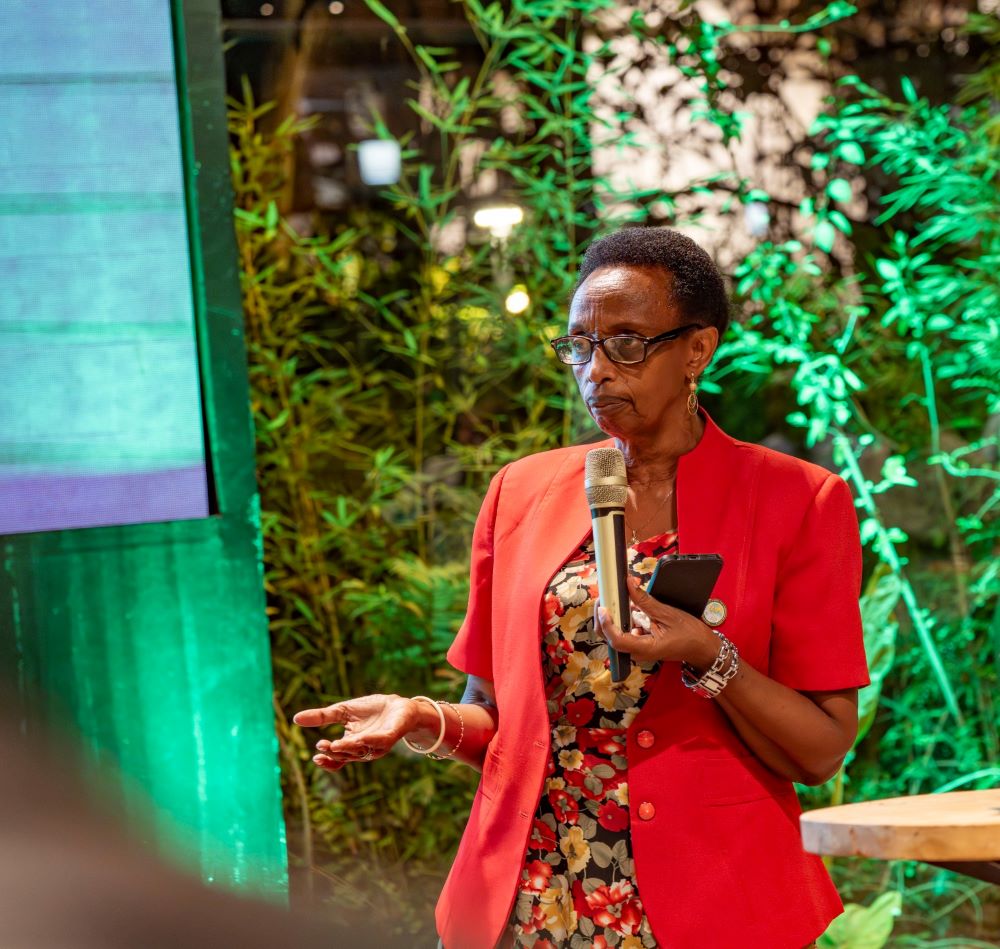
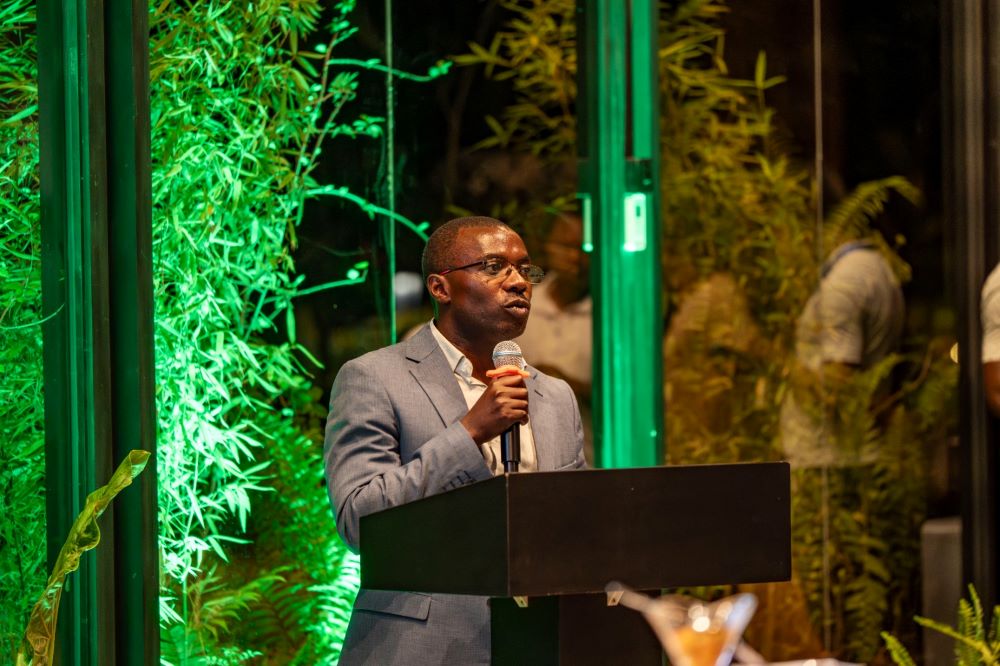
A consultative meeting held on February 20, 2025 that focused on shaping careers and creating opportunities in the digital age, brought together young entrepreneurs, students, professionals, and key stakeholders to explore this dynamic landscape.
The event, organized by Code Empowerment Progress (CEP), served as a platform to inspire, educate, and connect, empowering attendees to thrive in the ever-evolving digital economy.
As Ornella Uwase Ndahiro, founder and CEO at CEP explained, the digital age should find young people equipped with the skills, knowledge and opportunities to leverage technology for social and economic growth.
She shared a personal insight into her journey in the digital space, highlighting the challenges and opportunities she encountered along the way, emphasizing the importance of resilience, adaptability, and community-building in navigating the digital economy.
Many individuals, such as Isaac Rudasingwa, have been inspired through success stories and gained from knowledge about available tools and opportunities.
Rudasingwa, Co-founder of Medixr, discussed the role of innovation and digital tools in healthcare and beyond, urging young people to explore tech-driven solutions to everyday challenges.
Similarly, Rogers Kamugisha, an expert in the education sector, shed light into education and leadership development, encouraging attendees to build practical skills and leverage mentorship for career growth.
The event targeted youths aged between 16 and 25 ambitious to leverage technology and brought together individuals, influencers and industry leaders.
During a panel discussion, where speakers shared invaluable insights, Cynthia Umutoniwase, proprietor of LOOPA Ltd., a local company involved in the production of organic waste management material, emphasized the importance of collaboration and continuous learning.
“Share your ideas and be open to feedback, even if it’s not what you want to hear. Always strive to learn something new, and develop strong money management skills,” she advised.
When seeking partners, Umutoniwase cautioned on finding individuals who complement each other sharing the same vision and aspirations. “Always remember to have everything clearly documented,” she said.
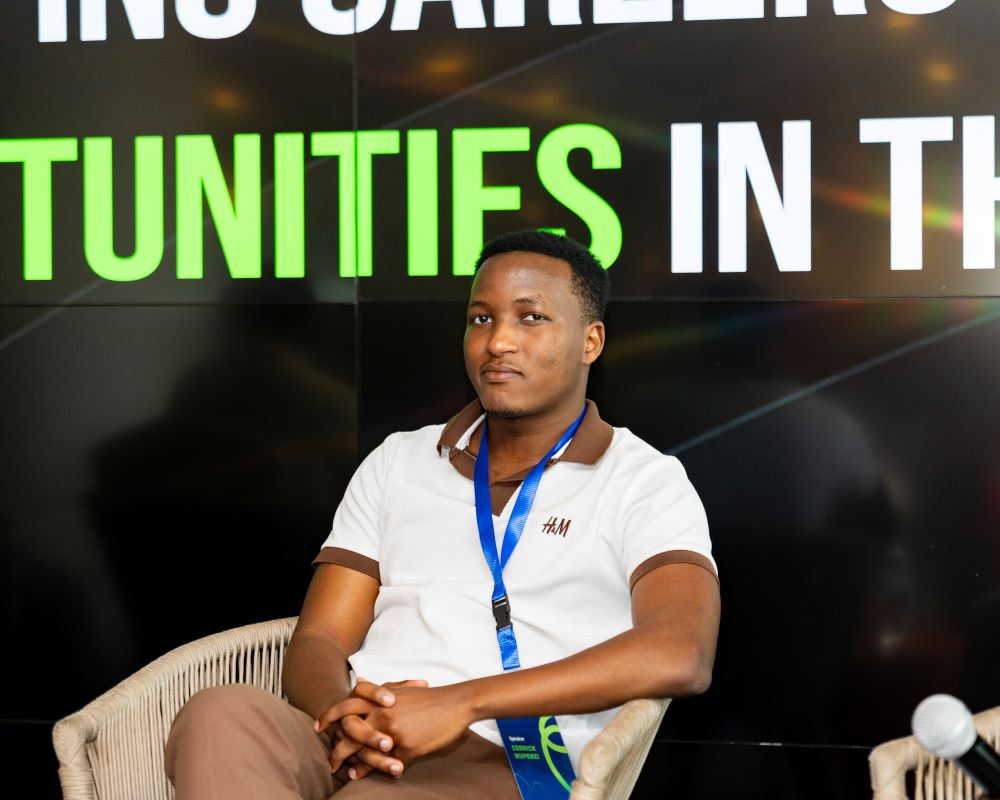
Cedric Mupenzi, CEO of Sinc Today, echoed the importance of teamwork and vision. “The biggest mistake young entrepreneurs make is involving unmotivated individuals. As a founder, it’s your responsibility to communicate your goals and visions to your team and work relentlessly to achieve them,” he cautioned.
He revealed that the secret lies in having the right team, a solid structure, logistical support, and the right partners.
The interactive sessions provided a valuable opportunity for attendees to engage directly with the speakers, while networking thus fostering connections between peers and potential mentors.
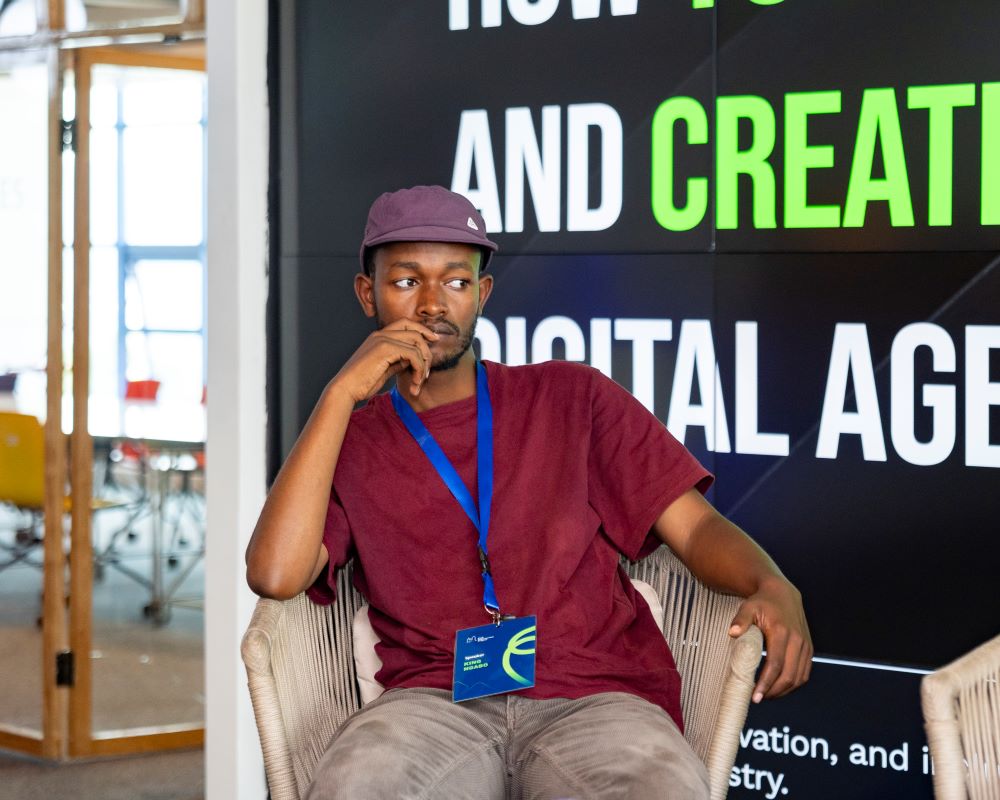
King Ngabo, founder of the Ingabo Museum based at Rebero, offered a powerful call to action. “Use your energy while you’re young. Don’t wait for approval to pursue your passions. People will recognize and appreciate your work along the way,” he urged.
The consultative meeting offered practical tools and strategies to navigate the digital landscape, equipping youth with the skills needed to build successful careers.
The outcomes included increased awareness of technology’s role in career development, practical insights for taking actionable steps toward digital success, stronger networks between young innovators and stakeholders, and a platform to celebrate the next generation of digital leaders.
The event served as a powerful reminder that the future of work is digital, and young people are at the forefront, shaping their own careers while creating opportunities for themselves and others.
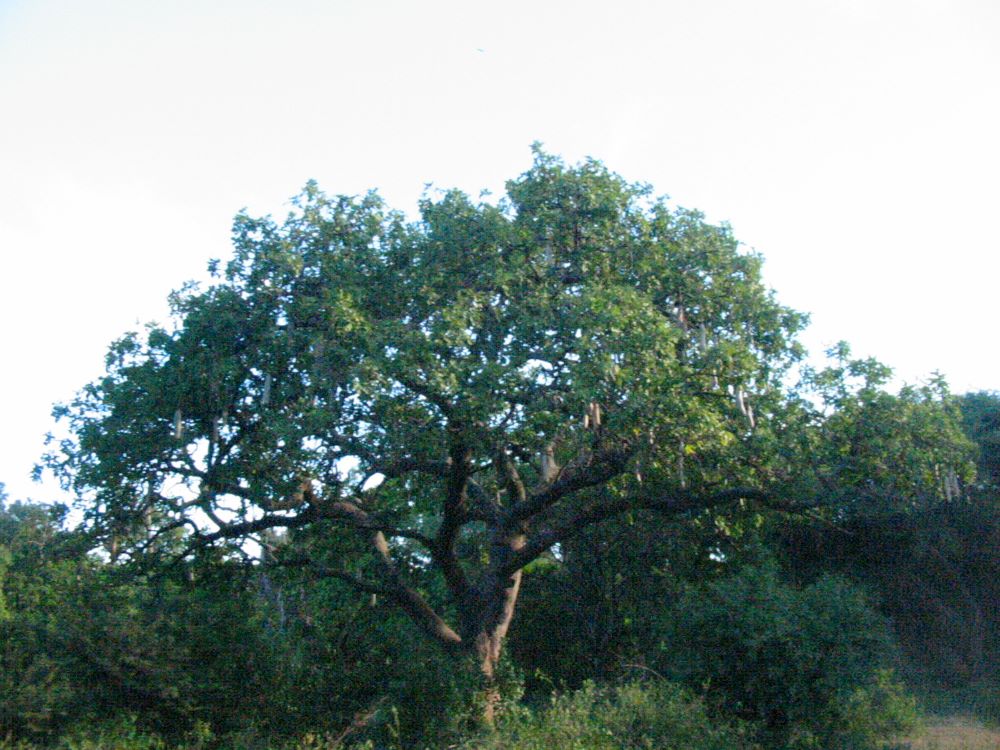
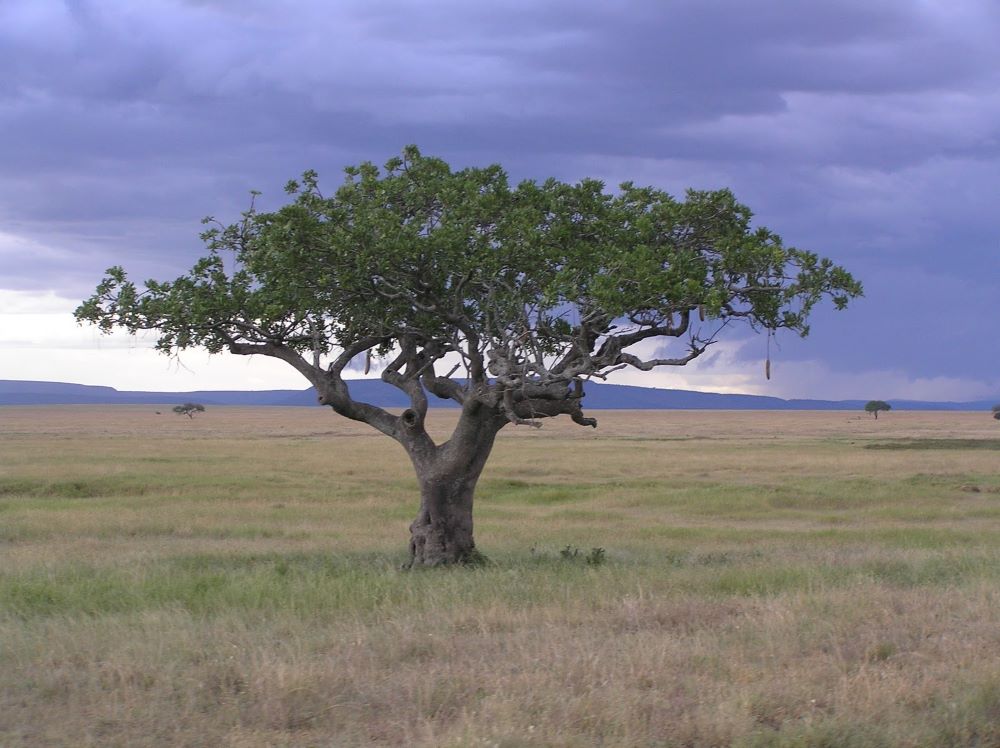
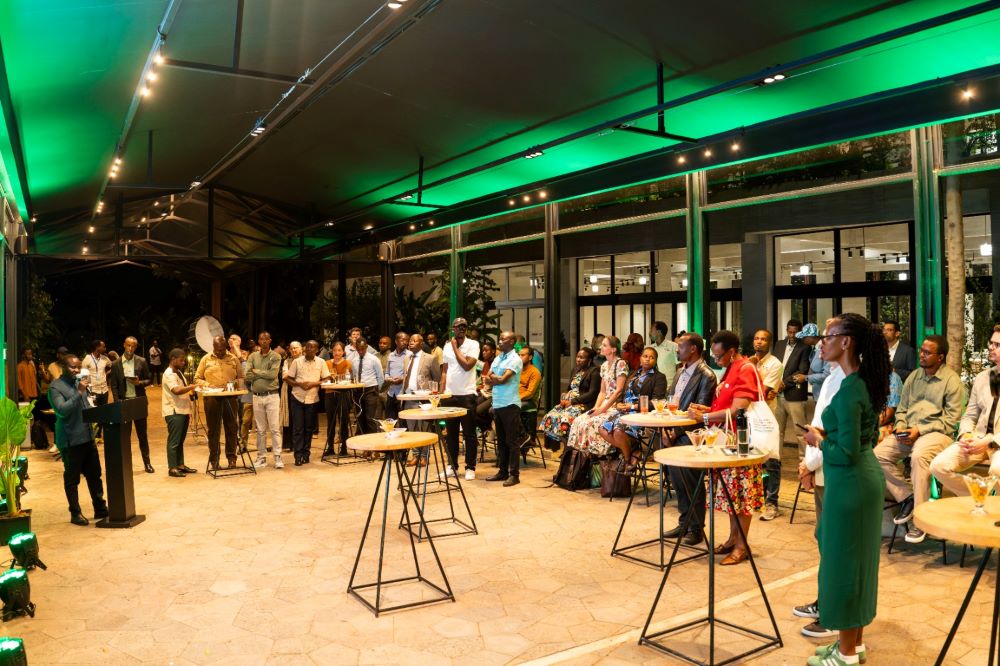
The Legacy Tree Project is a collaboration between the Rwanda Forestry Authority (RFA) and the Center of Excellence in Biodiversity and Natural Resource Management (CoEB) at the University of Rwanda.
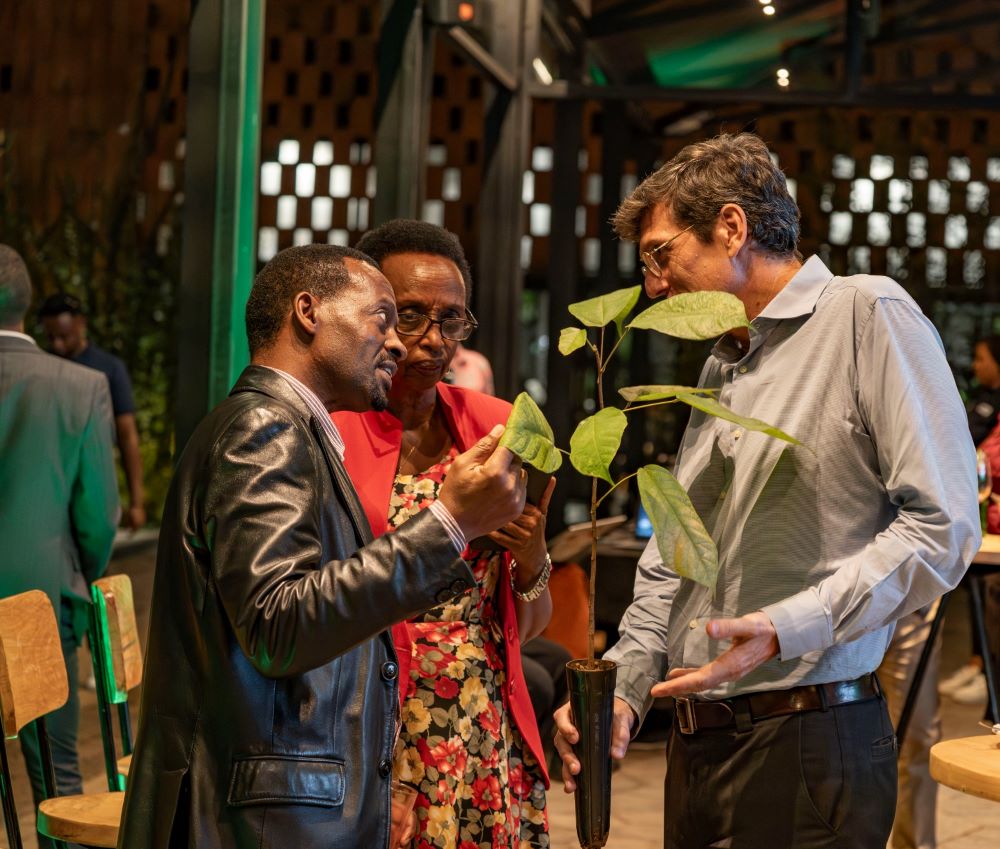
Legacy trees, the largest and oldest native trees dotting Rwanda’s landscapes, often stand amidst agriculture, settlements, and urban development. They include species like Umuvumu, Umusumba, Umuvugangoma, Umwungo, Umusave and Umukore.
These trees play a vital role in carbon sequestration, biodiversity, and cultural heritage. The project will conduct a nationwide search for these majestic trees, recording their histories and engaging local communities in their protection.
A key component of the initiative is the development of a legacy tree tour, managed by local communities, which will share the stories of these remarkable trees with the public, promoting eco-tourism and supporting local livelihoods.
“The Legacy Tree Project is a crucial step in protecting Rwanda’s remaining native trees,” stated Dr. Concorde Nsengumuremyi, Director General of the Rwanda Forestry Authority.
“By documenting these trees and recognizing their ecological and cultural value, we are ensuring that future generations will continue to benefit from their presence. This initiative aligns with Rwanda’s broader efforts to promote biodiversity conservation and sustainable forest management.”
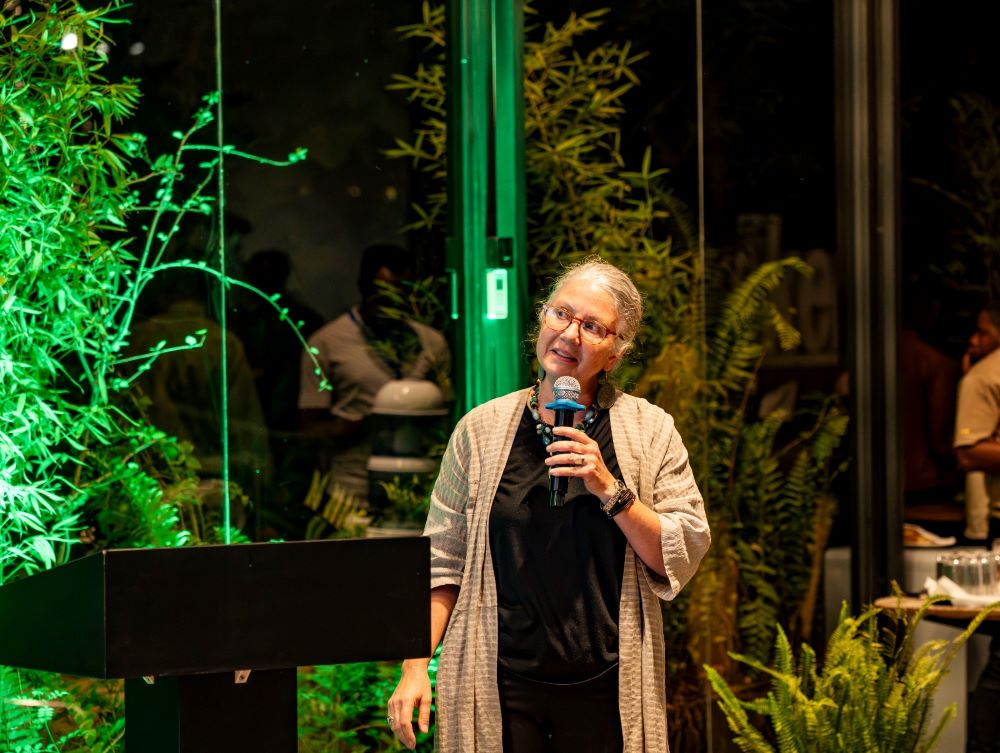
Beth Kaplin, Senior Researcher at the Center of Excellence in Biodiversity and Natural Resource Management, highlighted the importance of combining science and community engagement.
“By combining scientific research with traditional knowledge, this project will not only protect biodiversity but also strengthen the connection between people and nature. These trees are living testaments to Rwanda’s history, and through this initiative, we will ensure their stories are told and their benefits sustained,” she explained.
Beyond documentation and tourism, the project has several other important goals. It aims to improve access to native seed stocks for forest restoration, enhance research and policy advocacy for tree conservation, increase public awareness of the cultural and ecological importance of legacy trees, and engage youth in nature conservation through stewardship programs.
The legacy tree project represents a significant commitment to safeguarding Rwanda’s natural heritage, promising a greener and more resilient future through government support, scientific expertise, and active community participation.
On Thursday, the U.S. Treasury Department announced sanctions against Gen. (Rtd.) Kabarebe, Minister of State for Foreign Affairs in Charge of Regional Cooperation, accusing him of playing a key role in Rwanda’s alleged support for the M23 rebel group operating in the eastern Congo, a claim that the government has repeatedly denied.
The U.S. claims that M23 has been responsible for human rights abuses in the region.
Reacting to the move, Rwanda’s Government Spokesperson Yolande Makolo dismissed the sanctions as unjustified and ineffective, arguing that punitive measures would not resolve the crisis in eastern DRC.
“The sanctions are unjustified. The international community should support, not undermine, ongoing regional efforts towards a political solution. If sanctions could resolve the conflict in eastern DRC, we would have had peace in the region decades ago,” Makolo said.
Rwanda has consistently argued that the crisis in eastern Congo is rooted in deeper historical and governance issues that require political solutions rather than external pressure.
M23 also denies the allegations of human rights violations, stating that it is fighting against decades of persecution and marginalisation of Congolese Rwandophones in eastern Congo. The conflict has, among others, been attributed to the arbitrary drawing of borders during the colonial period.
“Rwanda was a German colony, and in 1910, 1912, and 1911, there was a meeting in Brussels where Belgium, Germany, and the United Kingdom decided to draw the borders between the three countries artificially. We had part of the Kingdom of Rwanda which was given to Congo with the people, and another part was given to Uganda. Then we have people of Rwandan culture and heritage in those two countries; in DRC, which was Congo at that time, and Uganda,” Foreign Affairs and International Cooperation Minister Oliver Nduhungirehe explained during a recent interview.
“But those in Uganda never had any problem; they were integrated into society, considered as Ugandans. However, those in Congo, who have lived there since 1910, were never considered as Congolese; they were always suspected to be Rwandan. And this went on until the independence of Congo, and this marginalization under suspicion continued. In the 1970s, the then President of Zaire, which was the name of the country, President Mobutu, decided to give them citizenship, but 10 years later in the 80s, he stripped that citizenship from them, so their situation was always difficult,” he added.
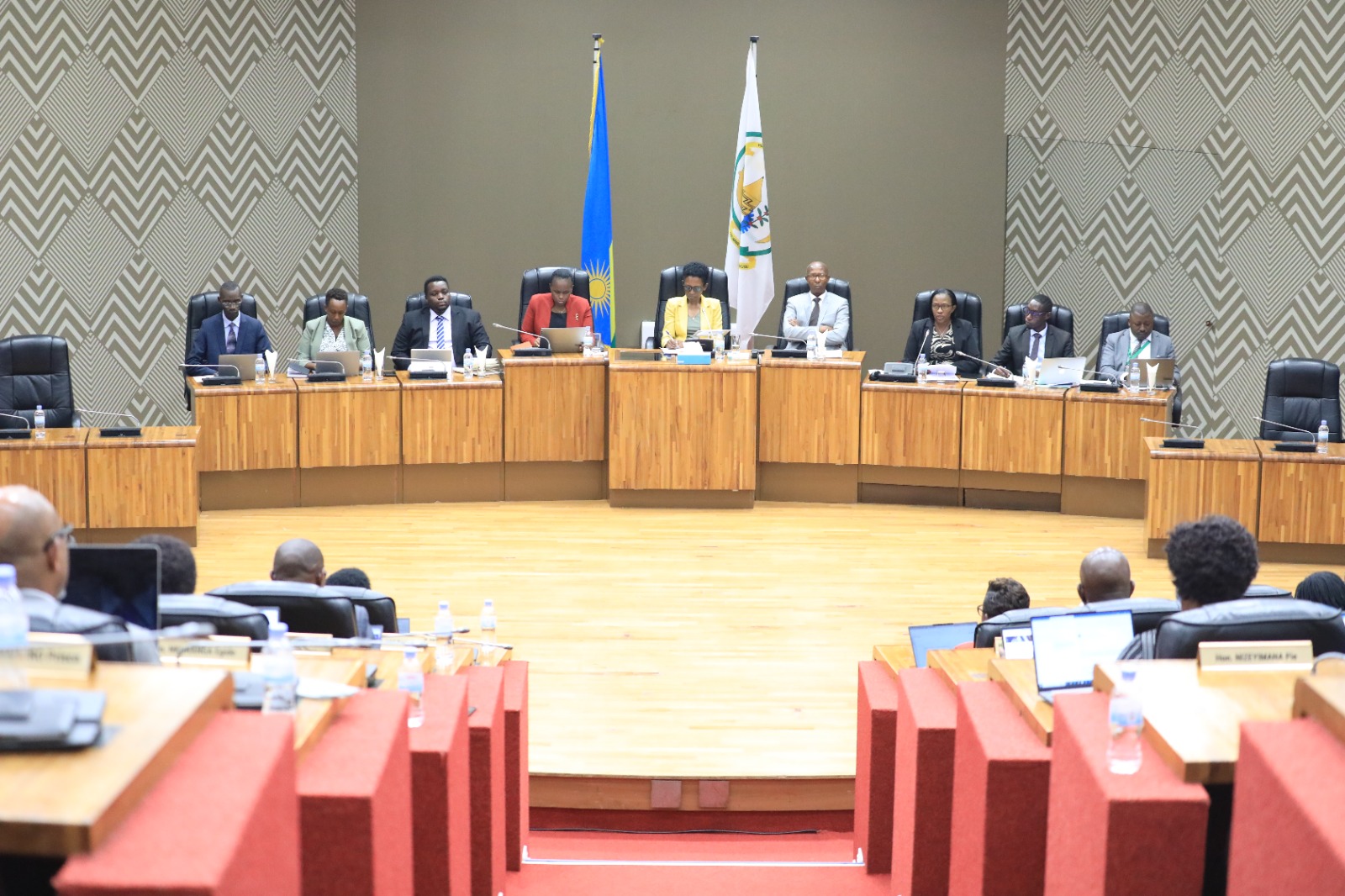
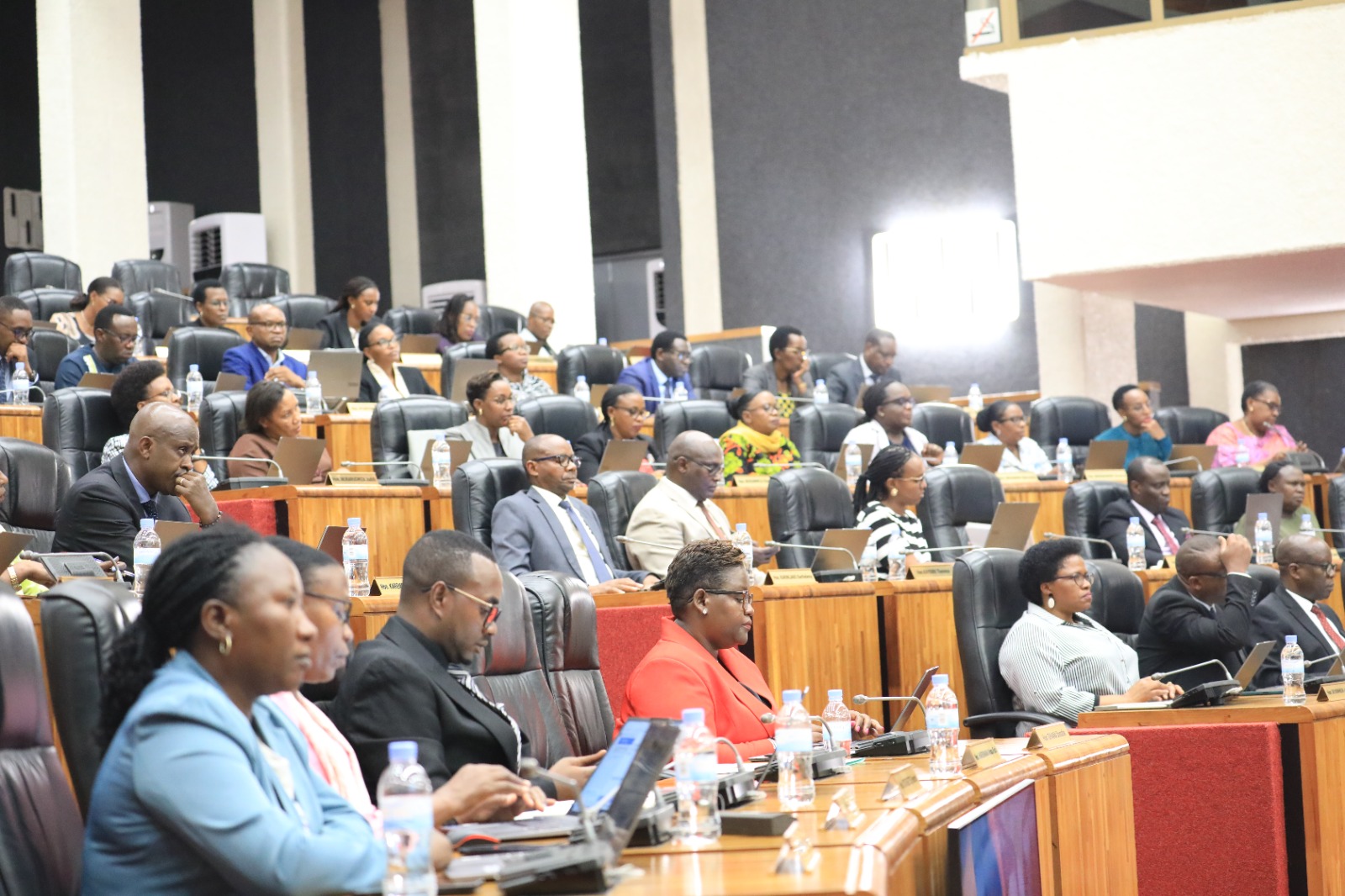
The Ministry of Finance and Economic Planning proposed increasing the funds to support emerging national priorities and enhance public service efficiency.
The additional funds will be allocated across various institutions to address gaps identified in various sectors.
As part of the adjustments, FRW 44.9 billion will be allocated to various institutions to fill gaps in employee insurance contributions.
Additionally, FRW 10 billion will be used for government subsidies on fertilisers and improved seeds, while FRW 5 billion will go towards various sports activities.
Other allocations include FRW 3 billion for the Rwanda Correctional Service (RCS) to address food shortages and FRW 1.1 billion for the National Rehabilitation Service (NRS) to support children in rehabilitation centres.
Additionally, FRW 3.5 billion has been set aside to cover taxes for the 63-kilometre Base-Butaro-Kidaho road, while FRW 5.8 billion will go towards social security contributions.
So far, the implementation of the 2024/2025 budget stands at 65%.
{{Reduction in Foreign Aid and Tax Revenue
}}
The revised 2024/2025 budget highlights a decrease in expected foreign aid and tax revenue due to various factors.
Tax revenue is now projected to reach FRW 2,950.4 billion, down from the initially estimated FRW 2,970.4 billion—a decrease of FRW 20 billion.
This decline is attributed to the reduction in indirect taxes collected in the 2023/2024 fiscal year, as well as a drop in personal income tax revenue. The Rwandan government recently decided to exempt individuals earning less than FRW 60,000 from income tax, an increase from the previous threshold of FRW 30,000.
However, non-tax revenue is expected to increase by FRW 48.4 billion, rising from FRW 444 billion to FRW 492.4 billion.
This increase is primarily due to proceeds from privatising former government projects and a reduction in government spending on international peacekeeping efforts, which will decrease by FRW 3.6 billion.
Foreign grants are also projected to decline, from FRW 725.3 billion to FRW 621.2 billion.
Meanwhile, the Rwandan government anticipates an increase of 184.3% in foreign loans, particularly from the World Bank. Loans channelled through the national treasury and development projects will increase by approximately FRW 121.1 billion.
On the other hand, domestic borrowing is expected to decrease by around FRW 38 billion.
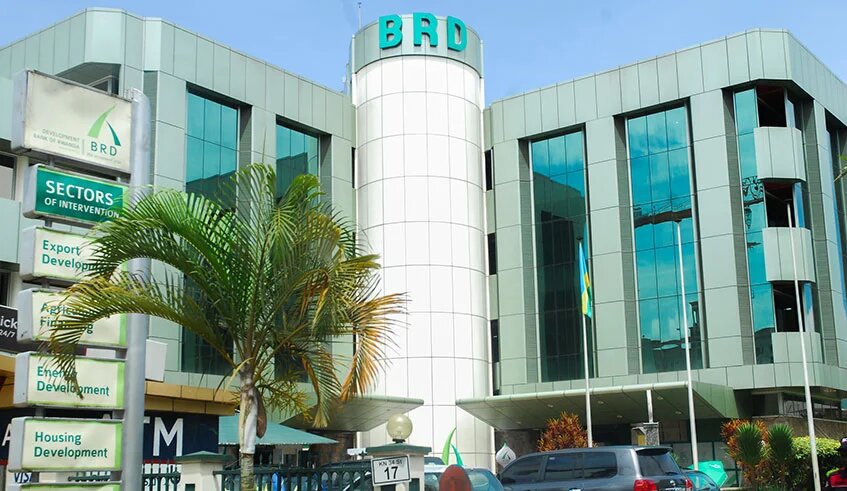
The accreditation was granted during the 41st GCF Board Meeting held in South Korea.
This achievement positions BRD as a key player in mobilizing climate finance to support Rwanda’s transition to a green economy.
The recognition allows BRD to access concessional funding at scale, further strengthening Ireme Invest—Rwanda’s flagship climate finance initiative—across the financial sector. By doing so, BRD aims to accelerate sustainable investments and integrate climate considerations into financial portfolios.
Expressing her enthusiasm, BRD Chief Executive Officer, Ms. Kampeta Sayinzoga, highlighted the significance of this development, explaining how it positions BRD to further its green finance initiatives:
“This accreditation is a testament to the rigorous efforts BRD has undertaken to champion green finance in Rwanda. It reinforces our position as a key enabler of climate action, allowing us to mobilize concessional resources to green the financial sector. With the support of the Green Climate Fund, we are now better positioned to scale up Ireme Invest and strengthen Rwanda’s climate resilience through sustainable investments.”
The accreditation also reinforces BRD’s commitment to fostering partnerships that drive climate finance. By working closely with stakeholders in both the public and private sectors, the bank aims to implement climate-smart projects that contribute to Rwanda’s ambitious sustainability goals.
BRD now joins an elite group of African financial institutions accredited by the GCF, including the Development Bank of Southern Africa, the Development Bank of Nigeria, and the Development Bank of Zambia.
Other accredited institutions on the continent include, among others, the African Development Bank, the Eastern and Southern African Trade and Development Bank, Africa Finance Cooperation, Banque Ouest Africane De Development (BOAD), ECOWAS Bank
for Investment and Development, Fonds d’Intervention pour I’Environnement (FIE), KCB Bank Kenya Limited and Ecobank Ghana.
As Rwanda’s sole development finance institution, BRD has played a critical role in driving the country’s economic transformation since its establishment in 1967. With a strong focus on infrastructure, agriculture, affordable housing, green finance, and exports, BRD continues to position itself at the forefront of sustainable development financing.
This accreditation is expected to strengthen Rwanda’s financial ecosystem by ensuring that institutions are better equipped to support climate adaptation and mitigation initiatives. It also aligns with Rwanda’s Nationally Determined Contributions (NDCs) and Vision 2050, reinforcing the country’s commitment to climate resilience and low-carbon growth.
The Green Climate Fund, the world’s largest dedicated climate fund, was established under the UNFCCC to support developing nations in tackling climate change. By providing financial resources for climate adaptation and mitigation projects, the GCF helps mobilize funding for transformative climate action worldwide.
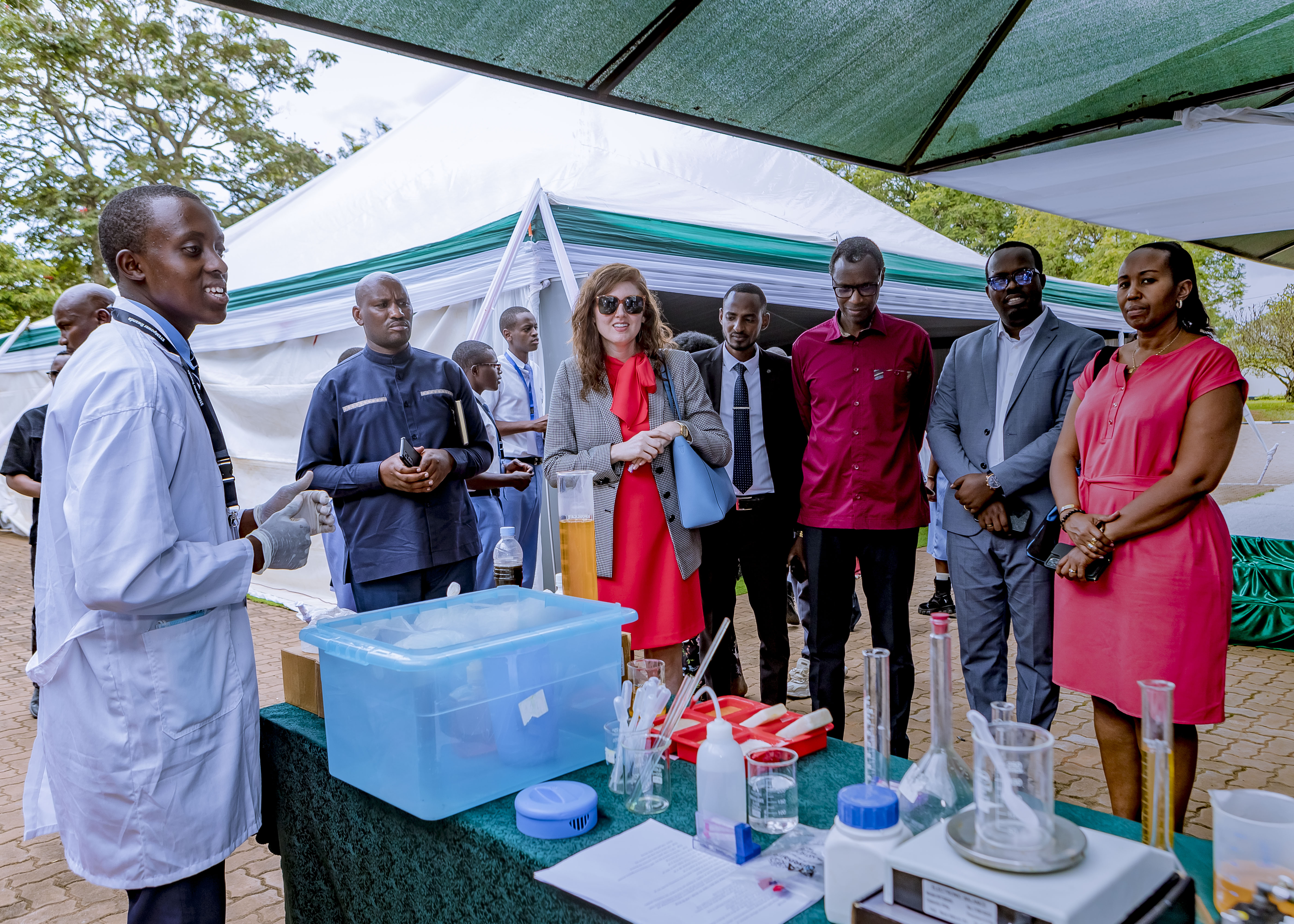
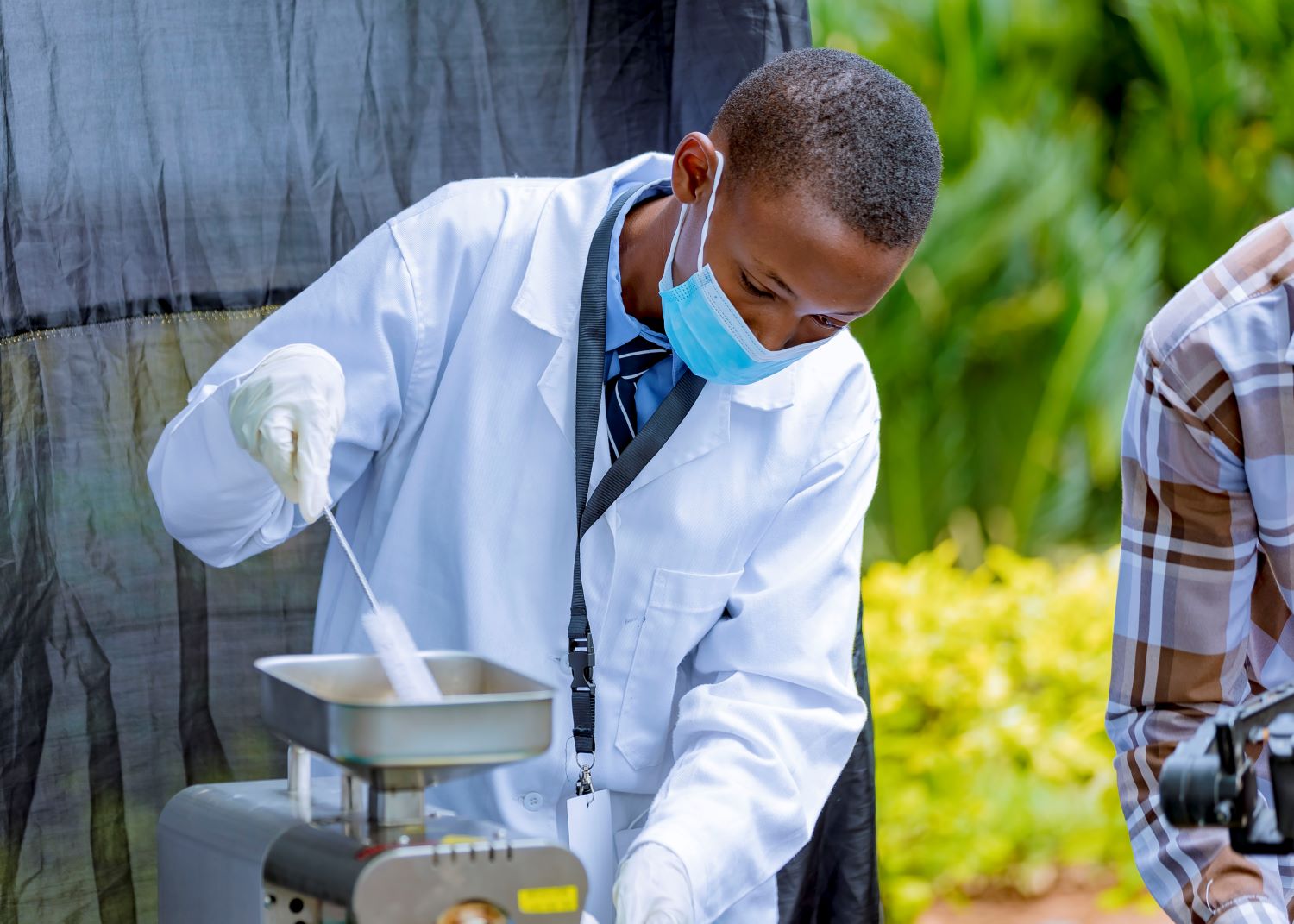
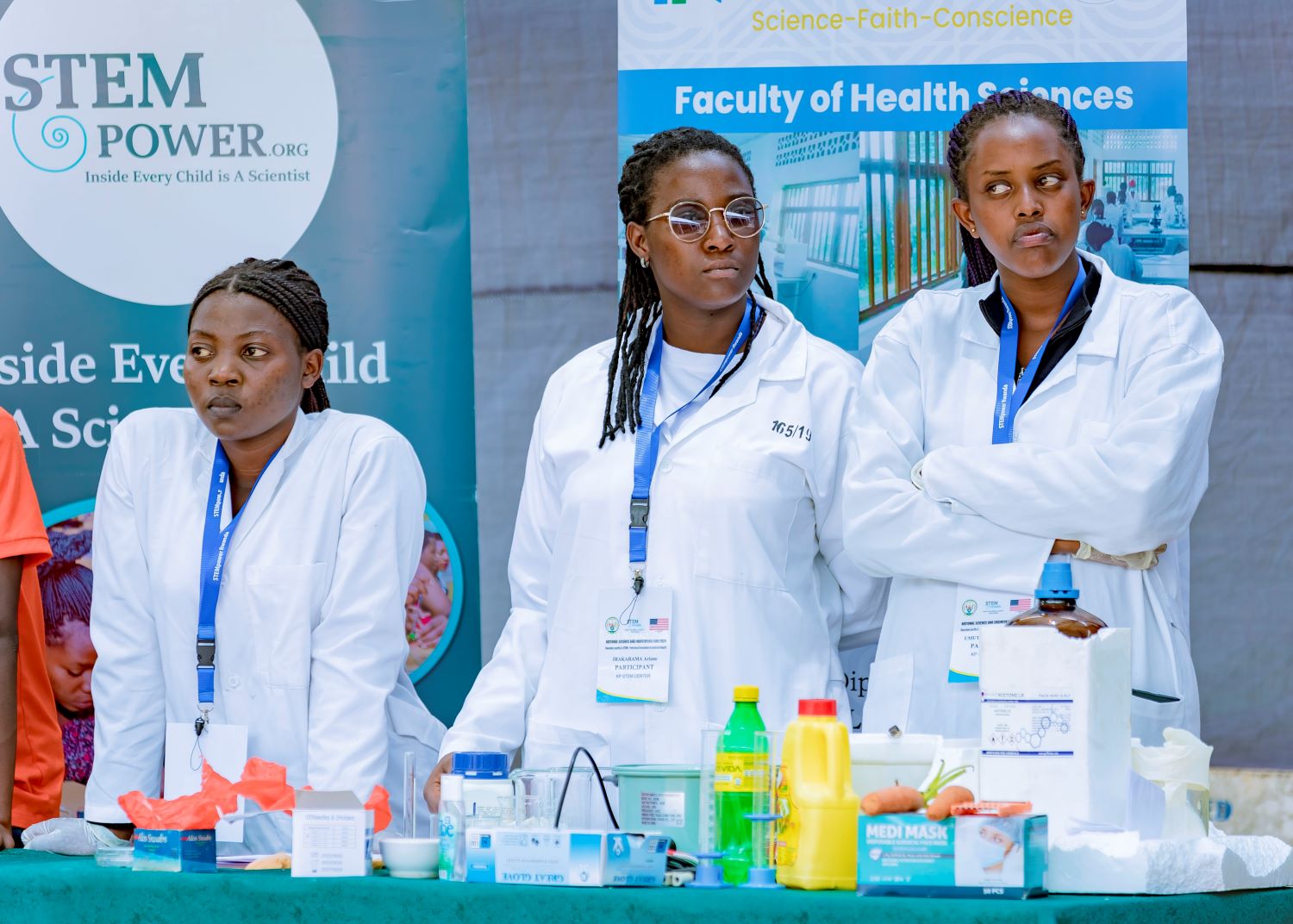
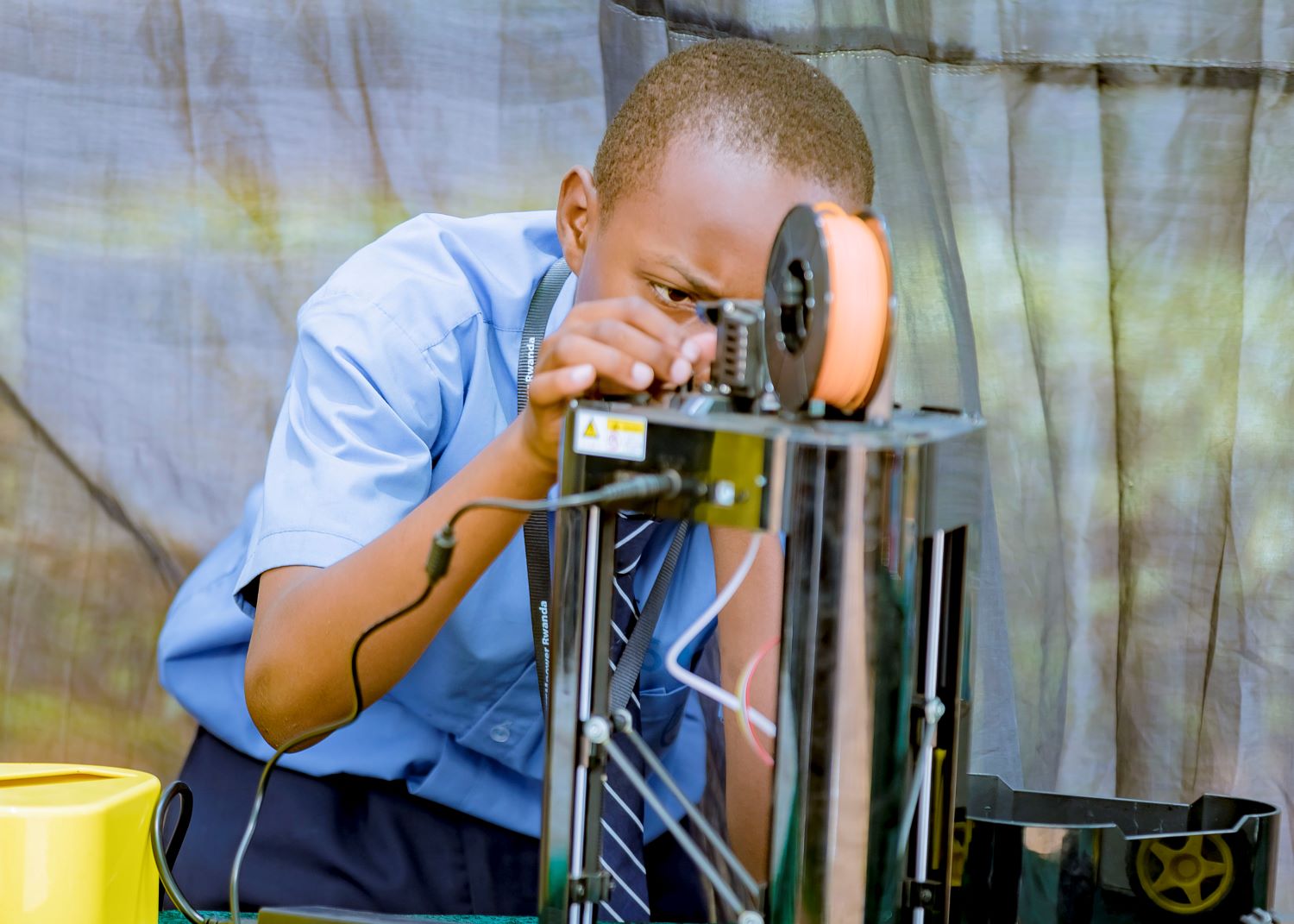
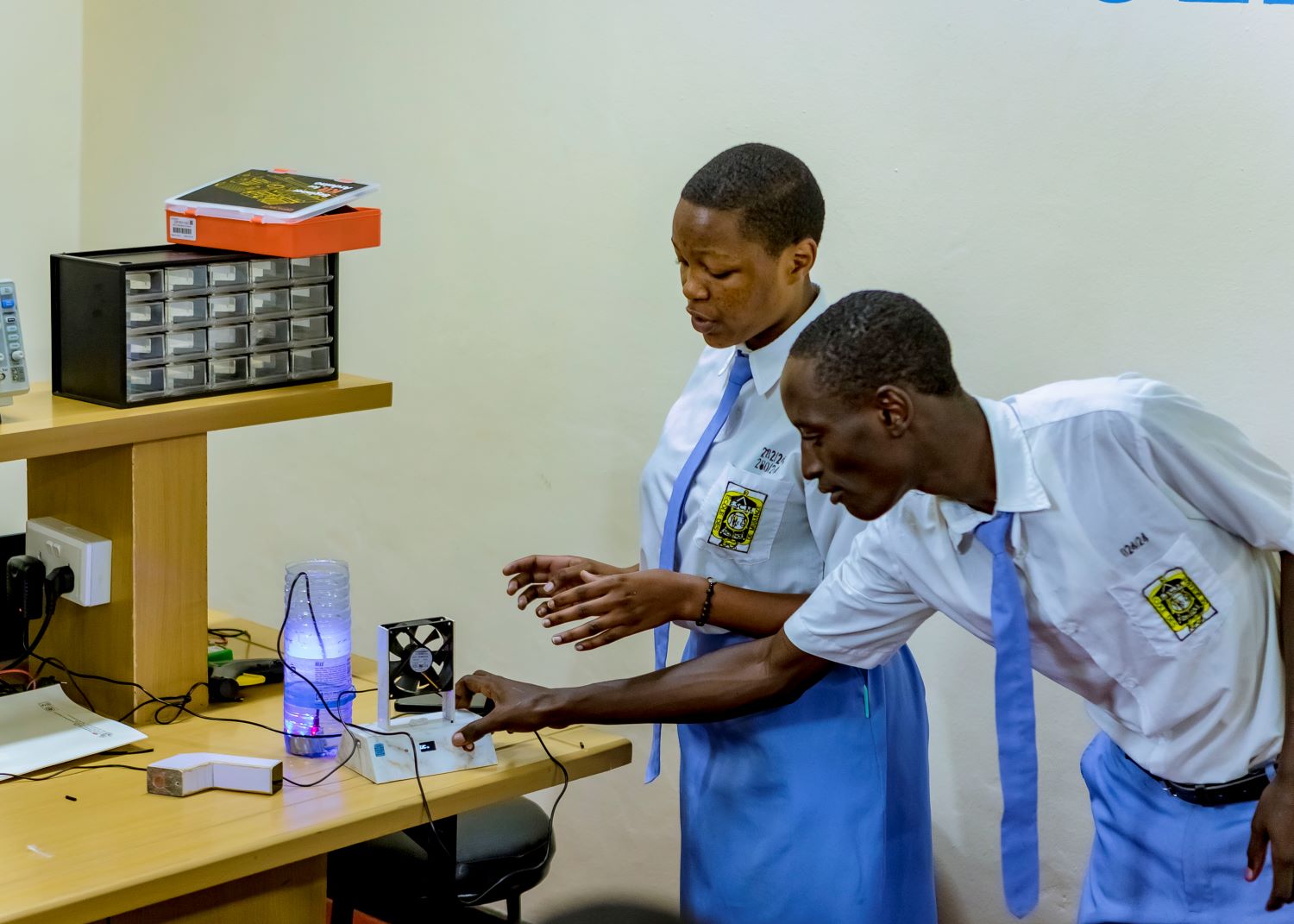
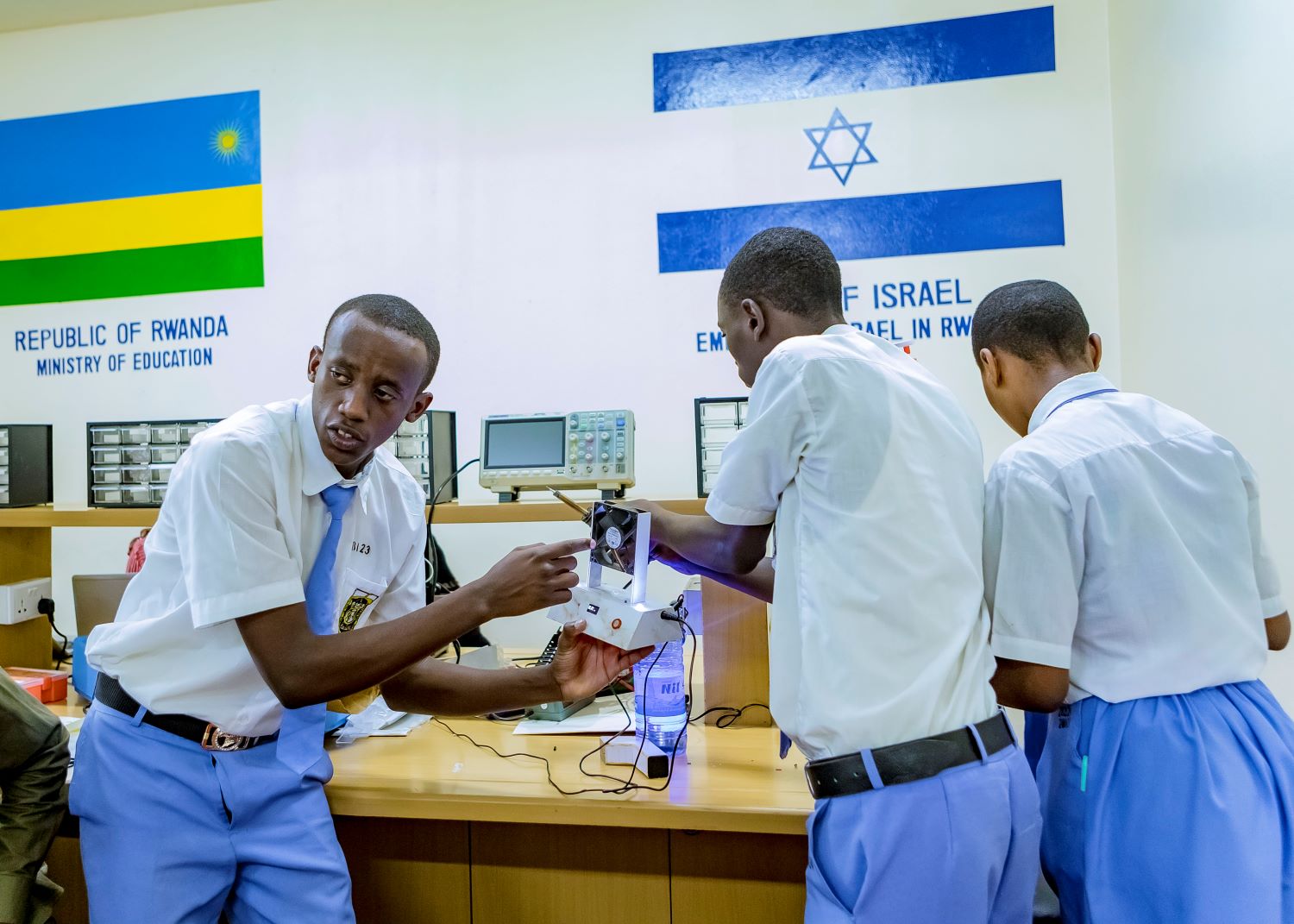
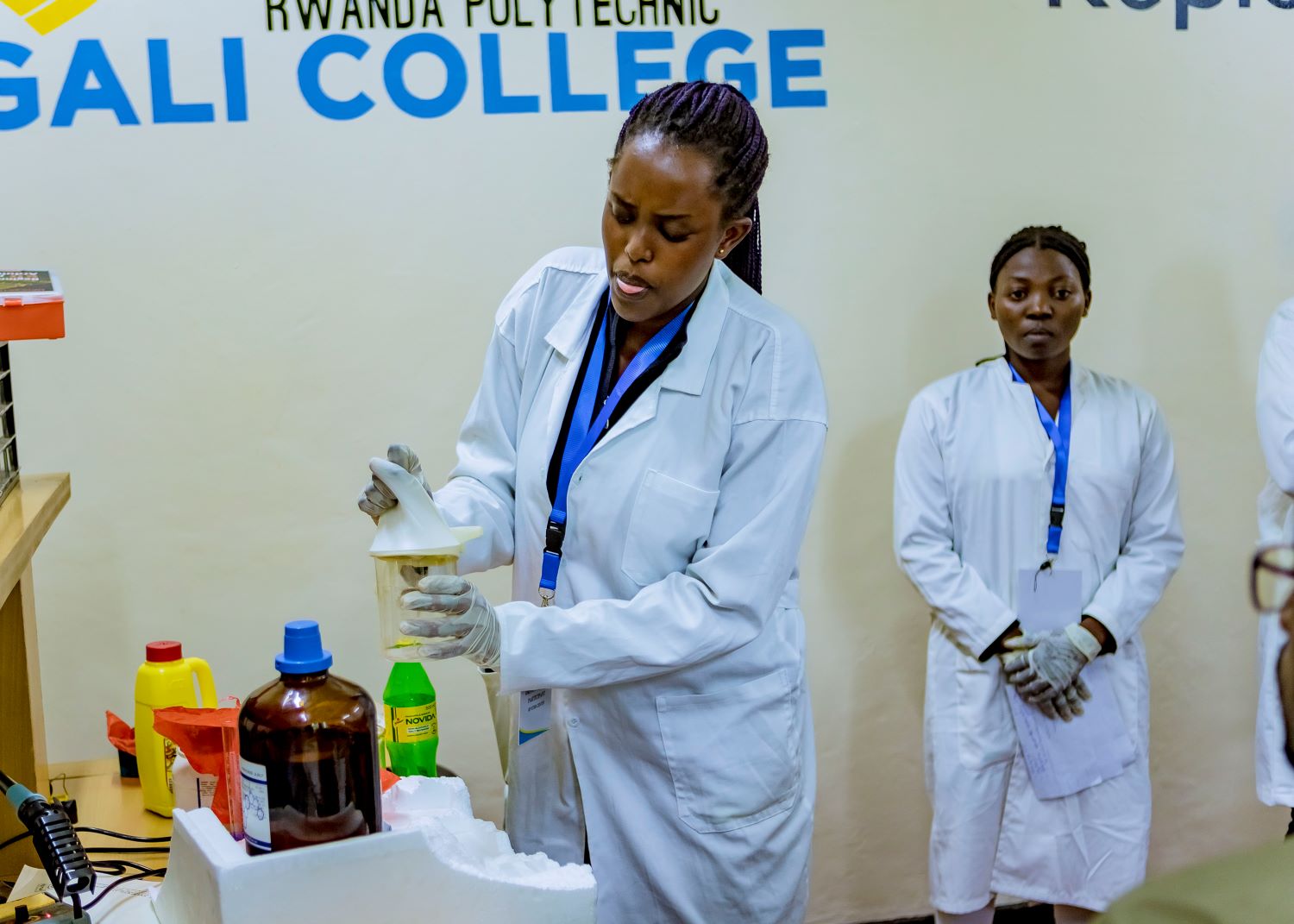
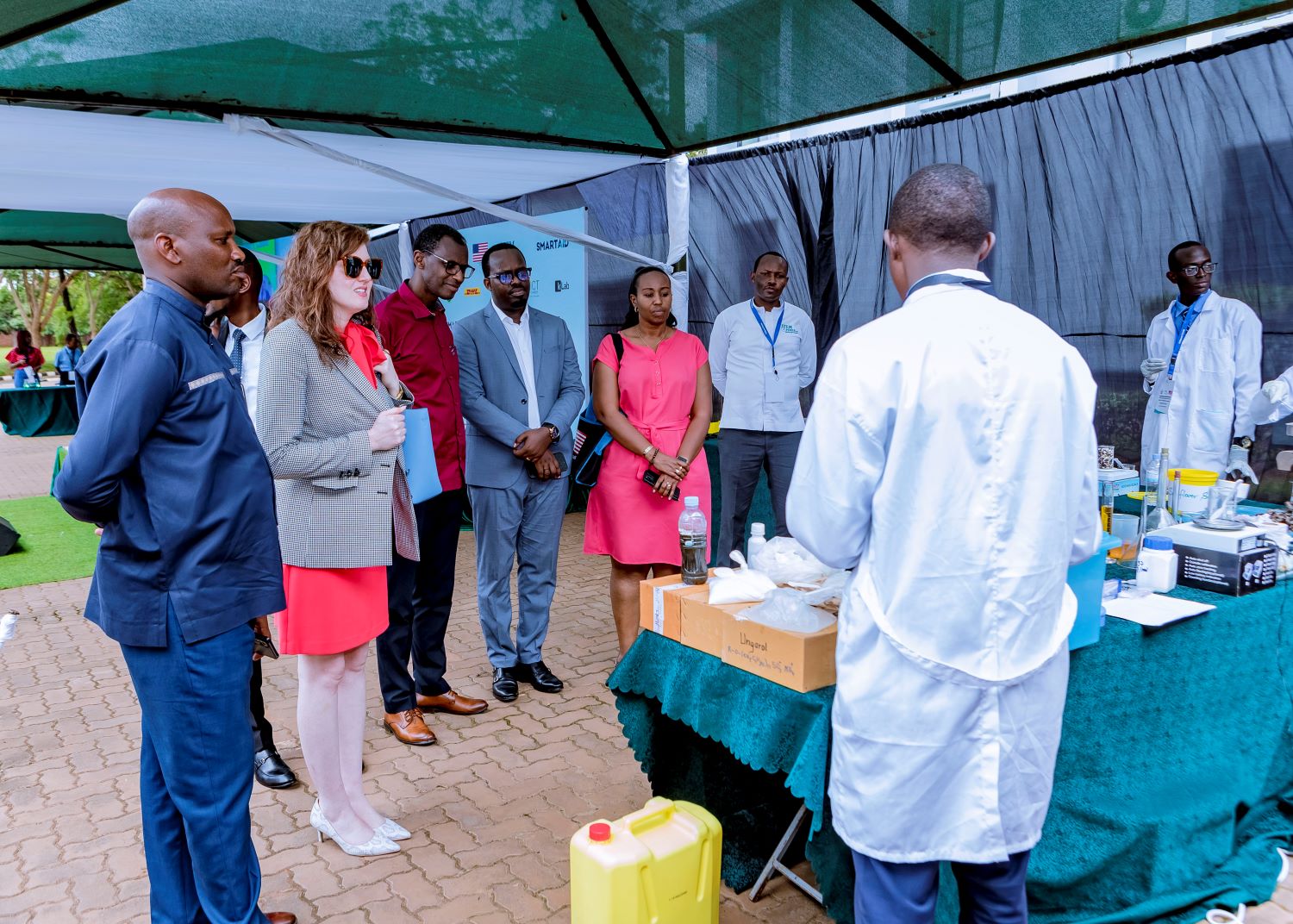
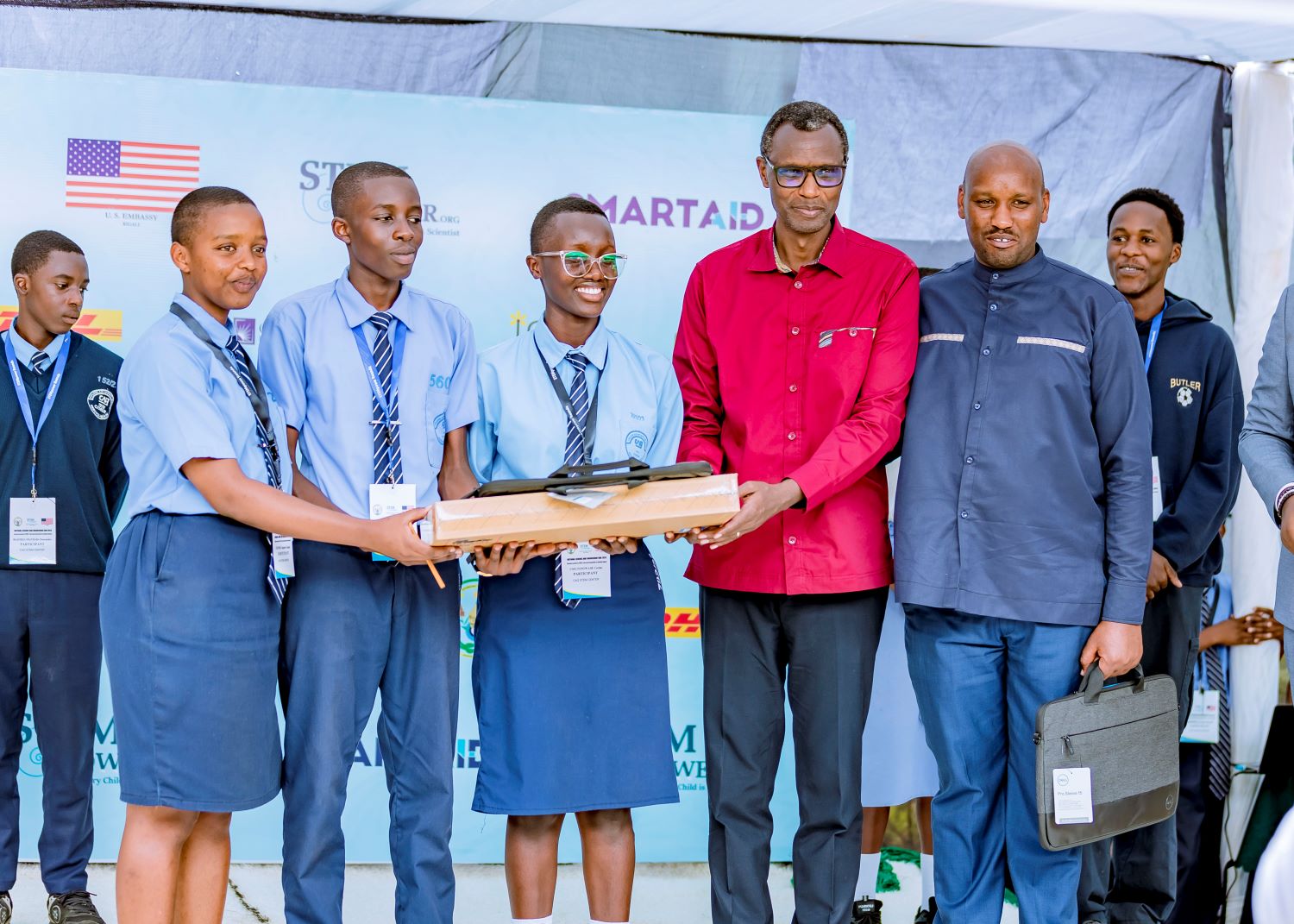
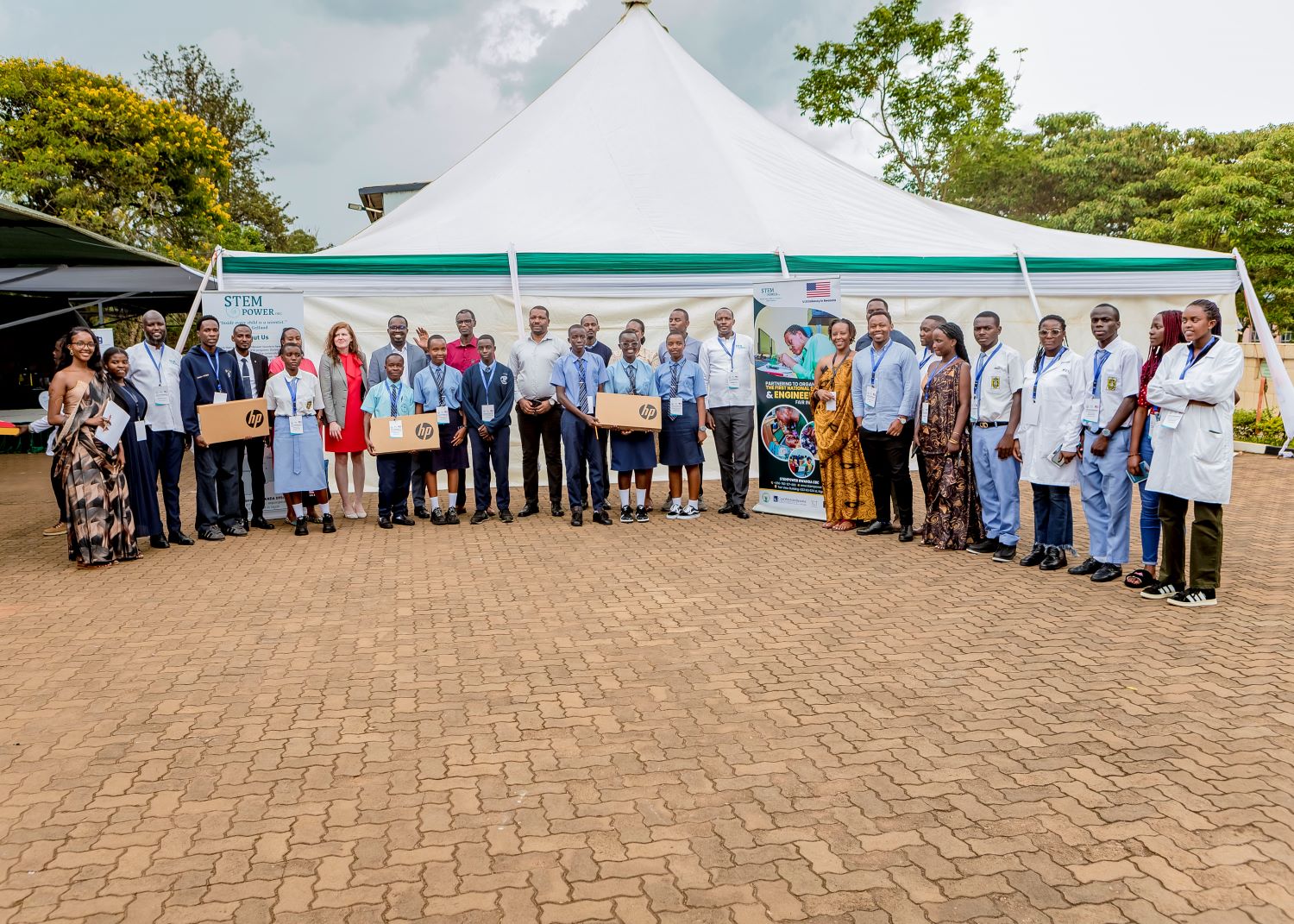
Organized in partnership with the US Embassy in Rwanda and Case Western University, the science fair aimed to provide students with opportunities to showcase their creativity, problem-solving skills, and innovative ideas.
During the event held on February 14, students pitched their projects to a panel of judges, with the top 7 out of 21 competing projects receiving awards.
Before the science fair kicked off, a three-day training of trainers (ToT) was held end of last year to equip the trainers with the necessary skills they needed to effectively train students ahead of the competition. After the ToT, the trainers went on to train 457 high school students in the three higher learning institutions, out of which 50 with the best projects were selected for the National Science Fair.
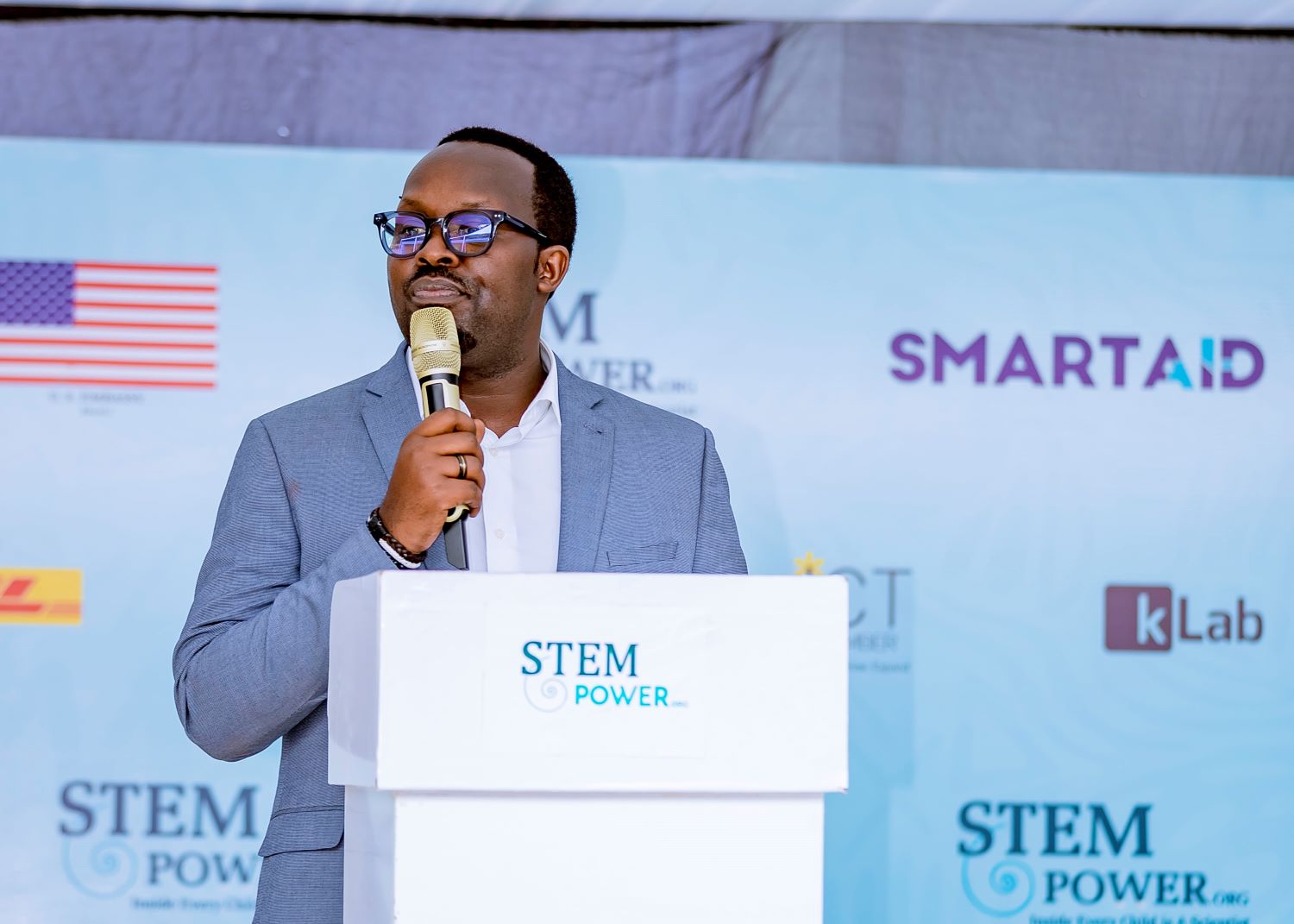
According to STEMpower Rwanda Country Director Espoir Serukiza, the inaugural science fair is of great significance.
“We are happy to witness first-hand innovative prototypes by our very able students, projects that respond to real-world challenges. At STEMpower we believe that inside every child is a scientist regardless of their background and that by empowering that child we can change the world. We have no doubt that if these students take forward the projects they have showcased today they will address some of the pressing challenges we are faced with today,” he said.
He added: “We are grateful to all our partners, especially the US Embassy in Kigali and Case Western University, for bringing this initiative to life. We look forward to more impactful partnerships that benefit our young people who are not just the future, but also the present.”
Thindal Niyomahoro, a student from Gitwe Adventist College who received the award for best project, applauded STEMpower’s efforts to support young people.
“I am grateful to STEMpower and our schools for equipping us with hands-on STEM skills through their STEM centers, and going a step further to organize such competition that allows us to showcase our innovations and learn from each other,” he explained.
Meanwhile, Marissa J Polnerow, Deputy Public Affairs Officer at the US Embassy in Kigali, noted that the science fair represents months of hard work and imagination.
“I’m inspired by STEMpower Rwanda, and as Albert Einstein said, ‘imagination is more important than knowledge’. I encourage you [students] to use not just skills and information, but your imagination to create what’s possible. I’m deeply grateful for the leadership and vision of STEMpower as an organization,” said Marissa during the event.
Alexis Ntare, CEO of Rwanda ICT Chamber which, prior to the science fair, provided trainers who prepared students for the competition thanked the students for applying their creativity and energy, and demonstrating curiosity to learn and create.
“While infrastructure and world-class trainers are essential, they would be meaningless without the students’ commitment, innovation, and creativity. We consider it a privilege to have been part of this dynamic and innovative community for such an extended period,” he said.
STEMpower plans to hold more science and engineering competitions, as the organization seeks to enhance hands-on STEM learning. Besides Rwanda, the organization has held successful science fairs in other countries in Sub-Saharan Africa such as Ethiopia and South Sudan.
{{STEM Centers
}}
So far, STEMpower has established 10 STEM centres in Rwanda, strategically located to provide diverse communities with hands-on computer and electronics skills and, ultimately, bridge the digital divide.
Every STEM centre consists of a computer laboratory and an electronics lab. By working closely with the higher education institutions that host these STEM centres, the organisation ensures that students obtain hands-on training to supplement their theoretical classroom learning.
Overall, STEMpower has established 135 similar facilities in different countries across Sub-Saharan Africa such as Ethiopia, South Sudan, Kenya, Lesotho, Uganda, Burundi, Burkina-Faso, Mali and many others.
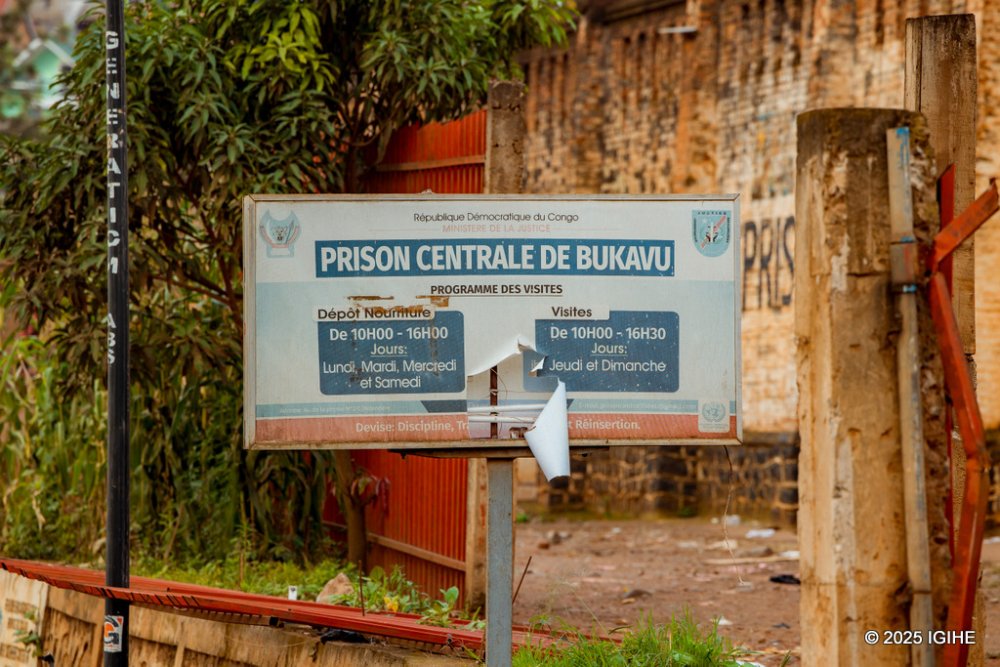
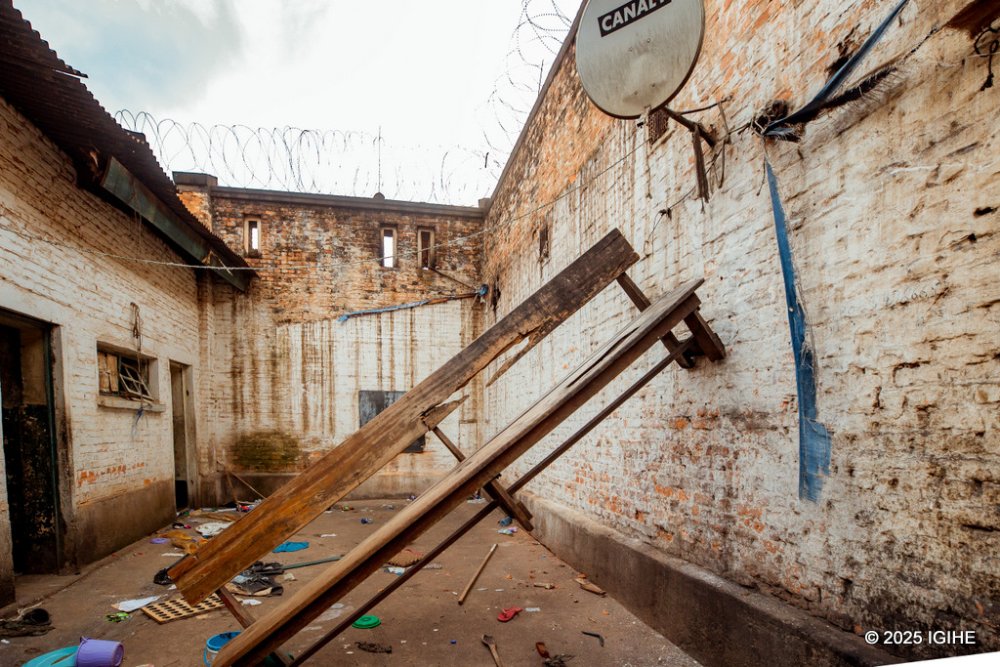
Above, the metal roof is rusted and brittle, its corroded sheets streaked with reddish-brown stains, some sections appearing fragile enough to collapse under the weight of time.
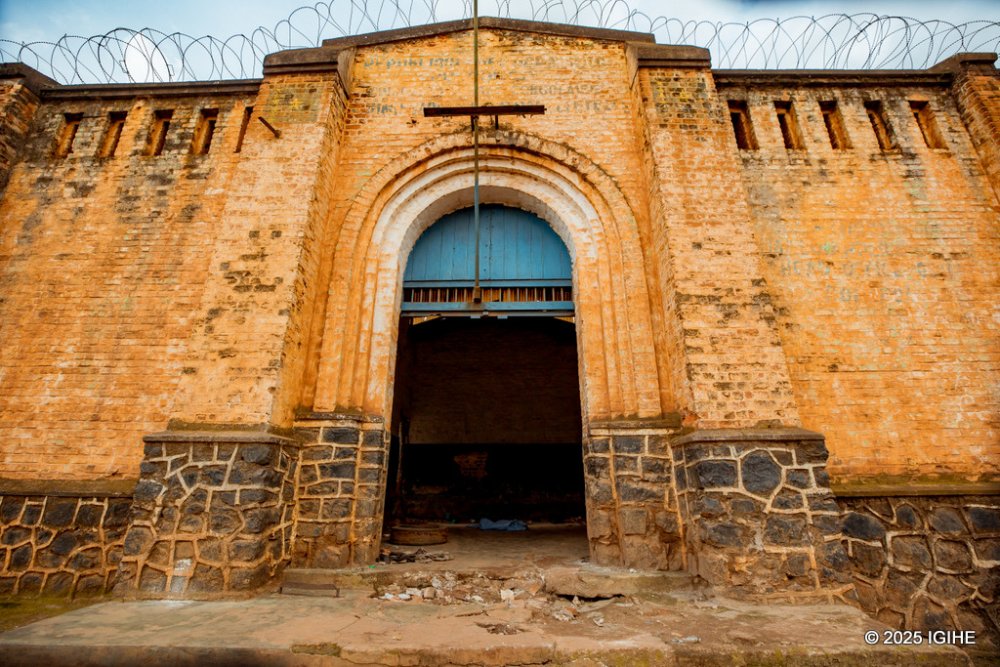
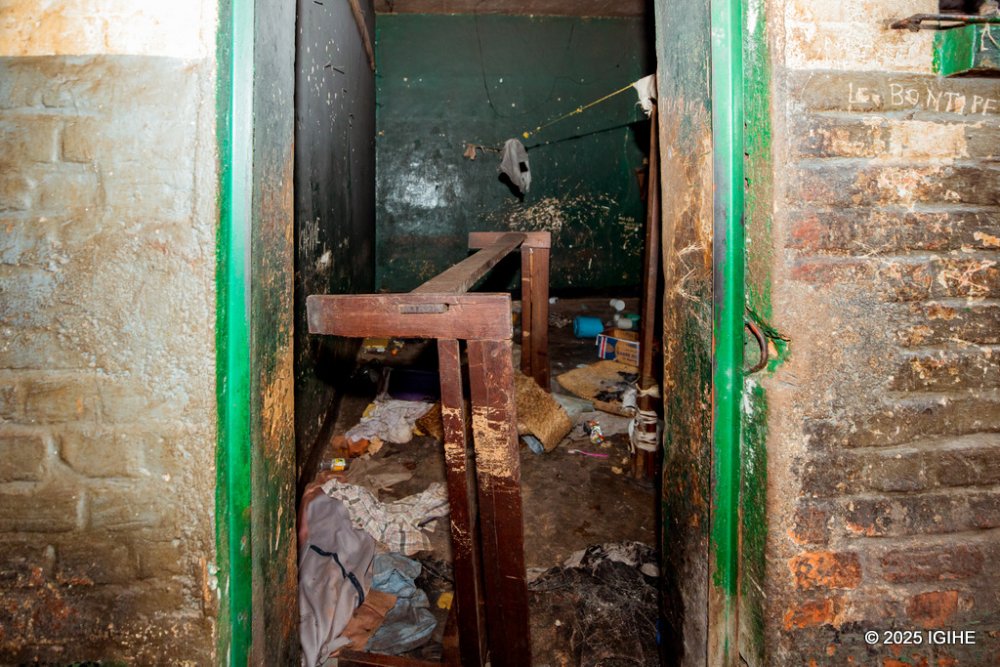
A strong stench fills the air as we step through the open iron doors, their thick rust causing them to creak and groan with each movement, their corroded edges rough to the touch.
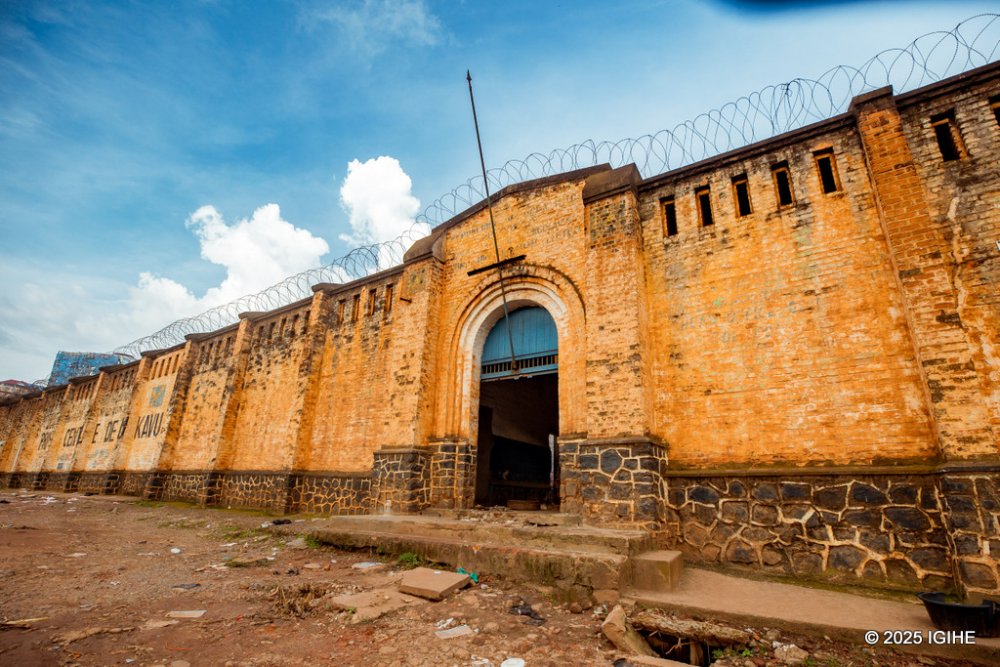
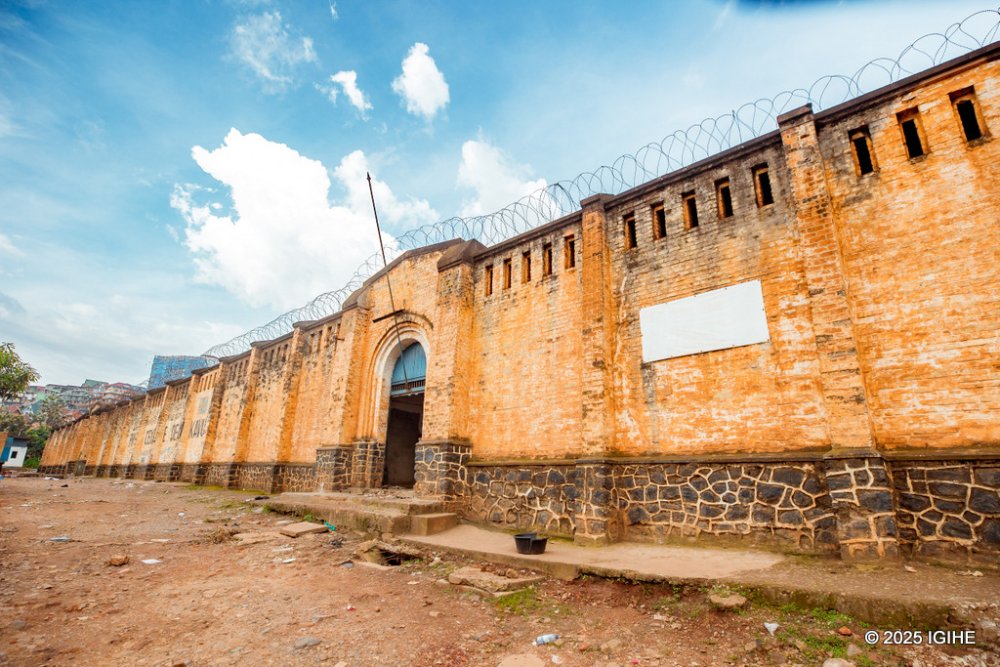
It was within these dilapidated walls that more than 2,000 prisoners escaped as government forces (FARDC) fled the city while M23 rebels advanced.
Multiple sources confirmed to IGIHE that the city’s main prison, tucked within the residential area of Avenue De L’Abattoire, was emptied on Saturday, February 15, 2025.
A provincial official and a Congolese army source in Bukavu told Reuters that soldiers had freed some prisoners, while others took advantage of the chaos to escape.
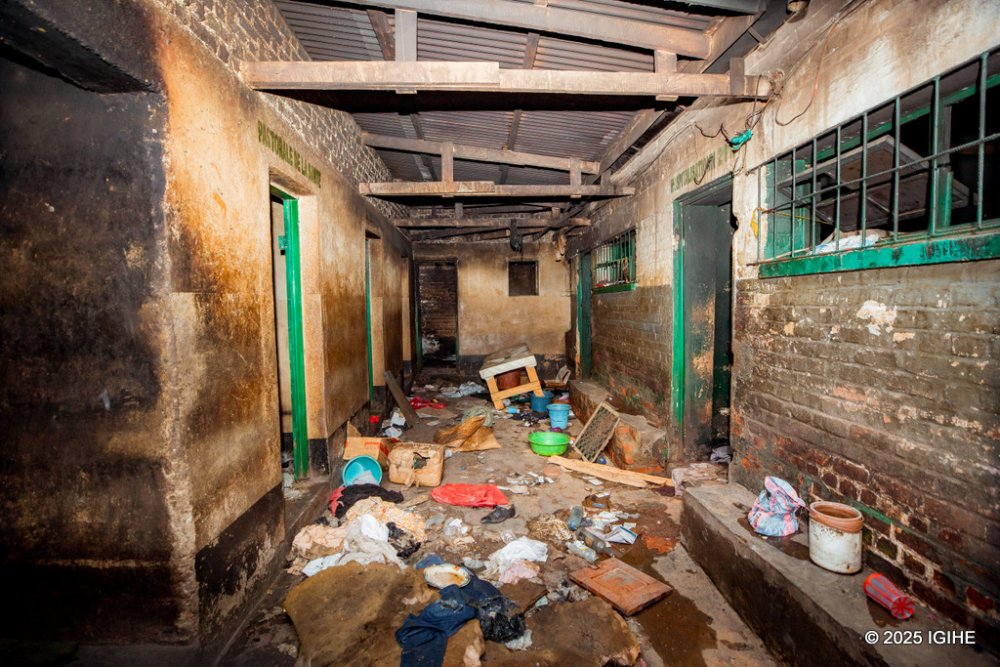
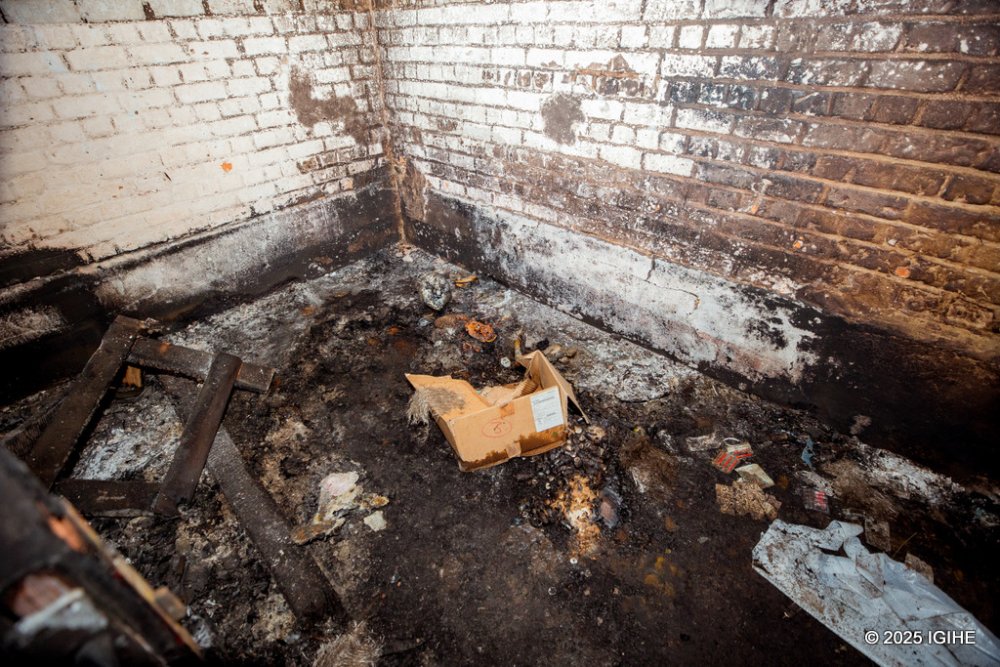
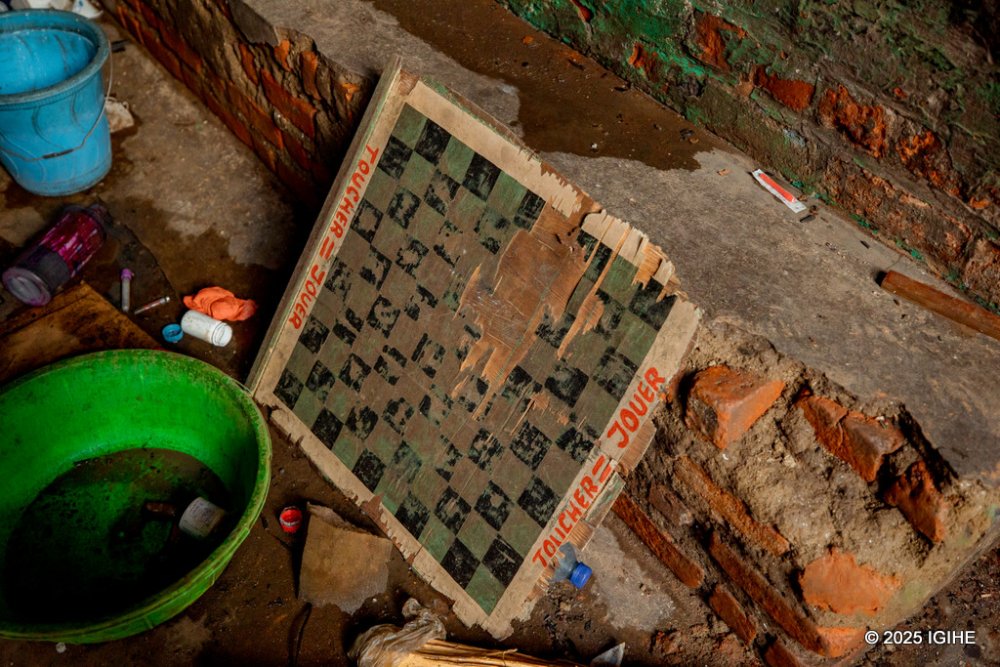
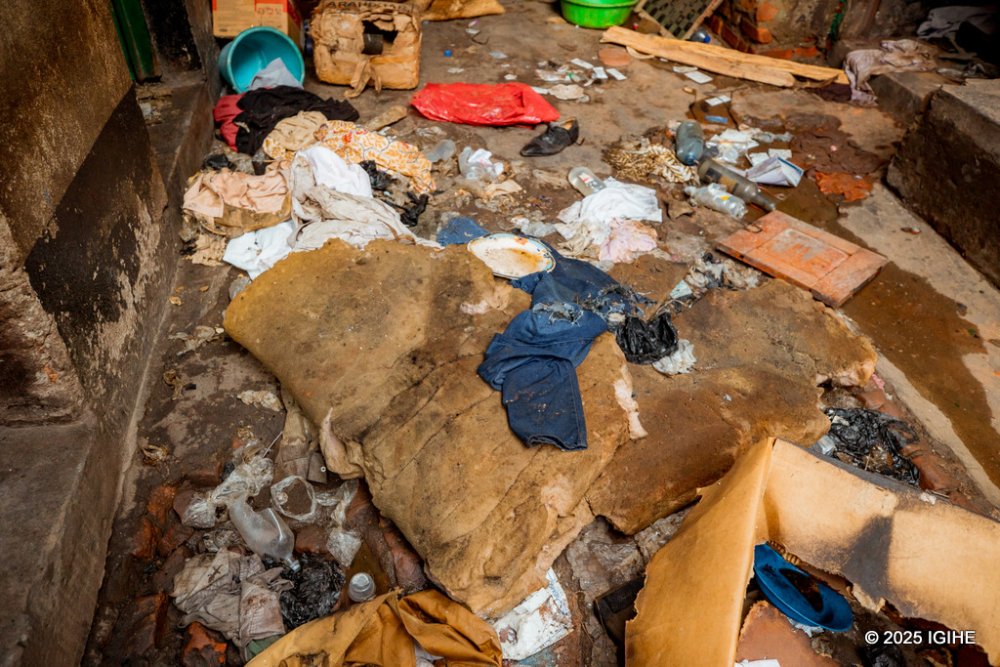
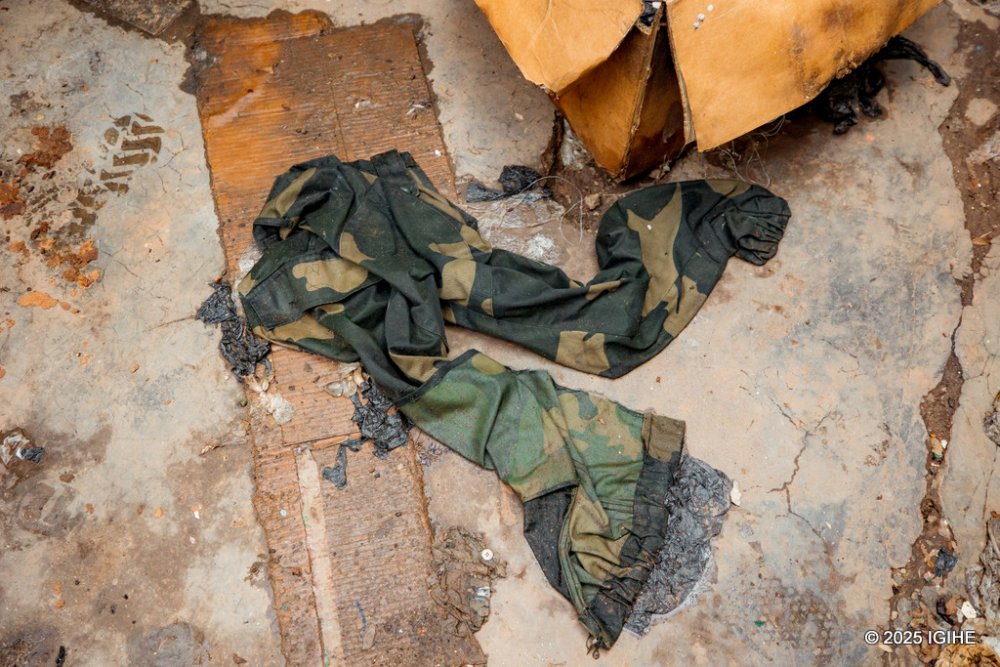
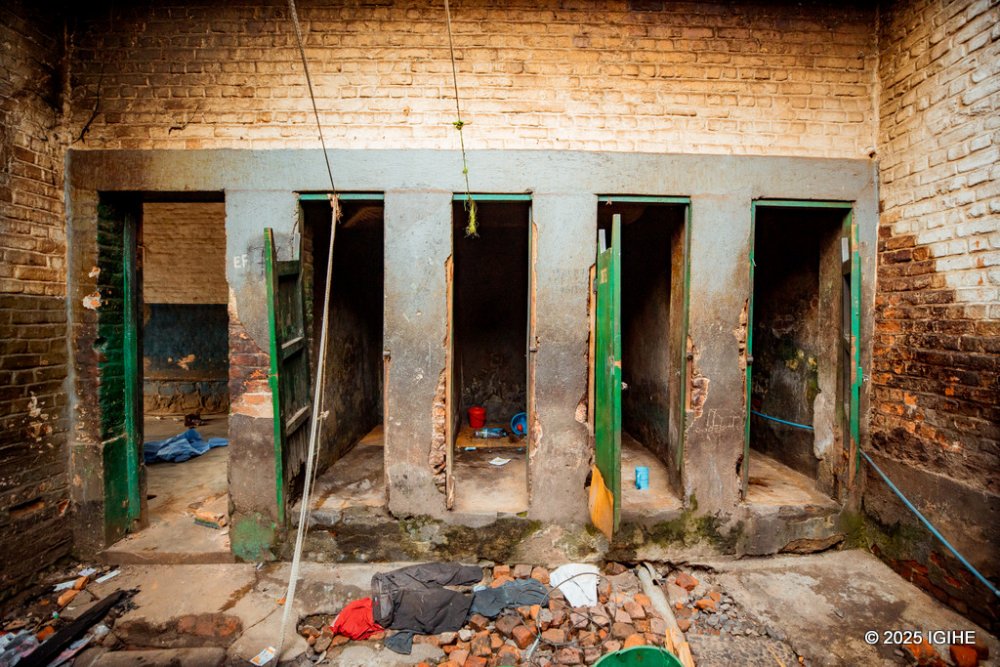
Inside, the scene is pure chaos—discarded clothing, plastic bottles, basins, and buckets litter the floors. Broken furniture lies in disarray, while overturned beds and shattered wooden frames create a nightmarish scene, straight out of a horror movie.
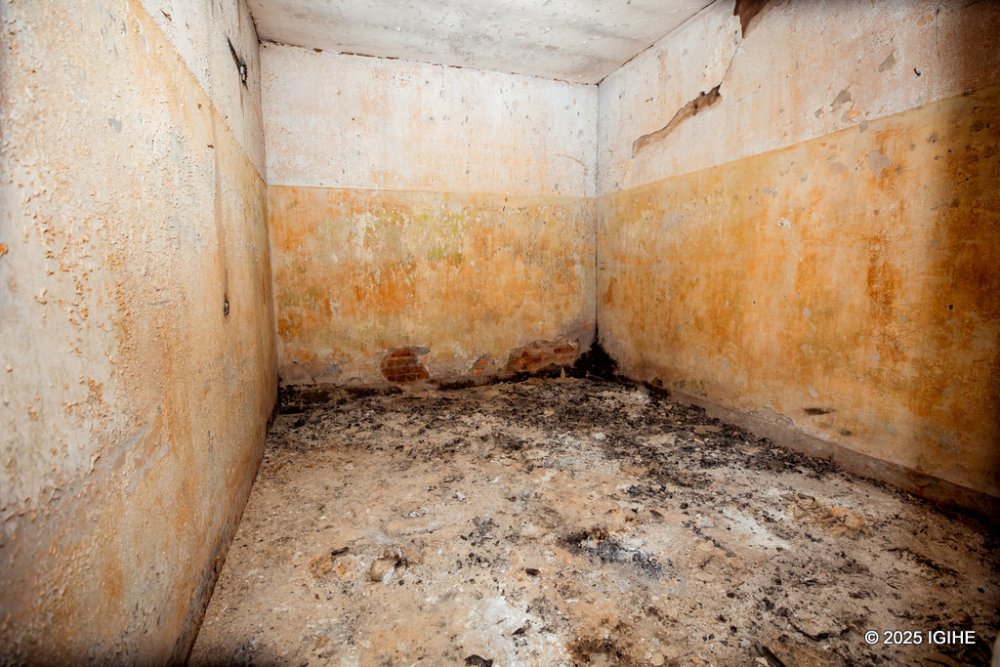
The small cells are in a deplorable state, with ugly, cracked walls stained by years of neglect. The floors are covered in layers of grime and dirt, with cracks running through the concrete, and some parts uneven and worn down. The once-white walls have turned a sickly shade of grey, their surfaces pockmarked and peeling, telling a grim story of the harsh conditions inmates endured behind closed doors. It’s hard to believe that human beings once lived here!
Residents who spoke to us recounted that the mass breakout happened under the cover of night. Prisoners, along with opportunistic locals, ransacked the facility, looting its stores before vanishing into the darkness.
“It was at night when we heard a commotion from the prison. We saw them flee with sacks of beans, maize, mattresses, blankets, and other valuables,” a resident who lives in a story apartment adjacent to the prison told us.
Lawrence Kanyuka, the M23 Spokesperson, said that while some of the escaped prisoners—many of whom were hardened criminals—had surrendered to the rebel group, the majority remained at large, posing a security risk to local communities.
Kanyuka revealed that the mass breakout of inmates is one of the many challenges M23 is addressing in the area.
“When we arrived in Bukavu, we found hell—a nightmare. It looked like a horror film. People were distraught, their homes looted and destroyed. But now, since our arrival, people are happy that we are here. As we entered the city, people applauded, relieved by our presence,” he remarked.
Citing the persecution of Congolese Rwandophones in eastern Congo, who have endured decades of marginalization and have been forced to seek refuge in neighbouring countries such as Uganda and Rwanda, Kanyuka said M23 would do everything to protect the population in the capital of the South Kivu Province.
“We cannot stand by and watch as our people are destroyed and killed by the DRC government, which is supposed to protect our compatriots from the criminals of FARDC and their allied forces.”
Kanyuka also urged any Congolese soldiers still in hiding to surrender, promising that M23, now tightening its grip on Bukavu, Goma, and other strategic towns in eastern Congo, would facilitate their reintegration into military service or civilian life.
He reiterated the need for the Congolese government to end atrocities against Congolese Rwandophones, even as various groups continue to call for dialogue to resolve the ongoing conflict in the troubled eastern region.