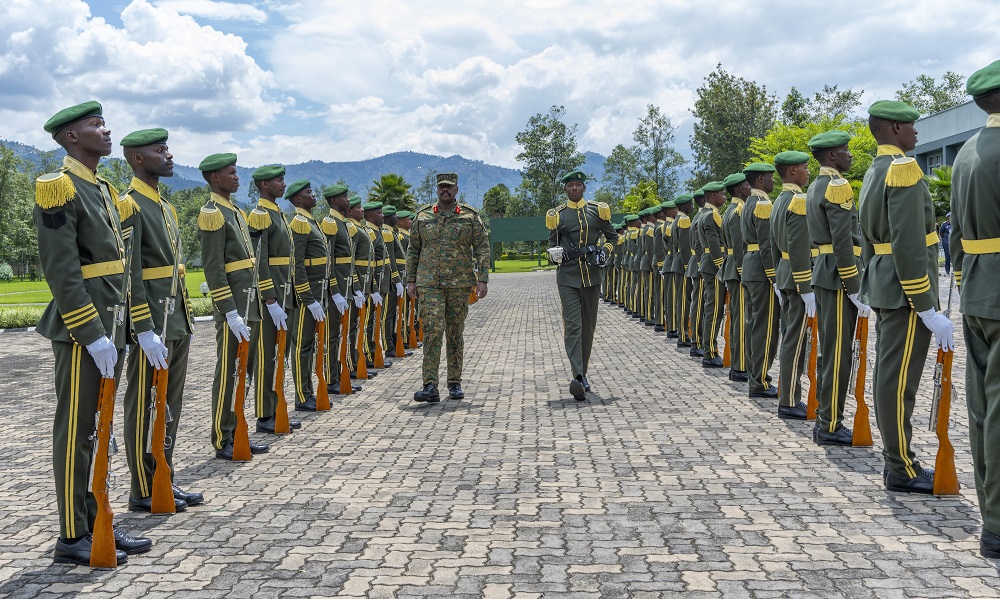
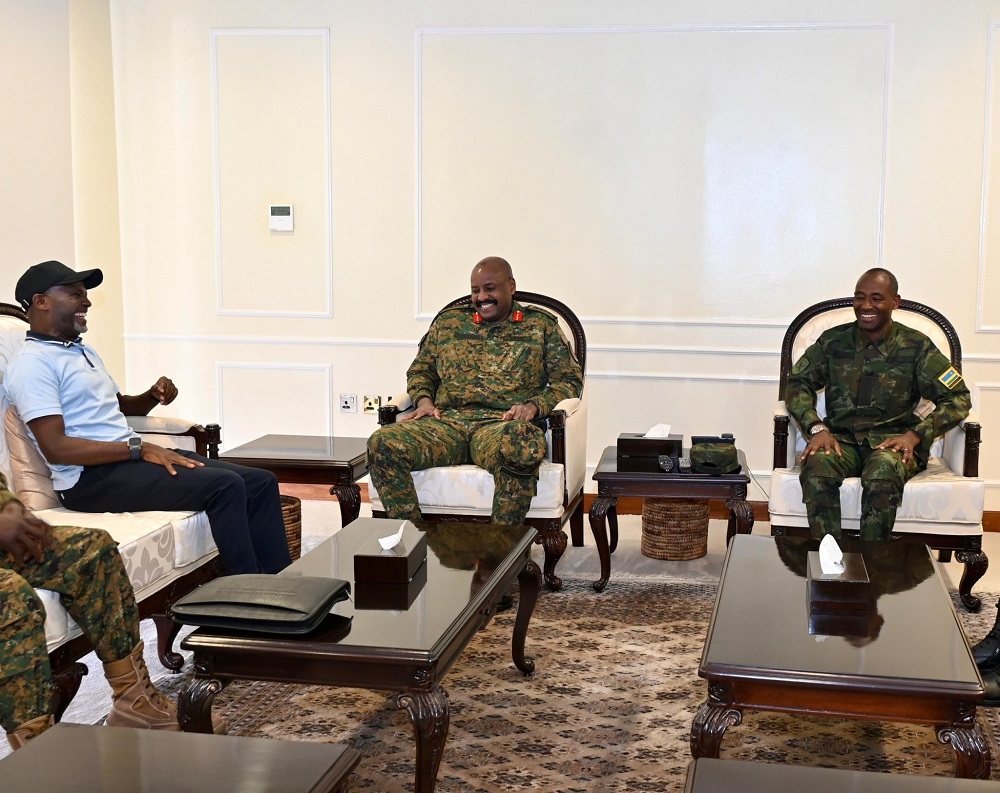
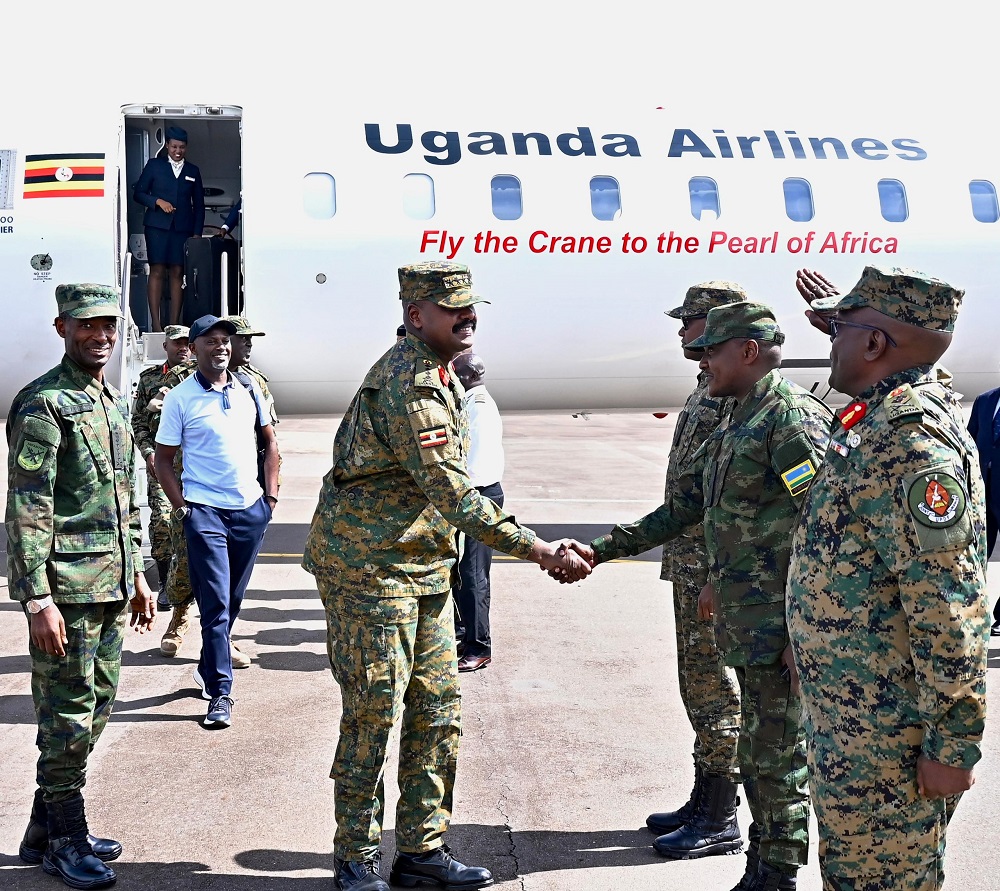
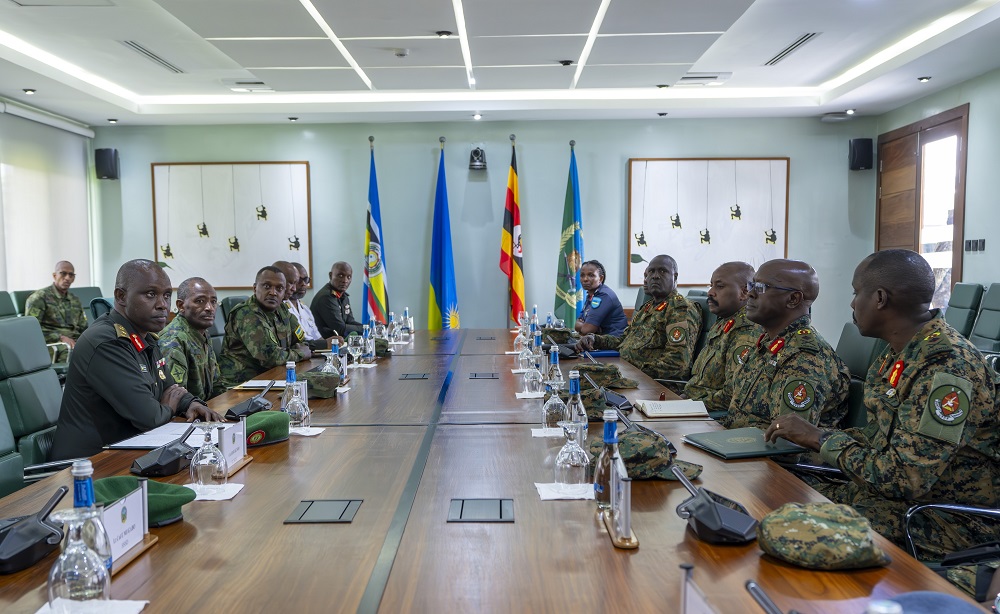
During his visit on March 21, 2025, Gen Muhoozi was accompanied by Rwanda’s Chief of Defense Forces, Gen Mubarakh Muganga.
Gen Muhoozi highlighted the strong military ties between Rwanda and Uganda, emphasizing that this collaboration has yielded significant benefits. He reiterated that both sides remain committed to working together in addressing any security threats.
He stated, “When we combine the strength of our powerful armies, there is no obstacle we cannot overcome.”
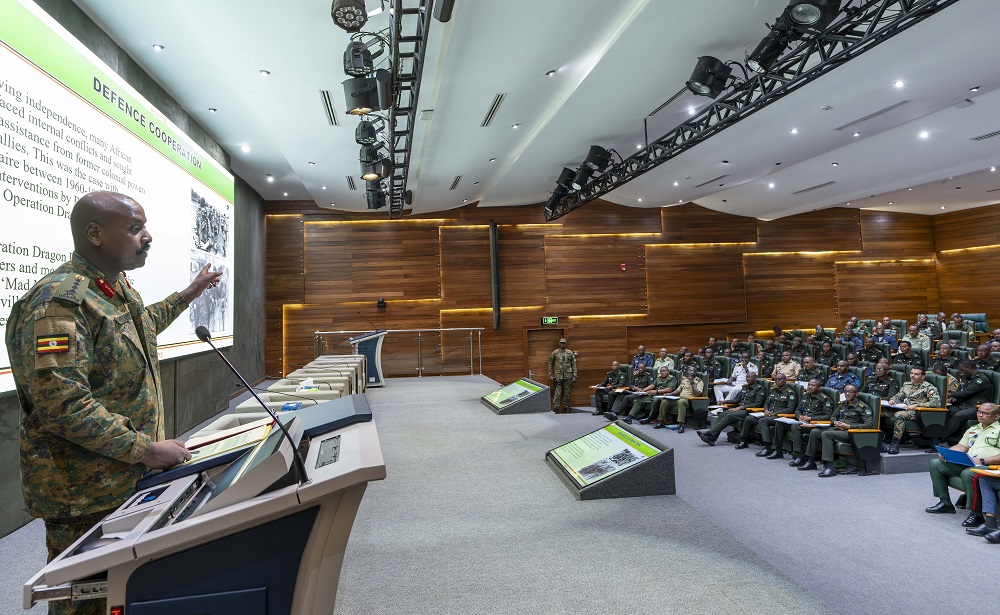
The Ugandan general also delivered a lecture to students at the college, who hail from 20 different countries. His lesson focused on reinforcing partnerships as the foundation for ensuring Africa’s security.
He urged the students to prioritize African unity, particularly in safeguarding the continent’s vital interests, protecting civilians, and fostering brotherhood among African nations.
Gen Muhoozi began his official visit to Rwanda on March 20, accompanied by Brig Gen Asingura Kagoro and journalist Andrew Mwenda, who is a close friend of both Muhoozi and Rwanda.
In February 2025, Muhoozi had announced his upcoming visit, noting that afterward, his Rwandan counterpart, Gen Muganga, would also visit Uganda.
“Soon, I will visit our soldiers in the RDF. After that, Rwanda’s CDF will visit the UPDF soldiers. Uganda and Rwanda are one! Always,” he stated.
The Uganda People’s Defense Forces (UPDF) confirmed that Gen Muhoozi plans to hold discussions with senior RDF leaders and President Paul Kagame. The UPDF further stated that his visit represents continued progress in strengthening military cooperation between the two nations.
Gen Muhoozi last visited Rwanda in August 2024, when he attended the inauguration ceremony of President Paul Kagame following his re-election.
AFC/M23 spokesperson Lawrence Kanyuka has announced that on March 19, 2025, the group received a letter from the UN Group of Experts informing them of their planned visit, set to take place from March 23 to March 27.
The experts’ visit to Goma will focus on assessing M23’s demands to the DRC government, including the cessation of hostilities to allow for humanitarian aid and the repatriation of refugees both abroad and within the country.
The experts will also collect information on the cooperation between DRC forces and armed groups such as the FDLR and CNRD-FLN, as well as the involvement of Burundian forces in North and South Kivu.
Additionally, the experts are expected to evaluate the living conditions of DRC soldiers and members of other armed groups who surrendered after M23 fighters took control of Goma on January 27 and Bukavu on February 16.
Reports compiled by these experts serve as a foundation for UN actions aimed at restoring peace and security in the region.
However, their reports have sometimes been criticized for bias, with some questioning the reliability of the information provided, particularly when it is seen as not coming from the appropriate sources.
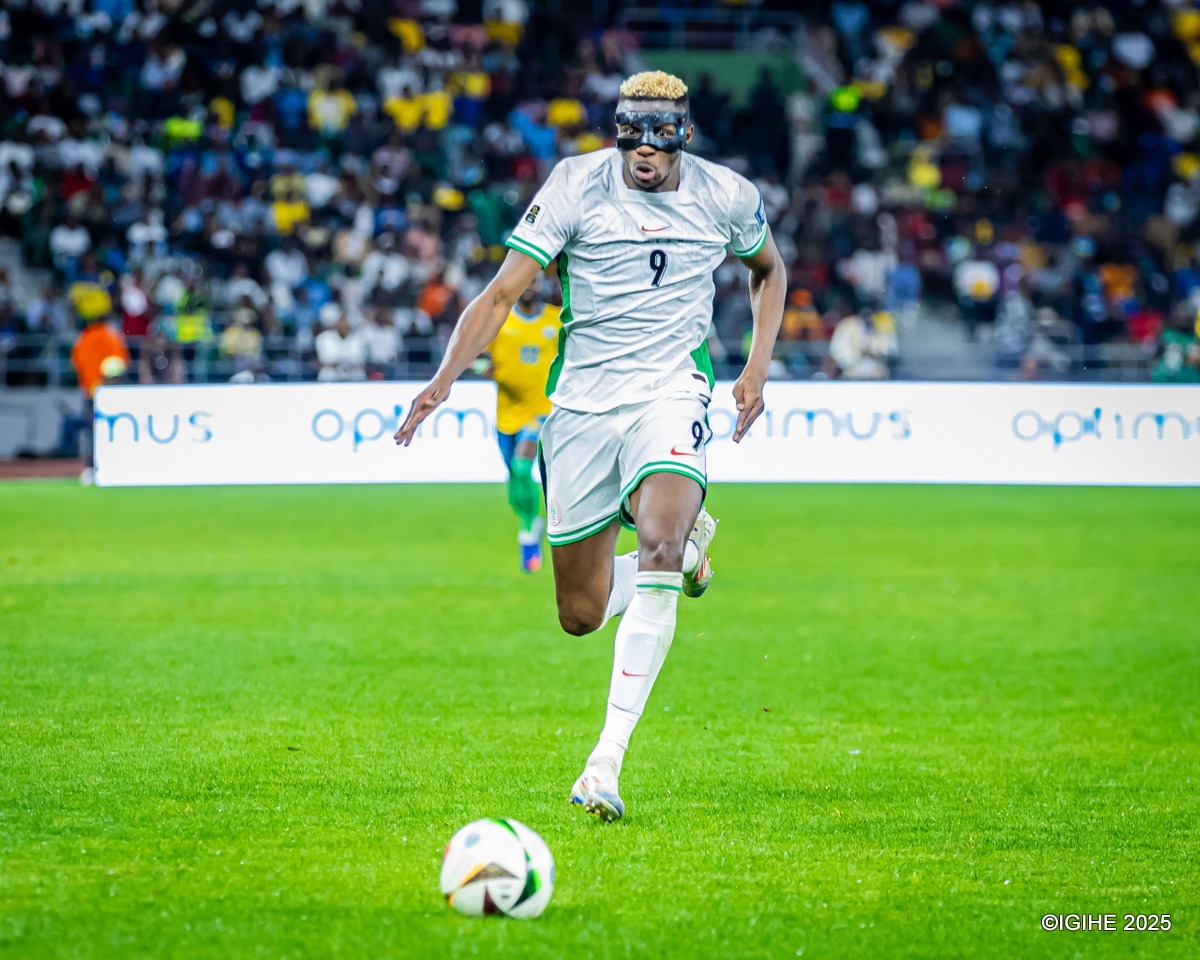
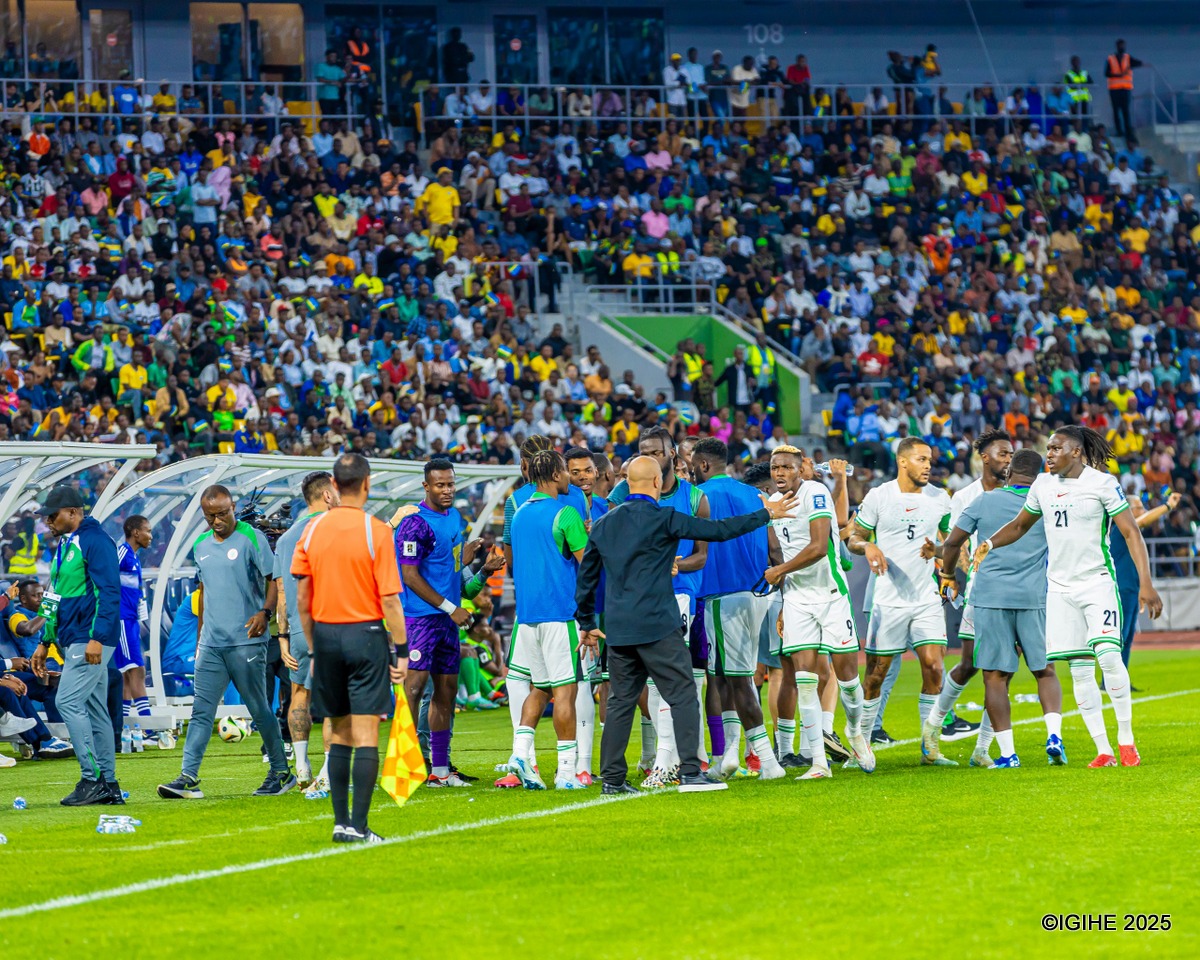
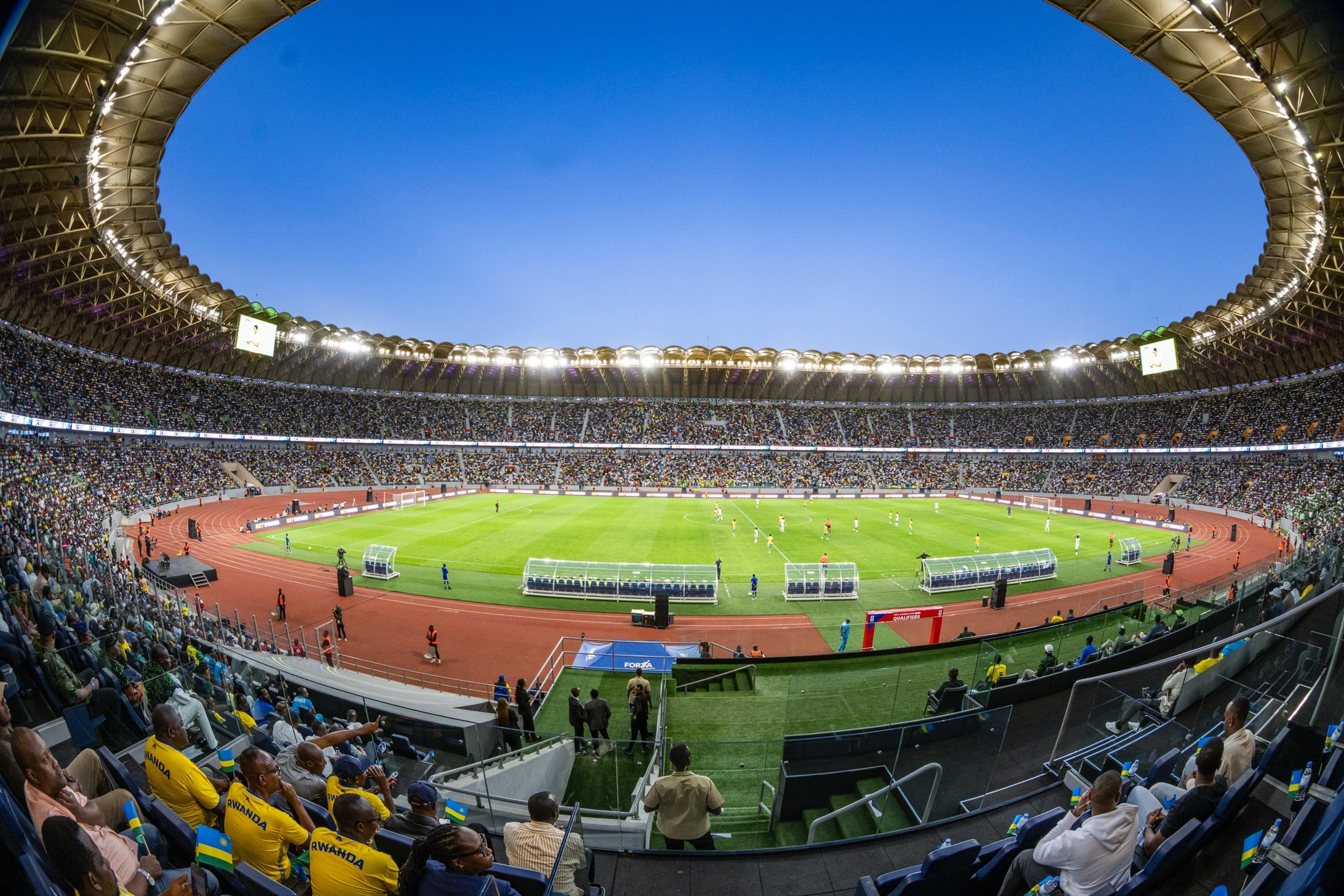
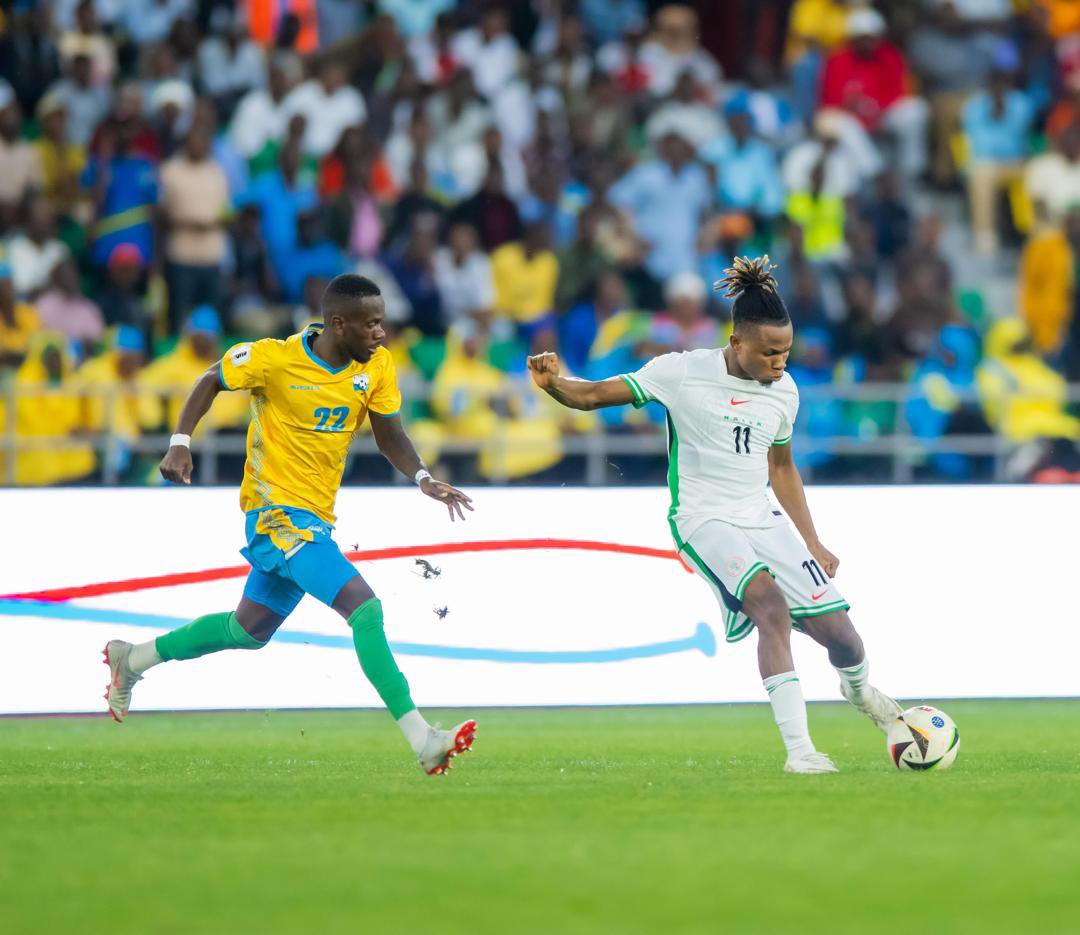
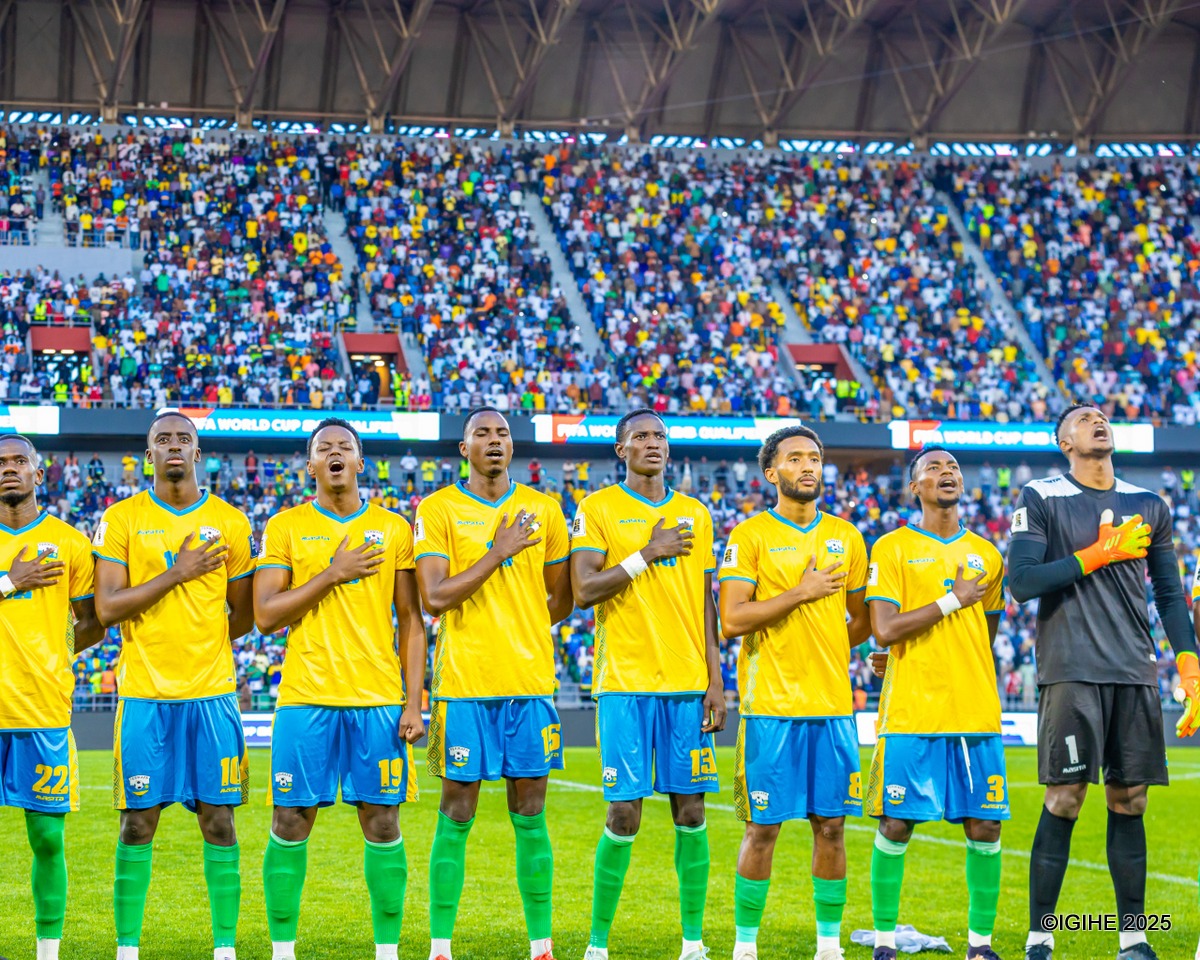
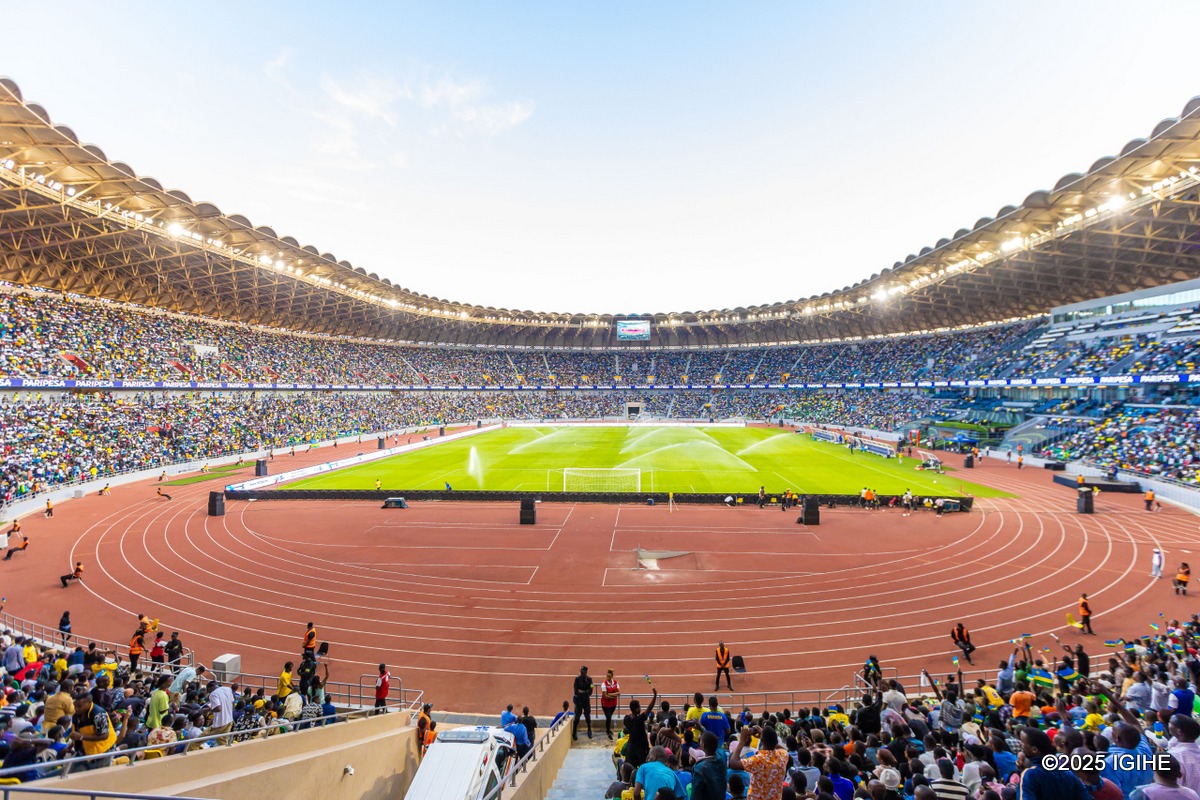
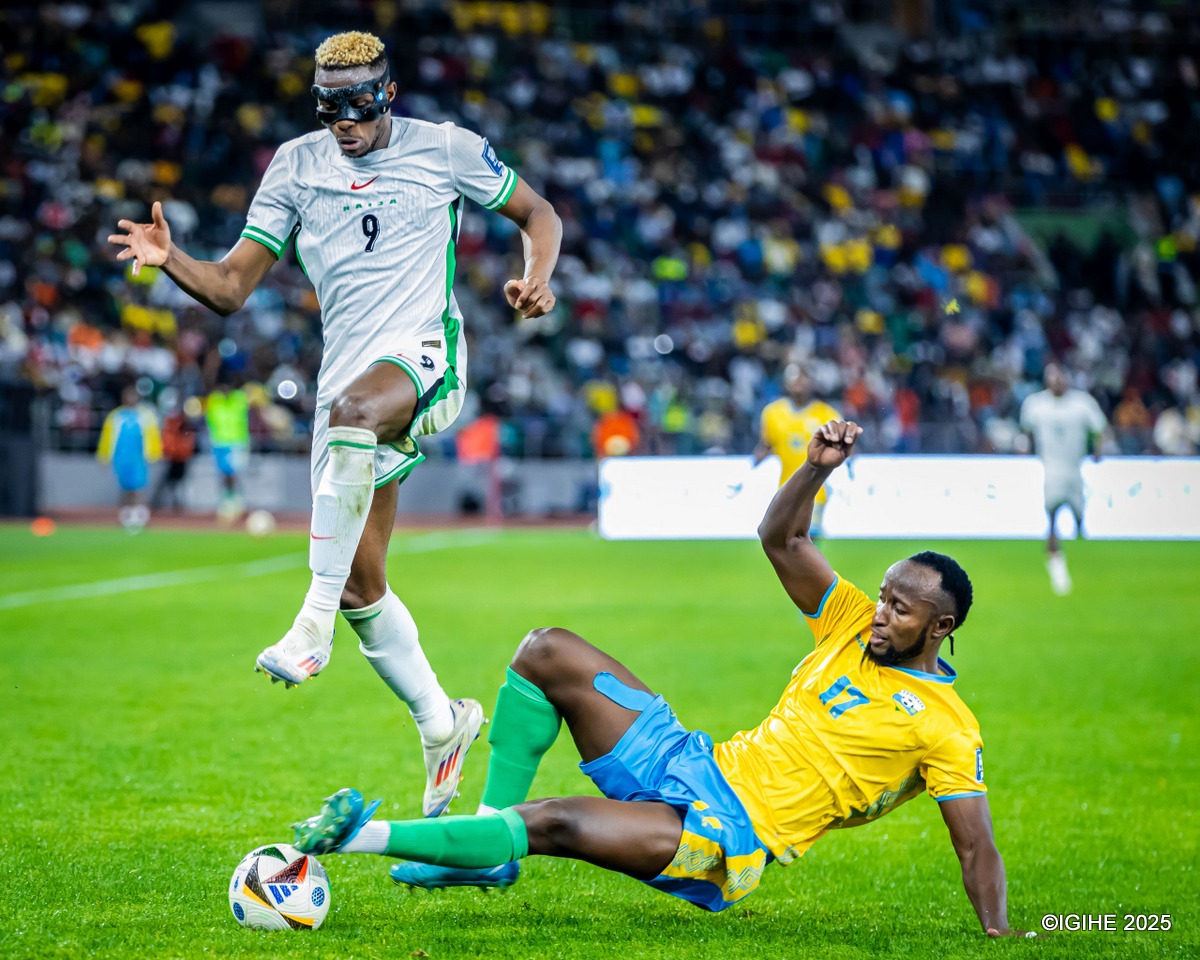
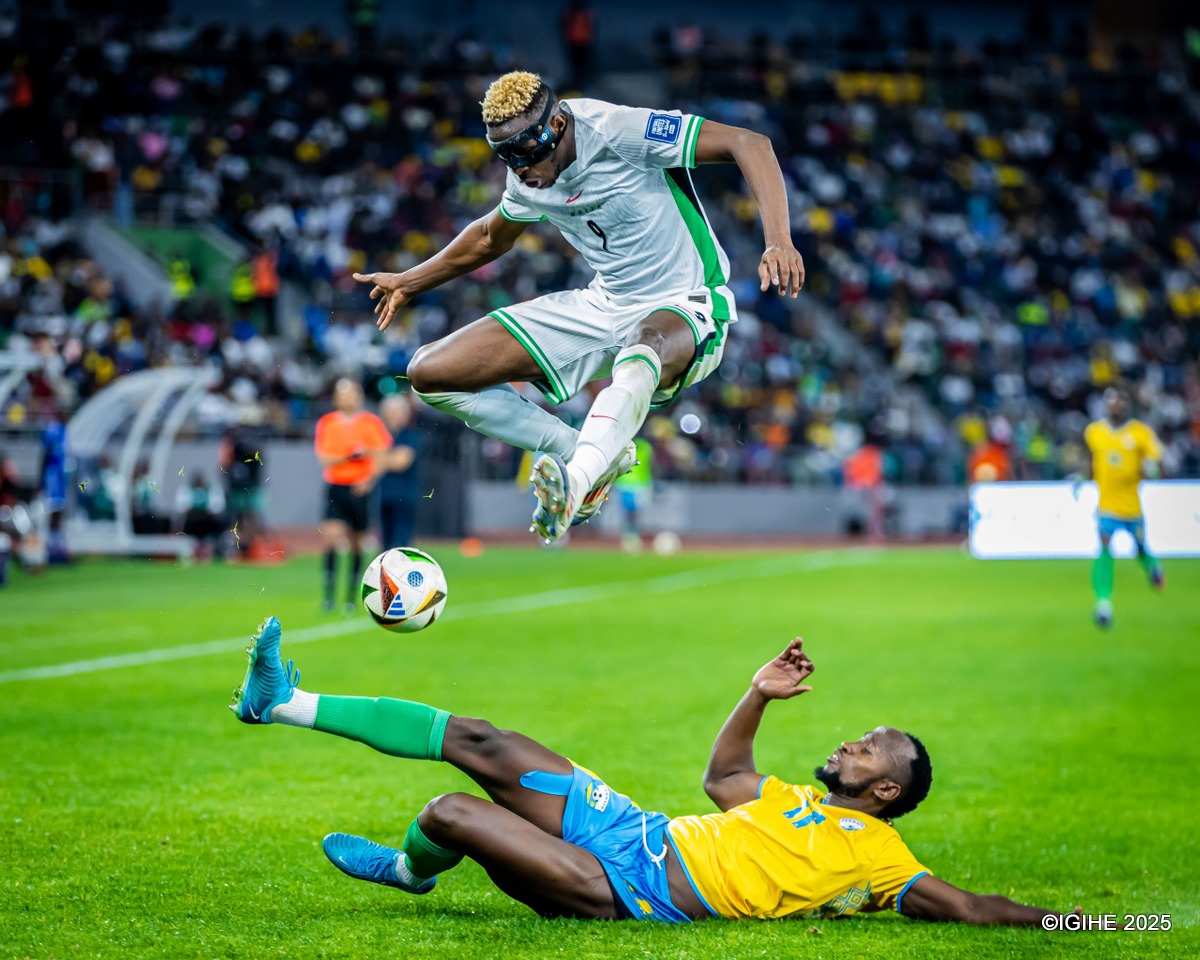
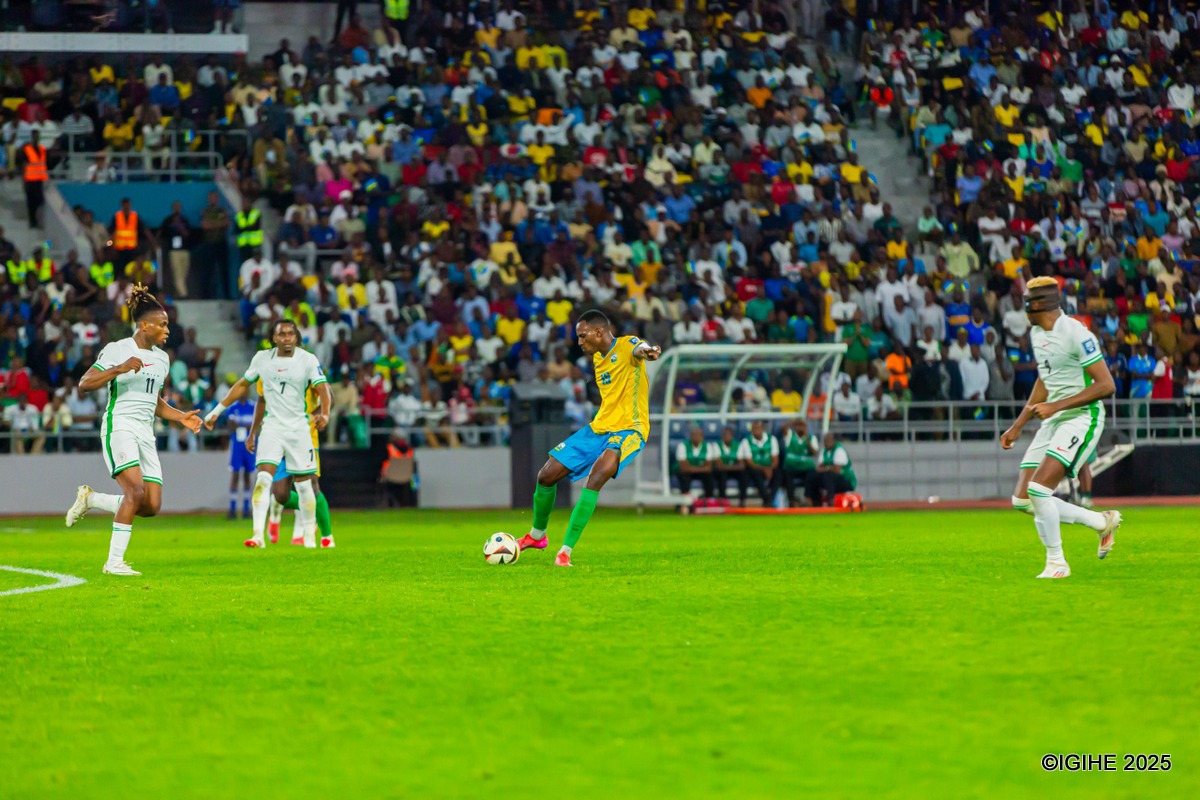
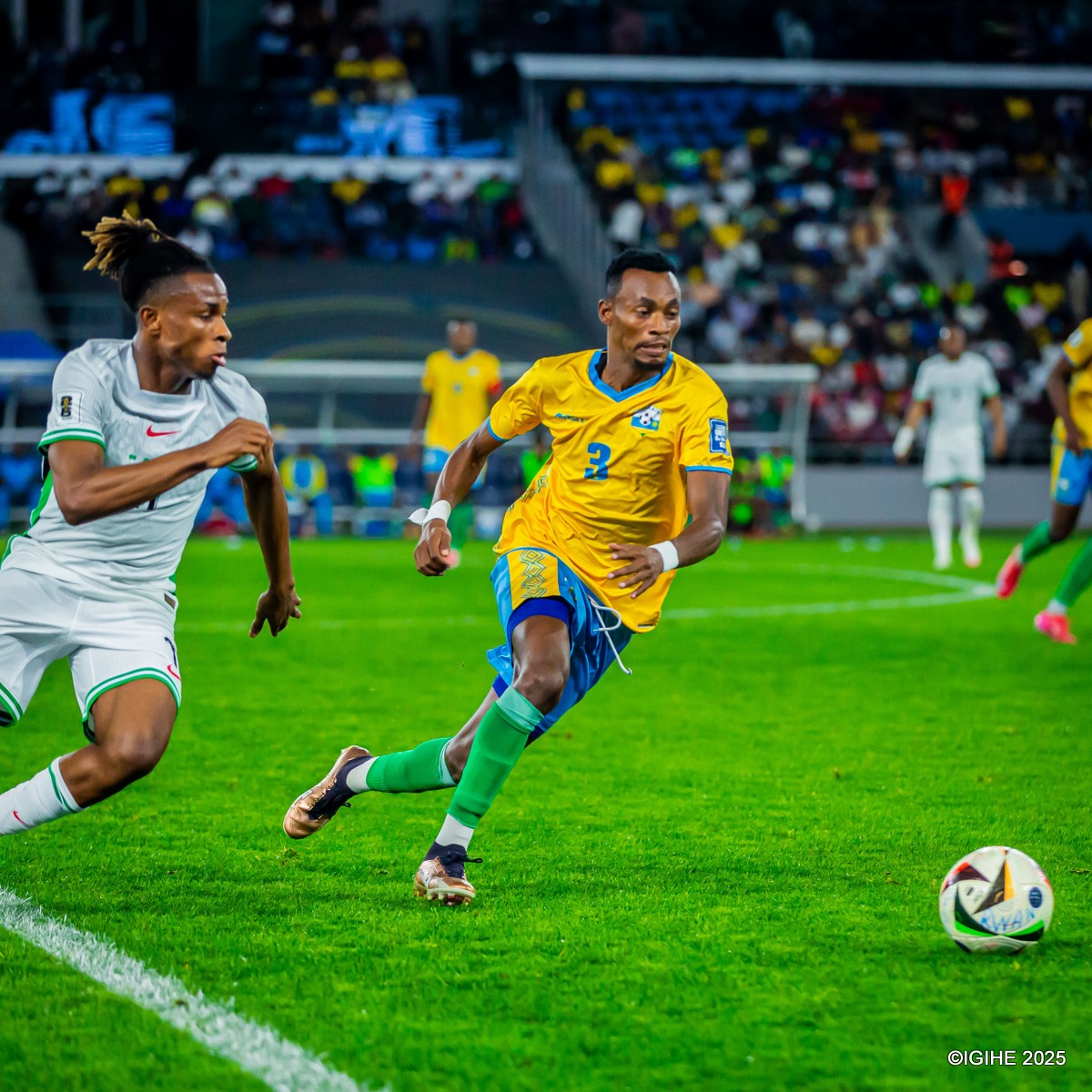
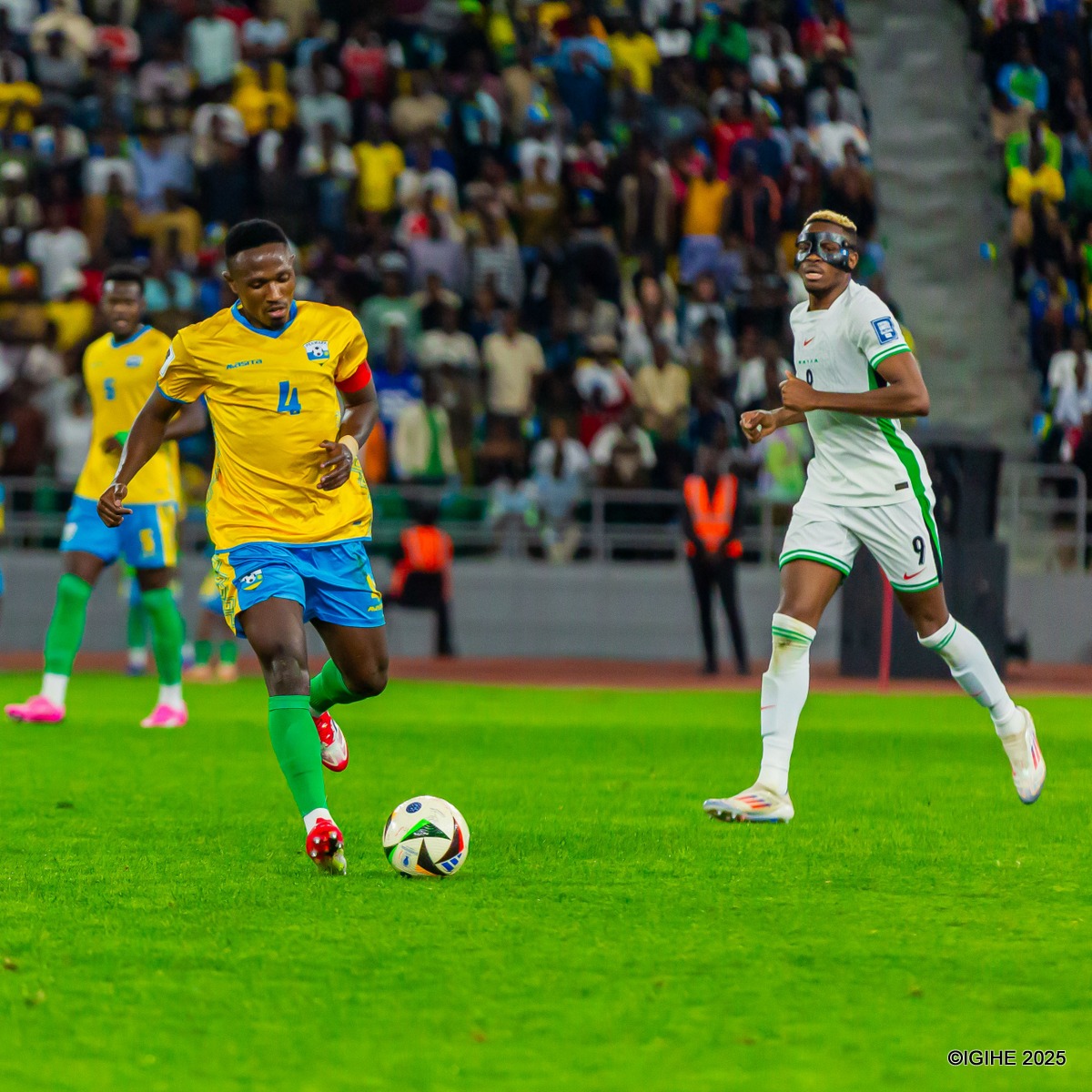
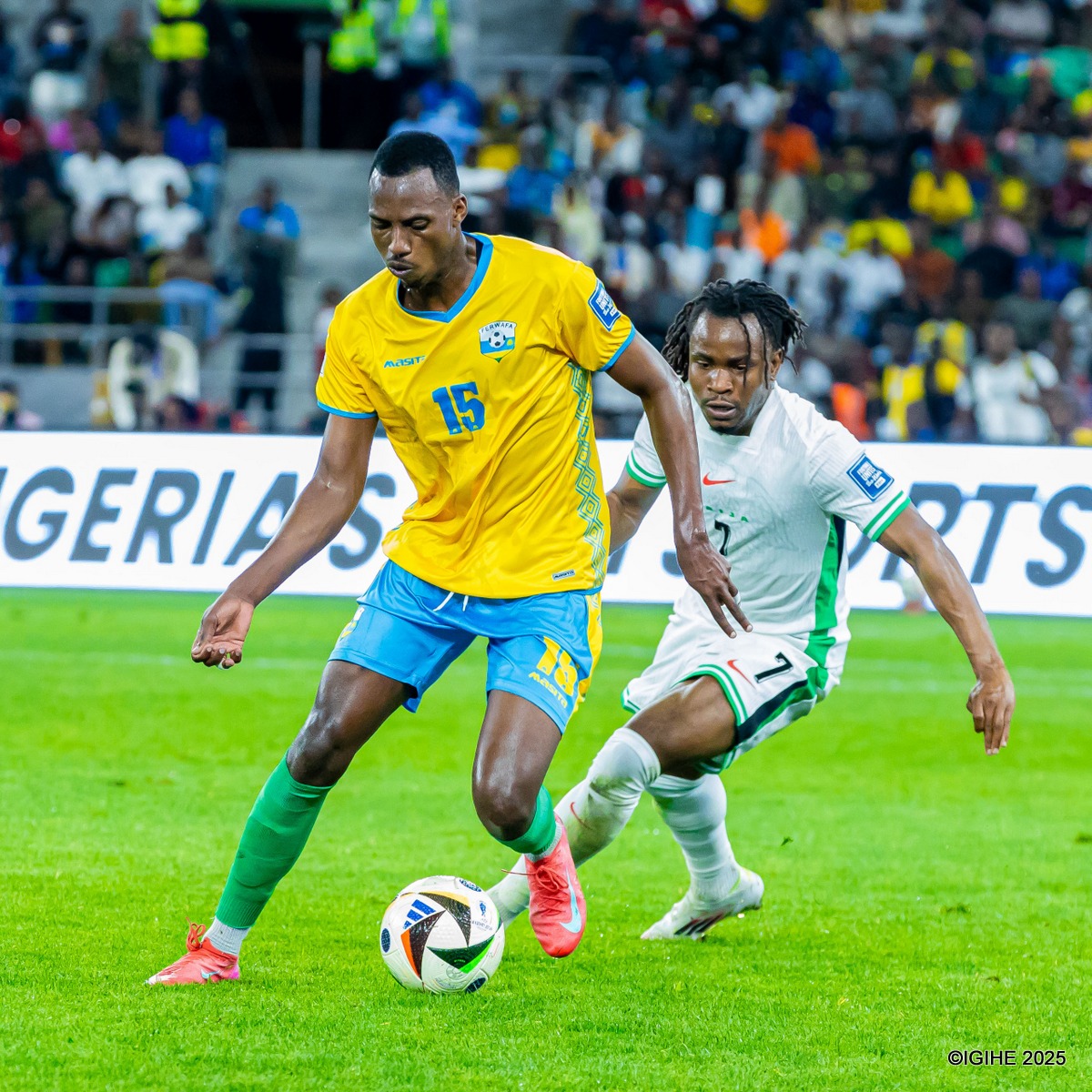
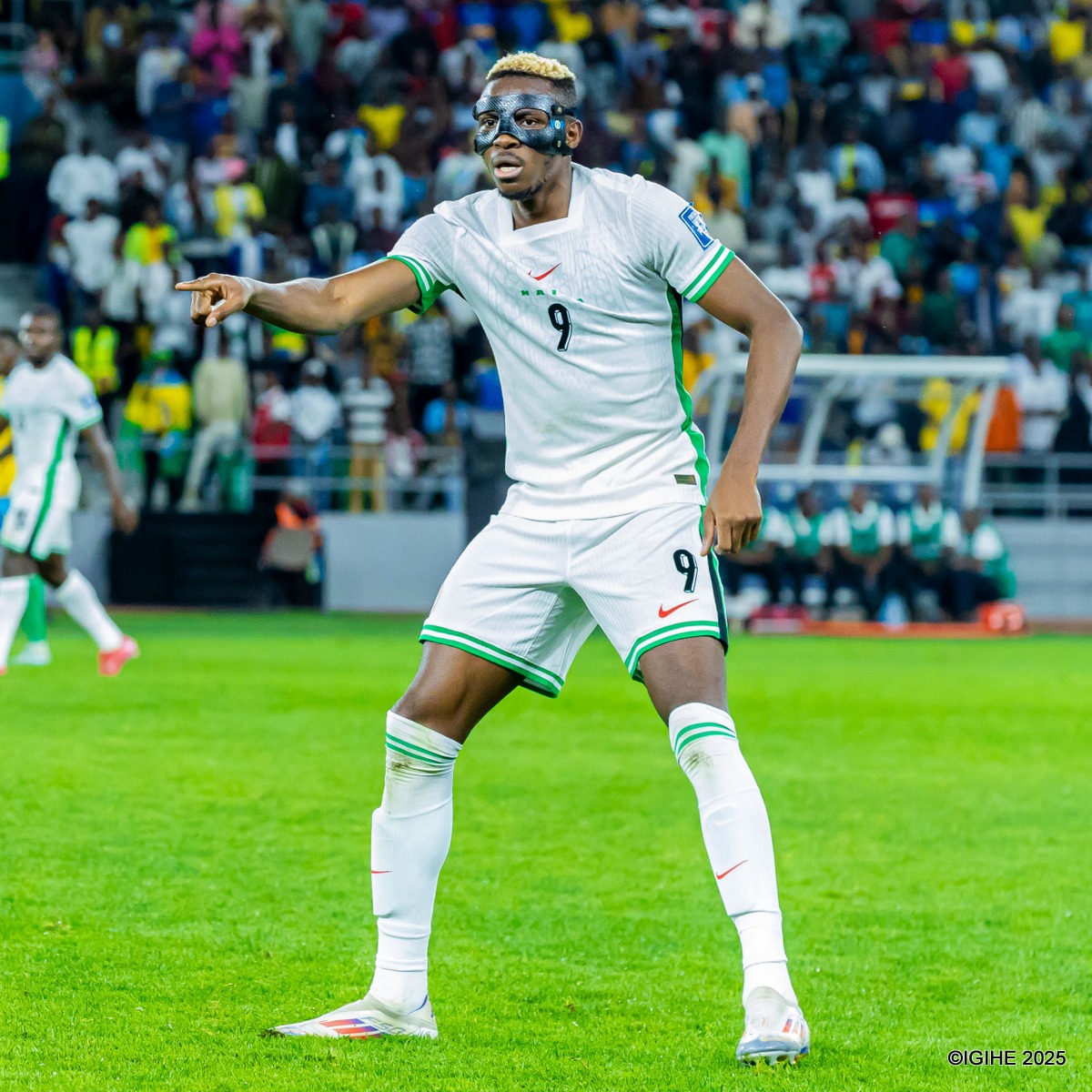
Inspired by the sensational Victor Osimhen, the Nigerian side displayed dominance in Kigali, securing a crucial three points that place them four points behind South Africa in Group C.
The match began with a measured tempo, both teams testing each other cautiously. However, it took only ten minutes for Nigeria to break the deadlock. Ademola Lookman provided a perfectly timed pass, allowing Osimhen to slot home an easy tap-in, putting the visitors ahead early.
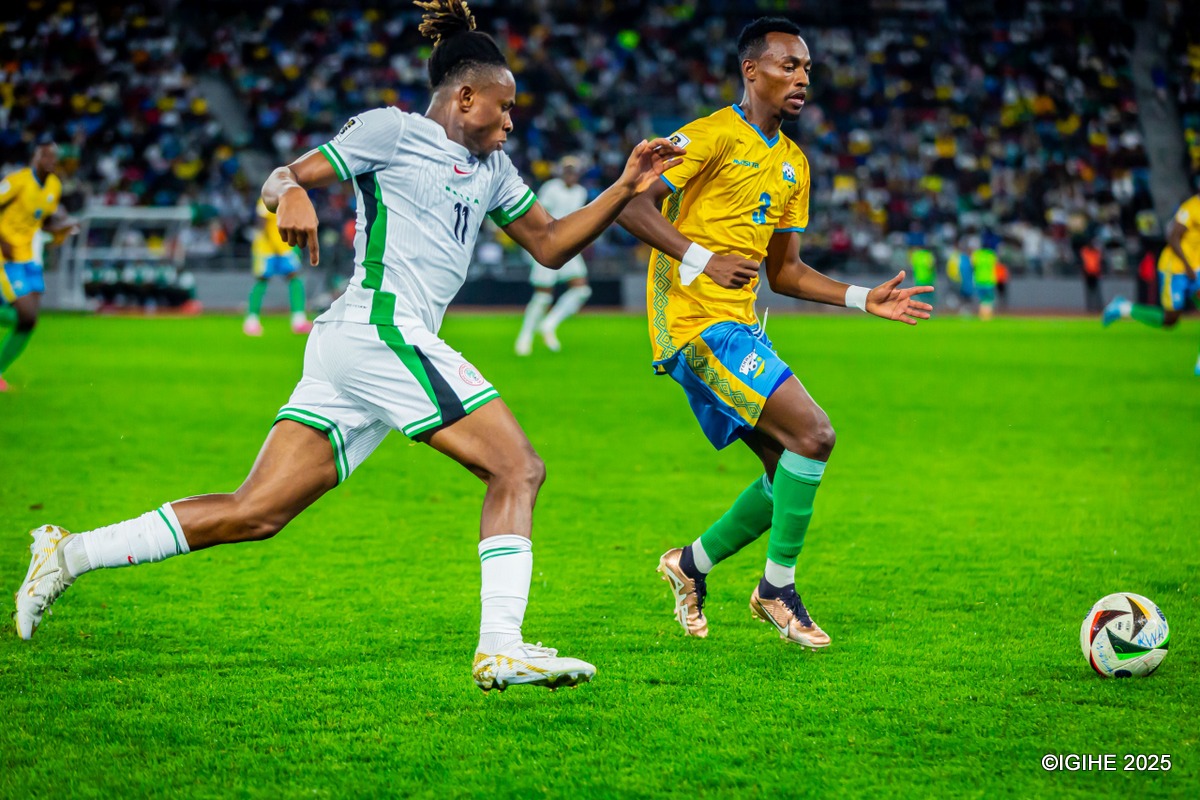
The early goal injected confidence into the Super Eagles, who immediately applied relentless pressure on Rwanda’s defense. Simon Moses and Samuel Chukwueze orchestrated brilliant attacking plays on the right flank, frequently troubling the Rwandan backline.
Their efforts earned Nigeria a free kick in the 20th minute after Claude Niyomugabo fouled Chukwueze. With Nigeria enjoying 66% possession in the first half-hour, Rwanda struggled to impose themselves on the game.
The statistics reflected Nigeria’s supremacy, as they earned three corner kicks compared to Rwanda’s none in the first 30 minutes.
Rwanda’s struggles continued, with Nigerian players effortlessly weaving past their defense. In an attempt to shake things up, Gilbert Mugisha was introduced in the 38th minute, replacing Samuel Guelette. Mugisha wasted no time, attempting a shot on his very first touch, but it was easily gathered by the Nigerian goalkeeper.
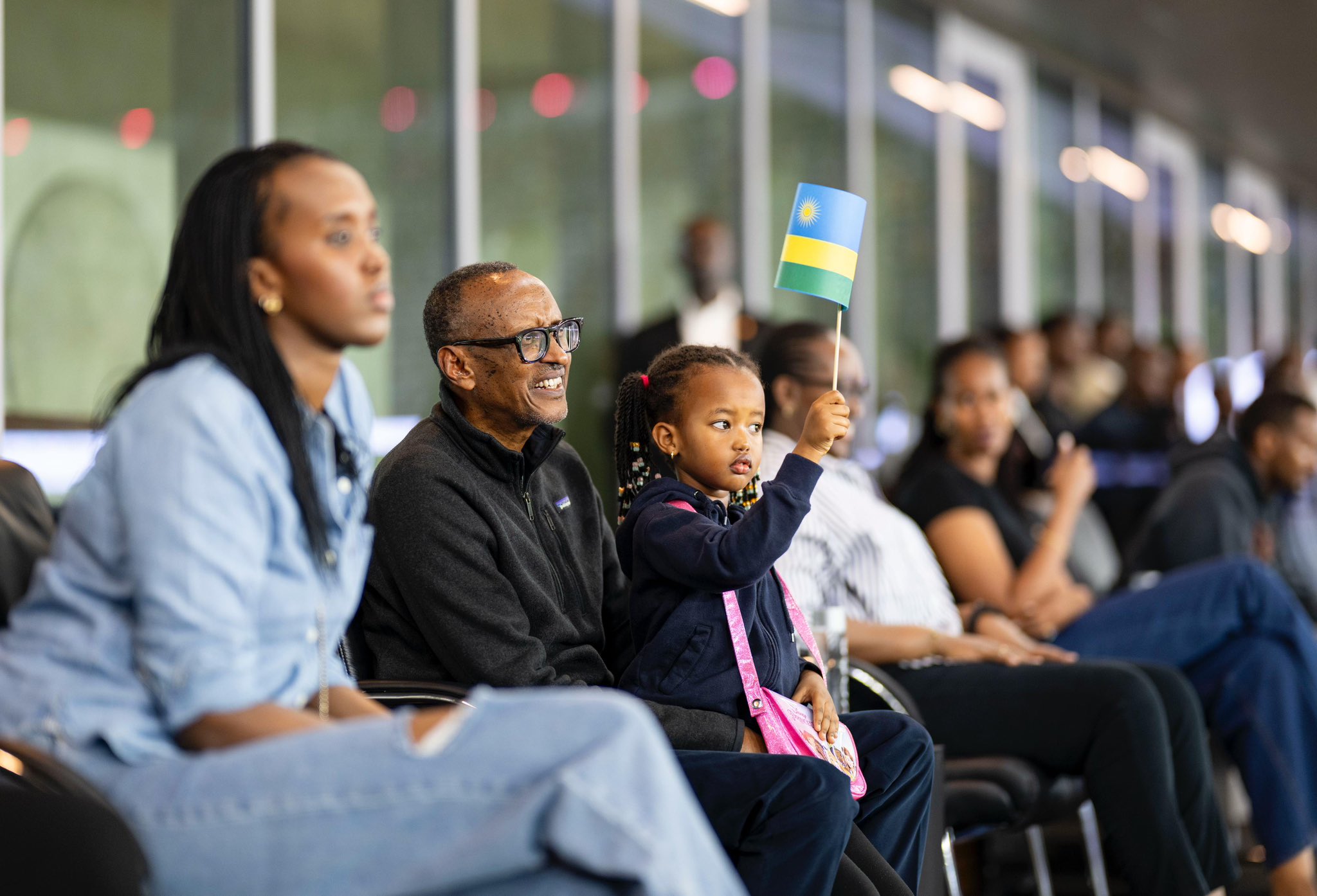
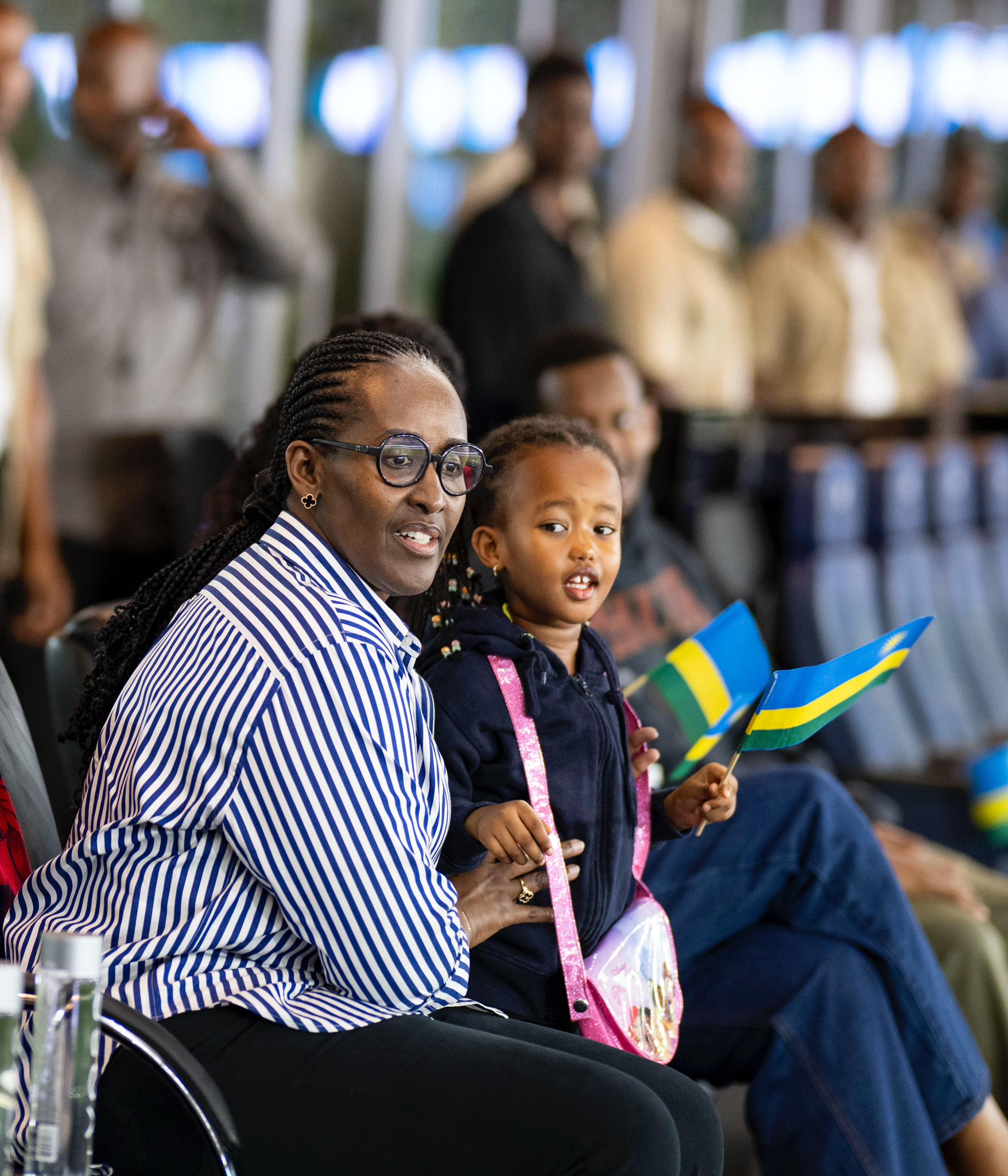
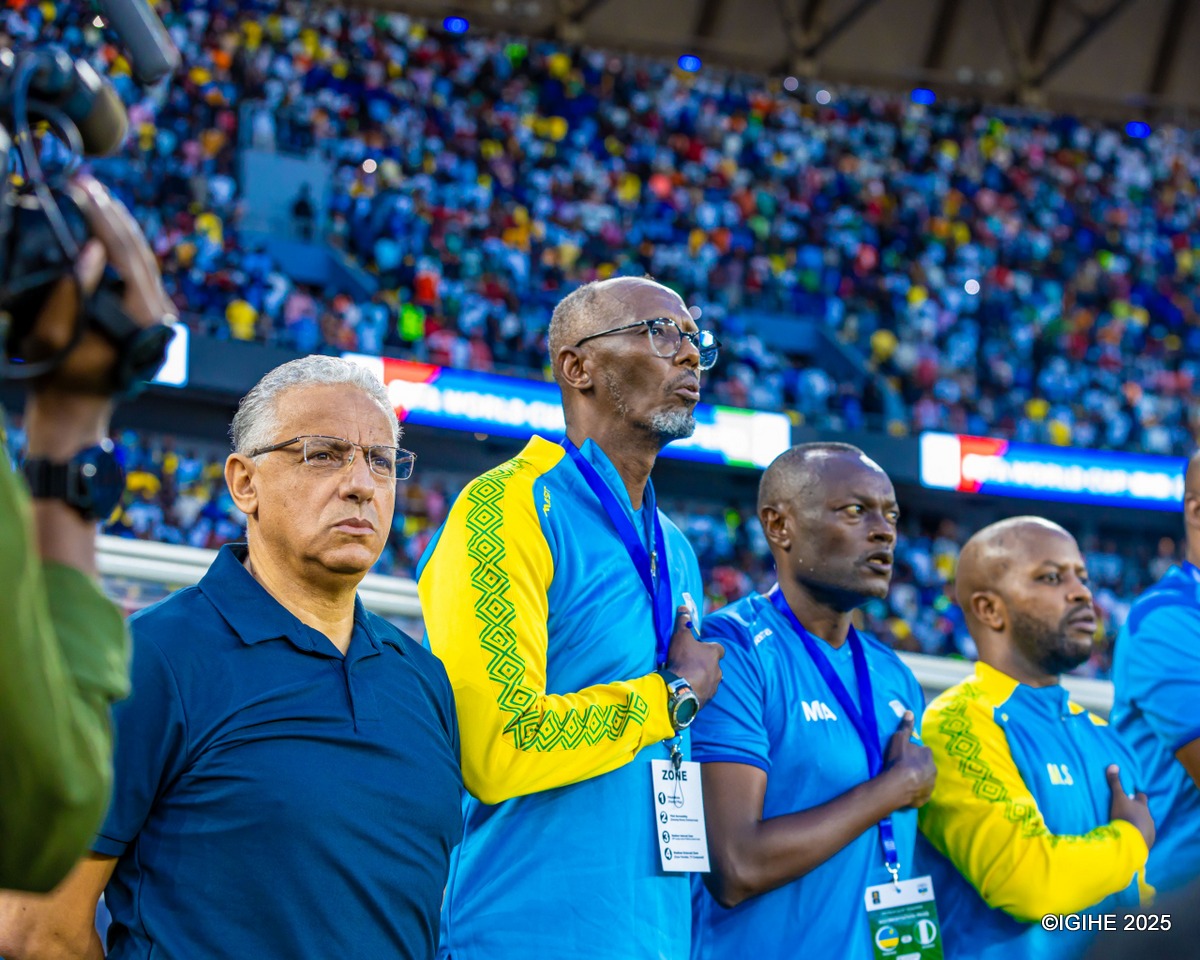
Excitement swept through the stadium towards the end of the first half when President Paul Kagame and the First Lady Jeannette Kagame arrived. Their presence ignited energy among the home fans, injecting new life into the Rwandan players.
However, just when it seemed the hosts might head into the break only one goal down, Osimhen capitalized on a defensive error. The Napoli striker stole the ball from Thierry Manzi and coolly looped it over goalkeeper Fiacre Ntwari for his second goal, securing a 2-0 lead at halftime.
The second half kicked off with immediate action, as Rwanda’s captain Djihad Bizimana picked up a yellow card for a foul on Osimhen just outside the 18-yard box. Nigeria’s Wilfred Ndidi followed suit minutes later, receiving a yellow card for a counter challenge on the Amavubi captain.
Rwanda showed more urgency, with Gilbert Mugisha adding fresh energy to their attack. They introduced Kevin Muhire in the 58th minute, replacing Hakim Sahabo in a bid to turn the tide.
Despite their efforts, Nigeria continued to control the tempo. By the 70th minute, the Super Eagles had earned eight corner kicks, compared to Rwanda’s two, further emphasizing their offensive pressure.
Osimhen, having done his job, was substituted in the 75th minute for Arokodare Emmanuel. In response, Rwanda made their own late changes, with Yves Habimana replacing Innocent Nshuti and Jean Bosco Ruboneka coming in for Jojea Kwizera.
As the clock ticked down, Rwanda thought they had pulled a goal back when Habimana found the back of the net. However, the goal was swiftly ruled out for offside, crushing any hopes of a comeback.
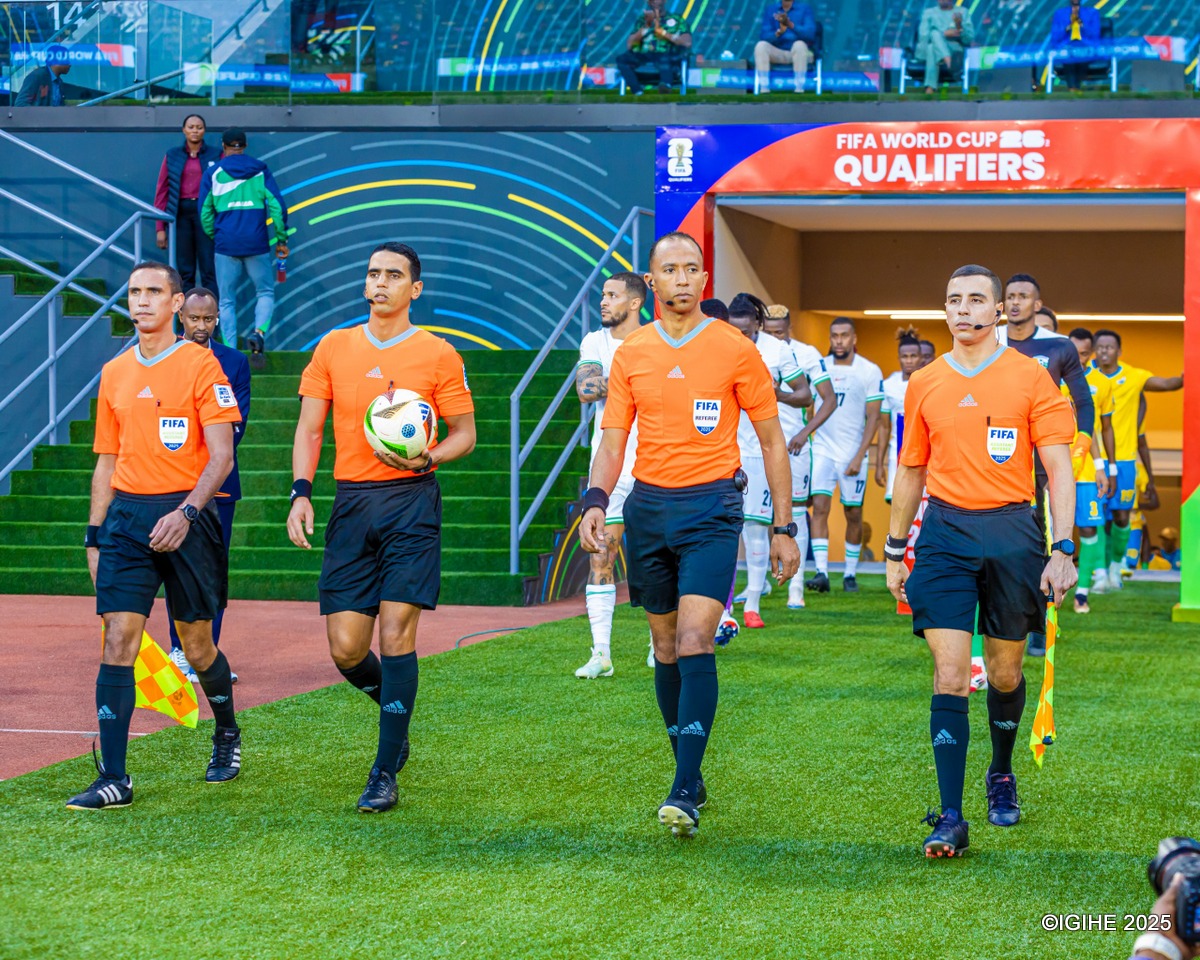
Moments later, Arokodare received a yellow card in added time, marking a feisty end to the contest. With five minutes of additional time played, Moroccan referee Jalal Jayed blew the full-time whistle, confirming Nigeria’s well-earned 2-0 victory.
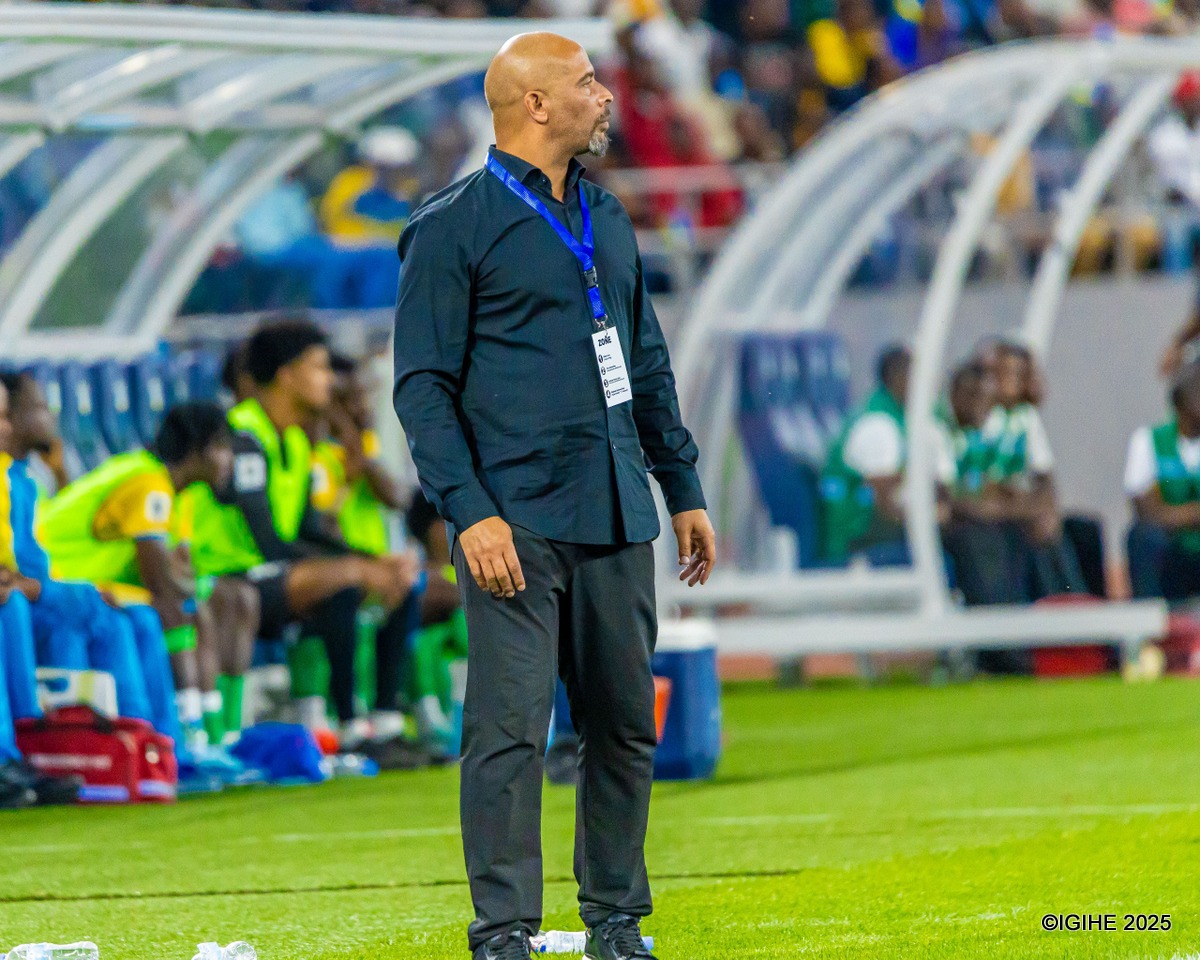
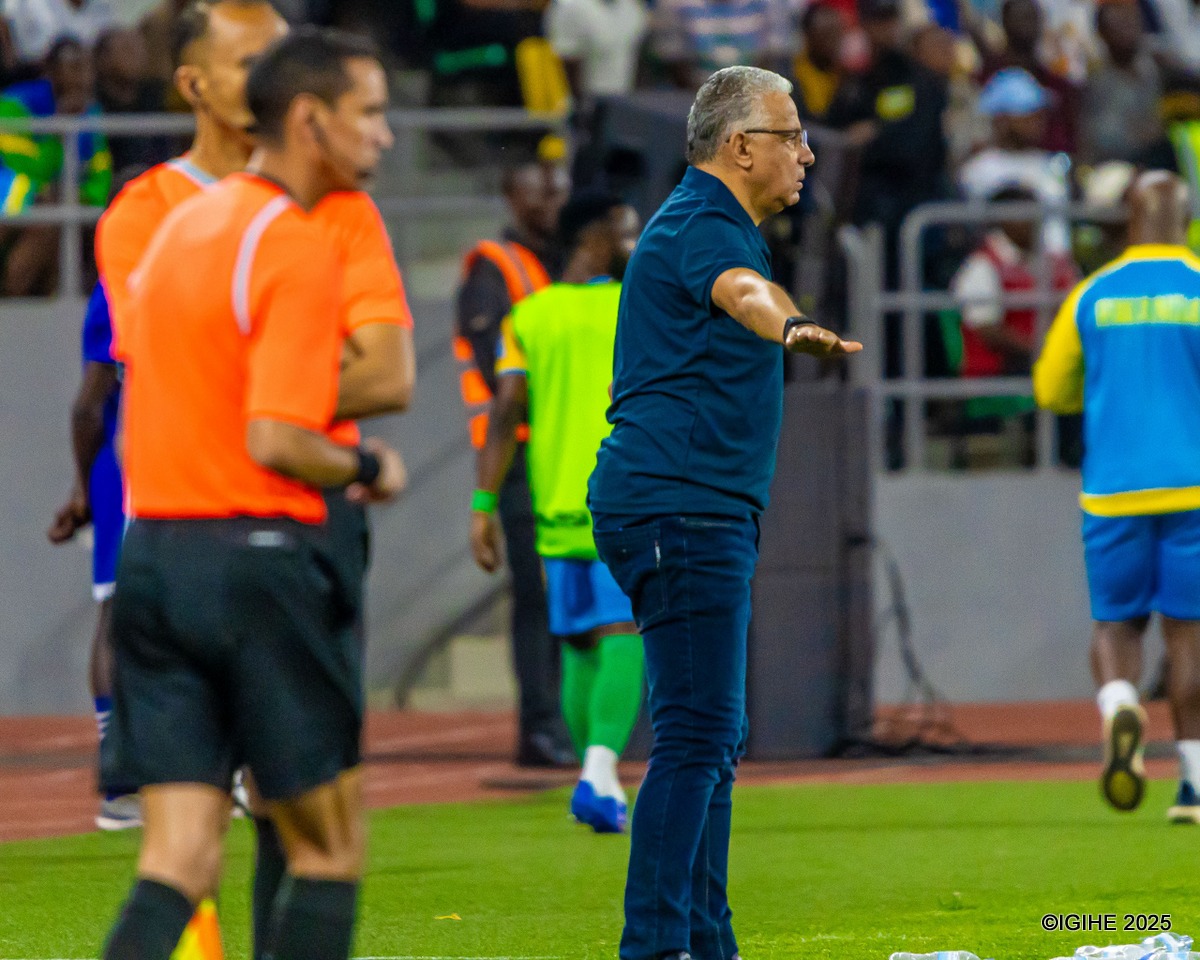
The Super Eagles’ triumph not only revived their World Cup qualification hopes but also showcased their attacking prowess and defensive solidity. As the competition heats up, Nigeria now looks to build on this win while Rwanda must regroup and find a way to revive their campaign.
The road to the World Cup remains long, but for now, Nigeria celebrates a crucial victory led by their talisman, the on-loan Galatasaray forward, Victor Osimhen.
After today’s games, Bafana Bafana moved to the summit after overcoming a stubborn Lesotho side 2-0 thanks to second-half strikes from Relebohile Mofokeng and Jayden Adams.
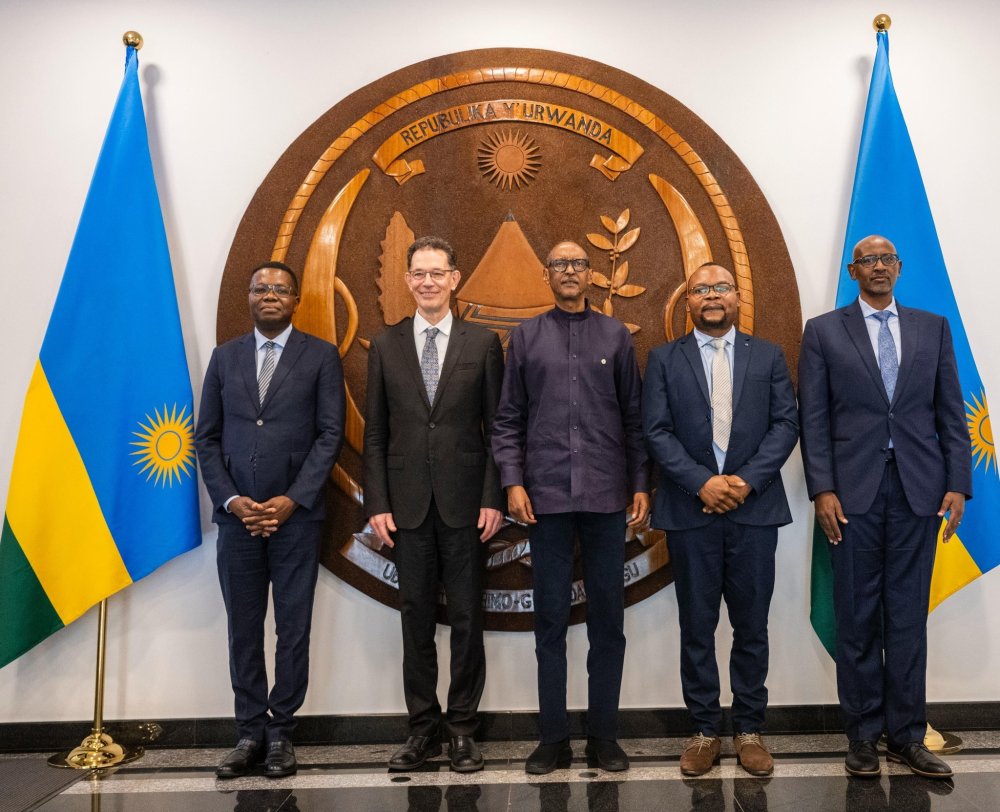
According to Rwanda’s Presidency, their discussions focused on opportunities to amplify training, research and engagement with mathematical sciences in Rwanda. The discussions were also attended by the Minister of Education, Joseph Nsengimana.
AIMS, which began operating in Rwanda in 2016 with support from the Rwandan Government, is now part of the AIMS Global Network, joining its centers in South Africa, Senegal, Ghana, and Cameroon.
Since its establishment in Rwanda, AIMS Rwanda has contributed significantly to the job market, producing over 410 graduates who are playing a key role in building Africa’s knowledge-based economy, with 38% of them being women or girls.
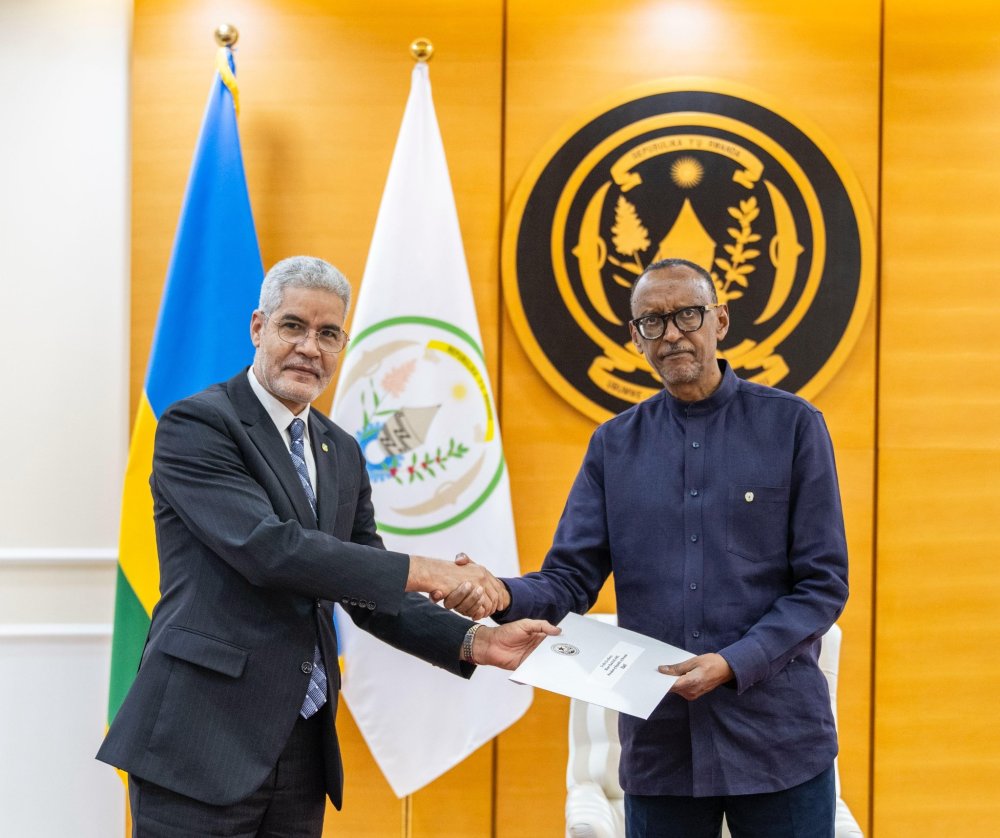
On the same day, President Kagame also received Dr. Sidi Ould Tah, President of the Arab Bank for Economic Development in Africa (BADEA) and candidate for the African Development Bank (AfDB) presidency.
Dr. Tah delivered a message on behalf of President Mohamed Ould Ghazouani of Mauritania.
Dusingizemungu was reacting to a message shared by French researcher Le Drian on X (formerly Twitter) on March 20, in which he wrongly accused Rwanda of using propaganda to justify its alleged “brutal aggression” in eastern Democratic Republic of Congo (DRC).
Le Drian claimed that Rwanda was highlighting past colonial atrocities committed by Belgium, acknowledging these as outdated horrors that were “far removed from the current reality.”
In his statements, Le Drian suggested that Rwanda was using “panafricanism washing” to deflect from its actions in the DRC, a region currently facing serious security issues.
He further criticized certain Rwandan individuals for making “supremacist” remarks, which he claimed were offensive to the Congolese people.
In response, Senator Dusingizemungu criticized Le Drian’s perspective, asserting that the accusations against Rwanda were based on misinformation and ignored the real and ongoing threats faced by Rwandophones, particularly Tutsis, in the DRC.
Dusingizemungu highlighted that “hate speech and serious human rights violations are targeting Rwandophone Congolese, mainly Tutsi,” orchestrated by DRC authorities in collaboration with the FDLR, a terrorist group formed by remnants of the perpetrators of the 1994 Genocide against the Tutsi. This coalition aims to destabilize Rwanda and pursue genocidal goals.
Dusingizemungu also stressed that Rwanda’s defensive actions in response to this coalition are fully justified.
“Rwanda cannot be crushed. The defensive measures taken in response to this coalition of forces aiming to halt Rwanda’s development are fully justified. Ignoring this reality raises serious concerns about the motivations behind such accusations,” he stated.
The DRC has placed the blame for the ongoing conflict on Rwanda, following the resurgence of the M23 rebel group, which fights for the rights of marginalized Banyamulenge and Congolese Tutsi communities.
Rwanda has consistently refuted these accusations, urging DRC to address its internal issues rather than engaging in blame games.
Rwanda has also accused DRC of collaborating with the FDLR during the conflict with the M23, with the goal of destabilizing Rwanda after the defeat of M23.
Additionally, DRC has been pushing for sanctions against Rwanda, with some countries reportedly backing this move due to their mineral interests in DRC.
Belgium, in particular, has been accused of lobbying for sanctions against Rwanda in various international institutions, leading to a breakdown in relations between the two countries. This led to severe diplomatic rift, where Rwanda expelled all Belgian diplomats within 48 hours early this week
Despite the DRC’s attempts to place the blame on Rwanda, Rwanda has maintained that these allegations are part of a broader effort to divert attention from the DRC’s internal issues, including poor governance.
Rwanda has also affirmed its commitment to safeguarding its territorial integrity and maintaining peace in the region.
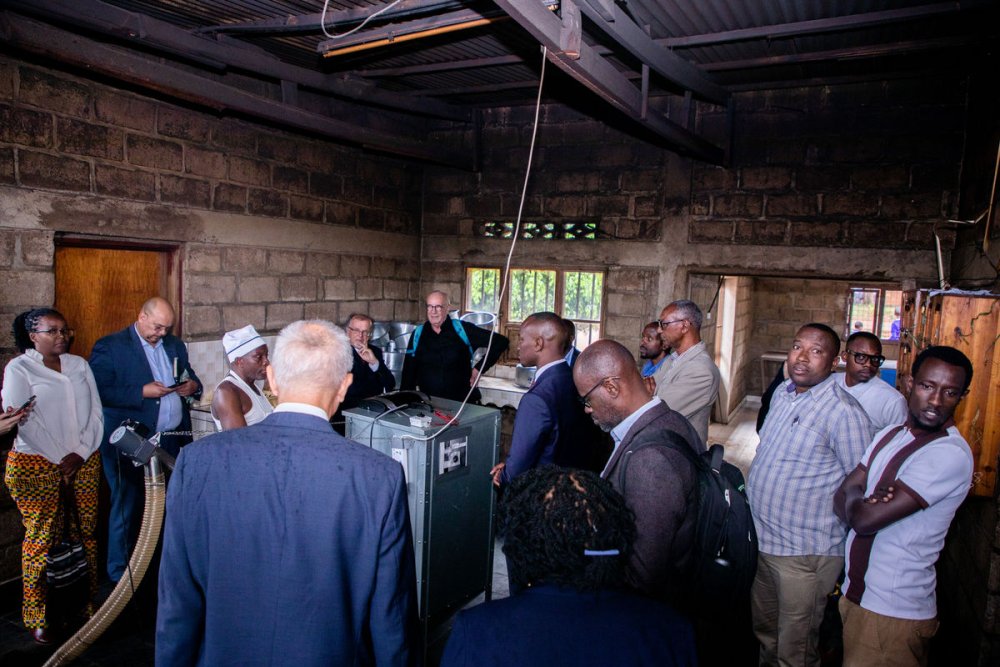
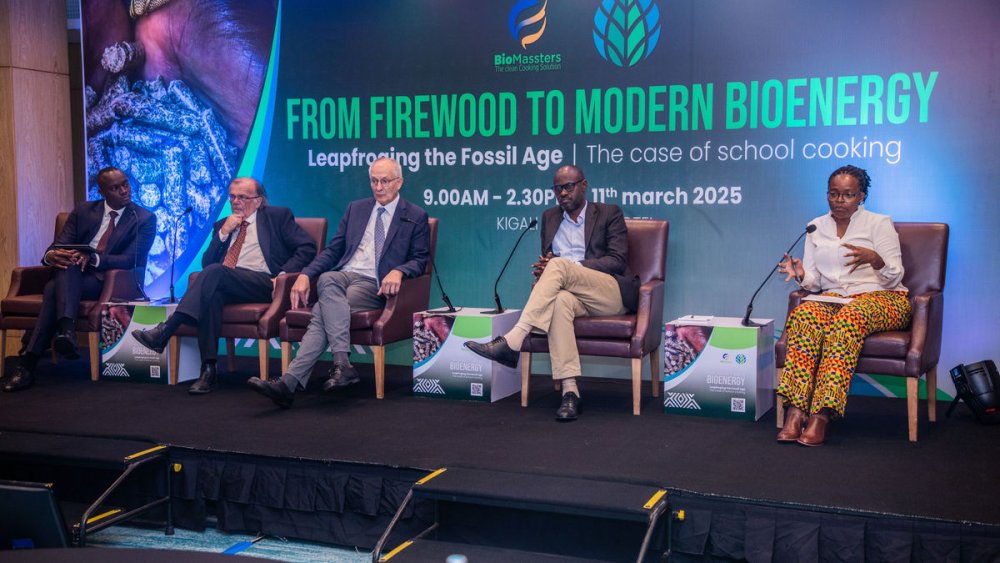
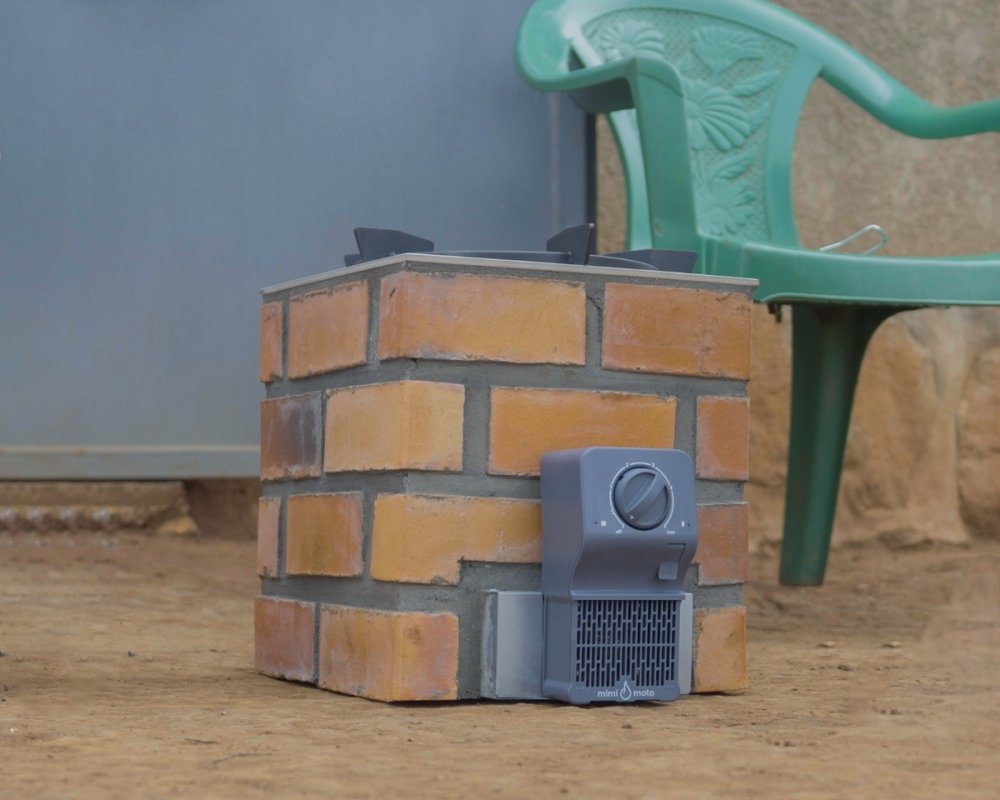
The company announced this achievement during a training session organized in collaboration with the World Bioenergy Association, aimed at exploring ways to provide schools with clean cooking energy solutions.
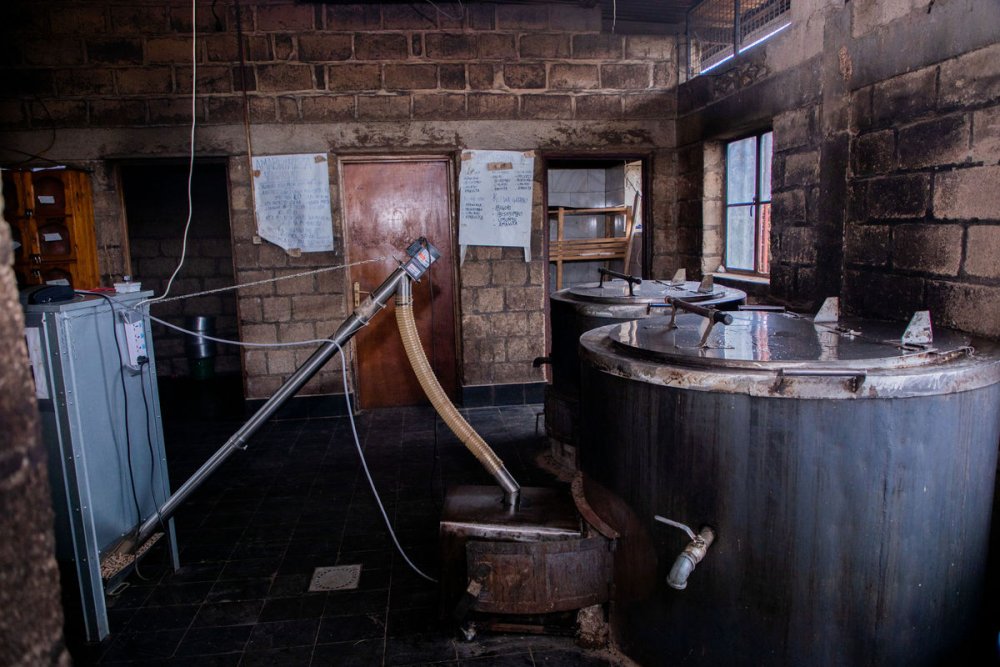
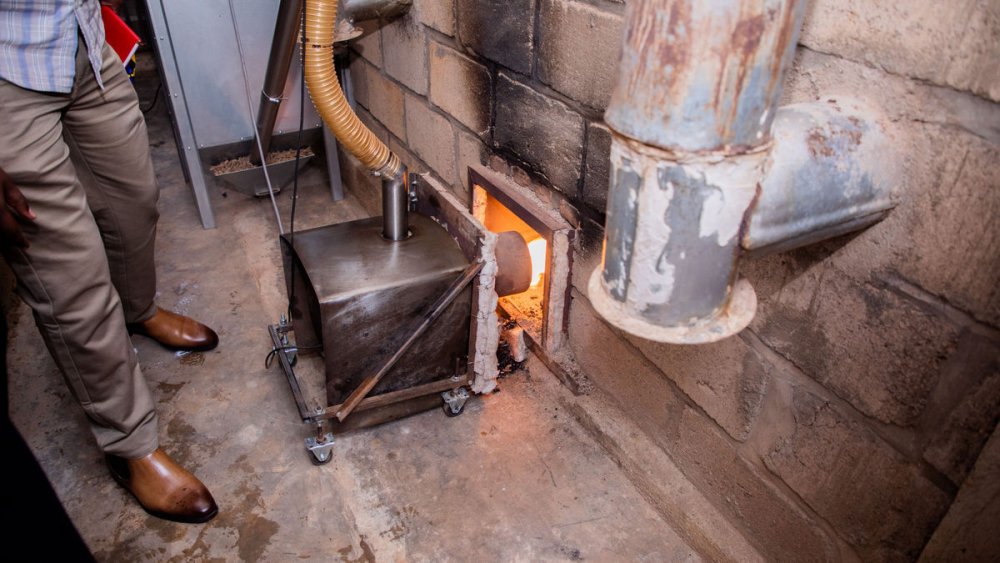
The training focused on promoting the use of biomass pellets, produced from wood residues such as sawdust and other waste materials, as an alternative to firewood and charcoal.
The event was attended by government officials, private sector representatives, energy experts, policymakers, and other stakeholders.
Founded in 2020, BioMassters is a Rwandan company committed to combating climate change by promoting environmentally friendly fuel alternatives.
It operates a factory in Rubavu and has retail outlets in Kigali, having already supplied 6,500 advanced stoves designed to provide a clean cooking experience while reducing environmental impact.
The company offers two types of stoves; metal stoves and locally made clay stoves. Both are designed for efficient cooking, minimizing smoke emissions and utilizing eco-friendly fuel sources.
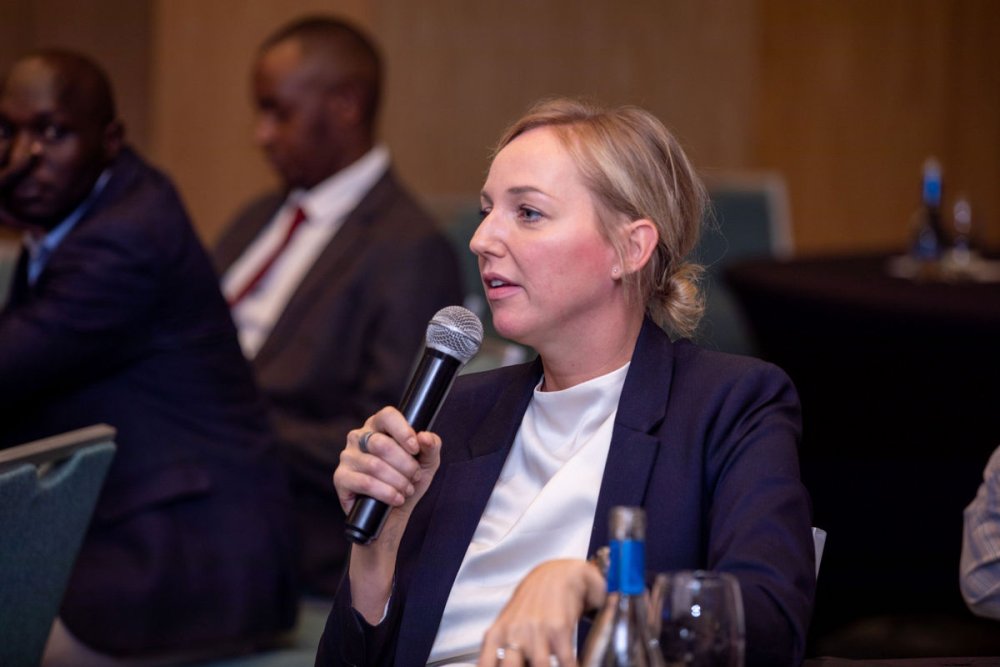
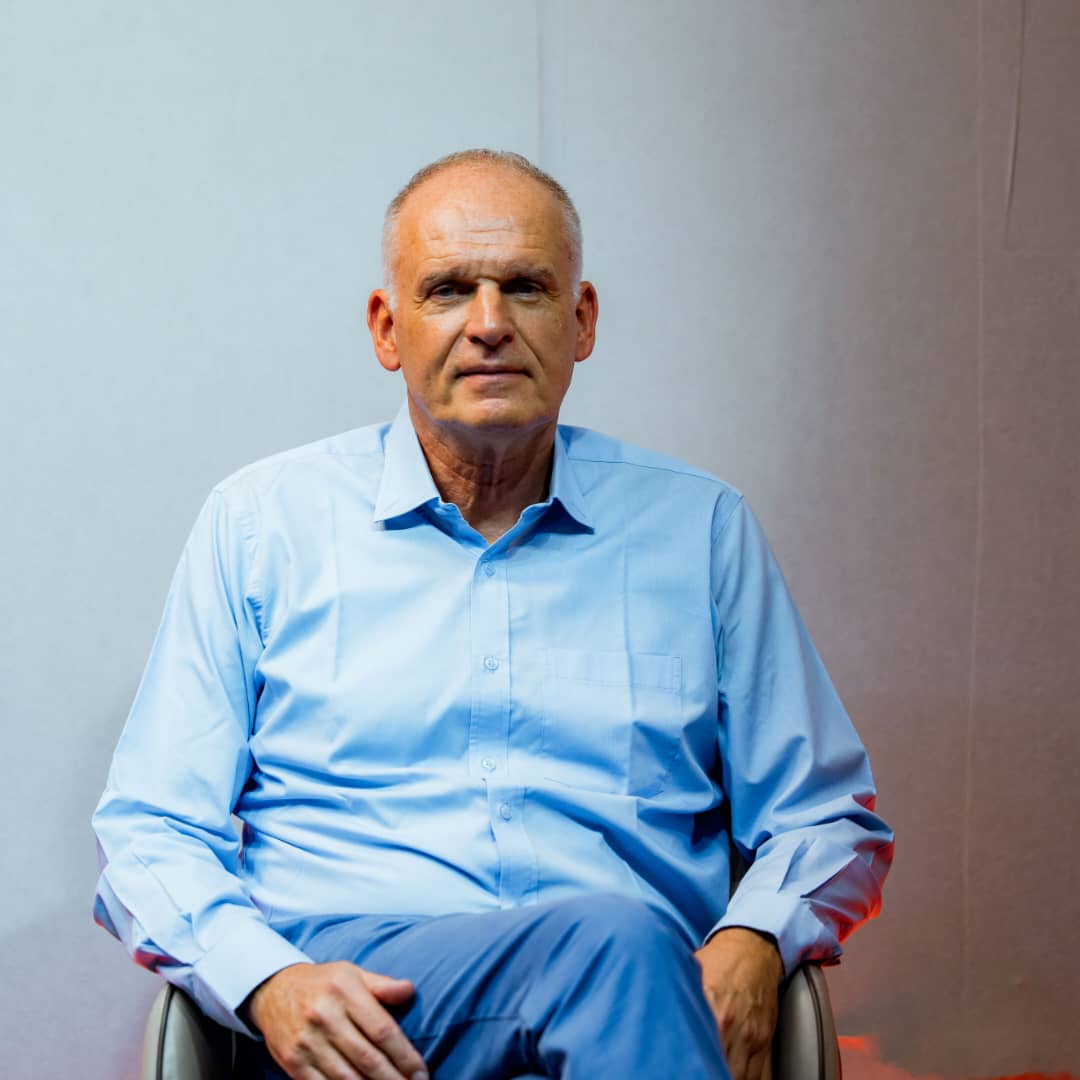
Claudia Muench, CEO of BioMassters, emphasized their goal of introducing modern cooking methods that protect Rwandans from respiratory diseases, remain affordable, and contribute to environmental conservation.
“By promoting the use of biomass pellets made from wood residues in Rwanda, we are working to reduce harmful cooking emissions while ensuring modern, sustainable cooking solutions for students in schools,” she said.
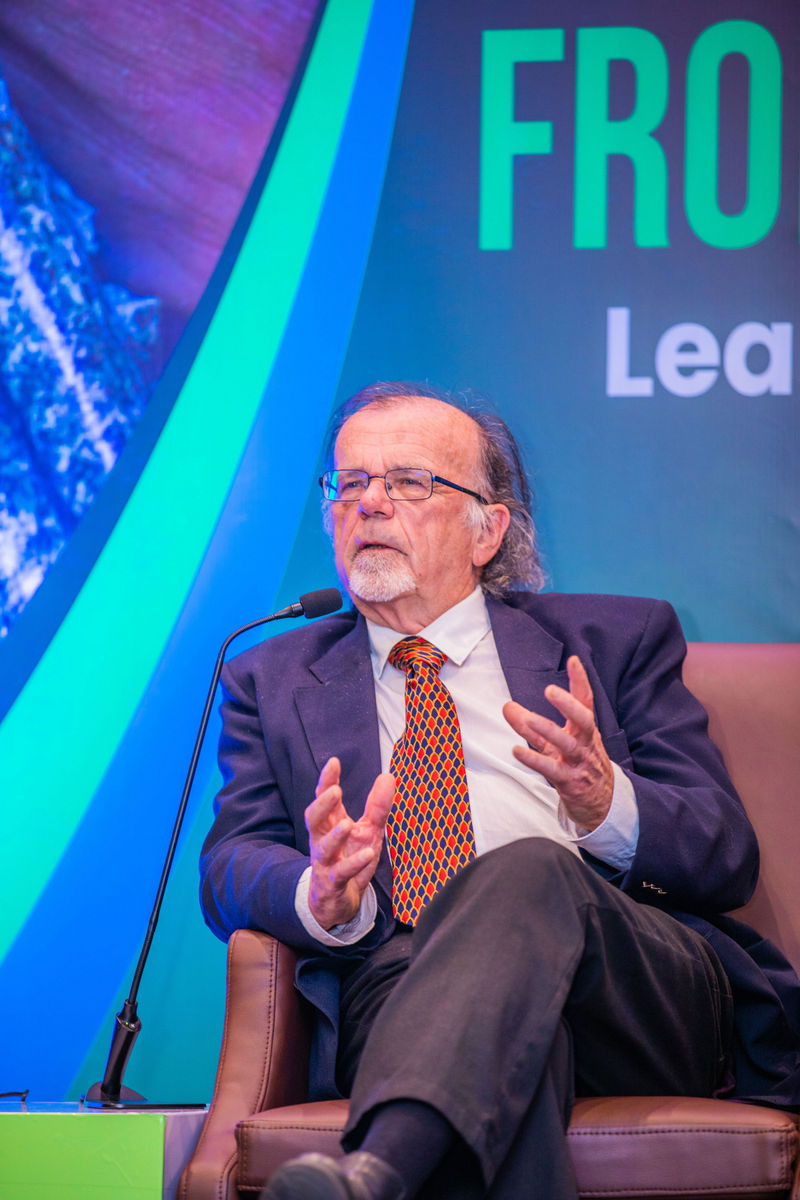
Dr. Christian Rakos, President of the World Bioenergy Association, acknowledged the significance of this approach, expressing optimism about BioMassters’ impact.
“This initiative, with the right support and strategic planning, can be expanded to benefit many more people in Rwanda and beyond,” he said.
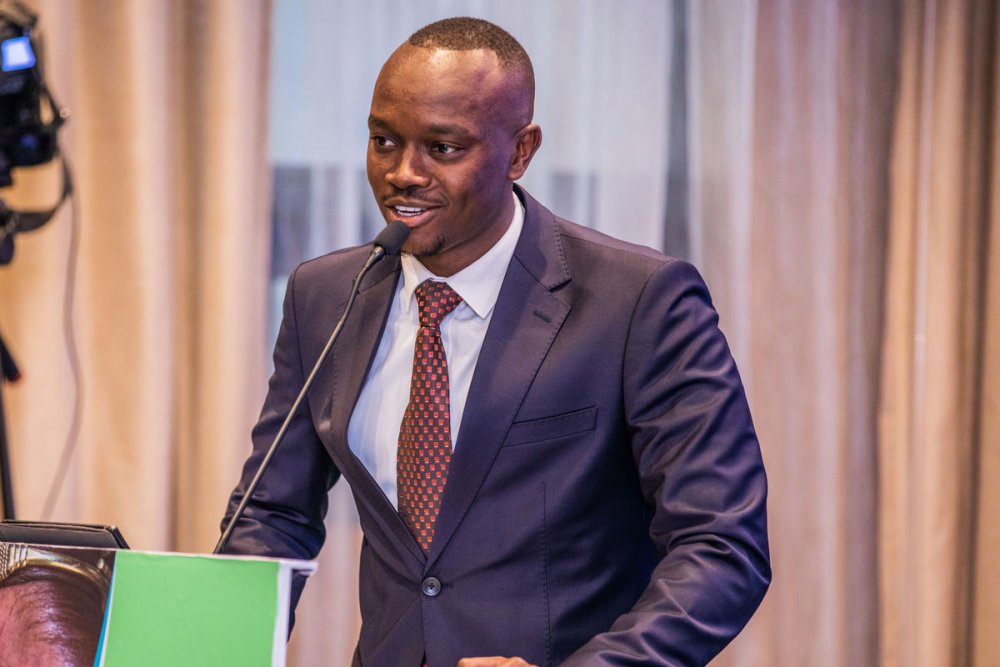
Sylvain Rucyaha, a BioMassters official, noted that the company’s school-based clean energy project has successfully reduced smoke emissions and contributed to environmental protection by limiting deforestation.
He also highlighted that the transition from traditional firewood has lowered costs for schools, making cooking more affordable.
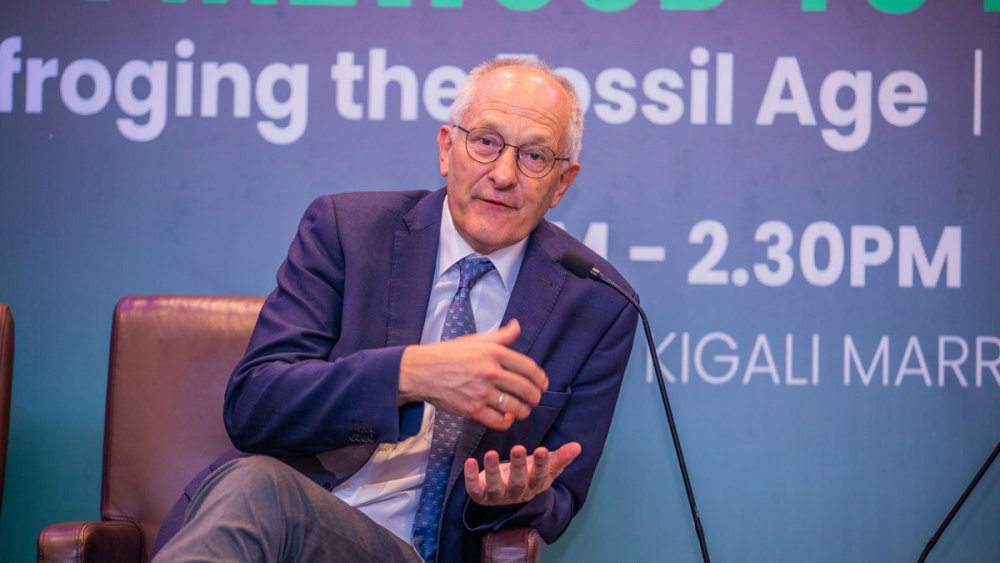
Dr. Peter Sommerer, a representative of Erlauf Investment GmbH, encouraged investment in such projects that enhance environmental sustainability, improve public health, and stimulate economic growth.
“Investing in initiatives like this will play a crucial role in environmental conservation and securing a sustainable future,” he stated.
As Rwanda continues its efforts to promote renewable energy, companies like BioMassters and the World Bioenergy Association are expected to play a key role in advancing this agenda.
Speaking in an exclusive interview with IGIHE, Dr. Destexhe, who has been closely engaged with Rwanda and the Great Lakes region for decades since serving as Secretary General of Médecins Sans Frontières (Doctors Without Borders), described the situation in eastern DRC as a fight for survival rather than a matter of territorial integrity.
“The issue in the Kivus isn’t about Congo’s territorial integrity or sovereignty; it’s about the threat to the lives of minorities, especially the Tutsis, who are the primary targets of Kinshasa and the regime,” he said.
“These people have the right to live in peace where they’ve always lived before being forced out.”
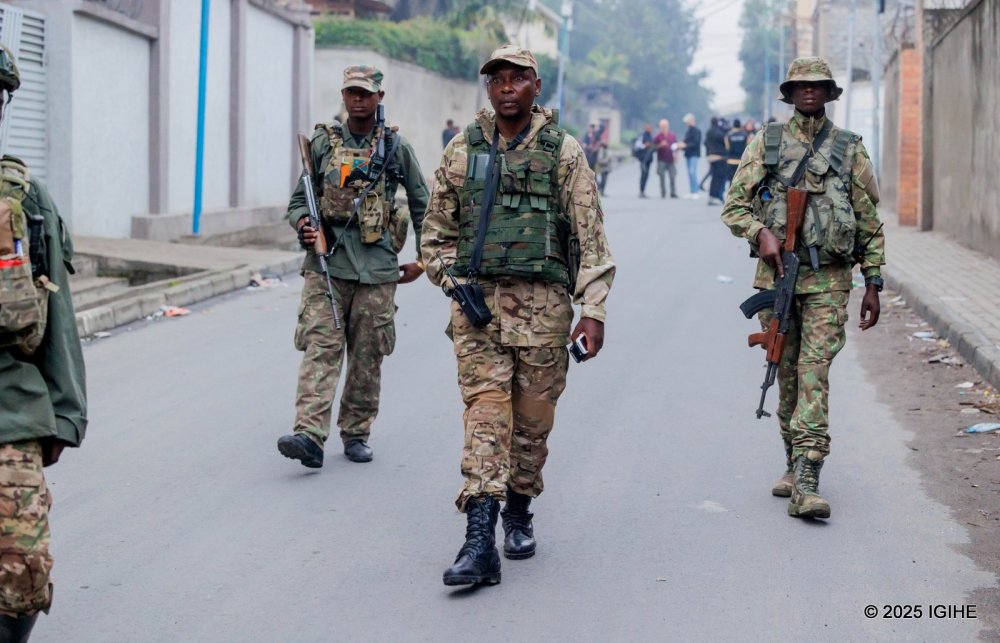
During recent visits to Goma, the former lawmaker engaged with local communities and M23 leadership, including military chief Sultani Makenga, amid the rebel group’s recent advances in the east. He observed that the city was not the war zone portrayed in international media but rather a place where some sense of order had returned under M23 control.
“I was surprised at how quiet and orderly it was. Life in Goma felt normal: people were out in the streets, shops were open—except the banks, which were closed by the Kinshasa authorities,” he noted.
He contrasted this with the chaos under the Congolese armed forces (FARDC), whom he accused of extortion and misconduct. According to him, many people in the region saw M23’s governance as an improvement over Kinshasa’s neglect.
{{Western double standards
}}
Dr Destexhe was particularly critical of the international community’s selective response to the crisis, highlighting what he described as a “double standard” in the way Western nations handle the DRC conflict.
“When it comes to Rwanda or M23, there’s a stance followed by sanctions. With the DRC, they might say hate speech is bad, but there are no consequences,” he stated, referring to claims of Congolese leadership spreading hate speech against certain communities and accusations that Rwanda backs M23 rebels.
He also pointed to the influence of the FDLR, a group linked to the perpetrators of the 1994 Genocide against the Tutsi in Rwanda, within the Congolese army, which Rwanda insists continues to pose a threat to Rwanda’s security.
“The FDLR has infiltrated the Congolese army’s key units, advising them and spreading their ideology—hatred of Tutsis and the genocide mindset.”
MONUSCO, the UN peacekeeping mission in DRC, also came under fire from the veteran doctor, who dismissed it as a costly failure.
“They’ve been there 20 years—costing at least $1 billion a year and how many civilians have they protected? Very few, I’d guess,” he said.
“MONUSCO has a vested interest in staying, but it’s not in the Congolese people’s interest.”
With tensions escalating following the capture of the cities of Goma and Bukavu, the former lawmaker warned that the situation could spiral out of control unless a political solution is found. He suggested that M23’s increasing strength—bolstered by defectors from the FARDC—could shift the balance of power further.
“Kinshasa can’t retake Goma and Bukavu… M23 might have the capacity to push to Kisangani or Lubumbashi,” he warned.
“Tshisekedi needs a political solution, or the situation on the ground could spiral—I don’t know how,” he added.
He called for security for all Kivu residents, regardless of ethnicity, and development of the region’s rich agricultural and mineral resources.
To Rwanda and Belgium, where [ diplomatic ties recently frayed->https://en.igihe.com/news/article/rwanda-severs-ties-with-belgium-orders-diplomats-to-leave-within-48-hours] over accusations of Belgium pushing for sanctions against Rwanda, the seasoned lawmaker insisted that “Sanctions are wrong and unfair… The Kivu issue is about survival for its people, not Congo’s sovereignty.”
As a medical doctor, he urged Western nations to reassess their approach to avoid the misdiagnosis that has persisted for decades.
“I’m a doctor—when treating a patient, you first diagnose the illness correctly. If the diagnosis is wrong, you can’t treat them. The international community needs a proper diagnosis of the Kivu problem, then a solution. Right now, they’re giving the patient the wrong medicine.”
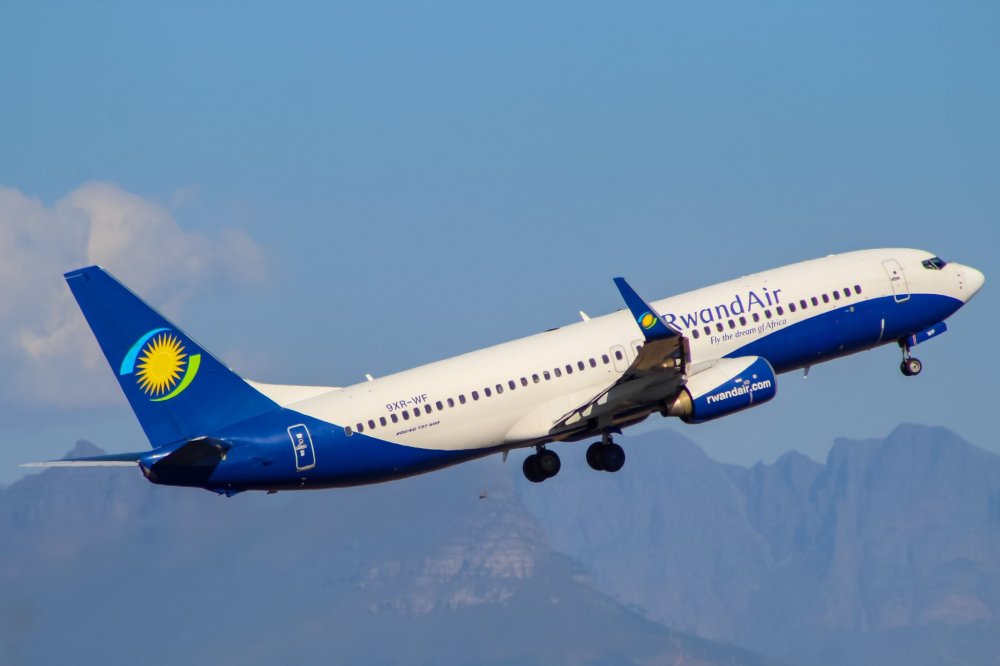
“Due to the closure of London Heathrow Airport until 23:59 on March 21, flight WB711 on March 20 from London to Kigali and flight WB710 on March 21 have been cancelled,” RwandAir said in a statement, assuring affected passengers that updates would be provided as soon as there were changes to the situation at Heathrow Airport.
Heathrow Airport experienced a power outage starting on the night of March 20, 2025, following a fire that damaged the Hayes substation transformer, which supplies electricity to the airport.
The airport management immediately announced that all operations would be halted until 11:59 PM on March 21, 2025, to ensure the safety of passengers and staff, with no one allowed to enter the airport until operations resumed.
International media reports indicated that over 10,000 flights were cancelled due to the power issue.
RwandAir has been flying to London daily for many years. Since May 9, 2024, the airline has been operating from Heathrow Airport, Terminal 4, with flights between London and Kigali. This decision was made following an increase in passengers traveling from the UK to Rwanda.
Typically, passengers departing from Kigali to Heathrow fly at 13:45 and arrive at 23:45, while another flight departs at 23:25, arriving in the UK at 07:45.
In 2023, Heathrow Airport ranked as the fourth busiest airport globally, with 83.9 million passengers passing through.
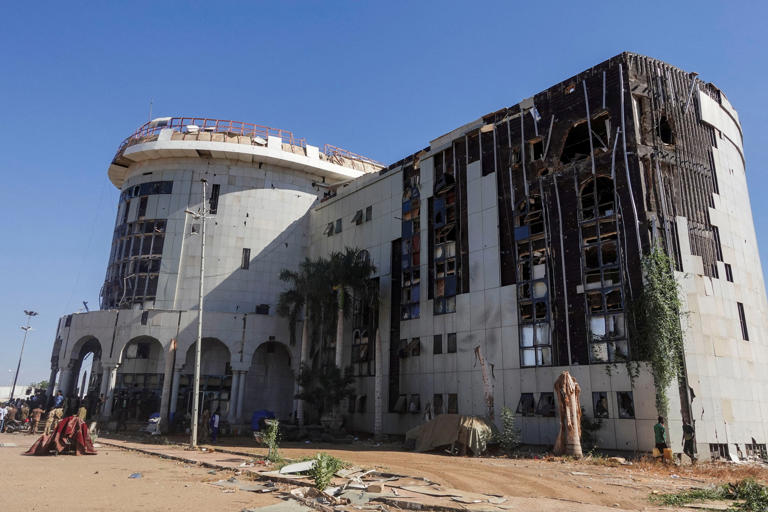
Army units fired celebratory gunshots into the air after securing the symbolic seat of power, signaling a significant blow to RSF leader Mohamed Hamdan Dagalo, commonly known as Hemedti.
The SAF also announced that they had retaken large swaths of Khartoum from RSF control, continuing a weeks-long counteroffensive that has seen government troops recapture Khartoum North and the East Nile district.
Despite the gains, RSF fighters remain entrenched in southern parts of both Khartoum and its twin city, Omdurman, on the opposite bank of the White Nile, where the humanitarian situation continues to deteriorate.
Since war erupted between the former allies-turned-rivals, tens of thousands of civilians have been killed and more than 12 million forced to flee their homes, around 3.5 million as refugees in neighboring countries including Rwanda.
The conflict has devastated urban centers, collapsed public services, and triggered one of the world’s worst displacement and humanitarian crises.
Reports indicate that RSF fighters and allied militias have raided homes in eastern Khartoum, carrying out summary killings, arbitrary detentions, and looting of essential supplies from community kitchens and medical clinics.
The UN Human Rights Office (OHCHR) has also received “worrying allegations of sexual violence in the Al Giraif Gharb neighbourhood,” according to spokesperson Seif Magango.
Meanwhile, SAF-affiliated fighters have reportedly engaged in similar looting and criminal activities in Khartoum North (Bahri) and East Nile, with widespread arbitrary arrests ongoing in the latter, raising concerns over lawlessness and reprisal violence on both sides.
Residential areas across Omdurman and Khartoum are increasingly being targeted, contributing to a growing humanitarian crisis. Aid agencies report severe shortages of food, medicine, and safe shelter, as fighting continues to displace tens of thousands and cripple essential services.
As the army consolidates its hold over the heart of the capital, local authorities are shifting focus to recovery and reconstruction.
Khartoum State Governor Ahmed Osman Hamza met with Minister of Urban Development, Roads, and Bridges Salah Hamid Ismail to coordinate efforts to repair vital infrastructure damaged during the conflict, particularly the Shambat and Halfaya bridges linking Khartoum and Omdurman.
To prevent further deterioration, the government has restricted heavy trucks from using the Halfaya Bridge. Governor Hamza also called for expedited maintenance in coordination with the Turkish firm overseeing reconstruction work.
Minister Ismail reaffirmed his ministry’s commitment to rebuilding war-torn infrastructure and announced the symbolic relocation of the ministry’s headquarters back to Khartoum.
This move marks the first federal institution to officially resume operations in the capital since the outbreak of the civil conflict in 2023.
While the SAF’s recapture of the Presidential palace marks a symbolic victory, reports of continued violence and worsening humanitarian conditions underscore the fragile and volatile state of Sudan’s capital and the wider country.
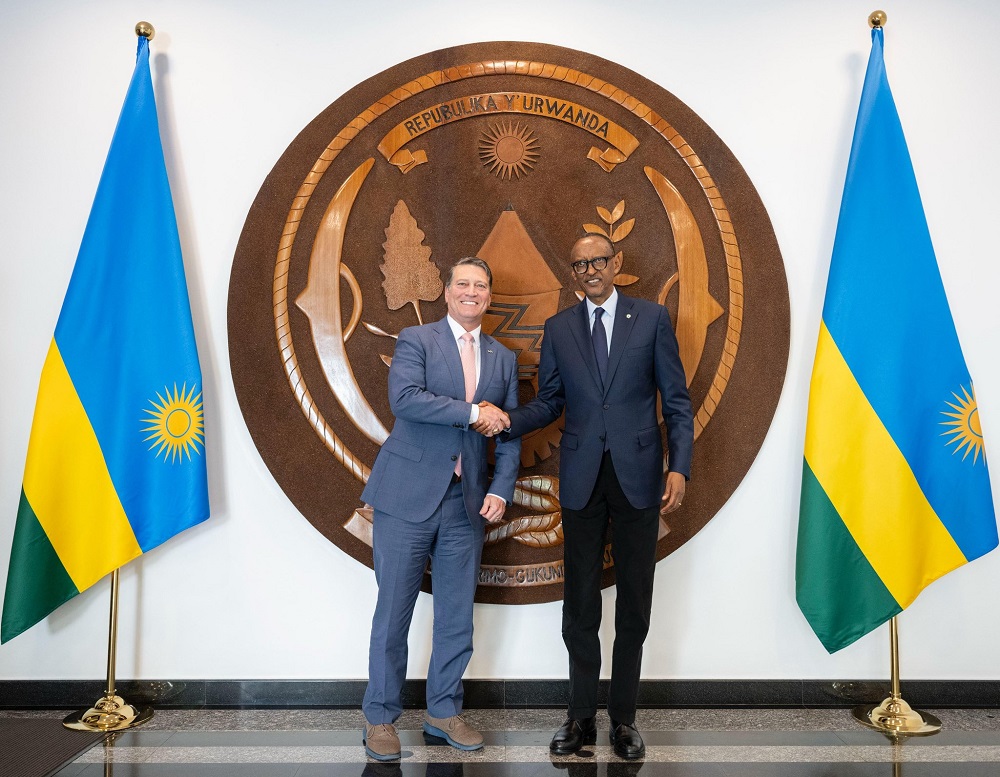
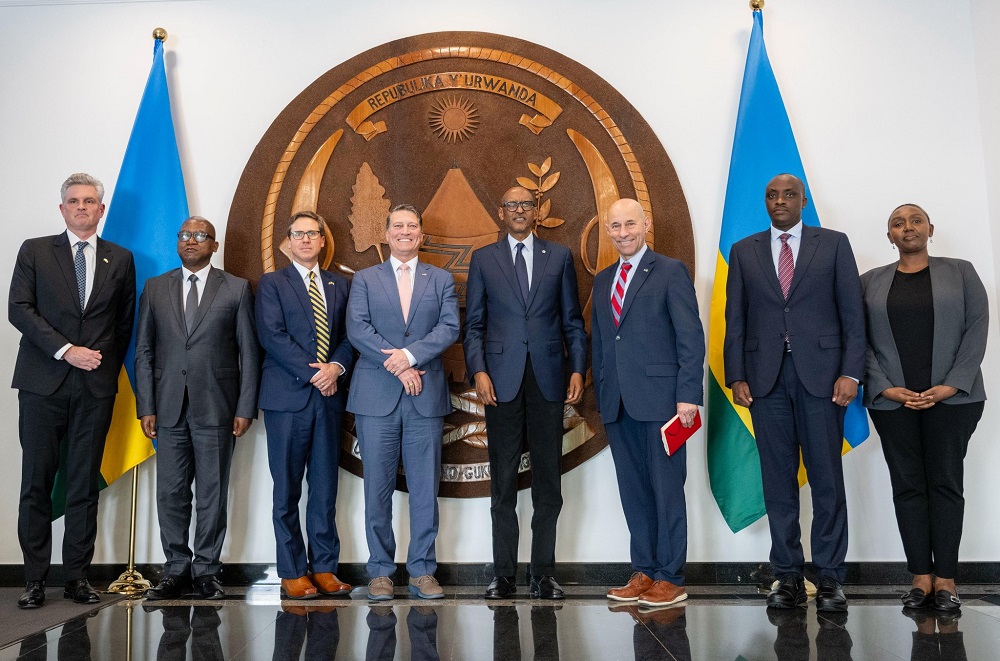
Dr. Jackson and his delegation were welcomed by President Kagame, who was flanked by Minister of Defense Juvenal Marizamunda, the Secretary General of the National Intelligence and Security Service (NISS) Emmanuel Havugiyaremye, and Government Spokesperson Yolande Makolo.
The visit took place amidst growing security concerns in the region, particularly in eastern Democratic Republic of Congo (DRC), where the DRC government has accused Rwanda of supporting M23 rebels in their conflict with the Congolese army.
Rwanda has denied these accusations, instead pointing to DRC’s alleged collaboration with the FDLR terrorist group, which Rwanda claims aims to destabilize its security.
Rwanda also argues that the allegations are part of attempts to mislead the international community and distract from the root causes of the region’s instability, including long-standing governance challenges in the DRC.
DRC has called on the United States and other nations to impose sanctions on Rwanda. However, Rwanda has stated that if sanctions were a viable solution to the regional instability, the situation would have improved by now.
While DRC officials continue to engage with the U.S. to push for sanctions in an effort to secure mining agreements, Rwanda remains focused on continuing diplomatic dialogues with various international partners.
Leaders from the East African Community (EAC) and Southern African Development Community (SADC) held a joint summit in Tanzania on February 8, 2025, emphasizing the importance of political dialogue between the conflicting parties for achieving long-term peace and stability in the region.