Goldberg first received a connection request on Signal from a user named “Michael Waltz,” which seemed to be the U.S. National Security Advisor, though he wasn’t sure at the time.
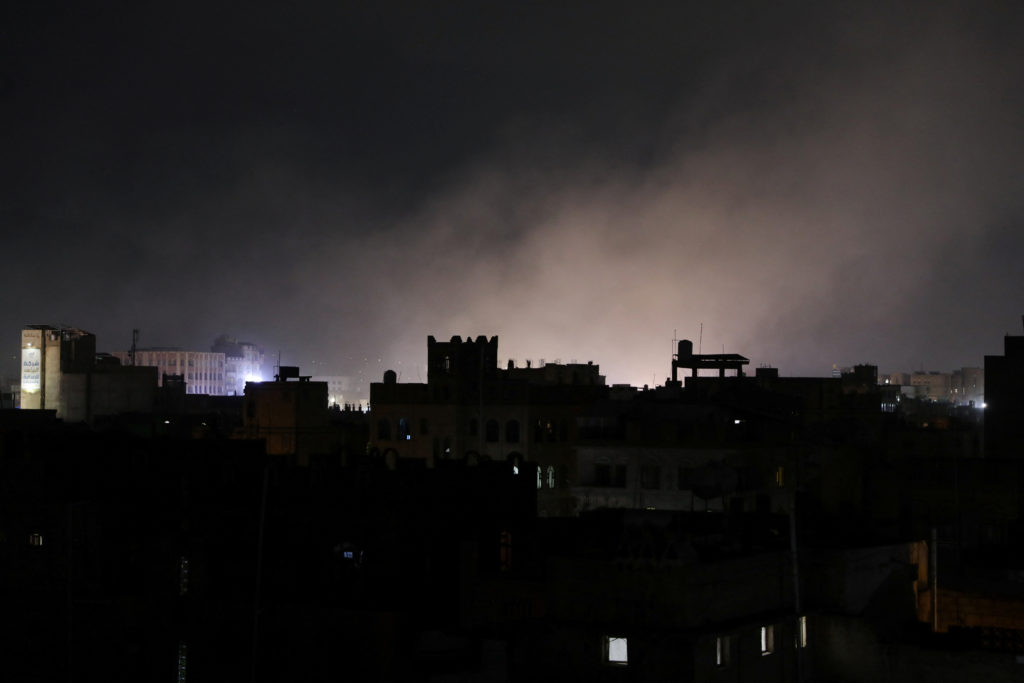
Two days later, he was added to a group chat called “Houthi PC Small Group,” where messages from “Waltz” revealed details about the operation, including targets, weapons, and attack sequencing.
Initially doubtful about the chat’s authenticity, Goldberg became convinced as the conversation contained accurate and detailed information.
After the airstrikes occurred as planned, he reached out to U.S. officials for confirmation. National Security Council spokesperson Brian Hughes confirmed the incident and stated they were investigating how Goldberg was added.
The incident raised serious concerns about security and operational discretion. Senate Armed Services Committee member Jack Reed and Senate Minority Leader Chuck Schumer criticized the breach, calling it dangerous and a sign of incompetence.
Defense Secretary Pete Hegseth dismissed the claims, calling Goldberg “deceitful” and denying the leak of war plans. The White House, however, expressed confidence in the national security team.
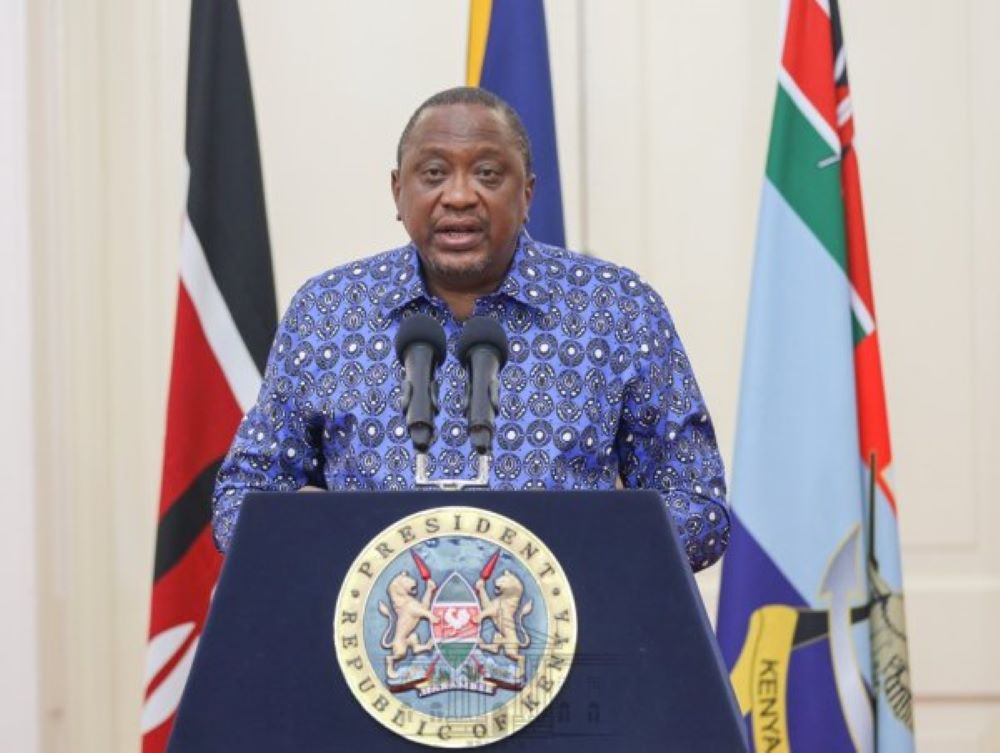
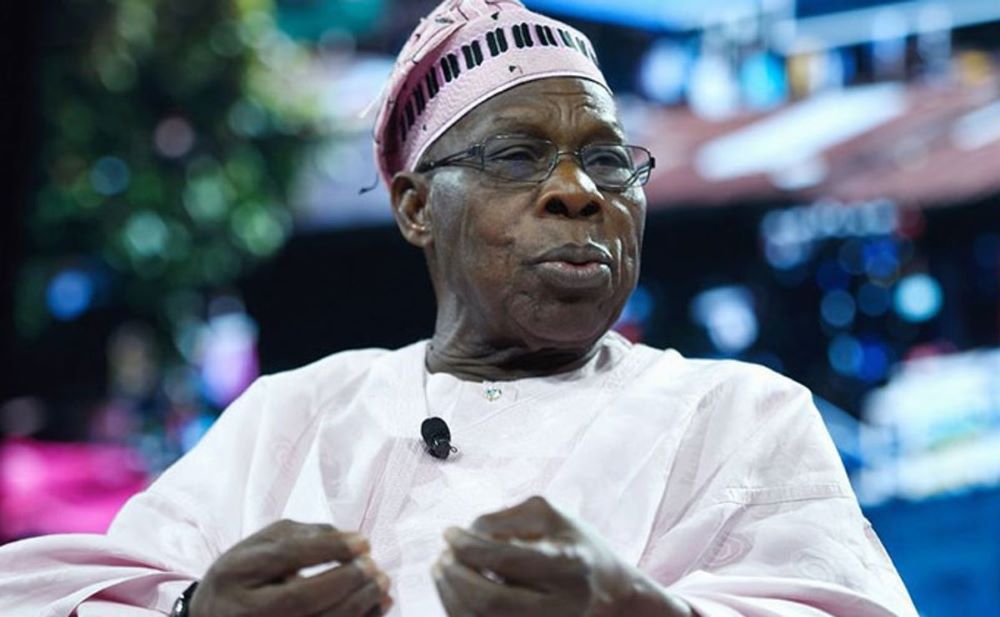
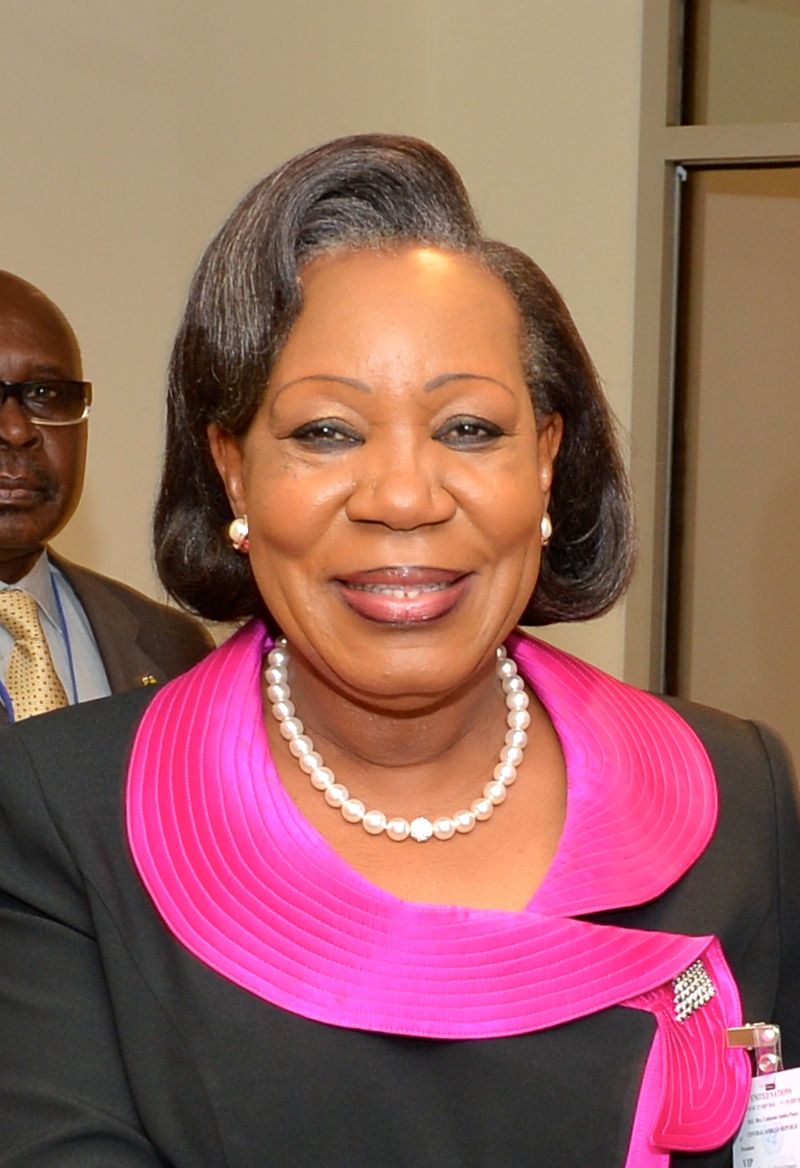
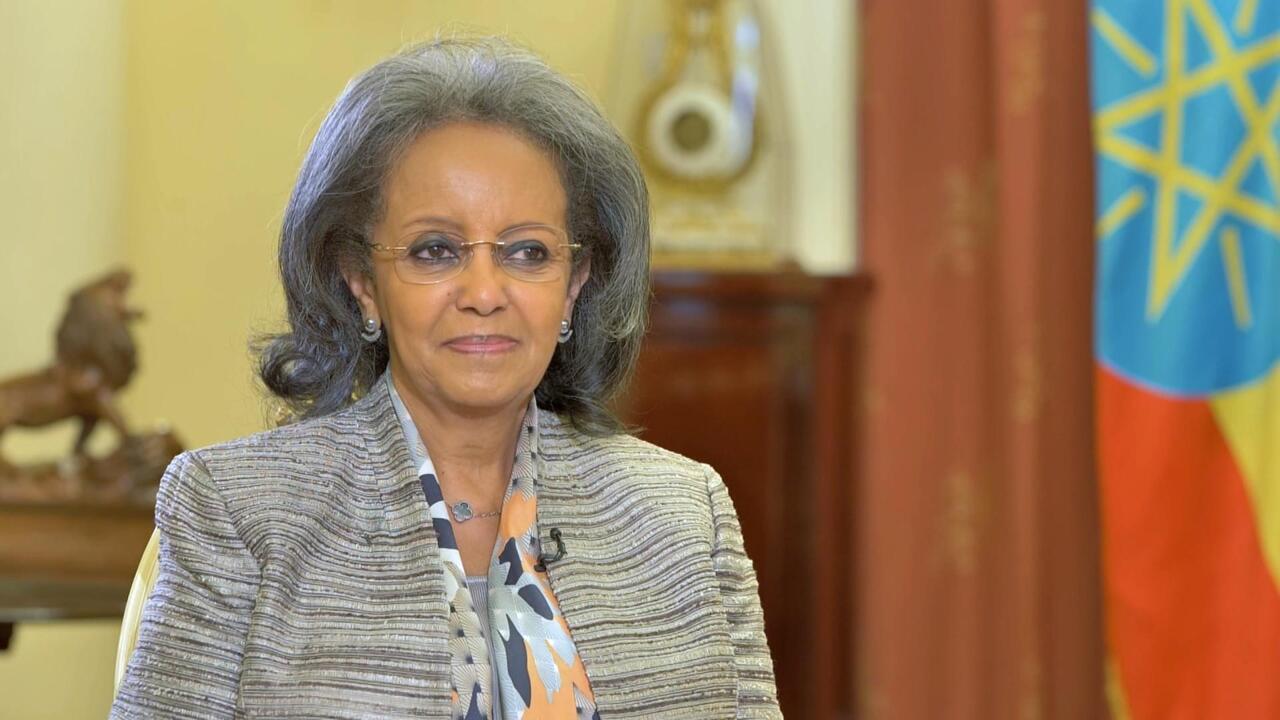
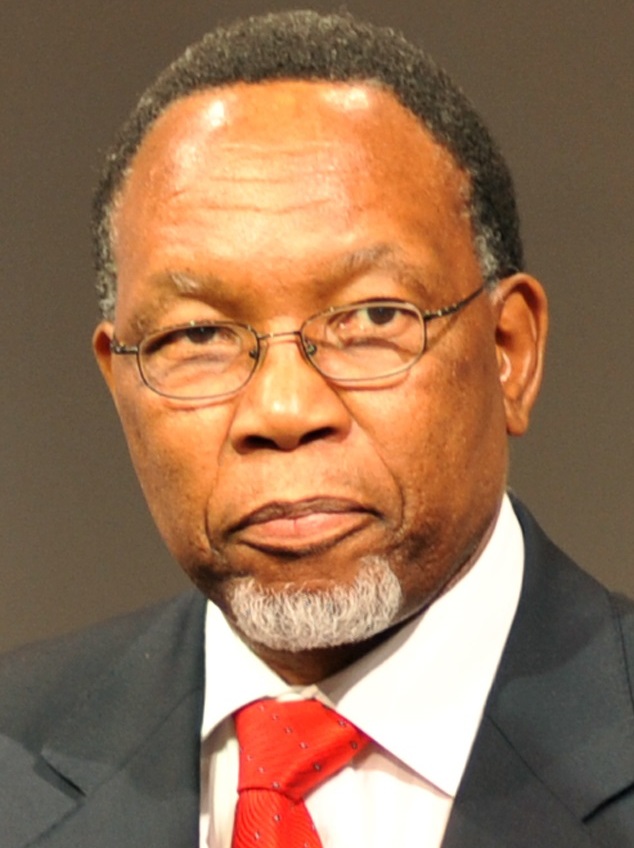
In a virtual summit chaired by Kenyan President William Ruto and Zimbabwean President Emmerson Mnangagwa on Monday night, regional heads of state appointed three former African presidents—Kgalema Motlanthe of South Africa, Catherine Samba-Panza of the Central African Republic, and Sahle-Work Zewde of Ethiopia—to an expanded team that will lead peace talks between the AFC-M23 rebel group and the Congolese government. The panel already included Uhuru Kenyatta of Kenya and Olusegun Obasanjo of Nigeria.
The summit cited the need to ensure gender balance, regional, and linguistic inclusivity in the team, leading to the appointment of the three additional former presidents. Former Ethiopian Prime Minister Hailemariam Desalegn, who was part of the initial team, has been dropped.
The Heads of State and Government from 14 EAC and SADC member countries participated in the Monday night meeting, focusing on the deteriorating security situation in eastern DRC and the implementation of a comprehensive peace roadmap.
The Joint Summit, attended by President Paul Kagame, mandated the EAC and SADC Secretariats to formally notify the panel members and convey the outcomes of the summit to the African Union (AU) and United Nations (UN) Security Council.
Furthermore, the co-chairs, Kenyatta and Obasanjo, were directed to convene a briefing session with the facilitators within seven days, to be conducted jointly by the EAC, SADC, and the African Union.
The Monday summit also adopted a comprehensive report from the Joint EAC-SADC Meeting of Ministers, which outlines immediate, medium-, and long-term measures to achieve lasting peace and security in the region. The Heads of State emphasized the urgent implementation of these measures to address the ongoing conflict.
The new appointments follow a joint summit held on February 8, where the EAC and SADC proposed merging the Nairobi Process, an EAC-led mediation effort led by Kenyatta, with the Luanda Process, a separate peace initiative facilitated by Angolan President João Lourenço under the African Union.
The expanded team marks a renewed regional commitment to resolving the protracted conflict in eastern DRC. The newly appointed facilitators are expected to play a pivotal role in mediation efforts and ensuring the successful execution of the peace roadmap after months of fighting between the Congolese army and rebels who accuse the government of poor governance and the persecution of Congolese Rwandophones in the east.
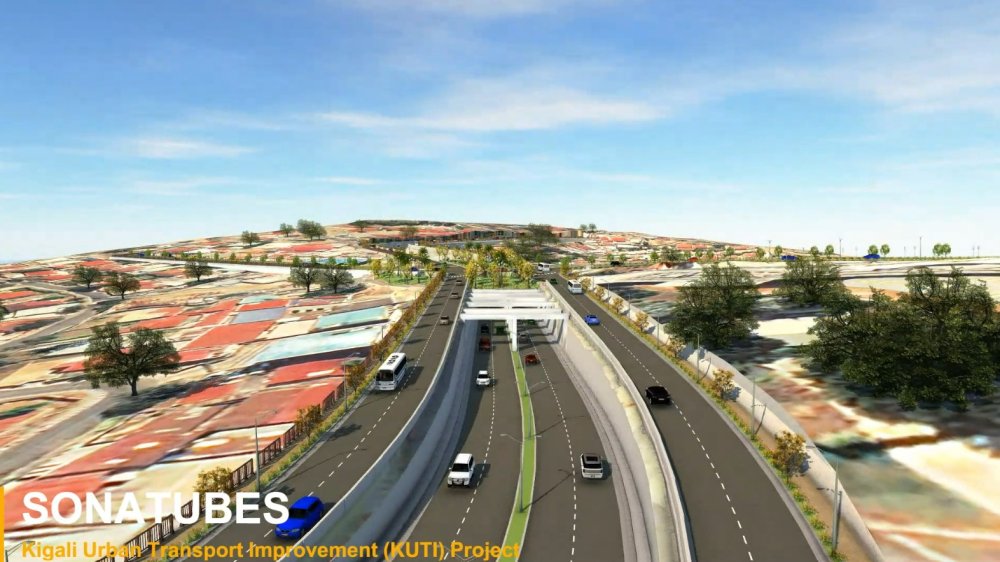
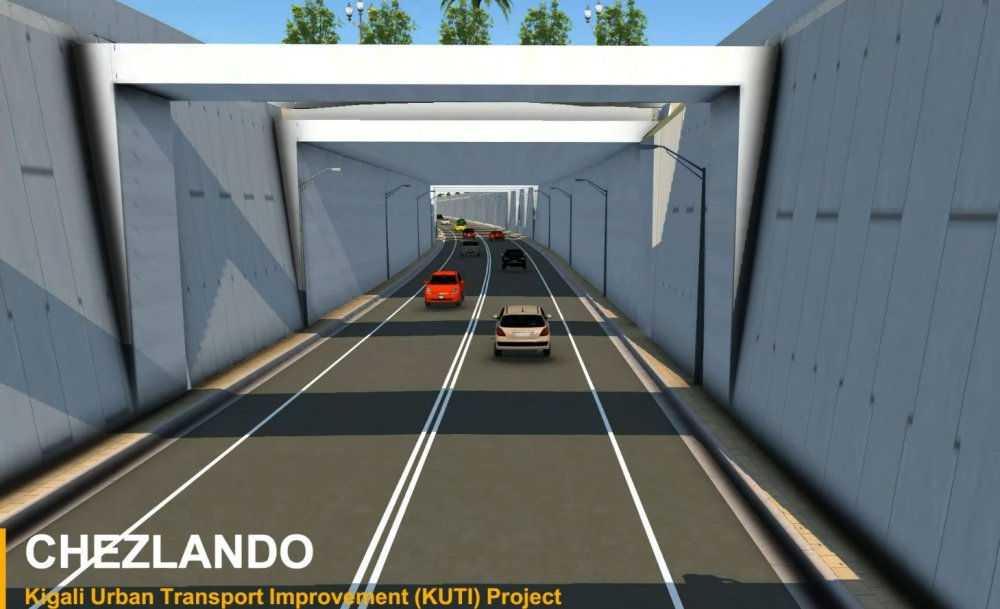
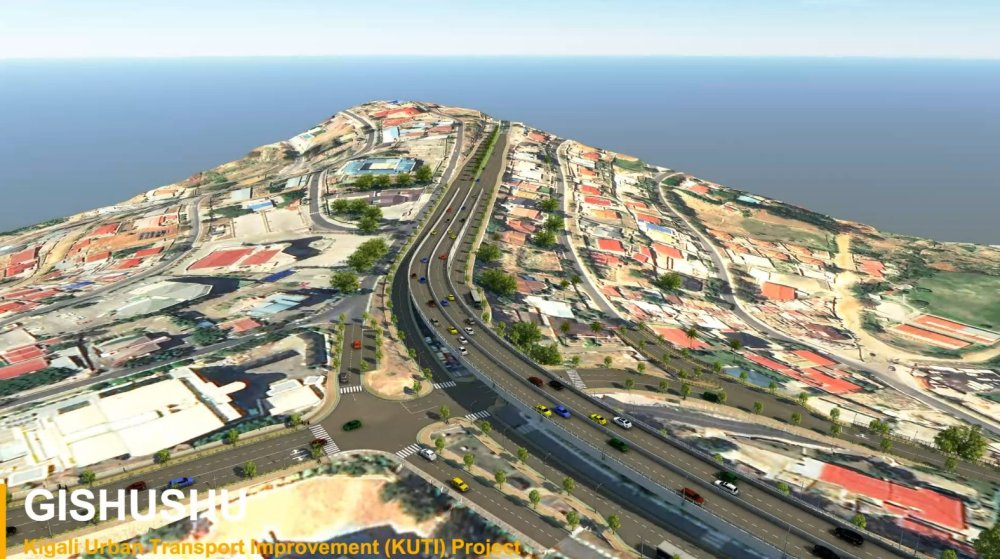
The targeted intersections for this upgrade are Gishushu, Chez Lando, and Sonatube.
In addition to the intersection upgrades, a joint Rwanda-Burundi development project, known as BRIDEP, has also commenced. This project will focus on building major roads to enhance connectivity between the two countries.
The total cost of these projects is estimated at $360 million, equivalent to over 514 billion Rwandan Francs. The upgrade of the intersections alone will require an investment of $100 million, or more than 142 billion Rwandan Francs.
Funding for these initiatives comes from a loan provided by the African Development Bank (AfDB) and the Government of Japan, with repayment scheduled over 25 years.
As part of the Kigali Urban Transport Improvement Project (KUTI), the upgrades aim to enhance the city’s transportation system, ease traffic flow and improve overall mobility.
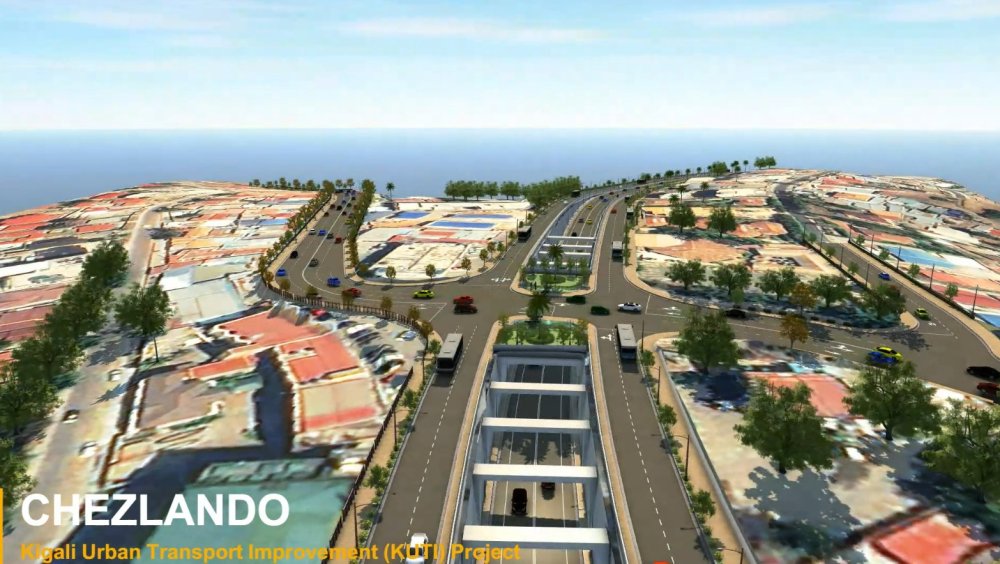
At the Chez Lando intersection, a new road will be constructed beneath the existing one, allowing vehicles travelling from Gishushu to Kigali International Airport at Kanombe to pass under the current road. The existing road will remain for use by other vehicles. Vehicles coming from the gravel road towards Amahoro Stadium will travel above the new road, helping to alleviate congestion at this busy intersection.
At the Gishushu intersection, a flyover bridge will be built starting from the Simba Supermarket area. This flyover will cater to regular vehicles, while buses will use a separate route beneath the bridge. The bridge is expected to be at least 500 meters long.
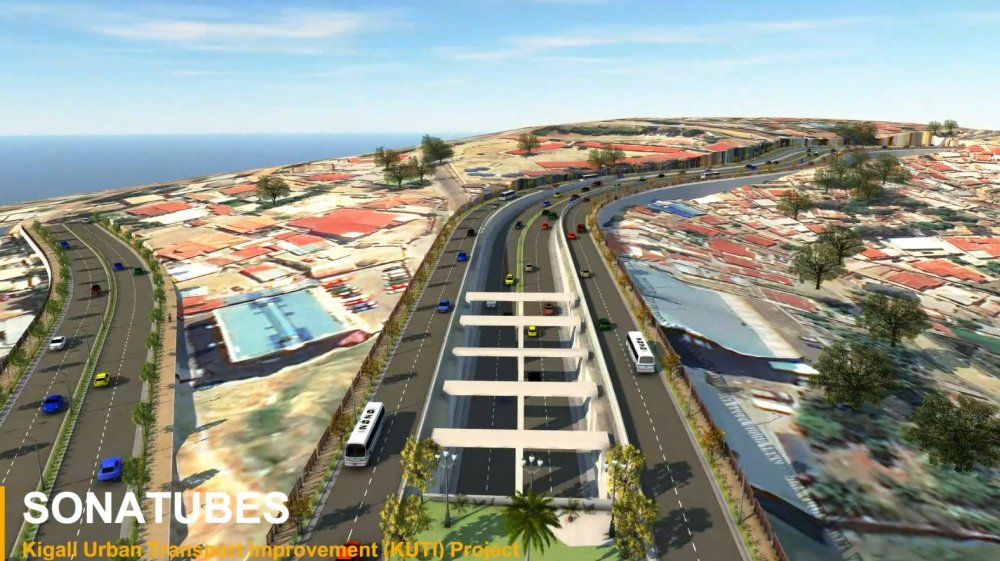
Meanwhile, the Sonatube intersection will feature an underground tunnel, running from the Ministry of Health building to the site of the former University of Tourism, Technology, and Business (UTB). This tunnel will span 620 meters.
On December 4, 2024, the AfDB approved a $100 million loan to support the Rwandan government’s efforts to improve public transport in Kigali. The RTDA indicates that the project is slated for completion within five years from the approval of the loan.
Gihoza Mivugo François, RTDA’s Project Implementation Manager, emphasized that the upgrade will significantly ease traffic congestion in Kigali, especially during peak hours.
He said, “These intersections are notorious for heavy congestion, particularly in the mornings, evenings, and sometimes even at noon. It’s a major issue when commuters are stuck in traffic for an hour. This project will help resolve this problem and improve the daily commute for many people.”
As for BRIDEP, Mivugo highlighted that the project will also include the construction of new roads to enhance trade connectivity within Rwanda, covering a total of 215 kilometers. This includes the renovation of the Ngororero-Musanze-Cyanika road, the Bugarama-Bweyeye road, and the much-needed upgrade of the road from Ngororero to Rutsiro, which has deteriorated significantly and hindered trade.
Other key infrastructure projects under BRIDEP include the construction of a port at Kirambo in Nyamasheke, and enhanced monitoring of transportation routes on Lake Kivu to prevent accidents. Additionally, studies will be conducted on water conservation initiatives for Rwanda’s rivers, aimed at ensuring sustainable resource usage.
The Permanent Secretary of the Ministry of Infrastructure, Abimana Fidele, noted that BRIDEP will play a pivotal role in improving regional connectivity with neighbouring countries like Burundi, the Democratic Republic of Congo, and Uganda.
“This will be particularly important for areas lacking paved roads, such as the Cyanika-Musanze-Ngororero route. This road, along with other critical infrastructure, will better connect Ngororero, Nyabihu, Musanze, and Burera districts. The Bugarama-Bweyeye road will also improve cross-border trade with Burundi,” he explained.
Aissa Touré, the AfDB Country Director for Rwanda, praised the project, noting that it will not only improve transportation but also contribute to economic growth and job creation.
“These projects will have a lasting positive impact on the region, boosting trade and creating new economic opportunities,” she said.
The proposed road plans for Kigali reveal significant upgrades to the intersections at Chez Lando, Gishushu, and Sonatube. These upgrades will include dedicated lanes for buses, cyclists, pedestrians, and individuals with disabilities, ensuring a more inclusive and efficient transportation network for the city.
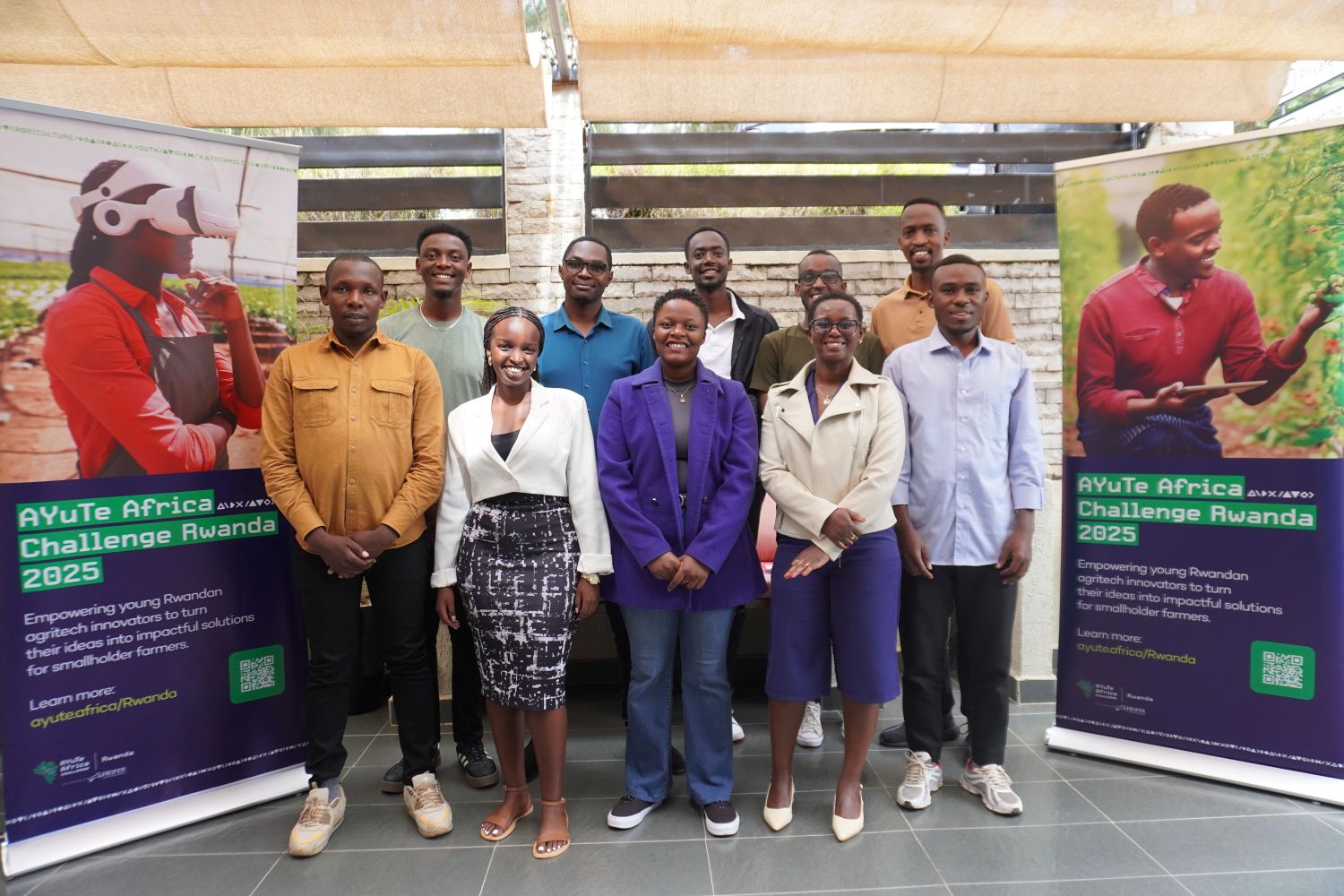
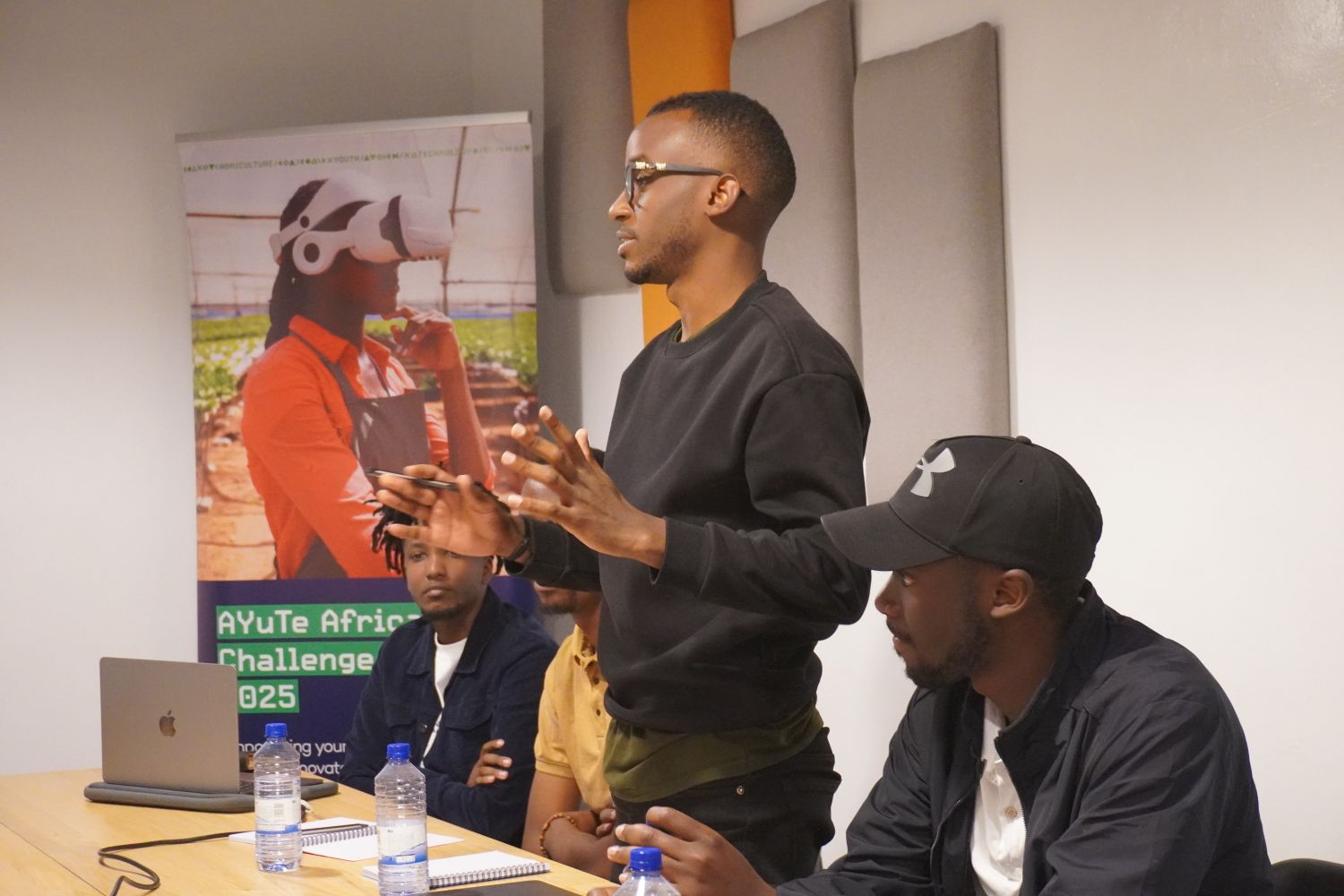
The finalists were shortlisted from a pool of more than 500 applicants and will be competing for a share of 50 million Rwanda Francs in grants, along with mentorship and business development opportunities.
Launched in 2023 as part of Heifer International’s AYuTe Africa NextGen initiative, the challenge identifies and supports young Rwandan agritech entrepreneurs developing scalable solutions to benefit smallholder farmers.
This year’s competition seeks to empower the next generation of agritech leaders by equipping them with financial support and expert guidance.
The Bootcamp serves as a critical stage in the competition, allowing the ten finalists to refine their ideas and engage with industry experts.
Participants are eager to leverage the platform to expand their businesses and increase their impact on Rwanda’s agricultural sector.
“I’m here at Bootcamp because I want to see how we can scale our idea to have a bigger impact across the country. We aim to grow our business from a small to a major player in the sector,” said Kayitare Gisa Patrick of Eco Green House.
Another finalist, Sabina Mari Rose from Green Energy Technology, expressed enthusiasm about the mentorship opportunities: “During this Bootcamp, I hope to learn from the mentors and coaches, refine my idea, and network with fellow entrepreneurs.”
Beyond the financial grants, AYuTe Africa Challenge Rwanda provides participants with business development training, networking opportunities, and a pathway to compete at the regional level. This holistic support framework ensures that young innovators can transform their ideas into sustainable ventures.
Verena Ruzibuka, Country Director of Heifer Rwanda, emphasized the challenge’s importance in agricultural transformation.
“At Heifer Rwanda, we believe that young innovators can play a key role in transforming the agriculture sector in Rwanda.. This Bootcamp is not just a competition; it is about equipping the next generation with the skills, knowledge, and support to drive meaningful change,” she said.
We are excited to see the innovative ideas that will emerge and how they will contribute to a more resilient and prosperous agricultural future for Rwanda,” she added.
The AYuTe Africa Challenge aligns with national efforts to encourage youth participation in agriculture. While the sector employs over 60% of Rwanda’s workforce, young people’s engagement remains limited. By providing a platform for agritech and social enterprise development, the competition inspires more young Rwandans to explore agriculture as a viable career path.
With the competition heating up, all eyes are on the top ten agripreneurs as they refine their innovations and prepare to compete for the top prizes. The winners will not only receive financial backing but also critical support to scale their businesses, ultimately benefiting smallholder farmers and strengthening Rwanda’s agricultural sector.
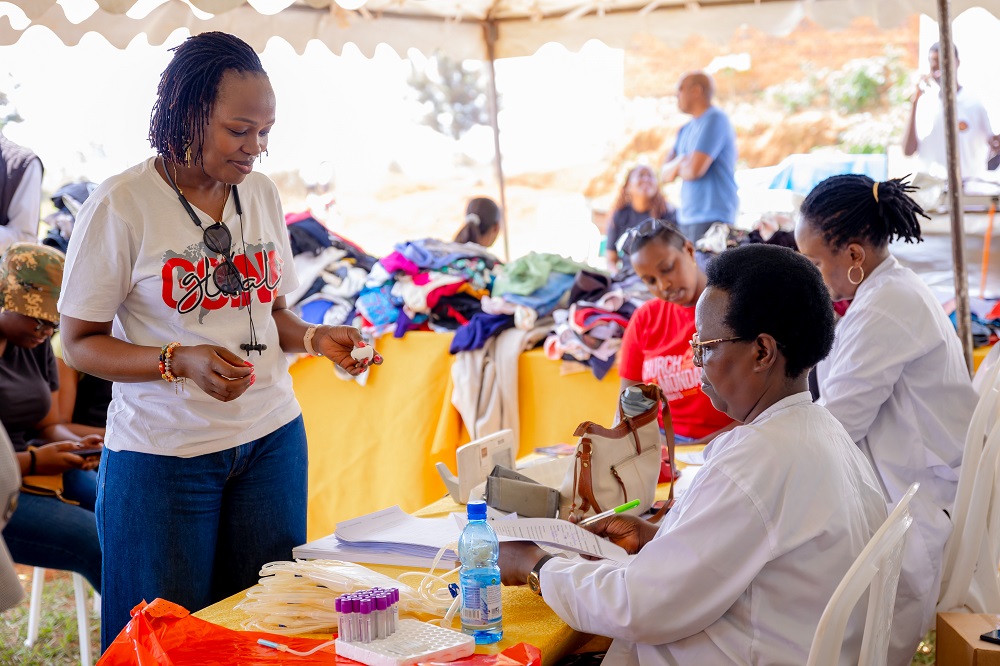
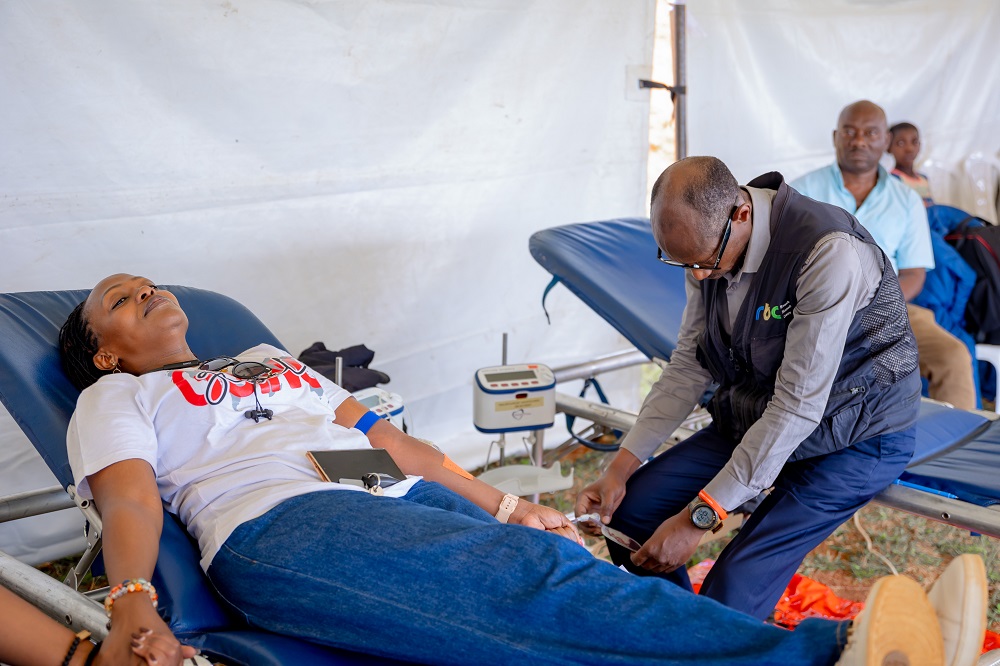
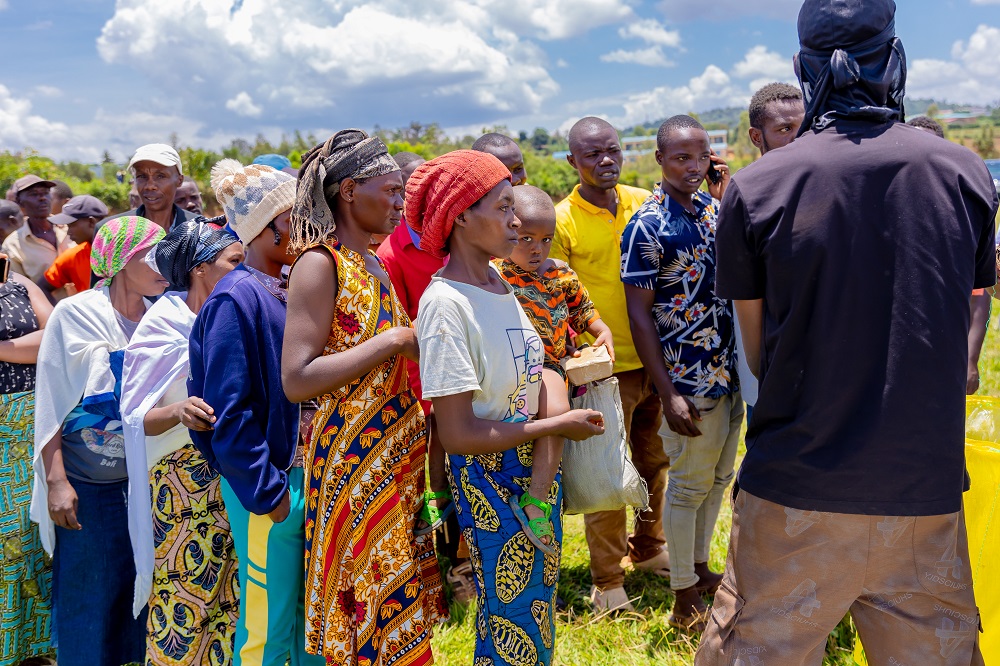
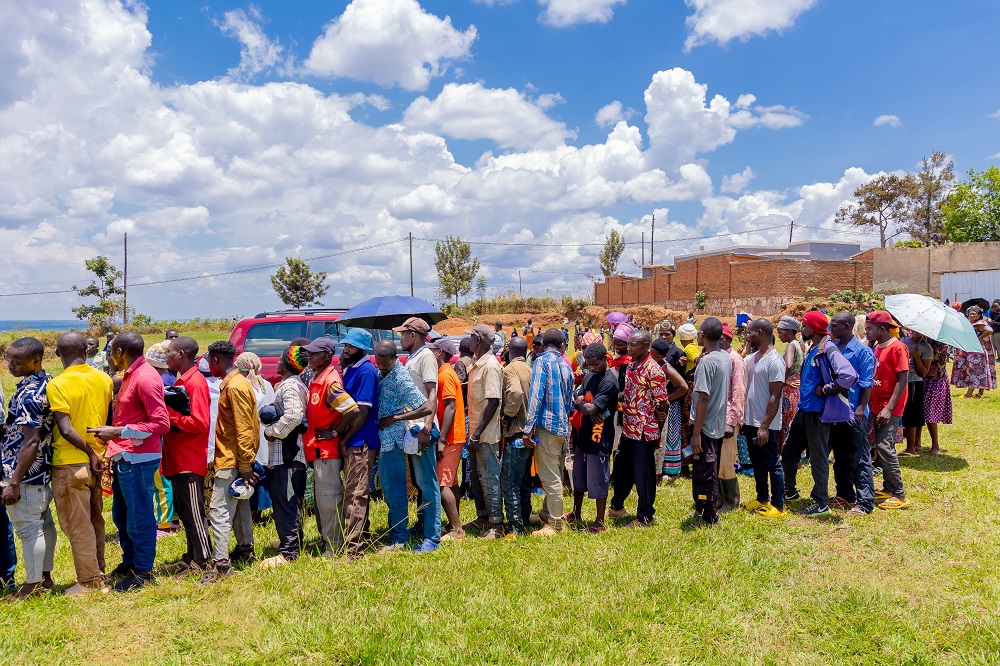
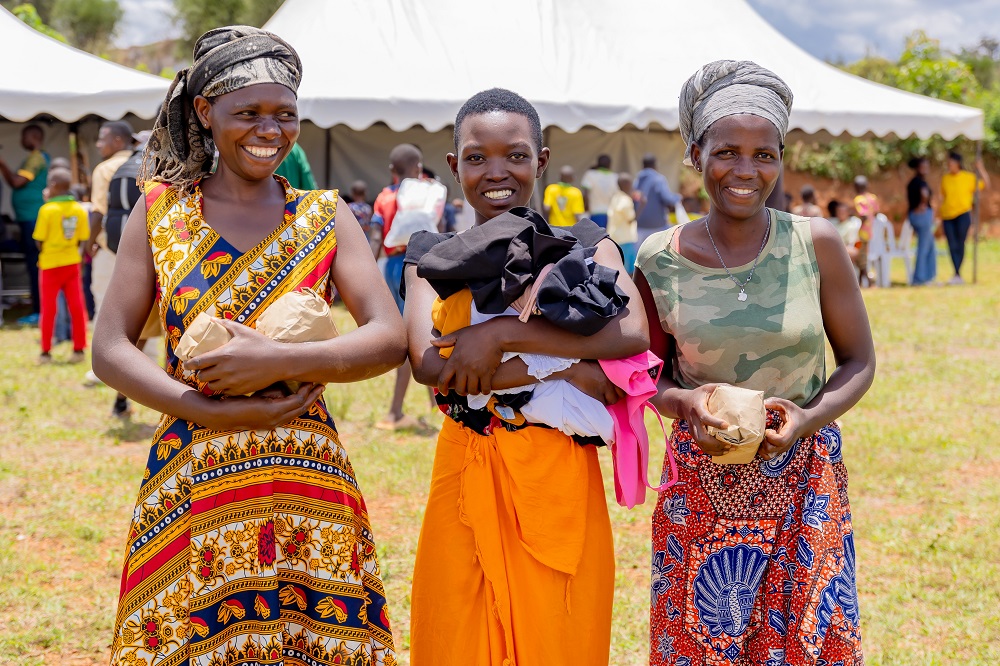
The generous donation was made on Saturday, March 22, 2025. In addition to offering health coverage, church members actively participated in a community blood donation drive and distributed clothing and food to local residents.
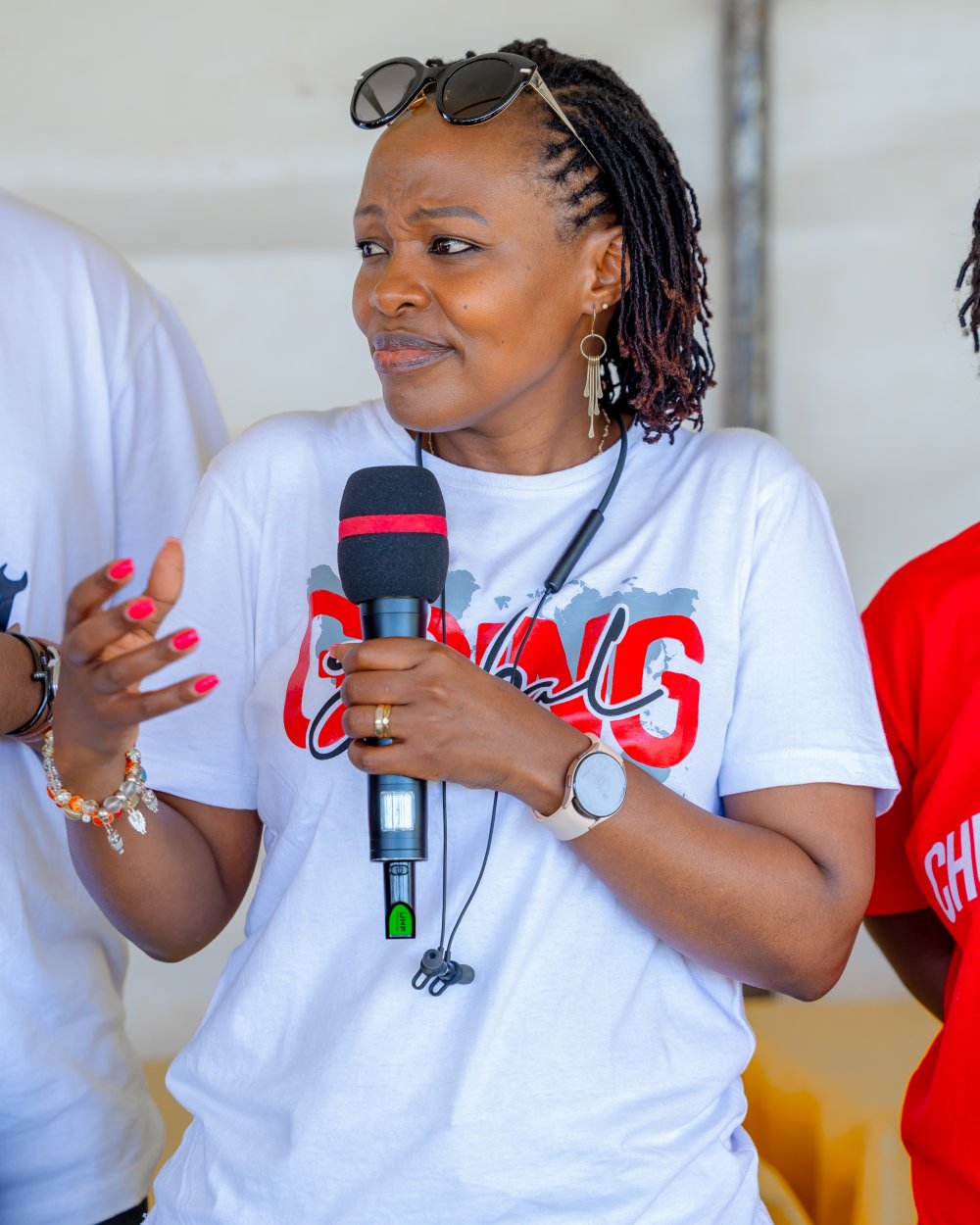
Rucyahana Joy, the leader of Worship Harvest Church, emphasized that supporting underprivileged communities is a core mission of the church, with similar initiatives taking place every month.
“We regularly engage in charitable activities, but this time was special because we wanted to go beyond our usual efforts. Everyone may need blood at some point—it could be you, your child, a parent, a spouse, a neighbour, or a friend,” Rucyahana stated.
She further encouraged people to recognize the importance of blood donation and to help raise awareness among those who may not yet understand its significance.
“You can ask doctors if there has ever been a time when blood banks had a surplus and stopped accepting donations. That never happens because the demand for blood only continues to grow. This is why blood banks are never full,” she added.
Rucyahana concluded by expressing gratitude to the residents who participated in the initiative and willingly donated blood.
The beneficiaries warmly appreciated Worship Harvest’s support and were equally pleased to contribute to saving lives through blood donation.
Ndayisaba Thomas, one of the recipients, remarked, “Donating blood has no negative effects, and you lose nothing by doing it. When you donate, you are giving someone a chance at life.”
He also expressed gratitude to Worship Harvest for the clothing and shoes he received, emphasizing that such generous acts greatly benefit the less fortunate.
Batamuriza Jeanne, another resident of Gahanga Sector, shared her joy over the assistance provided, including health insurance coverage, food, and clothing.
“They have truly helped us, but what’s even more fulfilling is that we also had the opportunity to give back. We are constantly reminded that donating blood is a noble act because anyone might need it one day,” she said.
Worship Harvest Church is widely recognized for its philanthropic efforts, including sponsoring school fees for underprivileged children, providing school supplies, building homes for those in need, and covering health insurance costs for vulnerable families.
In a statement released on Monday, M23 spokesperson Lawrence Kanyuka criticized the FARDC and its coalition forces for failing to withdraw their drones despite prior commitments.
Kanyuka stated that the move had delayed the withdrawal of the rebel fighters from the town.
“Contrary to what was stated in the press release of Sunday, March 23, 2025, the FARDC and its coalition forces have not withdrawn their attack drones from Walikale. This situation is delaying the repositioning of AFC/M23 forces in the area,” Kanyuka said.
He further emphasized that the continued presence of the drones constitutes a “major obstacle to compliance with the ceasefire” and warned that it could jeopardize ongoing peace initiatives.
The development comes just days after the AFC/M23 announced on Saturday its decision to withdraw from Walikale. According to Kanyuka, the withdrawal was a “strategic decision aimed at creating a favourable environment for political dialogue.”
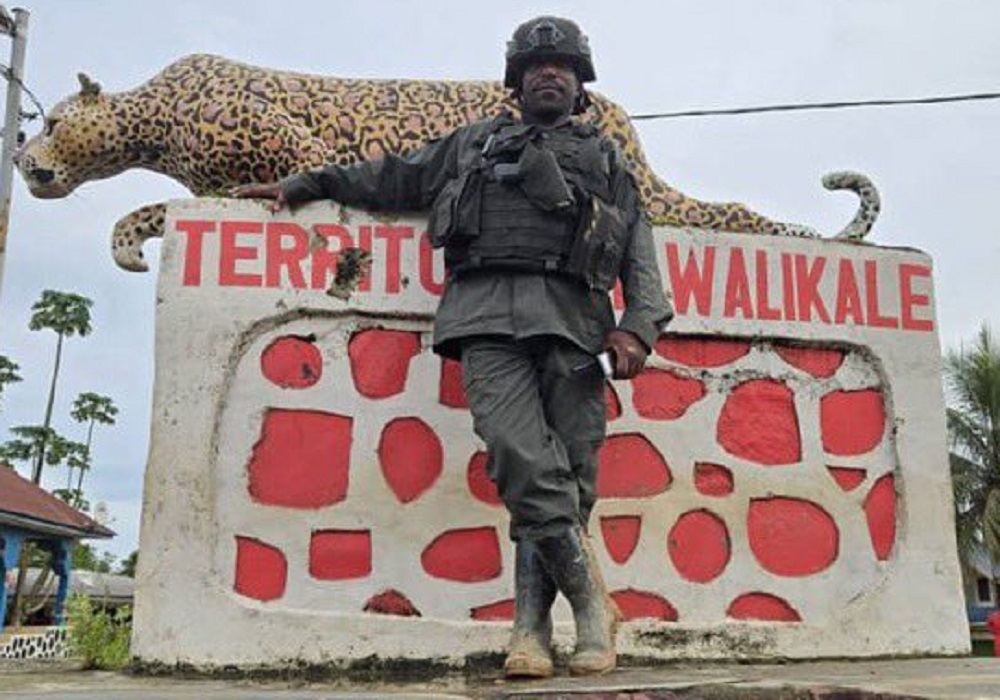
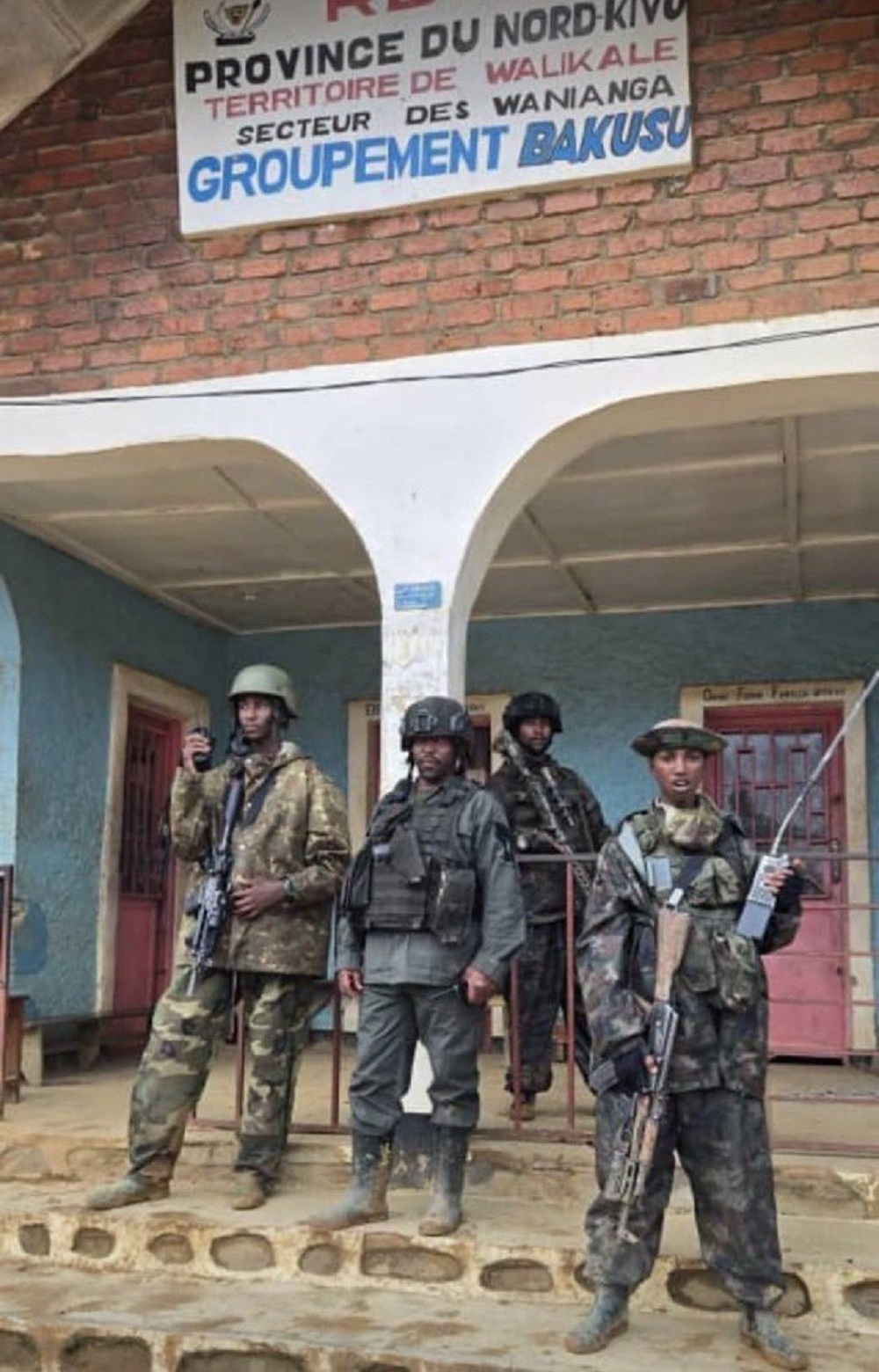
M23 seized control of Walikale on March 19, 2025, including the vital Kigoma airstrip, after capturing nearby areas such as Ngora, Kisima, and Mubanda.
Despite the withdrawal decision, Kanyuka called on local authorities and residents to maintain security in the area. He issued a stern warning that M23 would reconsider its decision and retake the city if Congolese forces resumed attacks on civilians or M23 positions.
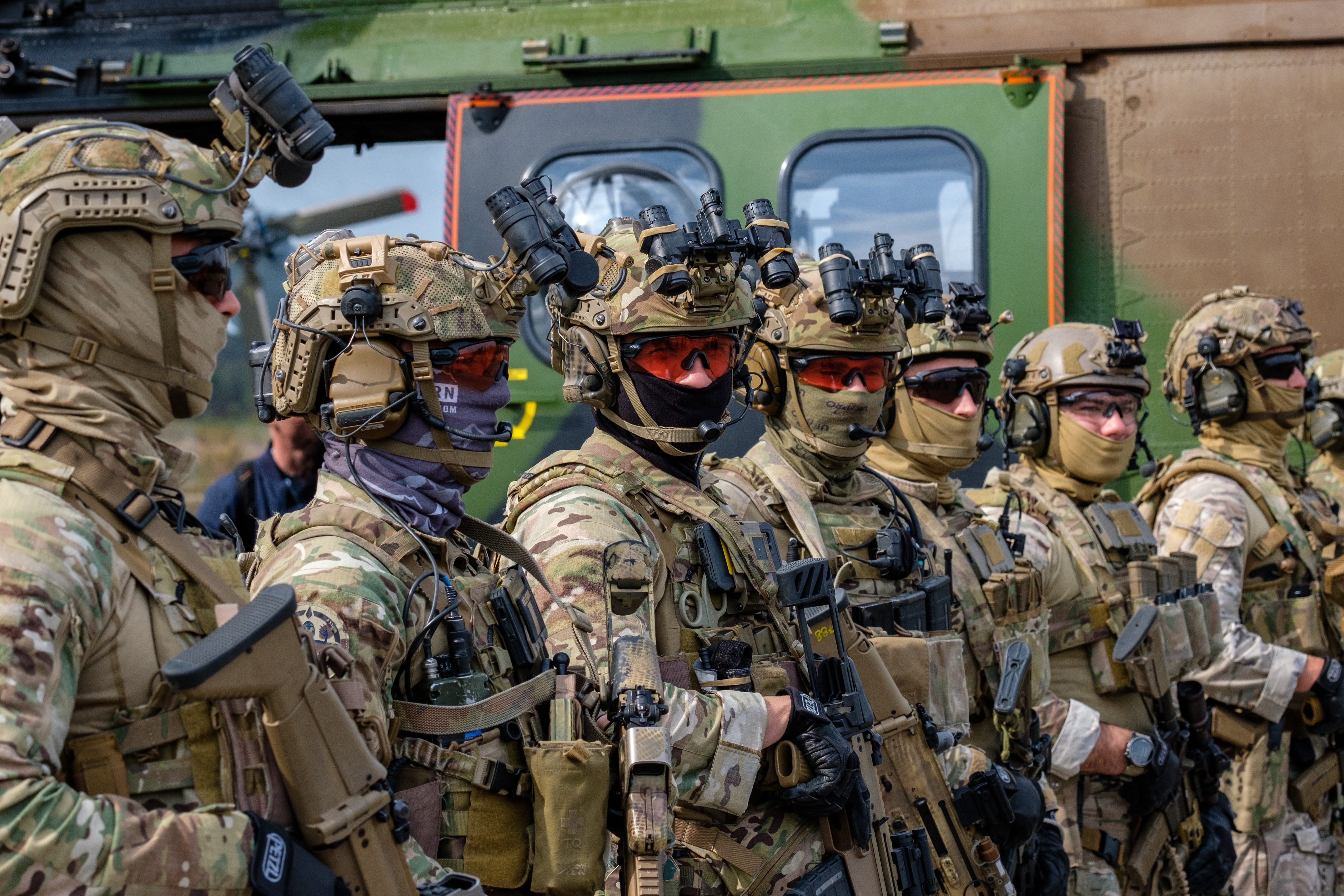
Belgium is said to have deployed troops, tanks, and drones to the DRC on March 17 in a mission to train and reinforce the Congolese army (FARDC), the Wazalendo militia, and the FDLR in their ongoing campaign against AFC/M23 rebels, who control vast territories in the country’s eastern region.
While the official line states that Belgian troops are in the DRC for training purposes, reports indicate that between 300 and 400 Belgian commandos could engage directly in combat alongside the Congolese forces, which have struggled to regain control of lost regions despite support from European mercenaries.
Belgian troops have established their base at Lwama Camp in Kindu, the capital of Maniema Province. From there, they are set to train Congolese military instructors from the 31st Brigade of the Rapid Reaction Units (URR), a force previously trained by Belgium between 2008 and 2017.
The European Union recently provided €20 million in funding to ‘equip and restore’ the brigade’s infrastructure, though Congolese media outlet Actualite deleted an article referencing the financial package on March 14, raising questions about the true allocation of these funds.
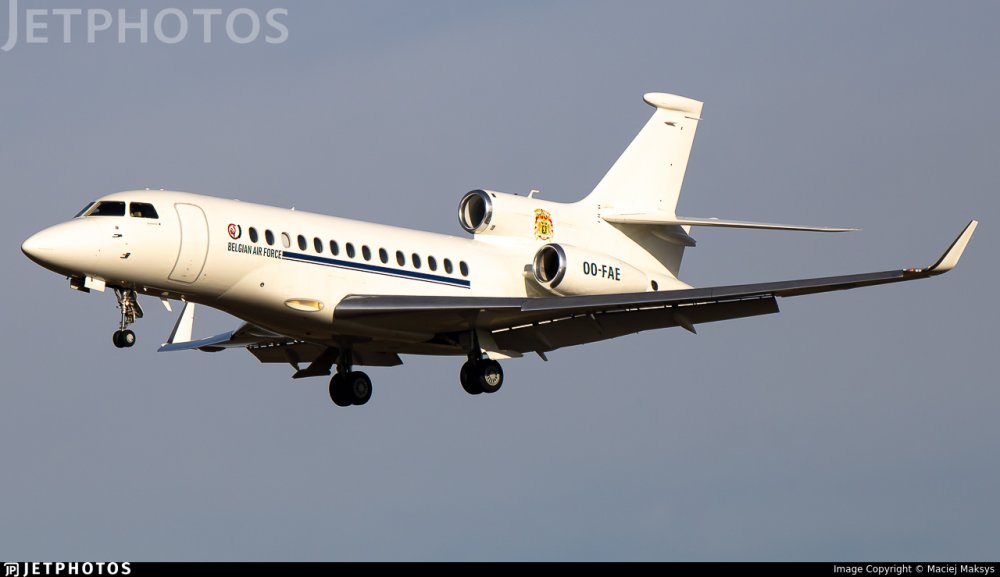
Adding to the intrigue, flight tracking data from Flightradar24 shows that a Belgian Air Force Dassault Falcon 7X departed Belgium on March 17, landing in Kinshasa before proceeding to Kindu on March 18.
The aircraft then returned to Kinshasa the same day and departed for Brussels on March 20. Notably, it made another trip to Africa shortly after, landing in Bujumbura, Burundi, on March 21 before returning to Belgium the following day. The purpose of the trips remains undisclosed but appears to corroborate the troop deployment arrangement between Belgium and DRC authorities.
Belgium’s increasing military involvement in the DRC comes against the backdrop of close ties between Kinshasa and Brussels.
Belgium has consistently backed the Congolese government within the EU, particularly by lobbying for sanctions against Rwanda over claims of supporting the AFC/M23 rebels. In protest, Rwanda, which has repeatedly denied the claims, [severed diplomatic ties with Belgium ->https://en.igihe.com/news/article/rwanda-severs-ties-with-belgium-orders-diplomats-to-leave-within-48-hours] on March 17.
Analysts suggest that Belgium’s motivations extend beyond diplomatic support, with economic interests in DRC’s mineral wealth playing a significant role.
Moreover, Belgian politicians of Congolese descent, particularly from the Les Engagés party of Foreign Minister Maxime Prévost, have been actively pushing Kinshasa’s narrative within European institutions.
Despite presenting itself as a neutral mediator, Belgium’s latest actions raise concerns about its role in escalating the conflict. By reinforcing FARDC, which collaborates with the FDLR and Wazalendo militias—both accused of grave human rights violations—Brussels risks undermining regional peace efforts. The FDLR has been a major concern, with Rwanda accusing the group, formed by the perpetrators of the genocide against the Tutsi, of posing security threats and seeking regime change.
Many African leaders have advocated for dialogue as the only sustainable solution to the crisis, yet Belgium’s military involvement appears to contradict these calls.
Belgium was among the first Western nations to endorse Félix Tshisekedi’s contested victory in the 2023 DRC presidential elections, despite widespread allegations of electoral fraud. However, it has remained silent on Kinshasa’s governance failures, human rights abuses against Kinyarwanda-speaking communities, and reported plans by Tshisekedi to amend the Constitution to extend his rule.
As the conflict in eastern DRC intensifies, Belgium’s growing military footprint in the region could further complicate efforts to find a lasting resolution.
Observers warn that backing FARDC’s military approach rather than pushing for diplomatic engagement may not only escalate violence but could also backfire on Tshisekedi’s administration, prolonging instability in the region.
This commitment is reflected in various initiatives aimed at achieving this important goal.
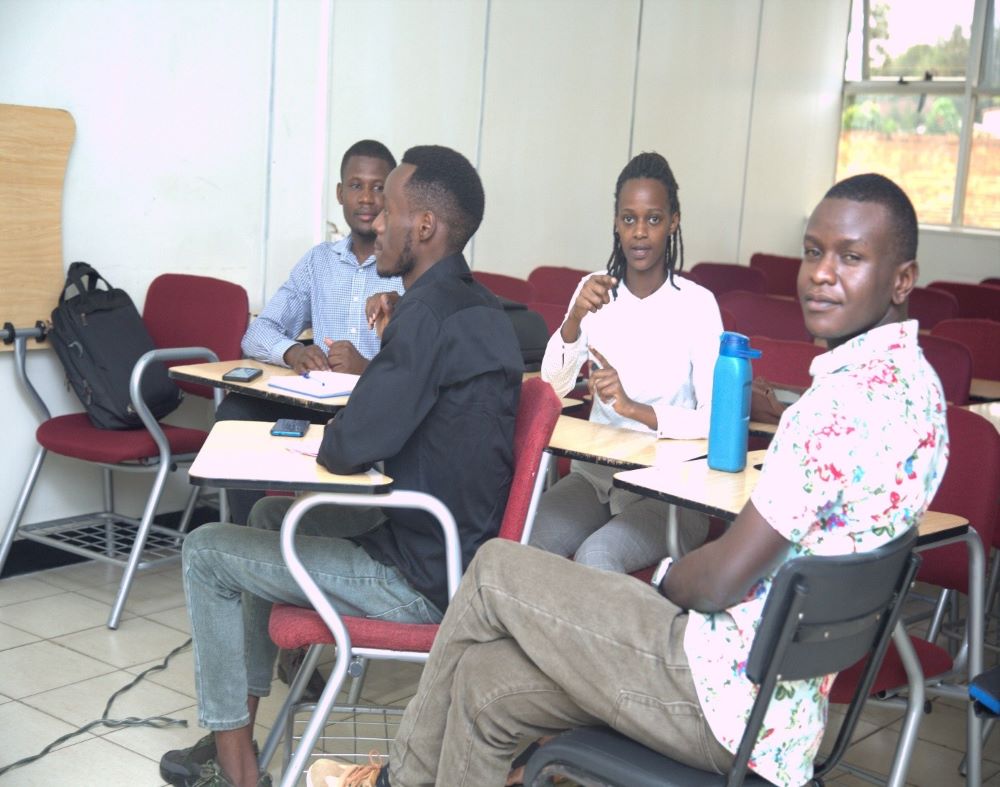
On March 13, 2025, the Center for Equity and Inclusiveness at the University of Kigali, in collaboration with the University of Rwanda’s College of Medicine and Health Sciences, successfully hosted a workshop on Inclusive Pedagogy themed “Breaking Barriers in Education: Inclusive, Rehabilitation, and Technology (BERT).”
This event underscored the University of Kigali’s commitment to promoting inclusive education within Rwanda’s higher education sector.
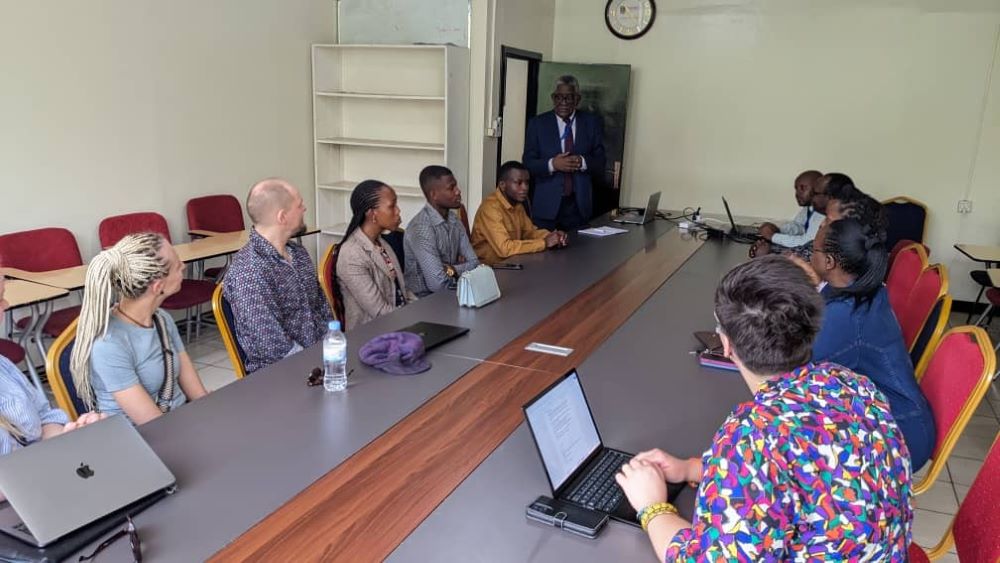
Speaking at the event, Mr. Samuel Kabera, Director of the Center for Equity and Inclusiveness at the University of Kigali, highlighted the importance of inclusive teaching practices that cater to diverse learners.
“The workshop aims to foster a deeper understanding of inclusive teaching practices, equipping educators with practical strategies to create accessible learning environments for students of all abilities,” Mr. Kabera said.
The discussions centered on integrating rehabilitation and technology in education to ensure no learner is left behind.
The workshop featured interactive sessions, expert panel discussions, and demonstrations of cutting-edge assistive tools designed to support students with disabilities.
Participants, including educators, researchers, and policymakers, discussed overcoming educational barriers and promoting equitable learning opportunities.
Mr. Kabera emphasized, “By integrating technology and evidence-based practices, we can bridge gaps in education and ensure that no learner is left behind.”
The Center for Equity and Inclusiveness is no stranger to initiatives to advance inclusivity.
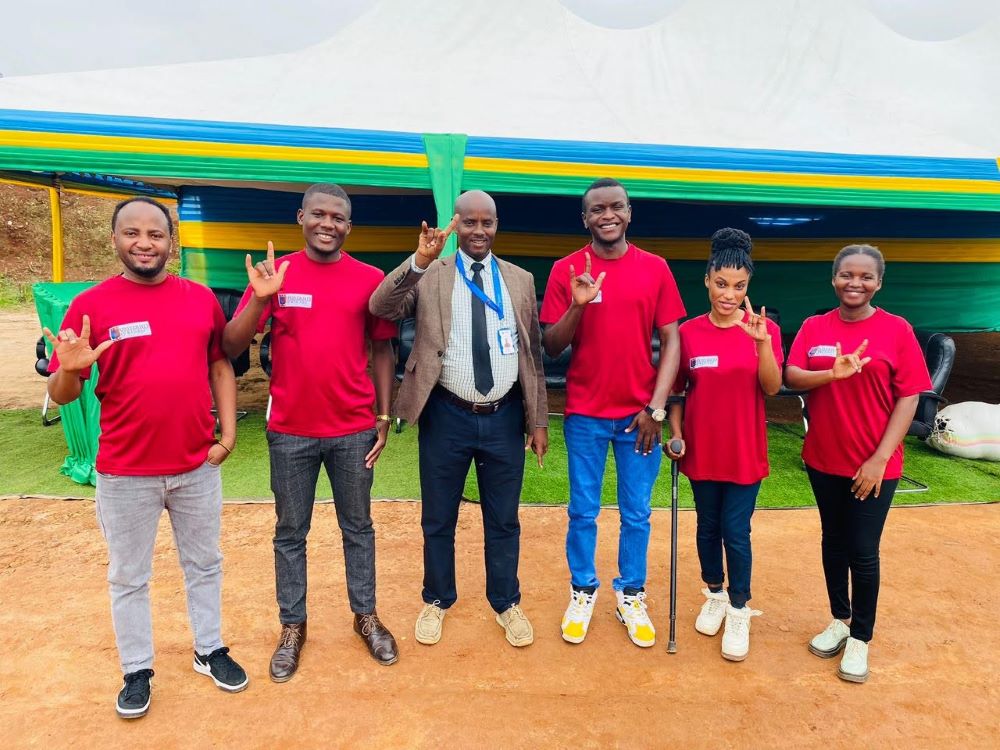
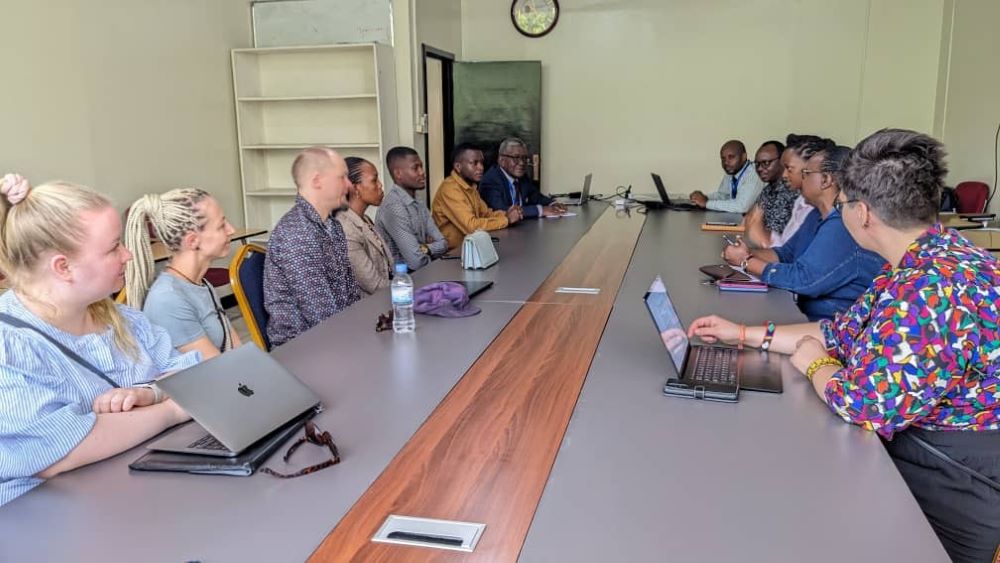
On March 7th, 2025, the Center hosted a delegation from Finland, providing valuable engagement with Deaf students and showcasing the University of Kigali’s inclusive education practices.
This visit was a step toward formalizing collaborations through a Memorandum of Understanding (MoU), which would expand accessibility for individuals with disabilities, including the visually impaired.
In addition, the University of Kigali celebrated another milestone on March 14th, 2025, as it marked the successful completion of the Final Sign Language Assessment for students who had just concluded a four-month intensive training program.
This achievement highlights the University’s dedication to breaking communication barriers and advocating for inclusivity, especially for the Deaf and Hard of Hearing community.
Looking ahead, the Center for Equity and Inclusiveness is set to introduce new certificate programs, starting on May 5th, 2025.
These programs include Certificate in Autism Studies, Psychological Counseling and Leadership, Dyslexia Studies, and Special Needs and Inclusive Education Management.
These initiatives further reflect the University’s ongoing efforts to foster an inclusive academic environment and provide opportunities for all learners to thrive.
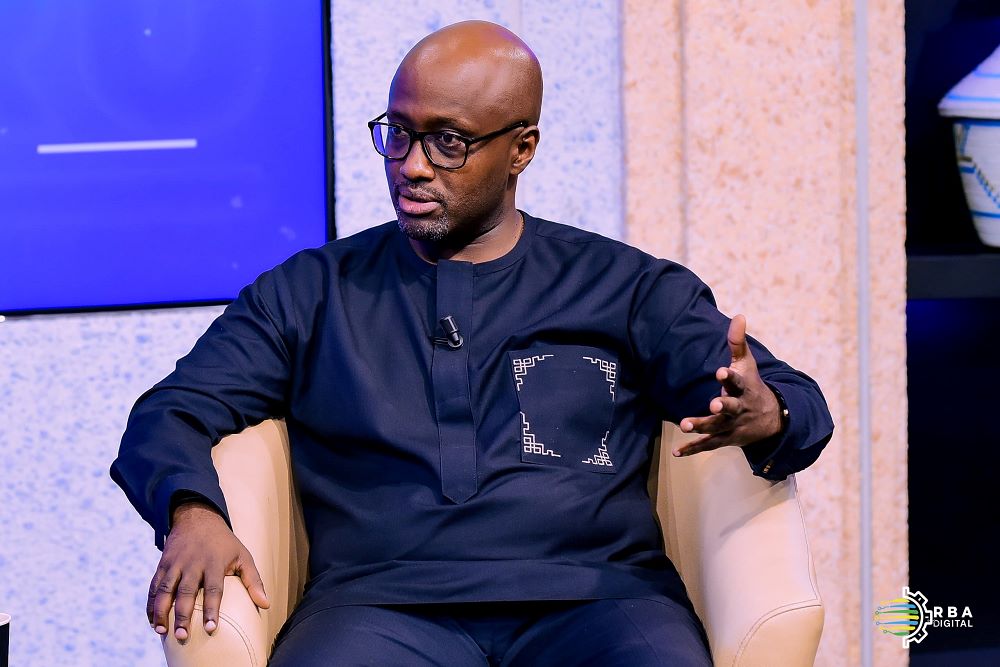
Nduhungirehe made these remarks on Sunday, March 24, 2025, during an interview with the national broadcaster, RBA, which discussed Rwanda’s foreign relations and diplomacy in current times.
Nduhungirehe explained that Rwanda made the decision to cut diplomatic ties with Belgium because of its continued efforts to push for international sanctions against Rwanda, accusing it of involvement in the security issues in Eastern Democratic Republic of Congo (DRC).
He said that Belgium lobbied across the world, including in the European Union, the World Bank, and the United Nations, urging sanctions against Rwanda.
“Belgium has a history in this region, and it’s not a good one. It lobbied globally within the European Union, the World Bank, and the United Nations to push for sanctions against Rwanda. Wherever they went, they asked for sanctions against Rwanda, seeking to have other countries join them in isolating Rwanda,” he said.
He pointed out that due to Belgium’s historical role and influence in the region, it has a branch dedicated to following regional issues, making it an influential source of information for other countries, which tend to treat its reports as reliable.
Belgium’s campaign for sanctions against Rwanda also used the conflict between Russia and Ukraine as an example to persuade other countries to impose similar measures on Rwanda.
“They said, if Europe imposed sanctions on Russia for invading Ukraine, they should do the same for Rwanda because it’s alleged to have invaded Congo. Belgium pushed for this, which is why we took the measures we did. And in all the countries in the world, Belgium is the last country that should be commenting on issues in this region,” Nduhungirehe added.
He reinforced the point that Belgium, with its history and involvement, was in no position to comment on regional matters.
“When you look at Belgium’s history and see it coming back to request sanctions against Rwanda, if it was in their power, they would even stop the air we breathe. It is disappointing to see the Belgians doing such things, and this began even before the Goma conflict,” he said.
He further explained that when Europe began funding Rwanda’s military operations in Mozambique, Belgium tried to intervene and block this support.
{{Belgium’s resistance to change}}
Nduhungirehe stated that these actions reflect Belgium’s hostility towards Rwanda, which eventually led to the decision to sever diplomatic relations with the country.
“The time came when we had to cut ties because we could no longer maintain relations with a country that clearly had a malicious agenda to push for sanctions against us internationally,” he said.
He noted that Rwanda had initially paused its cooperation with Belgium, hoping that the country would understand the need for a shift in its approach. However, it remained obstinate, even passing a resolution in its Parliament calling for global sanctions against Rwanda.
This included the suspension of cooperation agreements, including those with the European Union regarding mining and other sectors, leading to a further escalation in the breakdown of relations.
Despite Rwanda’s decision to sever ties, Nduhungirehe indicated that Belgium continued to display inappropriate behavior. He pointed to the Belgian Minister of Foreign Affairs publicly criticizing Rwanda’s president, accusing Rwanda of using historical narratives as a pretext for failing to uphold international laws regarding the sovereignty of other nations.
Nduhungirehe, however, countered this argument by pointing out that Rwanda’s sovereignty had been repeatedly violated by groups such as FDLR, the Congolese Army, RUD Urunana, and FLN over the years. These attacks had claimed lives, but Belgium had not taken any action or condemned these violations.
On March 24, 2025, the Office of the President of Angola clarified that this decision was made to allow the country, which currently leads the African Union (AU), to focus more on continental priorities.
Angola emphasized that its efforts would now concentrate on issues such as peace and security across the continent, infrastructure development, regional integration, the fight against pandemics, and promoting economic growth, social welfare, and justice.
The President’s Office further stated that, in collaboration with the AU Commission, a new country supported by both the Southern African Development Community (SADC) and the East African Community (EAC) will soon be chosen to replace Angola in the mediation role.
Olusegun Obasanjo, Uhuru Kenyatta, and Hailemariam Desalegn, who have been tasked with assisting the peace talks, will also help in selecting Angola’s successor.
Angola’s mediation efforts began in 2022 when relations between the DRC and Rwanda worsened due to security-related conflicts. However, the talks stalled in December 2024 after the DRC refused to engage with the M23 armed group.
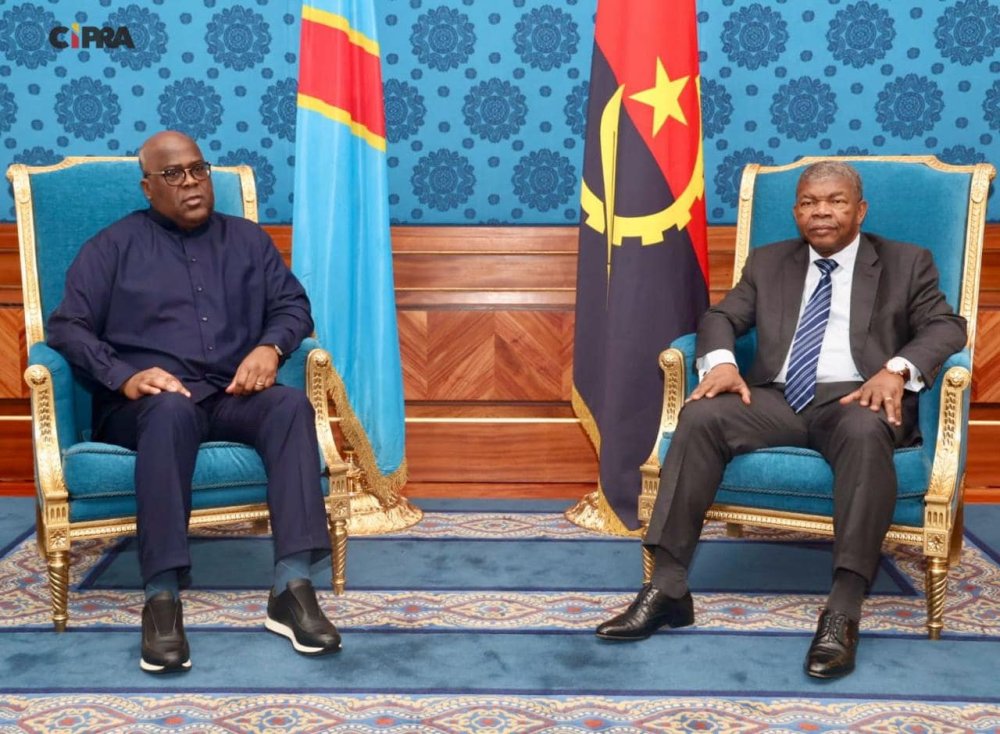
After meeting with DRC President Félix Tshisekedi on March 11, 2025, Angola’s President João Lourenço announced that direct negotiations between the DRC and M23 representatives would begin on March 18.
However, on March 17, M23 withdrew from the talks scheduled in Luanda due to sanctions imposed on its leaders by the European Union (EU) on the same day.
On the same day the talks were set to begin, Qatar’s Emir, Sheikh Tamim bin Hamad Al Thani, convened a meeting in Doha with Presidents Paul Kagame of Rwanda and Félix Tshisekedi of the DRC.
The leaders expressed support for political dialogue between the conflicting parties, as endorsed by both the EAC and SADC.