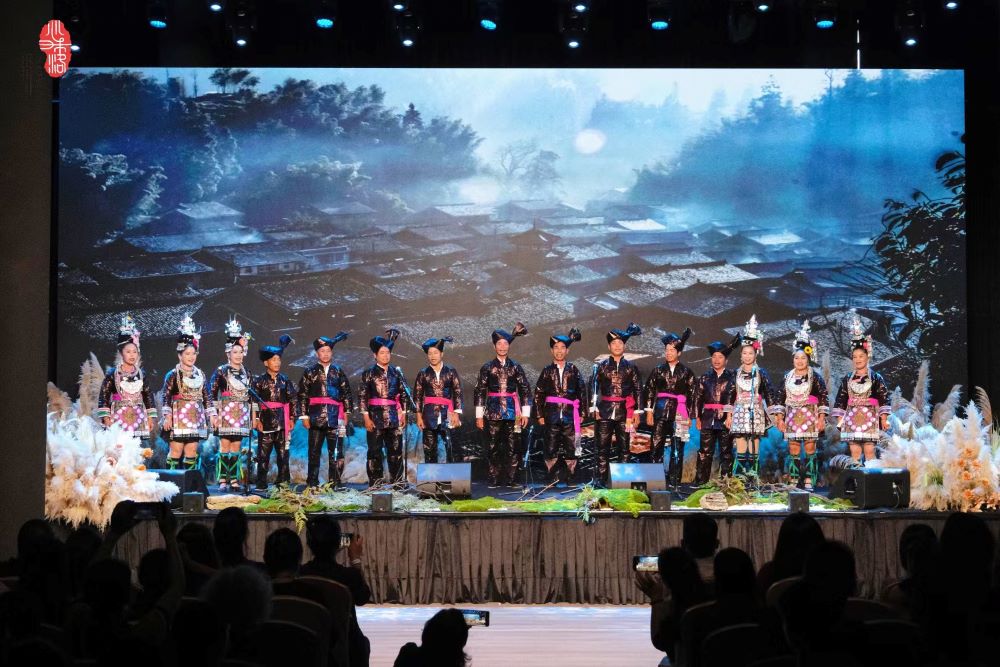
The finds, which include statues, coins, and pottery, shed new light on the history of the site during the late Ptolemaic period, the ministry said in a statement.
The mission, led by Kathleen Martinez, discovered foundation deposits beneath the southern wall of the temple’s outer enclosure.
Among the most significant finds are a small white marble statue of a woman wearing a royal crown and a limestone bust of a king wearing a “nemes” headdress.
Martinez said the female statue may depict Queen Cleopatra VII, although other archaeologists have suggested it could represent a princess due to differences in facial features, according to the statement.
The team also unearthed 337 coins, many bearing the image of Cleopatra VII, along with a variety of pottery, oil lamps, limestone vessels for storing food and cosmetics, bronze figurines, and an amulet in the shape of a scarab inscribed with the phrase “The justice of Ra has shone.”
A bronze ring dedicated to the goddess Hathor was also found.
These discoveries, along with pottery shards dating back to the late Ptolemaic period, indicate that the temple walls were constructed in the first century BC.
Martinez also announced the discovery of the remains of a Greek temple dating back to the fourth century BC, which was destroyed between the second century BC and the beginning of the AD era.
This temple is located near a deep tunnel system that runs from Lake Mariut in Alexandria to the Mediterranean Sea.
In addition, the mission uncovered a large cemetery containing 20 burial chambers, as well as a tomb with three chambers beneath the ancient Taposiris Magna lighthouse.
Inside one of these chambers, nine white marble busts and several other artifacts were found, the statement said.
Preliminary underwater excavations near the remains of the Taposiris Magna temple have also yielded human skeletal remains and a large quantity of pottery, further underscoring the historical and cultural significance of the site, according to the statement.
Guterres made the remarks through a statement released on Sunday, where he called this a historic opportunity to build a peaceful and stable future for the nation.
“The future of Syria is a matter for the Syrians to determine,” Guterres declared, highlighting the UN’s role in supporting the transition. He stated that the UN Special Envoy would work closely with all parties involved to guide Syria toward a lasting political solution.
Guterres also urged calm and restraint, stressing the importance of an orderly political transition.
“Syria’s sovereignty, unity, independence, and territorial integrity must be restored,” he asserted and called for upholding the rights of all Syrians. He emphasized the need to avoid violence during this critical period.
The Secretary-General underscored the necessity of an inclusive political transition that respects the aspirations of all ethnic and religious groups within Syria. He pointed out that international support must be both comprehensive and sustainable for the process to succeed.
Guterres also paid tribute to the suffering of millions of Syrians, vowing that the UN would honor the memory of those who endured the conflict. He reaffirmed the UN’s commitment to helping Syrians rebuild their nation and chart a new course.
The situation in Syria has been one of the most complex and devastating in modern history.
The conflict, which began in 2011 as part of the wider wave of Arab Spring uprisings, saw Assad’s government engage in severe repression of peaceful protests, leading to violent escalation.
Over the years, the war has involved numerous international actors, including Russia and Iran supporting the regime, and the United States and Turkey backing various opposition groups. The result has been a fractured country, with millions displaced, a humanitarian crisis, and widespread destruction.
Despite the challenges of forgoing a regular monthly salary, he saw farming as an opportunity to make a tangible impact on the lives of Rwandans and contribute to national development.
Uwizeyimana ventured into chili farming under Fisher Global, a Rwandan agriculture company involved in growing and exporting chili. He views the trade between China and Rwanda as a blessing, and his daily smile is a testament to his success as one of the farmers exporting to the Asian country.
As an ecologist, Uwizeyimana’s background has been instrumental in running a successful farming business that has created jobs for hundreds of local Rwandans.
Reflecting on his time studying in China, Uwizeyimana realized his dream of contributing to Rwandan development through a business that benefits local communities.
“We work with around 1,500 farmers. We provide the right seeds, technical assistance, agronomists, and training. After harvest, we dry the chili before exporting it to China,” Uwizeyimana told Xinhua in a recent interview.
Cassien Habineza, the company’s head agronomist, joined the team in 2023. He shared how much he has learned, which has benefited him personally and professionally. “With a reliable income, I’ve been able to improve my family’s welfare,” he said.
Fisher Global operates chili farms on 300 hectares across Rwanda, working with various agricultural cooperatives. Although the company specializes in chili farming, it also grows soybeans and maize, with soybeans serving as a rotational crop to maintain soil health.
According to the company, over the past three years, Fisher Global has exported between 200 and 300 metric tons of dried chili annually, with 230 tons exported last year alone. Uwizeyimana’s goal, however, is to expand exports to 1,500 metric tons of dried chili per year.
The company’s farms are mainly located in eastern Rwanda, with a presence in several districts across the country, excluding the northern regions where the climate is not conducive to chili farming.
From each hectare of chili, a farmer can harvest around 10 tons of fresh chili per season, with two growing seasons per year. Currently, the company employs approximately 31 permanent staff and around 1,200 casual laborers, including those involved in chili and onion farming and transplanting.
Uwizeyimana believes that chili farming has become a vital link between Rwanda’s agricultural sector and global markets. “When people talk about chili, they often think of China. Everyone knows that our main market is China, and we have many farmers involved,” he said.
Commercial chili farming is a relatively new concept in Rwanda, where most people once grew it on a small scale for home consumption. Today, however, it’s a lucrative industry, generating substantial income and offering significant employment opportunities, Uwizeyimana said, adding that as chili farming continues to expand, it is playing an important role in the country’s economic development and boosting the purchasing power of local communities.
Uwizeyimana expressed optimism about China’s new policy, which, effective Dec. 1, grants zero-tariff treatment to goods from the least developed countries with which it has diplomatic relations. He sees the policy as a major boost for African farmers and predicts it will increase the volume of African exports to China. “This policy shows that China is a good friend of African countries,” he said.
Motivated by the new policy, Uwizeyimana plans to expand his chili farming operation to produce even larger quantities for export.
Habineza, an agronomist, also sees the policy as a boon for African farmers. “In this case, companies’ profits will increase with the zero-tax treatment policy introduced by China. I think it will also strengthen cooperation between African and Chinese companies and ease the exportation of products to the Chinese market,” he said.
However, the chili business has not been without challenges. Working with a workforce that lacks agricultural knowledge has been a significant hurdle. “We not only have to train people but also cultivate the right mindset, especially since many of our employees are young. It’s a challenge to guide them toward the right agricultural practices,” Uwizeyimana noted.
Looking ahead, Uwizeyimana is optimistic about the future of the chili business. He is confident that his efforts, along with the growing market for Rwandan chili, will continue to drive transformation in the agricultural sector and enhance the livelihoods of many.
On Friday, December 6, 2024, the United Nations (UN) confirmed the emergence of this unknown epidemic in the DRC.
Authorities have recorded nearly 31 fatalities out of 406 reported cases, with the first infections traced back to late October. The outbreak has been most severe in Panzi and Kwango, located approximately 700 kilometers southwest of Kinshasa.
Speaking at a recent press conference, Rwanda’s Prime Minister, Dr. Edouard Ngirente, emphasized the country’s vigilance.
“The Ministry of Health and the Rwanda Biomedical Centre [RBC] are monitoring the situation daily. We are committed to safeguarding the lives of Rwandans. Together, we have successfully managed outbreaks such as COVID-19, Monkeypox, and Marburg. While we cannot rule out the possibility of the disease reaching Rwanda, we are prepared to respond as we did in the past,” he said.
The World Health Organization (WHO) has identified key symptoms of the disease, including headache, cough, fever, breathing difficulties, and anemia. The cause of the outbreak remains unknown pending laboratory test results.
The World Health Organization (WHO) evaluates the effectiveness of national regulatory authorities in overseeing the quality of medicines and other medical products. Countries are rated from Level 1 to Level 3, depending on their capacity.
Maturity Level 3, awarded by WHO, is given to countries with advanced, modern, and effective systems for controlling the quality of medicines and vaccines.
The Rwanda FDA underwent this evaluation between December 2022 and October 2024. On December 5, 2024, WHO officially announced that Rwanda had achieved Maturity Level 3.
Prof. Bienvenu explained that reaching Maturity Level 3 required substantial effort and capacity building, noting that “the Government of Rwanda has made this possible.” He emphasized that this achievement highlights Rwanda’s commitment to protecting the public health of its citizens.
“With this recognition, medicines and vaccines produced in Rwanda can now enter the international market. This opens the door for pharmaceutical industries to set up operations in Rwanda, with confidence that their products will be globally accepted,” he said.
Currently, a BioNTech factory in Rwanda has started producing vaccines locally, and other companies have expressed plans to establish operations in the country in the near future.
Prof. Bienvenu also pointed out that reaching Maturity Level 3 means that Rwanda’s FDA is trusted and recognized for its ability to exchange information and collaborate with other countries and institutions. This includes sharing not only data but also all documents related to medicines and vaccines.
He added, “Rwanda will be able to make decisions regarding the quality of medicines and vaccines that will be used as a benchmark by other countries, just as we will rely on decisions made by other countries.”
In total, 18 countries worldwide have achieved Maturity Level 3 for regulating medicines and vaccines, including eight in Africa.
CHAN 2024 is set to begin on February 1, 2025. The Confederation of African Football (CAF) had initially awarded co-hosting rights for CHAN 2024 to three countries from the Council for East and Central Africa Football Associations (CECAFA) zone: Tanzania, Uganda, and Kenya.
However, with Kenya struggling to meet the necessary requirements, Rwanda is being considered as a replacement co-host alongside Tanzania and Uganda.
Kenyan media reports indicate that CAF delegates visited Kenya last week and expressed dissatisfaction with the state of preparations.
The delegates reportedly issued a deadline of December 31, 2024, for Kenya to complete the required work or lose its hosting rights.
Currently, Kenya has no approved stadiums for the tournament. Kasarani Stadium, one of the proposed venues, is only 30% complete, while Nyayo Stadium lags even further behind. Both are unlikely to be ready by the December deadline.
In contrast, Rwanda’s infrastructure is well-prepared for hosting. Stadiums such as the Amahoro Stadium, Kigali Pelé Stadium, and Huye Stadium all meet CAF’s standards and are capable of hosting CHAN matches. Rwanda had previously hosted the entire tournament in 2016, demonstrating its capability.
If Rwanda is confirmed as a co-host, it will join Tanzania and Uganda in organizing the competition. However, no official statement has been made by Rwandan authorities regarding this development.
Meanwhile, Rwanda’s national team, Amavubi, is gearing up for two final qualifying matches for CHAN 2024 against South Sudan, scheduled for December 22 and 29, 2024.
The event, recently held in Kigali, brought together a diverse group of aviation professionals, government officials, and industry stakeholders to celebrate a joint mission and vision for the future of African aviation.
AATSA is focused on enhancing the role of air transport in Africa’s economic and social development. The company aims to address critical issues like high travel costs, limited connectivity, and inadequate infrastructure that have long hindered the continent’s aviation sector.
By developing, promoting and thus championing innovative solutions, AATSA envisions playing a pivotal role in shaping the future of air travel across Africa.
“Africa faces significant challenges in air transport. We struggle with expensive flight tickets, limited routes, and a shortage of trained personnel. But we also have immense potential. Our goal is to overcome these challenges and foster a more efficient and sustainable aviation ecosystem in Africa” said Barry Kashambo, AATSA’s Executive Chairman.
One of the key issues highlighted during the event was Africa’s relatively small share of global air traffic. Despite the continent’s vast size and growing population, Africa accounts for less than three percent of the world’s air traffic, a stark contrast to its potential. The leadership of AATSA aims to reverse this trend.
“Africa was once a giant in air transport. We need to reclaim that position and ensure that Africa gets the share of global air traffic that it deserves. This launch is just the beginning of a long-term effort to transform our aviation sector,” Kashambo said.
He mentioned that Memorandums of Understanding (MOUs) and agreements with several key aviation partners across the continent and these agreements are expected to pave the way for greater collaboration between AATSA and other stakeholders, driving progress towards a more interconnected and efficient African air transport network.
Silas Udahemuka, the Director General of Rwanda Civil Aviation Authority emphasized Rwanda’s commitment to fostering innovation in aviation.
“I want to congratulate AATSA on this significant milestone. Rwanda is a country that embraces innovation, and we are excited to see this initiative take off. With the expertise of this team, I am confident that we will reach new heights in African aviation,” Udahemuka said
He also acknowledged the challenges facing the industry, particularly the issue of sustainable aviation fuel but expressed optimism about AATSA’s ability to collectively lead the way in addressing these concerns.
On his part, the Ambassador of Angola to Rwanda, H.E. Eduardo Filomeno Octavio, also addressed the gathering, underscoring the importance of air transport to Africa’s economic development.
“Air transport is a critical pillar of globalization. It connects countries, continents, and cultures, driving trade, tourism, and business. However, Africa unique challenges that have prevented it from fully integrating into the global aviation ecosystem will be solved through initiatives like these,” Octavio said.
The high costs of air travel within the continent are one of the biggest barriers. For example, it is often cheaper to fly from Rome to Paris than from Kigali to Nairobi, despite the latter covering a shorter distance.
By general consensus, there is an urgency in addressing the high cost of air travel in Africa making flights more affordable and accessible thereby improving the continent’s connectivity and competitiveness on the global stage.
Africa needs to see air transport grow rapidly, becoming stronger, more resilient, and sustainable. With Rwanda at the helm and the launch of Africa Air Transport Solutions Associates, the future of African aviation promises to be bright.
The trial of Charles Onana has been ongoing in France since October 7, 2024. The charges against Onana are based on his book Rwanda, la vérité sur l’Opération Turquoise: Quand les archives parlent (“Rwanda, the Truth About Operation Turquoise: When the Archives Speak”), published on October 30, 2019.
In the book, Onana argues that there was no planned Genocide against the Tutsi and that the Genocide itself did not occur.
Onana denied the allegations during the trial, though he called upon witnesses who testified, many of whom spoke out against him. Instead of defending Onana, the witnesses described some of the actions they took in Rwanda.
After the trial concluded in November 2024, Charles Onana’s defense lawyer, Richard Gisagara, told IGIHE that the prosecution had taken the floor and requested the court to find Onana guilty of the charges, stressing that society fully supported the lawsuit.
“The prosecution, as the complainants have stated, agrees that what Onana did is a crime, that he violated Article 21 of the 1881 law, and should therefore be convicted,” said Gisagara.
“They have not requested any specific penalties, stating that the court should decide on the punishment. However, they have supported the complainants, showing that the prosecution represents society at large. The complainants are individual citizens, but to this moment, we had not received the backing of the entire society,” he added.

Gisagara also noted that based on previous cases involving Holocaust denial, where individuals who denied the Holocaust using similar rhetoric as Onana were convicted, he believed Onana could also be found guilty. “For my part, I believe we have a good chance of seeing him convicted,” he emphasized.

Experts note that France has distanced itself from individuals accused of denying or trivializing the 1994 Genocide against the Tutsi. In April 2024, the French prosecution announced that it was investigating 40 cases involving suspects accused of genocide crimes, with significant efforts being put into bringing these cases to trial.
Félicien Kabuga, a key financier of the 1994 Genocide against the Tutsi, was arrested in France in May 2020 after decades on the run. He is accused of funding genocidal militias and using media to incite violence against the Tutsi. His capture marked a major victory in the pursuit of justice for genocide victims.
Kabuga’s arrest in Paris, after an international manhunt became a major boot in prosecuting genocide perpetrators. His trial in The Hague, alongside ongoing cases like Charles Onana’s, are a cornerstone in the global fight against genocide denial and the quest for accountability.
The petition stems from allegations of Besigye’s abduction by Ugandan security personnel in Nairobi, Kenya, on November 16, 2024, with claims of Kenyan authorities’ complicity.
Prominent lawyers Andrew Karamagi, Godwin Toko, and Anthony Odur lodged the petition, challenging the legality of the abduction plus Besigye and Lutale’s subsequent trial in a Ugandan military court.
The petitioners argue that the abduction and trial of the two suspects who were in Nairobi to attend the launch of a book by Kenyan lawyer and politician Martha Karua violate international and regional legal standards, including the Treaty for the Establishment of the East African Community (EAC). They condemn the use of military tribunals for trying civilians, asserting that it undermines judicial independence and fairness.
The lawyers contend that the abductions tarnish Kenya’s image as a democratic safe haven, accusing its authorities of failing to prevent or investigate the incident, thereby jeopardizing regional stability and the rule of law.
The General Court Martial in Makindye, Uganda, where Besigye and Lutale face charges of undermining national security and illegal possession of firearms, has drawn criticism from human rights groups. Observers argue that the military court lacks impartiality and jurisdiction over civilians.
The latest developments come days after Besigye and Lutale were remanded to Luzira Prison for an additional eight days on December 2, 2024. The adjournment followed a request by their defence team, seeking time to secure a temporary practicing certificate for Karua, who is expected to lead the defence.
The next court date in Uganda has been set for Tuesday, December 10, 2024, while the EACJ proceedings are anticipated to gain momentum in the coming weeks.
In a press briefing on Sunday, 8 December 2024, just a day after the general elections, Bawumia admitted that Mahama had won the presidency, based on provisional results from the NPP’s internal tallies.
Although the Electoral Commission has not yet made an official declaration, Bawumia’s concession has been widely seen as an acknowledgment of Mahama’s victory.
According to Bawumia, the NPP’s internal results showed that Mahama’s National Democratic Congress (NDC) had not only won the presidential race but also secured a majority in the parliamentary elections. Although some seats were still being tallied, Bawumia expressed confidence that the overall result would not change.
In his statement, Bawumia said, “The people of Ghana have spoken, and they have voted for change at this time. We respect that decision with all humility.” He added that he had already called Mahama to congratulate him on his victory, a call which Mahama confirmed in a post on social media, stating.
“This morning, I received a congratulatory call from my brother Mahamudu Bawumia following my emphatic victory in the Saturday election. Thank you, Ghana,” he said.
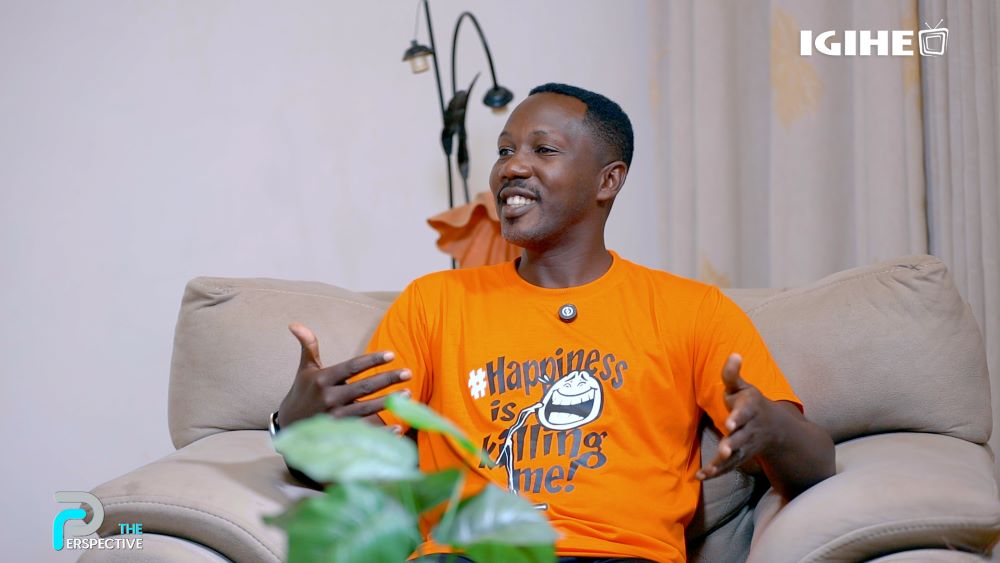
Mahama’s NDC had earlier claimed an early victory based on provisional results from their agents stationed in all 276 constituencies. Sammy Gyamfi, the NDC’s National Communications Officer, declared at a party press conference on Sunday.
“From the results we have so far from our internal collation, it is clear that Ghanaians have rejected eight years of corruption, eight years of state capture.” He emphasized that the people of Ghana had voted for change, adding that the NDC had secured an “unprecedented, historic victory.”
Despite the early claims, it is only the Electoral Commission (EC) that has the constitutional mandate to announce the final results of the election. As of 8:00 am on Sunday, the EC had yet to receive all the results at its National Collation Centre, according to an official statement.
The EC assured the public that once all the necessary data from the regional collation centres was received, the final results would be declared.
“The declaration of final results is based on a process enshrined in law. The pink sheet, signed by presiding officers and party agents at the 40,650 polling stations, will determine the final results,” the EC said.
The outcome of the election marks the end of two terms in power for the NPP, under President Nana Akufo-Addo, who is stepping down after reaching the constitutional limit of two terms.
Bawumia’s concession signifies a shift in Ghana’s political landscape after years of economic challenges, including high inflation, currency devaluation, and a debt default, which led to a $3bn bailout from the International Monetary Fund.
Mahama, 65, who served as president from 2012 to 2017, now has the chance to return to office in what would be a historic victory, as he becomes the first president in Ghana’s Fourth Republic to reclaim the presidency after being voted out.
His campaign focused on promises of economic recovery, tackling corruption, and appealing to Ghana’s youth.
In the wake of his apparent victory, Mahama’s supporters have already begun celebrating, with cheers and blaring horns echoing through the streets of Accra.
The celebrations reflect the high hopes many Ghanaians have for the return of Mahama’s leadership, particularly after the economic struggles the country has faced in recent years.
Though the final official results are yet to be declared, Mahama’s early victory claims have set the stage for a potential change in leadership, with hopes that his return could usher in a new era of stability and growth for Ghana.