Healey said on social media platform X that at the Ukraine Defence Contact Group (UDCG) meeting held on Monday, participating countries reached a new agreement to supply critical air defence ammunition to Ukraine, “as part of a 50-day drive to arm Ukraine and force Putin to the negotiating table.”
Last week, Trump said that he had secured an agreement with NATO allies to facilitate large-scale arms deliveries to Ukraine. He also warned Russia that it would face a second round of tariffs if it fails to reach a peace deal within 50 days.
At the UDCG meeting, Healey affirmed Britain’s support, saying that Britain “backs this policy” and will fully participate to ensure its success, according to French news outlet AFP.
Healey also revealed that Britain and Germany have agreed to jointly provide air defence missiles to Ukraine. The partnership is part of a wider European initiative aimed at strengthening Ukraine’s defensive capabilities.
According to a press release from the British Ministry of Defence on Monday, Britain has already delivered more than 150 million pounds (202.5 million U.S. dollars) worth of air defence missiles and artillery to Ukraine over the past two months. The country is also ramping up procurement efforts to provide hundreds more air defence missiles and thousands of artillery shells.
In total, Britain is expected to spend at least 700 million pounds on air defence and artillery support for Ukraine this year, including the 150 million pounds worth of equipment already delivered, according to the release. (1 pound = 1.35 U.S. dollars)
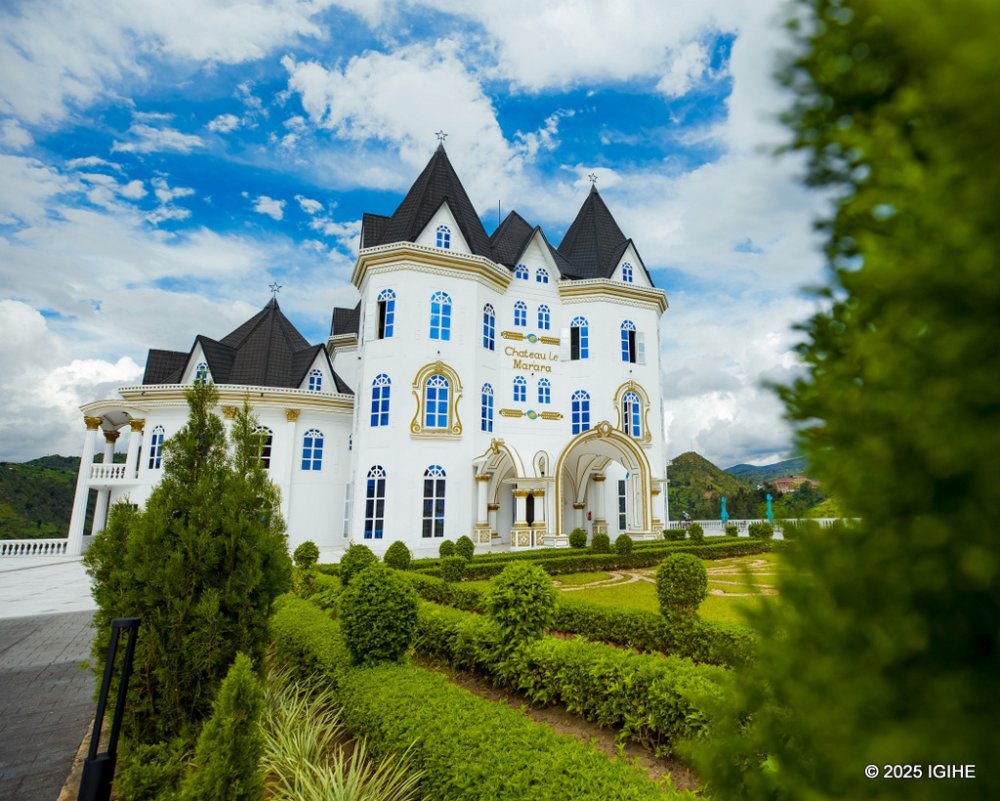
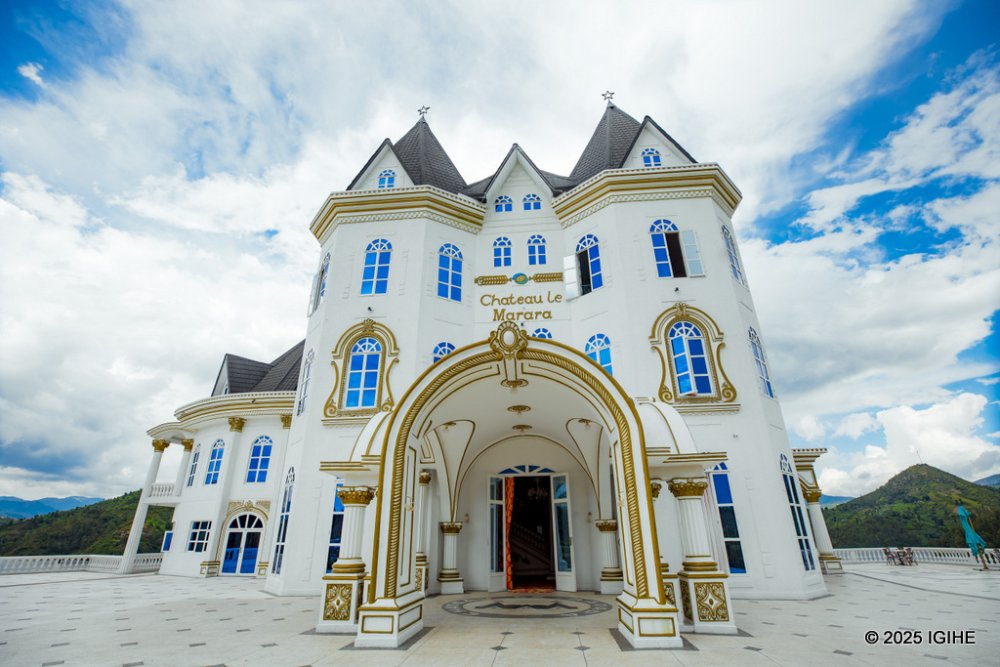
The decision, announced in a public notice issued on July 21, follows an investigation that found the hotel operating without a valid Tourism Operating License (TOL), a legal requirement under Rwanda’s tourism law.
According to RDB, the hotel is required to cease operations effective July 22, 2025.
“Reopening will only be considered upon successful completion of the Tourism Operating License application process and full compliance with applicable regulatory requirements,” the notice states.
Warning other facilities against violating existing laws, RDB stated: “All tourism and hospitality operators are reminded that holding a valid Tourism Operating License is a legal obligation. The license serves as a guarantee of minimum safety, service, and operational standards necessary to protect both visitors and the industry at large.”
Hotel Chateau Le Marara’s closure comes amid growing controversy following the high-profile wedding of Hajj Shadadi Musemakweri and Uwera Bonnette on July 14, which sparked guest complaints about poor service, unhygienic food, and power outages.
Among the guests was Miss Rwanda 2020, Nishimwe Naomie, who joined others in raising concerns on social media. The event has since drawn national attention and raised questions about service standards at the five-star, European-style hotel located on the shores of Lake Kivu.
Guests reported being served spoiled milk and fruit, facing constant power disruptions, and experiencing neglect by hotel staff. The guests alleged that they had to rent an emergency generator to continue wedding preparations. Others accused the hotel of overcharging, including for attendees at events that were allegedly not part of the original agreement.
Chateau Le Marara has denied the allegations, calling them “99% lies” intended to damage its reputation. The hotel has instead filed a complaint with the Rwanda Investigation Bureau (RIB), accusing the couple behind the wedding of defamation and non-payment of over Frw 5 million in outstanding bills.
In response to the growing uproar, RDB confirmed it had launched a formal investigation into the service complaints. RDB CEO Jean-Guy Afrika said the board is reviewing the matter thoroughly as part of its mandate to ensure professionalism and consumer protection in the tourism sector.
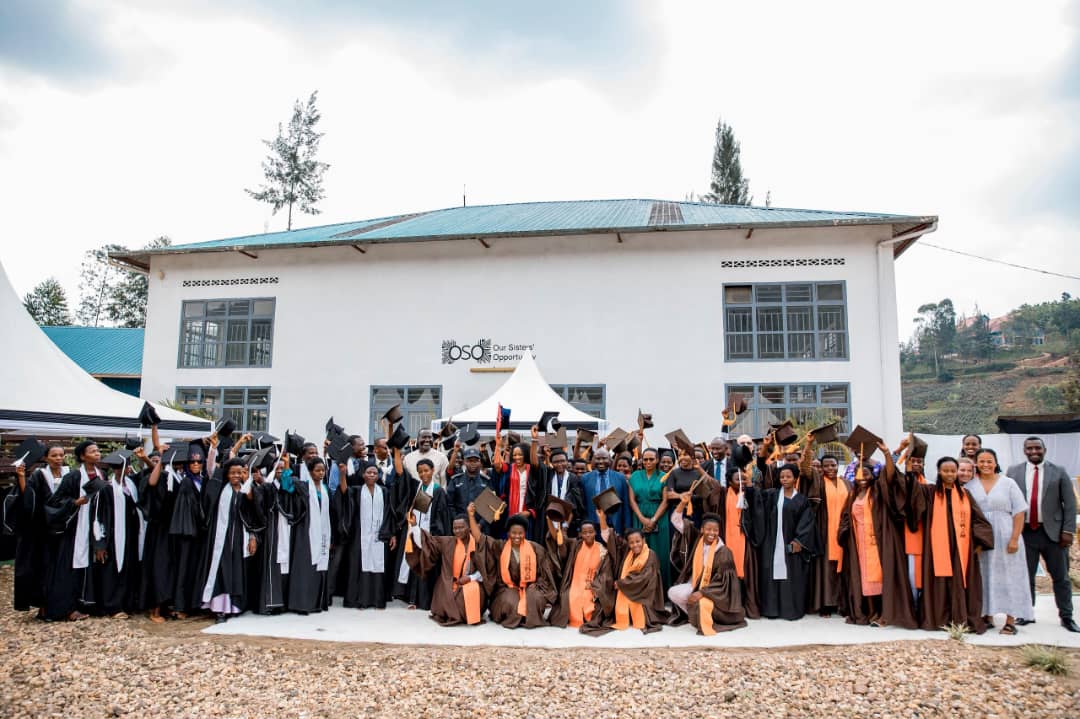
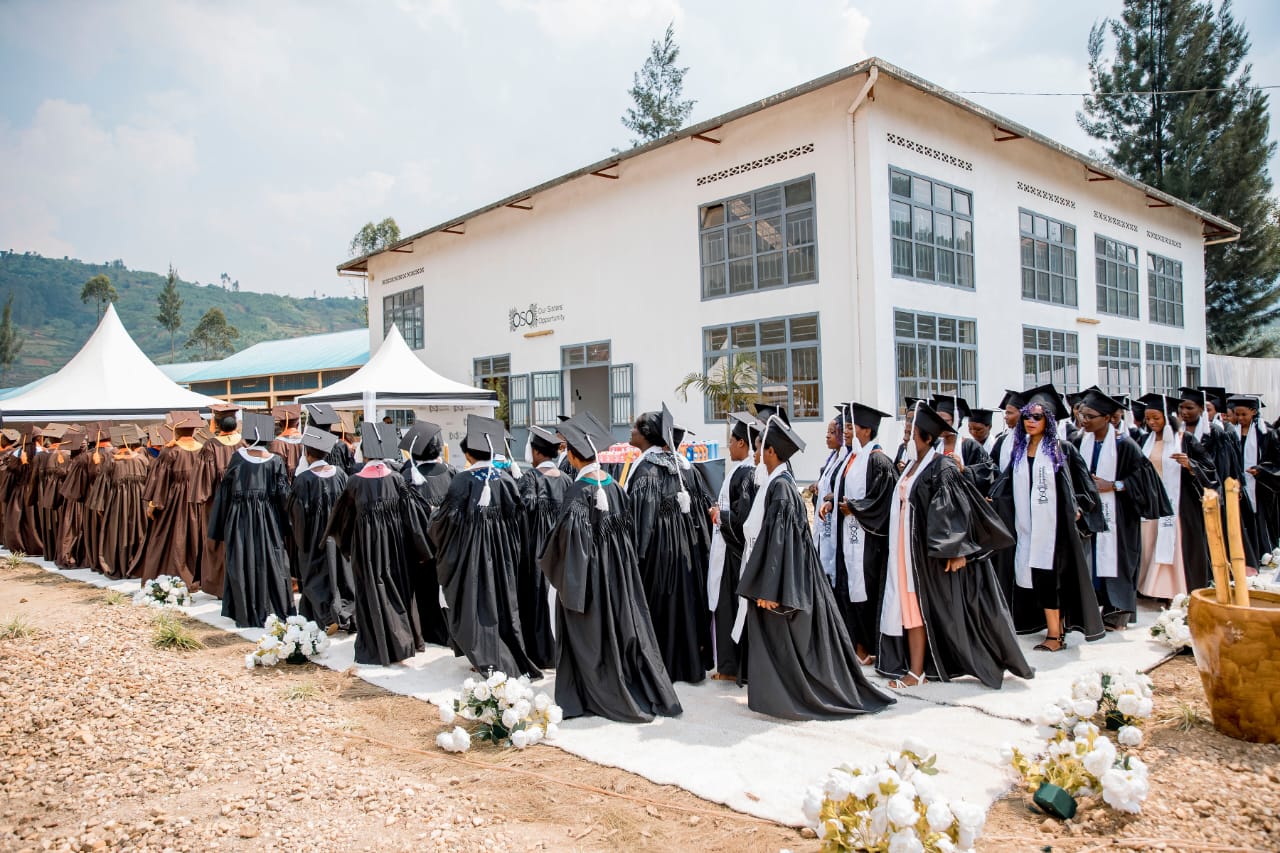
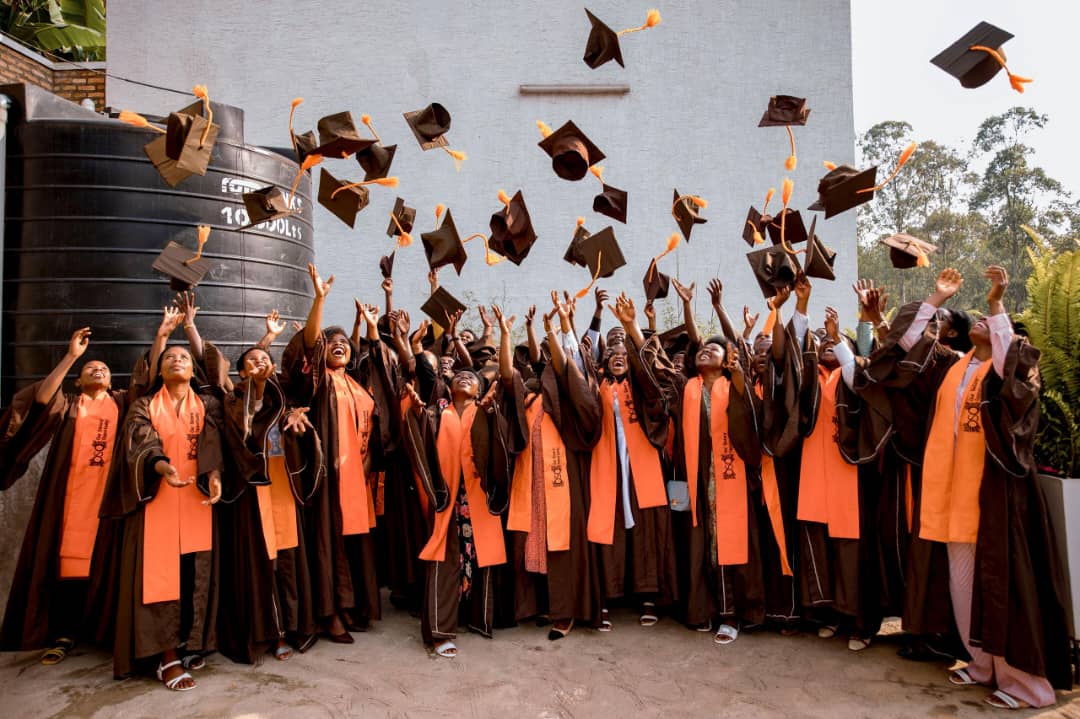
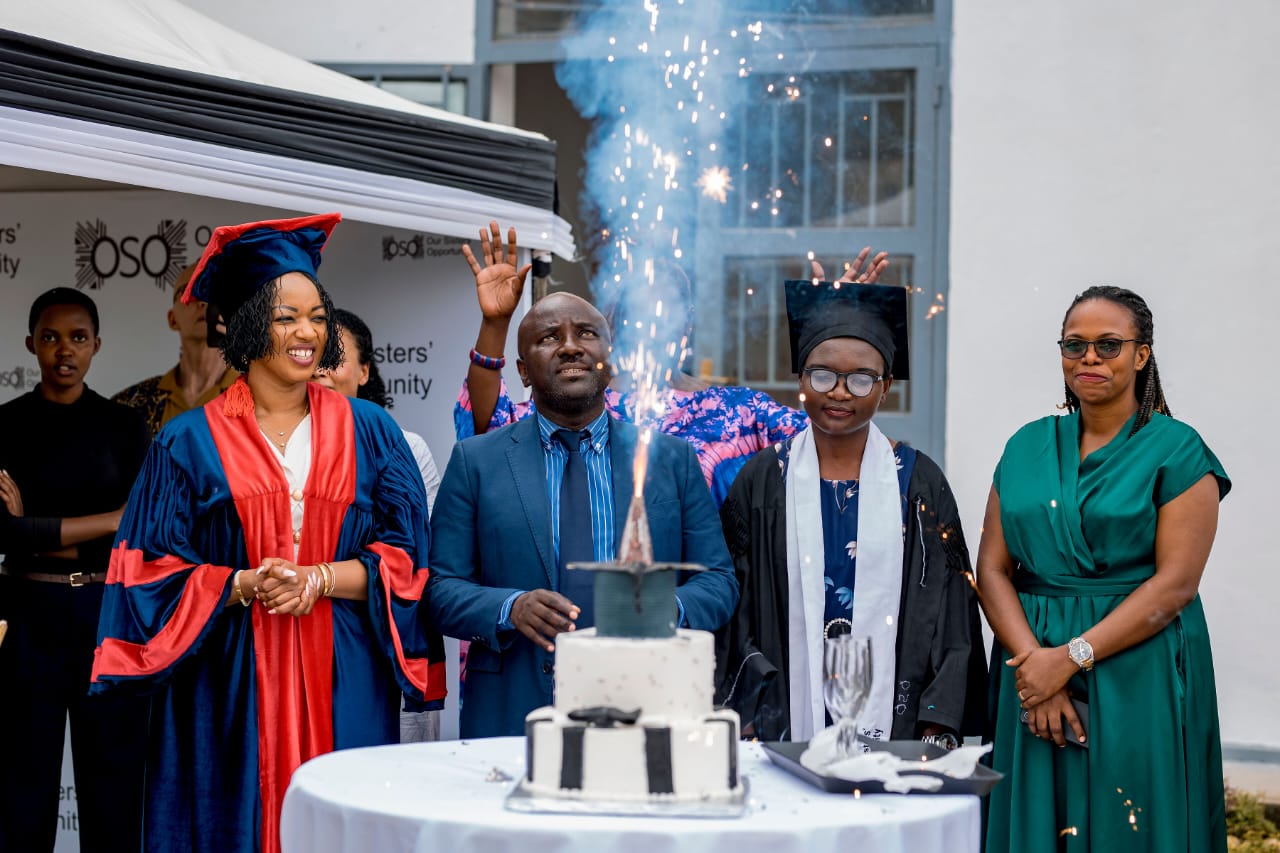
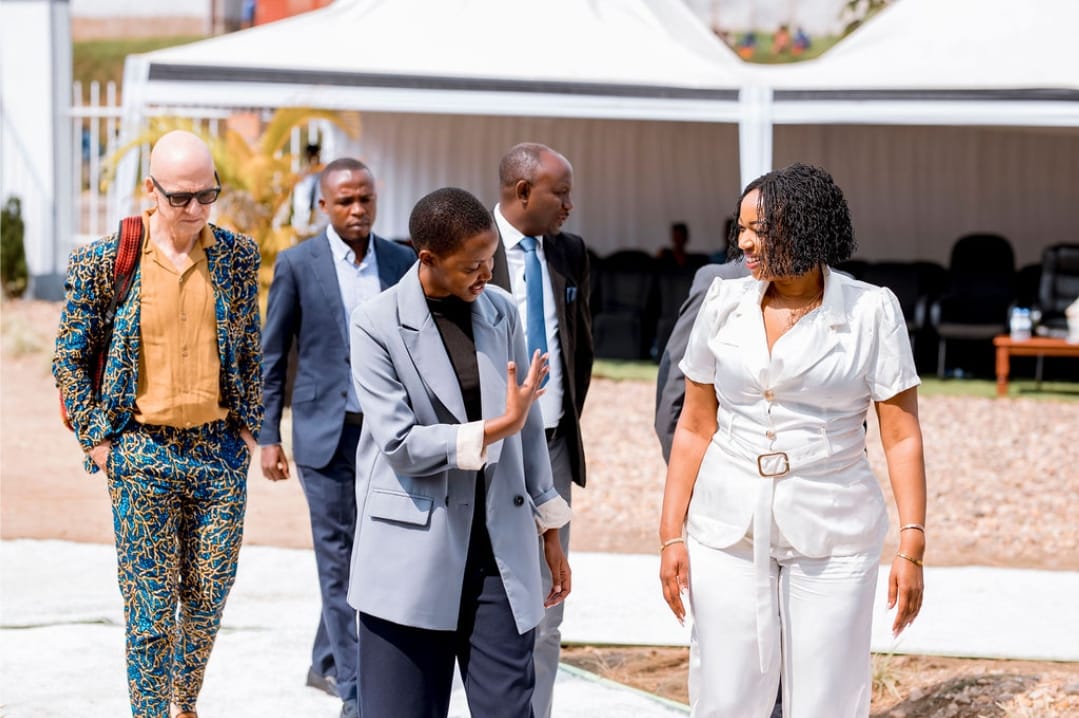
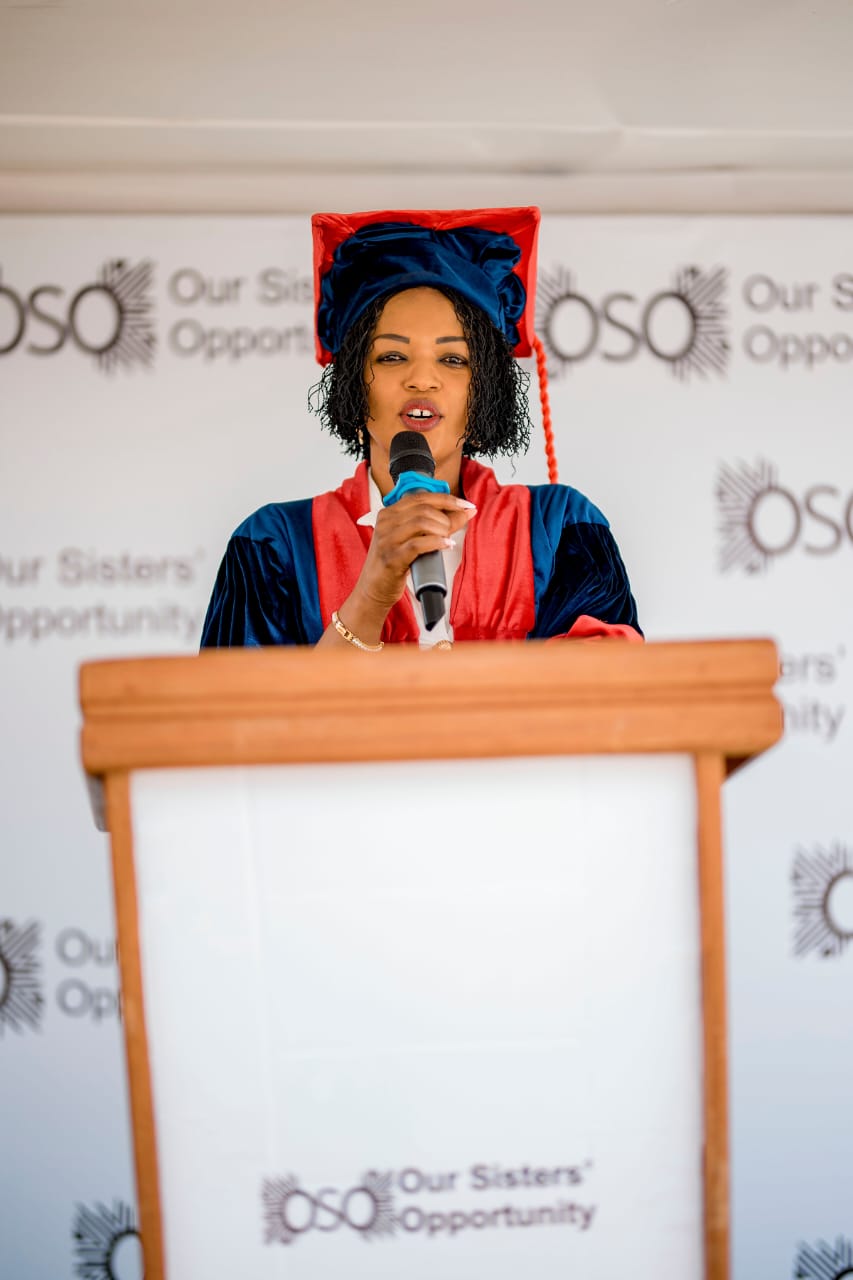
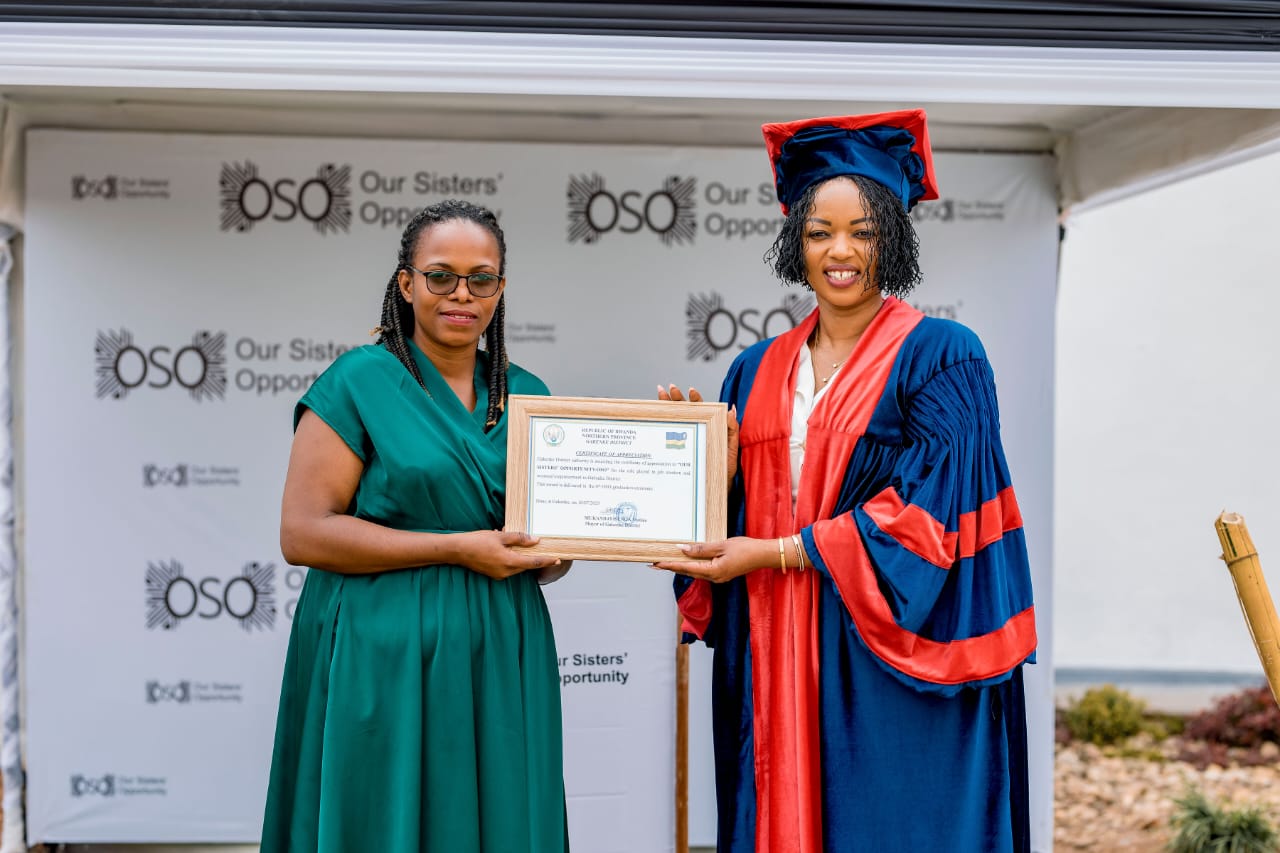
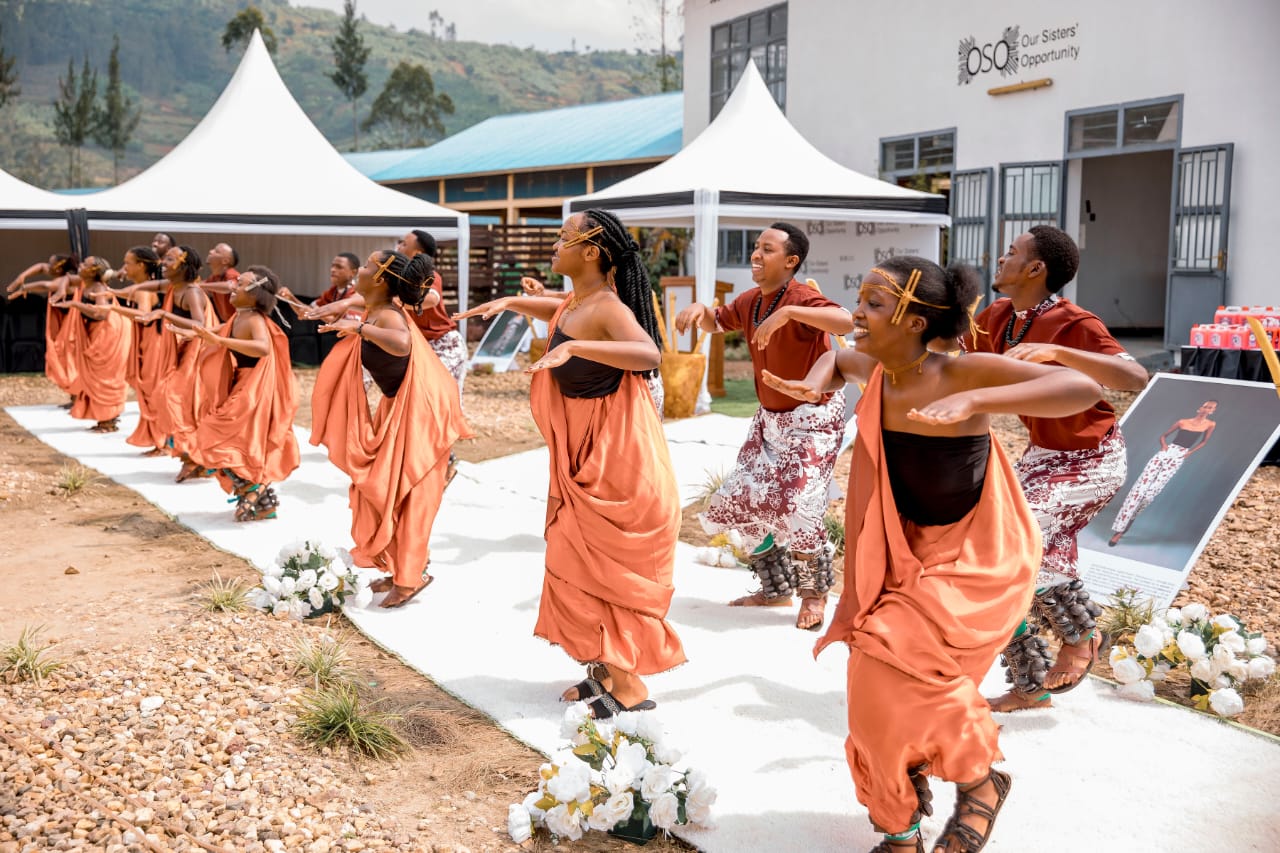
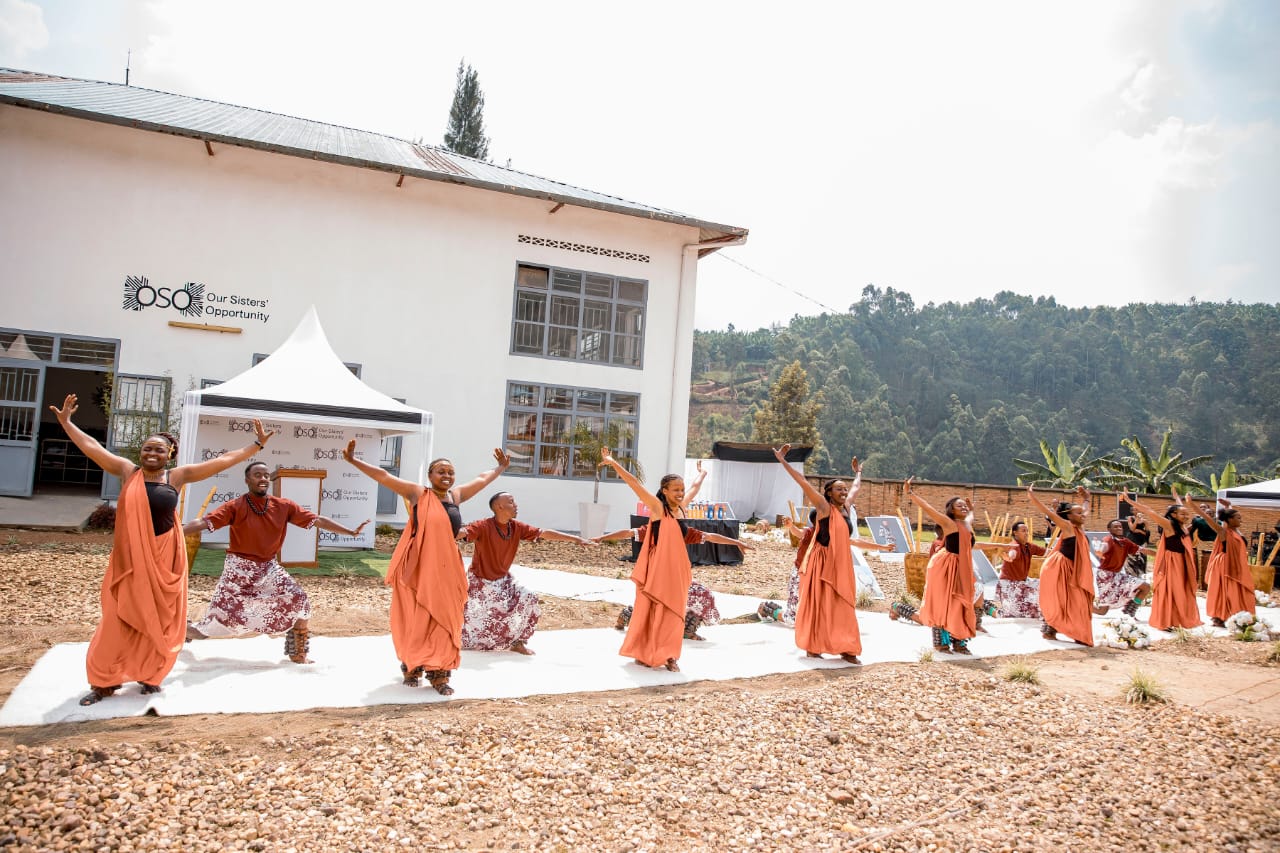
The ceremony marked the graduation of OSO’s 4th cohort of fashion design students and the 2nd cohort specialising in soap and detergent production.
Most of the beneficiaries are girls and young women from vulnerable backgrounds, including school dropouts, teenage mothers, orphans, and those living with disabilities.
Founded in 2019, OSO offers year-long training that equips participants with hands-on entrepreneurial skills in fashion, agribusiness, and manufacturing. The organisation also provides post-graduation support, including business startup capital and mentorship.
“We take them in for a full year, train them, and help them build income-generating projects when they return to their communities,” said Delphine Uwamahoro, OSO’s founder and executive director. “They become self-reliant, creative, and financially empowered.”
This year’s graduates bring the total number of OSO alumni to over 400, with 80 percent of previous participants having launched their own ventures.
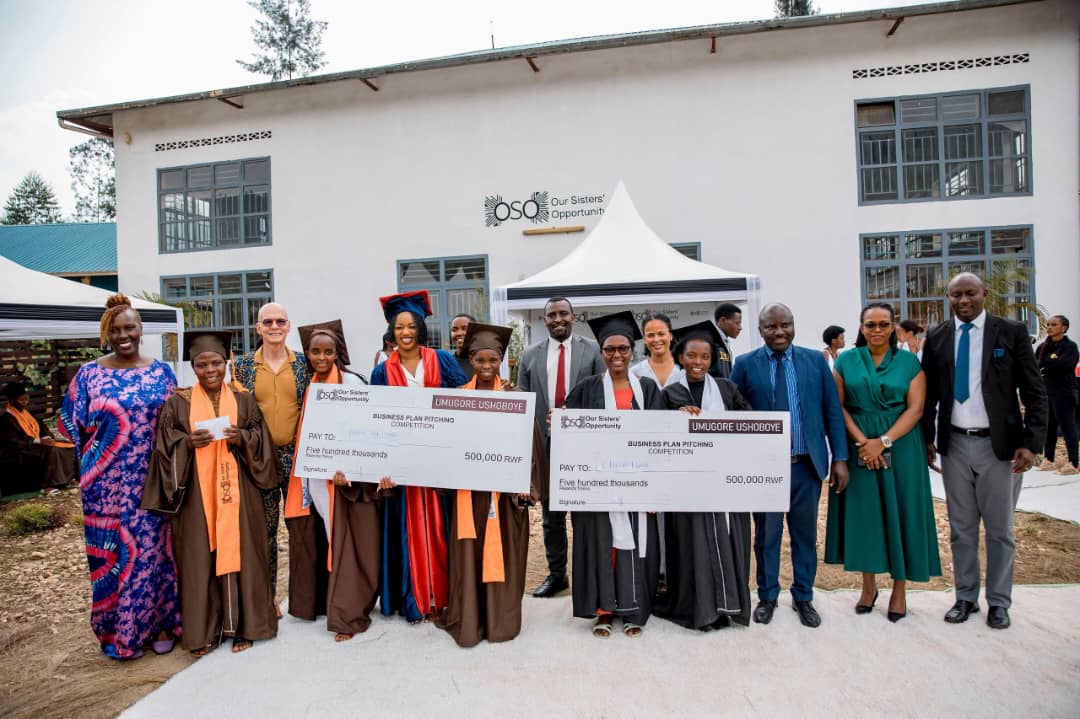
Each of the new graduates received a Frw 200,000 startup grant, while the top three business plans were awarded an additional Frw 500,000.
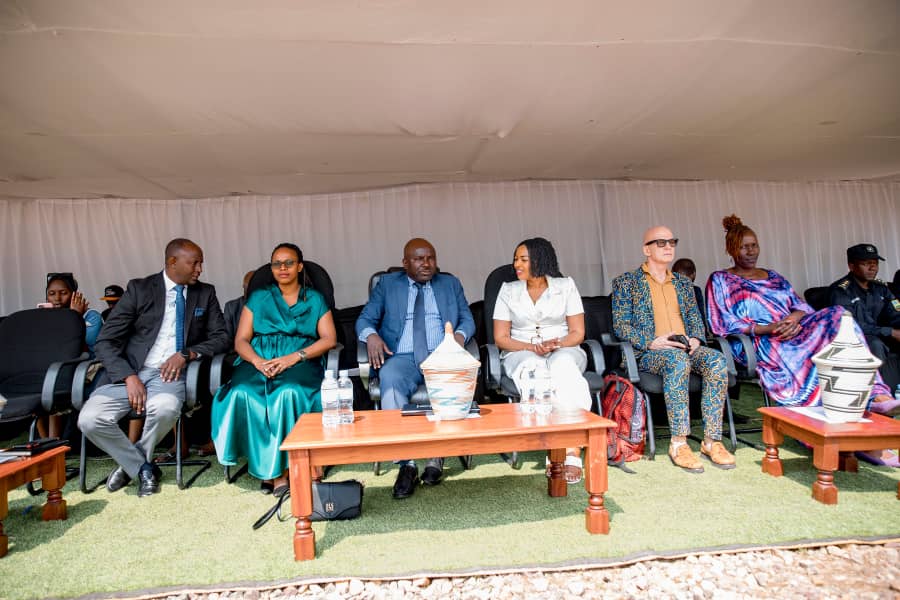
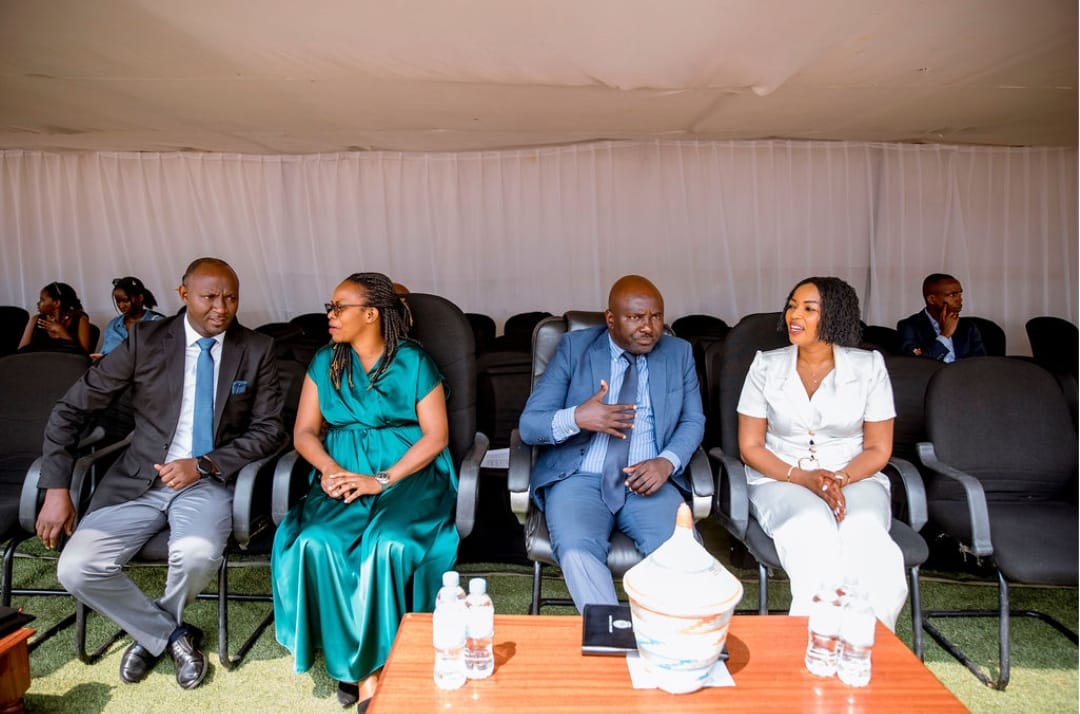
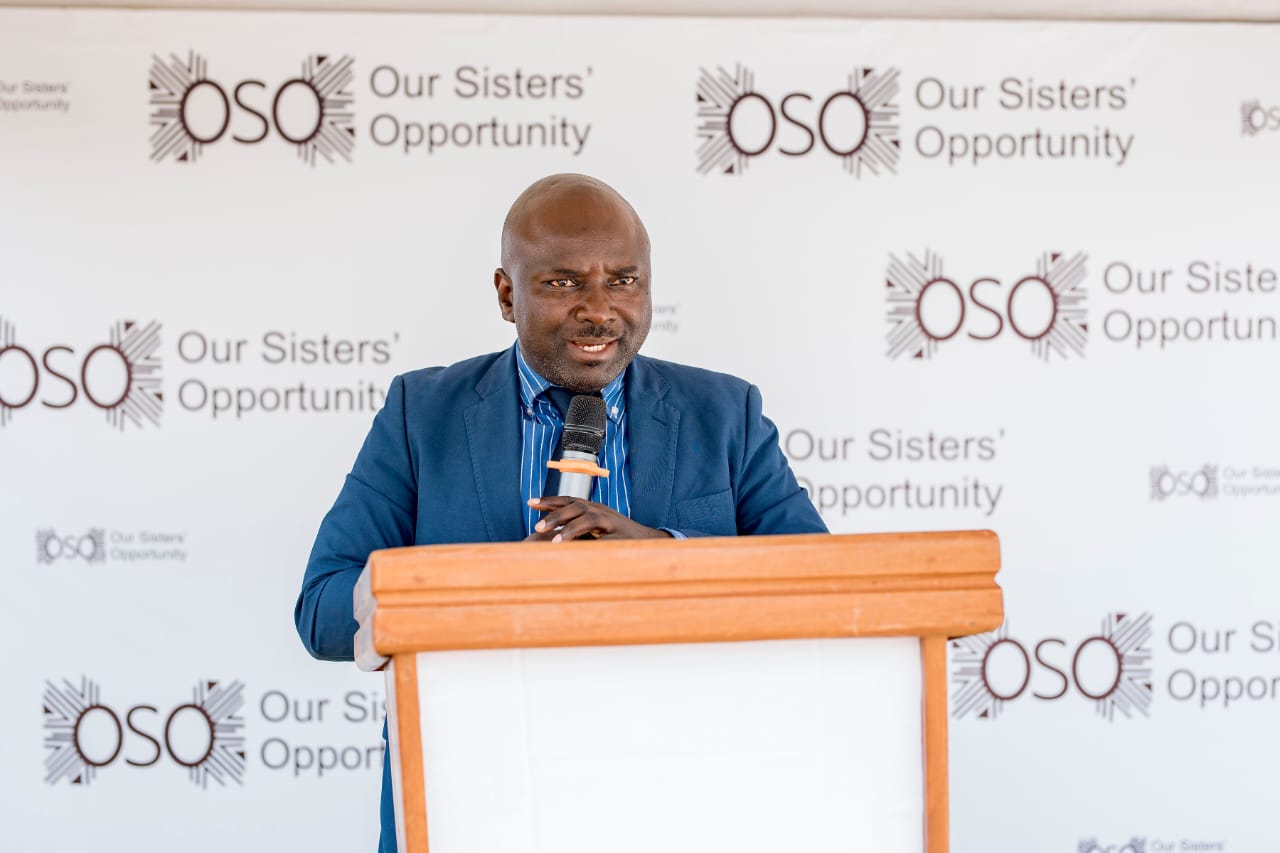
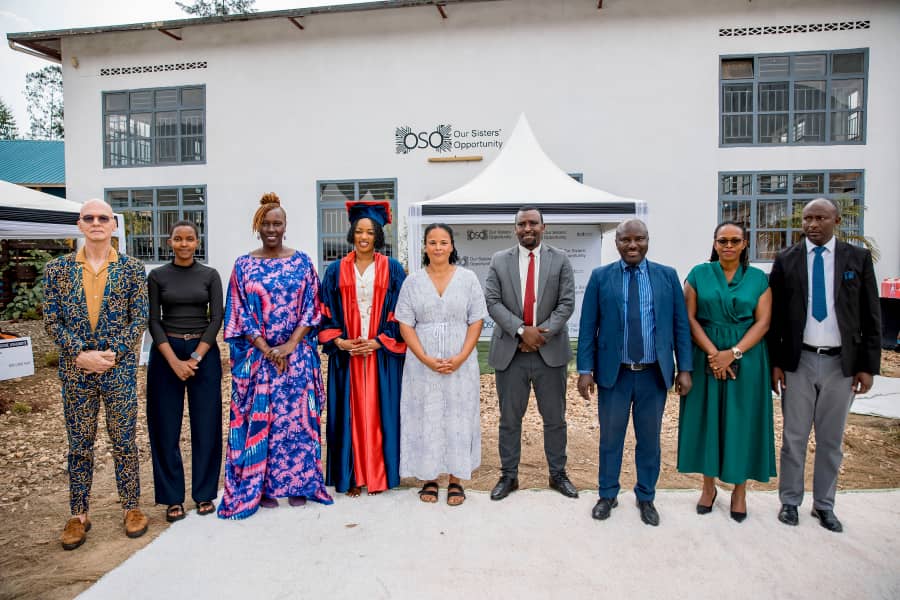
The initiative has attracted growing support from development partners, and the latest milestone drew government officials and donors alike. Northern Province Governor Maurice Mugabowagahunde praised the graduates for taking steps toward transforming their lives and communities.
“These projects are not to be shelved—they must now become reality,” the governor said. “We expect you to be change agents who will help eradicate poverty and promote inclusive development.”
Gakenke District Mayor Mukandayisenga Vestine reminded the graduates of government funding opportunities, urging them to apply for youth-targeted financing schemes.
“The country has resources. What matters now is your commitment to create jobs and solve problems,” she said.
Alongside the graduation, OSO officially opened a new dormitory with capacity for 87 students. Built in collaboration with the U.S.-based GO Campaign, the facility positions OSO to begin hosting learners from across East Africa and operate as a regional boarding school.
“Our vision is not limited to Rwanda,” said Uwamahoro. “We want to welcome girls from Uganda, Burundi, Tanzania—because poverty and gender-based violence don’t stop at the border. Neither should opportunity.”
Key supporters present at the event included representatives from GO Campaign, Segal Family Foundation, Lemonaid ChariTea Foundation, Kvinna Till Kvinna, and World Connect.
OSO’s model targets girls and women aged 13 to 25, especially those from rural areas or facing extreme hardship. As it expands, the organisation hopes to become one of Africa’s leading incubators of female-led entrepreneurship and grassroots job creation.
The arrest took place on Sunday, July 20, 2025, following reports that Burikantu had locked up a group of girls who had gone to his home in Kinyinya to discuss potential collaborations on social media content creation.
Sources told IGIHE that the incident began when Burikantu allegedly invited one of the girls into a separate room to discuss how he could support her online presence. When she declined, he reportedly got upset and locked the group inside his house. He then demanded they pay him back for the transport fare and sodas he had provided before he would allow them to leave.
The situation escalated when the girls couldn’t meet his demands. After one left, the others contacted the police for help. Officers from Rwanda National Police responded promptly and freed them, leading to Burikantu’s arrest shortly after.
RIB spokesperson Dr. Thierry B. Murangira confirmed the incident took place in Kinyinya Sector, Murama Cell, Binunga Village, where the influencer resides.
Burikantu is now being held at the RIB Kinyinya station as investigations continue. His case file is being prepared for submission to the Prosecution in accordance with the law.
The offence he is being investigated for is punishable under Article 151 of Rwanda’s penal code, which addresses unlawful confinement. If convicted, he could face between five to seven years in prison.
Speaking on the matter, Dr. Murangira said: “RIB reminds the public that no one has the right to take advantage of others or hold them against their will. Such actions are illegal and will not be tolerated.”
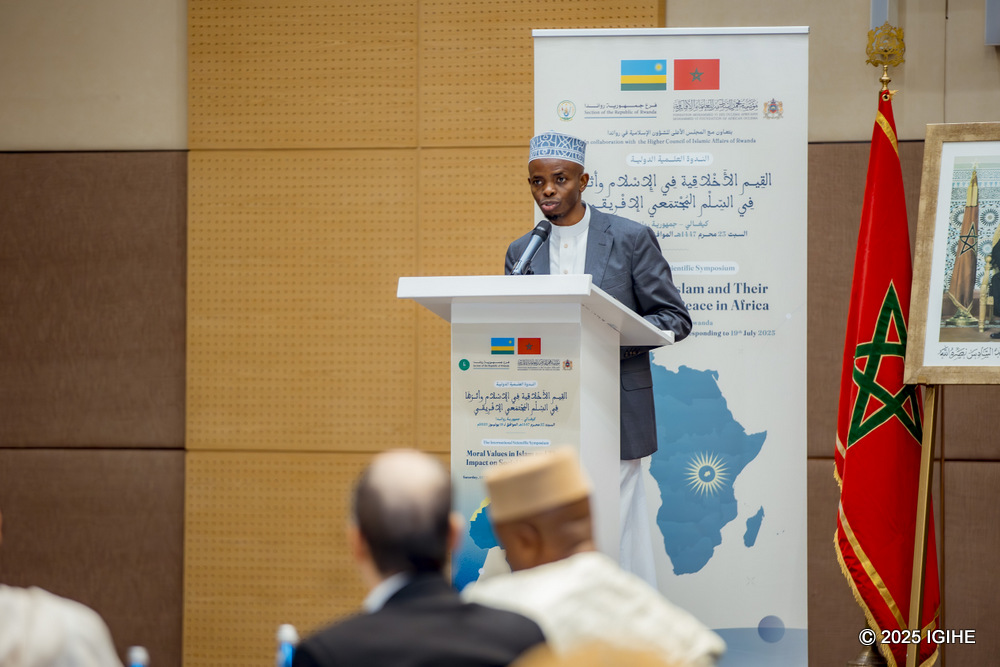
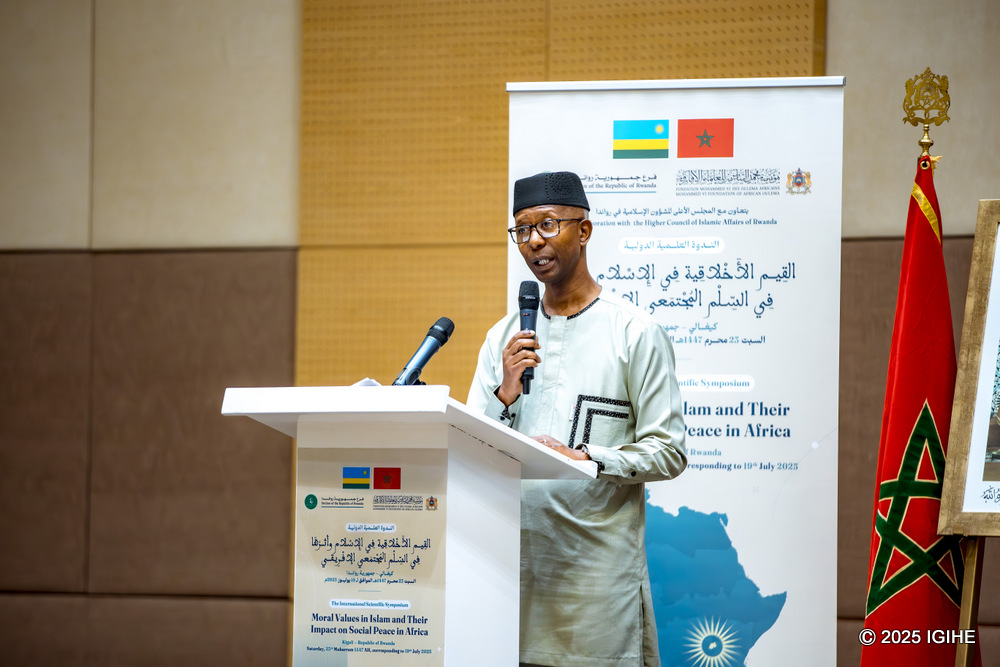
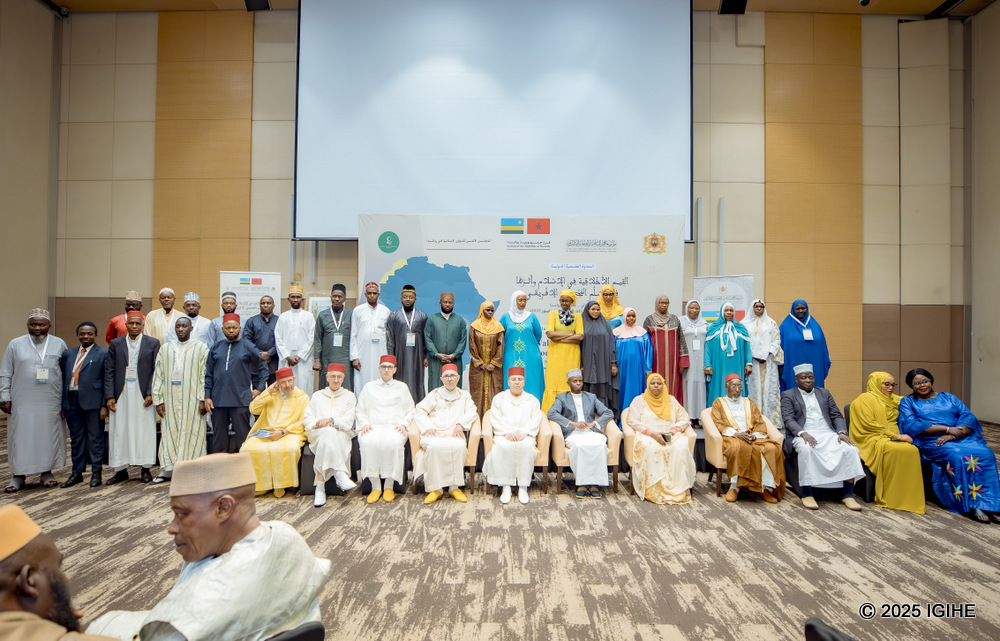
This decision was one of the key resolutions made during an International Scientific Symposium held on July 19, 2025, which brought together members of RMC and the Muhammad VI Foundation. The summit explored how Islamic moral values can serve as powerful tools in promoting peace and harmony across Africa.
Speaking at the event, Mufti of Rwanda, Sheikh Sindayigaya Mussa, emphasized the importance of living out Islamic principles beyond religious spaces.
“Islamic values shouldn’t just remain within religious gatherings. We must embody them in our everyday lives, in how we treat one another, and how we engage with society,” he said.
He noted that values like respect, peace, and justice not only reflect faith but also shape responsible and compassionate citizens.
Also addressing the gathering, Deputy Speaker of Rwanda’s Chamber of Deputies, Sheikh Musa Fazil Harerimana, praised Rwanda’s post-genocide recovery journey as a model of resilience and reconciliation.
“The efforts made after the genocide—through forgiveness, Gacaca courts, and government-led unity programs—have transformed Rwanda. Other nations can learn from our story,” he stated.
He further called for the documentation of humanitarian acts carried out by Muslim families and others during the genocide, noting they could serve as inspirational case studies for future generations.
Sheikhat Sauda Niyirora, who leads Muslim women in Rwanda, reflected on how Islam was once misrepresented in public discourse.
“Islam used to be misunderstood and unfairly judged. But thanks to Rwanda’s leadership, today every Rwandan enjoys equal rights. We must now prove through our actions who we truly are.”
The planned research center will be built in Rwanda in collaboration with the Muhammad VI Foundation, which has pledged funding to support its academic and cultural activities.
This initiative marks a significant step in preserving Rwanda’s complex past while using faith-based values to build a peaceful, united future.
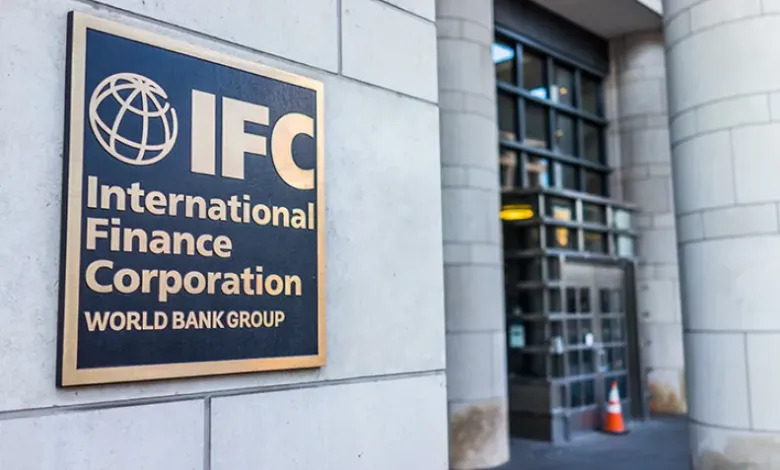
The eight-year amortising bond marks IFC’s return to Rwanda’s onshore market for the first time in 11 years. It’s also its second “Umuganda bond” denominated in Rwandan francs.
The bond, listed on the Rwanda Stock Exchange, was 1.75 times oversubscribed and carries a fixed coupon of 10.50%, about 0.55% below the interpolated government yield.
Proceeds from the bond will be used to finance a local digital infrastructure project, allowing the client to avoid currency risk associated with borrowing in U.S. dollars or other foreign currencies.
Mary Porter Peschka, IFC’s Director for Eastern Africa, said the bond aligns with IFC’s long-term goal of strengthening capital markets while supporting critical infrastructure.
“The bond offers investors exposure to IFC’s triple-A rating, while also enabling IFC to provide local currency financing to an important project that will enhance digital connectivity,” she said.
IFC coined the term “Umuganda bond” in 2014 when it became the first non-resident issuer to place a Rwandan franc bond in the domestic market. The success of the current issuance is seen as a vote of confidence in Rwanda’s capital market framework and regulatory environment.
The bond attracted a wide range of investors, including pension funds, insurance companies, banks, and asset managers. BK Capital and Rand Merchant Bank served as joint lead managers on the transaction.
Finance Minister Yusuf Murangwa welcomed the issuance as a positive step for local market development.
“IFC’s second Umuganda bond will support our work to deepen domestic capital markets in Rwanda,” he said. “Bond issuances by international borrowers such as IFC create new investable opportunities for domestic investors while raising much-needed Rwanda franc financing for local businesses.”
Beyond bond issuance, IFC continues to support capital market reforms in Rwanda through the Rwanda Capital Market Development Project—a joint initiative with the World Bank. The project focuses on improving government bond market liquidity, increasing non-government bond issuance, and building a more diversified and professional investor base.
In 2024, IFC also issued two offshore Rwanda franc-denominated bonds listed on the London and Luxembourg Stock Exchanges.
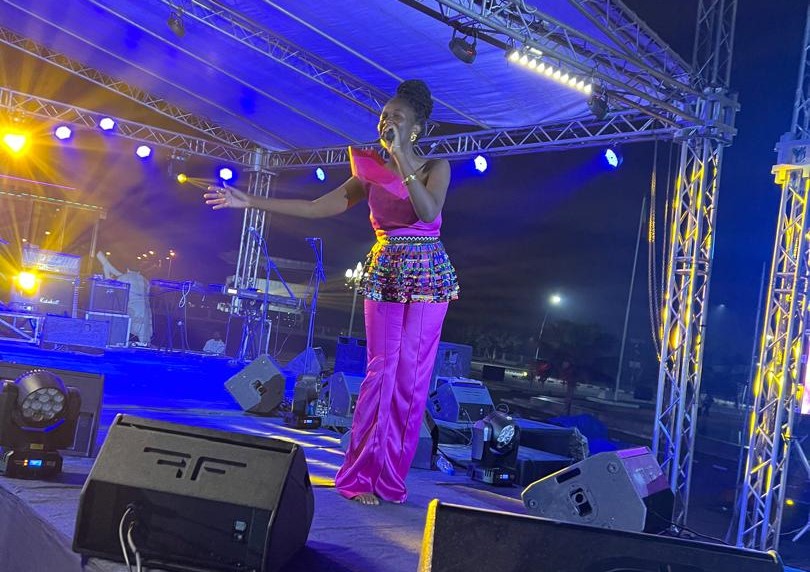
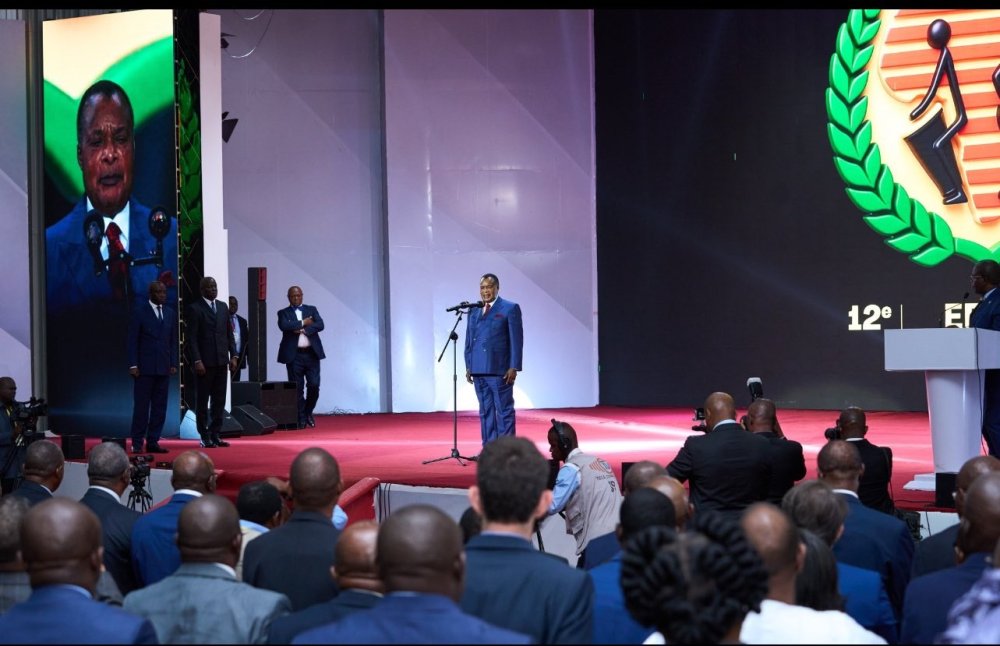
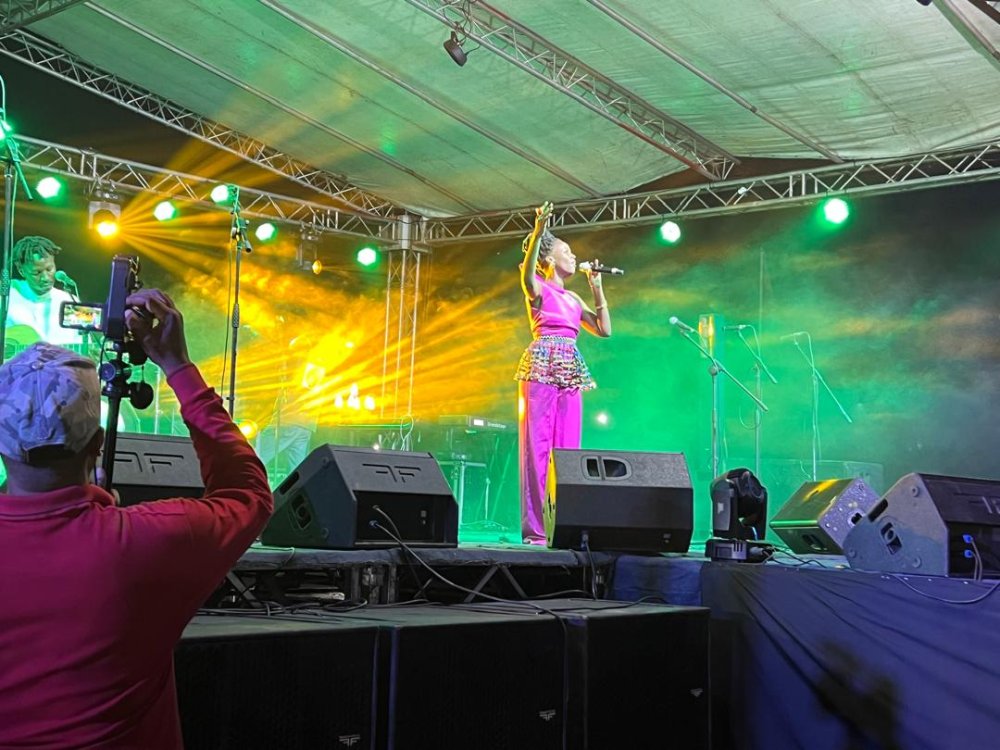
The grand festival took place on the night of Sunday, July 20, 2025, and was officially opened by President Denis Sassou N’Guesso of Congo Brazzaville.
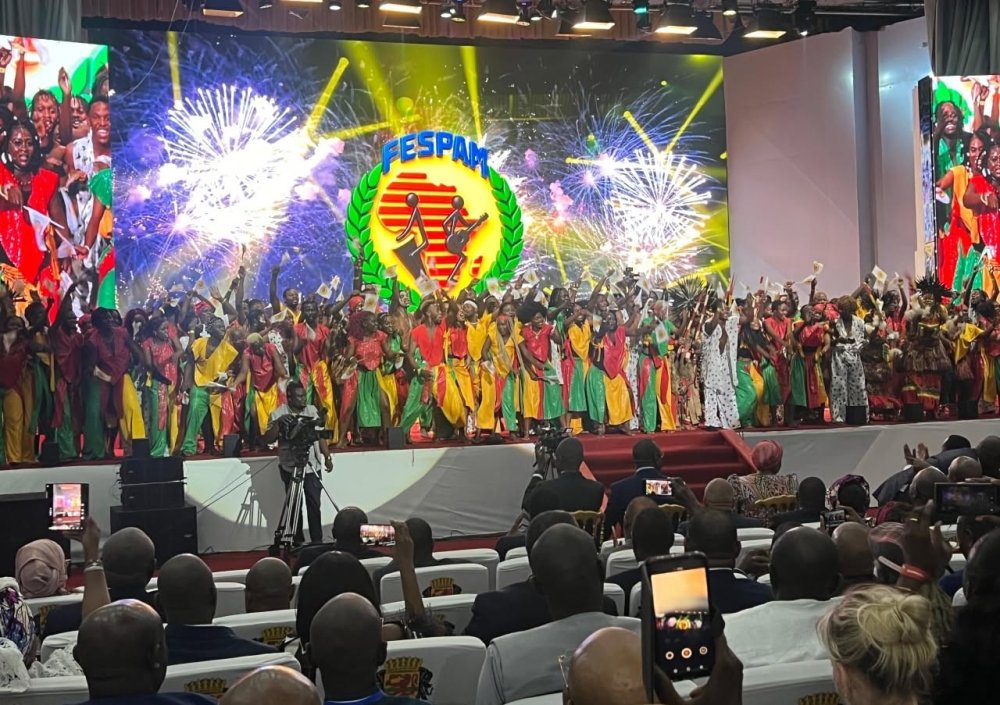
This 12th edition, which also marks the 30th anniversary of FESPAM, was held under the theme: “Music and Its Role in Africa’s Economy in the Digital Age.”
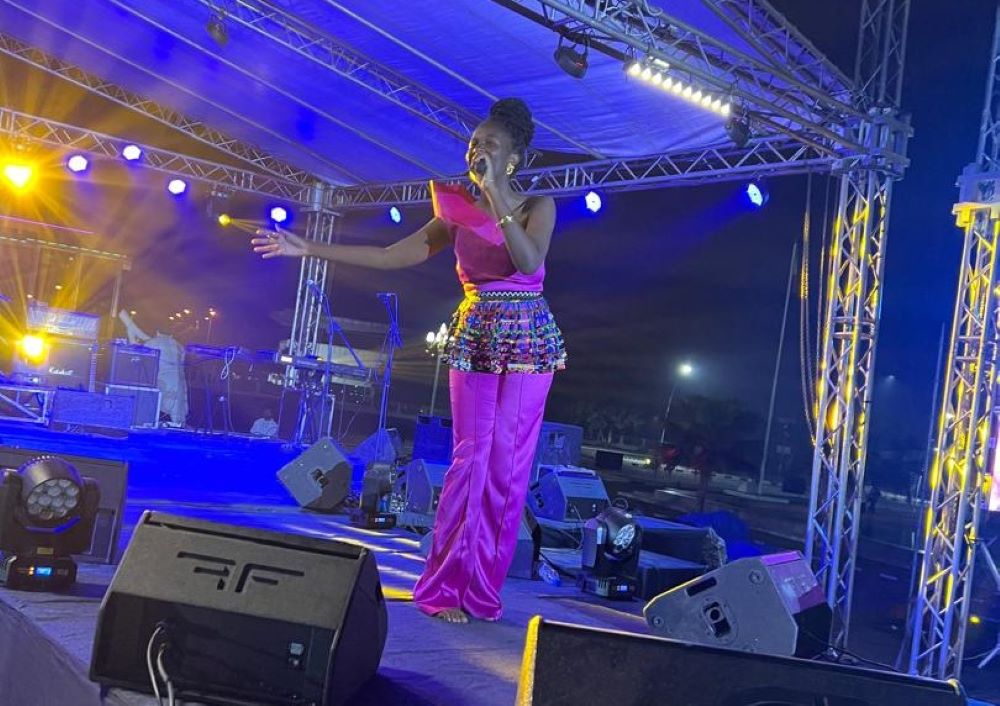
Boukuru’s performance was graced by high-profile guests including Marie-France Lydie Hélène Pongault, Congo’s Minister of Culture; Rwanda’s Ambassador to the Republic of Congo, Amb. Parfait Busabizwa; members of the Rwandan community living in Brazzaville; and hundreds of Congolese music enthusiasts.
As she stepped onto the stage, Boukuru greeted the crowd and proudly declared, “I am a Rwandan artist and I’m here to share with you the essence of Rwandan creativity.”
Speaking after her performance, Boukuru expressed how meaningful it was to be on such a prestigious platform.
“Representing Rwanda is a great honor,” she said. “Being in Brazzaville is important for my artistic journey because it allows me to connect with fellow creatives, learn from others, and grow my own expression.”
Beyond her opening-night performance, Boukuru is set to showcase her art at multiple festival venues across different neighborhoods in Brazzaville as part of the ongoing FESPAM schedule.
The opening night attracted over 8,000 attendees and set the tone for a vibrant celebration of African music.
In addition to live performances, the festival includes panel discussions on African music, a heritage exhibition of iconic instruments, and free concerts in venues like Mayanga, Kintélé, and more. The event will also feature the screening of a documentary film about Congolese Rumba, one of Africa’s most celebrated musical genres.
Alongside Boukuru, artists from various countries are expected to perform throughout the festival. FESPAM is organized in partnership with the Government of Congo Brazzaville, the African Union, and UNESCO.
The Frw 5 billion Medium-Term Senior Unsecured Bond marks a major milestone not only for AMS but also for Rwanda’s healthcare and capital markets.
The approval paves the way for AMS to offer the bond to the public and subsequently list it on the Rwanda Stock Exchange (RSE), where trading is expected to commence on August 22.
The five-year bond, which carries a fixed annual interest rate of 13.25%, will be issued in a single tranche. It features an amortising structure with semi-annual interest payments and principal repayments starting 18 months after settlement. The bond’s weighted average life is approximately 3.25 years. The minimum subscription is set at Frw 1 million.
Public subscription opens on July 24 and will run until August 7.
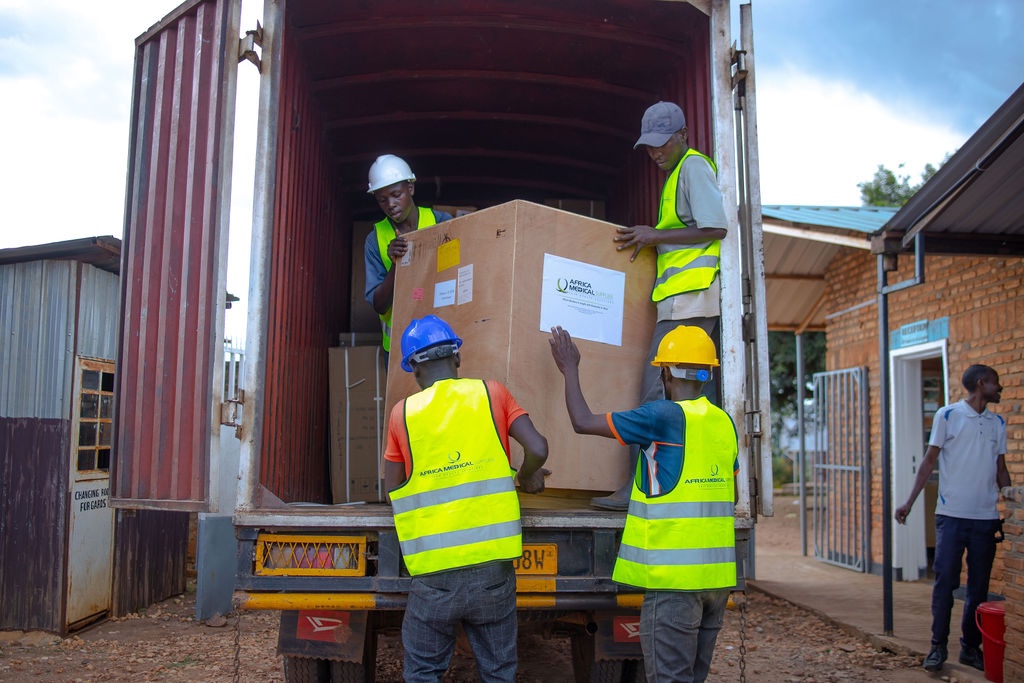
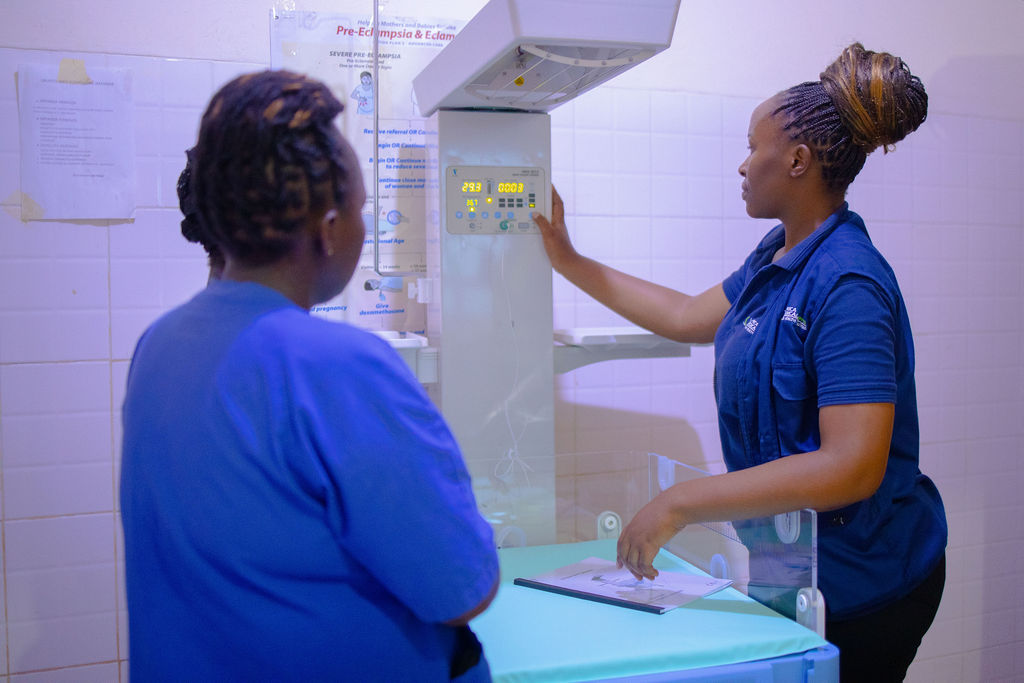
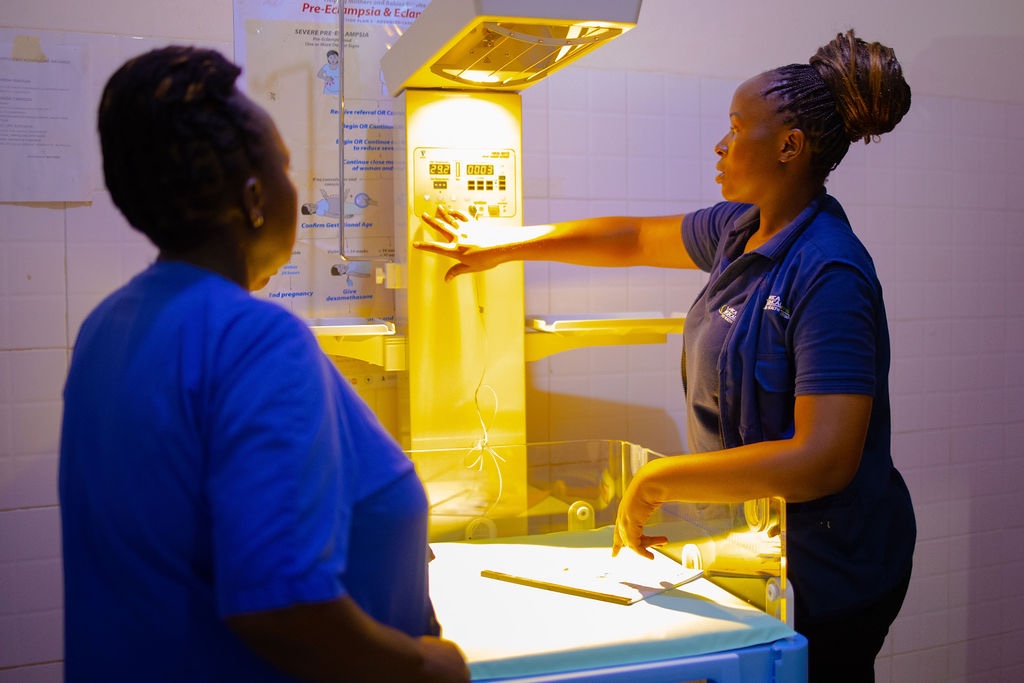
Founded in 2008, AMS supplies life-saving medical equipment, pharmaceuticals, laboratory reagents, diagnostic kits, and hospital furniture to over 400 clients, including public and private hospitals, NGOs, United Nations agencies, and government health programs across Rwanda and the Democratic Republic of the Congo (DRC).
Speaking on the development, Yves Sangano, Chairman of AMS, said the CMA approval is a significant step forward for both the company and the healthcare sector.
“Today marks a pivotal moment not just for AMS, but also for the healthcare sector because access to life-saving medical services remains out of reach for many,” said Sangano.
“Securing approval for the first-ever corporate bond any company in the healthcare sector in the country has issued is a conviction that the sector remains key in Rwanda’s transformation journey.”
According to AMS, proceeds from the bond will be used to refinance USD-denominated debt and support growth plans aimed at increasing the company’s capacity to fulfil contracts and expand into new markets. Frw 3.1 billion will go toward debt refinancing, while Frw 1.9 billion will fund working capital for growth.
Fabrice Shema Ngoga, the company’s Chief Executive Officer and founder, said the bond is not just a financial instrument, but a statement of intent.
“This bond issuance will be a significant financial achievement for AMS, showcasing the strength of our business model and our commitment to responsible growth,” said Ngoga.
“Furthermore, this kind of financing allows us to directly connect with investors who share our vision for a future where every Rwandan has access to affordable healthcare.”
AMS has engaged BK Capital as the financial arranger and sponsoring broker for the issuance. RR Associates & Co. Advocates and BDO Rwanda are serving as legal and accounting advisors, respectively.
In 2024, AMS posted revenues of Frw 18.5 billion, with a net profit of Frw 681 million.
The firm holds a BBB- (RW) long-term rating and an A3 (RW) short-term rating from GCR Ratings, a Moody’s subsidiary.
The company operates across Rwanda and the Democratic Republic of the Congo (DRC), with other target regions including Guinea-Conakry and the Central African Republic.
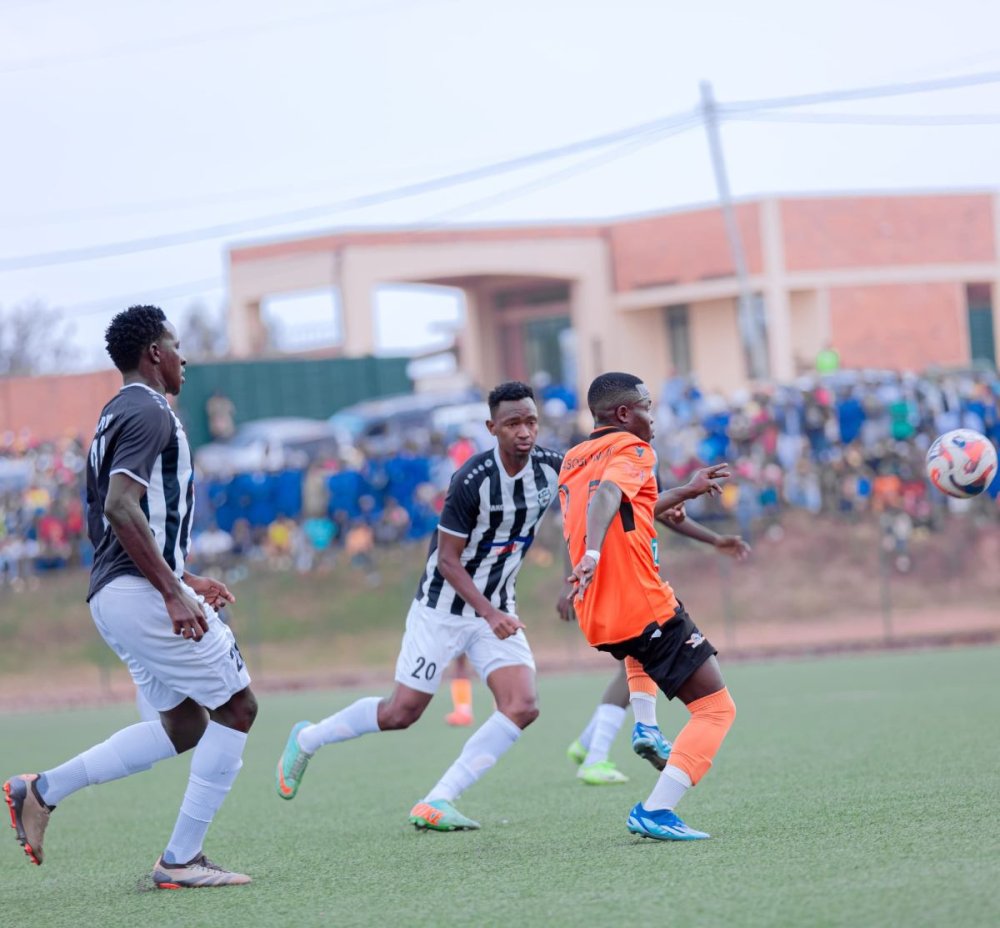
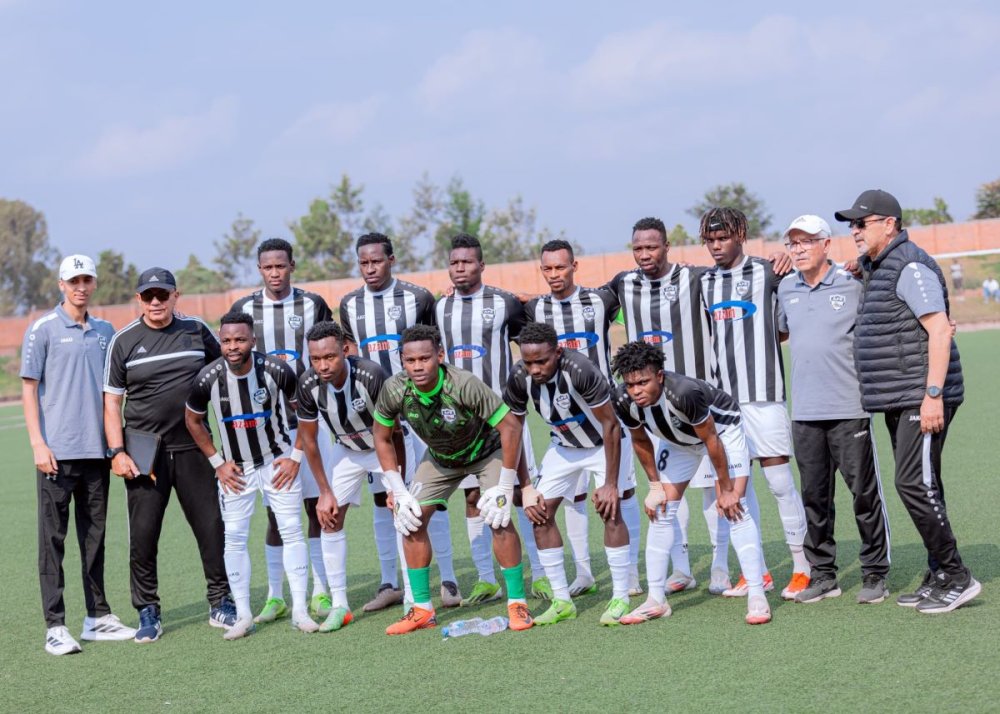
For APR FC, Rwanda’s reigning champions, the match is part of their pre-season schedule ahead of the 2025/26 campaign. The army side kicked off their warm-up games with a strong performance, defeating Gasogi United 4-1 in Shyorongi on Sunday.
For Nigeria, the encounter serves as a critical part of their build-up to the 2025 African Nations Championship (CHAN). The CHAN tournament features only players competing in their national domestic leagues and will run from August 2 to 30, co-hosted by Tanzania, Uganda, and Kenya.
Nigeria’s CHAN team will head to Zanzibar after the Kigali fixture to compete in Group D, where they are drawn alongside Senegal, Congo, and Sudan.
APR FC, meanwhile, has lined up more friendlies as part of their international preseason schedule. The club is confirmed to play Tanzanian powerhouses Simba SC and Azam FC in mid-August.
Discussions are also ongoing with South Africa’s Kaizer Chiefs, raising the possibility of another top-tier clash.
Before meeting Nigeria, APR will be back in action on Tuesday, July 22, in a friendly against Gorilla FC.
As Rwanda’s representatives in the upcoming Confederation of African Football (CAF) Champions League, APR FC hopes to break new ground this season.
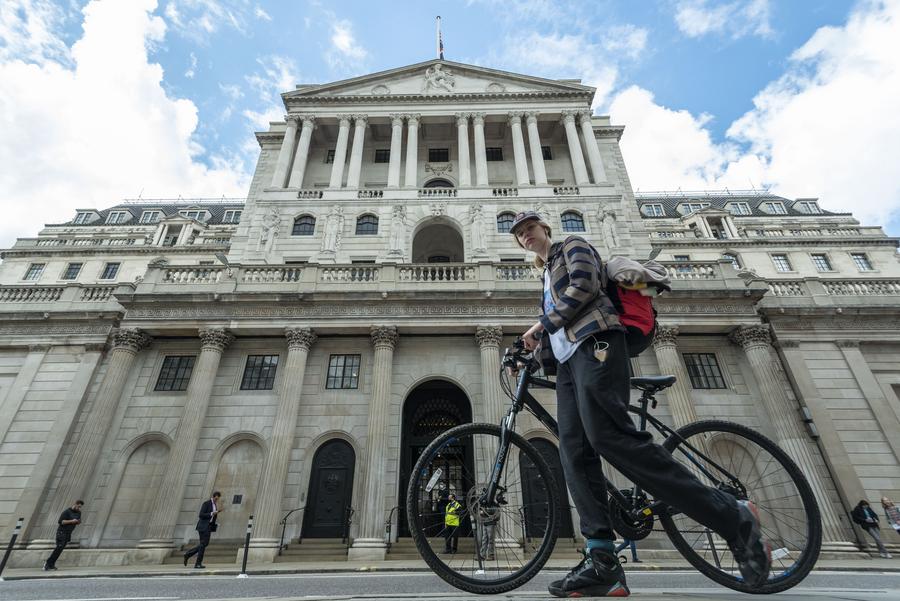
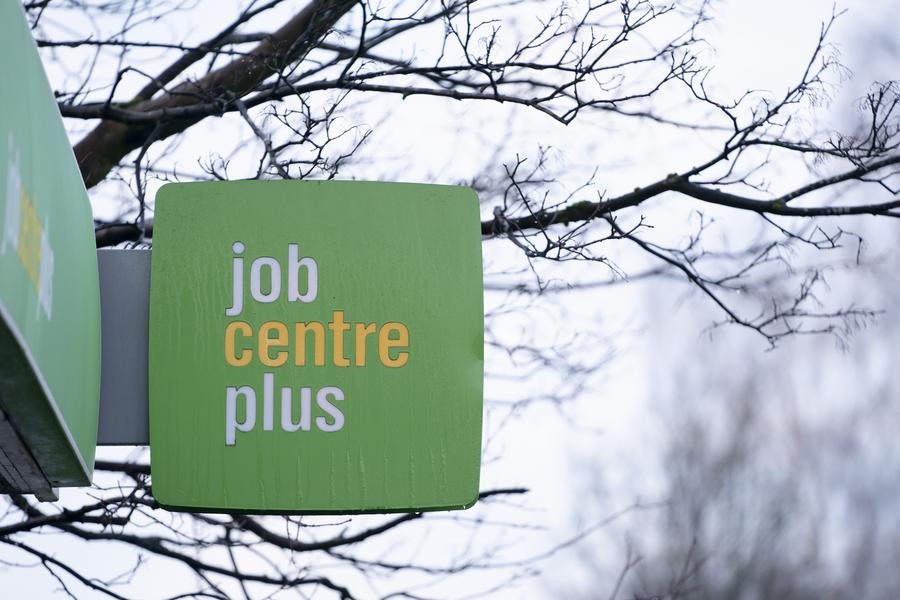
Data released by the Office for National Statistics (ONS) on Thursday revealed that the country’s unemployment rate for people aged 16 and over stood at 4.7 percent during the March-May period of 2025. This marks a notable increase both year-on-year and quarter-on-quarter, pushing the rate to its highest level in nearly four years.
The ONS figures also showed job vacancies climbing to new highs, indicating that despite a growing number of unemployed individuals, businesses are still struggling to fill positions.
“The government’s tax rises, a higher minimum wage and the U.S. trade war are hitting the jobs market,” Financial Times reported.
David Bharier, head of research at the British Chambers of Commerce (BCC), told Xinhua that steep increases in national insurance contributions and the national living wage weigh heavily on the latest employment data.
“BCC research shows that recruitment remains challenging, and businesses cite labor costs as the biggest pressure,” Bharier said. “This mounting financial pressure, alongside pervasive skills shortages, remains a massive challenge for business, presenting big risks to investment and productivity.”
According to Bharier, the BCC’s most recent economic forecast suggests hiring will remain subdued and the unemployment rate is expected to stay largely static. “We currently forecast a rate of 4.6 percent at the end of 2027,” he said.
Tina McKenzie, policy chair of the Federation of Small Businesses (FSB), stressed that the latest trends paint a worrying picture for Britain’s small business sector.
“New FSB research has found that twice as many small businesses shed staff in the second quarter of 2025-20 percent-than increased their employee numbers,” she said.
For the first time in the 15-year history of the FSB’s quarterly Small Business Index, more small businesses expect to shrink or close over the next 12 months than those that expect to expand.
“That’s more than alarming for the economy and for communities across Britain where these hard-working businesses operate,” she said, noting that small businesses currently provide more than 16 million jobs in Britain-over half of all private sector employment.
Experts also believe the ongoing threat of U.S. tariffs is contributing to the negative data and will continue to influence Britain’s job market and economy in the long term, despite the existence of a trade agreement.
William Bain, head of policy at the BCC, said their April survey revealed that 62 percent of firms exporting to the U.S. had been affected by rising costs and order book pressures caused by higher U.S. tariffs, a sentiment that aligns with the rising unemployment figures reported by the ONS.
David Bailey, professor of business economics at the University of Birmingham, noted that U.S. tariffs are impacting Britain’s export-driven sectors and, in turn, the job market.
“Even though Britain has got this deal with Trump on tariffs, the tariffs are still going up from 2.5 percent to 10 percent. It may not be 25 percent, but it’s still going to affect exports from Britain and therefore hit economic growth,” Bailey said, adding that this uncertainty for British firms, combined with the government’s “mistake” of raising national insurance contributions alongside the higher minimum wage, has contributed to the sluggish employment situation.