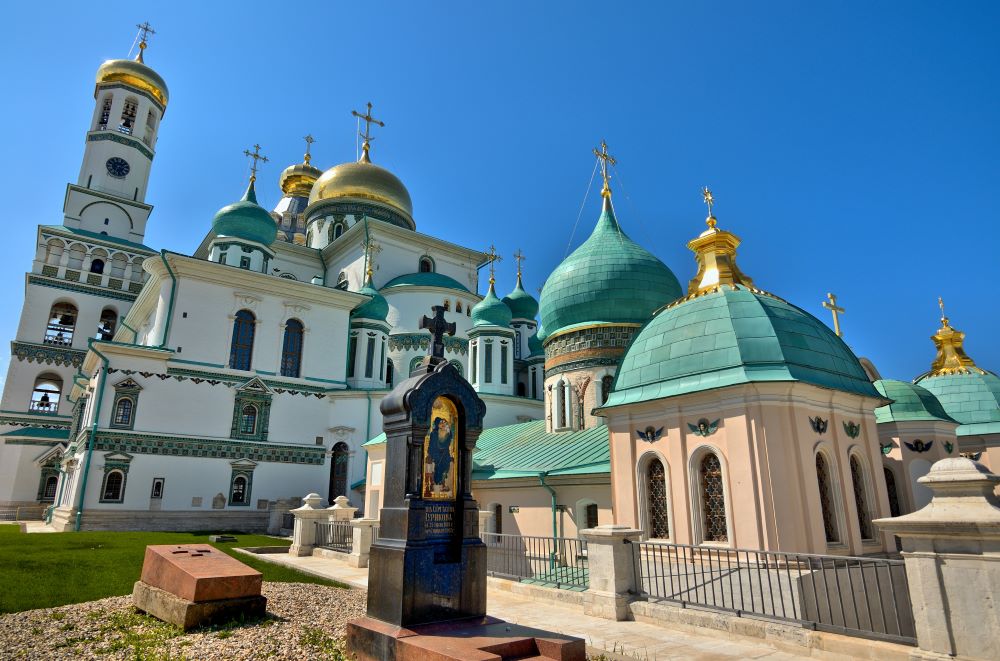
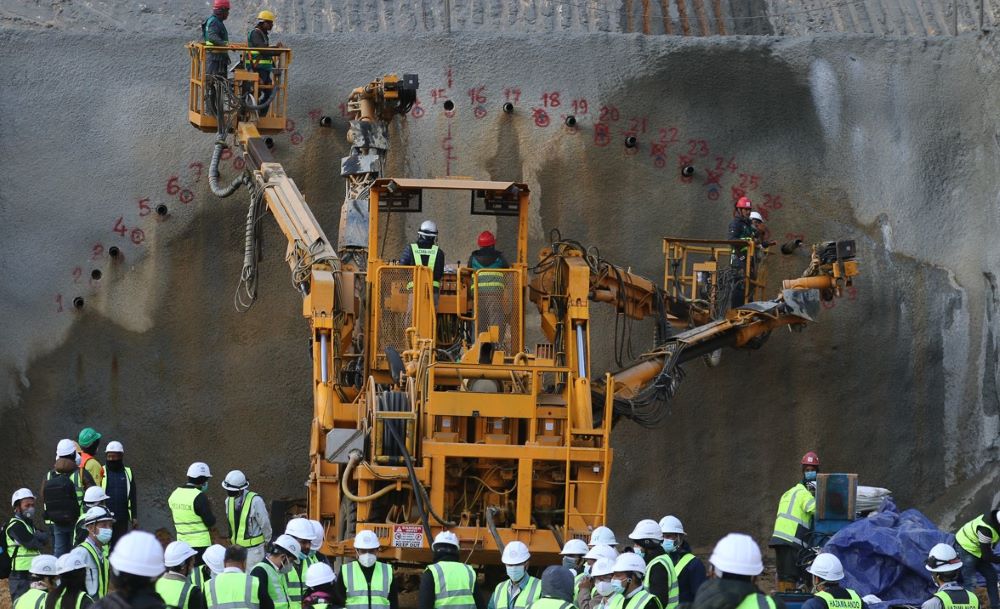
The attack hit the village of Sukharevo, where the New Jerusalem church complex, a significant local landmark, was set ablaze after Ukrainian drones dropped explosives, regional governor Vyacheslav Gladkov reported Thursday on his Telegram channel.
No injuries were reported in the aftermath.
The New Jerusalem church complex, an entirely wooden construction, is a major monastery of the Russian Orthodox Church.
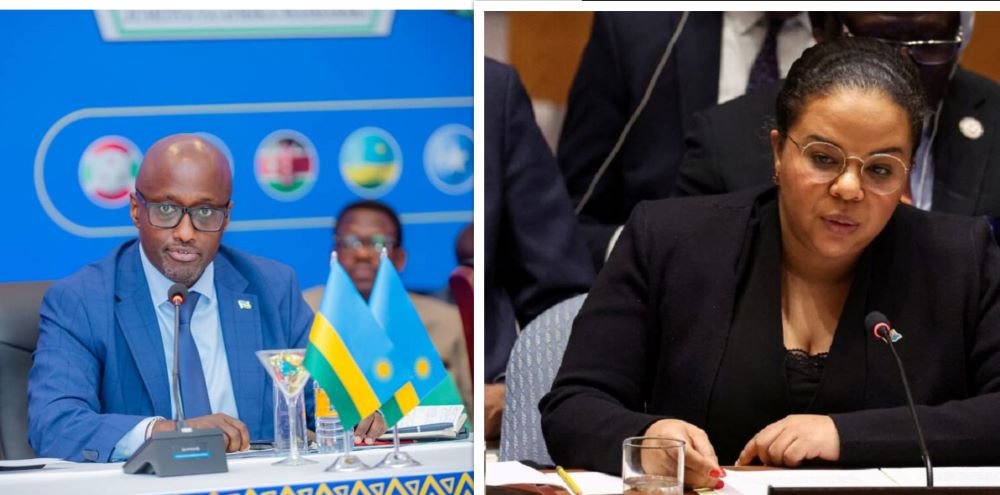
According to a statement from the U.S. State Department, Secretary Rubio will oversee the signing of a “declaration of principles” on Friday, alongside DRC Foreign Minister Thérèse Kayikwamba Wagner and Rwandan Foreign Minister Olivier Nduhungirehe.
A declaration of principles is defined as a formal document that outlines the shared values, intentions, and commitments of parties entering into a diplomatic or peace process.
While not always legally binding, it serves as a foundational framework for future negotiations or agreements.
The State Department has yet to release further details about the content of the agreement.
Rwandan Foreign Minister Olivier Nduhungirehe confirmed to IGIHE that a signing is indeed scheduled, but did not disclose specific terms of the agreement.
The joint declaration, signed earlier this month with Qatari mediation, aims to end years of armed conflict in eastern Democratic Republic of the Congo (DRC). The agreement has been welcomed by several African nations and civil society groups as a crucial step toward demilitarisation and economic reconstruction. However, behind closed doors, sources indicate that Belgium is growing increasingly concerned.
“Peace in the DRC, facilitated by Qatar, signifies a reduction in influence for those actors who have long exploited instability as a means of economic and political leverage,” stated a regional conflict analyst based in Nairobi.
“Belgium, in particular, has historically profited from the fragmentation of Congo and the presence of armed groups such as the FDLR.”
According to various regional observers, the FDLR has played a significant role in regional instability for over two decades, allegedly maintaining informal economic and logistical networks that align with certain Belgian interests. Analysts note that the presence of the FDLR has previously been tolerated by international actors, despite its connections to past atrocities and illicit economic activities.
The dismantling of the FDLR undermines a long-standing proxy arrangement that has served Belgium and other foreign agendas. Belgium’s discomfort is not only political; it is also strategic and economic.
In a formal statement issued shortly after the joint declaration, Belgium publicly welcomed the agreement, describing it as a “crucial step” and pledging support for the peace efforts led by Qatar, the East African Community (EAC), and the Southern African Development Community (SADC). Belgium’s Foreign Minister announced an upcoming visit to the region to “express full support.”
However, analysts believe the statement appeared more performative than genuine.
Belgium’s response was diplomatically appropriate but strategically lacking. While it served as a necessary gesture to maintain appearances, their underlying discomfort is apparent. This peace process marginalises European influence, which is not something Belgium embraces.
“This is an African-led peace initiative, and that’s what makes it so threatening to the old colonial powers,” said a senior East African diplomat, who spoke on the condition of anonymity.
The joint declaration includes commitments to human rights, demilitarisation, and the restoration of state authority in the affected territories. Both parties have also agreed to collaborate on security sector reforms and transitional justice.
As the Democratic Republic of the Congo (DRC) progresses, many are advocating for increased transparency, inclusive development, and the rejection of foreign interference in domestic affairs.
“This is an opportunity for Congo to reclaim its sovereignty and heal from decades of trauma,” said a civil society leader based in Kinshasa.
“However, this requires letting go of outdated alliances and allowing the Congolese people to determine their own future.”
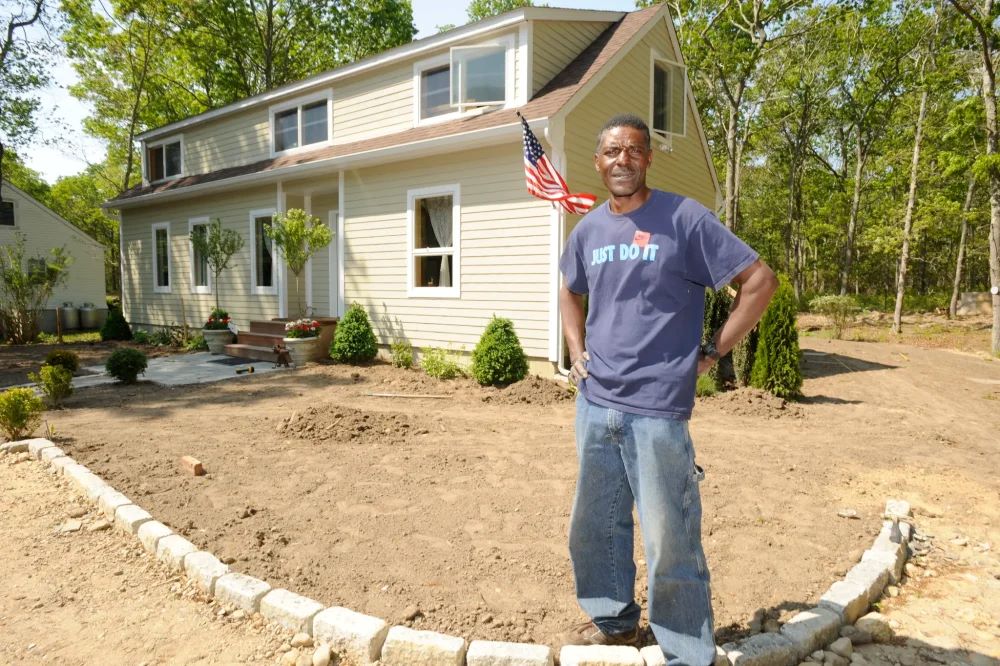
Faustin Nsabumukunzi, 65, of Bridgehampton, Long Island, was arrested on April 24, 2025 and is facing three federal charges; one count of visa fraud and two counts of attempted naturalization fraud. Prosecutors say he lied on his immigration and naturalization applications to hide his involvement in one of the 20th century’s most horrific mass atrocities.
According to court documents, Nsabumukunzi held the position of “Sector Counselor” in Rwanda during the genocide between April to July 1994, a period during which over a million people were killed.
As detailed in the indictment, Nsabumukunzi is accused of using his local authority to organize and direct attacks on Tutsi civilians. He allegedly supervised roadblocks used to identify, detain, and execute Tutsis and participated directly in the killings. A Rwandan court later convicted him in absentia.
Despite that history, Nsabumukunzi applied for refugee resettlement in the United States in 2003 and was granted a green card in 2007. He later submitted naturalization applications in both 2009 and 2015. In each of these cases, he allegedly denied any involvement in acts of genocide or persecution.
“For over two decades, he got away with those lies and lived in the United States with an undeserved clean slate, a luxury that his victims will never have. Thanks to the tenacious efforts of our investigators and prosecutors, the defendant finally will be held accountable for his brutal actions,” said U.S. Attorney John J. Durham for the Eastern District of New York.
Federal officials emphasized that the charges are part of a broader commitment to identifying and prosecuting individuals who committed human rights violations overseas and entered the U.S. under false pretenses.
“As alleged, the defendant participated in the commission of heinous acts of violence abroad and then lied his way into a green card and tried to obtain U.S. citizenship,” said Matthew R. Galeotti, head of the Justice Department’s Criminal Division.
“No matter how much time has passed, the Department of Justice will find and prosecute individuals who committed atrocities in their home countries,” he warned.
“This defendant has been living in the United States for decades, hiding his alleged horrific conduct. We will never tolerate the safe-harboring of individuals linked to such unimaginable crimes,” added Acting Special Agent in Charge Darren B. McCormack of Homeland Security Investigations New York.
If convicted, Nsabumukunzi faces up to 30 years in prison. The case is being prosecuted by the U.S. Department of Justice’s Human Rights and Special Prosecutions Section and the U.S. Attorney’s Office for the Eastern District of New York, with support from Homeland Security Investigations and the Interagency Human Rights Violators and War Crimes Center.
Members of the public who have information about former human rights violators residing in the United States are encouraged to contact law enforcement through the HSI tip line or email.
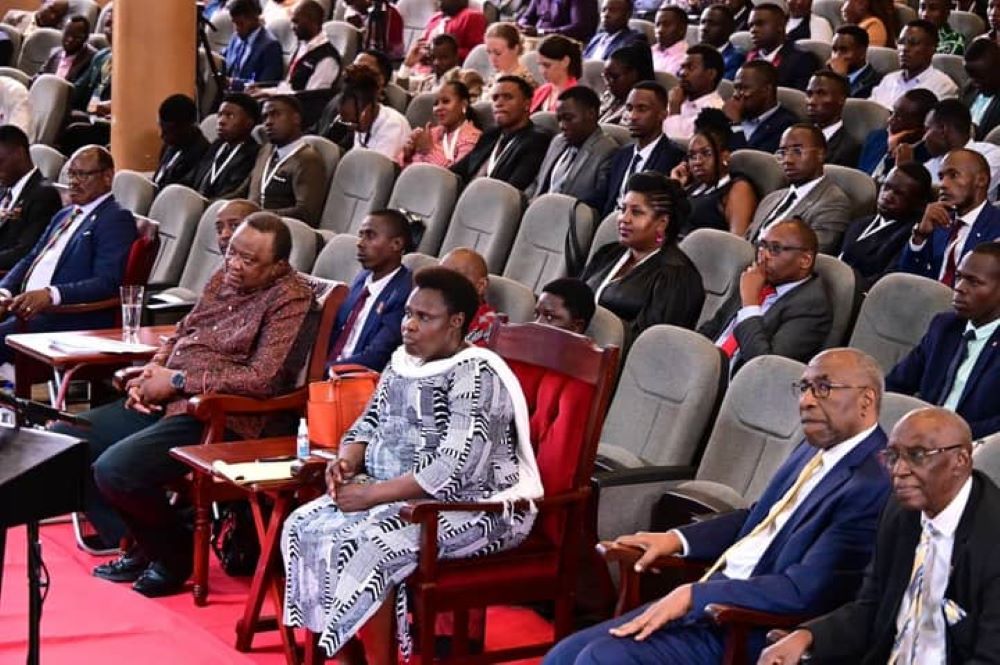
The event, which brings together student leaders from across East Africa, marks a major highlight in the region’s youth leadership calendar.
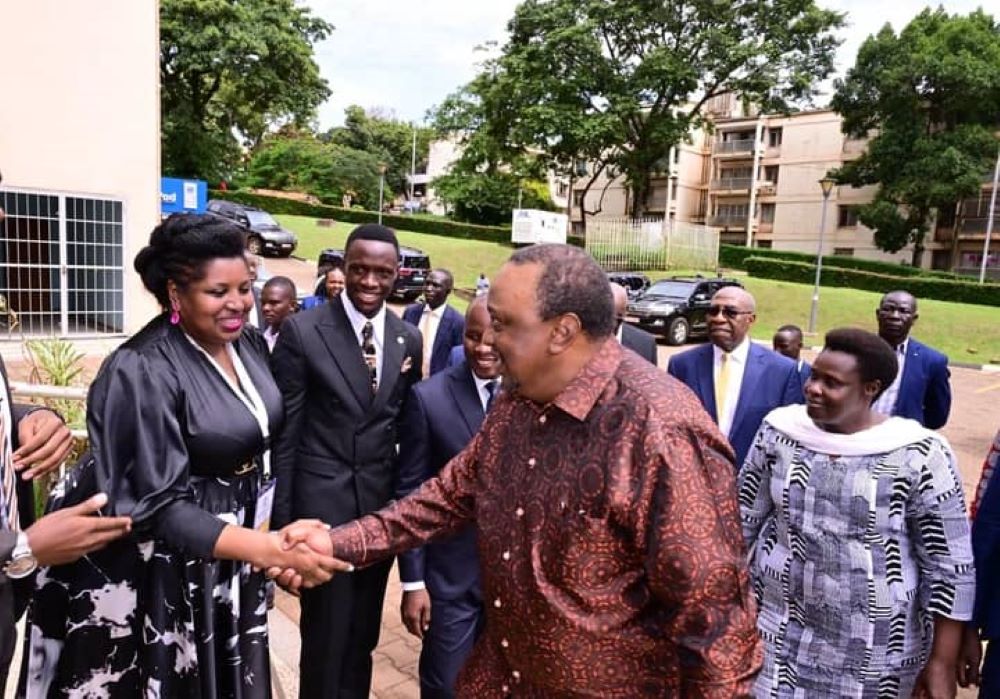
The news was shared by Sarah Kagingo, the CEO of Soft Power Communications, via her X account, where she expressed her honor at joining Uganda’s Vice President, Jessica Alupo, and fellow Guild Presidents in welcoming the former Kenyan head of state.
“Honoured to join H.E. the Vice President, Jessica Alupo, and fellow Guild Presidents in welcoming H.E. Uhuru Muigai Kenyatta, Fourth President of the Republic of Kenya, to Makerere University for the guild leaders’ summit, where he will deliver a keynote to East African student leaders,” Kigingo posted.
The summit is expected to focus on youth leadership, regional integration, and the role of young people in shaping East Africa’s future.
Kenyatta, who has remained an influential figure in African diplomacy since leaving office in 2022, is seen as a symbol of peaceful leadership transition and regional cooperation.
His presence at Makerere underscores the university’s historical role as a breeding ground for East African leadership.
Organizers say the summit will offer an opportunity for young leaders to engage with one of the region’s most experienced statesmen on issues ranging from governance to innovation.
John Mpunga, an official from RPPA, told local media that the 105 companies were sanctioned under the 2018 and 2022 public procurement laws.
According to data published on the transparency portal, the bans range from one to seven years, depending on the severity of the offenses.
The affected companies failed to fulfill contractual obligations, implemented projects in ways that deviated from agreed terms, submitted false information, or acted as a front for previously blacklisted entities.
The public procurement law stipulates a seven-year ban for companies that provide false information about their identity, documentation, or capabilities, violate procurement rules in pursuit of a contract, or use fraudulent contracts to obtain loans from banks.
Sanctions also apply to companies that fail to pay workers or suppliers during contract execution, change their registered address without notifying the contracting authority, employ experts whose work is found to be flawed, or collude with public officials in the preparation of tenders or bidding documentation.
Article 145 of the 2022 Public Procurement Law states, “A contractor who implements a contract in a way that deviates from agreed terms, fails to meet quality standards, or neglects obligations without justifiable cause, commits a violation.”
The law imposes a one-year exclusion from tenders and an administrative fine equal to 5% of the contract’s value, in addition to the termination of the contract.
Although RPPA does not pursue legal action itself, it forwards cases involving criminal offenses to the prosecution for follow-up.
Mpunga noted that excluding non-compliant companies from future tenders has significantly improved the overall execution of public contracts compared to previous years.
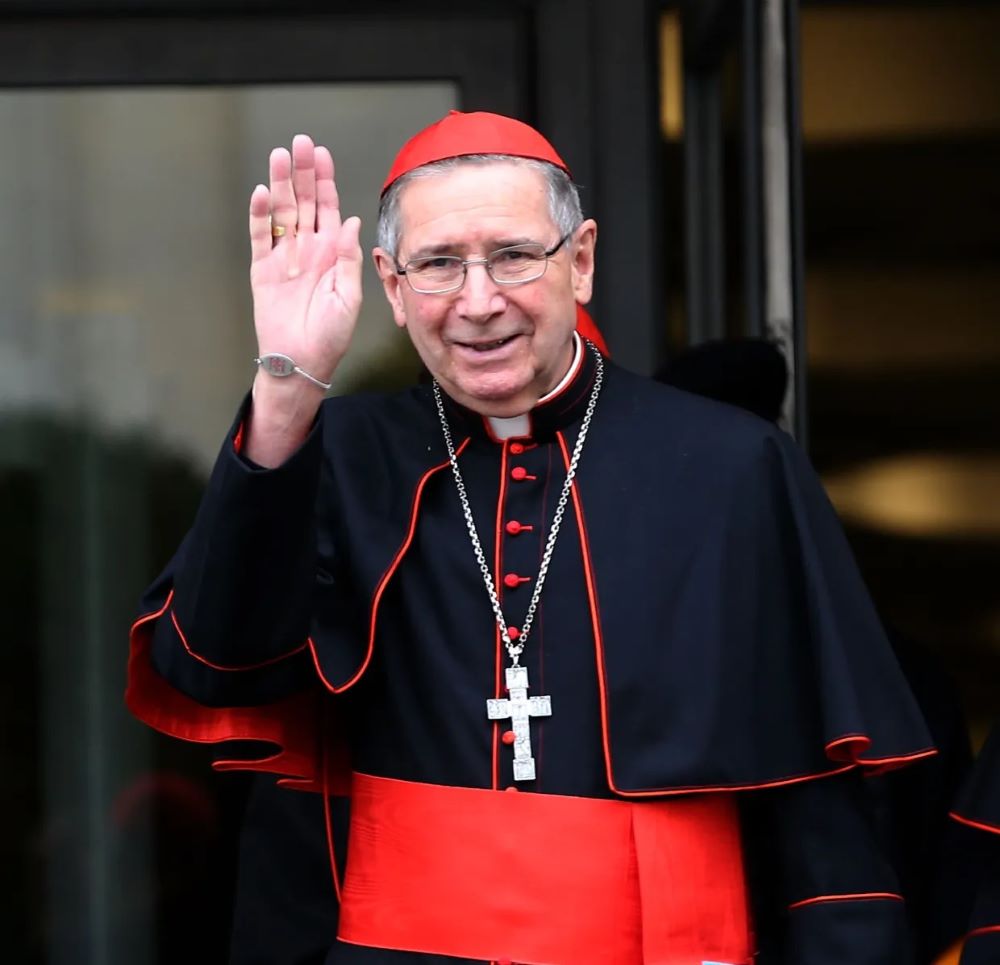
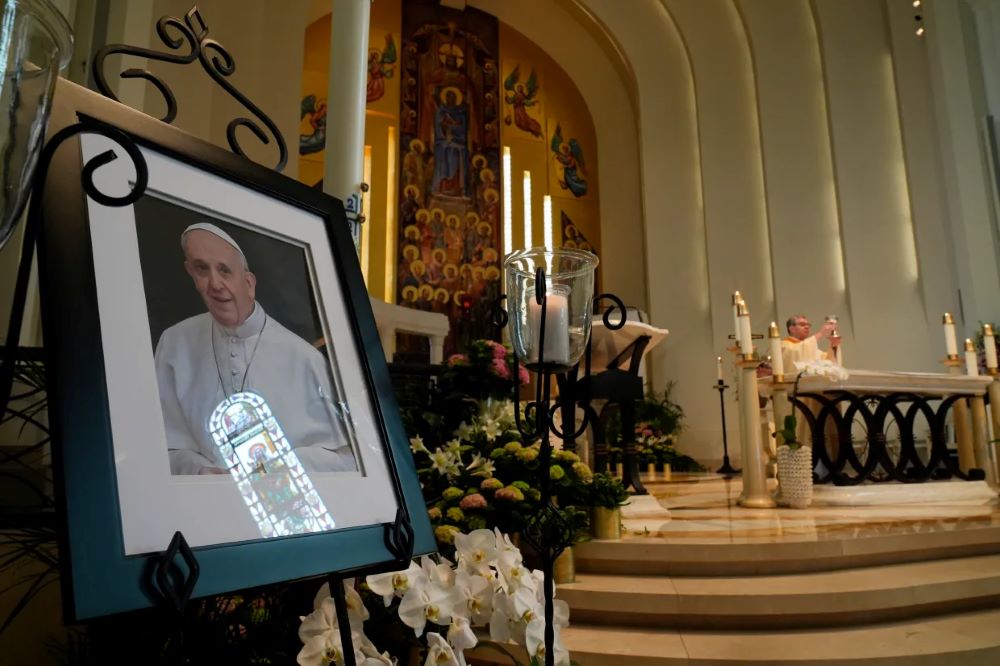
Yet he is listed among the 15 figures who have been granted the honour of closing the late pontiff’s coffin tomorrow. Cardinal Mahony was disgraced after the LA archdiocese released 12,000 pages of documents on priests accused of child molestation.
He had helped to shield accused priests from investigation back in the 1980s, papers unsealed as part of a civil case showed. At the time, Mahoney’s successor Archbishop Jose Gomez said: “I find these files to be brutal and painful reading.
“The behaviour described in these files is terribly sad and evil. There is no excuse, no explaining away what happened to these children. The priests involved had the duty to be their spiritual fathers and they failed.”
Cardinal Mahony, who retired in 2011 after running the archdiocese for 25 years, is now named in a Vatican bulletin as one of the individuals “requested” to take part in the closing of Pope Francis’ coffin.
This ceremony will happen Friday evening ahead of the pope’s funeral on Saturday. The Catholic Church under successive popes has been accused of failing victims of child sex abuse.
David Clohessy, director of the Survivors Network of Those Abused by Priests, previously blasted the Church’s handling of the scandal.
“When Cardinal Mahony had real power, and abused it horribly, he should have been demoted or disciplined by the Church hierarchy, in Rome and in the US. But not a single Catholic cleric anywhere had the courage to even denounce him. Shame on them,” he said.
Members of the College of Cardinals are making their way to the Vatican ahead of the forthcoming conclave – the process that elects the new pope. There are currently 252 cardinals, but only the 135 under the age of 80 are eligible to vote.
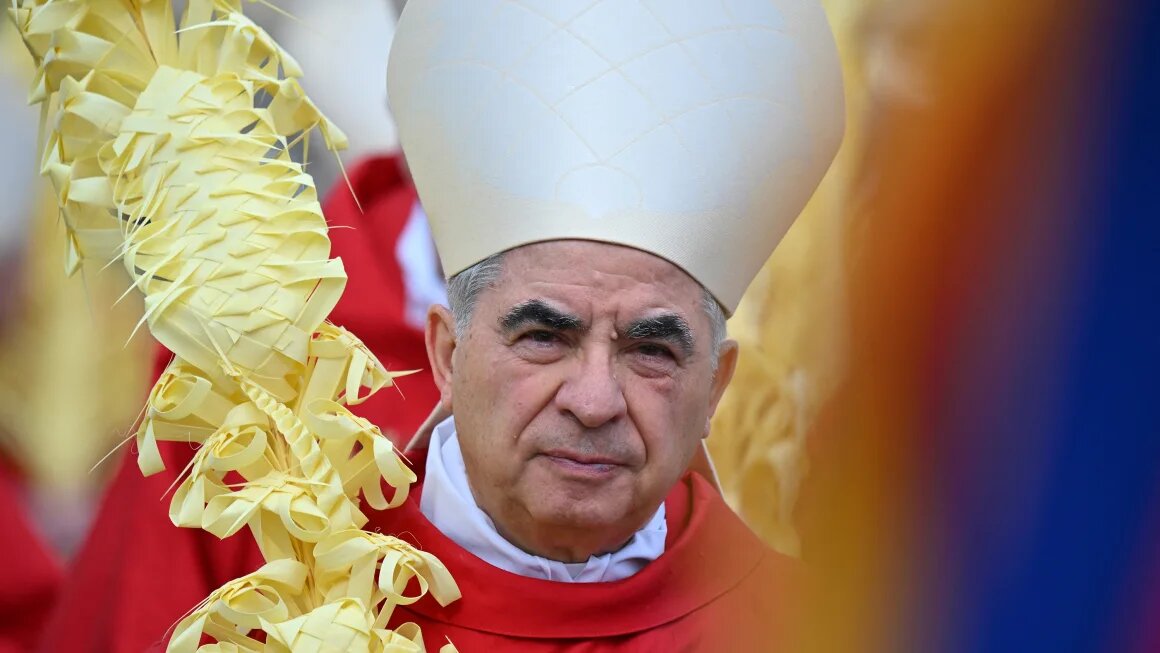
Another cardinal who was convicted of financial crimes is seeking the right to take part in the conclave. Cardinal Giovanni Angelo Becciu was ordered in 2020 to resign the “rights and privileges” of a cardinal by Pope Francis.
He maintains his innocence, and is still allowed to live in a Vatican apartment pending an appeal.
Cardinal Becciu claims he can still take part in a conclave despite being listed as a “non-elector”, according to CNN reports.
Pope Francis died on Monday just hours after his final public appearance on Easter Sunday. He was elected in 2013 following the resignation of Pope Benedict XVI. His funeral is will be held on Saturday in front of St Peter’s Basilica.
Becciu, 76, was sentenced to five and a half years in prison in December 2023 after becoming the first cardinal ever tried and convicted by the Vatican’s own criminal court. His conviction stems from a financial scandal involving a failed London real estate deal that cost the Church tens of millions of dollars, as well as allegations of misuse of Church funds.
Though Pope Francis personally stripped Becciu of his “rights and privileges” as a cardinal in 2020, the cardinal has retained his title and continues to live in a Vatican apartment while his appeal is pending.
Under Church law, cardinals under 80 are eligible to vote in a papal conclave. Becciu remains within the age limit and argues that no formal decree has barred him from voting.
“There was no explicit will to exclude me from the conclave, nor a request for my renunciation in writing,” Becciu told Sardinian newspaper L’Unione Sarda on Tuesday, renewing debate over his eligibility just days before the College of Cardinals gathers.
The Holy See’s press office has listed him as a non-elector, but legal ambiguity is fueling tensions. The final decision on whether Becciu can cast a vote will fall to Giovanni Battista Re, the dean of the College of Cardinals, and Cardinal Pietro Parolin, who will oversee the proceedings in the Sistine Chapel.
The Vatican now faces a delicate balancing act. Excluding Becciu without clear legal grounds could open the conclave to future challenges, while allowing a convicted fraudster to vote could cast a shadow over the legitimacy of the process.
Pope Francis, who died Easter Monday at age 88 after complications from pneumonia, made financial reform a cornerstone of his 12-year papacy. He personally amended Church law to ensure that even cardinals could face criminal prosecution by Vatican courts, a move that ultimately led to Becciu’s conviction.
The conclave is expected to begin within 20 days of his death, following centuries-old traditions, with 135 cardinals currently eligible to vote.
Among them is Rwanda’s Cardinal Antoine Kambanda, 67, who will make history as the first Rwandan to take part in a papal election.
To elect a new pope, a two-thirds majority is required. Until that consensus is reached, black smoke will rise from the Sistine Chapel’s chimney. Only white smoke will announce to the world the election of Pope Francis’ successor.
In an insightful interview with IGIHE, Dr. Eldirdiri Osman Ali, a medical expert from Baho International Hospital, shared valuable knowledge about the types, causes, symptoms, and management of diabetes.
The diabetologist’s expertise sheds light on how early recognition and lifestyle changes can make a significant difference in combating this pervasive disease.
Dr. Ali began by distinguishing between the two main types of diabetes: type 1 and type 2. Type 2 diabetes, he noted, accounts for approximately 90% of cases worldwide, making it the predominant form.
This condition arises when the body either fails to produce sufficient insulin—a hormone essential for transporting sugar into cells—or becomes insensitive to insulin, impairing sugar metabolism.
The result is a cascade of health issues that can affect nearly every organ in the body, from the heart and kidneys to the eyes, feet, and nervous system. Beyond physical complications, diabetes can also take a toll on mental health and interpersonal relationships, underscoring its far-reaching consequences.
The causes of diabetes, as Dr. Ali explained, are multifaceted, with lifestyle playing a central role. Obesity, lack of physical activity, and a sedentary lifestyle are major contributors, particularly when coupled with excessive abdominal fat, which triggers inflammation throughout the body. Hereditary factors also increase susceptibility, meaning individuals with a family history of diabetes are at higher risk.
Other risk factors include gestational diabetes during pregnancy, certain ovarian conditions, and the use of medications like steroids, which can induce the condition. Dr. Ali emphasized that these factors, while diverse, often converge on one key issue: lifestyle choices.
Recognizing diabetes early is crucial to preventing its severe complications, which include heart attacks, kidney failure, blindness, non-healing wounds, and neurological issues.
Dr. Ali highlighted common symptoms that should prompt a visit to the doctor: excessive thirst, frequent urination (especially at night), blurred vision, slow-healing wounds, and persistent fatigue.
Alarmingly, some individuals remain unaware of their condition until a major complication, such as a heart attack, reveals it.
“If you delay diabetes for five years without knowing, that’s when complications arise,” Dr. Ali warned, stressing that while early-stage diabetes is manageable, reversing complications is far more challenging.
Prevention and management, according to Dr. Ali, hinge on proactive lifestyle changes. He advocated for at least 30 minutes of brisk walking five times a week, describing it as a simple, cost-effective way to reduce risk.
Dietary adjustments are equally important: avoiding sugary foods, white bread, rice, and fizzy drinks while prioritizing vegetables, beans, and lean meats can significantly improve health outcomes.
Smoking cessation and minimal alcohol consumption further support prevention efforts. For those already diagnosed, controlling blood sugar through regular testing, adherence to prescribed medications, and exercise is paramount.
Dr. Ali underscored the importance of exercise, noting that it constitutes “50% of the treatment” for diabetes, complementing the effects of medications.
Treatment approaches vary depending on the severity of the condition. Initial management often involves Metformin, a tablet taken once or twice daily, with additional drugs introduced if blood sugar levels remain high.
In advanced cases, where the pancreas no longer produces insulin, injections become necessary. Dr. Ali emphasized the role of regular check-ups and tests like glycated hemoglobin, which provide a three-month snapshot of blood sugar control, guiding treatment decisions.
The essence of good business lies in placing your products on the market, whether local or international. That is the foundation of meaningful commerce.
Fortunate Uwitonze, a businesswoman based in Kigali, began importing goods from China in 2020. At the time, she believed that everything she bought was coming directly from the factories. But in 2023, she discovered the truth.
She had the opportunity to visit several factories in China and was surprised to find that none of them had ever heard of her. Instead, the factories only recognized the intermediaries who helped her source the products.
That’s when she realized that the price she had been paying for her goods was nearly three times higher than the factory price, because every intermediary in the chain was trying to make a profit.
“I thought I was dealing with a factory, but it was actually a middleman. Everything I was buying was extremely overpriced compared to the factory rates,” said Uwitonze.
She’s not alone. Many Rwandans engaged in cross-border trade face similar challenges. Some even lose their goods along the way simply because they don’t know the intermediaries they’re working with well enough.
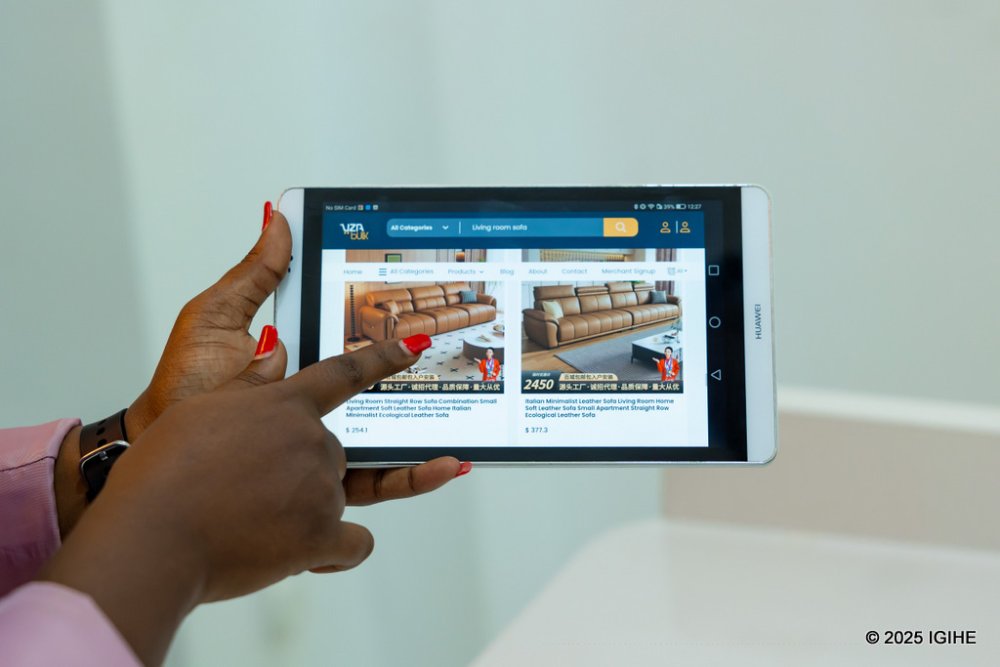
To solve this problem on a larger scale, UZA Solutions Ltd., in partnership with Alibaba Group, launched the UZA Bulk platform, a marketplace designed to directly connect manufacturers and their customers.
This platform helps African traders access over 10,000 verified Chinese factories. Users can safely, affordably, and quickly browse and order a wide variety of products.
Today, the UZA Bulk platform offers over 20 million products at true factory prices. Users communicate directly with the manufacturers, completely bypassing intermediaries.
“UZA Bulk isn’t just a platform—it’s a movement for transformation. We import smarter and export better. This will help us grow our own industries and fully harness our potential,” Yves Iradukunda, CEO of UZA Solutions Ltd., said.
UZA Bulk also supports Rwandan and African manufacturers in listing their products on the platform, helping them access regional and international markets.
Eric Nshimiyimana, a phone dealer in Kigali, is one of the traders who has benefited from the platform. He shared that he now sells at lower prices while earning “a solid profit.”
This platform is ideal for everyone, from new small-scale entrepreneurs to established factories looking to expand their sales reach.
Anyone, from anywhere, can connect with manufacturers around the world through UZA Bulk. It’s more than a marketplace, it’s a gateway to scaling African commerce. To join UZA Bulk, visit [www.uzabulk.com->https://www.uzabulk.com/].