According to FAO, prices increased for grains and cereals, dairy products, and meat, pushing its benchmark Food Price Index up by 1 percent compared to March, despite declines in the prices of sugar and vegetable oils.
The organization said the strongest impact of the U.S. tariff changes was observed in grains and cereals – the largest component of the FAO Food Price Index – although seasonal demand, reduced wheat exports from Russia, and a weaker U.S. dollar also played significant roles.
“Adjustments to the United States’ import tariff policies – including the exemption of Mexico, the leading importer of U.S. maize, and a 90-day suspension of tariffs above 10 percent for several other trading partners – further contributed to the upward price pressure,” the FAO noted in its monthly report.
Dairy prices climbed by 2.4 percent month-on-month and meat prices jumped 3.2 percent. In contrast, vegetable oil prices fell by 2.3 percent and sugar prices declined for the second straight month, dropping 3.5 percent from March, according to the report.
In a public notice issued Friday, Acting Chief Veterinary Officer Johannes Shoopala said authorities have implemented immediate control measures to prevent the spread of the disease.
The measures include requiring veterinary permits and full vaccination for animals entering or leaving the affected areas, advising owners to vaccinate their animals, quarantining affected areas, recommending night stabling and the use of insect repellents, discouraging horse racing and endurance events, banning imports from infected countries, and reminding the public of existing movement permit requirements.
According to Shoopala, owners of horses are advised that the recommended vaccination period in Namibia is from June 1 to Oct. 31.
African horse sickness is described as a noncontagious viral disease transmitted by midges that affects horses, donkeys, zebras, and other equine species.
Common signs of the disease include fever, difficulty breathing, coughing, sweating, and frothy discharge from the nostrils; the mortality rate can be as high as 70 percent.
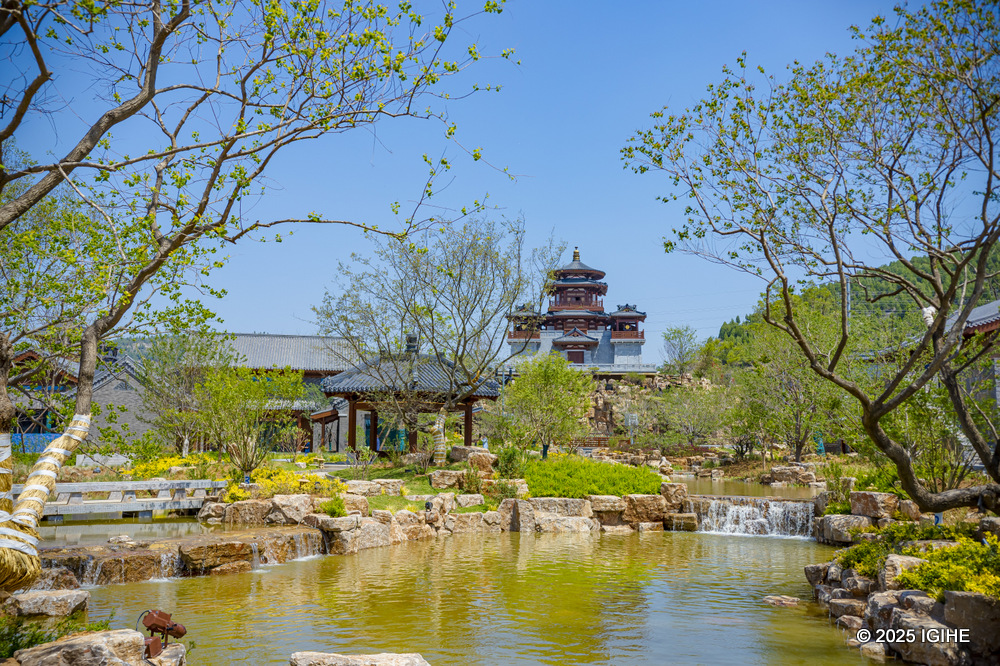
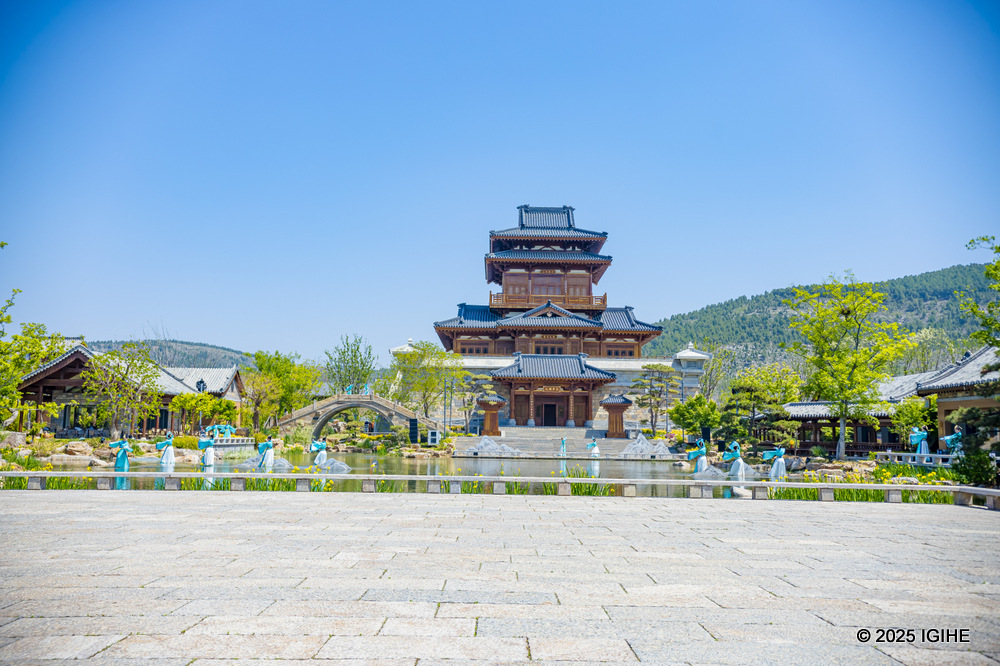
Envisioned and developed as a premier cultural tourism district and resort area, Luyuan Village spans a substantial 370,000 square meters, demonstrating the scale and ambition of this undertaking.
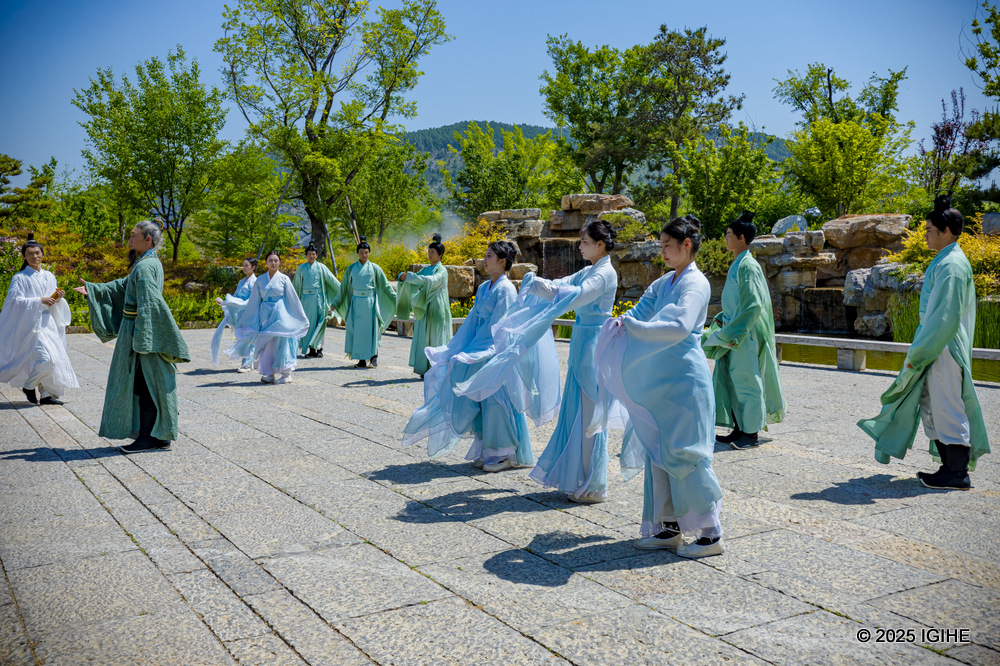
The core objective of Nishan Luyuan Village is to vigorously promote Confucianism and offer visitors a comprehensive and immersive cultural experience. This is achieved through a carefully curated blend of architectural attractions that evoke traditional Chinese aesthetics and resonate with the Confucian era, alongside a rich program of cultural performances designed to bring the teachings, arts, and traditions associated with Confucius to life.
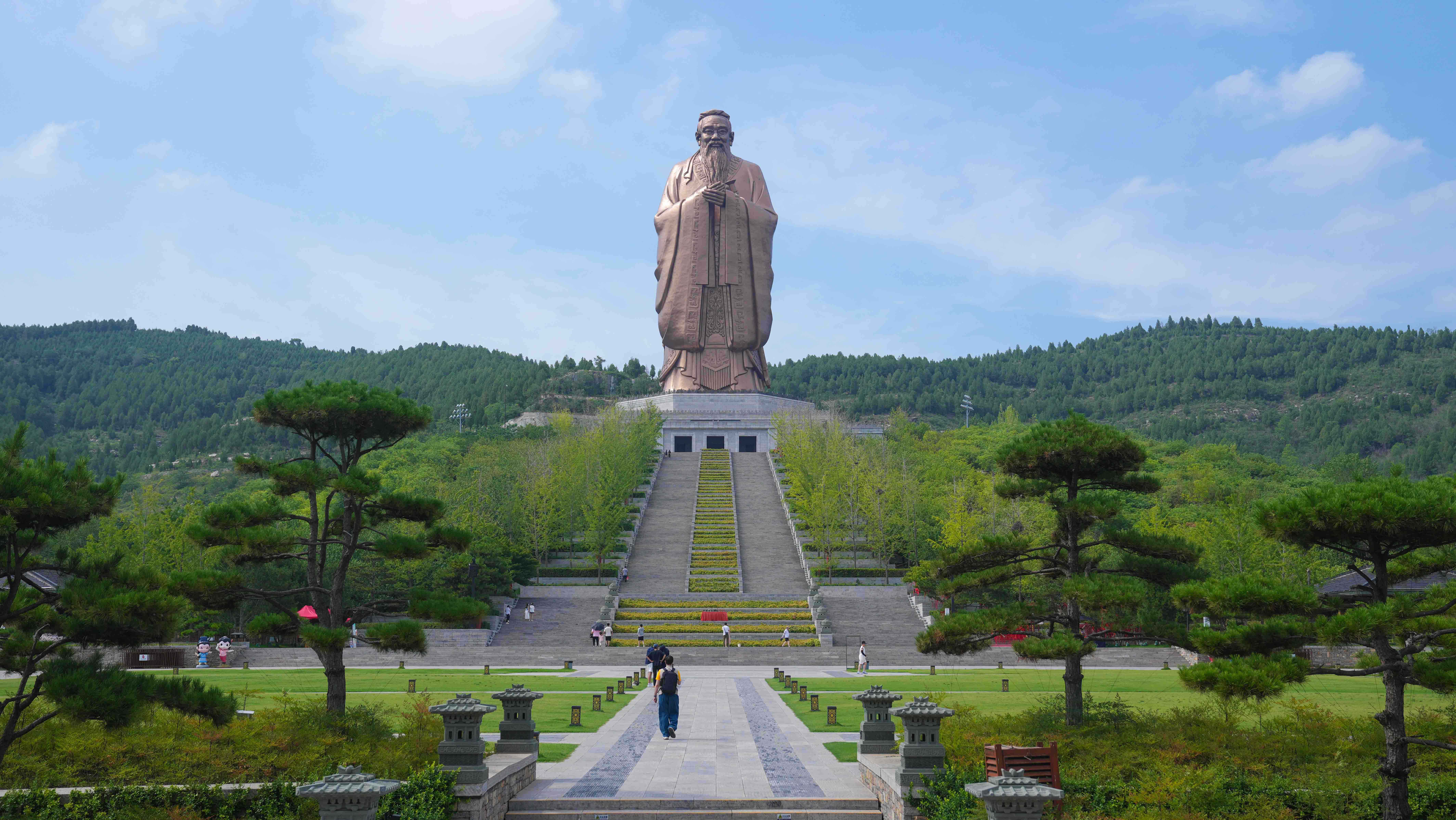
This is where my journey started, in the place where Confucius was born more than 2,500 years ago. As I explored the place, I began to see how his teachings—about respect, family, and learning, are still influencing people today, even as far away as Rwanda.
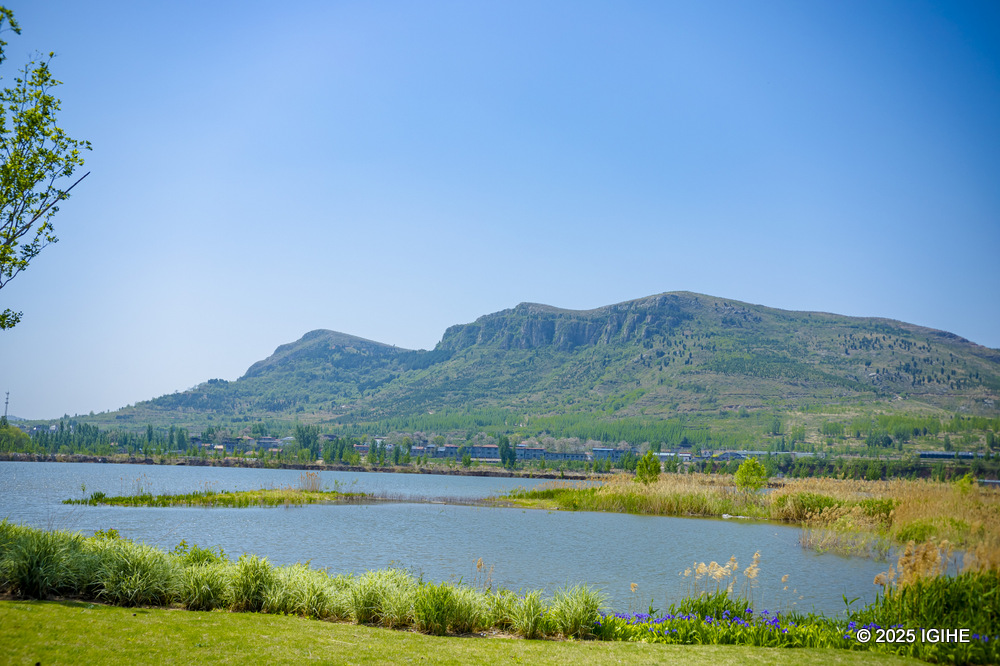
Just across from Luyuan Village lies Mount Ni, also known as Nishan. This mountain holds deep cultural significance as it is traditionally considered the birthplace of Confucius.
According to historical records, Confucius’s parents prayed at Mount Ni for a child, and shortly thereafter, his mother gave birth to him.
Mount Ni is home to several historical sites, including the Confucius Cave, where, according to legend, Confucius was born. The area also features ancient temples and academies dedicated to Confucian teachings.
From there, I visited Nishan Sacred Land, a large cultural park built to celebrate Confucius’ life and ideas. The University Hall stood tall and quiet, while the Hall of Benevolence, a space for reflecting on Confucian virtues, shimmered with golden phoenixes on the ceiling—symbols of virtue and renewal.
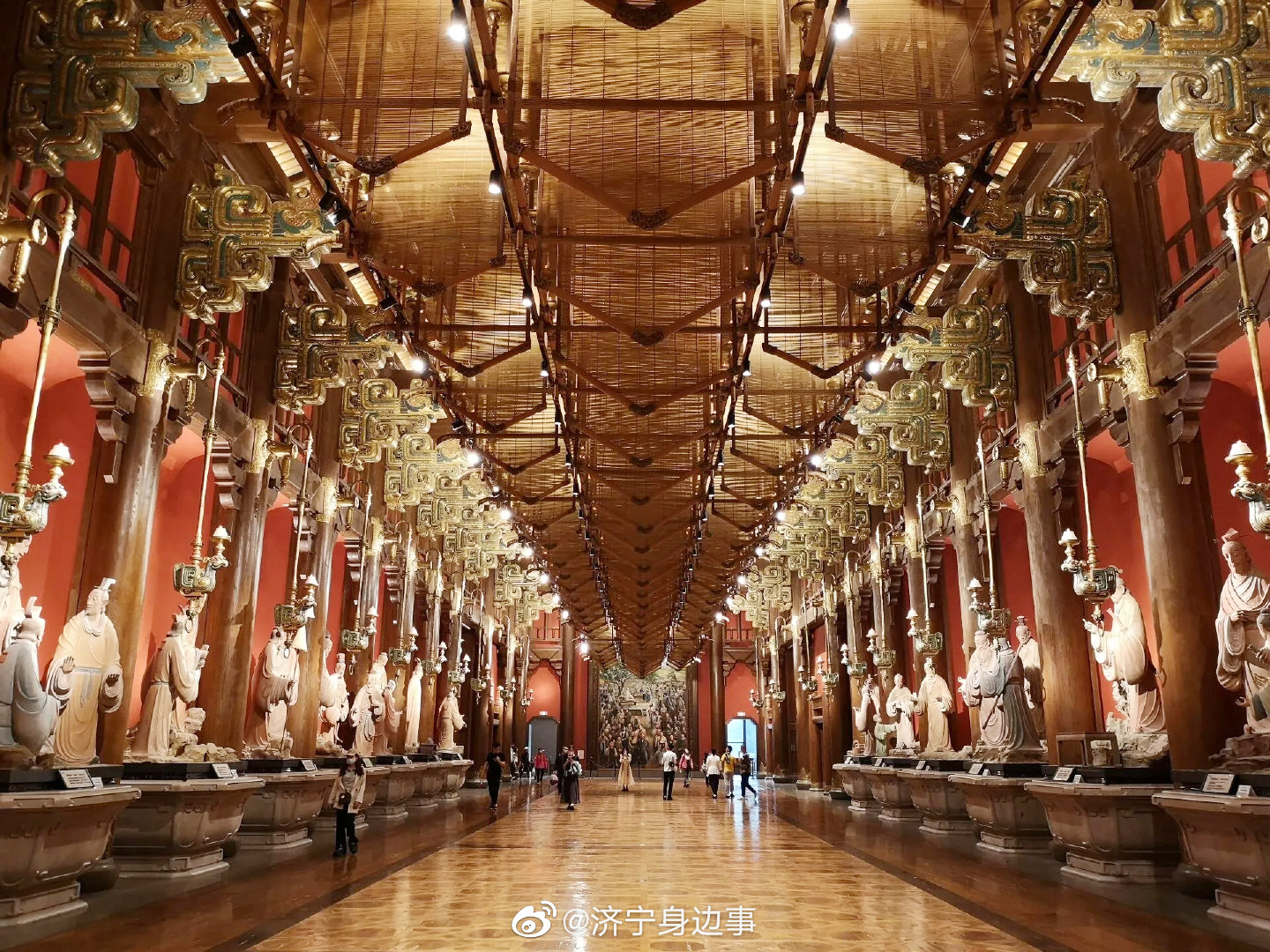
I walked through a hallway filled with clay statues of Confucius’ students. Each had a story: Yan Hui, who found joy in simple things; Min Sun, who deeply respected his parents; and Zizhang, known for honesty and self-control.
In the Hall of New Learning, an educational and interactive exhibition space within Nishan Sacred Land, I discovered the “Six Arts” that young people in Confucius’ time were taught: music, writing, archery, charioteering, math, and rituals. These weren’t just skills—they were lessons in living with balance and self-discipline.
As I stood there, I remembered conversations I’d had back in Kigali with Rwandan students learning Chinese. Some of them speak about Confucian values like respect, hard work, and humility the same way these ancient students might have.
The Confucius Institute in Rwanda opened in 2009. At first, only a few students signed up—many thought learning Chinese was too difficult. But over time, interest grew. Today, nearly 20,000 Rwandans have learned Chinese through the Institute. For them, it’s not just about the language—it’s also about building bridges between cultures and learning values they can apply in their own lives.
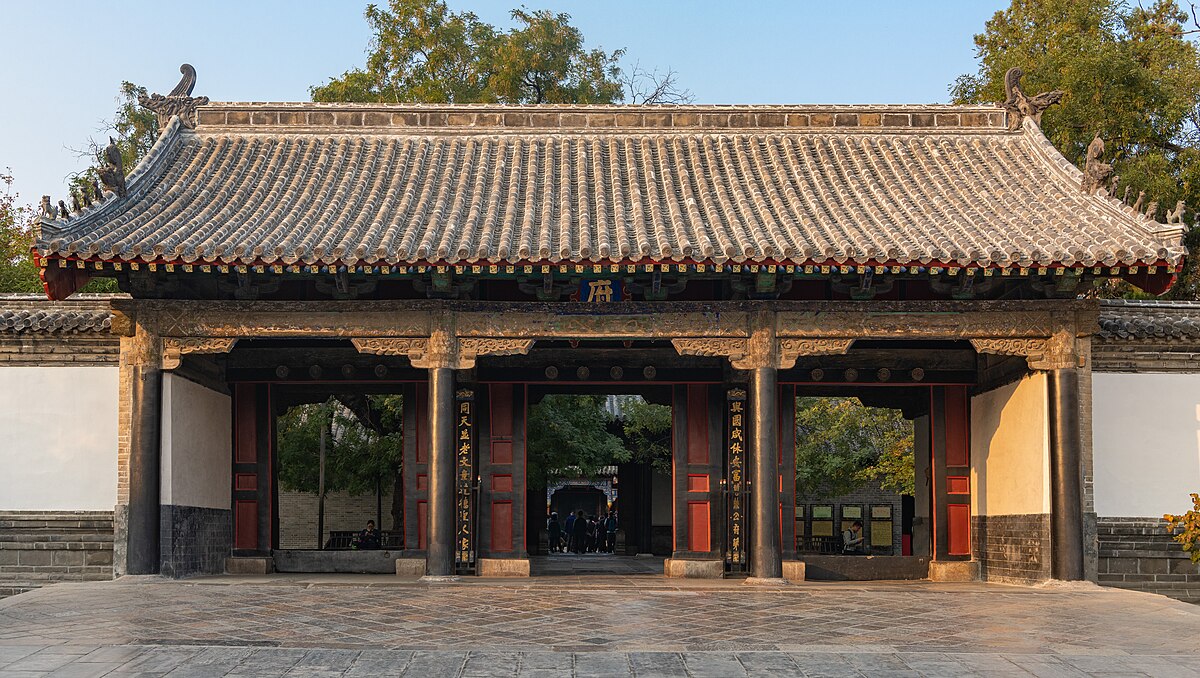
Later in my trip, I went to Qufu, the hometown of Confucius. There, I visited the Confucius Temple, a peaceful place with red pillars and a golden roof. Under the shade of old trees, I listened to stories about ancient ceremonies and how they were meant to teach gratitude and social harmony—not just to honor the past.
Nearby, I toured the Kong Family Mansion, where Confucius’ descendants lived for centuries. Inside, I saw how his teachings helped guide not just personal behavior, but even the laws of emperors and the running of governments.
Back in Kigali, celebrations for United Nations Chinese Language Day echoed this cultural exchange. This year’s theme, ‘Chinese Language: A Gift Across Time and Space,’ was a reminder of just how far this ancient language has traveled and how deeply it’s being embraced in places like Rwanda.
Zeng Guangyu, director of the Confucius Institute at the University of Rwanda, recently told Xinhua that Chinese language skills have opened doors for Rwandan learners, enabling them to secure jobs, win scholarships, study in China, and even start businesses.
I realized that Confucius’ legacy is not confined to stone monuments or ancient texts. It’s alive in classrooms, in conversations, and in the dreams of young people who are using language not just to speak, but to connect, to grow, and also to build a future across cultures.
While many still associate Haier with air conditioners, refrigerators, and washing machines, the company has moved far beyond these basics. Today, it is actively reshaping industries, from smart homes to healthcare technology through a bold, integrated strategy powered by innovation and global reach.
Haier was founded in 1984 as Qingdao Refrigerator General Factory, under the approval of the Light Industry Department of the People’s Republic of China. In its early years, Haier gained attention for enforcing strict quality standards, famously smashing defective refrigerators in public to send a message.
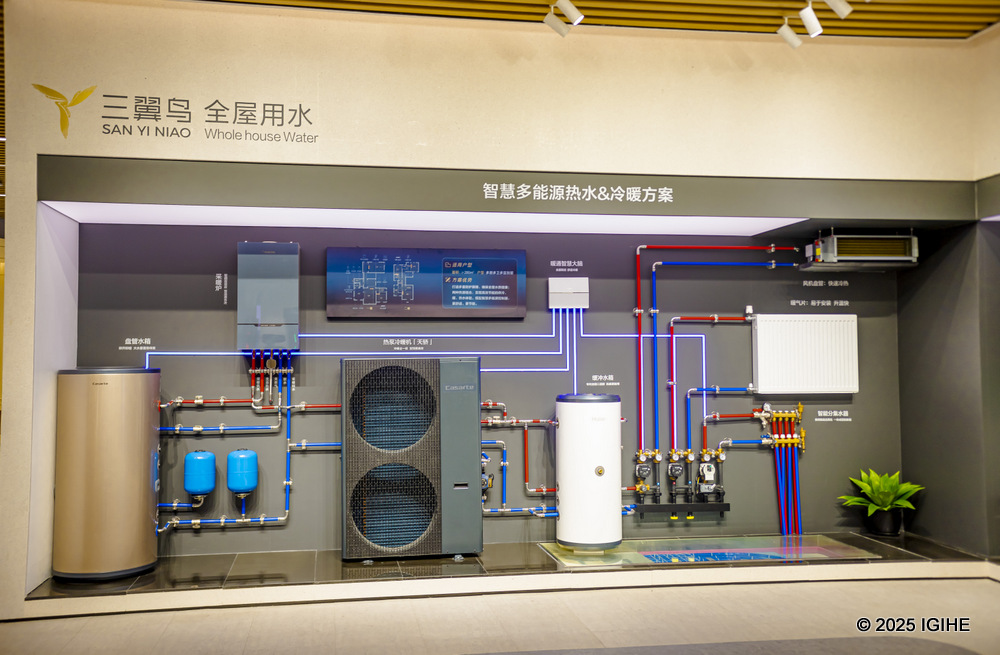
Over time, the company transformed into a global conglomerate by emphasizing customer-centered design, smart technology, and scalable business models. Its multi-brand strategy allows it to serve various market segments: the Haier brand caters to mainstream users, Casarte serves luxury consumers, while Leader focuses on budget-friendly offerings in China.
Through major acquisitions, Haier has expanded its global footprint, owning GE Appliances (USA), Fisher & Paykel (New Zealand), Aqua (Japan), and Candy (Europe), among others.
In 2024, Haier Group Corporation demonstrated robust financial growth, with consolidated revenue exceeding $45 billion (RMB 324 billion) and net profits surpassing $3 billion (RMB 21.6 billion), driven by its global multi-brand strategy and premium product segments.
Its subsidiary, Haier Smart Home (35% owned by Haier Group), reported standalone revenue of RMB 285.98 billion ($39.6 billion), a 4.29% year-on-year increase, and net profit of RMB 18.74 billion ($2.6 billion), up 12.9% from 2023, with a gross profit margin of 27.8%.
Haier Smart Home’s global operations are anchored by 34 industrial parks and 163 manufacturing centers worldwide, including flagship facilities like the Noida Industrial Park in India, the Russia Smart Ecosystem Park, and the Egypt Ecological Park.
What sets Haier apart is its consistent reinvention, guided by a strategic commitment to annual transformation. It is this internal culture of agility that fuels innovations like the record-breaking 1.88-meter barge caliper balanced on an operating washing machine in 2017, earning a Guinness World Record and showcasing the precision engineering Haier is known for.
{{Expansion into biomedical technology}}
Beyond consumer goods, Haier is making significant strides into the biomedical field—an area now central to its future vision. Through Haier Biomedical, a subsidiary founded in 2005, the company designs and manufactures advanced life science equipment including ultra-low temperature freezers, vaccine cold chain solutions, blood bank refrigerators, and laboratory biosafety cabinets.
These devices serve hospitals, clinics, laboratories, research institutions, and pharmaceutical companies across more than 160 countries. During the COVID-19 pandemic, Haier Biomedical’s products became critical infrastructure for vaccine storage, contributing to public health efforts on a global scale.
What distinguishes Haier in this field is not only the hardware but also its integration of IoT, AI, and cloud platforms into biomedical technology—creating intelligent solutions for asset tracking, temperature monitoring, and predictive maintenance. This aligns with Haier’s broader commitment to smart ecosystems, applied now to healthcare and medical science.
Haier Smart Home Company, in which the group holds publicly a 35% stake, extends its IoT vision into residential living. Under the U+ Smart Life Platform, appliances are interconnected to deliver scenario-based experiences: refrigerators that recommend recipes based on their contents, washing machines that adjust cycles through mobile apps, or air conditioners that sync with sleep data.
These experiences are designed not as individual products, but as interconnected lifestyle systems. At the heart of this approach is the “three-wing bird” philosophy—representing the synergy between smart home appliances, ecosystem-based services, and industrial internet platforms.
Haier’s decision to maintain certain brands as domestic-only, like Leader, is rooted in precision segmentation. While global brands like GE Appliances address premium users, brands like Leader target budget-sensitive Chinese consumers—ensuring Haier maintains relevance across all income levels without diluting brand identity.
This micro-market targeting, combined with Haier’s staggering portfolio of over 40,000 patents worldwide, underlines a strategy built on depth, localization, and technology-led growth.
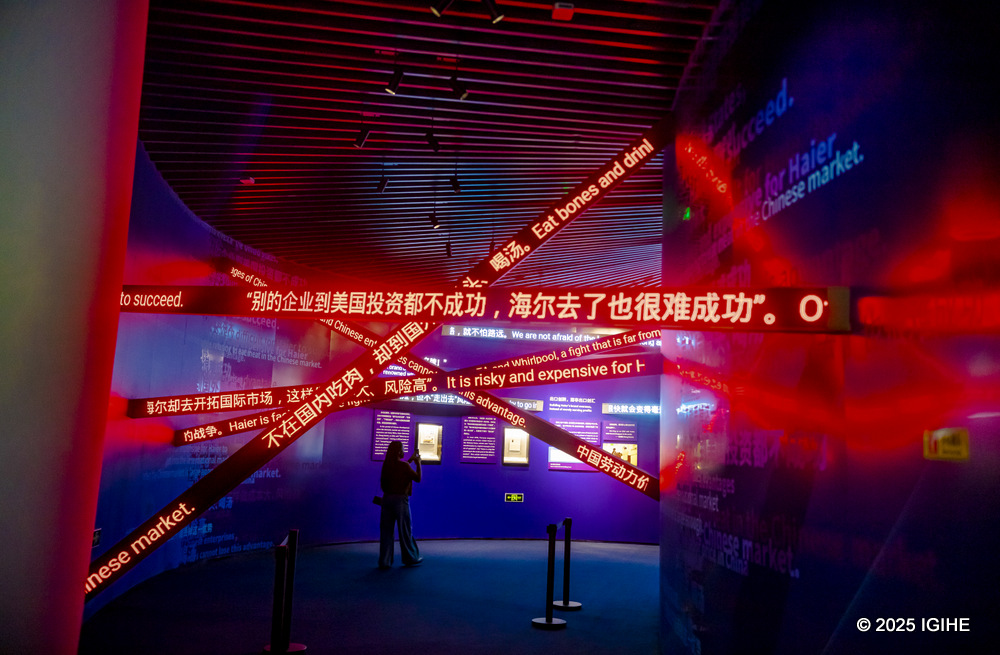
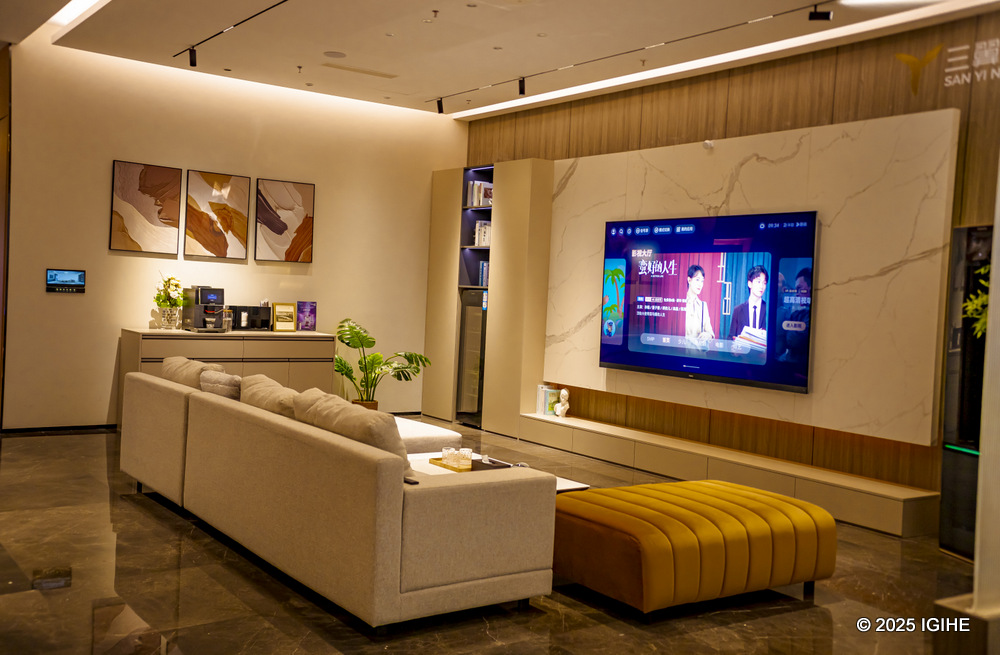
Visiting Haier’s futuristic headquarters in Qingdao offers a glimpse into the company’s DNA. Designed with immersive digital interfaces, the building is an experiential narrative of its past, present, and future.
Visitors pass through innovation rooms displaying AI-powered appliances, history rooms charting its rise since 1984, and leadership galleries that highlight the values of collaboration, entrepreneurship, and user-driven design.
The facility is not merely an office complex, but a living showcase of Haier’s belief that business is a constantly evolving ecosystem.
Monzer Ali brings with him over 24 years of experience in the telecommunications sector, including 21 years within the MTN Group.
His extensive background equips him with a deep understanding of the evolving digital landscape across the region and positions him well to lead MTN Rwanda into its next phase of transformation.
Taking over from Mapula Bodibe, whose impactful leadership guided MTN Rwanda through major milestones, Monzer aims to build on her legacy and carry the momentum forward.
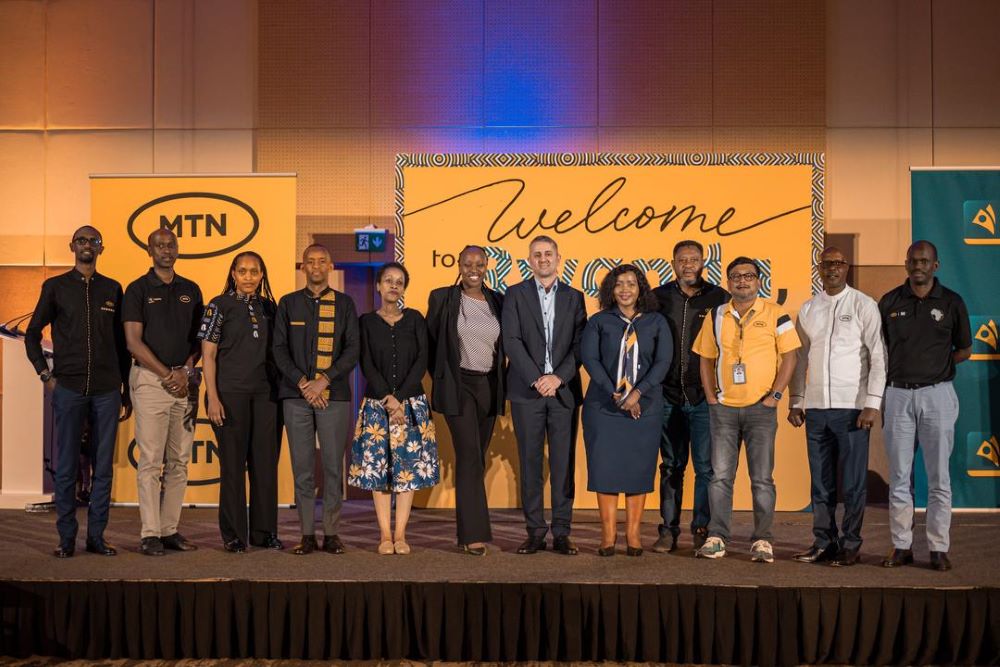
During the staff townhall that was held to welcome the new CEO, Mapula expressed her gratitude to the MTN Rwanda team for their resilience and shared her confidence in Monzer’s ability to lead the company into its next era of growth and innovation.
In his first remarks as CEO, Monzer expressed admiration for Rwanda’s digital progress and excitement for the path ahead.
He reaffirmed MTN Rwanda’s commitment to being a partner in the country’s transformation, and to using technology as a powerful enabler of inclusive growth and to provide the highest quality of service to the Citizen of Rwanda.
He also paid tribute to his predecessor, thanking Mapula Bodibe for building a strong foundation and leaving behind a legacy of resilience and excellence that will continue to inspire the organization’s journey.
Monzer steps into this role at a defining time, with a clear vision for MTN Rwanda’s future built on three core pillars: accessibility, innovation, and sustainability. He emphasizes the importance of ensuring that all Rwandans, regardless of location or economic background, have access to digital tools and mobile financial services that empower their daily lives.
This includes accelerating the rollout of affordable smartphones, expanding mobile banking solutions, and reducing barriers to digital participation.
Through continued partnership with Chantal Kagame, CEO of Mobile Money Rwanda Ltd (MMRL), Monzer will work to deepen the company’s financial inclusion agenda, bringing secure, innovative services to individuals and businesses alike.
Connectivity, sustainability, and customer experience form the backbone of Monzer’s strategy for MTN Rwanda.
He is focused on expanding 4G+ coverage nationwide, enabling fast, reliable access to digital services and preparing the ground for future innovations like 5G.
This investment is aimed at unlocking opportunities in different sectors such as education, healthcare, and entrepreneurship for all Rwandans.
In addition to expanding digital access, Monzer is deeply committed to responsible and inclusive growth.
Under his leadership, MTN Rwanda is committed to advancing green energy initiatives ranging from the adoption of energy-efficient technologies and hybrid or fully electric vehicles to impactful reforestation projects all aimed at reducing the company’s carbon footprint.
MTN Rwanda continues to enhance customer experience through innovations such as self-service web portals, upgraded digital platforms, and modernized service centers.
These improvements are designed to simplify and enrich everyday interactions, putting more control in customers’ hands and minimizing service friction. across the service experience, MTN Rwanda aims to increase satisfaction, because we do not settle for less.
With Monzer at the helm, MTN Rwanda is poised to advance its mission of leading digital solutions for Rwanda’s progress – Forward, together.
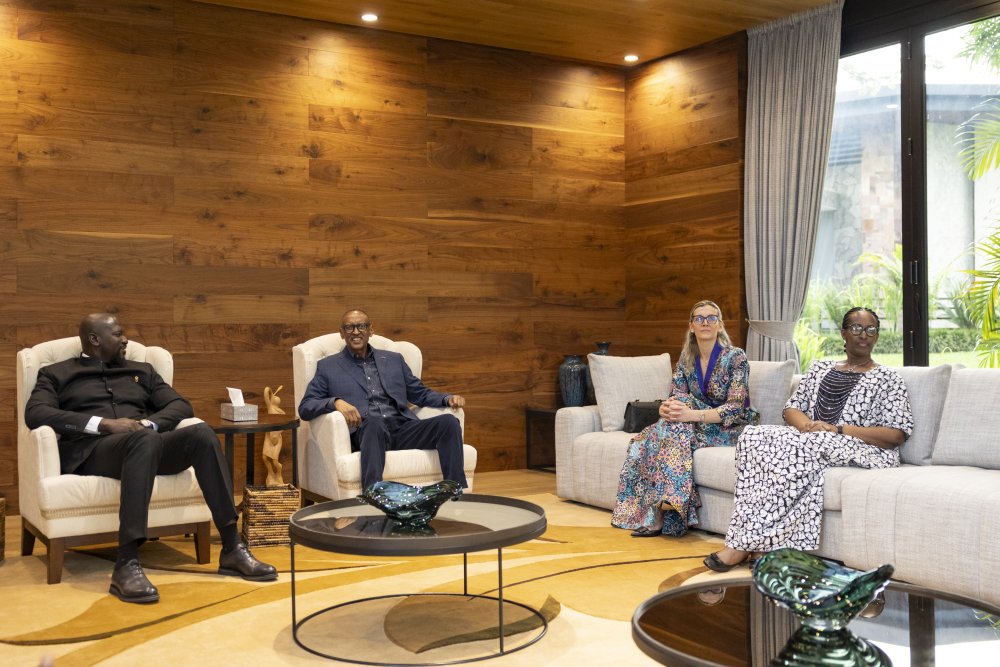
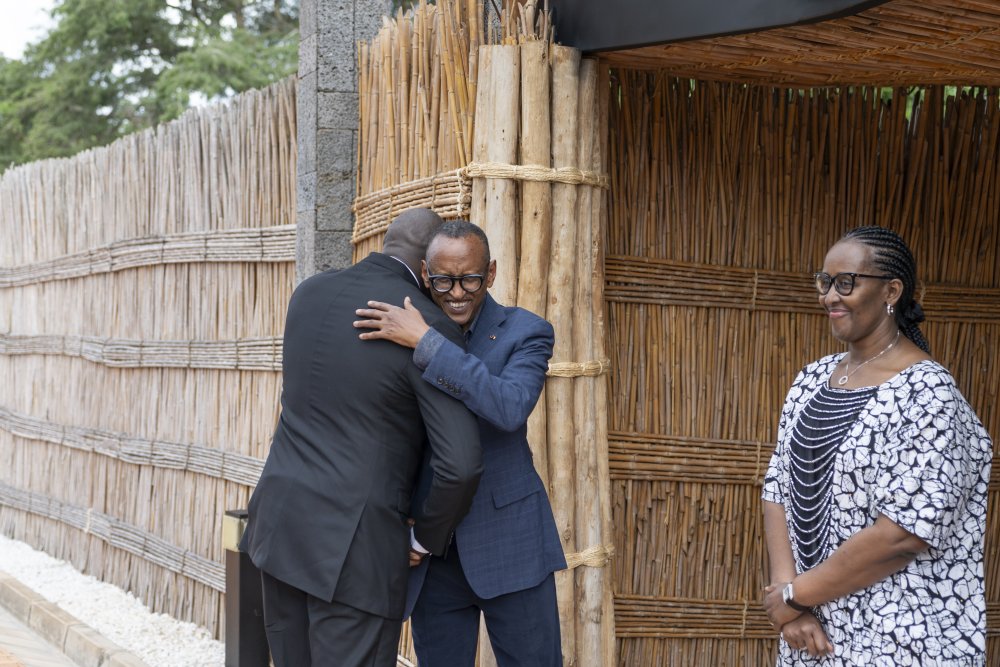
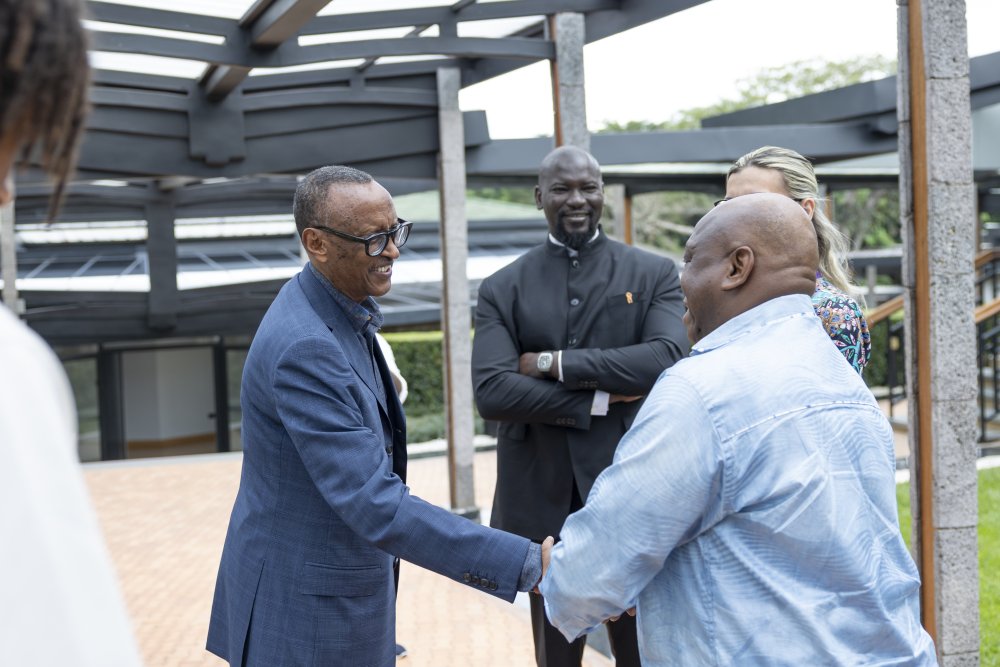
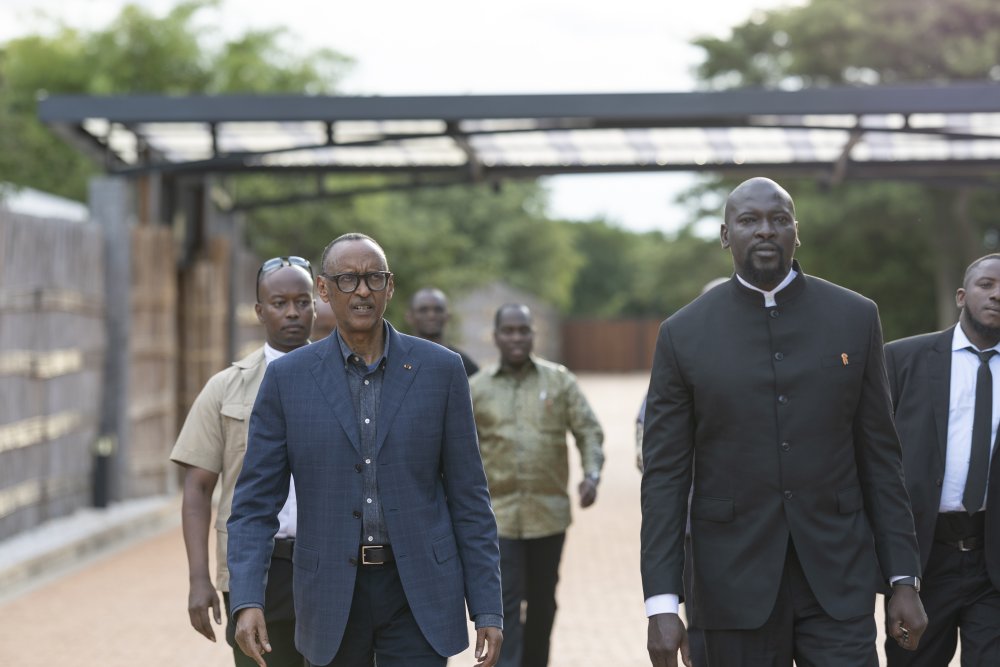
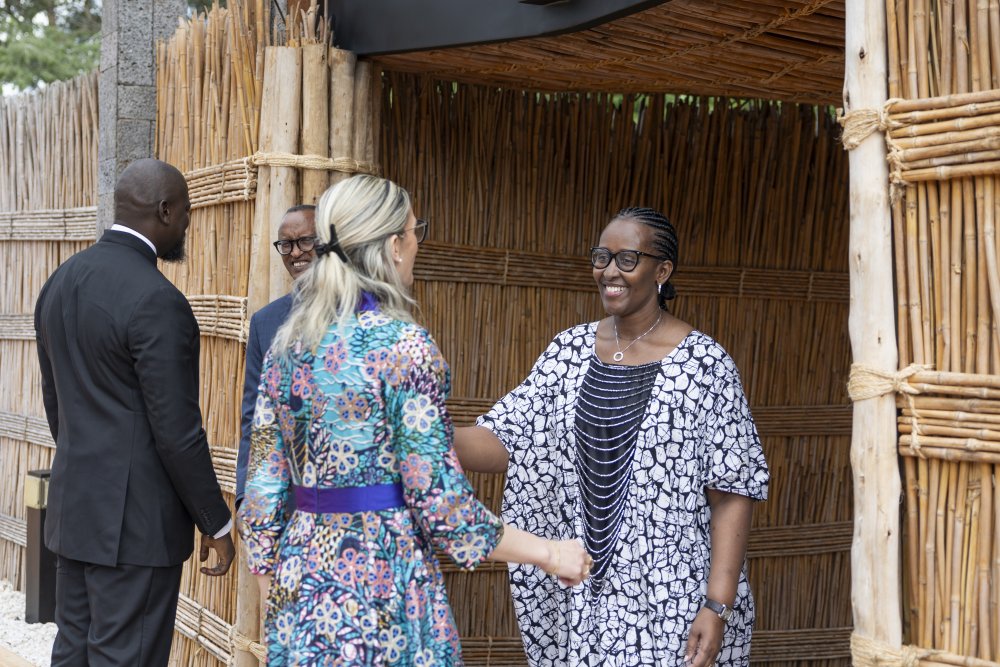
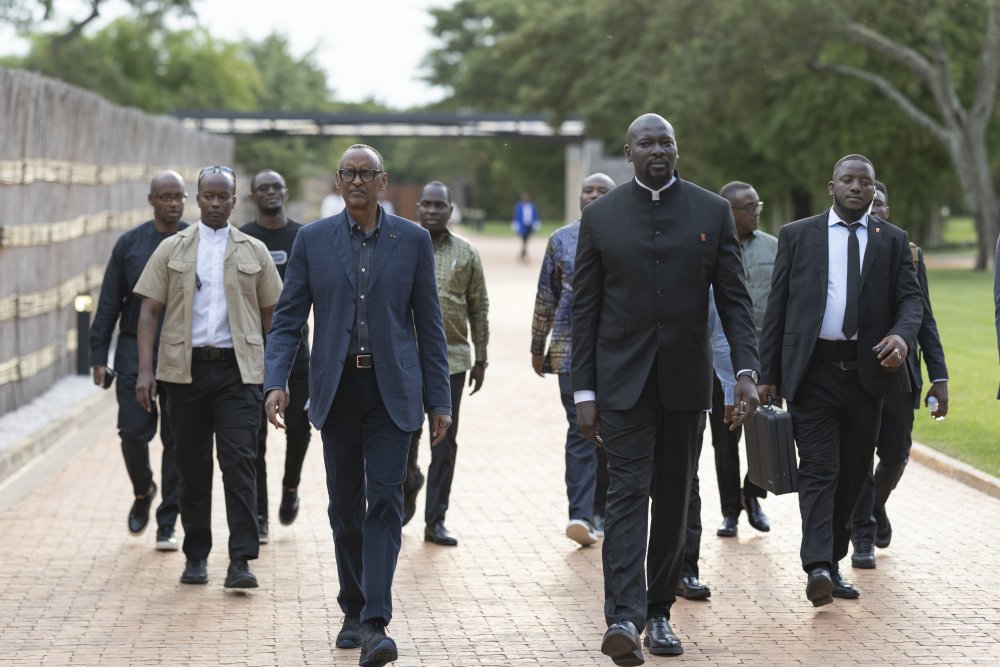
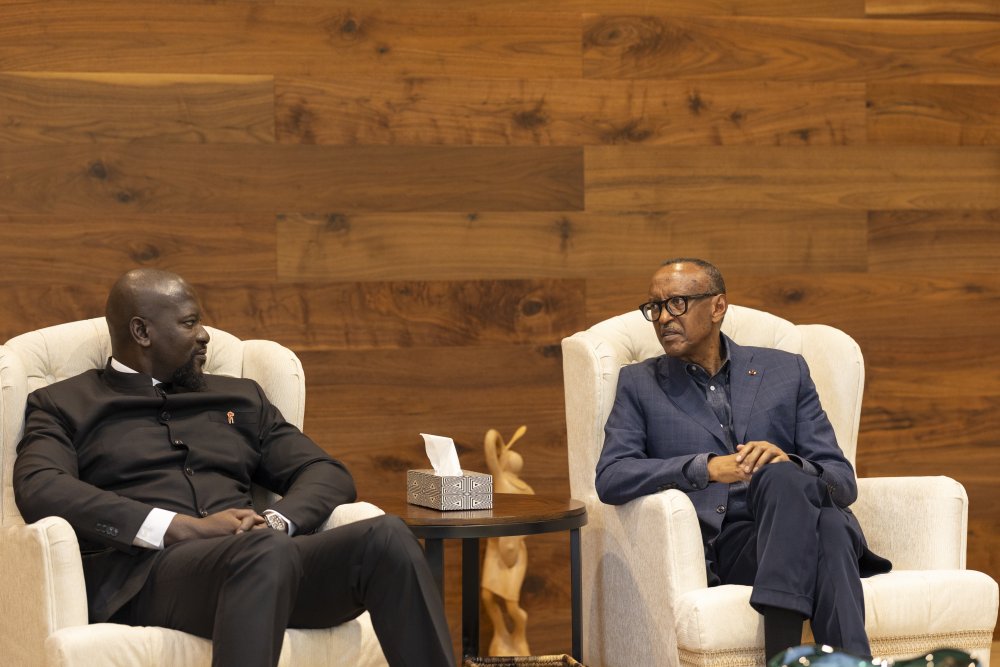
The visit is part of General Doumbouya’s three-day official trip to Rwanda, which began on May 1, 2025, and aims to strengthen the friendship between the two countries.
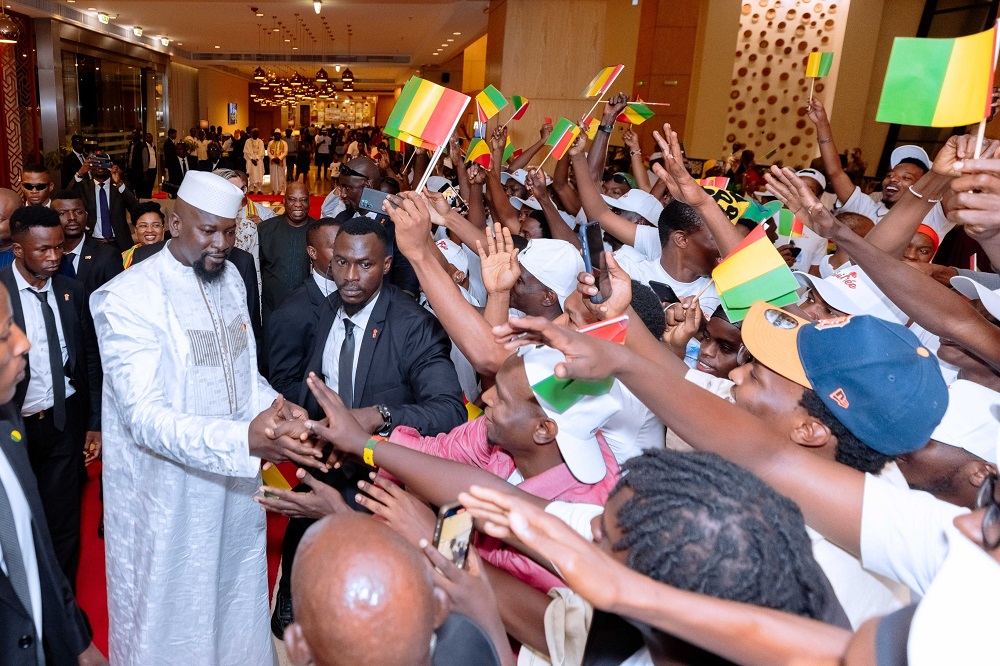
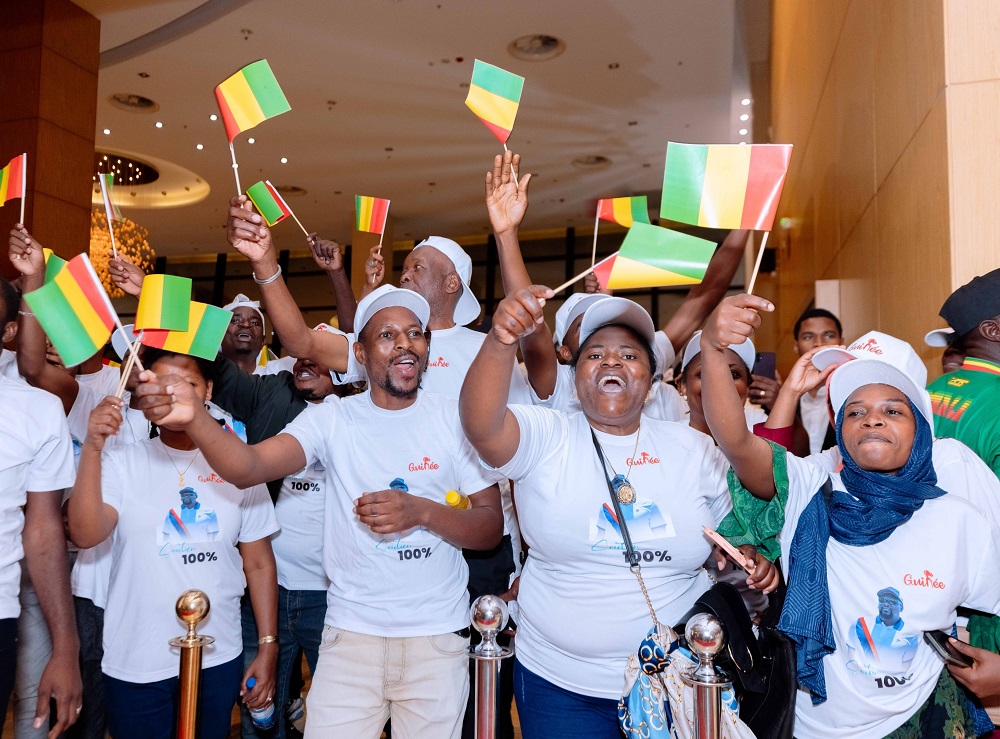
Upon his arrival in Rwanda, General Doumbouya was warmly welcomed by the Guinean community during a ceremony held in Kigali. Attendees displayed messages of support on banners and T-shirts, showing appreciation for his leadership and commitment to his country.
General Doumbouya last visited Rwanda in August 2024 for the inauguration ceremony of President Kagame following his re-election. Earlier, in January 2024, he had also traveled to Kigali on a visit focused on deepening bilateral ties.
Rwanda and Guinea currently maintain a partnership agreement aimed at promoting cooperation in a range of sectors, including technology, agriculture, investment, services, tourism, energy, and trade.
Upon his arrival, President Doumbouya was warmly welcomed by members of the Guinean community in Rwanda during a celebratory event held in Kigali.
Attendees carried banners and wore shirts with messages expressing their support for his leadership and vision for Guinea’s future.
In a statement shared on X, the Guinean Embassy in Rwanda noted:“The President of the Republic of Guinea, H.E. Mamadi Doumbouya, was warmly welcomed by Guineans living in Rwanda during his visit — a moment filled with emotion and pride for the community!”
This marks President Doumbouya’s return to Rwanda following his last visit in August 2024, when he attended the inauguration of President Paul Kagame after his re-election. He had previously visited in January 2024 to reaffirm bilateral cooperation.
Rwanda and Guinea signed a partnership agreement in October 2024, committing to collaboration across several strategic sectors, including technology, agriculture, investment, services, tourism, energy, and trade.
On the same occasion, additional agreements focusing on economic cooperation between the United States and both African countries are also expected to be signed. If all proceeds as planned, significant American investments are anticipated in Rwanda and the DRC.
The U.S. government has stated that this peace agreement represents a vital step forward and will offer a long-term solution to the prolonged instability in the Great Lakes region.
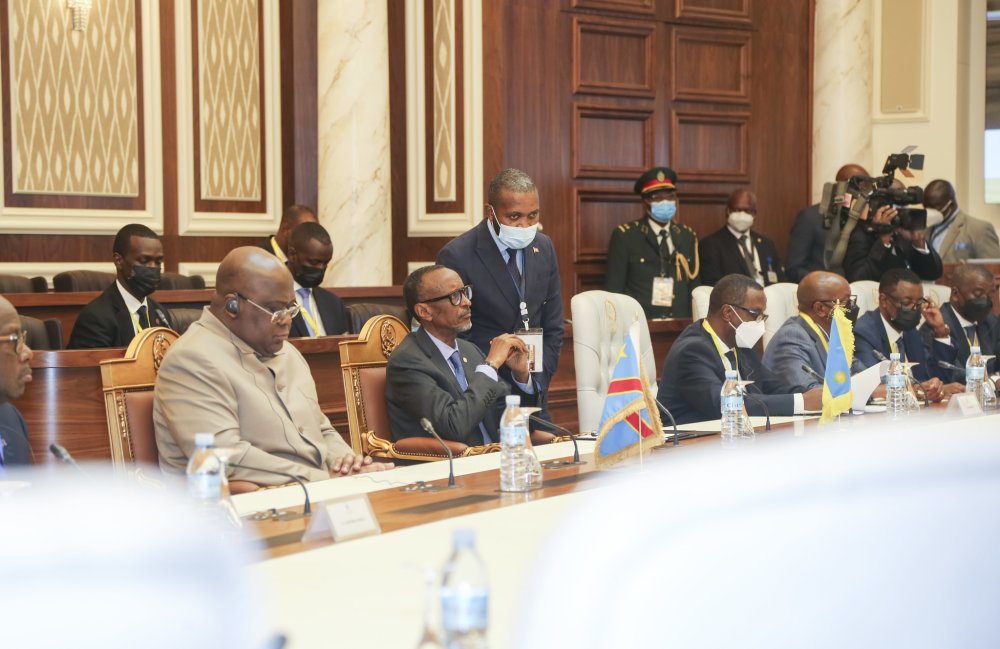
Rwanda’s Minister of Foreign Affairs, Olivier Nduhungirehe, confirmed to IGIHE that both parties agreed to submit their respective drafts of the agreement by Friday, May 2. He also disclosed that the final signing will take place in June at the White House.
On Thursday evening, U.S. Senior Advisor for Africa, Massad Boulos, announced that both countries had made significant progress on the draft and confirmed they would meet the Friday deadline.
His comments followed a round of talks held in Doha, Qatar, involving delegations from the U.S., Rwanda, the DRC, and Qatar. Rwanda was represented by Brig Gen Jean Paul Nyirubutama, Deputy Director General of the National Intelligence and Security Services (NISS), and Brig Gen Patrick Karuretwa, the Head of International Military Cooperation.
After the draft agreements are submitted, U.S. Secretary of State Marco Rubio is expected to meet again with foreign ministers from the DRC to finalize a unified version of the document. Once finalized, preparations will begin for the official signing ceremony at the White House.
The event, anticipated within the next two months, may also include other heads of state who have played key roles in efforts to address insecurity in eastern DRC.
Before the agreement is signed, the U.S. has emphasized that both parties must first meet several preconditions. Among them, the DRC must fully address internal security challenges, including disbanding the FDLR (Democratic Forces for the Liberation of Rwanda).
The DRC is also expected to implement internal governance reforms, including ensuring fair distribution of national resources across its regions.
In addition to the peace accord, both Rwanda and the DRC are expected to sign separate bilateral economic agreements with the United States.
To oversee the implementation of these conditions, a monitoring committee was formed on Wednesday. It includes representatives from the U.S., Qatar, France, and Togo—the latter acting on behalf of the African Union.
Negotiations previously conducted under the EAC-SADC framework have now been formally placed under the leadership of the African Union, with Togo taking the lead in facilitating the process going forward.
According to the UN Office for the Coordination of Humanitarian Affairs (OCHA), four individuals, including two children, lost their lives after being swept away, while over 45,000 individuals have been affected by flash floods caused by moderate to heavy rainfall in various regions of Somalia since April 15.
OCHA said the Shabelle River burst its banks on Monday in Jowhar district, displacing over 6,000 people and inundating about 11,000 hectares of land.
“OCHA has reached out to partners to provide whatever emergency assistance they can deliver to those affected, particularly shelter, sanitation facilities, and relocation support,” it said in its flash update released in Mogadishu, the capital of Somalia.
The UN agency said the flooding is occurring at a time when partners, especially national non-governmental agencies that often serve as frontline responders, are facing crippling funding reductions, which have severely limited their ability to respond to emerging needs.
The floods were triggered by moderate-to-heavy rains during the Gu (April to June) main rainy season, which typically begins on April 15 in parts of Somalia and the Ethiopian highlands, where the Juba and Shabelle rivers originate.
“The rains have, however, brought relief following six months of prolonged dry conditions by replenishing water points and pasture,” OCHA said.
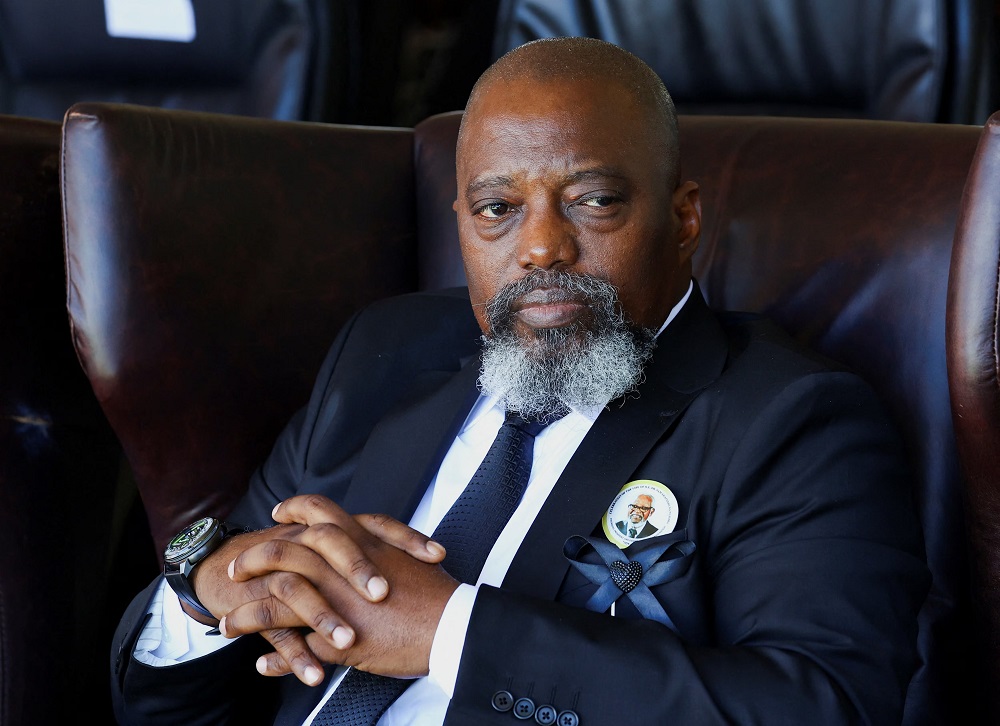
“The Congolese judiciary has gathered the most tangible and irrefutable evidence supporting the clear involvement, the direct participation of senator for life Joseph Kabila in war crimes, crimes against humanity, and the massacres of peaceful citizens”, Mutamba told reporters.
“We expect from the senate the pure and simple lifting” of immunity so the case can be heard by the High Military Court, Mutamba added.
Joseph Kabila served as president of the DRC from 2001 until 2019, after which he entered the Senate.
The current government has long accused him of collaborating with the AFC/M23 coalition, which controls large parts of North and South Kivu provinces in the country’s troubled east.
When Kabila visited Goma on April 18, 2025—a city under the control of the AFC/M23 coalition since late January—the Congolese government declared its intention to seize all his assets, calling his presence in the area further proof of his alleged ties to the rebel alliance.
An individual close to Kabila defended the visit, saying the former president was participating in peace talks aimed at resolving the country’s persistent insecurity in the east.
Minister Mutamba, however, asserted that Kabila played a role in atrocities committed in eastern DRC and went as far as to claim that the former president was among the founders of the AFC/M23 coalition.
He clarified that the prosecution is not targeting Kabila in his capacity as a former head of state, but rather as a sitting senator—hence the request to the Senate to remove his immunity so legal action can proceed.
In March 2025, Kabila publicly denied having any connection to AFC/M23, arguing that if he truly had ties to the group, the conflict in eastern DRC would have escalated far beyond its current level.
Kabila’s political party, the PPRD, also issued a statement denying the accusations. The party claimed there is no evidence that Kabila even traveled to Goma and added that even if he had, it would not prove any affiliation with AFC/M23.