The annual FT ranking, compiled in partnership with research firm Statista, tracks companies across the continent based on their compound annual growth rate (CAGR) in revenues between 2020 and 2023.
This year’s list features 130 companies, with South Africa and Nigeria dominating the rankings, together accounting for more than half of all entries. Kenya ranks third, with 11 companies making the list.
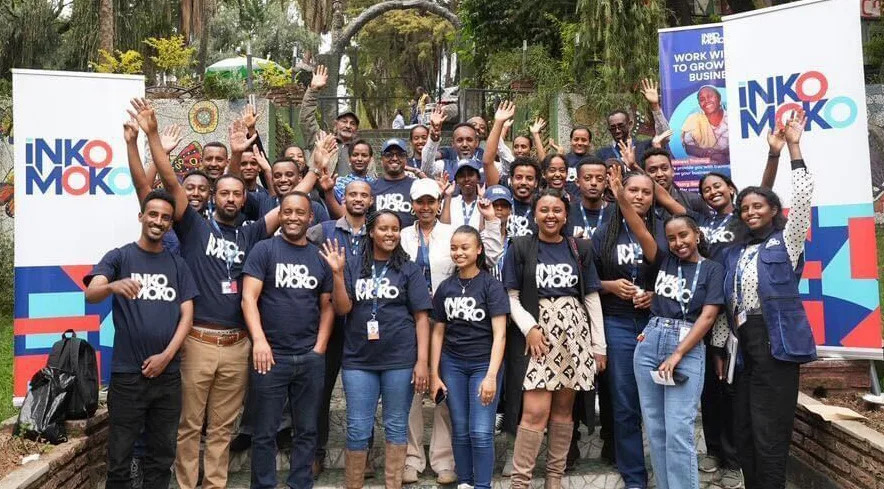
Inkomoko’s inclusion is seen as a major milestone for Rwanda’s private sector. Founded 12 years ago, Inkomoko has grown into a regional enterprise, operating in Rwanda, Kenya, Ethiopia, South Sudan, and most recently, Chad.
The company has invested over $35 million, supported more than 100,000 entrepreneurs, and reached over 1.2 million people, many of whom live in refugee camps or underserved communities.
“This isn’t just our growth story — it’s our clients’ and the communities we serve,” said Emmanuel Mugabo, Inkomoko’s Rwanda Managing Director.
“Every business we support is a reminder that talent is everywhere, but what is often missing is access. That’s something we can fix together with partners, investors, and policymakers,” he added.
Inkomoko’s model is built on the belief that displacement-affected communities are not just in need of aid, but ripe with economic potential. By providing entrepreneurs with training, finance, and market access, the organisation demonstrates that empowering the underserved is not charity, but a proven method for driving local economic growth and long-term stability.
As the world faces mounting challenges from conflict, climate change, and inequality, Inkomoko is positioning itself for greater impact. The organisation has announced an ambitious goal to invest $150 million in 550,000 small and micro businesses by 2030, and is actively seeking like-minded partners to scale its mission.
“This recognition from the Financial Times is an honour,” Mugabo added. “But the real measure of our success will be how many others join us in this work.”
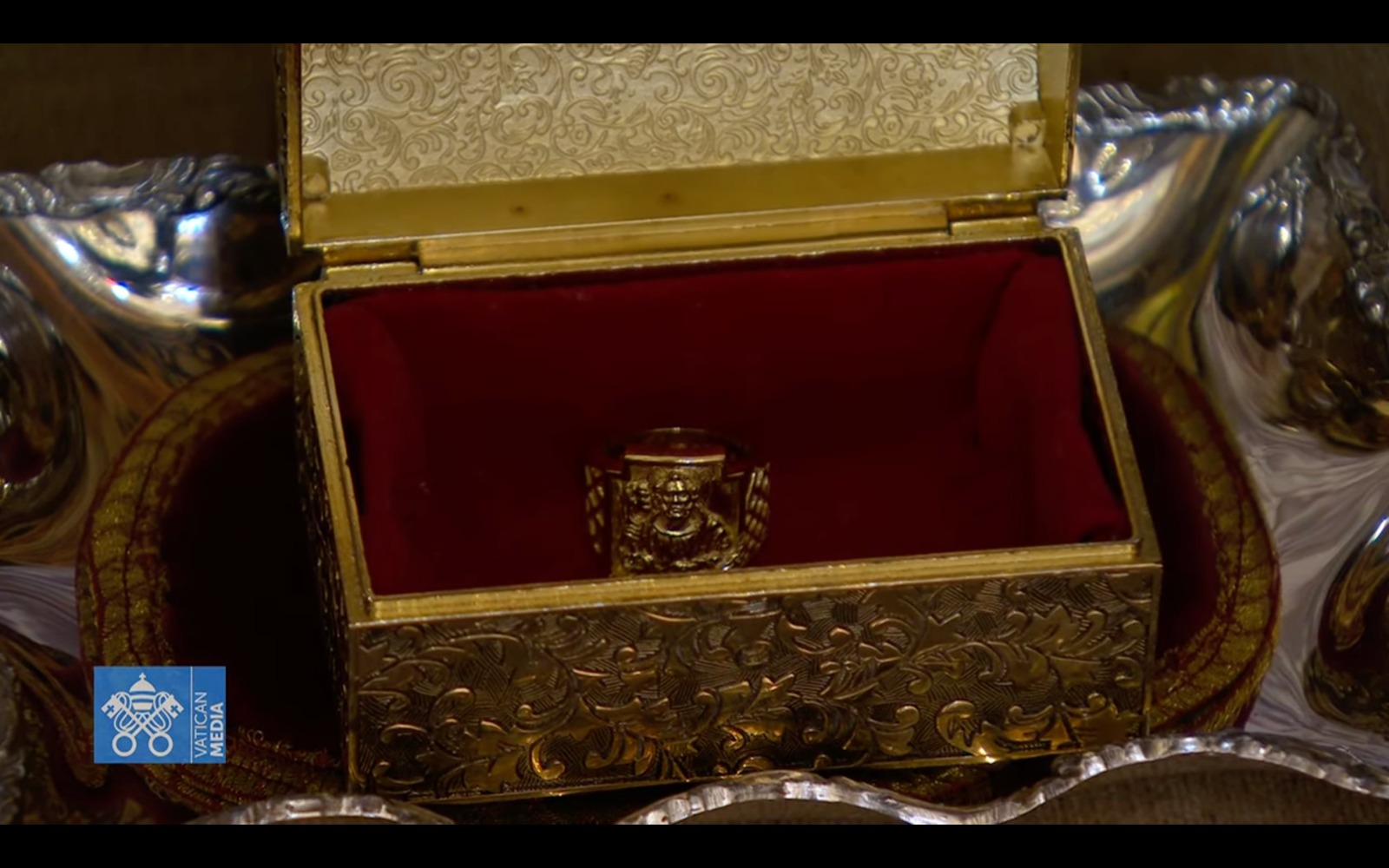
Central to this historic rite are two ancient and powerful symbols: the pallium and the Ring of the Fisherman. These items not only signify the authority of the papacy but also mark the official beginning of Pope Leo XIV’s apostolic mission as the successor of Saint Peter.
The pallium, made from the wool of lambs, evokes the image of the Good Shepherd carrying His flock. It recalls Saint Peter’s call to “feed my lambs and tend my sheep,” symbolising the pope’s pastoral responsibility to care for the faithful worldwide.
The pallium, worn over the shoulders during liturgical celebrations, is adorned with six black crosses and three pins, which represent the nails of Christ’s crucifixion, further connecting the pope’s mission to Christ’s sacrifice.
The Ring of the Fisherman represents the seal of faith entrusted to Saint Peter, the fisherman called by Jesus to become the “rock” upon which the Church was built. This ring serves as a signet, symbolising the pope’s spiritual authority and his role in strengthening the brethren.
The inauguration ceremony begins inside St. Peter’s Basilica, where Pope Leo XIV will pray at the tomb of Saint Peter, honouring the Apostle’s martyrdom and legacy. Following this, the pallium, the Ring of the Fisherman, and the Book of the Gospels will be carried in procession to the altar outside in St. Peter’s Square.
As Pope Leo XIV approaches the altar, cardinals representing the three orders of the Church will place the pallium upon him and present the Ring of the Fisherman. Special prayers will invoke Christ’s guidance and strength for the new pope as he takes up his ministry.
The ceremony also includes a rite of obedience, in which representatives from the global Catholic community pledge their allegiance to Pope Leo XIV. The liturgy features scripture readings in multiple languages, reflecting the Church’s universality and the pope’s mission to shepherd all peoples.
As the Mass concludes, Pope Leo XIV will bless the assembly and offer a prayer that God may protect and guide him in leading the Church with unity, charity, and faithfulness to the Gospel.
Pope Leo XIV, born Robert Francis Prevost on September 14, 1955, in Chicago, was elected on May 8, 2025, to succeed Pope Francis, who passed away on April 21, 2025.
The meeting took place on the sidelines of the 5th season of the BAL (BAL5) and brought together Clare Akamanzi, CEO of NBA Africa; Amadou Gallo Fall, BAL President; and Leah McNab, Head of International Operations for the NBA.
Also in attendance were Rwanda’s Sports Minister Nelly Mukazayire and Rwanda Development Board (RDB) CEO Jean-Guy Afrika.
According to a statement from the presidency, their discussions centred on Rwanda’s role in hosting the league’s inaugural season and the rapid growth the BAL has experienced over the past four years.
The leaders also explored the deepening partnership between Rwanda and the NBA, particularly in efforts to nurture basketball talent across the continent, as well as the broader economic opportunities that sports can unlock for Africa.
Rwanda has become a key partner in the NBA’s African expansion, with Kigali’s BK Arena serving as a regular host for BAL playoffs and finals under a multi-year agreement with the RDB. NBA Africa’s engagement has also included grassroots court projects, youth clinics, and high-profile branding through the “Visit Rwanda” initiative.
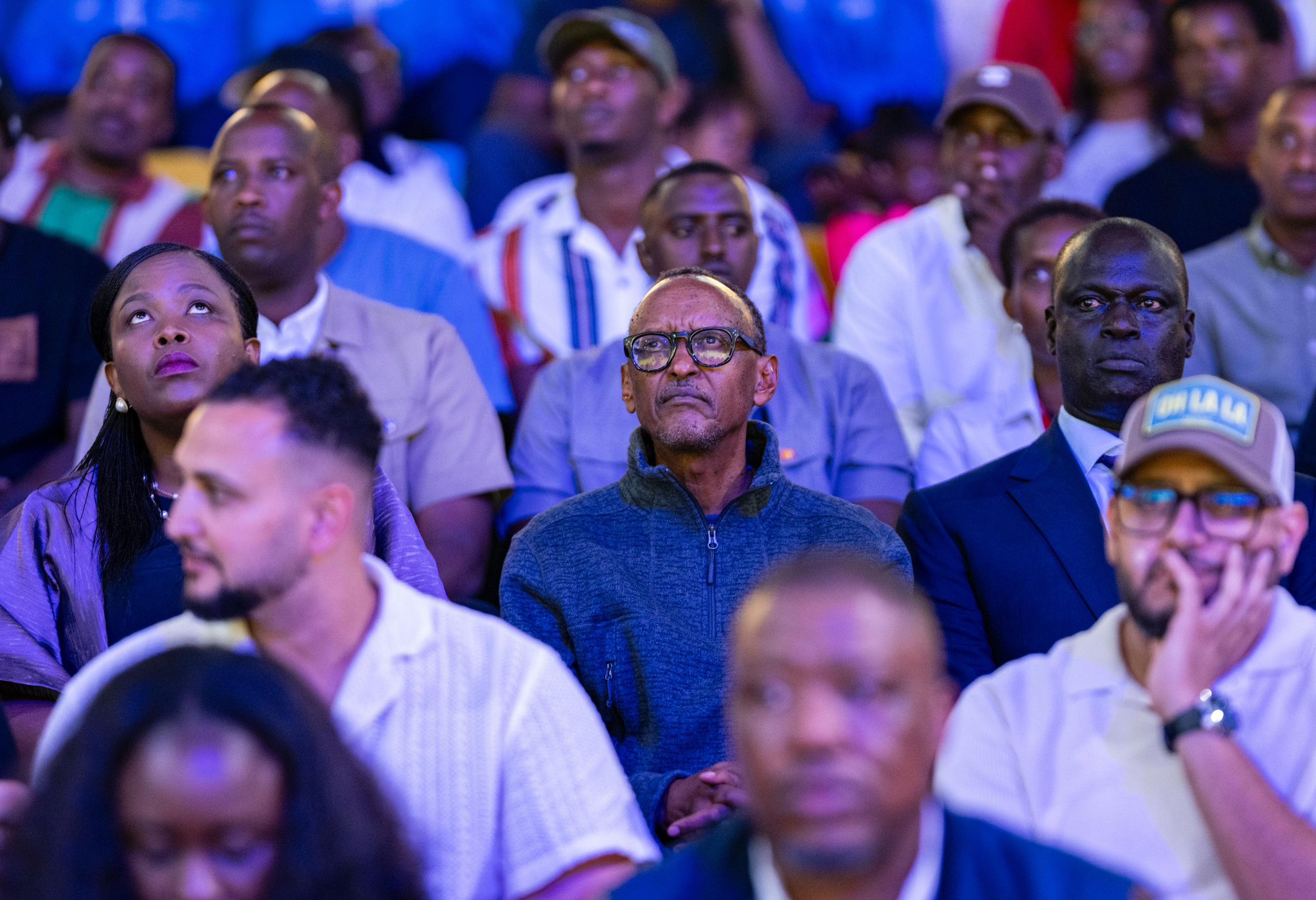
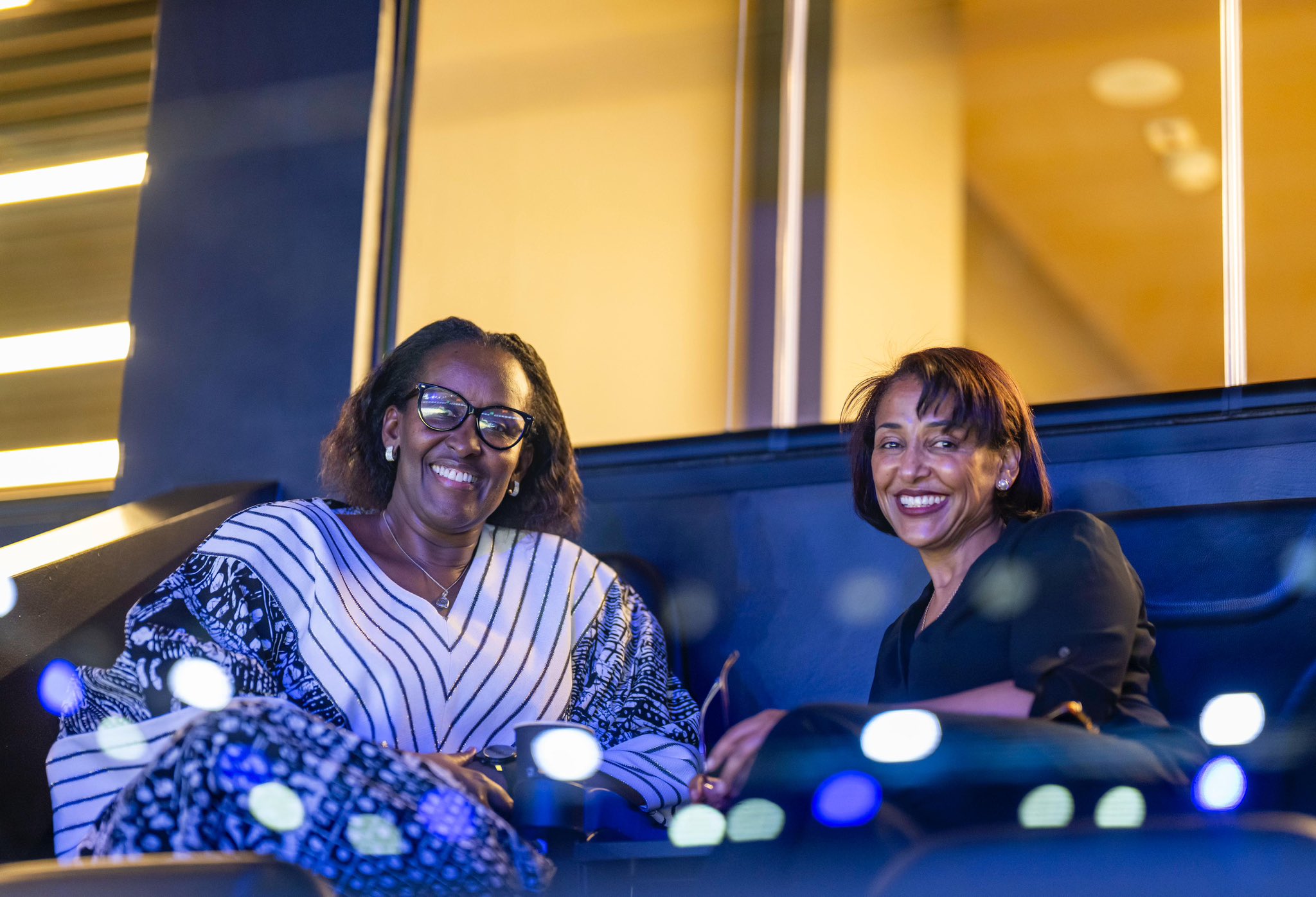
Earlier in the evening, President Kagame and First Lady Jeannette Kagame joined a sold-out crowd at BK Arena for the opening of the 2025 BAL Nile Conference. The energy in the arena peaked as Rwanda’s APR Basketball Club secured a resounding 92–63 victory over Kenya’s Nairobi City Thunder, their first win in the weeklong tournament.
The latter conducts regular evaluations of countries’ financial and credit profiles worldwide. The rating reflects Rwanda’s resilient economic growth, ongoing fiscal reforms to boost domestic revenue, and effective debt management.
The stable outlook acknowledges Rwanda’s challenges, including balance-of-payments pressures, regional security risks, and growing fiscal deficits.
However, access to affordable concessional financing and a favorable debt structure with extended repayment terms help offset these risks.
S&P notes that Rwanda’s debt servicing costs are significantly lower than those of similarly rated peers, with interest expenses projected to average 10% of government revenue from 2025 to 2028.
S&P Global forecasts Rwanda’s economy to outpace many peers over the next five years, driven by substantial public investments in infrastructure, such as the new Kigali International Airport and airline expansion, alongside projects in agriculture, energy, health, education, and tourism. Rwanda’s economy grew by 8.9% in 2024, with an 8% rise in the fourth quarter.
While agricultural growth was sluggish in 2023 and only moderately improved in 2024, favorable weather is expected to enhance output. The services sector’s steady growth is also likely to draw greater private sector investment.
Despite these strengths, S&P highlights Rwanda’s exposure to climate change, weather disruptions, and regional tensions.
The agency commends Rwanda’s revenue-enhancing measures, including higher tax rates, digital tax systems, and an expanded tax base, which are poised to strengthen fiscal stability and narrow deficits in the medium term.
S&P’s reaffirmation underscores confidence in Rwanda’s proactive economic strategies, strong growth potential, and resilience amid challenges.
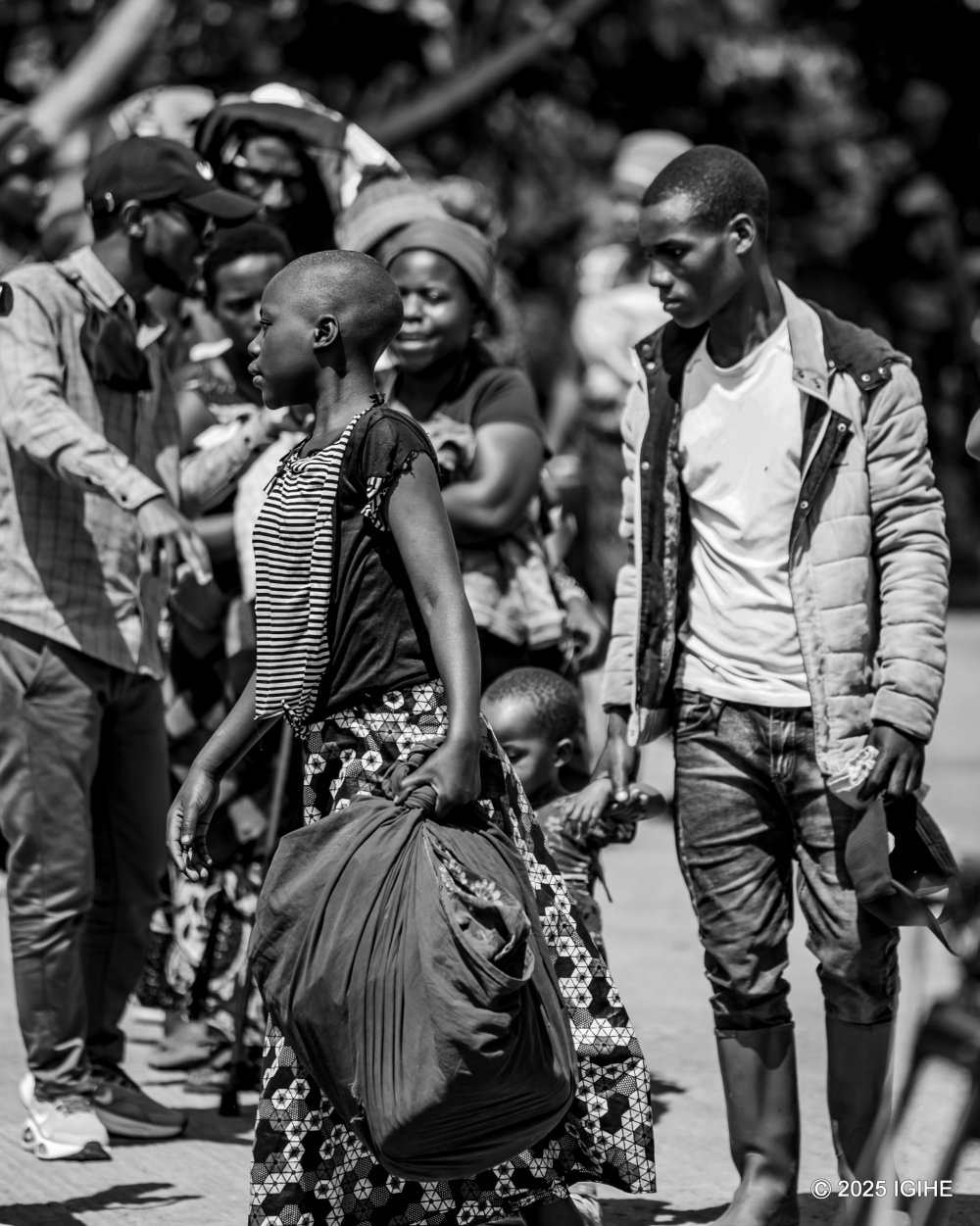
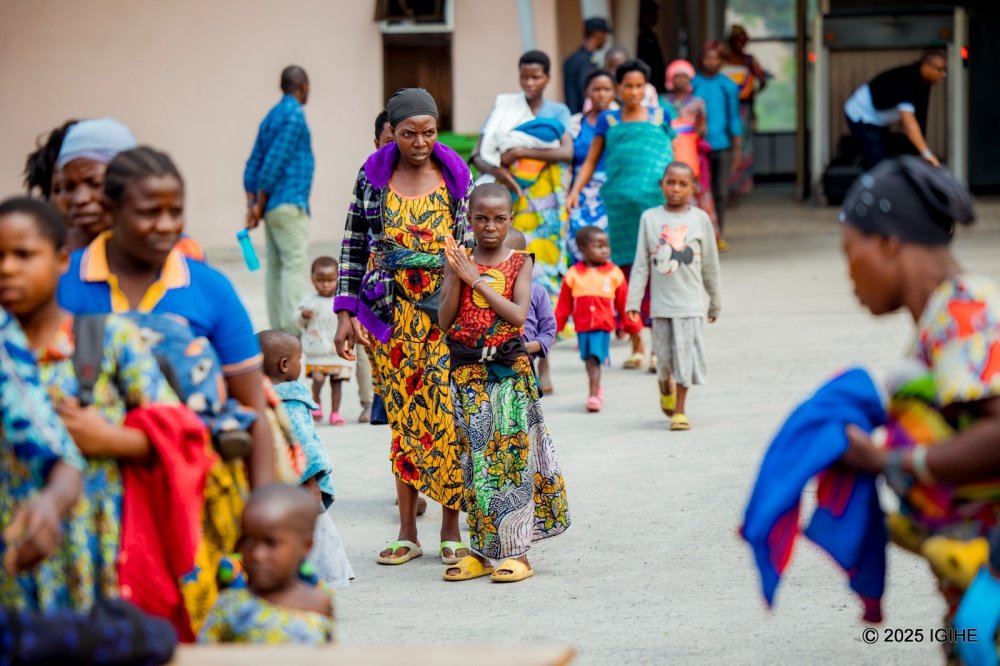
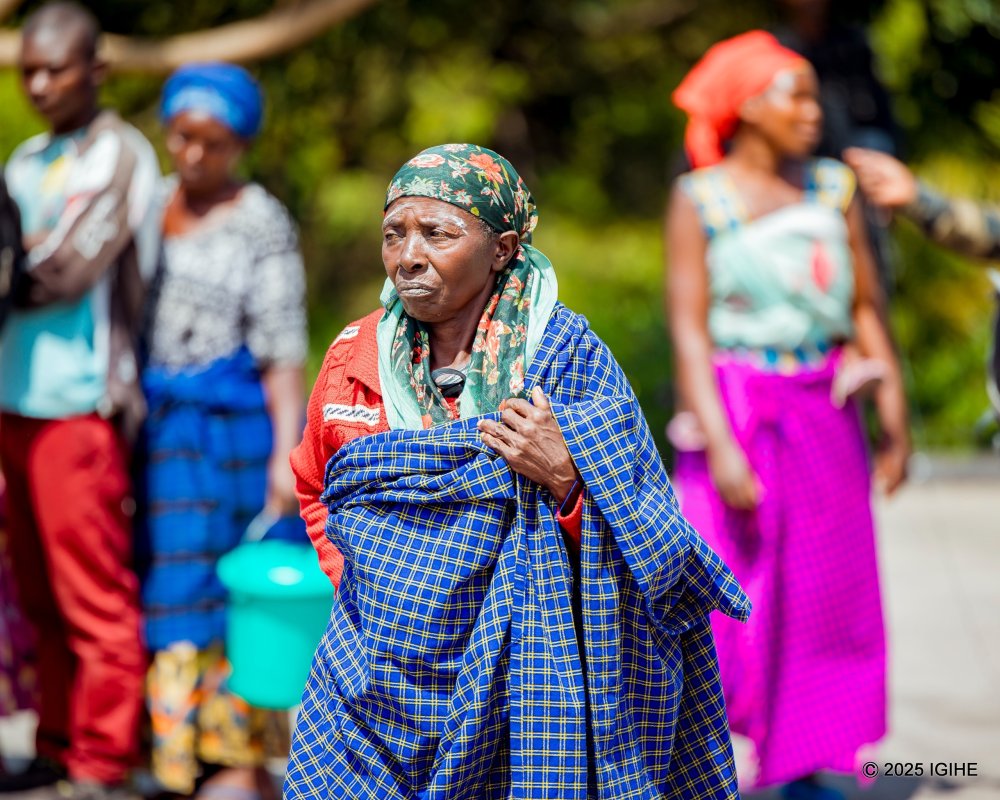
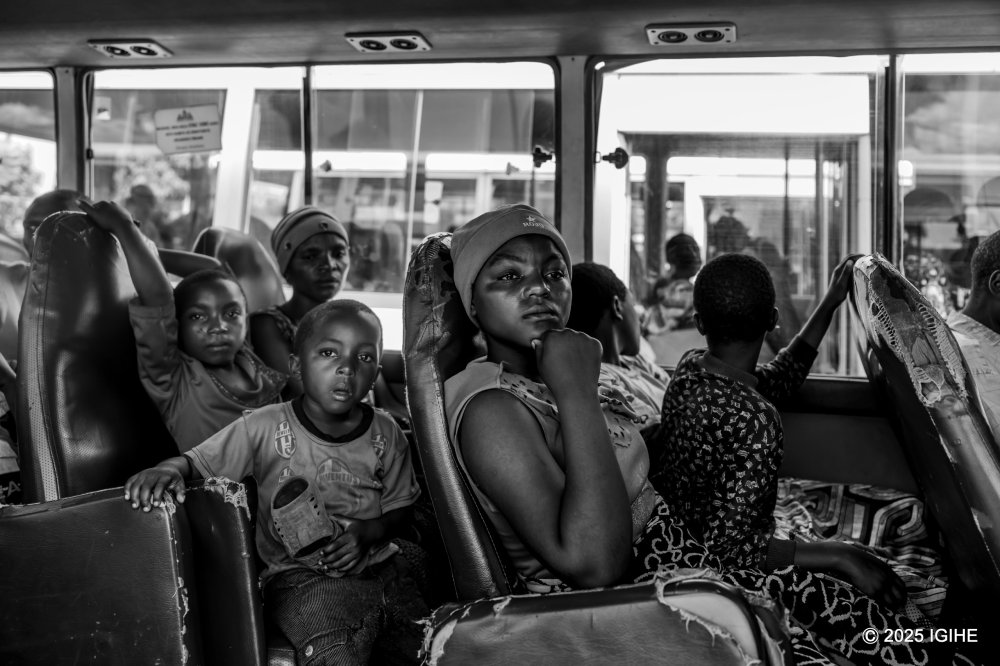
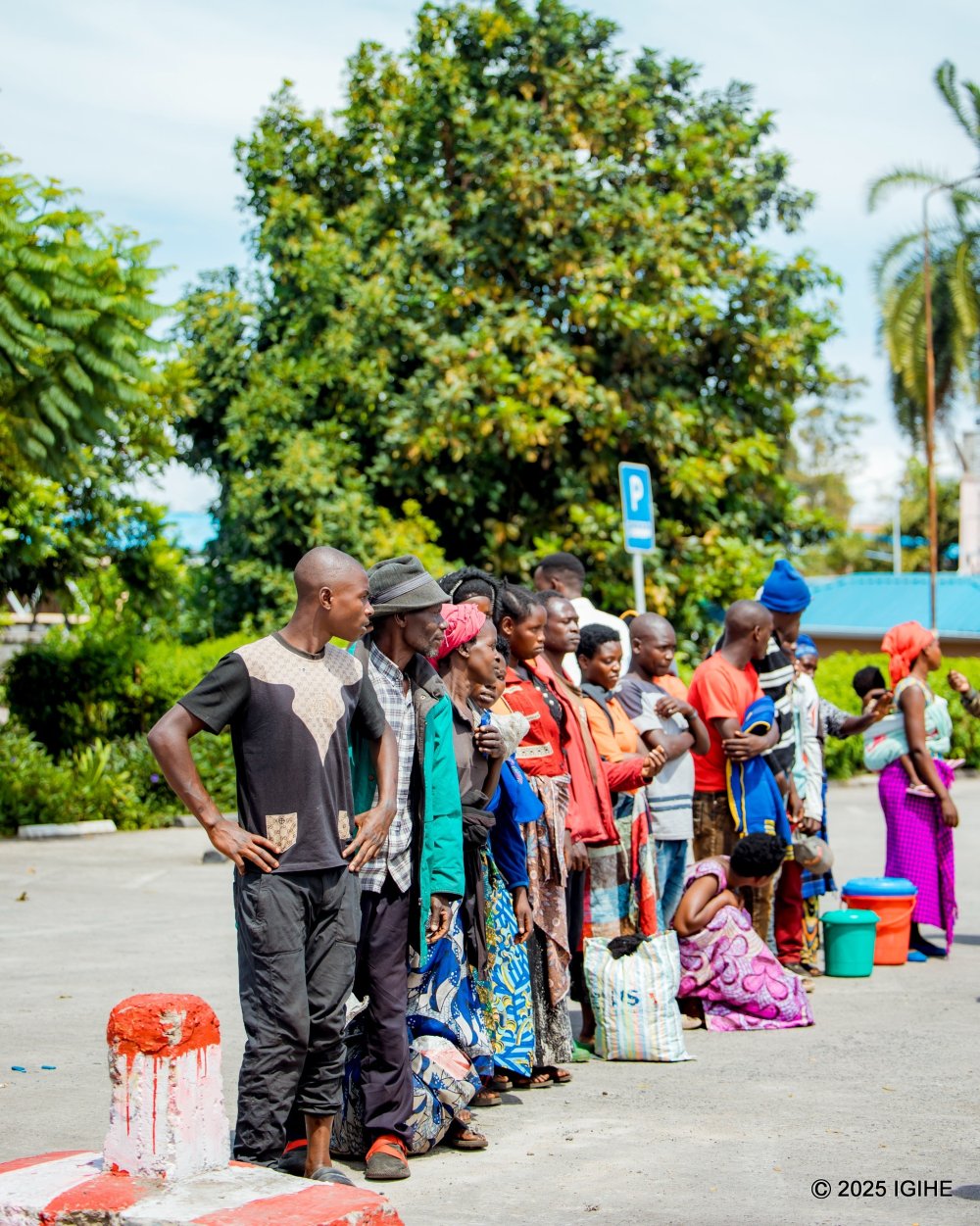
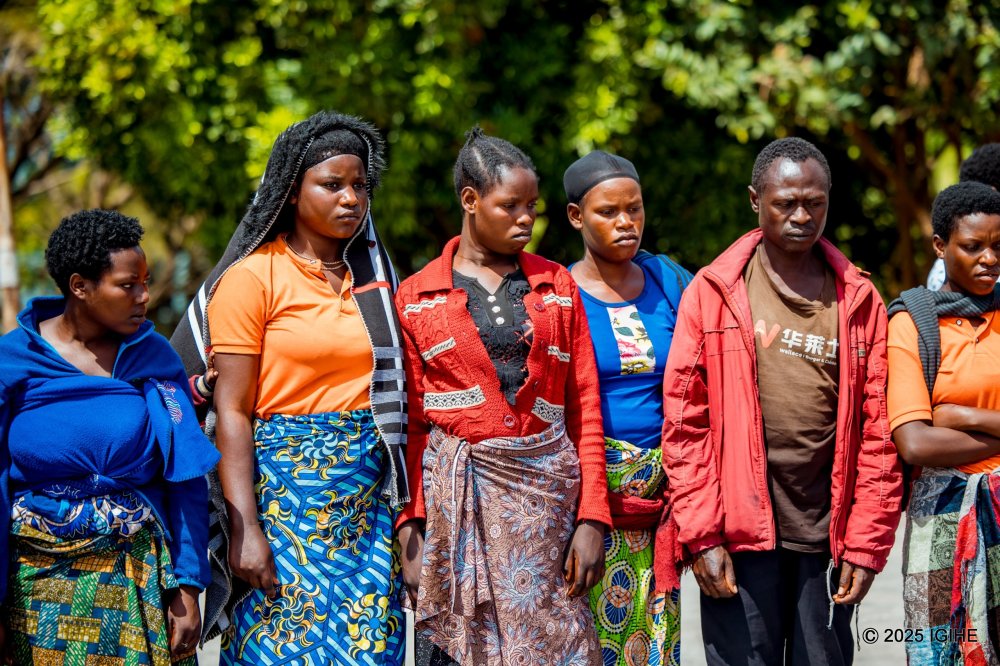
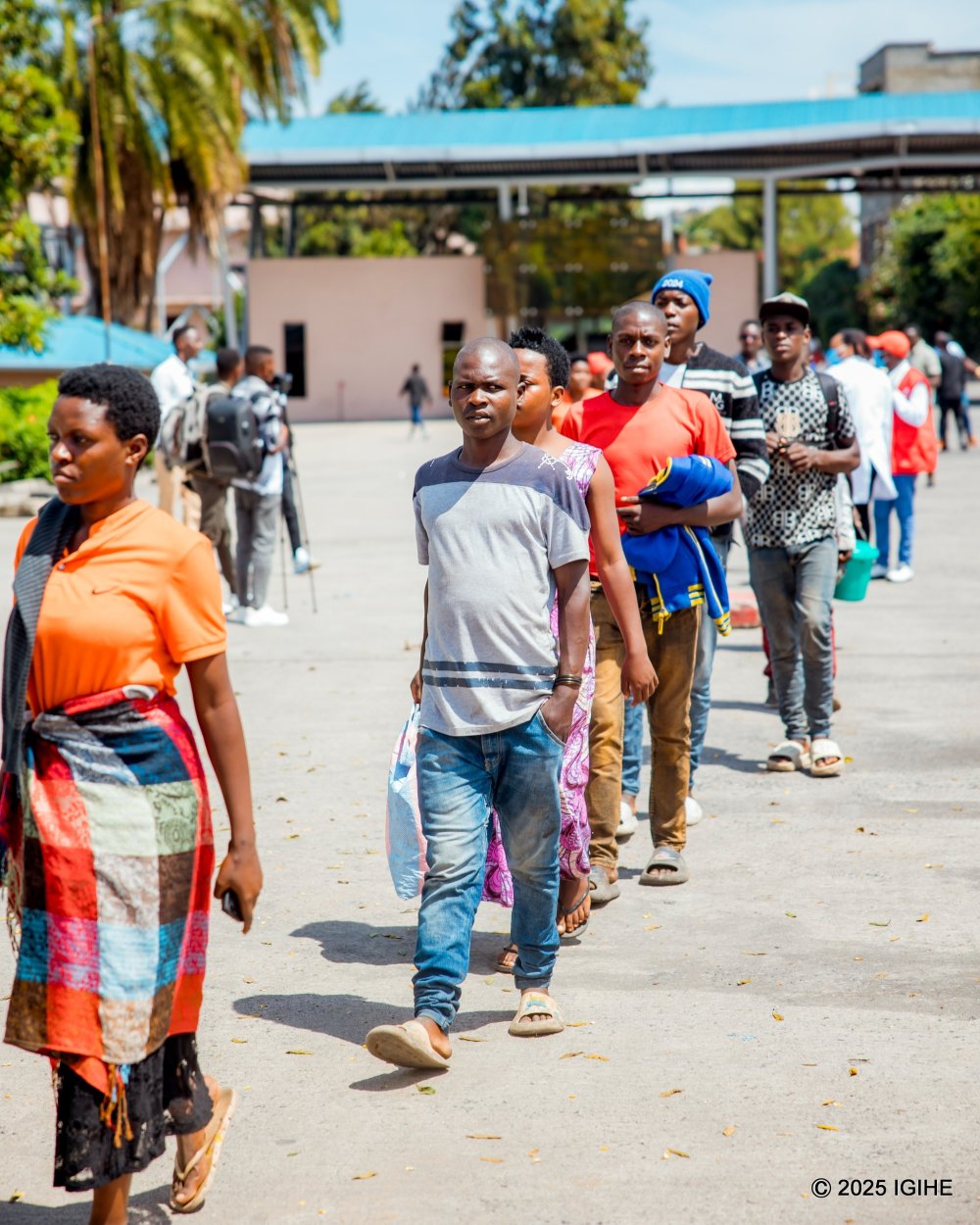
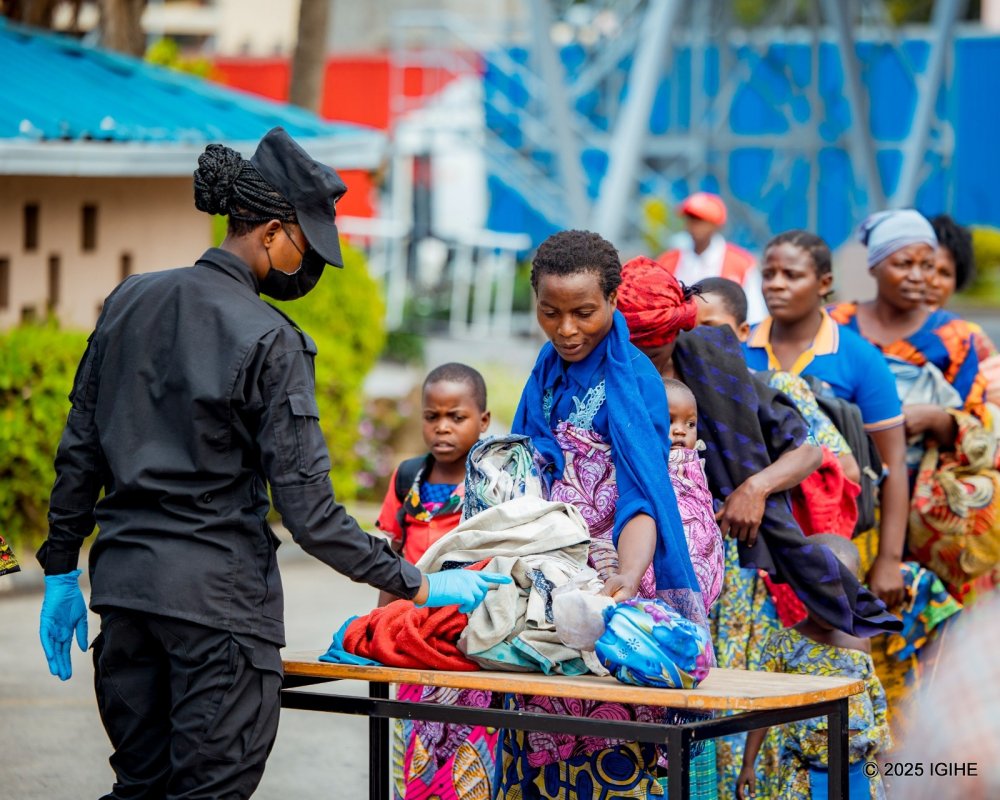
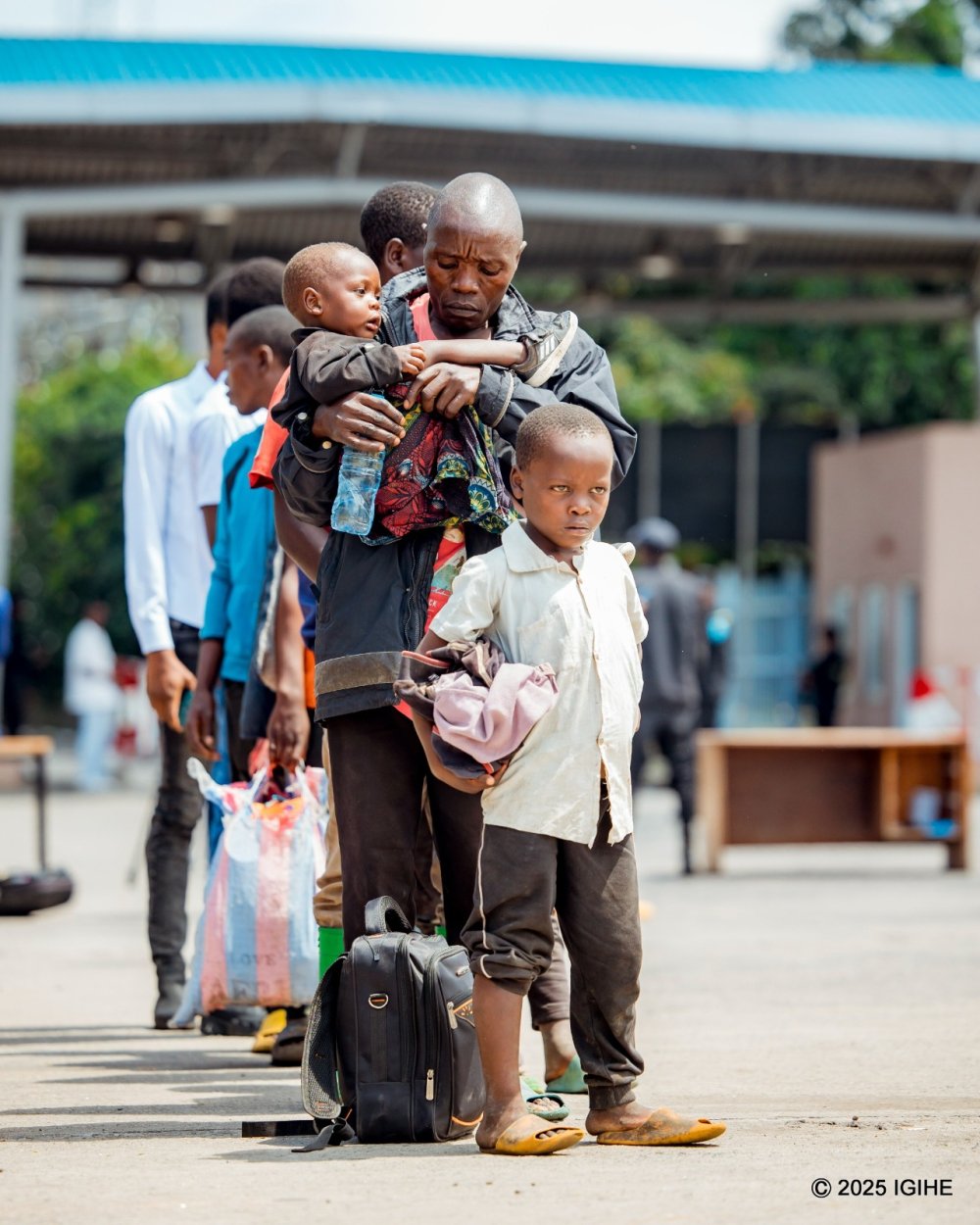
The majority of those repatriated are women and children. They arrived at the Rwanda-DRC border on the morning of May 17.
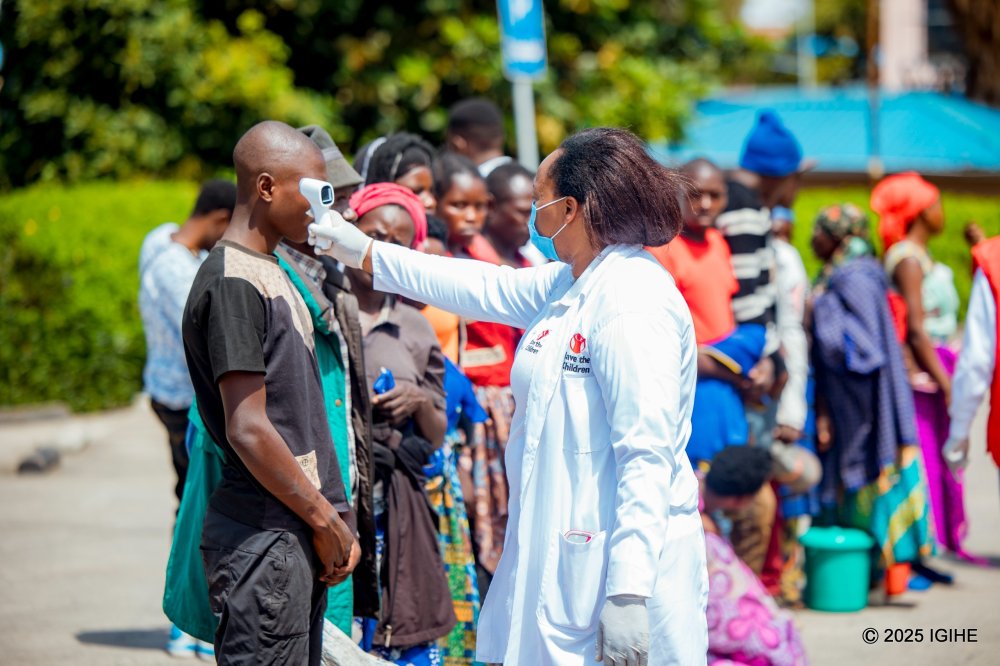
Before boarding buses taking them to Kijote camp in Nyabihu District, Western Province, they underwent basic health screenings, including temperature checks, to assess their health status.
The Mayor of Rubavu District, Mulindwa Prosper, stated that the returnees were informed about the improvements in the livelihoods of their fellow Rwandans and expressed their happiness about coming back home.
“They applauded; it was clear they were emotionally moved,” he said. “It became evident that they had learned things they didn’t know before, as they had previously received different information.”
Claudine Mutoni, a 20-year-old woman, shared her story, explaining that she was born in the DRC. She described life under the FDLR as abusive, stating that the group subjected them to forced labor and violence.
“The FDLR used to abuse people, beat the men, and force us to do things beyond our strength. Coming back here, from the way we are being received, I can see things are going to be much better,” she said.
In general, the AFC/M23 forces rescued 2,500 Rwandans who had been held hostage by the FDLR. The remaining individuals are currently at a temporary refugee reception center in Goma, where they are receiving assistance from UNHCR before being repatriated in subsequent phases.
The FDLR is a terrorist group formed by remnant perpetrators of the 1994 Genocide against the Tutsi.
In addition to preventing Rwandans living in the DRC from returning home, the group has been heavily involved in violent acts against Congolese civilians, particularly Tutsi communities.
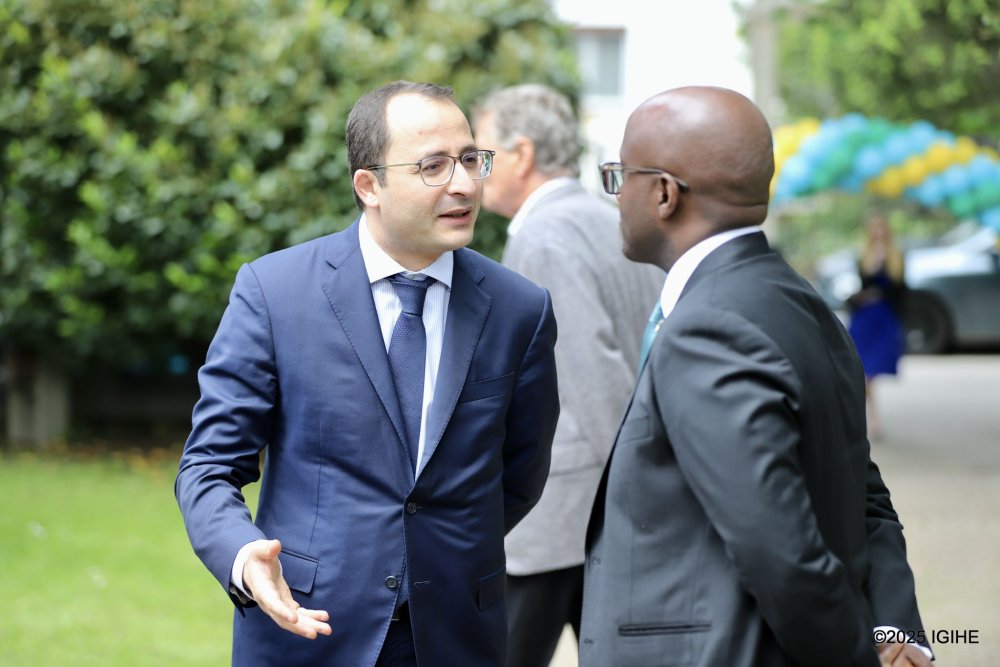
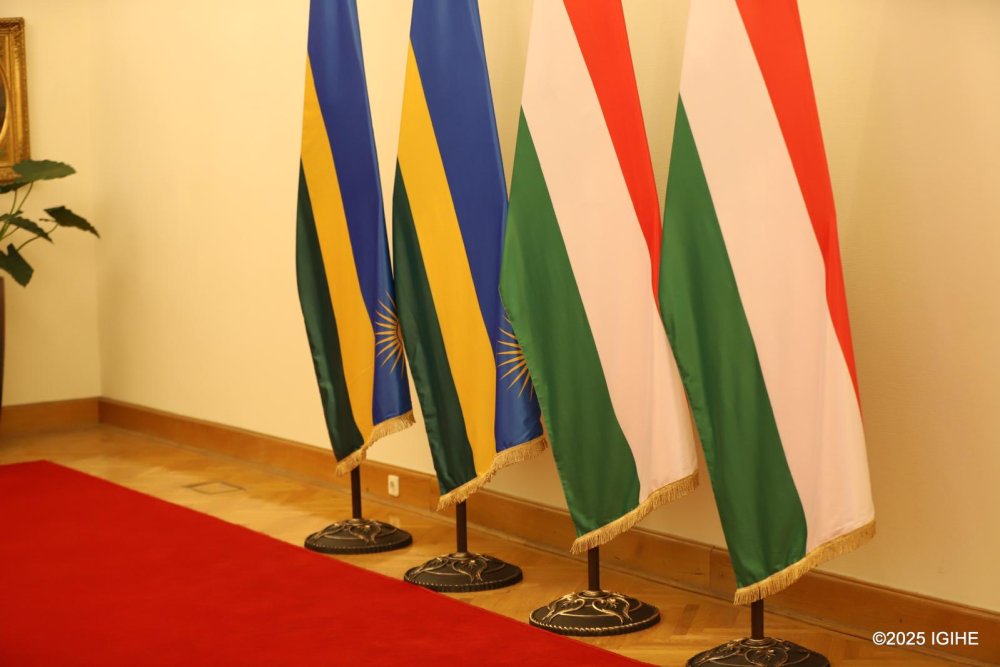
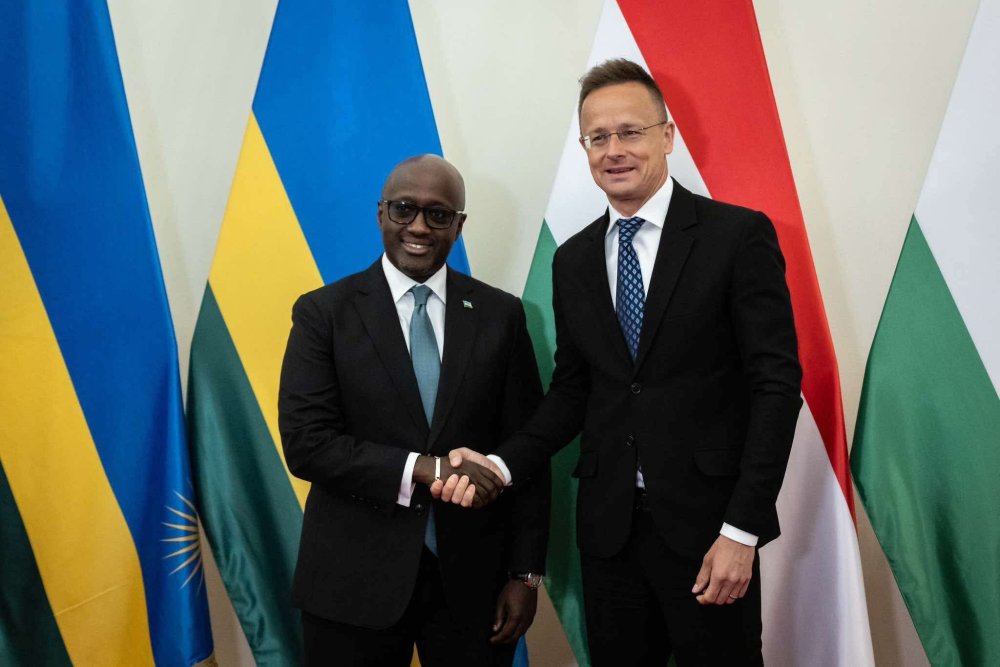
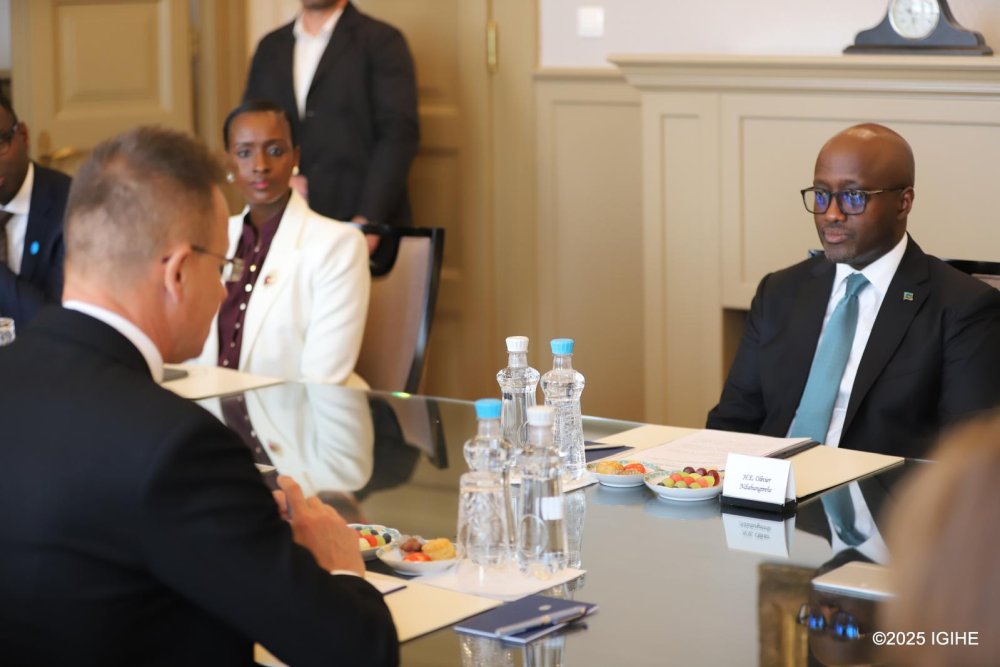
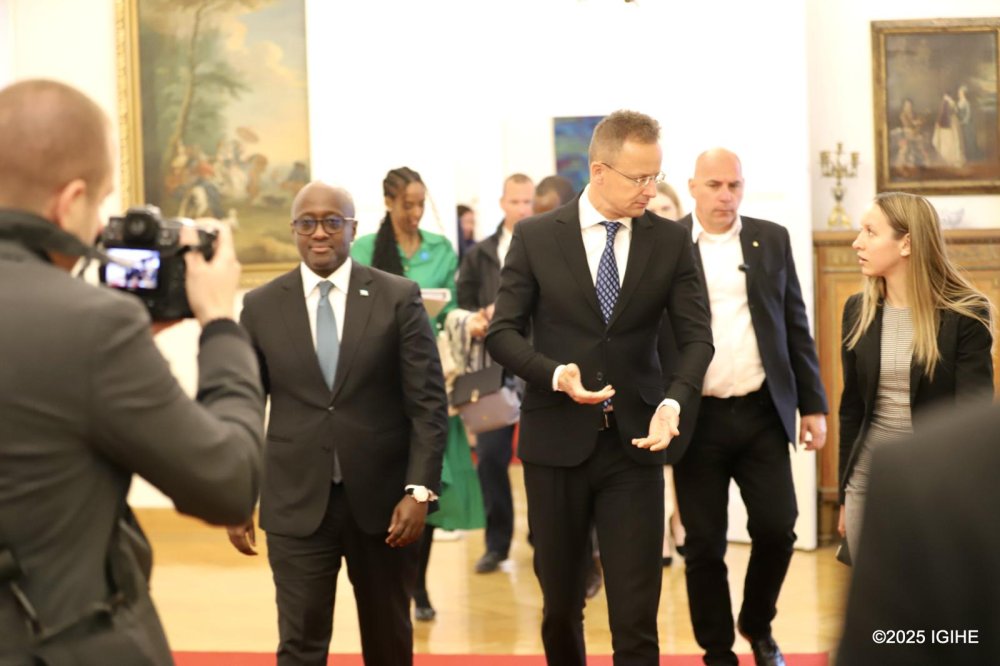
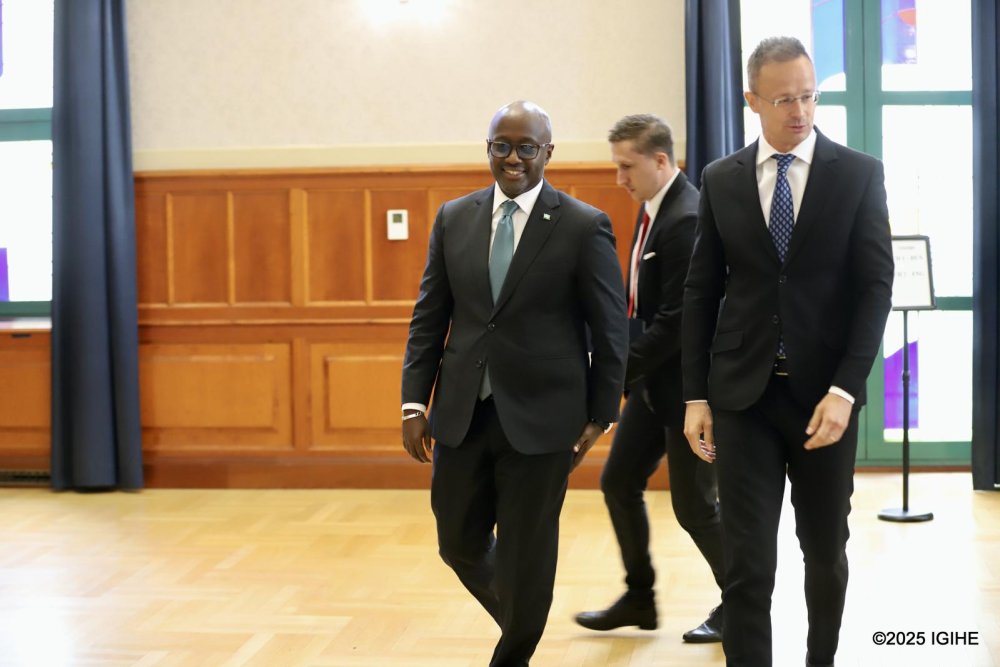
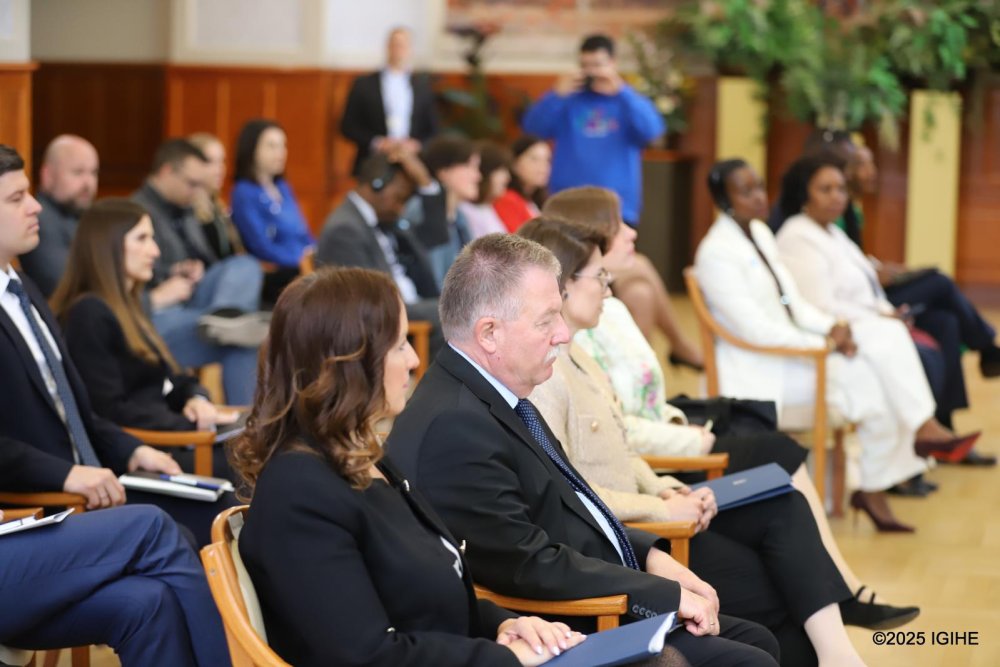
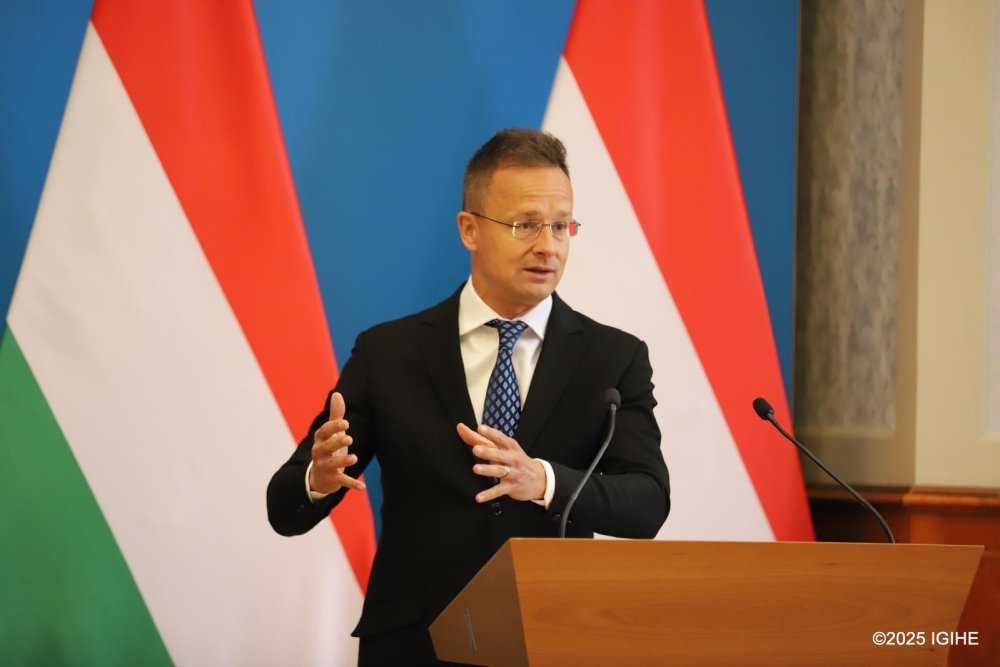
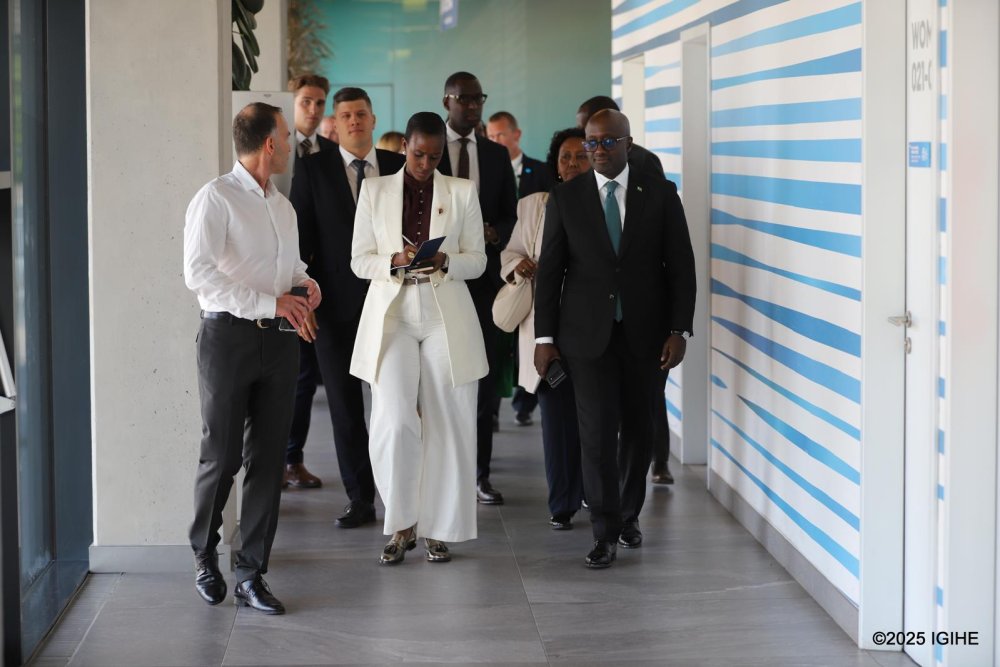
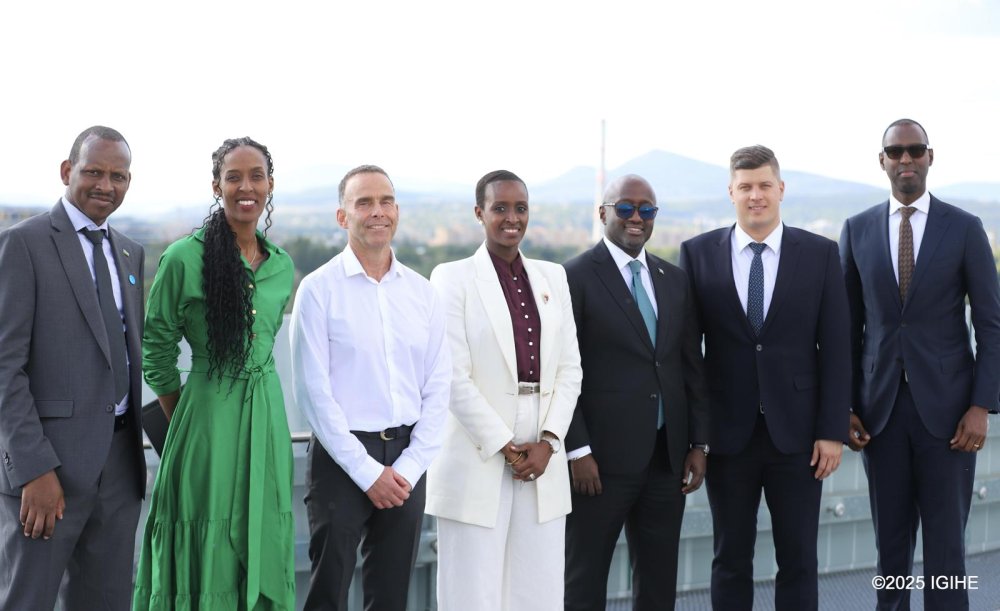
The visit reinforced growing ties between Rwanda and Hungary, following previous high-level engagements, including visits to Rwanda by Hungary’s President Katalin Novák in 2023 and Foreign and Trade Minister Péter Szijjártó in 2021.
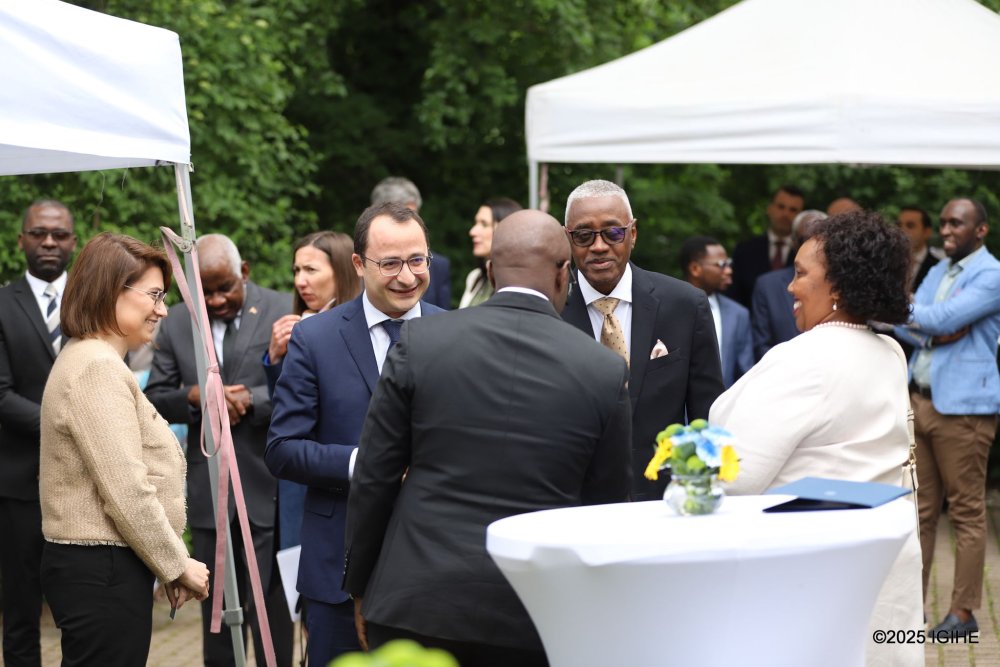
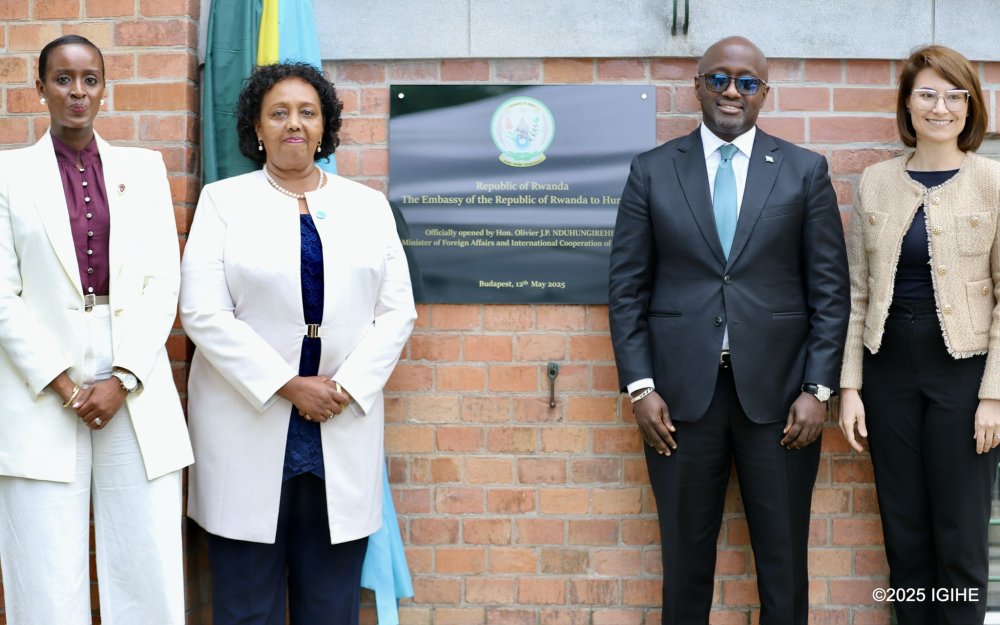
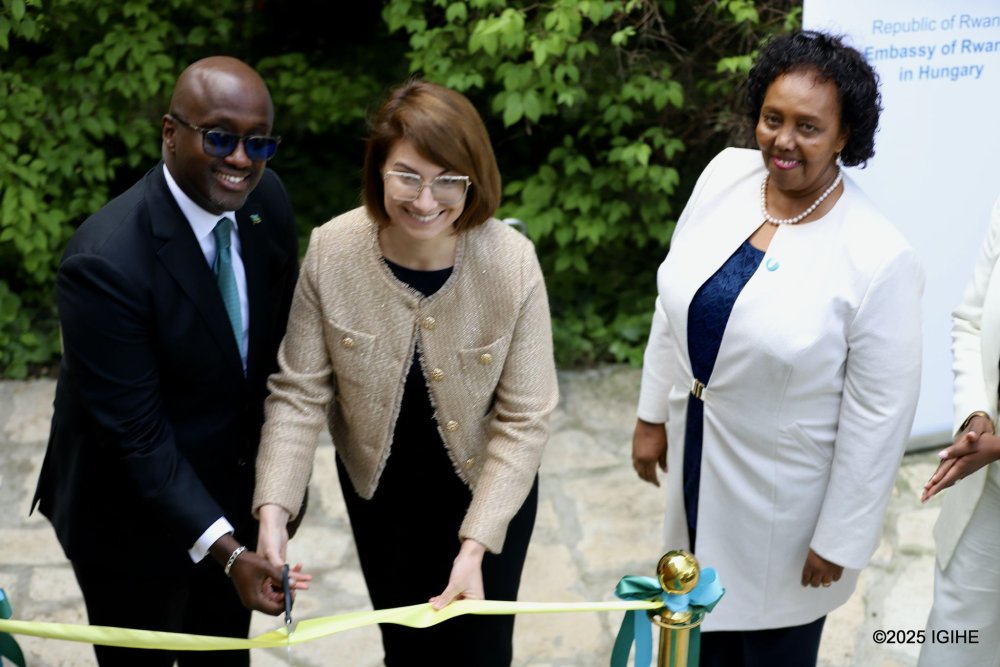
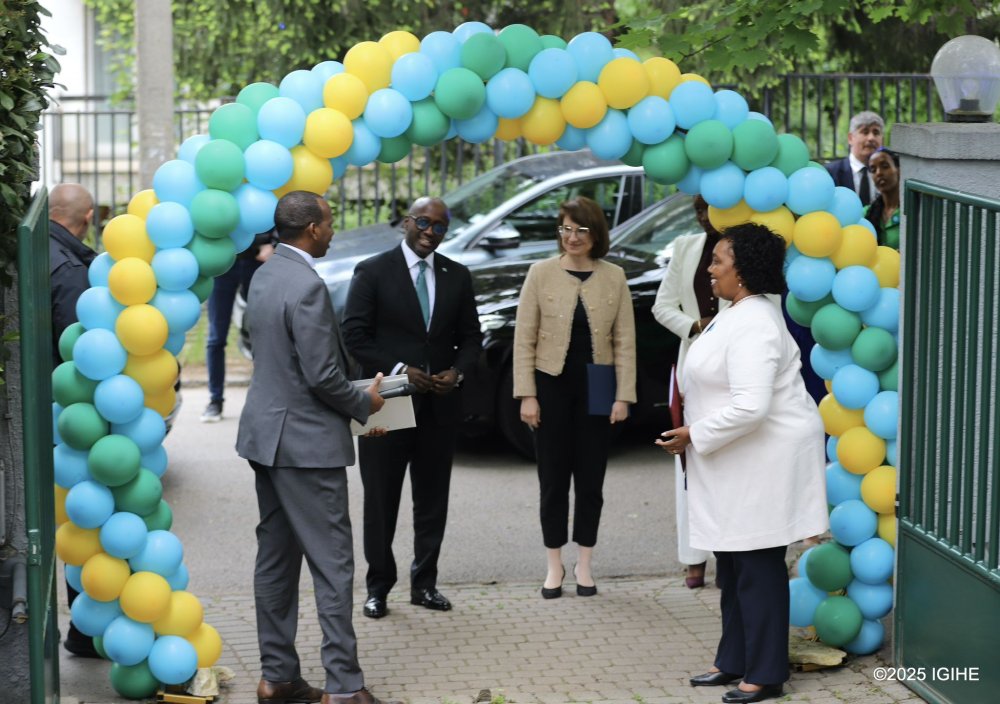
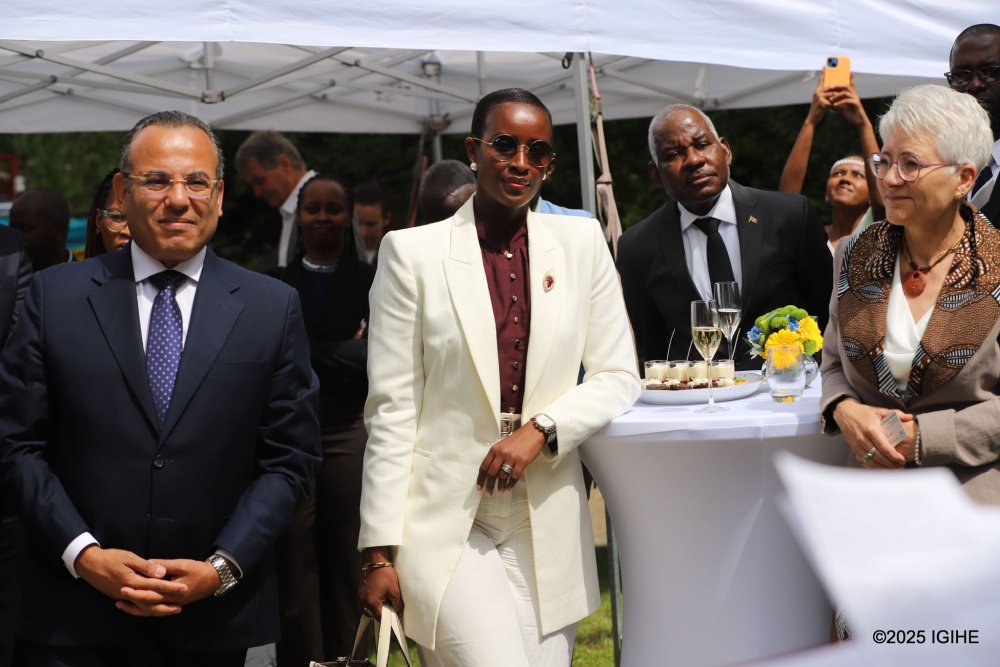
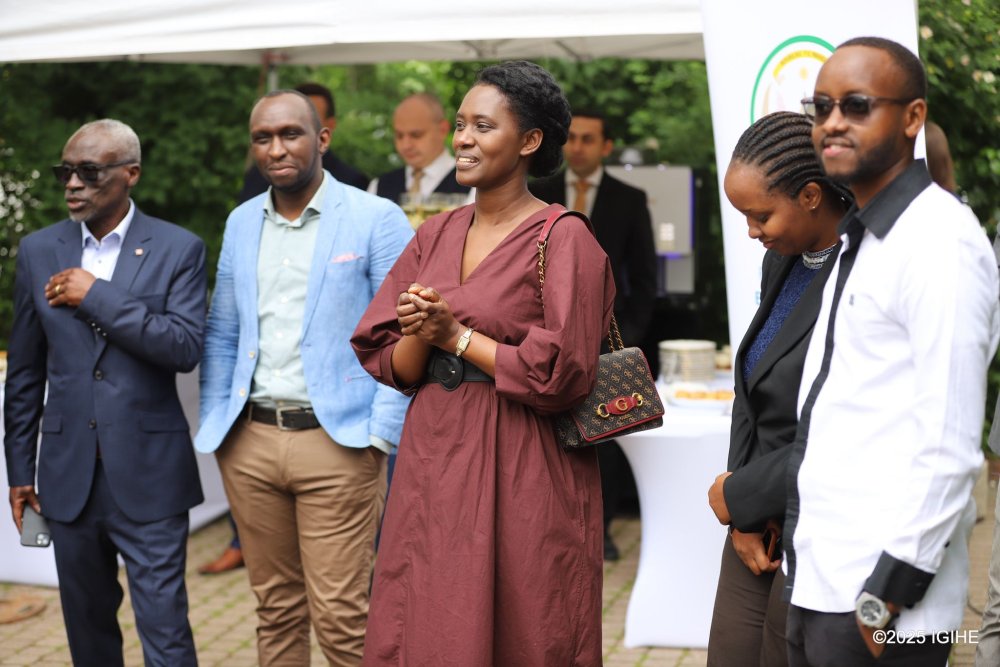
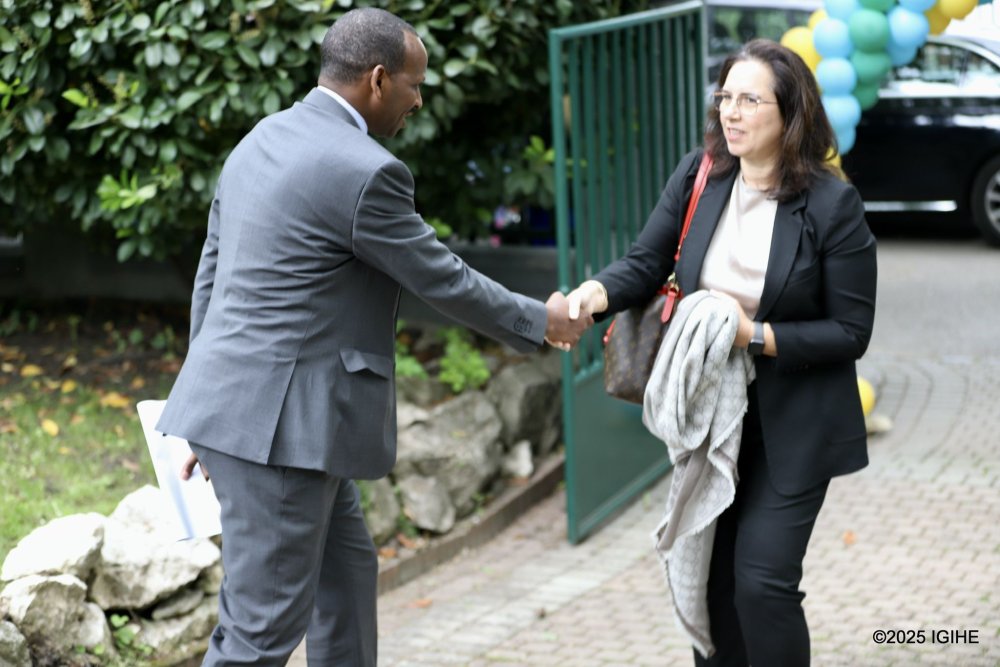
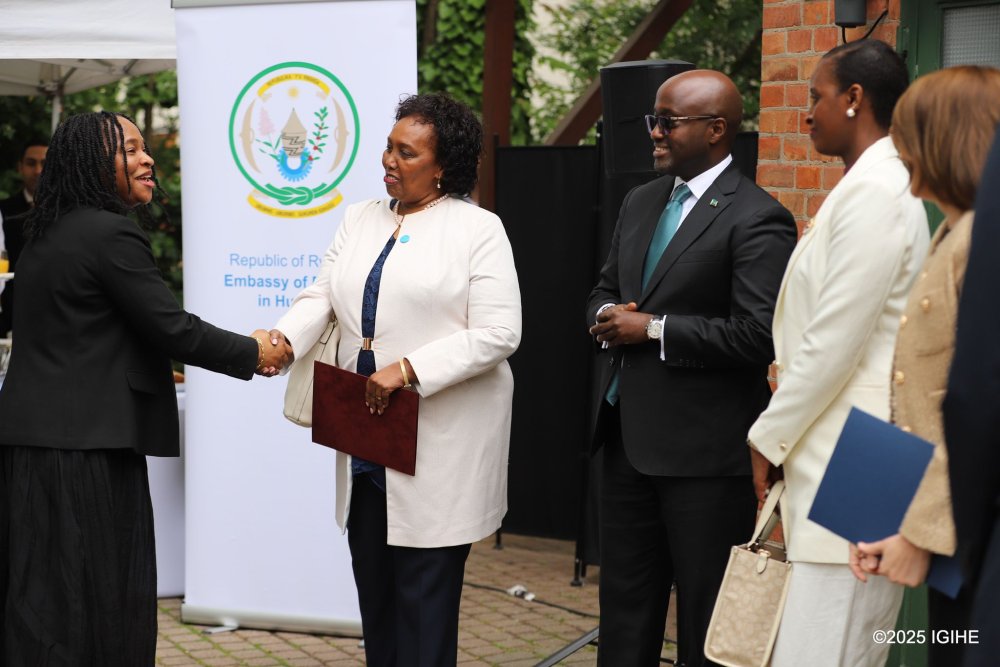
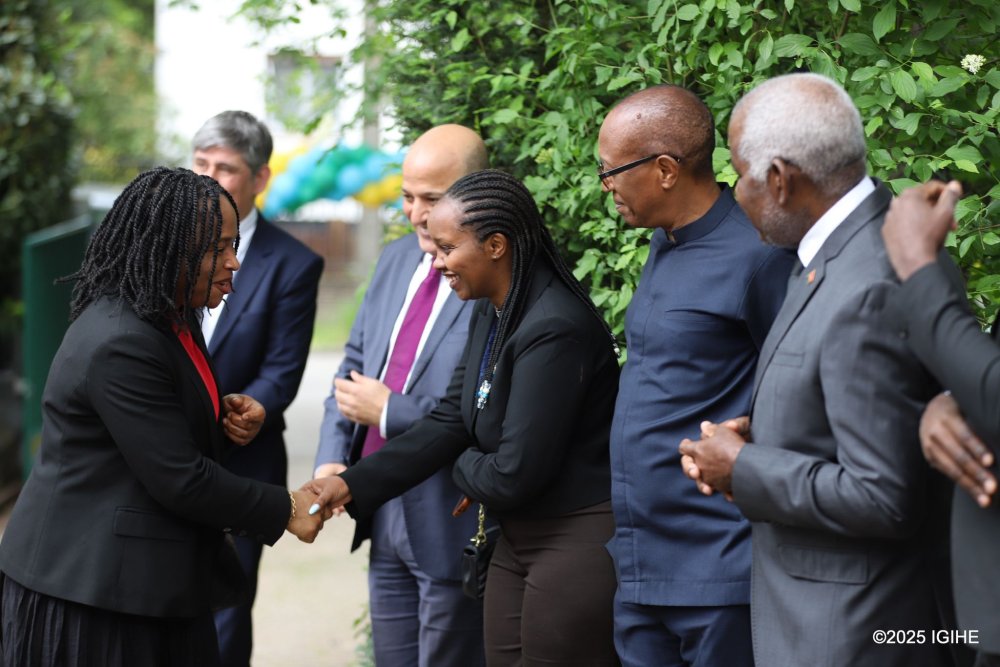
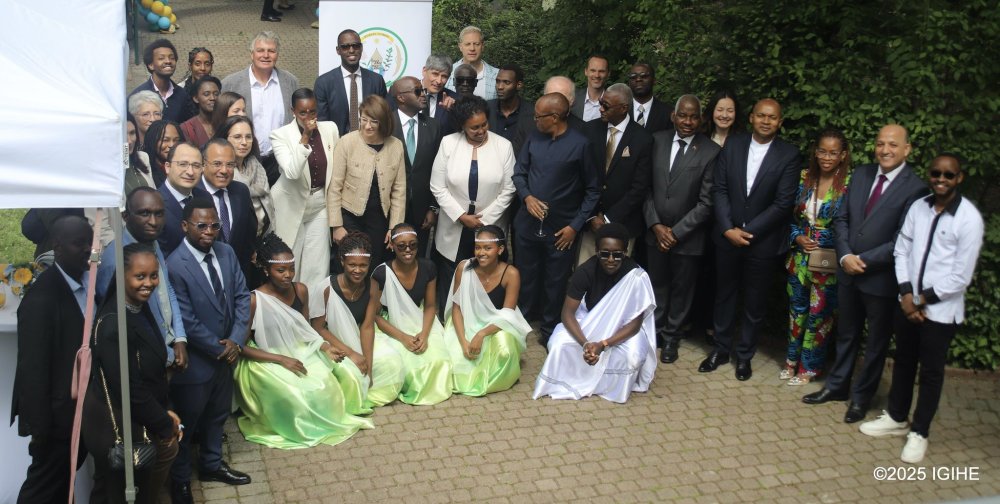
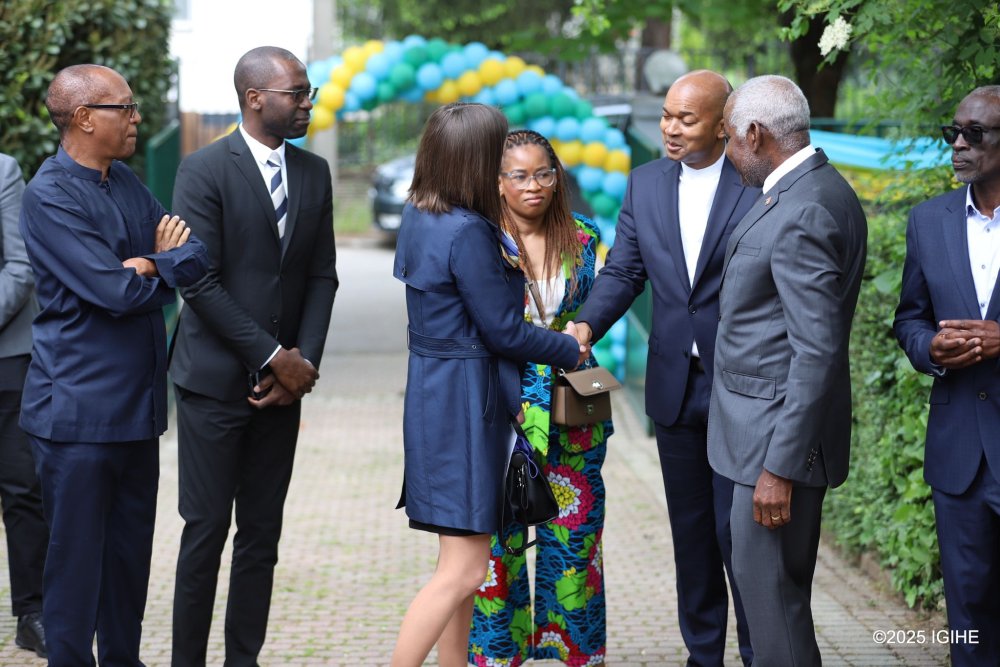
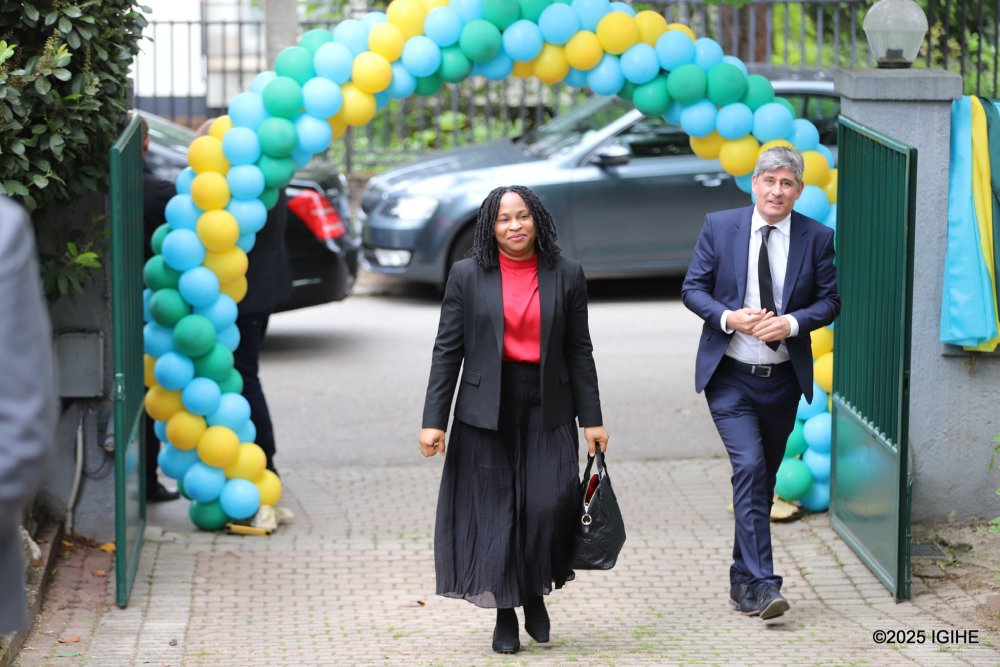
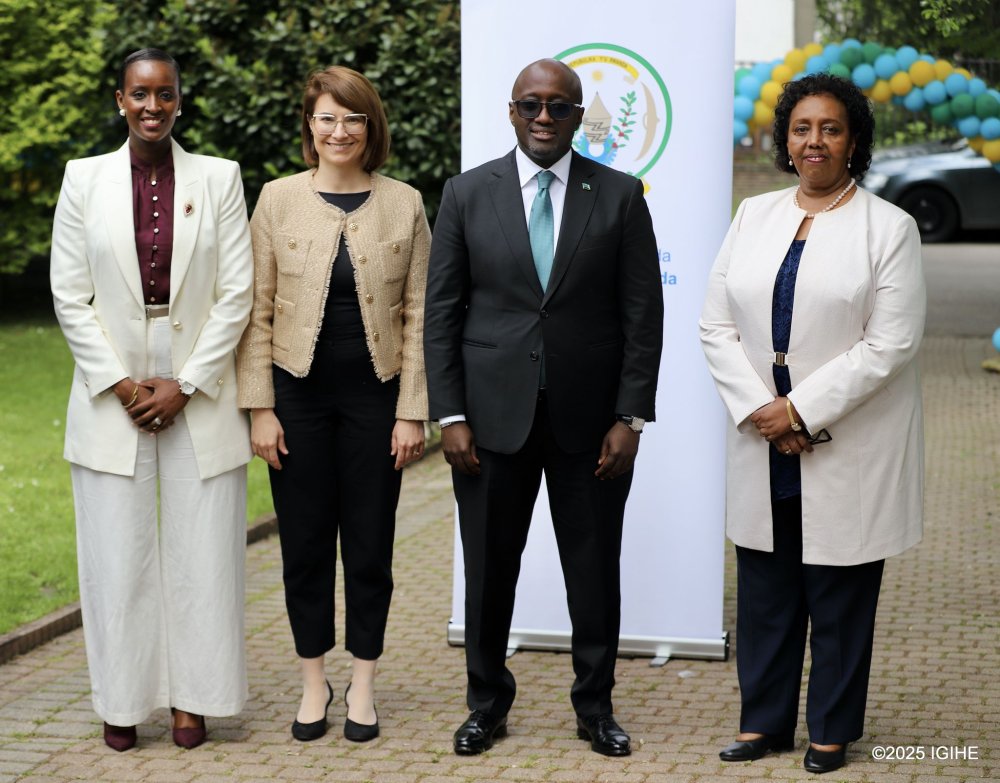
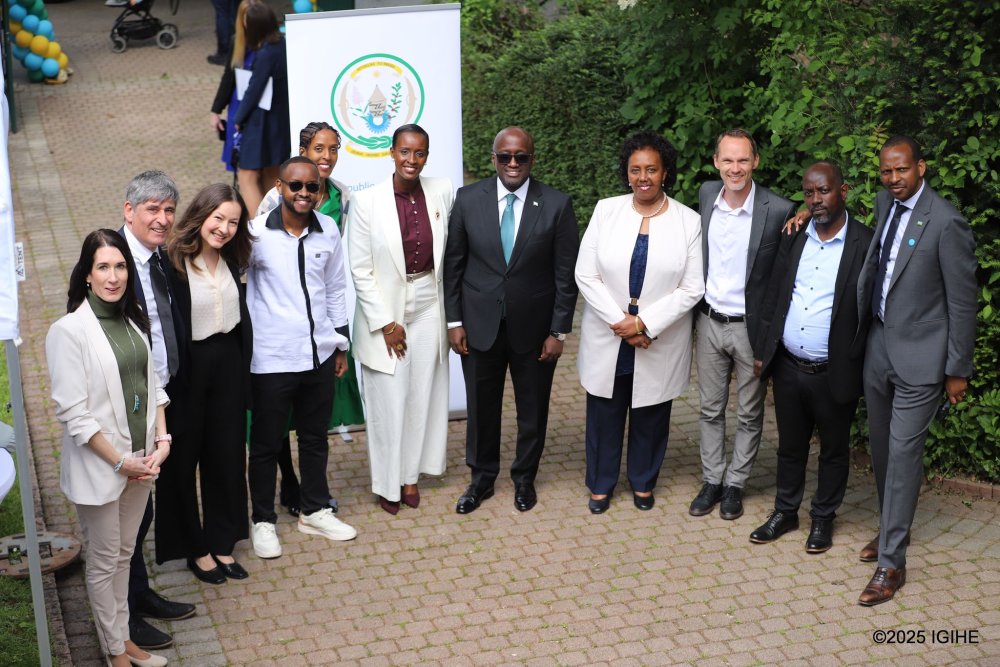
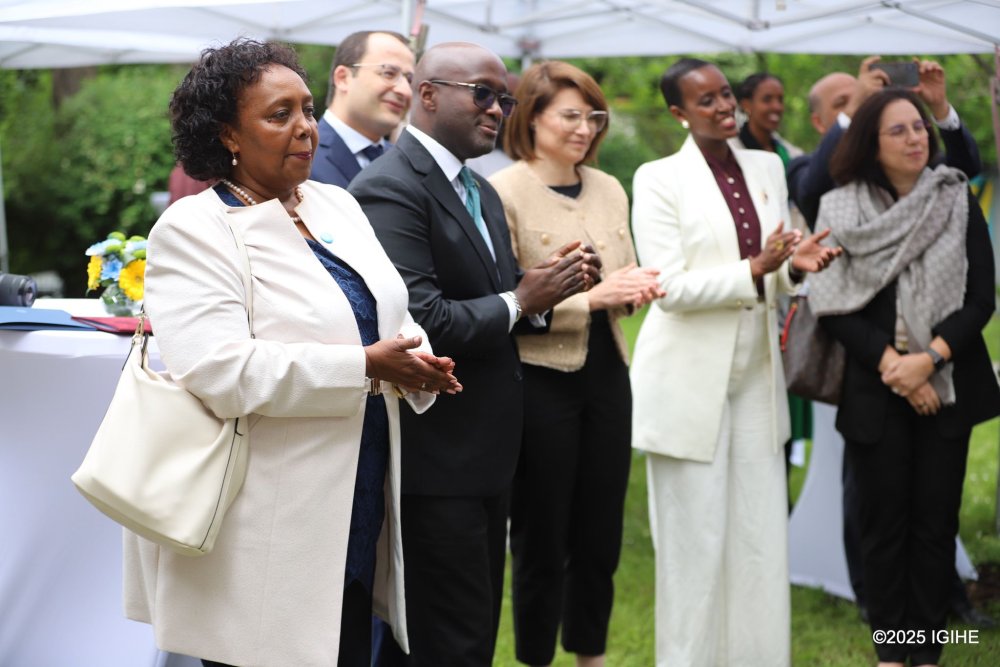
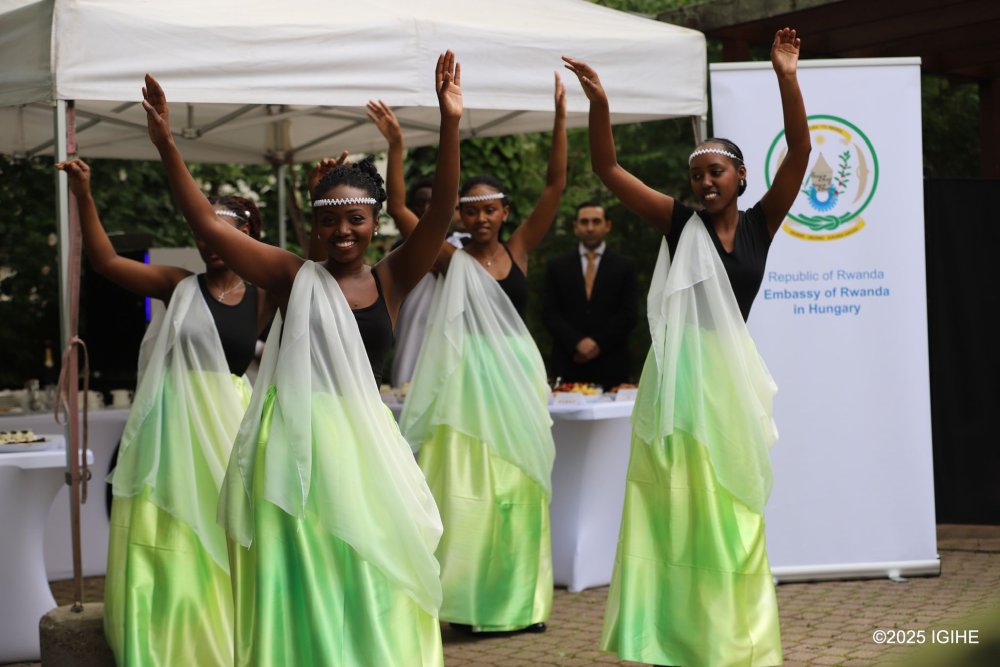
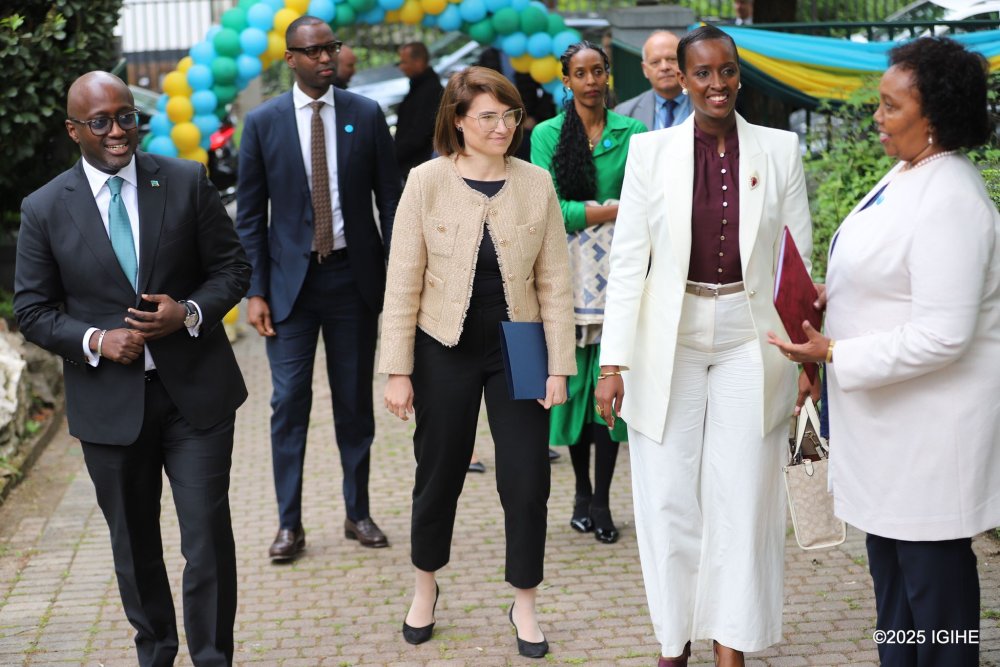
One of the key highlights was [the official inauguration of Rwanda’s Embassy in Hungary->https://en.igihe.com/news/article/rwanda-expands-diplomatic-footprint-with-new-embassy-in-hungary]. During the ceremony, Minister Nduhungirehe emphasized that this step reflects Rwanda’s commitment to deepening diplomatic relations with friendly nations, especially Hungary.
Rwanda opened its embassy in Budapest in December 2023. In March 2024, Ambassador Marguerite Françoise Nyagahura presented her credentials to Hungarian President Tamás Sulyok.
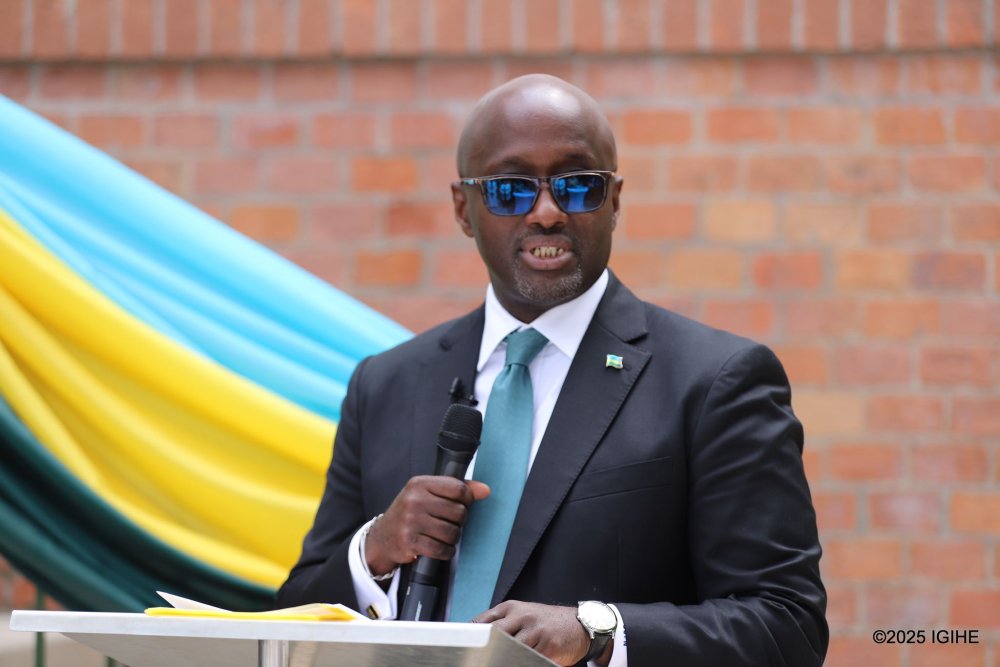
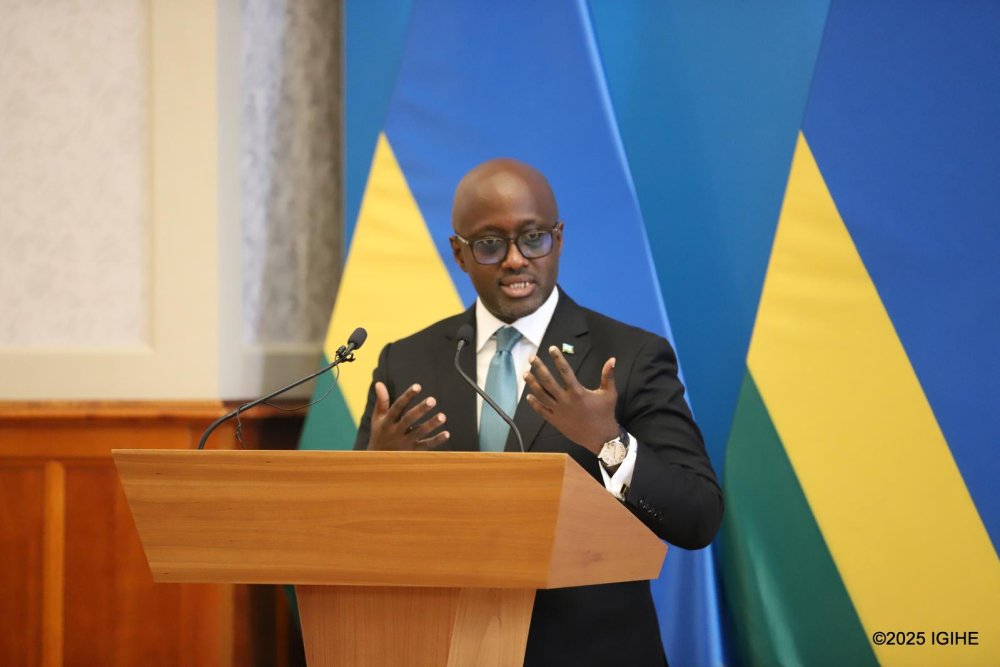
Speaking during the inauguration, Minister Nduhungirehe highlighted the significance of the new embassy in strengthening ties between the two nations.
“This embassy, one of the newest in Rwanda’s growing diplomatic network, reflects our efforts to expand our global engagement and build ties with like-minded partners like Hungary,” he said.
“The presence of a resident ambassador here in Budapest has already begun to bear fruit, facilitating more direct exchanges, stronger institutional ties, and meaningful collaborations across sectors.”
He added that there was strong potential to deepen cooperation through mutually beneficial projects that connect businesses and institutions in both countries.
“This embassy will serve not just as a diplomatic mission, but as a bridge—fostering dialogue, encouraging innovation, and building enduring friendships between our peoples,” he said.
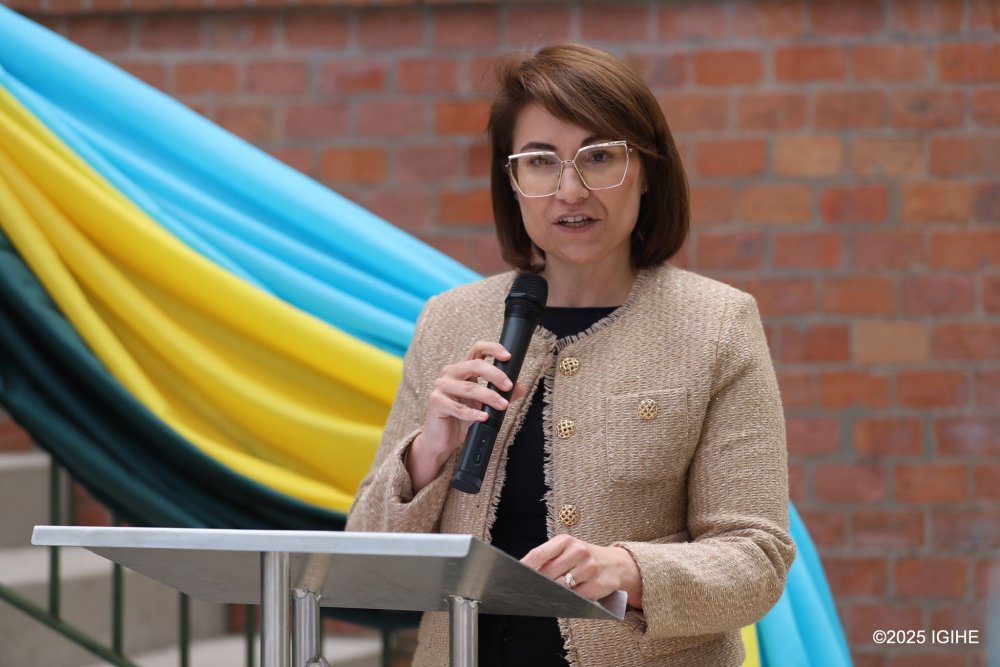
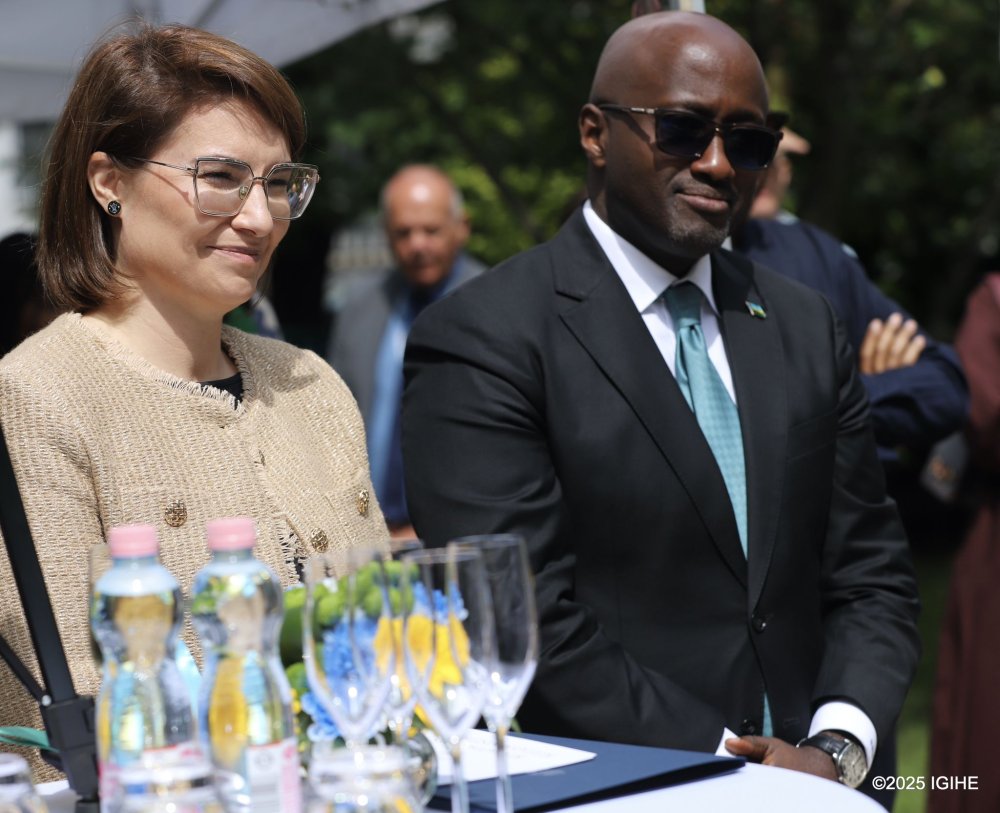
Boglárka Illés, Hungary’s Minister of State for Bilateral Relations, also attended the inauguration ceremony, representing Hungary’s commitment to closer ties with Rwanda.
She stated that Rwanda is seen as a valuable partner and a strategic entry point for investors targeting the East African market.
{{Hungarian Investment in Rwanda }}
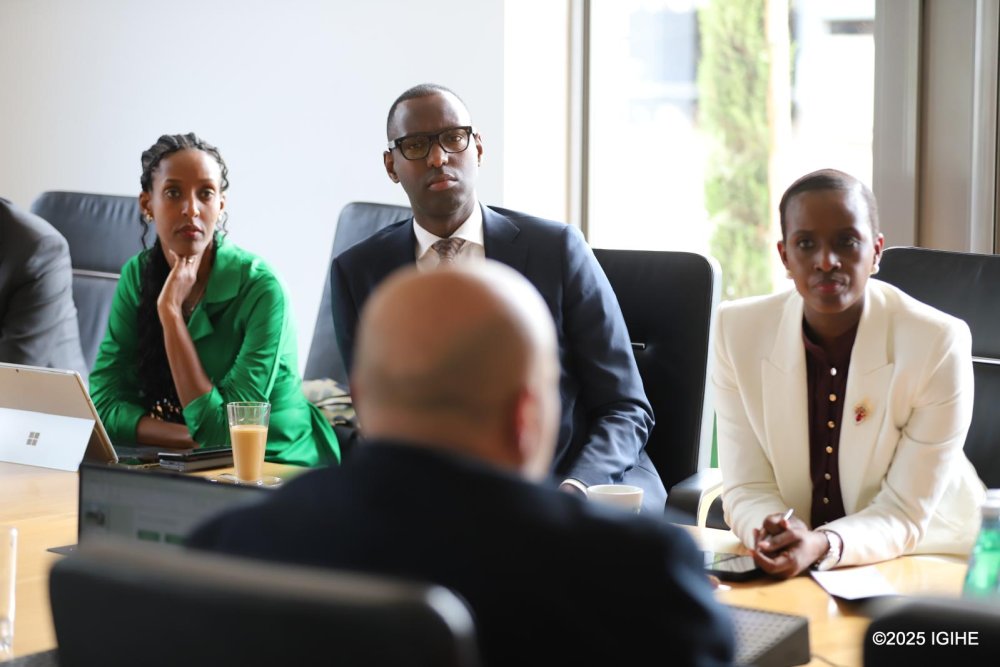
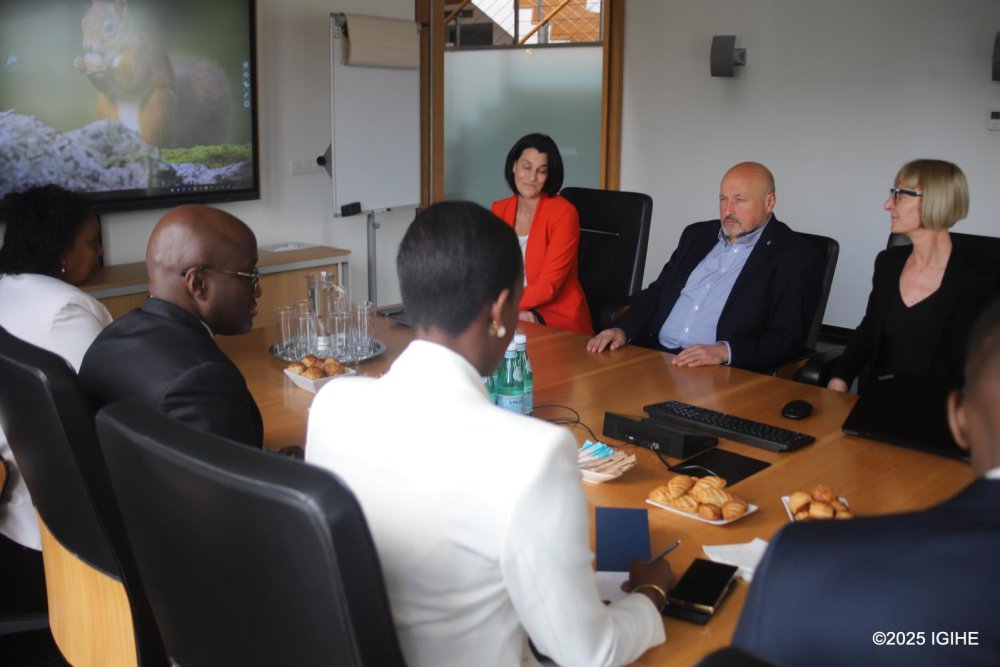
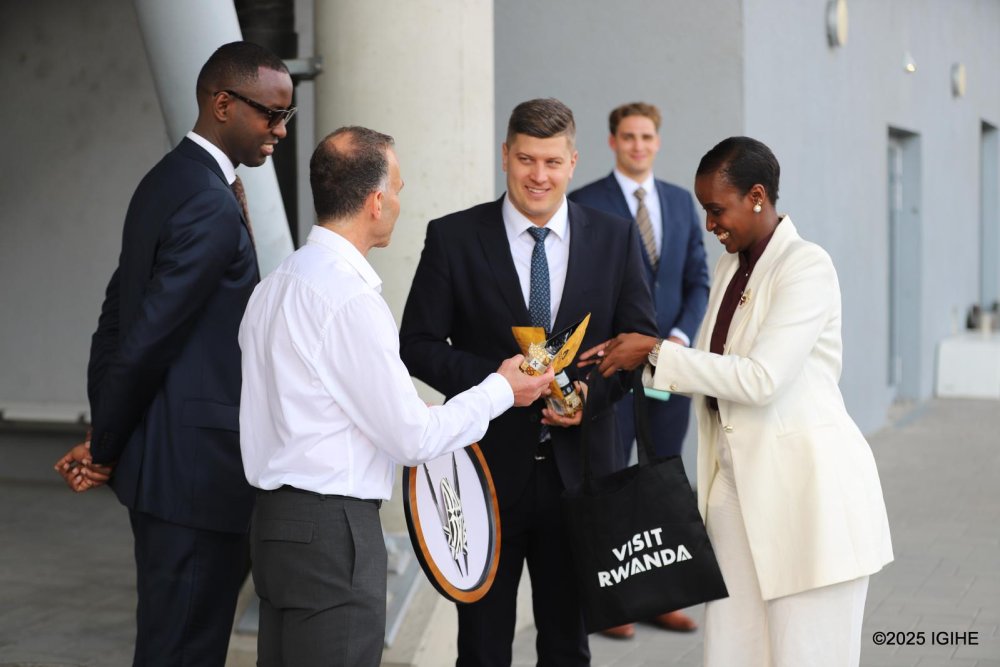
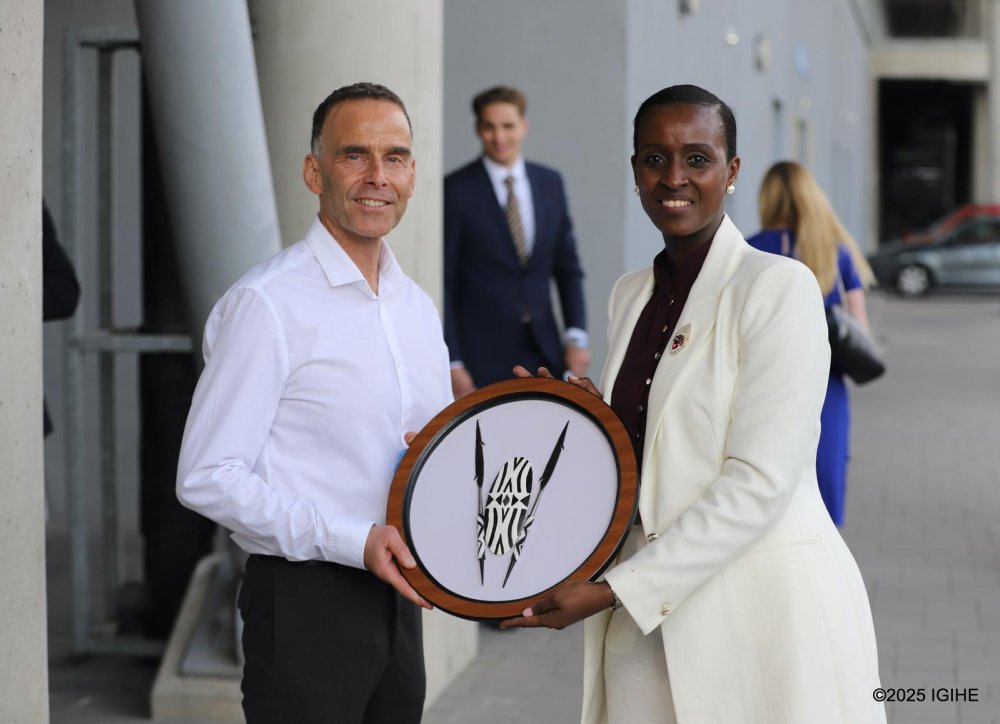
Minister Nduhungirehe told IGIHE that the delegation visited several institutions to encourage Hungarian investors to consider Rwanda.
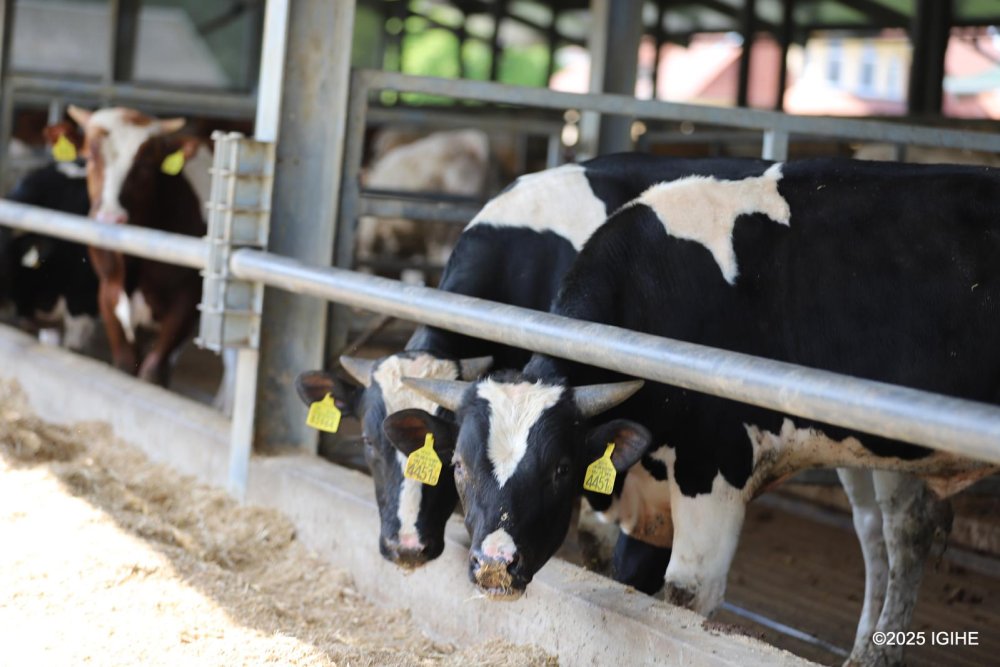
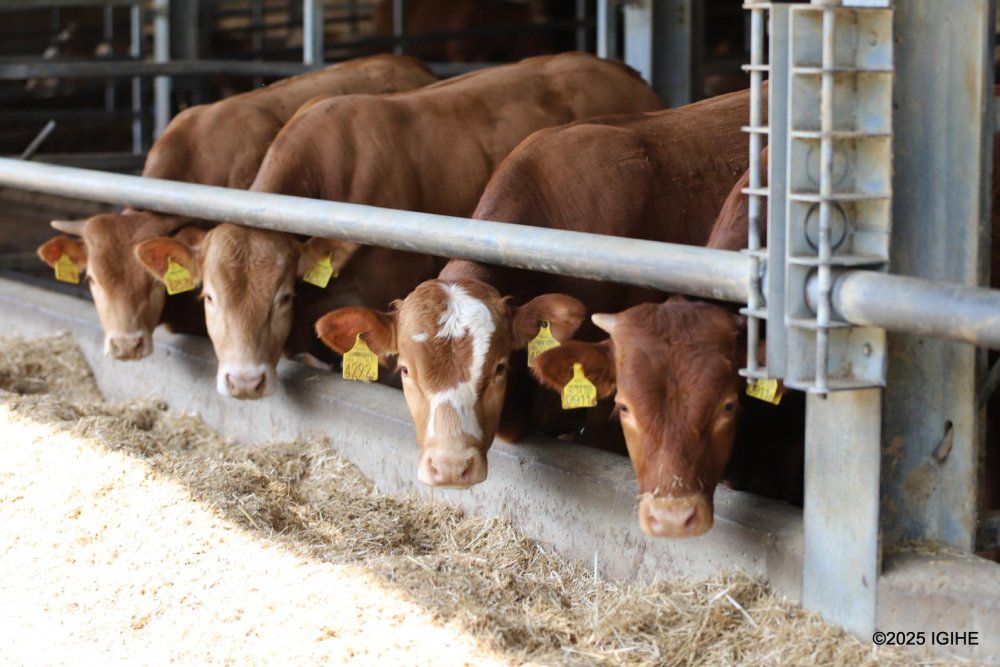
Among them was Hunland, a Hungarian company specializing in cattle breeding and dairy production. The company’s executives previously visited Rwanda, met with officials from the Ministry of Agriculture and Animal Resources, and toured a livestock project in Gako.
They expressed interest to invest $63 million (approx. Rwf 89.9 billion) to establish a cattle farm with over 2,000 high-yielding dairy cows.
“Over the next five years, they plan to invest in more than 2,000 high-quality dairy cows and establish a livestock project that will supply improved cattle breeds to Rwandans and the wider region. This investment will be carried out in partnership with Rwandans,” Nduhungirehe noted.
However, he added that the proposal is still under review by the Ministry of Agriculture and the Rwanda Development Board for approval.
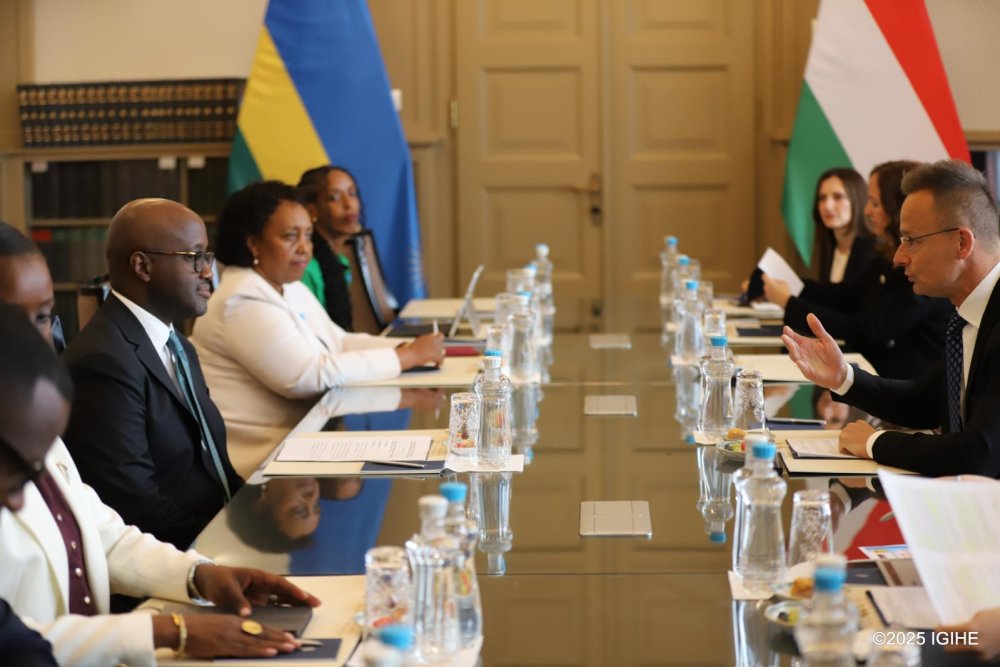
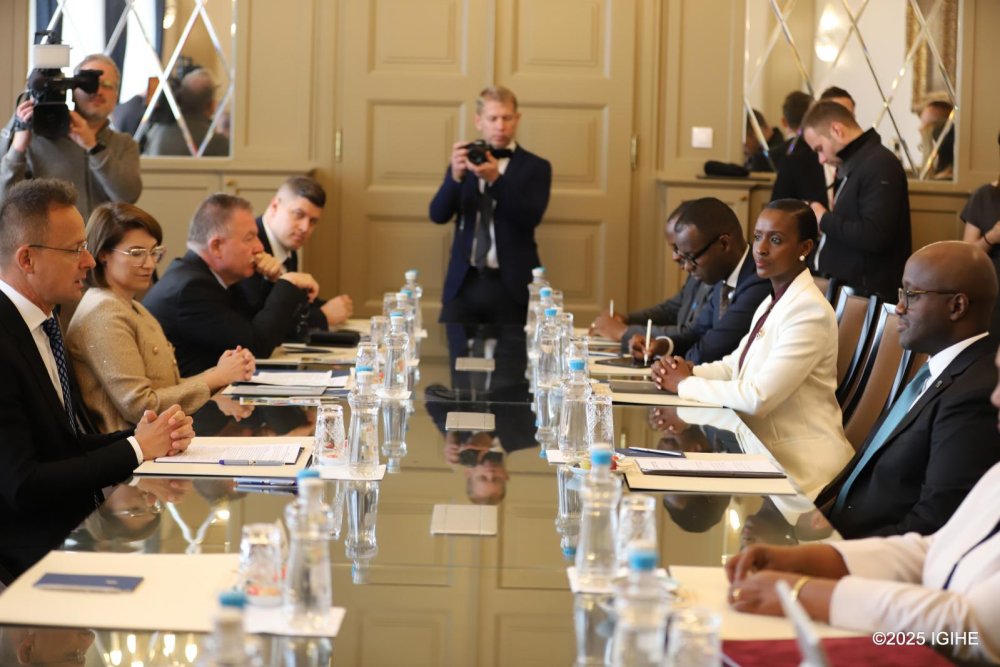
The visit also included discussions on expanding cooperation in trade and investment, education, sports, health, nuclear energy, and more.
On regional security, Hungary expressed support for resolving the Eastern DR Congo crisis through dialogue rather than armed conflict.
The two countries also plan to begin negotiations in June 2025 on a bilateral investment protection agreement, covering Rwandan investments in Hungary and vice versa.
Hungarian Foreign Minister Péter Szijjártó welcomed the strengthened relations and highlighted their support for rehabilitating Rwanda’s Karenge Water Treatment Plant in Rwamagana District, with an investment of over $52 million. Renovation work is expected to begin soon.
{{Broader cooperation in sports}}
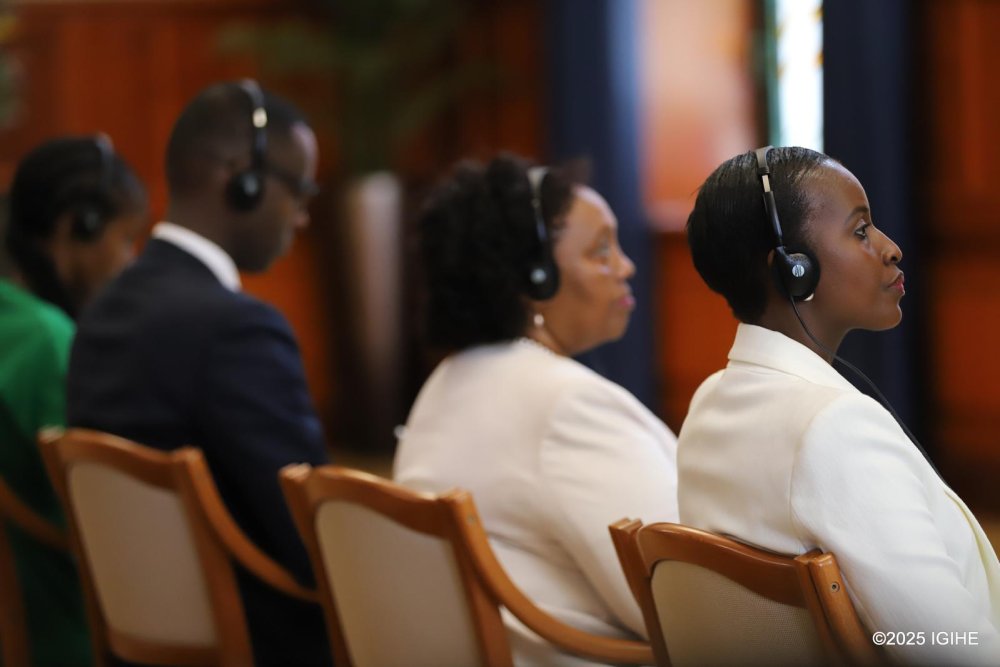
Minister Nduhungirehe also delivered a public lecture at Hungary’s Diplomatic Academy on Rwanda’s foreign policy, emphasizing key pillars such as maintaining national security, attracting investment, and peaceful coexistence with other nations.
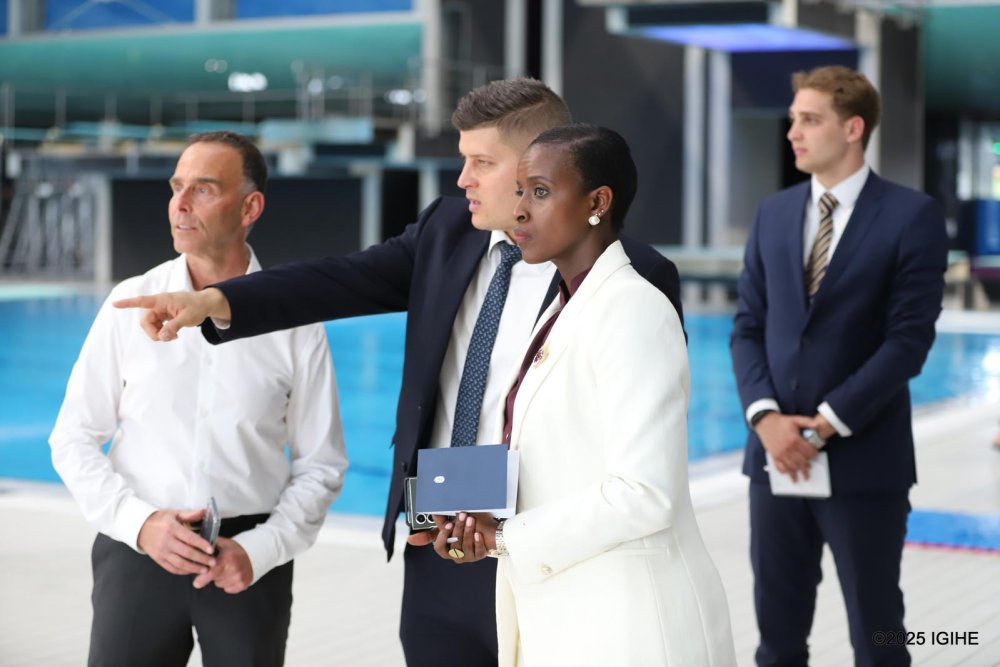
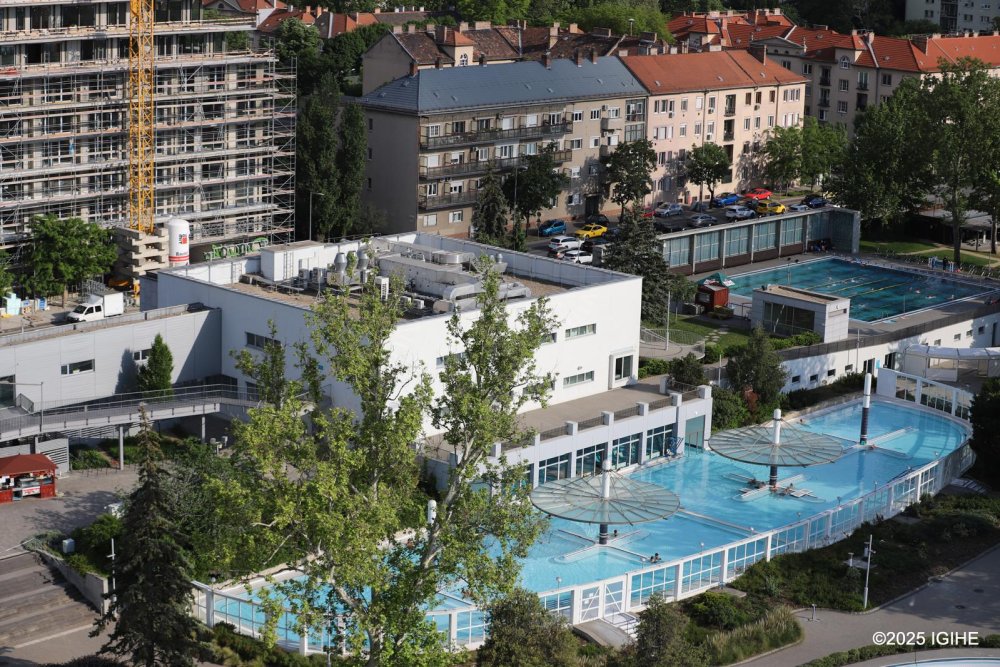
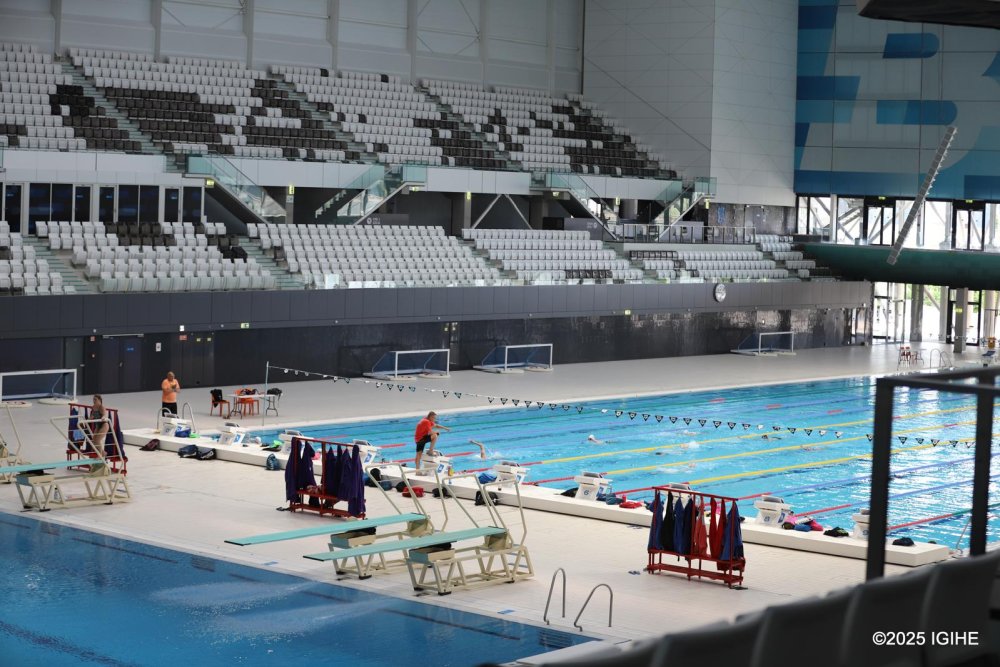
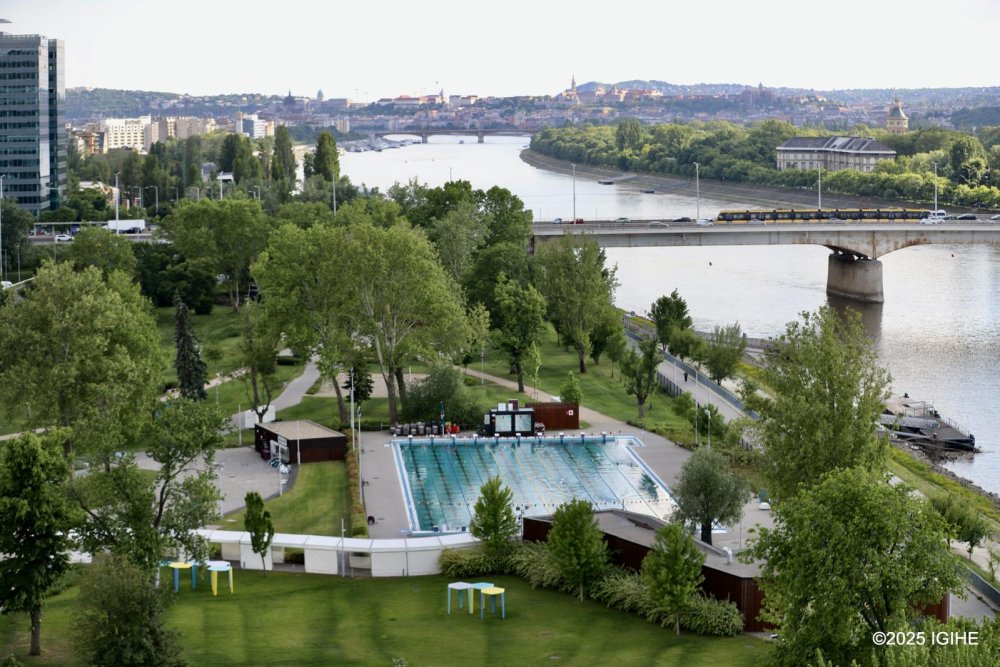
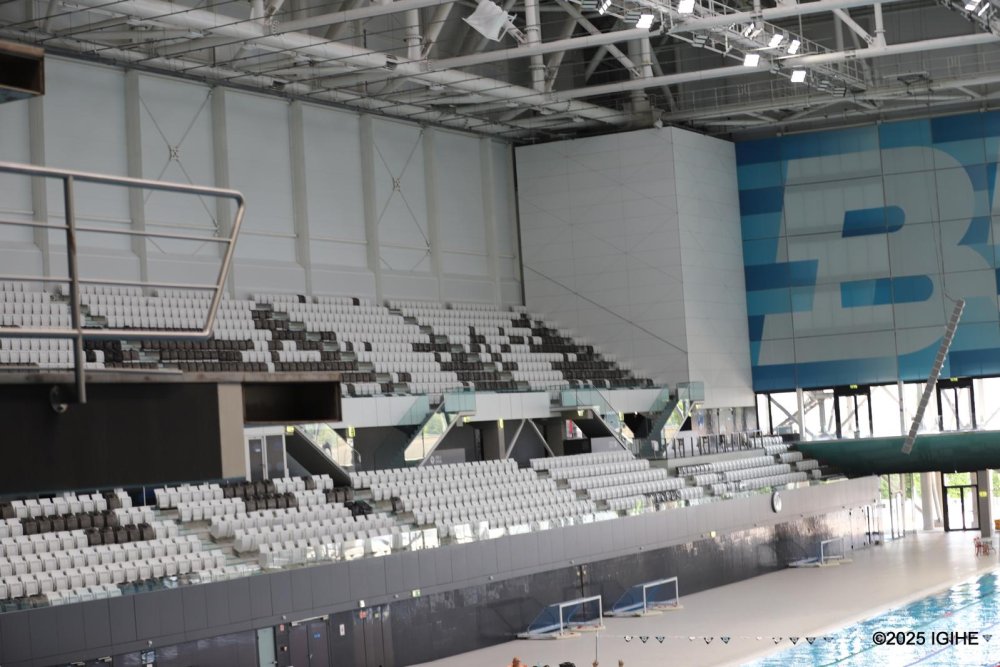
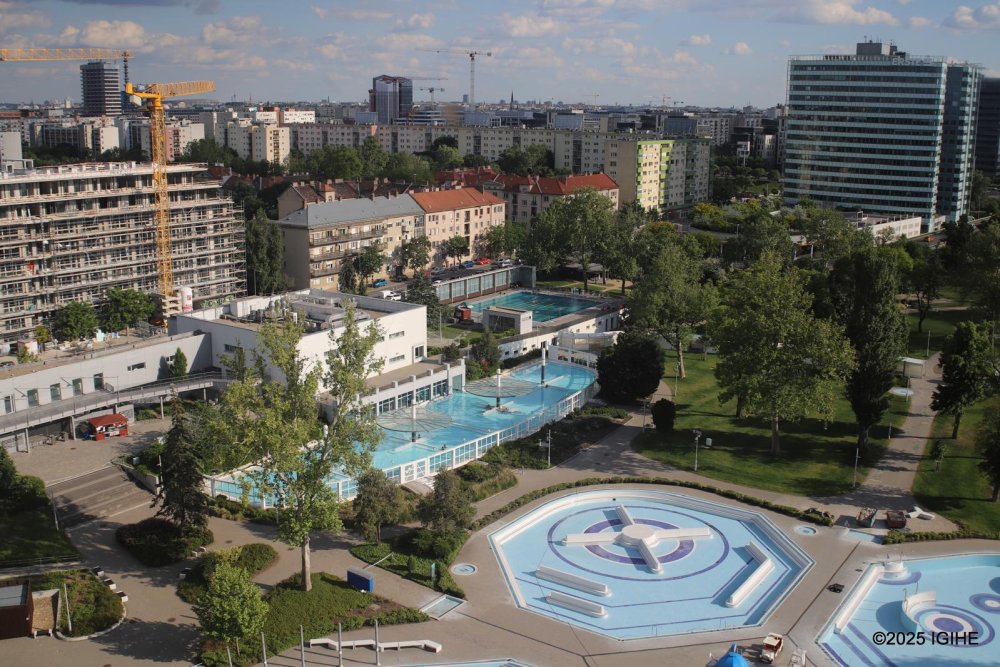
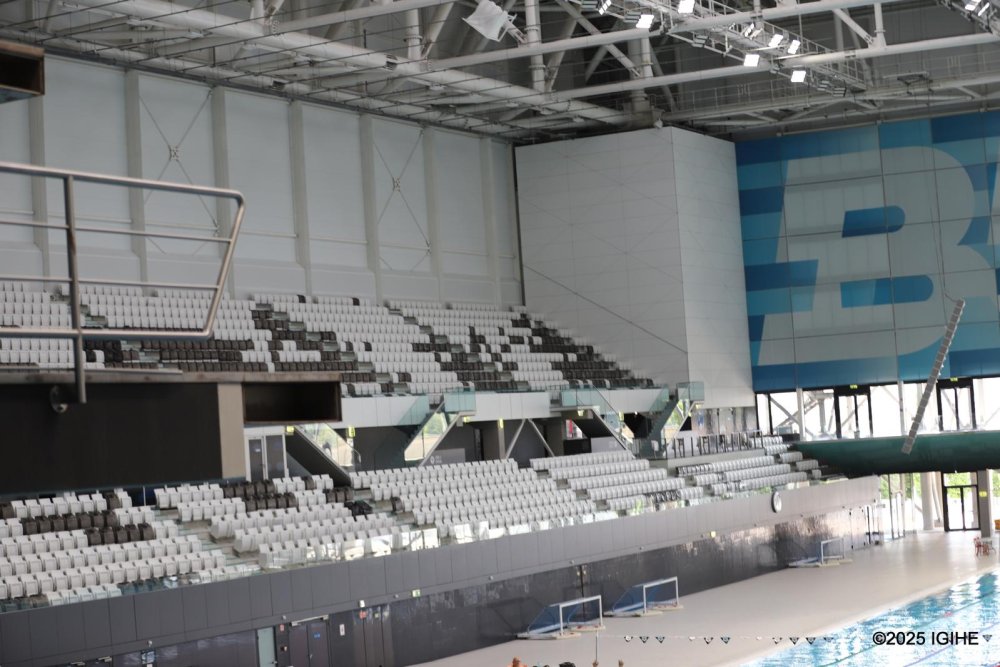
The Rwandan delegation visited the Széchenyi Thermal Bath, Europe’s largest and the world’s third-largest thermal bath facility, to explore collaboration in sports and wellness.
“These baths offer high-standard facilities for both training and international competitions. We wanted to explore how such experiences can help develop swimming in Rwanda,” Nduhungirehe said.
Minister Mukazayire held talks with Hungary’s Secretary of State for Sports, and both parties agreed to finalize a sports cooperation agreement.
Hungary, renowned in aquatic sports, pledged to send experts to assess Rwanda’s needs and support coach and athlete capacity building.
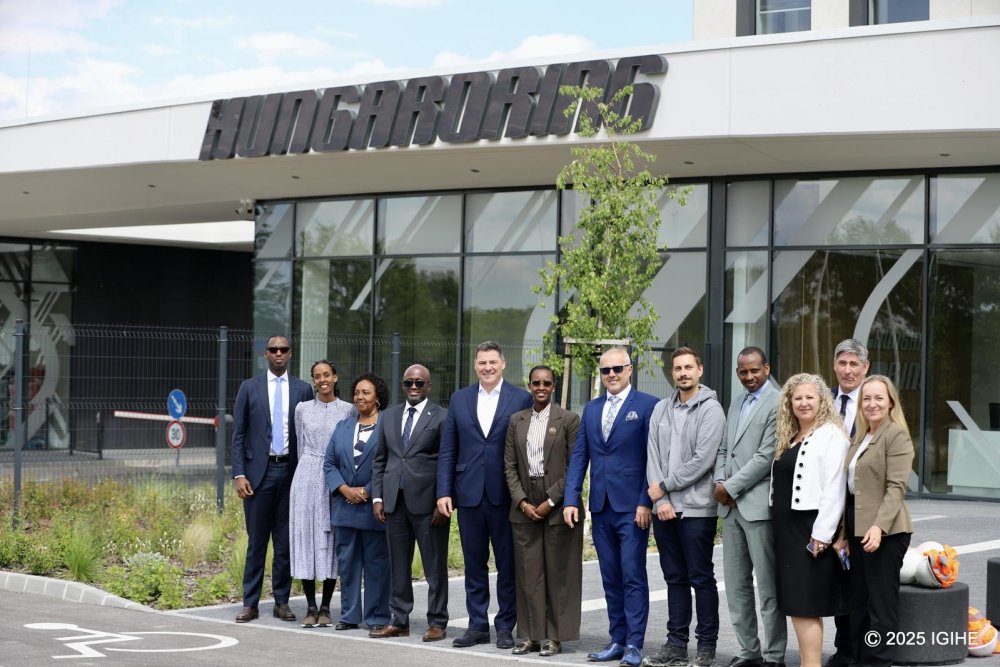
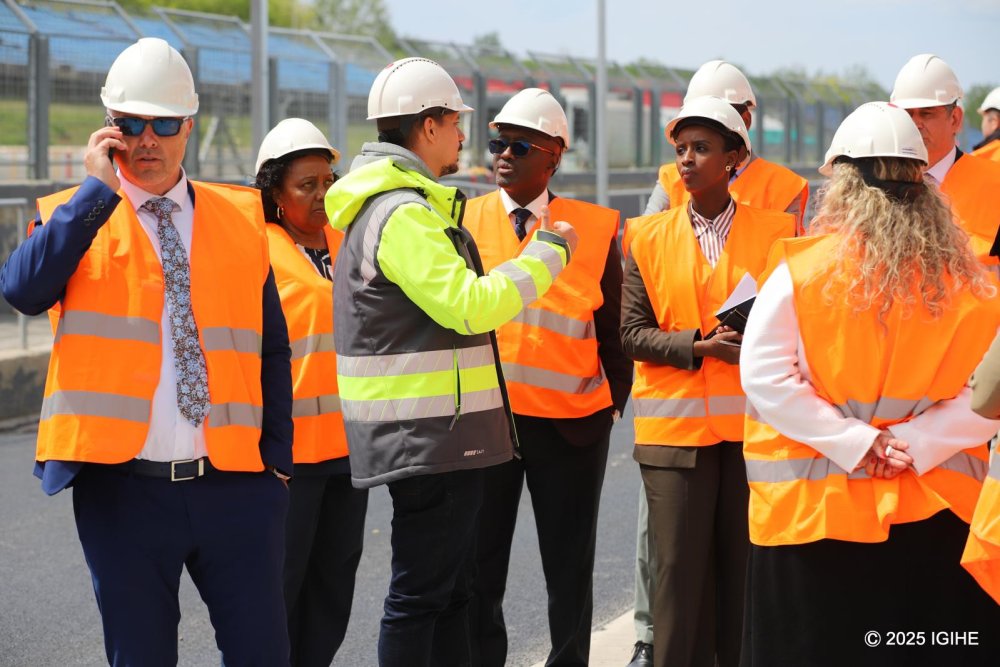
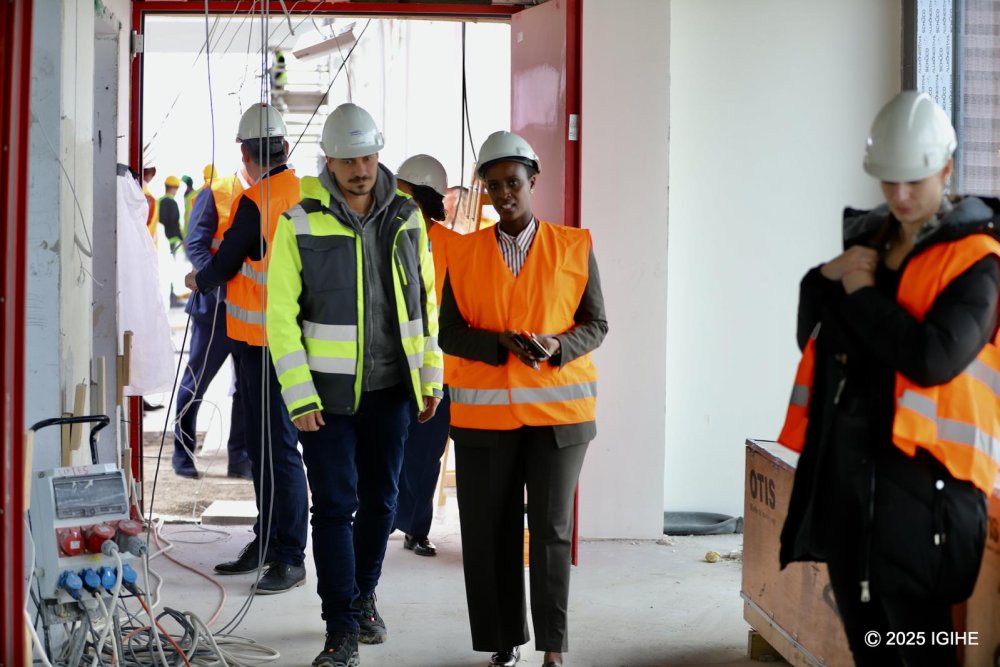
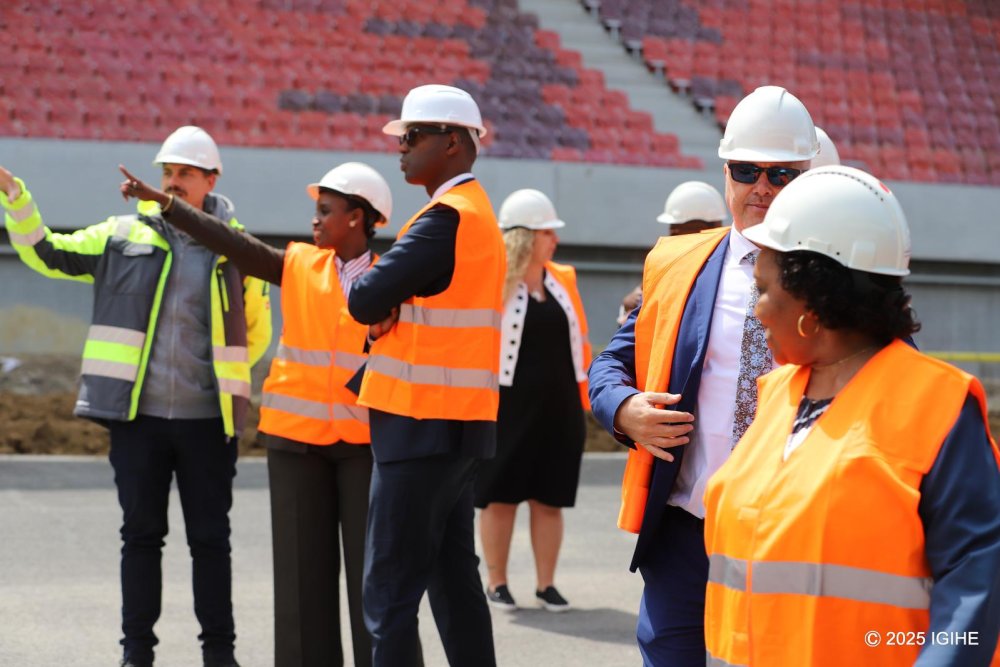
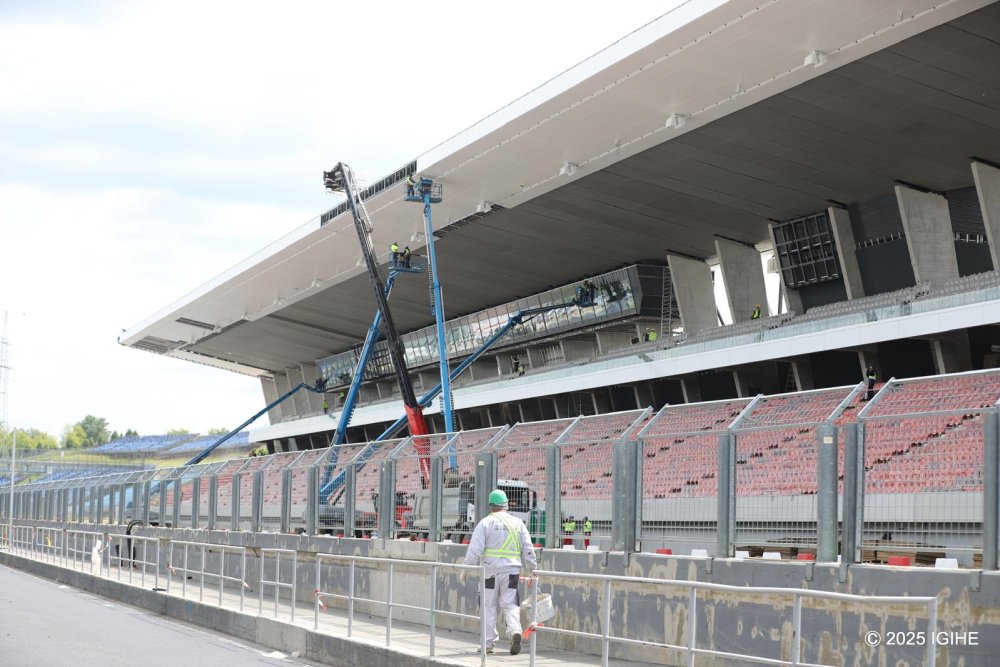
The delegation also visited the Hungarian Motorsport Academy, which supports the organization of Formula 1 races, aligning with Rwanda’s interest in potentially hosting Formula 1 in the future.
Minister Mukazayire sought to understand the infrastructure, preparation, and capacity needs required to organize such global competitions.
She also met with Hungary’s Cycling Federation officials, and they agreed to cooperate in capacity building for cycling.
Minister Mukazayire invited the Hungarian team to participate in the 2025 UCI Road World Championships to be held in Kigali in September. They confirmed their participation.
The visit concluded with the Rwandan delegation attending the opening ceremony of the 100th edition of the “Tour de Hongrie.”
Minister Mukazayire addressed attendees, encouraging them to follow the 2025 World Championships in Kigali and explore Rwanda’s vibrant tourism attractions.
{{Inauguration of Rwandan embassy in Hungary}}
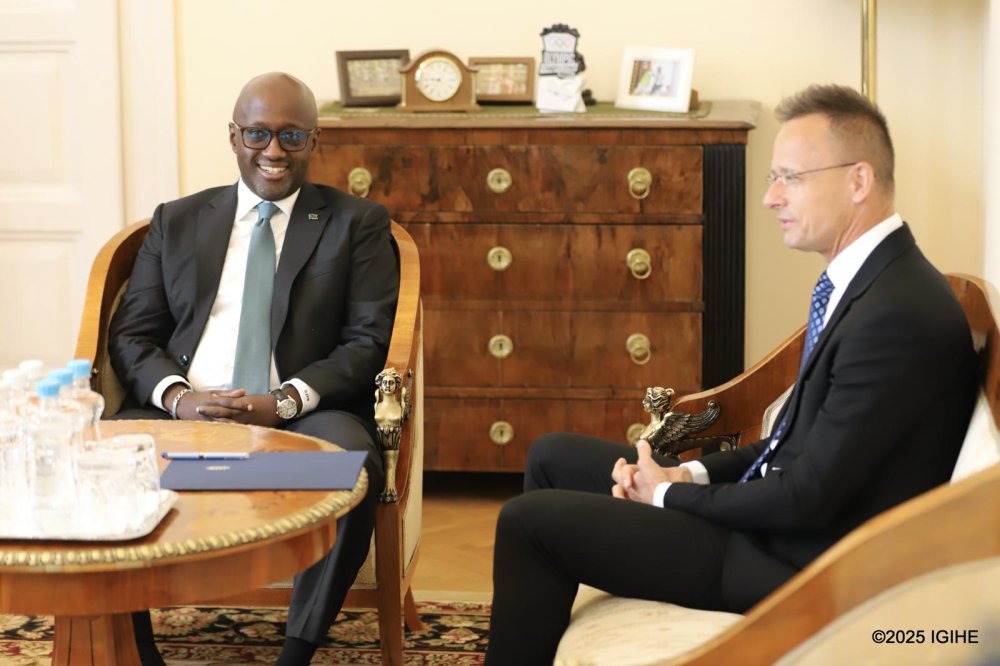
{{Hungary’s Minister Péter Szijjártó receiving his Rwandan counterpart}}
{{Minister Péter Szijjártó and Amb. Nduhungirehe addressed members of the press}}
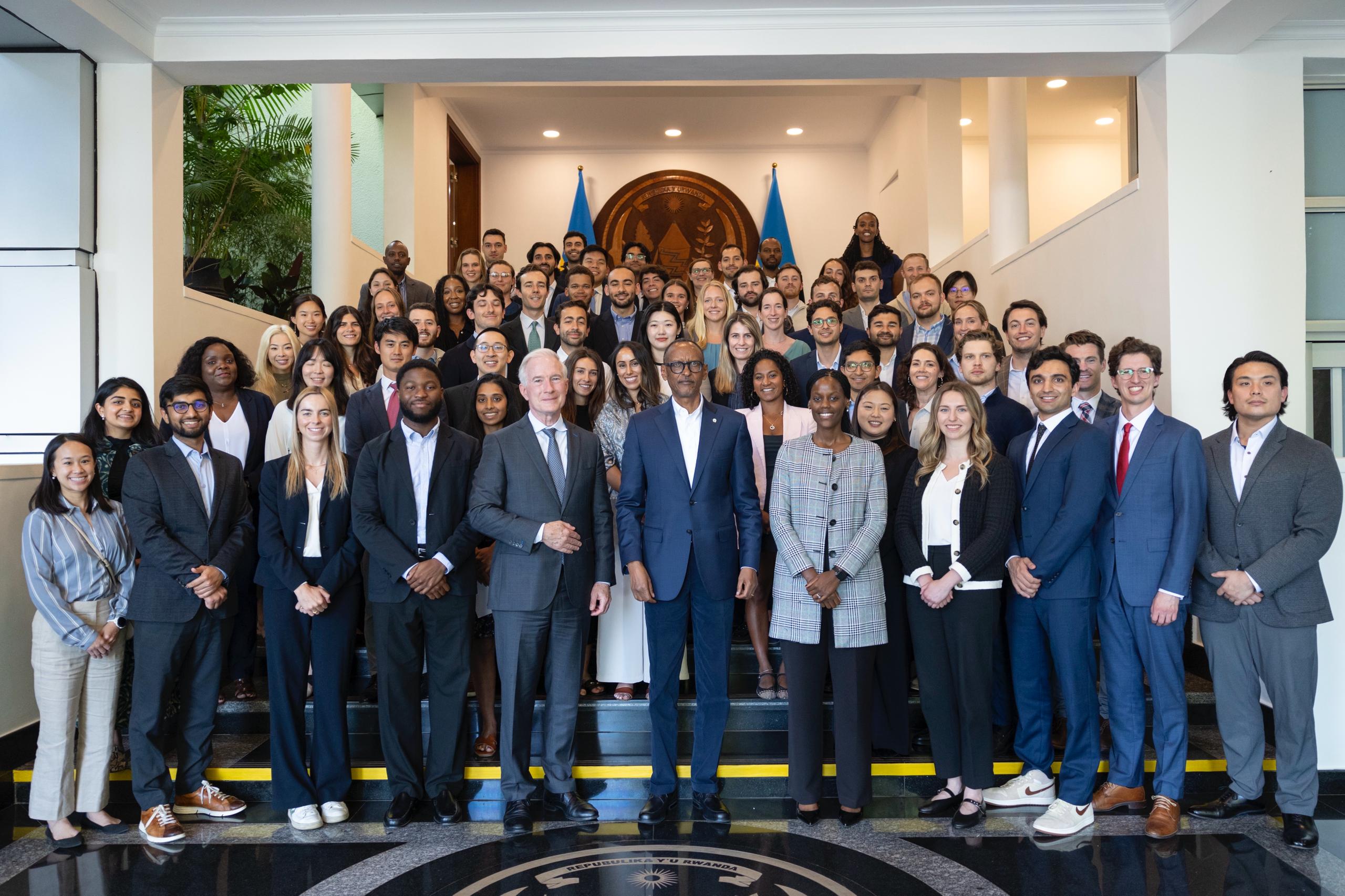
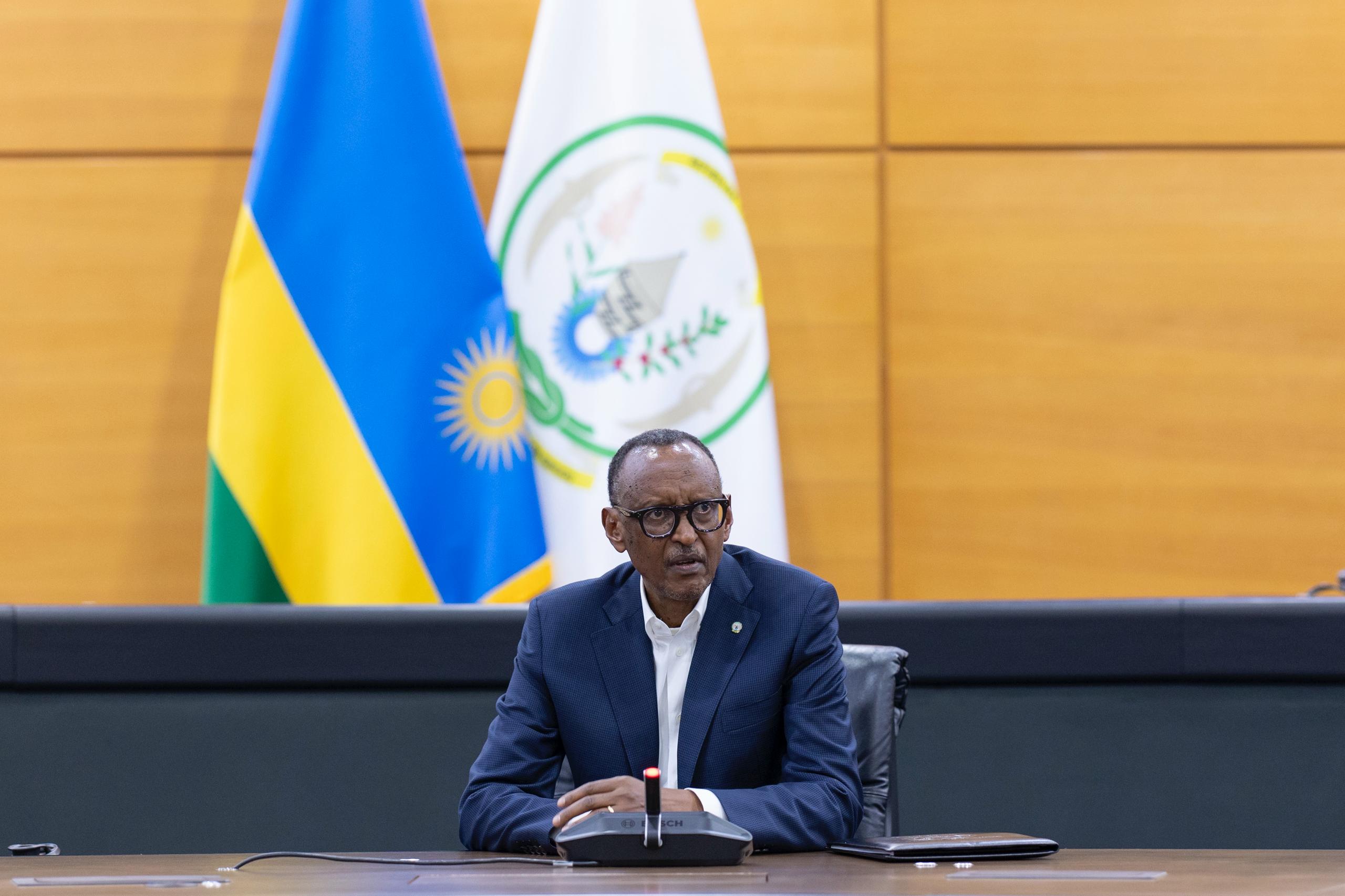
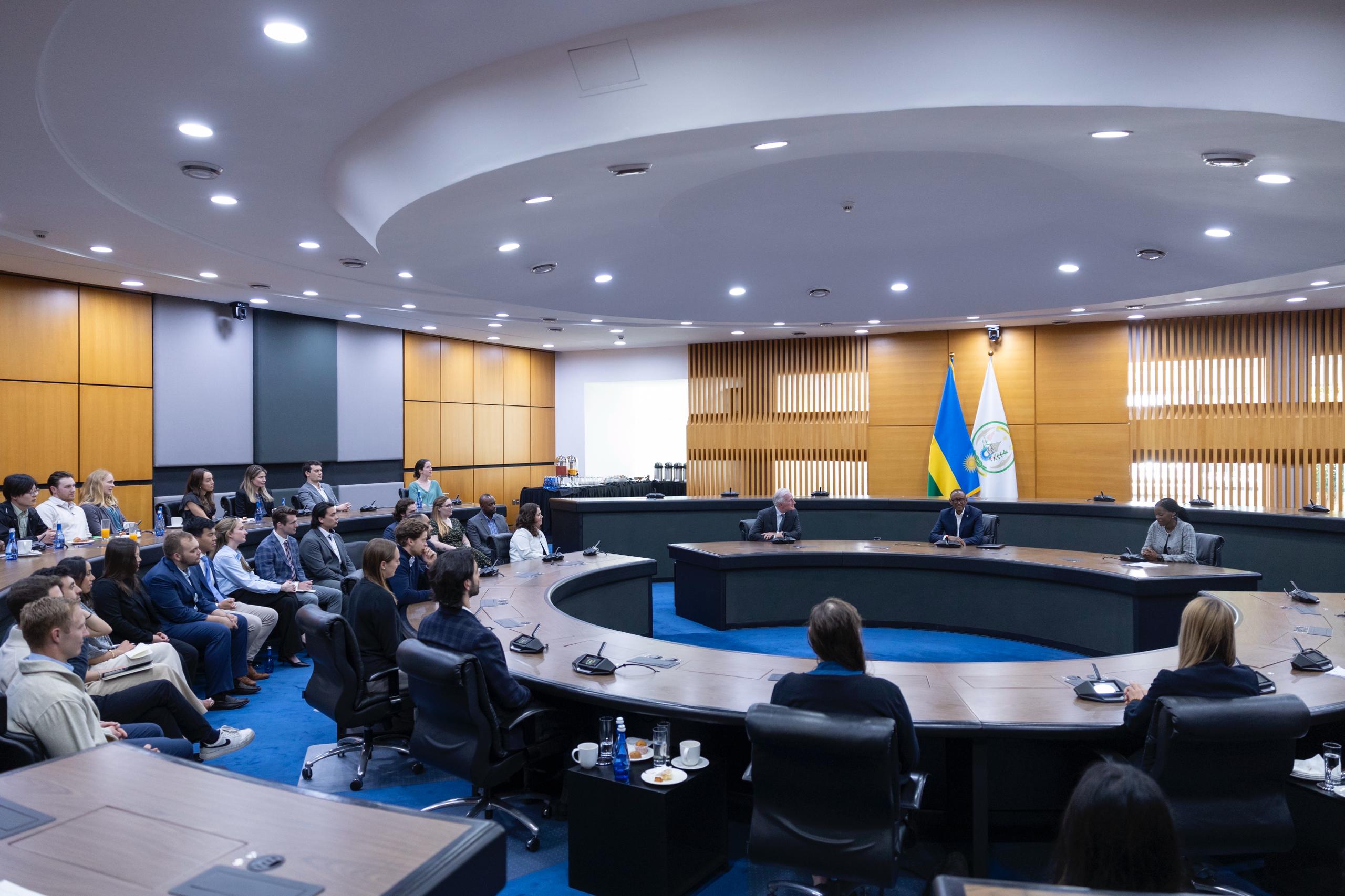
Speaking with clarity and introspection, Kagame emphasised the importance of understanding Rwanda on its own terms—shaped by its history, defined by its resilience, and guided by a deeply internalised sense of responsibility.
“Like any other country or society, Rwandans have their ways, they have their problems, they have their restraints,” Kagame said.
“So we approach the management of our affairs and society and deal with our problems based on that understanding of who we are, who we want to be, where we are coming from, where we want to go.”
Kagame urged the students to look beyond surface narratives and adopt a more nuanced lens when evaluating nations like Rwanda.
He stressed the value of introspection and open communication within Rwandan society as key tools for progress.
“It’s important to read and understand carefully what all that entails. And more importantly, to try and communicate it among ourselves and do the kind of soul-searching we need to find solutions to the many problems we have or have had,” he asserted.
In a statement that anchored the tone of the discussion, Kagame declared, “We don’t pretend about anything.” Acknowledging the significant strides Rwanda has made since the 1994 Genocide Against the Tutsi, he also admitted that challenges remain.
“We know that a lot of progress has been made, but we have not succeeded in everything. We are not even bound to succeed in everything. But we try to register progress in the things that matter most to us.”
The Head of State, who led the Rwandan Patriotic Army (RPA)—comprising Rwandan refugees from neighbouring countries—to stop the Genocide against the Tutsi, described Rwanda’s journey as one forged not in privilege, but in perseverance.
“We are not spoiled. We don’t have much to spoil us. We have just had the lessons of our past that are tragic. Therefore, you either pick up your pieces and move forward or you perish,” Kagame told the students. “We operate within these kinds of limitations.”
The meeting served as both a lesson in leadership and a window into Rwanda’s ongoing efforts to build a self-reliant, inclusive society that acknowledges its scars but remains focused on a future defined by integrity, purpose, and homegrown solutions.
President Kagame is credited with steering the country toward prosperity following the 1994 Genocide Against the Tutsi, which left more than a million people dead.
Today, Rwanda is regarded as a model of good governance, with notable progress in areas such as infrastructure development and the improvement of public services, including healthcare and education.
A recent survey conducted by the National Institute of Statistics of Rwanda (NISR) revealed that national poverty has declined by 12.4 percentage points over the past seven years.
According to the survey, the national poverty rate dropped from 39.8% in 2017 to 27.4% in 2024, with approximately 1.5 million Rwandans lifted out of poverty during that period.
Moreover, the country has made concerted efforts to combat corruption and enhance the efficiency of its public sector, placing a strong emphasis on accountability and performance.
In 2024, the tourism sector generated $647 million (over Frw 932 billion) for Rwanda, marking a 4.3% increase compared to the previous year.
RDB’s 2024 annual report attributes this growth to a 27% increase in gorilla-based tourism and an 11% rise in air travel.
Each year, 10% of the revenue generated by national parks is shared with neighbouring communities and used for public interest initiatives and socio-economic development projects.
The report indicates that 105 community projects received financial support. A significant portion, about 43.1%, focused on agriculture-related activities, while 41% were dedicated to infrastructure development.
Another 10.5% of the funds were used to provide various equipment, 2.9% supported the repair of property damaged by wildlife, and the remaining 1.9% went toward strengthening local businesses near the park.
While briefing members of the Parliamentary Committee on National Budget and State Assets, RDB officials highlighted the Volcanoes Community Resilience Project, aimed at supporting communities surrounding the park.
This project has a three-year budget of Frw 30,778,107,419 and is set for implementation through 2028.
In the draft budget for fiscal year 2025/2026, the project has been allocated Frw 1,764,645,080.
In 2024, the number of visitors to Rwanda’s national parks increased to 138,000, generating $38.8 million, up from $35.8 million in 2023.
Since 2005, over Frw 10 billion has been invested in projects that improve the livelihoods of communities around Rwanda’s national parks, including Volcanoes, Nyungwe, and Akagera.
Through collaboration between RDB, local governments, and park communities, more than 880 projects have been developed to enhance community wellbeing. These include schools, health centres, housing for families, water supply systems, and agriculture-related development initiatives.
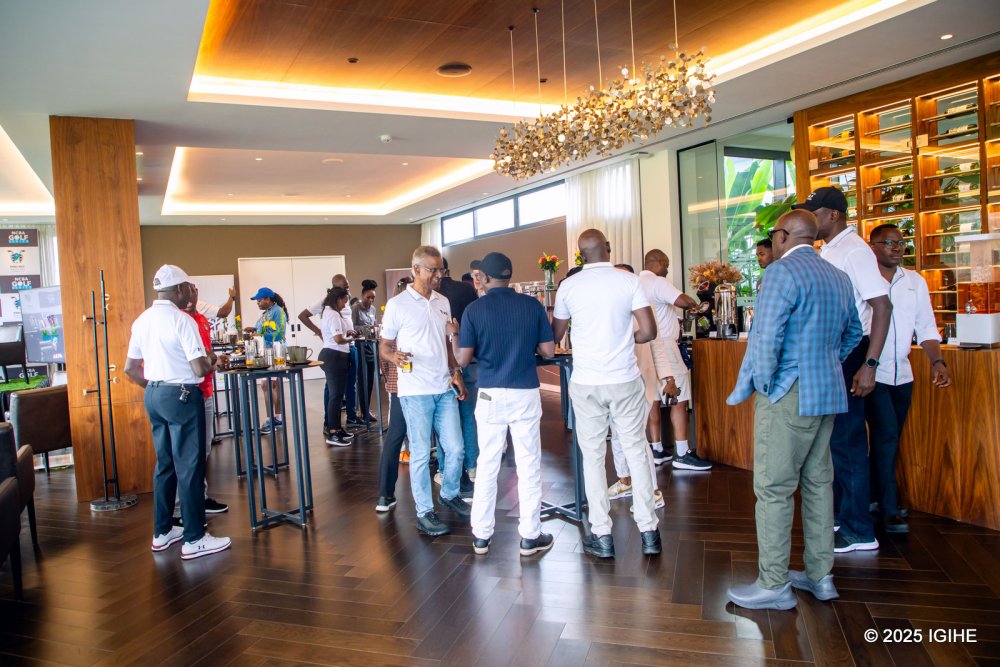
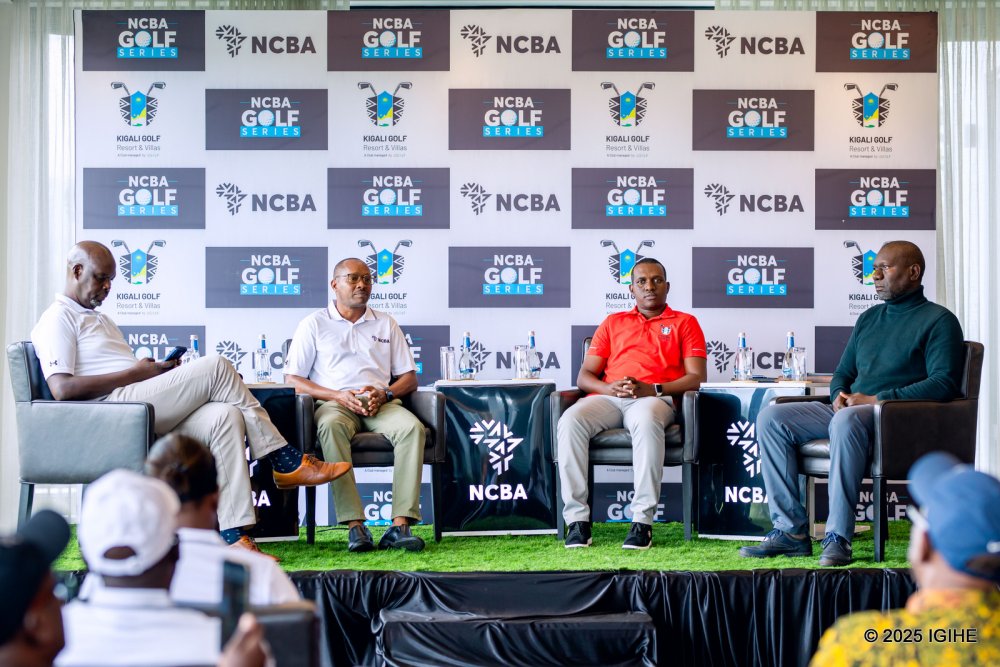
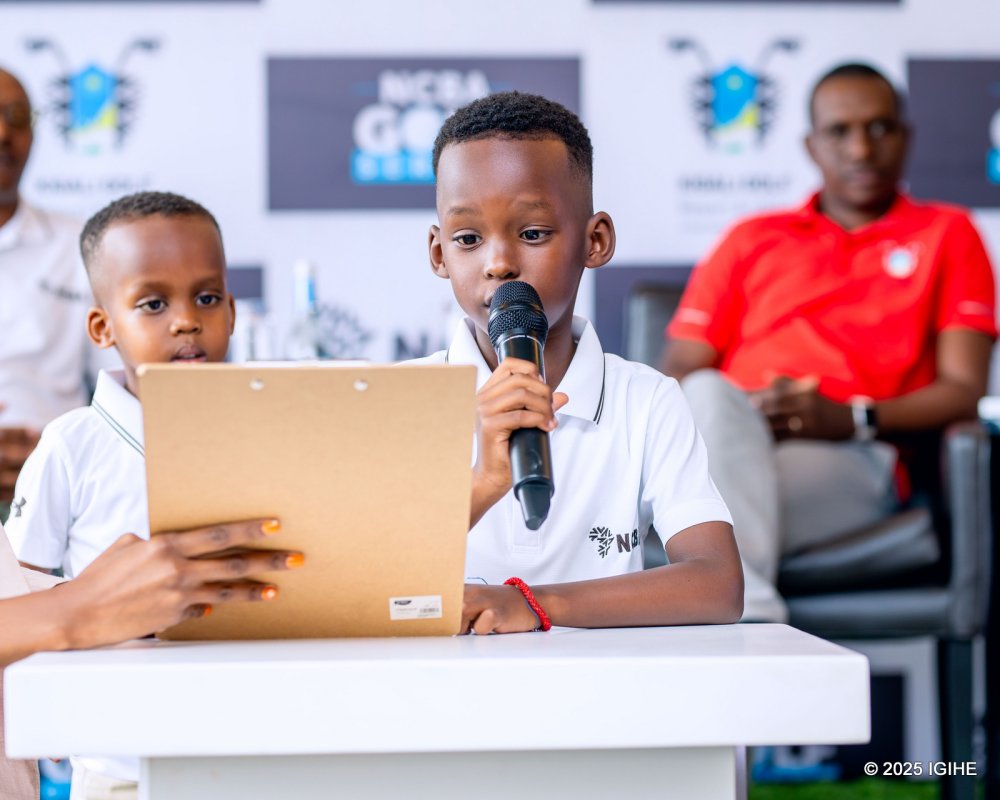
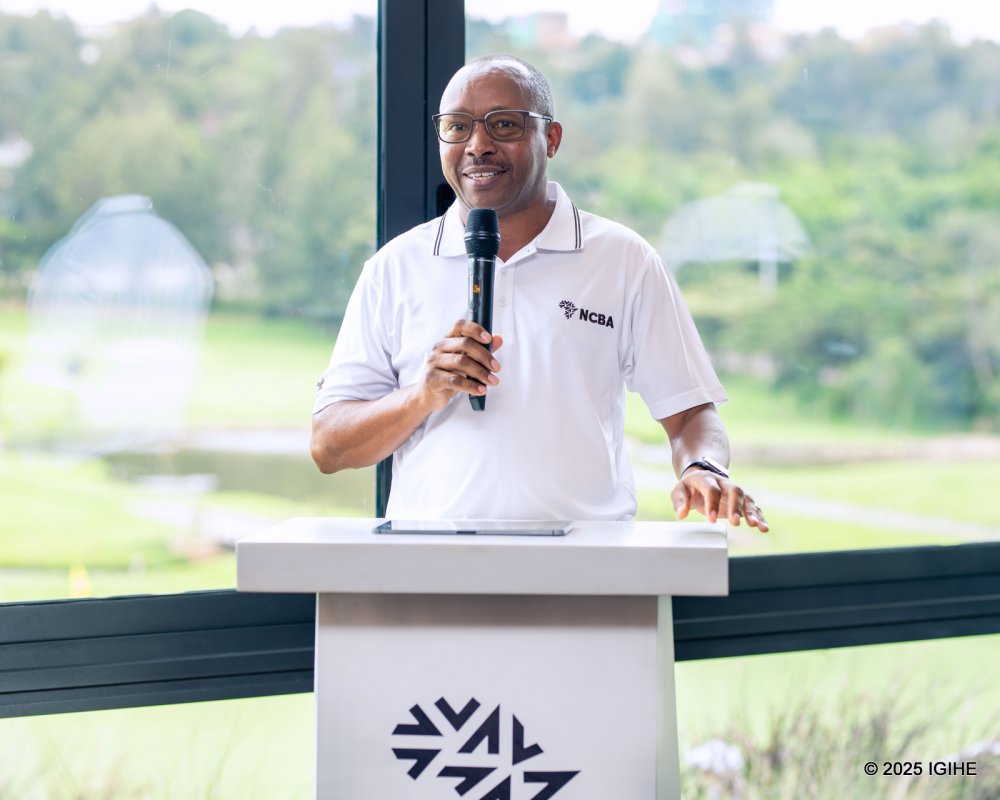
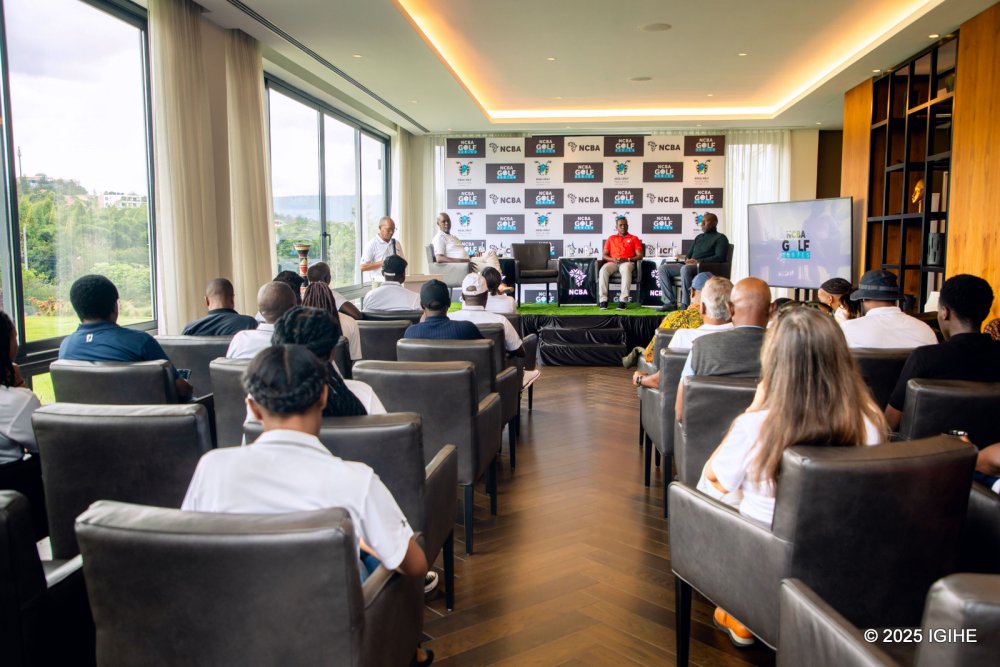
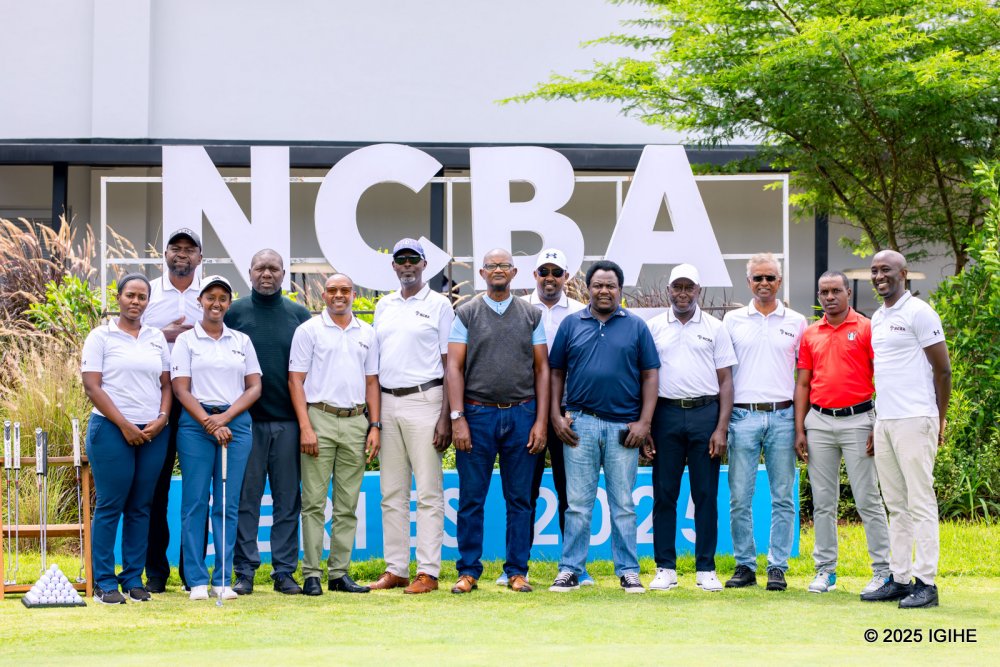
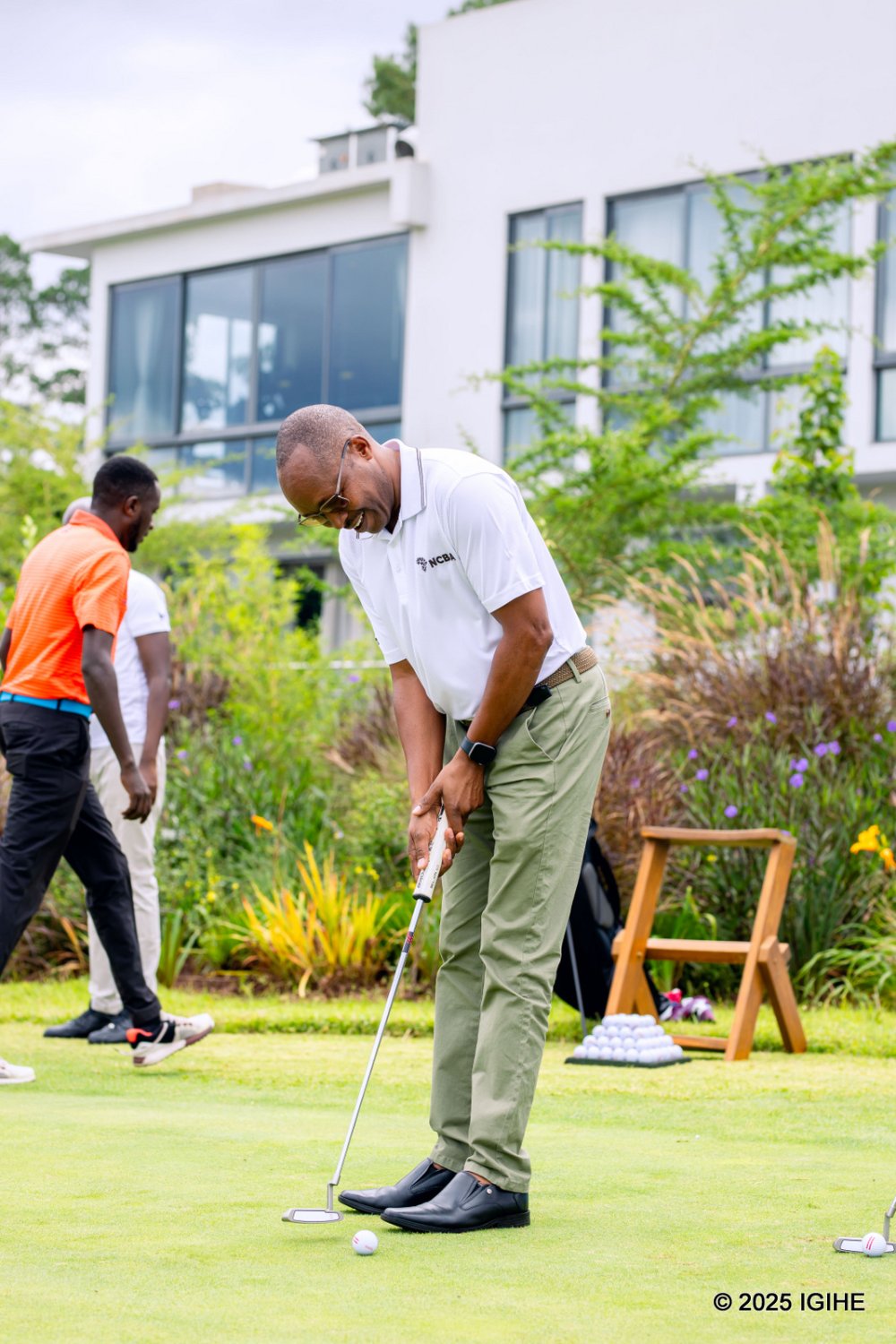
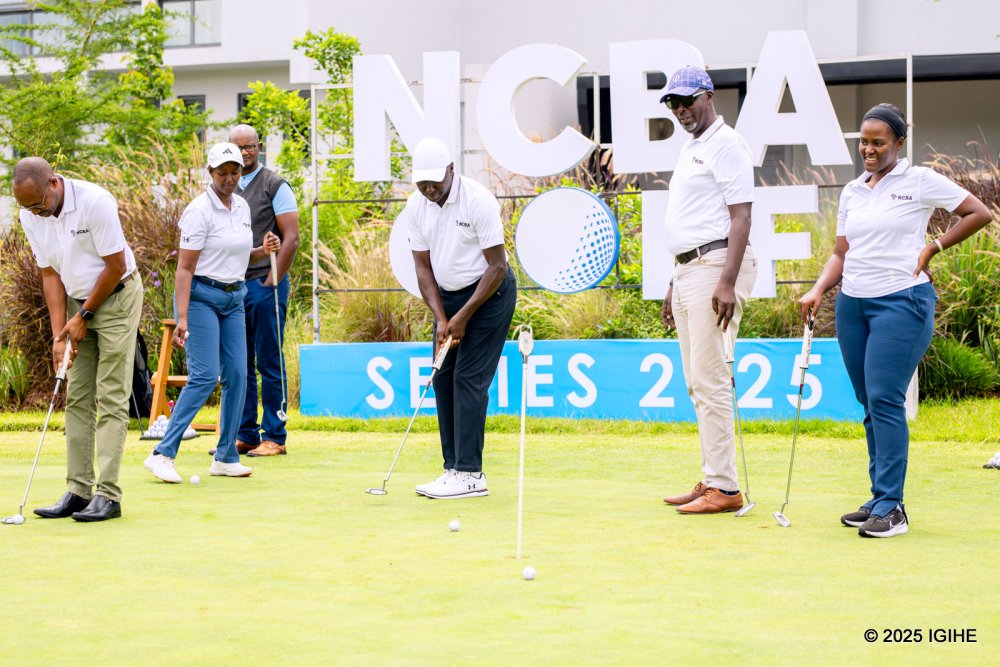
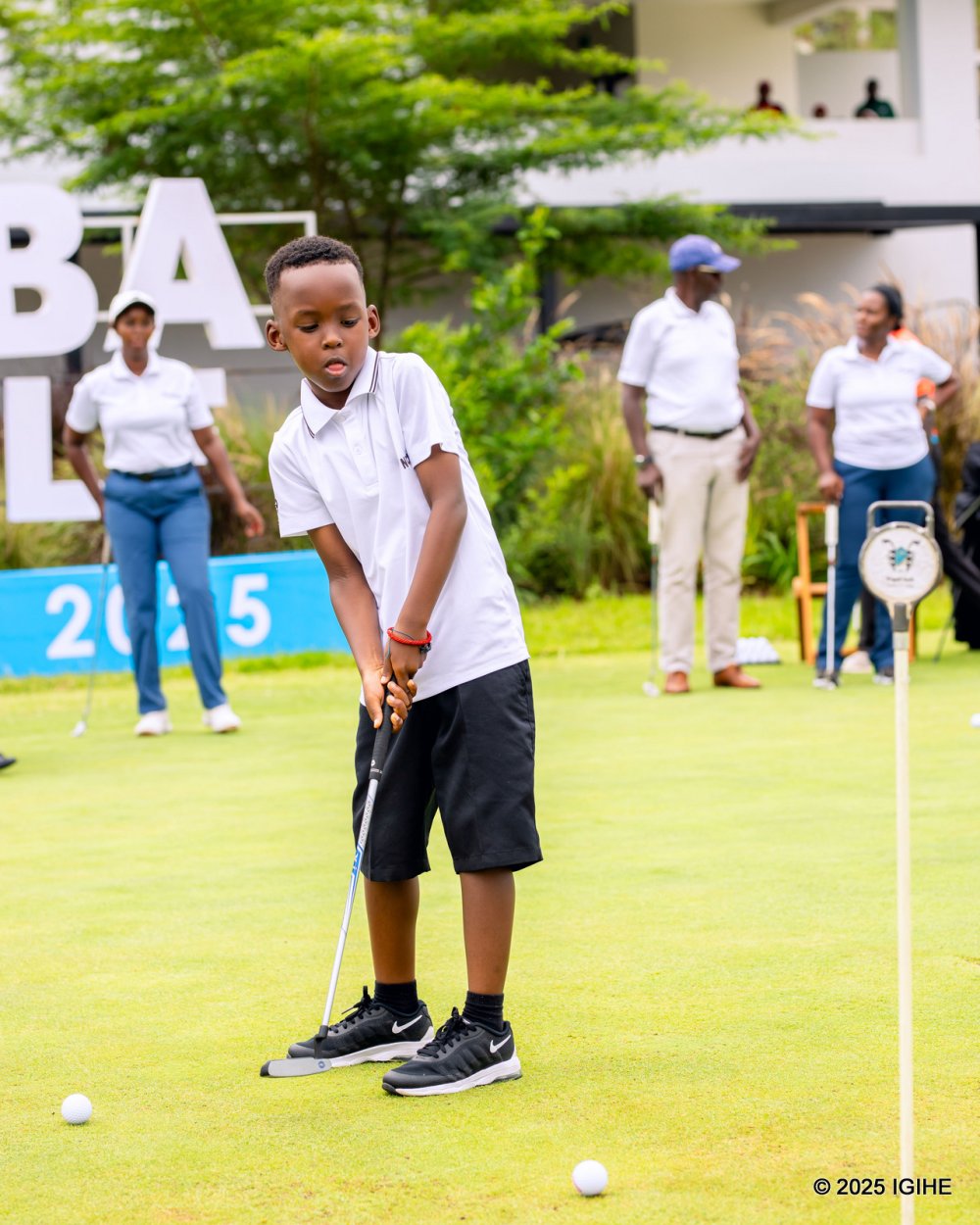
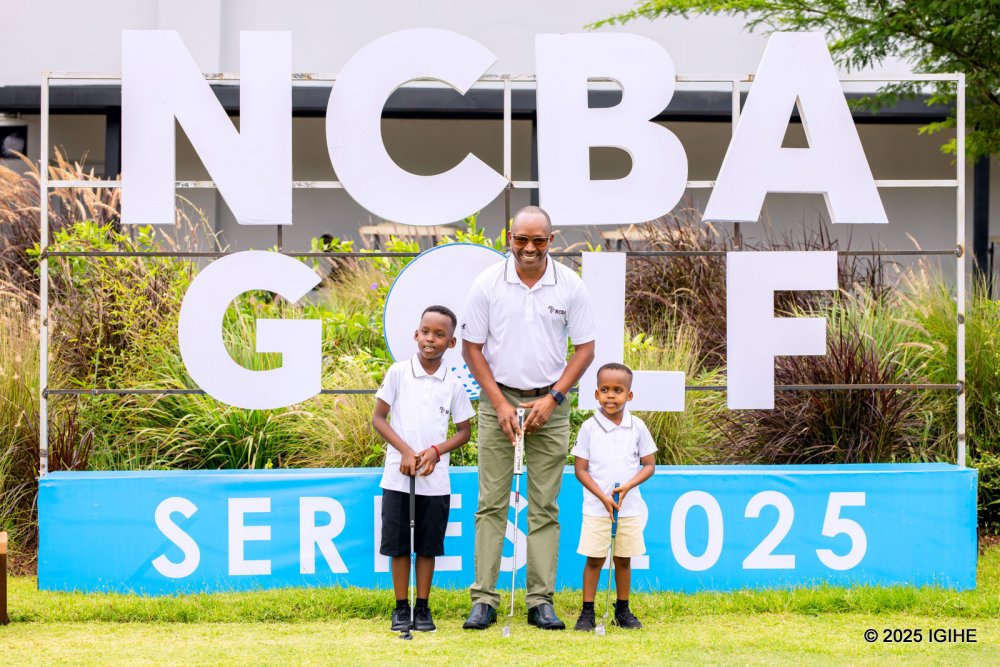
At the heart of this collaboration is the launch of the second edition of Swing Your Way to Greatness, NCBA’s flagship annual golf tournament, now expanding to include Rwanda’s first-ever Junior Golf Series.
With over 80 young golfers expected to participate, and a shared commitment to plant 10,000 trees, this is more than a golf event — it’s a movement. A movement to grow the game, grow the community, and grow a greener future for all.
NCBA Group’s presence in golf is now well known across East Africa. Through Swing Your Way to Greatness, the bank has transformed golf from an elite sport into a regional platform for inclusion, business connection, and community growth.
In Kenya, Uganda, and Tanzania, the bank has helped thousands engage with the sport — and now in Rwanda, the partnership with Kigali Golf Resort is extending this impact to new audiences, particularly women and young people.
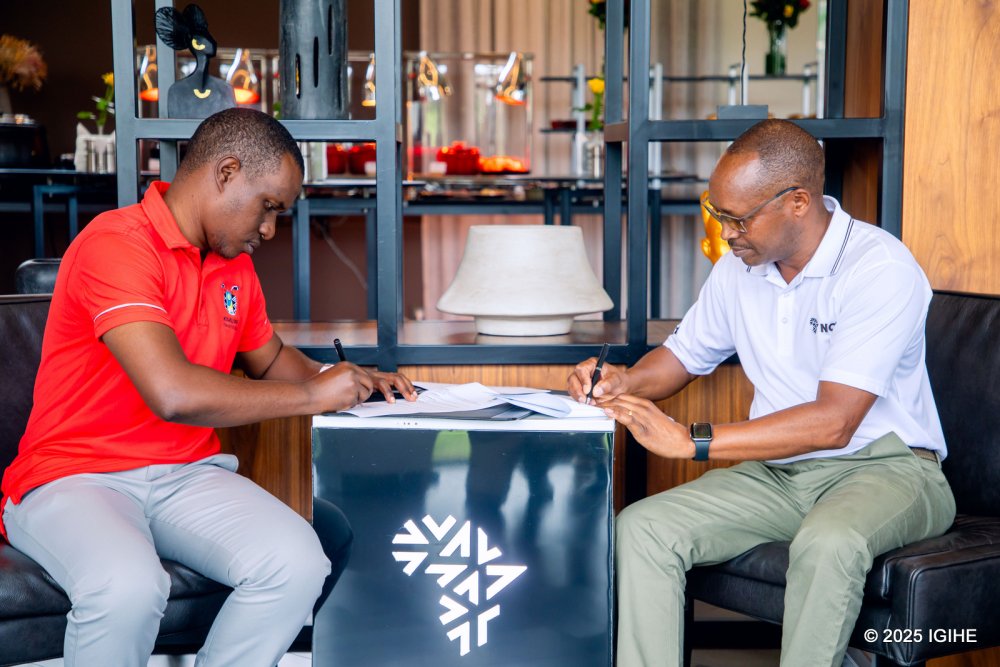
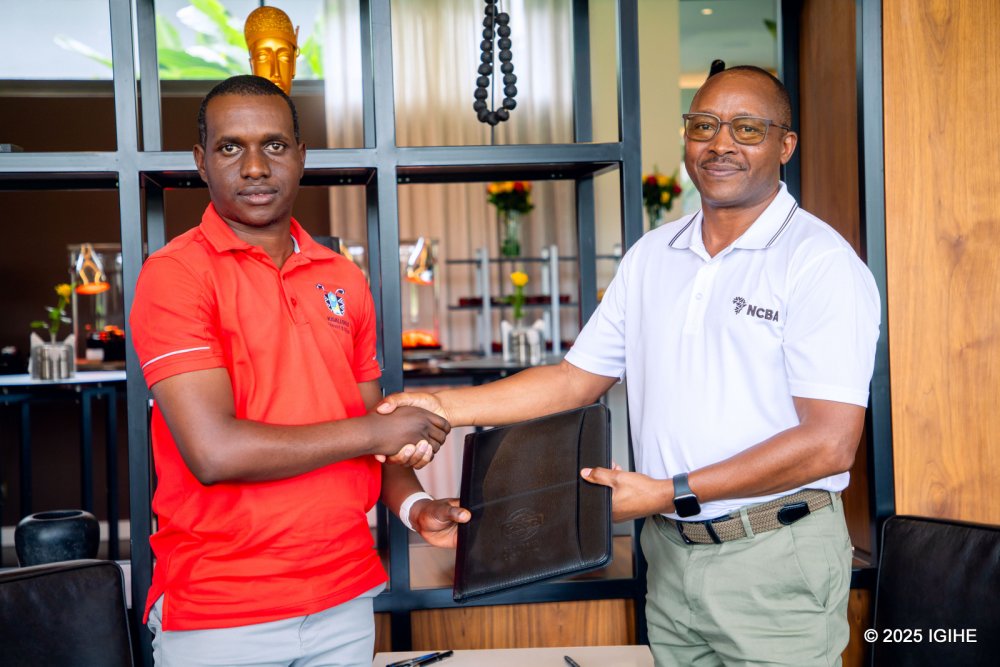
But sport is just the start. The MoU signed today also reinforces both institutions’ commitment to environmental stewardship and social equity. Together, NCBA and KGRV are investing in long-term solutions that uplift the communities surrounding the course.
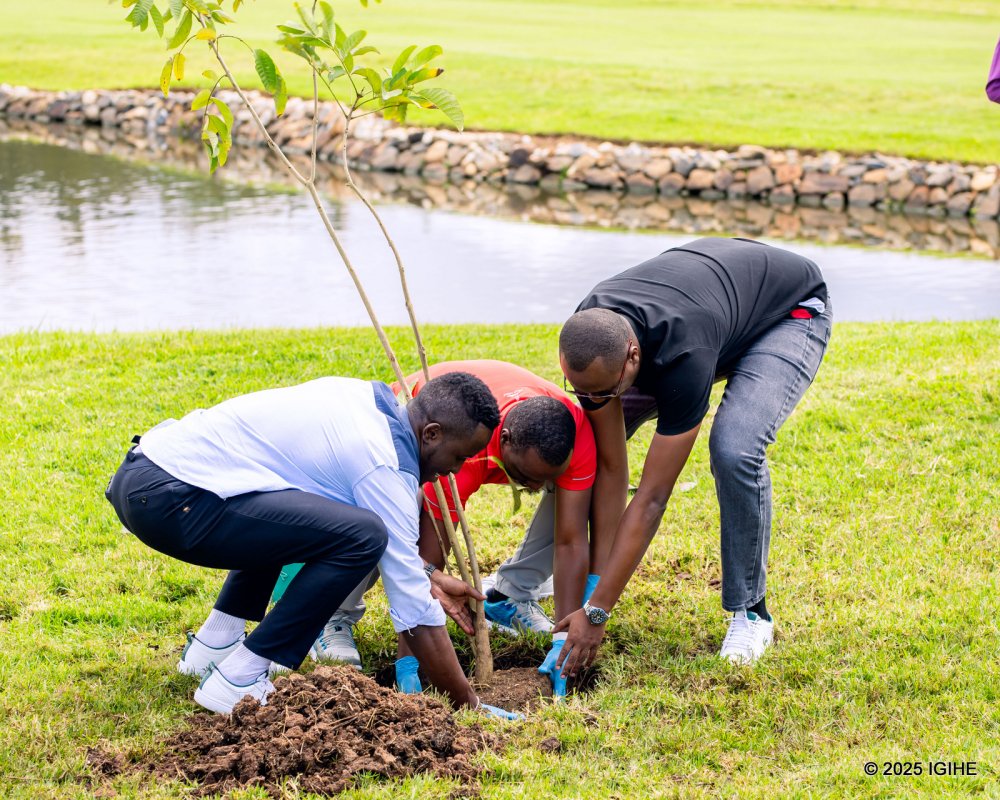
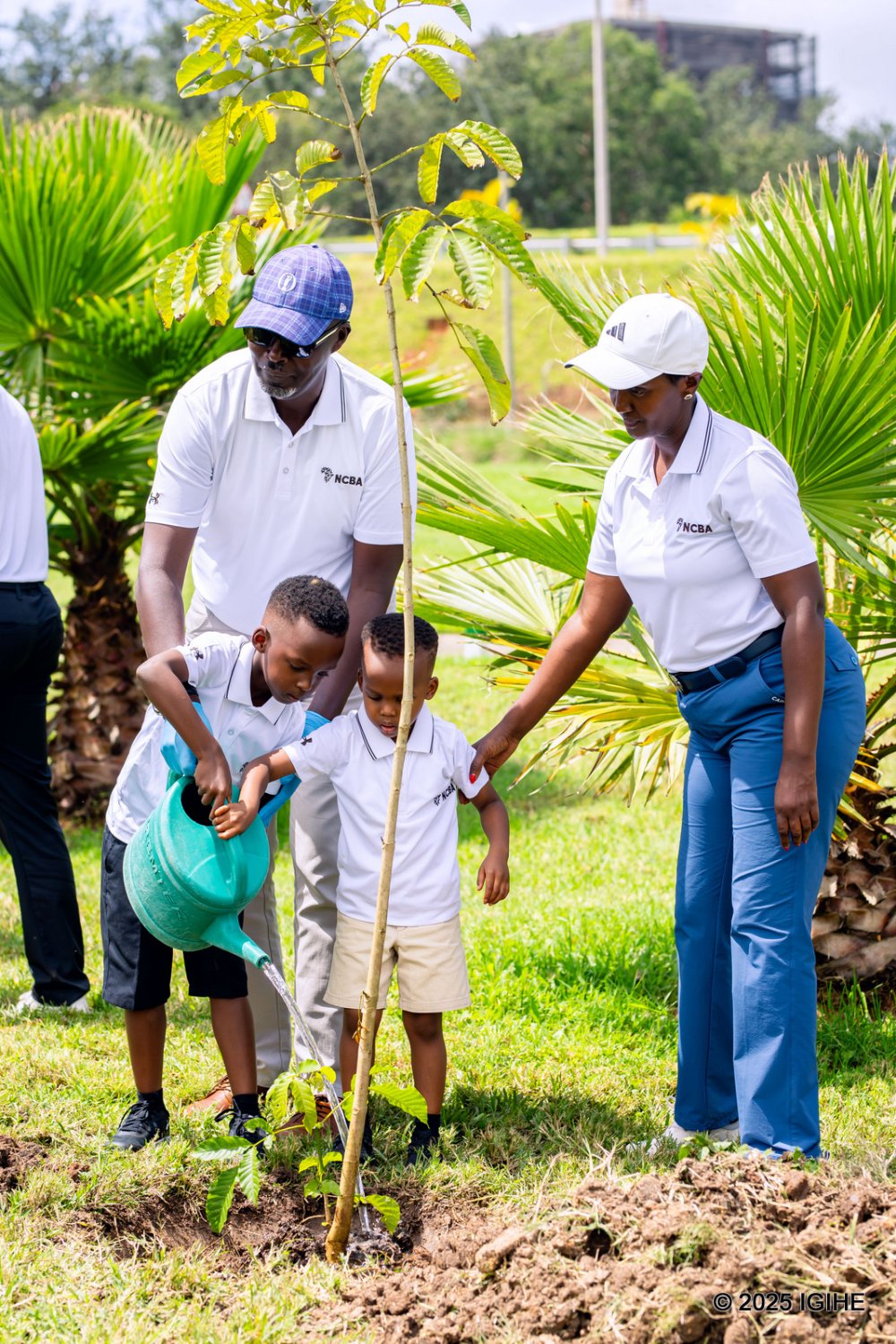
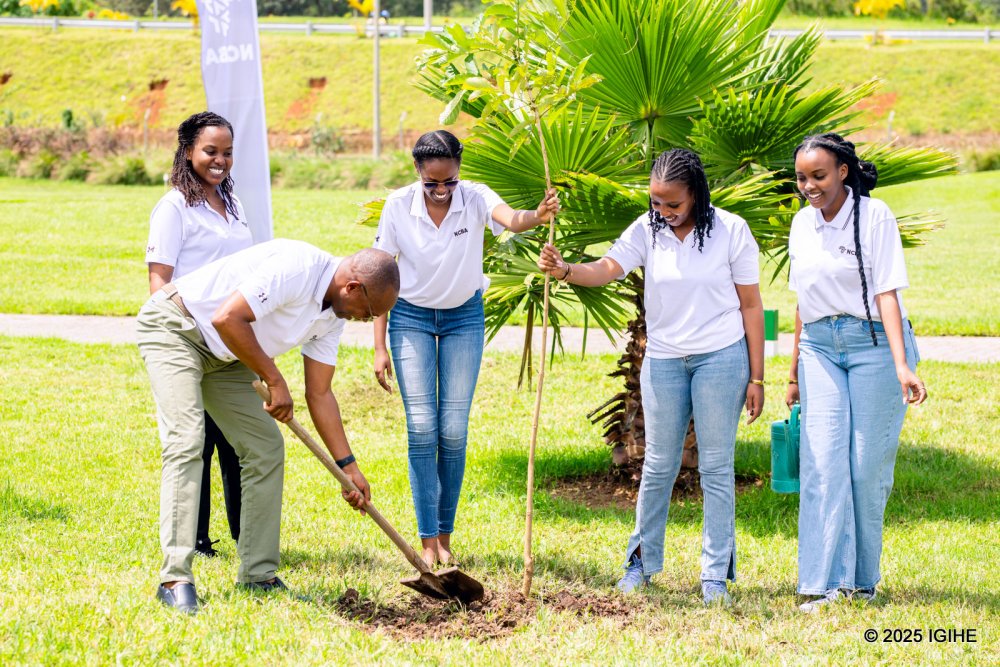
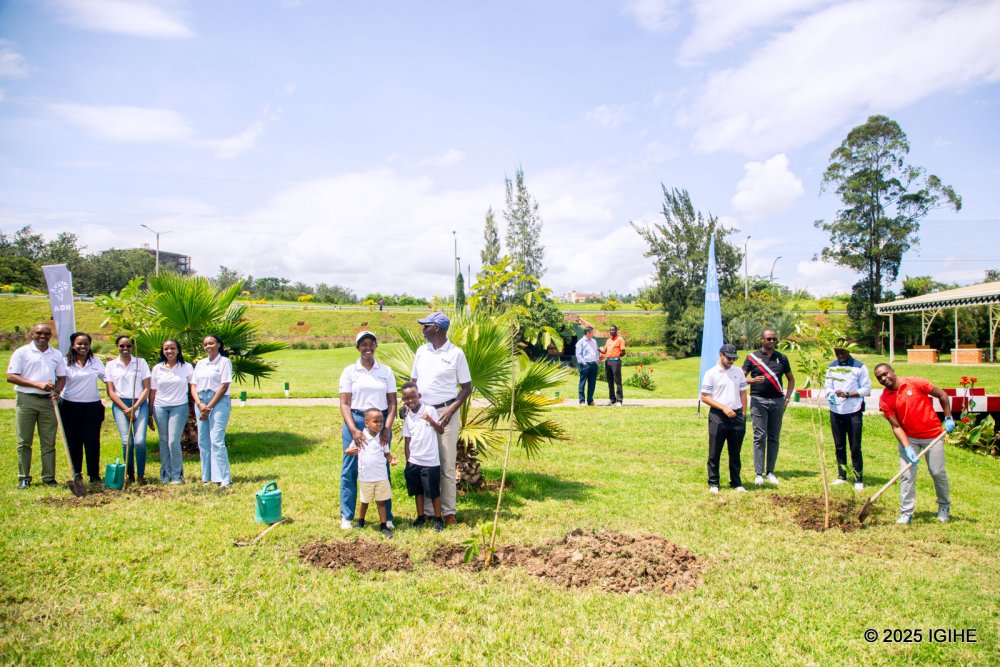
As part of a tangible pledge, NCBA and Kigali Golf Resort are committing to plant over 10,000 trees around the course and beyond. Already, 3,000 trees are in the ground. Today’s ceremony marks the beginning of planting the remaining 7,000, a local step toward an ambitious regional goal: NCBA Group’s commitment to grow 10 million trees by 2030 across East Africa.
“Swing Your Way to Greatness is about more than golf,” says Maurice Toroitich, Managing Director of NCBA Group. “It’s a symbol of our purpose as a bank. We are here to change the story — to make every swing, every tree, every opportunity count. Rwanda is showing how this vision comes to life through sport, sustainability, and service to community.”
This local impact aligns with the bank’s broader Change the Story agenda — a regional sustainability blueprint that is now taking root, quite literally, in Kigali.
{{More Than a Game: A Partnership Built on Purpose}}
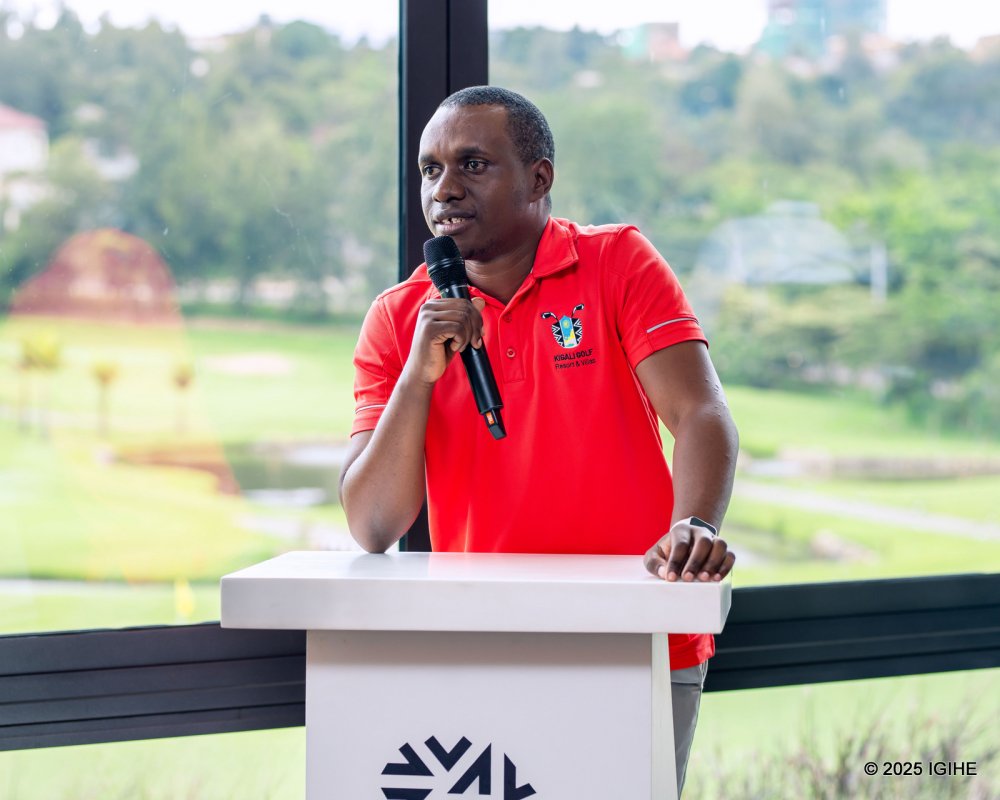
“We’re thrilled to support the Junior Golf Series and to continue building real value in our community. With NCBA, we’ve already provided health insurance to over 3,000 residents around the course — and we are just getting started,” says Gaston Gasore, CEO of Kigali Golf Resort & Villas.
The tree-planting and health initiatives are just two pillars of NCBA Group’s sweeping “Change the Story” ESG strategy. Across the region, the bank is activating a number of bold sustainability targets, including:
-* Planting 10 million trees by 2030 through strategic partnerships with public and private stakeholders.
-* Mobilizing KES 30 billion (approx. USD 230 million) in green and sustainable financing to accelerate the transition to a low-carbon economy.
-* Investing KES 100 million annually in community projects focused on health, education, and entrepreneurship.
-* Deploying electric vehicle (EV) charging stations across East Africa.
-* Eliminating single-use plastics and ensuring 100% waste recycling by 2030.
-* Greening the supply chain and shifting all corporate gifting to sustainable products.
In Rwanda, these commitments are already underway — and the partnership with Kigali Golf Resort is just one of a series of other partnerships aiming to turn this intention into action.
“We don’t believe in passive commitments,” Toroitich adds. “We believe in real action, in local partnerships, and in long-term results. That’s what “Change the Story” means.
Last year marked the successful debut of the NCBA Rwanda Golf Series, firmly positioning NCBA as a driving force behind the growth of golf in Rwanda. The inaugural edition featured two major tournaments that brought together over 200 golfers, from seasoned professionals to rising local talent.
The competition culminated in a thrilling finale at the Kigali Golf Resort, where the top three Rwandan players earned the opportunity to represent the country at the NCBA Golf Series Grand Finale at Muthaiga Golf Club in Nairobi — a regional event featuring elite players from Kenya, Uganda, and Tanzania.
Among the standout moments of last year was the success of Paul Ntaganda, Alphonsine Murekatete, and Bethlehem Umuzabibu who delivered spectacular performances to win top honors, earning not just trophies but also national pride. Their participation in the regional finale placed Rwanda firmly on the East African golf map and inspired a new wave of young and aspiring golfers across the country.
As the second edition of Swing Your Way to Greatness tees off, there’s more on the line than just trophies and titles. There’s a new generation watching. And, there’s a bank — NCBA — doubling down on its belief that business can be a force for good. One thing is clear: this isn’t just about playing the game — it’s about changing the story.
The event marked the launch of Cohort 2 of the Pathway Foundations program, an initiative designed to nurture ethical and entrepreneurial leaders dedicated to building Africa’s future.
Drawn from various parts of Rwanda, the new cohort includes a diverse group of young learners, each stepping into a rigorous program that opens doors to global academic and leadership opportunities. Nineteen parents were also in attendance.
“This ceremony is more than just a welcome—it’s the first step in these students’ journey to becoming the leaders Africa needs,” said a representative from ALX Rwanda.
“We’re excited to guide these 200 talented individuals through the Pathway Foundations program and beyond.”
The Pathway program equips students with essential skills for academic excellence, leadership, and career success.
Participants stand a chance to earn scholarships to some of the world’s top universities, including the University of California, Berkeley, Tufts University, Northwestern University, Macalester College, African Leadership University, Sciences Po Bordeaux, Nexford University, Skidmore College, ACity, African Leadership College for Higher Education, Morehouse College, Bates College and the University of Chicago.
Others are Hamilton College, Vanderbilt University, Code University, The School of Entrepreneurship & Technology at Patten University and Richfield Graduate Institute of Technology, among others.
During the event, students were introduced to ALX’s mission of building Africa’s future through ethical leadership. Sessions throughout the day offered an overview of the curriculum, scholarship pathways, and mentorship opportunities.
Alumni from previous cohorts also shared insights from their journeys, encouraging the new students to embrace community and collaboration, with the powerful message that “you go further when you go together.”
Recognising that student success relies on strong support systems, the event included dedicated time for parent engagement. ALX team members emphasised the crucial role parents play in supporting learners throughout their educational journey and ensuring consistent commitment and engagement.
In an engaging team-building exercise dubbed the “Lily Pad Challenge,” students demonstrated leadership, problem-solving, and teamwork skills that are core to the ALX experience.
The event also included an emotional moment where students created personal time capsules, envisioning their future achievements at graduation.
The ceremony concluded with the entire cohort reciting the Pathway Pledge—committing to a life of value, community investment, and representing Africa with dignity and pride.
As their voices rang out in unison, “Together, we are ALX,” the newest members of ALX Rwanda stepped into a journey that promises to redefine their futures and impact the continent.