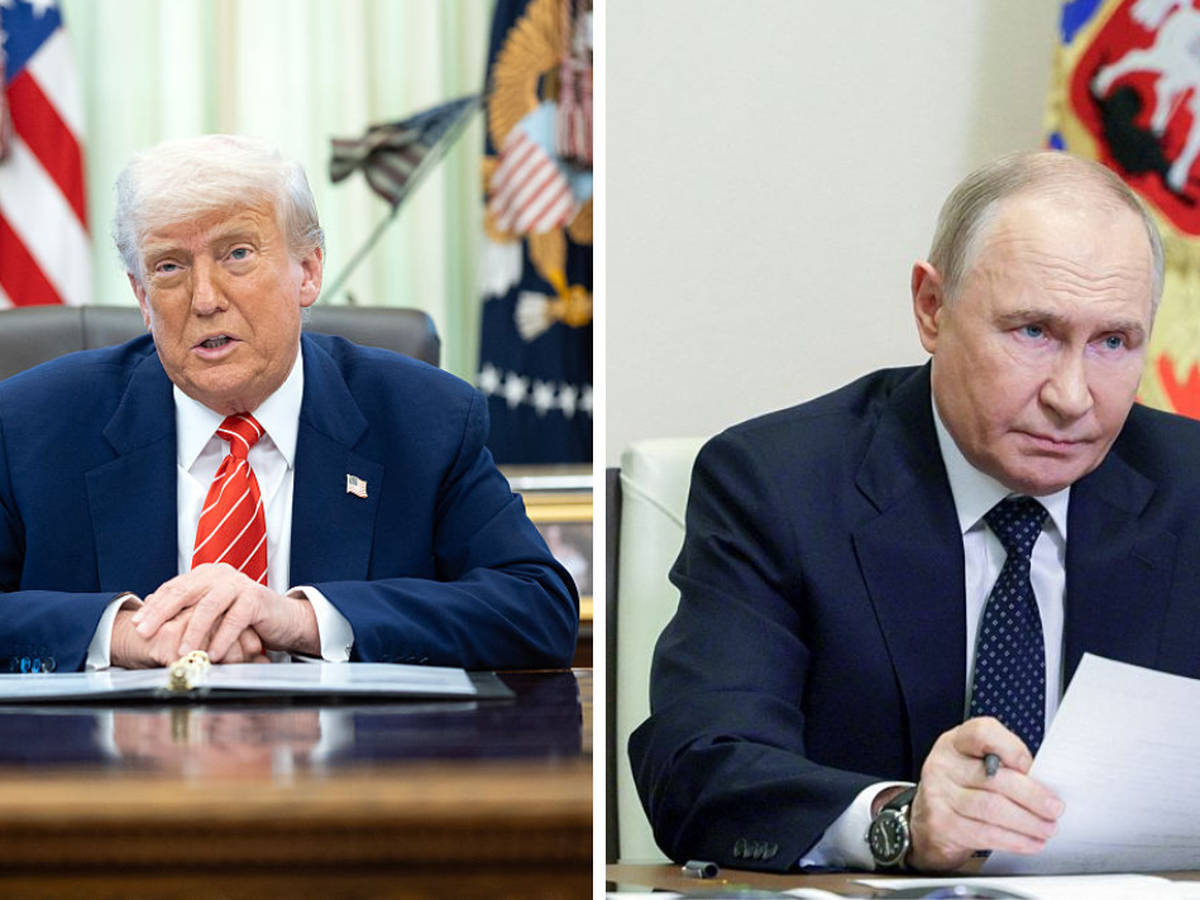
Trump wrote in a post on his Truth Social account that he finished a phone call with Putin and discussed the attacks on June 1. It was the first time the U.S. president publicly talked about the operation that Ukrainian President Volodymyr Zelensky touted being directed by himself.
“We discussed the attack on Russia’s docked airplanes, by Ukraine, and also various other attacks that have been taking place by both sides… President Putin did say, and very strongly, that he will have to respond to the recent attack on the airfields,” Trump wrote.
He said the Wednesday call lasted approximately one hour and 15 minutes, noting “It was a good conversation, but not a conversation that will lead to immediate Peace.”
Executive Order 14161, titled “Protecting the United States from Foreign Terrorists and Other National Security and Public Safety Threats,” was signed on January 20, 2025, and follows a national security review by federal agencies.
The order imposes a full travel ban on seven African countries: Somalia, Sudan, Chad, Eritrea, Libya, the Republic of the Congo (Congo-Brazzaville), and Equatorial Guinea. Nationals from these countries are barred from entering the U.S. under most visa categories.
In addition, three other African nations—Burundi, Sierra Leone, and Togo—face partial restrictions that target immigrants and non-immigrants holding tourist, student, and business visas (B-1, B-2, F, M, and J categories).
In a video statement, Trump linked the move to national security concerns, referencing a recent terror attack in Boulder, Colorado.
“We don’t want them,” he said of individuals from high-risk nations. “We cannot have open migration from any country where we cannot safely and reliably vet and screen those who seek to enter the United States.”
According to a fact sheet released by the administration, countries targeted for a full suspension were found to have inadequate screening and vetting systems, high visa overstay rates, and in some cases, active terrorist organisations operating within their borders.
For example, Somalia was described as a “terrorist safe haven” with minimal government control and a history of refusing to repatriate its nationals. Chad and Equatorial Guinea had visa overstay rates exceeding 50 percent for certain visa categories. Eritrea lacks reliable documentation systems and refuses to accept deported nationals.
Other countries affected by the full travel ban include Afghanistan, Burma, Haiti, Iran, and Yemen.
Countries under partial restrictions, such as Burundi and Sierra Leone, were flagged for high overstay rates and lack of cooperation with U.S. immigration enforcement. Cuba, Laos, Turkmenistan, and Venezuela were also subject to partial bans, bringing the total number of affected countries to 19.
The Trump administration insisted that the bans are country-specific and designed to encourage foreign governments to improve information sharing and document security. Exceptions remain for green card holders, existing visa holders, and certain visa categories deemed in the U.S. national interest.
Trump defended the policy as a continuation of his first-term travel ban, which was upheld by the Supreme Court in Trump v. Hawaii.
The new restrictions are likely to draw condemnation from civil rights advocates, who have in the past accused the Trump administration of placing a heavy focus on African nations.
According to the IMF, Rwanda’s economy expanded by 8.9 percent in 2024, driven by a rebound in agriculture and continued strength in services and construction. Inflation remained contained within the National Bank of Rwanda’s target range of 2 to 8 percent, supported by prudent monetary policy and improved domestic food supply.
Despite the widening of the current account deficit, mainly due to a surge in consumer and capital goods imports, the country’s foreign exchange reserves remained adequate, covering 4.7 months of imports by the end of 2024.
The IMF warned, however, that Rwanda’s fiscal position faces growing pressure, particularly from large-scale investments in the new Kigali International Airport, the expansion of national carrier RwandAir, and recent pension reforms. Public debt is now projected to peak in the 2025/26 fiscal year, with the PCI debt anchor expected to be reached by 2033.
“Sustaining fiscal consolidation remains vital to preserving macroeconomic stability and ensuring debt sustainability,” said IMF Deputy Managing Director and Acting Chair, Bo Li.
“The recently adopted tax reform package is a welcome step toward broadening the tax base and enhancing equity and efficiency.”
The Fund emphasised the importance of accelerating domestic revenue mobilisation and maintaining a credible path to fiscal consolidation. It also urged vigilance over fiscal risks, especially those stemming from state-owned enterprises (SOEs), increasing debt service costs, and limited access to concessional financing.
Monetary policy was credited for helping to keep inflation in check, but the IMF stressed that a data-driven approach would be essential moving forward, especially in light of potential inflationary pressures from fiscal loosening and tax reforms. Greater exchange rate flexibility and ongoing improvements to the foreign exchange market were identified as key to external adjustment.
The Fund also highlighted the need for enhanced oversight of credit growth, including in the microfinance sector, and closer monitoring of large exposures to safeguard financial stability.
Rwanda was praised for strong program implementation under the PCI, having met all quantitative targets and completed most structural benchmarks. Notable achievements included advancements in SOE governance, public financial management (PFM) digitalisation, and monetary statistics.
IMF noted that the two remaining structural benchmarks, approval of a comprehensive tax policy package and rollout of the Global Master Repurchase Agreement, were completed with delays.
On climate-related reforms, the IMF acknowledged Rwanda’s continued momentum, noting significant progress in climate budget tagging, green taxonomies, and the development of a climate finance agenda. The Fund encouraged further work in developing a pipeline of viable green projects to attract climate finance and support the country’s sustainability goals.
“Continued commitment to reform and strong engagement with development partners will be critical to sustaining progress and supporting Rwanda’s ambitious development agenda,” the IMF stated.
The IMF Executive Board statement comes two months after the conclusion of a two-week mission, led by Ruben Atoyan, that assessed the country’s reform progress under the fifth review of the Policy Coordination Instrument.
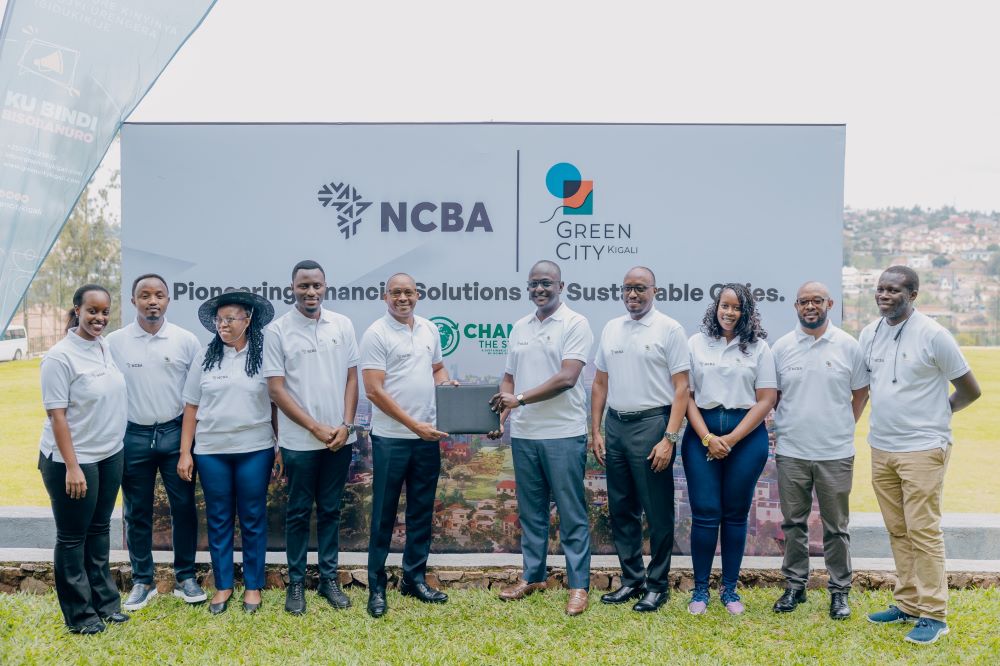
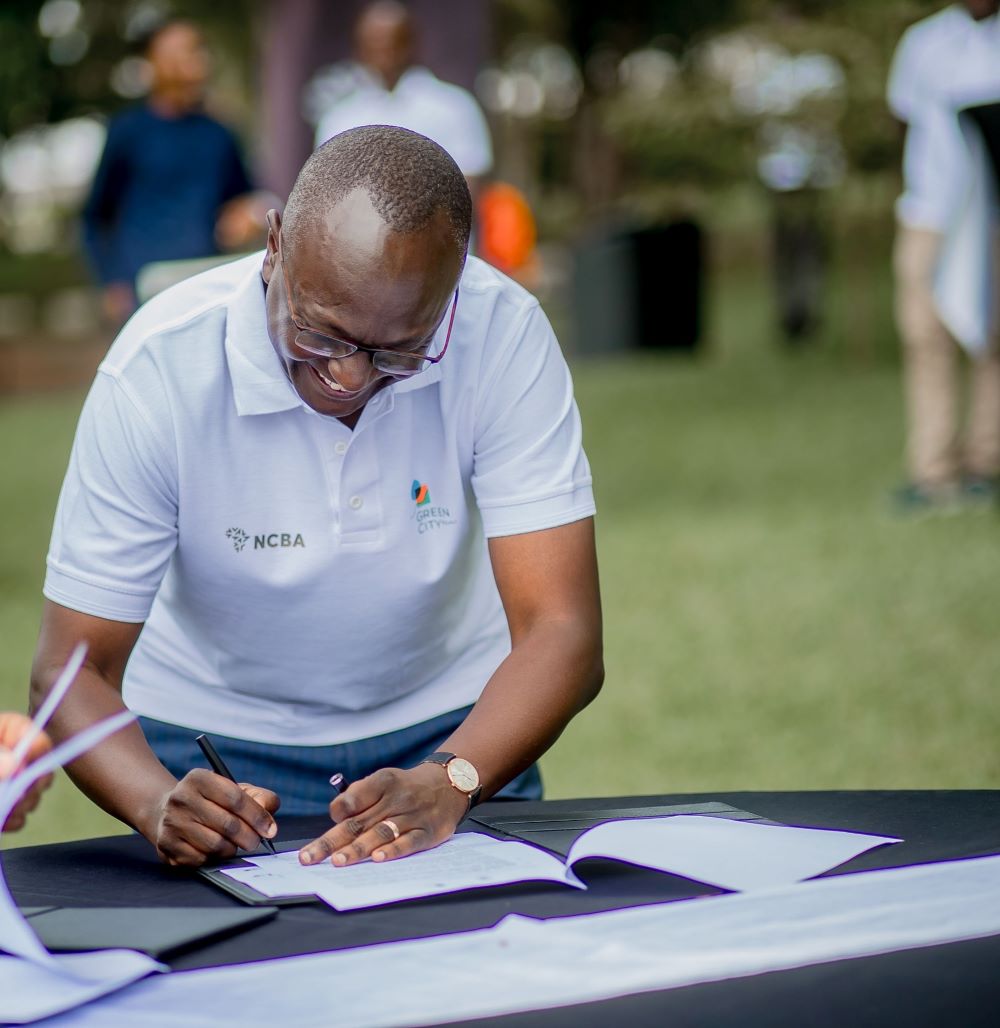
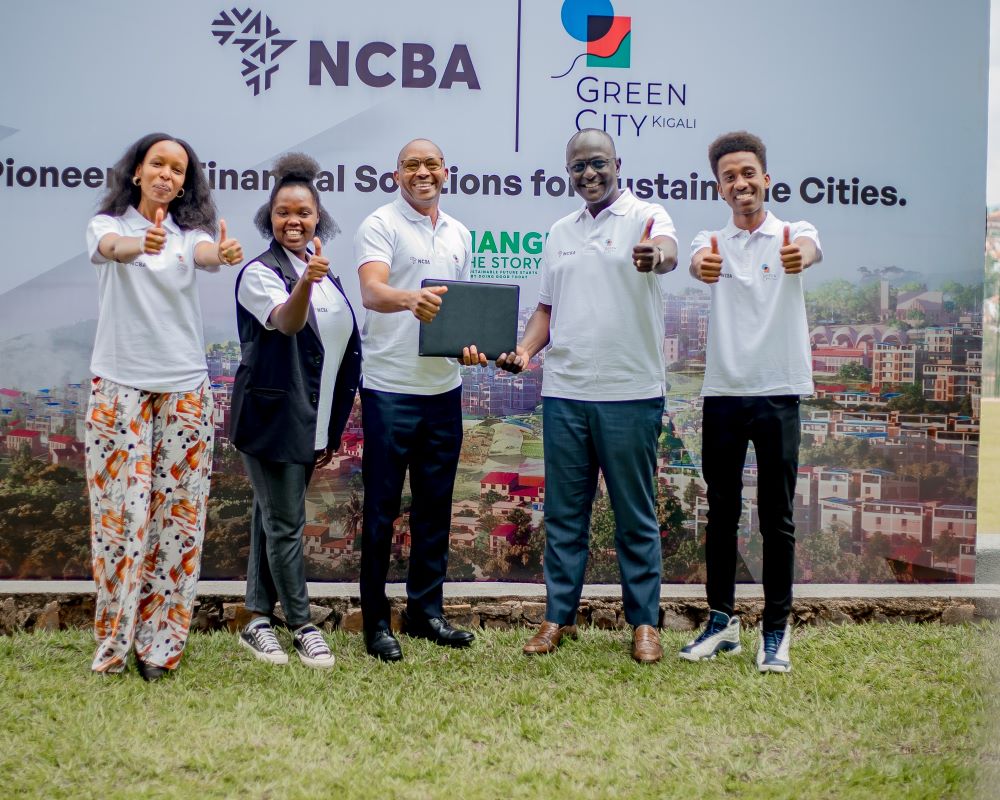
This collaboration brings together NCBA’s expertise in affordable, sustainable finance and GCK’s mission to pioneer climate-smart urban living that leaves no one behind. A core element of the partnership is the creation of mortgage products tailored to low- and middle-income households—enabling wider access to homeownership in Kigali.
The initiative aligns with NCBA Group’s regional Change the Story sustainability strategy, which includes deploying electric vehicle infrastructure, planting 10 million trees by 2030, and eliminating single-use plastics across its operations.
“Across the group, we’ve committed to raise USD 230 million and direct it towards green financing,” said Maurice Toroitich, Managing Director of NCBA Rwanda. “We firmly believe sustainability and affordability are inseparable if we are to build cities for generations to come.”
Green City Kigali is a bold, government-led effort to rethink how African cities grow. Set on 600 hectares of land in Kinyinya Hill, the project is part of the City of Kigali Master Plan 2050 and aims to create a vibrant, inclusive neighborhood for up to 200,000 residents. Its first phase will develop 1,700 to 2,000 homes through public-private partnerships.
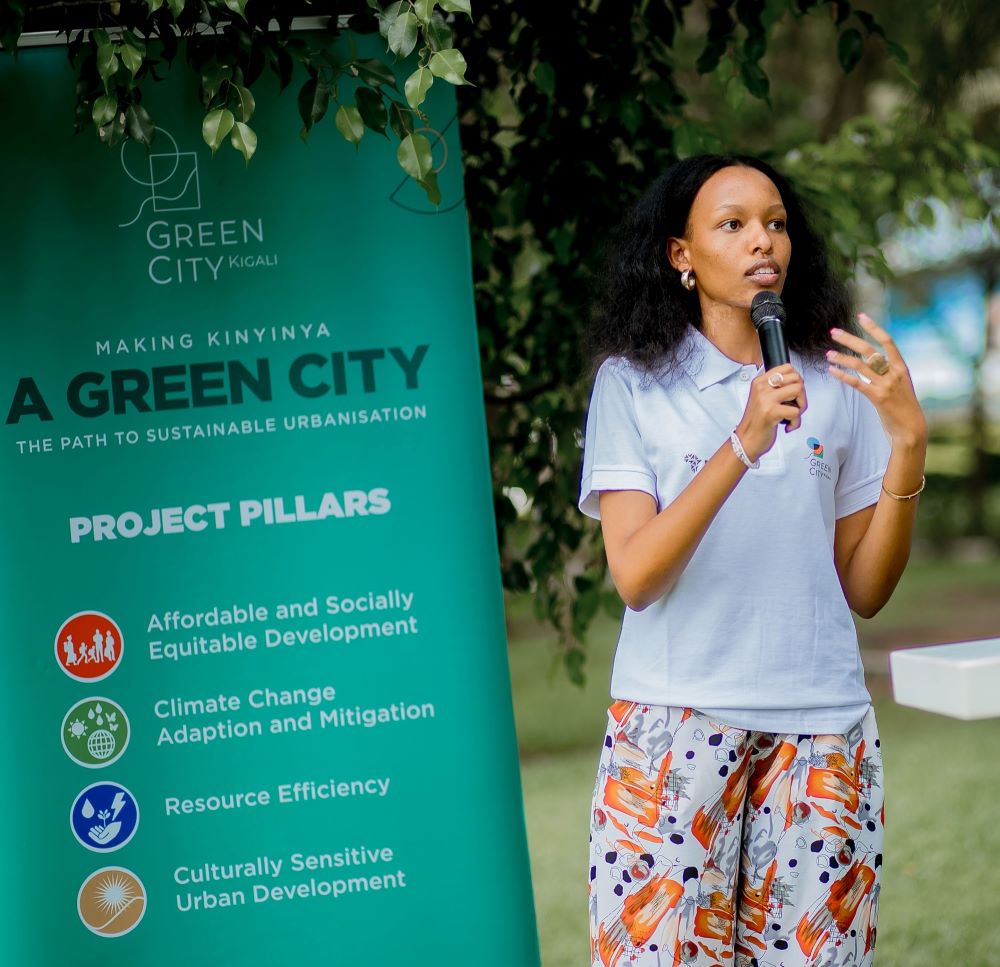
“The Green City is more than a housing project—it’s a model for how cities can be affordable, climate-resilient, efficient with resources, and rooted in local culture,” said Basil Karimba, CEO of GCK.
To bring this vision to life, the partnership with NCBA Bank will focus on breaking down the barriers to homeownership—especially for low- and middle-income families. It will also invest in people, offering financial literacy, skills training, and community programs that empower residents—particularly women and youth—to fully participate in and benefit from the city’s transformation.
Beyond buildings, the partners will help restore the local environment by planting over 10,000 trees each year and rehabilitating the landscape of Kinyinya Hill.
“We stand behind this initiative because it provides a blueprint for homegrown sustainable and inclusive development. Today, we have corporations, the government, the youth, a bank, and the community coming together—because no one can do this alone,” said Dr. Jack Ngarambe, Director General of Urbanization, Housing, and Human Settlement at the Ministry of Infrastructure, during the event.
“We are trying to develop a 600 hectare of Green City in Kigali today, but the real vision is to replicate this model across Rwanda and, ultimately, to see it replicated across the continent, he added.
Among the planned youth beneficiaries of this partnership is the Kepler College Environment Club, whose members attended and spoke at the event. The partnership will support the club’s climate action, civic engagement, and environmental stewardship. Their ongoing projects include plastic and e-waste collection and community awareness campaigns that involve residents of Kinyinya as well as other universities across the country.
“As students of Kepler and members of the Environment Club, we’re excited about this partnership because we are both participants and beneficiaries,” said Binama Jessica, President of the Kepler Environment Club. “We’re already living in the Green City Kigali, and now we’re helping to shape it—both here on campus and beyond.”
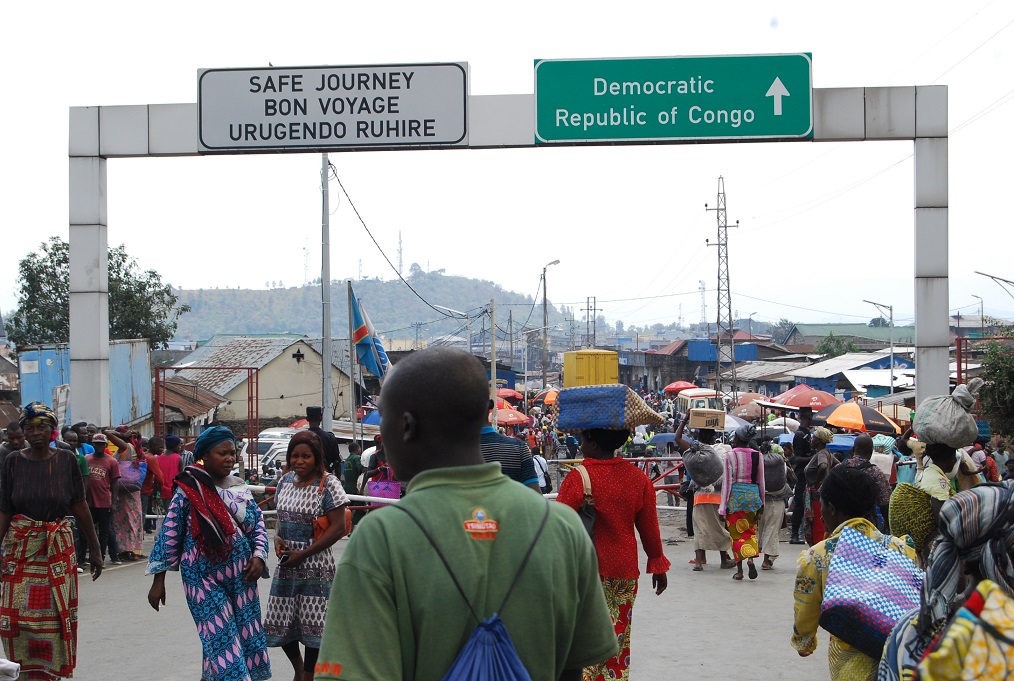
Exports to the DRC rose from $8.14 million in April 2024 to $11.52 million in April 2025, even as re-exports declined by 12%. Re-exports mainly comprise goods such as fuels and manufactured food products that are imported into Rwanda and subsequently sold to the DRC.
This growth was registered amid a broader improvement in the country’s trade performance, with Rwanda’s formal trade deficit narrowing by over 29%, from $330.31 million to $232.13 million over the same period.
The positive shift in Rwanda’s trade position reflects a combination of factors, including a reduction in import volumes and targeted expansion into key regional markets.
Other top export destinations for Rwanda include the United Arab Emirates, China, Luxembourg, Pakistan, the United States, and the United Kingdom, among others.
On the import side, China remained Rwanda’s largest trading partner, supplying goods worth $79.35 million in April 2025. India, Tanzania, and Kenya also featured prominently among Rwanda’s top import sources.
However, total imports decreased by 18.22% compared to April 2024, contributing to the overall reduction in the trade deficit.
Amb. Rwamucyo was among six new envoys who presented their letters of credence to President William Ruto. The others included Chiranjib Sarker (Bangladesh), retired Lt. General Peter Kakowou Lavahun (Sierra Leone), Anthony Louis Kon (South Sudan), Kan Yaw Kiong (Singapore), and Erika Álvarez Rodríguez (Dominican Republic).
During the ceremony, Amb. Rwamucyo expressed his commitment to deepening the longstanding relations between Rwanda and Kenya, noting the historical bonds of friendship and cooperation rooted in shared values and a collective vision for regional peace and prosperity.
“It is my sincere hope that I shall succeed in my endeavours to further enhance the relations between our two nations to greater heights,” he said.
Rwanda and Kenya enjoy robust bilateral relations, with cooperation spanning trade, infrastructure development, education, security, and vibrant people-to-people exchanges. Amb. Rwamucyo acknowledged Kenya’s role as a strategic partner in both bilateral frameworks and regional blocs such as the East African Community (EAC).
“As I begin my mission here in Kenya, I look forward to engaging with stakeholders across government, the private sector, and civil society in pursuit of our shared goals,” he added.
President Ruto, in welcoming the new envoys, reaffirmed Kenya’s commitment to strengthening diplomatic ties and regional collaboration.
Addressing Amb. Rwamucyo directly, the President said, “Congratulations, High Commissioner. I look forward to working with you in promoting the bonds of friendship and elevating the mutual aspirations of the people of our two nations.”
Amb. Rwamucyo replaces Ambassador Martin Ngoga, whose letter of recall was also presented during the ceremony. He previously served as Rwanda’s High Commissioner to India and as the country’s Permanent Representative to the United Nations.
Amb. Ngoga is now Rwanda’s Permanent Representative to the United Nations.
After a six-year pause, this highly anticipated convention is set to bring together over 1,500 Rwandans from across the globe, including members of the diaspora and guests from Rwanda.
The event is designed to celebrate Rwandan culture, promote unity, and explore opportunities for national development. The 2025 edition carries added significance as it coincides with Rwanda’s 31st Liberation Day and U.S. Independence Day, making it a symbolic moment of pride and shared celebration.
The convention will serve as a vital platform for dialogue, collaboration, and reconnecting. It will feature networking events, business forums, and youth-centered activities aimed at strengthening community ties and encouraging diaspora engagement in Rwanda’s development agenda.
According to organisers, the attention is particularly drawn on attracting businesses to present their services and products to the diaspora community and Rwanda’s international allies, with the goal of fostering partnerships and driving new investment into the country.
Participants will have access to a wide range of government and private sector services, creating an environment that mirrors the convenience and community spirit found back home.
Institutions such as banks, government agencies, and representatives from the Private Sector Federation (PSF) are expected to be present, offering practical support and information to attendees.
The convention will also shine a spotlight on sports and youth engagement. A series of friendly games—including basketball, football, and volleyball—will take place, with participation from young Rwandans and former national team players now based in the U.S.
The sporting segment will include under-18 basketball matches, with standout players having the chance to represent the diaspora in the African Basketball Championship later this year in Kigali.
Cultural heritage will be front and center throughout the event. A showcase of Rwandan products, traditional music and dance, fashion, and historical exhibitions will offer attendees a rich cultural experience.
These efforts aim not only to preserve Rwandan traditions but also to educate younger generations about their roots and responsibilities in shaping Rwanda’s future.
Entertainment will play a big role in the celebration. The convention will open with a Liberation Day concert featuring Intore Massamba, and continue with a Youth Night concert headlined by The Ben, supported by talented DJs and artists from the Rwandan-American community.
A closing prayer breakfast will be led by Apostle Paul Gitwaza, with popular artist Meddy leading worship.
While the event offers plenty of moments for joy and celebration, its deeper mission is to strengthen national bonds and encourage greater participation in Rwanda’s growth.
With over $505 million in diaspora remittances recorded in 2024, the convention provides a timely platform to recognize the diaspora’s contributions and inspire even more engagement.
Rwanda Convention 2025 is poised to be one of the largest gatherings of Rwandans outside the country, not only highlighting national pride and unity but also reinforcing the diaspora’s critical role in building Rwanda’s future.
According to the latest report from the National Institute of Statistics of Rwanda (NISR), trade activity slowed overall, but the country’s trade deficit narrowed. Total exports for the month amounted to $148.51 million, marking a 2.9% decrease from March and a more significant 28.01% drop compared to $205.96 million in April 2024.
The figures indicate that domestic exports amounted to $105.42 million, slightly down from March by 1.69%, and down 33.04% year-over-year.
Re-exports, which include goods imported into Rwanda and then exported without major transformation, also declined, falling 5.74% from March and 11.8% compared to April 2024.
On the import side, Rwanda brought in goods worth $380.64 million in April, down from $420.18 million the previous month. This represents a 9.41% month-on-month decrease and an 18.22% drop year-on-year.
The slowdown in imports contributed to a narrowing of the country’s trade deficit, which improved by 10.43%, falling to $232.13 million from $267.23 million in March.
While the drop in exports signals subdued external demand or production constraints, the sharper decline in imports may reflect changing consumption patterns, tighter foreign exchange conditions, or shifts in trade logistics.
Imports of key items such as mineral fuels, machinery, and chemicals declined noticeably, though certain categories like vegetable oils and manufactured goods recorded modest gains.
Rwanda’s trading partners also saw shifts in performance. The United Arab Emirates remained the top destination for Rwandan exports, although volumes declined slightly from previous months.
The Democratic Republic of Congo maintained its position as a major export partner, increasing its share of Rwanda’s exports. Other notable export destinations included China, Sweden, and the United States, with the latter seeing an uptick in Rwandan goods.
In terms of imports, China continued to lead as Rwanda’s largest source, supplying goods worth over $79 million, despite a decline of 18% compared to March. India and Tanzania followed, with Indonesia emerging as a notable contributor, with its exports to Rwanda rising sharply—by over 700%—due mainly to oils and fats.
Transport data also illustrated a shift in trading dynamics. The bulk of trade continued to move by land, accounting for the vast majority of exports and imports.
However, air transport, which had seen a strong performance in March, slowed dramatically in April. Imports by air fell to just $37.5 million, down from nearly $80 million, while air exports also declined slightly.
Despite the decline in overall trade activity, the narrowing trade deficit may offer a measure of relief, suggesting a more balanced exchange between what the country buys and sells.
ENSIA, which offers an integrated Bachelor’s and Master’s program in Artificial Intelligence and Data Science, currently hosts five Rwandan students as part of a growing educational partnership between the two nations.
Speaking during a joint press conference with Algerian President Abdelmadjid Tebboune, President Kagame expressed gratitude for Algeria’s continued support in empowering Rwandan youth through advanced education.
“Algeria’s support for Rwandan students in cutting-edge fields like artificial intelligence and data science has been very successful,” President Kagame said.
“This reflects the forward-looking nature of our partnership and our shared interest in building the capacity of our people,” he added.
Earlier in the day, the two Heads of State presided over the signing of 12 bilateral agreements spanning a wide range of sectors, including higher education, air services, telecommunications, pharmaceuticals, agriculture, visa exemptions, professional training, police cooperation, justice, and investment promotion.
President Kagame also revealed Rwanda’s plans to open an embassy in Algiers, a move aimed at strengthening diplomatic ties and accelerating bilateral cooperation.
“A diplomatic presence of Rwanda in Algeria, which we hope to have soon, will create more opportunities to strengthen our economic ties and see more engagement between our private sectors,” he added.
This initiative stems from the UAE’s civilized and humanitarian mission to achieve the aspirations of people and help them obtain basic health services, enhancing healthcare across the world.
This initiative reflects the UAE’s humanitarian and moral duty towards its Yemeni brothers and sisters, with the aim of overcoming urgent health challenges on Socotra Island in cooperation with the World Health Organization (WHO).
International reports indicate that the island’s population faces major nutritional challenges, especially among children, with the rate of acute malnutrition reaching 10.9%, and severe acute malnutrition reaching 1.6% among children under five. Global acute malnutrition rates ranging from 10% to 14% are internationally classified as critical, while severe acute malnutrition rates exceeding 1% are considered alarming.
In this context, Mohammed Haji Al Khouri, Director General of the Khalifa bin Zayed Al Nahyan Foundation, emphasized the UAE’s humanitarian and international responsibility in developing communities and enhancing essential health services. This follows the immortal humanitarian approach of the late Sheikh Zayed bin Sultan Al Nahyan, to help one another everywhere and at all times.
This also implements the inspiring vision of Sheikh Mohamed bin Zayed Al Nahyan, President of the UAE, to address such nutritional and health challenges facing the children and women of Socotra Island in the sisterly Republic of Yemen, in strategic partnership with the World Health Organization.
He explained that the Khalifa bin Zayed Al Nahyan Foundation, as an affiliate of the Zayed Humanitarian Legacy Foundation, will work with the World Health Organization to develop appropriate solutions to address these nutritional and health challenges by conducting a new survey based on current data.
This joint initiative seeks to reduce maternal and child deaths resulting from malnutrition by implementing a comprehensive approach to strengthening the health and nutritional system on Socotra Island over two consecutive years.
He stressed the importance of this in strengthening medical care services dedicated to maternal, infant, and child health, expanding emergency preparedness and epidemic control, and improving health and nutrition surveillance systems to ensure early detection of malnutrition and disease outbreaks.
Dr. Frema Coulibaly-Zerbo, Acting WHO Representative in Yemen, said that this joint effort reflects the shared vision of building sustainable health systems in Yemen. The organization is working with the United Arab Emirates and the Yemeni national authorities to meet urgent needs and lay the foundations for long-term health security on Socotra Island.
It is worth noting that this humanitarian initiative on Socotra Island is a form of official assistance between the UAE and the WHO office in Yemen, seeking to provide immediate food relief on the one hand, and mitigate nutritional and health deterioration among various groups and segments on the other.
This initiative will also enhance the healthcare infrastructure on Socotra Island by training staff, providing medicines, and establishing emergency preparedness mechanisms to ensure optimal response to health challenges.
It will also develop sustainable solutions to address malnutrition, raise community awareness, and improve disease surveillance to identify targeted medical interventions based on ongoing evaluation and study results.