“The RSF committed a horrific atrocity in the Shaq Al-Noum area of North Kordofan State, killing 11 civilians, including three children, and injuring 31 others, among them nine women,” the Sudanese Doctors Network, a volunteer group, said in a statement.
The network described the attack as “a brutal assault that violates all humanitarian norms and international conventions,” saying that it reflects the RSF’s ongoing pattern of targeting unarmed civilians and spreading fear in previously safe areas.
Meanwhile, the Resistance Committees of North Kordofan, another volunteer group, reported that an RSF unit attacked two villages near the city of Bara on Saturday.
“The RSF attacked the villages of Abu Qaida and Hillat Hamad, killing at least seven civilians and injuring several others,” the group said in a statement on Sunday.
Since June, fighting has raged between the Sudanese Armed Forces (SAF) and the RSF around the city of Bara, a strategic town northeast of El Obeid, the capital of North Kordofan, which the RSF is attempting to seize.
Earlier on Sunday, RSF soldiers claimed in videos on social media that their forces had taken control of the Umm Sumayma area, about 68 kilometers west of El Obeid.
There has been no response yet from the Sudanese army regarding the RSF claim of seizing Umm Sumayma.
Sudan remains gripped by a conflict between the SAF and the RSF, which erupted in April 2023. The fighting has killed tens of thousands of people and displaced millions, both internally and across borders, deepening the country’s humanitarian crisis.
In an address to the nation’s armed forces, Macron outlined France’s military direction and strategic vision, and he noted that military spending “is and will continue to be a source of wealth for our gross domestic product, our economy, and our regions.”
The French president also revealed plans to explore the creation of a new national service initiative.
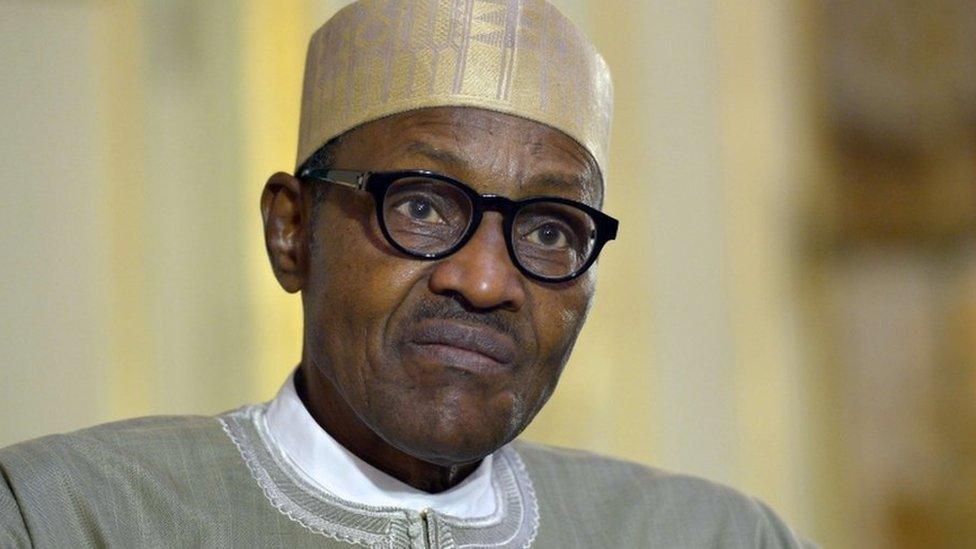
Buhari, who served as Nigerian president from 2015 to 2023, died in a clinic in the British capital where he had been receiving medical treatment.
In a statement, Tinubu said he has directed Vice President Kashim Shettima to travel to London to accompany Buhari’s body back to Nigeria.
Born on Dec. 17, 1942, Buhari had a distinguished career in both the military and civilian governance. He spent years in political activism before successfully contesting the presidency in 2015, becoming the first opposition candidate to defeat an incumbent president in Nigeria’s history. He was re-elected in 2019 and handed over power to Tinubu on May 29, 2023.
During his two terms as president, Buhari’s administration focused on three key areas: security, anti-corruption, and economic diversification. He launched significant campaigns against Boko Haram insurgency in the northeast and worked to recover looted public funds.
His tenure also saw efforts to boost agriculture and infrastructure development, though it was marked by economic challenges, including two recessions, and persistent security issues across various regions.
Tinubu has ordered flags to be flown at half-mast as a mark of respect for the late former Nigerian leader.
The event, which regularly brings together citizens from all three districts of the Rwandan capital for communal physical activity, was this time linked to the upcoming International AIDS Society (IAS 2025) conference set to take place in Kigali from 14–17 July.
Among the participants were senior government officials and international delegates, including the Minister of Health, Dr Sabin Nsanzimana, who used the occasion to issue a direct warning to young people that HIV is still a serious public health threat.
“Some people think HIV is no longer an issue, but it still exists. Many young people don’t fully understand how dangerous it is because they didn’t live through the worst years,” Dr Nsanzimana said. “We are urging the youth to protect themselves. There’s still no cure, and prevention is far better than a lifetime on medication.”
The Rwanda Biomedical Center (RBC) in March this year reported that approximately 3,200 people contract HIV each year in Rwanda, while 2,600 people die from the virus annually.
According to RBC, youth are among the most affected, with sex workers and men who have sex with men (MSM) being at particularly high risk of infection.
HIV was first detected in Rwanda in 1983 and spread rapidly from 1986 onwards, with the peak of infections occurring between 1988 and 1996. Currently, there is no cure or vaccine for the virus, although antiretroviral therapy (ART) helps to suppress its progression.
Dr. Ikuzo Basile, head of the HIV Prevention Department at RBC, revealed that 230,000 people in Rwanda are living with HIV, with 3,200 new infections recorded annually.
“When we examine HIV-related deaths, we estimate that 2,600 people die from AIDS-related complications every year. Among Rwandans aged 15 to 49, 2.7% are living with HIV,” Dr Basile revealed.
Meanwhile, Sunday’s Car Free Day event featured not only fitness activities but also free health services, including screenings for non-communicable diseases and HIV testing. Participants were also educated about preventive measures and encouraged to take personal responsibility for their health.
According to recent research by environmental experts, Car Free Day, held 26 times per year in Kigali, has contributed significantly to public health and environmental protection.
Between 2021 and 2025, the initiative is expected to reduce air pollution by 20% and help prevent up to 100 premature deaths annually. The government also estimates that the country could save up to Frw 160 billion in healthcare costs during that period.
An official who spoke to IGIHE said the initiative aims to expand access to both functional and aesthetic plastic surgery services, provided by a team of experienced local and visiting specialists.
The camp will provide treatments including liposuction, tummy tucks, breast reduction and augmentation, buttock lifts, brachioplasty, fat grafting, and non-surgical cosmetic procedures.
While the camp is fully booked for the week, patients scheduled for these procedures will benefit from reduced costs and comprehensive care.
The camp also serves to build the capacity of local plastic surgeons by fostering collaboration with visiting experts.
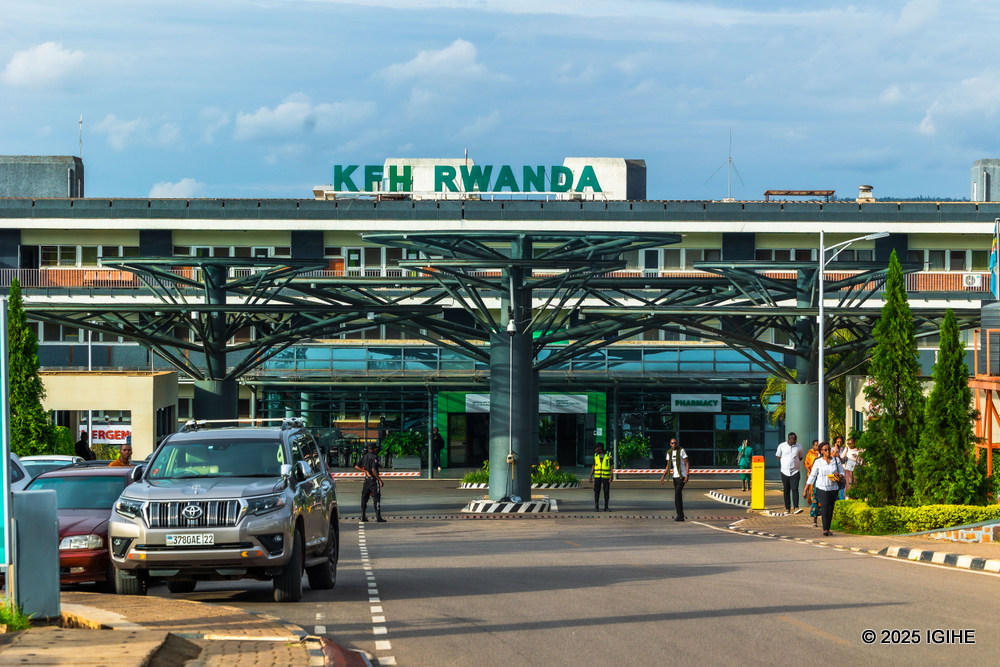
King Faisal Hospital’s approach to plastic surgery is described by the facility as patient-centered and aligned with international standards. The hospital representative noted that the hospital integrates “advanced medical technology, multidisciplinary expertise, and a patient-centred care model within a tertiary hospital setting.”
According to the hospital, procedures will be performed by certified specialists in accredited operating theatres, following strict surgical safety protocols.
“Each patient undergoes a thorough preoperative assessment and receives a personalised postoperative care plan,” the official added.
This model aims to ensure both safety and effective outcomes, particularly for patients seeking either reconstructive or aesthetic enhancements.
In addition to the camp, the hospital plans to open a dedicated cosmetology clinic offering non-surgical aesthetic treatments such as Botox, dermal fillers, and laser skin rejuvenation in the coming weeks. This clinic will further enhance Rwanda’s access to high-quality aesthetic care in a controlled hospital environment.
The hospital encourages patients interested in plastic surgery and cosmetology services to consult their outpatient system to schedule future appointments once the clinic opens.
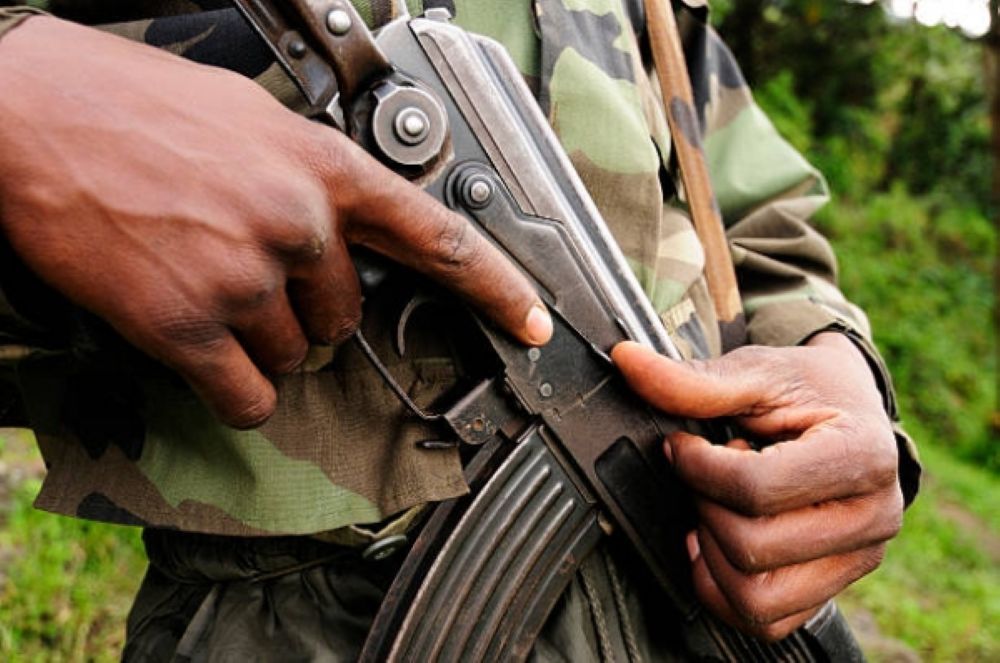
According to an officer who spoke with the Congolese media, the shooter killed three fellow servicemen on the spot before taking his own life on Saturday morning. The platoon leader was also seriously wounded and is currently receiving treatment at a military hospital.
Despite the tragic event, airport operations continued as usual, with security personnel maintaining order at the scene.
The shooting comes just weeks after a similar deadly incident in eastern Democratic Republic of Congo.
In late June, a Congolese soldier opened fire on fellow troops in Mungazi, North Kivu province, killing three and injuring eight others. The confrontation reportedly followed an argument among soldiers shortly after they received their paychecks.
Major Nestor Mavudisa, the army spokesperson for the region, confirmed the casualties and stated that the injured soldiers are receiving medical care. The perpetrator was apprehended and taken into custody.
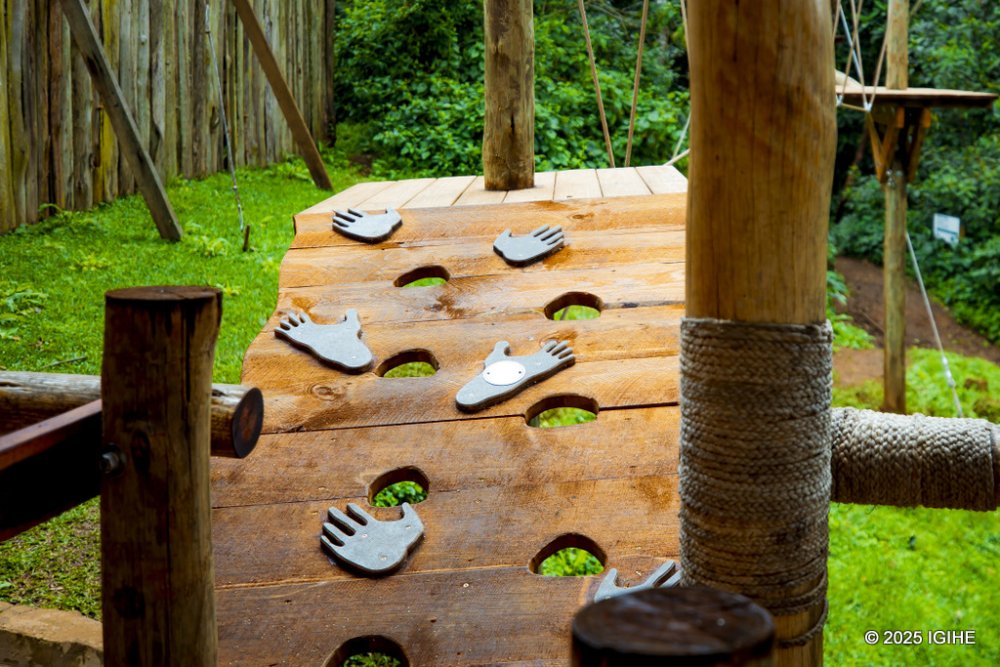
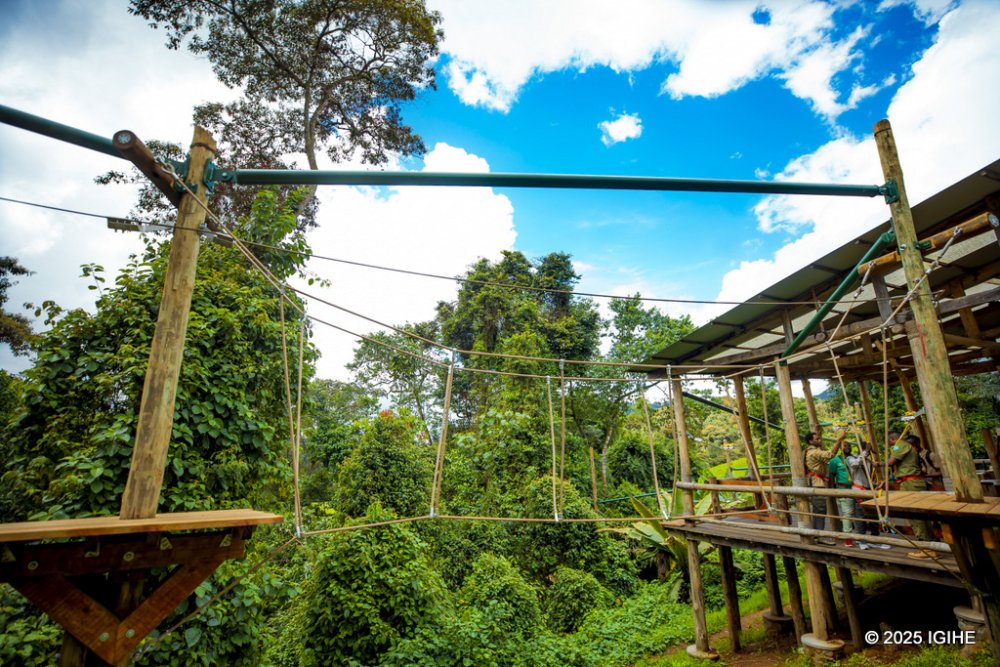
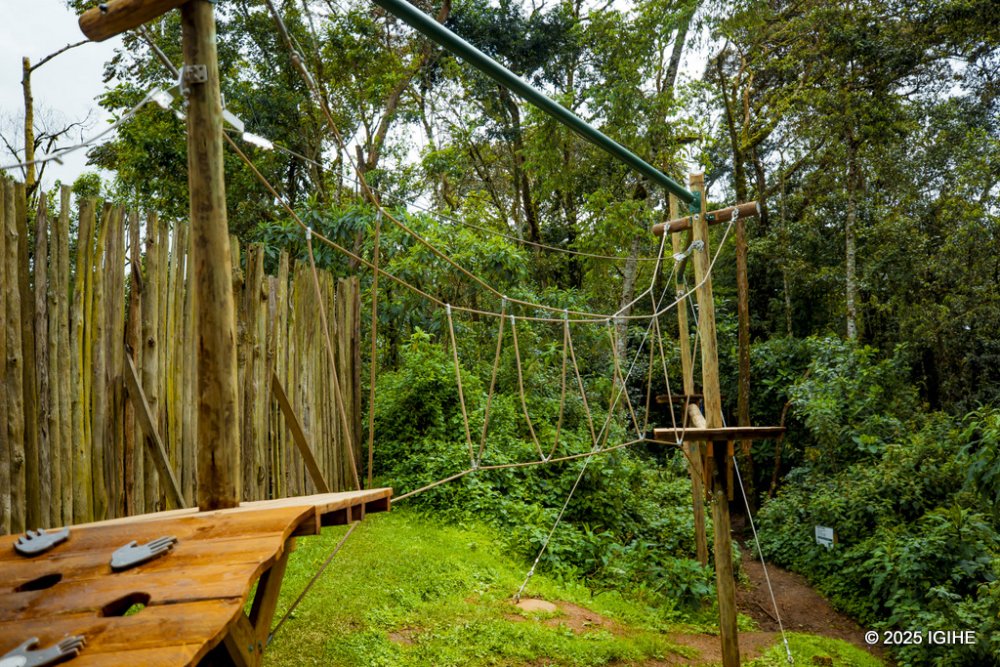
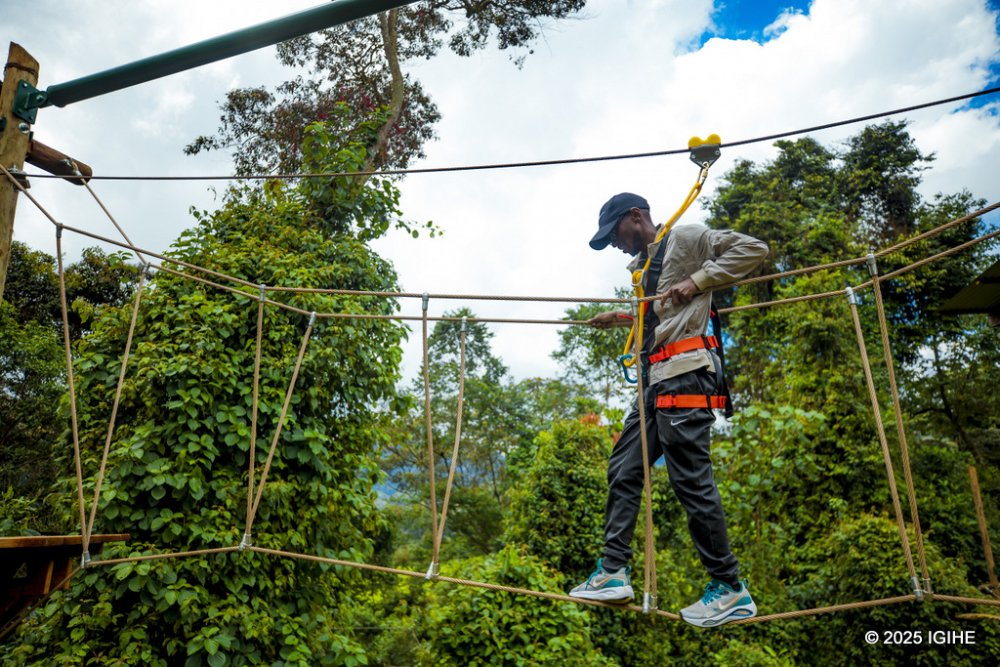
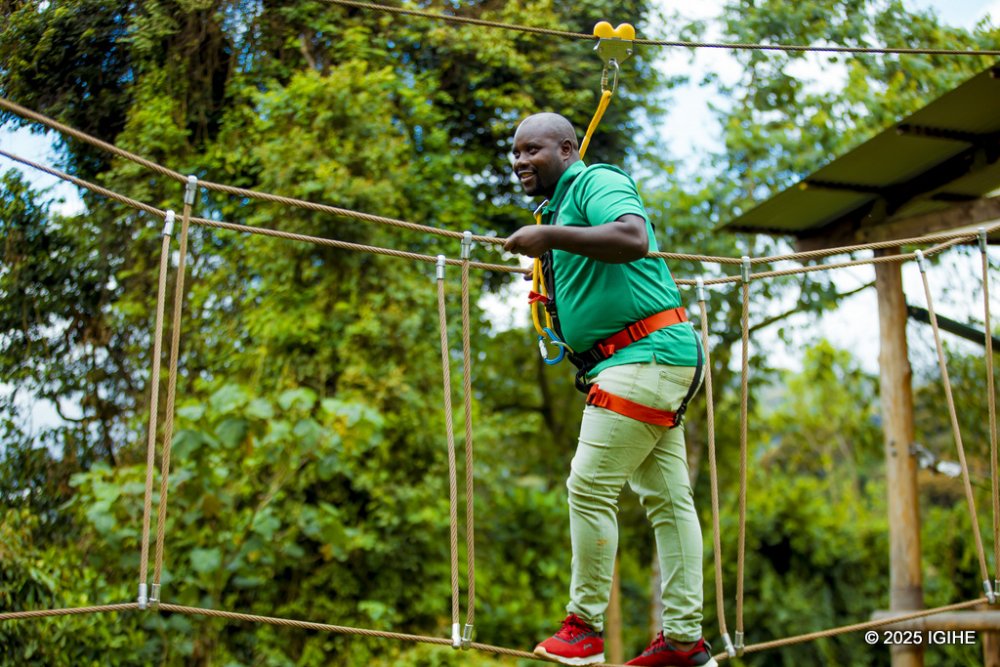
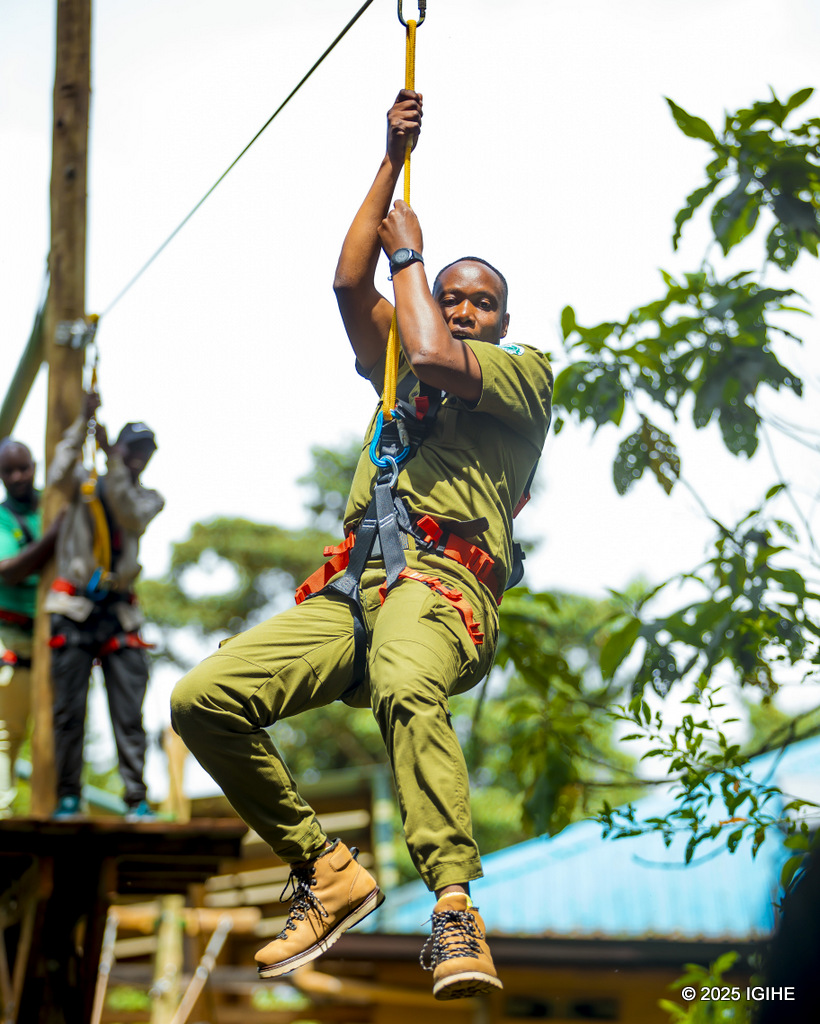
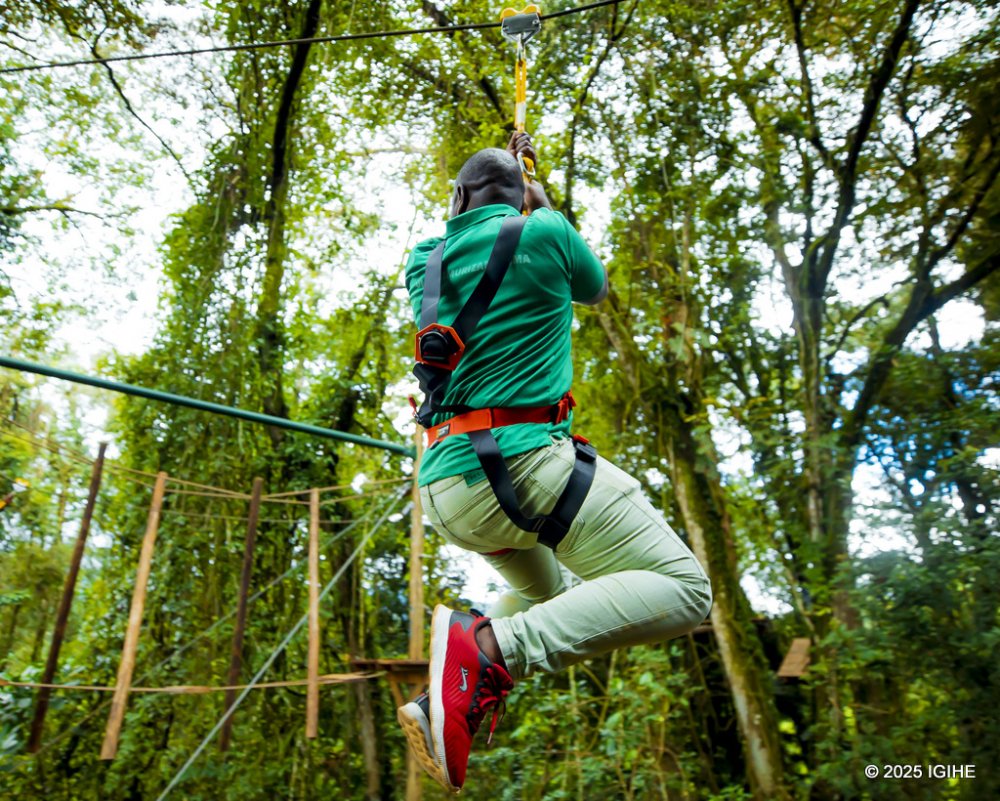
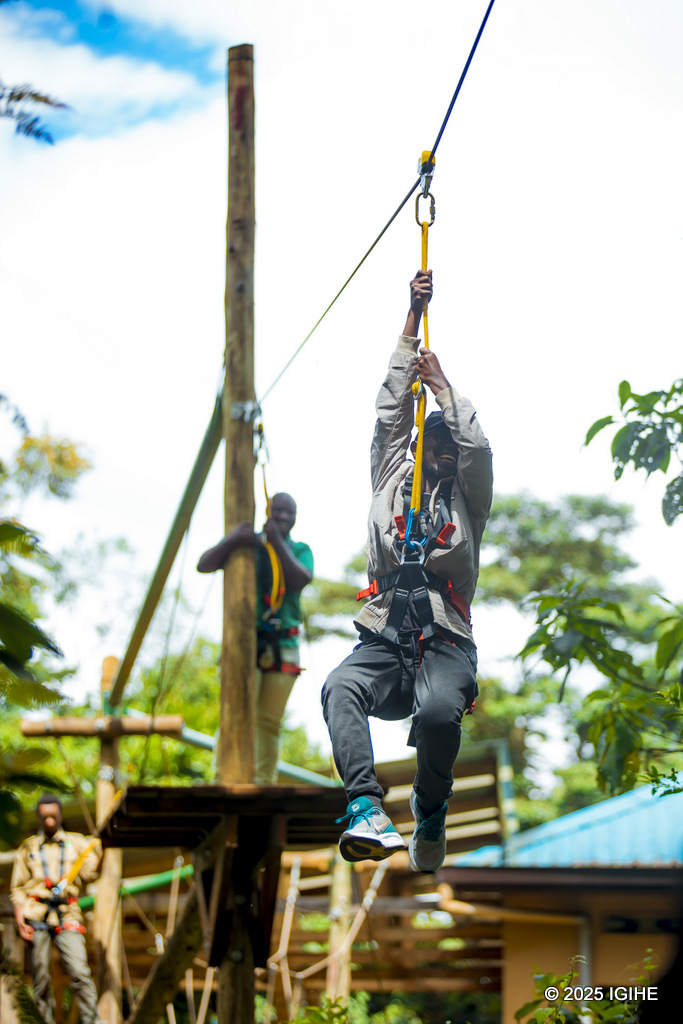
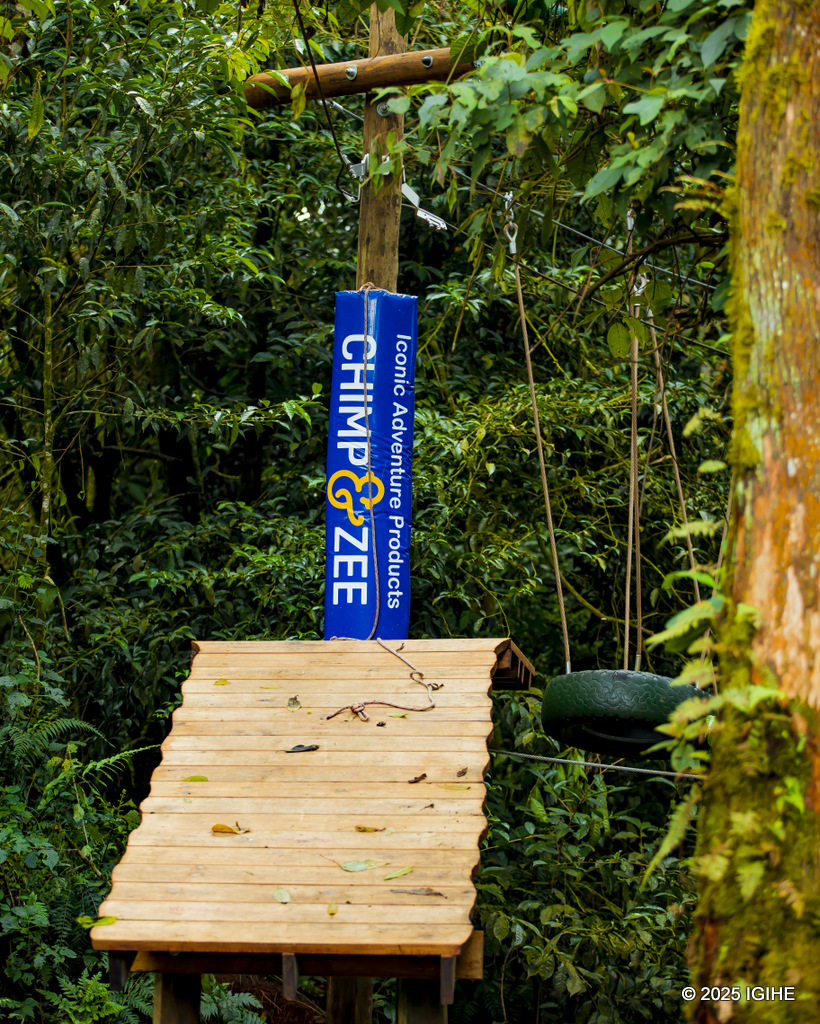
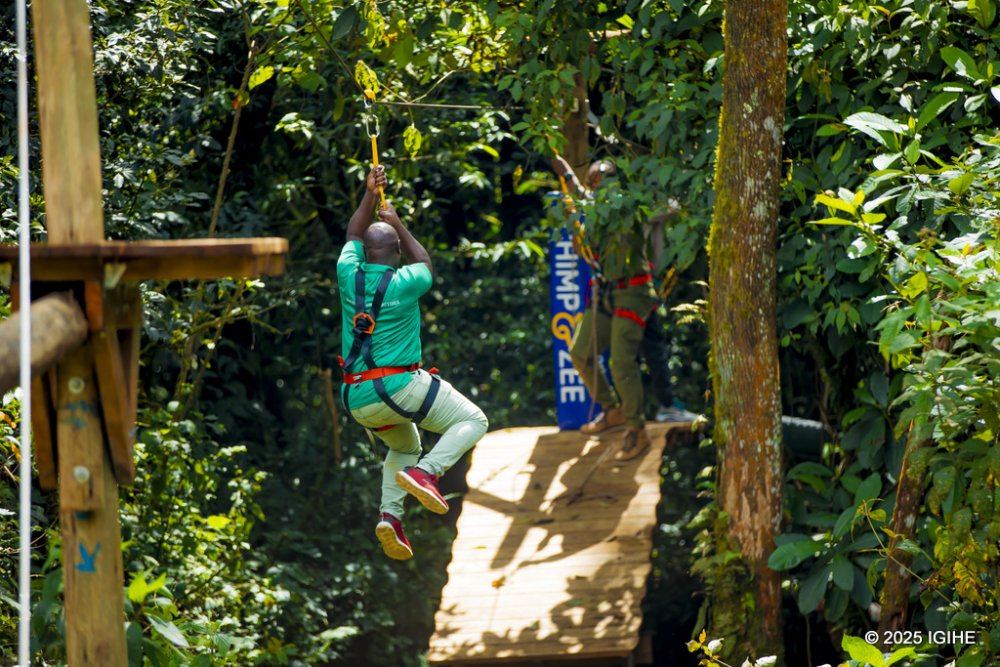
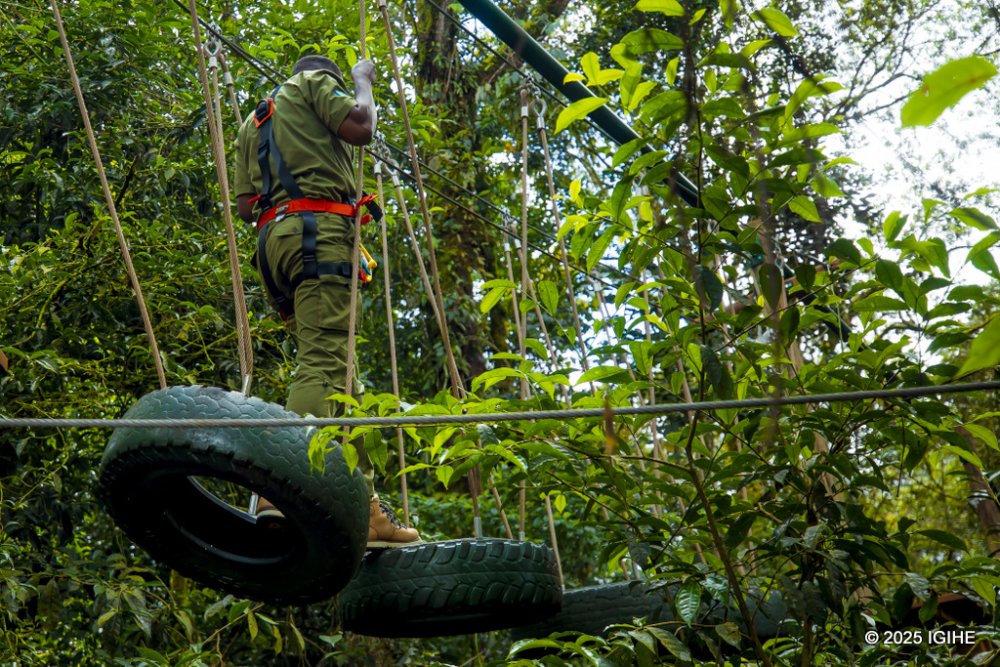
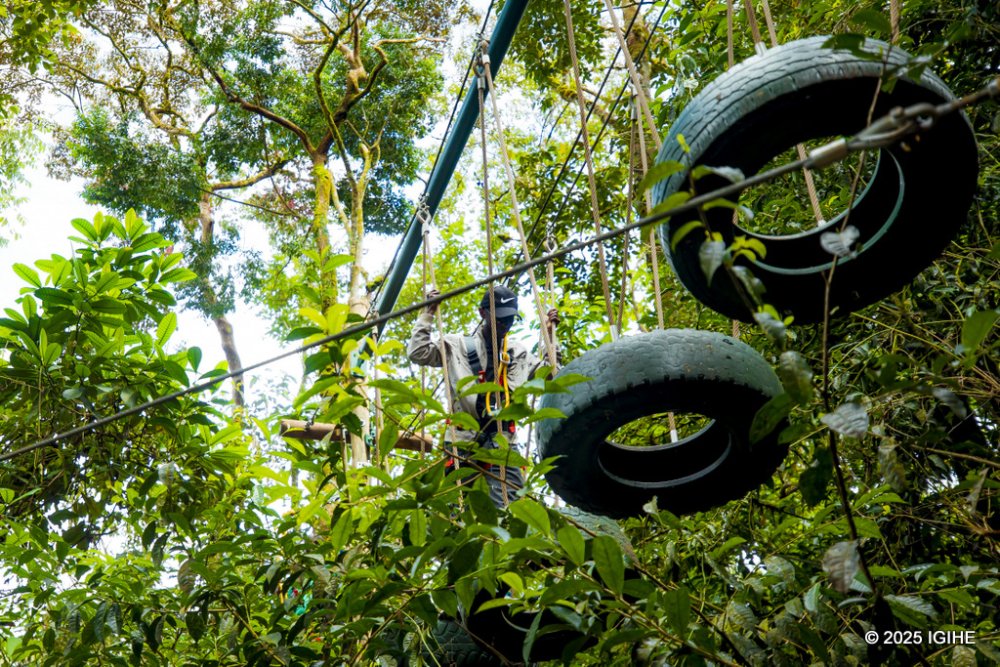
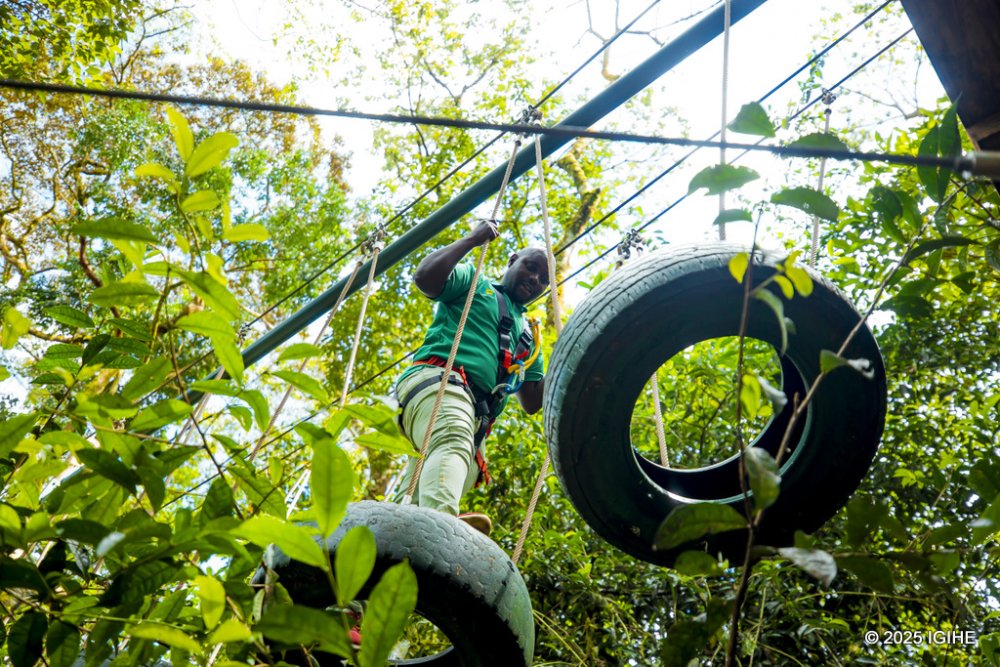
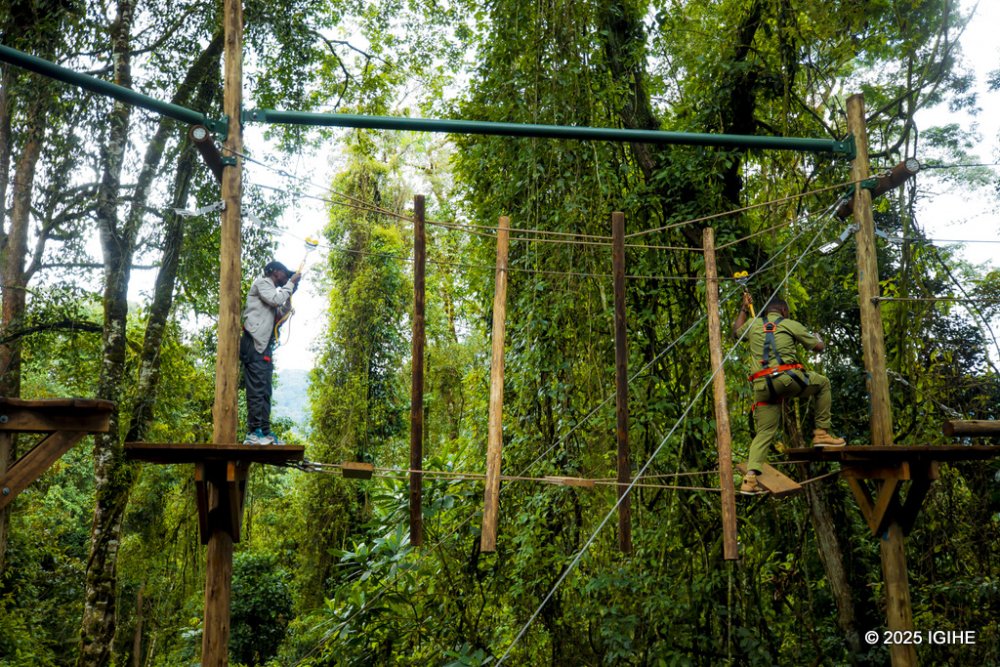
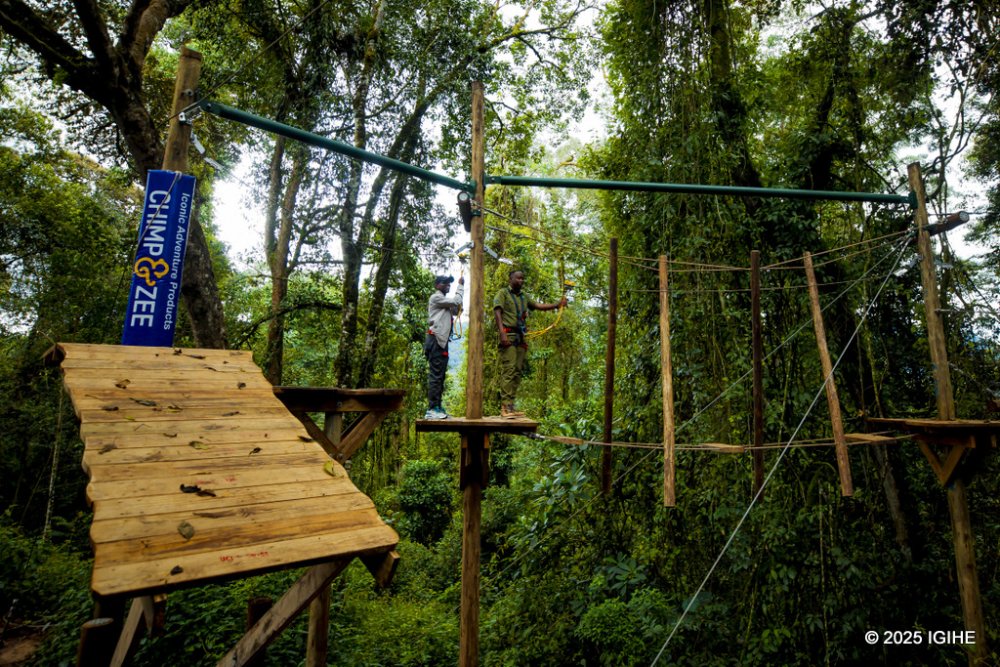
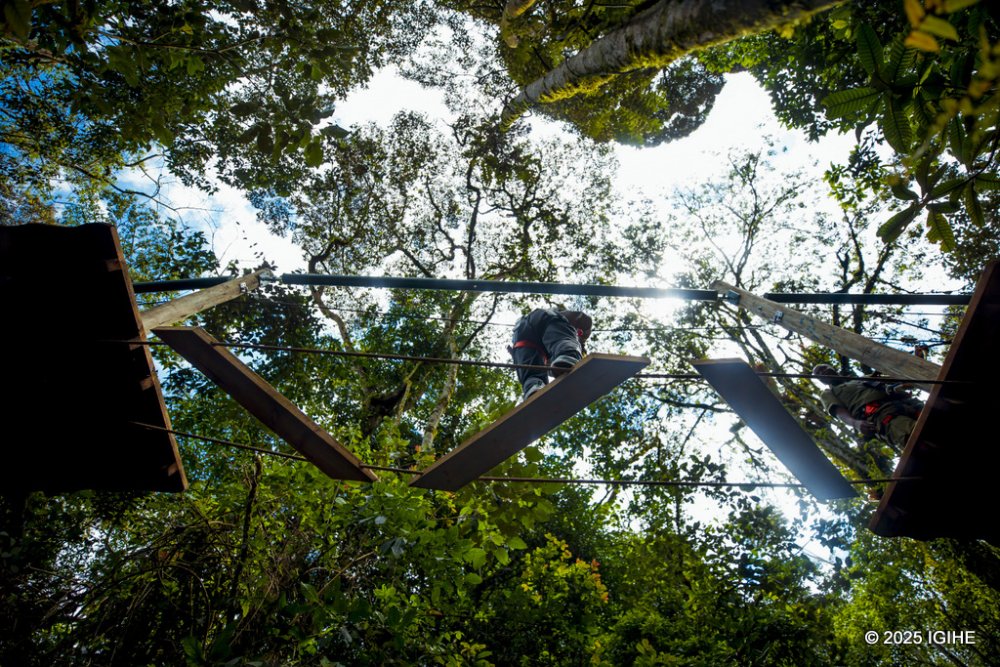
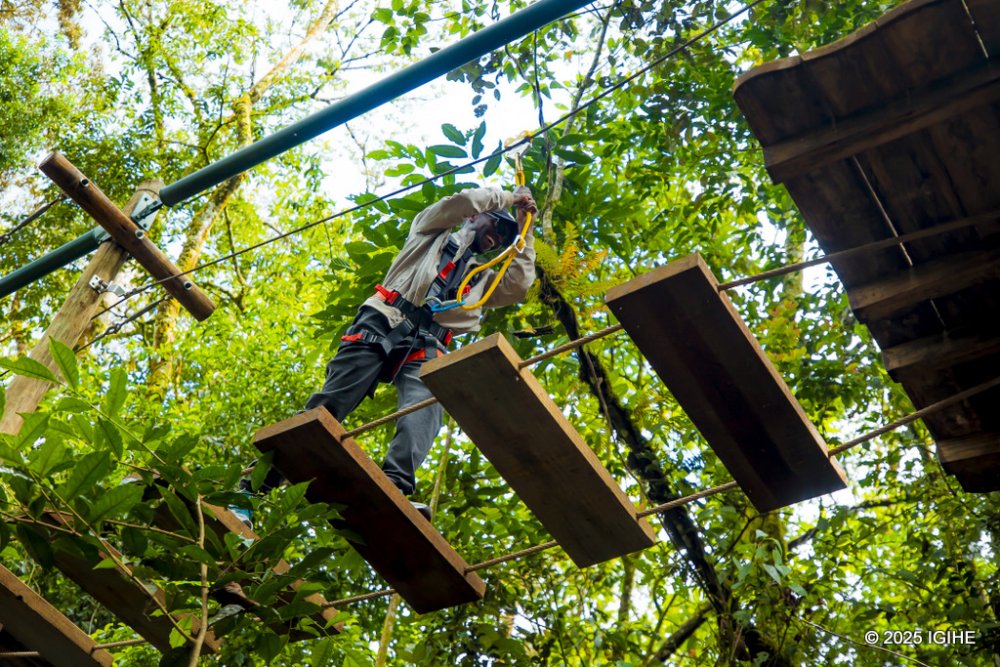
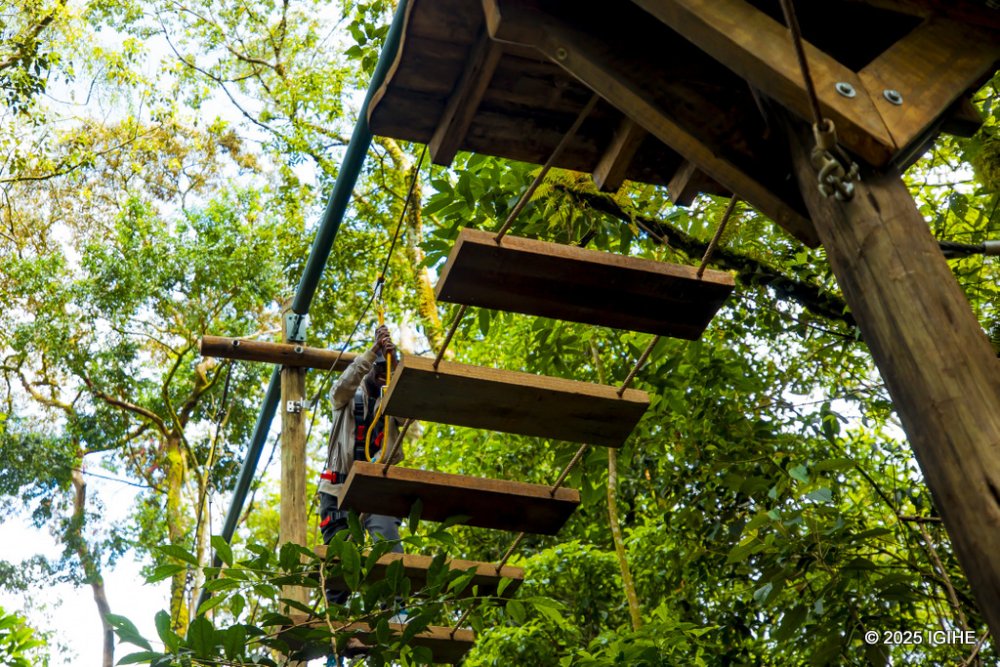
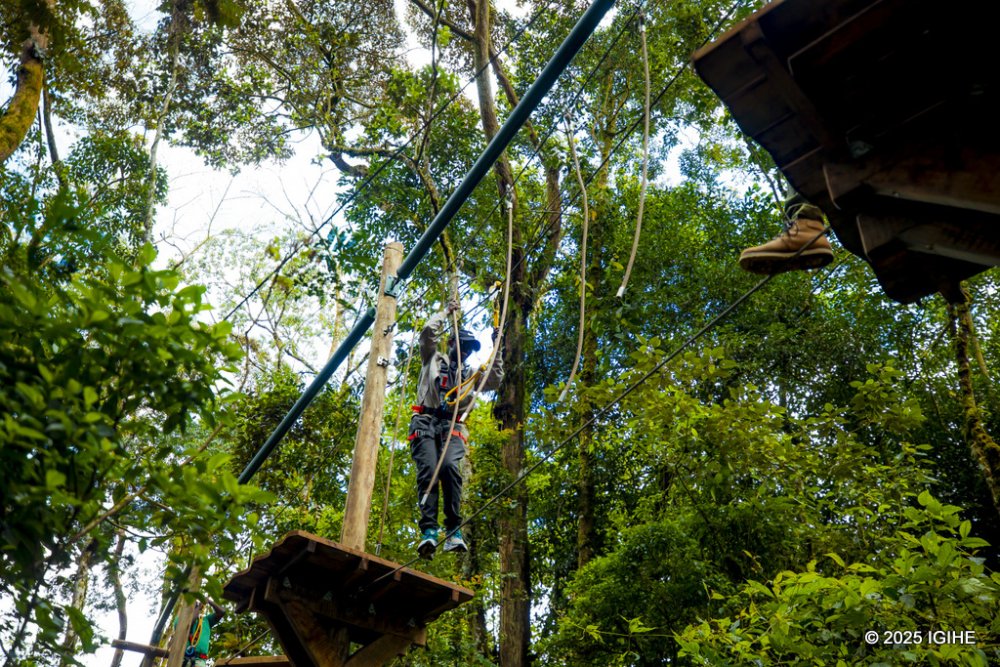
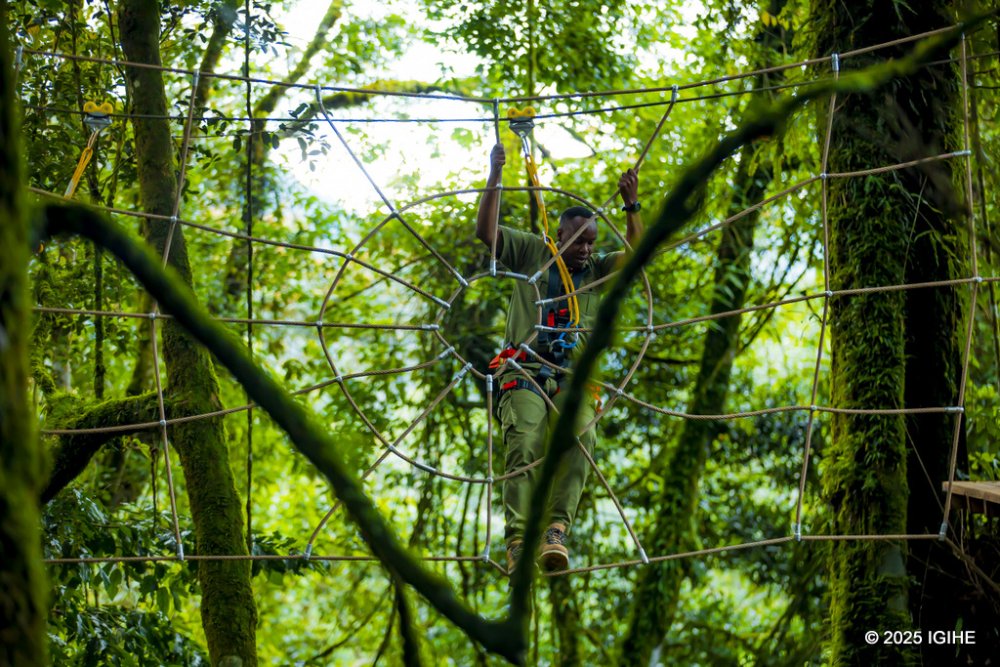
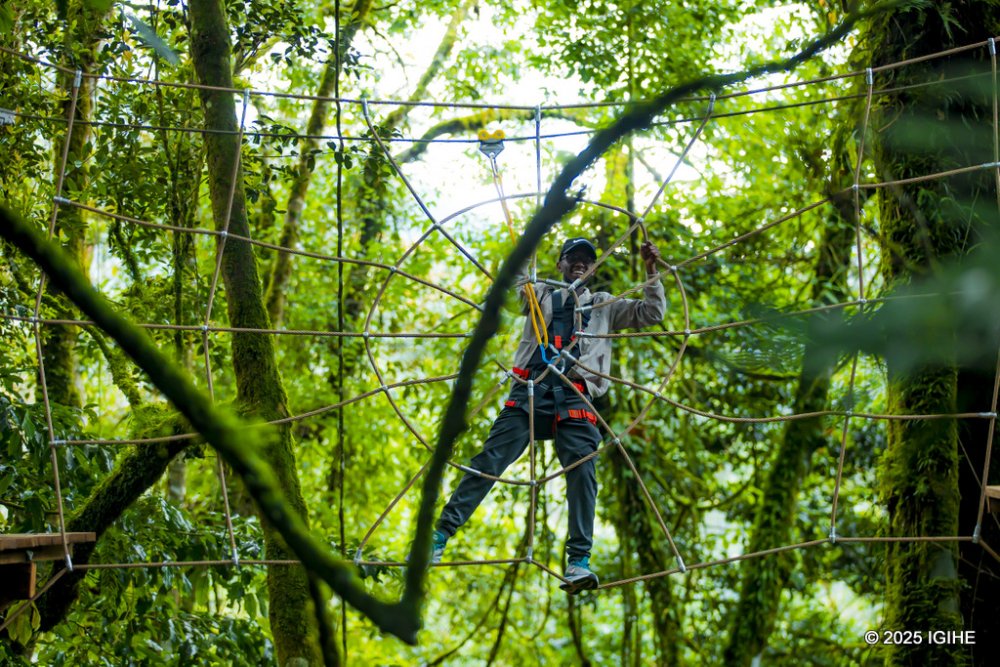
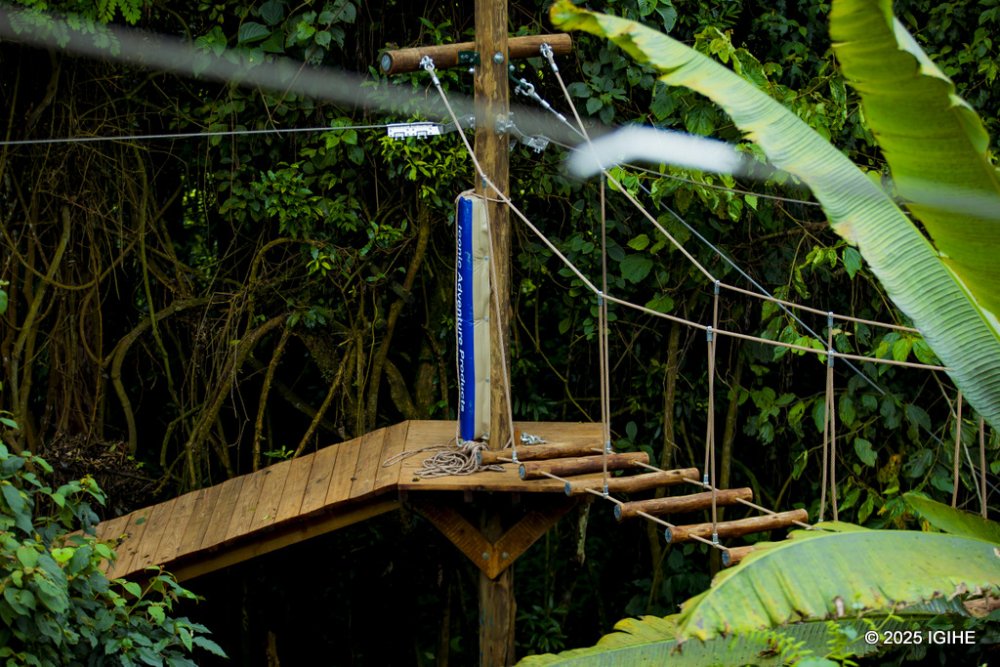
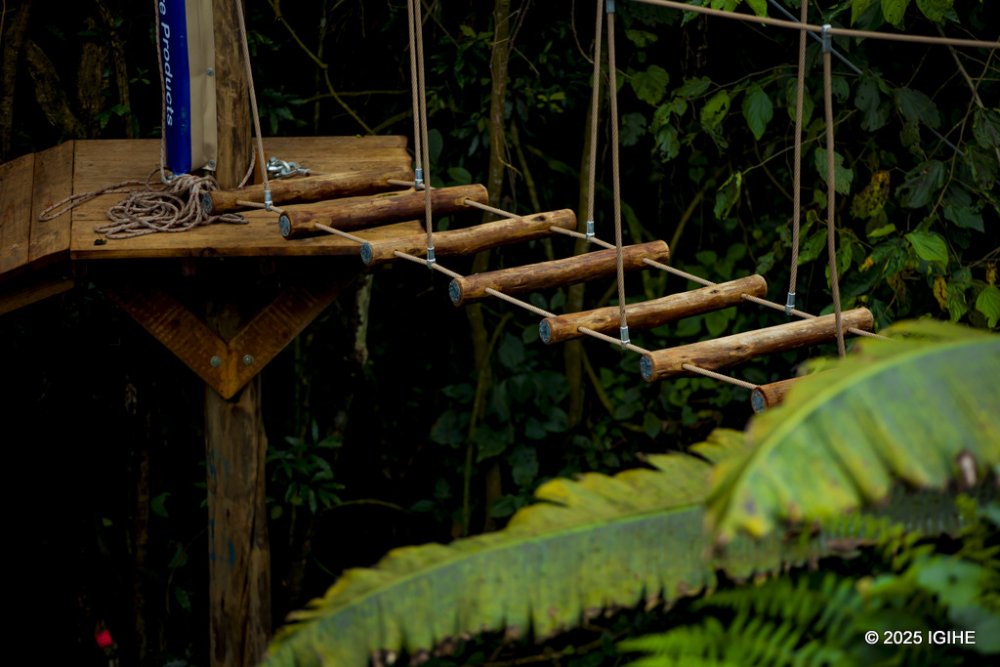
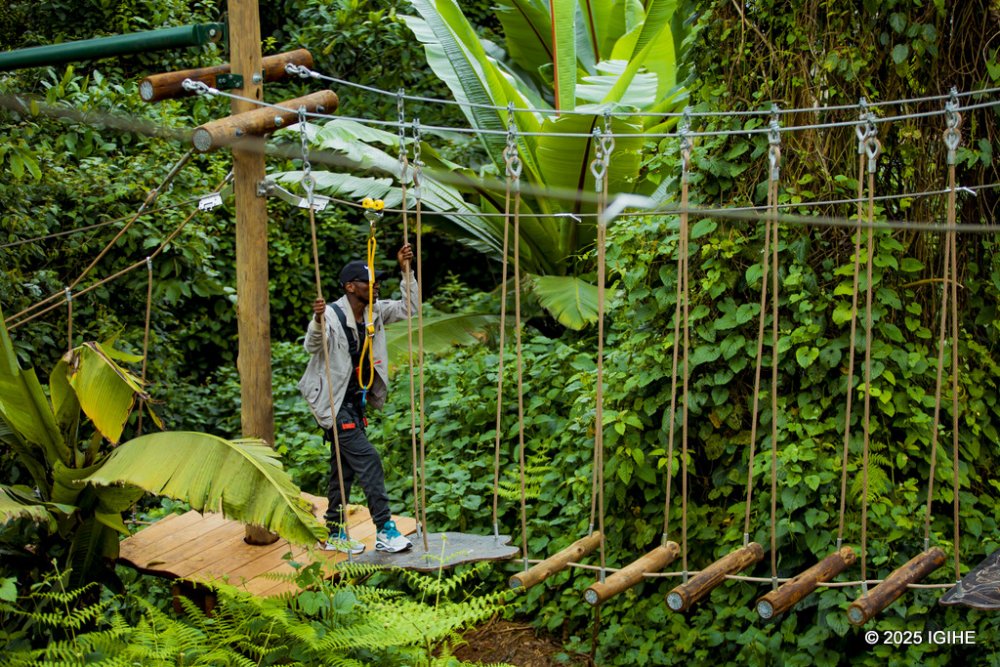
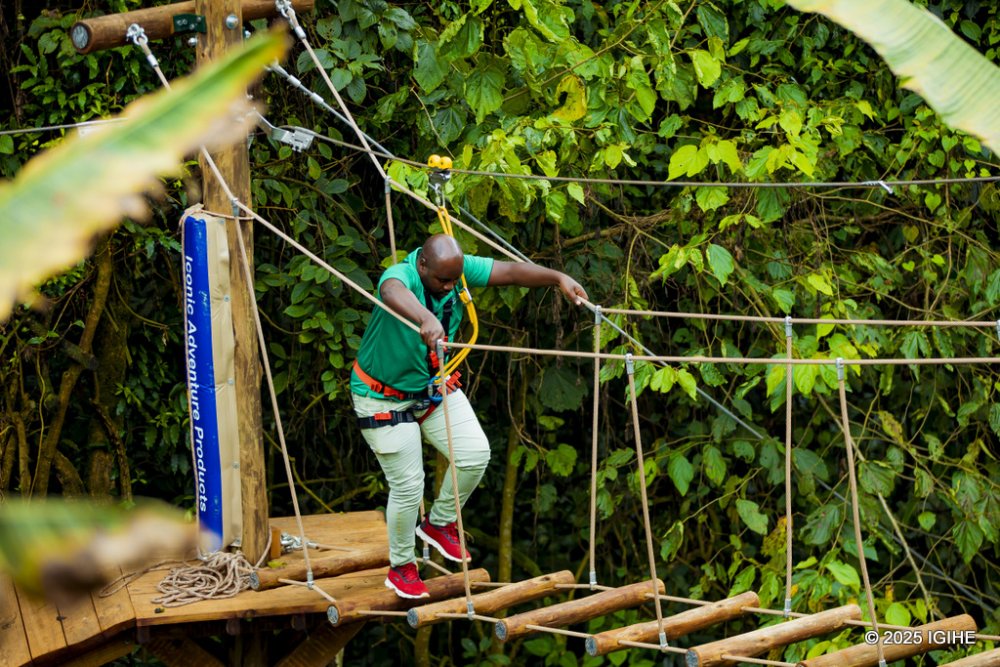
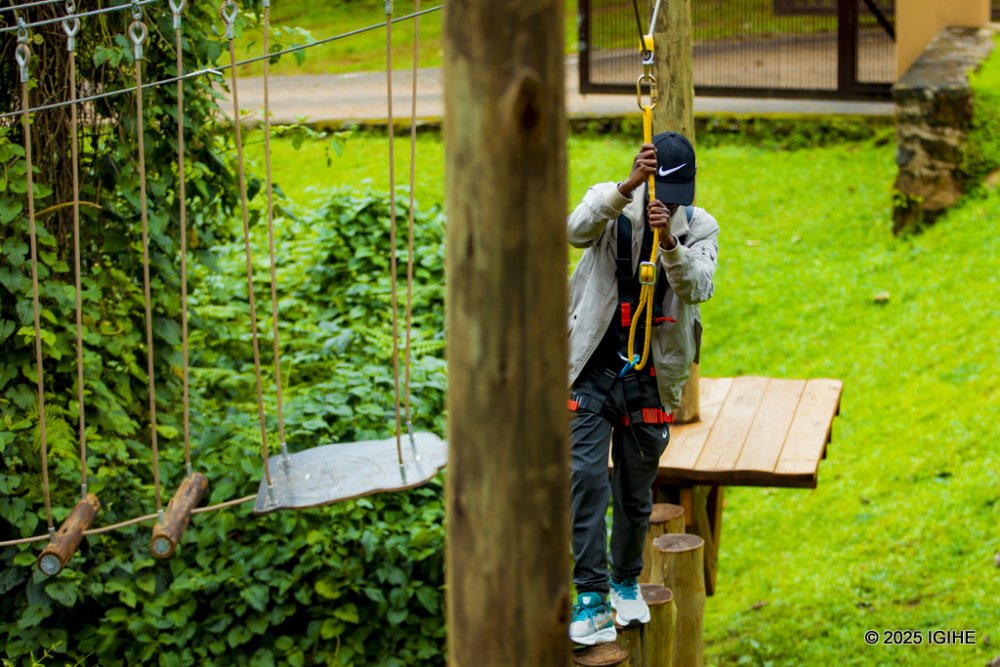
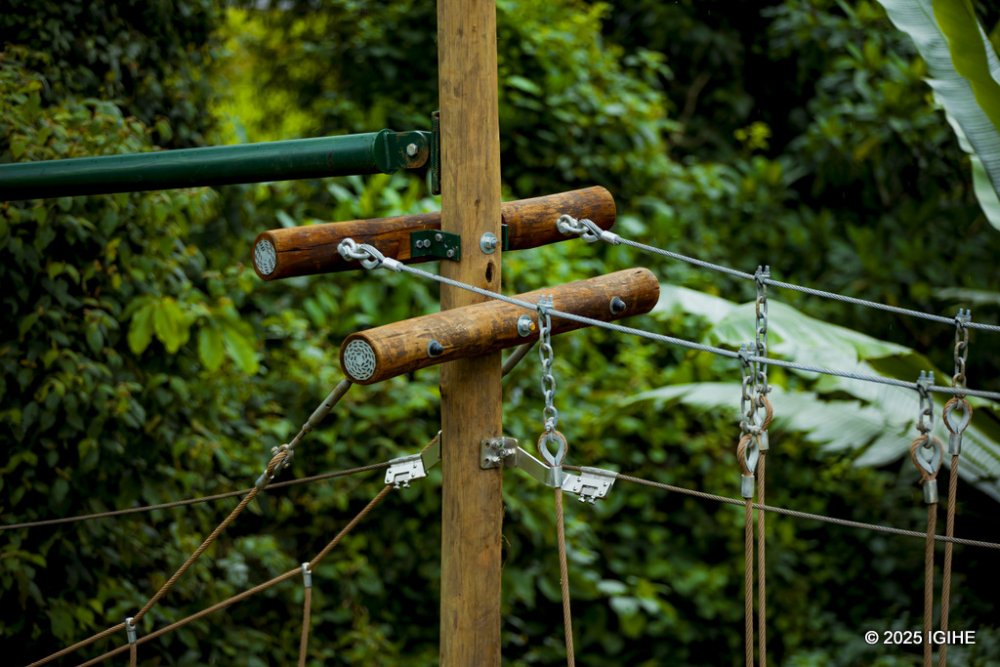
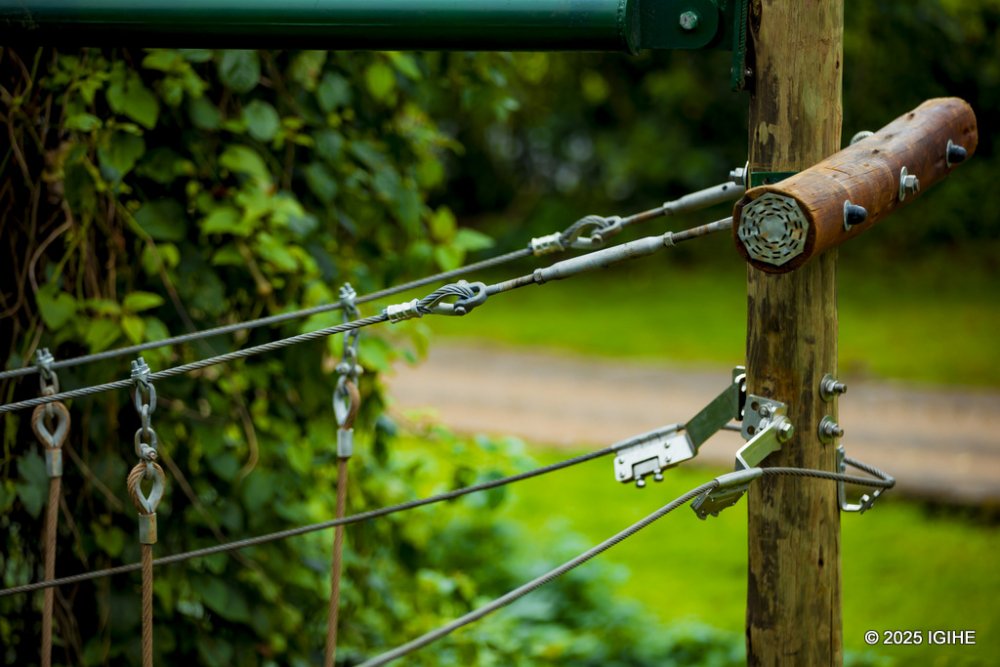
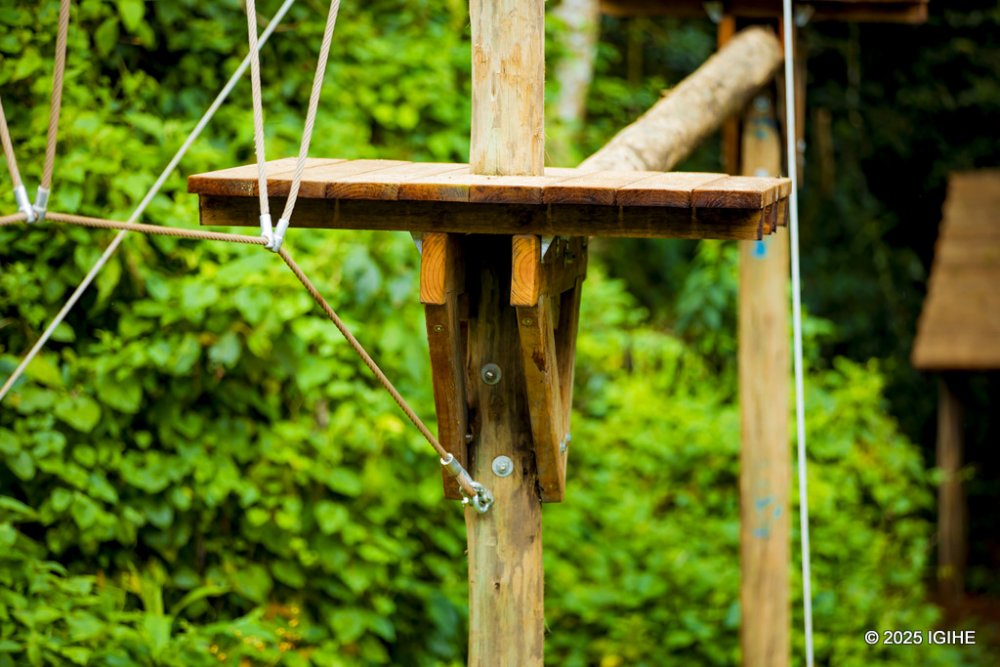
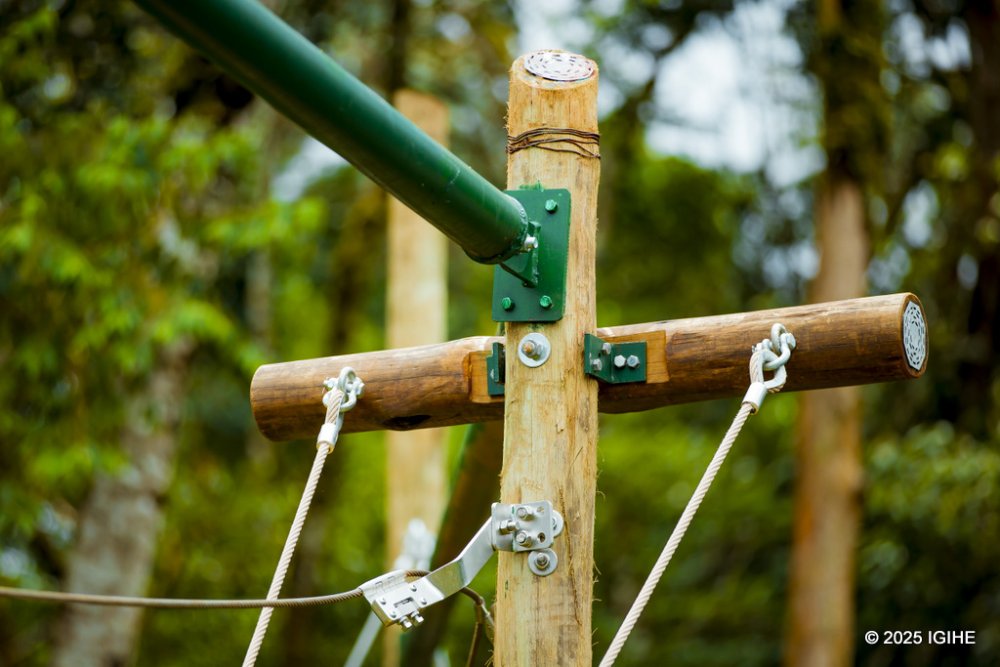
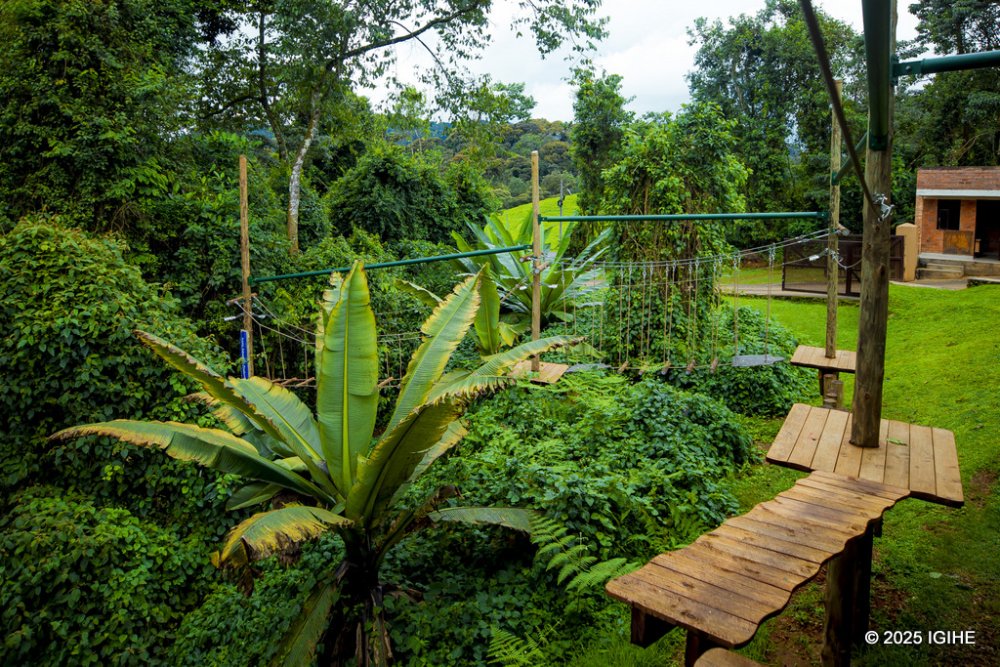
The rope course, which spans 280 meters and includes 21 segments, is suspended up to 15 meters above ground. It allows visitors to experience the forest from the perspective of wildlife by imitating the movements of species like colobus monkeys, civets, and forest cats.
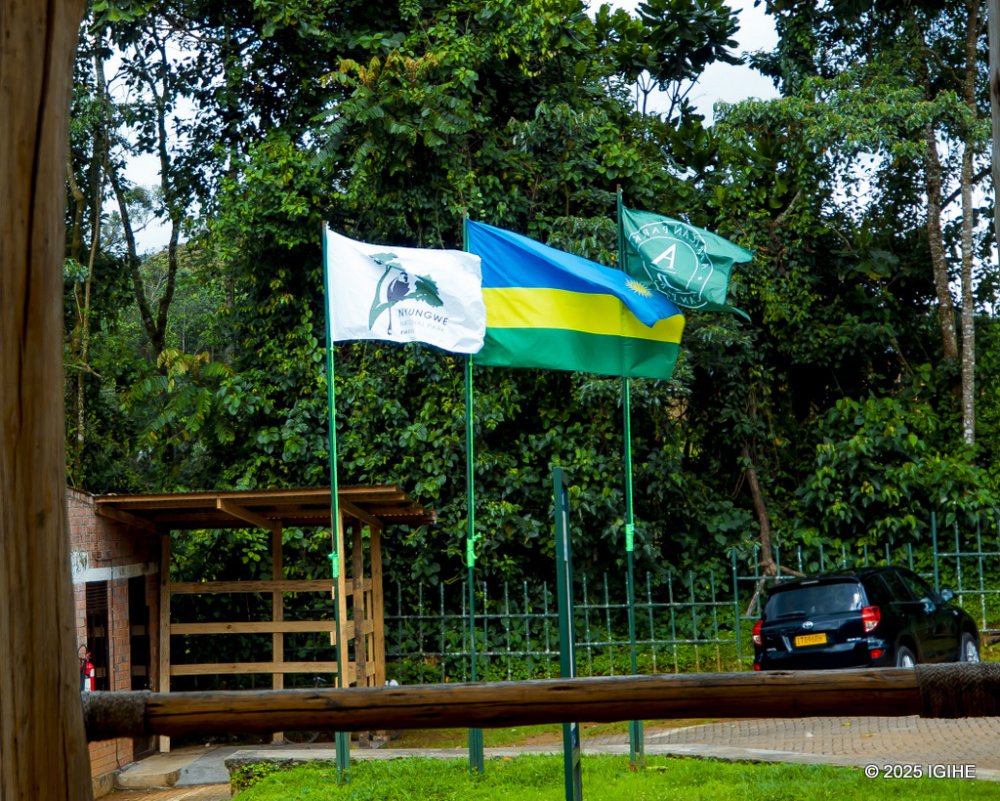
The course is located at Gisakura, one of the main reception areas of the park, and is designed to be both educational and thrilling.
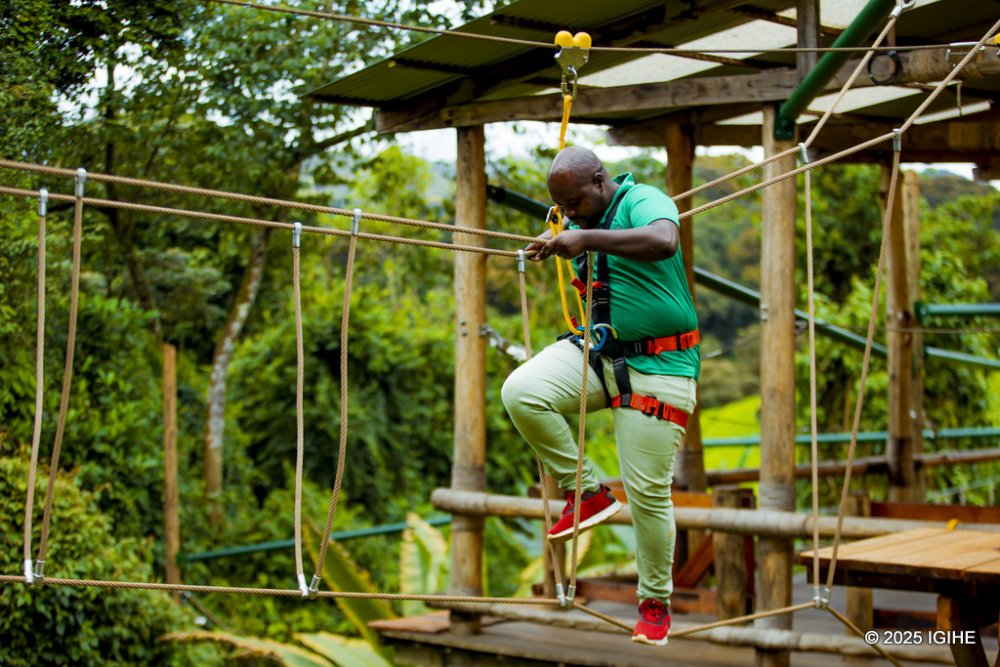
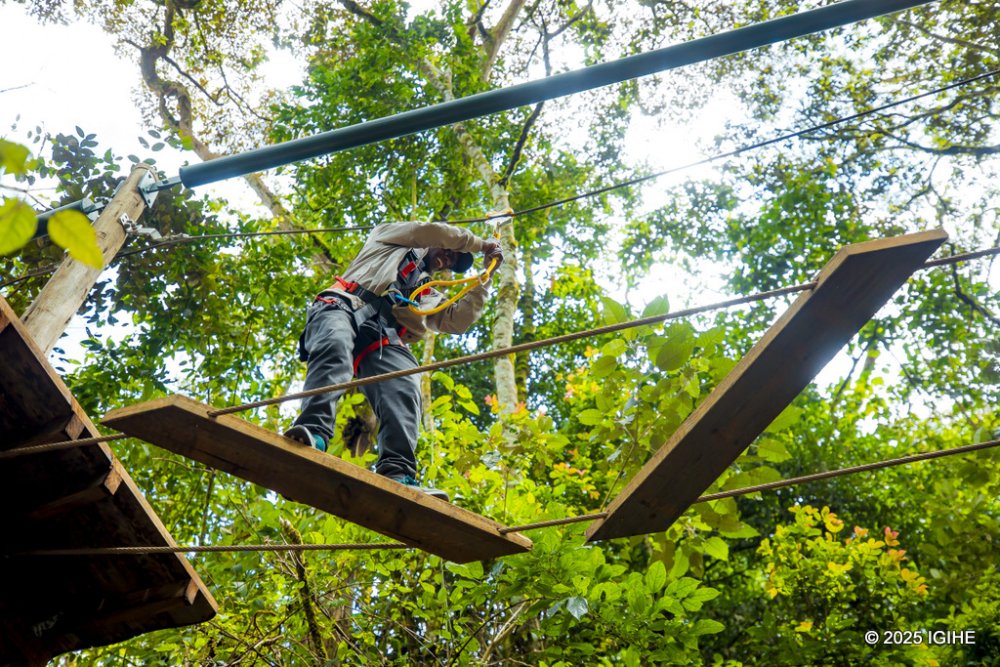
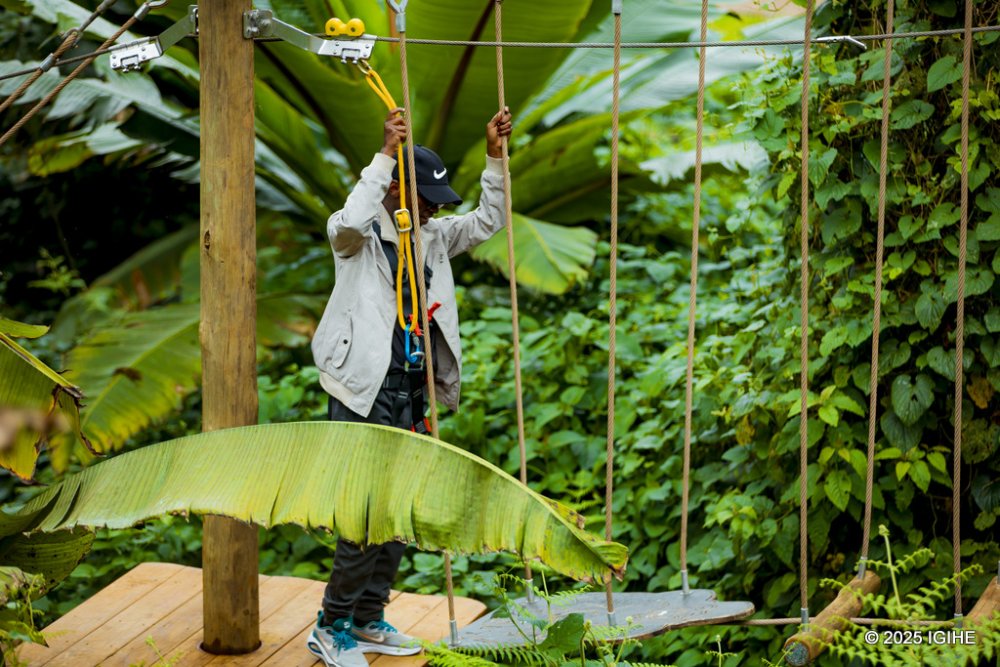
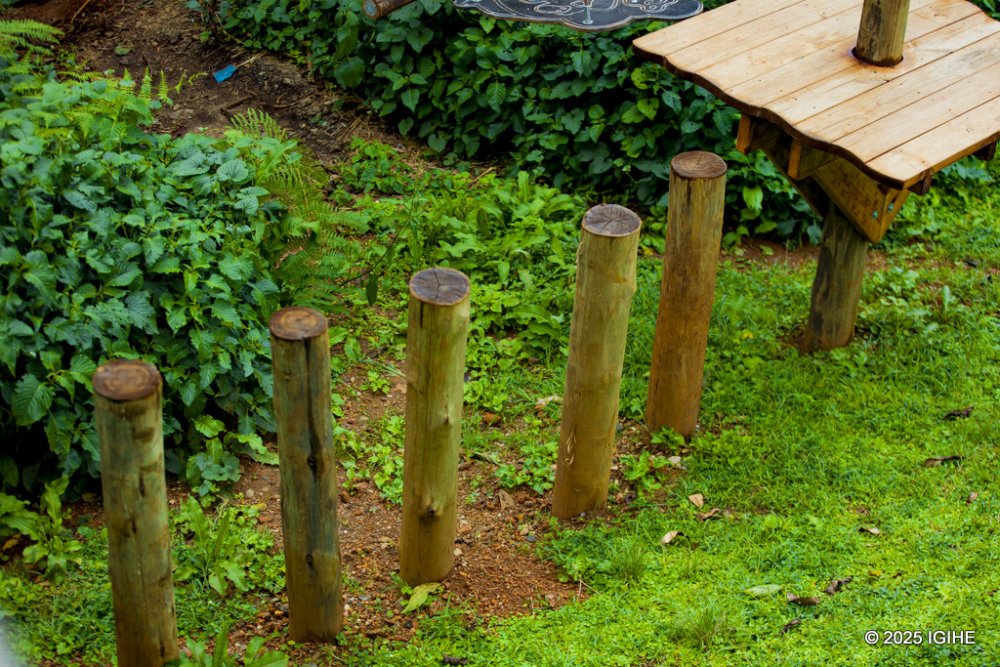
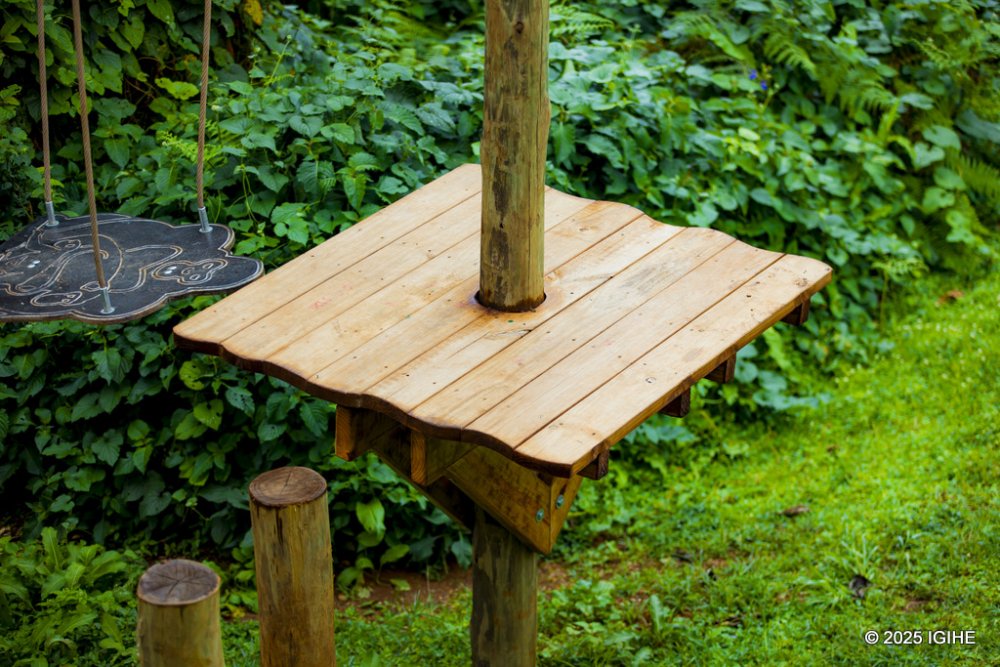
Designed as a suspended obstacle course, it challenges participants to move carefully across swaying elements.
Completing the course gives participants a strong sense of accomplishment and helps build personal confidence.
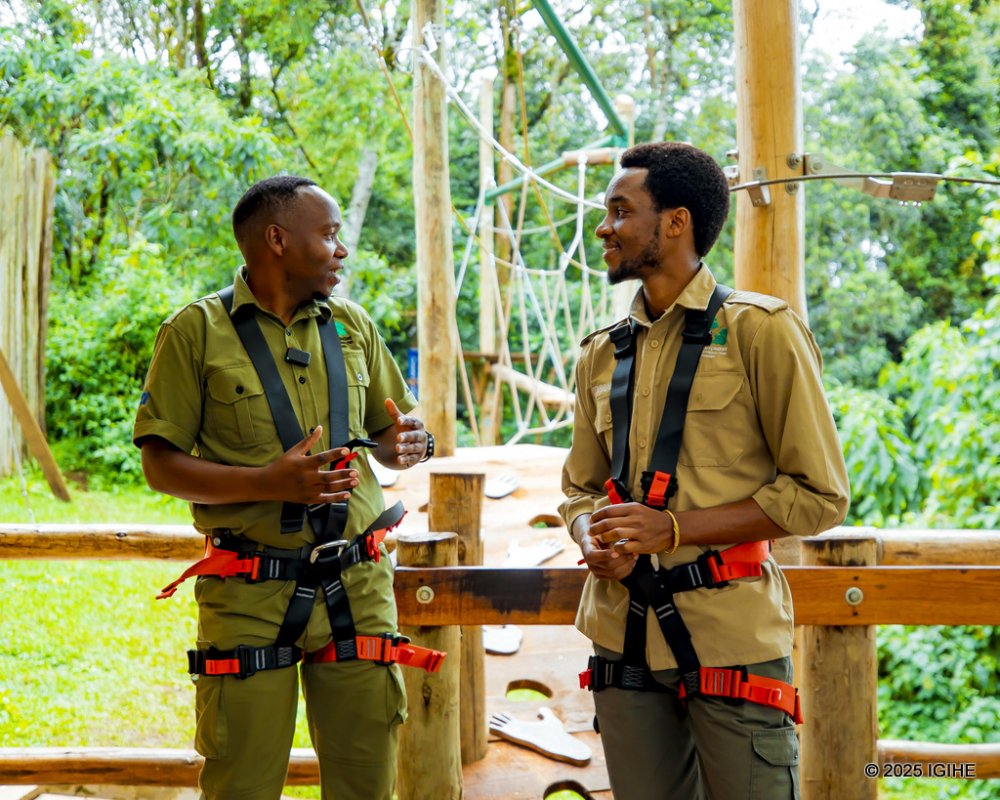
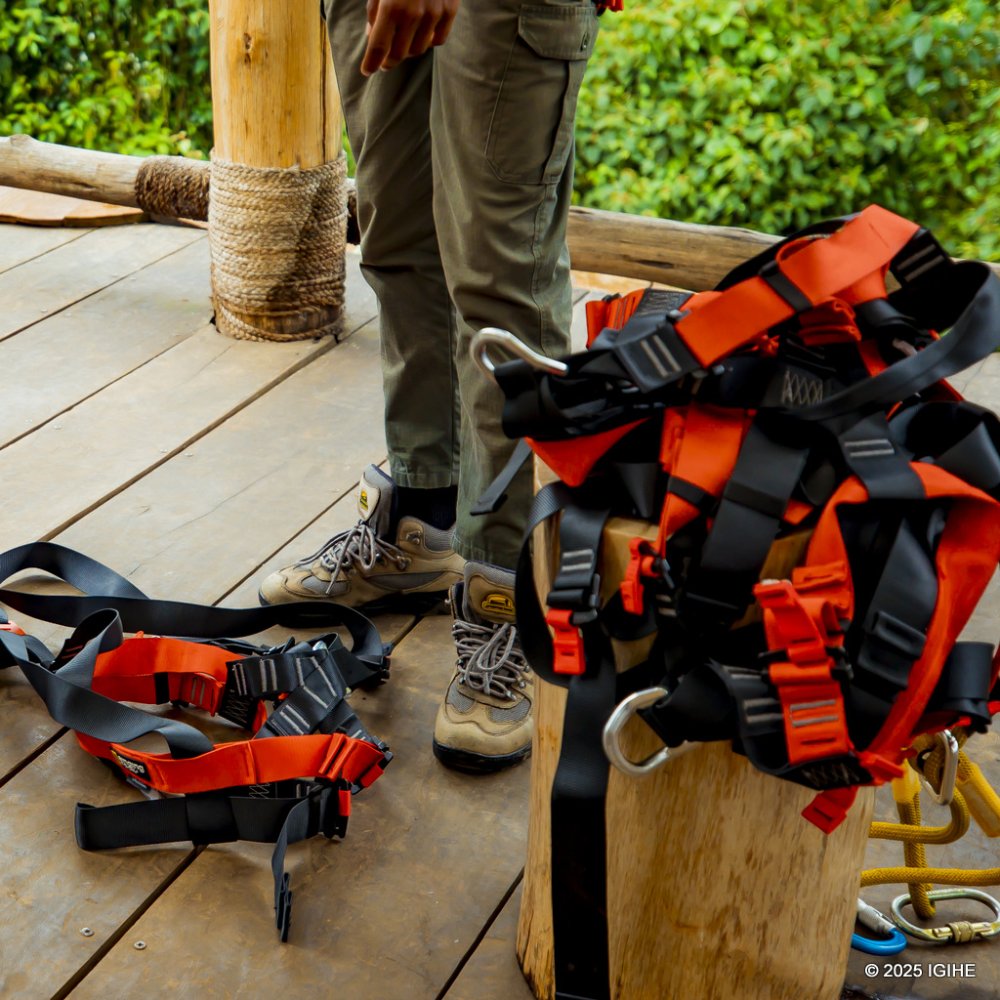
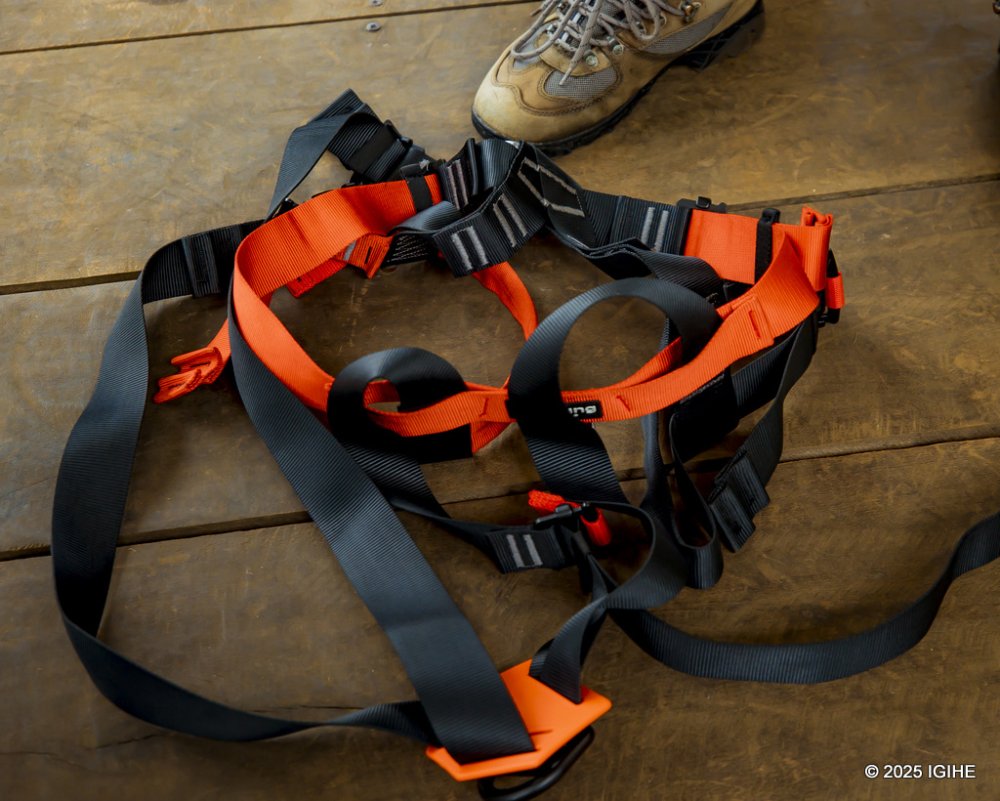
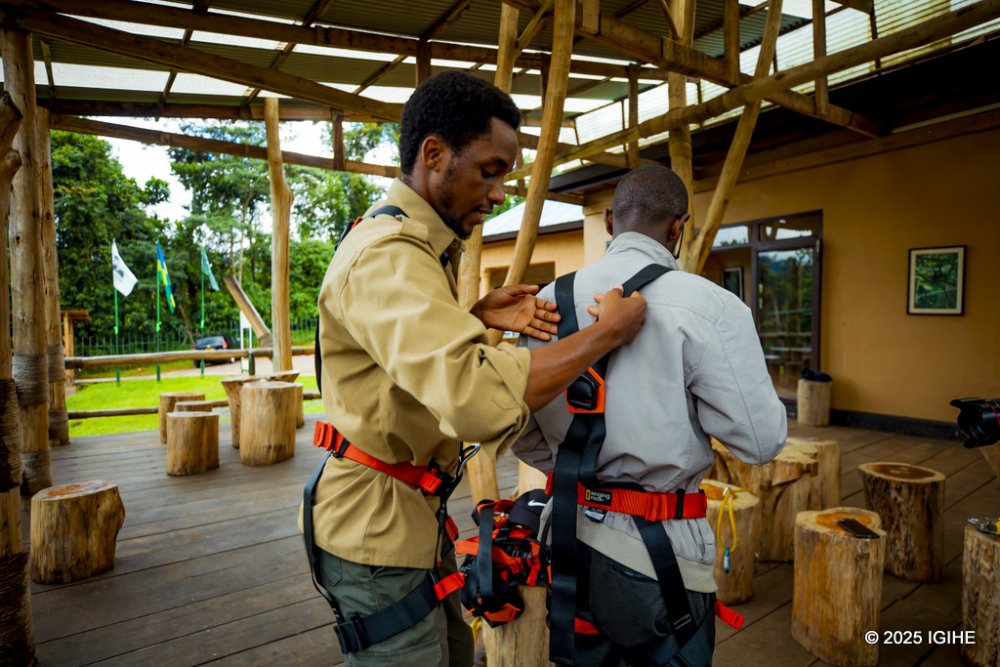
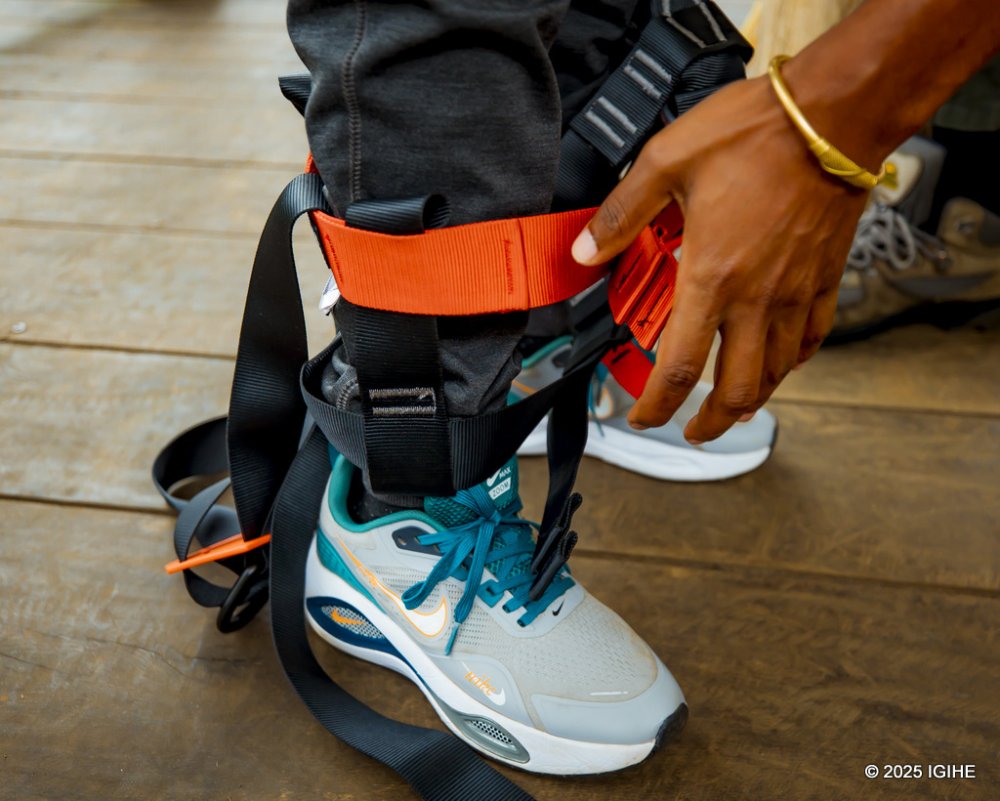
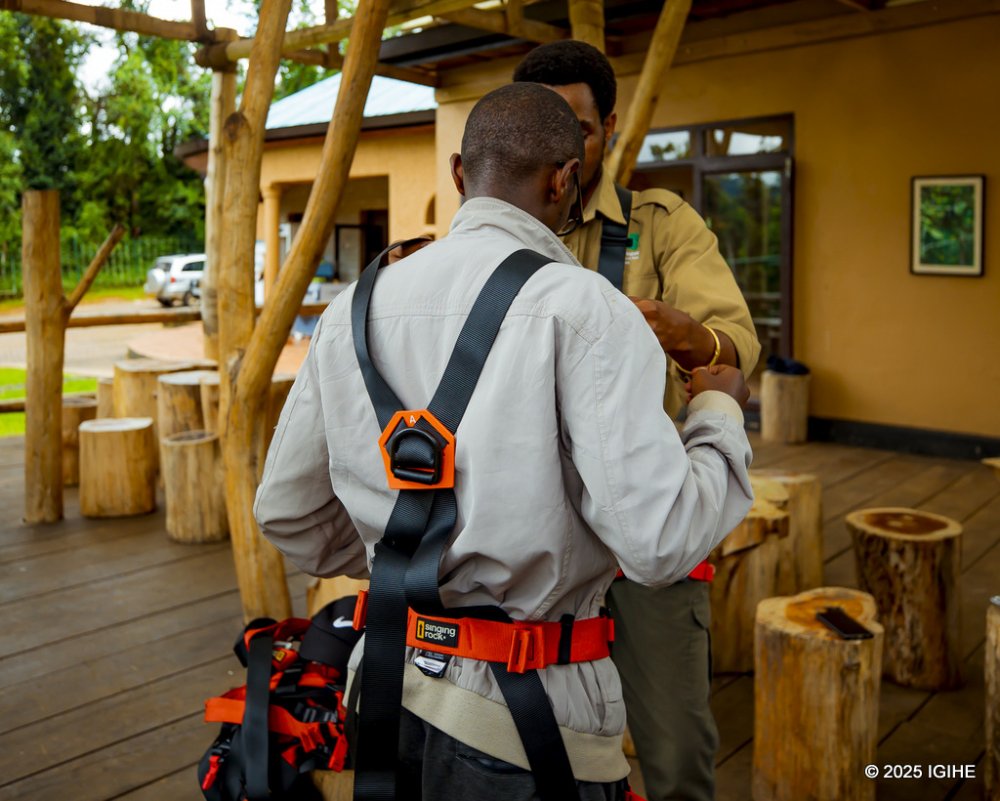
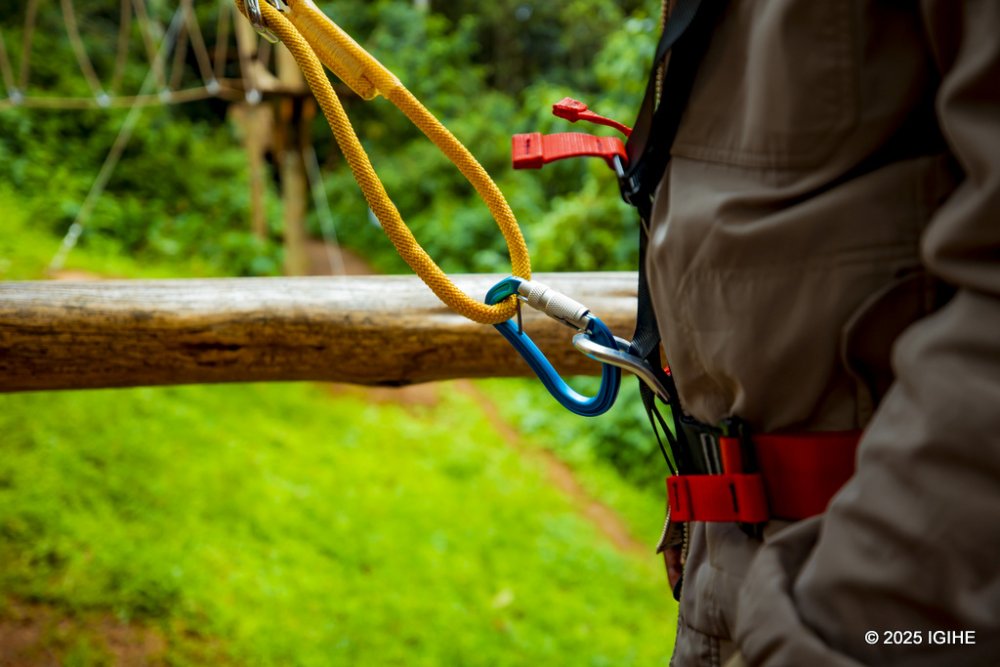
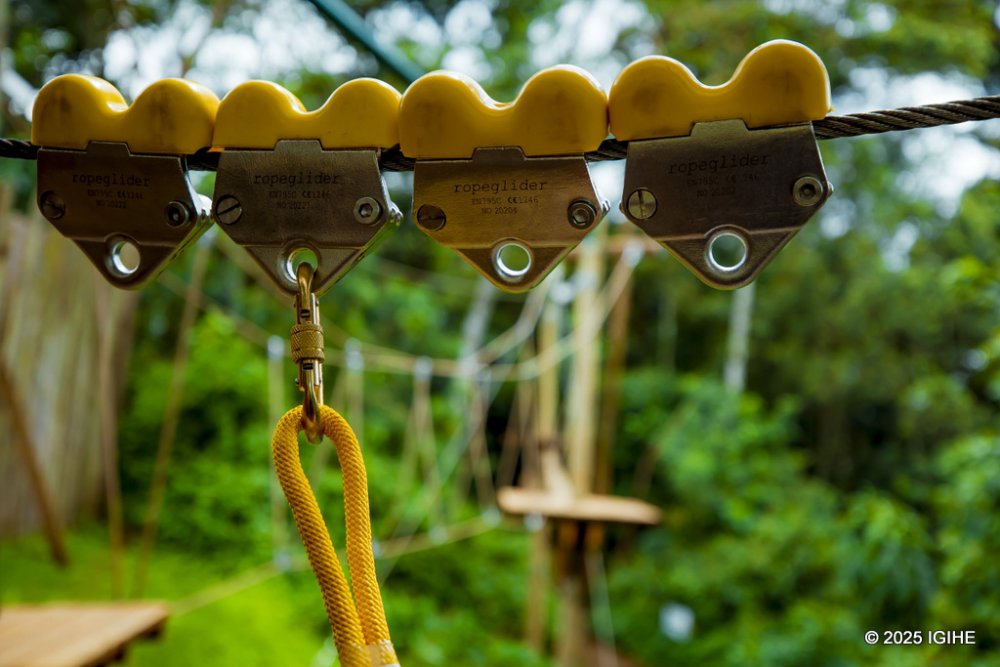
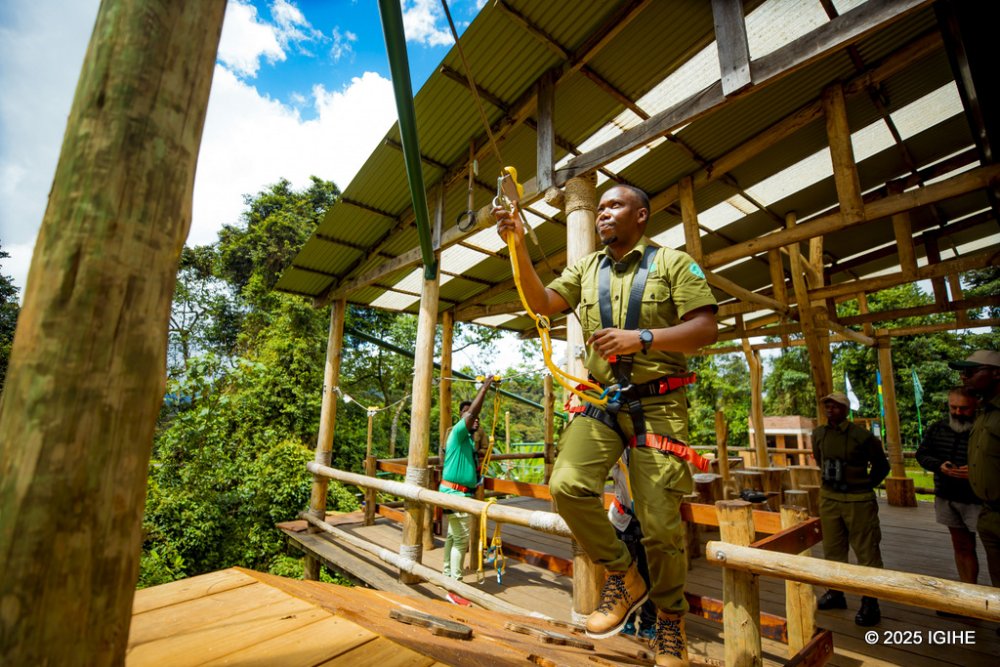
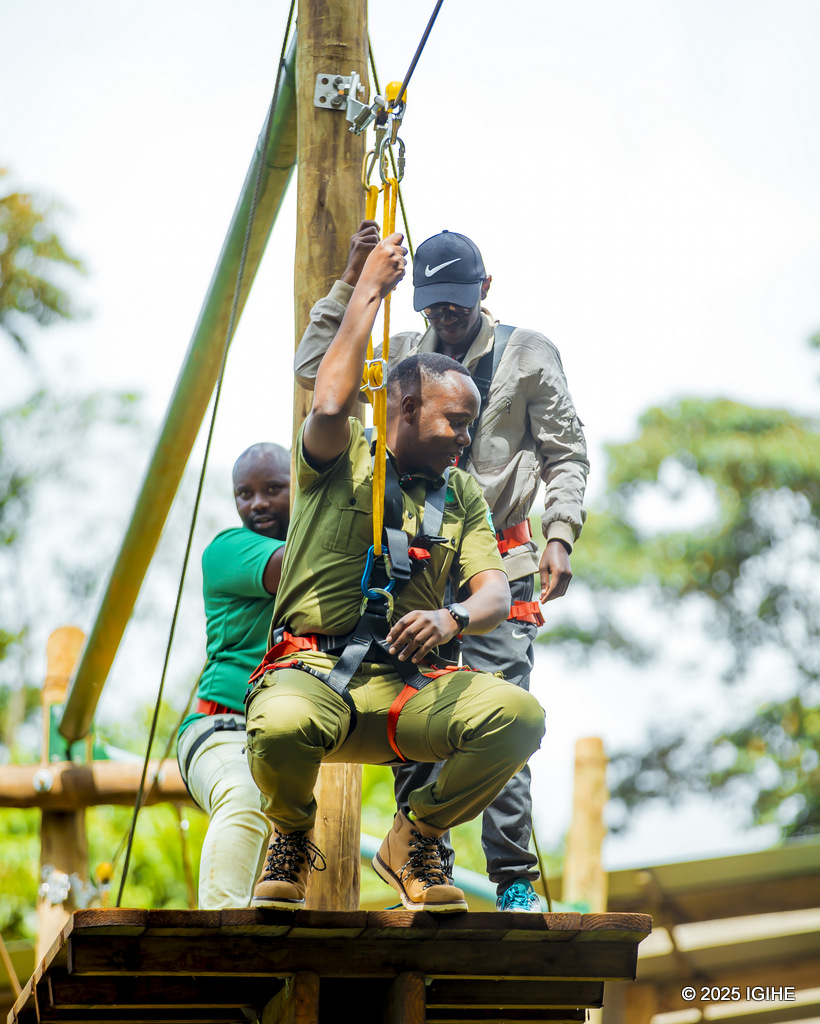
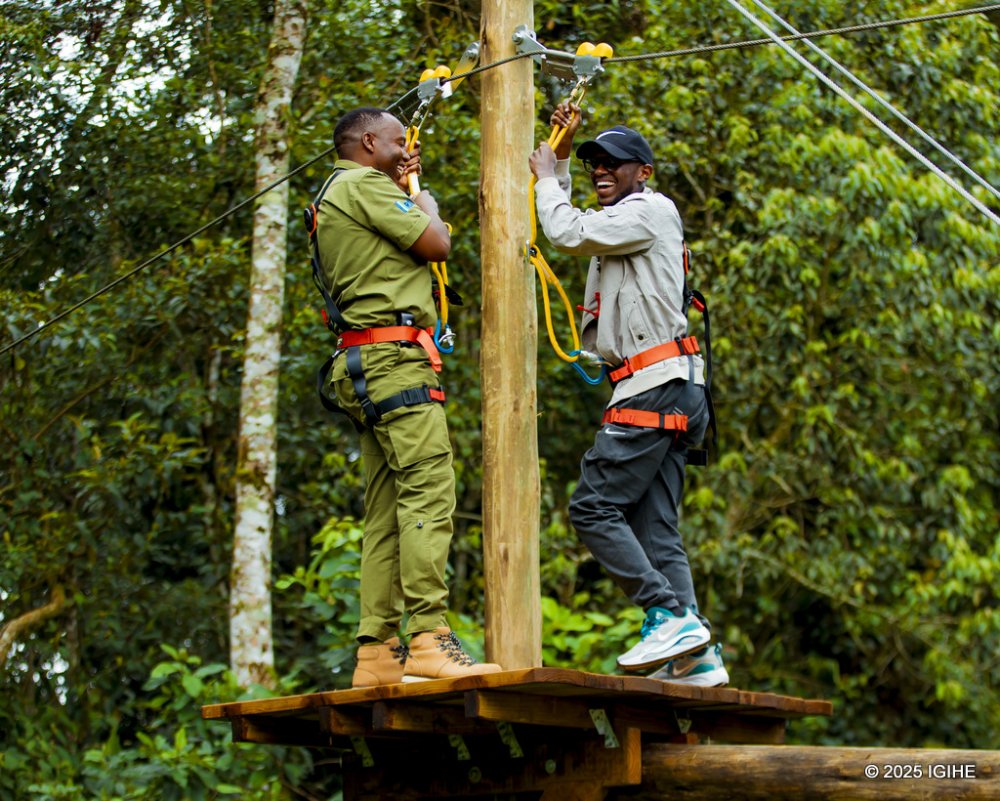
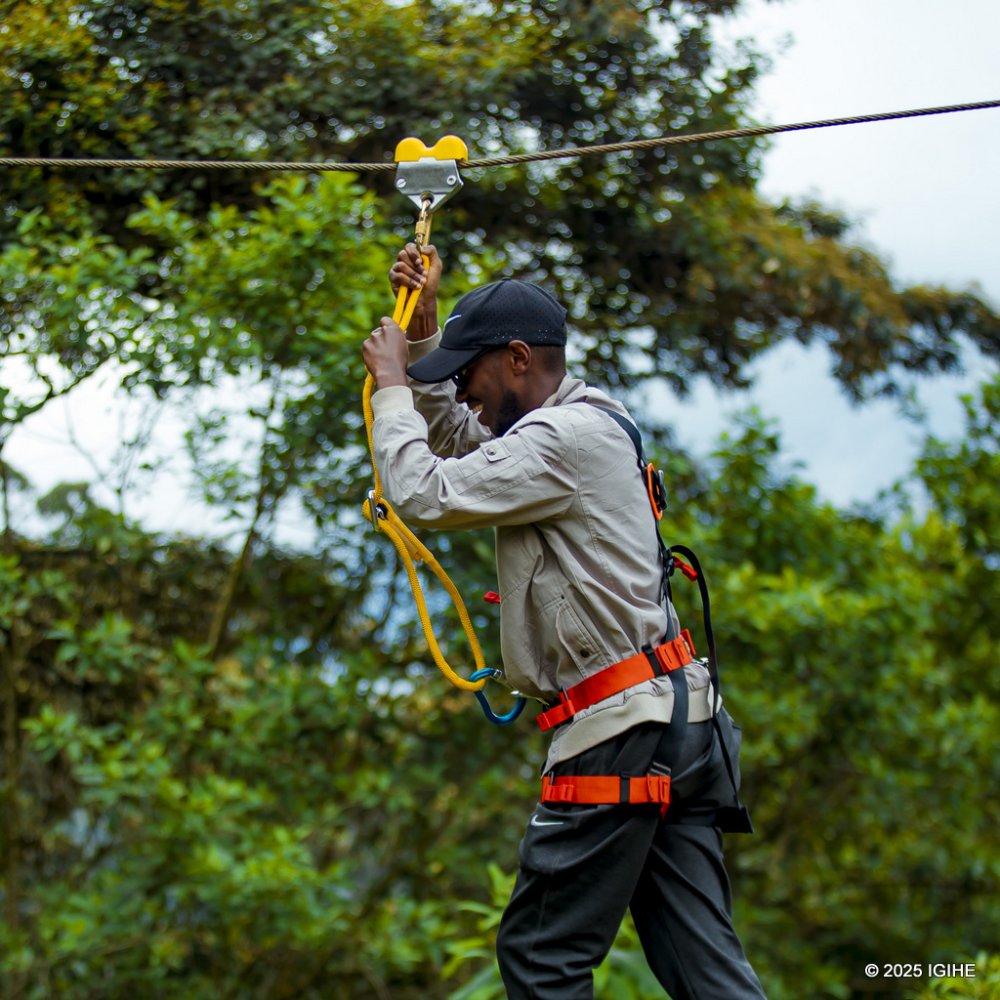
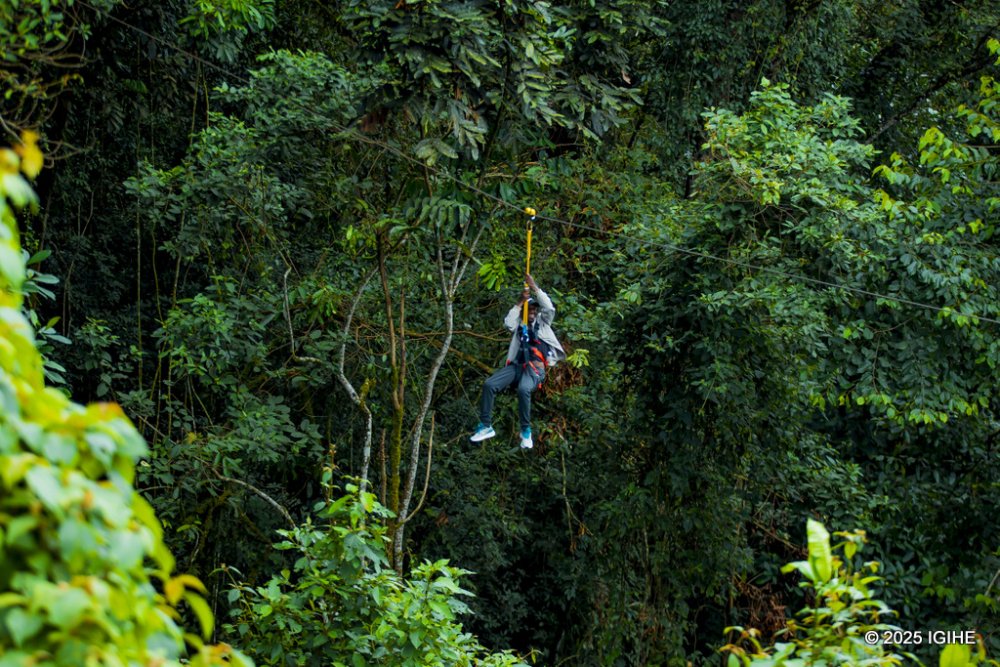
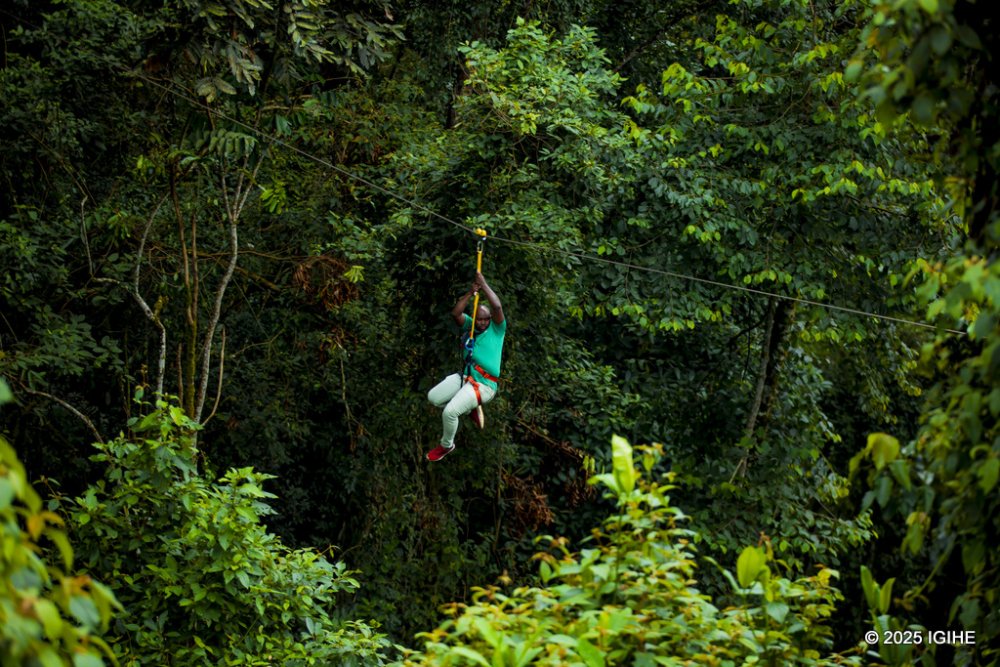
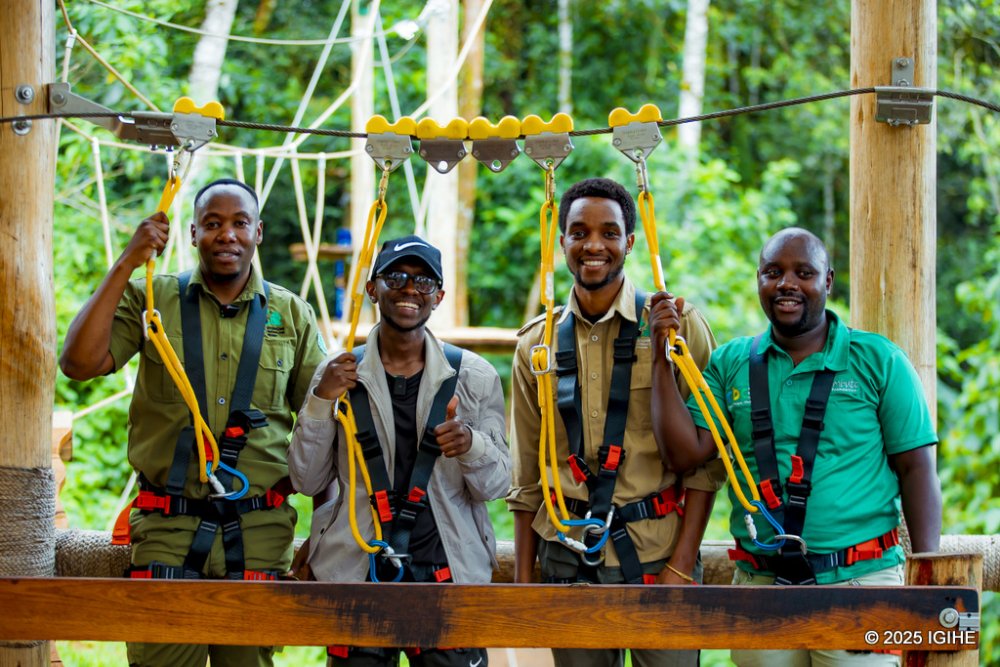
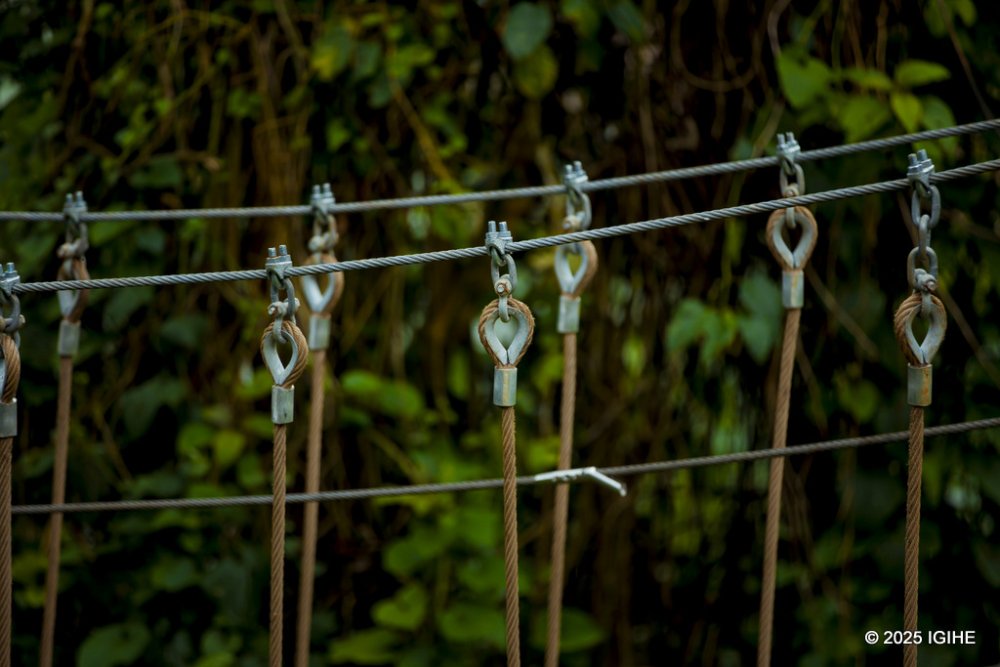
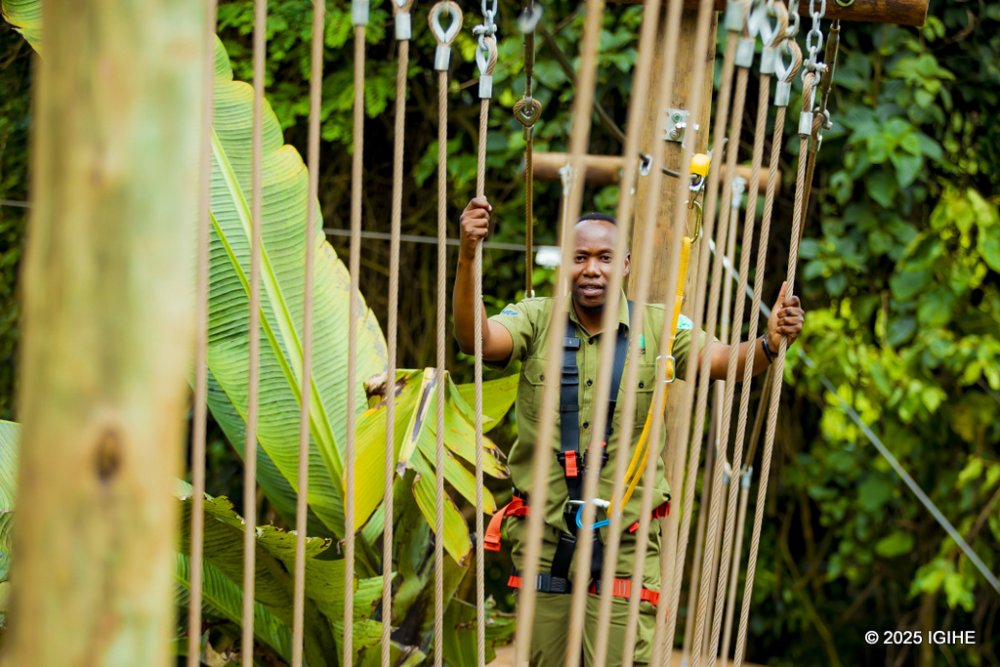
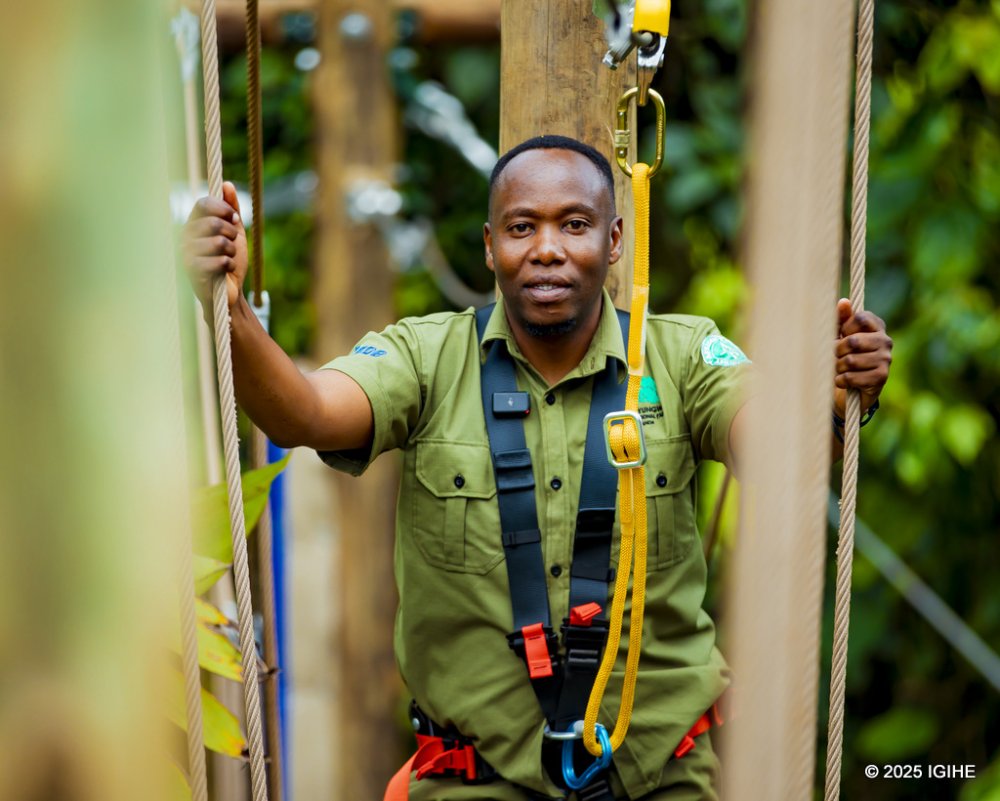
Tourists are equipped with professional safety harnesses, which keep them securely connected to an overhead line throughout the course.
“Even if you slip or get tired, there’s no risk of falling. The system is built for maximum safety and comfort,” says David Nduwe, a tour guide at the park.
Each visitor is accompanied by a trained guide who provides safety instructions and explains the ecological significance of each section. For example, segments simulate how primates move through trees or how forest predators navigate the terrain, offering an interactive and immersive learning experience.
“This is a teaching journey above all. It’s physically engaging, emotionally rewarding, and everyone finishes with a greater appreciation for nature,” says Nduwe.
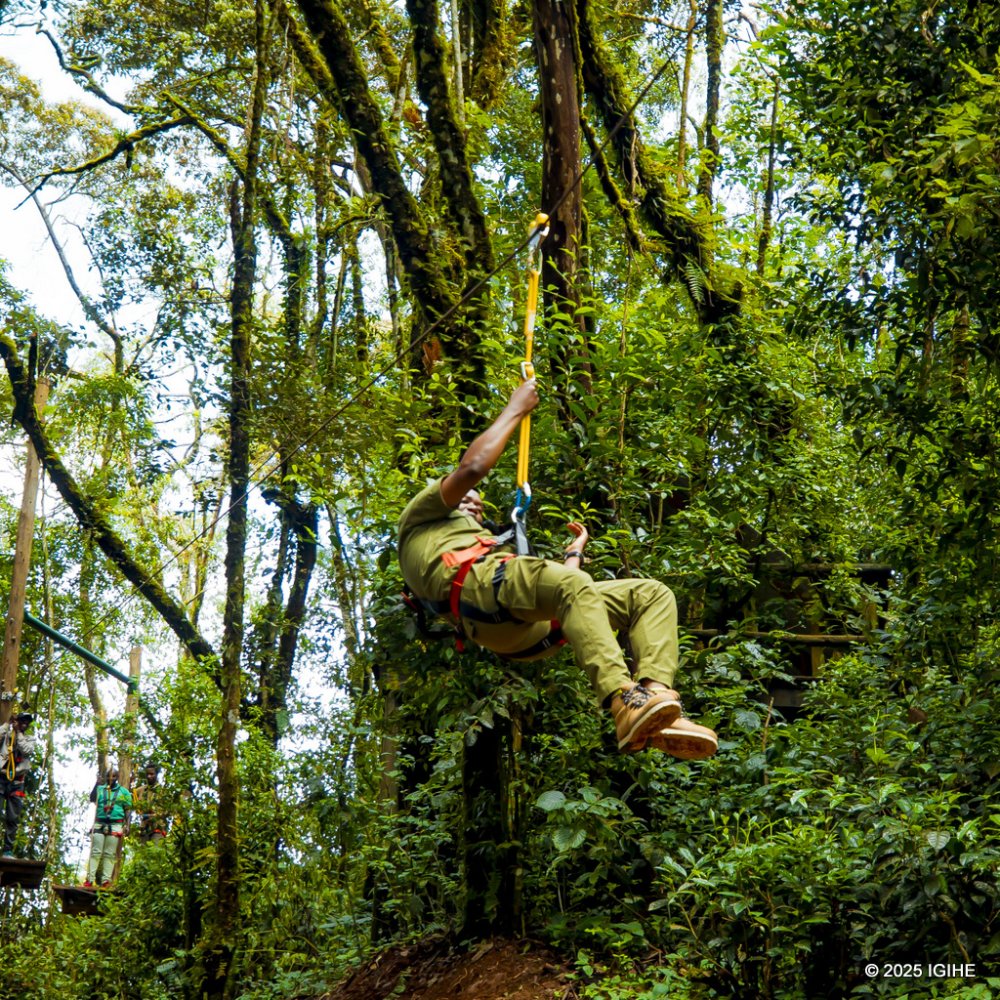
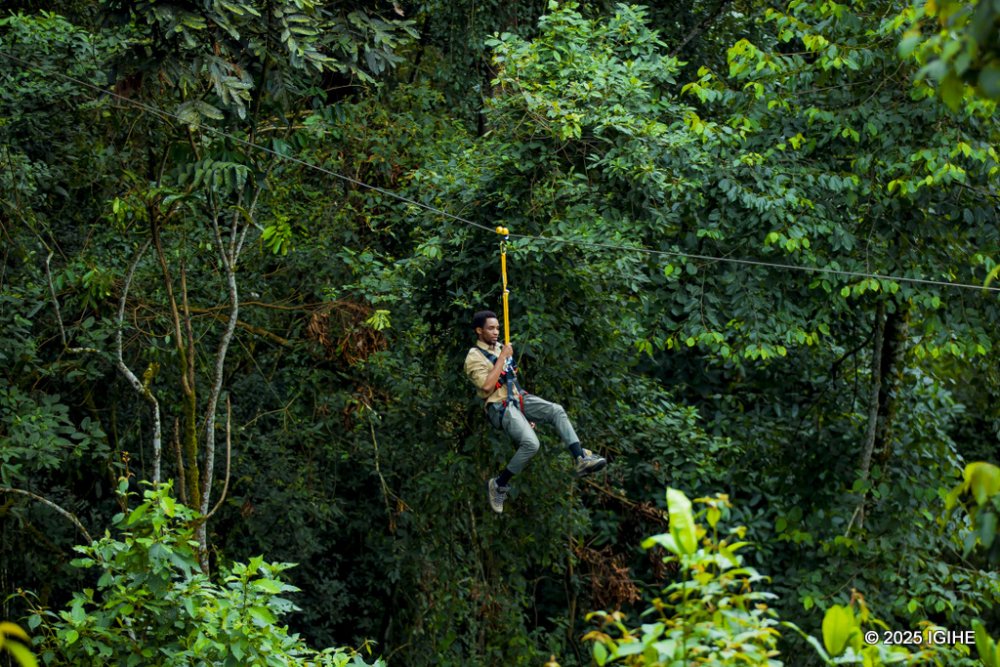
Other adventure features you can explore in Nyungwe besides the rope course include the Canopy Walkway, an exhilarating suspension bridge offering treetop views; the expanded Zipline, spanning up to 1.9 kilometers and now one of East Africa’s longest for a thrilling flight; and extensive hiking trails that lead to waterfalls and offer opportunities for chimpanzee and other primate tracking, as well as incredible bird watching.
The rope course and other attractions are part of Rwanda’s broader strategy to leverage natural heritage for sustainable tourism growth. In the past year, Nyungwe National Park welcomed over 26,000 visitors, a 20% increase from 2023, generating more than $2 million in revenue.
Nationwide, Rwanda’s tourism sector earned over $647 million in 2024, a 4.3% rise compared to the previous year. That figure stood at just $7 million in 2005. The country now targets $1 billion in annual tourism revenue by 2030, according to Rwanda Development Board (RDB) CEO Jean-Guy Afrika.
Located in Rwanda’s southwest, Nyungwe is one of Africa’s most biodiverse rainforests. It is home to 98 mammal species, including 13 species of primates, representing 12% of all primates in Africa. The park also shelters over 1,000 species of flowering plants, 240 species of trees, and 320 species of birds, some of which are endemic.
This richness led to Nyungwe’s inscription as a UNESCO World Heritage Site in 2023, further reinforcing its role as a cornerstone of Rwanda’s conservation and eco-tourism strategy.
Chana said that the country received five million visitors in the 2024/2025 season, and to reach its new target, the government will boost service quality and intensify both domestic and international promotion of Tanzania’s attractions.
She credited the recent growth in tourism to strategic campaigns such as the Royal Tour documentary and the Amazing Tanzania initiative, which have spotlighted the nation’s natural wonders and cultural heritage.
Echoing the focus on conservation tourism, Director General of Tanzania Trade Development Authority Latifa Khamis said the Ngorongoro Conservation Area is a standout destination, where the harmony between wildlife and human communities continues to draw global interest.
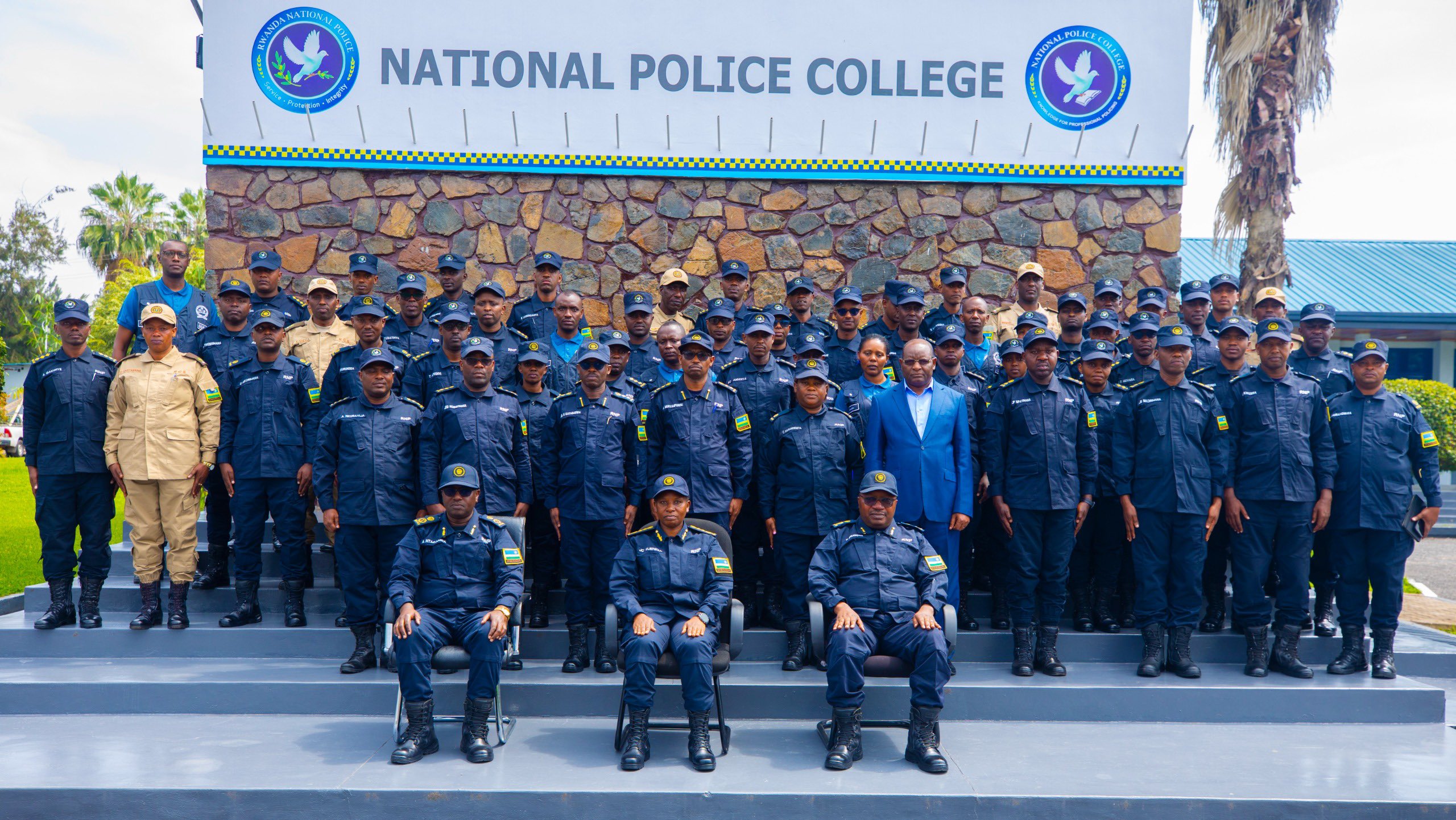
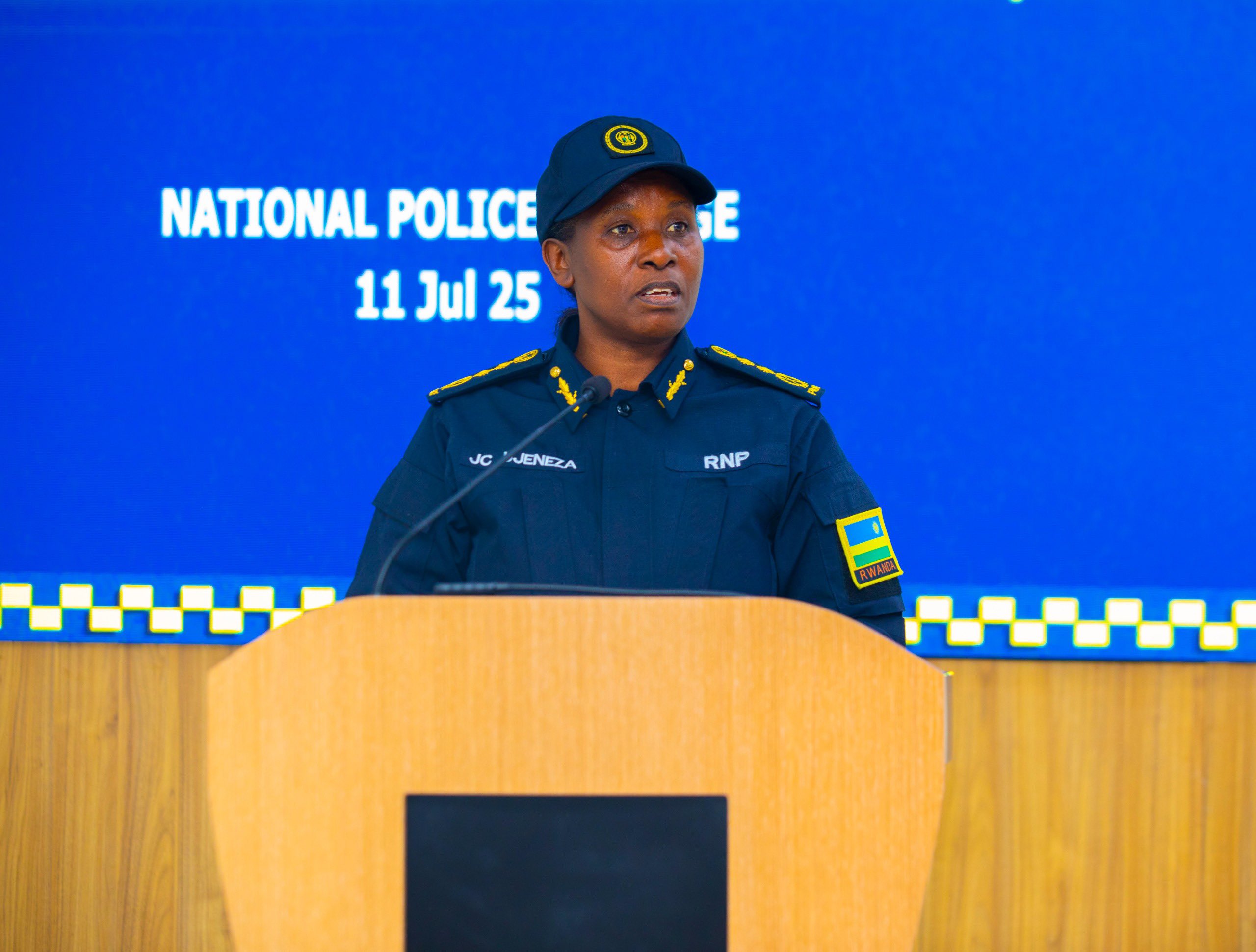
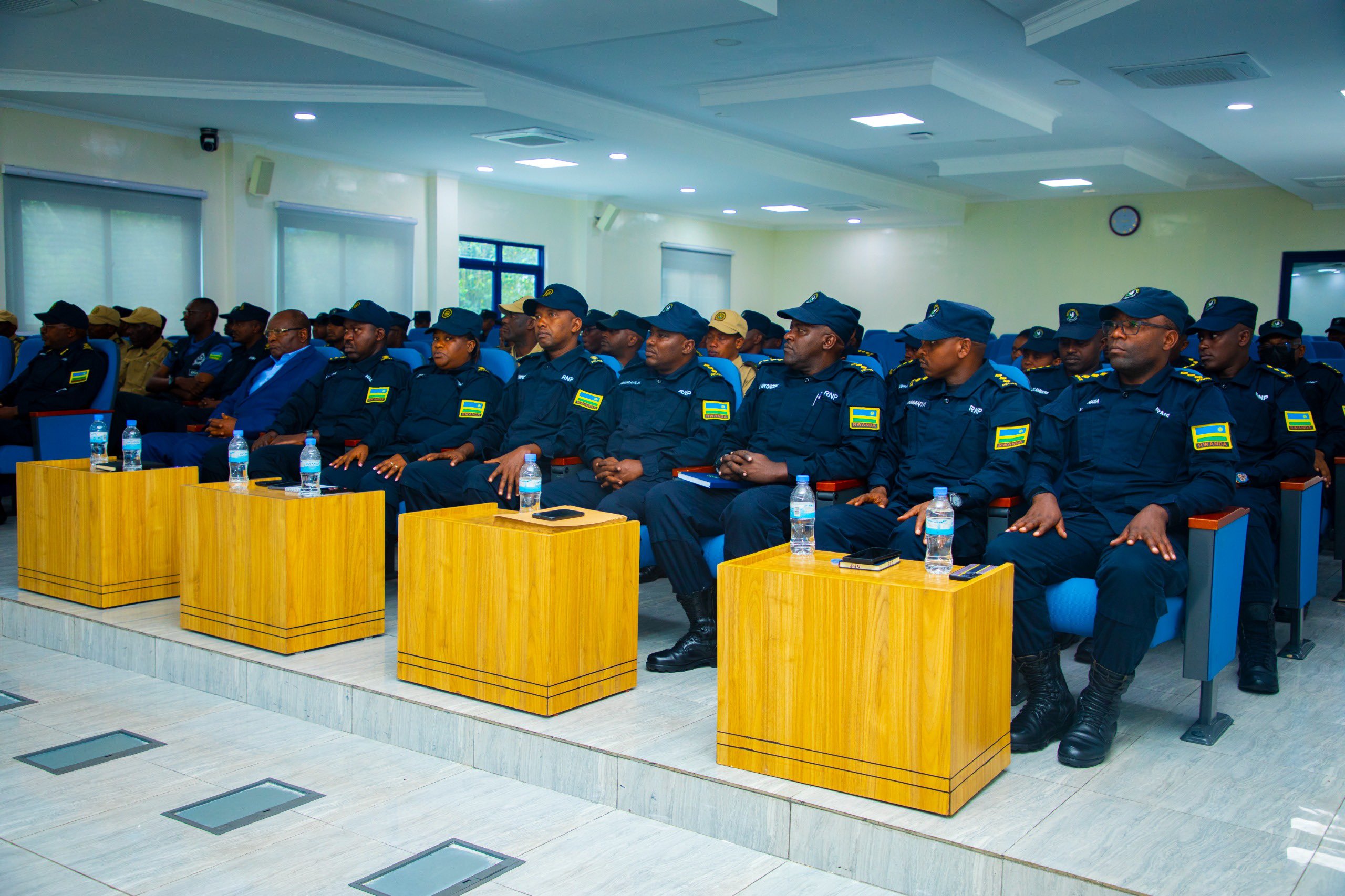
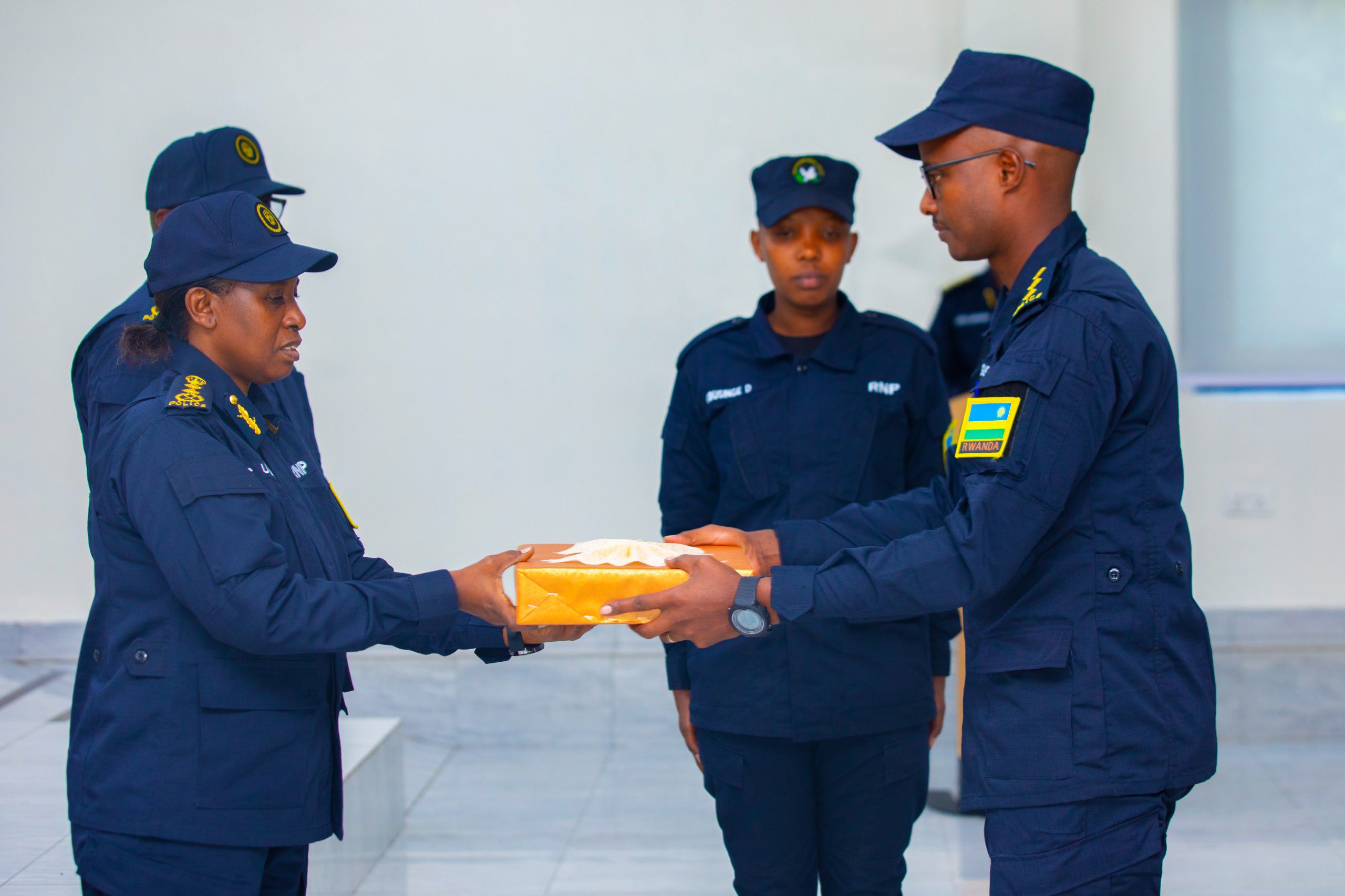
The five-month course, now in its 12th intake and designed to enhance leadership and operational effectiveness, concluded on Friday with a pass-out ceremony officiated by Deputy Inspector General of Police (DIGP) in charge of Administration and Personnel, DCG Jeanne Chantal Ujeneza.
In her address, DCG Ujeneza congratulated the graduates for their discipline and commitment, and urged them to apply the knowledge and skills they acquired with confidence and professionalism.
“The conduct and knowledge you have gained will serve you well in your institutions,” she said. “This training marks a significant step forward in your professional journey.”
She emphasised that their responsibilities go beyond simply executing orders. “You are expected to think critically, offer sound advice, lead by example, and inspire those under your command,” she told the graduates.
DCG Ujeneza also highlighted the evolving nature of global security threats and the need for prepared, strategic leadership within security institutions.
“We live in a world increasingly challenged by insecurity. To overcome these threats, we need visionary leaders who can plan effectively and work closely with the communities they serve,” she said.
The course combined academic instruction with a field study tour, allowing participants to bridge theoretical knowledge with practical application.
ACP Augustin Ntaganira, Director of Training at NPC, commended the officers for their dedication and discipline throughout the training period. He expressed confidence that the course would enhance their professional performance and leadership capacities.
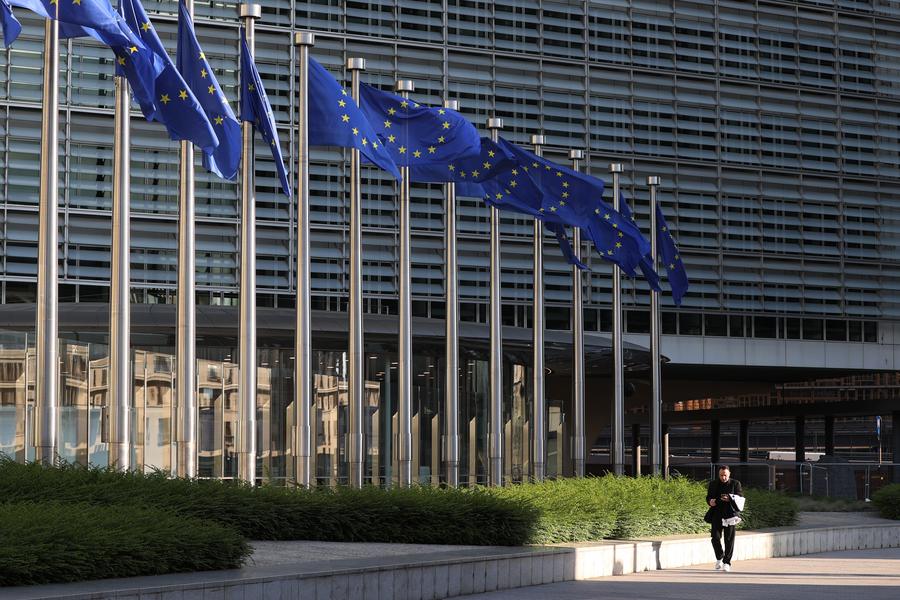
The proposed tariffs, set to take effect on Aug. 1, target EU imports and were justified by Trump as a correction of a “far from reciprocal” trade relations.
European Commission President Ursula von der Leyen warned on Saturday that the tariffs would “disrupt essential transatlantic supply chains, to the detriment of businesses, consumers and patients on both sides of the Atlantic.”
While emphasizing the EU’s continued commitment to a negotiated solution, she said the bloc “will take all necessary steps to safeguard EU interests, including the adoption of proportionate countermeasures if required.”
European lawmakers and national leaders voiced growing frustration, with many urging immediate retaliatory steps.
Bernd Lange, chair of the European Parliament’s committee on international trade, said the U.S. letter is “both impertinent and a slap in the face” after weeks of negotiations.
He urged the EU to begin retaliatory measures on Monday as scheduled, stating that “the period of waiting is over.”
European Council President Antonio Costa said the tariffs would drive inflation, fuel uncertainty and stall growth. “The EU remains firm, united and ready to protect our interests,” he said, urging progress toward a “fair agreement” with Washington.
French President Emmanuel Macron expressed his “strong disapproval” of the U.S. move, and said the EU must speed up preparing “credible countermeasures” using all tools, including anti-coercion, available if talks fail.
Swedish Prime Minister Ulf Kristersson condemned the move as a “unilateral escalation,” and said the EU is prepared to respond with tough countermeasures if necessary.
“Everyone loses out from an escalated trade conflict, and it will be U.S. consumers who pay the highest price,” he warned.
Czech Prime Minister Petr Fiala criticized the U.S. tariffs for negatively impacting transatlantic trade and called for “unity and determination” to protect the EU’s interests.
European industries voiced alarm over the fallout, particularly in sectors tightly integrated with the U.S. market.
Germany’s major industry lobby group, the BDI, called the U.S. move “an alarm signal,” warning that it could derail recovery and undermine innovation on both sides of the Atlantic.
“Tariffs as a means of exerting political pressure lead to higher costs, jeopardize jobs and undermine international competitiveness, both in Europe and in the United States,” said Wolfgang Niedermark, a senior BDI executive.
Isabel Schnabel, a European Central Bank board member, said the tariffs could trigger medium-term inflation and supply chain shocks.
The automotive sector, which is already deeply integrated with the EU and the U.S., is already feeling the pain.
Slovakia, one of Europe’s top car-exporting nations, reported a noticeable drop in orders for the coming third quarter. Economy Minister Denisa Sakova said relocating production to the U.S. was not feasible in the short term and emphasized that the damage had already begun.
The German Association of the Automotive Industry (VDA) said the cost to manufacturers was already in the billions and climbing daily.
“It is regrettable that there is a threat of a further escalation of the trade conflict,” said VDA President Hildegard Mueller.
“The costs for our companies are already in the billions, and the sum is growing every day,” she said, noting that suppliers were also significantly affected by the import duties.
Emanuele Orsini, president of Confindustria, Italy’s major association representing manufacturing and service companies, condemned the U.S. approach as “unpleasant,” while Paolo Mascarino, president of the Italian food and drink industry federation Federalimentare, said the tariffs “exceed any threshold of tolerability” and would trigger significant drops in exports.
Dan O’Brien, chief economist at the Institute of International and European Affairs, said the U.S. move was “provocative” and significantly raised the risk of a wider economic confrontation between the two economies.