This new loan complements the initial Frw 20 billion agreement signed between BRD and Umwalimu SACCO in early 2023, bringing the total amount injected into the program to Rwf 50 billion. Initially, the program aimed to benefit approximately 1,900 teachers, but due to high demand, over 5,000 teachers have already received housing loans under “Gira Iwawe.”
Gaspard Hakizimana, Chairperson of Umwalimu SACCO’s Board of Directors, emphasized that the additional Rwf 30 billion will significantly improve teachers’ ability to access home loans.
“This loan will continue to boost the Gira Iwawe initiative and enable more of our members to secure permanent housing without struggle,” Hakizimana said.
He expressed deep appreciation to BRD for increasing the loan amount, noting the positive impact of the previous funding and the responsible use of the initial Frw 20 billion.
“We are pleased with the strong partnership with BRD, which allows us to continue providing Gira Iwawe loans to our members. It is a major step in improving the well-being of Rwandan teachers,” he noted.
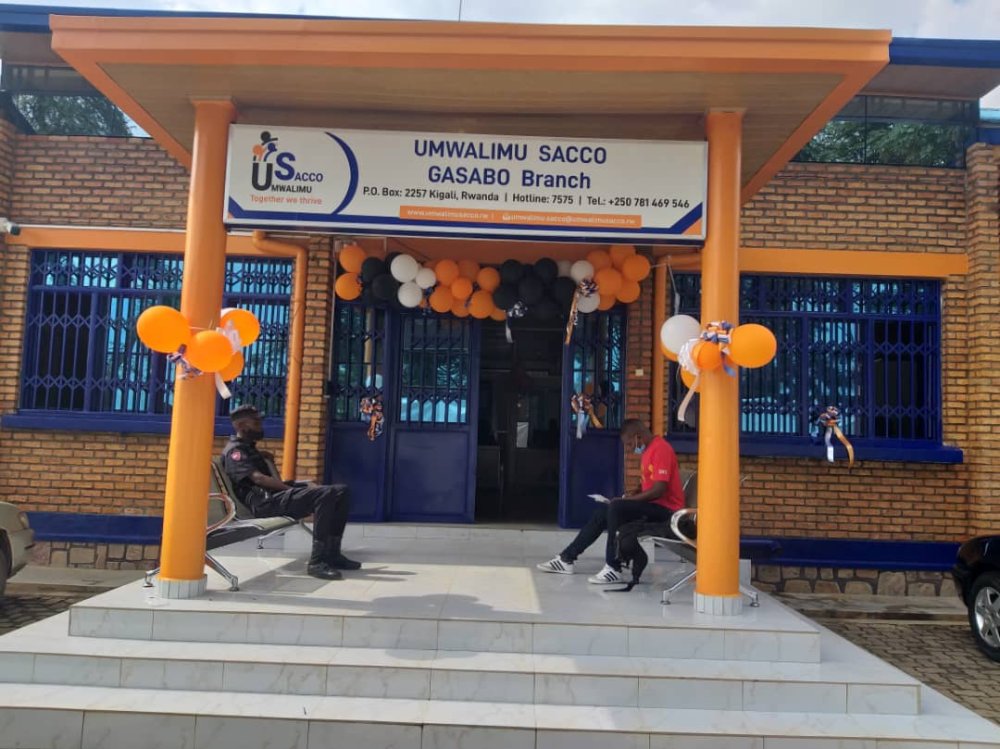
Umwalimu SACCO now counts over 160,000 members, with around 5,000 new members joining in 2024 alone, all serving in various capacities within Rwanda’s education sector.
The members of Umwalimu SACCO who attended the meeting discussed the future of the cooperative.
The Chairman of the Board of Umwalimu SACCO, Gaspard Hakizimana, stated that the 30 billion Rwandan Franc loan granted by BRD will continue to help members acquire homes.
Kigali Streetball is a dynamic basketball festival that blends basketball games with dance performances, rap music, and other entertainment.
Participants will compete in various activities including singing, basketball matches played in diverse styles, and dancing.
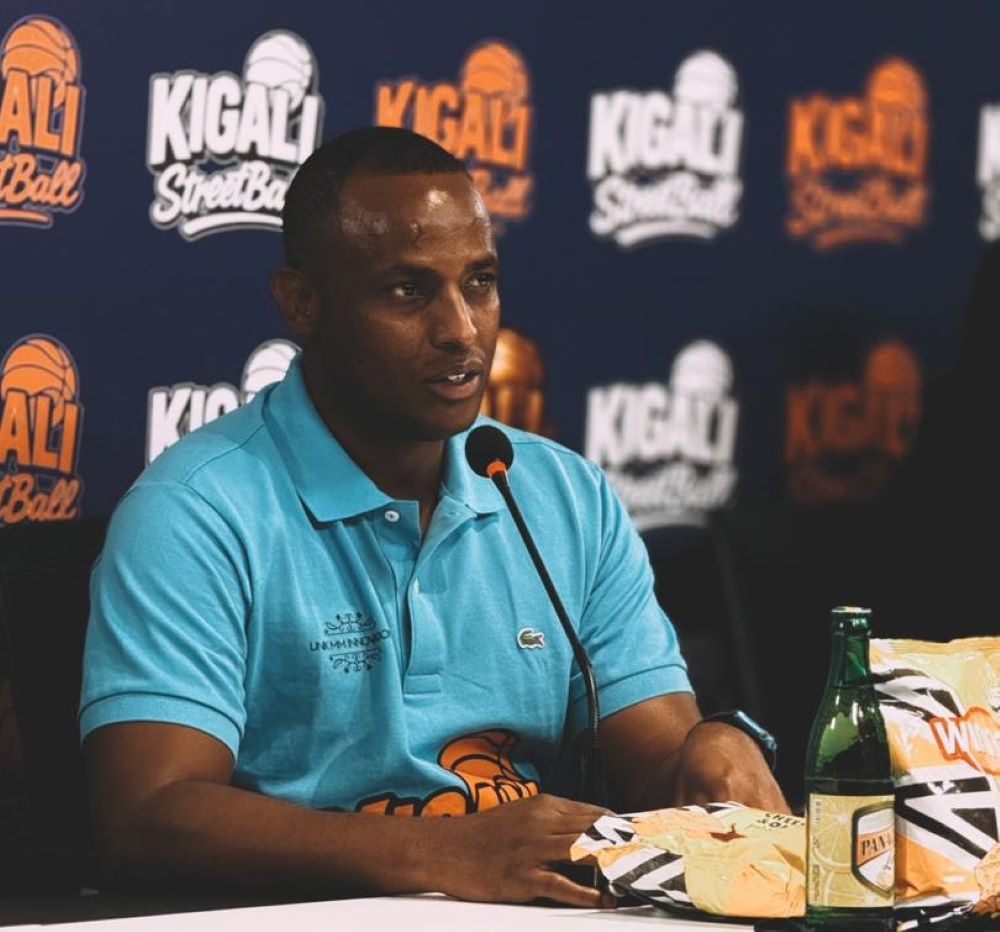
Speaking to members of the press on Thursday, July 17, 2025, alongside supporting artists such as Bulldogg, Trizzie Ninety Six, B-Threy, and Angell Mutoni, MC Murenzi highlighted several new elements attendees can look forward to.
“This time, Kigali Streetball will be a renewed event featuring various fresh elements. We decided to keep it at Petit Stade because it’s a familiar place where the event was traditionally held and well-known. Hosting it elsewhere would be expensive, requiring the construction of a stage and other infrastructure,” he said.
MC Murenzi also noted that talented participants from neighboring countries such as the Democratic Republic of Congo, Burundi, and even Canada will join the event. Although they invited women’s basketball teams to participate, only one team registered, which posed some challenges.
“We encouraged individual female players to register,” he added.
The competition will reward the winning team with Frw 800,000, while individual players will receive Frw 200,000 each. MC Murenzi confirmed that since presenting the event concept to the Rwanda Basketball Federation (FERWABA), it has been warmly received and supported.
Eight teams will compete in a knockout format, with matches played to 21 points.
MC Murenzi further revealed a new collaborative song featuring artists including Bushali and P-Fla, which will premiere during the event. The track will spotlight rappers competing in the contest, with plans to update the song annually to feature new standout artists.
The revived Kigali Streetball is scheduled for July 19–20, 2025, with performances by artists such as Bull Dogg, B Threy, Bushali, Angell Mutoni, and others.
Tickets will cost between 5,000 and 15,000 Rwandan Francs, with discounts for advance purchases. Interested attendees can purchase tickets online.
Originally launched in 2006, Kigali Streetball had been dormant since 2007 when it was last organized by Contact FM on the initiative of Albert Rudatsimburwa.
MC Murenzi recently disclosed that preparations for this year’s event have already cost over Frw 40 million.
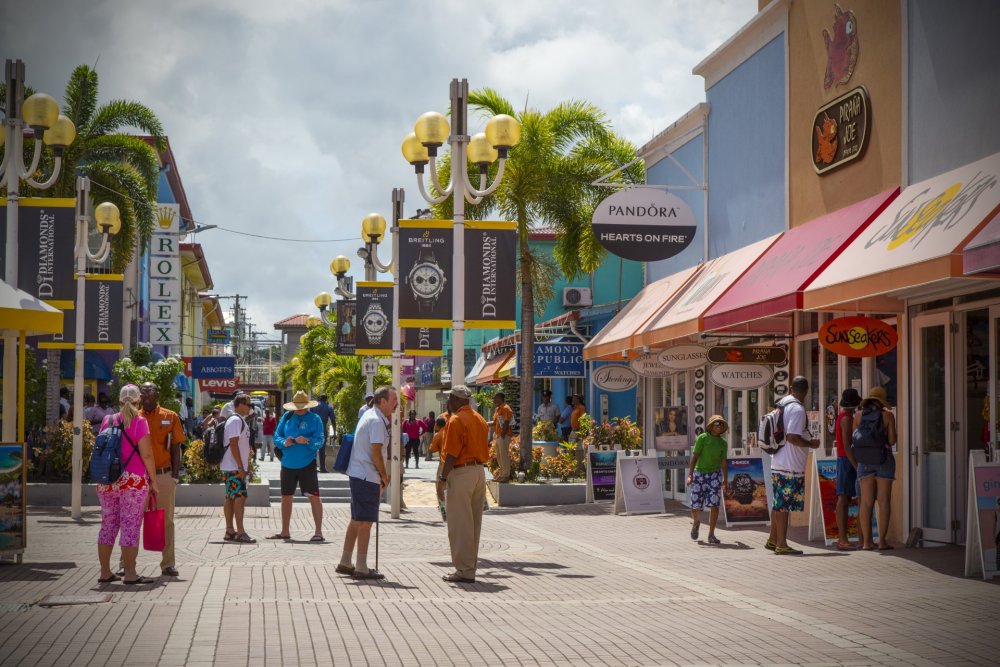
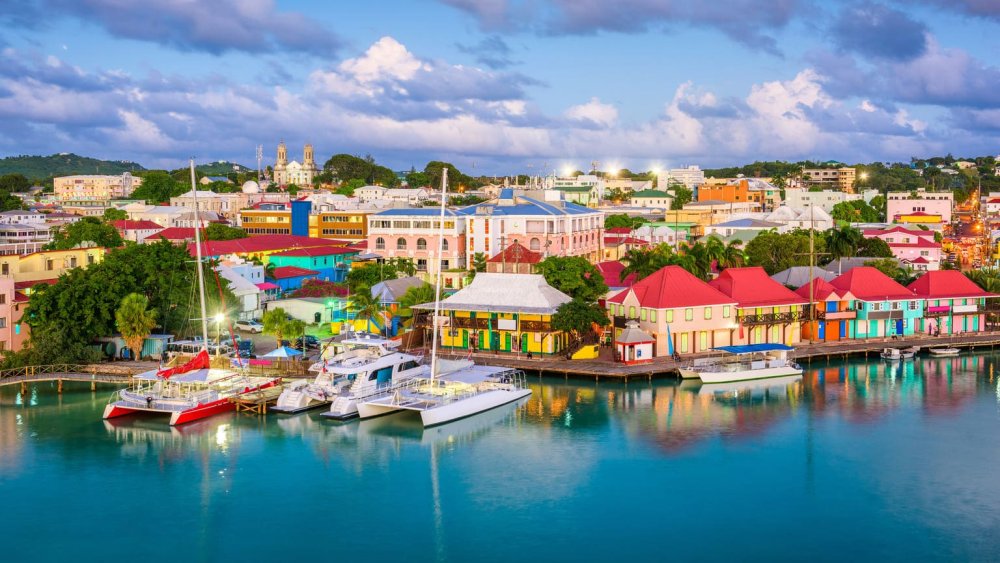
This landmark move reflects a growing spirit of diplomatic and economic cooperation between the two nations. Rwandans can now explore this tropical paradise with ease, while citizens of Antigua and Barbuda are also free to visit Rwanda under the same arrangement.
This development may pave the way for broader collaboration, including the possibility of RwandAir launching direct flights to the Caribbean as early as next year.
Should negotiations succeed, Rwanda’s national airline could play a key logistical role in connecting the two regions, particularly ahead of the 2026 Commonwealth Heads of Government Meeting (CHOGM), which Antigua and Barbuda is set to host.
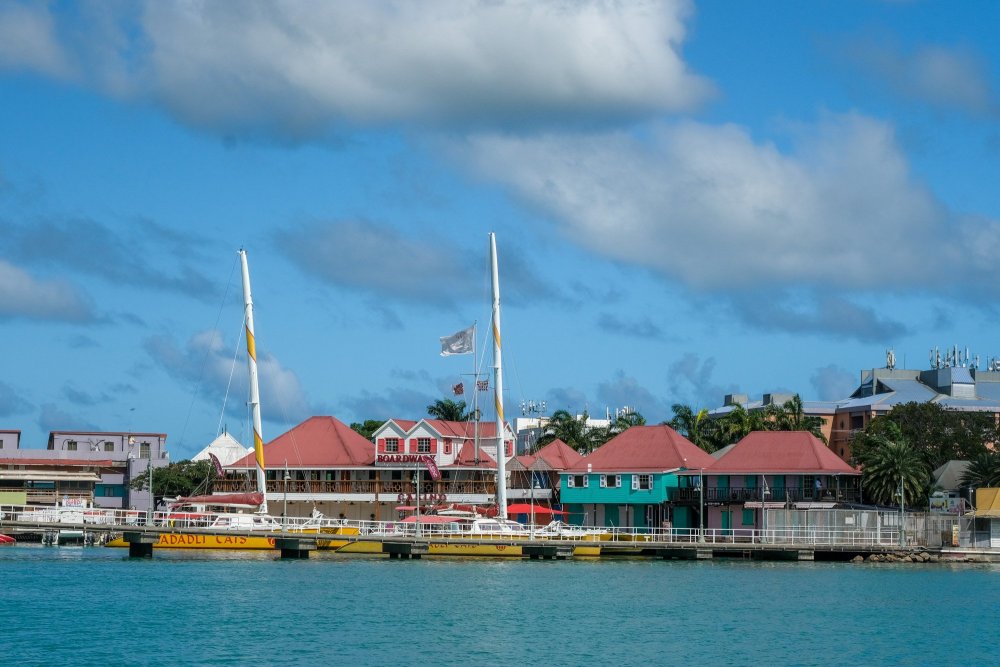
Though Rwanda is often viewed as small in size when compared to its East African neighbors like Uganda, Tanzania, and the Democratic Republic of Congo, it shares many demographic similarities with nations outside of Africa. One such country is Antigua and Barbuda, a vibrant Caribbean nation that spans just 442 square kilometers, making it the 14th smallest country in the world.
With a population of just over 105,000 people, it also ranks among the least densely populated countries globally.
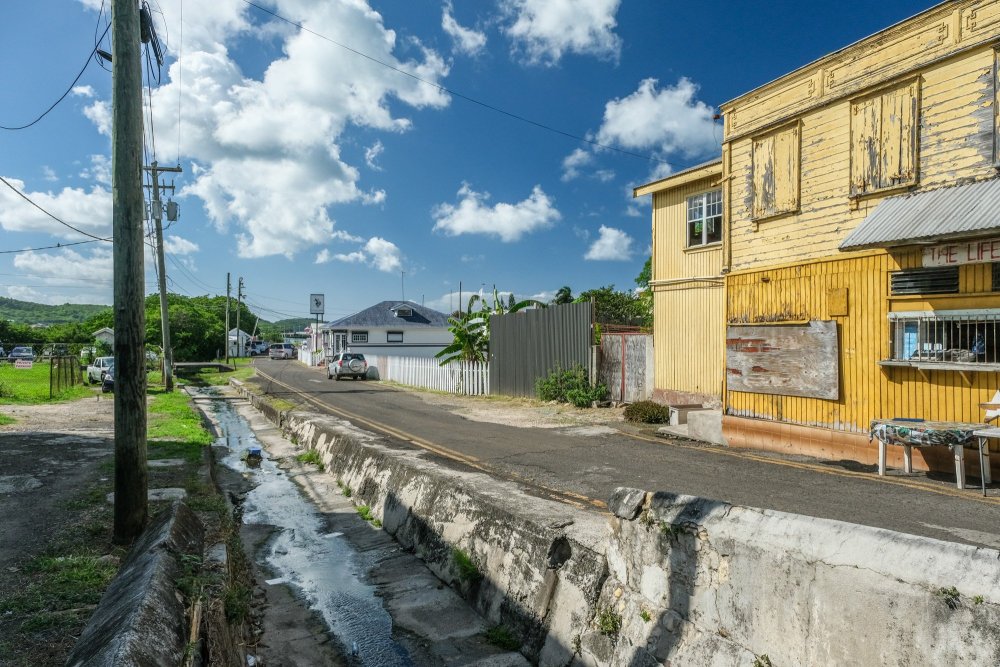
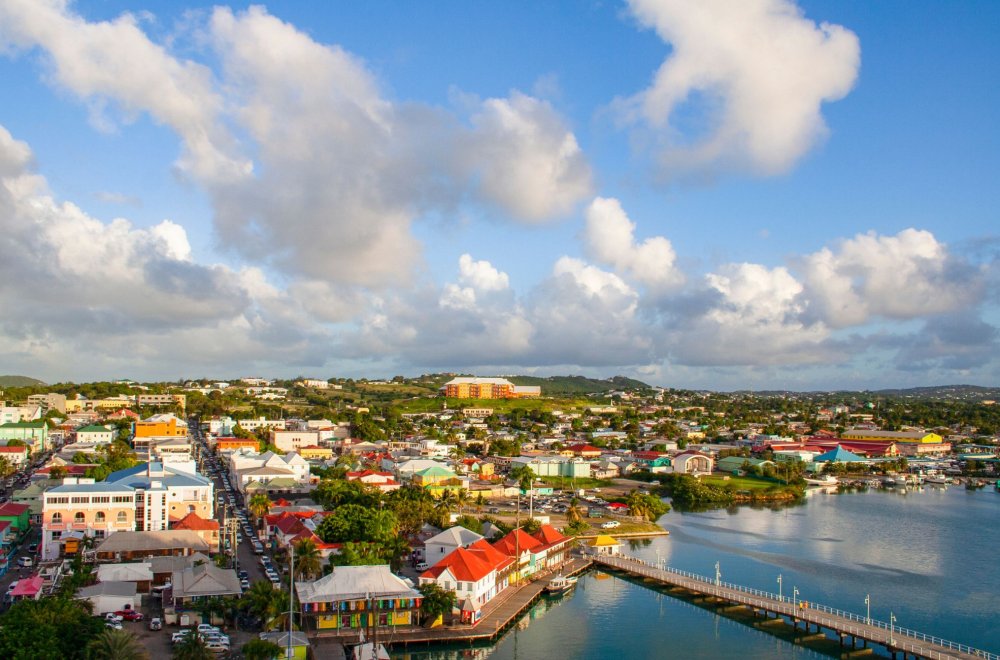
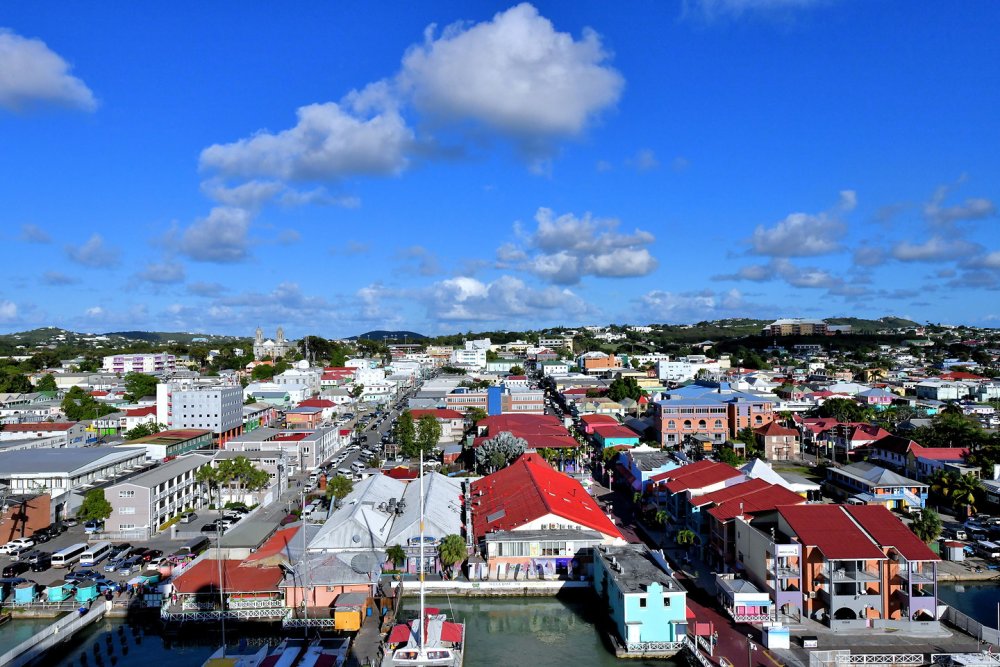
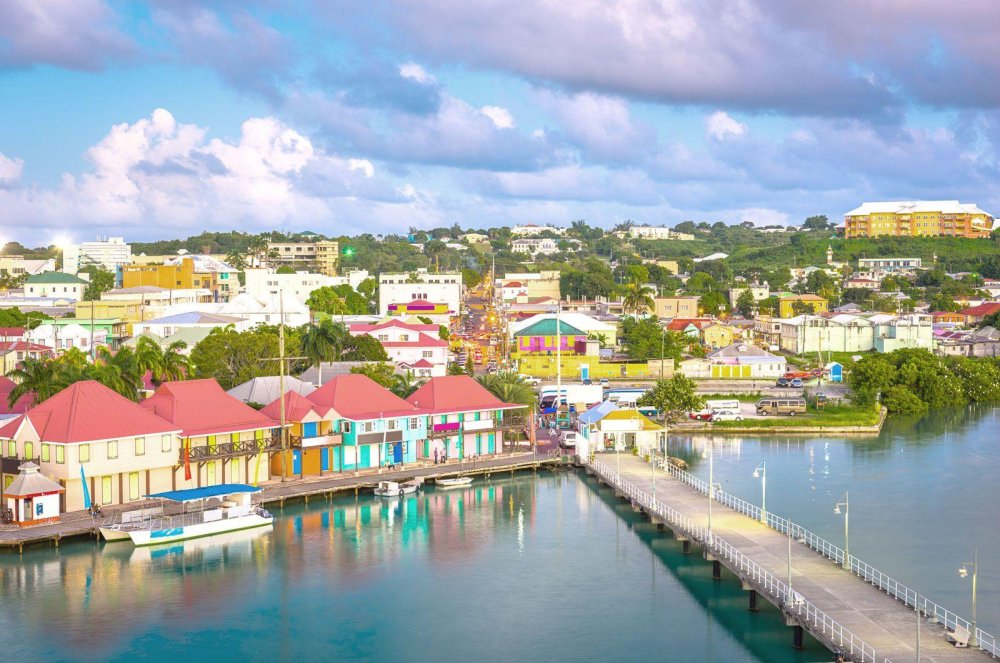
The country consists of two main islands, Antigua and Barbuda, along with around 50 smaller islets scattered across the Caribbean Sea. Its capital, St. John’s, lies on Antigua, the larger island, while Barbuda covers about 160 square kilometers. The capital city itself occupies a compact 10.5 square kilometers.
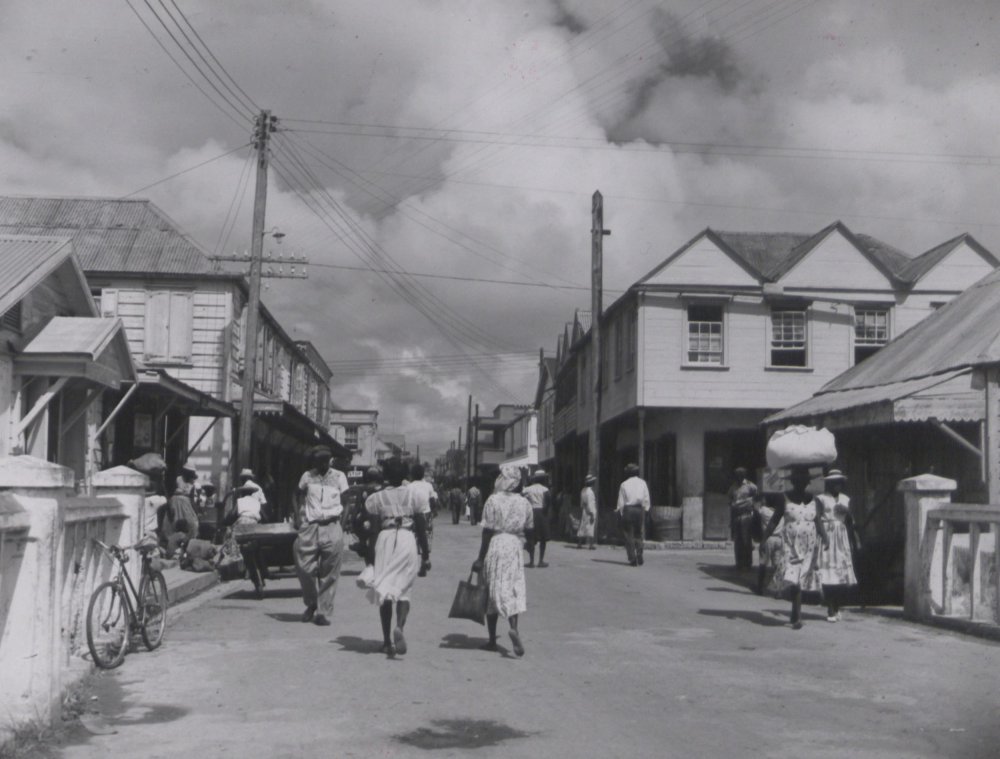
Most of the population, around 87%, is of African descent, a direct result of the transatlantic slave trade. Other ethnic groups include people of European, Indian, and South American origin.
Christianity is the predominant religion, with nearly 97% of the population identifying as Christian. A small segment, around 3.6%, practices Rastafarianism, while others follow diverse traditional and spiritual beliefs.
English is the official language, but the local Antiguan Creole adds a vibrant, informal touch to everyday communication. Phrases like “Wah gwan?” (How are you?) and “Tank yuh” (Thank you) offer visitors a warm taste of local culture.
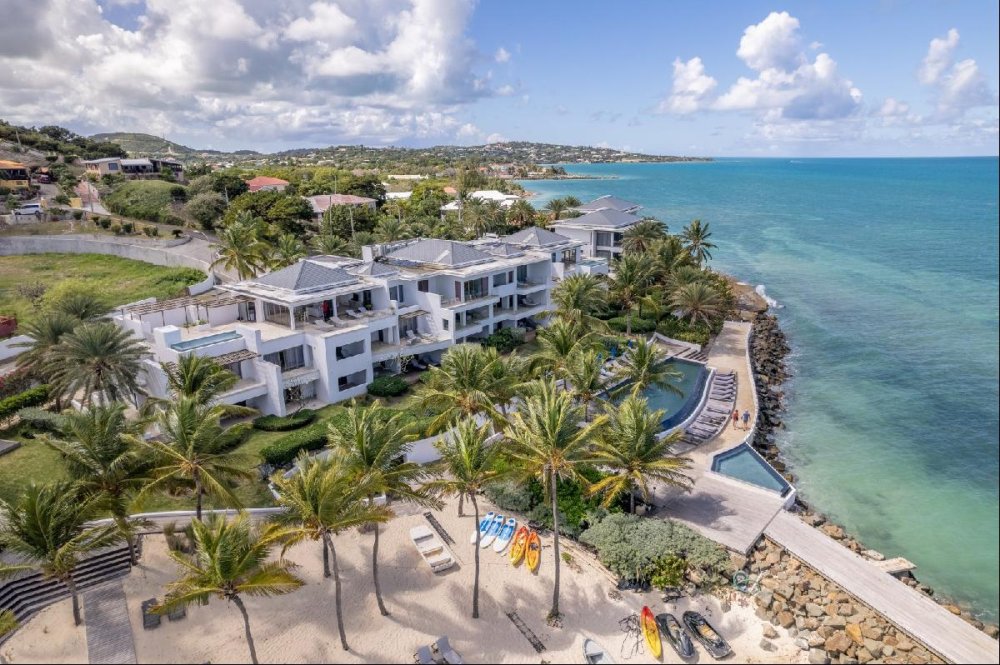
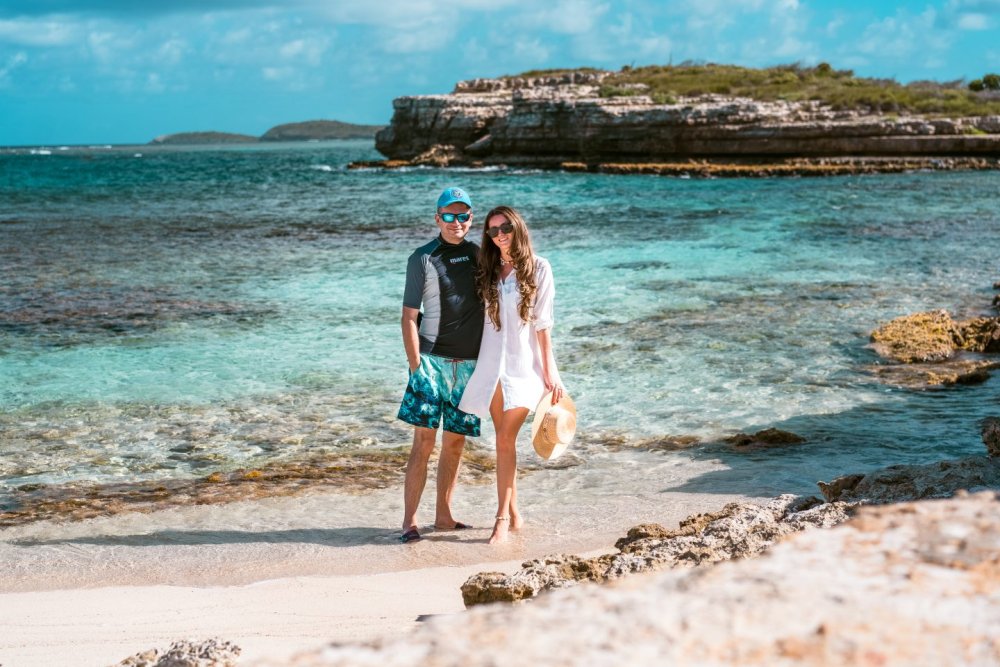
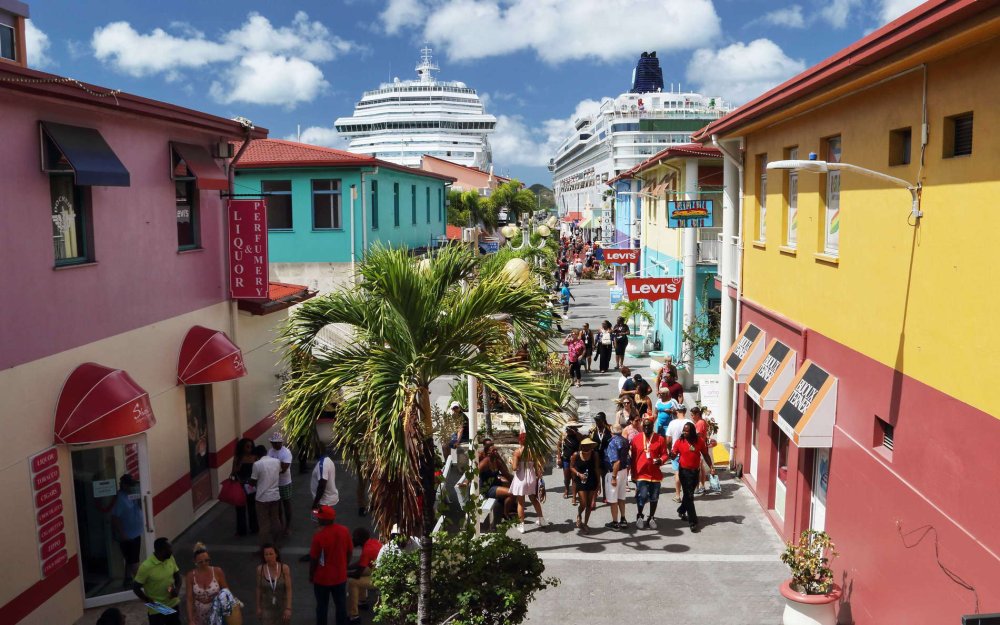
Antigua and Barbuda’s economy relies heavily on tourism, which accounts for nearly 60% of its GDP. The country’s tourism tagline, “One Beach Per Day,” comes from its remarkable offering of 365 beaches—enough for every single day of the year. Visitors flock to these sun-drenched shores for their beauty, serenity, and the welcoming spirit of the people.
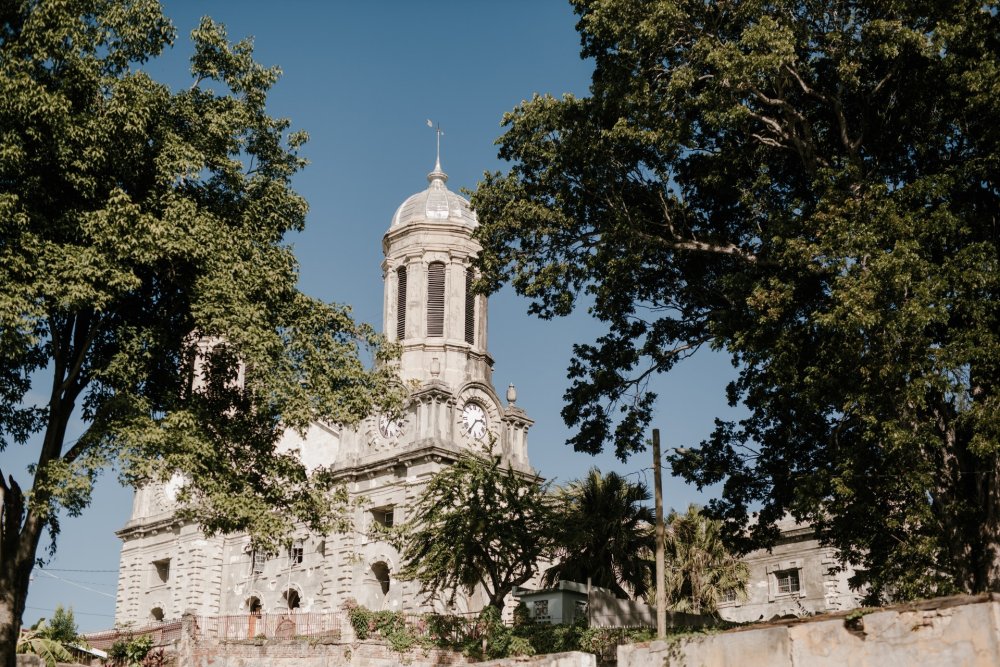
Among the nation’s cultural treasures is the UNESCO World Heritage-listed Antigua Naval Dockyard, home to preserved 18th-century British naval structures that speak to the island’s colonial past.
Beyond history, the islands offer vibrant coastal towns, marine parks, and lush scenery that highlight the richness of the Caribbean landscape.
The local cuisine draws from its Afro-Caribbean heritage. Signature dishes like Ducana and Saltfish (sweet potato dumplings with salted cod), Fungi and Saltfish (a polenta-like dish served with fish), and hearty Pepperpot stew give a delicious insight into island life.
The best time to visit Antigua and Barbuda is between December and April, during the dry season. Temperatures range from 22°C to 25°C, offering perfect weather for outdoor activities. This period also aligns with Christian festivities such as Holy Week, which are celebrated vibrantly across the islands.
When it comes to safety, visitors can expect a peaceful experience. While tourism is the backbone of the economy, Antigua and Barbuda also benefits from financial services, construction, and a small manufacturing base. Agriculture contributes only a modest 3% to GDP, which means the nation imports a significant portion of its food.
For investors, Antigua and Barbuda presents numerous opportunities, particularly in tourism and hospitality, construction, renewable energy, and financial services. As ties with Rwanda strengthen, and direct connectivity becomes a possibility, new partnerships and ventures could emerge across both sides of the Atlantic.
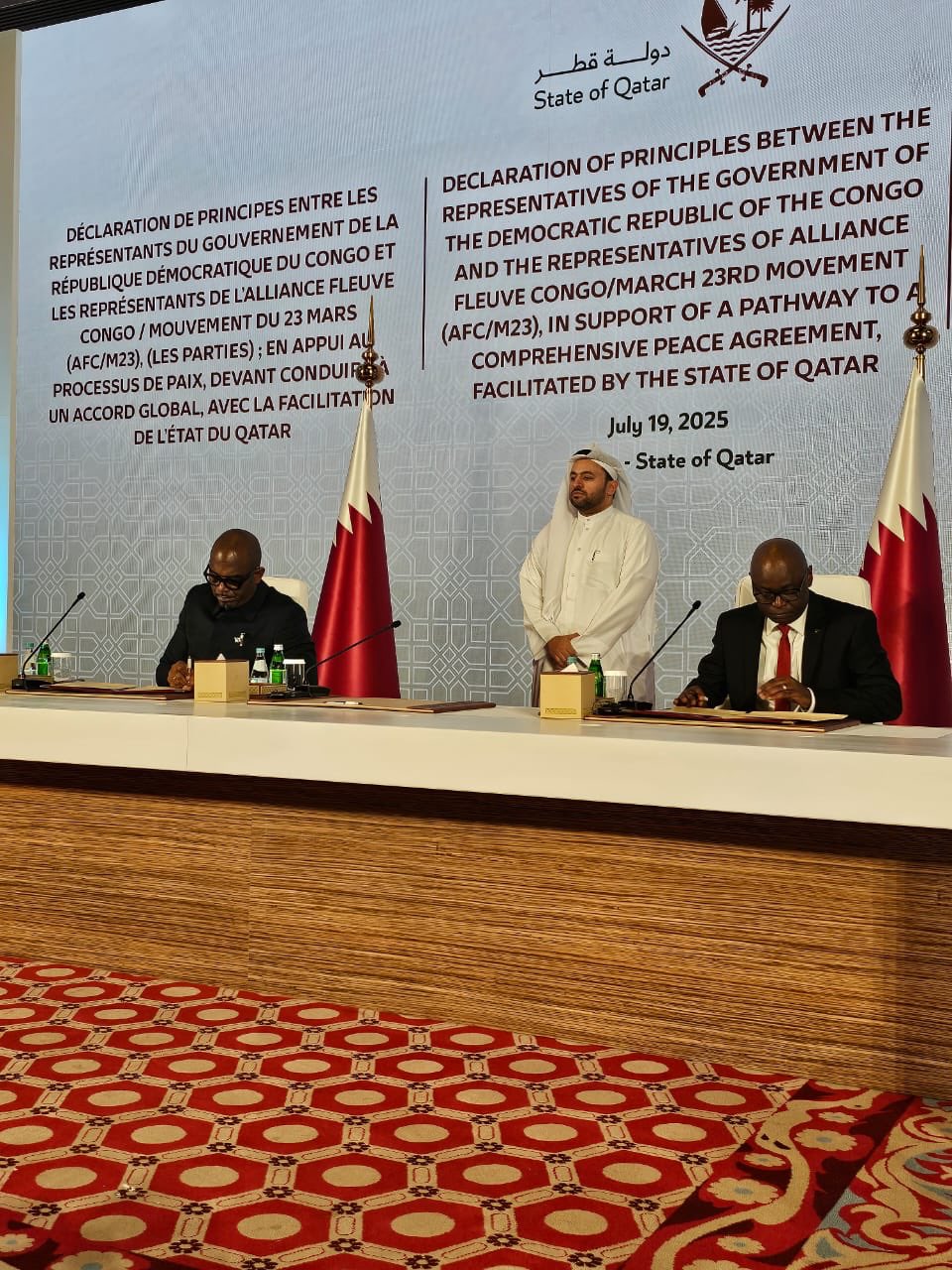
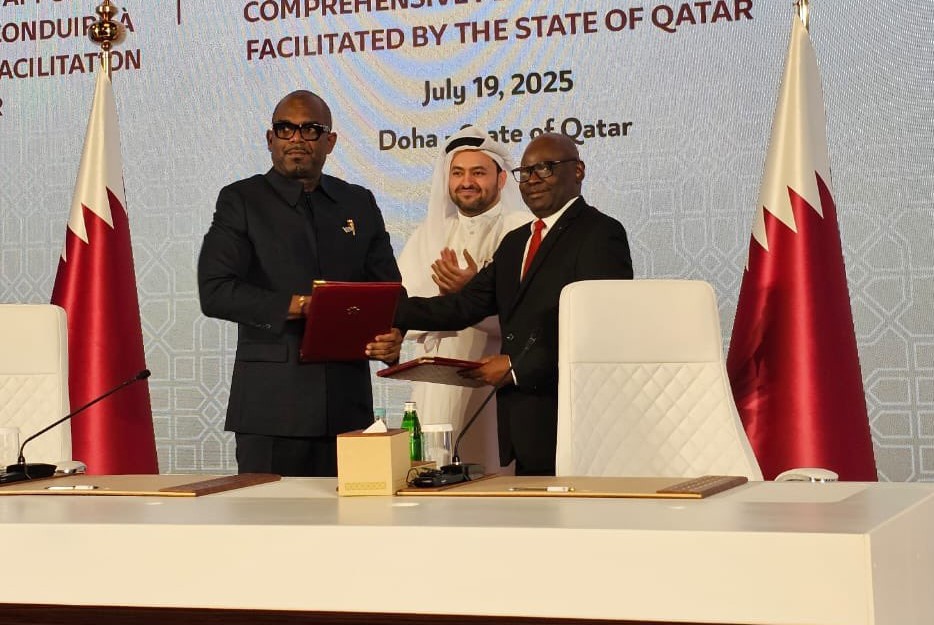
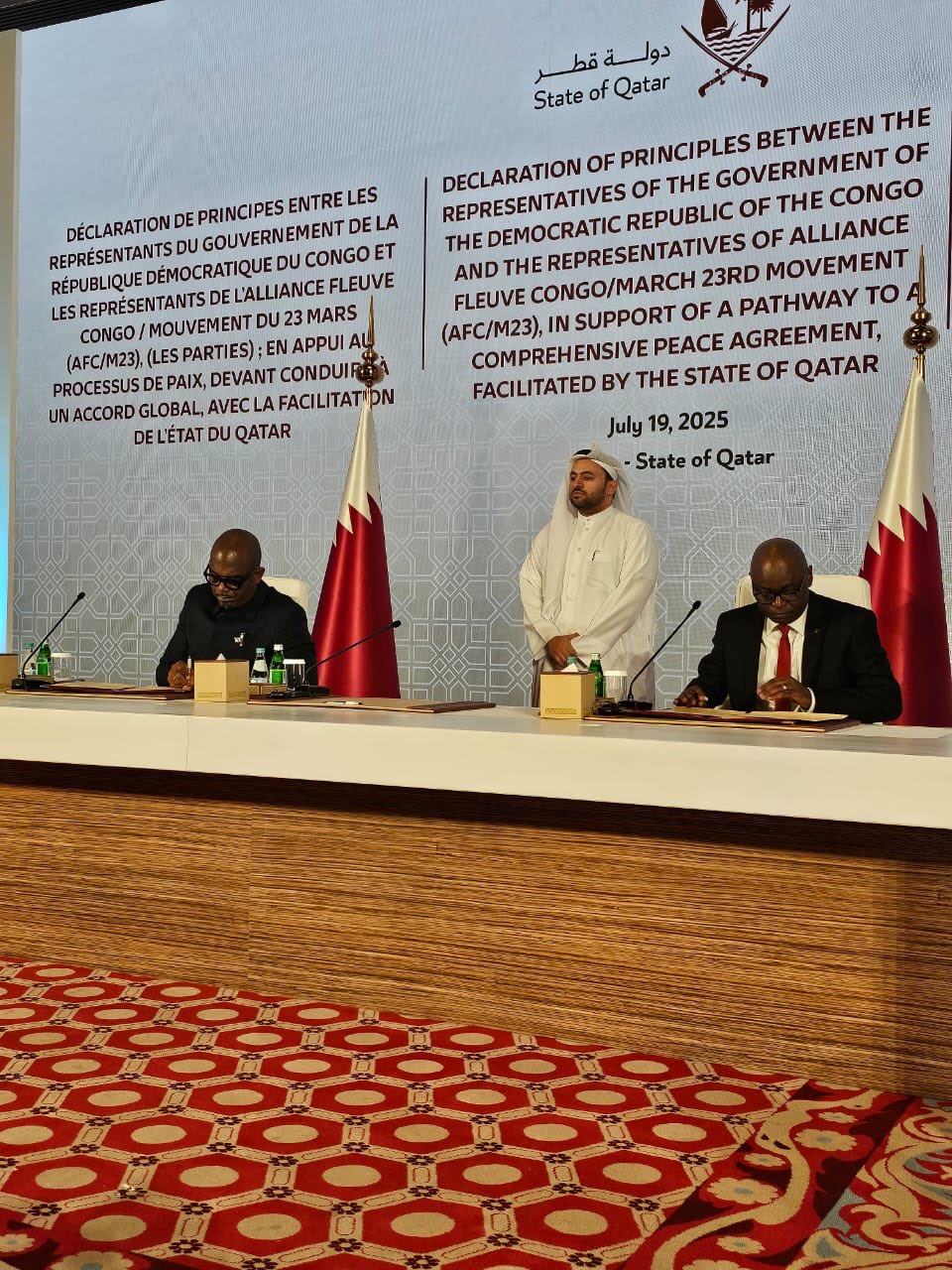
The declaration was signed on Saturday, Juny 19 in Doha, Qatar, under the facilitation of the Qatari government, with backing from the United States.
The Rwandan government lauded the agreement as a significant development in advancing regional peace and security, noting that it builds upon recent momentum, including the Peace Agreement signed between Rwanda and the DRC in Washington last month.
“Today’s declaration in Doha is a significant step forward towards the peaceful resolution of conflict in eastern DRC, by addressing the root causes of the conflict and restoring security and stability in our region,” read a statement released by the Government of Rwanda.
Rwanda also acknowledged the pivotal role played by Qatar in mediating the discussions, alongside support from the U.S. government. The efforts were commended as a continuation of Africa-led peace initiatives, including those by the African Union (AU) and the joint efforts of the East African Community (EAC) and the Southern African Development Community (SADC).
“The Government of Rwanda appreciates the crucial mediation role of the State of Qatar with the support of the United States Government, which builds on the efforts of the African Union, as well as the joint EAC/SADC initiatives,” the statement added.
Rwanda reiterated its commitment to supporting the peace process and contributing to long-term stability and prosperity in the Great Lakes region.
“We all have to support the continuation of progress to the conclusion,” the government urged, reaffirming its dedication to sustainable peace and regional economic development.
The DRC was represented by President Félix Tshisekedi’s envoy, Sumbu Sita Mambu, while AFC/M23 was represented by its Executive Secretary, Benjamin Mbonimpa. Both parties signed the principles in Qatar on July 19, 2025.
Key elements include a mutual agreement to a permanent ceasefire and refraining from seizing new territory, preparation for the release of detainees on both sides, facilitation of voluntary refugee repatriation, and the protection of civilians.
Both parties also agreed that restoring state authority across all regions of the country would help address the conflict through a peace agreement, and thus committed to discussing mechanisms to make this possible.
The DRC Government and AFC/M23 pledged to begin implementing these principles immediately upon their announcement on July 19, or within 10 days of signing.
They also agreed to launch comprehensive negotiations within 10 days of beginning implementation of the principles. These talks will be aligned with the peace agreement signed between Rwanda and the DRC in Washington on June 27, 2025.
Finally, both sides agreed that talks leading to a concrete peace agreement should be treated as a priority and carried out in a spirit of collaboration and mutual understanding, with the final agreement to be signed within a minimum of seven days and no later than ten days after talks begin.
In that stillness, a government was born — not in celebration, but in defiance. Not in triumph, but in the persevering, unyielding will to live after a genocide that had aimed not just to exterminate bodies, but to annihilate the idea of Rwanda itself.
And so, under the grey dome of an ashen sky, a cabinet was sworn in. Pasteur Bizimungu, President. Paul Kagame, Vice-President and Minister of Defense. Faustin Twagiramungu, Prime Minister. Men whose political paths were diverse, sometimes even contradictory, but who now stood together, not because of shared ideology, but shared urgency — to piece back together what had been shattered.
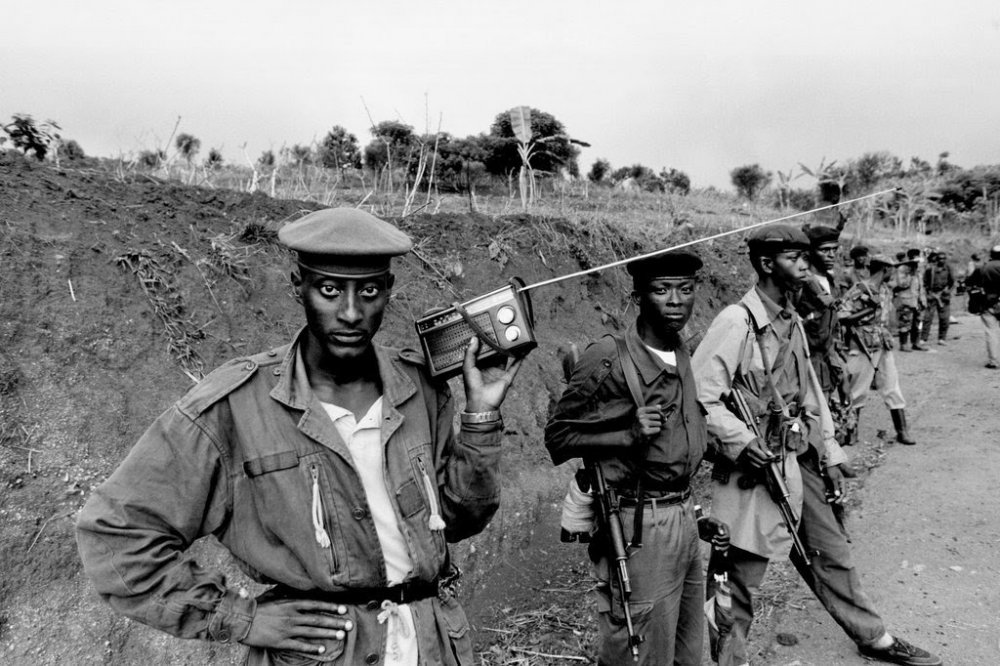
The master of ceremonies, Colonel Théoneste Lizinde, spoke into the microphone — a voice surviving amidst the hum of makeshift generators, because Rwanda had no electricity, no functioning radio coverage save for rebel-run Radio Muhabura. Be reminded, there was no coin in any bank. The genocidaires, fleeing westward into Zaire, had looted the Central Bank and every commercial vault like avaricious ghosts making sure even the idea of rebuilding was starved.
No minister for Foreign Affairs. None for Agriculture. None for Justice. Those portfolios were left open, because justice was still on the run — hiding in refugee camps, seeking asylum in European salons, commanding from French-created zones of impunity in Cyangugu, Kibuye, and Gikongoro.
But even among those offered positions in this new government, some revealed their true allegiances. Pierre Claver Kanyarushoki, Rwanda’s Ambassador to Uganda before and during the genocide, was offered the position of Minister of Agriculture. He refused. “I can’t work for a government of Inyenzi,” he sneered, using the genocidal slur for the RPF, and dismissed the administration as “a passing cloud.” His loyalty, it turns out, remained with the killers.
Kanyarushoki would later become the First Vice-President in charge of diplomacy for the Rally for the Return of Refugees and Democracy (RDR), a front organization of genocidaires masquerading as a democratic opposition.
Another name soon to reveal its duplicity was Jean Marie Ndagijimana, who accepted the post of Minister of Foreign Affairs briefly — before vanishing with $200,000 meant for diplomatic missions. He, too, landed in the RDR as ‘Advisor’, presumably lobbying for himself as Minister of Kleptocratic Affairs.
These men, and many others like them, believed they had time on their side, betting on the failure of the RPF. Their confidence found music in the Mugunga and Kibumba refugee camps near Goma, where the song “Rwigere urumpe” — “Try it briefly and return it to the owners” — echoed like a cradle song for the deluded, as corpses still rotted across Rwanda.
And the corpses were many. Piled in churches—Simbi, Mugombwa, Karubamba, Nyamasheke, Bisesero… etc. Rwanda was more than depressing. Tutsi bodies stuffed into pit latrines. Left on roadside ditches like forgotten luggage. Some had decayed beyond recognition, their bones stripped clean. Others were bloated, oozing, and stinking in the sun. The air was thick with the smell of decomposition which defeated common sense and sanity.
Survivors of genocide — mothers, children, the elderly — walked among the dead in search of the living. Some could not speak. Some wept silently. Others just stared, eyes blank, refusing to believe the ground would not open and return what had been lost. Night after night, they sat beside the remains of their beloved — without candles, without prayers, without proper burial. And they were not alone.
Who can forget about what we daily witnessed here and there? Stray dogs, overfed and fearless, roamed the streets and villages. Some had torn flesh dangling from their jaws. Many had gorged themselves on human remains, turning into feral beasts with blood-matted fur and glowing eyes.
For many survivors, this was the final indignity: that their mothers, fathers and sons— husbands, brothers and sisters, had become dog meat. The pain of surviving genocide was not just emotional — it was visceral, physical, crushing. This was not Rwanda rising. This was Rwanda crawling through ash.
{{A Government After Death}}
Fifteen days earlier, the capital Kigali had fallen to the Rwandan Patriotic Army (RPA). Butare had followed. Two days before the swearing-in, Gisenyi — twin of Goma, the haunted city now cradling killers and their enablers — was captured. But Rwanda was not “taken.” It was salvaged, barely breathing, one pulse at a time.
In many urban and rural areas, there was no food. No medicine except in RPA sickbays which had become de facto hospitals for the injured, orphaned, and nearly hopeless. Telephones were silent—dead as the bodies decomposed in homes, roadsides, churches.
Communications ran on RPA walkie-talkies. Electricity was a myth, except in pockets where small but noisy petrol-powered generators stuttered to life. Even the roads fought against progress — with landmines and laced with rot. There were many booby-trapped houses which killed many after the country was liberated from the hands of genocidaires.
Stray dogs ruled neighborhoods. They had acquired a taste for human flesh. And yet, on July 19, Rwanda chose life.
This was not just the formation of a new government. This was the defiant creation of a post-genocide state. A metaphor of resurrection. Of renaissance. An audacity not to die or forget, but to continue.
Every Rwandan old enough to remember carries that date like a sacred scar. For survivors, the mere sight of humans standing again under a Rwandan flag — however dilapidated — was unbearable and necessary. There were no psychologists then. No grief counselors. Only silence and sobbing, and the unbearable guilt of surviving.
Rwanda was not just a country without infrastructure. It was a country without sleep. Nightmares were not confined to the night, but part of many people’s lives.
Along roads leading to Nyamirambo, Gikondo, Kicukiro or Remera, the smell of death lingered. It was not imaginary. It was not symbolic. It was literal. Skulls around the country were not metaphors; they were piled in churches. Bones were not symbols; they were scattered under beds, beside toys, in latrines.
But the RPA marched on — not for conquest, but for protection. The only functioning institution in the country was the RPA, with its discipline, code of conduct, and mission not to avenge but to restore. It is this philosophy that prevented the genocide from becoming a genocide redux. One might have expected revenge; what Rwanda got instead was structure.
{{The Indifference That Killed}}
We should not let the world ever forget that all the terrible things happened on their watch. France, which gave cover to killers in its so-called humanitarian Zone Turquoise, harbored genocidaires and offered them not just shelter but respect. They fled to the Prefectures of Cyangugu, Gikongoro and Kibuye and declared “victory” because they had not yet been captured.
Belgium, ever the former colonizer, shed crocodile tears while some of its media questioned whether what happened was “really a genocide.” The UN, that indecisive assembly of diplomatic bureaucracy, watched and issued “warnings” as over a million people were slaughtered in a member country.
And when Rwanda, emerging from its tomb, formed a government, these same actors snickered.
Stanislas Mbonampeka — genocidaires’ former justice minister and legal mouthpiece of Hutu Power — declared with certainty that the RPF-led government would not last beyond March 1995.
French generals echoed that sentiment. Belgian journalists parroted it. Some American think tanks labeled Rwanda a “temporary success” — as if human decency had an expiration date.
They waited. They are still waiting. The passing cloud never passed. They were very wrong. It rained, instead, and nourished a nation. July 19, 1994 was a new dawn after dusk.
What they did not understand — what they still cannot — is that Rwanda was not rebuilt from the benevolence of donors or the generosity of aid. It was rebuilt by orphans. By widows. By RPF cadres and wounded RPA soldiers, with missing limbs who still stood guard to protect the peace they had earned in blood.
The new leaders, many of whom had themselves lost family or barely escaped the machete, did not build for glory. They built the country, because not building meant returning to hell.
What was expected to collapse by 1995 became a government of such extraordinary resilience that, today, many of its architects are still guiding Rwanda — not from memory, but through vision.
President Paul Kagame, then vice president, became the symbol of this new Rwanda. But the symbol alone did not sustain it. It was the system, the discipline, the refusal to wallow in pity, the unyielding embrace of dignity over despair.
Young Rwandans today — many born after that fateful July 19 — walk streets and villages that were once soaked in blood but are now wired with fiber optic cables. They enter schools built on mass graves. They apply for jobs in institutions once imagined impossible. They travel to other African nations not as refugees but as investors, consultants, peacekeepers, and doctors.
And to them we say: You are the answer to “Rwigere urumpe.” You did not “try it.” You owned it. You built it. You made liars of those who thought your parents’ survival was a historical mistake.
{{A Message to our African Youth}}
Rwandan youth are not exceptional because of geography. They are extraordinary because they chose hope when everything — every thing — told them it was irrational.
So, to the youth of Africa, from Harare to Abidjan, from Cairo to Kinshasa, from Dodoma to Abuja — hear this: Your dignity is not a donation. Your future is not charity.
Rwanda is not a miracle. It is a product of commitment. Of sweat, blood and dry tears. Of non-negotiable dignity. If the children of genocide, walking barefoot through blood and bones, could build hospitals, make drones, plant forests, and negotiate peace, why not you?
Let those who still wallow in blame games, in tribal vendettas, in anti-development politics be reminded: every day you delay change, you entrench dependence. You are not fighting colonialism by destroying your country. You are only performing your own irrelevance on the world stage.
Let the blind watchers learn too. And to the so-called international “experts” who still host panels asking, “But is Rwanda really democratic?” — we laugh at your obsession with perfection from the people you once left to perish. Your hypocrisy is colonialism with a dictionary of synonyms. You scream about “human rights” from capitals that denied Rwandans the right to life, equality and dignity.
You grieve the victims of other genocides but still invite FDLR sympathizers to conferences and op-eds. You read criminal Victoire Ingabire’s political manifestos and call it dissent, when it is merely a rebranding of ideology that saw infants smashed against walls.
And to President Félix Tshisekedi, who plots regime change in Kigali like a man tossing stones from his collapsing glass house — do you not see that even your citizens would rather flee to Rwanda than remain in your oil-rich despair?
Your alliances with genocidaires do not make Rwanda vulnerable. They make Congo irredeemable.
{{We Rwandans Chose Life}}
On July 19, 1994, Rwanda had every reason to collapse, as an alternative—and the only one, it rose.
Without pity. Without excuses. Without the world’s applause. We Rwandans saw the worst of humanity, and we decided not to become it. That day was not just a swearing-in. It was a covenant. Between the dead and the living. Between loss and resolve. Between despair and duty.
And to those who still wait for Rwanda to fall, we have only one answer: We are not a passing cloud. We are the rain that came after the fire to extinguish it. We are the nation that buried death and gave birth to life. We are Rwanda.
Not in one day, not by magic, and not by foreign aid. But by courage. The RPF did not just win a war — it planted the seeds of reconstruction for reconciliation, often among people who had every reason to hate each other.
Sons and daughters of genocide survivors, who bore psychological wounds no words could heal, came together with sons and daughters of perpetrators — the very people whose kith and kin had once hunted them — to build a nation greater than its scars. It was not easy. But nothing worth building ever is.
Together, they staffed schools. They designed and built roads and bridges. They wrote feasible national policies. They launched businesses. They guarded borders, healed wounds, and picked up the pieces—others thought too crushed to mend.
They rebuilt homes on land still haunted. They cleaned rivers once clogged with bodies. They planted trees close to mass graves and built memorials that told the truth — not to enflame hatred, but to anchor healing. They chose unity over disunity and vengeance, responsibility over victimhood. And they succeeded.
Today, Rwanda is admired by the world not because it was spared horror, but because it faced horror and refused to die. It stared into the deepest hole and built a bridge across it.
Rwanda’s youth, born of both trauma and resilience, now travel the world not as victims but as examples. That, perhaps, is the greatest revenge: not hatred, but excellence. Not war, but unity. Not death, but enduring, dignified life.
This landmark agreement signed on Saturday, July 19, marks a significant step toward achieving lasting peace, security, and stability in eastern DRC and the broader Great Lakes region.
In a statement released after the signing of the agreement, the Chairperson praised the constructive mediation efforts of the United States and the State of Qatar, alongside the invaluable contributions of regional facilitators from the East African Community (EAC) and the Southern African Development Community (SADC).
He extended special gratitude to Sheikh Tamim bin Hamad bin Khalifa Al Thani, Emir of Qatar, for his steadfast commitment to fostering peace across Africa.
Further commendations were directed to the AU Champion for Peace and Reconciliation, João Manuel Gonçalves Lourenço, President of Angola, and the AU-appointed Mediator, Faure Essozimna Gnassingbé, President of Togo, for their tireless efforts in facilitating dialogue.
The Chairperson also lauded the Governments of the DRC and Rwanda for their spirit of compromise and political will, which paved the way for this breakthrough.
“This breakthrough offers renewed hope for regional cooperation and sustainable peace. The African Union remains fully committed to working with all stakeholders to support the successful implementation of the Peace Agreement and to contribute to sustainable peace, security, and development in the DRC and the region,” the statement concludes.
The signing ceremony took place at the Ministry of Foreign Affairs of Qatar, which has recently been hosting peace talks between both parties.
It was attended by various officials, including Rwanda’s Interior Minister, Dr. Vincent Biruta, President Donald Trump’s special advisor for Africa, Massad Boulos, a representative from Togo, and a representative from the African Union.
Among the key principles outlined is the requirement for both sides to respect the ceasefire agreement signed in April 2025.
Both parties agreed to facilitate the voluntary return of refugees living abroad, based on the agreements signed between the Democratic Republic of Congo (DRC), the United Nations High Commissioner for Refugees (UNHCR), and host countries.
The Government of the DRC and AFC/M23 agreed to take confidence-building measures, including arrangements for the release of prisoners, with the involvement of the International Committee of the Red Cross (ICRC).
Both parties are urged to begin peace negotiations based on these principles as soon as possible, with the aim of reaching a lasting peace agreement.
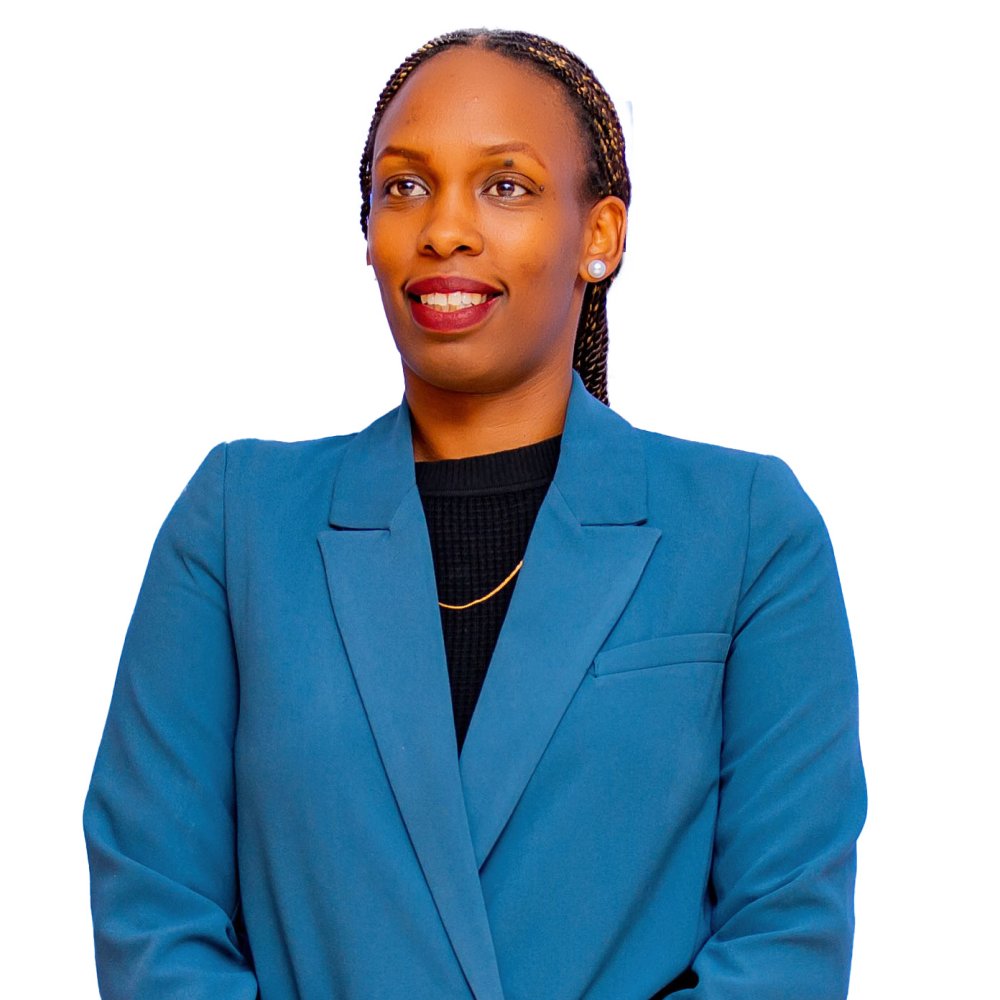
The appointment was announced in a statement issued by the Office of the Prime Minister on July 18, 2025.
Uwase had been serving as Deputy CEO of RMB since June 14, 2024, a position she assumed after previously heading Head of the Mining, Petroleum, and Gas Exploration Department at the same institution.
Before joining RMB, she served as the Project Manager of Gold Mining and Trading at Ngali Mining, a subsidiary of Ngali Holdings.
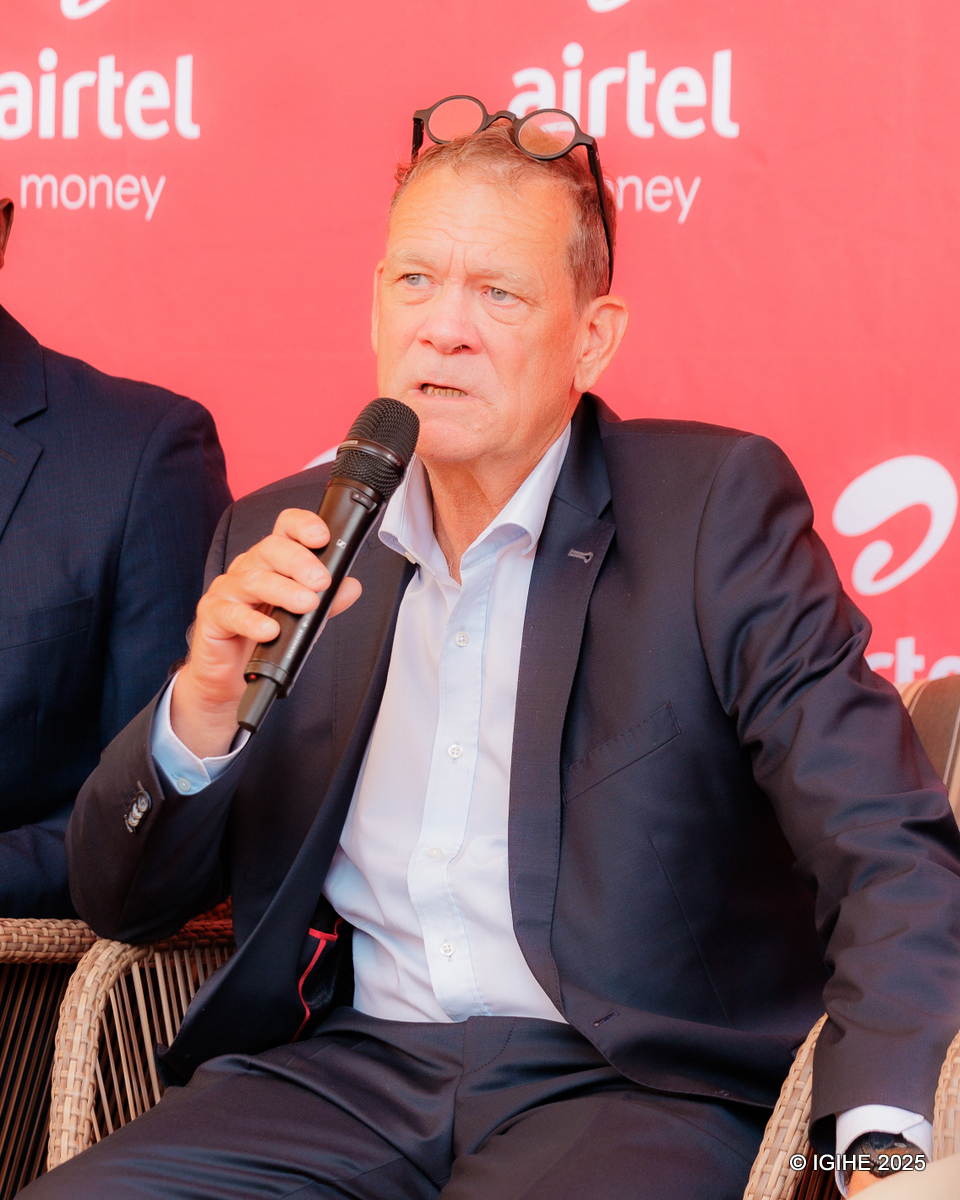
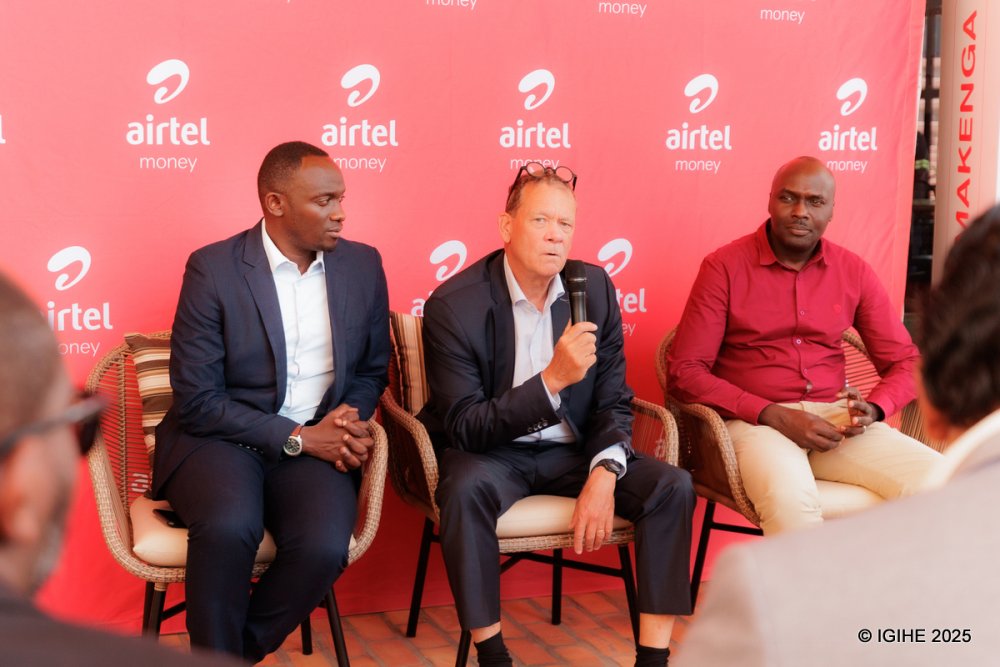
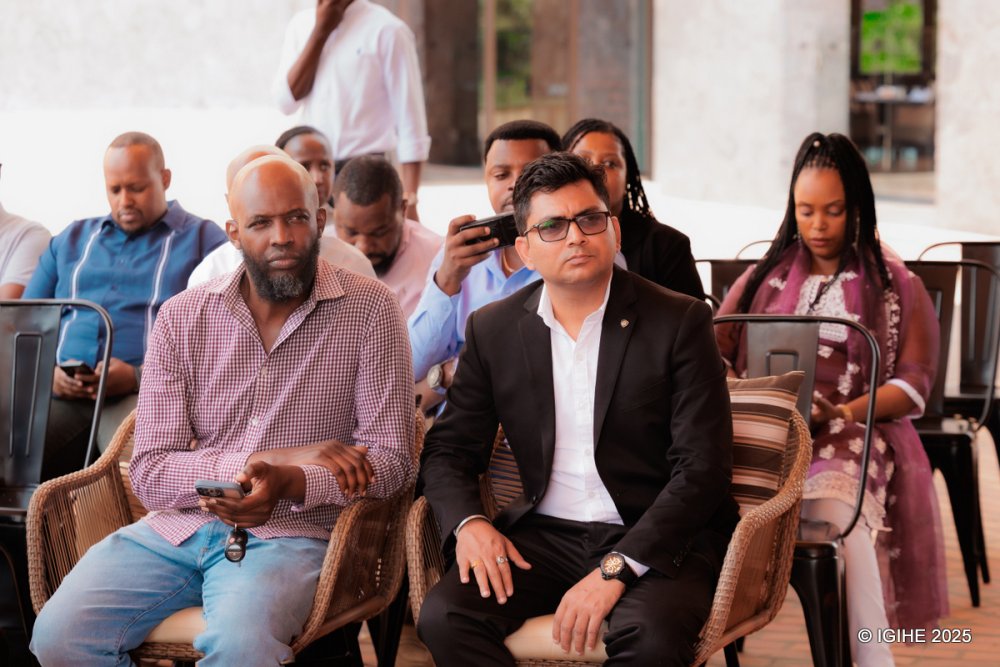
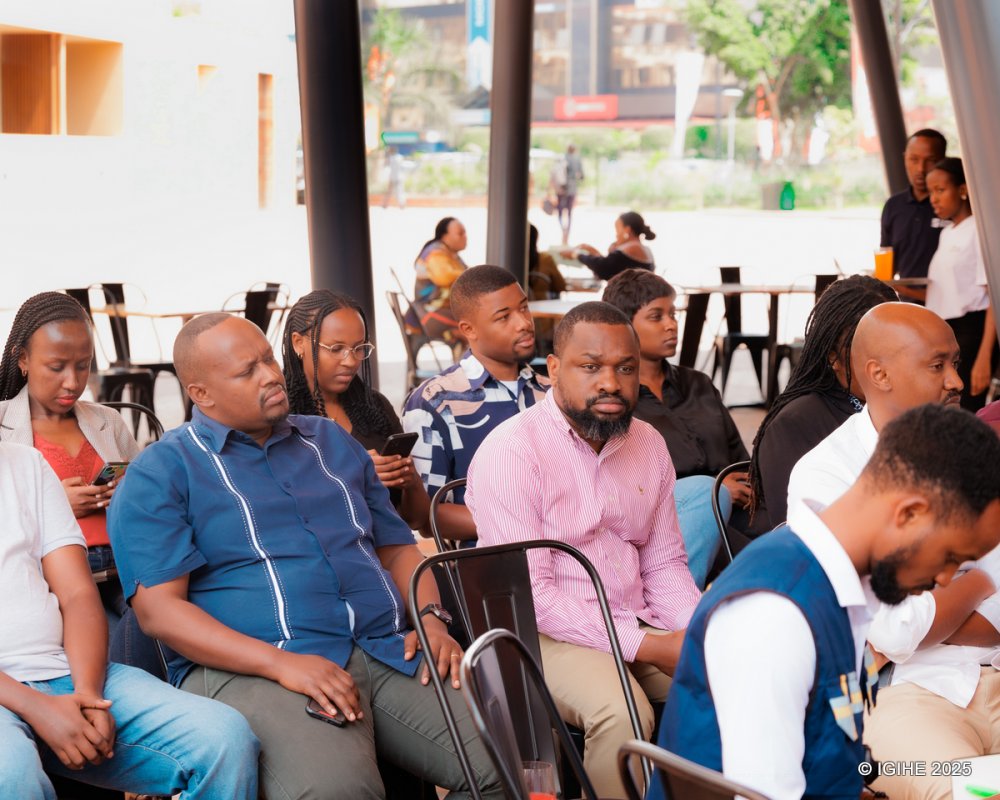
Airtel Rwanda announced on Thursday, July 17, 2025, that whenever suspicious messages are detected, customers will receive them with a warning label advising caution.
Airtel Rwanda’s Managing Director, Emmanuel Hamez, said the system was launched in response to the growing number of cybercrimes, particularly mobile money fraud.
“This is part of our commitment to enhancing safety and protecting our customers from internet-related crimes and financial fraud. In recent months, we’ve seen a rise in mobile money theft, particularly through SMS scams. Today, we’re pleased to announce that, as of two weeks ago, we’ve implemented a system that flags potentially fraudulent SMS messages with a warning.”
The AI system analyses messages for characteristics common in scam texts, such as frequently used words by fraudsters, patterns of mass messaging, and other indicators.
Once the AI detects suspicious activity, it flags the message with a warning before delivering it to the customer.
If the sender’s number continues to distribute fraudulent messages and is confirmed as suspicious, that number may be blocked.
Gaaga Jean Claude, Managing Director of Airtel Money Rwanda, stated that Airtel worked closely with various government agencies to understand the nature of mobile money fraud, leading to the decision to develop and implement a proactive solution.
He emphasised that using AI to combat cyber fraud is timely, given the growing reliance on digital systems and the evolving tactics of fraudsters.
“AI is an advanced technology that enables machines to mimic human intelligence, and it is widely used around the world. That’s why we adopted it, to enhance the security of our customers’ funds,” he said.
Gaaga added that Airtel already had a system in place to help customers recover stolen money when reported, and it has proven effective. Statistics show that mobile money fraud incidents involving Airtel customers remain below 2% of total reported fraud cases nationwide.
The new fraud detection system is free of charge and doesn’t require customers to register, as it has been automatically activated for all Airtel users.
Airtel Rwanda also plans to expand the warning system to detect fraud not only in SMS, but also in phone calls and social media messages used by scammers to steal money.
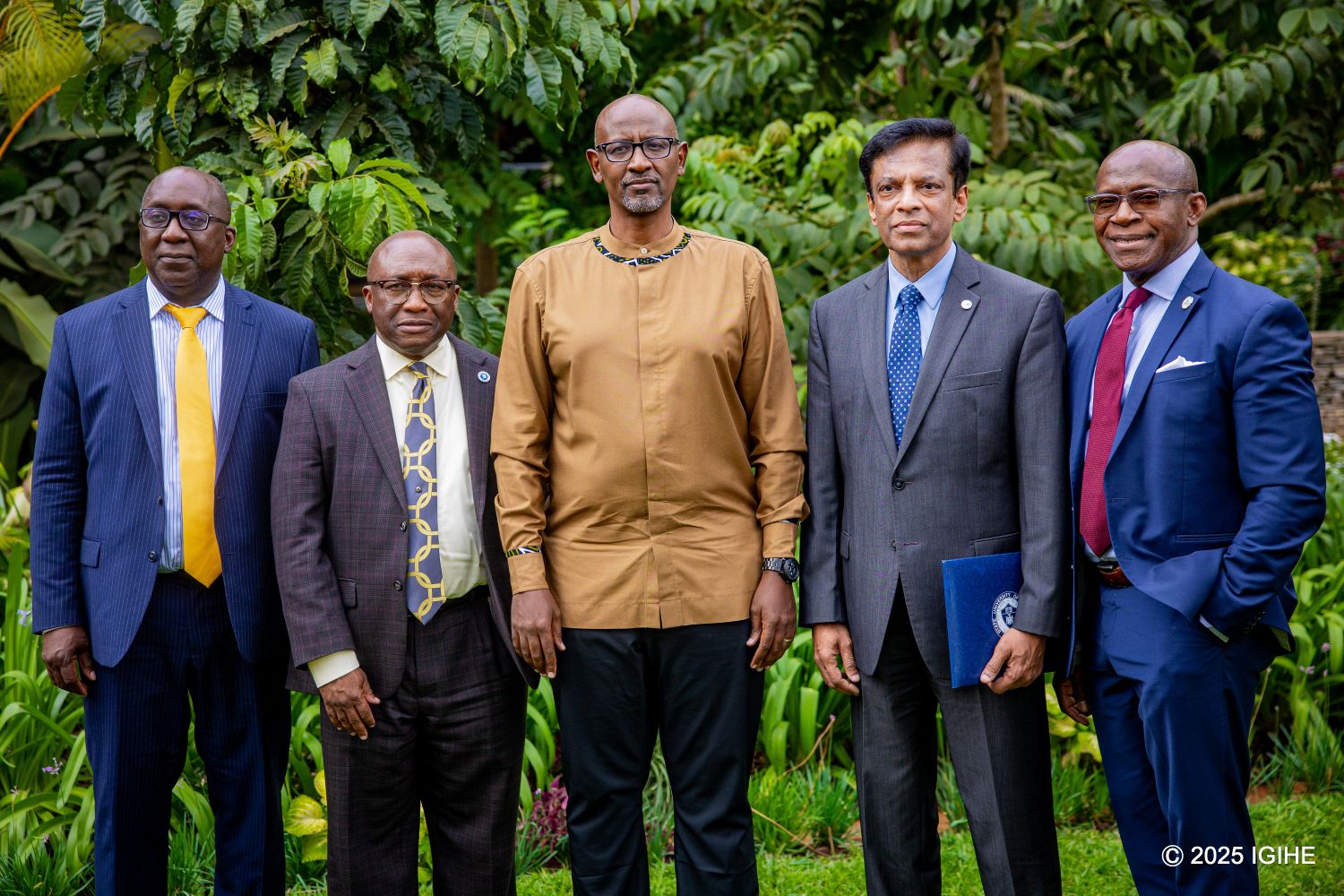
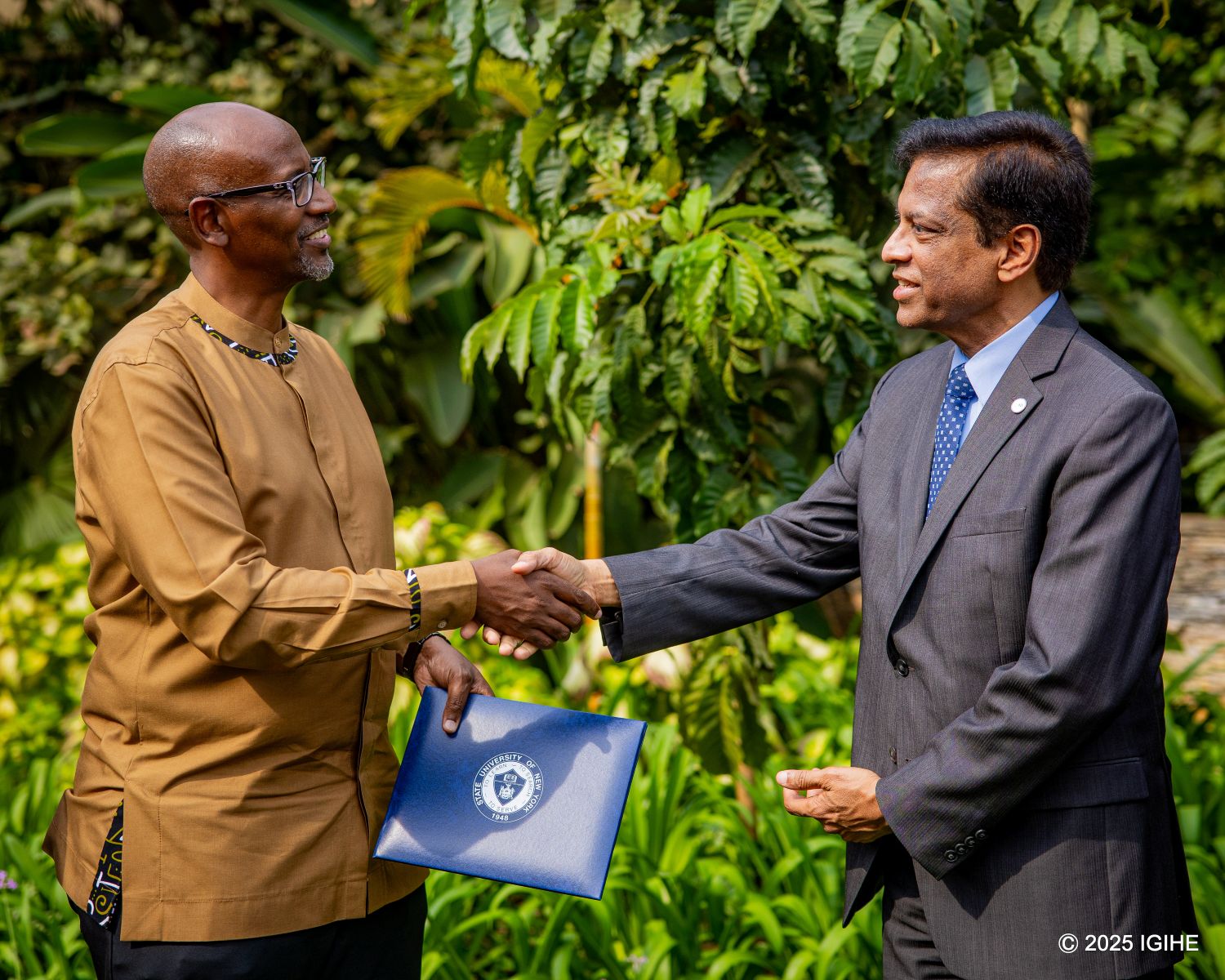
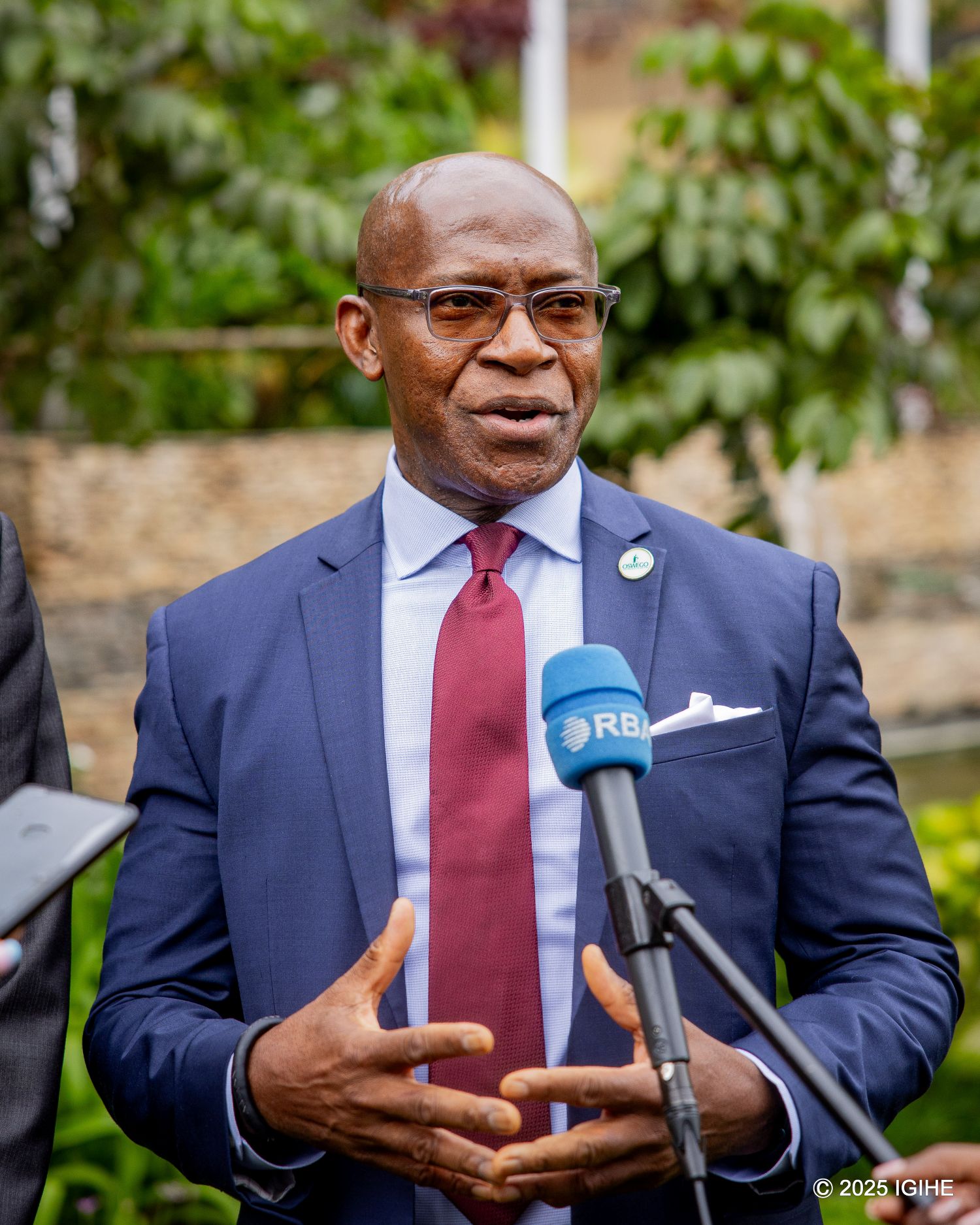
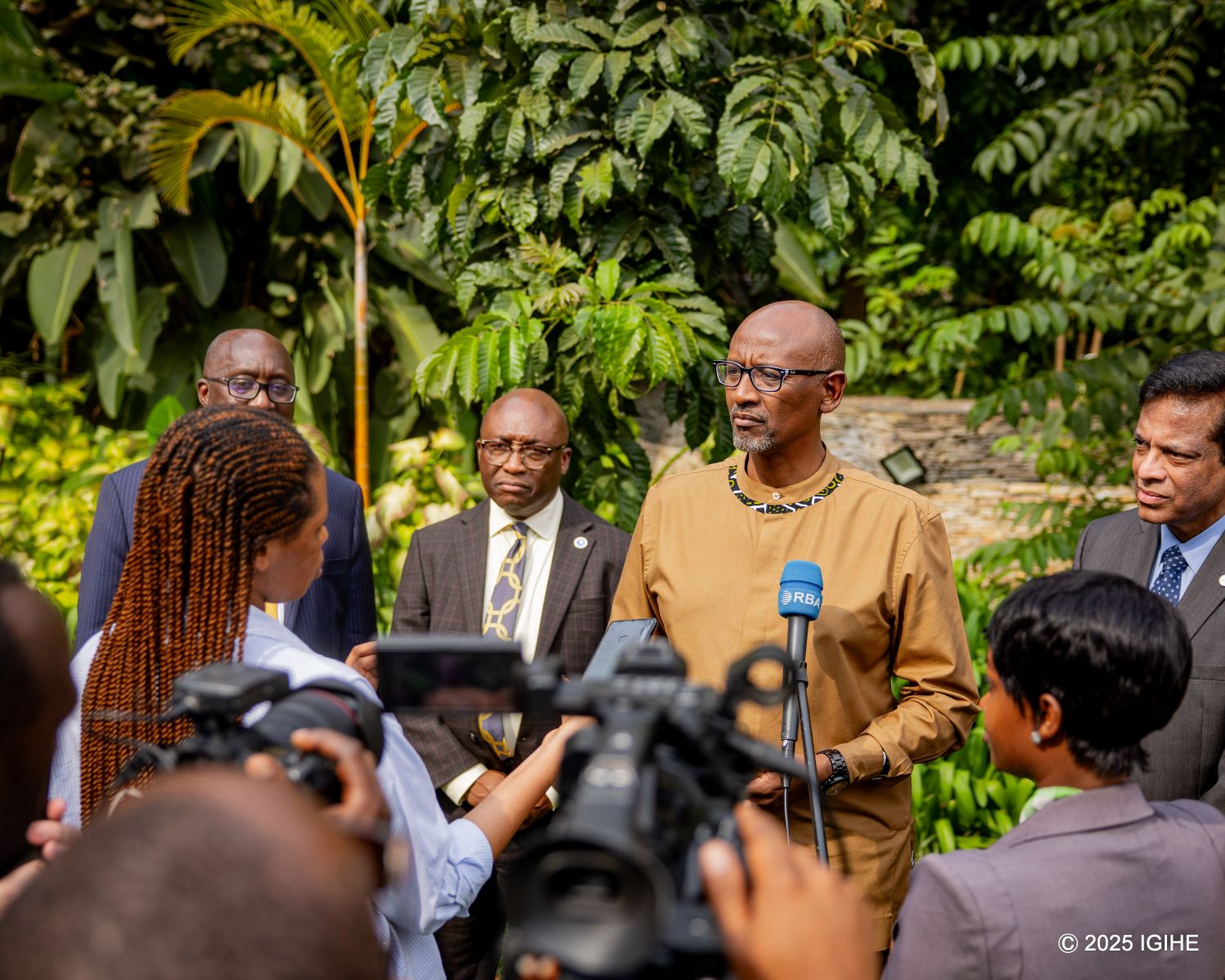
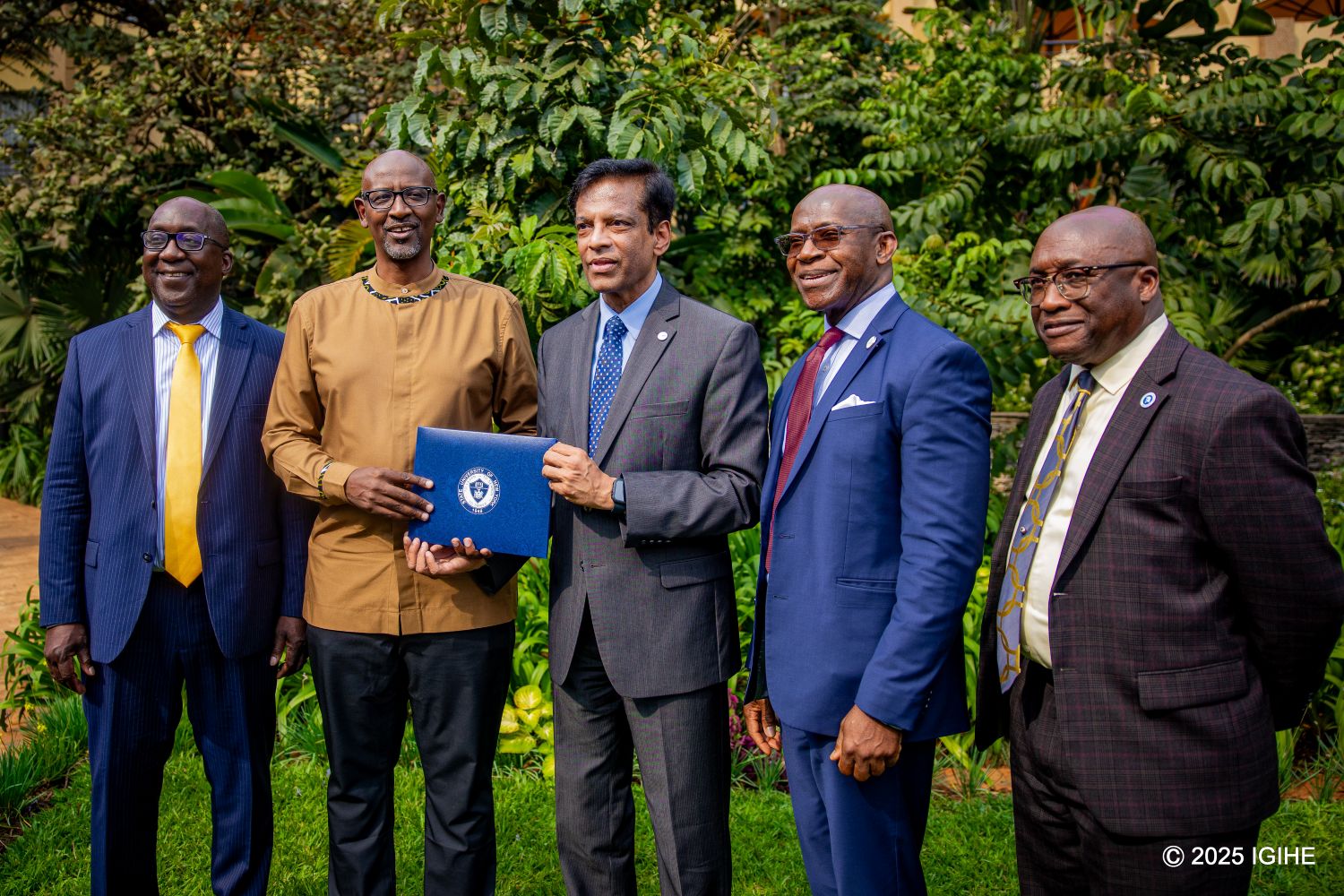
A high-level delegation from SUNY, comprising senior leaders and university presidents, concluded a two-day visit to Kigali on Friday, July 18, 2025, with a declaration of intent to collaborate, made in partnership with Rwanda’s Ministry of Education.
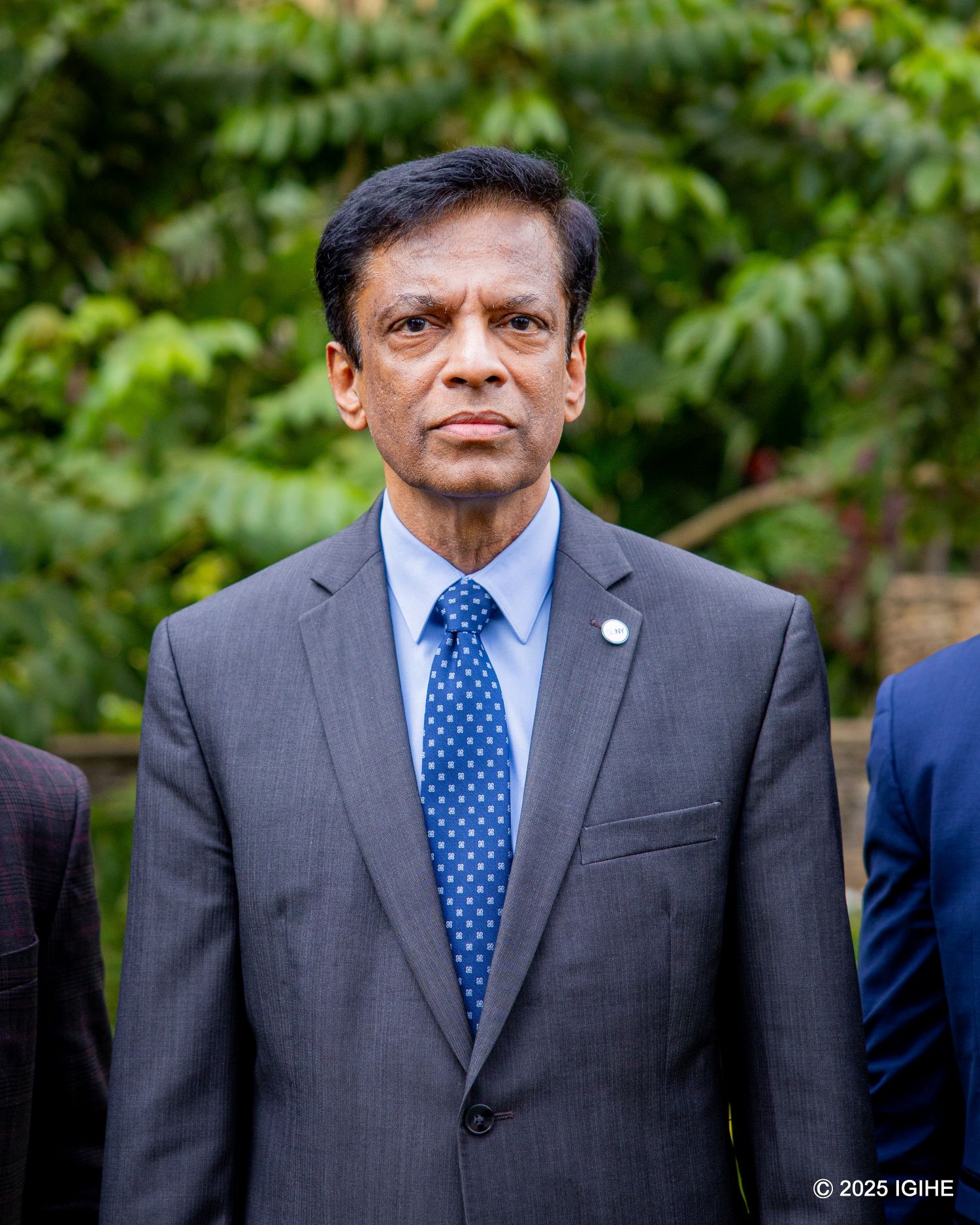
Speaking during the event held at Serena Hotel Kigali, Dr. Melur K. “Ram” Ramasubramanian, SUNY’s Executive Vice Chancellor for Academic Affairs and Provost, emphasised the institution’s long-term commitment to fostering mutually beneficial relationships with African nations.
“We’re here to explore the possibility of deploying our Africa initiative and building long-term collaborations with the education system of Rwanda,” he said. “We’ve been impressed by the commitment of the people and the opportunities we’ve encountered.”
The SUNY Africa Initiative is an intentional global strategy aimed at deepening academic and cultural ties across the continent. The delegation’s visit to Rwanda followed an earlier stop in Kenya and will continue to other countries, including Nigeria and Ghana.
Dr. Ramasubramanian outlined key areas of interest, including student and faculty exchange programmes, joint research, online education offerings, and workforce development initiatives.
“We call this the SUNY Africa Initiative… Our goal is to build long-standing academic programmes where students from Rwanda can come to the United States to study at one of our 64 campuses,” he said.
“At the same time, we want our students to experience the culture and innovation happening here in Rwanda, the land of a thousand hills and a thousand smiles.”
Research collaboration is another key priority, particularly in fields aligned with Rwanda’s national development goals. SUNY officials expressed interest in partnering in areas such as energy, mining, and materials science.
“We have research interests aligned with Rwanda’s priorities, such as energy and minerals,” said Dr. Ramasubramanian.
“At SUNY Poly, for instance, Professor Soboyejo, an international expert in materials science, and his team, along with other material scientists within the SUNY system, are planning to collaborate with Rwandan counterparts to not only support the immediate use of extracted minerals but also innovate and modify these materials for future applications.”
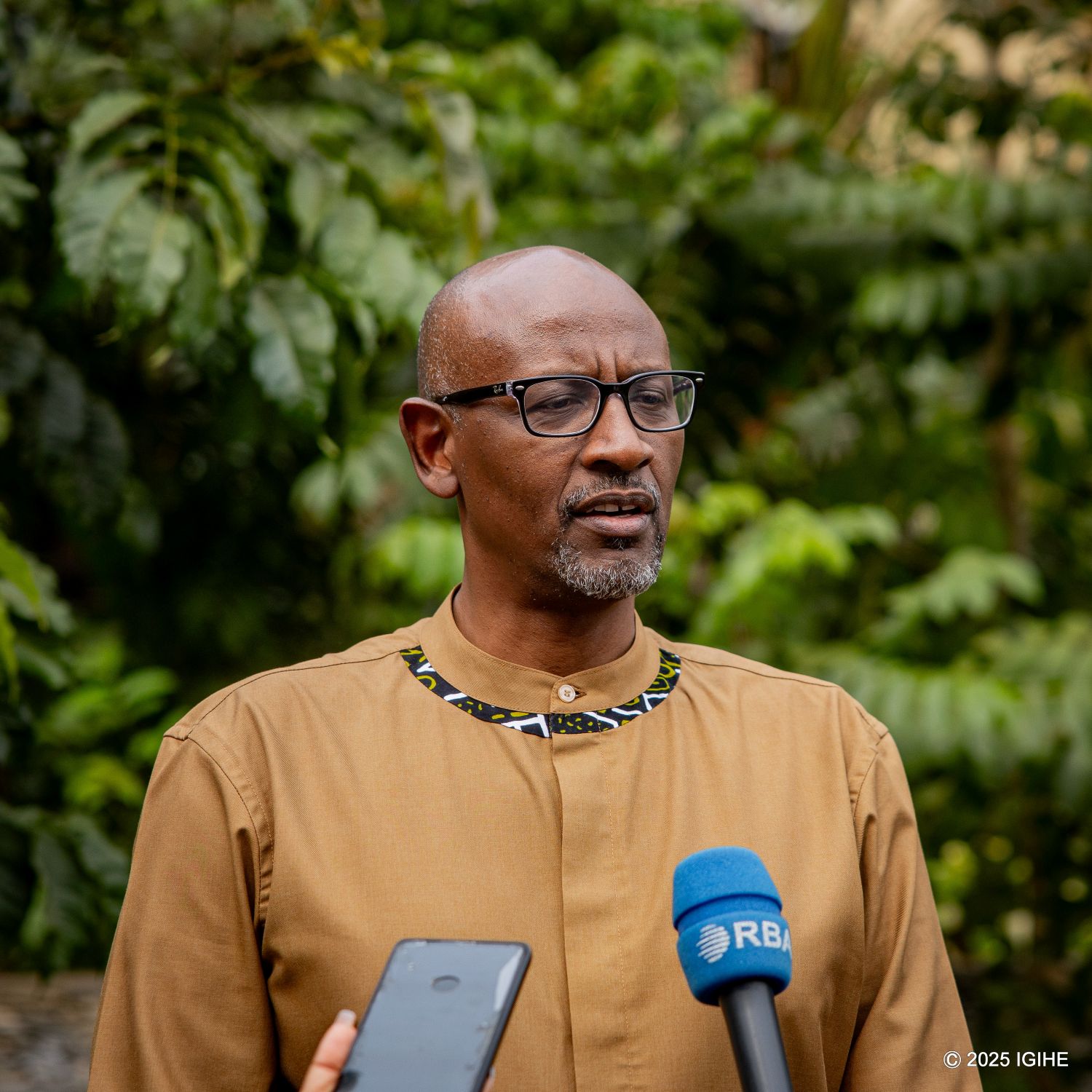
Rwanda’s Minister of Education, Dr. Joseph Nsengimana, welcomed the collaboration, noting that the government prioritises such partnerships in pursuit of its Vision 2050 goals.
“To achieve that vision, we must ensure that we have a workforce capable of delivering on it,” he said. “Collaborations like this bring significant value to the country and help us build the Rwanda we want and deserve.”
The discussions also highlighted Rwanda’s interest in tapping into SUNY’s expertise in areas such as materials science, advanced manufacturing, and e-learning. Dr. Nsengimana noted that Rwanda is exploring “e-internships” that would allow students to gain international experience virtually, expanding access to global opportunities without leaving the country.
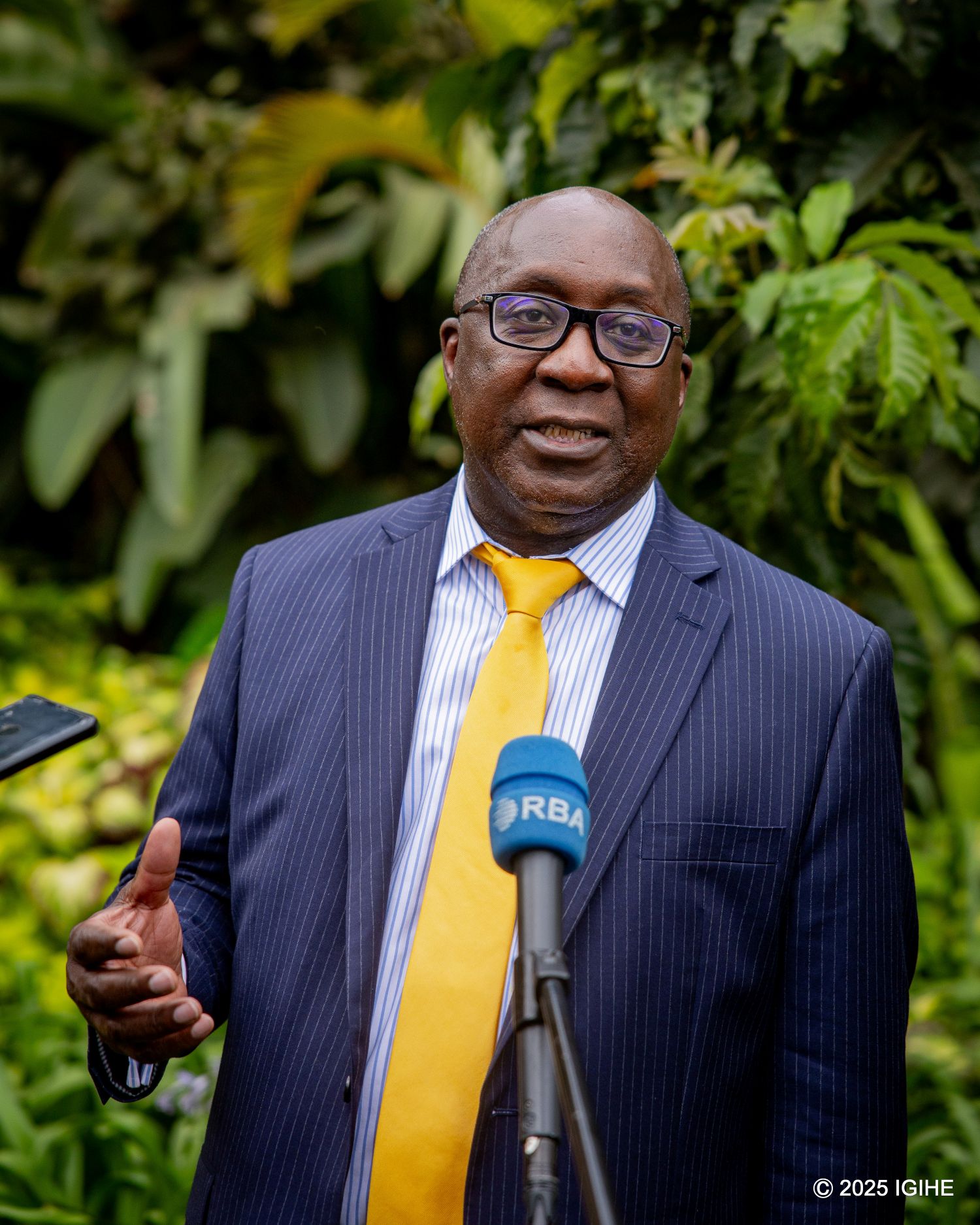
Dr. Winston “Wole” Soboyejo, President of SUNY Polytechnic Institute and Chairman of the Council of the Institute of Applied Sciences at the University of Rwanda, stressed the importance of aligning education with industrial needs.
“We listened to industry here in Rwanda articulate their needs for skilled human capacity to scale, and we believe SUNY can play a role in bridging that gap,” he said. “We’re thinking not just of students travelling to New York, but also of short courses and online education tailored to Rwanda’s needs.”
Dr. Peter O. Nwosu, President of SUNY Oswego, pointed to SUNY’s involvement in major U.S. industrial development projects as a model for collaboration.
“In Central New York, we’re working with Micron Technology on a $100 billion investment in semiconductor manufacturing,” he said.
“This kind of transformation requires talent — the right kind of workforce. That’s where universities come in, and we want to explore what we can learn from Rwanda and what we can offer in return.”
Rwanda’s openness to innovation was another key point of interest. “One intriguing idea we heard is Rwanda being open to acting as a proof of concept,” said Dr. Ramasubramanian. “We have faculty developing new ideas, and Rwanda could offer a place to test and refine these ideas before scaling them globally.”
The SUNY delegation included university presidents from SUNY Oswego, SUNY Cortland, SUNY Polytechnic Institute, and SUNY Fredonia, as well as senior officials in international education and external relations. Among them were Dr. Joshua S. McKeown, Associate Provost for International Education and Programs at SUNY Oswego, and Wayne Westervelt, Vice President for External Relations at SUNY Polytechnic Institute.
During their visit, the delegation engaged with the University of Rwanda, Rwanda Polytechnic, and various private industry stakeholders.
Dr. Stephen H. Kolison Jr., President of SUNY Fredonia, expressed appreciation for the hospitality and vision he witnessed during the visit. “The potential to do things here is just tremendous,” he said. “We hope to return.”
The collaboration, still in exploratory stages, is expected to lead to a range of academic activities, including co-developed programmes, research partnerships, and expanded student mobility between Rwanda and the SUNY system, which serves over 375,000 students across 64 campuses in New York State.
“We believe in starting small and executing quickly,” said Dr. Ramasubramanian. “It’s only a matter of time before we return and move to the next phase of implementation.”
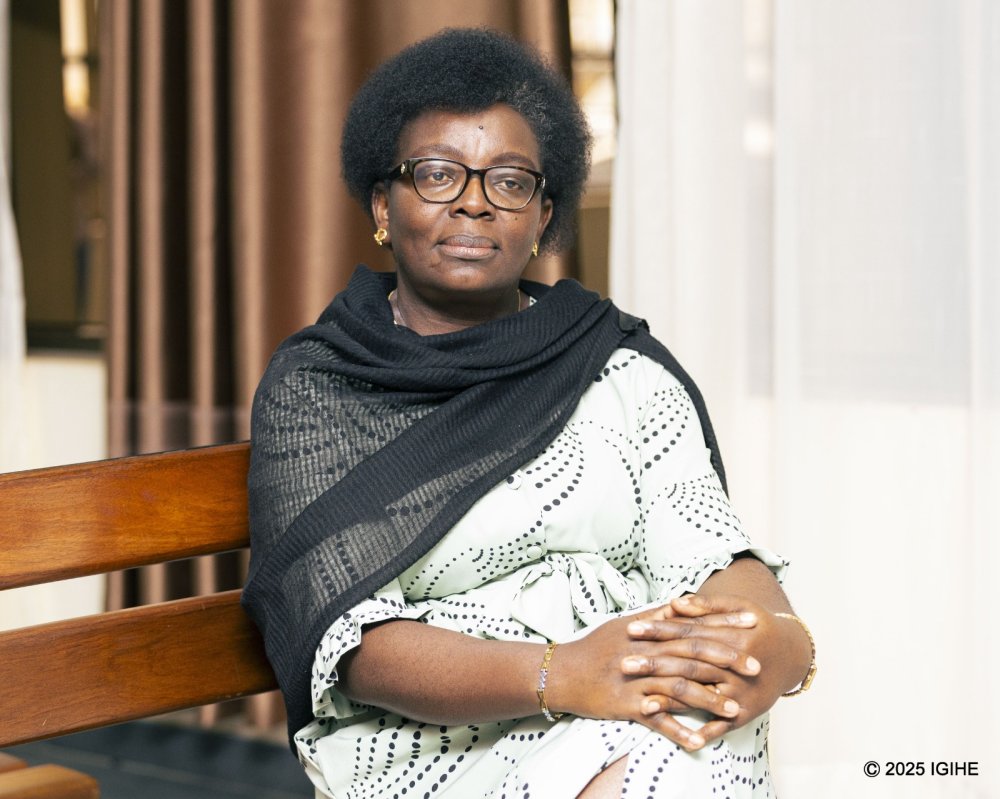
According to the ruling, the court found reasonable suspicion that Ingabire may have committed six serious offenses, including the creation of a criminal gang, inciting public disorder, spreading false information intended to undermine the government, and conspiracy to harm state authority and organizing protests.
The prosecution argued that the suspect’s continued liberty would pose a risk to public order and the integrity of the investigation, adding that the gravity of the alleged offenses and existing preliminary evidence justified her remand.
Ingabire, through her lawyer Gatera Gashabana, contested the charges and requested release on bail, arguing that she posed no flight risk and was willing to comply with judicial proceedings. However, the court ruled that her release could result in the destruction of evidence, interference with ongoing investigations, or an attempt to flee.
The court cited testimony from a former combatant of the RUD-Urunana militia who alleged that Ingabire’s former political party, FDU-Inkingi, had provided support to the group ahead of its 2019 attack in Musanze. It further noted that the formation of her new party, DALFA-Umurinzi, may have been intended to mask her involvement.
Additionally, the court referenced intercepted audio recordings between Ingabire and Cassien Ntamuhanga, a convicted fugitive, in which they allegedly discussed organizing public protests.
Although Ingabire described the exchanges as hypothetical ideas, the court determined they constituted credible grounds for the charge of incitement to civil unrest.
In regard to the charge of disseminating rumors, the prosecution presented material evidence that the court deemed sufficient to sustain the allegation at this stage.
The court also found Ingabire’s statements about celebrations of a self-declared “Ingabire Day” concerning, particularly as she failed to provide context or justification. The bench held that such behavior, combined with her political activities, could threaten public order if left unchecked during the investigation.
Concluding its ruling, the court found that the legal conditions for pre-trial detention had been met, citing risks of obstruction of justice, tampering with evidence, and the potential for absconding.
Ingabire was reminded of her right to appeal the decision within five working days.
She was arrested on June 19, 2025, by the Rwanda Investigation Bureau (RIB), following a formal request from the National Public Prosecution Authority.
Ingabire will remain in custody at Nyarugenge Prison, commonly known as Mageragere, as investigations proceed.