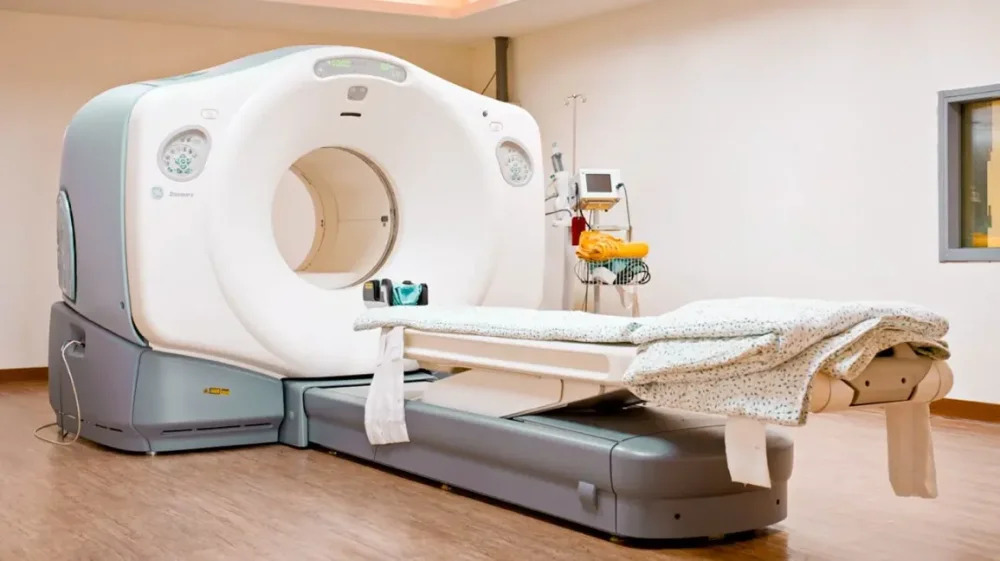
Currently, the nearest sources for these critical medical materials are often Egypt or, further afield, Europe. Domestic production is expected to reduce costs and create around 100 high-tech jobs in the nuclear and radiation sectors.
Remy Wilson Bana, acting division manager for nuclear and radiation safety at RURA, told the New Times that Rwanda has already acquired the necessary equipment.
“Economically, this is a great achievement because most Rwandans have been going abroad, especially in India or Europe, for diagnosis,” Bana explained, adding that nuclear medicine allows doctors to track diseases early, improving treatment outcomes.
The initiative, backed by the government in partnership with Aegle Onco Care, will see nuclear medicine departments licensed at major hospitals, including Rwanda Military Referral and Teaching Hospital and King Faisal Hospital. It also complements existing cancer care infrastructure, such as MRI, CT scans, radiotherapy, chemotherapy, and surgeries.
The move marks Rwanda’s ambition to become a regional medical hub, reduce reliance on imported medical isotopes, and offer high-quality healthcare at home.
In a speech broadcast by the Houthi-run Al-Masirah television channel, al-Houthi stated that his forces consider “any Israeli presence in the Somaliland region a military target,” “aggression against Somalia and Yemen, and a threat to the security of the region.”
He added that the group would take “all possible supportive measures to stand with the brotherly Somali people.”
Al-Houthi, whose movement controls large parts of northern Yemen, indicated that Israel aims to “make Somaliland a foothold for hostile activities against Somalia, African countries, Yemen, and other Arab countries,” a move he said would destabilize an already fragile region.
He also called for a “firm and serious” Arab and Islamic stance in support of Somalia and its people, urging collective action to counter what he characterized as Israeli expansionism.
Meanwhile, several Arab and Muslim countries issued a joint statement on Saturday condemning Israel’s recognition of Somaliland, and reaffirmed their support for Somalia’s unity, sovereignty and territorial integrity.
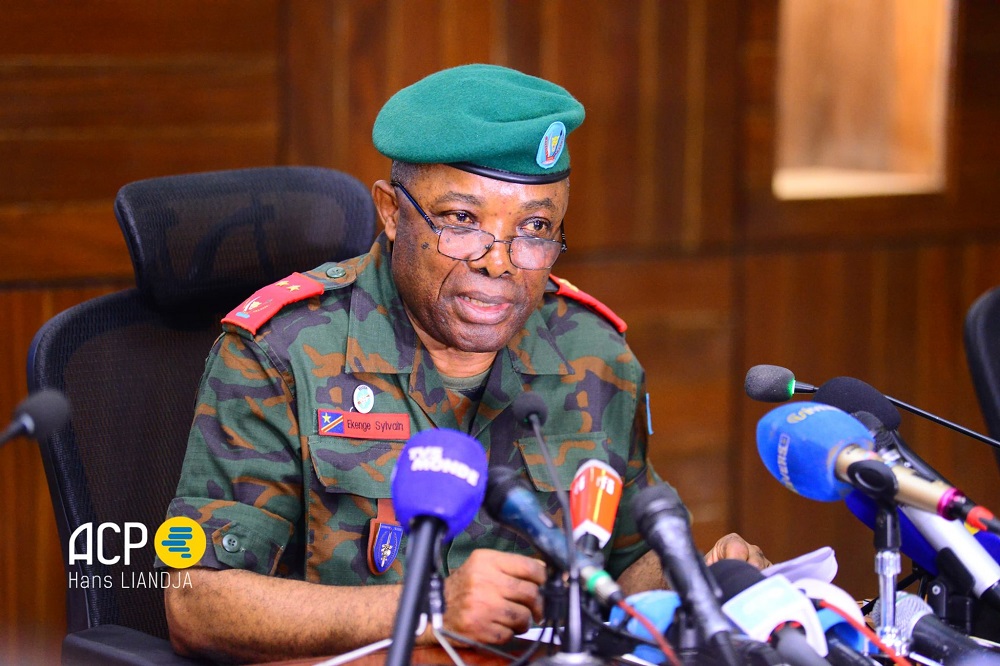
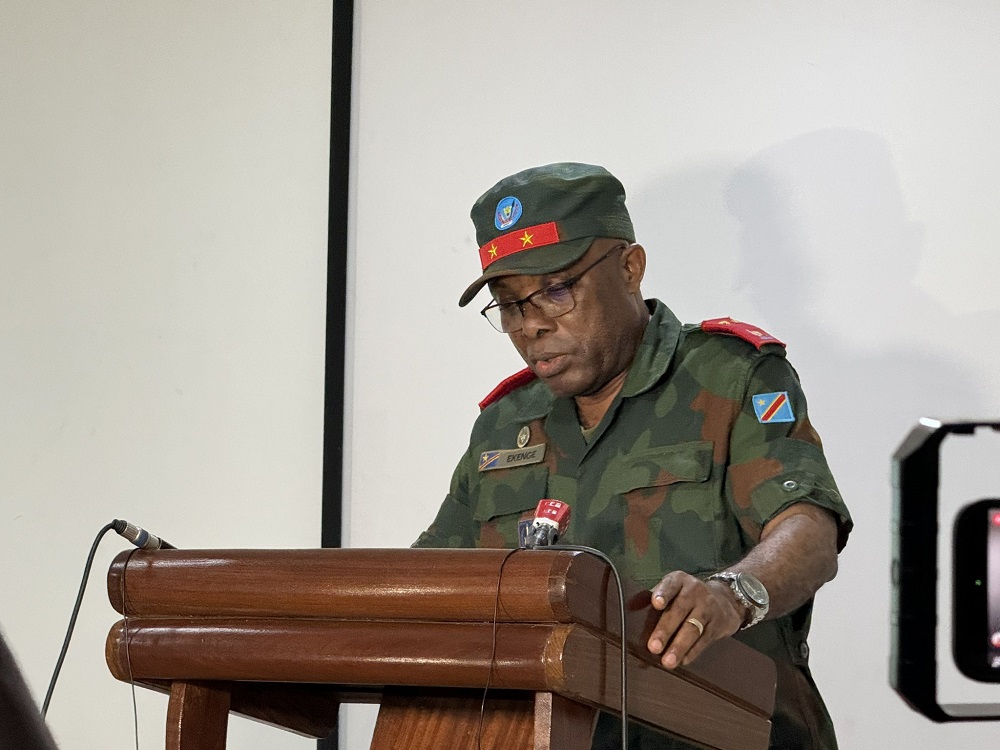
On the evening of December 27, 2025, the state broadcaster RTNC featured Major General Sylvain Ekenge in a segment ostensibly providing updates on security in eastern DRC, particularly South Kivu amid ongoing conflict.
While the primary focus was on military developments, the discussion largely shifted to attacks on Rwandans and Kinyarwanda-speaking Congolese, especially Tutsis, whom Ekenge accused of deception.
He warned viewers to be cautious about marrying Tutsi women, alleging that traditional leaders facilitate such unions only for the woman’s relatives, such as cousins or uncles, to later intervene.
Ekenge claimed these relatives father children with the wife, attributing the offspring to supposed genetic dominance in the Tutsi community, and described the practice as a scam to infiltrate marriages.
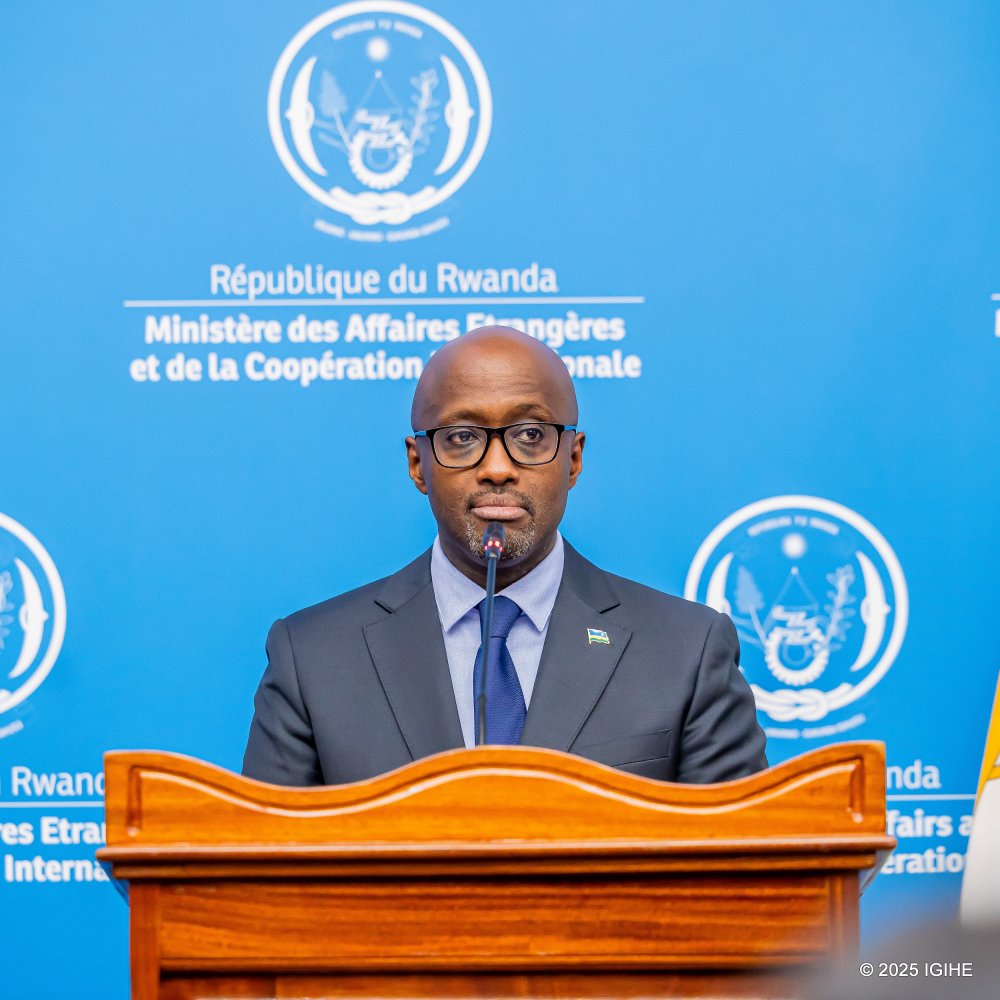
Minister Nduhungirehe noted that this came after the DRC government had cooperated with the FDLR terrorist group in attacks on Banyamulenge in Minembwe and hosted Jean-Claude Mubenga in Kinshasa, where the latter allegedly called Tutsis “cockroaches” and a virus that must be eradicated.
He added that General Ekenge was now endorsing Gitera’s document.
“The spokesperson of the Congolese army now, FARDC, is adopting on national television RTNC the first of the ‘Ten Commandments of the Hutu’ [1990] from the extremist Rwandan newspaper Kangura,” he said.
Gitera founded the Association for the Social Promotion of the Masses (APROSOMA), which fostered division and hatred among Rwandans. He issued the set of ten commandments during a party meeting in Ngoma, Butare, on September 27, 1959.
The first prohibited Hutus from trusting Tutsis, while subsequent ones forbade praising them, forming relationships with them, among others designed to divide Rwandans.
These ideas were later republished and expanded in Kangura, a magazine that promoted genocidal ideology, in its December 1990 edition.
Minister Nduhungirehe observed that General Ekenge appeared to be drawing from material by intellectuals such as Professor Filip Reyntjens , as the term “intelligence” (often used by the Belgian academic to describe Tutsis) was a focus of the military officer’s remarks.
“This Congolese general does not stop there and even goes as far as repeating colonial theories that laid the foundation for the ‘ethnic’ division and the Genocide against the Tutsi, specifically the idea that the Tutsi are ‘Nilotics’ who conquered Rwanda and oppressed the Hutu, even appropriating ‘their Bantu language’’ Kinyarwanda,” Nduhungirehe said.
The minister concluded by warning that, even if President Félix Tshisekedi dismisses General Ekenge due to embarrassment or Western advice, the Congolese Tutsi community would still suffer the consequences of his words unless the international community responds decisively.
The UK’s Home Office announced visa restrictions on DRC citizens late on Saturday, citing the country’s insufficient cooperation with British authorities in repatriating migrants without legal status in the UK. The restrictions include the revocation of fast‑track visa processing and preferential treatment for VIPs and decision‑makers. The UK government warned that further measures, up to a complete halt of visas for DRC nationals, could follow if cooperation does not improve.
At the same time, Angola and Namibia have agreed to accept the return of illegal migrants and foreign criminals. The agreements were reached after the British government threatened visa penalties for any country that refused to cooperate with deportations of its nationals living in the UK without legal permission.
British Home Secretary Shabana Mahmood said the UK expects countries to “play by the rules” and take back their citizens if they have no right to be in the UK. She added that the visa measures are part of broader reforms intended to tighten asylum rules and ensure faster deportations of irregular migrants.
The move to curb DRC visas comes amid a wider push by the UK government to enforce stricter immigration controls, reflecting ongoing challenges related to irregular migration and asylum backlogs. While Angola and Namibia responded positively to the UK’s pressure by agreeing to take back migrants, the DRC has yet to meet the cooperation standards required, prompting the visa curbs.
In a statement issued on Sunday, December 28, the Ministry of Foreign Affairs and International Cooperation said Rwanda “fully aligns with the statements issued by the African Union and the East African Community in support of Somalia” and encouraged efforts towards a path based on shared peace and prosperity, in accordance with international law.
The position follows strong remarks from the Chairperson of the African Union Commission, Mahmoud Ali Youssouf, who rejected any recognition of Somaliland as an independent state and reiterated the AU’s “unwavering commitment” to the unity and sovereignty of Somalia.
He reaffirmed the AU’s long-standing stance, grounded in the Constitutive Act of the African Union, particularly the principle of respect for the intangibility of borders inherited at independence, as established by the 1964 decision of the Organisation of African Unity.
The AU Commission firmly rejected any initiative aimed at recognising Somaliland, stressing that the region remains an integral part of the Federal Republic of Somalia. It warned that actions undermining Somalia’s unity, sovereignty and territorial integrity risk setting a dangerous precedent with far-reaching implications for peace and stability across Africa.
The Commission also reiterated its full support for Somalia’s federal authorities as they seek to consolidate peace, strengthen state institutions and advance inclusive governance.
The renewed diplomatic focus comes after Israel announced on Friday that it viewed Somaliland as an “independent and sovereign state”, becoming the first country to make such a declaration. The announcement prompted a sharp response from Mogadishu, with Somalia’s federal government describing the move as a “deliberate attack” on its sovereignty that could undermine regional peace.
Somaliland unilaterally declared independence from Somalia in May 1991, following years of conflict that left the country in turmoil. Despite maintaining its own government, security structures and currency, it has long lacked formal international recognition.
Several international actors have since distanced themselves from Israel’s declaration. The United States said it would continue to recognise Somalia’s territorial integrity, explicitly stating that this includes Somaliland. The European Union also criticised the move, warning that it threatens peace and security in the region, while urging Somalia and Somaliland to resolve their long-standing differences through dialogue.
Rwanda’s statement adds to mounting regional and international support for the AU’s position that Somalia’s unity, sovereignty and territorial integrity must be upheld.
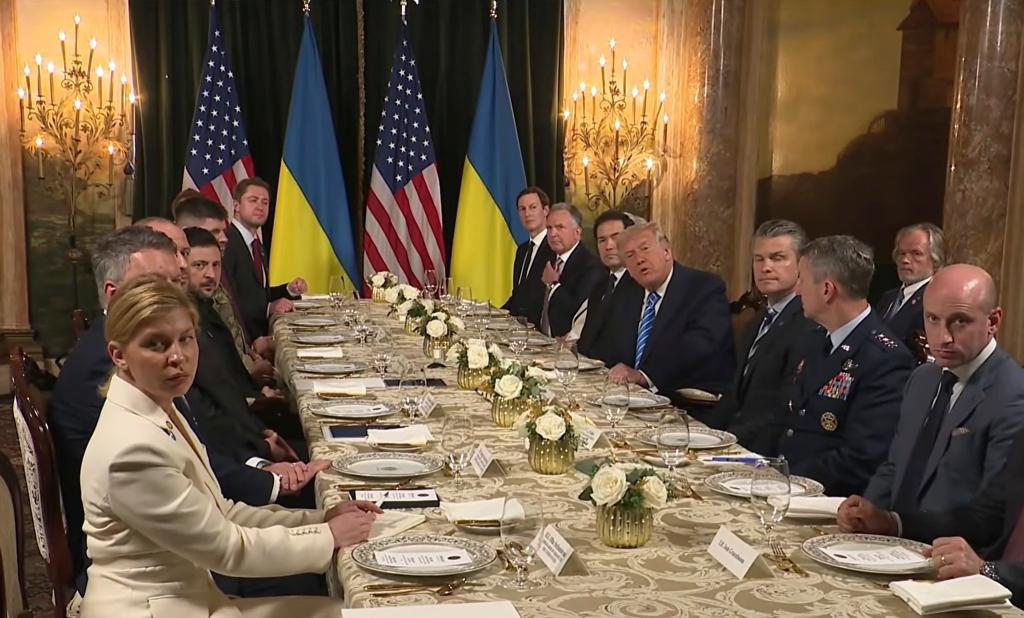
“I don’t have deadlines. You know what my deadline is? Getting the war ended,” Trump told reporters at the start of his meeting with visiting Ukrainian President Volodymyr Zelensky at his Mar-a-Lago estate in Palm Beach, Florida.
Asked whether their Sunday talks will lead to a peace deal, Trump said: “It depends — I do believe we have the makings of a deal,” noting that the Ukraine crisis has proved difficult to solve.
Zelensky said his talks with Trump will focus on the latest draft of a 20-point peace plan and the sequencing of a settlement.
“It’s very important our teams talk about strategy — how to make step-by-step, and to bring peace closer,” Zelensky said.
Ahead of the meeting with Zelensky, Trump said on Truth Social that he “had a good and very productive telephone call” with Russian President Vladimir Putin.
During the phone call, Trump and Putin agreed that a temporary ceasefire would only prolong the Ukraine crisis, Russian Presidential Aide Yuri Ushakov said.
The two presidents “hold broadly similar views that the temporary ceasefire proposed by the Ukrainians and Europeans, under the pretext of preparing for a referendum or other pretexts, will only prolong the conflict and risk a resumption of hostilities,” Ushakov said.
During the Florida talks, Trump and Zelensky are expected to discuss possible ceasefire arrangements, a proposed demilitarized zone, the management of the Zaporizhzhia nuclear power plant, territorial control of the Donbas region, and security guarantees following the end of the crisis.
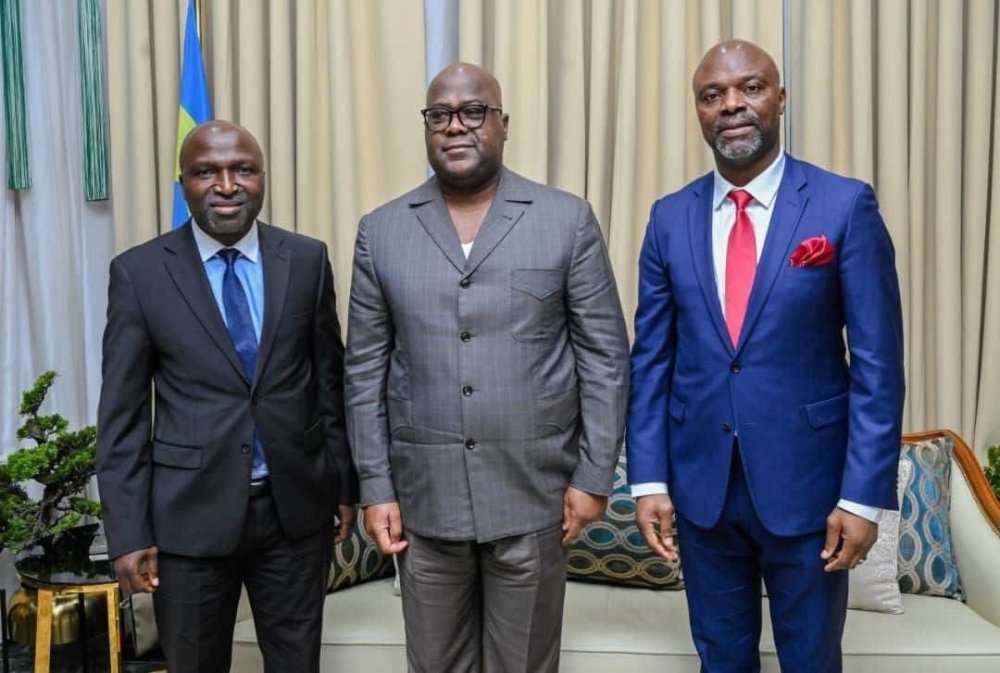
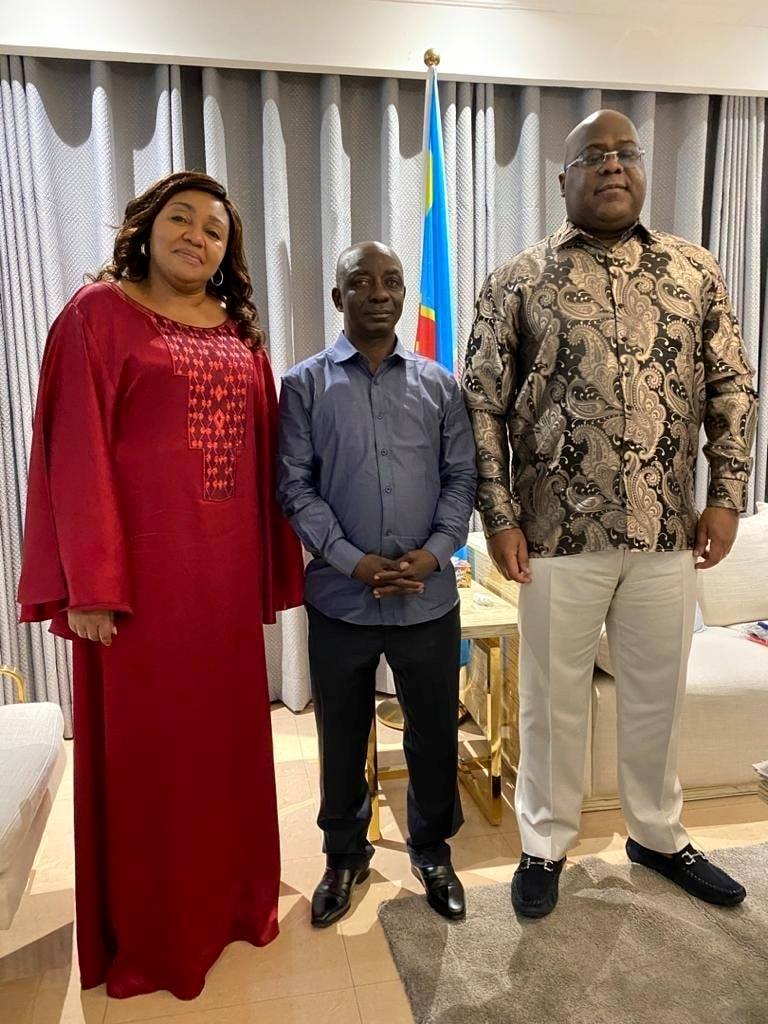
On December 22, 2025, DRC President Félix Tshisekedi Tshilombo hosted two Congolese expatriates from the United States, Jean-Claude Mubenga and Kalonji Kabamba wa Mulumba.
The DRC government claims that Tshisekedi, Mubenga, and Kalonji discussed Congolese unity and the country’s sovereignty and independence.
However, individuals familiar with the actions of these men on social media argue that the meeting was intended to further support their controversial views.
The following day, Mubenga posted inflammatory comments online, referring to Tutsis as “inyenzi” (cockroaches) and asserting that the DRC’s land does not belong to them.
He described them as a virus that must be eradicated before it spreads, likening them to cockroaches that should be killed immediately to prevent multiplication.
Mubenga, known for his repeated expressions of animosity toward the Tutsi community, urged Congolese citizens to target anyone speaking Kinyarwanda for elimination and praised Wazalendo militias for doing so.
He further encouraged youth to join efforts to eradicate the group entirely.This is not the first instance of apparent government endorsement.
In late September 2025, Government Spokesperson Patrick Muyaya met Mubenga and Kalonji in New York during a YouTube-broadcast discussion.
Muyaya expressed appreciation for Congolese individuals engaged in what he called a “media war” for patriotism, specifically commending Mubenga for his campaigning efforts.Similar patterns extend to other figures aligned with the administration.
Deputy Justin Bitakwira, a longtime advocate for the extermination of all Tutsis and a member of the ruling Union Sacrée alliance, oversees Wazalendo activities in South Kivu.
Despite EU sanctions imposed on him in December 2022 for inciting violence against the Banyamulenge (Congolese Tutsis), the DRC government has taken no action against him.
More recently, on the evening of December 27, 2025, state broadcaster RTNC featured Major General Sylvain Ekenge, spokesperson for the DRC armed forces, in a segment ostensibly updating viewers on security in eastern DRC, particularly South Kivu amid ongoing conflict.
While the primary focus was military developments, much of the discussion veered into attacks on Rwandans and Kinyarwanda-speaking Congolese, especially Tutsis, whom Ekenge accused of deception.
He warned viewers to exercise caution in marrying Tutsi women, alleging that traditional leaders facilitate such unions only for relatives from the woman’s family, such as cousins or uncles, to later intervene.
Ekenge claimed these relatives father children with the wife, attributing the offspring to supposed genetic dominance within the Tutsi community, and labeled the practice a scam infiltrating marriages.
The DRC government maintains that no ethnic group is targeted and dismisses claims of persecution against Congolese Tutsis as fabrications.
Yet, statements from officials like General Ekenge and the associations with figures such as Mubenga and Bitakwira lend credence to widespread concerns about institutionalized hostility toward the Tutsi community.
According to a news release from the prime minister’s official website, the commitment of 2.5 billion Canadian dollars (1.83 billion U.S. dollars) for Ukraine includes financing that will enable the International Monetary Fund to lend to Ukraine, as well as other debt service suspension and loan guarantee programs.
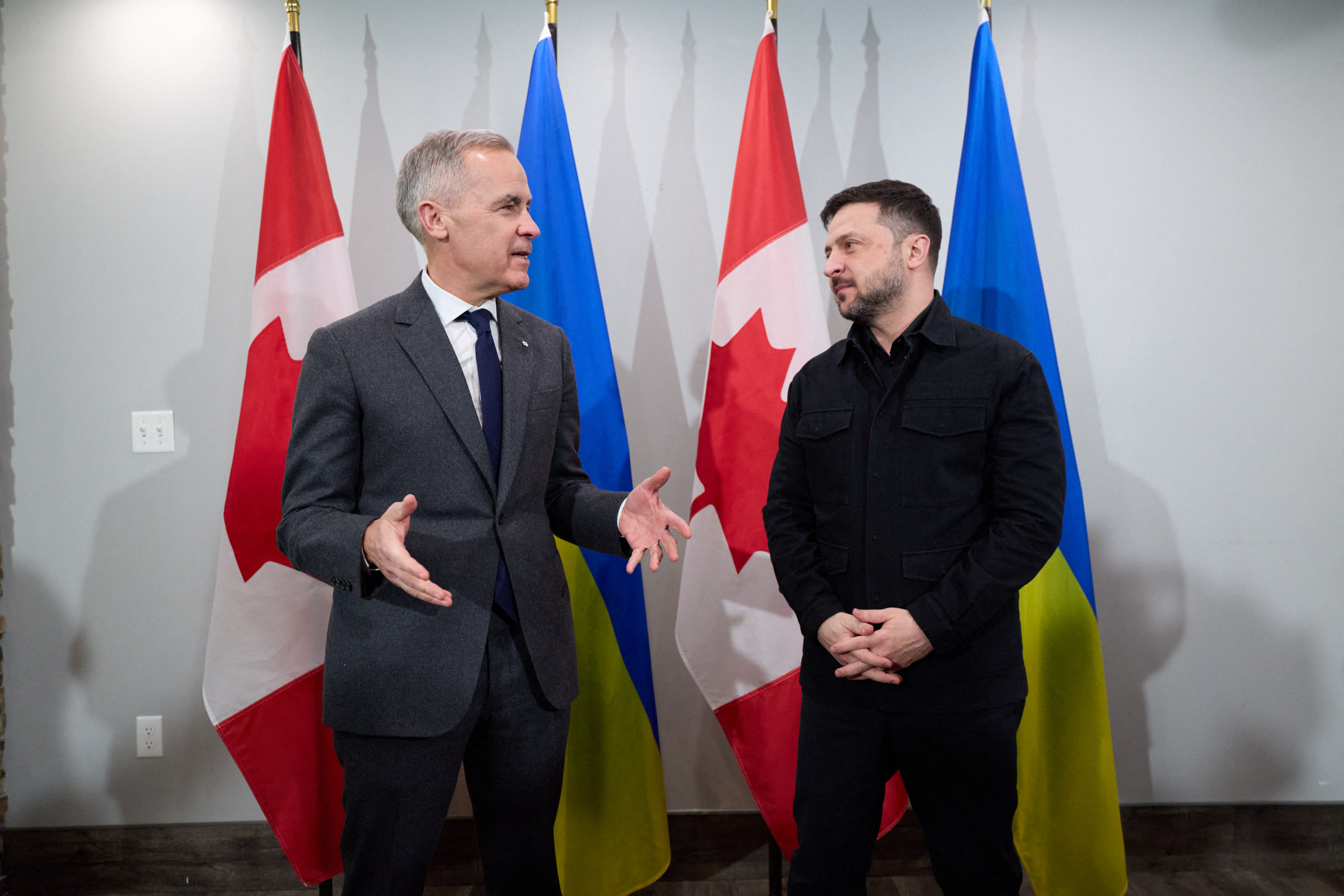
Carney and Zelensky held a bilateral meeting in the Canadian city of Halifax to discuss the latest developments in ongoing peace talks.
Carney affirmed Canada’s full support for Ukraine. They also participated in a call with European leaders to advance joint efforts for Ukraine’s security and recovery, added the release.
“Canada has committed new support to Ukraine, not only to help end this war, but also to help the Ukrainian people recover and rebuild,” said Carney.
Zelensky on Saturday stopped over in the Canadian city before flying to Florida to meet with U.S. President Donald Trump for talks aimed at ending the Ukraine crisis.
According to local media, Zelensky is set to discuss a 20-point peace plan with Trump, likely at Trump’s Mar-a-Lago estate in Palm Beach, Florida, on Sunday.
In a statement, the Sudanese Armed Forces (SAF) General Command said it had followed “the targeting of the Al-Tina garrison inside sisterly Chad by a drone belonging to the militia,” expressing condolences to the Chadian leadership, people, and the victims’ families.
The statement stressed that the Al-Tina area inside Sudan is “under full control of the SAF,” with civil and security institutions operating regularly, adding that “no hostile activity toward neighboring countries has been recorded from this area.”
It added that the RSF “has repeatedly used drones to carry out cross-border hostile acts,” which it described as an attempt to create tensions between Sudan and neighboring states.
Two Chadian soldiers were killed and another seriously injured in a drone attack that targeted a military camp near the border with Sudan on Friday morning.
The Chadian army condemned the attack on Saturday, denouncing it as an “unjustified and deliberate” aggression that violated international law and Chad’s sovereignty. While it did not attribute responsibility, the statement warned Sudanese warring parties against repeating such violations, asserting that Chad reserves “the right to respond.”
No comment has been made by the RSF regarding the attack.
Sudan has been engulfed in a deadly conflict since April 15, 2023, when fighting broke out between the SAF and the RSF, leaving tens of thousands killed and millions displaced within the country and across its borders.
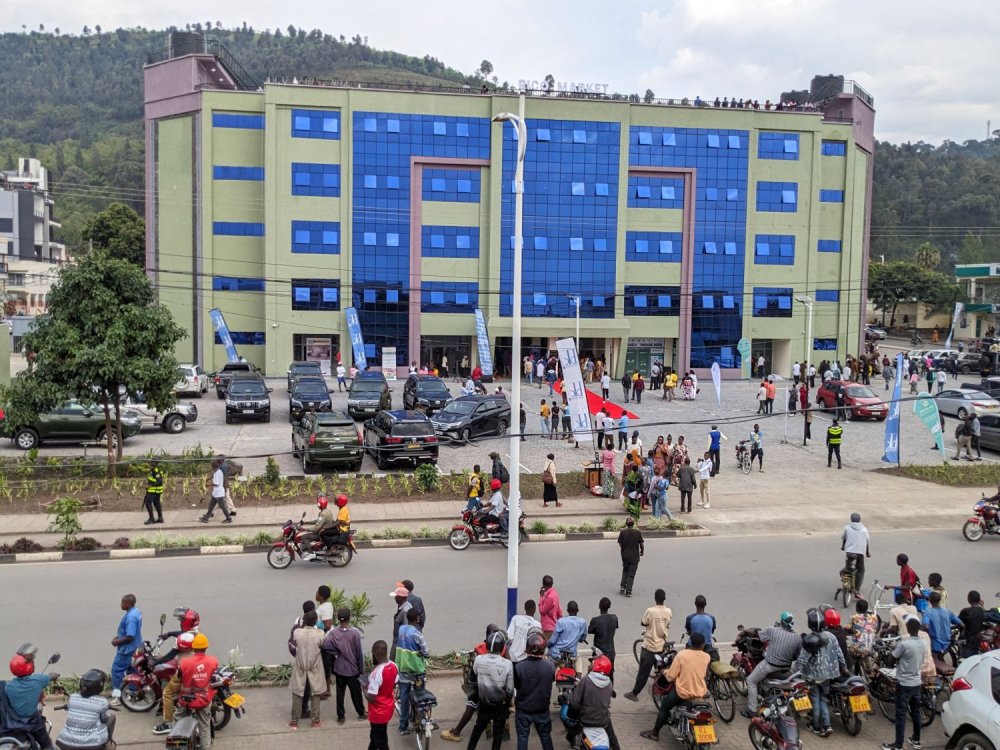
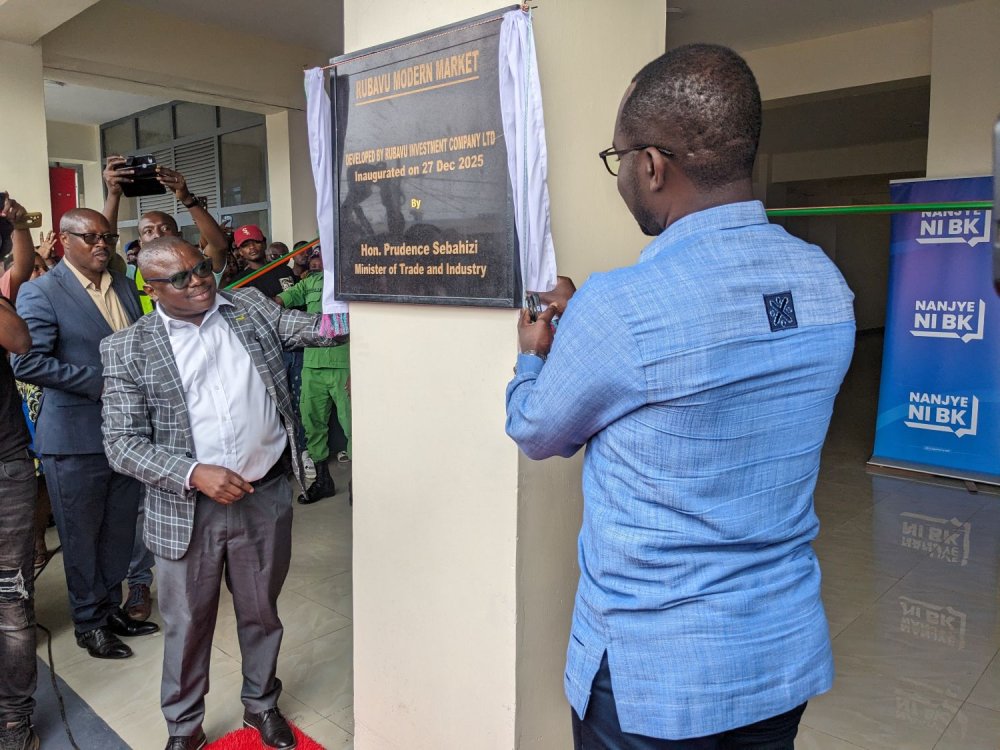
Inaugurated on December 27, 2025, in Gisenyi sector, the modern facility cost 5.7 billion Rwandan Francs.
Work on the market started in 2011 but was stalled for nine years due to various setbacks. In 2021, the project was transferred to private investors under Rubavu Investment Company Ltd (RICO Ltd), who partnered with Rubavu District to finish the construction.
The four-level structure offers 2,500 square meters of space per floor, not including the roof and basement.
Minister of Trade and Industry Prudence Sebahizi emphasized the need for even more ambitious projects to align with Rwanda’s Vision 2050.
“This market was conceived 15 years ago. I am confident that in the next three years, you will build others far larger, perhaps 15 times the scale. It was designed with a 2020 vision in mind, but today we are focused on 205,” he noted.
“Under the second National Strategy for Transformation [NST2], there are plans to boost private sector investment, and the enthusiasm shown by the community has been remarkable. This is one of the most warmly embraced initiatives by its beneficiaries that I have witnessed. Alongside tourism, the trade sector in this area now needs at least three five-star hotels,” the minister added.
He encouraged investors to build on the success: “You have impressive projects underway. When people unite, extraordinary results follow. Like RICO Ltd, expand your investments and take them beyond Rubavu. This market demonstrates the demand for high-value developments.”
Jeanne Françoise Mubiligi, Chairperson of Rwanda’s Private Sector Federation (PSF), commended the investors and developers for their role in bringing the project to fruition.
Rubavu District Mayor Prosper Mulindwa called the opening a milestone for the community.
“This is a momentous day for everyone here,” he said. “The market was long overdue, and its completion required collective effort. It addresses many challenges, with over 95% of trader placements already secured.”
Pierre Celestin Twagirayezu, Chairperson of RICO Ltd, expressed gratitude to the government for its support.
“The new market provides 1,500 stalls for traders,” he explained. “It will serve both local residents and visitors to Rubavu. This achievement would not have been possible without the government’s guidance.”