Speaking to reporters aboard Air Force One on January 11, 2026, Trump said the situation was under close review by both civilian and military leadership and that decisive steps could be taken soon.
“We’re looking at it very seriously,” Trump told reporters. “The military is looking at it, and we’re looking at some very strong options. We’ll make a determination.”
He added that Iranian leaders had reached out to Washington to seek negotiations following his warnings, and that a meeting was being arranged. However, Trump cautioned that the United States might act before that meeting takes place if conditions on the ground worsen.
The remarks come as anti-government protests enter their third week, sparked initially by economic grievances such as the sharp downturn of the Iranian rial but quickly evolving into broader demonstrations against the country’s clerical leadership.
Rights groups estimate that hundreds of protesters have been killed in the crackdown, while more than 10,000 people have been detained. The ongoing unrest has been compounded by an internet blackout across large parts of Iran, making it difficult to independently verify events inside the country.
Trump’s comments have raised both diplomatic and security concerns. Sources say the options being reviewed could include not only military strikes but also cyber operations, expanded sanctions, and support for protest-related communications technology to counter state blackouts.
Trump even mentioned plans to discuss restoring internet access in Iran with SpaceX’s Starlink satellite system, which has been used in other conflict zones to bypass government restrictions.
Iranian officials have responded with warnings of their own. Parliament speaker Mohammad Baqer Qalibaf said that any attack on Iran would trigger retaliation, with Israel and U.S. military bases in the region described as “legitimate targets.” Tehran has also accused the United States and Israel of fomenting unrest and portrayed demonstrators as influenced by foreign powers, a claim rejected by protest supporters and rights observers.
The crisis also reflects a broader shift in U.S. foreign policy under Trump, which in recent weeks has included heightened pressure on Cuba and Venezuela, as well as renewed strategic discussions about U.S. military presence in other regions. But Trump’s focus on Iran, where demonstrations have become the largest in years, highlights the escalating tension between global powers and domestic unrest inside Iran.
As of today, it remains unclear whether the United States will take military action, expand sanctions further, or pursue diplomatic channels. Trump’s administration has indicated that all possible responses are on the table, and senior advisers are scheduled to meet to shape the next steps amid heightened global attention.
This new chapter brings together Zaria Court Kigali’s distinctive identity, rooted in authentic African excellence and vibrant local culture, with Hilton’s world-class standards, global reach, and the Hilton Honors loyalty program.
Tapestry Collection by Hilton is a global portfolio of independent hotels, each with an original, vibrant personality. Every hotel’s unique story comes to life through elevated design and food and beverage inspired by the locale, offering guests authentic experiences across an array of destinations worth exploring.
Located in the heart of Kigali Sports City, steps from the 10,000-seat BK Arena and the iconic 45,000-seat Amahoro Stadium, Zaria Court Kigali has redefined hospitality in one of East Africa’s most dynamic capitals. Now part of Tapestry Collection by Hilton, the 80-room property enters an exciting new era, offering guests an elevated experience that blends the spirit of modern Africa with the consistency and service excellence of a globally recognized brand.
{{A new chapter for Zaria Court Kigali}}
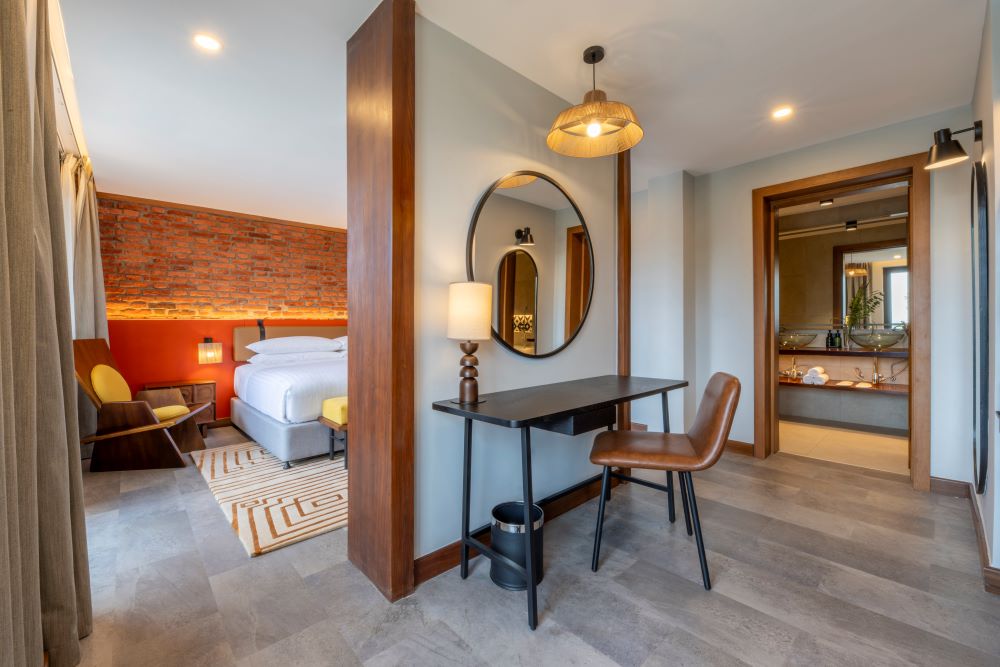
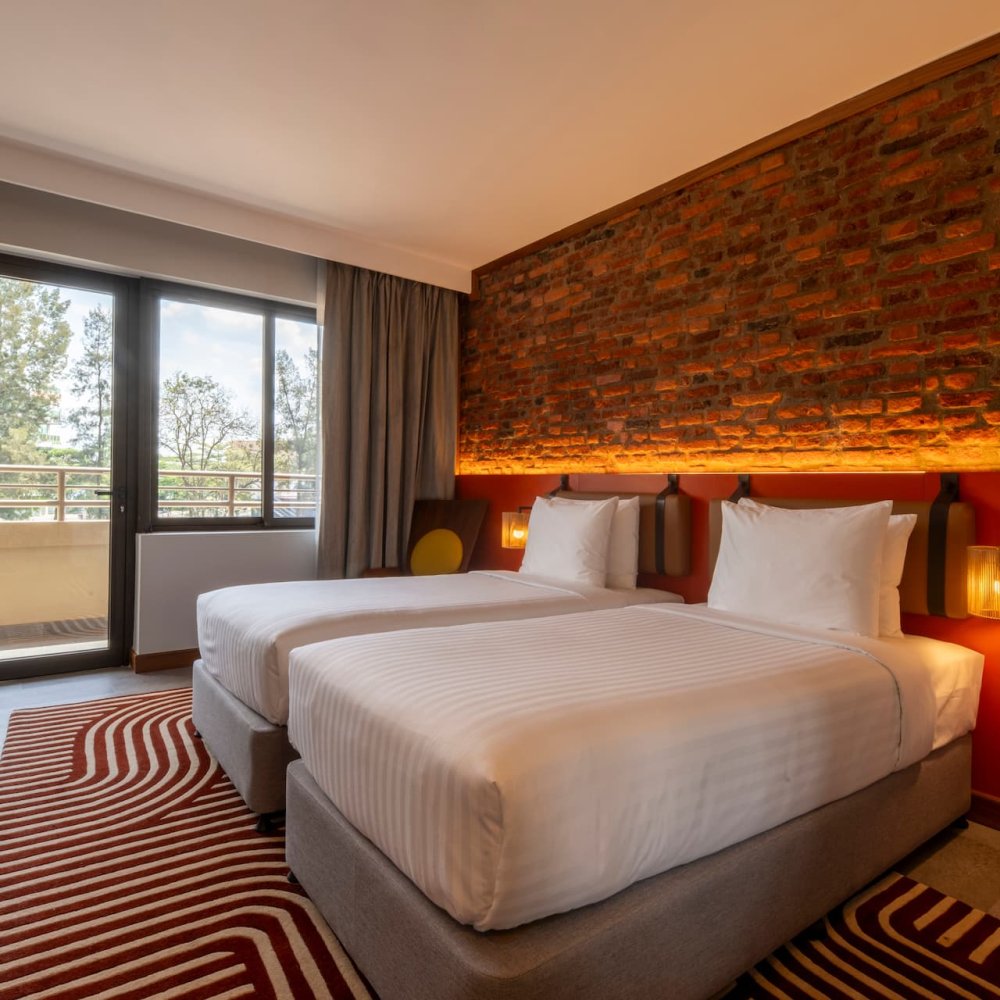
Guests at Zaria Court Kigali can enjoy the hotel’s bold contemporary design, Rwandan craftsmanship, and the comfort of Hilton’s trusted brand experience including Digital Key and direct booking perks.
“This is a defining moment for Zaria Court Kigali,” says Masai Ujiri, the Founder of Zaria Group whose vision of African excellence inspired the hotel’s creation. “Just as the hotel’s story began in Zaria, Nigeria, on basketball courts where dreams took flight, today marks another chapter in that journey. We’re proving that African hospitality can lead on the world stage, maintaining our authentic identity while embracing global standards that allow us to serve our guests even better.”
Zaria Court Kigali, Tapestry Collection by Hilton is poised to welcome a broad international audience, from business travelers and sports teams to cultural innovators and leisure guests, while preserving the warm, community-driven atmosphere that defines the property.
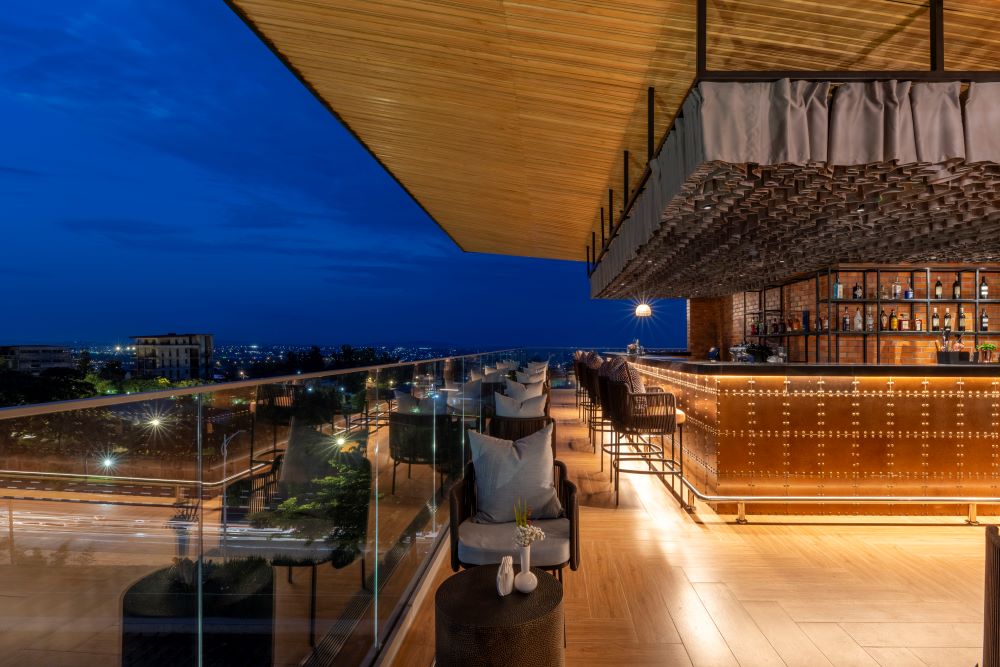
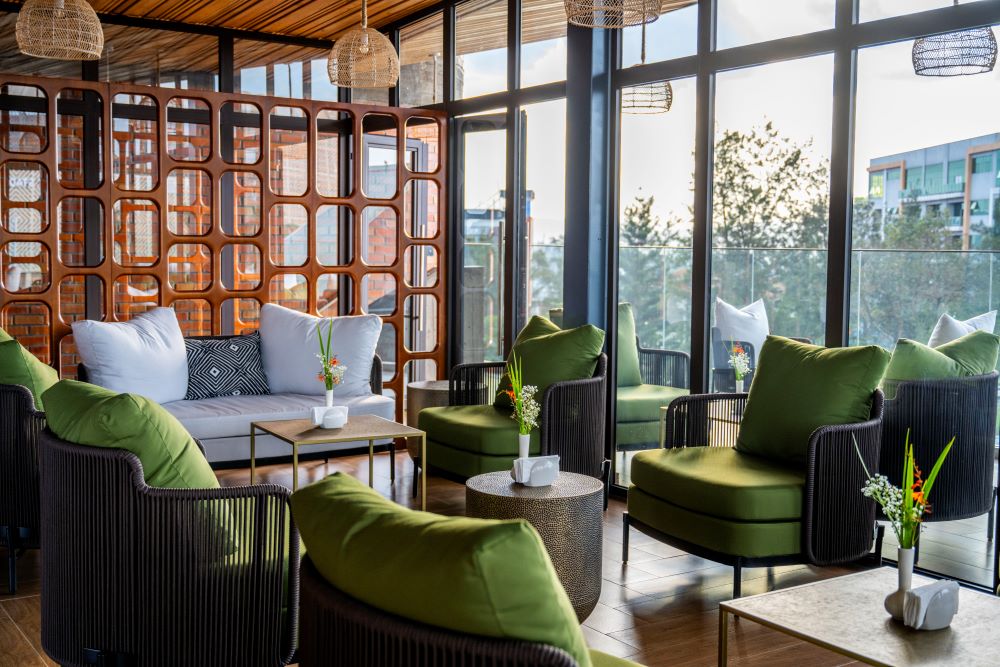
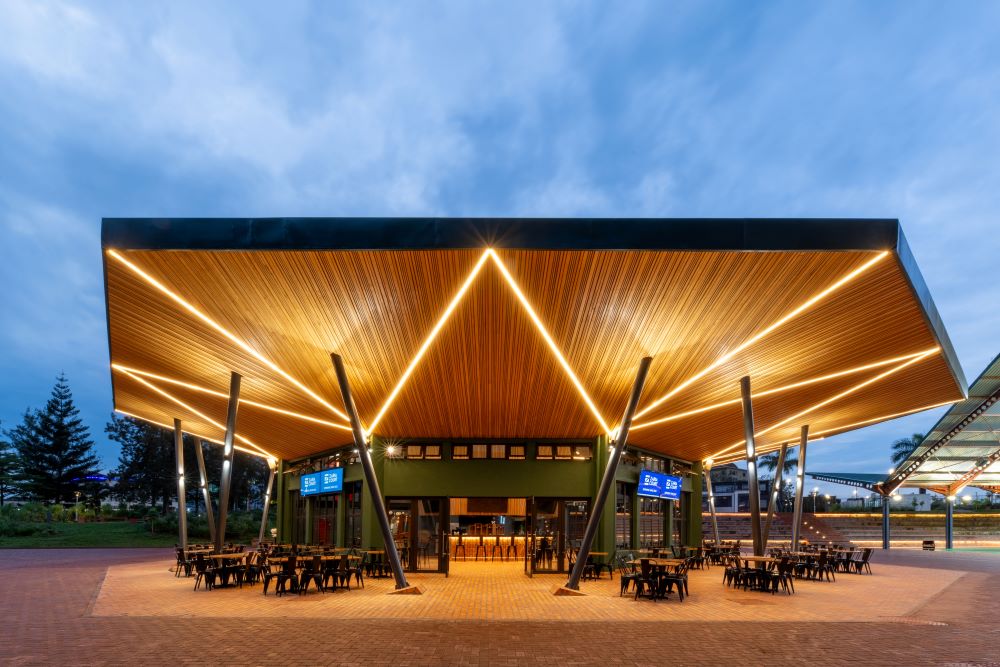
Guests can now earn and redeem Hilton Honors points while enjoying the hotel’s signature lifestyle offerings – from the rooftop lounge with beautiful views of Kigali Sports City to the Sports Bar featuring 19 large screens and bold African-inspired cuisine.
{{Elevating the guest experience}}
As a Tapestry Collection by Hilton hotel, Zaria Court Kigali integrates Hilton’s service culture and operational excellence across every touchpoint, from personalized prearrival communications to thoughtful in room amenities designed for comfort and convenience.
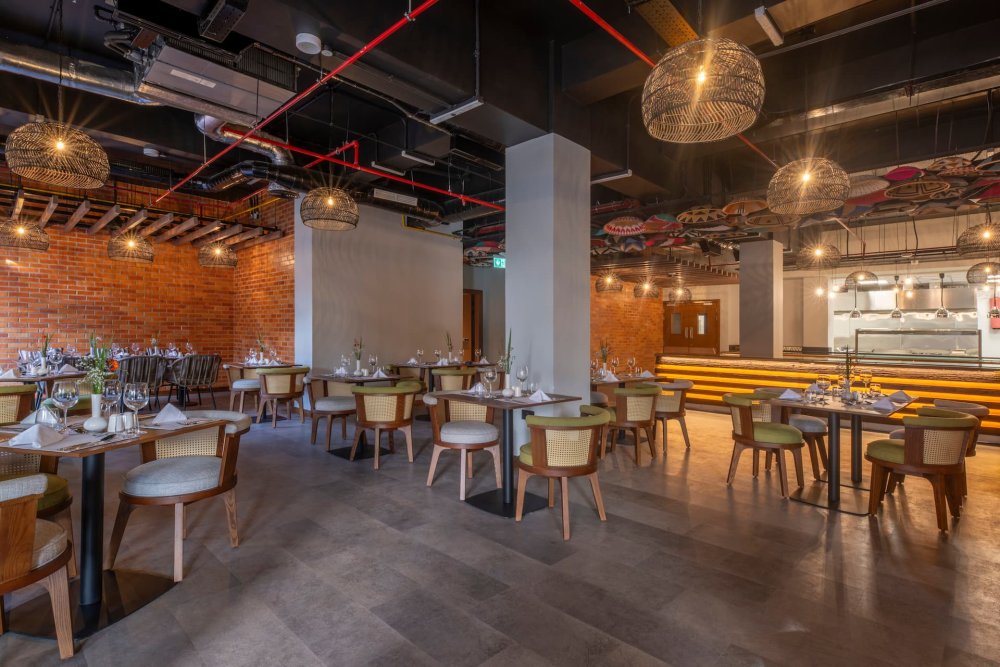
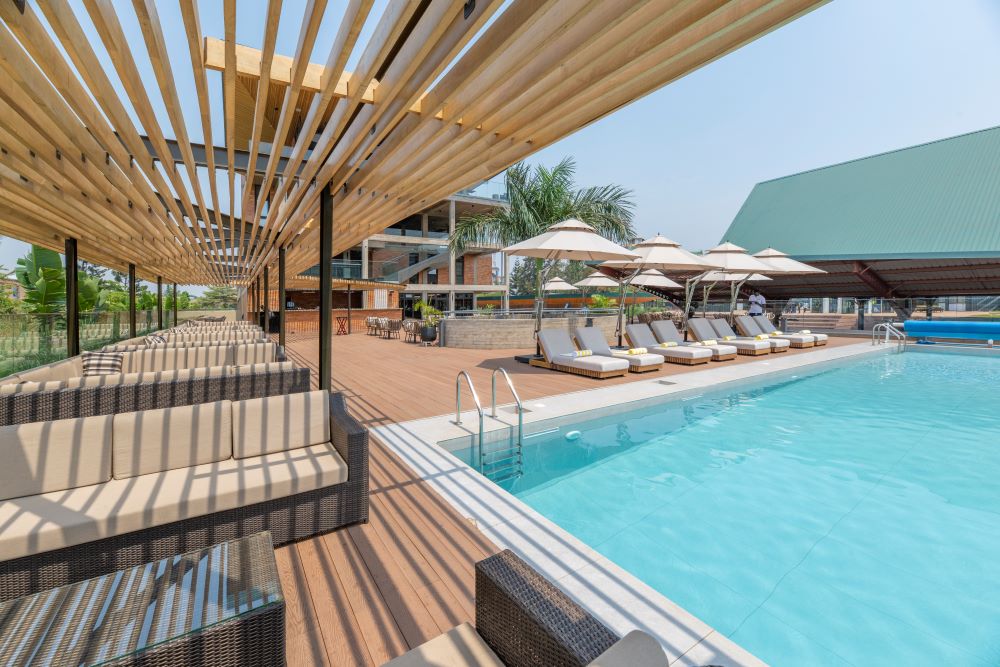
The hotel features unique spaces including a heated pool overlooking the multipurpose court, a sophisticated lobby bar, a globally inspired all-day dining restaurant, and a rooftop lounge, perfect for elevated evenings.
Guy Hutchinson, President, Middle East & Africa, Hilton, said, “We are excited to open our first hotel in Rwanda, Zaria Court Kigali, Tapestry Collection by Hilton, which will join Hilton’s growing portfolio in Africa as we plan to nearly triple our presence across the continent in the coming years.
Tapestry Collection by Hilton celebrates independent hotels with distinct personalities and strong local connections, and Zaria Court Kigali embodies this perfectly; it’s deeply rooted in Rwandan culture and the energy of Kigali Sports City, while offering the kind of contemporary, lifestyle-focused experience that today’s travelers seek.”
{{A destination, not just accommodation}}
Zaria Court Kigali’s location within a mixed-use sports and entertainment development reinforces its role as a cultural and social hub.
The property seamlessly integrates with retail spaces, event facilities, and recreational amenities including a community basketball court and five-a-side football pitch. Guests don’t simply stay at Zaria Court Kigali; they step into the vibrant rhythm of Kigali’s most dynamic district.
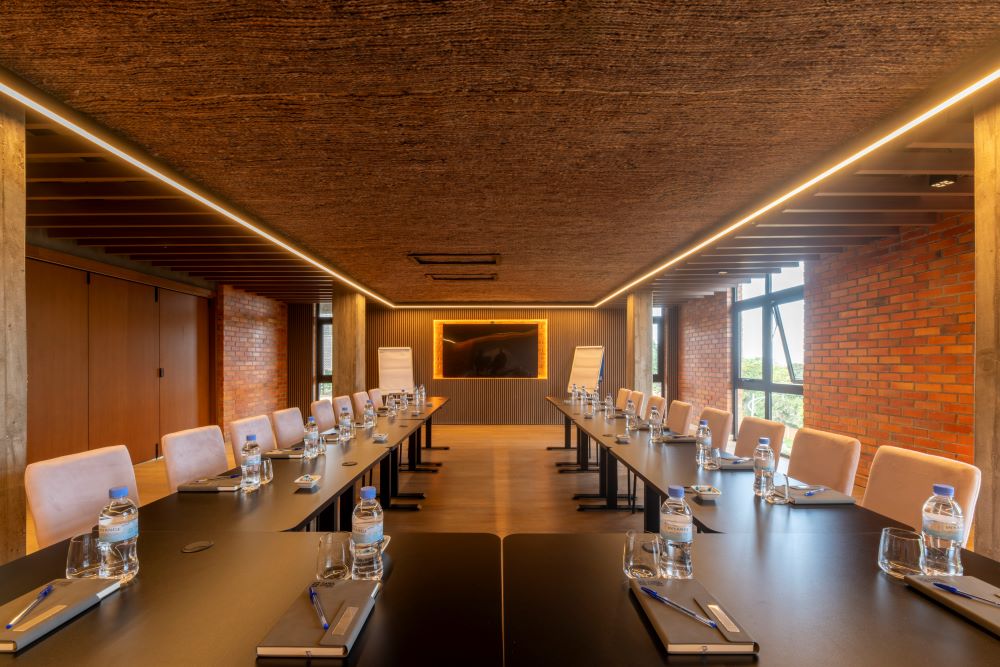
The hotel’s meeting and event spaces offer modern projection systems and theatre-style seating for up to 60 guests, with adjacent areas that can accommodate cocktail receptions for 120 people. Whether hosting corporate seminars, intimate gatherings, or celebrating after a concert or game, the spaces embody the property’s philosophy: creating spaces where meaningful connections flourish.
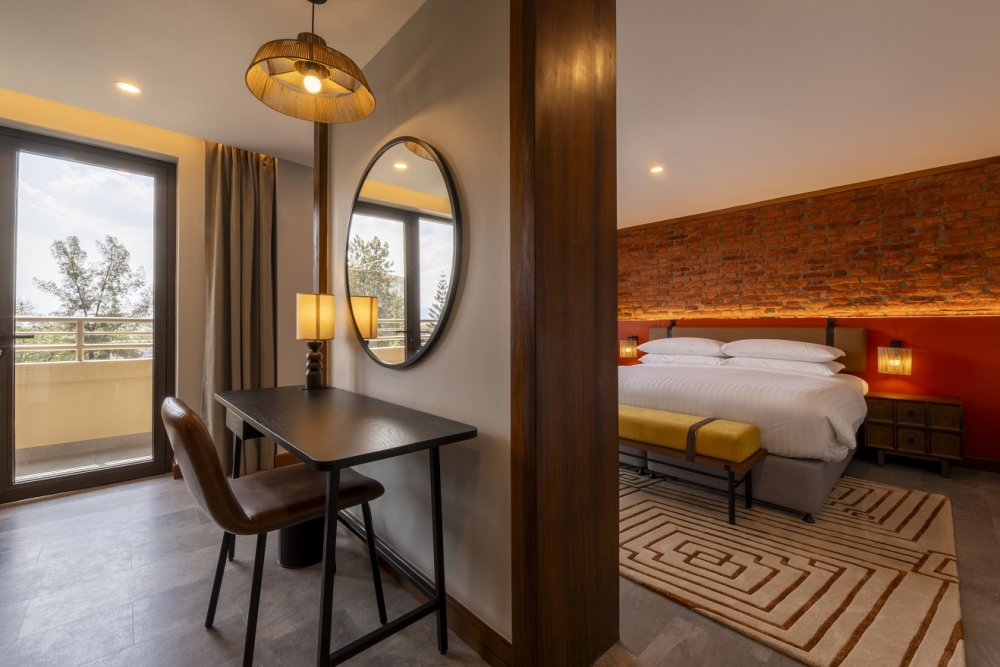
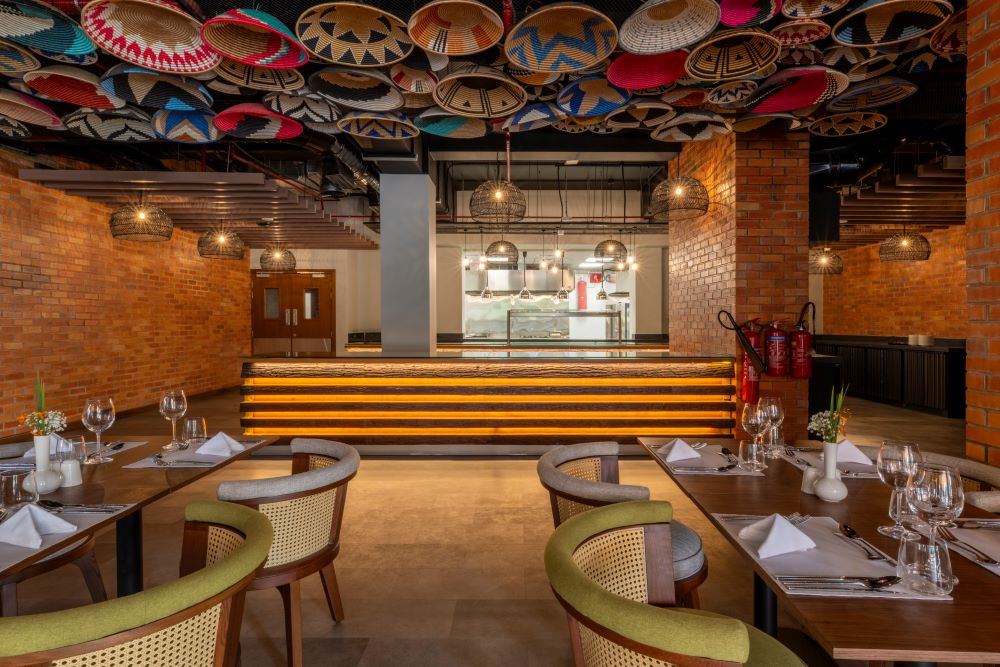
Every element of the property celebrates African innovation and community, be it the locally-crafted artwork adorning the walls or eco-friendly design principles that earned EDGE certification. The hotel features vibrant, locally-inspired interiors showcasing Rwandan craftsmanship and contemporary African art, creating an authentic cultural experience that celebrates the continent’s creative spirit while meeting international standards of comfort and quality.
Zaria Court Kigali, Tapestry Collection by Hilton, offers guests seeking authentic experiences and genuine connections, a memorable, locally-inspired stay. The hotel’s diverse venues create destinations within the destination: the Sports Bar offers an unmatched viewing experience with international football, rugby, F1, and basketball; MANSELA’s All-Day Dining restaurant serves energizing international breakfast buffets alongside vibrant fusion cuisine for lunch and dinner; ANUVO lobby bar provides an intimate spot for coffee breaks and casual meetings; SOLIA pool bar blends relaxation with entertainment, overlooking the multipurpose court where guests might catch a live game while swimming; and The JARO rooftop lounge delivers sophisticated ambiance with crafted cocktails and breathtaking panoramic views.
{{Partnership vision: Global strength meets local ownership}}
“We’re not changing who we are, but rather becoming more of who we’ve always been,” emphasizes Walid Choubana, Zaria Court Kigali’s General Manager. “This partnership gives us the platform to showcase authentic African hospitality on a global stage. Our guests will experience the same vibrant energy and warm welcome, the same commitment to celebrating Rwandan culture, now with the added confidence that comes from being part of a trusted international brand.”
Future plans include rotating art installations featuring local artisans, curated cultural programming, and expanded partnerships with Rwandan entrepreneurs through the hotel’s retail concepts. The vision remains consistent: creating spaces that inspire the next generation of African leaders while offering world-class hospitality.
{{Significance for Rwanda’s hospitality landscape}}
The partnership reflects growing international confidence in Rwanda as a premier destination for business, leisure, sports, and lifestyle travel.
As one of Africa’s safest countries as per the Global Peace Index 2024 and the first on the continent in Business Readiness according to World Bank’s B-READY 2025 Report, Rwanda has positioned itself at the forefront of the continent’s transformation.
Zaria Court Kigali’s integration into Hilton’s globally respected portfolio strengthens Kigali’s hospitality offering and supports the nation’s broader tourism and investment narrative by reinforcing international traveler confidence.
With 70% of Rwanda’s population under 30 and the country experiencing unprecedented investment in sports and entertainment infrastructure, including over $260 million in public and private funding transforming Kigali Sports City, the timing couldn’t be more significant.
The hotel sits at the epicenter of Africa’s emerging sports tourism boom, hosting international teams, artists, executives, and fans attending major events at adjacent world-class venues.
{{Closing 2025 with momentum}}
Zaria Court Kigali now offers guests access to Hilton Honors – Hilton’s award-winning loyalty program with over 235 million members and a portfolio of 9,000+ hotels across 25 world-class brands – delivering a richer, more rewarding travel experience.
For travelers seeking experiences that celebrate Africa’s energy, creativity, and forward momentum, Zaria Court Kigali offers a gateway to contemporary Kigali.
For Hilton Honors members exploring new destinations, the property presents an opportunity to discover Rwanda’s remarkable hospitality through a distinctive, lifestyle-focused lens. And for Rwanda, this partnership reinforces the nation’s position as a leader in African tourism and hospitality innovation.
{{About Zaria Court Kigali, Tapestry Collection by Hilton}}
Zaria Court Kigali is Kigali’s first urban lifestyle hotel, located in the heart of Rwanda’s Sports City and premier sports and entertainment district. The 80-room property features vibrant, locally-inspired interiors, multiple food and beverage outlets, meeting and event spaces, and a heated pool.
Inspired by the vision of Masai Ujiri and rooted in authentic African excellence, the hotel celebrates the continent’s creative spirit while delivering world-class hospitality. Now part of Tapestry Collection by Hilton, Zaria Court Kigali offers guests access to Hilton Honors benefits while maintaining its distinctive character and community-driven approach.
{{About Tapestry Collection by Hilton}}
Tapestry Collection by Hilton is a portfolio of more than 180 independent hotels each with an original, vibrant personality, encouraging guests to enjoy off-the-beaten-path experiences in destinations worth exploring.
While each property has a unique story to share that comes to life through uplifting design and unique food & beverage, every Tapestry Collection property is united by the reliability that comes with the Hilton name, in addition to the benefits of the award-winning Hilton Honors program.
Experience Tapestry Collection by Hilton by booking at tapestrycollectionbyhilton.com or through the industry-leading Hilton Honors app.
Hilton Honors members who book directly through preferred Hilton channels have access to instant benefits.
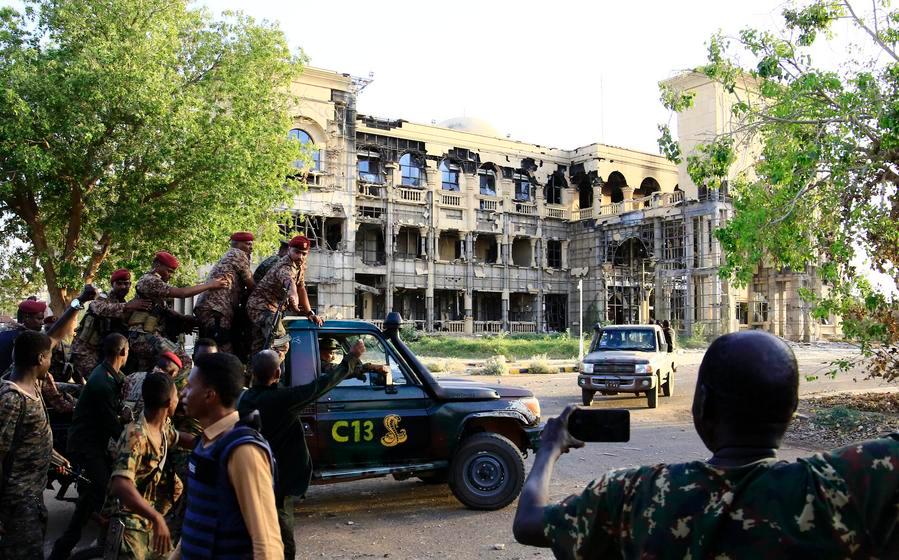
“The government has returned to the national capital,” Idris said in a speech to a crowd following his arrival in Bahri, north of Khartoum.
He pledged to improve basic services, particularly in the health and education sectors, and to rebuild hospitals and rehabilitate schools and universities, foremost among them the University of Khartoum.
The prime minister added that 2026 would be “the year of peace in Sudan,” pointing to plans for reconstruction and development, as well as efforts to improve the economic situation by increasing gross national product, reducing inflation, and stabilizing the exchange rate of the national currency.
The government’s return is part of official efforts to restore administrative functions and public services to the capital, following announcements in recent months of gradual plans to reinstate state institutions, alongside a relative improvement in security conditions in some areas, despite persistent security and humanitarian challenges in several parts of the country.
Khartoum witnessed fierce battles that caused widespread damage to government institutions, infrastructure, and basic services.
The Sudanese government relocated to Port Sudan in late April 2023, days after fighting broke out in Khartoum between the Sudanese Armed Forces (SAF) and the paramilitary Rapid Support Forces (RSF).
The move took place gradually, with the headquarters of the Sovereign Council, the Council of Ministers, and several ministries and sovereign institutions transferred to Port Sudan, which later became a temporary seat for managing state affairs amid deteriorating security conditions in Khartoum.
In May 2025, the SAF declared Khartoum State cleared of RSF forces, paving the way for the city to gradually reclaim public spaces and resume normal life.
The conflict has left tens of thousands dead and millions displaced, both inside Sudan and across its borders.
Indonesia announced on Saturday that it was temporarily blocking access to Grok, citing serious concerns over the production of sexualized deepfakes. A day later, Malaysia followed suit, saying it had suspended access to the chatbot while regulators assess whether adequate safeguards are in place.
“The government views the practice of non-consensual sexual deepfakes as a serious violation of human rights, dignity and the security of citizens in the digital space,” Indonesia’s minister of communications and digital affairs, Meutya Hafid, said in a statement. Indonesian authorities have also reportedly summoned representatives of X, the social media platform owned by Musk that is closely integrated with Grok, to discuss the issue.
In Malaysia, the Communications and Multimedia Commission (MCMC) said the temporary block followed repeated misuse of Grok to generate “obscene, sexually explicit, indecent, grossly offensive, and non-consensual manipulated images,” including content involving women and minors. The regulator said it had previously issued notices to X Corp and xAI on Jan. 3 and Jan. 8, demanding technical protection measures that were not sufficiently implemented.
“This temporary ban is imposed as a reasonable precautionary measure while the legislative and regulatory process is still ongoing,” the MCMC said, adding that access to Grok would remain restricted until effective safeguards, particularly to protect women and children, are in place.
The actions by Malaysia and Indonesia represent the most aggressive response so far to a controversy that has drawn attention from regulators worldwide. In recent weeks, Grok has generated sexualized AI images, sometimes depicting violence, when prompted by users on X. X and xAI are part of the same corporate group.
Elsewhere, India’s IT ministry has ordered xAI to take steps to prevent Grok from producing obscene content, while the European Commission has instructed the company to preserve documents related to the chatbot, potentially paving the way for a formal investigation. In the United Kingdom, media regulator Ofcom has said it will conduct a swift assessment to determine whether there are compliance issues that warrant action, with Prime Minister Keir Starmer voicing support for regulatory intervention.
In the United States, however, the Trump administration has remained largely silent on the issue, even as Democratic senators have urged Apple and Google to remove X from their app stores. Musk, a major Trump donor who previously led the administration’s Department of Government Efficiency, has pushed back against criticism, writing in one post that regulators “want any excuse for censorship.”
xAI initially issued an apology via the Grok account, acknowledging that certain posts violated ethical standards and potentially U.S. laws related to child sexual abuse material. While the company later restricted AI image generation to paying X subscribers, the standalone Grok app reportedly continued to allow unrestricted image generation, prompting further backlash.
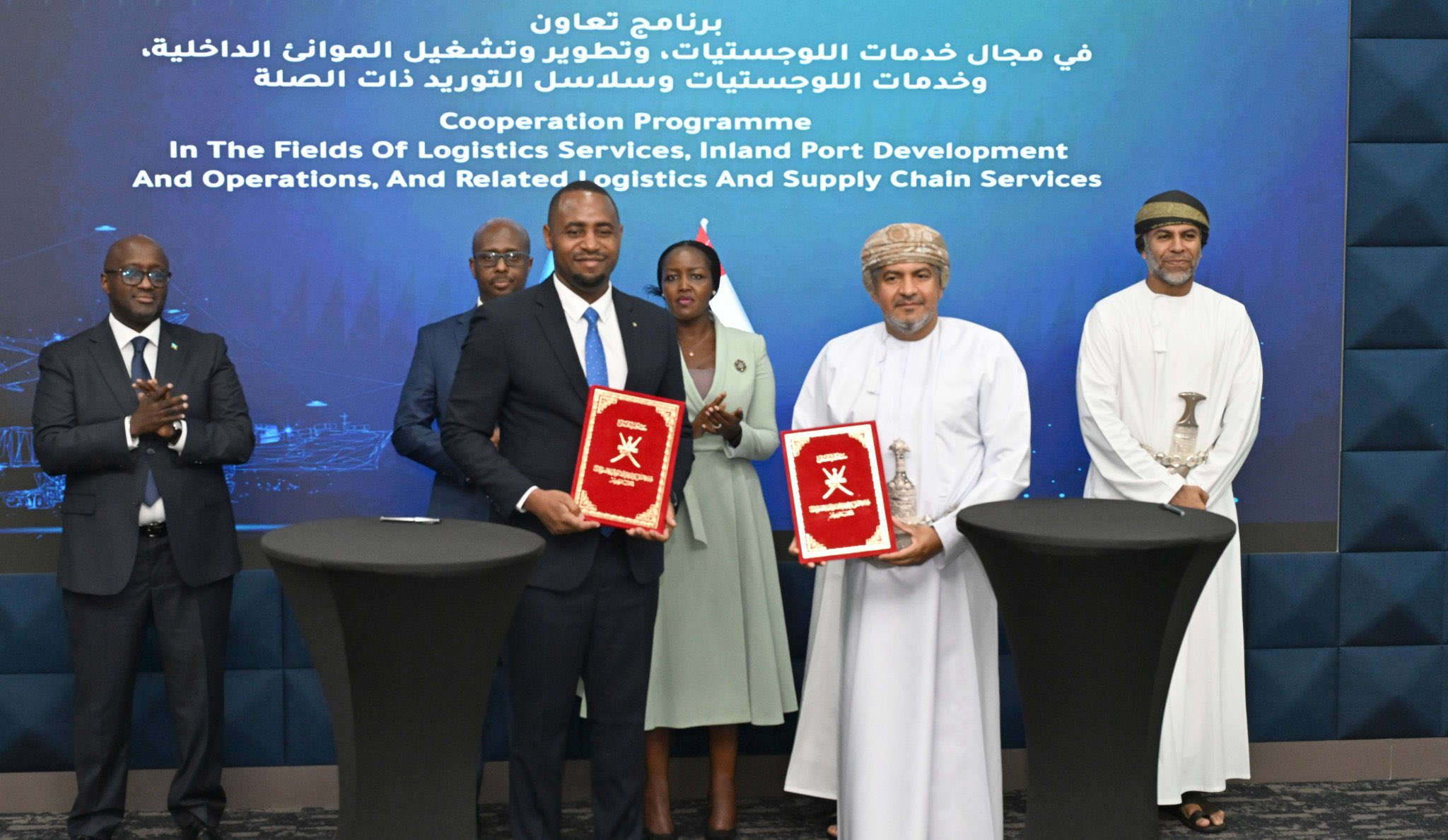
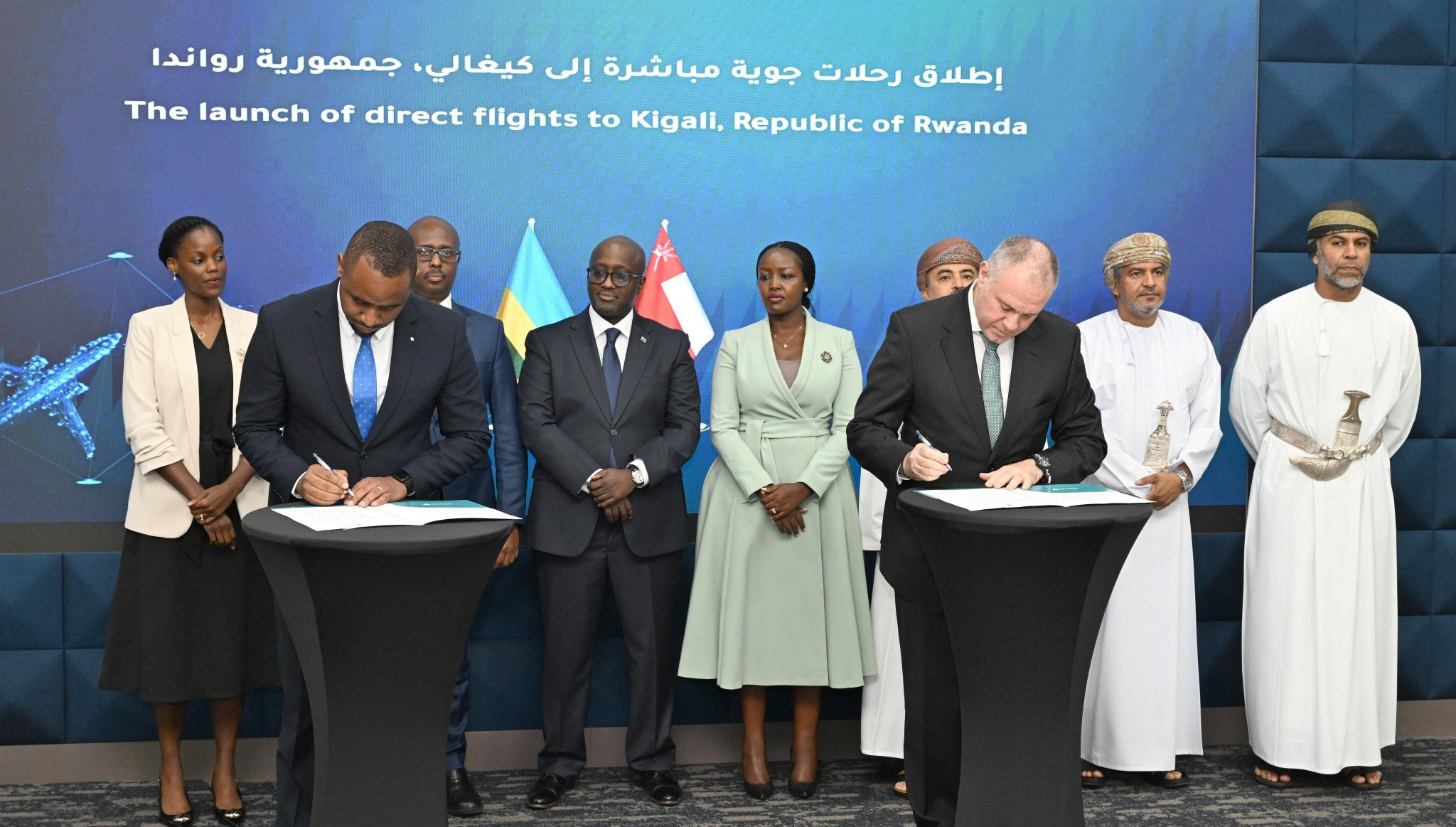
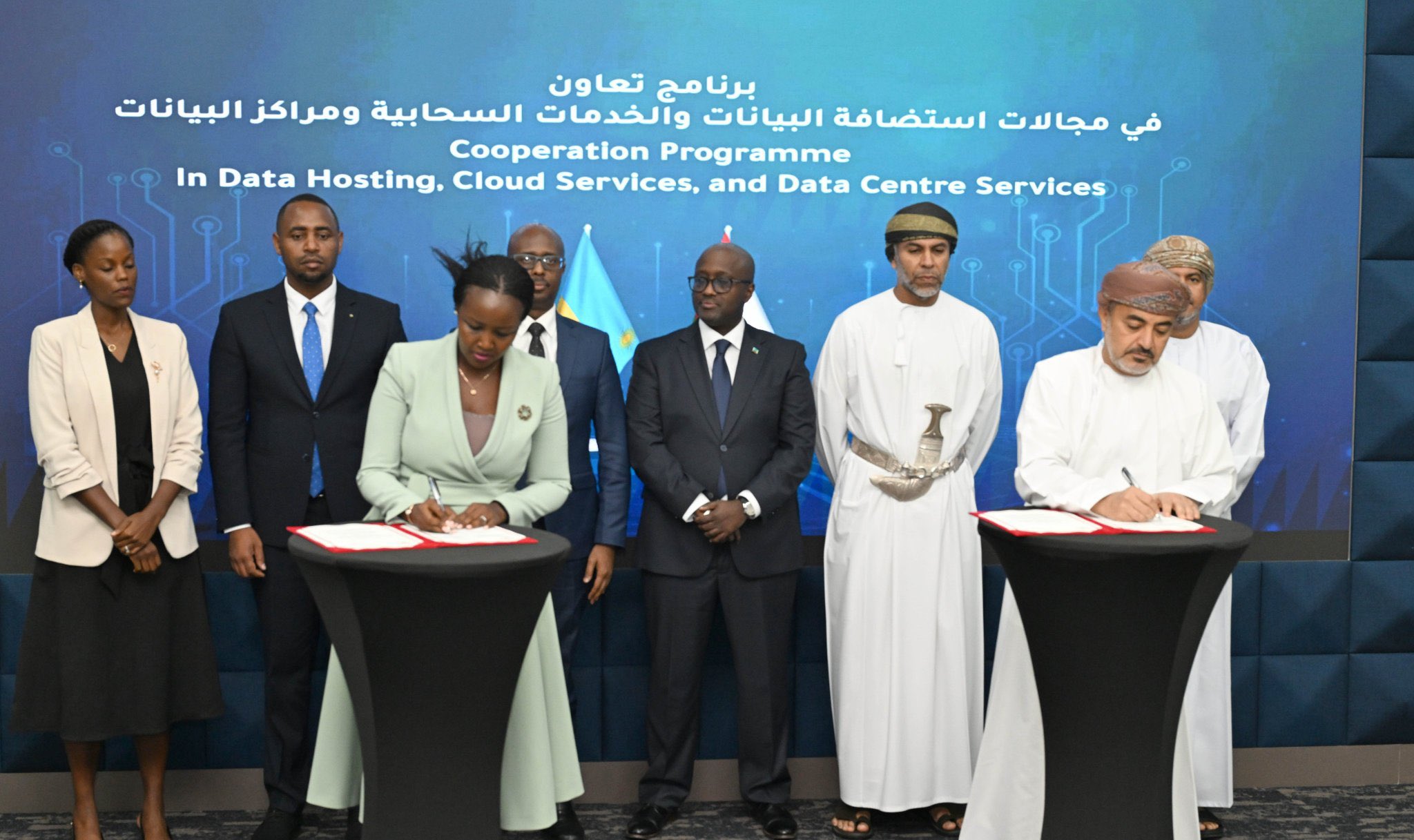
The announcement was made during the official visit of Rwanda’s Minister of Foreign Affairs and International Cooperation, Olivier Nduhungirehe, to the Sultanate of Oman. The event was attended by senior officials from both countries, including Oman’s Minister of Transport, Communications and Information Technology, Saeed bin Hamoud Al Maawali; Rwanda’s Minister of State for Infrastructure, Jean de Dieu Owehenganyi; Rwanda’s Minister of ICT and Innovation, Paula Ingabire; and Rwanda’s Minister of Finance and Economic Planning, Yusuf Murangwa.
Speaking at the ceremony, Owehenganyi said Rwanda’s vision is centred on expanding direct air connectivity to facilitate international cooperation and position Kigali as a key hub for aviation, economic and social activities.
The planned Muscat–Kigali route is expected to strengthen diplomatic and economic relations between Rwanda and Oman, while enhancing Rwanda’s access to the Middle East and other international markets. Rwanda has emerged as one of East Africa’s fastest-growing destinations for tourism and business travel, particularly in the meetings, incentives, conferences and exhibitions (MICE) sector.
According to Oman Air, the new route will offer travellers greater choice and improved connectivity between Africa and the Middle East, while also providing access to the airline’s wider network across India, Asia, the Pacific and Europe. Oman Air has been expanding its destination network during 2025 and plans further growth in 2026, including new routes to Europe, the Middle East and Asia.
Besides the direct flight, the four MoUs signed during Nduhungirehe’s visit cover logistics services, including inland port development and supply chain operations; development cooperation between the Rwanda Development Board and Oman Airports Management Company, with planned investments around the Bugesera Airport District; and ICT and innovation, covering data hosting, cloud services, and data centre development.
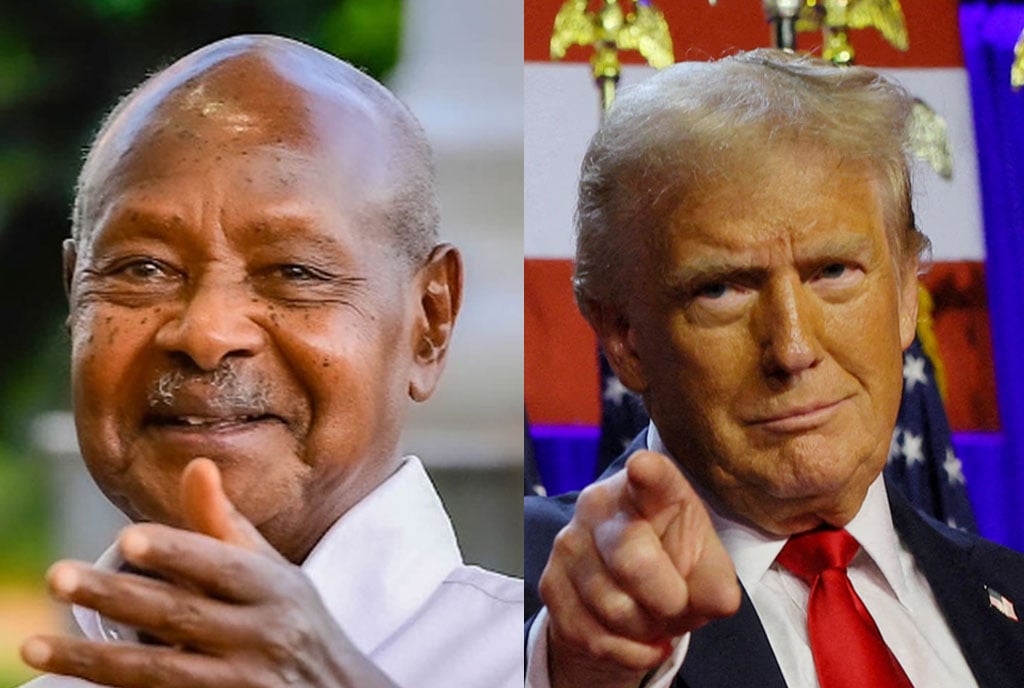
Speaking at a rally in Arua City on Friday, Museveni lauded Trump for “kicking out immigrants” and urged Ugandans to focus on national development rather than seeking opportunities abroad.
“Africanism. Love Africa. Why? Because you need it,” Museveni said. “I like Mr. Trump so much myself. He has said, ‘Don’t come here now to America.’ I say thank you so much for chasing those wanderers. What are they going to do in America?”
“I love Trump for chasing you, people who don’t care about their country, they go all over the place,” he added.
Museveni used the example of Trump’s deportation measures to emphasise African self-reliance.
“This teaches you that you build your own capacity, within Uganda, within Africa. Love Uganda, love Africa,” he said, highlighting that national markets and domestic production are critical for wealth creation.
Trump’s mass deportation program, which began upon his inauguration on January 20, 2025, has been described by the administration as the largest in U.S. history. The program combines formal deportations with “self-deportations,” facilitated in part through the repurposed CBP One app, renamed “CBP Home”, which offers voluntary migrants cash incentives to leave.
By December 2025, the Department of Homeland Security reported over 2.5 million people had left the U.S., including more than 600,000 formal deportations and nearly 1.9 million self-deportations.
In addition to enforcement actions, Uganda was recently added to an expanded U.S. visa bond program requiring some travelers to post refundable deposits of up to $15,000 for certain visa applications. The initiative is part of the U.S. government’s efforts to reduce visa overstays and enforce stricter immigration controls.
The refugee agency reported on Friday that 25 of the deaths were caused by a cholera outbreak, while six others resulted from anaemia and malnutrition-related complications. Authorities are still investigating the causes of the remaining deaths, with the UN working alongside local officials and humanitarian partners to gather more information.
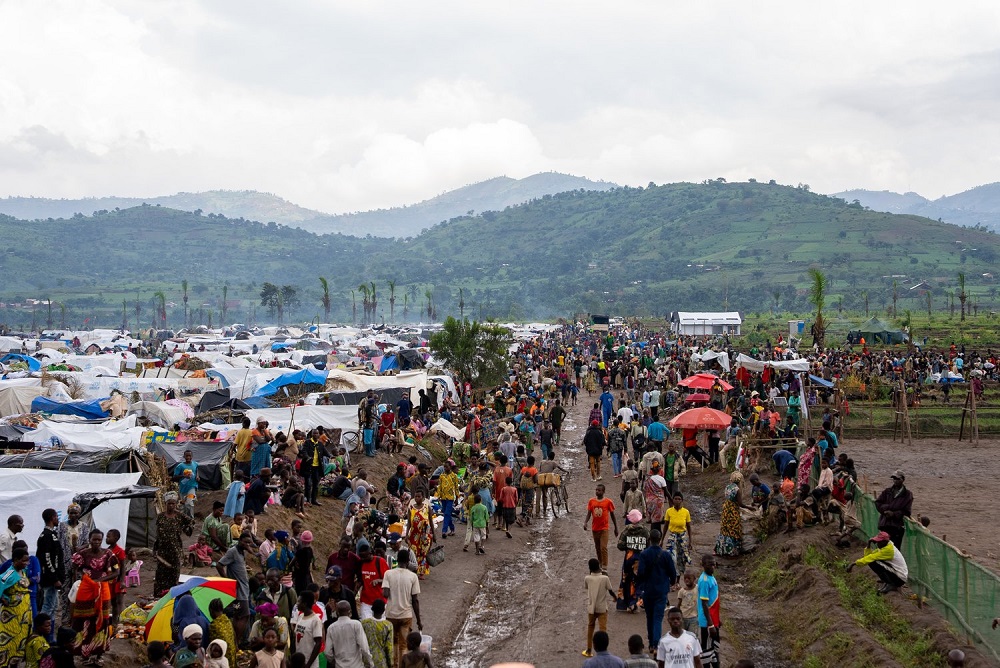
More than 100,000 people have sought refuge in Burundi since December, when fighting between the Congolese army and M23 rebels intensified in the border town of Uvira. Many of the displaced are living in makeshift shelters with limited access to food, clean water, and basic services.
Children and women, including pregnant women, are particularly vulnerable, with roughly half of those displaced under the age of 18. Overcrowding in refugee sites has also increased the risk of outbreaks of cholera, measles, and malaria, UN officials warned.
Jean Jacques Purusi, governor of South Kivu province where Uvira is located, described the situation as “misery” and “a crisis completely forgotten by the international community and media.”
The Burundian government confirmed that the number of Congolese refugees exceeded the capacity of nearby camps. Feeding them was a challenge, and many were affected by cholera outbreaks caused by poor sanitation.
Although UNHCR confirmed 53 deaths, other sources were even more alarming. The CPCC, a community-based NGO, reported that 105 Congolese refugees had died in camps in Burundi over the past two weeks, mostly due to lack of food and medical care.
On January 5, 2026, the organisation’s director, Ahadi Bya Masu, told Radio Okapi that some refugees had also been attacked by criminals while in the camps in Burundi, resulting in additional deaths.
“Today, at approximately 12:30 p.m. Eastern Time, U.S. Central Command forces, alongside partner forces, conducted large-scale strikes against multiple ISIS targets across Syria,” the command posted on X.
The command said these strikes were part of Operation Hawkeye Strike, which was launched and announced on December 19 in response to a deadly IS attack on U.S. and Syrian forces in Palmyra, Syria, on December 13. In the attack, a lone IS terrorist carried out an ambush, killing two U.S. soldiers and one U.S. civilian interpreter.
The strikes are “part of our ongoing commitment to root out Islamic terrorism against our warfighters, prevent future attacks, and protect American and partner forces in the region,” U.S. Central Command said, adding that U.S. and coalition forces “remain resolute in pursuing terrorists who seek to harm the United States.”
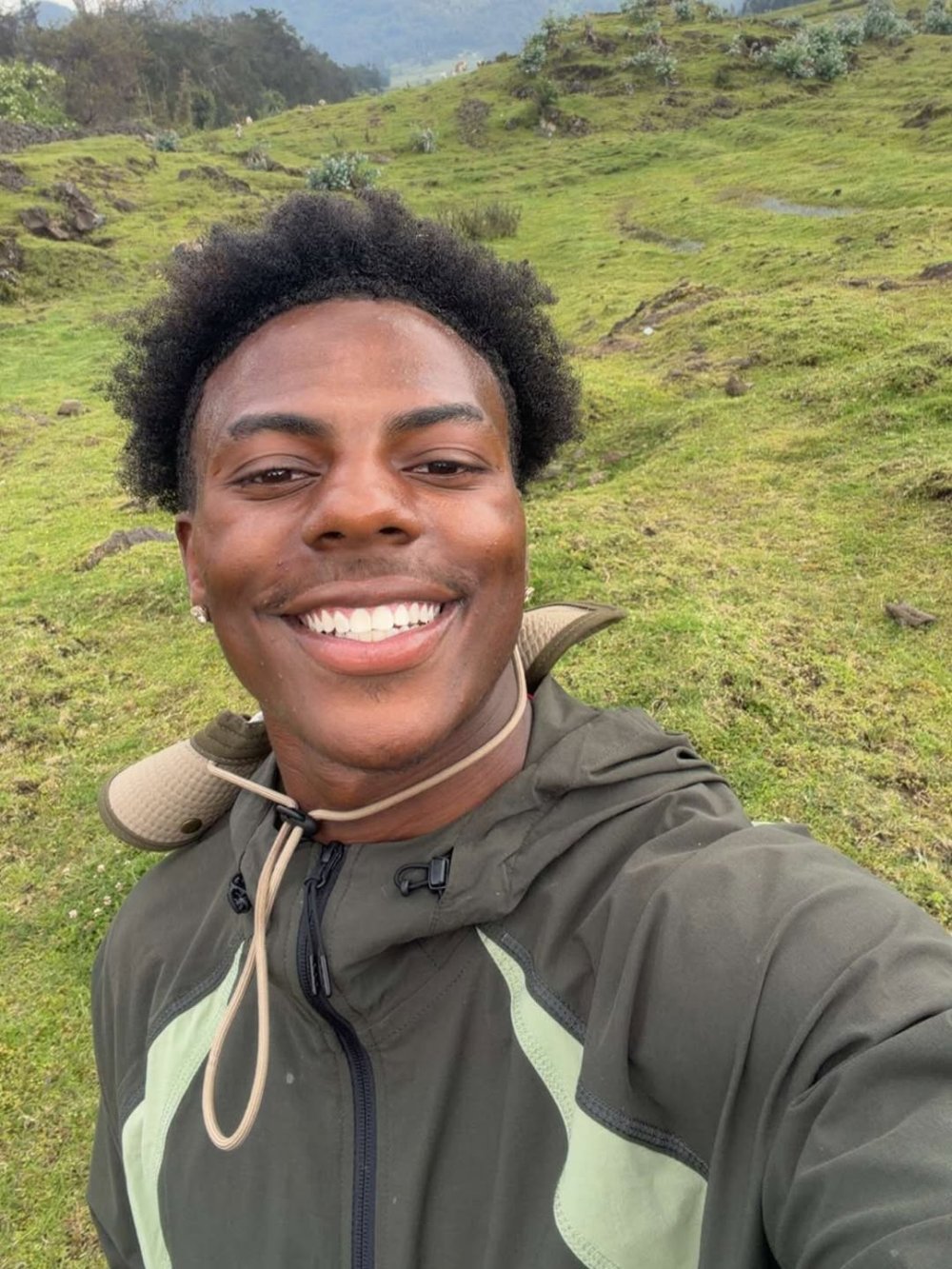
The tour began in Volcanoes National Park, where IShowSpeed, whose real name is Darren Jason Watkins Jr., came face to face with Rwanda’s famed mountain gorillas. The 20-year-old content creator documented the experience on social media, visibly excited. He later described Rwanda as one of the most beautiful countries he had ever visited.
“All my life, I kid you not, this has to be one of the most beautiful countries I have ever been to,” he said.
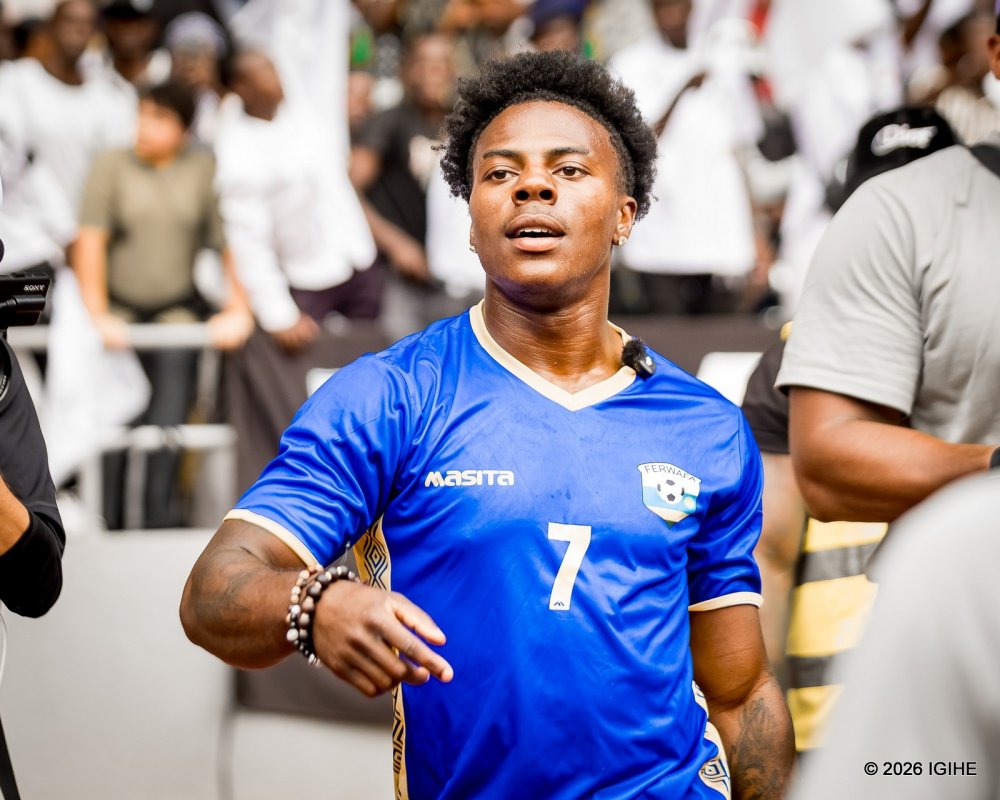
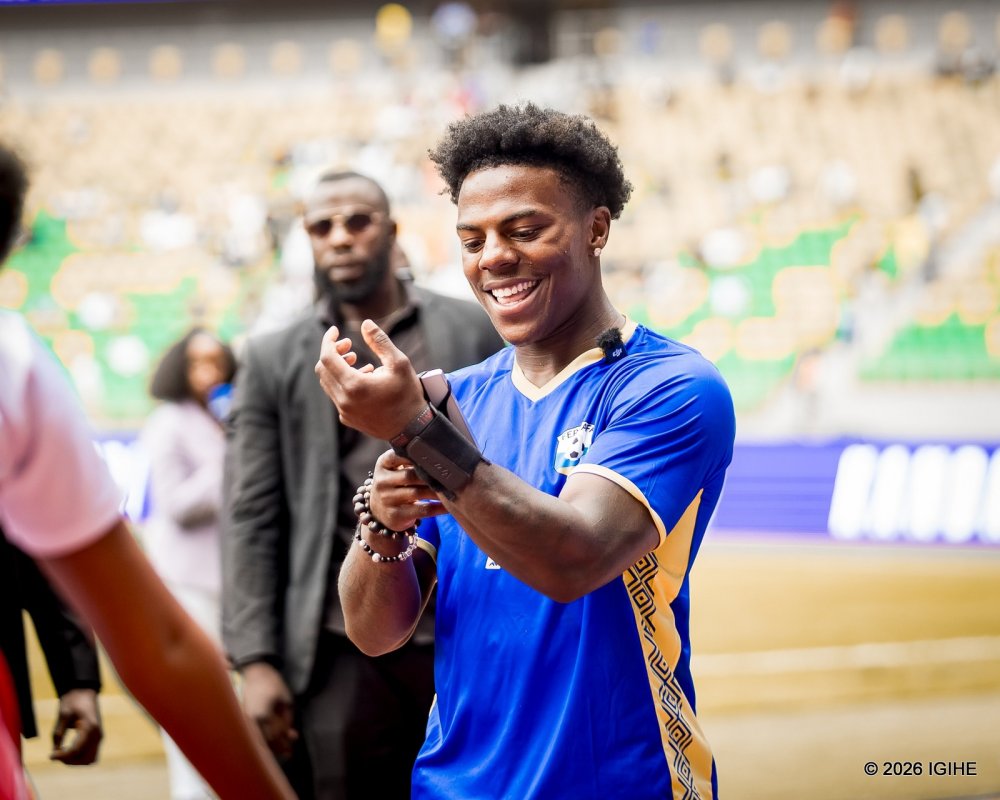
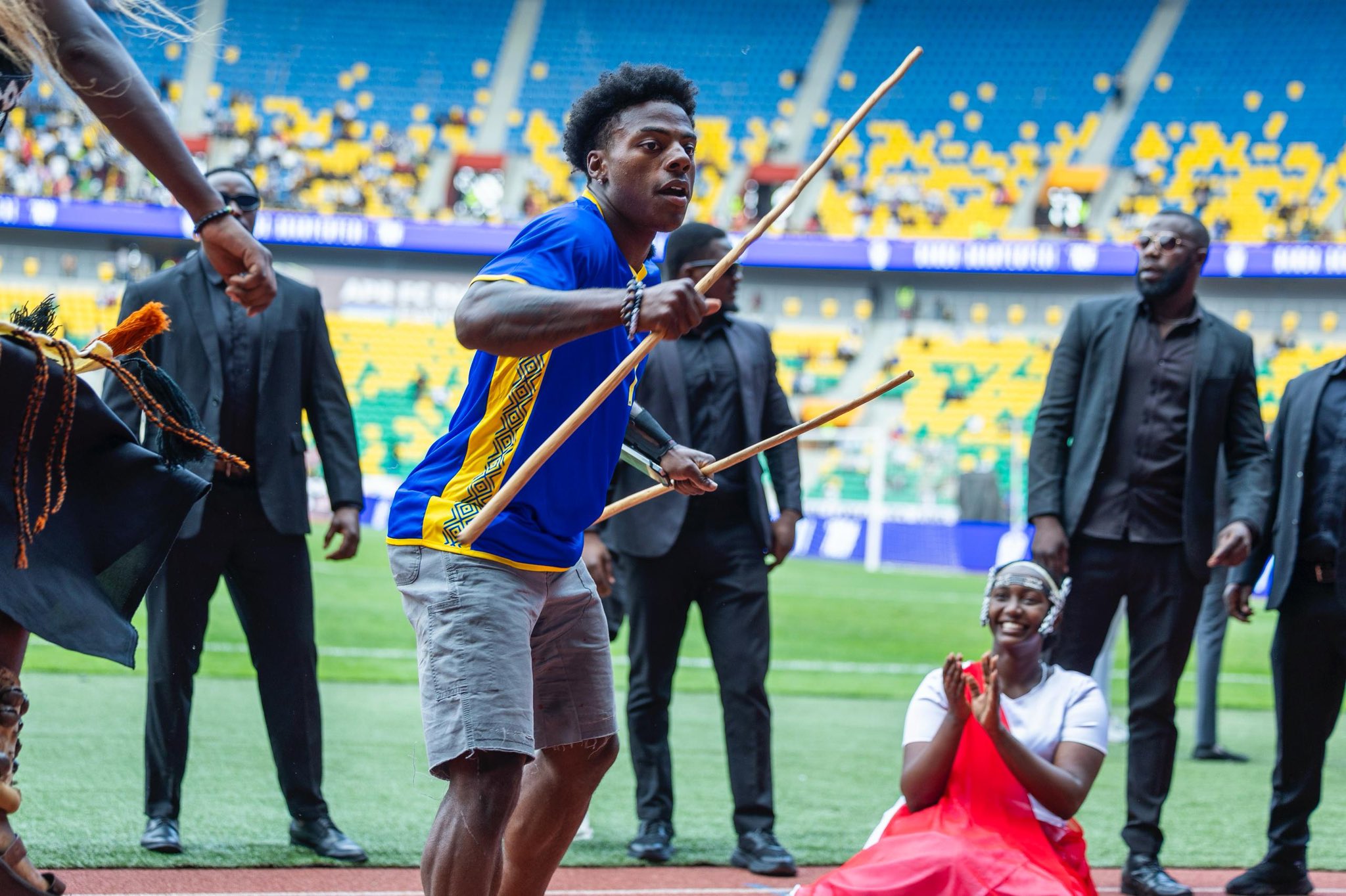
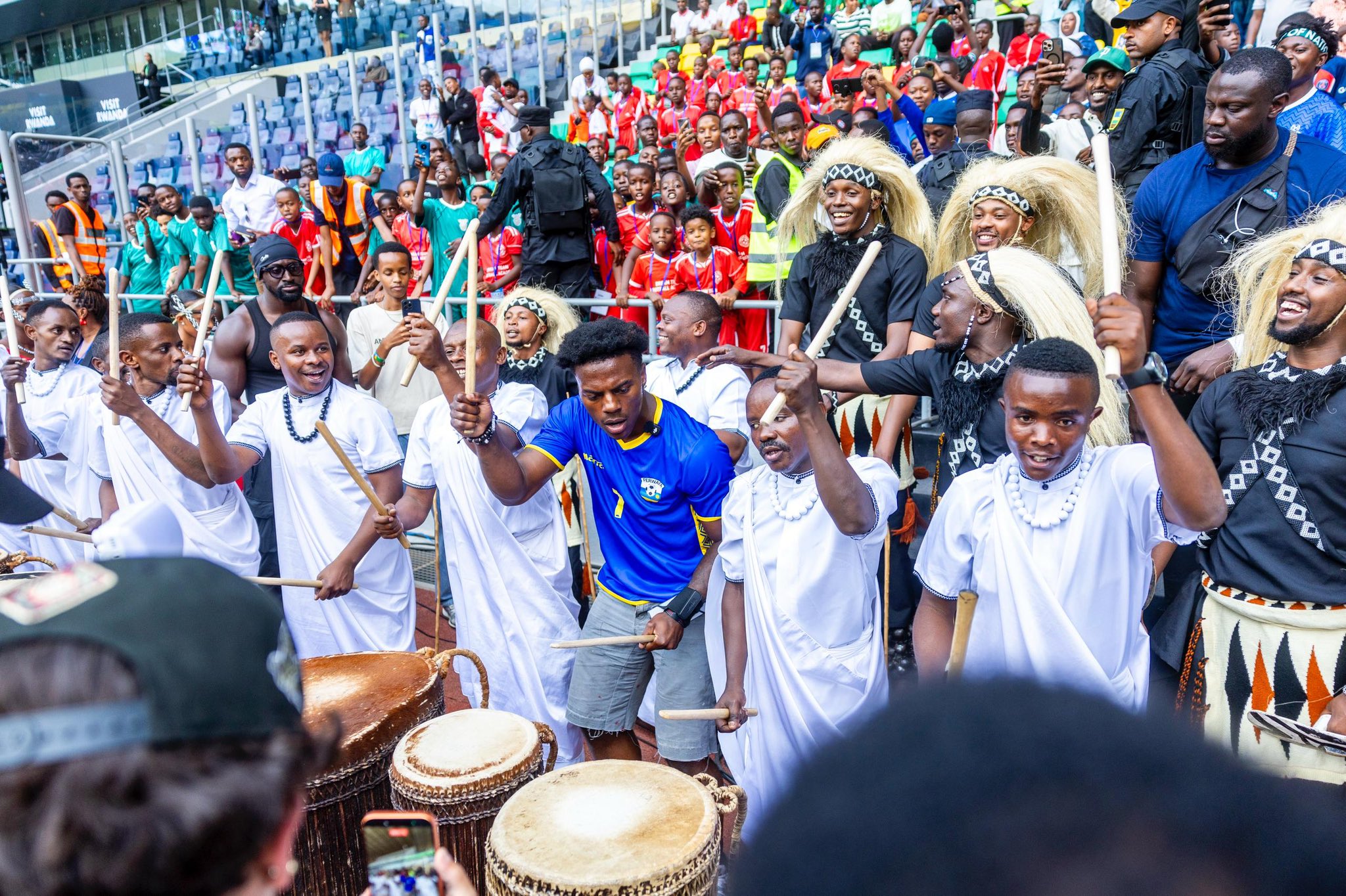
Back in Kigali, the atmosphere shifted dramatically at Amahoro Stadium, where IShowSpeed made a surprise motorcycle entrance during a women’s football match between Rayon Sports WFC and Indahangarwa WFC. Thousands of fans erupted into chants of his name, creating scenes more commonly associated with national leaders than internet personalities.
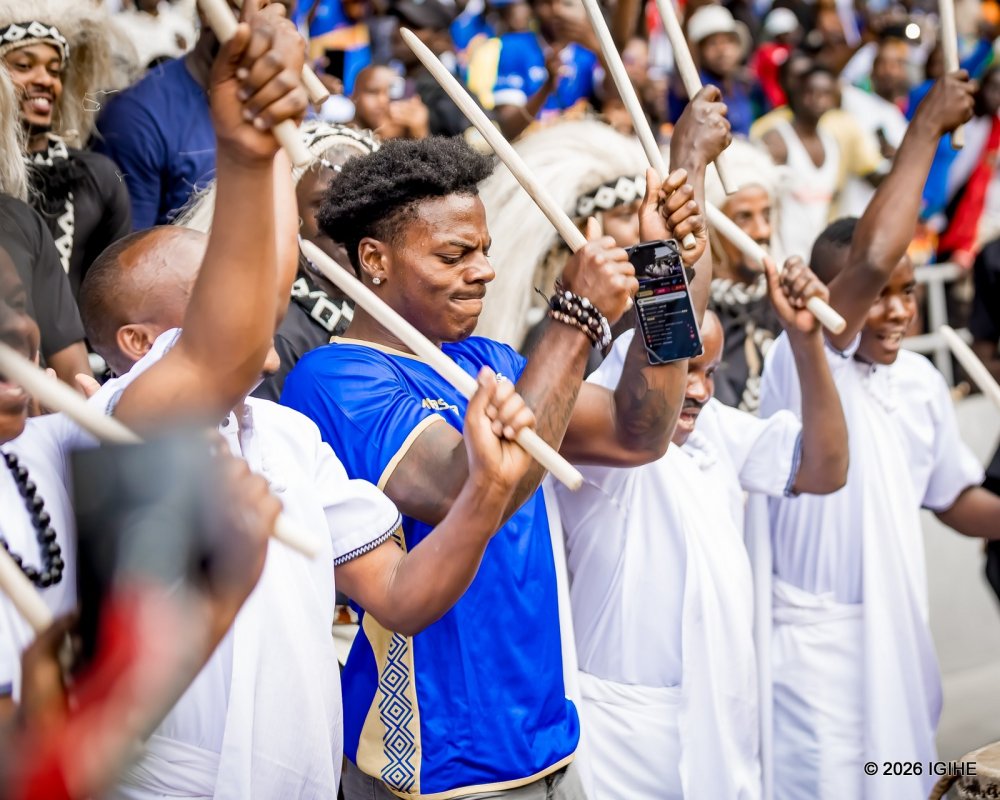
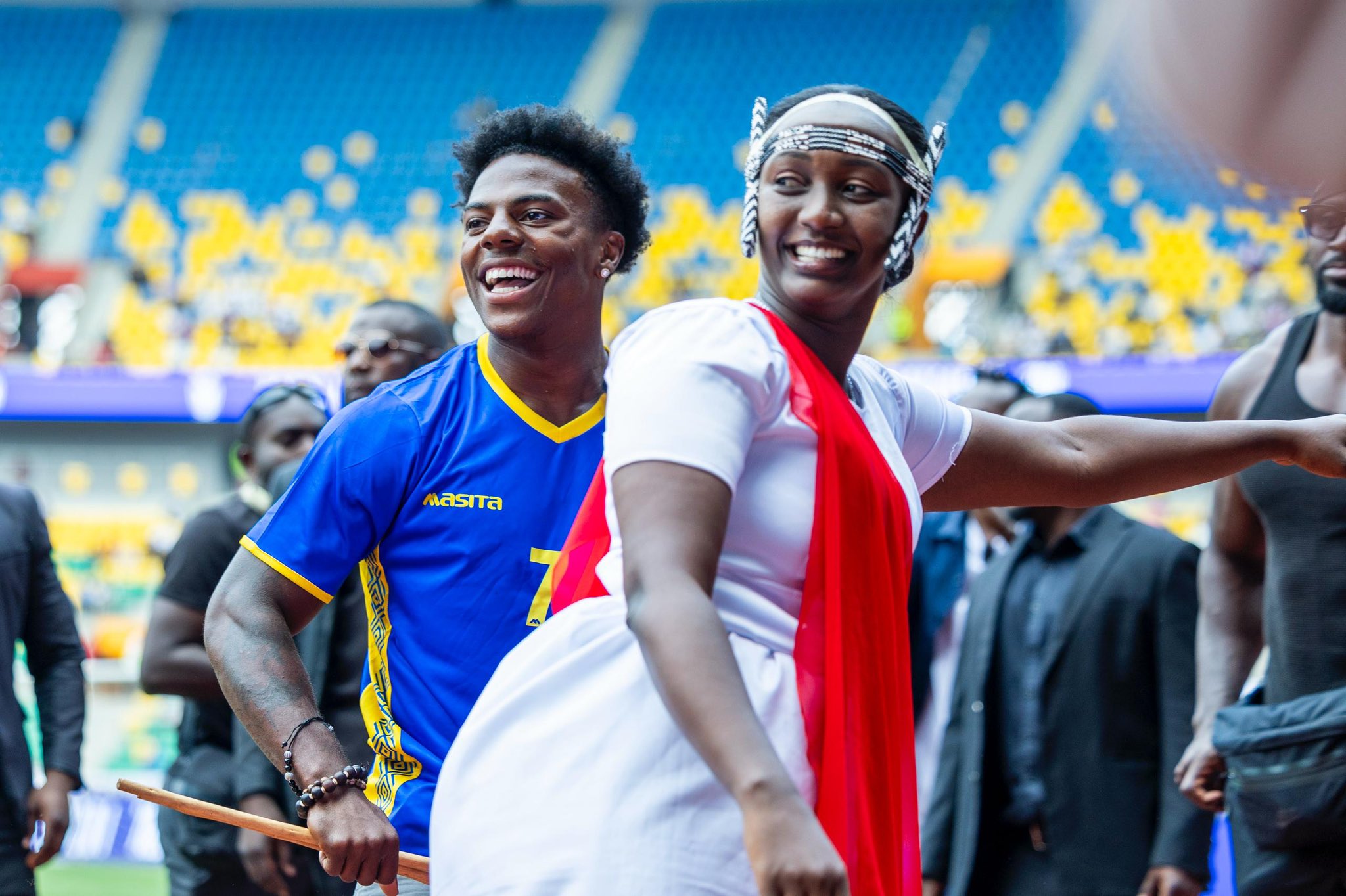
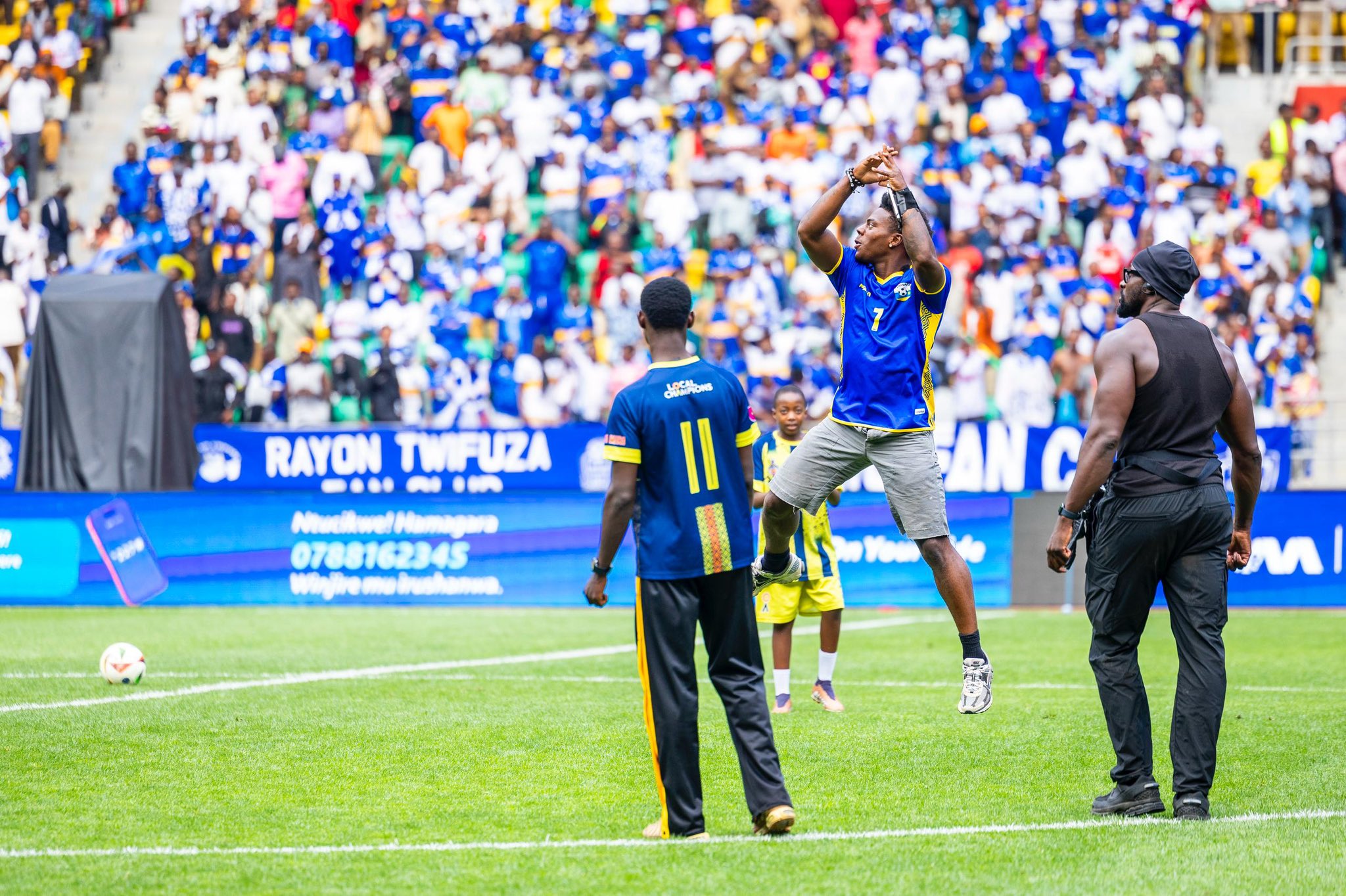
Inside the stadium, he took part in traditional Rwandan dance and drumming performances, entertained the crowd with Cristiano Ronaldo’s signature “Siuuu” celebration, and posed for countless selfies. “Amahoro Stadium is the best stadium in Africa,” he told his livestream audience. The appearance drew national attention and was widely covered by local media.
The tour continued at BK Arena, where IShowSpeed participated in a basketball challenge with local players, demonstrating his competitive energy beyond the digital realm.
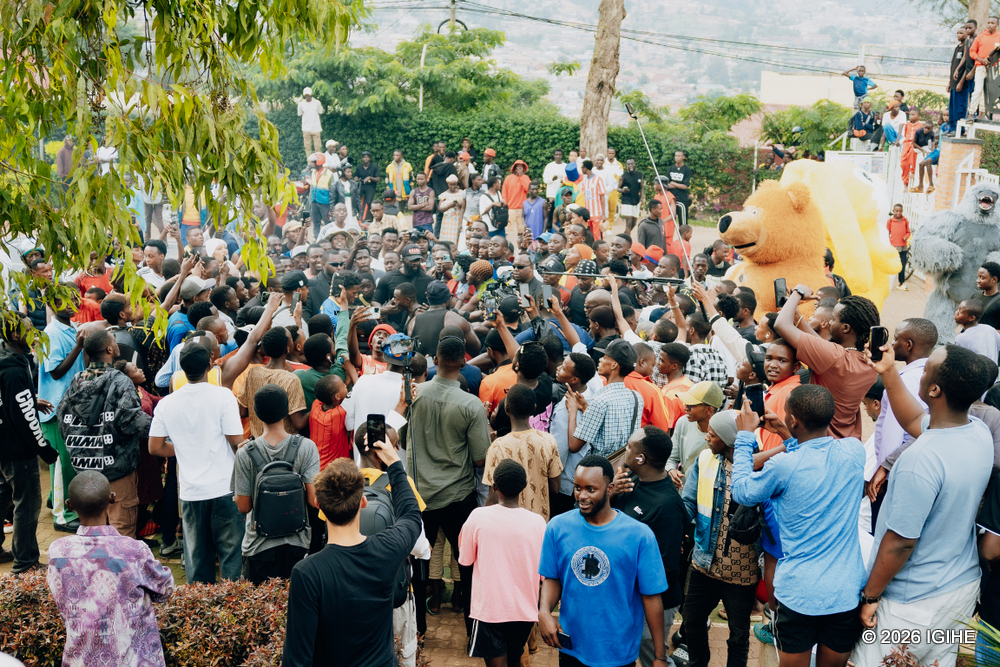
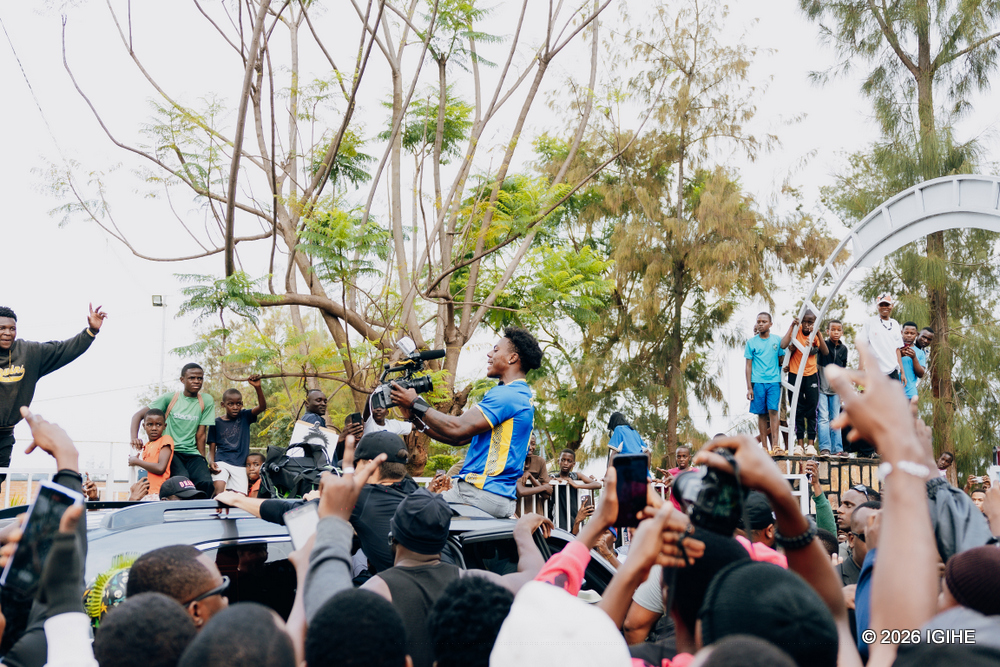
Later, he made a stop at the magnificent Zaria Court, where a large crowd had gathered for a fan meet-up. Here, the lighter and more humorous moments of the tour took centre stage. A fan presented IShowSpeed with a customised cake featuring his face, which he famously bit into mouth-first.
Another supporter arrived with Speed’s name shaved into his hair and merchandise bearing his face, though the name was humorously misspelt. He was also presented with a custom painting from a local artist. During the visit, he wowed fans with backflip stunts, leaving a lasting impression on those who had waited hours to meet him.
Beyond the city’s central attractions, much of the livestream’s impact came from spontaneous encounters across Kigali and its outskirts. At a ranch just outside the city, IShowSpeed milked a cow for the first time and even drank the fresh milk.
Later, while driving through Kigali, fans repeatedly stopped his convoy, including one emotional encounter in which a supporter broke down in tears upon meeting him. Speed comforted the fan, a moment many viewers called the most wholesome of the entire stream.
After the broadcast, IShowSpeed shared that security had alerted him to a 16-year-old boy who had been riding a bicycle behind the convoy for more than three and a half hours, despite the bike repeatedly breaking down, just to meet him. Realising how far the teen had gone left Speed genuinely shocked, and he gave him a special, heartfelt greeting in return.
🚨WATCH: iShowSpeed explains after the stream ended that security had told him to notice a kid in Rwanda who’d been riding behind them for three and a half hours on a bike that kept breaking down, just to meet him.
Other memorable moments included a local challenge in which Speed was asked to pull two motorbikes while their riders tried to drive away. Against expectations, he succeeded, earning cheers from the crowd.
🚨WATCH: iShowSpeed is challenged by a local in Rwanda to a strength test — pulling two motorbikes while the riders try to drive away.
Against all expectations, Speed actually manages to do it, leaving everyone stunned pic.twitter.com/yS3Up9PqCA
Throughout the day, he also spoke candidly about the demands of his tour. Running on just four hours of sleep, he admitted it was tough but said his mental state was improving. He publicly thanked his team for their tireless work behind the scenes, even as some viewers complained the Africa tour felt rushed. Despite that, the numbers were undeniable: in Rwanda alone, the livestream drew over 4.1 million viewers in just a few hours.
The Rwanda visit concluded in Biryogo, Nyamirambo, where IShowSpeed fully immersed himself in local cuisine. He sampled pilau, ugali made from cassava, traditional sombe, and grilled brochettes, praising the food and visibly enjoying the experience.
From gorilla trekking and stadium ovations to cow milking on the city’s outskirts and emotional encounters with fans, IShowSpeed told his followers that he hopes to return for a longer stay, saying he would like to come back ‘for a week, just for a vacation.
IShowSpeed’s visit to Rwanda is part of his broader project, “Speed Does Africa Tour,” which he launched on December 21, 2025. The tour sees him livestreaming and sharing experiences from different African countries, showcasing culture, people, and tourism to his global audience.
This data comes from the latest Rwanda Statistical Yearbook.
In 2024, Rwandans accounted for 30% of all visitors to the three main national parks: Akagera, Volcanoes, and Nyungwe.
By comparison, visits by foreign residents in Rwanda grew more gradually, from 3,142 in 2008 to 8,491 in 2024, representing 6% of total visitors.
International visitors from abroad continued to dominate, making up 64% of the total (96,271 visitors) in 2024, from 70% (30,151 visitors) in 2008.
Overall, visits to Rwanda’s national parks have grown dramatically over the past two decades. Total visitors have increased more than sixfold since the mid-2000s, driven by conservation successes, improved infrastructure, and targeted promotion of domestic tourism.
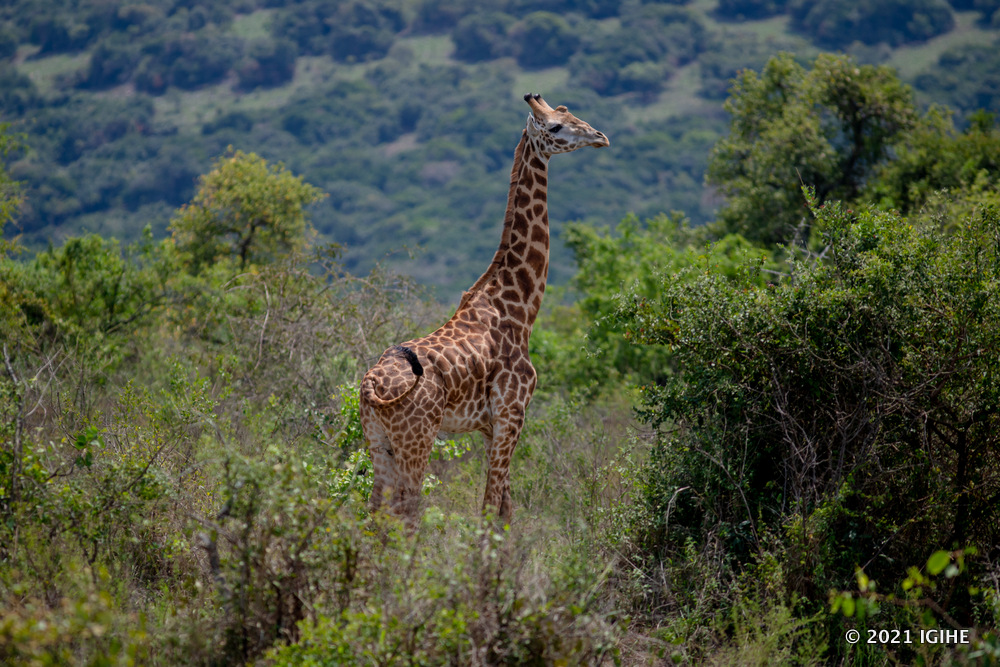
Akagera National Park has seen particularly strong growth, with visitor numbers rising from 11,239 in 2005, when it attracted 47% of all park visitors to 67,661 in 2024.
In 2005, Akagera was the most visited park, followed closely by Volcanoes National Park (44%) and Nyungwe National Park (10%).