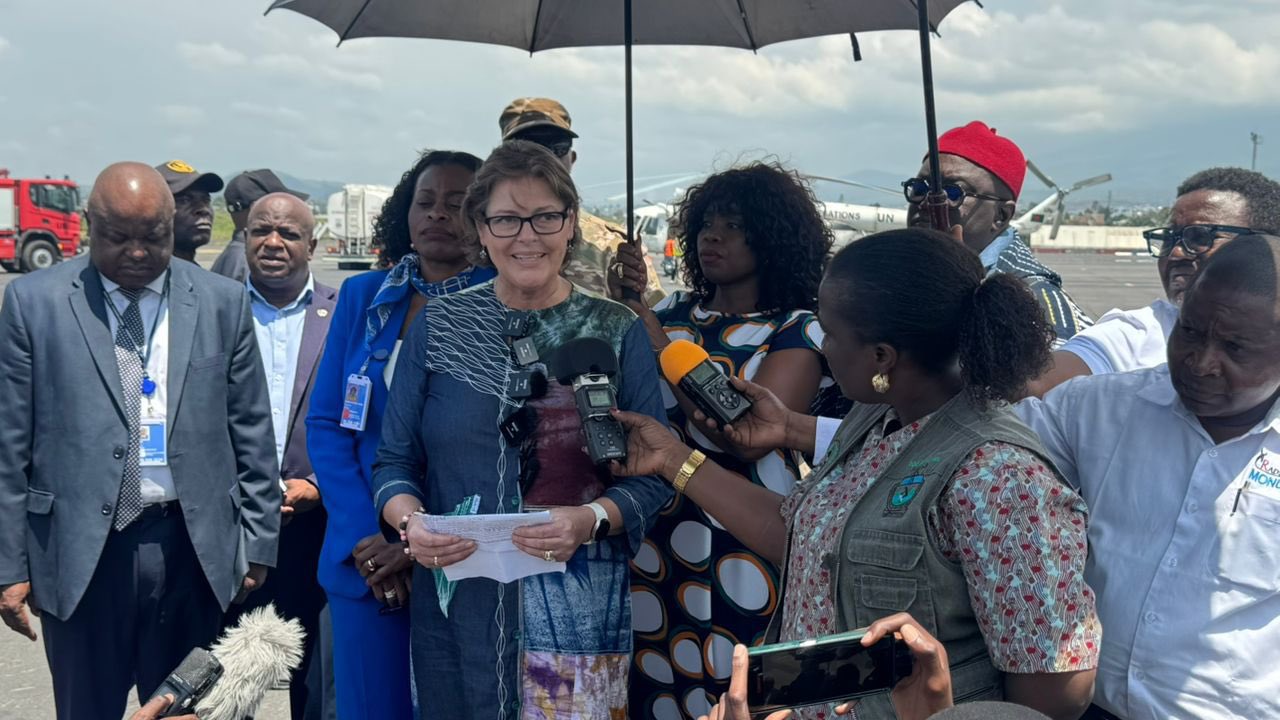
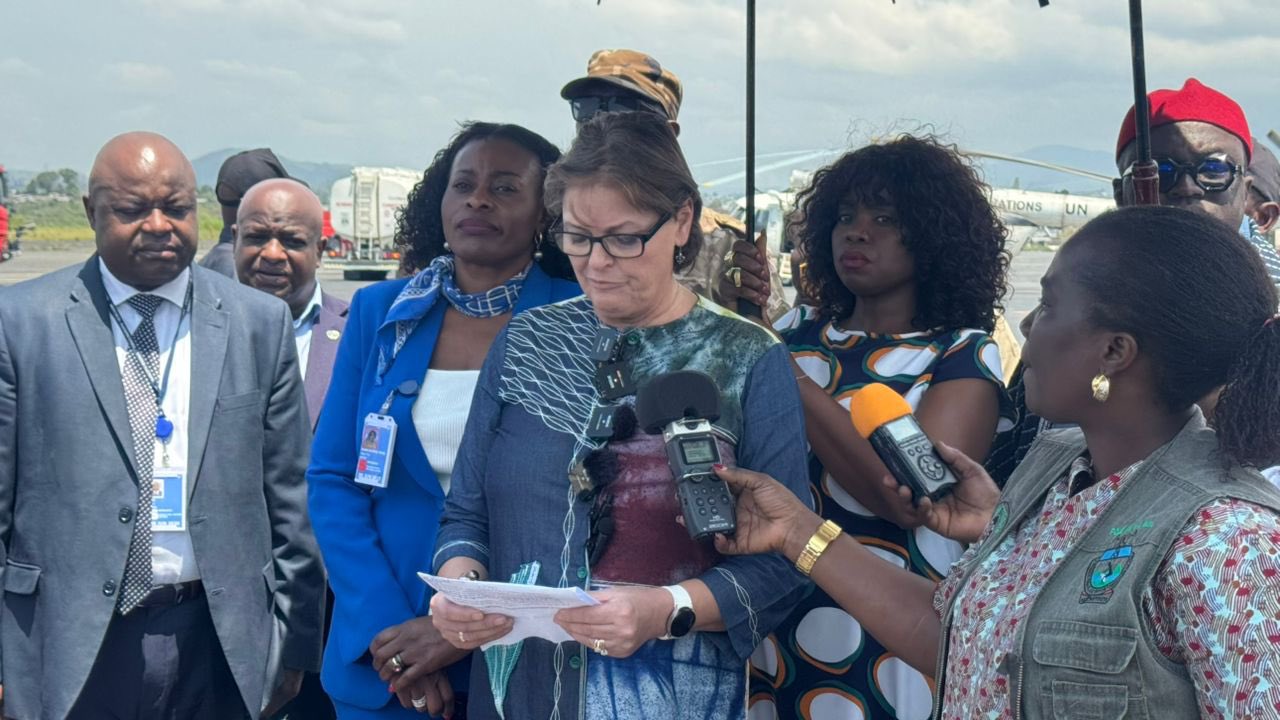
Speaking after landing at Goma Airport, Ms. van de Perre highlighted the symbolic and operational significance of her visit, signalling the gradual reopening of the airport, which has remained closed since late January 2025.
“Over a year ago, on January 26, 2025, I was on the last plane to land in Goma. And today, I am on the first helicopter to land again, and I hope this marks the beginning of the gradual reopening of Goma airport for the benefit of the population,” she said.
The interim MONUSCO chief said her visit aims to operationalise the ceasefire monitoring and verification mechanism agreed upon by the DRC government and the AFC/M23 rebel alliance.
“Verification procedures, coordination, communication, and practical conditions will be put in place to ensure the mechanism functions credibly. MONUSCO will continue to support the ongoing peace process,” she stated, adding that her visit aims to engage relevant stakeholders and advance practical preparations.
Ms. van de Perre confirmed that MONUSCO plans to deploy its first aerial reconnaissance mission to Uvira in the coming days, stressing that all operations remain strictly within the UN Security Council mandate and respect DRC sovereignty.
The visit follows months of diplomatic efforts to consolidate peace in eastern DRC. In October 2025, the DRC government and the AFC/M23 rebel alliance signed a ceasefire agreement in Doha, establishing a joint monitoring and verification mechanism to investigate and prevent violations. Observers from the United States, the African Union, and Qatar are also part of the mechanism.
Goma International Airport has been closed since January 2025, when M23 rebels took control of the city following clashes with government forces.
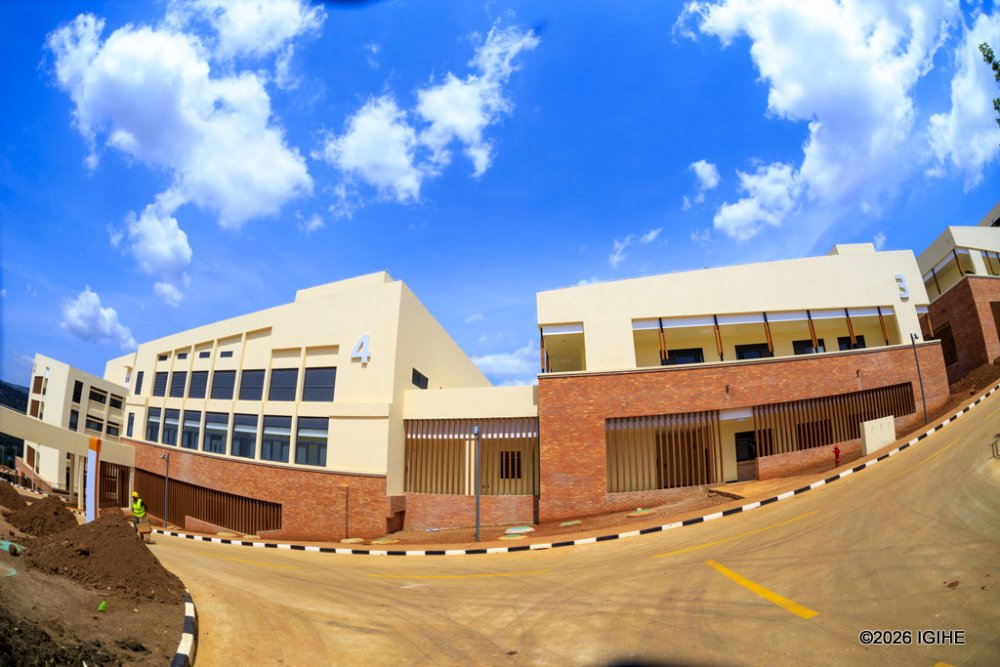
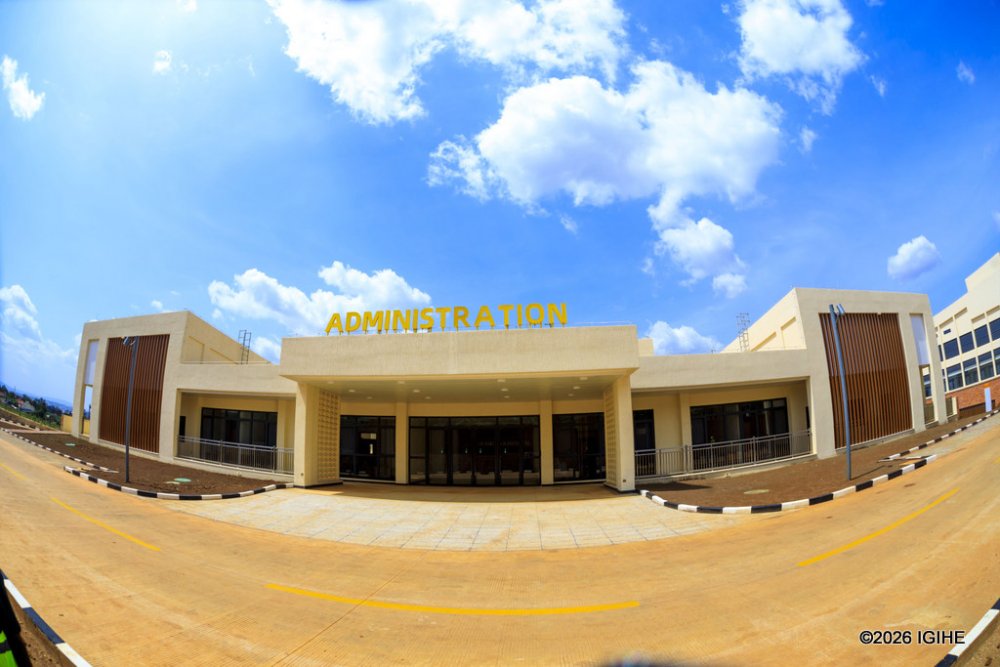
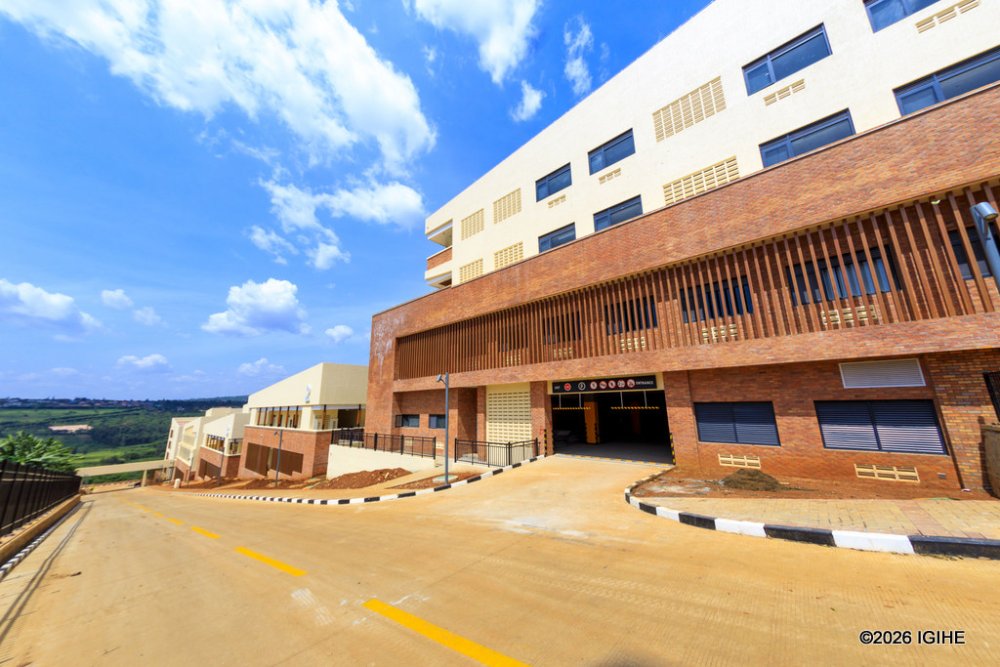
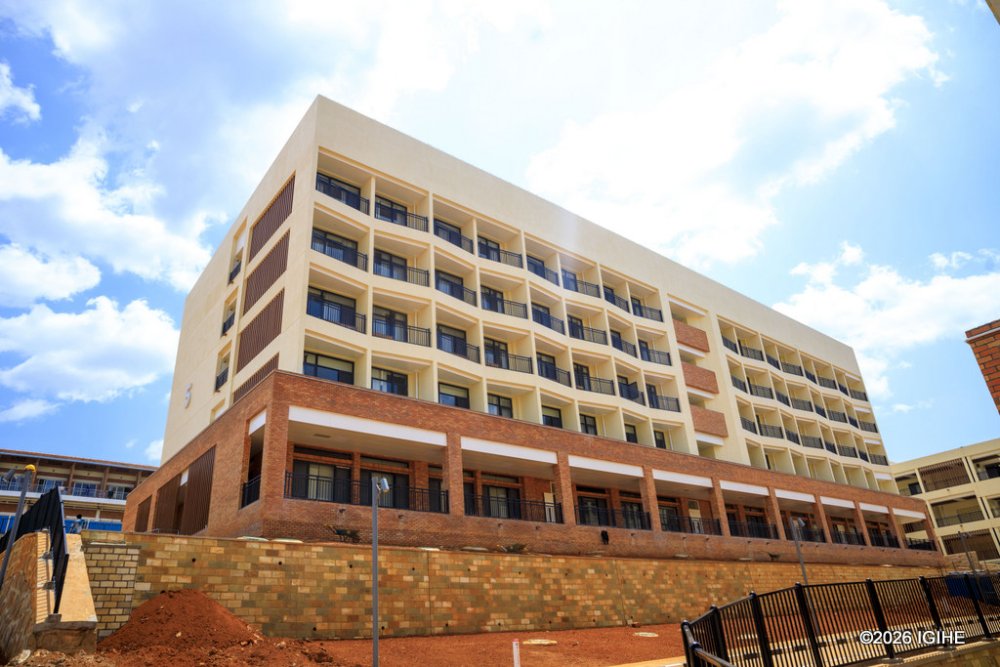
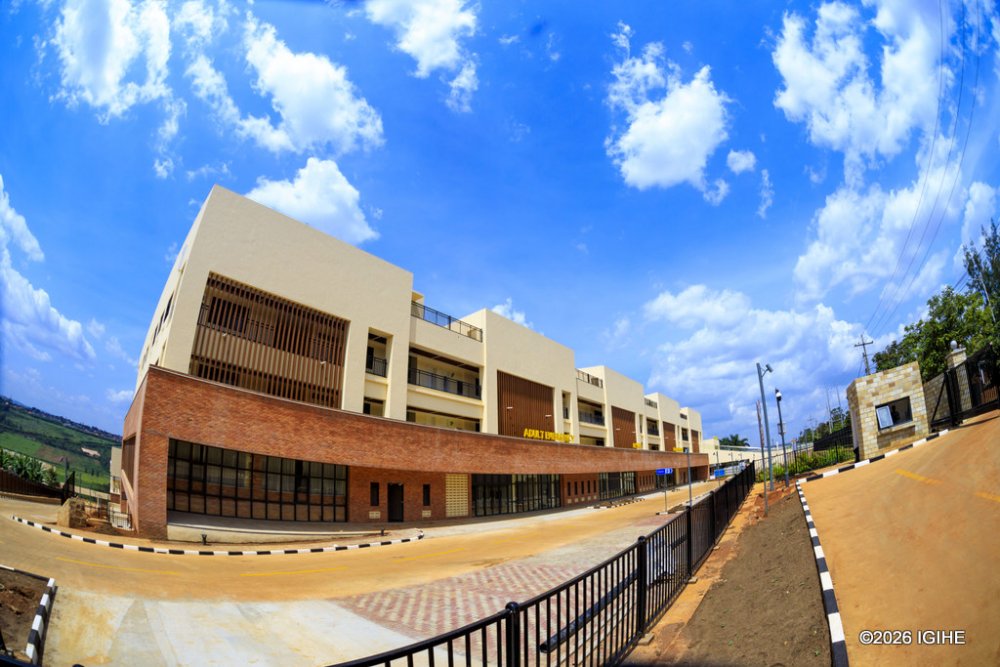
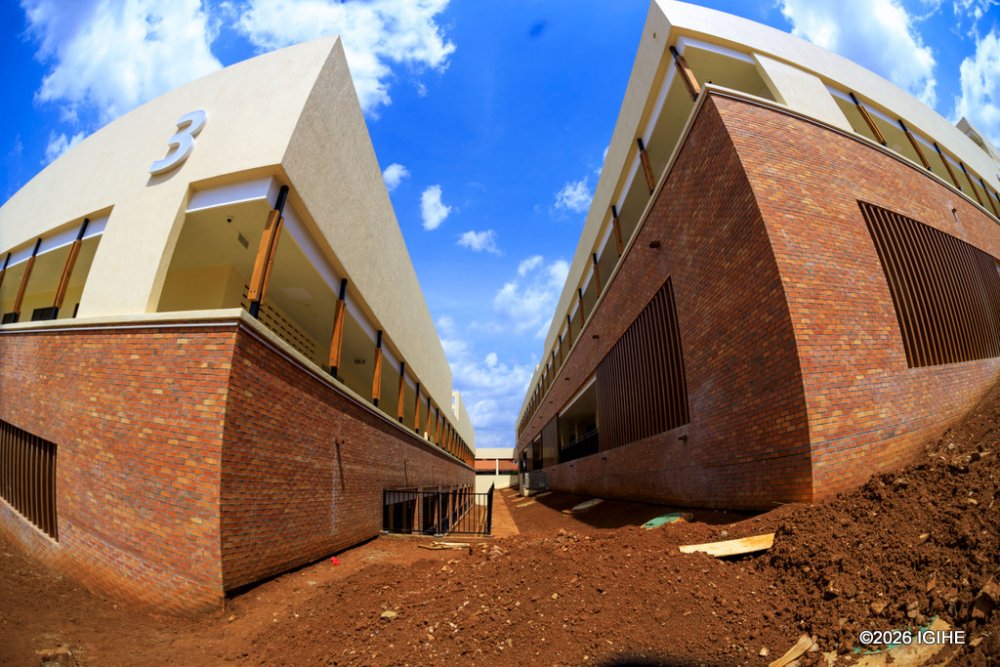
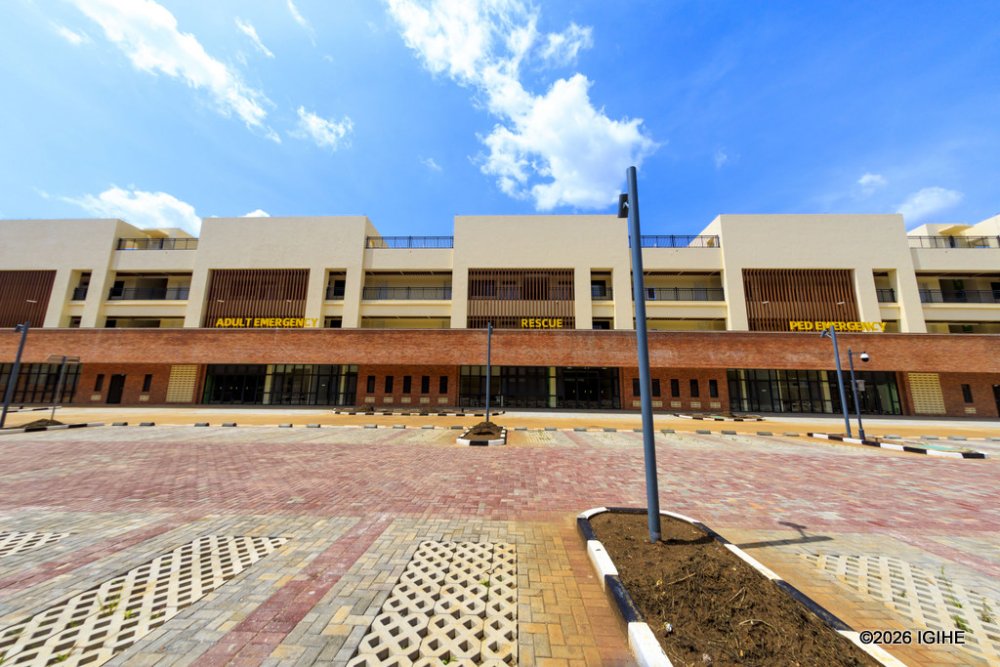
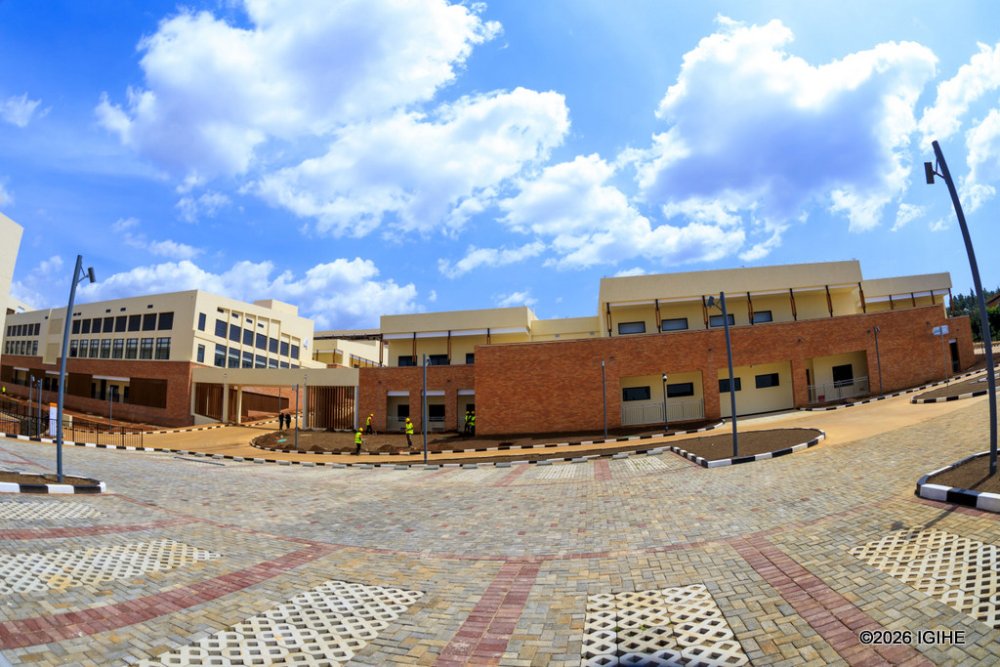
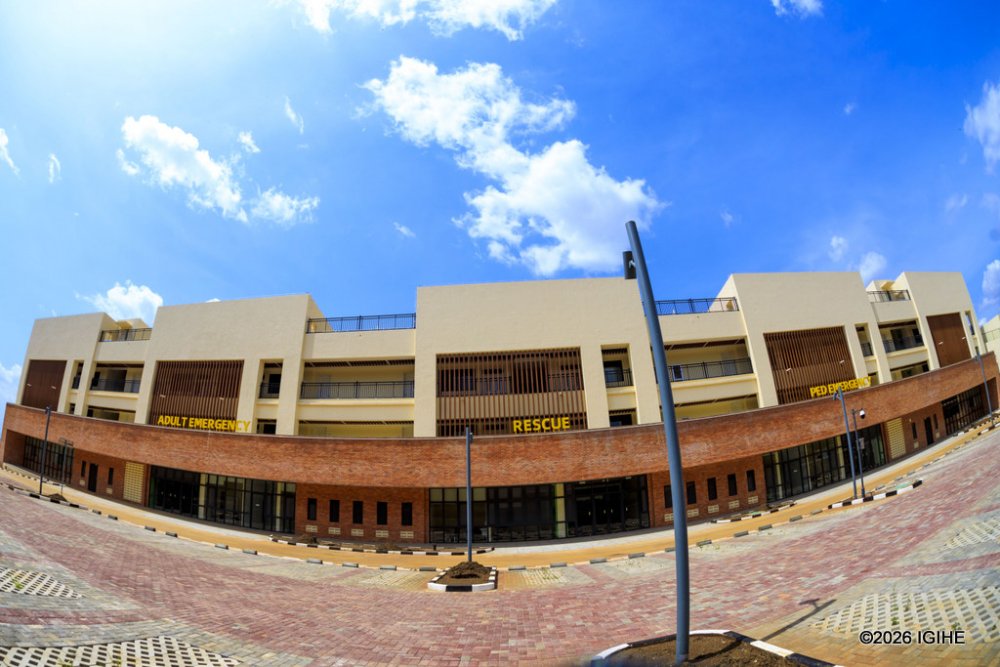
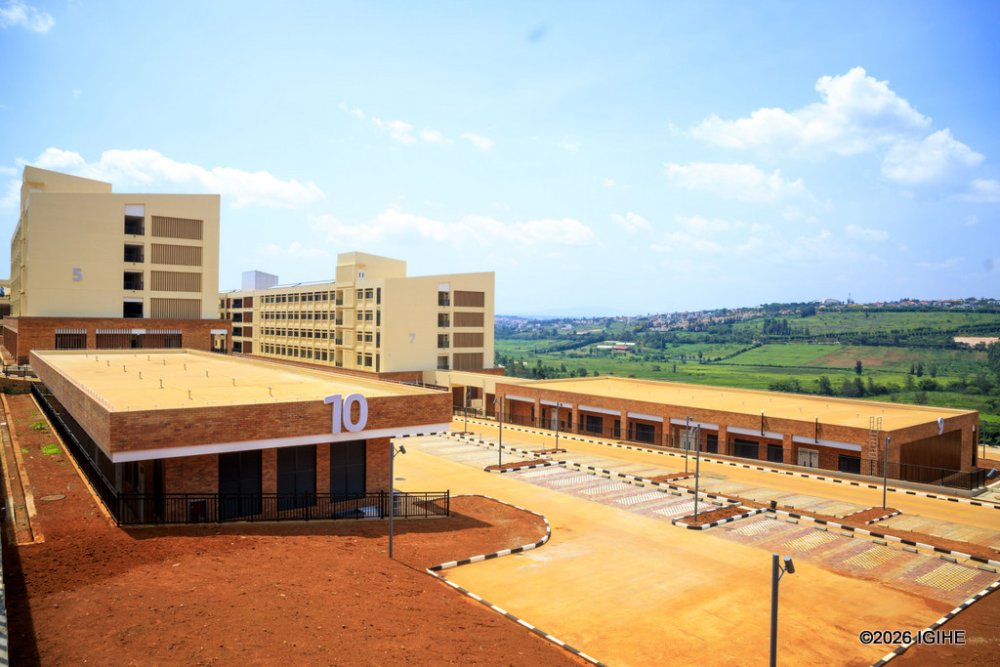
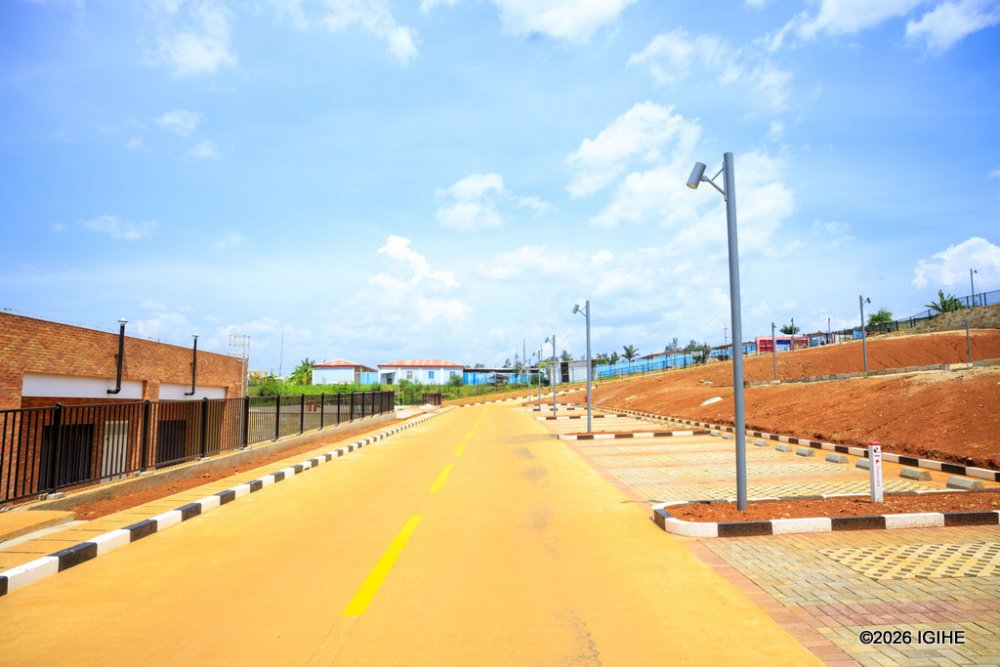
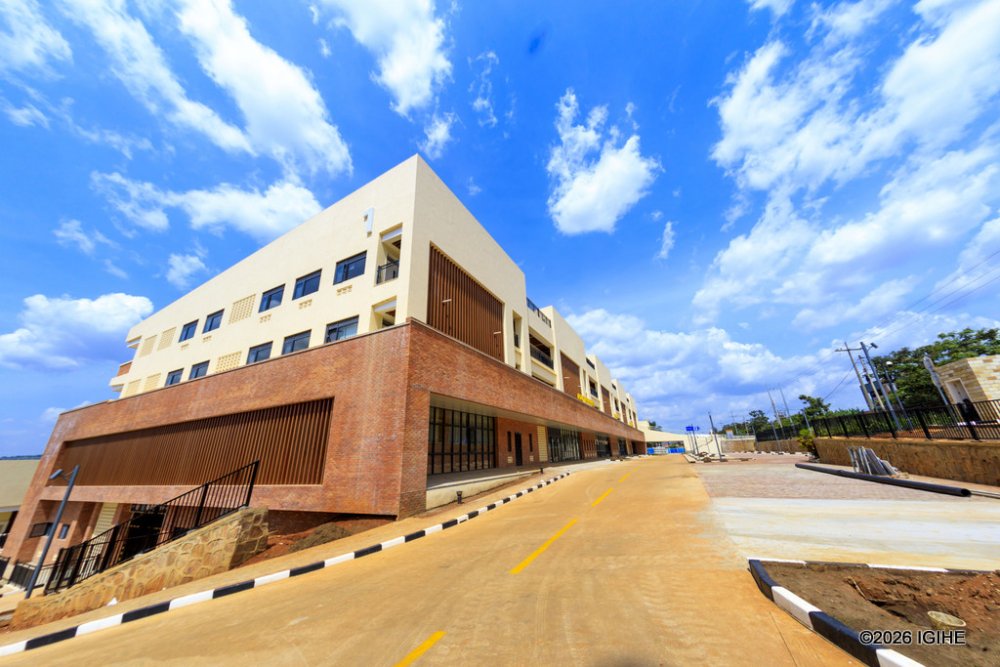
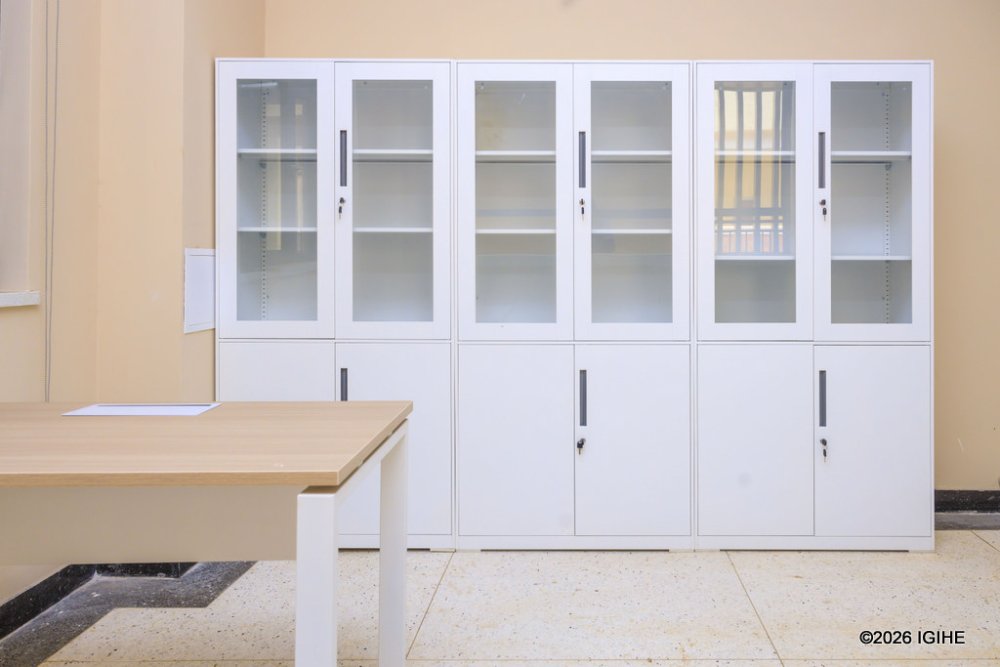
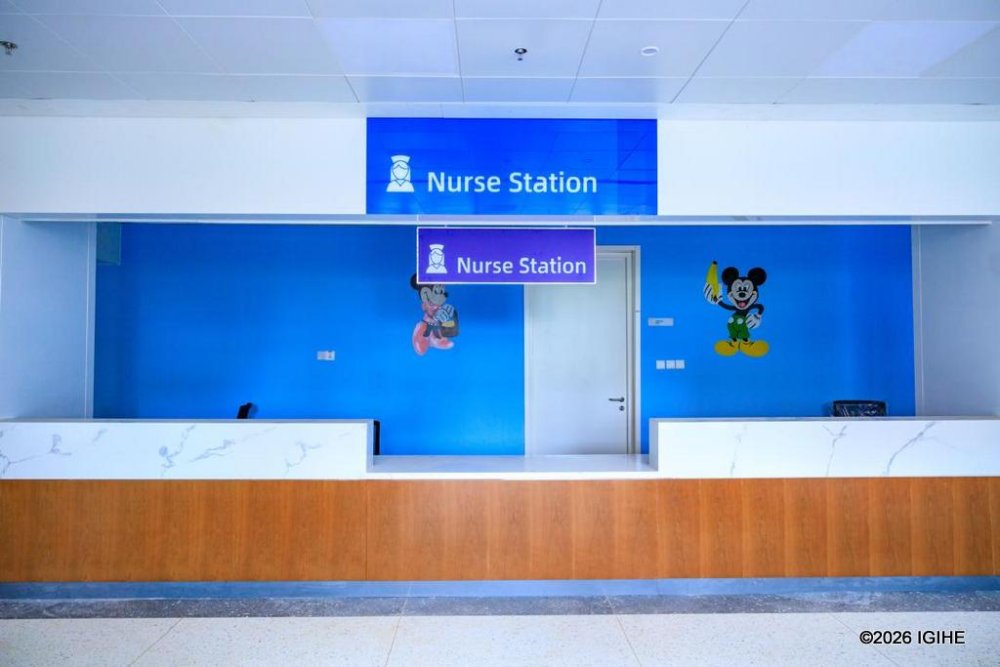
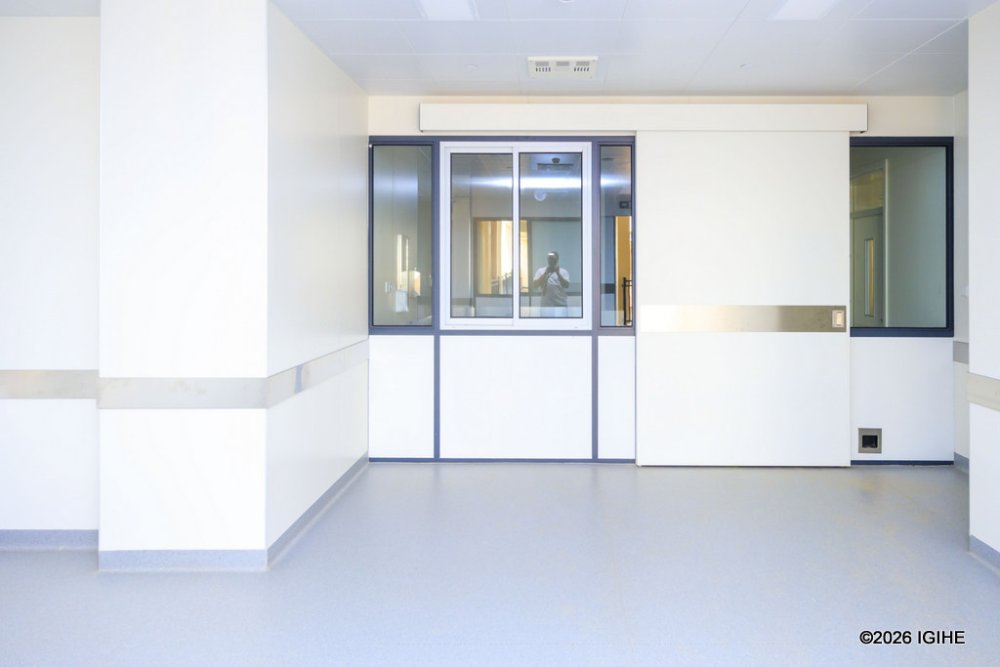
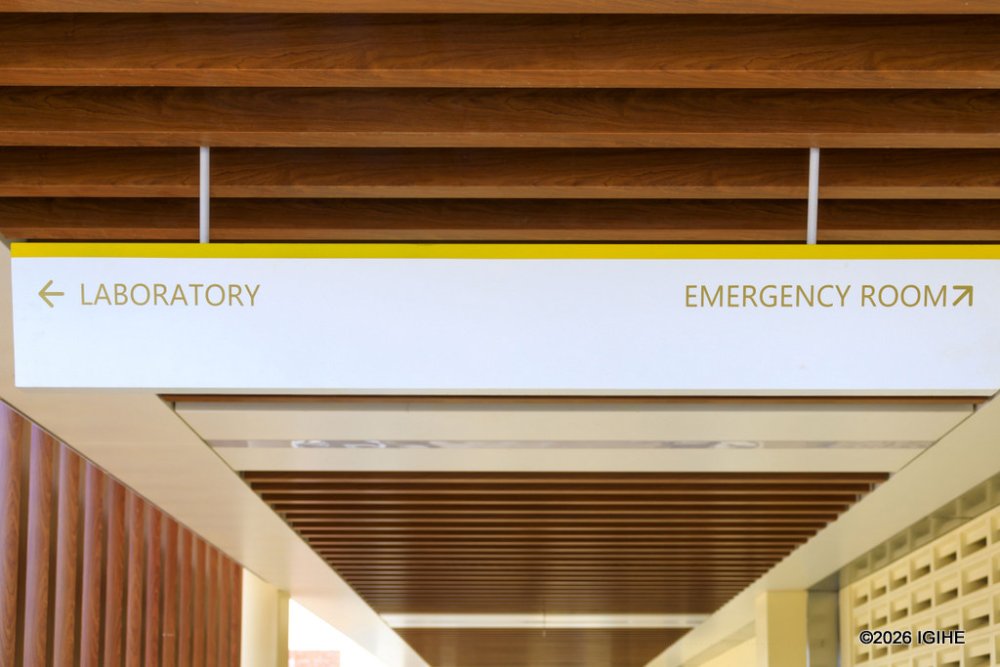
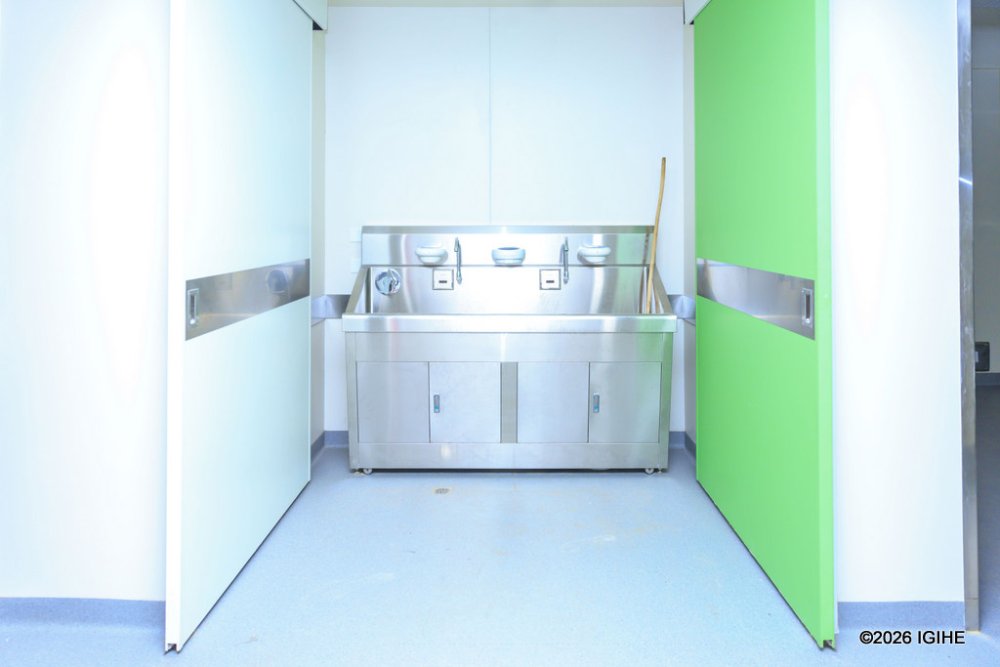
Construction work has largely finished, with final touches underway, including cleaning, interior landscaping, and minor corrections. The project is reportedly 99.8% complete.
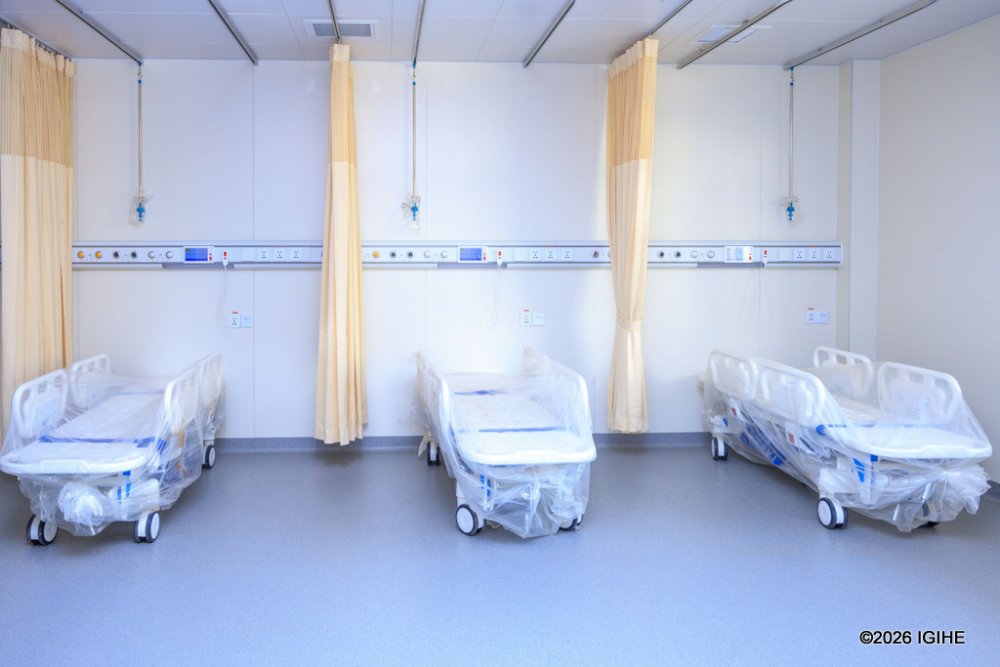
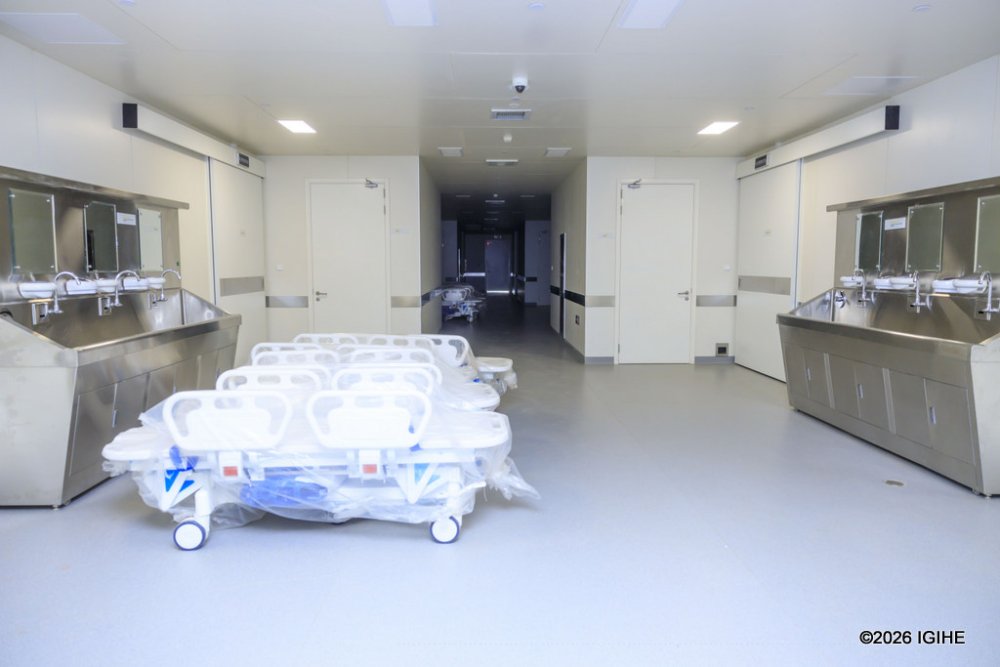
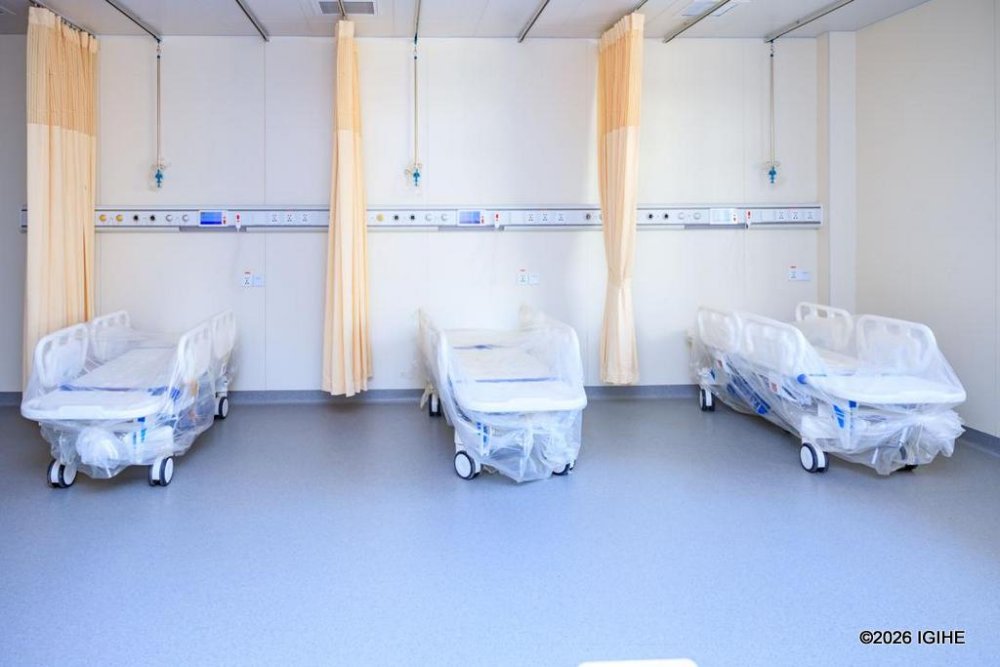
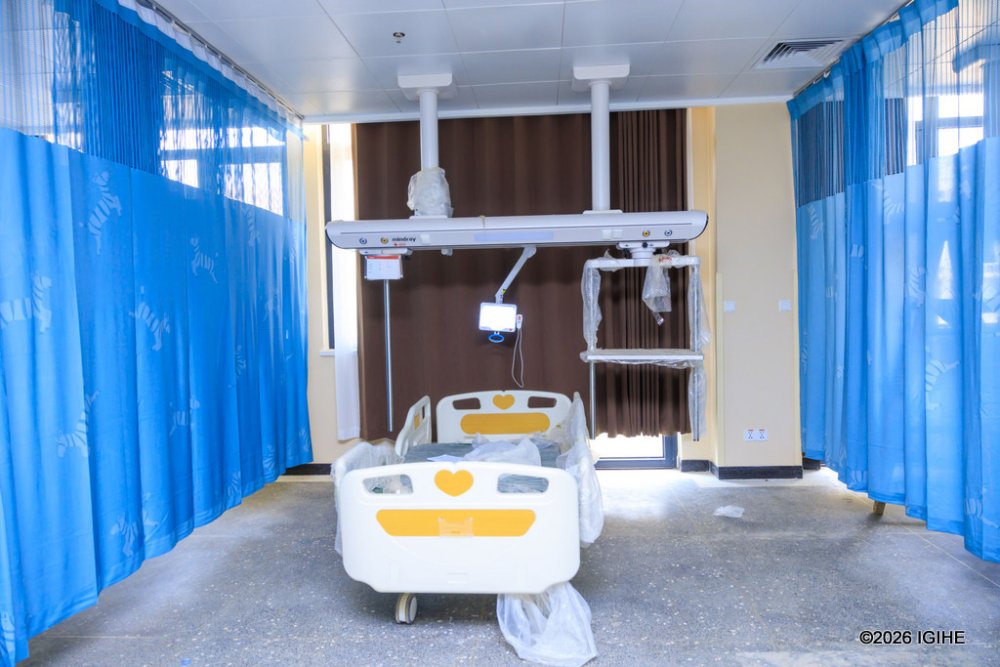
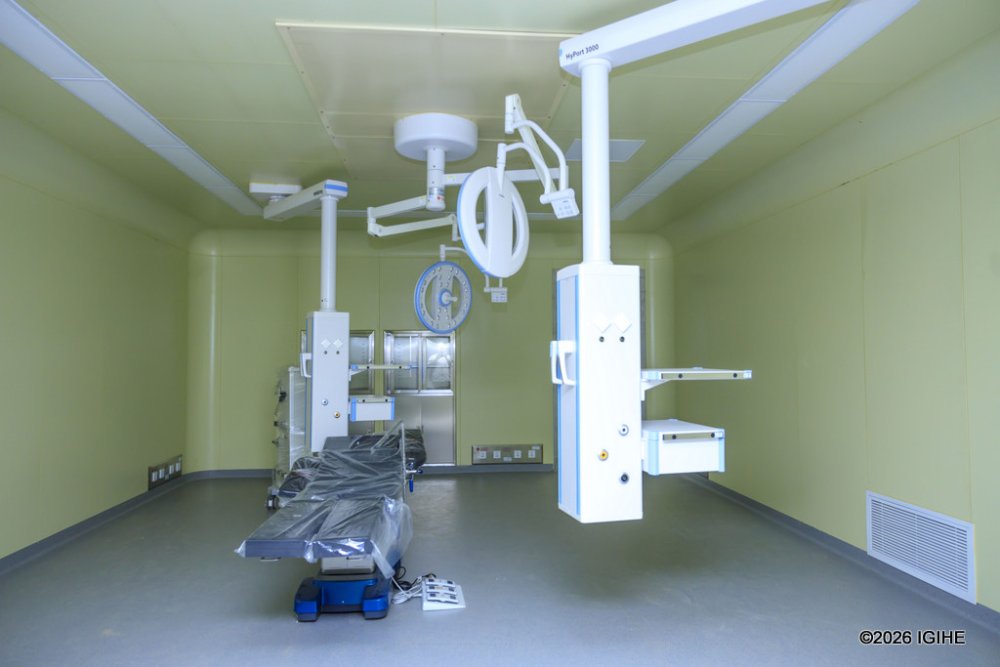
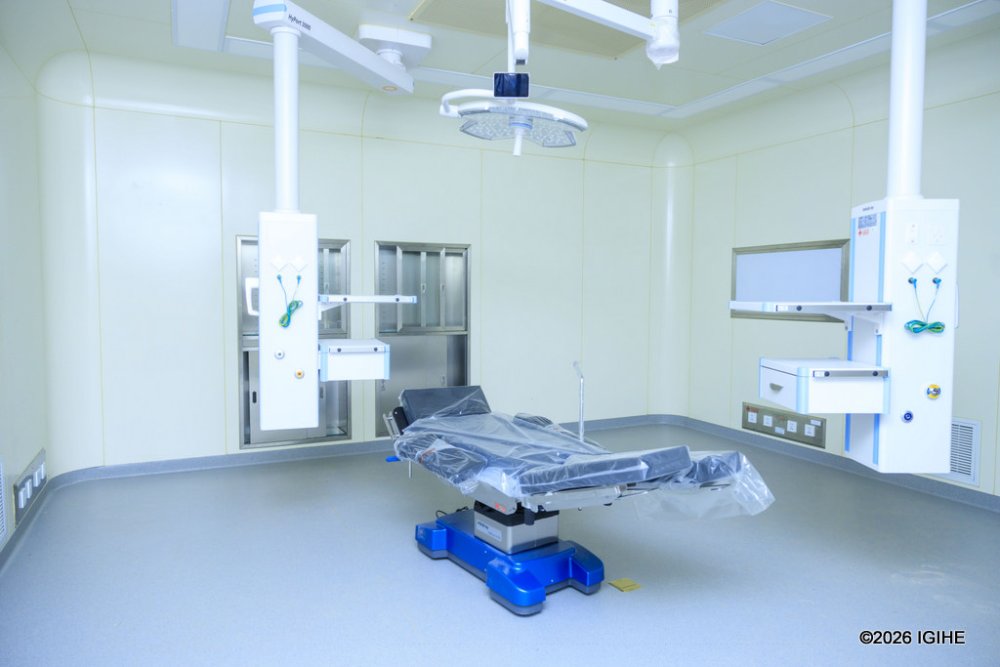
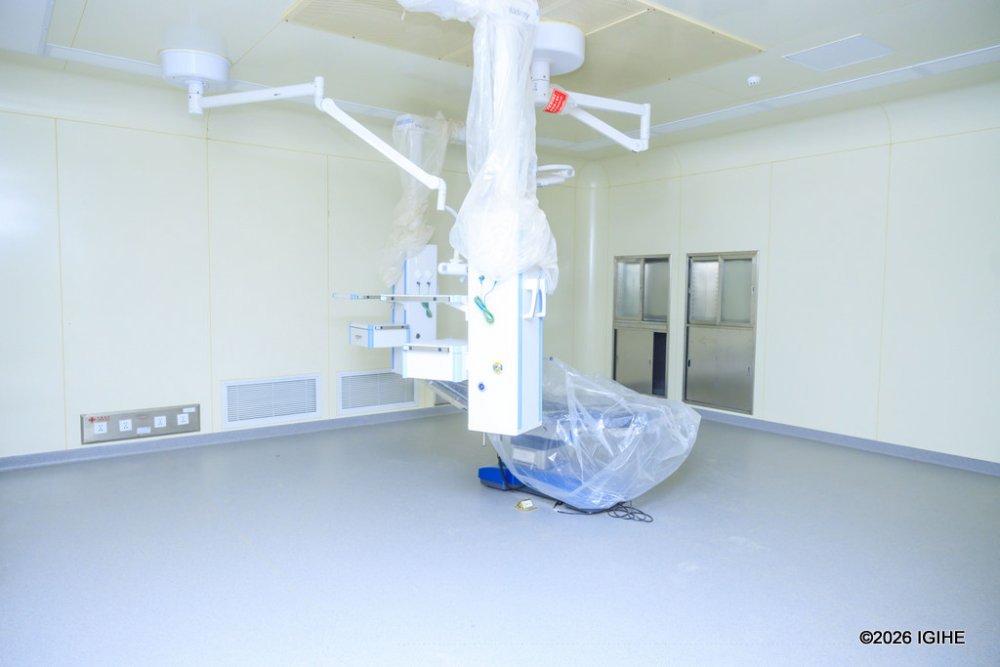
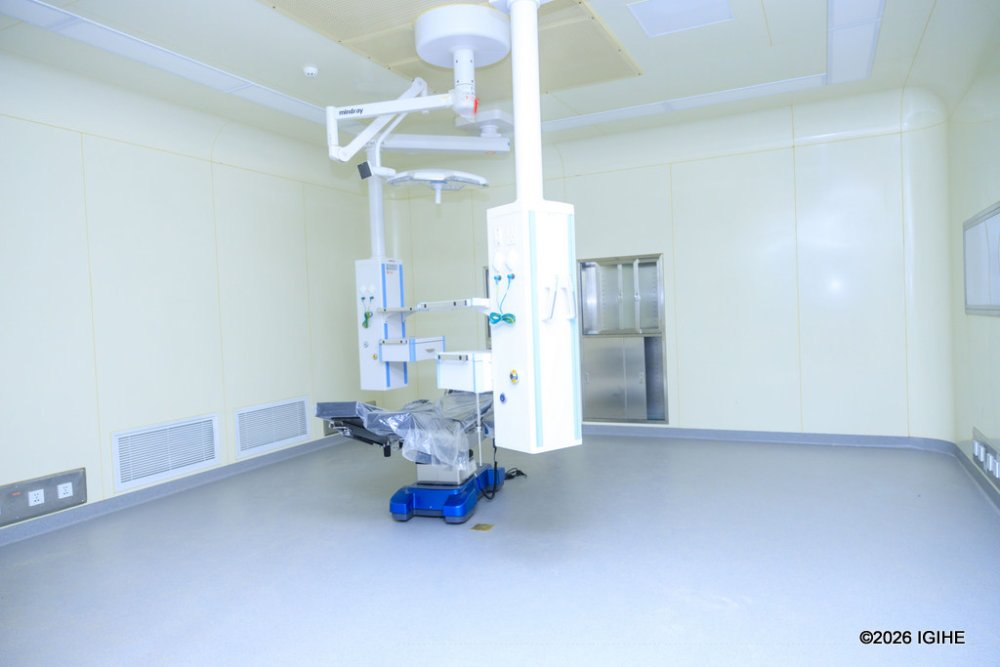
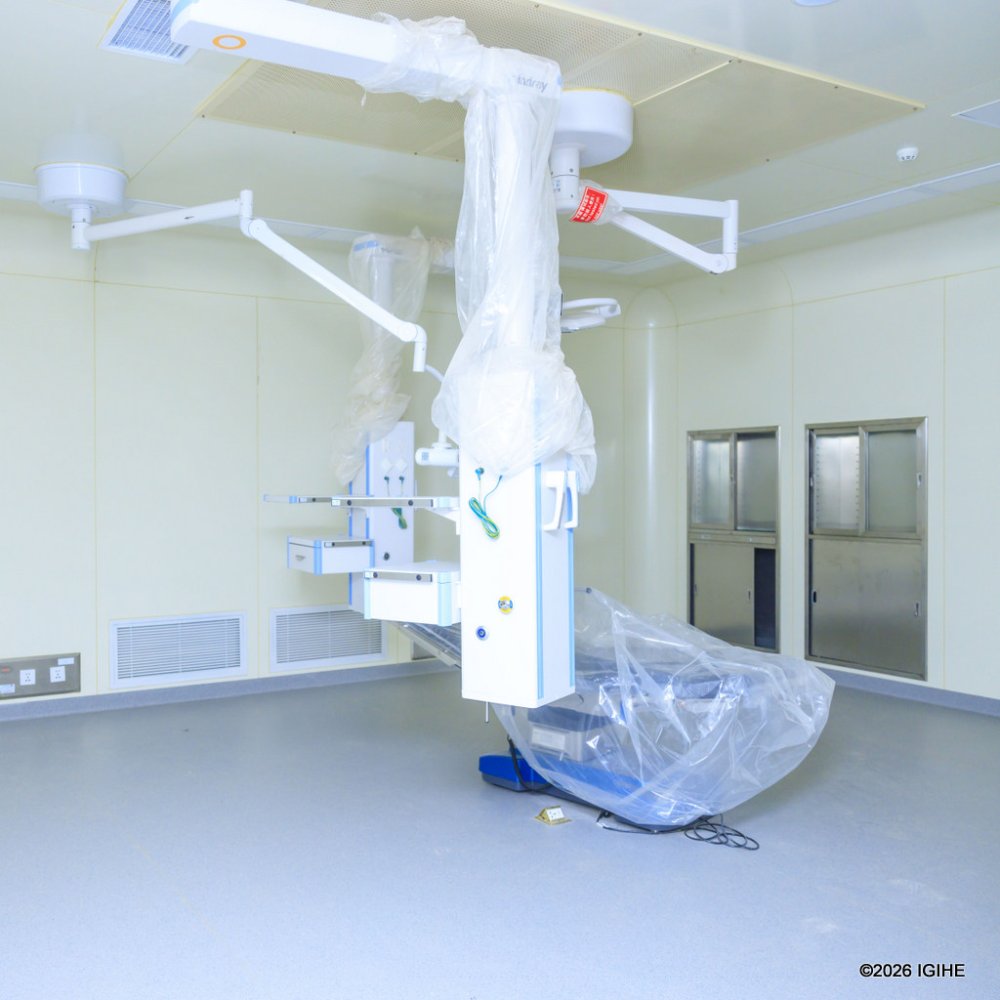
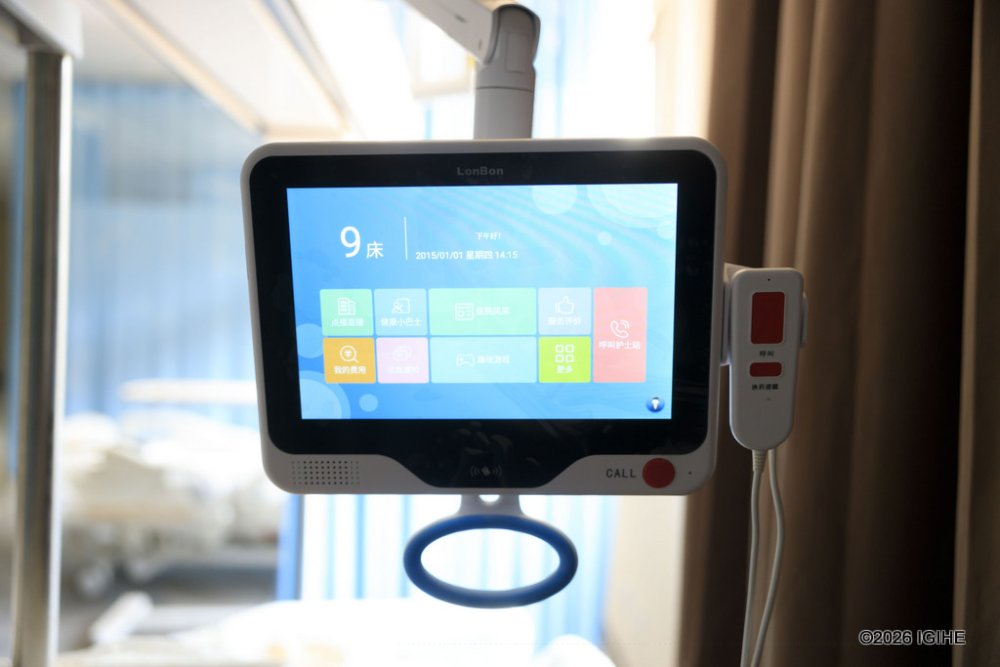
A key part of the new facility involves installing modern, internationally standard medical equipment, reflecting the hospital’s high-level services.
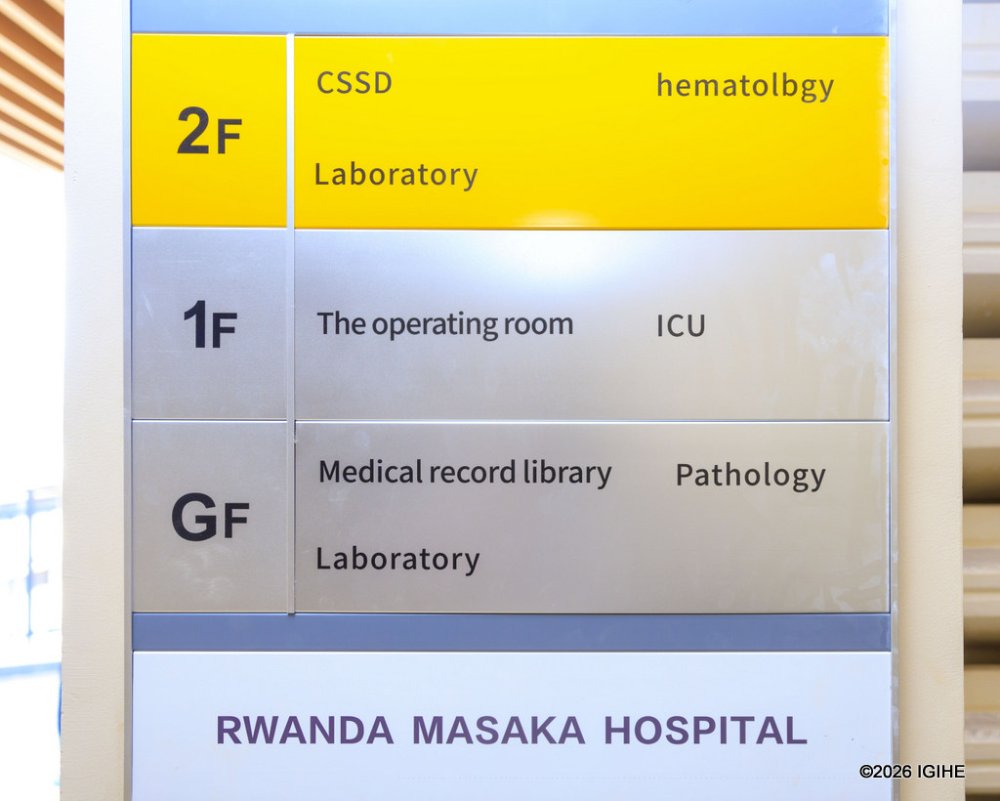
The project is being carried out by the Chinese company Shanghai Construction Group Co. Ltd, at a total cost of approximately 85 billion Rwandan francs (around 580 million yuan).
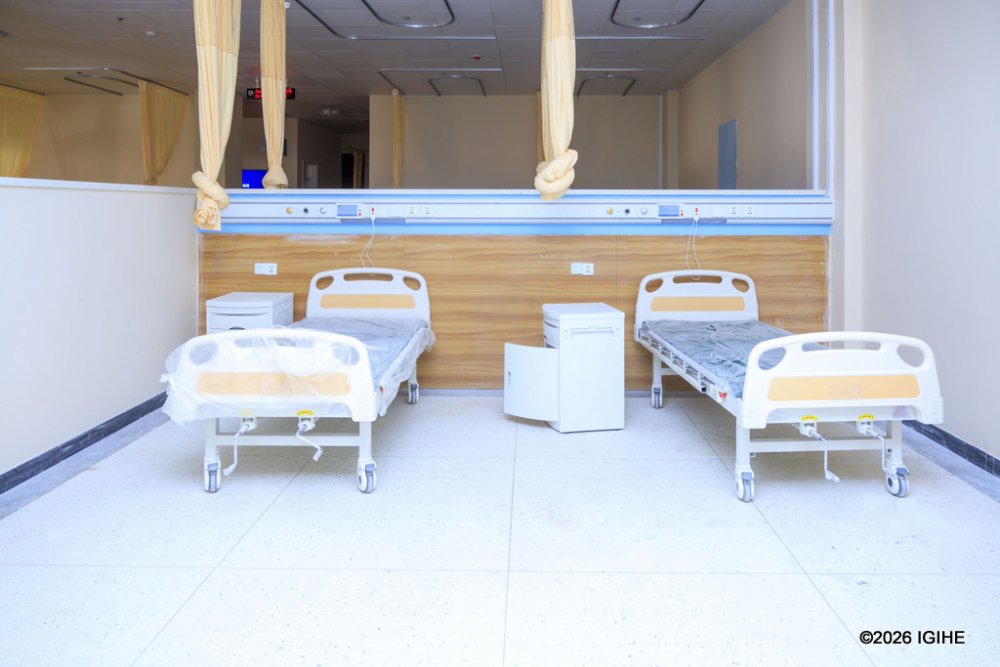
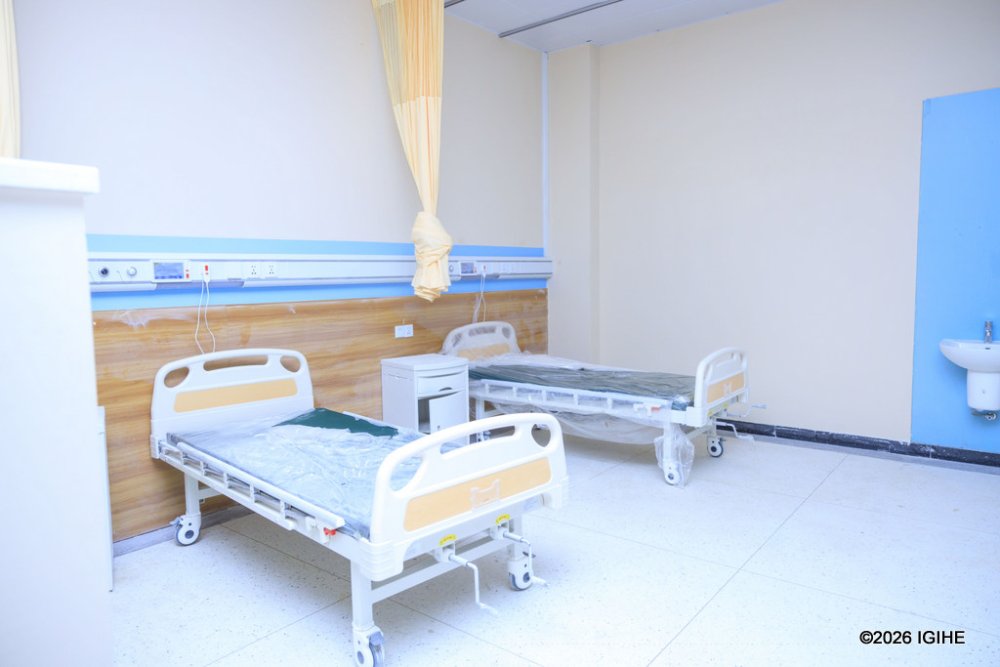
The hospital will have a capacity of 827 beds, nearly doubling the current CHUK capacity of 400 beds.
{{Advanced facilities and technology}}
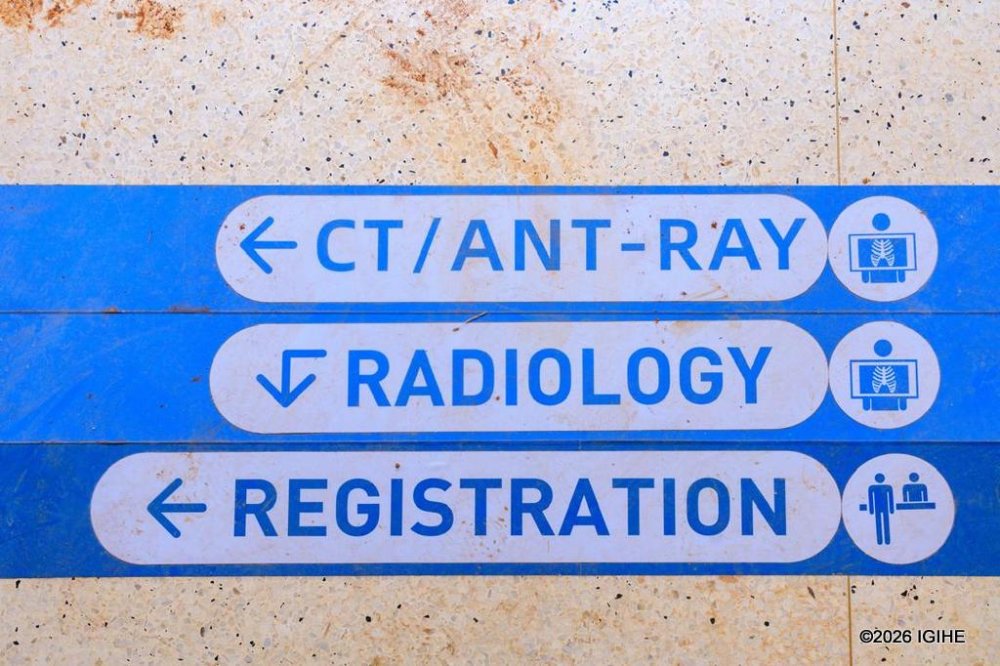
The new hospital will feature 18 surgical rooms, excluding operating theaters for maternity cases. It will also be equipped with advanced diagnostic and treatment technologies, including four X-ray machines, two anti-radiation devices, MRI machines, radiology equipment, and other modern medical instruments.
This expansion aligns with Rwanda’s vision to develop a world-class healthcare system in Africa and promote medical tourism. It is expected to reduce the number of Rwandans seeking treatment abroad, as advanced services will now be available domestically.
During the National Dialogue held on February 5–6, 2026, Rwanda’s Minister of State for Health, Dr. Yvan Butera, disclosed that Rwanda successfully performed 83 kidney transplants over the past three years, saving around $800,000. Heart surgeries included 543 pediatric patients and 318 adults.
{{Construction and design}}
On-site, workers are completing final corrections identified by the Rwanda Housing Authority. Some employees are also preparing interior landscaping for the hospital. Local Rwandan laborers contributed to the construction, and most of the building materials, including sand, bricks, and stones, were sourced within Rwanda.
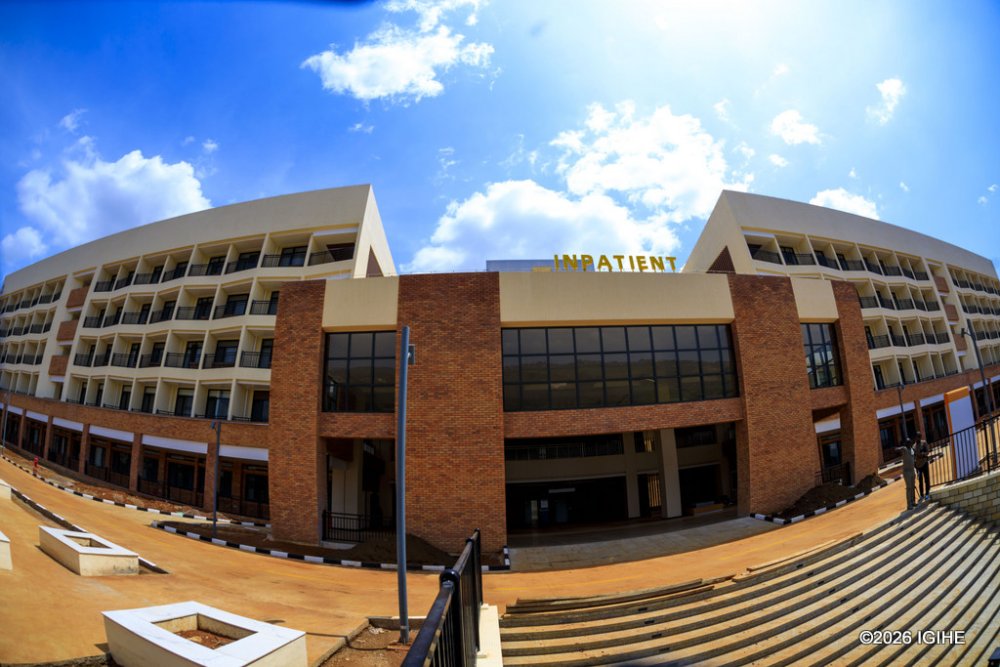
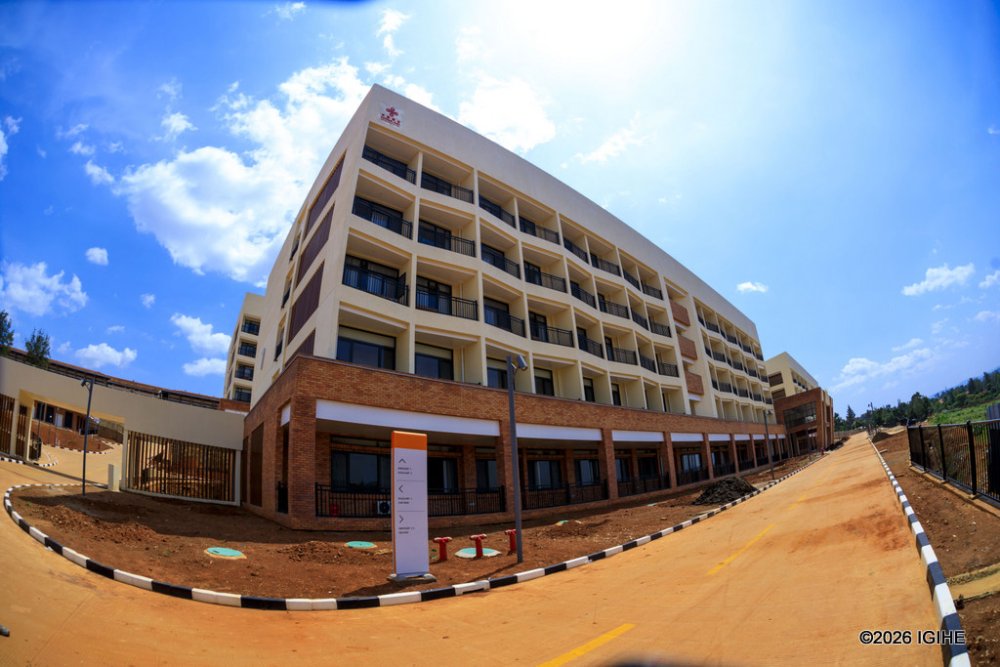
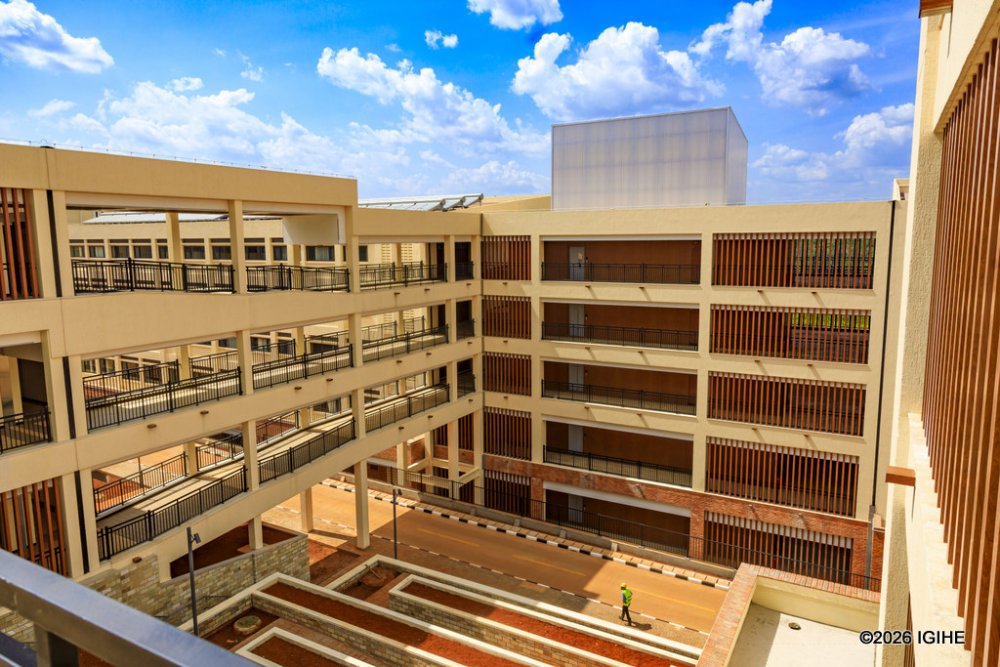
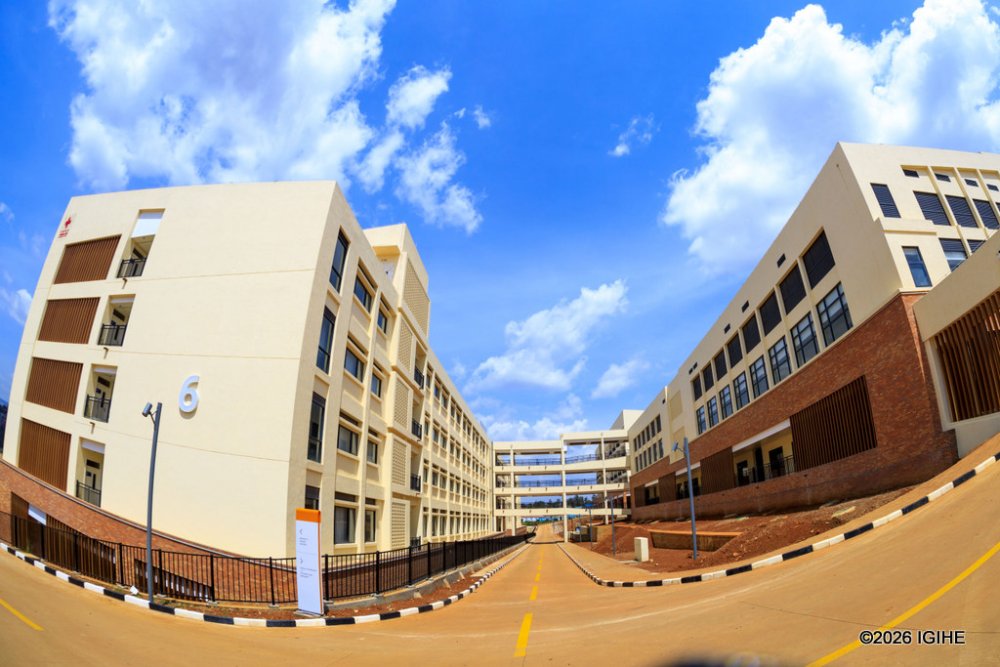
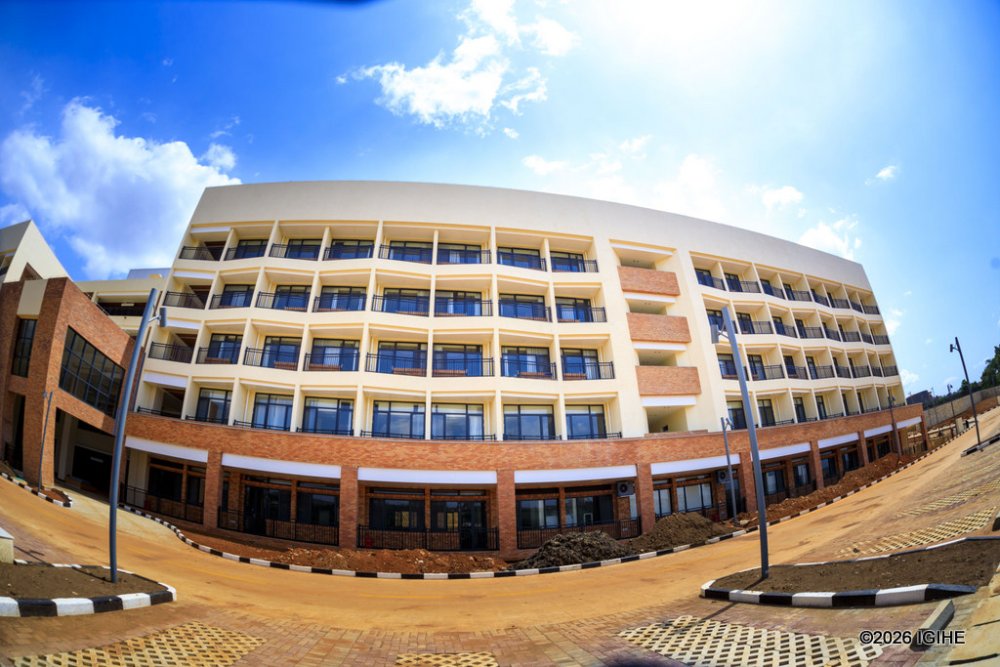
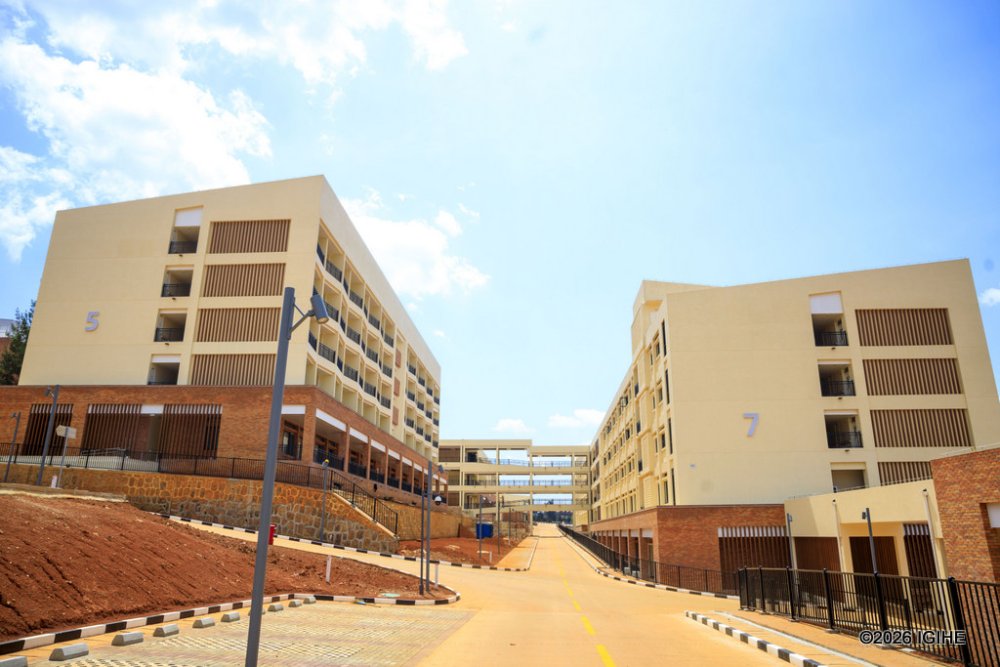
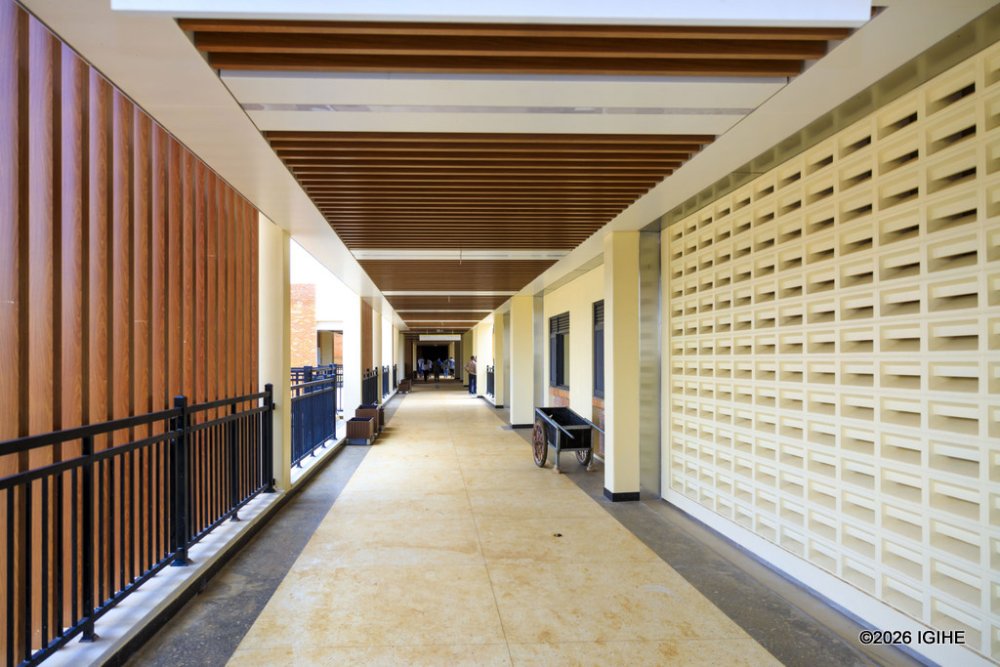
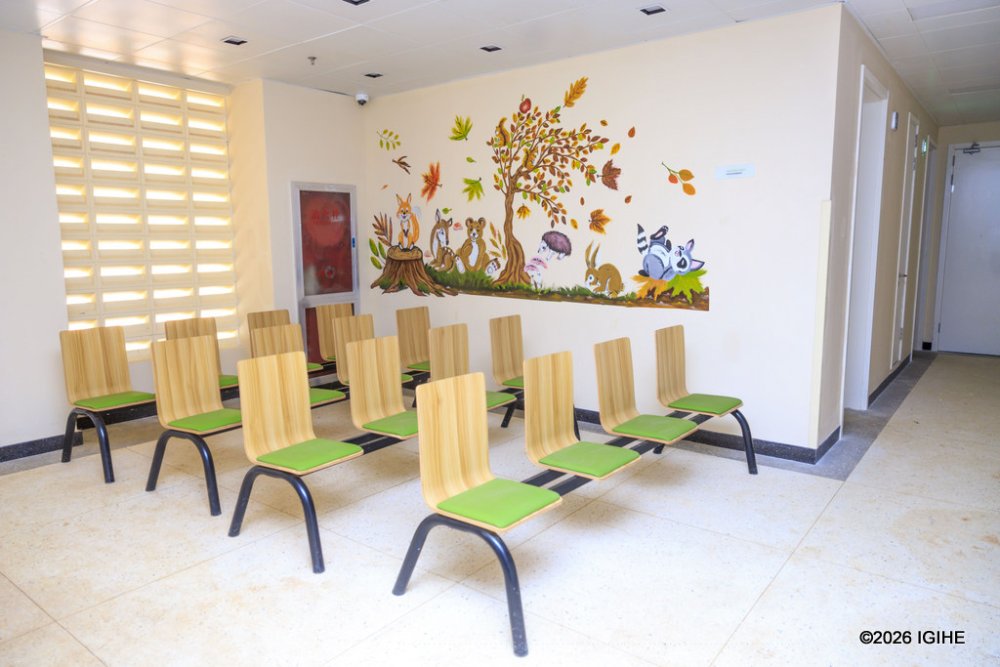
The hospital consists of three multi-story buildings, one with five floors and two with four floors. One building will house outpatient services, while another will serve as an inpatient unit. The remaining two buildings, located separately, will accommodate hospitalized patients and include a dedicated medical technology building for advanced treatments.
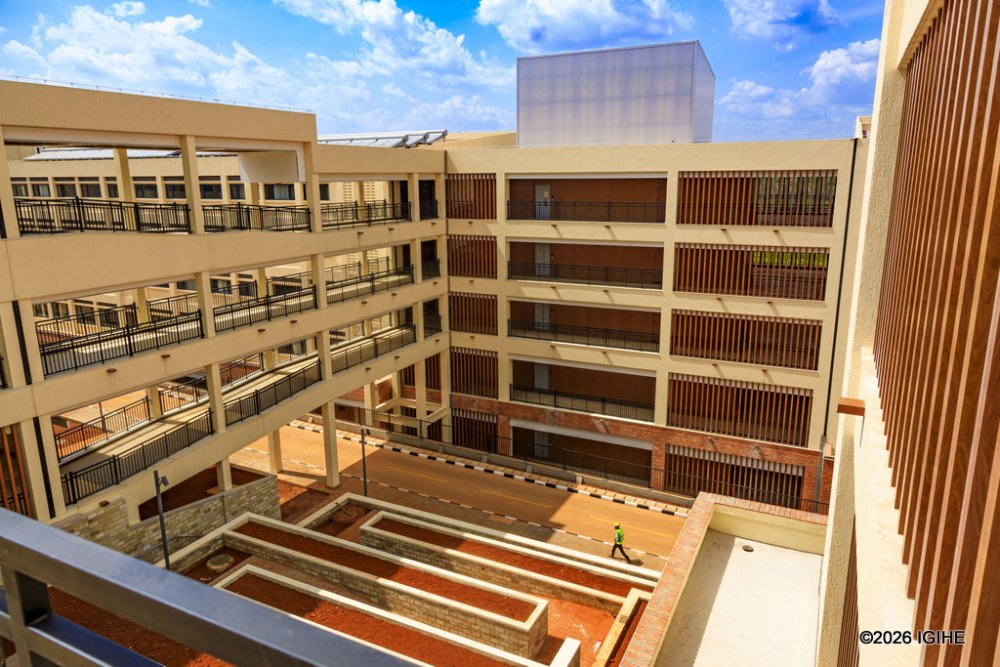
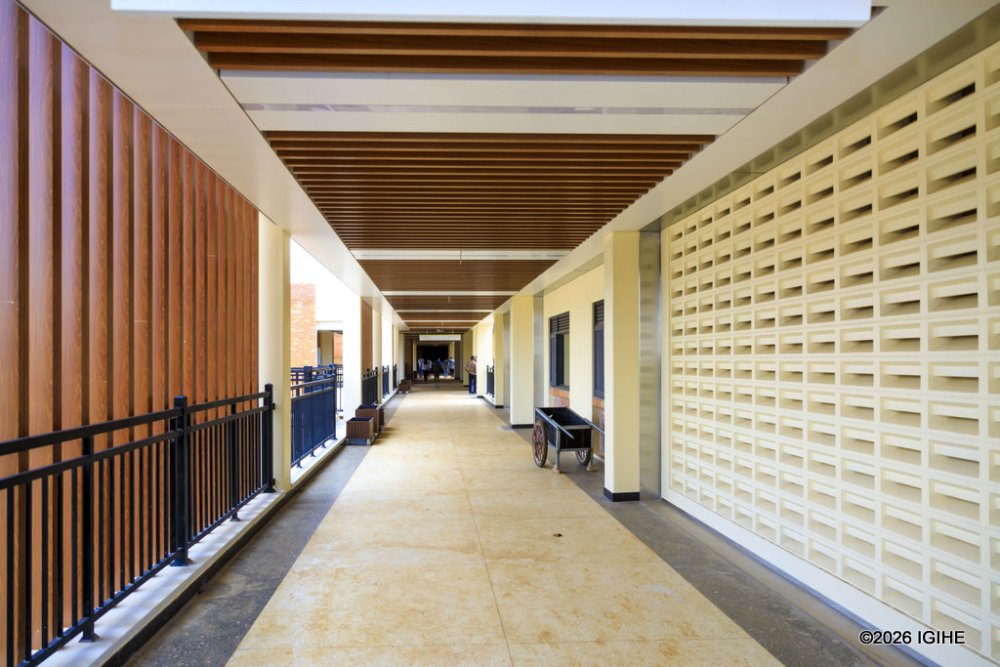
Each patient room is spacious and includes its own toilet and shower, a feature not common in other hospitals. The hospital is also designed to be environmentally friendly, with natural ventilation and private terraces in each room, allowing patients to enjoy fresh air and sunlight without relying on air conditioning.
Accessible pathways and elevators have been incorporated to accommodate patients with disabilities.
{{Helicopter landing pad and medical gases}}
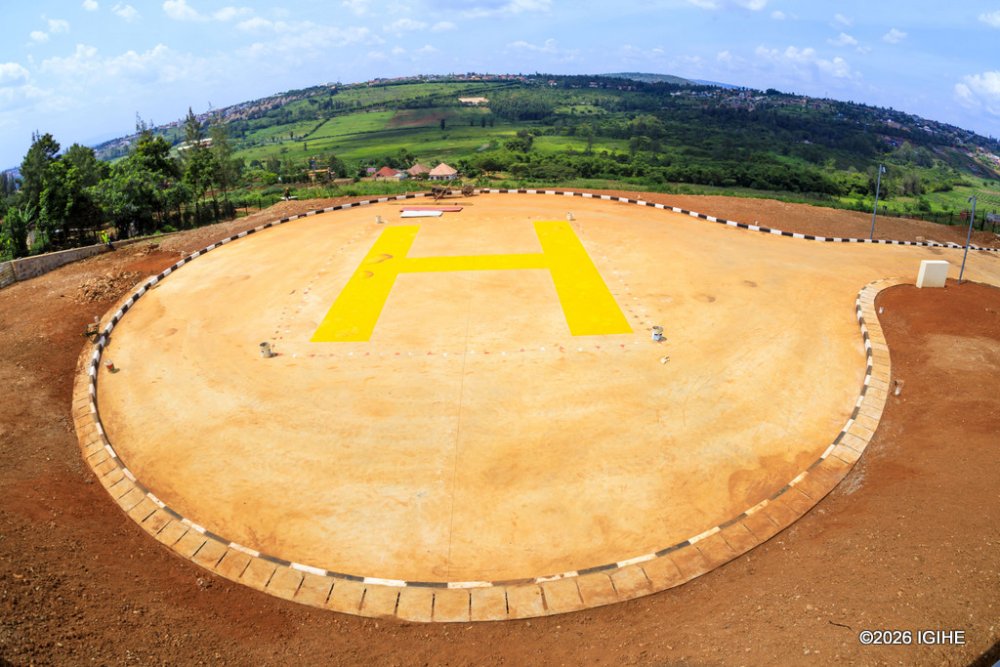
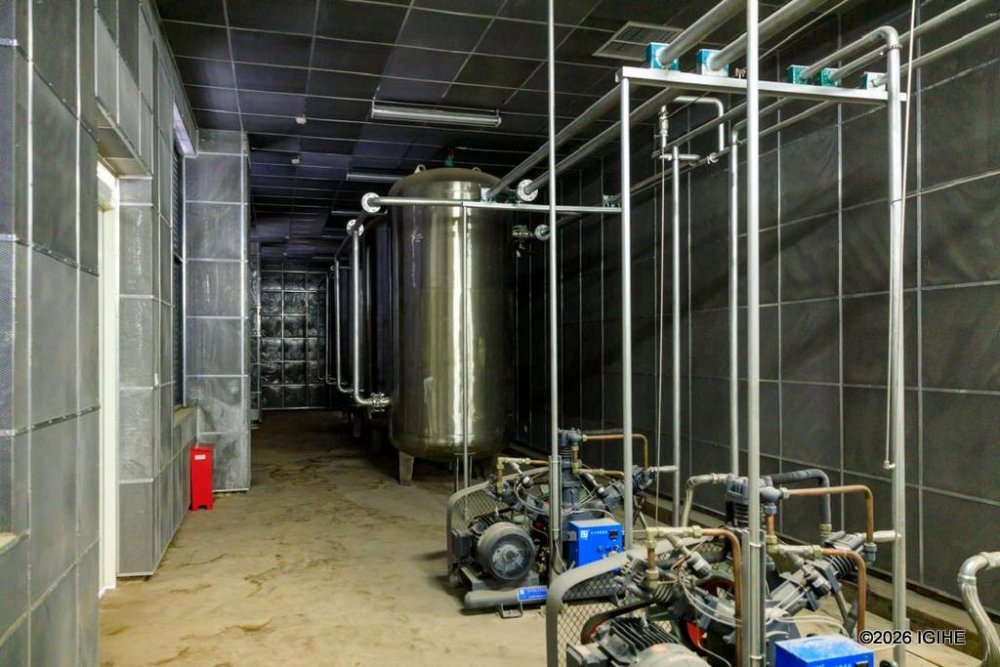
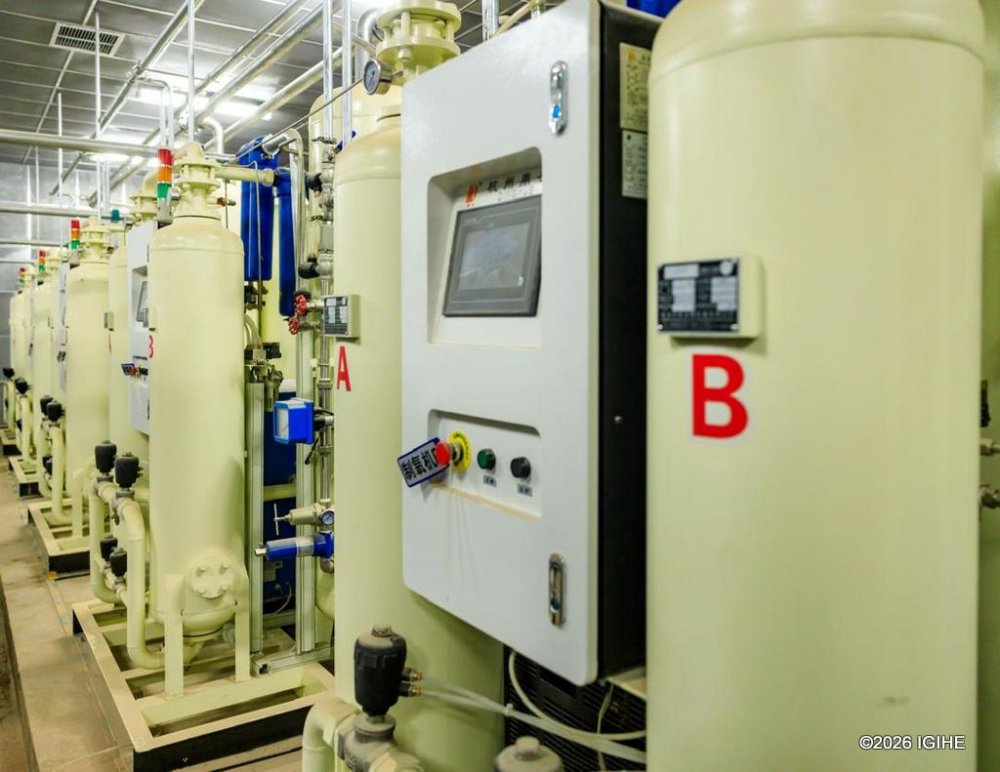
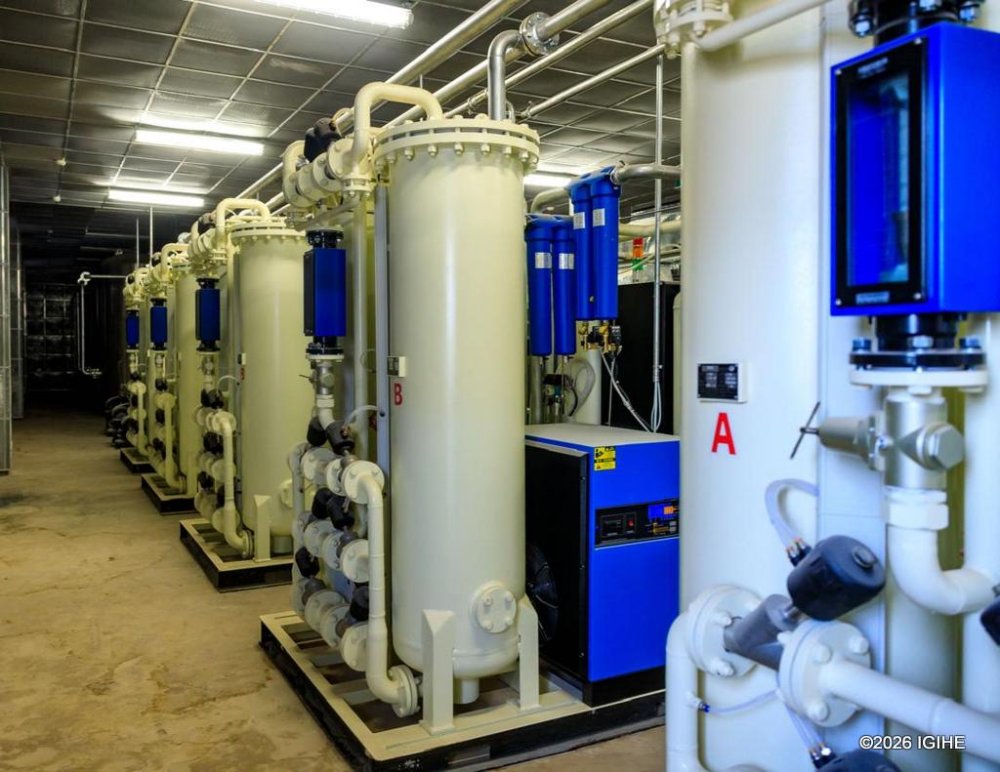
The hospital will include a helicopter landing pad to transport critically ill patients from remote regions. It will also have a specialized room for medical gases, such as oxygen, which can now be generated on-site rather than imported in bulk. Piping systems will deliver these gases directly to patient rooms as needed.
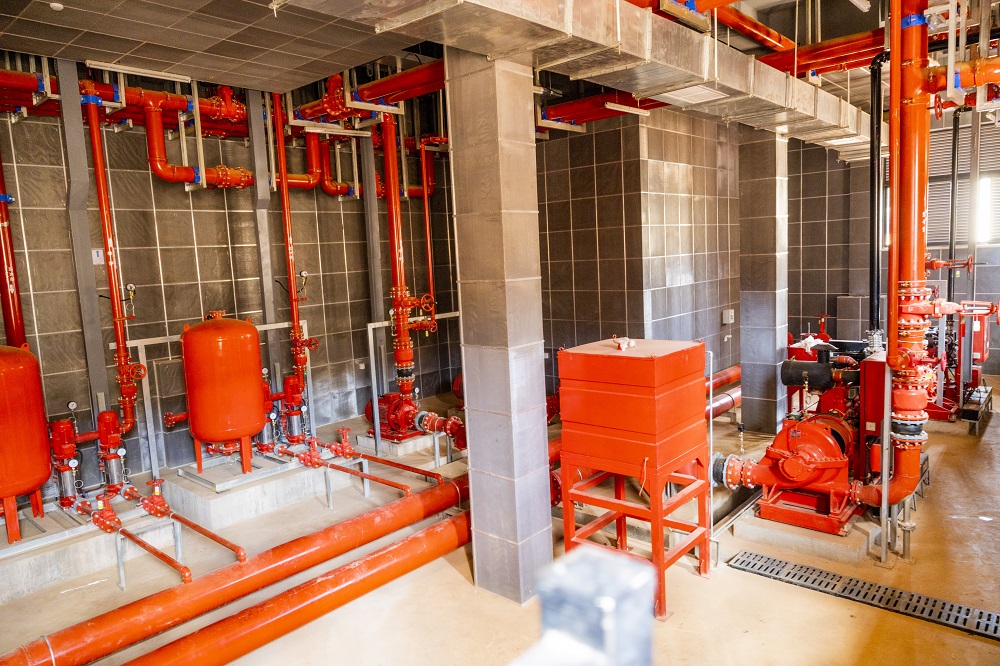
The hospital is equipped with two generators to provide backup power, ensuring uninterrupted electricity supply. It also has advanced fire suppression systems capable of targeting specific areas in the event of a fire.
Medical equipment and patient beds are currently being installed. If all goes according to plan, CHUK’s relocation to Masaka is expected to begin in April 2026, though the process will be gradual.
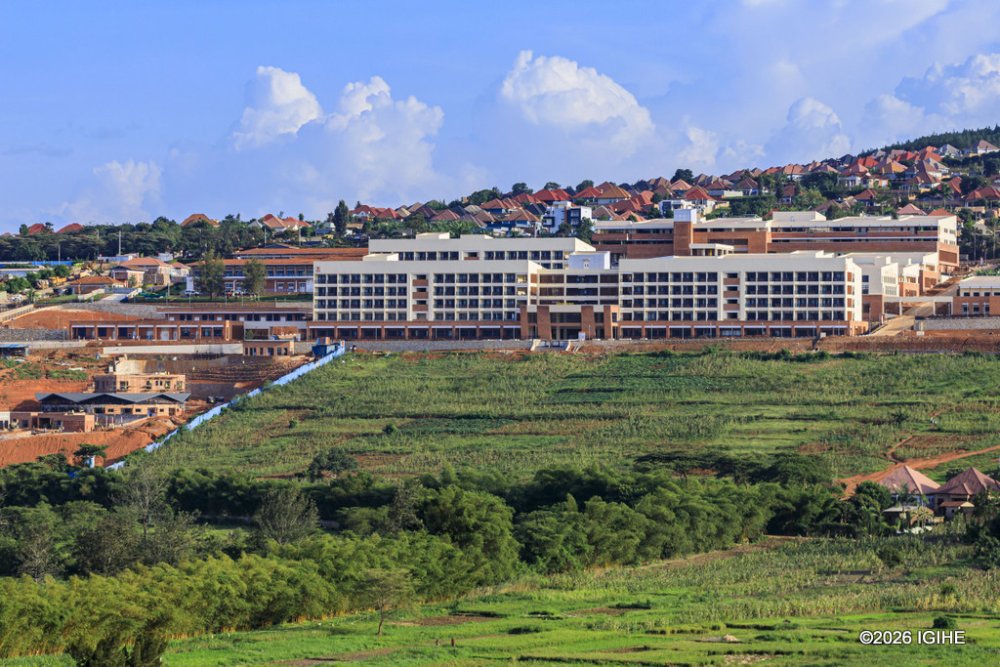
The new hospital is located in a dedicated medical zone near IRCAD Africa, which specializes in teaching cancer surgeries and robotic-assisted procedures. There will also be specialized cardiac care units, as well as an infectious disease research and treatment center.
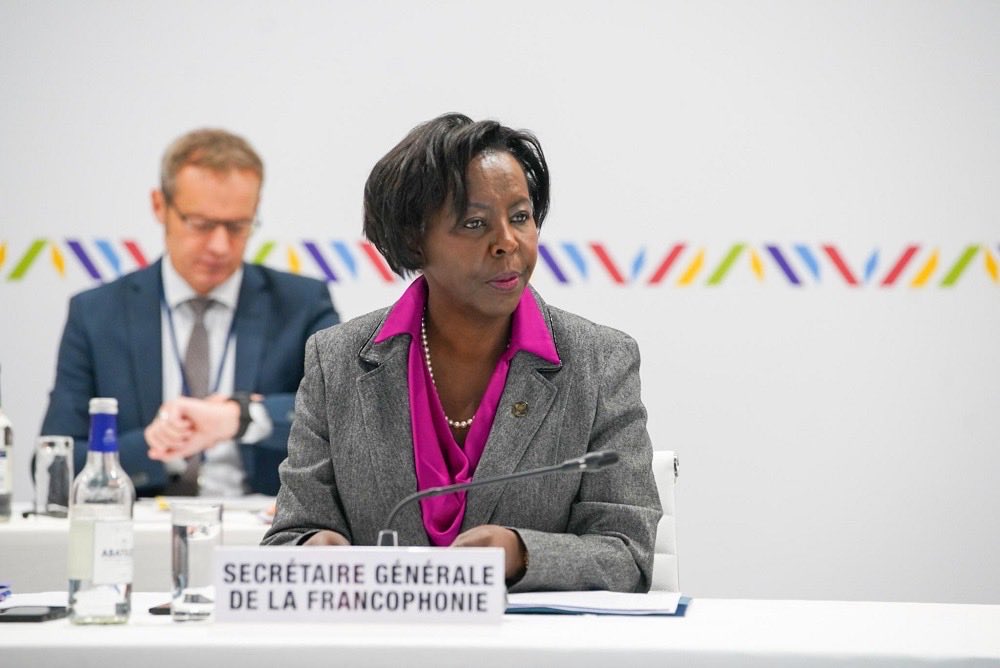
Mushikiwabo, who has led the Francophone organisation since late 2018, said the strained relations have prevented her from travelling to Kinshasa.
“Because Kinshasa does not invite me, I have not travelled there. If the Congolese invite me, I will go,” she told Jeune Afrique, stressing her willingness to maintain diplomatic engagement despite the freeze.
Reacting to questions about supposed political tensions surrounding her candidacy, Mushikiwabo emphasised that the DRC’s opposition is expected and political rather than a reflection of her performance.
“Every election comes with opposition, and some use it to settle political scores. The fact that my candidacy is divisive for the DRC is no surprise. I anticipated it, and it is part of the game,” she added.
Rwanda officially nominated Mushikiwabo for a third term in January, ahead of the 20th Francophonie Summit, scheduled for November in Phnom Penh, Cambodia. If re-elected, she would join former Senegalese President Abdou Diouf as the only Secretary General to serve three terms. Rwanda’s Minister of Foreign Affairs, Olivier Nduhungirehe, told Jeune Afrique that the decision reflects Mushikiwabo’s widely recognised leadership and achievements.
“At the last OIF ministerial conference in Kigali, several member states expressed their wish to see Louise Mushikiwabo run for a third term,” Nduhungirehe said in January. “This recognition represents a strong political signal, which Rwanda has taken into account. Since 2019, under her leadership, the OIF has embarked on a deep, structured, and coherent transformation that has strengthened its political credibility, institutional clarity, and operational effectiveness. We are therefore fully confident in the success of this proposal.”
Despite opposition from Kinshasa and the intention of the DRC to field a rival candidate, Mushikiwabo remains confident.
“Honestly, I think this competition is good for the OIF. It shows the dynamism of our organization, its attractiveness. I am personally very serene regarding this candidacy and this election,” she said.
She described the upcoming vote at the Phnom Penh summit as an opportunity to demonstrate the organization’s vitality, even in the face of competition.
With her accomplishments and Rwanda’s backing, Mushikiwabo is positioning herself not only to secure a historic third term but also to expand the influence of the Francophonie, strengthen multilateral cooperation, and continue reforms that have shaped the organization over the past five years.
The proposal was put forward by Angola’s President, João Lourenço, in his role as Chairperson of the African Union, who indicated that the ceasefire should take effect on February 18, 2026, ahead of peace talks involving Congolese stakeholders.
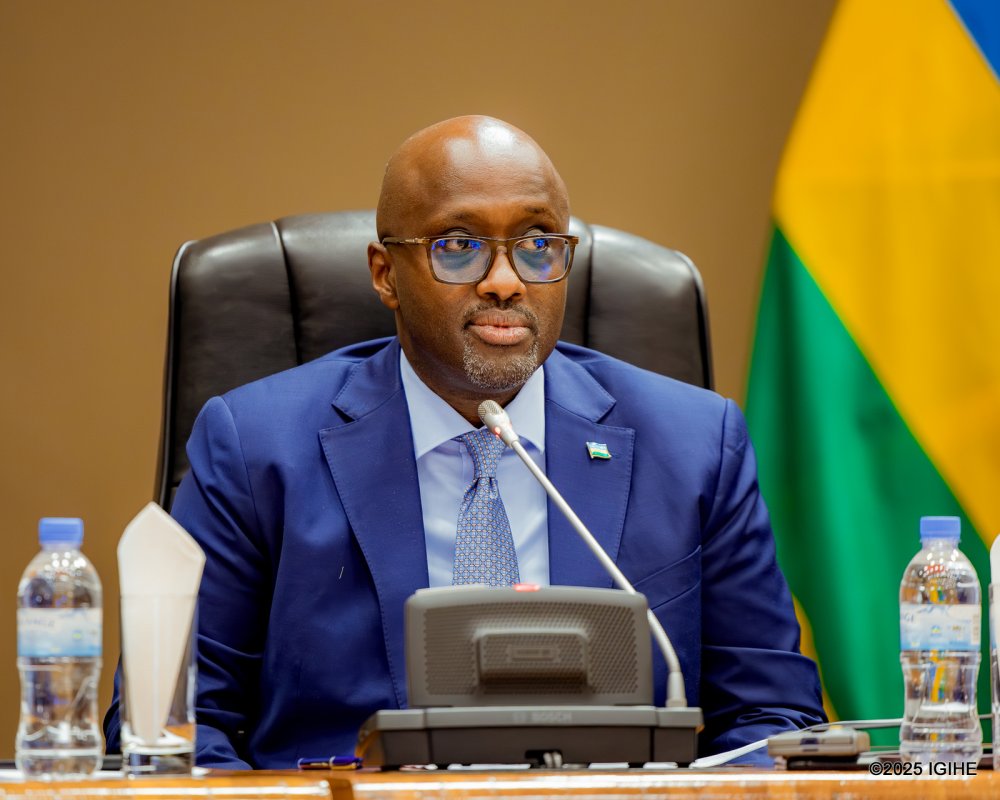
On February 12, Amb. Nduhungirehe recalled that in 2024, ceasefires were announced twice, and in 2025, six peace or ceasefire agreements were signed yet the DRC government failed to implement any of them.
“We can stack peace agreements or ceasefire declarations endlessly, but as long as Kinshasa shows no political will to stop its air and artillery attacks, as long as President Tshisekedi remains fixated on impossible military solution, and as long as the international community continues to turn a blind eye to Kinshasa’s actions, which violate all these agreements, it will be in vain.” he shared on X.
Angola’s call for a ceasefire followed a visit by DRC President Félix Tshisekedi on February 9, 2026, during which he met with AU mediator Faure Essozimna Gnassingbé and Olusegun Obasanjo, a mediator appointed by both the East African Community (EAC) and the Southern African Development Community (SADC).
The mediators emphasized the need to focus on African Union-led talks that include Congolese parties, stating that such dialogue is the only way to address the root causes of the DRC’s ongoing crisis.
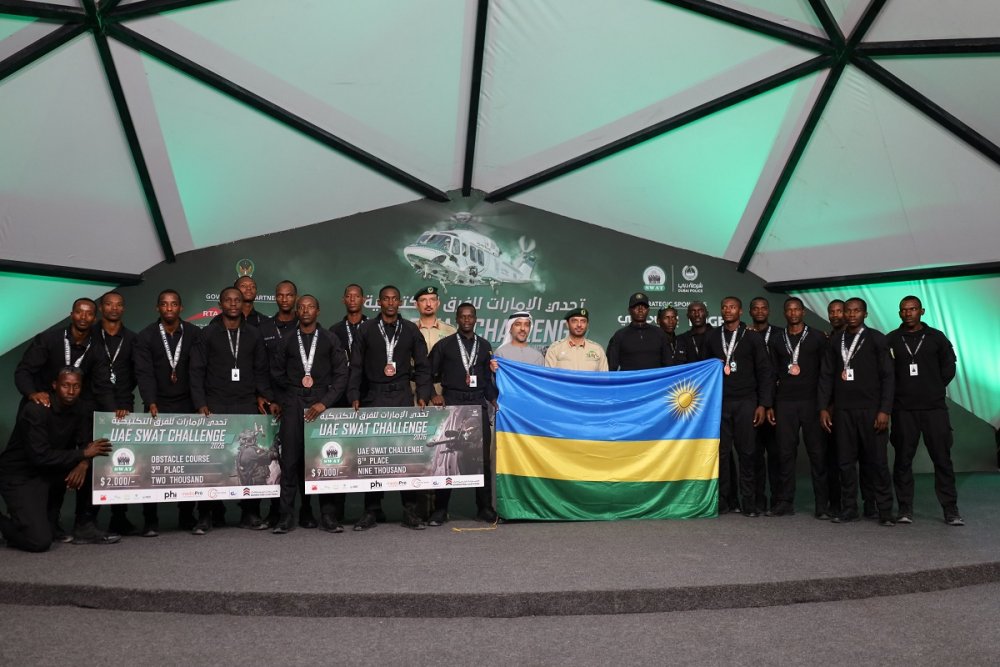
The international competition, which concluded on Wednesday, February 11, 2026, drew 109 teams from 48 countries. It tested elite police and military units in realistic counter-terrorism and tactical scenarios across five challenging categories.
The culminating obstacle course, a grueling test of physical endurance, teamwork, wall scaling, and navigation through tough terrain, required five-member teams to tackle 19 complex stations as quickly as possible.
RNP SWAT Team I, Rwanda’s top-performing squad, completed the demanding course in 3 minutes, 40 seconds, and 90 milliseconds. This placed them third in the event, securing the bronze medal behind Kazakhstan’s dominant teams and ahead of strong showings from China and others.
In the overall standings, which combined results from all stages, RNP SWAT Team I finished an impressive sixth with 484 points, marking the team’s best-ever result in the competition. RNP SWAT Team II placed 29th with 386 points, while the Rwanda Defence Force Special Operations Forces (RDF SOF) Team came in 37th with 361 points.
Kazakhstan led the field decisively: their Team C claimed gold with 536 points, Team A took silver with 515 points, and China Police Team C rounded out the podium bronze overall with 493 points.
The study, led by Australia’s University of Technology Sydney (UTS) and the Woolcock Institute of Medical Research, is the first to show that sex modulates gene networks controlling bronchial responsiveness under normal physiological conditions, said a UTS statement on Thursday.
“Biological sex fundamentally shapes how the lungs function, even under healthy, non-diseased conditions,” said study lead author, UTS and Woolcock Institute Research Fellow Razia Zakarya.
“Male lungs are intrinsically more reactive to inhaled triggers than female lungs, which helps explain why the sexes experience respiratory disease differently,” Zakarya said, adding these differences arise from discrete gene network activity rather than a single gene or hormone.
The study, published in the Federation of American Societies for Experimental Biology journal, shows that sex differences in lung function exist at a deep molecular level, long before disease develops.
“Essentially, the sexes utilize different genetic toolboxes when exposed to environmental factors,” Zakarya said.
The team also found that early-life environmental exposures could alter these molecular networks in sex-specific ways, potentially influencing vulnerability to diseases such as asthma and chronic obstructive pulmonary disease.
Zakarya said the findings underscore the need for sex-inclusive biomedical and environmental health research from the earliest stages of discovery.
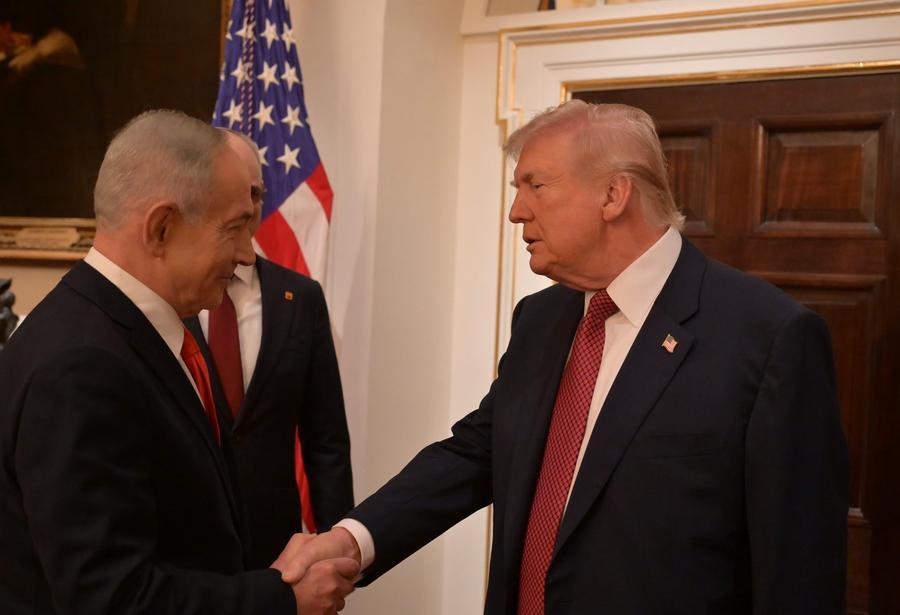
“I have just finished meeting with Prime Minister Netanyahu, of Israel, and various of his Representatives,” Trump said in a post on Truth Social.
“There was nothing definitive reached other than I insisted that negotiations with Iran continue to see whether or not a Deal can be consummated,” Trump said. “If it can, I let the Prime Minister know that will be a preference. If it cannot, we will just have to see what the outcome will be.”
He added that the two leaders discussed the progress being made in Gaza and the region in general.
Netanyahu arrived at the White House in a vehicle via the South Lawn on Wednesday morning and left without a press conference or a statement issued.
The meeting, their seventh since the start of Trump’s second term, reportedly lasted roughly three hours.
Before the meeting, Netanyahu met with U.S. Secretary of State Marco Rubio and formally signed up as a member of the “Board of Peace.” The initiative is controversial in Israel’s parliament, Fox News reported.
Ahead of his trip to Washington, Netanyahu told reporters: “I will present to the president our concept regarding the principles of the negotiations (on Iran) — the essential principles that are important not only to Israel but to anyone who wants peace and security in the Middle East.”
Netanyahu’s office has said that the prime minister wants the talks to include limits on Iran’s ballistic missile program and cut Iran’s ties with militant groups such as Hamas and Hezbollah.
Trump said Tuesday in an interview with Fox Business Network that “it’s got to be a good deal. No nuclear weapons, no missiles.”
Iranian President Masoud Pezeshkian said at celebrations in Tehran for the 47th anniversary of the 1979 Islamic Revolution on Wednesday that a “wall of distrust” created by the West is hindering nuclear talks with the United States, vowing that Iran will never surrender to excessive demands and aggression.
Also on Wednesday, Iranian Foreign Minister Seyed Abbas Araghchi told Russia Today that he believes Iran and the United States can strike a nuclear deal better than the Joint Comprehensive Plan of Action signed in July 2015, while reiterating that Iran will not negotiate on its missile program or regional alliances.
Washington and Tehran held their indirect talks on Friday in the Omani capital of Muscat amid simmering tensions between the two sides and a U.S. military buildup near Iran.
On Tuesday, Trump said he is considering sending a second aircraft carrier strike group to the Middle East for possible military actions against Iran if negotiations fail.
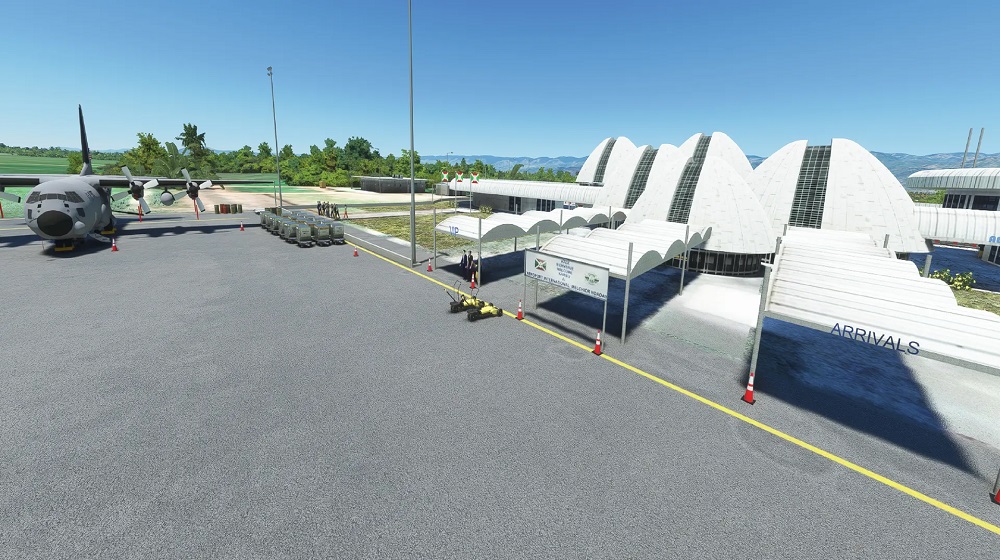
The disruptions have affected several high-level flights, including travel by Burundi’s President, Evariste Ndayishimiye.
Safe aircraft operations rely on constant coordination between pilots and ground air traffic controllers, supported by navigation technologies such as radar and GPS systems that provide accurate positioning and approach guidance.
However, airport officials say these systems began malfunctioning after Belgian-installed air telecommunications equipment was removed and replaced with Russian-made systems.
On February 1, 2026, a RwandAir flight was forced to return to Kigali International Airport when it was approximately six kilometers from landing in Bujumbura due to communication difficulties between the cockpit and ground control.
On the same day, a Falcon 900 jet carrying Togo’s President of the Council of Ministers, Faure Essozimna Gnassingbé, and his delegation also diverted after experiencing GPS-related issues. The aircraft landed in Kampala, Uganda, instead of Bujumbura.
The situation also affected President Ndayishimiye on February 7. His aircraft, en route from Abu Dhabi in the United Arab Emirates, was unable to complete its approach to Bujumbura and had to turn back due to similar communication problems.
Airlines impacted by the disruptions have reportedly contacted Bujumbura airport authorities to seek clarification and assurances regarding the reliability of the airport’s communication and navigation systems.
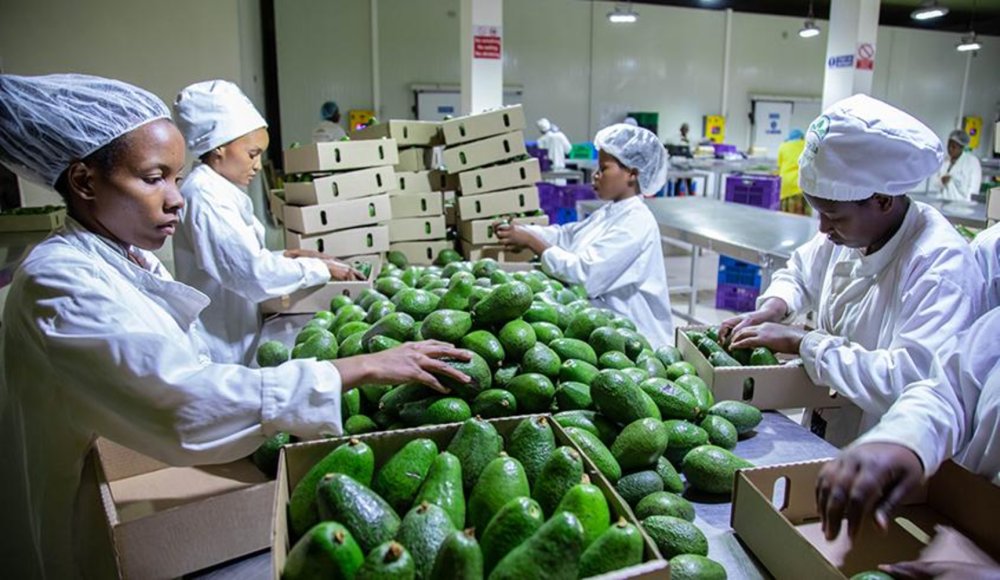
Data from the National Agricultural Export Development Board (NAEB) shows that coffee and tea remained the country’s top foreign exchange earners during the week, contributing significantly to the overall export revenues.
Coffee exports reached 650 metric tons, generating $3,992,824, maintaining its position as Rwanda’s leading agricultural export. Tea followed closely, with 958 metric tons exported and revenues amounting to $2,800,793.
Diversified agricultural products accounted for the largest export volume during the period, with 6,732 metric tons shipped abroad, generating $4,288,813. Key destinations included the United States of America, Oman, as well as cross-border and other African markets.
The horticulture subsector also recorded notable performance. Vegetable exports totalled 363 metric tons, earning $390,539, with major markets including Great Britain, the Netherlands, India, Canada, Germany, France, and regional African countries. Fruit exports reached 267 metric tons, generating $311,860, mainly destined for the United Arab Emirates, Great Britain, Canada, and regional markets.
Flower exports, though smaller in volume at 59 metric tons, generated $614,925, reflecting strong demand in the Netherlands and the United Kingdom.
Animal products contributed $676,440 from 364 metric tons exported, with the United Arab Emirates and cross-border markets serving as key destinations.
Last month, the RRA and RNP launched a joint nationwide awareness campaign, providing special support to fast-track ownership transfers and assist those facing challenges in completing this mandatory process.
All owners of vehicles and motorcycles that are no longer in use are also required to return their number plates for deregistration and to prevent the accumulation of unnecessary taxes.
In Kigali, ownership transfer services are provided at Dubai Port Masaka, Nyamirambo, Gikondo Expo Ground, and Canal Olimpia. Similar services are available at 14 other tax centres across the provinces.
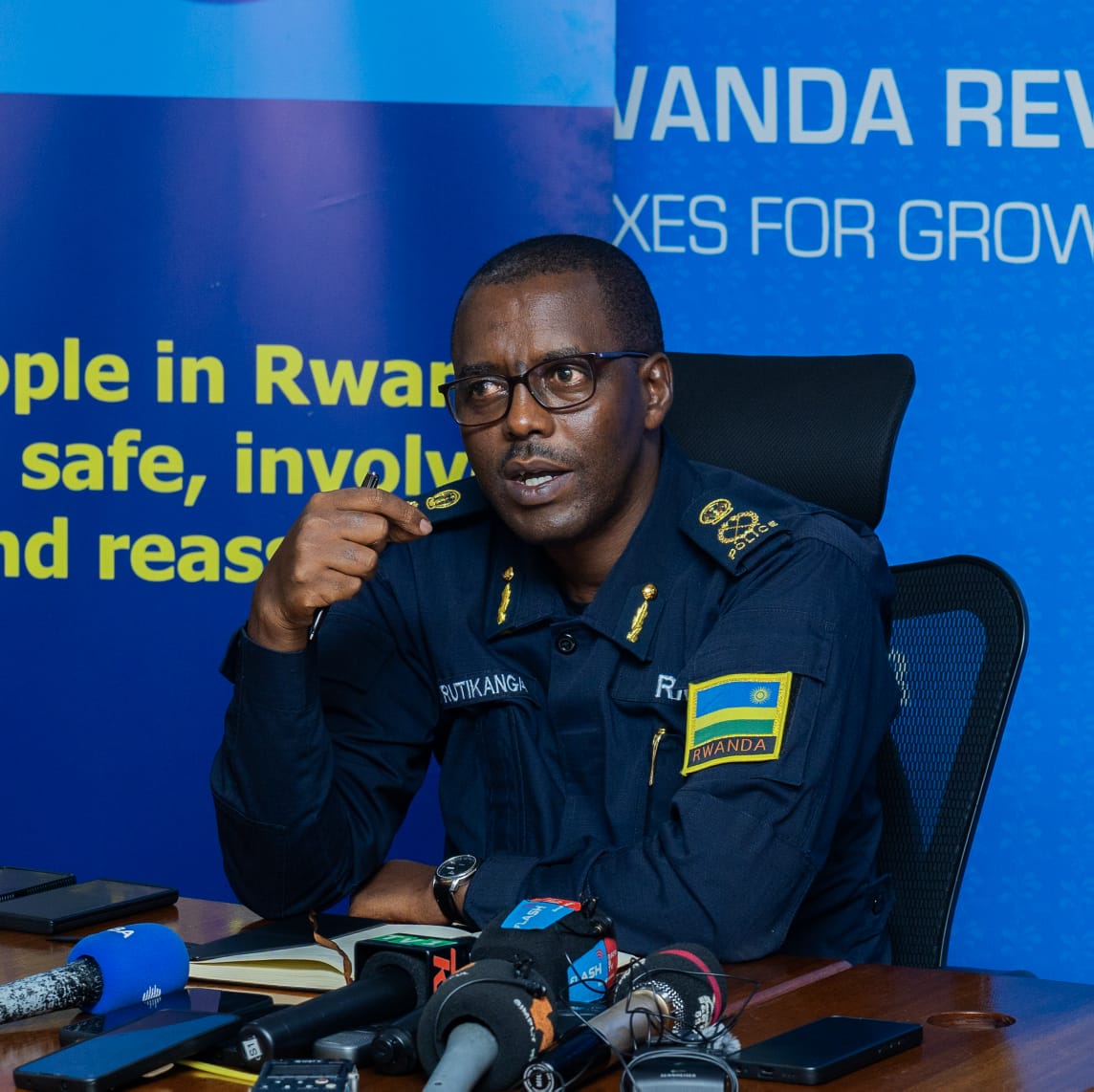
The RNP spokesperson, Assistant Commissioner of Police (ACP) Boniface Rutikanga, said that while many people are responding positively, some remain uncooperative.
“Although people are turning up for this service, some individuals remain reluctant and fail to assist their counterparts in completing ownership transfers,” ACP Rutikanga said.
One such case involved motor-taxi rider Bikorimana Samuel from Shangi Sector in Nyamasheke District, who bought a motorcycle from Hitarurema Placide in July 2025. According to Bikorimana, repeated attempts to complete the transfer were unsuccessful after the seller stopped responding to calls.
“He told me he did not have time and that we would do the ownership transfer the following month. When the time came, he stopped answering my calls,” Bikorimana said.
He further explained that due to his work in Nyamasheke and Rusizi districts, he was unable to return to Kigali to follow up. However, after learning about the ongoing special support, he reported the issue to the authorities.
“The Police later called me and told me they had located him. They brought us together, and the ownership transfer was finally completed,” he said, thanking the Police for their intervention and encouraging others facing similar challenges to seek help at the designated service sites.
Similarly, Joseph Ndayisaba had spent three years without completing the ownership transfer for a car he bought after the seller refused to cooperate.
“When I heard about the campaign, I went to one of the sites and explained my problem. I was told they would help locate the seller so the issue could be resolved,” Ndayisaba said, urging others facing similar challenges to take advantage of this special window period.
ACP Rutikanga once again reminded the public that the grace period, which ends on February 28, will not be extended.
“Anyone who bought or sold a vehicle and failed to facilitate ownership transfer should take advantage of this period. Once it ends, other measures will be taken to enforce the law,” he warned.
The Police and RRA continue to urge vehicle and motorcycle owners to utilise the established service points across the country before enforcement measures begin.