The talks come at a time when Rwanda–EU relations are undergoing a notable shift from traditional development assistance toward strategic, high-value economic cooperation. This transformation is largely driven by the EU’s Global Gateway strategy, a multi-billion-euro initiative aimed at building sustainable partnerships through investments in digital, energy, transport and health infrastructure.
Under the current multiannual financial framework, the EU allocated €260 million in grant funding to Rwanda for the 2021–2024 period, including €49 million in EFSD+ provisioning. For 2025–2027, an additional €134 million has been earmarked, alongside Rwanda’s participation in several multi-country EU programmes.
Through the “Team Europe” approach in Rwanda, the EU works alongside the European Investment Bank and member states including France, Germany, Belgium, Luxembourg, the Netherlands, Lithuania, Greece, Sweden, Austria and Denmark.
A key highlight of the evolving partnership has been support for Rwanda’s ambition to become a regional biotechnology and pharmaceutical hub. In October last year, during bilateral talks in Brussels between President Paul Kagame and Ursula von der Leyen, the EU announced €95 million in new funding to strengthen vaccine manufacturing in Rwanda.
The financing builds on earlier EU support of more than €93 million toward BioNTech’s Kigali facility, inaugurated in 2023 as the company’s first mRNA manufacturing site in Africa. The project is seen as a major step toward ensuring equitable access to vaccines and strengthening Africa’s capacity to respond to future health emergencies.
Rwanda’s development ambitions are guided by the National Strategy for Transformation and Vision 2050, which aim to achieve upper-middle-income status by 2035. The EU has positioned its cooperation framework to align with these goals, supporting economic transformation, green transition efforts and inclusive growth.
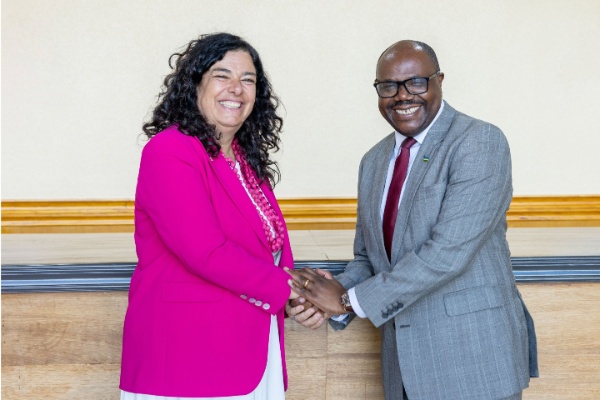
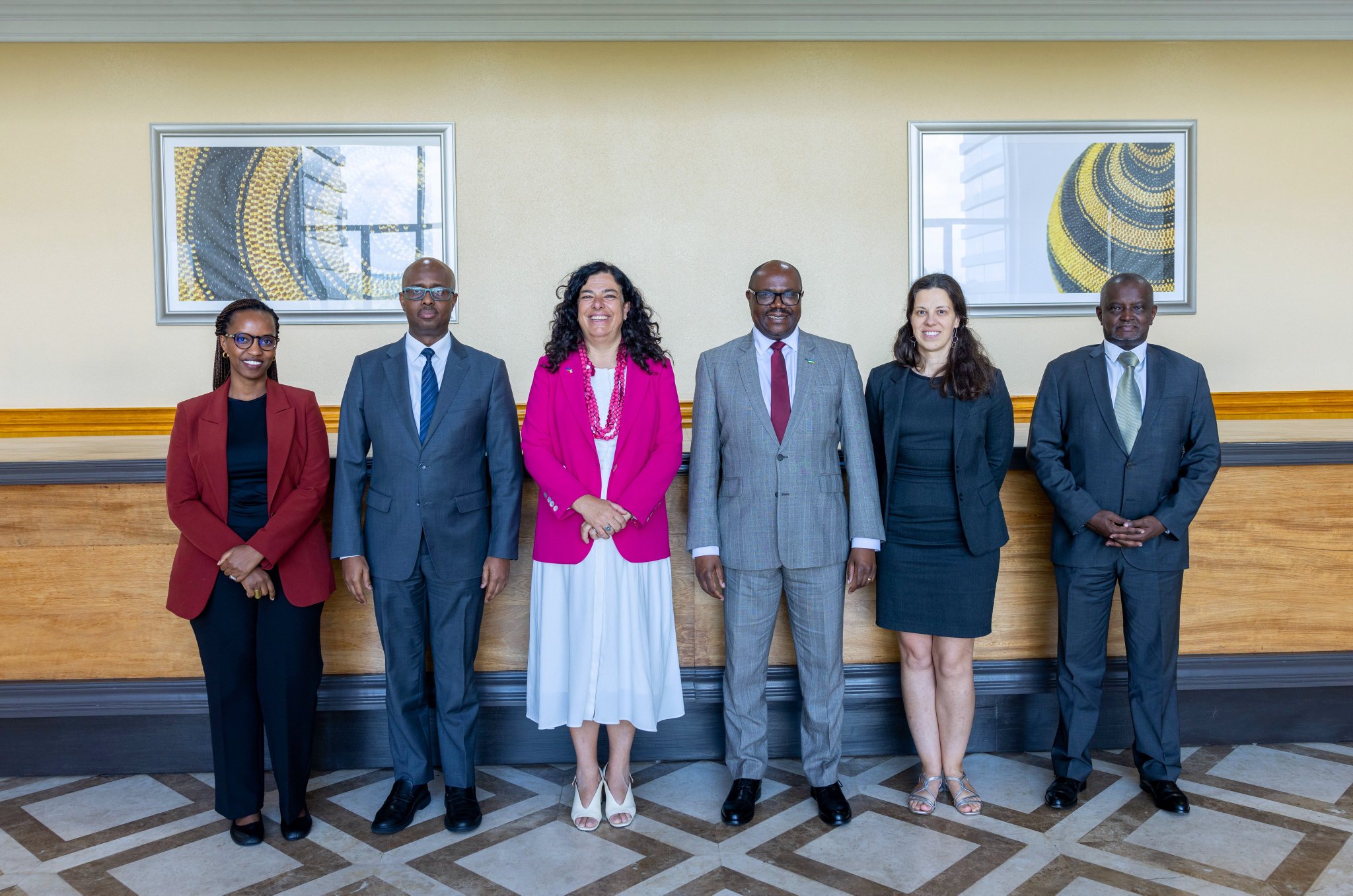
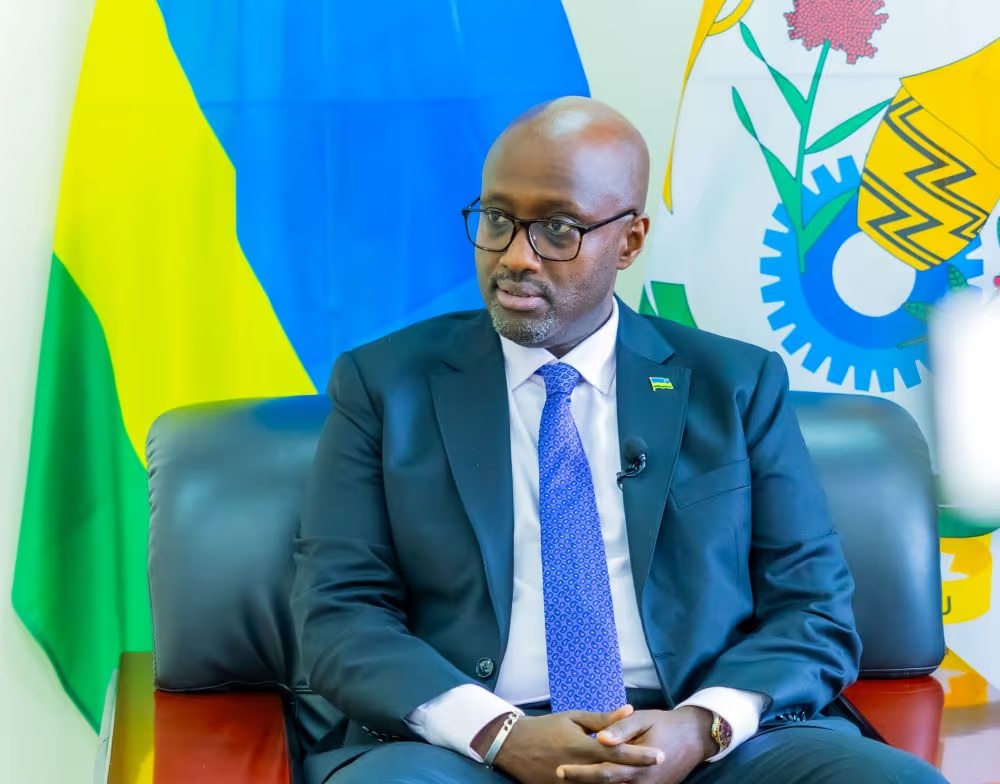
The discussions focused on further strengthening the longstanding partnership between Rwanda and the EU.
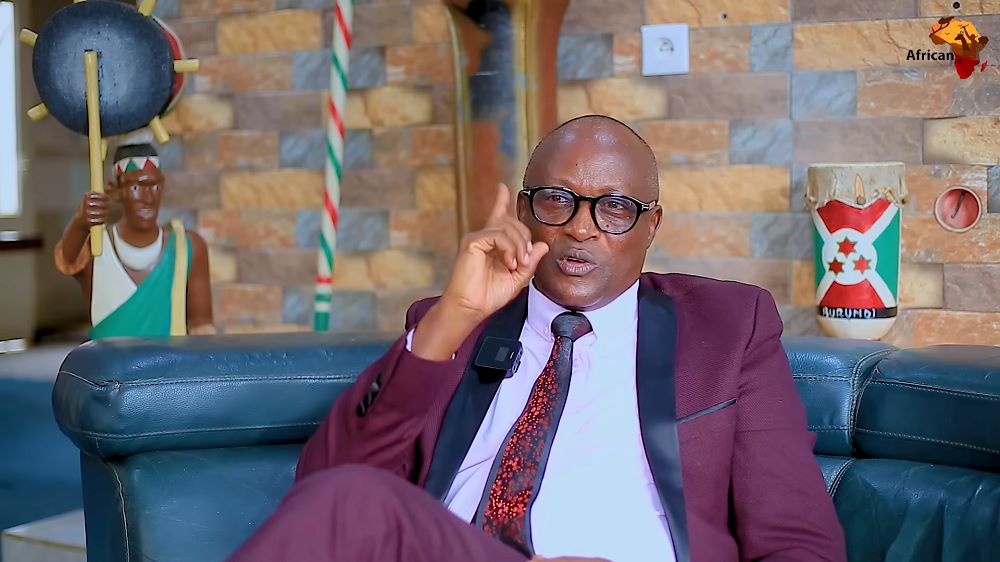
Speaking on Africa TV YouTube channel, Sindimwo suggested that those pressuring Rwanda to lift security measures along its border may have ulterior motives.
“If you come and tell me to lift my country’s defensive measures, what do you want? You want to attack me,” he said. “As for the Washington agreement, I don’t see anything meaningful in it given the ongoing tensions in the DRC.”
The government of the Democratic Republic of the Congo has called on countries including the United States to impose sanctions on Rwanda, accusing it of violating a peace agreement signed in Washington on December 4, 2025.
Sindimwo argued that sanctions would have little real impact on a country, noting that Burundi itself faced sanctions in 2016 yet continued to function. In his view, such measures mainly serve to intimidate.
“There are things that make me laugh,” he said. “They impose sanctions on you, so what happens? Were we not sanctioned? Did we stop existing? That is intimidation.”
At the National Dialogue Council held on February 5, 2026, President Paul Kagame explained that Rwanda deployed defensive measures along its border to prevent attacks by the FDLR terrorist group operating in eastern DRC.
President Kagame stressed that Rwanda will not accept any situation that undermines its security.
Sindimwo expressed support for Kagame’s decision to safeguard Rwanda’s security, saying no form of intimidation should prevent a leader from protecting their country and its citizens.
Gaston Sindimwo served as the Vice President of Burundi from 2015 to 2020.
The funding appeal, launched under the Regional Migrant Response Plan for the Horn of Africa to Yemen and Southern Africa, was unveiled in Nairobi, the Kenyan capital.
IOM Director General Amy Pope stressed in a video message that sustainable financing is key to tackling the migration crisis in the Greater Horn of Africa and southern Africa regions, fueled by climate change, instability, and poverty.
Pope said the migrant response plan aims to protect the rights, dignity, safety, and livelihoods of migrants and host communities in a region grappling with sporadic conflicts, climate shocks, and high youth unemployment.
Adequate funding is required to provide humanitarian support to these migrants and their host communities, and to enhance stability, resilience, and inclusive growth across the region, Pope said.
“This support is not just humanitarian; it is an investment. We must turn this migrant response plan into protection, solutions, and hope for the people who depend on us,” Pope added.
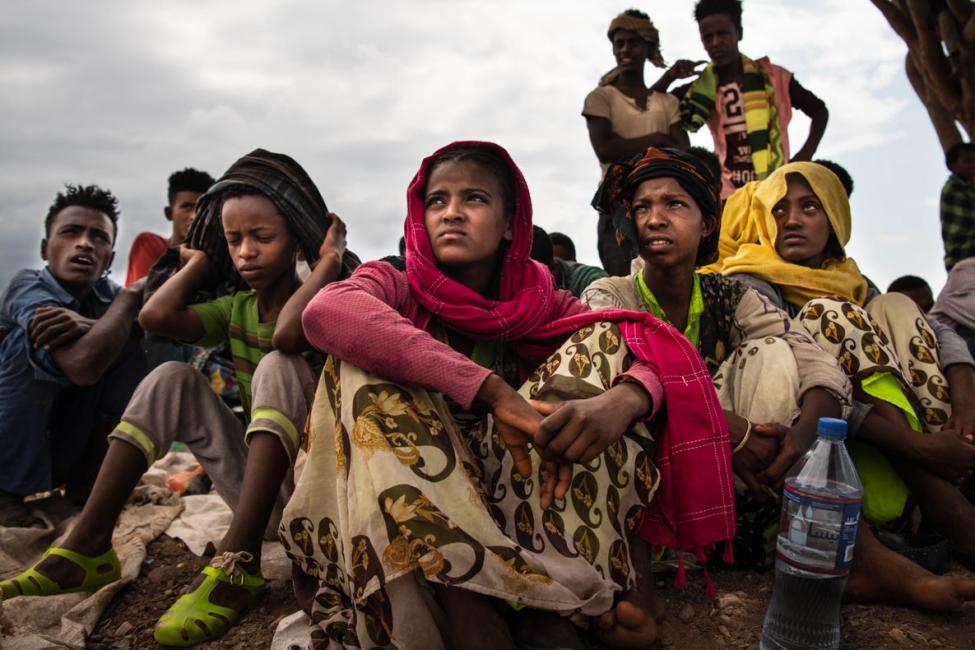
Migrants traveling from the Horn of Africa to the Southern Africa region, including women, children, and youth, face significant risks of violence, trafficking, abduction, torture, dehydration, and forced labor, according to IOM.
IOM Chief of Staff Mohammed Abdiker noted that both regions have become global hotspots for risky and irregular migration, adding that the new funding will support livelihood projects for migrants, as well as their return and reintegration into their countries of origin.
The International Organization for Migration (IOM) on Tuesday launched a 91 million U.S. dollar funding appeal to support about 1.2 million migrants and host communities in the Greater Horn of Africa and southern Africa regions.
The mission, carried out by the Hope Probe, was originally launched as a two-year project and entered Mars’ orbit in 2021. The extension seeks to maximize the scientific return on the UAE’s space investments and gain valuable operational experience for future deep-space missions.
Since its arrival at Mars, the Hope Probe has gathered around 10 terabytes of data, shared in 16 datasets with over 200 global research institutions. The mission has also supported pioneering discoveries, including new observations of Mars’ auroral activity and close fly-bys of Deimos, the smaller outer moon of Mars.
In October 2025, the probe expanded its scientific scope by capturing images of Comet 3I/ATLAS, the third known interstellar object that passes through our solar system, offering a rare opportunity to study material from beyond the solar system.
Officials said the decision demonstrates confidence in the probe’s technical readiness and national team capabilities, while supporting the rapid growth of the UAE’s space ecosystem through expanded research and aerospace education.
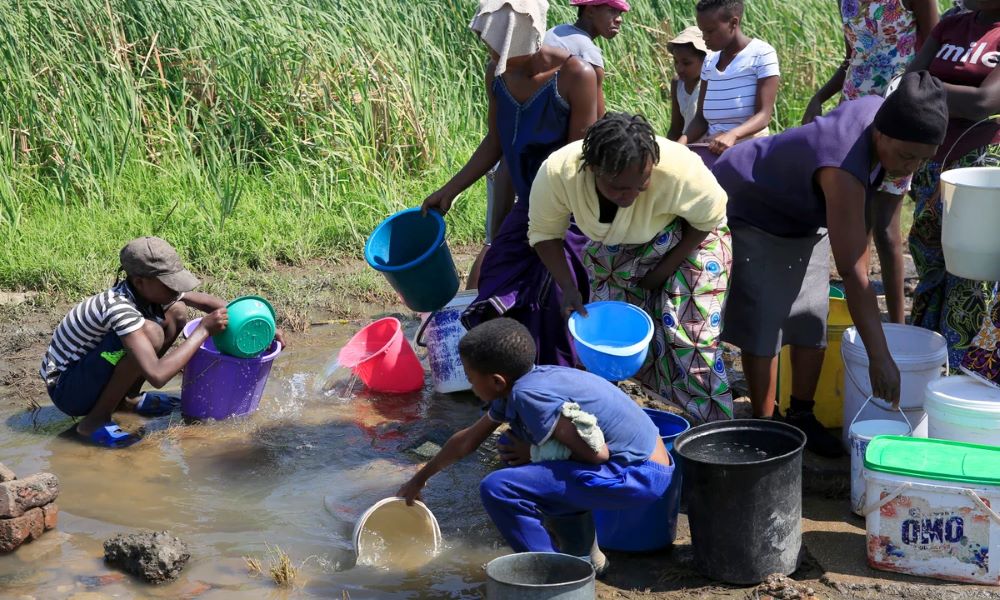
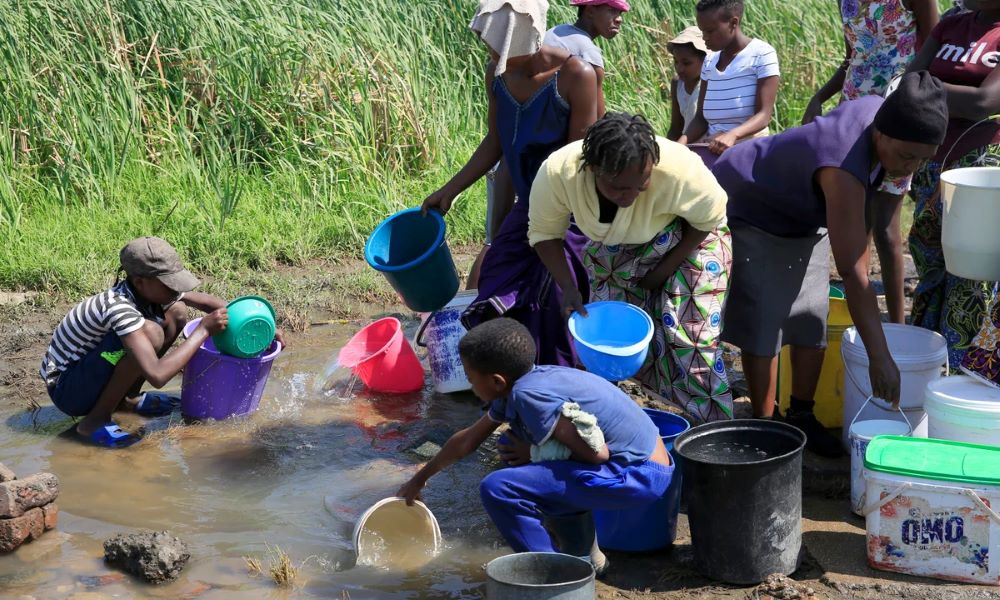
So far, the country has experienced sporadic and isolated outbreaks of water-borne diseases typically associated with the rainy season, Information, Publicity and Broadcasting Services Minister Zhemu Soda said during a post-cabinet media briefing.
He said that although no major outbreaks have been officially declared, risks remain elevated due to current wet conditions, population movements, and increased strain on water and sanitation infrastructure.
“In response, the government of Zimbabwe has intensified its preparedness efforts by conducting comprehensive risk and hazard mapping, enhancing alertness among response agencies, and expanding public health communication initiatives,” Soda said.
He said the measures aim to prevent isolated cases from developing into large-scale outbreaks, and to reduce undue pressure on the healthcare system.
Additionally, the Zimbabwean cabinet on Tuesday approved a contingency fund to support the country’s preparedness and early response activities for seasonal disease outbreaks, Soda said, adding that a multi-sectoral approach involving relevant ministries and agencies responsible for water and sanitation, local government, transportation, education, environment, and social services will be strengthened.
Zimbabwe’s rainfall season typically runs from October to March, with the wet conditions heightening the risk of water-borne disease outbreaks.
Women and children fetch water in the township of Luveve in Bulawayo. Photograph: Aaron Ufumeli/EPA
Jackson marched alongside Martin Luther King Jr. and led the Civil Rights Movement for decades after the latter’s assassination.
“He died peacefully on Tuesday morning, surrounded by his family,” the statement posted on Instagram said.
“His unwavering commitment to justice, equality, and human rights helped shape a global movement for freedom and dignity. A tireless change agent, he elevated the voices of the voiceless — from his presidential campaign in the 1980s to mobilizing millions to register to vote — leaving an indelible mark on history,” the statement said.
In 2017, Jackson revealed that he had been diagnosed with Parkinson’s disease, which affects the nervous system and slowly restricts movement and daily activities.
Jackson had built a very strong political influence both inside the United States and abroad, and he spent his life dedicated to pursuing civil rights for disenfranchised groups.
“Our father was a servant leader — not only to our family, but to the oppressed, the voiceless, and the overlooked around the world,” the statement said.
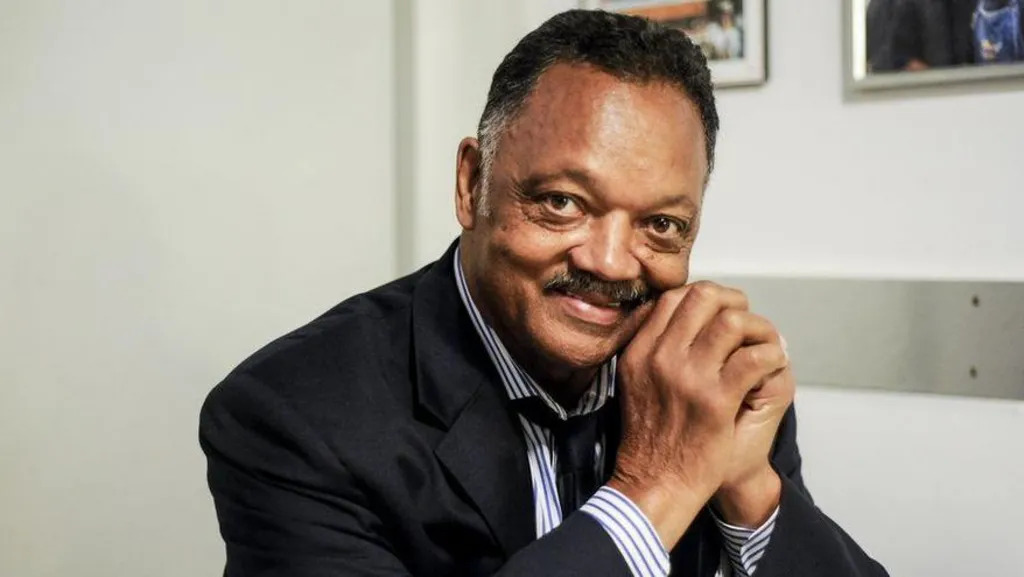
Jesse Jackson, the famed U.S. civil rights leader, has died at the age of 84.
The originally approved budget stood at Rwf 7,032.5 billion. The proposed adjustment trims Rwf 80.4 billion, primarily through more favorable financing terms for major initiatives like the New Kigali International Airport and a rescheduled RwandAir loan repayment, bringing the revised total to Rwf 6,952.1 billion.
Revenue collection from July to September 2025 reached Rwf 1,156.6 billion, closely aligning with the targeted Rwf 1,157.2 billion.
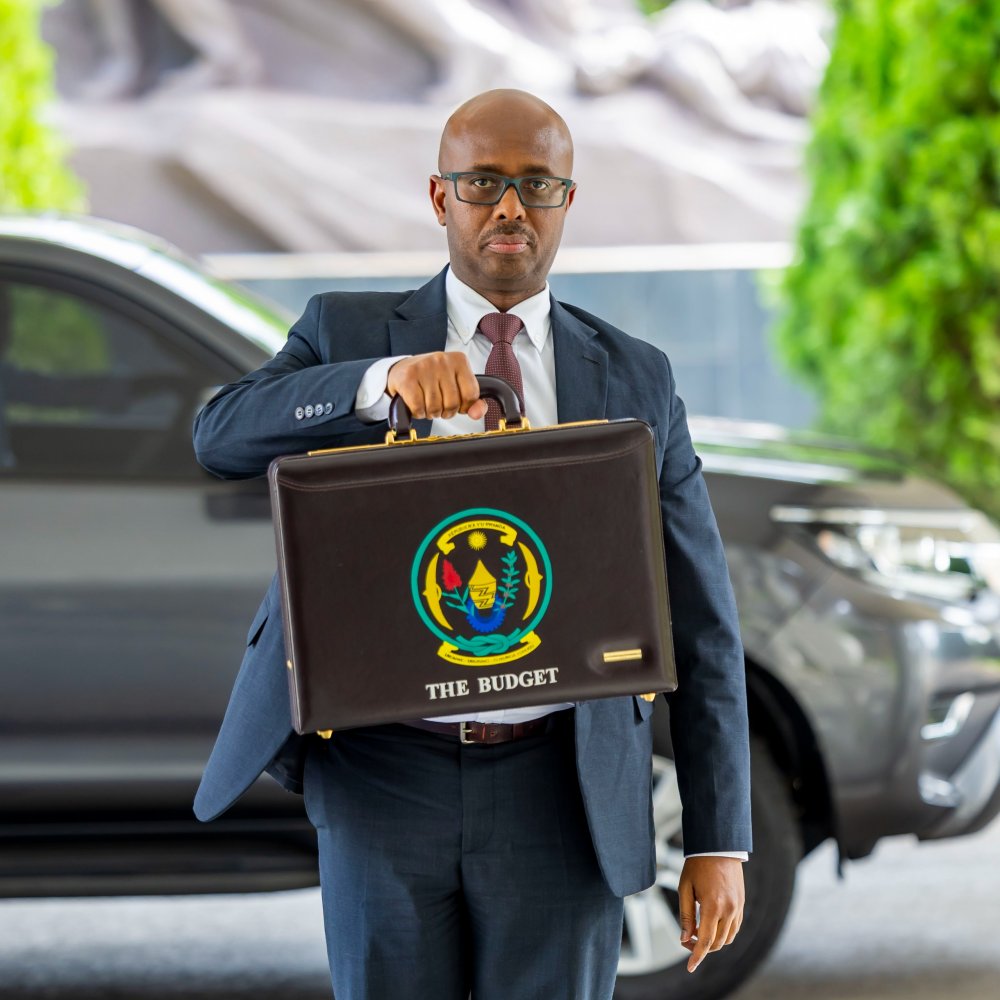
Presenting the progress update, Minister of Finance and Economic Planning Yusuf Murangwa highlighted advances across agriculture, infrastructure, energy, health, and social protection.
Agricultural production support featured prominently during the first quarter of the fiscal year. Farmers received 4,162 tonnes of improved seeds, including maize, wheat, and soybean, along with 50,452 tonnes of mineral fertilizer.
Climate resilience efforts are expanding through irrigation development, with Mahama I and II agricultural zones in Kirehe District now 75% complete. Crop and livestock insurance coverage also broadened, protecting 14,783 hectares of farmland, more than 16,000 cattle, and over 96,000 small livestock.
Industrial supply chains performed above expectations, with processing plants receiving more raw materials than initially projected. Export revenues remained strong, generating $104.6 million from coffee, $49.5 million from tea, $3.1 million from flowers, and $53.2 million from fruits and vegetables.
Transport infrastructure works continue to reshape connectivity across the country. Construction of 184.8 kilometers of tarmac roads is progressing steadily, including major corridors linking eastern and northern regions. Rehabilitation of feeder roads is also advancing, particularly in Rutsiro District and Karongi District, improving access between production areas and markets.
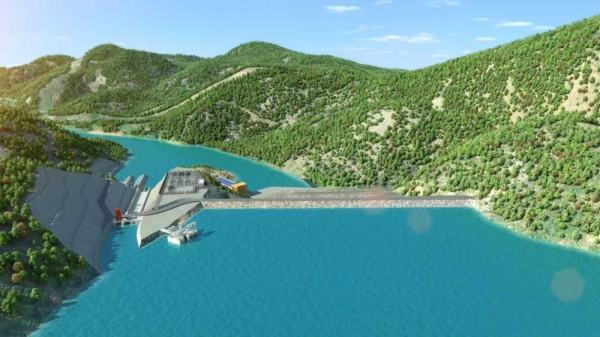
Energy access has expanded through grid extension, solar installations, and network upgrades. More than 34,000 households have been connected to the national electricity grid, while over 8,000 households now use solar power and dozens of public institutions have been electrified. Construction of the Nyabarongo II Hydropower Plant, expected to generate 43.5 megawatts, has reached 60% completion.
Water supply projects are advancing in multiple districts. Pipeline construction is underway in Nyamagabe District and Gisagara District, while rehabilitation of water networks across 13 districts is nearing completion under programs aimed at improving nutrition and public health outcomes.
Urban development initiatives are expanding housing and basic infrastructure. Servicing works are underway for more than 500 housing units in Gasabo District, while development of the planned Nyabisindu model settlement is progressing as part of broader efforts to promote organized urban growth.
Education and health investments remain central to the budget’s implementation. Thousands of teachers have been recruited, and new teacher training colleges are approaching completion.
Technology-focused education infrastructure continues to expand, while the modernization of Masaka University Teaching Hospital is nearing completion.
Digital health systems are now operational in hundreds of health centers, strengthening patient record management and continuity of care. At the same time, thousands of patients diagnosed with non-communicable diseases have begun receiving structured follow-up treatment.
Social protection programs have provided employment and direct support to vulnerable households. Public works initiatives created jobs for tens of thousands of people, while nutrition programs supplied milk and fortified foods to young children, pregnant women, and breastfeeding mothers.
Environmental management efforts are also advancing. Restoration of major wetlands in Kigali has reached 78%, and tens of thousands of fuel-efficient cookstoves have been distributed to reduce reliance on firewood.
In the justice sector, community mediation committees and legal aid services resolved the vast majority of cases received, while authorities reported the recovery of approximately Rwf 300 million in misappropriated public funds.
Minister of Finance and Economic Planning Yusuf Murangwa highlighted advances across agriculture, infrastructure, energy, health, and social protection in the 2025/2026 fiscal year.
The clarification followed remarks by Jeune Afrique journalist Romain Gras, who appeared to question why President Kagame did not attend the summit, noting that he had been in the United States over the weekend attending the NBA All-Star Game.
Responding to the comments, Nduhungirehe emphasized that many African leaders were also absent and that Rwanda had official representation at the highest level.
“President Paul Kagame did not personally attend the 39th Session of the African Union Assembly, just like nearly half of the African Heads of State. In Addis Ababa, he was duly represented by Prime Minister Justin Nsengiyumva. So, there is nothing new under the sun!” the minister said.
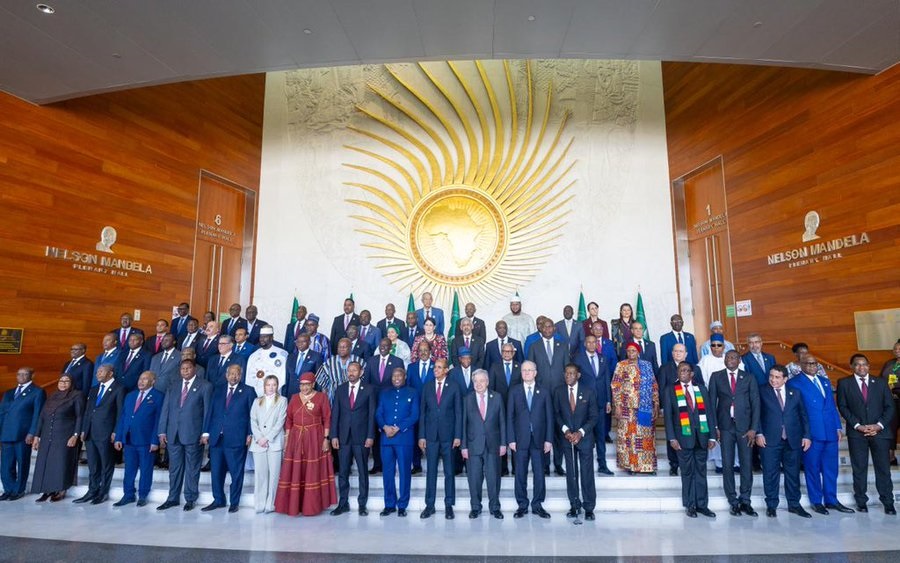
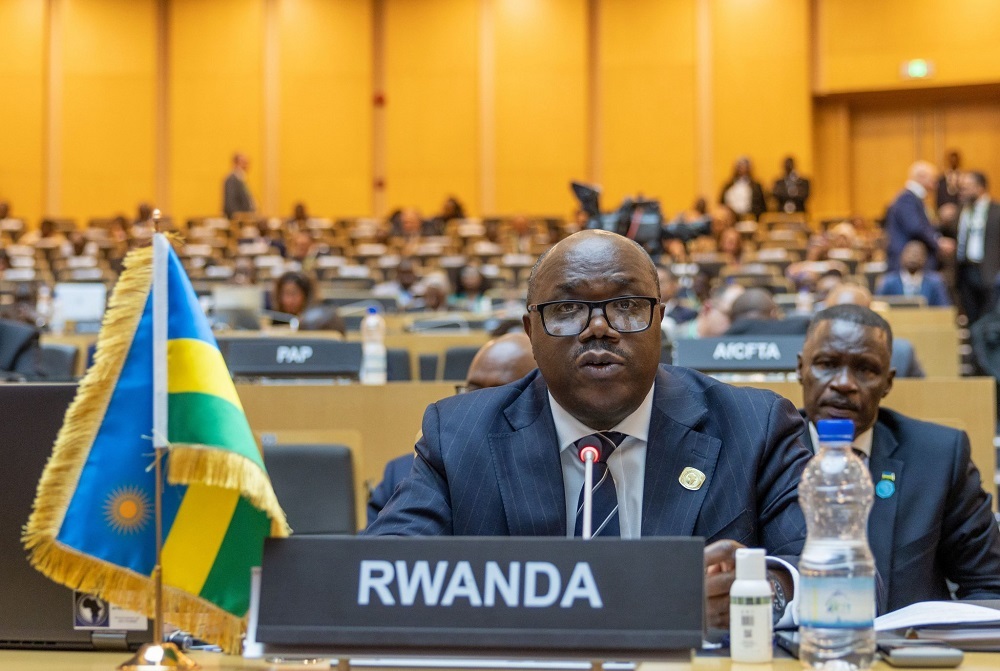
The AU summit was held in Addis Ababa, Ethiopia, on February 14 and 15, 2026. Rwanda was represented by Prime Minister Justin Nsengiyumva, who addressed key continental priorities, including health and security, in line with the AU’s Agenda 2063 framework.
On regional security, Nsengiyumva told fellow African leaders that the government of the Democratic Republic of the Congo continues to violate the Washington peace agreements and the Doha principles. He stressed that all parties concerned must honour their commitments to create conditions for sustainable peace.
The Prime Minister further argued that actors directly involved in the conflict in eastern DRC should not participate in mediation efforts led by the AU, warning that such involvement undermines trust and raises concerns over impartiality.
Meanwhile, President Kagame was in Los Angeles on a working visit. He met with Adam Silver, Commissioner of the National Basketball Association, and Deputy Commissioner Mark Tatum, to discuss ongoing cooperation between the league and Rwanda in developing basketball talent.
He also held talks with Steve Ballmer, owner of the Los Angeles Clippers, whose franchise promotes Rwanda’s tourism brand through the “Visit Rwanda” partnership launched in September 2025.
The NBA All-Star Game took place at the Intuit Dome, the Clippers’ 18,000-seat arena in Los Angeles, where Visit Rwanda branding has been displayed since last year.
Nduhungirehe emphasized that many African leaders were also absent and that Rwanda had official representation at the highest level.President Paul Kagame was represented by Prime Minister Justin Nsengiyumva.
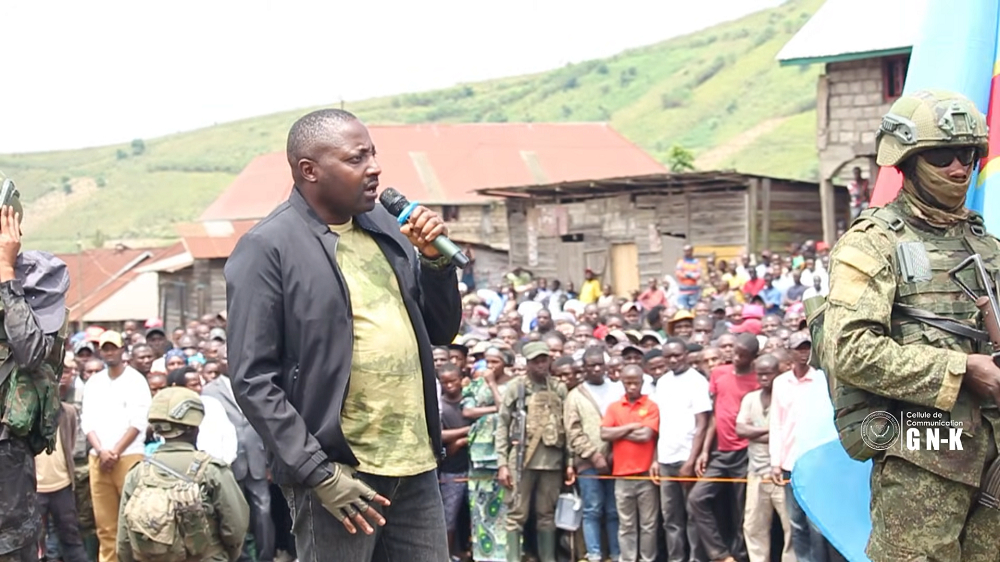
Bahati Musanga Erasto, the AFC/M23-appointed governor of North Kivu Province, made the announcement on Monday during a visit to Kitshanga trading center in Masisi Territory.
According to Bahati, the government in Kinshasa cut off telecommunications services in areas controlled by the group, a decision he said has negatively affected civilians. He stated that AFC/M23 is working on measures to ensure communication services are restored and cannot be disrupted again.
“The Kinshasa government is the one that shut down the network,” he said. “We are working to ensure that the network will no longer be shut down. We are in the process of introducing another network provider that will be under our control. It will reach Goma, Kitshanga and all other areas. No one will be able to interfere with these towers again in a way that disrupts connectivity.”
He added that currently only residents in the cities of Goma and Bukavu are able to access mobile phone services, while people in other areas remain without reliable telecommunications access.
It remains unclear whether AFC/M23 intends to launch a newly created telecommunications company or partner with an existing operator active in other countries.
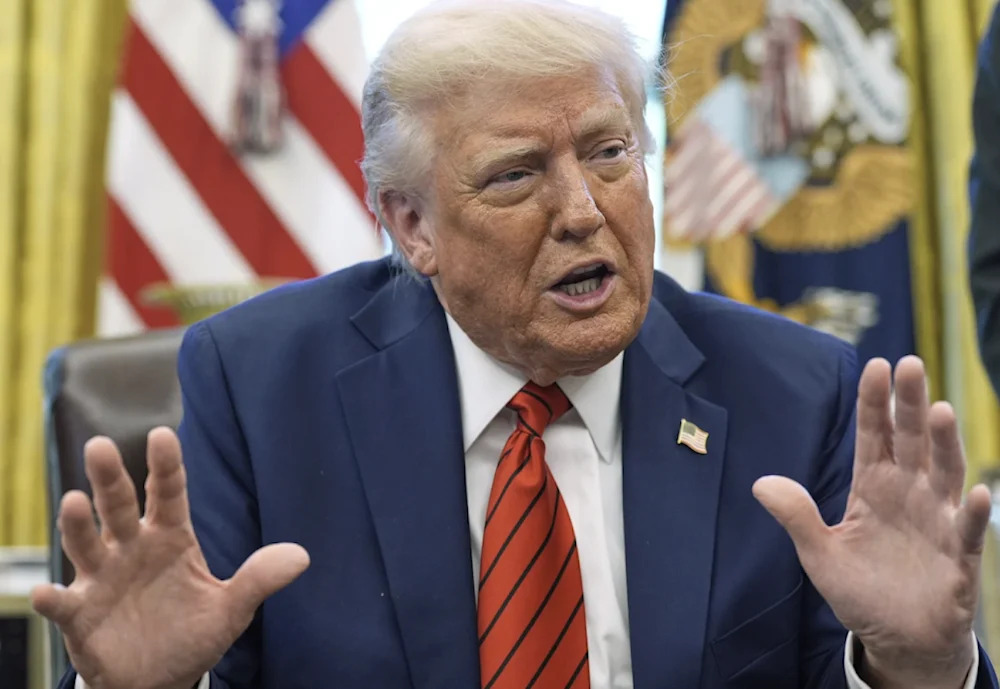
The remarks were made aboard Air Force One as Trump prepared for the high‑profile discussions, which come against a backdrop of rising tensions and intense diplomatic pressure.
“I’ll be involved in those talks, indirectly. And they’ll be very important,” Trump said, signaling Washington’s continued engagement in the effort to resolve long‑running disputes over Iran’s nuclear program.
The planned negotiations aim to address issues that have stalled diplomacy for years, especially Tehran’s uranium enrichment activities that Washington fears could pave the way for nuclear weapons development. Trump said he believed Iran wanted a deal, suggesting that Tehran may be motivated by a desire to avoid serious consequences if talks fail.
Tensions in the region remain high. The United States has deployed a second aircraft carrier strike group to the Middle East and U.S. military officials are preparing for the possibility of a sustained campaign if diplomacy does not succeed.
Last year, the U.S. and Israel conducted strikes on Iranian nuclear sites, actions Trump referenced as a factor that may now influence Iran’s willingness to negotiate.
Iran’s delegation led by Foreign Minister Abbas Araghchi, has emphasized that negotiations should focus on nuclear issues in exchange for sanctions relief, and that Tehran is committed to a “fair and equitable deal.” Araghchi has also called for respect and fairness in talks, rejecting any approach based on coercion.
Meanwhile, the International Atomic Energy Agency (IAEA) is pressing Iran to clarify what happened to its stockpile of enriched uranium and to allow full inspection access at sites damaged during the previous year’s strikes.
Iran also staged a military drill near the Strait of Hormuz, one of the world’s most important oil transit routes, underscoring the potential for escalation if negotiations break down.
U.S. Secretary of State Marco Rubio described the diplomatic path as challenging but said there was still an opportunity to reach a deal though success would depend on both sides’ willingness to compromise.