The manufacturing sector played a key role in this expansion. By the close of the 2024/25 fiscal year, it contributed 22% to GDP and continued driving job creation.
During this period, 111 new industrial facilities were set up across the country: 84 focused on processing agricultural and livestock products, 15 producing various items, 10 manufacturing construction materials, and two involved in mineral processing.
A standout example is A1 Iron & Steel, which converts iron ore into steel at the Musanze Industrial Zone. Backed by $20 million in foreign investment, it exemplifies the wave of international ventures launched in recent years.
Data released on February 17, 2026, by the National Bank of Rwanda, the National Institute of Statistics, and the Rwanda Development Board highlight the steady upward trend in foreign direct investment (FDI).
Inflows climbed to $548 million in 2021, $663 million in 2022, $886.9 million in 2023, and finally exceeded $1 billion in 2024.
In 2024, the top source countries included Mauritius ($251.1 million), Kenya ($140.3 million), China ($108.6 million), the United States ($103.9 million), and Germany ($65.3 million).
By regional blocs, the Common Market for Eastern and Southern Africa (COMESA) led with $418.6 million, followed by the Organisation for Economic Co-operation and Development (OECD) countries at $340.6 million, the Southern African Development Community (SADC) at $293.4 million, Asian nations at $228.2 million, and the East African Community (EAC) at $159.1 million.
Private sector external debt inflows also increased significantly, reaching $543.6 million in 2024, a 28.5% rise from the prior year’s $423 million. The majority (60.8%) came from related entities abroad, with the remaining 39.2% from unrelated entities.
Foreign investment in 2024 supported the creation of 69,341 jobs, with Rwandans comprising 97.6% of the workforce, a notable increase from the 59,916 jobs generated the previous year.
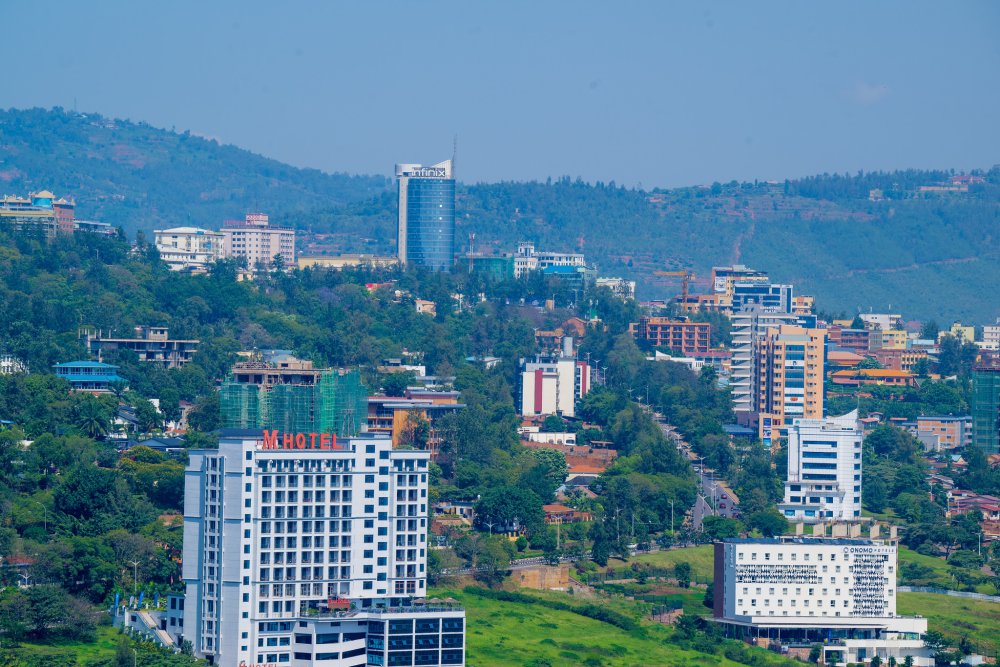
This photo shows the view of Kigali, the capital of Rwanda.
Unlike a market increasingly flooded with counterfeit and substandard audio products, Sound Creations has built its reputation on quality, authenticity, transparency, and long-term value rather than quick sales. The company is an official distributor of internationally respected brands such as Yamaha, dB Technologies, Shure, Behringer, Bose Professional and Rockfon.
Sound Creations stands out for quality, authenticity, and transparency in a market full of counterfeits.
Yamaha, the renowned Japanese manufacturer, is globally respected for its musical instruments, professional mixers, and studio equipment. dB Technologies, an Italian brand, is known for its powerful, pristine speakers and line-array systems used in high-end clubs and performance venues worldwide. Shure, an American audio giant, is synonymous with industry-standard microphones and conferencing systems trusted by professionals across the globe.
Managing Director Stefic Shen told IGIHE during a recent visit to the company’s store in Muhima, Kigali, that selling these genuine products is not just business; it is a commitment to raising the standard of sound in Rwanda.
“We care about reputation more than money. If it’s original, it’s genuine. We don’t cut corners,” the MD affirms. “People should enjoy music without leaving with ear pain. Good sound is not just loud; it’s clear, controlled, and comfortable.”
For Rwanda’s growing music industry, genuine equipment is essential for artists to take their craft to a professional level.
For Rwanda’s growing music industry, genuine equipment is helping artists raise their craft to a professional level. Yamaha keyboards and pianos supplied by Sound Creations are used in churches, music studios, and by independent artists, composers, and gospel musicians across the country. Reliable instruments and mixers allow producers to record with clarity and performers to deliver consistent live sound, helping local talent compete at regional and international levels.
In Kigali’s hospitality sector, the impact is equally visible. Several popular venues, including Serena Hotel, Atelier Du Vin and Boho, rely on dB Technologies speaker systems supplied and installed by Sound Creations. These systems are engineered not only for power but for balance, ensuring that music energises a space without overwhelming conversation. For business owners, quality sound enhances customer experience; for guests, it transforms an ordinary evening into a memorable one.
Premier hospitality venues like Serena Hotel, Atelier Du Vin, and Boho use dB Technologies speakers from Sound Creations.
Beyond entertainment venues, the company has also installed professional conferencing systems featuring Shure microphones and integrated audio solutions for institutions such as the Ministry of Finance and the Embassy of Sweden in Kigali. Built-in microphones, wireless systems, and carefully calibrated speakers ensure clarity in meetings where every word matters.
While selling systems remains the company’s primary operation, Sound Creations also provides acoustic consultation and installation for projects where sound control is critical. One of its most notable undertakings is the Kivu Intare Arena in Rubavu, an auditorium where acoustics are non-negotiable. In such spaces, proper design ensures controlled reverberation, balanced distribution, and speech intelligibility, demonstrating how engineering complements high-quality equipment.
“Sound and acoustics are a marriage,” Shen explains. “You can install the best speakers in the world, but without proper acoustic treatment, you will still have echo, distortion, and sound leakage that disturbs neighbours.”
Sound Creations installed acoustic solutions at Kivu Intare Arena in Rubavu.
Despite recent slowdowns in church-related supplies, the company sees an opportunity for places of worship to upgrade their installations through acoustic improvements in order to meet noise standards. The team also views the changing landscape as a chance to further educate clients about the value of investing in original systems.
From its early days in 2018 with just three team members to its current six-person operation, Sound Creations has relied heavily on demonstrations and direct engagement. Customers are encouraged to test equipment, compare genuine products with counterfeits, and experience the difference for themselves.
“Once clients hear the clarity and feel the balance, they understand why quality matters,” adds Olga Divine Agahozo, Sales and Digital Marketing Officer. “We want a community that understands and enjoys quality sound.”
Yamaha acoustic drum kit and other music equipment on display at the Sound Creations store.
Looking ahead, the company hopes to contribute even more to Rwanda’s emerging music culture, particularly in education. Plans are underway to organise workshops and talent shows during school holidays, giving children hands-on exposure to instruments such as piano, keyboard, and guitar. The aim is to nurture creativity and encourage young people to see music as both an art form and a valuable skill.
“We want children to enjoy music, learn instruments like piano, guitar, and keyboard, and see music as something fun, educational, and even intellectual,” Shen says.
“This year, we plan to start workshops and talent shows during holidays so kids can experience music hands-on. It’s about creating a community that values and enjoys music, not just selling equipment.”
Sound Creations store, Muhima, Nyarugenge District, Kigali.Sound Creations Ltd Managing Director Stefic Shen emphasises that the company remains steadfast in its commitment to delivering unmatched quality.The company sells quality pianos from Yamaha, the renowned Japanese manufacturer.In addition to drum kits, the company also sells guitars.The company sells mixers from world-renowned brands.Sound Creations also provides acoustic treatment panels.Sound Creations Managing Director Stefic Shen poses for a photo with two of her staff members.
The draft law was previously approved by Parliament and will now be forwarded to the budget committee for detailed scrutiny, where each provision will be reviewed ahead of the final approval of the new national budget in Rwanda.
Domestic revenue is projected at Rwf 4,662.7 billion, comprising Rwf 3,655.3 billion in tax income, Rwf 516.5 billion from domestic borrowing, and Rwf 490.8 billion from other sources, including assets, sales of goods and services, fines, and penalties.
Foreign revenue is expected to reach Rwf 2,289.3 billion, made up of Rwf 1,639.7 billion in loans and Rwf 649.6 billion in grants.
The funds will be allocated according to priority needs and planned government activities. The recurrent budget is set at Rwf 4,836.2 billion, covering staff salaries of Rwf 1,167.2 billion, expenditure on goods and services of Rwf 1,038.8 billion, and interest payments totaling Rwf 536.4 billion.
In addition, there will be funds allocated for durable equipment, grants, loans, and assistance for the disadvantaged, as well as other miscellaneous expenses.
The development budget has been set at Rwf 2.115.8 billion and will be used for various development projects across the country.
Minister of Finance and Economic Planning, Murangwa Yusuf, recently told the parliament that the reduction in the budget was due to changes made in the process of securing funds for the construction of the new Kigali International Airport. The amount required for this project was reduced by Rwf 168.2 billionfor the 2025/2026 fiscal year.
Additionally, the planned repayment of the RwandAir loan for the 2025/2026 fiscal year has been revised, meaning the repayments will begin gradually from the 2026/2027 fiscal year.
This reduction in the budget has been offset by an increase in foreign funds for development projects, particularly funds expected from international aid and loans.
Key changes in this budget revision include the increased revenue, an increase in tax revenues, additional funds, and the rise in foreign grants and loans used for development projects, along with a decrease in foreign loans routed through the State Treasury.
Despite the overall reduction in the budget, the government has shown that foreign funds are expected to rise by Rwf 250.5 billion, primarily from grants and loans for development projects.
This will coincide with an increase in the development budget, which will also rise by Rwf 253.3 billion.
The Minister of State for National Treasury in Rwanda’s Ministry of Finance and Economic Planning , Godfrey Kabera, represented the Government.A total of 78 Members of Parliament attended the General Assembly that approved the new budget.
The Parliament approved the revised budget for the 2025/2026 fiscal year.
The Speaker of the Chamber of Deputies of the Parliament of Rwanda Kazarwa Gerturde, chaired the General Assembly.Deputy Uwamariya Odette, explained the reasons for the changes in the budget.
The tour will follow a one-day visit to Monaco on March 28 and a trip to Spain from June 6 to 12. During his African tour, Pope Leo is expected to draw large crowds, encourage world leaders to support development initiatives, and promote Catholic-Muslim dialogue, particularly in countries with diverse religious communities.
Africa is home to about 20% of the world’s Catholics, making it one of the fastest-growing regions for the Church. The continent has seen significant increases in Catholic communities in recent decades, particularly in Central and Sub-Saharan Africa, where the Church continues to expand.
“Pope Leo’s visit will remind the world that Africa matters and the vibrancy of the Church in Africa remains at the heart of a thriving global Church,” said Reverend Agbonkhianmeghe Orobator, a Nigerian Jesuit.
The trip is historically significant, as it will be the first time a pope has visited Algeria, a predominantly Muslim nation. Pope Leo, a member of the Augustinian order, has expressed a special interest in the country, which is the birthplace of St. Augustine of Hippo, a key figure in early Christianity.
In Cameroon, the Pope will visit Yaoundé, Douala, and Bamenda, including regions affected by long-standing conflict. Angola’s stops will include Luanda, Muxima, and Saurimo, while Equatorial Guinea will see visits to Malabo, Mongomo, and Bata, the continent’s only Spanish-speaking nation.
Although this will be Pope Leo’s first official visit to Africa as pope, he is no stranger to the continent, having traveled to countries like Kenya and Tanzania as Cardinal Robert Prevost.
Pope Leo’s African tour follows his first foreign visit to Turkey and Lebanon late last year and sets the stage for other planned trips, including a likely visit to Peru later in 2026.
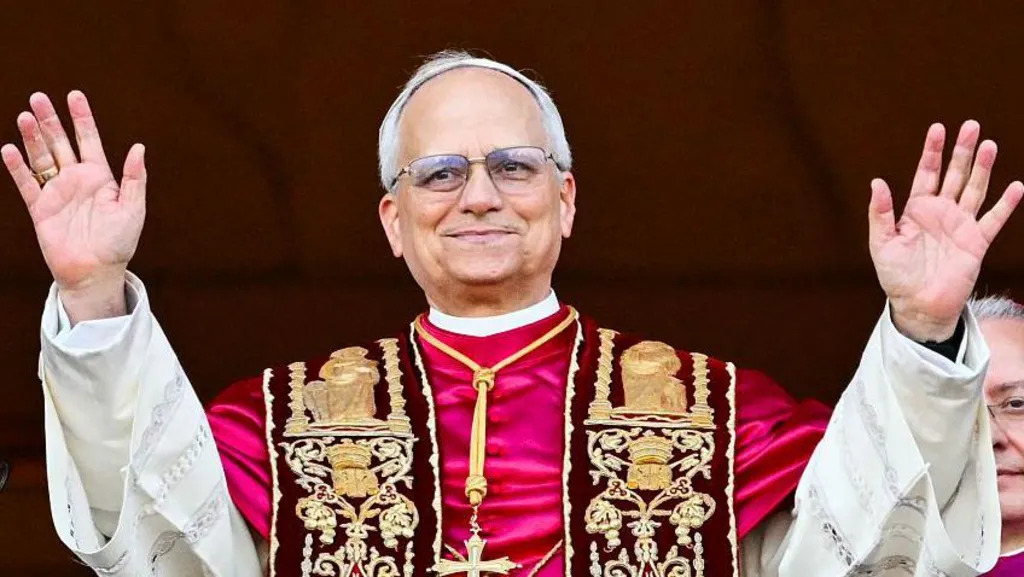
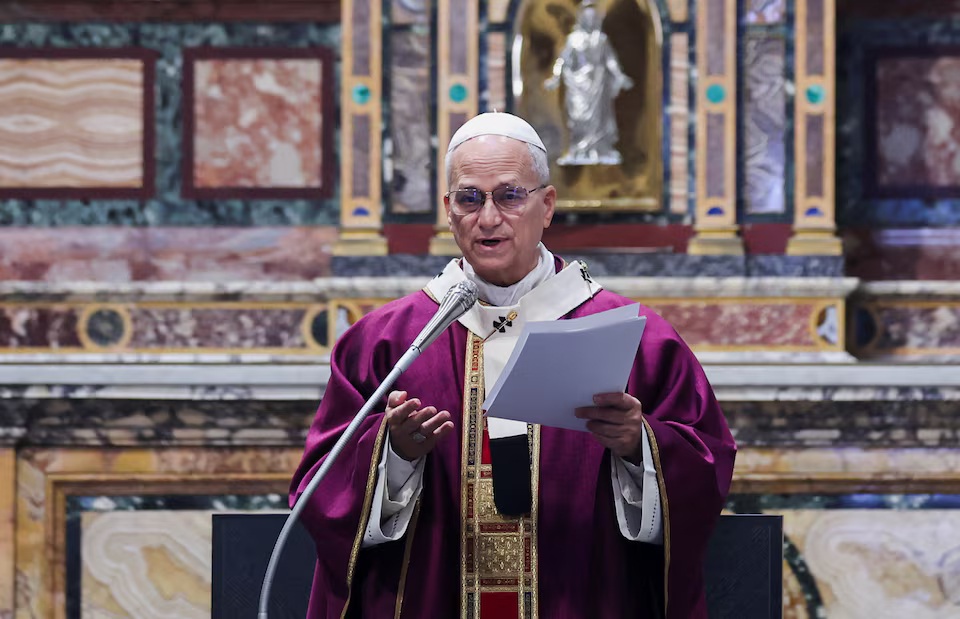
Pope Leo XIV will make his first official visit to Africa from April 13 to 23, travelling to Algeria, Angola, Equatorial Guinea, and Cameroon.
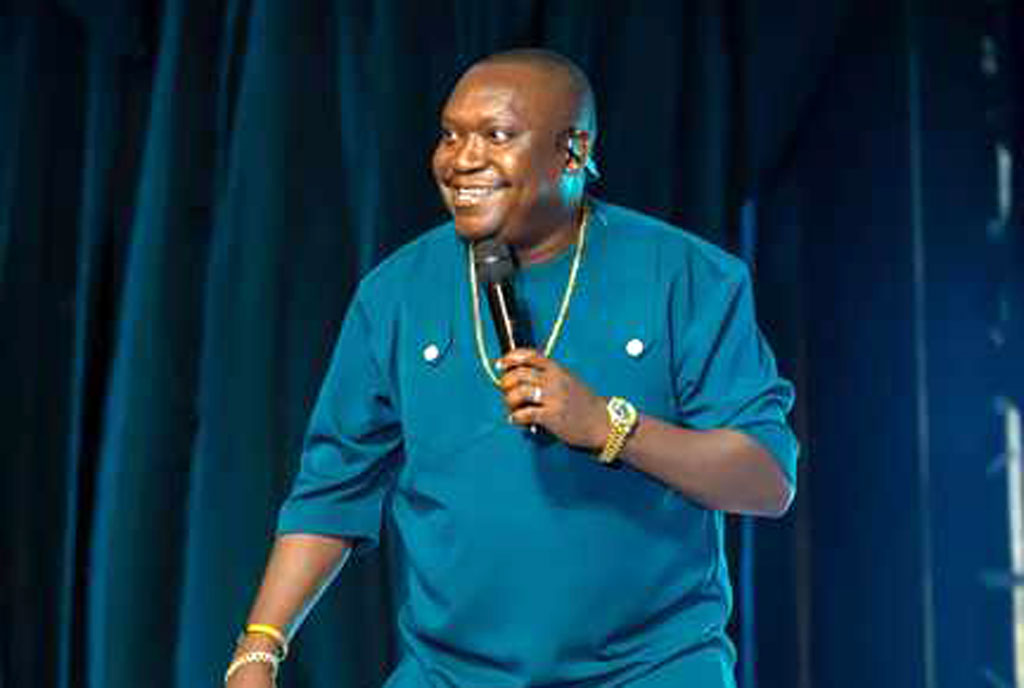
Patrick Salvado, a leading figure in Uganda and across Africa’s comedy scene, will headline the ‘Thank God It’s Funny’ show at Kigali Universe on March 6, 2026.
The show will feature an exciting lineup of local talent, including Rwandan comedians Rusine, Michael Sengazi, Hervé Kimenyi, Muhindee, and several others.
Patrick Idringi Viera, known professionally as Patrick Salvado, is a 41-year-old comedian and actor with a career spanning over 17 years.
He began performing in 2009 while working at NTV Uganda as a technical assistant during his university studies in Telecommunications Engineering. After graduating in 2008, he joined MTN Uganda, where he started developing his comedy career. In 2011, he moved to Capital FM, gaining wider recognition, including performing at events like Miss Uganda.
Since 2011, Salvado has performed in numerous shows both in Uganda and internationally, including Rwanda, where he has appeared in various comedy events.
The origin of “Salvado”
His stage name originates from the 2000s soap opera Second Chance (El Cuerpo del Deseo). Salvado has said that a woman once mistook him for the show’s handsome lead, Salvador Cerinza, a joke that eventually inspired his professional name.
Salvado’s work has gained international recognition. He was a semi-finalist in the 2016 “World’s Funniest Person” competition, organised by the Laugh Factory in the United States. He is also the founder and host of Africa Laughs, a comedy franchise that brings together performers from across the continent, including Nigeria, South Africa, and Kenya.
In addition to stand-up comedy, Salvado has appeared in television series such as Beneath the Lies and films including Bed of Thorns.
Away from the spotlight, Salvado shares his life with his wife, Daphine Frankstock Idringi, and their three children.
Patrick Salvado will headline the ‘Thank God It’s Funny’ show at Kigali Universe on March 6, 2026.
Since their inception in 2018, the Financial Afrik Awards have grown into a premier platform for Africa’s financial and economic leadership, bringing together policymakers, investors, entrepreneurs, and financial sector experts to debate, analyze, and celebrate the continent’s transformative economic developments.
AMIFA was recognized for its unwavering commitment to financial inclusion, particularly its efforts to expand access to financing for micro, small, and medium-sized enterprises (MSMEs) and low-income populations across multiple African regions. The award underscores AMIFA’s role as a socially responsible financial institution driving sustainable, inclusive growth.
Receiving the trophy, Mr. Mouhssine Cherkaoui, Chief Executive Officer of AMIFA Holding, stated that, “This award recognizes the commitment and relevance of the Groupe BCP’s strategy, deployed through AMIFA, in promoting financial inclusion. It reflects the concrete impact of our actions in improving access to financing for MSMEs and low-income populations. AMIFA actively works to reduce the financing gap for hundreds of thousands of economic actors.”
“We dedicate this award to all our clients and partners who trust us, as well as to our more than 1,100 employees who, every day, carry our values of proximity, citizenship, innovation, and performance with dedication, enthusiasm, and ambition,” he added.
Created by the Banque Centrale Populaire Group, AMIFA operates in eight African countries; Burkina Faso, Côte d’Ivoire, Gabon, Guinea Conakry, Madagascar, Mali, Rwanda, and Senegal, with a share capital of 897,398,000 dirhams (approximately 98 million USD).
The recognition at the Financial Afrik Awards reinforces AMIFA’s standing as a key player in African microfinance, highlighting its continued efforts to deliver inclusive financial services that generate lasting value for local economies.
AMIFA has been named ‘Champion of African Financial Inclusion’ at the 7th edition of the Financial Afrik Awards, held in Banjul on 22nd and 23rd January 2026. AMIFA was recognized for its unwavering commitment to financial inclusion.
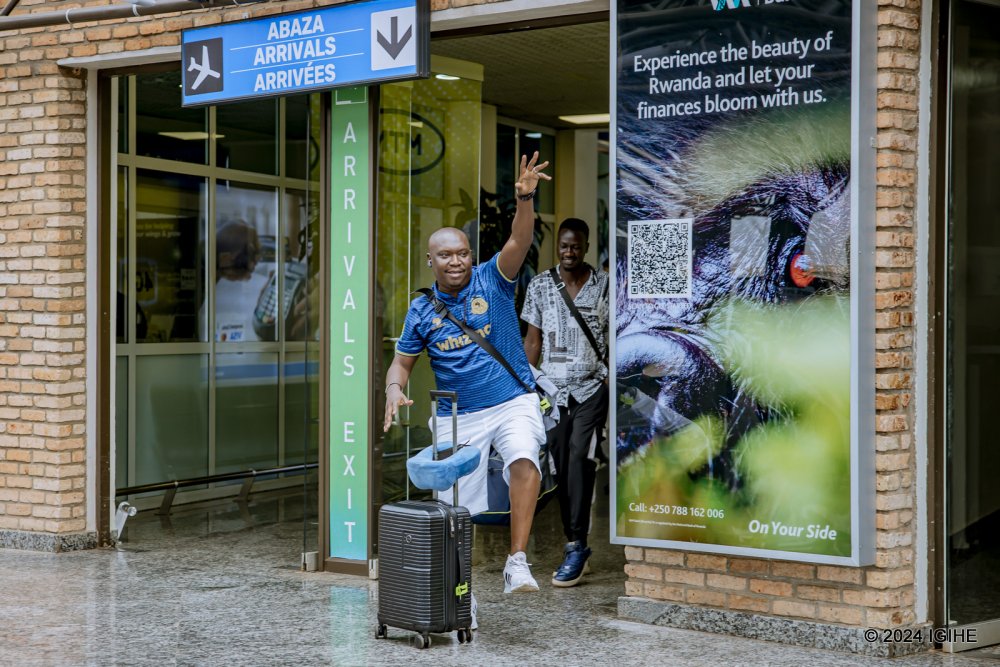
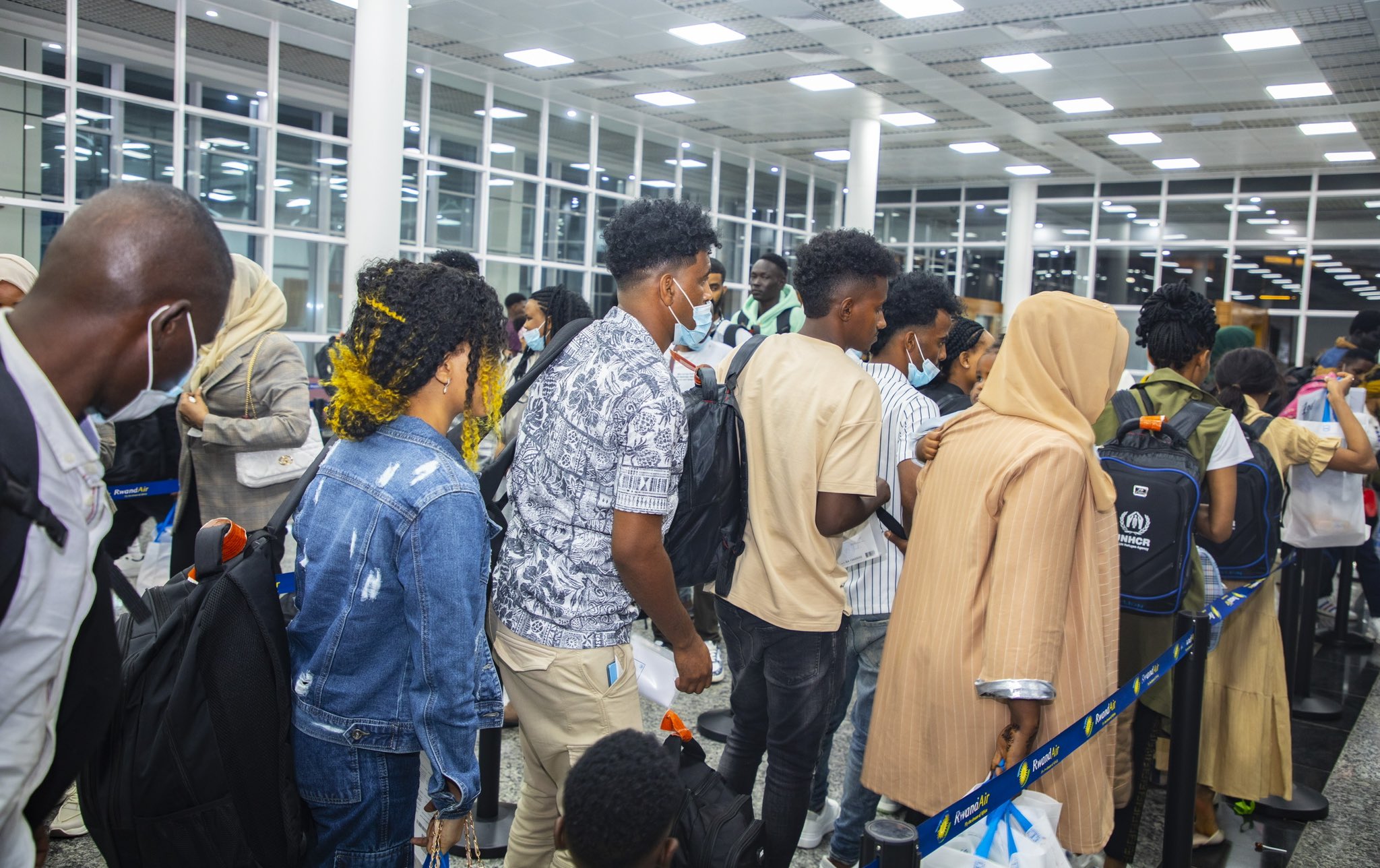
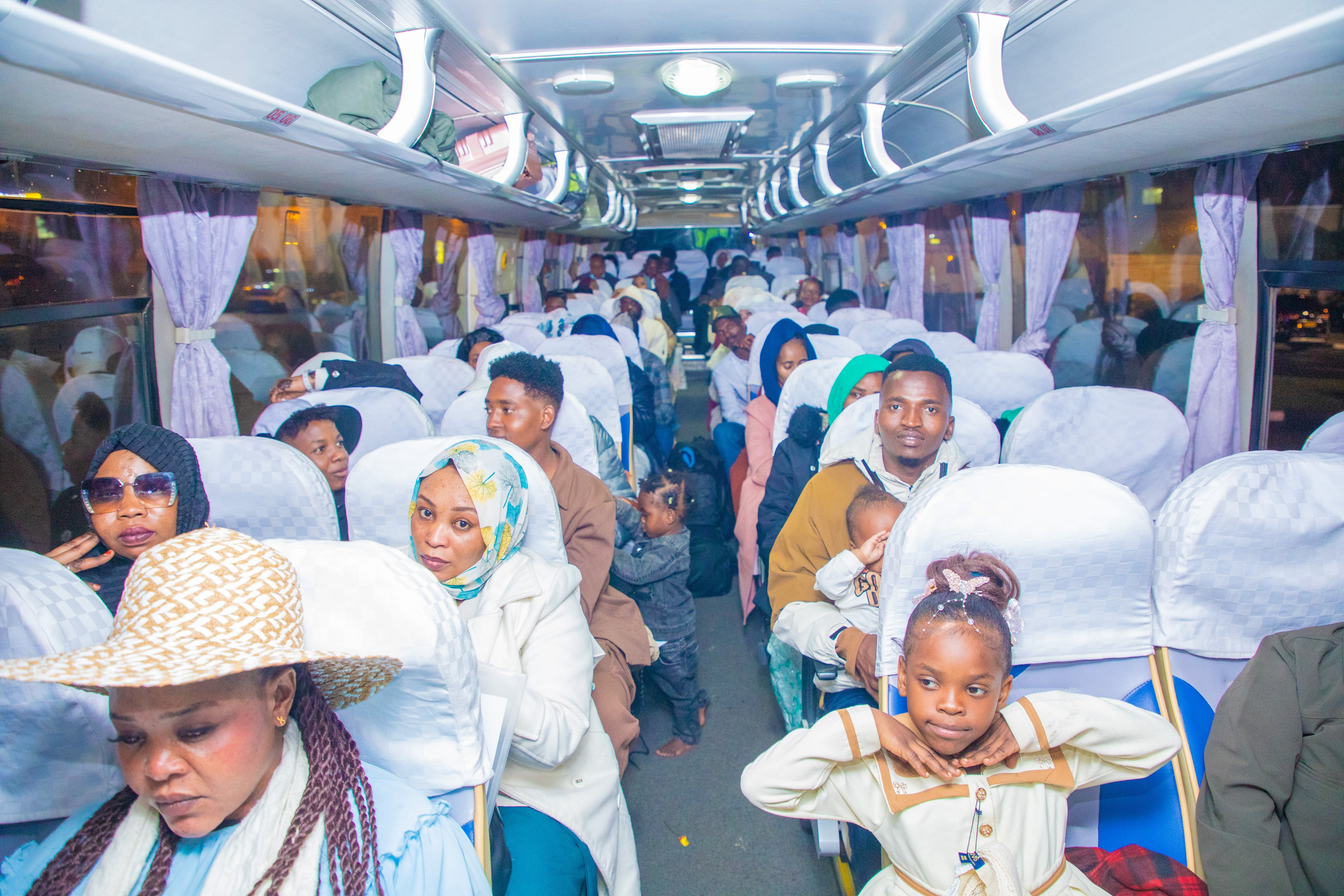
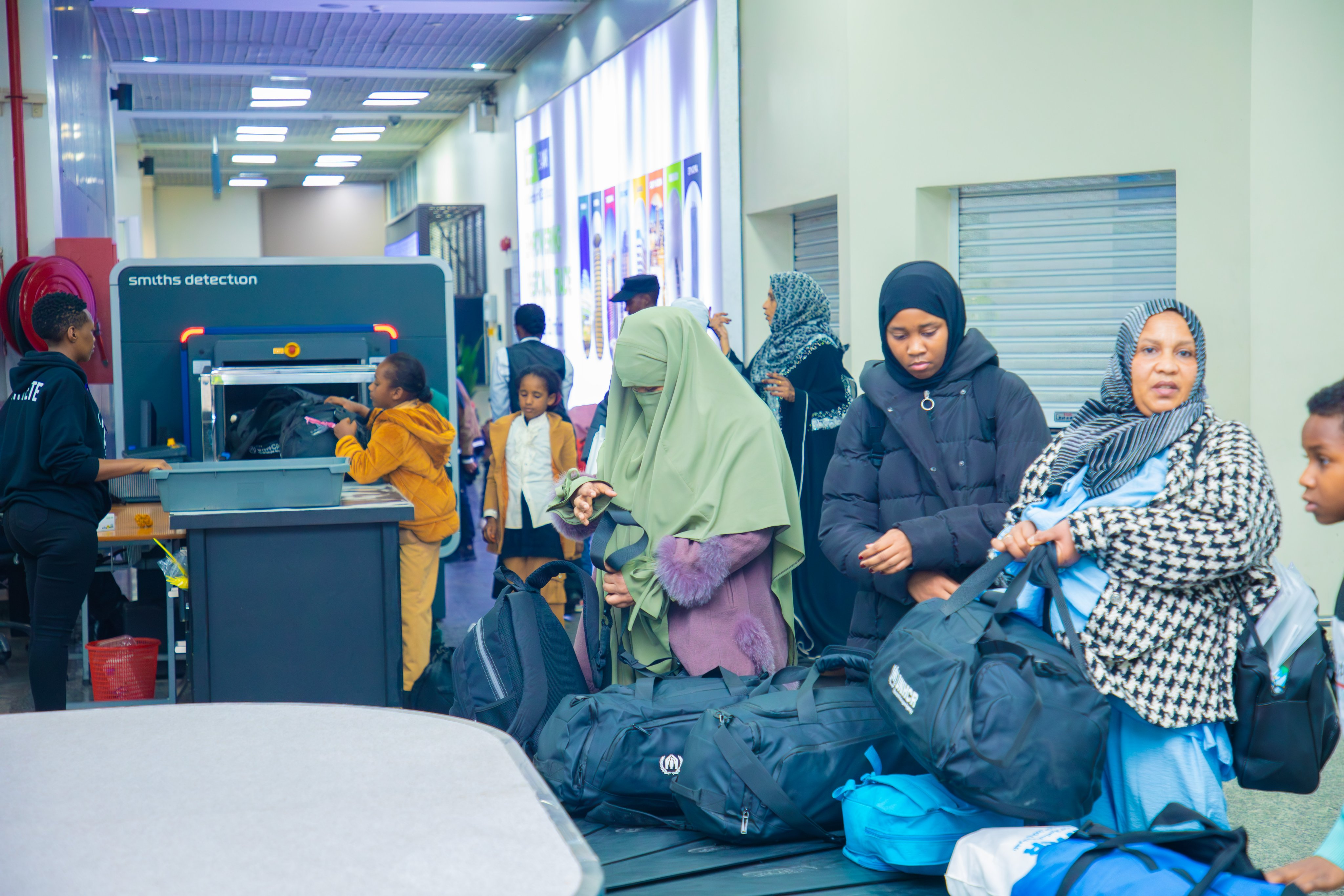
The group arrived on Wednesday night through a joint effort between the United Nations High Commissioner for Refugees (UNHCR) and the Government of Rwanda. Of the 164 evacuees, 143 originate from Sudan, 19 from Eritrea, while one person each comes from Ethiopia and South Sudan.
The ETM, a joint initiative involving UNHCR and the African Union, was established to provide lifesaving protection and assistance to vulnerable refugees and asylum seekers trapped in Libya. The mechanism temporarily relocates them to Rwanda while durable solutions, including resettlement to third countries, are pursued.
Since the launch of the ETM in 2019, a total of 2,760 people have been evacuated to Rwanda and hosted at Gashora Transit Centre. Of these, more than 2,500 have since been resettled in third countries.
In August 2024, the Government of Rwanda, UNHCR, and the African Union Commission agreed to extend the ETM programme. In a joint statement issued on August 22, 2024, the three parties reaffirmed their commitment to continue protecting evacuees and securing lasting solutions, while Rwanda provides temporary safe haven.
“The Government of Rwanda reaffirms its unwavering commitment to receive and protect these individuals, as well as others identified as particularly vulnerable and at risk,” the statement noted.
The parties also adopted a second addendum to the original Memorandum of Understanding signed on September 10, 2019. The updated framework emphasises a more transparent selection process for evacuees, ensuring equal opportunity for all potential candidates, regardless of nationality, ethnicity, race, gender, age, or any other factor unrelated to vulnerability.
The group arrived on Wednesday night through a joint effort between the United Nations High Commissioner for Refugees (UNHCR) and the Government of Rwanda.The ETM, a joint initiative involving UNHCR and the African Union, was established to provide lifesaving protection and assistance to vulnerable refugees and asylum seekers trapped in Libya. Since the launch of the ETM in 2019, a total of 2,760 people have been evacuated to Rwanda and hosted at Gashora Transit Centre.
Supported by the UN Joint SDG Fund, this multi-agency initiative launched on Thursday, February 25, 2026, aims to fast-track the transition toward sustainable, inclusive, and climate-resilient agri-food systems across six food-insecure districts including; Rubavu, Rutsiro, Ngororero, Nyamagabe, Nyaruguru, and Burera.
The programme focuses on strengthening strategic partnerships, improving access to finance, and promoting affordable green technologies in horticulture, poultry, and livestock value chains. It further provides targeted support to agri‑MSMEs and cooperatives through financial literacy training, investment-ready business planning, and strengthened lending capacity among financial institutions.
Dr. Patrick Karangwa, Director General of Agriculture Modernisation at the Minister of Agriculture and Animal Resources, emphasized the programme’s transformative potential: “The Rwanda Green Food Future programme represents a strategic step in strengthening our food systems through innovation, partnerships, and investment. By empowering farmers, cooperatives, and agribusinesses with climate-smart solutions and access to finance, we are building a resilient agricultural sector that supports national development and improves livelihoods across rural communities.”
Dr. Ozonia Ojielo, United Nations Resident Coordinator in Rwanda, underscored the collective commitment of the UN system: “This Joint Programme reflects the United Nations’ commitment to supporting Rwanda’s vision for sustainable development. By bringing together multiple agencies, government institutions, and private-sector partners, we are creating a powerful platform to mobilize resources, scale innovation, and accelerate progress toward inclusive and climate-resilient food systems.”
The launch event convened government ministries, district authorities, development partners, financial institutions, agribusinesses, cooperatives, and UN agencies to align priorities and reinforce commitments for effective implementation.
The programme is designed to de-risk private investment, strengthen value chains, and expand financial inclusion, ensuring that farmers and small enterprises can access the tools, capital, and knowledge needed to scale sustainable production.
By fostering coordinated action among public and private stakeholders, the initiative aims to expand the adoption of climate-smart agricultural technologies, strengthen the investment readiness of agri-MSMEs and cooperatives, improve access to finance across agricultural value chains, and advance inclusive economic growth and food security in vulnerable districts across Rwanda.
The Joint SDG Fund Food Systems Transformation Window was established through a partnership between the UN Food Systems Coordination Hub and the Joint SDG Fund Secretariat to support government-led food systems transformation and accelerate progress across the SDGs.
This joint programme is supported by the Joint SDG Fund in collaboration with the UN Food Systems Coordination Hub.
The European Union and the governments of Belgium, Denmark, Germany, Ireland, Italy, Luxembourg, Monaco, the Netherlands, Norway, Poland, Portugal, the Republic of Korea, Saudi Arabia, Spain, Sweden, and Switzerland have been also commended for their contributions in accelerating progress towards the SDGs.
The launch marks a pivotal milestone in building a shared platform for collaboration and sustained partnership, accelerating Rwanda’s journey toward a resilient, competitive, and inclusive agrifood system.
Participants at the launch of the Rwanda Green Food Future programme./@FAORwandaDr. Patrick Karangwa, Director General of Agriculture Modernisation at the Minister of Agriculture and Animal Resources speaking at the launch. Dr. Ozonia Ojielo, United Nations Resident Coordinator in Rwanda, underscored the collective commitment of the UN system.
Rather than a simple list of attractions, Rwanda unfolds as an interconnected journey, where wildlife encounters, cultural immersion, and lakeside retreats flow seamlessly together, and every adventure feels part of a larger story. This thoughtful balance is what makes Rwanda a standout choice for travelers in 2026: a destination that leaves a lasting impression, offering both authenticity and unforgettable moments.
Your journey often begins in Kigali, one of Africa’s cleanest and most welcoming capitals. The city’s impeccably tidy streets reflect a longstanding commitment to the environment, starting with the groundbreaking 2008 plastic bag ban and reinforced by nationwide community clean-up efforts.
This green ethos extends far beyond the city: Rwanda maintains around 30% forest cover through ambitious tree-planting campaigns and wetland restorations that curb flooding, boost biodiversity, and create urban gems like the Nyandungu Urban Wetland Eco-Tourism Park, with its scenic trails and over 100 bird species.
Layered onto this foundation is an unwavering reputation for safety, stability, and efficient infrastructure, making Rwanda genuinely accessible and reassuring for families, solo adventurers, and everyone in between.
Heading north to Volcanoes National Park, the experience becomes truly transformative. Here, mountain gorillas, now numbering close to 1,080 worldwide, thanks to relentless anti-poaching and habitat protection, offer one of wildlife’s most profound encounters.
The annual Kwita Izina ceremony, celebrating its 20th edition in September 2025, named 40 baby gorillas (bringing the total named since 2005 to nearly 400).
This vibrant tradition blends Rwandan cultural heritage with global conservation support, while gorilla trekking permits sustain high-value tourism. Crucially, 10% of park revenues flow back to surrounding communities through sharing programs, funding schools, clinics, clean water, and more, transforming local residents into active stewards of their shared heritage.
Eastward, Akagera National Park showcases the power of rewilding. Lions, reintroduced in 2015, now thrive with a population of about 70 individuals through natural growth. Rhinos have made a bold return, highlighted by the historic translocation of 70 southern white rhinos in June 2025—the largest single operation of its kind in Rwanda’s history.
These achievements, driven by strong partnerships and zero poaching losses for key species since reintroduction, have restored classic Big Five safaris across sweeping savannas, lakes, and wetlands.
To the south lies Nyungwe Forest National Park, inscribed as a UNESCO World Heritage Site in 2023. As one of Africa’s oldest montane rainforests, it pulses with life: chimpanzees, rare birds, suspended canopy walks, and unparalleled biodiversity within the Albertine Rift.
Ongoing restoration efforts only deepen its global significance. Rwanda’s protected areas continue to evolve, with the newer Gishwati-Mukura National Park safeguarding regenerating forests home to Eastern chimpanzees and golden monkeys, opening fresh avenues for eco-tourism and community empowerment.
Beyond the parks, the country’s scenic shores, especially along Lake Kivu, offer tranquil lakeside lodges, cultural villages, and relaxed immersion, rounding out a portfolio that balances adventure with serenity.
Hospitality here mirrors this thoughtful approach: elevated yet unobtrusive, sustainable, and deeply connected to place. In Volcanoes, standout lodges like Singita Kwitonda (with sweeping volcano views), One&Only Gorilla’s Nest (nestled in eucalyptus groves), and Bisate Lodge (with its innovative, tradition-inspired pods) set benchmarks for luxury and responsibility.
In Nyungwe, One&Only Nyungwe House harmonizes with surrounding tea plantations; in Akagera, Magashi Camp delivers intimate wilderness immersion. These are just highlights in a landscape dotted with exceptional options, from misty highlands to serene lakesides and vibrant urban edges, ensuring every traveler finds spaces to rest, reflect, and reconnect.
This is merely a glimpse; Rwanda pulses with more: emerging trails, ziplines, cultural encounters, adventure pursuits, and new developments that keep the destination fresh and forward-looking.
The vision guiding it all is measured yet ambitious. From $647 million in tourism revenue in 2024 (boosted by a 27% surge in gorilla tourism), Rwanda eyes over $700 million in 2025, with a longer-term goal of $1.1 billion annually by 2029.
This growth stems from smart diversification; into Meetings, Incentives, Conferences, and Exhibitions (MICE), sports, nature-based experiences, and more, while redefining what sustainable African tourism can look like, ensuring revenues regenerate communities, spark positive change, and let visitors connect with genuine hope.
This photo shows the canopy walkway in Nyungwe National Park. Tourists take a leisurely cruise across a lake in Akagera National Park.Tourists can enjoy a variety of breathtaking scenic views.Akagera National Park is home to the big five animals.
The AFC/M23 movement has strongly criticised the international community for remaining silent as the government of the Democratic Republic of Congo (DRC) launched a large-scale offensive, causing civilian casualties and mass displacement.
According to Lawrence Kanyuka, spokesperson for AFC/M23, the attacks on Wednesday, February 25, 2026, marked a “new threshold of violence” by the Kinshasa regime.
The DRC military reportedly used armed drones and heavy artillery to strike densely populated areas as well as M23 positions, in what Kanyuka described as blatant violations of international humanitarian law.
The strikes were recorded throughout the morning and early afternoon, beginning at 9:00 AM in Rutigita, Minembwe, continuing at 10:30 AM in Kitazungura, Kalehe territory, and culminating at 12:00 PM in Rugezi and surrounding areas of Minembwe.
“These deadly aggressions are causing human casualties, mass displacement of civilian populations, and fueling an extreme humanitarian crisis,” Kanyuka said, highlighting the severity of the situation for local communities.
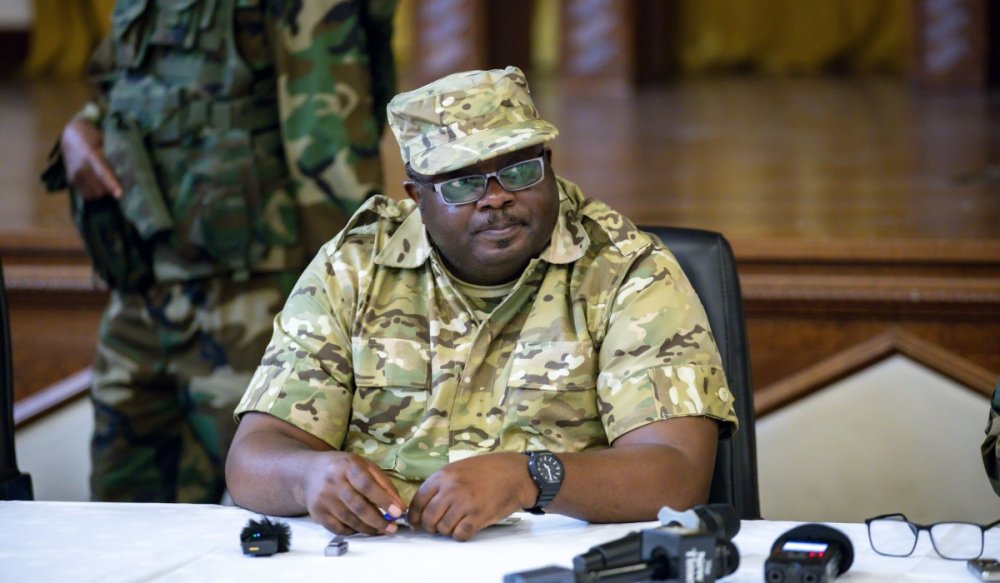
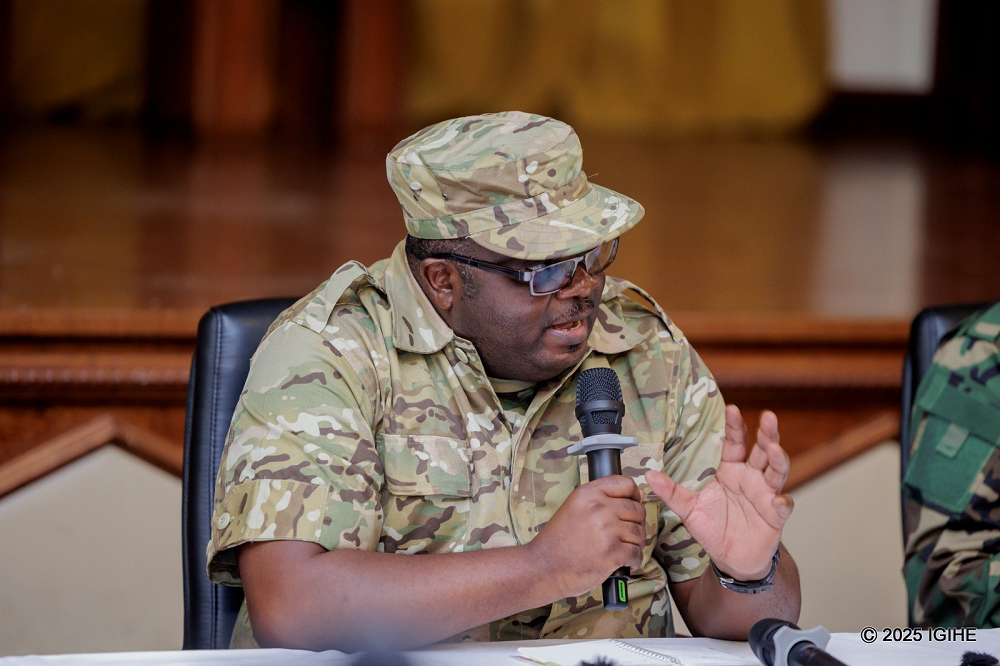
Bertrand Bisimwa, deputy coordinator of AFC/M23, emphasised that the offensive reflects a deliberate choice by the DRC government to pursue military escalation, violating ceasefire agreements. He also criticised the international community for failing to act:
“We cannot help but express our deep concern over the absence, at this stage, of any clear and visible initiative aimed at bringing an immediate halt to this government offensive. There has been no public reprimand, no condemnation… no discernible action seems to have been taken to prevent the risk of escalation,” Bisimwa stated.
He added, “This silence contrasts with the swift reactions observed when our movement is forced to exercise its legitimate right to self-defence in the face of direct attacks.”
The offensive marks a continuation of rising tensions in the region despite peace efforts by mediators such as Qatar and existing ceasefire commitments.
Bertrand Bisimwa, deputy coordinator of AFC/M23, emphasised that the offensive reflects a deliberate choice by the DRC government to pursue military escalation, violating ceasefire agreements.