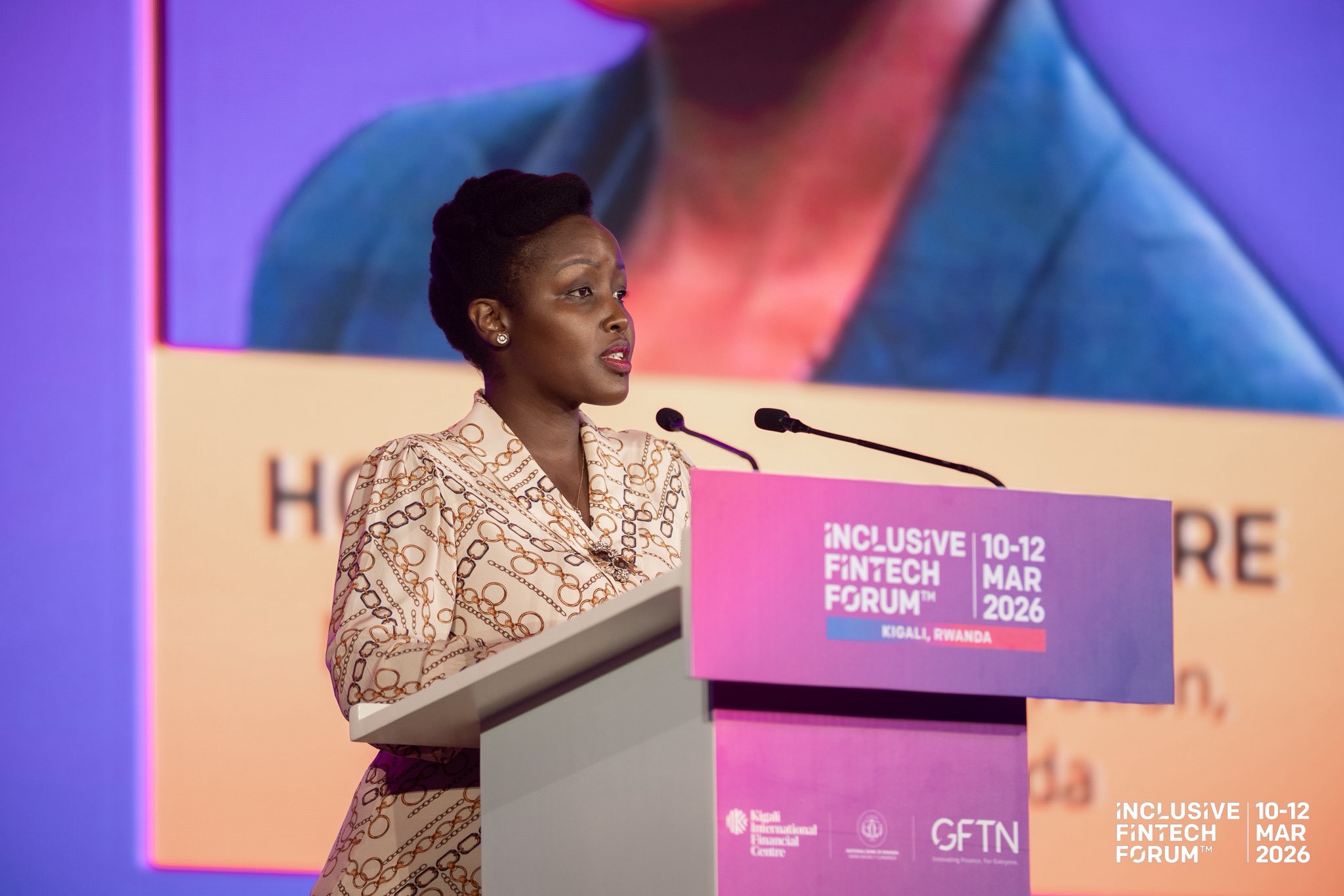
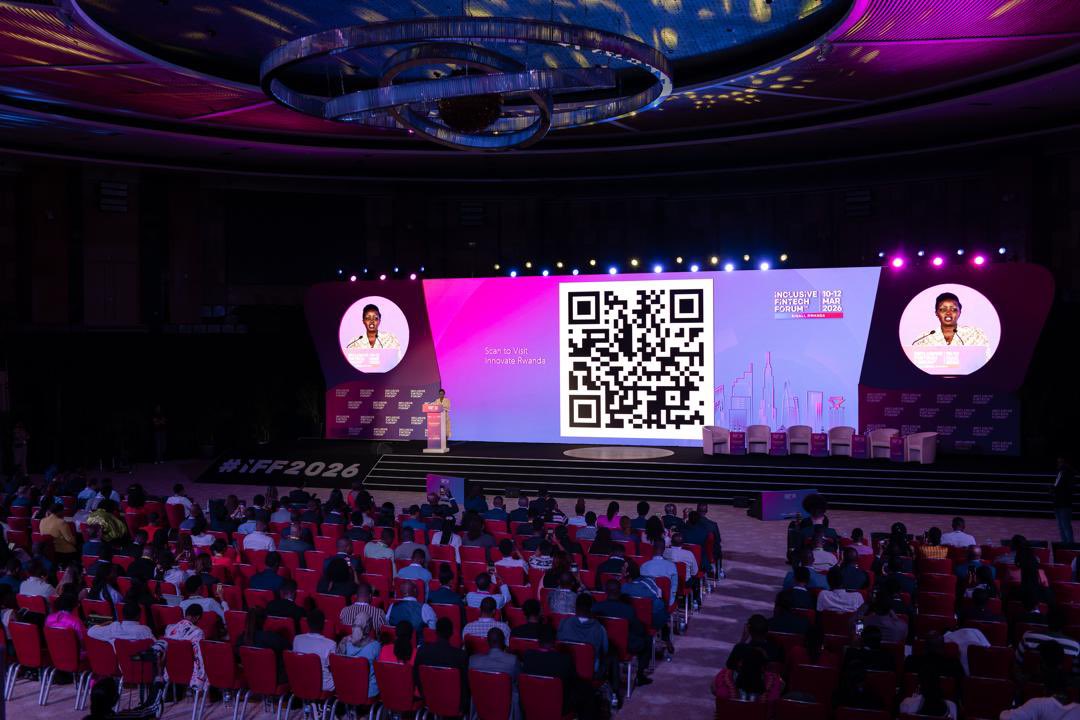
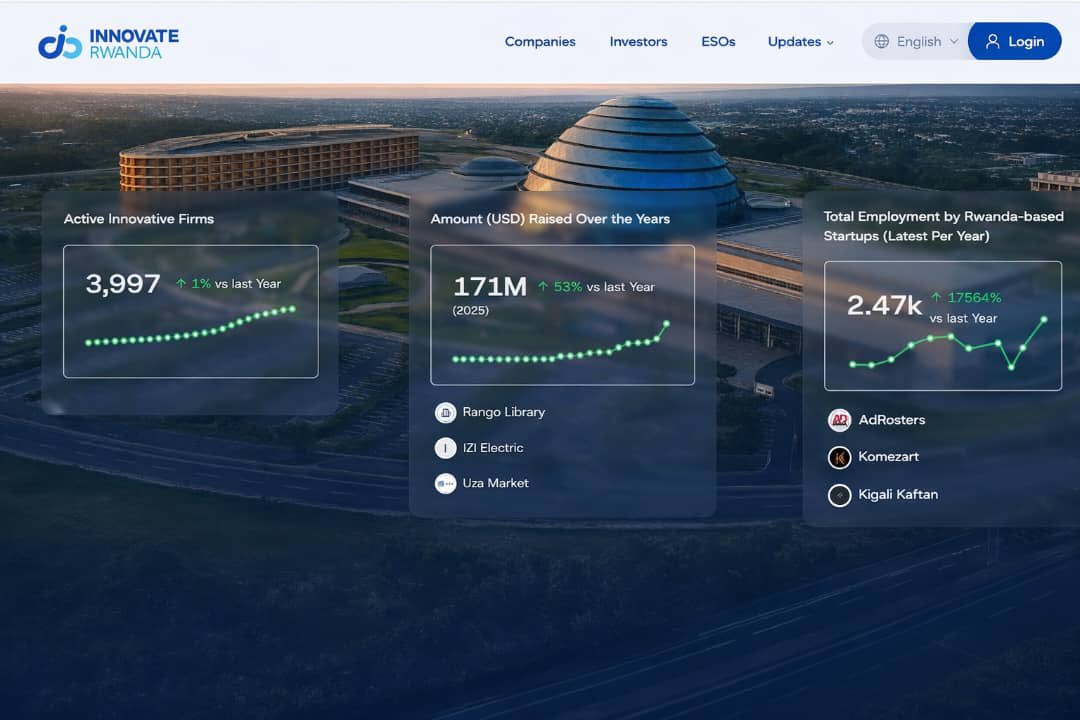
The platform, unveiled by Minister of ICT and Innovation Paula Ingabire on the sidelines of the Inclusive FinTech Forum, serves as a central gateway for Rwanda’s innovation landscape, making it easier for founders, partners, and investors to discover opportunities, collaborate, and grow innovative ventures.
“The platform will provide innovators and partners with an environment to experiment, collaborate, and develop solutions that address real challenges across digital finance, public services, and cross-border trade,” Minister Ingabire stated.
Innovate Rwanda enables ecosystem support organisations, including hubs, accelerators, incubators, and capacity-building programs, to better coordinate their efforts in supporting startups. Through the platform, the organisations can publish their programs, track startup engagement, and connect with partners working in similar sectors. By offering a shared space for visibility and collaboration, the platform aims to reduce fragmentation and improve the effectiveness of support for founders.
Minister of ICT and Innovation Paula Ingabire unveiled the platform on the sidelines of the Inclusive FinTech Forum.
For startups, Innovate Rwanda acts as a gateway to opportunities across Rwanda’s innovation ecosystem. Founders can create profiles to showcase their ventures, discover support programs, access funding and partnerships, and connect with ecosystem organisations that can help scale their ideas. The platform simplifies navigation of the innovation landscape, ensuring entrepreneurs find the right support at every stage of their journey.
The platform also enhances visibility for investors by providing a clear view of Rwanda’s startup pipeline. Investors can explore verified startup profiles, identify high-potential ventures, and engage with ecosystem organisations that facilitate deal flow and due diligence. This improved transparency helps investors discover opportunities and participate more effectively in the country’s growing startup scene.
Beyond connecting stakeholders, Innovate Rwanda strengthens coordination among ecosystem actors. By promoting programs, reaching the right founders, and aligning initiatives, the platform ensures that support, investment, and talent flow efficiently to innovators.
Ultimately, Innovate Rwanda positions Rwanda’s innovation ecosystem to be more connected, visible, and accessible both locally and globally, providing innovators with the resources and partnerships they need to grow and scale.
New Faces New Voices Rwanda is a non-profit organization that advances women’s economic participation through financial inclusion, entrepreneurship development, and leadership strengthening, ensuring women are active contributors to Rwanda’s economic growth.
Since its establishment in Rwanda in 2015, NFNV has worked to expand women’s access to finance, entrepreneurship skills, cooperative structures, and leadership opportunities.
The organization equips women with practical tools to earn income, manage finances, access markets, and participate in local economic decision-making.
Over the past decade, this work has contributed to visible shifts at the community level. Young women who once operated informal or subsistence activities have formalized businesses through cooperatives, entered trades traditionally dominated by men, and strengthened household income through collective enterprise.
Young women with disabilities have also expanded their economic independence through targeted support and improved access to financial services.
The anniversary event in Ruhango highlighted these experiences as examples of how women shape local economic systems when barriers are reduced and opportunities are expanded.
NFNV’s progress has been supported by strong partnerships over the past decade, including collaboration with the Mastercard Foundation and Rugori Investment Network through the Women-led, Women-owned MSME Investment Readiness Program, as well as partnerships with UN Women and other institutions advancing inclusive economic empowerment.
NFNV also established Rugori Investment Network as a sister organization to strengthen access to capital for women entrepreneurs.
Within this ecosystem, New Faces New Voices Rwanda operates as an incubator supporting women-led businesses with training, mentorship, and investment readiness, while Rugori Investment Network serves as the investment partner investing in prepared entrepreneurs.
As guest of honor, Reeta Roy, former CEO and President of the Mastercard Foundation, emphasized the importance of generational leadership: “There is something deeply generational about the work being done. When older women pass their skills and knowledge to younger ones, they ensure continuity and long-term resilience. That is exactly what New Faces New Voices Rwanda is helping to achieve.”
A young program participant also reflected on her experience: “New Faces New Voices helped me believe in myself. Through this journey, I learned that I can lead others and have a clear direction for my life, especially knowing that NFNV is walking alongside me.”
Joy S. Rwamwenge, CEO of New Faces New Voices Rwanda, highlighted the organization’s impact, from supporting 35 cooperatives in its early pilot to over 460 cooperatives creating 11,500 youth in work today.
“With a presence in 28 districts across Rwanda, we are witnessing what happens when preparation meets opportunity for women entrepreneurs,” she said
As NFNV enters its second decade, the organization seeks to focus on strengthening pathways from skills to income, deepening financial inclusion for underserved women, and working with partners to embed inclusive economic practices within cooperatives, financial institutions, and local markets.
With ten years of progress, the organisation emphasizes, the next phase will focus on scale, sustainability, and systems that work for women over the long term.
Reeta Roy, Former President of Mastercard Foundation, with Ivan Ntwali, Mastercard Foundation Country Director for Rwanda. Reeta Roy, former CEO and President of the Mastercard Foundation, toured the exhibitions and interacted with the participants.Joy Ndungutse Board Chair of New Faces, New Voices also graced the event. Joy S. Rwamwenge, CEO of New Faces New Voices Rwanda, highlighted the organization’s impact, growing from 35 pilot cooperatives to over 460, now engaging 11,500 youth in work.Representatives from partner institutions joined the celebration of a decade of women’s economic empowerment.Participants gather in Ruhango as New Faces New Voices Rwanda marks 10 years of advancing women’s economic participation.Participants listen during discussions on strengthening women-led enterprises.Women who benefited from entrepreneurship programs showcased the impact of skills training and mentorship.Leaders and partners reflected on a decade of empowering women economically across Rwanda. The anniversary event highlighted how women are shaping local economies through entrepreneurship and financial inclusion.Young women supported by New Faces New Voices Rwanda shared their experiences during the 10-year anniversary event in Ruhango District.Women entrepreneurs attended the anniversary event celebrating a decade of impact by New Faces New Voices Rwanda.Women were appreciated for their dedication. Young women supported by New Faces New Voices showcased their agricultural products.Other showcased art products. Different products were showcased by the beneficiaries.The organization seeks to focus on strengthening pathways from skills to income, deepening financial inclusion for underserved women
According to sources familiar with the matter, the alleged strategy hinges on cooperation with the Democratic Forces for the Liberation of Rwanda (FDLR), an terrorist group formed by individuals linked to the perpetrators of the 1994 Genocide against the Tutsi in Rwanda. The effort reportedly seeks to create a broader coalition of groups opposed to Rwanda’s government.
At the center of the reported initiative is Jean‑Luc Habyarimana, the son of the late president. Sources indicate he is being positioned as a figure capable of rallying remnants of the Hutu Power network and helping reorganize opposition groups under a new structure.
During a recent visit to Kinshasa, Jean-Luc reportedly met Désiré Cashmir Eberande Kolongele, President Tshisekedi’s special advisor on security matters.
According to individuals familiar with the meeting, he conveyed a message that plans were being developed to form a strong military alliance initially focused on confronting AFC/M23, before potentially expanding operations toward Rwanda.
Sources further claim that Jean-Luc, working with officials in the Congolese Ministry of Communication and Media, helped establish a platform known as Xtrafrica. The platform is reportedly used to promote narratives rehabilitating the image of Habyarimana, criticize the Rwandan government and support Tshisekedi’s regional agenda.
Meanwhile, Agathe Kanziga, the widow of Habyarimana, along with other figures associated with the Hutu Power ideology, is said to have advised Jean-Luc to rebrand the FDLR under a new name, the FCLR (Front Commun pour la Libération Rwandaise), in an effort to improve its international image while maintaining its existing structure and ideology.
The broader strategy reportedly involves bringing together political and military figures opposed to Rwanda’s government by offering them refuge and support in Congo.
Attention has also reportedly turned to Nyamwasa, a former senior officer in the Rwanda Defence Force who later founded the Rwanda National Congress (RNC).
Sources say he has been attempting to unite armed, political and propaganda networks in opposition to Rwanda’s leadership.
During a reported trip to Kinshasa in September 2024, Nyamwasa is said to have met leaders of the FDLR to discuss strengthening cooperation. Congolese officials familiar with the matter claim he has remained in close contact with Gaston Iyamuremye, the commander of the FDLR, a relationship described as key to efforts to align the RNC with the group.
In January 2026, Byiringiro reportedly appointed his brother-in-law Cyprien Ngabo as a liaison between the FDLR and an RNC faction led by Frank Ntwali, further indicating growing coordination between the groups.
Sources also claim that cooperation dates back several years. In early 2025, Byiringiro is said to have sent Emmanuel Hakizimana, an RNC member based in Canada, to the United States to represent the FDLR at a meeting of so-called Rwandan opposition figures.
The meeting was reportedly part of a long-running effort to unite fragmented groups opposed to Rwanda’s government. With alleged financial and political backing from individuals close to Tshisekedi, recruitment into the anti-Rwanda coalition is said to have intensified, involving supporters based in Uganda and prominent RNC-associated figures such as Charles Kambanda, Eugène Gasana, and Christine Uwizera Coleman.
Sources claim the initiative is becoming increasingly visible, pointing to alleged logistical support for the FDLR and outreach to individuals linked to or associated with the genocide, as part of a broader effort to unite groups opposed to Rwanda’s government under a single front.
New details have emerged on the coordination between President Félix Tshisekedi of the Democratic Republic of the Congo and son of former Rwandan President Jean Luc Habyarimana.
The group crossed into Rwanda on Thursday, March 12, 2026, through the main border post linking the two countries in Rubavu District, where they were received by the district’s Vice Mayor in charge of Social Affairs, Ishimwe Pacifique.
Most of the returnees are women and children, many of whom were born in the Democratic Republic of the Congo.
Speaking to the Rwanda Broadcasting Agency, several of them said they decided to return after being encouraged by fellow Rwandans who had previously repatriated and successfully rebuilt their lives back home.
Many of those returning had spent years under the control of the FDLR, a militia group formed by perpetrators of the 1994 Genocide against the Tutsi who fled to the DRC after being defeated by the Rwandan Patriotic Army (RPA).
Since the M23 rebel forces began taking control of large parts of eastern DRC, the returnees say security conditions have improved, allowing them to consider going back to Rwanda.
In cooperation with the United Nations High Commissioner for Refugees, those willing to return are being facilitated to repatriate.
The returning Rwandan nationals were welcomed by the district’s Vice Mayor in charge of Social Affairs, Ishimwe Pacifique.
The financial district, one of the region’s most important economic hubs, was struck amid a broader wave of aerial threats targeting Gulf states. Explosions were reported shortly after the incident, raising alarm in the busy commercial area.
Authorities later confirmed that the damage was limited. The Dubai Government Media Office said debris from a successful air defense interception fell onto the façade of a building in central Dubai, causing minor structural damage.
“Authorities confirm that debris from a successful interception caused a minor incident on the façade of a building in central Dubai. No injuries have been reported,” the office said in a statement, adding that investigations into the incident were ongoing.
Meanwhile, the UAE National Emergency, Crisis and Disaster Management Authority stated that the country’s air defense systems were responding to a missile threat but did not provide further details.
Elsewhere in the region, Saudi Arabia reported intercepting two hostile drones over Al-Kharj Governorate, according to the Saudi Defense Ministry. Another drone was also shot down near the embassies district in Riyadh.
The incidents come amid a wave of retaliatory strikes by Iran since the outbreak of the U.S.–Israeli war on Iran on February 28.
The UAE has been subjected to over 1,000 Iranian attacks, more than any other targeted country, despite not participating in the war, according to the UAE’s foreign affairs ministry. The ministry previously affirmed the UAE’s right to self-defense under international law.
Authorities later confirmed that the damage was limited.
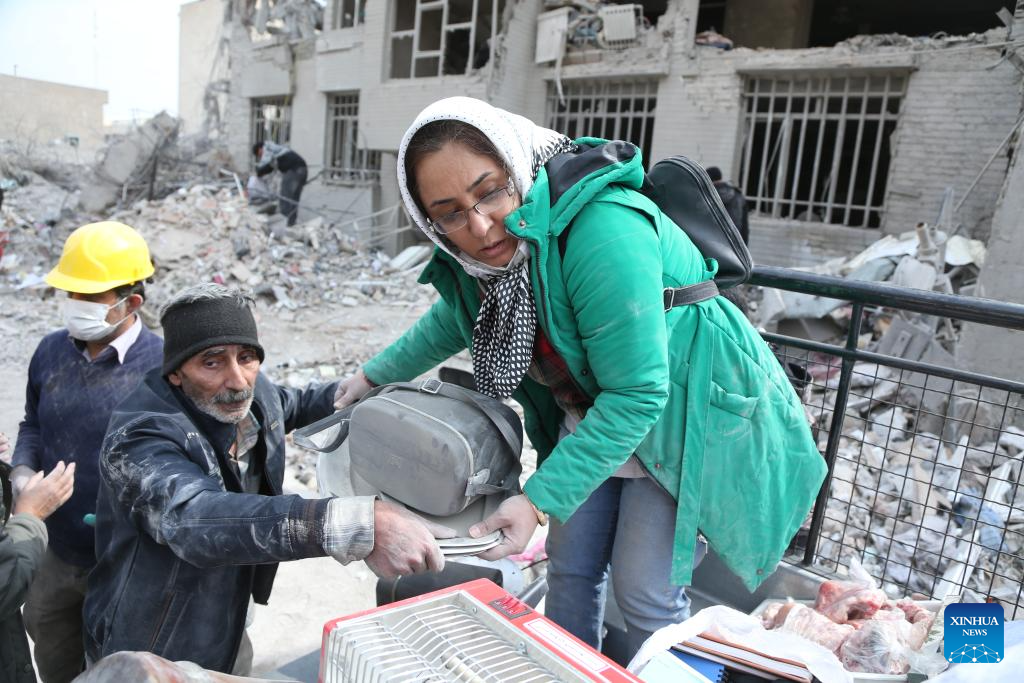
Additionally, some 117,000 people have sought refuge in another country, Stephane Dujarric, chief spokesman for the UN secretary-general, told a daily briefing, citing the UN Refugee Agency.
Dujarric said that, according to UN humanitarians, the Middle East region is home to some of the largest numbers of people in need of humanitarian assistance globally. “The recent escalation risks deepening civilian suffering and causing further damage to already fragile civilian infrastructure.”
The United Nations and its humanitarian partners are continuing to provide humanitarian aid to people impacted across several countries and remain ready to ramp up response in support of national authorities where needed, he said.
People search for daily necessities from damaged buildings in Tehran, Iran, March 12, 2026.
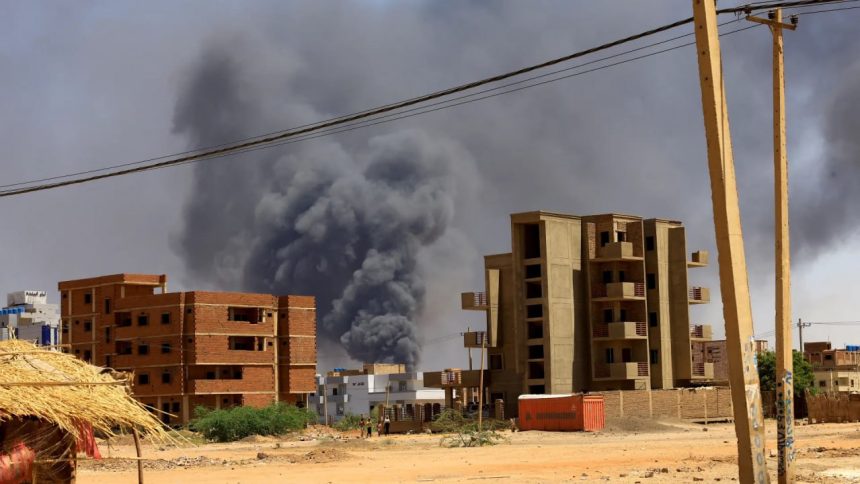
The Coordination Council of El Geneina Emergency Rooms, a voluntary civilian group, said in a statement that a drone fired four missiles at the crossing, killing 13 people involved in the fuel trade, including five women, and injuring five others.
The strike destroyed the fuel market at the crossing, damaged several civilian vehicles, and burned large quantities of food supplies, the group said.
According to the council, all the victims were small-scale traders who transported fuel and goods from the Chadian city of Adre to the crossing using traditional animal-drawn carts as part of their daily livelihood activities.
The group added that the crossing is also used for humanitarian operations, including the delivery of relief supplies, medicines, and shelter materials, as well as the movement of international humanitarian workers.
Meanwhile, an eyewitness, Adam Abdalla, a local fuel trader, told Xinhua that the attack occurred early in the morning while traders were preparing to begin their daily work.
“Several successive explosions hit the fuel market, and the fuel tanks and vehicles caught fire,” he said.
Abdalla added that the fuel market at the crossing had been a primary source of livelihood for dozens of families, noting that the strike caused heavy losses for traders and left the site almost completely destroyed.
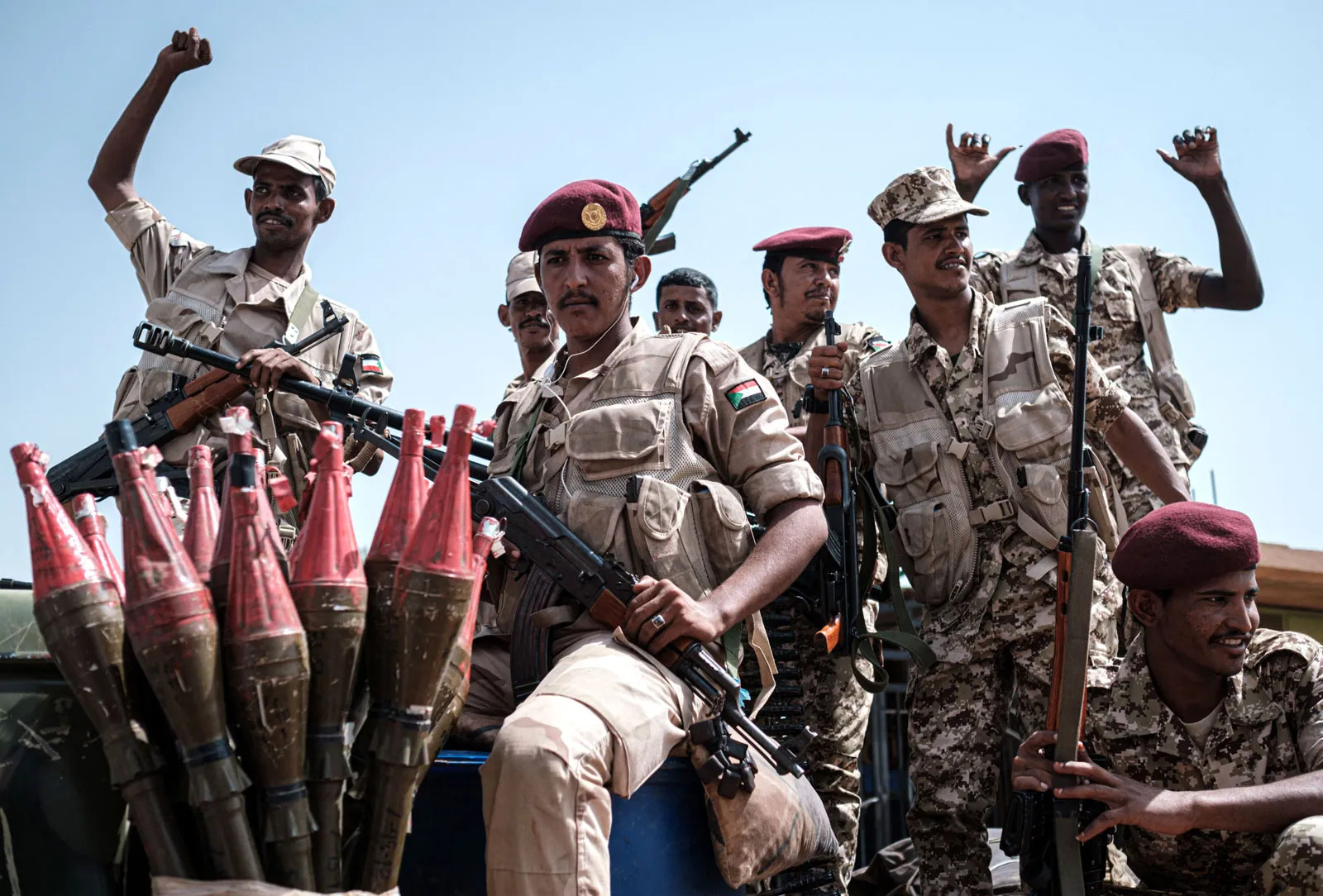
The paramilitary Rapid Support Forces (RSF) accused the Sudanese Armed Forces (SAF) of carrying out the attack, claiming it was intended to disrupt the delivery of humanitarian aid to the Darfur region.
The RSF called on the UN Security Council and international organizations to take urgent measures to halt what it described as “attacks” and to hold those responsible accountable.
Border crossings between Sudan and Chad, particularly the Adre crossing, are among the most important commercial routes for residents of Darfur, serving as a key artery for the movement of goods and people.
On February 23, Chad announced the closure of its border with Sudan after armed groups involved in the conflict crossed into its territory, while stating that humanitarian exceptions would still be granted subject to prior authorization.
Fighting between the SAF and the RSF erupted in April 2023 and has killed tens of thousands of people and displaced millions inside Sudan and across its borders.
The paramilitary Rapid Support Forces (RSF) accused the Sudanese Armed Forces (SAF) of carrying out the attack, claiming it was intended to disrupt the delivery of humanitarian aid to the Darfur region.
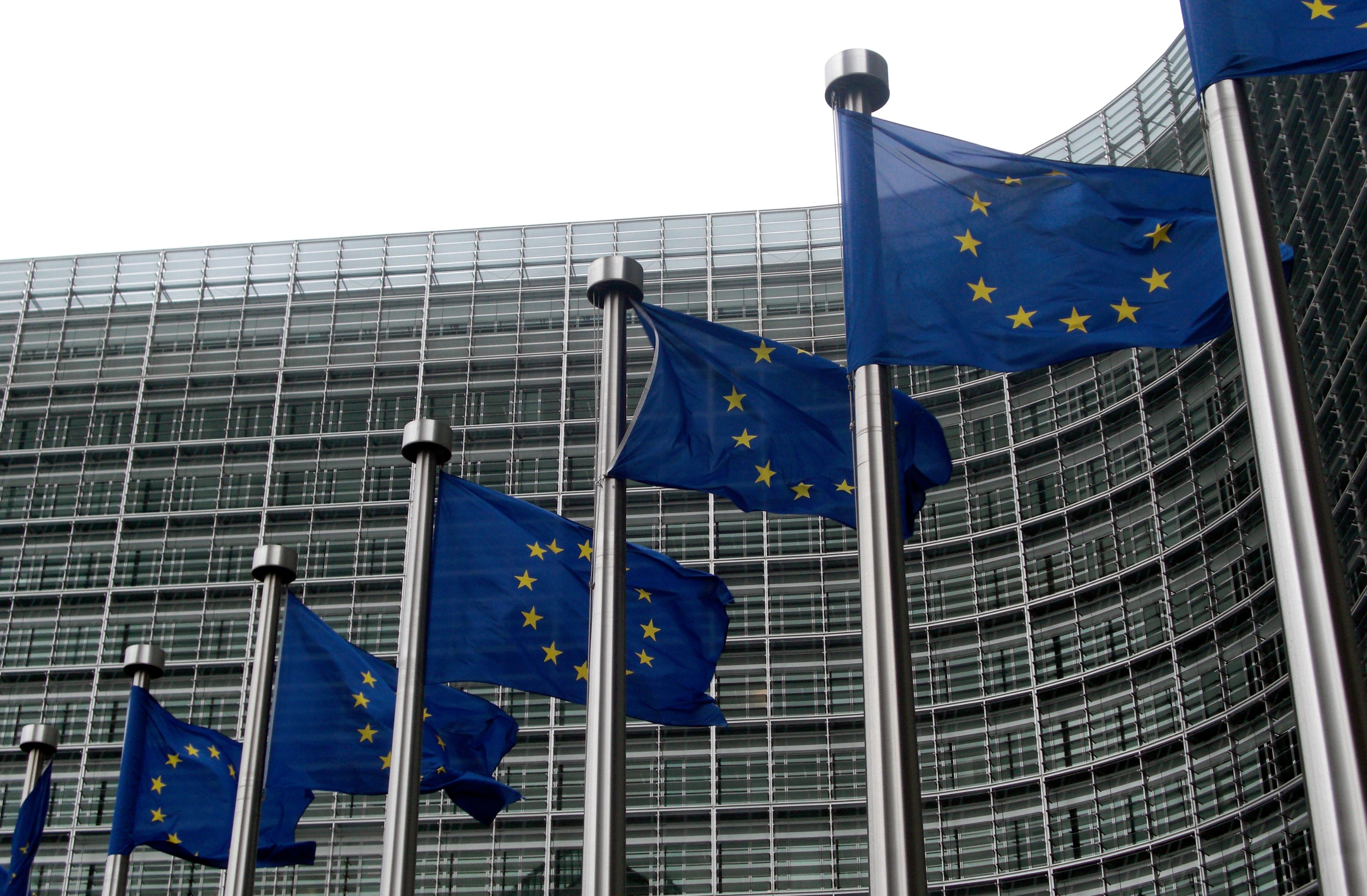
European Commission Deputy Chief Spokesperson Olof Gill told a press briefing that the Commission would carefully review the details of the U.S. investigation and continue to ensure that the EU’s interests are fully protected.
Gill added that the Commission would seek further clarification from Washington on how the Section 301 investigation would interact with the framework agreed under the EU-U.S. joint statement.
“The Commission will respond firmly and proportionately to any breach of the joint statement commitments,” Gill said.
Under the EU-U.S. trade deal reached in July last year, the EU agreed to eliminate tariffs on all U.S. industrial products and introduce tariff-rate quotas for a wide range of U.S. agri-food products entering the EU market. In return, Washington would set a 15-percent tariff ceiling on most EU goods exported to the United States.
Under the EU-U.S. trade deal reached in July last year, the EU agreed to eliminate tariffs on all U.S. industrial products and introduce tariff-rate quotas for a wide range of U.S. agri-food products entering the EU market.
Under the new legislation, any driver found with a blood alcohol content above the legal limit commits an offence. Convicted drivers face a fine ranging from Rwf 100,000 to Rwf 400,000 and imprisonment of three to six months.
The law specifically targets drivers of public transport, school buses, employee shuttles, tourist vehicles, and cargo trucks over 3.5 tons. Drivers whose blood alcohol level is at least twice the legal limit may face fines between Rwf 200,000 and Rwf 500,000 and imprisonment of three to six months, or one of these penalties.
Refusing a blood alcohol test is also criminalised. Drivers convicted of this offence face fines of Rwf 300,000 to Rwf 600,000 and imprisonment of three to six months if they operate public transport, school, or tourist vehicles, or cargo trucks over 3.5 tons. Drivers of other vehicles may face fines of Rwf 400,000 to Rwf 600,000 and imprisonment of up to 10 days.
The law sets the maximum permissible blood alcohol content at 0.80 grams per litre of blood. It also prohibits driving without a valid license, punishable by fines of Rwf 100,000–200,000 and 15–30 days in jail. Additionally, refusing to stop when signalled by a traffic officer is punishable by fines of Rwf 400,000–700,000 and imprisonment of three to six months.
The revision incorporates modern technology to enhance transparency and accountability in law enforcement, aiming to improve road safety and reduce accidents and fatalities. Traffic officers will prepare case files for prosecution in accordance with criminal procedure law.
Under the new legislation, any driver found with a blood alcohol content above the legal limit commits an offence. Convicted drivers face a fine ranging from Rwf 100,000 to Rwf 400,000 and imprisonment of three to six months.
The company hosted a business solutions event at the Kigali Marriott Hotel, bringing together representatives from government institutions, banks, insurance firms, and private companies to explore technologies designed to improve document management and workplace efficiency.
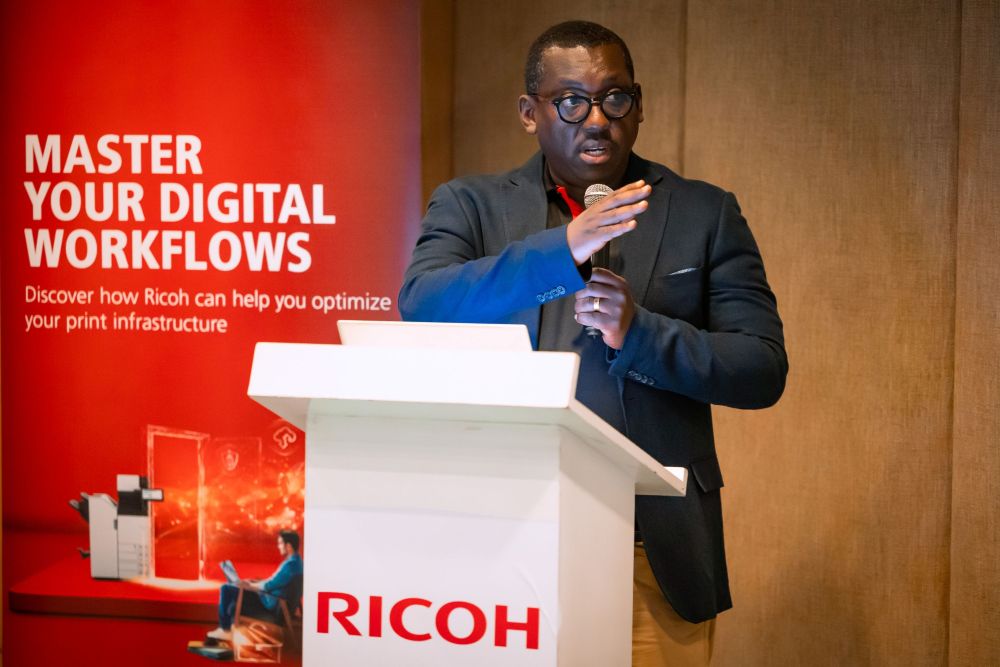
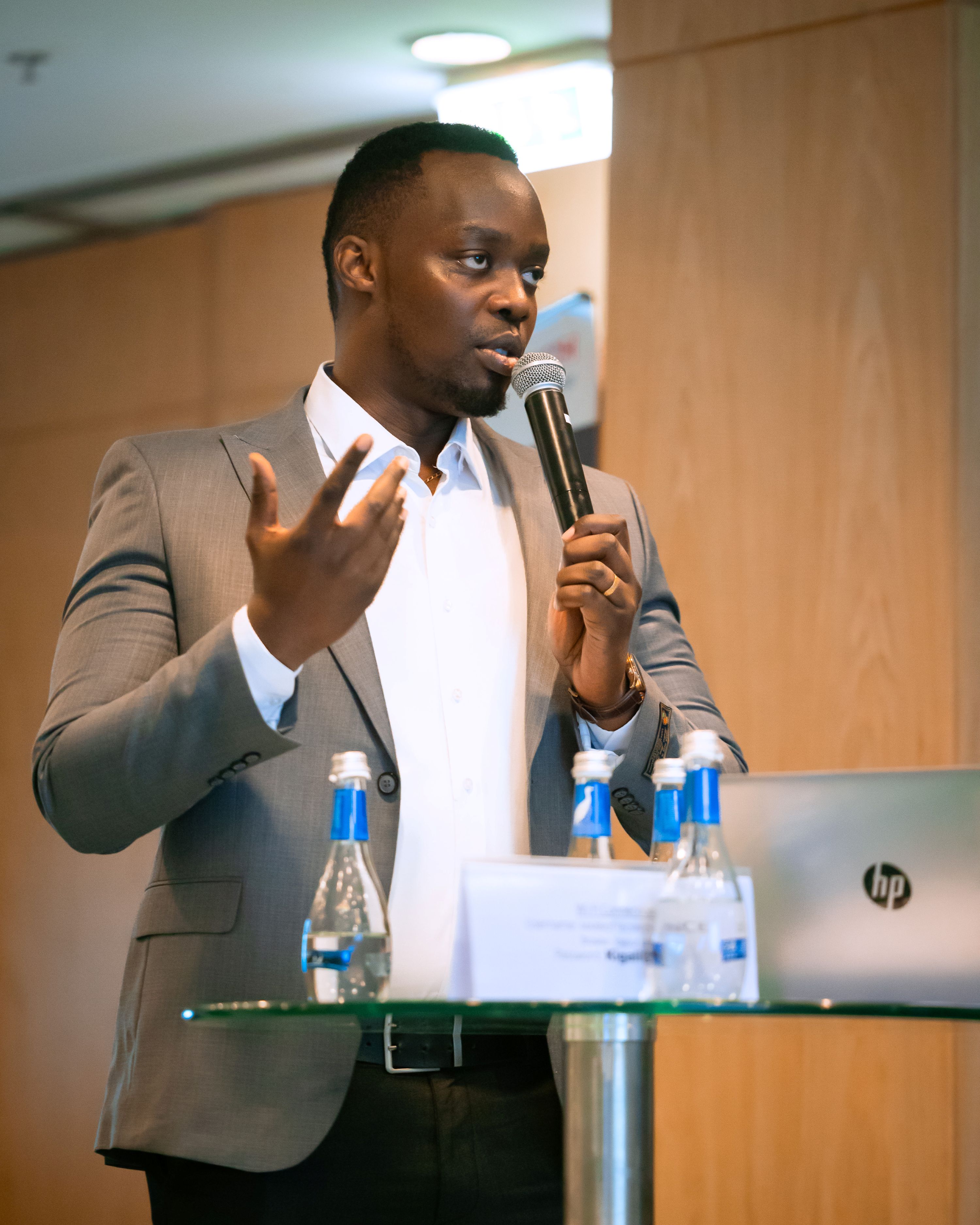
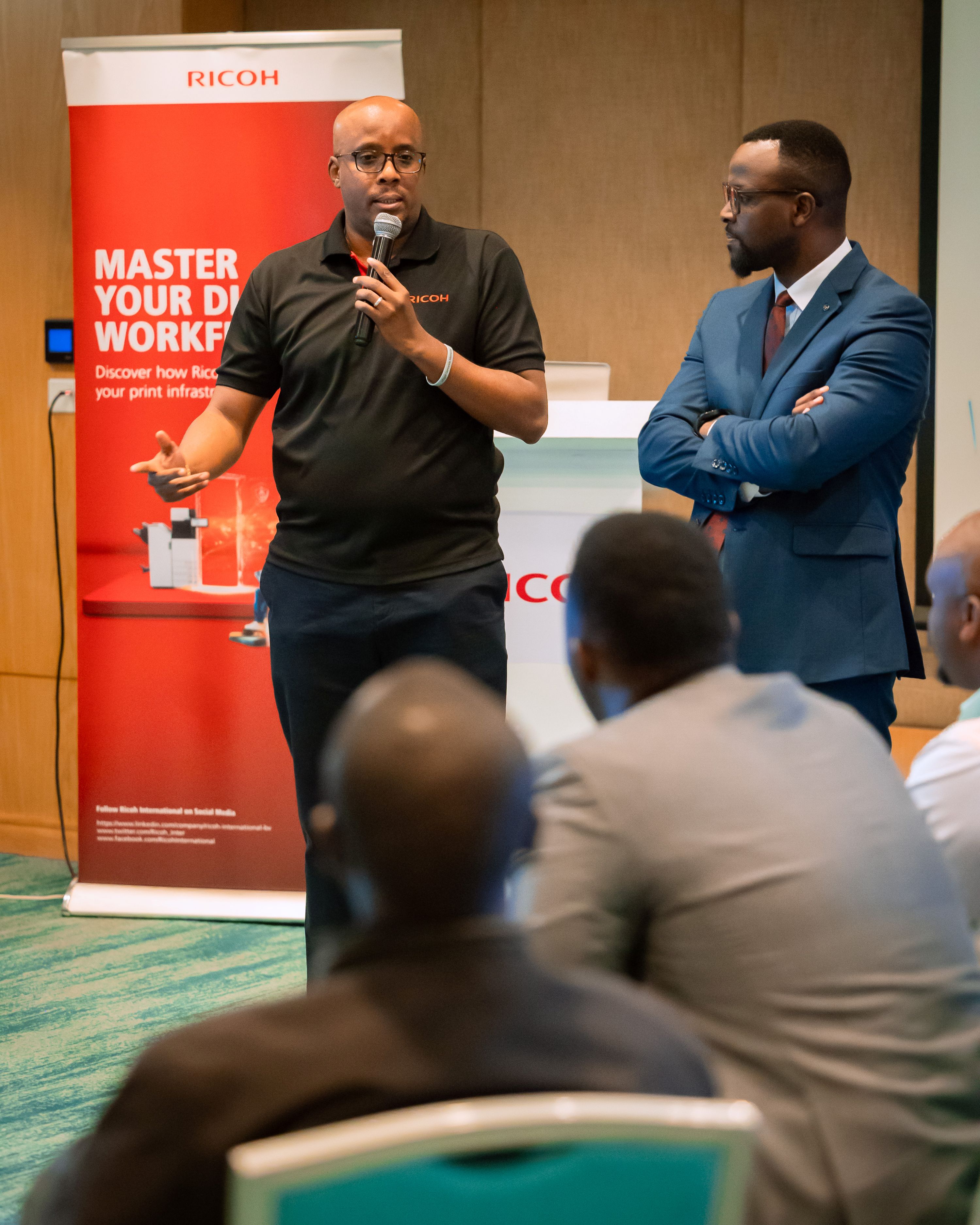
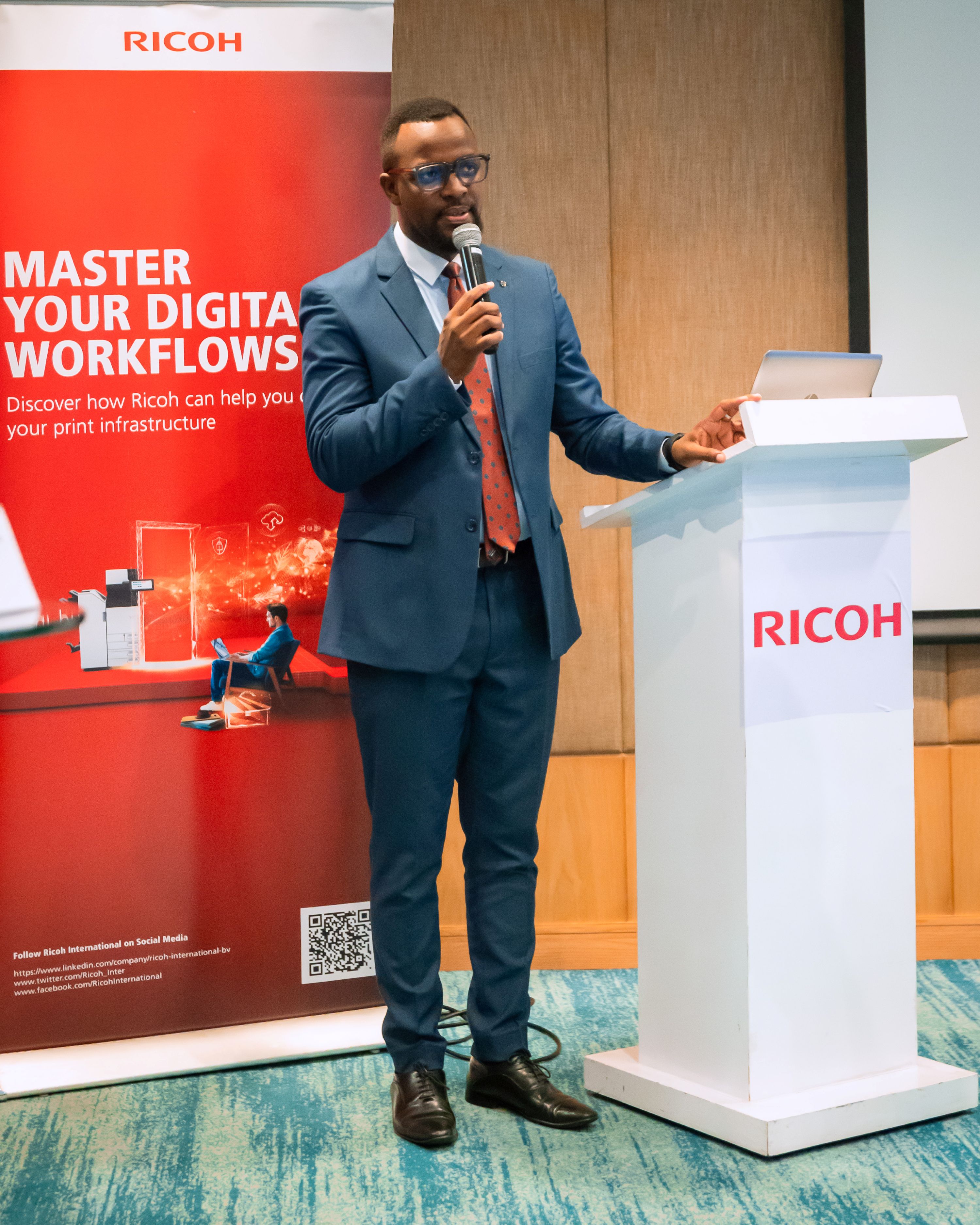
Speaking at the event, RD Tech CEO Jules Munyempeta said the gathering aimed to demonstrate how organisations can adopt practical solutions to support their digital transformation journey.
“We organised this event to showcase the kind of solutions we provide,” he said. “There is a clear trend toward digital transformation, but people also need to understand what it really means and what solutions address it.”
RD Tech CEO Jules Munyempeta showcased a range of digital workplace innovations powered by Ricoh.
The event also marked a milestone for RD Tech, which is celebrating two decades of delivering technology solutions to organisations across Rwanda.
“For us, it is a very important milestone that we do not take for granted,” Munyempeta said. “We would not have reached 20 years without the support and trust of our customers.”
Partnership driving digital solutions
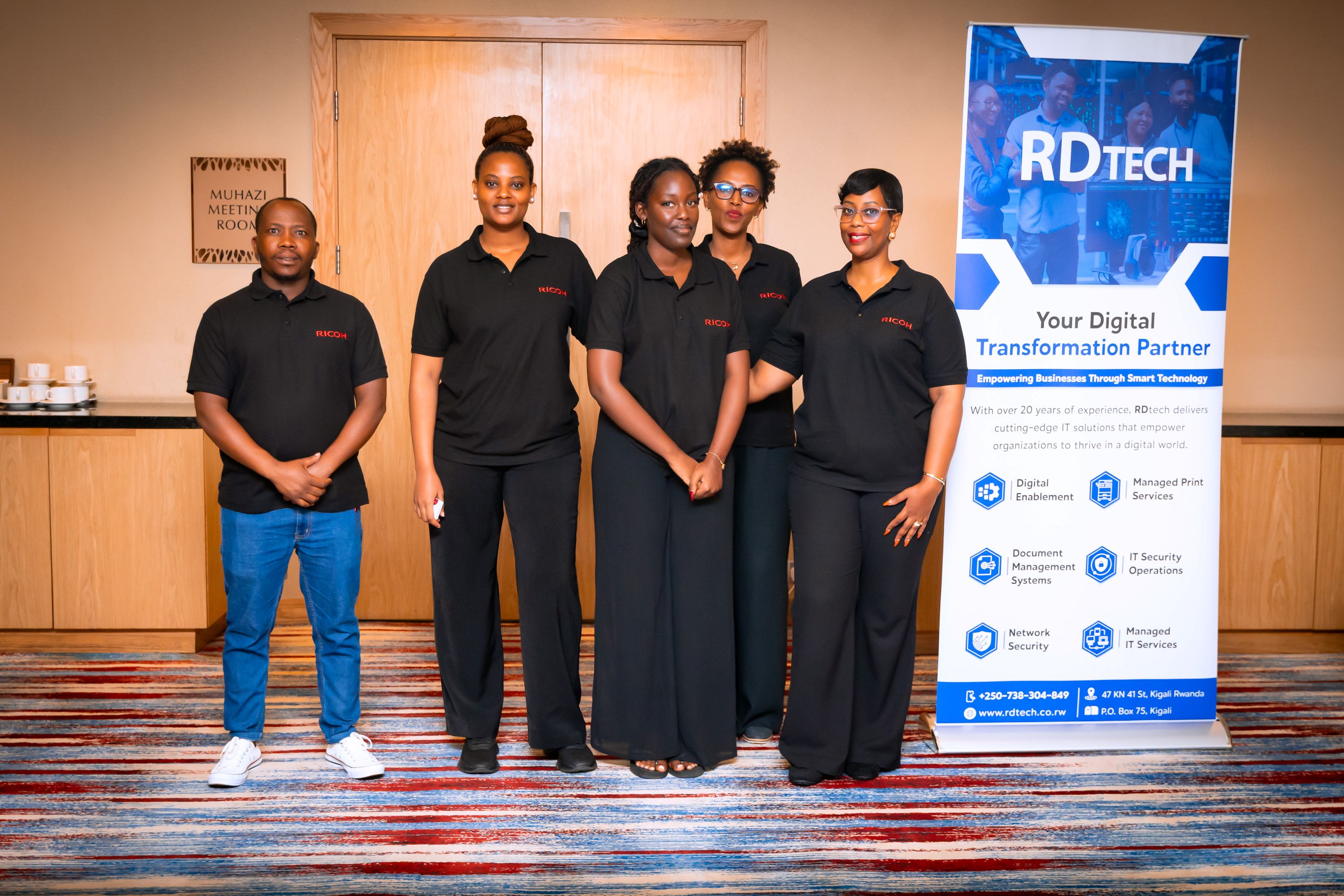
RD Tech has been working with Ricoh for the past three years, a partnership the company says has expanded its ability to offer advanced digital workplace technologies.
From photocopiers to digital innovation, Ricoh is transforming how businesses operate.
Munyempeta noted that Ricoh, historically known for photocopiers and printers, has evolved into a provider of broader digital solutions as organisations increasingly move toward paperless operations.
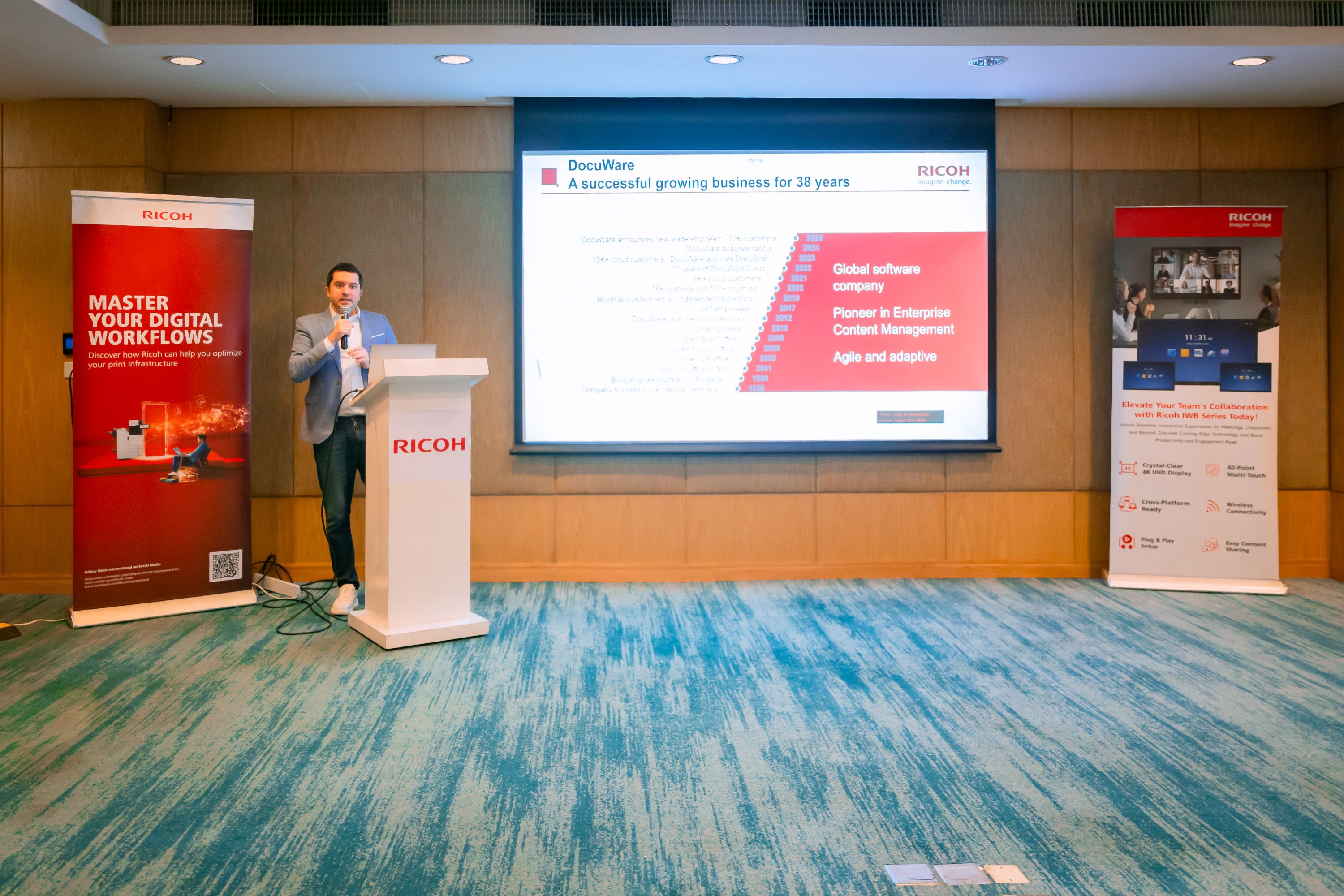
“They have expanded their business into solutions,” he said. “Ricoh also acquired one of the world’s most experienced document management companies, DocuWare, which allows us to provide a wide range of technologies that support our customers’ digital transformation.”
During the event, RD Tech demonstrated several technologies aimed at helping organisations digitise workflows, manage information more efficiently, and improve data security.
From printing to intelligent workplaces
Participants were introduced to Ricoh’s intelligent multifunction printers, which function not only as printing devices but also as digital hubs capable of scanning, cloud integration, and connectivity with enterprise systems.
DocuWare platform allows organisations to securely archive files, automate document workflows, and retrieve information quickly through digital repositories.
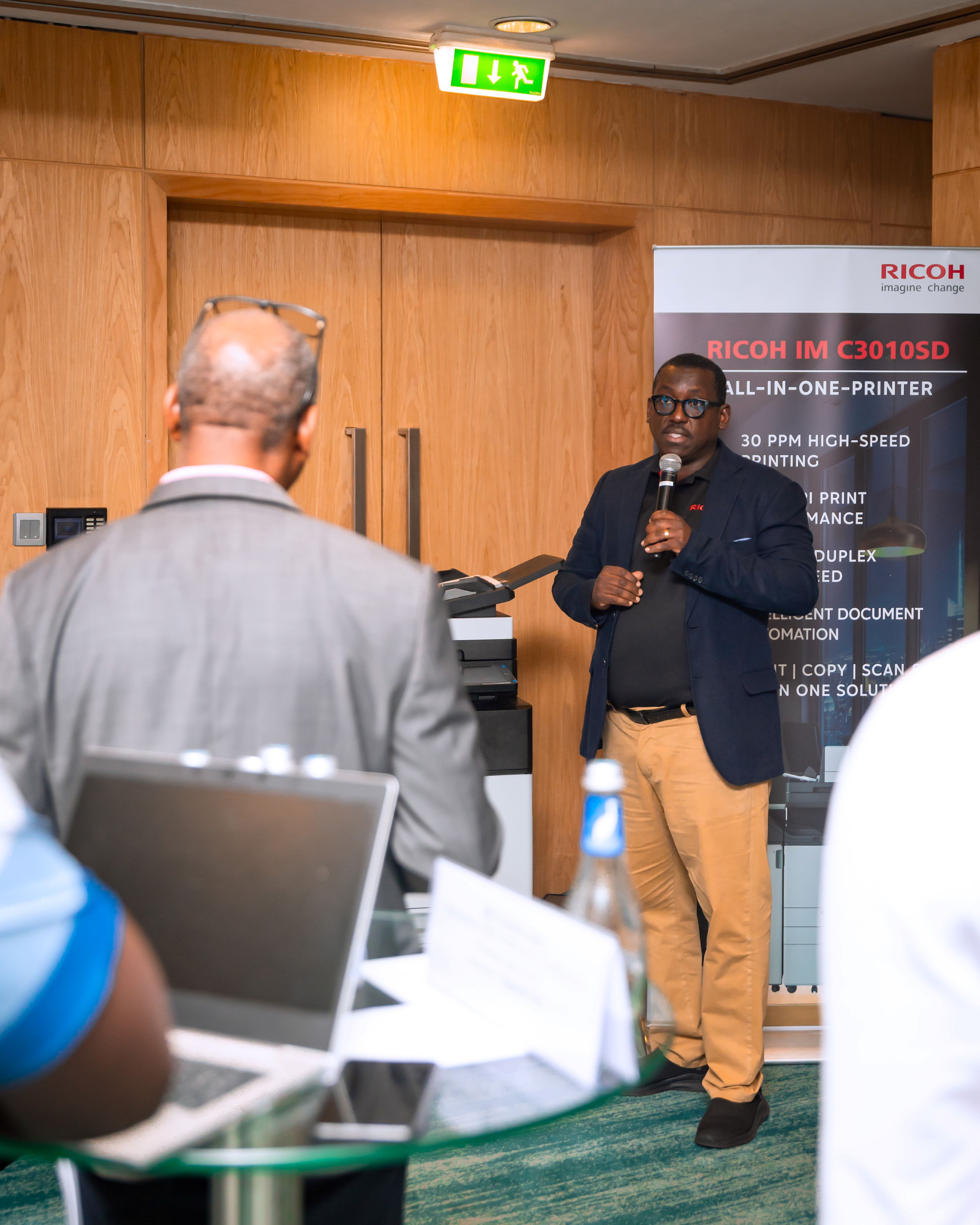
Among the technologies showcased was the Ricoh IM C3010SD multifunction printer, which integrates document automation, high-speed duplex scanning, and cloud-based workflow integration.
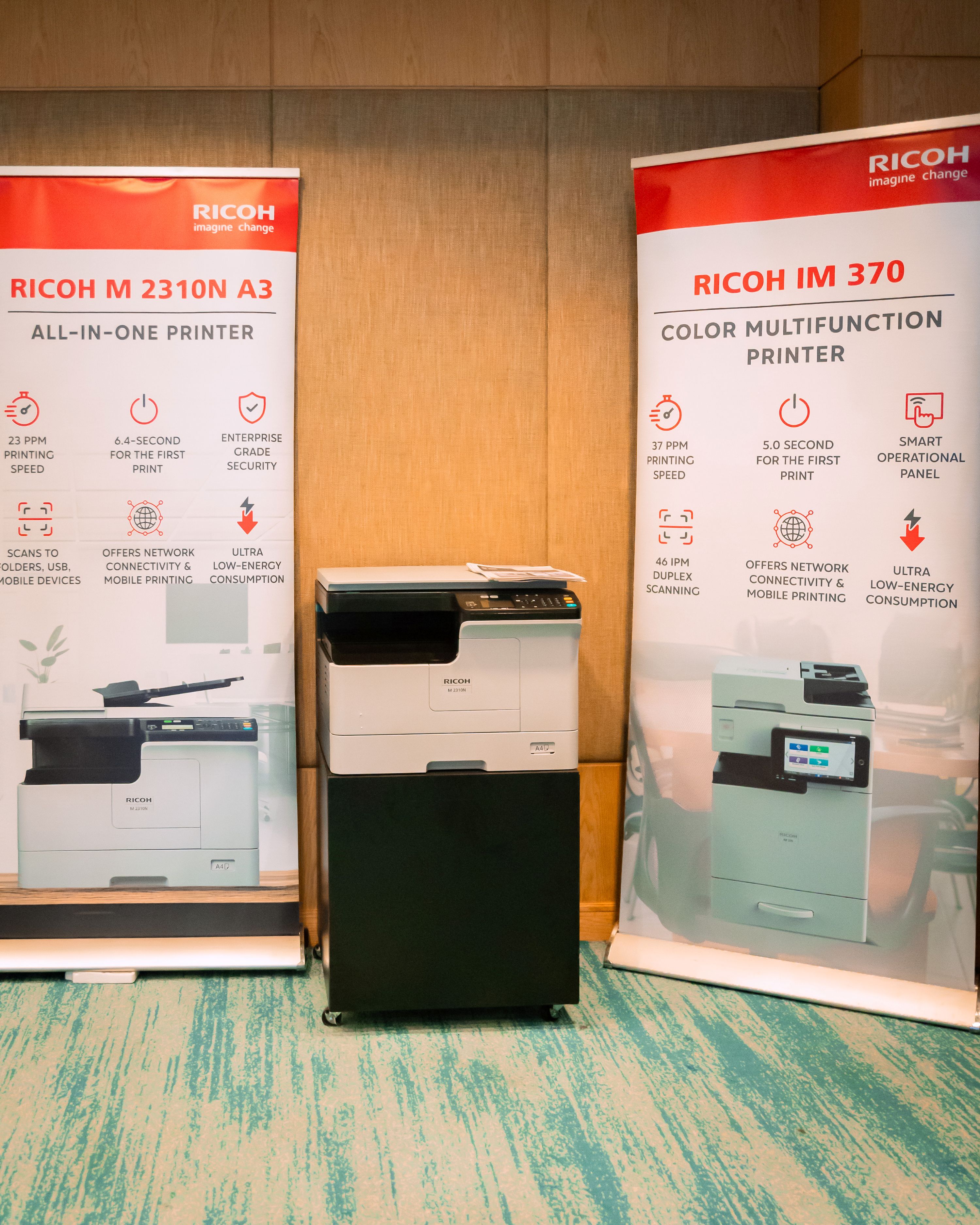
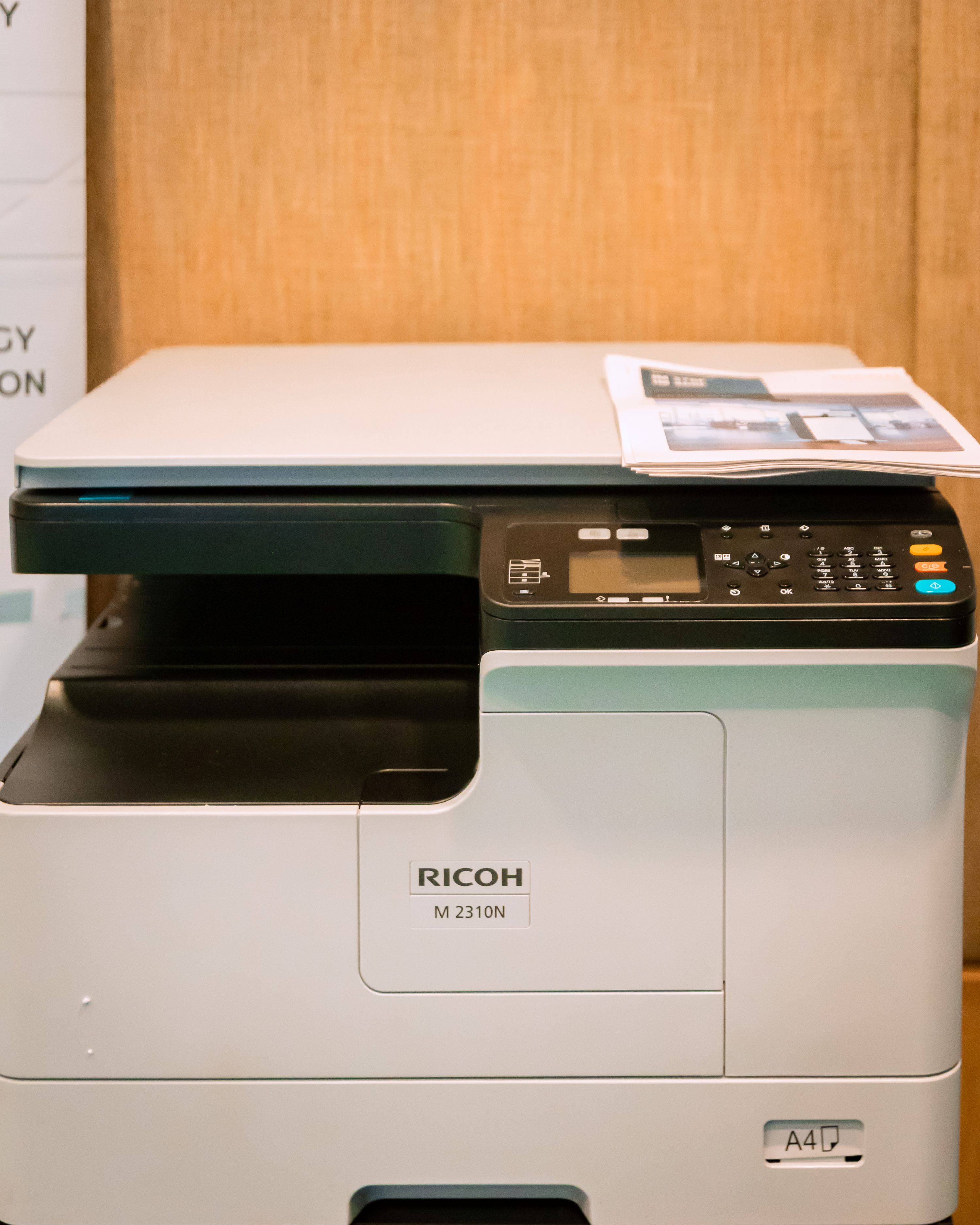
Other devices on display included the Ricoh IMC320, Ricoh IM 370, and Ricoh M 2310N printers, designed to support office productivity while reducing energy consumption and operational costs.
The company also demonstrated Ricoh’s managed print services (MPS), a model that allows organisations to lease and centrally manage their printing infrastructure.
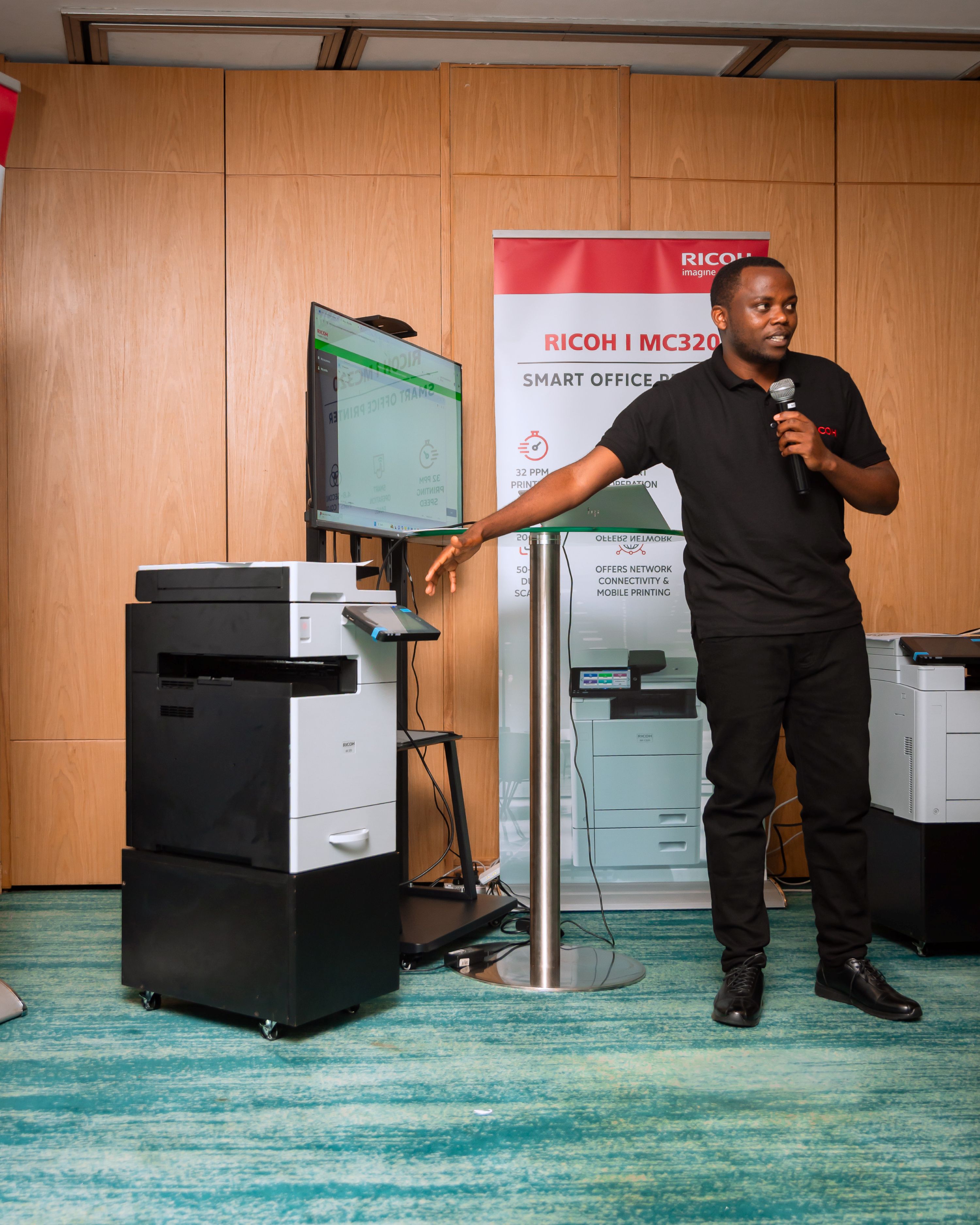
Some of the smart printers the two partners have brought to the Rwandan market.
Through this system, companies can track printing usage, optimise device deployment, and reduce overall printing costs while maintaining secure document workflows.
Digitising document management
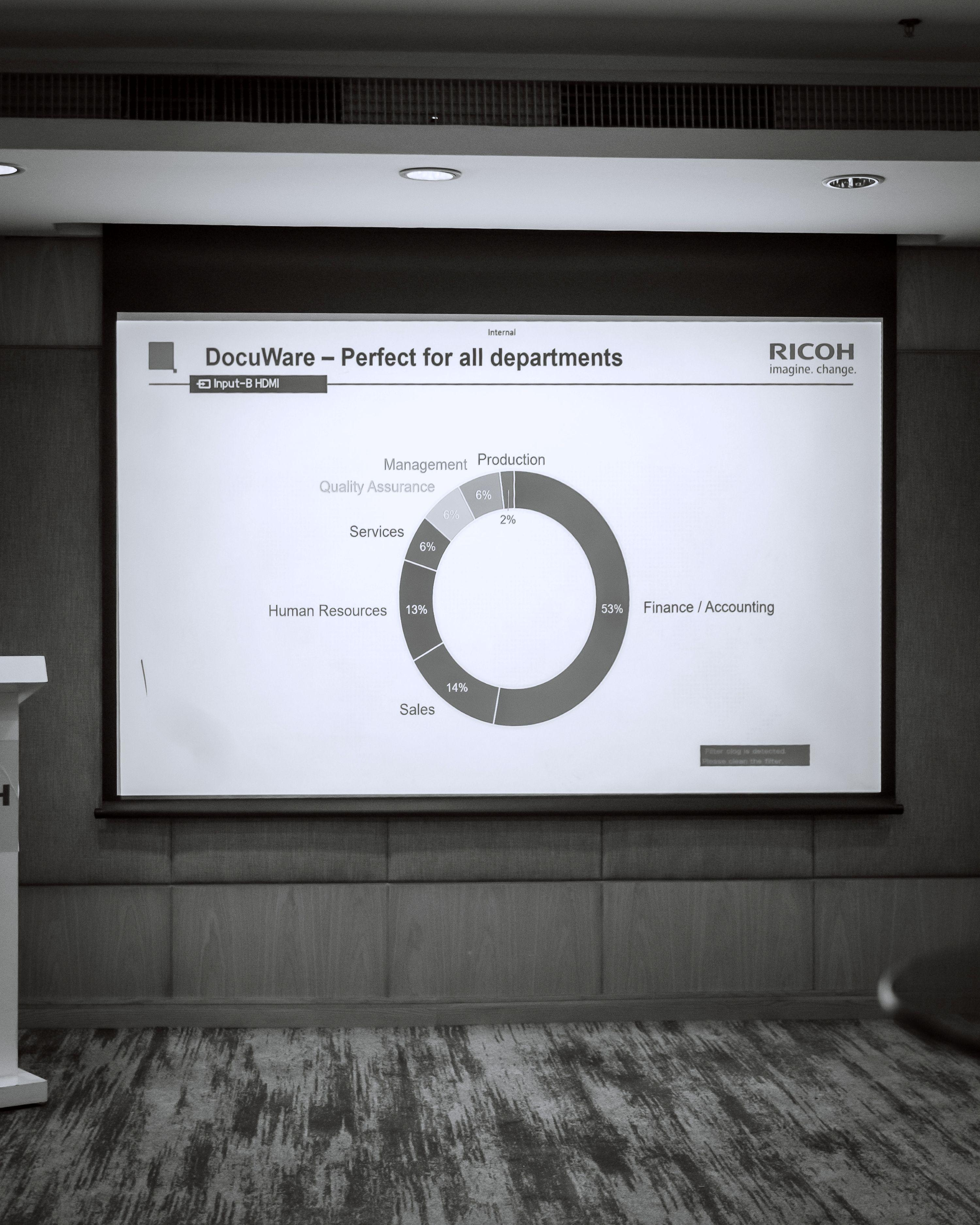
Another major focus of the event was document digitisation through the DocuWare platform, which allows organisations to securely archive files, automate document workflows, and retrieve information quickly through digital repositories.
The platform helps companies reduce paper dependency while improving compliance and operational efficiency.
According to RD Tech, these solutions enable businesses to automate approvals, centralise document storage, and access files remotely through secure online systems.
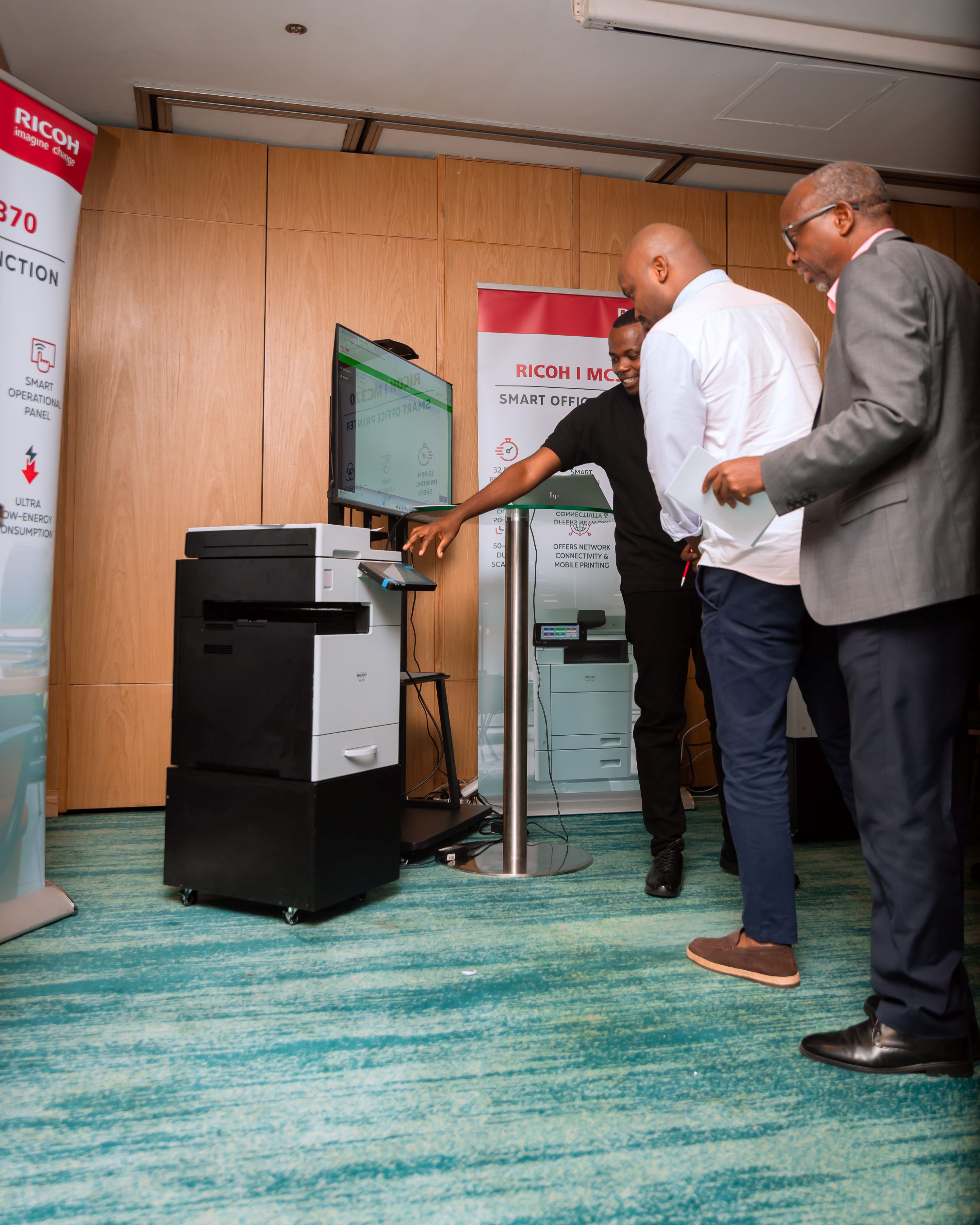
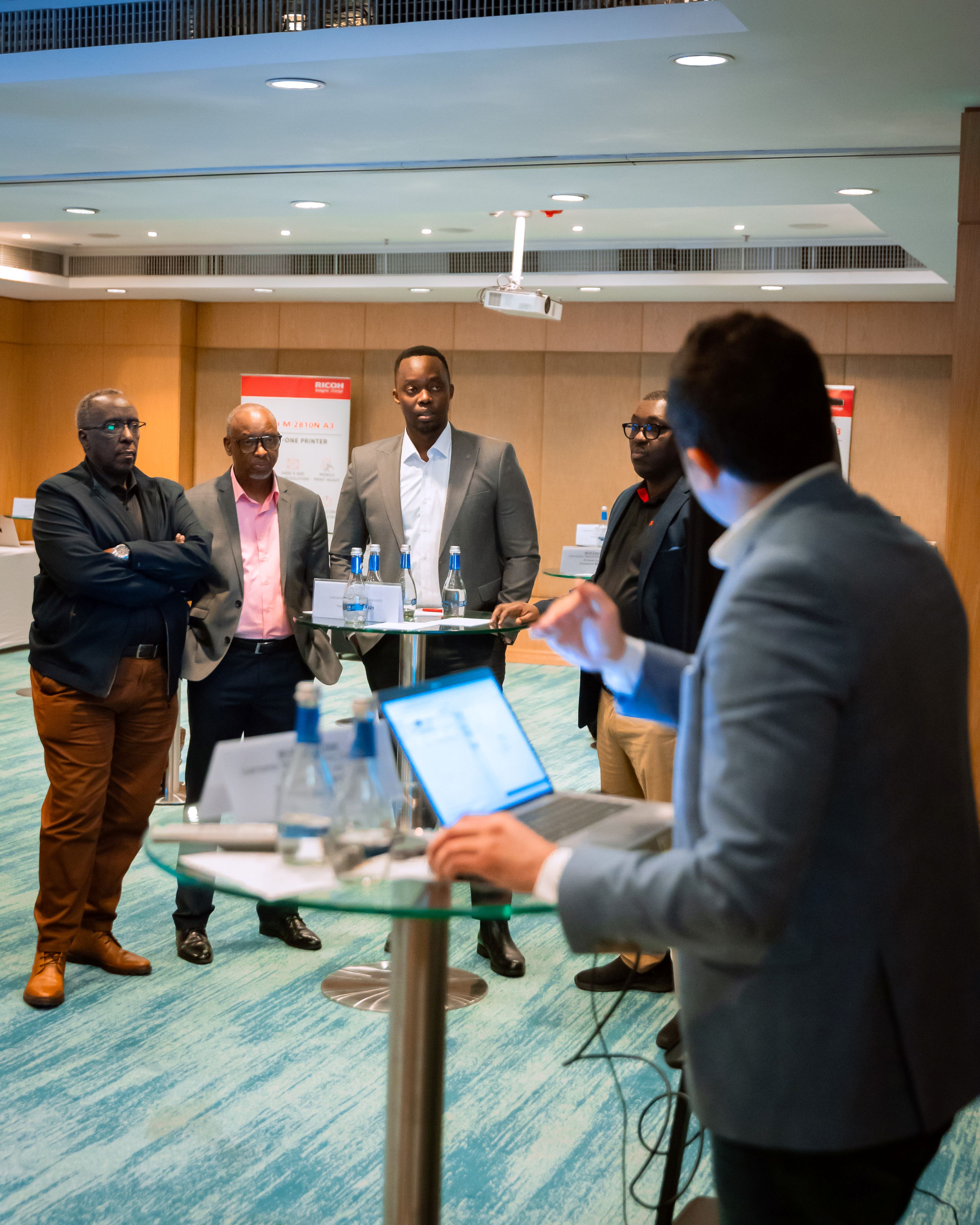
Ricoh and RD Tech led an engaging, hands-on session to help representatives from various sectors understand how the modern and intelligent printers work.
The event was designed to be interactive, with demonstration stands allowing attendees to experience the solutions firsthand.
“We designed today’s event to be interactive and hands-on, so attendees could experience firsthand how RD tech and Ricoh solutions can transform their workplaces,” said Benjamin Cyusa, RD Tech Event Organiser.
Businesses see practical benefits
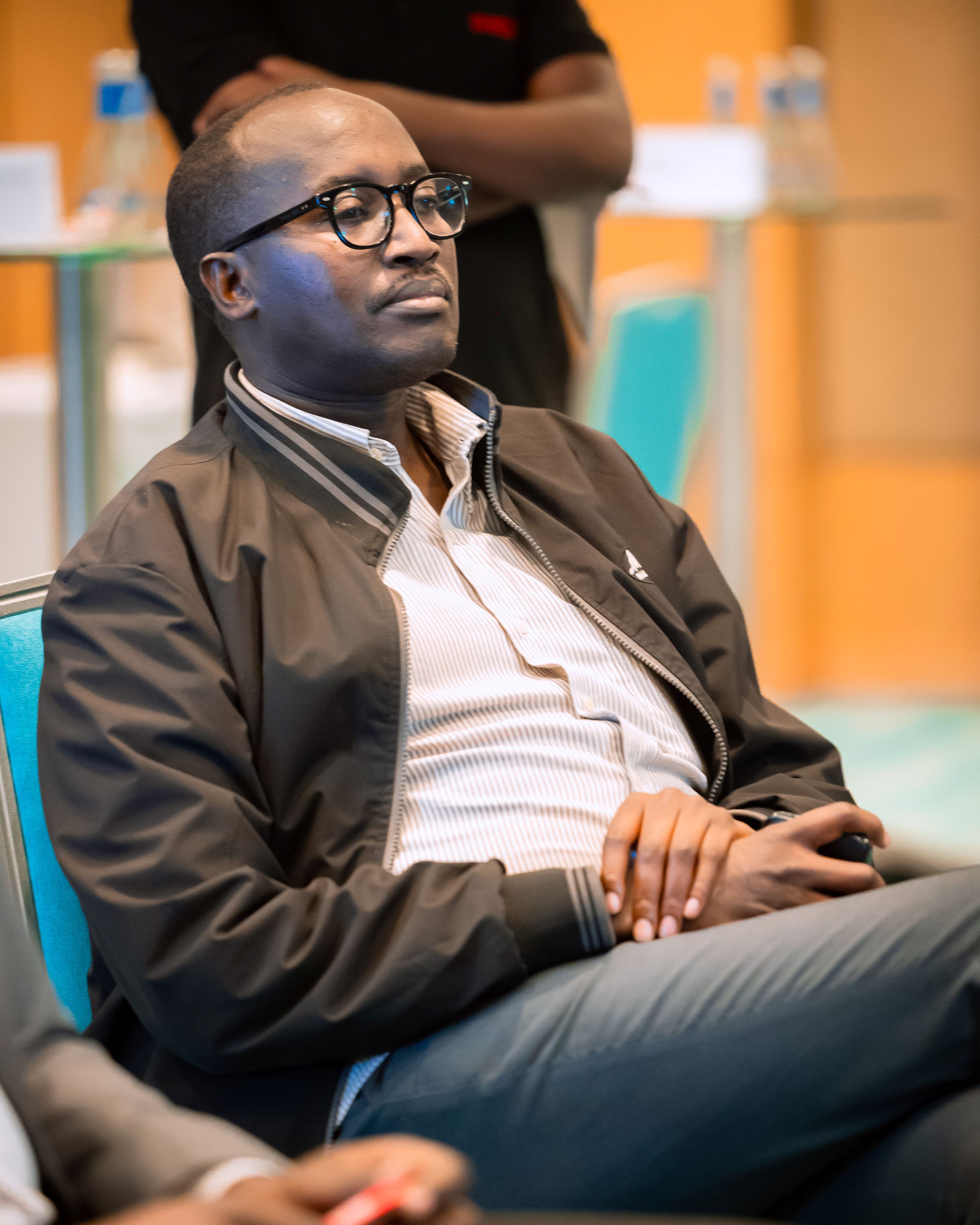
Participants who spoke to IGIHE said the technologies could significantly improve internal processes and reduce operational inefficiencies.
Rene Sebera, Managing Director of Sky Global Events Management, said the document management systems demonstrated during the event could help organisations avoid duplication of work and improve record management.
“This system helps you save files in a way that makes them easy to retrieve even years later,” he said. “It can also prevent issues like paying the same invoice twice because the system can track previously processed documents.”
Rene Sebera of Sky Global Events noted that the document management systems can boost efficiency and improve record management.
Similarly, Serge Kajabo, HR and Procurement Manager at Ngali Holdings, said digital document systems could solve several challenges related to printing and file management.
“If we can index documents and manage them digitally instead of printing everything, it will make things much easier,” he said. “AI can help retrieve documents instantly, which saves time and reduces costs.”
Looking ahead, CEO Munyempeta said businesses must embrace emerging technologies such as automation and artificial intelligence to remain competitive.
“Everyone is moving toward digital transformation,” he said. “The faster organisations adapt, the better they will be able to serve their customers.”
He added that companies should adopt solutions that can evolve alongside their digital transformation journey.
As RD Tech marks 20 years in the technology sector, the company says it will continue investing in innovation, skills development, and partnerships that help organisations build smarter and more secure digital workplaces.
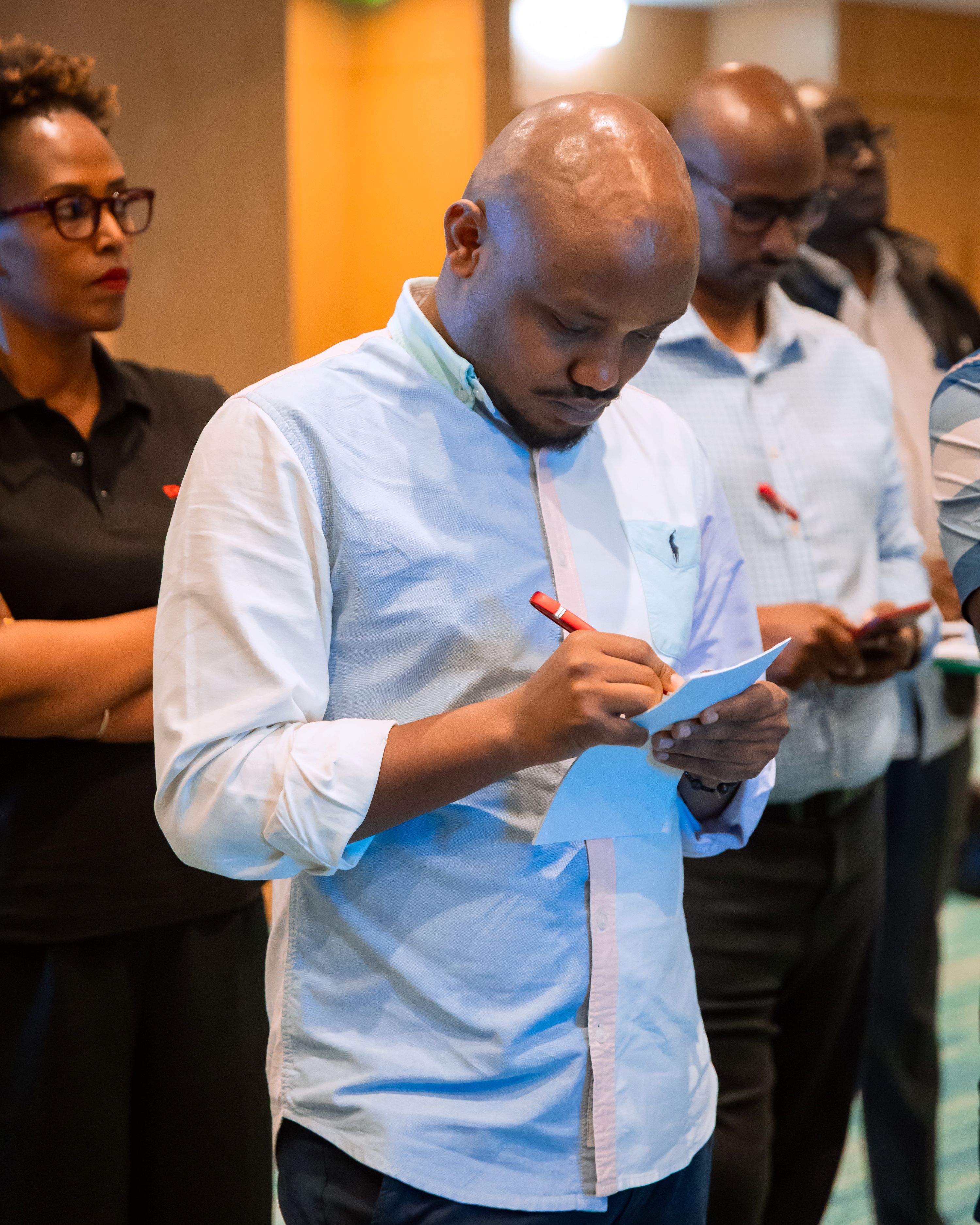
The event was designed to be interactive, with demonstration stands allowing attendees to experience the solutions firsthand.Teams showcased how modern printers can reduce costs and boost efficiency.Printers such as the Ricoh M 2310N are designed to support office productivity while reducing energy consumption and operational costs.Participants engaged experts and documented insights on how the digital solutions enhance workflows.Experts demonstrated how various technologies work.Benjamin Cyusa, RD Tech Event Organiser, said the interactive event let attendees experience solutions firsthand.According to Serge Kajabo of Ngali Holdings, digital document systems help tackle issues with printing and records management.The highly interactive event was held at the Marriott Hotel.