Hurricane Melissa, a Category 5 storm, triggered extensive flooding, landslides, and widespread destruction, causing an estimated $8.8 billion in damages across Jamaica.
IGIHE has learned that the mission concluded at the end of last week, with the RDF team departing Jamaica on Sunday, March 15, 2026.
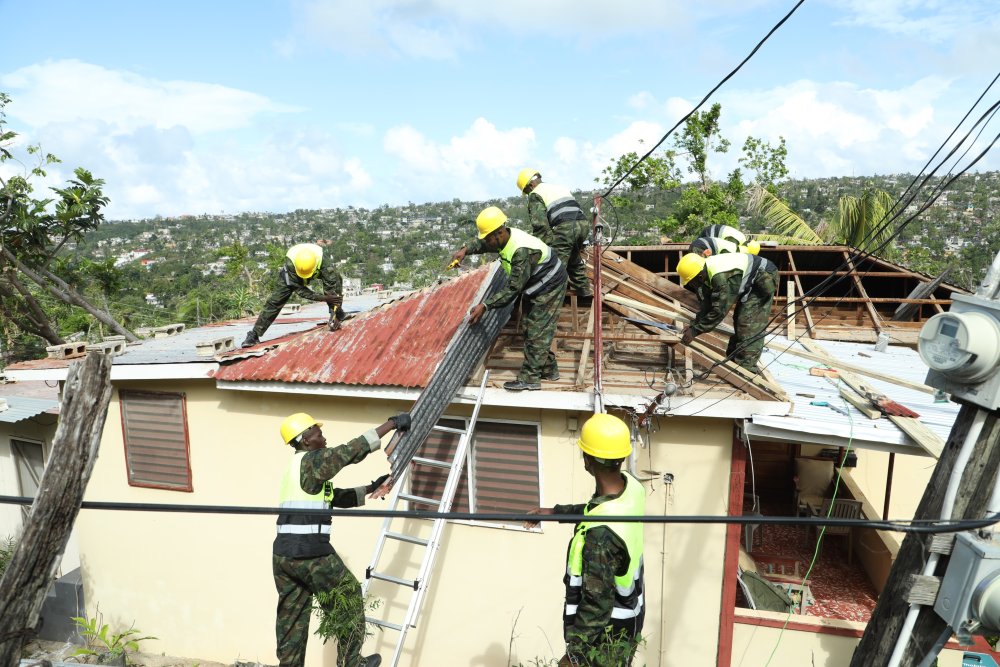
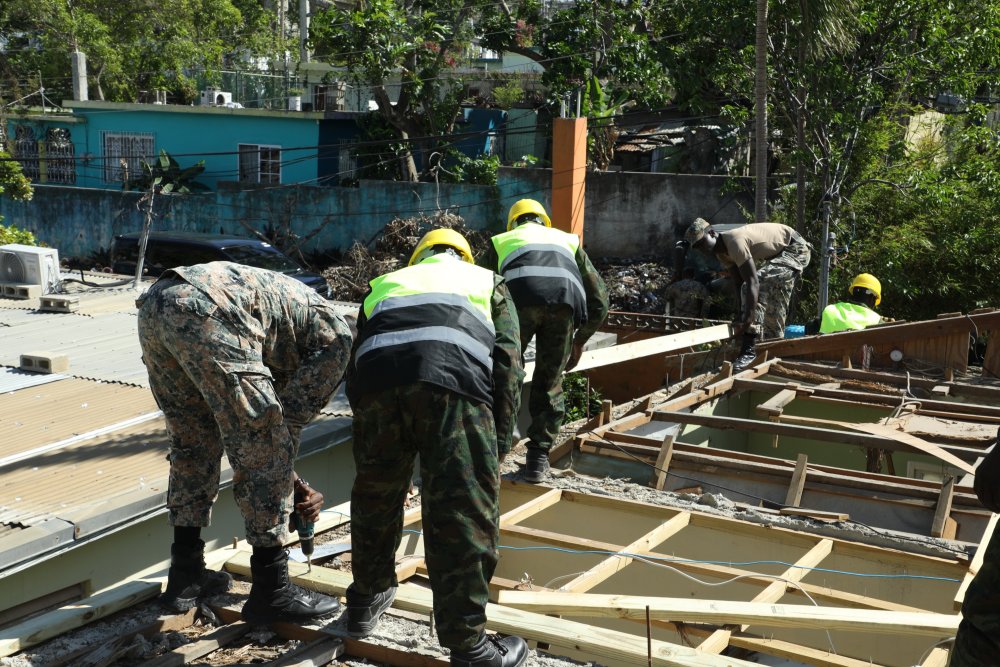
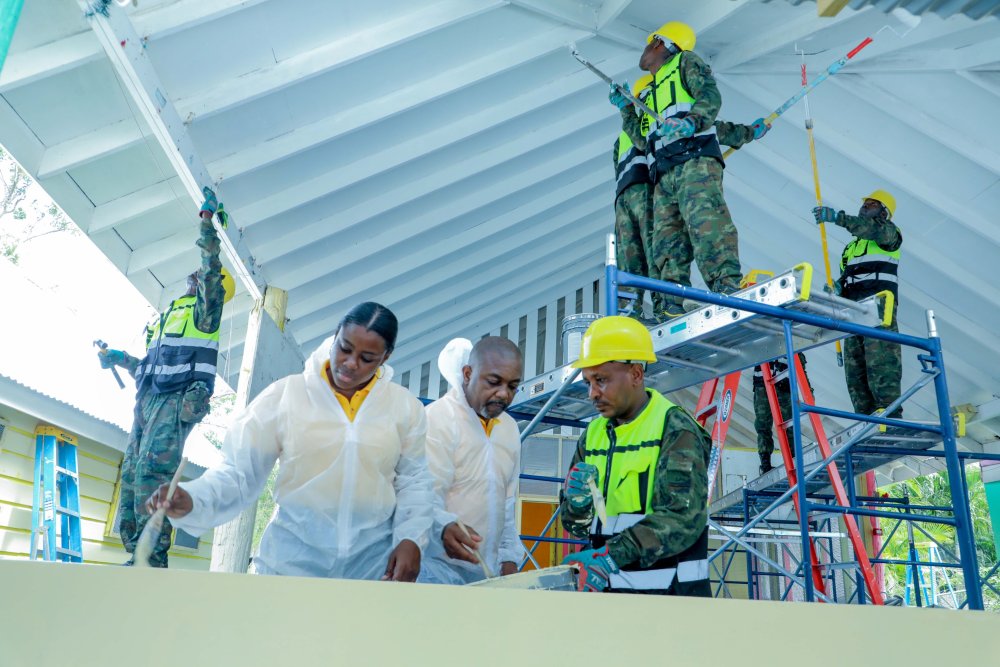
The Rwandan forces focused on repairing infrastructure and homes in the city of Montego Bay, located in the St. James parish. Over a two-month period, the RDF Engineering Contingent, in collaboration with the Jamaica Defence Force (JDF) engineers, successfully reconstructed 62 houses. The team also built additional rooms for a school and made improvements to a home for children with disabilities.
The initiative played a vital role in the recovery and rebuilding efforts for communities devastated by the disaster.
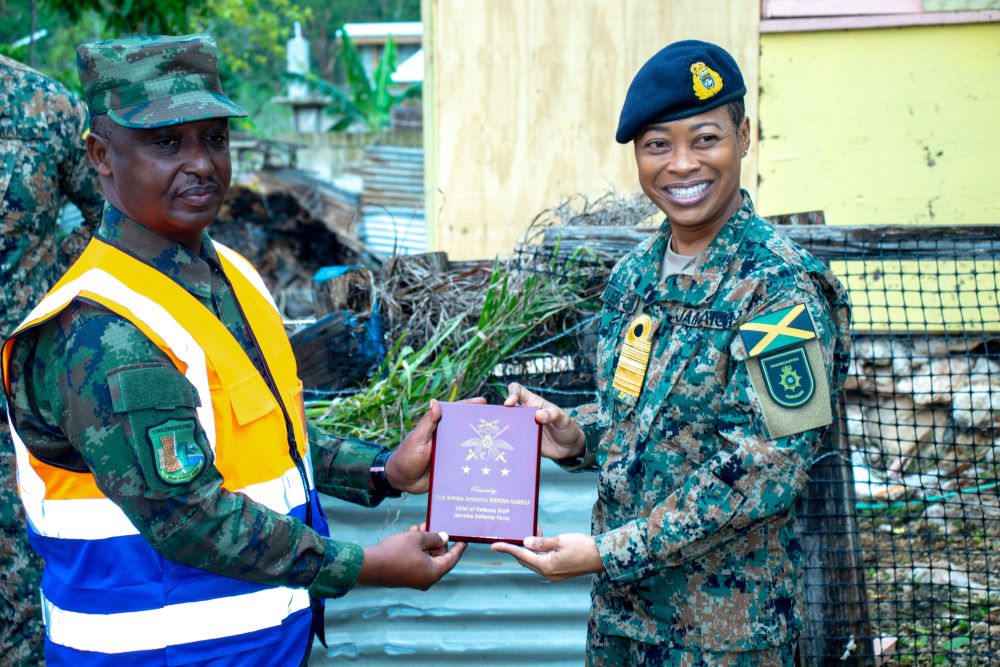
The Chief of Defence Staff of the JDF, Vice Admiral Antonette Wemyss-Gorman, recently expressed her gratitude, commending the leadership of the Rwanda Defence Force for deploying troops to assist Jamaica in the aftermath of Hurricane Melissa.
Colonel Moses Kayigamba, Commander of the RDF Engineer Contingent, emphasized that Rwanda’s intervention is deeply rooted in its history.
“Rwanda’s swift response is not driven by wealth but the deeper understanding of suffering shaped by the painful history of Genocide against the Tutsi that occured at the watch of the world. For Rwanda , the suffering of any kind anywhere is taken as seriously as our own,” he said.
The RDF deployment began on January 14, 2026, under a bilateral agreement aimed at rehabilitating critical infrastructure destroyed by natural disasters.
The contingent, led by Colonel Moses Kayigamba, included 100 military engineers who brought both technical expertise and humanitarian support to the island.
Over a two-month period, the RDF Engineering Contingent, in collaboration with the Jamaica Defence Force (JDF) engineers, successfully reconstructed 62 houses.The Rwandan forces focused on repairing infrastructure and homes in the city of Montego Bay, located in the St. James parish.The Chief of Defence Staff of the JDF, Vice Admiral Antonette Wemyss-Gorman commended the leadership of the Rwanda Defence Force for deploying troops to assist Jamaica in the aftermath of Hurricane Melissa.RDF engineering contingent has completed mission in Jamaica.
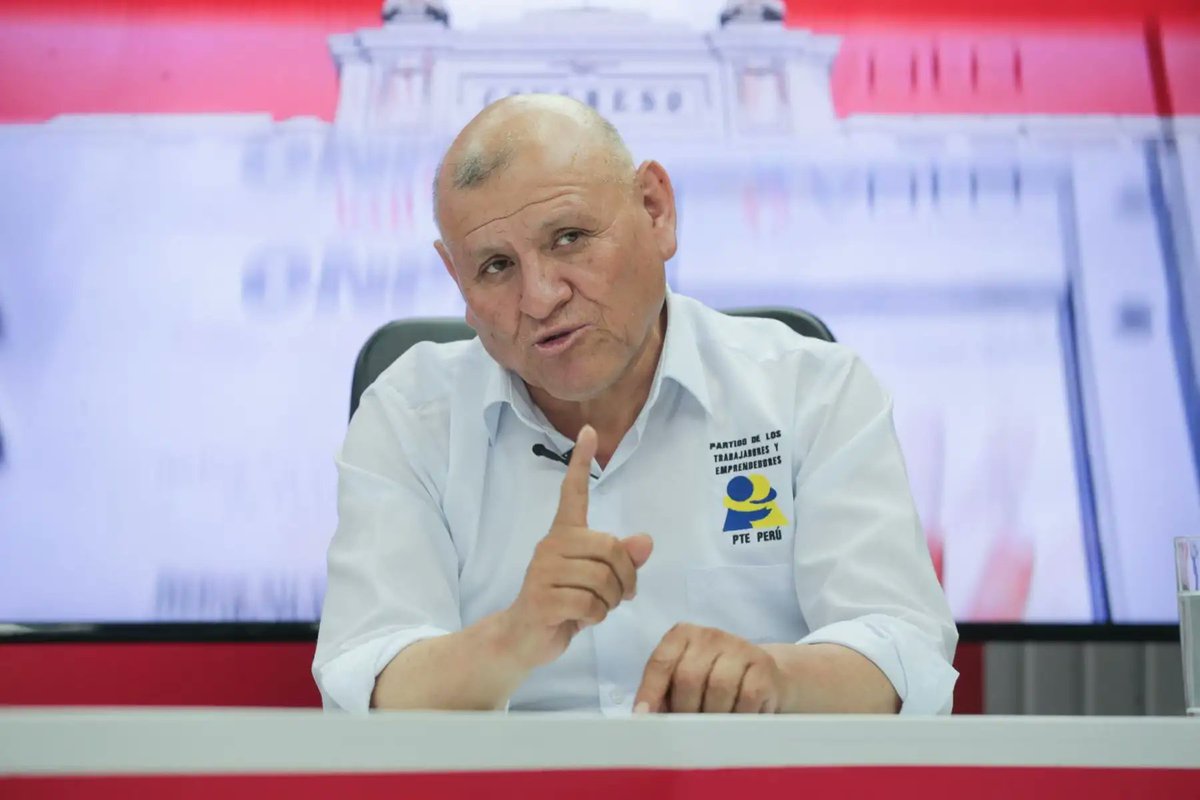
According to the reports, the accident occurred in the Rumichaca area in southern Peru when Becerra was traveling by car to attend a campaign event in the Ayacucho region.
The news was confirmed by several individuals, including Emely Silva, a candidate for the Chamber of Deputies from the party.
Silva said some members of the party traveling with Becerra were injured in the accident. She has requested assistance from government authorities to arrange emergency transfers and medical treatment for the injured, as well as help transport Becerra’s body.
Peru is scheduled to hold presidential and congressional elections on April 12 to elect a new president and vice presidents, as well as members of the Senate and the Chamber of Deputies.
Becerra had long been involved in political activities and advocated strengthening public security, combating corruption, and promoting economic growth by supporting small and medium-sized enterprises
Peruvian presidential candidate Napoleon Becerra has died in car accident.
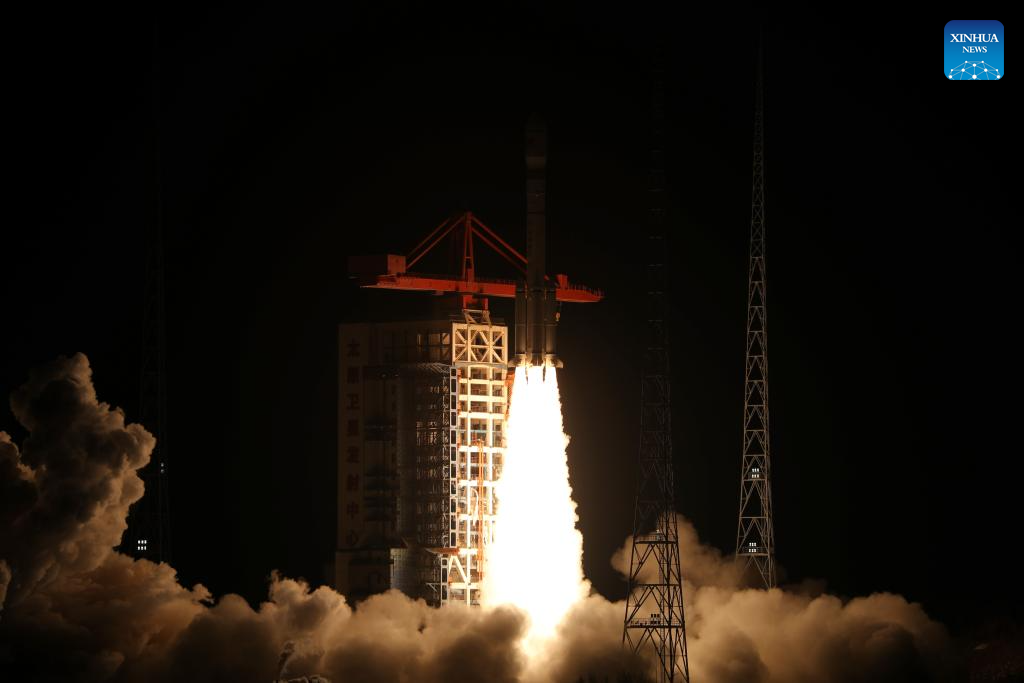
The Yaogan-50 02 satellite was launched at 9:22 p.m. aboard a modified Long March-6 carrier rocket and has entered its planned orbit. The launch mission was a complete success.
The satellite will be mainly used for land survey, crop yield estimation, and disaster prevention and relief.
This launch marked the 633rd flight mission of the Long March carrier rocket series.
A modified Long March-6 carrier rocket carrying the Yaogan-50 02 satellite blasts off from the Taiyuan Satellite Launch Center in north China’s Shanxi Province on March 15, 2026. The Yaogan-50 02 satellite was launched at 9:22 p.m. aboard a modified Long March-6 carrier rocket and has entered its planned orbit.
According to a statement released by the presidency, South Africa will consider Israel’s response and decide whether to request the court’s permission to make further written submissions in reply, or to proceed directly to the oral phase of proceedings.
Israel submitted its response on March 12, following two extensions granted by the court to a deadline initially set for July 28, 2025, in reply to South Africa’s memorial filed on Oct. 28, 2024, according to the statement.
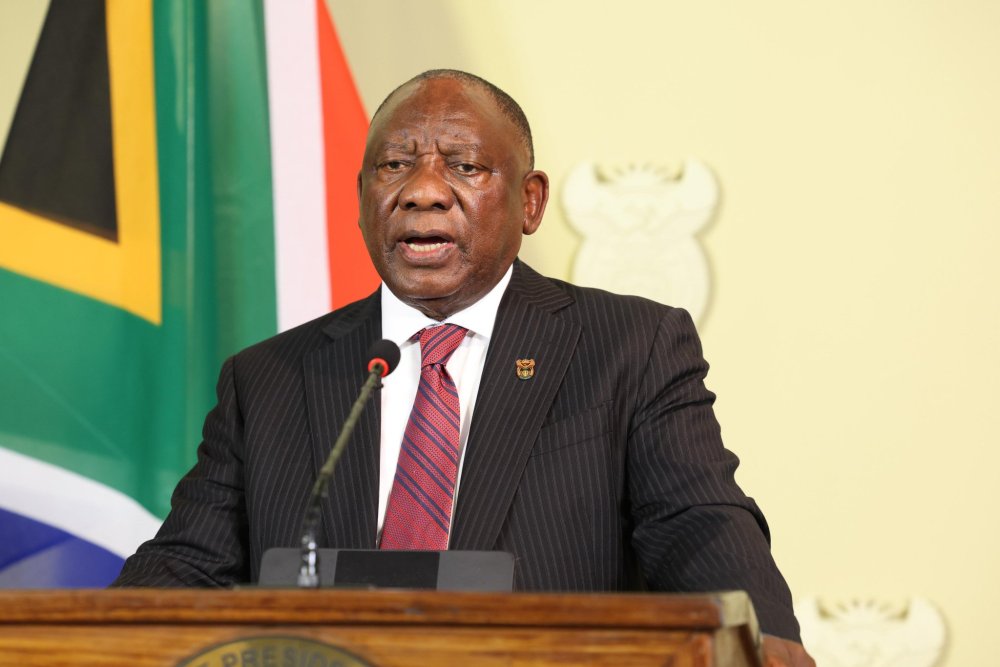
“South Africa remains committed to playing its part, along with others, to fulfil the promises of the Genocide Convention and the UN Charter,” President Cyril Ramaphosa said in the statement.
Ramaphosa called for defending the principles of international law and reasserting the vital role of the United Nations and international dispute settlement mechanisms such as the ICJ.
The situation in Gaza has been compounded by the escalating crisis in the Gulf and Israel’s ongoing attacks on Lebanon, raising the risk of a wider conflict with grave implications for regional and international peace and security, the statement said.
In December 2023, South Africa filed a case before the ICJ against Israel over alleged acts of genocide in Gaza. The ICJ has yet to rule, while South Africa has reiterated it would continue to pursue the case until a judgment is delivered.
President Cyril Ramaphosa said his country remains committed to playing its part, along with others, to fulfil the promises of the Genocide Convention and the UN Charter.
During the appointment ceremony at the presidential palace, Randrianirina said that he needed the “integrity” of Rajaonarison, who has long worked in the anti-corruption field.
“We must show the Malagasy people that the nation needs upright and incorruptible individuals,” he said.
The president also stressed that he expects the new prime minister to promptly form a government tasked with implementing the national refoundation policy and delivering tangible results as soon as possible.
Before his appointment, Rajaonarison served as director general of Madagascar’s Financial Intelligent Unit, a national entity in charge of the fight against money laundering and terrorism funding.
This appointment comes six days after Randrianirina dissolved the government led by former Prime Minister Herintsalama Rajaonarivelo.
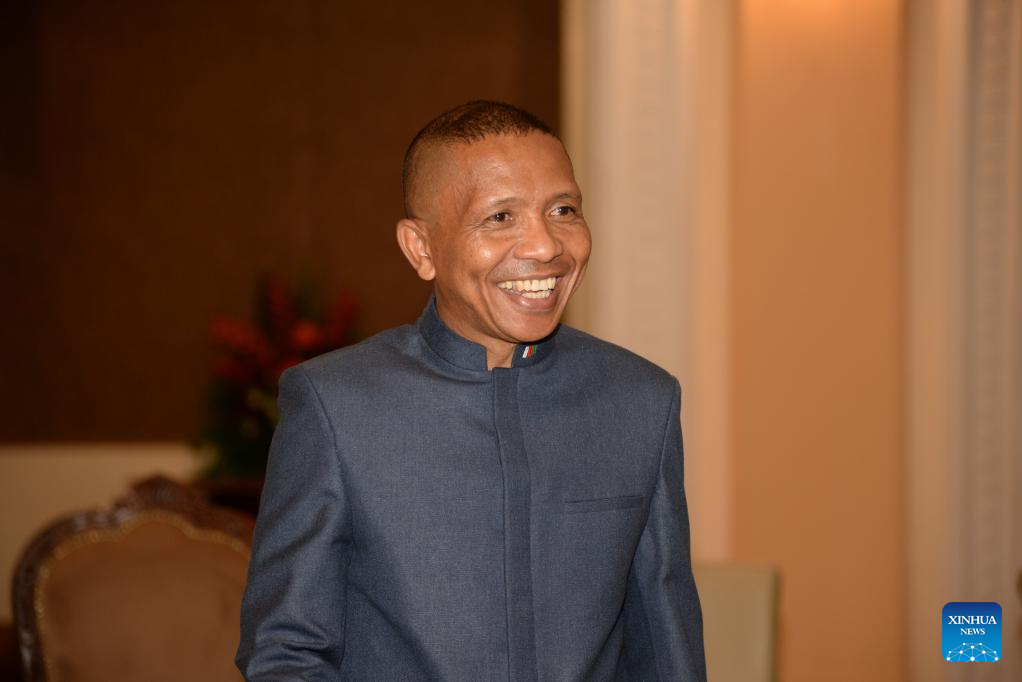
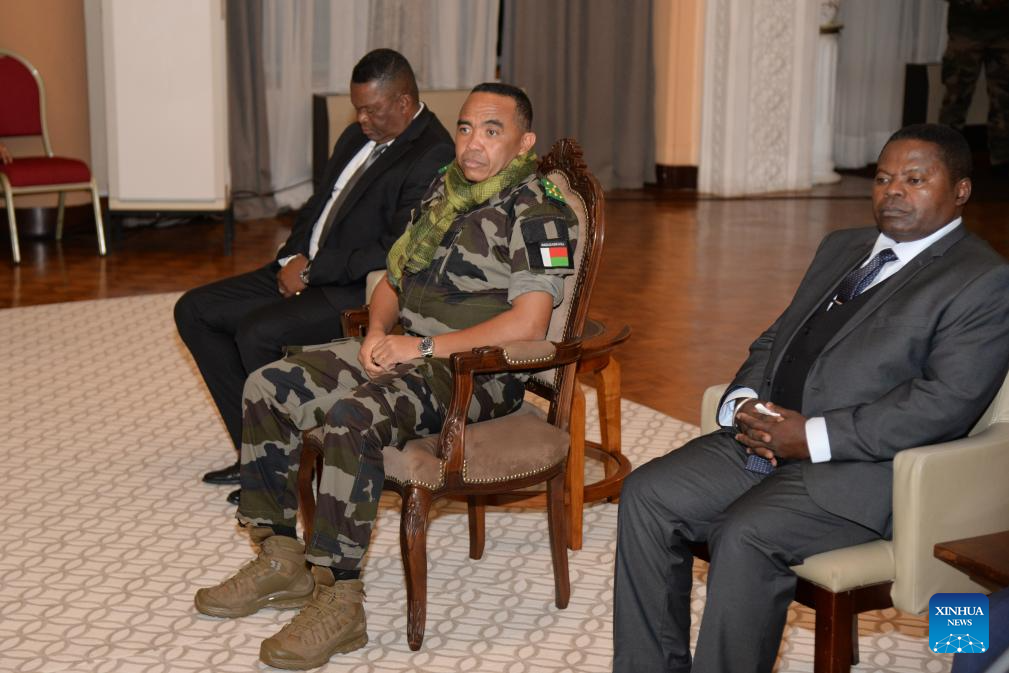
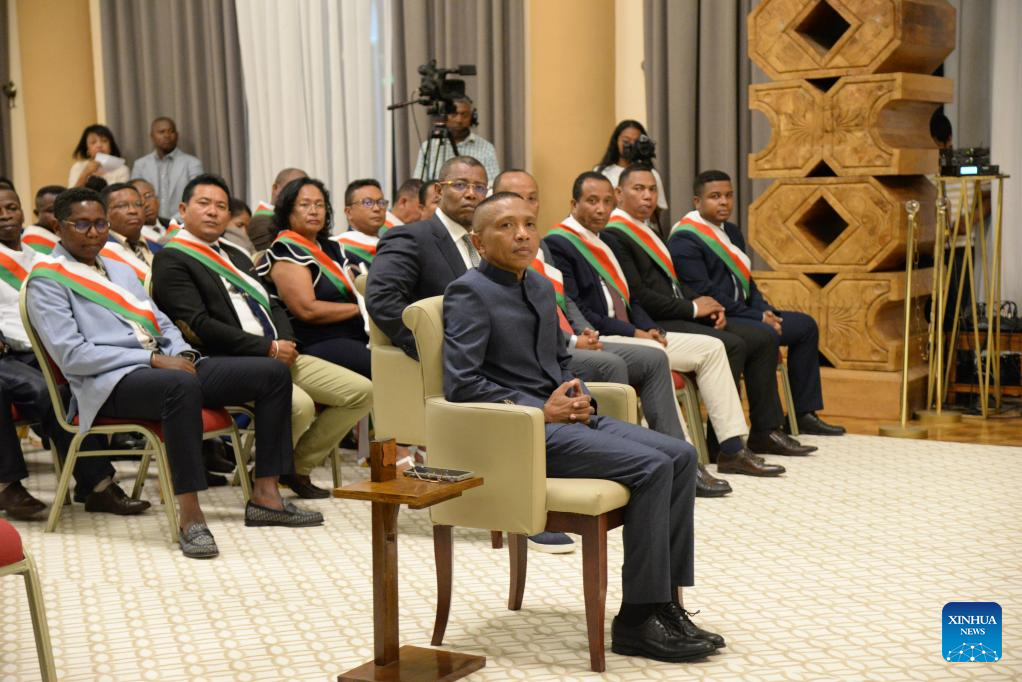
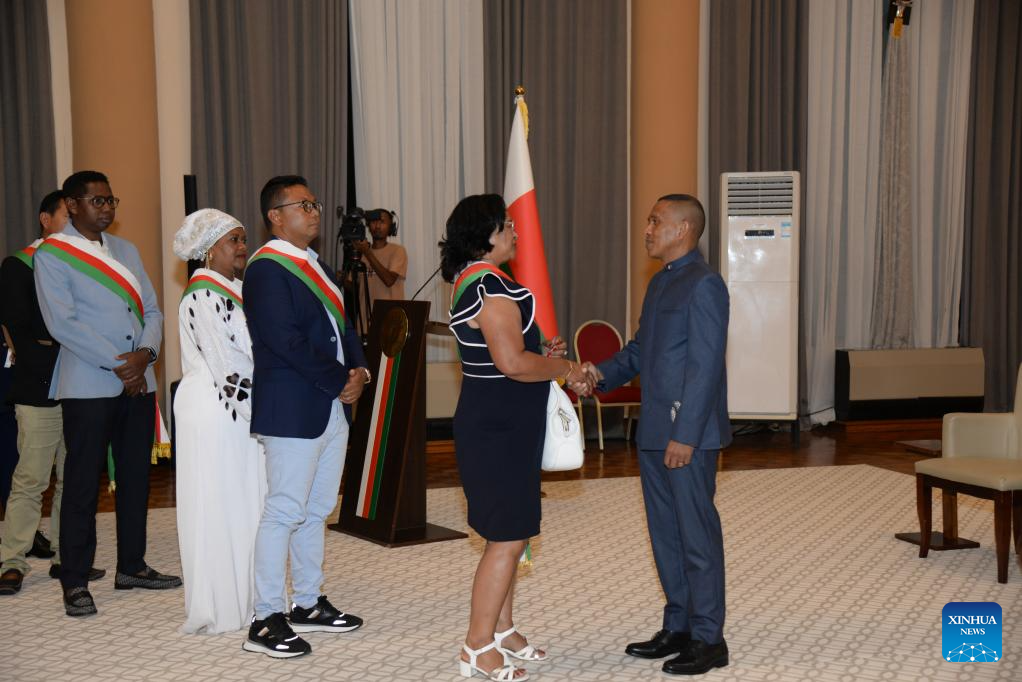
Madagascar’s President Michael Randrianirina (C) attends the appointment ceremony of new prime minister at the presidential palace in Antananarivo, capital of Madagascar, March 15, 2026. Madagascar’s President Michael Randrianirina appointed Mamitiana Rajaonarison as prime minister on Sunday. Mamitiana Rajaonarison attends the ceremony of his appointment as Madagascar’s new prime minister at the presidential palace in Antananarivo, capital of Madagascar, March 15, 2026.Mamitiana Rajaonarison (front) attends the ceremony of his appointment as Madagascar’s new prime minister at the presidential palace in Antananarivo, capital of Madagascar, March 15, 2026. Mamitiana Rajaonarison (1st R) accepts congratulations after his appointment as Madagascar’s new prime minister at the presidential palace in Antananarivo, capital of Madagascar, March 15, 2026.
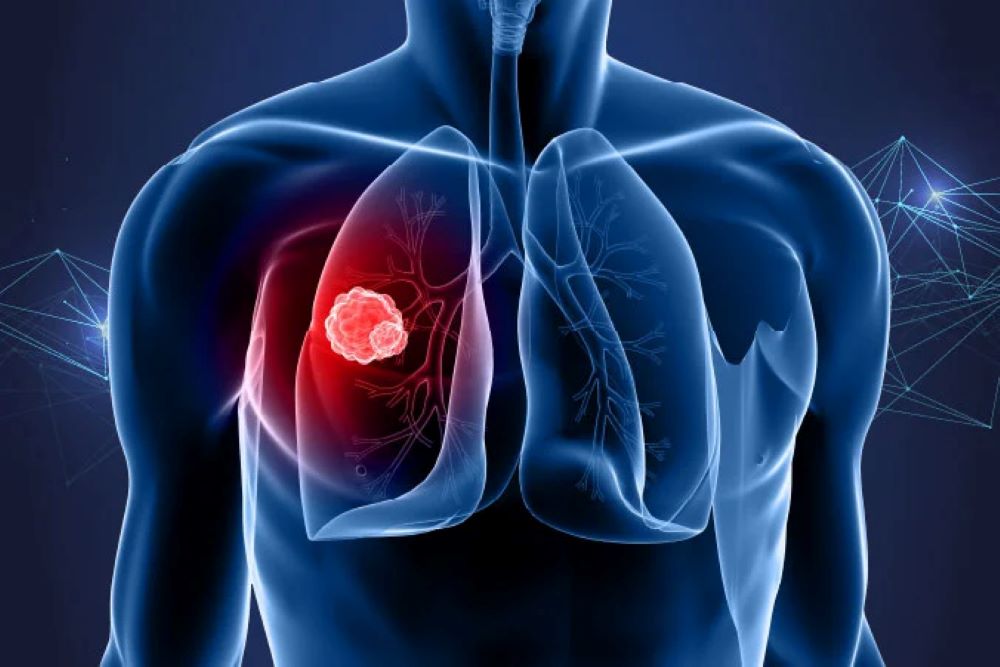
Published in the Journal of the National Cancer Institute, the research led by Australia’s Adelaide University identified consistent differences between male and female cancer patients in both survival and treatment toxicity, a university statement said Monday.
Researchers found female patients had a 21 percent lower risk of death than male patients but a 12 percent higher risk of severe toxicities.
These sex-based differences were largely consistent across 12 advanced solid tumor types as well as treatment modalities including chemotherapy, targeted therapies and immunotherapy, suggesting they stem from underlying biological mechanisms, not just drug-specific effects, the researchers said.
The study provides some of the clearest evidence yet that biological sex is a key predictor of outcomes in cancer care, said lead author Natansh Modi.
“Sex is a fundamental biological factor that influences immune function, drug metabolism, body composition and tumor biology,” said Modi, lecturer at Adelaide University.
The findings have important implications for how drugs are evaluated and prescribed, strengthening the case for routinely reporting and acting on sex-specific evidence in clinical research, the authors said.
The study analyzed data from more than 20,000 cancer patients across 39 clinical trials supporting U.S. Food and Drug Administration approvals between 2011 and 2021, and spanned advanced solid tumor types including lung, colorectal, melanoma, and breast cancers.
Researchers found female patients had a 21 percent lower risk of death than male patients but a 12 percent higher risk of severe toxicities.
The RN5 road, which is commonly used for transportation, passenger travel, and trade, connects residents from the Uvira territory located in the Ruzizi Valley.
On the morning of March 15, 2026, traders traveling from the Runingu center towards Sange were turned back by FARDC and Wazalendo forces.
Radio Maendeleo reported that some passengers traveling from Bukavu to areas in the Ruzizi Valley or the city of Uvira were also blocked, causing a build-up of people at the Sange center as they awaited further instructions.
After a prolonged period of confusion, these residents were informed that no vehicles, motorcycles, or pedestrians were allowed to proceed into the city of Uvira from areas controlled by the AFC/M23 group.
The road had been functioning smoothly from the beginning of December 2025 until January 2026, when AFC/M23 controlled all the areas in the Ruzizi Valley and the city of Uvira.
Since AFC/M23 withdrew from the city of Uvira in mid-January 2026, traffic has significantly decreased on this road due to the fact that travelers now pass through areas controlled by opposing factions.
The FARDC and Wazalendo forces have stated that this decision was made to ensure security in the controlled areas, but the residents do not agree, as they are calling for increased security rather than restrictions on their livelihoods.
FARDC and Wazalendo reportedly blocked the key road between Bukavu and Uvira on Sunday, March 15, 2026.
“I’m demanding that these countries come in and protect their own territory, because it is their own territory,” Trump told reporters aboard Air Force One, referring to the strait.
Trump didn’t name the countries the White House is negotiating with.
In an interview with The Financial Times on Sunday, Trump said that NATO members should send warships to help open up the Strait of Hormuz or face a “very bad” future.
“If there’s no response or if it’s a negative response, I think it will be very bad for the future of NATO,” he told the British newspaper.
A report in The Wall Street Journal earlier Sunday said the White House plans to announce a multinational coalition as early as this week, citing U.S. officials.
“Many countries, especially those who are affected by Iran’s attempted closure of the Hormuz Strait, will be sending War Ships” to secure the oil trade route, Trump claimed in a post on Truth Social on Saturday.
Publicly, many governments have been reluctant to commit to such a mission before the end of the U.S.-Israel war with Iran, given the risks involved, said The Wall Street Journal in its report.
In his first message as Iran’s new Supreme Leader, Mojtaba Khamenei on Thursday called for the continued closure of the Strait of Hormuz and pledged to open new fronts in his country’s conflict with the United States and Israel.
The United States and Israel launched massive attacks on Iran on February 28, disrupting global shipping, sending oil prices soaring and shaking the global economy.
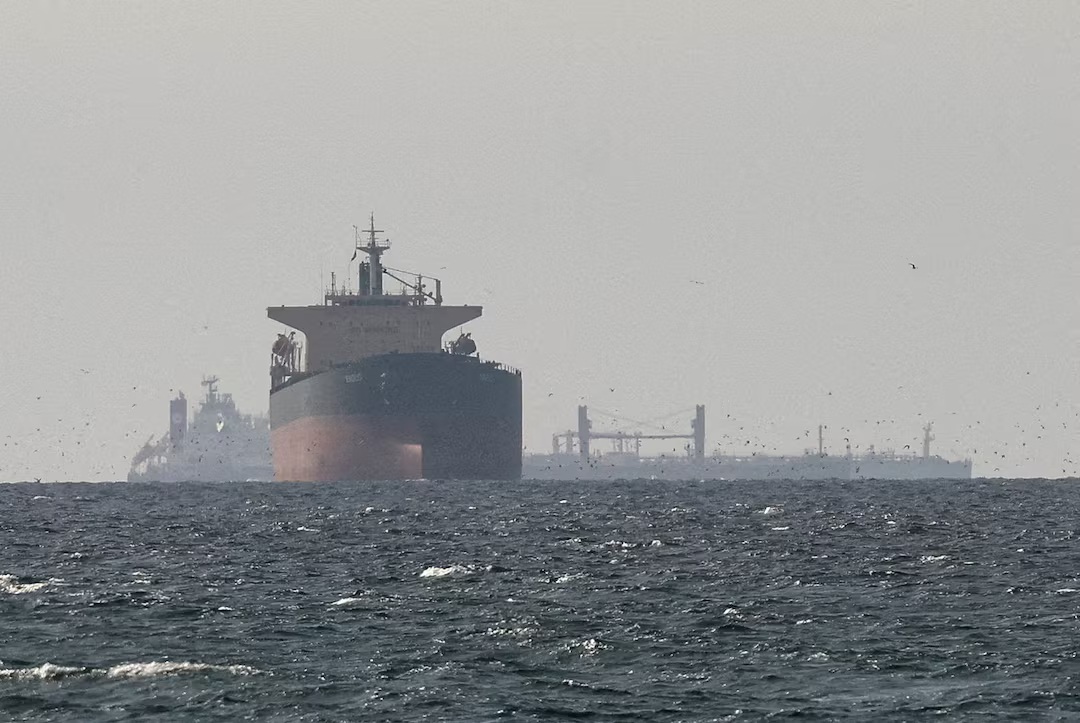
US President Donald Trump wants seven countries heavily reliant on Middle East oil join a coalition to escort vessels through the Strait of Hormuz, a key waterway through which about 20 percent of the world’s oil passes.
As attacks between the warring sides continue, shipping through the strategic Strait of Hormuz, a vital global transport chokepoint, has been heavily disrupted.
Beyond the energy and shipping sectors, the global food supply is also feeling the pinch, reflected in a sharp surge in food prices and warnings from UN agencies.
How does the crisis hit food production?
The Gulf region not only produces a significant portion of the world’s fertilizer but also supplies key raw materials, with roughly one-third of global seaborne fertilizer trade passing through the Strait of Hormuz.
As transport through the Strait of Hormuz is largely disrupted, natural gas, the essential feedstock for nitrogen fertilizers, has become difficult to deliver to major agricultural producers such as Brazil and Sudan. Meanwhile, fertilizer producers in India and Pakistan are also struggling to secure raw materials.
Phosphate fertilizers face similar disruption. Gulf states accounts for roughly one-fifth of the world’s phosphate fertilizer output and one-quarter of the world’s sulfur supply, a petrochemicals’ byproduct used to process phosphate. With exports largely halted, the supply shock is cascading across fertilizer markets.
The timing compounds the crisis. Across the Northern Hemisphere, from Europe to North America, farmers typically purchase fertilizer in March for application in April and May. Fertilizer shortages could force growers to reduce usage or shift to less input-intensive crops — decisions that may translate into lower yields months later.
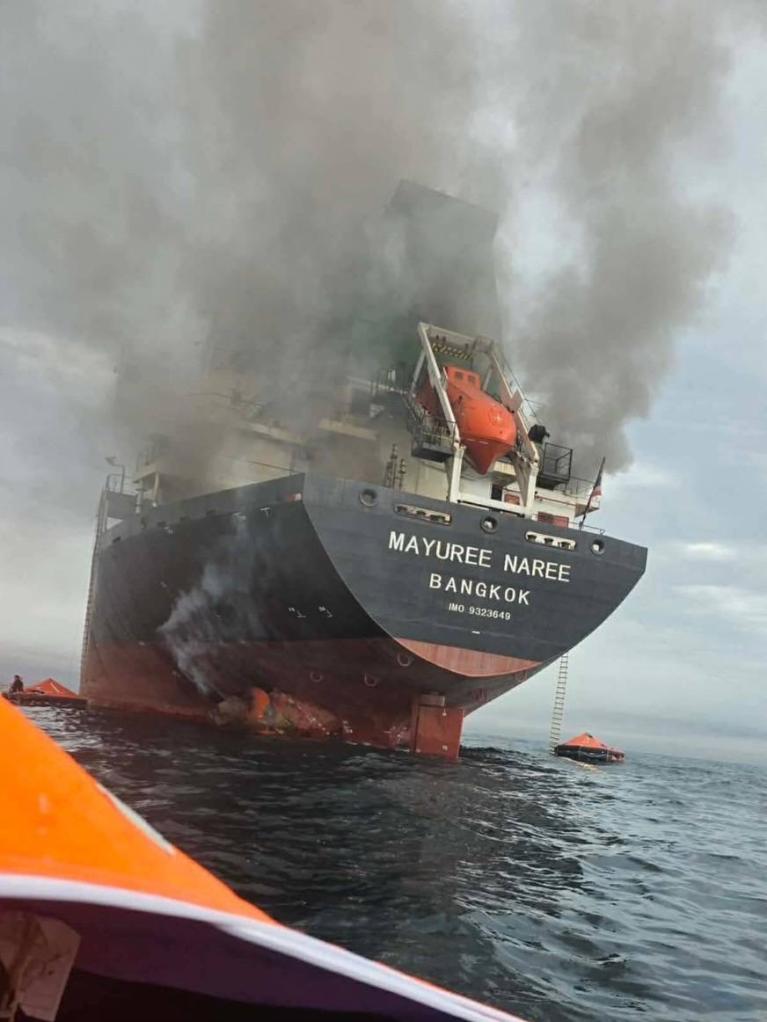
A fire breaks out on a Thai cargo ship after it was struck in the Strait of Hormuz on March 11, 2026.
How do energy prices affect food costs?
Modern agriculture is deeply dependent on fossil fuels. Oil and natural gas power tractors, irrigation systems, and grain dryers; they also underpin fertilizer production, food processing, refrigeration, and transportation. Even packaging materials, from plastic wraps to storage containers, are derived from petrochemicals.
Global fertilizer prices have surged by roughly one-third since the conflict began. Plastics futures are also soaring, with chemical giant BASF announcing price increases of up to 20 percent for core plastic additives worldwide. Higher fuel prices are also pushing up shipping and logistics costs, which feed directly into food supply chains.
“If the crisis continues, transportation and food processing costs may rise further, and agricultural inputs such as fertilizers may become scarce,” Samina Sultan, an economist of the German Economic Institute, warned. “Supply risks could further push up agricultural product costs, leading to higher supermarket prices and triggering a new round of inflationary pressures.”
How could global food security be at risk?
The United Nations has warned that rising food and energy prices will hit hardest in developing countries and among low-income families, where food already accounts for a large share of spending.
“The conflict is already having immediate food security impacts in the Middle East. In Lebanon, significant internal displacement is occurring within a population that has been grappling with high levels of food insecurity for several years,” the World Food Programme (WFP) said in a recent report.
Humanitarian operations are also under strain.
“Extended shipping routes and congestion are jeopardizing WFP’s ability to reach vulnerable populations quickly, increasing the risk that people will wait longer for assistance and face heightened food insecurity and malnutrition,” added the report.
As the crisis deepens, what began as a regional conflict over energy and geopolitics is increasingly turning into a threat to the global food supply, with consequences measured not only in barrels of oil, but also in empty plates.