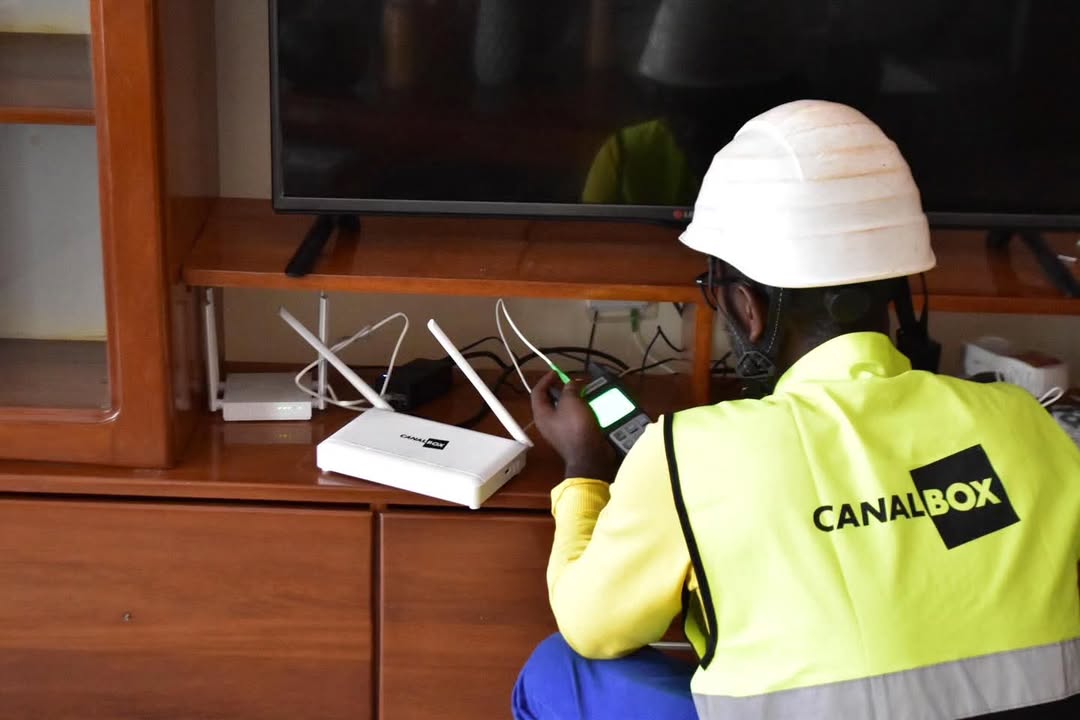
The Rwanda Utilities Regulatory Authority (RURA) has sanctioned internet service provider GVA Rwanda Ltd, commonly known as CanalBox, following days of widespread service disruptions that affected customers across Rwanda.
In a statement issued on Monday, April 27, RURA said the company had been penalised under Article 269 of Law No. 24/2016 for continued non-compliance with service standards. The regulator ordered CanalBox to compensate all customers affected between April 13 and April 20, 2026, and to pay daily penalties until it fully restores stable service.
Additionally, the company has been instructed to submit regular progress reports within prescribed timelines. RURA emphasised that it will closely monitor the operator’s compliance, warning that failure to meet requirements could lead to further regulatory action.
“GVA has committed to compliance, and RURA will continue to closely monitor progress to ensure full service stability. Failure to comply will result in further regulatory action,” RURA announced.
The sanctions follow earlier enforcement steps taken by the regulator. On April 21, RURA summoned CanalBox management after receiving numerous complaints about poor internet connectivity. The company was invited to a formal hearing to explain the disruptions and outline corrective measures.
The disruptions were initially linked to a major fiber optic fault with their international provider overseas, which impacted stability and speeds across their network.
The Rwanda Utilities Regulatory Authority (RURA) has sanctioned internet service provider GVA Rwanda Ltd, commonly known as CanalBox, following days of widespread service disruptions that affected customers across Rwanda.
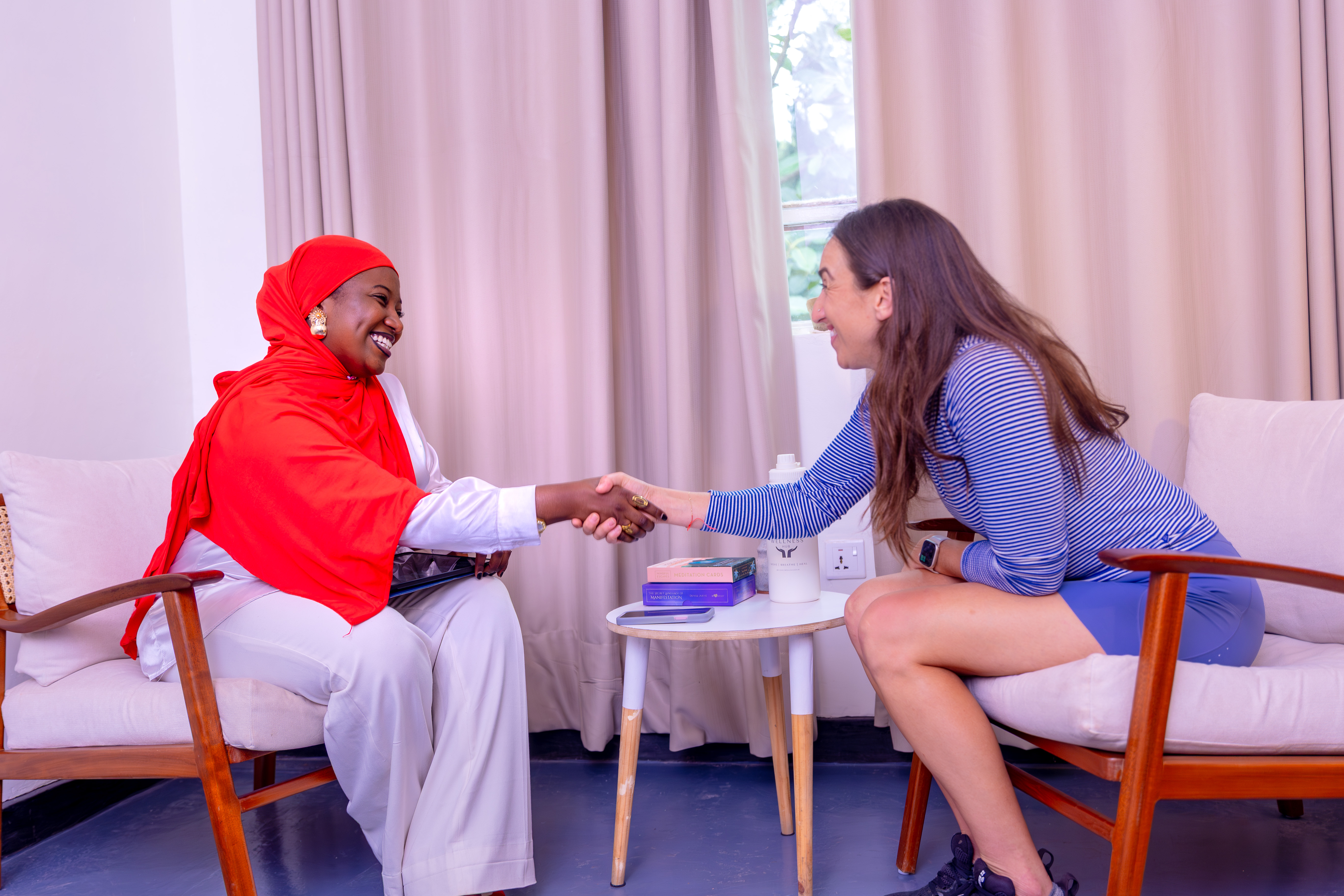
In an exclusive interview with IGIHE, she reflects on her journey from Australia to Rwanda, her evolving relationship with wellness, and her experience building a purpose-driven business rooted in community care.
Cynthia moved to Rwanda in 2022 with her husband, a heart surgeon, and their three children. Having previously lived in Israel and Ethiopia, she arrived in Kigali with little prior knowledge of the country, but quickly found inspiration in its vision, culture, and openness to new ideas.
“I didn’t know much about Rwanda initially, but as I started researching, I became inspired by the country’s vision, community, and culture,” she said.
This excitement fueled her transition into building the Kigali Wellness Hub, a space that blends wellness with a deep sense of community.
Drawing from her background in business and leadership, particularly her experience in fashion and marketing, Cynthia utilized her expertise to establish Kigali Wellness Hub.
“The vision for Kigali Wellness Hub came from recognizing a need in Kigali, a space where people could reconnect with themselves physically, mentally, and emotionally,” she explained.
Cynthia Fayman says Rwanda’s investment-friendly environment helped turn a vision into a thriving wellness hub in Kigali.
Rwanda, with its rapid growth and reputation for ease of doing business, stood out as the ideal place for Cynthia to establish her venture.
She noted that the country’s welcoming environment for foreign investment, along with its openness to new ideas and innovation, made the process of starting Kigali Wellness Hub both smooth and efficient.
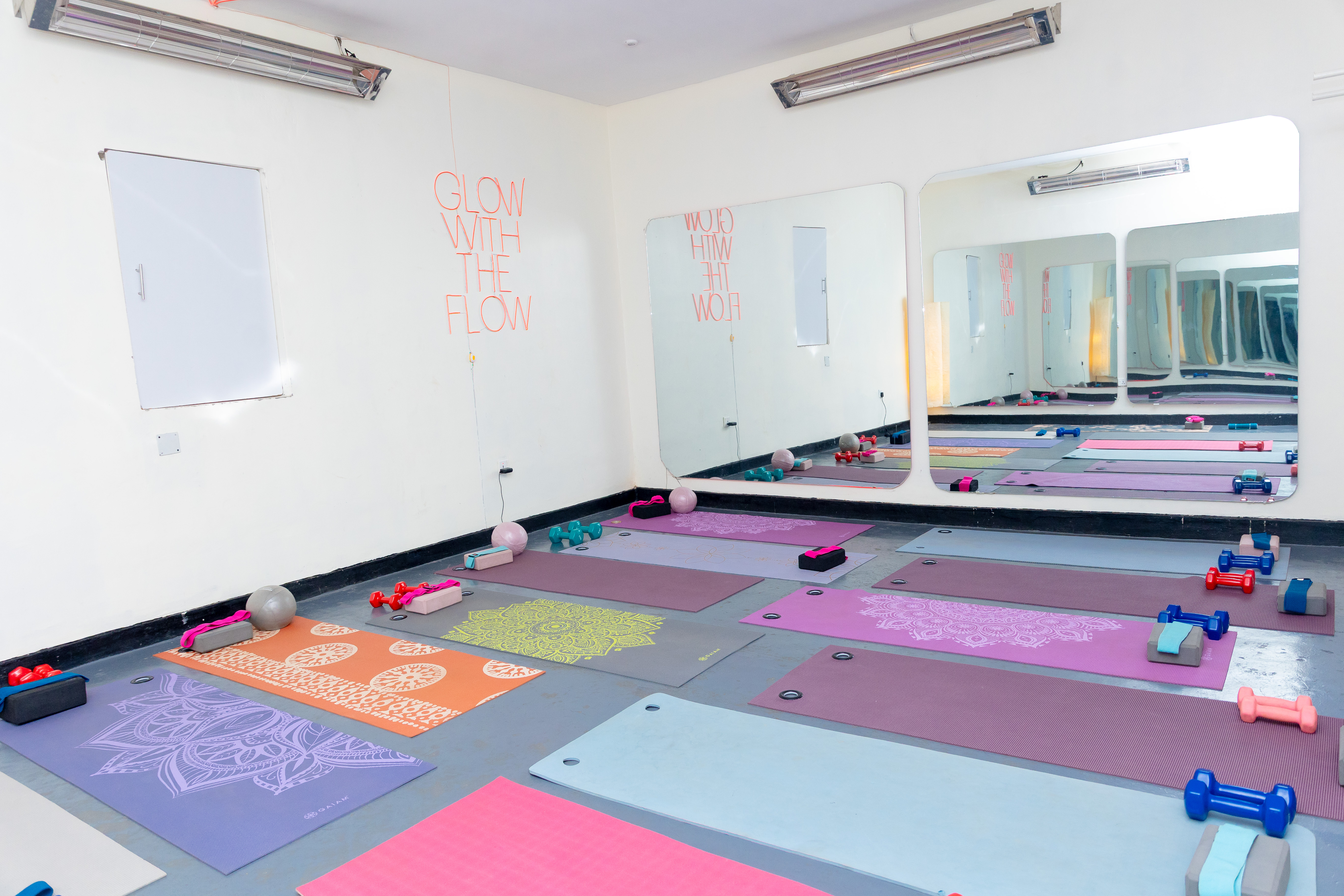
Kigali Wellness Hub is unlike typical gyms or fitness centres.
“What sets us apart is our intention behind every class and practice. Authenticity is key,” Cynthia shared.
In a sector often driven by trends, Cynthia emphasized the importance of staying true to the mission of supporting the local community’s well-being.
Kigali Wellness Hub offers more than just fitness; it’s a place to reconnect and recharge.
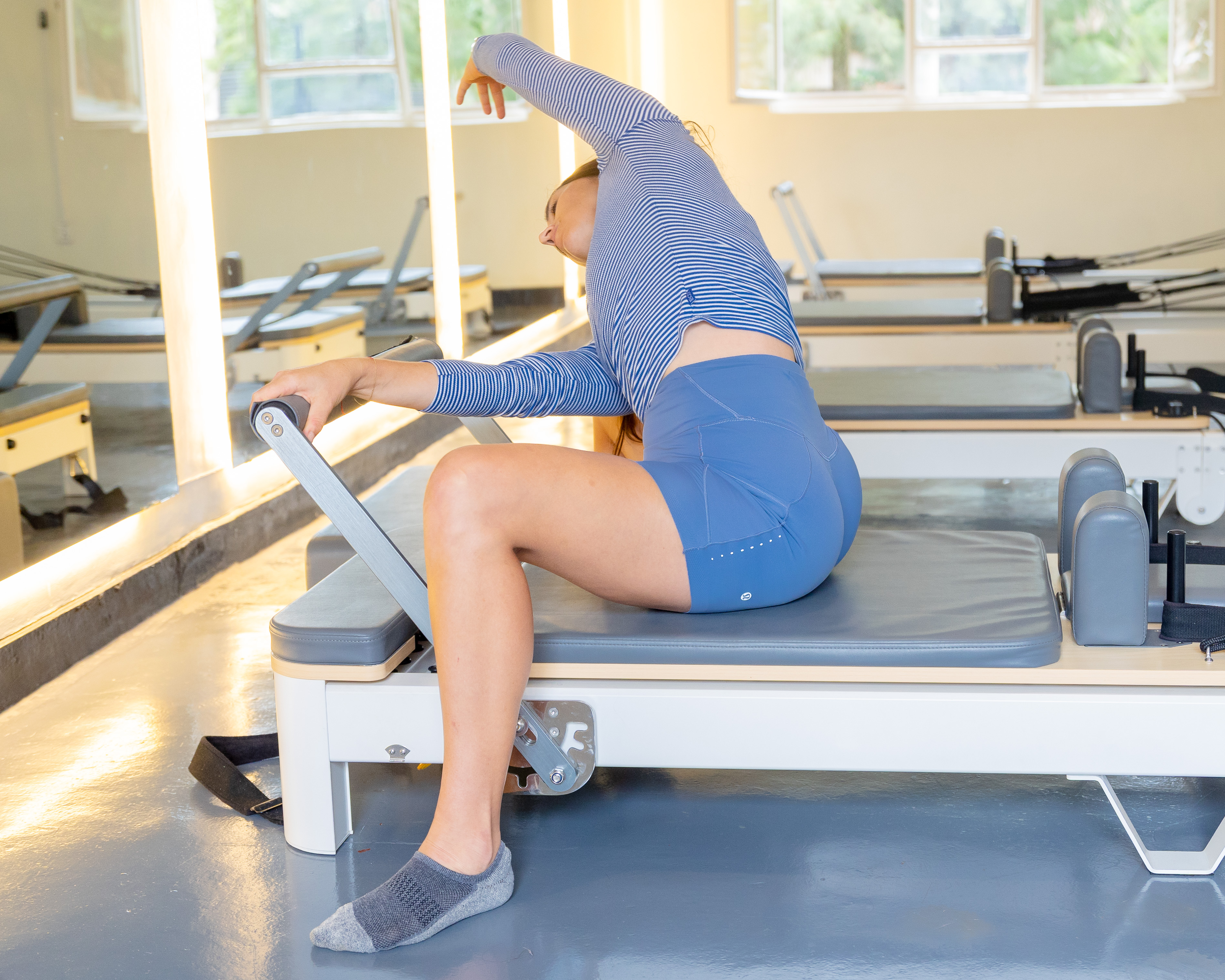
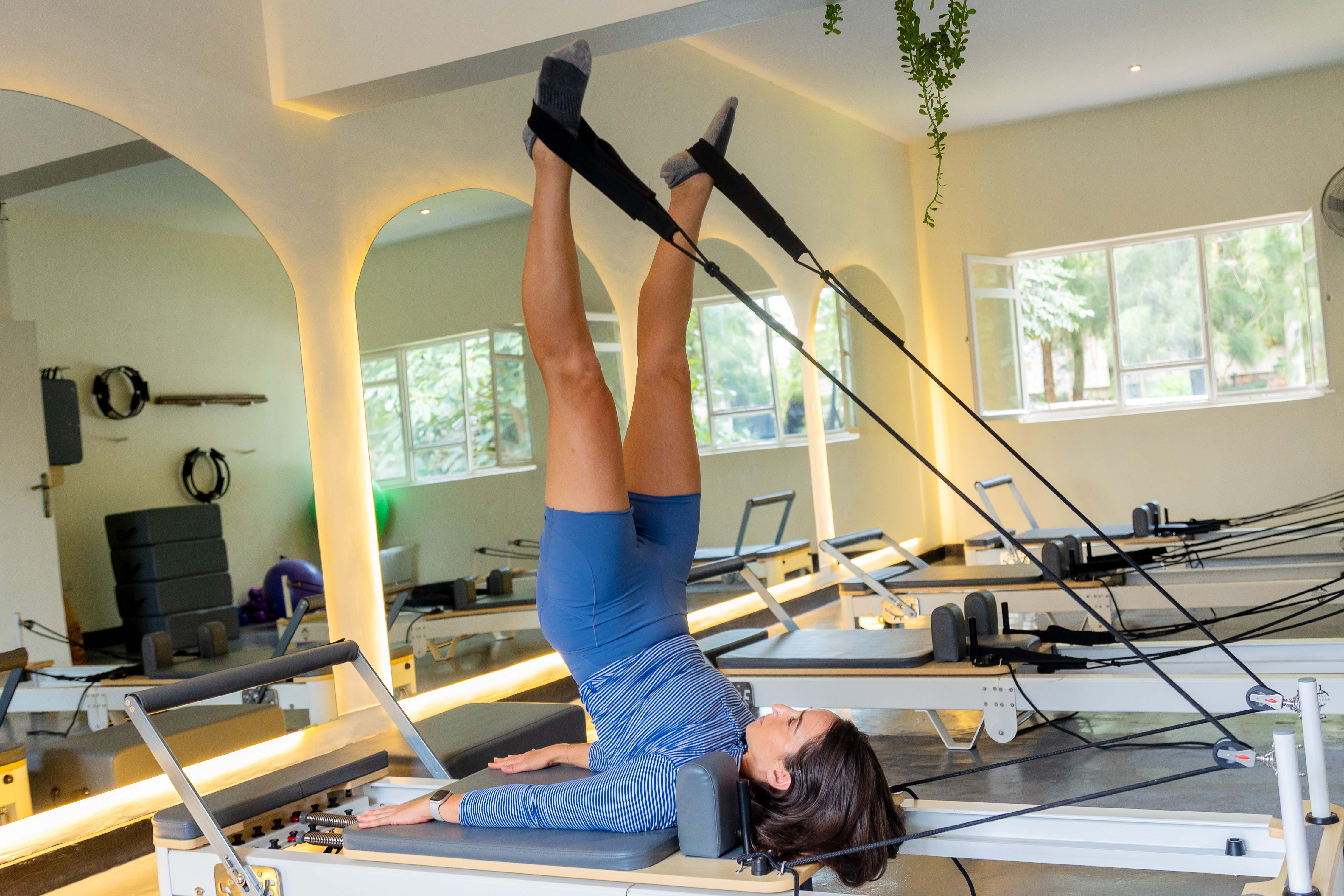
The wellness hub offers reformer Pilates, aerial yoga, Tai Chi, kids’ classes, and sound healing, focusing on genuine service rather than chasing fleeting trends.
The wellness center also supports local causes, such as running monthly movement sessions for the Rwandan Down Syndrome Organization, where children, youth, and families can experience the joy of movement together.
Like many entrepreneurs, Cynthia faced challenges, especially navigating cultural sensitivities in a new country.
“As someone who isn’t Rwandan, I’m always learning, asking for feedback, and evolving with deep respect for the culture,” she explained.
One of the major hurdles was creating a space that offered a sense of reconnection in a fast-paced city like Kigali, where people often find it difficult to slow down.
Despite the obstacles, Cynthia’s commitment to authenticity and community has allowed Kigali Wellness Hub to thrive, and the feedback from clients has been overwhelmingly positive.
“When people leave here feeling more confident and in control of their body and mind, that strength ripples into their work, relationships, and daily life,” she shared.
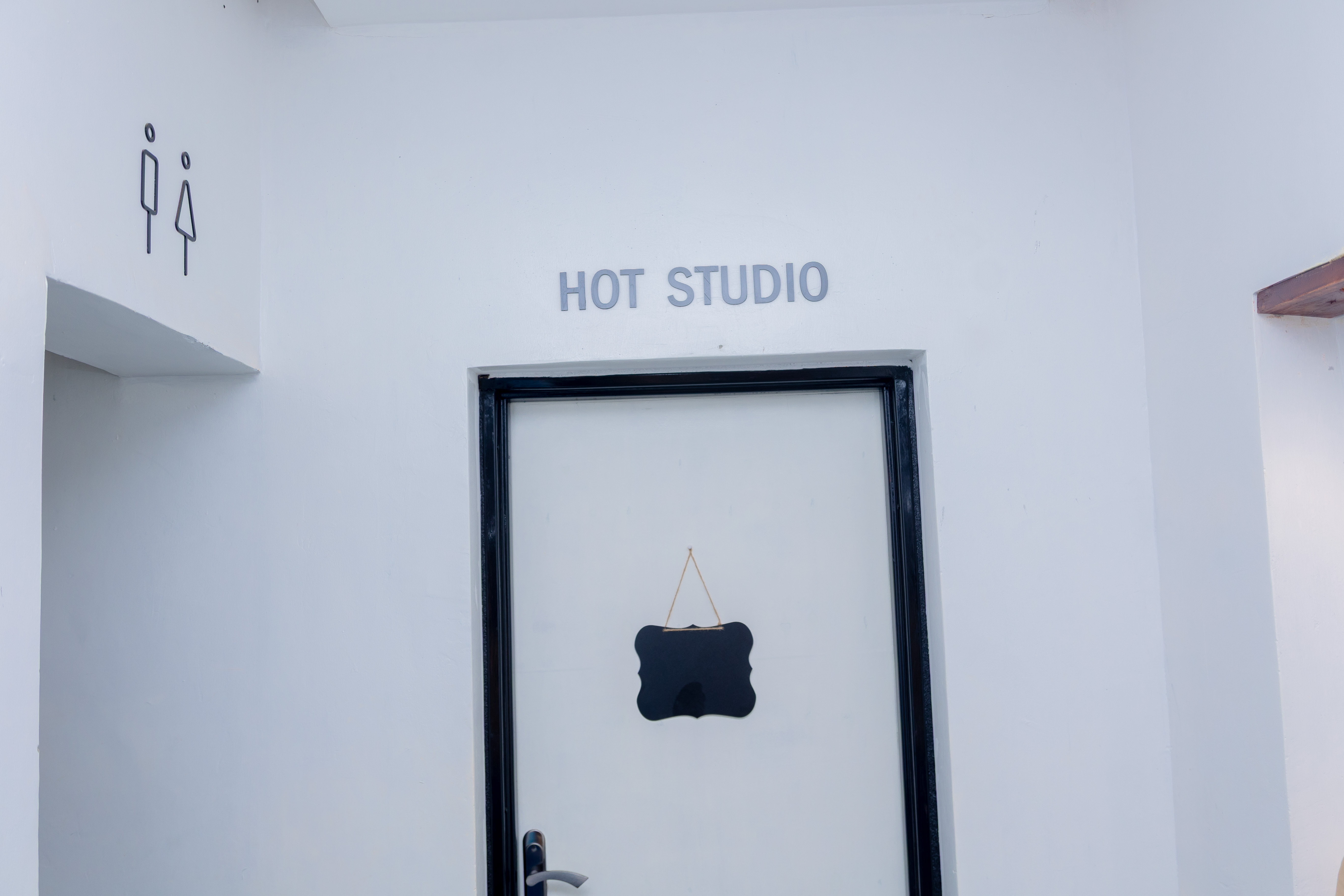
Kigali Wellness Hub is a space designed for holistic well-being where physical, mental, and emotional health come together.
Cynthia shared that the wellness hub sees an average revenue of 8.5 million Rwandan francs in slower months, with busy months reaching up to 13 million. A large portion of this revenue goes toward supporting the hub’s instructors.
Additionally, part of the business’s mission is to support local causes, and Cynthia is proud to contribute to these initiatives.
For those looking to enter the wellness industry or any other sector, Cynthia’s advice is clear: “Be authentic and have clear intention.”
She emphasized the importance of staying grounded and patient as growth takes time.
“Find something that inspires and connects with the community, stay consistent with your intention, and the business will expand naturally.”
As the interview wrapped up, Cynthia expressed her gratitude for the Rwandan government’s initiatives, particularly those that promote wellness, like eco-parks and car-free days.
“Thank you for creating spaces that minimize stress. You’re doing a great job, and we’re here to support,” she said.
Watch the full conversation in the video below.
In a sector often driven by trends, Cynthia emphasized the importance of staying true to the mission of supporting the local community’s well-being. A space for mind and body wellness in Kigali.The founder’s mission is to support individuals to live their best lives through authentic wellness practices.The hub is a place to reconnect and recharge.In an exclusive interview with IGIHE, Cynthia shares her journey from Australia to Rwanda and her passion for building a community-focused wellness hub.
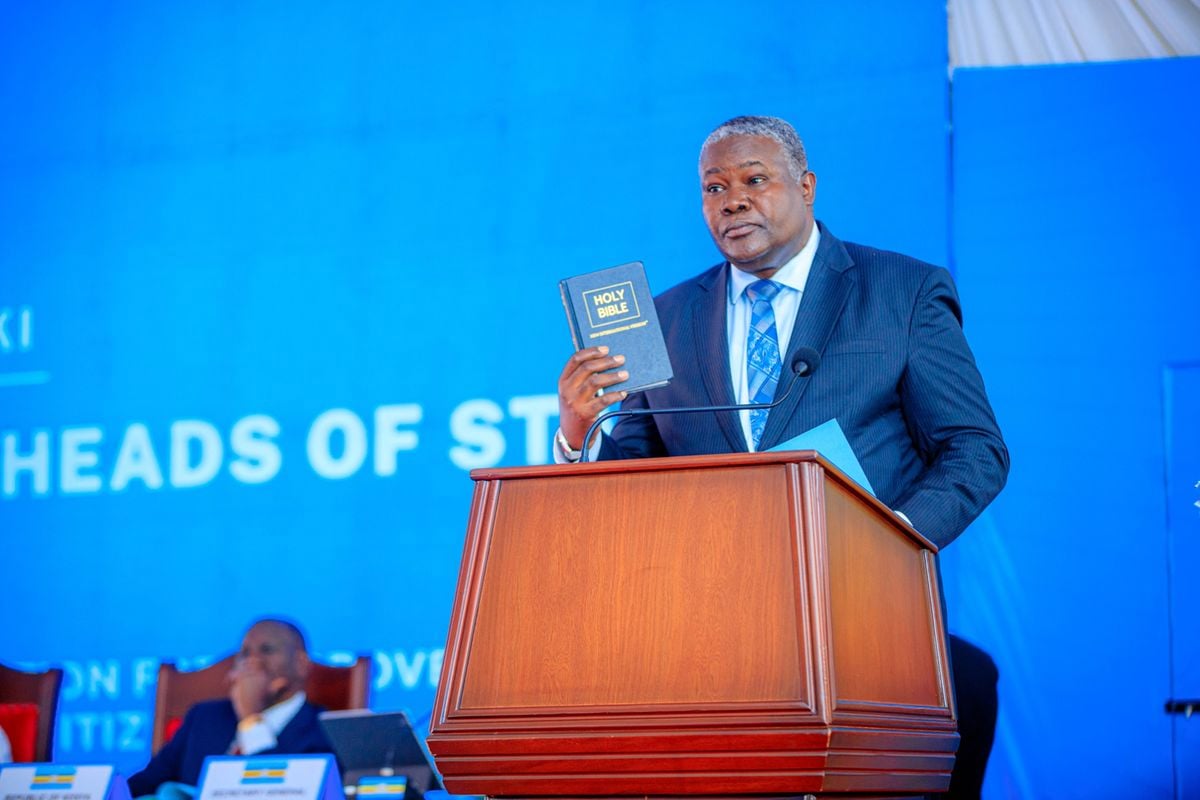
Mbundi took over leadership at the EAC headquarters in Arusha from outgoing Secretary General Veronica Nduva of Kenya, following his appointment by heads of state during the 25th EAC Summit held on March 7. He will serve a five-year term ending in 2031.
Speaking after the handover ceremony, Mbundi said ensuring timely financial contributions from member states will be his immediate priority.
Mbundi also pledged to tackle non-tariff barriers that continue to constrain intra-regional trade, noting that their removal would boost competitiveness and facilitate cross-border commerce.
Beyond financial reforms, he outlined plans to enhance trade, improve the business environment, and reduce transport costs across the region, calling for climate-resilient infrastructure, particularly in road development, to address growing environmental challenges.
Mbundi took over leadership at the EAC headquarters in Arusha from outgoing Secretary General Veronica Nduva of Kenya, following his appointment by heads of state during the 25th EAC Summit held on March 7. He will serve a five-year term ending in 2031.
He made the remarks during a media discussion focused on ongoing changes in public transport across the city.
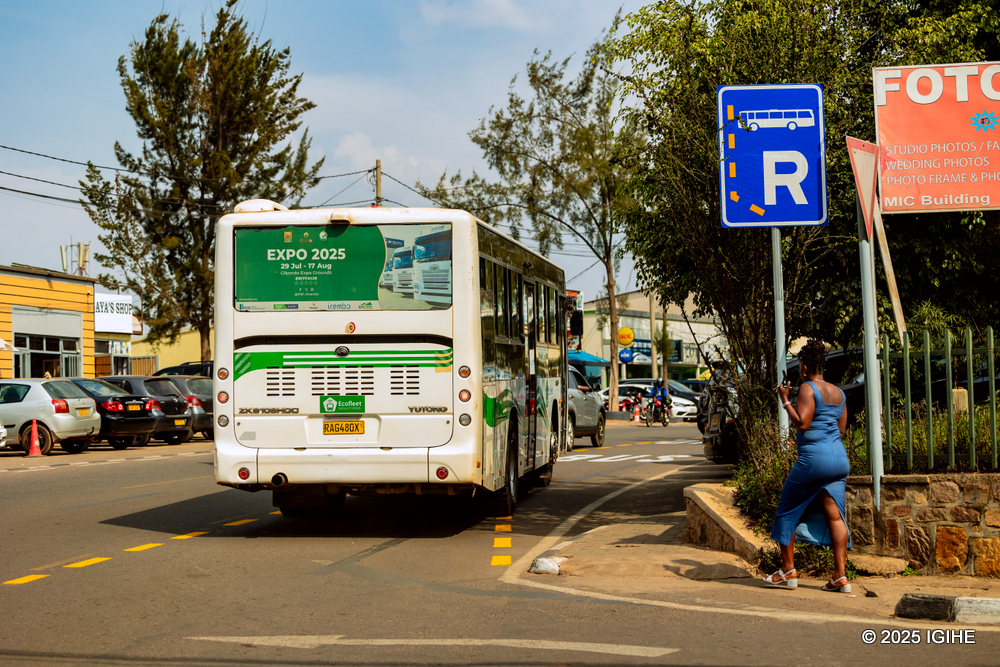
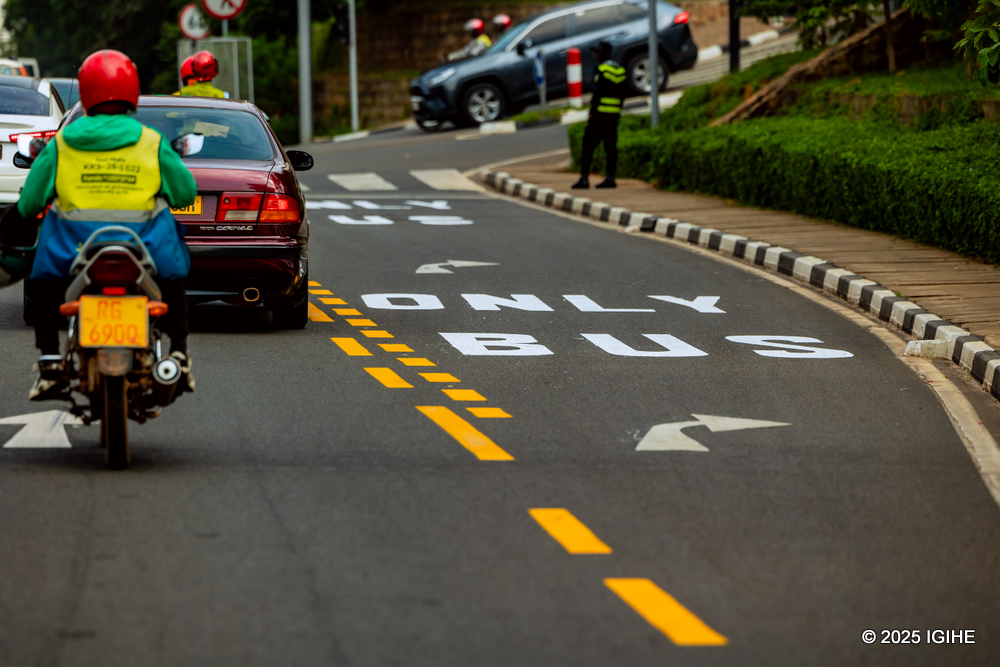
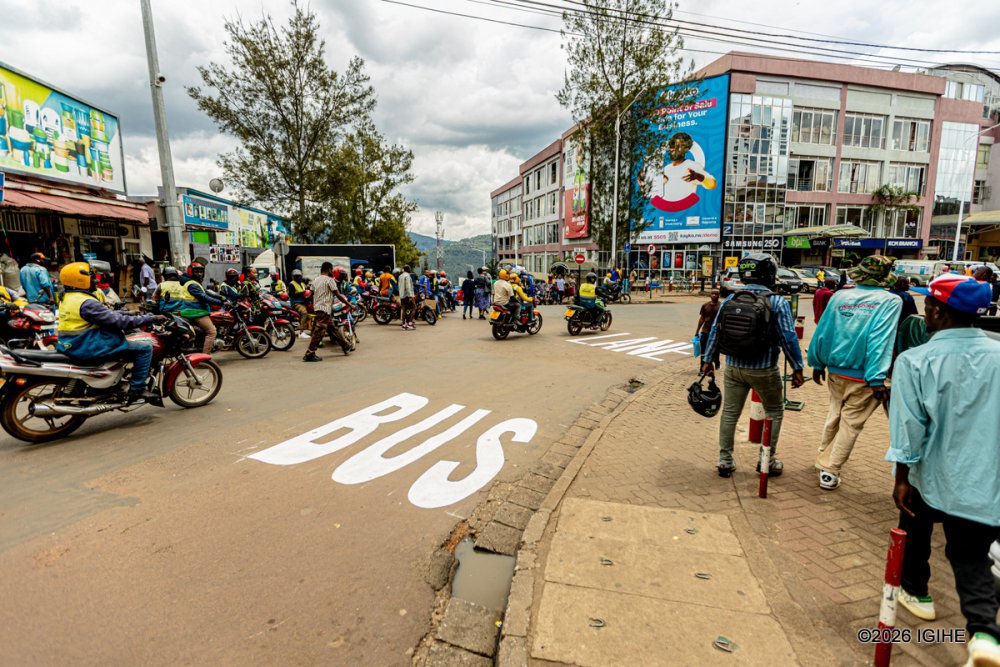
Currently, the City of Kigali has introduced dedicated bus lanes for public transport, while encouraging private car owners to opt for buses instead.
This move aims to improve fuel efficiency amid ongoing tensions in the Middle East, reduce traffic congestion, and speed up travel.
However, one of the major concerns raised by commuters is the lack of reliable, real-time information about buses. Many passengers spend long periods waiting at bus stops, sometimes only for buses to arrive already full.
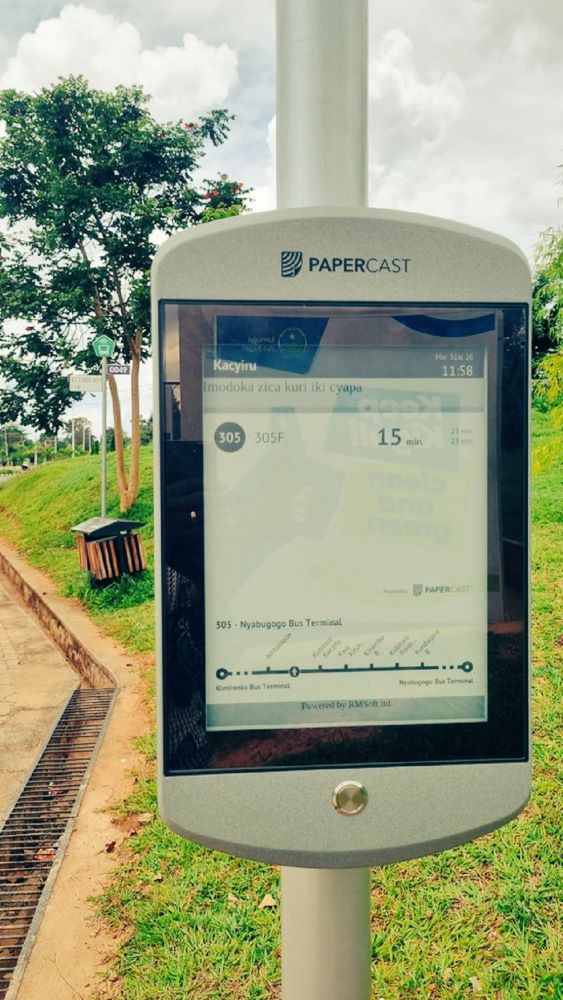
To address this, the new technology is expected to provide accurate, real-time updates on bus locations and available seats.
Rukera explained that although the system is already in use, it has not yet been officially launched as it is still undergoing testing.
“We have started using this technology, but we have not yet introduced it to the public because it is still being tested. As you know, with technology, you first test it thoroughly before presenting it,” he said.
He added that out of the 320 buses currently operating in Kigali, the system can already track their locations and monitor how they are being driven.
The next step is to integrate artificial intelligence capable of counting passengers on board and providing real-time updates.
Rukera also revealed that on routes such as Rwandex toward Sonatubes and Kacyiru, some bus stops are already equipped with smart displays showing estimated arrival times and passenger capacity.
“This is a project we have been working on for about six months. We started with existing systems that allow us to track bus movements and schedules, as well as monitor drivers. Our goal is to extend this information to passengers, not only at bus stops but also to those at home through a mobile application,” he explained.
He further noted that Rwanda is collaborating with the navigation platform Waze, allowing even those without the dedicated app to access nearby bus stop information via the internet, making it easier to plan their journeys.
Transport analyst Prof. Egide Karuranga, who also participated in the discussion, emphasized that adopting such technology will significantly improve public transport services.
He explained that passengers will be able to check, for example, if a bus scheduled for noon is delayed until 12:15, see that it will arrive in five minutes, and know whether seats are available before it arrives.
Karuranga added that such systems could also be expanded to better serve vulnerable groups, such as pregnant women and people with disabilities, by helping them decide whether to board a bus or wait for one with available seating.
He also pointed out the need to reduce the number of pedestrian crossings that cause buses to stop frequently, noting that this contributes to delays and increases the risk of accidents.
“Public transport is essential because it supports all aspects of sustainable development, from the economy to technology,” he said.
Karuranga further highlighted that traffic congestion, largely driven by the use of private cars, has a significant economic cost. He estimated that if a person spends one hour in traffic daily, it amounts to about 320 hours per year, equivalent to roughly 40 working days lost. When multiplied across many people, this has a serious impact on the national economy.
Kigali City spokesperson Emma Claudine Ntirenganya also encouraged residents to embrace public transport, noting that while it is not mandatory to leave private cars at home, doing so benefits both individuals and the country.
“When you choose to take a bus and leave your car at home, it is not just a personal benefit; it also serves the national interest, especially in these times, because it helps extend the country’s fuel reserves,” she said.
The ongoing efforts reflect Rwanda’s broader push to modernize public transport and promote more efficient, sustainable urban mobility in Kigali.
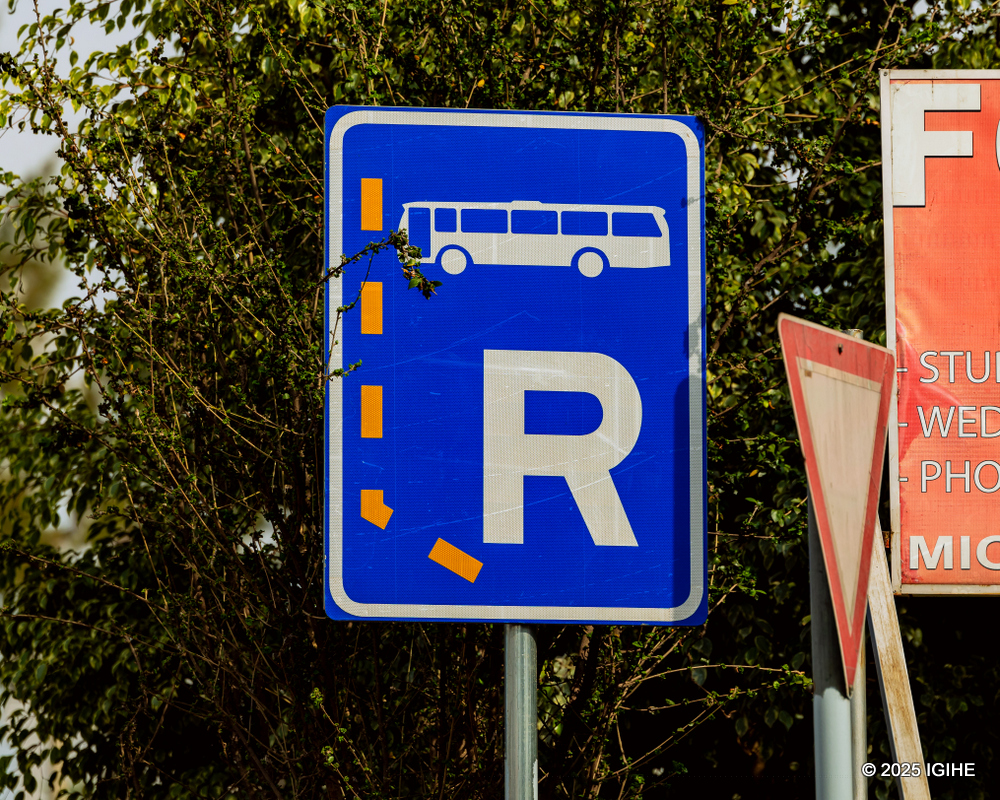
Rwanda has rolled out smart technology to help passengers track bus movements in real timeKigali residents are encouraged to use public busesDedicated bus lanes expected to improve traffic flow and public transport efficiencySome parking spaces for private cars have been removed to promote the use of busesSignposts indicating bus-only lanes have been installed in several areas.
Kaniki made the appeal amid what he described as continued inaction by the international community in response to ongoing attacks carried out by coalition forces of the Congolese government in areas inhabited by, or hosting displaced Banyamulenge populations in South Kivu Province, particularly in Minembwe.
He noted that the United States places strong constitutional emphasis on the protection of fundamental human rights and that this principle obliges it to oppose any government actions that violate them.
According to Kaniki, these principles are not limited to domestic application but also inform U.S. foreign policy and international engagements.
He further argued that recent mineral extraction agreements signed between the United States and the DRC in December 2025 risk sidelining broader human rights considerations in favour of strategic and economic interests.
Kaniki added that what distinguishes the United States on the global stage is its historical commitment to defending human rights in situations of crisis, urging Washington to reassess its position regarding the ongoing conflict in eastern DRC.
“It is time for the United States to reconsider the side it has taken in the war in the DRC, based on the values that form the backbone of the United States as a nation,” he said.
On April 20, 2026, members of the Banyamulenge diaspora in the United States staged a demonstration in Washington, D.C., calling on the international community to break its silence as reports continue of killings targeting their relatives in their homes and displacement sites.
The protest followed a prolonged period of advocacy by human rights organisations, including MPA (Mahoro Peace Foundation) and MRDP-Twirwaneho, which say they have repeatedly raised concerns without prompting significant international intervention.
The deputy coordinator of the AFC/M23 coalition in charge of economic and financial affairs, and leader of the MRDP-Twirwaneho movement, Freddy Kaniki Rukema, has called on the United States to place greater emphasis on the protection of human rights in the Democratic Republic of Congo (DRC).
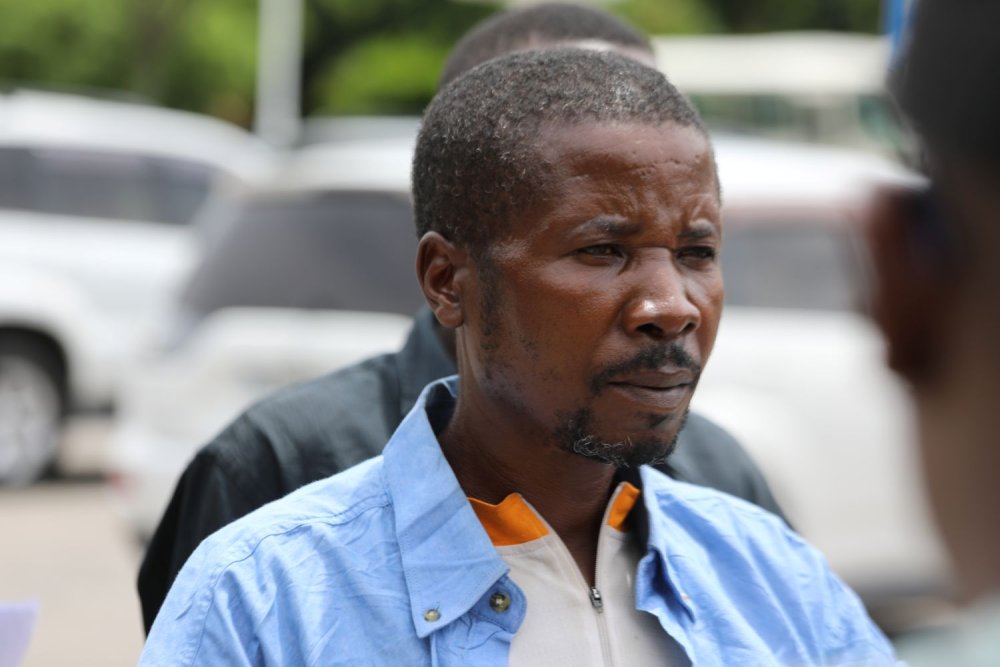
“FDLR and Nyatura would capture us and try to force us to join them in fighting, claiming that we are Rwandans. Anyone who refused was taken away at night, and we would never see them again. Later, we would be told they had been killed,” said 28-year-old Dushime Janvier, one of the returnees.
Dushime arrived in Rwanda from Kitchanga, in eastern DRC. He said his family originates from the former Rwerere Commune in Gisenyi Prefecture, now part of Rubavu District.
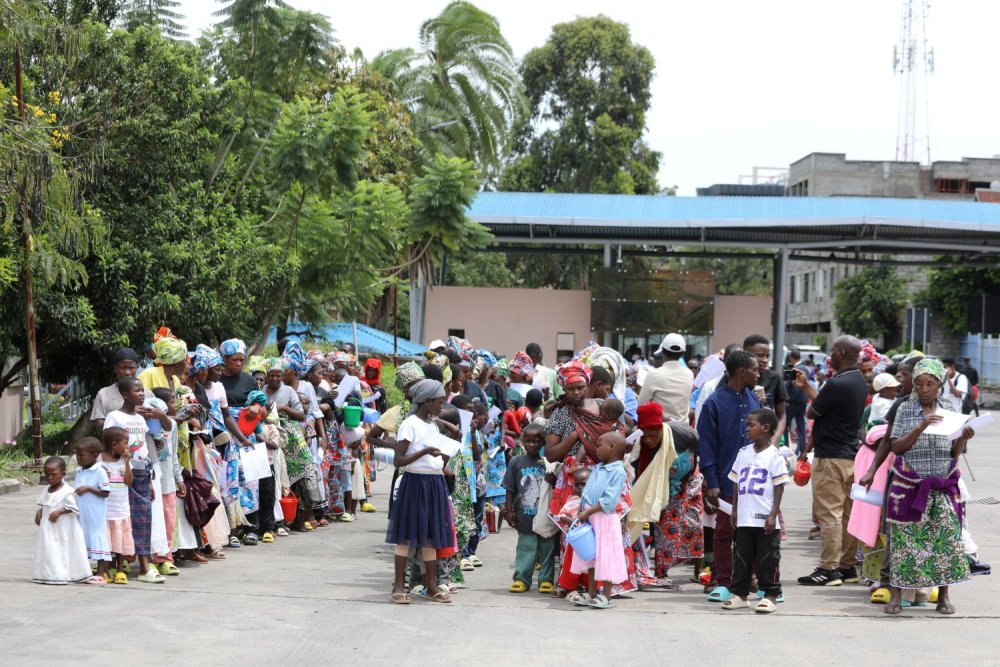
He is among 317 Rwandans who were repatriated on Friday, April 24, 2026, after being held by the FDLR, a group designated as a terrorist organisation.
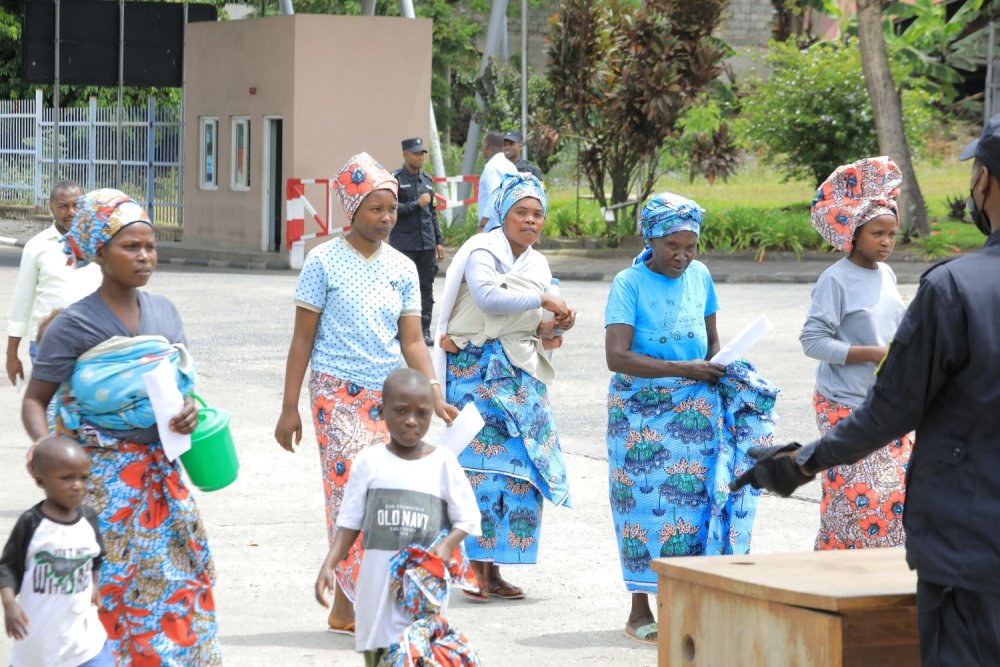
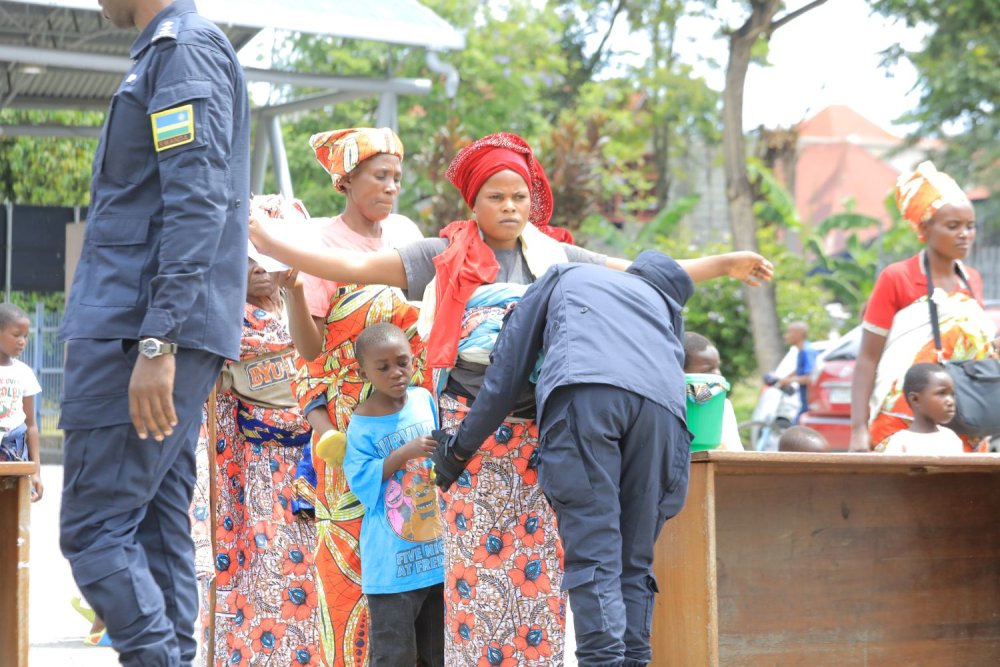
The returnees crossed into Rwanda through the Grande Barrière border post, where they were received by government officials before being transferred to the Kijote transit centre in Nyabihu District.
The group is largely composed of children, who number 226, alongside 76 women and 15 men.
Speaking about his experience, Dushime said he fled to the DRC with his aunt, who later died. He explained that he chose to return due to the harsh conditions he faced.
“I never had the opportunity to attend school because I spent my life herding cattle. Nyatura and FDLR were constantly pursuing us because we are Rwandans. We cultivated crops, but they would take the harvest. Life was extremely difficult, which is why I decided to return,” he said.
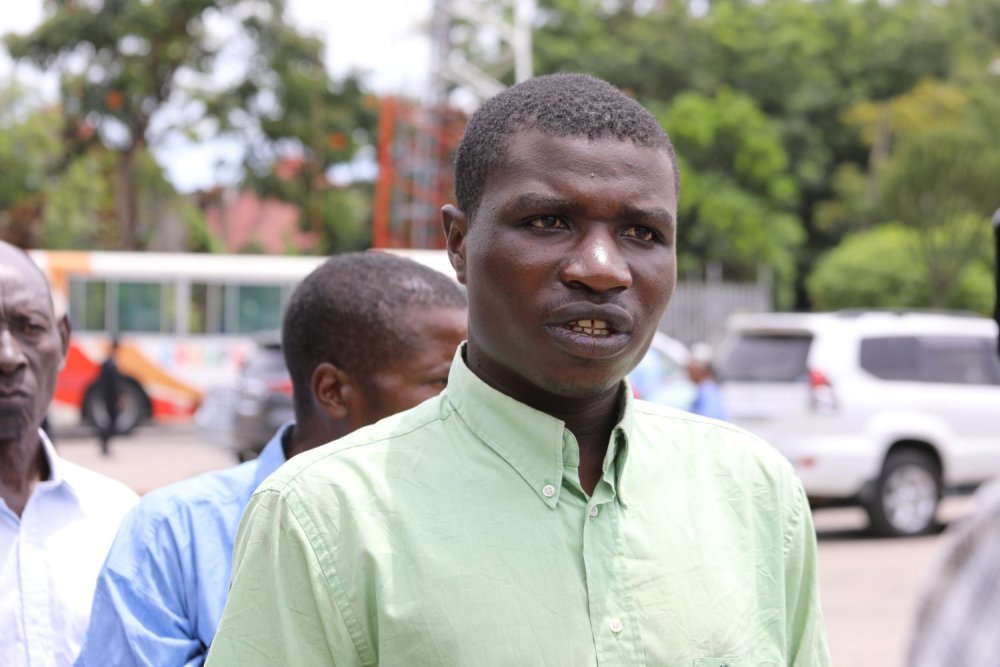
Another returnee, 50-year-old Akiri Valens, said he fled Rwanda in 1998 and initially settled in Rusongati before moving to Karenga, where he worked cutting trees. He expressed relief and optimism upon returning home.
“We stayed there hoping our situation would improve, but it never did. Working in a foreign country is difficult. Today, I am happy to be back with my wife and seven children, and I am determined to work and build a better future,” he said.
Valens added that in 2023, during intensified fighting, he fled to Rugali, where he remained until his return. He noted that armed groups had spread misinformation, claiming that anyone who returned to Rwanda would be killed, which he later discovered was untrue.
The Vice Mayor of Rubavu District in charge of economic development, Nzabonimpa Déogratias, welcomed the returnees and reassured them of their safety and opportunities in Rwanda.
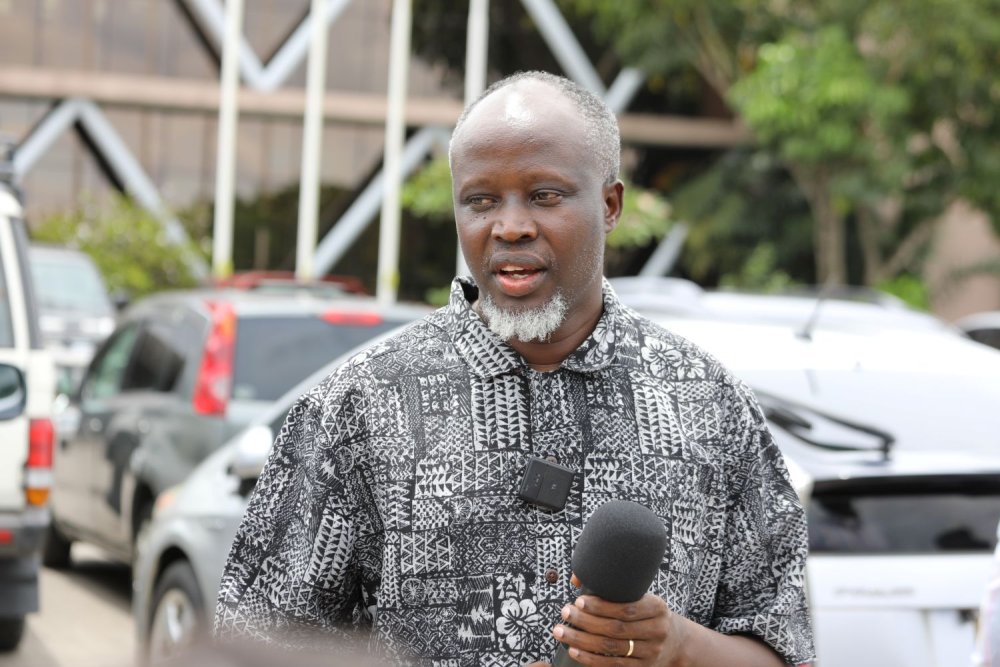
“You have returned home to a country that prioritises the well-being of its citizens. You will find leadership committed to inclusive development without discrimination. We encourage you to enrol your children in school and contribute to the development of our nation, which is peaceful and stable,” he said.
He also called on the returnees to encourage others still living in the forests of eastern DRC to come back to Rwanda.
The repatriation follows agreements reached on July 24, 2025, during a tripartite meeting involving Rwanda, the DRC, and the United Nations High Commissioner for Refugees (UNHCR) in Addis Ababa, Ethiopia.
Before their return, the group had been living in a temporary camp in Goma after leaving various areas in eastern DRC, where they had been held by the FDLR. They later sought assistance from UNHCR to facilitate their return to Rwanda.
As part of reintegration support, returnees receive initial financial assistance to help them rebuild their lives. Adults receive 188 US dollars, while minors are allocated 113 dollars. Each individual also receives basic food supplies valued at 40,800 Rwandan francs.
The returnees are mostly women and children.Upon arrival at the border, the returnees are received by security authorities.More than 8,000 Rwandans have returned from the DRC in the past 16 months.50-year-old Akiri Valens, said he fled Rwanda in 1998 and initially settled in Rusongati before moving to Karenga, where he worked cutting trees. He expressed relief and optimism upon returning home.Dushime Janvier, one of the returning Rwandans, says that those who refused to join the FDLR were killed.The Vice Mayor of Rubavu District in charge of economic development, Nzabonimpa Déogratias, welcomed the returnees and reassured them of their safety and opportunities in Rwanda.
In a statement, the government said Camara’s residence in Kati, a garrison town near the capital Bamako, was hit Saturday morning by a vehicle bomb driven by a suicide attacker.
Camara exchanged fire with the attackers and neutralized some of them, the statement said. He was wounded during intense fighting and later died of his injuries in hospital.
The collapse of his residence caused other casualties and destroyed a nearby mosque, killing some worshippers inside, according to the statement.
The government said the late general will be given a national funeral.
Several localities in Mali, including Bamako, Kati, Gao, Sevare and Kidal, were hit by coordinated attacks on Saturday. The government had earlier said the attacks left 16 civilians and military personnel wounded.
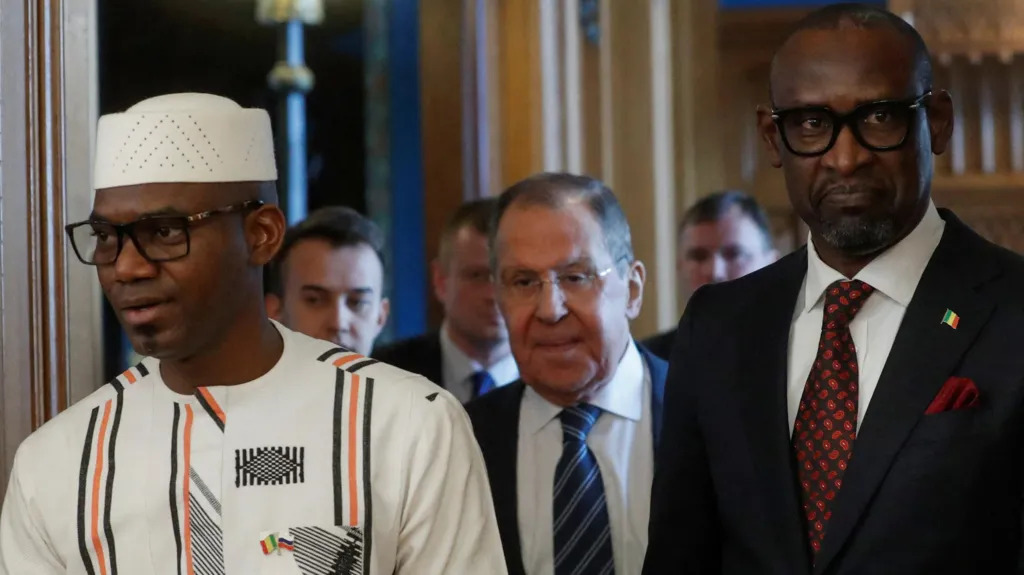
Mali’s defense minister Sadio Camara, left, with Russia’s foreign minister, Sergei Lavrov, in Moscow in February 2024. The government said Camara’s residence in Kati, a garrison town near the capital Bamako, was hit Saturday morning by a vehicle bomb driven by a suicide attacker
Sawe crossed the finish line in an astonishing 1:59:30, rewriting distance running history on one of the sport’s biggest stages. The performance marks the first time the sub-two-hour marathon has been achieved in an official race setting, ending years of debate and controlled experimental attempts.
“I am feeling good, I am happy, it’s a day to remember for me,” Sawe told reporters after his record-breaking run, holding up his shoe marked with the words “world record” and “sub-2” written in black ink.
Historic race pushes human limits
The race itself delivered a dramatic trio of landmark performances. Ethiopia’s Yomif Kejelcha, running his first marathon, also went under the two-hour mark, finishing just 11 seconds behind Sawe. Uganda’s Jacob Kiplimo completed the podium in 2:00:28, breaking the previous official world record set by Kenya’s Kelvin Kiptum in Chicago in 2023 by seven seconds.
The sub-two-hour marathon has been one of athletics’ most elusive goals, pursued for years through high-profile experimental projects designed to test human endurance under near-perfect conditions.
Nike’s Breaking2 attempt in Monza in 2017 narrowly missed the mark, while Eliud Kipchoge famously ran 1:59:40 in Vienna in 2019 during the INEOS 1:59 Challenge, an achievement not recognised as an official record due to its controlled setup.
Sawe’s breakthrough, however, came in open competition in London, giving the feat unprecedented legitimacy within elite marathon racing.
Sawe’s triumph is made even more striking by his disrupted preparation. The Kenyan athlete was injured throughout the previous autumn and only resumed proper training in January. By February, he had recovered sufficiently to prepare for a title defence in London, culminating in a historic victory few could have predicted.
He credited the atmosphere in the capital for helping drive his performance.
“I think they help a lot,” Sawe said of the crowd support. “With them calling, you feel so happy and strong.”
The women’s race also produced a record-breaking performance, as Ethiopia’s Tigst Assefa defended her London Marathon title in 2:15:41. The 29-year-old broke her own world record by nine seconds, pulling away late from Kenya’s Hellen Obiri, who finished second in 2:15:53, with Joyciline Jepkosgei third in 2:15:55.
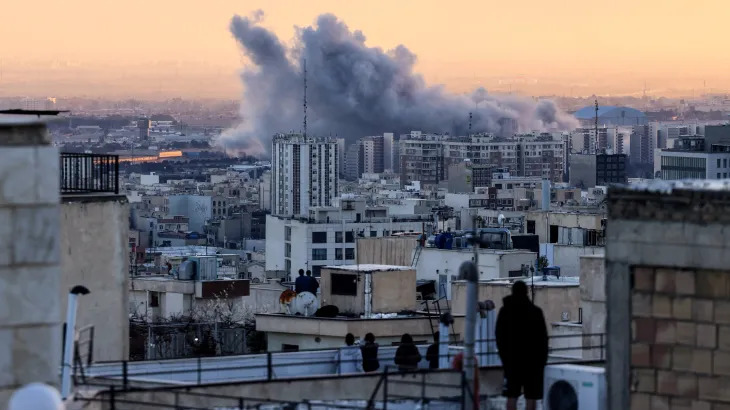
The official news agency IRNA, citing Iranian officials, reported that the total death toll stood at 3,468, including 1,460 civilians.
Jamshid Nazmi, a senior adviser to the head of Iran’s Foundation of Martyrs and Veterans Affairs, gave the figures at a press conference in Tehran, according to IRNA.
He said the civilian dead included women, men, children and older adults, and added that citizens of Lebanon, Palestine, Iraq and Pakistan were also among those killed.
At the same briefing, Farideh Oladqobad, a deputy head at the foundation, said 499 of the victims were women and 2,969 were men. She also said the military death toll was 2,008.
The report did not provide details on how the figures were verified or independently confirmed.
Iranian officials have said the fighting began on February 28, when Israel and the United States launched joint strikes on Tehran and other Iranian cities. Iranian authorities said senior military figures were killed in the opening attacks.
Iran responded with waves of missile and drone strikes targeting Israel and U.S. bases and military assets in the Middle East, according to officials on both sides.
A ceasefire was reached on April 8, and follow-up talks were held in Pakistan on April 11 and 12, but they ended without an agreement, according to previous reports.
The official news agency IRNA, citing Iranian officials, reported that the total death toll stood at 3,468, including 1,460 civilians.
A U.S. Secret Service agent was shot in protective gear on Saturday at the White House Correspondents’ Dinner and has been hospitalized, U.S. media reported.
In a post on Truth Social, Trump shared a photo of the suspected gunman, who appears to have been subdued, with his hands bound behind his back and lying face down on the ground.
In a press conference at the White House late Saturday evening, Trump said that the alleged shooter lives in the state of California and law enforcement agents went to his apartment.
When asked by a reporter whether the shooter acted alone, Trump said that “they seem to think he was a lone wolf, and I feel that too.”
In response to a question about whether this shooting could have been linked to the war in Iran, Trump said, “I don’t think so. But you never know.”
“Quite an evening in D.C. Secret Service and Law Enforcement did a fantastic job. They acted quickly and bravely. The shooter has been apprehended,” Trump said in an earlier post on Truth Social shortly after the incident.
In another post later, Trump said that “law enforcement has requested that we leave the premises, consistent with protocol, which we will do, immediately,” noting that “The First Lady, plus the Vice President, and all Cabinet members, are in perfect condition.”
He added that the White House Correspondents’ Dinner will be rescheduled within 30 days.
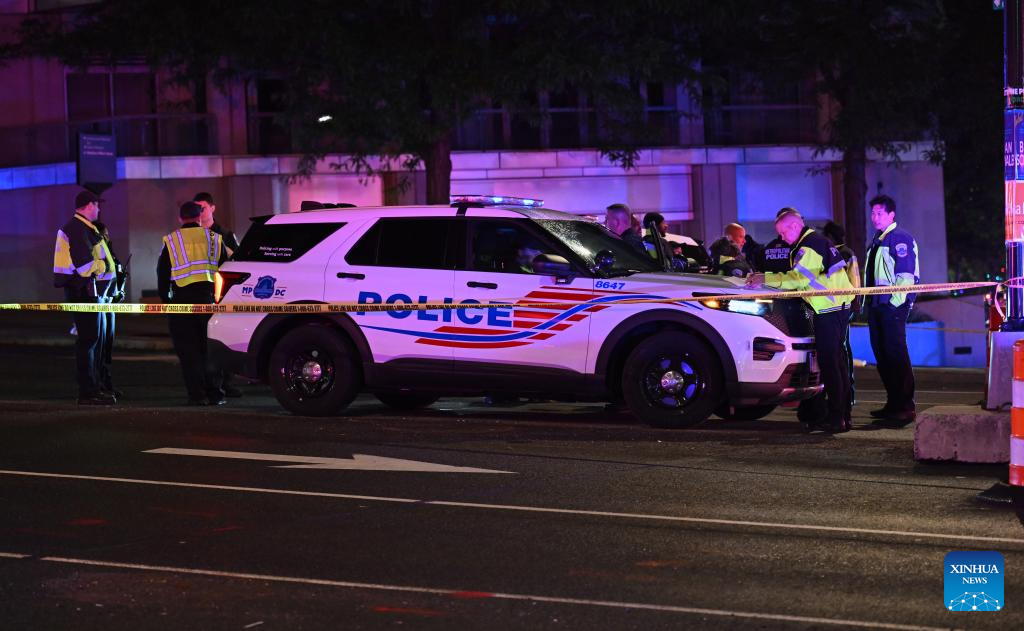
The U.S. Secret Service said in a post on X that it is investigating “a shooting incident near the main magnetometer screening area” at the White House Correspondents’ Dinner, in coordination with the Metropolitan Police Department.
“The president and the first lady are safe along (with) all protectees,” the statement said. “One individual is in custody. The condition of those involved is not yet known, and law enforcement is actively assessing the situation.”
Trump has been evacuated from the Dinner after the shooting at the Washington Hilton Hotel. Attendees were seen on the live broadcast ducking around their tables and taking cover.
This would mark Trump’s first time attending the White House Correspondents’ Dinner.
In a joint press conference, Washington, D.C. Mayor Muriel Bowser said all guests at the dinner were safe, while U.S. Attorney for D.C. Jeanine Pirro said the suspect now faces charges including using a firearm during a crime of violence and assault on a federal officer with a dangerous weapon.
The suspect named Cole Allen by U.S. media, 31, of Torrance, California, was armed with a shotgun, a handgun and multiple knives, police said.
Political violence has been frequent in the U.S. in recent years. Trump has been the target of multiple assassination attempts and death threats during his presidential campaign and as the president.
The most prominent example is the July 2024 assassination attempt in Butler, Pennsylvania, which Trump narrowly survived while campaigning for president.
In a press conference at the White House late Saturday evening, Trump said that the alleged shooter lives in the state of California and law enforcement agents went to his apartment. When asked by a reporter whether the shooter acted alone, Trump said that “they seem to think he was a lone wolf, and I feel that too.” Police officers stand guard near the Washington Hilton Hotel, where the White House Correspondents’ Dinner was held, in Washington, D.C., the United States, April 25, 2026.