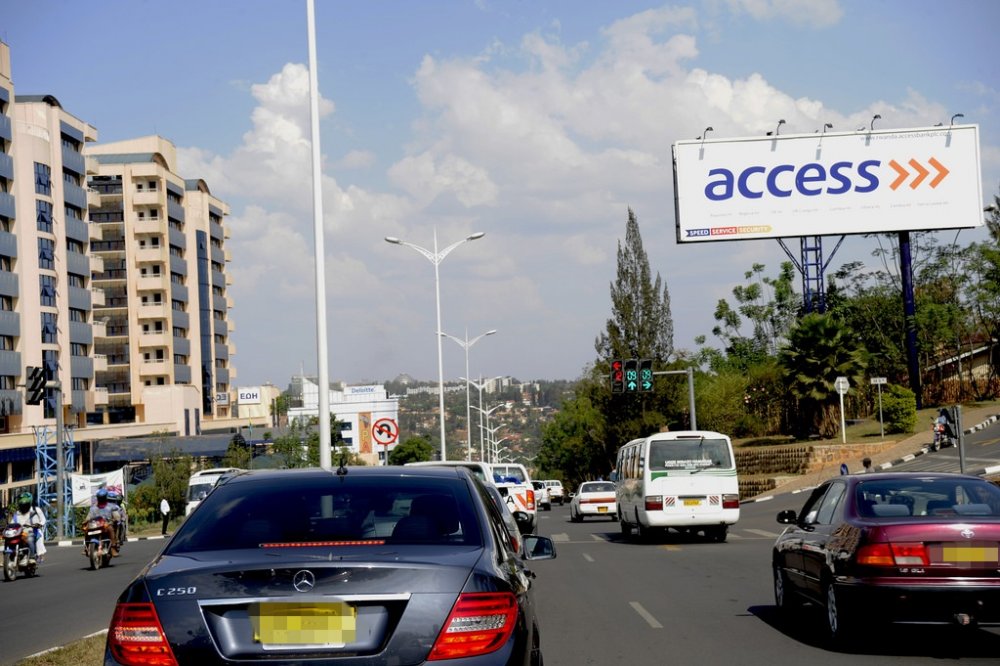
The plan to dedicate some routes to public transport buses was announced last year and city officials said that the move would have been in place at the beginning of this year.
The idea was to dedicate these routes to public buses starting from 6:00am to 8:30am.
Speaking to National Broadcaster, RBA yesterday, the City Engineer, Dr Alphonse Nkurunziza said that there are different activities which they are still putting in place before the programme starts.
“The most fundamental activity we are still implementing is roads expansion, after expansion activities, we will then start dedicated bus routes,” he said.
“After having dedicated bus lanes, the flow of traffic will become easy. We are conducting a feasibility study on how bus stops would have ways to communicate passengers on the time of the bus arrival and time it would spend there. That exercise would be possible when the bus has no hindrances along the roads,” he added.
Speaking to IGIHE, Nkurunziza said that he is optimistic that the programme will have started by August 2018.
“We expect that this programme will go in place when the roads which are under construction are completed. We expected that they would be completed by the end of June but, due to heavy rains, roads construction works have been suspended, so, that is a challenge and roads can’t be completed in June. We expect that it will not go beyond August and then start dedicated bus lanes programme,” he explained.
Nkurunziza said that they will use advanced technology in traffic lights so that they will ease traffic flow for public buses.
“Traffic lights will be able to sensor public bus and speed up so that the bus will not spend time,” he added.
Among the roads being expanded to meet dedicated bus lanes standards include the Rwandex-Sonatube section and Sonatube-Remera road.
The road from City Centre to Nyabugogo bus terminal has been completed and Nyabugogo-Gatsata, among others is still underway.
Under the theme ‘Accelerating Africa’s Single Digital Market’, the four-day meeting will bring together over 4,000 participants including Heads of State and Government, First Ladies, UN Broadband Commissioners, Ministers, Public and Private Sector, international organisations, industry leaders, investors, entrepreneurs, Young innovators, Civil Society and Academia.
Transform Africa Summit 2018 has been designed to foster constructive conversation towards building a Smart Africa and facilitate meetings of like minds seeking policy and opportunities to accelerate the continent towards socio economic transformation.
In the meeting, delegates will have a high level platform ‘Transform Africa Economic Forum’ for discussing the disruptive but also the enabling and strategic role of ICT for the rapid transformation of Africa by Smart Africa, the Government of Rwanda, African Development Bank, Econet Wireless, Afro Champions and UNDP.
The summit will also be an opportunity for captains of industry and leading entrepreneurs to make business deals.
There will also be a high level dialogue between Heads of State, private sector business leaders and executives of international organizations on creating a single digital market for Africa.
The meeting will explore, how Africa will adopt and harness the technology driven innovation that is already disrupting healthcare across the globe by increasing capabilities and improving experiences between medical professionals and patients.
In the meeting, Robotics, drones, artificial intelligence, IoT, big data will be explored in detail with presentations and roundtable discussions.
There will also be an exhibition where exhibitors will showcase their innovations and technologies that will transform governments and business in Africa into a digital economy and society.
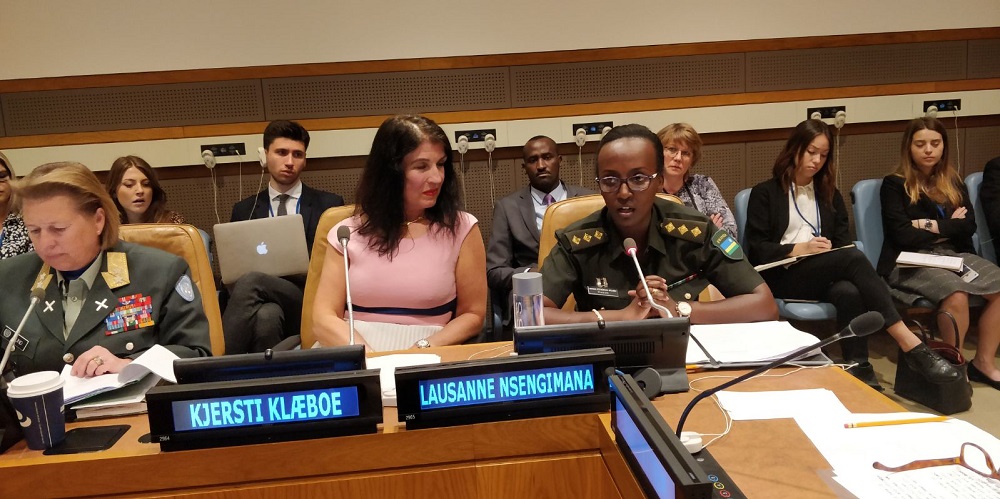
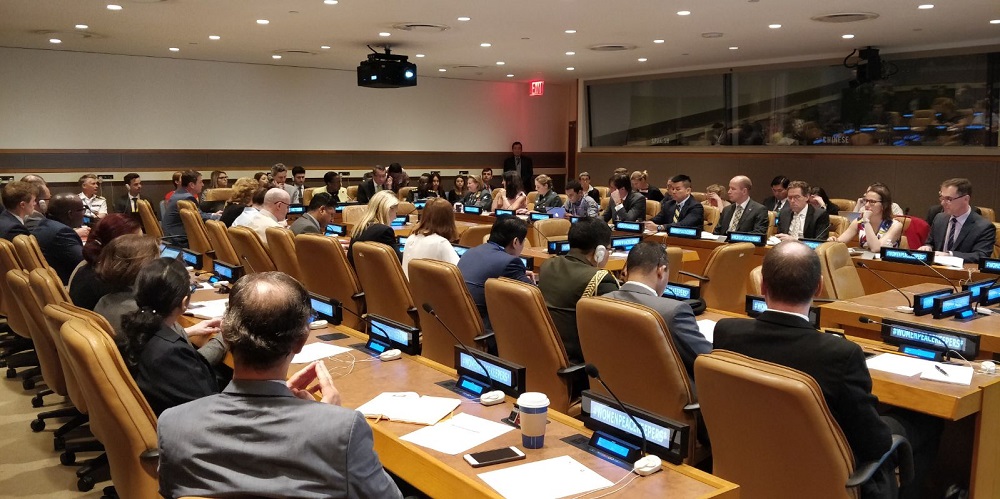
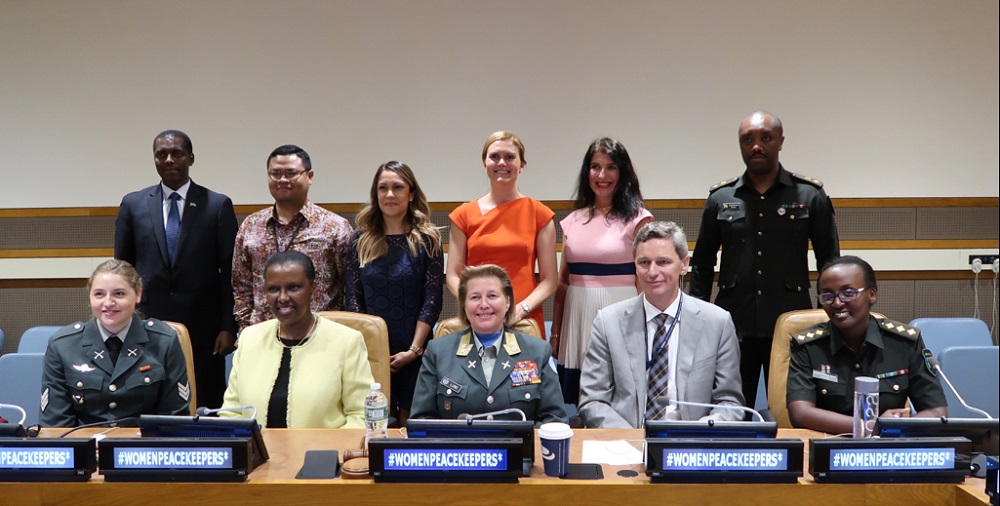
The seminar with a theme; ‘Shattering the glass ceiling: – why and how?’ was held on the 3rd of May 2018 at the United Nations Headquarters in New York. It sought to spur a conversation on strategies and commitments that are necessary to meet the United Nations goal of increasing by 15% female staff officers and military observers and 20% female police officers by the end of 2018.
In her remarks, the Permanent Representative of Rwanda, Ambassador Valentine Rugwabiza, outlined suggestions on how to increase women’s meaningful participation in peacekeeping such as identifying and eliminating the inequalities that reinforce prejudice towards women, employing a gender perspective and instilling a mechanism for accountability while respecting women and prioritizing their dignity and equality.
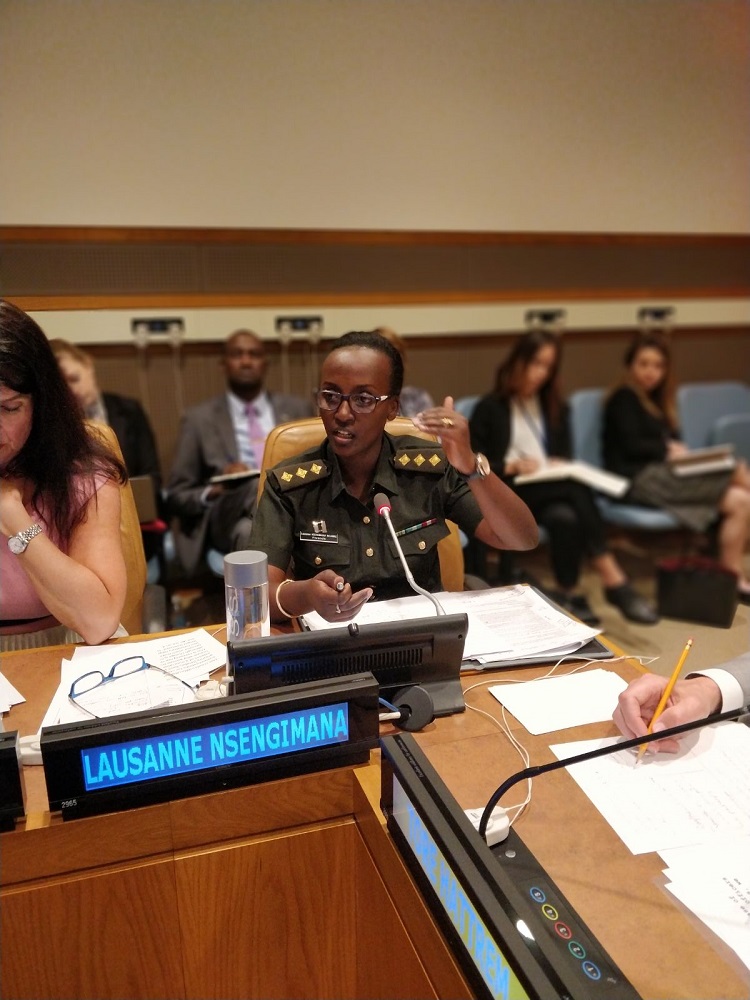
As a peacekeeper in the Central African Republic (CAR), Captain Lausanne Nsengimana shared her experiences, saying that her work in peacekeeping was not only about securing a cease-fire, but also a matter of education and sharing experiences between women in a normal day setting.
“As female peacekeepers, they can build stronger relationships with communities and gain more access to information than all-male contingents”, she said.
“Younger Rwandan women, those born after the Genocide against the Tutsi in Rwanda, are increasingly joining the officer corps, but more mobilization is needed to be done to increase the numbers of women joining the armed forces”, she noted while sharing her observations on the recruitment of women in Rwanda Defence Forces.
Ambassador Dian Triansyah Djani from Indonesia, asserted that there were many reasons to increase women’s participation in peacekeeping and pointed out the fact that ‘not a single woman peacekeeper has been accused of sexual exploitation and abuse in any peacekeeping mission’.
Ambassador Tore Hattrem from Norway, recommended that ‘member states can learn from each other and work together to reach the goal of having more female peacekeepers in UN operations. For the simple reason that it makes UN Peacekeeping Operations more effective’.
In her closing remarks, Ambassador Rugwabiza stressed on the centrality of transformative leadership in the promotion of women’s participation in peacekeeping, she said ‘good leaders change bad attitudes, and open up opportunities’.
She also recommended that countries with high numbers of peacekeeping forces such as Rwanda, should collaborate and share best practices and strategies.
‘After all, Success stories can only bring more success stories’, Rugwabiza said
Numbers show that from April 20th to May 3rd different people across the country received different medical services in a yearly activity that will take three months.
Among those operated are; 1639 who were operated on respiratory disease, 717 were operated on female-specific diseases, 1163 were operated on bones, 1340 were operated on internal diseases, 399 received dermatology services; a total of 11,191 were circumcised and 795 were tested on HIV/AIDS.
Yesterday, RDF officials visited the sites of activities in Rulindo and Bugesera Districts. People who spoke to IGIHE hailed the activities by Rwandan army saying that they were not able to afford the cost of operation.
The 62-year-old Cassien Karekezi from Rweru Sector of Bugesera District said that they operated him a pimple on his genital organs.
“I had a pimple on my genital organs which I suffered for five years. They operated it, and I hope to get better. I am blessed because I didn’t expect to get such services,” he said.
“Every single coin our family used to earn was spent in hospitals seeking medication which did not bear fruit. Today the situation is going to change, we will use our earning in family development activities,” he added.
RDF’s Maj. Dr. John Bukuru, an ear, nose and throat (ENT) surgeon said that in Bugesera District, they have operated 1300 people.
He said that the majority had teeth disease and called people to take care of their hygiene and medical check-up once they feel pain.
In other activities like agriculture, RDF partnered with people to cultivate Irish Potatoes on 137,6 hectares and Sweet Potatoes on 57,3 hectares; vegetables on 26,6 hectares and fought against banana bacterial wilt commonly known as Kirabiranya on a total of 61,39 hectares.
Rulindo District Mayor, Emmanuel Kayiranga hailed the activities saying that when soldiers go beyond security provision and partner with people, it helps spur the development of the country and welfare of the communities.
This comes on the back of this year’s Transform Africa Summit (TAS) that will take place in the country from 7th to 10th of this month, with over 4,000 delegates expected to attend.
It will now be easier and more affordable for subscribers to browse and read news on this year’s Transform Africa Summit (TAS) after the telecom firm slashed its out-of-bundle data costs to Rwf10 per MB. The telecom’s out-of-bundle data users previously parted with Rwf56.
Speaking about the new product, Phillip Amoateng, the Airtel Rwanda Managing Director said; “Internet is an essential part of our everyday life. As a user, one wants FAST and affordable internet so as to remain connected to loved ones, work efficiently and get updated with local and international news and events. This offer is designed to enable delegates who will be attending the summit to remain connected to their social and professional networks without worrying about data running out.”
Under the offers, subscribers will be able to purchase 30 Giga bytes (GB) of data at only Rwf 10,000 (about US$12) and will also be able to rent fully connected MiFi device for the same amount. This device can connect up to 10 users at a time.
In order to access the services, customers can simple dial *255*2# and go to internet packs, then select monthly packs or visit the Airtel stand at the summit or service centers.
On December 18, 2017, Bharti Airtel announced it had signed an agreement with Millicom International Cellular S.A to take over Tigo Rwanda operations, which is currently the second biggest telecom firm in the country by market share.
The Rwandan telecom sector was boosted by these news as the development is arguably the biggest in the telecom industry that has been dogged by slow growth levels over the past few years.
A statement from the Ministry of Disaster Management and Refugee Affairs (MIDIMAR) says that some elements in the Kiziba Refugee Camp have been stirring trouble, including attacking law enforcement officers, in the hope of being resettled in Western countries of their choice.
MIDIMAR warned that they cannot stand refugees who violate Rwandan laws.
“Rwandan authorities cannot decide for other asylum countries, nor do we need to carry the burden of refugees who espouse lawlessness. For those refugees who wish to return to their country of origin, they are free to do so,” the statement reads.
The statement says that the Government of Rwanda, in collaboration with the United Nations High Commissioner of Refugees (UNHCR) and other agencies, remains willing to host peaceful refugees and provide them the usual support and benefits on condition that they respect the rule of law which is an obligation of every resident of the country.
On Friday UNHCR also appealed to refugees in Kiziba Camp to avoid further confrontation and embrace calm and restraint. They also called Rwandan Authorities to avoid tensions that could lead to further loss of life.
The drugs worth over Rwf1 million, according to Police in Gicumbi, were seized in varied operations in the last two months.
They include 258 litres of crude gin locally known as Kanyanga, 123 dozens Chief warage, 104 litres of Blue sky and 60 dozens Chase vodka, all banned gin and packed in plastic bags.
Plastic bags were also banned in Rwanda, and trafficking, manufacturing, selling and using them is punishable by law.
Other disposed of drugs include cannabis, locally made illicit drinks as well as illicit raw materials used to distill locally made substances, which were also seized during the same operations.
While addressing hundreds of residents, who turned up to witness the destruction exercise, Inspector of Police (IP) Jean de Dieu Nkuranga thanked them for their involvement in reporting drug dealers.
“All these drugs were seized because you were brave and responsible to report the dealers, many of whom were also arrested,” IP Nkuranga, who is the commander of Butaro Police station, told the residents.
“These drugs come from our neighboring countries and traffickers use routes in your communities; there are also other psychotropic substances that are distilled locally in your neighbourhoods. We will continue to count on you to report such people so that they are arrested,” he added.
He noted that police will not take chances because they are threats to community safety, family harmony and development.
“All drinks must have standards, dealers must be licensed and with the standard mark. Any liquid substance that contains more than 0.5 percent of methanol in its composition not supposed to be taken because it is harmful to the health,” said CIP Nkuranga.
Eugide Ndayisaba, the executive secretary of Butaro sector urged the residents to desist from consuming and producing such psychotropic substances, and share information about whoever is involved to prevent causing ill health to unwitting drinkers.
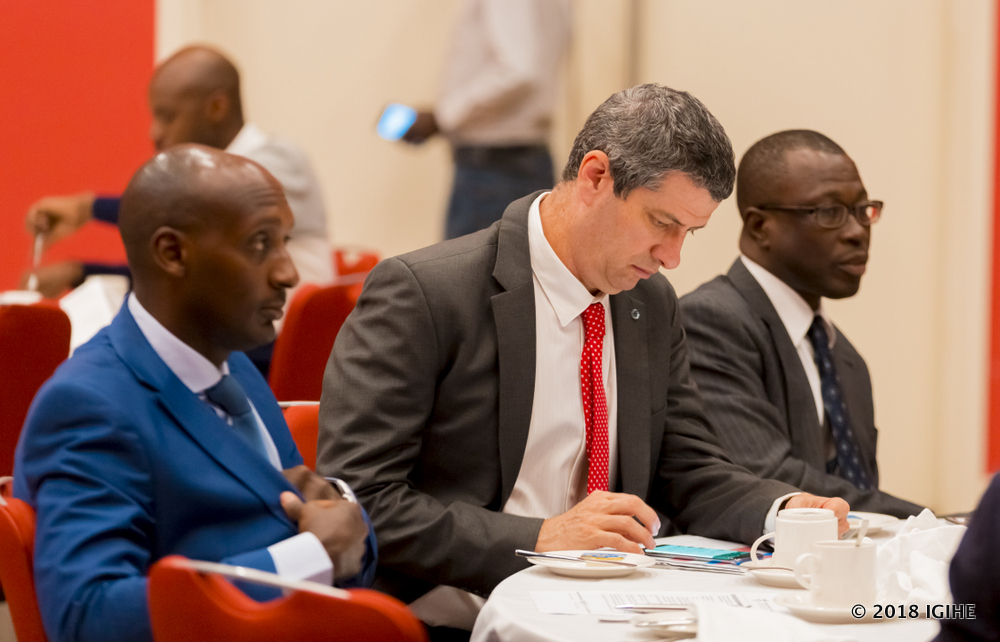
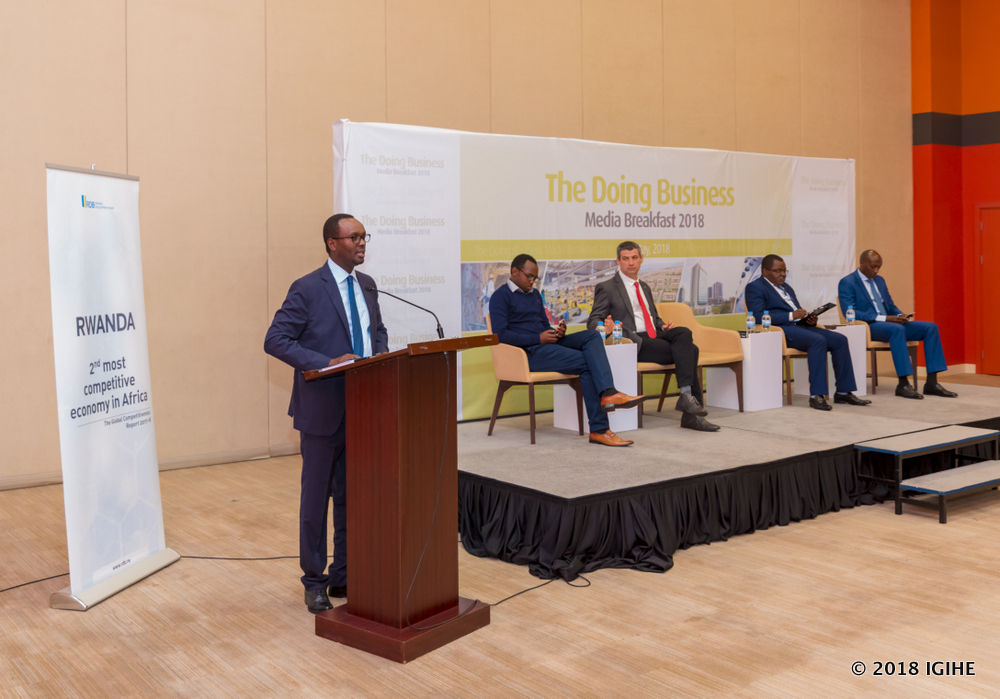
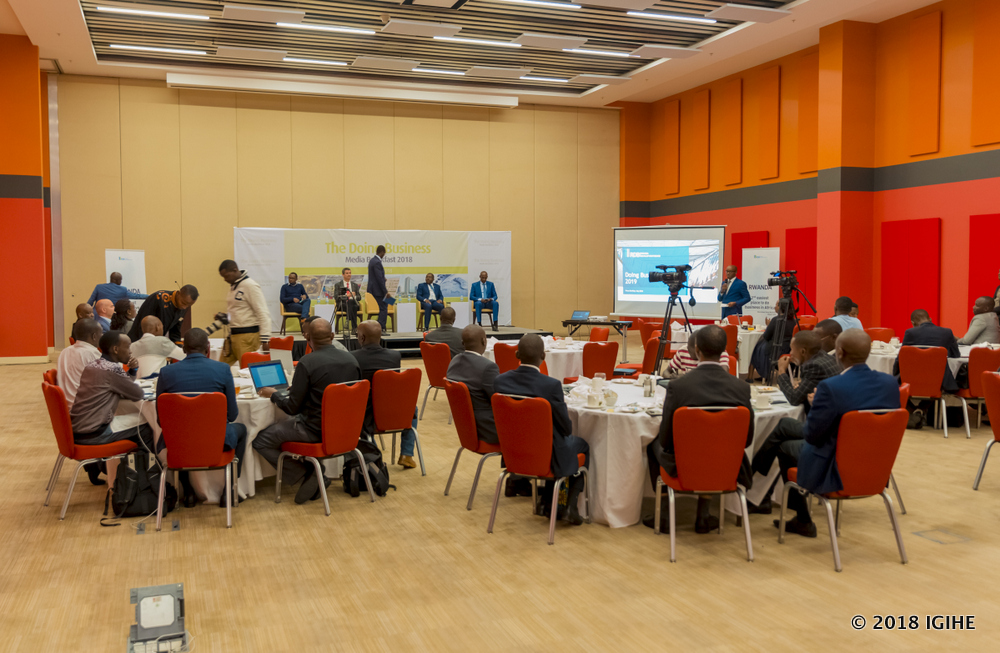
With the hugest number ever implemented in such a span of time compared to 52 reforms that were previously implemented in the last 15 years, Rwanda can only expect to improve in the next World Bank Doing Business ranking 2019 from the current 41st globally and second in Africa.
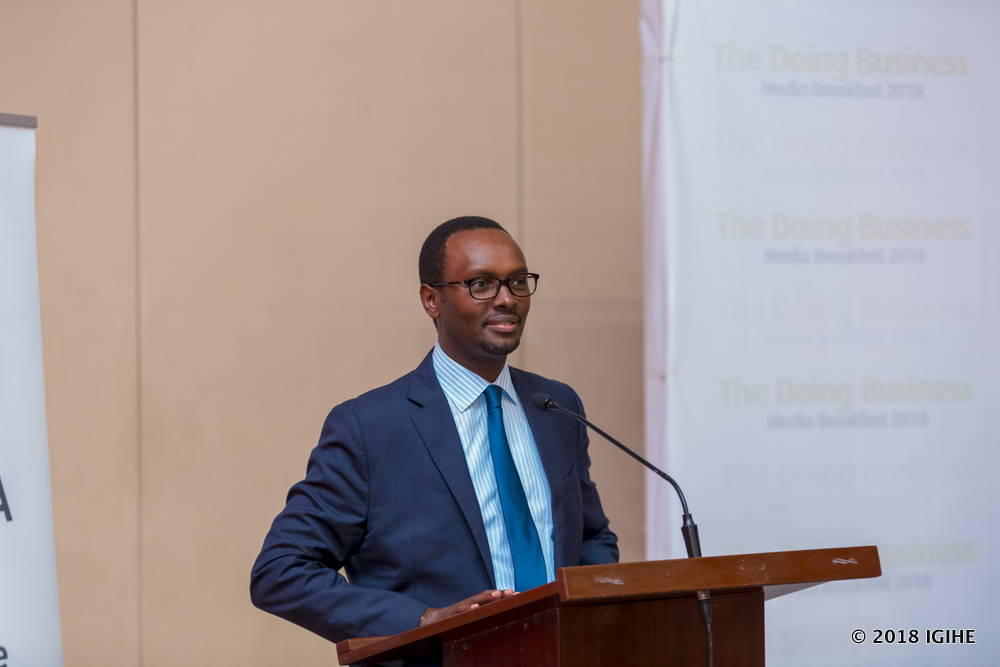
Speaking at a press briefing on Friday, RDB’s Chief Operations Officer Emmanuel Hategeka said the major reforms have reduced bureaucracy in construction, amount of time for electricity provision for investors, time exporters spend at customs and legal backlog, among other issues affecting the business climate.
“Ten years ago, the Government embarked on a strong agenda to transform our business environment in order to boost investment and private sector growth. One of the key tools that we relied on to guide this transformation is the World Bank Doing Business global report. Through strong leadership and consistent commitment to reforming the business environment, Rwanda implemented numerous business reforms over the last ten years”, said Hategeka.
The Doing Business report is a flagship World Bank publication which measures the relative ease of doing business across 190 economies, using a set of 10 indicators that track the entire lifecycle of a business such as what it takes to start, run and grow a business in a given country through the lens of business operators.
Reaffirming Rwanda’s vision to become competitive among the best globally, Minister of Trade and Industry, Vincent Munyeshyaka committed the Government of Rwanda to more reforms to make business environment increasingly competitive for local businesses and foreign investors alike.
“We must remain engaged with our private sector, understand the reforms needed for further growth and dynamism in the sector and uncover opportunities that will unleash the full potential of our private sector,” he said.
Munyeshyaka urged all institutions mainly RDB to double efforts for further improvements in business sector, saying that Rwanda has high ambitions as do many other economies, making the space of global trade and investment extremely competitive.
“As such, we must always ensure that our nation is able to compete among the best,” said the Minister.
Areas that require improvement include dealing with construction permit and getting electricity where Rwanda was ranked 122nd and 117th globally in Doing Business 2018. The power outage exceeding five minutes was also raised as an issue but as part of the solution, Rwanda Utilities Regulatory Authority has adopted a regulation to administer fines for power outages exceeding 10 minutes.
{{Major reforms implemented}}
Noting that all the reforms are crucial, Hategeka said that some are more notable and those include a software application that can be installed on any electronic device to replace the electronic billing machine (EBM) in processing value added tax (VAT) invoices. This system will eliminate the cost implications of buying an EBM that has often ignited outcry among business community.
In dealing with construction permits, buildings are now categorized according to the nature and magnitude of the anticipated risk and this therefore determines which projects must undergo a full or partial Environmental Impact Assessment (EIA). Geotechnical studies for buildings that fall in category DB as not exceeding 200 square meters and two floors has been eliminated, as well as topographic surveys for all types of buildings.
Another reform in dealing with construction permits is the removal of the requirement to fill a form notifying the One Stop Center at RDB of the commencement date of the project. Water connection now also takes two weeks, down from the previous 30 days.
Getting electricity connection has also improved, reducing the number of days from 34 to 20. The recently launched automated system also records and monitors power outages, improving transparency in the reliability of supply of energy in Rwanda.
In paying taxes, it now takes five hours to file for VAT since the introduction of the automatic VAT reconciliation online process. This advancement comes with the reduction of tax audit procedures and the opportunity to correct erroneous information entered after the deadline date.
As the Government of Rwanda is also focused on reducing the trade deficit by increasing exports, certain reforms such as the issuance of an online certificate of origin, the introduction of a risk based approach in inspection of exports, joint inspection of both exports and imports by agencies, and extension of working hours at Gatuna and Rusumo borders were introduced to reduce time and cost implications for investors.
In enforcing contracts, a new law on civil, commercial, labor and administrative procedures was passed with a provision for small claims procedures. Another reform includes a law limiting the grounds for adjournment for unforeseen and exceptional circumstances. On resolving insolvency, a new law particularly in relation to out of court voluntary mechanisms and individual bankruptcy was passed.
RDB also announced more key reforms in the offing including online auctions through a platform on which properties under auction can be viewed, bids entered and payments made; electronic titling to upgrade of the land administration system, just to mention but a few.
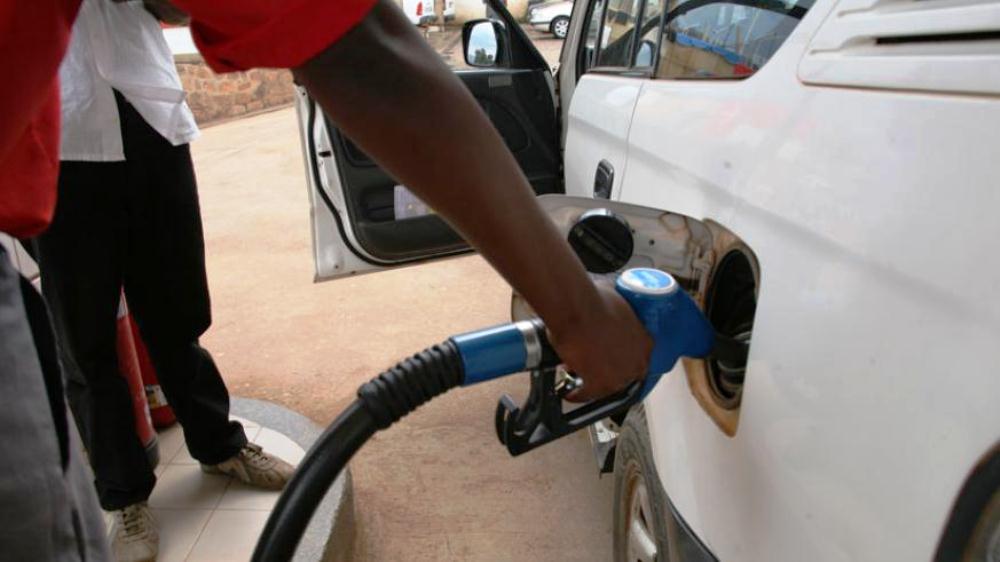
Pump prices increased to Rwf1,065 from Rwf1,048 and Rwf1,005 from Rwf994 per litre of petrol and diesel respectively.
The new prices take effect from this Friday 4th May, according to a statement signed by the regulator’s Director General, Lt. Col. Patrick Nyirishema.
The new prices represent an increase of Rwf23 for each litre of petrol and Rwf43 for diesel going by prices that had been set in January when the tariffs had also increased by Rwf11 per a litre of petrol and Rwf12 for diesel.
Wenger’s departure at the end of the season triggered sadness among Arsenal’s fans world-wide, as he had gone on too long and not been able to deliver another title or finally win the Champions League that he craved so badly.
Diego Costa killed Arsene Wenger’s last hope of a glorious Arsenal farewell as his goal sent Atletico Madrid through to the Europa League final 2-1 on aggregate on Thursday.
The 68-year-old Arsene Wenger admitted that he was “very, very sad” to be leaving Arsenal on the back of a Europa League semi-final defeat at the hands of Atletico Madrid.
As fans took to twitter their disappointment, President Kagame among others gave his take on the departure of the coach who had been Arsenal’s coach for 22 good years.
“My take on my beloved Club Arsenal- a very good one at the game and a very good coach like A.Wenger, this should not have been the kind of ending of an era. The coach is leaving and club trophy-less it was long coming! I am still a committed fan going forward. Blame the owners”, reads President Kagame’s tweet.
“As I had said way back and just as a good observer…Something fundamental needed to change at/about the club. But if anything changed it was not the right one. All the best to all involved! We still need Arsenal to go back where it belongs- up there among the best in the game!” He added.
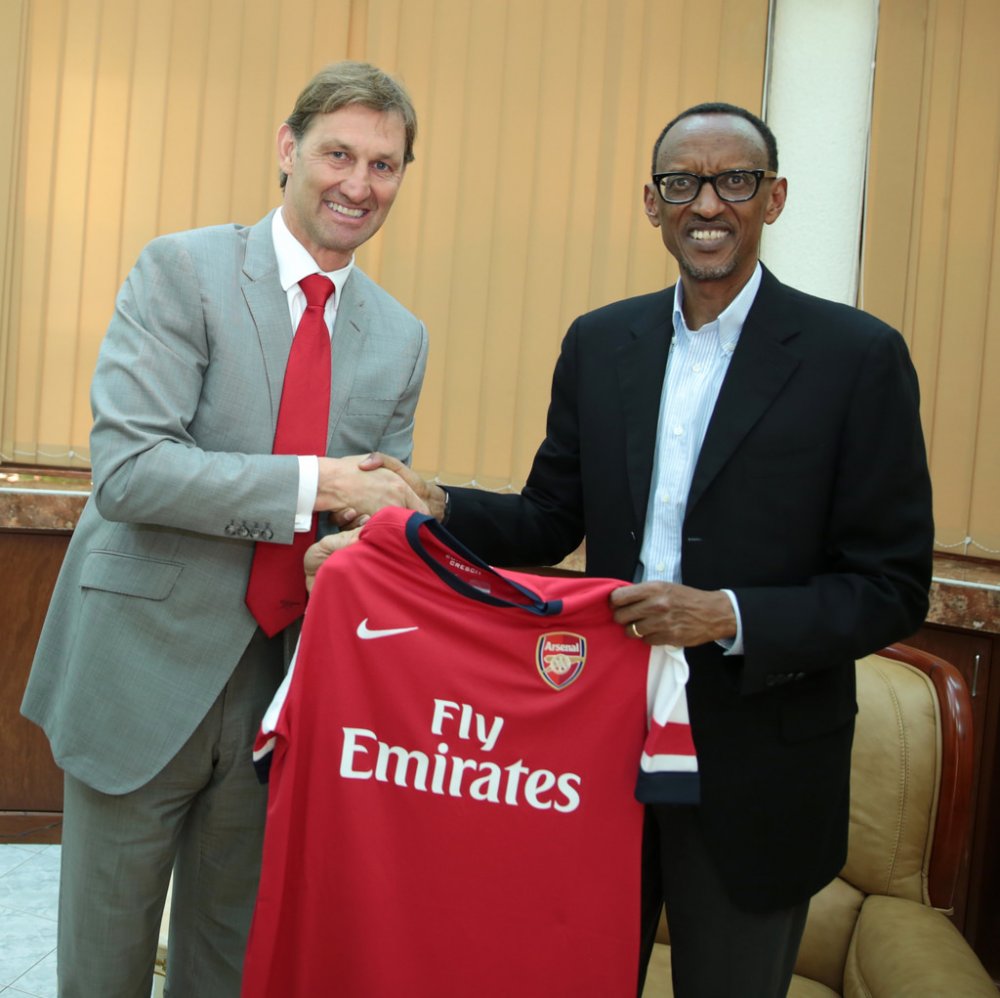
In 2007, when President Kagame who is a devoted Arsenal fan since 1996 was celebrating his 50th anniversary, Coach Arsene Wenger gave him Arsenal Emirates’ Flag with signatures of all players at the time.
Also in 2013, President Kagame was spotted in Arsenal’s stadium, where the team scored 2-0 against Napoli in UEFA Champions league.