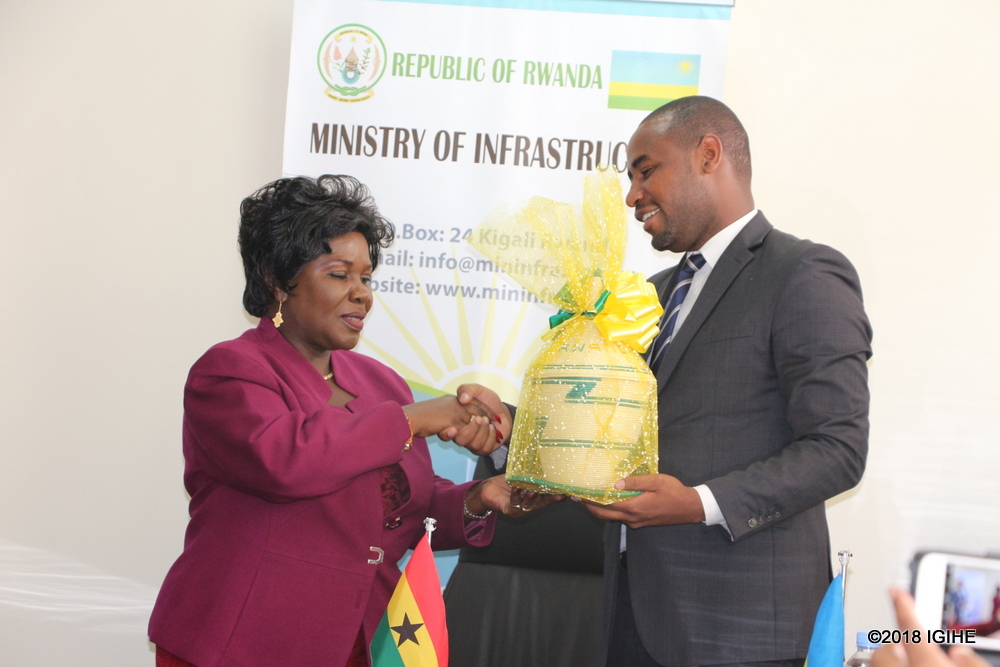
The Minister of state in charge of transport Jean de Dieu Uwihanganye and Ghanaian minister of aviation Cecilia Abena Dapaah signed the agreement Monday, 21st May 2018.
Speaking during the event, Uwihanganye said that the new deal will allow the national carrier to freely pick passengers from Kotoka International Airport in Accra, connecting to different destinations.
“While Rwandair has been flying to Ghana’s capital Accra for the past five years, the air services agreement will act as a catalyst to future cooperation in trade and development between both countries.” Said Min. Uwihanganye
According to Ghanaian minister of aviation Cecilia Abena Dapaah, the deal presents an opportunity to foster Africa’s economic development through air transport.
Rwandair’s CEO, Yvonne Manzi Makolo remarked that Accra was one of the places with a flourishing and expanding market on the continent, as its Airports connects to both the West & South parts of the continent.
Rwandair spread wings to Accra in 2013, flying there five times a week.
The national carrier also recently launched flights to South Africa’s Cape Town and Nigeria’s Abuja, raising the number of its destinations to 26.
The assembly is the decision-making body of the World Health Organization (WHO).
The President also graced the Opening Ceremony of the Assembly alongside President of the Swiss Confederation Alain Berset, President of the 71st World Health Assembly David Parirenyatwa, WHO Director-General Dr Tedros Adhanom Ghebreyesus and Director-General of the United Nations Office in Geneva Michael Møller.
In his address, President Kagame shared Rwanda’s journey towards Universal Health Coverage. He noted that a combination of community-based health insurance, community health workers, and good external partnerships led to the steepest reductions in child and maternal mortality ever recorded across the country.
“The key was an approach that put individuals and communities at the centre. In choosing this path, Rwanda learned from others who preceded us, and we also benefited greatly from advice and support from the World Health Organization. Integrating digital applications and new technologies into our health system has also made a difference, and we are now using drone aircraft to quickly deliver blood and medical supplies to rural hospitals,” President Kagame said.
President Kagame further pointed out that today more than 90 percent of Rwandans are enrolled in health insurance with government subsidizing only one-third of the cost while two-thirds are covered by contributions from beneficiaries.
He added that Rwanda has kept on expanding the network of volunteer Community Health Workers, who are present in every village and serve as an essential link between the population and health facilities.
Attended by delegations from 194 WHO member states, the gathering discusses a number of issues including the organization’s five-year strategic plan to help countries meet the health targets of the Sustainable Development Goals (SDGs).
The money was stolen from Jean Nepo Mazimpaka, who deals in minerals, on May 18 after thieves broke into his car as it was parked on the streets of Kayonza town.
Police spokesperson for the Eastern Province, Chief Inspector of Police (CIP) Theobald Kanamugire, said that the money was recovered from five people, who connived in the theft, and who are already in Police custody.
“After the victim noticed that he had been robbed he immediately called the Police. Officers first checked the handset of the victim’s friend Paul Nsengiyumva whom they had travelled together from Kigali that evening, and they found a message he had sent to someone telling him that there was in the car, indicating the car number plates and where it was parked,” CIP Kanamugire said.
“He was immediately taken into custody and his other four accomplices were also traced and arrested on Saturday, and all the stolen money recovered,” he added.
All the other four suspects who are Ernest Ntakirutimana, Modest Ndigijimana, Jenvier Manzi, and Shabani Zambia, are mechanics in Kayonza town,
Nsengiyumva was a friend to the victim and the latter had requested the former to accompany him from Kigali to Kayonza that day.
The thieves brought a truck, parked it next to the targeted car to block the owner from noticing the crime from where he was seated with his so called friend.
“The victim has been informed about the recovery of his money while suspects now in the hands of Rwanda Investigations Buruea are detained at Mukarange Police station,” CIP Kanamugire said.
Mazimpaka thanked the Police for recovering his money.
“At first I did not have any hope that my money would ever be recovered, however, I observed high sense of commitment by officers from onset, to help. I was so happy a day after, when I received a telephone call asking me to come and pick my money,” Mazimpaka said.
“However, it is so disappointing for the person you called a friend, who is also my neighbor in Kigali to be the brain behind everything, but I am grateful to the Police responsiveness,” he said.
CIP Kanamugire advised people against keeping large sums of money in the car or at home to prevent such temptations of theft.
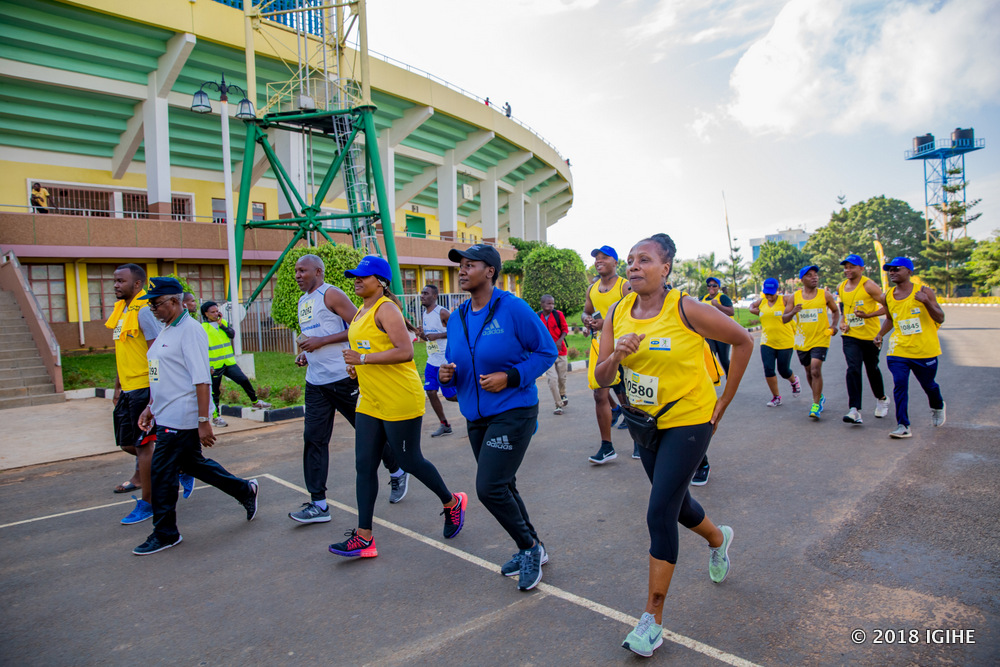
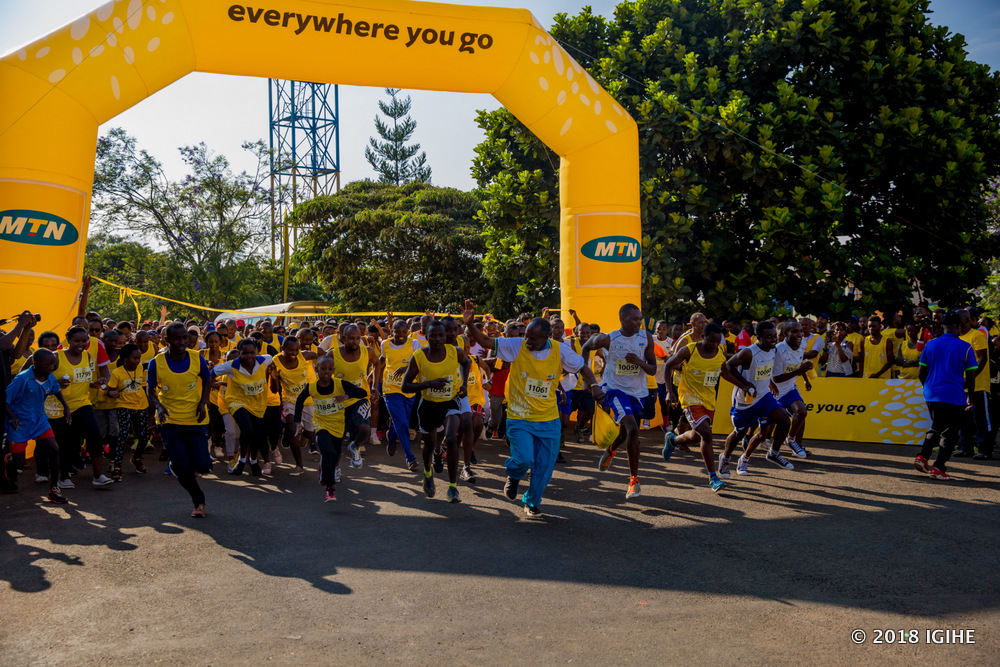
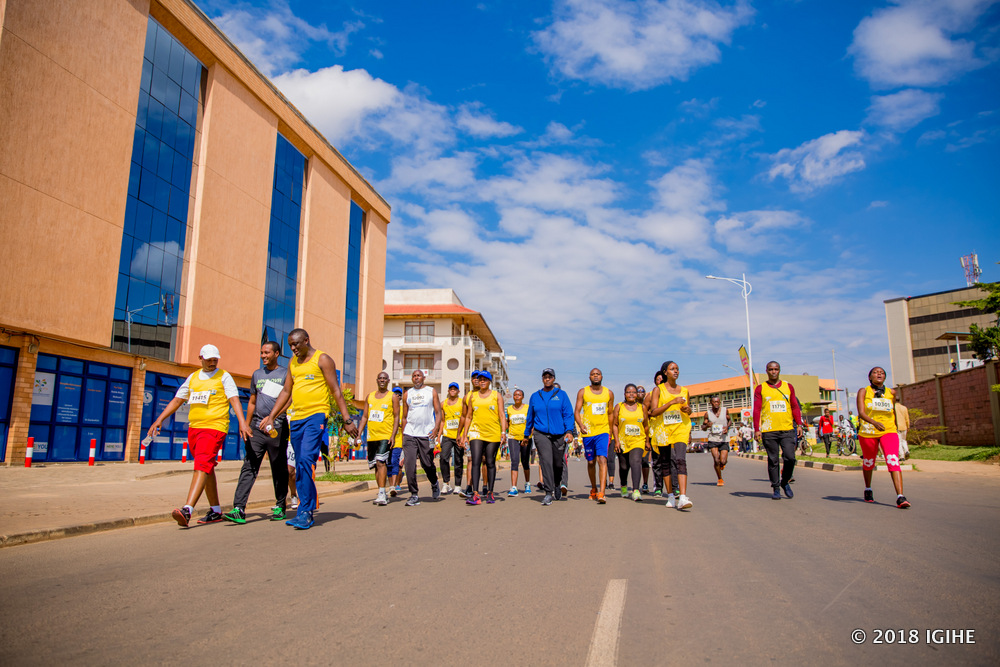
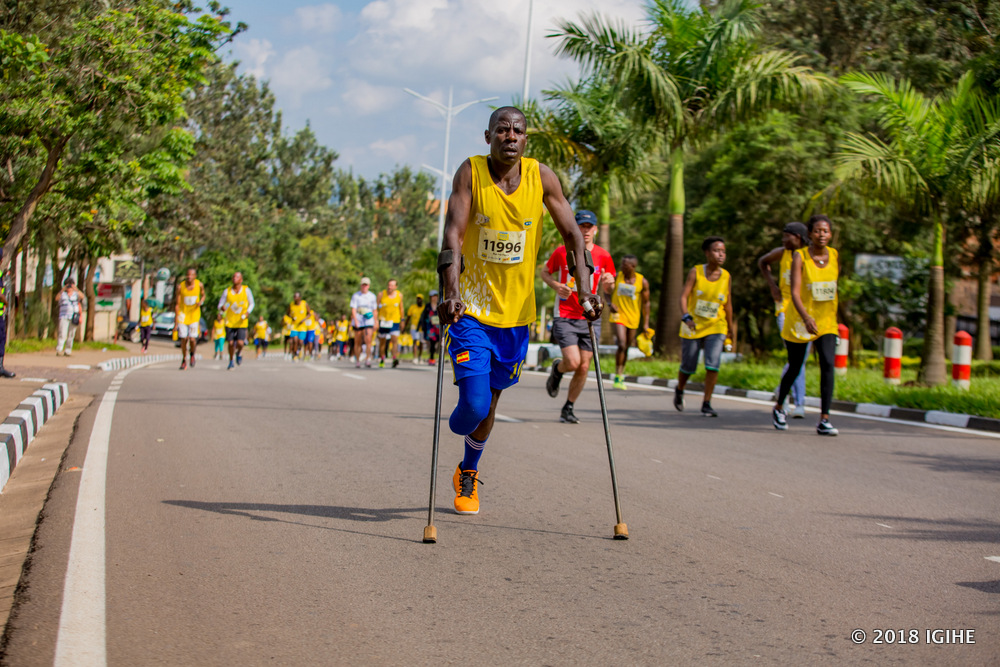
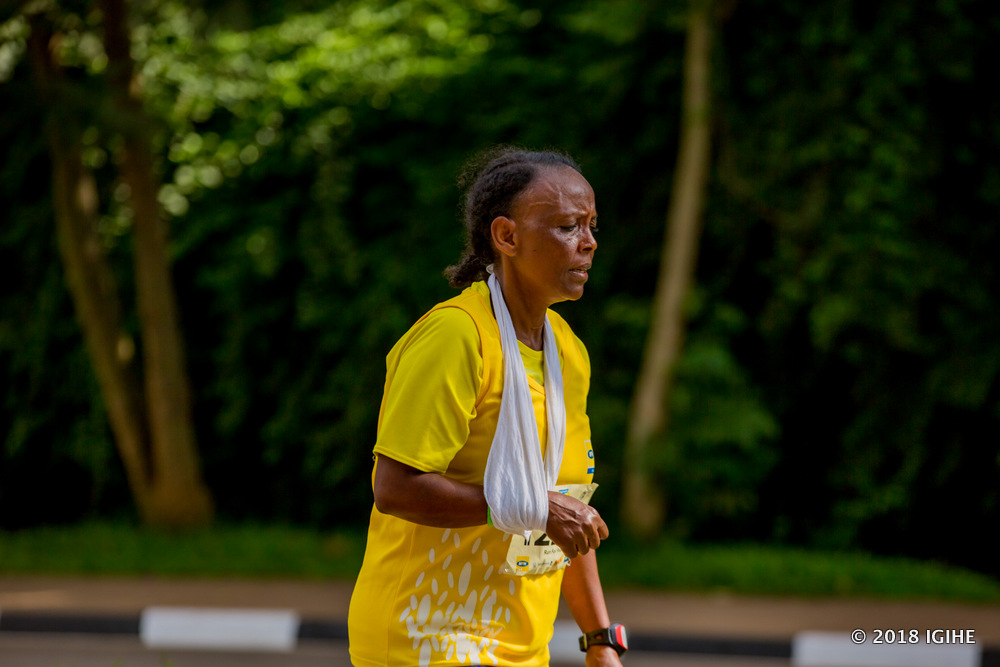
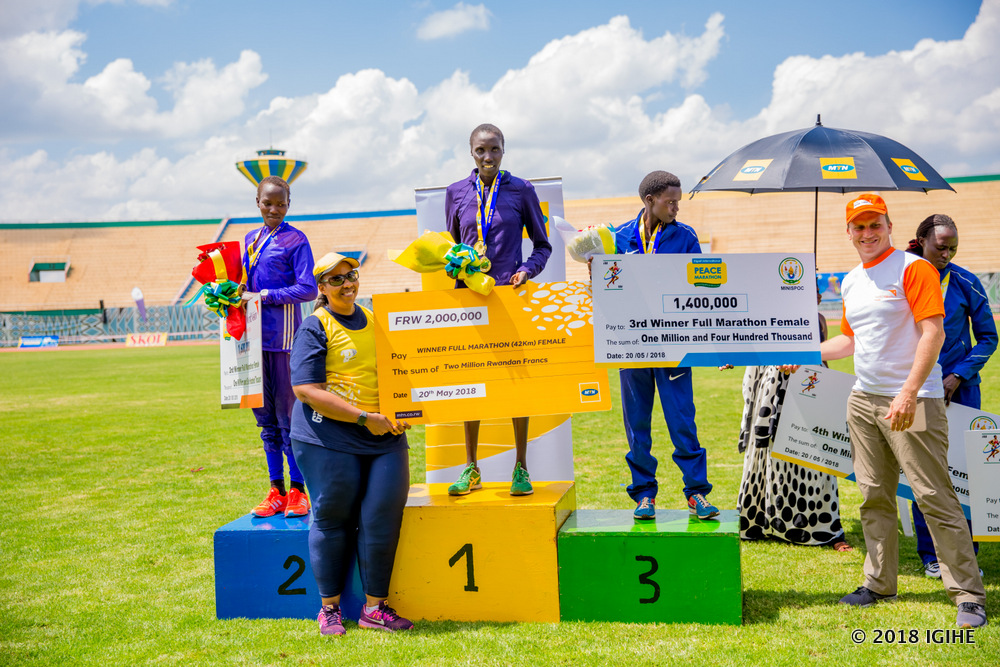
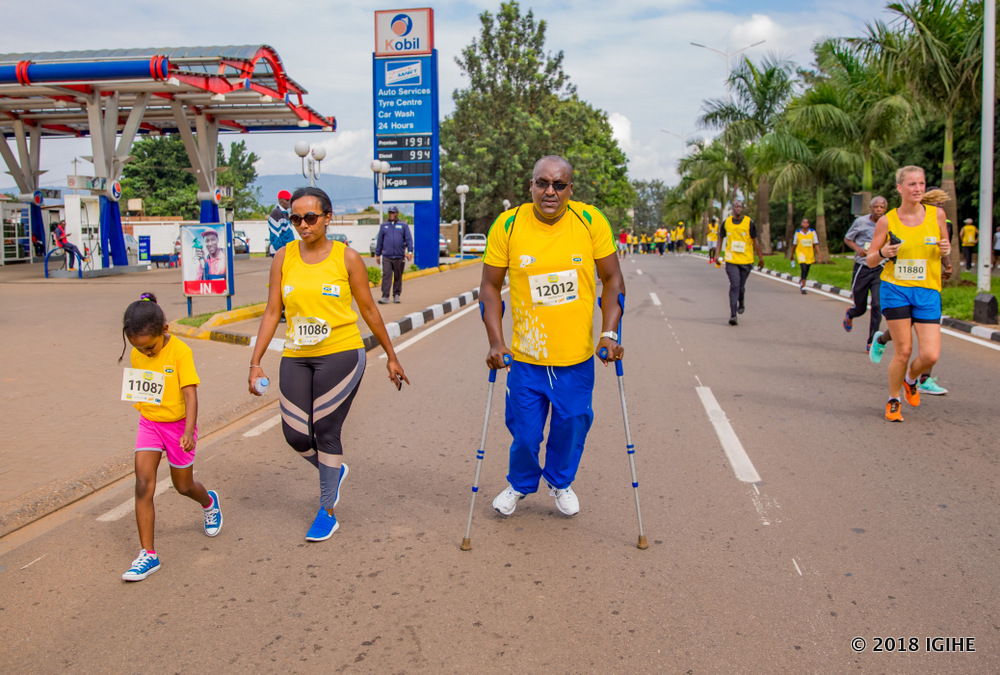
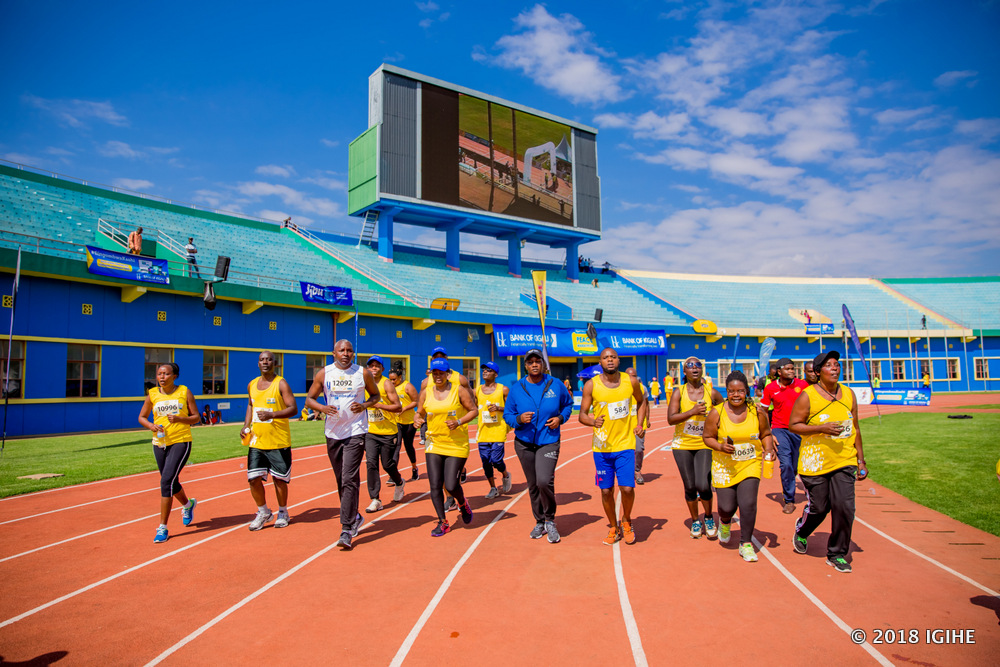
This year’s edition of the Kigali Peace Marathon was a history in the making as Noel Hitimana and Salome Nyirarukundo unsettled Kenyan dominance and won the half marathon categories.
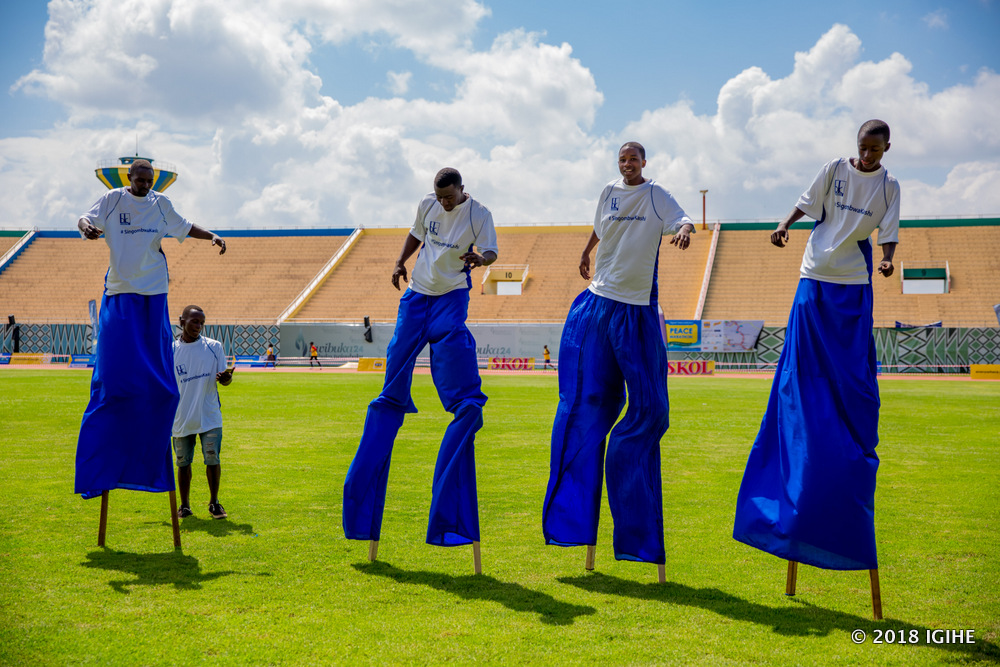
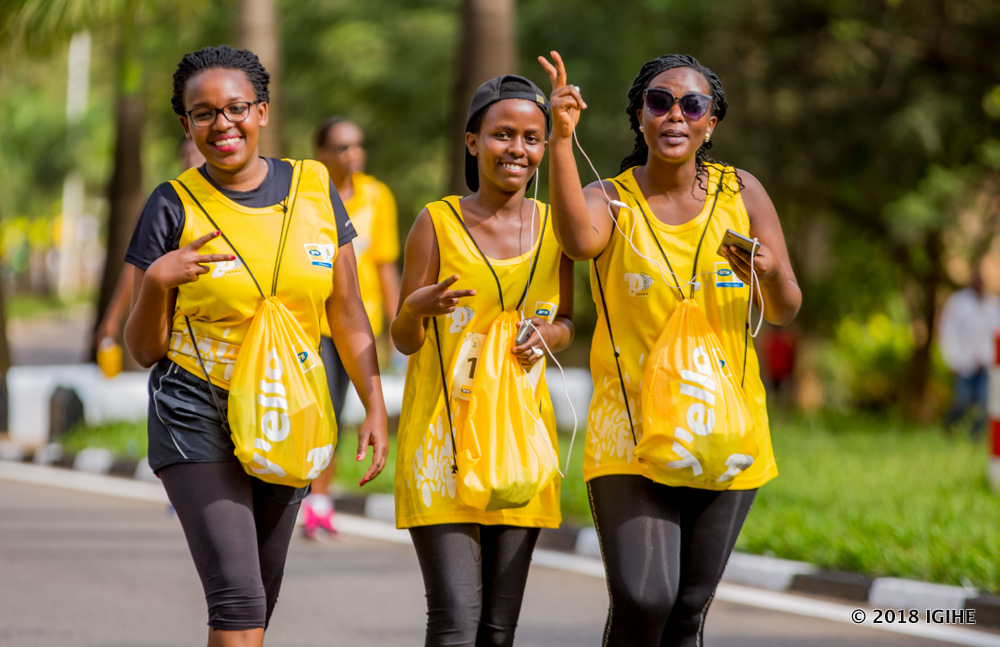
The much anticipated event that took place on this Sunday, saw over 8000 participants gather at Amahoro National Stadium.
The race was divided into three categories; the 42km marathon, half marathon of 21km and a 10-kilometre run for peace.
Speaking to the press, Nyirarukundo Salome who had been banned to participate due to health issues, said she was driven to defend a medal for her country despite her lack of preparation for the marathon.
“Everyone is here to win. I did my best so to defend the medal I won last year, and I can say that it wasn’t an easy feat as the Kenyan athlete who was behind me was rather srong. I was only driven by making Rwanda proud and I’m glad that I made it.” she said
RAF President Fidele Mubiligi said that he was overall pleased with the way the 14th Peace Marathon went. He thanked again sponsors who achieved in making this year’s edition of the Peace marathon a success.
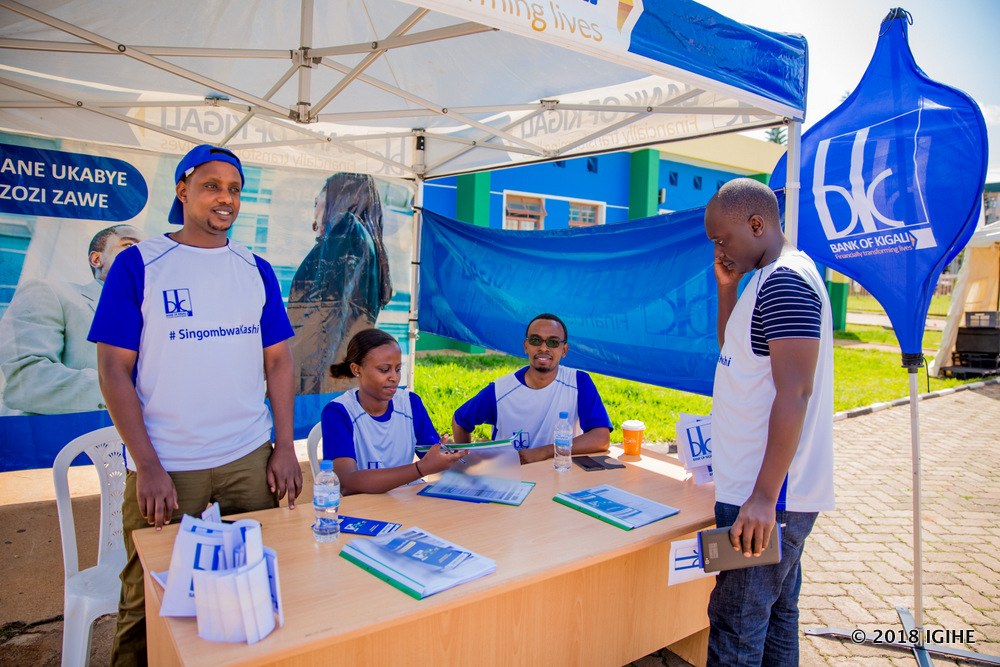
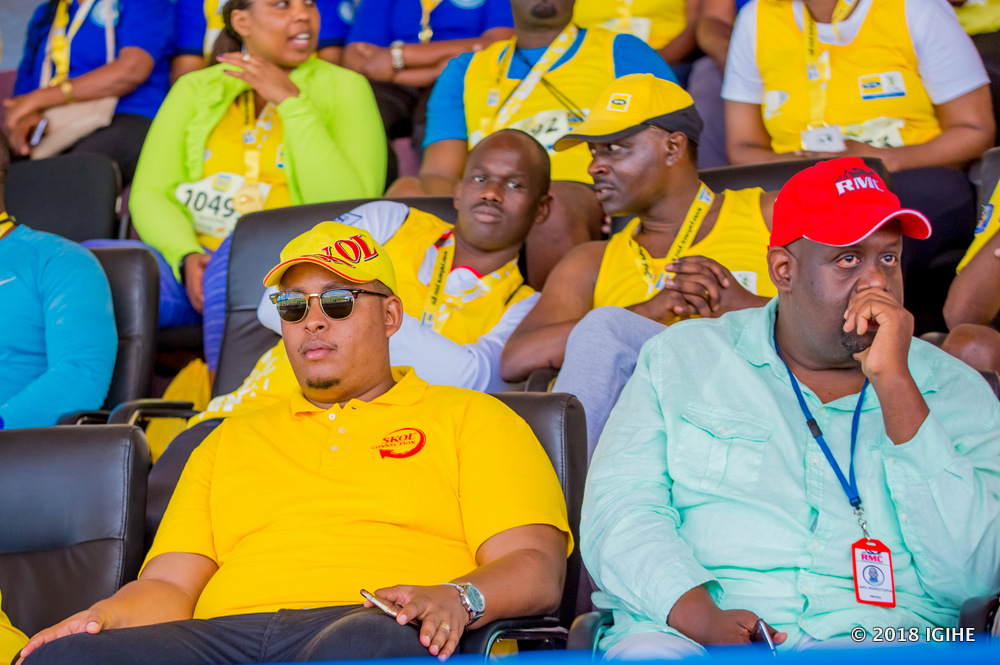
Sponsors of the 2018 Kigali International Peace Marathon included MTN, Bank of Kigali, Skol, Rwanda Motorcycle Company (RMC), RwandaAir and others.
Thierry Nshuti, the Head of Marketing and Product development at Bank of Kigali said that as sponsors, they were more than satisfied with the course of the 2018 Kigali International Peace Marathon and that they were glad that Rwandans had started to have a spirit of competition and were more driven to win.
“As sponsors of the Kigali International Peace Marathon, we are very happy with its evolution and we are glad that Rwandans were able to participate in great numbers and win.” he said.
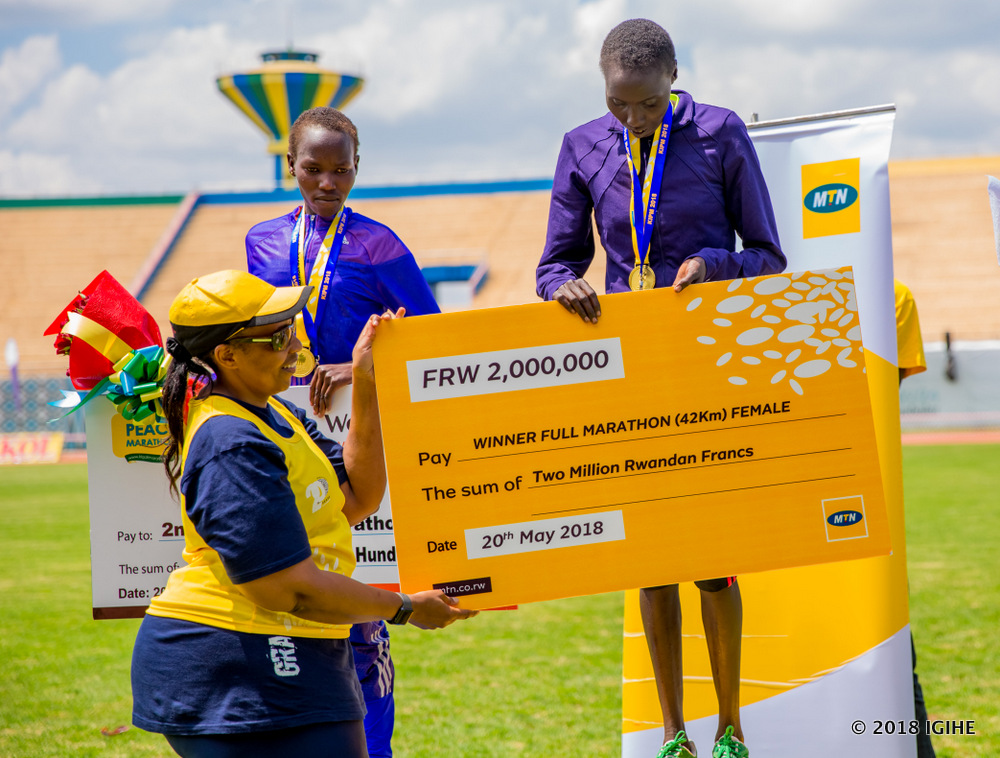
Gold medalists in the full-marathon for both men and women’s categories were prized with Rwf2 million cash, while silver medalists were awarded with Rwf1.6 million and Rwf1.4 million cash prize for bronze medalists. The fourth and fifth finishers walked away with 1 million and 800,000 Rwandan francs respectively.
As of the half-marathon, gold medalists scooped a Rwf1 million cash prize while the first and second runners-up were awarded 700,000 and 500,000 Rwandan francs. The fourth, fifth and sixth finishers were given 400,000 Rwandan francs, 350,000 Rwandan francs, 300,000 Rwandan francs respectively.
The Kigali international peace marathon was launched 13 years ago in a drive to promote peace and reconciliation after the devastating 1994 Genocide against the Tutsi that claimed over one million lives in a 100 days.
{{The 2018 Kigali International Peace Marathon in pictures
}}
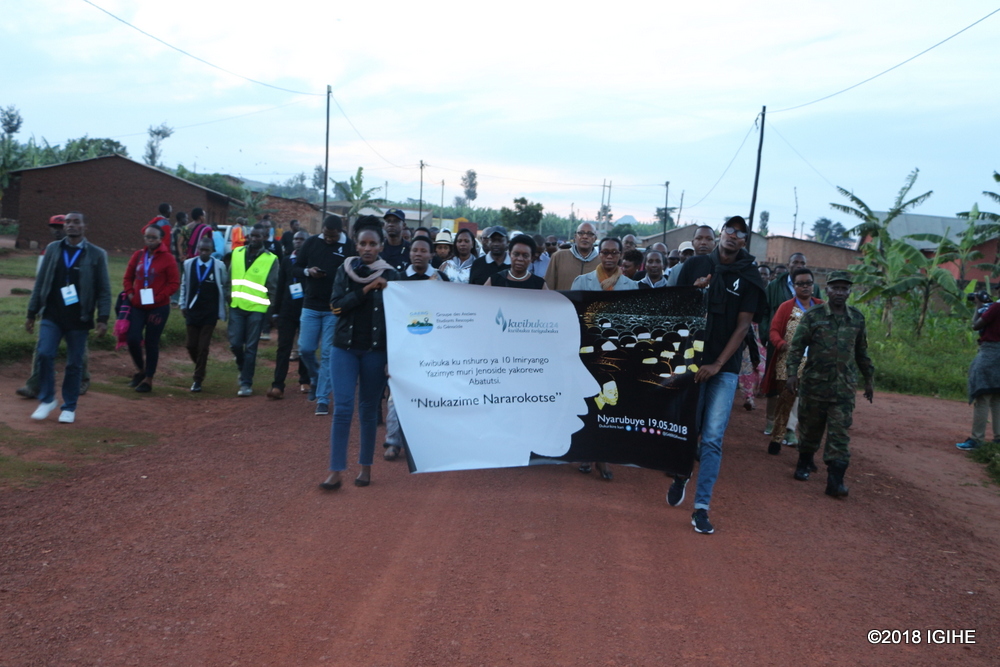
The event took place at Nyarubuye Genocide Memorial Center in Kirehe District, Eastern Province.
A wiped out family means the family where no member, from parents to children survived the genocide. Currently, a total of 9706 families have been identified in 19 districts.
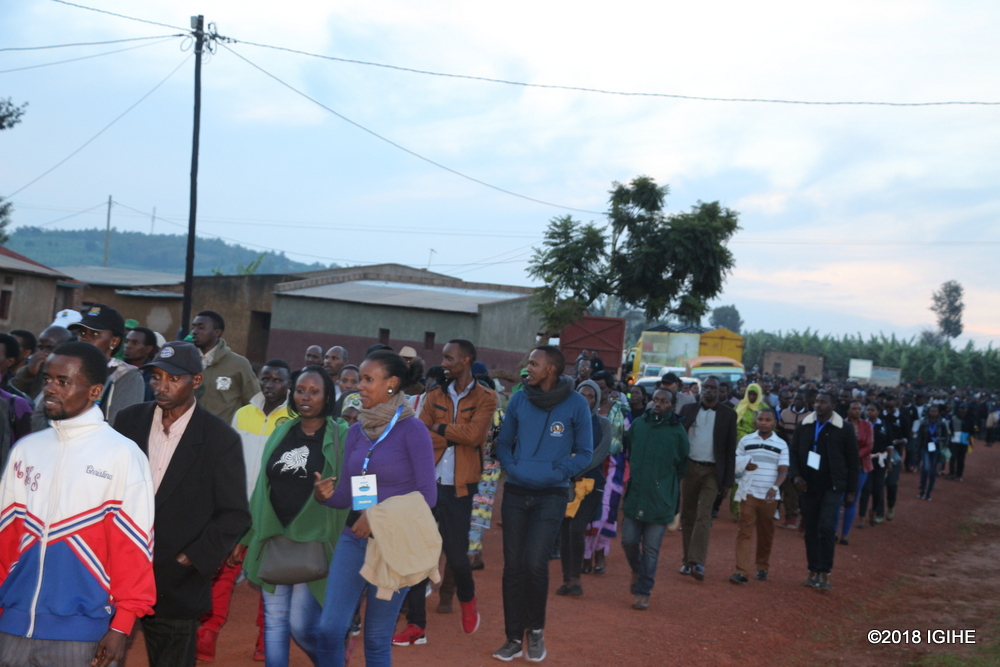
The event was marked with a walk to remember from Nyarutunga centre to the memorial located in former Rusumo Commune.
GEARG President, Olivier Mazimpaka said that though the families were wiped out, their lights are still shining in the hearts of survivors.
“Remembering wiped out families remind us the genocide plan which targeted the whole family from father, mother and all children,” he said.
Speaking at the event, the Executive Secretary of National Commission for the Fight Against the Genocide (CNLG), Dr. Jean Damascène Bizimana revolved around how Tutsi were persecuted in different parts of the country, being called auspices of RPA Inkotanyi especially in former Kibungo Prefecture.
He said that a total of 6120 were imprisoned in Kigali, 623 in Kibungo, 320 in Byumba, 304 in Gisenyi and 251 in Butare.
Bizimana reminded people to use appropriate appellations of the scenarios of what happened in the genocide.
“Saying that people were dead is not appropriate because people might die natural death, we should say that Tutsi were killed. Also, saying that Tutsi passed through the journey to the cross is not appropriate because that happened to Jesus and he had chosen so,” he explained.
The Eastern Province Governor, Fred Mufulukye called upon parents to teach children on good choice.
“We should question the role of parents, we should ask ourselves whether those who perpetrated the genocide had been appropriately educated. Let’s teach our children on good values,” he urged.
The 9706 wiped out families that have been identified had a total of 42, 647 members and the census have been conducted in 19 districts, but the mission is to reach all districts.
Organised by Hope Iwacu Initiative in collaboration with Rwanda Bureau of Investigation (RIB), the session was offered to the hotel’s employees from different departments on Thursday.
David Bwimba who represented RIB cautioned the hoteliers that they are among the most likely to fall a prey to human traffickers who lure them with better jobs in developed countries like Dubai in the United Arab Emirates.
“These crimes are present in Rwanda. They are cross border crimes but they also exist within the country because someone can be held a victim even here in the hotel but we often investigate cross border crimes because those victims abroad call for help but victims inside here rarely speak out. Human Trafficking is illegal everywhere in the world. Let’s work together to fight it,” he said.
Bwimba said that Rwanda registered 47 human trafficking cases last year with most victims coming from Oman, Malaysia, Saudi Arabia, Kenya, among other countries.
“You should help report the suspects. They often spend time in hotels during their work but let’s together also ensure the respect of human rights in our communities,” he said.
Télésphore Kabera, the Secretariat Coordinator at Hope Iwacu Initiative said hotels and motels are among the leading venues of human trafficking and urged the hoteliers to be cautious.
“You should be suspicious with those guests who ask for isolated rooms, reserve with different names from those they use in the hotel, keep distance from front desk, try to hide who they are, need multiple room keys. All these actions might act as red flags alerting you to a potential trafficking situation,” he said.
Human trafficking appears in many forms including sexual exploitation, forced labour or services, slavery, domestic servitude, removal of organs, forced begging, illegal adoption, among others.
Kabera said that human trafficking is currently the third largest international criminal industry with annual profit of $32 billion, behind illegal drugs and arms trafficking.
{{Hoteliers pledge vigilance}}
Participants said the lessons opened their eyes and committed to being vigilant against any crimes that can get into their premises.
Bosco Gahigi, the Security Manager, said he also faced attempts of human traffickers but ignored them because he had acquired lessons about their tricks.
“Some of you might have also been tempted with jobs or scholarships overseas. Be careful! You can end there in forced sexual acts or labour while you can’t even dare report your case to police because you are there as an illegal migrant. Be suspicious that time you see a guest who avoids check-ins, needs no room cleaning for days, puts on ‘do not disturb’ mark for 12 hours,” he urged colleagues.
Emmanuel Mushayija said the lessons should also go to youth around the country because they are the most targeted and easier to win. He added that he had heard of the human trafficking in other countries like Libya but has got to know it is also present in Rwanda.
Jeanne Kayitesi, the Human Resource Manager at Kigali Serena Hotel, said the lessons will help staff carry out their duties well while protecting the hotel from being a venue of crimes especially human trafficking.
“These participants will share lessons with their colleagues and that will improve the security in the hotel. We haven’t recorded any such crimes here but it is important to mitigate risks as traffickers keep changing tricks,” she said.
Article 252 of Rwanda’s Penal Code stipulates that human trafficking attracts penalties of a term of imprisonment of seven to 10 years and a fine of five million to 10 million Rwandan francs.
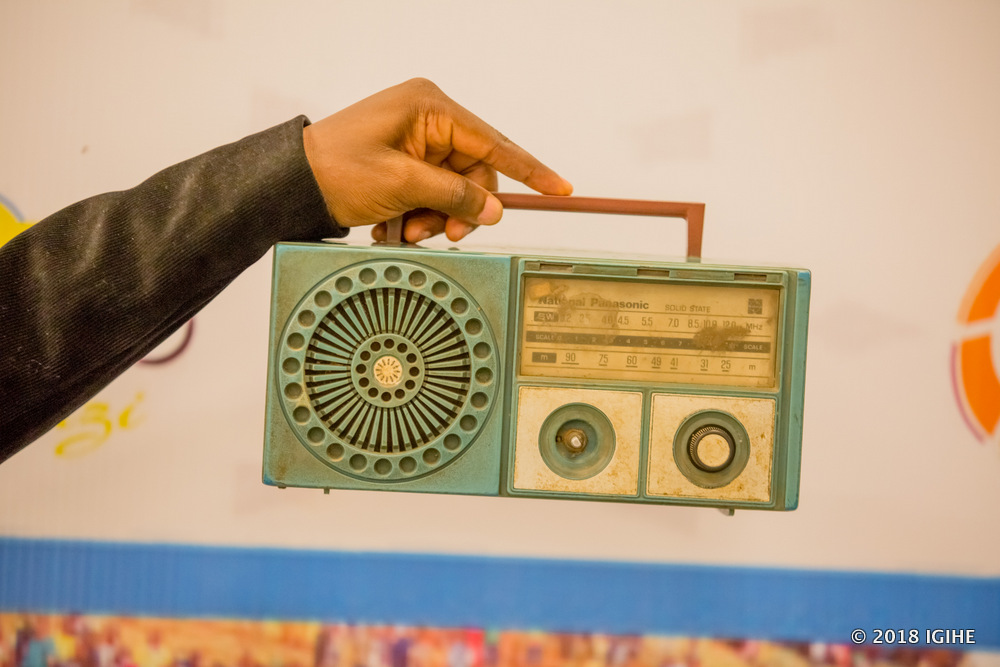
The mother Radio in Rwanda, working under Rwanda Broadcasting Agency (RBA), was officially launched on May 27th 1961 in Kigali City.
However, the Radio broadcasting sets were in Burundi, former Ruanda-Urundi territory main headquarters.
In 1963, shortly after Rwanda’s independence, regime, the radio also started to work independently in Kigali. That is where the most popular and oldest Radio in Rwanda started from.
RBA celebrated 55-year anniversary yesterday in Kigali, in the ceremony that took place in Kigali Convention Centre. It was a colorful event that was attended by senior government officials, former and current employees of RBA and general community among others.
The radio was under government control before and during the 1994 genocide against the Tutsi, and was used by the then government to cultivate hate among the people.
Silas Mbonimana who started to work for Radio Rwanda in 1982 said that ethnic discrimination was also inside the institution.
“I started when there was good mood inside, but, as days passed, things changed to bad because of ethnicity. Every person wanted to know others’ origin, there were also extremists who wanted to harm colleagues,” he said.
After the 1994 genocide against the Tutsi, the radio was used to unite Rwandans and preach new vision by the government.
Until 2003, it was the only radio that was operating in Rwanda. In 2004 private radios were opened and brought different programmes which helped them to dominate the radio that had been there for years.
As private radios had soft programmes like entertainment and sports, they attracted audience than Radio Rwanda with the majority being youth.
The changes in the industry forced Radio Rwanda to join the race and introduced similar programmes as well as recruiting young journalists.
{{Future of the radio}}
Speaking at the event yesterday, the RBA Director General, Arthur Asiimwe said that in next five years, they want to reform Radio Rwanda and affiliated radios so that they provide content based on people’s expectations.
“We want to be a leading and trusted media house; we need improvement,.. we want to work without bias,” he said.
He said that in five years, they want to raise quality, embrace creativity and capacity building among employees,” he added.
Speaking at the event, Prime Minister, Dr. Edouard Ngirente requested the radio to continue to facilitate people along the development journey by providing them relevant information.
“Rwandans need media that give them well researched development news. You have been doing that and we hope that you will continue. It is few months now since the government announced the seven-year government programme, the programme has different plans that Rwandans need to know about, so, they need deep explanations so that no one will be left behind,” he added.
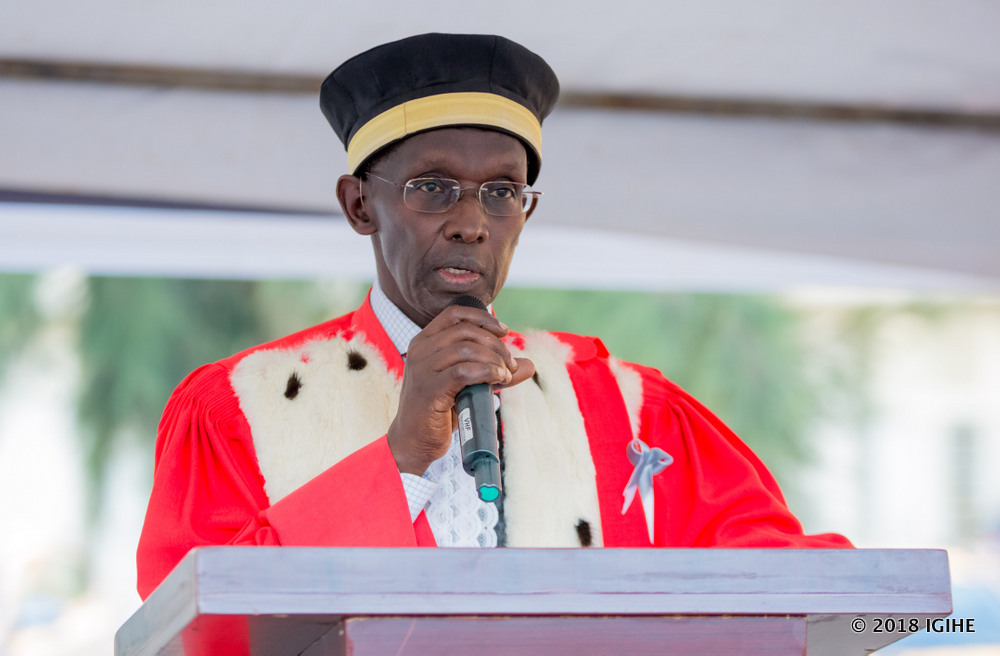
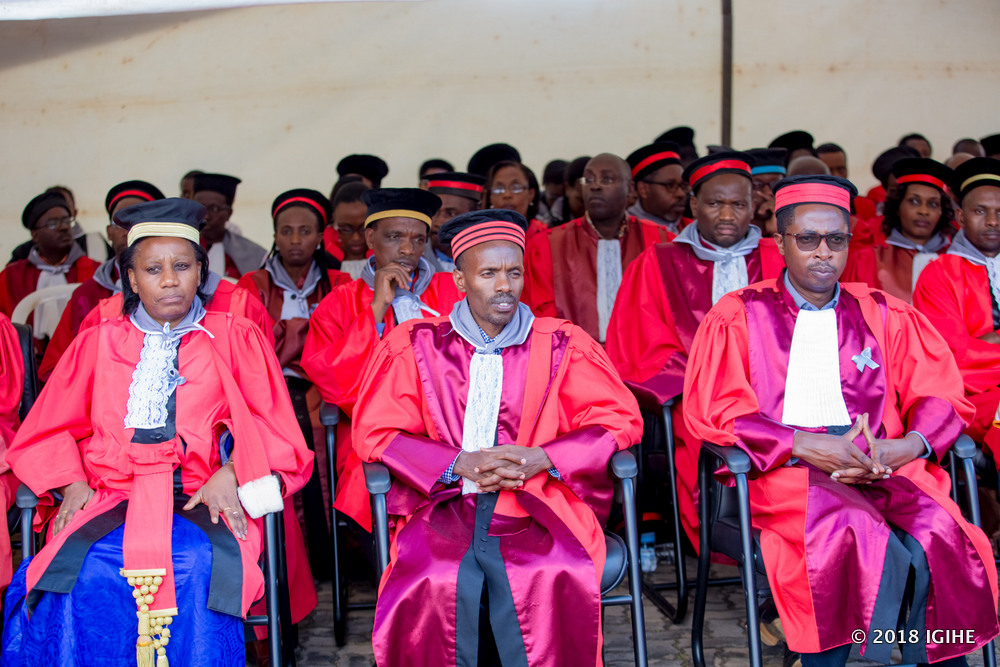
Rugege was speaking on Friday in Kigali at the commemoration of former justice sector personnel that were massacred during the 1994 genocide against the Tutsi attended by, among others, justice sector employees and families of slain victims.
He said that the value that should be bestowed upon genocide victims is justice which does not consider ethnicity.
“Among what we should give particular attention is cases related with the genocide against the Tutsi. They should be fairly tried because when they are not properly handled, they can destabilize the attained unity and reconciliation among Rwandans,” he explained.
“I call upon prosecutors and Judges’ attention when handling cases of genocide ideology, deniers and trivializers or when re-trying cases that had been tried by Gacaca courts,” he said.
Speaking at the event, the head National Commission for the Fight Against the Genocide, Dr. Jean Damascène Bizimana said that prior to the 1994 liberation, justice system turned a blind eye in pursuing people who initiated hatred and cultivated the genocide ideology among Rwandans.
“Judiciary is among sectors that paved ways for the genocide. Investigators and prosecutors were characterized by persecuting and judges were characterized by injustice, neglecting laws and violating human rights based on ethnicity; Tutsi were particularly desecrated,” he explained.
“Judiciary did not pursue politicians who initiated activities spreading hate and genocide ideology,” he noted.
He said that political parties like APROSOMA and Parmehutu started to spread documents cultivating hate and trivializing Tutsi in 1957 and 1959 through their papers.
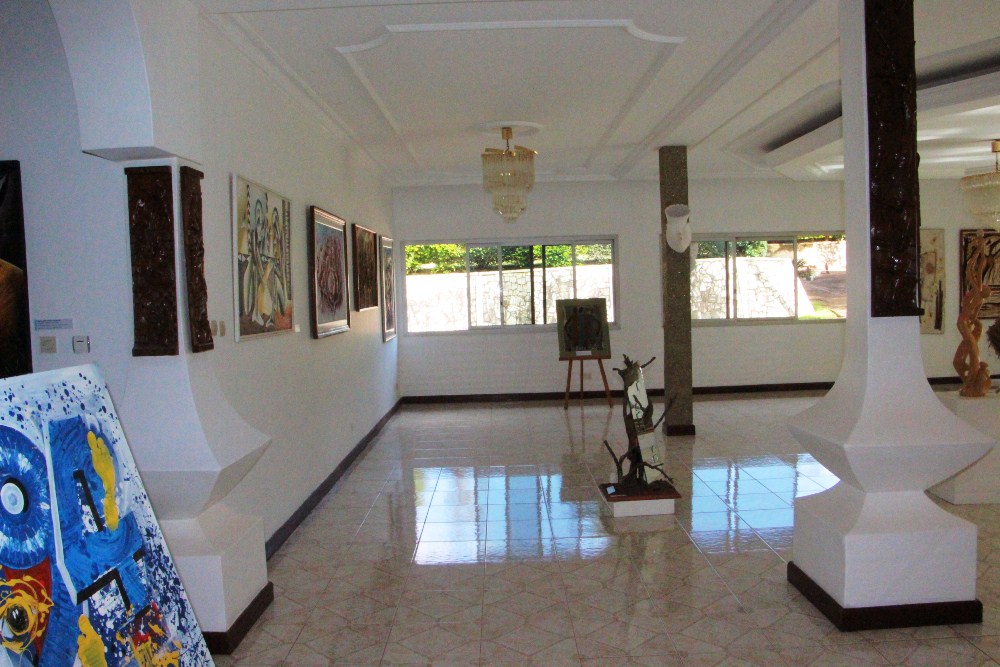
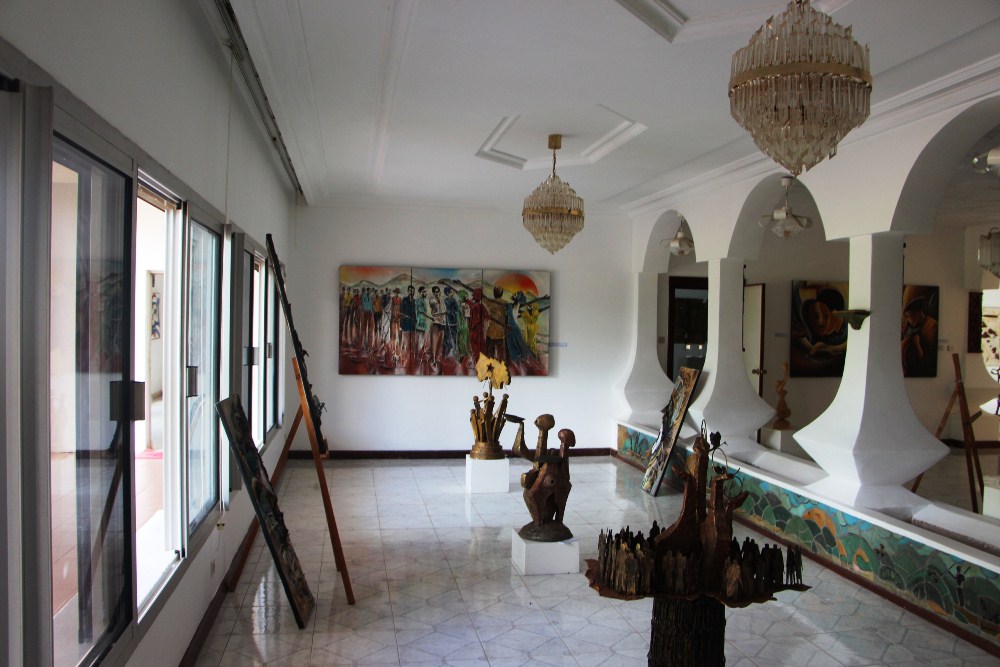
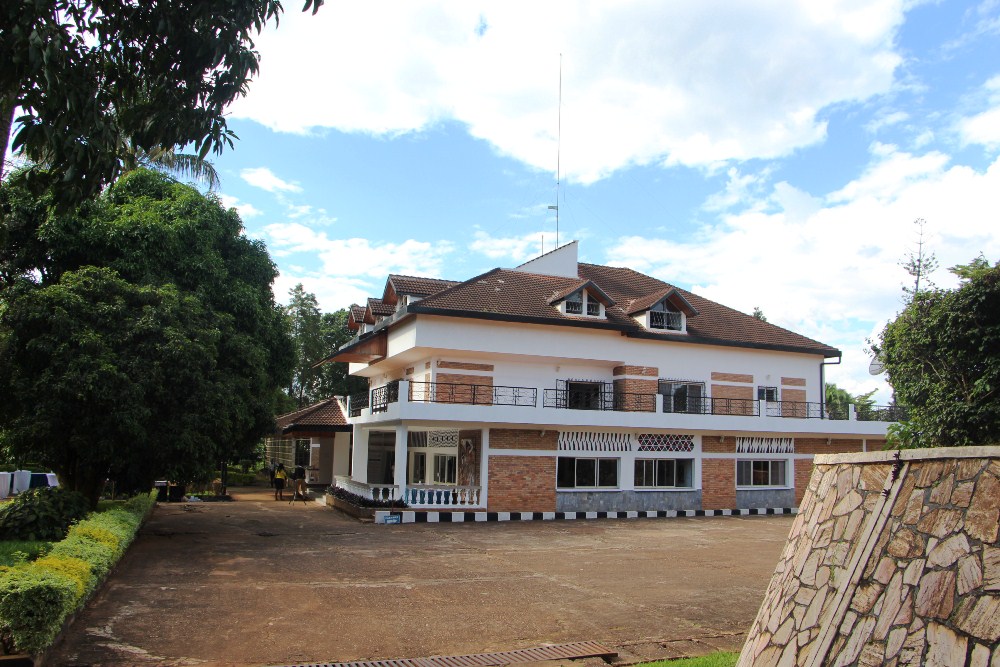
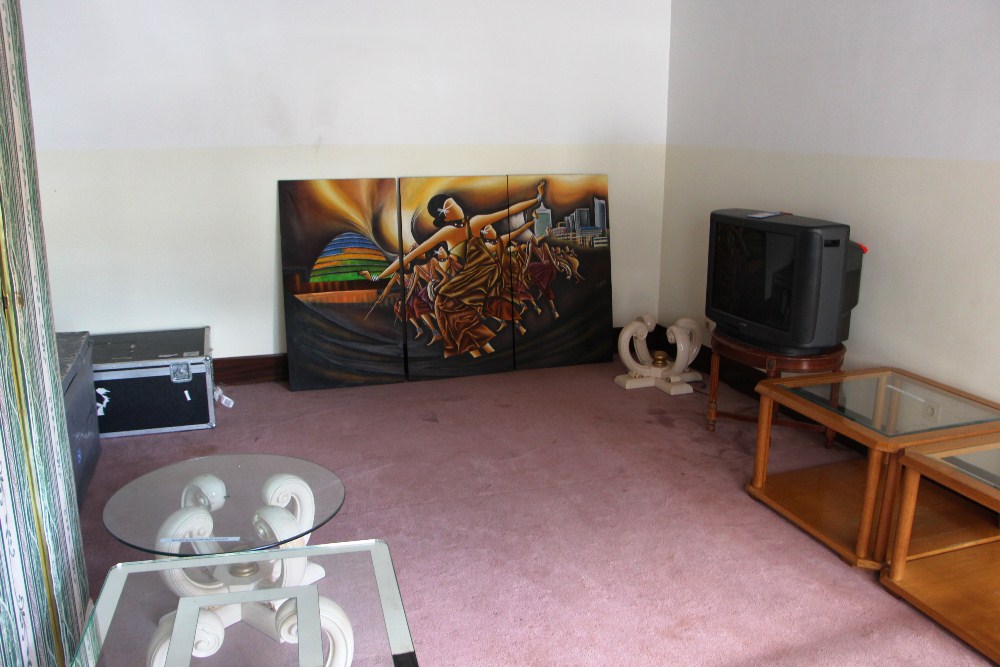
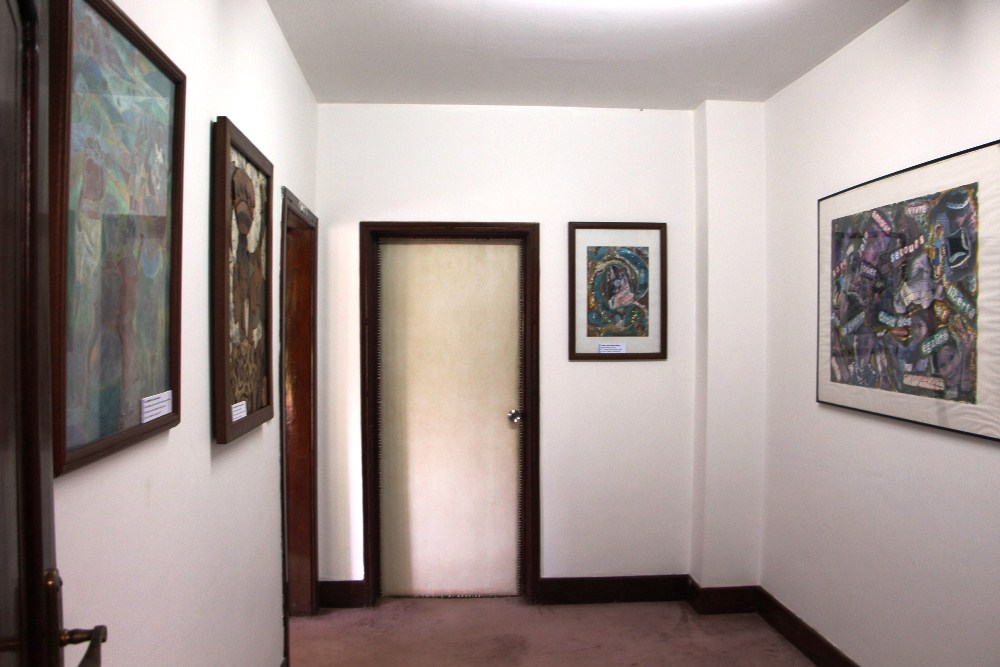
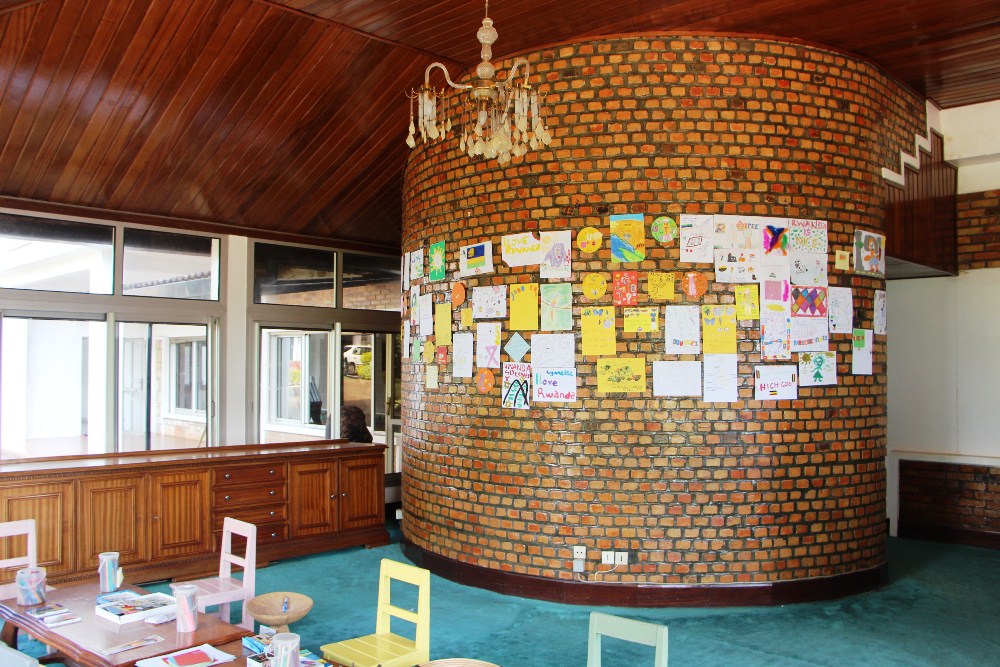
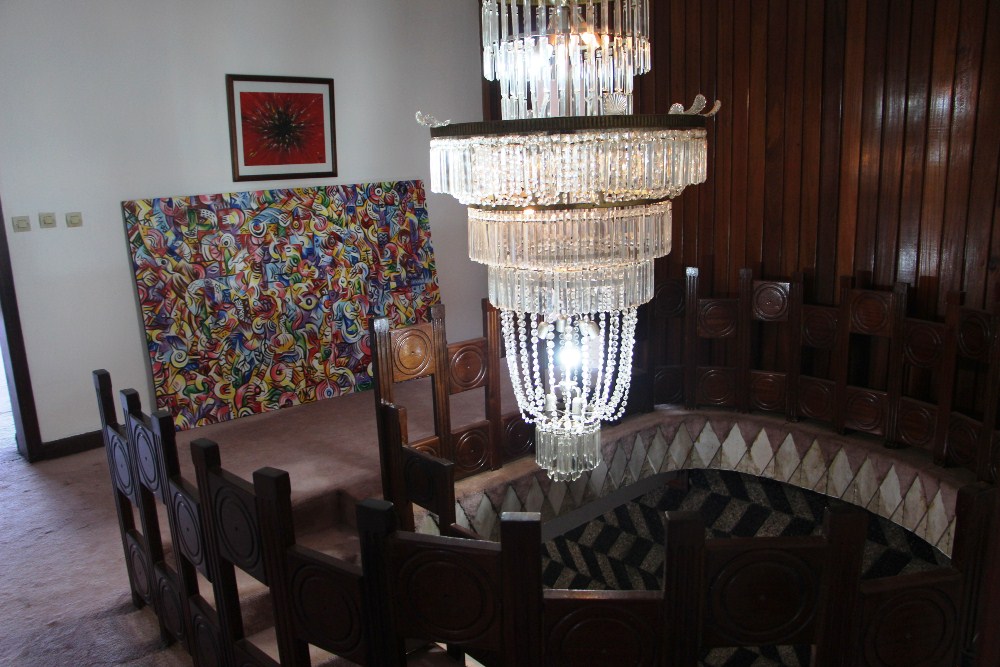
The now Rwanda Arts Museum had been the residence of two Rwandan Presidents, Juvenal Habyarimana who lived there until 1994 and Pastor Bizimungu who lived there from 1994 to 2000.
Since 2003, the building had been Presidential Palace Museum and was under management of the Institute of National Museum of Rwanda (INMR).
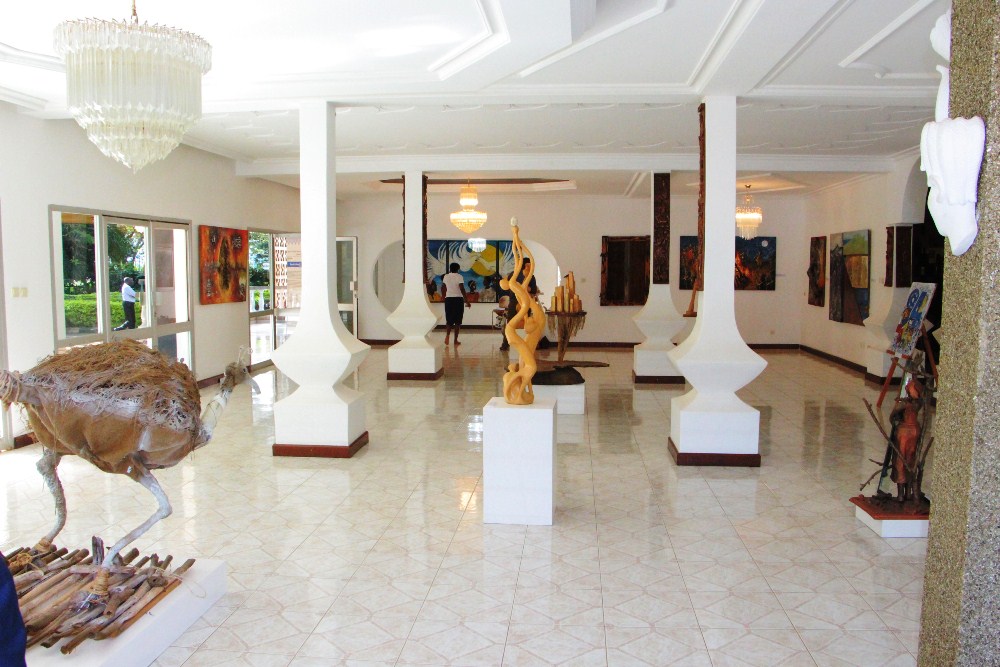
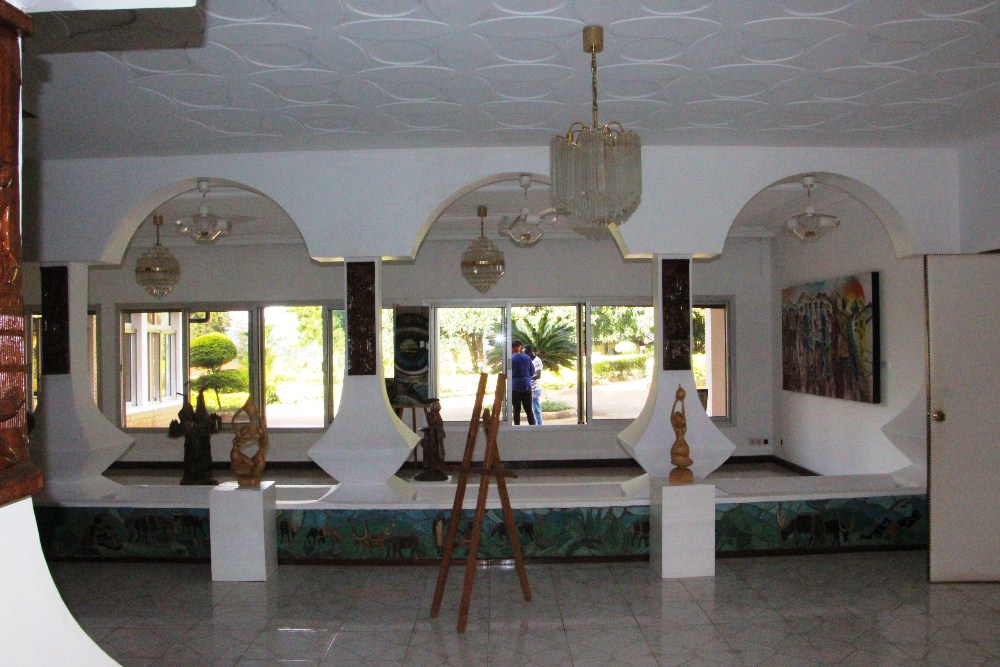
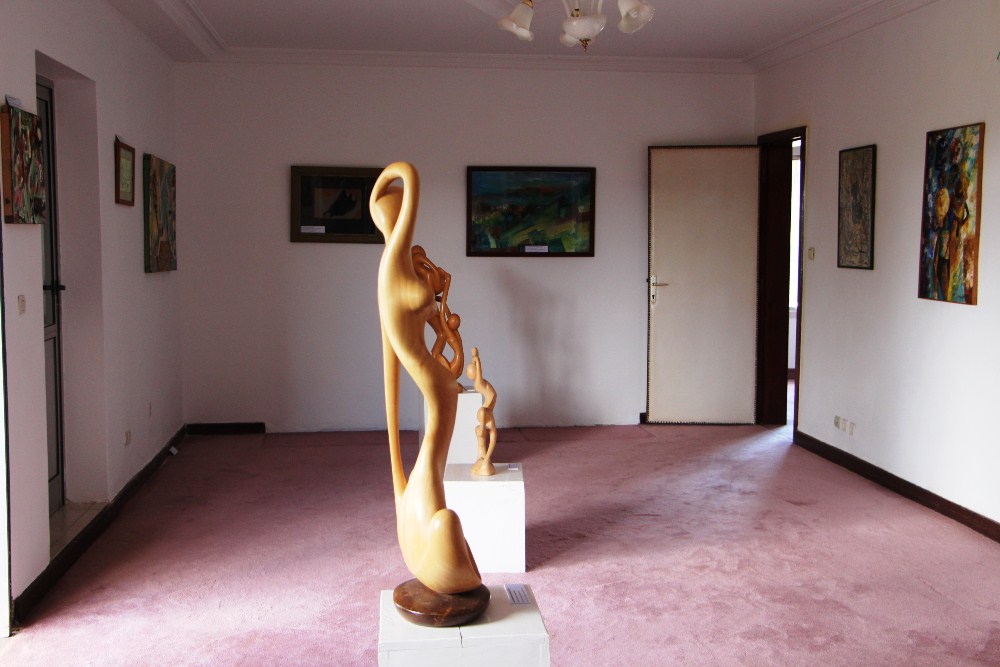
According to INMR, changing the palace into arts museum came from visitors’ request and artists who want to develop the sector.
Speaking at the launch of the museum yesterday, INMR Managing Director, Amb. Robert Masozera said that they are carrying reforms in different museums and today, three museums have been changed.
He said that they started from former environmental museum in Karongi, museum showcasing Rwanda’s colonial history in Kigali and the next was Presidential Palace.
“This is based on visitors’ and partners’ wishes; they suggested different changes in exhibition and the name of the museum. There were no historical things to see in the museum,” he explained.
“We used to tell history of two presidents who lived here and people go uncontended, that is where we started to think about something that we can add here, and that’s where we brought the art museum,” he added.
The same museum has been in Nyanza District since 2006 to 2018 in King Mutara III Rudahigwa Palace.
Currently, the museum has a total of 127 artifacts, among them 117 were in Nyanza based museum.
He encouraged artists to bring their artifacts to the place whose current monthly visits stand at 35,000.
Presidential Palace has been the fourth most visited museum, after the Capaign Against Genocide Museum, ethnographic museum at Huye, and Nyanza King’s Palace.
Currently Rwanda has eight museums with 200,000 visitors and earn the country about Rwf200 million per month.
The launch of the museum coincided with the International Museum Day which was celebrated under the theme “Hyper-connected museums: New approaches, new publics.”
Holtzman was speaking on Friday during an annual shareholders’ general meeting of Bank of Kigali.
“We intend to cross-list BK Group plc on the Nairobi Securities Exchange official list, the first Rwandan Company to go on the international Market” Holtzman said.
He said that based on bank’s functioning and intensified use of ICT in their operations; they should work towards changes in customer treatment and shareholders.
“For us to continue to lead, we decided to raise our initial investment to between $60 and $70 million in the second term of the financial year both on local and international market,” he said.
After listing to the Nairobi Securities Exchange, Bank of Kigali will be the first Rwandan company to go on the international market.
Holtzman said that the move is in the interest of shareholders as the Kenyan market is very rich, but do not invest in Rwandan market.
He said that once listed, they will help the development of local market.
BK Group Plc, Chief Executive Officer, Diane Karusisi pledged continued development.
“We are proud to be the leading financial institution in Rwanda, be in depositing, providing loans for big projects, tax payment and profitability. Last year, BK earned Rwf23.3 billion of profit,” she explained.
In the meeting, shareholders adopted the annual report and audited financial reports of the year ended 31st December 2017