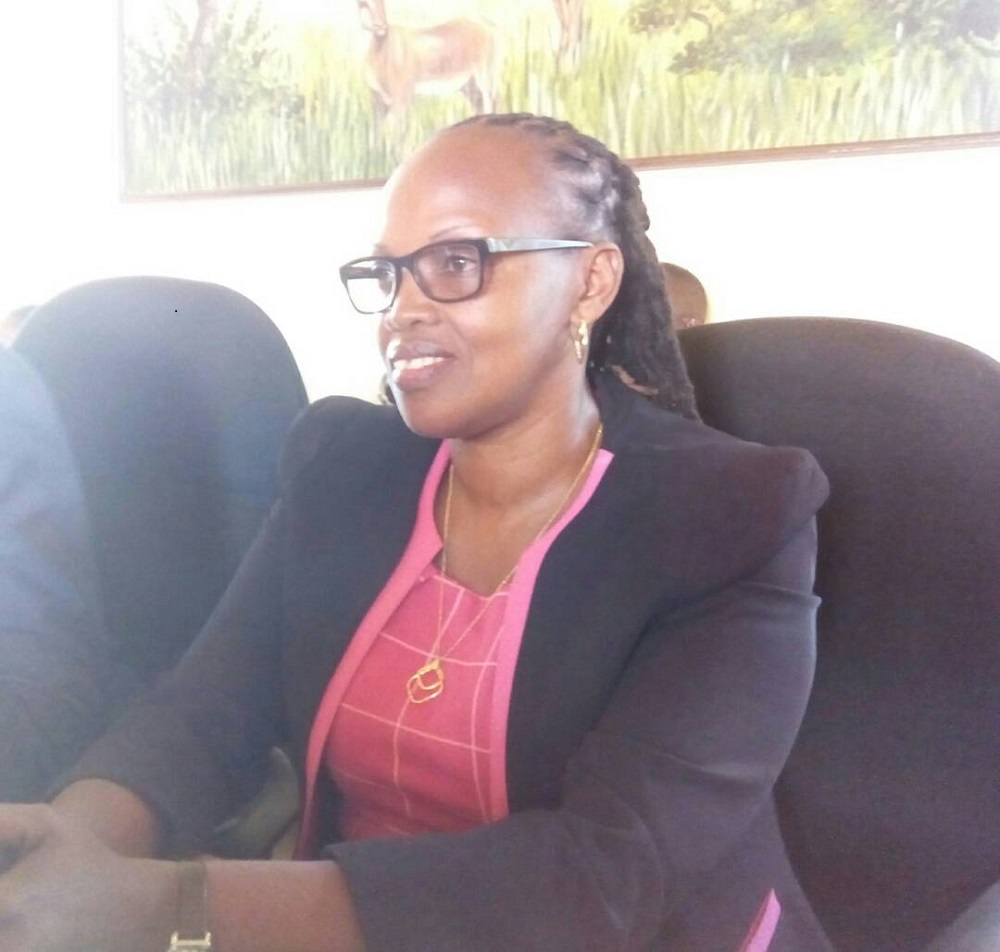
The District Chairperson, Dr. Chrisostome Ngabitsinze told IGIHE that Uwamariya was elected on Monday by council members.
Uwamariya has been a staff at University of Rwanda’s College of Arts and Social Sciences in Huye.
The former district executive committee made up of former ayor Muzuka and Vice-mayor in charge of Economic Development, Cyprien Mutwarasibo and Vice-mayor in charge of Social Affairs, Christine Niwemugeni was dissolved on Thursday last week.
Upon the trio’s dismissal, Ngabitsinze told IGIHE that the culprits had failed to explain why there are many non-performing projects in the district.
“We asked them to defend themselves about the implementation of council decisions, the Office of the Auditor General’s report and other projects implemented in Huye District. Sometime you think that they are forced to resign, but, we dismissed them,” he explained.
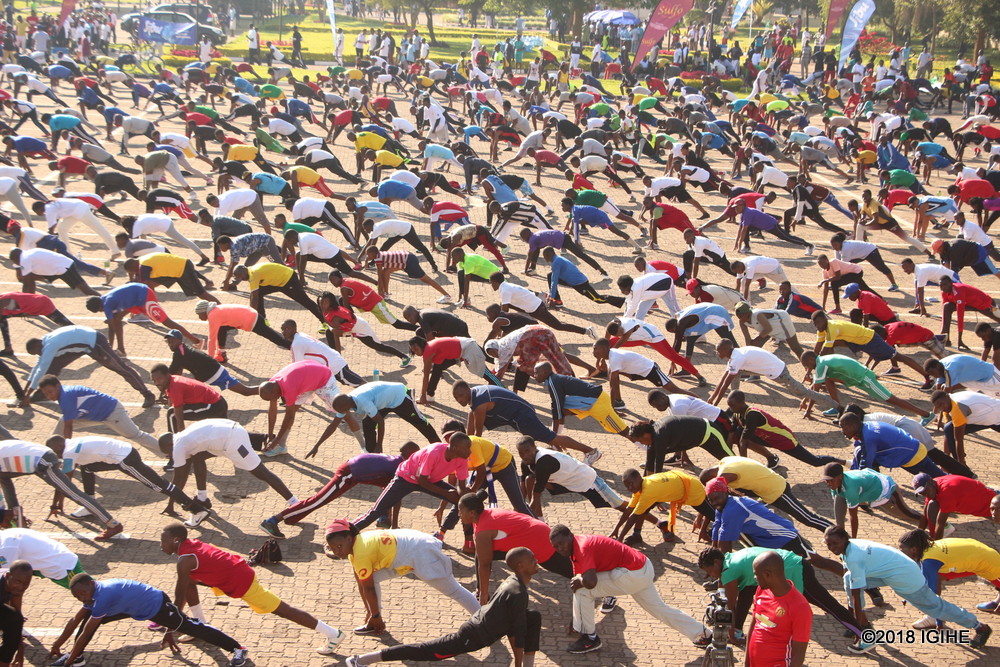
The message was delivered yesterday in Kigali when the ministry staff joined city dwellers in mass sport known as ‘Car Free Day’.
The sports was attended by different senior government officials including Prime Minister, Dr. Edouard Ngirente; the Minister of Environment, Dr. Vincent Biruta; the Minister of Health, Dr. Diane Gashumba ; the Minister of Sports and Culture, Julienne Uwacu and new City of Kigali Mayor, Marie Chantal Rwakazina.
During the sport event, Minister Biruta requested city dwellers and Rwandans in general to fight against disposable plastic materials for preventing their effects to the environment.
“This year’s theme ‘Beat Plastic Pollution’ is in line with fighting against plastic waste, as you all know; we successfully banned plastic bags in 2008 which contributed to the positioning of City of Kigali to become one of the cleanest cities on the continent. This year we want to go a step further in fighting disposable bottles because they are also not degradable,” he explained.
He said that when a plastic bottle is dumped anywhere, the floods take them in rivers, which also transfer them in lakes and finally harm lives of animals living in waters.
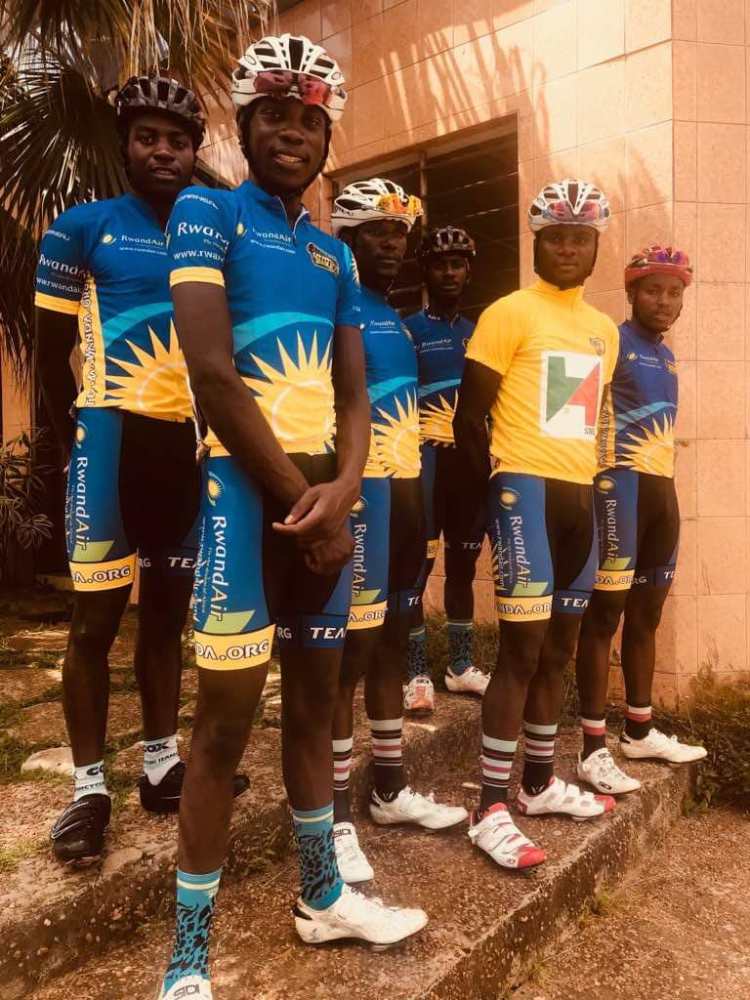
Uwizeyimana won the 13th edition of the competition alongside his team made up of Janvier Hadi, Rene Jean Paul Ukiniwabo, Patrick Byukusenge, Didier Munyaneza and Jean Bosco Nsengimana, Tour du Cameroun.
The player of Rubavu District based team; Benediction secured the yellow jersey on fifth round of the competition on May 31st and retained it until the end.
Uwizeyimana retained the yellow jersey with three minutes and 30 seconds ahead of the second player. The record facilitated him in the three last rounds of the competition which was wound up on Sunday.
At the last round yesterday, from Bafia to Yaoundé on a distance of 122.8 kilometers, Uwizeyimana finished at 7th but on the general list he was three minutes and thirty eight seconds ahead of the second.
His colleagues, Patrick Byukusenge came fourth on the general list, Jean Paul Rene Ukiniwabo sixth, Didier Munyaneza 12th, Janvier Hadi 17th and Jean Bosco Nsengimana 19th.
In the competition, Rwandan Ukiniwabo was awarded the young best player and Rwandan team was awarded the best team.
The additional $6.5 million will go to the UN World Food Programme for general food distributions, supplementary feeding for pregnant and lactating women and children under 2 years-old, and the treatment of malnourished children under five years-old.
Currently in Rwanda, roughly 75,000 refugees from the Democratic Republic of Congo (DRC) and 90,000 refugees from Burundi are living in six camps and urban areas. The political and security situations in both the DRC and Burundi continue to result in refugee flows.
Both Congolese and Burundian refugees remain highly dependent on humanitarian assistance to meet their basic needs as access to land and income-generating opportunities remains limited. Absent ongoing emergency food assistance, refugees’ food security would decline precipitously.
The Ministry of Disaster Management and Refugee Affairs and UN agencies are currently scaling up implementation of a Joint Strategy on Economic Inclusion of Refugees to enable more of them to become self-reliant and contribute to the economic development of their host communities.
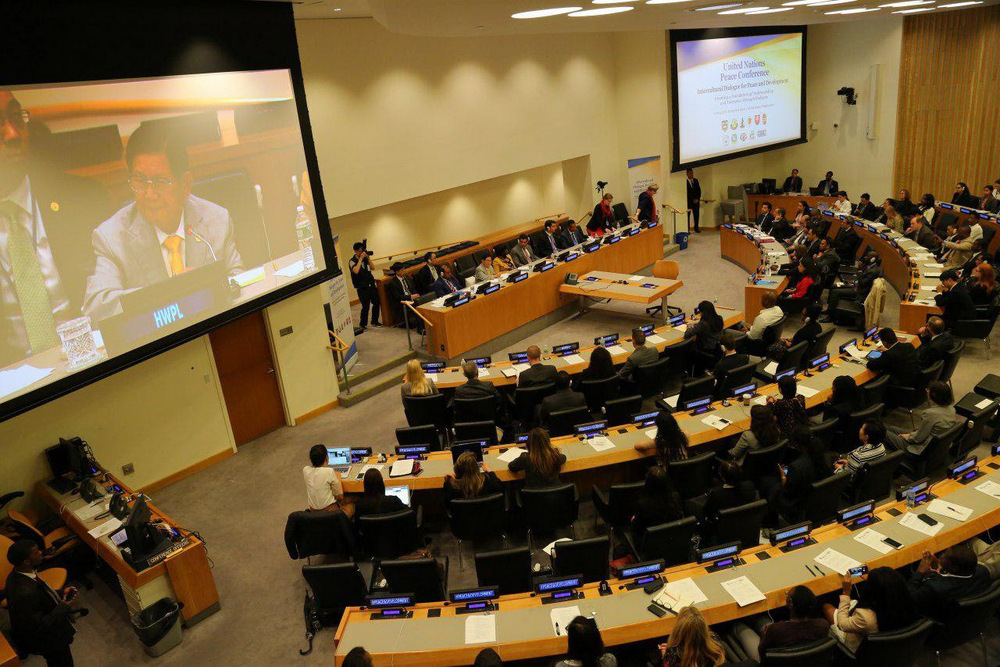
The conference aimed to reinforce international cooperation and ensure intercultural dialogue as a foundation for the effective exercise of universal human rights, responding to the necessity of the measure for integrating cultural diversity into development frameworks and policies.
The event that took place last week, saw several heads of social organizations, religious leaders, women groups, youth, and media.
According to Francisco Alberto Gonzalez, Permanent Representative of the Permanent Mission of Colombia, recognizing opportunities and dialogues is a crucial move for peace and stable development.
“My countries have gone through one of the longest armed conflicts in our hemisphere. Two Colombias, one with a strong state presence, and another with a series of inequalities and no opportunities. That is why recognizing our opportunities and dialogues are needed. We- a very diverse country- know by experience that disarmament is not enough to create peace. We must not underestimate the need for peace and stable development.”
His remarks were echoed by Jan Kickert, Permanent Representative of the Permanent Mission of Austria, who said that Intercultural dialogue was necessary to bring peace and development. He added that Media and education programs, with the help from religious and political leaders, would make positive influences on humankind.
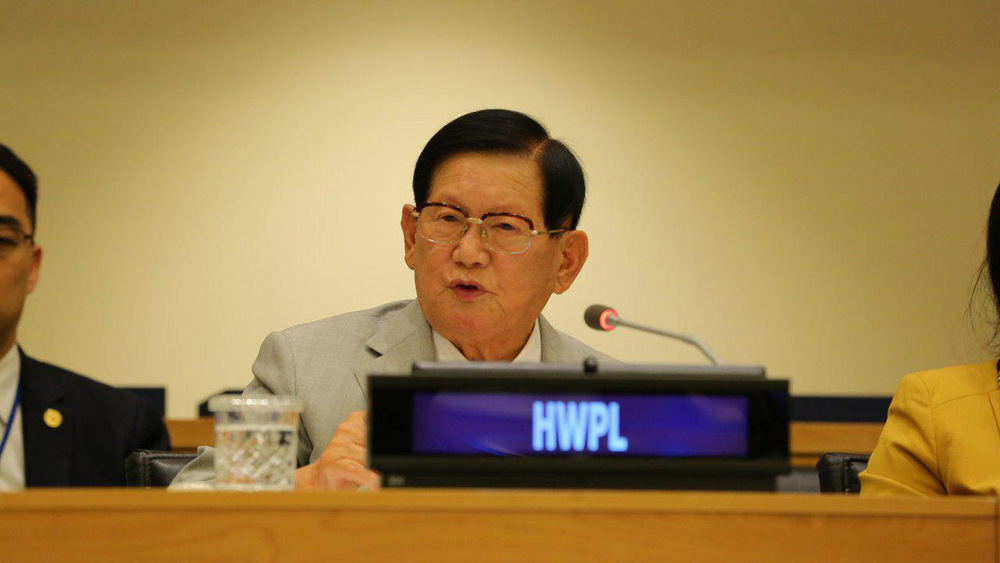
Attended as a special invitee, Chairman Man Hee Lee of HWPL, an international peace NGO, urged for the cooperation and support of the officials of the UN in ensuring sustainable peace through the implementation of the international law for peace, saying, “I’ve visited all around the world and had a number of agreements with the former and current presidents, the chief justices, and members of the National Assembly to end the war together. All leaders in each country should sign the agreement for the international law to achieve peace if they love the country and the people. To do this, the United Nations must work together to accomplish the task of peace with its spirit of peace at its inception.”
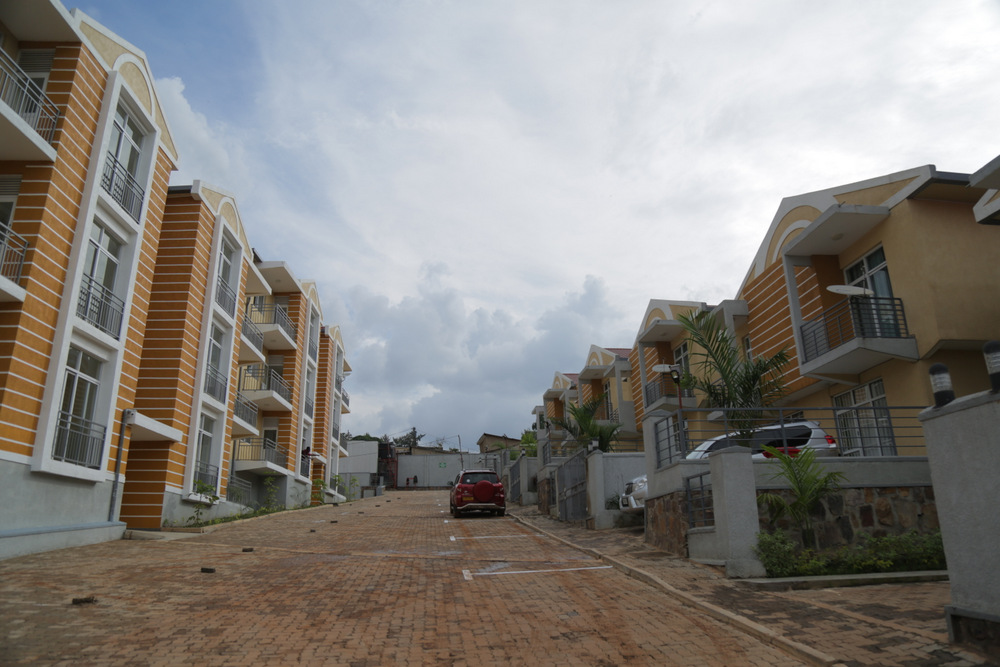
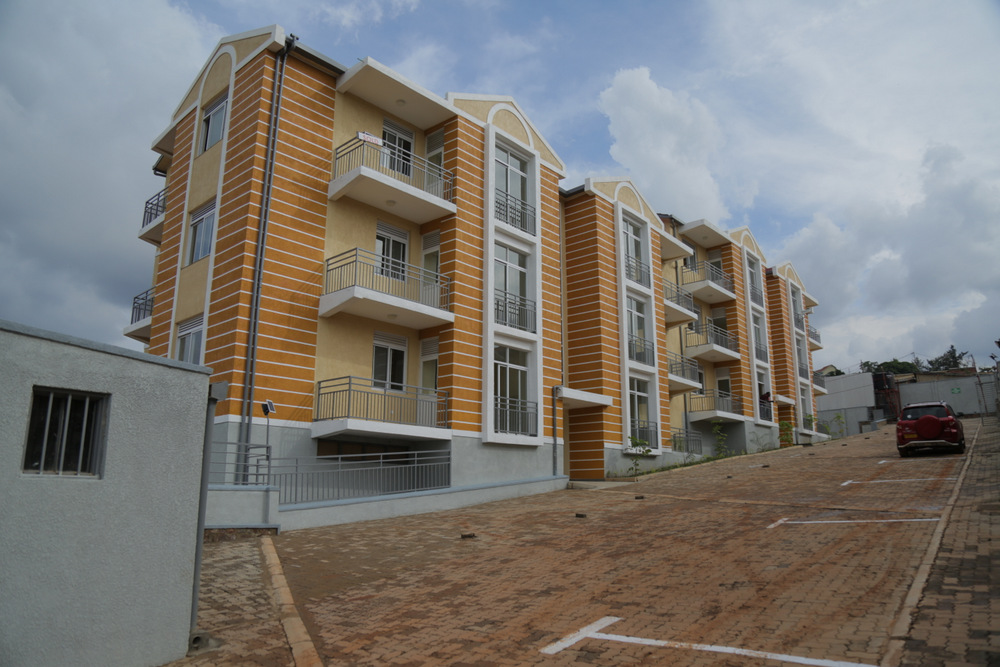
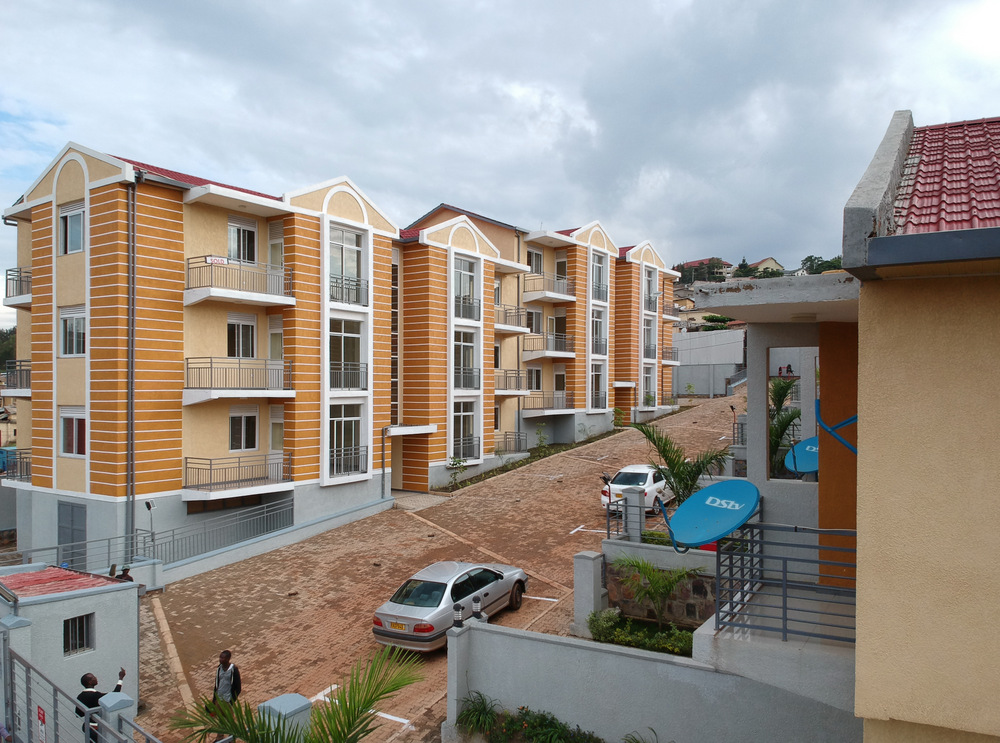
Speaking with IGIHE, DND Developers Managing Director, Eng. Daniel Mehari, said that the company was trying to respond to the needs of the time, as currently, small and less expensive houses were very sought-after.
“We are currently going through plans for the third phase of our project which is a set of cheaper, and more affordable units than the ones that we are currently selling to the public,” says Eng. Mehari.
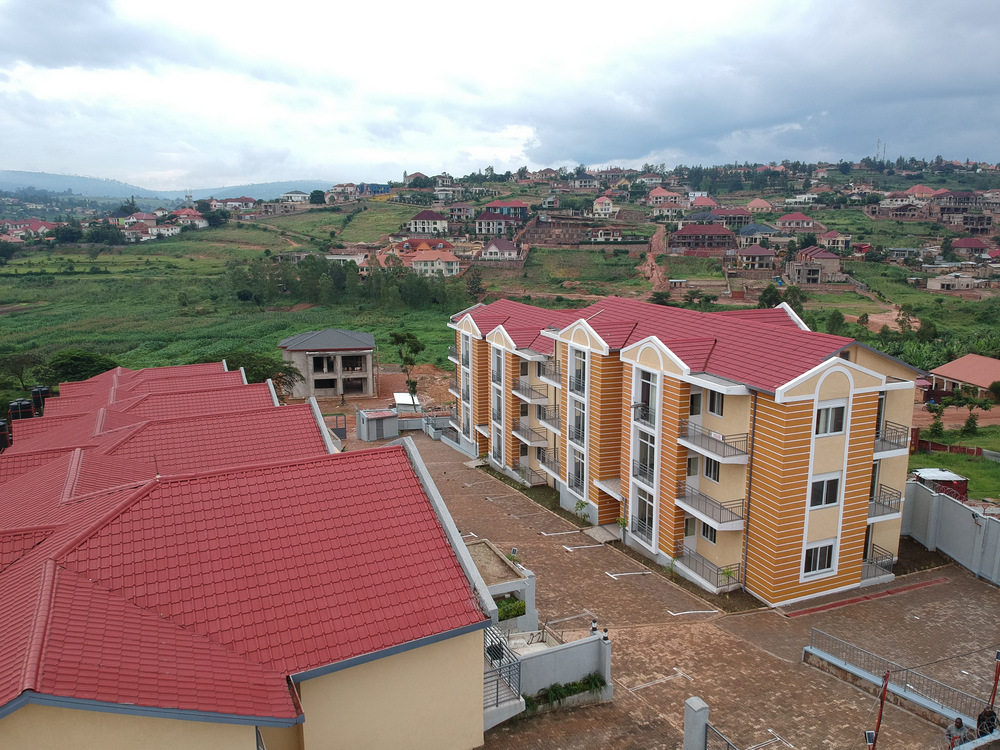
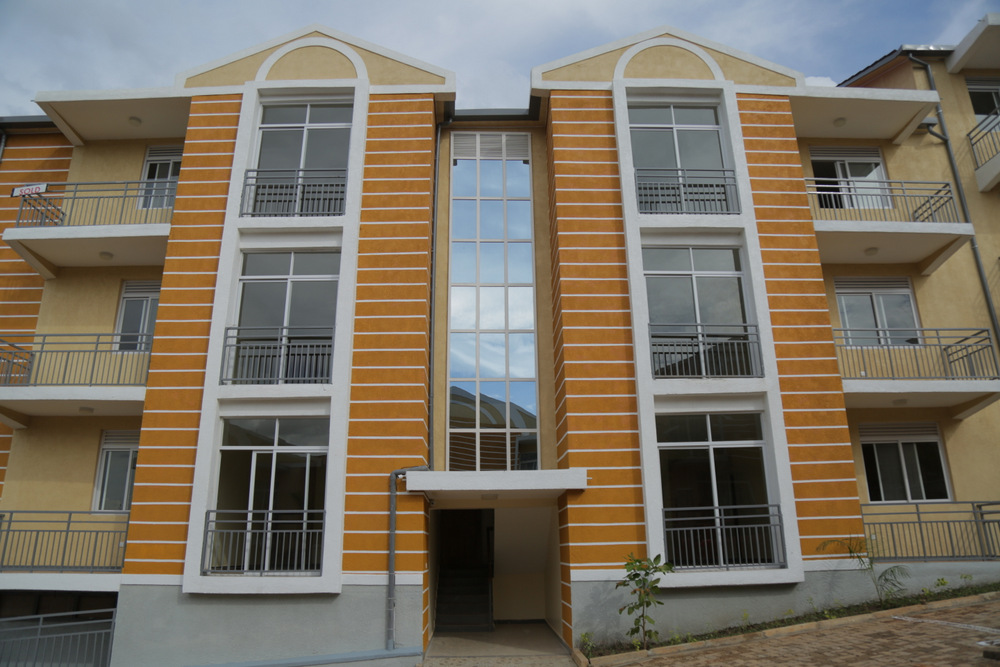
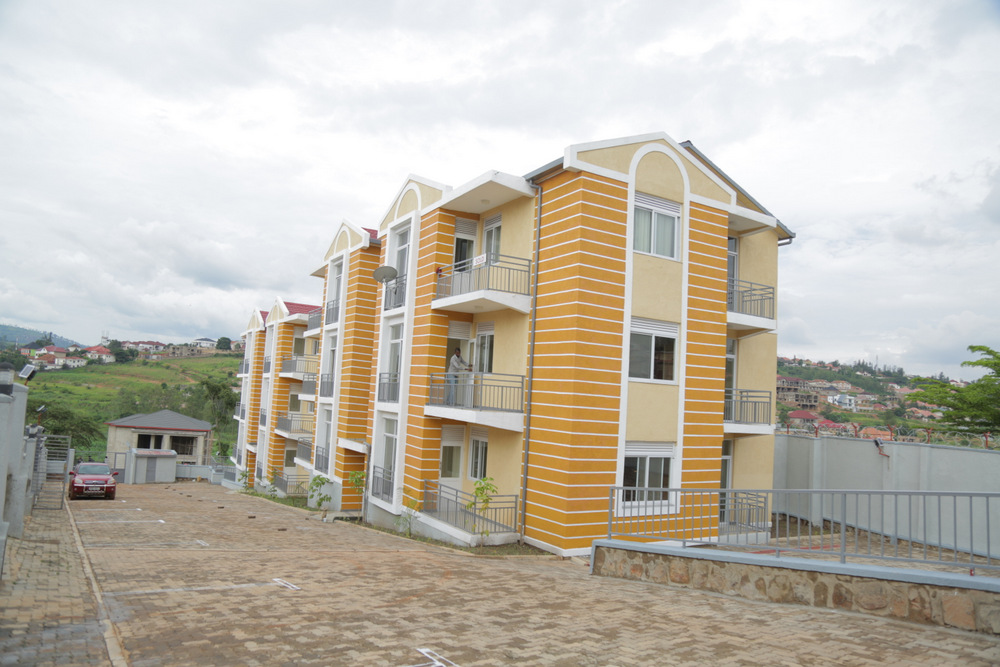
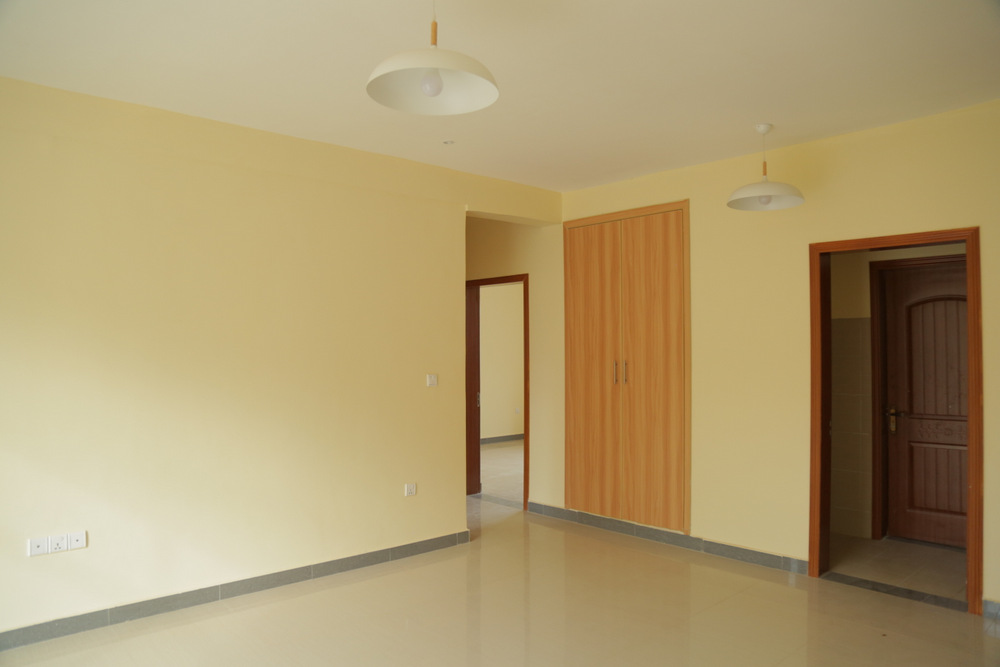
The recently completed -and currently on sale- batch of multi-stored 12 Luxury apartments located in Nyarutarama, Gasabo District, constitute the second phase of the project. The 10 houses in the first phase were all sold out, according to Eng. Daniel Mehari.
Each of the 12 multi-stored Luxury apartments on prime area are at affordable price; between Rwf60 and 70 million.
The less expensive houses that will comprise the third phase of the project, will be affordable to everyone, as they will be standing between Rwf25 and Rwf40 million.
Eng. Mehari says that DND Developers came up with a resolution that will facilitate its clients, in means of payment.
“Usually, our clients are allowed to pay in installments within six months. The new spark is that for those who need further time to pay, we are now linking them to our banks, which in turn, allows them loans.”
In a housing market study done by the Rwanda Housing Authority, 560 000 affordable housing units were urgently needed by 2020, so as to have 35% of Rwandans well settled in cities.
According to RHA, these housing units would be affordable for people who earn between Rwf50 000 and Rwf900 000 on a monthly basis. Each unit also must be having two or three spacious rooms that should not be above Rwf30 million.
Established in Rwanda in 2015, DND Developers Ltd seeks to contribute to the country’s development through changing habitation.
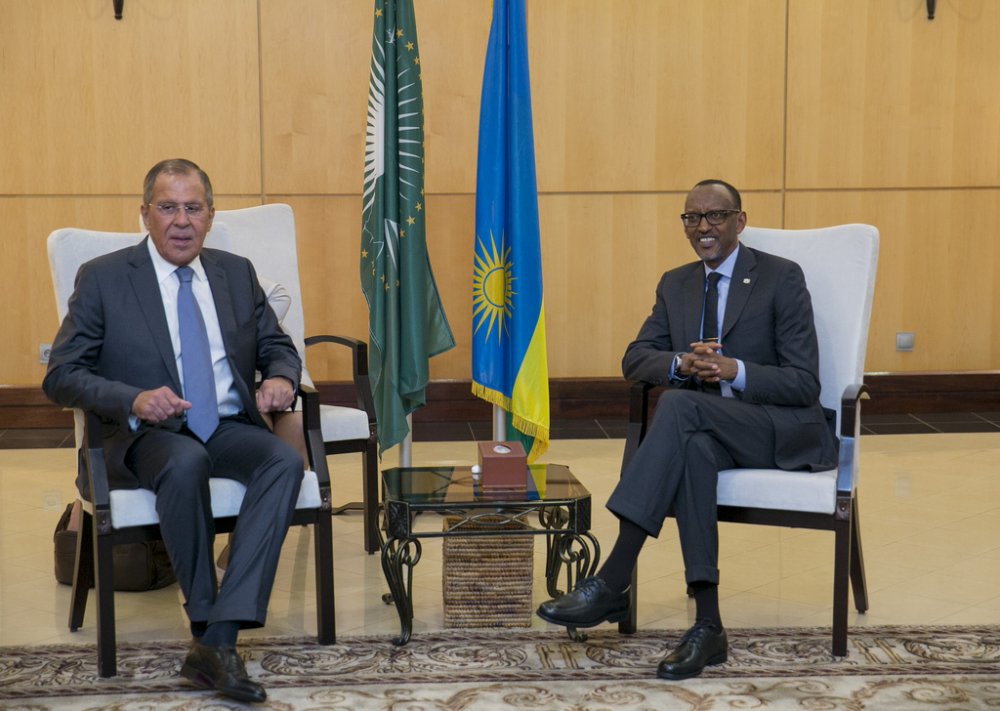
The Russian top diplomat arrived in Rwanda this Sunday, from North-Korea, where he was holding discussions with the country’s leader Kim Jong-un.
The two leaders reviewed the bilateral relations between the two countries and held discussions on developing military and technical cooperation, and on the possible supply of Russian air defense systems to the country.
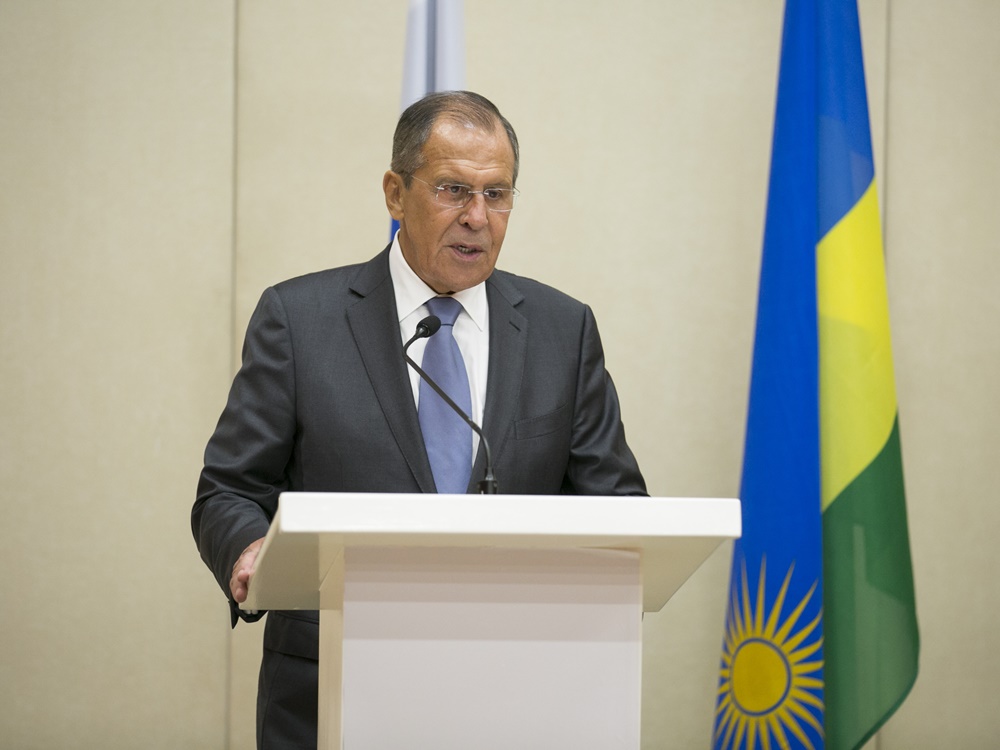
“We indeed have fairly good cooperation in the military and technical sphere. The Rwandan security forces, army and law-enforcement agencies operate our helicopters. There are also Ural vehicles used by the army and the security service and a whole bunch of small arms. Now the deliveries of air defense systems are being discussed,” Lavrov said at a press briefing.
“Last year, an inter-governmental commission for military and technical cooperation was set up. It held its first session in Kigali in the autumn of 2017 to map out concrete ways of developing interaction in this sphere. The second session is planned for the autumn of this year in Moscow,” Lavrov added.
Russia and Rwanda have good prospects for developing cooperation in this sphere, Lavrov noted.
Lavrov also addressed the economic cooperation between two countries.
“We have various projects being implemented in particular areas, in some areas we will have to transform the agreements into concrete steps. Particularly, I mean the area of cooperation on the peaceful use of nuclear energy,” he said
The Russian foreign minister also added that there is mutual interest in the development of cooperation in such areas as agriculture, medicine, mining and geological exploration.
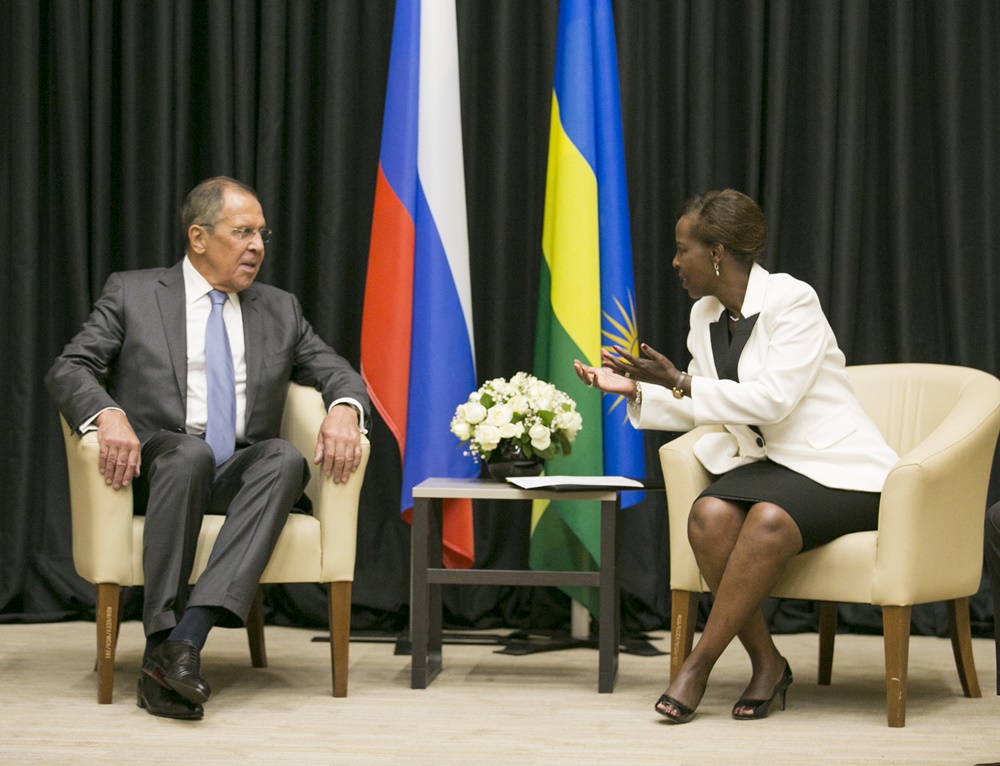
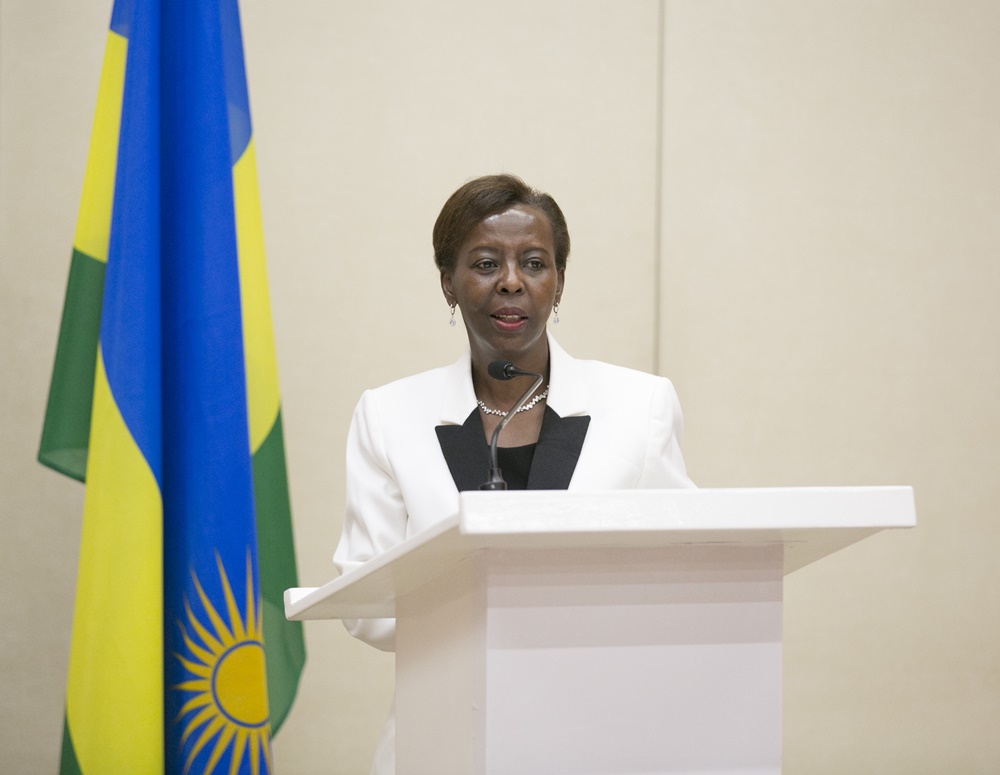
Rwandan Foreign Minister Louise Mushikiwabo, in turn, said that Rwanda was prepared to link the East-Africa region with Russia, whether it be in Politics or Economics. Mushikiwabo said that Rwanda is prepared to be a channel between East-African countries and Russia
She also noted that Russia could play a crucial role in peacekeeping on the African continent.
“Rwanda wishes to collaborate more with Russia especially in fostering peace and security on the continent. We believe that Russia could play a crucial role, particularly in peacekeeping in Africa,” Mushikiwabo stated.
Mushikiwabo also stressed that Lavrov’s visit to Rwandais an important step in relations between the two countries.
“We had the opportunity to work together before. This visit marks an important step in our bilateral relationship. We have agreed that we will see more of each other in each other’s capitals, and we will also be organizing a presidential visit,” she added.
President Kagame took it to twitter to praise the conservation efforts being made and the people that are contributing to the move.
“Encouraging to see the mountain gorilla population in the Virungas has grown 25% in the last eight years. Conservation efforts must continue. Thank you @TheEllenShow & Portia for coming to Rwanda & getting involved.” Reads Kagame’s tweet.
Recently, new census results were released, showing that the surviving mountain gorilla population has now risen to above 1,000, representing a 25% rise since 2010.
The survey found the Virunga gorilla population has risen to 604, in 41 social groups, compared to the 480 individuals counted in the last survey in 2010. The only other place mountain gorillas survive is in Uganda’s Bwindi Impenetrable national park, where the last census in 2012 recorded more than 400 animals.
The rise in numbers follows the introduction of park guards, veterinary care, community support projects and regulated tourism.
The plight of the mountain gorillas has drawn international attention, including from celebrities like Ellen DeGeneres and Portia de Rossi, who traveled to Rwanda this month to oversee the initial stages of the construction of the Ellen DeGeneres Campus that will be dedicated to the late Dian Fossey’s work in Rwanda.
According to the information from the Dian Fossey Gorilla Fund, the campus will help expand science, research and conservation activities, enhance educational programmes, and engage people from Rwanda and the rest of the world to join the effort.
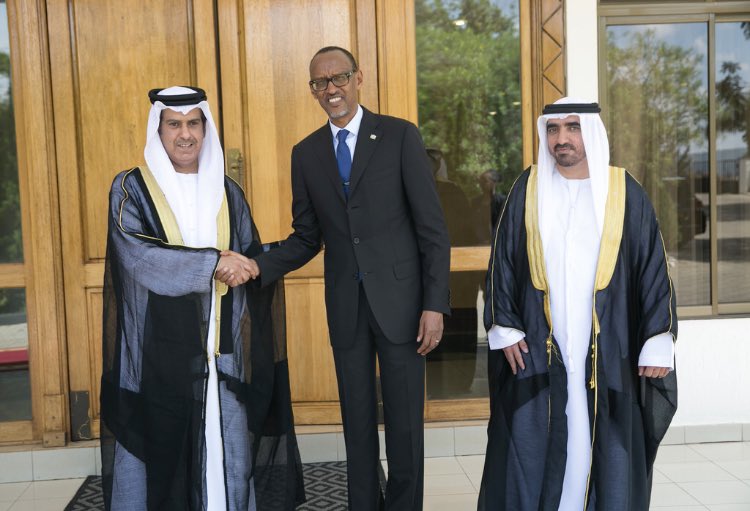
Hazza Mohammed Falah Kharsan for UAE promised to support the promotion of Rwanda’s tourism sector through encouraging people from his country to visit Rwanda.
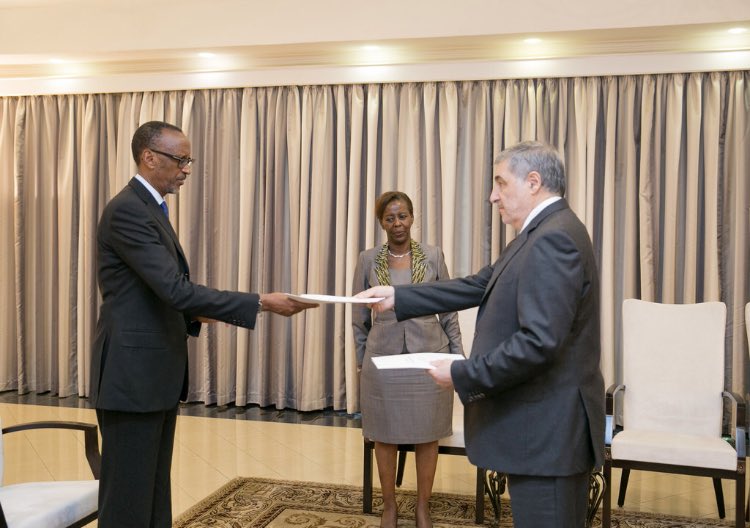
Speaking to journalists after presenting his credentials, the first UAE’s envoy to Rwanda said that his country is committed to the development of both countries’ relations in all sectors through different projects.
He said that his priorities will be Rwanda’s infrastructure development, healthcare, education and tourism. He said that he will encourage UAE residents to visit Rwanda.
“We will promote visits of our nationals to Rwanda. Our people go to do spend their vacations in Europe, this should change because Rwanda is a safest and friend country, these factors will attract our people,” he said.
He said that as Rwanda is a secure country and not tolerating corruption, it will attract investors from UAE to explore areas of investment.
In March this year, UAE opened its embassy in Kigali.
Also received are credentials of Russia’s Karen Chalyan. Karen said that he is coming to promote relations between both countries.
“For example, through scholarship cooperation, we will increase the number of Rwandan students admitted to Russia starting from next year. Both countries also have relations in army, healthcare and politics,” he said.
Also received is Tanzania Ambassador to Rwanda, Ernest Jumbe Mangu who said that he will promote the relations and business between the two countries.
“Our job is to use efforts and make sure that we foster good relations so that Tanzanians engage in businesses with Rwandans to noticeable levels,” he said.
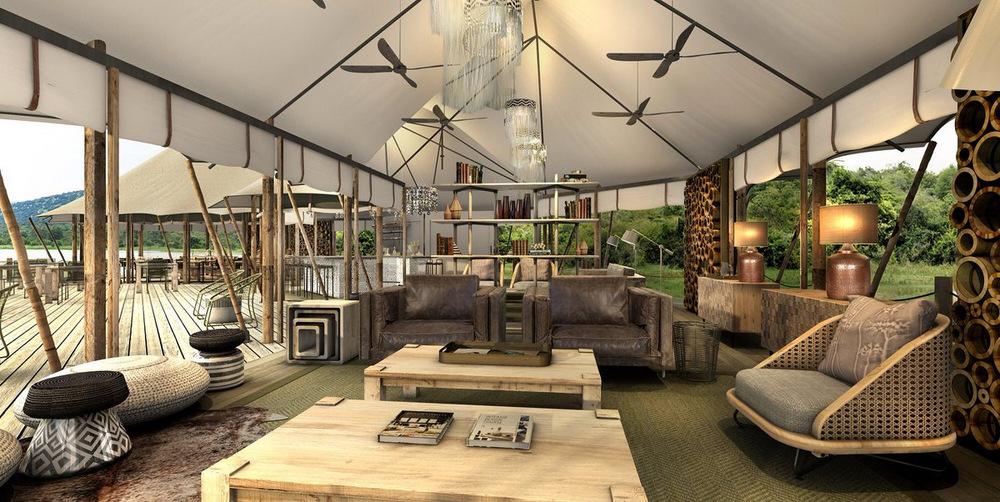
Set to open in December 2018, Magashi Camp peers out over Lake Rwanyakazinga in a private concession of Akagera National Park. It is an intimate encampment that will allow guests to view up close the park’s 500 species of birds, as well as buffalo, lions, hippos, elephants, and giraffes in their natural habitats.
Funded in part by The Howard G. Buffett Foundation with the aim of contributing to the overall protection and development of the area, Magashi marks the latest addition to a park in the midst of revival.
The camp is being developed in partnership with the Rwanda Development Board (RDB) and African Parks, and will comprise six tents.
“As we celebrate our 35th year of changing lives in 2018, we are proud to announce this exciting partnership with the Rwanda Development Board and African Parks, further demonstrating our commitment to pioneering sustainable and authentic ecotourism in Rwanda,” comments Grant Woodrow, Wilderness Safaris Chief Operations Officer.
As gorilla tourism continues to grow in Rwanda, Woodrow comments that Magashi Camp could now complete the safari experience for visitors to the country. Tourists can see gorillas in Volcanoes National Park, savannah wildlife at Akagera and chimps and other primates on the western side of the country.
“This new classic camp will not only offer our guests an extraordinary savannah experience, but one that is strongly rooted in a core purpose – to help conserve Rwanda’s last protected savannah ecosystem and species like shoebill and black rhino,” Woodrow says
““There is no doubt that to date the overwhelming focus on gorillas has caused many travellers to miss beautifully scenic and productive savannahs of Rwanda. Now, with the launch of Magashi, our guests will have the ideal opportunity to combine an extraordinary gorilla experience at Volcanoes National Park whilst staying at Bisate Lodge, with a spectacular savannah safari at Akagera,” Woodrow noted
Having all but eliminated poaching, the 100,000-hectare park now boasts a thriving ecosystem, which saw the reintroduction of lions in 2015 after a 20-year absence, as well as endangered black rhinoceros in the same year.