Over two months hearing the appeal trial, on Friday, the court ruled that Barahira and Ngenzi perpetrated crimes against humanity and committed Genocide crimes.
Both men were convicted on role in murder of Tutsi who had fled in Kabarondo Parish in former Kabarondo Commune which they both successively led between 1977 and 1994.
Ngenzi, 60 and Barahira, 67 had been convicted and handed life sentence by Paris Primary Court in 2016. During the hearing process, they had denied the charges.
In July 4th hearing, prosecutor Frederic Bernardo said that Barahira ordered and supervised people to kill Tutsi and he (Barahira) himself killed.
The prosecutor said that Ngenzi did not kill but supervised implementers.
It is the second genocide trial to be heard in France after the 2014 Capt. Pascal Simbikangwa trial who was handed 25 years in prison.
Ngenzi was arrested in 2010 while Barahira was arrested in 2013 in France.
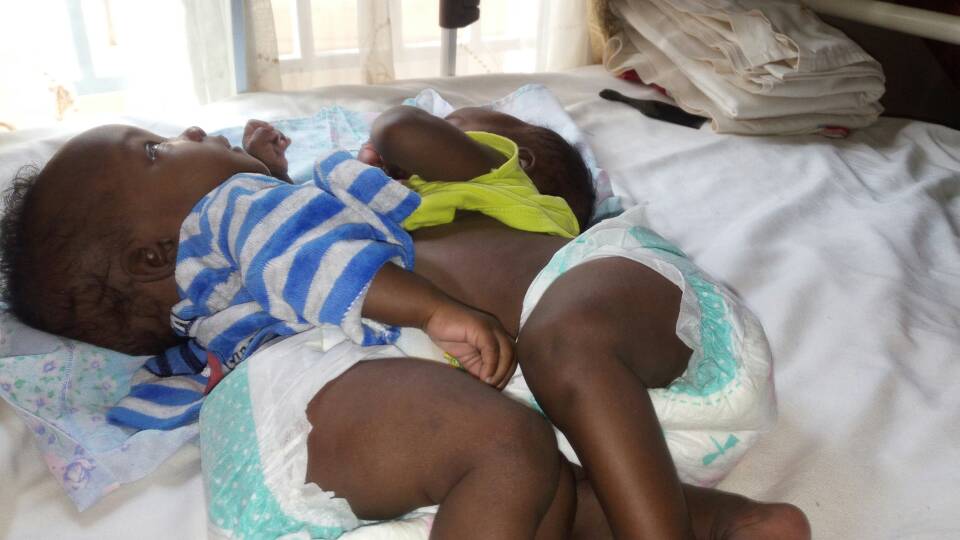
Conjoined twins ‘Siamese twins’ is a condition where two people with the same mother are born at the same time, with some part of their bodies joined together.
In December last year, 30 year old single mother Anastasie Kanakuze from Huye District gave birth to Diane and Liliane perilously joined at the abdomen, but in perfect health conditions. The twin daughters shared a liver, umbilicus and some part of small bowels.
Kanakuze who resides in Huye gave birth in University Teaching Hospital of Butare (CHUB). Her pregnancy was unremarkable besides episodes of dizziness, according to doctors.
In Past days, IGIHE Reporter visited these twin daughters in CHUB, where they showed good health. Unfortunately, one of the two girls got seriously sick due to non-functional lungs, to the extent that the doctors had to keep her on breathing machines for her to live.
Speaking to the press, Dr. Tharcisse Ngambe, a pediatrician, said “CHUB referred the Siamese twins for further management at Oshen King Faisal Hospital, when they observed that one of the twins was quickly deteriorating despite treatment. She developed multi-organ failure unresponsive to treatment.”
A decision was made to separate them in an effort to save Diane.
According to Dr Nkusi Emmy from King Faisal Hospital, doctors said surgery could allow Diane to have a normal life. As Lilian’s lungs were non-functional, she would not have survived once she was separated from Diane.
By Monday, 29th June 2018, a team of physicians and nurses led by Dr. Edmond Ntaganda, a Pediatric surgeon, Dr. Didace Mugisa, a cardiothoracic surgeon and Dr Rosemary Mukunzi, an anesthesiologist, who had rehearsed for the delicate surgery separated the conjoined twin girls so to save one of them.
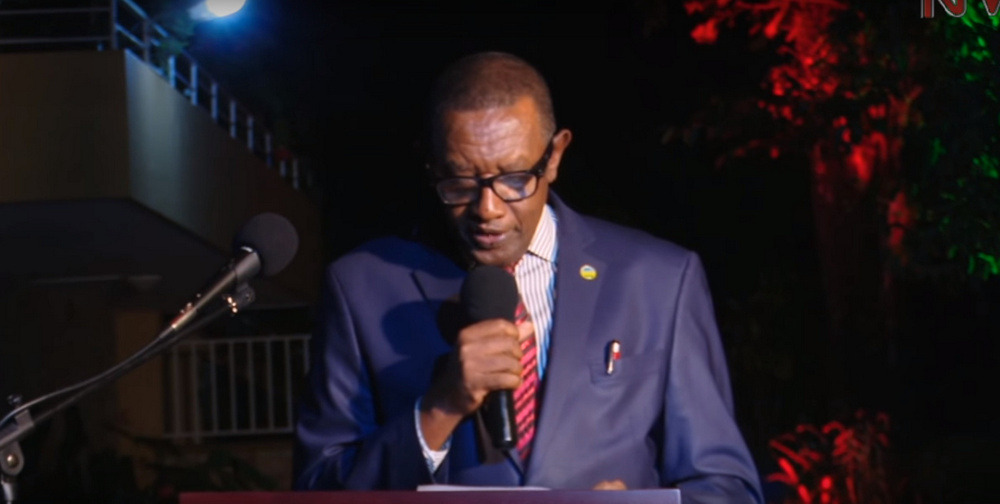
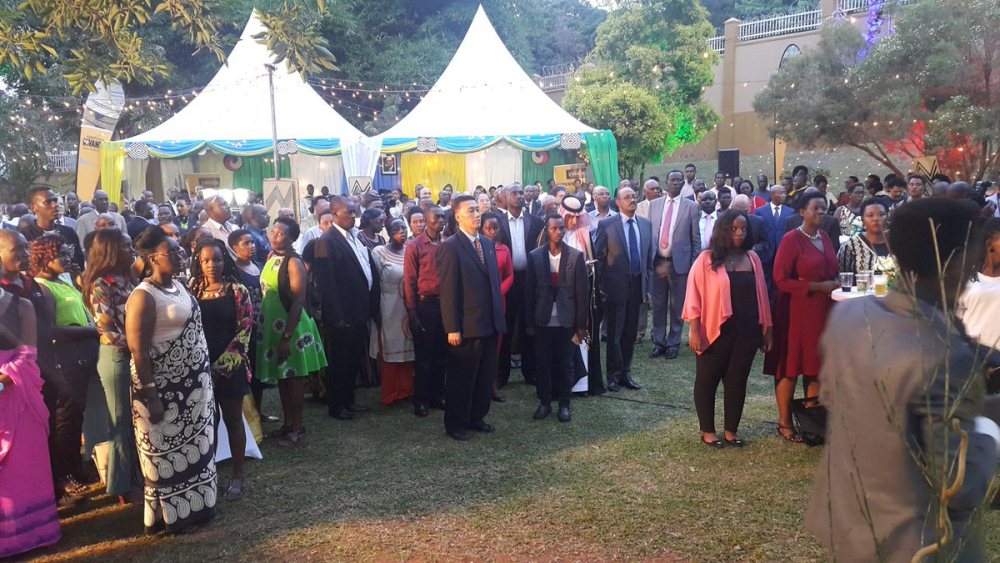
Mugambage was speaking during the ceremony to commemorate the 24th Liberation, an event that was organized by the Rwanda High Commission in Uganda.
The envoy said that the relations between Rwandan and Uganda are considered in the same context of protecting and safeguarding shared interests.
“There are established frameworks and mechanism through which this objective is pursued,” he said.
Mugambage said, in the recent times, Rwanda used the same channels to raise concerns and respond to injustice faced by Rwandans living in Uganda.
“Rwanda has used the same channels to raise the concerns and called for immediate remedy to end multiple unjustified arrests and failure to notify the diplomatic representation of Rwanda in Uganda. The failure to investigate on incidents brought to their attention involving terrorism groups targeting Rwanda is condemned,” he said.
He urged that the existing frameworks should be used to investigate the cases.
“We shall continue to promote this process and make every effort to further strengthen our bilateral relations,” he promised.
Representing the Government of Uganda in the ceremony, the Minister of Public Service, Muruli Mukasa said that Uganda is ready to look into existing issues for better bilateral relations.
“Even when our respective citizens face some challenges, our two governments are committed to resolve them. We recognize the important role that the joint government commission has played in strengthening our bilateral cooperation,” he said.
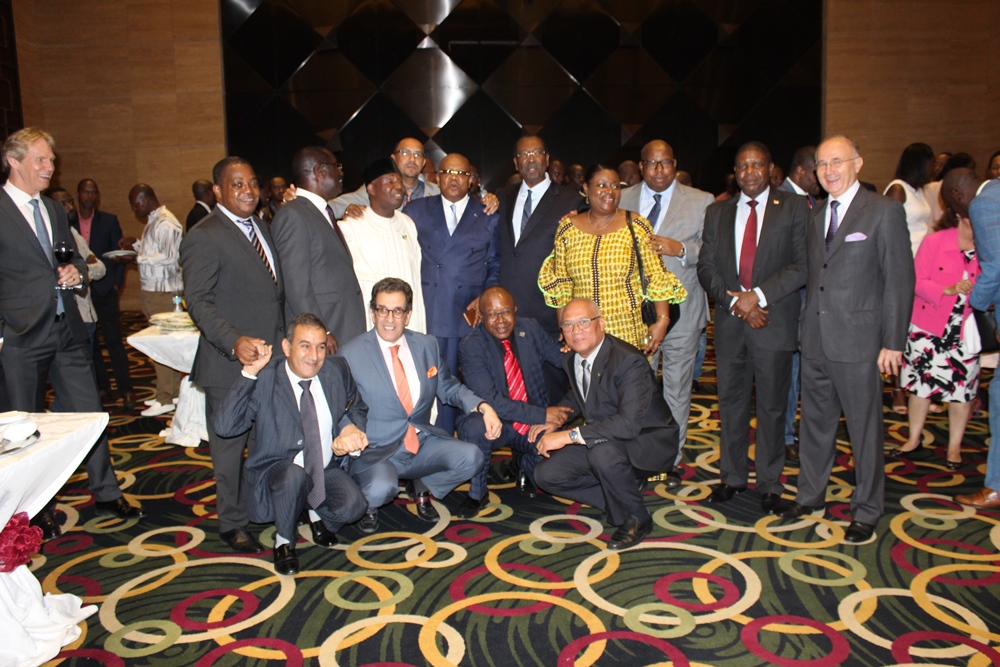
The Ceremony was attended by Rwandans living in Uganda, Diplomatic corps and friends of Rwanda.
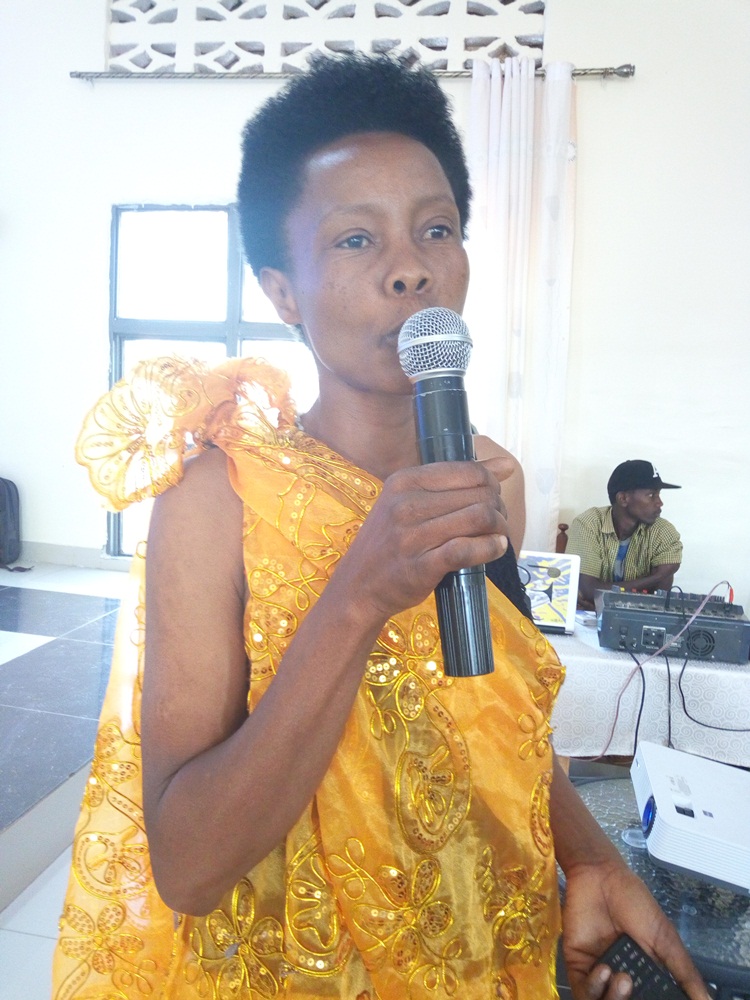
Ukwizagira says that before being trained by the organization, he knew nothing about good practices of coffee growing like pruning, among others.
“Previously, we knew nothing about coffee growing practices; we used to cultivate it inappropriately, with no information about the quantity of fertilizers to use among other practice, which resulted in low production,” she says.
After receiving training from the organization since 2014, Ukwizagira embraced modern cultivation practices and currently the production has improved threefold.
“After being trained in coffee plantation handling, production was improved to the extent that we have constructed family house and bought hybrid cow. I have personal 150 coffee trees and I plan to plant 300 more trees,” Ukwizagira testifies.
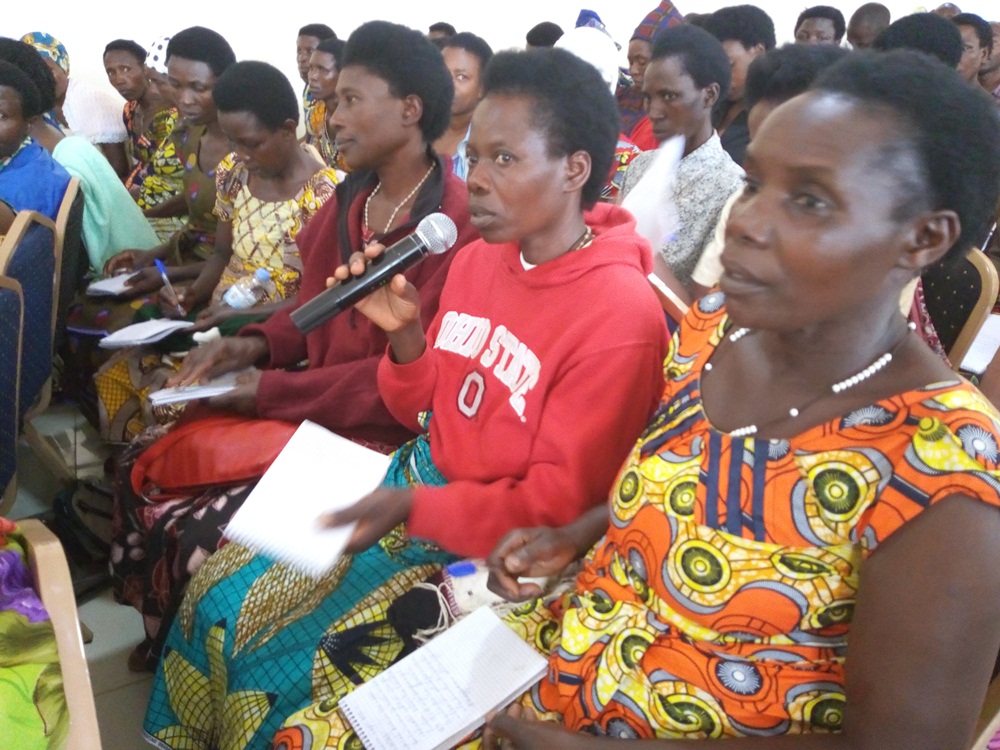
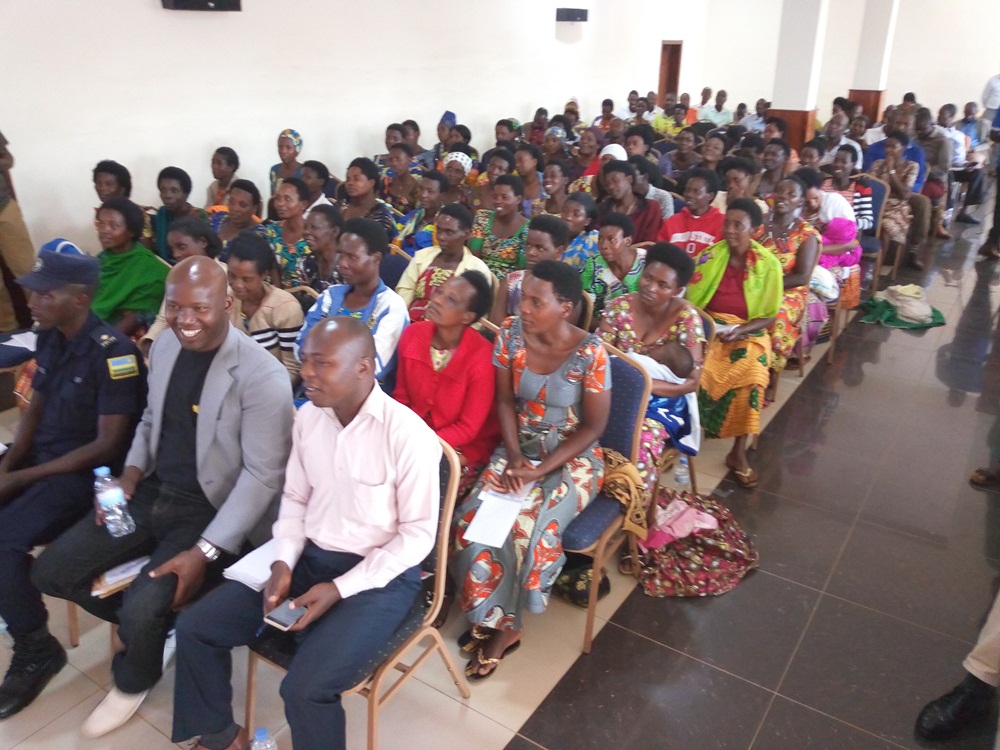
Ukwizagira shares the testimony with 200 women from Rusizi District of Western Province who were trained by Sustainable Harvest Rwanda.
All 200 women are from six coffee farming cooperatives.
All trained women say that they have various development projects following good production from coffee plantation.
Western Province Sustainable Harvest Rwanda representative, Martin Ngendo says that the project focus on women by encouraging and empowering them to cultivate coffee.
He says that previously, coffee cultivation was considered as men’s job.
“Women need to change their mindsets towards cultivating coffee and make it a family source of income. They should be supported more in coffee growing practices, right from handling coffee seedlings in nursery beds to processing coffee beans for drinkable coffee. Farmers should also drink coffee,” he says.
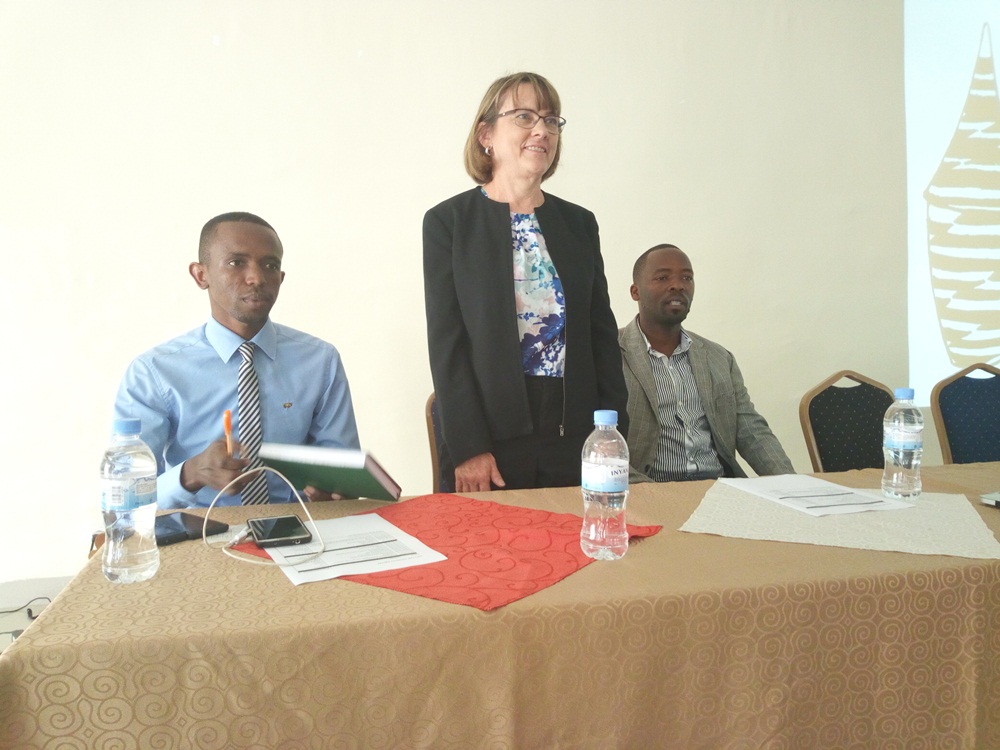
Sustainable Harvest Executive Director, Ruth Coleman said that when a woman is trained, it impacts the whole family.
“We did our best to train women so that they can, too, practice coffee growing. Before, coffee growing was mostly dominated by men. We want coffee to be come a household source of income, because when you train a woman, it means that you have trained the entire family,” Coleman said.
Sustainable Harvest Rwanda operates in 13 Districts. In Rusizi District they operate from six sectors.
Through the service, MTN Mobile Money users in Rwanda are able to send money to Airtel Tanzania subscribers seamlessly and affordably through the MFS Africa Hub.
The Hub connects mobile wallet customers across networks and countries in sub-Saharan Africa, enabling convenient and affordable mobile-to-mobile international money transfers.
Speaking about the new addition to the existing corridors, namely Uganda, Kenya and Zambia, MTN’s Chief Business and Corporate Affairs Officer, Chantal Kagame said they are pleased to easy cross-border money transfers.
“Mobile Money has increasingly become a norm in Rwanda as MTN continues to extend financial inclusivity to Rwandans and enrich their individual wellbeing. We are delighted to bring the convenience of instant cross-border money transfers directly to our customers’ mobile wallets,” she said.
To send money to Airtel Tanzania, MTN Rwanda customers will be required to dial *830# from their handsets and follow the prompts, where they will also view the equivalent amount to send based on prevailing foreign exchange rates.
They will then be prompted to approve the transaction with their MoMo PIN. Upon sending they will receive a confirmation message that the transaction has gone through.
The Mobile Money ecosystem requires innovative solutions to increase financial inclusion and drive economic growth. The rise of Mobile Money transactions is the most visible evidence of this.
“The MTN Mobile Money ecosystem has expanded extensively with additions such as the payment of Moto fares in partnership with Yegomoto, paying of parking fees in partnership with KVCS as well as partnering with local banks to facilitate Push and Pull services. We are now registering about Rwf130 billion in monthly transactions and we continue to lead Mobile Money in Rwanda with 1.7 million active subscribers,” added Mrs. Kagame.
The launch of regional remittance with Airtel Tanzania follows the recent reduction of MTN’s MoMo tariffs of up to 80%. Customers can send small amounts of money, even below Rwf100, with transfer fees that start from as low as Rwf3.
“MTN Mobile Money services have brightened the lives of our customers, as well as aided in developing Rwanda’s financial infrastructure. The efficiency of regional remittance will see customers transfer money easier, faster and more conveniently across borders at a fraction of current costs,” Kagame said.
Speaking at the event, Rwanda’s High Commissioner to Kenya, Amb. James Kimonyo informed that Kenya remains the biggest trade partner in Rwanda and that there is room for investors to cast their investment in Rwanda.
The envoy encouraged more Kenyans to take advantage of the enabling environment that includes an all-inclusive business permit acquired within six hours of application.
“In the area of trade, we are witnessing a steady increase of the overall trade volume between our two countries,” he said.
Kimonyo noted that Rwanda’s exports to Kenya include coffee, tea, hides and skins, and cereals at Sh 11.3 billion last year and Kenya’s exports to Rwanda have accounted for Sh 11.5 billion.
He said to date, Kenyan investment in Rwanda worth sh41.8 billion which makes Kenya the leading contributors to Foreign Direct Investment in Rwanda.
“We deeply appreciate the role of Kenya’s private sector for its huge contribution to Rwanda’s economic transformation,” he said.
He announced that Rwanda has dedicated this year’s anniversary to highlighting investment and business opportunities in the country.
“The ‘Visit Rwanda’ movement has attracted a lot of attention globally. After Rwanda signed a deal with Arsenal Football Club in May this year, the number of people searching Rwanda on line has increased by almost 6,000 per cent,” noting that they are confident that such a marketing strategy will bring a lot of tourists to Rwanda and sub-region.
He said, through the Northern Corridor Integration Projects framework relating to Single tourist visa, one can visit Rwanda, Kenya and Uganda using the single visa.
Speaking at the event, Kenya’s Permanent Secretary in the Ministry of Foreign Affairs, Amb. Macharia Kamau lauded the people of Rwanda for resilience.
“The transformation you have seen in Rwanda is monumental and was unimaginable 24 years ago,” said Mr. Macharia.
Both Kenya and Rwanda enjoy warm relations that are marked with close collaboration and strategic partnerships on issues of sub-regional, regional and international scope.
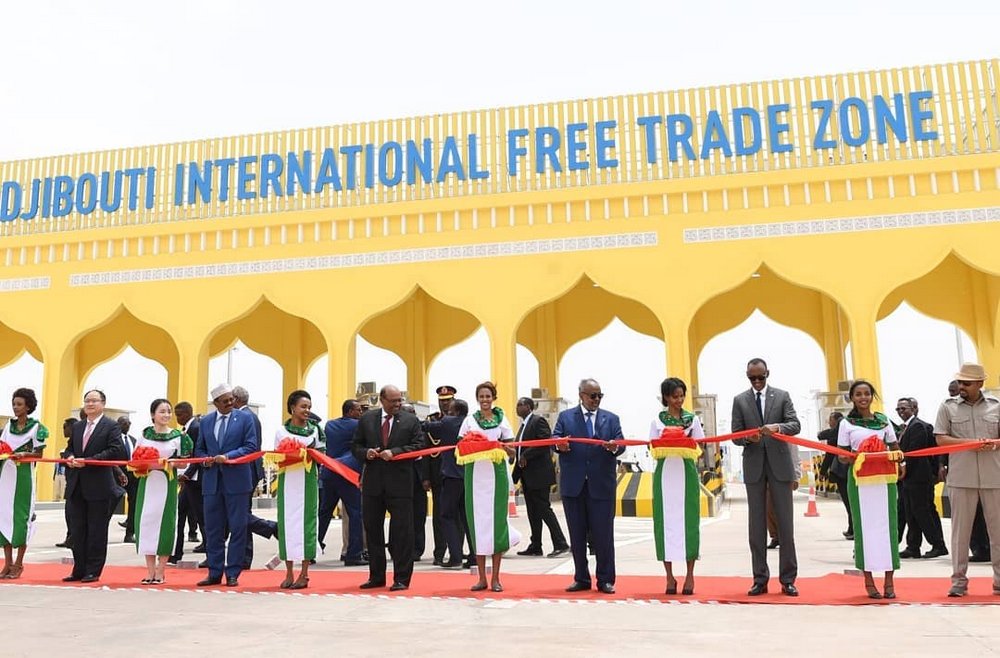
Kagame arrived in Djibouti Thursday at the invitation of his Djiboutian counterpart President Ismail Omar Guelleh.
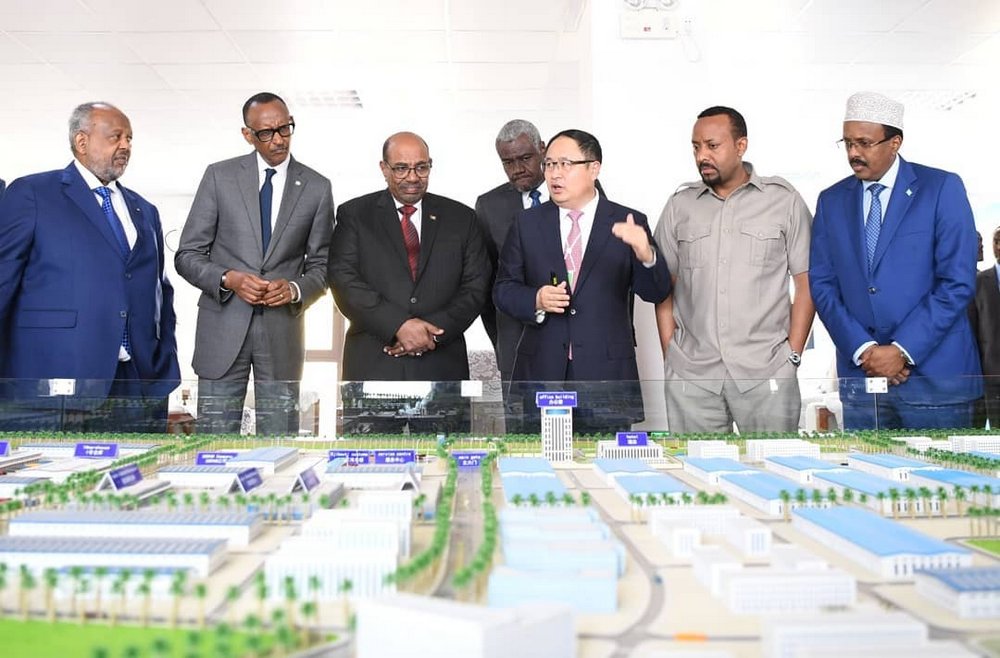
The newly completed industrial area is Djibouti’s pilot free trade zone. It will provide comprehensive solutions to companies operating in the services, trade and manufacturing industries and is set to attract businesses from across the African continent and the world.
The area, which will span over a total 48 square meters after expansion, is one of the largest free trade zones in Africa and will welcome other industries such as the automotive industry and home electrical industries.
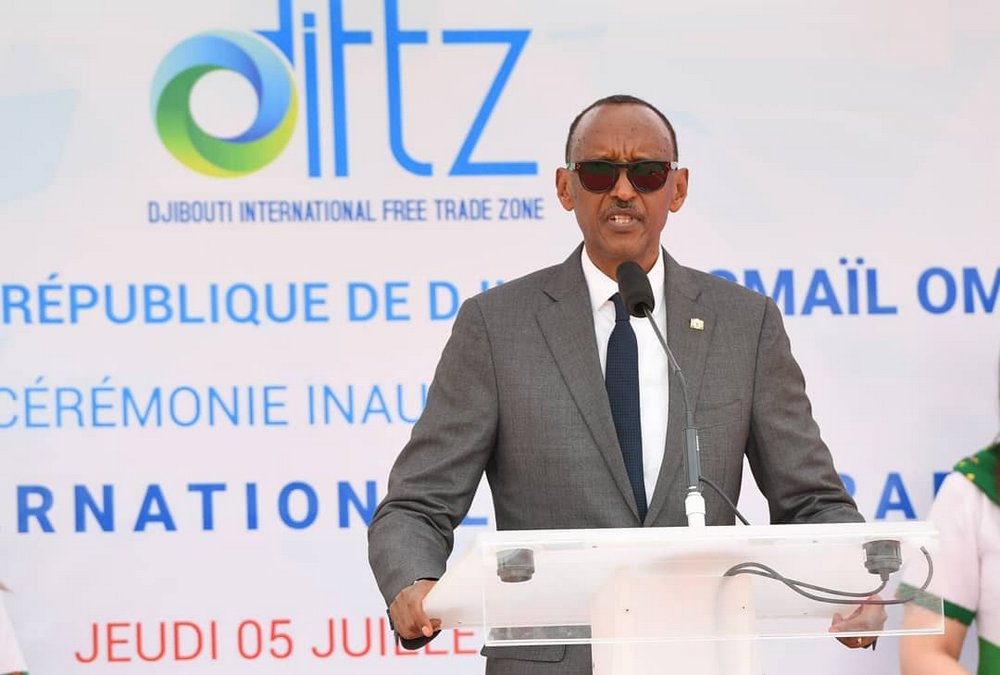
At the event Kagame said he is optimistic that the facility will not only serve Djibouti, but the whole continent.
“I just wanted to say how happy I am to be joining you Mr President and our brothers and leaders from this region for the inauguration of this very important facility that will not only serve Djibouti but also the wider region of our continent,” he said.
“We are behind you in the realisation of this project and I am sure it will serve us all, even as far south as Rwanda and beyond,” Kagame added.
The Djiboutian Free Trade Zone will benefit the whole continent, under the auspice of the African Union, 49 African nations – including Djibouti recently signed the African Continental Free Trade Area (AfCFTA), a trade agreement aimed to create a single market for African countries.
Rwanda and Djibouti enjoy strong bilateral ties in several key areas including; air transport, trade and investment, and ICT.
The two countries also partner to advance regional integration. In 2013, Djibouti offered Rwanda a 20-hectare piece of land at the port of Djibouti, and the latter was in reciprocity offered a plot of land in the Kigali Special Economic Zone.
The event took place at Talatona Convention Hotel in Luanda, capital of Angola yesterday.
It was graced by the presence of Representatives of Heads of Diplomatic Missions and International Organizations accredited in Angola, senior officials of the Government of Angola, the Rwandan Community in Angola and friends.
On the side of the Government of Angola, present were senior officials from the Ministry of Interior, Ministry of External Relations and Ministry of Commerce.
Speaking at the event, the Ambassador of Rwanda in Angola, Alfred G. Kalisa revolved around Rwanda’s development journey and contribution to Africa’s development in 24 years after the liberation.
“In the framework of the Regional, African and International Cooperation, Rwanda believes in the opening of borders, especially since we are a country that relies heavily on tourism,” he said.
He reminded that, since January 2018, Rwanda offers entry visas upon arrival to all citizens of the world who have a valid passport.
He said that in the framework of regional Cooperation, Rwanda continues to do her best to ensure that the decisions by the African Union are timely and effectively implemented.
“Thus, the financing of the African Union’s budget for the import rate of (0.2%) has been accepted by more than twenty-two countries and is under implementation,” he said.
He hailed the recent decision by the government of Angola of waiving visas to Rwandans travelling there.
The Ambassador also hailed the decision of the Angolan Government to open an embassy in Rwanda, and the signing of Air Agreements that will shortly facilitate the connection between Kigali and Luanda.
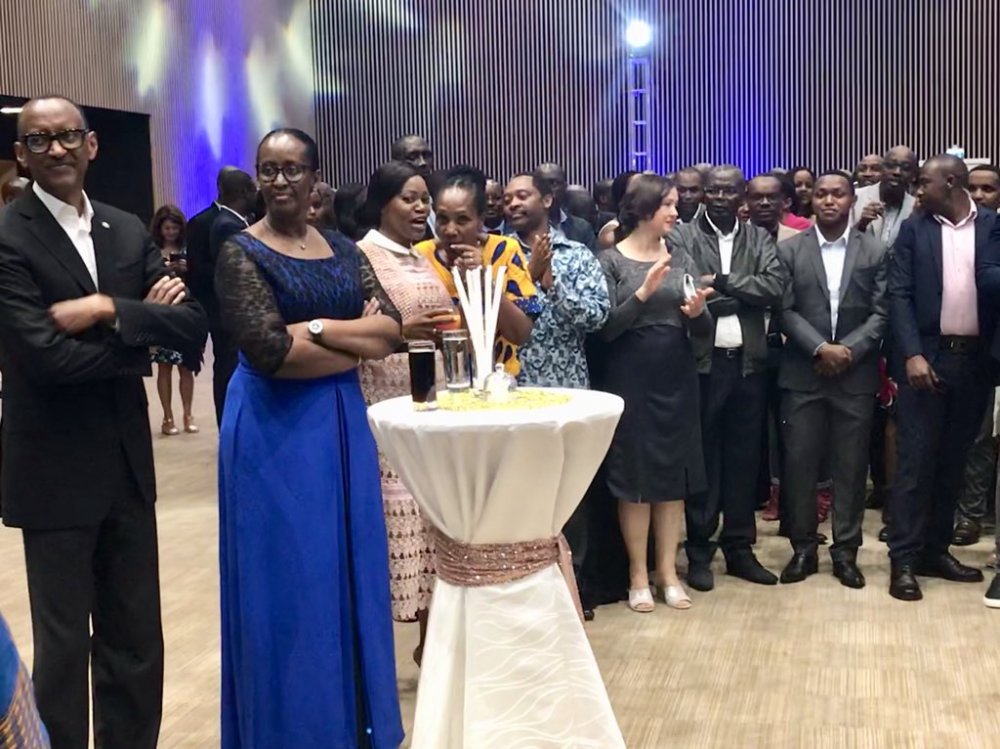
The Head of State was speaking yesterday in Kigali at the 24th Liberation Day Party he hosted with First Lady Jeannette Kagame.
Kagame hosted the party following the celebration of the Liberation Day on national level in an event that took place in Muhanga District, Southern Rwanda.
Speaking to youth below 24 years, Kagame reminded them that where the country has reached today is a result of many sacrifices. He also requested them not to let the country to ever go back.
“Never forget that we are here as a result of hard work, sacrifices, people losing their lives. The future is in your hands and if you allow it to go backwards, history will not forgive you,” Kagame told the youth below 24 years old.
In Rwanda Patriotic Army (RPA) Liberation struggle, youth sacrificed their lives and played vital role fighting the genocidal government which resulted in stopping the 1994 genocide against the Tutsi and re-building the nation.
Aurore Umuhoza, the coordinator of Women Council in the City of Kigali told IGIHE that the activity is in line with supporting the development and welfare of survivors.
The City of Kigali Vice-mayor in Charge of Economic Development, Parfait Busabizwa said that it with electricity connections, families will find it easy to accomplish a number of tasks that directly impact their lives.
“All children of the village used to gather in one home to be able to conduct their evening studies; so, having their homes connected will help them studying comfortably and perform well. We wish to have well-educated children for the good future of the country,” he said.
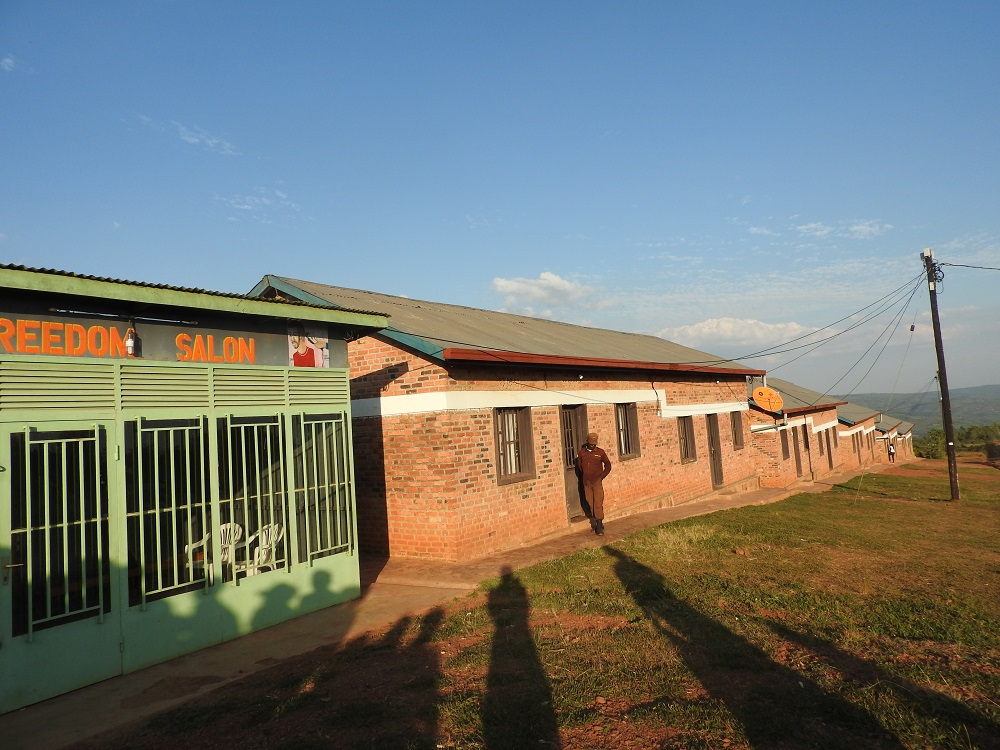
Among twenty families living in the village, eighteen of them had no access to electricity.
Joseph Sayinzoga whose house was connected to electricity and given a cow hailed the donation saying that they will be able to develop themselves.
“We are going to get milk for our children and fertilizers for farming. It is a good gesture which actually will transform our lives,” he said.
Felicite Muhimpundu, a mother of two said that her children used to depend on neighbors’ light to be able to revise in the evening.