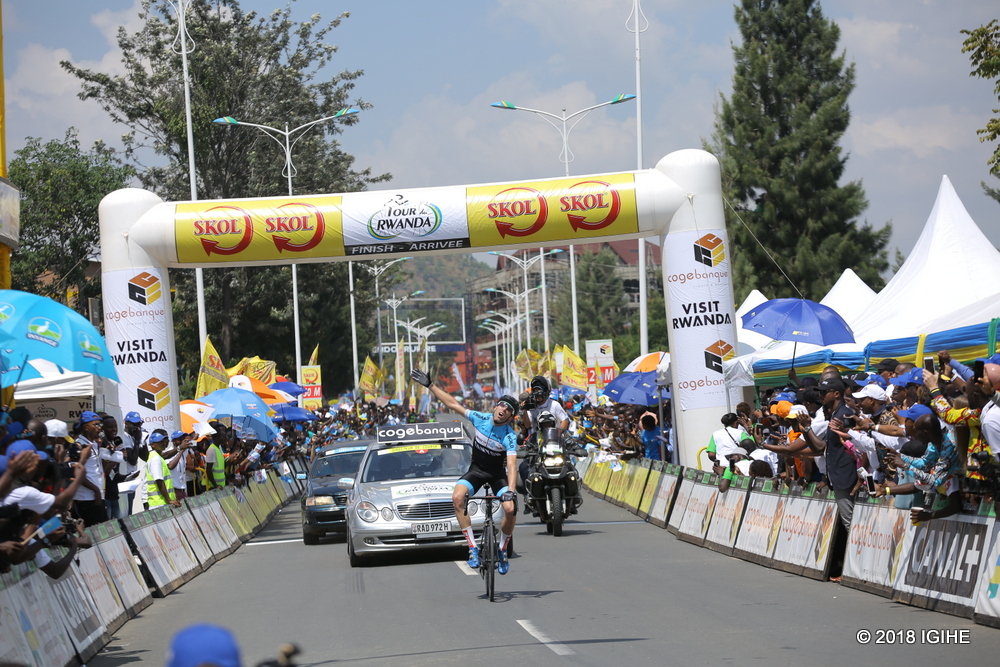
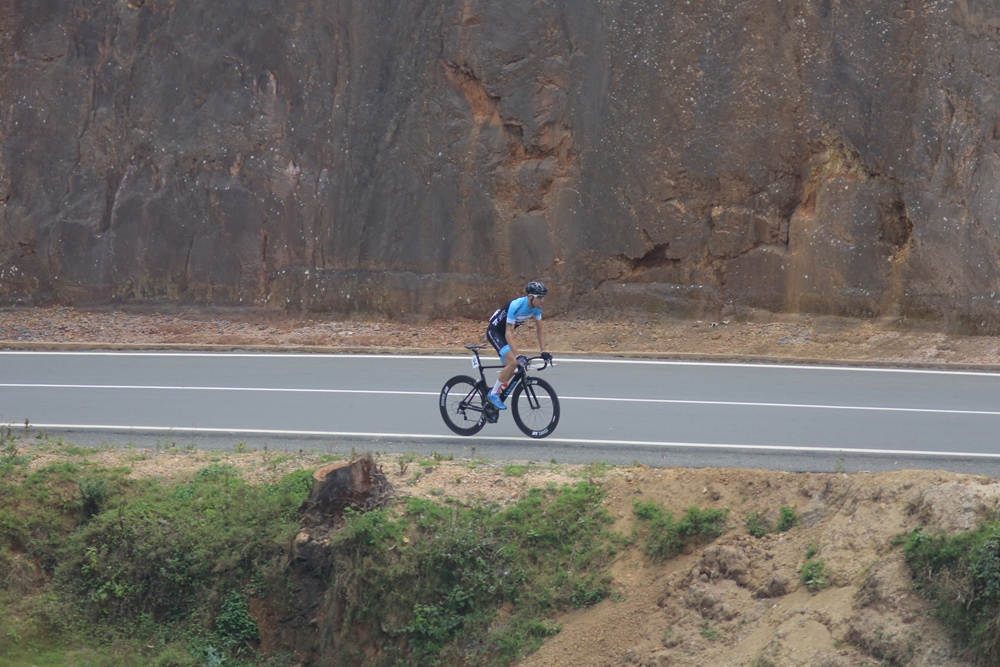
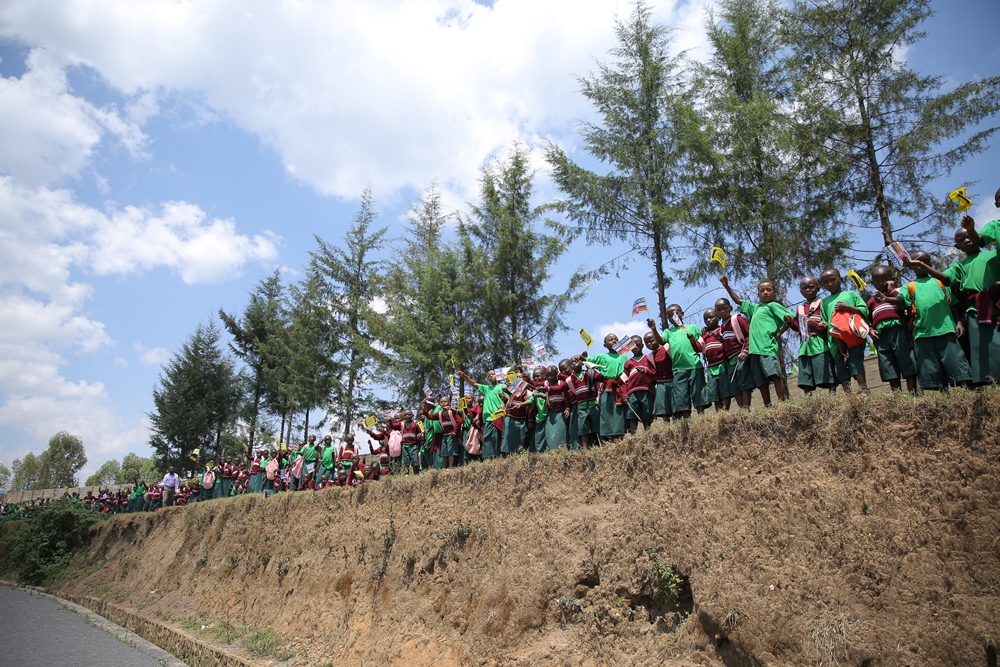
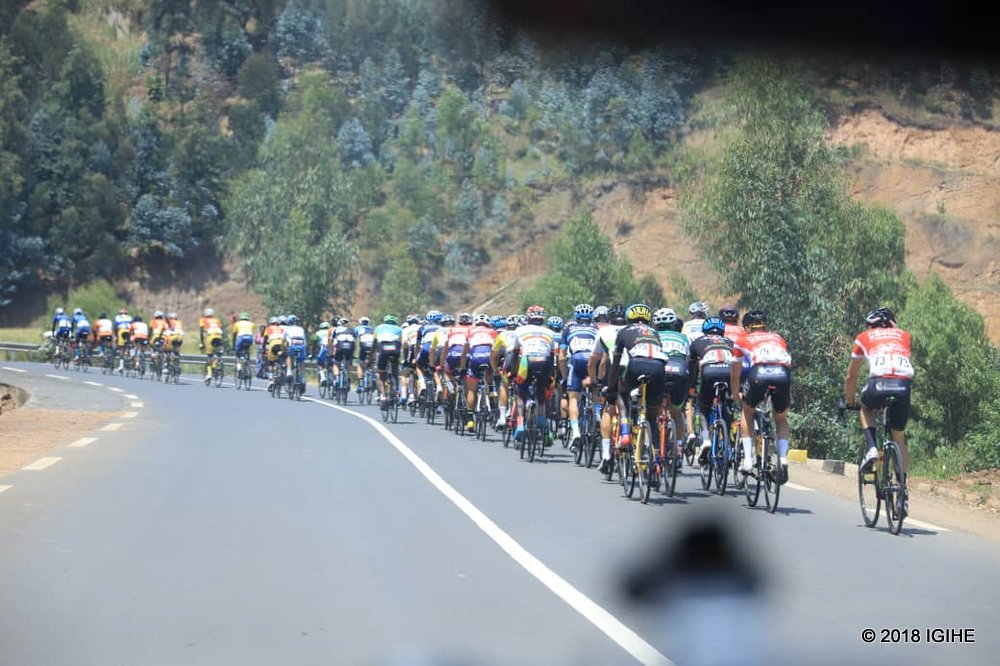
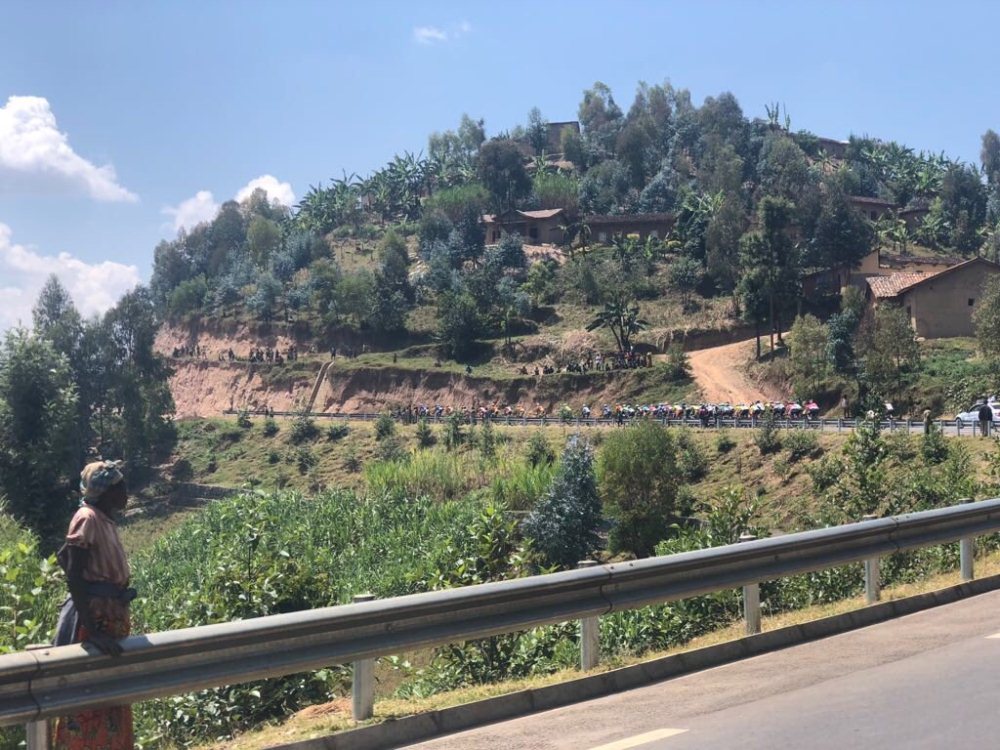
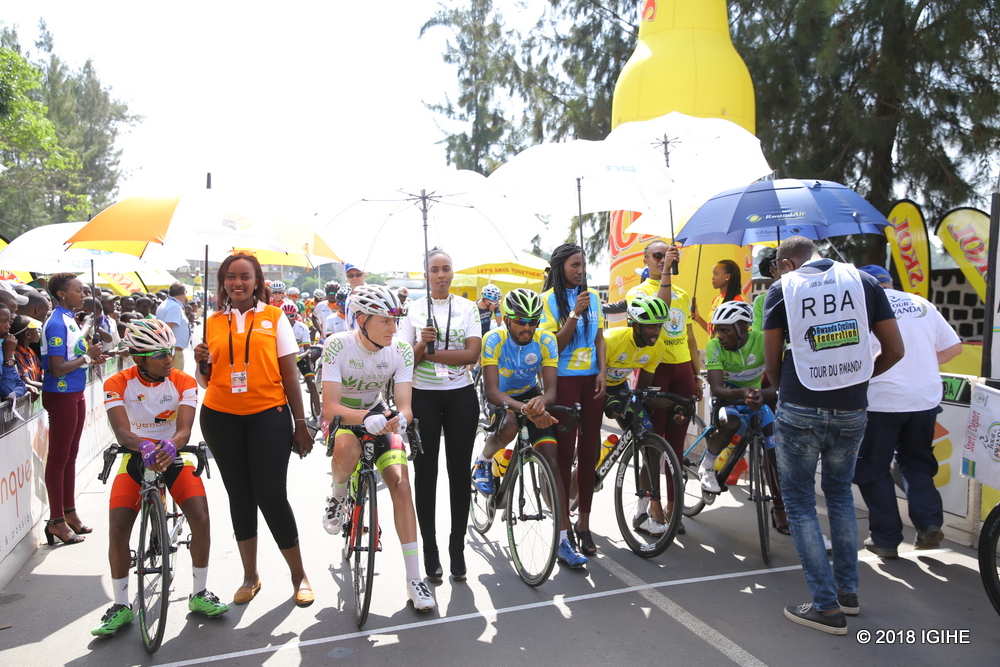
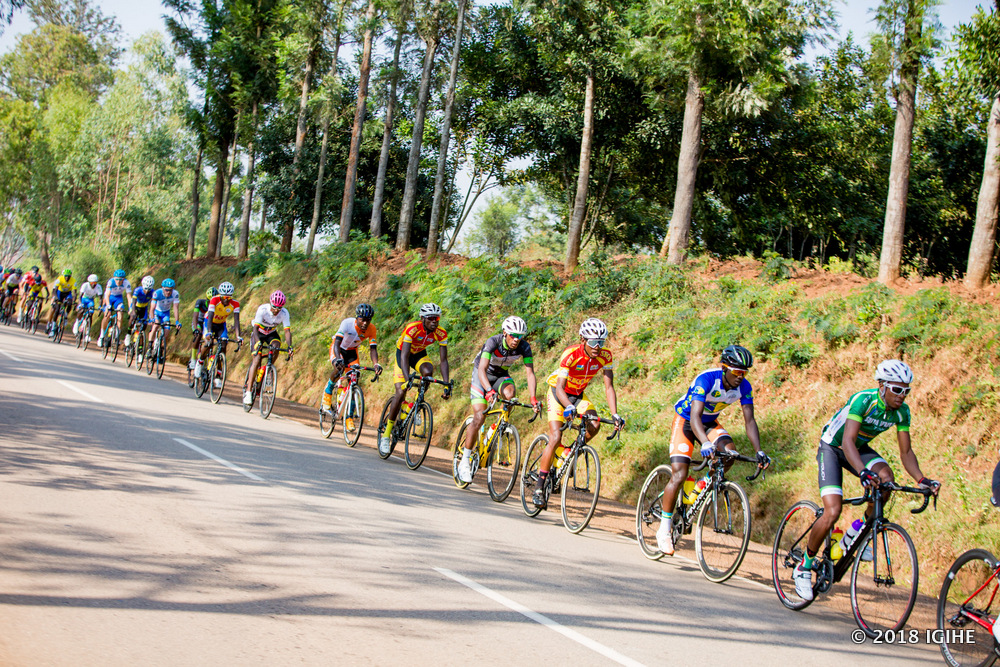
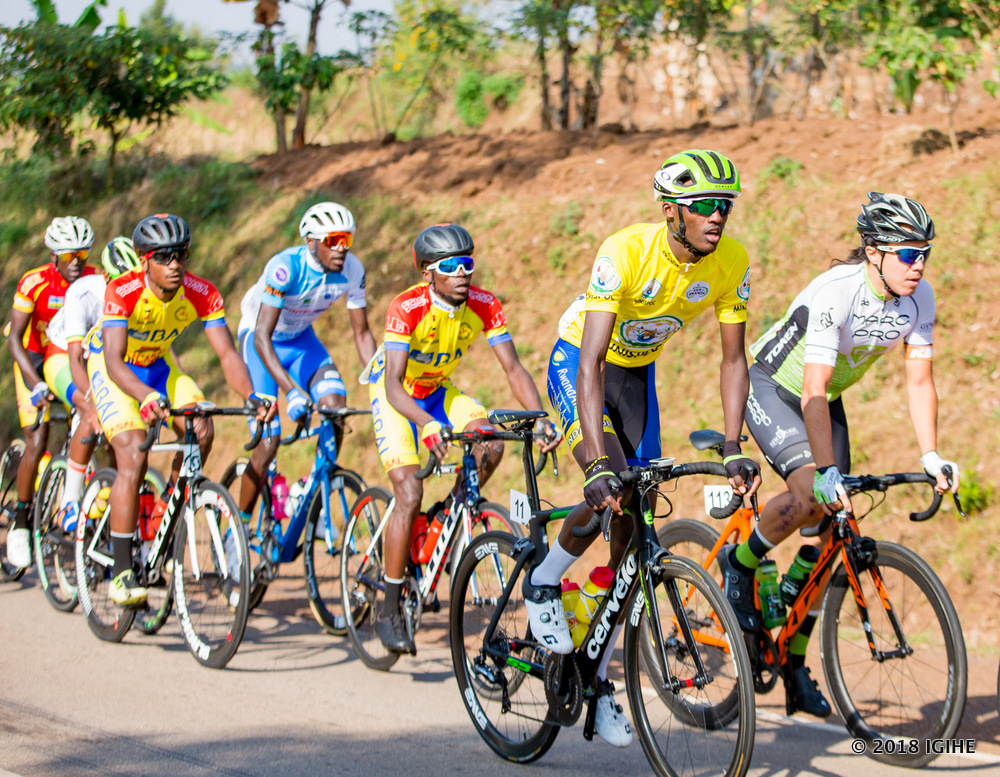
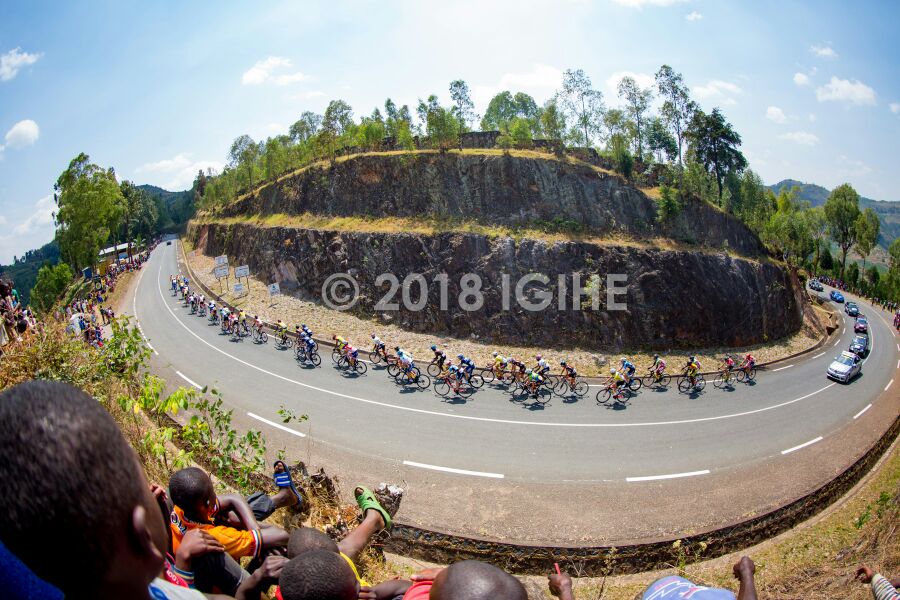
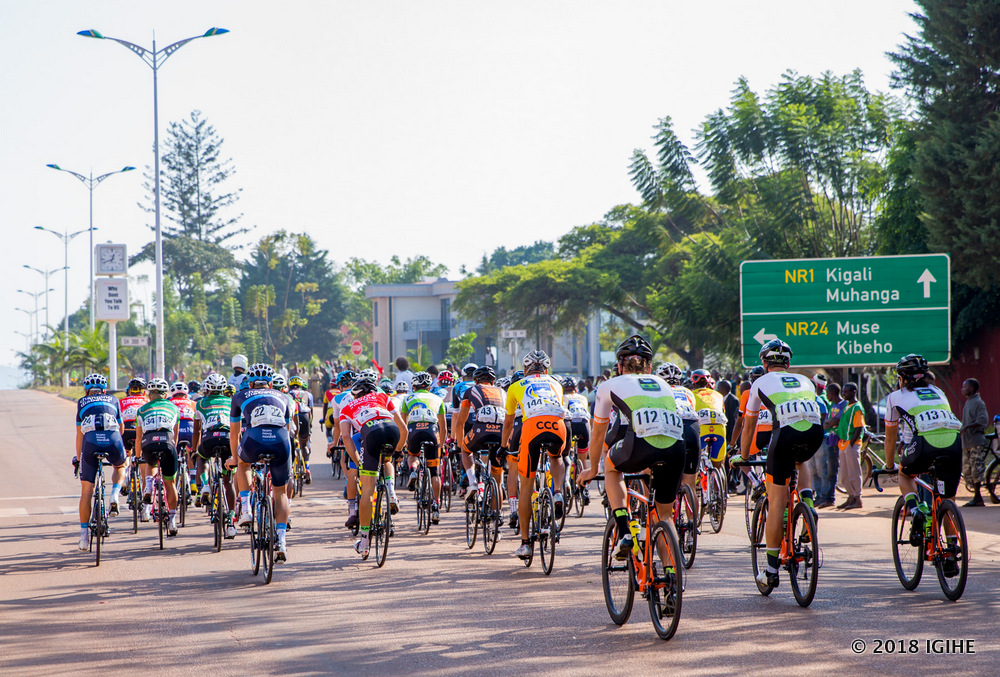
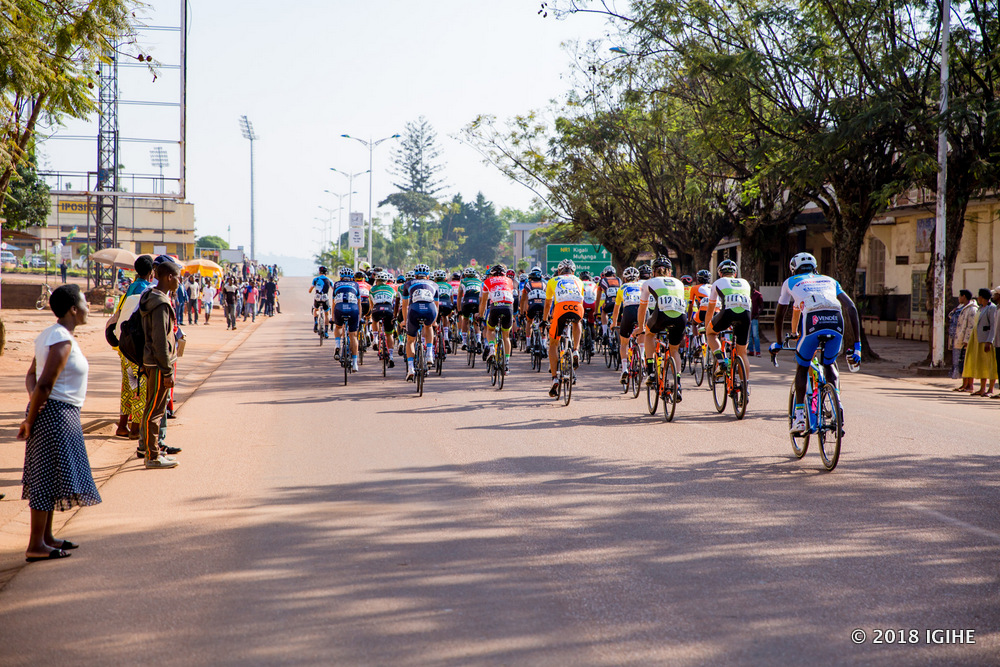
The stage from Musanze District in Northern Province to Karongi District in Western Province was 135.8 kilometers.
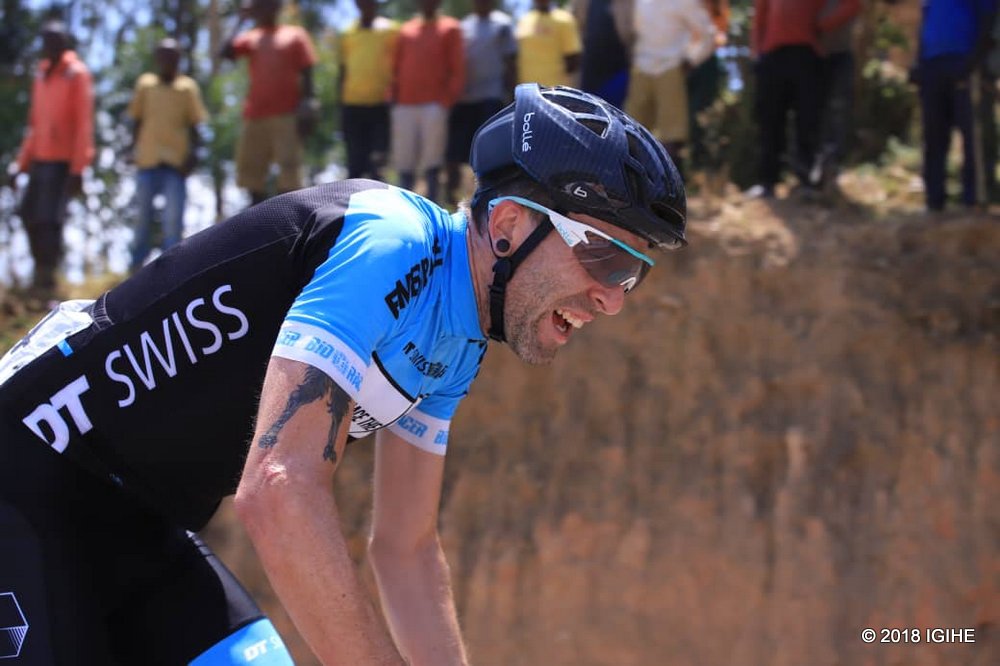
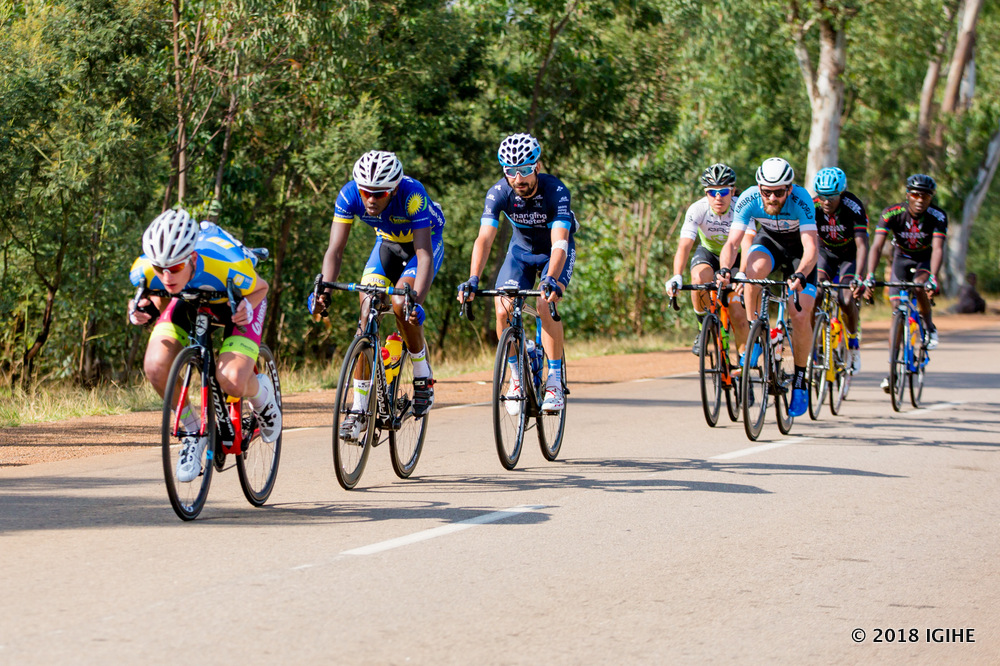
Timothy advanced the 70 players at an early solo breakaway that made him win the stage using 3 hours 31 minutes and 25 seconds with a record of 2 minutes and 10 seconds ahead of the second.
The 32-year-old Timothy was followed by Samuel Hakiruwizeye, Didier Munyaneza, Lozano Riba David and Jean Claude Uwizeye.
However, the stage did not affect the top five on general list as Rwandan Samuel Mugisha retained the yellow jersey.
{{Stage four top five }}
1. Timothy Rugg : 03h31’24”
2. Samuel Hakiruwizeye: 03h33’35”
3. Didier Munyaneza: 03h33’49”
4. Lozano Riba: 03h33’49”
5. Jean Claude Uwizeye:03h33’53”
{{General Classification top five}}
1. Samuel Mugisha: 14h07’53”
2. Jean Claude Uwizeye: 14h08’14”
3. Hailemichael Mulu: 14h08’14”
4. Lozano Riba David: 14h09’44”
5. Doring Jonas: 14h10’03”
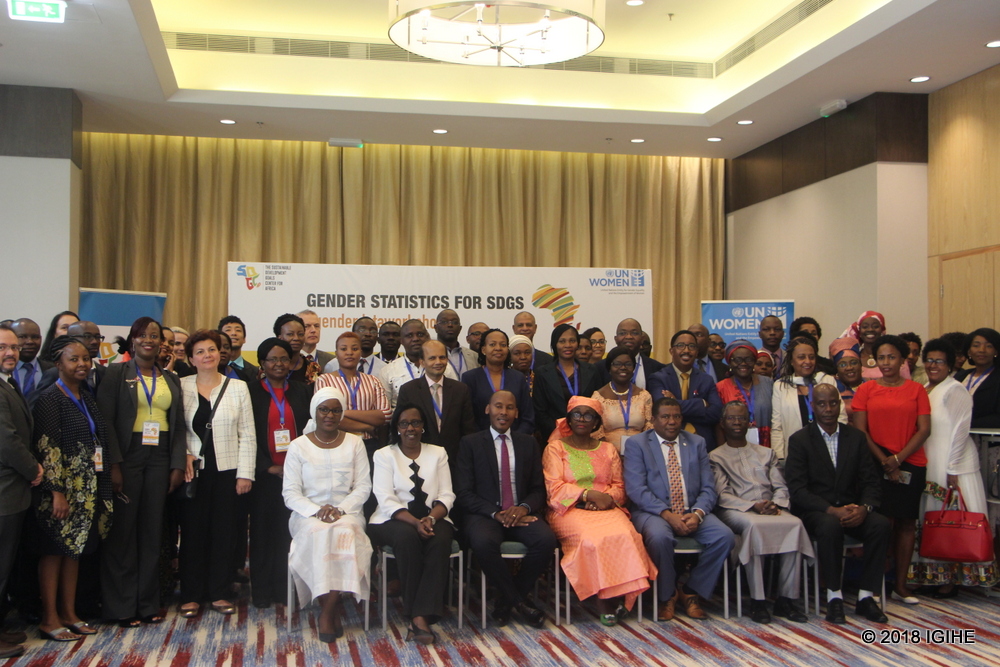
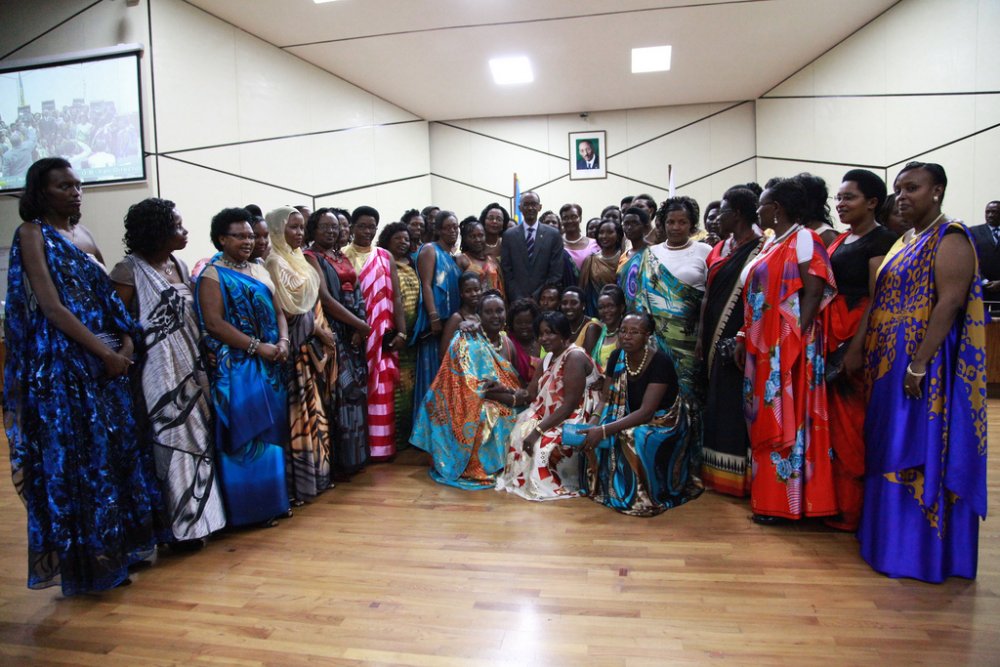
The appeal was made Wednesday in Kigali in a three-day Gender Data Workshop that brought together participants from ten African countries.
The workshop was organized by UN for Women in partnership with the Sustainable Development Goals Center for Africa.
According to UN Women Africa, only 13% of countries allocate a budget to gender statistics and only 15% of countries have legislation that mandates specialized gender-based surveys.
The UN Women Regional Director for East Africa and Southern, Africa Dr. Izeduwa Derex-Briggs said that the greater percentage of women live in rural areas and their activities are not nationally captured.
“The works that women do are not captured by National Statistics offices. National Statistics offices capture national data, data on health surveys, house surveys and census, but they don’t capture data of Community Based organization do at community level,” she said.
She said that the data are not captured because they are not reliable, a fact that they are pushing for change.
“So, we are saying how we can make the data reliable so that the contribution of women and girls to the development of every country is also captured, so that is one of the challenges that we want to address through looking at the alternative data in addition to official data,” she explained.
Izeduwa said that data collection require resources and countries leave behind gender data.
“To collect data is very expensive and whoever makes choices on which data to collect have to understand that there is a need to collect gender data, and if you don’t have gender data, you can’t plan effectively for men different from women,” she emphasized.
The Permanent Secretary in the Ministry of Finance and Economic Planning, Caleb Rwamuganza said that Rwanda is among few countries that capture women data in all sectors of the countries.
However, Rwamuganza said that the exercise require extra means.
“Among the statistics by National Institute of Statistics of Rwanda, we are among countries that capture statistics of women to the grassroots level. Sustainable Development Goals require reliable data, a reason why there is need for capacity building in people accumulating the data,” he explained.
He said that in the budget allocated in different sectors like education, health, agriculture among others, they also consider women activities as men.
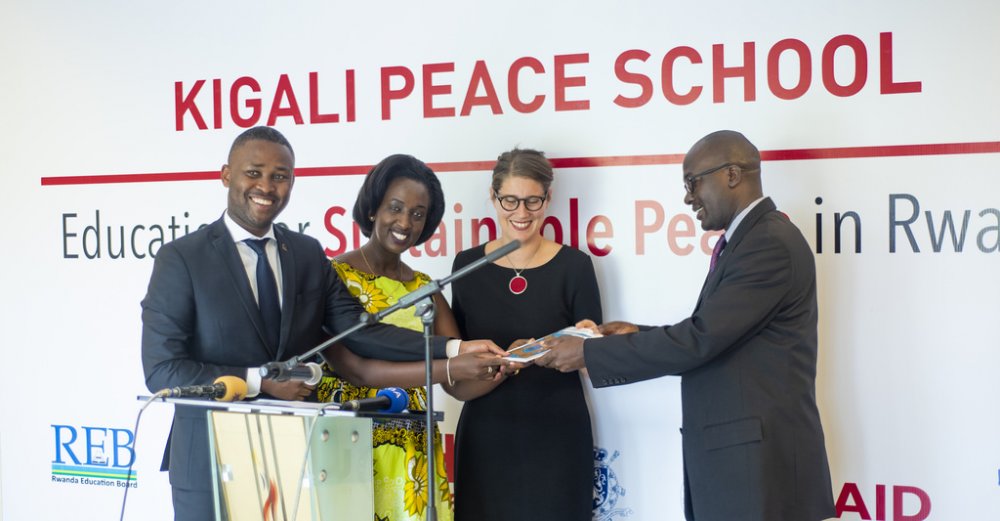
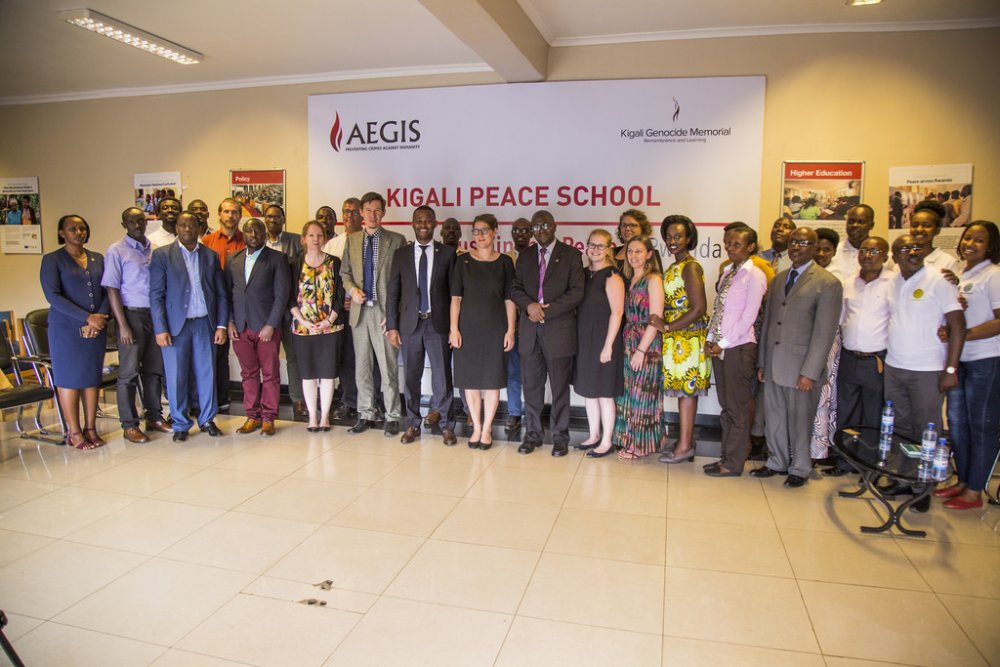
The Teacher Guidebook and Model Lesson Plans book will help instructors teach Peace, Values and History most specifically the genocide against the Tutsi history in Rwanda.
The books were developed by the Aegis Trust under the Memorandum of Understanding with REB. The MoU was signed following the integration of Peace and Values Education in the newly revised Competence Based Curriculum.
Under the new curriculum, teachers are requested to train students on embracing peace, harmony, love and history of Rwanda as well as preventing the genocide from recurrence anywhere in the World.
AEGIS Trust Director of Programmes, Anita Kayirangwa said that the books will help teachers implement new curriculum that requires them to teach peace and values in all subjects.
“Peace and Values have been integrated in the curriculum, but, were not given particular hours on the schedule, it was difficult to teachers to integrate them in subjects like Mathematics. So, those materials were developed to help them integrated those lessons in all subjects,” Kayirangwa said.
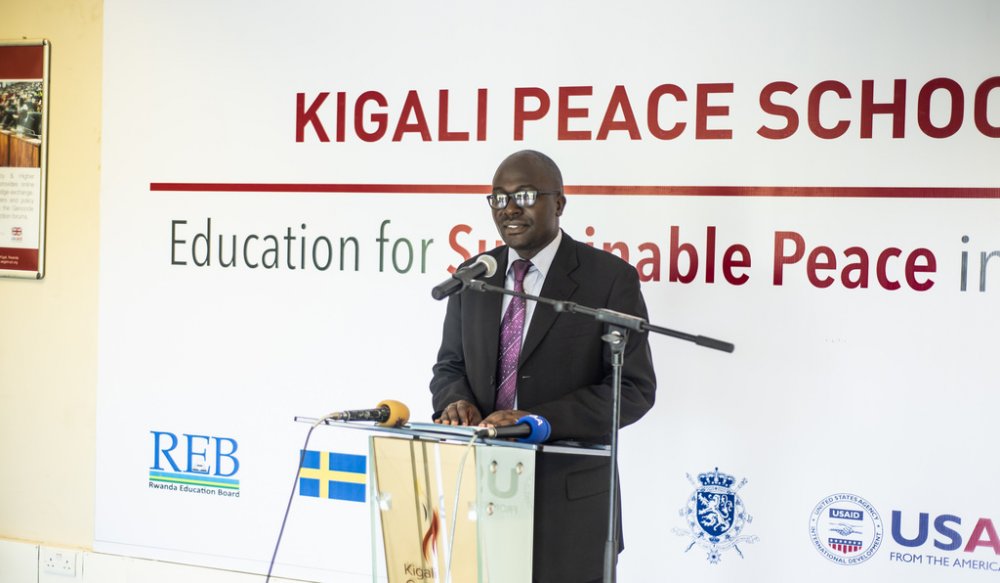
REB Director General, Dr. Irénée Ndayambaje said that the organization has been facilitating them to teach peace, love and values and has become a channel through which the country would become abundantly secure.
“Those books will help us teach history of Rwanda, lessons which seek to promote culture of peace and genocide prevention from anywhere in the World,” he said.
Teachers who spoke to IGIHE said that the books will help them integrate Peace and Values studies in unrelated subjects.
“Those materials are well-prepared to enable us teach Peace and Values studies in all subjects, which we were not knowledgeable about before. The books will guide us on how to merge the disciplines,” said Rachel Umutesi, a teacher at Gisozi II in Gasabo District.
Claver Gatabazi, the Director of Education and Fight Against the Genocide in the National Commission for the Fight Against the Genocide (CNLG) said that the books are in line with the commission’s curriculum to fight against genocide ideology in schools.
Mushikiwabo, who is standing against incumbent Michaëlle Jean, in an interview with AFP, elaborated on how she could take La Francophonie further on the global scene, her priorities and what she thinks could be used to put forth the visibility of the French language on an international level. Below are excerpts:
{{What is La Francophonie in your opinion?
}}
For me, La Francophonie is a cultural environment; it is an ecosystem where, through the French language, we exchange on topics of common interest. In my opinion, an organization like this, with a variety of cultures and assets of all kinds; economic, social, political, should be much more important. It is also among my priorities to raise the status of this organization on the global scene.
{{La Francophonie is often denounced as a continuation of France’s foreign policy. Do you agree with this judgment?
}}
The criticism is legitimate as in the word ‘Francophonie’, there is France and there is the French language, so that’s a reality, but I think we have to distinguish France from La Francophonie. If I am not wrong, the French President Emmanuel Macron has understood that La Francophonie is more than France; it is an organization that must take into account the realities of the world today, including living in harmony with other languages.
{{How should we promote the French language?
}}
The promotion of the French language is its presence and its visibility. Beyond the language, the French-speaking countries and the various operators of the Francophonie, such as Heads of States should be visible on an international level. The omnipresence of English is inevitable, but it does not mean that the French language cannot put forth its advantages and its assets. I think we should have a much more proactive attitude.
{{What will be your priorities if you are elected as Secretary General of the OIF?
}}
The issue of youth employment is central: an organization like La Francophonie has the advantage of being able to build bridges between its member countries, and I am frustrated not to see France’s private sector adequately organized when there are so many Francophone businessmen and women, who are capable of making things happen. Youth employment automatically addresses the issue of migration, the issue of radicalization. If we could use all our energies and our relationships as an organization (…), we could make a difference.
{{What is your view on Michaëlle Jean’s record; she who has been criticized for her lifestyle?
}}
I’m going to answer it like this: At the OIF, there are many things that are being done today, but for me, we could do a lot more, which is why I want to introduce myself. I have plans, I have an ambition, our organization is not really where it should be, for me, transparency in management is not even an issue, I’m in the Rwandan government and for us, that’s the culture: the culture of transparency and sound management. What I can tell you is that with me at the head of the OIF, there will be transparency and there will be a good management.
{{Will the respect for human rights and the promotion of democracy, be among your priorities, while Rwanda— of which you are the Foreign Minister is criticized in these areas?
}}
The whole notion of democracy and human rights is not always very clear and does not precise what we mean by that.” There was a label in Rwanda on these issues of freedom, but I am very proud of the political management in Rwanda. I see what— not everyone, but the majority of Rwandans think; and they are happy with the democratic system that is there. President Paul Kagame is a president who worked hard for his country, who came at a very difficult time in the history of his country, and who is very popular.
{{Do you think La Francophonie needs to go further in denouncing autocratic regimes?
}}
I do not believe in lesson givers, I believe in a coaching system, where we listen, where we ask questions, where we give advice, and for me the best way to manage our mission in relation to democracy and freedoms is to stand close to the states, to give them advice, sometimes even to help them. The objective is not to give lessons, or to compare systems to each other. I believe that what we want in our Francophone space is political systems that are fair, that respect the rights and promote all citizens.
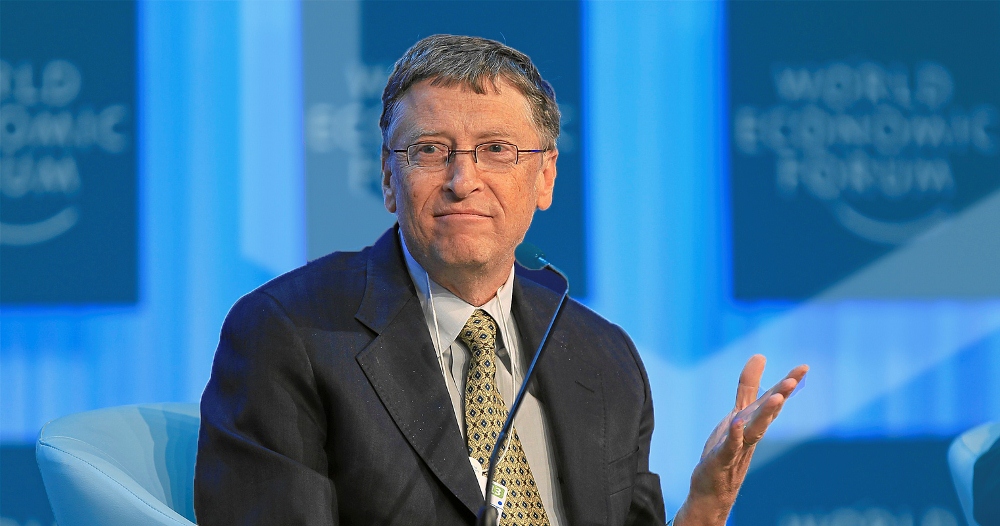
Gates made the remarks in a note he shared Wednesday. He says that after the 1994 genocide perpetrated against the Tutsi, Rwanda’s economy and health system were in ruins.
He said that many of the country’s doctors and health workers had been killed or fled, fewer than one in four children were vaccinated, a cholera epidemic swept through refugee camps.
Gates said that Rwanda had the world’s highest child mortality rate and the shortest life expectancy and the country’s future seemed miserable.
However, the World’s second tycoon and philanthropist in health and welfare services says that the situation has changed to the extent Rwanda became global reference.
“Today, Rwanda is a stunning global health success story—one I often cite when I’m asked about examples of health and development progress. More than 97 percent of infants are vaccinated. Rates of child mortality, maternal mortality, and deaths from tuberculosis, AIDS, and malaria have all plummeted. Its health system has become a model for other nations to follow,” he said.
He said that many people contributed in making such dramatic turnaround possible from government leaders to health workers to the people of Rwanda themselves.
Among key contributors Gates mentioned include, former Minister of Health, Dr. Agnes Binagwaho.
“As a physician, leader of Rwanda’s HIV program, and later minister of health, Dr. Binagwaho has spent the last two decades playing a hands-on role rebuilding the country’s health care system,” he said.
“The transformation of Rwanda’s health system has its roots in a very simple, but powerful idea promoted by Dr. Binagwaho and the government of Rwanda. It’s the belief that health is a human right for all—no matter their income, ethnic group, or where they call home,” he noted.
While much more work needs to be done to continue to strengthen health care, Gates says that Rwanda’s progress has been remarkable that the country’s health system has managed to achieve so much progress on a limited budget compared to other poor countries is often called a “miracle.”
Gates supports different health services programmes in Rwanda through his Foundation ‘Bill & Melinda Gates Foundation’.
Tuesday cyclists set-off from Huye District in Southern Province to Musanze District in Northern Province on the distance of 199.7 kilometers.
The stage winner, Hellmann used 05hours 11 minutes and 4 seconds, while the second Lozano Riba David used 05hours 11 minutes and 12 seconds.
At this stage, Rwandan Valens Ndayisenga came fifth with eleven seconds behind the first but continued to leading the general classification and retained the yellow jersey.
Samuel Mugisha came 11th using 05 hours 12 minutes and 21 seconds.
Among 79 players who attended the competition, three withdrawn yesterday after failing to finalize second phase from Kigali to Huye. Those are Behringer Olivier for Team Novo Nordisk, Bissa Badoja for SNH Velo Club and Jilowa Agoster for Sampada
{{Stage three top five}}
1. Hellmann Julian
2. Lozano Riba David
3. Beneke Calvin
4. Doring Jonas
5. Ndayisenga Valens
{{General Classification}}
1. Samuel Mugisha: 10h34’00”
2. Jean Claude Uwizeye: 10h34’21”
3. Hailemichael Mulu: 19h34’21”
4. Lozano Riba David: 10h35’55”
5. Doring Jonas: 10h36’17”
The environment has made some of them decide to settle their businesses in Rwanda with five foreign participants having already registered their companies with Rwanda Development Board (RDB).
Ronald Athanase Rutagengwa, exhibitor for Fubisun Company from Malaysia, told IGIHE he has participated in many countries’ exhibitions particularly all regional countries but Rwanda stands out in terms of exhibition organisation and security for the exhibitors and their goods.
He also rated Rwanda as the second most paying country in exhibitions in the region behind Kenya which has a larger market and a stronger currency.
“About the organisation of exhibitions, Rwanda is the best. Every document for exhibitors are issued on time, the security is tight with no single threat day or night, nobody abuses me, nobody tries to steal from us,” said the seller of home equipment such as blenders, juice mixers, sophisticated mops, dry cleaners, irons and massage equipment among others.
Rutagengwa said that, while a few people are shopping while many usually do window shopping in the first days of the fair, his expectations are too high to have sold much by the end of the expo as it has always happened in the previous exhibitions.
Robert Dossou, the Director General for Centre de Pharmacopée Bénin Tisane which is in Rwanda’s expo for the first time, said he has liked the environment and considers opening a local shop for his Bénin-based centre which is present in Cameroun, Burkina Faso, Mali, Senegal, Guinea Equatorial, Gabon, Chad, Congo Brazzaville and DRC.
“I have brought to Rwanda natural medicine that is made from herbs, trees leaves, roots, clay… by a group of 42 specialists who bring together their skills to produce effective medicine for either treatment or prevention of infections. We treat haemorrhoid, remedy for fat belly, we have liver remedy to decongest it from fats, purify blood, uric acid, skin buttons, we have remedy for swollen prostate and more,” said Dossou who started natural medicine practices in 1983.
Bénin is one of eight countries that are participating in this expo for the first time.
Dossou said people are visiting his stall in big numbers to buy the remedies, adding that he wants to let all Africans know that natural medicine is so important and break the misconception that likens natural medicine to fetishism, myth or sorcery.
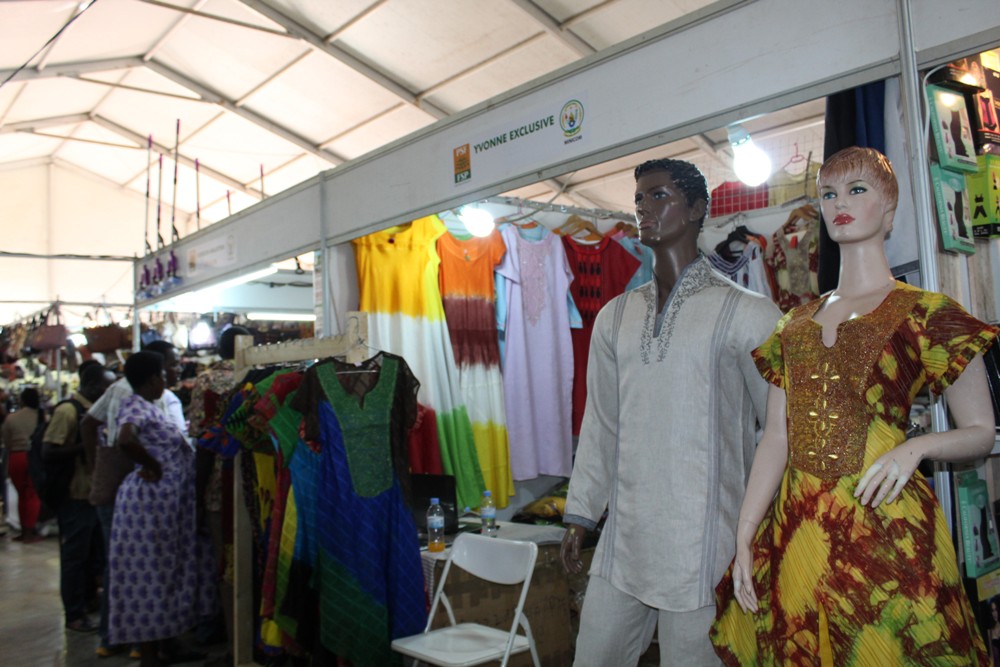
Evas of the Yvonne Exclusive Design from Ghana said the expo environment is good but sales are still poor.
“We are designers of ladies and gents wear. Security is very good here, promptness, everything is alright but sales remain the challenge. People think our products are expensive but as a designer, I use the best fabrics to make my attires and accessories. This is my first time to come here but my mother participated in the previous three exhibitions here,” said Evas, adding that he considers reopening the shop in Kigali if the sales improve in the remaining days of Expo 2018.
He said they had a shop in Kigali City Tower but were forced to close it down because they had few customers while most perceived his products as expensive. Each wear’s price is between Rwf25,000 and Rwf90,000 but Evas says he is offering discount at the Expo.
“All depends on this expo, if it goes well, I will open a shop again in Kigali but if it doesn’t go well, I will be forced to go back home. We have shops in Ghana, Sierra Leone and Liberia. We manufacture everything from scratch. We usually sell online and we are in expo to create customer relationship.”
Richard Kayibanda, the Registrar General at RDB, said they had registered five foreign companies participating in Expo 2018 as of last Thursday. By then, a total of 40 companies had registered from the RDB’s stand at the fair which is running at Gikondo Expo Ground in Kigali from July 26 to August 15. The fair attracted 500 companies from 23 countries. Among the exhibitors, 300 are Rwandans while 200 are foreigners.
Article 79 of the 2003 Constitution as amended in 2015 says that for elections purposes, the President of the Republic dissolves the Chamber of Deputies at least 30 days and not more than 60 days before the end of the parliamentary term.
The organic law says that the term of Deputies is five years starting from the day they take oath of office.
However, the law emphasizes that for electoral reasons, the President of the Republic shall dissolve the parliament, Chamber of Deputies in a period not less than 30 days and not more than 60 days before the expiry of their term of office.
The outgoing members of parliament were elected on September 16th and sworn in on October 4th, 2013. This means that remaining days to end their term allow the president to dissolve the house.
The National Electoral Commission has revealed that a total of 521 candidates were found eligible to compete for parliamentary seats.
Five political parties (including coalition of different political parties with RPF-Inkotanyi) are competing in the elections while four independents are standing.
It is the first time for the Democratic Green Party of Rwanda (DGPR) to have candidates in parliamentary elections.
The list released yesterday in Kigali contains 521 candidates eligible to compete, among 539 who had presented their interests.
Among the 521 candidates, only four candidates are standing as independents including; Elissam Salim Ntibanyendera, Ally Hussein Sebagenzi, Philippe Mpayimana and Janvier Nsengiyumva while approved candidates from political parties–RPF Inkotanyi, Liberal Party (PL) and Social Democratic Party (PSD), are 302.
From the Democratic Green Party of Rwanda (DGPR), among the 34 candidates that expressed interest, two were not confirmed while of the 45 PS-Imberakuri submissions, nine were rejected. .
Of the aspiring youth representatives, six among 32 who presented their interests were not approved while all ten candidatures for persons with disabilities were successfully approved. For seats reserved for women in parliament, 179 candidates were approved.
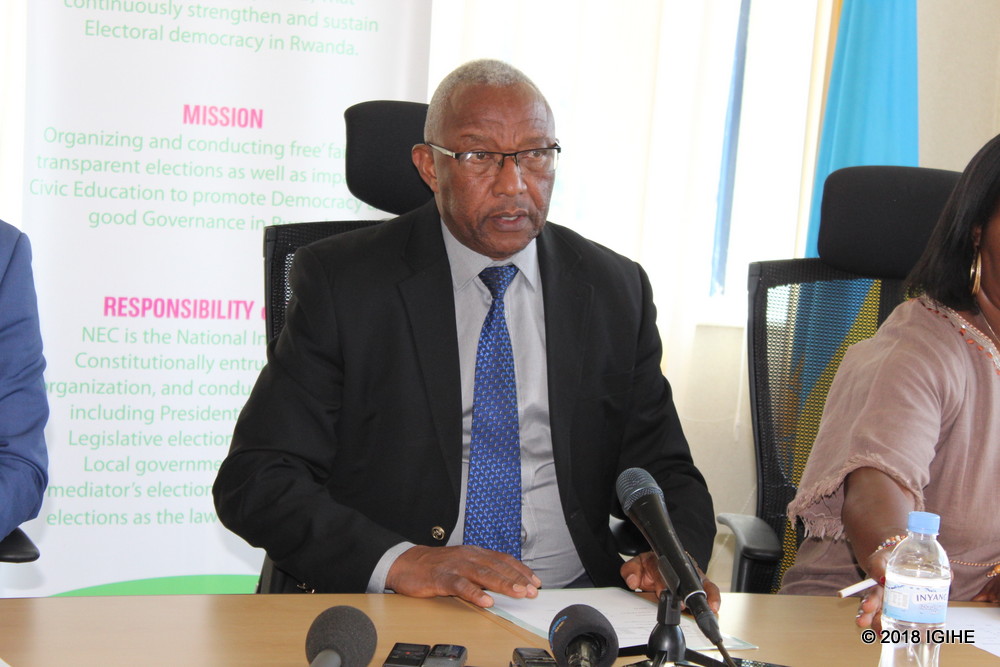
According to NEC Chairperson, Prof. Kalisa Mbanda, this year, they received many candidates when compared to the 2013 Members of Parliamentarians’ elections.
In 2013, NEC received 441 candidates and approved 410, among them, 221 (50%) were women, while this year women are 326 (60%).
Campaigning activities are scheduled from August 13th to September 1st 2017.
Mbanda called on candidates to follow electoral code by avoiding defamation and divisive messages.
“This serves to remind them that they are Rwandans, their shared target is national building. Candidates are requested to campaign in peace. A candidate presents their manifesto, but, they should not criticize others’ campaigns,” he reminded candidates.
He reminded voters to follow electoral campaigns for them to identify candidates who they will vote for.