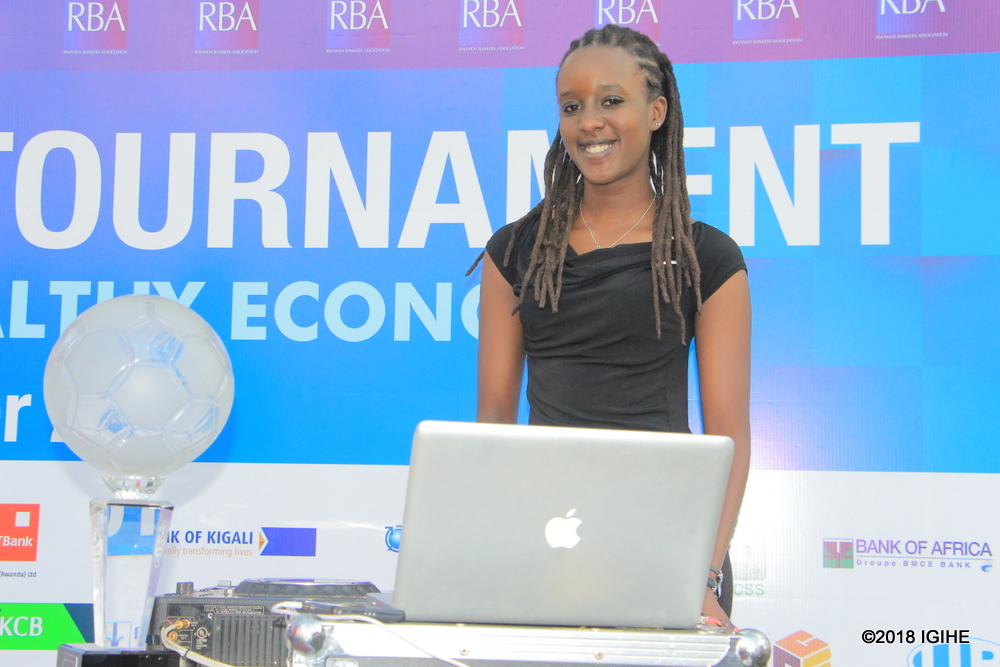
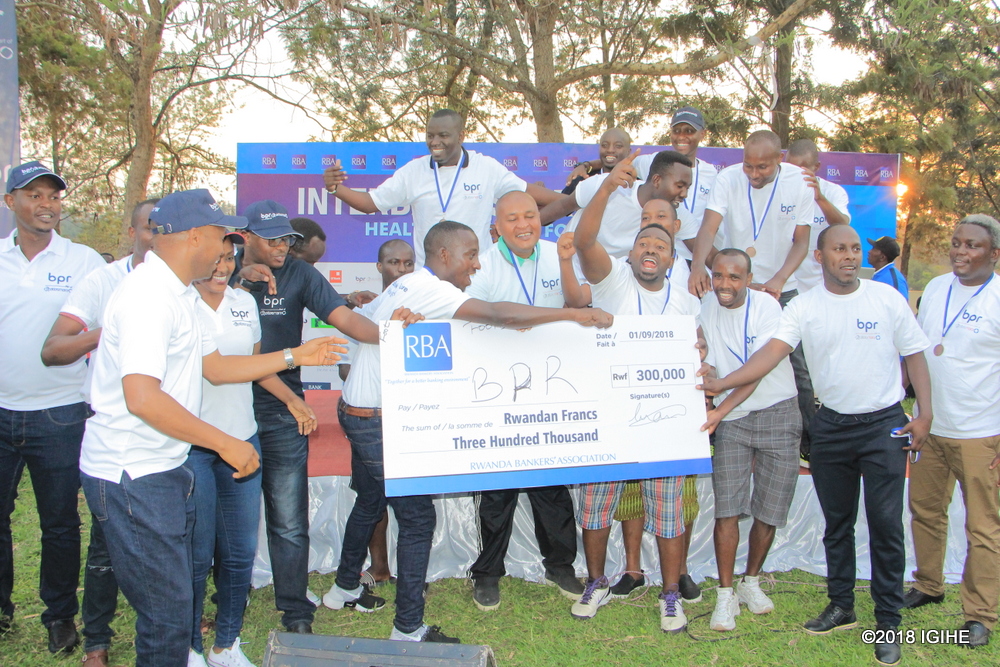
The games that officially kicked off on 04th August saw its finals on this Saturday, 01st September, 2018.
The tournament which is organized by Rwanda Bankers’ Association-RBA, aims to create better inter-bank relations by giving members a chance to interact with each other, away from their core profession and also sustain their health through Sports.
The participating banks in the games were; Bank of Kigali, AB Bank, Access Bank, GT Bank, BPR, Cogebanque, Urwego Bank, I&M Bank, Equity Bank, KCB Bank, Unguka Bank, Central Bank and Bank of Africa.
BK took the volleyball title after Central Bank voluntarily forfeited. It had been earlier demolished by Ecobank.
The BK basketball team led by Popular Lionel Hakizimana defeated Equity Bank 87-63 in the final played at the Rwanda National Paralympic Committee gymnasium at Amahoro Stadium. He features for local giants Patriots basketball club.
Although beaten, Olivier Shyaka, who played for Equity Bank, was awarded as the best player of the game. He plays for local giants REG Basketball ball team.
Bank of Kigali also claimed the football title by defeating 2-0 against Equity Bank. On another side, BPR demolished BNR by scoring 7-2.
In each game, the first team got away with a cup and a cash prize of Rwf1 Million. The second was awarded with Rwf500 000, and the third went away with Rwf300 000.
Afterwards, Celebrations were held in Century Park, Nyarutarama, where Hip-hop artist, Riderman and DJ Ira warmed revelers.
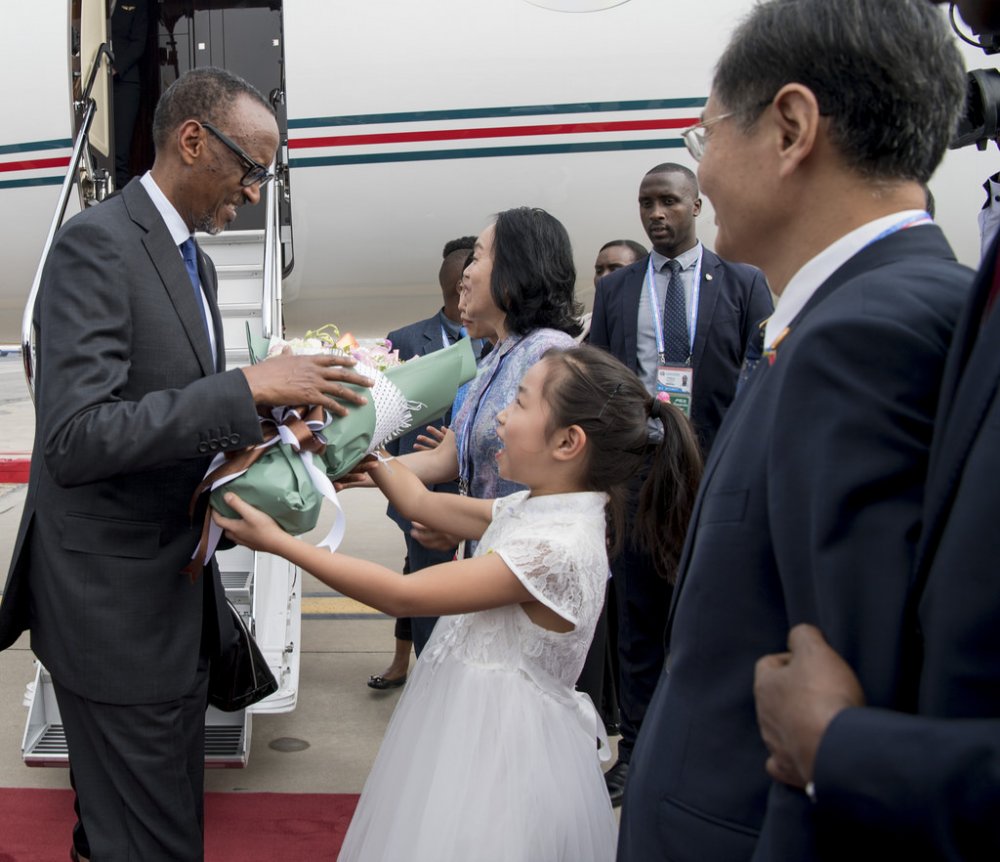
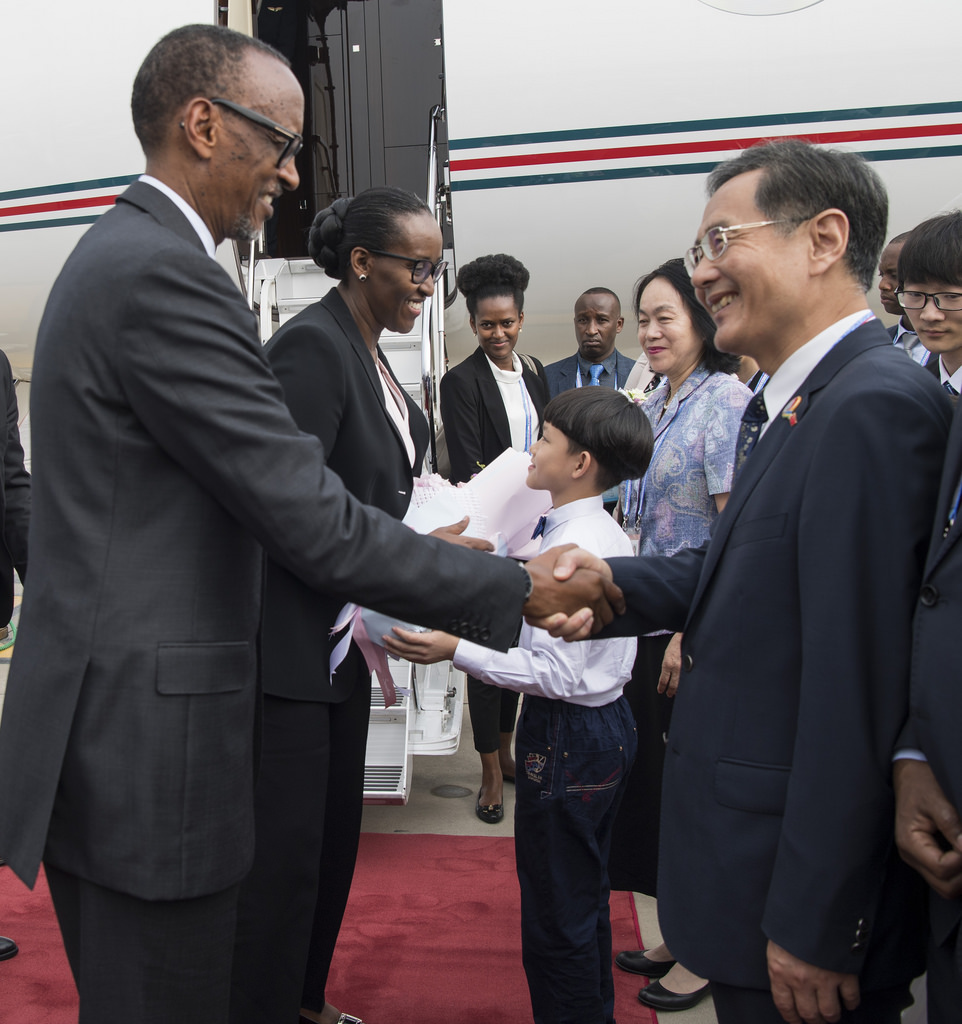
The Head of state is in Beijing to attend the prestigious summit dubbed ‘Forum for Africa-China Cooperation, FOCAC’ hosted by the Chinese government.
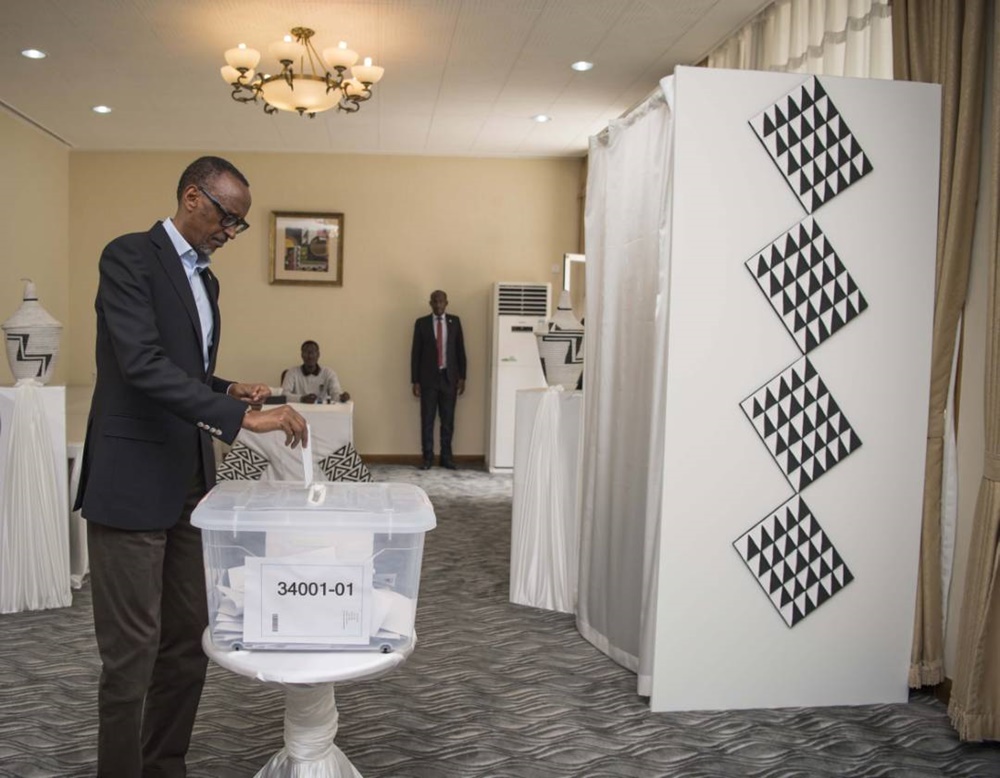
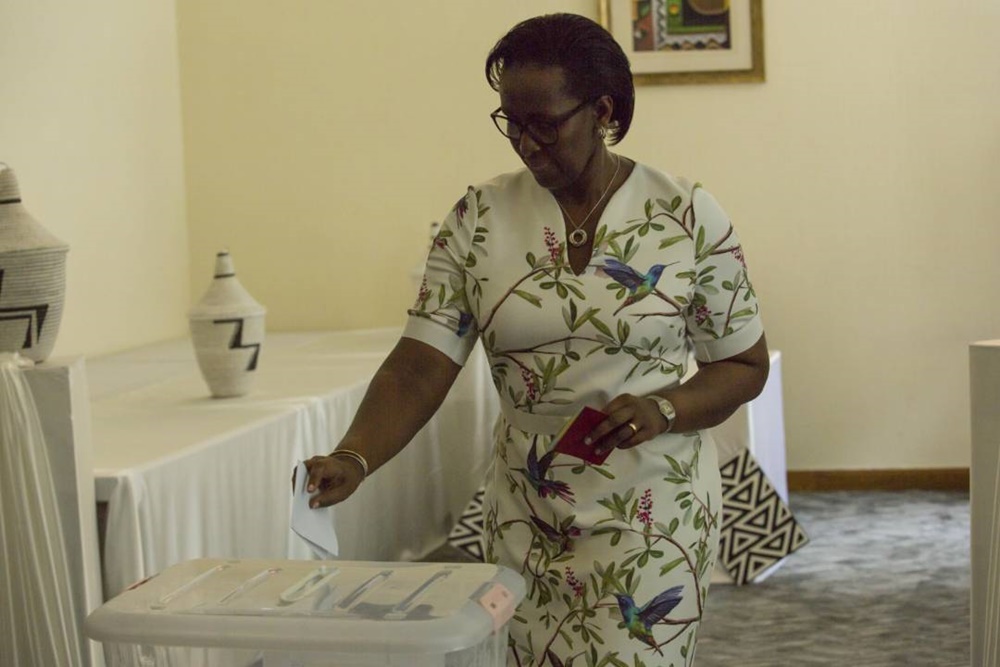
Early in the morning, Rwandans based overseas descended to different polling stations located at embassies and consulates to vote for members of the august house.
Due to global time zone differences, Rwandans in New-Zealand were the first to cast their votes while it was night in Kigali. They were at their polling stations at 9a.m in the morning, being Saturday, 11 p.m in Rwanda.
In other places such as Tokyo, Rwandans also turned out early and in great numbers to vote for their candidates.
In Auckland, Rwandans gathered at 9 a.m to vote in proceedings that were said to be peaceful, according to Egide Kalisa, as they were given every necessity by their Embassy located in Singapour.
There are 46,955 voters expected to vote from 115 polling stations in Diaspora, up from last year’s 44,362 in 98 stations in presidential elections.
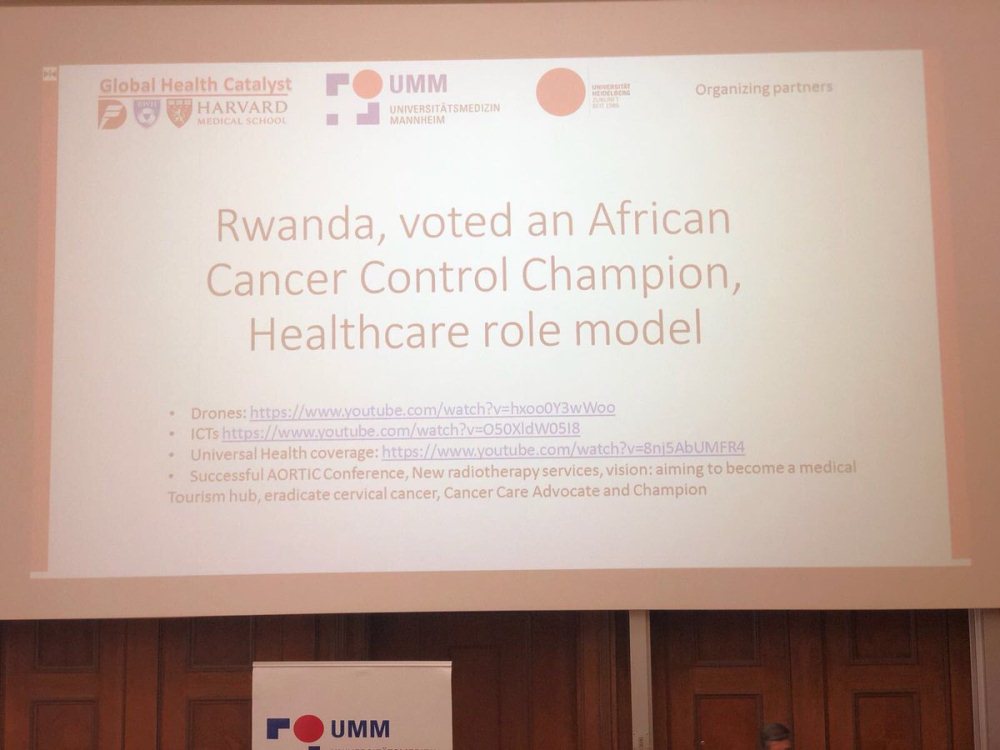
At the Global Health Catalyst Summit 2018 held August 30-31 in Germany, Rwanda was voted the African cancer control champion and healthcare role model.
“This award to Rwanda is the recognition of President Paul Kagame leadership that cares about its people and a community that trusts its leaders. This explains the exciting successful journey towards health for all in Rwanda,” said Health Minister Dr Diane on her Twitter account on Saturday.
She said that Rwanda also signed collaboration agreements with University of Heidelberg from Germany and University of Pennsylvania from the US.
She said the collaboration is a boost to the ongoing effort in cancer management in Rwanda and will help the country cover the existing gaps.
Rwanda has put in place different mechanisms aimed at fighting cancer among its population.
These include free vaccination for uterus cancer among young girls, free cancer testing for everyone which helps in timely treatment.
The county also opened specialised cancer hospital in Butaro, Burera District in 2012. The hospital had treated 5,700 people by 2016, according to the Ministry of Health.
The Forum for Africa-China Cooperation, FOCAC, is a meeting between the two partners and is largely premised on ways to increase diplomatic, economic and bilateral ties.
The prestigious summit is set to officially kick off from September 3 through to September 4. Themed “China and Africa: Toward an Even Stronger Community with a Shared Future through Win-Win Cooperation.”, this year’s edition aims to build a closer China-Africa relationship, set a new path for a higher level of both continents’ cooperation and deepen people-to-people exchanges.
For Rwanda, the summit is special. Relations between Rwanda and China have been growing over the past 46 years with the later supporting several development projects in Rwanda ranging from Infrastructure, Health, Education and Economy. In January, China offered Rwanda to construct a $37 million modern complex as the office for the Prime Minister. Once complete, the building will serve as an Administrative Office for the Prime Minister, other ministries and government institutions.
The summit is seen largely as key diplomatic event hosted by China this year and attended by the largest number of foreign leaders to date.
African leaders already in Beijing have held different levels of talks with their Chinese counterparts signing deals and also meeting investors.
The summit will conclude with the signing of a declaration and an action plan, providing guidelines for China-Africa cooperation for the next three years.
The documents are expected to build on the outcomes of the Johannesburg summit, during which Xi announced 10 major cooperation plans to promote industrialization and agricultural modernization in Africa. Most of the plans have been implemented.
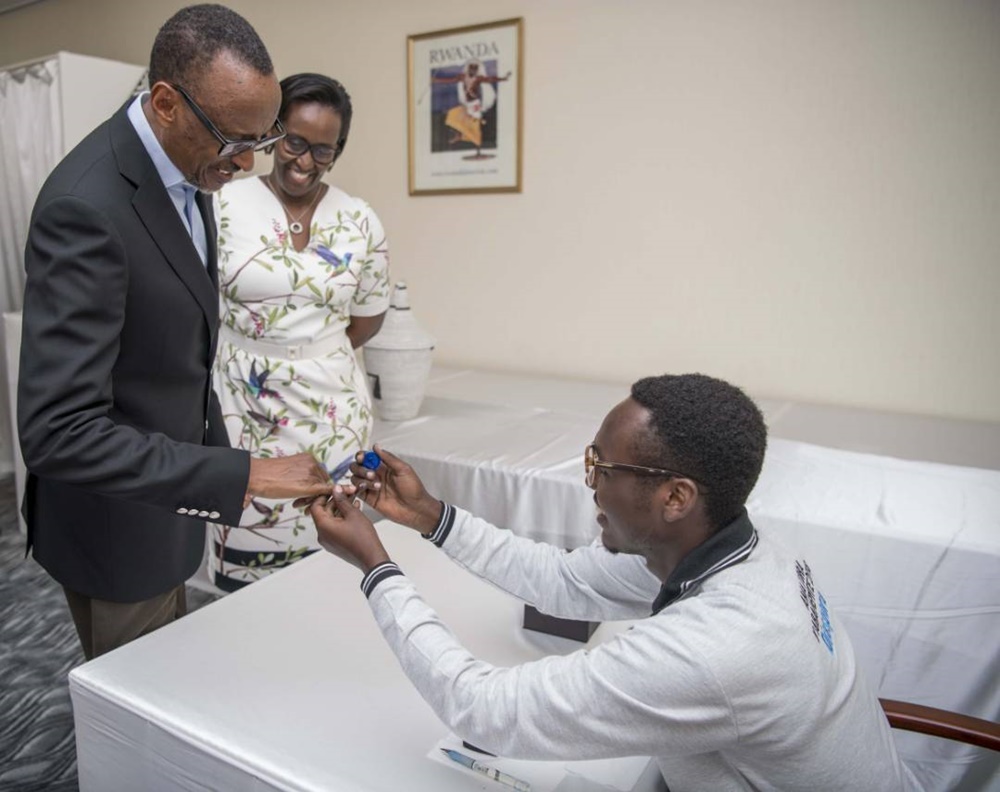
The IDs also allow refugees to move freely in the country, have access to public and private services and employment in the country.
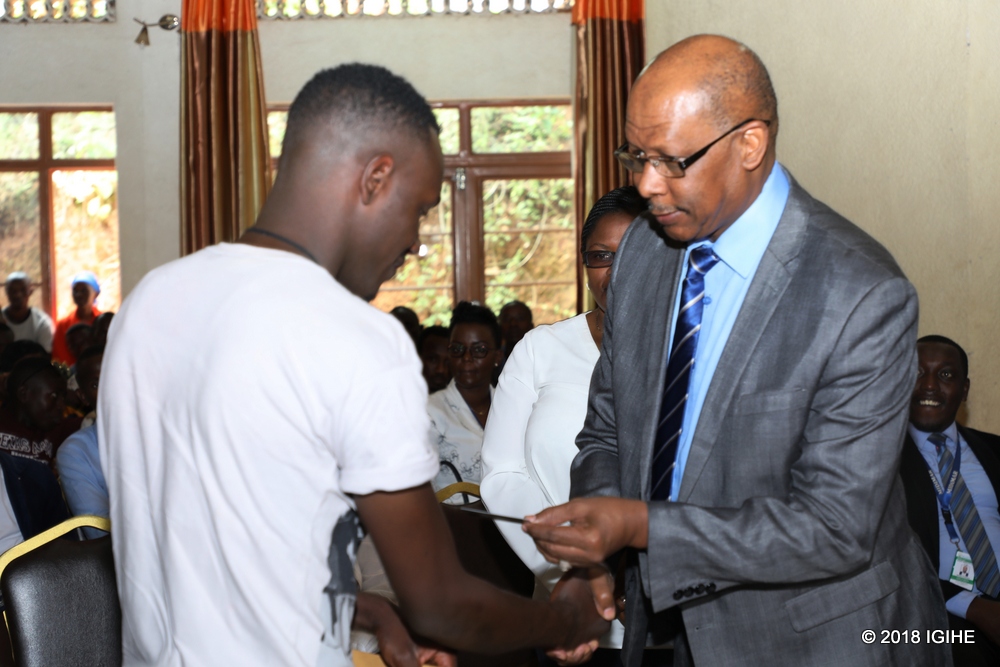
Rwanda Government in partnership with the UN Refugee Agency (UNHCR) launched the new IDs delivery in Kigali on Thursday.
The distribution started with 2,761 IDs and will proceed in other parts of the country especially in refugee camps as soon as the IDs verification is completed.
The verification is going on in Nyabiheke camp located in Gatsibo District.
All refugees in Rwanda are expected to have the new cards by June 2019.
With the new ID, a refugee is entitled to seek driving permits, join health insurance schemes, access education from primary to university levels, open bank accounts and apply for jobs in the country.
UNHCR Representative to Rwanda, Ahmed Baba Fall, appreciated Rwanda’s will to provide refugees with social development opportunities and urged the refugees to effectively use new IDS.
“We hope it will enable you to have access to extended opportunities that will allow you and your families to grow independently and sustainably enhancing your wellbeing,” he said.
Minister of Disaster Management and Refugee Affairs, De Bonheur Jeanne d’Arc emphasised that the issuance of national refugee identity cards will positively impact refugees’ daily life.
“The issuance of identity cards to refugees is fulfilling the commitment made by the Government of Rwanda during the Leaders’ Summit held in New York in 2016,” said the Minister.
Patrice Ntadohoka, Burundian refugee and coordinator of urban refugees, said new IDs have got them services they were lacking and more safety in the county of asylum.
UNHCR figures indicate that there are 152,428 refugees in Rwanda. Among them, 52% are from Democratic Republic of Congo, 47% are Burundians while 1% come from other different countries.
The country is receiving millions of visitors every year, leaving hundreds of millions of dollars in the national coffers.
The figures are increasing even further, thanks to different mechanism including the recent migration policy that provides all visitors with visas upon arrival.
But the progress doesn’t just come out of chances; efforts are bearing fruits. And figures have it clear in five points.
{{Safety }}
Gallup’s Law and Order Index 2017, ranked Rwanda as the fifth safest country in the world with the score of 87/100.
The same American firm ranked Rwanda as second with safe people in Africa.
Figures indicate that foreign aid to Rwanda is in a more manageable range than any other country in the region.
Standard and Poor’s (S&P) Global Ratings 2018 graded Rwanda’s economy outlook as positive with B.
World Economic Forum (WEF) 2016 report ranked Rwanda Government as the most effective in Africa and seventh globally.
WEF also ranked Rwanda National Police as the most trusted in Africa and 13th globally.
{{Growing economy
}}
Rwanda’s economy has recently emerged the second fastest growing in Africa.
Ibrahim Index 2017 put Rwanda atop in Africa for having developed all sectors over the previous five years.
African Union (AU) report ranked Rwanda as the first among 54 countries for having implemented effectively nine resolutions aiming at developing agriculture. The resolutions were adopted in 2014 at the AU Summit of Heads of State and Governments in Guinea.
{{Doing Business
}}
The World Bank’s Doing Business report 2018 ranked Rwanda 41st globally and second in Africa.
Rwanda Development Board reports that it is currently taking a maximum of six hours to register a new company.
Ministry of ICT reports 96% internet coverage countrywide.
Global Gender Gap 2017 ranked Rwanda as fourth globally and first in Africa in bridging gender gaps.
{{Rwanda in integration
}}
It will always remain in the history of Africa that 44 AU member states convened in Kigali and signed the declaration on Africa Continental Free Trade Area on March 21, 2018.
Rwanda is among 50 countries that have so far ratified the declaration.
Rwanda has developed a national carrier, Rwandair, that connects it to many countries on the continent and beyond.
Rwanda’s capital, Kigali, has fascinated foreigners with its beauty, cleanliness and infrastructure, setting it on the third position in Africa for Meetings, Incentives, Conferences and Exhibitions, according to ICCA report of May, 2018.
{{Natural resources
}}
Different reports have indicated that Rwanda has natural raw materials for industries.
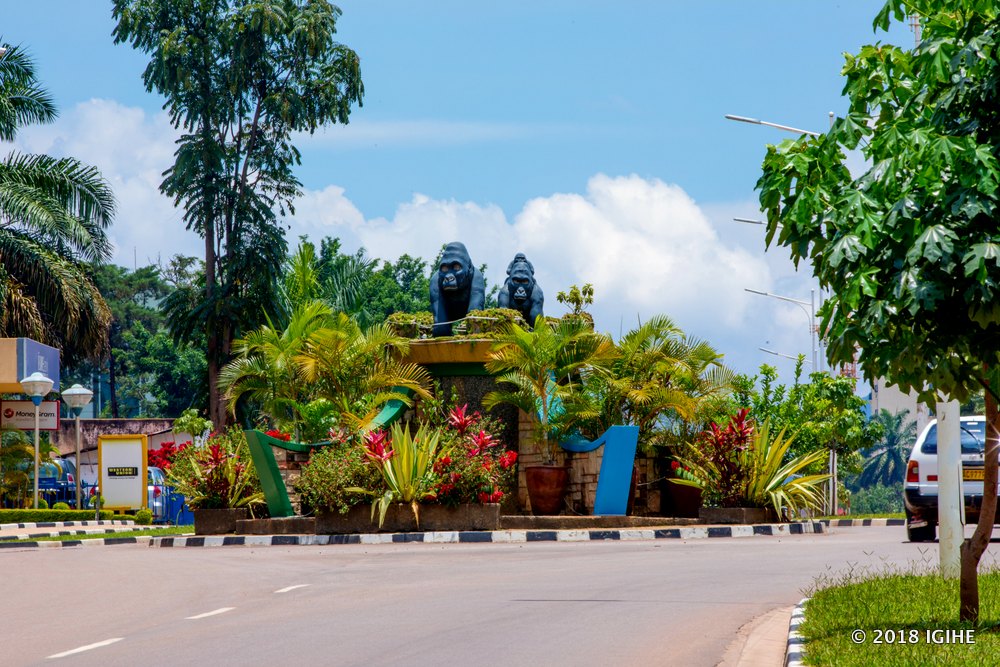
The country is home to rare mountain gorillas. The recent census indicated that the gorilla population in Volcanoes Park was at 604 in 2016, up from 480 in 2010.
The gorillas attract a large portion of the tourists who stood at 1.5 million in 2017.
One-Acre Fund is a social enterprise that was launched in 2007 with the aim of increasing income for smallholder farmers.
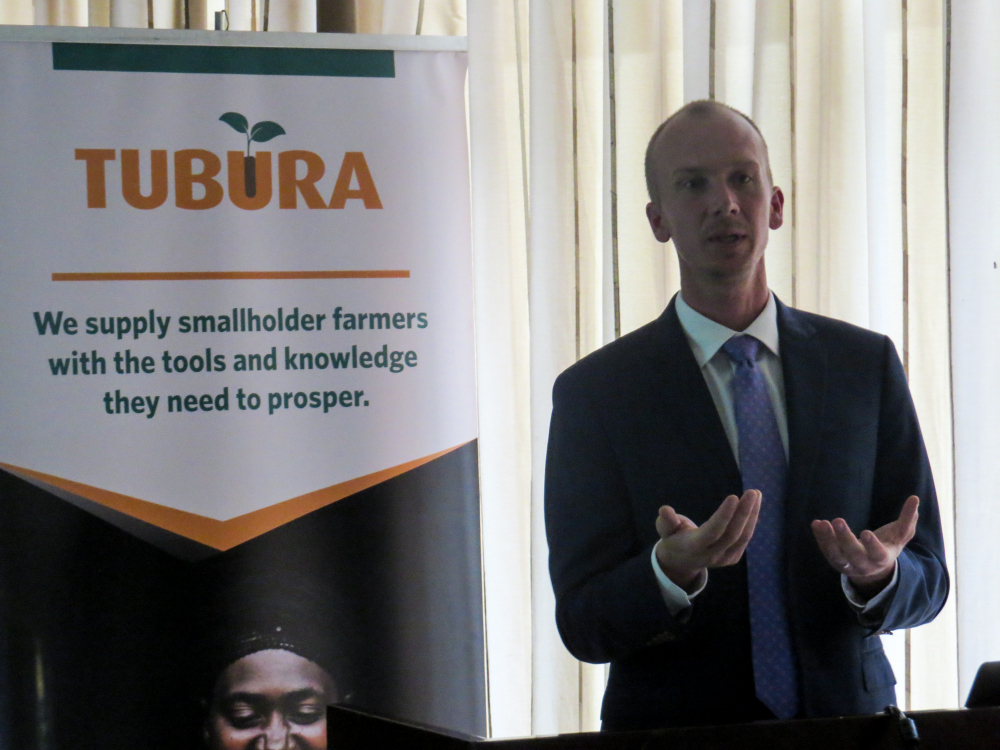
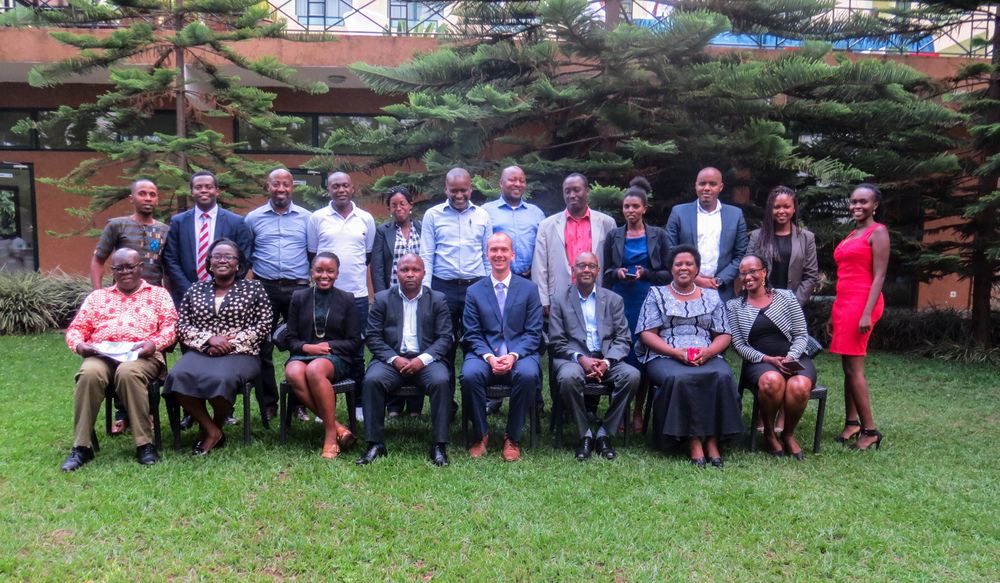
The event saw several dignitaries such as the Deputy Director General of Rwanda Agriculture Board (RAB), Dr Charles Bucagu, the deputy CEO of APTC, Canisius Kayitera, as well as Eric Pohlman, One-Acre Fund’s Co-Founder and Rwanda Country Director.
The event looked at the highlights from previous seasons, such as the recently signed domestic seed production partnership agreement, and focused on gathering feedback from government partners on how TUBURA can improve collaboration with the government.
“Agriculture is what creates the basis of living in any community. All the engineers, doctors, business people, and others in the country look to farmers for the living.” said Pohlman.
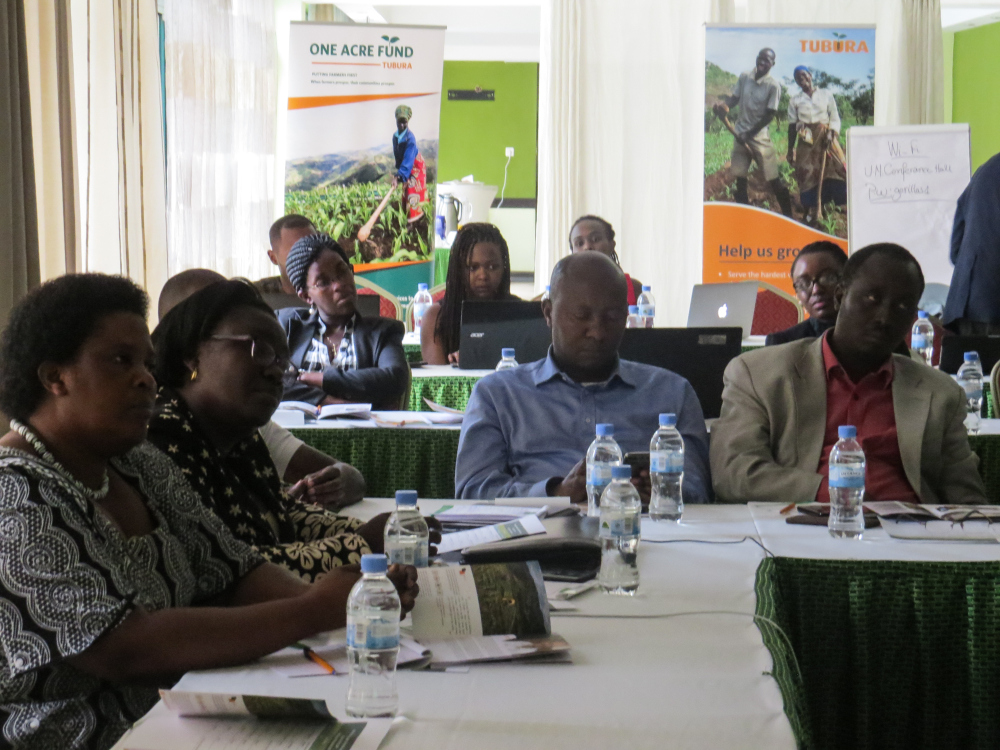
This was acknowledged by the attendees who spoke highly of the contributions TUBURA made towards bettering the overall productivity in Rwanda’s agriculture sector and put forward areas where TUBURA need to put more focus for the development of the sector as it has always been doing.
“I believe strongly that a strong private sector that works closely with our government in many areas will lead to an accelerated progress towards the goals we have set for ourselves in Vision 2050,” said Dr Telesphore Ndabamenye, the head of crop production and food security at RAB. “Organisations like TUBURA are bringing us closer to our aspirations,” he added.
This season, One Acre Fund is supplying subsidized inputs (seed and fertilizer) in partnership with the Agro Processing Trust Corporation, the national distributor. Inputs are delivered to Agro-dealers and One Acre Fund’s pick-up stations. One Acre Fund has begun to distribute what they expect will amount to more than 11,000 tons of fertilizer and 1,000 tons of hybrid maize seed to more than 300,000 farmer households across 15 districts.
Launched in Rwanda in 2007, One Acre Fund-TUBURA provides financing for farm inputs, training farmers in agriculture techniques, and educating them on how to minimize post-harvest losses and maximize market prices.
On average, farmers working with One Acre Fund – TUBURA realise 100% return on their investment and significantly increase farm income on every planted acre. The organisation currently serves more than 515,000 farmers across Rwanda, Kenya, Burundi, Tanzania, Uganda, and Malawi, and is growing quickly.
And of recent, the enduring efforts have made a breakthrough with the inter-regional collaboration and peace-building initiatives led by an UN-affiliated charity working for world peace.
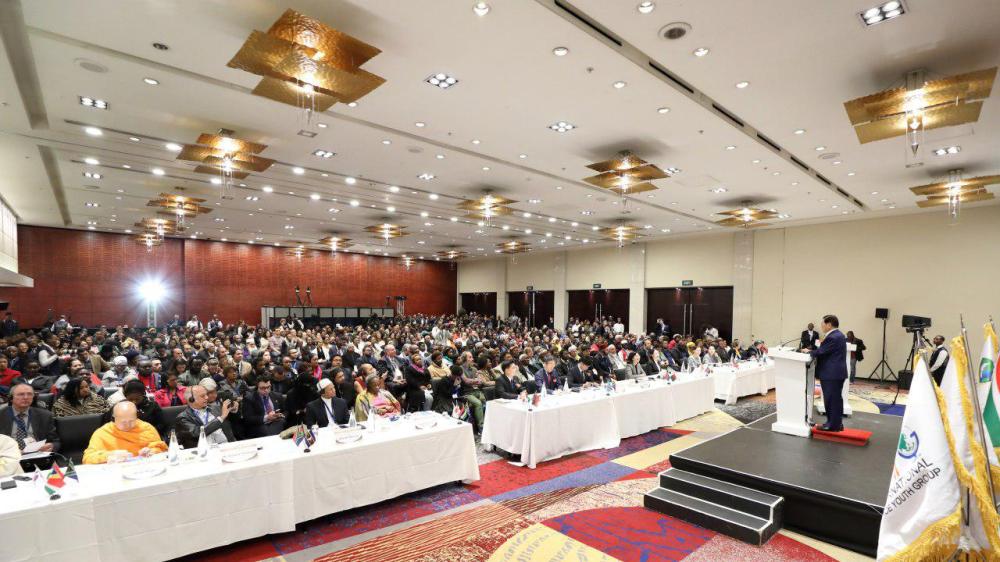
The breakthrough was reached at African Leaders of Peace Summit 2018 held respectively in Johannesburg and Cape Town, South Africa from August 10-13 under the theme “Achieving Peace in Our Lifetime.”
African Leaders of Peace Summit Organising Committee and Heavenly Culture, World Peace, Restoration of Light (HWPL), explained the purpose of the summit was to call for African leaders’ concrete roles in sustainable peace and security in Africa and to present a plan for the implementation of the African Union’s Agenda 2063.
The attendees including public officials, religious leaders, educators, civil society, youth, and media across Africa brought out the principles of the Declaration of Peace and Cessation of War (DPCW) as a solution to conflicts between religions and ethnicities as well as a part of solving the social issues such as discrimination and corruption.
At the summit, Veronica Nataniel Macamo, Mozambique President of National Assembly, said “I believe that peace can be achieved through the DPCW and hope that all nations will be able to attain peace not only for our future generations but in our current generation as well.”
On August 10, Seychelles and eSwatini signed the national solidarity statement, proclaiming their official support for the DPCW that embraces holistic principles of the international law such as peaceful conflict resolution, friendly relations between states, freedom of religion, and a culture of peace.
Mzwakhe Nqavashe, the City Councilor of Cape Town, hailed the progress of peace-building project that has led to crimes prevention.
“Through activities like environmental clean-up and peace walk in relation with the article 10 of the DPCW, ‘Spreading a Culture of Peace’, dangerous regions threatened by crime were converted to peace parks, and the peace campaign has led to a steep drop in crime rates,” said Nqavashe.
Following the summit in South Africa, the “2018 Addis Ababa Summit” was held in Ethiopia on August 15, in order to reaffirm the collaborative efforts among the regions in Africa to establish a legal foundation for the sustainable peace.
The discussion was backed by the support for the DPCW which aims to cesses any armed conflicts and educate the spirit of peace through peace education and culture.
Participating ed political leaders from Africa and the Middle East signed for supporting the enactment of the DPCW at both national and international level.
In her address, Rebecca A. Kadaga, Speaker of the Parliament of Uganda, stressed that the political leaders should listen to the desire of their people to the world of peace and the voice of urging for the DPCW which has the principles of world peace and harmony.
During his 29th peace tour in Africa, the Chairman of HWPL, Man Hee Lee urged that everyone should spread peace.
“I have come to Africa to speak about the work of peace. Countless people have worked for peace on this planet but how much peace do we have today? If there is an answer to peace, then any family of the global village born in this era should become a messenger of peace,” he said.
“There will be no greater thing we could leave as a legacy to our future generations than to end the war on this planet and create peace.”
HWPL is a Non-Governmental Organisation registered under the UN Economic and Social Council (UN ECOSOC) that spearheads a campaign in 170 countries to implement an international law for peace.
In Africa, HWPL has carried out various peace activities such as peace walks and cultural campaigns to increase public awareness of peace in tandem with civil society organisations.
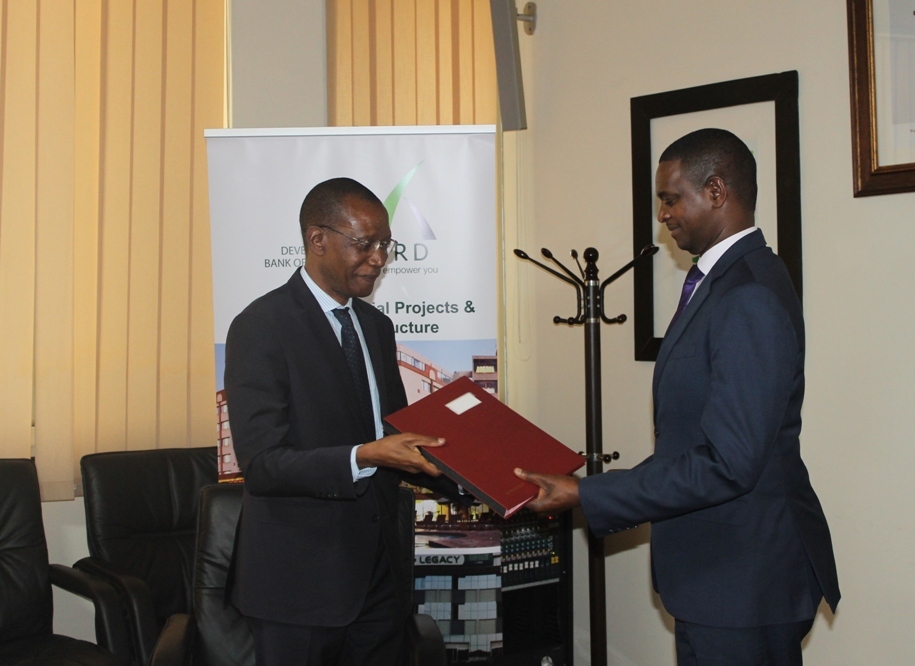
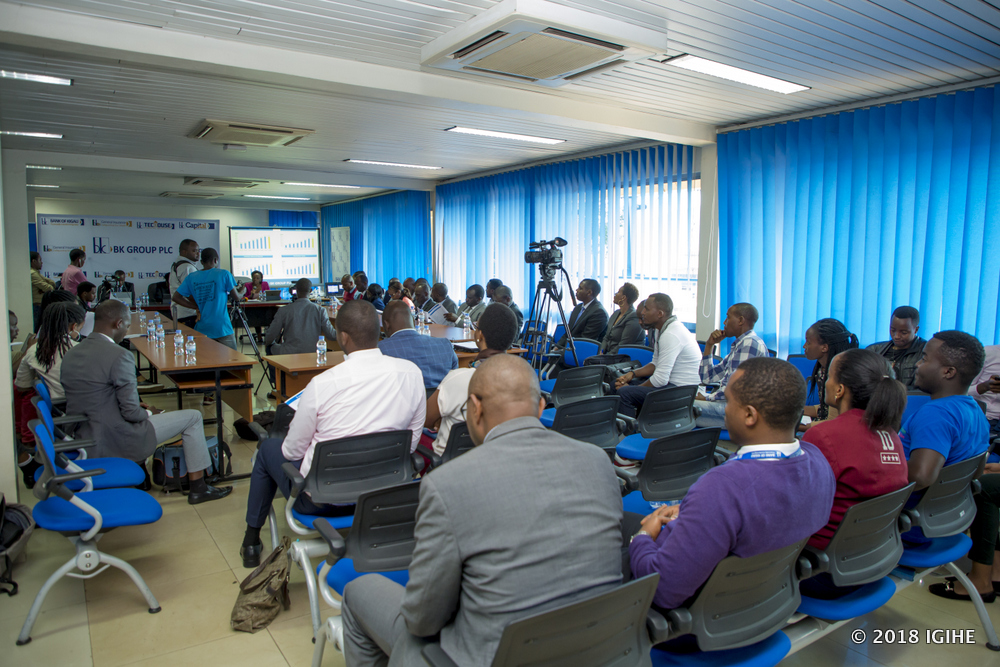
Presenting the bank’s performance, Dr. Diane Karusisi, managing director and CEO of Bank of Kigali, said the increase was enabled by Customers’ trust, solid growth on the entire group’s business lines as well as effective cost management.
“Our net loans grew by 6.8 per cent to Rwf481.2billion. In the same period, customer deposits increased by 3.8 per cent to Rwf472.3 billion compared to the same period, last year. The total assets stand at Rwf731.8 billion which represents a growth of 1.7 per cent year-on-year,” Karusisi announced
The bank’s first quarter statistics indicate that the total assets stood at Rwf6.0 billion as of which represents a significant growth of 7.7 year on year.
“We will remain focused on innovation and digitalization to further drive growth, efficiency gains and cost optimization in all the subsidiaries.” Karusisi observed
To maintain their top position on the market, Bank of Kigali Group PLC is presenting a secondary offer, which includes the cross-listing on the Nairobi Securities Exchange, and is scheduled to start this year.
BK will be the first Rwandan company to cross-list in Nairobi and therefore offer Regional and global investors a new opportunity to participate in Rwanda’s growth story.